
- Verified itinerary · Updated regularly
21-Day China Tour with Silk Road
Explore China’s most iconic ancient cities, historic trade routes, and dramatic landscapes on this carefully paced 21-day China tour with Silk Road, created for travelers seeking cultural depth, comfort, and a coherent historical journey.
Following the ancient Silk Road from Beijing and Xi’an through Gansu and Xinjiang to Shanghai, this itinerary connects UNESCO World Heritage Sites, ancient city walls, Buddhist cave art, desert scenery, and vibrant old towns—revealing the story of ancient China and its long history along the legendary Silk Road, without rushing or unnecessary detours.
21 Days
A complete Silk Road journey at a comfortable, balanced pace.
Route
Beijing → Xi’an → Gansu → Dunhuang → Turpan → Xinjiang → Shanghai
Comfortable Travel
High-speed train, bullet train, and short domestic flights.
Private or Small Group
Experienced local guide, flexible hotels, and smooth logistics.

What Makes This Journey Different
A Hong Kong–registered travel group
Backed by a Hong Kong group, with local teams across China.
Secure payments
Pay safely by Visa, MasterCard, Apple Pay, PayPal, or bank transfer.
24/7 support
Real human assistance before, during, and after your journey in China.
Custom experiences
Activities and pacing tailored to your interests and travel style.
21-Day Itinerary Overview
This 21-day itinerary is structured to follow a natural east-to-west journey across China, reflecting the historical movement of people, goods, and cultures along the ancient Silk Road. The route connects China’s imperial capitals, key Silk Road cities, desert regions, and modern metropolitan centers into one coherent travel experience.
The overview below outlines the main destinations and travel rhythm of the journey. Each section is designed with balanced pacing, efficient transportation, and flexibility in mind, while the detailed day-by-day itinerary can be customized to suit your interests, schedule, and preferred travel style.
| Days | Destination | Experience Focus |
|---|---|---|
| Days 1–4 | Beijing | Forbidden City, Temple of Heaven, tranquil Summer Palace, Great Wall exploration |
| Days 5–6 | Xi’an | Terracotta Army, ancient city wall walk, Muslim Quarter & local food |
| Days 7–8 | Zhangye & Jiayuguan | Rainbow Mountains, Jiayuguan Pass, Hexi Corridor Silk Road history |
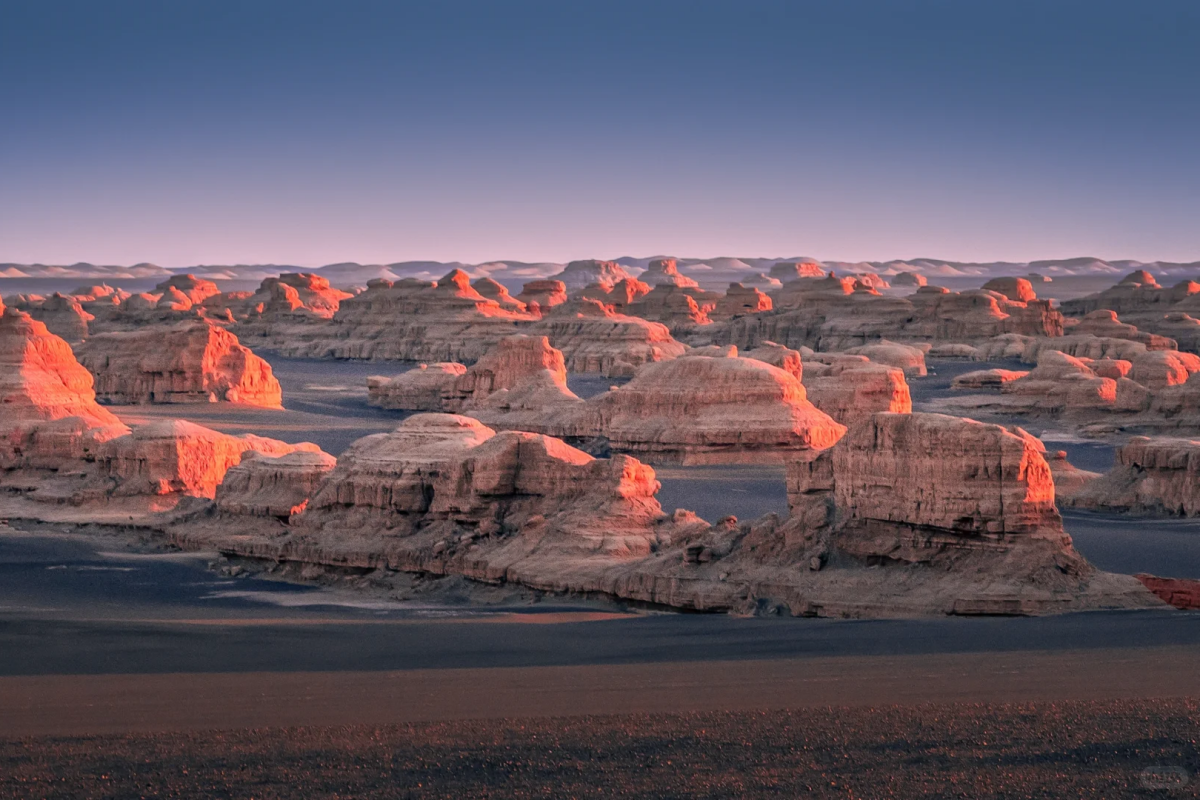
| Days 9–10 | Dunhuang | Mogao Caves, Singing Sand Dunes, desert oasis scenery |
| Days 11–12 | Turpan & Urumqi | Jiaohe Ancient City, Flaming Mountains, oasis culture & museums |
| Days 13–14 | Kashgar | Id Kah Mosque, old town lanes, bustling bazaars, Silk Road crossroads |
| Days 15–16 | Chengdu | Giant Panda Base, local parks, relaxed Sichuan lifestyle |
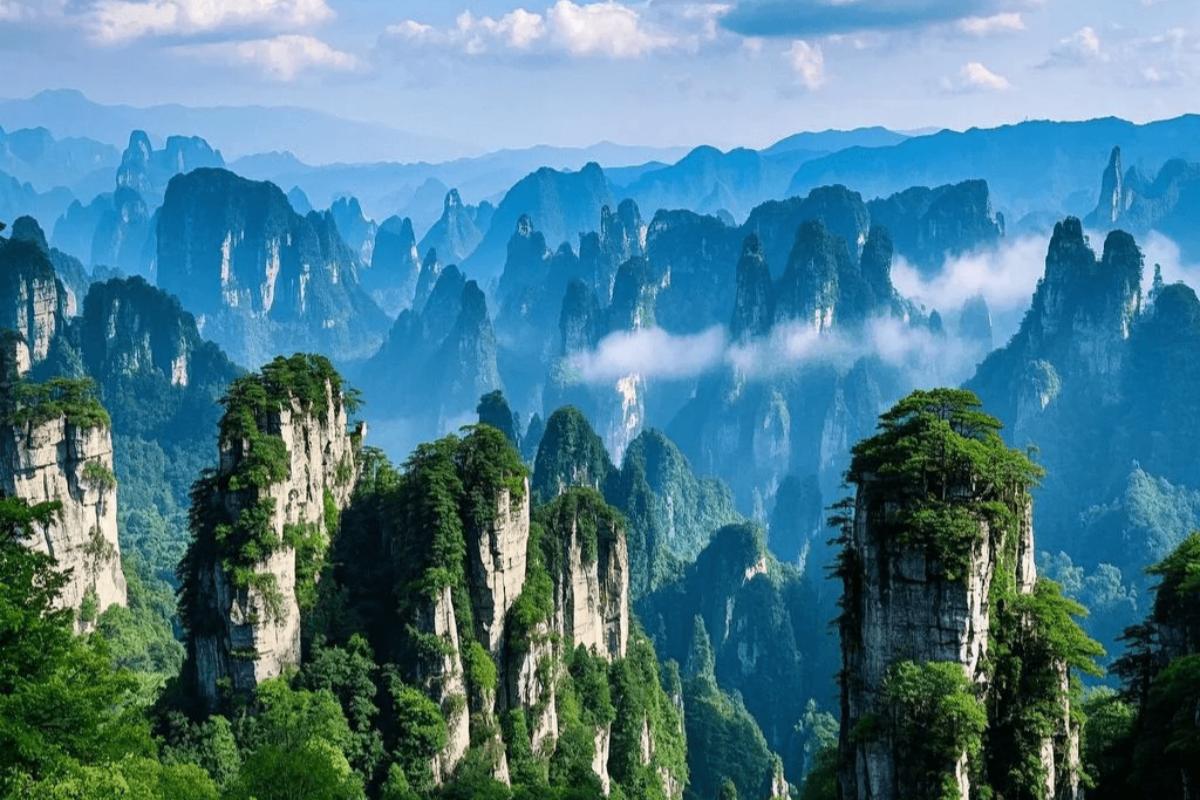
| Days 17–19 | Zhangjiajie | National Forest Park, sandstone peaks, Tianmen Mountain, glass bridge |
| Days 20–21 | Shanghai | The Bund night views, Yu Garden, Shanghai Tower, modern skyline |
Travel Route & Transportation Plan
This route follows a logical east-to-west journey across China, reflecting the historical flow of trade, culture, and people along the ancient Silk Road. Beginning in Beijing and Xi’an, China’s former imperial capitals, the journey continues through the Hexi Corridor to Dunhuang and Xinjiang—key crossroads connecting China with Central Asia—before transitioning to Chengdu and concluding in modern Shanghai.
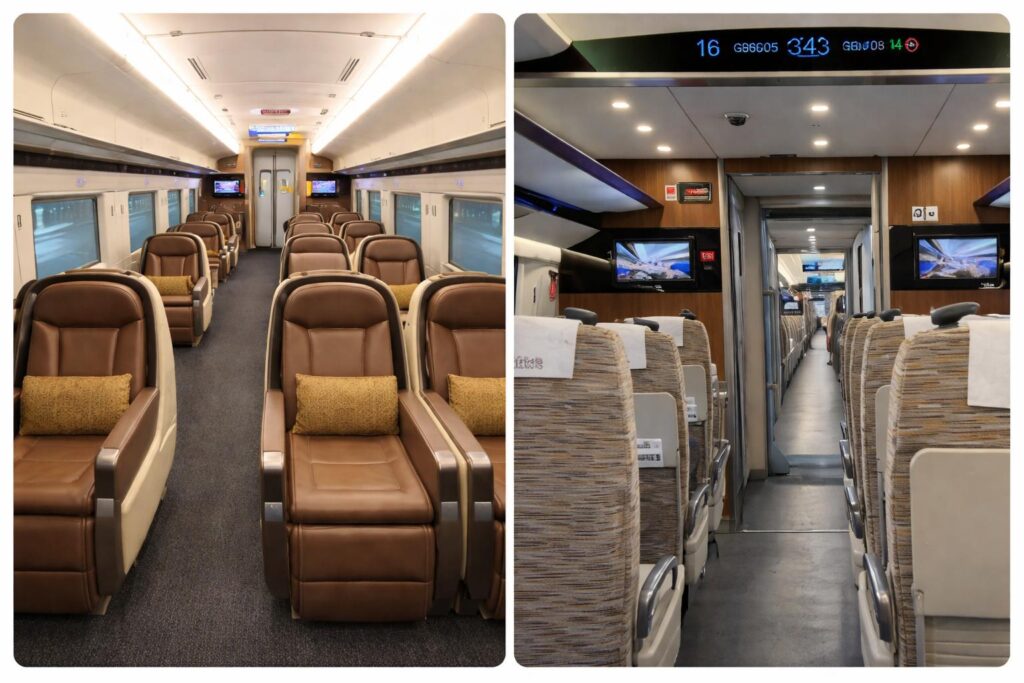
To ensure a smooth and well-paced experience, the itinerary combines high-speed trains on efficient corridors with carefully selected domestic flights for longer Silk Road sections. This balanced approach minimizes transit time while allowing more time for cultural exploration, historic landmarks, and diverse landscapes—from ancient cities and desert regions to contemporary metropolitan China.
Domestic Flights for Longer Distances

High-Speed Trains for Shorter Routes
Signature Experiences Along the Silk Road
This 21-day China tour with Silk Road is designed around meaningful experiences, not checklist sightseeing. Each highlight below is carefully selected to deepen your understanding of ancient China, the legendary Silk Road, and the diverse cultures encountered along the route—while keeping the journey comfortable and well paced.
Explore Lesser-Known Spaces in the Forbidden City
Go beyond the main ceremonial halls and step into quieter, lesser-visited areas of the Forbidden City. With expert interpretation, you’ll uncover stories of imperial life, court rituals, and palace intrigue that most visitors never hear—while avoiding the heaviest crowds.
Walk a Scenic, Less-Crowded Section of the Great Wall
Visit a well-preserved yet quieter stretch of the Great Wall, where sweeping views open across the mountains. Cable car access reduces physical strain, allowing you to focus on the scale, history, and strategic brilliance of this Ming Dynasty masterpiece.
Encounter the Terracotta Warriors Beyond the Exhibition Hall
In Xi’an, explore the Terracotta Army with deeper insight into the Qin Dynasty. Learn how the warriors were created, restored, and preserved, gaining a clearer understanding of China’s first emperor and the archaeological discoveries that reshaped Chinese history.
Photograph the Rainbow Mountains of the Silk Road
Witness the surreal colors of Zhangye Danxia, often called China’s “Rainbow Mountains.” These striking geological formations, shaped over millions of years, form one of the most unforgettable landscapes along the ancient Silk Road.
Discover the Art and Spiritual Legacy of the Mogao Caves
In Dunhuang, admire the exquisite murals and Buddhist sculptures of the Mogao Caves—one of the world’s greatest repositories of ancient religious art. Learn how Silk Road cultures, beliefs, and artistic styles converged in this desert oasis.
Travel the Desert Like a Silk Road Merchant
Experience the atmosphere of the Silk Road with a camel ride across the Singing Sand Dunes. As you move through the desert landscape, it becomes easy to imagine the caravans that once connected China with Central Asia and beyond.
Walk Through the Ancient Ruins of Jiaohe
Step into Jiaohe Ancient City, one of the world’s best-preserved earthen ruins. Carved from a natural plateau, this remarkable site reveals how people once lived, governed, and defended an oasis city along the Silk Road.
Spend a Relaxed Morning with Giant Pandas in Chengdu
Visit the Giant Panda Base during the most active hours of the day. Watch pandas feed, climb, and play, while learning about conservation efforts and Sichuan’s relaxed local lifestyle.
Ascend Zhangjiajie’s Iconic Peaks with Minimal Waiting
Explore Zhangjiajie National Forest Park, home to thousands of dramatic sandstone pillars. Ride the world-famous Bailong Elevator for panoramic views of the “Hallelujah Mountains,” with arrangements designed to minimize waiting time and maximize scenic enjoyment.
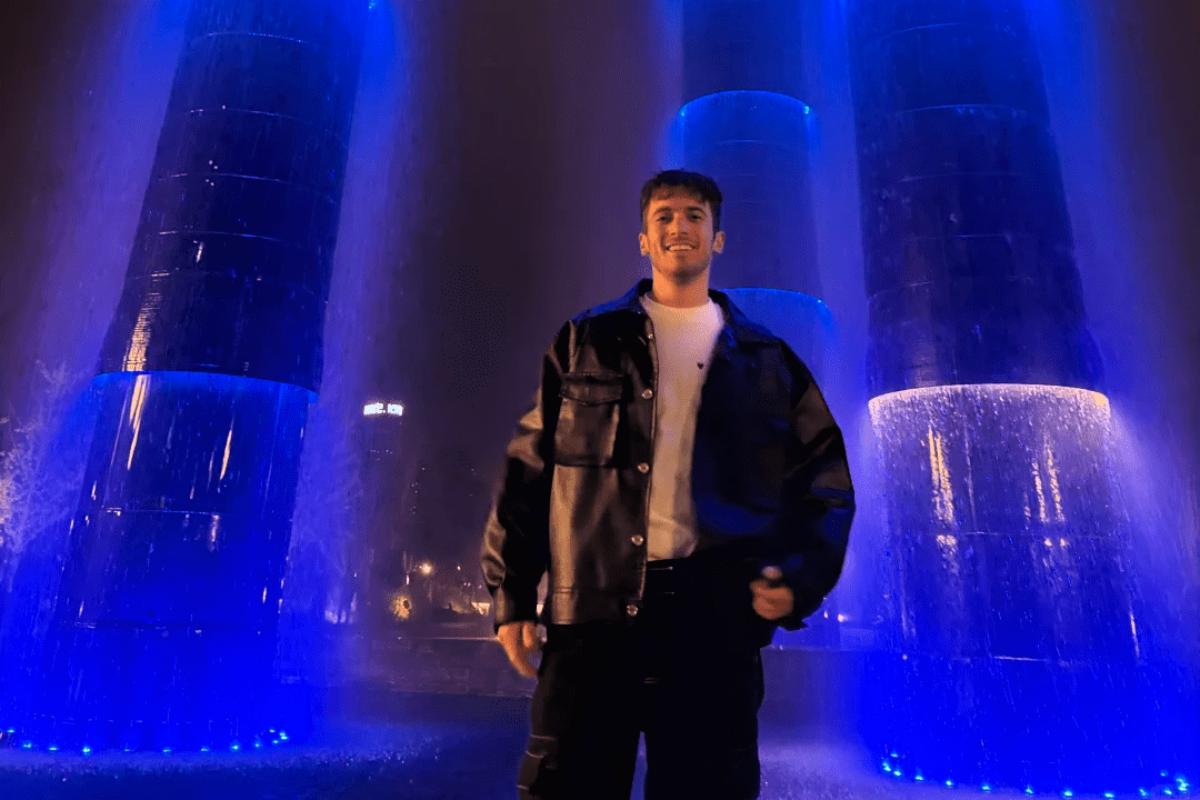
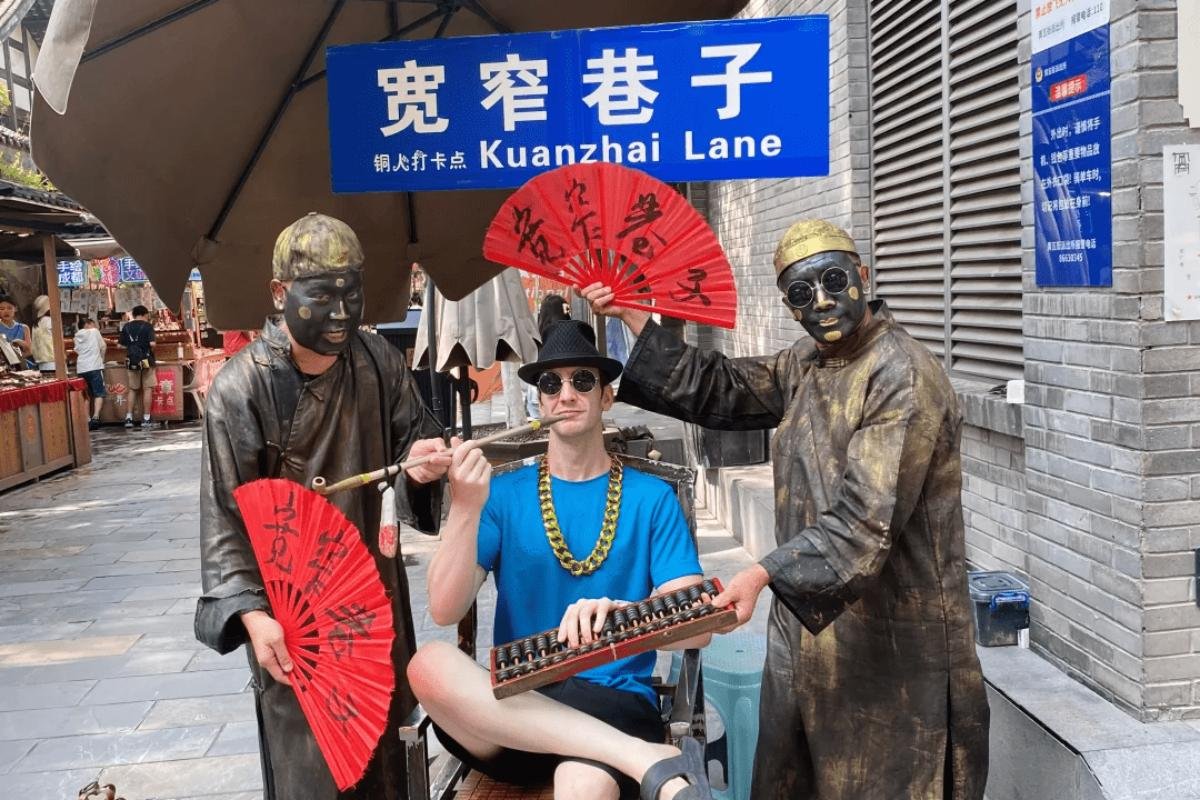
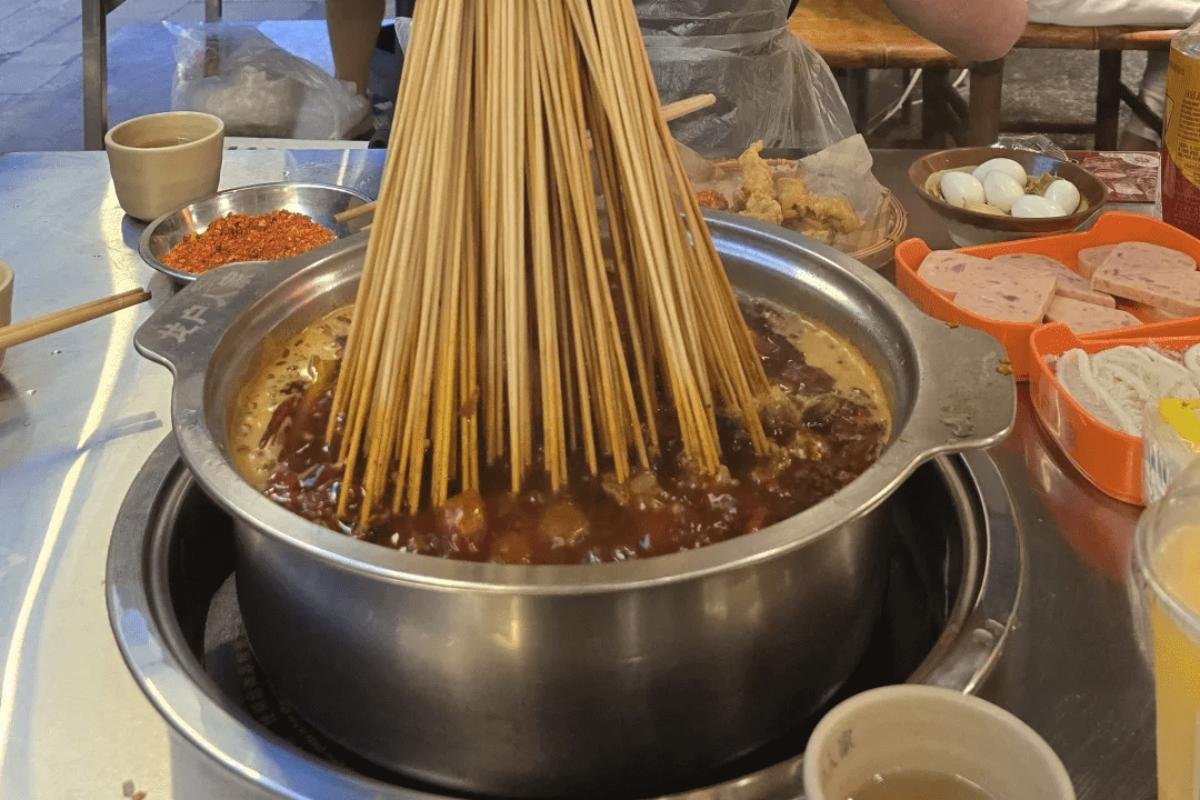
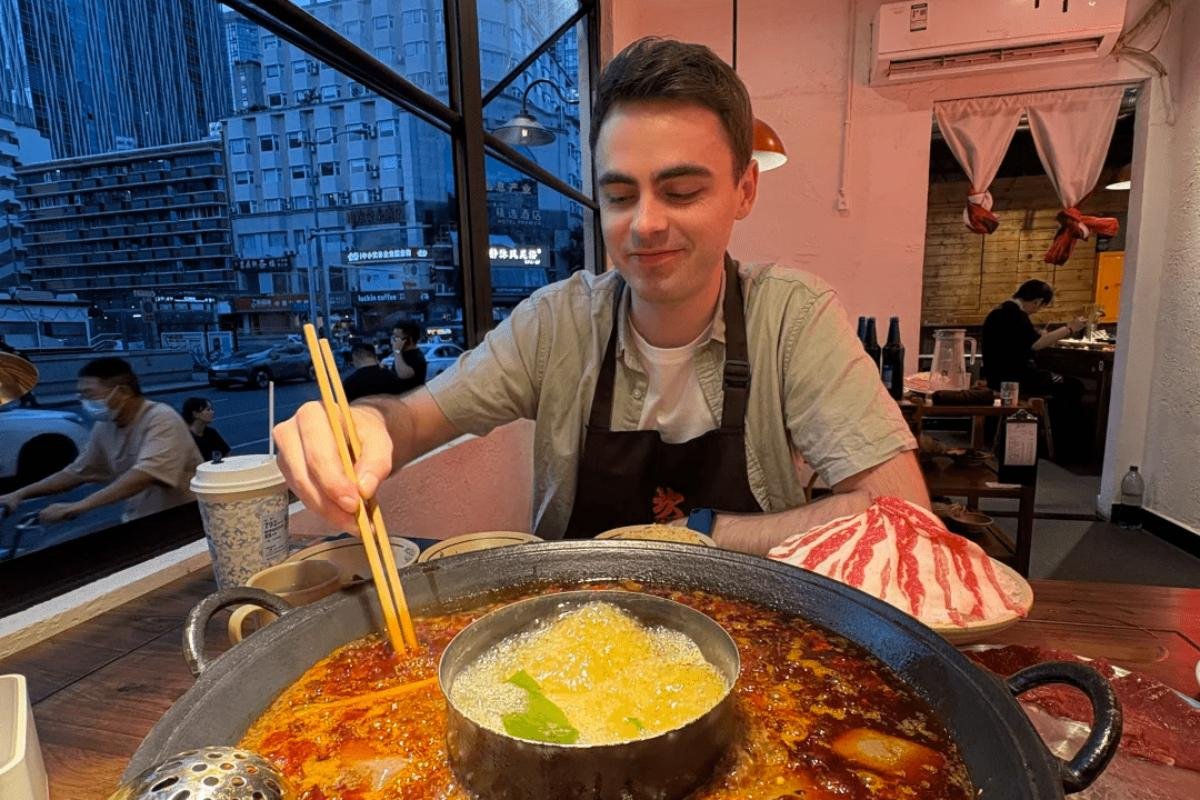
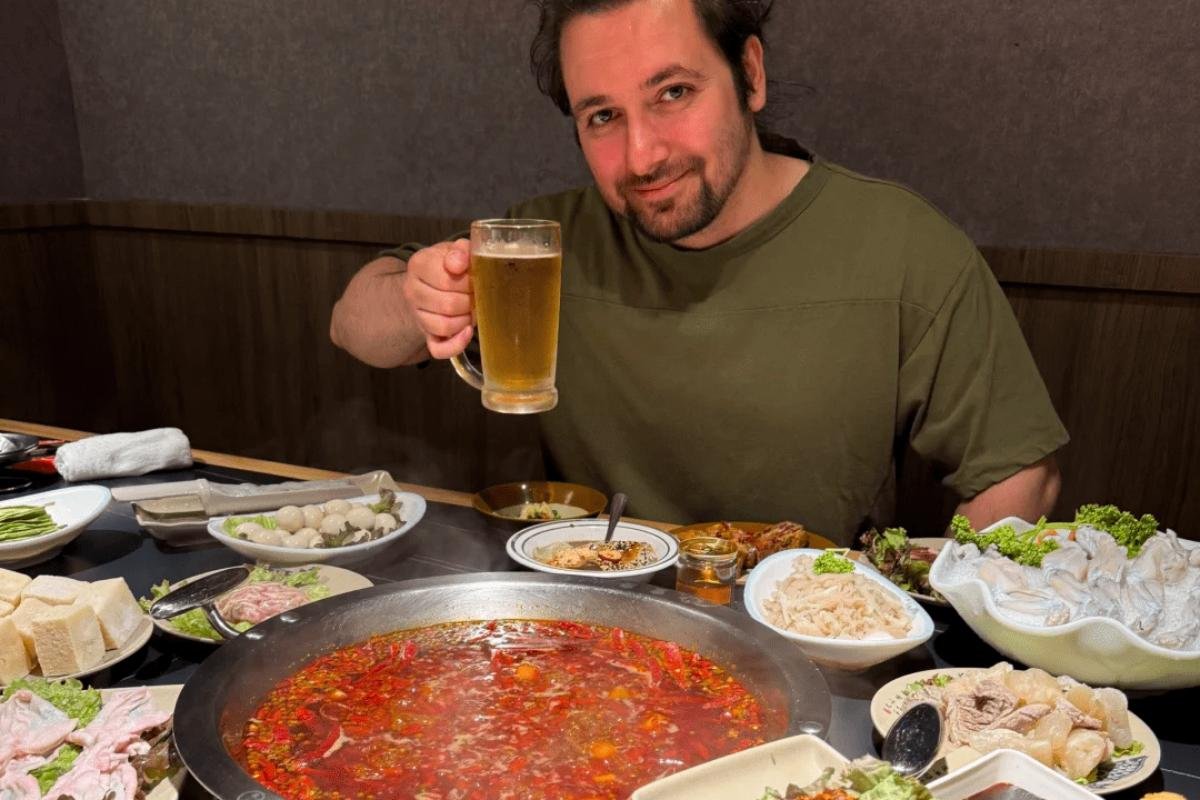
Traveler Moments Along the Silk Road
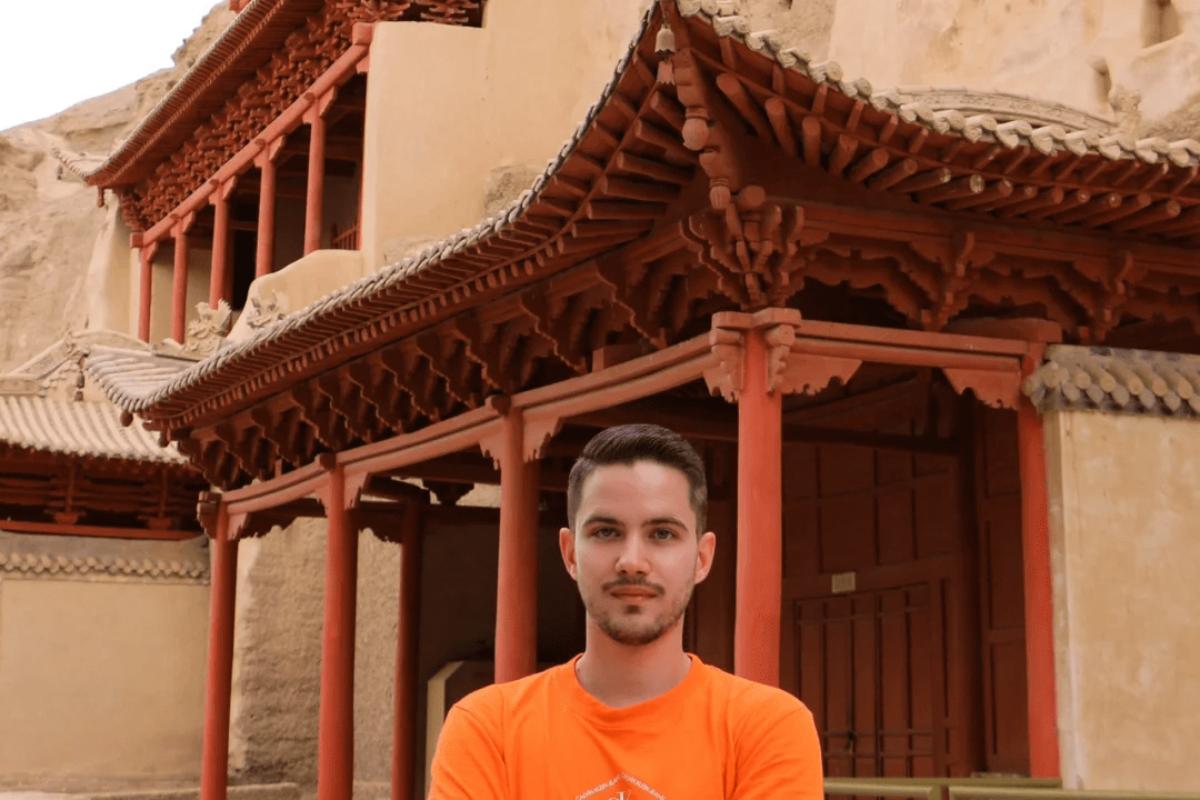
A glimpse into real moments from this private Silk Road journey—shared meals, historic streets, desert landscapes, and everyday life encountered from Beijing to Shanghai.
Detailed Day-by-Day Itinerary
This 21-day China tour with Silk Road is designed as a complete journey rather than a collection of attractions. Each day follows a clear historical and geographic logic, moving from China’s imperial capitals through the heart of the ancient Silk Road, across desert frontiers and oasis cities, before ending in modern Shanghai.
The itinerary balances cultural depth, comfortable pacing, and meaningful experiences. While the journey can be tailored to individual interests, the structure reflects a carefully planned route that reveals the evolution of ancient China, long-distance trade, and cultural exchange along the legendary Silk Road.
Day 1 | Arrival in Beijing — Gateway to Imperial China
Arrive in Beijing, the former capital of the Ming and Qing dynasties and the starting point of your Silk Road journey. Upon arrival, you are met by your private local guide and transferred to your hotel, ensuring a smooth and relaxed introduction to China.
The remainder of the day is intentionally unhurried, allowing time to recover from your flight and adjust to the time zone. Your guide remains available for orientation support or nearby suggestions, setting a calm and comfortable foundation for the days ahead.
Day 2 | Beijing — Forbidden City, Imperial Power & Daily Life
Begin the day at Tian’anmen Square, then enter the Forbidden City, the world’s largest imperial palace complex and a UNESCO World Heritage Site. More than a monumental landmark, the Forbidden City reveals how emperors ruled, lived, and maintained authority over ancient China for nearly 500 years.
With expert interpretation, explore key halls as well as quieter areas of the palace to gain insight into court rituals, political hierarchy, and imperial daily life during the Ming and Qing dynasties. Stories of power, ambition, and governance bring the former palace beyond its grand architecture.
In the afternoon, continue to the Summer Palace, an imperial retreat designed for leisure and reflection. Walking along its lakeside corridors and garden paths offers a contrasting perspective on imperial life—one shaped by aesthetics, philosophy, and harmony with nature.
Day 3 | Beijing — Great Wall & Temple of Heaven
Begin the day at the Temple of Heaven, one of China’s most important ceremonial complexes and a UNESCO World Heritage Site. Beyond its architectural harmony, the site offers a living connection to Chinese history, as local residents gather in the morning for tai chi, calligraphy, music, and quiet social rituals. This atmosphere reveals how ancient traditions continue to shape everyday life in modern Beijing.
Later, travel beyond the city to a scenic and less-crowded section of the Great Wall, the monumental defense system built to protect northern China during the Ming Dynasty. From the watchtowers, sweeping mountain views highlight the Wall’s strategic design and immense scale. With flexible access options and a comfortable pace, you can focus on the experience itself rather than crowds or physical strain.
Return to Beijing in the late afternoon with time to relax or explore nearby neighborhoods independently, reflecting on the contrast between imperial ritual, military engineering, and living culture that defines China’s capital.
Day 4 | Beijing → Xi’an — Bullet Train to the Ancient Silk Road
Travel from Beijing to Xi’an by bullet train (high-speed train), a smooth and efficient way to cross northern China while experiencing the country’s modern railway system. This journey marks a symbolic transition—from China’s imperial capital to the historic city that stands at the beginning of the ancient Silk Road.
Upon arrival in Xi’an, sense the cultural shift that defines this former capital of multiple dynasties. As the eastern gateway of the Silk Road, Xi’an played a crucial role in connecting ancient China with Central Asia through trade, diplomacy, and cultural exchange. Time is arranged for a relaxed introduction to the city, preparing you for deeper exploration of the Silk Road’s legacy in the days ahead.
Day 5 | Xi’an — Terracotta Warriors & Ancient City Wall
Today focuses on Xi’an’s role as the political heart of the Qin Dynasty and the historical gateway of the Silk Road. Visit the Terracotta Warriors, one of the most important archaeological discoveries in the world and a UNESCO World Heritage Site. Created to guard the tomb of China’s first emperor, these life-sized figures reveal the military organization, craftsmanship, and ambition that laid the foundation for a unified ancient China.
In the afternoon, walk along Xi’an’s remarkably preserved ancient city wall, one of the largest and best-kept urban fortifications in the country. From this elevated vantage point, observe how the historic city and modern life exist side by side, reinforcing Xi’an’s long-standing importance as both an imperial capital and the starting point of trade routes that once stretched far beyond China.
Day 6 | Xi’an → Zhangye — Entering the Hexi Corridor
Travel west from Xi’an to Zhangye, marking your entry into the Hexi Corridor, the narrow passage that connected ancient China with Central Asia along the ancient Silk Road. This corridor was the strategic lifeline of long-distance trade and diplomacy, where caravans, armies, and envoys moved between empires across deserts and mountain ranges.
Upon arrival in Zhangye, the atmosphere shifts noticeably from imperial heartland to frontier city. Once a key stop along the Silk Road, Zhangye reflects the meeting of cultures and the realities of travel across arid landscapes. Time is arranged for a gentle introduction to the city, setting the pace for deeper exploration of Silk Road geography and history in the days ahead.
Day 7 | Zhangye — Rainbow Mountains & Silk Road Frontier
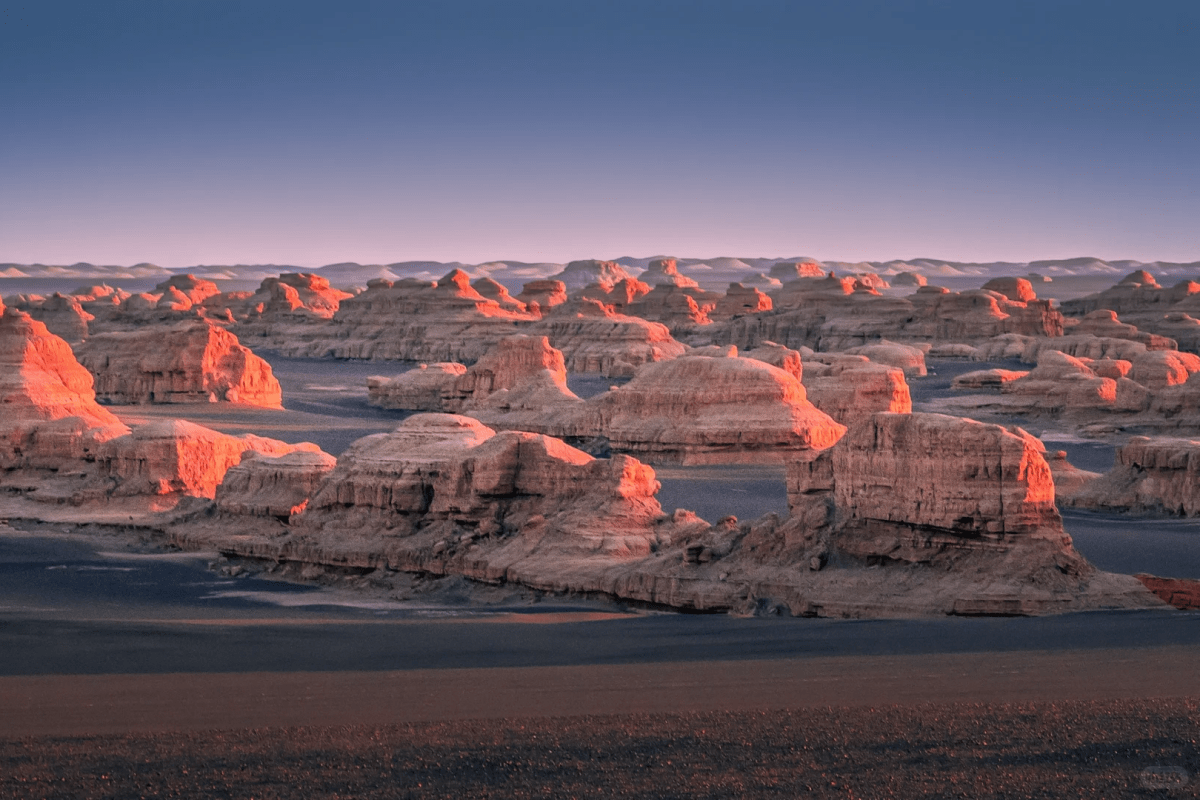
Today highlights the dramatic breathtaking landscapes that define the frontier regions of the ancient Silk Road. Visit Zhangye Danxia, widely known as the Rainbow Mountains, where layers of mineral-rich sandstone form sweeping bands of red, yellow, and ochre across the hillsides. These striking formations are among the most visually distinctive natural wonders encountered along the Silk Road route.
Beyond their beauty, the Rainbow Mountains illustrate how geography shaped history along the Silk Road. This region once marked the edge of cultivated land before caravans continued westward into desert and mountain terrain. Time is reserved to absorb the scale of the landscape and understand Zhangye’s role as a frontier city linking ancient China with distant regions beyond.
Day 8 | Zhangye → Jiayuguan → Dunhuang — Western End of the Great Wall
Travel west toward Jiayuguan, home to the westernmost pass of the Great Wall and one of the most important frontier strongholds of the Ming Dynasty. Rising at the edge of the Gobi Desert, Jiayuguan Pass once marked the boundary between imperial ancient China and the vast lands beyond. Walking through its gates and watchtowers reveals how this military complex controlled movement along the ancient Silk Road while guarding China’s northwestern frontier.
Continue onward to Dunhuang, an oasis city that flourished as a cultural and commercial crossroads on the legendary Silk Road. As the landscape transitions from grasslands to desert, the journey highlights the shift from imperial territory to the spiritual and artistic heart of Silk Road civilization, setting the stage for the region’s famous Buddhist heritage.
Day 9 | Dunhuang — Mogao Caves & Singing Sand Dunes
Today explores Dunhuang, the spiritual heart of the ancient Silk Road. Visit the Mogao Caves, a UNESCO World Heritage Site and the most important collection of ancient Buddhist caves in China. The murals and sculptures preserved here document centuries of religious devotion and cultural exchange, revealing how ideas, art styles, and beliefs traveled between ancient China and Central Asia along the Silk Road.
In the late afternoon, venture into the surrounding desert to experience the Singing Sand Dunes, where wind and shifting sand dunes create a unique natural phenomenon. The contrast between refined Buddhist art and vast desert landscapes captures the essence of Silk Road travel—faith, endurance, and movement across some of the world’s most challenging terrain.
Day 10 | Dunhuang → Turpan — Han Dynasty Frontier & Desert Routes
Depart Dunhuang and travel west across landscapes once secured by the Han Dynasty, when imperial China expanded its influence to protect trade along the ancient Silk Road. Visit the remote remains of the Han Dynasty Great Wall and Yumen Pass, early frontier defenses built to safeguard caravans moving between ancient China and Central Asia. These earthen fortifications reveal how communication, security, and long-distance travel were maintained across harsh desert environments.
Continue onward to Turpan, an oasis city located on the edge of the vast Taklamakan Desert. As the terrain shifts to arid basins and scorched mountains, the journey highlights the challenges faced by Silk Road travelers and the importance of oasis settlements in sustaining life, trade, and cultural exchange across China’s western regions.
Day 11 | Turpan — Oasis Engineering & Jiaohe Ancient City
Today focuses on Turpan, one of the most distinctive oasis settlements along the ancient Silk Road, where survival depended on human ingenuity rather than natural conditions. Learn how the ancient irrigation system enabled communities to channel underground water across long distances, sustaining agriculture and trade in one of China’s hottest regions and supporting continuous settlement along Silk Road routes.
Continue to Jiaohe Ancient City, one of the best-preserved earthen cities in the world and a remarkable example of Silk Road urban planning. Built on a natural plateau between river valleys, this former administrative center reveals how architecture, defense, and daily life adapted to desert conditions while maintaining strong connections with Central Asia and western trade networks.
Day 12 | Turpan → Urumqi — Museums & Cultural Exchange
Depart Turpan and travel to Urumqi, the modern hub of Xinjiang and a key crossroads along the ancient Silk Road. Before leaving the oasis region, gain deeper context through museum visits that trace how trade, migration, and diplomacy connected ancient China with Central Asia. Exhibits on textiles, artifacts, and burial traditions reveal the scale of cultural exchange that passed through this region for centuries.
Upon arrival in Urumqi, explore the city’s role as a meeting point of diverse ethnic minorities and Silk Road traditions. Time is arranged for a relaxed city introduction, allowing you to understand how historical trade routes continue to shape daily life, language, and customs in China’s far west—bridging the ancient Silk Road with the modern world.
Day 13 | Urumqi → Kashgar — Id Kah Mosque & Old Town
Fly from Urumqi to Kashgar, one of the most important cities along the ancient Silk Road and a historic gateway between ancient China and Central Asia. Upon arrival, visit Id Kah Mosque, the largest mosque in China and a powerful symbol of religious life along the Silk Road. Its open square and distinctive architecture reflect centuries of cultural and spiritual exchange shaped by trade routes reaching far beyond China’s borders.
Continue into Kashgar Old Town, where winding streets, traditional homes, and everyday scenes reveal a way of life deeply influenced by Silk Road history. Walk through a local bazaar, observe craftsmen at work, and experience the vibrant atmosphere that has defined Kashgar as a meeting point of cultures for more than a thousand years.
Day 14 | Kashgar — Karakul Lake & Pamir Landscapes
Today ventures beyond the city into the high-altitude landscapes surrounding Kashgar, where the Silk Road meets the towering mountains of the Pamir region. Travel toward Karakul Lake, a striking alpine lake set against snow-capped peaks, offering a dramatic contrast to the desert plains near the southern edge of the Silk Road routes. The scenery here highlights the geographical extremes faced by traders moving between Central Asia and western China.
Along the route, pass through areas shaped by nomadic life and long-distance trade, where vast open spaces and rugged terrain define the journey. With views stretching toward the vast Taklamakan Desert, this day reveals the environmental challenges and natural beauty that framed Silk Road travel—underscoring why oasis cities like Kashgar were vital stopping points along the ancient routes.
Day 15 | Kashgar → Chengdu — From China’s Wild West to the Heartland
Today marks a major transition in your China tour, as you travel from Kashgar in China’s wild west to Chengdu, the cultural and culinary heart of southwestern China. This shift highlights the extraordinary geographic diversity of the country—from arid desert frontiers shaped by Silk Road trade to fertile basins that supported continuous settlement and agricultural life.
Upon arrival in Chengdu, the pace naturally slows. Known for its relaxed lifestyle and rich traditions, the city offers a clear contrast to the frontier regions of Xinjiang. Time is arranged for a gentle introduction, allowing you to settle in and experience the everyday rhythm of local life before deeper exploration begins in the following days.
Day 16 | Chengdu — Giant Pandas & Local Life
Begin the day with a visit to a giant panda conservation base, where you can observe these iconic animals during their most active hours. Watching pandas feed, climb, and interact offers insight into conservation efforts and Chengdu’s long-standing connection with wildlife protection, making this experience a highlight for travelers of all ages.
Later, explore Chengdu at a relaxed pace with your local guide, experiencing the city’s everyday rhythm through parks, tea houses, and neighborhood streets. Time is set aside to enjoy local food and observe how residents socialize, play games, and unwind—revealing why Chengdu is often regarded as one of China’s most livable cities.
Day 17 | Chengdu → Zhangjiajie — Mountain Landscapes
Travel from Chengdu to Zhangjiajie, transitioning from the fertile Sichuan Basin to one of China’s most dramatic natural regions. Upon arrival, the scenery shifts to steep cliffs, deep valleys, and forested mountains, introducing a landscape that feels entirely different from the Silk Road cities visited earlier in the journey.
Time is arranged for a relaxed introduction to the area, allowing you to take in the surroundings and prepare for deeper exploration of Zhangjiajie’s breathtaking scenery over the next two days. This transition marks a change in rhythm—from cultural and historical discovery to immersive encounters with some of China’s most striking natural landscapes.
Day 18 | Zhangjiajie — National Forest Park & Iconic Peaks
Today is dedicated to Zhangjiajie National Forest Park, a UNESCO World Heritage Site renowned for its towering sandstone pillars, lush forests, and dramatic valleys. Walking through the park, you are surrounded by thousands of vertical rock formations rising from the ground, creating one of the most distinctive landscapes in China and a setting often described as otherworldly.
Explore key viewpoints within the park to fully appreciate the scale and variety of the scenery, where mist, greenery, and rock formations combine to form truly breathtaking scenery. This immersive day highlights the natural diversity of China, offering a striking contrast to the deserts and historic cities experienced earlier along the Silk Road.
Day 19 | Zhangjiajie → Shanghai — From Nature to Modern China
After days immersed in dramatic mountain landscapes, travel from Zhangjiajie to Shanghai, China’s most dynamic and international city. This transition marks a clear shift in atmosphere—from forested valleys and natural wonders to a global metropolis shaped by trade, innovation, and modern urban life.
Upon arrival in Shanghai, time is arranged for a relaxed introduction to the city. As a major port and commercial center, Shanghai represents the modern continuation of China’s long history of exchange with the outside world, providing a fitting contrast to the ancient routes and landscapes explored earlier along the Silk Road.
Day 20 | Shanghai — Yu Garden & Skyline Views
Begin the day in Yu Garden, a classical Chinese garden that reflects refined aesthetics from earlier dynasties. Pavilions, rockeries, ponds, and winding corridors reveal traditional design principles and provide a calm counterpoint to the modern city beyond the walls. This visit offers insight into how historical culture continues to shape daily life in Shanghai.
In the afternoon, experience the city’s contemporary side with views of its iconic skyline, culminating at Shanghai Tower, the tallest building in China. From the observation deck, enjoy sweeping views over the Huangpu River and the city below, symbolizing Shanghai’s role as a global metropolis and the modern conclusion to a journey that began along the ancient Silk Road.
Day 21 | Shanghai Departure
Today marks the conclusion of your China tour. At the scheduled time, your private local guide and driver will escort you from your hotel to the airport, ensuring a smooth and worry-free departure. Assistance is provided with luggage and check-in procedures, allowing you to focus on your onward journey.
As you depart Shanghai, you carry with you a complete narrative—from imperial capitals and the ancient Silk Road, through desert frontiers and cultural crossroads, to modern China’s global metropolis. This carefully paced journey offers not only memorable experiences, but a deeper understanding of China’s long history, landscapes, and cultural connections.
Hotel Options & Location
We select clean, quiet, and well-located hotels to keep transfers short and rest quality high. Exact hotel names are confirmed after booking and tailored to your style.
- 4-star comfort in the best locations (standard).
- 5-star / star hotel upgrades or boutique hotels on request.
- Family rooms or connecting rooms available (subject to availability).
Tip: Share your preferences (location, breakfast, gym/pool, quiet rooms) and we’ll recommend the best match.
Tour Price & Inclusions
Tour Code: CHN-21D-SR1
FromUS$7,499
per person
- Indicative price for a private tour (2 adults) with well-located 4-star hotels.
- Price includes basic travel insurance and a complimentary translation device for easy local interaction.
- Final pricing depends on travel dates, group size, room type, and hotel level (boutique / star hotel upgrades on request).
- Domestic flights and/or high-speed train tickets are arranged based on the confirmed itinerary.
Comfort-first private touring
Private guide & driver in each city — flexible pace.
Designed around you
We tailor sights, timing, and hotel level to you.
Clear pricing, no surprises
Inclusions confirmed before you book.
What’s Included
- Private air-conditioned vehicle with professional driver for all scheduled transfers
- English-speaking local guide for all included sightseeing
- All entrance tickets and activities listed in the confirmed itinerary
- Domestic flights and/or high speed train tickets between itinerary cities (as per plan)
- Hotel accommodation with daily breakfast (4-star standard; boutique hotels / star hotel upgrades optional)
- Government taxes and service charges
- 24/7 support while you are traveling
What’s Not Included
International flights to and from China
China visa fees (if applicable)
Meals not specified in the itinerary (many lunches are included; dinners often flexible)
Personal expenses and optional experiences
Booking & Payment Details
- Deposit: 20% to confirm your booking. The deposit is refundable within 48 hours after confirmation if plans change.
- Balance: Due 15–20 days before arrival, or upon confirmation for late bookings.
- Payment methods: Visa, MasterCard, Apple Pay, PayPal, or bank transfer.
- Changes: Free minor itinerary adjustments up to 14 days before the trip starts.
- Cancellation: Flexible cancellation policy. Specific terms will be confirmed based on travel dates and hotel selection.
Optional Experiences
Enhance your 21-day China tour with Silk Road through a carefully selected range of optional experiences.These add-ons are designed to enrich cultural depth and flexibility without altering the core route.
Optional highlights may include:
- Beijing cultural evening with a traditional performance.
- Xi’an Muslim Quarter walk featuring Silk Road–influenced local cuisine.
- Extra time at Dunhuang’s Mogao Caves and Singing Sand Dunes.
- Kashgar old town exploration for local life and bazaar culture.
- A relaxed farewell dinner in Shanghai.
This private itinerary is fully customizable. You may:
- Add free time in selected cities.
- Upgrade to boutique or 4–5 star hotels.
- Choose flights for longer distances and high-speed trains for shorter routes.
- Adjust meals to suit dietary needs, including vegetarian, halal, or gluten-free options.
All experiences are optional and can be adjusted with your private travel advisor.
Visa-Free & Travel Tips
- China Visa-Free Policy 2026 — check visa-free entry rules and 240-hour transit options.
- China Visa Guide — understand tourist visa basics, documents, and application steps.
- First Trip to China Guide— learn about payments, apps, transport, and practical travel tips.
- China Weather in June — see weather tips, packing advice, and seasonal travel ideas.
Get Your Custom 21-Day China Silk Road Tour Plan
Share a few details — we’ll create a personalized itinerary and provide a tailored quote within 24 hours.
- Reply within 24 hours
- Private tour only
- No forced shopping
Frequently Asked Questions (Silk Road Tour)
Is this 21-day China tour suitable for first-time visitors?
Yes. This China tour combines classic highlights with the ancient Silk Road, offering a clear historical narrative without rushing.
How physically demanding is the Silk Road portion?
The itinerary is designed at a comfortable pace. Activities at sites such as the Mogao Caves, ancient city wall, and old towns involve moderate walking only.
Does the tour include UNESCO World Heritage Sites?
Yes. The journey includes multiple UNESCO World Heritage Sites, including the Forbidden City, Terracotta Warriors, Mogao Caves, and Zhangjiajie National Forest Park.
How do we travel between cities?
Long distances are covered by flights, while shorter routes use high speed train / bullet train where efficient. All transfers are private.
What is special about Kashgar on this Silk Road tour?
Kashgar is one of the most important cities along the ancient Silk Road, known for Id Kah Mosque, its old town, and bustling bazaars influenced by Central Asia.
Are meals included during the tour?
Daily breakfasts are included. Lunches are arranged on sightseeing days, often at selected local restaurants serving authentic local food.
Can the itinerary be customized?
Yes. This is a private tour. You may add free time, adjust activities, or upgrade accommodation while keeping the Silk Road route intact.
When is the best time to take a Silk Road tour in China?
The best seasons are April–June and September–October, when weather conditions are ideal across northern and western China.
Get Inspired with Some Popular Itineraries