



First Trip to China: A Practical Guide for First-Time Visitors

Planning your first trip to China can feel complex — from visas and internet access to language and transportation. This guide helps first-time visitors understand where to go, how long to stay, and what to expect when they visit China.

China is a vast and diverse country, and first-time travel is much easier with the right preparation. From major cities like Beijing and Shanghai to iconic sites such as the Great Wall of China, the Forbidden City, and the Terracotta Warriors, this page shows you how to explore China with confidence.

How to Plan Your First Trip to China

China is a vast country with different cities, cultures, and travel conditions.
For first-time visitors, smart planning matters more than trying to see everything.

Start with the Right Cities

Begin your first trip to China with well-connected major cities like Beijing, Xi’an, and Shanghai to reduce travel stress and time.

Understand Local Culture & Language

English is limited in many areas. Knowing basic travel tips and using translation apps helps first-time visitors navigate daily situations more smoothly.

Plan Transport & Distances Carefully

China is large. Using high-speed trains and domestic flights makes long-distance travel efficient and comfortable for first timers.

Balance Planning with Flexibility

A good China trip combines clear planning with flexible pacing—leaving room to explore local life, food, and cultural attractions.

Where to Go on Your First Trip to China

Choosing where to go is the most important decision for a first trip to China.
Because China is a vast country, first-time visitors benefit most from starting with destinations that are well connected, easy to navigate, and rich in cultural highlights.

Rather than trying to see everything, the goal of a first China trip is to experience the country’s history, daily life, and modern development in a smooth and balanced way.

The Golden Triangle for First-Time Visitors

For most first-time visitors, the classic “Golden Triangle” route offers the best introduction to China:

  • Beijing – China’s historic and political heart

  • Xi’an – Gateway to ancient China and the Silk Road

  • Shanghai – A modern metropolis showing today’s China

This route works especially well because travel between these major cities is fast and efficient using high-speed trains and domestic flights, making it ideal for a first China trip.

Why Beijing Is the Best Starting Point

For many travelers, Beijing is the most natural place to begin a trip to China.

As the capital for centuries, Beijing is home to some of the country’s most important cultural attractions, including the Great Wall of China and the Forbidden City.
The city also has excellent transport links, clear tourist infrastructure, and many English-friendly hotels, which helps reduce stress for first timers.

Starting in Beijing allows visitors to understand China’s imperial history before moving on to other regions.

Xi’an: Understanding Ancient China

After Beijing, many first-time travelers continue to Xi’an, one of China’s oldest cities.

Xi’an is best known for the Terracotta Warriors, a vast underground army built over 2,000 years ago.
Beyond this famous site, Xi’an offers a slower pace, strong local character, and an excellent introduction to traditional northern Chinese culture.

For first-time visitors, Xi’an provides historical depth without the complexity of larger modern cities.

Shanghai: Experiencing Modern China

To understand how China has changed, a visit to Shanghai completes the picture.

Shanghai is known for its skyline, international atmosphere, and contrasts between old neighborhoods and modern development.
It is one of the easiest cities in China for foreign travelers to navigate and offers a clear look at contemporary Chinese life.

Ending a first China trip in Shanghai helps balance history with a modern perspective.

Optional Extensions for Nature or Pandas

If time allows, many travelers extend their first trip beyond the Golden Triangle:

Guilin

Famous for dramatic karst mountains and the Li River, ideal for nature lovers

Chengdu

Known for giant pandas, relaxed local life, and Sichuan cuisine

These destinations are best added after covering the main cities, once travelers are more comfortable with distances and travel logistics in China.

Key Tip for First-Time Visitors

For a first trip to China, it is generally better to focus on fewer destinations and travel more comfortably, rather than rushing between too many cities.
Well-chosen routes create a smoother experience and leave a stronger first impression of the country.

Optional Extensions for Nature or Pandas

The ideal length of a first trip to China depends on how much you want to see and how comfortably you prefer to travel.
Because distances between cities can be long, first-time visitors benefit from realistic pacing rather than rushing.

7–9 Days: A Short First Visit

A 7–9 day trip works best for travelers with limited time or for those visiting Asia for the first time.

This timeframe usually allows you to explore one or two major cities, such as Beijing on its own, or a simple combination like Beijing and Shanghai.
It offers a clear introduction to China without long travel days.

10–14 Days: The Most Recommended Option

For most first-time visitors, 10–14 days is the ideal length for a China trip.

This duration comfortably covers the classic Golden Triangle route—Beijing, Xi’an, and Shanghai—using high-speed trains and short domestic flights.
It provides a balanced mix of history, culture, and modern life without feeling rushed.

15–21 Days: Deeper Exploration

Travelers with more time can explore China more deeply in 15–21 days.

In addition to the main cities, this allows room for destinations focused on natural beauty or local life, such as Guilin’s landscapes or Chengdu’s panda culture.
This option suits travelers who want a slower pace and a broader view of the country.

Planning Tip for First Timers

For a first trip, it is usually better to travel at a relaxed pace and fully experience fewer destinations, rather than trying to see too much in one visit.
China rewards travelers who allow enough time for each place.

Travel Preparations for China

Good preparation makes a first trip to China far smoother.
Before you enter China, it’s important to understand visa requirements, internet access, payments, and how to handle the language barrier—especially for first-time visitors.

Visa & Entry Requirements

Most foreign travelers need a China visa before they travel.
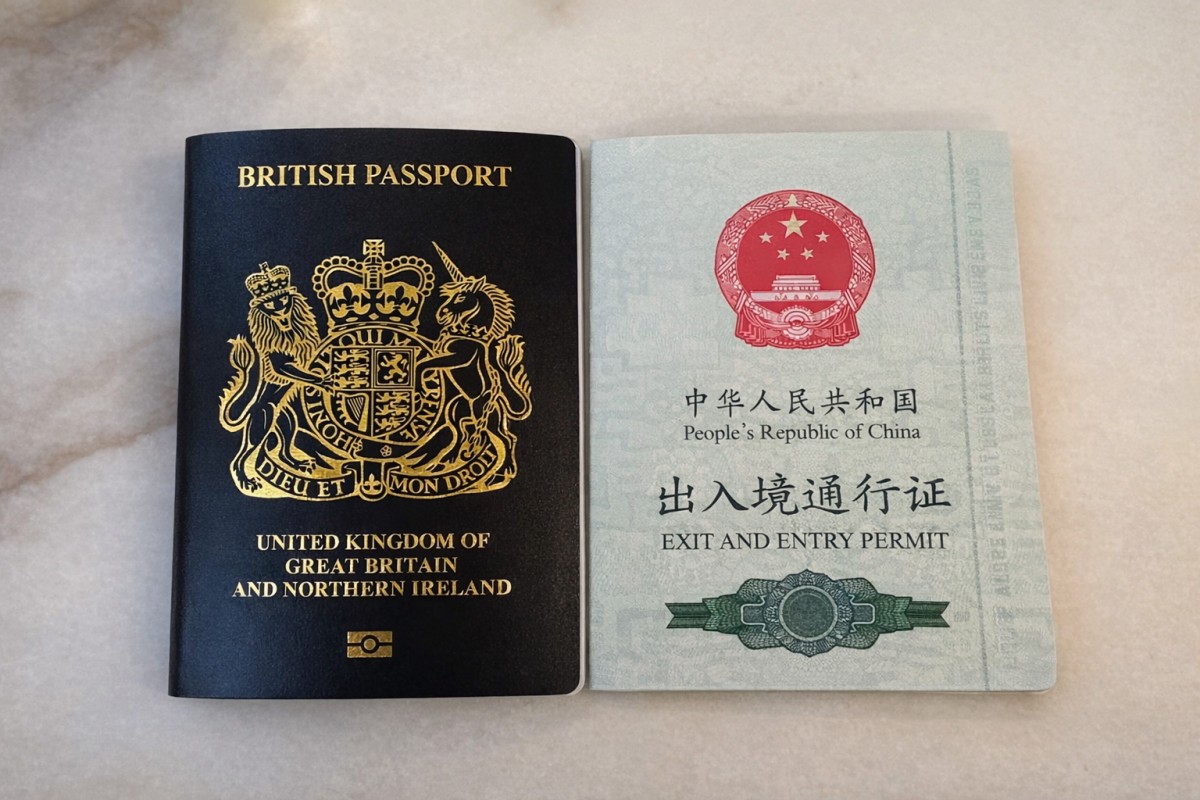
For a typical trip to China, this means applying for a tourist visa (L visa) in advance through a Chinese embassy or visa center.

Your passport should be valid for at least six months beyond your entry date, and travelers are advised to carry their passport with them while in China.
Visa policies may vary by nationality, so it’s best to check the latest requirements before you enter China.

Internet Access & VPN

Internet access works differently in China than in many Western countries.

Many familiar websites and apps are blocked, so travelers often use a virtual private network (VPN) to access the same websites they use at home.
It’s strongly recommended to install and test your VPN before arrival, as app stores and downloads may be restricted once you enter China.

A local SIM card or eSIM helps ensure stable internet access during your trip.

Payments, Cash & Mobile Apps

China has become a largely cashless society, especially in most major cities.

Mobile payments are widely used for everything from public transport to street food.
Foreign travelers can often link international credit cards to popular Chinese apps, though carrying some cash is still useful in certain situations.

Banks such as China Construction Bank are commonly used in cities, and ATMs are widely available.

Language, Translation & Daily Essentials

English is not widely spoken outside hotels and major tourist areas.
For travelers who don’t speak Chinese, translation apps are essential for daily travel.

Downloading tools like Google Translate in advance allows offline use, which is especially helpful when navigating train stations, taxis, or local restaurants.
Having hotel addresses saved in Chinese characters can also prevent confusion.

Simple preparation—such as carrying a power bank, toilet paper, and a local SIM card—can greatly improve your travel experience.

Key Tip for First-Time Visitors

The biggest challenge on a first trip is not safety, but unfamiliar systems.
With the right preparation, traveling in China is efficient, comfortable, and far easier than many first-time visitors expect.

Getting Around China for First-Time Visitors

Traveling around China is easier than many first-time visitors expect.
Thanks to an extensive transport network, moving between major cities and attractions is fast, affordable, and reliable.

High-Speed Trains

China’s high-speed trains are one of the best ways to travel for a first trip.

They are clean, punctual, and connect most major cities directly, including Beijing, Xi’an, and Shanghai.
For first timers, trains reduce airport transfers and provide a comfortable way to see the country.

Domestic Flights

For longer distances, domestic flights save time and energy.

Flying is often the most practical choice when traveling between northern and southern China or when adding destinations like Chengdu or Guilin to your route.
Airports in most major cities are modern and well organized, making flying relatively straightforward for foreign travelers.

Public Transport & Taxis

In most cities, public transport is efficient and inexpensive.

Large big cities such as Beijing and Shanghai have modern metro systems with English signage, making them easy to use even if you don’t speak Chinese.
Taxis and ride-hailing apps are widely available, though having destinations written in Chinese characters can help avoid confusion with taxi drivers.

Train Tickets & Stations

Buying train tickets is simple with the help of apps, hotels, or travel agencies.

Major train stations are clearly signposted but can be busy, so arriving early is recommended—especially during weekends or holidays.
For first-time visitors, having tickets arranged in advance removes unnecessary stress.

Practical Tip for First Timers

For a smoother trip to China, it’s best to combine high-speed trains and short flights rather than relying on overnight journeys or long road travel.
China’s transport system is designed for efficiency, and first-time visitors benefit most by using it to its strengths.

Food, Culture & Daily Life in China

Experiencing daily life is one of the highlights of a first trip to China.
While customs may feel different at first, most travelers quickly find Chinese cities welcoming and easy to adapt to.

Chinese Food & Street Food

Chinese cuisine is incredibly diverse, and food varies widely by region.

In large cities, travelers can enjoy everything from local restaurants to casual street food, often at very affordable prices.
Popular dishes such as Peking duck, xiao long bao, and regional noodles are widely available and suitable for first-time visitors.

If you’re unsure what to order, restaurants with picture menus or busy local crowds are usually a safe choice.

Culture, Etiquette & Local Life

Chinese culture values politeness and respect, and daily interactions are generally friendly and straightforward.

Tipping is not customary, and a simple nod or light handshake is an appropriate greeting.
In busy big cities, locals are used to foreign travelers and are often willing to help, even if they don’t speak English fluently.

Spending time observing local life—markets, parks, or neighborhood streets—adds depth to a first visit.

Language & Communication

Mandarin Chinese is the official language, and English usage is limited outside hotels and tourist areas.

Translation apps help bridge the language barrier, especially when ordering food or asking for directions.
Learning a few words in Chinese, such as greetings or numbers, is appreciated but not required.

Practical Tip for First-Time Visitors

Food and culture in China may feel unfamiliar at first, but openness and curiosity go a long way.
Most travelers find daily life easier and more enjoyable after the first few days.

Best Time to Visit China for the First Time

For a first trip to China, the most comfortable seasons are spring and autumn.

Spring (April–May) and autumn (September–October) offer pleasant weather, clear skies, and ideal conditions for sightseeing across most cities.
These periods are especially suitable for first-time visitors who want to explore comfortably without extreme heat or cold.

Summer can be hot and crowded, particularly during summer vacation, while winter brings colder temperatures in northern China.
When possible, first-time travelers are advised to avoid major national holidays, when transport and attractions become extremely busy.

Is China Safe for First-Time Visitors?

China is widely regarded as a safe destination for foreign travelers, including solo travelers and families.

Major cities have strong public security, and violent crime against tourists is rare.
For first-time visitors, the main challenges are usually the language barrier and unfamiliar systems rather than personal safety.

As with travel anywhere, basic awareness and common sense are recommended.
With reasonable precautions, a first trip to China is both safe and rewarding.

Start Planning Your First Trip to China

Tell us where you’d like to go, how fast you want to travel, and what kind of experience you’re looking for on your first trip to China.
Our local team can help you shape a realistic route, pacing, and travel plan—based on real on-the-ground knowledge.

No obligation. Private tours only.

Frequently Asked Questions About a First Trip to China

FAQ

Is China friendly to first-time visitors from Western countries?

Yes. Travelers from Western countries are common in major tourist destinations, and locals in most major cities are accustomed to foreign travelers.

English is not widely spoken outside hotels and tourist areas.
However, translation apps and clear signage in big cities make travel manageable for those who don’t speak Chinese.

Yes. Many travelers use a virtual private network to access the same websites and services they use at home.
It is best to install and test your VPN before you enter China.

International credit cards are accepted in hotels and larger businesses, but mobile payments are more common.
Linking your card to Chinese apps improves convenience, especially in daily situations.

Yes. With good planning and a comfortable pace, China is suitable for families, seniors, and first timers alike.

Get Inspired with Some Popular Itineraries

Silhouette of a fisherman on a small bamboo raft with a bird perched on a pole, gliding on a glassy river with karst mountains reflected in the water at sunrise.

11-Day China Classic Tour: Beijing, Xi’an, Guilin & Shanghai

Beijing · Xi’an · Guilin · Shanghai Iconic highlights & relaxed pace.
Wide view of a barren desert landscape filled with rounded rock formations glowing orange in low sunlight under a clear sky.

21-Day China Tour with Silk Road

Imperial Capitals · Desert Oases · Silk Road In-Depth Cultural Expedition
The Potala Palace complex with white walls and red buildings under a bright blue sky.

3-Week Must-See Places China Tour Including Holy Tibet

Beijing · Xi’an · Guilin · Tibet China’s most iconic highlights in one grand journey.
Tall sandstone pillars covered with lush green vegetation rising from a forested valley in Zhangjiajie National Forest Park, China.

14 Day China Natural Wonders Discovery

Zhangjiajie · Huangshan · Guilin China’s most dramatic natural landscapes.

More Travel Ideas and Inspiration

Create
my trip