Location
Shaanxi Province
Xi'an is located in northwestern China and is the capital of Shaanxi Province.

Discover the essential places to visit in Xi'an, from the Terracotta Army and ancient City Wall to Giant Wild Goose Pagoda, historic towers, Tang Dynasty landmarks and the Muslim Quarter. Together, these sights introduce the history, architecture, culture and Silk Road heritage that make Xi'an one of China's most important ancient capitals.
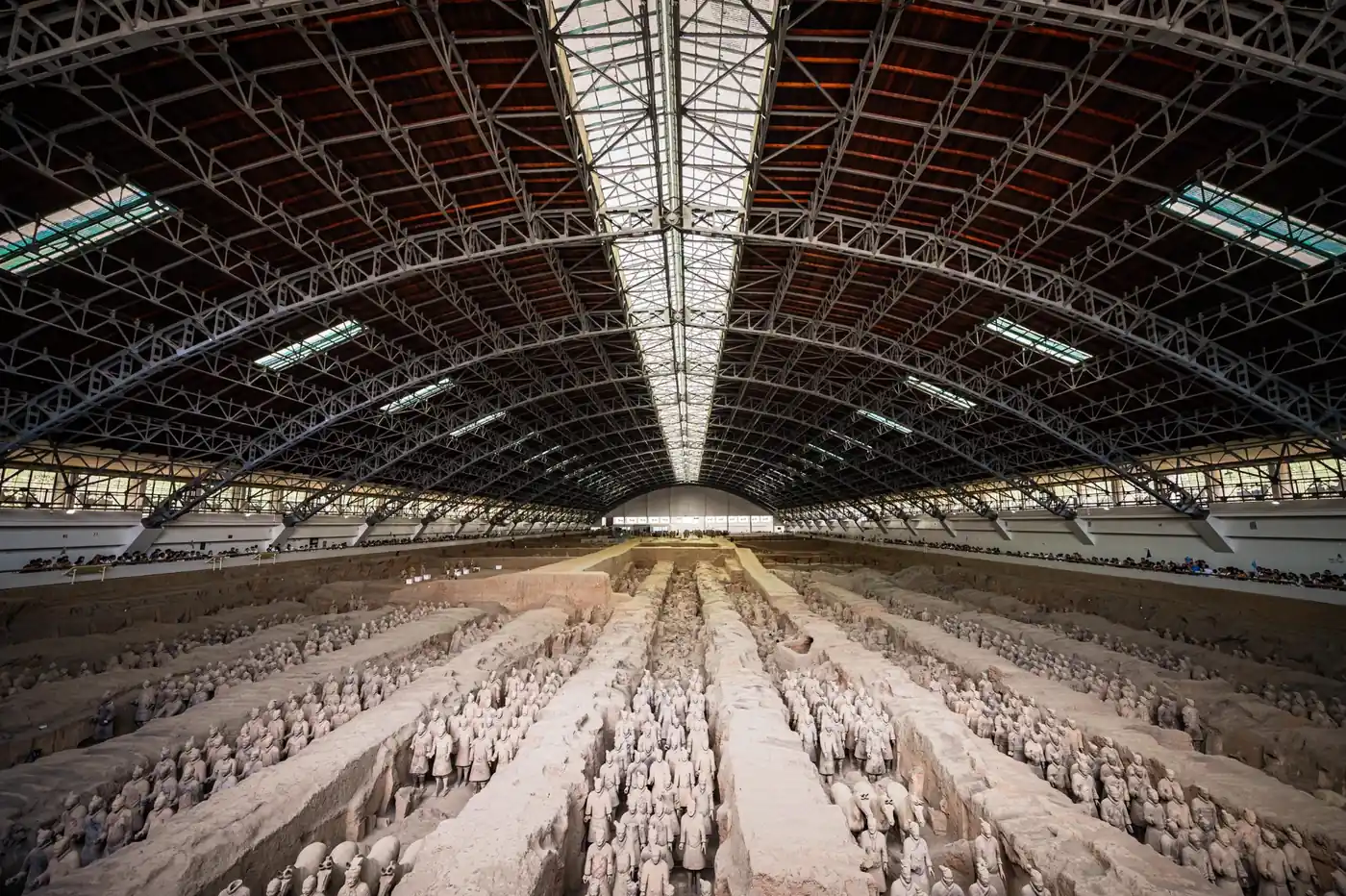
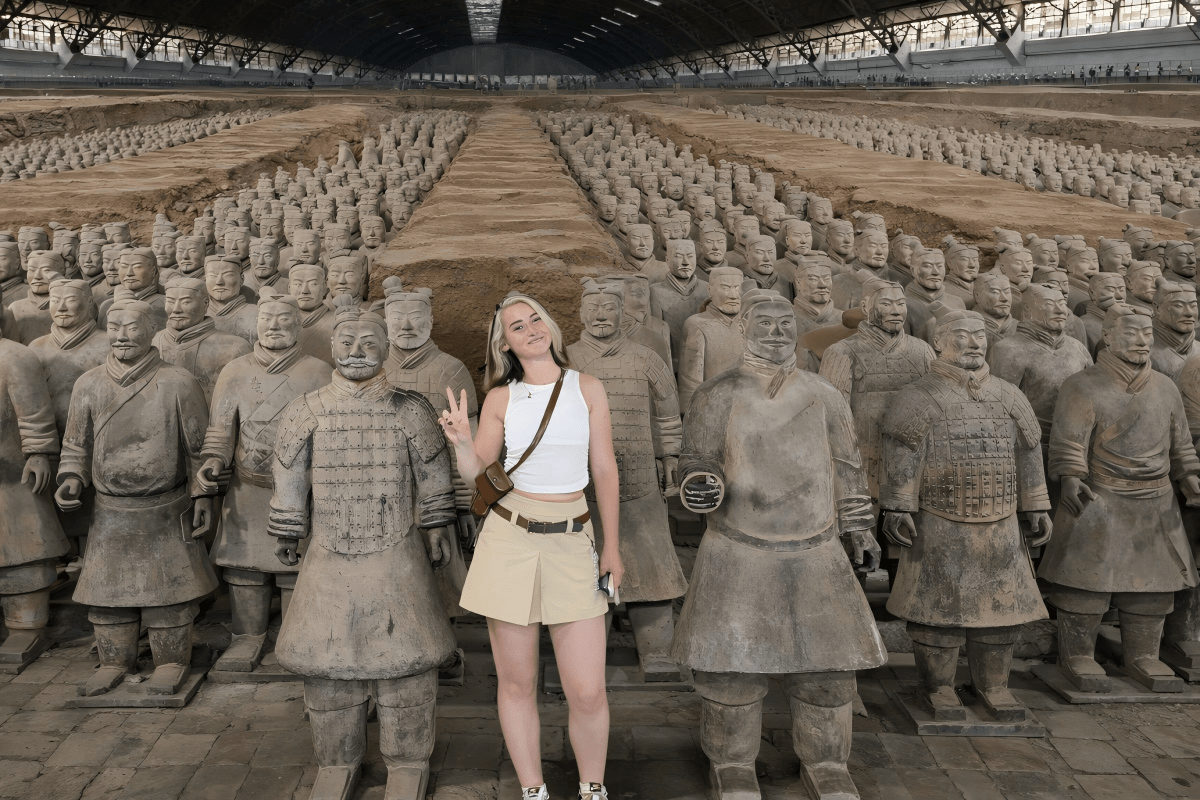
See the life-size terracotta warriors created for the mausoleum of Qin Shi Huang, China's first emperor. Discovered by local farmers in 1974, the Terracotta Army has become one of the world's best-known archaeological discoveries and the defining sight for most first-time trips to Xi'an.
See How to Plan the Terracotta Army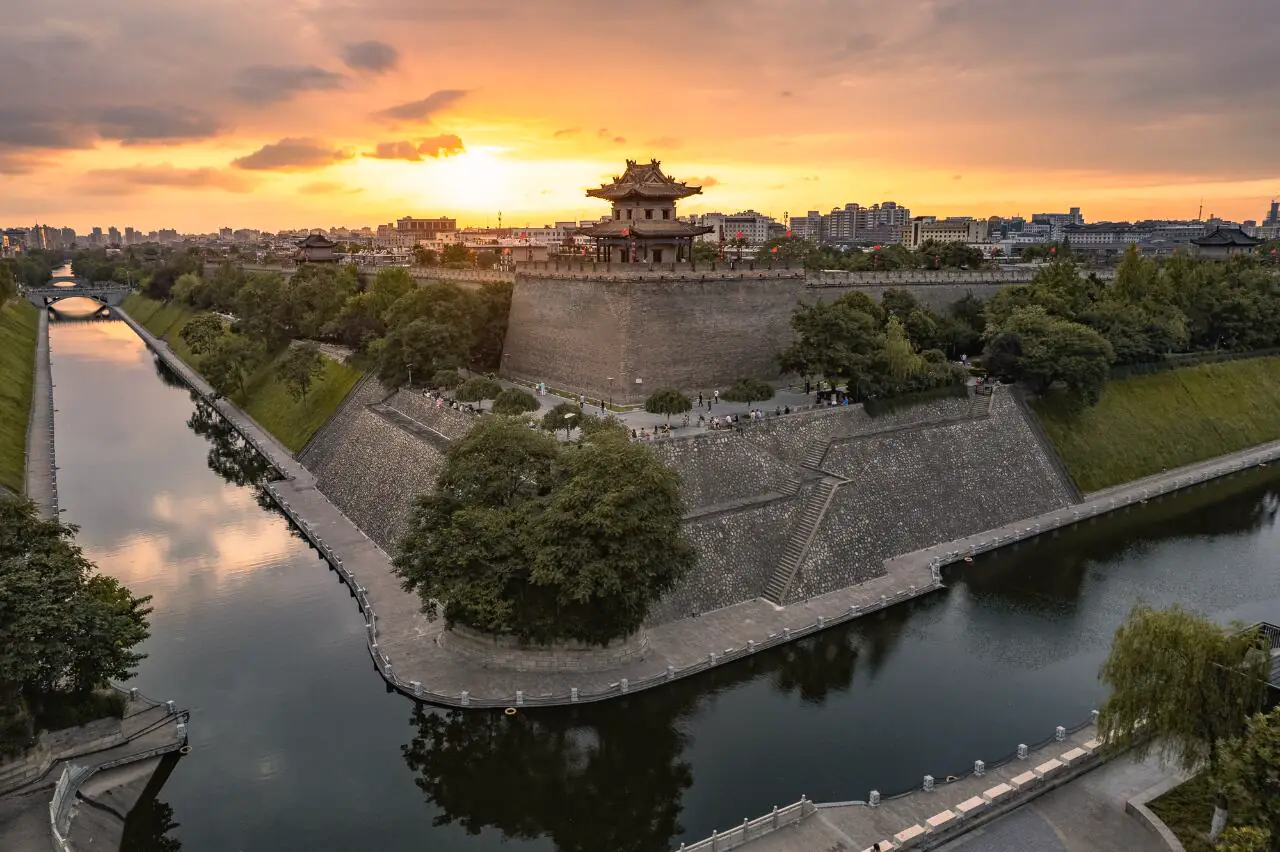
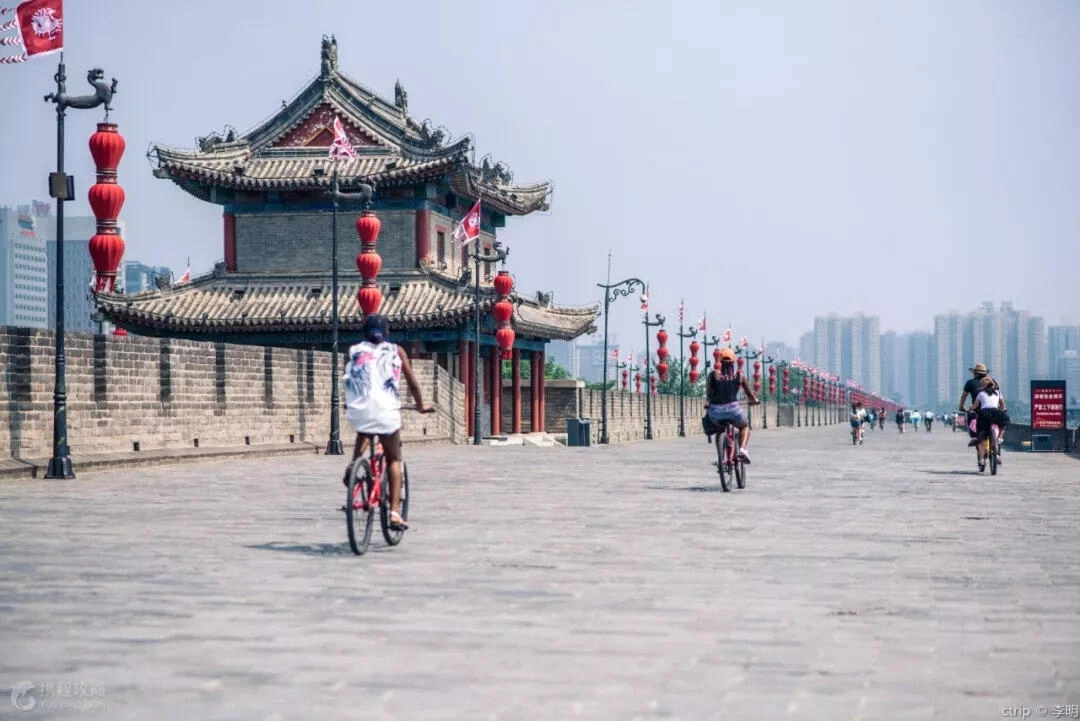
Walk or cycle along one of China's best-preserved ancient city walls. The wall extends for about 13.7 kilometers around Xi'an's historic center and offers a clear sense of the scale and layout of the old city.

Visit one of Xi'an's most important Tang Dynasty landmarks. Originally built in 652, the pagoda is closely associated with Buddhist scriptures brought to China from India and remains a major symbol of historic Chang'an.
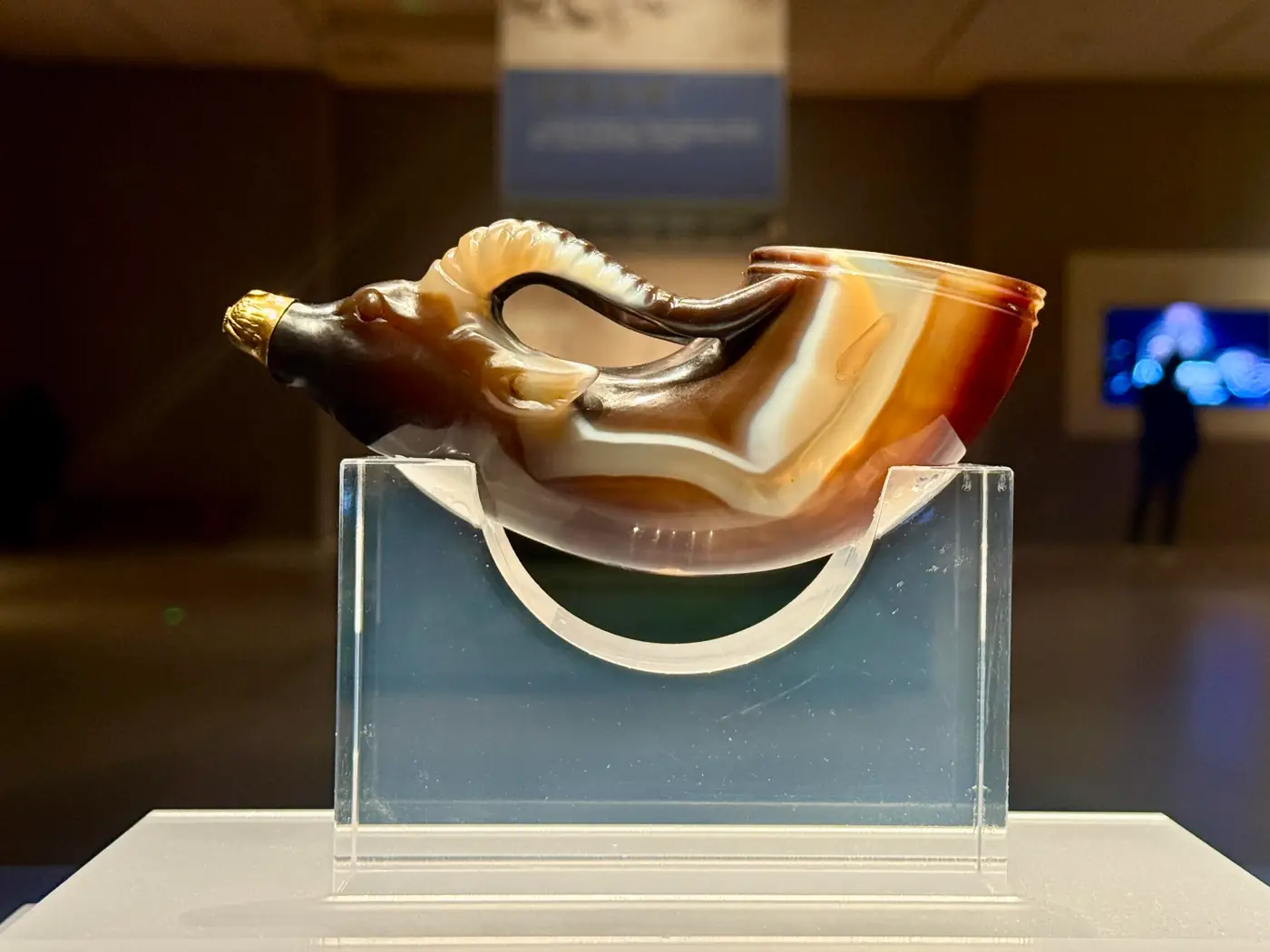
Understand Xi'an's history through artifacts spanning prehistoric cultures to the Tang Dynasty. The museum provides valuable context for the Terracotta Army and helps explain why ancient Chang'an was one of the most important cities in Chinese history.
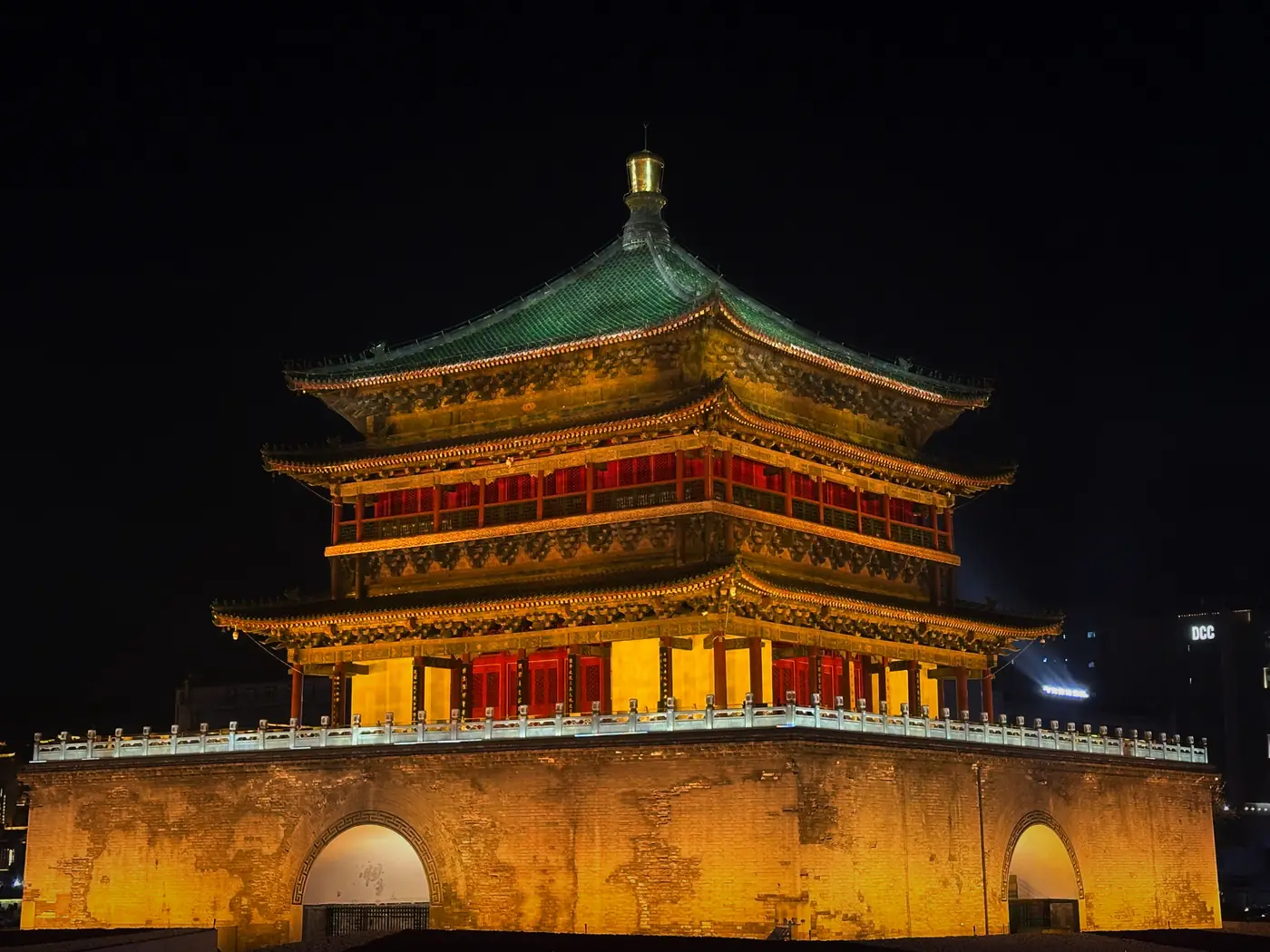
See two of the most recognizable landmarks in central Xi'an. The Bell Tower dates to the Ming Dynasty and stands at the heart of the historic city, while the nearby Drum Tower leads toward the Muslim Quarter and surrounding old streets.
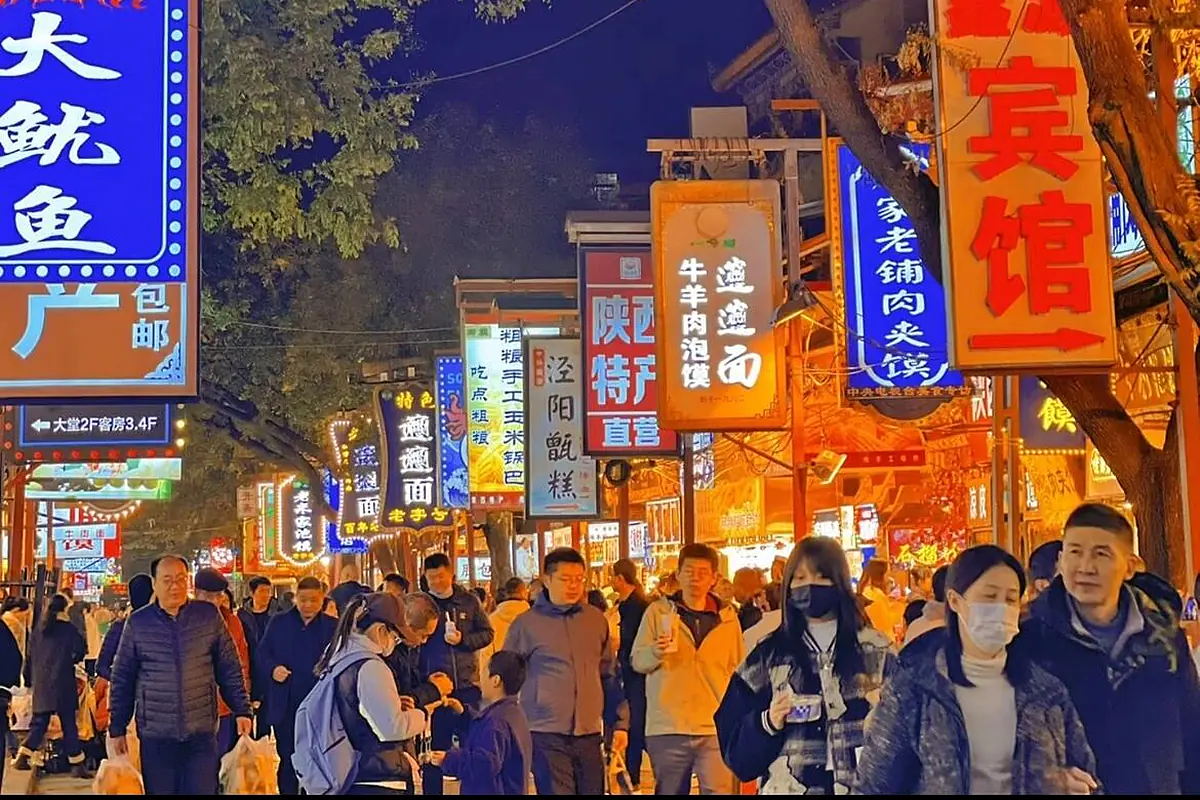
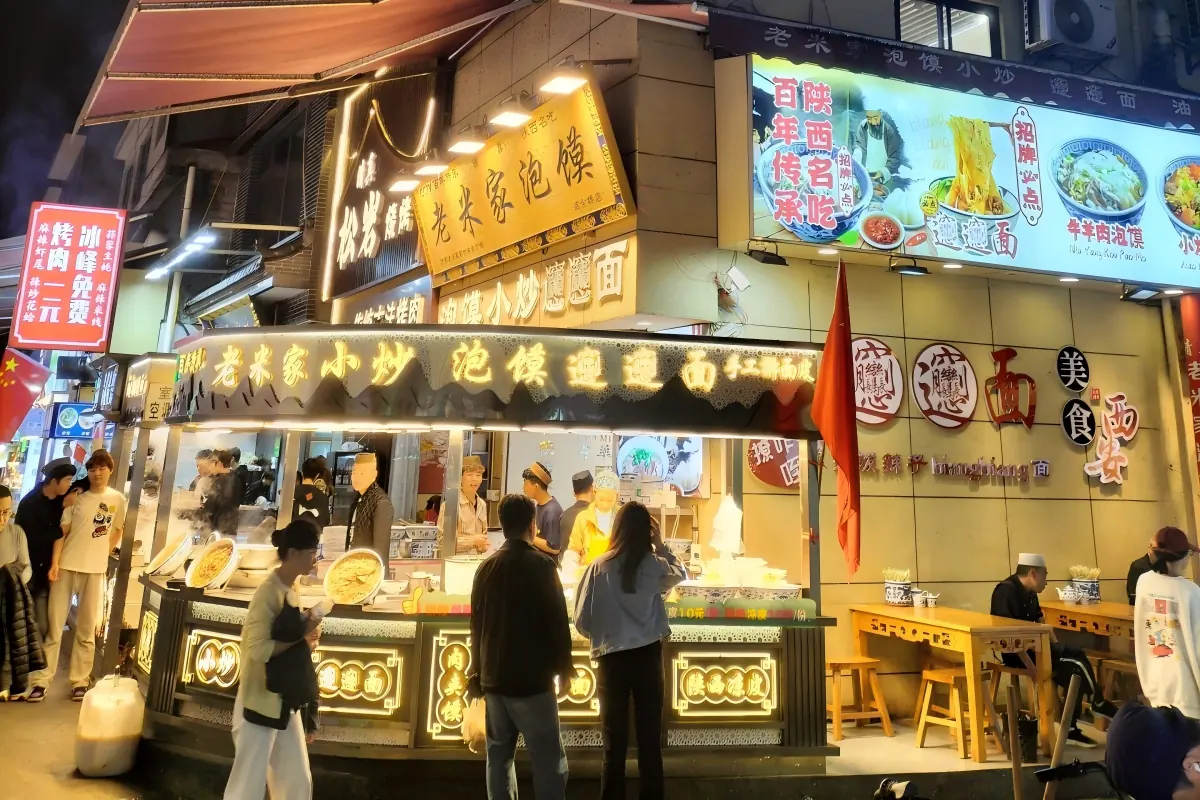
Explore one of Xi'an's liveliest historic neighborhoods, shaped by centuries of interaction between Chinese and Muslim communities. Come for busy lanes, local snacks and evening atmosphere near the Drum Tower.
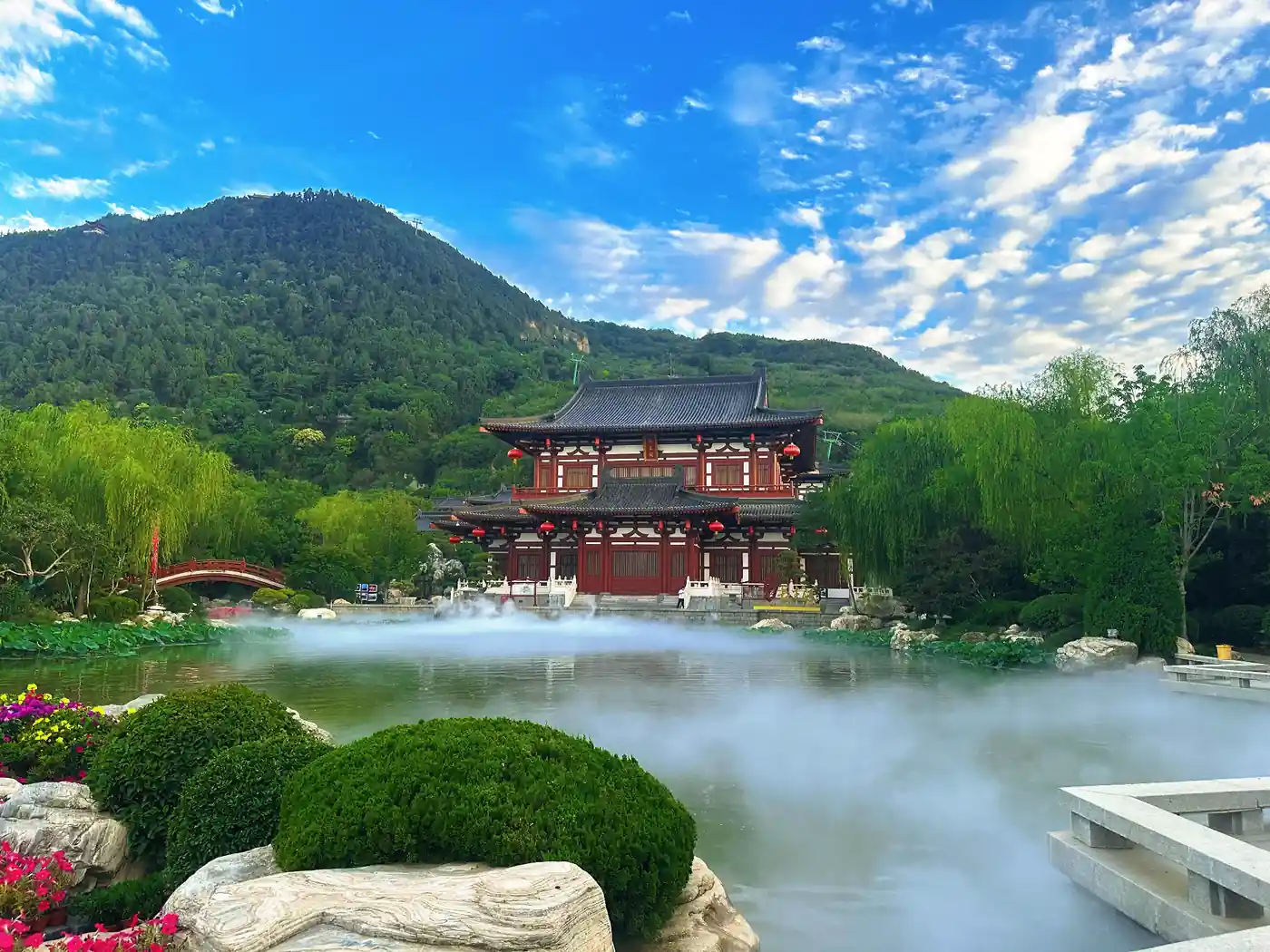
Explore an imperial palace site associated with the Tang Dynasty and the hot springs near Mount Li. Its location in the Lintong area makes it a natural addition for travelers spending more time around the Terracotta Army.
Combine the Terracotta Army with Xi'an City Wall, Giant Wild Goose Pagoda, the historic city center and local food without trying to fit every attraction into the same day.
Xi'an is easier to plan when you group its sights by area. Explore the historic center around the Bell and Drum Towers, walk the ancient City Wall from South Gate, discover Tang Dynasty heritage around Giant Wild Goose Pagoda and Great Tang All Day Mall, and allow separate time for the Terracotta Army in Lintong.
Most first-time Xi'an trips work best by dividing the city into three main sightseeing zones: the historic center inside the City Wall, the Tang heritage areas south of the center, and Lintong for the Terracotta Army. This avoids unnecessary backtracking and makes a two- or three-day itinerary much easier to organize.

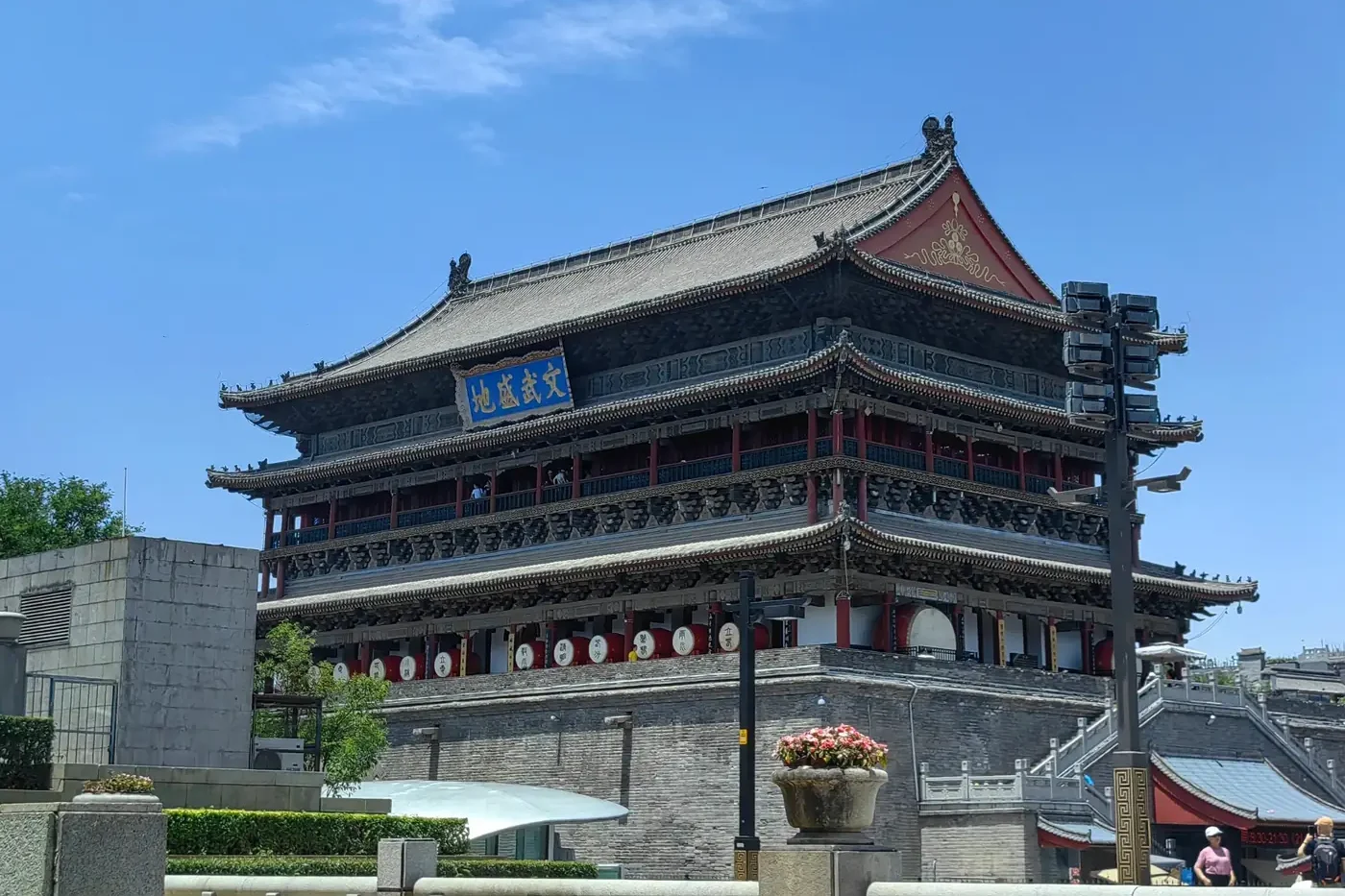
Begin in the geographical heart of central Xi'an. The Bell Tower and Drum Tower are two of the city's most recognizable landmarks and provide an easy starting point for exploring the historic center on foot.

Explore busy lanes near the Drum Tower shaped by centuries of interaction between Chinese and Muslim communities. The area is especially lively later in the day, with local snacks, shops and a distinctive street atmosphere.
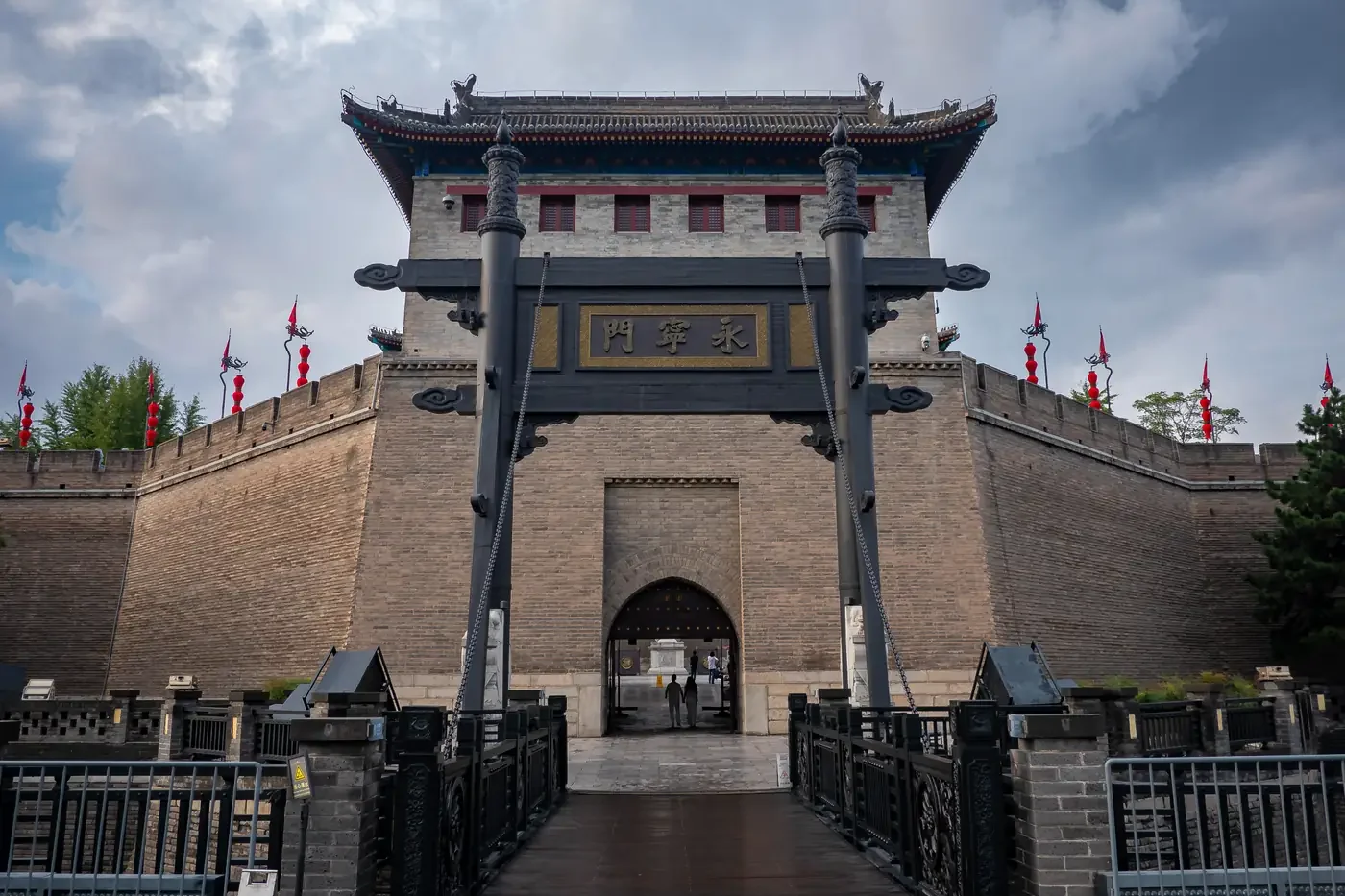
Head to Yongning Gate at the southern section of the ancient City Wall for one of Xi'an's best walking and cycling experiences. From the wall, you can appreciate the contrast between the old walled city and modern Xi'an.
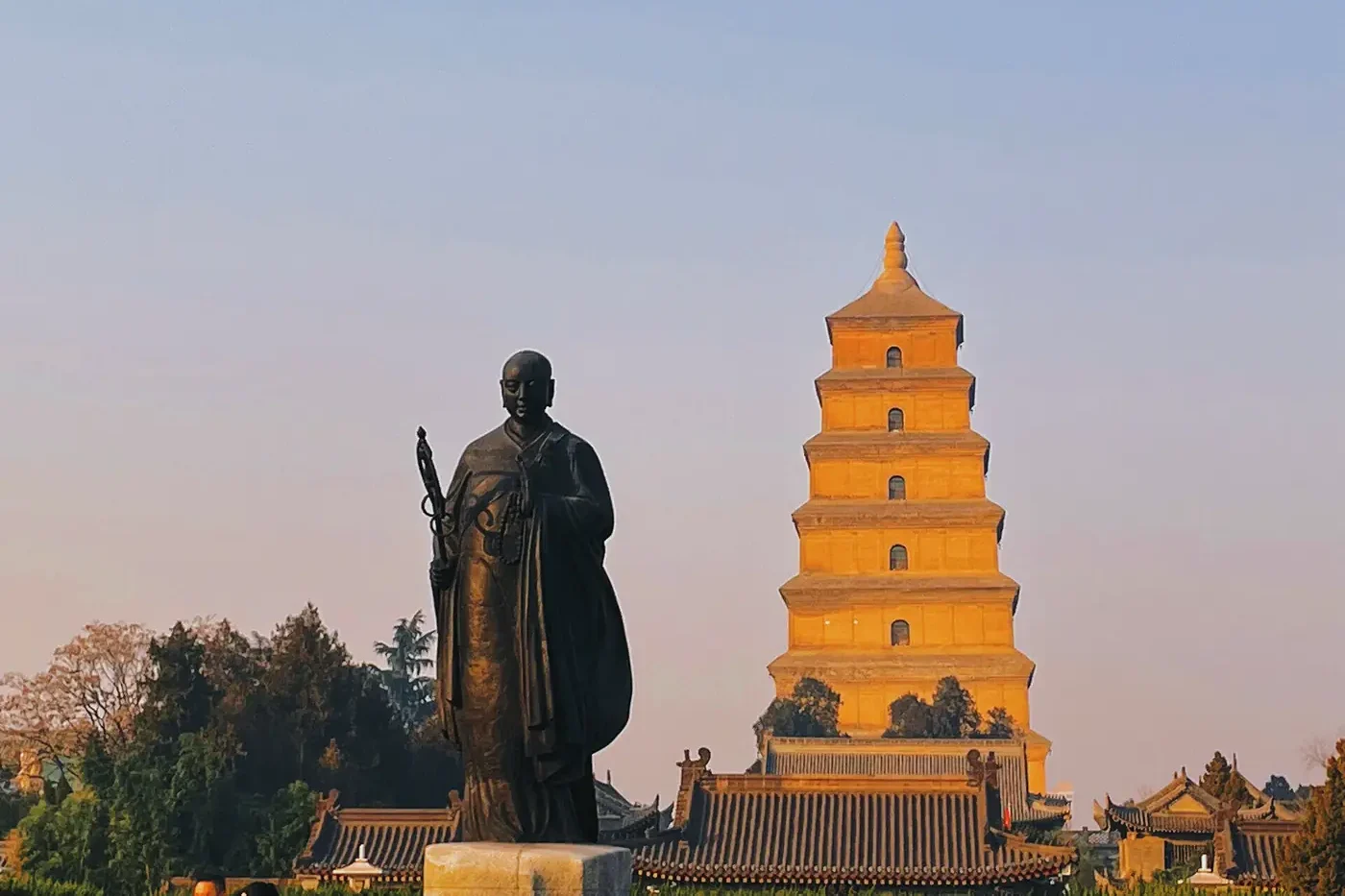
Explore Xi'an's most important Tang heritage district around the Giant Wild Goose Pagoda. The wider Qujiang area combines Buddhist history, Tang Dynasty themes and landscaped public spaces, while Great Tang All Day Mall brings illuminated architecture, cultural performances and a lively evening atmosphere to the district.
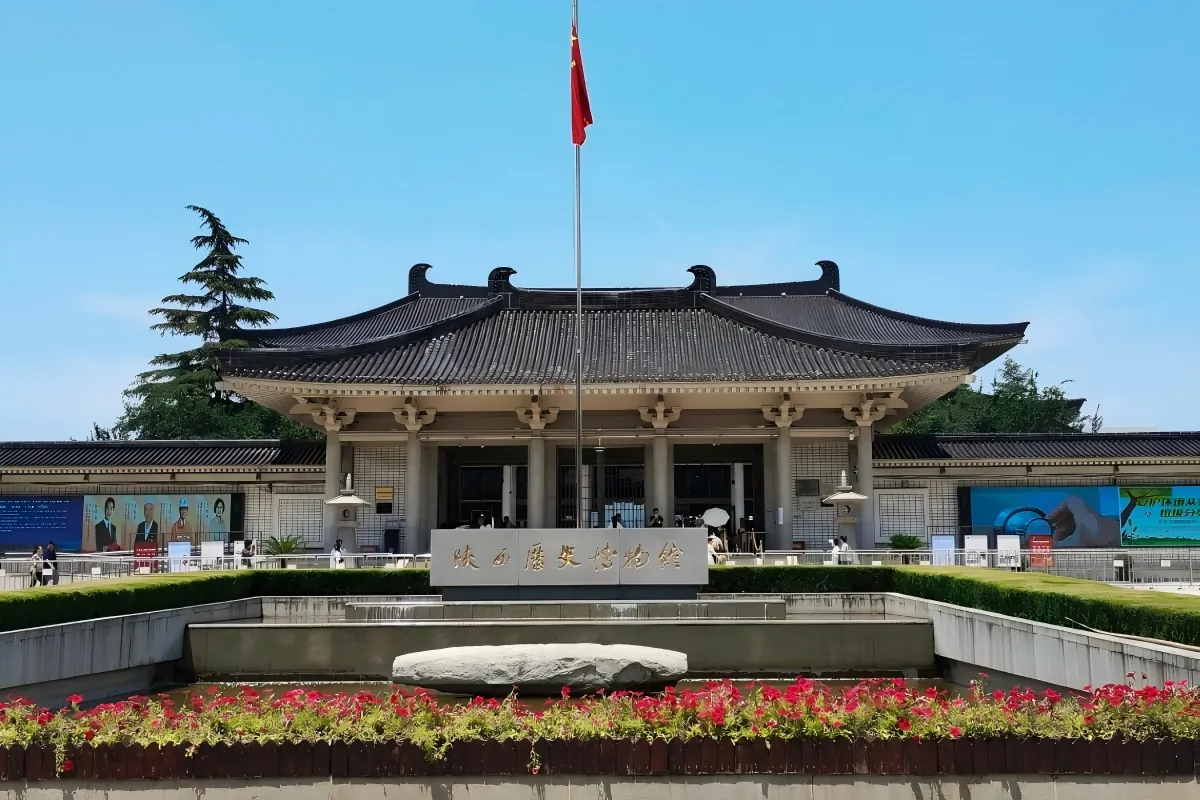
Use this part of southern Xi'an to deepen your understanding of the city's past. Shaanxi History Museum covers thousands of years of regional history and gives useful context to both the Terracotta Army and Xi'an's Tang Dynasty heritage.
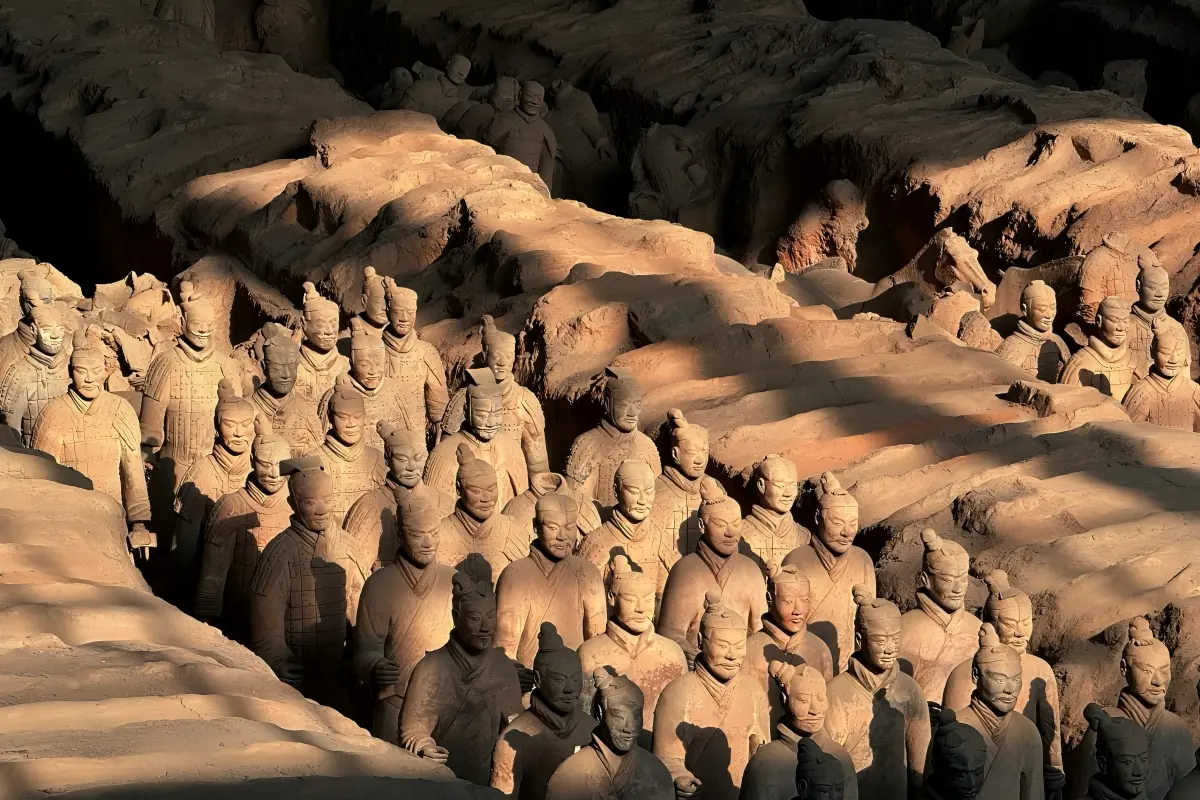
Travel east of central Xi'an to Lintong for the Terracotta Army, the archaeological site associated with Qin Shi Huang. Travelers with more time can combine the area with Huaqing Palace rather than rushing back and forth between central Xi'an sights.
Group nearby sights instead of crossing the city repeatedly. Central Xi'an works well for historic landmarks and food, southern Xi'an focuses on Tang heritage and museums, while Lintong deserves separate time for the Terracotta Army.
See how to combine the historic city center, Tang heritage sights and the Terracotta Army into practical one-, two- and three-day Xi'an routes.
Xi'an is one of China's most distinctive food destinations, known for wide noodles, flatbreads, lamb dishes and flavors shaped by Shaanxi's wheat-growing traditions and centuries of Silk Road exchange. For first-time visitors, the Muslim Quarter is the best-known place to experience this mix of food, history and Hui Muslim culture.
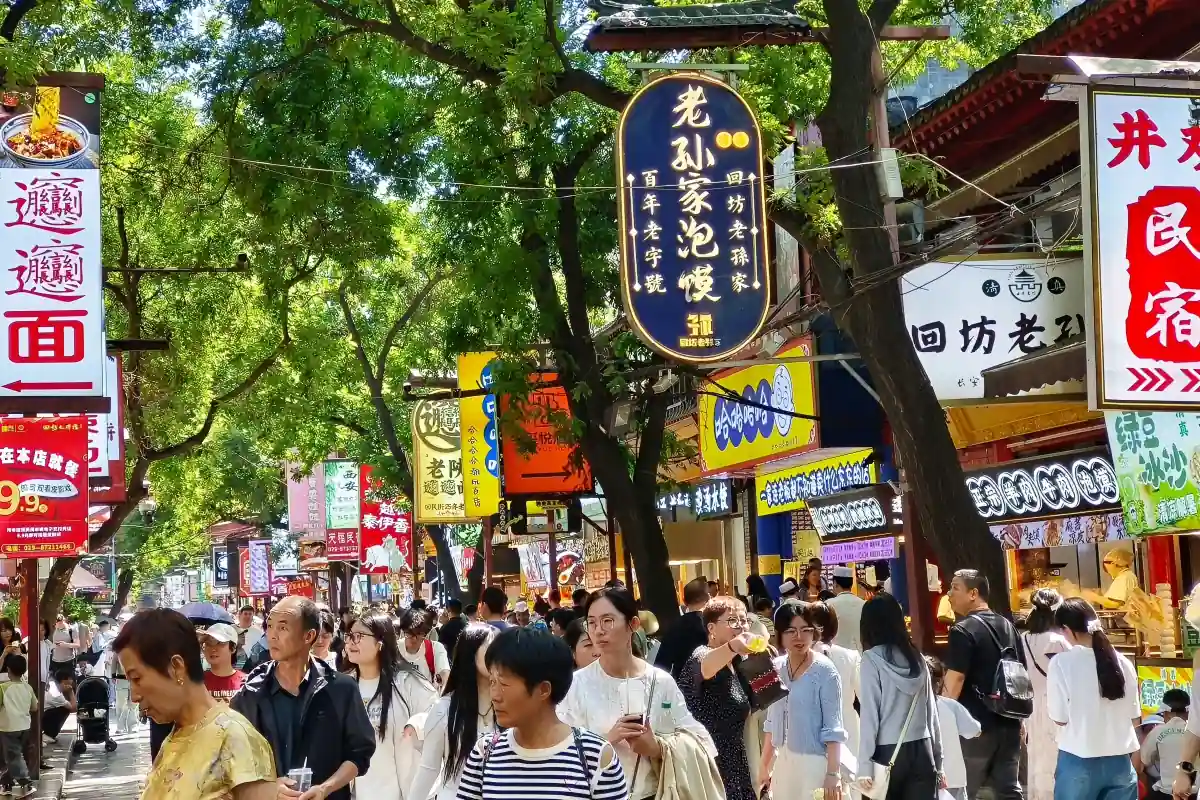
The Muslim Quarter sits beside the Drum Tower in Xi'an's historic center and has been shaped by generations of Hui Muslim residents. Its busy streets are filled with restaurants, snack stalls and local shops, while the Great Mosque of Xi'an adds one of the city's most important Islamic heritage landmarks to the neighborhood. Together, the food streets, mosque and surrounding lanes reflect Xi'an's long history of cultural exchange along the Silk Road.
See Muslim Quarter in the Area Guide ↑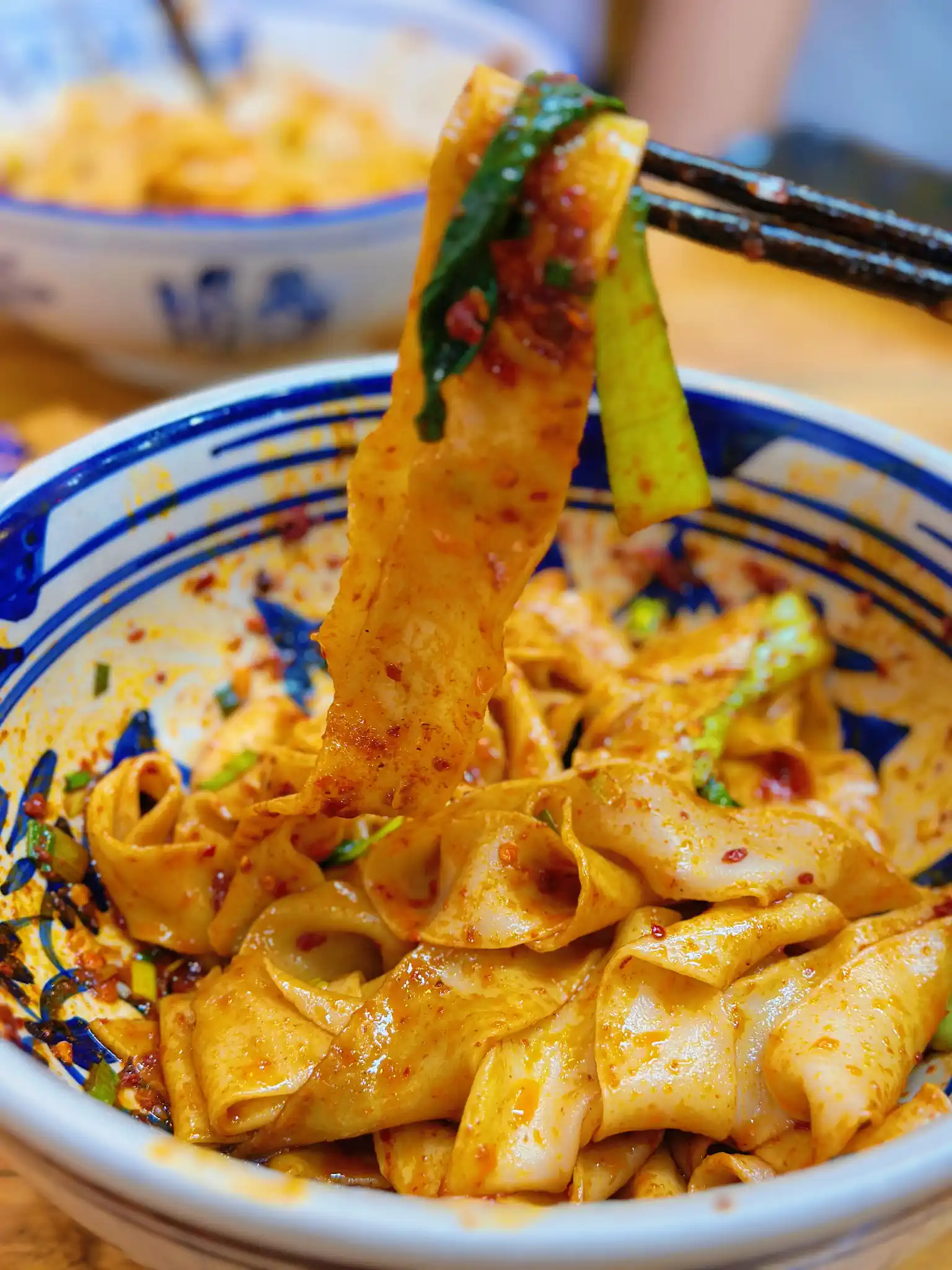
Extra-wide hand-pulled noodles are one of Xi'an's best-known dishes and a classic expression of Shaanxi's wheat-based cuisine.
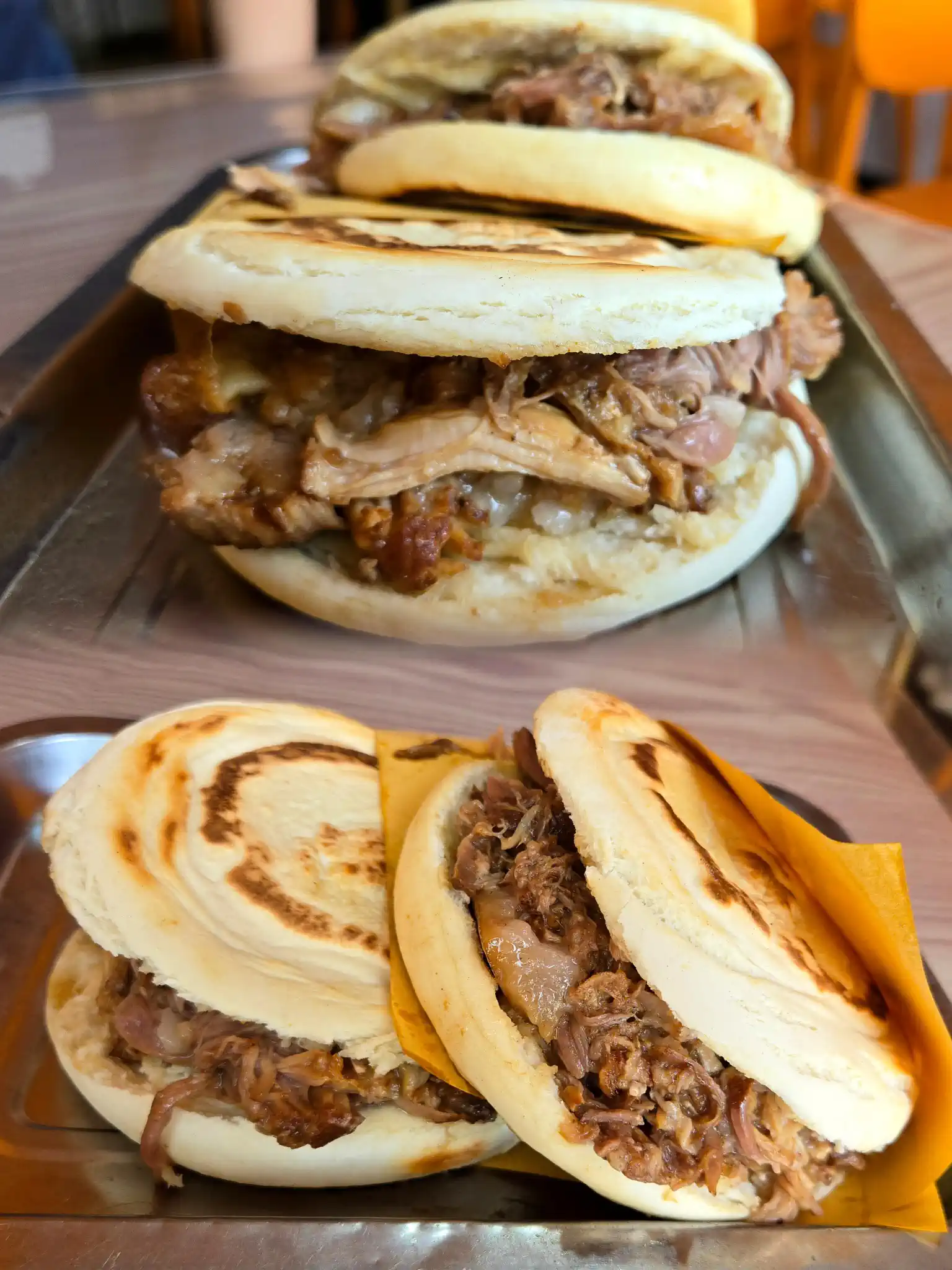
A crisp round flatbread filled with seasoned meat, roujiamo is one of Xi'an's most recognizable everyday foods and an easy snack during sightseeing.
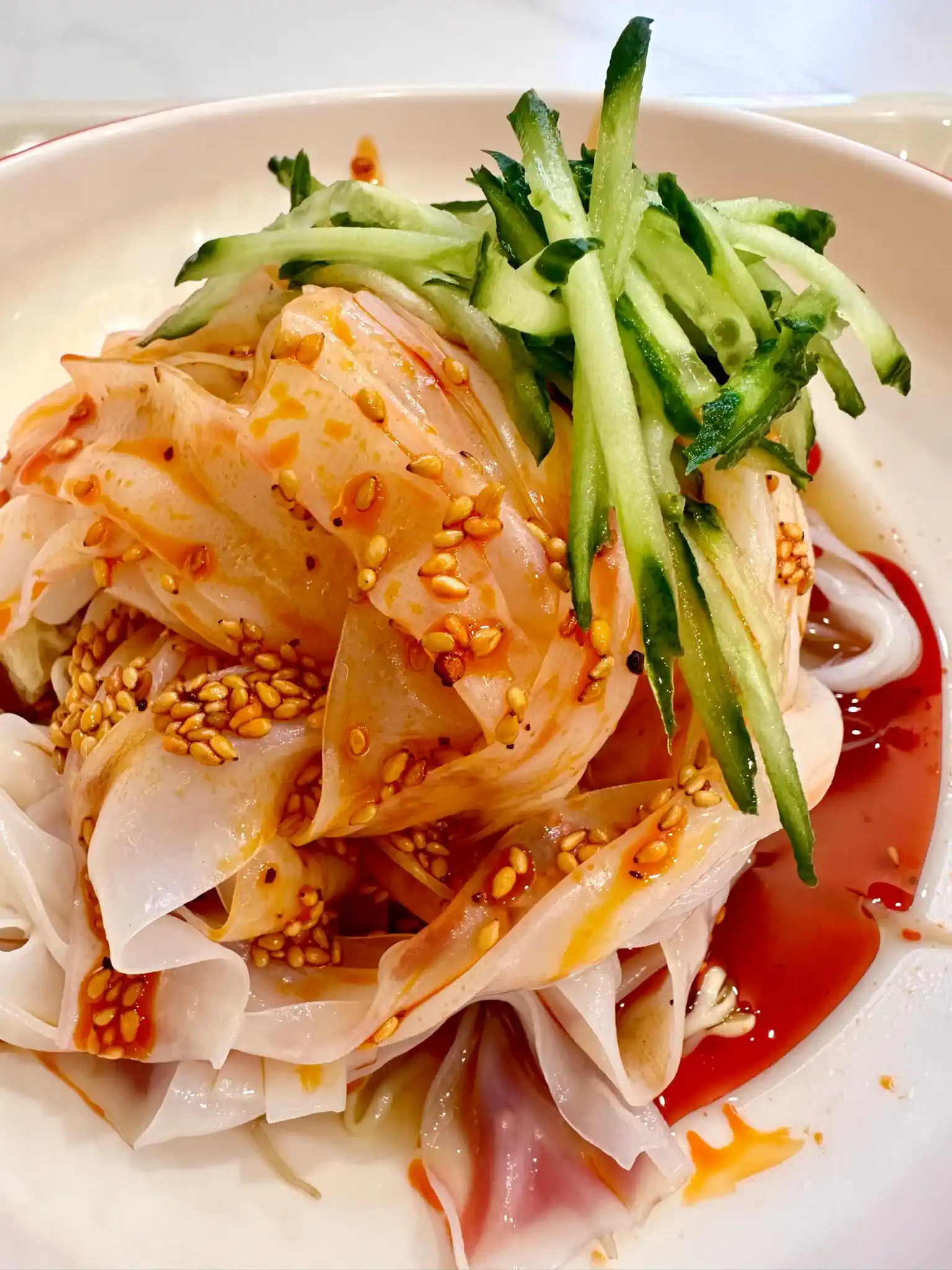
These cool, chewy noodles provide a lighter contrast to Xi'an's richer bread and meat dishes and are especially popular during warmer weather.
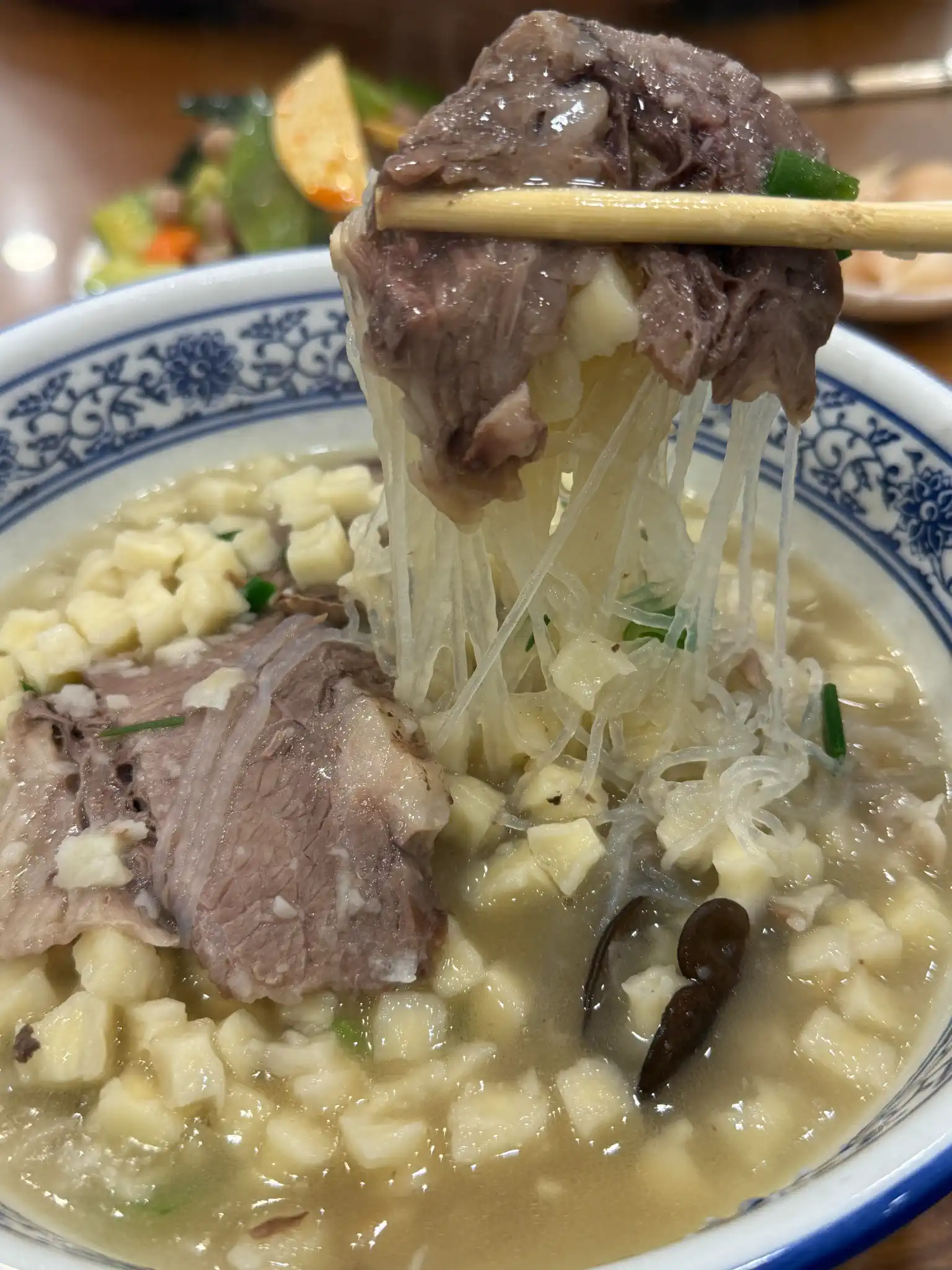
Pieces of flatbread served in rich lamb broth make this one of Xi'an's most culturally distinctive dishes and an important part of local Hui Muslim food traditions.
Xi'an's cuisine reflects the agricultural traditions of Shaanxi, where wheat-based foods such as noodles and flatbreads are central. The city's position at the eastern end of the Silk Road also brought centuries of cultural exchange, while its Hui Muslim community helped shape many of the lamb, bread and street-food traditions visitors still encounter today.
A simple first-time plan is to explore the City Wall, Bell and Drum Towers during the day, then spend the evening around the Muslim Quarter trying Xi'an's most famous local dishes.
Choose a Xi'an itinerary based on your travel time and interests. Three days works especially well for first-time visitors, giving you enough time for the historic city center, Terracotta Army, Tang Dynasty heritage, museums and local food without rushing between distant areas.
This 3-day Xi'an itinerary combines the ancient City Wall, Bell and Drum Towers, Muslim Quarter, Terracotta Army, Shaanxi History Museum and Giant Wild Goose Pagoda in a practical route designed for first-time visitors.
Start at Yongning Gate and explore Xi'an's ancient City Wall on foot or by bicycle. The 13.7-kilometer wall gives you an immediate sense of the scale of the historic city and is a natural introduction to central Xi'an.
Continue through the center of the old city to the Bell Tower and nearby Drum Tower. These Ming Dynasty landmarks form one of the most recognizable parts of Xi'an and connect naturally with the surrounding historic streets.
Spend the evening exploring the Muslim Quarter near the Drum Tower. Sample local specialties such as roujiamo, liangpi, yangrou paomo and biangbiang noodles while experiencing one of central Xi'an's liveliest neighborhoods.
Explore Xi'an Food & Muslim Quarter ↑
Make the Terracotta Army the focus of your second day and visit in the morning when possible. Explore the archaeological site associated with Qin Shi Huang, then spend additional time in Lintong or add Huaqing Palace if it fits your interests and sightseeing pace.
See Terracotta Army & Xi'an Attractions ↑
Spend your final day in southern Xi'an. Visit Shaanxi History Museum for deeper context on the city's ancient past, then continue to Giant Wild Goose Pagoda and the wider Qujiang area to explore Xi'an's Tang Dynasty and Buddhist heritage.
Explore Southern Xi'an by Area ↑Compare private Xi'an tours covering the Terracotta Army, historic city center, Tang heritage, local food and optional extensions such as Mount Hua, or customize the route around your own travel dates and interests.
The best time to visit Xi'an is generally spring and autumn, when conditions are more comfortable for walking the ancient City Wall, exploring outdoor historic sites and visiting the Terracotta Army. Summer can be very hot and crowded, while winter is colder but often quieter for sightseeing.
Spring and autumn usually offer the best balance for first-time visitors, especially if your plans include the City Wall, Terracotta Army, Giant Wild Goose Pagoda and other outdoor sights. Summer requires more planning around heat and crowds, while winter can work well if you prefer a quieter travel experience.
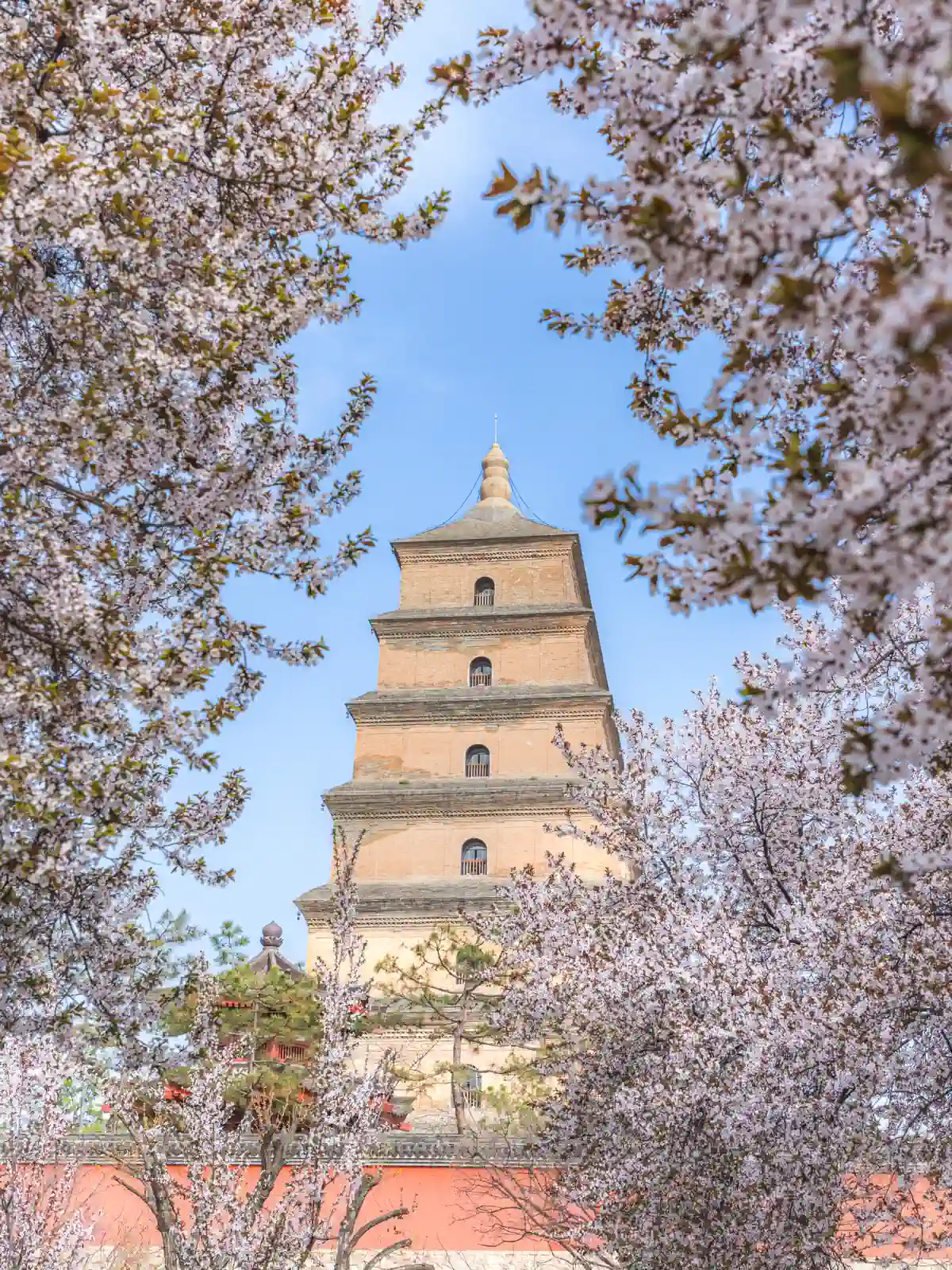
Spring is one of the best seasons for a Xi'an trip. Milder conditions make it easier to walk the City Wall, explore the historic center and spend longer periods outdoors at major attractions.
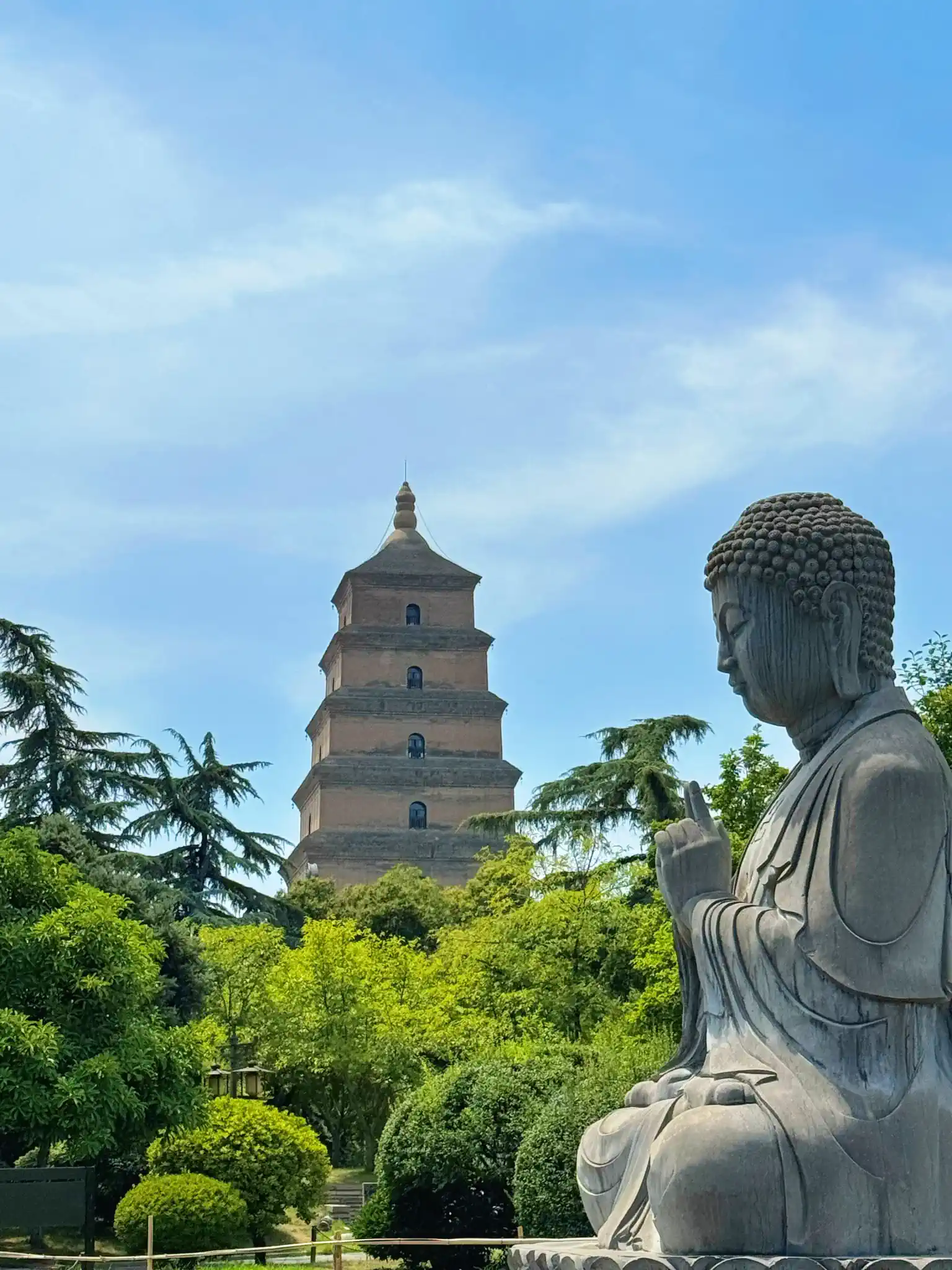
Summer can be very hot, with peak temperatures sometimes reaching around 38–40°C. August is also one of the busiest periods because of summer vacations, so early starts and a slower midday pace can make sightseeing more comfortable.
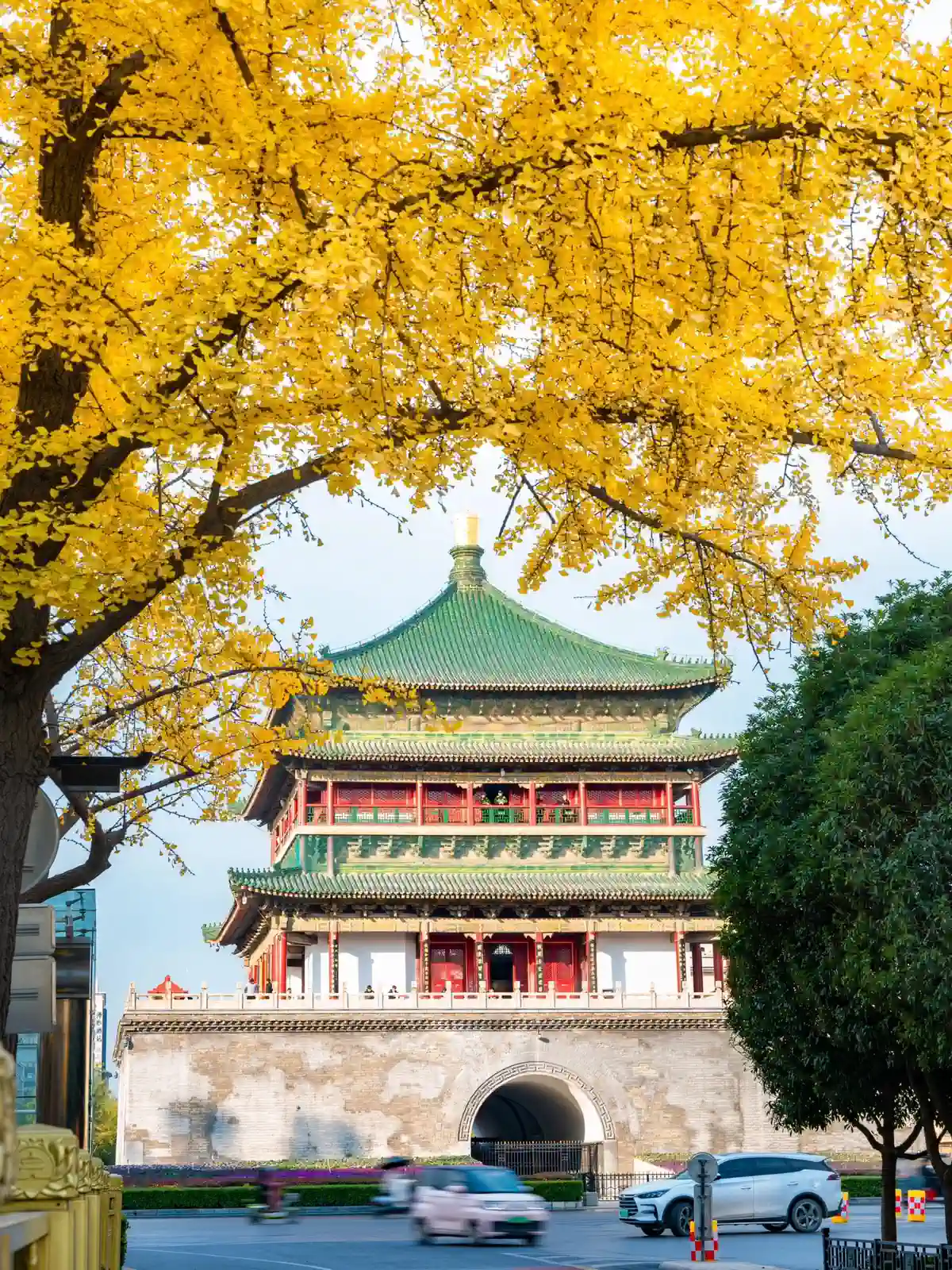
Autumn is another excellent season for Xi'an, with more comfortable conditions for walking, cycling the City Wall and exploring outdoor historical sites. If traveling in October, avoid the National Day holiday period when possible.

Winter is colder but generally brings fewer tourists, making it useful for travelers who value quieter museums and historic sites. Be aware that Spring Festival can create a temporary surge in domestic travel and visitor numbers.
Spring and autumn are the easiest seasons for most first-time trips. If you travel in summer, plan around heat and larger crowds. Winter can offer a quieter experience, while major national holidays should be considered separately when choosing your dates.
The best area to stay in Xi'an depends on how you plan to explore the city. First-time visitors usually benefit from staying inside the City Wall or around Bell Tower, while South Gate, the Muslim Quarter, Xiaozhai and Giant Wild Goose Pagoda offer different combinations of historic atmosphere, food, nightlife and transport.
The Bell Tower area is the most convenient base for many first-time visitors. Staying near the center of the old city puts the Bell Tower, Drum Tower, Muslim Quarter, City Wall, restaurants and metro connections within easy reach.

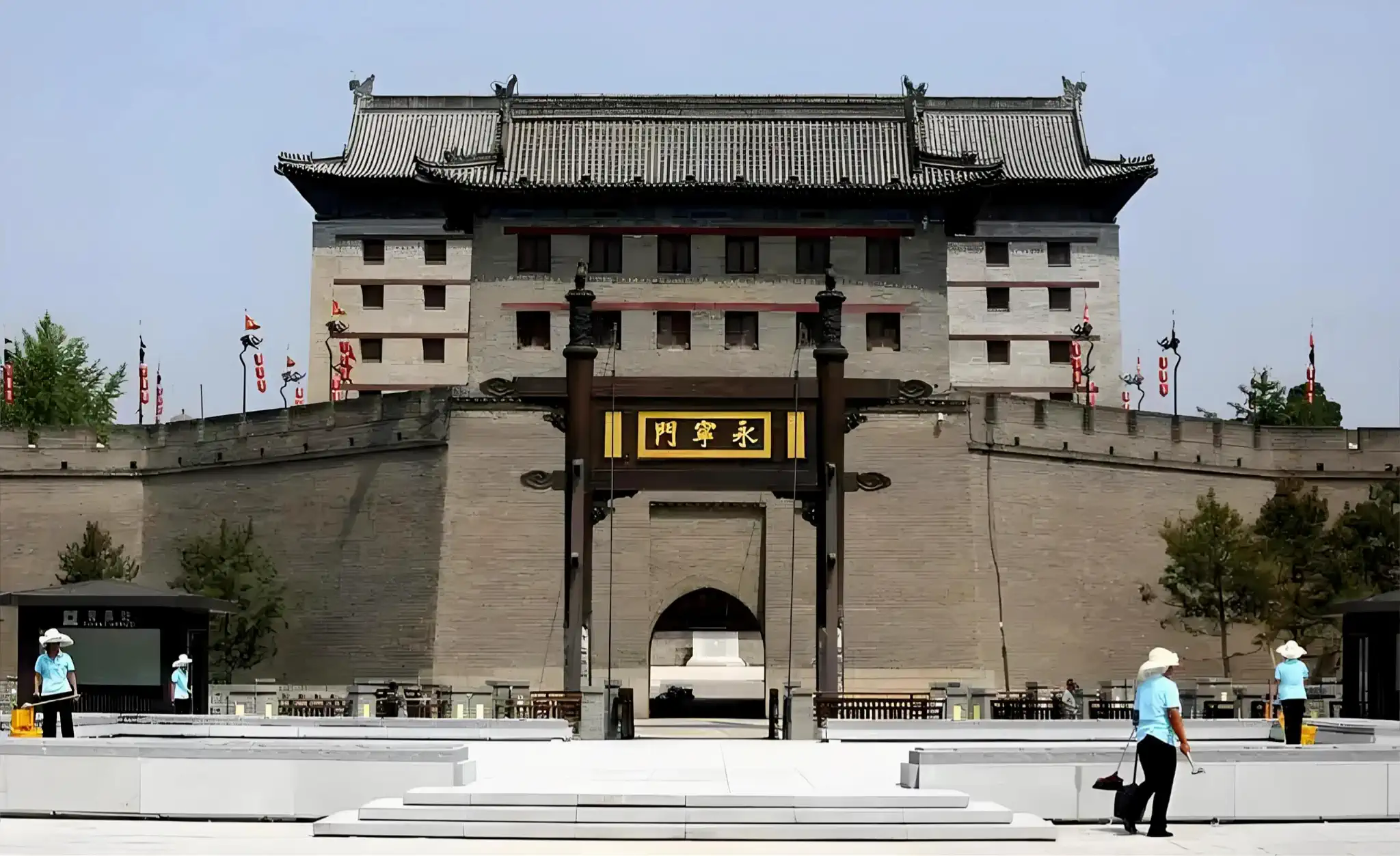
Stay around Yongning Gate for direct access to the southern section of Xi'an City Wall and easy travel into the historic center. This area works especially well for travelers who want atmospheric evening walks and convenient central sightseeing.
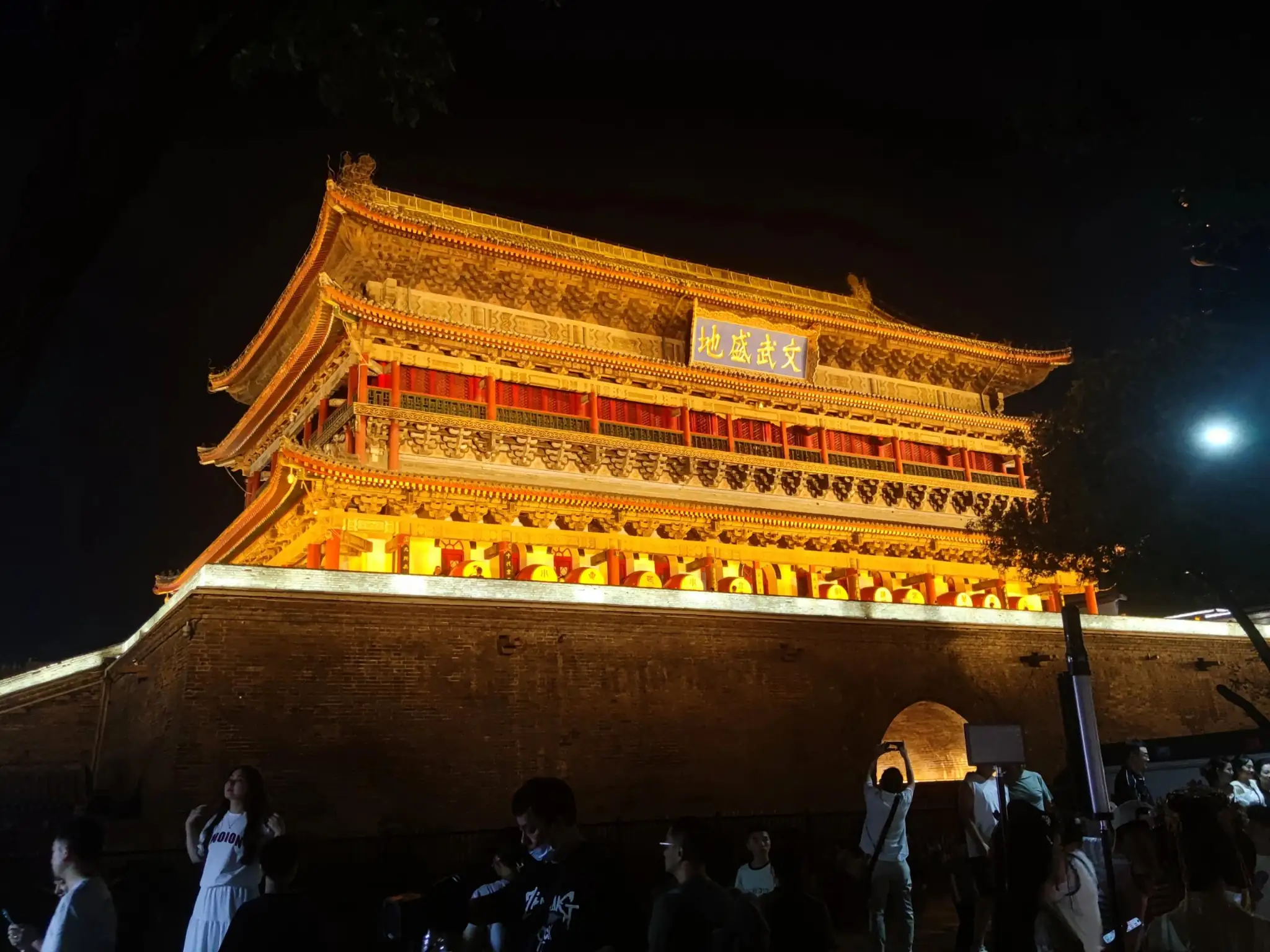
Choose this part of central Xi'an if local food and a lively historic atmosphere are priorities. The Muslim Quarter, Drum Tower and surrounding lanes are easy to explore on foot, especially in the evening.
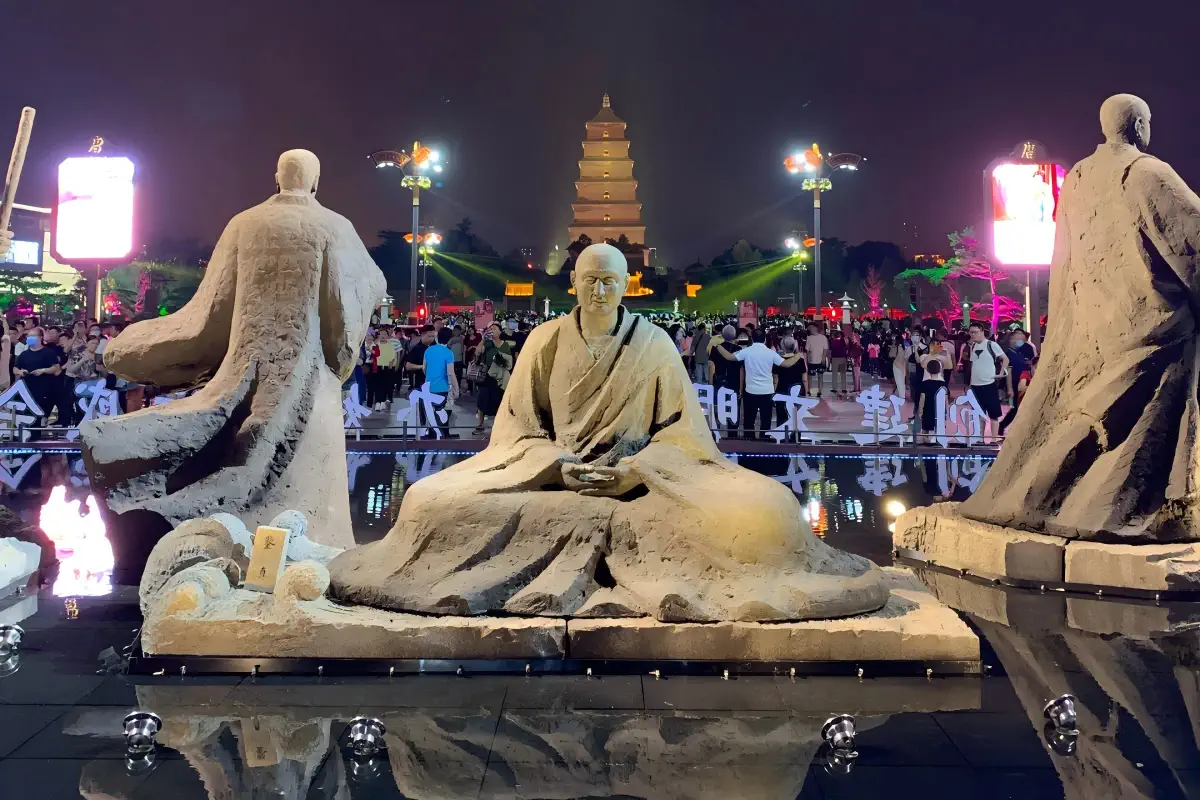
The Qujiang area offers modern accommodation close to Giant Wild Goose Pagoda and Xi'an's major Tang heritage attractions. It is a good alternative to the old city for travelers who prefer newer hotels and evening attractions.

Xiaozhai is convenient for Shaanxi History Museum, Giant Wild Goose Pagoda and the southern part of Xi'an. It suits travelers who want good metro access while staying closer to museums, shopping and Tang heritage sights.
Stay near Bell Tower for the most convenient first-time base, choose South Gate for City Wall atmosphere, or move toward Qujiang and Xiaozhai if Tang heritage, museums and modern hotels are a bigger priority.
Xi'an is well connected by metro, taxis, ride-hailing, high-speed rail and Xi'an Xianyang International Airport. Most central sights are straightforward to reach, while the Terracotta Army in Lintong requires a separate journey outside the historic city center.
The metro works well for many city sights and transport hubs, while taxis and ride-hailing are useful when routes become less direct. Treat the Terracotta Army as a separate sightseeing trip rather than trying to combine it with several central Xi'an attractions on the same day.
The metro is one of the easiest ways to travel between central Xi'an, major commercial areas, railway connections and many popular sights. It is especially useful for avoiding road traffic during busy periods.
Xi'an Xianyang International Airport (XIY) is the main airport serving the city. Travelers can continue toward central Xi'an by public transport, taxi, ride-hailing or pre-arranged private transfer depending on arrival time and hotel location.
Xi'an is a major high-speed rail hub with convenient connections to destinations such as Beijing and other large Chinese cities. Xi'an North Railway Station handles many high-speed services and is connected with the city by public transportation.
How to Buy Train Tickets in China →Taxis and ride-hailing are useful for hotel transfers, evening journeys and routes where public transportation would require several changes. DiDi is China's main ride-hailing platform and can be especially useful for international visitors traveling around Xi'an.
How to Use DiDi in China →The Terracotta Army is in the Lintong area outside central Xi'an. Plan it as a dedicated half- or full-day excursion using public transportation, a private transfer or an organized tour rather than treating it as a quick city-center stop.
See How It Fits Your Itinerary →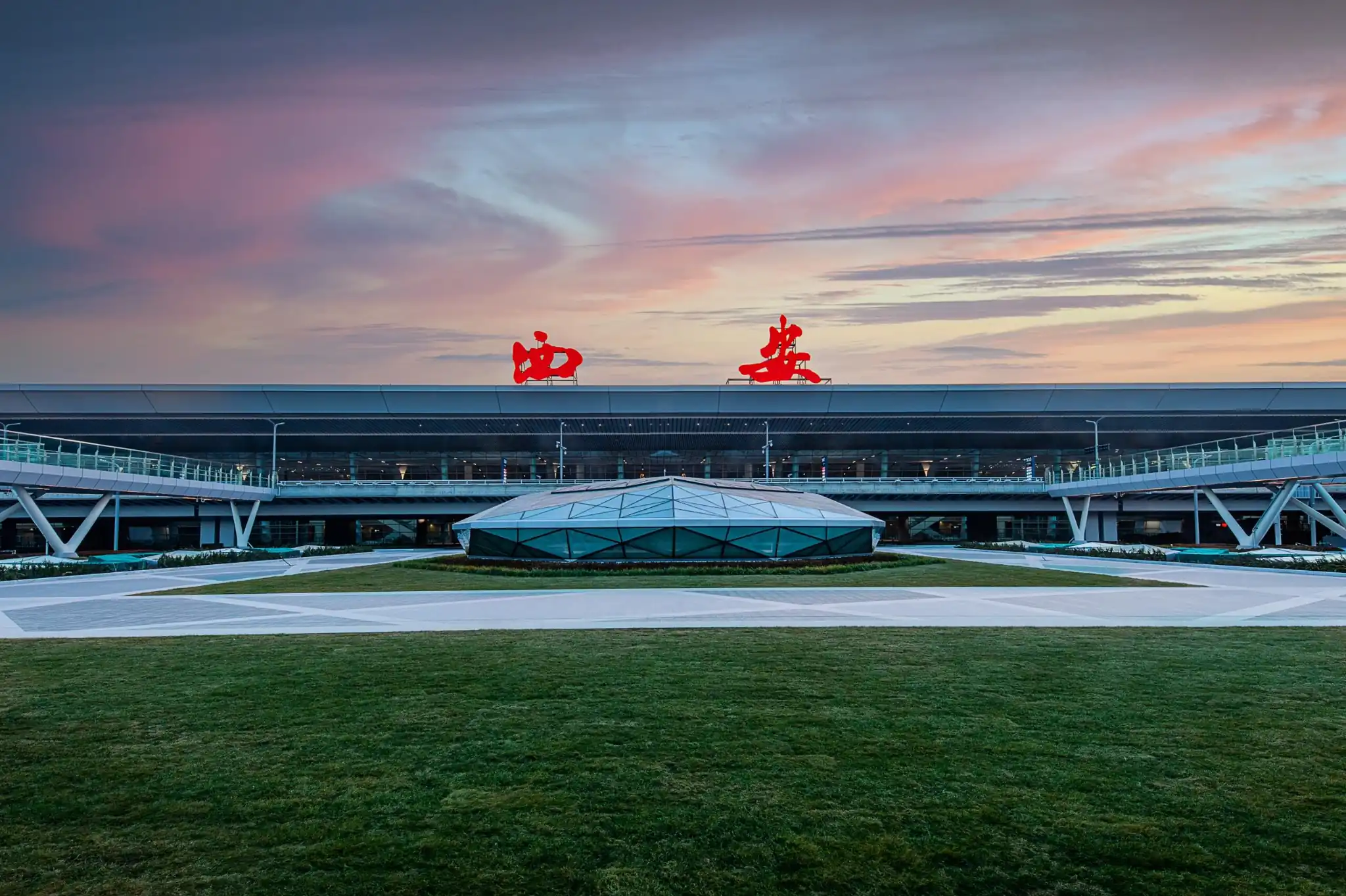

Private transfers can be included in a customized Xi'an itinerary, with airport or railway station pickup, hotel transfers and flexible transportation to the Terracotta Army and other sights.
Xi'an is a strong base for exploring Shaanxi and nearby historic destinations. Mount Hua is the classic day trip, while Lintong, Buddhist heritage sites and historic cities can be added for travelers with extra time. Choose an extension based on whether you prefer mountains, imperial history, ancient architecture or a longer multi-city journey.

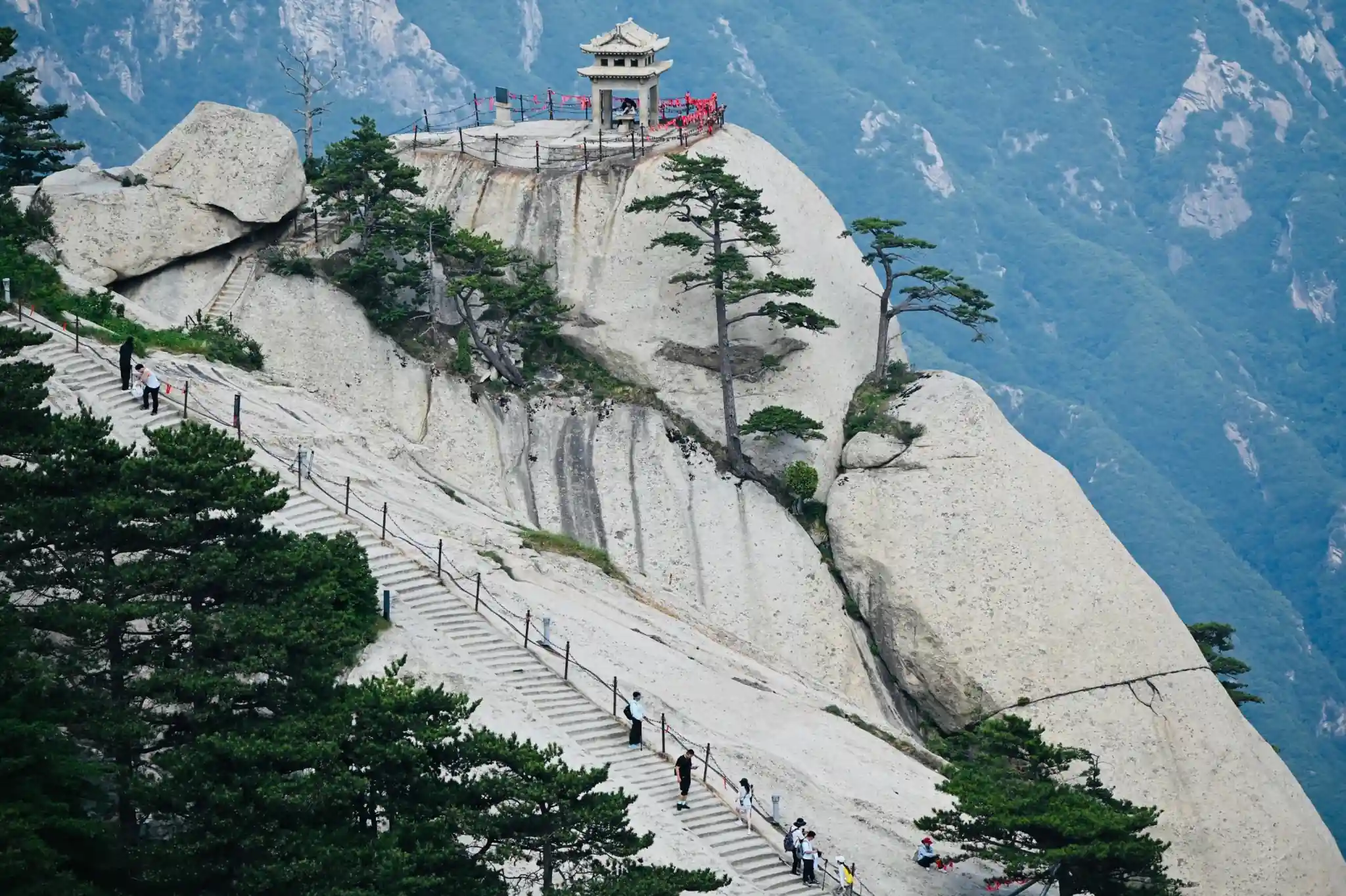
Add Mount Hua, also known as Huashan, for a dramatic contrast to Xi'an's historic landmarks. The mountain is known for steep granite peaks, temples, panoramic viewpoints and hiking routes, making it a strong choice for travelers who want an outdoor day beyond the ancient city.
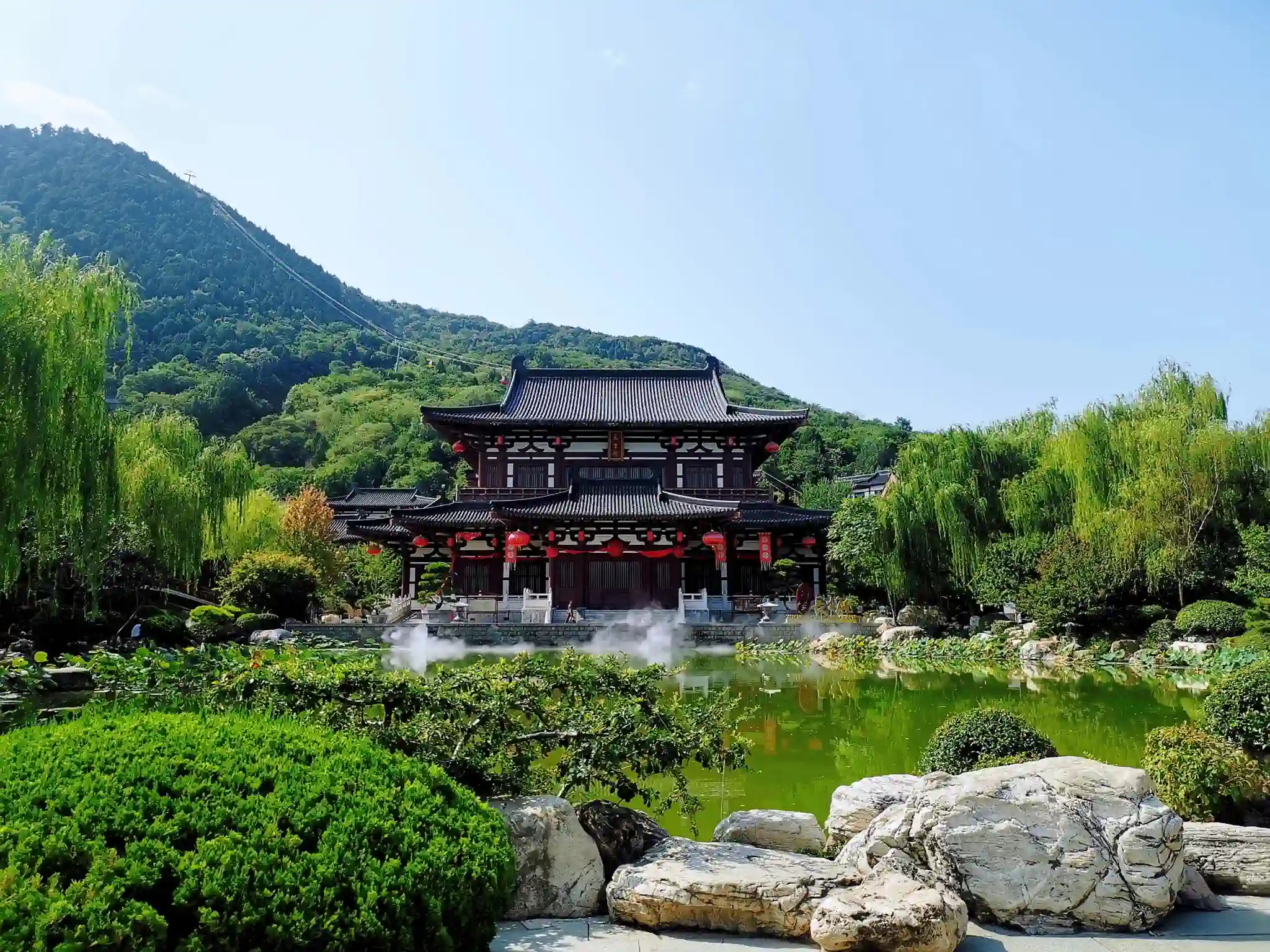
Extend your Terracotta Army day with Huaqing Palace and the Mount Li area. This adds Tang Dynasty imperial history and hot-spring heritage to a day already focused on Lintong.
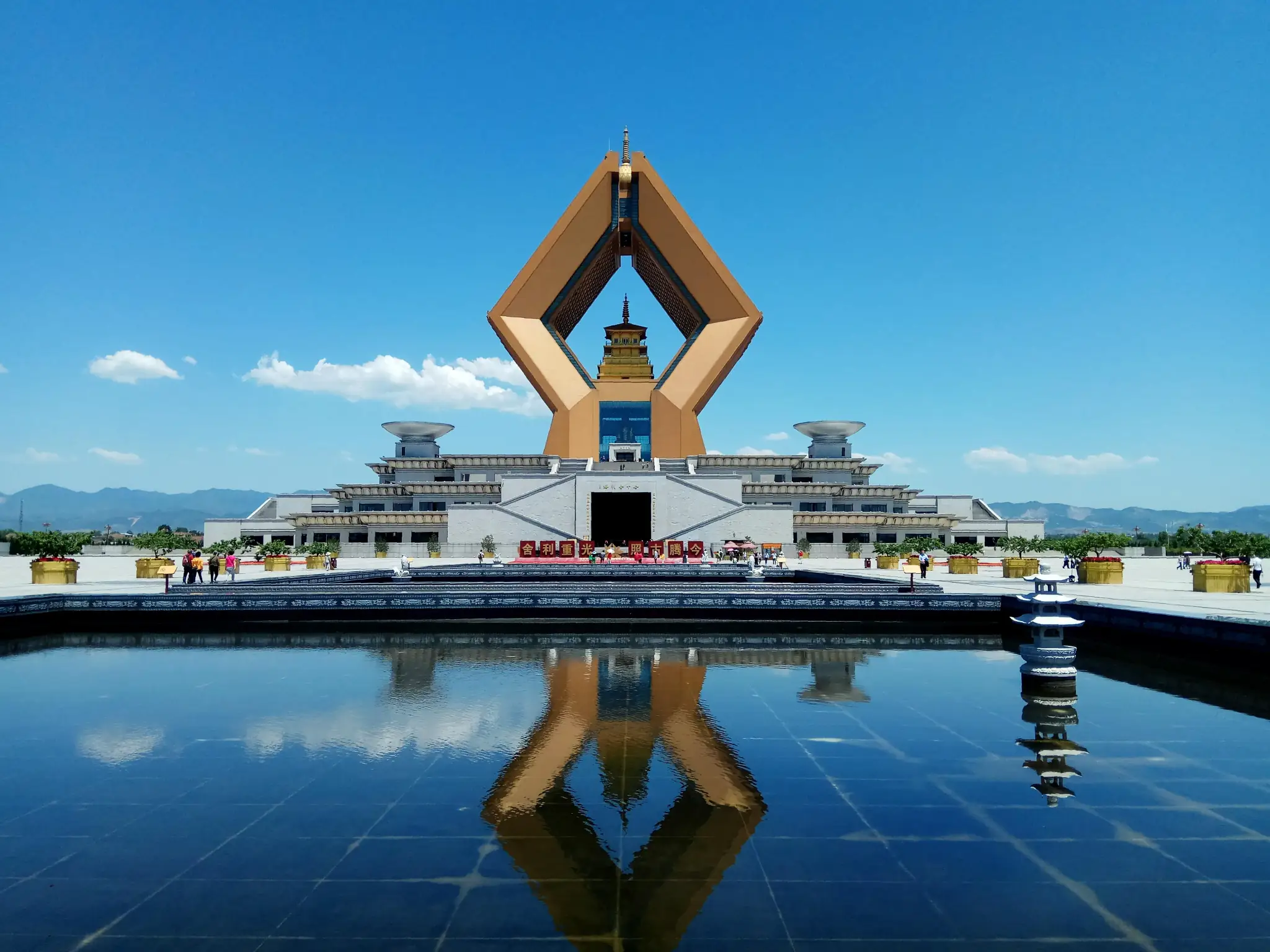
Travel beyond central Xi'an for a deeper look at Buddhist heritage connected with the wider history of Shaanxi. This option works best for travelers especially interested in religion, archaeology and Tang-era culture.

Continue east to another of China's major ancient capitals. Luoyang adds Buddhist art, imperial history and the Longmen Grottoes to a journey already focused on Xi'an's ancient civilization and Silk Road heritage.
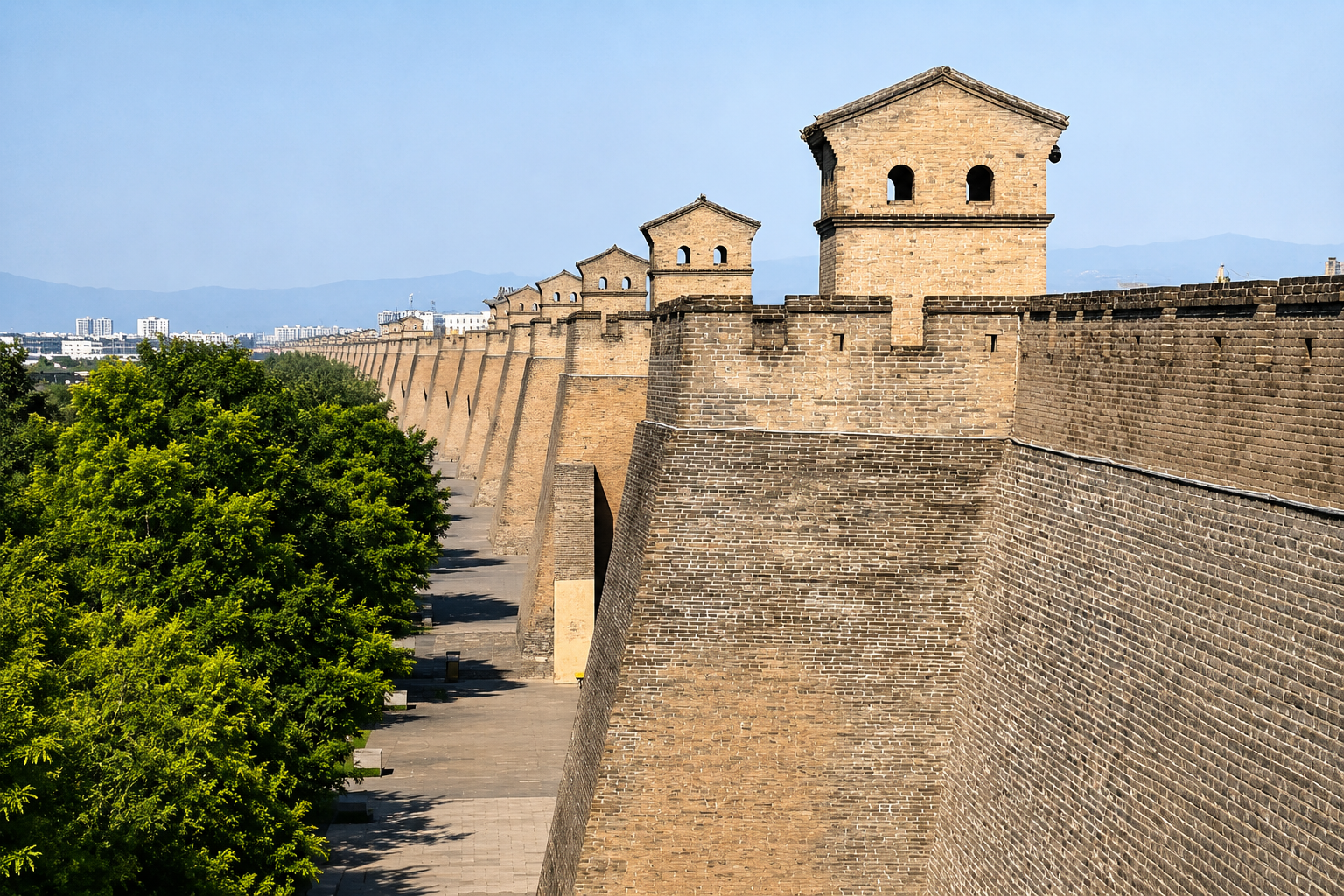
Add another historic walled city to your northern China route. Pingyao offers preserved streets, traditional courtyard architecture and merchant history that contrasts with Xi'an's much earlier imperial and Silk Road heritage.
Prepare for your Xi'an trip with practical information about China entry requirements, seasonal weather, high-speed trains, mobile payments, internet access, public holidays and essential travel tools for first-time visitors.
Check passport rules, visa requirements and available visa-free entry or transit policies before traveling to Xi'an and other destinations in China.
Compare spring, summer, autumn and winter conditions before choosing your dates. Spring and autumn are generally the easiest seasons for sightseeing, while summer can be hot and busier.
Learn how to use China's high-speed rail network for journeys between Xi'an, Beijing and other major destinations, including station planning, tickets and arrival procedures.
Prepare Alipay or WeChat Pay before arrival so you can pay more easily for restaurants, shopping, transport and other everyday expenses during your Xi'an trip.
Prepare mobile data, translation tools, map apps and ride-hailing before your trip so navigation, communication and everyday travel in Xi'an are easier from arrival.
Check major Chinese holiday periods before booking. National Day and Spring Festival can significantly increase domestic travel demand, attraction crowds and transport pressure.
Prepare for transport, language differences, attraction reservations, payments and other practical issues before beginning your first trip to Xi'an and China.
Xi'an combines naturally with other major China destinations. Plan your route around travel time, high-speed rail connections and how many days you want to spend in each city.
Combine Xi'an's Terracotta Army, ancient City Wall and Tang heritage with other destinations based on your travel dates, interests and preferred pace.
Compare private Xi'an tours for short first visits, classic three-day sightseeing and longer journeys beyond the city. These routes combine the Terracotta Army, Xi'an City Wall, historic neighborhoods, Tang Dynasty heritage and optional extensions such as Mount Hua, Luoyang and Shaolin.
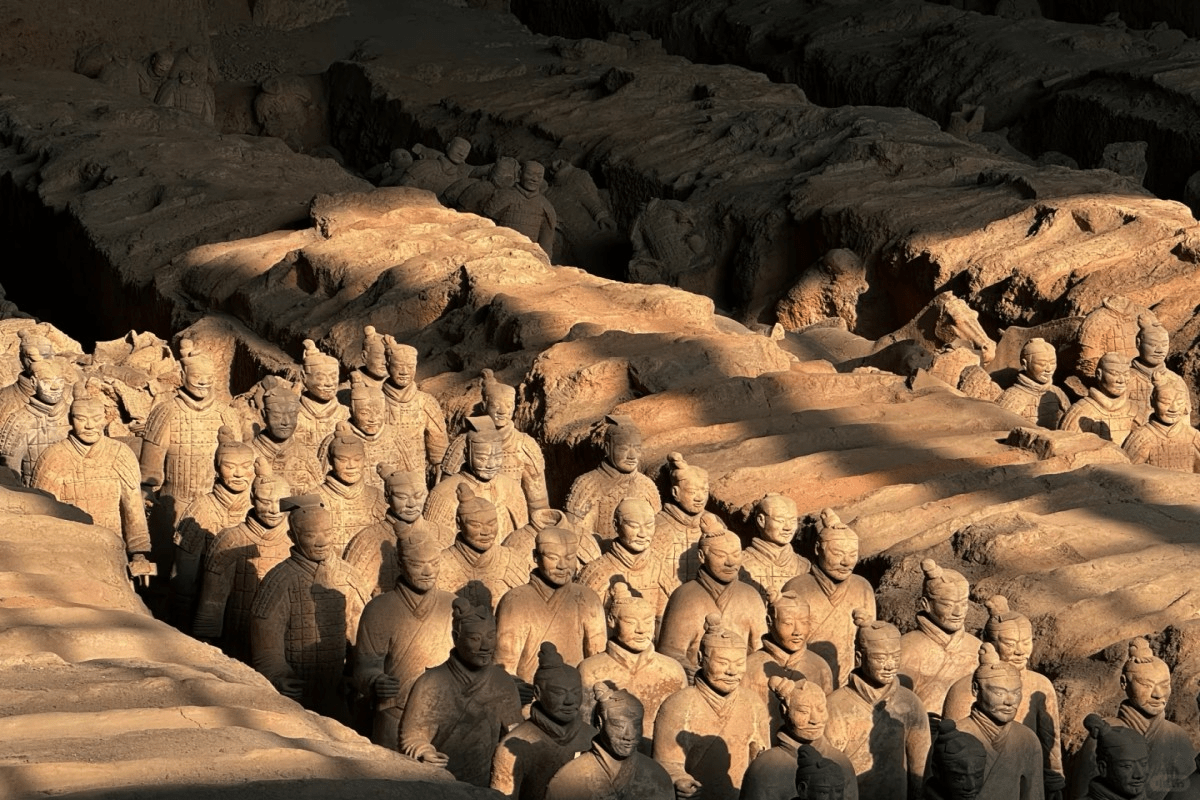
Spend three days exploring Xi'an's essential historical sights, including the Terracotta Army and ancient City Wall, with a private itinerary designed for travelers who want the city's major highlights at a comfortable pace.
View 3-Day Xi'an Tour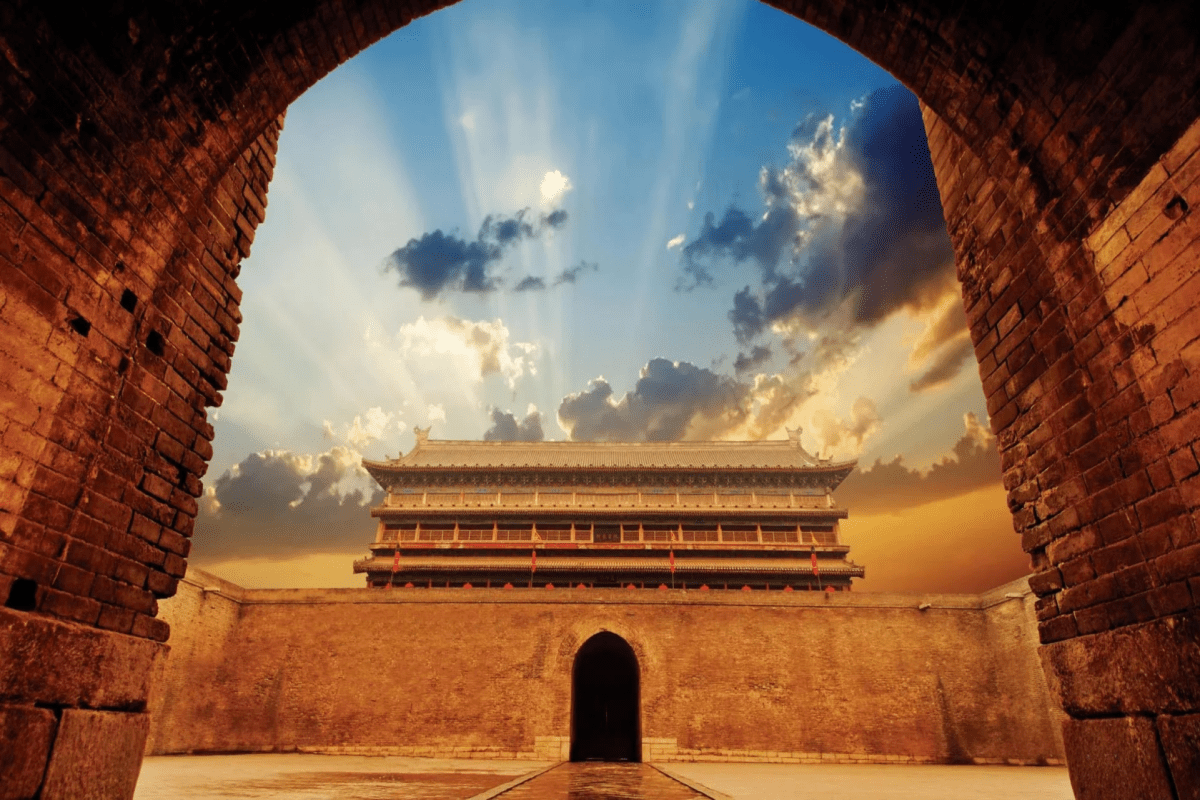
See the Terracotta Warriors and ancient City Wall in a compact private day tour designed for travelers with limited time in Xi'an.
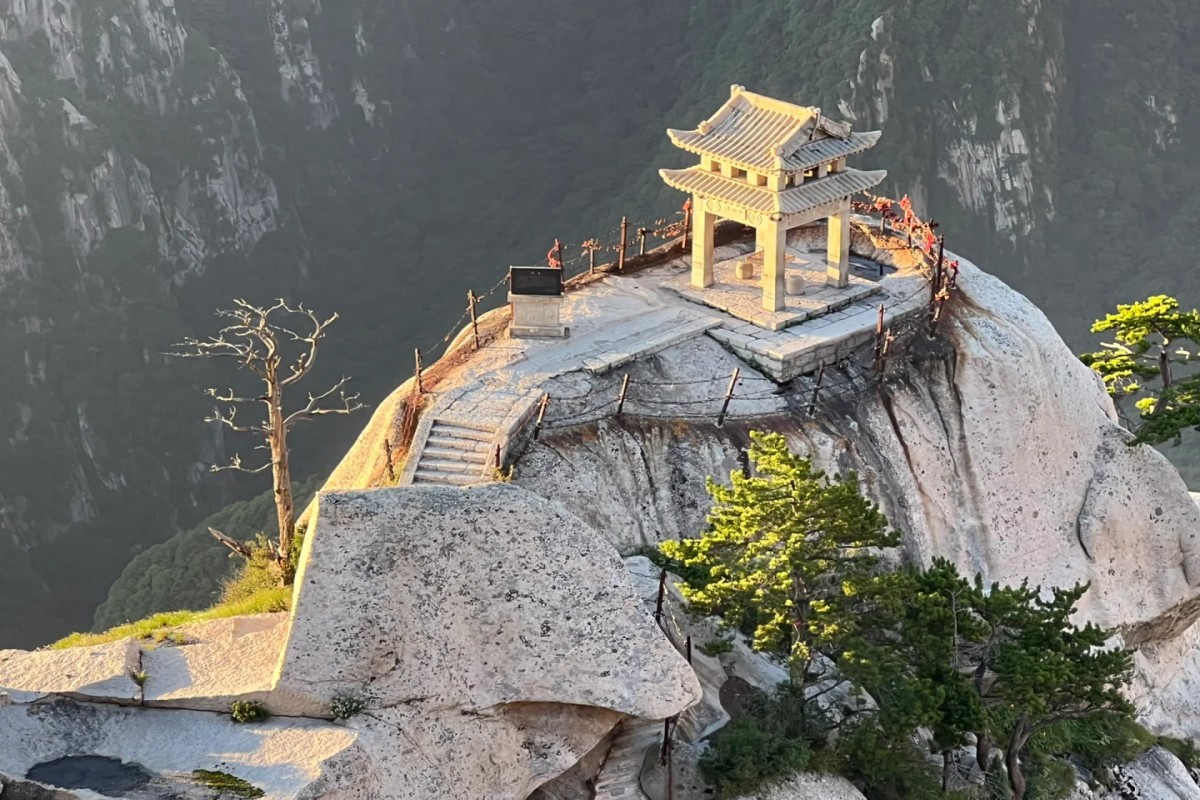
Combine Xi'an's classic historic sights and Terracotta Warriors with a Mount Hua extension for dramatic mountain scenery beyond the ancient city.
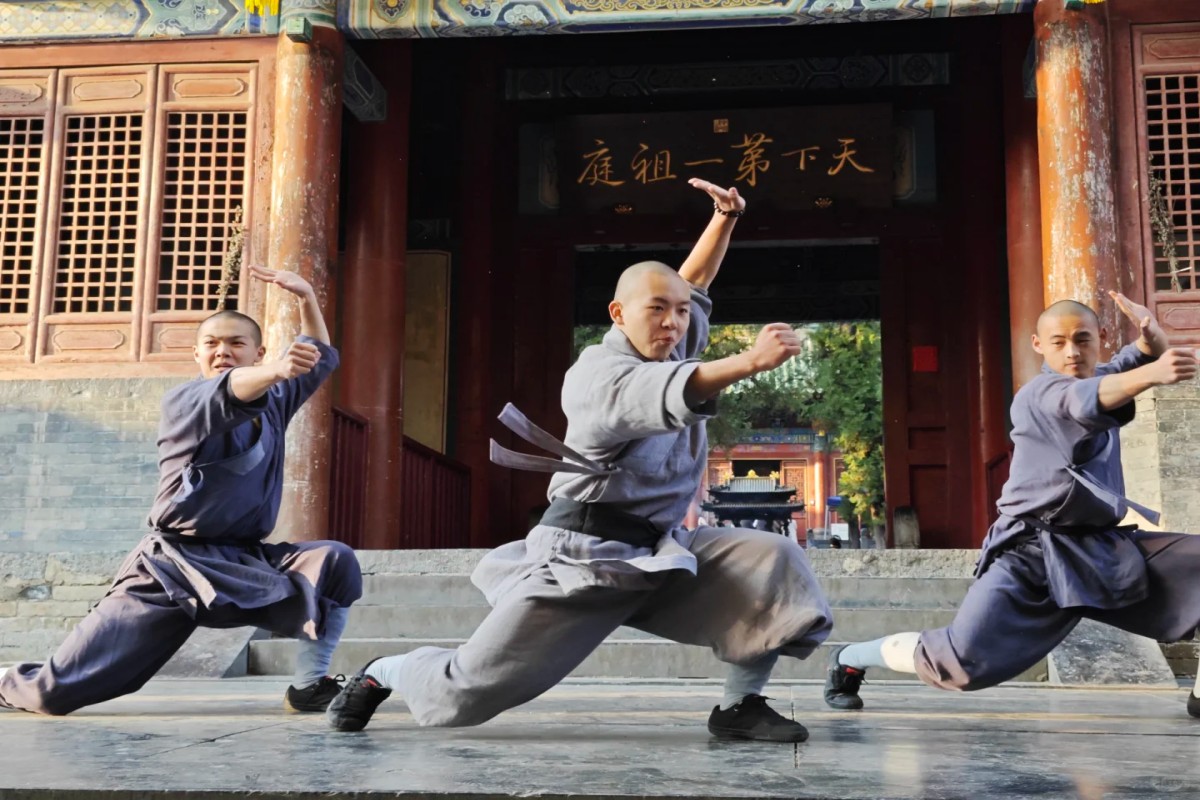
Extend your Xi'an journey to Luoyang and Shaolin for a deeper route through ancient capitals, Buddhist heritage, the Longmen Grottoes and Chinese martial arts culture.
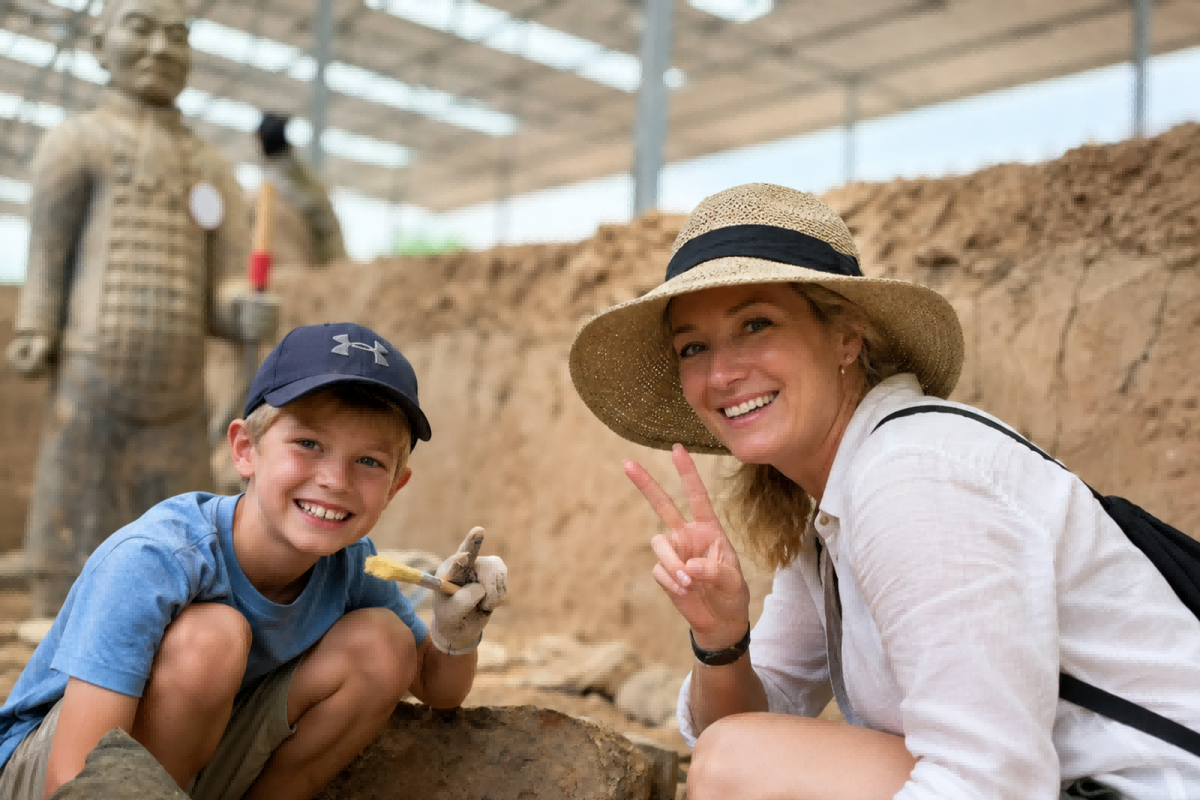
Explore Xi'an through history, archaeology and cultural learning, with the Terracotta Warriors and other major heritage experiences forming the foundation of a deeper educational journey.
Compare private Xi'an day tours, classic multi-day routes, Mount Hua extensions and longer journeys connecting Xi'an with other destinations in China.
Explore All Xi'an Tours →Add one of China's most dramatic sacred mountains to a classic Xi'an itinerary while keeping the Terracotta Warriors and historic city highlights in the same journey.
View Xi'an & Mount Hua Tour →Continue from Xi'an to another ancient Chinese capital and Shaolin for Buddhist heritage, grotto art and martial arts culture on a longer private route.
Explore the 6-Day Route →Tell us your travel dates, group size, hotel preferences and interests. Your Xi'an itinerary can be adjusted around your pace and combined with Beijing, Shanghai, Chengdu or other destinations in China.