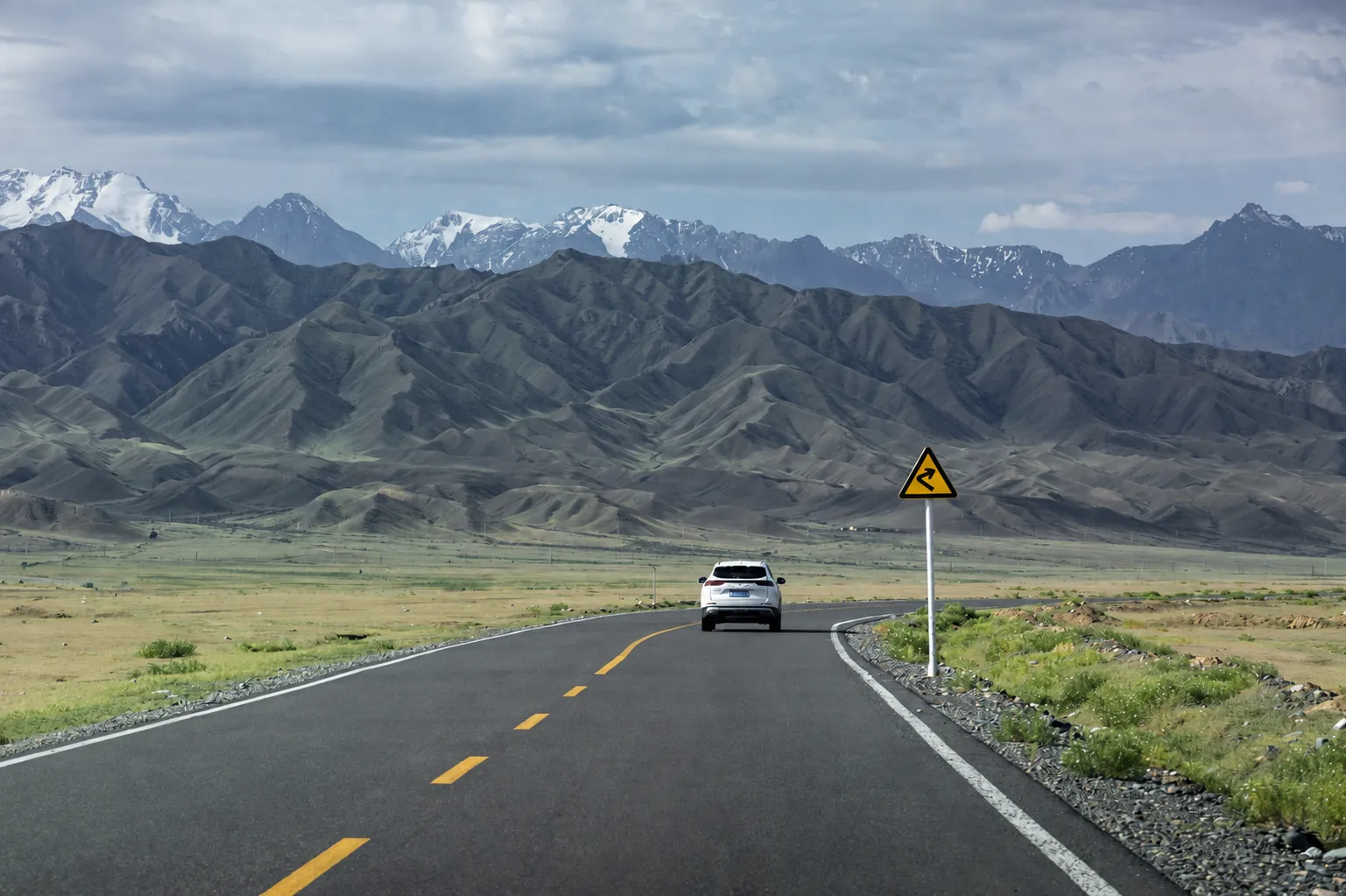
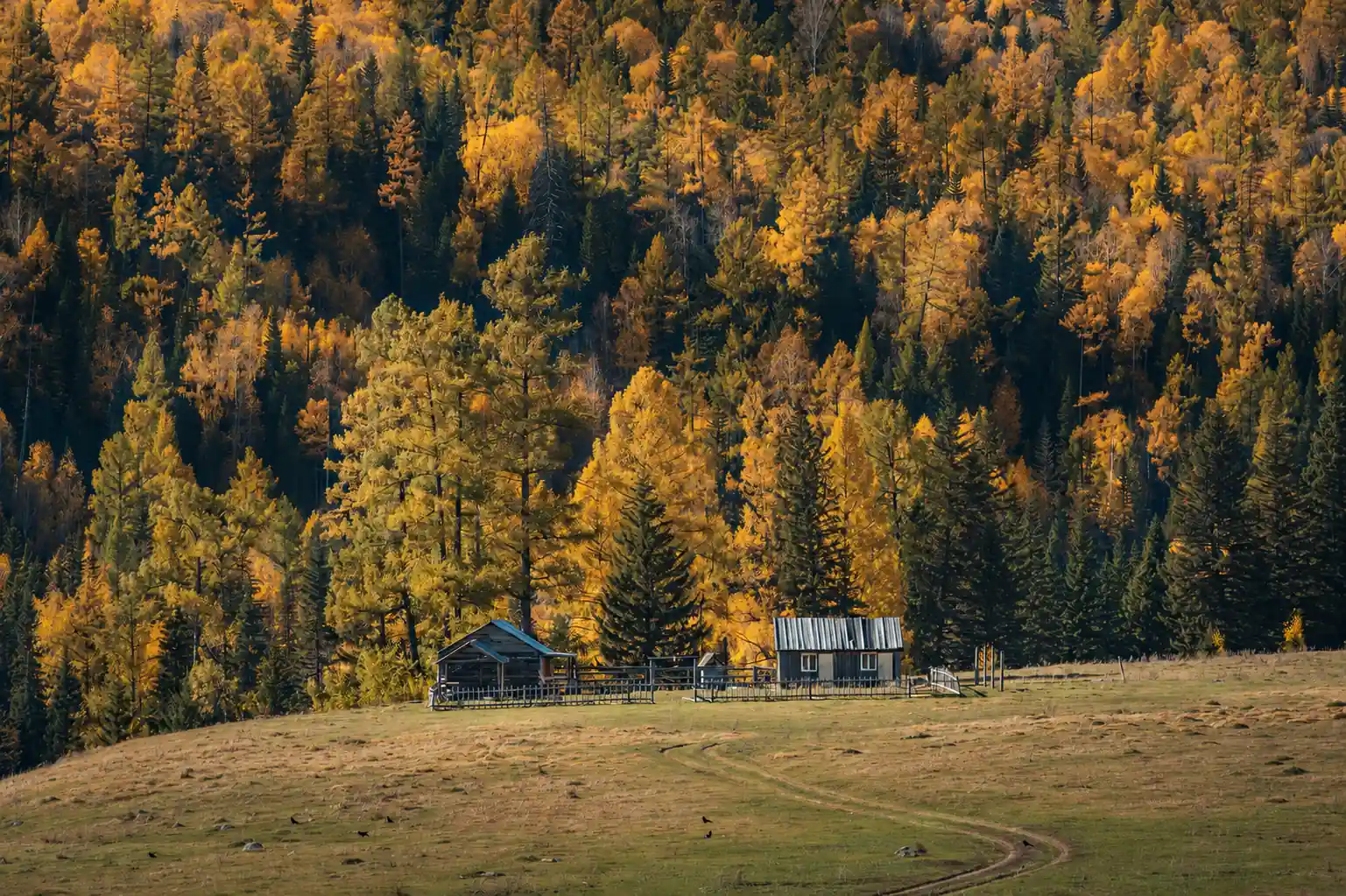
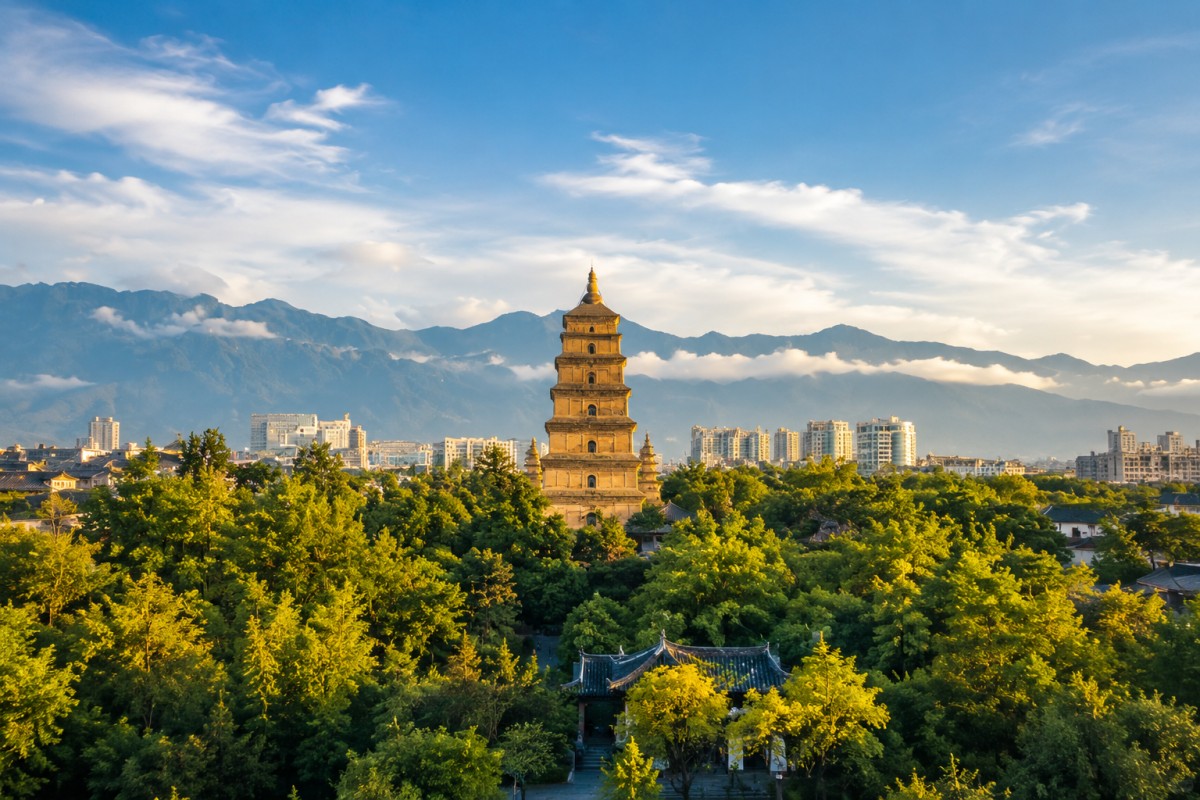
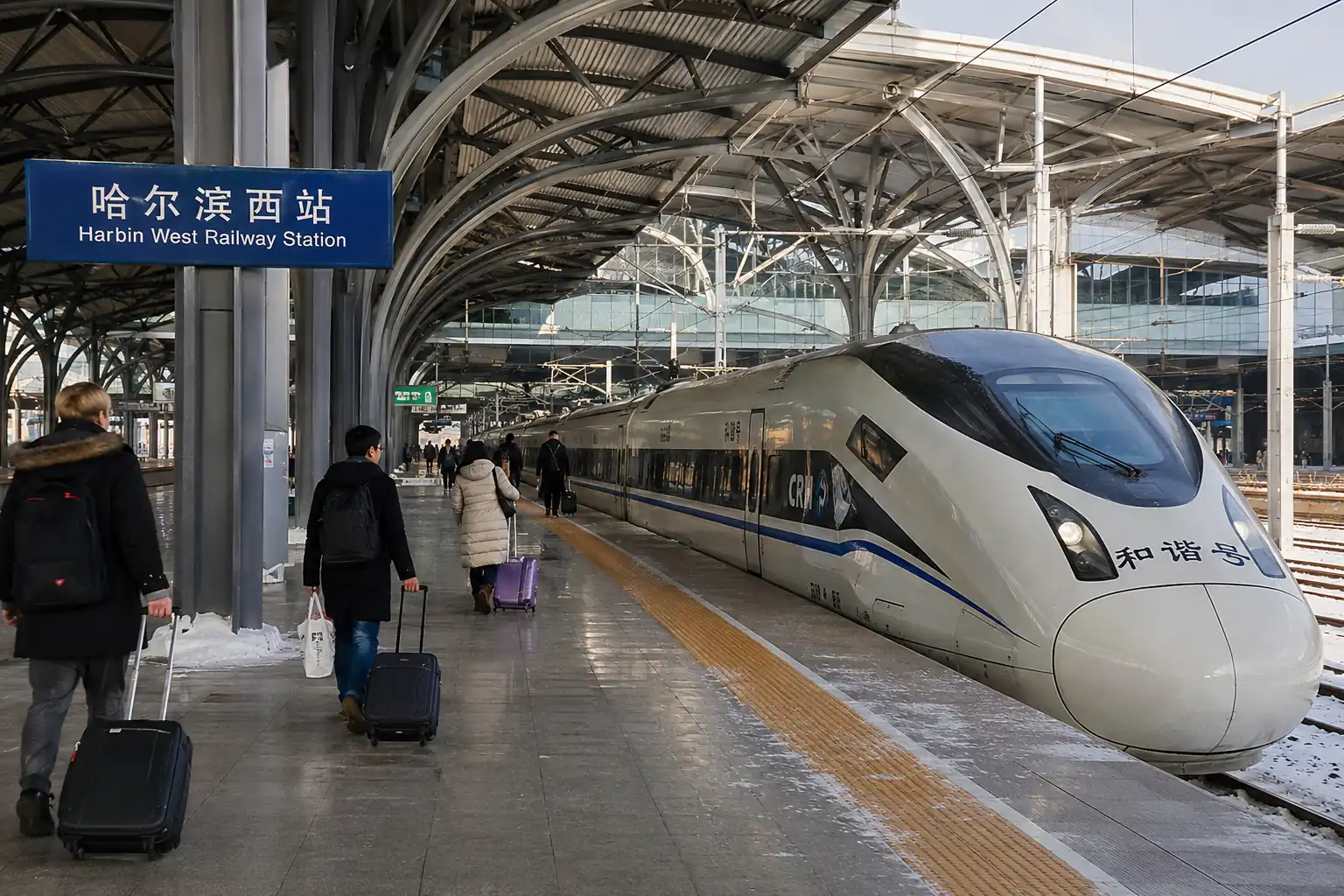
Silk Road · Mountains · Deserts · Northern & Southern Xinjiang

Xinjiang Travel Guide

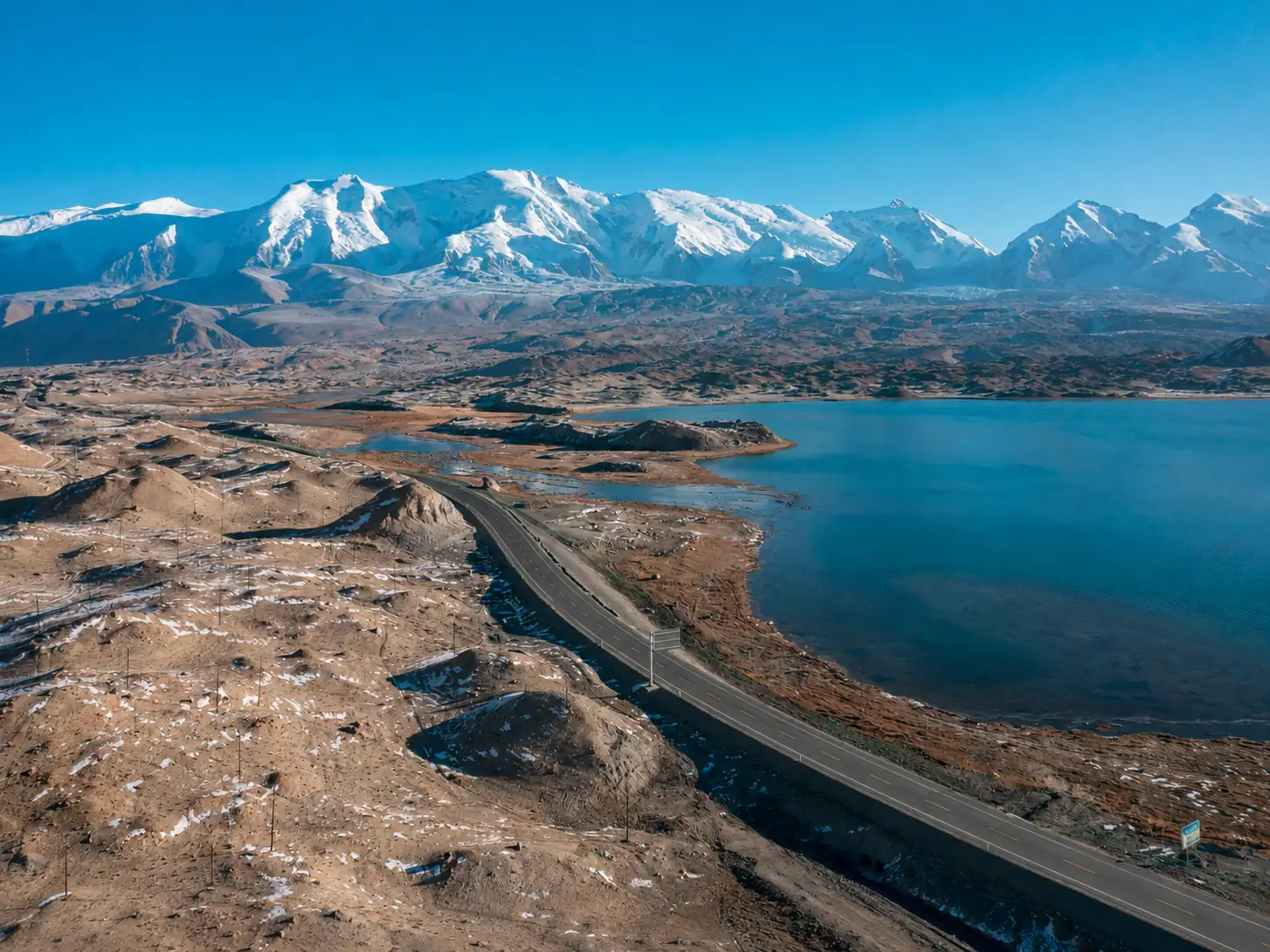
Plan your Xinjiang trip across China's vast far west, from Kashgar and the Pamir Mountains in Southern Xinjiang to Kanas Lake, Hemu Village, Sayram Lake and the landscapes of Northern Xinjiang. This practical Xinjiang travel guide covers the best places to visit, suggested itineraries, the best time to go, long-distance transportation and essential planning for Silk Road cities, alpine scenery and desert routes.

Recommended Stay
7–12 Days
Focus on one region or combine selected highlights
Best Time to Visit
May–October
The ideal season varies between northern and southern routes
Core Travel Regions
Northern · Southern Xinjiang
Two contrasting regions divided by the Tianshan Mountains
Main Travel Gateways
Urumqi · Kashgar
Key starting points for long-distance Xinjiang routes
Build Your Xinjiang Route

Plan Your Xinjiang Trip

Planning a Xinjiang trip starts with geography. The region is vast, travel times are long, and Northern Xinjiang and Southern Xinjiang offer very different experiences. Decide how many days you have, which part of Xinjiang you want to explore, when to travel and how you will connect distant cities, mountain areas and desert routes.

Best Advice for a First Xinjiang Trip

Choose Your Region Before Your Attractions

Xinjiang is too large to plan like a single-city destination. Northern Xinjiang is best known for alpine lakes, forests, grasslands and the Altai and Tianshan landscapes, while Southern Xinjiang combines Kashgar, Silk Road culture, the Pamir Mountains, oasis towns and desert scenery. With limited time, a focused regional journey is usually more rewarding than trying to cover everything in one trip.

Best overall plan 7–12 days · focus on Northern or Southern Xinjiang first · use Urumqi or Kashgar as major gateways · allow extra time for long transfers between regions
Before You Finalize Your Route
Choose Northern Xinjiang, Southern Xinjiang or a longer combination route before selecting individual attractions
Allow realistic transfer time between distant cities, scenic areas and mountain regions
Check seasonal road conditions if your itinerary includes routes such as the Duku Highway
Review current access and permit requirements before visiting designated border or high-mountain areas
Plan for large temperature differences between deserts, cities and high-altitude mountain areas
Keep some flexibility in longer road journeys because weather, road conditions and driving distances can affect travel times
Compare Xinjiang Regions

Northern or Southern Xinjiang?

Choose Northern Xinjiang for Kanas, Hemu, Sayram Lake, grasslands and mountain scenery. Choose Southern Xinjiang for Kashgar, the Pamir Mountains, Silk Road culture, oasis towns and desert landscapes.

Northern Xinjiang Southern Xinjiang North + South Silk Road Route

When Should You Visit Xinjiang?

May to October covers the main travel season, but there is no single best month for every Xinjiang route. Summer works well for many northern landscapes and grasslands, while early autumn is especially rewarding for seasonal color and many Southern Xinjiang journeys.

Late Spring Summer Early Autumn Winter

How Will You Travel Around Xinjiang?

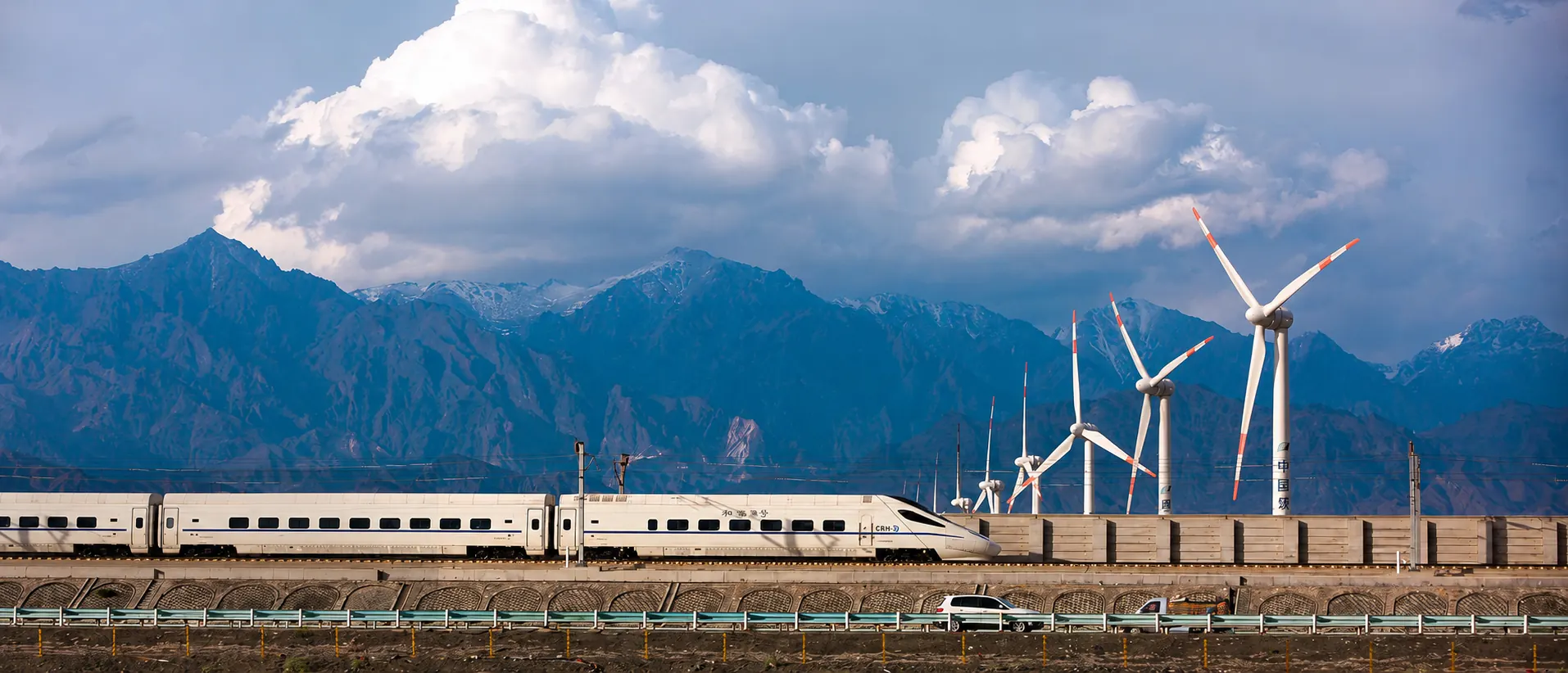
Xinjiang's scale makes transportation part of the itinerary. Flights can save time between distant regions, trains connect major cities, and private road transfers are often useful for remote scenic areas and multi-stop mountain routes.

Domestic Flights Trains Private Driver Scenic Road Trips

Start by Choosing the Right Part of Xinjiang

The Tianshan Mountains divide Xinjiang into distinct northern and southern travel regions. Compare their landscapes, major destinations, ideal seasons and route styles before building your detailed itinerary.

Understand the Geography

Xinjiang Regions: Northern vs Southern Xinjiang

Xinjiang is much easier to plan once you understand its geography. The Tianshan Mountains divide the region into distinct northern and southern travel areas, with alpine lakes, forests and grasslands in the north and Silk Road cities, the Pamir Mountains, oasis landscapes and desert routes in the south. Use this regional overview before choosing individual places to visit.

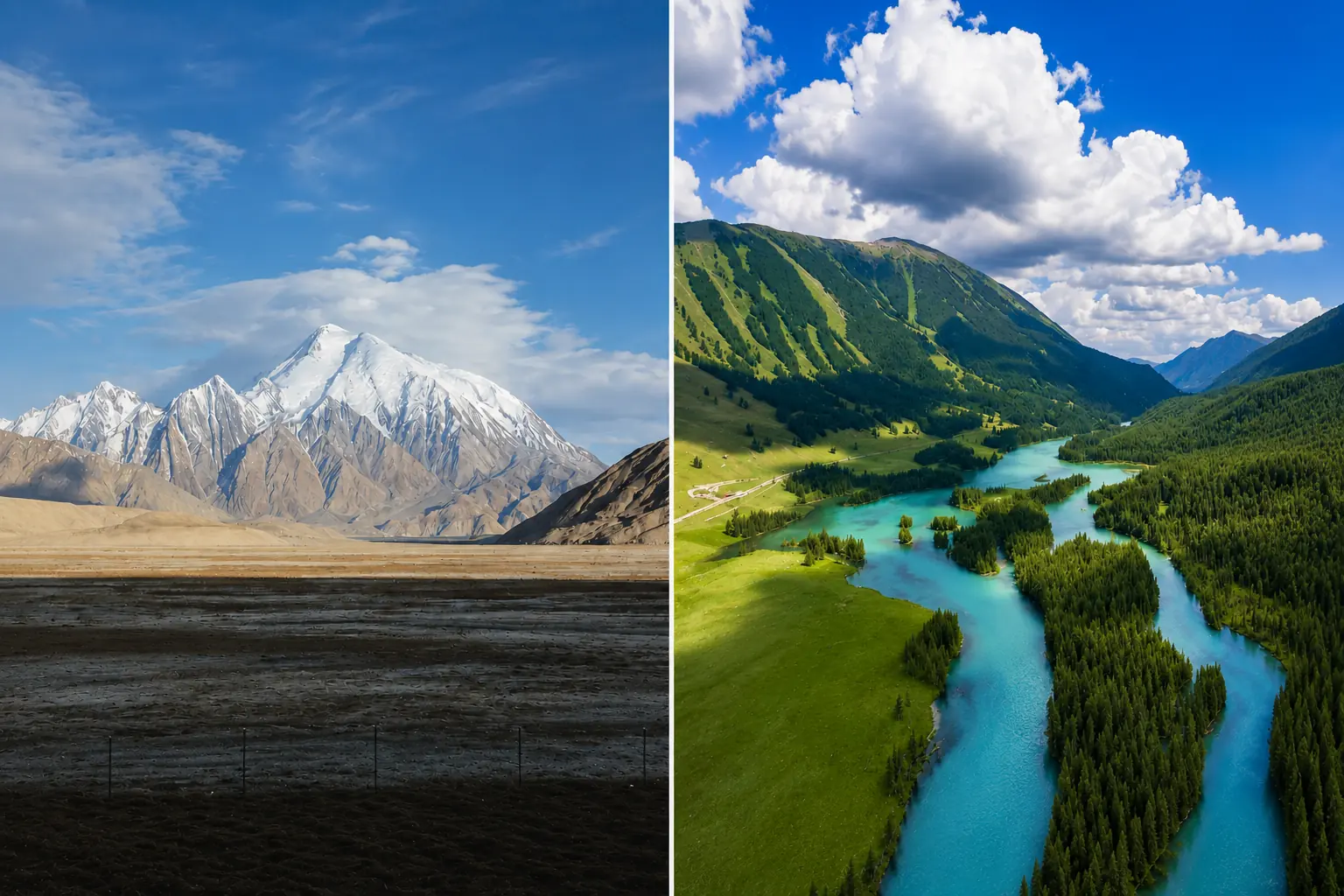
Northern Xinjiang mountain, lake and grassland landscape

Northern Xinjiang

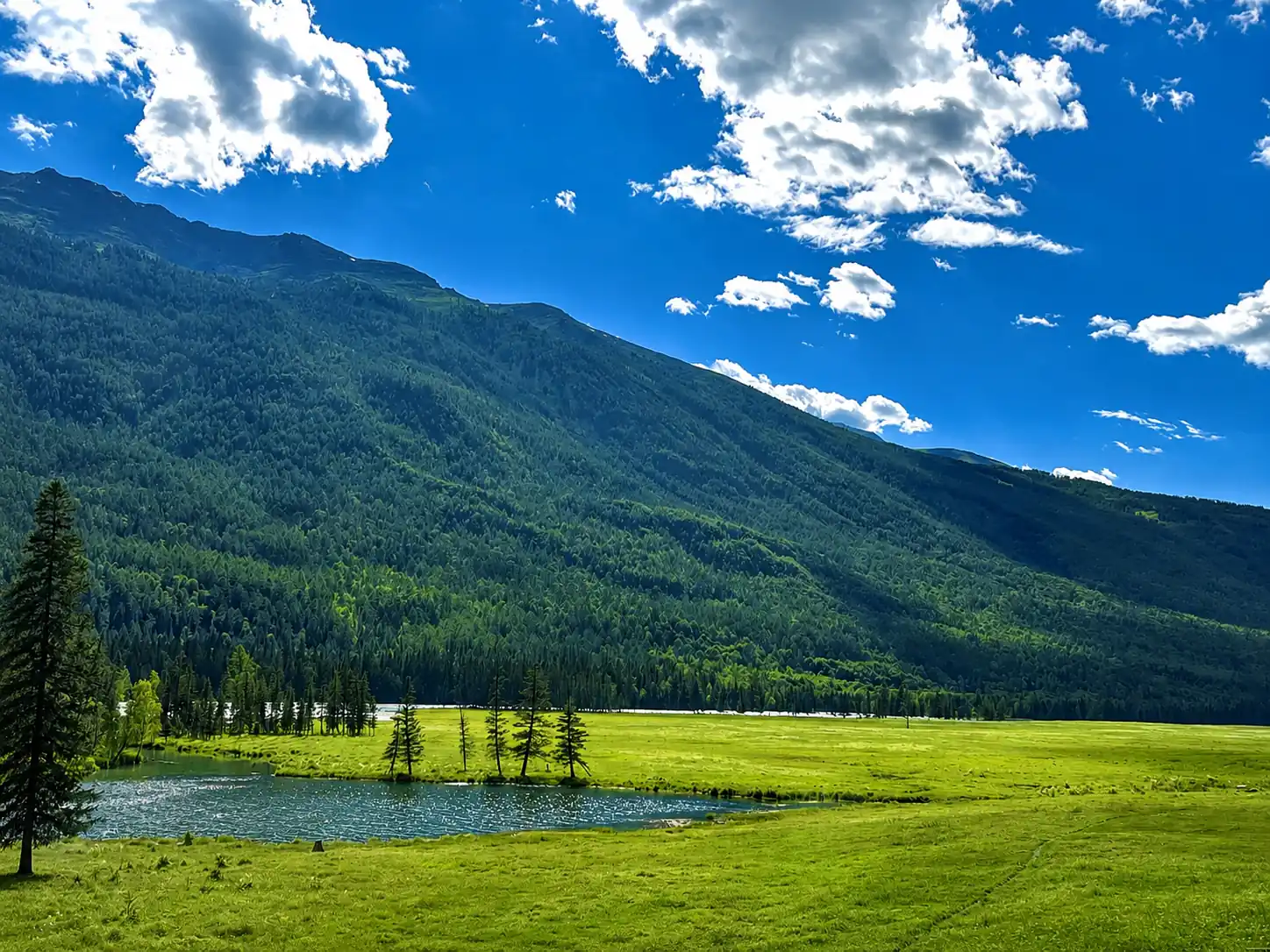
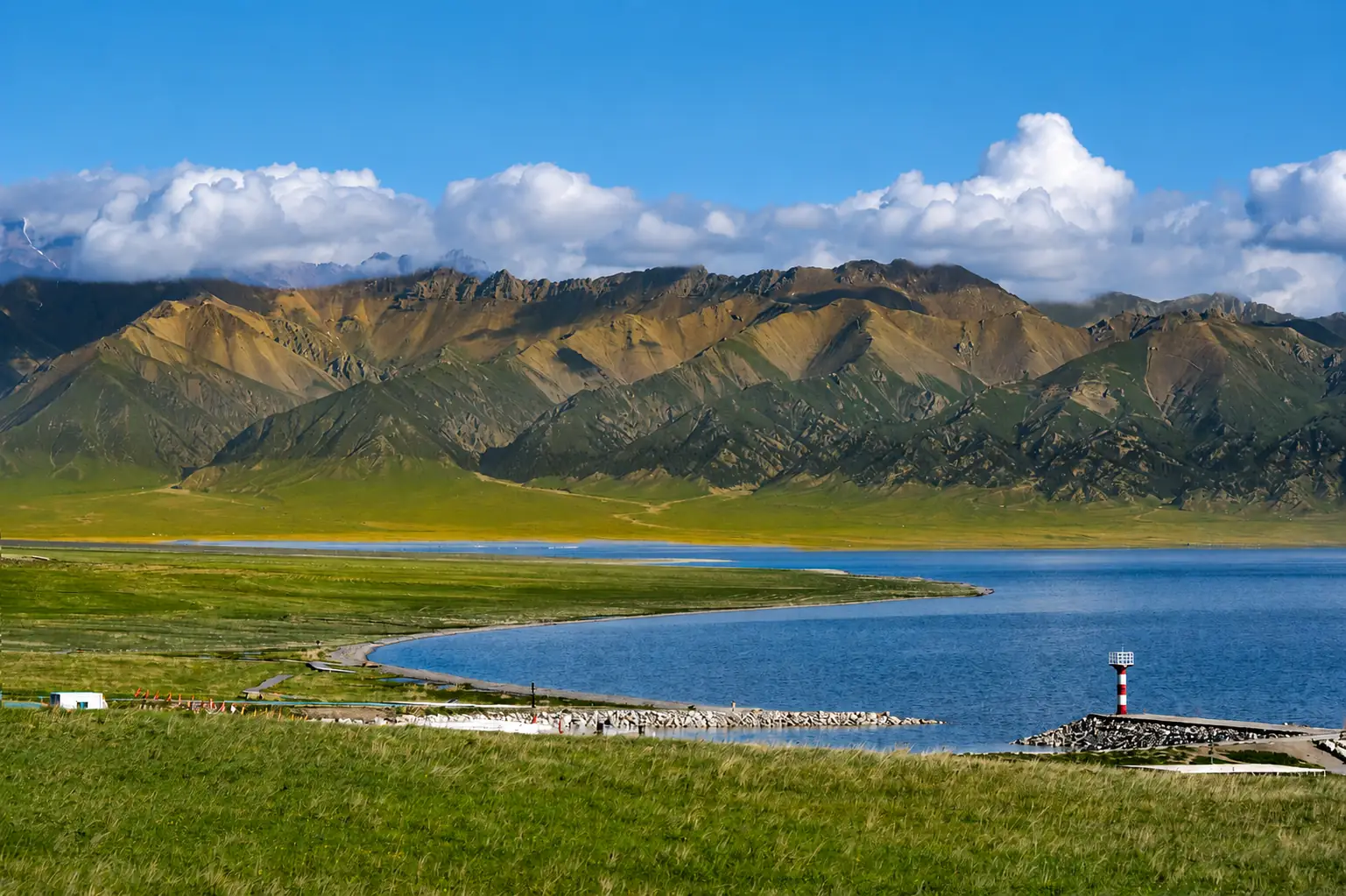
Northern Xinjiang is the stronger choice when dramatic natural scenery is your main priority. Around the Altai Mountains, Kanas Lake and Hemu Village combine forests, mountain scenery and rural landscapes, while farther south Sayram Lake and the Ili area open into broad grasslands and Tianshan scenery.

Kanas Lake Hemu Village Altai Mountains Sayram Lake Ili / Yili
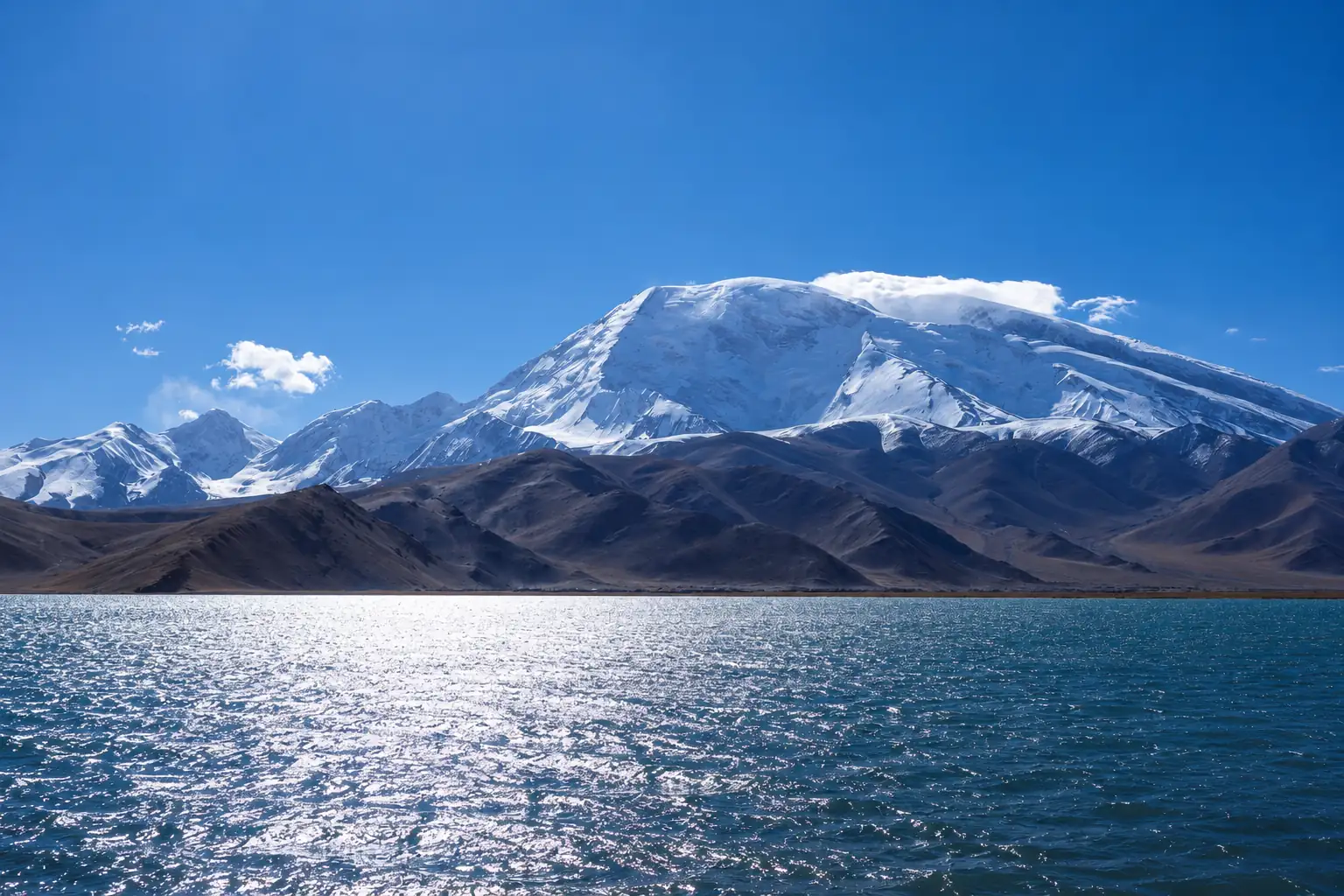
Southern Xinjiang Pamir Mountains and high-altitude landscape

Southern Xinjiang

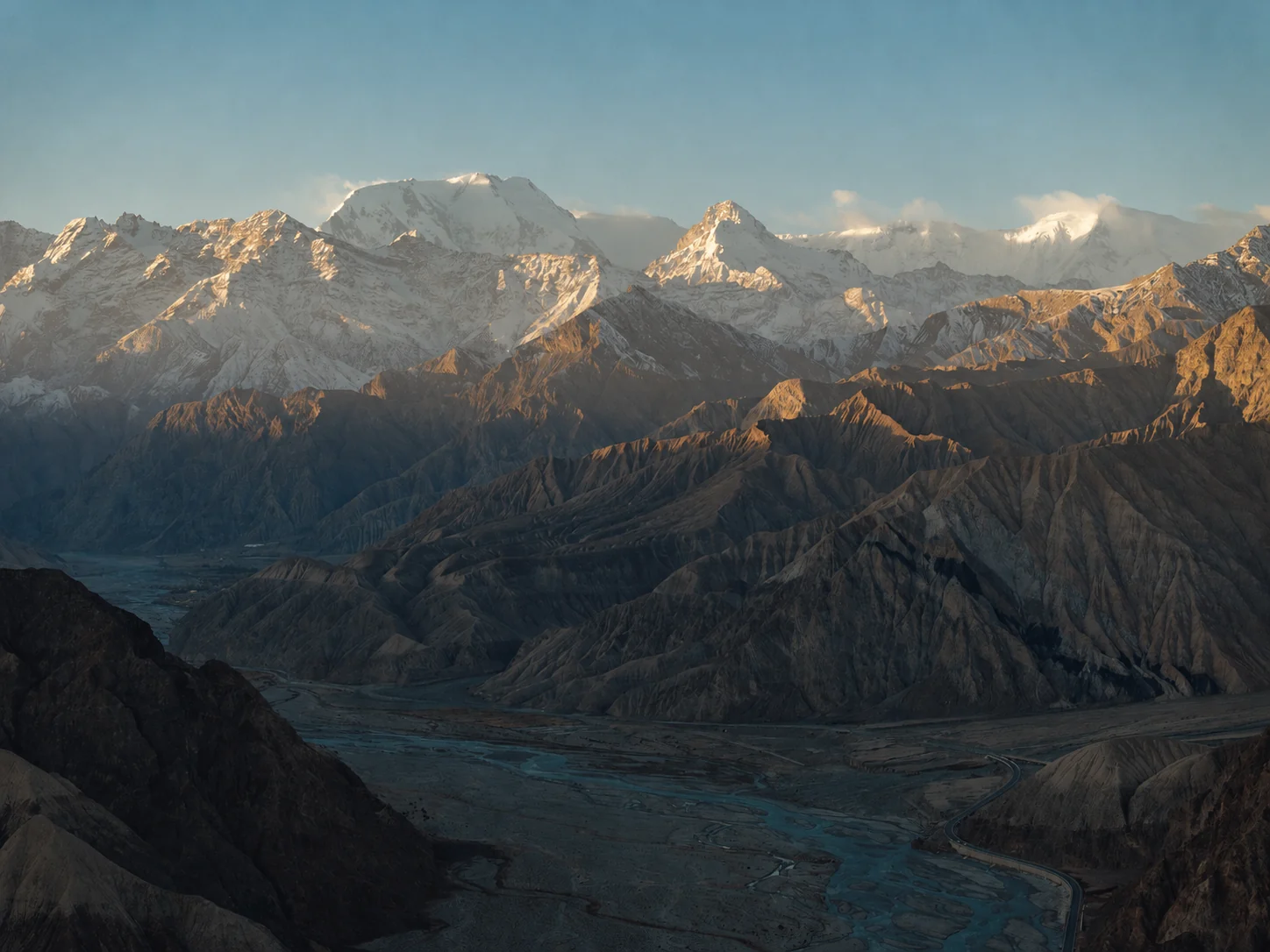
Southern Xinjiang combines Silk Road history, Uyghur culture and some of the region's most memorable road journeys. Kashgar is the main cultural base, while routes toward the Pamir Mountains lead to Karakul Lake, Baisha Lake and high-mountain scenery. Other journeys extend toward oasis towns and the Taklamakan Desert.

Kashgar Pamir Mountains Karakul Lake Baisha Lake Taklamakan Desert
Turpan Silk Road oasis and desert landscape in Xinjiang

Urumqi & Turpan

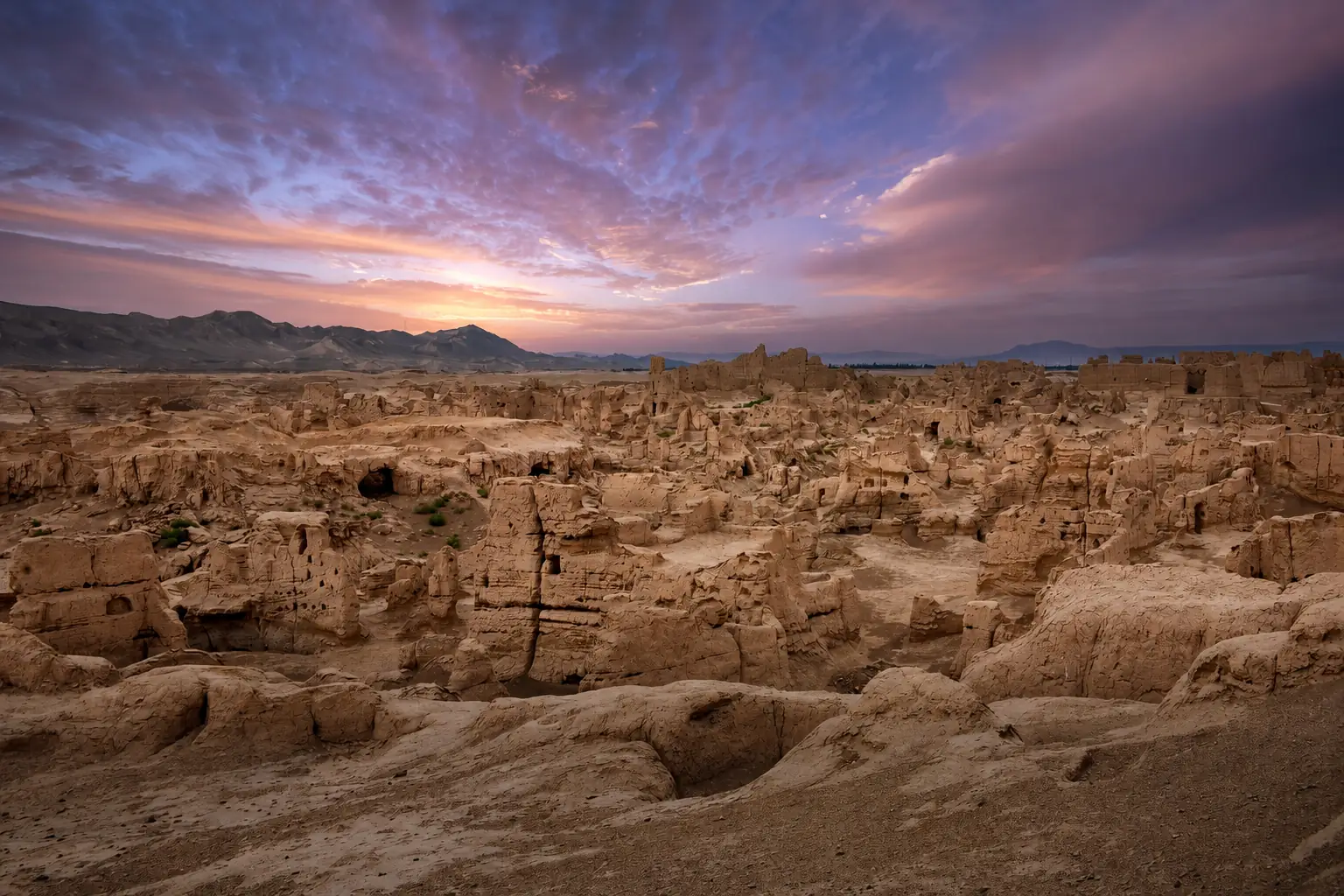
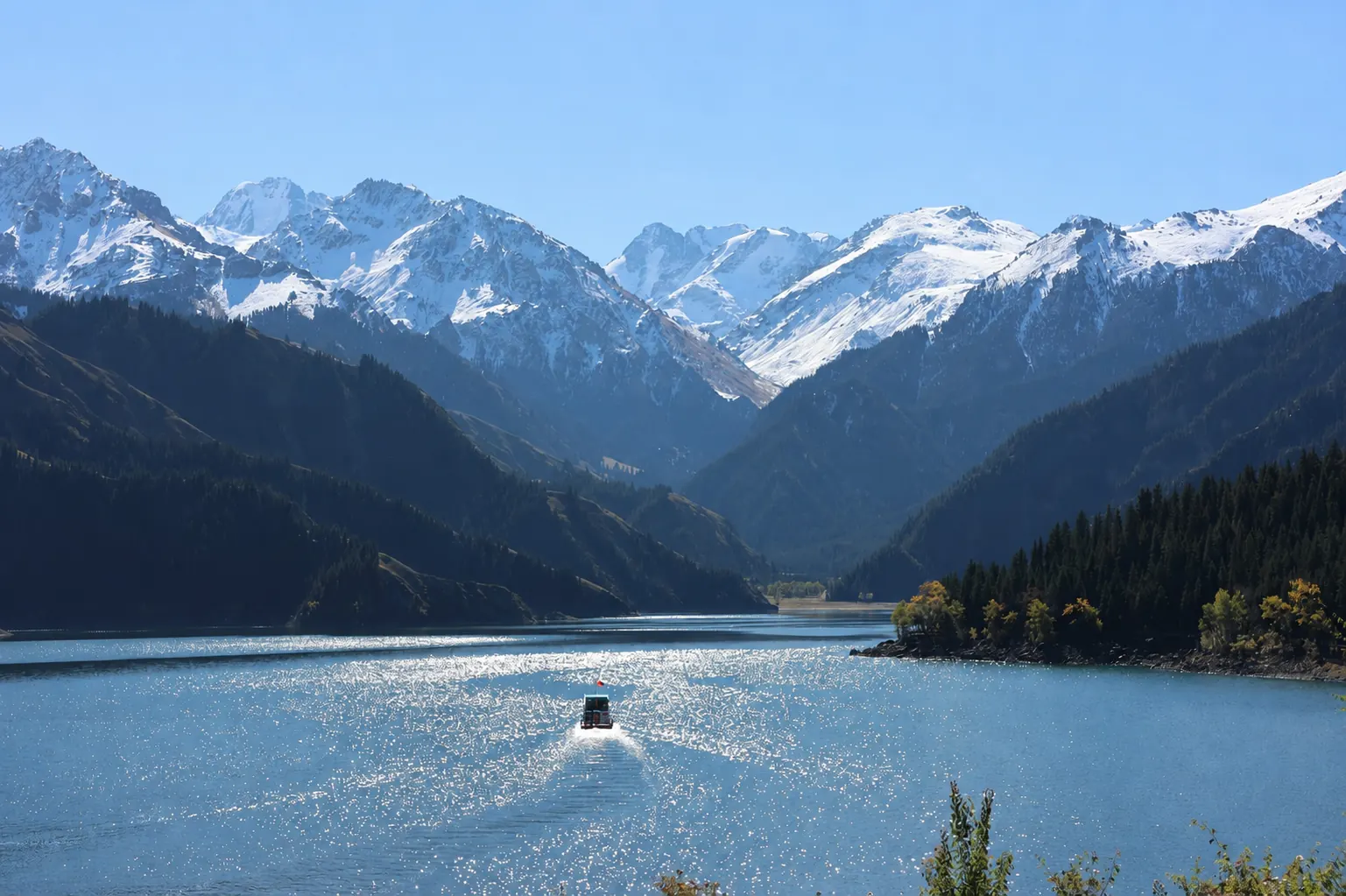
Urumqi is Xinjiang's main regional gateway and a practical starting point for many journeys. Nearby routes can reach Heavenly Lake in the Tianshan Mountains, while Turpan adds ancient oasis history, Jiaohe ruins, the Karez irrigation system and a very different desert environment.

Urumqi Heavenly Lake Turpan Jiaohe Karez

Can You Combine Northern and Southern Xinjiang?

Yes, but distance matters. A longer Xinjiang itinerary can combine both regions, although flights, trains or private road transfers may be more practical than forcing every section into one overland route. Scenic roads such as the Duku Highway can change the route possibilities seasonally, so road conditions should always be checked when planning the final itinerary.

Compare Xinjiang Itineraries ↓
Essential Xinjiang Destinations

Best Places to Visit in Xinjiang

The best places to visit in Xinjiang are spread across an enormous region rather than concentrated around one city. Kashgar and the Pamir Mountains define many Southern Xinjiang journeys, while Kanas, Hemu, Sayram Lake and the Ili landscapes lead the north. Turpan, Heavenly Lake, Kuqa and the Taklamakan Desert add Silk Road history, alpine scenery and desert routes to a longer Xinjiang itinerary.

Kanas Lake and Hemu Village in Northern Xinjiang

Kanas Lake & Hemu Village

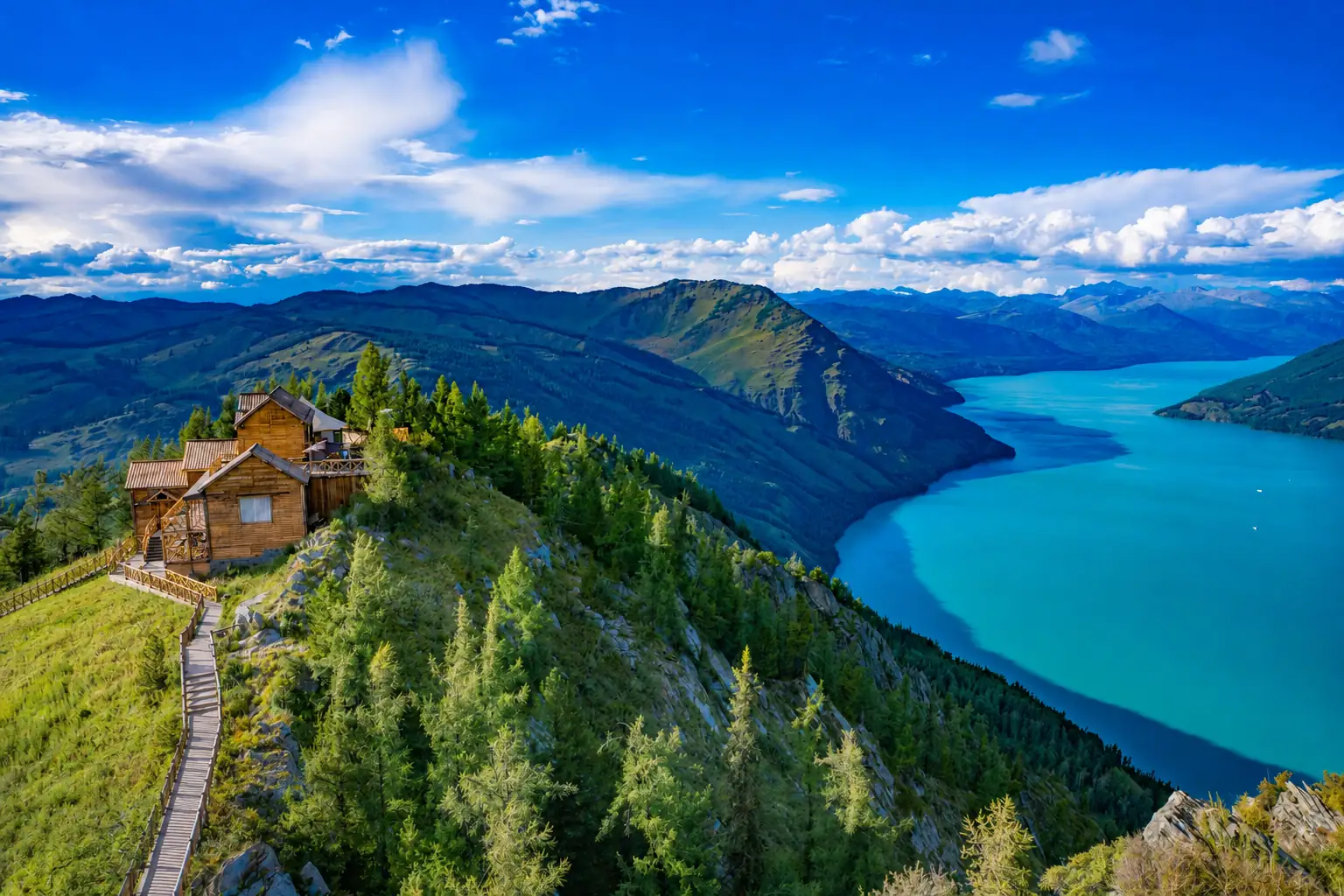
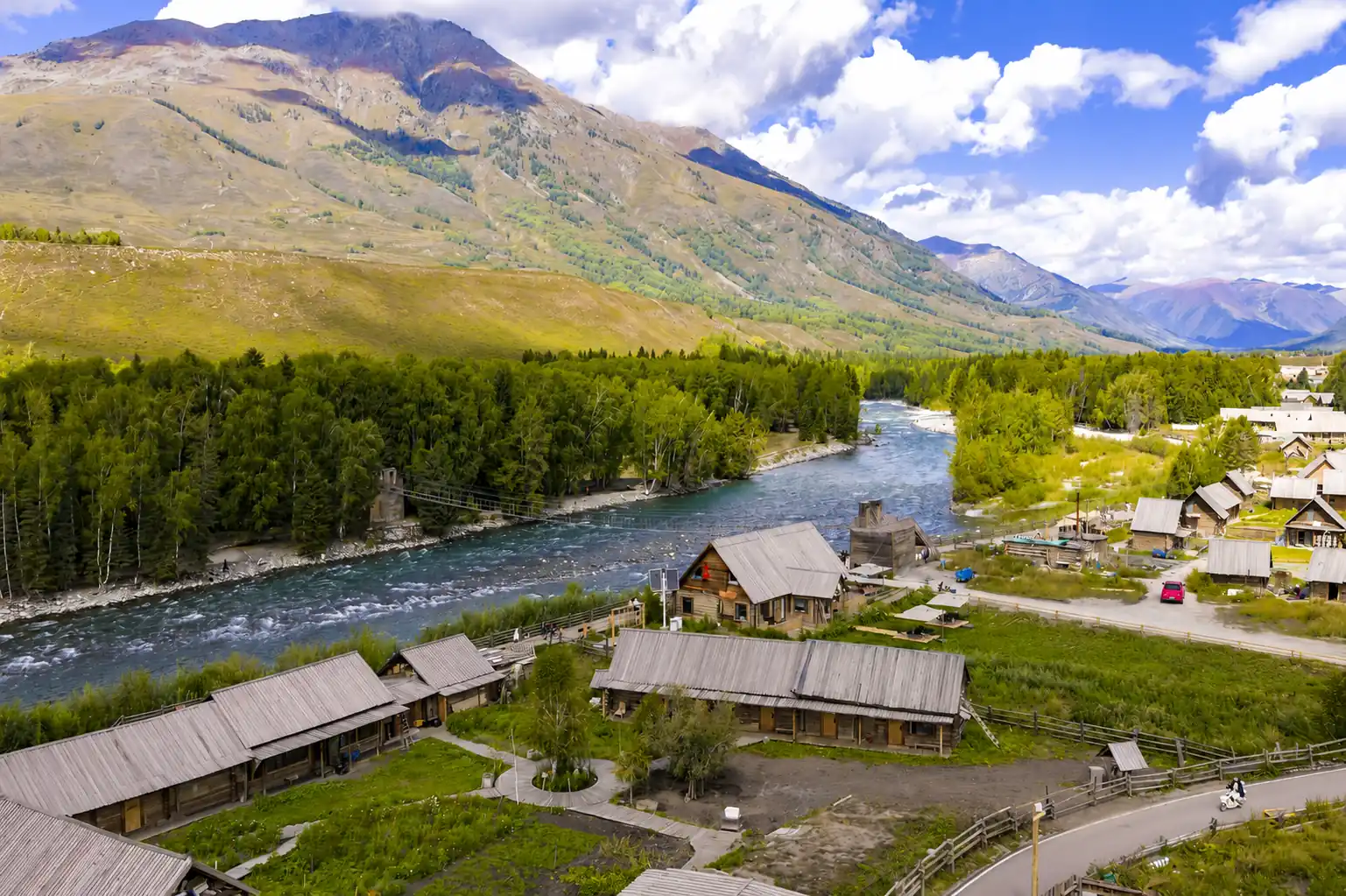
Kanas and Hemu are signature destinations in the Altai region of Northern Xinjiang. Kanas Lake is surrounded by forests and mountain scenery, while nearby Hemu offers a quieter rural landscape of valleys, wooden houses and seasonal colors. Together they form one of Xinjiang's most popular nature routes.

Kanas Lake Hemu Village Altai Mountains Autumn Scenery
Pamir Mountains and Tashkurgan in Southern Xinjiang

Pamir Mountains & Tashkurgan

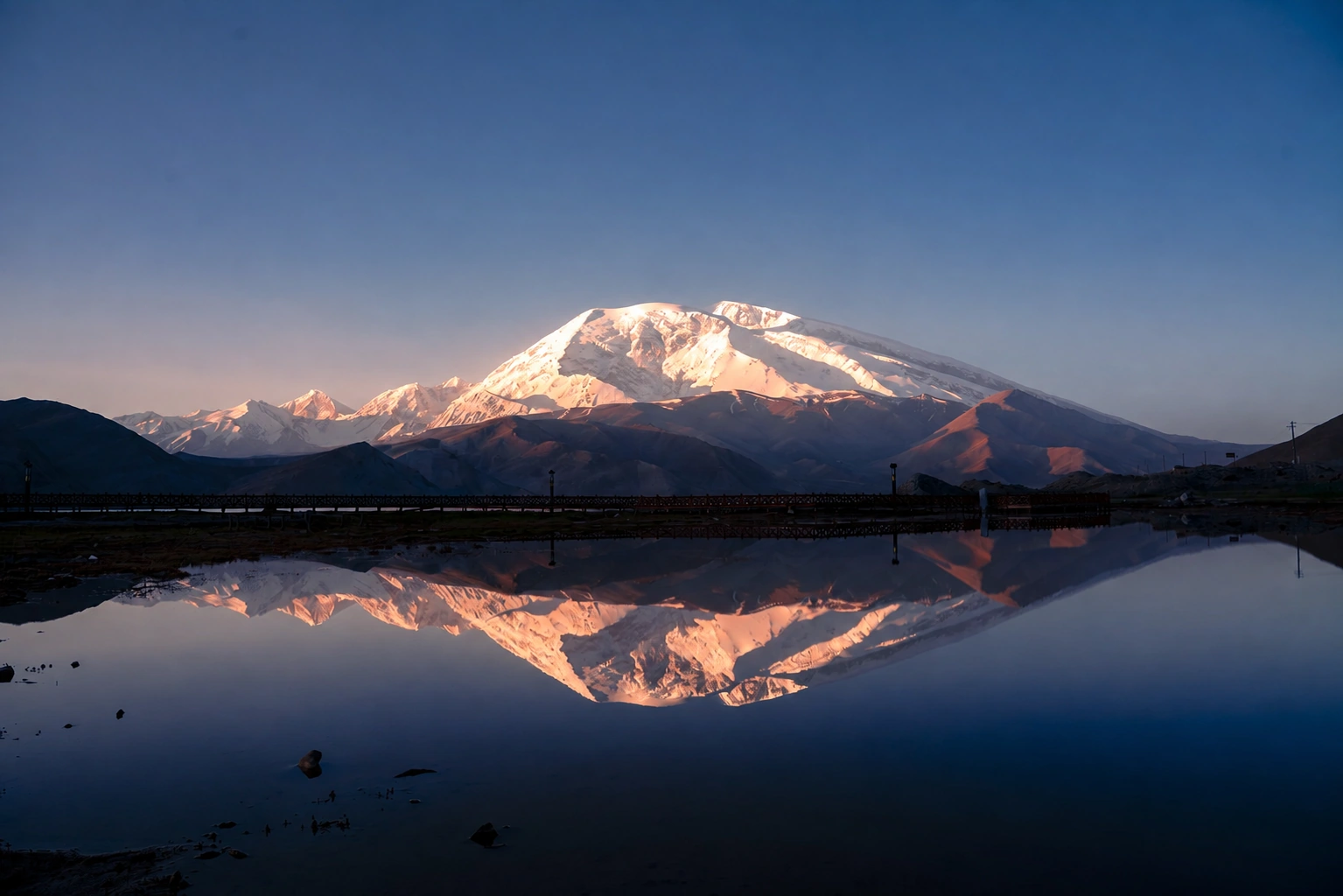
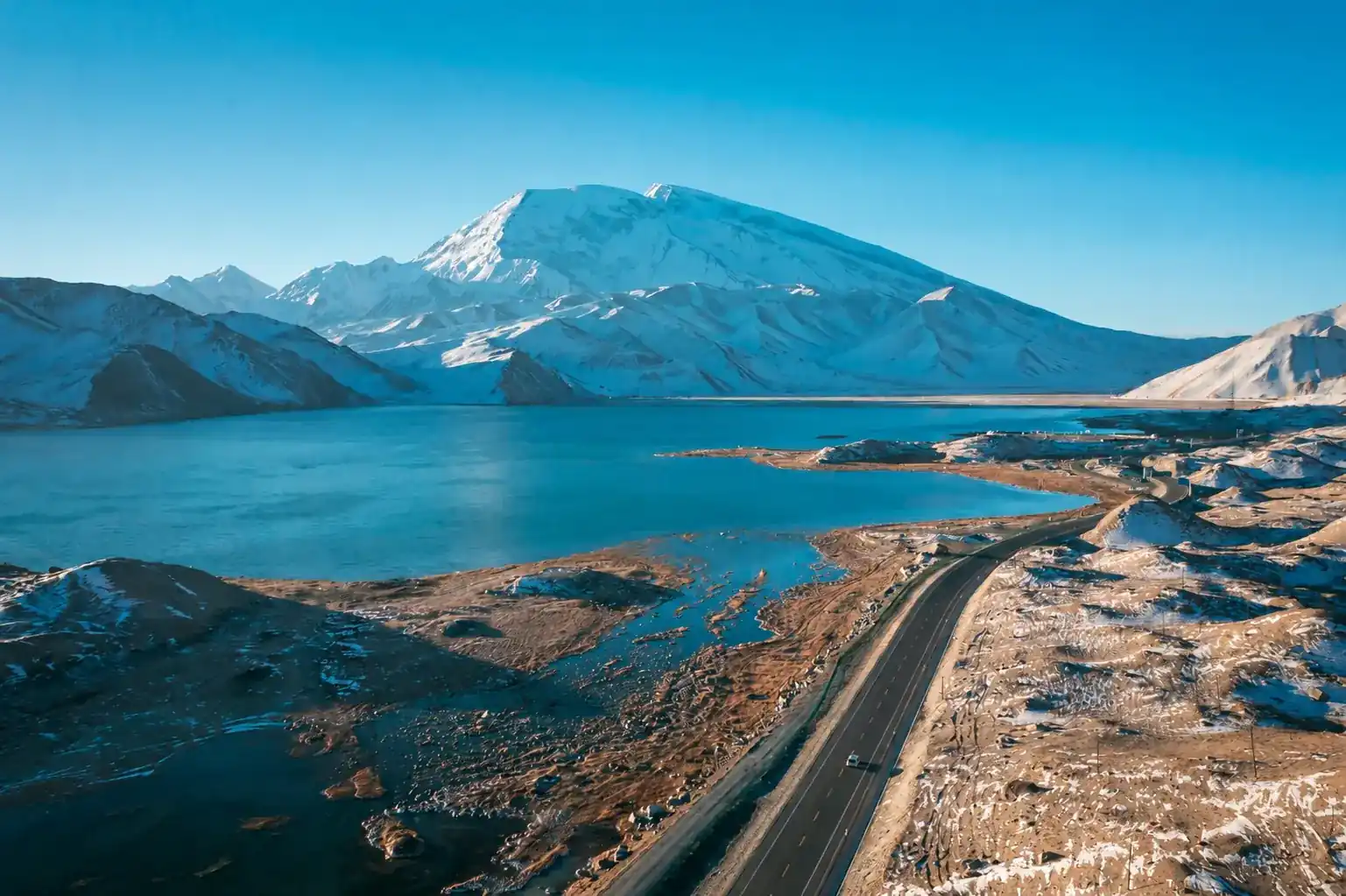
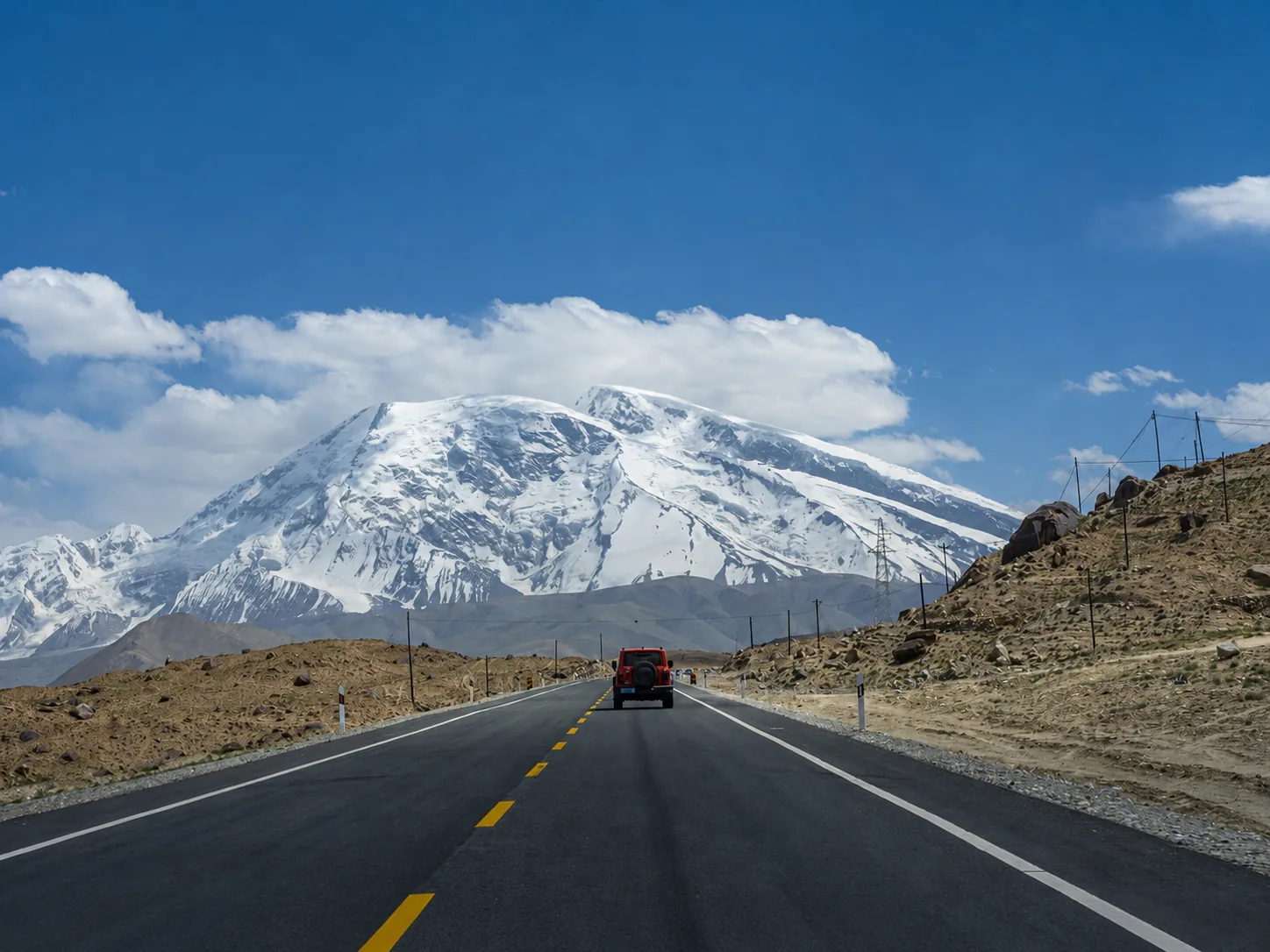
The journey from Kashgar toward Tashkurgan crosses some of Southern Xinjiang's most dramatic high-mountain landscapes. Karakul Lake, Baisha Lake and views toward major Pamir peaks turn the route itself into part of the experience, making this one of Xinjiang's most memorable road journeys.

Pamir Mountains Karakul Lake Baisha Lake Tashkurgan
Sayram Lake and Ili Valley landscape in Northern Xinjiang

Sayram Lake & Ili

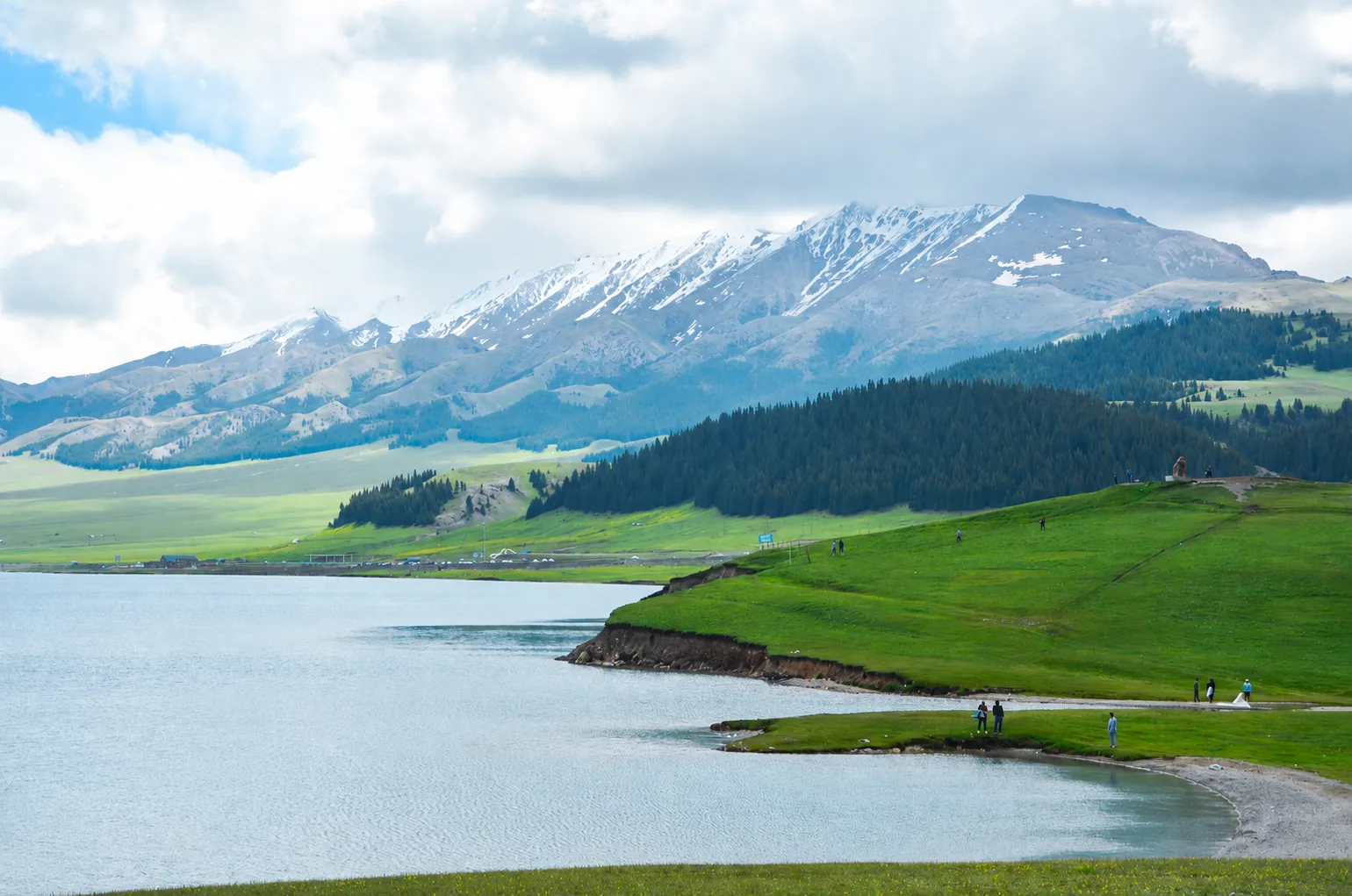
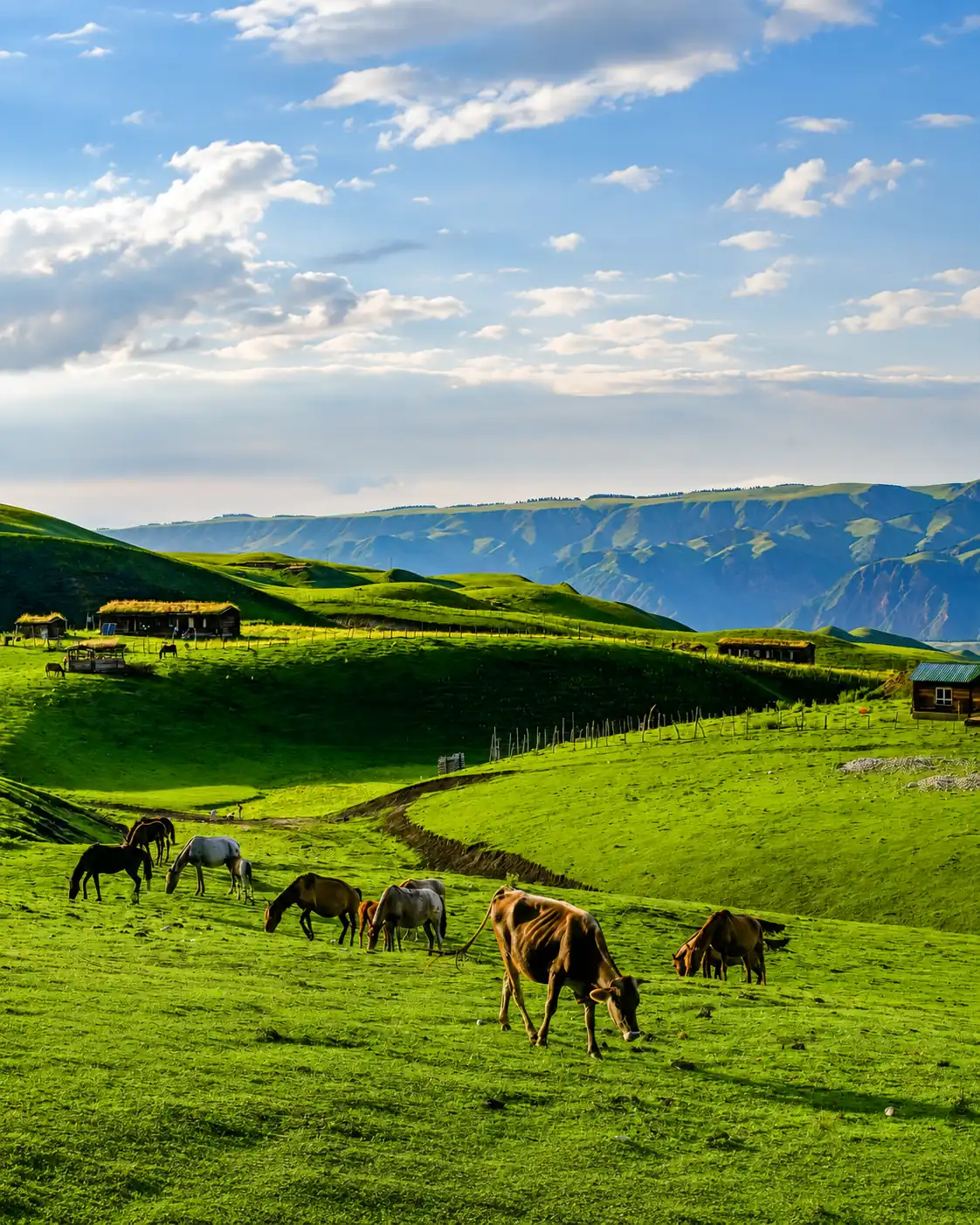
Sayram Lake and the wider Ili region show a greener side of Xinjiang, with alpine water, open grasslands and broad mountain valleys. Travelers often combine the lake with destinations around Yining and deeper journeys into the Ili grasslands, especially during the warmer travel season.

Sayram Lake Ili / Yili Yining Grasslands
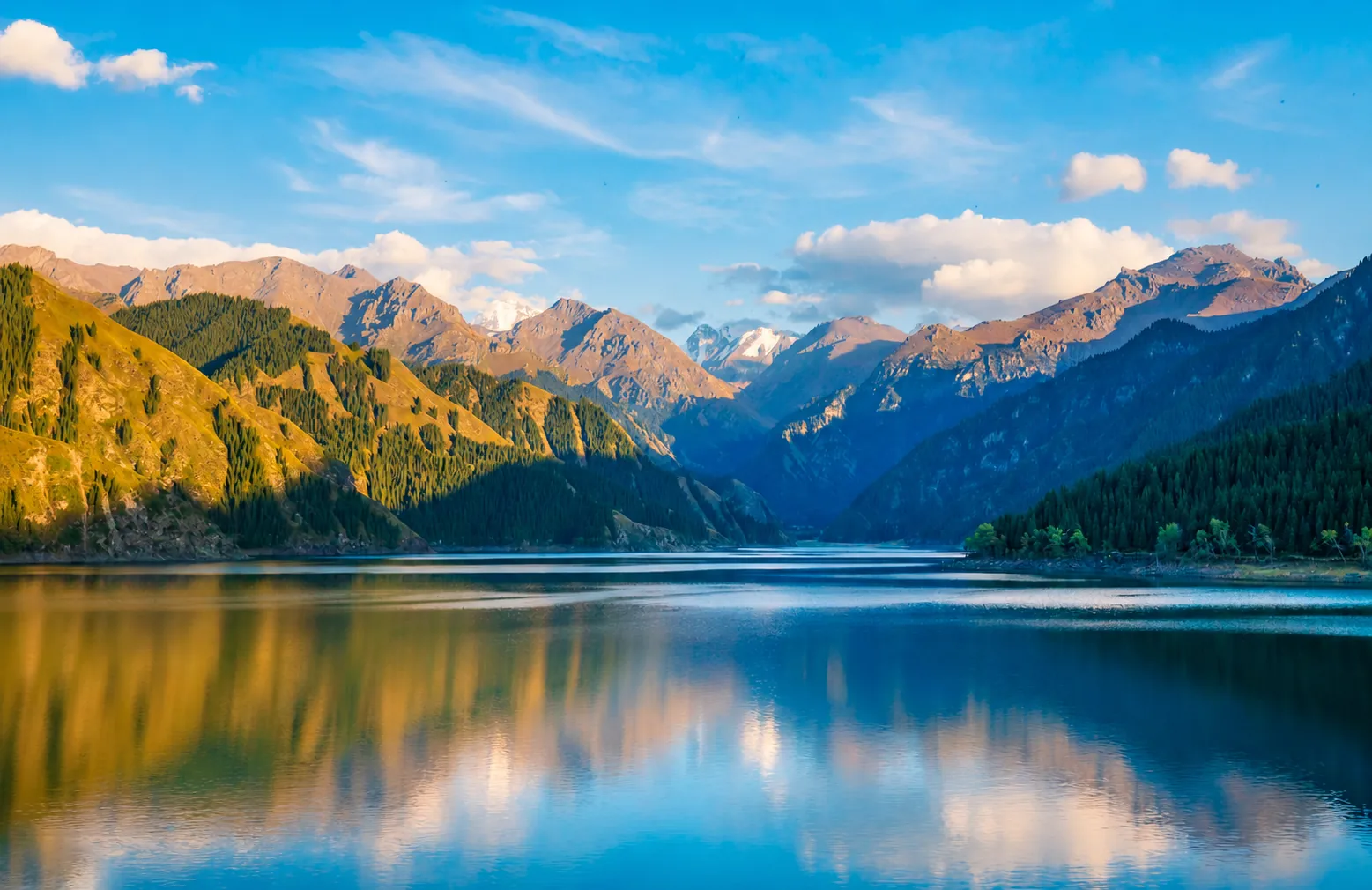
Heavenly Lake in the Tianshan Mountains near Urumqi Xinjiang

Urumqi & Heavenly Lake

Urumqi is the main transport gateway for many Xinjiang trips rather than the final focus of the journey. From the city, travelers can continue into Northern or Southern Xinjiang or visit Heavenly Lake, an alpine lake set within the Tianshan Mountains and one of the most accessible mountain excursions from the regional capital.

Urumqi Heavenly Lake Tianshan Mountains Major Gateway
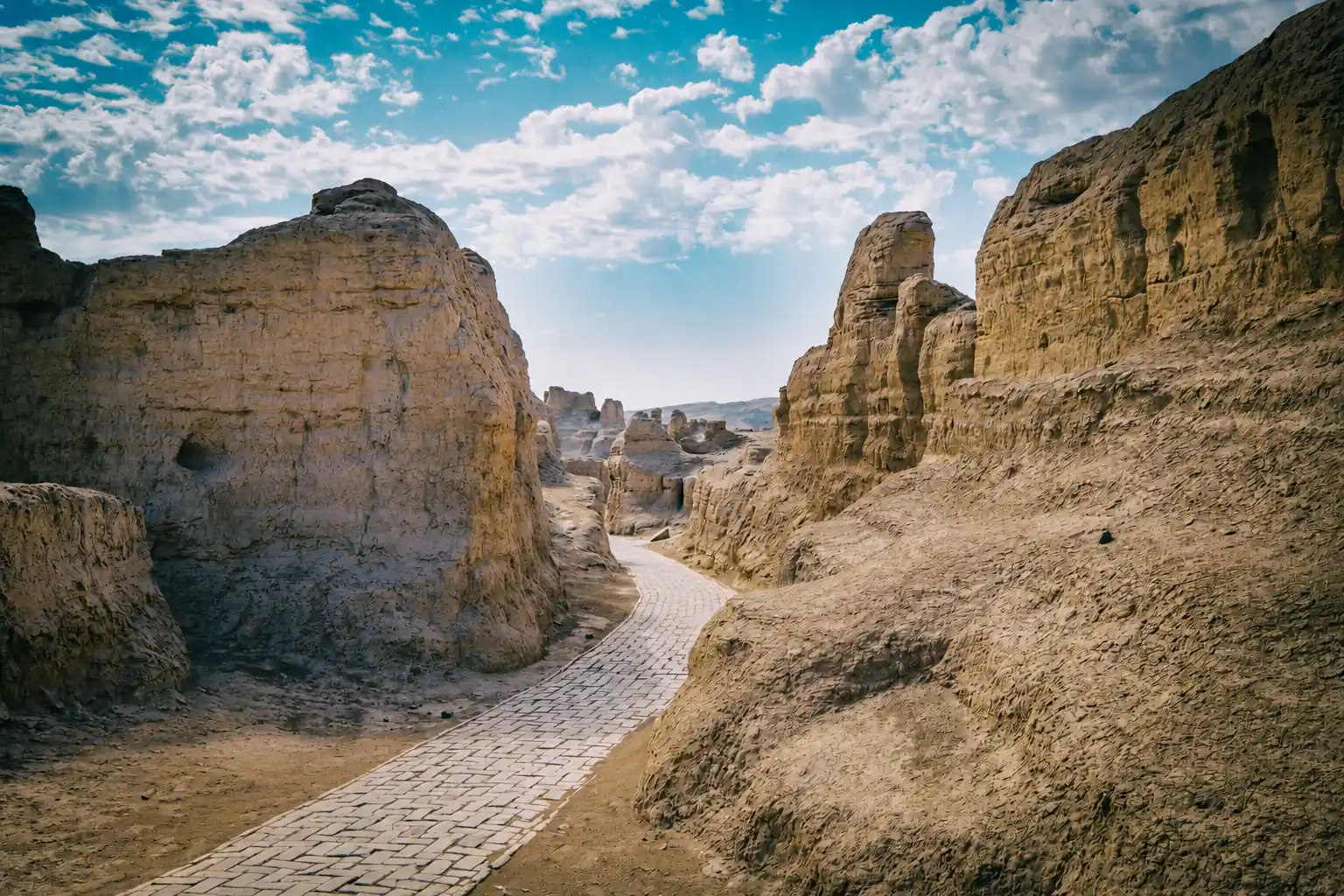
Jiaohe Ancient City and desert landscape near Turpan Xinjiang

Turpan

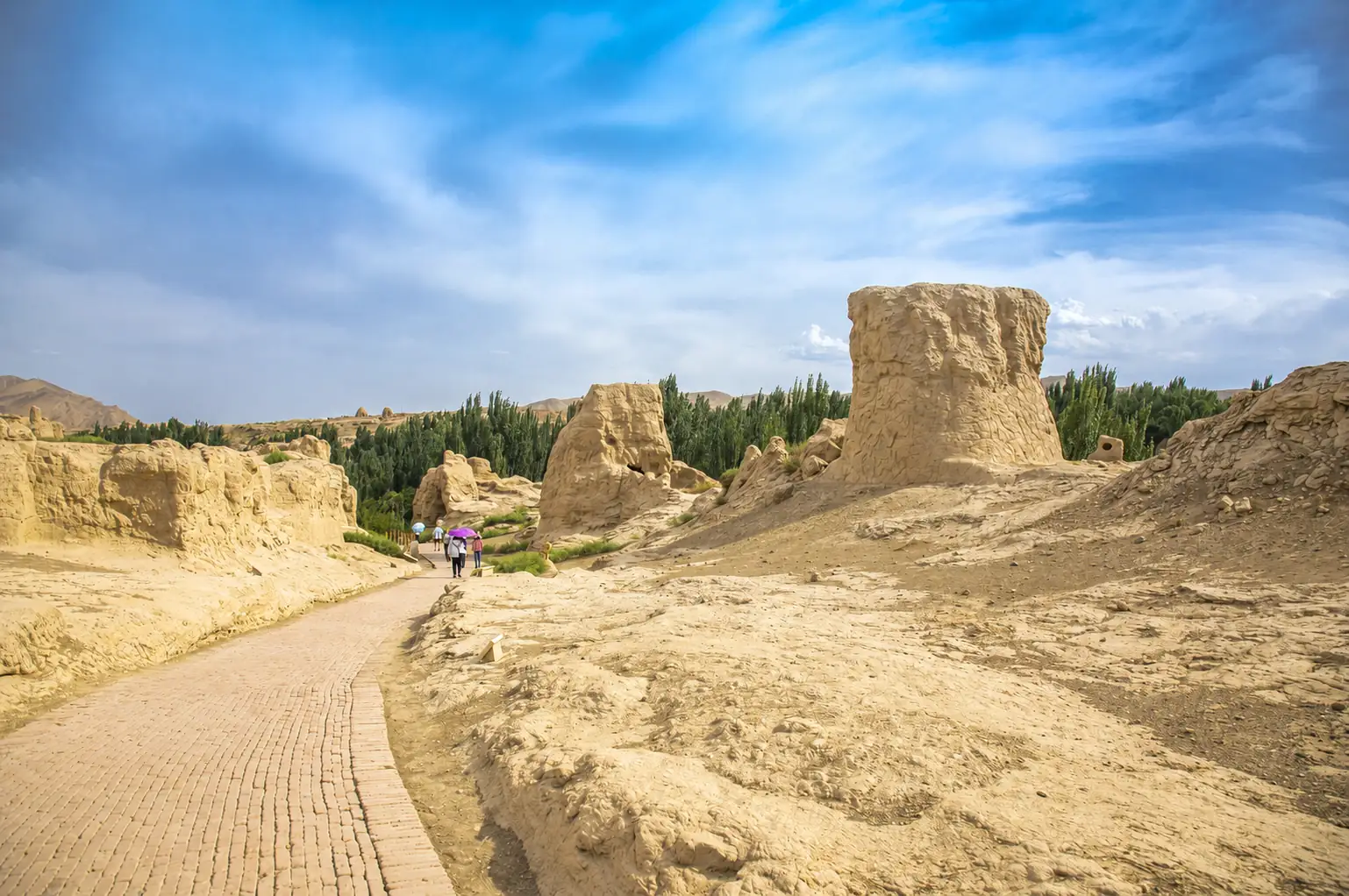
Turpan combines ancient Silk Road remains with one of Xinjiang's most distinctive oasis environments. Jiaohe Ancient City and the traditional Karez irrigation system reveal how settlement developed in this extremely dry basin, while the surrounding desert landscape creates a strong contrast with Northern Xinjiang.

Jiaohe Ancient City Karez Oasis Culture Desert Landscape
Taklamakan Desert and Silk Road landscape near Kuqa Xinjiang

Kuqa & the Taklamakan Desert

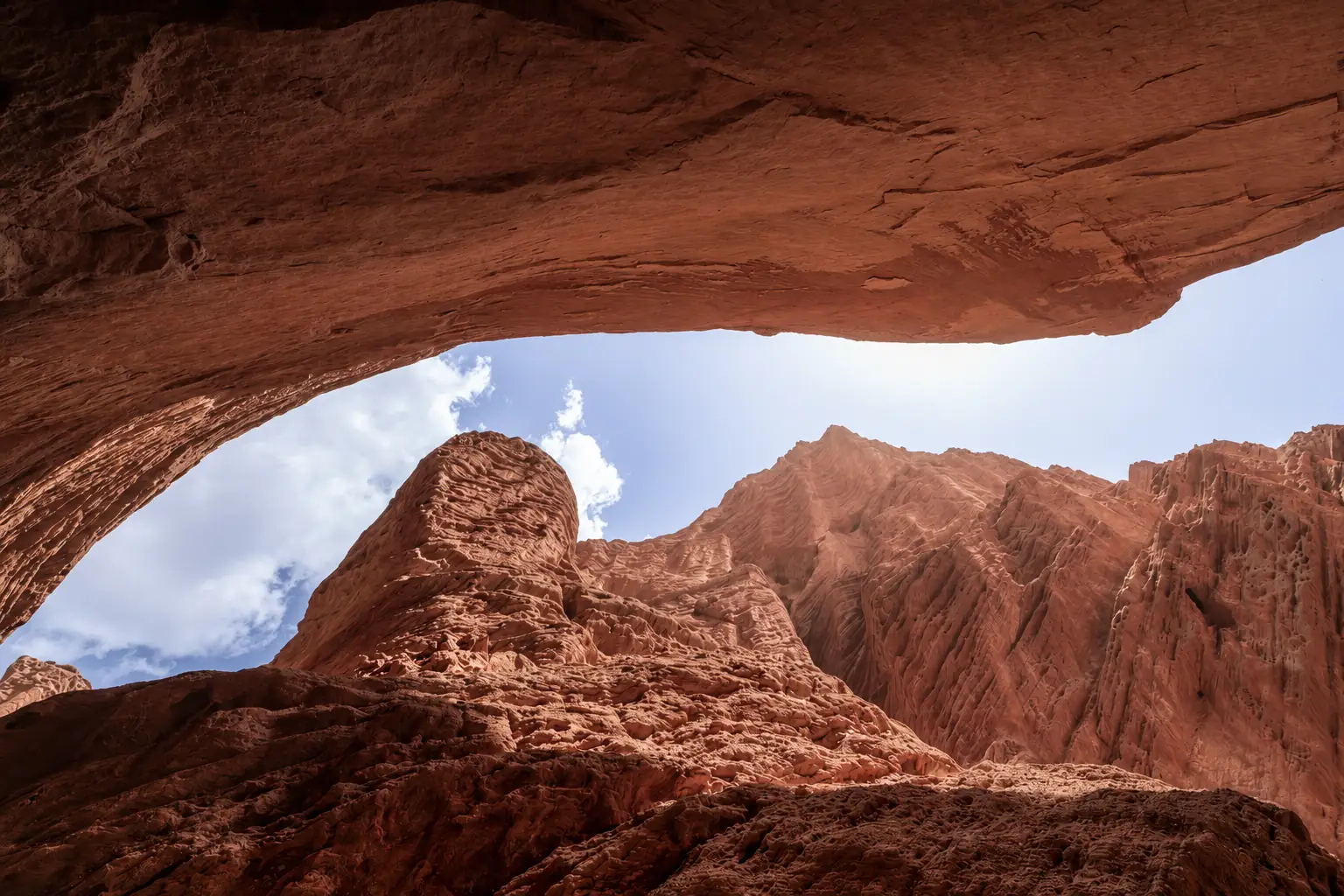
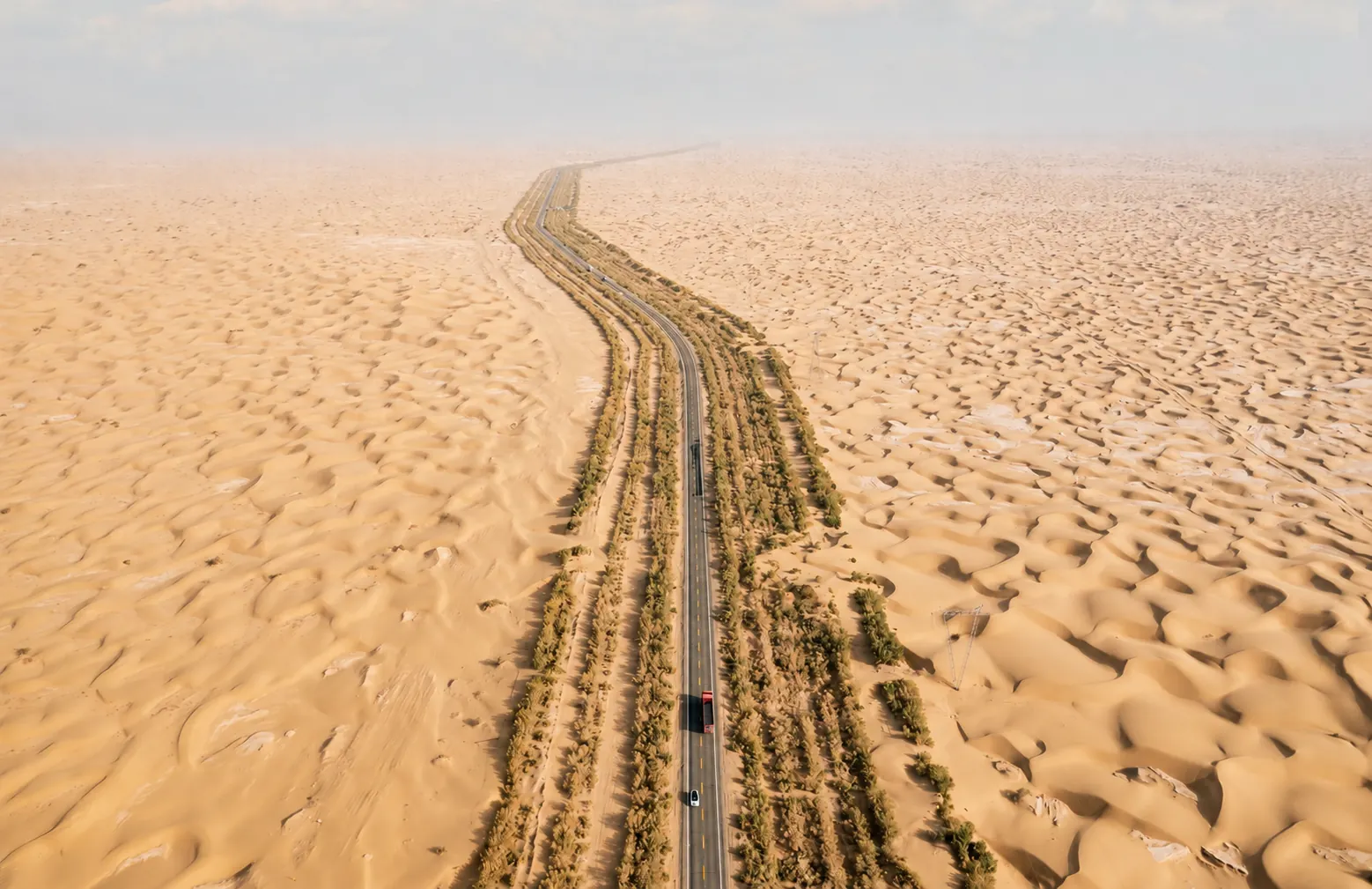
Kuqa opens another side of Southern Xinjiang, combining early Buddhist Silk Road heritage with canyon and desert landscapes. The Kizil Caves are among the region's important historic sites, while routes farther into the Tarim Basin reveal the vast scale of the Taklamakan Desert and Xinjiang's long desert highways.

Kuqa Kizil Caves Tarim Basin Taklamakan Desert

Which Xinjiang Destinations Should You Combine?

Avoid choosing places only from a list of famous attractions. Build your route around geography instead: combine destinations within Northern Xinjiang or Southern Xinjiang first, then add cross-region flights or train connections when your trip is long enough. The itinerary section below compares practical route combinations for different trip lengths.

Compare Xinjiang Itineraries ↓
Landscapes · Culture · Road Journeys

Best Things to Do in Xinjiang

The best things to do in Xinjiang go far beyond visiting individual attractions. Drive through changing mountain landscapes, follow historic Silk Road routes, experience the Pamirs and Taklamakan Desert, explore local markets, taste Uyghur food and slow down in the lakes, grasslands and villages that make Xinjiang such a varied travel destination.

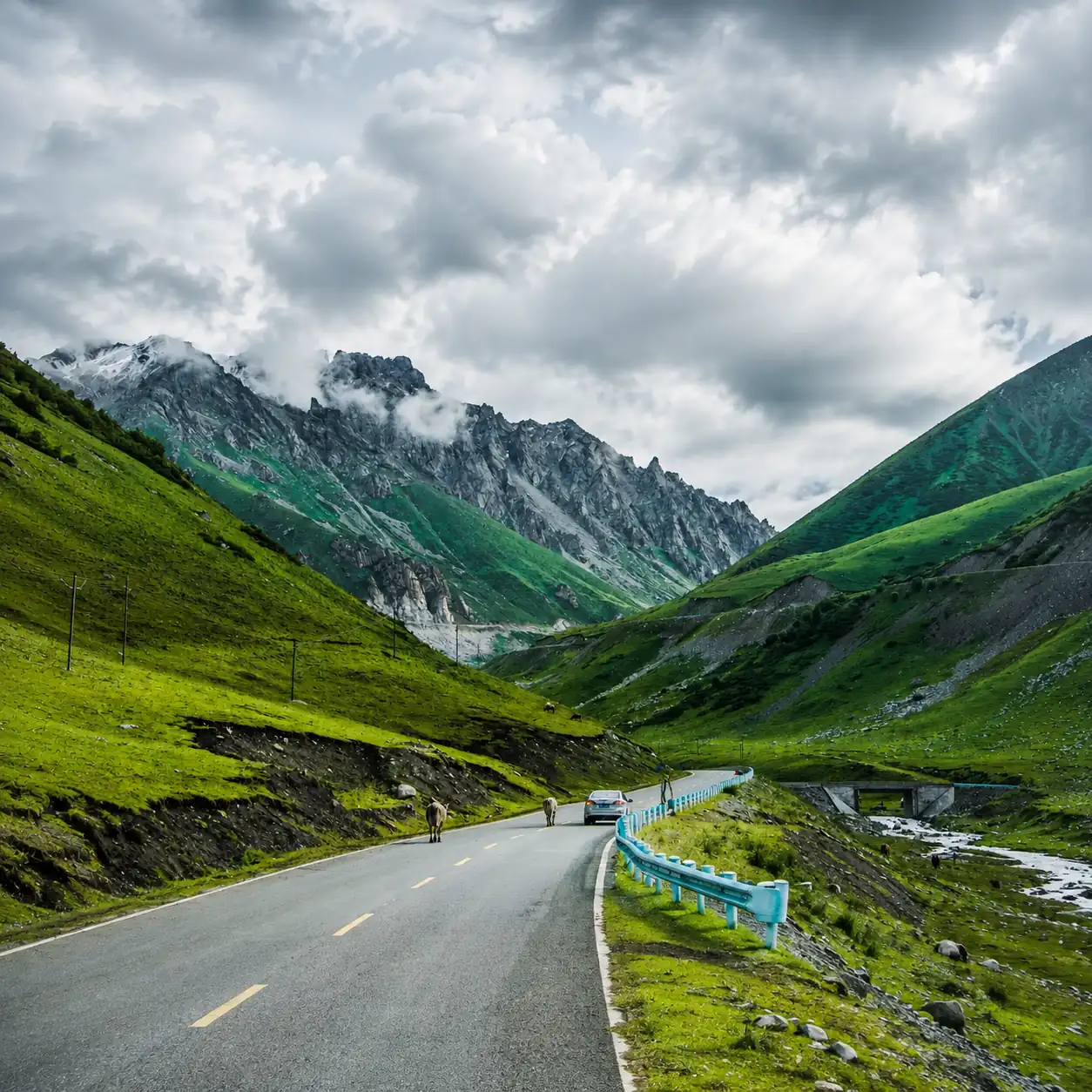
Karakoram Highway through the Pamir Mountains in Southern Xinjiang

Follow the Karakoram Highway into the Pamirs

Travel south from Kashgar toward the Pamir Mountains on a high-altitude road journey where the scenery changes from dry valleys to snow-covered peaks and alpine lakes. Stops around Baisha Lake, Karakul Lake and Tashkurgan make the road itself one of Southern Xinjiang's defining experiences.

Karakoram Highway Pamir Mountains Karakul Lake Baisha Lake
Ancient Silk Road heritage site in Xinjiang

Explore Xinjiang's Silk Road Heritage

Trace the ancient Silk Road through oasis cities and archaeological sites across Xinjiang. Kashgar reflects the region's long role as a trading crossroads, while Jiaohe near Turpan and the Kizil Caves near Kuqa reveal different layers of the cultures, religions and settlements that developed along these historic routes.

Ancient Silk Road Kashgar Jiaohe Kizil Caves
Uyghur food including lamb skewers, noodles and nang bread in Xinjiang

Taste Uyghur Food and Xinjiang Flavors

Food is one of the easiest ways to experience Xinjiang's cultural character. Try hand-pulled noodles, grilled lamb, nang bread and regional dishes shaped by oasis agriculture and Central Asian influences. Markets and local restaurants in cities such as Kashgar are particularly rewarding places to explore Xinjiang cuisine.

Hand-Pulled Noodles Lamb Skewers Nang Local Markets
Local market and everyday life in Kashgar Xinjiang

Experience Markets and Local Life in Kashgar

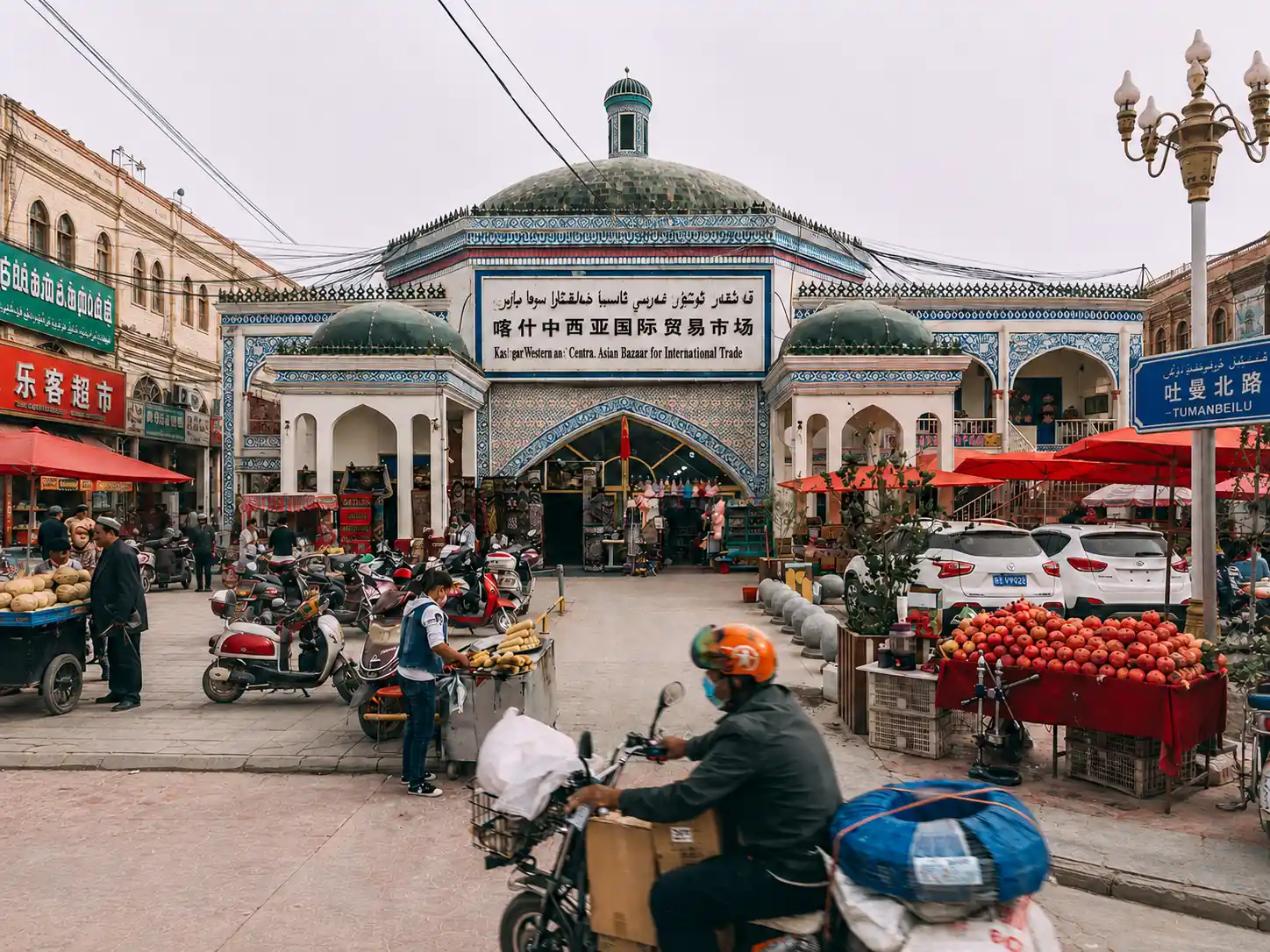
Spend time beyond the headline sights in Kashgar by exploring markets, food stalls and everyday neighborhoods. The city's trading traditions remain an important part of its identity, and local markets provide a more immediate introduction to regional food, crafts and daily life than sightseeing alone.

Kashgar Markets Local Food Crafts Everyday Culture
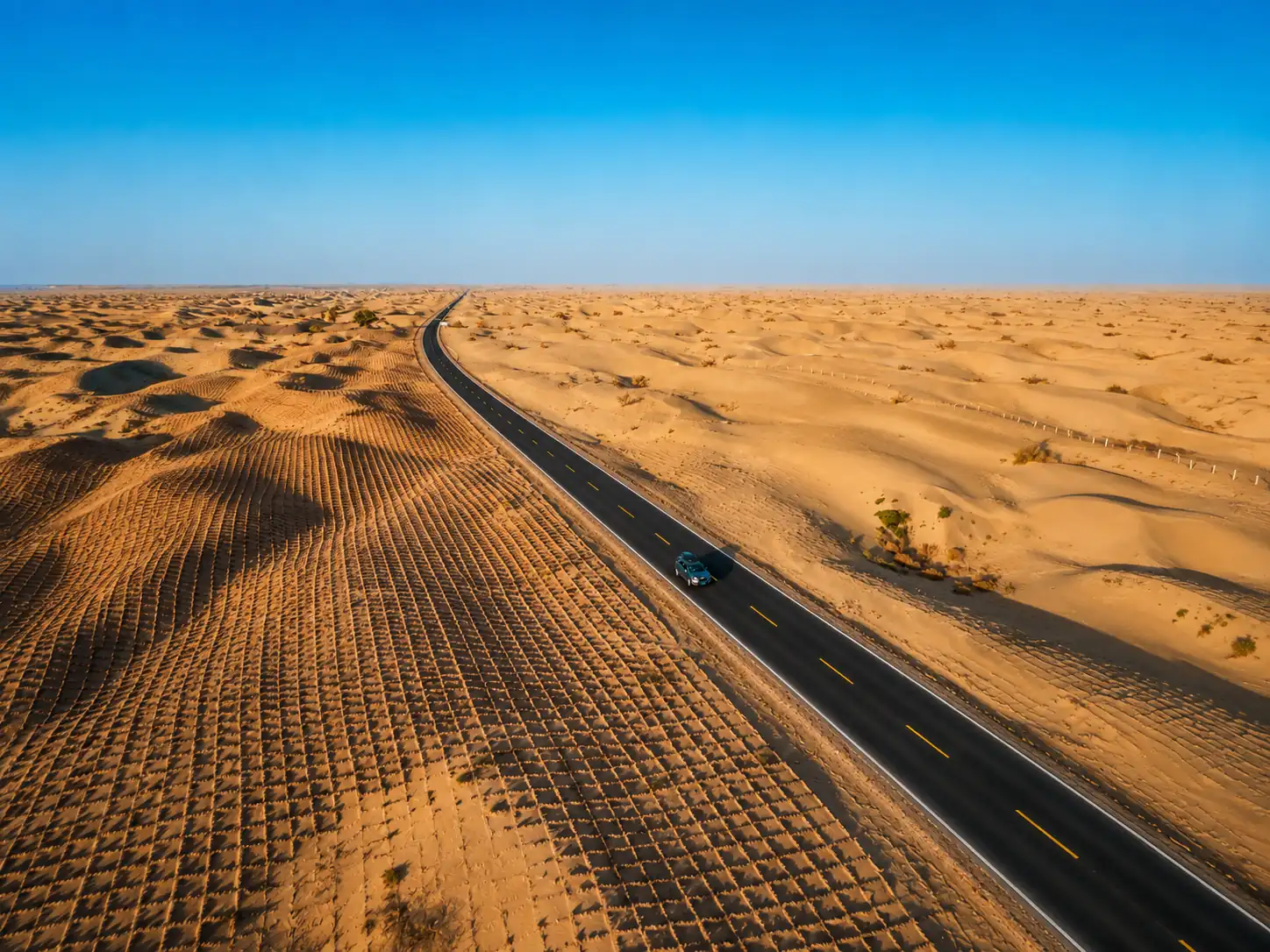
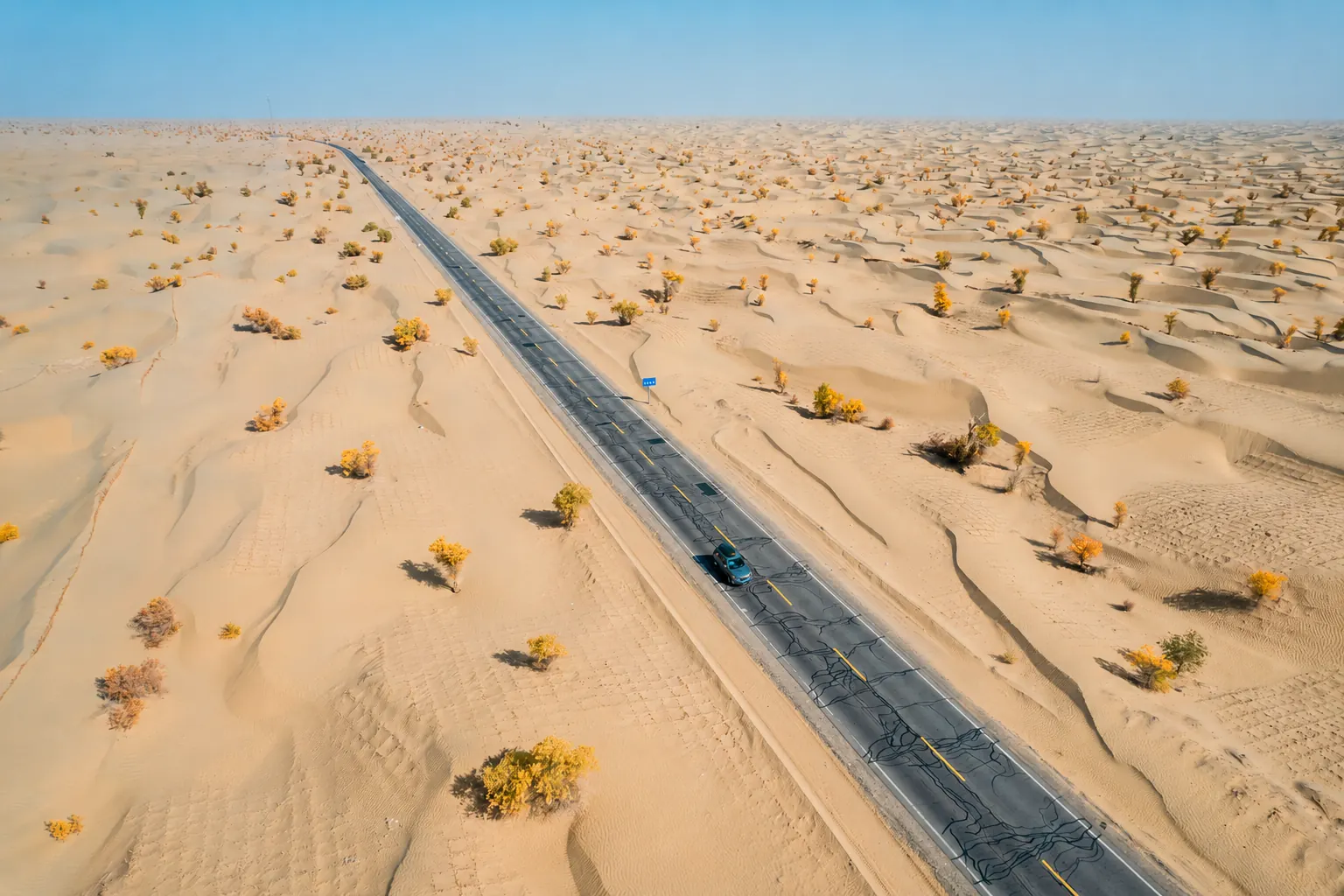
Desert highway crossing the Taklamakan Desert in Xinjiang

Cross the Edge of the Taklamakan Desert

Xinjiang's desert landscapes reveal a completely different side of the region. Journeys through the Tarim Basin and along desert highways pass immense sand landscapes, oasis settlements and long stretches of open road, making the scale of Southern Xinjiang easier to understand than any map alone can show.

Taklamakan Desert Tarim Basin Desert Highway Oasis Landscapes
Lake and grassland landscape in Northern Xinjiang

Slow Down in Xinjiang's Lakes and Grasslands

Not every Xinjiang experience needs to be a long driving day. Spend more time around places such as Sayram Lake, the Ili grasslands, Kanas and Hemu to experience changing light, mountain weather and quieter landscapes. Slower travel is especially valuable in a region where distances can otherwise dominate the itinerary.

Sayram Lake Ili Grasslands Kanas Hemu

Build Your Xinjiang Trip Around Experiences, Not Just Checklists

Xinjiang is most rewarding when the route connects different experiences naturally. A journey might combine mountain roads with alpine lakes, Silk Road cities with desert landscapes, or local food and markets with slower days in rural areas. Choosing two or three experience themes can create a more coherent trip than trying to collect as many attractions as possible.

Turn These Experiences into a Realistic Xinjiang Route

Because Xinjiang's highlights are separated by long distances, the order of your journey matters. Compare the suggested itineraries below to see how road trips, cultural destinations, mountain regions and desert routes can fit into trips of different lengths.

Route Planning

Suggested Xinjiang Itineraries

A good Xinjiang itinerary is built around regions, not a checklist of distant attractions. Six to eight days work best for a focused route, while 10 to 12 days gives you more time for major cultural and landscape combinations. With two weeks or more, you can begin connecting selected highlights of Northern and Southern Xinjiang without turning every day into a long transfer.

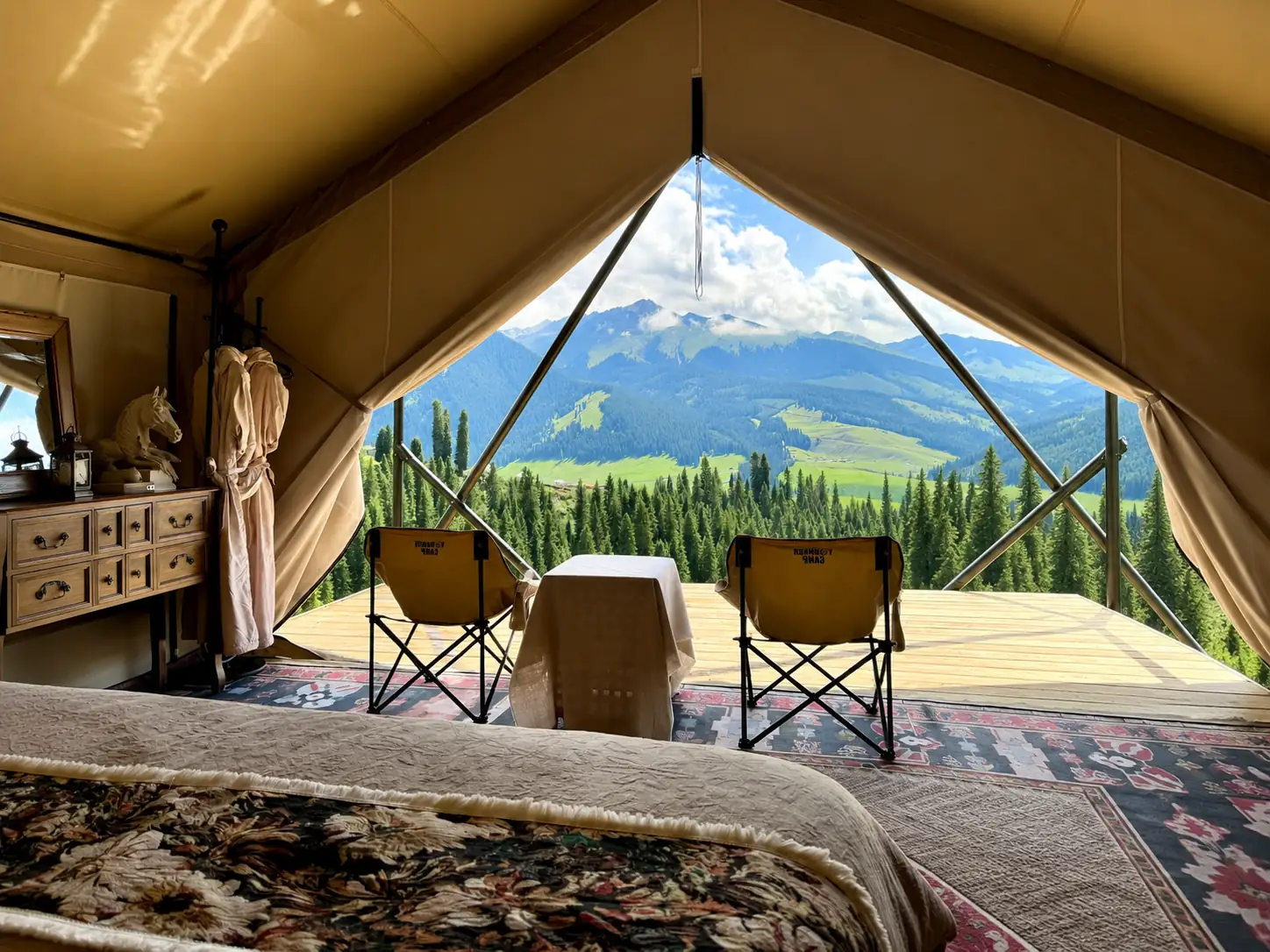
Recommended First-Time Route

10 Days in Xinjiang: Silk Road & Pamirs

This 10-day Xinjiang itinerary focuses on Urumqi, Turpan, Kashgar and the Pamir Mountains rather than trying to cover the entire region. It combines Silk Road history, Uyghur culture, Tianshan scenery and a high-mountain road journey while using faster transport for the longest regional connection.

Best for First-Time Visitors Culture + Mountains Moderate Travel Pace
Days 1–2 Urumqi · Tianshan
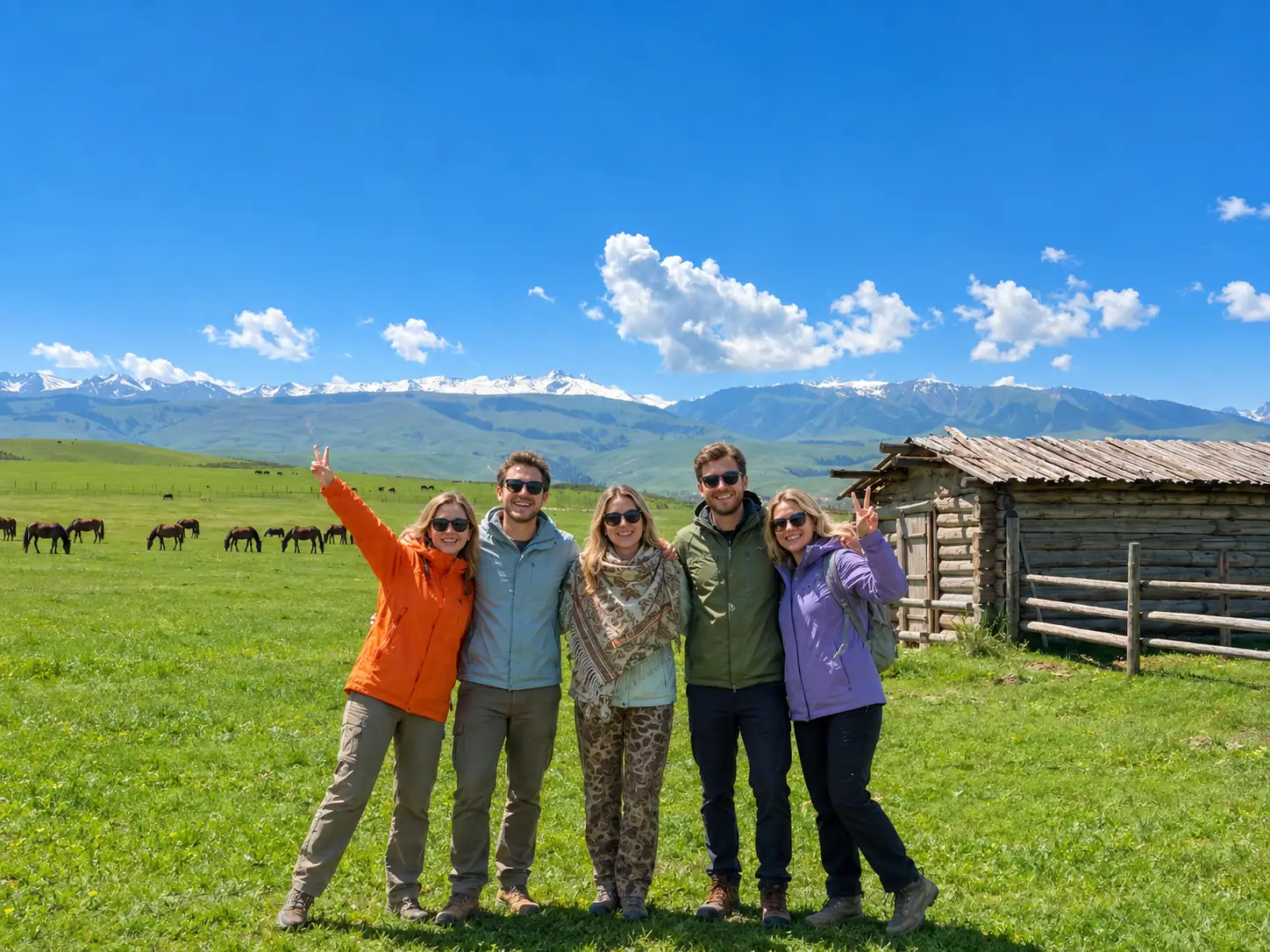
Heavenly Lake Tianshan Mountains
Heavenly Lake in the Tianshan Mountains near Urumqi

Arrive in Urumqi & See the Tianshan Mountains

Use Urumqi as the starting gateway for your Xinjiang journey. After arrival and an easier first day, make a mountain excursion toward Heavenly Lake to experience Tianshan scenery before beginning the longer Silk Road section of the route.

Gateway + alpine scenery
Days 3–4 Turpan
Jiaohe Ancient City Turpan Silk Road Heritage
Jiaohe Ancient City near Turpan in Xinjiang

Explore Turpan's Silk Road Oasis

Continue to Turpan for a contrasting desert and oasis environment. Explore Jiaohe Ancient City, learn how the traditional Karez irrigation system supported settlement in this dry basin, and allow enough time to experience the region without rushing between archaeological sites.

Silk Road history + oasis culture
Day 5 Long-Distance Transfer
Across Xinjiang Connect to Kashgar
Travel across Xinjiang toward Kashgar

Connect from Eastern Xinjiang to Kashgar

Use this day to make the major westward connection toward Kashgar. Depending on your final schedule, a domestic flight or train connection can avoid adding unnecessary road days. Keeping one dedicated transfer day makes the rest of the itinerary more realistic.

Flight or train connection
Day 6 Kashgar
Kashgar Old Town Culture · Markets · Food
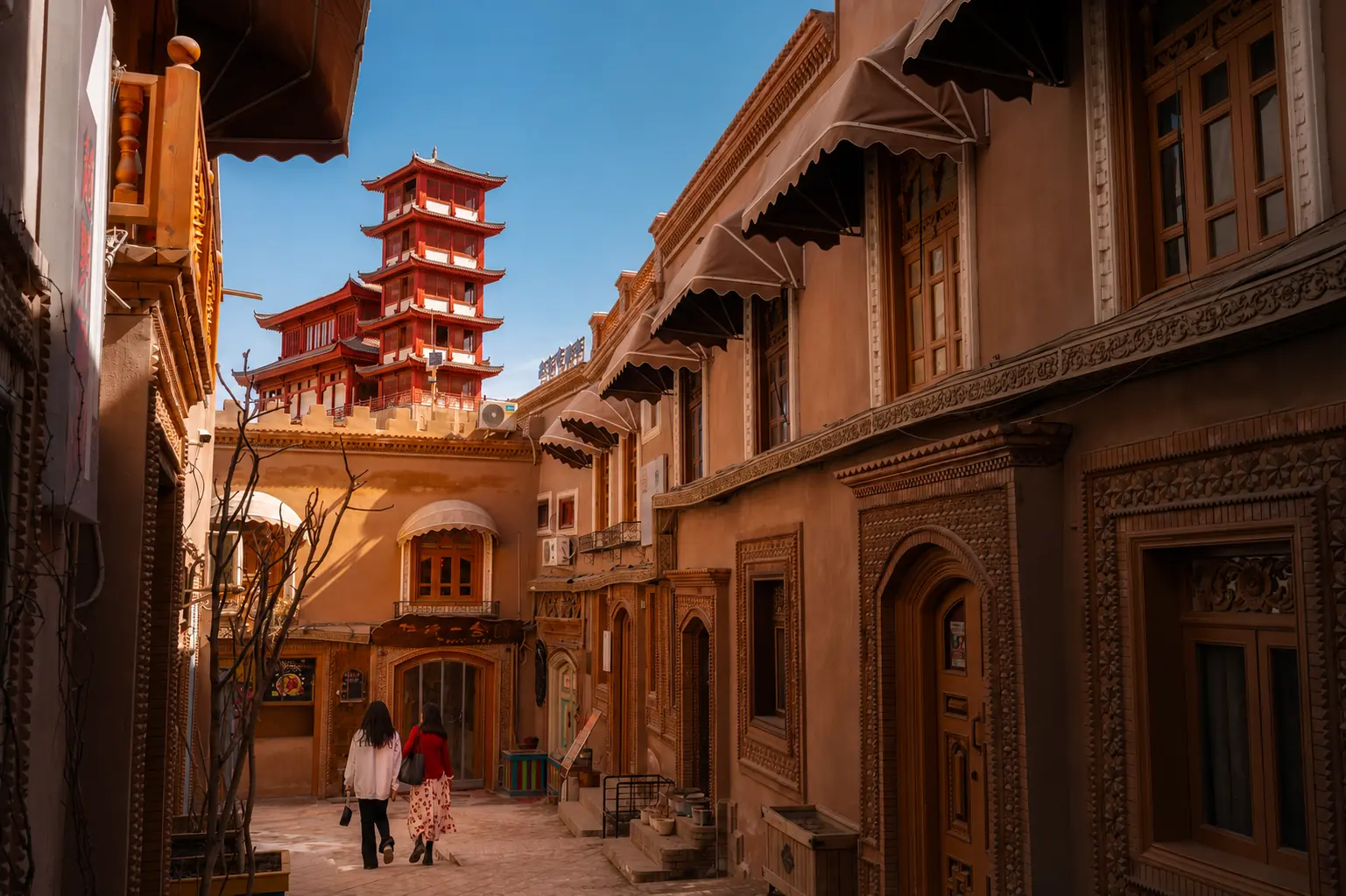
Traditional streets in Kashgar Old Town Xinjiang

Discover Kashgar at a Slower Pace

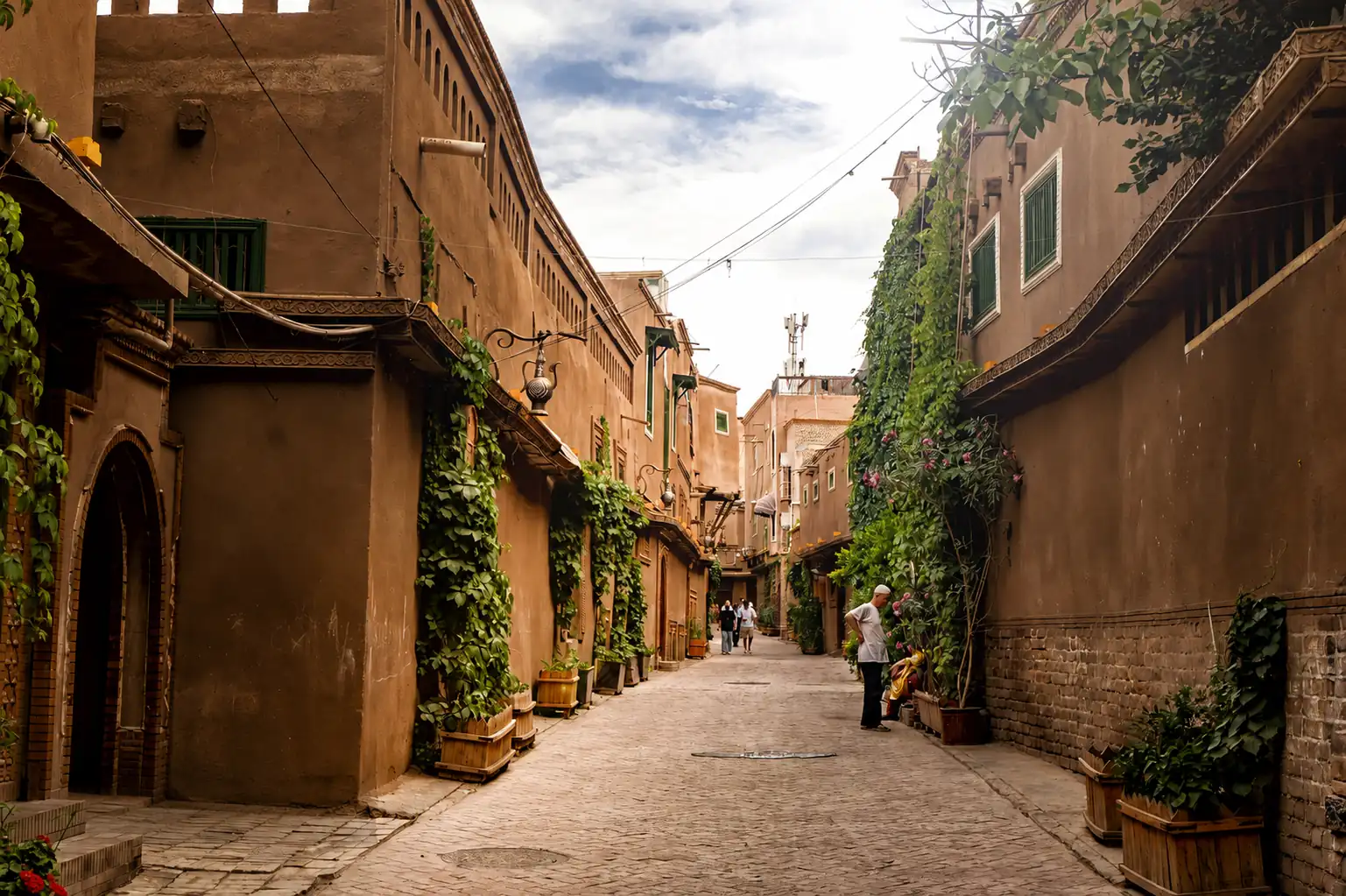
Spend a full day in Kashgar exploring the old town, markets, food and everyday street life. Rather than treating the city as only a stop before the Pamirs, this slower day gives the cultural side of Southern Xinjiang enough space in the itinerary.

Uyghur culture + Silk Road city
Days 7–8 Pamir Mountains
Karakul Lake & Pamirs Kashgar → Tashkurgan
Karakul Lake and Pamir Mountains in Xinjiang

Follow the Mountain Road toward Tashkurgan

Travel from Kashgar into the Pamir Mountains, with scenery around Baisha Lake, Karakul Lake and the high peaks becoming part of the journey. Stay overnight around Tashkurgan rather than attempting the mountain route as a rushed out-and-back sightseeing day.

High mountains + scenic road journey
Days 9–10 Pamirs → Kashgar
Return to Kashgar Flexible Final Day
Mountain road between Tashkurgan and Kashgar Xinjiang

Return to Kashgar & Keep the Final Day Flexible

Return from the Pamirs to Kashgar with time for scenic stops along the way. Keep the final day lighter for additional exploration, rest or onward transportation. Building some flexibility into the end of the route is useful after several long-distance travel days.

Scenic return + onward departure

Other Xinjiang Itinerary Ideas

6 Days

Short Xinjiang Highlights

Urumqi · Turpan · Kashgar. Best when you want a compact introduction to Silk Road cities and use faster transport for the major regional connection.
8 Days

Northern Xinjiang: Kanas & Hemu

Focus the whole journey on Northern Xinjiang, using Kanas Lake, Hemu Village and the Altai landscapes as the main experience rather than adding Southern Xinjiang.
12 Days

Ili Landscapes & Scenic Roads

Build a deeper Northern Xinjiang journey around Sayram Lake, the Ili region and grassland landscapes, with seasonal scenic-road sections added only when conditions and opening dates are suitable.
14+ Days

Northern & Southern Xinjiang

Combine selected northern landscapes with Kashgar and Southern Xinjiang using flights, trains or carefully planned road sections. Even with two weeks, focus on highlights rather than attempting to cover the entire region.

Choose the Route Before You Book the Transfers

Seasonal roads, high-mountain conditions and long distances can change how a Xinjiang itinerary works in practice. Once you know which region and trip length suit you, compare the seasonal guide and transportation section before finalizing the order of your journey.

Weather · Seasons · Regional Differences

Best Time to Visit Xinjiang

The best time to visit Xinjiang is generally from May to October, but the ideal month depends on where you plan to travel. Northern Xinjiang, Southern Xinjiang, the Turpan Basin and high-altitude mountain routes can experience very different conditions at the same time, so choose your dates around the landscapes and regions that matter most to your trip.

Best Overall Travel Window

May to October covers Xinjiang's main travel season

There is no single perfect month for every Xinjiang itinerary. Late spring begins the main travel period, summer brings very different conditions between hot desert basins and cooler mountain areas, and early autumn is one of the strongest overall choices for combining comfortable travel with seasonal scenery. By winter, Northern Xinjiang becomes significantly colder and trip planning changes accordingly.

Main Travel Season May to October
Strong Overall Choice Early autumn
Biggest Planning Factor Region, altitude and route

Xinjiang Weather & Travel by Month

Main travel season Shoulder / regional Winter / colder period
Jan
Deep winter, especially cold in the north
Winter
Feb
Cold winter conditions continue
Winter
Mar
Spring transition, route dependent
Shoulder
Apr
Spring scenery begins to develop
Spring
May
Main travel season begins
Main
Jun
Warmer weather with strong regional contrasts
Main
Jul
Summer travel; very hot around Turpan
Main
Aug
Summer conditions from desert heat to cool mountains
Main
Sep
Early autumn and changing northern scenery
Best
Oct
Autumn travel with cooler conditions
Main
Nov
Colder weather returns across many routes
Cold
Dec
Winter conditions, very cold in Northern Xinjiang
Winter
Xinjiang in Spring Blossoms · Changing Landscapes
Spring landscape and flowering season in Xinjiang
March to May

Spring in Xinjiang

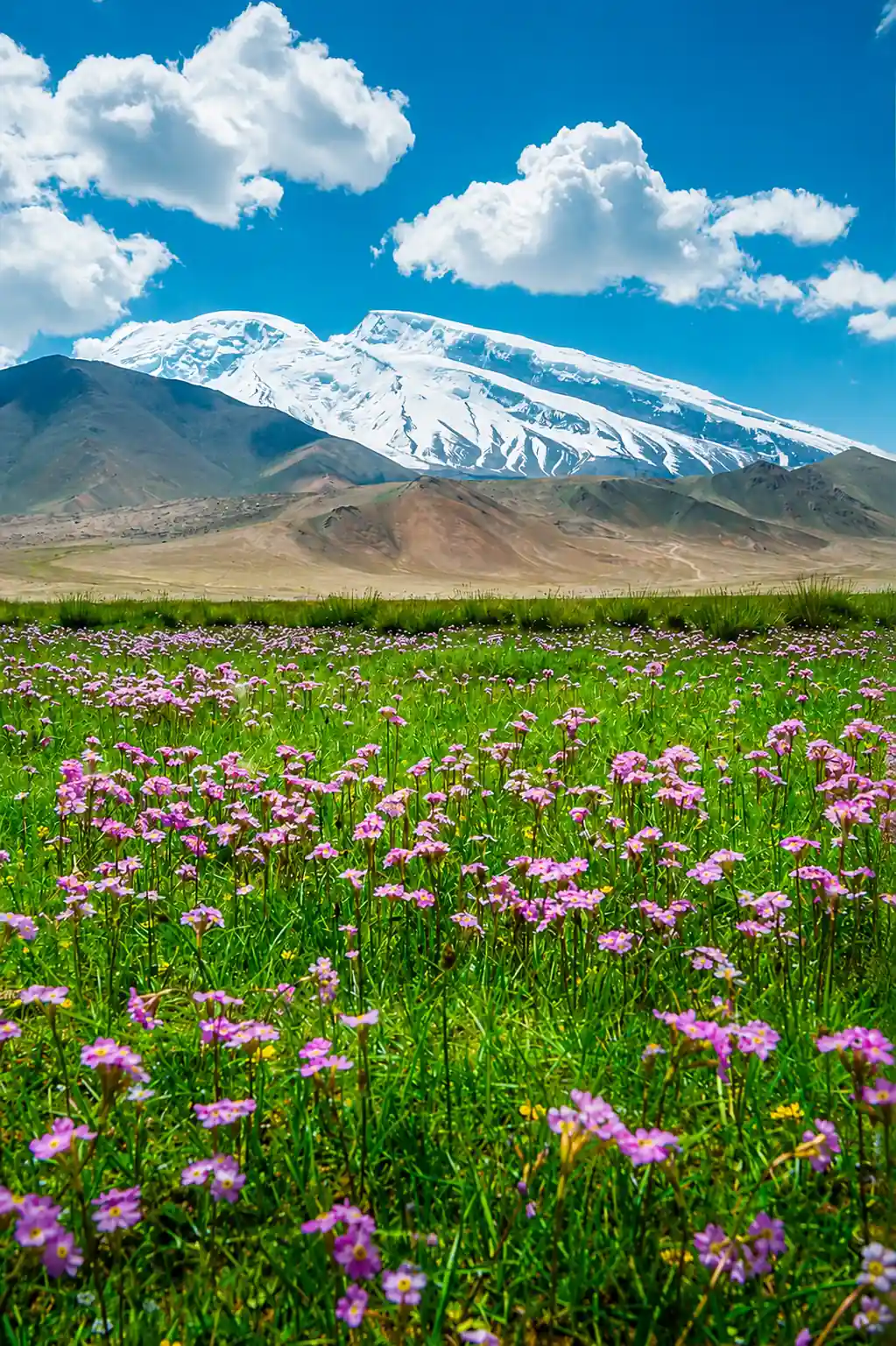
Spring is a transition season across Xinjiang and can be a rewarding time for flowering landscapes. Conditions still vary substantially by region and altitude, so early spring routes should be planned more selectively. By May, the broader main travel season is beginning.

Xinjiang in Summer Mountains · Grasslands · Desert Heat
Summer mountain and grassland scenery in Xinjiang
June to August

Summer in Xinjiang

Summer shows why Xinjiang weather cannot be summarized with one temperature. Turpan and desert areas can become extremely hot, while high mountains may remain considerably cooler. Pack and schedule around the specific route rather than assuming similar conditions across the entire region.

Xinjiang in Autumn Kanas · Forests · Seasonal Color
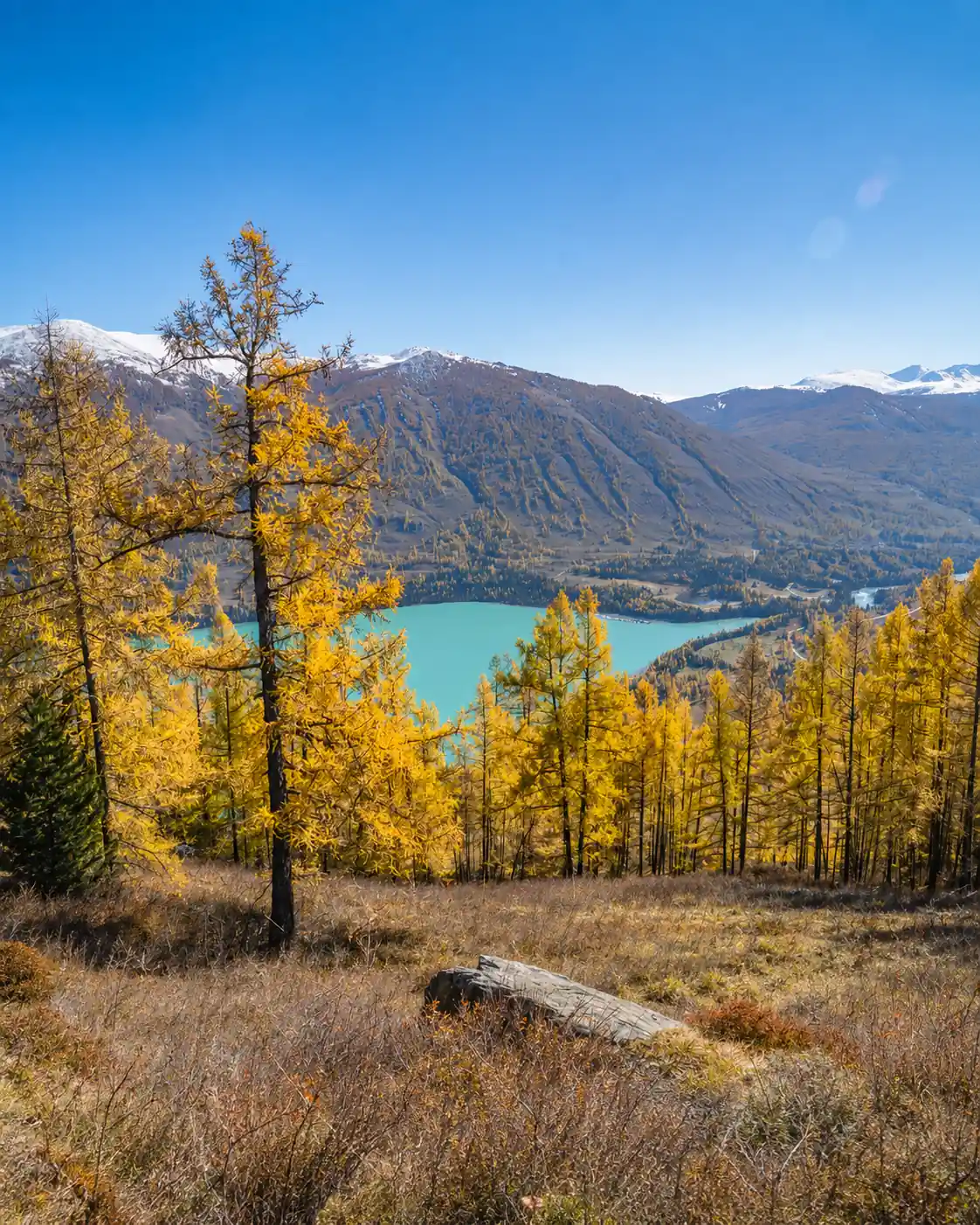
Autumn colors around Kanas Lake in Northern Xinjiang
September to November

Autumn in Xinjiang

Early autumn is one of the strongest overall periods for a Xinjiang trip. Northern destinations such as Kanas are known for colorful seasonal scenery, while cooler conditions can also make longer journeys more comfortable. Temperatures fall as the season progresses, especially in northern and mountain areas.

Xinjiang in Winter Snow · Cold Northern Landscapes
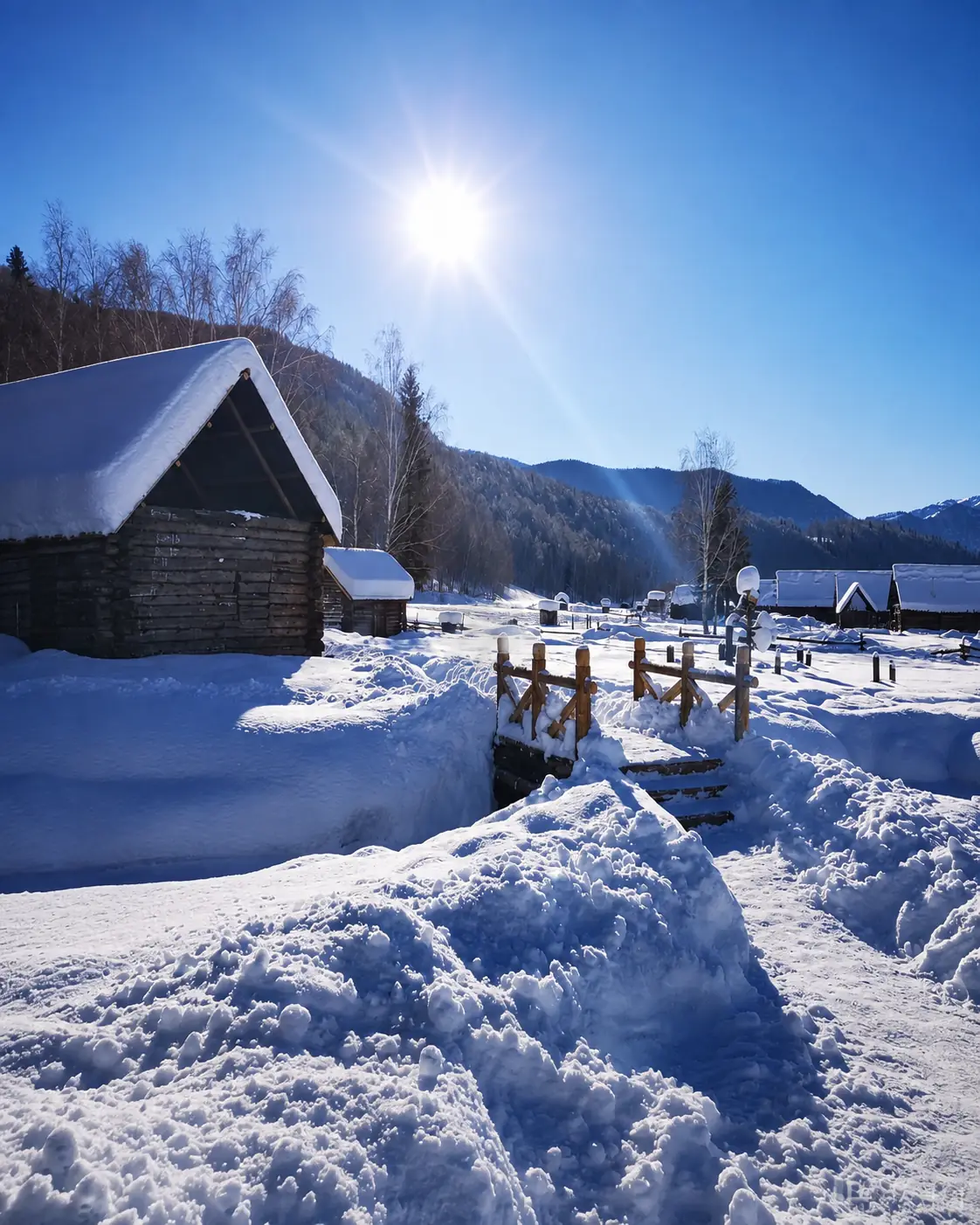
Winter snow landscape in Northern Xinjiang
December to February

Winter in Xinjiang

Winter changes the character of Xinjiang travel completely. Northern Xinjiang can experience temperatures below -20°C, requiring much more serious cold-weather preparation. Winter can still offer distinctive snowy landscapes, but it should be treated as a separate seasonal trip rather than a colder version of a standard summer itinerary.

Flights · Trains · Road Transfers

Getting to Xinjiang & Getting Around

Transportation is one of the most important parts of planning a Xinjiang trip. The region covers enormous distances, so the best itinerary often combines flights or trains between major cities with planned road transfers for remote lakes, mountain areas and desert routes. Urumqi and Kashgar are important gateways, but your ideal transport mix depends on whether you are exploring Northern Xinjiang, Southern Xinjiang or both.

Best Overall Strategy

Fly or Take the Train Between Regions, Then Use Road Transfers Locally

Do not assume every Xinjiang destination should be connected by road. Long overland journeys can consume an entire travel day, so faster connections are often more practical between distant cities. Once you reach the right regional base, road transport becomes much more useful for reaching mountain valleys, lakes, villages and remote scenic areas.

Main Gateways Urumqi · Kashgar
Long Distances Flights or trains can save valuable travel time
Remote Areas Planned road transfers are often more practical

Domestic Flights

Domestic flights are useful when your itinerary connects distant parts of Xinjiang. They can reduce long overland transfers and make it more realistic to combine destinations in different regions on a limited schedule. Urumqi functions as a major transport gateway, while other important cities can be incorporated according to the final route.

Best for long regional connections

Trains Across Xinjiang

Trains provide another way to connect major cities and can work well when you prefer overland travel or want to avoid additional flights. Because Xinjiang is so large, compare journey time carefully before choosing rail simply because two destinations appear on the same route.

China Train Ticket Guide →

Private Driver & Road Transfers

Road transport becomes especially valuable once your itinerary leaves the major cities. Remote scenic areas, mountain routes and multi-stop journeys are difficult to organize efficiently using public transportation alone. A planned vehicle and driver can also make it easier to coordinate sightseeing stops along routes where the journey itself is part of the experience.

Plan Private Xinjiang Transfers →

Scenic Road Journeys

Some Xinjiang roads are attractions in their own right. Routes through the Tianshan Mountains, the Pamirs and desert landscapes can link several major experiences within one journey. Roads such as the Duku Highway are seasonal, so current access and road conditions should be confirmed before they become a fixed part of the itinerary.

Explore the Duku Highway Route →

Long-Distance Travel Days

Long driving days are normal on some Xinjiang routes, so transportation time should be visible in the itinerary rather than hidden between sightseeing stops. Avoid scheduling a major scenic area immediately after every long transfer, and keep extra flexibility on routes affected by mountain weather or seasonal road conditions.

Compare Xinjiang Itineraries ↓
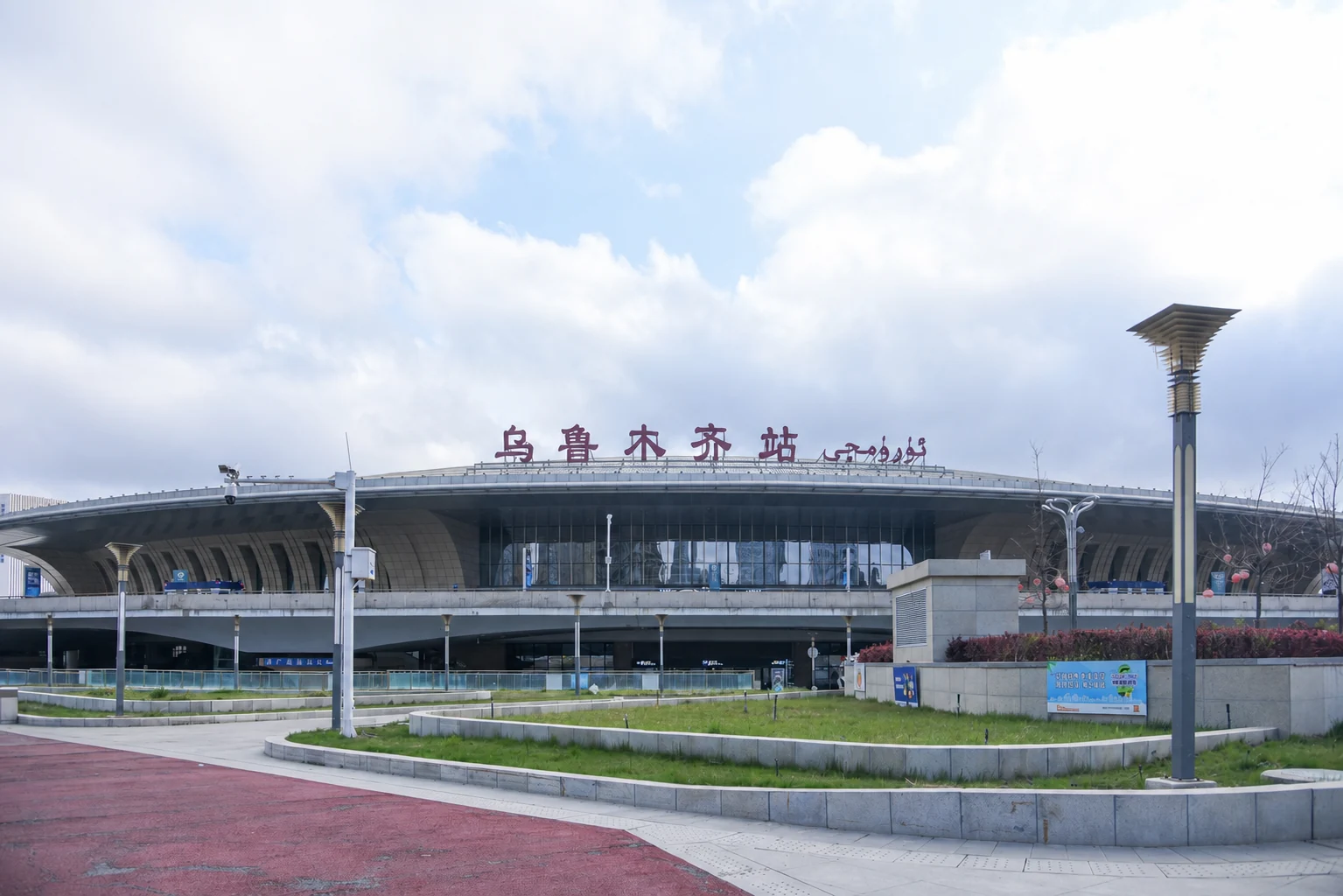
Xinjiang Air & Rail Gateway Urumqi · Regional Connections
Transportation gateway for traveling across Xinjiang
Xinjiang Road Journey Mountains · Deserts · Remote Landscapes
Scenic road journey through the landscapes of Xinjiang

Plan Transportation at the Same Time as Your Xinjiang Route

The most efficient transport option changes from one section of the trip to another. Use faster connections for major distances, road transfers for remote scenic areas and dedicated travel days when overland journeys are part of the experience. Your accommodation bases should follow that route rather than forcing every destination into a return trip from one city.

Choose Where to Stay ↓
Before You Go

Xinjiang Travel Tips for Foreign Visitors

Foreign travelers can prepare for Xinjiang using the same basic travel planning required elsewhere in China, but the region adds several practical considerations. Keep your passport accessible, confirm current requirements for designated border areas, prepare mobile payments and translation tools, allow for less reliable connectivity on remote routes and plan carefully for altitude, major temperature changes and long-distance travel.

Can Foreigners Travel to Xinjiang?

Start with the passport, visa, visa-free entry status or other China entry documents that apply to your nationality and trip. For a normal Xinjiang itinerary, the main additional planning issue is whether your route enters a designated border management area, where separate documentation may be required.

Border Areas & Travel Permits

Some Xinjiang journeys approach international border regions, particularly routes in the far west and high-mountain areas. Foreign visitors entering designated border management areas should confirm the current permit requirements before travel. Do this while the itinerary is still flexible rather than assuming every mountain or border route can be added later.

Keep Your Passport Accessible

Carry your original passport or other required travel documentation while moving around Xinjiang. Document checks can occur during transportation, accommodation registration and travel through designated areas, so keep essential documents accessible rather than packed deep inside your luggage.

Accommodation & Registration

Confirm accommodation before traveling into smaller cities or remote scenic areas, where options may be more limited. Hotels handle the required guest registration as part of the normal check-in process, so make sure your passport details match the reservation and keep confirmed hotel information available during longer routes.

Mobile Payments & Backup Money

Prepare your preferred China payment setup before arriving in Xinjiang. Mobile payments are widely useful for everyday purchases in cities, restaurants and shops, but a sensible backup payment option is valuable when traveling through smaller towns, remote scenic areas or long road journeys.

Internet, Mobile Data & Travel Apps

Arrange mobile data and essential travel apps before starting remote sections of the trip. Save hotel names, addresses, transport details, meeting points and key itinerary information offline because coverage may become less reliable during long mountain, desert and rural road journeys.

Language & Translation

English should not be assumed throughout a Xinjiang journey, particularly outside major hotels and tourist services. A translation app, saved Chinese destination names and offline copies of important addresses can make transportation, restaurants and hotel check-in much easier during independent travel.

Altitude, Weather & Remote Routes

Xinjiang routes can move quickly from hot desert basins to cold high-altitude mountain environments. Pamir journeys in particular require more attention to elevation, while seasonal roads and mountain weather can affect driving plans elsewhere. Pack adaptable layers and avoid building an itinerary with no room for changing conditions.

Finalize the Route Before Locking in Every Booking

Once your travel dates, regional route, transport plan, accommodation bases and border-area requirements are clear, you can decide whether an independent journey or a planned Xinjiang tour better matches the landscapes and experiences you want to include.

Explore Xinjiang Tours ↓
Accommodation Planning

Where to Stay in Xinjiang

Where to stay in Xinjiang depends more on your route than on choosing one central base. Urumqi works well for arrivals and regional connections, Kashgar is the main base for Southern Xinjiang and Pamir journeys, and Yining is useful for exploring the Ili region. Longer routes also require carefully chosen overnight stops near remote mountain, lake and desert areas.

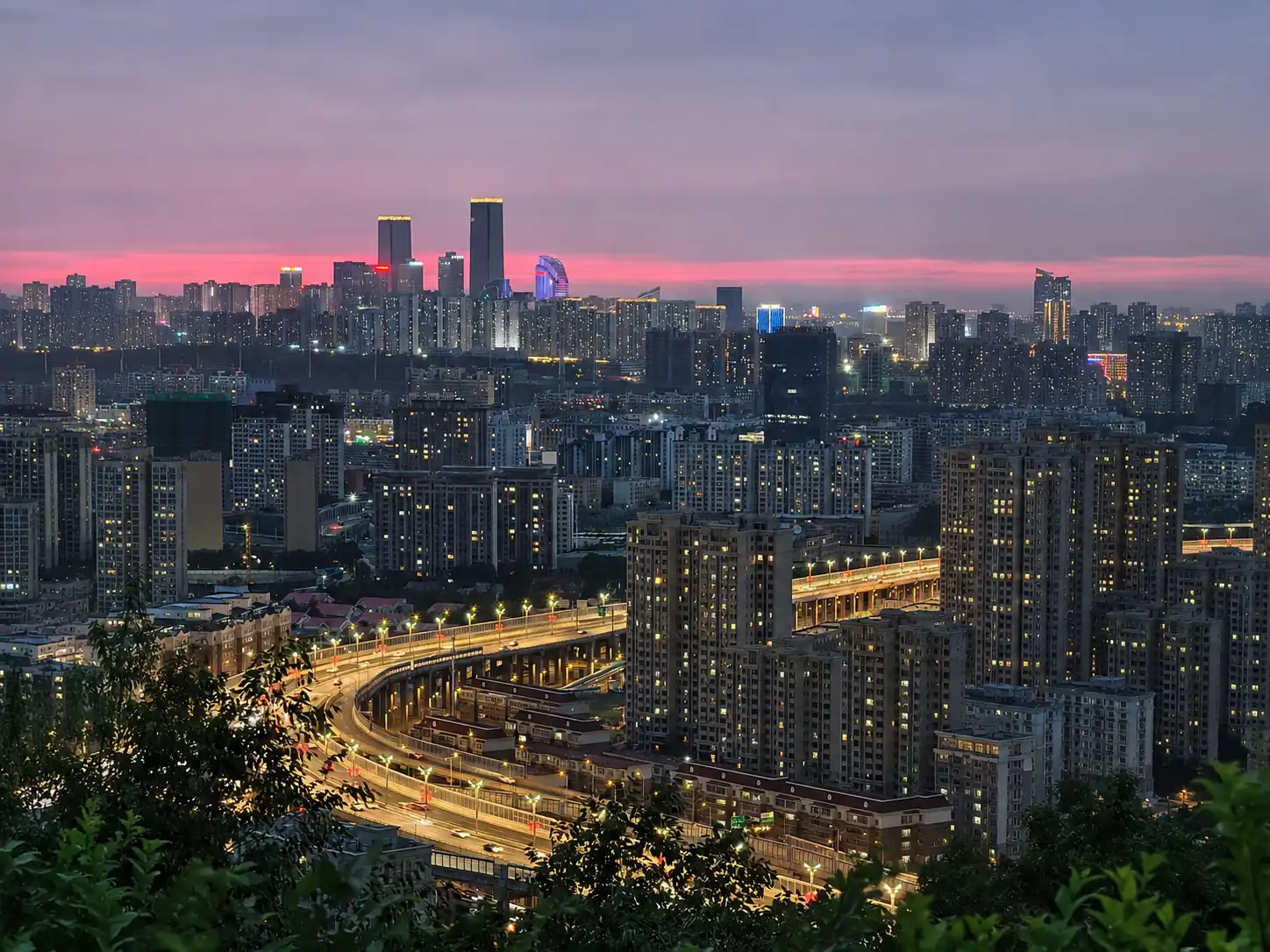
City accommodation and skyline in Urumqi Xinjiang
Urumqi Regional Gateway

Urumqi

Best for Arrivals & Regional Connections

Urumqi is the most practical starting or finishing base for many Xinjiang itineraries. Staying here makes sense around flights, train connections and excursions toward Heavenly Lake, but most travelers should continue onward rather than using the city as a base for distant parts of Xinjiang.

Accommodation near Kashgar Old Town in Xinjiang
Kashgar Southern Xinjiang Base

Kashgar

Best for Southern Xinjiang

Kashgar deserves more than a quick overnight stop. It is the main cultural base for many Southern Xinjiang itineraries and the natural starting point for journeys toward Tashkurgan, Karakul Lake and the Pamir Mountains. Staying at least before and after the mountain route also creates a more comfortable travel rhythm.

Accommodation base in Yining and the Ili region of Xinjiang
Yining & Ili Sayram Lake & Grasslands

Yining & the Ili Region

Best for Sayram Lake & Grassland Routes

Yining is a useful regional base when your Northern Xinjiang itinerary focuses on Sayram Lake and the wider Ili landscapes. Longer trips into grassland and mountain areas may require additional overnight stops, so think of Yining as a gateway within the route rather than the only place to sleep.

Remote accommodation near mountains and scenic areas in Xinjiang
Scenic Route Stays Mountains · Lakes · Villages

Remote & Route-Specific Stays

Best for Kanas, Hemu & Pamir Routes

Some of Xinjiang's most memorable landscapes are too far from the main cities for comfortable day trips. Overnight stays around routes such as Kanas and Hemu or near Tashkurgan can reduce backtracking and give mountain scenery more time. Accommodation choices may be more limited than in major cities, so these nights should be planned earlier in the itinerary.

Should You Book One Hotel Base for Xinjiang?

Usually no. Xinjiang's distances make a single-base itinerary inefficient once you travel beyond one city or nearby scenic area. A better approach is to use major gateways such as Urumqi and Kashgar for transport connections, then move accommodation with the route when visiting lakes, grasslands, mountain regions and remote landscapes.

Essential Xinjiang Travel Tips ↓
Private & Custom Xinjiang Travel

Recommended Xinjiang Tours

The best Xinjiang tours are built around geography rather than a fixed list of attractions. Choose a focused Northern Xinjiang or Southern Xinjiang journey, follow a Silk Road and desert route, or combine selected regions on a longer private trip. Travel time, seasonal roads, mountain conditions and regional transport should all be considered before the final itinerary is confirmed.

Kanas Lake and Hemu Village on a Northern Xinjiang journey
Kanas & Hemu
8 Days

North Xinjiang Tour with Kanas & Hemu

Explore the Altai landscapes of Northern Xinjiang with Kanas Lake and Hemu Village, then continue through some of the region's most memorable lake and mountain scenery. This focused route works well for travelers who want nature without adding distant Southern Xinjiang destinations.

Kanas Lake Hemu Village Northern Xinjiang
Sayram Lake and Ili Valley grassland scenery in Xinjiang
Ili & Sayram Lake
8 Days

Xinjiang Tour with Ili River Valley

Explore the greener landscapes of Northern Xinjiang through the Ili River Valley, combining Sayram Lake with Nalati Grassland and wider mountain and grassland scenery. This route suits travelers who want a focused summer landscape journey at a more comfortable regional pace.

Ili Valley Sayram Lake Nalati Grassland
Karakul Lake and Pamir Mountains on a Southern Xinjiang journey
Kashgar & Pamirs
Custom Route

Kashgar & Pamir Mountains Journey

Center your Southern Xinjiang journey on Kashgar before traveling toward Tashkurgan through the Pamir Mountains. Baisha Lake, Karakul Lake and the high-mountain road scenery make this one of Xinjiang's strongest routes for travelers interested in culture and dramatic landscapes.

Kashgar Pamir Mountains Karakul Lake
Silk Road and Taklamakan Desert landscape in Southern Xinjiang
Silk Road & Desert
12 Days

South Xinjiang Silk Road & Desert Adventure

Explore Southern Xinjiang through Urumqi, Kashgar and the Taklamakan Desert on a longer journey focused on Silk Road culture, oasis landscapes and desert scenery. This route is a stronger choice for travelers who want a deeper southern itinerary rather than a short highlights trip.

Southern Xinjiang Silk Road Taklamakan Desert
Deeper Northern Xinjiang

10-Day Northern Xinjiang Private Tour

Combine Kanas Lake, Hemu Village, Sayram Lake, Nalati Grassland and the Duku Highway on a longer Northern Xinjiang route with more landscape variety than a shorter Kanas-focused itinerary.

View 10-Day Northern Xinjiang Tour →
Shorter Landscape Journey

7-Day Xinjiang Highlights Tour

Explore the Ili Valley through Sayram Lake, Nalati and Kalajun on a compact private route designed for travelers who want Northern Xinjiang grasslands and mountain scenery with less overall travel time.

View 7-Day Xinjiang Highlights →
Flexible Private Travel

Custom Xinjiang Tour

Build a private Xinjiang journey around your available days, travel season and preferred pace. Choose the landscapes and cultural regions that matter most, then coordinate flights, trains, road transfers and overnight bases around a realistic route.

Create a Custom Xinjiang Trip →

Not Sure Which Xinjiang Route Fits Your Trip?

Start with your available days, travel month and whether Northern or Southern Xinjiang is the priority. We can then build the route around realistic transfer times, seasonal road conditions, mountain journeys and the mix of landscapes, Silk Road history and local experiences you want most.

Xinjiang Travel Questions

Xinjiang Travel FAQ

These answers cover the most important questions travelers ask when planning a Xinjiang trip, including how many days to spend, the best time to visit, Northern versus Southern Xinjiang, foreign visitor requirements, border-area permits, transportation and seasonal road journeys.

How many days in Xinjiang is enough?

Around 7–10 days is a useful starting range for a focused first trip to either Northern or Southern Xinjiang. Ten to twelve days gives you more room for several destinations, while two weeks or more is better if you want to combine selected parts of both regions.

Xinjiang is too large to plan like a single city. A shorter, geographically focused itinerary is usually more rewarding than spending most of the trip moving between distant places.

See the Suggested Xinjiang Itineraries for route ideas from 6 days to 14+ days.

What is the best month to visit Xinjiang?

May to October covers the main Xinjiang travel season, but there is no single best month for every route. Early autumn is one of the strongest overall periods, especially if seasonal scenery in Northern Xinjiang is a priority.

Summer works well for many mountain and grassland routes, although Turpan and desert areas can become extremely hot. The best month should therefore be chosen around the specific region rather than Xinjiang as a whole.

Compare the Best Time to Visit Xinjiang section before fixing your dates.

Is Xinjiang worth visiting?

Xinjiang is especially rewarding for travelers interested in large-scale landscapes, overland journeys and Silk Road history. A single trip can combine alpine lakes, grasslands, the Tianshan and Pamir Mountains, desert landscapes, oasis cities and distinctive food and cultural experiences.

The main trade-off is distance. Xinjiang requires more travel time and route planning than a compact city destination, so it suits travelers who are comfortable spending longer in one region and treating road journeys as part of the trip.

Which is better, Northern or Southern Xinjiang?

Northern Xinjiang is usually the stronger choice if your main priority is natural scenery. Kanas Lake, Hemu, Sayram Lake, the Ili grasslands and the Altai and Tianshan landscapes are among its major attractions.

Southern Xinjiang is stronger for a combination of Silk Road culture, Kashgar, oasis landscapes, desert routes and the high-mountain journey into the Pamirs. Neither region is objectively better; they offer very different trips.

See Northern vs Southern Xinjiang for the full comparison.

Can foreign tourists travel to Xinjiang?

Foreign travelers can plan Xinjiang trips subject to the China entry requirements that apply to their nationality and travel circumstances. Xinjiang should not be treated as having one universal Tibet-style travel permit for every foreign visitor.

The additional issue is route-specific access. Some designated border management areas may have separate documentation or access requirements, so foreign visitors should confirm the rules for their exact itinerary before traveling into remote border regions.

Review the Xinjiang Travel Tips for Foreign Visitors before finalizing your route.

Do foreign travelers need a special permit for Xinjiang?

There is not one universal special permit required simply because a foreign traveler is visiting Xinjiang. However, designated border management areas can have additional documentation requirements, particularly on some remote far-western and high-mountain routes.

Permit and access rules can change and depend on the exact places included in the itinerary. Confirm current requirements for your planned route rather than relying on an older general Xinjiang permit guide.

What is the best way to get around Xinjiang?

Most longer Xinjiang trips work best with a combination of transportation. Flights or trains can save time between distant major cities, while road transfers are often more practical for lakes, mountain valleys, villages and remote scenic areas.

Avoid assuming that every destination should be connected by road. On a limited itinerary, using a faster connection for one long-distance section can create much more time for actual sightseeing.

See Getting to Xinjiang & Getting Around for the full transport strategy.

Can you travel independently in Xinjiang?

Independent travel can be practical in major cities and on routes with straightforward transport, but Xinjiang becomes more complicated when the itinerary includes remote scenic areas, long road journeys or border-region destinations.

A private driver or planned transfer can be useful even if you are otherwise traveling independently, because it reduces the difficulty of coordinating distant attractions and allows the route to include sightseeing stops along the way.

Can you combine Northern and Southern Xinjiang in one trip?

Yes, but the trip should be long enough to justify the distances. With roughly two weeks or more, selected northern landscapes can be combined with Kashgar and parts of Southern Xinjiang by using flights, trains or carefully planned overland connections.

Even on a longer journey, trying to include every famous destination usually creates too many transfer days. Choose the strongest highlights from each region rather than trying to complete the entire map.

Is the Duku Highway open all year?

No. The Duku Highway is a seasonal mountain road, and its availability depends on current road, snow and weather conditions. It should not be treated as a guaranteed year-round connection when planning a Xinjiang itinerary.

If the Duku Highway is an important part of your trip, confirm current access close to your travel dates and keep an alternative transport plan rather than building the entire itinerary around a fixed historical opening date.

Start Planning

Create Your Xinjiang Journey

Tell us your travel dates, available time and whether Northern Xinjiang, Southern Xinjiang or a longer combination route interests you most. Build a private journey around realistic transfer times, seasonal road conditions, mountain and desert landscapes, Silk Road culture and the pace you want to travel.

Private & Flexible Xinjiang Itineraries Northern & Southern Xinjiang Planning Flights, Trains & Road Transfers Silk Road, Pamirs & Landscape Journeys
Create
my trip