How Many Days in Quanzhou?
One day covers the main old-city highlights, while 2–3 days gives you enough time to understand Quanzhou’s heritage, food and local culture without rushing between sites.

Discover Quanzhou’s essential sights, from Kaiyuan Temple, West Street and Qingjing Mosque in the historic old city to Luoyang Bridge, the Maritime Museum, Xunpu Village and Qingyuan Mountain. Together, these places reveal the city’s Maritime Silk Road history, religious diversity, Minnan culture and everyday local life.

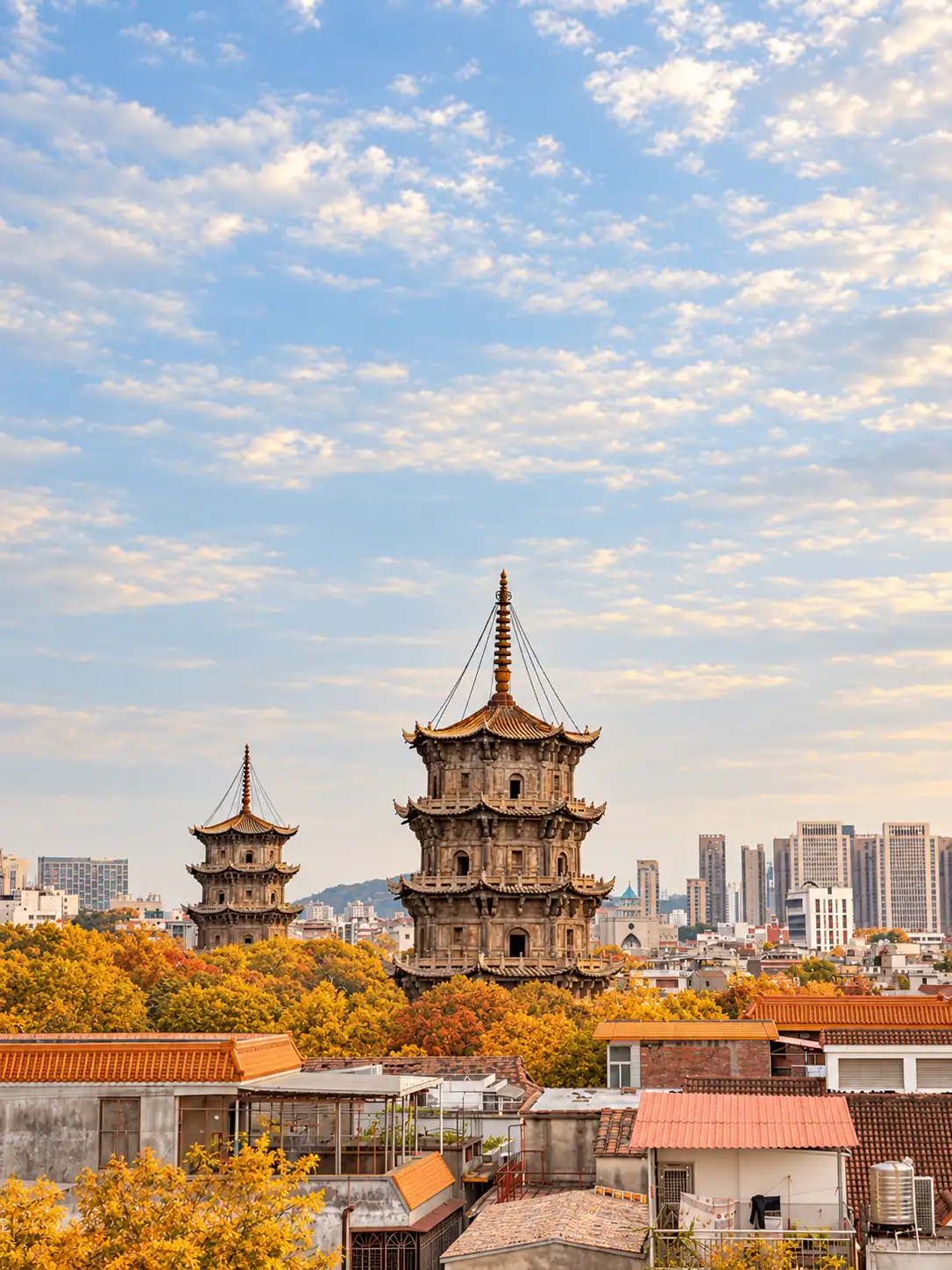
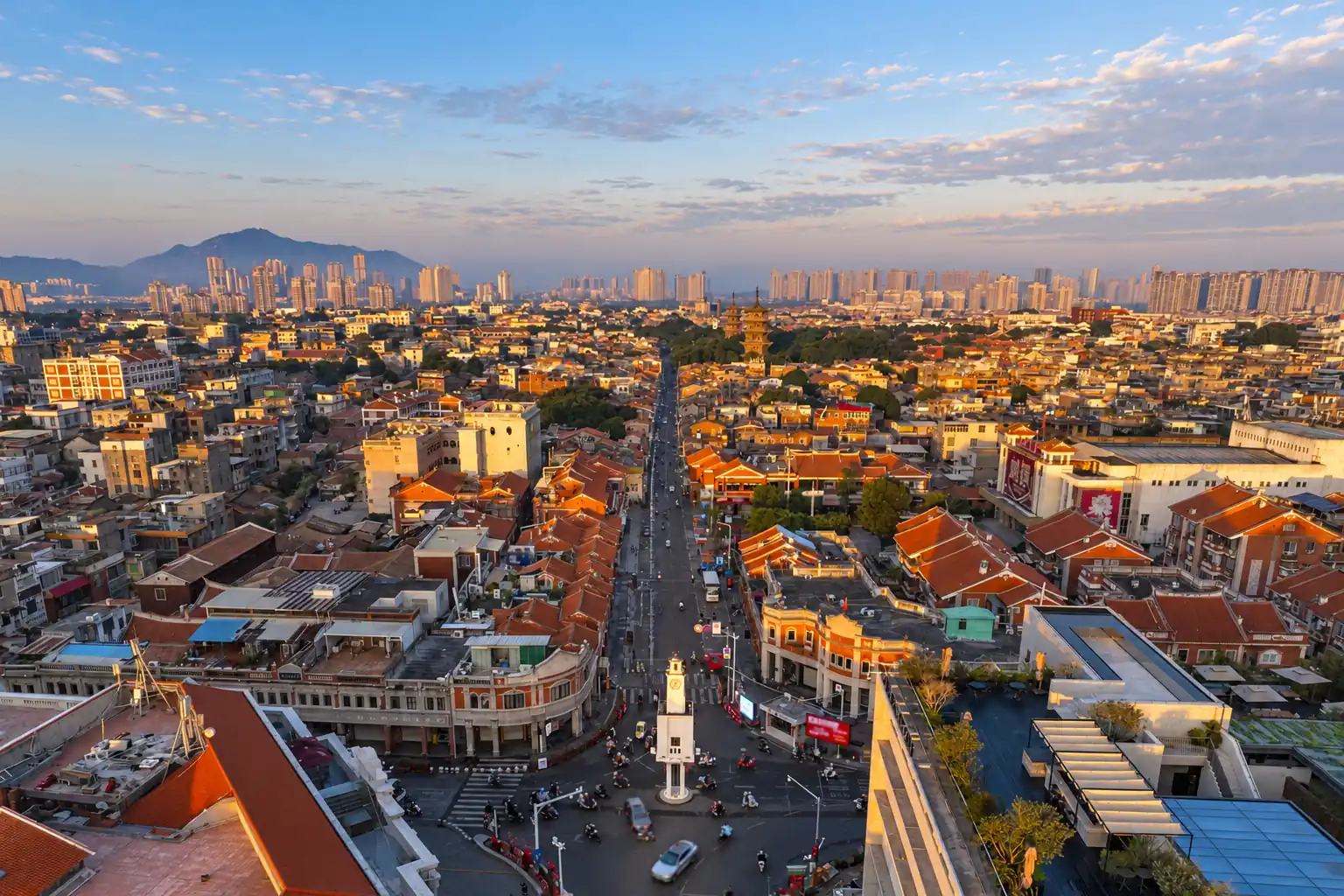
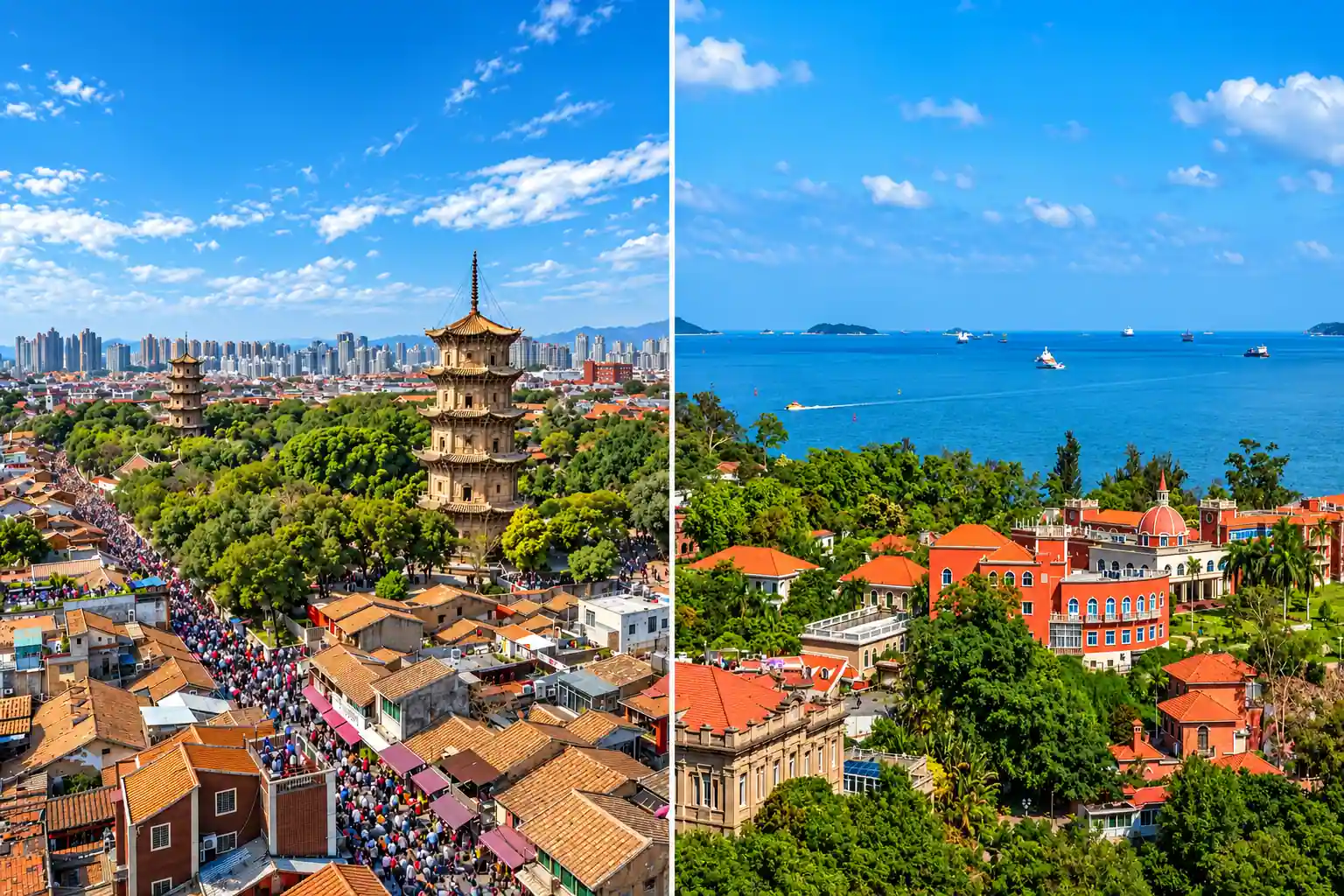
Begin your first Quanzhou visit at Kaiyuan Temple, one of the city’s defining historic landmarks. Walk through the Buddhist temple complex, see its famous East and West Stone Pagodas and explore the architectural details that reflect Quanzhou’s long history of cultural exchange. Its location beside West Street also makes it the natural starting point for an old-city walk.
Add to Your Itinerary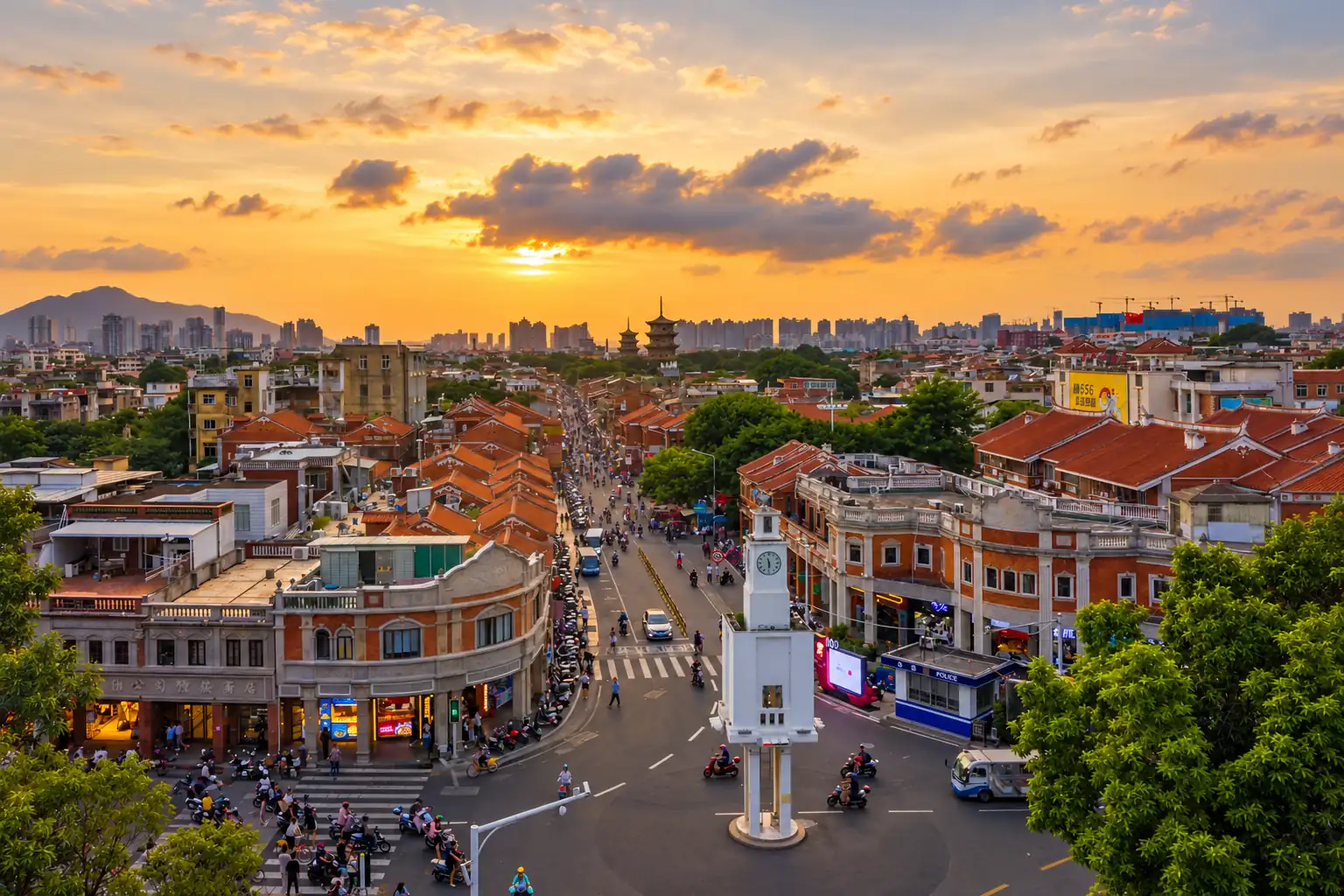
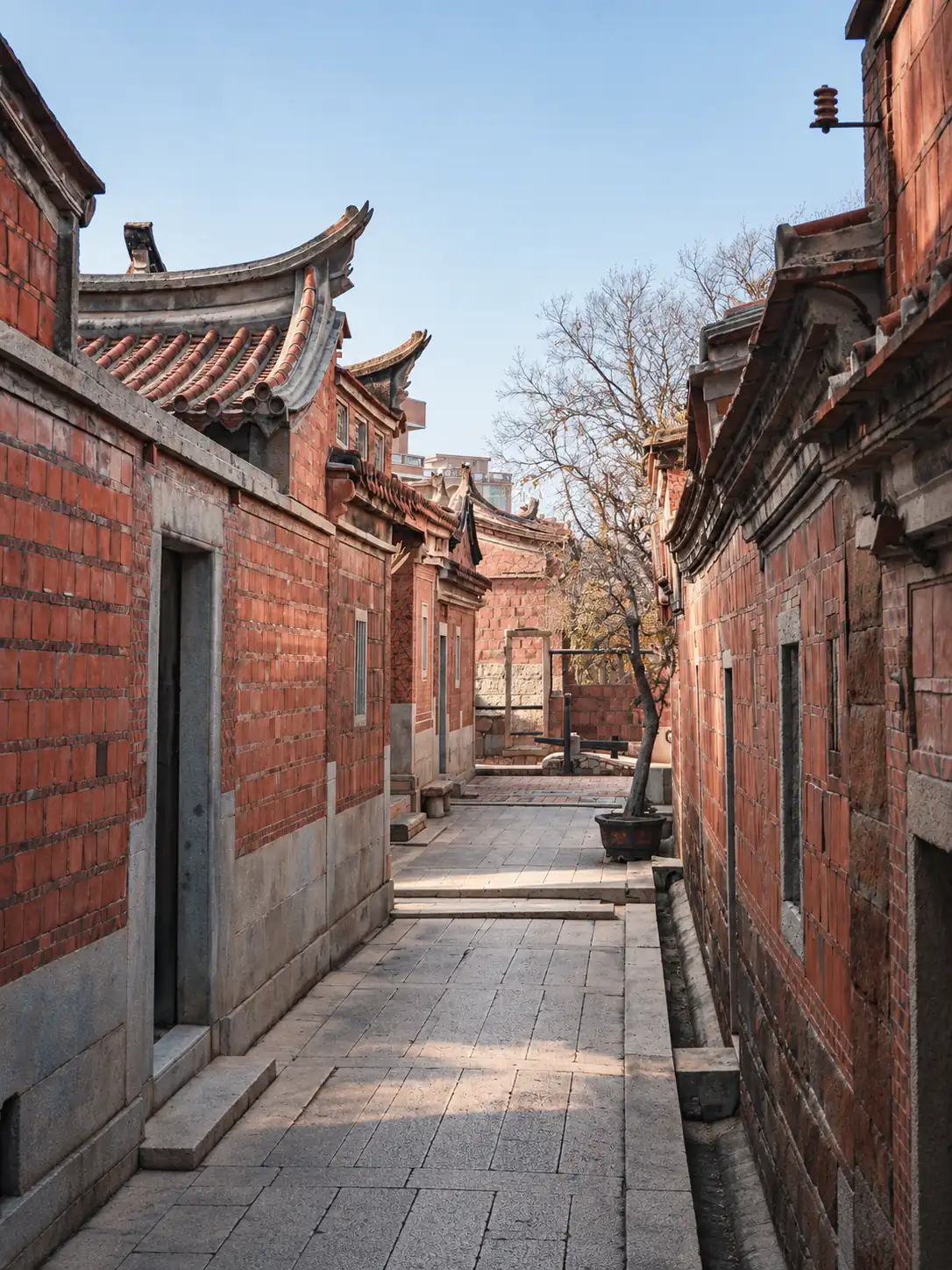
Walk from Kaiyuan Temple into West Street to experience the living side of Quanzhou’s old city. Historic lanes, traditional buildings, rooftop views of the twin pagodas, snack shops and local businesses make this one of the best areas for exploring the city slowly on foot.
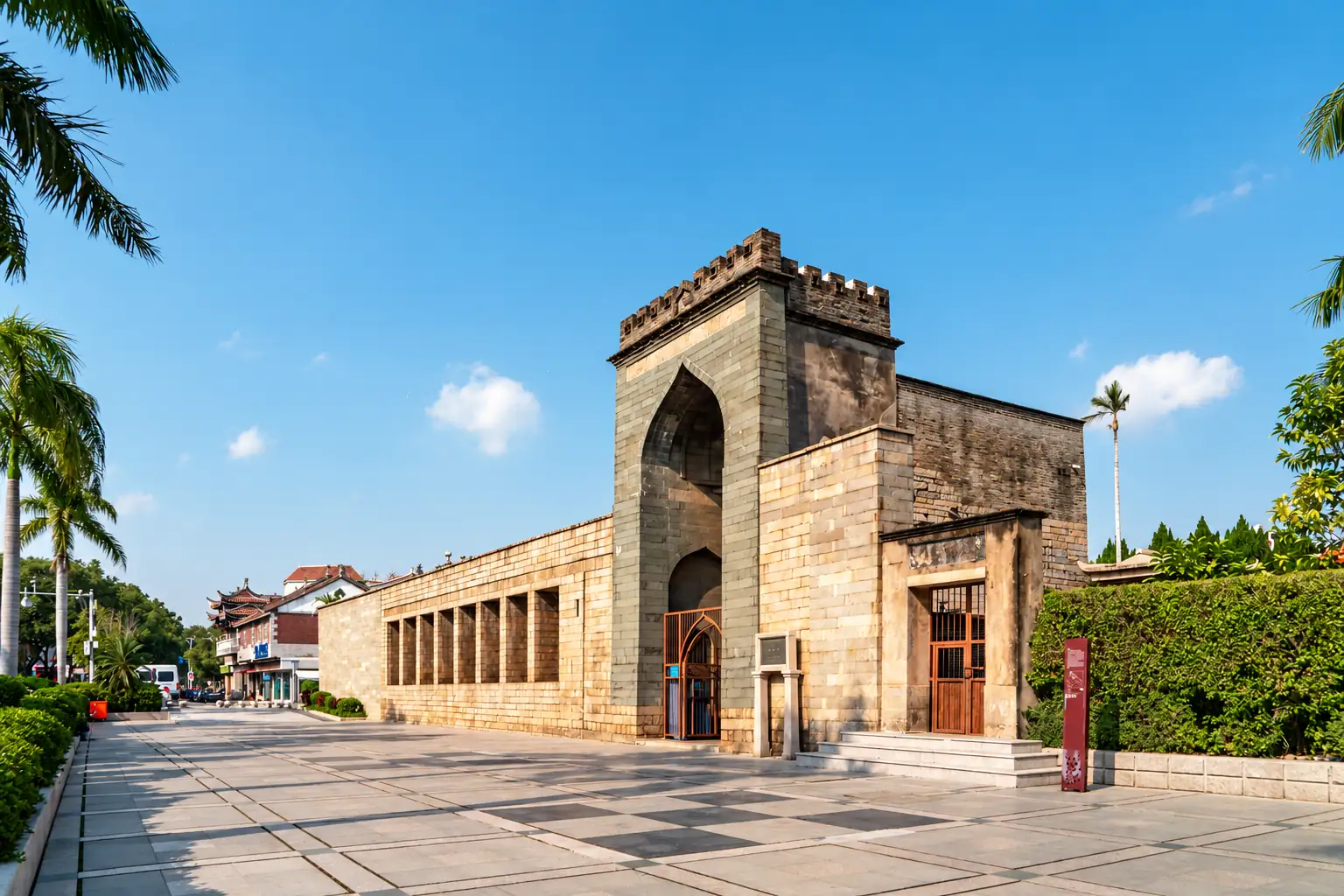
First built in 1009, Qingjing Mosque is one of China’s oldest surviving mosques and one of the clearest reminders of Quanzhou’s international trading past. Its stone gateway and Islamic architectural features reveal the presence of overseas merchant communities in the historic port city.
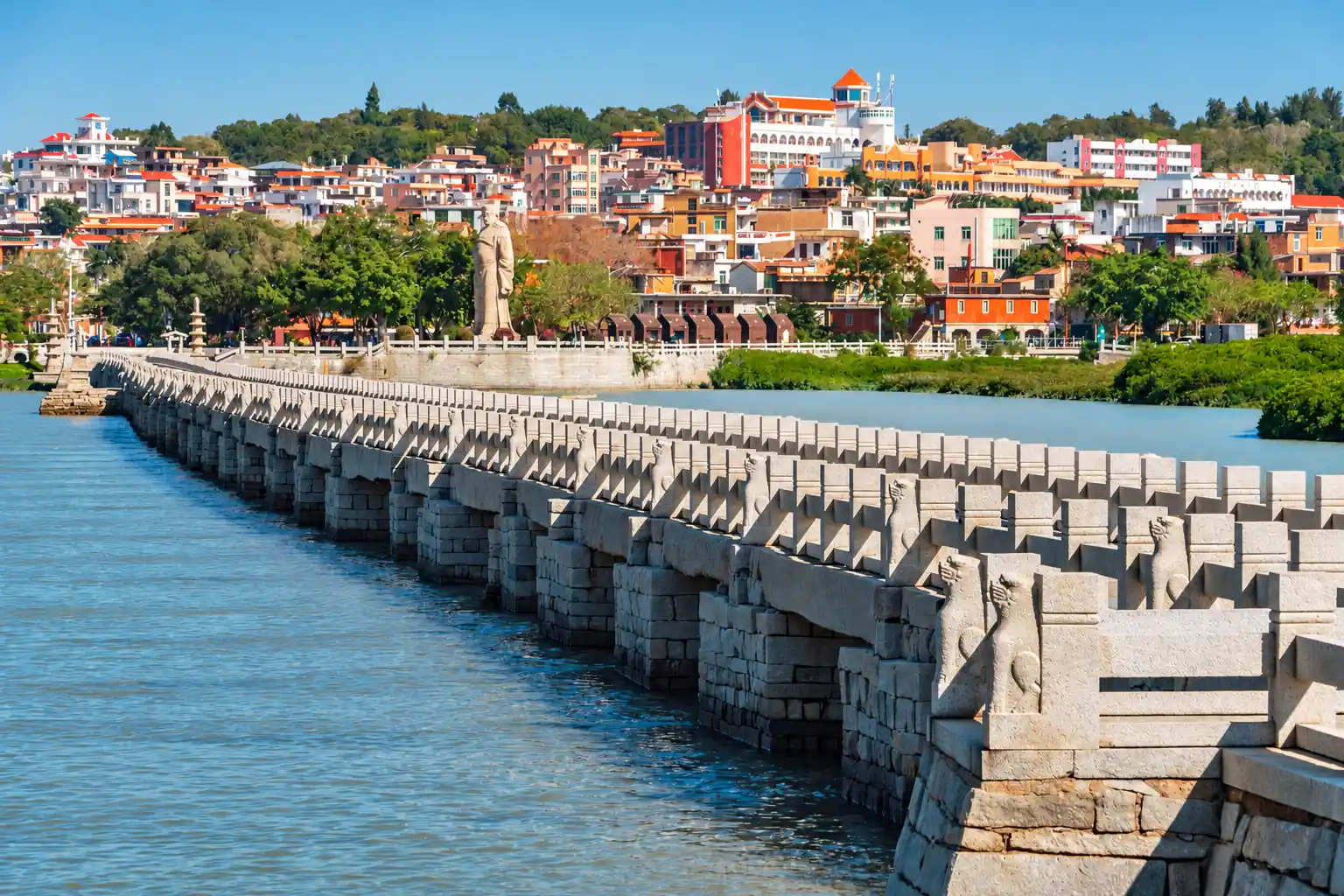
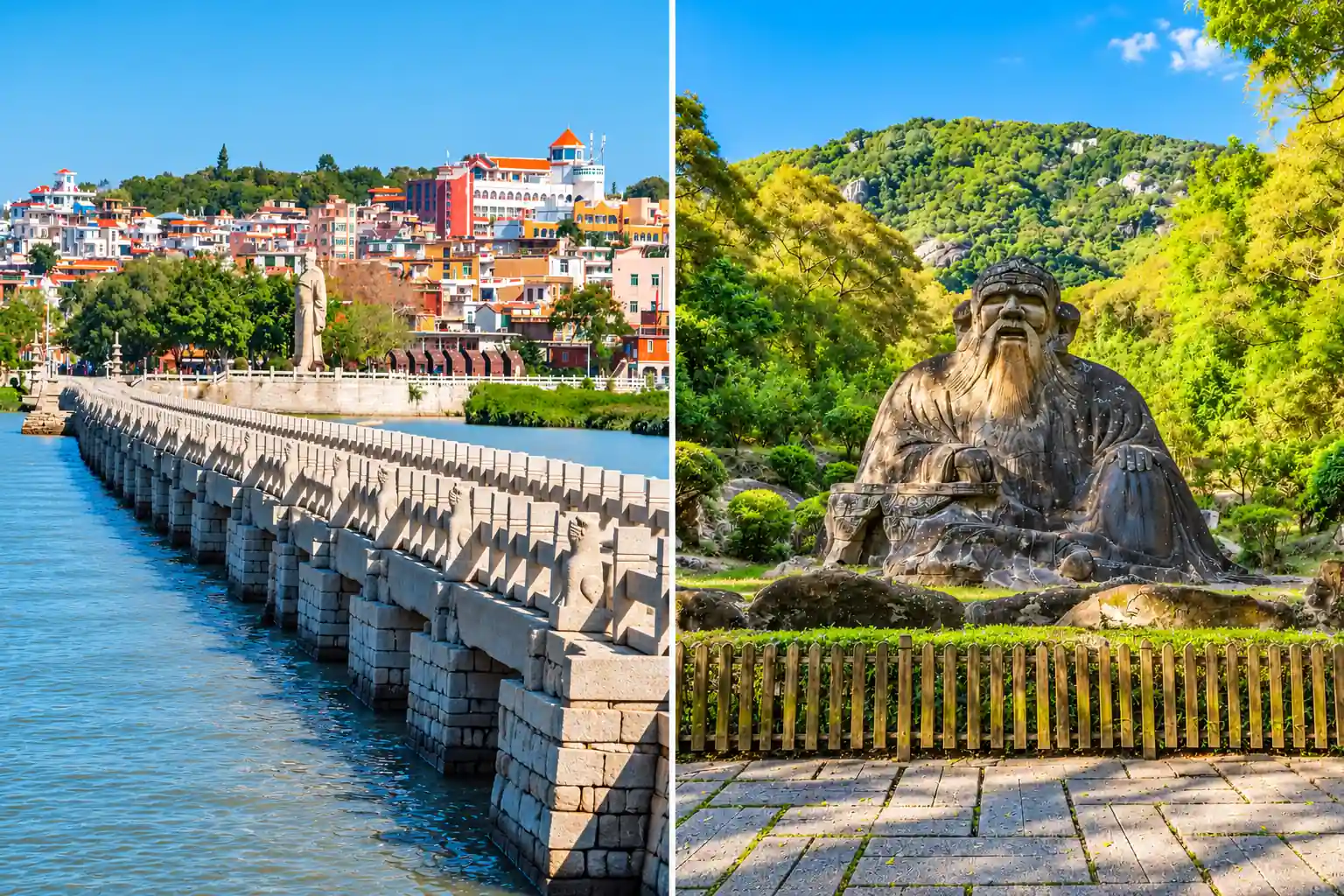
Walk across this historic stone bridge over the Luoyang River to see how Quanzhou’s inland transport network connected with its maritime economy. Built between 1053 and 1059 during the Northern Song Dynasty and completed under the supervision of Quanzhou prefect Cai Xiang, the bridge is both an engineering landmark and an important part of Quanzhou’s World Heritage story.
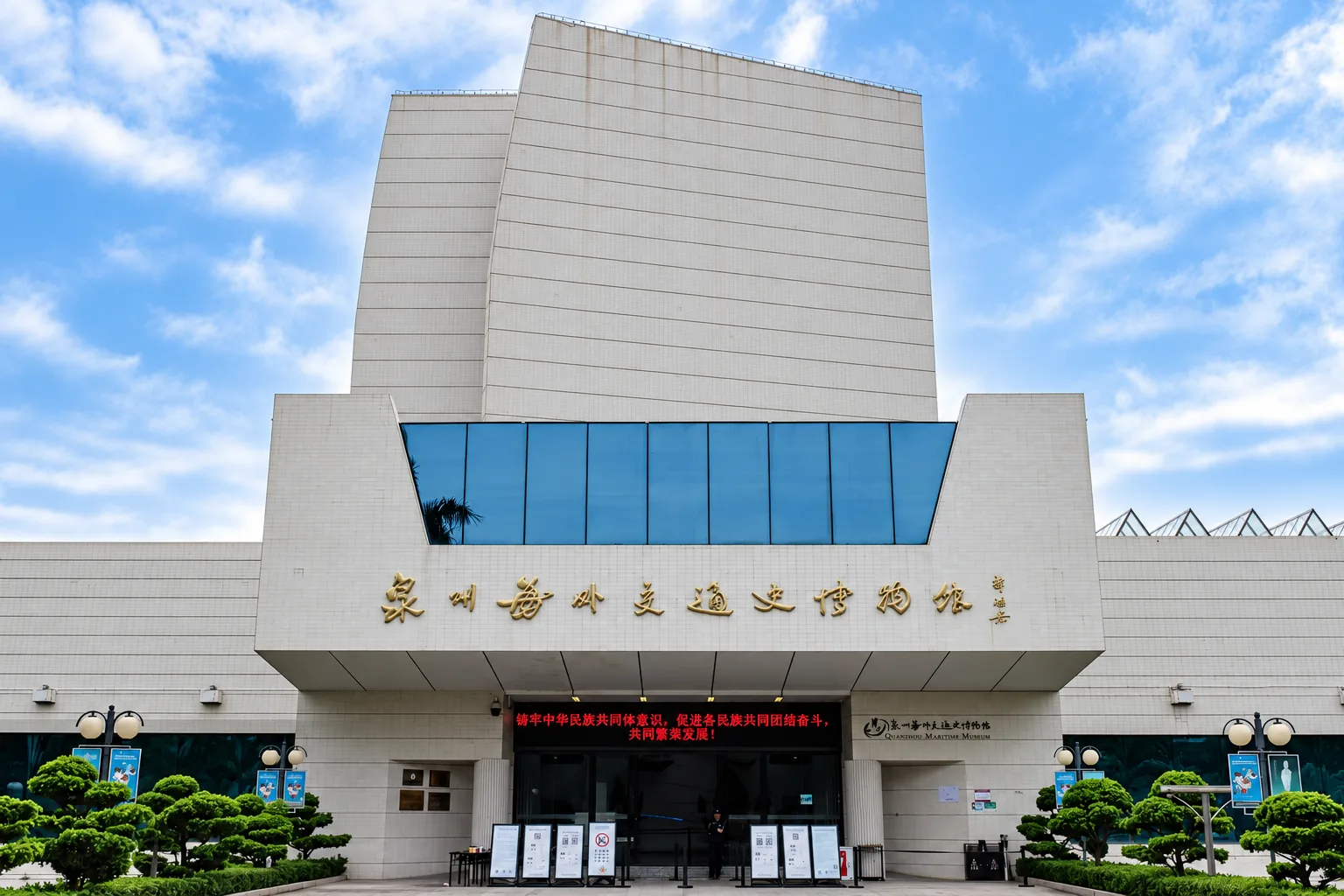
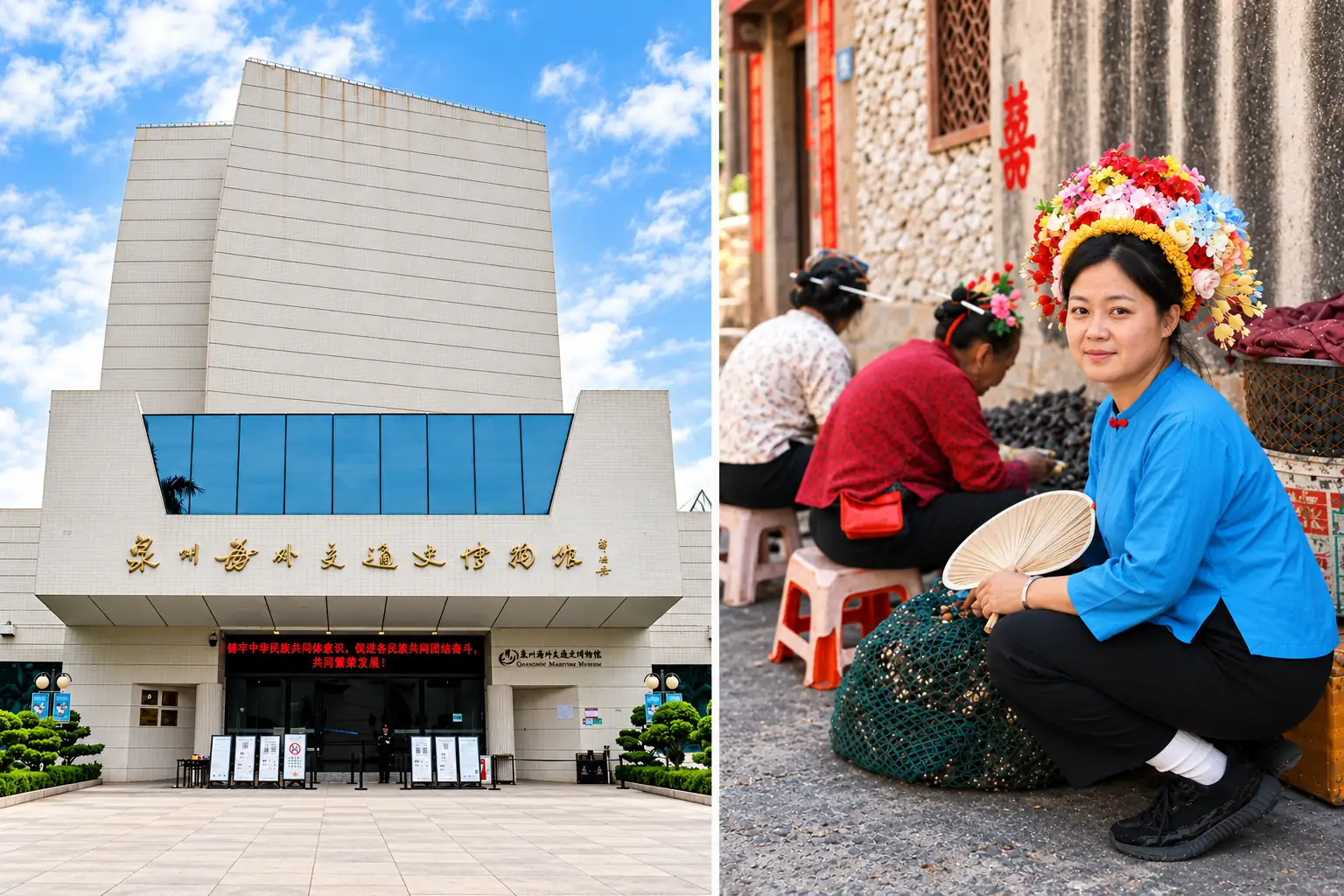
Visit the Maritime Museum to put Quanzhou’s temples, mosques, ports and trading sites into context. Exhibitions explore overseas communication, maritime trade, ancient ships, ceramics, religious exchange and the city’s historic connections with communities across Asia and beyond.
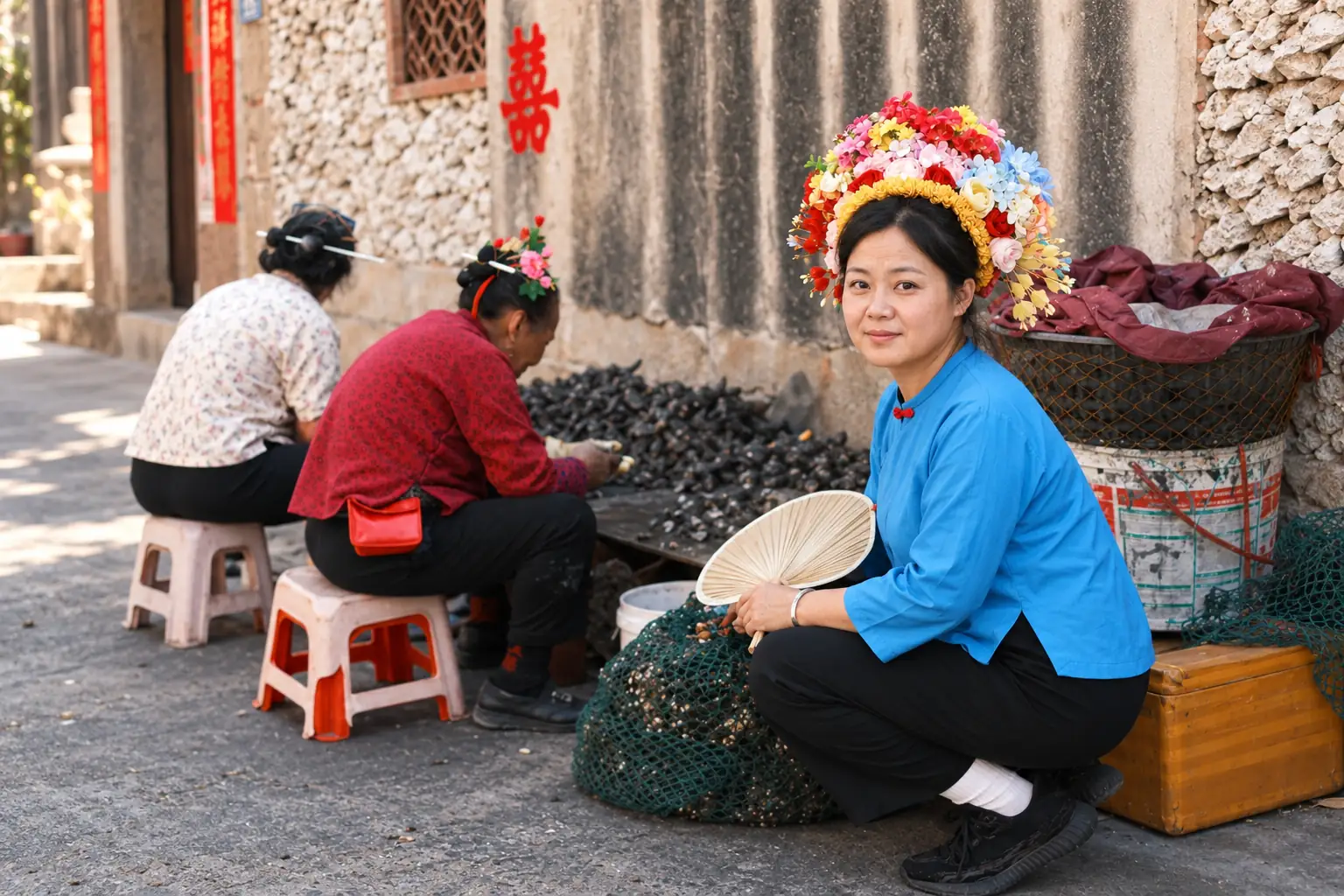
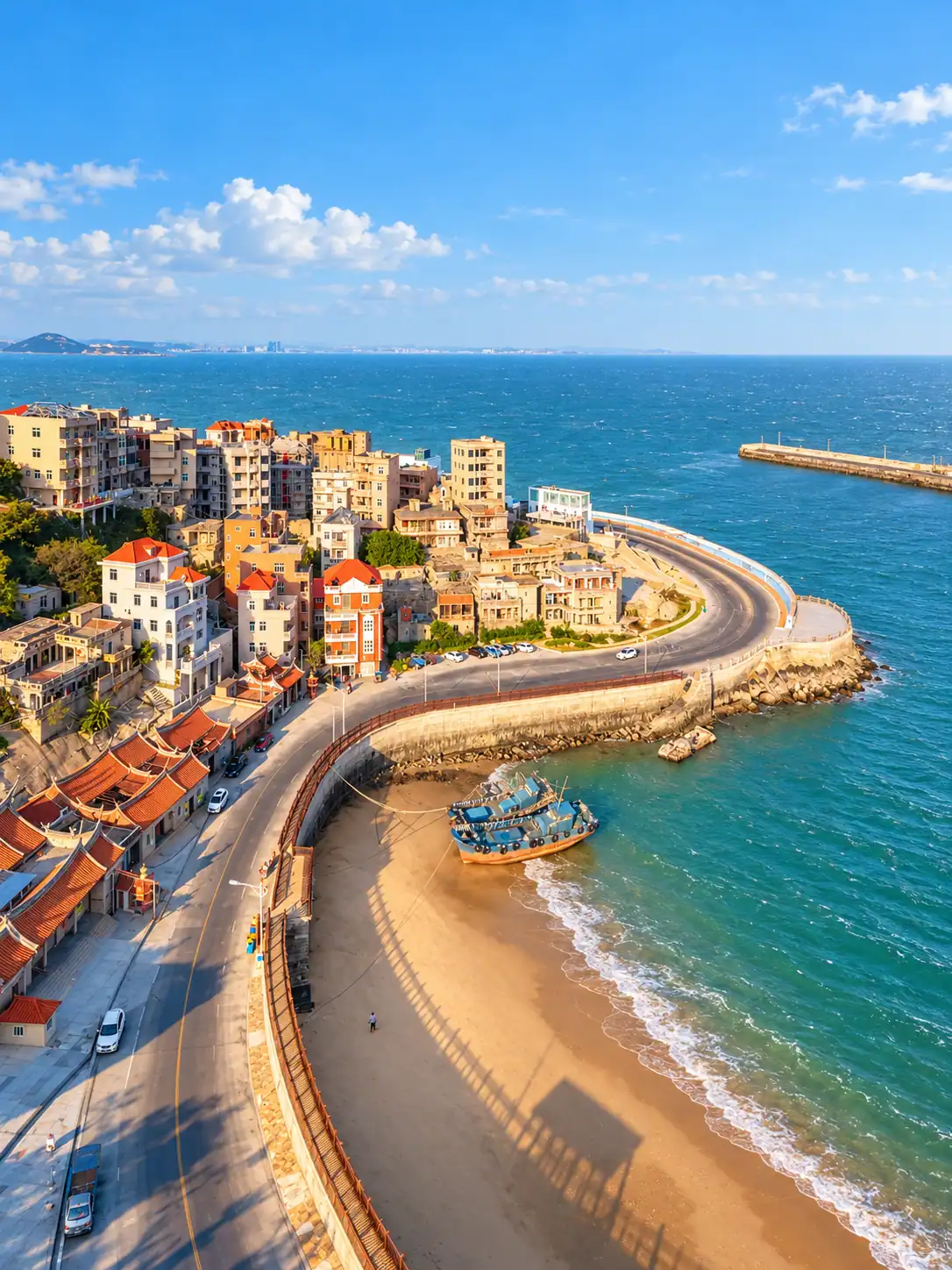
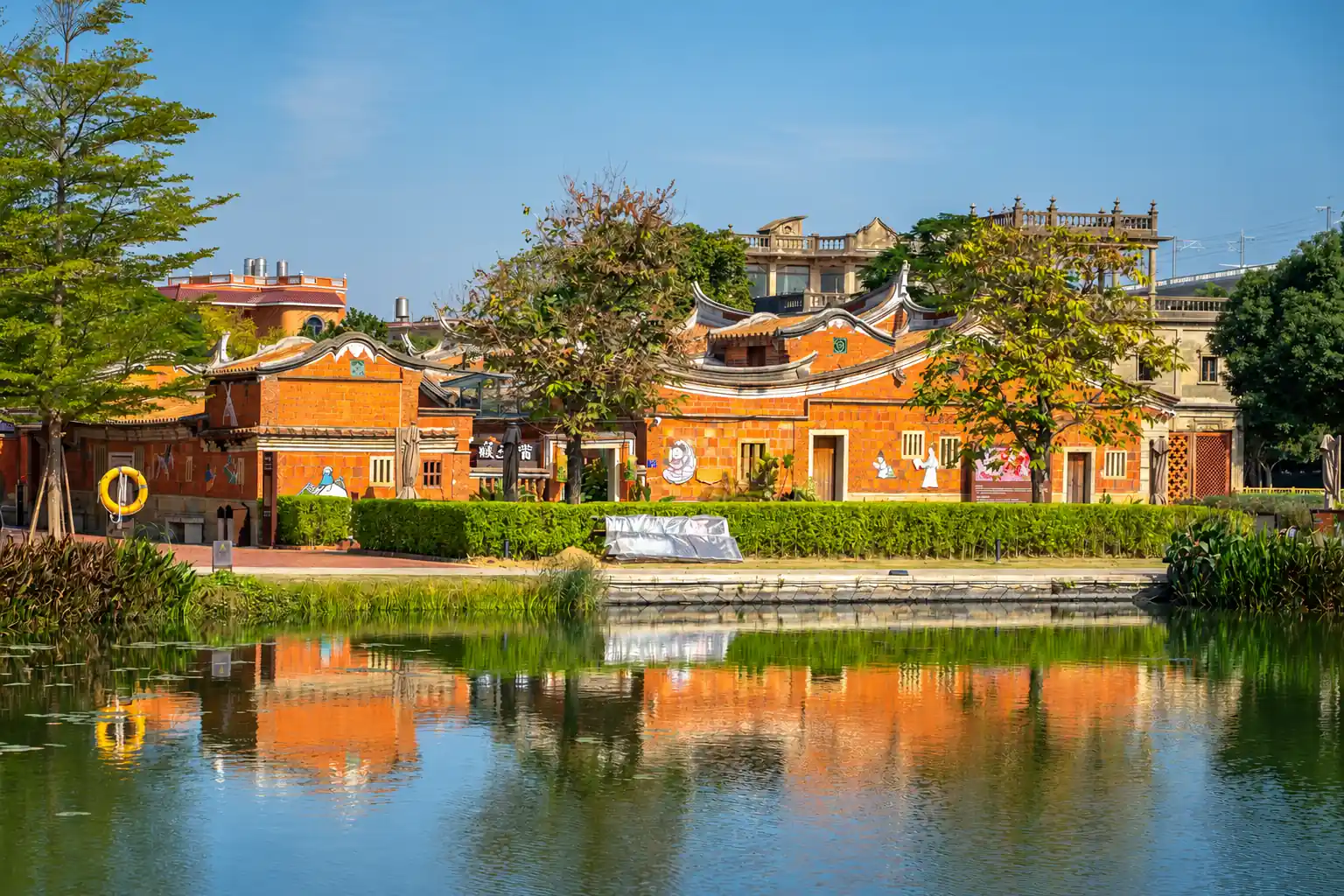
Visit Xunpu Village to experience a different side of Quanzhou’s coastal culture. The community is especially known for the flower hairpin tradition of Xunpu women, while old lanes and distinctive oyster-shell houses reflect the fishing heritage of this waterfront settlement.
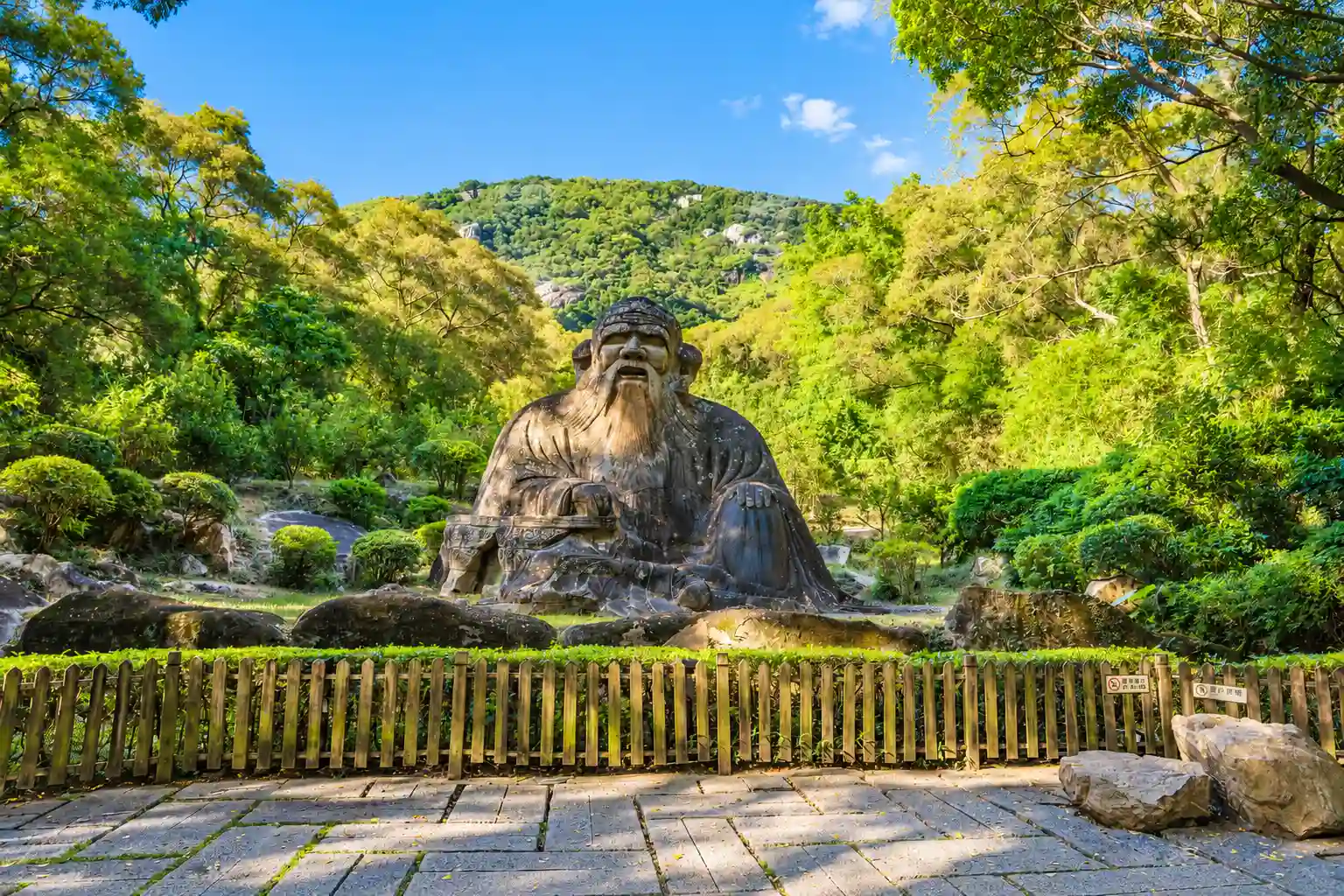
Head north of central Quanzhou for mountain scenery, cultural sites and the famous stone statue of Laozi. Qingyuan Mountain adds a natural landscape to an itinerary otherwise focused on the old city and maritime heritage, making it a good choice when you have an extra half day.
Keep Kaiyuan Temple, West Street, Qingjing Mosque and other old-city landmarks together on foot, then allow separate time for Luoyang Bridge, Xunpu Village or Qingyuan Mountain. If you have more time, consider Guanyue Temple, Tianhou Temple, Zhongshan Road and the Quanzhou Intangible Cultural Heritage Museum for a deeper look at the city’s religious life, historic streets and living Minnan traditions. The suggested itineraries below show how to combine the main attractions without unnecessary backtracking.
The best things to do in Quanzhou go beyond visiting individual landmarks. Walk through the historic old city, experience Nanyin music and Xunpu’s flower hairpin tradition, explore the city’s religious diversity, learn about the Maritime Silk Road and slow down to enjoy local streets, food and everyday Minnan culture.
Quanzhou is best understood slowly and on foot. Begin around Kaiyuan Temple and West Street, then continue through old lanes, traditional buildings, religious sites and local neighborhoods. The experience reveals how temples, commerce, food and everyday life still overlap inside a city shaped by centuries of maritime exchange.

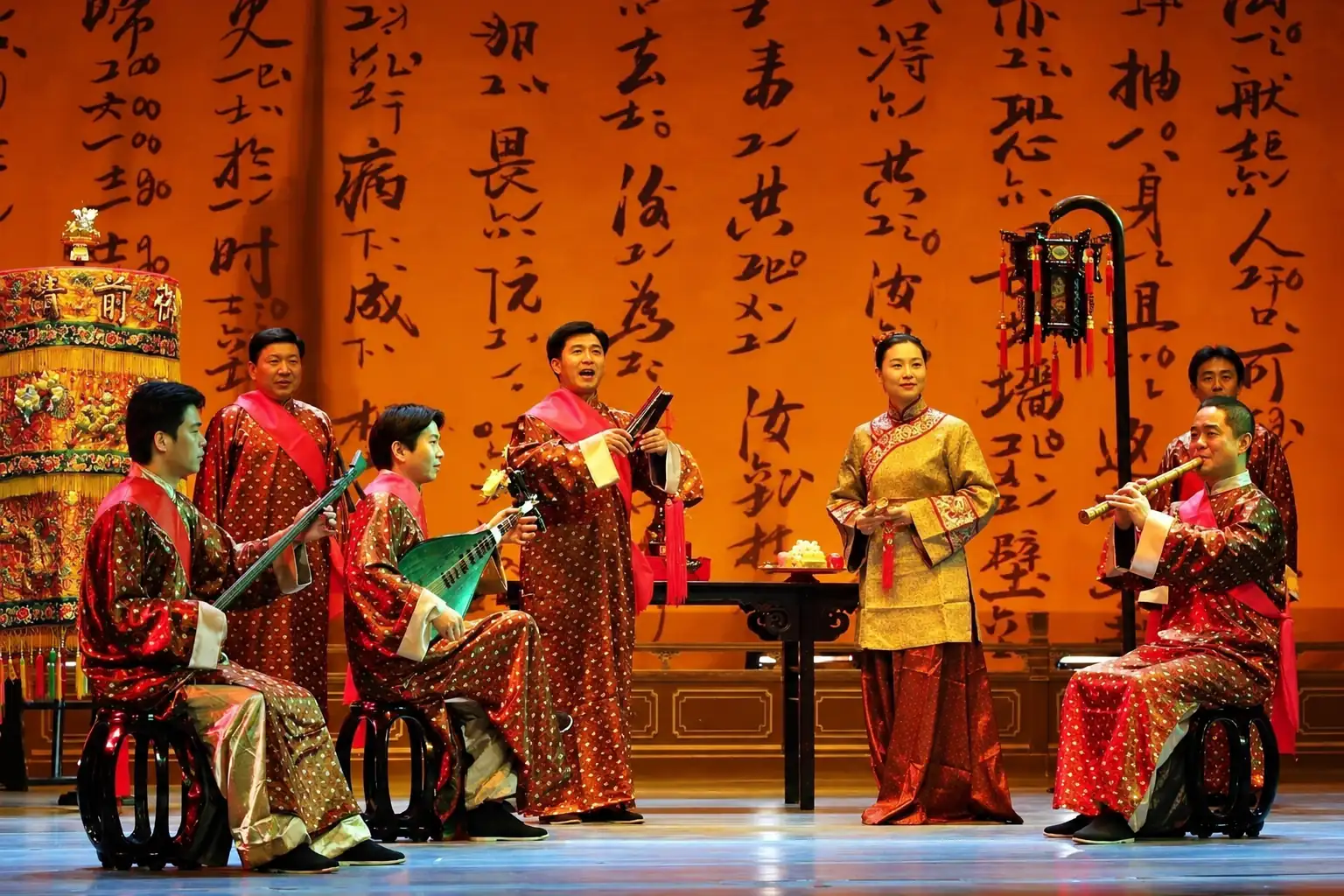
Experience Nanyin to discover one of the living musical traditions associated with southern Fujian. A performance adds an important cultural dimension to a Quanzhou trip, especially after spending the day exploring historic architecture and heritage sites.
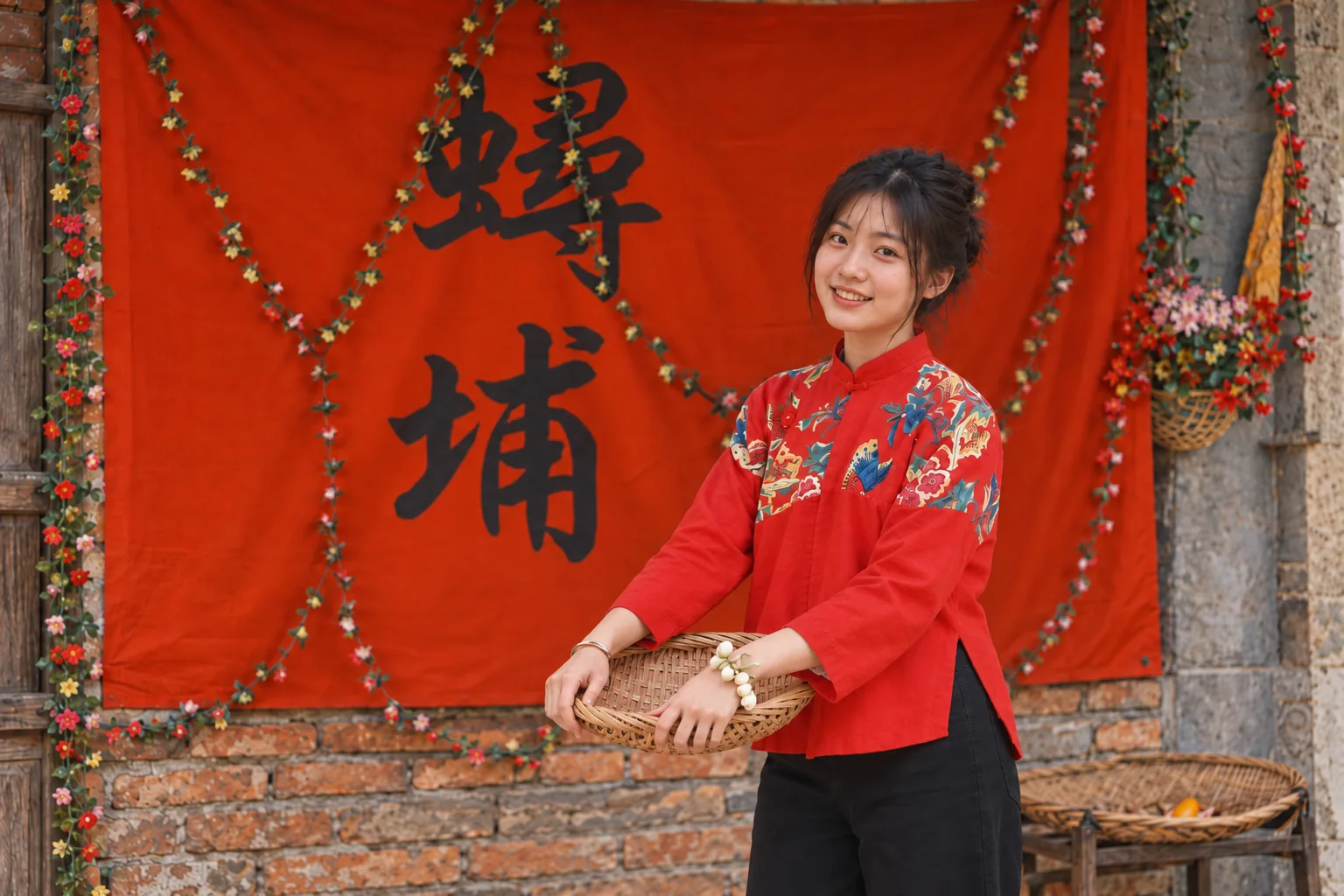
Visit Xunpu Village to see the distinctive flower hairpin tradition associated with local women. The experience is one of Quanzhou’s most recognizable expressions of living coastal culture and offers a contrast to the temples and monuments of the historic city center.
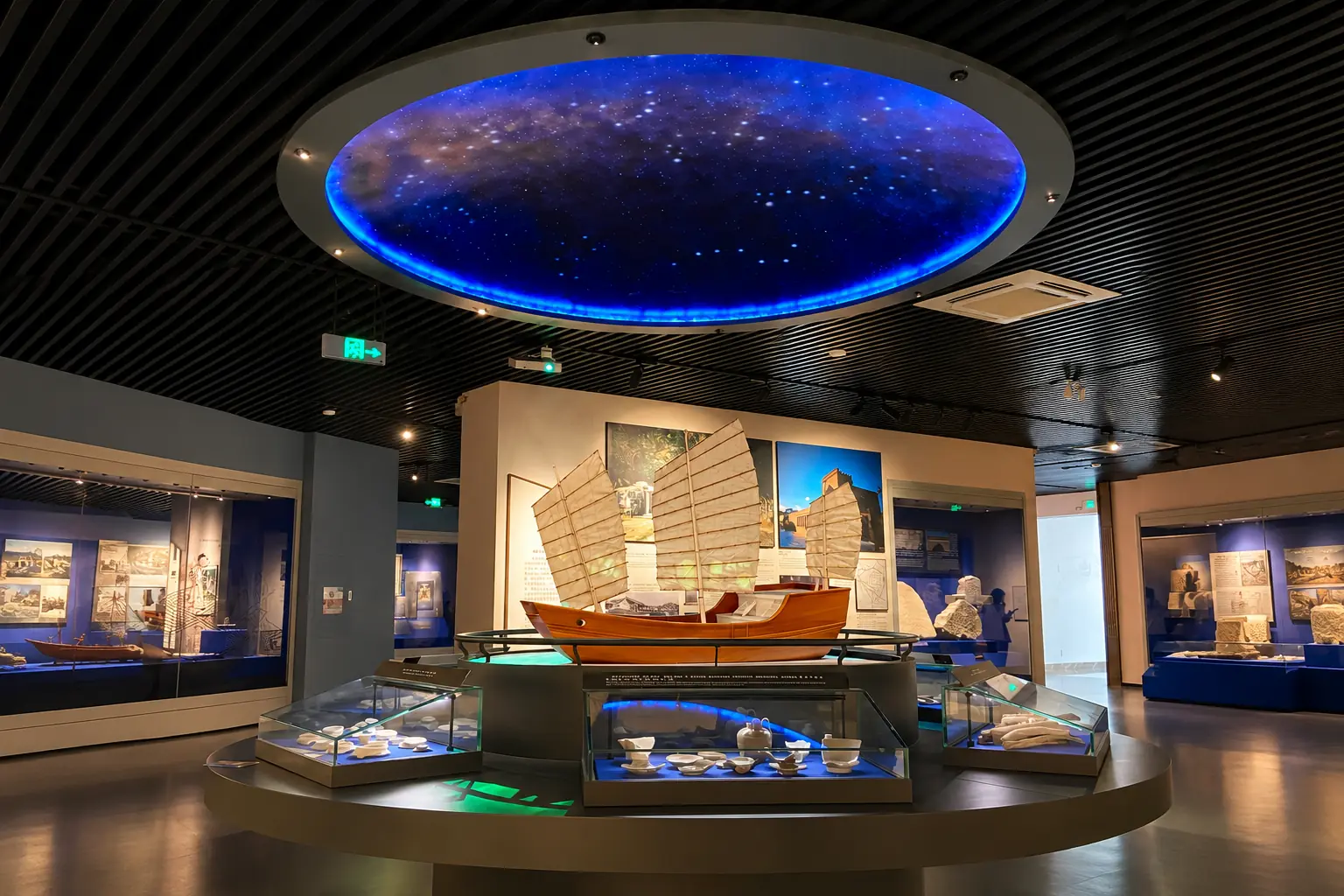
Connect the Maritime Museum with historic docks, bridges, religious sites and old-city monuments to understand Quanzhou as a trading port rather than a collection of separate sights. This wider context makes the city’s World Heritage sites far more meaningful.
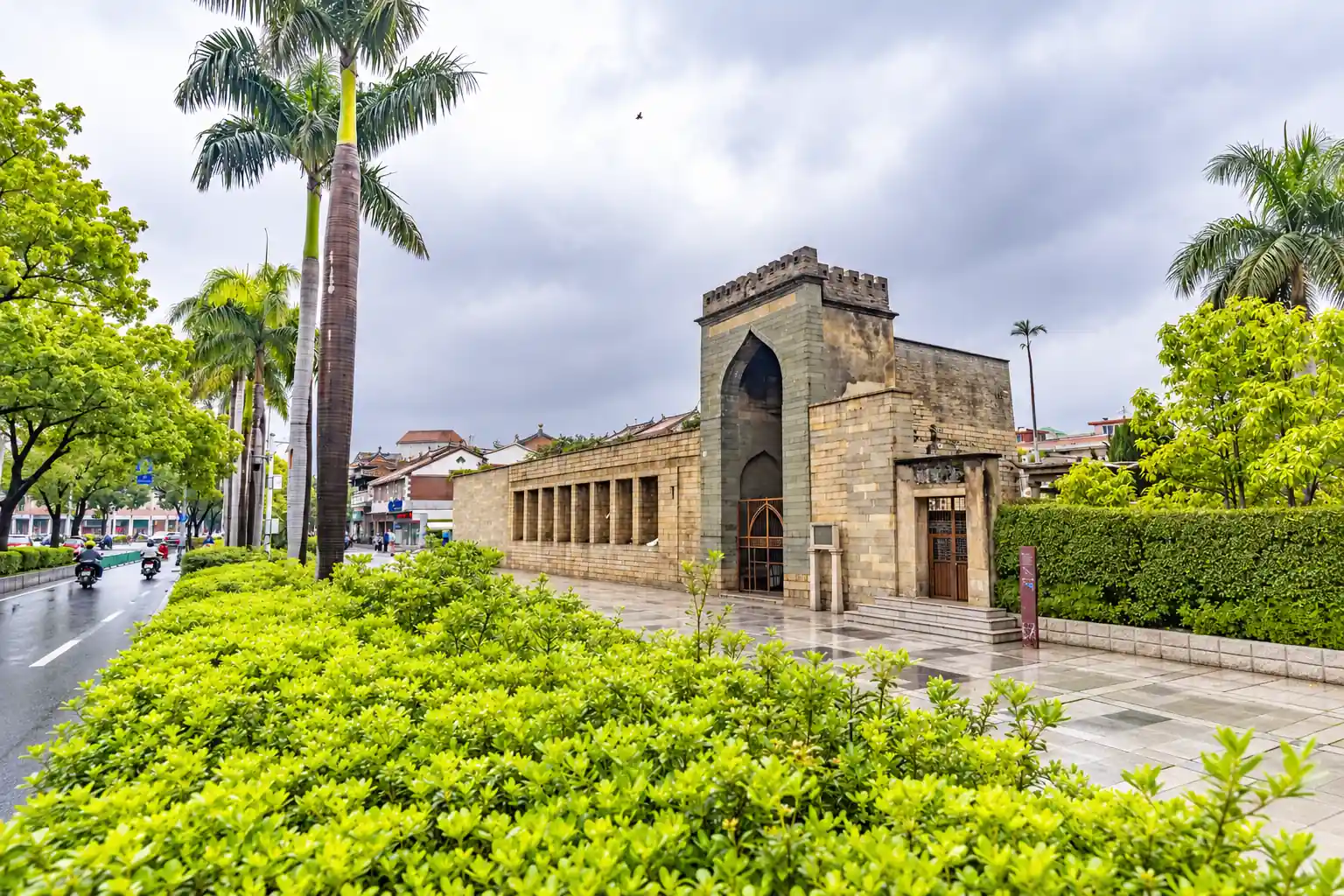
Visit Buddhist temples, Qingjing Mosque and other historic places of worship to see how trade brought different beliefs and communities into the same port city. Approach active religious sites respectfully and allow time to observe their architecture as well as their continuing cultural role.
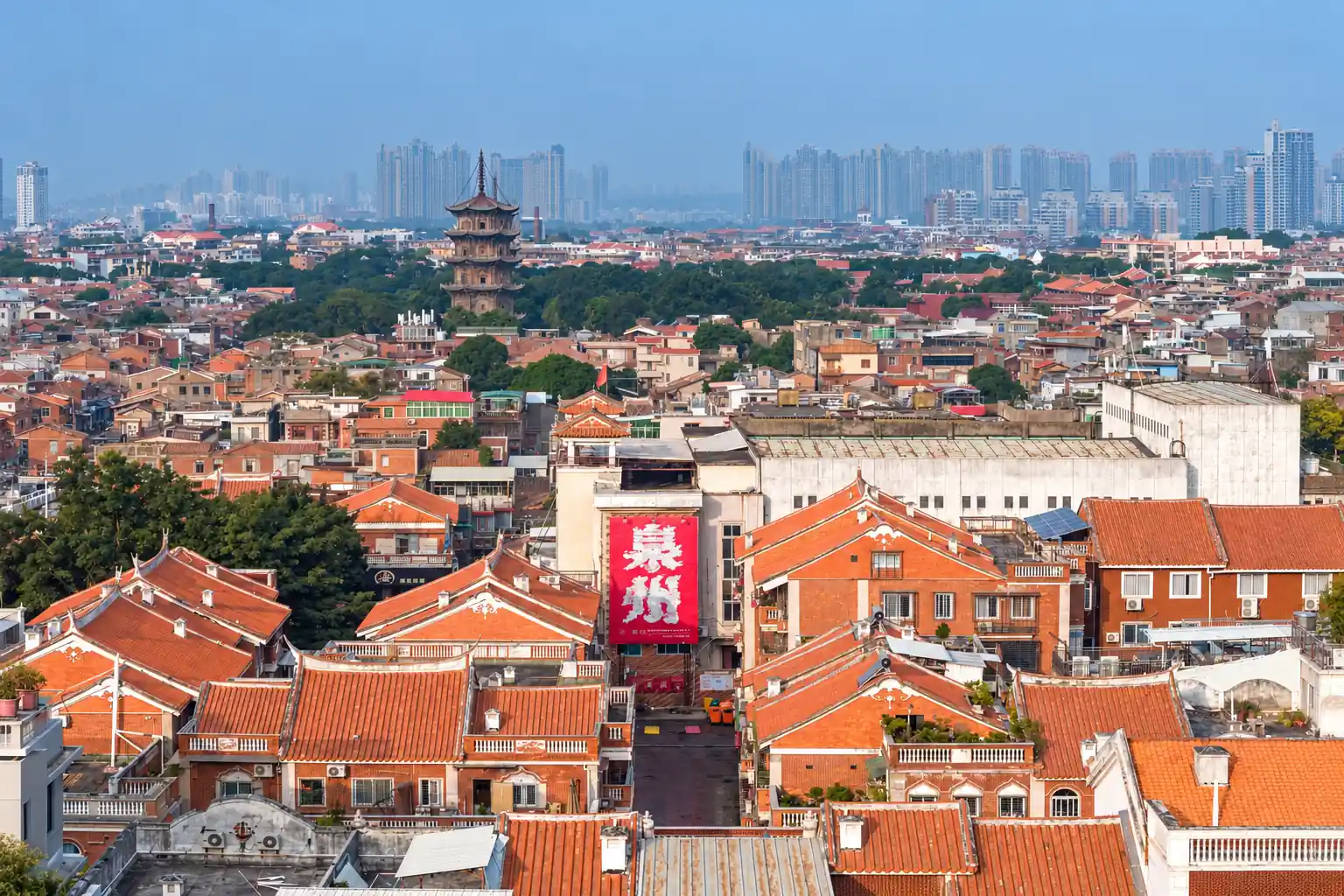
Quanzhou offers very different visual settings within one trip, from the stone pagodas and rooftops around the old city to historic bridges, temple architecture and the coastal atmosphere of Xunpu. Early morning and late afternoon are especially useful for slower street photography.
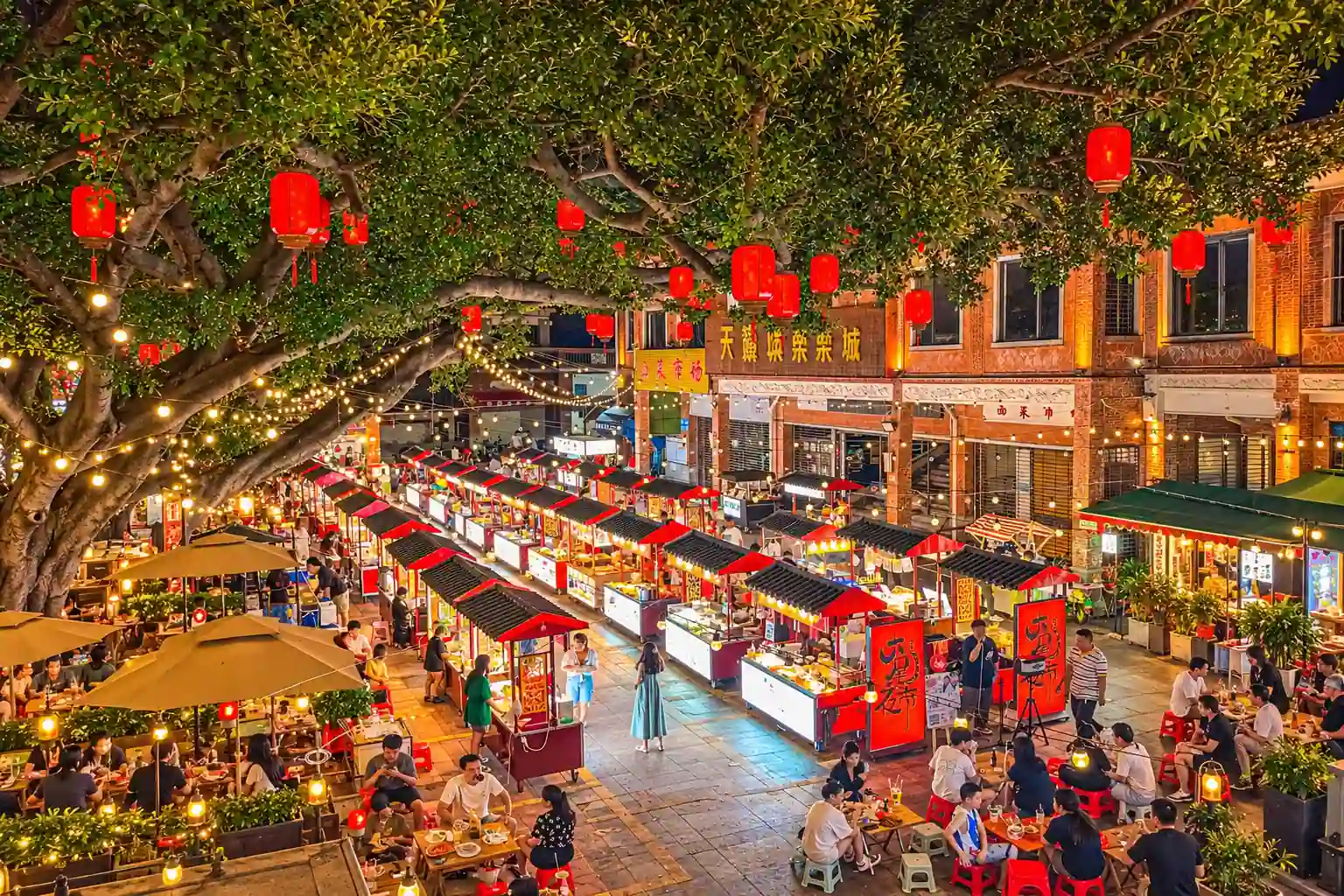
Leave part of your itinerary unstructured and spend time around West Street and the surrounding lanes. Small eateries, local snacks, traditional storefronts and everyday street life make this one of the easiest ways to experience Quanzhou beyond its formal heritage sites.
The strongest Quanzhou itinerary combines historic sites with living traditions. Build time around music, local communities, maritime history, religious heritage, photography and everyday street life instead of treating the city as a checklist of monuments.
Combine old-city sightseeing with Nanyin, Xunpu culture, maritime history and local neighborhoods to experience the city beyond its most famous monuments.
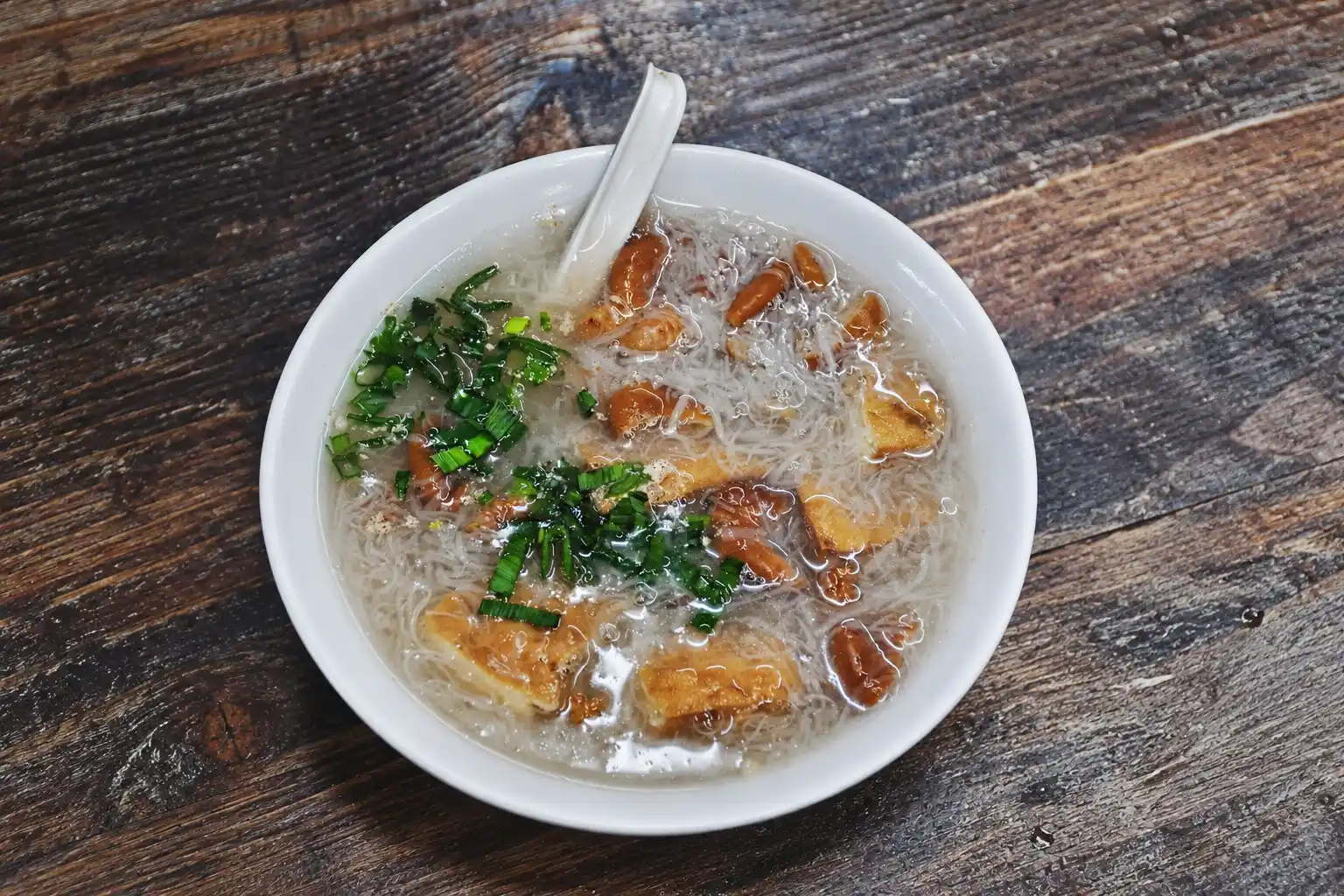
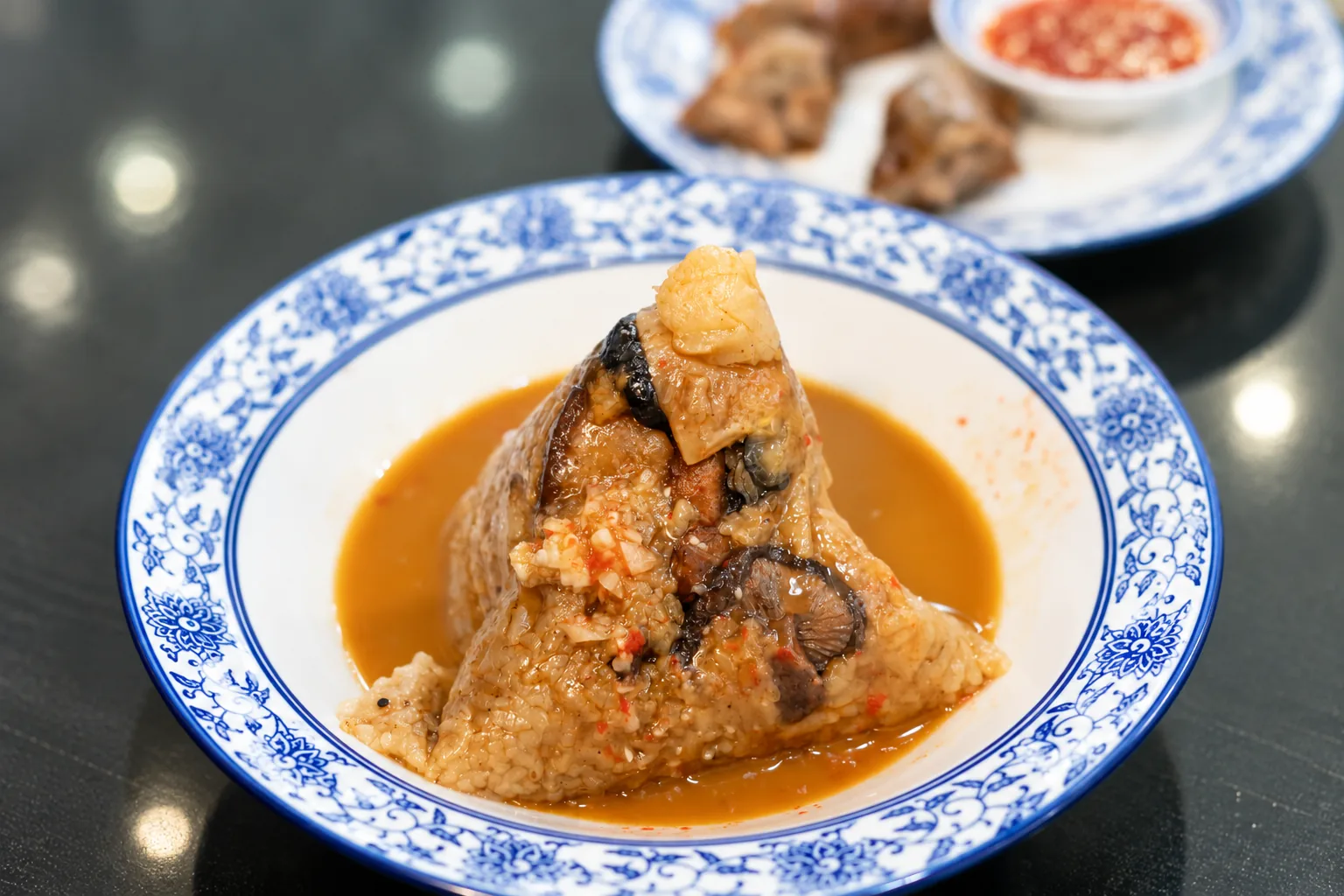
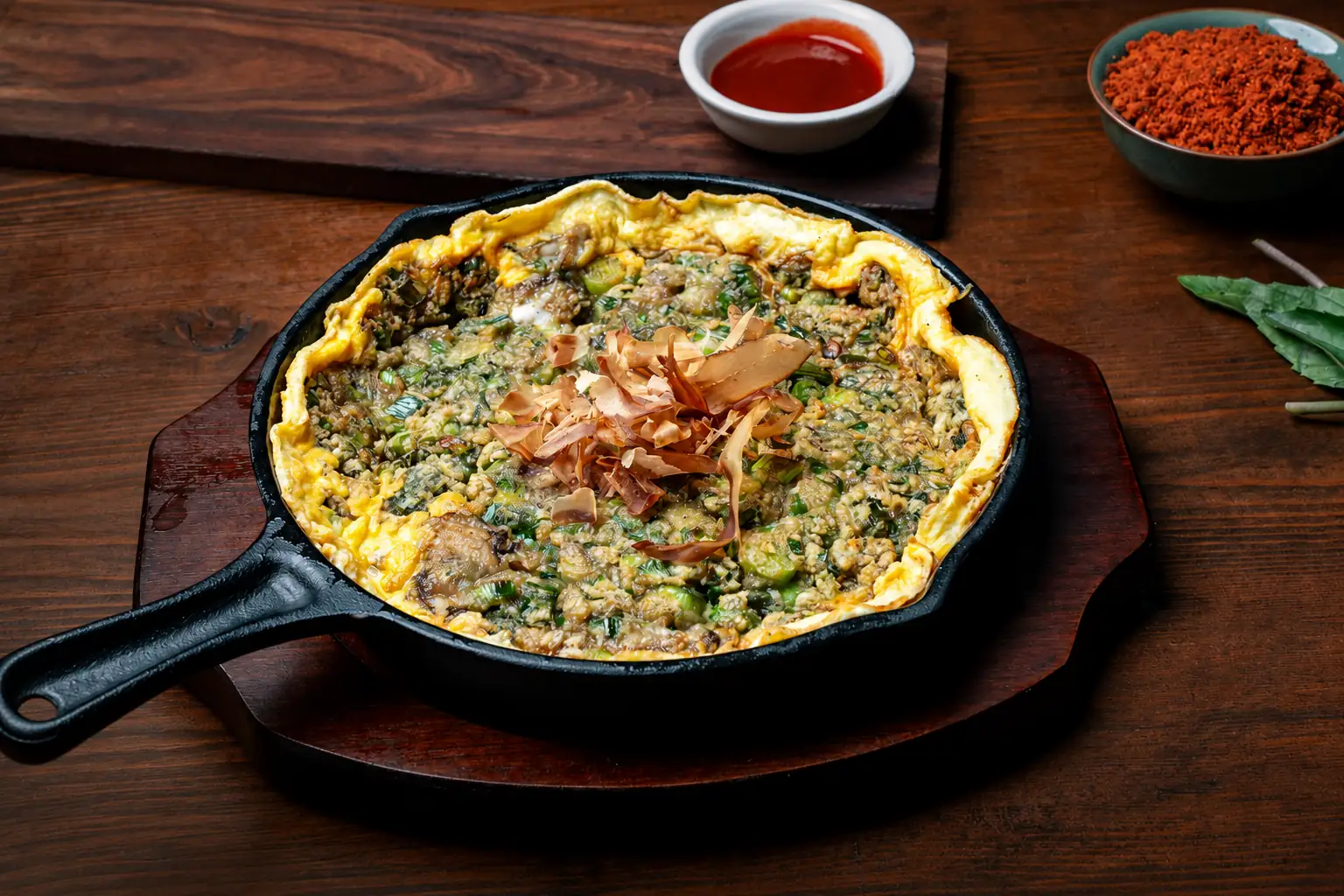
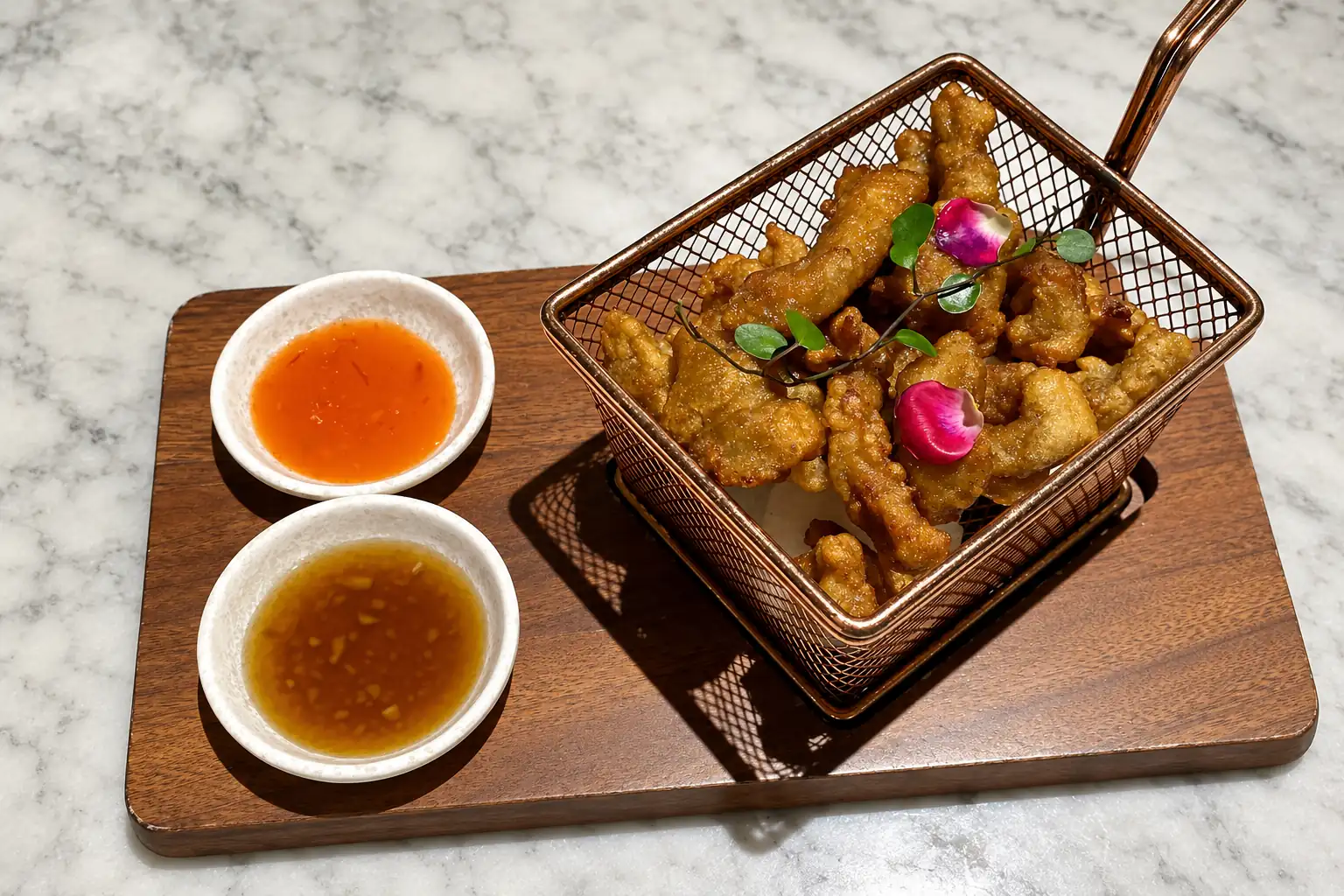
Quanzhou’s food is one of the easiest ways to experience everyday Minnan culture. In 2025, Quanzhou joined UNESCO’s Creative Cities Network as a City of Gastronomy, adding international recognition to a food tradition shaped by local ingredients, maritime exchange and generations of Minnan cooking. Start with a warm bowl of mianxianhu, then try meat rice dumplings, oyster omelette, vinegar pork, beef dishes and refreshing four-fruit soup while exploring West Street and the lanes of the historic old city.
Mianxianhu is one of the most recognizable foods in Quanzhou: very fine noodles served in a smooth, savory broth and customized with toppings. Local versions may be paired with fried dough, vinegar pork, braised egg, offal or other additions, making it especially popular as a filling breakfast or morning snack.
Quanzhou’s savory rice dumplings are a substantial local snack, with sticky rice wrapped around rich fillings before being cooked in bamboo leaves. They work well as a quick meal while exploring the old city and pair naturally with other traditional Quanzhou snacks.
Fresh oysters, egg and starch are fried together to create a dish that is crisp around the edges and soft inside. Oyster omelette reflects the seafood traditions of southern Fujian and is a useful taste of Quanzhou’s connection with the coast.
Vinegar pork is a popular Quanzhou snack made from marinated pork fried until the outside becomes crisp while the inside stays tender. Its sweet-sour, savory flavor works both as a snack on its own and as a topping for dishes such as mianxianhu.
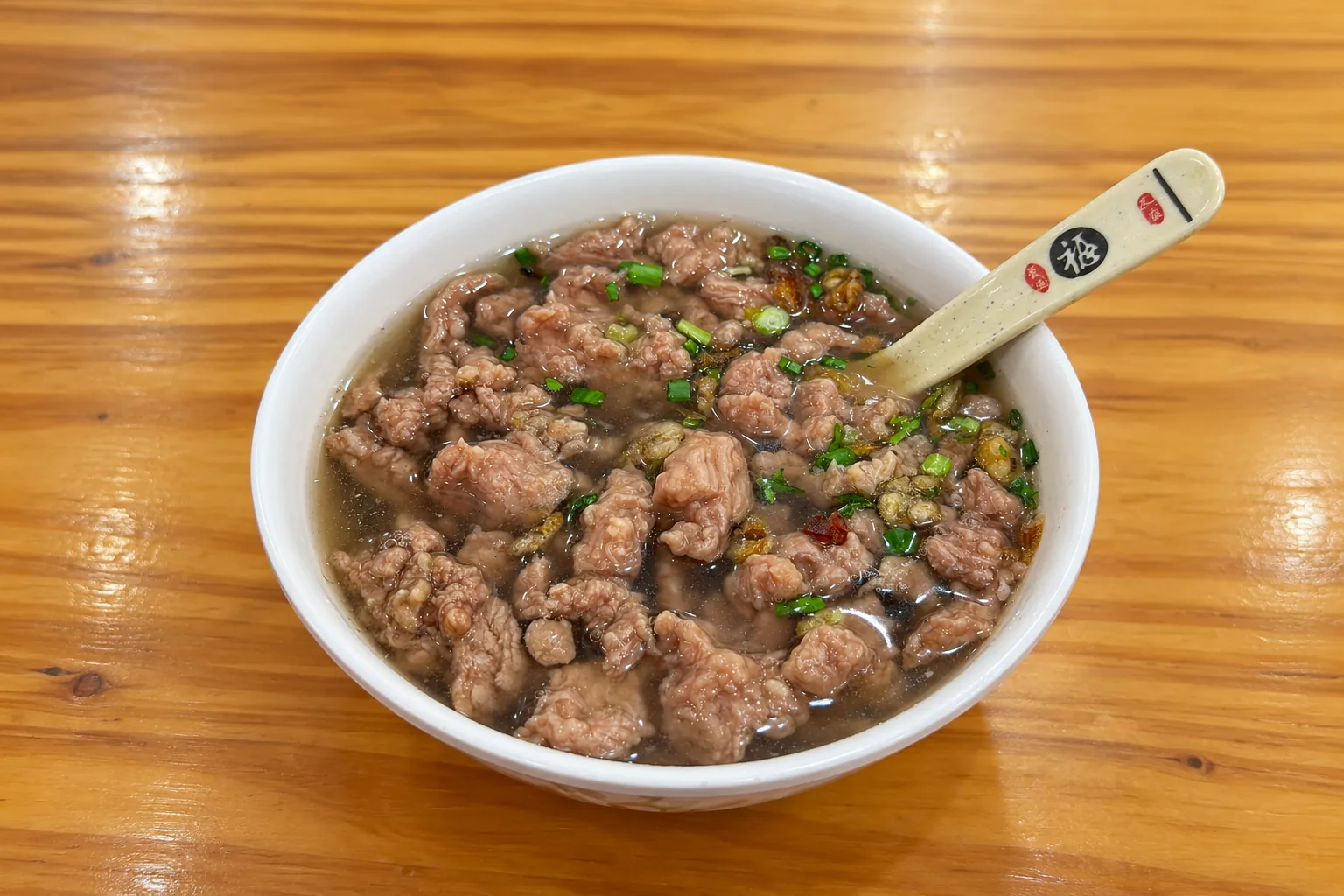
Beef has a strong place in Quanzhou’s local food culture. Look for warming beef soup, beef offal and other regional preparations when you want something more substantial than street snacks. These dishes are especially good for a simple local lunch.
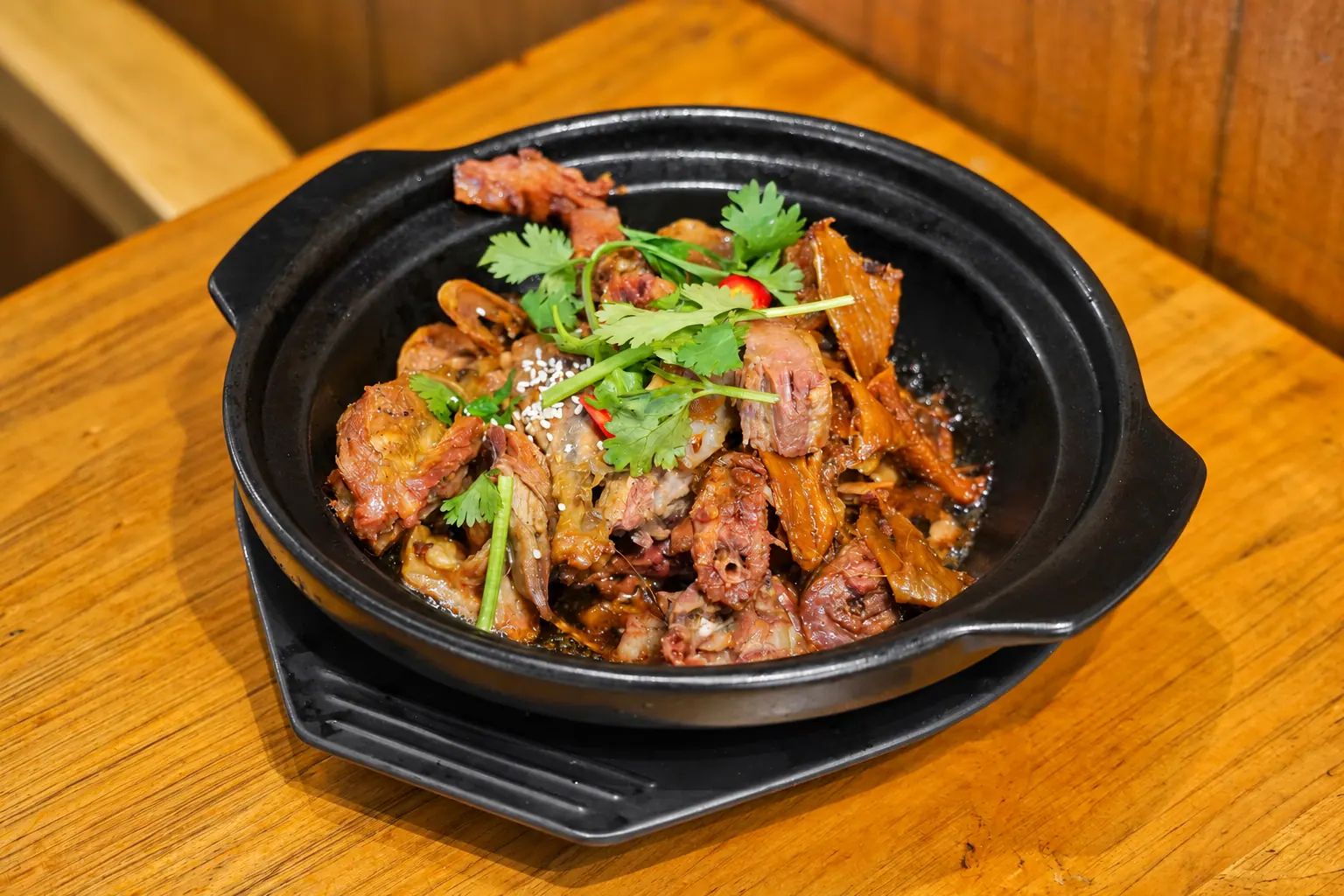
Ginger duck is slowly cooked with generous amounts of ginger until the meat becomes tender and deeply aromatic. It is a better choice for a sit-down meal than a quick snack and offers a richer side of southern Fujian cooking after a full day of sightseeing.
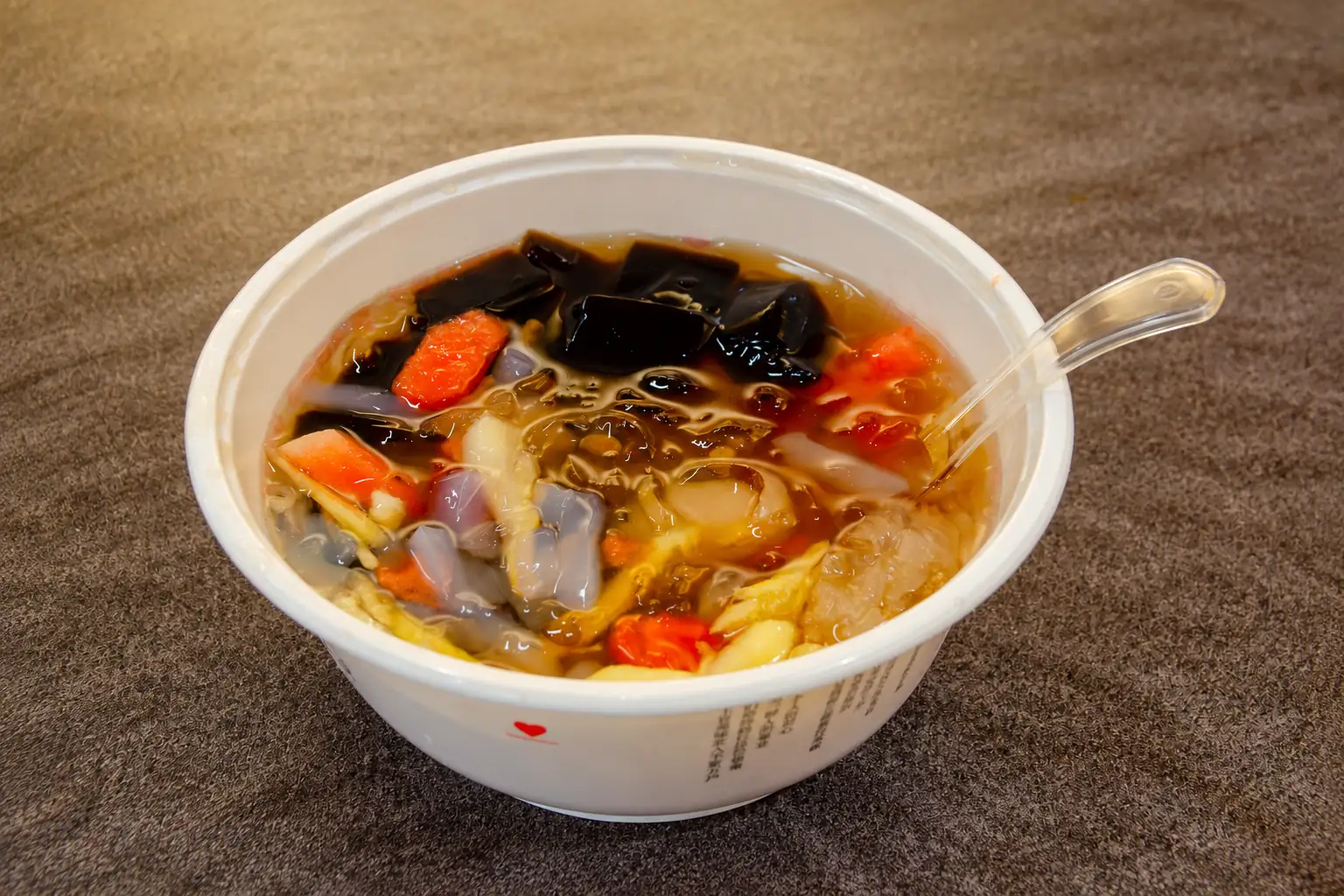
Siguo tang, or four-fruit soup, is a refreshing southern Fujian dessert built around a mix of sweet ingredients served in a light chilled base. It is particularly welcome after walking through the old city in Quanzhou’s warmer and more humid months.
You do not need a separate full food-tour day. Quanzhou’s old city makes it easy to combine sightseeing and eating naturally as you move between heritage sites and historic streets.
Combine old-city sightseeing with breakfast, snack stops and a relaxed local dinner instead of crossing the city just to chase individual restaurants. The itinerary section below shows where food fits naturally into a 1–3 day Quanzhou trip.
Choose a Quanzhou itinerary based on how much time you have. One day is enough for the essential historic old city, two days adds maritime history and local culture, while three days gives first-time visitors the best balance of old streets, UNESCO heritage, Xunpu Village, Luoyang Bridge and Qingyuan Mountain.
This 3-day Quanzhou itinerary keeps the historic old city together on the first day, explores maritime history and Xunpu coastal culture on the second, then uses the third day for Luoyang Bridge and Qingyuan Mountain. The route is designed to reduce unnecessary travel across the city.
Begin at Kaiyuan Temple and see its famous East and West Stone Pagodas before walking directly into West Street. Continue slowly through the surrounding lanes, traditional storefronts and old-city neighborhoods rather than treating West Street as a quick photo stop.
See Top Attractions →Continue through Quanzhou’s historic center toward the Confucius Temple and Qingjing Mosque. If time and energy allow, extend the walk south toward Tianhou Temple and the Site of Deji Gate to see how religious, administrative and commercial history overlap inside the old city.
Understand the Heritage Story →Return to the old-city area for dinner and local snacks. Try Quanzhou specialties around West Street and nearby lanes, then look for a Nanyin or other traditional performance if one fits your travel dates.
See What to Eat →Spend the first part of the day at the Quanzhou Maritime Museum to understand the ships, trade routes, religious exchange and overseas connections behind the city’s history. Continue to Xunpu Village later in the day for its coastal setting, oyster-shell houses and distinctive flower hairpin tradition.
Explore Local Experiences →Travel outside the old city to Luoyang Bridge, an important part of Quanzhou’s historic transportation network and World Heritage system. Later, continue to Qingyuan Mountain for the Laozi stone statue, mountain scenery and a quieter final afternoon away from the dense historic center.
Review Quanzhou Attractions →A private route can focus more heavily on UNESCO heritage, local food, photography, Xunpu culture or combine Quanzhou with other Fujian destinations without forcing every traveler through the same sightseeing schedule.
The best time to visit Quanzhou is generally from October to November, when the weather is usually more comfortable for walking through the historic old city, visiting outdoor heritage sites and exploring the coast. March and April are also good choices, while late spring and summer bring more humidity, rainfall, heat and a greater need to watch weather forecasts.
October and November usually provide the most comfortable balance for a first Quanzhou trip. Autumn suits long walks through the old city as well as outdoor visits to Luoyang Bridge, Qingyuan Mountain and coastal areas. Spring is another attractive period, although rainfall and humidity generally increase as the season progresses.
Spring is mild to warm and works well for old-city walks, heritage sightseeing and coastal excursions. March and April are generally easier for outdoor exploration, while humidity and rainfall tend to increase toward May and the early-summer rainy period.
Summer is hot and humid, with periods of heavy rain and tropical-weather disruption. Start outdoor sightseeing early, plan indoor museum or food stops around the hottest part of the day, and keep your schedule flexible when traveling during typhoon season.
Autumn is the strongest overall season for a Quanzhou trip. Conditions become more comfortable for long old-city walks, outdoor World Heritage sites and Qingyuan Mountain. October and November are especially attractive, although travelers should still check tropical-weather forecasts earlier in the season.
Winter is generally mild compared with much of northern China and can be a good time for quieter sightseeing. Cold-air periods can still bring cooler, damp weather, so pack layers rather than assuming southern Fujian remains warm every day.
Check the forecast again shortly before travel, especially during the wetter months and summer-to-autumn tropical-cyclone season. For outdoor heritage sites, coastal areas and mountain excursions, daily weather can matter more than long-term monthly averages.
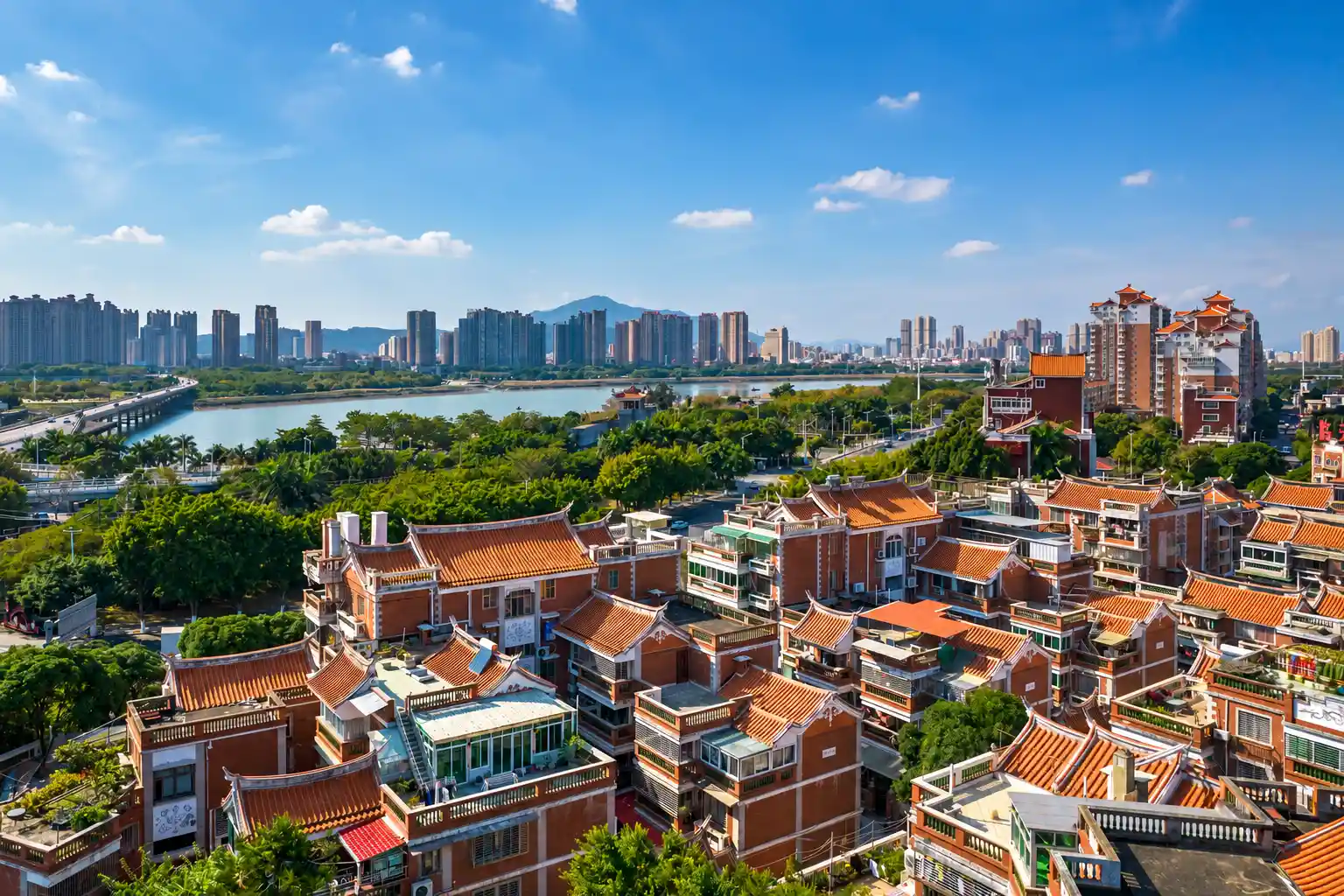
For most first-time visitors, the best area to stay in Quanzhou is in or beside the historic old city around West Street and Kaiyuan Temple. This keeps major heritage sites, local food and evening walks close by. Fengze is a better choice for travelers who prefer newer full-service hotels, easier vehicle access and a more modern city setting.
Stay around West Street, Kaiyuan Temple or the surrounding Licheng old-city lanes if this is your first trip to Quanzhou. You will be close to the city’s strongest concentration of historic sights, traditional streets, local restaurants and evening atmosphere, while many central attractions can be reached on foot.
Licheng contains the historic heart of Quanzhou and is the most practical district for travelers who want to spend their days walking between temples, historic streets and local food stops. Focus on the old-city core rather than choosing accommodation solely by the district name.
Choose central Fengze if you prefer larger contemporary hotels, shopping, easier taxi access and more standardized facilities. It provides a convenient modern base between the historic center and Quanzhou’s eastern districts, although you will rely more on short rides than walking.
Staying close to Quanzhou Railway Station makes sense for a late arrival, early departure or a very short rail stopover. It is less useful as a sightseeing base because most old-city attractions and evening experiences lie farther south.
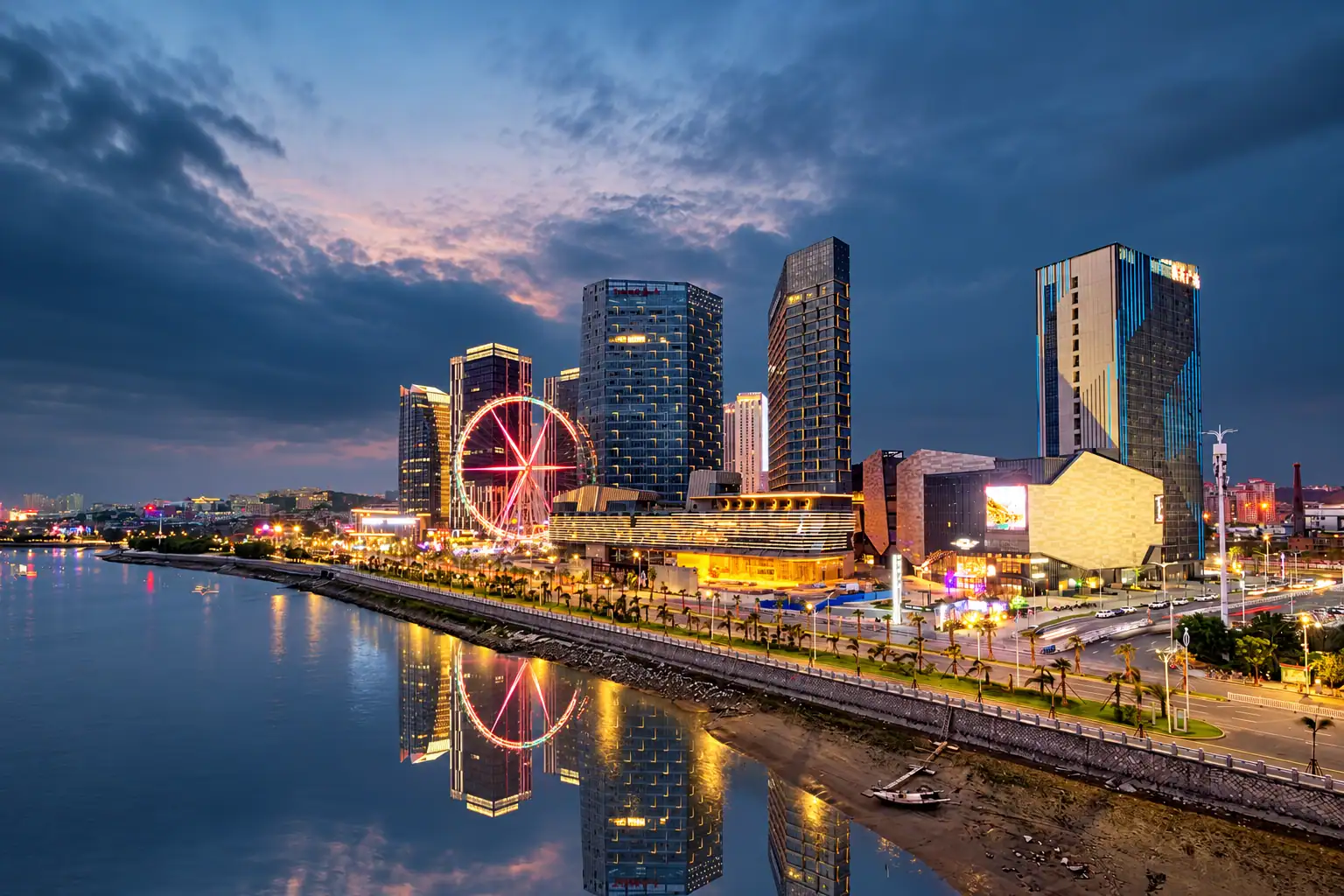
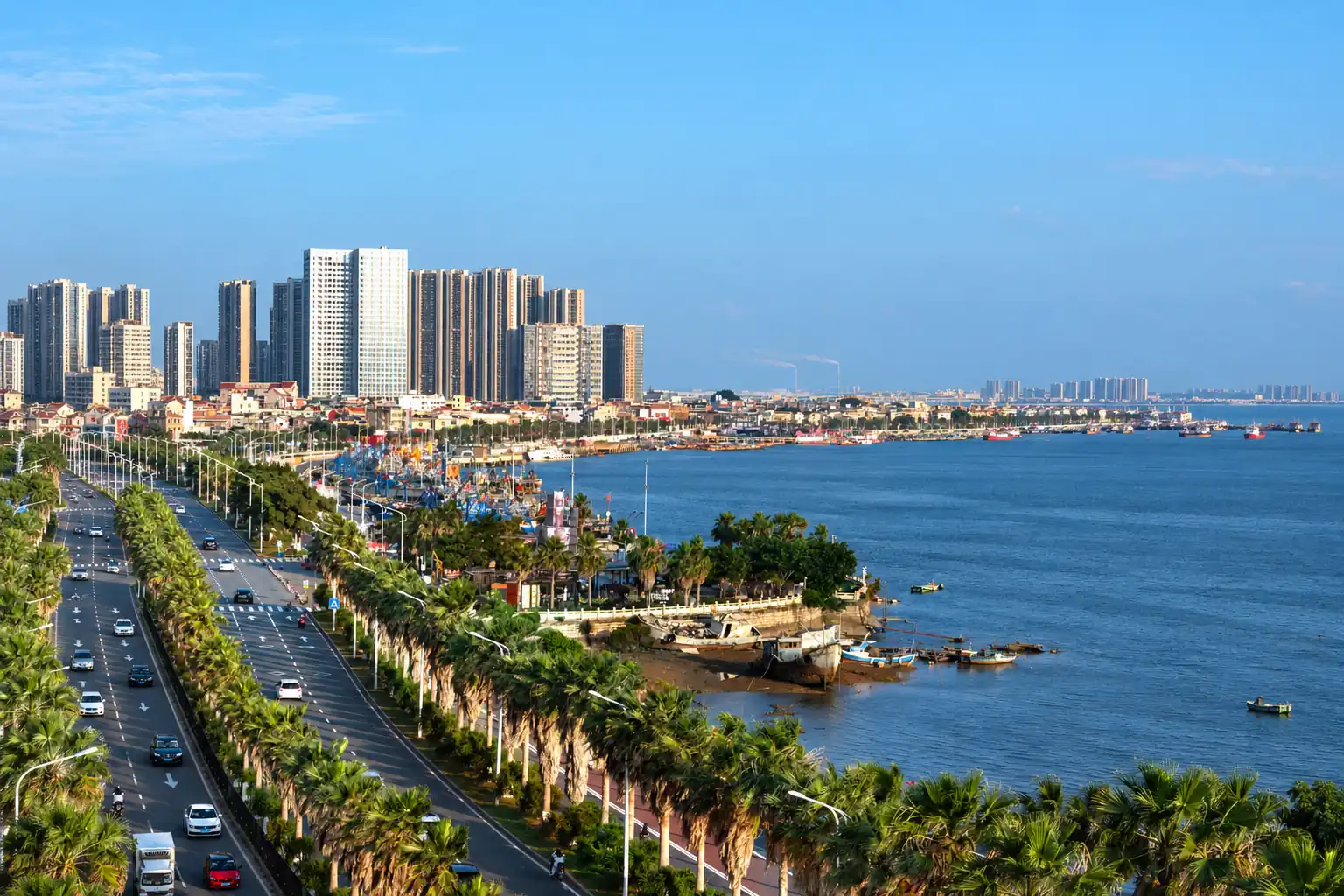
The eastern side of Quanzhou works better for travelers who want newer urban surroundings, waterfront areas or easier access to Xunpu Village. It can suit slower trips, but it is not the most efficient base when most of your sightseeing is around West Street and the historic old city.
Choose the historic old city for your first sightseeing trip, central Fengze for modern hotel comfort, the railway-station area when train timing matters, and the Donghai side when your plans focus more on Xunpu, waterfront areas or newer Quanzhou. For most first-time visitors, staying close to West Street will save the most sightseeing time.
Quanzhou is easy to reach by high-speed rail or through Quanzhou Jinjiang International Airport. Once in the city, first-time visitors can explore much of the historic old city on foot, then use the local “Xiaobai” sightseeing vehicles, public buses, taxis or ride-hailing for museums, Xunpu, Luoyang Bridge and other attractions outside the walkable core.
The easiest Quanzhou trip combines fast regional transport with slow local sightseeing. Use high-speed rail or the airport to reach the city, walk through the historic center, and save buses, taxis or ride-hailing for attractions that sit farther from West Street and the old-city core.
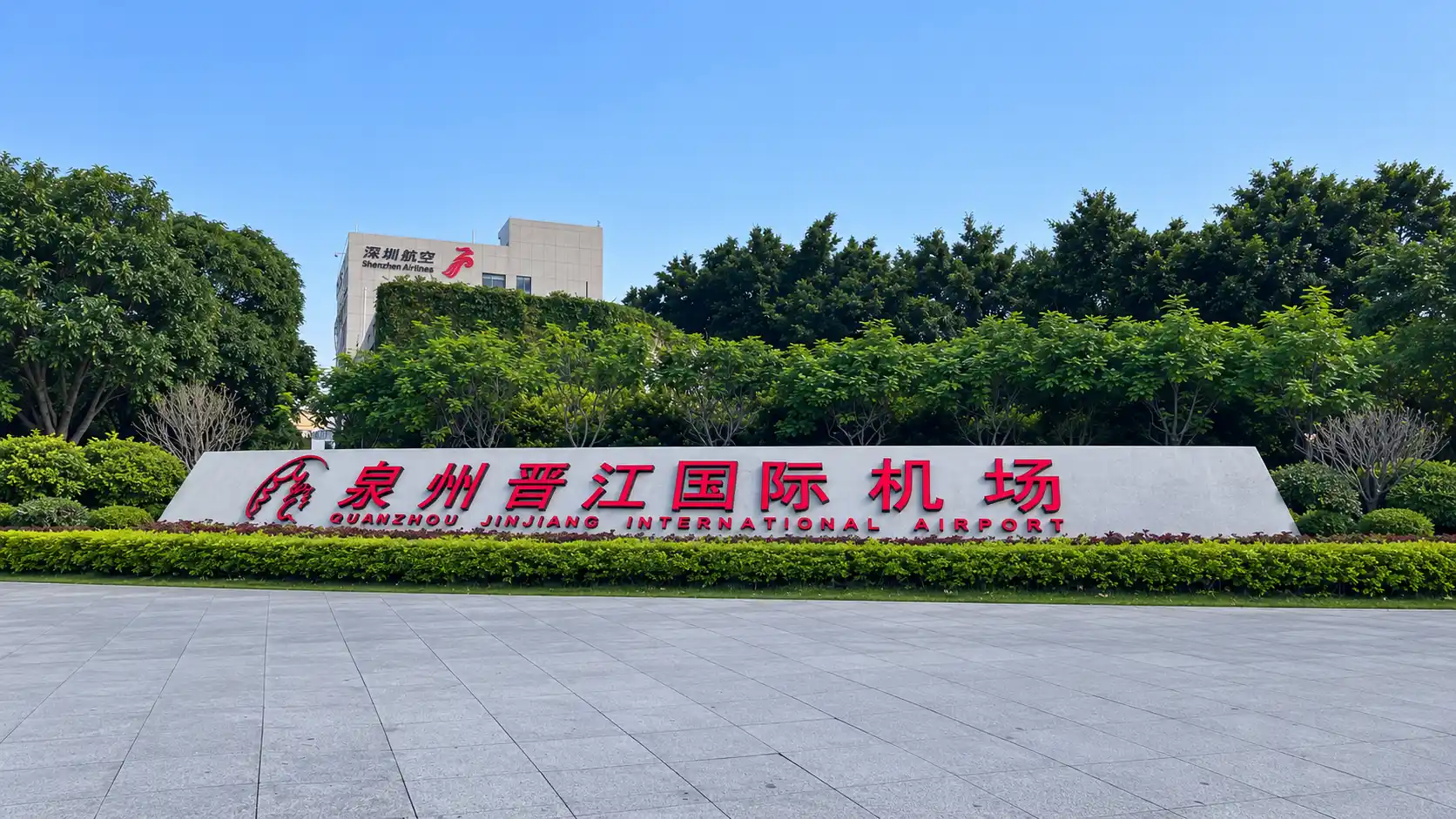
Quanzhou Jinjiang International Airport is the main air gateway for the city. Public bus routes connect the airport with central Quanzhou and major transport hubs, while taxis, ride-hailing and private transfers are more convenient when traveling with luggage or arriving outside your hotel’s easiest public-transport route.
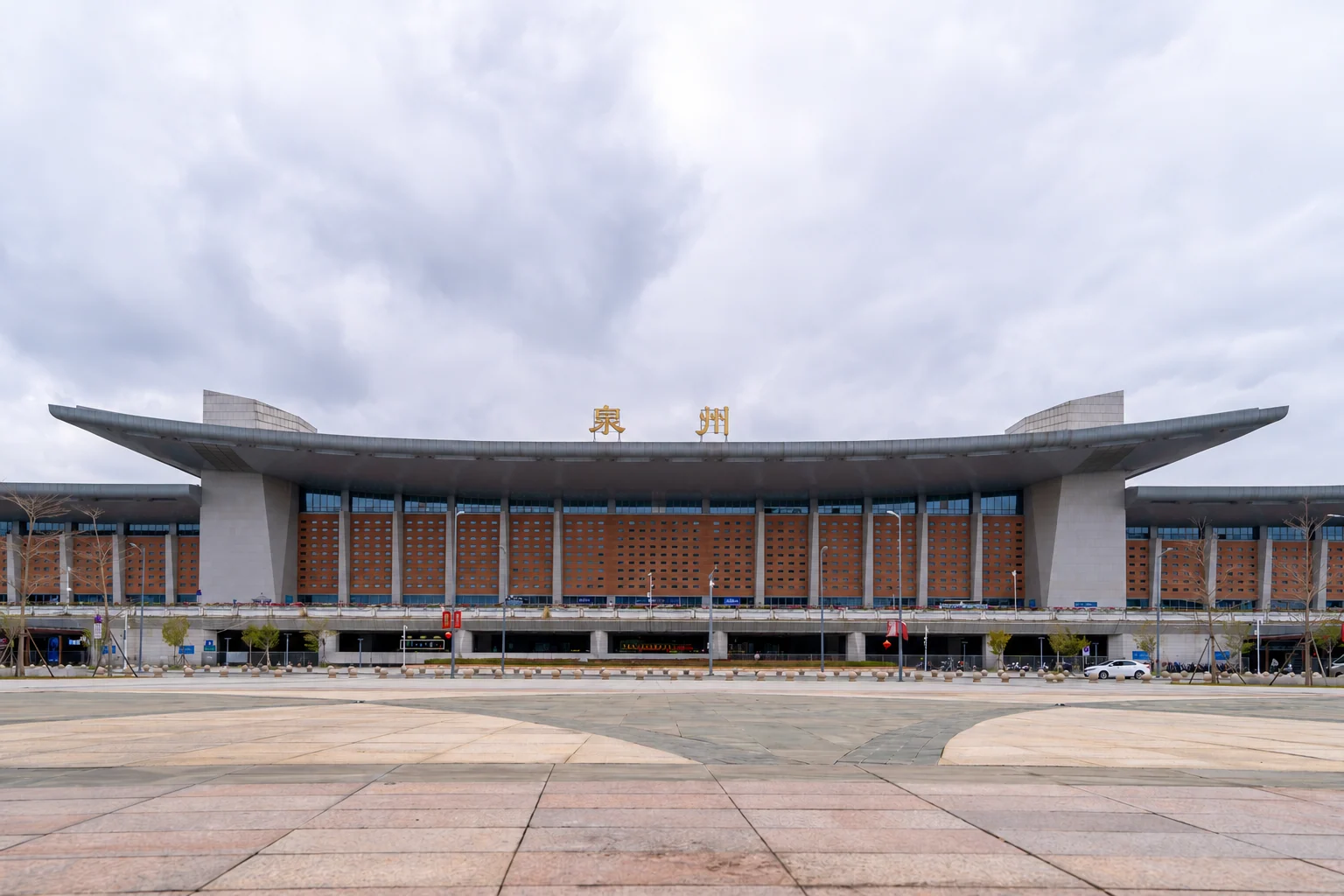
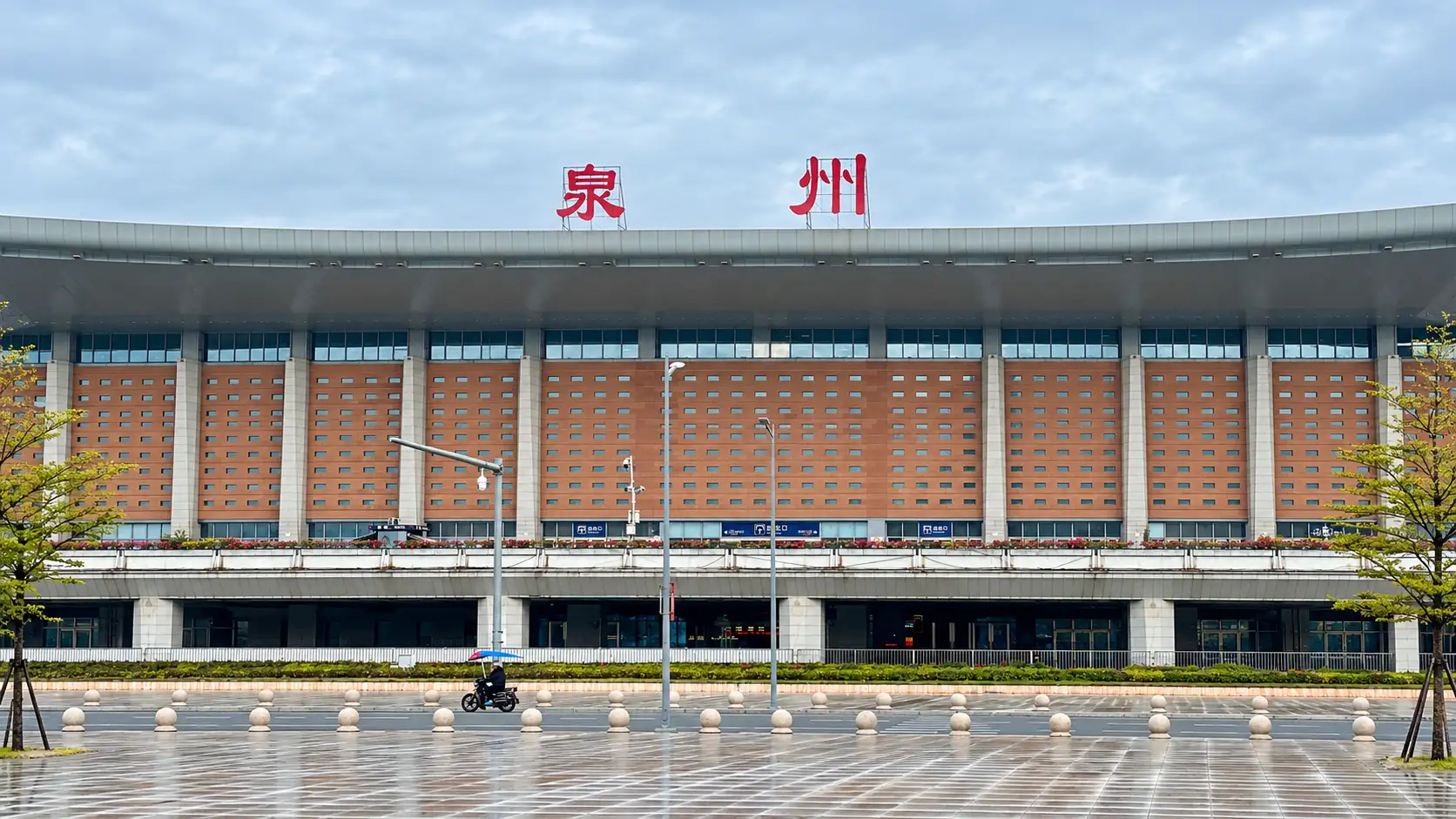
Quanzhou Railway Station is one of the most useful arrival points for visitors traveling along China’s southeast coast. Multiple city bus routes and tourist services connect the station with the historic center, while taxis or ride-hailing are often the simplest option when heading directly to a hotel around West Street.
High-speed rail makes Quanzhou easy to combine with Xiamen and other Fujian destinations. This is usually the most practical option for travelers building a multi-city Fujian itinerary. Check your exact departure station and arrival station when booking because the wider Quanzhou area has several railway stations.
Walking is the best way to explore the compact historic core around Kaiyuan Temple, West Street, Zhongshan Road, the Confucius Temple and Qingjing Mosque. When your feet need a break, Quanzhou’s small electric “Xiaobai” sightseeing vehicles provide short-distance transport within the designated ancient-city area.
Quanzhou has an extensive city and tourist bus network connecting major heritage sites, museums and transport hubs. Taxis and ride-hailing are more convenient for Xunpu, Luoyang Bridge, Qingyuan Mountain or itineraries combining several attractions outside the old-city walking zone. If you have not used Chinese ride-hailing before, read our guide to using DiDi in China as a foreigner before your trip.
Dedicated tourist bus services connect important places including the old city, Qingyuan Mountain, Luoyang Bridge, Xunpu and several World Heritage sites. They are useful when you want to explore beyond the historic center without arranging a private vehicle for every journey.
Private transport can be added to a customized Quanzhou itinerary for airport or railway pickup, hotel transfers and easier access to dispersed heritage sites such as Luoyang Bridge and other attractions outside the old city.
Quanzhou is a useful base for exploring more of southern Fujian. Combine the city with Xiamen for a classic two-city itinerary, or use an extra day for Dehua ceramics, Chongwu’s coastal heritage and Hui’an culture, Anxi tea country, or Wulin Traditional Village in Jinjiang for overseas-Chinese heritage and Nanyang-influenced architecture.
Pair Quanzhou’s UNESCO maritime heritage, temples, old streets and Minnan traditions with Xiamen’s coastal scenery, Gulangyu Island and more relaxed urban atmosphere. High-speed rail makes the two cities easy to combine, while their contrasting travel experiences create a stronger southern Fujian itinerary than using either city only as a short stop.
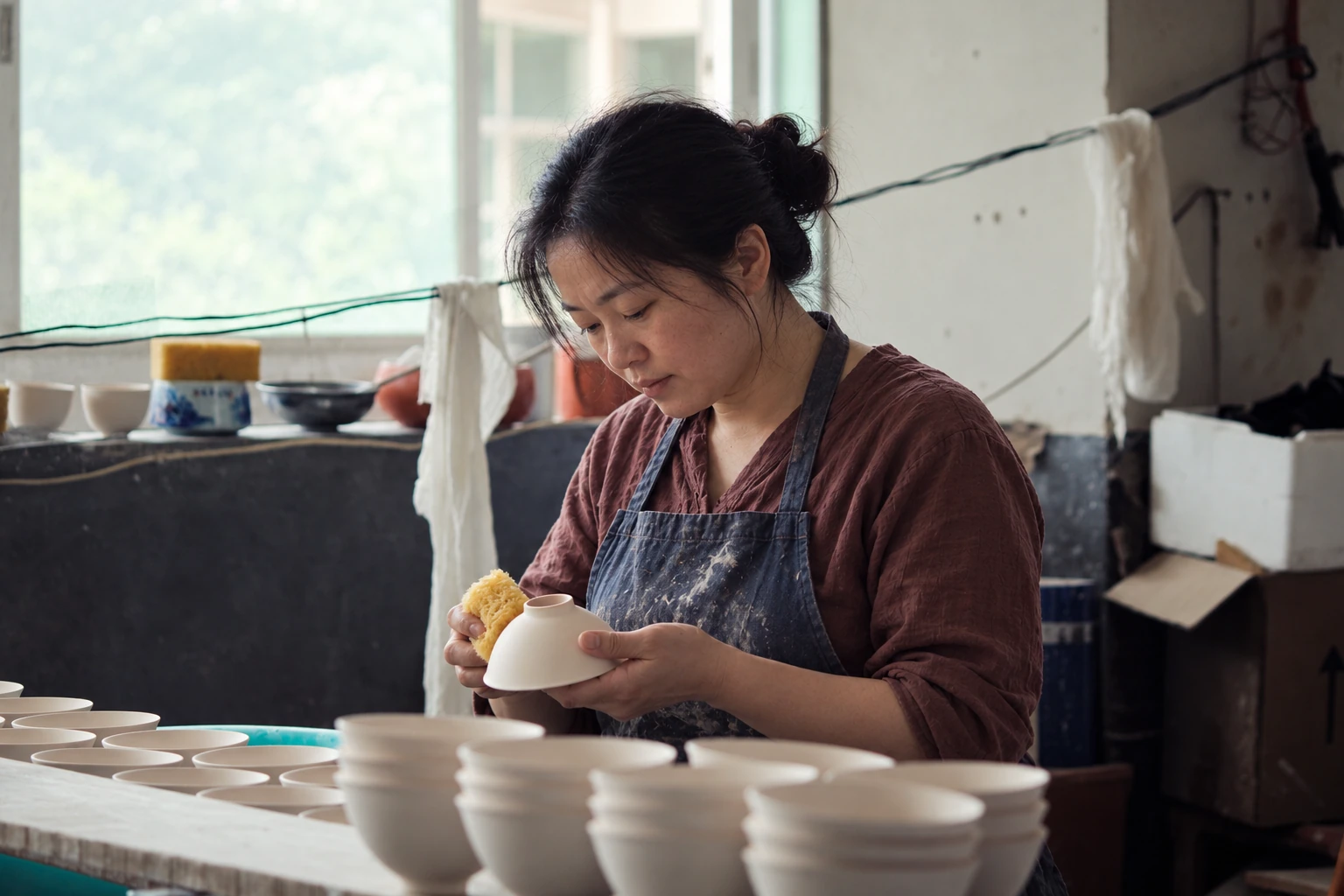
Travel inland to Dehua for one of the strongest cultural extensions from Quanzhou. Explore its famous white porcelain, ceramic museums, workshops and historic kiln traditions, then add mountain scenery if you stay longer. Dehua also connects directly with the production side of Quanzhou’s historic maritime trade system.
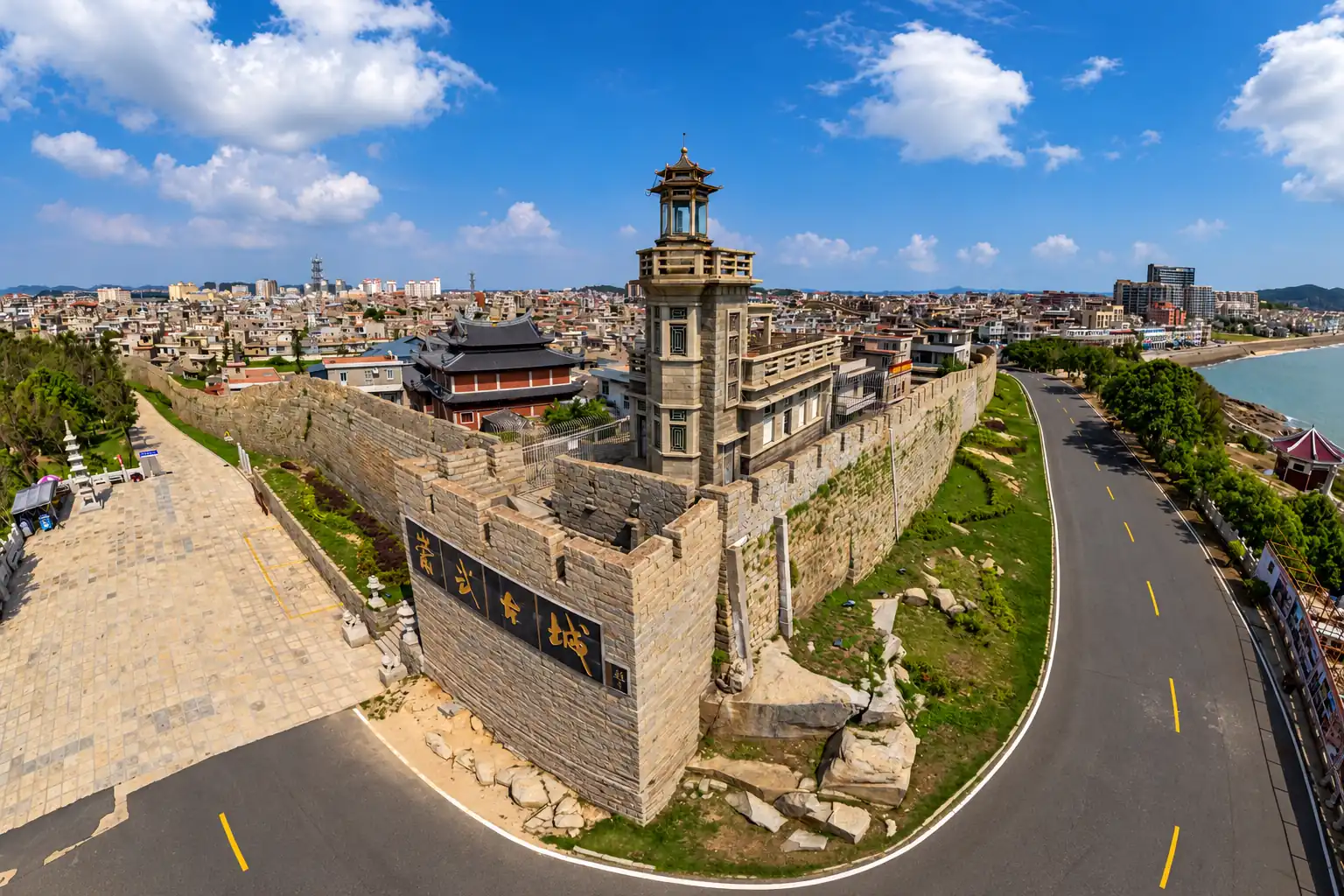
Head east to Hui’an for a day of coastal history and local culture. Chongwu Ancient City combines stone fortifications with sea views, while the surrounding area is known for Hui’an women’s traditions, stone carving and fishing-village culture. It offers a very different experience from central Quanzhou.
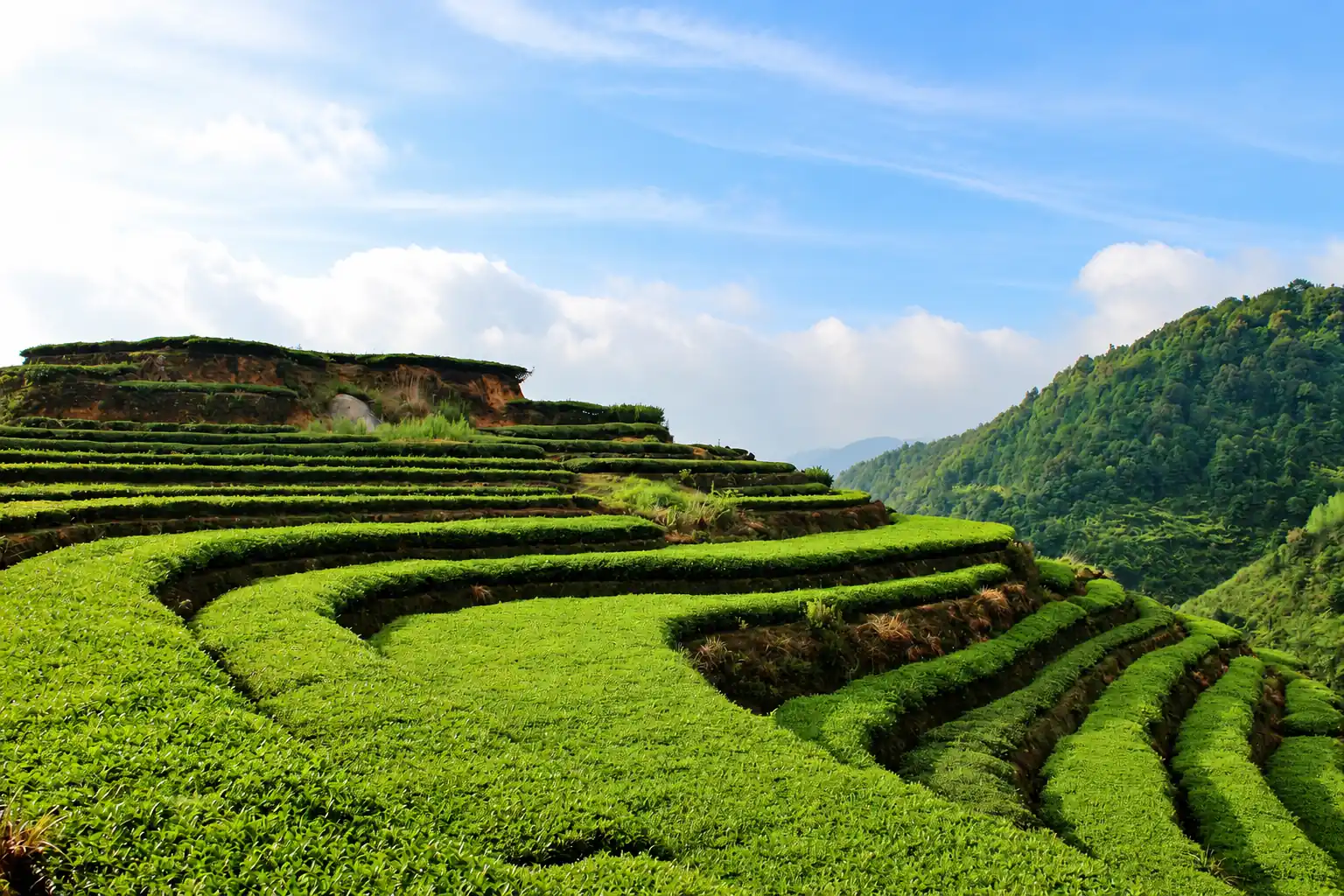
Visit Anxi if tea culture is one of your main interests. The county is closely associated with Tieguanyin oolong and offers tea gardens, production traditions and hands-on tea experiences. Anxi works especially well for travelers who want to add rural landscapes and agricultural culture to a heritage-focused Quanzhou trip.
Head to Jinjiang to explore Wulin Traditional Village, where Minnan homes stand beside distinctive buildings shaped by generations of overseas Chinese connections with Southeast Asia. The village adds another layer to Quanzhou’s maritime story through qiaoxiang culture, Nanyang-influenced architecture and the lives of families who moved between Fujian and overseas communities. Pair it with other Jinjiang heritage stops for a fuller day.
Choose a ready-made Quanzhou experience or use the sample routes below as a starting point for a private itinerary. Your trip can be adjusted around your travel dates, hotel, interests and pace, with more time for UNESCO heritage, old-city walks, local food, Xunpu culture, Anxi tea country, Dehua ceramics or a longer Fujian journey with Xiamen.
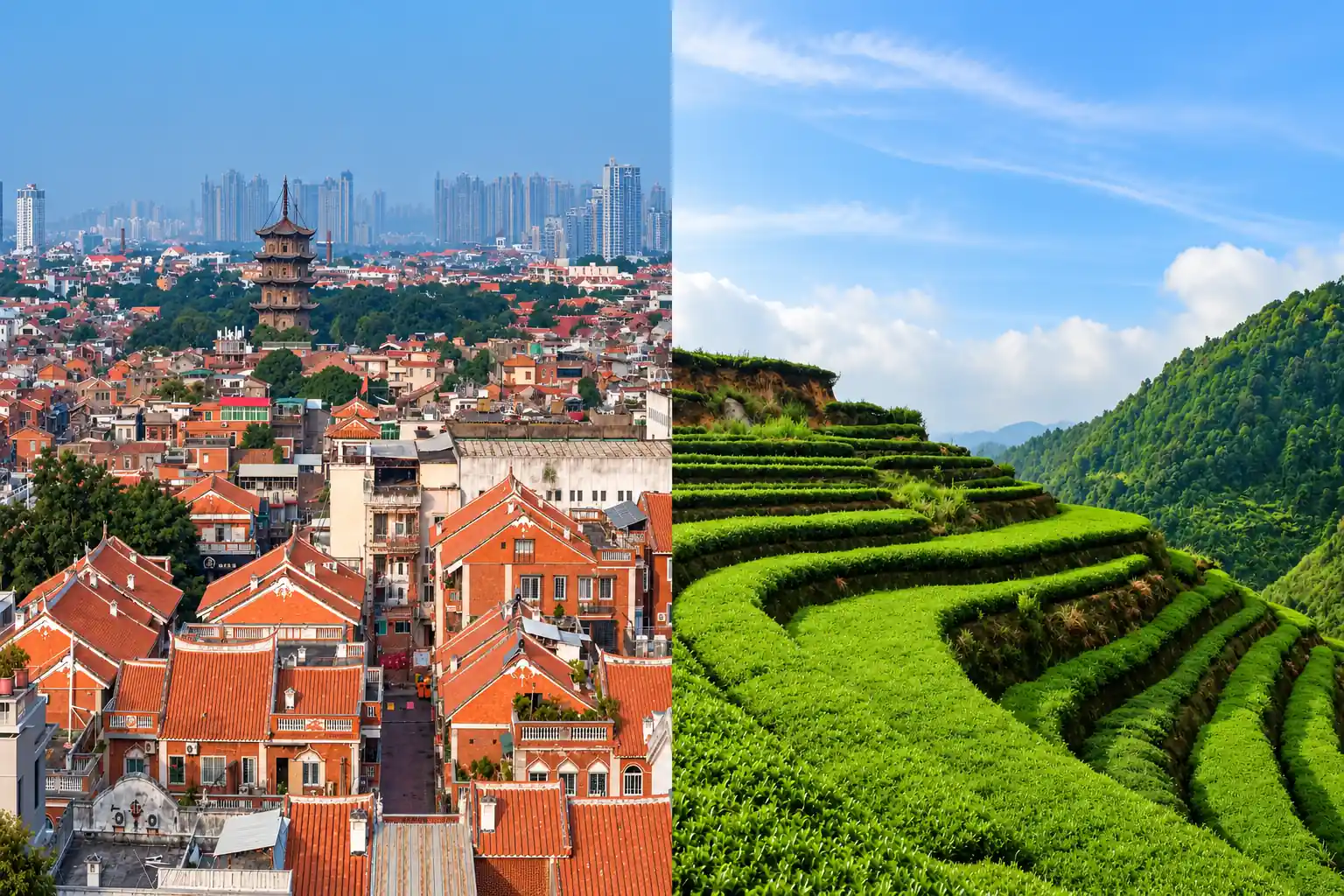
Combine Quanzhou’s UNESCO maritime heritage, historic temples and old-city culture with a journey into Anxi tea country. Discover Tieguanyin oolong, tea-growing traditions and local tea-making culture while experiencing two distinctive sides of southern Fujian in one private itinerary.
View This Quanzhou TourFocus one full day on Quanzhou’s walkable historic center, linking Kaiyuan Temple, West Street, the Confucius Temple, Qingjing Mosque and nearby heritage streets with time for local snacks and slower exploration.
Combine a full historic-center day with Quanzhou’s maritime story on day two. Add the Maritime Museum and Xunpu Village for a stronger mix of Song–Yuan trade history, coastal life and living Minnan culture.
Explore Quanzhou’s main heritage and cultural sights before traveling inland to Dehua for porcelain traditions, ceramic workshops and the production story behind goods once linked to Quanzhou’s overseas trade.
Combine Quanzhou’s temples, historic streets and Maritime Silk Road heritage with Xiamen’s coastal atmosphere and Gulangyu Island. This is a strong choice for first-time visitors who want a broader introduction to southern Fujian.
Build the trip around Quanzhou’s World Heritage story, religious monuments, ancient bridges, port history and the surviving urban landscape of the Song–Yuan trading city.
Explore Quanzhou Heritage →Slow the itinerary down for local food, Nanyin, Xunpu’s flower hairpin tradition, neighborhood walks and the everyday Minnan culture that makes Quanzhou more than a checklist of monuments.
Explore Local Experiences →Extend Quanzhou with Xiamen, Dehua, Hui’an, Anxi, Jinjiang or Fuzhou depending on whether your interests lean toward coastlines, ceramics, tea, qiaoxiang culture or a broader Fujian itinerary.
See Places Near Quanzhou →Tell us your travel dates, group size, interests, hotel style and preferred pace. Your route can be built around Quanzhou alone or combined with Xiamen and other Fujian destinations, with private transport and local support added where useful.