
How Many Days in Foshan?
One day works for central Chancheng. Two days add Shunde's gardens and food. Three days allow another cultural or scenic experience. Longer stays offer more flexibility.

Planning what to see in Foshan? Start in Chancheng with Foshan Ancestral Temple (Zumiao), nearby Lingnan Tiandi and the historic Nanfeng Ancient Kiln in Shiwan. In Shunde, Qinghui Garden pairs well with a local food outing. If you have more time, visit Xiqiao Mountain in Nanhai for mountain scenery and Buddhist heritage, or choose Liang's Garden and Shunfeng Mountain Park for a quieter stop. These Foshan attractions are spread across different districts, so group nearby places instead of trying to see them all in one day.
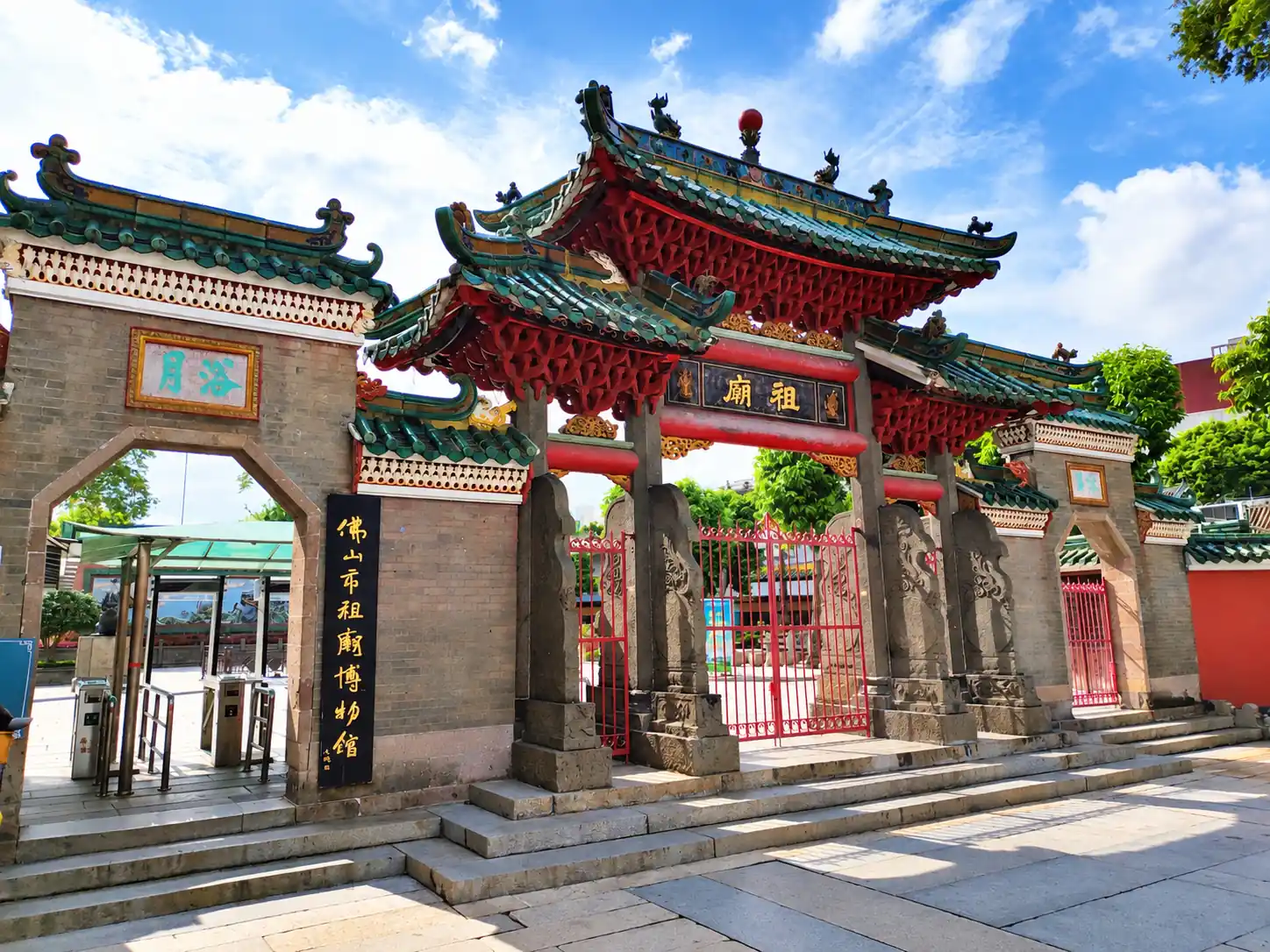
Foshan Ancestral Temple (佛山祖庙), also known as Zumiao or Foshan Ancestral Temple Museum, is a key place to see Lingnan architecture and local folk heritage. First established during the Northern Song Dynasty, the Taoist complex is dedicated to Beidi. Look for its decorative ceramic roof figures, carved details and the historic Wanfu Stage. The site also houses the Wong Fei-hung Memorial Hall and Ip Man Hall, linking the temple to Foshan's martial arts history. Allow around 1.5–2 hours. Zumiao Station on the Guangfo Metro Line is convenient, and nearby Lingnan Tiandi makes an easy second stop. Performance schedules can vary, so check the current programme before planning your visit around a lion dance or kung fu show.
Explore Foshan Cultural Experiences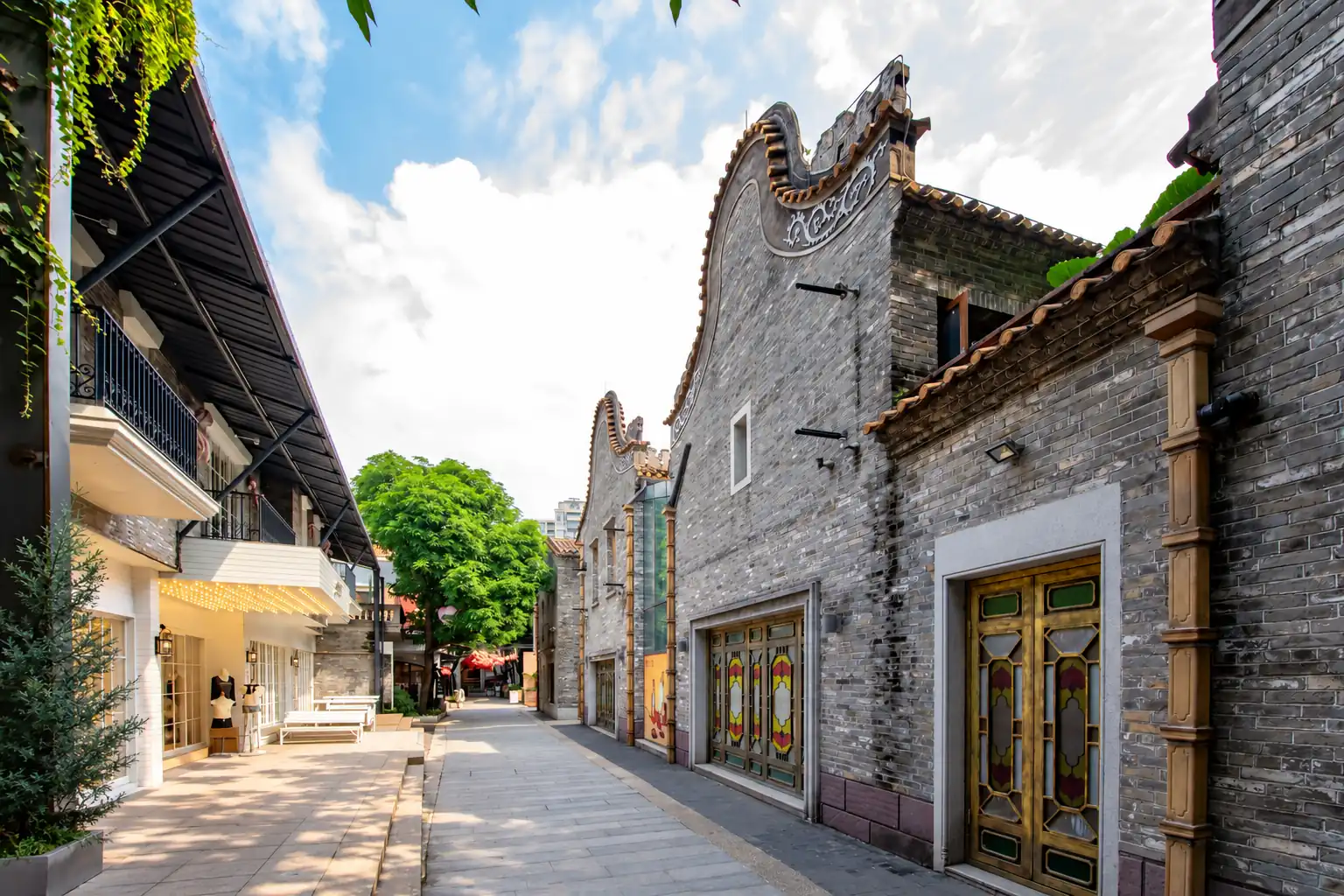
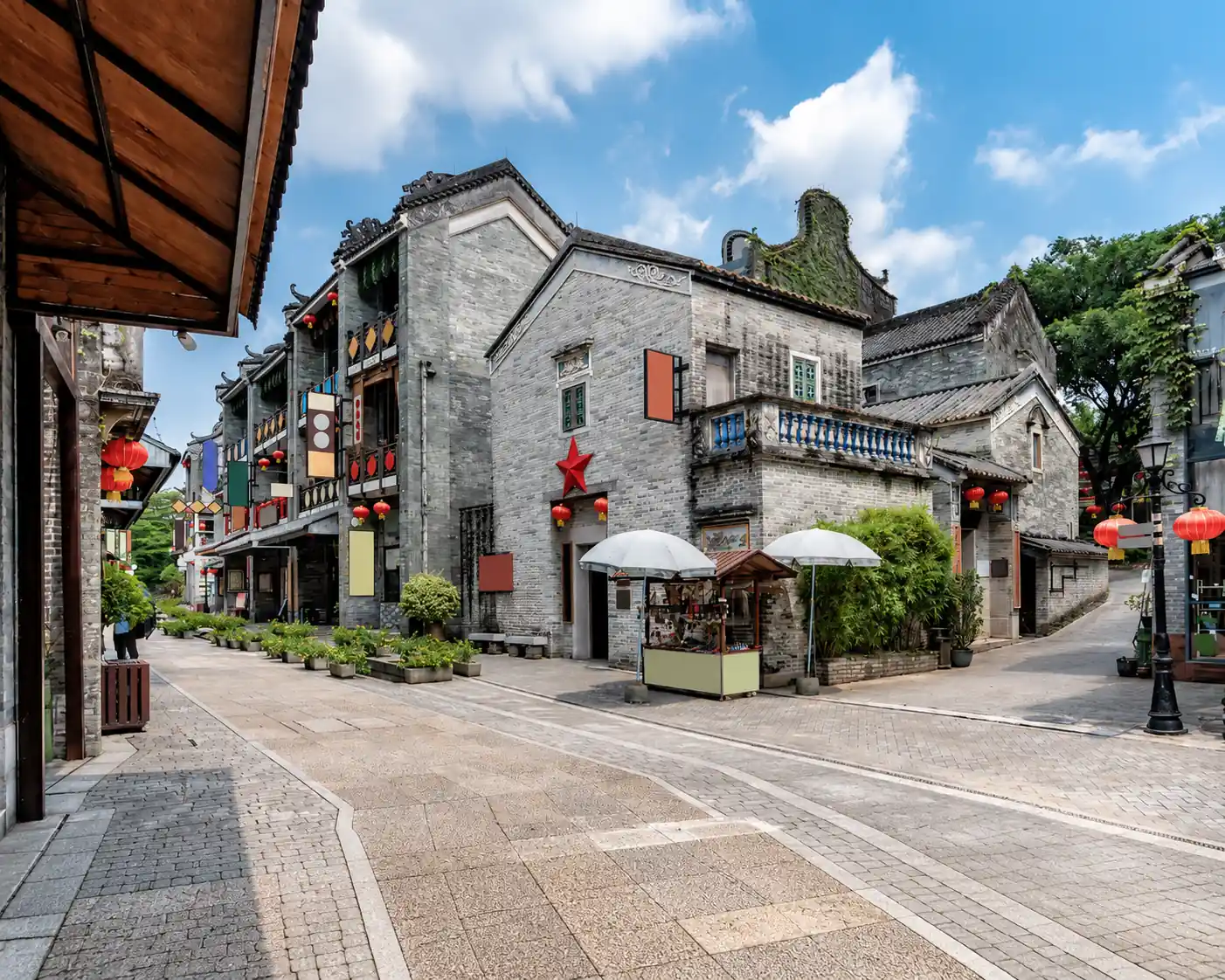
Beside Foshan Ancestral Temple, Lingnan Tiandi is a restored historic quarter with grey-brick buildings, traditional rooflines and pedestrian lanes now occupied by cafés, restaurants, shops and cultural spaces. It is an easy place to explore on foot and works well for a meal or evening stroll after visiting Zumiao. Individual shops and venues may have their own hours.
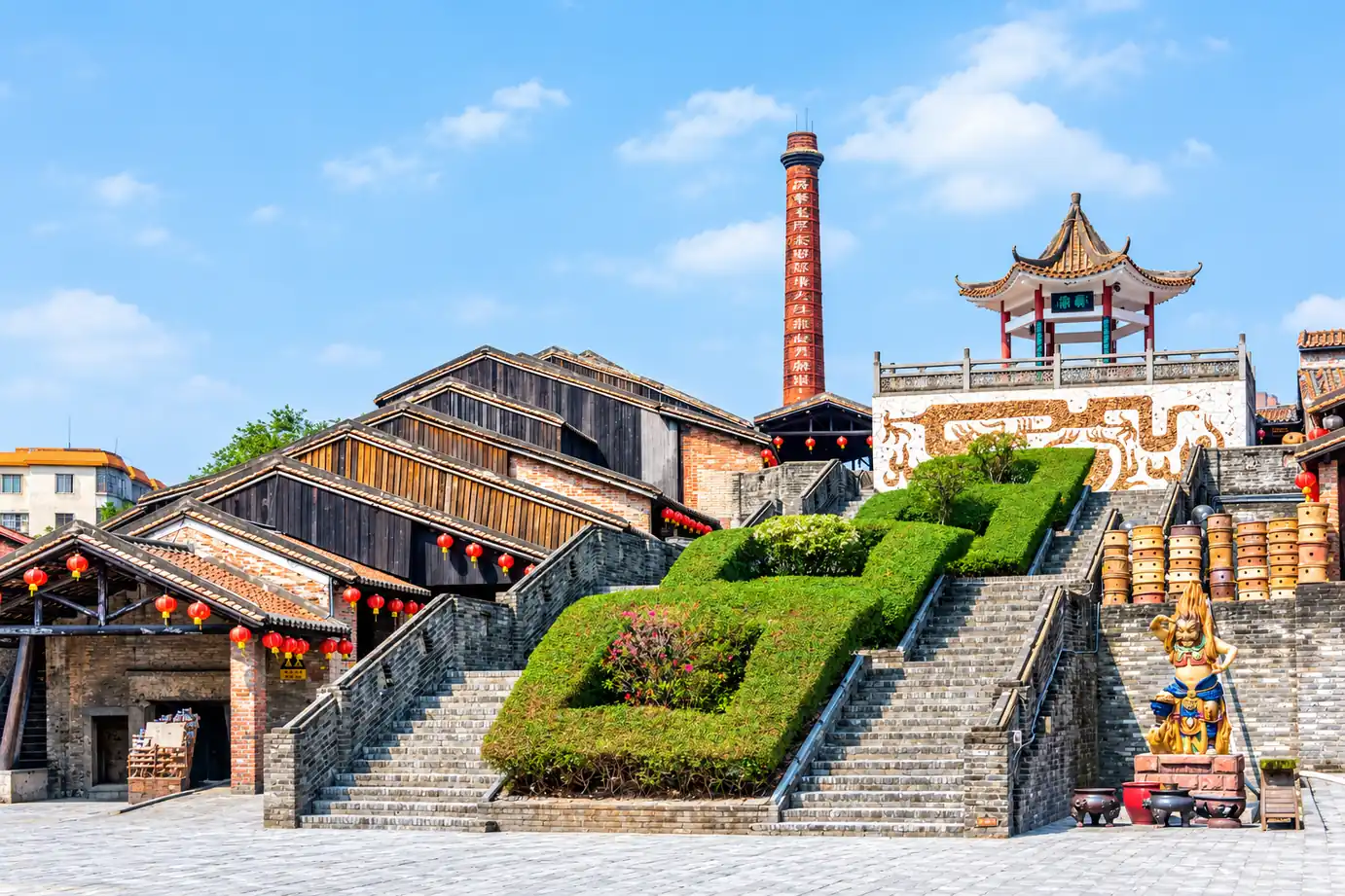
In Shiwan, Nanfeng Ancient Kiln is a landmark of Foshan's ceramic heritage. The sloping wood-fired dragon kiln dates to the Ming Dynasty and has a history of more than 500 years. Explore the kiln structures and surrounding pottery quarter to understand why Shiwan became known for ceramic production and figurines. Allow extra time if you plan to join a workshop; activities and access arrangements should be checked before visiting. Shiwan Station on Foshan Metro Line 2 is a useful starting point.
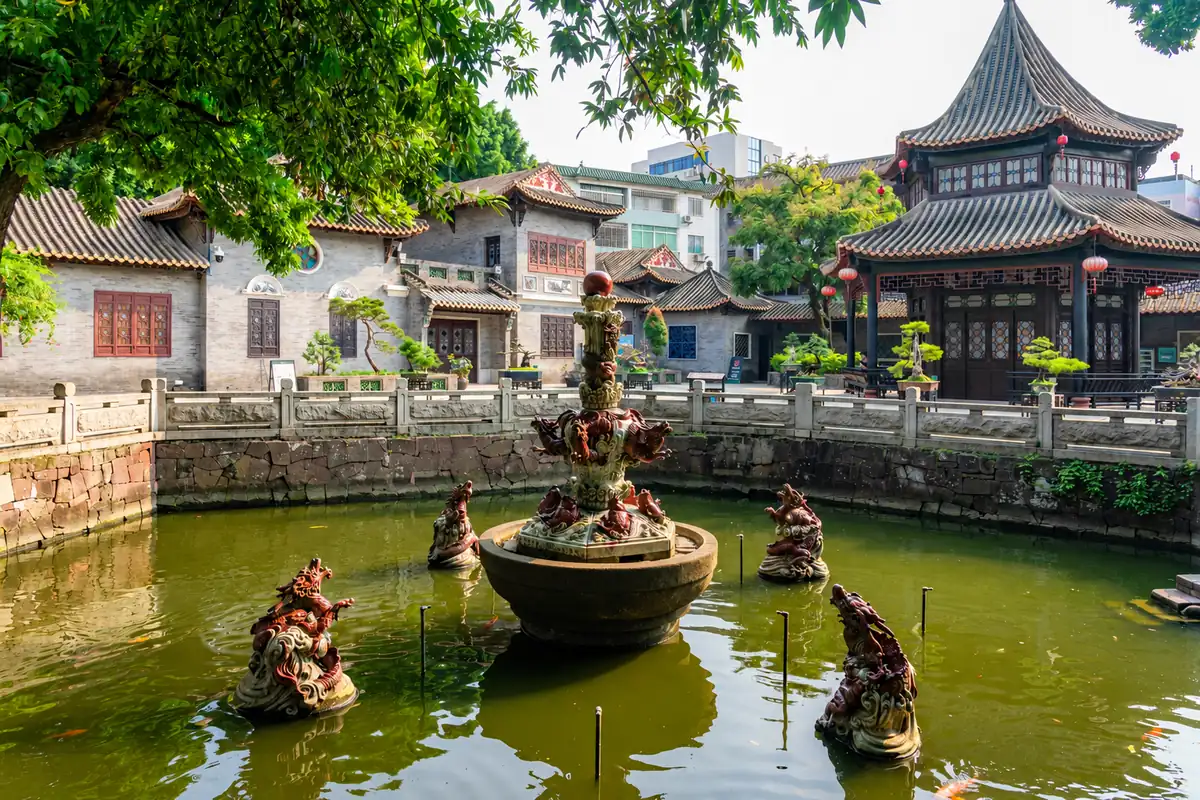
In Daliang, Shunde, Qinghui Garden is one of Guangdong's Four Famous Classical Gardens and a leading example of Lingnan garden design. Ponds, pavilions, winding corridors, wood carvings and decorative glass create a sequence of framed views and compact courtyards. Allow 1–2 hours to explore at a relaxed pace. Daliang Zhonglou Station on Foshan Metro Line 3 is a useful access point; the garden can be paired with nearby streets and a separate Shunde food stop.
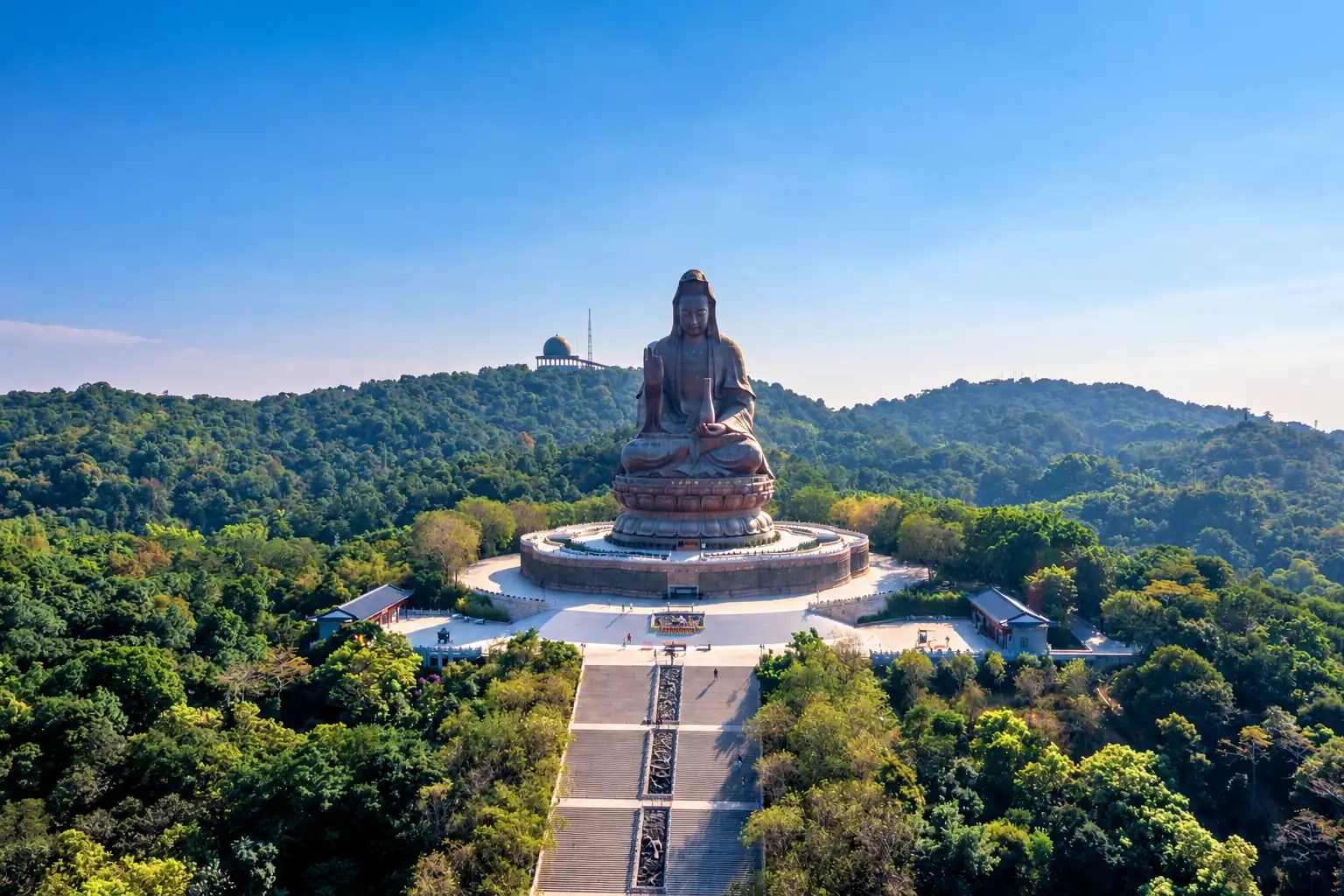
Xiqiao Mountain in Nanhai District combines green scenery, walking routes and cultural landmarks. The Nanhai Guanyin area is a major highlight, while the wider scenic area offers a longer outing than the central Foshan sights. Plan at least half a day, check which entrance best serves your chosen stops, and confirm whether shuttle services or other internal transport are operating. It is best treated as a dedicated excursion rather than squeezed between Chancheng attractions.
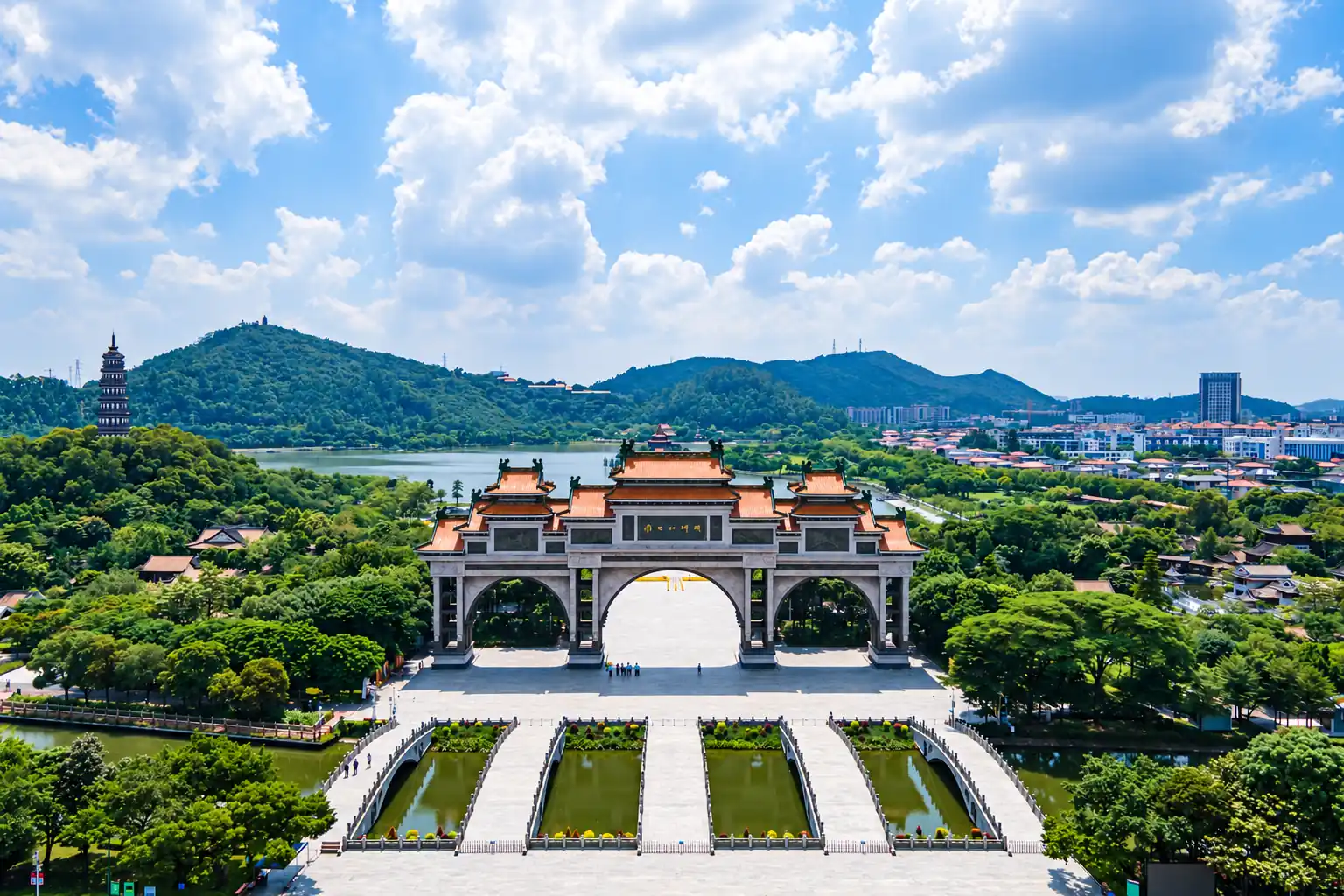
Shunfeng Mountain Park is a large public green space in Shunde, known for its monumental entrance archway, lakeside paths and landscaped grounds. It offers a more relaxed contrast to historic buildings and busy food streets. Because the park covers a wide area, choose a walking section in advance and allow time for the transfer from other Daliang sights.
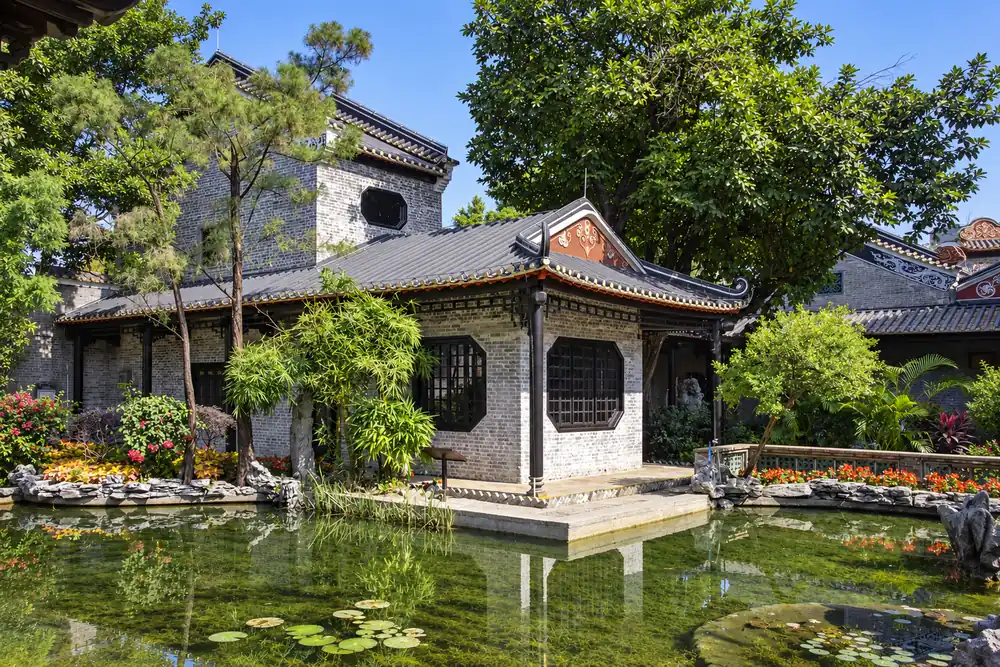
Liang's Garden in central Chancheng is one of Guangdong's Four Famous Classical Gardens. Developed by members of the Liang family, it brings together traditional buildings, water features, ornamental rocks and a scholarly garden aesthetic. It is a useful choice for visitors interested in Lingnan heritage who want to stay closer to central Foshan rather than travel to Shunde. Check current visiting arrangements before setting out.
For a first visit, group Foshan Ancestral Temple and Lingnan Tiandi in Chancheng, then add Nanfeng Ancient Kiln if time allows. Plan a separate Shunde outing for Qinghui Garden, local food and, optionally, Shunfeng Mountain Park. Xiqiao Mountain needs a longer excursion. If you have extra time, consider Bruce Lee's Ancestral Home in Jun'an, Guangdong Opera Museum near the historic center, or Sanshui Lotus World in Sanshui District; these are additional stops, not quick add-ons to the central route. Suggested visit times are estimates. Confirm opening hours, admission, performance schedules and transport before travelling.
The best things to do in Foshan include watching a southern lion dance, exploring martial arts heritage, trying Shiwan pottery and experiencing Shunde's food culture. You can also discover Lingnan architecture, Cantonese opera and the canals of Fengjian Water Town. Choose activities by district, and confirm performance schedules or workshop availability before making a special trip.
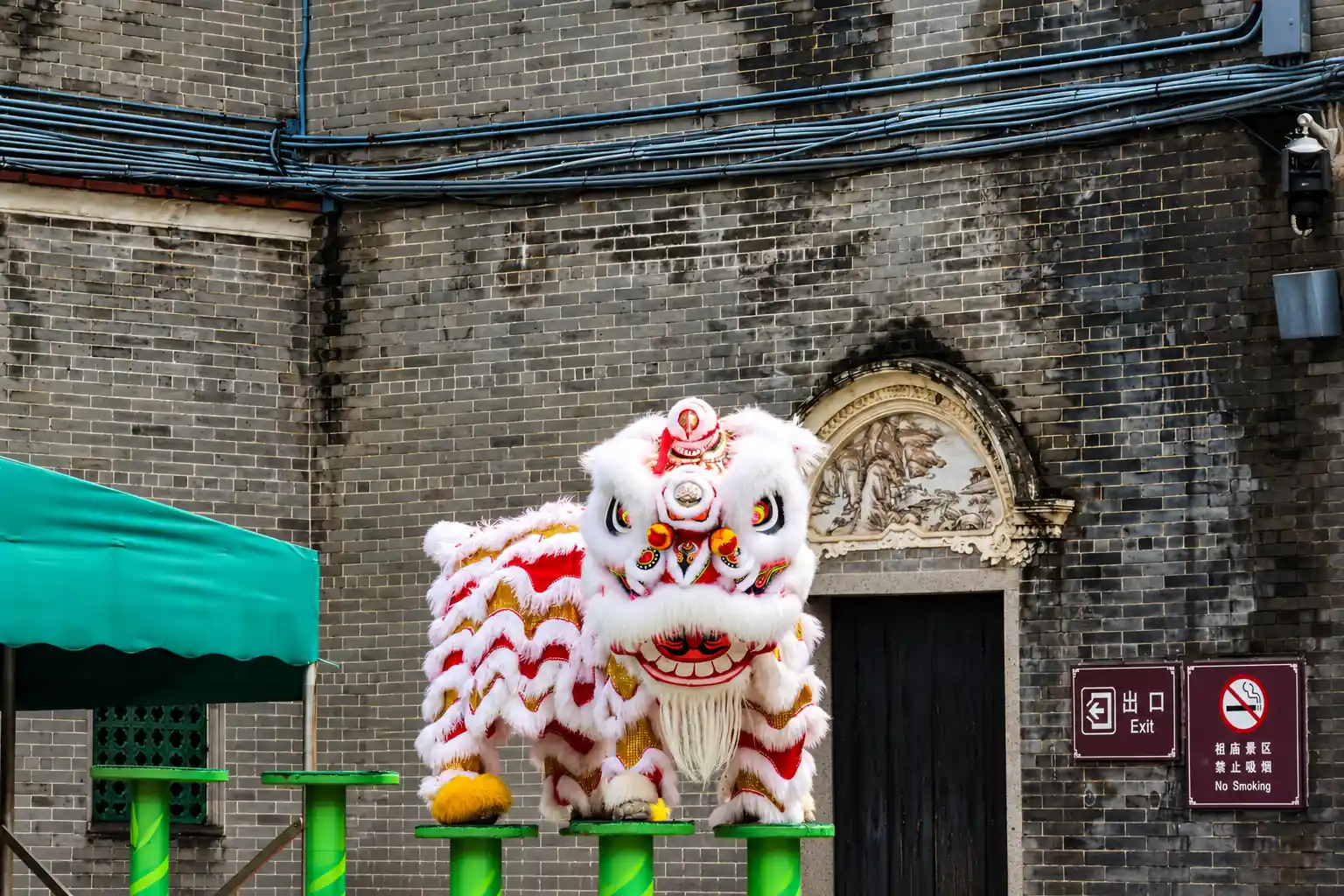
Foshan is closely associated with southern Chinese martial arts, including Wing Chun and the legacies of Wong Fei-hung and Ip Man. At Foshan Ancestral Temple (Zumiao), explore martial arts heritage displays and check whether a lion dance or kung fu performance is scheduled during your visit. Watch the performers' footwork, coordination, drum rhythms and expressive lion movements. Bruce Lee's family roots are also connected with Jun'an in Shunde, although he was born in San Francisco and grew up largely in Hong Kong. Beginner classes are separate from public demonstrations, so arrange a suitable instructor and session in advance.
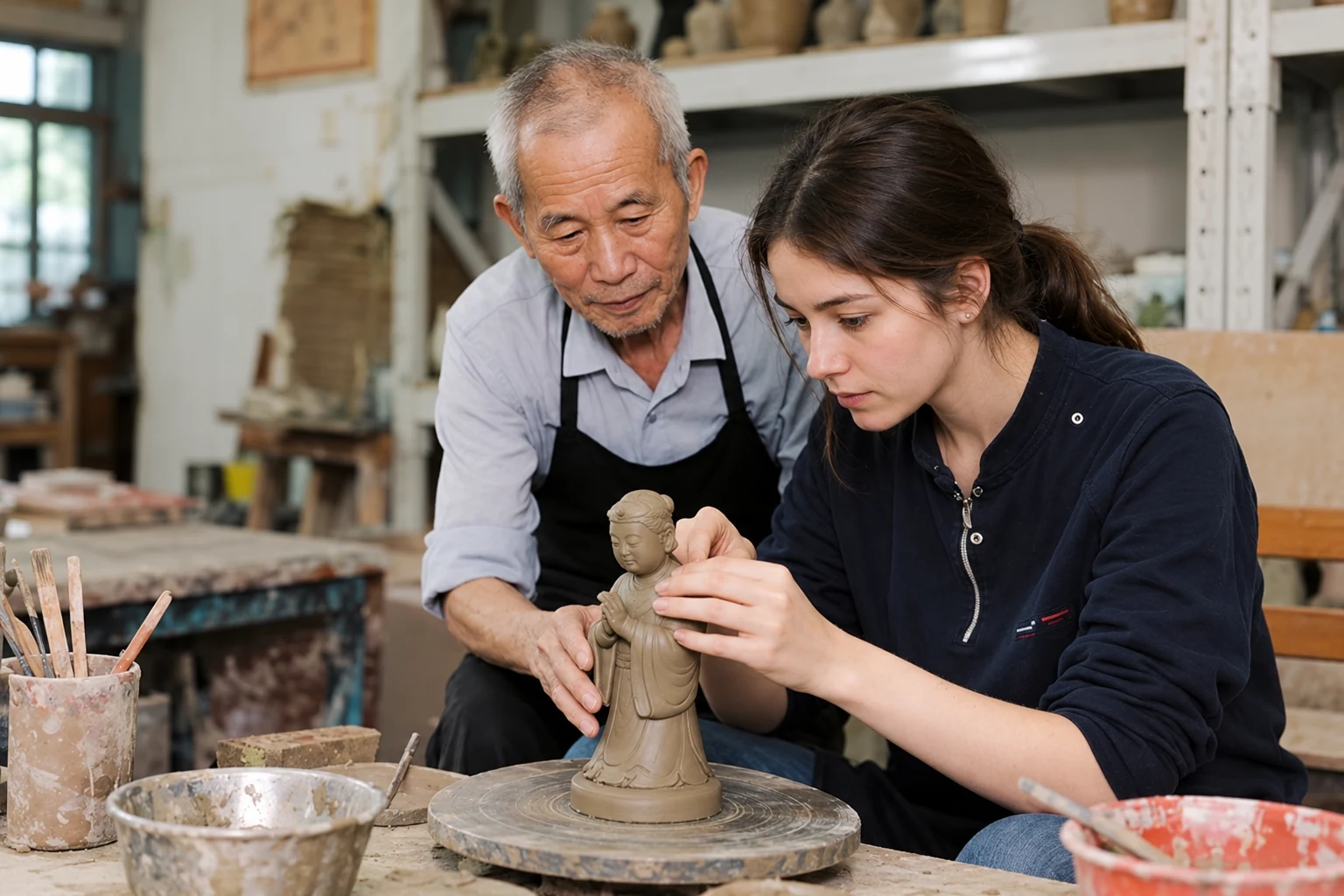
Shiwan is known for ceramic craftsmanship, from everyday pottery to expressive figurines. Near Nanfeng Ancient Kiln, look for workshops offering clay shaping, wheel throwing or decoration when sessions are available. Before booking, ask whether firing is included, when the finished piece will be ready, and whether collection or delivery is possible.
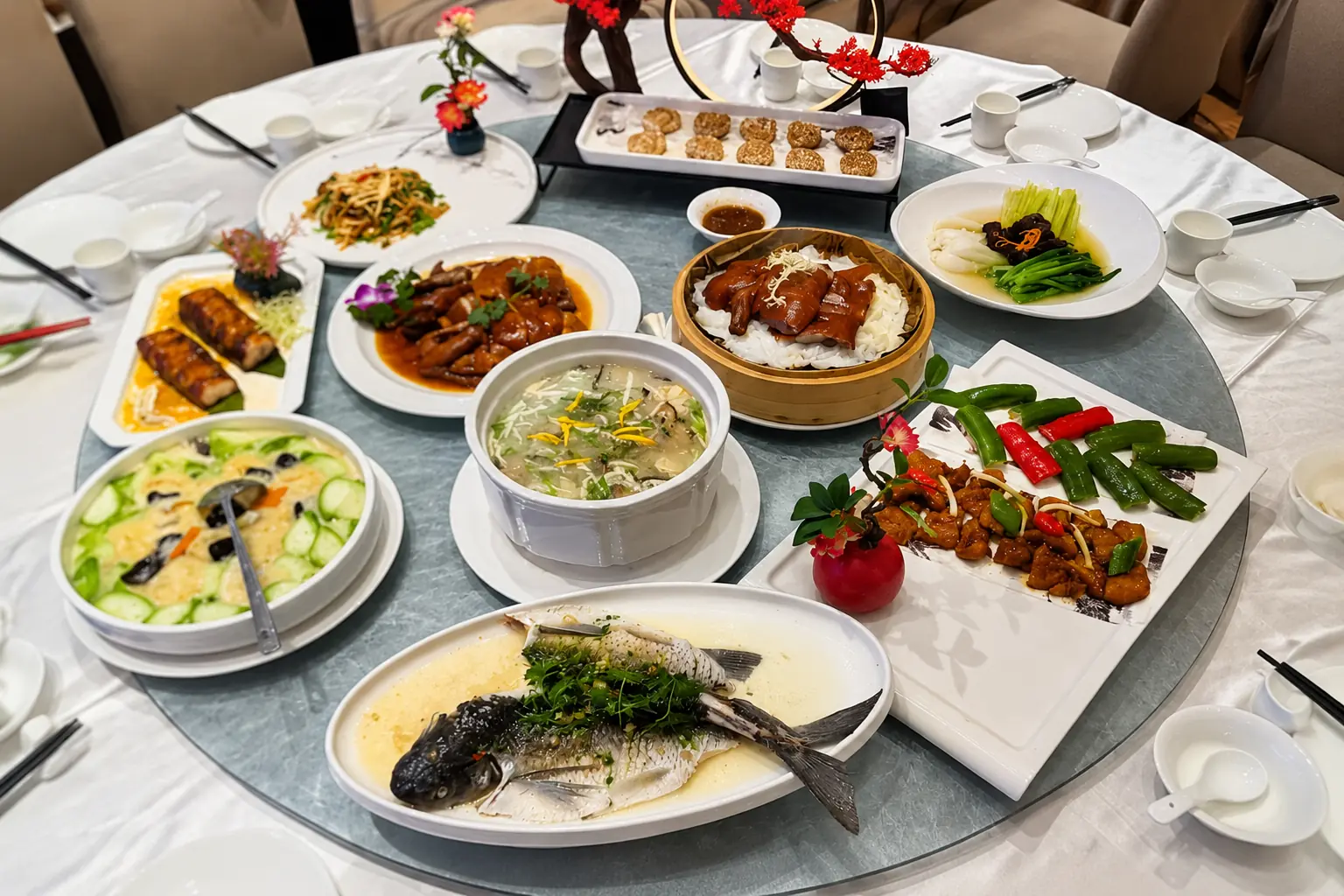
Explore Shunde cuisine at an unhurried pace instead of travelling between distant restaurants. In Daliang, try double-skin milk custard (shuang pi nai, 双皮奶) and look for restaurants serving regional fish dishes, congee and other Cantonese specialties. Choose one neighborhood, check restaurant locations, and combine the meal with a nearby cultural stop.
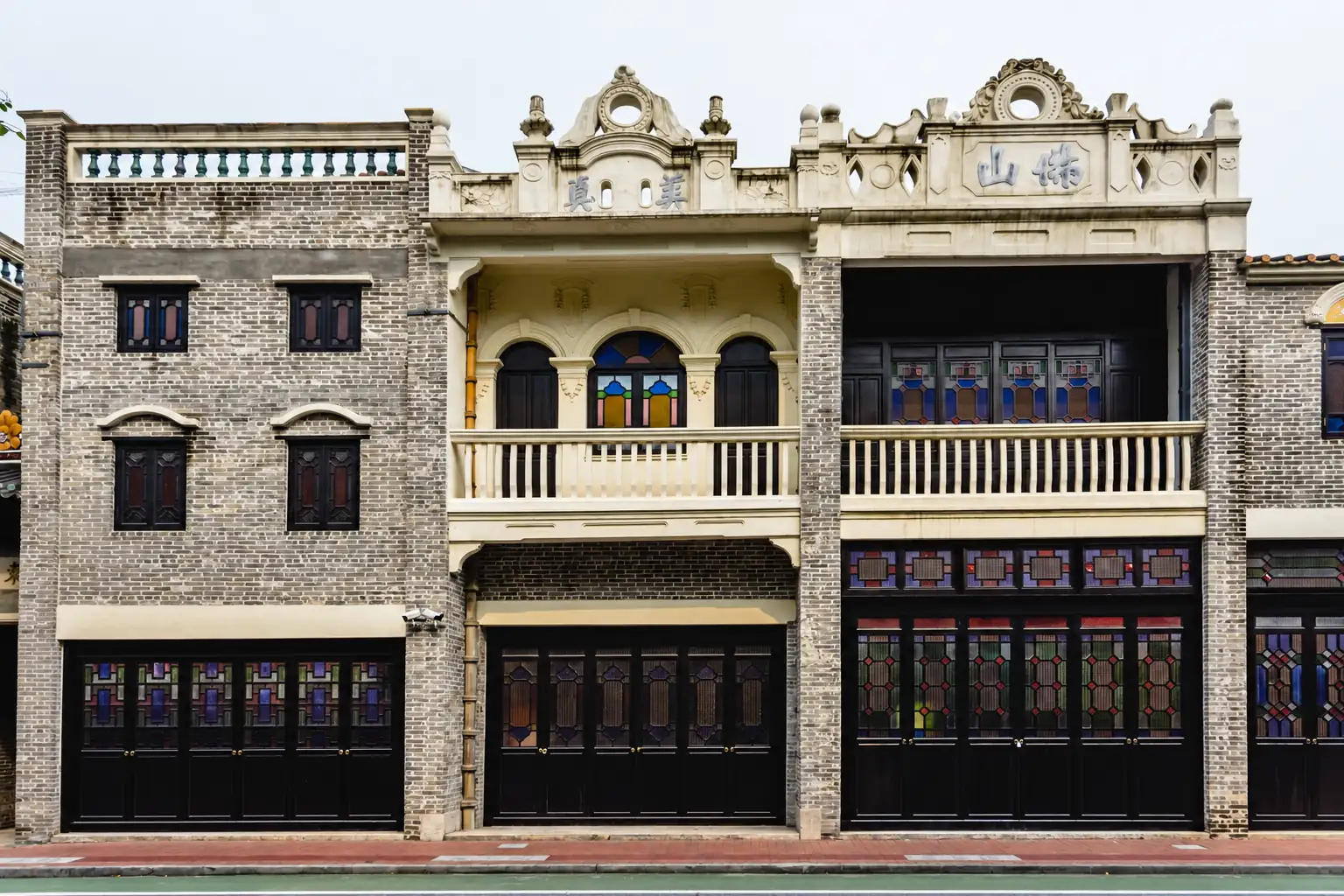
Around Zumiao and Lingnan Tiandi, look for grey-brick façades, decorative rooflines, carved details and historic spaces adapted for modern use. At older cultural buildings, brick, wood and ceramic ornament reveal the region's craftsmanship. Walk at a relaxed pace, allow time for photographs, and avoid blocking entrances or disturbing residents.

Cantonese opera is an important performing-arts tradition in Guangdong. At Foshan Ancestral Temple, look for the historic Wanfu Stage, associated with the city's opera heritage. If a performance is scheduled, notice the embroidered costumes, stylized gestures, singing and traditional instruments. Live programmes vary, so check dates and admission arrangements before making a special journey.

Try yum cha at a traditional teahouse or restaurant: order a pot of tea and share several dim sum dishes instead of rushing through breakfast. The experience is as much about conversation and local routines as it is about food. Afterwards, explore nearby shops or public markets, and ask permission before photographing people or vendors.
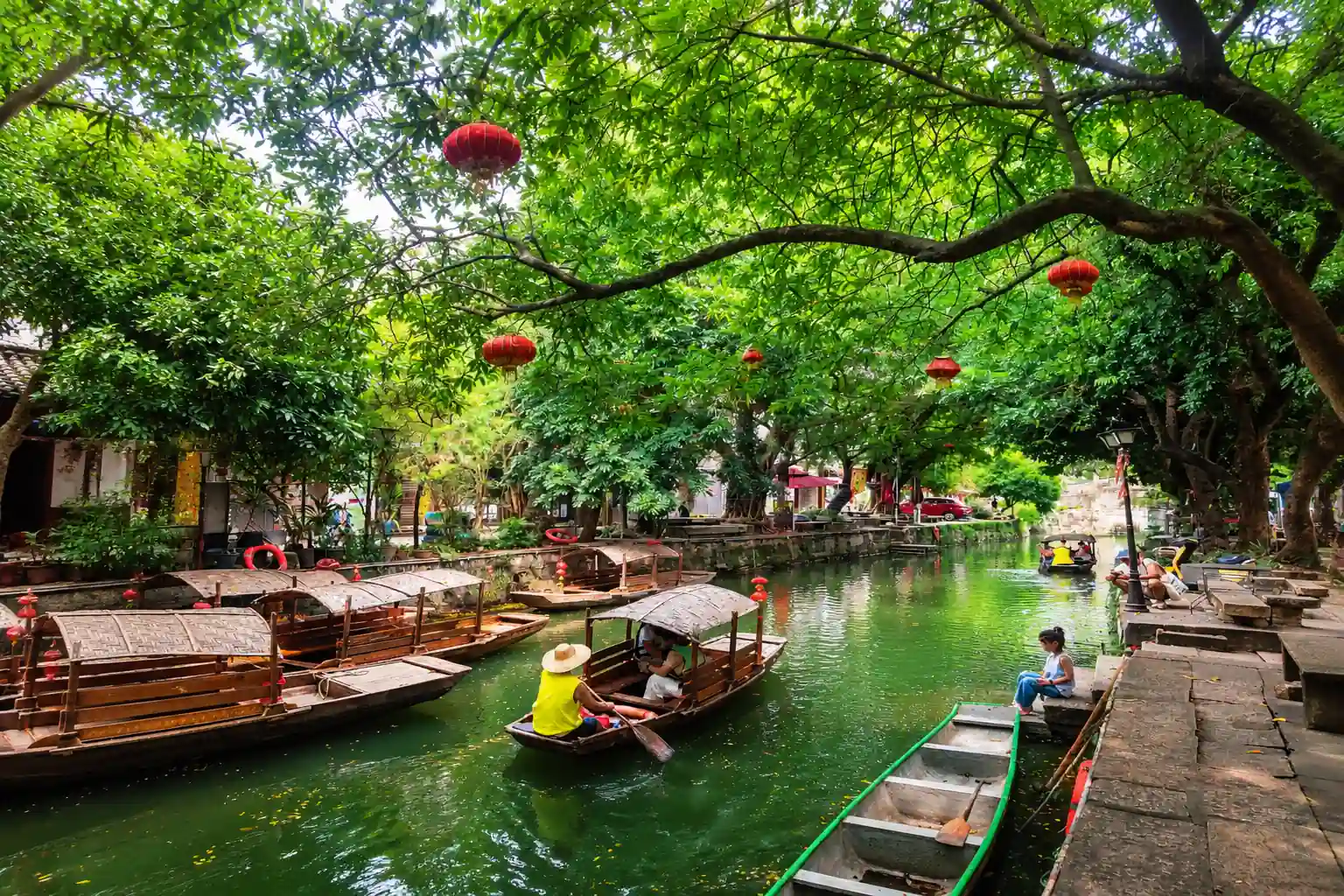
Fengjian Water Town (逢简水乡) in Xingtan offers a slower-paced outing away from Foshan's urban center. Walk beside canals, cross traditional stone bridges and explore lanes lined with older Lingnan-style buildings. Boat services, where operating, offer another view of the waterways. Fengjian is separate from central Daliang, so plan the road transfer before adding it to a Shunde food route.
Focus on martial arts and performances at Zumiao, pottery in Shiwan, food in Shunde, or a quieter walk through Lingnan streets and Fengjian's waterways. These experiences are spread across different districts; choose a few that fit your interests rather than trying to cover everything in one day.
Group Zumiao and Lingnan Tiandi in Chancheng, allow a separate visit for Shiwan pottery, and plan Shunde food or Fengjian Water Town around their actual locations. Confirm performance schedules, workshop availability and local transport before travelling.
Shunde District is one of Foshan's best destinations for Cantonese food.A UNESCO Creative City of Gastronomy since 2014, Shunde is known for delicate milk desserts, inventive fish dishes, rice noodles and traditional snacks.Here are six specialties worth trying, with Chinese names to help you order and practical advice on choosing where to eat.
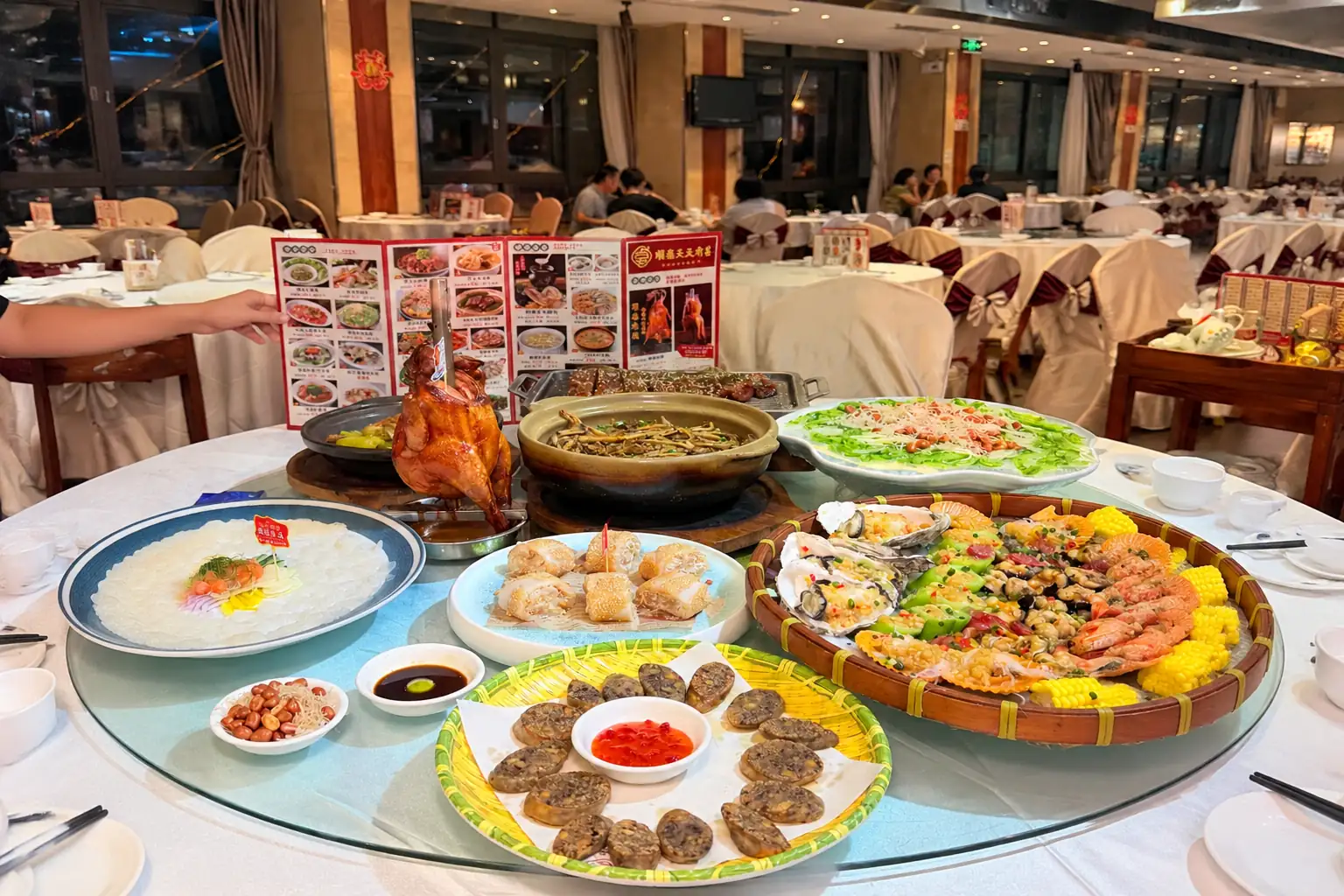
Daliang (大良) is a practical starting point: pair Qinghui Garden with a milk-dessert stop and a Cantonese meal.Chencun, Lunjiao and Ronggui offer other food experiences but are separate areas, not one walkable food street.For a short visit, choose one main neighborhood and plan any extra stops around real transport connections.
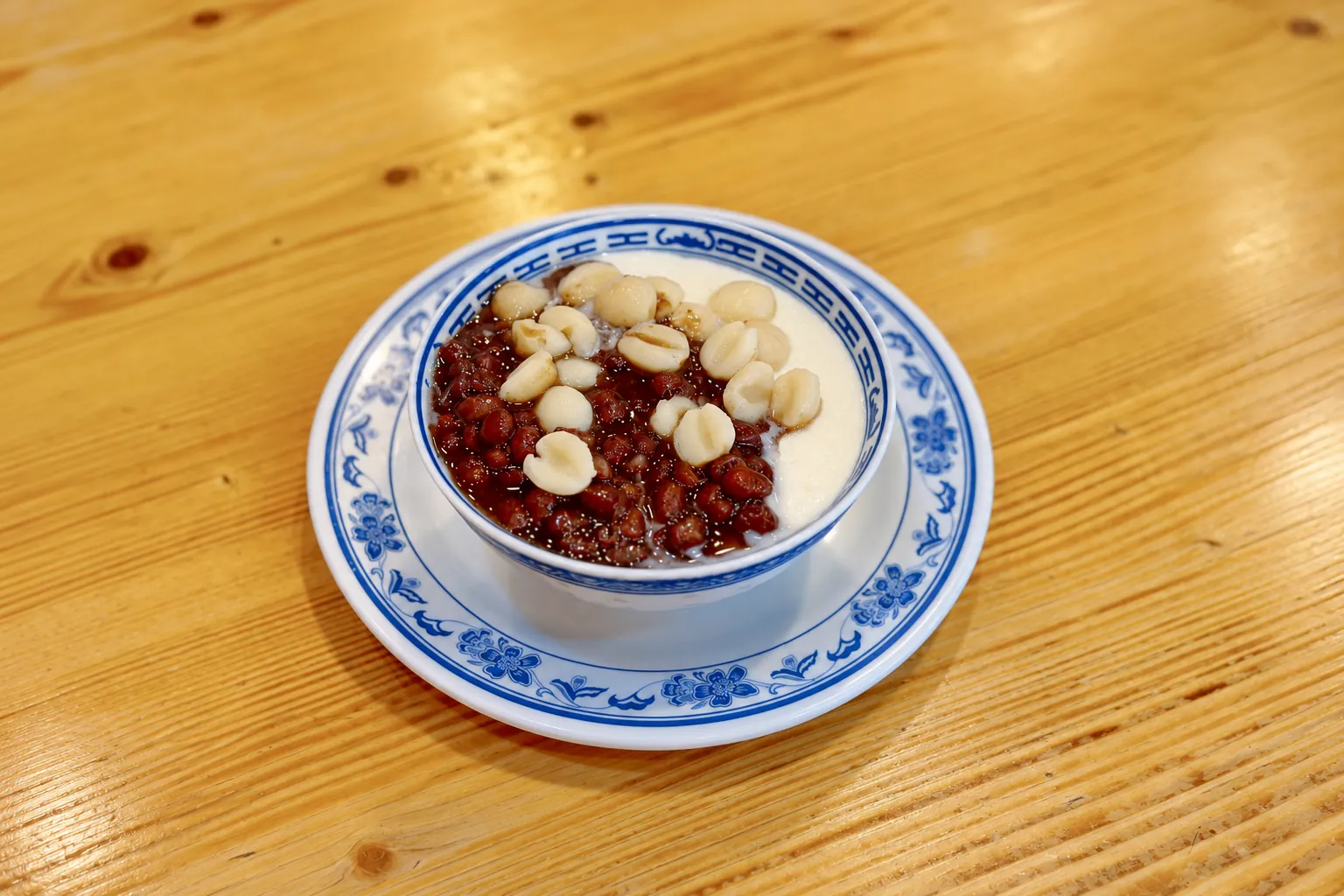
Double-skin milk (双皮奶, shuāng pí nǎi) is a gently set, lightly sweet milk custard famous in Shunde.Its silky texture makes it an easy first taste of local cuisine.Order the plain version to appreciate the milk flavor, or try a topping such as red beans.Traditional dessert shops around Daliang are a convenient choice after visiting Qinghui Garden.
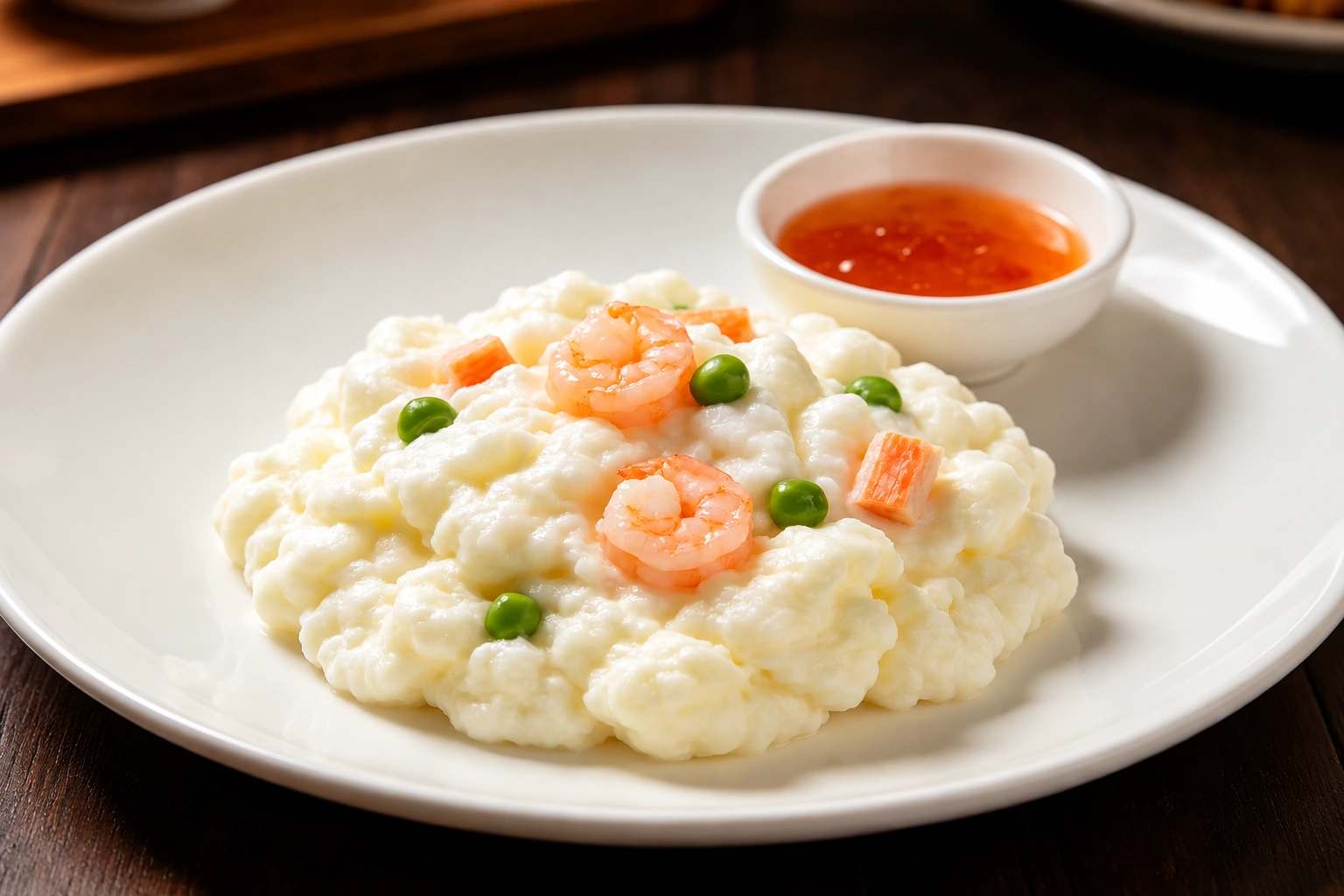
These are two different Shunde specialties.Stir-fried milk (炒牛奶, chǎo niú nǎi) is a savory, soft-textured dish that may include shrimp or other ingredients.Fried milk (炸牛奶, zhá niú nǎi) has a crisp coating around a creamy milk-based center.Ask how each is prepared, especially if you have dairy, egg or shellfish allergies.
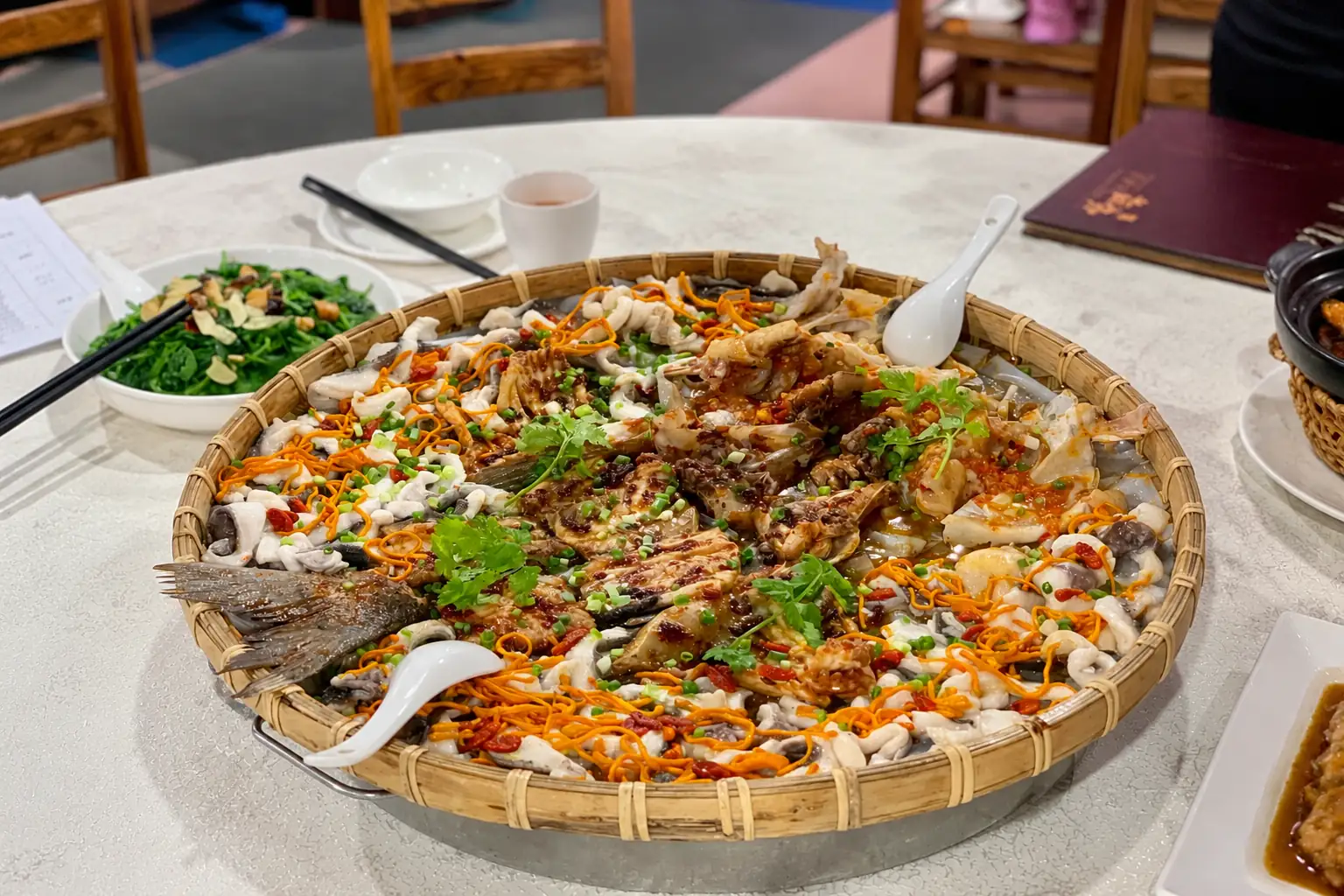
Shunde's waterways helped shape its freshwater-fish cooking.Try steamed fish (清蒸鱼, qīng zhēng yú), Shunde-style fish cakes (鱼饼) or a fish soup.Seasoning is often restrained to highlight the ingredients.For whole fish, confirm whether the price is per weight and ask about small bones before ordering.
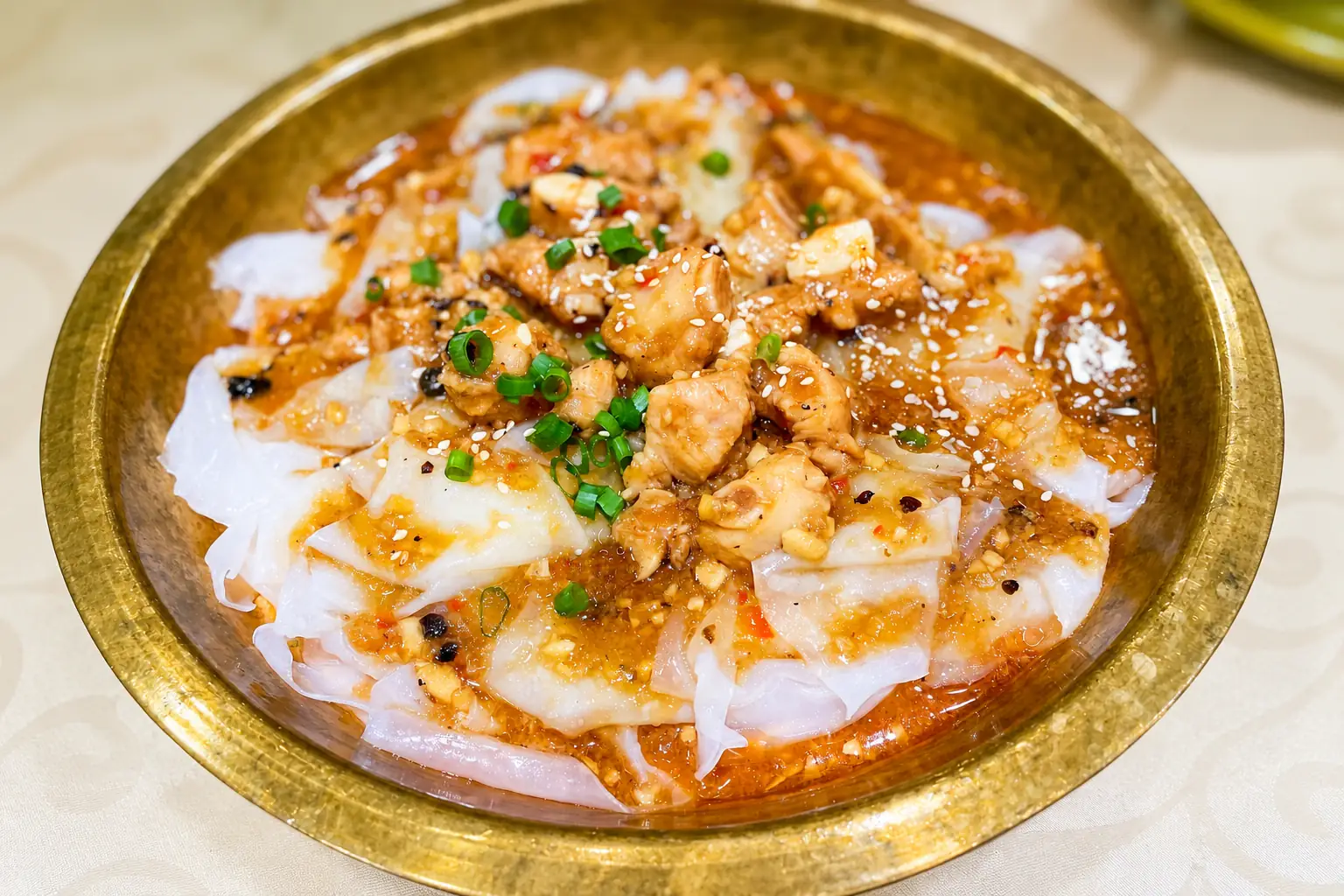
Chencun rice noodles (陈村粉, Chéncūn fěn) are delicate rice sheets cut into broad, soft strips.Their smooth texture absorbs sauces and savory toppings.The dish comes from Chencun in Shunde, though you can find it in other parts of the region.Look for a noodle specialist if Chencun is on your route.
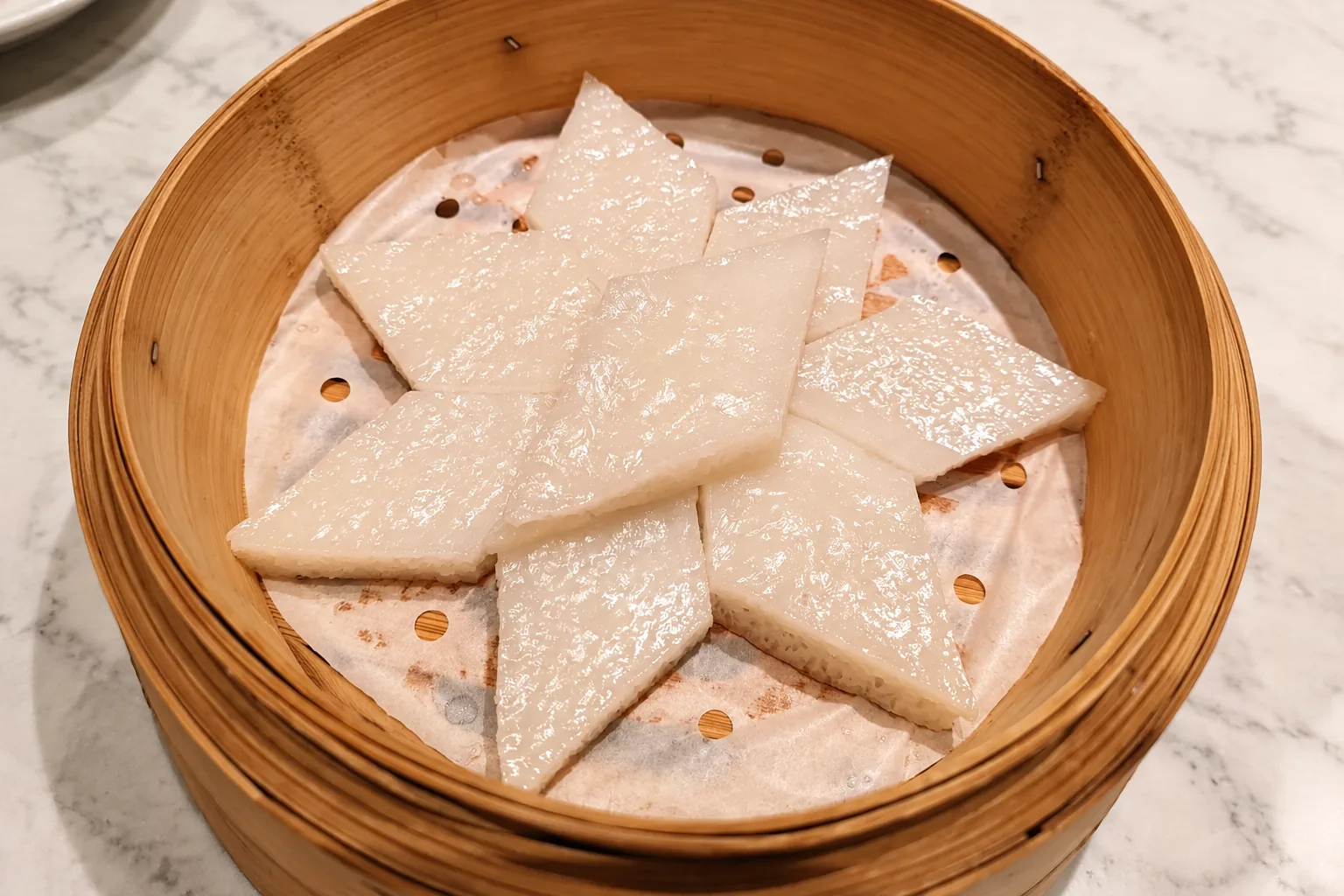
Lunjiao cake (伦教糕, Lúnjiào gāo) is a lightly sweet steamed cake made from fermented rice batter.Tiny air pockets give it a soft, springy texture and a subtle tang.Named for Lunjiao in Shunde, it is a good snack or addition to Cantonese morning tea.Look for fresh slices at traditional bakeries or snack shops.

For a savory main meal, consider roast goose (烧鹅, shāo é), valued for its crisp skin, or eel claypot rice (鳝鱼煲仔饭), where seasoned rice cooks in a clay pot and may form a flavorful crust.These are separate dishes and are not offered at every restaurant.Ronggui is one area to explore for Cantonese meals; check menus before traveling specifically for either dish.
Daliang is a good base for Qinghui Garden, double-skin milk and Cantonese restaurants.Chencun is associated with rice noodles; Lunjiao with fermented rice cake; and Ronggui with a wider choice of local meals.These are different areas, not one walking route.Select a neighborhood according to your interests and verify restaurant locations before adding another stop.
For a first visit, allow a separate Shunde outing rather than squeezing Daliang into a busy Chancheng sightseeing day.Combine Qinghui Garden with a dessert stop and one unhurried meal.The itinerary section shows how to organize the districts.
One day in Foshan is enough for the historic center of Chancheng: Foshan Ancestral Temple, Lingnan Tiandi and dinner nearby. With two days, add Qinghui Garden and a Shunde food route in Daliang. A three-day Foshan itinerary gives you one extra choice: Shiwan pottery or a full-day visit to Xiqiao Mountain. Stay four days to do both, or five for a slower pace and an optional Fengjian Water Town trip. The routes below group stops by district. Attraction durations are estimates and exclude transfers, meals and waiting time.
Day 1: Explore Chancheng's Zumiao and Lingnan Tiandi. Day 2: Visit Qinghui Garden and enjoy Shunde cuisine in Daliang. Day 3: Choose Shiwan's ceramic heritage or a full-day outing to Xiqiao Mountain. The two Day 3 options are alternatives, not stops to combine in one day. Choose the four-day plan if you want to visit both.
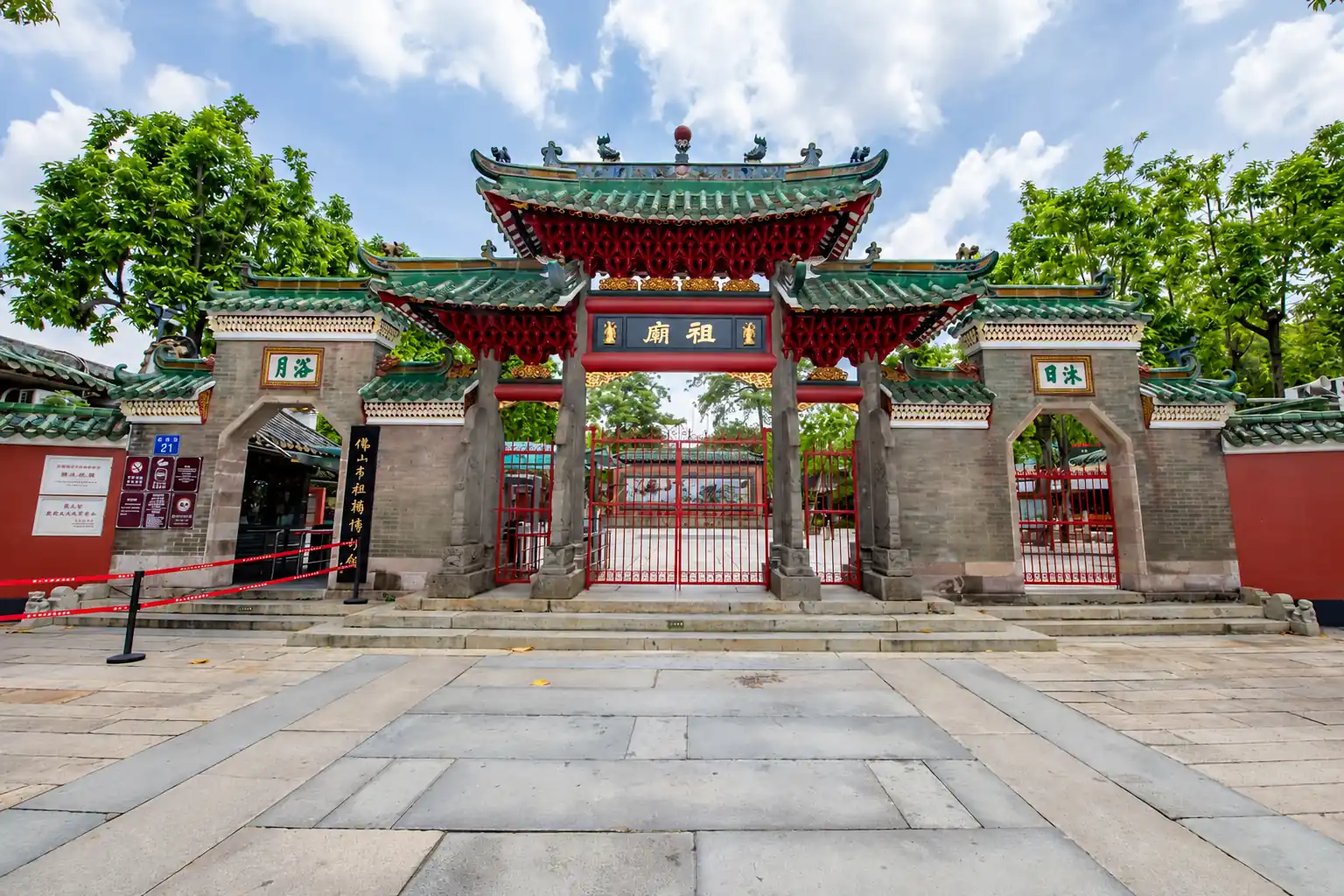
Start at Foshan Ancestral Temple (佛山祖庙) in central Chancheng, a useful introduction to Lingnan architecture and Foshan's martial arts heritage. From the Guangfo Line, use Zumiao Station and follow the signs to the temple. Allow 1.5–2 hours for the complex and displays. If lion dance or kung fu is a priority, check the day's performance schedule before arriving.
Browse Foshan Attractions →Walk to nearby Lingnan Tiandi, where restored Lingnan buildings, pedestrian lanes, shops and restaurants make an easy afternoon stop. Allow 2–3 hours to explore the architecture and take a break. Liang's Garden is an optional extra, but it requires a separate journey; include it only if you have enough time.
Explore Things to Do in Foshan →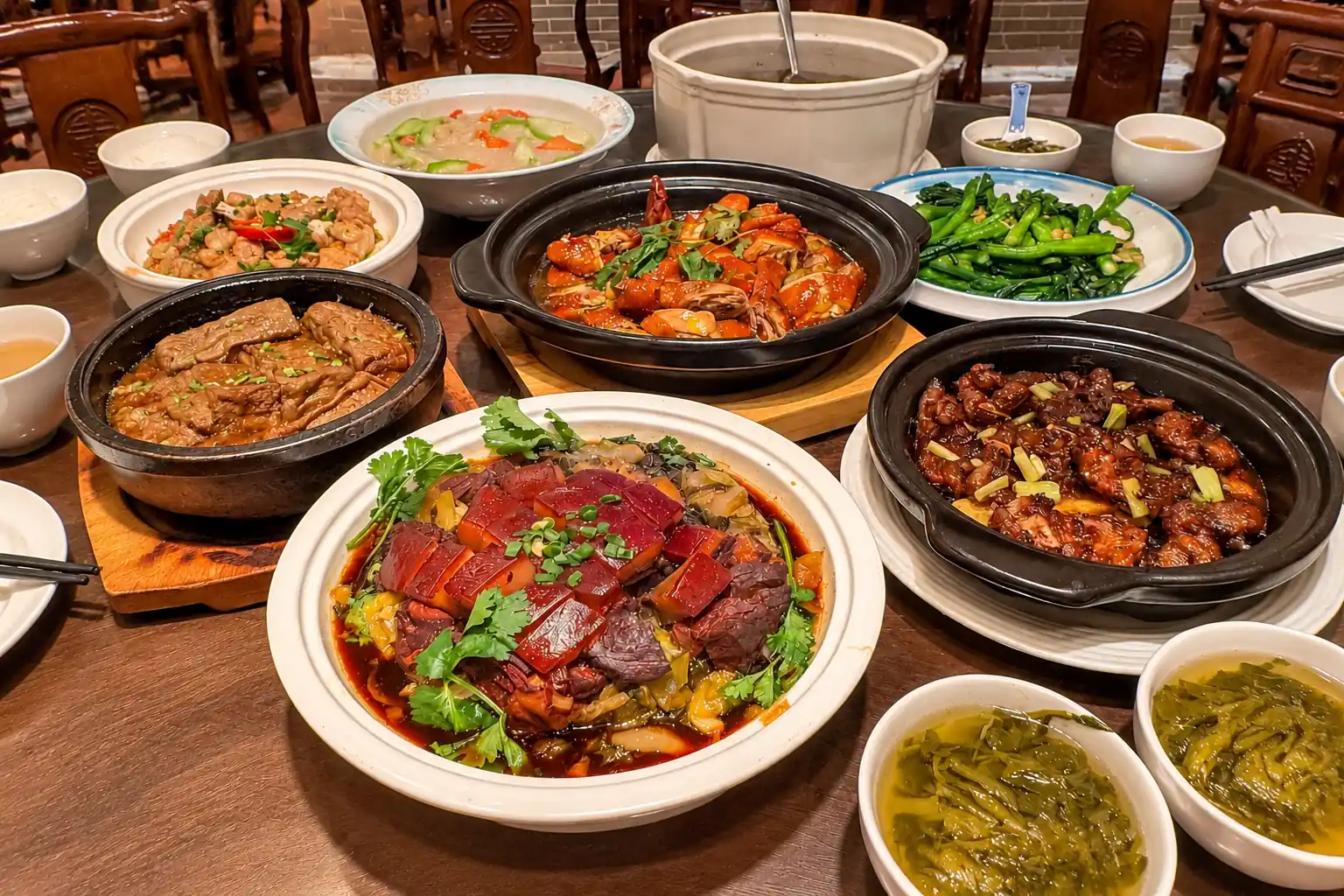
Stay in Chancheng for dinner near Lingnan Tiandi, Zumiao or your hotel. This avoids crossing districts after sightseeing. Choose a Cantonese restaurant for shared dishes or seasonal specialties, and save a dedicated Shunde food route for Day 2 in Daliang.
Explore the Foshan Food Guide →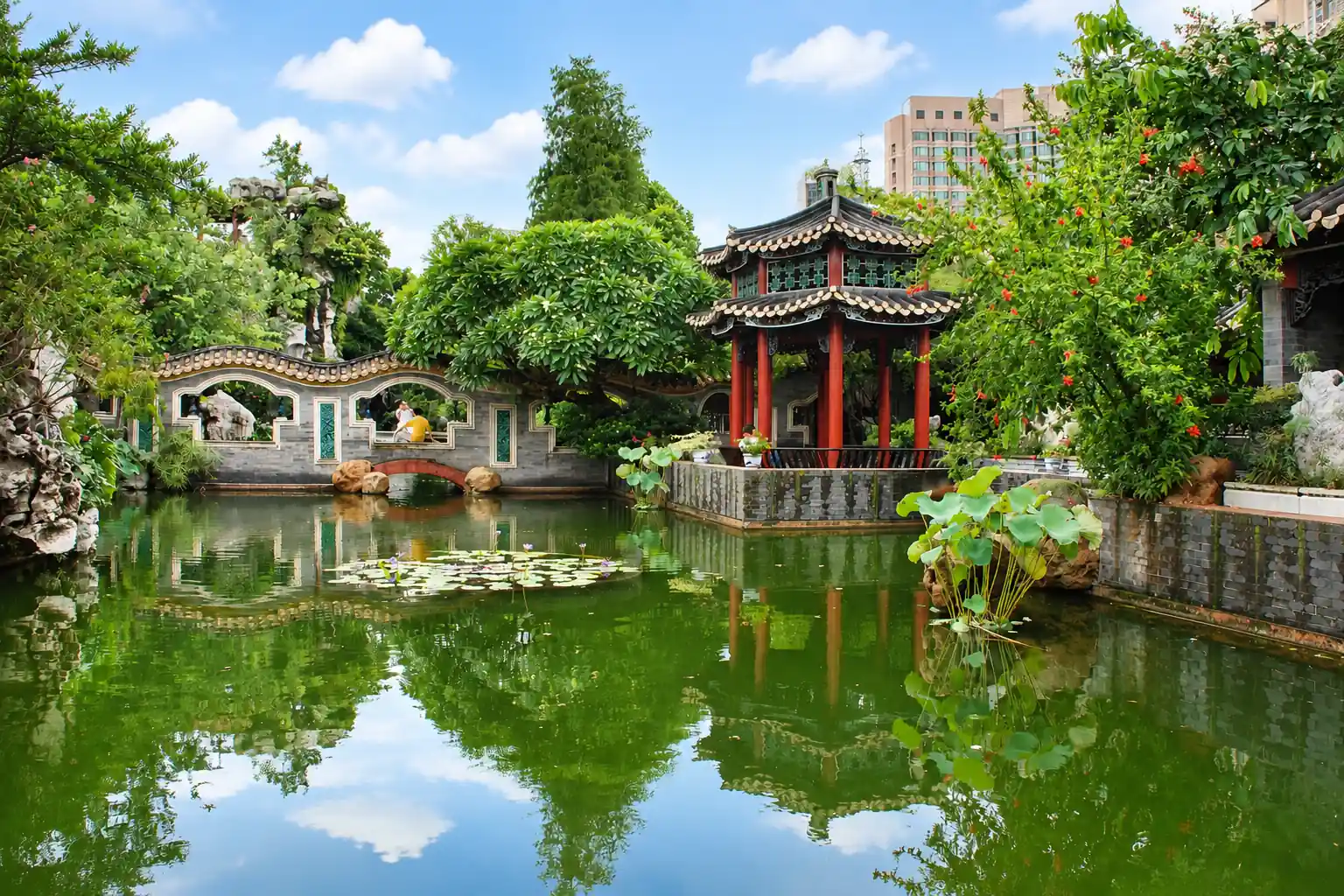
Travel to Daliang in Shunde in the morning. Daliang Zhonglou Station (大良钟楼站) on Foshan Metro Line 3 is a useful access point, but allow time for the journey from your hotel. Spend around 1.5–2 hours at Qinghui Garden (清晖园), exploring its courtyards, ponds, pavilions and Lingnan design, then continue into nearby streets for lunch.
Browse Foshan Attractions →Keep the afternoon around Daliang rather than trying to cover all of Shunde. Try double-skin milk (双皮奶) at a local dessert shop, then choose a restaurant for Shunde fish or other Cantonese specialties. Chencun, Lunjiao and Ronggui are separate food areas; save them for another visit unless you have arranged transport. Check restaurant locations before setting your route.
Compare Shunde Food Areas →Choose Shiwan for ceramics, craft history and a slower cultural visit. Foshan Metro Line 2 to Shiwan Station (石湾站) is a useful access point. At Nanfeng Ancient Kiln (南风古灶), discover Foshan's traditional ceramic heritage and dragon-kiln technology. Allow at least half a day; arrange a pottery workshop in advance and keep the rest of the day flexible.
Explore Things to Do in Foshan →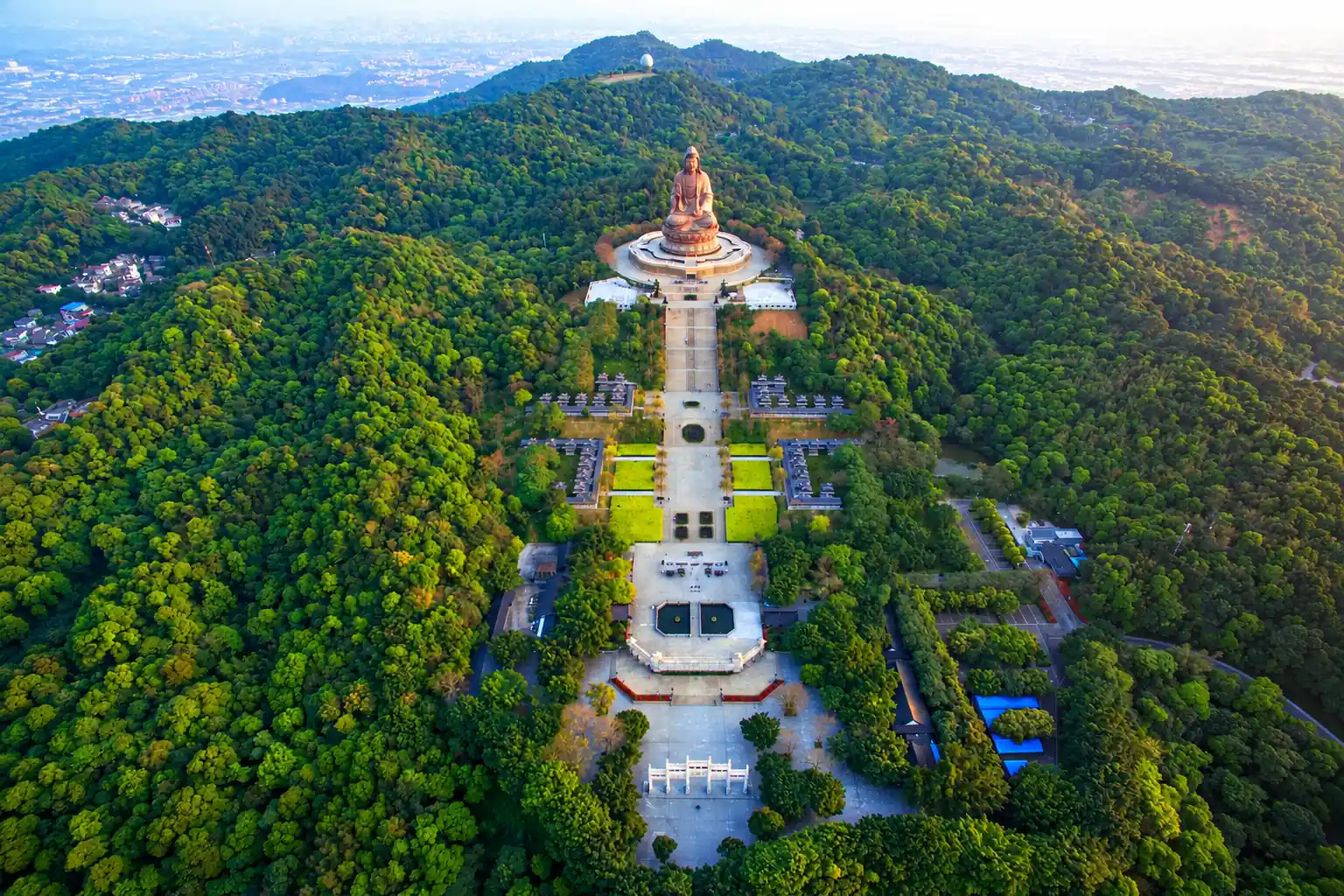
Choose Xiqiao Mountain (西樵山) if you prefer outdoor scenery. This is a full-day excursion in Nanhai, with green landscapes, walking routes and the Nanhai Guanyin area. Confirm the correct scenic-area entrance and any internal shuttle arrangements, and allow time for travel, walking and the return journey. This replaces the Shiwan option; do not schedule both on Day 3.
Browse Foshan Attractions →Build your trip around your arrival station, travel dates and interests. Use Chancheng for central heritage, Daliang for Shunde cuisine, and separate days for Shiwan or Xiqiao Mountain. These routes are flexible planning guides, not fixed tour schedules. Check attraction hours, transport services and workshop availability before finalizing your plans.
The best time to visit Foshan is generally late October to November, when lower humidity and milder conditions make sightseeing more comfortable. March and December are good alternatives; April is warmer and increasingly rainy. Foshan, in Guangdong Province, has hot, wet summers and relatively mild winters. For outdoor stops such as Xiqiao Mountain, check the weather closely; Shunde food outings and cultural activities offer more flexibility on rainy days.
Autumn is a good choice for walking around Foshan Ancestral Temple and Lingnan Tiandi, exploring Qinghui Garden or taking a scenic outing to Xiqiao Mountain. For October travel, note that the National Day holiday period near the start of the month can increase demand for trains and hotels. Weather varies from year to year, so treat this as seasonal guidance rather than a daily forecast.
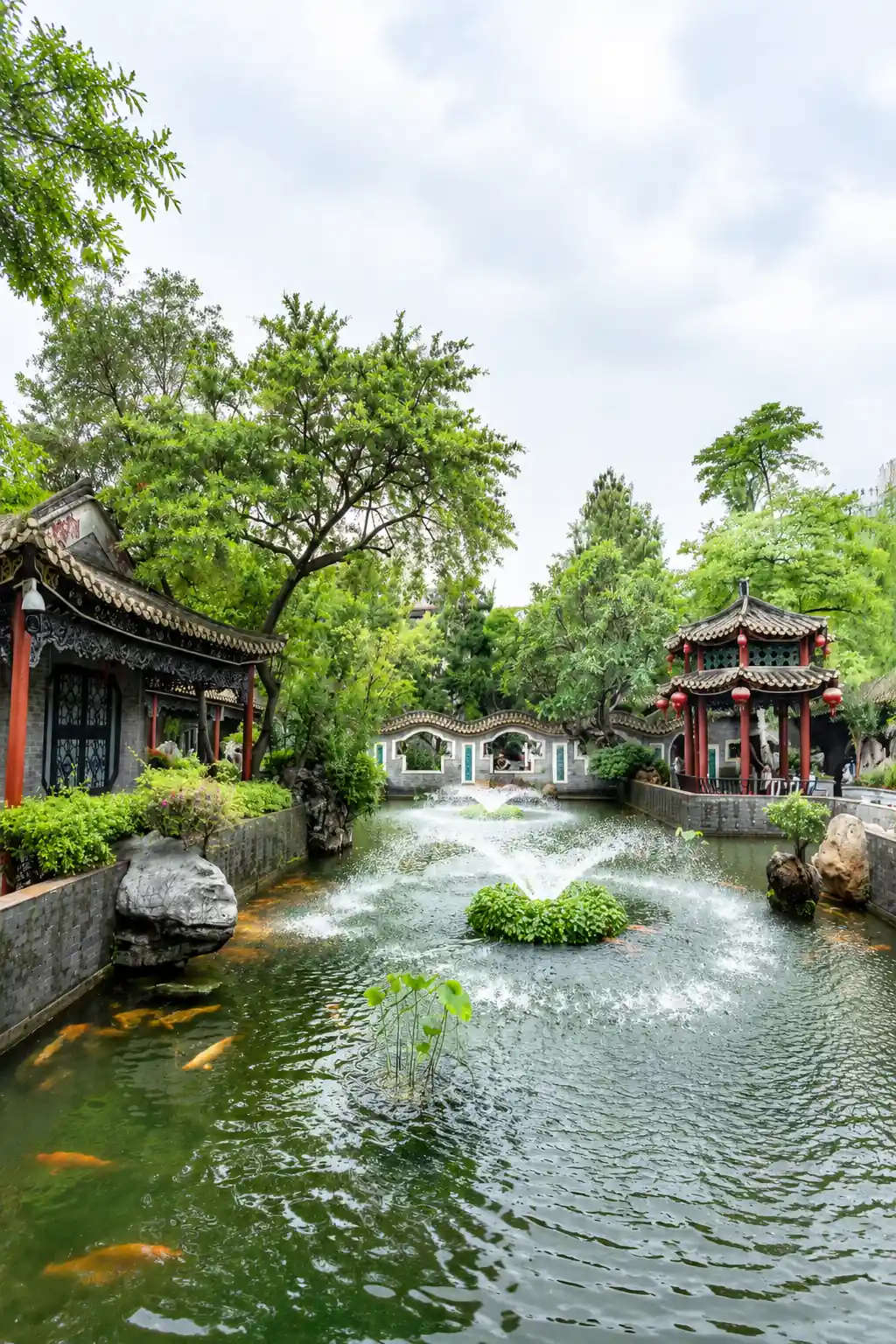
March to May. March is often pleasant for Qinghui Garden and heritage walks. Rain and humidity increase in April and May, so carry an umbrella and keep indoor cultural activities as a backup. Visit gardens early when the forecast looks favorable.
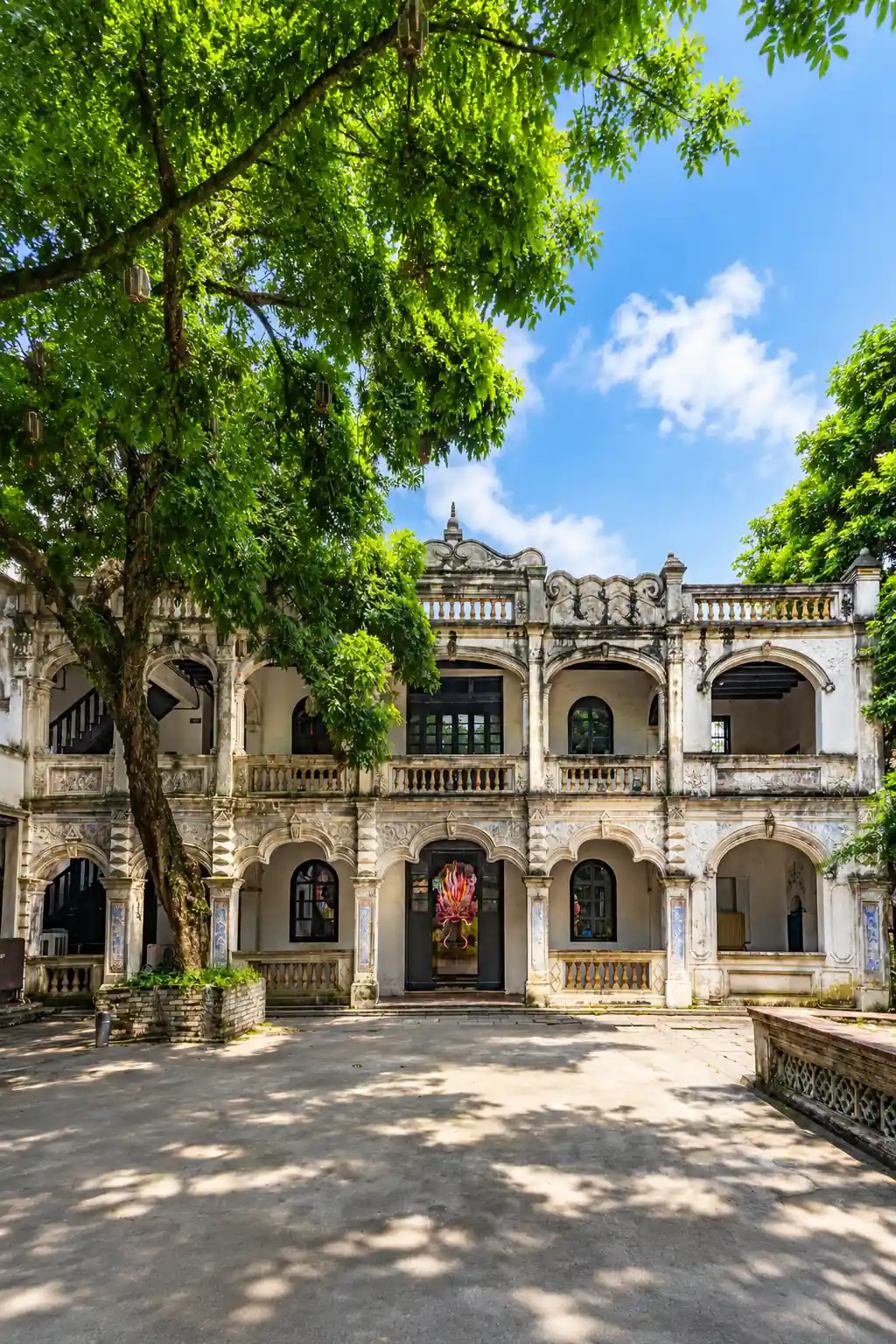
June to August. Expect strong heat, humidity and heavy showers. See outdoor sights in the morning and plan breaks indoors. A Shunde food outing is easier to adjust than a mountain excursion. Follow official storm warnings; postpone Xiqiao Mountain if severe weather is forecast.
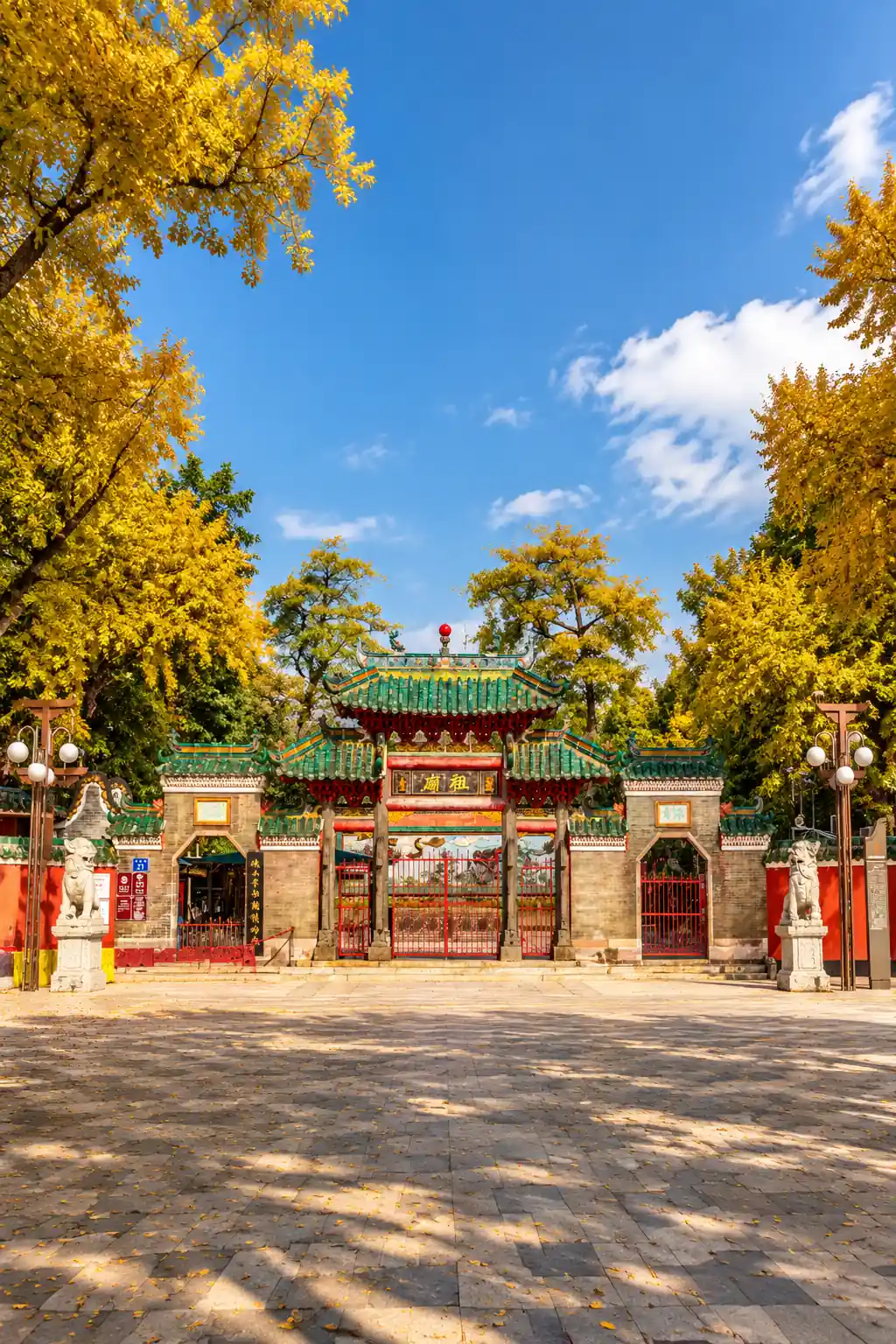
September to November. September can remain hot and wet; conditions generally improve in October and November. This is a good season for combining Zumiao, Lingnan Tiandi and outdoor scenery. Avoid assuming the early-October holiday period will be quiet.
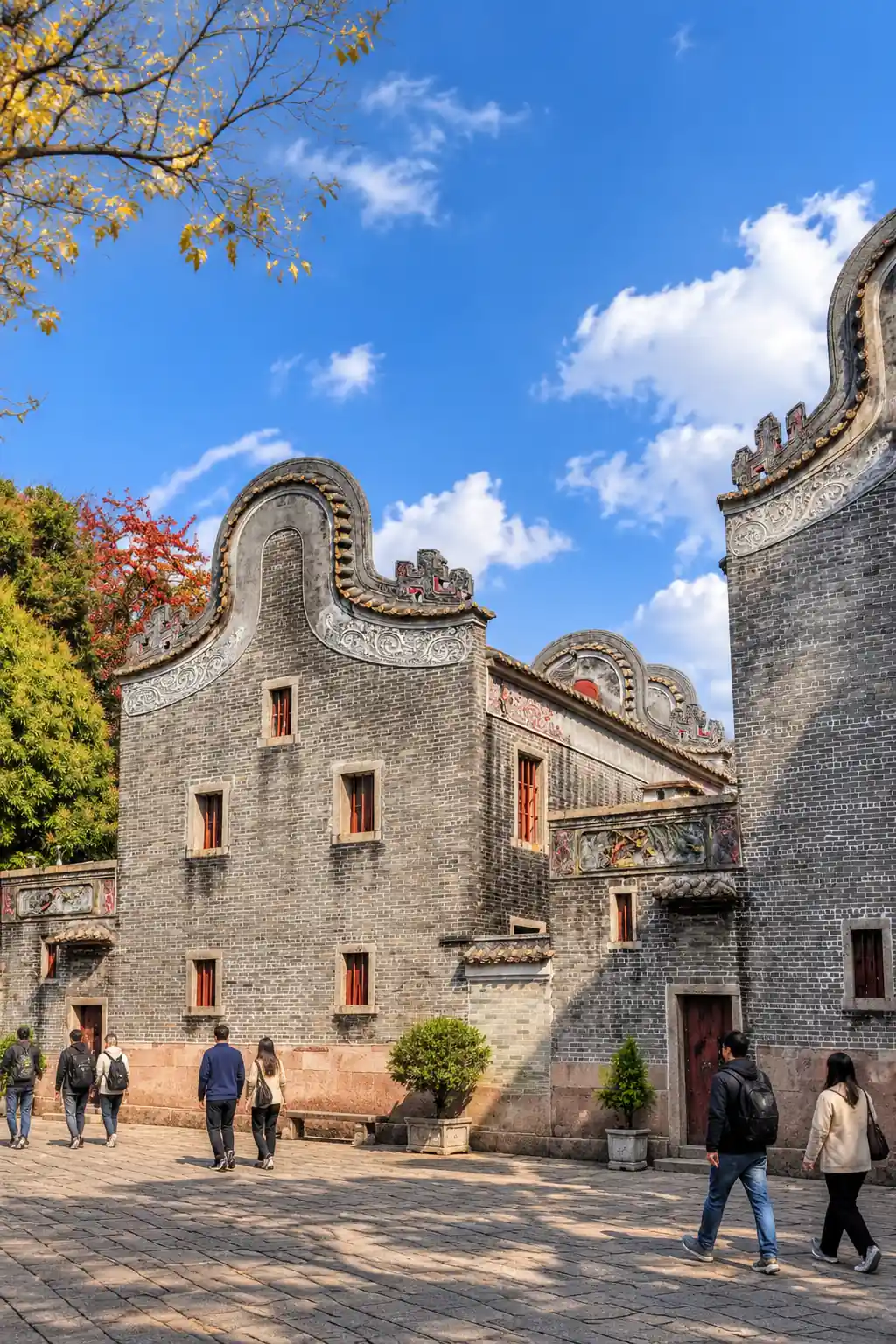
December to February. Winter is generally milder and drier than summer, although cold fronts can bring chilly days. It suits historic streets, Cantonese morning tea and Shiwan pottery. Pack a light layer and check venue hours if visiting around Chinese New Year.
For dry, comfortable days, prioritize walking routes and Xiqiao Mountain. If rain interrupts your plans, switch to local dining or a bookable Shiwan pottery activity. Check forecasts, attraction notices and transport advisories shortly before departure.
The best area to stay in Foshan depends on your itinerary. Zumiao and Lingnan Tiandi in Chancheng suit most first-time visitors; Daliang in Shunde is better for a food-focused stay. Choose Guicheng or Qiandeng Lake in Nanhai for modern hotels and business travel, or Foshan West Railway Station for a rail stopover. Compare exact hotel addresses and nearby metro stations before booking: Foshan's districts are too spread out to treat as one walkable center.
For a 1–3 day Foshan trip, the area around Zumiao Station (祖庙站) on the Guangfo Line is a convenient base. Foshan Ancestral Temple and Lingnan Tiandi are close enough to combine on foot, with restaurants and evening shopping nearby. The metro also connects toward Guangzhou. This is a strong choice when your first day centers on historic Chancheng rather than distant attractions.
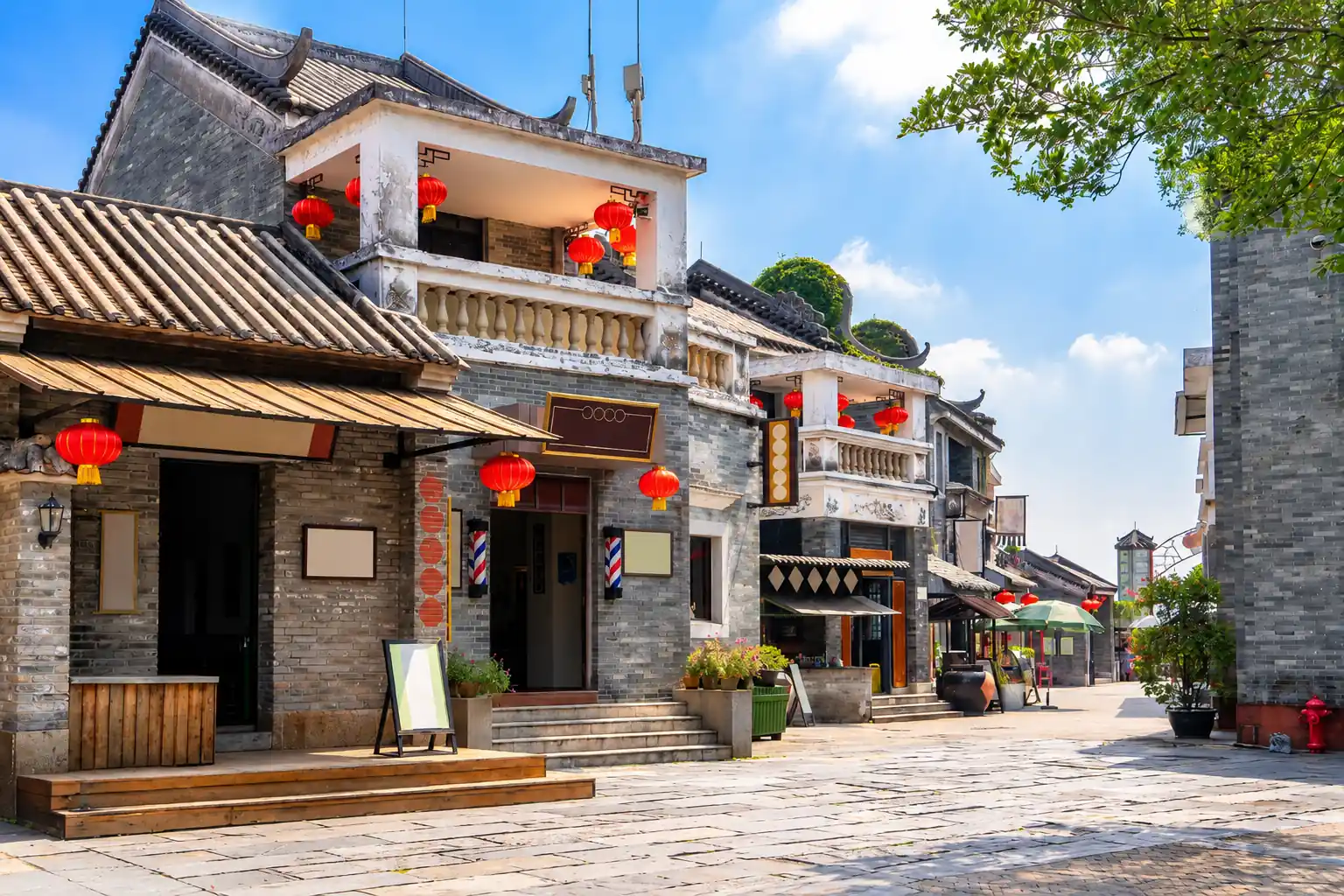
In Chancheng (禅城区), compare hotels near Zumiao Station with those on quieter streets a little farther from Lingnan Tiandi. The busiest pedestrian and commercial areas are convenient for dining, but can be noisy at night. Check the walking route from your preferred station exit, luggage access and recent room reviews. If your itinerary includes Shunde, plan a separate cross-district journey rather than assuming it is next door to your hotel.
Stay in Daliang (大良) if your priority is Shunde's Cantonese restaurants and traditional desserts. Accommodation near Qinghui Garden (清晖园) puts local streets and food stops within easier reach. Daliang Zhonglou Station (大良钟楼站) on Foshan Metro Line 3 is a useful transport reference, though the walking distance varies by property. Chencun, Lunjiao, Ronggui and Fengjian Water Town are separate areas, so do not choose a Daliang hotel expecting to walk to all of them.
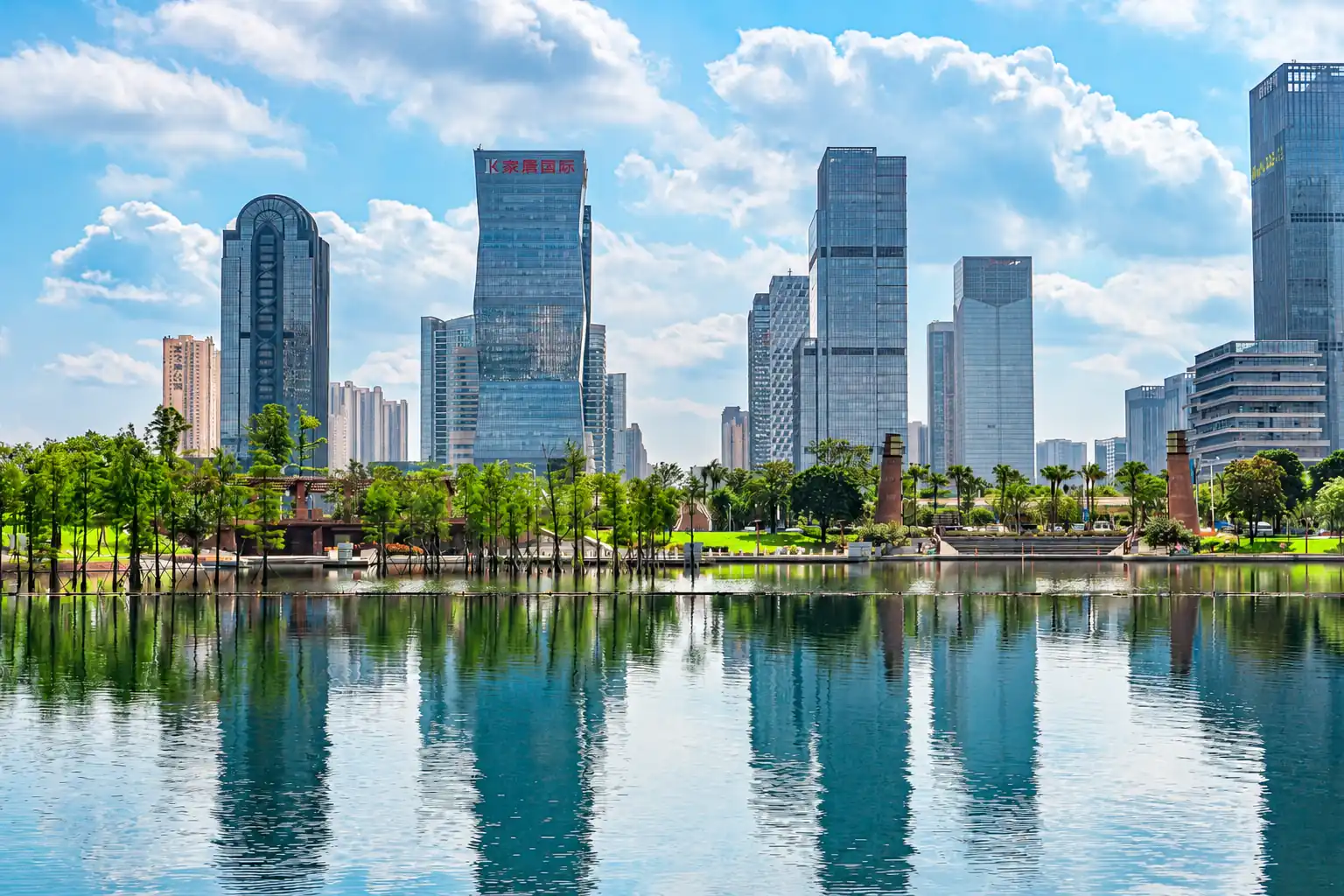
Guicheng (桂城) and Qiandeng Lake (千灯湖) offer modern hotel choices, shopping and business facilities. Both Guicheng and Qiandeng Lake stations are on the Guangfo Line, with connections toward Guangzhou and central Foshan. These are different neighborhoods, however; a hotel marketed as being near Qiandeng Lake may be far from your meeting venue or preferred park entrance. Check the actual address and walk to the nearest station.
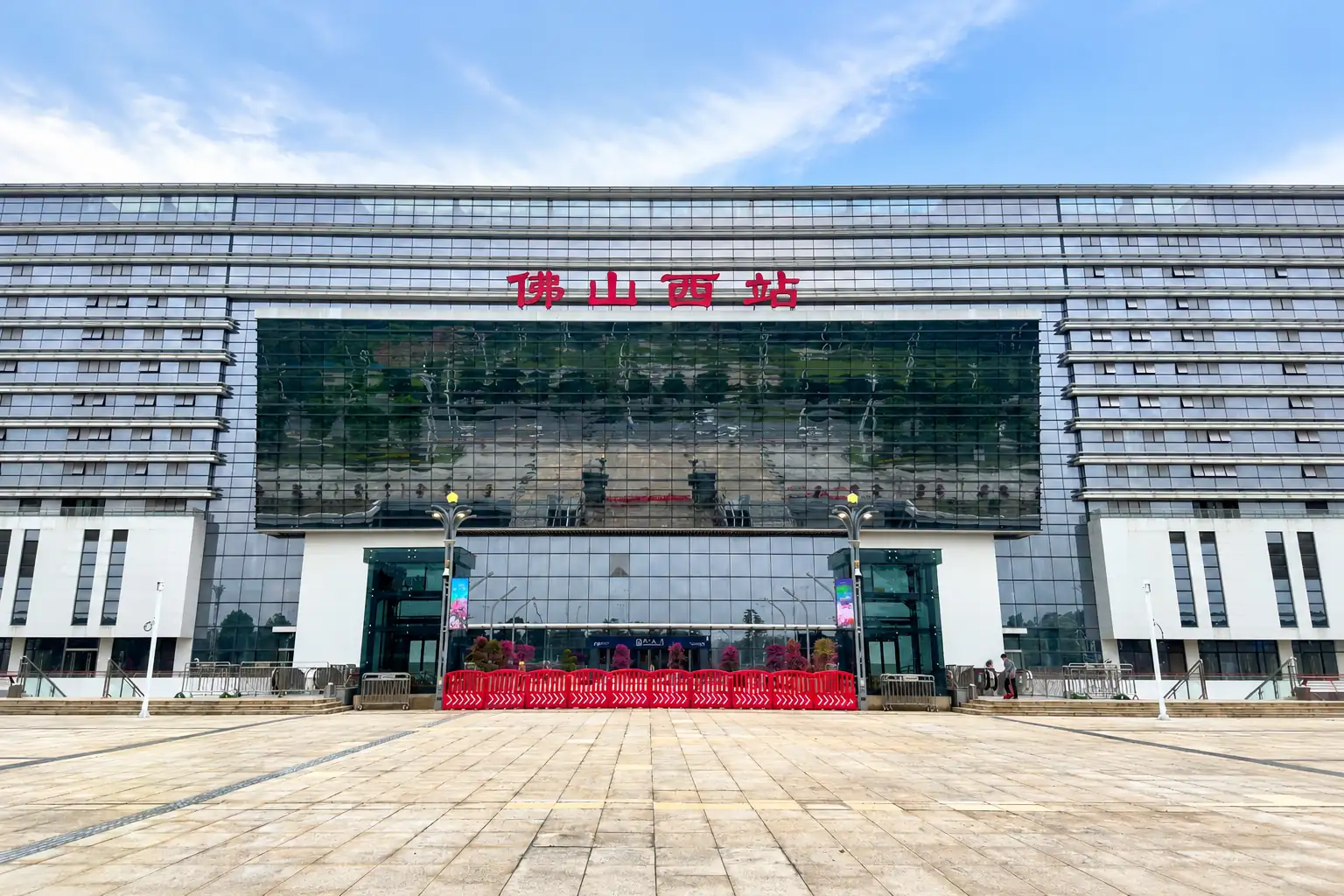
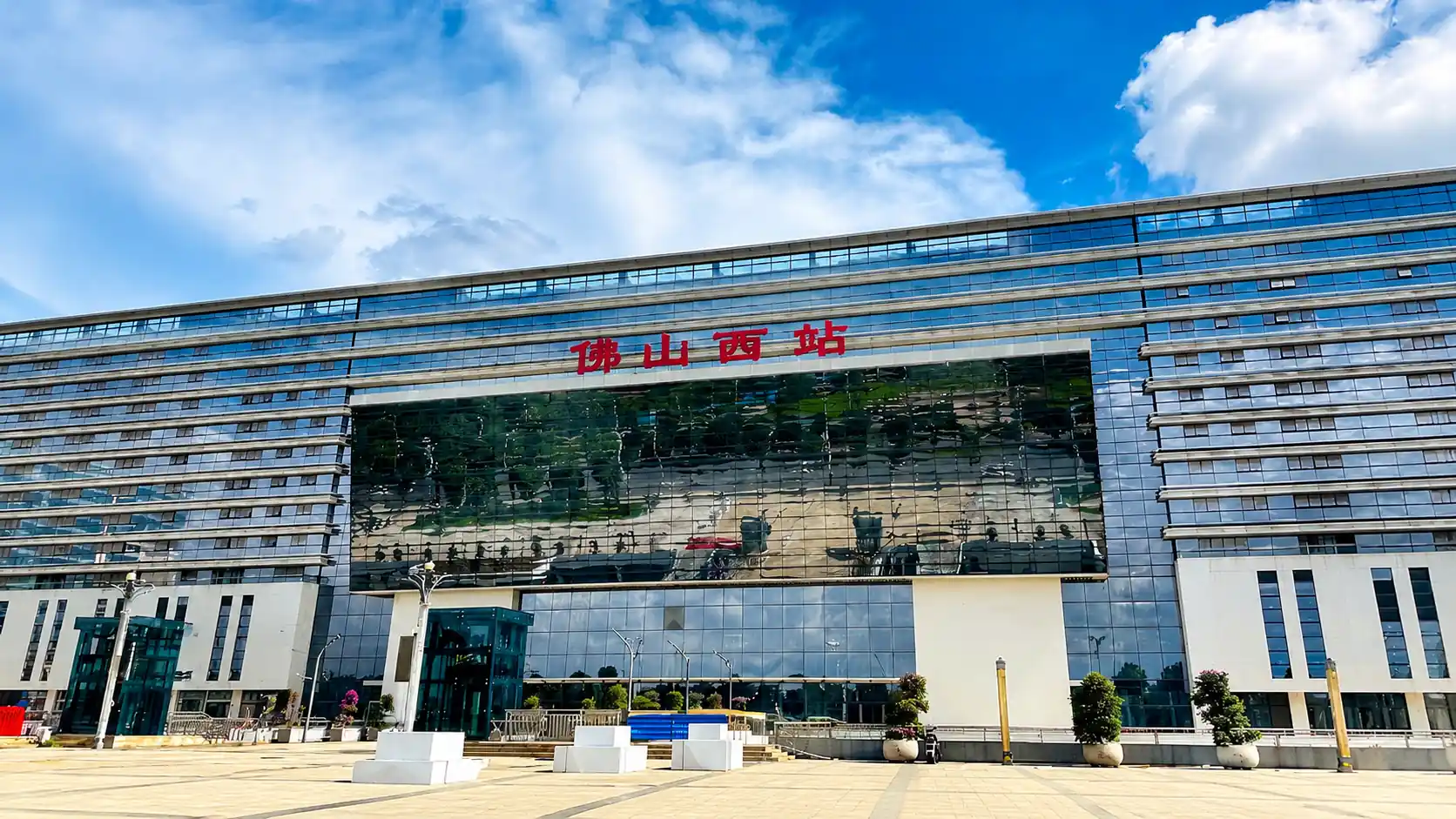
A hotel near Foshan West Railway Station (佛山西站) makes sense for an early train, late arrival or short stopover. The station is in Nanhai District and connects with Foshan Metro Line 3, but it is not an ideal base for walking around Zumiao or Lingnan Tiandi. Check whether your hotel requires a taxi from the station and which entrance to use. Foshan West and Foshan Railway Station are different hubs: match the hotel location to your ticket.
Before booking, compare door-to-door travel time with the nearest metro station and your main attraction or meeting location. Check recent reviews for noise and cleanliness, confirm cancellation terms, luggage storage and the hotel's actual entrance. International visitors should have the identification required at check-in and confirm any language or accessibility support they need. For multi-district trips, choose your daily route first, then your accommodation base.
The easiest route to Foshan depends on your arrival point and destination district. The Guangfo Line serves Zumiao and parts of Nanhai; Foshan Metro Line 2 connects with Guangzhou South Railway Station; and Foshan Metro Line 3 links key areas of Nanhai, Chancheng and Shunde. Check your ticket carefully: Guangzhou South, Foshan Railway Station and Foshan West Railway Station are three different stations. The routes below cover the main connections and practical last-mile options.
For Foshan Ancestral Temple and Lingnan Tiandi, check the Guangfo Line to Zumiao. From Guangzhou South, Line 2 to Kuiqi Lu and a transfer to the Guangfo Line can work for central Chancheng. For a food-focused visit to Daliang in Shunde, compare the Guangzhou Metro Line 7–Beijiao Park–Foshan Line 3 route. Choose by your exact hotel or attraction address, not just the city name.
The Guangfo Line connects Guangzhou with Foshan's central areas without needing a separate intercity train ticket. Depending on where you start, transfer through the wider Guangzhou Metro network; Xilang and Lijiao are useful interchange points. Get off at Zumiao (祖庙) for Foshan Ancestral Temple and Lingnan Tiandi, or consider Guicheng (桂城) and Qiandeng Lake (千灯湖) for Nanhai. The Guangfo Line is not the direct route to every part of Shunde, so plan a separate connection if Daliang is your main destination.
Guangzhou South Railway Station (广州南站) is in Guangzhou. To reach central Chancheng by metro, take Foshan Line 2 toward Foshan and change at Kuiqi Lu (魁奇路) to the Guangfo Line for Zumiao and nearby heritage sights. If your destination is Daliang, Shunde, compare Guangzhou Metro Line 7 to Beijiao Park (北滘公园), then change to Foshan Line 3 toward Shunde. These are different routes; choose based on your hotel, luggage and final destination, and check the latest service information.
Foshan West Railway Station (佛山西站) is a major rail hub in Nanhai District and has a connection to Foshan Metro Line 3. It can be useful for rail journeys into or out of Foshan, but it is not the same station as Foshan Railway Station in Chancheng. Check the exact English and Chinese station name on your ticket, then compare the metro with a taxi if you have luggage or your accommodation is far from a station.
Foshan Railway Station (佛山站) in Chancheng District opened on July 1, 2026, with the Foshan Metro Line 3 station opening at the same time. It provides a rail arrival point for the central city. Foshan Station, Foshan West and Guangzhou South have different train services, so confirm the station and train number on China Railway 12306 before booking. After arrival, choose Line 3, an interchange or a taxi according to your final address.
Three routes are especially useful to visitors. The Guangfo Line serves Zumiao, Guicheng and Qiandeng Lake and continues into Guangzhou. Foshan Line 2 links Guangzhou South Railway Station with areas including Shiwan and the interchange at Kuiqi Lu. Foshan Line 3 became a connected north–south route on June 18, 2026, linking Nanhai, Chancheng and Shunde; the Foshan Railway Station stop followed on July 1. Check the current metro map for the direction, interchange, station exit and last train.
Many international visitors arrive at Guangzhou Baiyun International Airport (CAN). For Terminal 3 (T3), there is no direct metro station at the terminal. You can reach T3 by intercity rail via Baiyun Airport East Station, which is directly connected to the T3 Transportation Center. Alternatively, take Guangzhou Metro Line 3 or Line 9 to Gaozeng Station and transfer at Exit B to the dedicated airport shuttle bus; the ride takes about 15 minutes. Taxis, ride-hailing and airport coaches are also options. Check your terminal and the latest service times before departure. Foshan also has Foshan Shadi Airport (FUO), which primarily serves domestic routes. Confirm whether your ticket says CAN or FUO before arranging onward travel to Foshan.
Taxis and ride-hailing can be useful for luggage, late arrivals and attractions without a convenient metro stop. Save your hotel's or attraction's Chinese name and address so the destination is clear to the driver. At railway stations and airports, use signed taxi ranks or designated app pickup areas. For a Shunde food route with several separated stops, compare the full door-to-door journey instead of assuming every restaurant is walkable from the next.
Chancheng is a practical base for Zumiao, Lingnan Tiandi and Shiwan pottery. Nanhai includes Guicheng, Qiandeng Lake and Foshan West Railway Station. Shunde is a major food destination, especially around Daliang. These districts are not one compact sightseeing area. Group nearby attractions together and allow a separate half-day or full day for Shunde when food is a priority. Use Line 3 or an appropriate road connection for cross-district journeys.
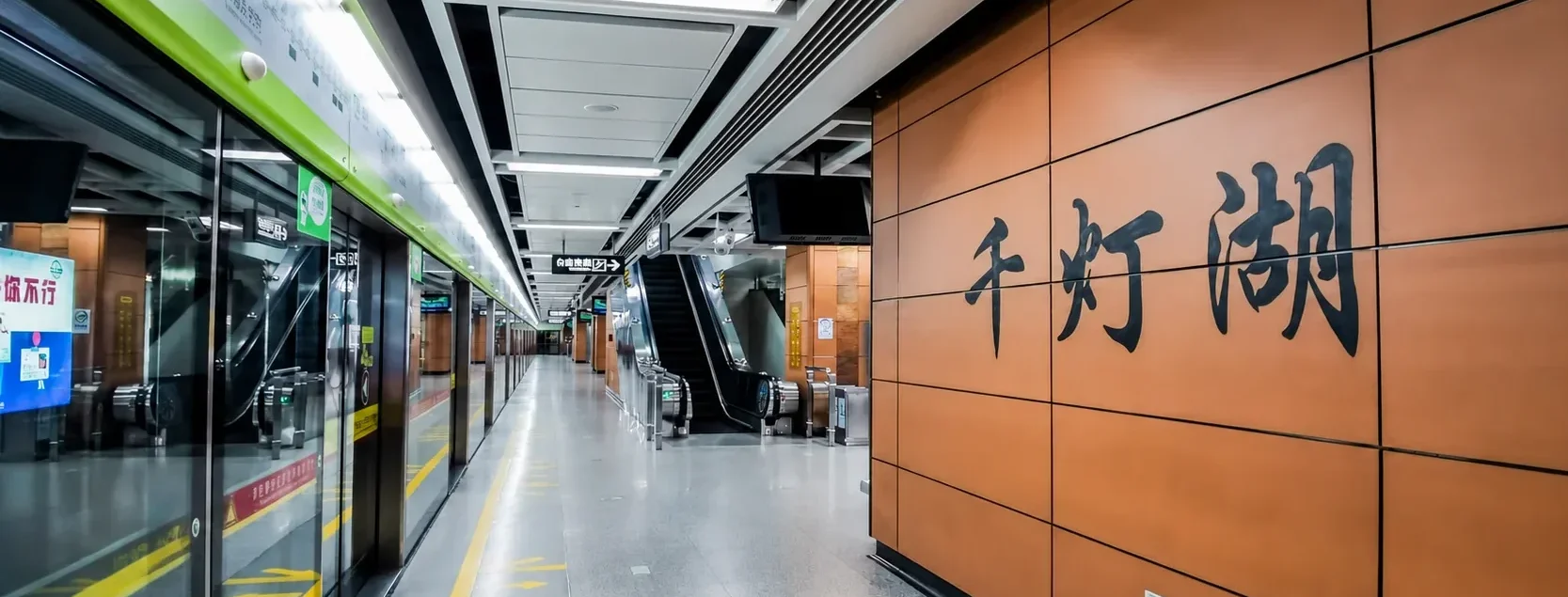
Confirm the exact airport or railway station on your ticket, then check the nearest metro station to your hotel and first attraction. Use Zumiao as a reference for central Chancheng and check connections toward Daliang for a Shunde food day. Recheck live train schedules, metro operating information and any service changes shortly before departure.
Looking for day trips from Foshan? Guangzhou is the easiest nearby city to combine with a short visit. Zhongshan offers modern Chinese history, while Zhaoqing is a choice for lakes and karst scenery. Jiangmen and Kaiping are better suited to a longer heritage excursion. These destinations differ in their final-mile connections: plan around the actual attraction, not just the city name. If you are staying in Shunde rather than central Chancheng, compare routes from your hotel before choosing a day trip.
For a longer Guangdong journey, pair Foshan's martial arts and Lingnan heritage with Guangzhou's museums and historic neighborhoods. Then consider Kaiping Diaolou and Villages in the Jiangmen area for architecture shaped by overseas Chinese history. The diaolou sites are scattered across rural locations, so allow substantial time for road transfers or plan an overnight stay. Treat this as a multi-day extension, not a single day trip. The order of stops can be adjusted to suit your arrival or departure city.
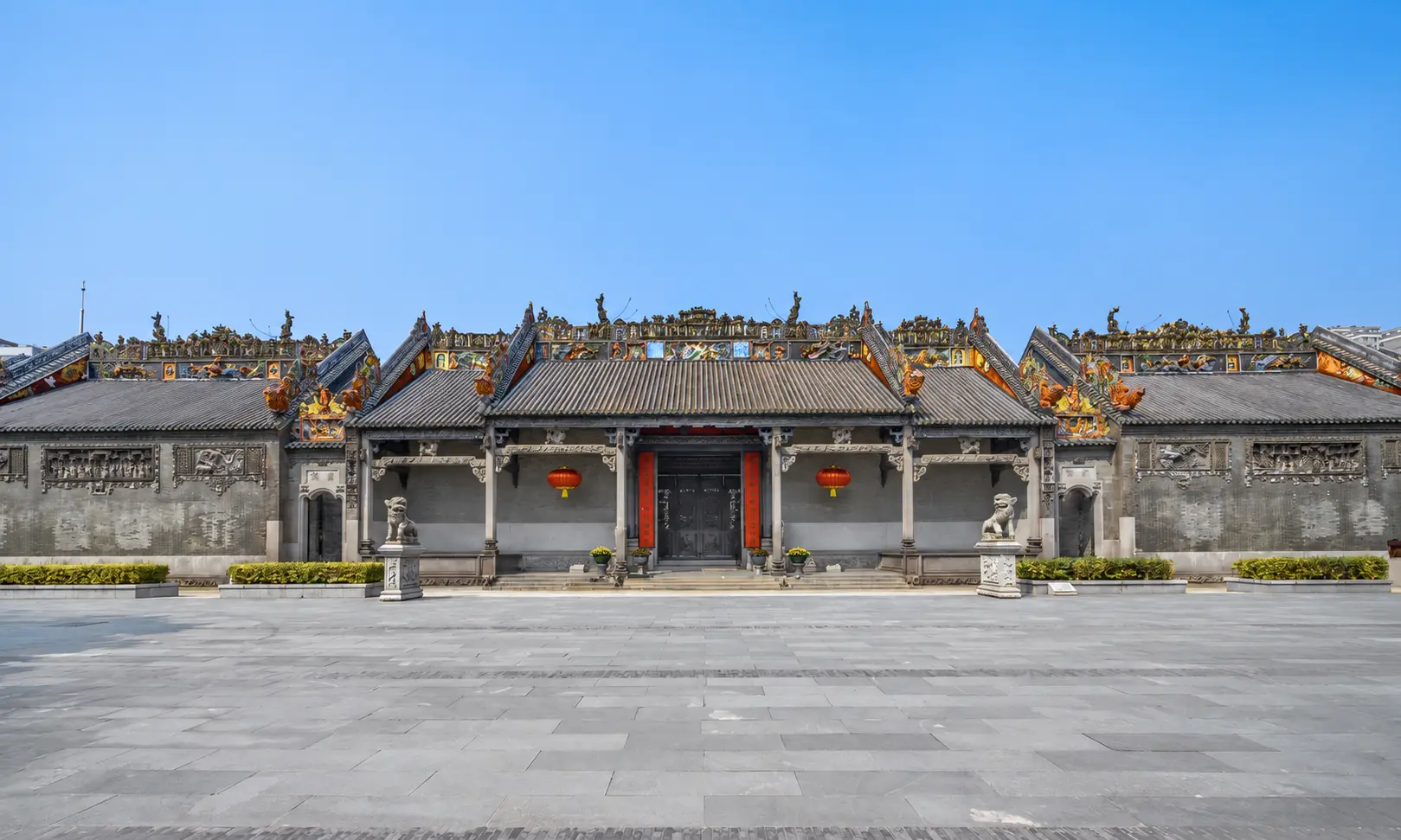
Best for an easy city day trip. Visit Chen Clan Ancestral Hall for Lingnan decorative arts, explore Shamian Island, or choose the Pearl River waterfront. Focus on one area instead of crossing Guangzhou repeatedly. The Guangfo Metro Line links the two cities, with additional transfers depending on your destination. See the Guangzhou–Foshan metro connection for the route toward central Foshan. Allow time for a metro change before reaching individual Guangzhou attractions; the Guangfo Line does not stop directly at every landmark.
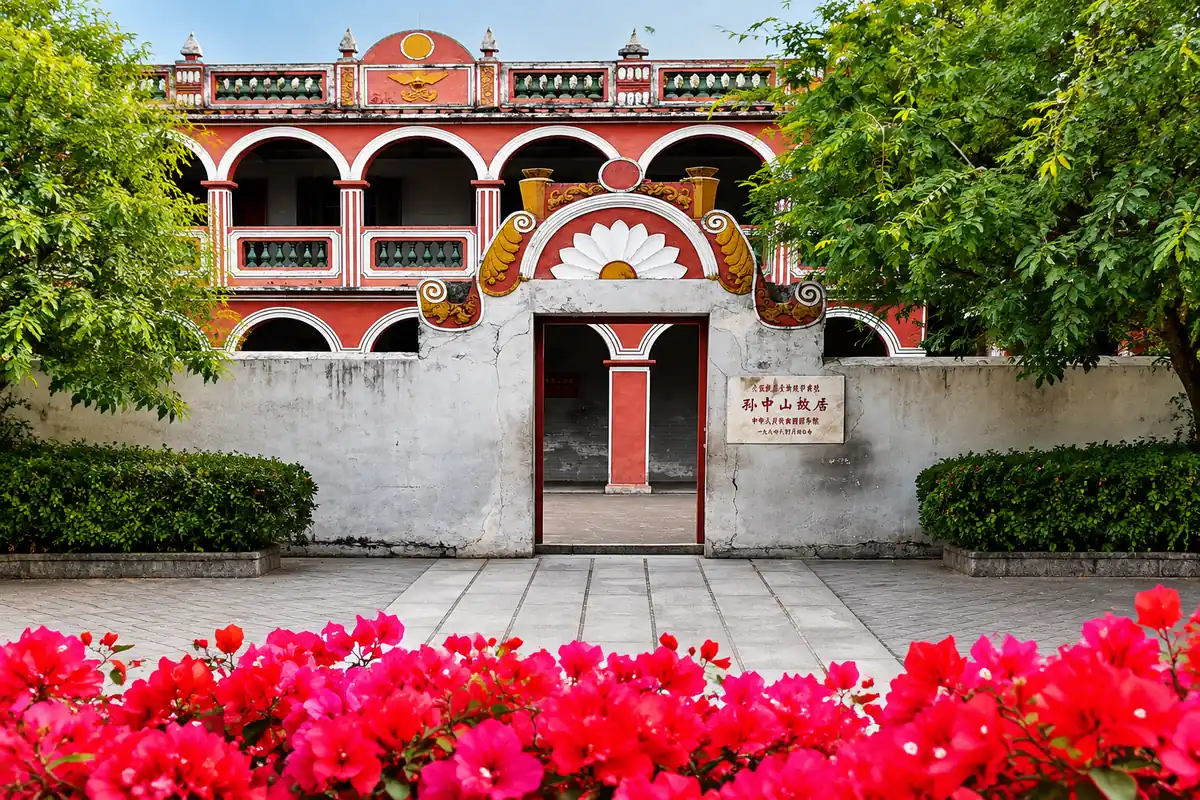
Best for modern Chinese history. The Former Residence of Sun Yat-sen in Cuiheng Village (翠亨村) is the main reason to consider this excursion. Allow for the onward journey from your rail or road arrival point: central Zhongshan and Cuiheng are not the same destination. A focused day may work, but choose your transport connections before deciding whether to return to Foshan that evening. If the former residence is your main priority, base the day's timing on its location in Cuiheng, not a generic Zhongshan city-center itinerary.
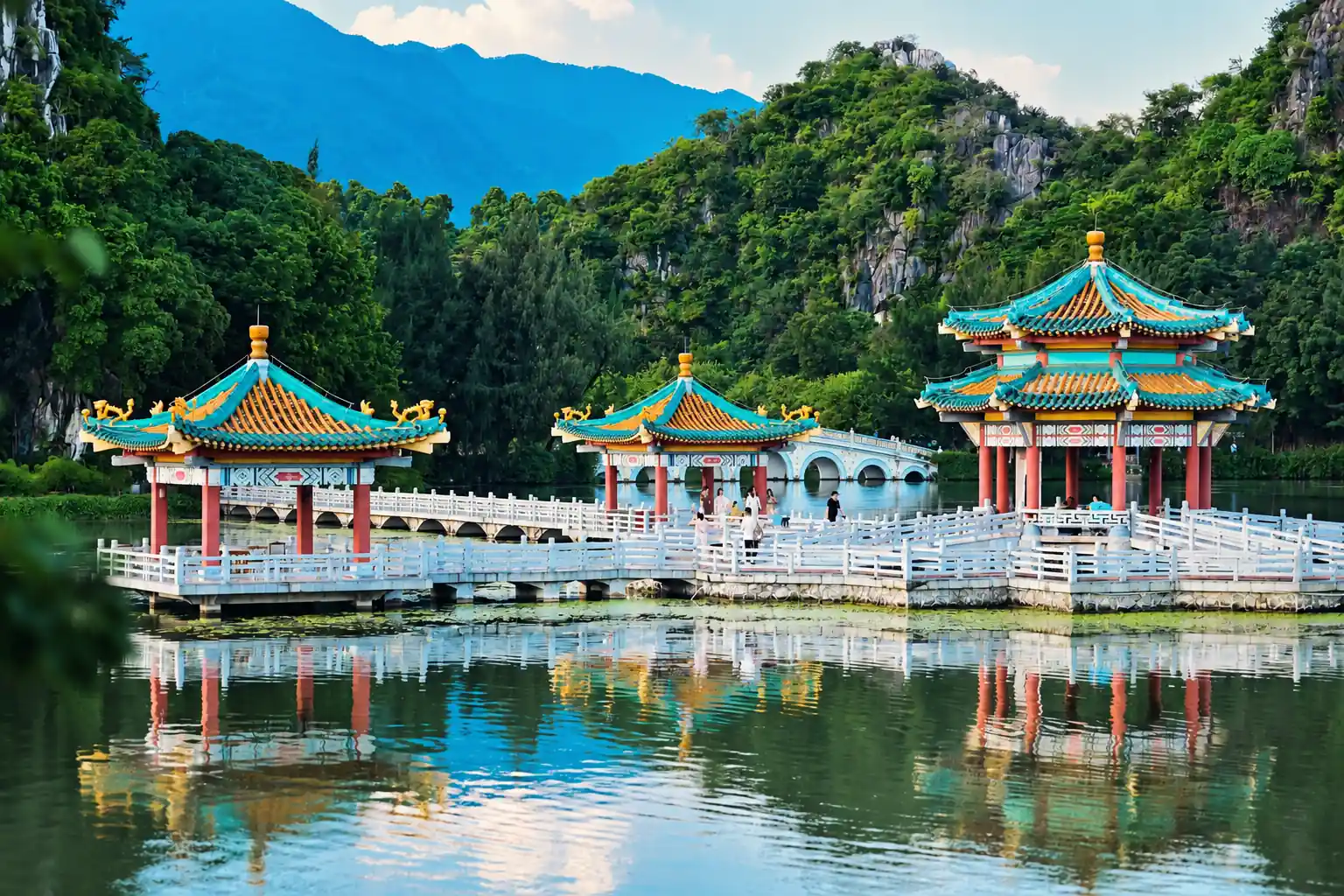
Best for scenery and nature. Seven Star Crags (七星岩) combines karst peaks and lakes, while Dinghu Mountain (鼎湖山) offers forested walking routes. For a Foshan day trip, choose one main scenic area: the transfer from your arrival station and time on foot both matter. Stay overnight if you want to enjoy both locations without rushing. Seven Star Crags suits a lake-and-karst landscape walk; Dinghu Mountain is a more nature-focused choice.
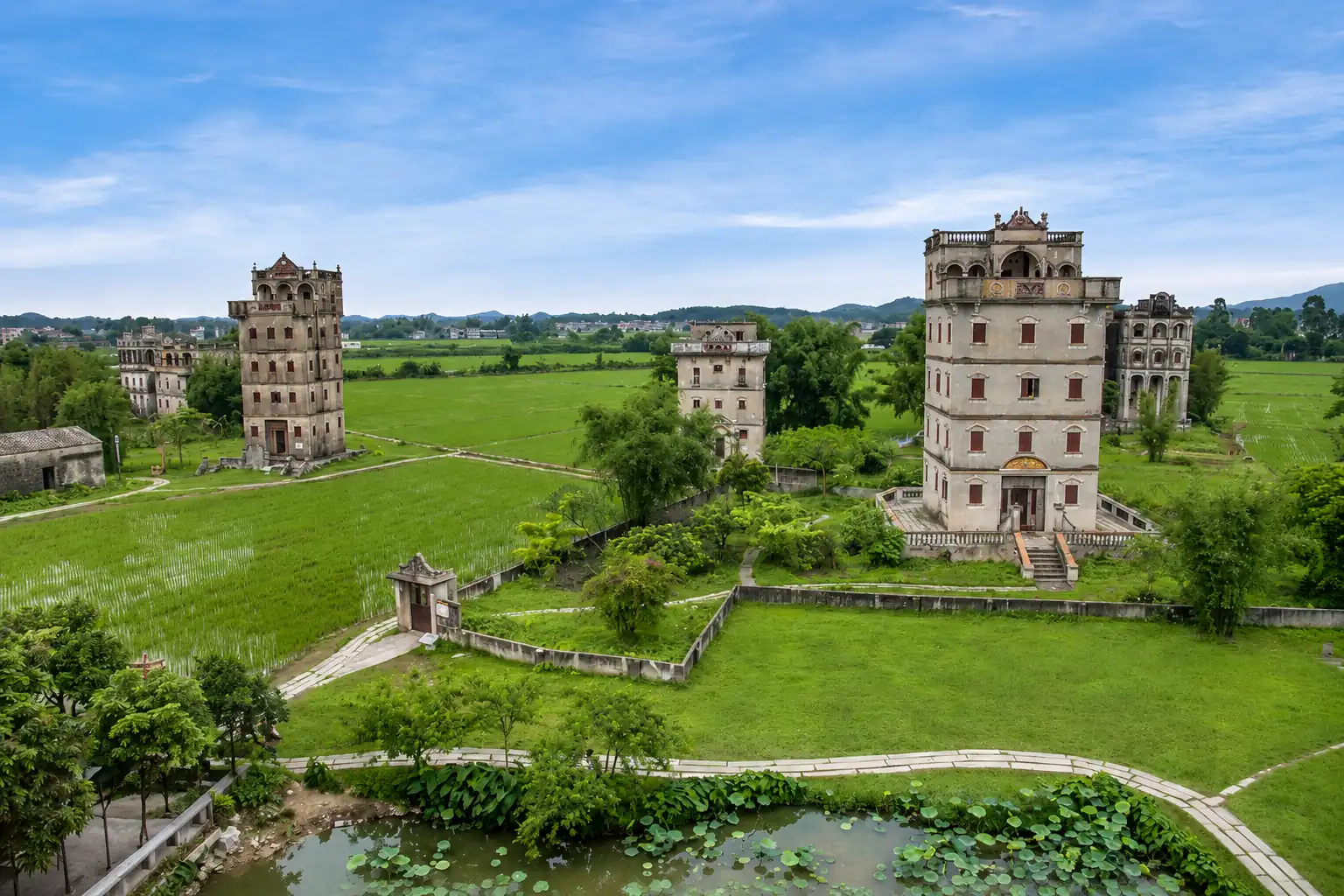
Best for overseas Chinese heritage. The UNESCO World Heritage-listed Kaiping Diaolou and Villages combine Chinese and Western architectural influences. Heritage areas such as Zili Village and Majianglong are spread across the Kaiping countryside, not clustered beside Jiangmen's railway station. Arrange a realistic road itinerary; for independent travelers, an overnight extension is often more comfortable than a rushed round trip from Foshan. A private vehicle or arranged local transport may simplify visits to more than one village cluster.
With one day, Guangzhou is usually the simplest choice; Zhongshan or one Zhaoqing scenic area needs more careful transfers. Give Kaiping more time for its rural heritage sites. Always compare the complete journey from your Foshan hotel to the attraction, including the return trip. For scenic and rural sites, local transfers can matter more than the intercity train journey itself.