How Many Days in Harbin?
Two days can cover the essential city highlights, while three days gives a first-time visitor more room for major winter attractions, city sightseeing and local experiences. Add extra days for skiing or trips beyond Harbin.

Plan your Harbin, China trip with a practical guide to the Ice City’s winter highlights, Russian-influenced architecture and essential travel planning. Explore Harbin Ice and Snow World, Central Street, St. Sophia Cathedral and Sun Island, then compare the best time to visit, local food, transportation and seasonal trip ideas.
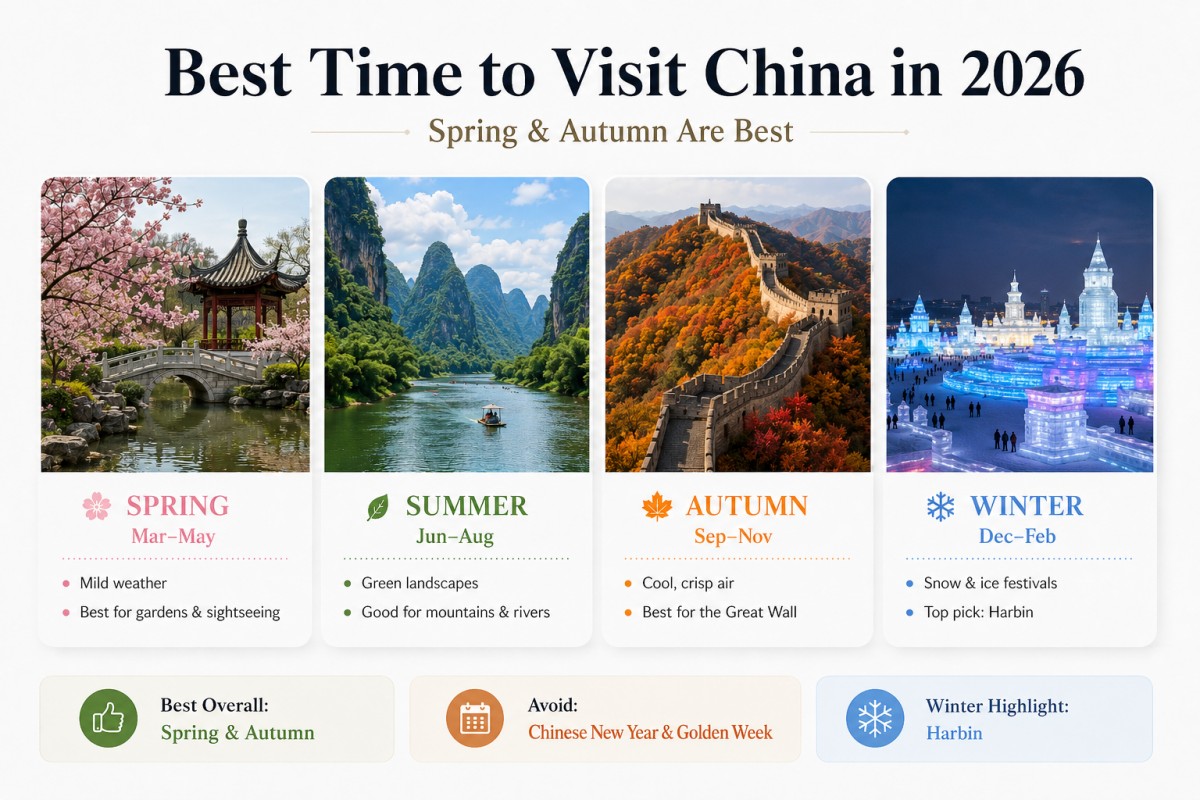
The best time to visit Harbin depends on the experience you want. For the city’s famous ice sculptures, snow attractions and frozen winter scenery, late December through January is the strongest period for most first-time trips. Summer offers a much milder version of Harbin, while spring and autumn are shorter transition seasons with rapidly changing weather.
This is the period to prioritize if your trip is built around Harbin Ice and Snow World, snow sculptures, ice lanterns and winter activities along the frozen Songhua River. Conditions are extremely cold, so a good itinerary should combine major outdoor attractions with indoor stops and regular warm-up breaks. Exact opening and closing dates for seasonal attractions vary from winter to winter.
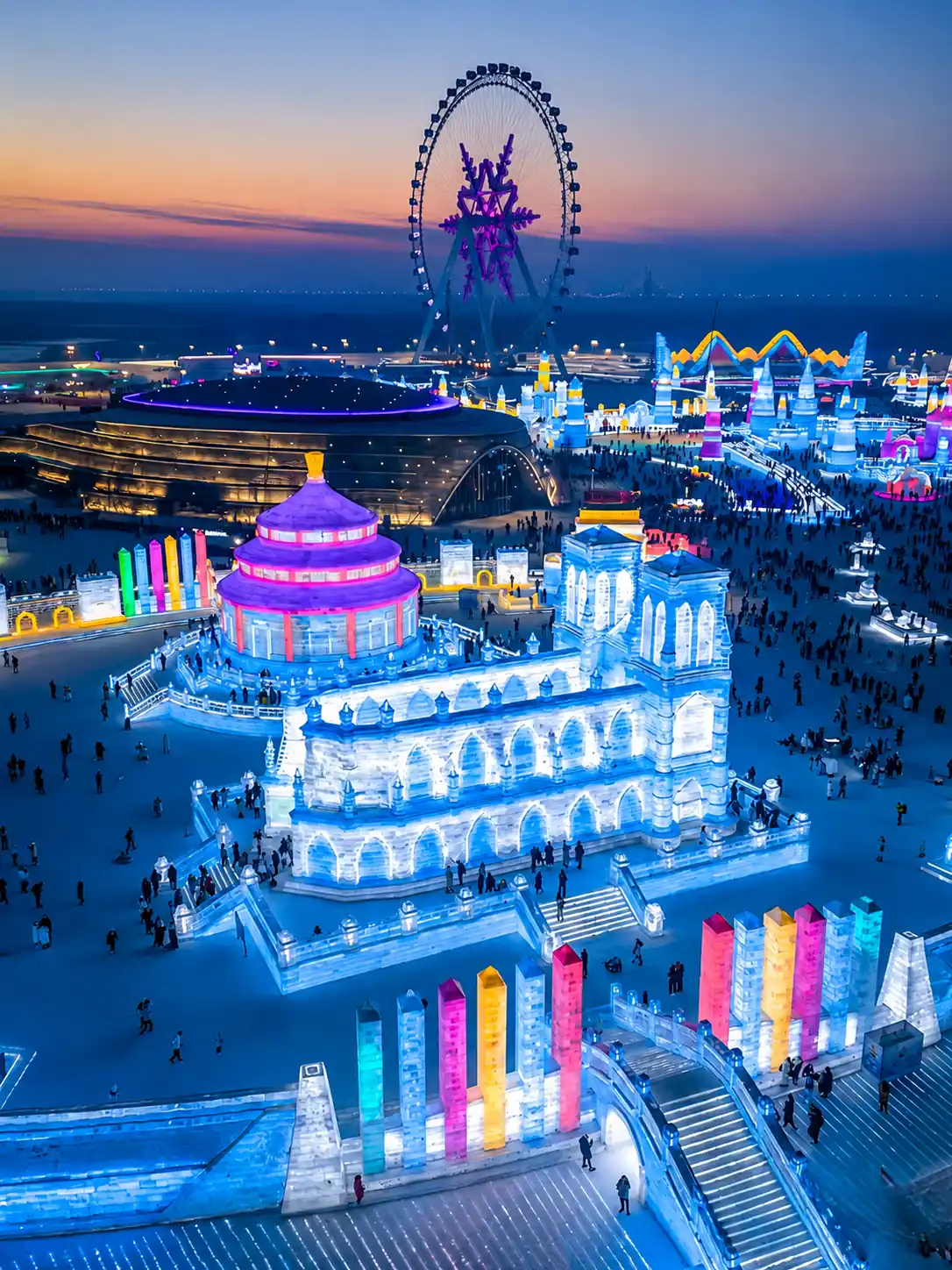
Winter is Harbin’s signature travel season and the main reason many visitors come to China’s Ice City. Plan around Ice and Snow World, the Sun Island snow sculptures, ice lantern displays and winter activities on or around the frozen Songhua River. January sits at the heart of the season and can be extremely cold, so insulated clothing and a realistic outdoor sightseeing pace are essential.
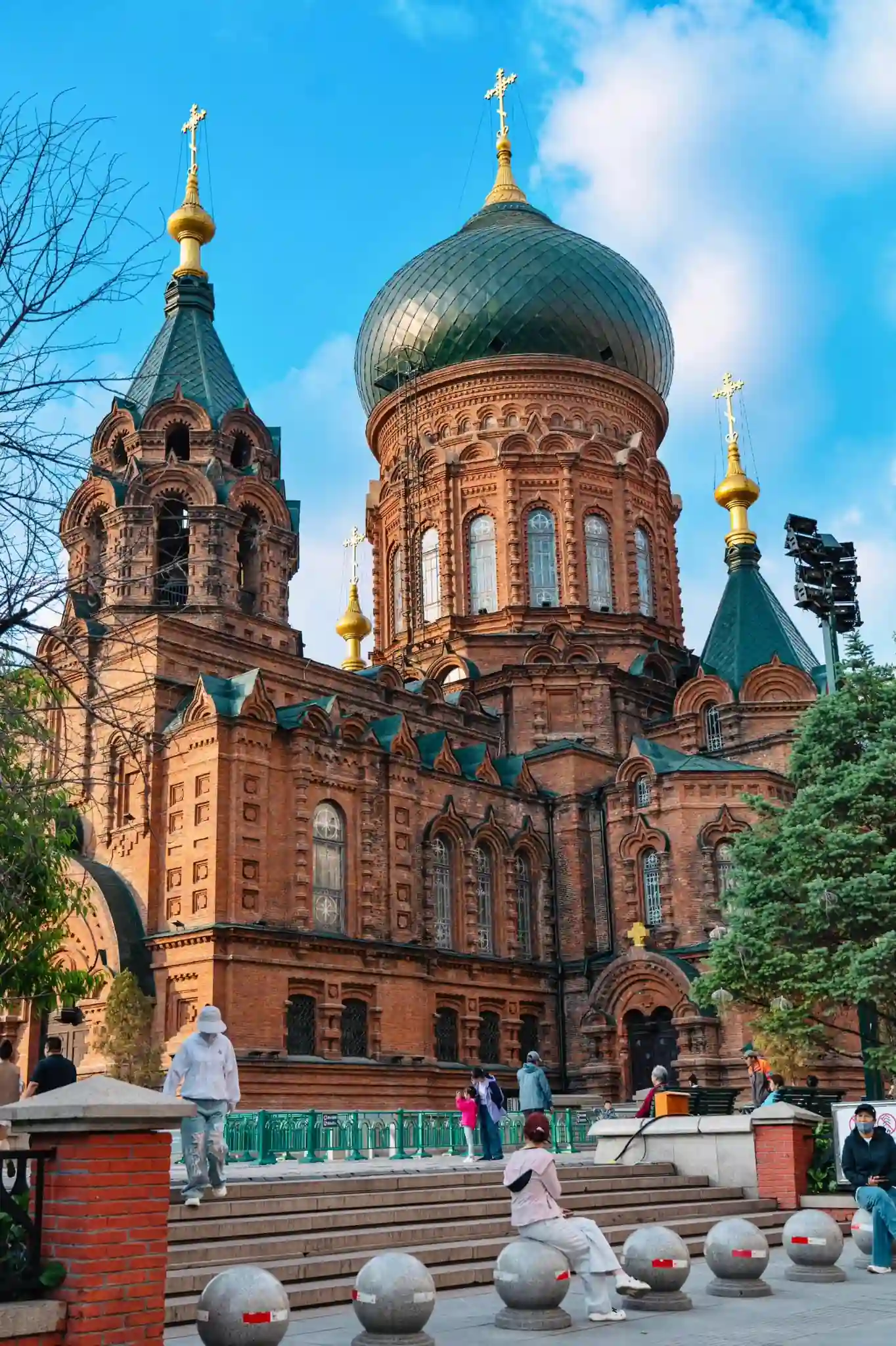
Spring is a short transition season in Harbin. Temperatures rise quickly but conditions can remain cool, dry, windy and changeable. This period suits travelers who are more interested in Central Street, historic architecture, local food and everyday city life than in Harbin’s major seasonal ice attractions.
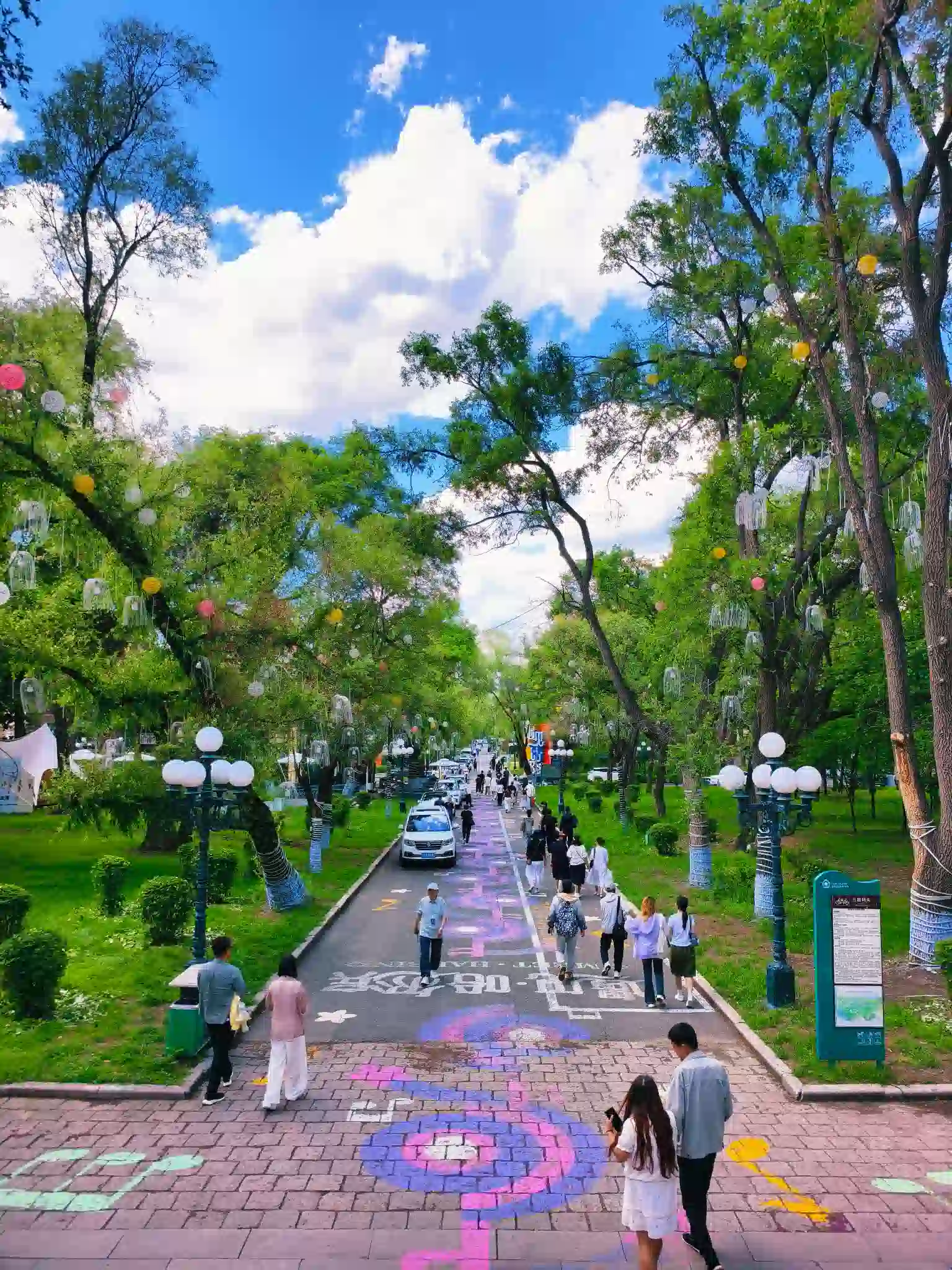
Summer reveals a completely different Harbin. Days are much warmer and better suited to parks, riverside walks, architecture and relaxed city exploration without extreme winter cold. Summer is also the wetter part of the year, so rain should be considered when planning longer outdoor days.
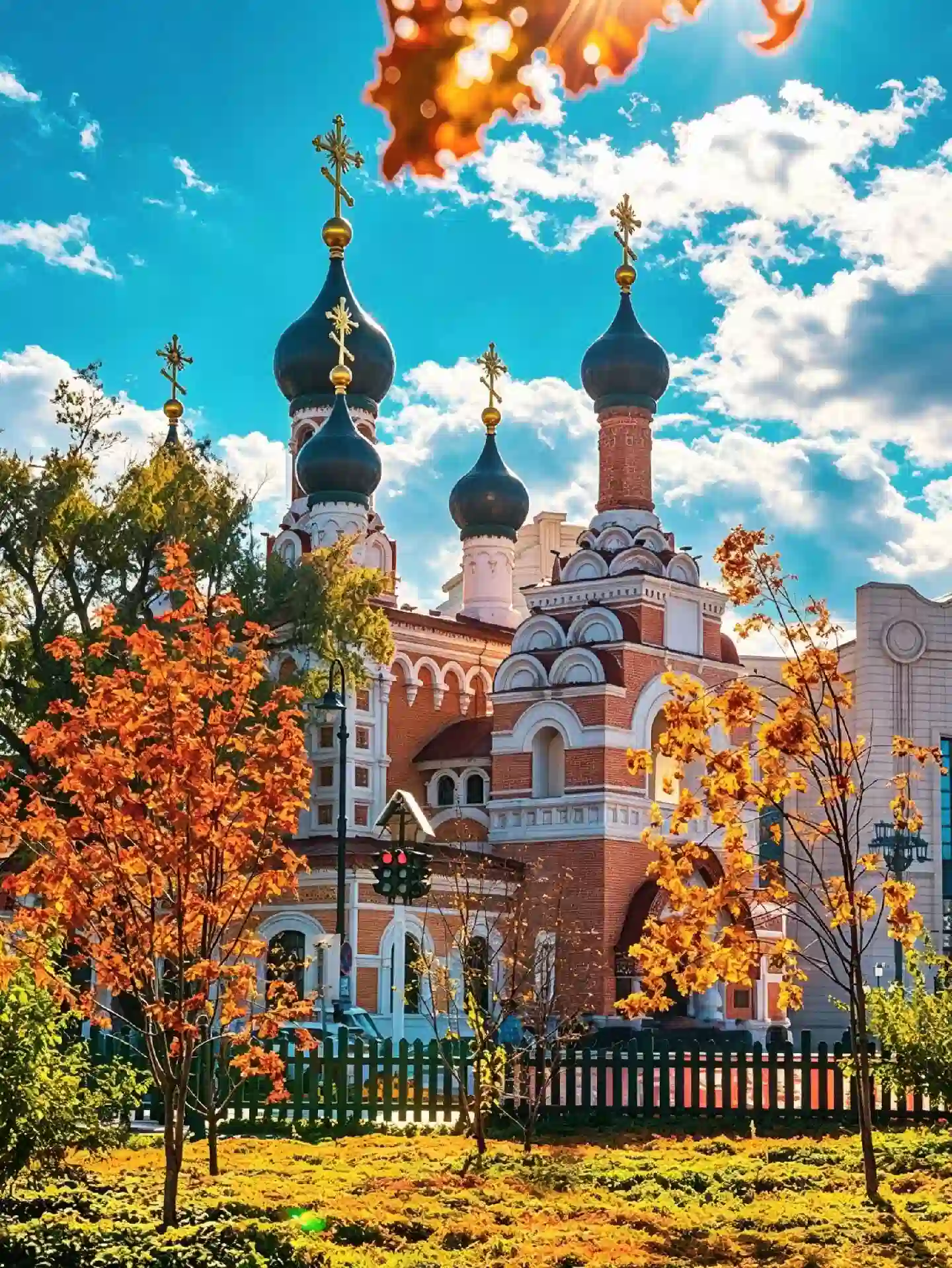
Autumn is short, with temperatures dropping quickly as winter approaches. September can work well for comfortable city sightseeing, while October and November become progressively colder. Late autumn should not be treated as an early substitute for the full ice-and-snow season because major seasonal attractions may not yet be operating.
A warmer month is not automatically a better month for Harbin. Choose late December or January if ice and snow are the priority, or consider late spring through early autumn if you prefer architecture, parks, food and city sightseeing without extreme winter conditions. Always confirm seasonal attraction dates before finalizing a winter itinerary.
Harbin’s top attractions combine spectacular winter scenery with Russian-influenced architecture, historic city landmarks and the frozen Songhua River. Start with Harbin Ice and Snow World, then explore Central Street, St. Sophia Cathedral, Sun Island and other essential sights that reveal why Harbin is known as China’s Ice City.
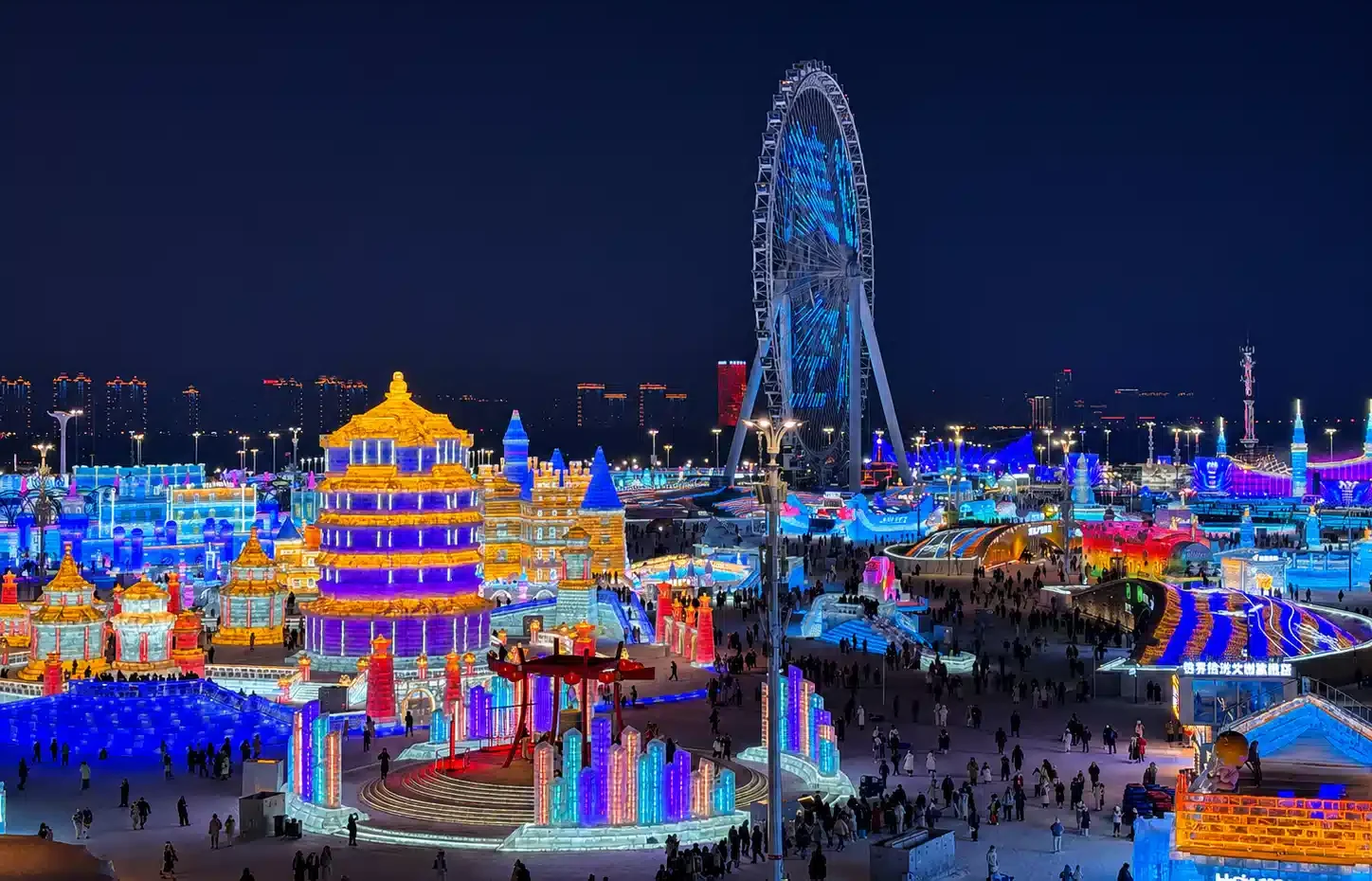
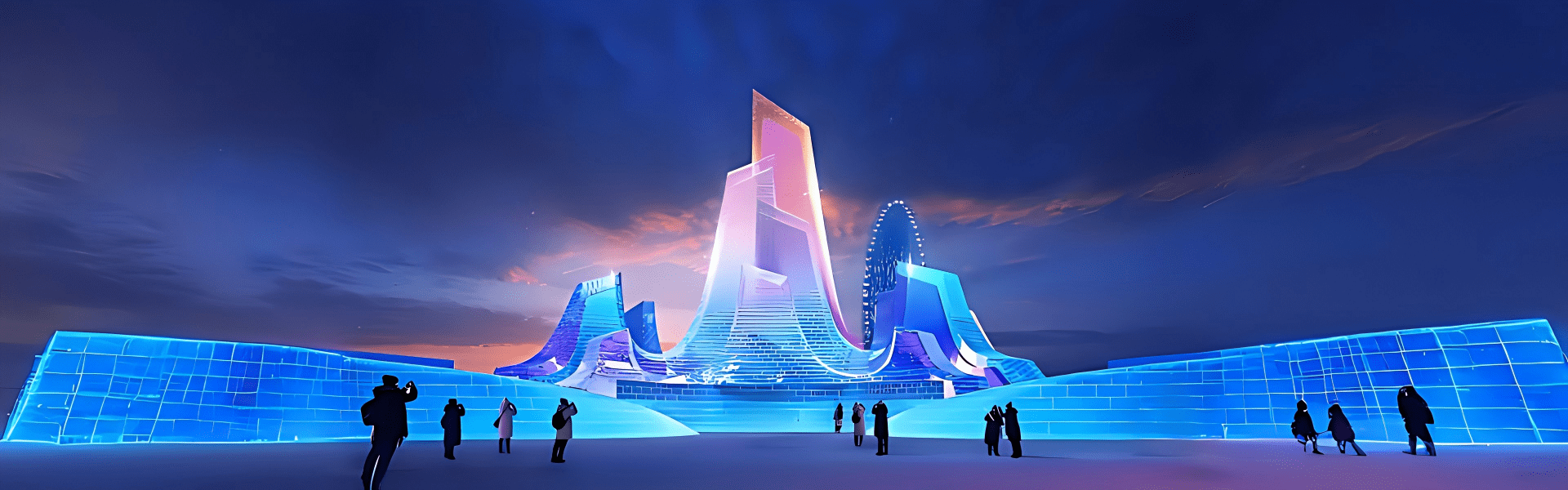
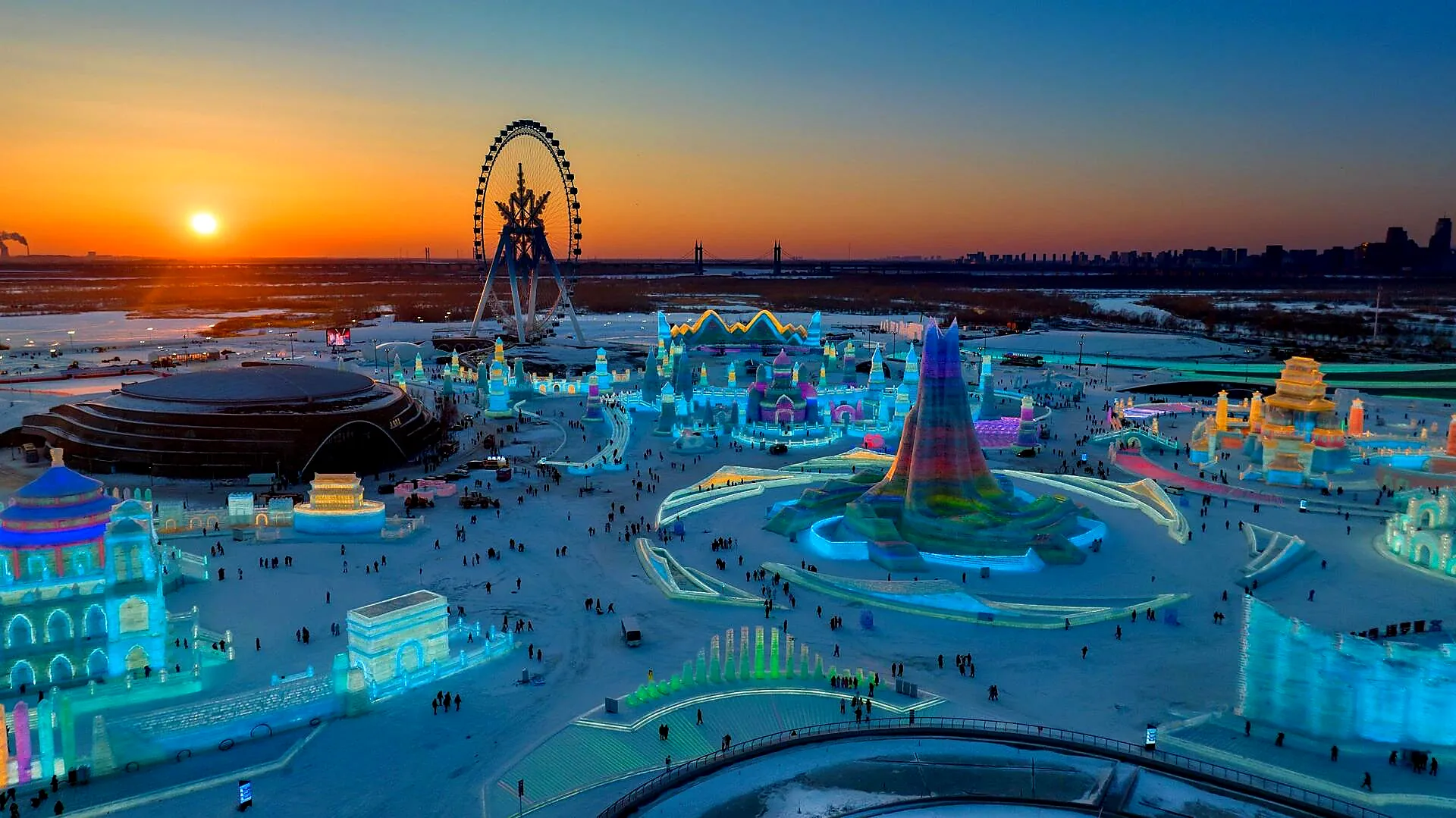
Walk through a seasonal winter landscape built from enormous illuminated ice structures, towers, sculptures and frozen architectural displays. Ice and Snow World is the defining nighttime experience for many winter visitors to Harbin, especially when the ice buildings are fully lit after dark. Opening and closing dates vary each winter, so confirm the current season before finalizing your itinerary.
See How to Fit It Into Your Trip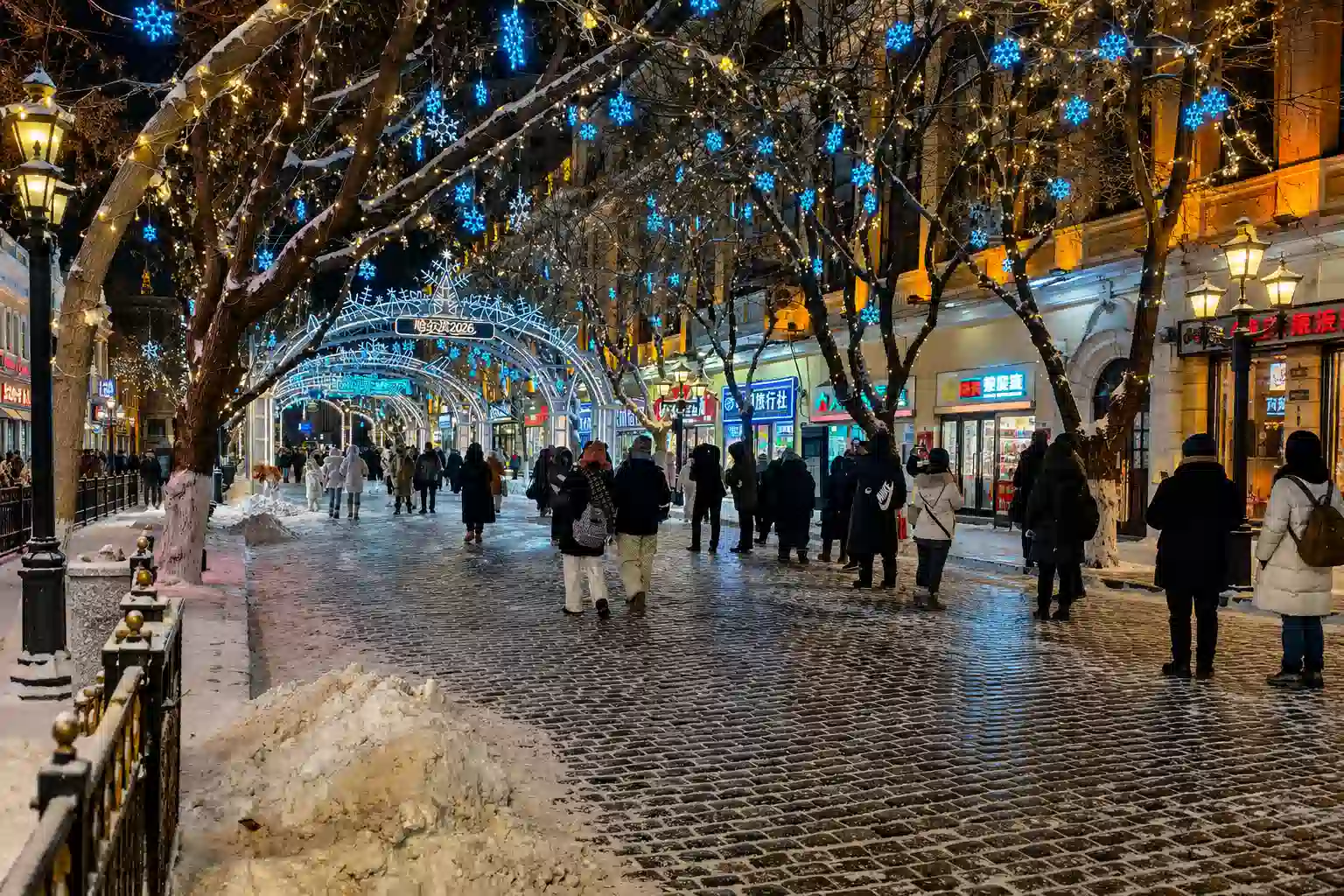
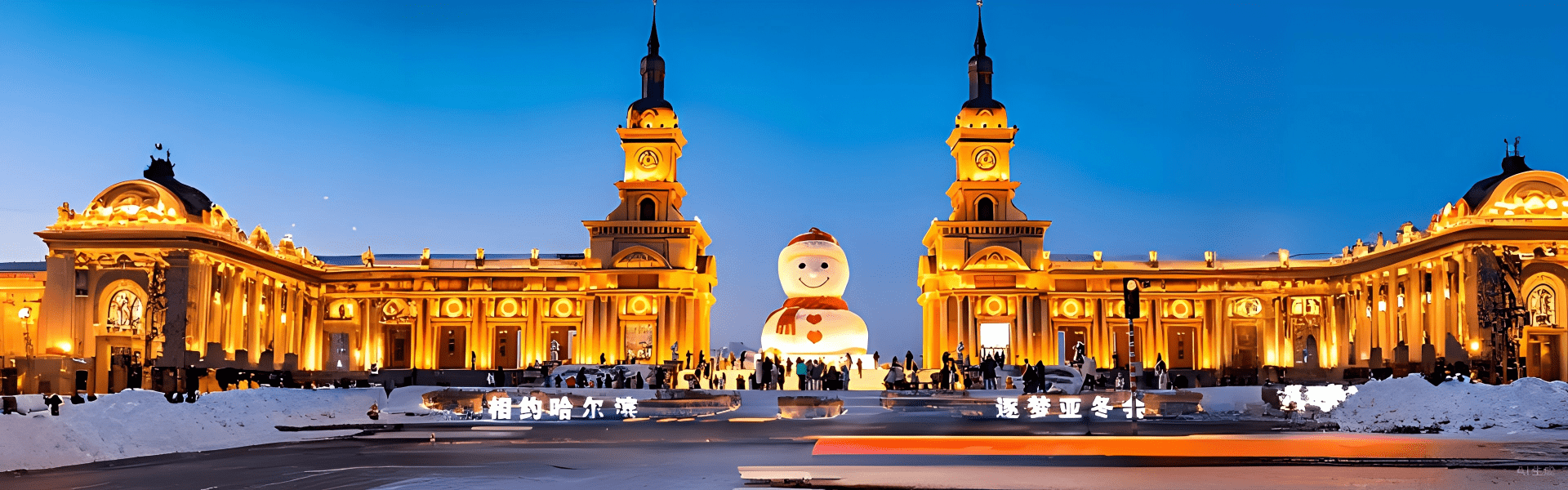
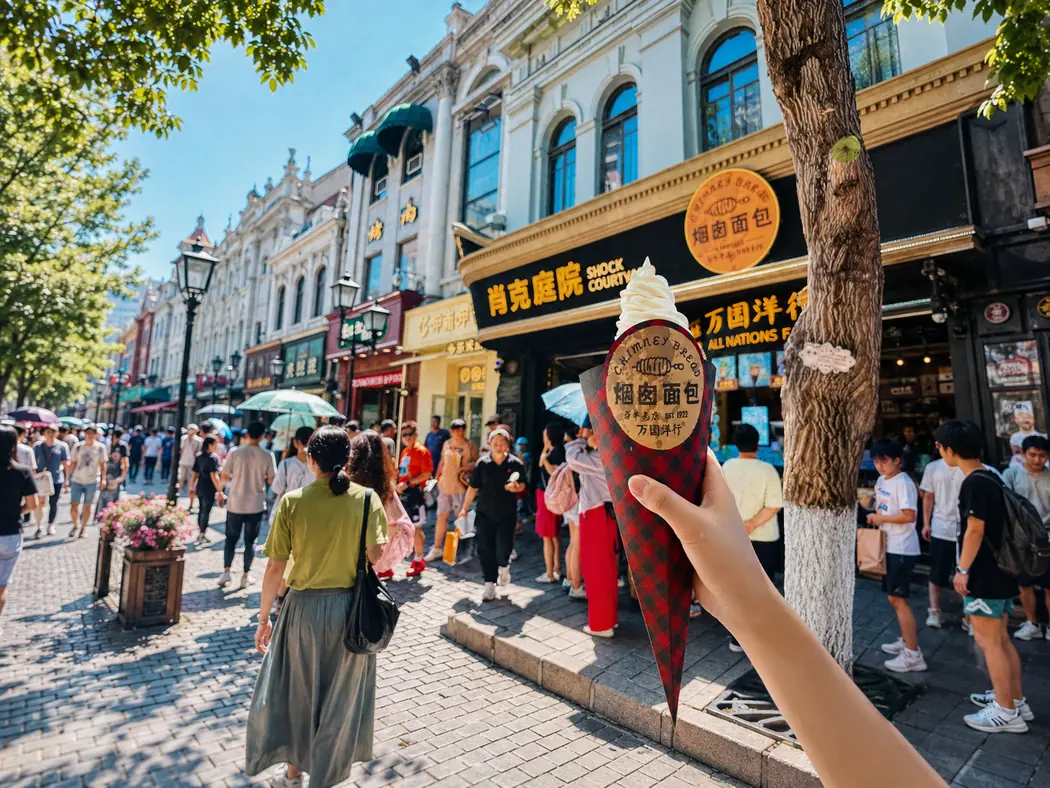
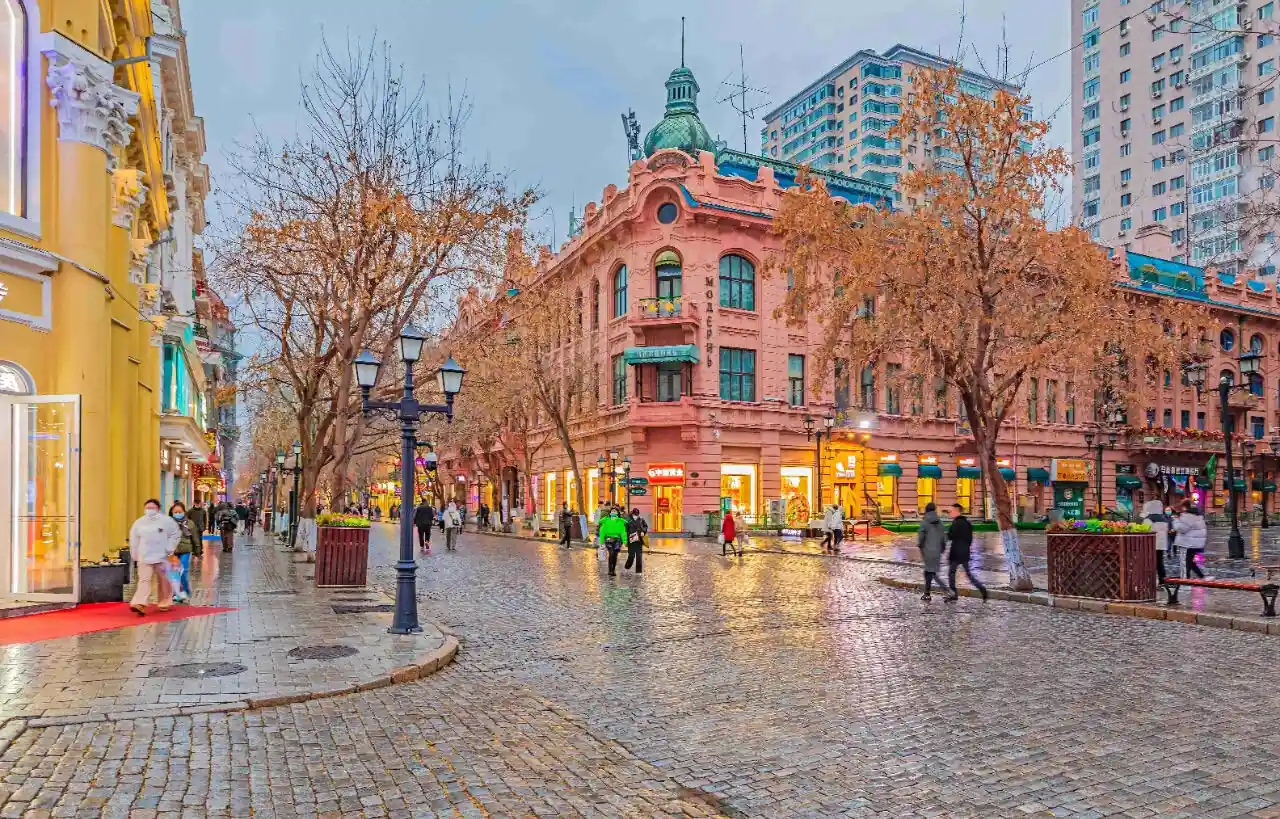
Walk through Harbin’s best-known pedestrian street, where European-style façades, shops, cafés and historic buildings reflect the city’s distinctive Russian and international influences. Central Street is also one of the easiest places to combine sightseeing with local snacks and an evening walk.
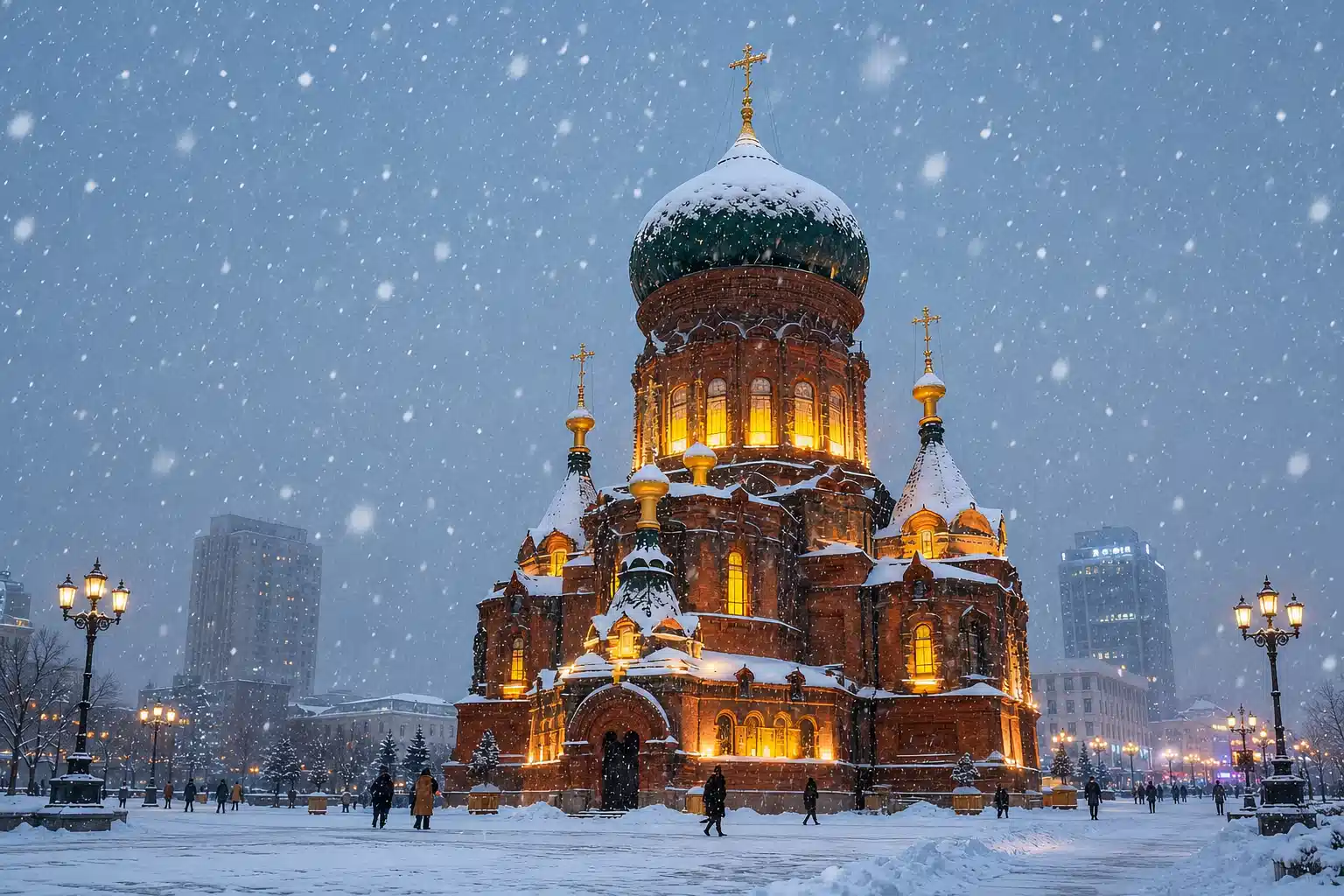
See one of Harbin’s most recognizable architectural landmarks, known for its Byzantine-style design and connection to the city’s Russian-influenced past. Its central location makes it easy to combine with Central Street and the surrounding Daoli District on the same sightseeing route.
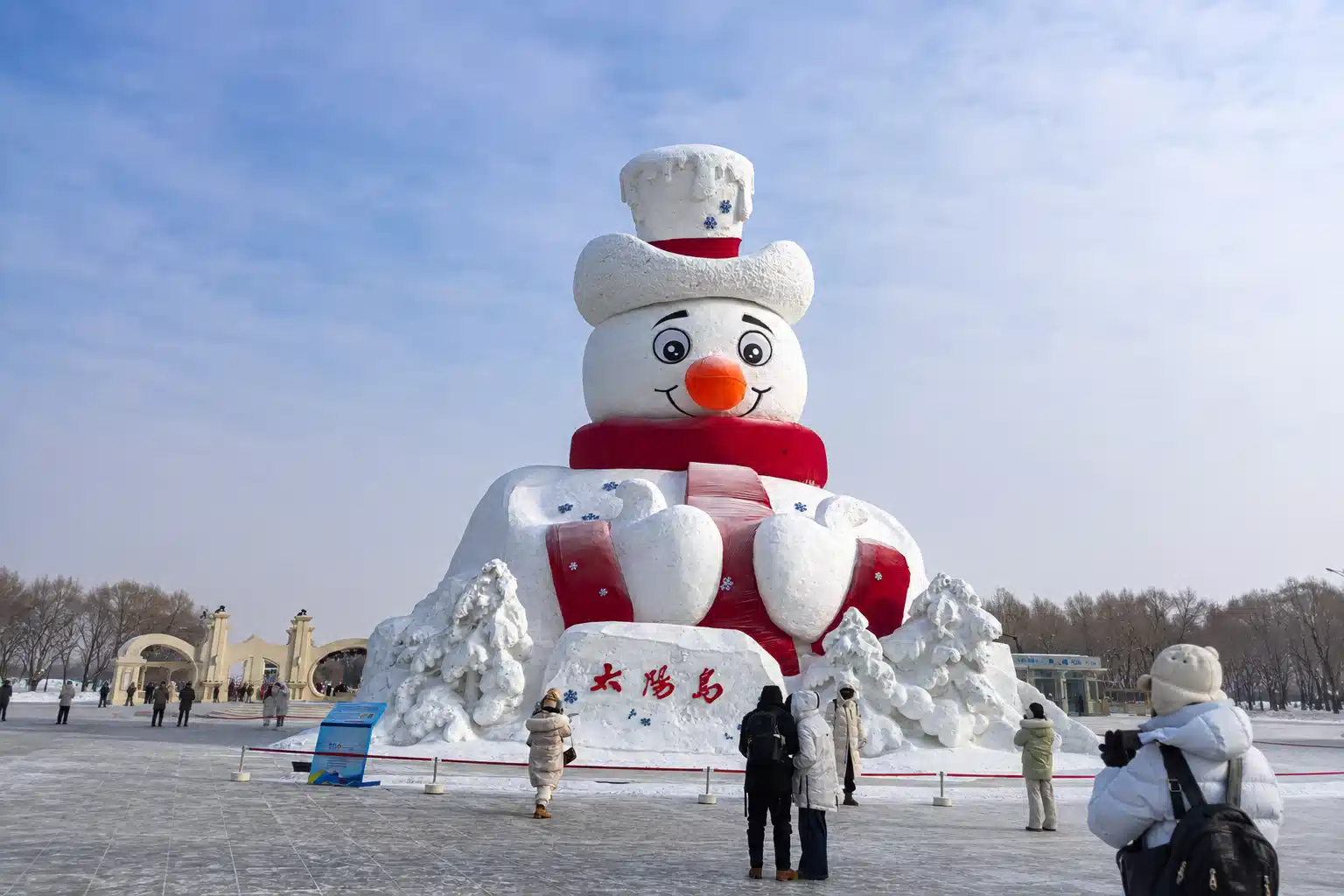
Cross the Songhua River to one of Harbin’s major sightseeing areas. In winter, Sun Island is especially famous for large-scale snow sculptures and the international snow sculpture exhibition, creating a different experience from the illuminated ice architecture at Ice and Snow World.
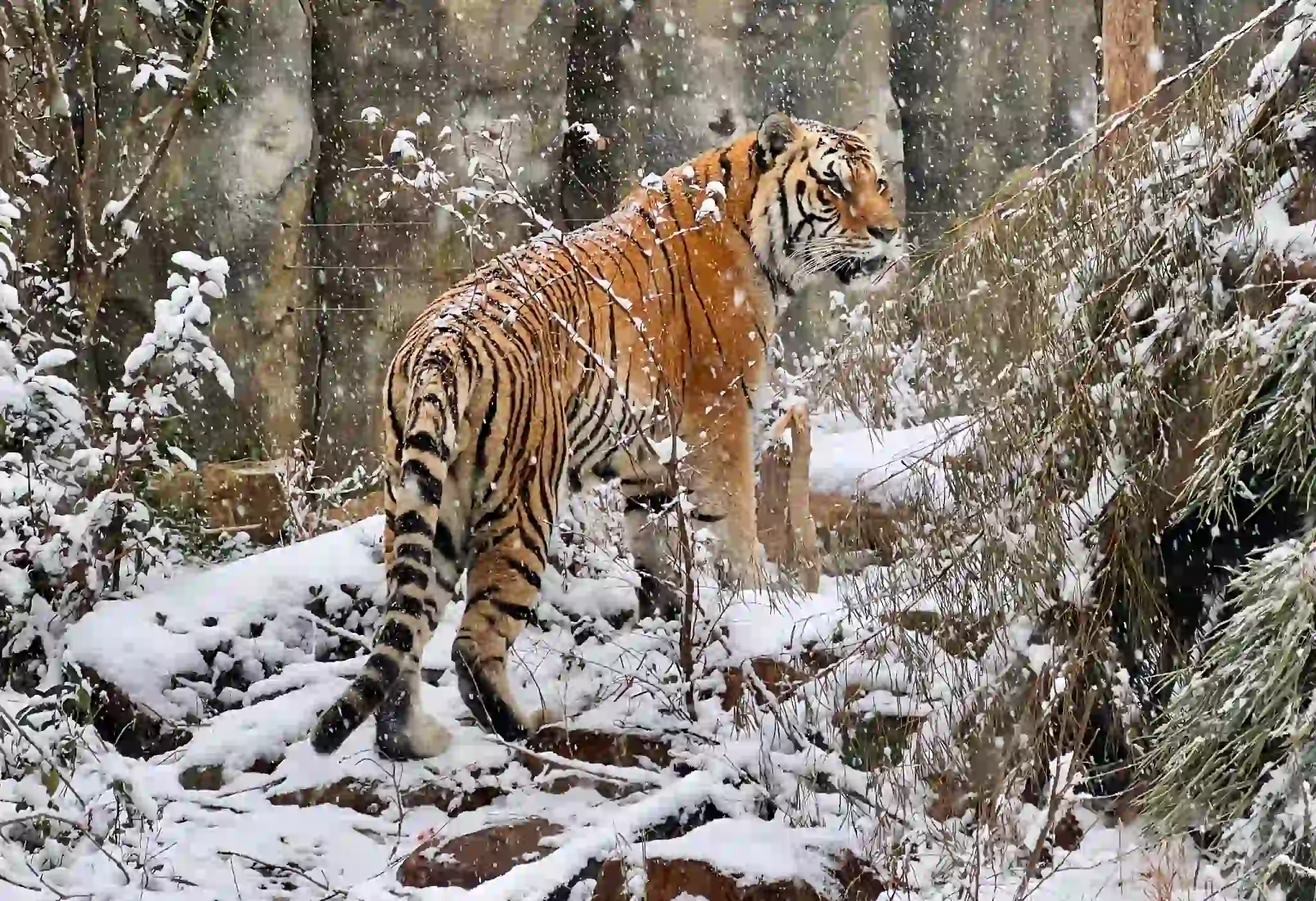
Visit a specialized wildlife park focused on Siberian tigers and their conservation and breeding. It offers a very different experience from Harbin’s architecture and winter landmarks and can be useful for travelers looking to add a wildlife stop to a longer city itinerary.
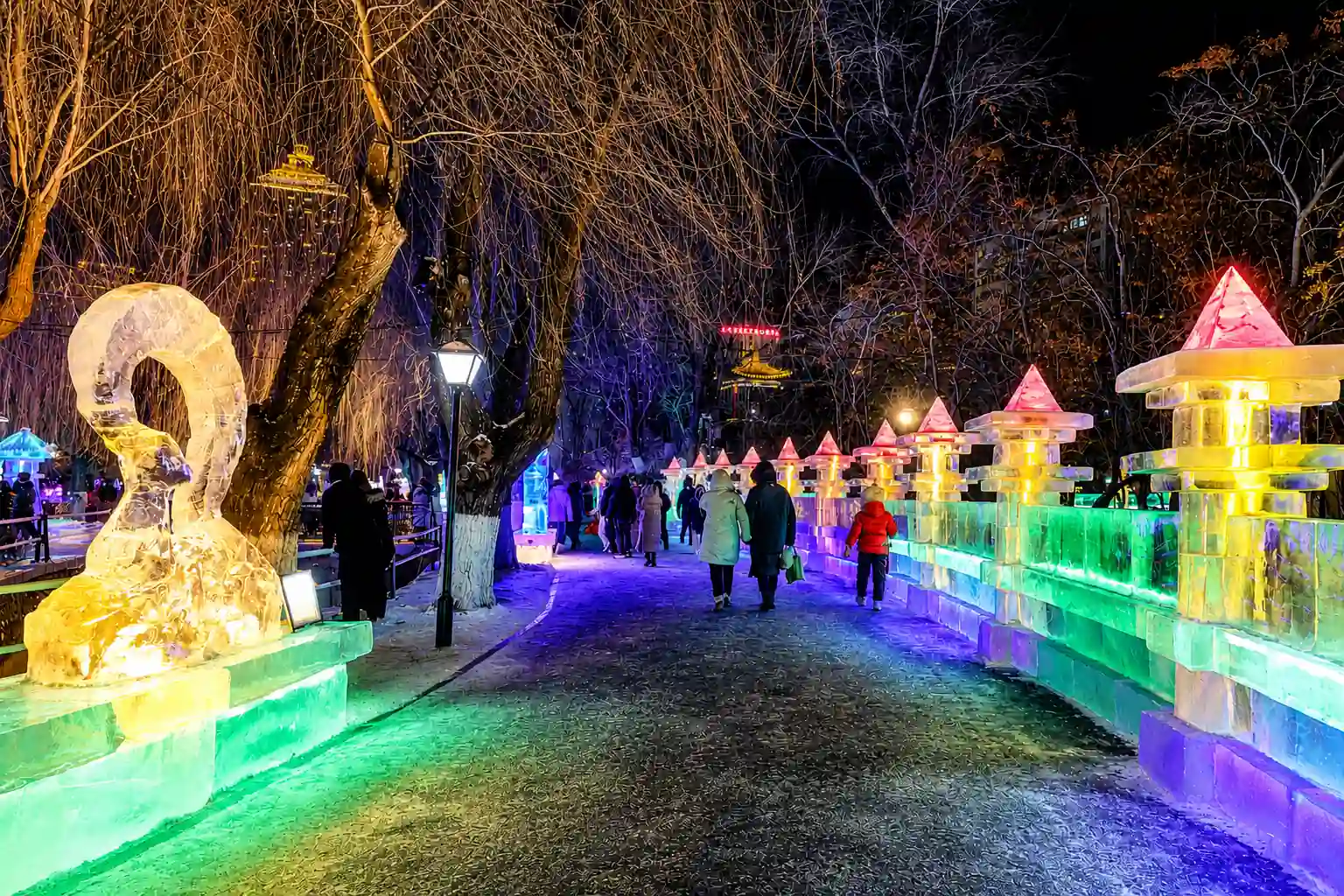
Visit one of Harbin’s traditional winter ice-lantern locations, where illuminated ice displays add a smaller-scale counterpart to the monumental structures at Ice and Snow World. Its central location also makes it easy to combine with other sights in Daoli during a winter evening.
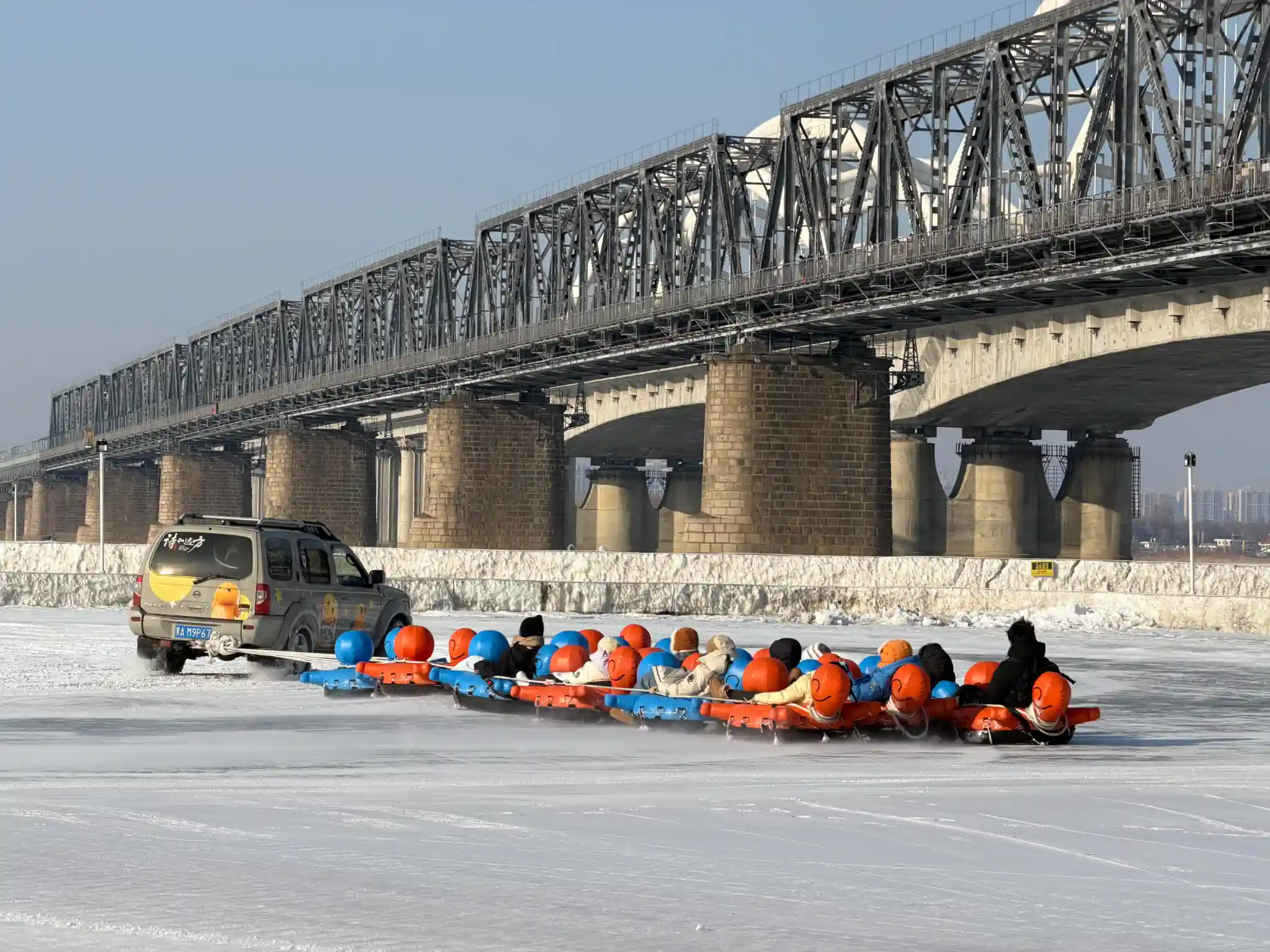
Walk along Harbin’s central riverfront and see how the Songhua River shapes the city. In deep winter, the frozen river becomes part of Harbin’s seasonal landscape and winter life, while Stalin Park offers an easy riverside connection between the city center and many of Harbin’s best-known sights.
Harbin’s attractions work best when you group nearby city-center landmarks together and plan major winter sites around daylight, temperature and evening illumination. Next, compare the experiences that are worth adding beyond the main sightseeing stops.
The best things to do in Harbin go beyond visiting its famous attractions. Experience winter life along the frozen Songhua River, taste distinctive Harbin food, explore the city’s diverse historic architecture, visit local markets and discover the cultural and modern history that shaped this distinctive Northeast China city.
In deep winter, the frozen Songhua River becomes part of Harbin’s seasonal city life. Spend time along the riverfront, watch or join organized winter activities in designated areas and experience the scale of Harbin’s frozen landscape away from the major ice parks. Combine the river with Stalin Park and nearby Daoli attractions for an easy city-center winter route.
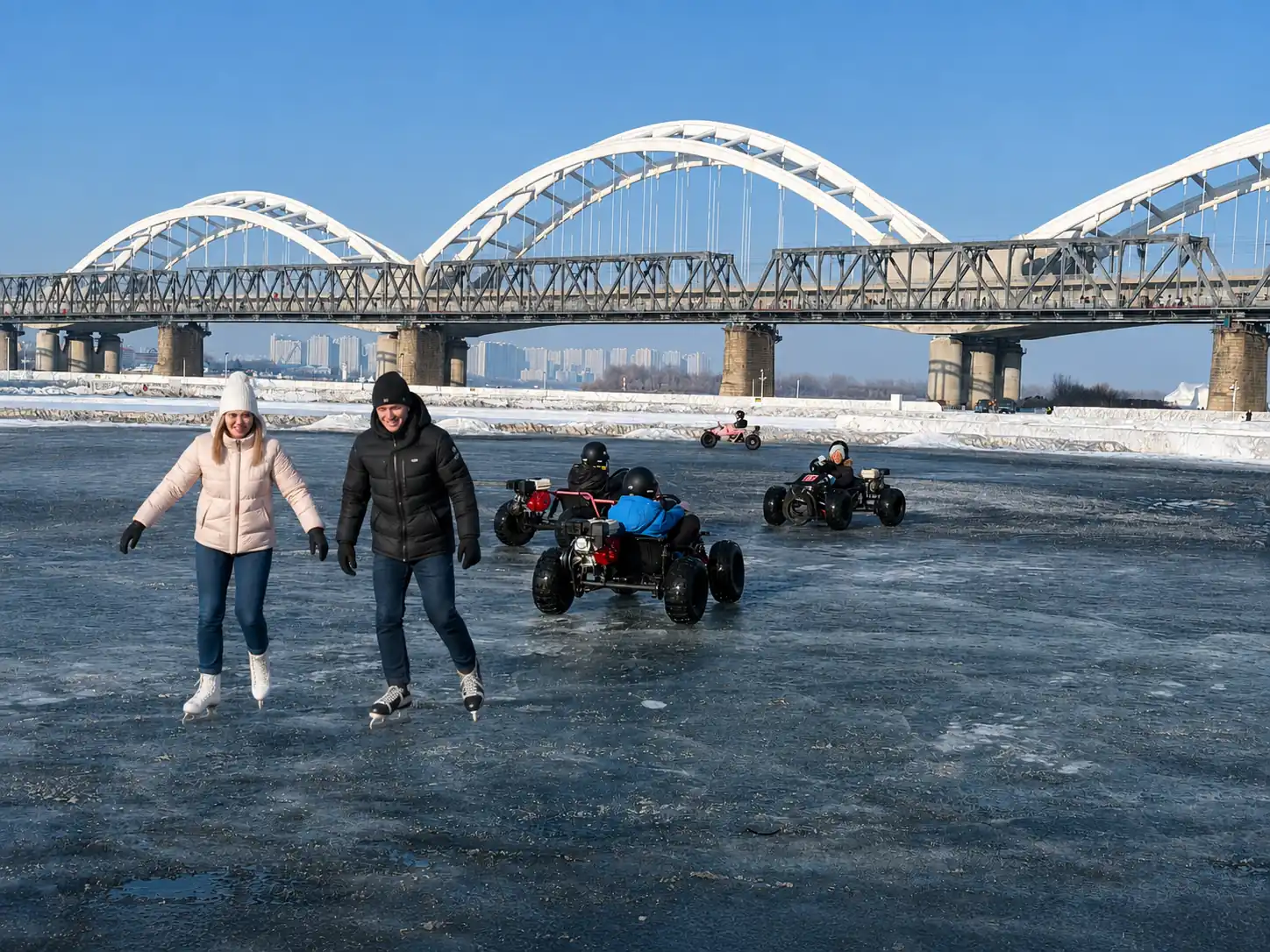

Harbin’s food reflects both Northeast Chinese traditions and long-standing Russian influences. Try Guo Bao Rou, the city’s famous crispy sweet-and-sour pork, along with Harbin red sausage, hearty dumplings, Russian-style Dalieba bread and the traditional Madie’er ice cream associated with Central Street.
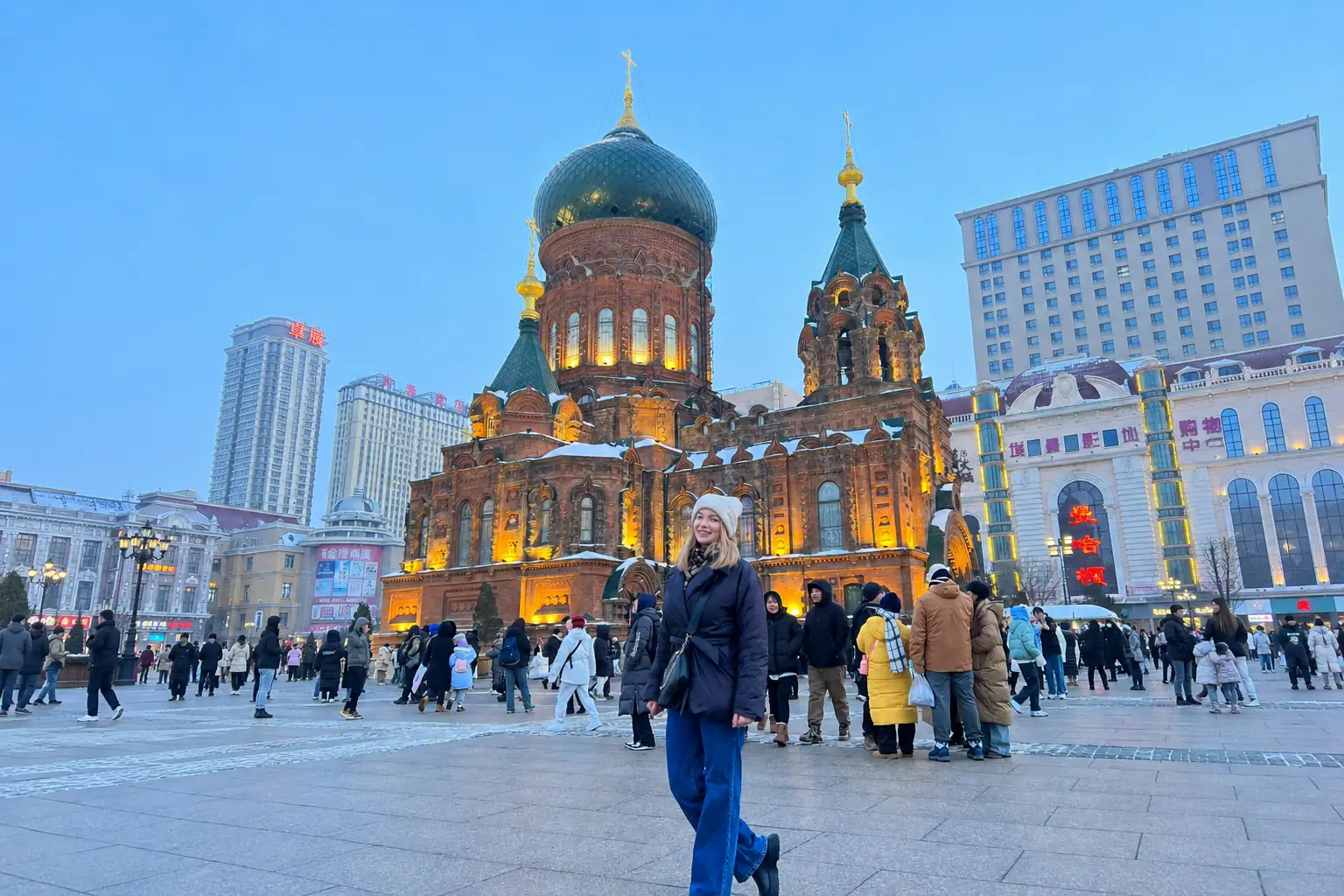
Explore the architectural layers that make Harbin distinctive. Walk between Central Street, St. Sophia Cathedral and historic Daoli for Russian-influenced and European-style façades, then visit Laodaowai to see Harbin’s Chinese Baroque architecture, where Western decorative forms blend with traditional Chinese courtyards and details. For a larger Russian-themed architectural excursion beyond the central sightseeing area, consider Volga Manor.
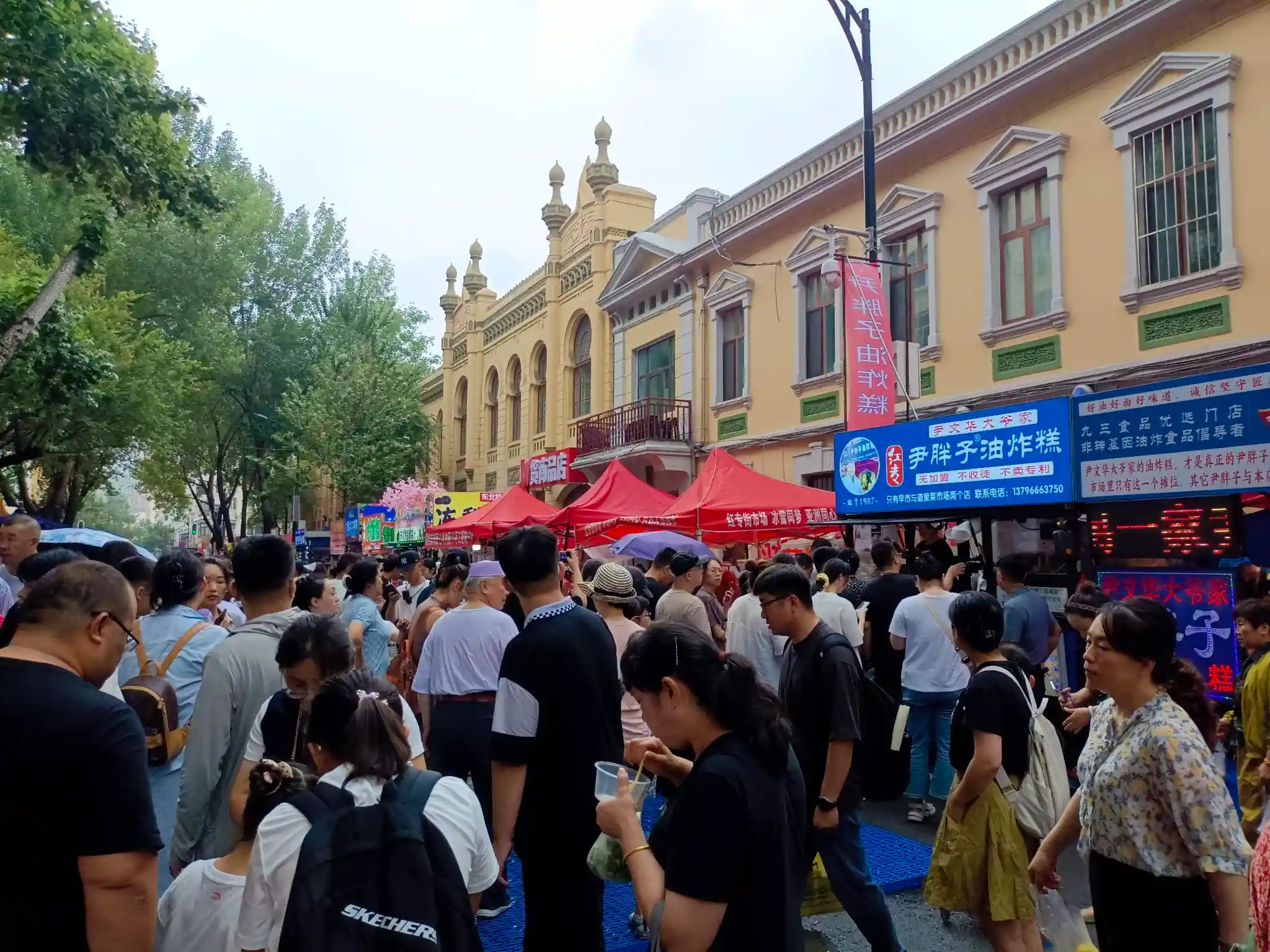
Start a morning with local breakfast foods and market stalls instead of another major attraction. Hongzhuan Street Morning Market is known for inexpensive local breakfast snacks, while Daoli Food Market is a useful place to discover Harbin specialties such as red sausage, pastries and other everyday foods.
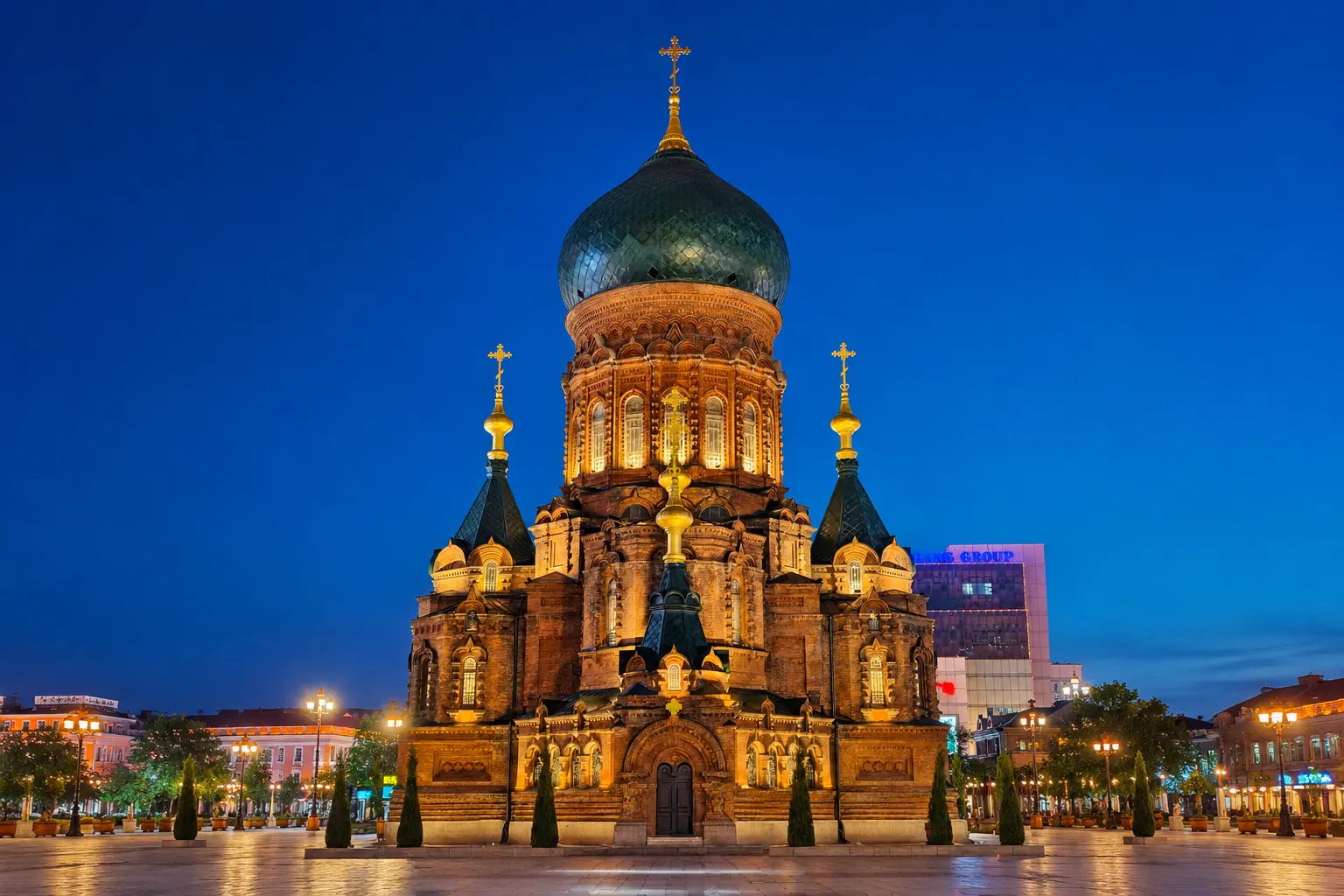
Winter nights are an essential part of the Harbin experience. See illuminated ice architecture, traditional ice lanterns and the evening atmosphere around Central Street, then use indoor cafés, restaurants or shopping stops to break up long periods outside in the cold.
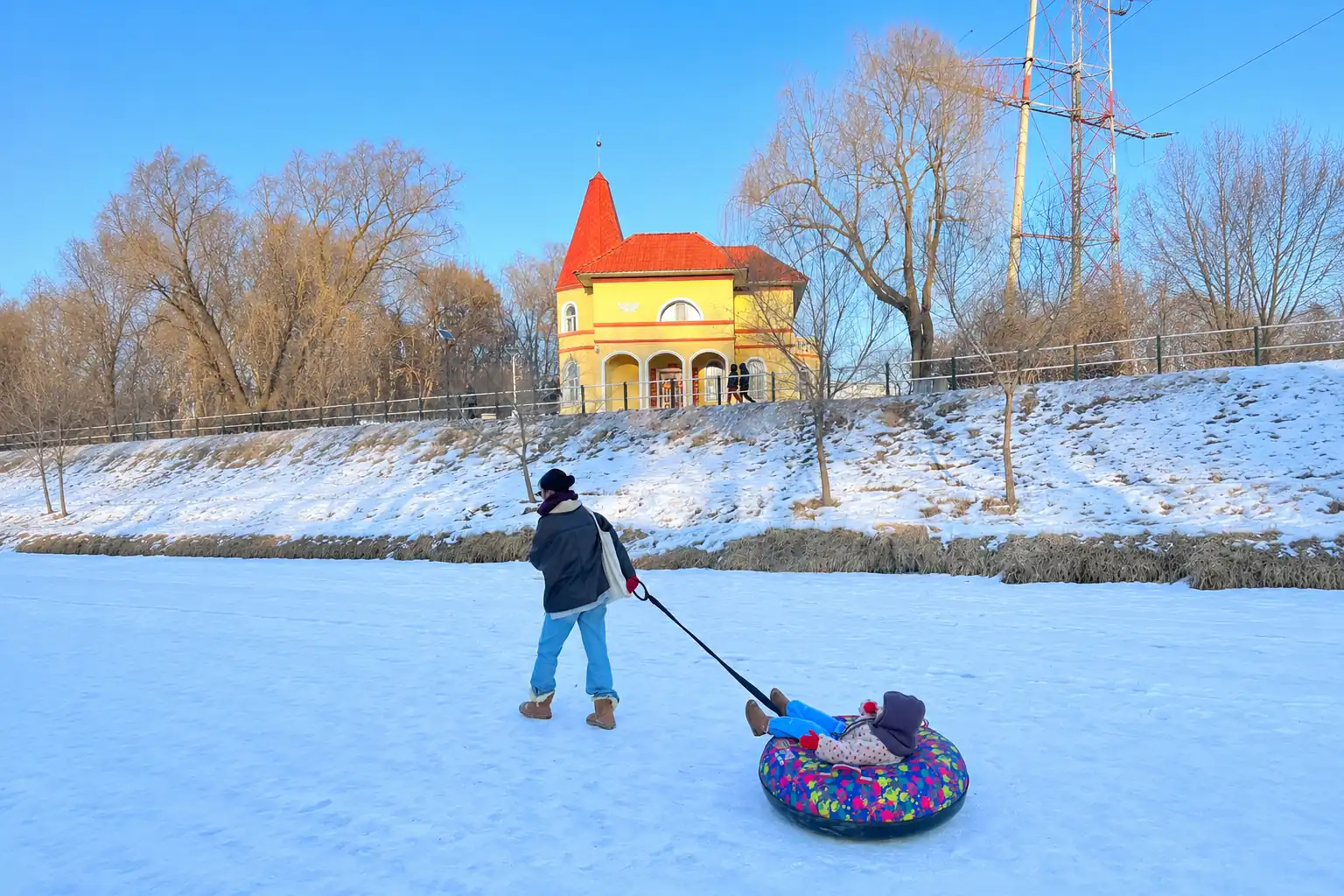
Families can combine spectacular ice and snow attractions with simpler seasonal activities, short outdoor sessions and indoor warm-up stops. Keep the daily route flexible and avoid packing too many long outdoor attractions into one day when traveling with younger children.
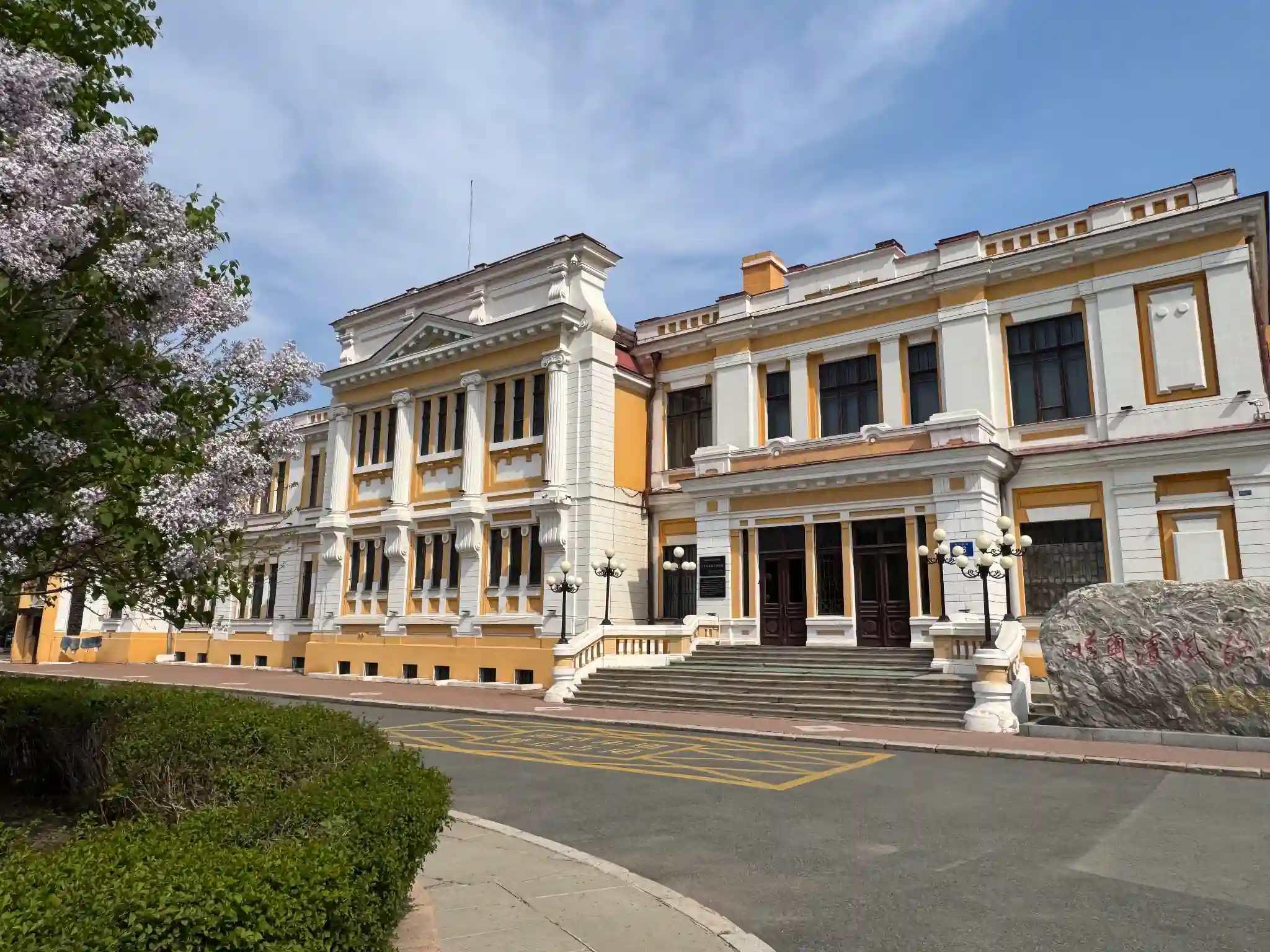
Harbin’s story extends far beyond its winter festivals. Explore the history of the Chinese Eastern Railway, Russian migration and the international communities that shaped the city. Travelers interested in Harbin’s wartime history can also visit the Unit 731 Museum, a serious historical site documenting the Japanese biological warfare program and its victims in Northeast China during the first half of the twentieth century.
Harbin has enough depth for dedicated guides covering winter activities, local food, architecture, markets, family travel, modern history and the Ice and Snow Festival. These topics can later become deeper planning resources without overloading this main city guide.
Combine major winter attractions with food, markets, architecture, riverfront activities and indoor breaks rather than treating every day as a checklist of landmarks. A balanced route is especially important during Harbin’s extremely cold winter season.
Choose a Harbin itinerary based on how much time you have and whether your trip is focused on the city or includes a winter extension. Two days can cover the essential highlights, while three days gives most first-time visitors a better balance of ice and snow attractions, historic Harbin, local food and winter experiences. Add a fourth or fifth day for skiing or a longer trip beyond the city.
This three-day Harbin itinerary separates the main city-center sights from the large winter attractions, helping you avoid spending every day outdoors for long stretches. It works best during the main winter season when Harbin’s seasonal ice and snow attractions are operating.
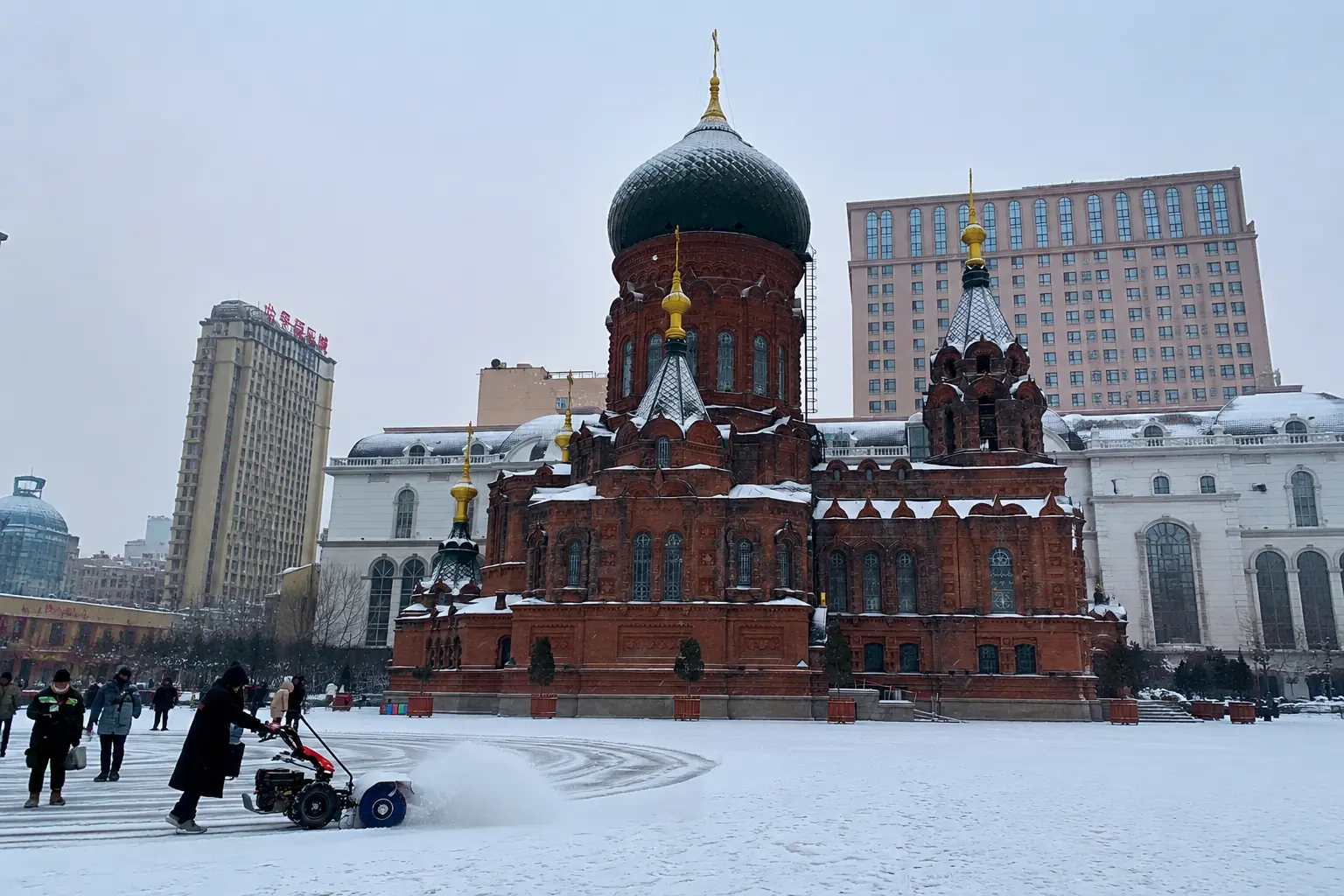
Start in Daoli with two of Harbin’s best-known city landmarks. Walk Central Street for its European-style façades and historic atmosphere, then continue to St. Sophia Cathedral and the surrounding blocks. Keeping these nearby sights together reduces unnecessary winter transfers.
Explore Harbin Attractions ↑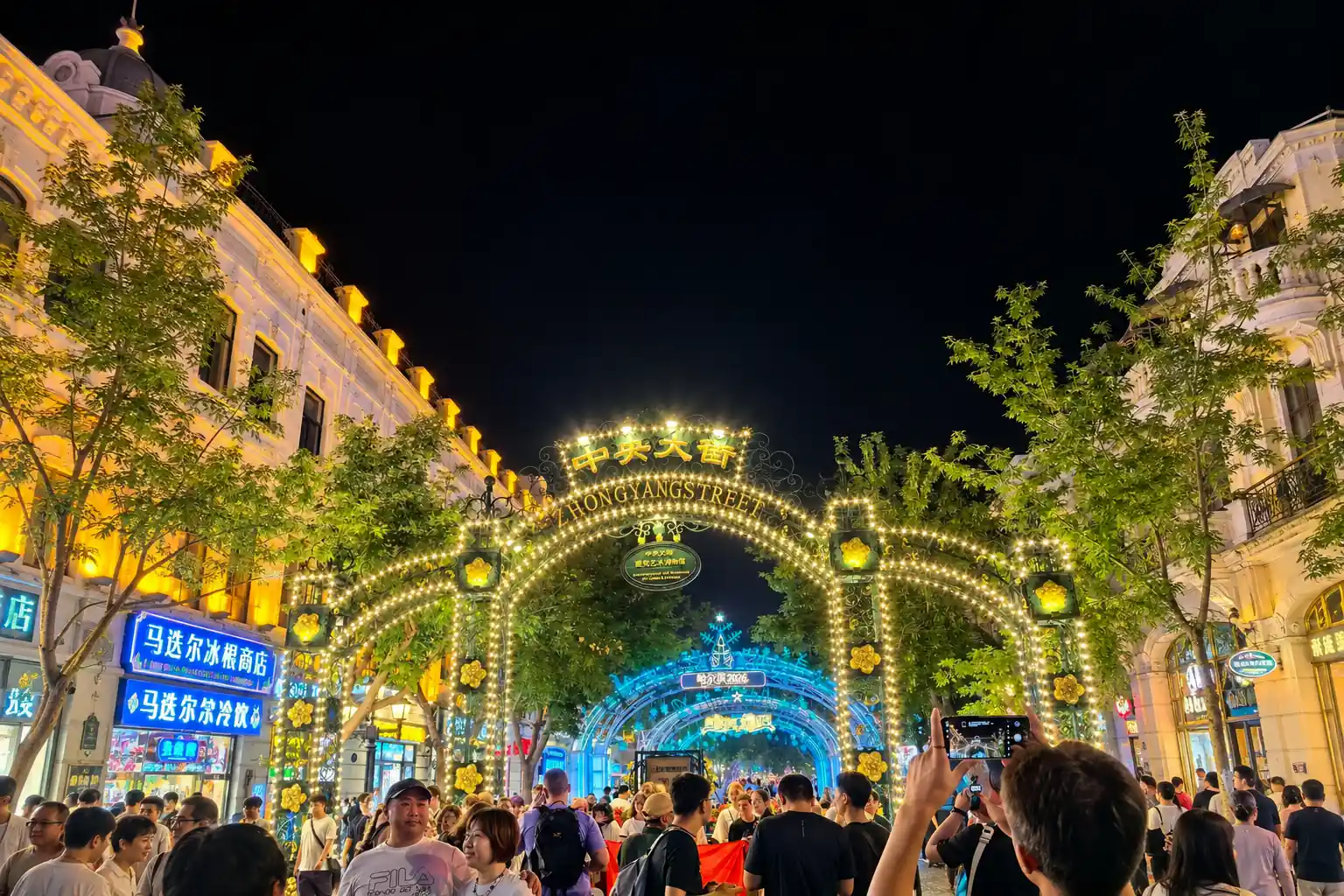
Use the rest of the first day for a slower introduction to Harbin food and winter city life. Try Guo Bao Rou, red sausage, Dalieba or dumplings, then return to Central Street after dark. This is intentionally a lighter evening before the larger outdoor winter attractions on Day 2.
Explore Harbin Food ↑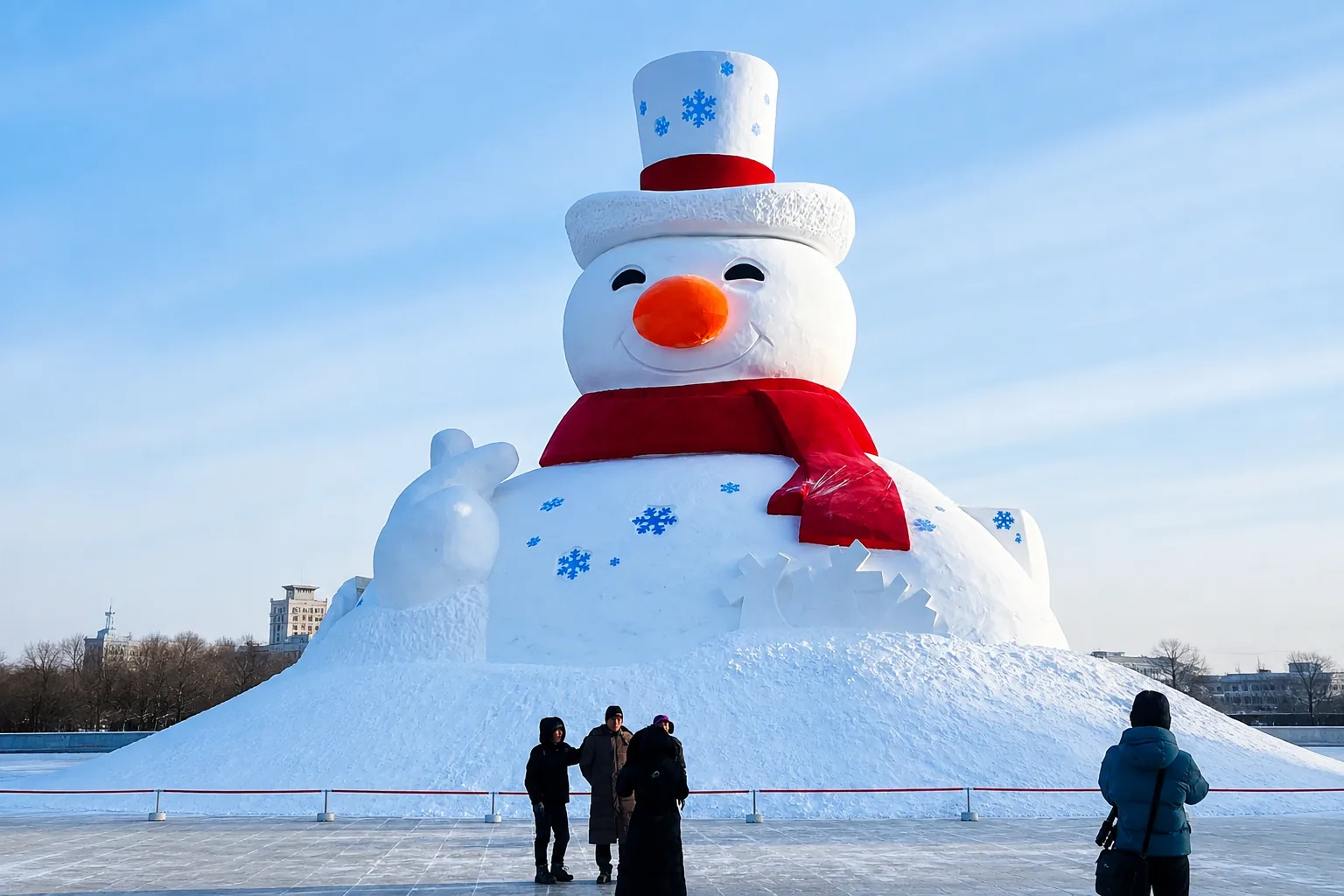
Spend the daytime portion of Day 2 at Sun Island, where the winter focus is large-scale snow sculpture rather than illuminated ice architecture. Visiting during daylight helps distinguish this experience from the evening attraction that follows and creates a natural north-of-the-river winter route.
Explore Harbin Attractions ↑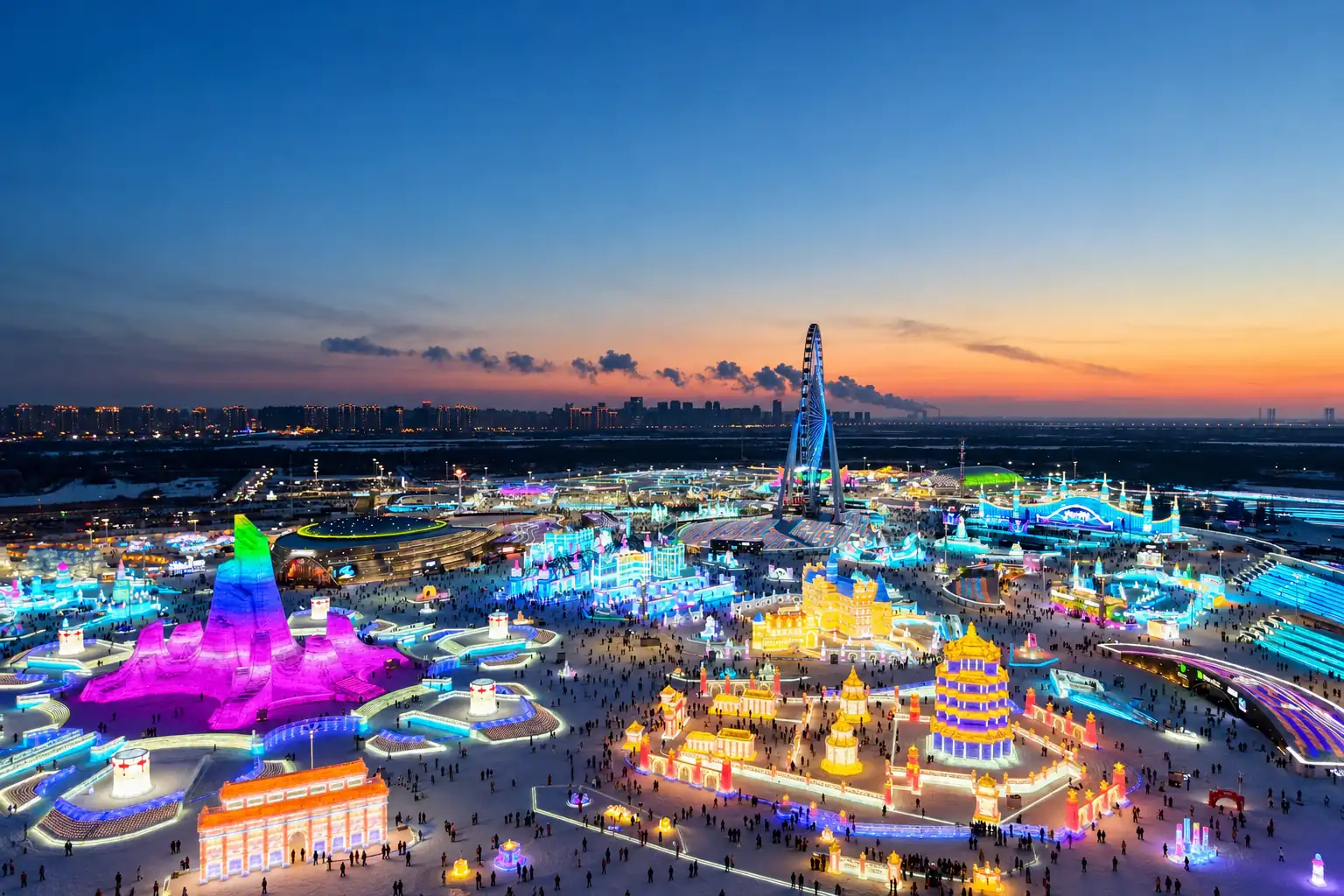
Make Ice and Snow World the major evening experience of the trip. Arriving before or around the transition into darkness lets you see the ice structures in changing light before the illuminated architecture becomes the focus. Keep the rest of the evening flexible because this is one of the coldest and longest outdoor sessions in the itinerary.
See Ice & Snow World ↑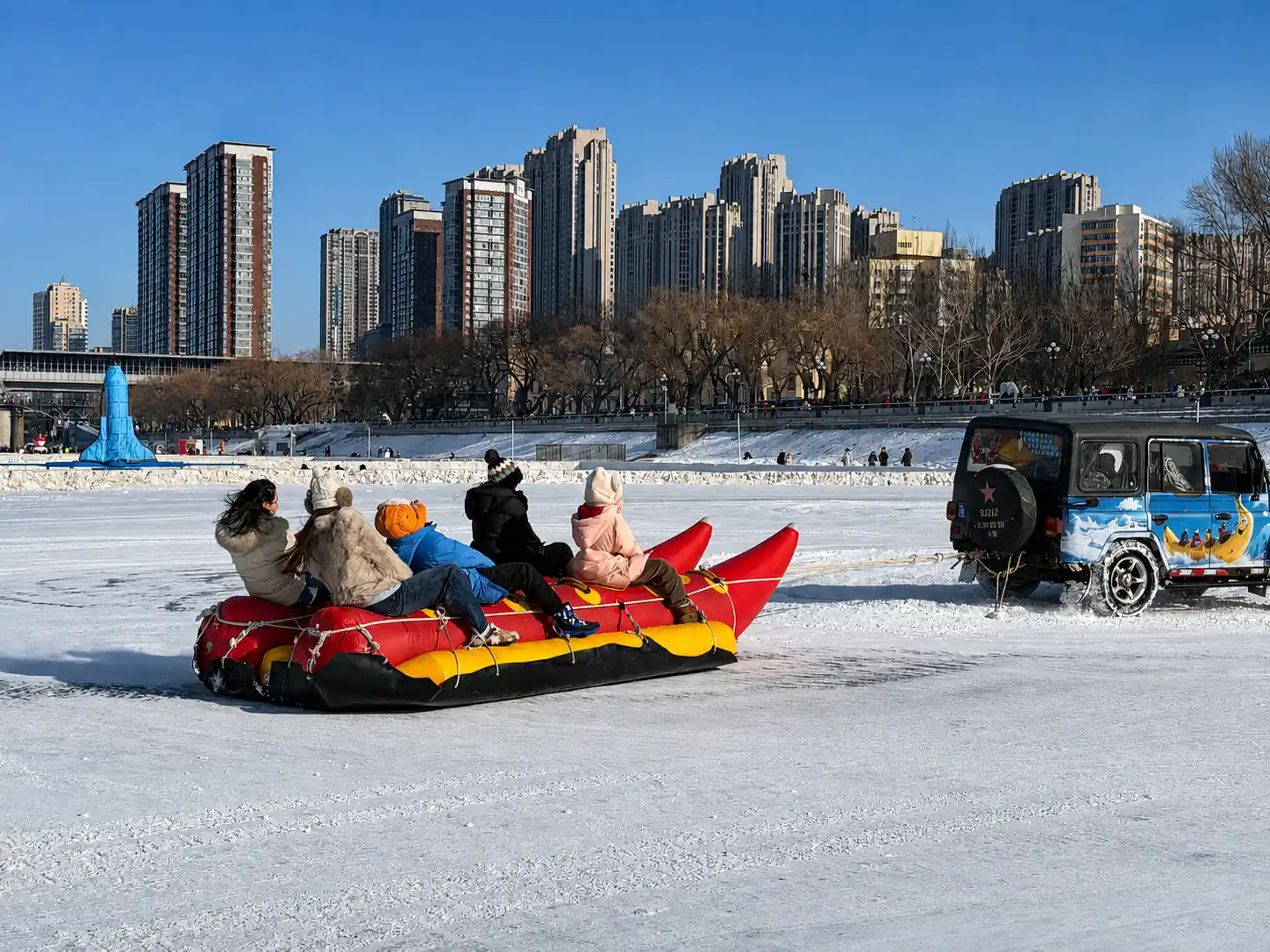
Return to central Harbin for a slower winter morning along the Songhua River and Stalin Park. In deep winter, the frozen river becomes part of the city’s seasonal landscape, with organized ice and snow activities in designated areas. Keep this section flexible according to weather and your tolerance for the cold.
Explore Winter Experiences ↑
Use the final afternoon for Siberian Tiger Park if wildlife is an important part of your trip. Otherwise, keep the day in Daoli for markets, cafés, architecture or any city-center sights you skipped earlier. This flexible finish prevents the three-day itinerary from becoming unnecessarily rushed.
Compare Harbin Attractions ↑Seasonal opening dates, winter conditions and optional trips beyond Harbin can change how the route should be arranged. Build a private itinerary around your arrival point, hotel location, preferred pace and the winter experiences that matter most to you.
The best area to stay in Harbin depends on whether sightseeing, railway convenience or winter attractions matter most to you. For most first-time visitors, the Central Street area in Daoli provides the easiest base for historic Harbin, food and evening walks. Railway-station areas can work better for short stays, while Songbei suits travelers prioritizing major winter attractions.
Stay around Central Street in Daoli if this is your first trip to Harbin. The area puts you close to Central Street, St. Sophia Cathedral, the Songhua River and many restaurants, shops and historic streets. It also works especially well in winter because you can return to your hotel between outdoor sightseeing sessions instead of spending the entire day away from your base.
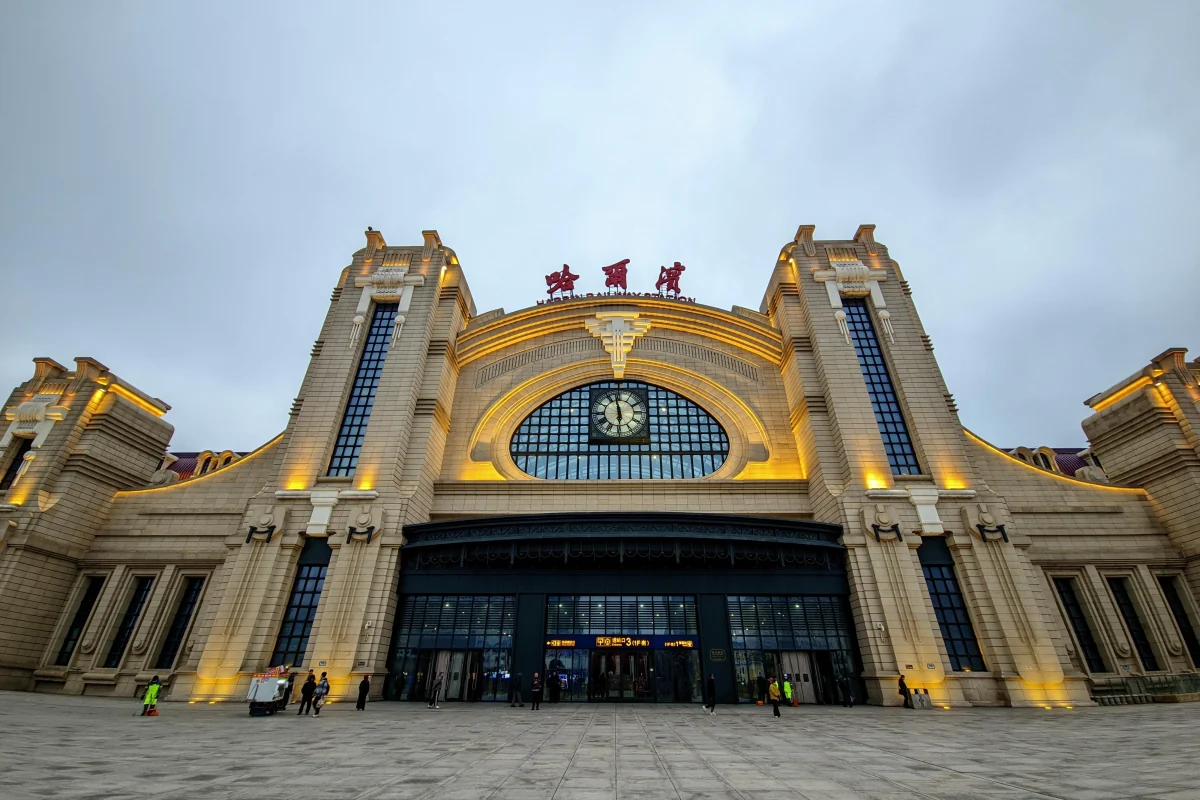
Consider the area around Harbin Railway Station if an early departure, late arrival or frequent rail travel matters more than staying directly beside Central Street. Nangang provides a practical city base while keeping the main railway station close for onward travel.
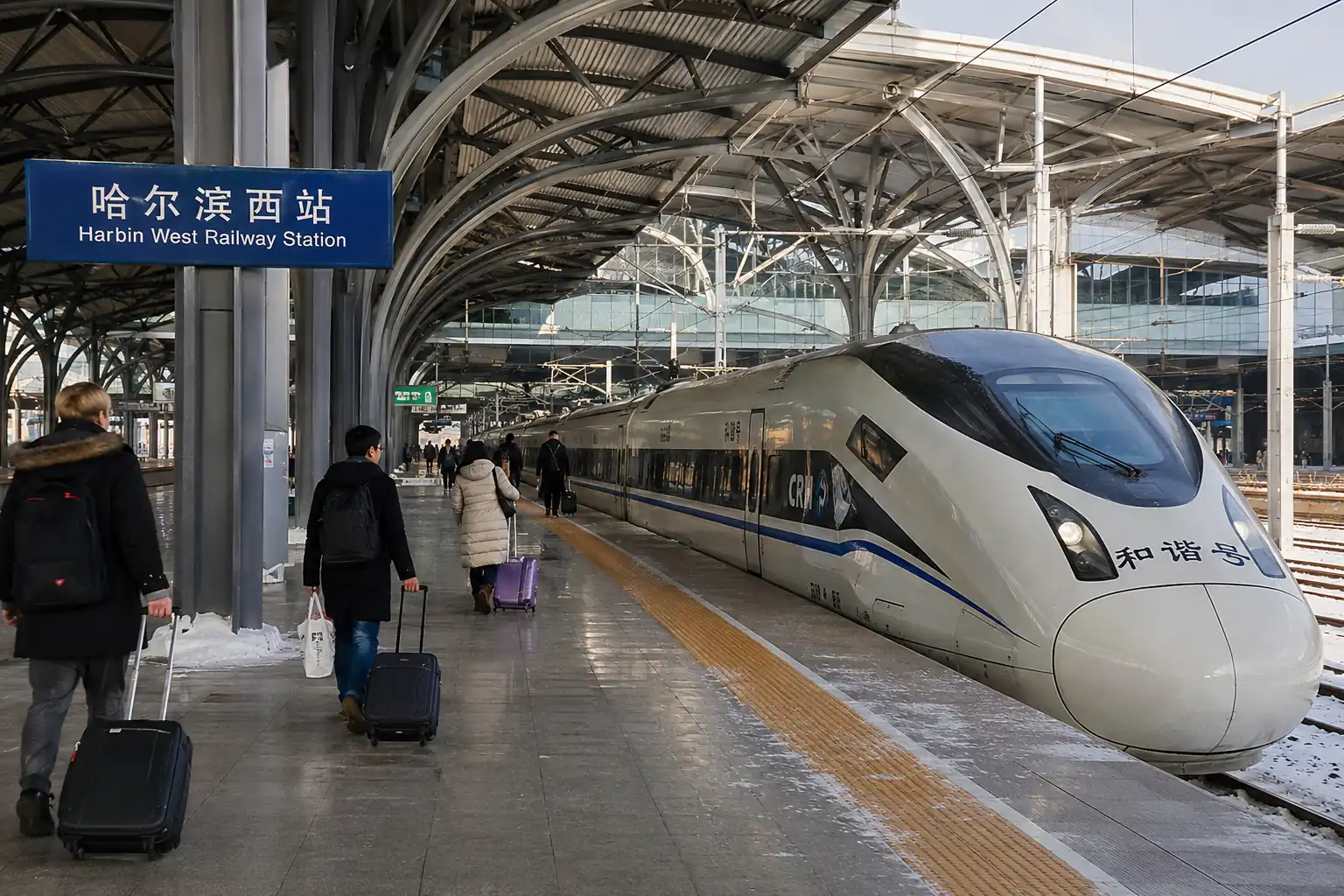
The Harbin West Station area can make sense when your itinerary is built around high-speed rail or you only need a convenient overnight stop before continuing to another destination. First-time sightseers usually gain more from staying in Daoli, so choose this area mainly when railway logistics are the priority.
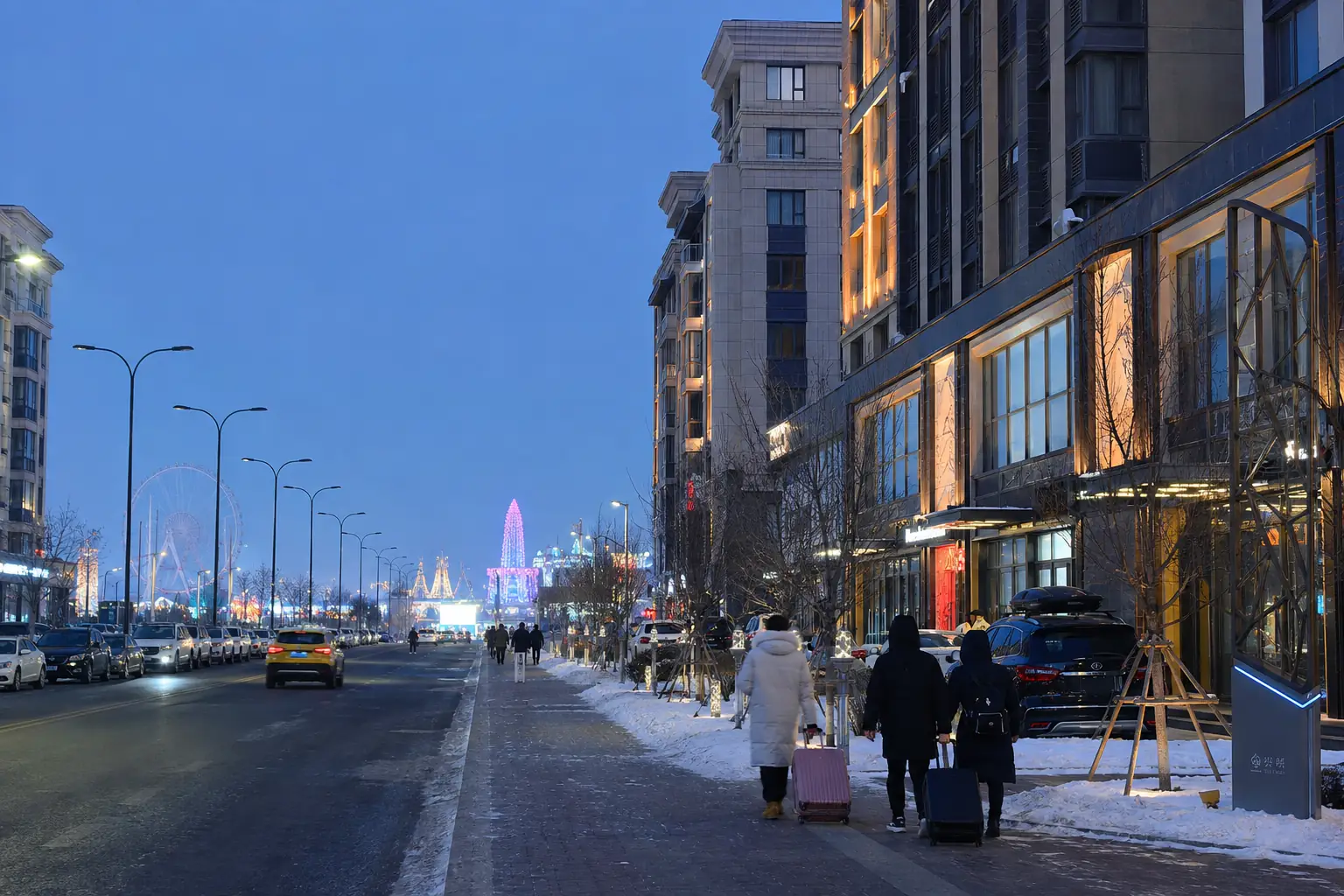
Consider Songbei when your winter trip is strongly focused on Ice and Snow World and attractions north of the Songhua River. Staying here can simplify a late winter evening, but it is less convenient than Daoli if most of your itinerary centers on Central Street, St. Sophia Cathedral, food and the historic city center.
Choose Central Street and Daoli for the strongest first-time sightseeing base, Harbin Railway Station or Harbin West when train logistics dominate your schedule, or Songbei when access to major winter attractions matters more than staying in historic central Harbin. During the peak ice-and-snow season, book earlier because accommodation demand and prices can rise significantly.
Harbin is accessible by air and rail, while metro, taxis, ride-hailing and buses handle most travel within the city. Harbin Taiping International Airport serves air arrivals, and travelers by train should check carefully whether their service uses Harbin Railway Station or Harbin West Railway Station. In winter, allow more time for transfers and avoid planning every outdoor journey too tightly.
Harbin has more than one important railway station, so confirm the station name before arranging your hotel transfer. Once in the city, public transportation works well for many longer journeys, while taxis or ride-hailing can simplify routes with luggage, very cold weather or several transport changes. Winter itineraries should leave extra time between major stops.
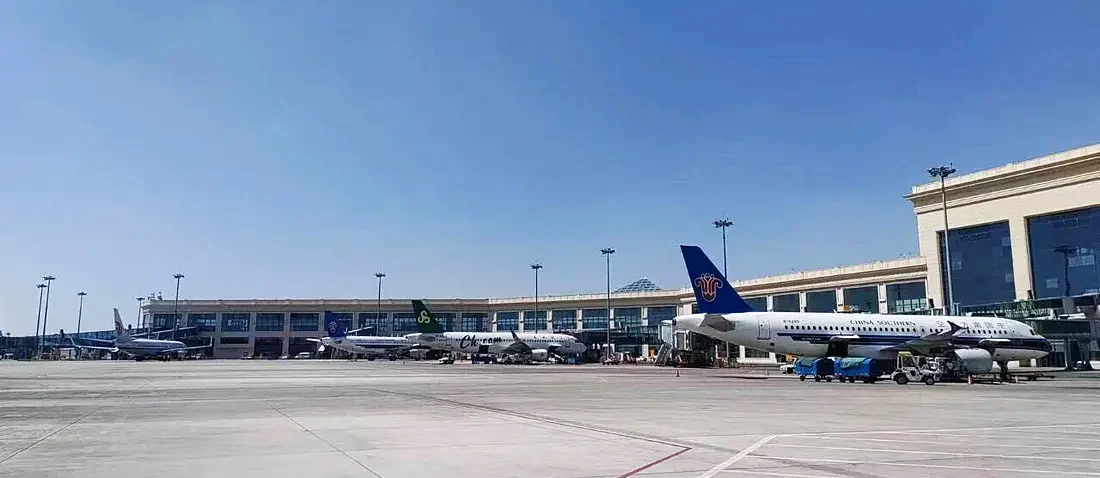
Harbin Taiping International Airport is the main air gateway for travelers flying into the city. Continue to your hotel by the available public transportation, taxi, ride-hailing or a pre-arranged transfer according to your arrival time, luggage and accommodation location. Build a larger transfer margin into winter arrival and departure days.
Harbin Railway Station is an important rail arrival point for the city and can be convenient for travelers staying in central Harbin or Nangang. Do not assume every Harbin-bound train uses the same station: check the station name shown on your ticket before arranging a hotel transfer or onward connection.
Harbin West Railway Station is another major arrival point and is especially relevant to travelers using high-speed rail. If you stay around Central Street or another sightseeing area, treat arrival at Harbin West as a separate transfer rather than assuming your hotel is beside the station. Always confirm the exact Harbin station when booking train tickets.
China Train Ticket Guide →The Harbin Metro is useful for longer journeys across the city and can reduce the need for repeated road transfers. It works best as part of a mixed transportation strategy rather than as the only way to reach every attraction, so expect to combine metro journeys with walking, buses or shorter taxi rides.
Taxis and ride-hailing are particularly useful for hotel transfers, luggage, early departures and routes that would otherwise require several transport changes. They can also reduce long outdoor waits during Harbin's winter, but allow additional time around major attractions and busy seasonal travel periods.
How to Use DiDi in China →Local buses and walking remain useful for shorter journeys, especially when several nearby sights are grouped into the same route. Around Daoli, for example, planning nearby landmarks together can reduce unnecessary transfers. In very cold weather, however, choose a realistic walking distance rather than building an itinerary around long outdoor connections.
Winter transportation planning is as much about comfort and timing as distance. Avoid scheduling major outdoor attractions back to back with tight transfers, leave room for indoor warm-up stops and keep arrival or departure days simpler when carrying luggage. A route that looks efficient on a map can feel much slower in extreme winter conditions.
City transportation and winter extensions should be planned separately. If your itinerary includes skiing or another destination outside central Harbin, allow enough time for the additional transfer instead of treating it as a normal city sightseeing stop.
Harbin works especially well as the starting point for a longer Northeast China winter trip. Add Yabuli if skiing is a priority, consider China Snow Town for a deeper snow-focused experience, or build a longer winter route when you have five days or more. These extensions are better treated as separate travel segments rather than squeezed into an already full Harbin sightseeing day.
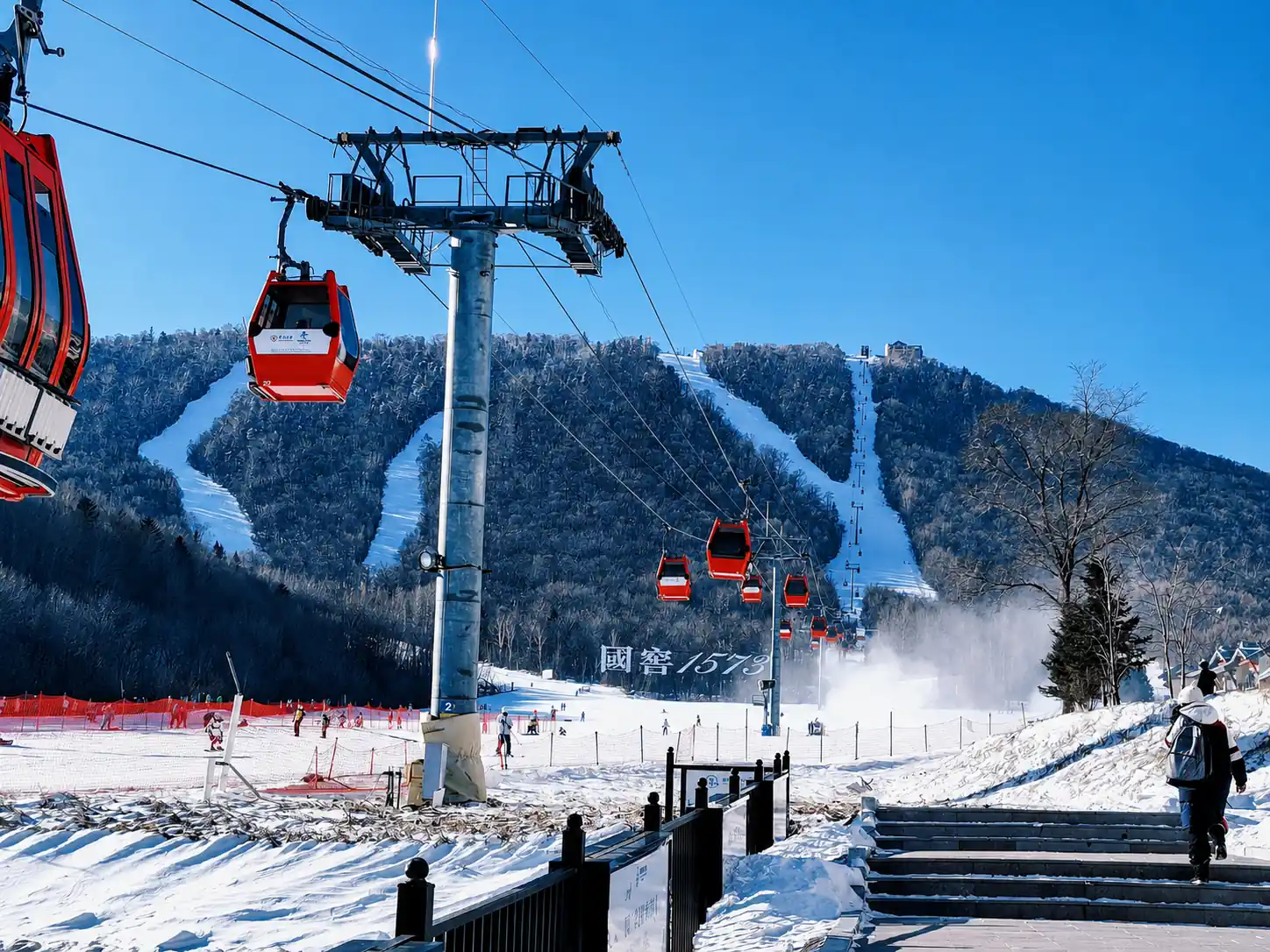
Add Yabuli when skiing or snowboarding is an important part of your Harbin trip. Rather than trying to fit a ski excursion into a short city itinerary, keep the main Harbin highlights together and give Yabuli its own travel time. It is the strongest extension for travelers who want to combine the Ice City with a dedicated winter sports experience.
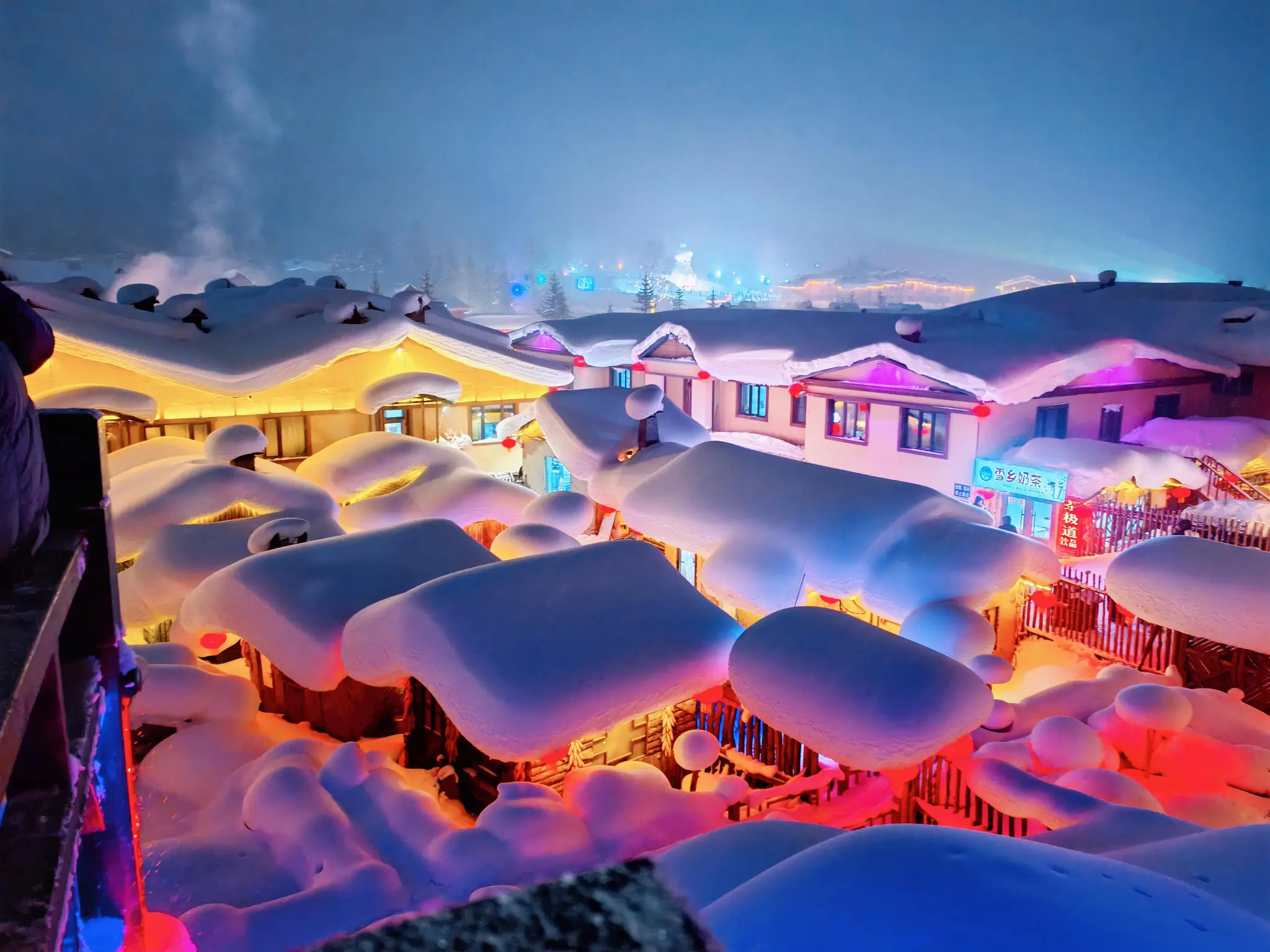
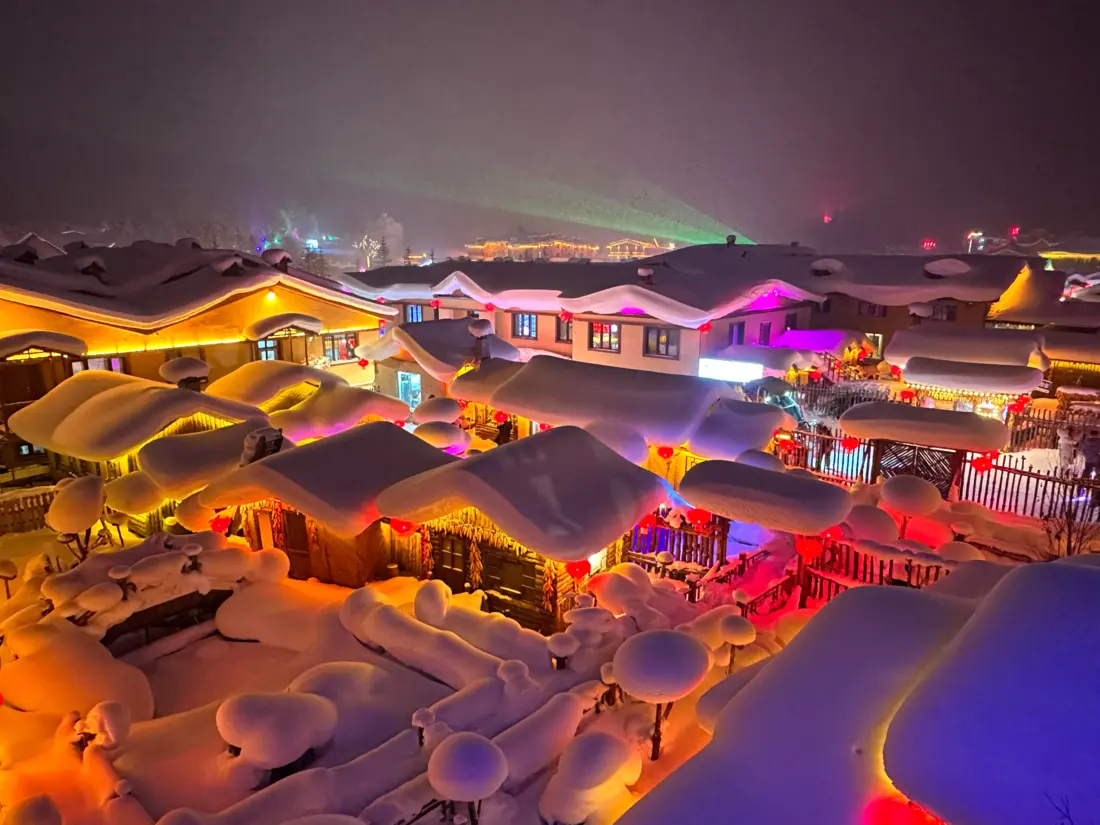
Consider China Snow Town if your priority is immersive winter scenery rather than additional Harbin city sightseeing. It works better as part of a longer winter itinerary than as a rushed add-on to a two- or three-day city visit, especially when winter road travel and weather need to be considered.
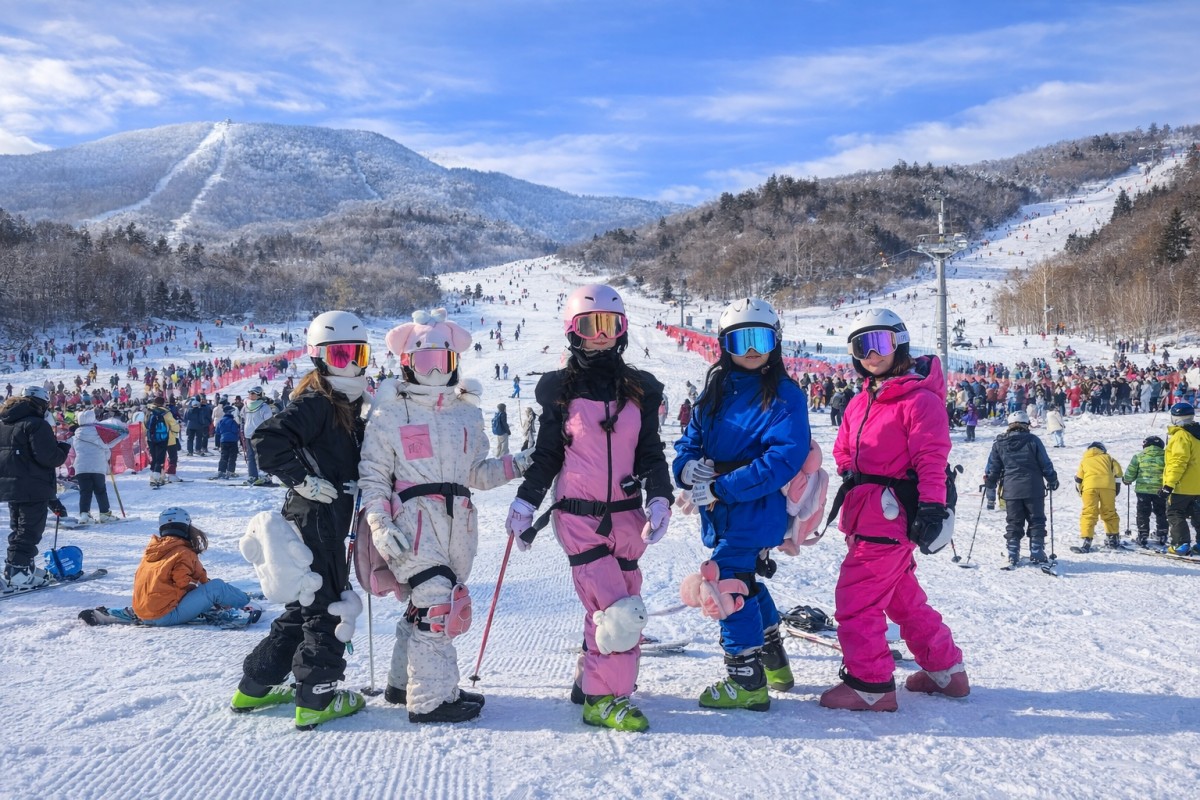
Combine Harbin’s main ice and snow attractions with dedicated ski time and a visit to Volga Manor. This option works well for travelers who want winter sports but also want to preserve enough time for Ice and Snow World, Sun Island and Harbin’s distinctive Russian-influenced architecture.
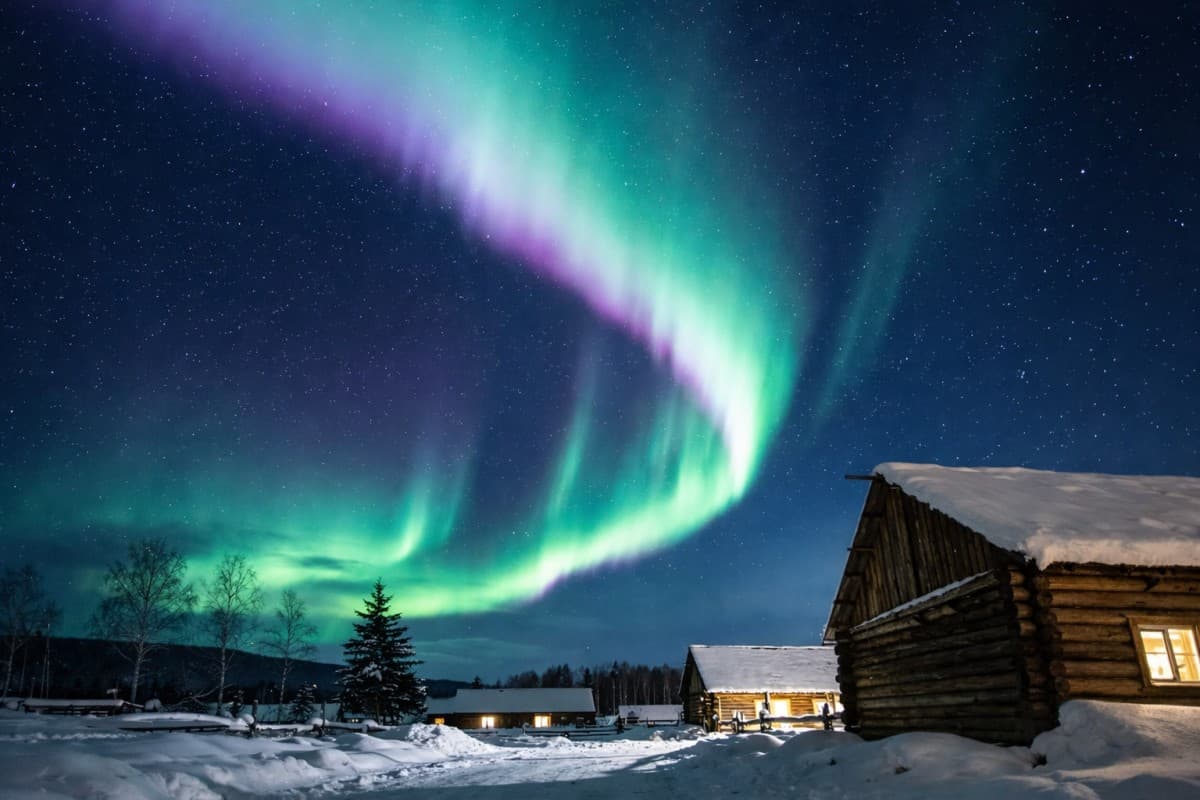
Travelers with more time can continue north from Harbin into a broader Northeast China winter journey. A Harbin and Mohe route adds deeper snow landscapes and Arctic Village experiences while keeping Harbin’s Ice Festival highlights as the starting point of a longer winter trip.
Keep a short first trip focused on Harbin itself. Add Yabuli or another winter extension only when you have enough time to preserve the city's main sights and still travel at a realistic winter pace. For most travelers, the extension becomes much easier to justify once the total trip reaches four or five days or longer.
Build a Harbin trip around the winter experiences you actually want rather than forcing every traveler into the same fixed route. Combine Ice and Snow World, Sun Island, Central Street, local food and historic Harbin, then add skiing or a longer winter extension only when your schedule allows enough time.
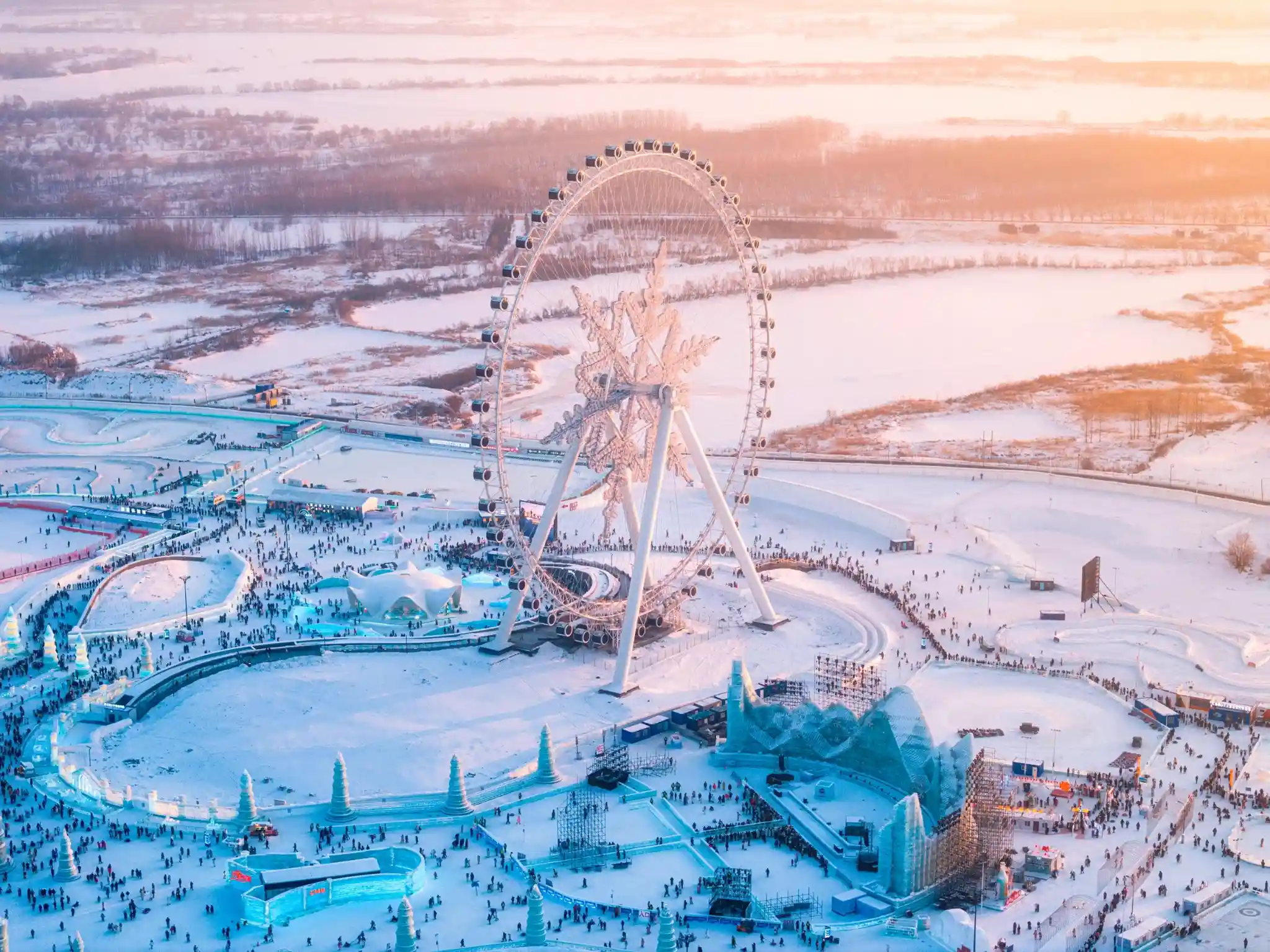
Build a balanced first Harbin journey around historic Daoli, Central Street and St. Sophia Cathedral, then dedicate a full winter day to Sun Island and Harbin Ice and Snow World. Use the final day for the frozen Songhua River, local food and either Siberian Tiger Park or a slower city experience according to your interests and tolerance for the winter cold.
Customize This Harbin Trip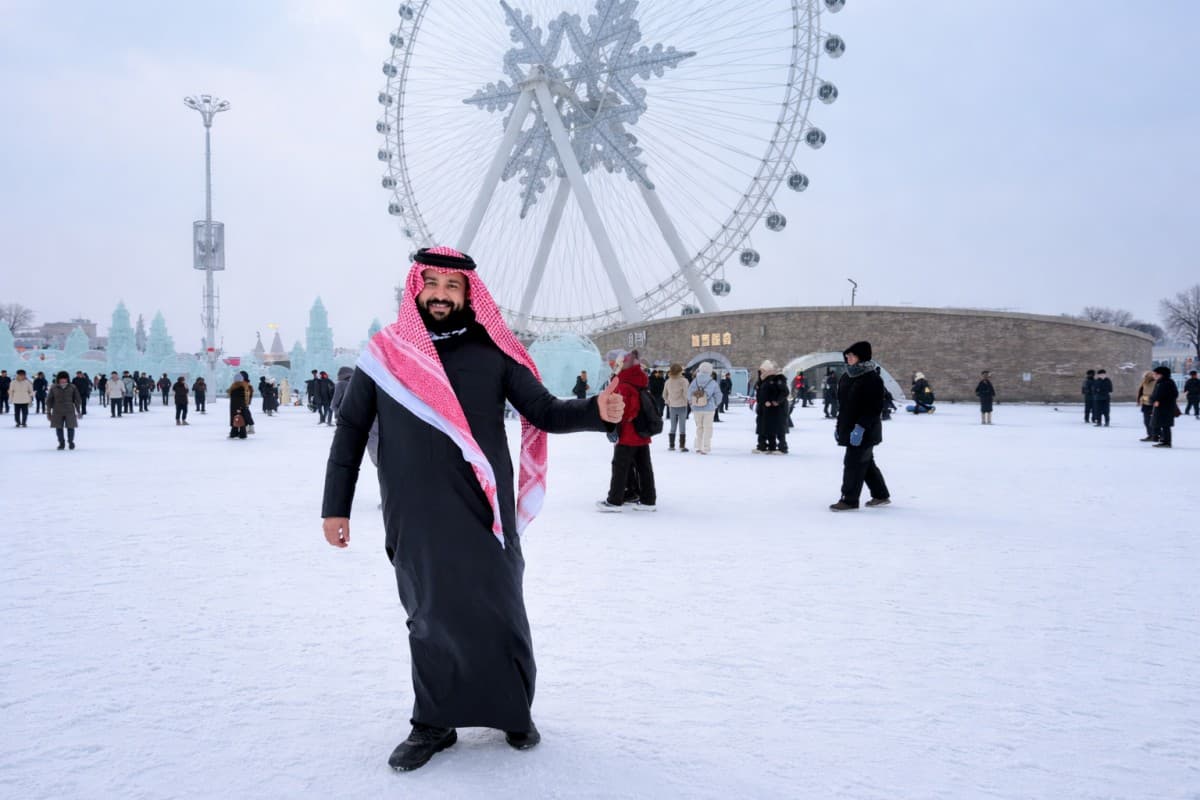
Keep a short trip focused on the strongest Harbin experiences. Combine Central Street and St. Sophia Cathedral on the first day, then use the second for Sun Island during daylight and Ice and Snow World after dark. This is the most efficient winter option when time is limited.
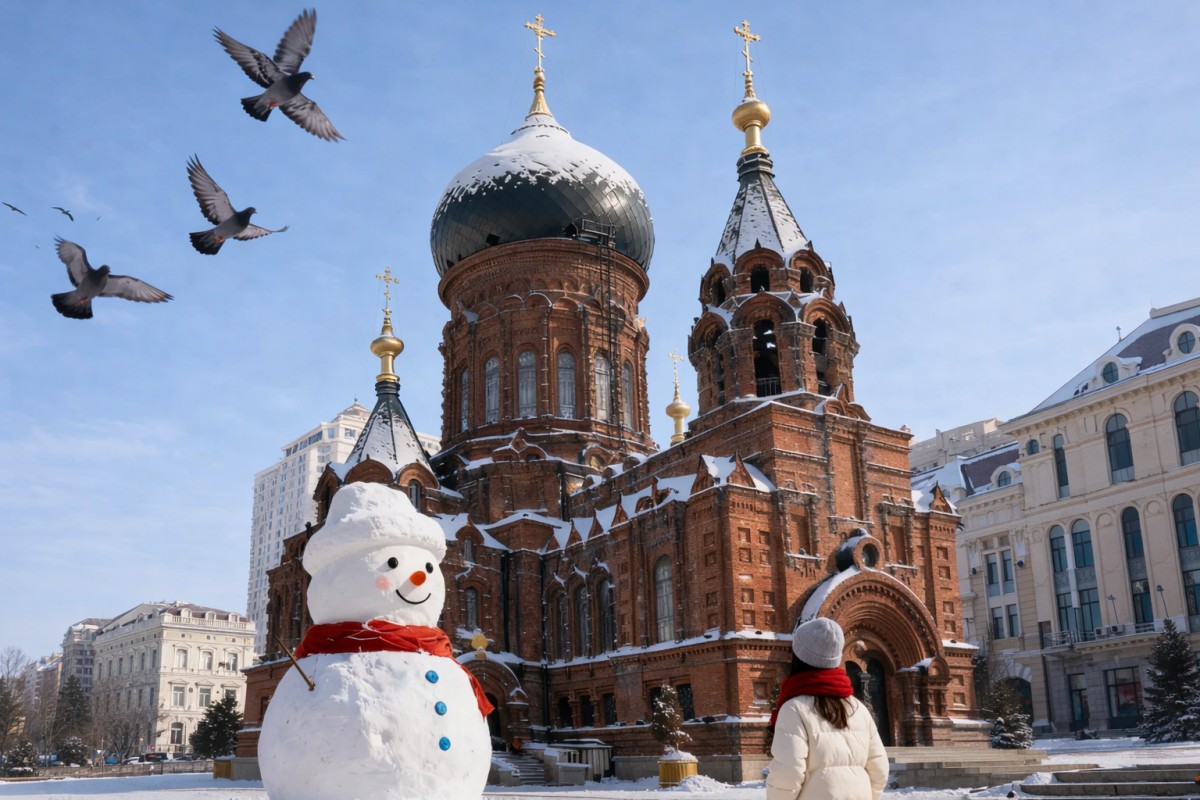
Slow the route down and give more attention to Harbin itself. Combine the major winter attractions with Central Street, Russian-influenced architecture, local markets and specialties such as Guo Bao Rou, red sausage, Dalieba and traditional Harbin-style winter snacks.
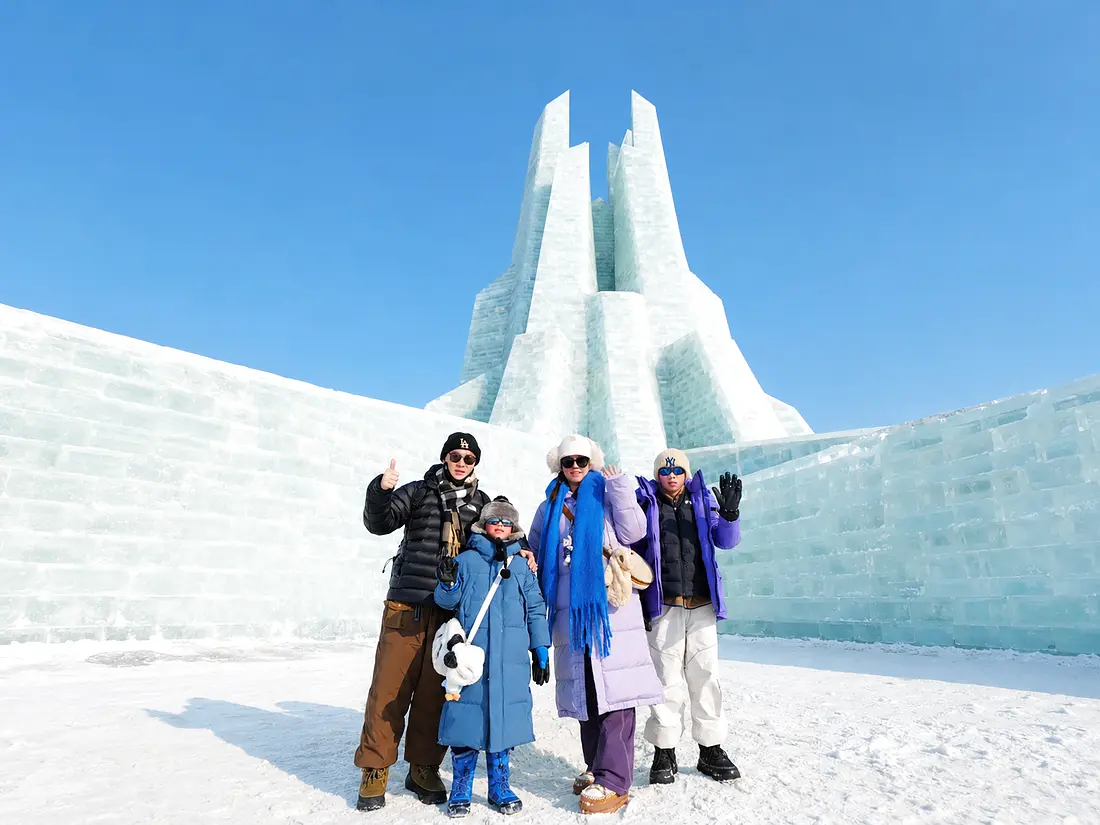
Build shorter outdoor sessions around the major ice and snow attractions, then balance them with meals, indoor warm-up stops and flexible sightseeing. Add Siberian Tiger Park or simple winter activities according to children's ages, interests and comfort in very cold weather.

Keep the main Harbin sightseeing days intact, then continue to Yabuli for dedicated skiing or snow activities. This route works much better than trying to squeeze a ski excursion into a short city itinerary and suits travelers whose Northeast China trip is strongly focused on winter experiences.
Build your itinerary around your actual arrival point, hotel area, available days and preferred winter pace. A private route can combine the major attractions with food, markets, architecture and additional winter experiences without treating every day as a fixed sightseeing checklist.
Plan a Private Harbin Trip →Compare Harbin winter trips built around Ice and Snow World, Sun Island, Snow Town, Volga Manor and other seasonal experiences. Use these trip ideas to decide which winter experiences fit your available time before building a customized route.
Continue beyond Harbin when skiing, deep-snow landscapes or a longer Northeast China journey are important to your trip. Yabuli and other winter extensions should be treated as separate travel segments rather than compressed into the main city route.
Explore Winter Extensions ↑Tell us your travel dates, group size, arrival point, hotel preferences and winter interests. Your Harbin route can be adjusted around seasonal attractions, extreme cold, skiing, family needs and the amount of time you actually have instead of forcing every traveler into the same fixed package.