Choose Your Shenzhen Trip Length
One day can cover a focused city route, while two or three days make it much easier to combine the skyline, waterfront, local neighborhoods, food and major attractions without rushing.

Shenzhen is a modern coastal city in Guangdong directly beside Hong Kong. Known for technology, contemporary architecture and rapid urban development, it also offers waterfront parks, creative districts, theme parks, historic neighborhoods and a very different perspective on China from the country’s traditional heritage cities.
Yes, especially if you want to experience modern urban China rather than another itinerary built mainly around historic monuments. Shenzhen combines dramatic skylines, technology, coastal scenery, contemporary culture and easy connections with Hong Kong in one of southern China’s most distinctive city breaks.
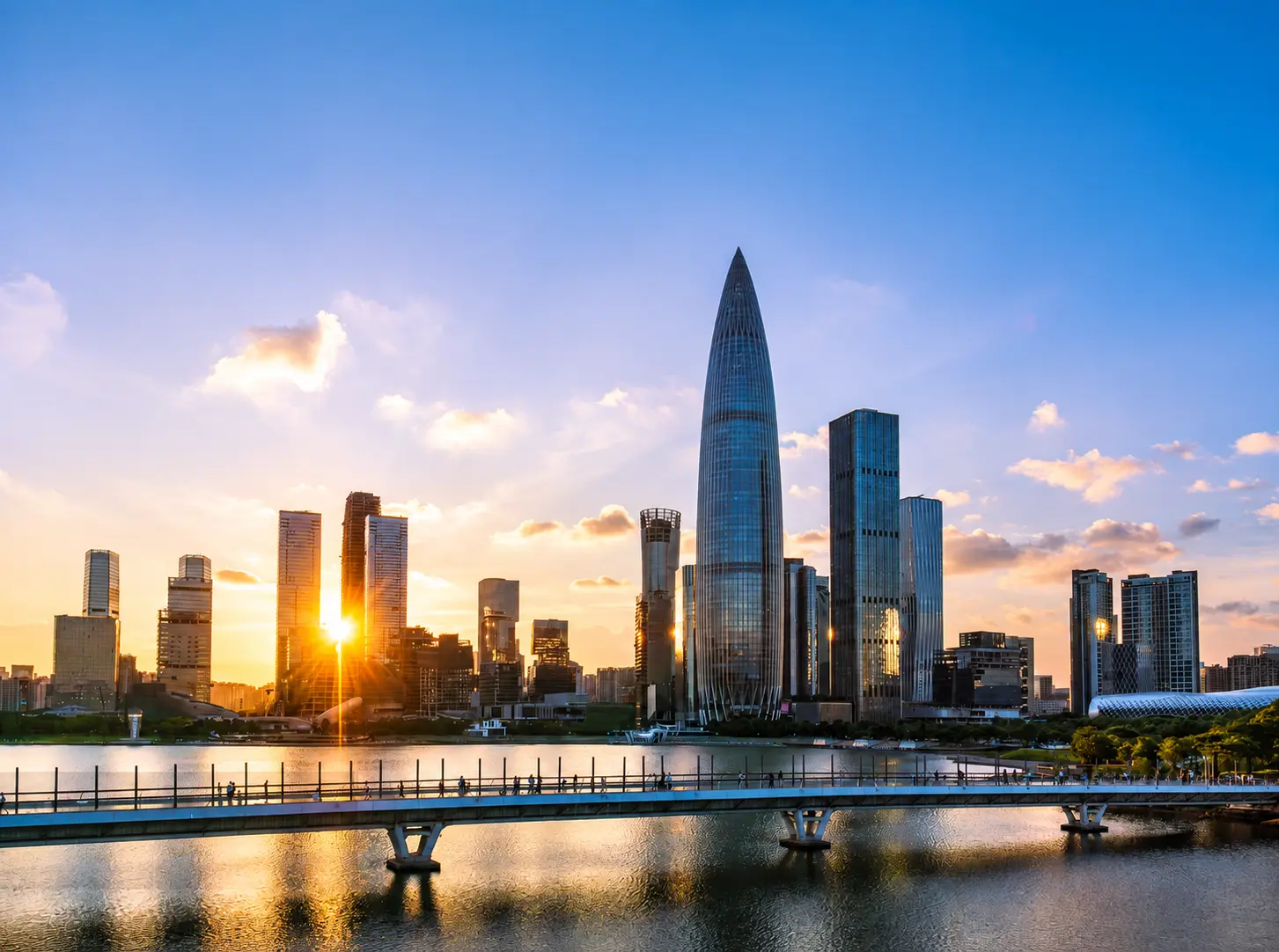
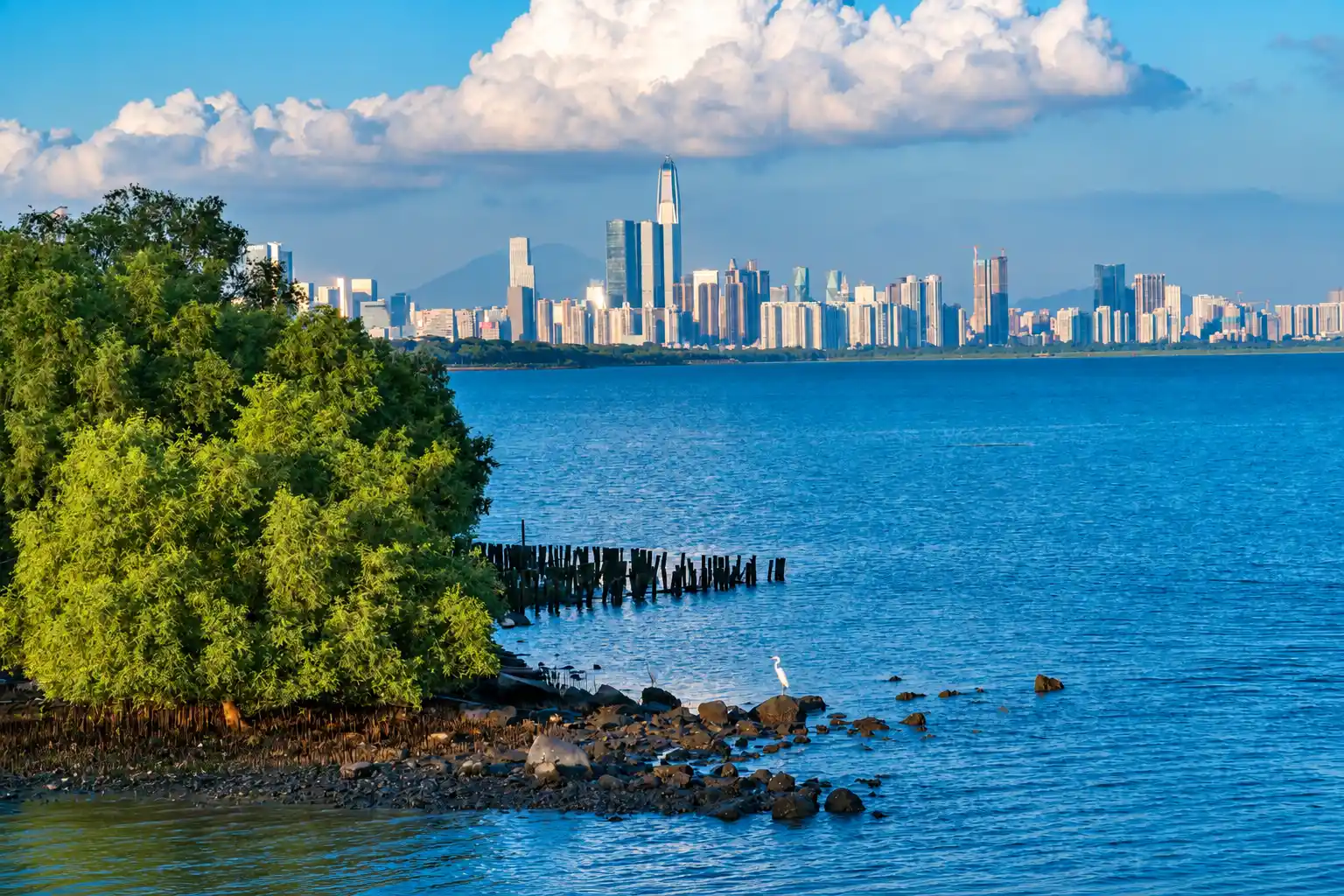
Shenzhen is in Guangdong Province in southern China, immediately north of Hong Kong. Its location makes the city especially convenient for travelers combining mainland China with Hong Kong or exploring more of the Greater Bay Area.
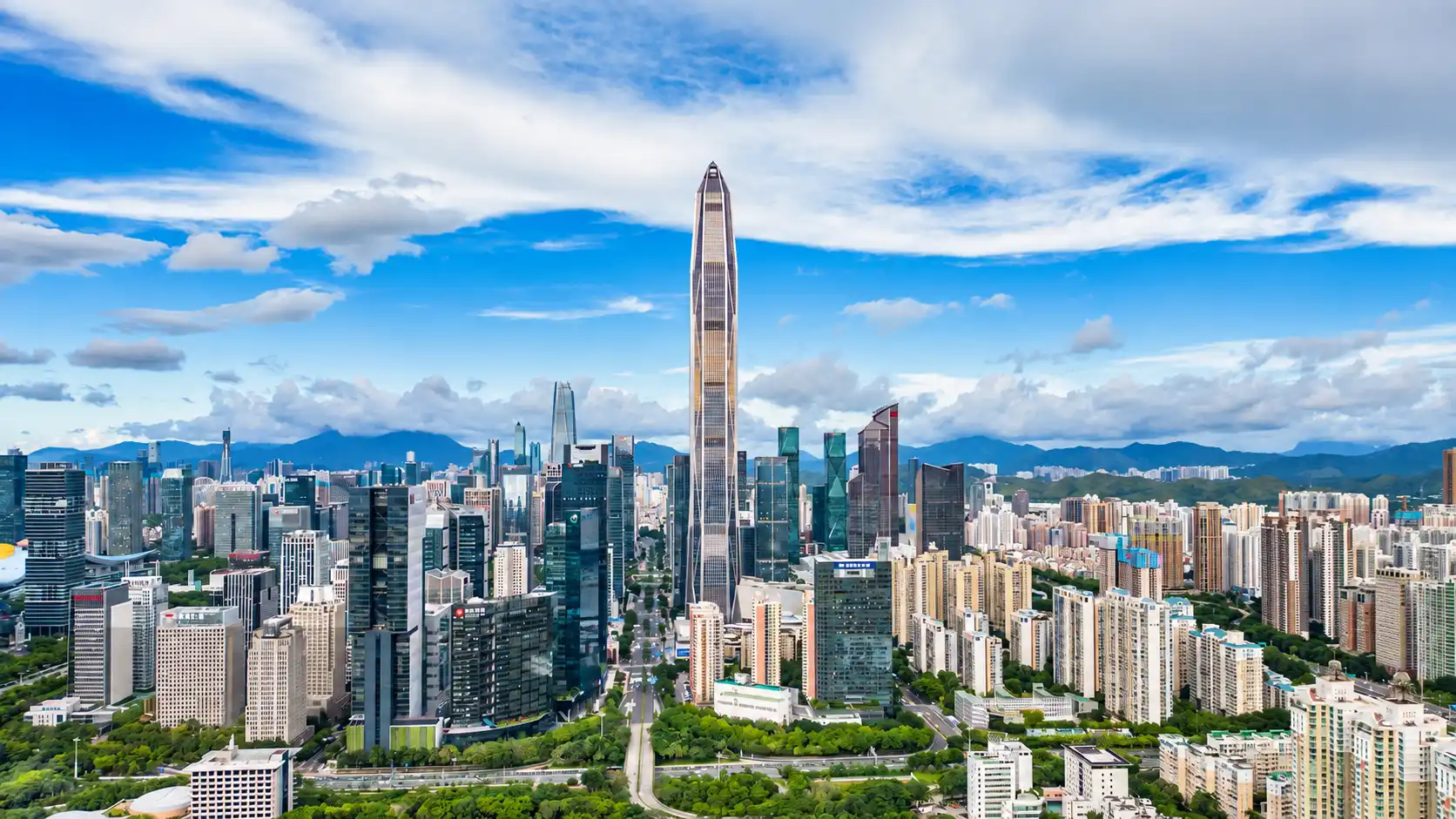
Shenzhen became one of China’s first Special Economic Zones in 1980 and developed rapidly into a major center for technology, business and modern urban life. Today its skyline, architecture, shopping districts and technology industry are central to the city’s identity.
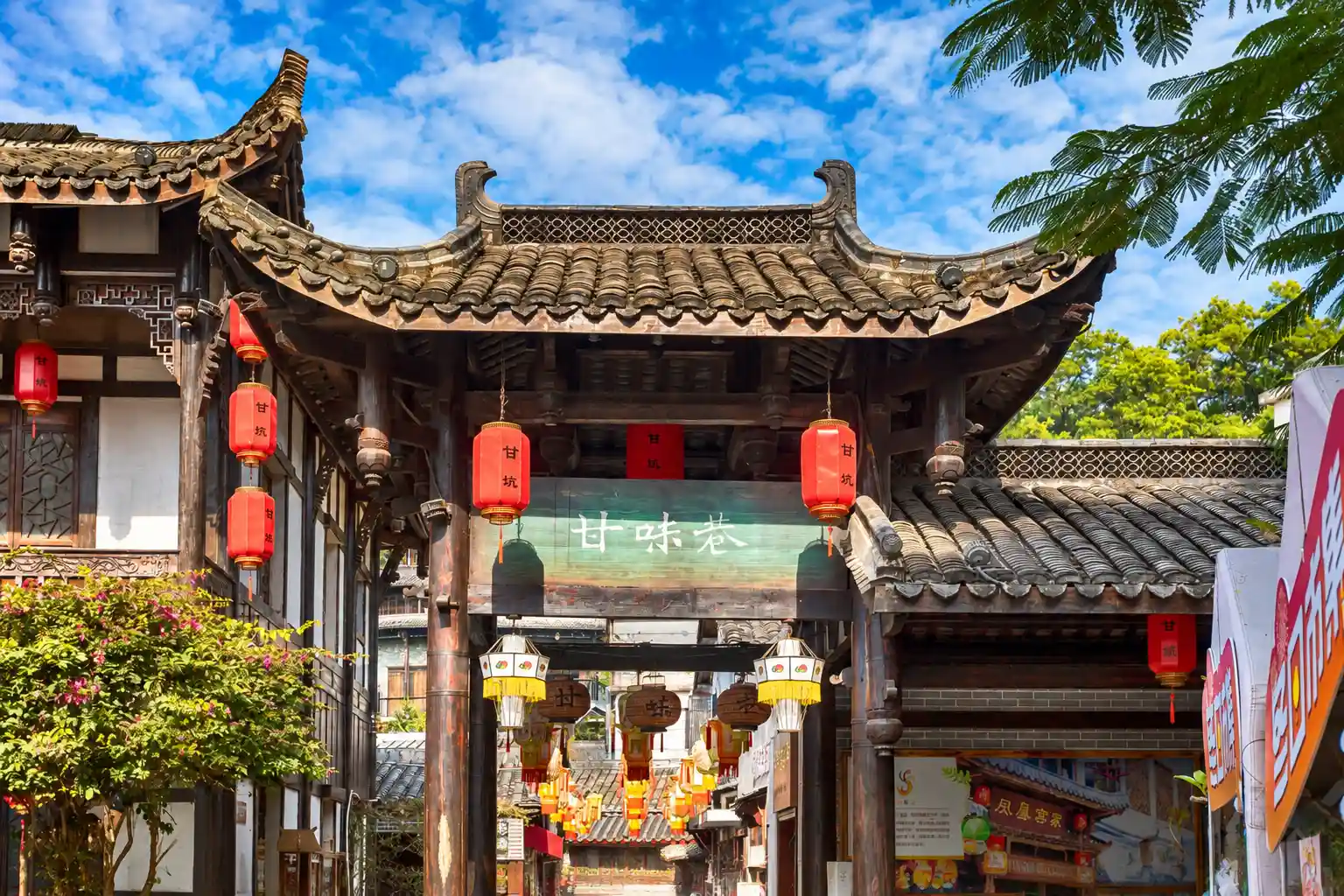
Shenzhen’s futuristic skyline is only one side of the city. Dafen Oil Painting Village highlights its creative culture, while older neighborhoods and Hakka cultural connections reveal layers of local history that existed long before the modern metropolis took shape.
Start with a mix of Shenzhen’s skyline, waterfront, creative culture and local neighborhoods rather than spending the entire trip in one type of attraction. The next section brings together the city’s most useful highlights for a first visit.
Shenzhen’s top attractions reveal several sides of the city, from the waterfront and Futian skyline to historic neighborhoods, art districts, theme parks and beaches. For a first visit, combine central Shenzhen with at least one cultural or coastal area rather than spending the entire trip around skyscrapers and shopping malls.
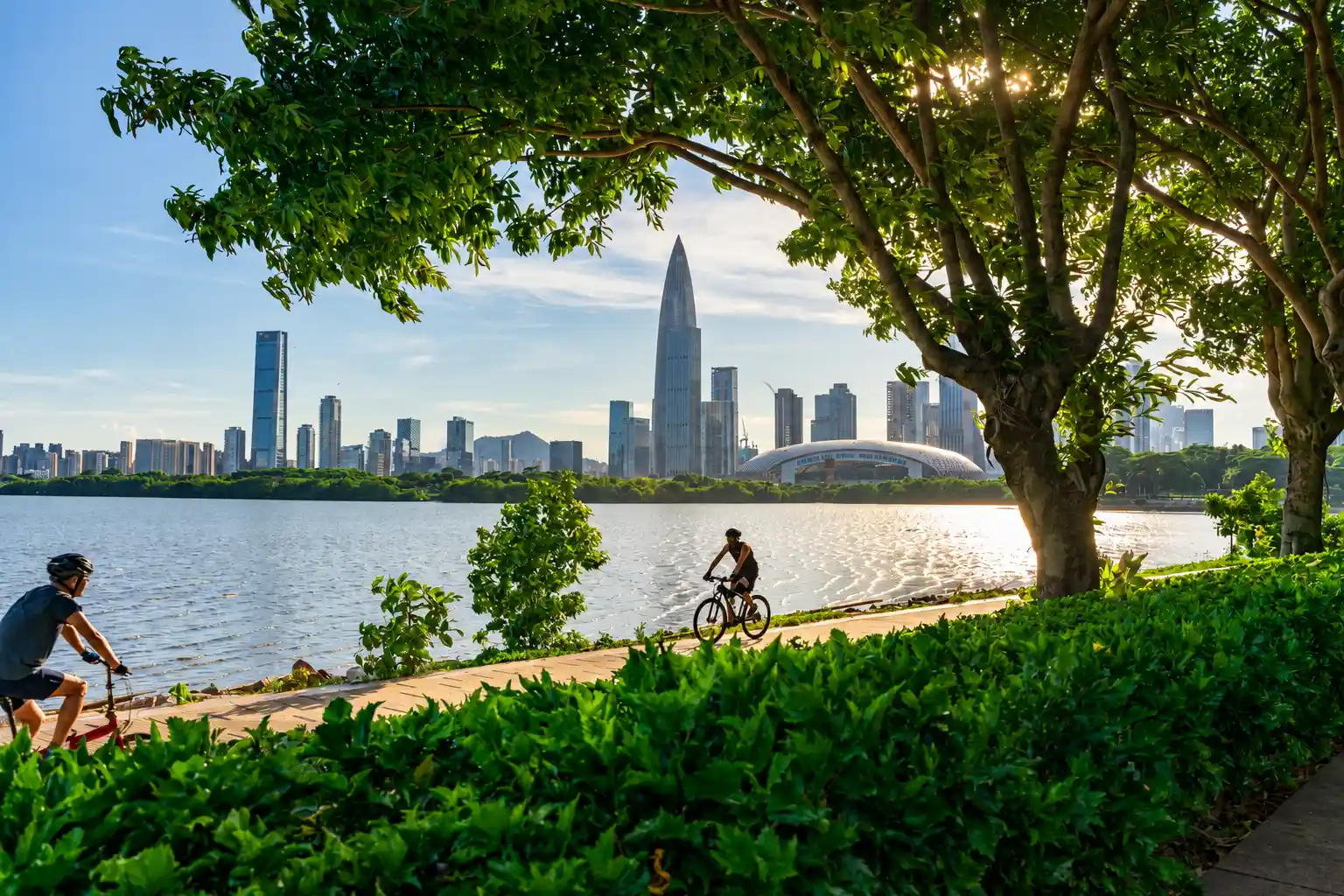
Follow Shenzhen’s waterfront through one of the city’s most characteristic public spaces, with open coastal views, skyline scenery and long promenades extending through Nanshan toward Shekou. It is one of the best places to understand how closely Shenzhen’s urban landscape is connected with the sea.
Explore Shenzhen Experiences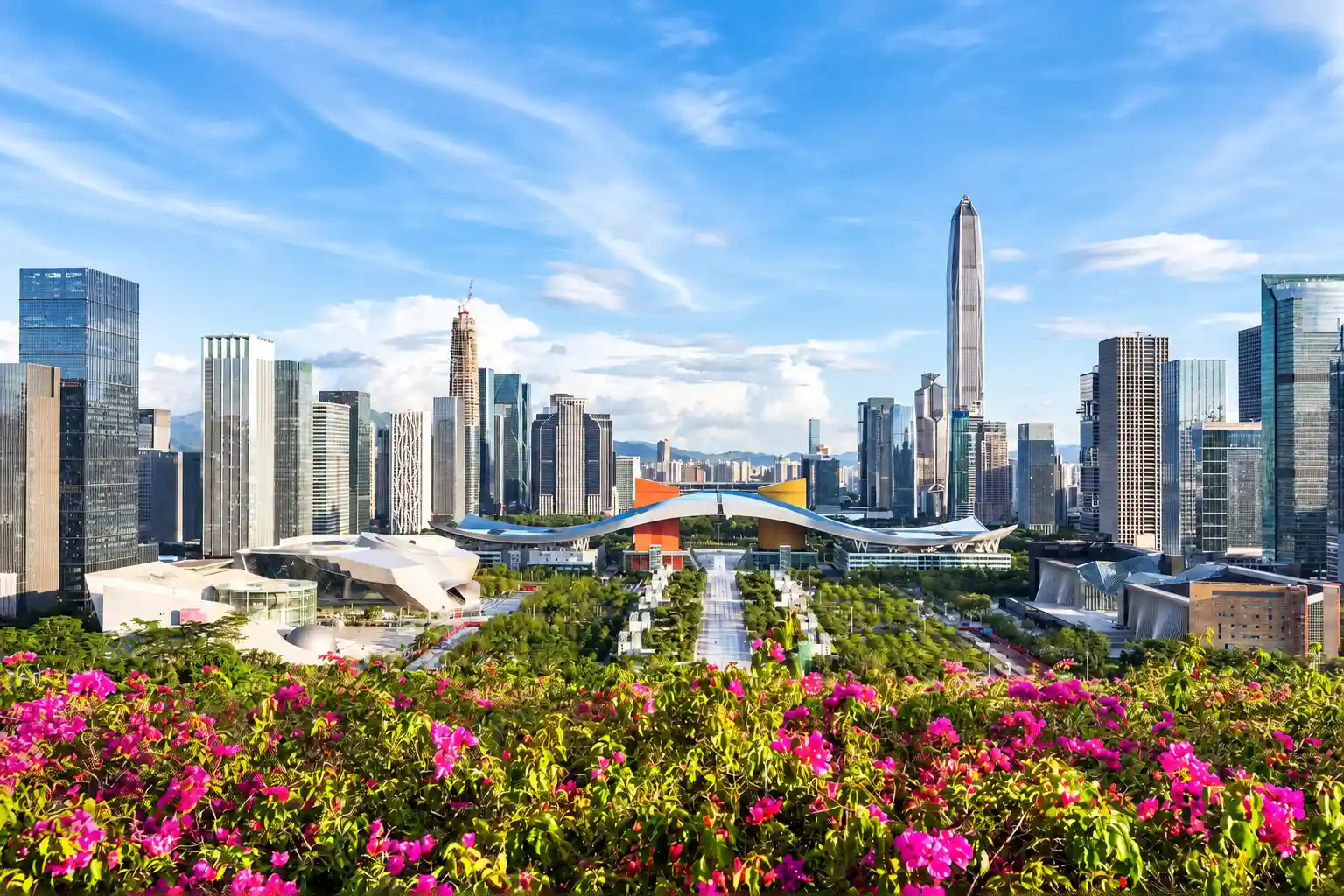
Climb Lianhuashan for one of the clearest introductions to Shenzhen’s Futian skyline, then walk toward the Civic Center and surrounding cultural buildings. This area brings together the modern architecture, public spaces and tall buildings that define central Shenzhen. For a higher panoramic view, the observation deck at Ping An Finance Centre offers another perspective across Futian and the wider Shenzhen skyline.
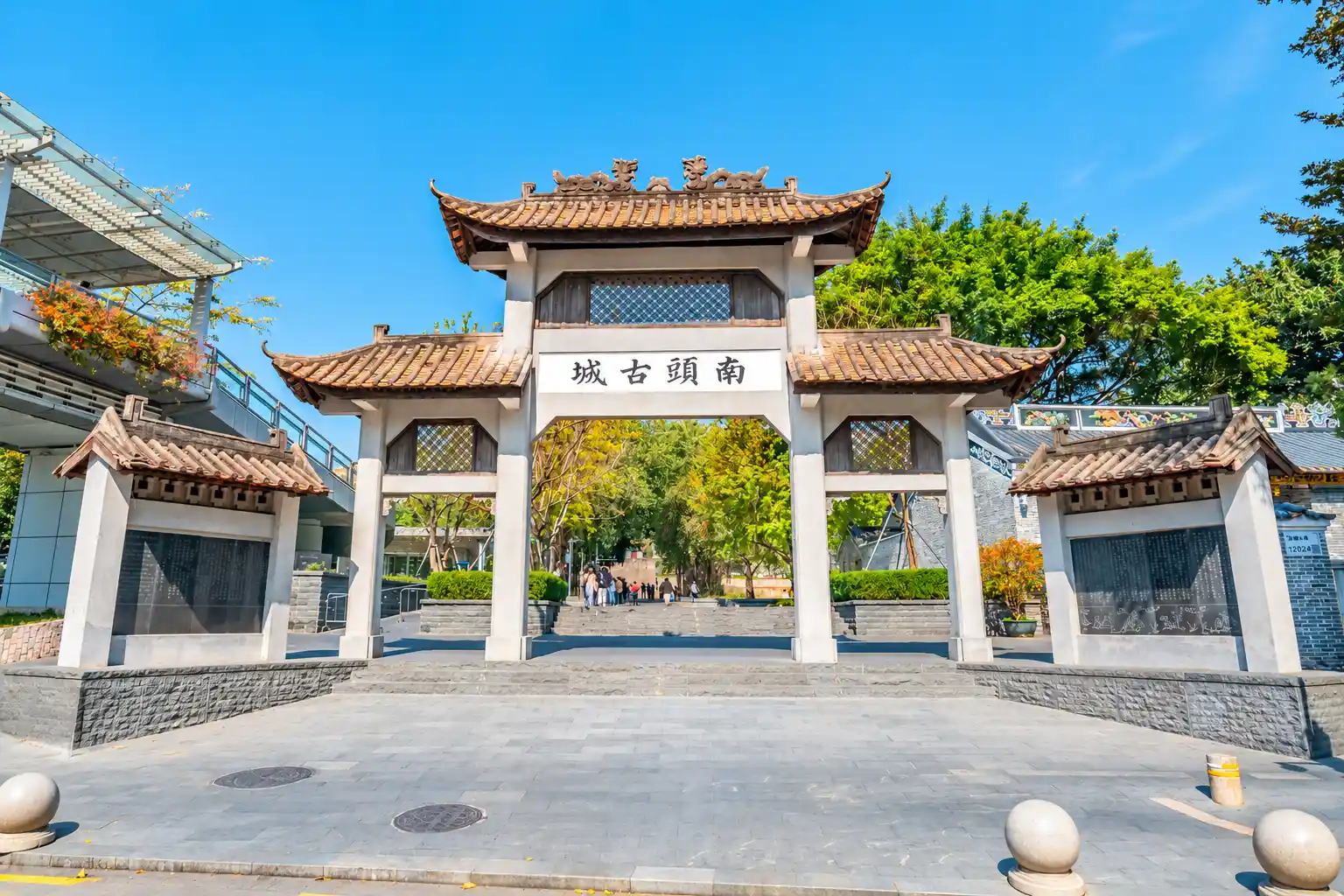
See a much older layer of Shenzhen inside this historic settlement in Nanshan. Restored buildings, old gates, narrow lanes and newer creative spaces sit together, making Nantou a useful counterpoint to the city’s futuristic image.

Wander through lanes filled with painting studios, galleries and working artists in one of Shenzhen’s best-known creative neighborhoods. Dafen offers a more intimate experience than the central business districts and reveals another side of the city’s contemporary culture.
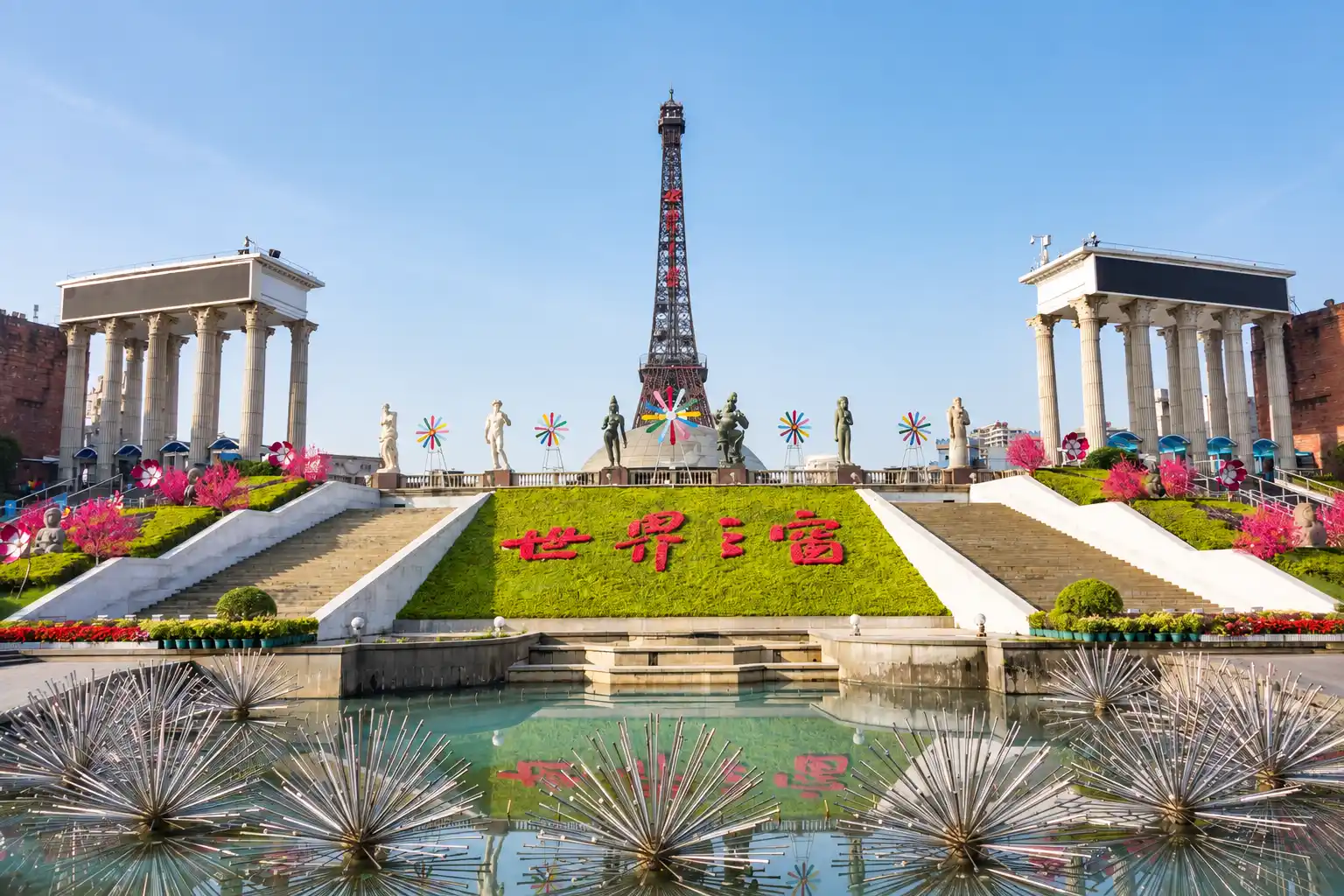
Visit Shenzhen’s famous theme park filled with recreations of landmarks from around the world. It is a very different experience from the city’s parks and historic neighborhoods and works best for families or travelers specifically interested in Shenzhen’s large-scale theme parks. If theme parks are a major part of your trip, nearby Splendid China Folk Village is another popular option to compare.
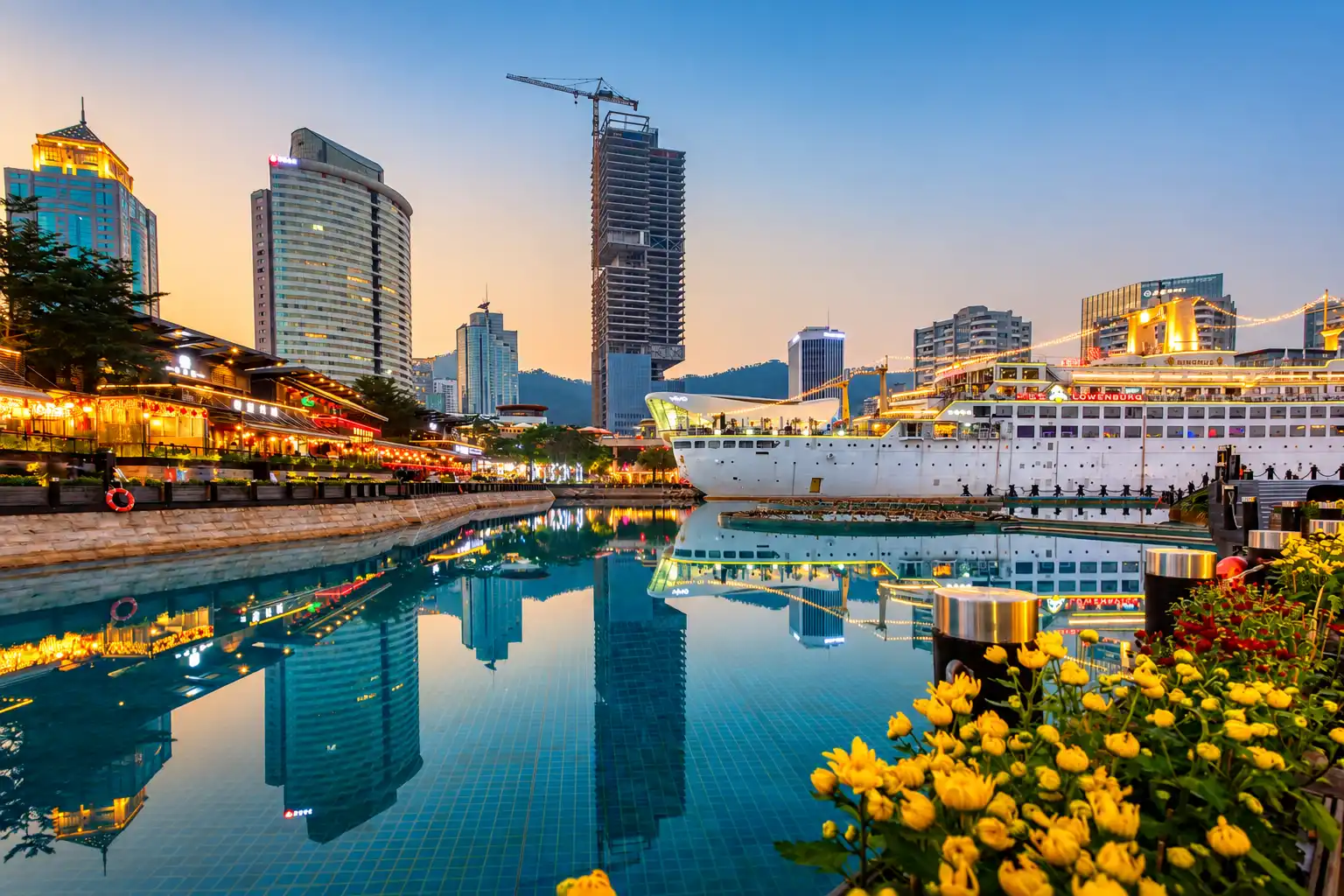
Explore one of Shenzhen’s most international waterfront neighborhoods, centered around the Sea World area in Shekou. Restaurants, public spaces, contemporary developments and nearby coastal walks make it particularly enjoyable in the late afternoon and evening.
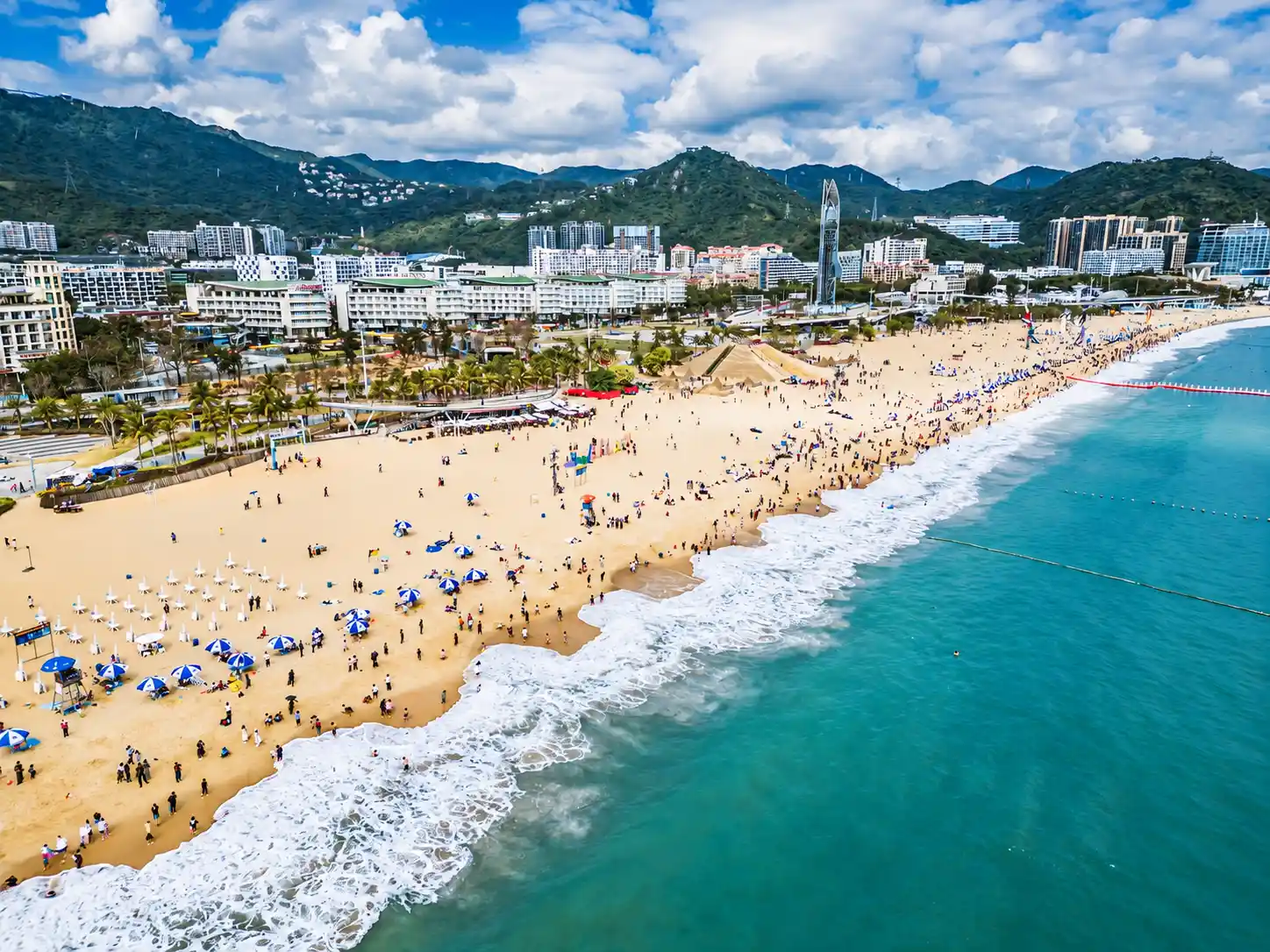
Head east of central Shenzhen for a coastal break at one of the city’s best-known beaches. Dameisha works well for travelers who want to balance skyscrapers and shopping with sea views, outdoor time and the more relaxed eastern side of Shenzhen.
Shenzhen is geographically spread out. For a first trip, combine nearby sights by district—for example Futian in one block, Shenzhen Bay and Nanshan in another, and eastern beaches or Longgang only when your itinerary allows enough travel time.
The best things to do in Shenzhen go beyond checking off individual tourist attractions. Explore the city’s technology culture, walk or cycle beside Shenzhen Bay, discover art and design districts, and see Futian’s modern skyline after dark. These experiences reveal why Shenzhen feels different from China’s older historic destinations.
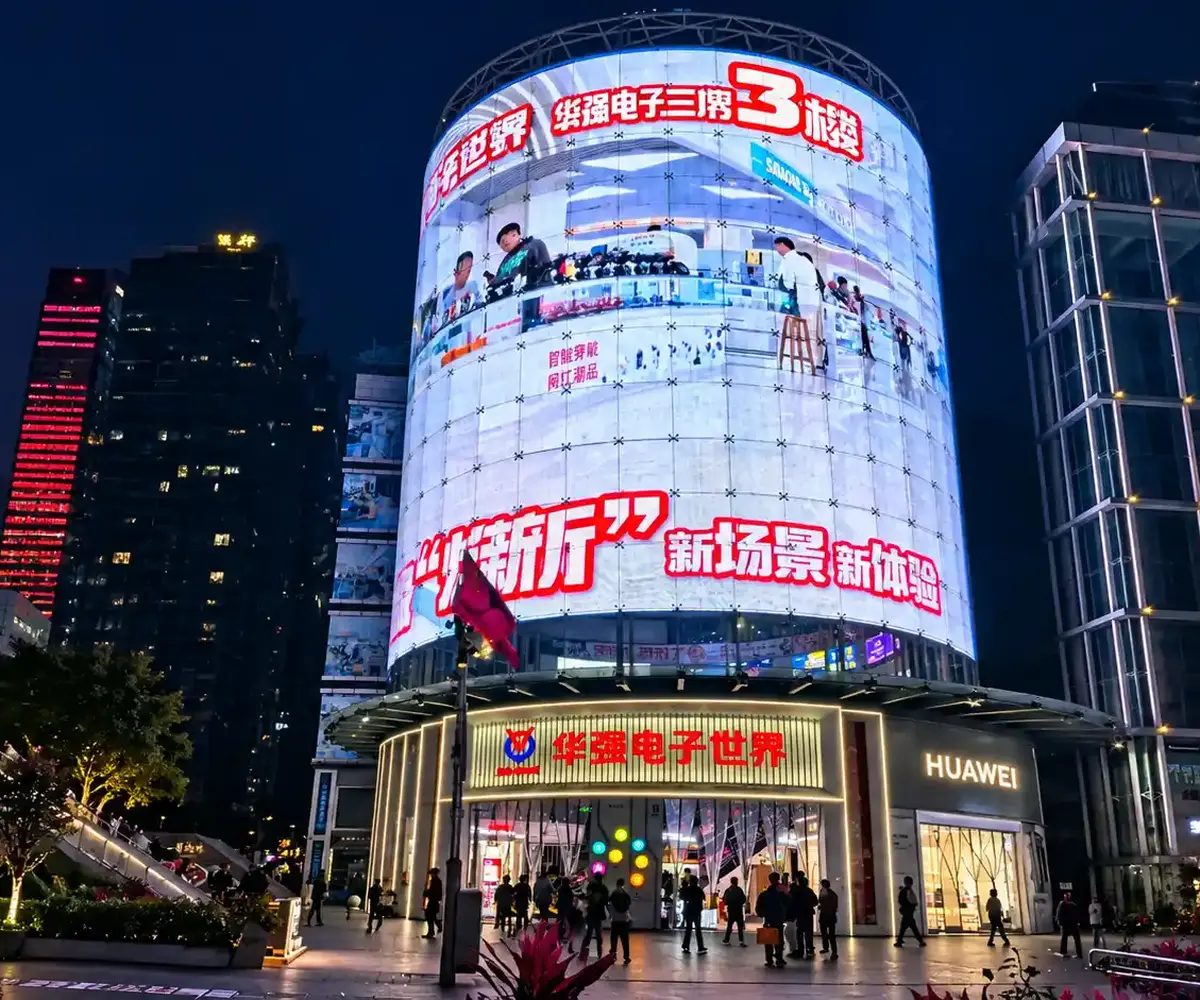
Spend a few hours in Huaqiangbei to experience one of the clearest expressions of modern Shenzhen. Multi-level electronics markets, component shops, gadgets and dense commercial streets reflect the city’s long connection with hardware, manufacturing and technology. Even if you are not shopping, the area is worth visiting for its energy and distinctly Shenzhen character.
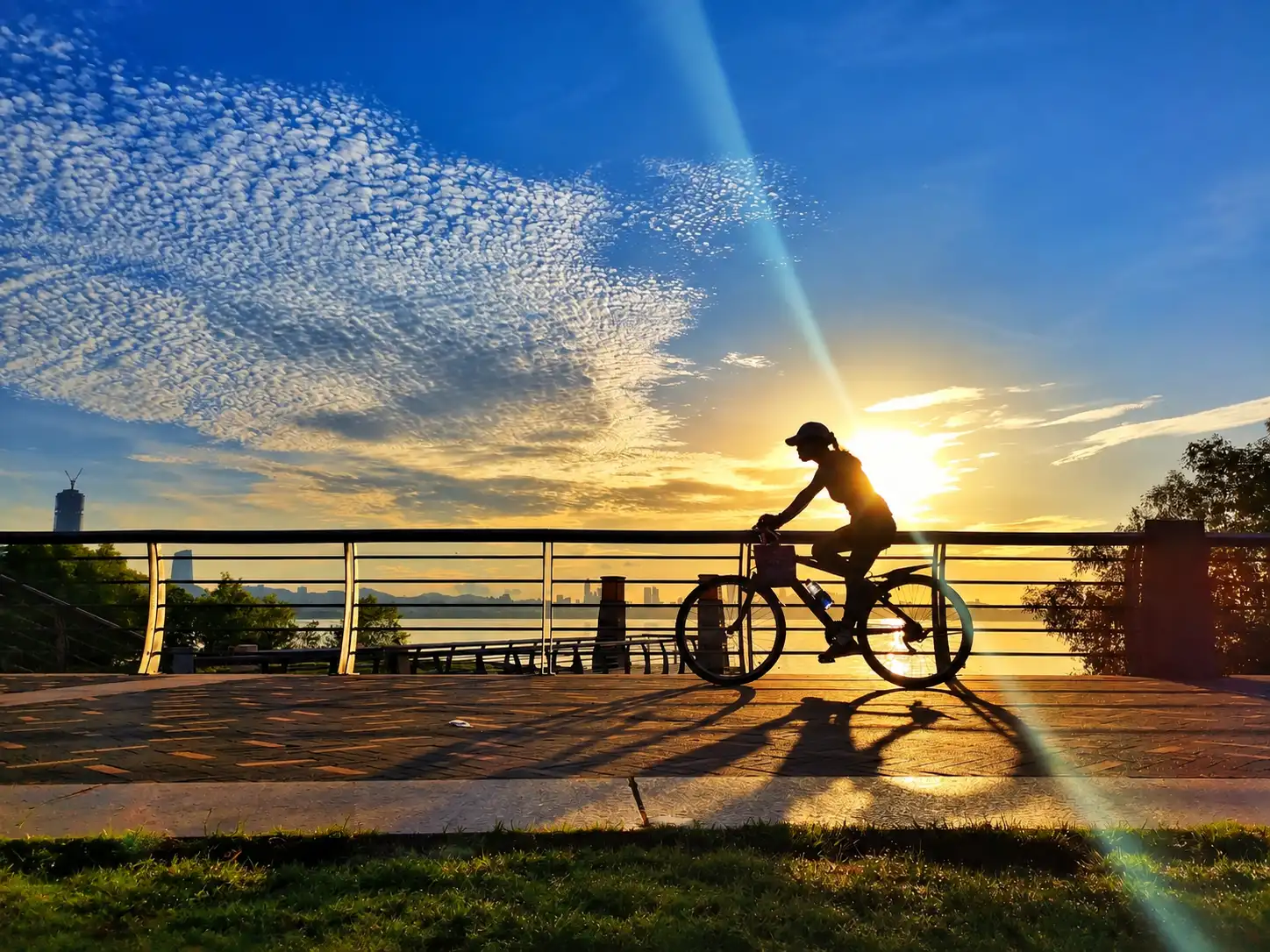
Experience Shenzhen at a slower pace on the waterfront. Walking or cycling beside Shenzhen Bay gives you open coastal views, landscaped public space and a completely different atmosphere from Futian’s dense commercial center. Late afternoon is especially enjoyable when you can continue toward sunset.
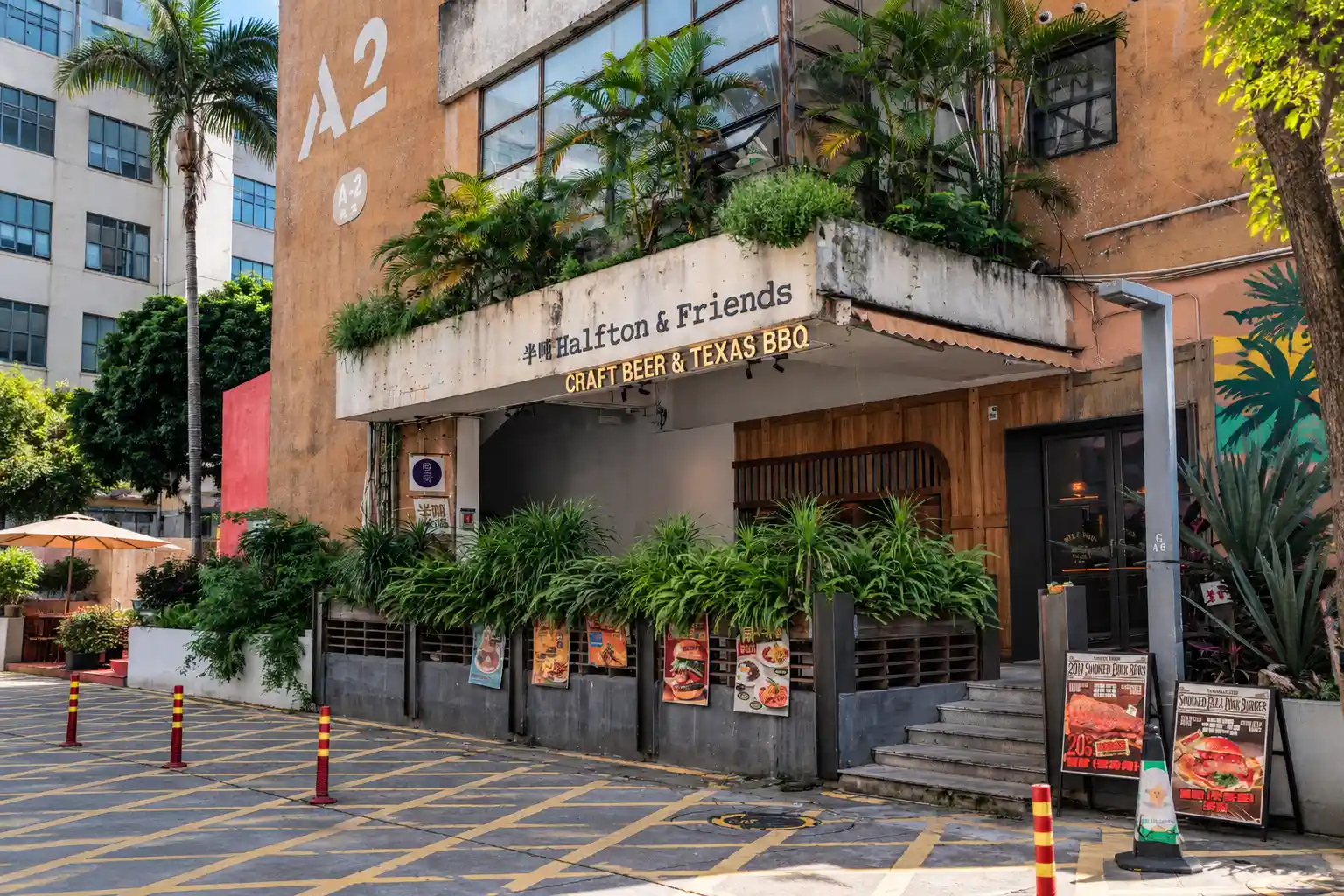
Spend time around OCT-LOFT and nearby creative spaces to see a more design-focused side of Shenzhen. Former industrial buildings, galleries, studios, independent shops and cultural venues make the area a useful contrast to the city’s shopping malls and business districts.
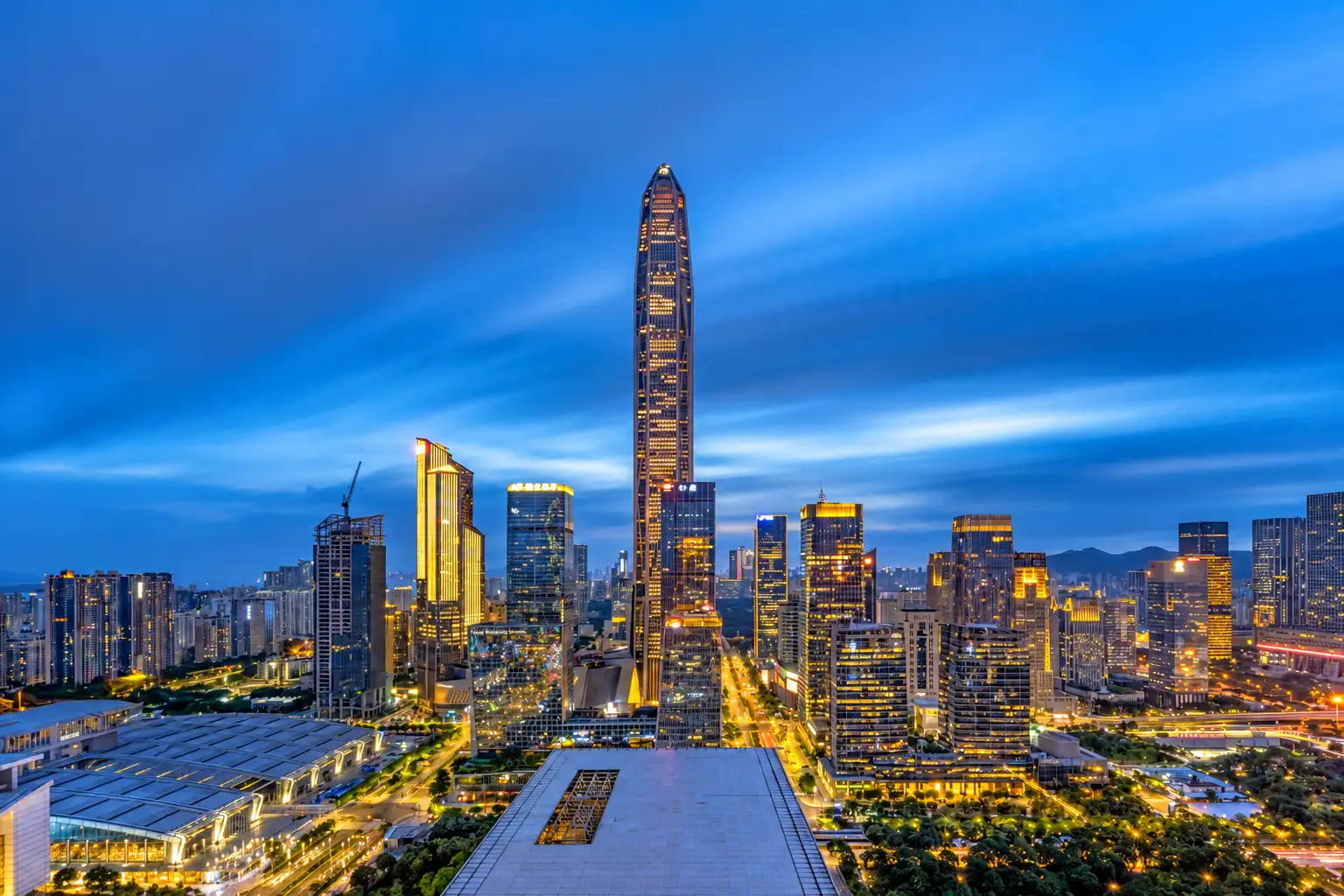
Return to central Futian after sunset to see the skyscrapers, Civic Center area and surrounding architecture illuminated at night. Shenzhen’s evening skyline is one of the clearest ways to experience the scale and modern character of the city without adding another formal attraction to your itinerary.
Shenzhen works best when you mix different sides of the city. Combine technology and urban architecture with waterfront time, creative neighborhoods and evening views instead of spending the entire trip inside shopping centers or theme parks.
Shenzhen’s population comes from across China, while its location in Guangdong gives Cantonese food, dim sum and seafood an important place in the local dining scene. The next section explains what to eat and how Shenzhen’s food culture differs from a city with one single dominant regional cuisine.
Shenzhen does not revolve around one single signature dish. Its location in Guangdong brings Cantonese cooking, dim sum and seafood into everyday dining, while decades of migration from across China have created one of the country’s most varied urban food scenes. From morning yum cha to seafood, hot pot and international restaurants, eating well is an essential part of a Shenzhen trip.
Shenzhen’s food scene reflects both its southern Chinese location and its unusually diverse population. Cantonese dishes and dim sum are easy to find, but so are regional cuisines from across China. For travelers, that means there is no need to chase one supposed “Shenzhen dish”—the variety itself is part of the experience.
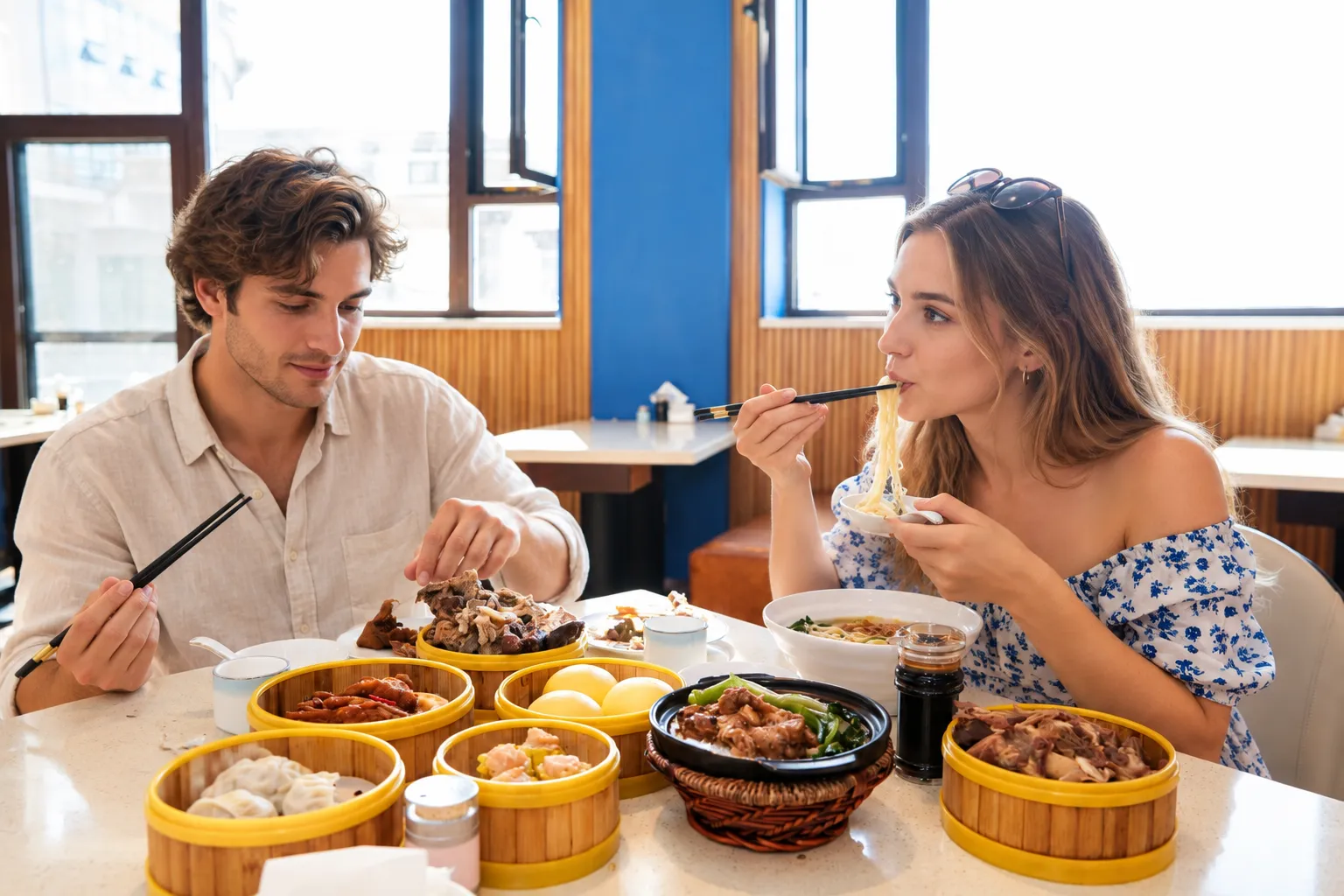
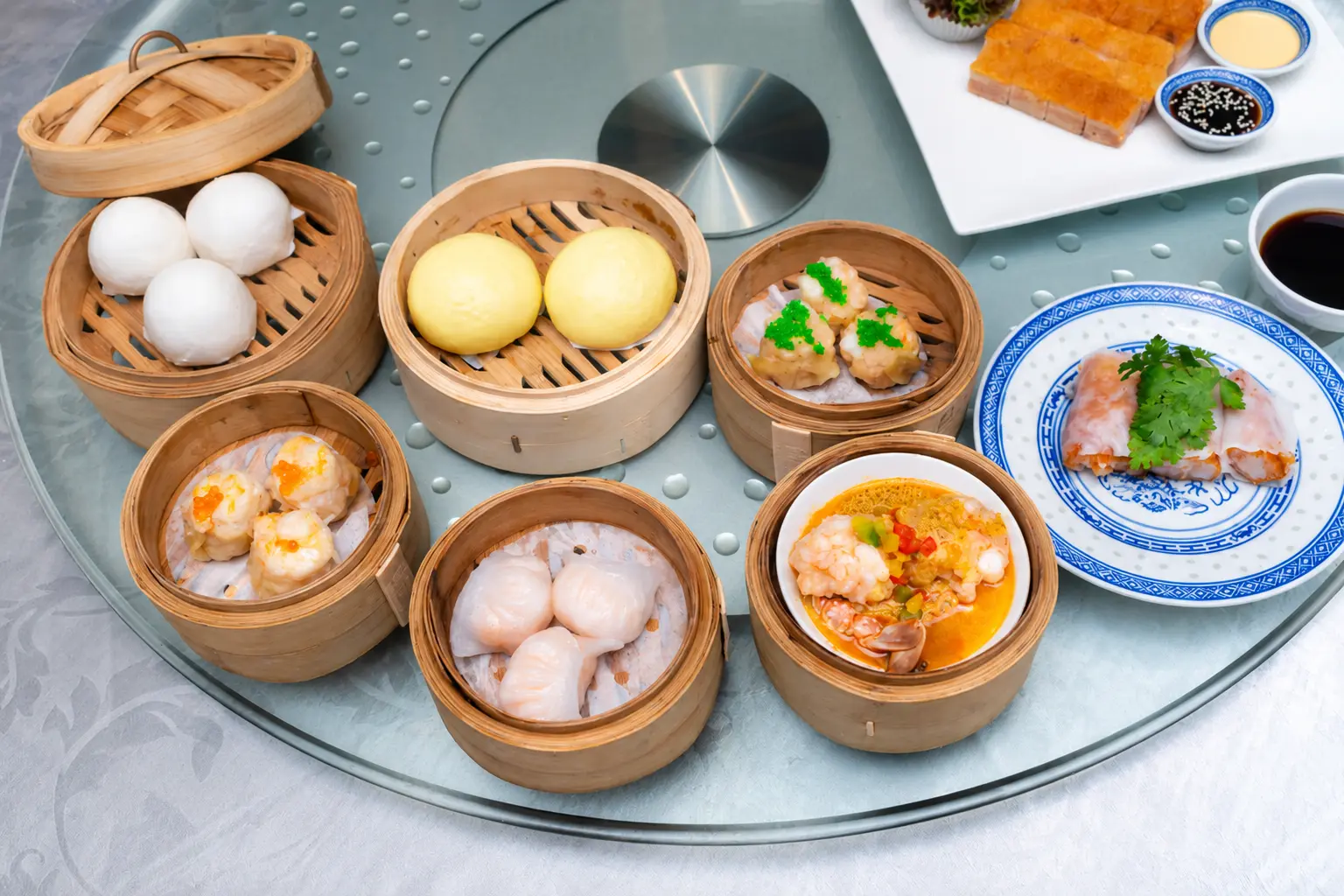
Make time for a Cantonese-style dim sum meal with tea and a selection of steamed, baked and fried small plates. It is one of the easiest ways to connect a Shenzhen trip with the broader food culture of Guangdong.
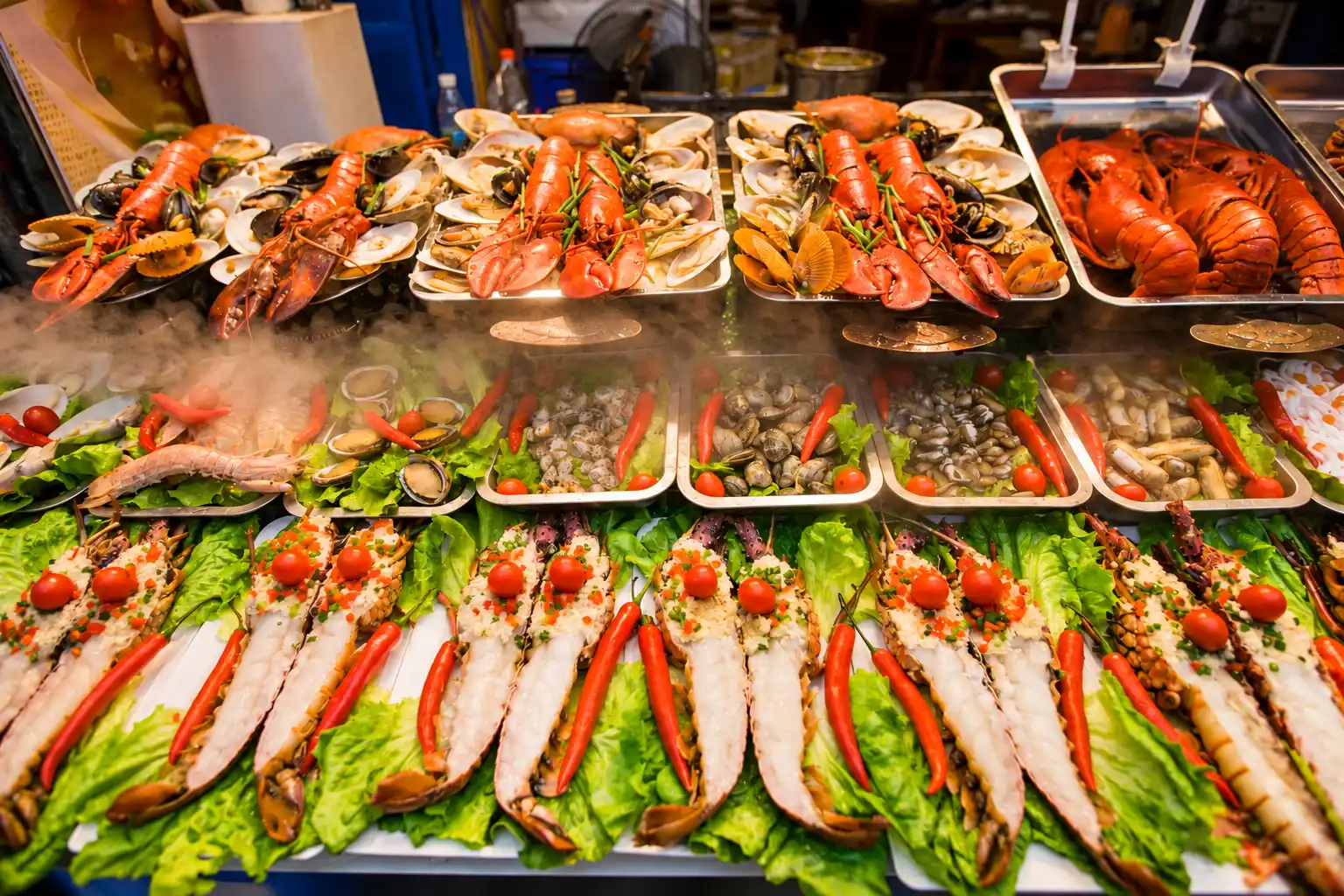
Shenzhen’s coastal location makes seafood a natural part of the city’s dining scene. Areas in Luohu, including the streets around Leyuan Road, are particularly associated with seafood restaurants and make a useful option for travelers exploring central Shenzhen.
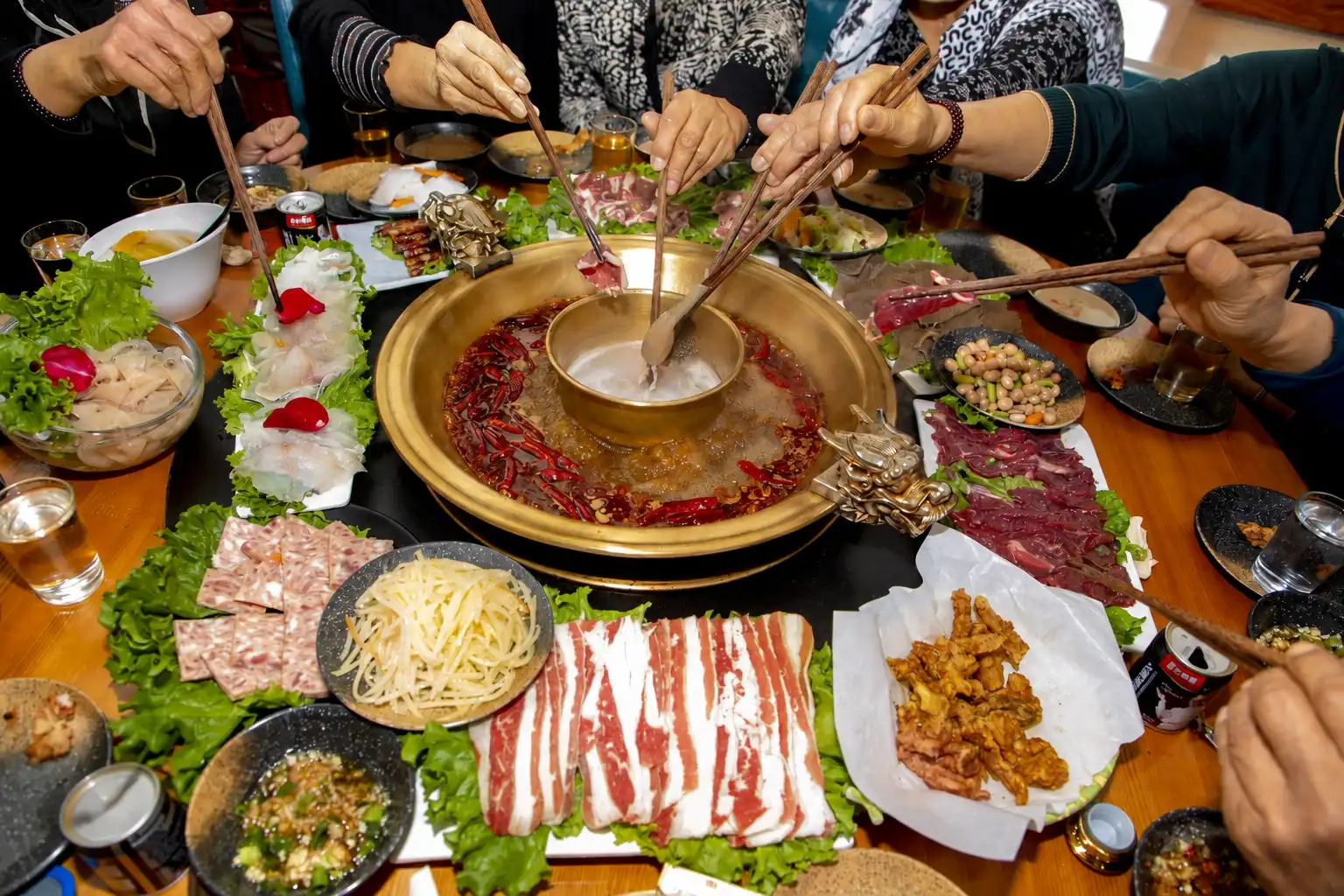
Shenzhen’s population includes people from across China, so the city offers far more than Cantonese food alone. Hot pot and regional Chinese restaurants are found throughout the major commercial districts, making Shenzhen a good place to compare several Chinese food traditions in one trip.
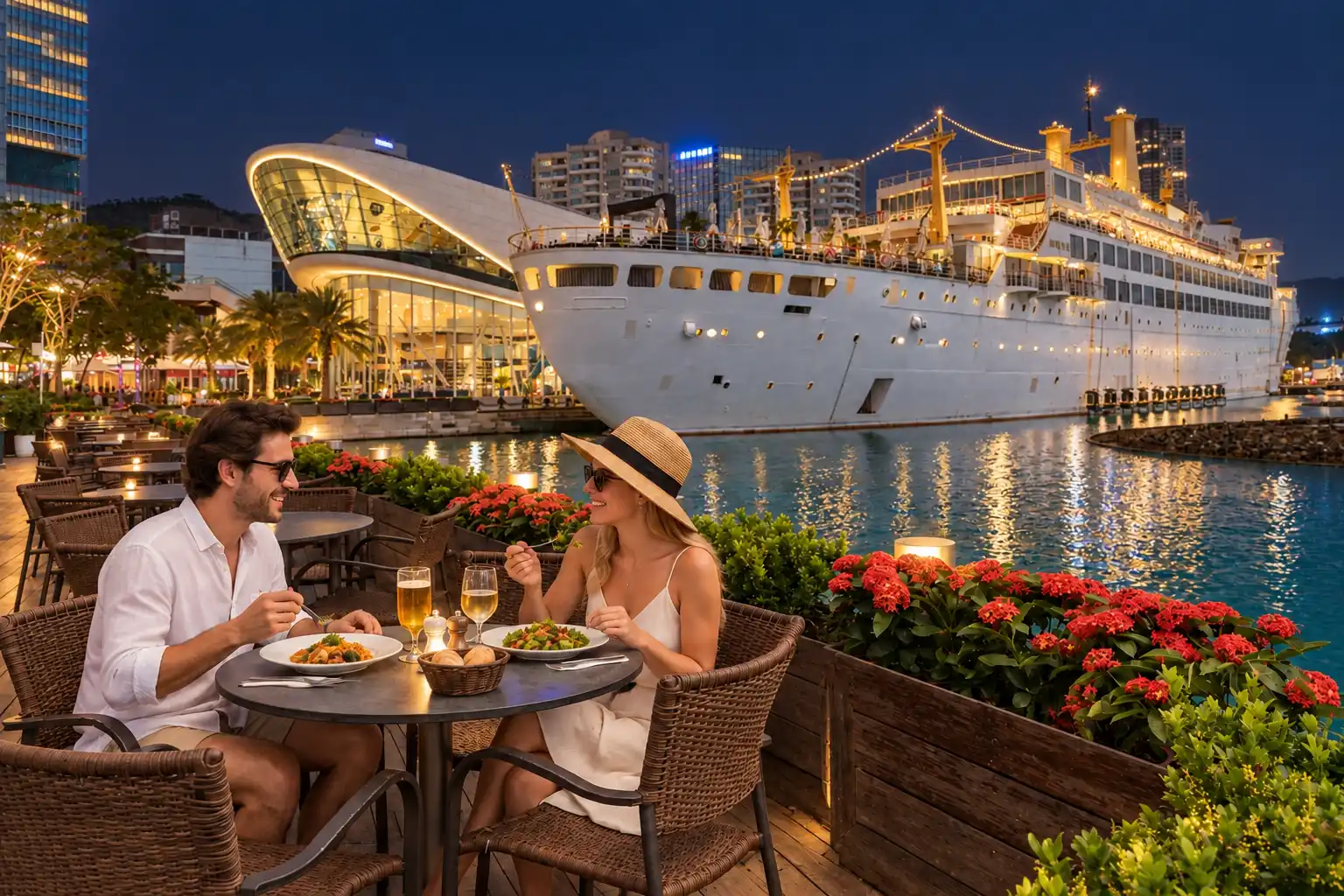
Shekou has long had a more international character than many parts of Shenzhen. Around Sea World, travelers can combine waterfront sightseeing with Chinese, Asian and international restaurants, making the area especially convenient for a relaxed evening.
A better approach is to mix Cantonese dim sum, seafood and regional Chinese cooking across different neighborhoods. If you have two or three days in Shenzhen, food can easily be combined with sightseeing in Futian, Luohu, Nanshan and Shekou instead of requiring a separate food-only day.
A good Shenzhen itinerary groups sights by district instead of crossing the city repeatedly. One day works for a focused visit from Hong Kong, while two or three days let you combine Futian, Nanshan, Shenzhen Bay, Shekou and local neighborhoods at a more comfortable pace. Stay longer if you want theme parks or the eastern coast.
Three days give first-time visitors enough time to experience modern Futian, the Nanshan waterfront and one of Shenzhen’s more local creative districts without turning every day into a long cross-city commute.
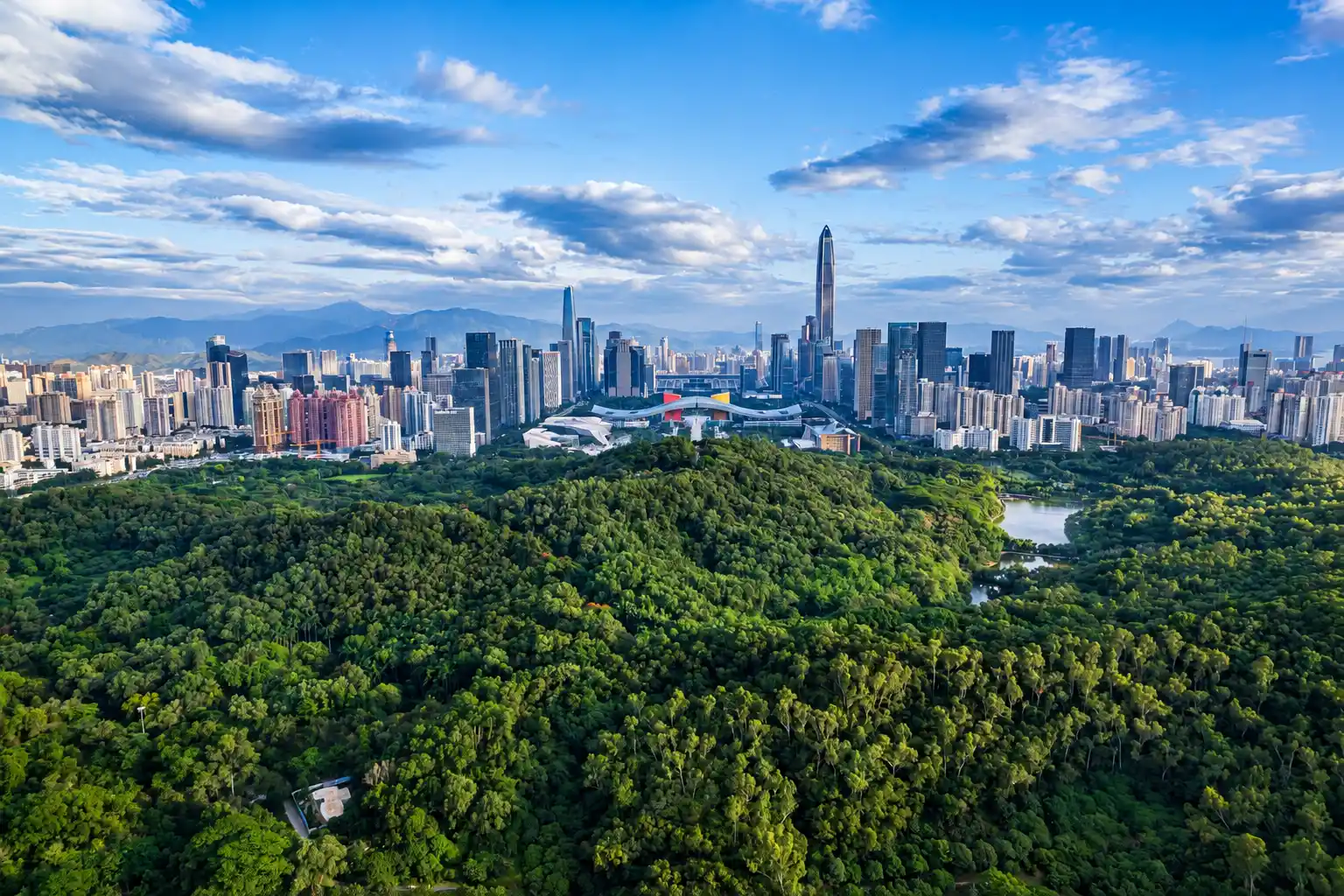
Start at Lianhuashan Park for a broad view across central Shenzhen, then continue toward the Civic Center and Futian’s modern architecture. Later, explore Huaqiangbei’s electronics markets before returning to central Futian for dinner and skyline views after dark.
Begin with the older lanes and restored spaces of Nantou Ancient City, then shift to Shenzhen’s modern coastal side. Spend the afternoon around Shenzhen Bay before continuing toward Shekou, where the Sea World area works well for an easy evening meal and waterfront atmosphere.
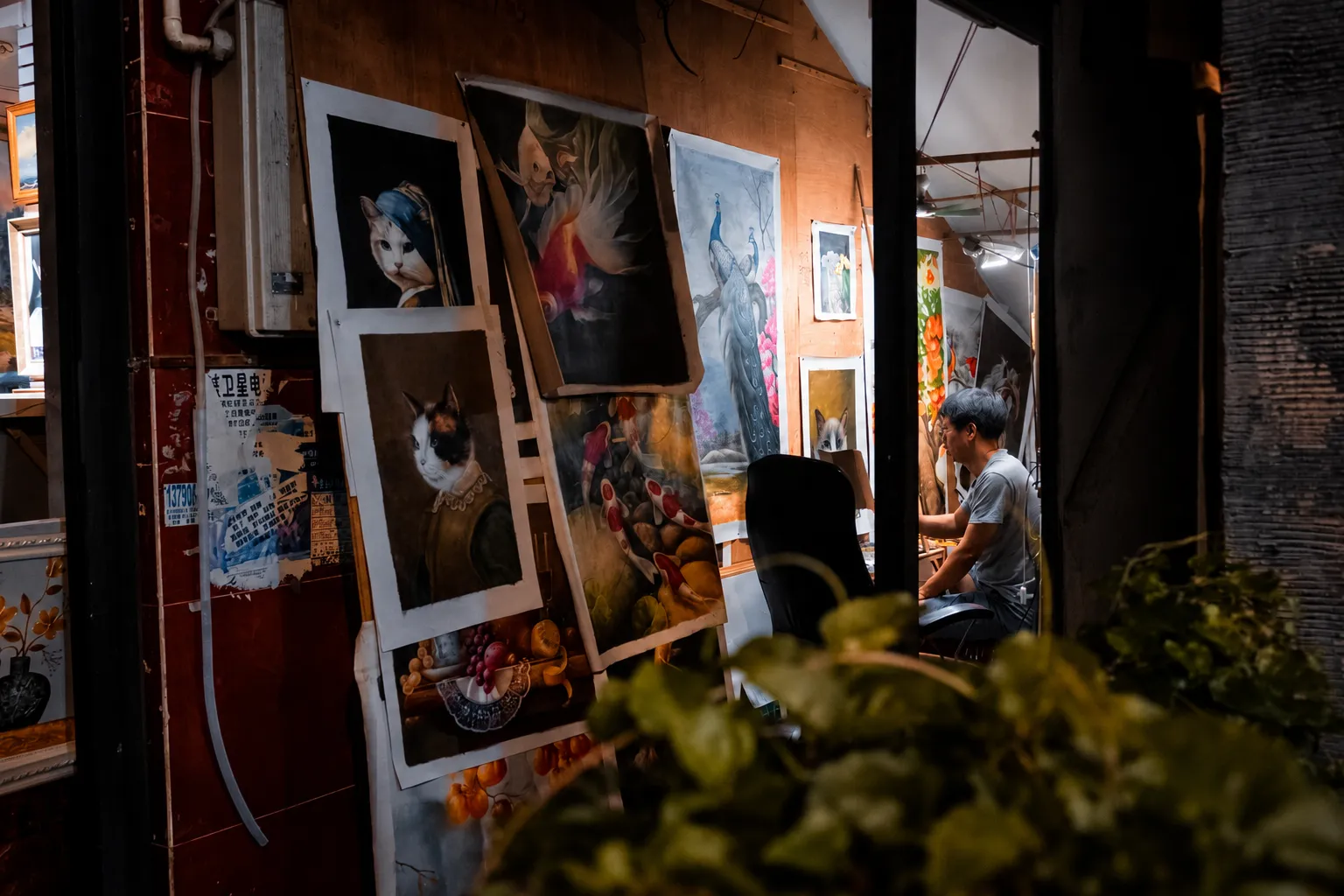
Head east to Dafen Oil Painting Village for studios, galleries and a more local creative atmosphere. Continue toward Luohu later in the day for shopping, street life or a Cantonese and seafood-focused dinner, giving the final day a different character from Futian and Nanshan.
Where you enter Shenzhen matters. A traveler arriving from Hong Kong through Futian may plan the city differently from someone arriving at Shenzhen North Railway Station or Bao’an International Airport. Build the route around your hotel, arrival point and available days to avoid unnecessary cross-city travel.
The best time to visit Shenzhen is generally from October to December, when conditions are usually drier and more comfortable for city walks, waterfront parks and outdoor sightseeing. Shenzhen has a subtropical climate with a long hot season and a very short winter, so its travel seasons feel quite different from northern Chinese cities.
Autumn and early winter usually offer the easiest balance of comfortable temperatures, lower humidity and drier weather. These months work particularly well for Shenzhen Bay, urban walking, hiking, outdoor viewpoints and exploring several districts in the same trip.
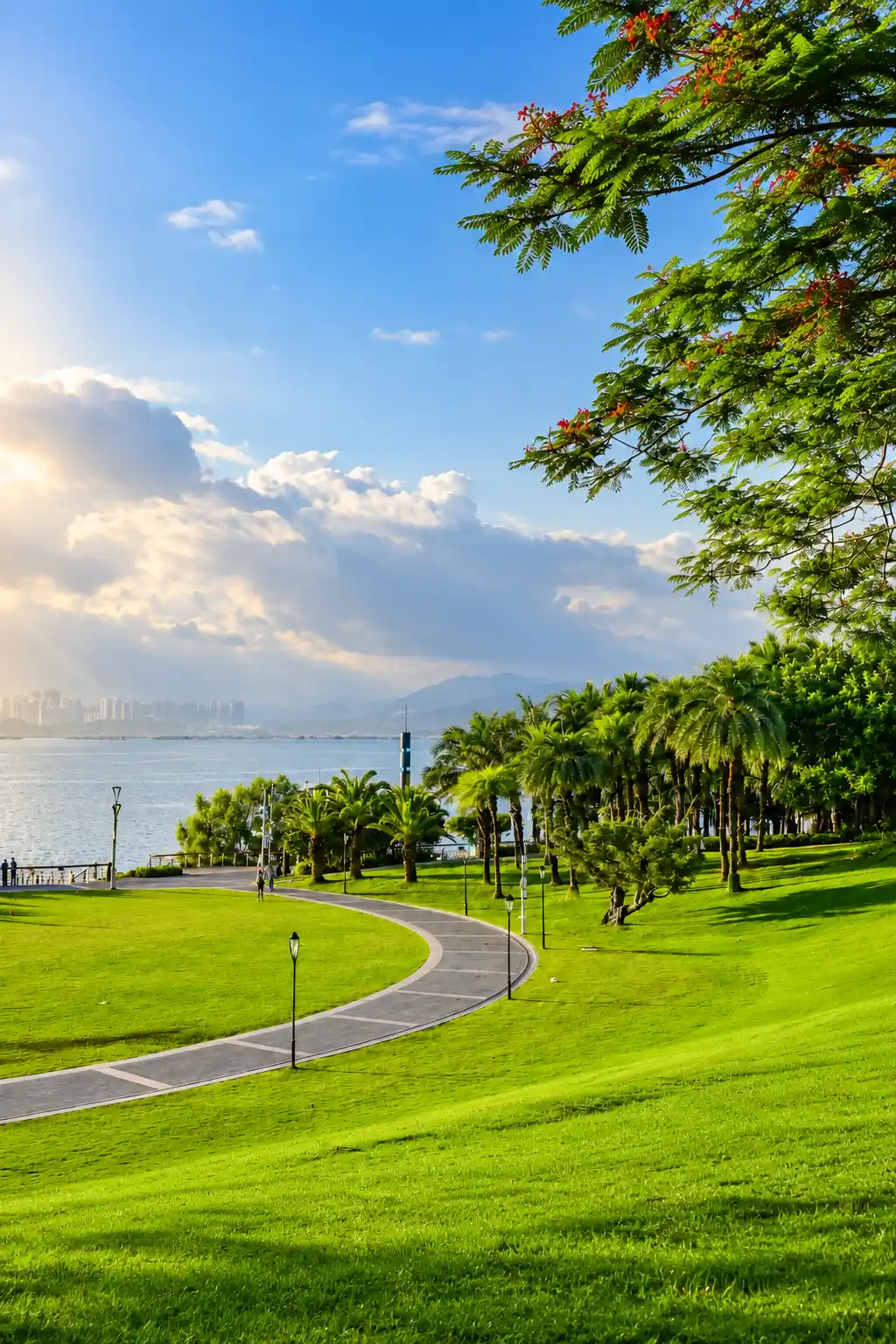
Spring can be a pleasant time for parks, coastal walks and sightseeing before the hottest months arrive. Conditions become warmer and more humid as the season progresses, and rain becomes more frequent toward April.
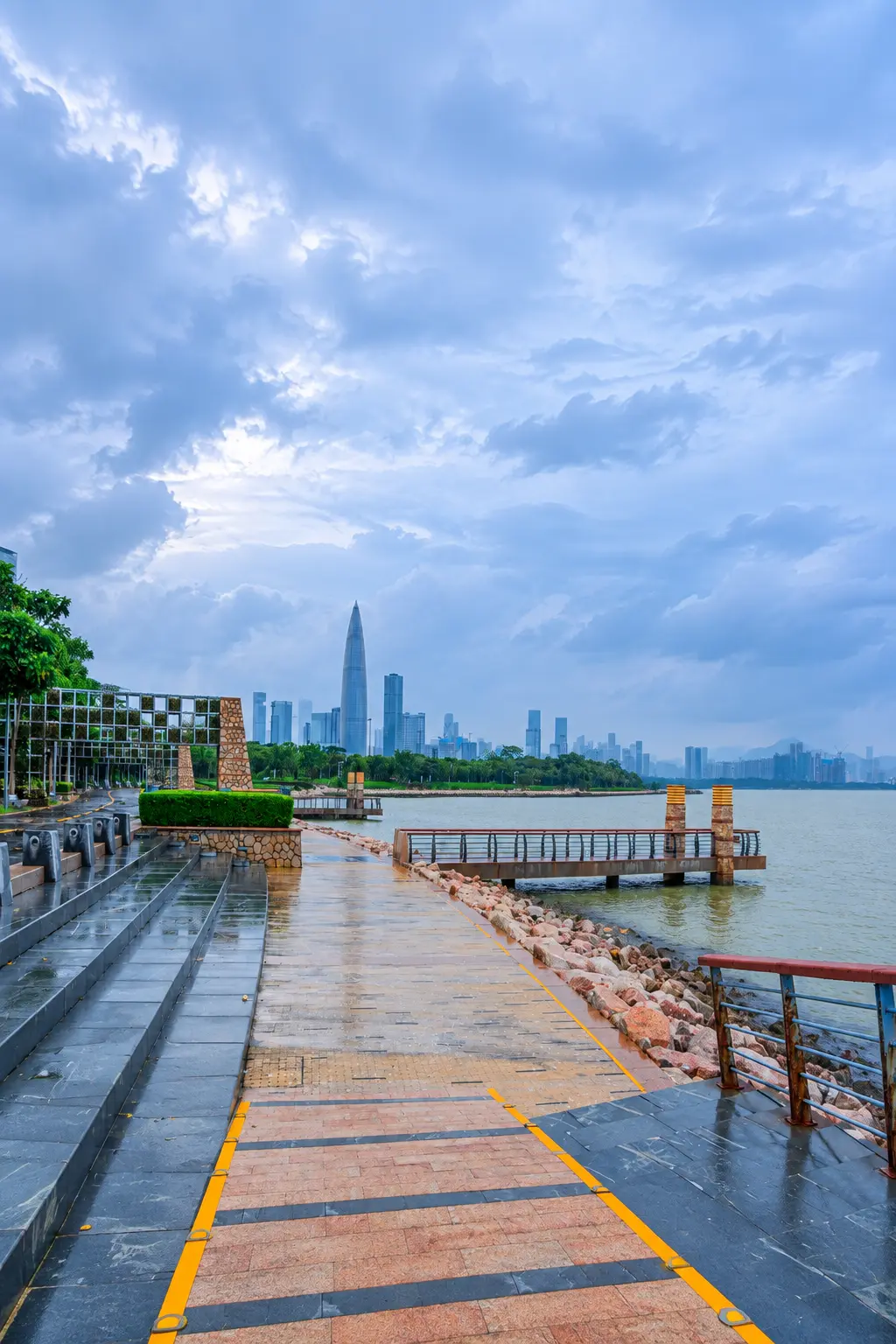
Expect high humidity, frequent rain and hotter conditions during this part of the year. Heavy downpours and tropical weather can affect outdoor plans, so itineraries should stay flexible and include indoor alternatives such as museums, malls or creative districts.
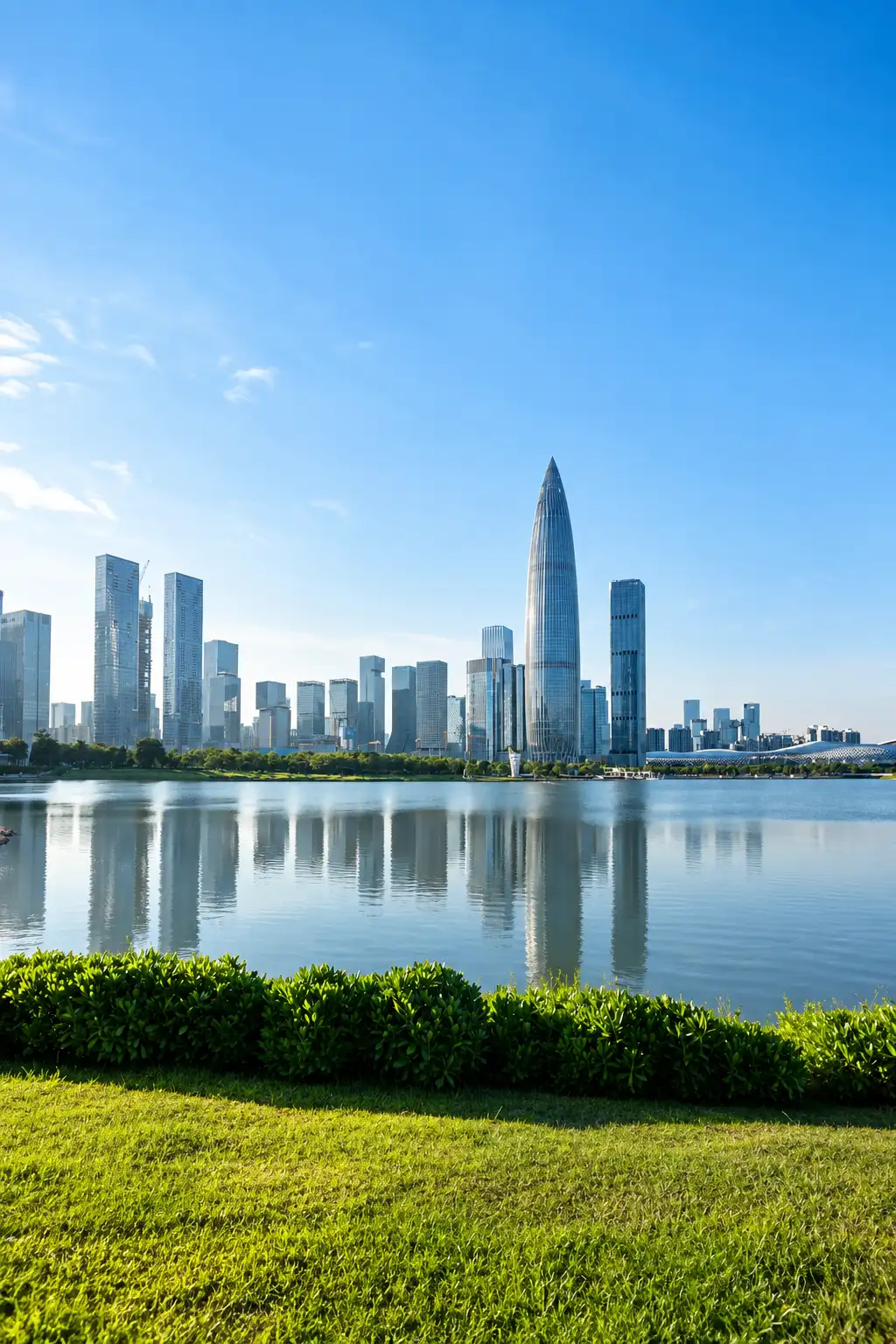
Autumn usually brings sunnier, drier and more comfortable conditions after the most intense summer heat. It is the strongest period for Shenzhen Bay, city walks, viewpoints and spending long days moving between outdoor attractions.
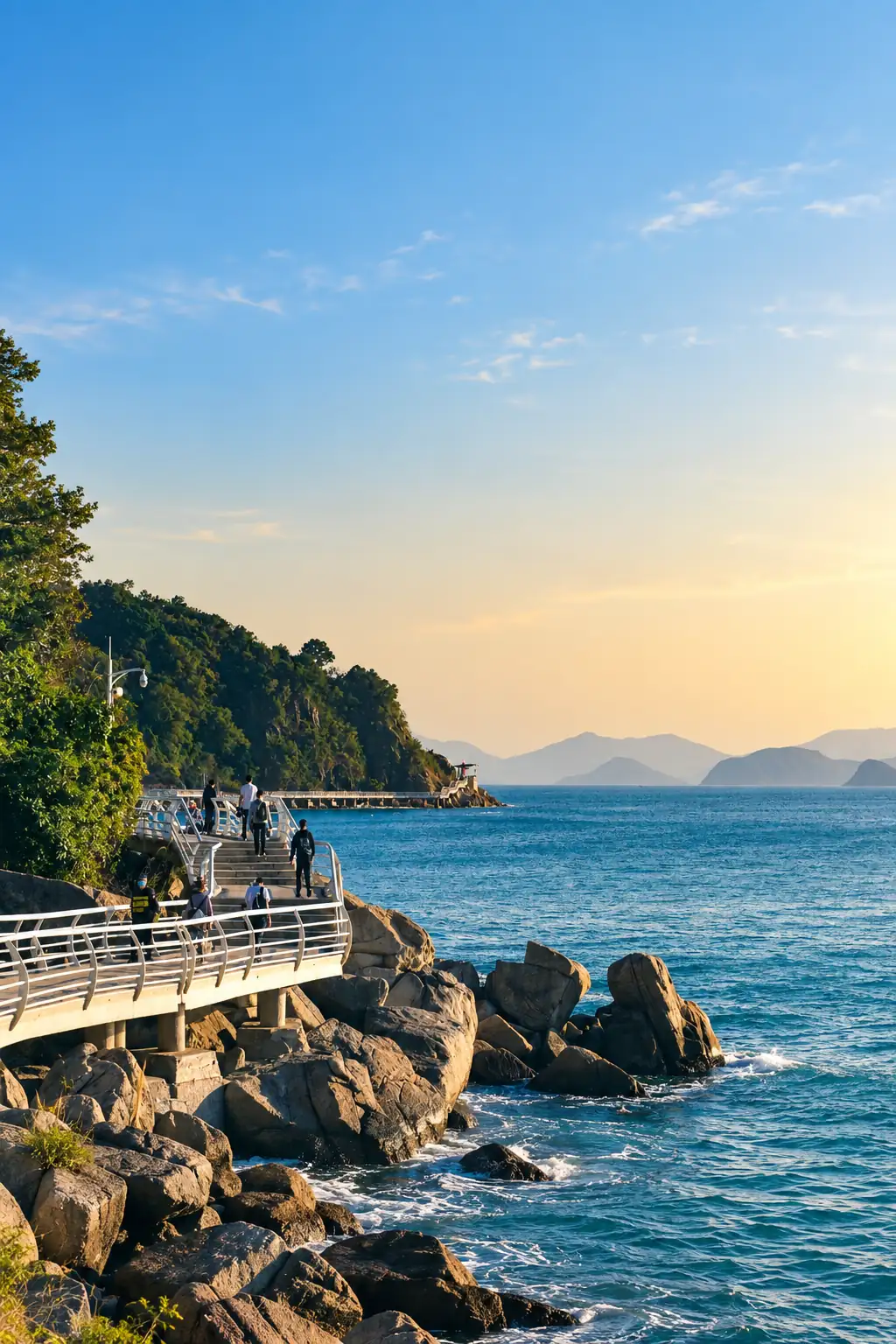
Shenzhen’s winter is much milder and shorter than in northern China. December is particularly attractive for sightseeing, while occasional cooler spells can still occur. Bring a light jacket and an extra layer rather than preparing for a typical northern Chinese winter.
Keep some flexibility in your itinerary, especially for beaches, waterfront cycling and longer outdoor days. Weather conditions can change quickly during the wetter part of the year, while museums, shopping districts, art spaces and indoor attractions provide useful alternatives when outdoor plans are disrupted.
Where you stay in Shenzhen can make a major difference because the city is large and its main attractions are spread across several districts. Futian is the easiest all-round base for most first-time visitors, while Nanshan works well for Shenzhen Bay and theme parks, Shekou suits waterfront evenings and international dining, and Luohu is convenient for Dongmen and some Hong Kong border routes.
Futian is the strongest all-round base if this is your first visit to Shenzhen. You are close to the Civic Center, Lianhuashan Park, major shopping areas and Huaqiangbei, while extensive metro connections make it practical to travel west toward Nanshan or east toward Luohu.
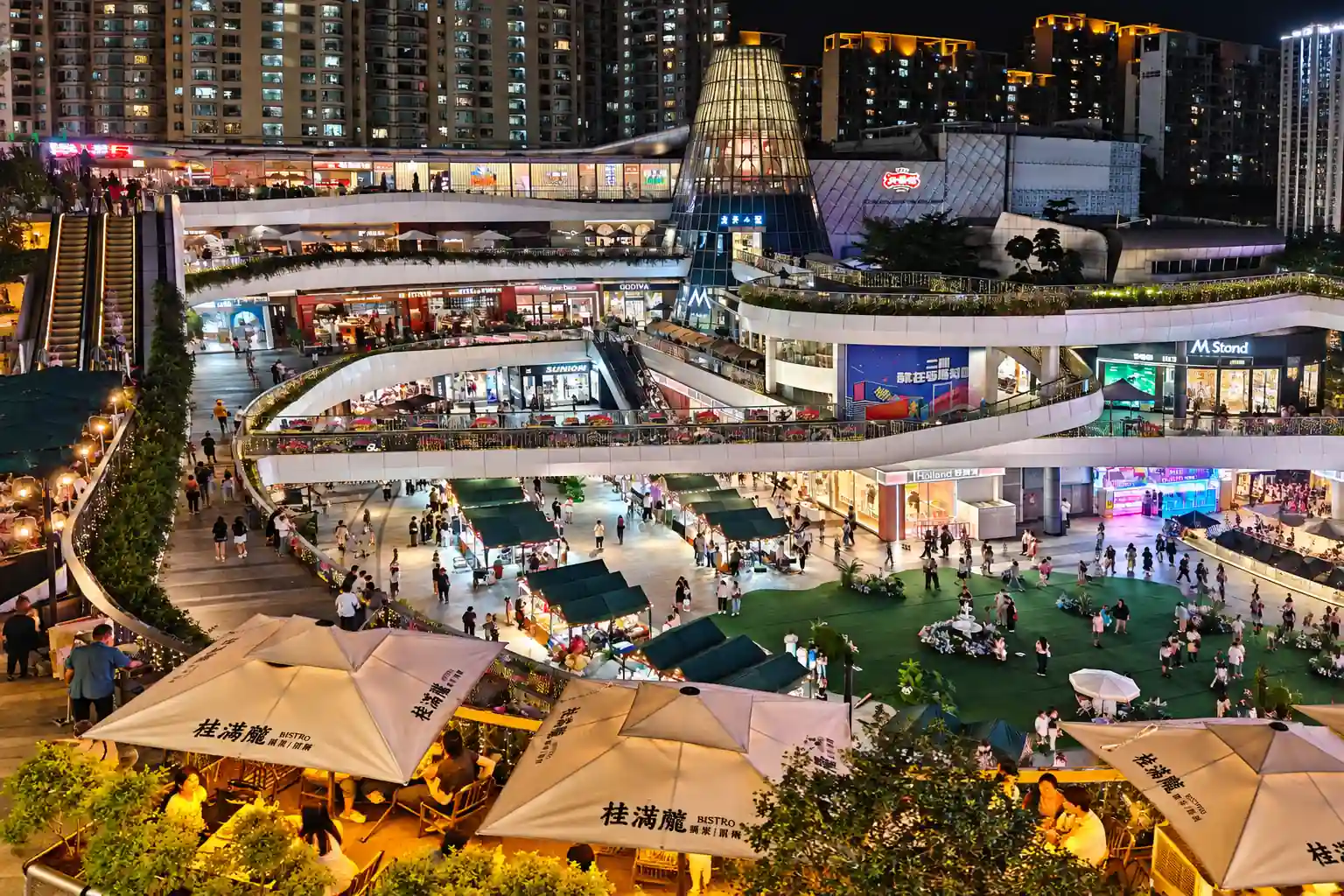
Choose Futian if you want a central base with modern Shenzhen close at hand. Civic Center, Lianhuashan Park, Huaqiangbei, shopping malls and a wide range of restaurants are all easier to combine from here, making Futian the safest choice for a short two- or three-day trip.
Nanshan is a strong choice if your itinerary focuses on Shenzhen Bay, Nantou Ancient City, OCT, Window of the World or western Shenzhen. It feels less centered on the traditional CBD than Futian and works especially well for travelers who want waterfront time alongside major attractions.
Stay in Shekou if you prefer a slower waterfront atmosphere over a central business district. Sea World, coastal walks, cultural spaces and a broad choice of Chinese and international restaurants make this one of Shenzhen’s easiest areas for relaxed evenings after sightseeing.
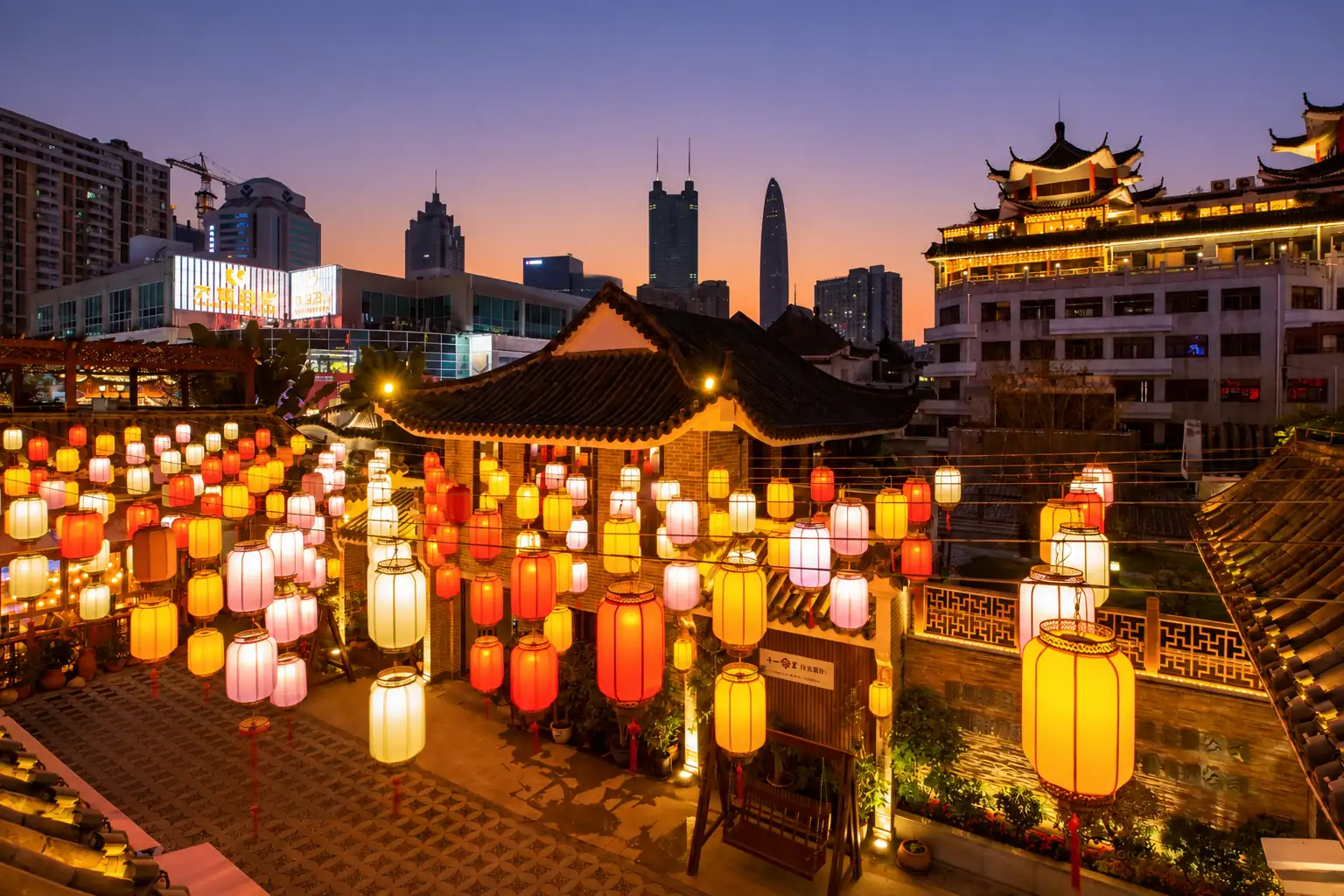
Luohu suits travelers who want older commercial Shenzhen, busy shopping streets and convenient access to Dongmen. It can also be practical when your trip uses the Luohu–Lo Wu border connection with Hong Kong, although visitors focused mainly on Futian and Nanshan may prefer a more central-western base.
For most first-time visitors, choose Futian. Pick Nanshan if Shenzhen Bay and major attractions dominate your itinerary, Shekou if you value waterfront evenings and dining, or Luohu if Dongmen and the Luohu border crossing are more important. Your arrival point matters, so check your Hong Kong connection, railway station or airport before booking.
Hong Kong and Shenzhen are directly connected by high-speed rail, MTR-linked land crossings and cross-border road transport. There is no single best route for every traveler—the easiest option depends on where you start in Hong Kong and whether your Shenzhen itinerary is based in Futian, Luohu, Nanshan or Shekou.
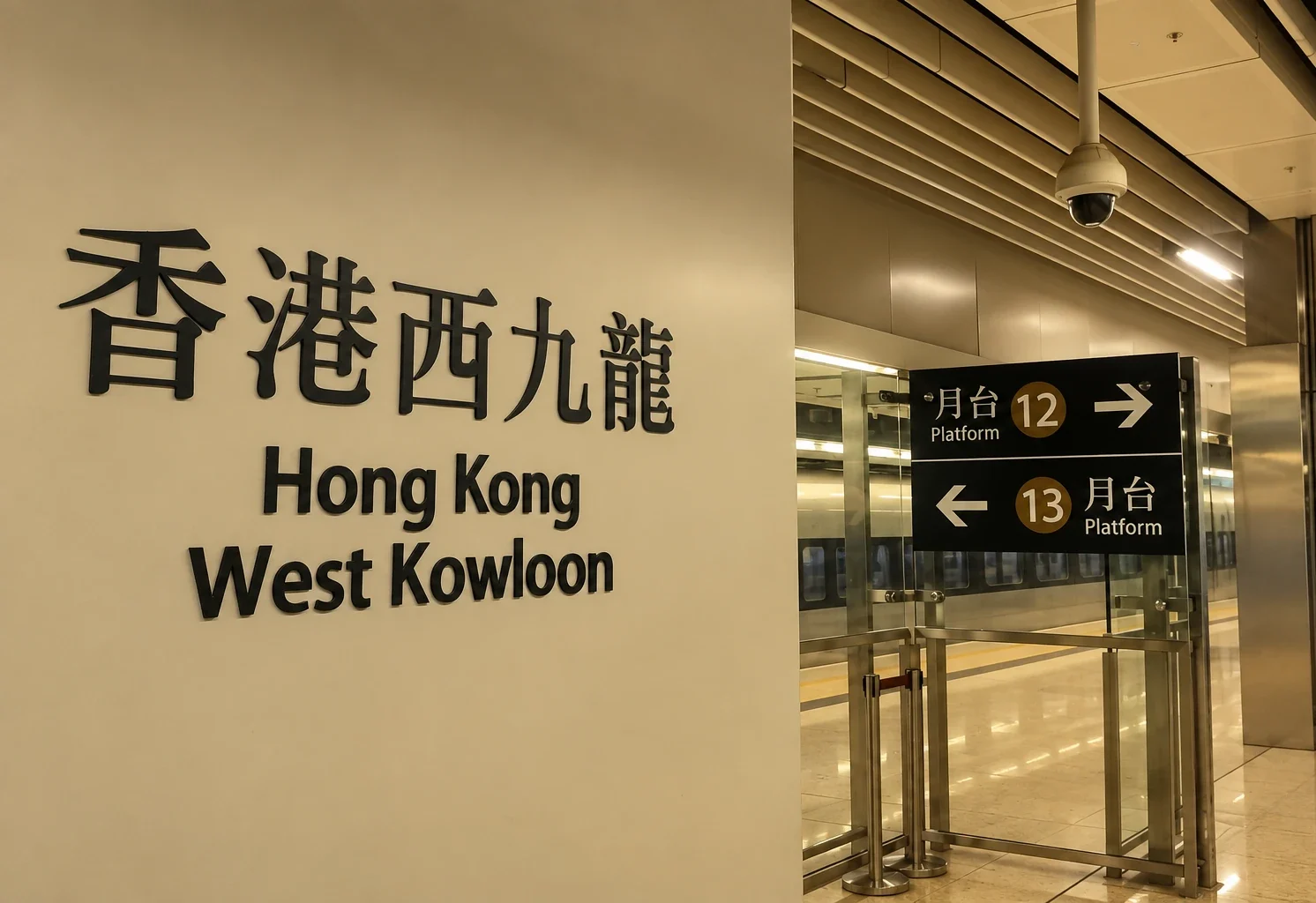
High-speed rail is one of the simplest choices when traveling between central Hong Kong and central Shenzhen. Direct short-haul services connect Hong Kong West Kowloon with Futian and Shenzhen North, making the train particularly convenient if your hotel or first sightseeing day is in Futian. If you plan to use this route, see our guide to buying train tickets in China as a foreign traveler for practical booking guidance.
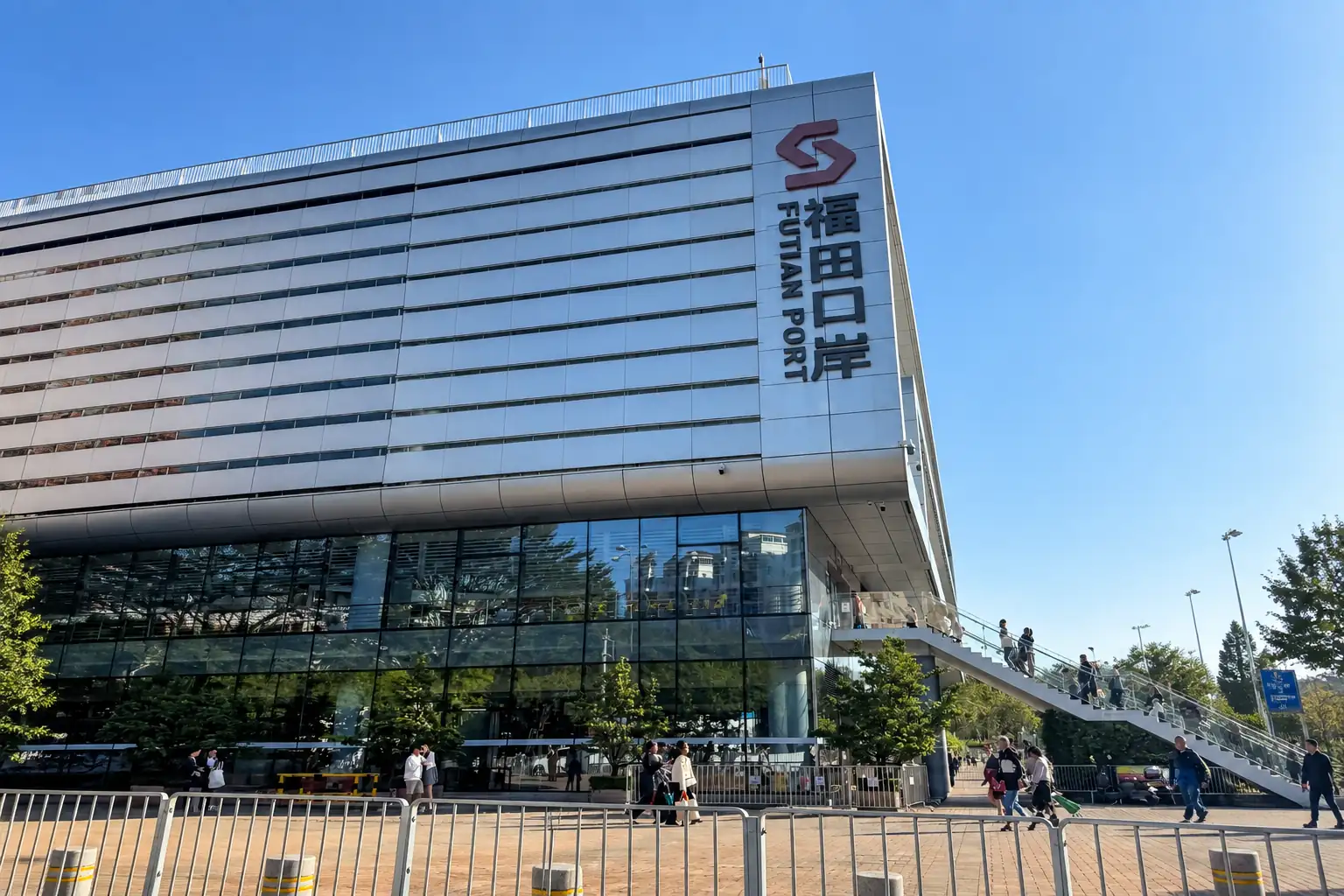
Futian Port connects directly with Hong Kong’s Lok Ma Chau Station and the East Rail Line. It is especially useful when you are staying in Futian or want to enter Shenzhen directly into one of the city’s main central districts.
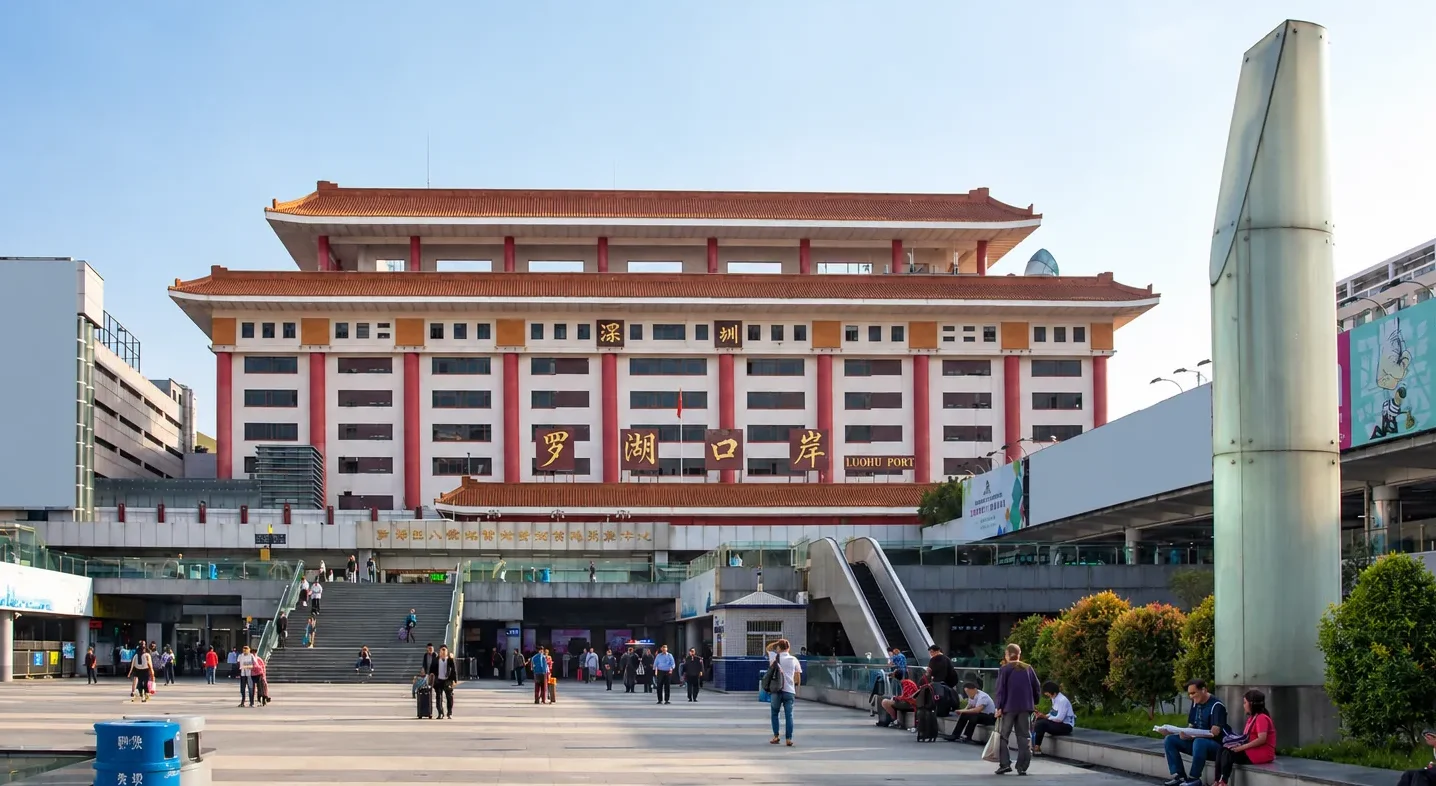
Luohu is one of the traditional and busiest passenger gateways between Shenzhen and Hong Kong. On the Hong Kong side, Lo Wu connects with the East Rail Line. Choose this route when your Shenzhen plans focus on Luohu, Dongmen or the eastern side of the central city.
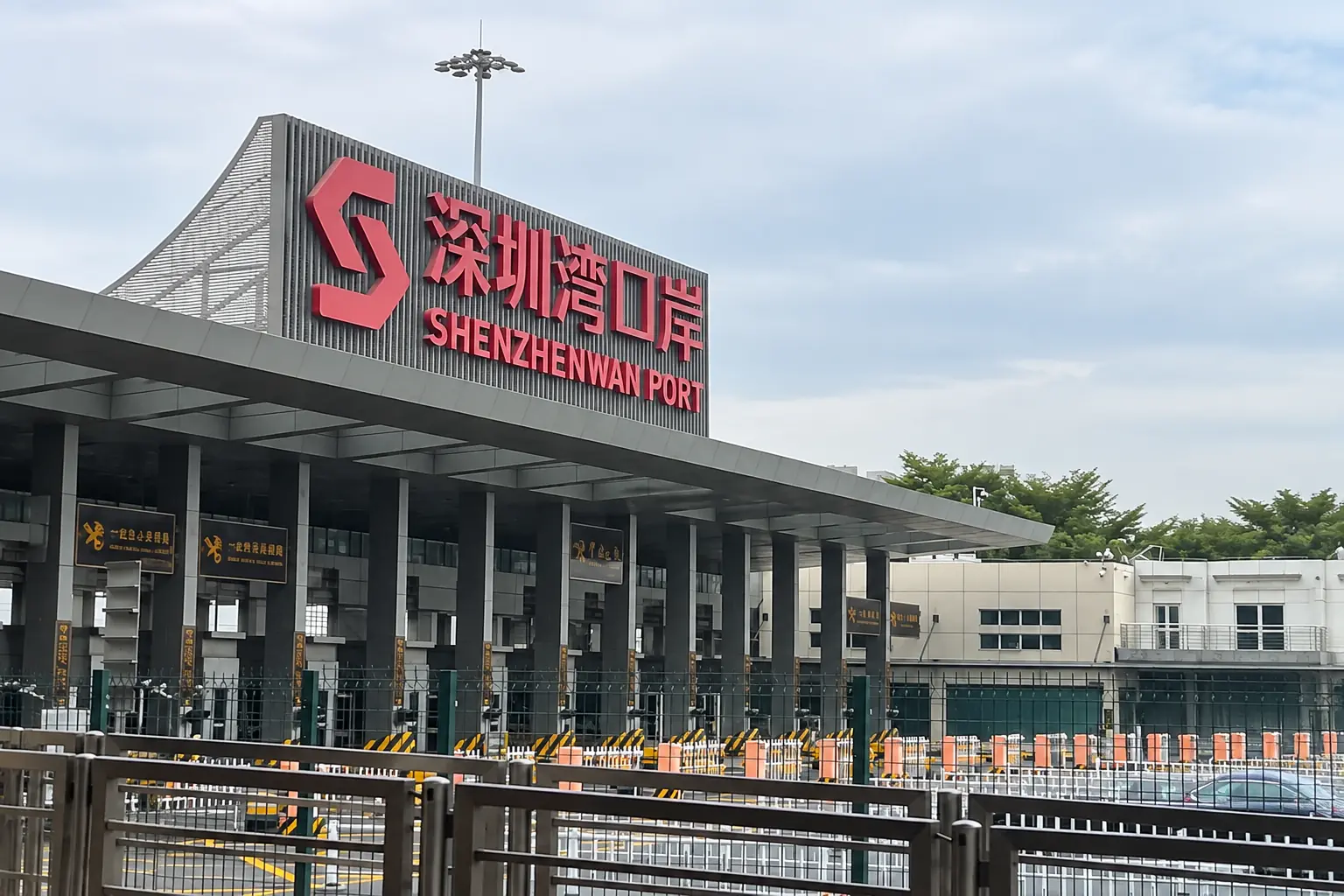
Shenzhen Bay is a road-based border crossing on the western side of the city. It can be particularly practical when your Shenzhen destination is in Nanshan or Shekou, or when using a cross-border coach instead of traveling through Futian or Luohu by rail.
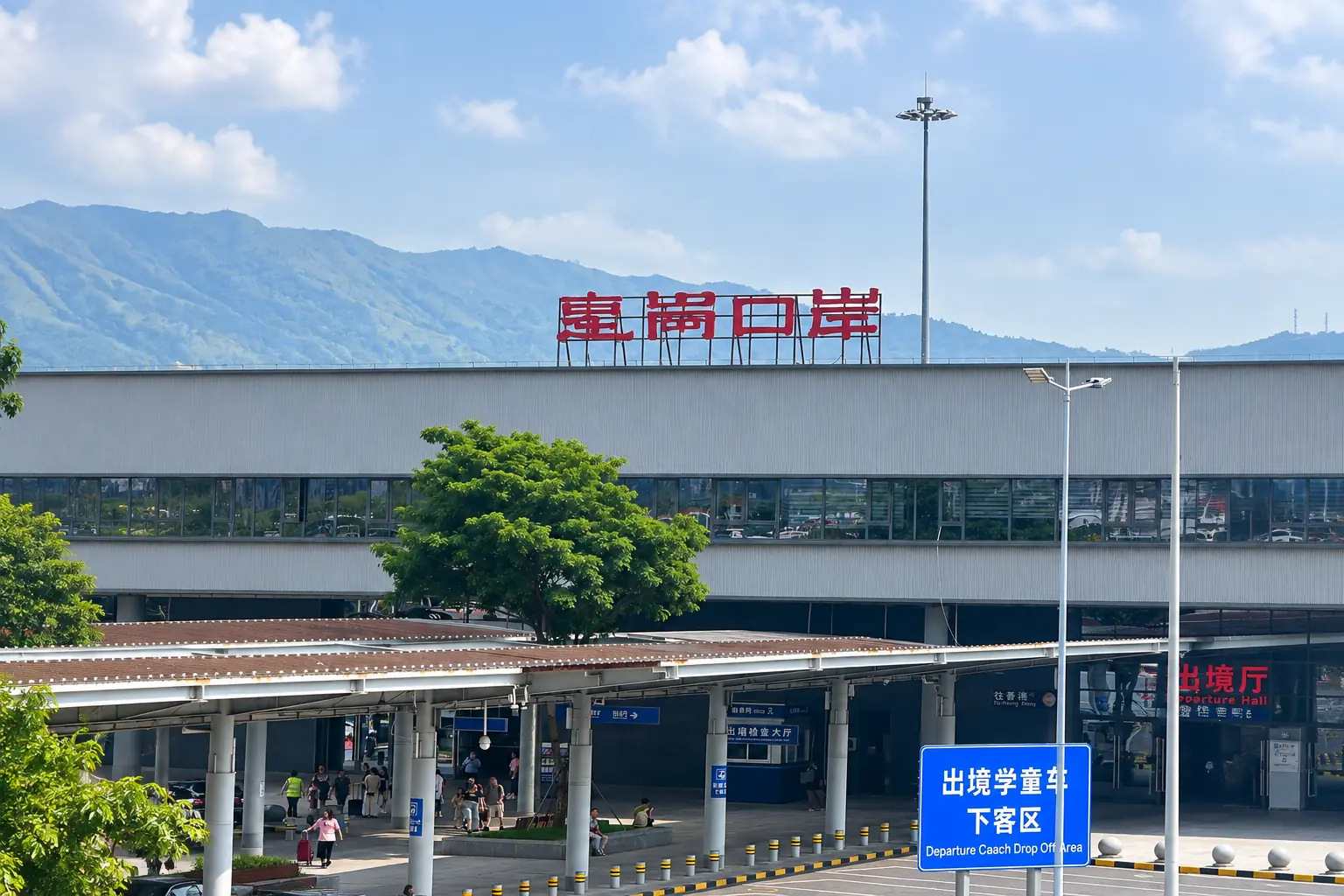
Huanggang is particularly useful when your journey falls outside the operating hours of some other passenger crossings. It currently operates around the clock and is served by cross-border road transport, making it an important alternative for late-night travel between Hong Kong and Shenzhen.
Hong Kong International Airport has cross-boundary coach services connecting the airport with Shenzhen and other Greater Bay Area destinations through several land crossings. If your destination is western Shenzhen, routes using Shenzhen Bay can be particularly practical. Airport ferry and transfer services may have separate passenger or airline requirements, so check the current service conditions before relying on them for your itinerary.
Shenzhen has an extensive metro network, a major international airport and several important high-speed railway stations. For most visitors, the metro is the easiest way to travel between Futian, Nanshan, Luohu and other central districts, while taxis and ride-hailing are useful for luggage, late arrivals and places that require additional transfers.
Shenzhen’s metro reaches the airport, major railway stations, central business districts, shopping areas and many tourist attractions. Because the city is geographically spread out, staying near a useful metro station can save considerable travel time during a two- or three-day visit.
Shenzhen Bao’an International Airport is the city’s main airport for domestic and international flights. Metro Line 11 connects Airport Station with key western and central districts, including Nanshan, Houhai, Chegongmiao and Futian, making the metro a practical option for many travelers arriving without excessive luggage.
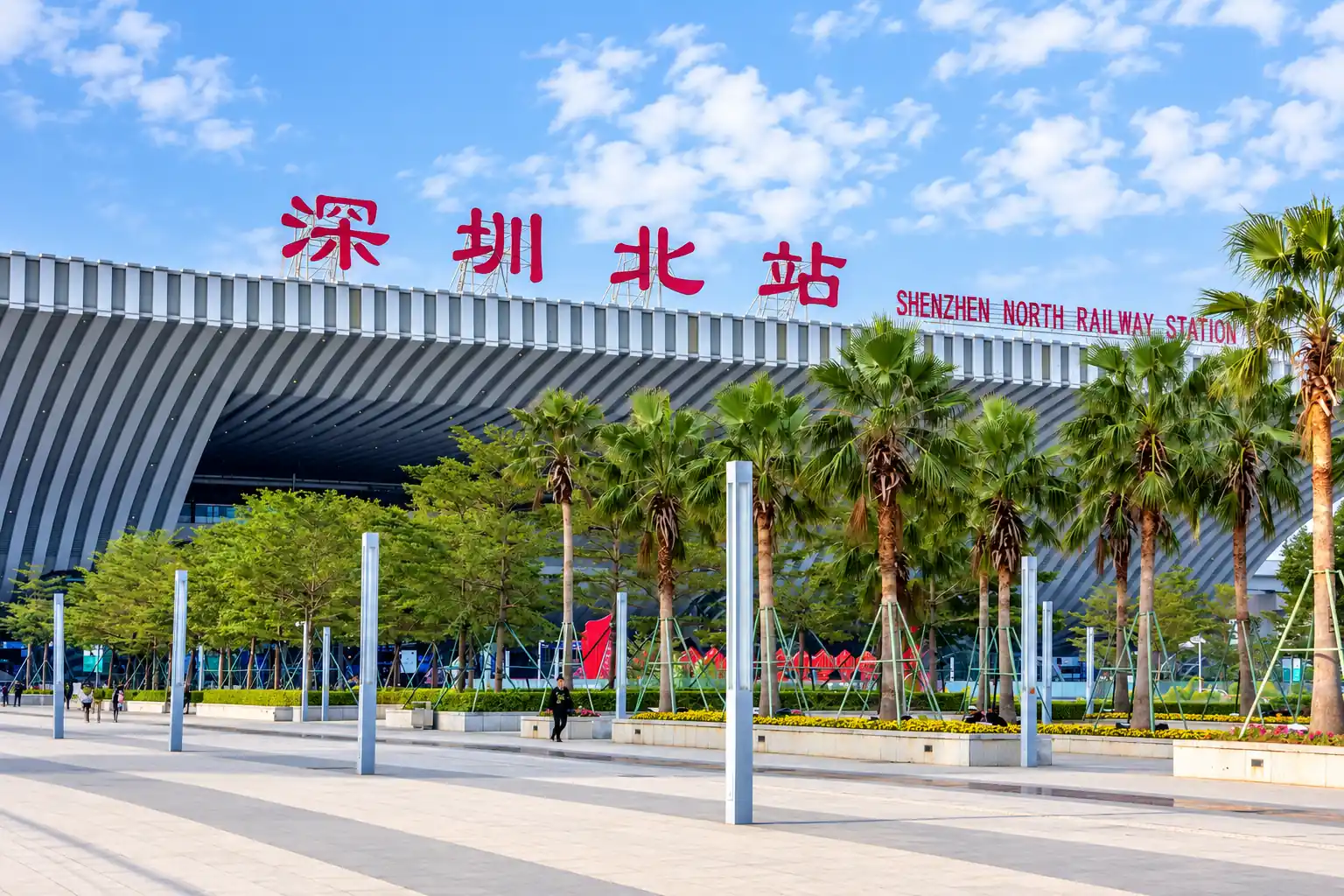
Choose Your Hotel Area →Shenzhen North is the city’s largest railway hub and an important arrival point for high-speed trains from cities across China. If you are traveling to Shenzhen by rail, see our guide to buying train tickets in China as a foreign traveler . Shenzhen North is in Longhua rather than the main sightseeing areas, so allow additional metro or taxi time when continuing to Futian, Nanshan, Shekou or Luohu.
Plan Your Arrival Day →Futian Railway Station sits beneath Shenzhen’s central business district and is especially convenient if you are staying in Futian. It serves high-speed rail connections including the Guangzhou–Shenzhen–Hong Kong corridor and connects directly with Shenzhen’s urban transport network.
See Hong Kong Connections →The metro is the most useful form of transportation for most sightseeing days. It connects major areas such as Futian, Huaqiangbei, Luohu, Nanshan, Shekou and the airport, while newer lines continue to improve access to western and eastern Shenzhen. Check the current route map before traveling because the network continues to expand.
See Where the Main Sights Are →Taxis and app-based ride-hailing are useful when traveling with luggage, returning late at night or connecting places that would require several metro transfers. Official Shenzhen taxi booking is available through local digital platforms, and travelers can also access ride-booking functions through commonly used Chinese map, payment and transport apps.
Useful for luggage & late arrivalsShenzhen’s bus network reaches areas beyond the most convenient metro routes and can be useful for local connections. First-time international visitors will usually find the metro easier for major sightseeing, while buses become more useful when exploring outer districts or making the final connection to a specific destination.
Best for local connections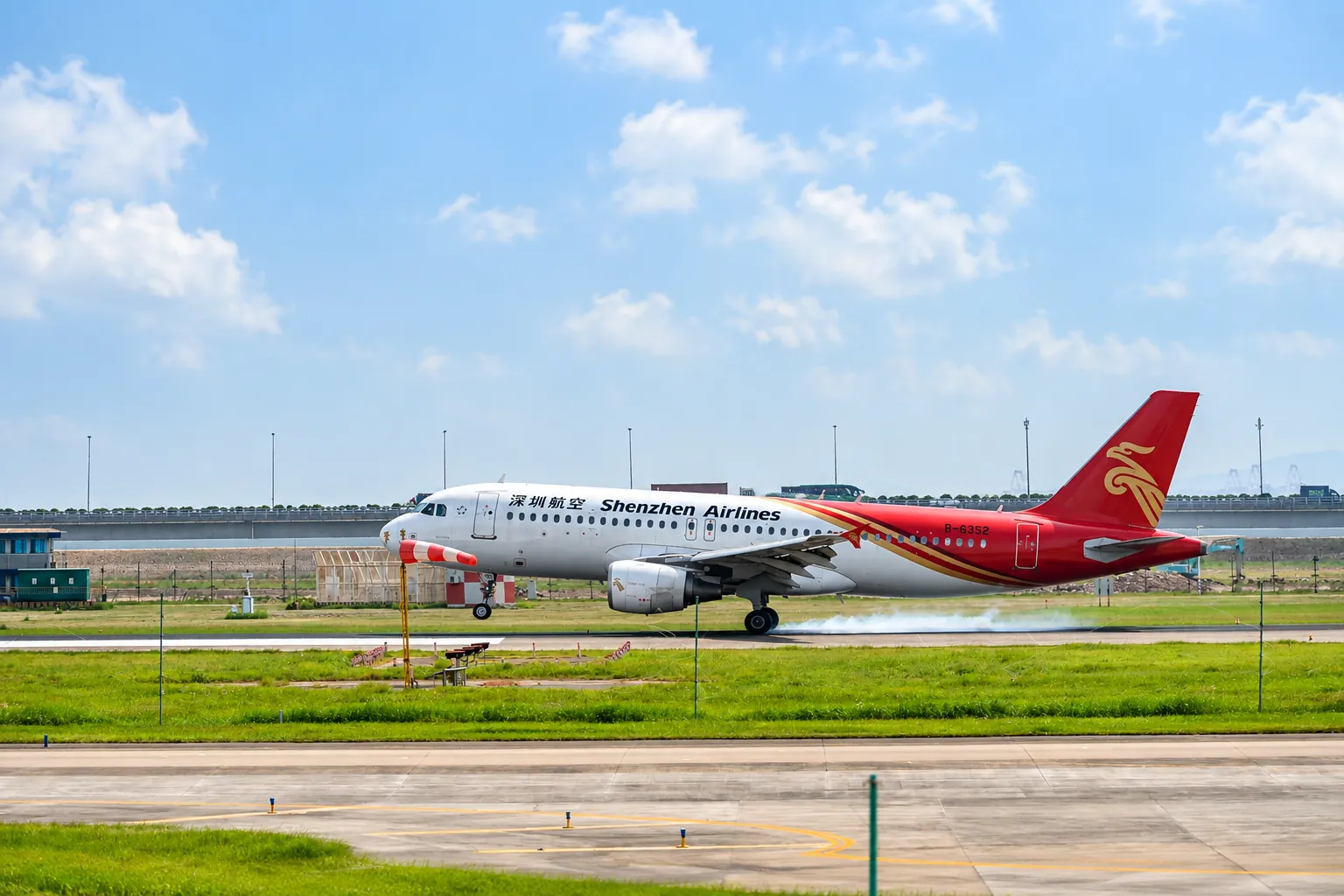
Shenzhen is easy to navigate, but distances between districts can be substantial. Group Futian sights together, explore Nanshan and Shenzhen Bay on the same day, and avoid adding eastern Shenzhen or outer districts to an already full central-city itinerary unless you have enough time.
Shenzhen is one of the easiest bases for exploring southern China. Hong Kong sits directly across the border, Guangzhou is well connected by rail, and ferries from Shekou link Shenzhen with Macau and Zhuhai. Travelers with more time can also continue east toward the Chaoshan region for a very different side of Guangdong culture and food.
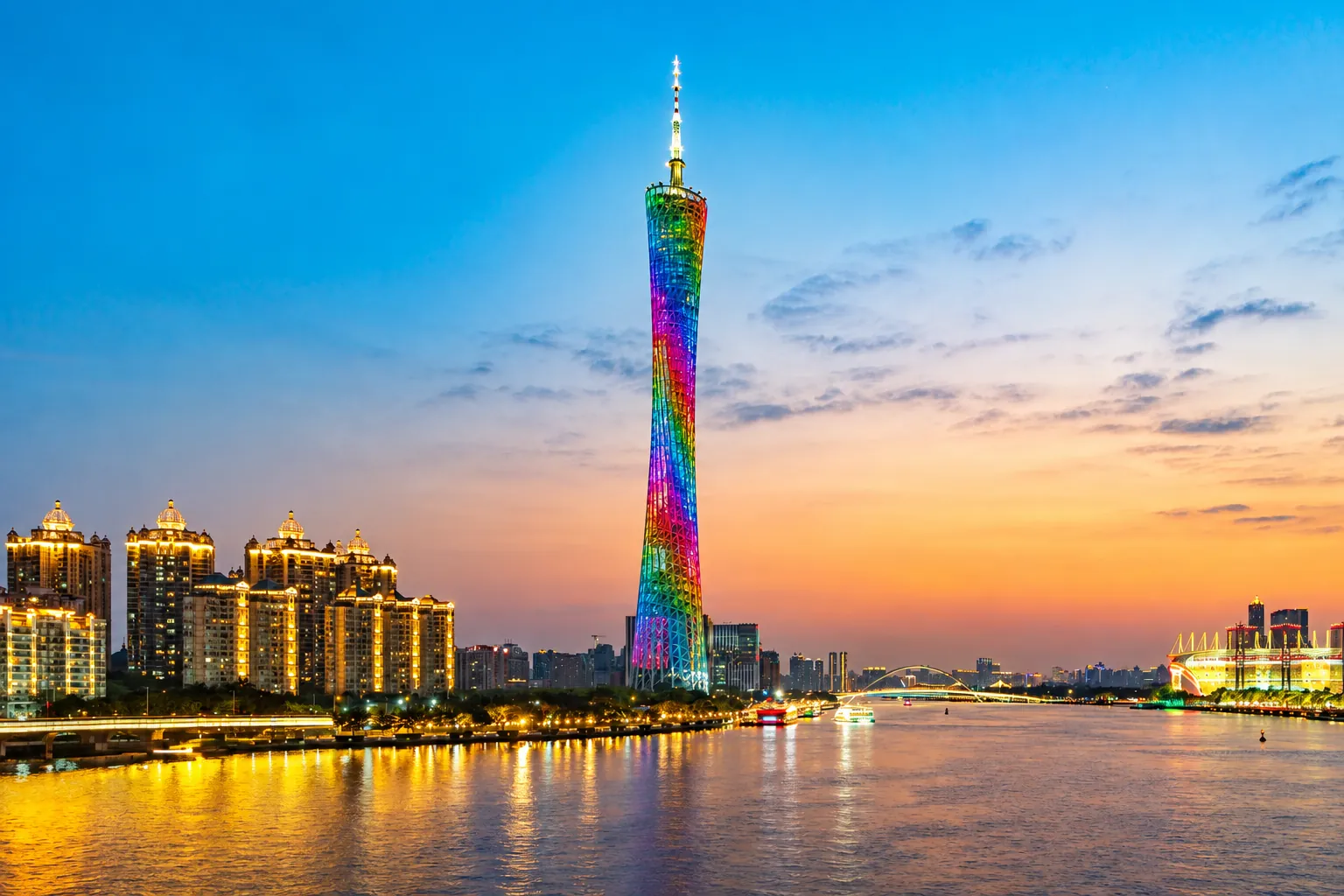
Add Guangzhou if you want to continue deeper into Guangdong without making a major detour. The provincial capital offers historic neighborhoods, Cantonese food, traditional architecture and Pearl River cityscapes that contrast well with Shenzhen’s younger, technology-driven urban character.
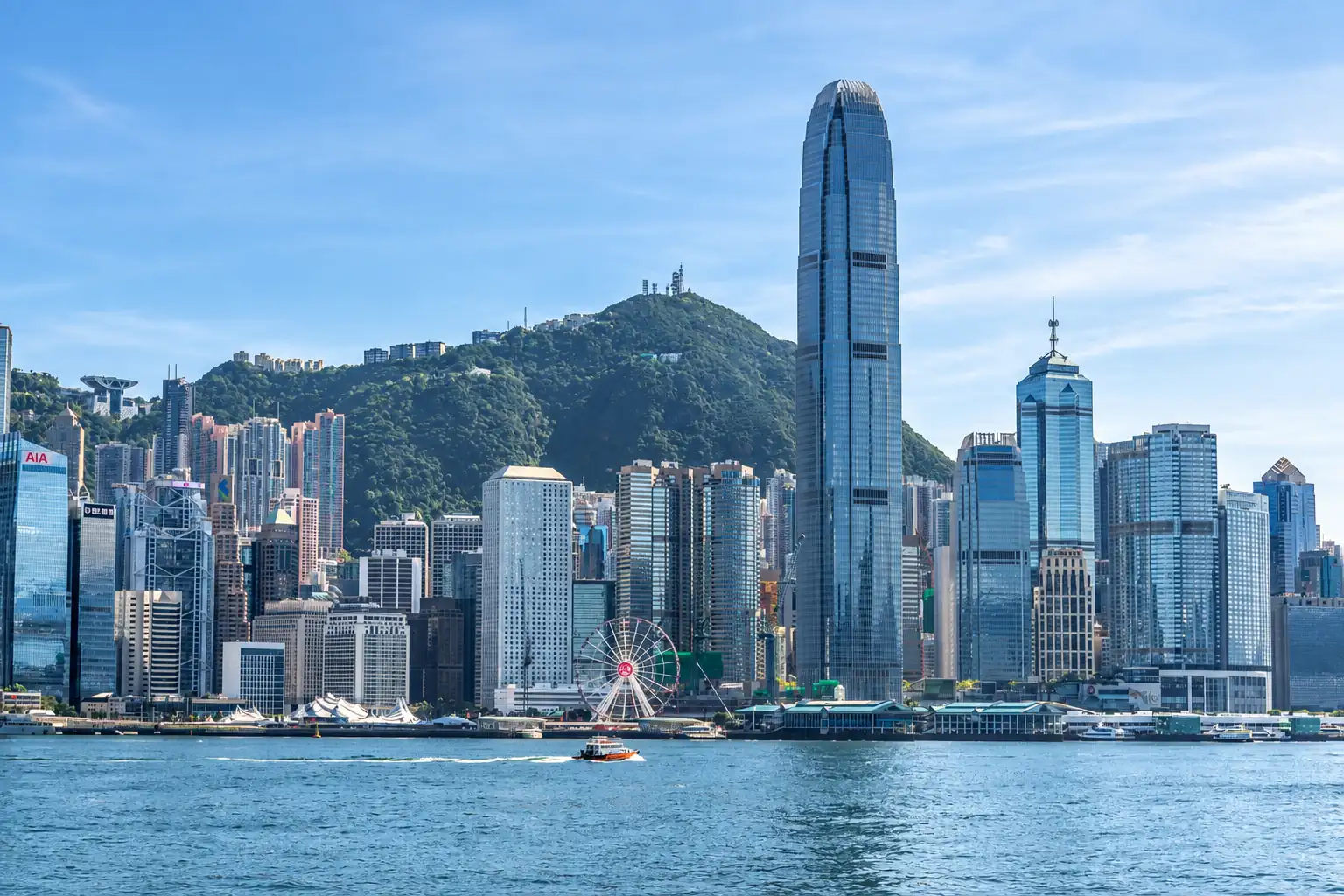
Hong Kong is the most natural destination to combine with Shenzhen. The two cities are linked by high-speed rail, MTR-connected land crossings, road transport and ferry services, making it practical to build them into the same southern China itinerary.
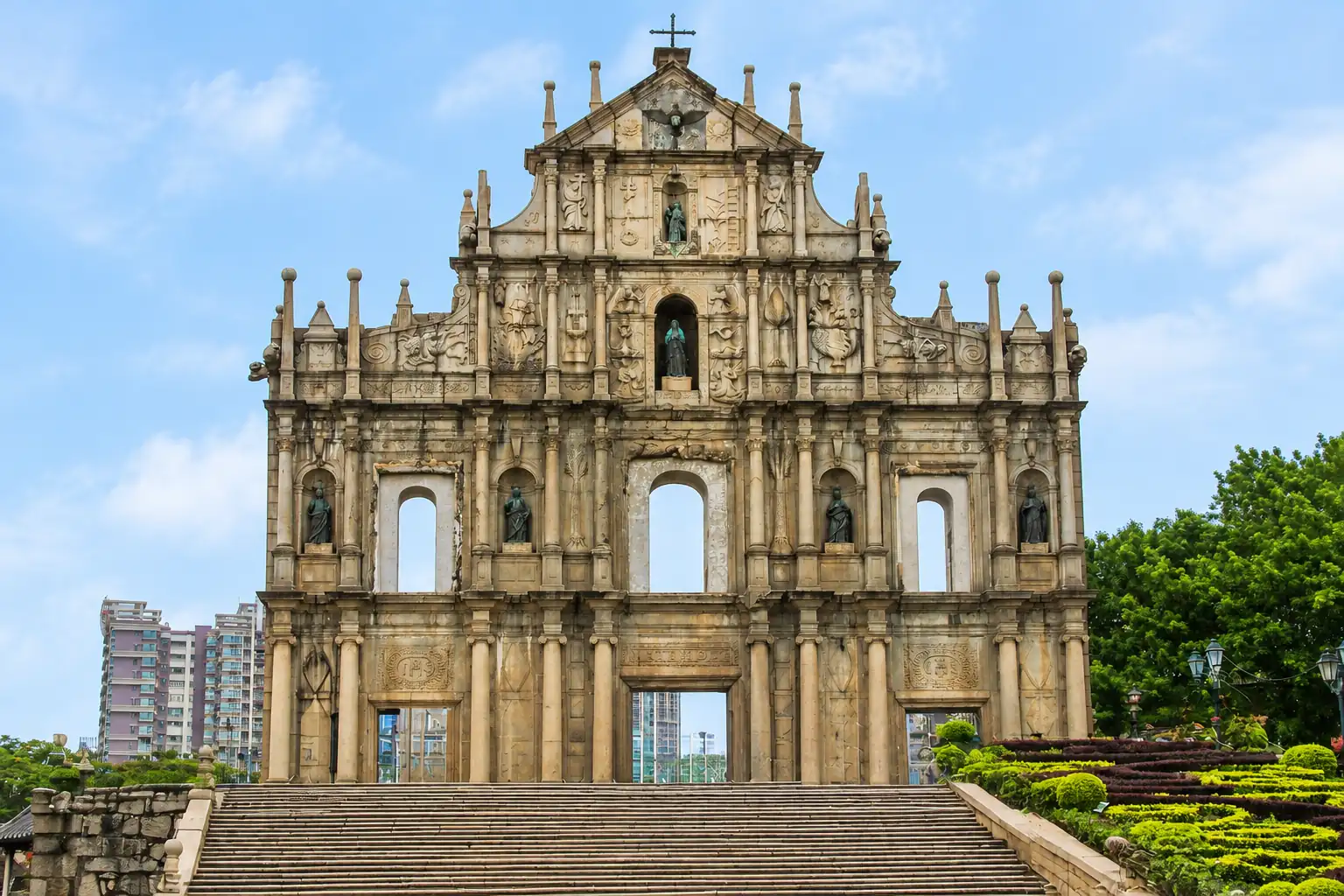
Macau offers one of the strongest cultural contrasts to Shenzhen, combining Portuguese-influenced architecture, Chinese temples, historic streets and a very different food culture. Direct passenger ferries from Shekou make it possible to continue across the Pearl River Delta without returning through Hong Kong.
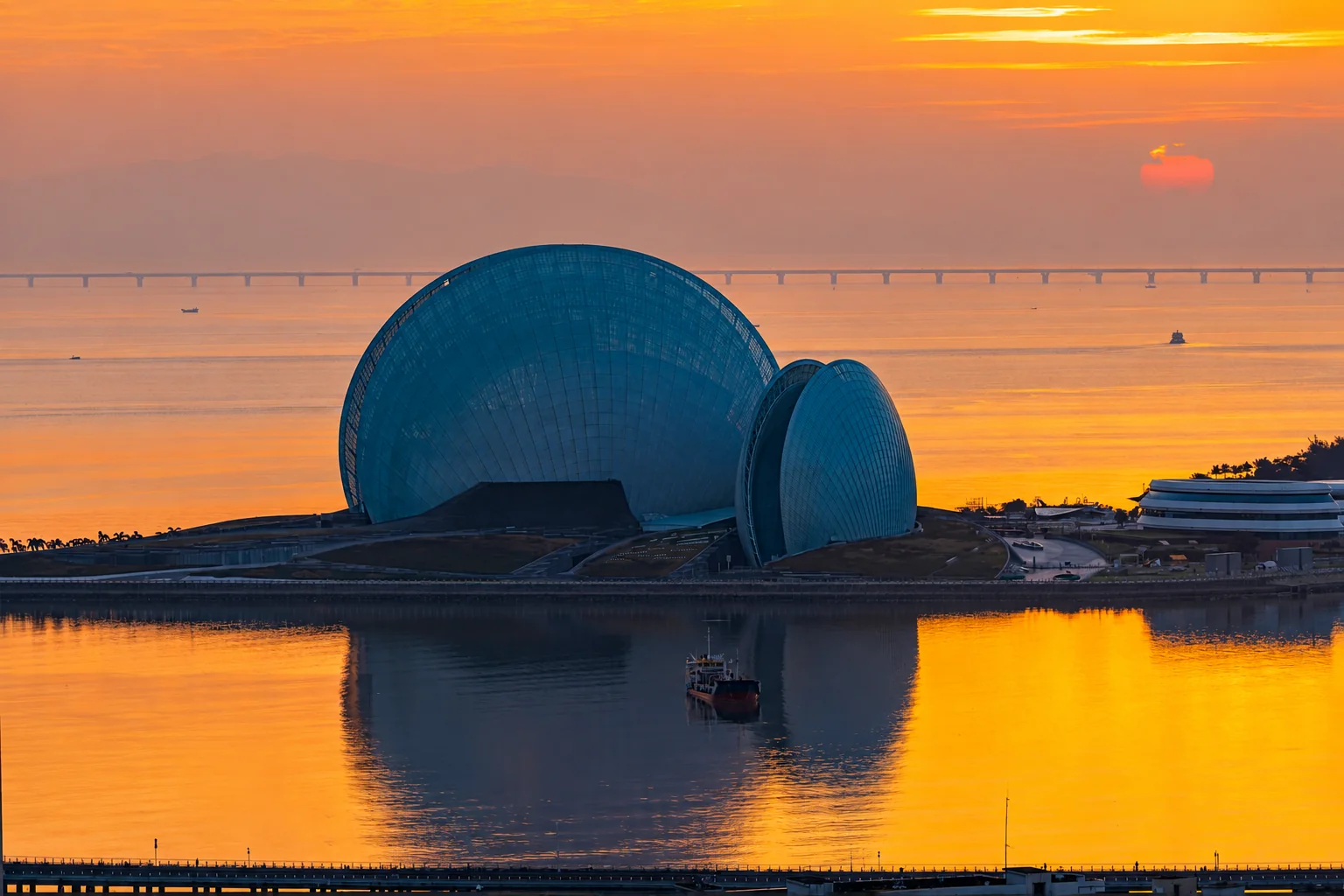
Choose Zhuhai for a quieter coastal continuation through the Greater Bay Area. Shenzhen’s Shekou Cruise Homeport operates passenger routes toward Zhuhai, making it a useful pairing with Macau or a relaxed stop before traveling farther through western Guangdong.
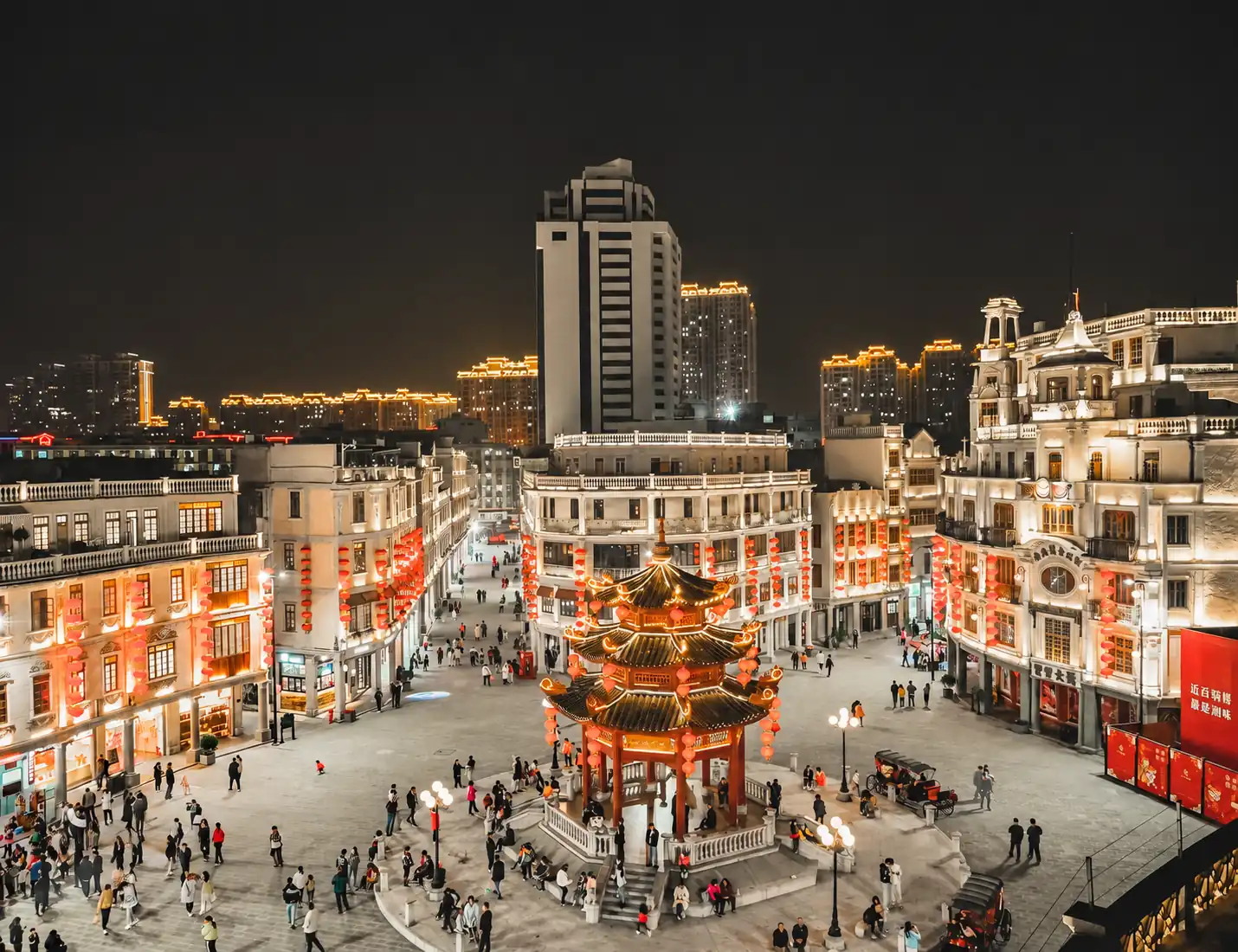
Extend the trip east if food and regional culture matter more than another modern city. Shantou and the wider Chaoshan region are known for distinctive Teochew culture and cuisine, with faster rail links now making the journey from Shenzhen much easier than it once was.
Choose Hong Kong for the easiest cross-border combination, Guangzhou for a stronger introduction to traditional Guangdong, Macau or Zhuhai for a Pearl River Delta route, or head toward Chaoshan if regional food and culture are the priority. For a short first trip, avoid adding several destinations simply because they appear close on the map.