How Many Days in Zhangjiajie?
Two days covers only the essential highlights. Three days is a practical first trip, while four days provides a separate Glass Bridge excursion and more flexibility for rain, fog or longer walks.

Explore the essential places to visit in Zhangjiajie, from the sandstone pillars of Zhangjiajie National Forest Park to Tianmen Mountain and the Grand Canyon Glass Bridge. First-time visitors should prioritize Yuanjiajie, Tianzi Mountain and Golden Whip Stream, then add quieter hiking areas or separate day trips according to their available time and fitness level.
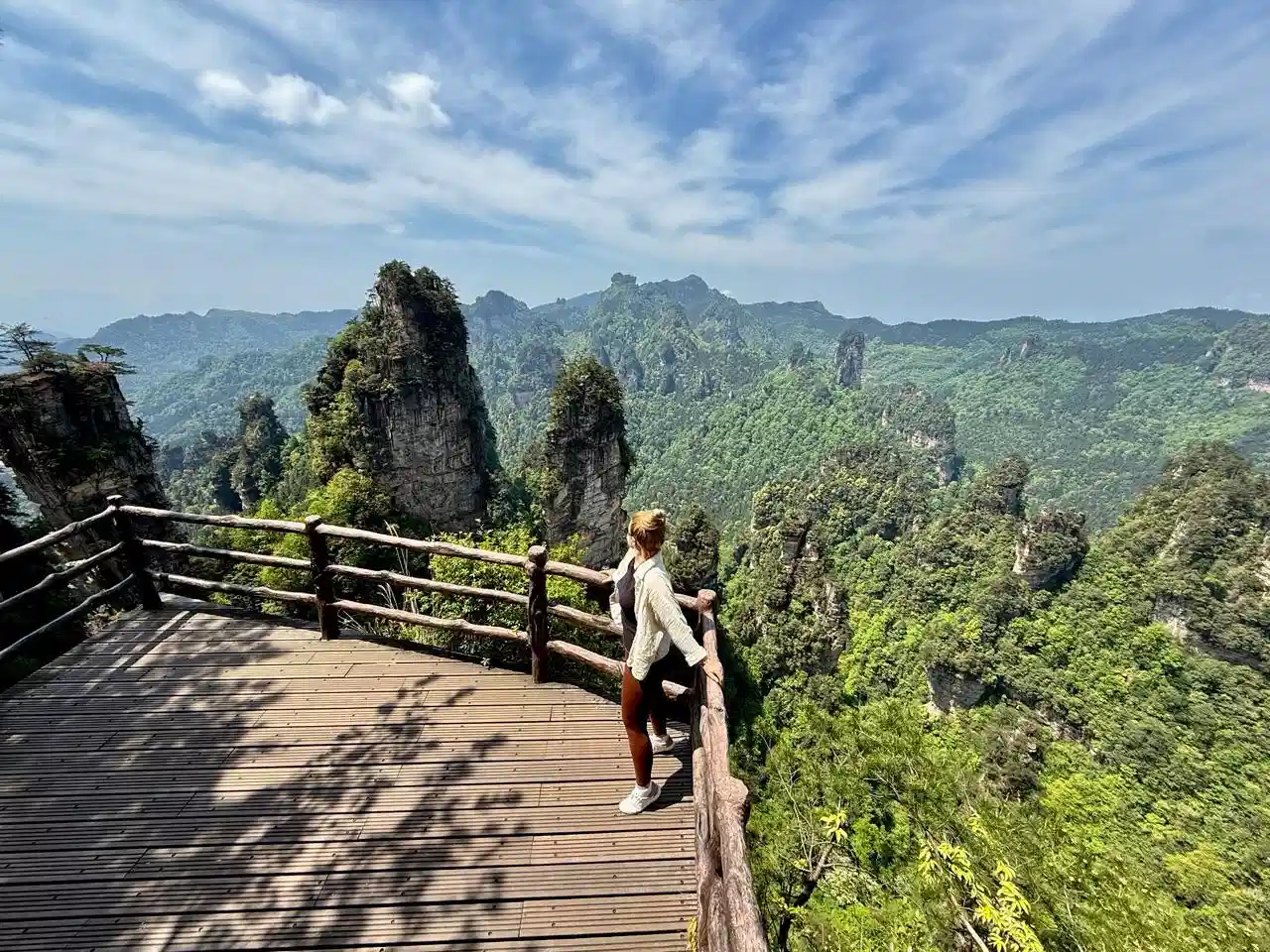
The national forest park is the centerpiece of the wider Wulingyuan Scenic Area and usually requires at least two days to explore well. Its main scenic zones include Yuanjiajie, Tianzi Mountain, Yangjiajie, Golden Whip Stream, Huangshi Village and Ten Mile Gallery. Plan each day around one or two connected areas, the most suitable park entrance and the required combination of shuttle buses, walking trails, cable cars and the Bailong Elevator.
Read the National Forest Park Guide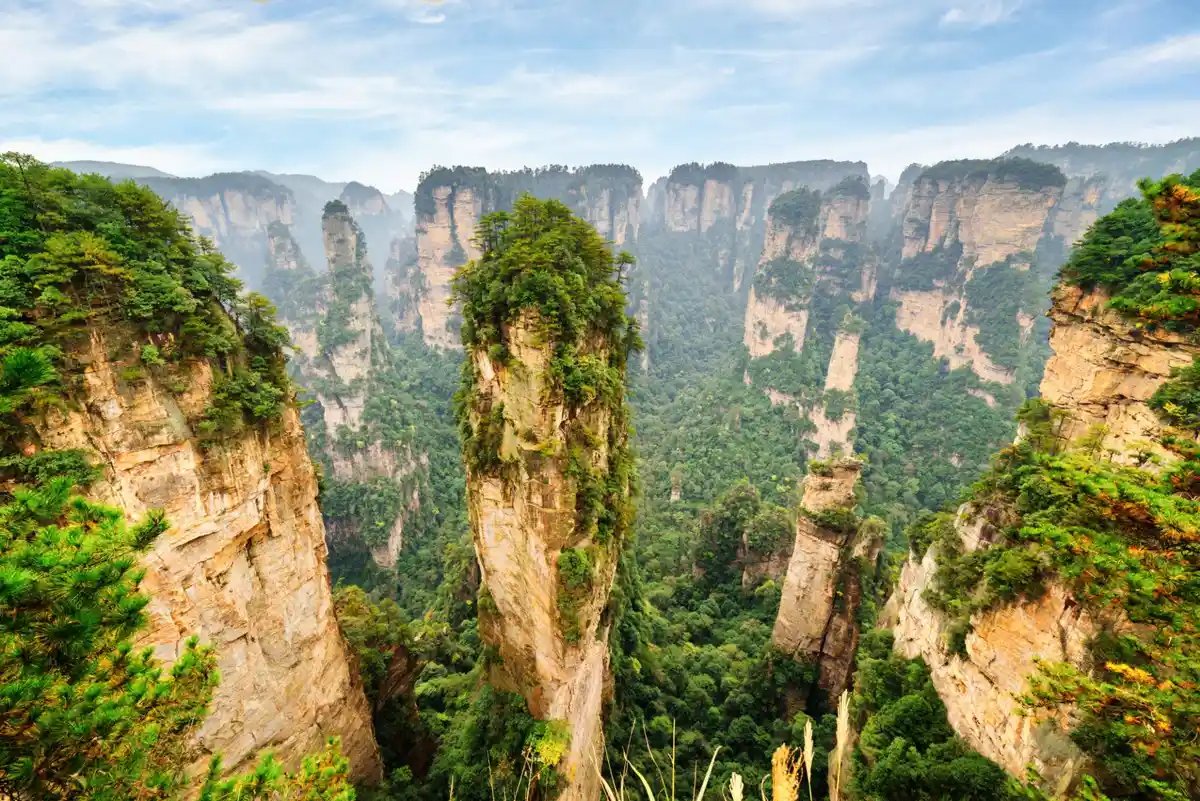
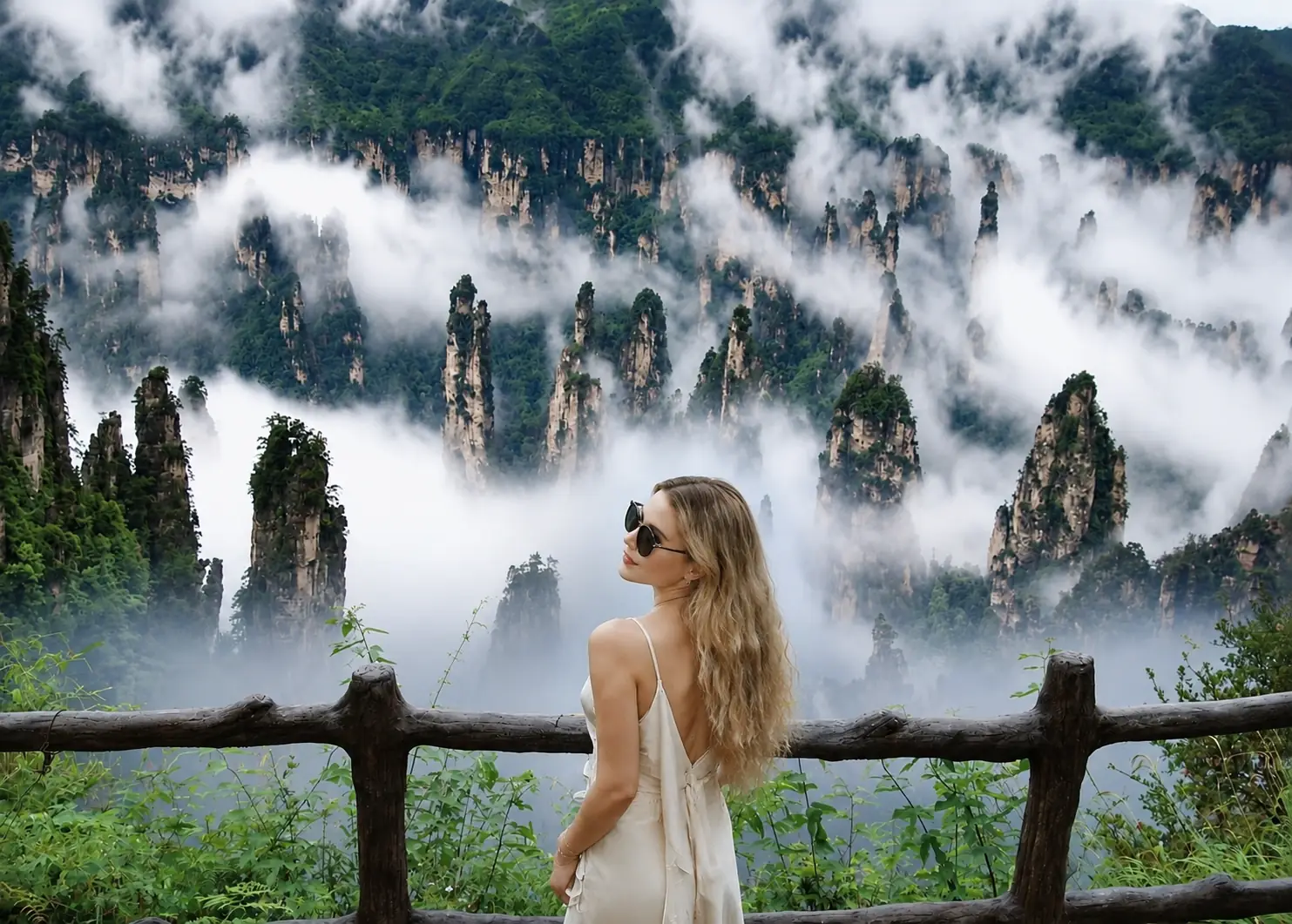
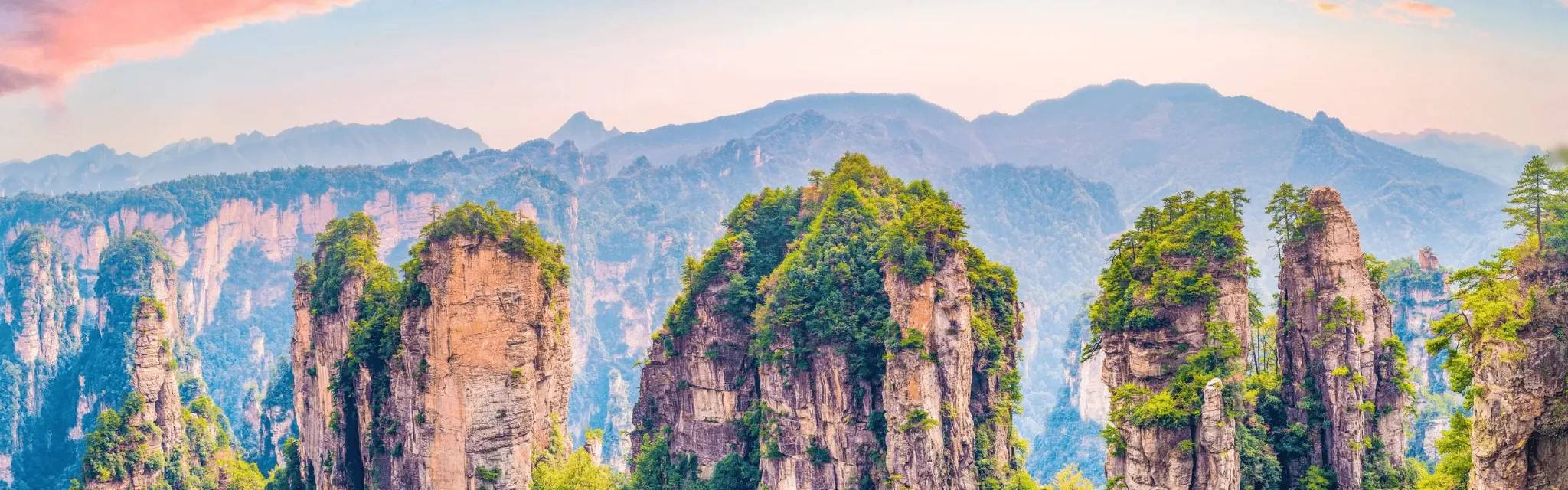
Visit Yuanjiajie for the most recognizable Avatar Mountain scenery in the park. The mountaintop route includes Hallelujah Mountain, natural stone bridges and viewpoints overlooking dense clusters of narrow sandstone pillars. It is one of the busiest areas, so arrive early whenever possible.
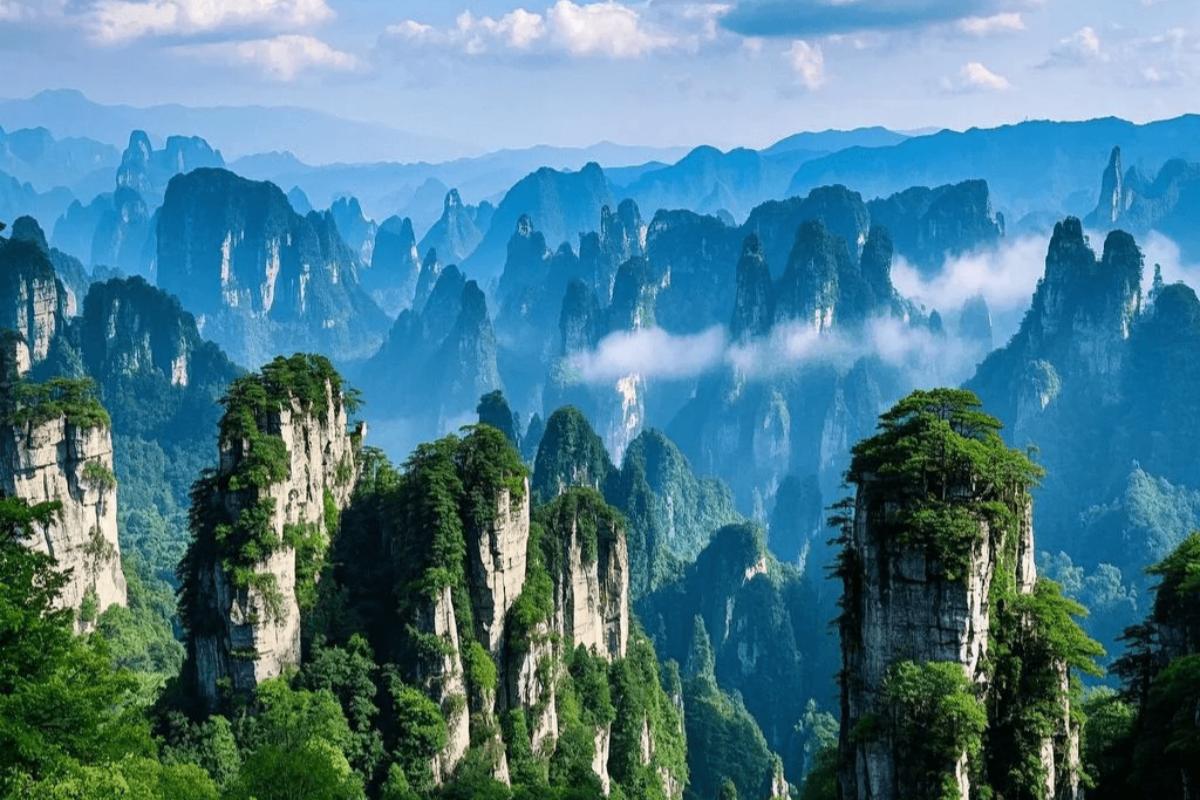
Tianzi Mountain offers broad views across layers of sandstone peaks, especially when mist and low clouds move through the valleys. Major stops include the Imperial Writing Brush Peaks and several roadside overlooks connected by scenic-area shuttle buses. A cable car provides convenient access to the lower park.
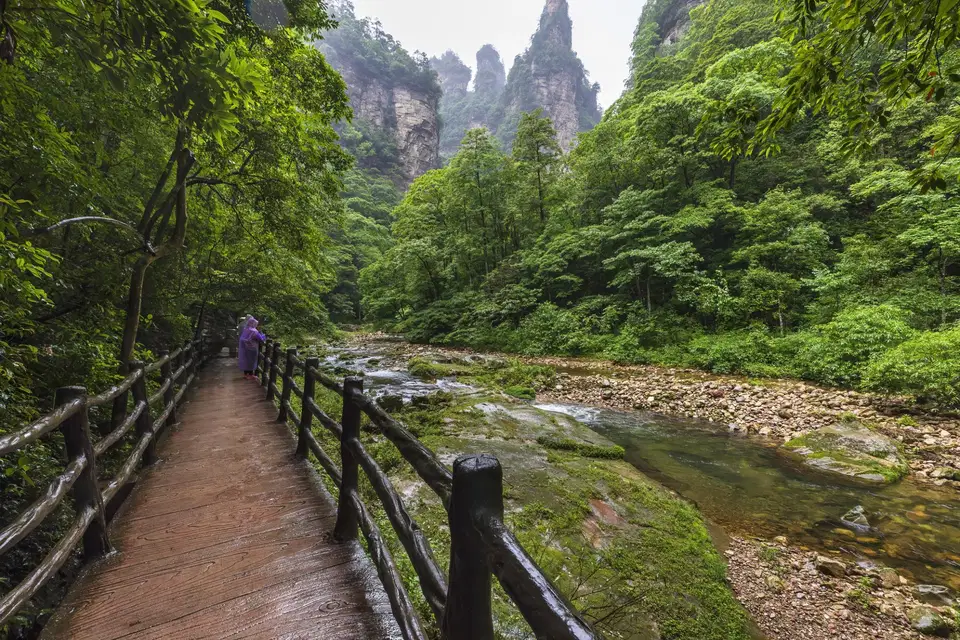
Follow a forested valley trail beneath the towering pillars for a different perspective from the mountaintop viewpoints. The full walking route is approximately 7.5 kilometers, but shorter sections can be included in a less demanding itinerary. Watch food and loose belongings around the local macaques.
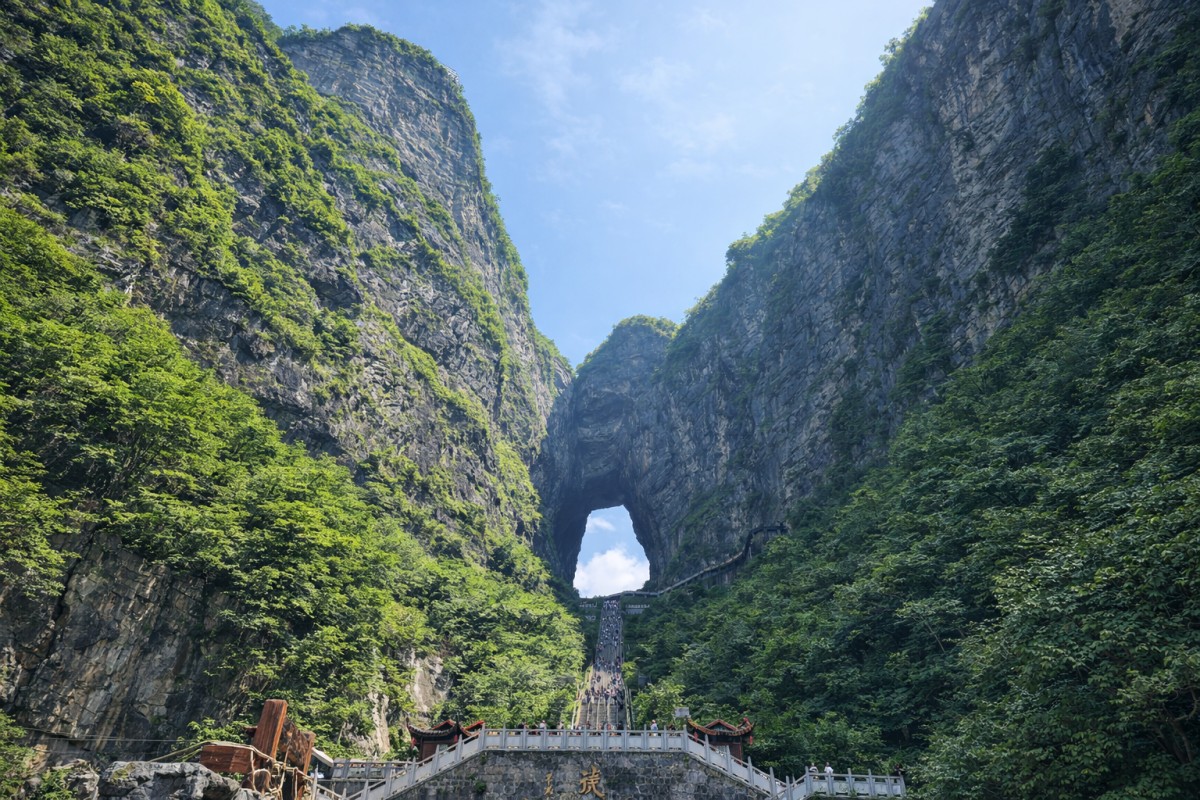
Visit Tianmen Mountain as a separate day trip from Zhangjiajie City rather than combining it with the national park. The route can include a long scenic cable car ride, mountaintop walkways, panoramic viewpoints and Tianmen Cave. Check the forecast because fog and low clouds can significantly reduce visibility.
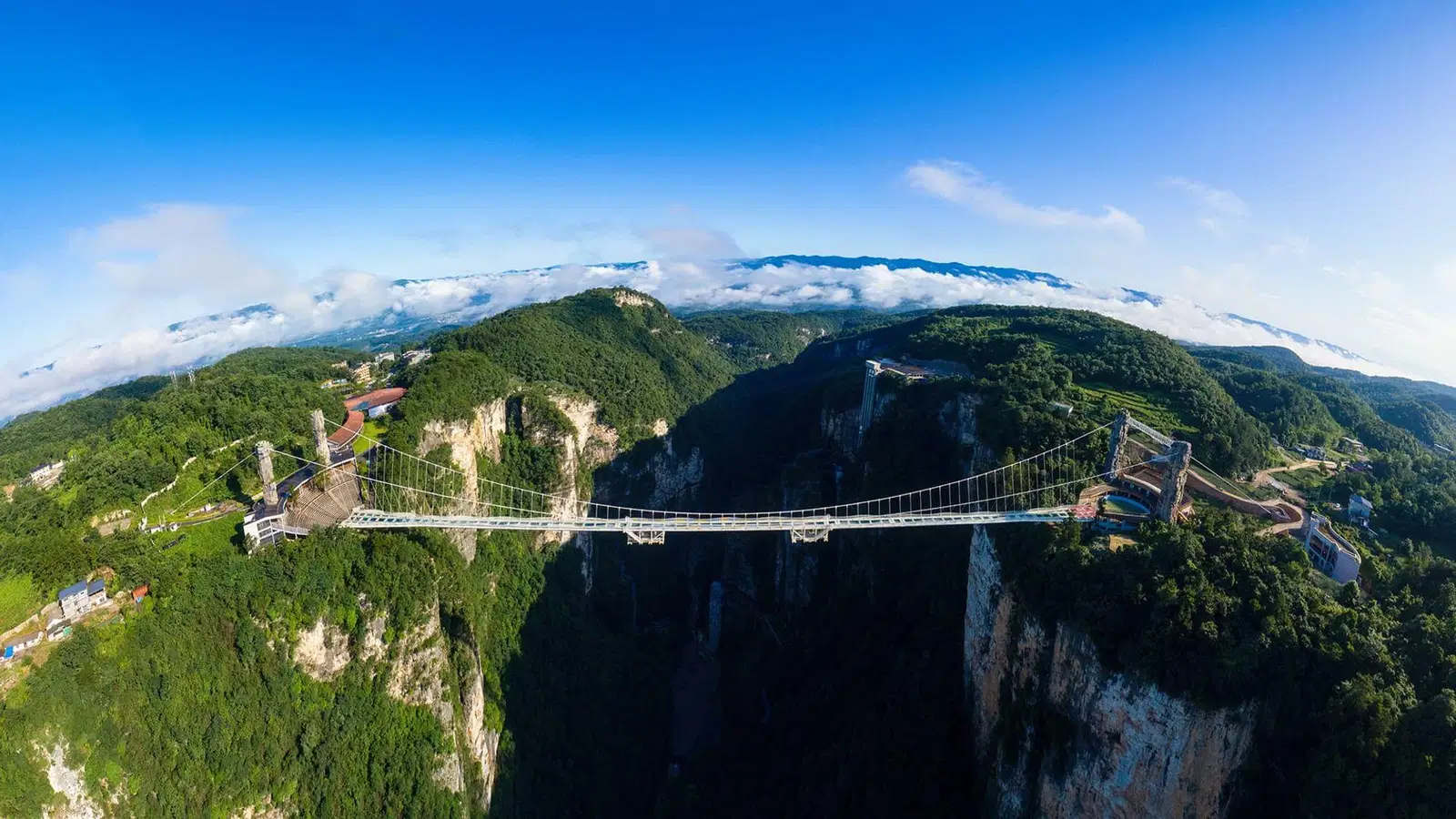
Cross the Zhangjiajie Glass Bridge and explore the surrounding Grand Canyon for an experience that differs from the sandstone viewpoints of Wulingyuan. The attraction uses its own admission and timed-entry system, so it should be planned as a separate excursion rather than a stop inside the national park.
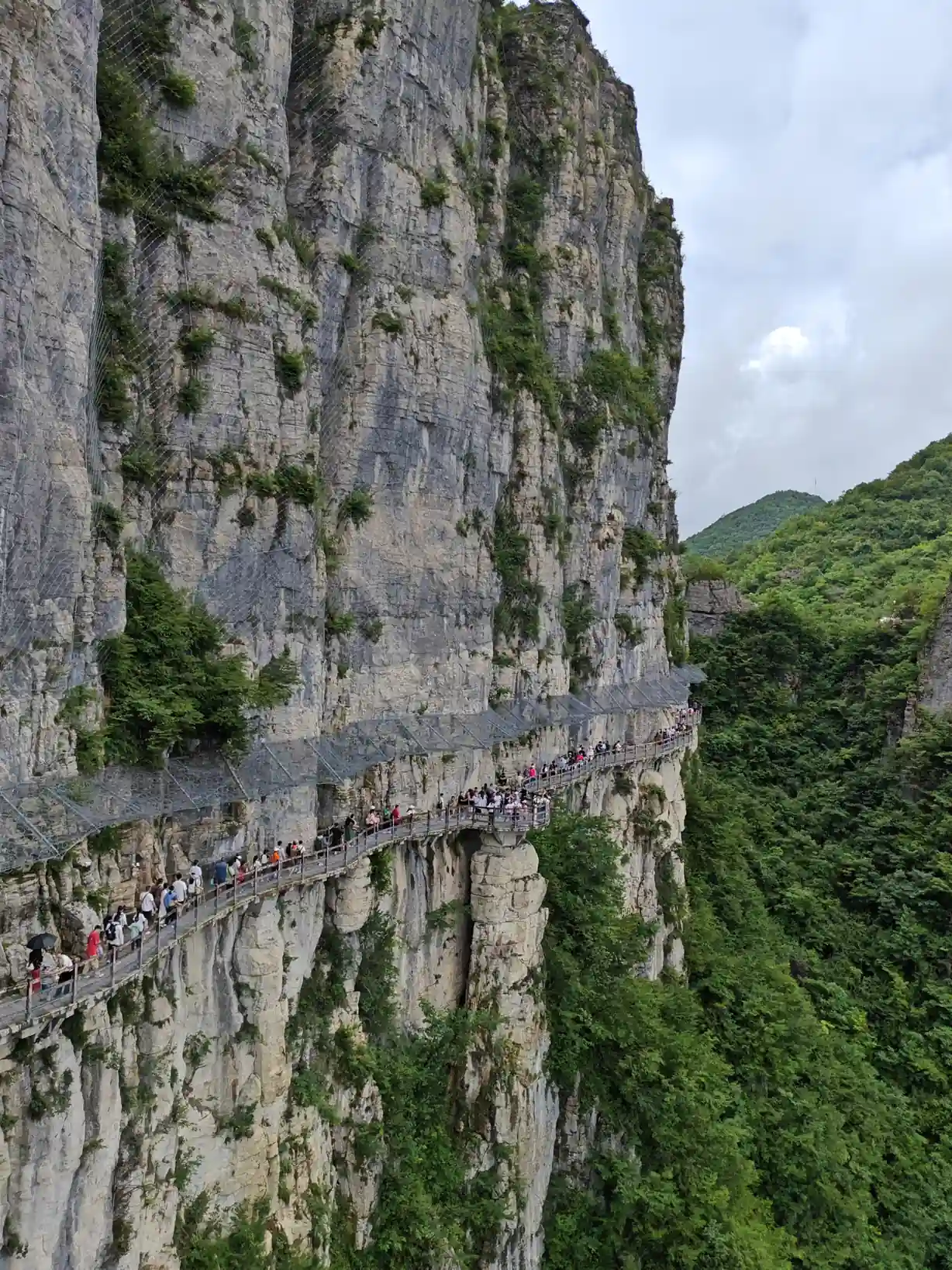
Explore a quieter section of the forest park known for steep sandstone walls, natural rock formations and more demanding hiking trails. Yangjiajie is best suited to travelers with extra time who want to go beyond the main Yuanjiajie and Tianzi Mountain routes.
Spend at least two days connecting Yuanjiajie, Tianzi Mountain, Golden Whip Stream and other areas of Wulingyuan. Add Tianmen Mountain, the Grand Canyon Glass Bridge or Yellow Dragon Cave according to your trip length, fitness level and the weather.
The best Zhangjiajie experiences combine hiking, scenic transport and flexible planning around the mountain weather. Walk through sandstone valleys, ride cable cars and the Bailong Elevator, cross the Grand Canyon Glass Bridge, photograph misty peaks, try local Hunan food and choose easier routes for children or travelers who prefer less climbing.
A good hiking day combines one valley-level trail with one mountaintop area rather than trying to cross the entire park. Walk beside Golden Whip Stream for forest scenery, then use the shuttle buses, Bailong Elevator or a cable car to reach the viewpoints around Yuanjiajie or Tianzi Mountain.
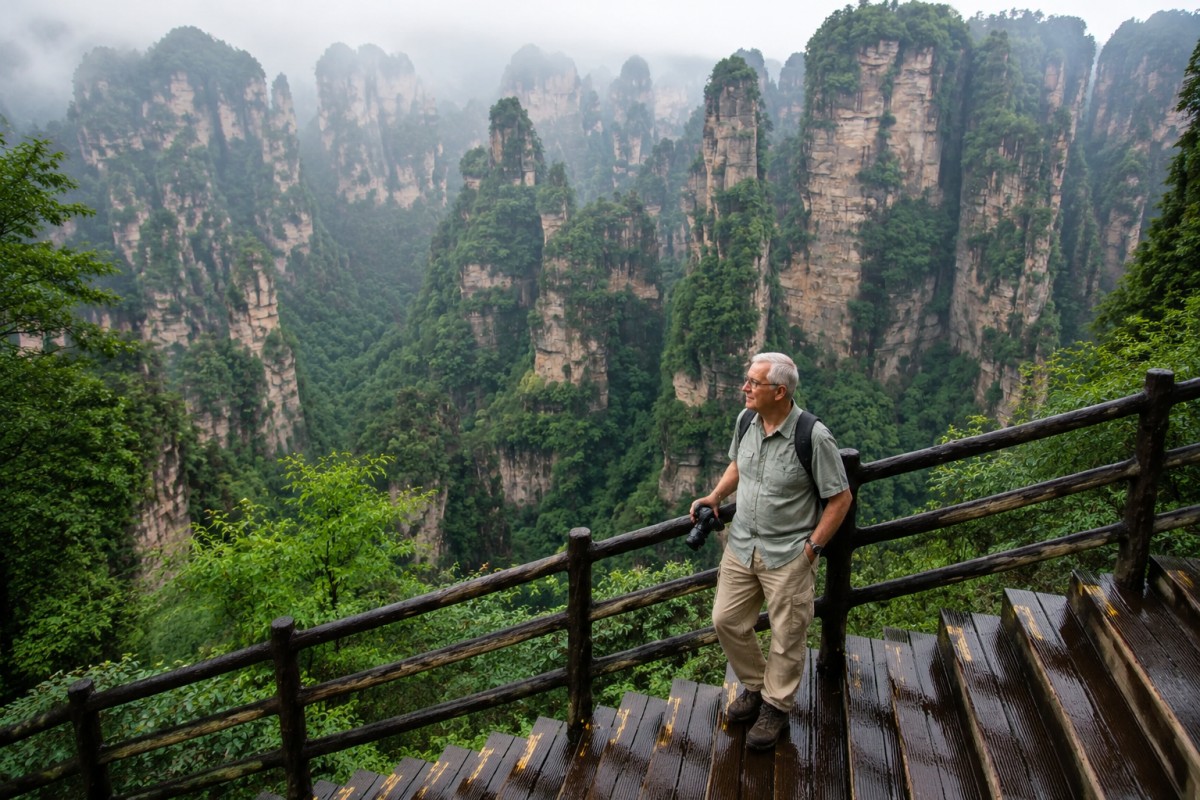
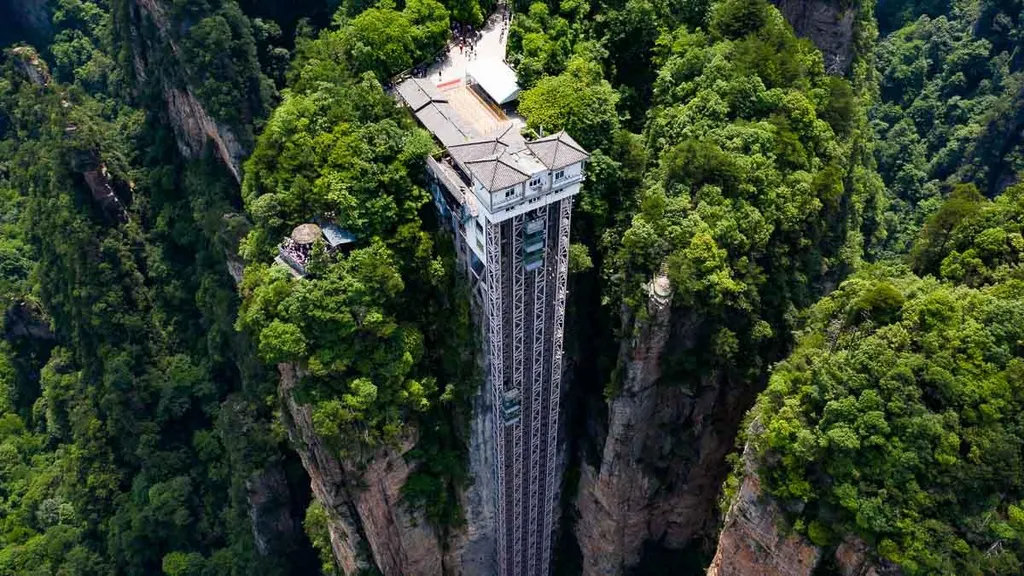
Scenic transport is part of the experience and also reduces strenuous climbing. Use the Bailong Elevator to reach Yuanjiajie, or take the Tianzi Mountain and Huangshi Village cable cars when they fit your planned route. These rides normally require separate tickets from the main park admission.
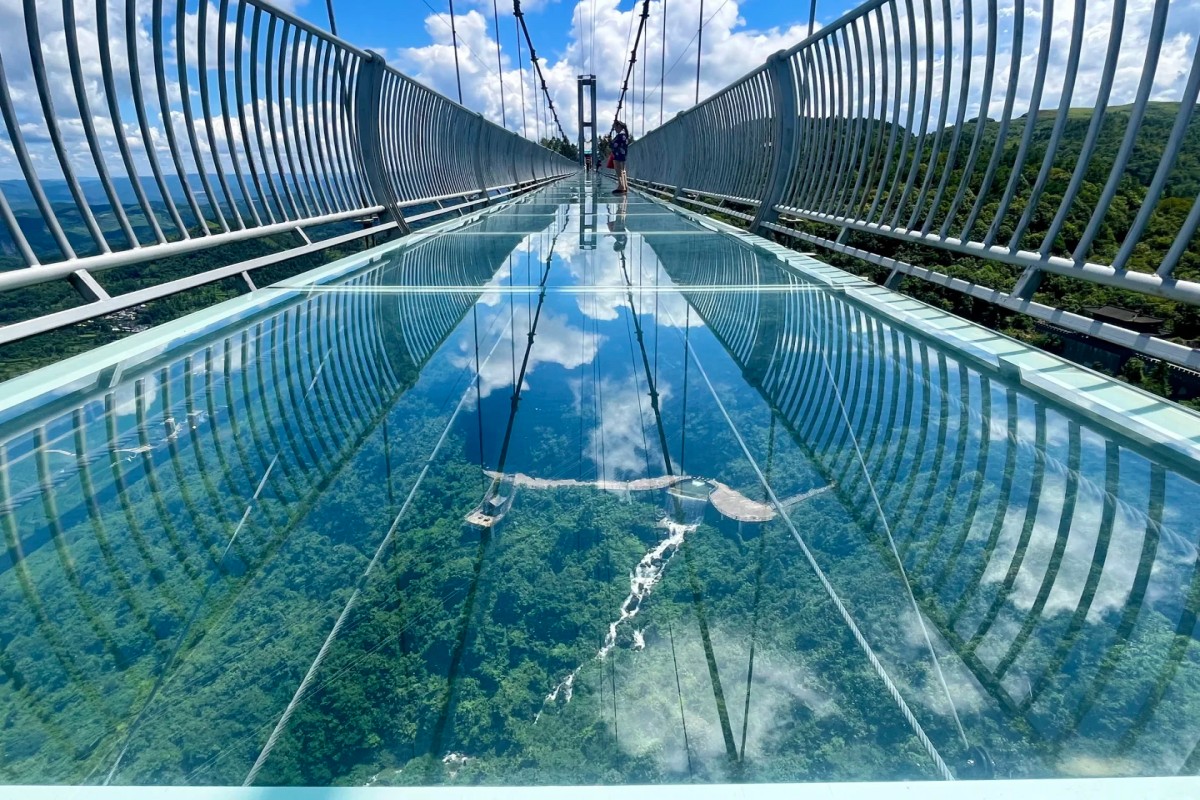
Walk above the Zhangjiajie Grand Canyon on one of the region’s best-known adventure attractions. The bridge is outside the national forest park and uses a separate ticket and timed-entry system, so reserve it as its own excursion rather than adding it casually between Wulingyuan sightseeing routes.
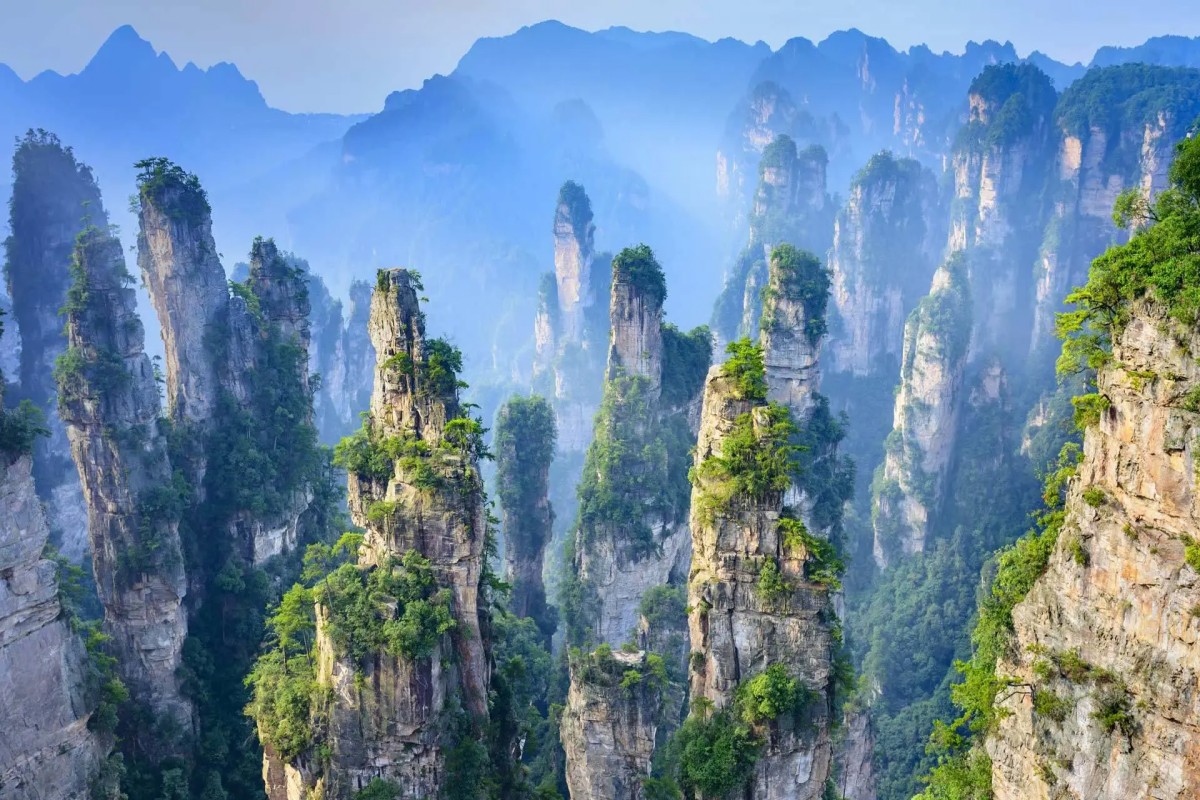
Photograph sandstone pillars from Yuanjiajie, Tianzi Mountain and other elevated viewpoints. Early mornings usually bring softer light and fewer visitors, while mist after rain can create dramatic layers between the peaks. Keep at least one mountain day flexible so you can respond to visibility.
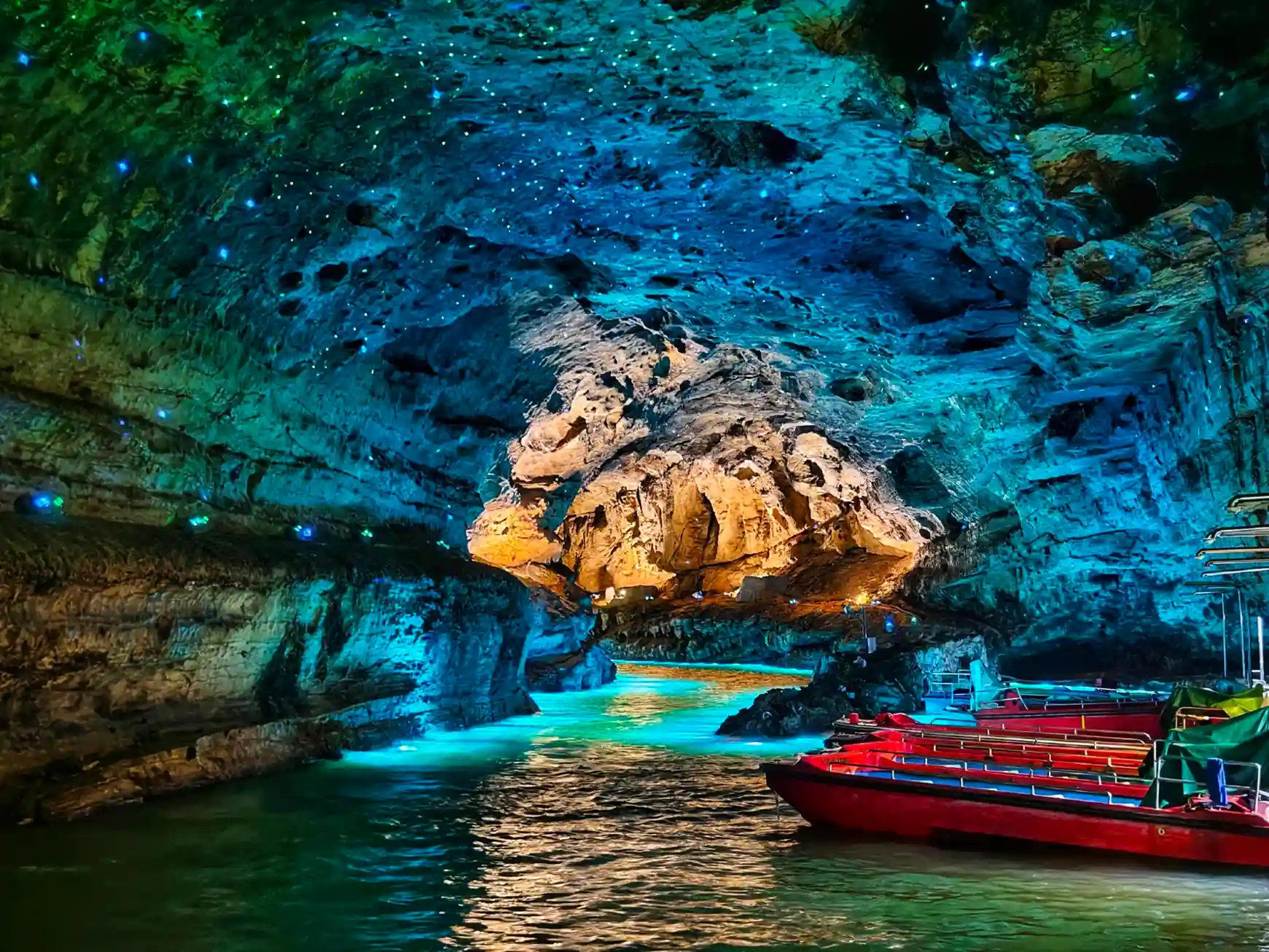
Visit Yellow Dragon Cave for an underground experience of limestone chambers, stalactites and illuminated rock formations. It can be a useful addition when rain, fog or poor visibility makes exposed mountain viewpoints less rewarding, although the visit still involves walking and stairs.

Try the bold and often chili-rich flavors of Hunan cuisine in Wulingyuan Town or Zhangjiajie City. Wulingyuan is convenient after a day in the park, while the city offers a broader choice of restaurants for travelers staying near Tianmen Mountain or the main transport hubs.
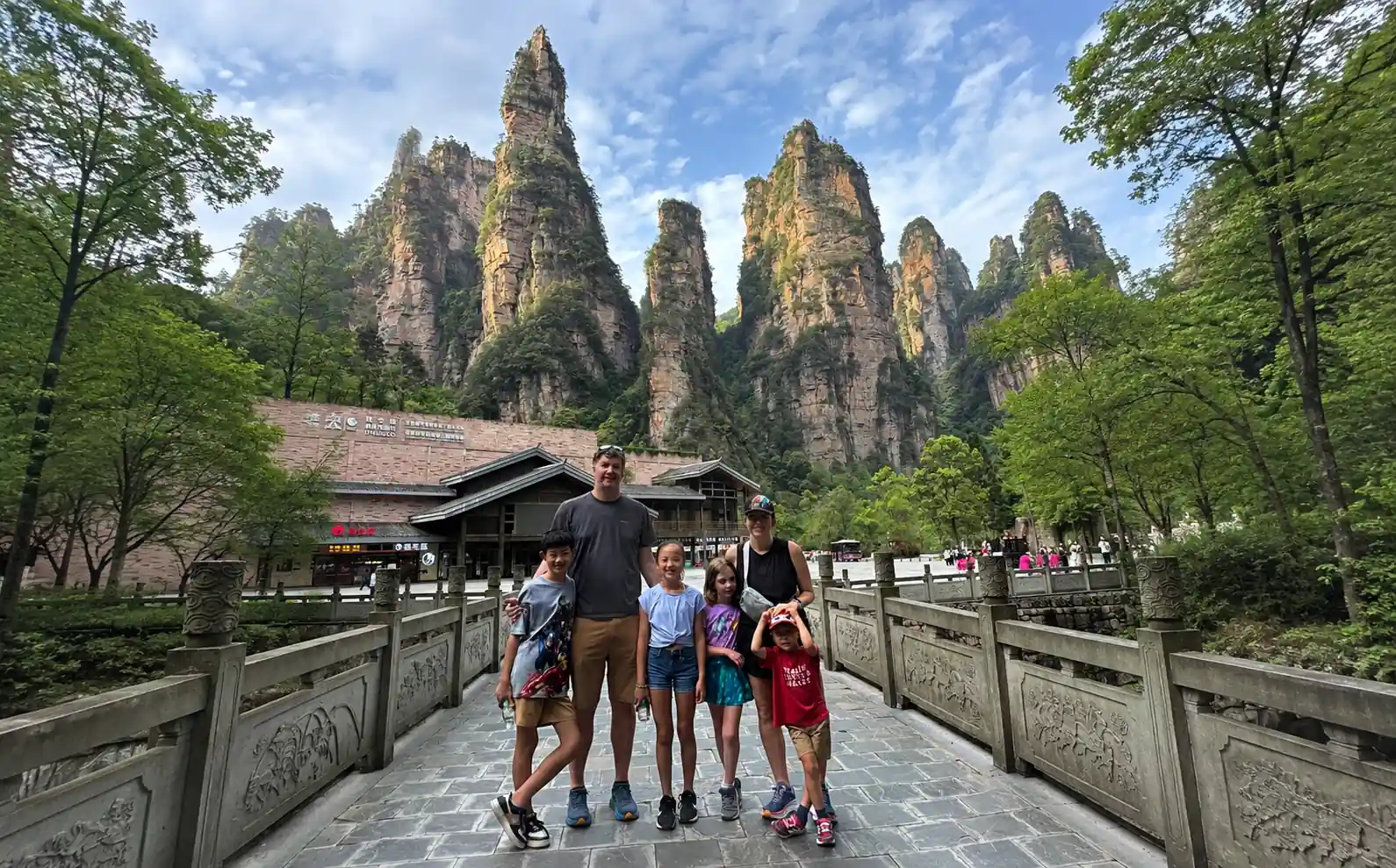
Build a family-friendly route around shorter walks, park shuttle buses, elevators and cable cars. Avoid combining several distant mountain areas in one day, allow time for meals and breaks, and choose accommodation close to the entrance you plan to use the following morning.
Keep the clearest day for high mountain viewpoints. Use forest walks, scenic rides or Yellow Dragon Cave when visibility is poor, and reduce the number of areas in one day when traveling with children, seniors or anyone who prefers less climbing.
Balance mountain viewpoints, valley walks and scenic transport according to your trip length and fitness level. Keep one part of the schedule flexible so rain, fog or heavy crowds do not prevent you from seeing the places that matter most.
Most first-time visitors need three to four days in Zhangjiajie. Three days allows two well-planned scenic days around Wulingyuan and one separate day at Tianmen Mountain. With four or five days, you can add the Grand Canyon Glass Bridge, Yellow Dragon Cave, Yangjiajie or a slower hiking route without compressing distant attractions into the same day.
This three-day route gives the forest park two separate days and reserves the final day for Tianmen Mountain. Stay in Wulingyuan for the first two nights, then move to Zhangjiajie City after the second day. Use the clearest available day for Yuanjiajie and Tianzi Mountain, and move lower-elevation walks to a foggier or wetter period.
Start from the South Gate for a valley-level walk along Golden Whip Stream. You can follow a shorter section and return, or continue toward the lower Bailong Elevator station for a one-way route. This forest walk works particularly well when cloud or mist limits the higher viewpoints.
Read the National Forest Park Guide →
Ride the Bailong Elevator to Yuanjiajie and follow the main mountaintop route through the Avatar Mountain viewpoints, Hallelujah Mountain and natural stone formations. At the end of the visit, return using the scenic transport route that best connects with your Wulingyuan hotel.
Understand Park Transport →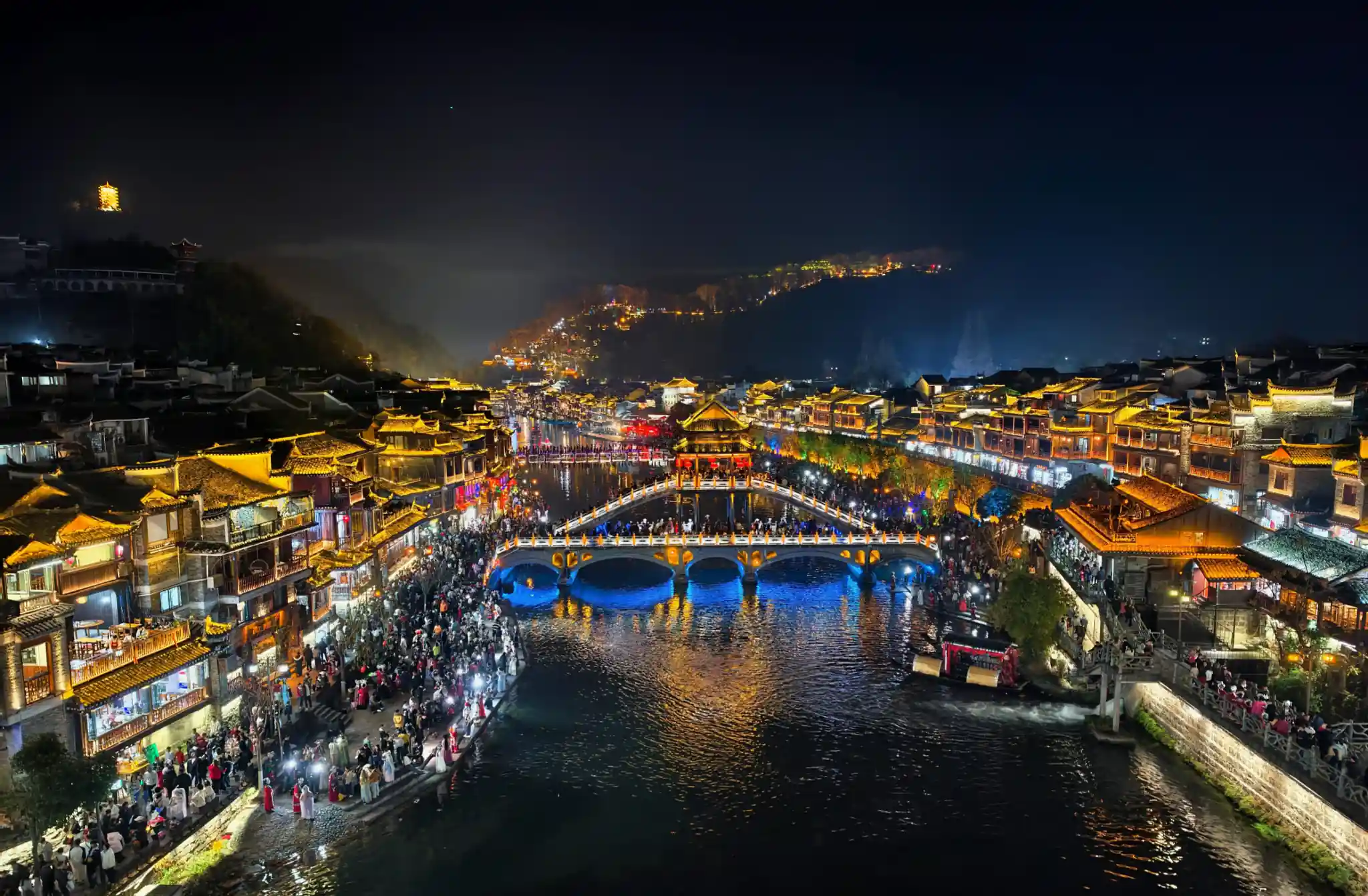
Return to Wulingyuan for dinner and prepare for another early start. Staying close to the East Gate is convenient for the following day’s Tianzi Mountain route and gives you easy access to restaurants, shops and local transport.
Compare Accommodation Areas →
Enter through Wulingyuan and use the Tianzi Mountain cable car and park buses to reach the main panoramic viewpoints. Descend later in the day and add Ten Mile Gallery if time, energy and visibility allow. After sightseeing, collect your luggage and transfer to Zhangjiajie City for the night before Tianmen Mountain.
Plan the Wulingyuan-to-City Move →
Use your reserved admission period to visit Tianmen Mountain from the city. Depending on the ticketed route and current operating arrangements, the day may include the scenic cable car, mountaintop paths, panoramic viewpoints and Tianmen Cave. Check the weather before departure because visibility can change quickly.
Review Tianmen Mountain Planning →A private itinerary can account for your train or flight schedule, hotel location, ticket periods, walking ability and the weather forecast instead of forcing every traveler into the same fixed route.
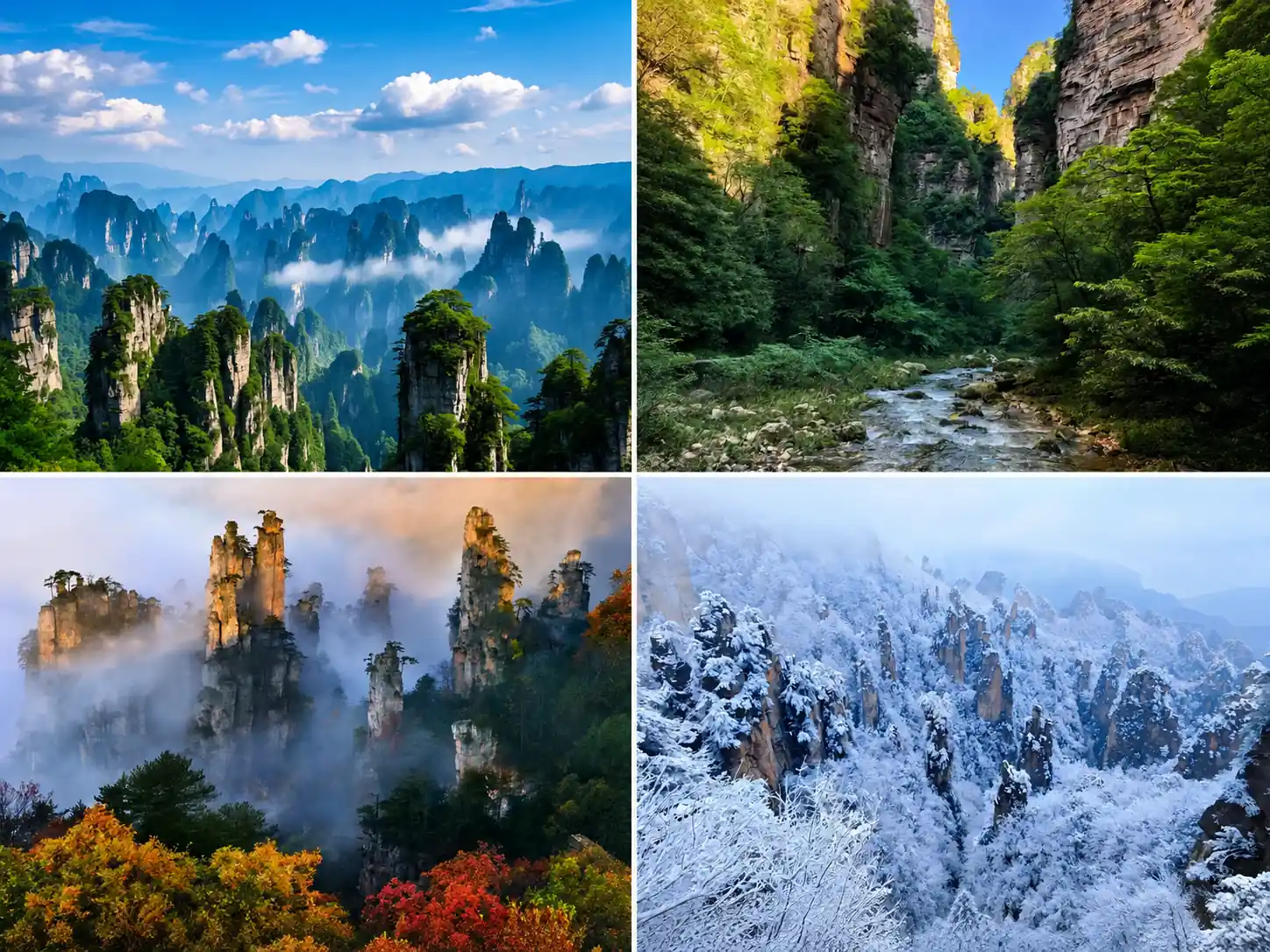
The best time to visit Zhangjiajie is usually from late March to April and from late September to mid-November. These periods generally offer the best balance of comfortable walking conditions, lower humidity and manageable visitor numbers. However, clear mountain views are never guaranteed because rain, fog and low clouds can affect visibility in every season.
Late March and April are comfortable for forest walks and greener scenery, while late September to mid-November usually brings cooler conditions for longer hiking days. Use the clearest forecast for Yuanjiajie, Tianzi Mountain and Tianmen Mountain. If visibility is poor, move lower-elevation walks, Yellow Dragon Cave or other weather-resistant activities to that part of the itinerary.
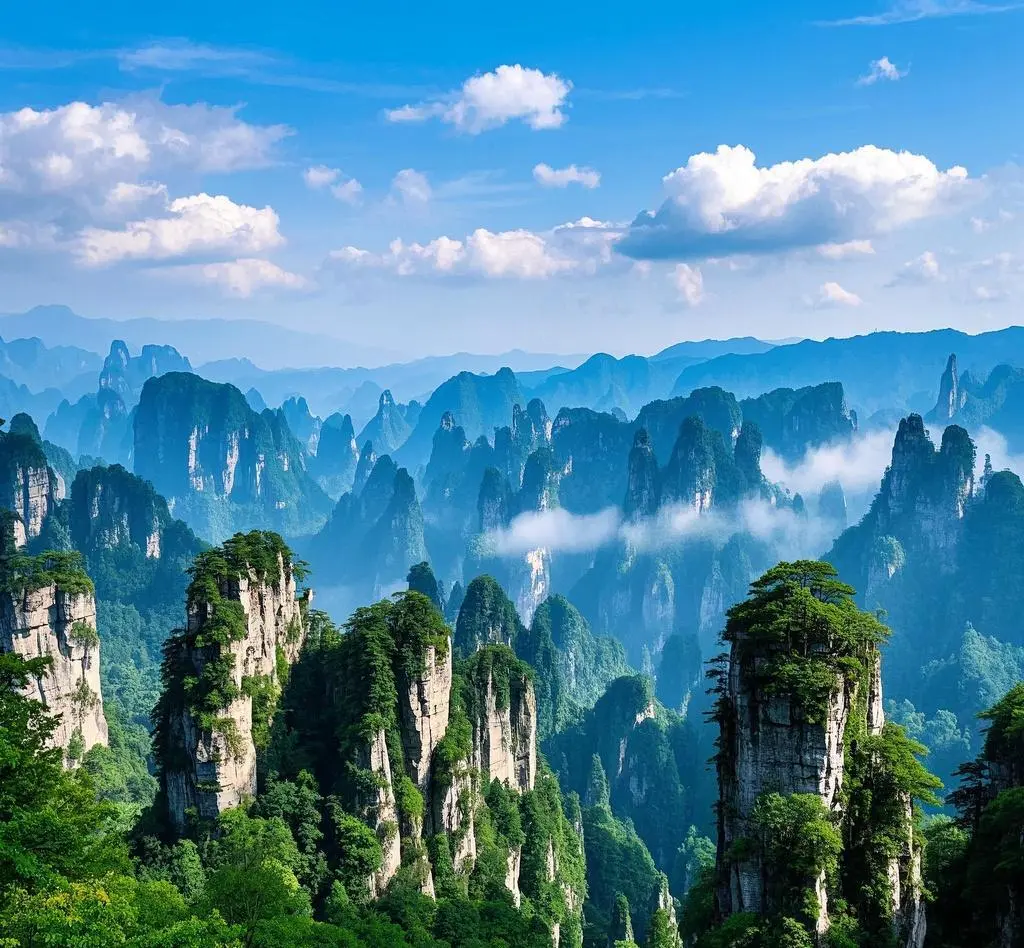
Spring brings greener forests, flowing streams and comfortable walking conditions, especially from late March through April. Rain and mist can create atmospheric mountain scenery but may also hide panoramic viewpoints. Pack a lightweight waterproof layer and avoid planning every high-elevation attraction on the same day.
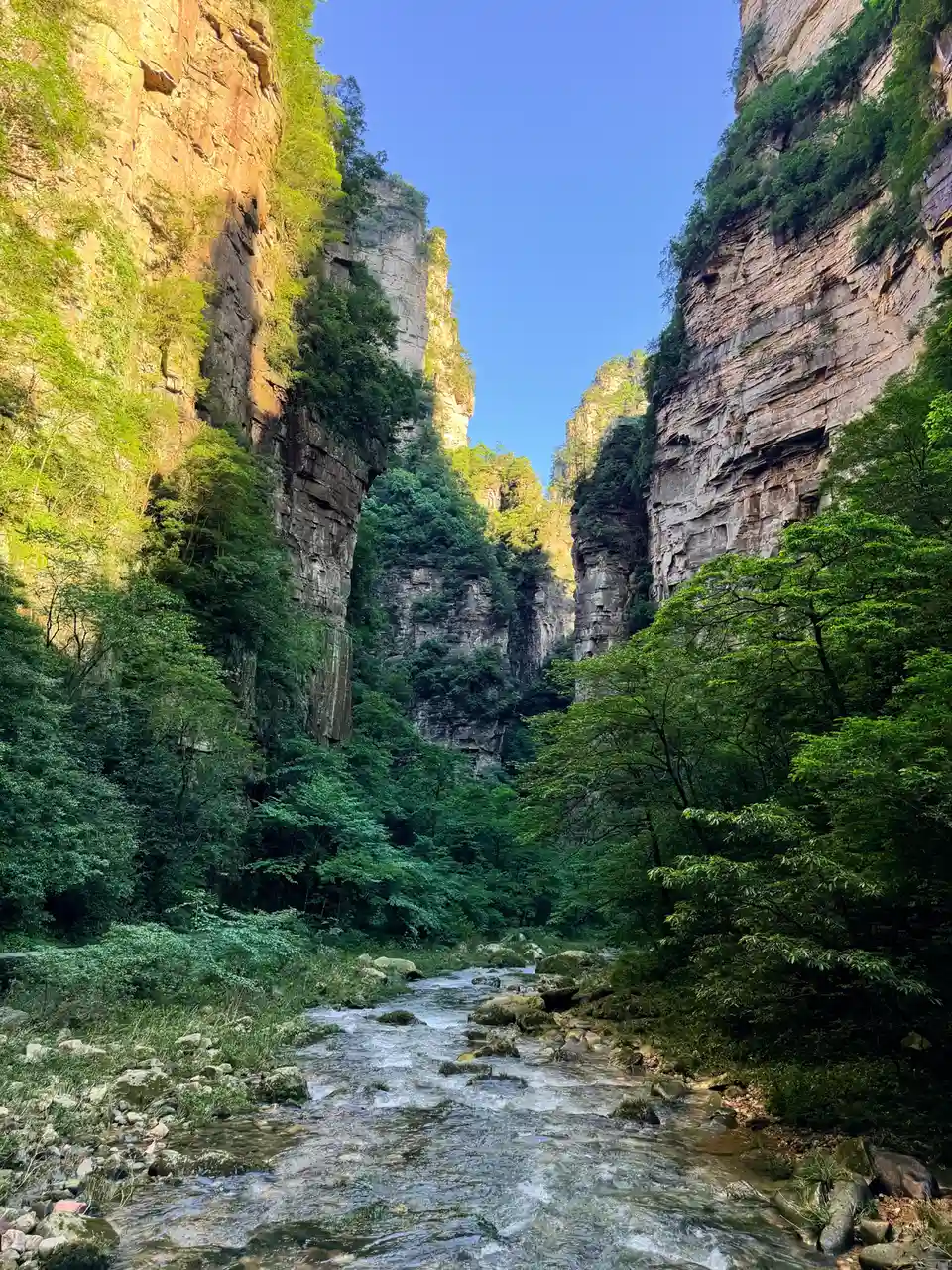
Summer is hot, humid and one of the busiest travel periods. Rain showers can be frequent, and queues may build at shuttle stops, elevators and cable-car stations. Start early, carry water and sun protection, and leave more time between distant scenic areas than you would in cooler weather.
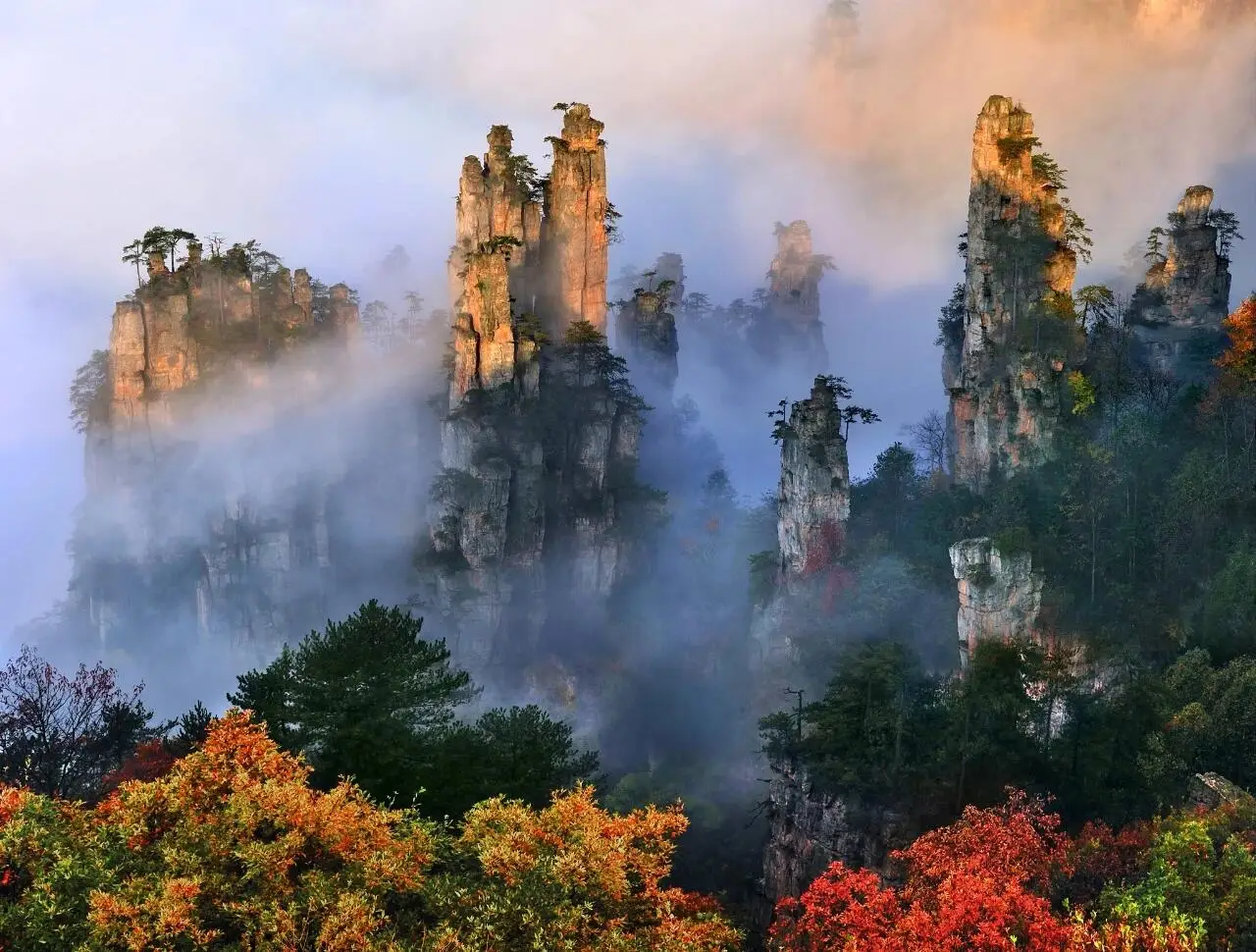
Late September to mid-November is one of the most comfortable periods for hiking and long sightseeing days. The major exception is the National Day Golden Week in early October, when trains, hotels and scenic areas can become extremely busy. Later autumn is cooler and often easier for flexible independent travel.
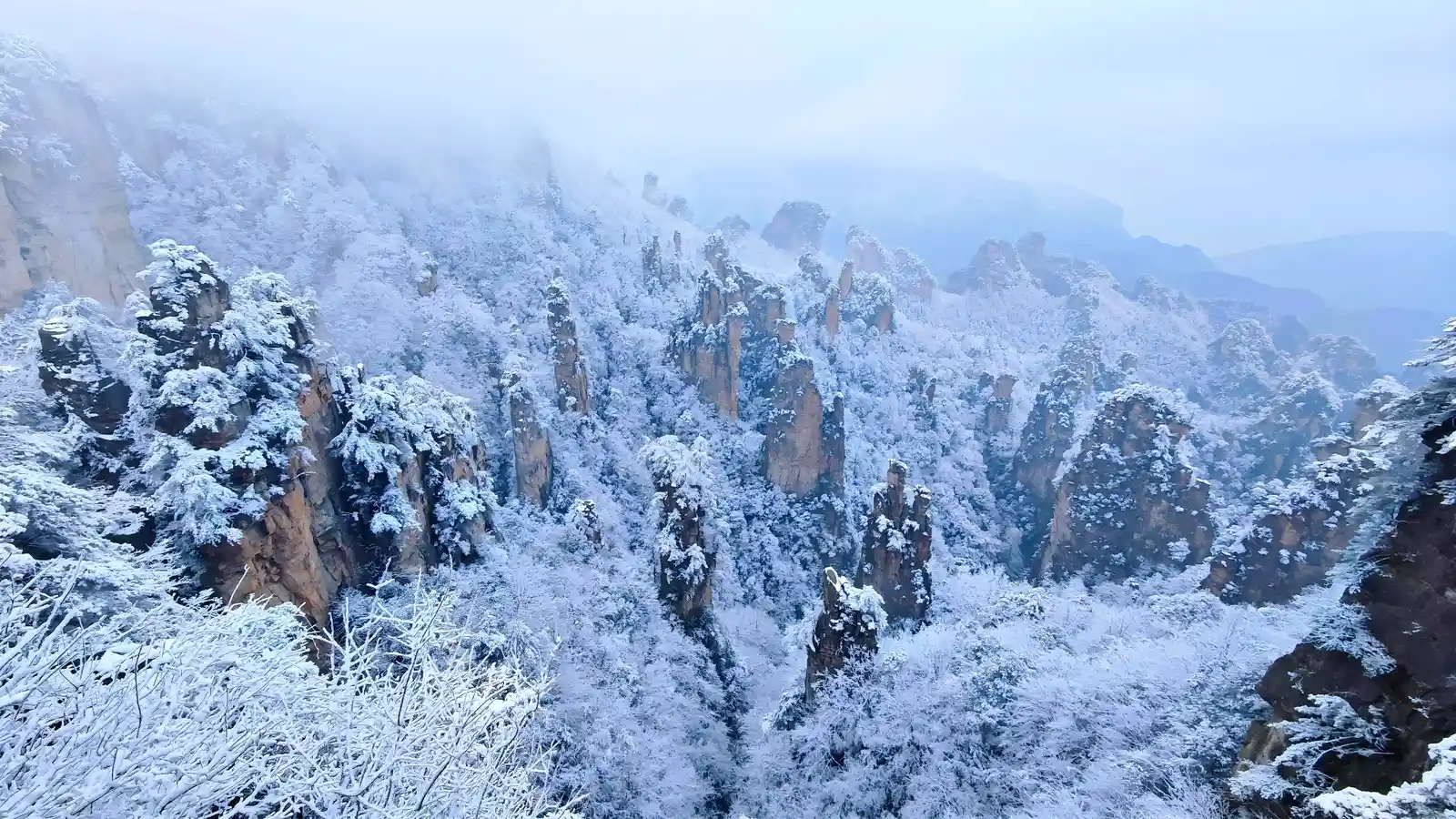
Winter offers fewer visitors and the possibility of frost or snow-covered peaks, but conditions are less predictable. Mountain paths may be slippery, daylight is shorter and severe weather can affect exposed walkways or scenic transport. Check operating notices shortly before visiting and keep an indoor or lower-level backup plan.
Check the short-range forecast again shortly before arrival. Temperatures can be comfortable while fog still hides the main viewpoints. Keep Yuanjiajie, Tianzi Mountain and Tianmen Mountain interchangeable within your schedule, and use lower forest trails or Yellow Dragon Cave when visibility is poor.
Where you stay in Zhangjiajie should be determined by the attraction you plan to visit the following morning. Wulingyuan Town is the most practical base for the national forest park, while Zhangjiajie City is better for Tianmen Mountain, the airport and onward transport. On a three- or four-day trip, changing hotels once can save more time than commuting between the city and Wulingyuan every day.
Stay in Wulingyuan when your itinerary includes two or more days inside the national forest park. The town has the largest choice of hotels and restaurants near the scenic area and provides easy access to the East Gate, park buses and routes toward Tianzi Mountain and Ten Mile Gallery. It is the most practical location for the first two nights of a typical three-day itinerary.
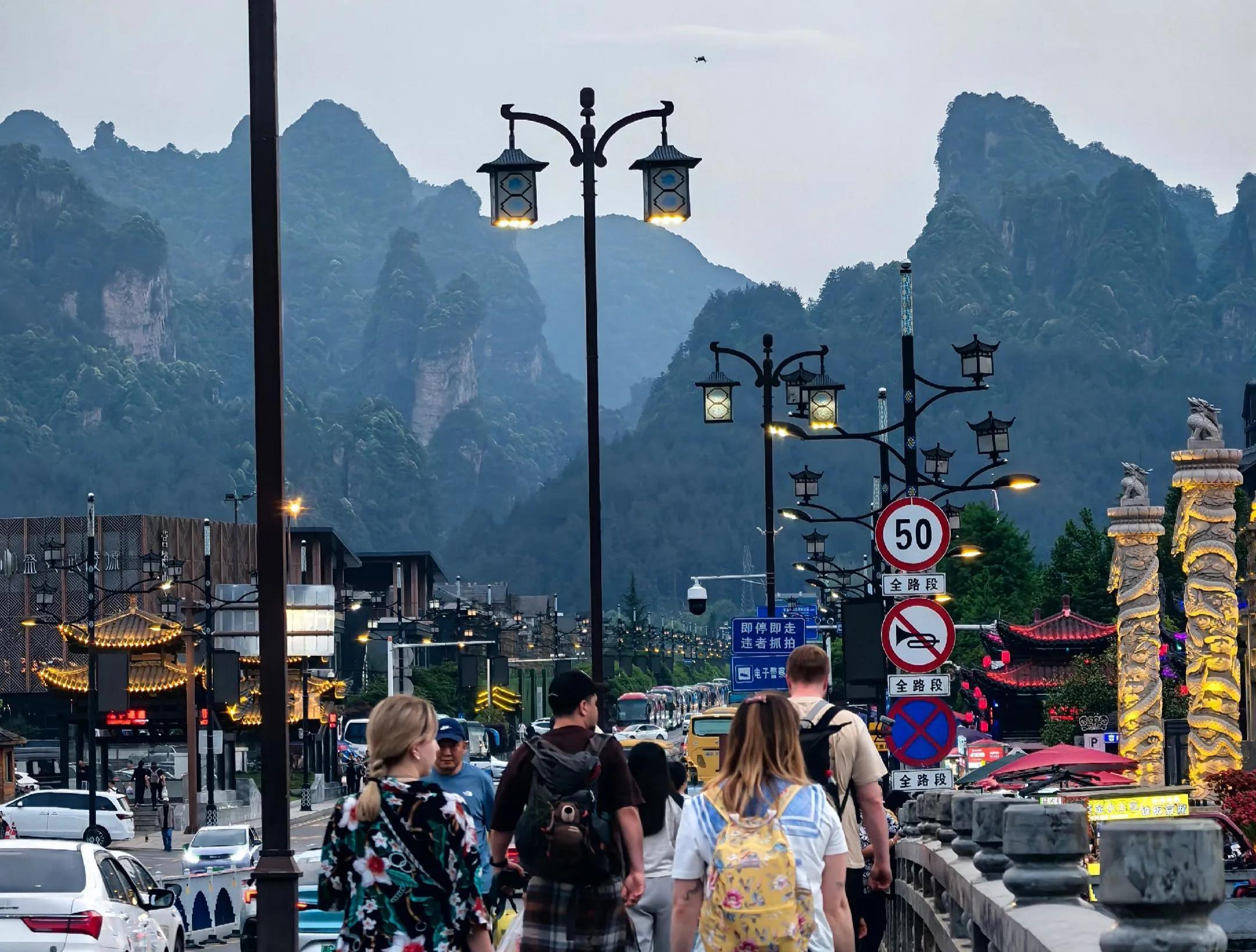
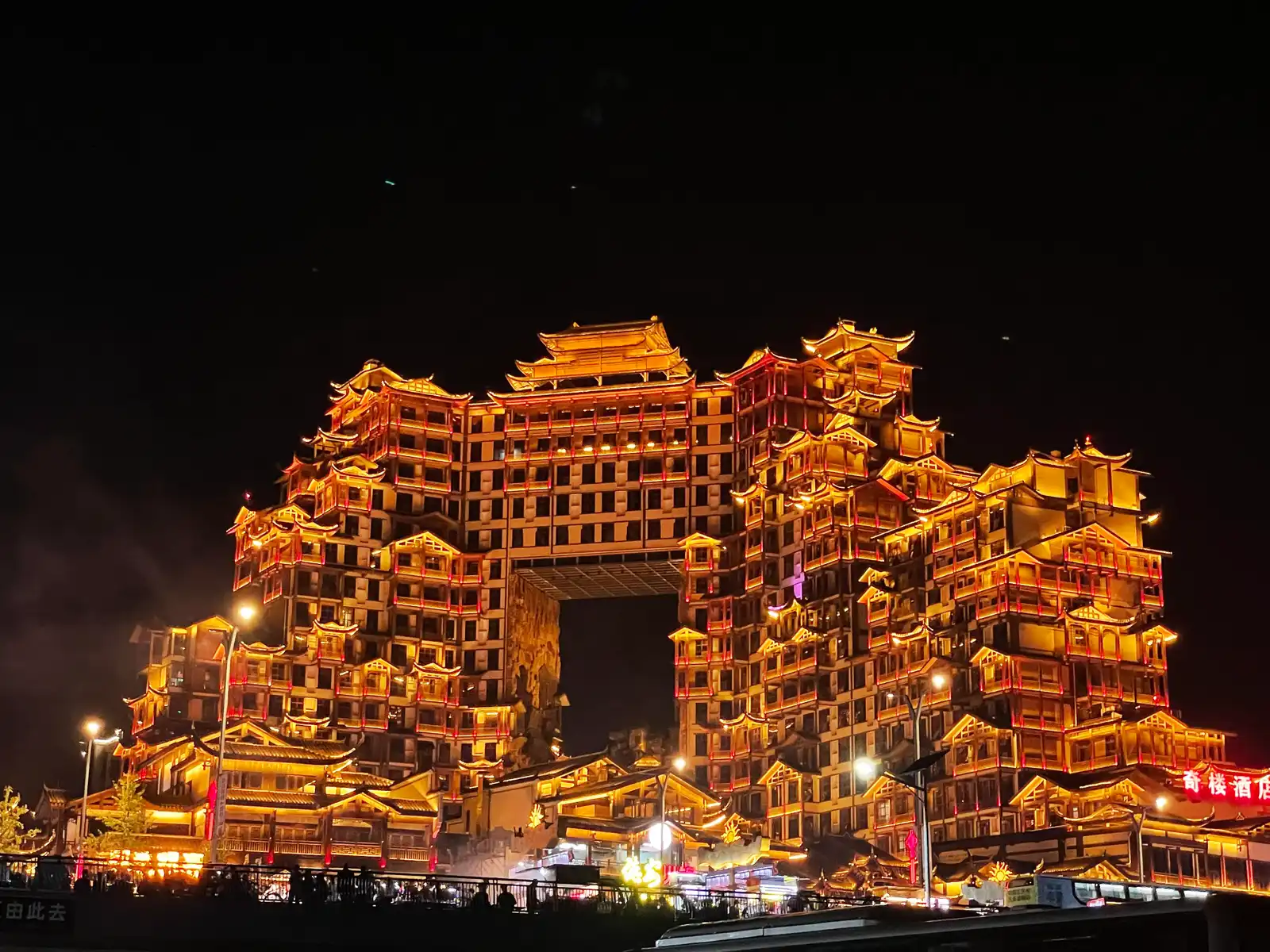
Choose the city for the night before Tianmen Mountain, an early flight or an onward journey. It is also sensible after a late arrival when continuing directly to Wulingyuan would add an unnecessary transfer. It is not the best base for repeated national park visits.
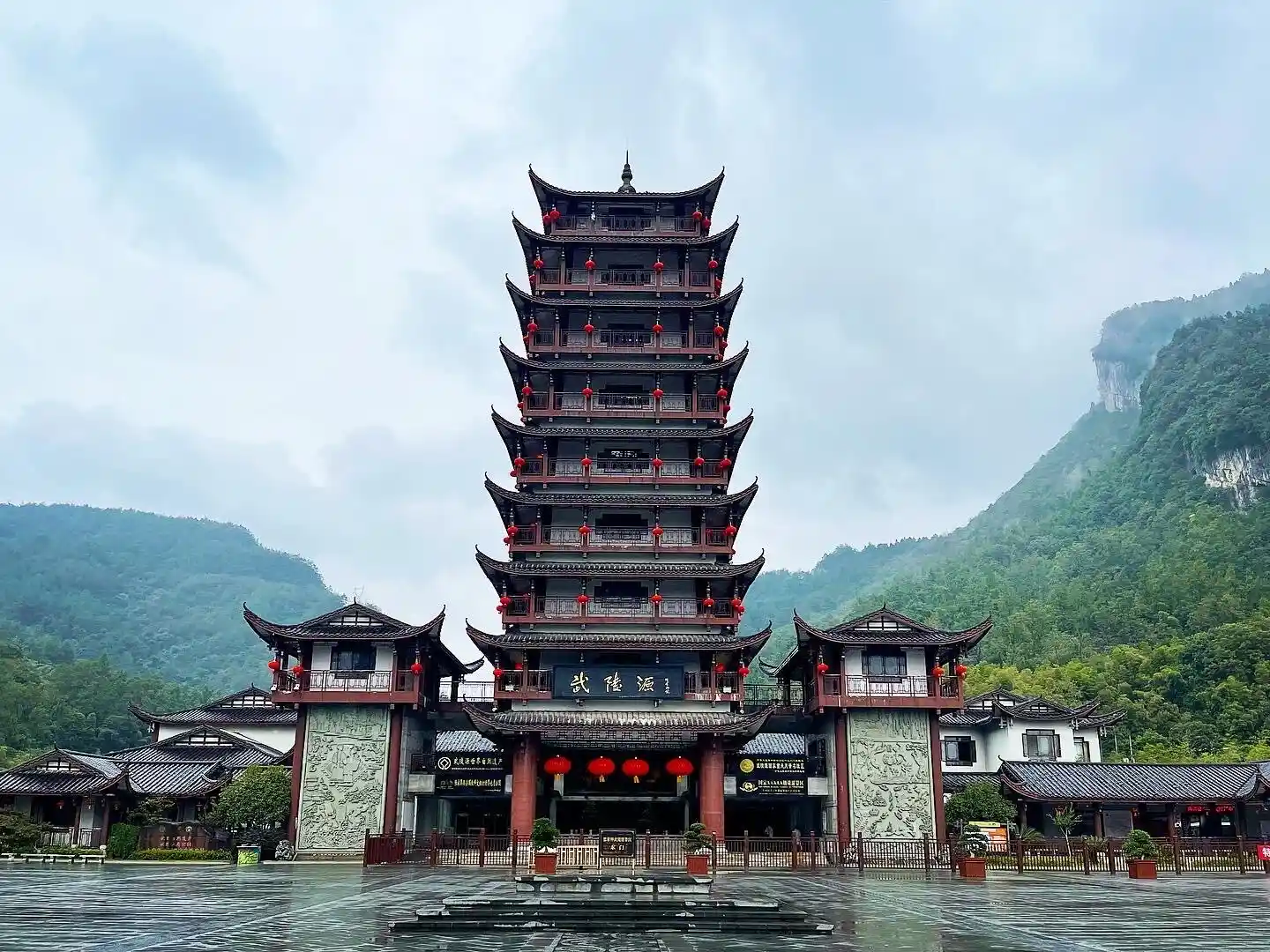
Book within walking distance of the East Gate when minimizing morning transport is your priority. This entrance works well for routes using the Tianzi Mountain cable car, Ten Mile Gallery and the main scenic shuttle network. Check the hotel’s exact map location rather than relying only on a Wulingyuan address.
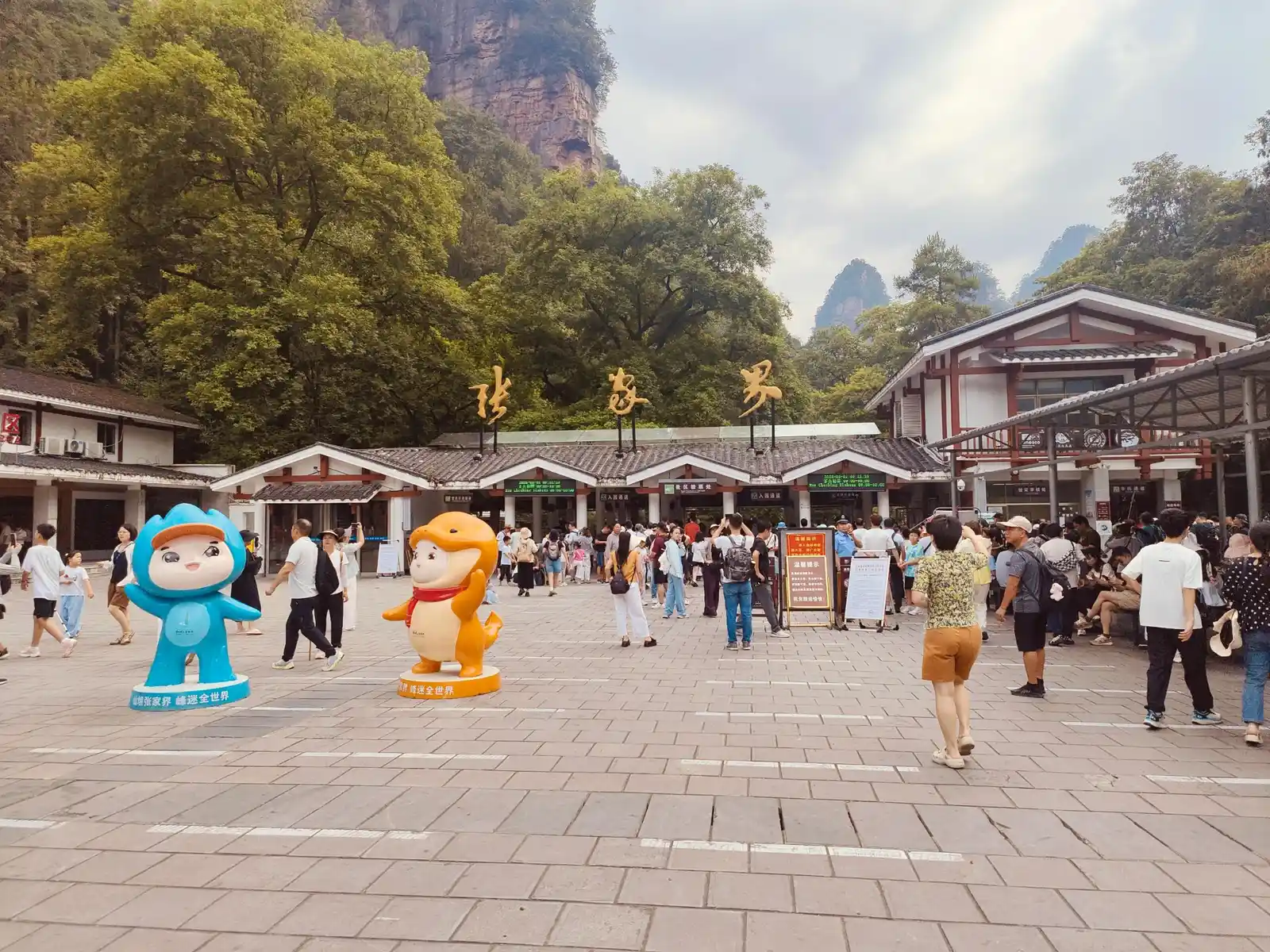
This quieter area suits travelers building a route around Golden Whip Stream, Huangshi Village and lower forest trails. It can shorten an early hiking start, but there are fewer hotels, restaurants and evening services than in central Wulingyuan.
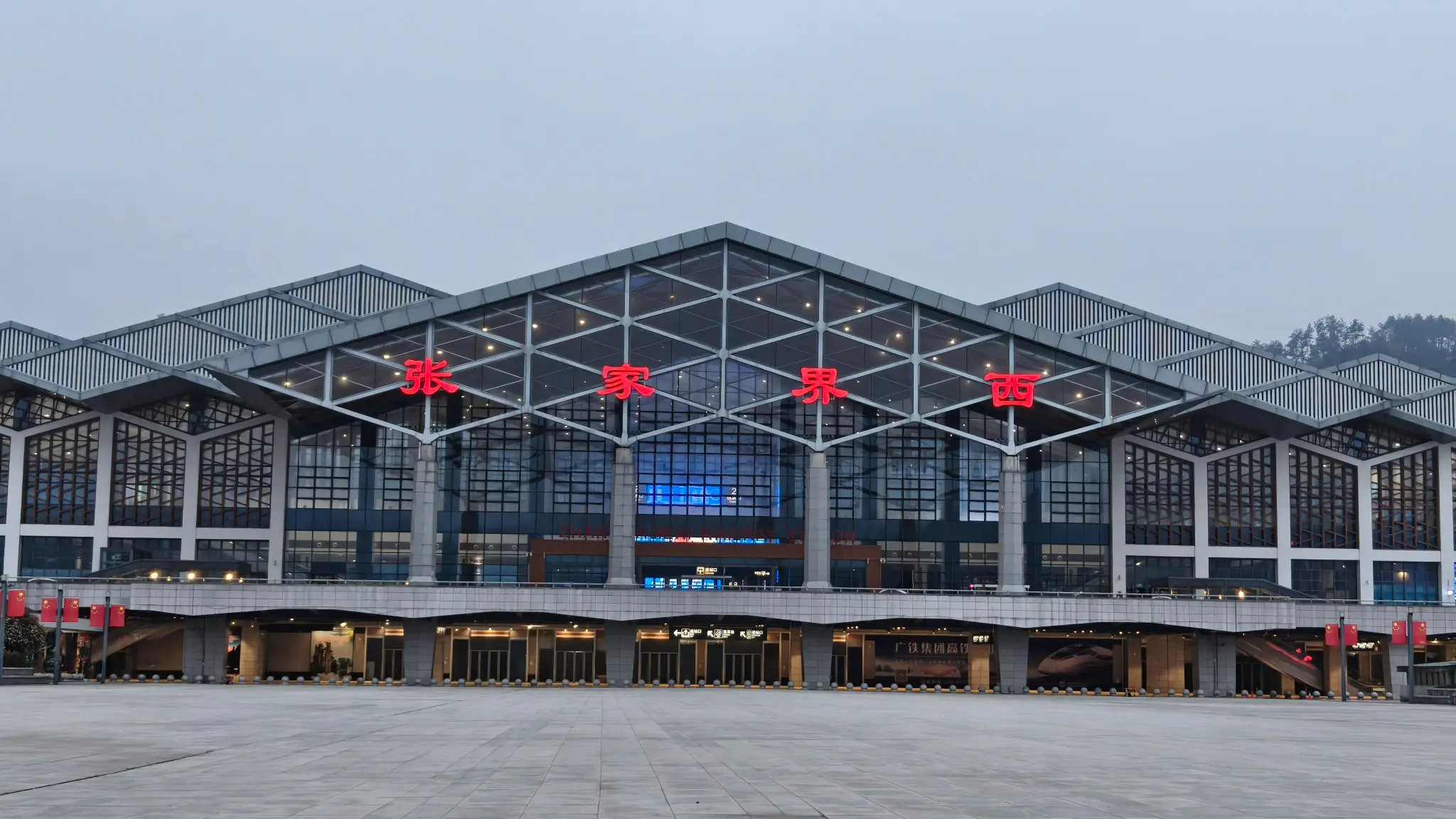
A station-area hotel is useful after a very late train or before an early departure. It offers little advantage for sightseeing, so continue to Wulingyuan when your first full day is in the forest park or to Zhangjiajie City when Tianmen Mountain comes next.
Use Wulingyuan for consecutive forest park days and Zhangjiajie City for Tianmen Mountain, the airport and final departures. For a three-day itinerary, a practical arrangement is two nights in Wulingyuan followed by one night in the city.
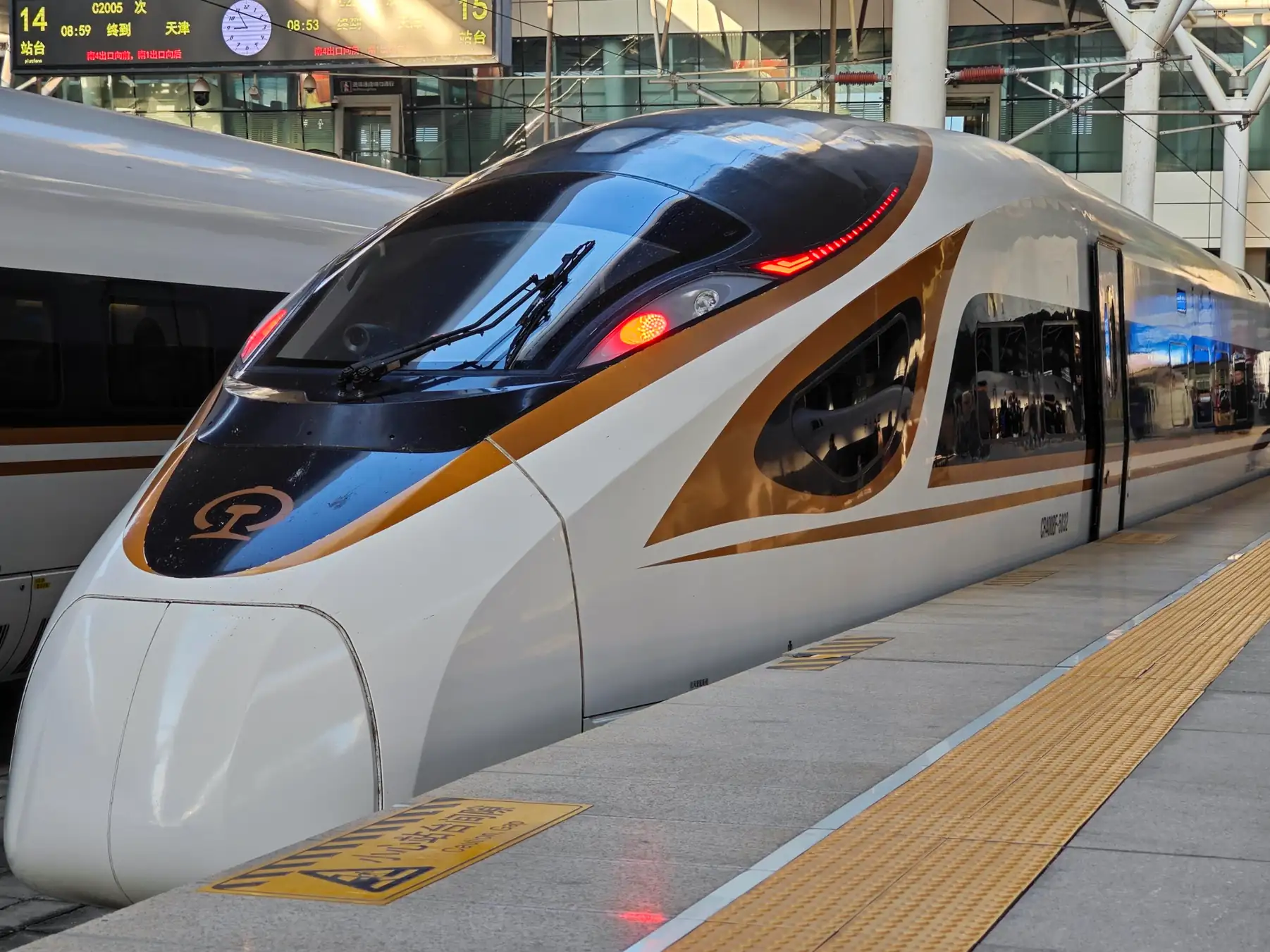
Zhangjiajie can be reached by high-speed train, domestic flight or long-distance bus. Most rail passengers arrive at Zhangjiajie West Railway Station, while the airport and central bus station are closer to Zhangjiajie City. Your first transfer should depend on the next day’s plan: continue to Wulingyuan for the forest park or stay in the city for Tianmen Mountain and transport connections.
Travelers arriving early enough can continue directly from the railway station or airport to Wulingyuan and begin near the park the following morning. After a late arrival, stay in Zhangjiajie City and transfer the next day. Inside Wulingyuan, plan each route around park buses, walking sections and separately ticketed scenic transport.
The West Railway Station is the main high-speed rail arrival point. From the station, continue by taxi, local bus or prearranged transfer. Travelers starting with the national park should go to Wulingyuan, while those visiting Tianmen Mountain first should head toward Zhangjiajie City.
Read the China Train Ticket Guide →The airport is closer to Zhangjiajie City than to Wulingyuan. A city hotel is sensible after an evening flight or before a Tianmen Mountain visit. For a morning forest park start, arrange a direct road transfer to Wulingyuan when your arrival time allows.
Local buses provide an economical connection between Zhangjiajie City and Wulingyuan. Confirm the current boarding point, final stop and operating time before departure, especially when carrying luggage or traveling late in the day.
A taxi or private transfer is most useful for airport and railway pickups, late arrivals, luggage-heavy hotel changes and travel between Wulingyuan, Zhangjiajie City and the Grand Canyon. Save the hotel and destination names in Chinese before setting out.
Scenic-area buses connect entrances, walking routes, cable-car stations and major mountain zones. Not every bus is direct, so check the destination before boarding and allow time for transfers. Ticket inclusions and operating arrangements can change, so verify the current rules before entering the park.
See the Recommended Park Route →Scenic rides help connect valley trails with mountaintop areas and reduce strenuous climbing. They normally require separate tickets and may stop operating before the park itself closes. Include the chosen ride, direction and final operating time in each day’s route.
Compare Scenic Transport Options →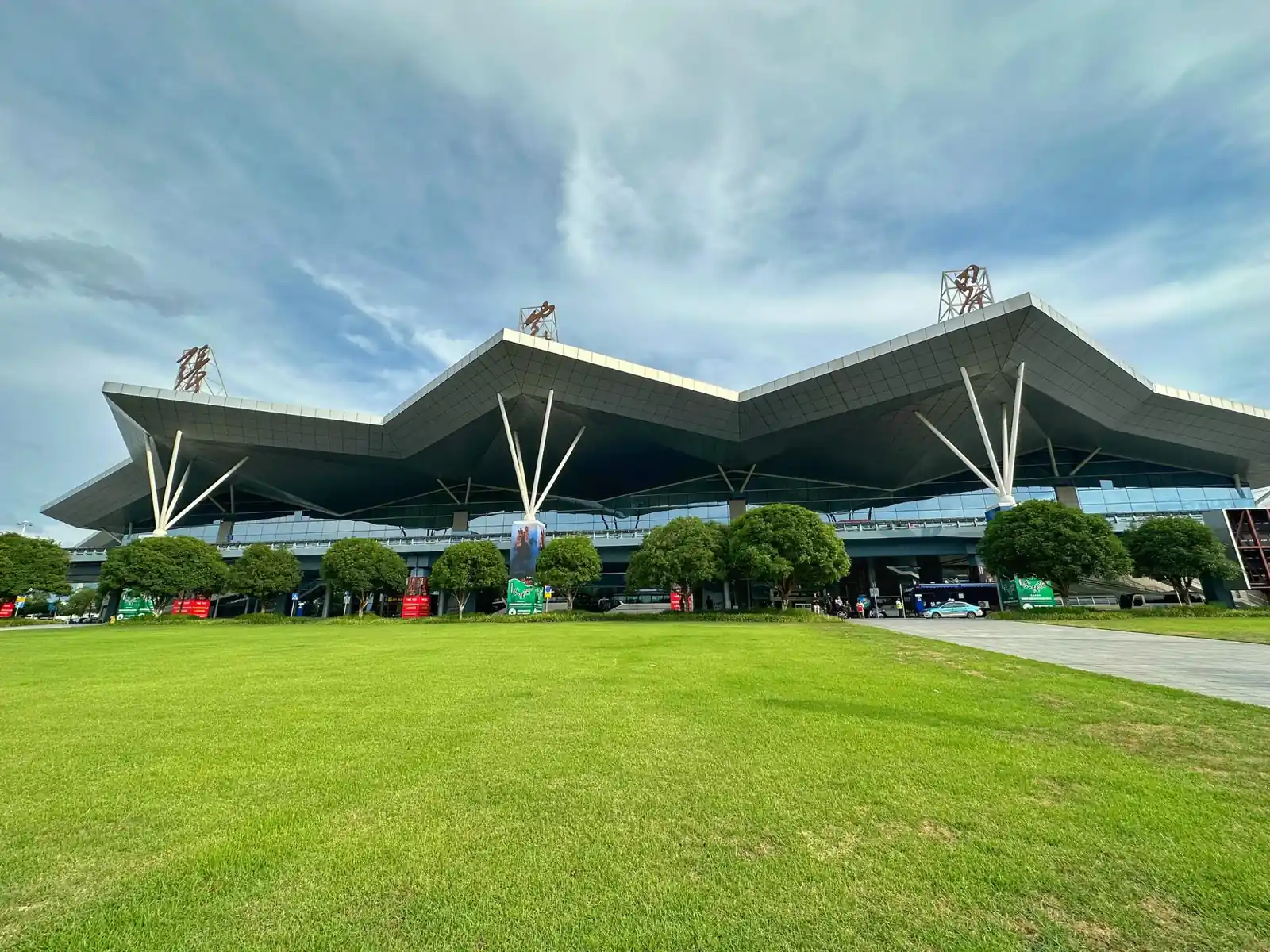
A customized itinerary can include airport or railway pickup, transfers between Zhangjiajie City and Wulingyuan, luggage handling and transportation to attractions outside the main forest park area.
The most practical places to combine with Zhangjiajie are Fenghuang Ancient Town, Furong Town and Changsha. Travelers with more time can continue farther into southwest China. Choose the next destination according to your available days and onward transport rather than trying to turn every location into a rushed day trip.
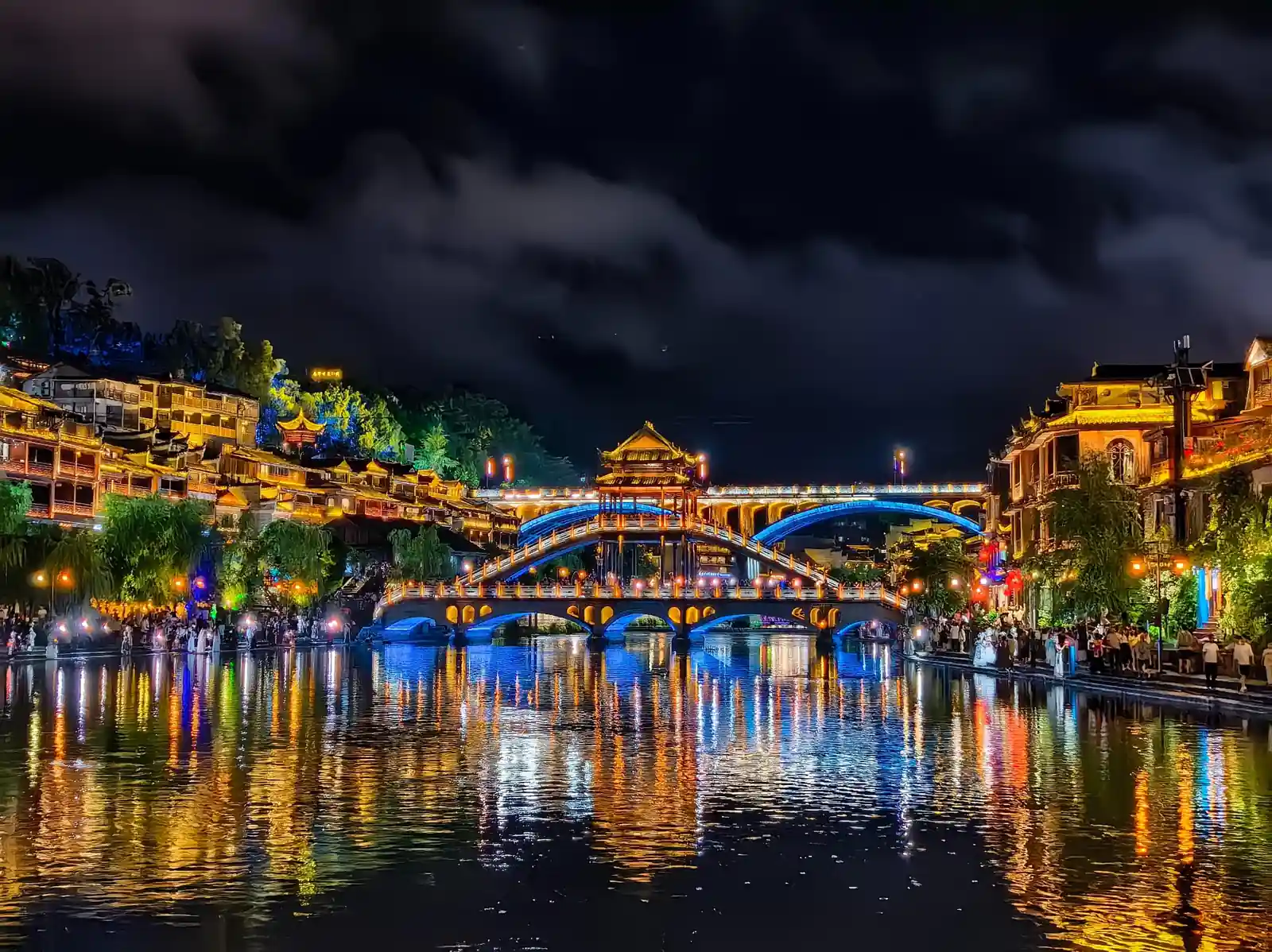
Fenghuang adds riverside architecture, historic lanes and a slower cultural experience after several days of mountain sightseeing. A longer route can begin in Changsha, continue through Zhangjiajie and finish in Fenghuang Ancient Town. Allow at least one overnight stay in Fenghuang so you can experience the old town in both daylight and evening.
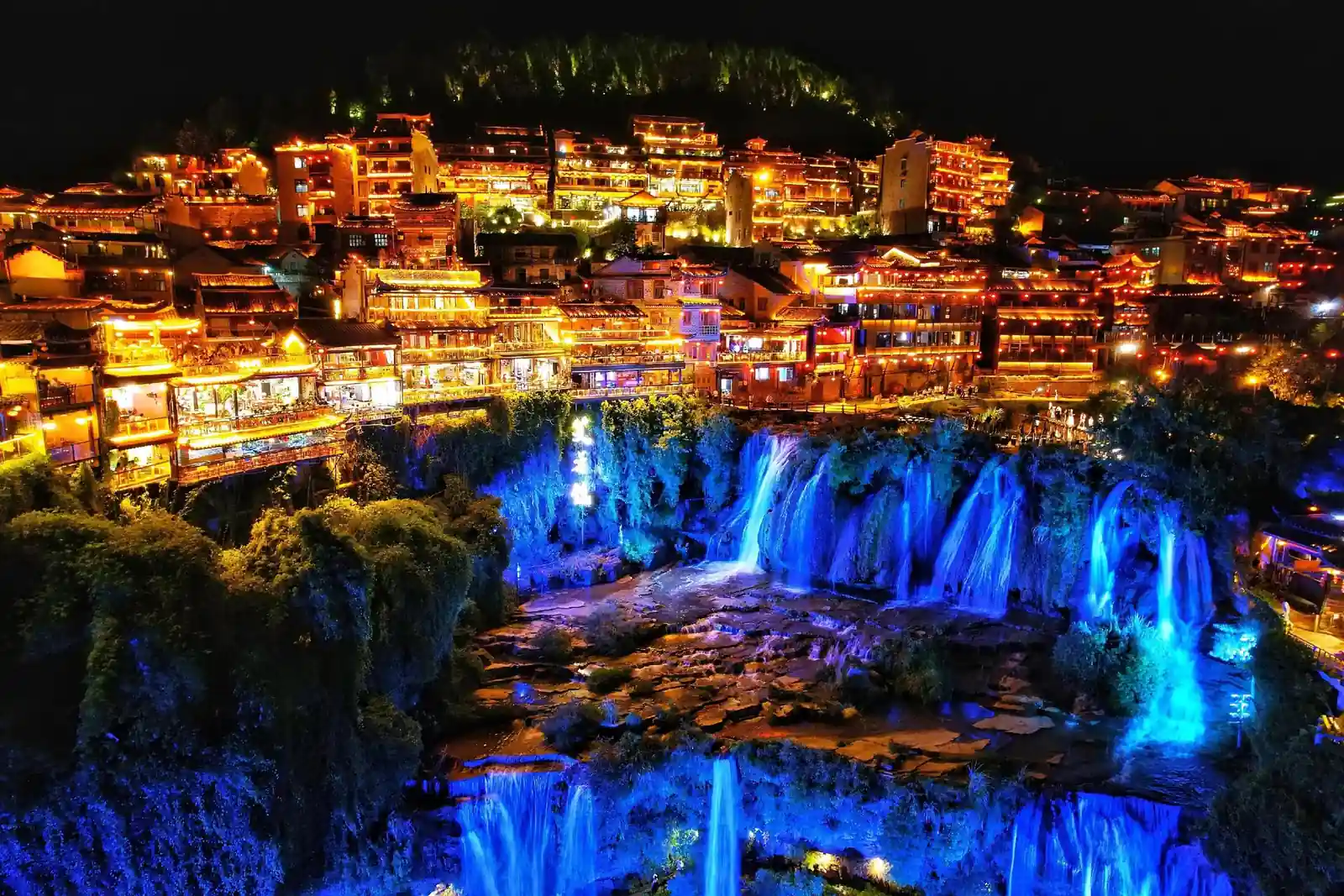
Add Furong Town for a compact visit focused on its waterfall, riverside setting and traditional streets. It works best as an overnight stop or as part of a route continuing toward Fenghuang, rather than as another full mountain sightseeing day.
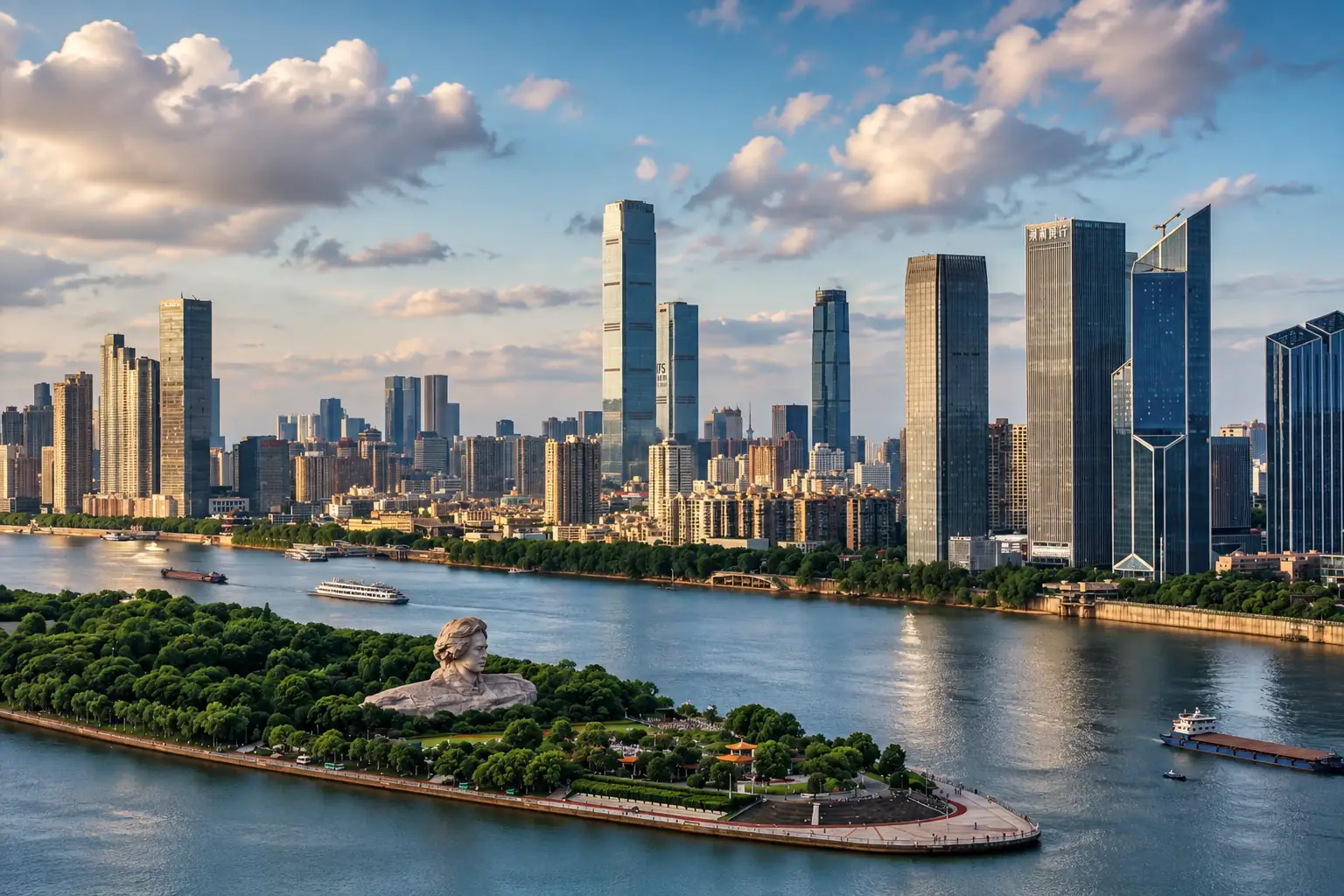
Use Changsha as an arrival point, departure hub or one- to two-night city stop. It adds Hunan cuisine, museums, Yuelu Mountain and urban sightseeing without requiring a major detour from many Zhangjiajie rail itineraries.
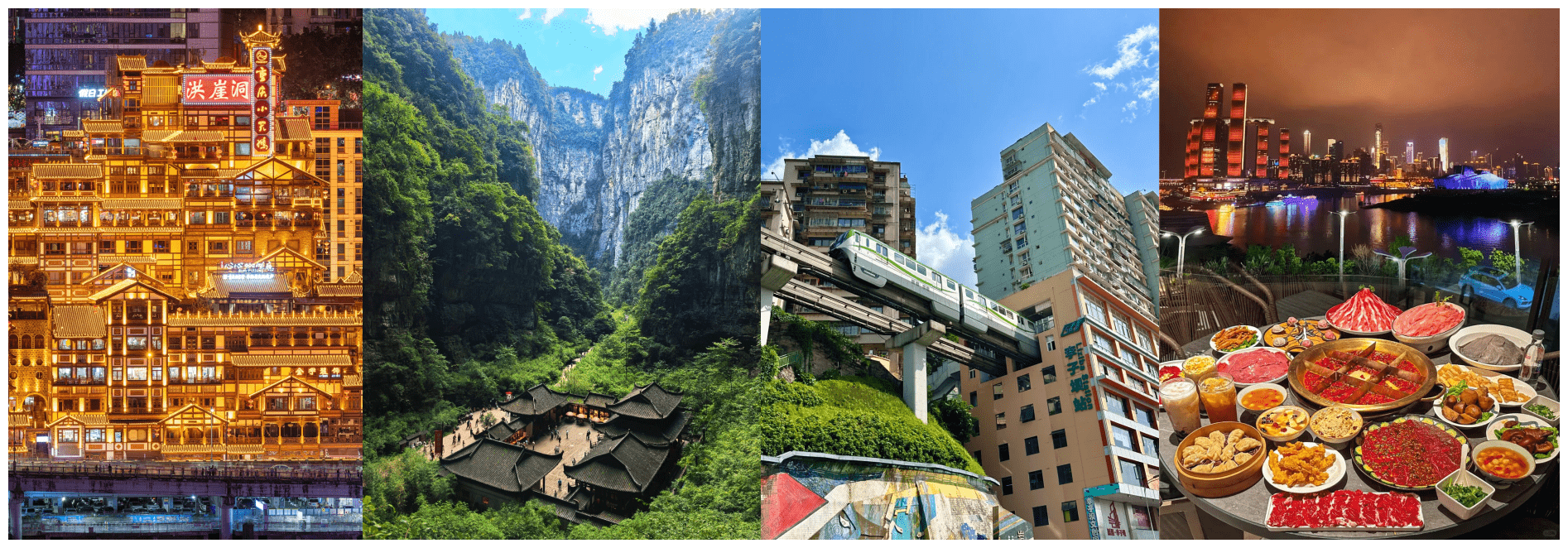
Continue to Chongqing when you want to contrast Zhangjiajie’s mountain scenery with a large riverside city known for hillside neighborhoods, night views and hot pot. Allow at least two full days instead of treating it as a nearby excursion.
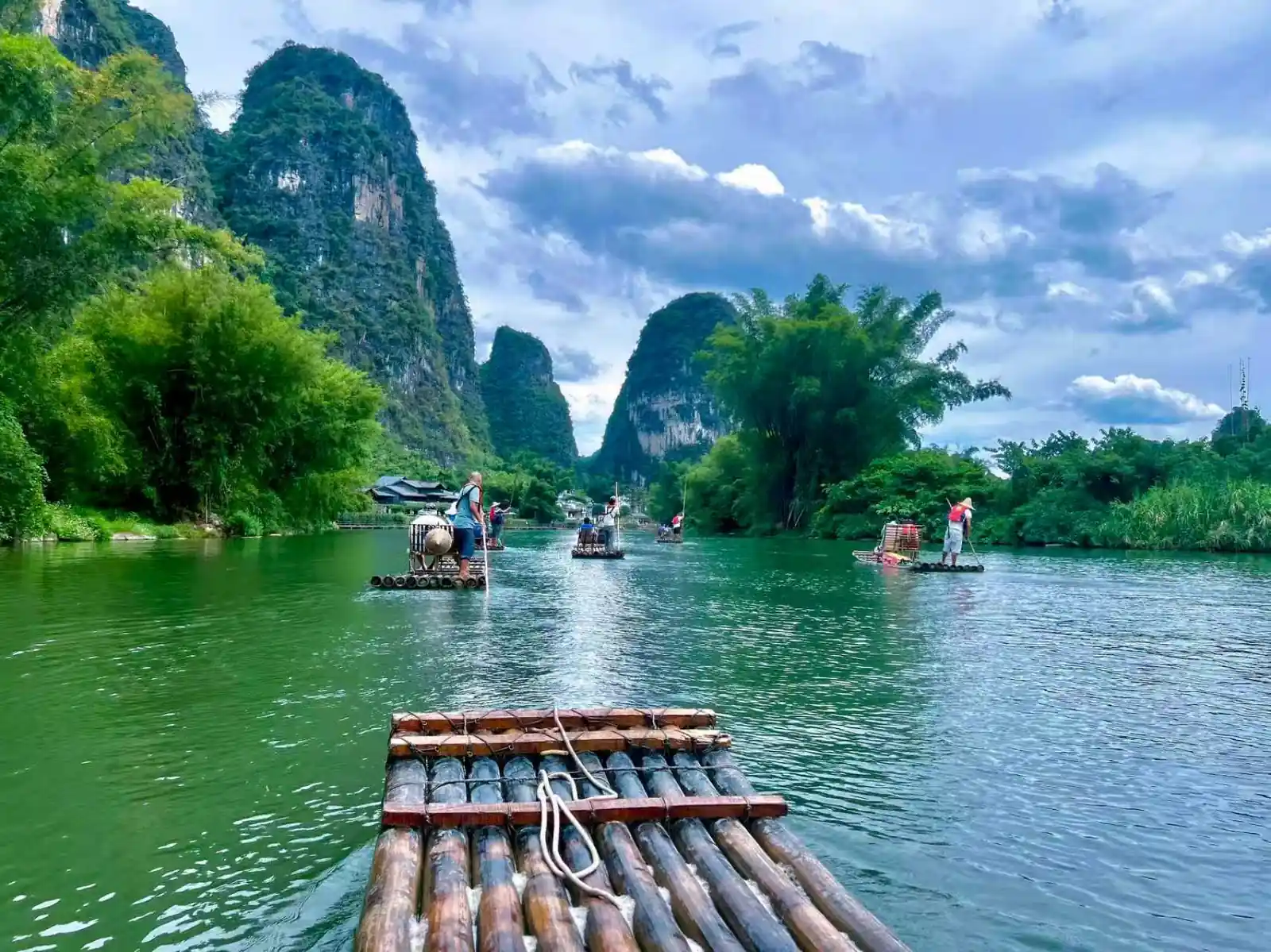
Combine Zhangjiajie’s sandstone peak forest with the limestone landscapes, rivers and countryside around Guilin and Yangshuo. This pairing suits travelers building a longer nature itinerary and normally requires at least three additional days.
Prepare the details that can affect your route before arrival: attraction tickets, park maps, entrance names, opening hours, train stations, public holidays, mobile payments and internet access. Recheck time-sensitive information shortly before travel because ticketing and operating arrangements can change.
Check the current park map, entrance names, ticket validity, shuttle-bus coverage, separately priced scenic rides and seasonal opening hours before choosing a route. Confirm whether your booking requires a specific date, time period or entrance.
The national forest park, Tianmen Mountain and the Grand Canyon Glass Bridge are separate attractions. Do not assume that one ticket covers all three. Match each reservation to the correct date, location and route before finalizing your itinerary.
Confirm that your train arrives at Zhangjiajie West Railway Station and allow time for the onward transfer to Wulingyuan or Zhangjiajie City. Use the passenger’s passport details exactly as shown when purchasing railway tickets.
Set up Alipay or WeChat Pay before arrival and connect an accepted payment card where possible. Mobile payment is useful for restaurants, shops, transport and many everyday purchases, but carrying a small backup payment option remains sensible.
Arrange mobile data before arrival and save hotel names, railway stations, attractions and park entrances in Chinese. Download offline maps and a translation app so you are not dependent on a weak signal inside mountain areas.
Check the Chinese public holiday calendar before reserving trains and hotels. Golden Week and other national holiday periods can increase queues at park entrances, shuttle stops, cable-car stations and popular viewpoints.
Verify the current visa or visa-free rules for your nationality, passport validity and any entry documents before departure. Entry policies can change and should be checked through an official source close to your travel date.
Use monthly climate information to choose a season, but use the short-range forecast to decide the order of your mountain days. Temperature alone does not show whether Yuanjiajie, Tianzi Mountain or Tianmen Mountain will have clear views.
A customized route can coordinate trains, private transfers, attraction dates and hotel changes between Zhangjiajie, Fenghuang, Furong Town, Changsha and other China destinations.
Use these sample routes to decide how much time you need and which experiences should be included in a private Zhangjiajie trip. The right plan depends on your arrival time, hotel locations, walking ability and the weather—not simply on fitting the largest number of attractions into each day.
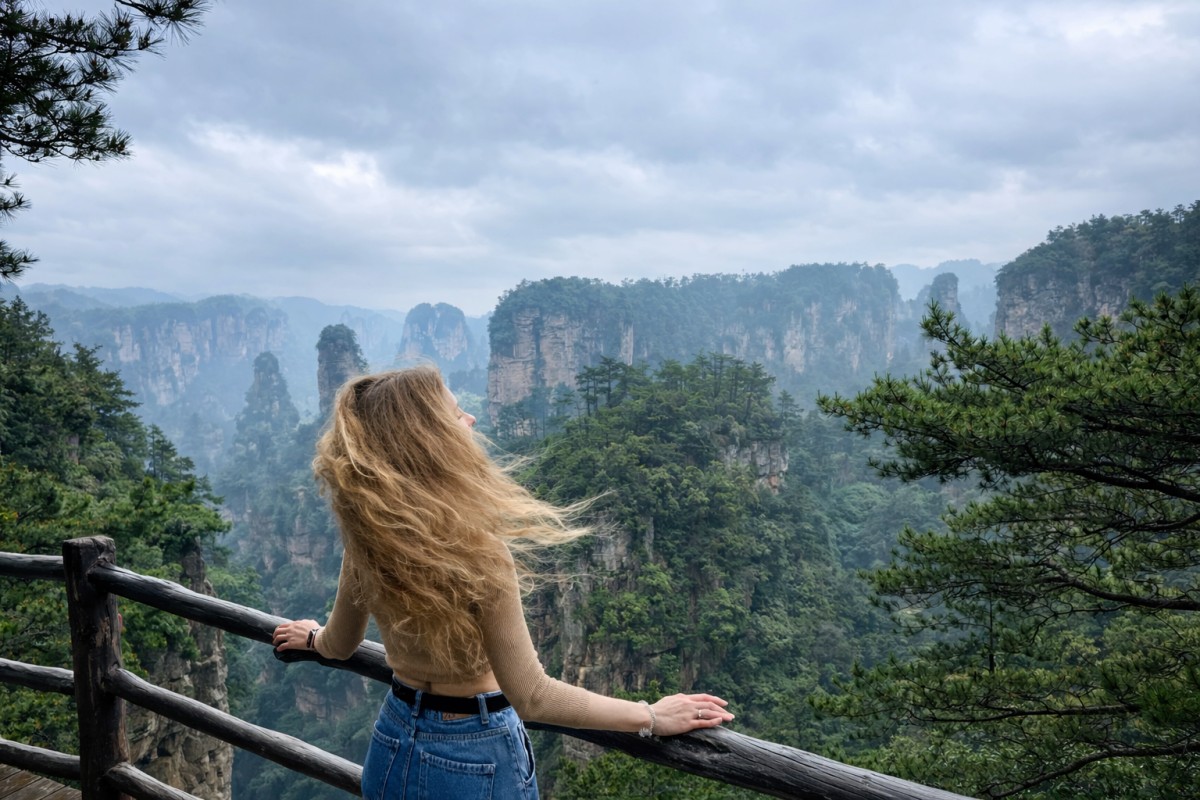
Spend two days exploring the main areas of Wulingyuan, move to Zhangjiajie City for Tianmen Mountain and reserve a separate day for the Grand Canyon Glass Bridge. Four days provides a more comfortable balance between mountain viewpoints, forest walks, transfers and changing weather.
Browse All Zhangjiajie Tours
Use one day for the main sandstone viewpoints and one separate day for Tianmen Mountain. This compact option covers the two essential scenic areas but leaves little room for long hikes, poor visibility or additional attractions.
Allow two days for Wulingyuan and one day for Tianmen Mountain. Stay in Wulingyuan for the park days, then move to Zhangjiajie City after the second day to avoid unnecessary travel before the final mountain excursion.
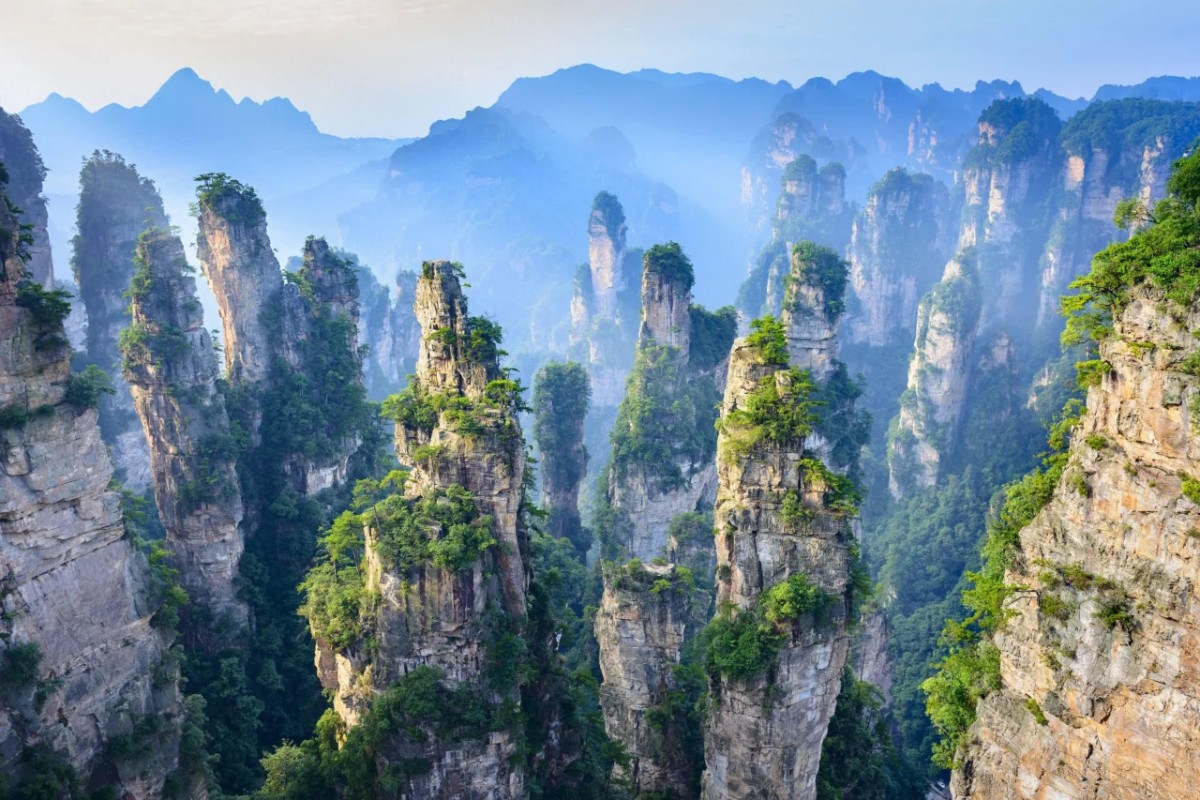
Add the Grand Canyon and Glass Bridge as a separate excursion instead of compressing them into a forest park day. This schedule also gives you more freedom to reorder mountain viewpoints when rain, fog or heavy crowds affect the original plan.
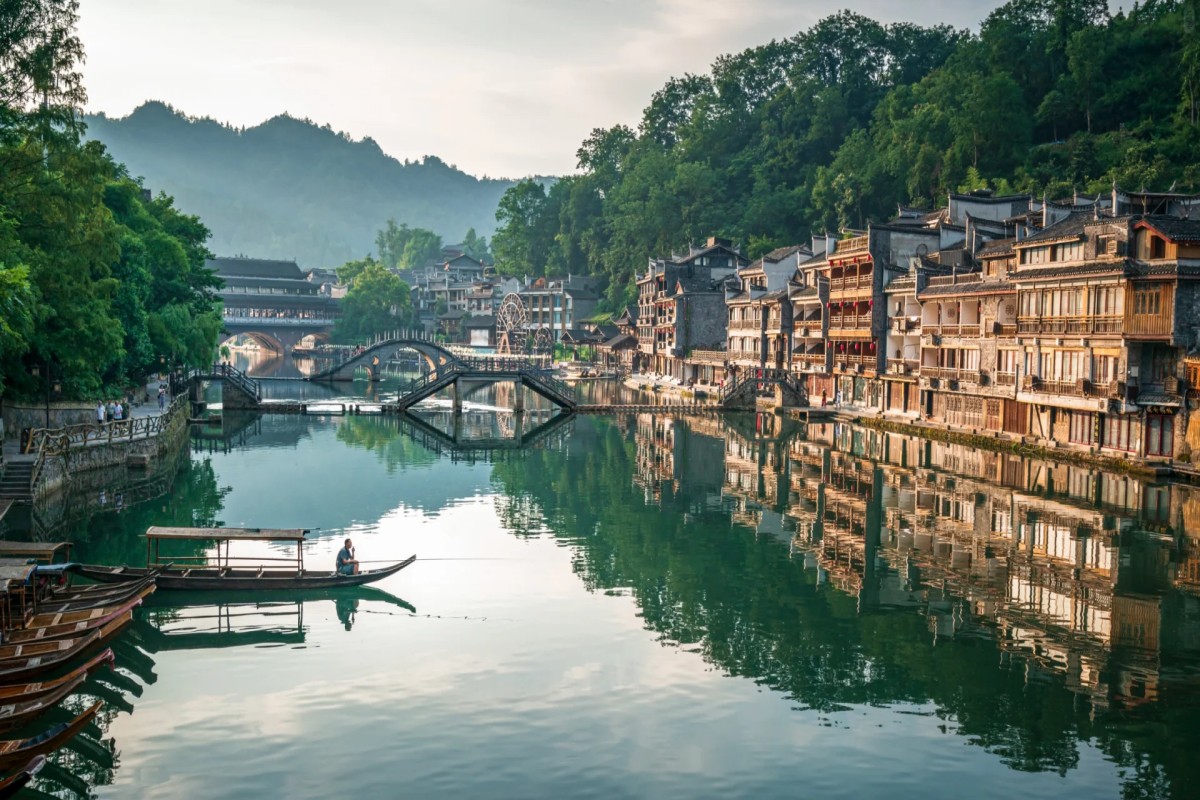
Travel from Changsha to Zhangjiajie for the national forest park, Tianmen Mountain and the Grand Canyon Glass Bridge, then continue to Fenghuang Ancient Town for riverside scenery, historic streets and a slower cultural experience.
Focus on the essential viewpoints and forest routes while limiting hotel changes, long climbs and unnecessary transfers. This style is suitable for most first-time visitors.
Add longer sections of Golden Whip Stream, Yangjiajie or Huangshi Village and rely less on the fastest scenic transport. This option requires earlier starts and stronger walking ability.
Continue beyond the mountains to Furong Town and Fenghuang Ancient Town, coordinating hotel changes and transport so the extension follows a logical onward route.
Share your arrival and departure times, group size, hotel preferences, walking ability and must-see places. A private itinerary can then be arranged around ticket periods, hotel changes, transport connections and the clearest available mountain days.