
10 Days in China Itinerary: Best First-Time Route for 2026
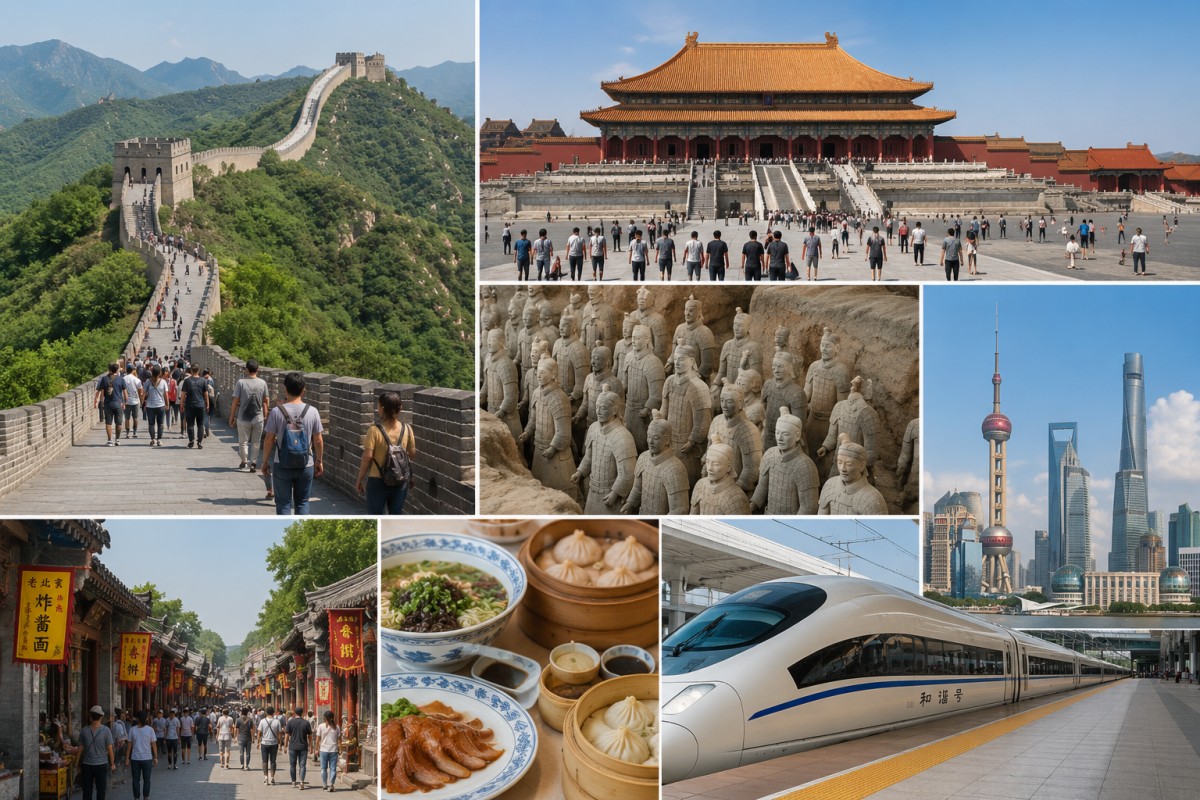
Planning 10 days in China? The classic Golden Triangle route—Beijing, Xi’an, and Shanghai—is widely considered the best China itinerary for first-time visitors. It combines China’s most famous historical landmarks, modern cities, and cultural attractions while keeping travel efficient with high speed trains.
During a 10-day trip to China, you can explore the Forbidden City, walk along the Great Wall, visit the Terracotta Warriors, discover Xi’an’s ancient city walls, and admire the skyline around Shanghai Tower. This route offers the perfect balance of Chinese history, local culture, food, and sightseeing.
Designed for first timers, this itinerary minimizes unnecessary travel while maximizing experiences. With convenient transportation, optional airport transfers, and centrally located hotels, it remains one of the easiest ways to experience China’s highlights in a single trip.
Whether you’re interested in UNESCO World Heritage Sites, authentic street food, or iconic landmarks, this guide will help you plan the perfect 10 days in China.
Classic Golden Triangle Route
Beijing • Xi'an • Shanghai
Top Attractions
Forbidden City, Great Wall, Temple of Heaven, Terracotta Warriors
Easy Transportation
High speed trains, domestic flights, and airport transfers
Perfect for First-Time Visitors
History, culture, food, and modern city experiences
Why This Is the Best 10-Day China Itinerary for First-Time Visitors
China is a vast country, and trying to see too much in a short time often leads to long travel days and rushed sightseeing. For most first time visitors, focusing on Beijing, Xi’an, and Shanghai provides the best balance of history, culture, food, and modern attractions.
This route connects three of China’s most important cities through convenient high speed trains and frequent domestic flights, making travel simple even for travelers concerned about the language barrier. Each city offers a different side of China, from imperial palaces and ancient city walls to futuristic skylines and vibrant local neighborhoods.
What You'll Experience in 10 Days
This classic China itinerary includes several of China’s most famous UNESCO World Heritage Sites, introduces travelers to over 3,000 years of Chinese history, and provides enough time to experience local food, cultural attractions, and everyday life.
10 Days in China Itinerary Overview
| Day | Destination | Main Activities |
|---|---|---|
| Day1 | Beijing | Arrival and city center exploration |
| Day2 | Beijing | Tiananmen Square & Forbidden City |
| Day3 | Beijing | Great Wall Day Trip |
| Day4 | Beijing | Summer Palace & Olympic Park |
| Day5 | Xi'an | High-Speed Train to Xi'an |
| Day6 | Xi'an | Terracotta Warriors & Muslim Quarter |
| Day7 | Shanghai | Travel to Shanghai |
| Day8 | Shanghai | The Bund & Shanghai Tower |
| Day9 | Shanghai | French Concession & People's Park |
| Day10 | Shanghai | Departure |
Days 1–4: Beijing — China's Historic Capital
Beijing is the ideal starting point for any trip to China. As the capital city for the Ming and Qing Dynasties, it is home to some of the country’s most important historical landmarks and cultural treasures.
After arriving at Beijing Capital International Airport or Beijing Daxing International Airport, transfer to your hotel in the city center. Most travelers choose Dongcheng District because it provides convenient access to major attractions and metro stations.
Spend the afternoon adjusting to the time zone, exploring nearby streets, and enjoying your first authentic Chinese meal.
Day 2: Tiananmen Square and the Forbidden City
Start your day at Tiananmen Square, then enter the famous Beijing Forbidden City, one of the largest palace complexes in the world.
Originally built during the Ming Dynasty and expanded during the Qing Dynasty, the Forbidden City contains nearly 980 buildings spread across 180 acres. It remains one of China’s most important UNESCO World Heritage Sites and offers a fascinating introduction to imperial China.
Continue to Jingshan Park for panoramic views over the palace complex.
No visit to China is complete without seeing the Great Wall.
For most travelers, the Mutianyu section is the best choice. Located near Beijing, it offers spectacular scenery, fewer crowds than Badaling, and convenient cable car access.
The Great Wall of China stretches more than 13,000 miles and remains one of the world’s greatest engineering achievements.
Allow a full day for this excursion before returning to Beijing in the evening.
Visit the magnificent Summer Palace, another UNESCO World Heritage Site covering approximately 2.9 square kilometers.
The palace grounds feature beautiful lakes, traditional pavilions, and gardens that once served as the imperial retreat of Qing Dynasty emperors.
In the afternoon, explore Olympic Park, home to the famous Bird’s Nest Stadium and Water Cube.
Days 5–6: Xi'an — Terracotta Warriors, Ancient City Wall & Muslim Quarter
After exploring Beijing, travel to Xi’an, one of China’s oldest cities and the starting point of the ancient Silk Road. Thanks to China’s modern high speed trains, the journey from Beijing takes about 4.5 hours, making it a comfortable alternative to domestic flights.
Xi’an offers a completely different experience from Beijing. While Beijing showcases imperial power, Xi’an reveals the roots of ancient Chinese civilization.
Day 5: High-Speed Train to Xi'an
Take a morning train from Beijing West Railway Station to Xi’an North Railway Station.
China’s high speed trains are among the fastest in the world, with some routes reaching speeds of up to 400 km/h. Stations are modern, efficient, and easy to navigate, although travelers should arrive early for security checks.
After arriving in Xi’an, check into your hotel near the Bell Tower, Muslim Quarter, or city center.
Spend the afternoon exploring local streets, traditional markets, and sampling regional specialties.
The highlight of any visit to Xi’an is the world-famous Terracotta Warriors, also known as the Terracotta Army.
Discovered in 1974, this UNESCO World Heritage Site contains more than 8,000 life-size soldiers, horses, and chariots built to guard Emperor Qin Shi Huang in the afterlife. It remains one of the greatest archaeological discoveries in the world.
After visiting the Terracotta Warriors, return to Xi’an and explore the impressive Ancient City Wall.
Unlike many historical fortifications that have disappeared over time, Xi’an’s city walls remain remarkably intact. These old city walls surround the ancient city center and provide excellent views of both historic and modern Xi’an. Many travelers choose to walk or cycle along the wall for a unique perspective of the city.
In the evening, head to the lively Muslim Quarter, one of China’s most famous food districts. The area is packed with local people, traditional shops, and some of the country’s best street food.
Popular dishes include:
Roujiamo (Chinese-style meat sandwich)
Biang Biang noodles
Lamb skewers
Persimmon cakes
Hand-pulled noodles
The Muslim Quarter is one of the best places in China to experience local culture after dark.
Days 7–10: Shanghai — Modern China Meets Historic Charm
After experiencing China’s imperial and ancient capitals, continue to Shanghai, the country’s most international and dynamic city.
As China’s largest and most populous city, Shanghai combines futuristic skyscrapers, historic neighborhoods, luxury shopping malls, and waterfront scenery. It offers a fascinating contrast to Beijing and Xi’an while completing the classic Golden Triangle route.
Day 7: Travel to Shanghai
Take a morning high-speed train or short domestic flight to Shanghai.
Upon arrival, transfer to your hotel in the city center. Most first timers prefer staying near The Bund, Jing’an, or the historic French Concession.
Spend the afternoon walking along Nanjing Road and enjoying your first views of Shanghai’s skyline.
Day 8: The Bund, Shanghai Tower & Pudong
Today is dedicated to Shanghai’s most famous landmarks.
Begin at The Bund, where historic colonial-era buildings overlook the futuristic skyscrapers of Pudong.
Cross the Huangpu River and visit Shanghai Tower, one of the tallest skyscrapers in the world. The observation deck provides spectacular views over the entire city.
Nearby attractions include:
Shanghai World Financial Center
Jin Mao Tower
Lujiazui Financial District
If arriving or departing internationally, you’ll likely use Pudong International Airport, China’s busiest international gateway.
Day 9: French Concession, People's Park & Local Food
Spend the day exploring Shanghai’s historic neighborhoods.
The tree-lined streets of the French Concession provide a completely different atmosphere from the modern business districts. Boutique cafes, historic villas, and local restaurants make this one of the city’s most popular areas.
Continue to People’s Park and nearby shopping districts before exploring some of Shanghai’s best food streets.
Recommended local specialties include:
Xiaolongbao
Shengjianbao
Scallion pancakes
Shanghai noodles
For authentic local snacks, many travelers visit Wujiang Road and Yunnan South Road.
Day 10: Departure from Shanghai
Depending on your flight schedule, enjoy a relaxed morning before transferring to Pudong International Airport or Hongqiao Airport.
After 10 unforgettable days, you’ll have experienced China’s most famous historical sites, modern cities, local cuisine, and cultural attractions—all within a well-balanced itinerary designed specifically for first-time visitors.
How Much Does 10 Days in China Cost?
One of the most common questions when planning a trip to China is the overall budget. The good news is that China can be surprisingly affordable compared to many destinations in Europe, North America, or Japan.
Your total cost will depend on your travel style, hotel category, transportation choices, and dining preferences.
Estimated Cost for 10 Days in China
| Travel Style | Cost Per Person |
|---|---|
| Budget | $800–$1,200 |
| Mid-Range | $1,500–$2,500 |
| Luxury | $3,500+ |
A typical mid-range traveler visiting Beijing, Xi’an, and Shanghai can expect to spend around $180–250 per day, including hotels, transportation, attraction tickets, and meals.
Typical Daily Expenses
| Category | Budget | Mid-Range | Luxury |
|---|---|---|---|
| Hotel | $30–60 | $80–180 | $250+ |
| Meals | $10–25 | $30–60 | $100+ |
| Transportation | $10–20 | $20–50 | $80+ |
| Attractions | $10–30 | $20–50 | $50+ |
China’s extensive transportation network helps keep travel costs reasonable. High speed trains are often cheaper than flights while offering a comfortable travel experience between major cities.
Getting Around China During Your 10-Day Trip
Transportation is one of the easiest parts of visiting China today.
High-Speed Trains
For most travelers, China’s high-speed rail system is the preferred way to travel.
Advantages include:
Comfortable seating
Fast city-center to city-center connections
Easy online booking
Frequent departures
Minimal airport delays
Popular routes include:
| Route | Travel Time |
|---|---|
| Beijing → Xi'an | About 4.5 Hours |
| Xi'an → Shanghai | About 6–7 Hours |
| Shanghai → Beijing | About 4.5 Hours |
Many travelers find trains more convenient than domestic flights because railway stations are usually closer to the city center.
Domestic Flights
Domestic flights are useful when adding destinations such as:
Zhangjiajie
Chengdu
Guilin
Hong Kong
Yunnan
For example, direct flights from Zhangjiajie to Xi’an typically take around 2.5 to 3 hours.
Airport Transfers
Pre-arranged airport transfers are recommended for first-time visitors, especially when arriving late at night or after long international flights.
Many private tours also include:
Airport pickup
Train station transfers
Hotel check-in assistance
Local guide support
Best Time for a 10-Day China Itinerary
China can be visited year-round, but some seasons are significantly better than others.
Spring (April–May)
Spring is one of the best times to visit China.
Benefits include:
Pleasant temperatures
Clear skies
Comfortable sightseeing
Beautiful gardens and parks
This is an excellent season to visit the Great Wall, Summer Palace, and Beijing’s outdoor attractions.
Autumn (September–October)
Autumn is considered by many travelers to be the ideal season for a China itinerary.
Advantages include:
Mild weather
Lower humidity
Excellent visibility
Beautiful autumn colors
This period is especially popular for photography and outdoor sightseeing.
Avoid Golden Week
If possible, avoid traveling during China’s National Day holiday in early October.
Golden Week brings:
Massive crowds
Higher hotel prices
Sold-out train tickets
Long attraction queues
Summer (June–August)
Summer offers long daylight hours but can be:
Hot
Humid
Crowded
Popular attractions such as the Forbidden City, Great Wall, and Terracotta Warriors often experience peak visitor numbers.
Winter (December–February)
Winter is cold, particularly in northern China, but it can also be rewarding.
Benefits include:
Fewer tourists
Lower hotel prices
Snow-covered Great Wall scenery
Easier attraction access
Essential Travel Tips for First-Time Visitors to China
Traveling in China is much easier today than many visitors expect.
Download Helpful Apps Before Arrival
Because some international services may be restricted, many travelers prepare these apps before entering China:
Google Translate
Translation App alternatives
VPN services
Alipay
WeChat
A good translation app can greatly reduce the language barrier, especially outside major tourist areas.
Digital Payments Dominate
China is largely cashless.
Most restaurants, stores, and attractions accept:
Alipay
WeChat Pay
International bank cards
Cash is rarely used in major cities.
Carry Your Passport
Foreign visitors should always carry their passport.
Hotels, train stations, and some attractions may require identification.
Book Early
For the best prices:
Book hotels early
Reserve train tickets in advance
Secure attraction tickets ahead of time
This is particularly important during public holidays and peak travel seasons.
English Is Not Widely Spoken
While staff at major hotels may speak English, many local people do not.
Learning a few basic Chinese phrases and using translation tools can make travel smoother.
Dining Etiquette
Meals in China are typically shared family-style.
Instead of ordering individual dishes, a local family usually orders multiple dishes for everyone to share. This is one of the best ways to experience China’s diverse food culture.
Do You Need a Visa for China in 2026?
Visa policies can change, so travelers should always check the latest requirements before booking a trip.
China has expanded visa-free and transit policies in recent years, making it easier for many international visitors to enter the country.
For example:
Some countries qualify for visa-free entry.
Eligible travelers may use China’s 240-hour visa-free transit policy.
The transit period begins at midnight following arrival.
Travelers must normally hold a confirmed onward ticket to a third country or region.
If you’re unsure about entry requirements, check with the nearest Chinese embassy or consulate before departure.
What to Eat During Your 10 Days in China
One of the highlights of any trip to China is the incredible variety of regional cuisine.
Unlike many countries, Chinese food changes dramatically from one region to another, allowing travelers to experience different flavors throughout their journey.
Beijing: Peking Duck
No visit to Beijing is complete without trying authentic Peking Duck.
Known for its crispy skin and tender meat, this famous dish has been enjoyed since the imperial era and remains one of China’s most iconic foods.
Other local favorites include:
Zhajiangmian
Lamb hotpot
Jianbing
Xi'an: Street Food in the Muslim Quarter
Xi’an’s Muslim Quarter is one of the best food destinations in China.
The area combines Chinese and Middle Eastern influences, creating a unique culinary experience.
Popular foods include:
Roujiamo
Lamb skewers
Hand-pulled noodles
Persimmon cakes
Biang Biang noodles
The lively atmosphere and traditional markets make it a must-visit destination after exploring the Terracotta Warriors and Ancient City Wall.
Shanghai: Local Classics and Modern Dining
Shanghai offers a mix of traditional and international cuisine.
Must-try dishes include:
Xiaolongbao
Shengjianbao
Braised pork
Scallion pancakes
For local snacks, many visitors head to:
Wujiang Road
Yunnan South Road
These areas showcase the city’s street-level food culture and local specialties.
Chengdu: China's Food Capital
If you extend your itinerary beyond the Golden Triangle, Chengdu is famous for Sichuan cuisine.
Popular dishes include:
Sichuan hotpot
Mapo tofu
Kung Pao chicken
Known for bold flavors and spicy ingredients, Chengdu offers one of China’s most distinctive culinary experiences.
Alternative 10-Day China Itineraries
While Beijing, Xi’an, and Shanghai remain the most popular route, some travelers may prefer different experiences.
Option 1: Beijing + Xi'an + Zhangjiajie
Best for nature lovers.
Highlights
Forbidden City
Great Wall
Terracotta Warriors
Zhangjiajie National Forest Park
Zhangjiajie National Forest Park was established in 1982 as China’s first national forest park and is famous for its towering sandstone pillars that inspired the floating mountains in the movie Avatar.
For many travelers, it is one of China’s greatest natural wonders.
Suggested Route
Beijing: 4 Days
Xi’an: 2 Days
Zhangjiajie: 4 Days
Stay in Wulingyuan for the easiest access to the park entrance and major scenic areas.
Option 2: Beijing + Shanghai + Hong Kong
Best for city lovers.
Highlights
Forbidden City
Great Wall
French Concession
Shanghai Tower
Hong Kong Skyline
This route focuses on China’s most dynamic urban destinations while minimizing long-distance travel.
Ideal for travelers interested in shopping, architecture, food, and modern city life.
Option 3: Beijing + Xi'an + Chengdu
Best for food and culture enthusiasts.
Highlights
Great Wall
Terracotta Army
Giant Pandas
Sichuan Cuisine
This itinerary replaces Shanghai with Chengdu and provides a deeper cultural experience in western China.
Option 4: Beijing + Guilin + Shanghai
Best for scenery and photography.
Highlights
Great Wall
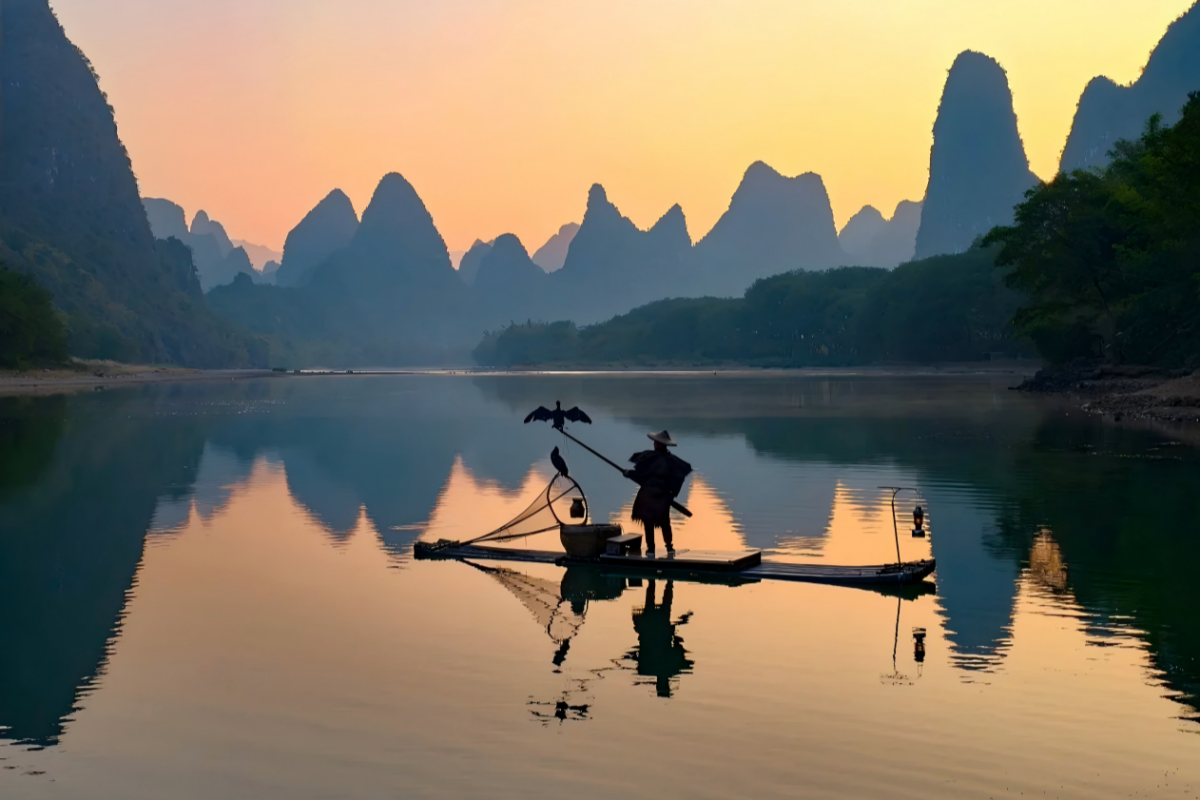
Li River
Karst Mountains
Rice Terraces
Shanghai Skyline
This route combines China’s most famous historical sites with some of its most spectacular natural beauty.
Should You Travel Independently or Choose a Private Tour?
China is easier to travel than ever before, thanks to modern transportation, online ticketing systems, and excellent infrastructure.
However, independent travel can still present challenges for some visitors.
Common concerns include:
Language barrier
Attraction reservations
Transportation logistics
Hotel check-in procedures
Local payment systems
A private tour can simplify the experience by including:
Airport transfers
Train station assistance
Hotel arrangements
Attraction tickets
Local guide services
Private driver transportation
Many first-time visitors find that a private itinerary allows them to focus on the experience rather than logistics.
Final Thoughts on Spending 10 Days in China
For most travelers, 10 days in China provides the perfect introduction to one of the world’s most fascinating destinations.
The classic Golden Triangle route—Beijing, Xi’an, and Shanghai—offers an ideal combination of Chinese history, UNESCO World Heritage Sites, modern cities, cultural attractions, local cuisine, and efficient transportation.
From walking through the Forbidden City and standing atop the Great Wall to exploring the Terracotta Warriors and admiring the skyline from Shanghai Tower, this itinerary covers many of China’s most iconic experiences.
Whether you travel independently or with a private guide, a well-planned 10-day China itinerary will leave you with unforgettable memories and a deeper appreciation of China’s rich culture, ancient heritage, and remarkable modern development.
Frequently Asked Questions
Is 10 days enough for China?
Yes. Ten days is enough to visit Beijing, Xi’an, and Shanghai while experiencing China’s most famous historical and cultural attractions.
What is the best 10-day China itinerary?
For first-time visitors, the Golden Triangle route covering Beijing, Xi’an, and Shanghai is generally considered the best option.
What is the best time to visit China?
April to May and September to October offer the most comfortable weather for sightseeing across most regions of China.
Should I use high-speed trains or domestic flights?
High-speed trains are usually the best option between Beijing, Xi’an, and Shanghai because they are fast, comfortable, and connect city centers directly.
Is China difficult for English-speaking travelers?
Major tourist cities are relatively easy to navigate, but translation apps can help overcome the language barrier in less touristy areas.
What are the must-see attractions during 10 days in China?
The Forbidden City, Great Wall, Summer Palace, Terracotta Warriors, Ancient City Wall, The Bund, French Concession, and Shanghai Tower are among the most popular attractions.
Get Inspired with Some Popular Itineraries