How Many Days in Hong Kong?
Three to five days works well for most first-time trips. Short stays can focus on Hong Kong Island and Kowloon, while extra days make room for Lantau Island, hiking, neighbourhoods and slower local experiences.

Hong Kong is much more than one compact city centre. Most first-time trips combine Hong Kong Island and Kowloon, while Lantau Island, the New Territories and smaller outlying islands add temples, fishing villages, beaches, hiking trails and a slower side of Hong Kong.
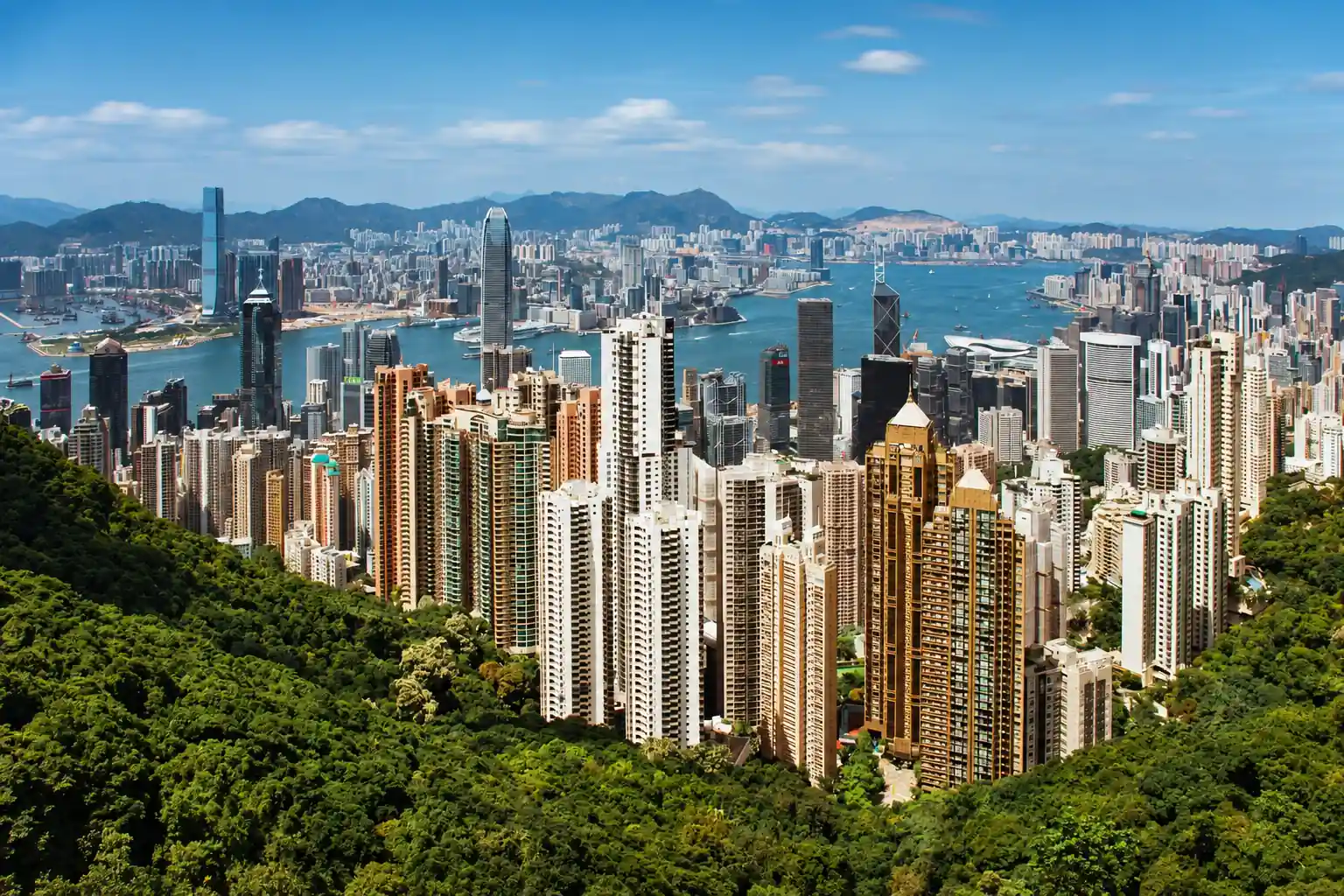
Hong Kong Island brings together the city’s famous skyline, historic streets and some of its best-known neighbourhoods. Central and Sheung Wan mix modern towers with temples, markets and older lanes, Victoria Peak rises above the urban core, while Wan Chai and Causeway Bay show different sides of everyday city life. Head farther south for beaches, coastal scenery and hiking.
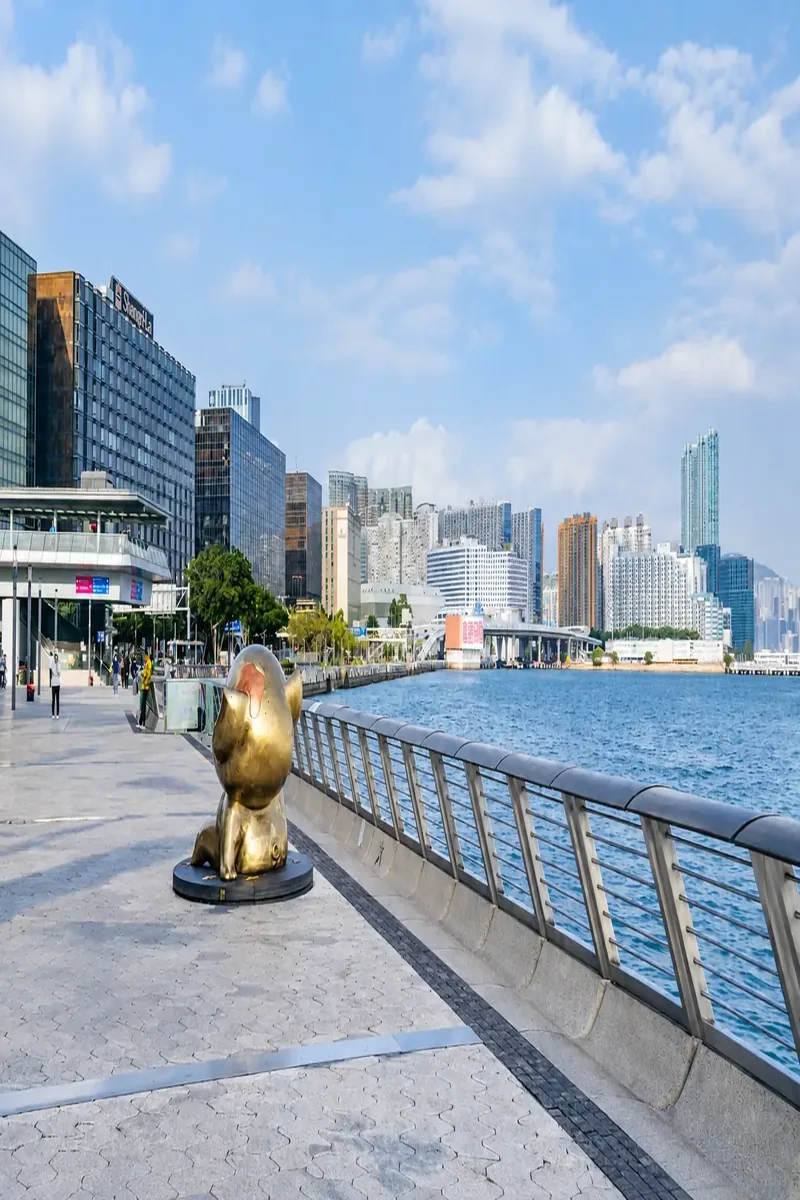
Across Victoria Harbour from Hong Kong Island, Kowloon combines waterfront views with dense shopping streets, neighbourhood markets and local food. Tsim Sha Tsui is a convenient sightseeing base, while Jordan, Yau Ma Tei and Mong Kok offer a busier street-level experience.
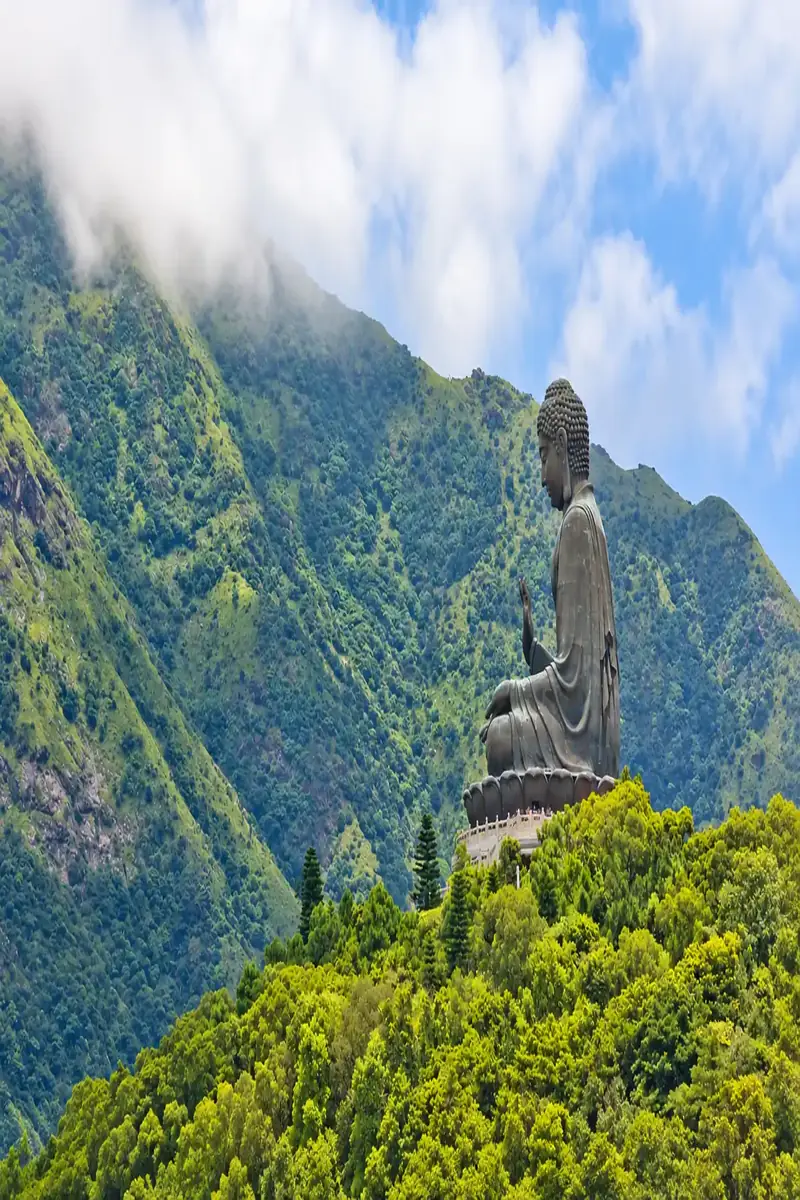
Hong Kong’s largest island is an easy contrast to the dense urban core. Visitors come for Ngong Ping and the Tian Tan Buddha, Po Lin Monastery, the traditional stilt-house setting of Tai O and family attractions, with mountain and coastal landscapes between them.
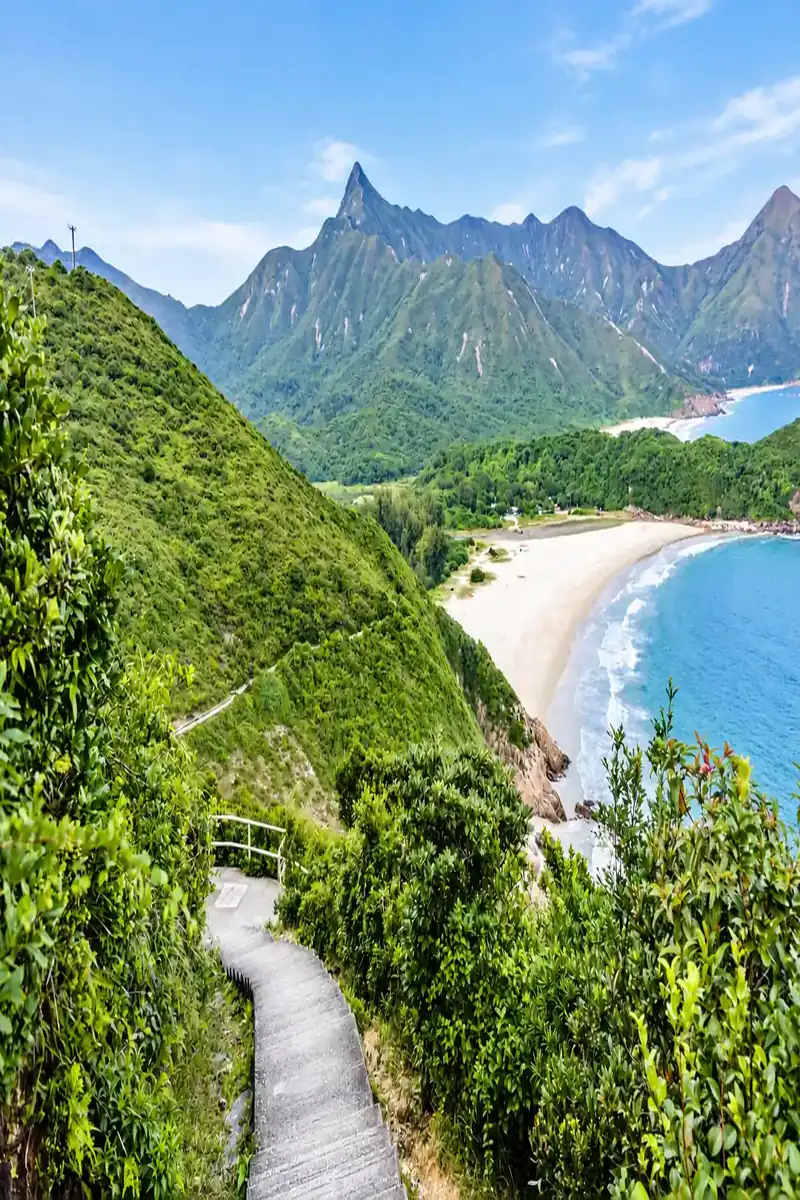
North of urban Kowloon, the New Territories reveal a more spacious side of Hong Kong with country parks, hiking routes, villages and coastal scenery. Areas such as Sai Kung work best for travellers who have extra time and want to go beyond the classic first-trip circuit.
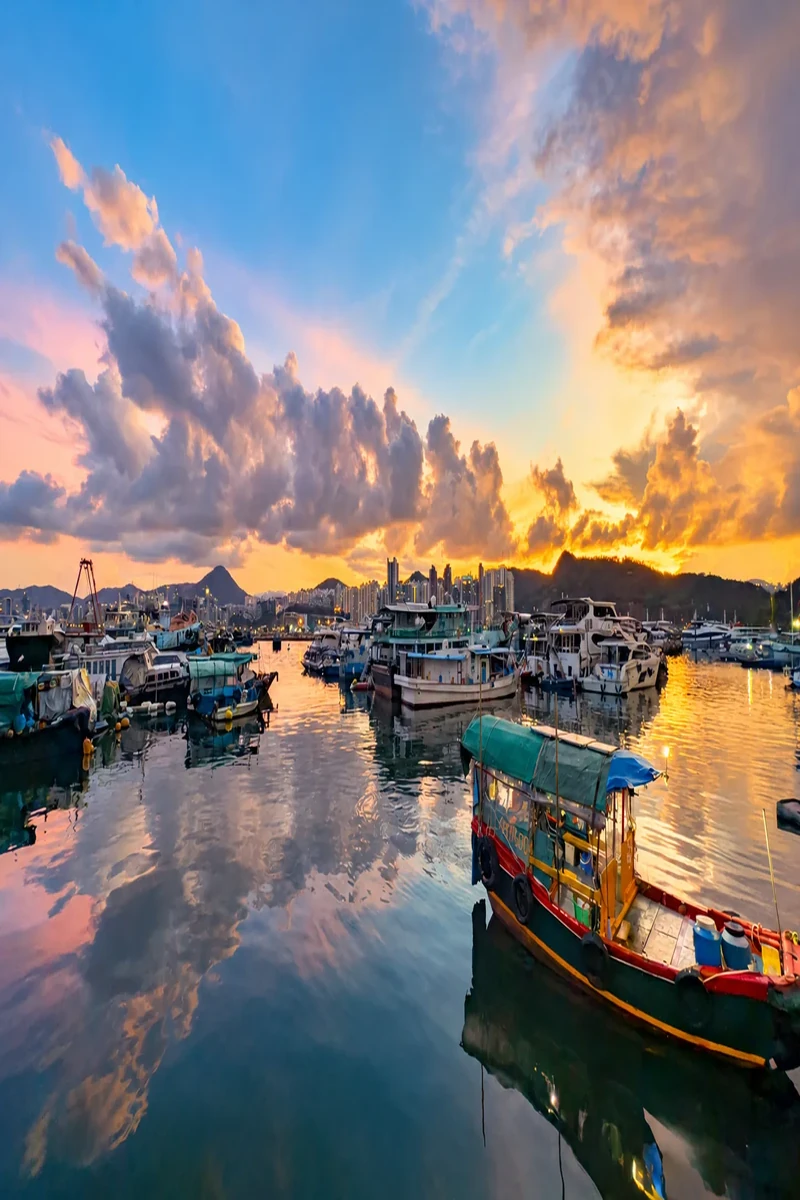
Beyond Lantau, islands such as Lamma and Cheung Chau offer an easy change of pace from Central and Kowloon. Ferry trips lead to waterfront villages, casual seafood, walking routes and relaxed coastal scenery that can fit naturally into a longer Hong Kong stay.
Start with Hong Kong Island and Kowloon for the essential city experience. Add Lantau Island when you have three or more days, then consider the New Territories or another outlying island when you want more hiking, coastal scenery or slower local experiences.
Hong Kong’s top attractions stretch across Hong Kong Island, Kowloon and Lantau Island, combining skyline viewpoints, historic transport, temples, markets, fishing villages and family attractions. Start with Victoria Peak and Victoria Harbour, then choose additional places according to your interests and available time.
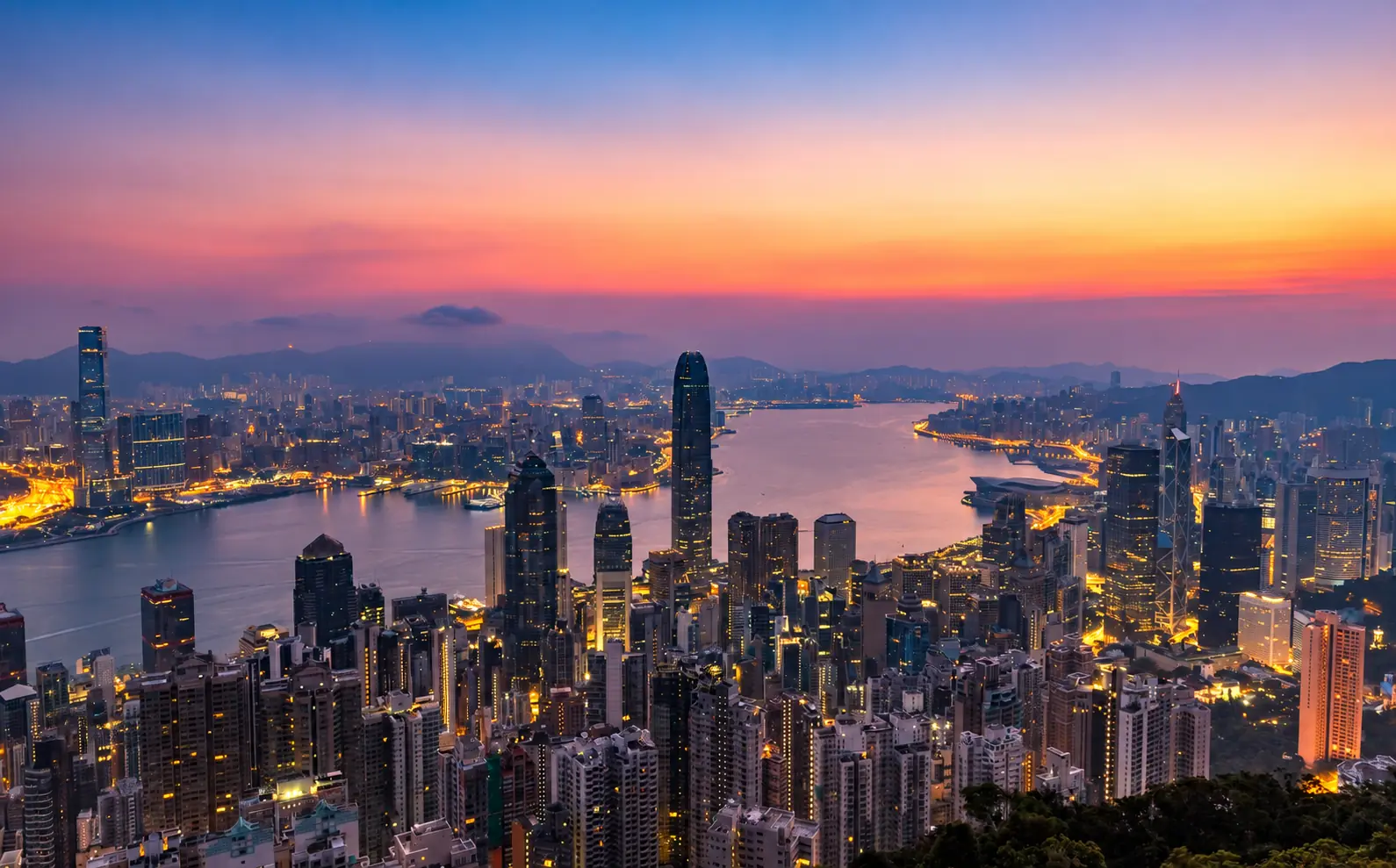
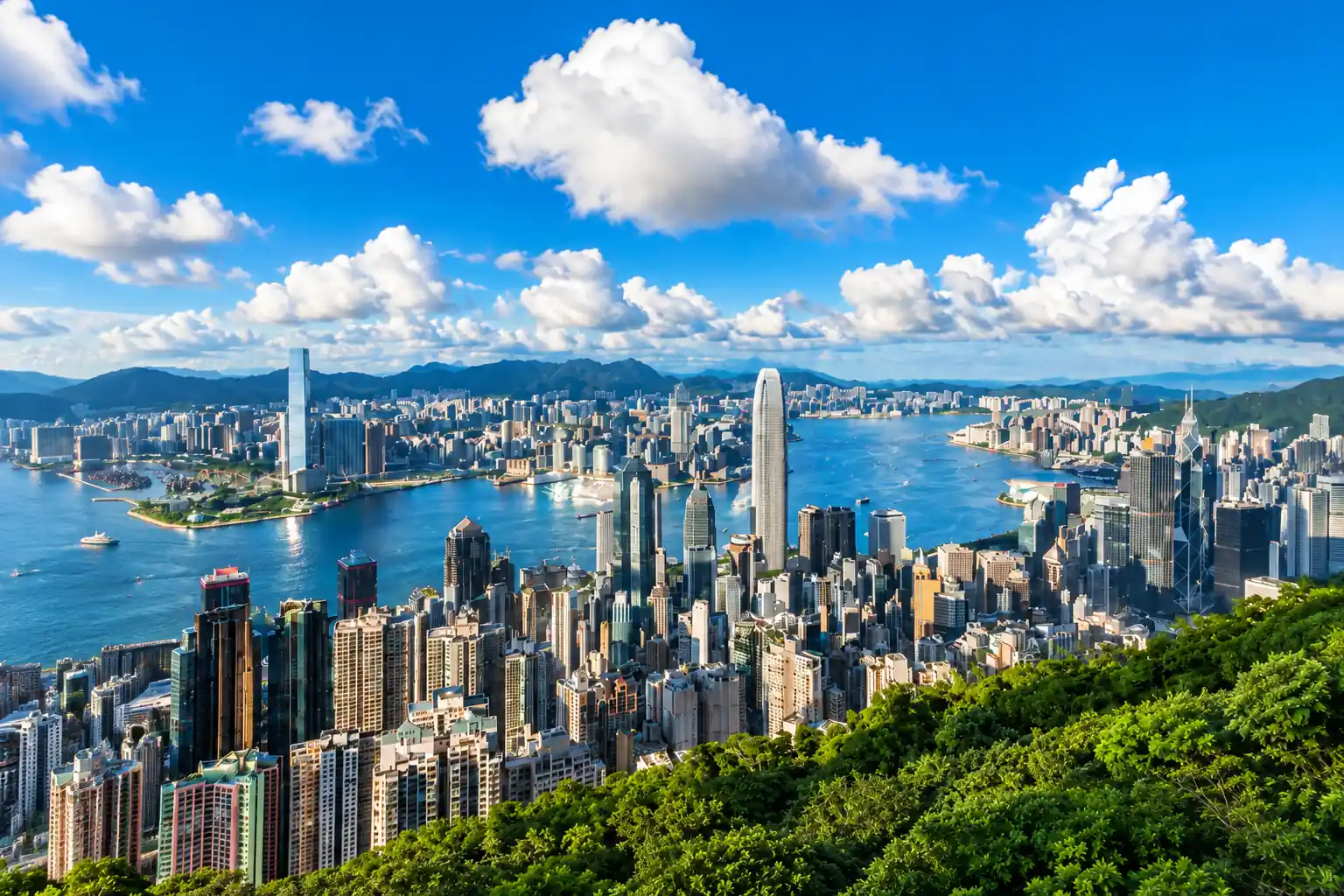
Victoria Peak is one of the best places to understand Hong Kong’s dramatic setting. Ride the classic Peak Tram from Central or travel up by road, then take time to enjoy the viewpoints above Hong Kong Island. On a clear day, the panorama stretches across Victoria Harbour toward Kowloon, with skyscrapers framed by mountains and water. Check visibility before going and avoid treating the Peak as only a quick photo stop.
Add the Peak to Your Itinerary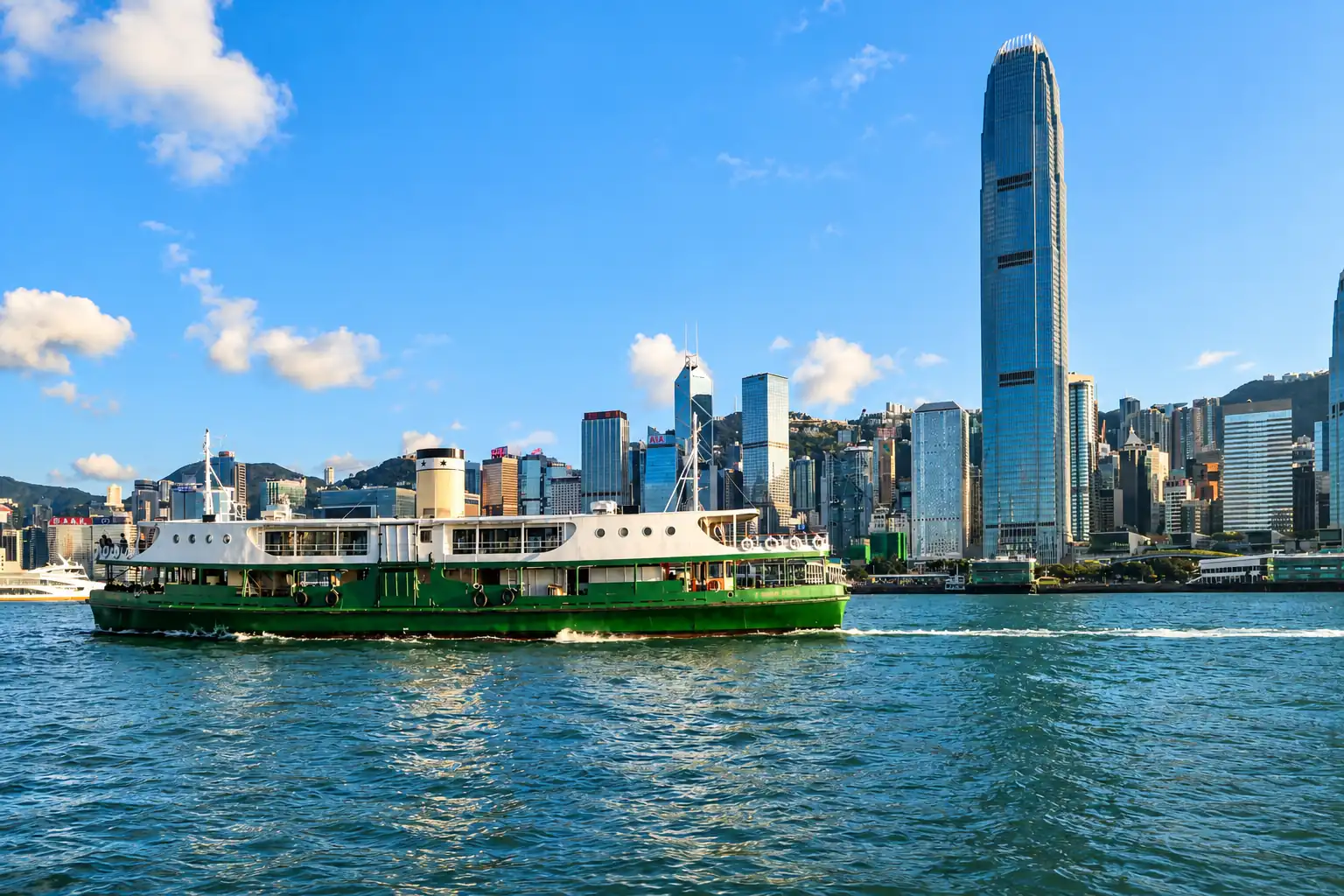
Cross Victoria Harbour between Hong Kong Island and Kowloon on the Star Ferry for one of the simplest and most memorable views of the city. The crossing is useful transport as well as a classic Hong Kong experience, especially when combined with the Tsim Sha Tsui waterfront and an evening harbour walk.
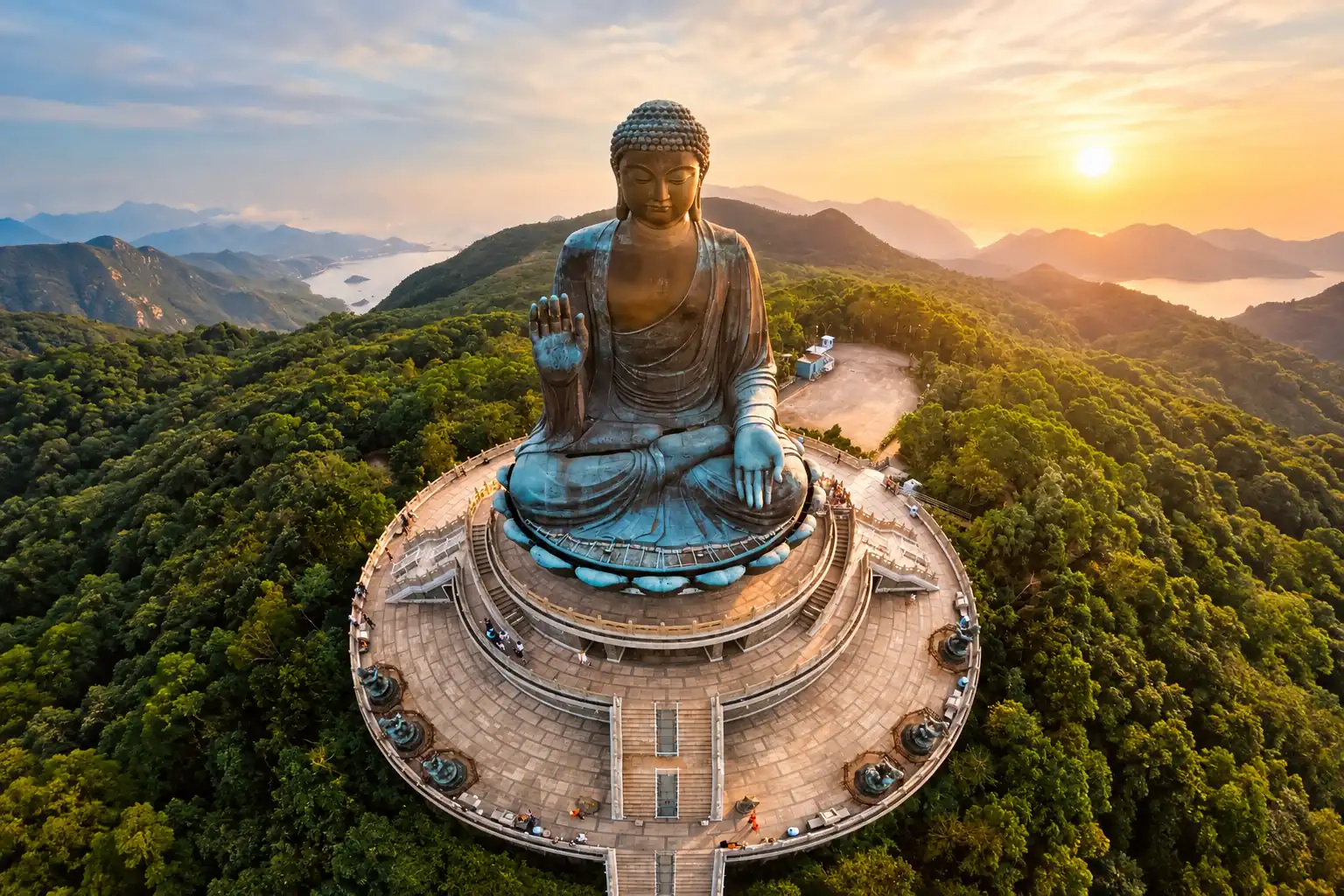
Visit Ngong Ping on Lantau Island for the Tian Tan Buddha and nearby Po Lin Monastery, surrounded by mountain scenery that feels very different from central Hong Kong. Many visitors combine the area with the Ngong Ping cable car and, with enough time, continue to Tai O later in the day.
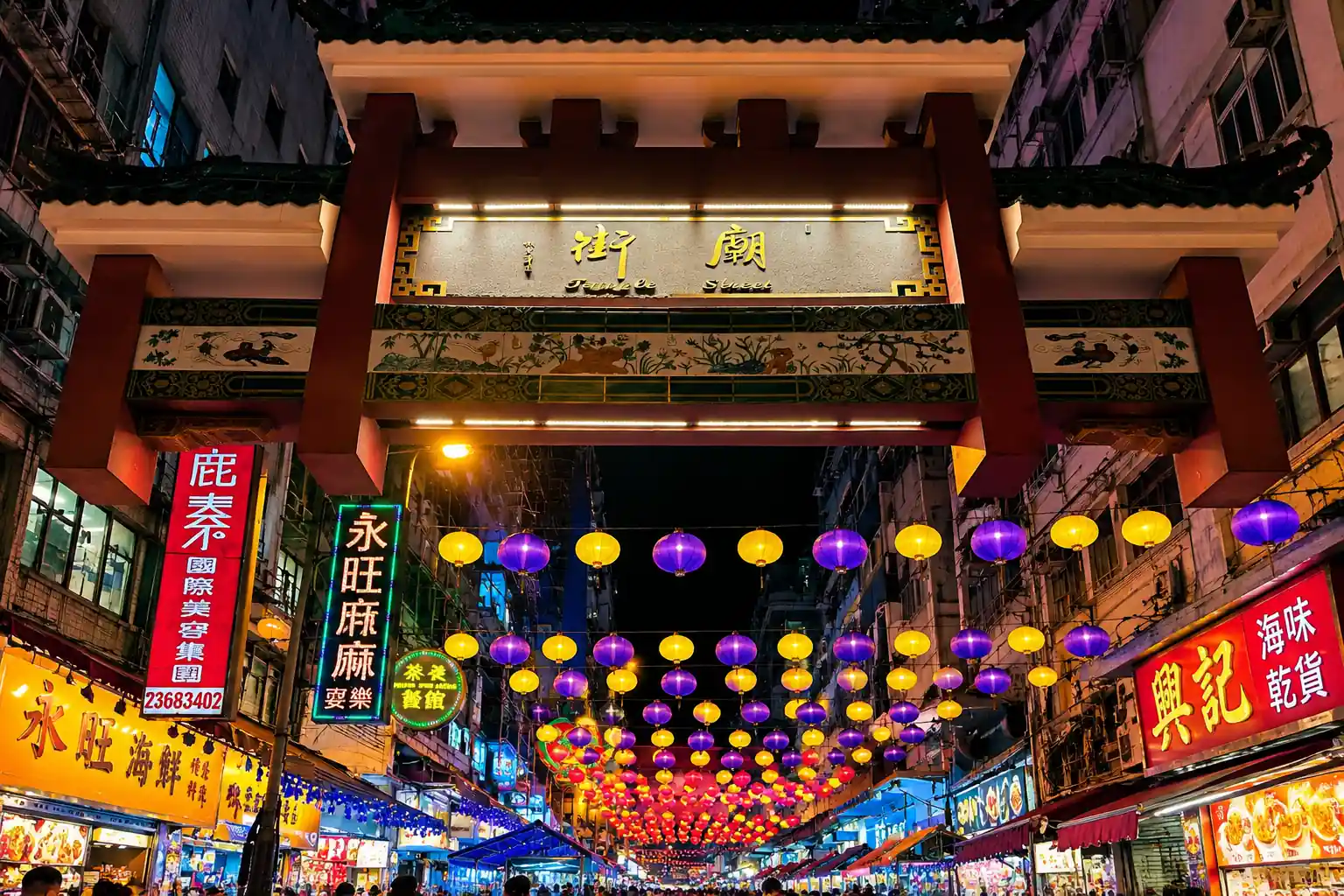
Temple Street in Jordan and Yau Ma Tei is best explored as part of a wider evening walk through Kowloon rather than as a single shopping stop. Browse market stalls, look for casual local food and continue through nearby streets to experience the atmosphere of Kowloon after dark.
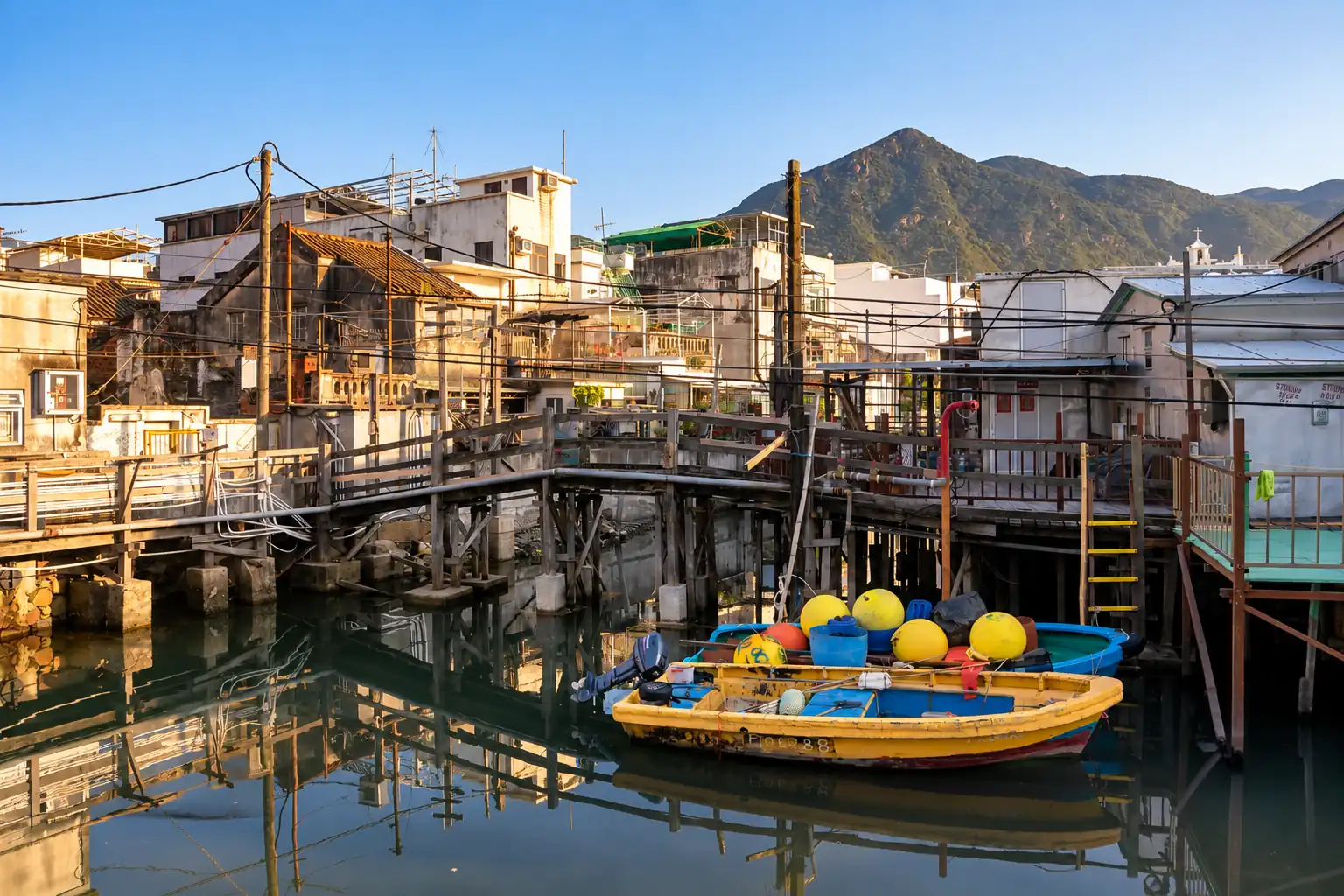
Tai O offers a slower side of Lantau Island with narrow lanes, waterfront views, local food and houses built around the tidal waterways. It works especially well after Ngong Ping when you want to contrast Hong Kong’s mountain and village landscapes with its dense urban neighbourhoods.
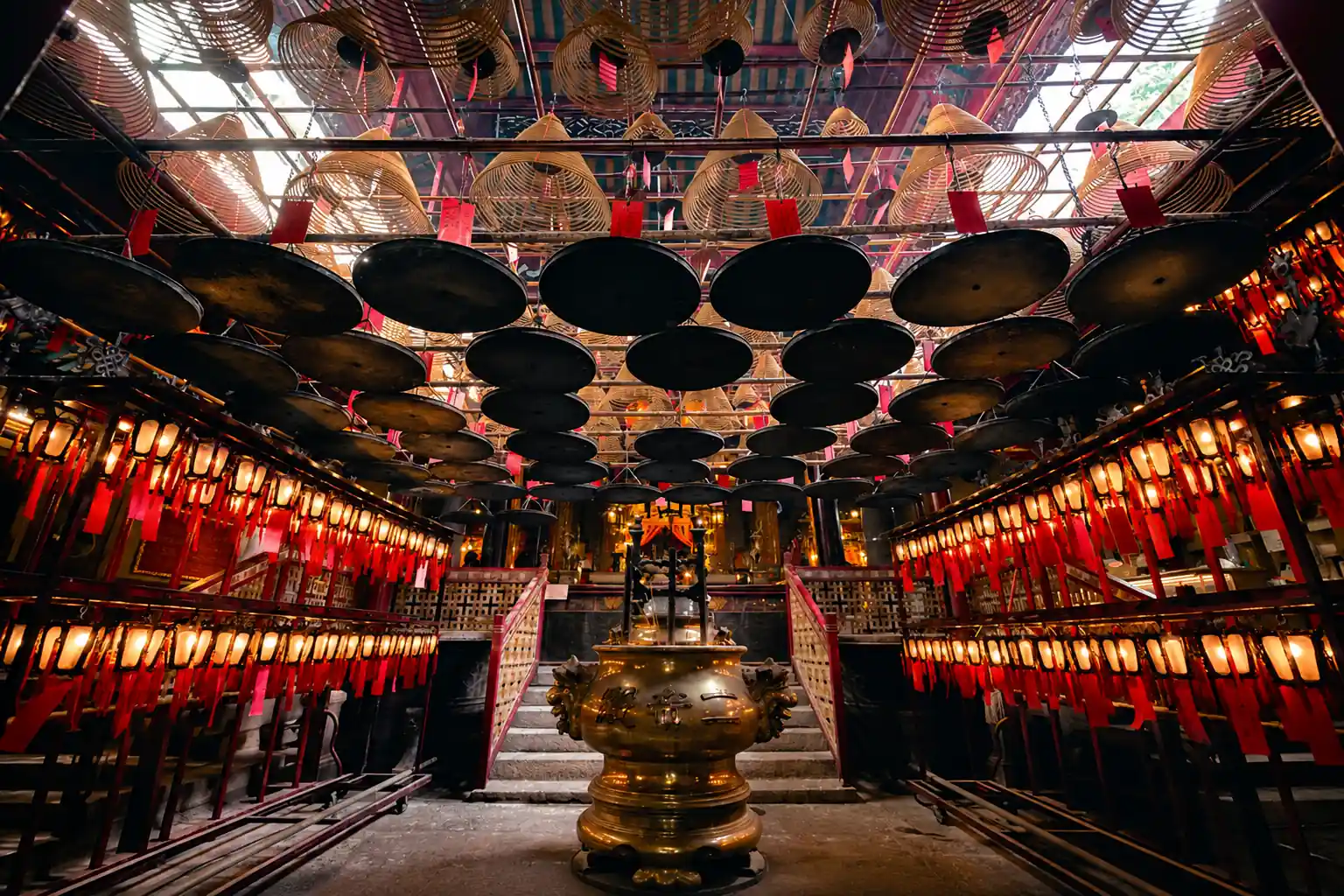
Man Mo Temple fits naturally into a walk between Central and Sheung Wan. Rather than visiting it in isolation, combine the temple with nearby historic streets, traditional shops and neighbourhood food to see how older layers of Hong Kong sit beside the modern business district.
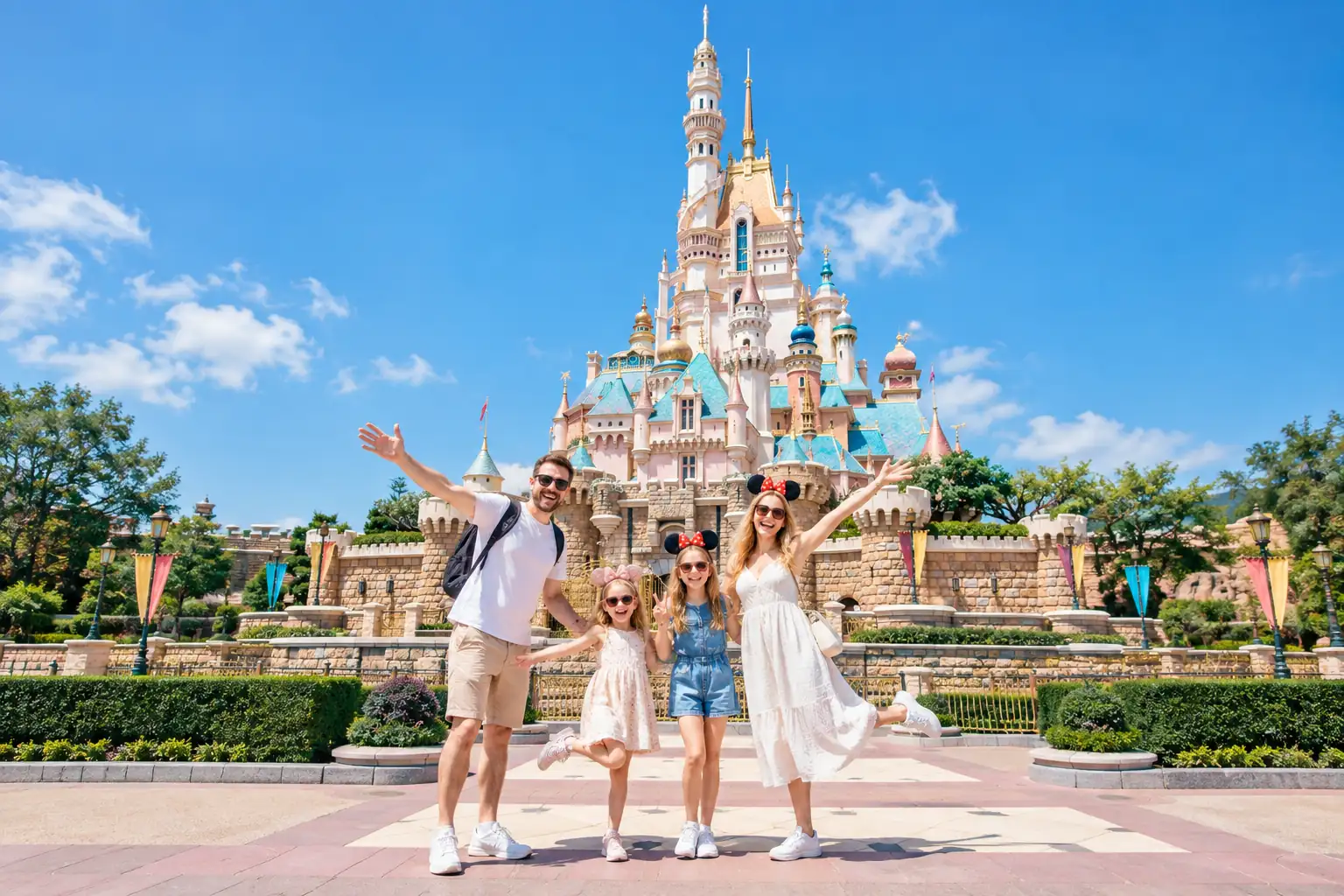
Hong Kong Disneyland is easiest to plan as a dedicated family day rather than squeezing it between central city attractions. It sits on Lantau Island and can be a good addition for families or Disney fans staying four or five days, while first-time visitors with limited time may prefer to focus on the city itself.
After choosing the places you most want to see, add local neighbourhoods, dim sum, tram rides, hiking, island trips and other experiences to build a trip that goes beyond a checklist of famous attractions.
The best Hong Kong experiences go beyond checking off famous attractions. Ride local transport through Hong Kong Island, walk between old and new neighbourhoods, hike above the coast, explore Kowloon after dark, spend time on an outlying island and build local food into the journey rather than treating every experience as a separate sightseeing stop.
Hong Kong’s double-decker trams are more than transport. A slow ride along the northern side of Hong Kong Island gives you a street-level view of neighbourhoods that change quickly from Central and Wan Chai to Causeway Bay and farther east. Use the tram for part of a real sightseeing day rather than riding end to end simply to complete an attraction.
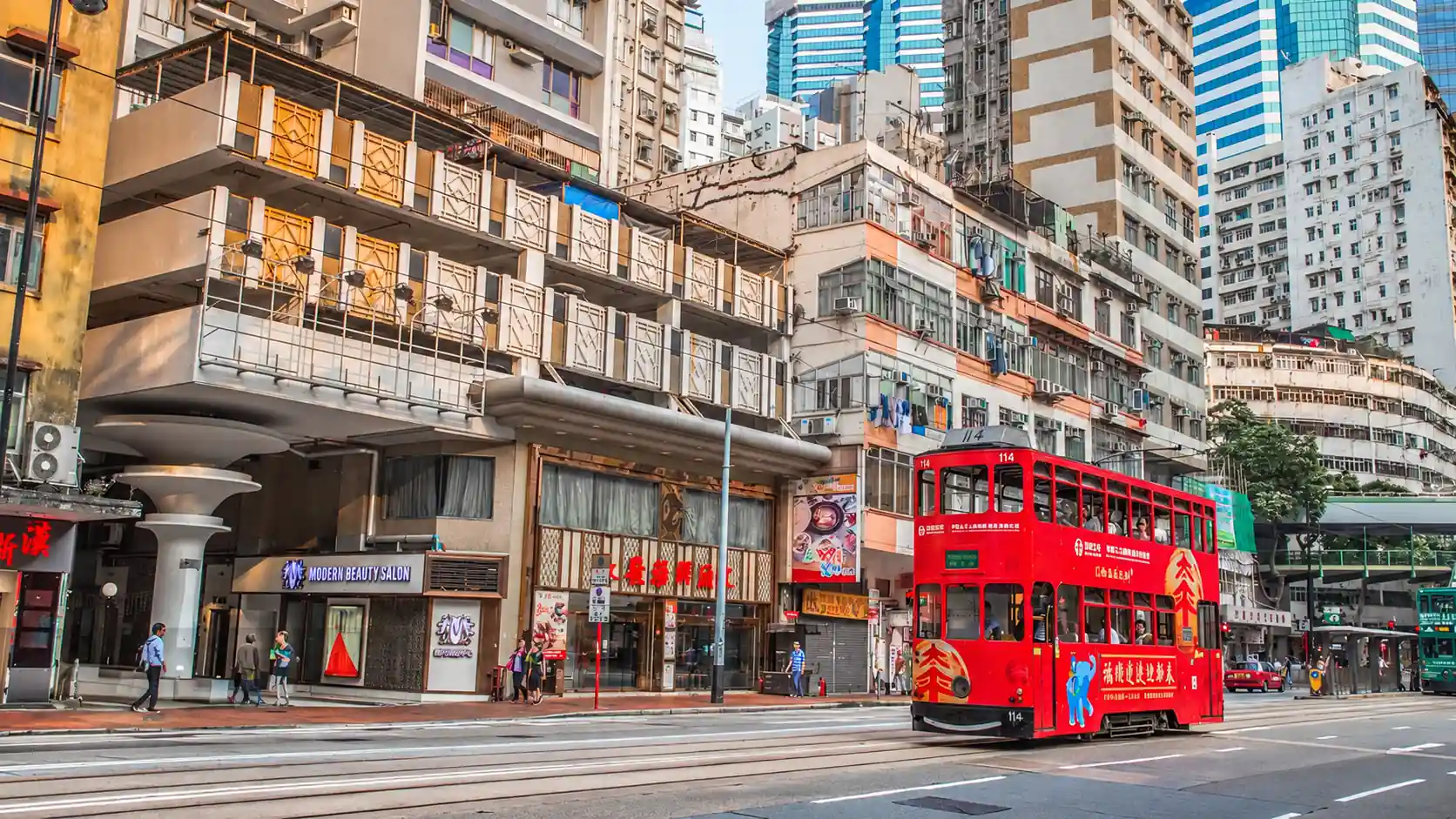
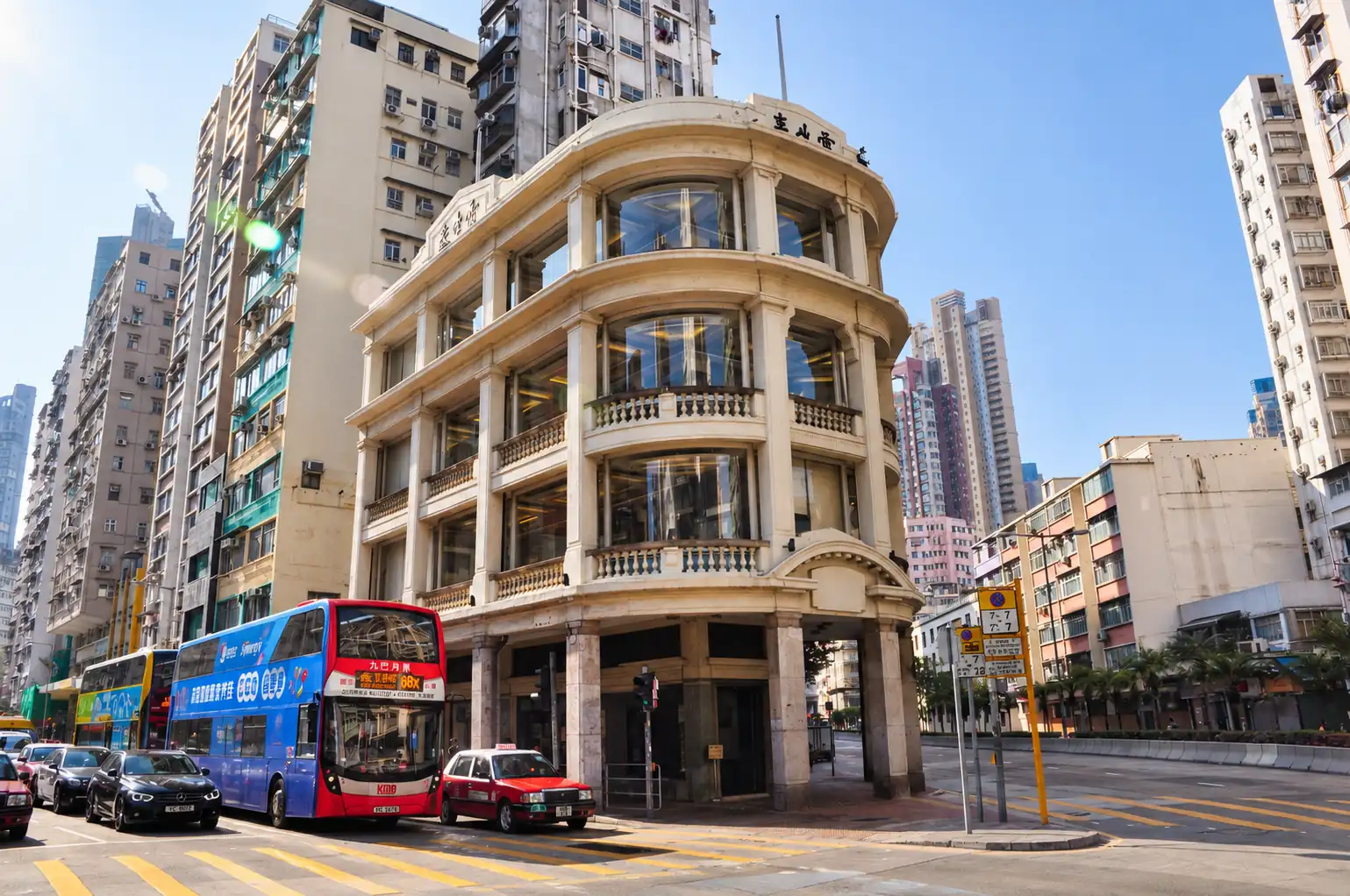
One of the best ways to understand Hong Kong Island is simply to walk west from the modern business district into older streets. Combine Central, Tai Kwun, hillside lanes, traditional shops, Man Mo Temple and Sheung Wan without treating each place as a separate attraction.
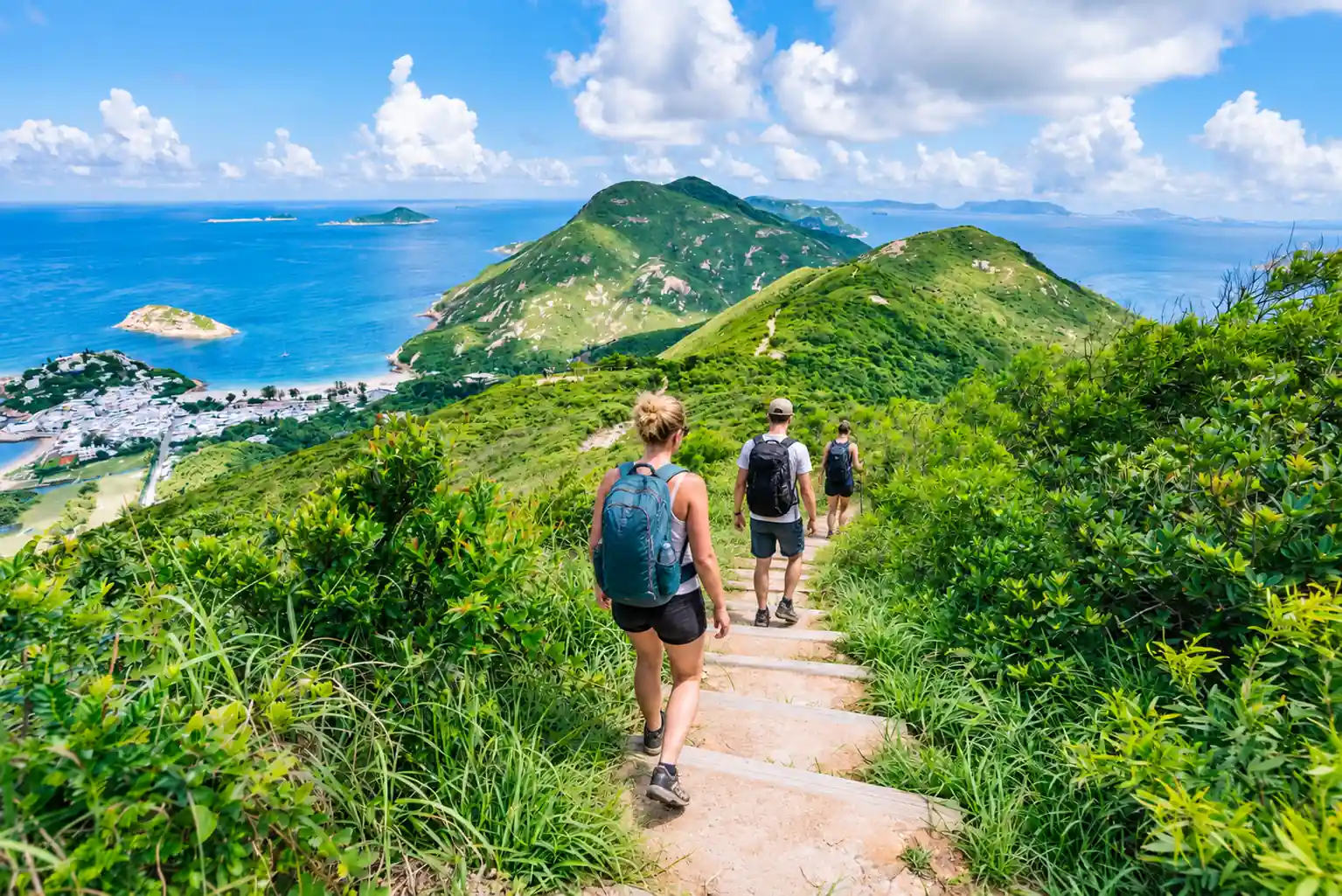
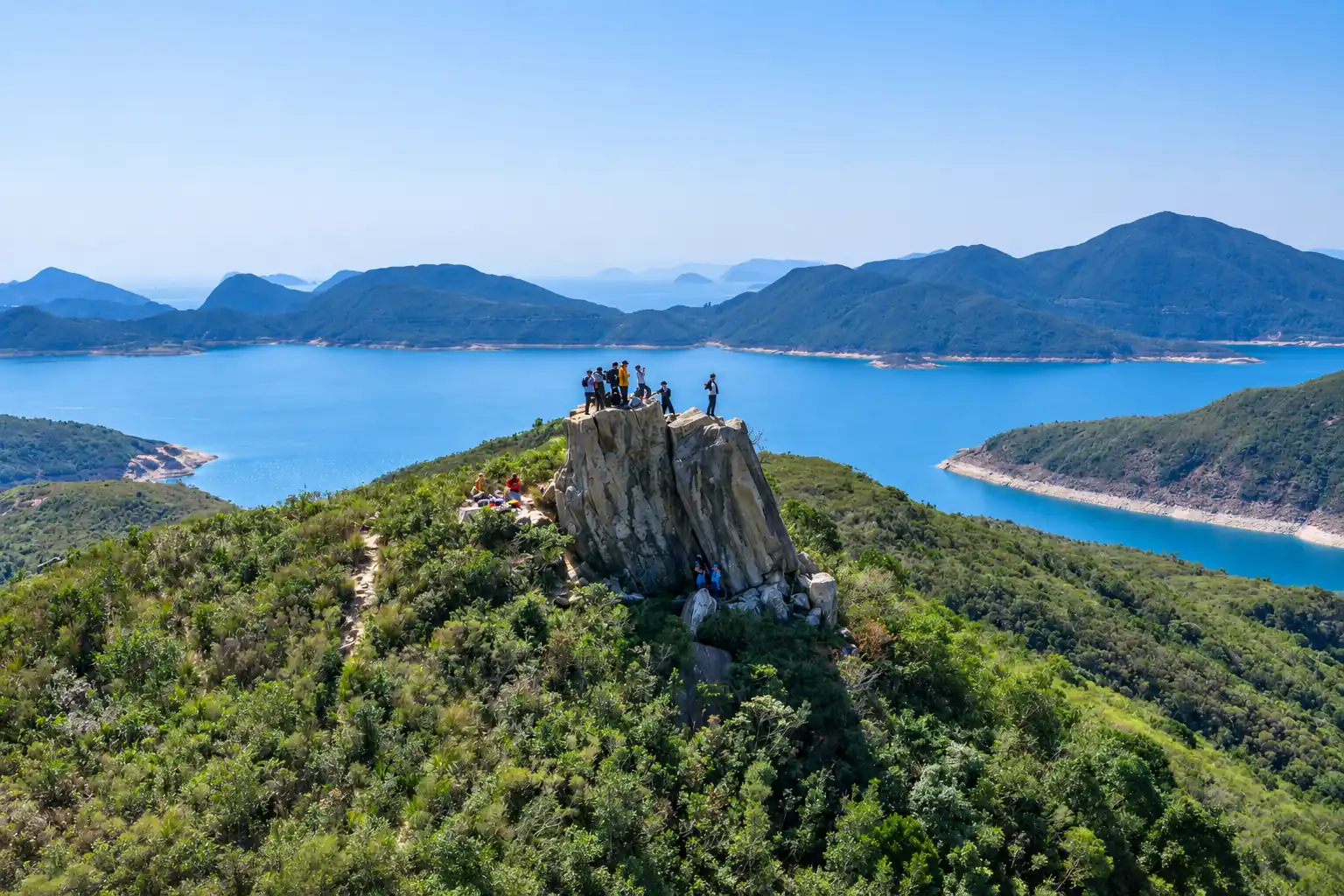
Add an outdoor day or half-day to see how quickly Hong Kong changes beyond its dense urban districts. Dragon’s Back is a popular option for ridge and coastal scenery, but choose your hiking day according to temperature, humidity, visibility and rain rather than fixing it too early in the trip.
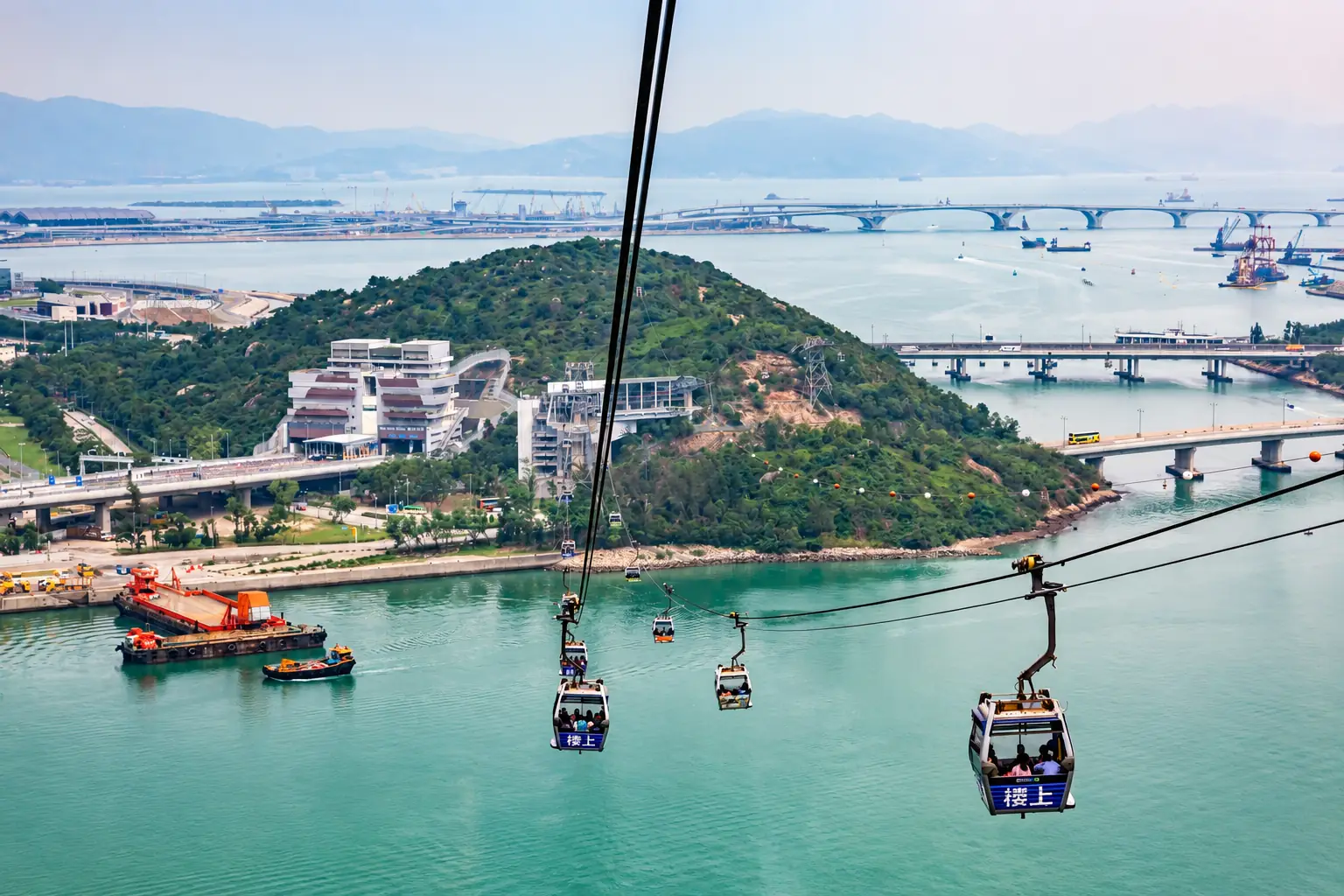
Make the journey part of the Lantau Island experience by travelling to Ngong Ping by cable car when weather and operating conditions suit your plans. From there, continue to the Tian Tan Buddha and Po Lin Monastery, with Tai O added if you have enough time for a fuller Lantau day.
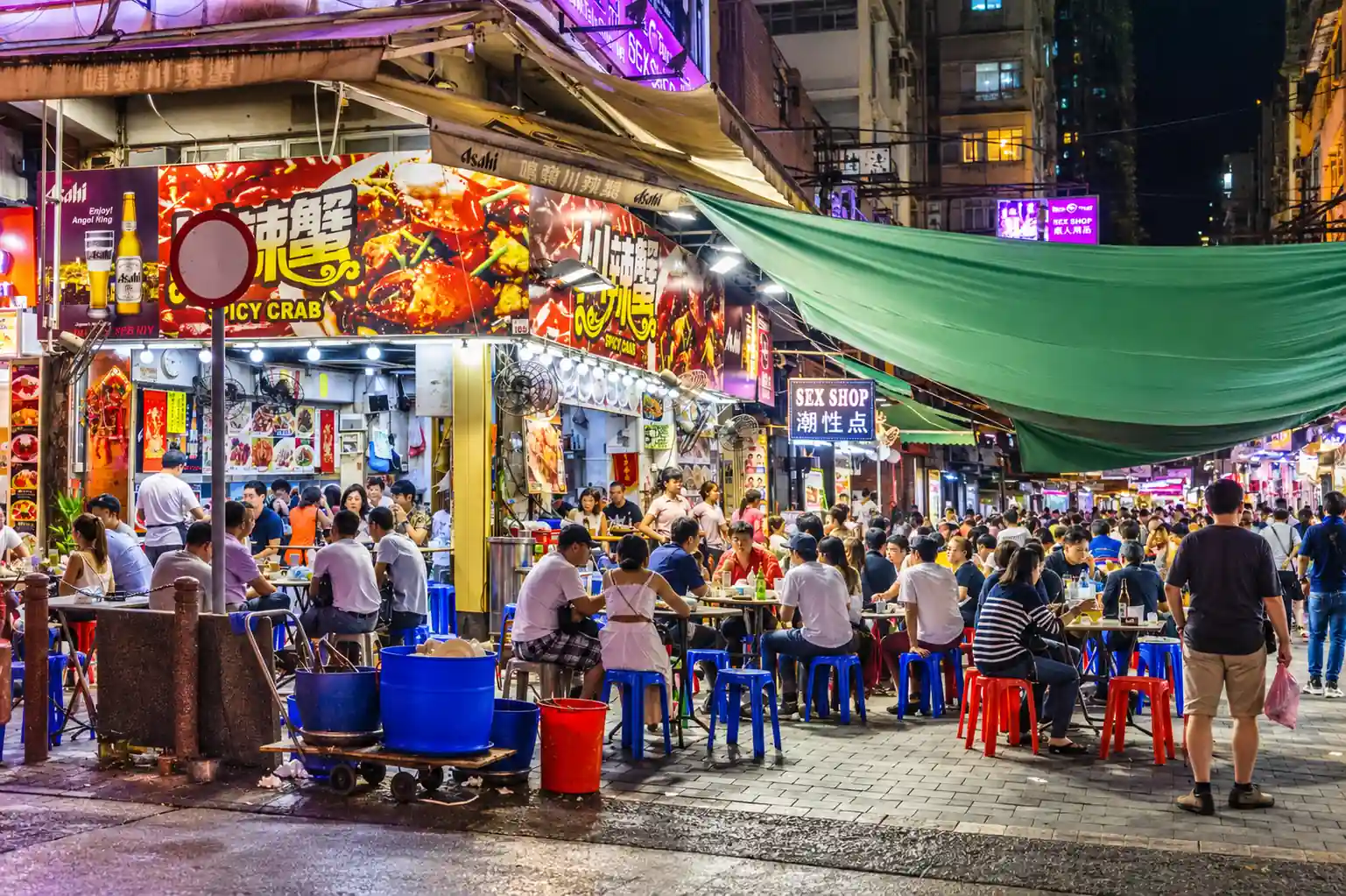
Give Kowloon an evening rather than leaving immediately after the harbour view. Start around Tsim Sha Tsui, then continue through Jordan and Yau Ma Tei toward Mong Kok for markets, neon-lit streets, local restaurants and a more energetic side of the city after sunset.
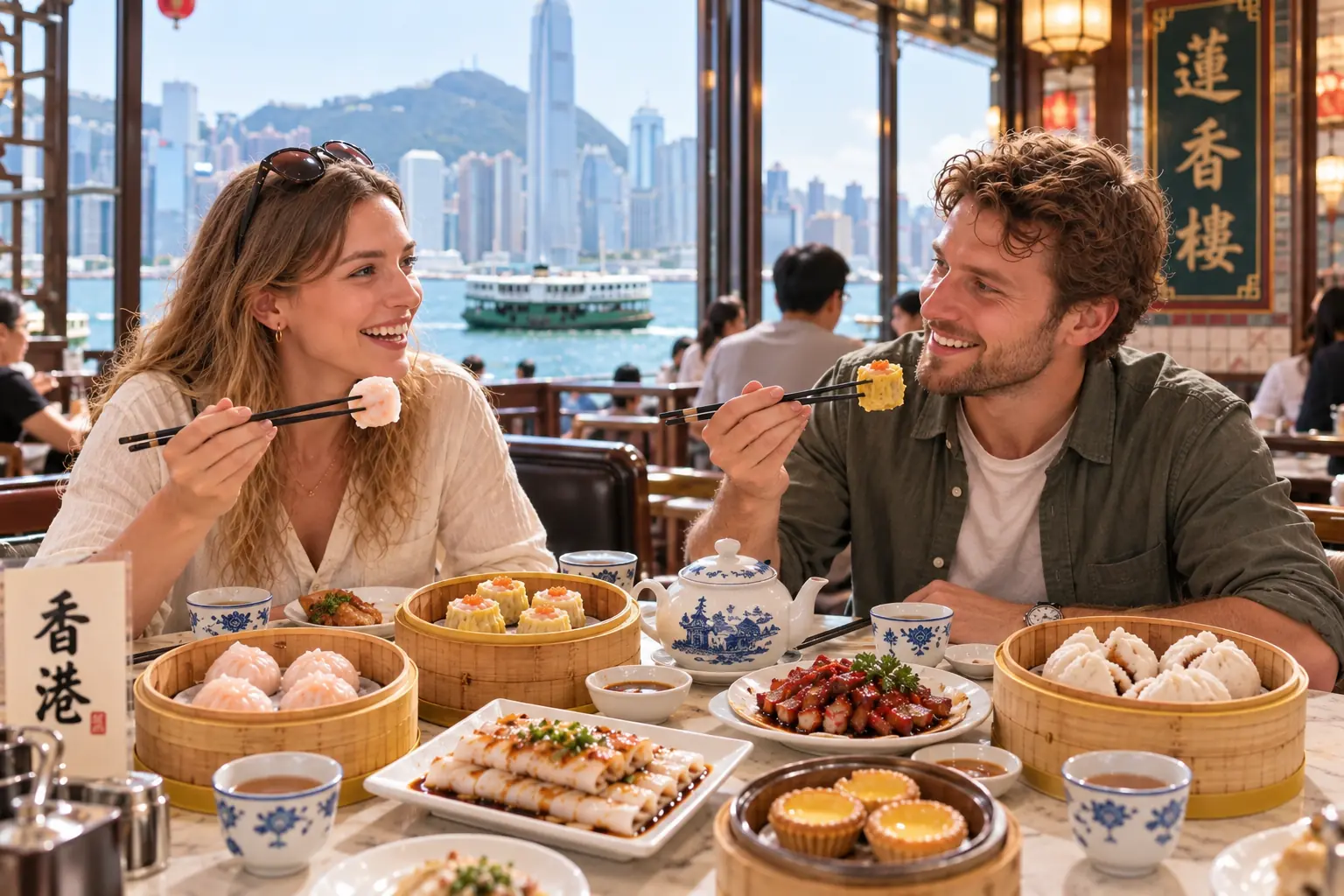
Instead of travelling across the city for isolated restaurant recommendations, build food into the area you are already exploring. Central and Sheung Wan, Jordan, Yau Ma Tei and Mong Kok all work well for combining sightseeing with several smaller local food stops.
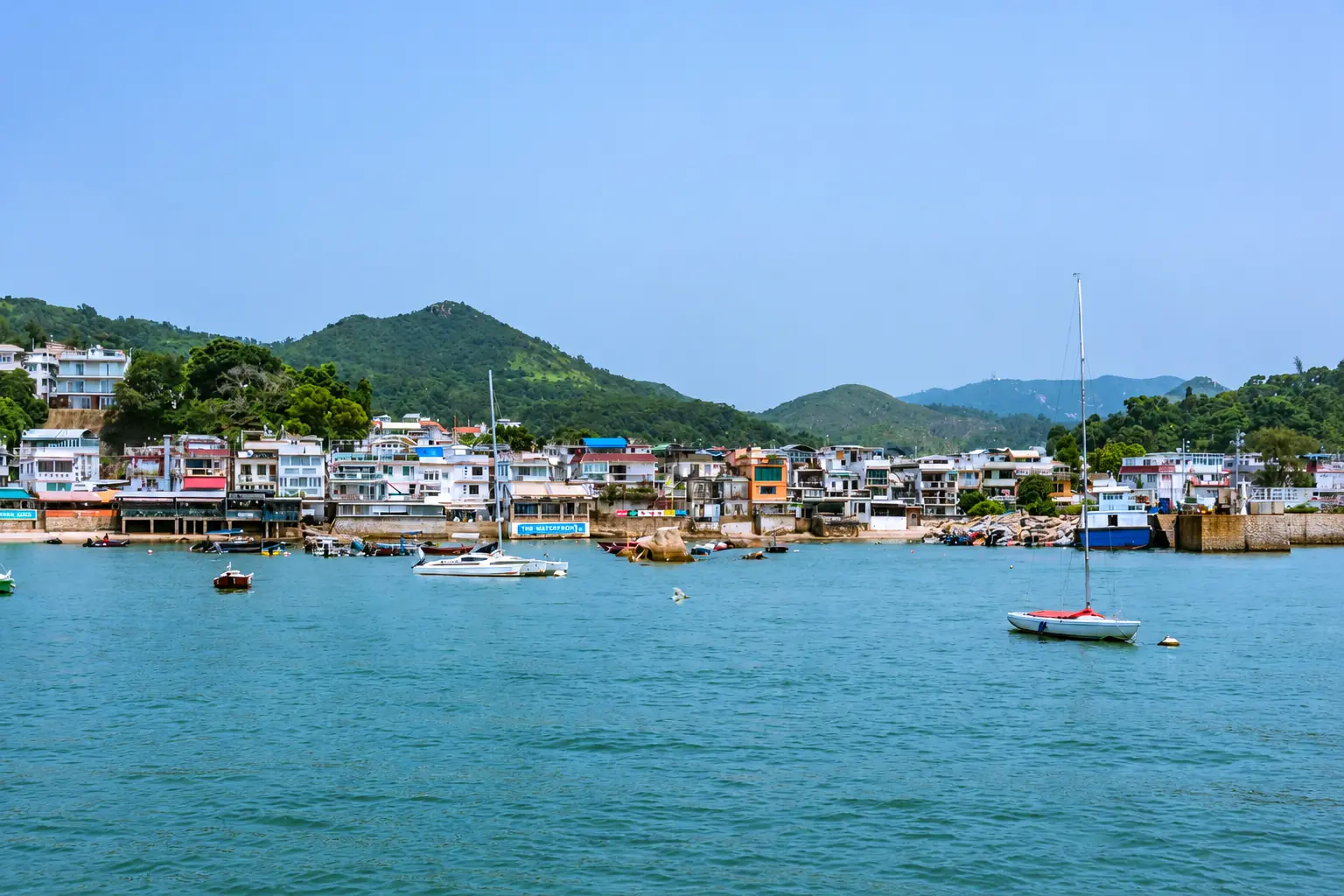
Take a ferry when you want a slower contrast to Central and Kowloon. Lamma Island works well for coastal walking and village stops, while Cheung Chau offers compact streets, waterfront life and an easy island-day atmosphere. Either can fit naturally into a four- or five-day Hong Kong trip.
You do not need to fit every experience into one visit. Choose the neighbourhoods, food, outdoor activities and island trips that match your travel style, then group them geographically to avoid unnecessary backtracking.
Hong Kong food is one of the highlights of any visit. Start with dim sum and Cantonese roast meats, then explore wonton noodles, cha chaan teng favourites, Hong Kong-style milk tea, pineapple buns, egg tarts and market-side snacks as you move between Hong Kong Island and Kowloon.
Dim sum is one of the most recognizable parts of Hong Kong’s Cantonese food culture. Rather than ordering a single main dish, choose several small steamed, baked or fried dishes to share with tea and make the meal part of your sightseeing day instead of rushing through it.
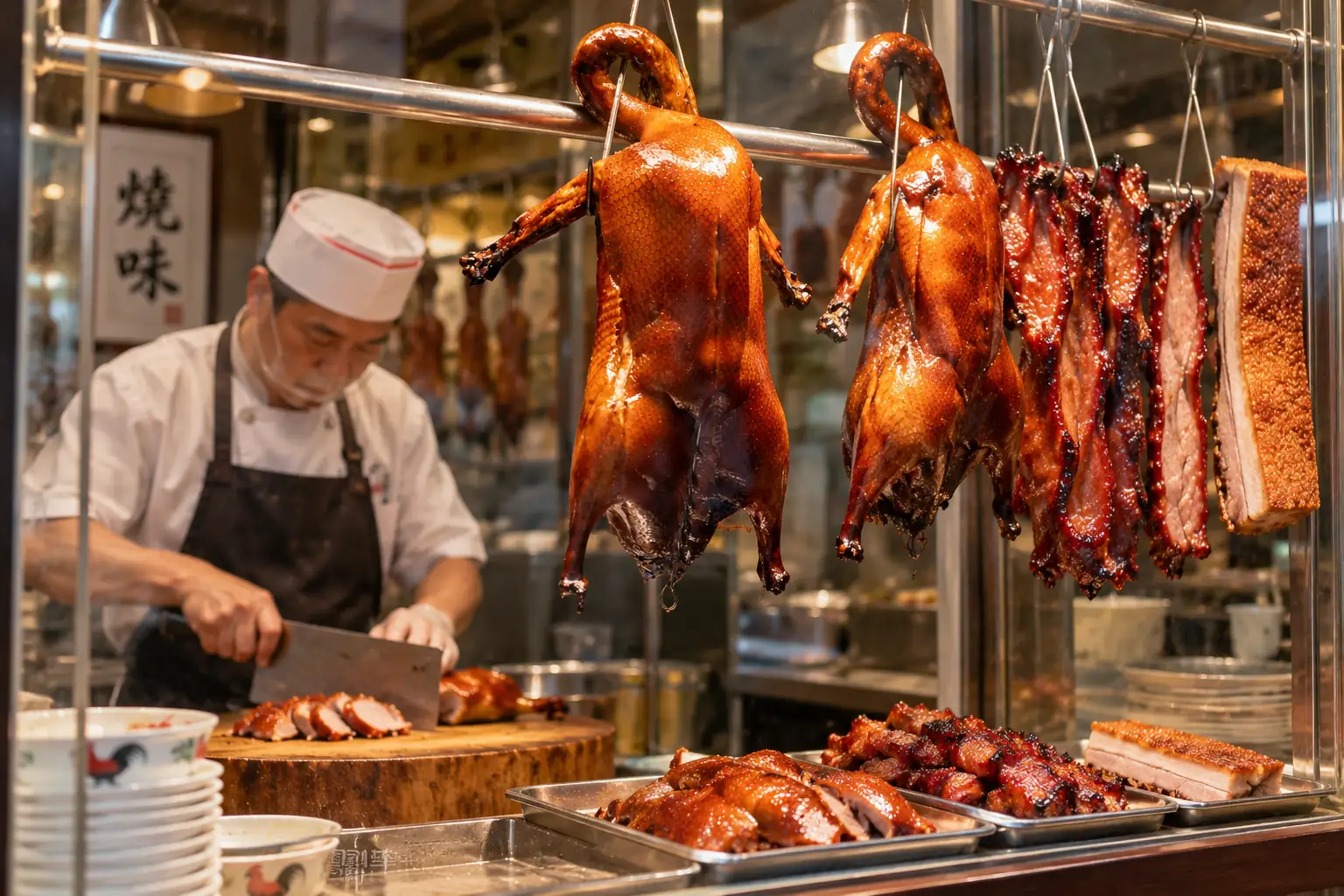
Cantonese roast meats, or siu mei, are a familiar part of Hong Kong food culture. Roast goose and char siu are classic choices, commonly served with rice or noodles and well suited to a quick local lunch between sightseeing stops.
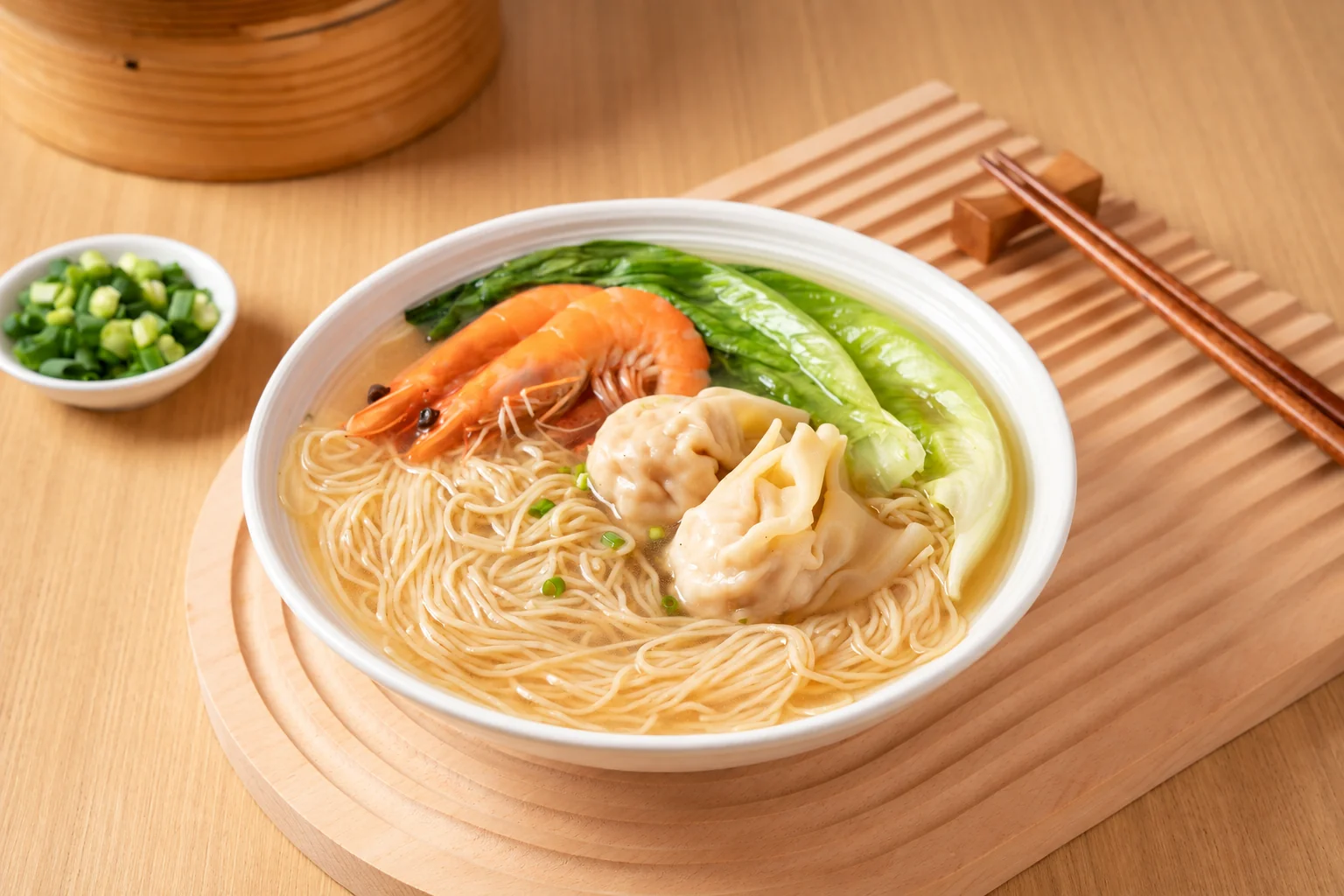
A bowl of wonton noodles is one of the easiest local meals to add to a busy Hong Kong day. Springy noodles, savoury broth and shrimp-filled wontons make it a compact, comforting choice that suits both lunch and a lighter dinner.
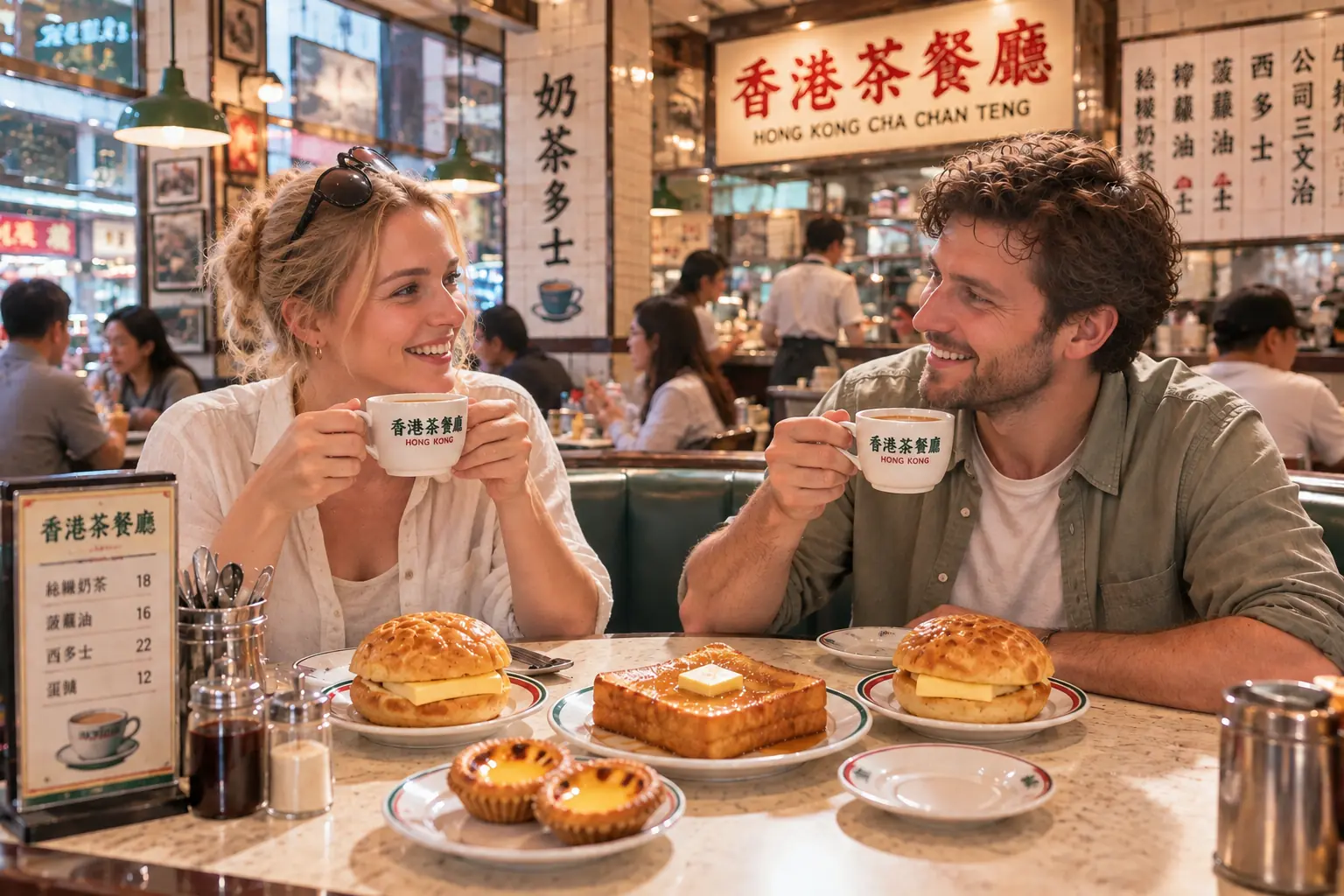
Hong Kong-style cafés are part of the city’s everyday dining culture. Menus often mix Cantonese flavours with local interpretations of Western-style café food. Hong Kong-style milk tea and pineapple buns are two easy additions, making cha chaan tengs useful for breakfast, lunch, afternoon tea or a casual meal.
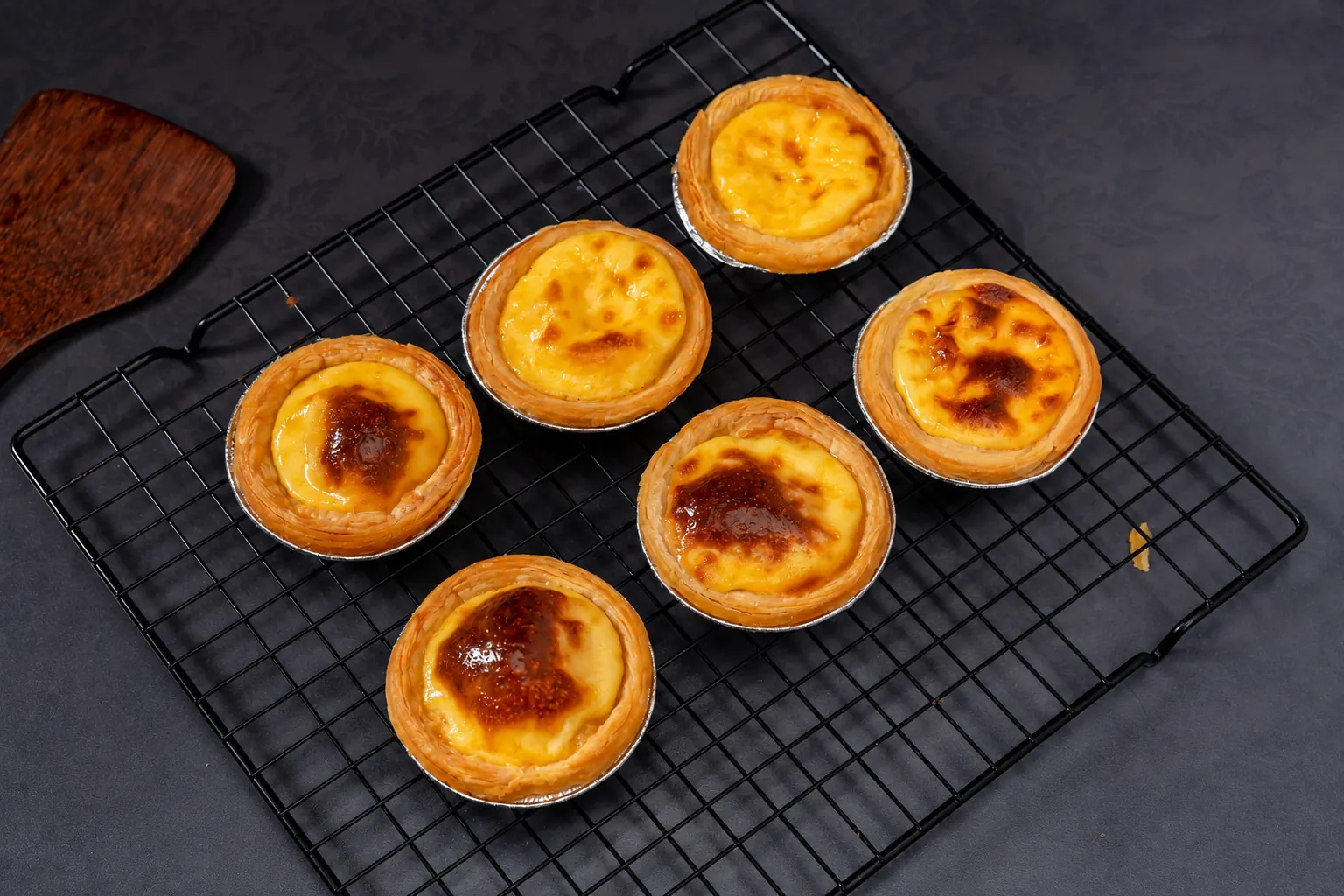
Egg tarts are an easy bakery stop while exploring Hong Kong. The contrast between warm custard filling and crisp pastry makes them one of the city’s most approachable sweet snacks, especially when eaten fresh from a neighbourhood bakery.
Markets and busy neighbourhood streets add another layer to Hong Kong’s food culture. Instead of chasing one famous snack, use areas such as Kowloon to explore small eateries, bakeries, food stalls and everyday ingredients alongside the surrounding street life.
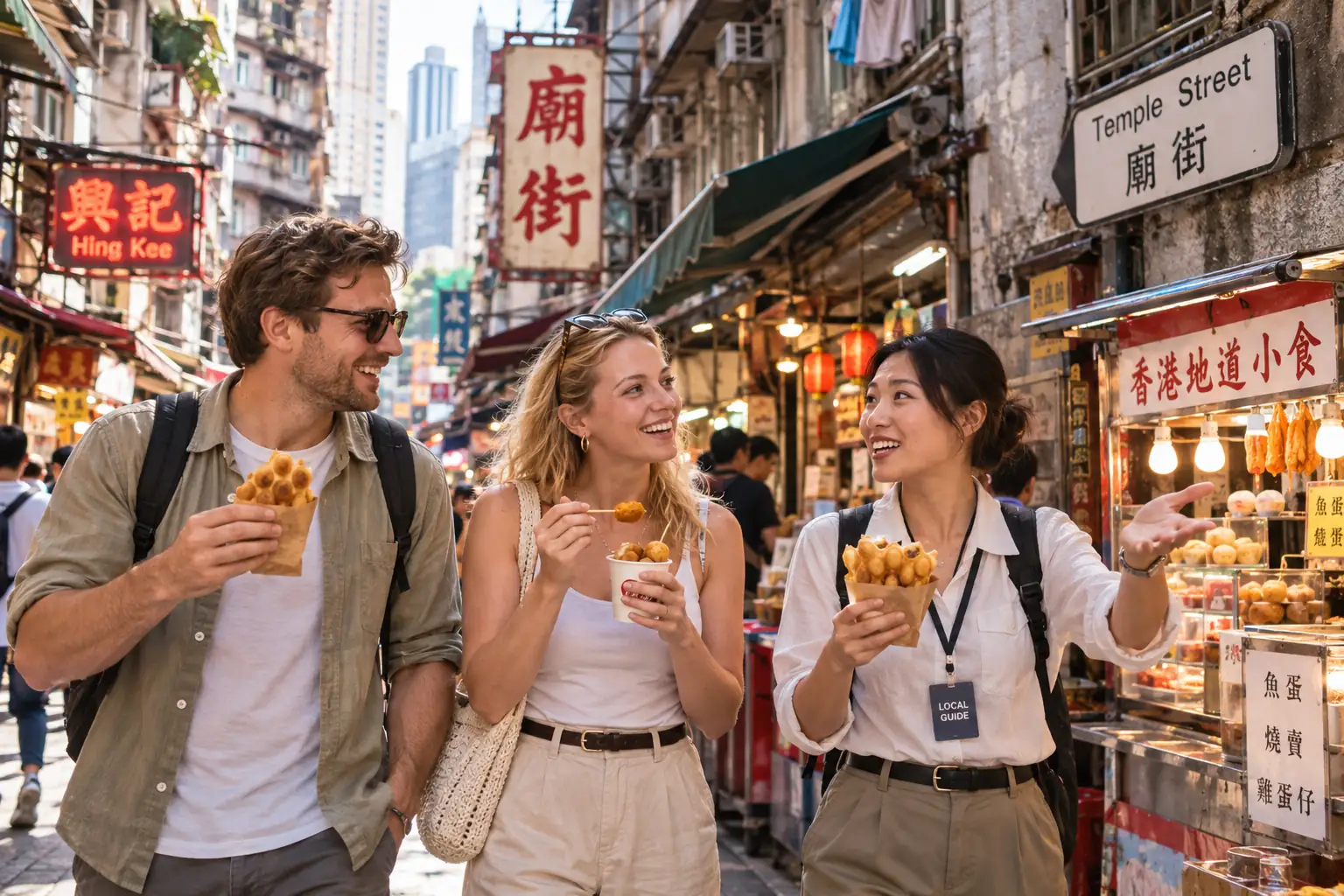
One of the best ways to eat in Hong Kong is to combine several smaller stops in the same neighbourhood. Dim sum, noodles, roast meats, bakeries and cafés can turn Central, Sheung Wan, Jordan, Yau Ma Tei or Mong Kok into part of the itinerary rather than a separate restaurant checklist.
Avoid trying to schedule every famous restaurant. A better first trip mixes one proper dim sum meal, one Cantonese roast or noodle meal, a cha chaan teng experience and a few spontaneous bakery or market stops around the neighbourhoods you are already exploring.
Now that you know the main areas, attractions, experiences and foods, the next step is putting them into a realistic day-by-day plan without crossing the city unnecessarily.
Hong Kong is easier to explore when each day focuses on connected neighbourhoods instead of repeatedly crossing the harbour. These 1–5 day Hong Kong itineraries combine major attractions, local food, Hong Kong Island, Kowloon, Lantau Island and optional hiking, island or family experiences at a realistic first-time pace.
This route gives Hong Kong Island, Kowloon and Lantau enough time without turning the trip into a checklist. Spend the first two days exploring the urban core, devote a full day to Lantau Island, then keep the final day flexible for hiking, an outlying island, Ocean Park or another experience that matches your interests.
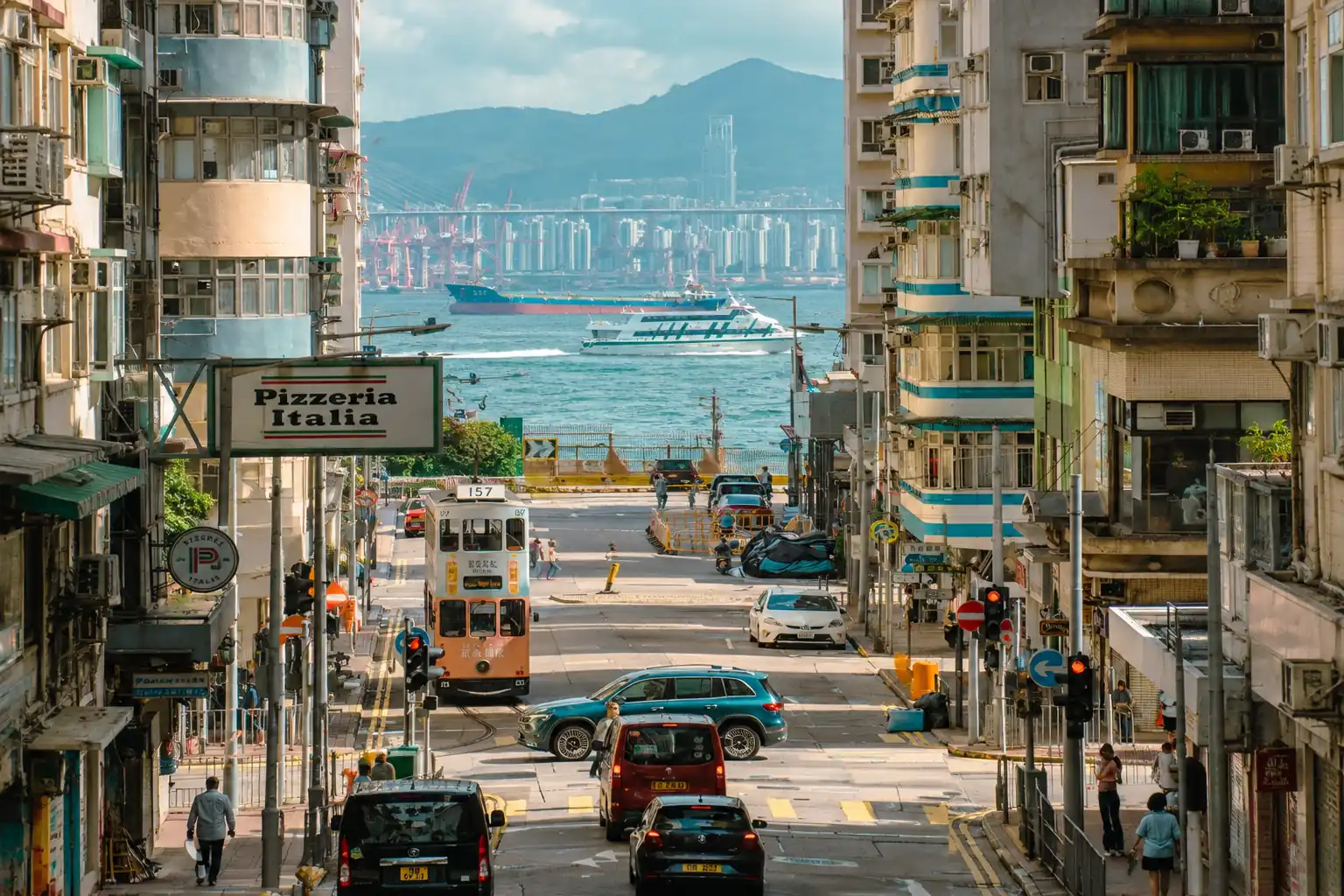
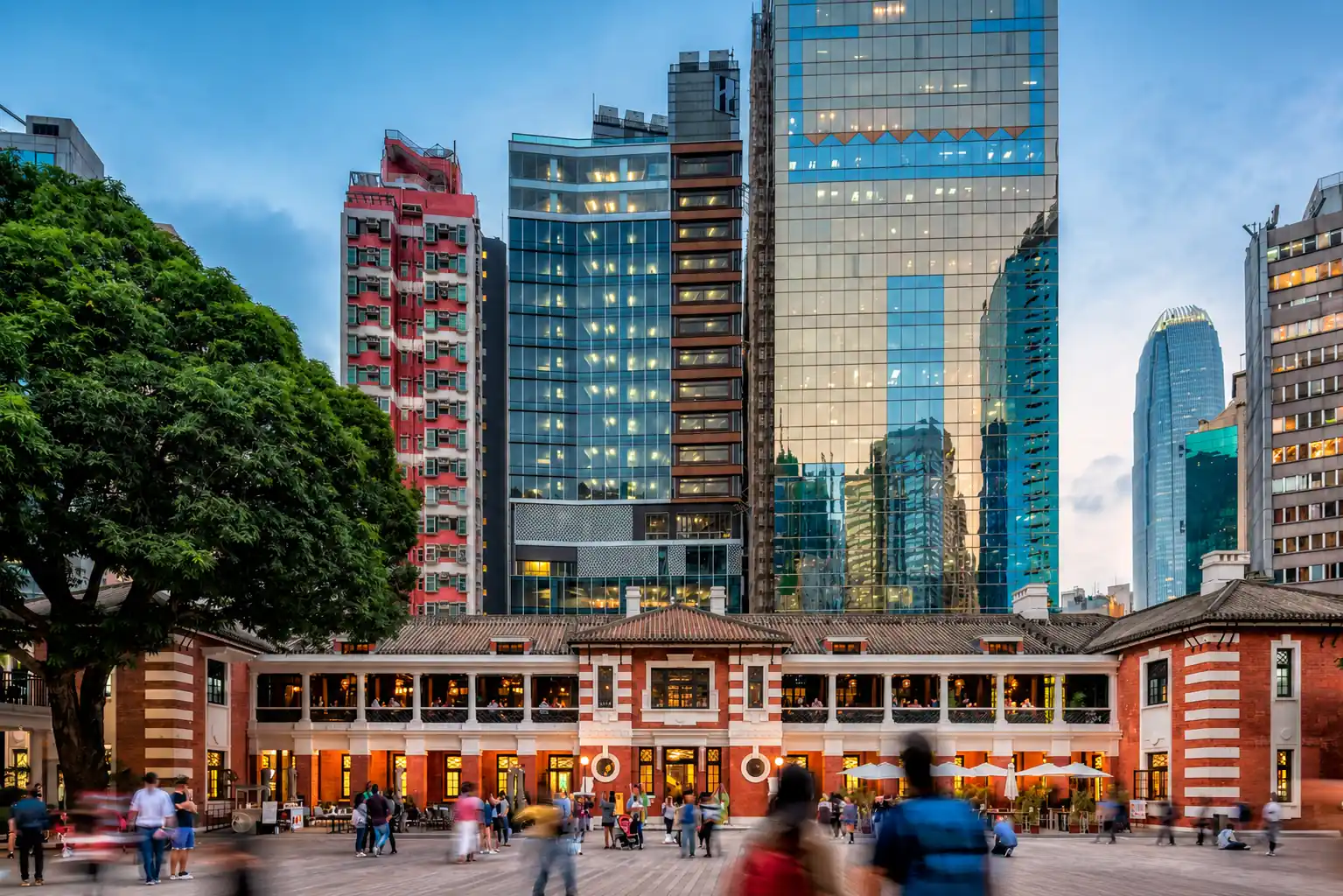
Start in Central and explore the city at street level before continuing to Tai Kwun for a mix of Hong Kong heritage and contemporary culture. Walk west toward Sheung Wan for historic streets, local shops and Man Mo Temple, stopping for dim sum or another Cantonese lunch along the way. Later, ride the Peak Tram or travel up by road to Victoria Peak and finish the day with skyline views over Victoria Harbour.
Explore Hong Kong Island ↑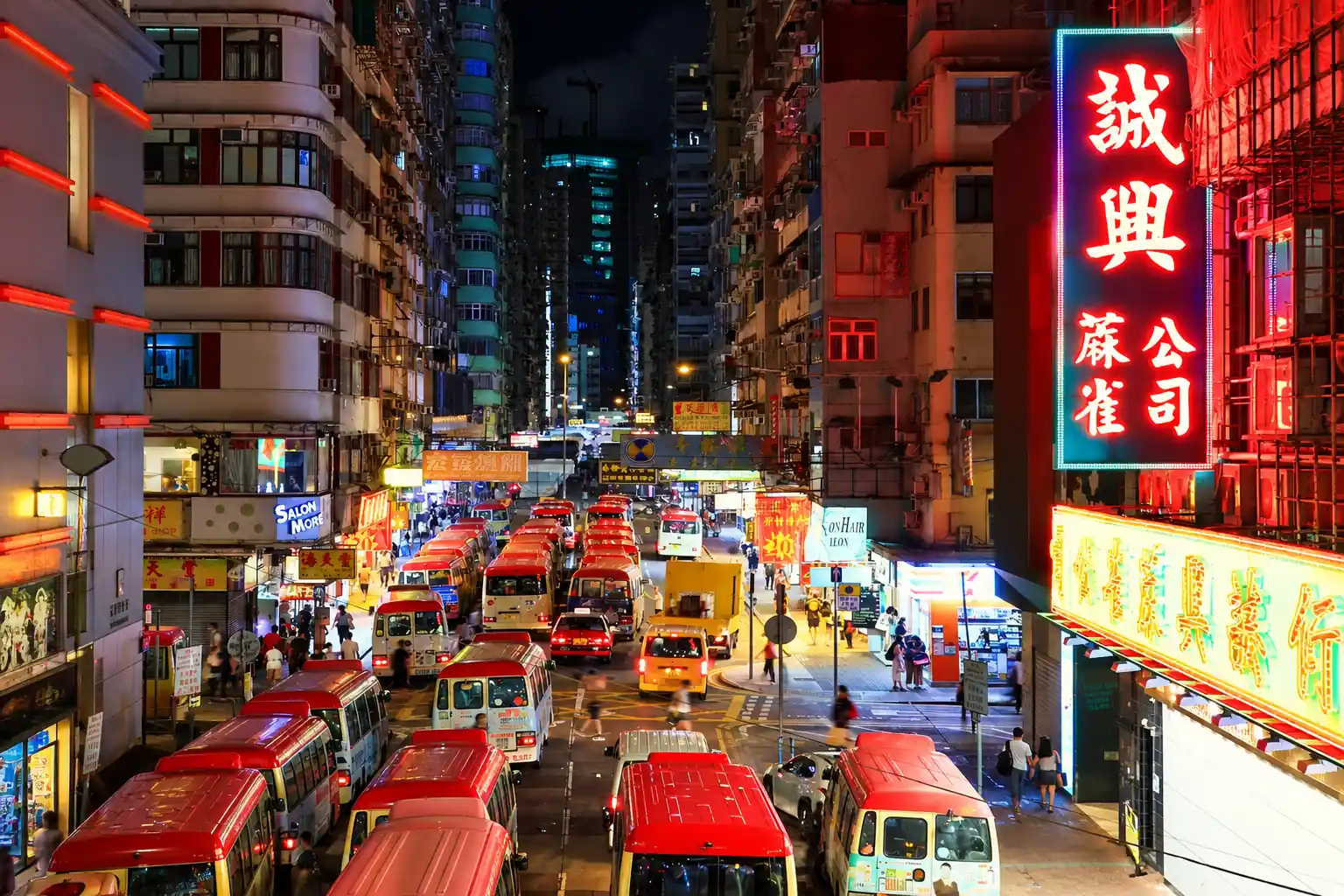
Begin on the Tsim Sha Tsui waterfront and walk the promenade toward the Avenue of Stars for views across Victoria Harbour and a glimpse of Hong Kong’s film heritage. Continue north through Jordan and Yau Ma Tei, then explore Mong Kok for markets, busy streets and local food. In the evening, choose Temple Street or return to the Tsim Sha Tsui waterfront for A Symphony of Lights before ending the night in Kowloon.
Explore Kowloon ↑
Give Lantau Island a full day rather than squeezing it between city attractions. Travel to Ngong Ping, take the cable car when conditions suit your plans, then visit the Tian Tan Buddha and Po Lin Monastery. Continue to Tai O if your pace and transport connections allow, creating a day that combines mountain scenery, Buddhist heritage and fishing-village life.
Explore Lantau Island ↑
Use the final day to make the itinerary your own. Hike Dragon’s Back for coastal scenery, spend a fuller outdoor day around Sai Kung, or take a ferry to Lamma Island or Cheung Chau for a slower island experience. Families can instead devote the day to Ocean Park, while travellers who prefer an easier pace can stay in the city for food, shopping and neighbourhoods deliberately skipped earlier.
Compare Hong Kong Experiences ↑Your ideal route depends on your hotel location, arrival and departure times, travel pace and whether you prefer food, culture, family attractions, hiking, islands or nearby extensions. We can turn these ideas into a private Hong Kong itinerary that fits your actual travel days.
The best time to visit Hong Kong is generally from October to December, when conditions become less humid and more comfortable for city sightseeing, hiking and harbour views. November and December are especially pleasant, while summer is much hotter, wetter and more humid, with a greater chance of tropical cyclone disruption.
For most first-time visitors, late autumn into early winter offers the easiest balance of comfortable temperatures, lower humidity and less rainfall. October is still relatively warm, while November and December usually bring some of Hong Kong’s most comfortable conditions for walking, viewpoints, neighbourhood exploration and outdoor activities.
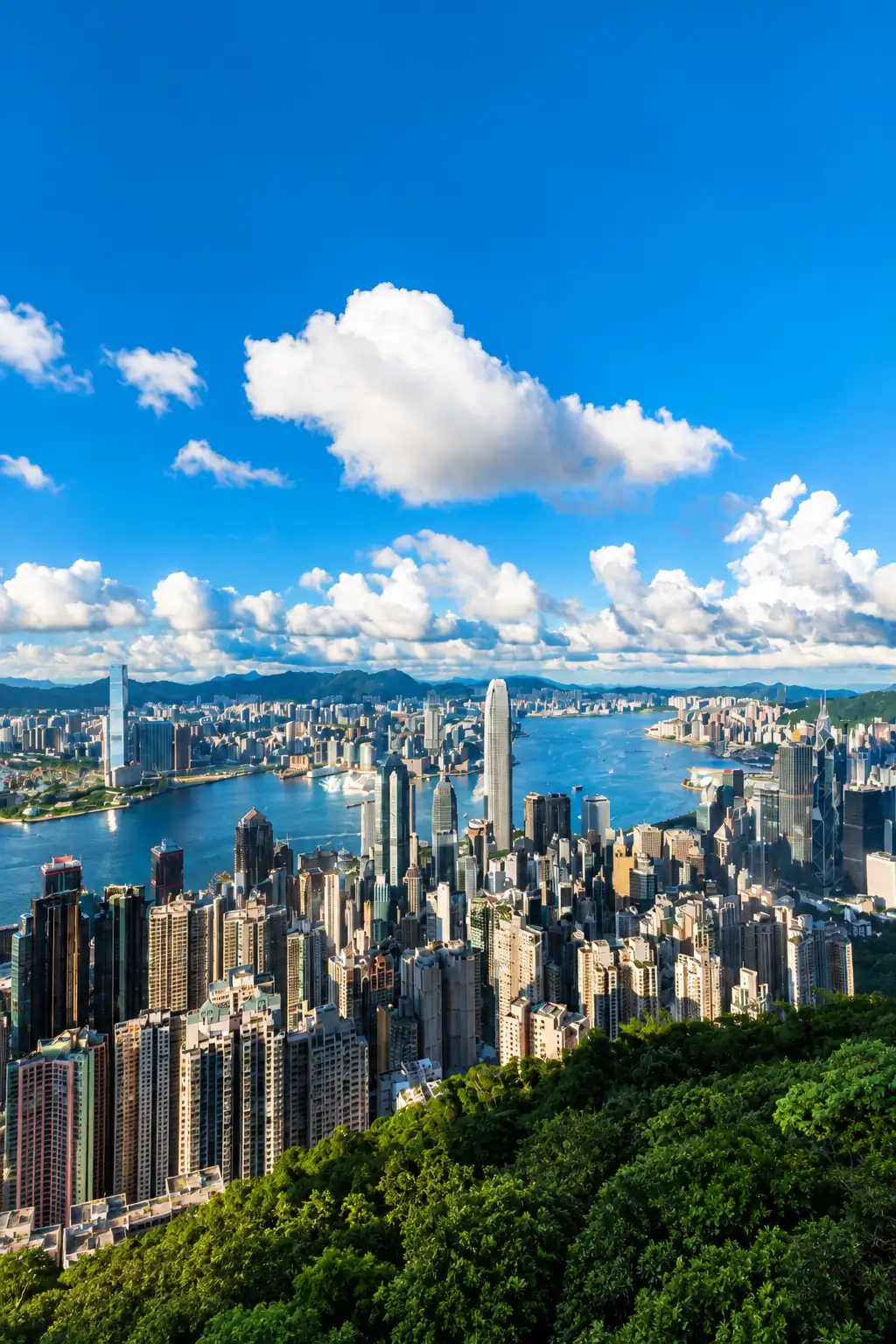
October marks the transition toward drier and more comfortable weather, while November and December usually bring pleasant temperatures, lower humidity and plenty of sunshine. This period works especially well for Victoria Peak, neighbourhood walks, hiking, harbour views and Lantau Island.
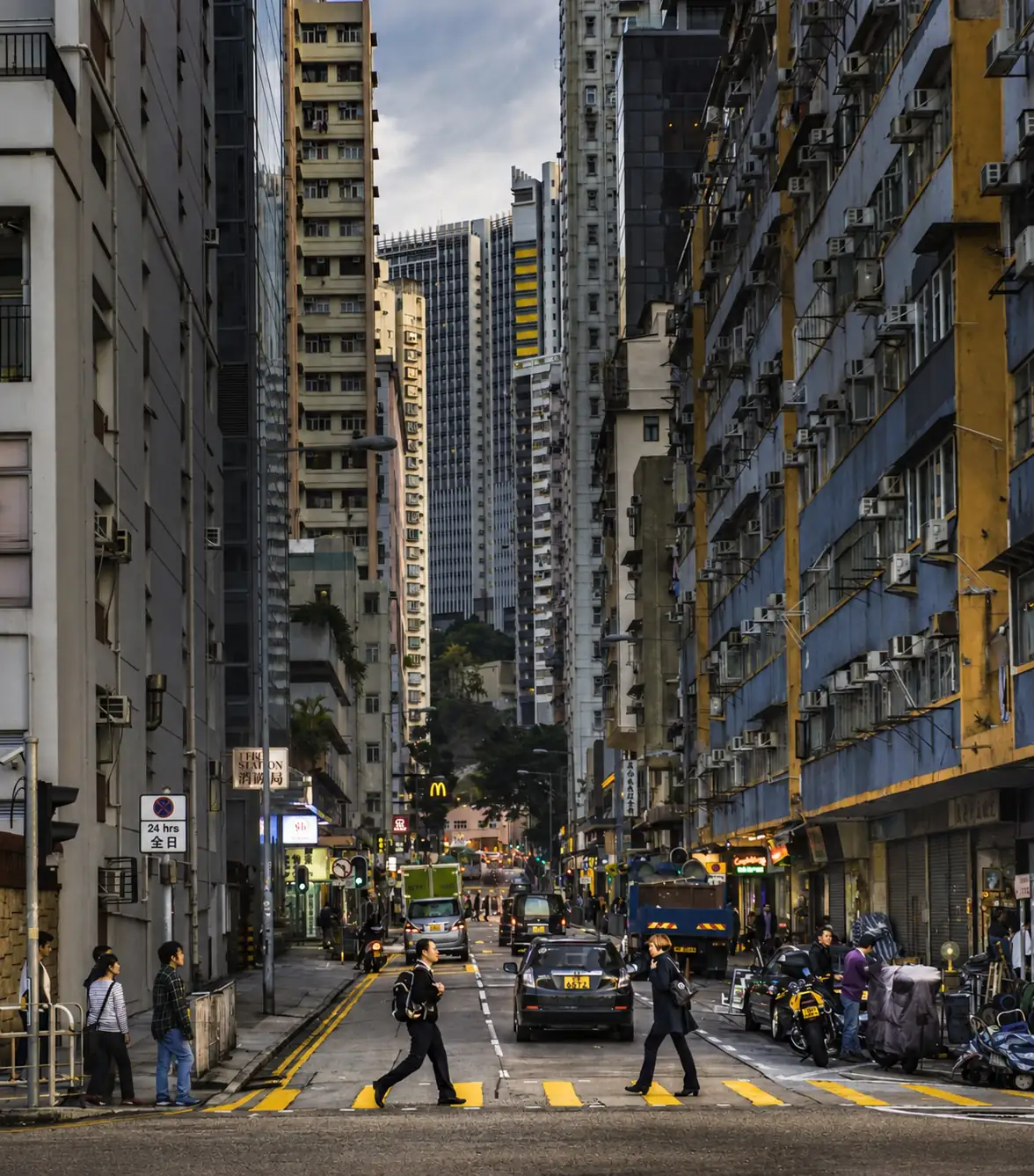
January and February are cooler than many first-time visitors expect. Cold fronts can occasionally bring noticeably lower temperatures, so pack light layers, especially for evenings, exposed viewpoints and outdoor activities.
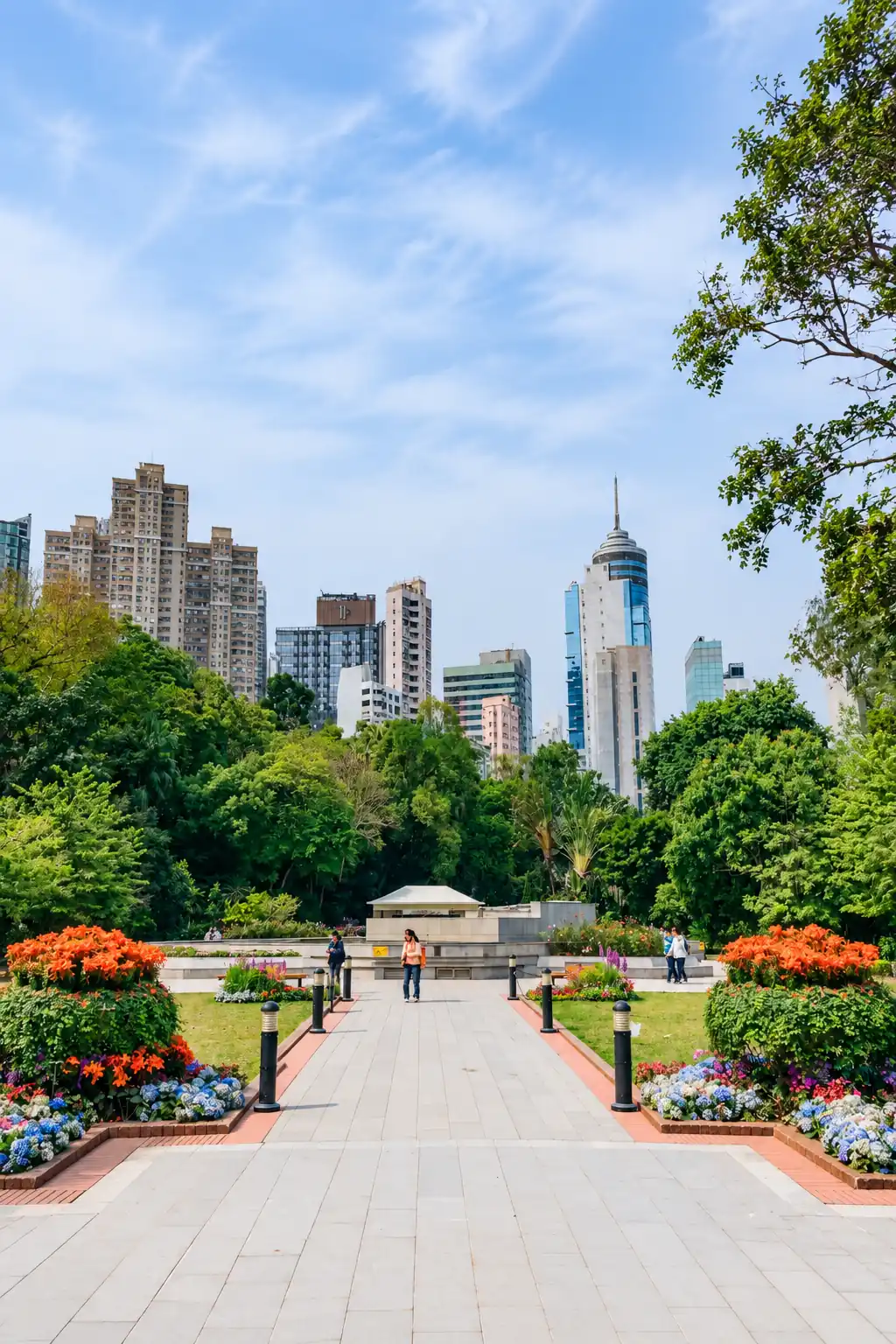
Spring temperatures are generally mild, but humidity rises and cloudy, misty or drizzly periods can reduce visibility. Keep Victoria Peak, cable-car trips and other viewpoint-focused activities flexible when the forecast is poor.
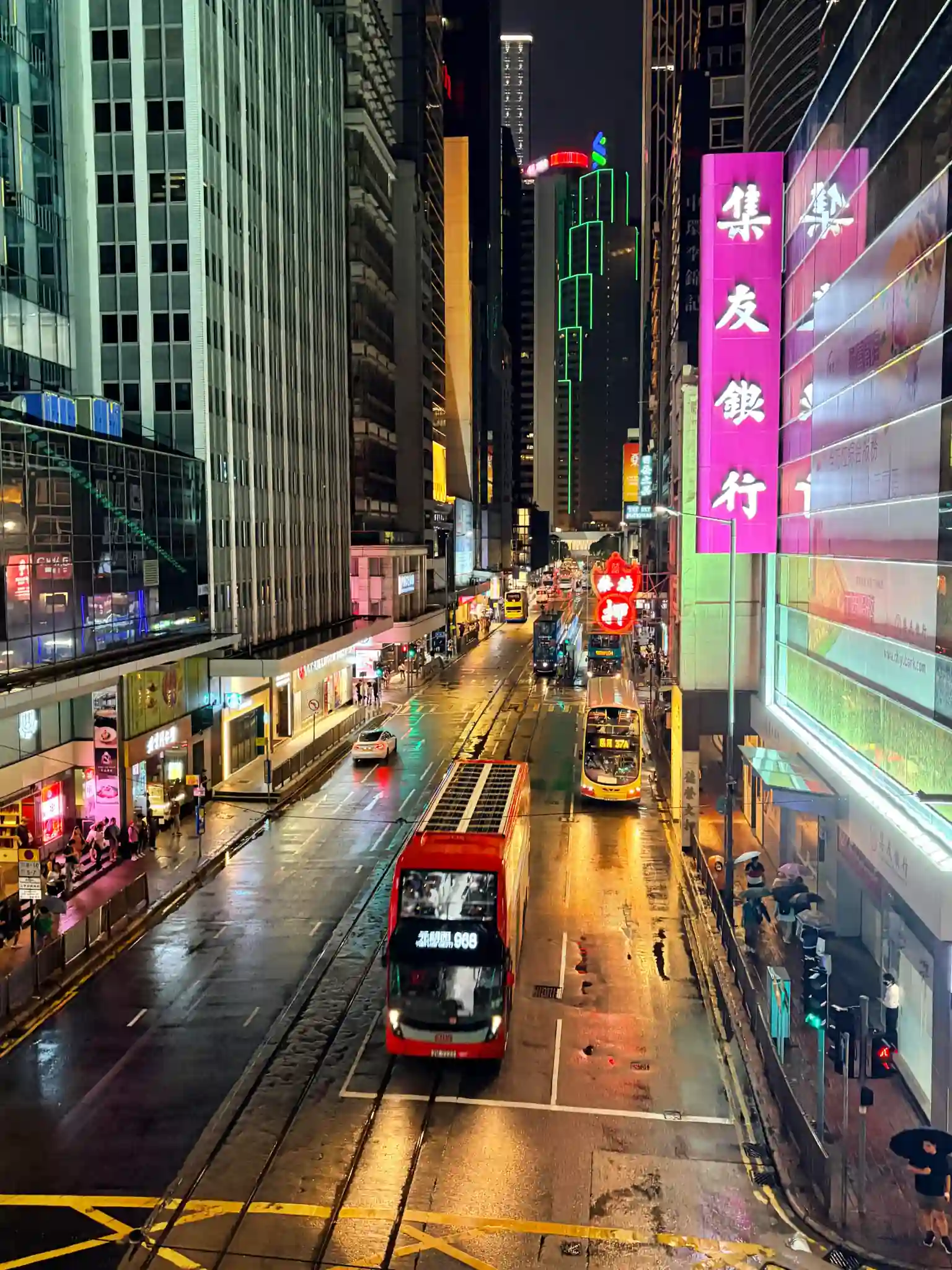
Expect high humidity, frequent showers and thunderstorms, with daytime temperatures around or above 30°C through much of summer. Most of Hong Kong’s annual rainfall falls between May and September, while July to September has the greatest likelihood of tropical cyclones affecting the city.
Hong Kong’s weather can affect harbour visibility, hiking, cable cars, ferries and island days. Keep weather-dependent activities flexible, particularly during humid spring conditions and the wetter summer months, and check local forecasts before setting out.
Choosing where to stay can change the feel of your Hong Kong trip. Most first-time visitors stay on Hong Kong Island or in Kowloon, with Central and Sheung Wan, Tsim Sha Tsui, Causeway Bay and Mong Kok offering different combinations of sightseeing, dining, shopping and local atmosphere.
Both sides of Victoria Harbour make excellent bases. Hong Kong Island puts you close to Central, Sheung Wan, Victoria Peak, restaurants and nightlife, while Kowloon offers convenient access to Tsim Sha Tsui, neighbourhood markets, shopping and classic harbour views toward the Hong Kong Island skyline.
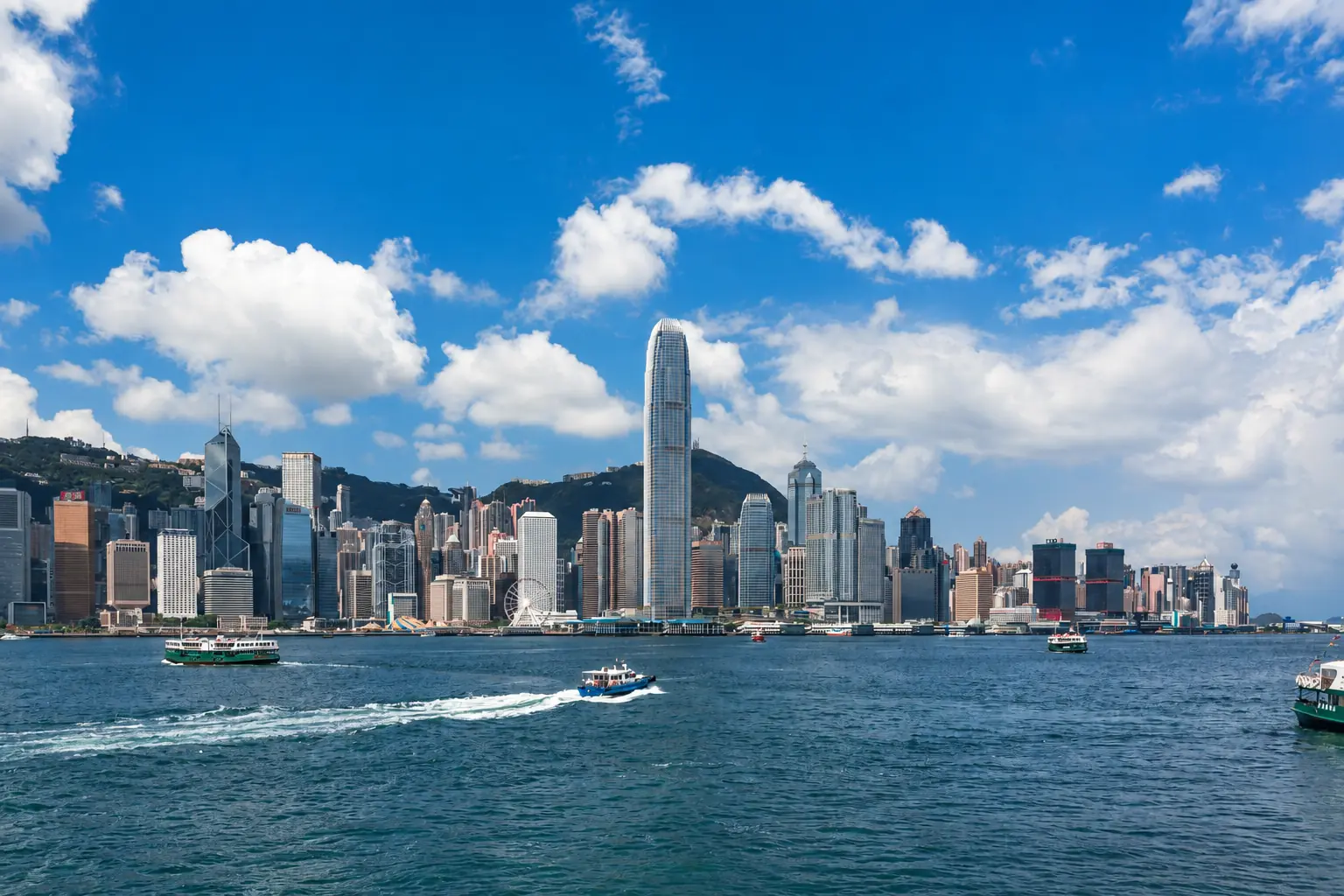
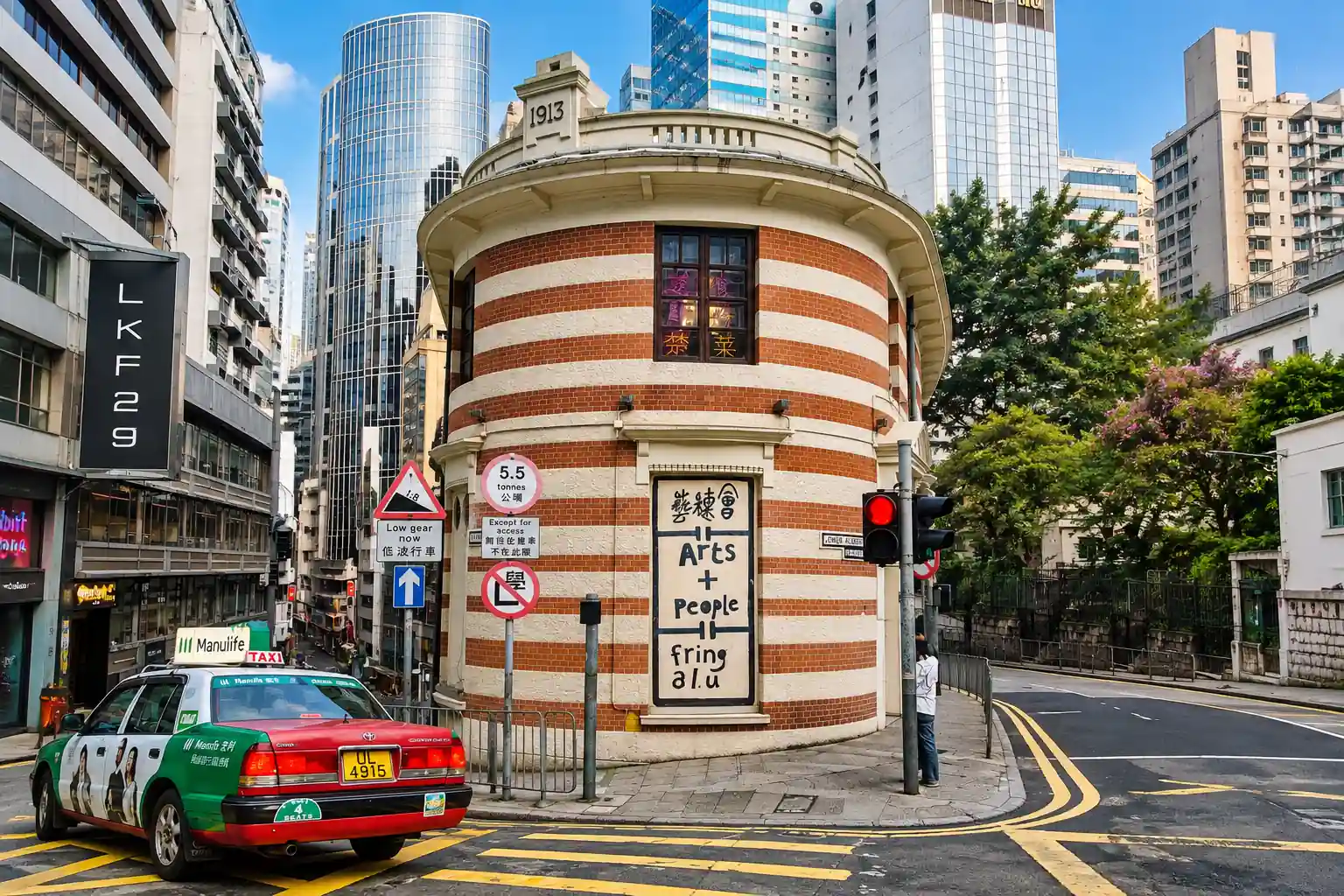
Stay here for easy access to Central, historic streets, restaurants, bars and major Hong Kong Island sights. Central feels polished and fast-paced, while neighbouring Sheung Wan adds temples, older lanes, cafés and a more local neighbourhood atmosphere.
Tsim Sha Tsui is one of the easiest bases for a first Hong Kong trip. The waterfront, Star Ferry, shopping, restaurants and MTR connections are close together, with convenient access to both Kowloon and Hong Kong Island.
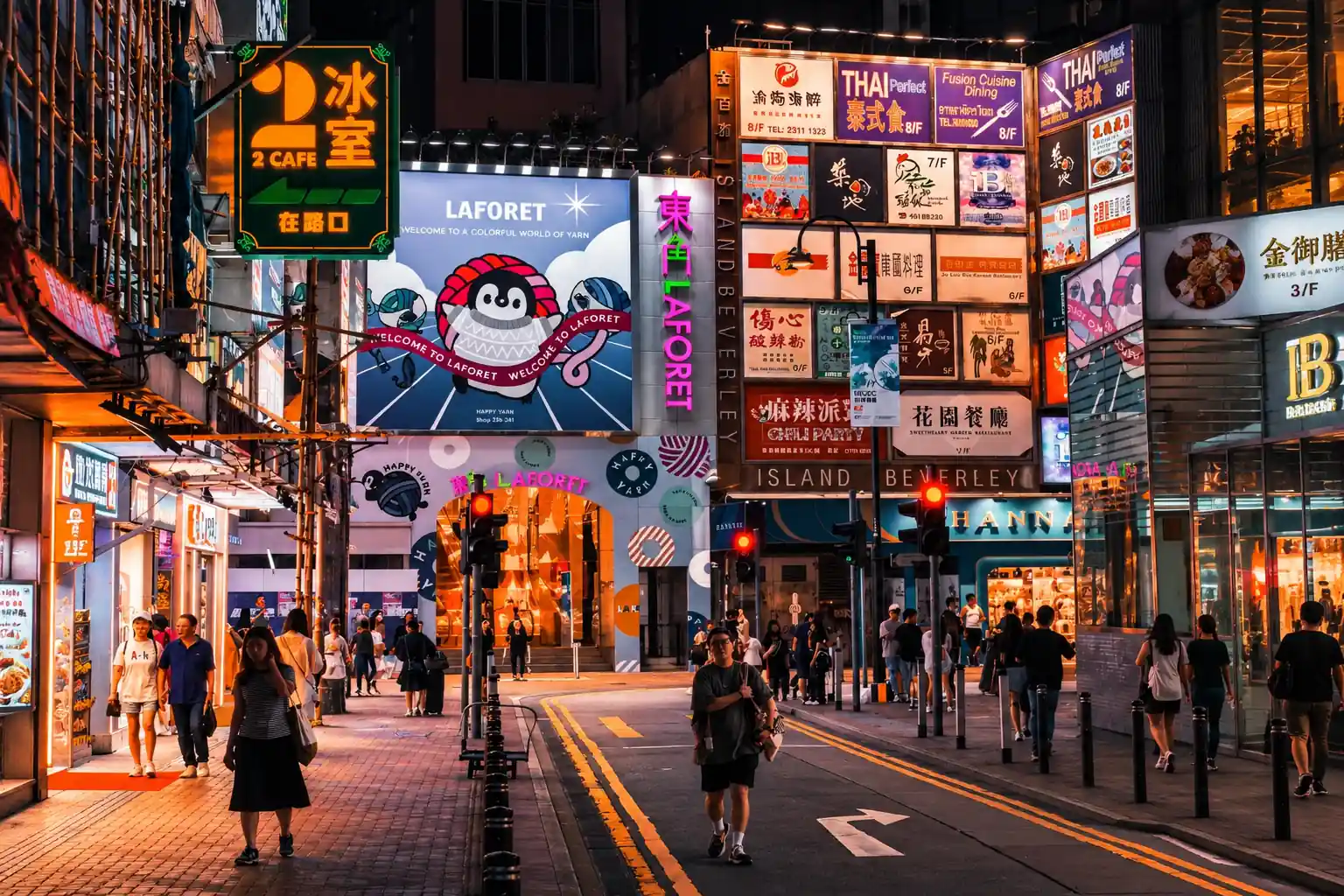
Causeway Bay works well for travellers who enjoy shopping, dining and energetic streets from morning until late. It feels denser and more commercial than Sheung Wan, with easy transport connections across Hong Kong Island.
Mong Kok places you deeper into Kowloon’s dense commercial streets, neighbourhood restaurants and market areas. It suits travellers who prefer local street energy over waterfront views and do not mind a busier environment around their hotel.
Tsim Sha Tsui is convenient for harbour sightseeing, Central and Sheung Wan suit travellers who prefer Hong Kong Island, Causeway Bay works well for shopping, and Mong Kok offers a busier Kowloon street atmosphere. Your ideal choice also depends on your itinerary, hotel style and budget.
Hong Kong has an extensive public transportation network, and most visitors can explore the city without renting a car. Use the MTR for longer urban journeys, an Octopus card for everyday transport, ferries for harbour crossings and islands, and trams or buses when you want to see more of the city at street level.
The MTR is usually the simplest way to cover longer distances between major urban areas. An Octopus card makes everyday journeys easier across multiple forms of public transport, while the Star Ferry and Hong Kong Tramways turn some journeys into part of the sightseeing experience.
The Airport Express is the fastest straightforward rail option between Hong Kong International Airport and the central city. The journey between the airport and Hong Kong Station takes about 24 minutes, with stops including Tsing Yi and Kowloon along the route.
Airport → CityThe MTR is the main transport backbone for most visitors, linking major areas on Hong Kong Island and Kowloon with destinations farther across the territory. It is especially useful when you need to move quickly between neighbourhoods rather than sightseeing along the way.
Best for Longer City TripsAn Octopus card simplifies everyday travel because it can be used across the MTR, buses, ferries, public light buses and trams. It is also accepted at many shops and dining businesses, making it useful beyond transportation during a Hong Kong trip.
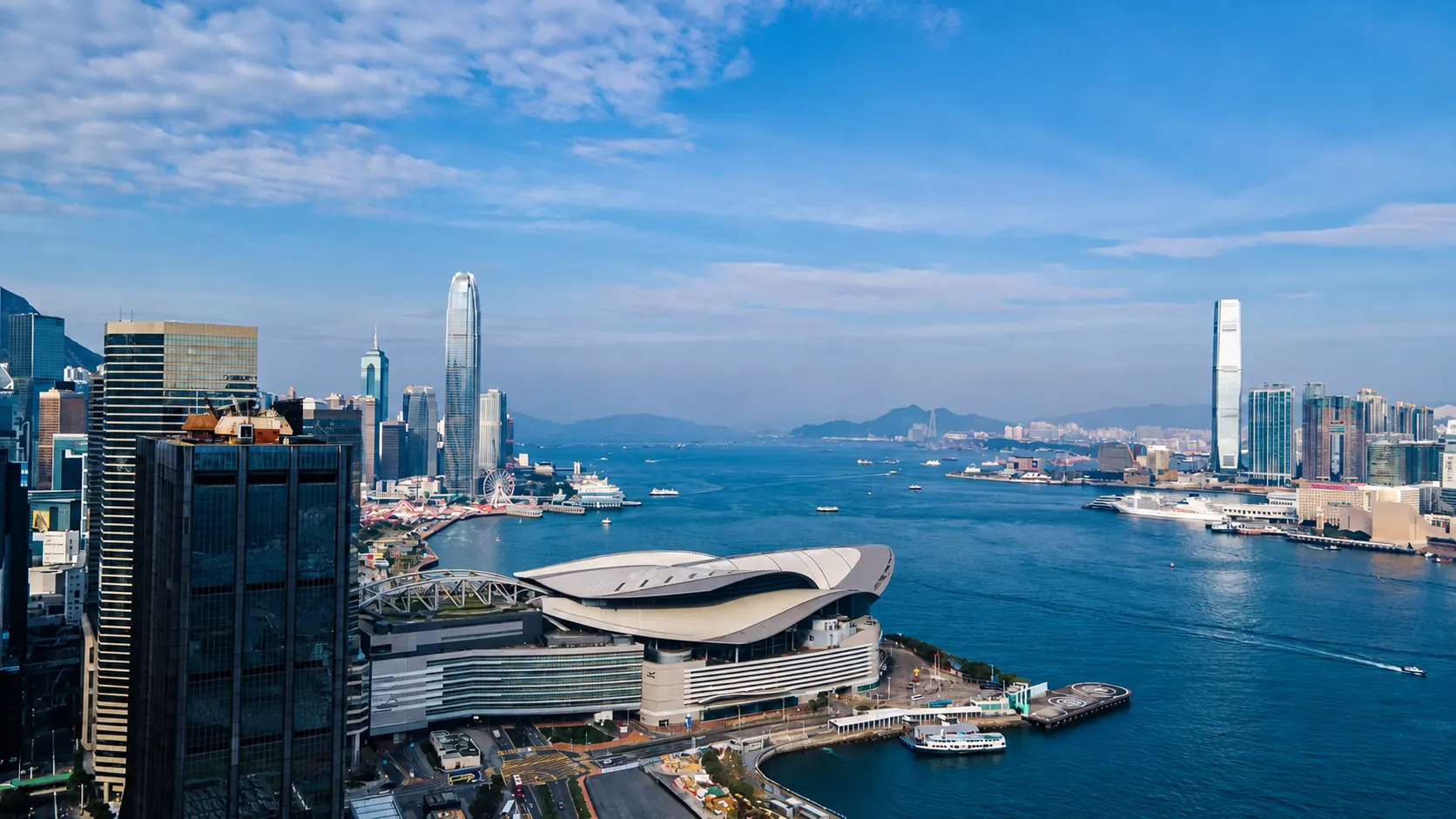
Useful for Most VisitorsUse the Star Ferry when travelling between Tsim Sha Tsui and Central or Wan Chai. It is not simply a practical harbour crossing: the short journey also gives you open views across Victoria Harbour and the surrounding skyline.
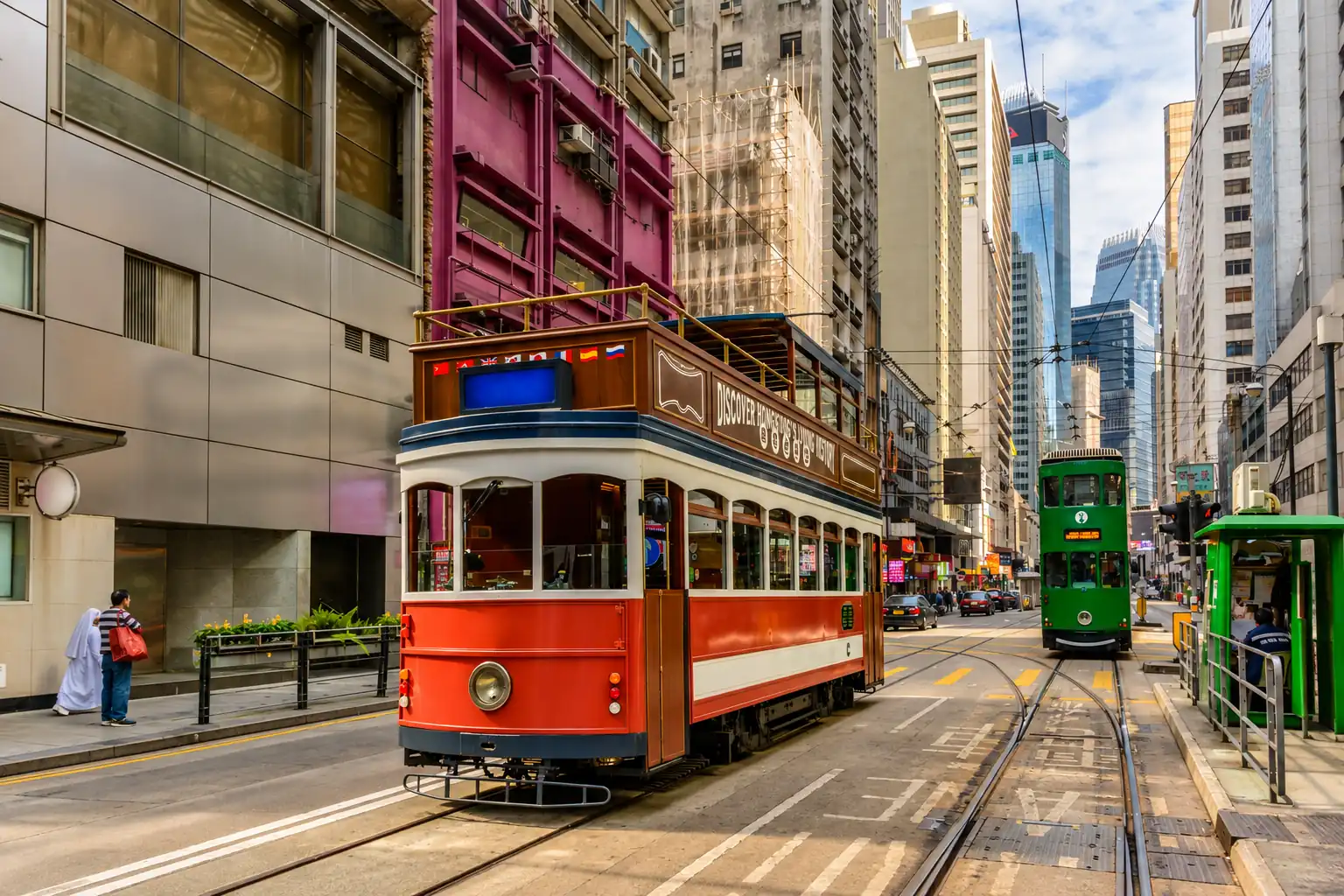
See Star Ferry & Victoria Harbour ↑The double-decker trams are most useful when exploring the northern side of Hong Kong Island at a slower pace. Routes pass through neighbourhoods including Sheung Wan, Central, Wan Chai, Causeway Bay and farther east, making the journey itself part of the city experience.
See the Ding Ding Tram Experience ↑Buses extend beyond the rail network and are useful for beaches, hiking areas, parts of Lantau Island and other destinations where the MTR does not take you directly. Visitors usually find regular buses easier to understand than minibuses on a first trip.
Useful Beyond the MTRTaxis are useful when travelling with luggage, returning late at night or reaching places that require inconvenient public-transport changes. Keep your destination available in writing or on your phone, particularly for less familiar locations.
Convenient for Direct Trips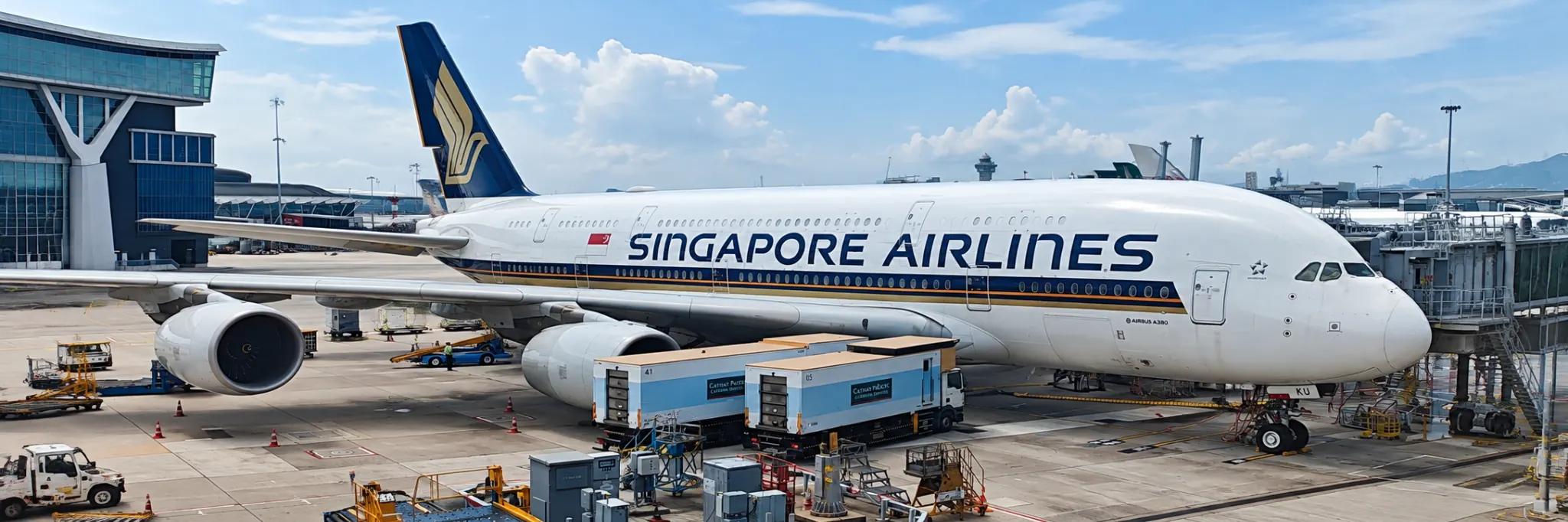
Most first-time visitors do not need one. Public transport covers the main sightseeing areas efficiently, while taxis can fill occasional gaps. Your more important decisions are choosing the right airport transfer, getting comfortable with the MTR and Octopus, and checking ferry or bus arrangements before island and hiking days.
Add another side of Hong Kong with an island, coastal or countryside day trip, or continue to Macau or mainland China as part of a wider journey. Sai Kung, Cheung Chau and Lamma Island remain within Hong Kong, while Macau, Shenzhen and Guangzhou require separate immigration planning.
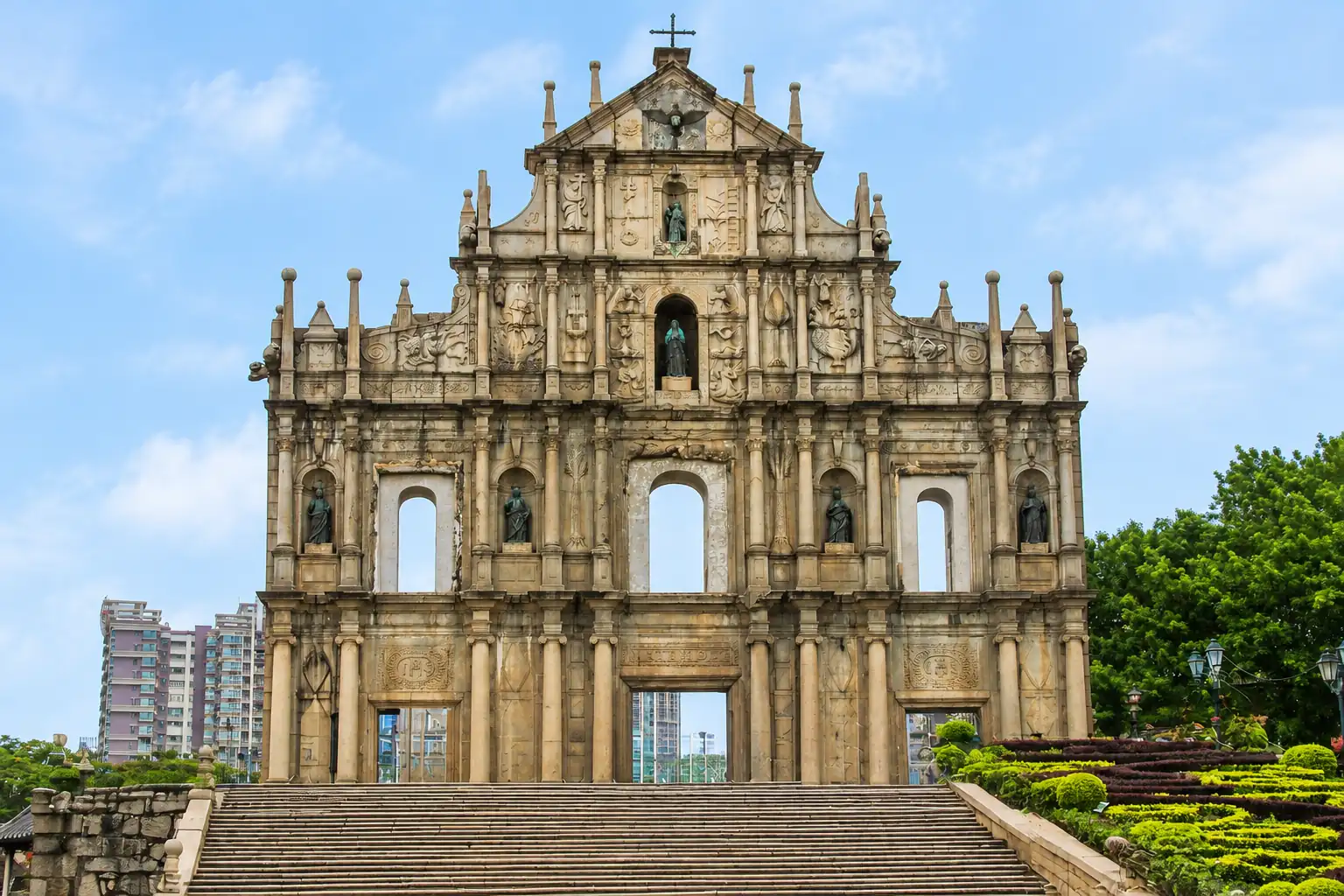
Macau is one of the easiest destinations to combine with a Hong Kong stay. Its historic centre, temples, Portuguese-influenced streets, local food and modern entertainment districts create a very different experience from Hong Kong and can work as either a day trip or an overnight extension.
Head into the New Territories for coastal scenery, hiking, waterfront streets and access to islands and geopark landscapes. Sai Kung suits travellers who want a full day away from Hong Kong’s dense urban centre.
Take a ferry for a slower island day with waterfront streets, temples, beaches, coastal walks and casual food stops. Its compact scale makes Cheung Chau easy to explore without building a complicated sightseeing schedule.
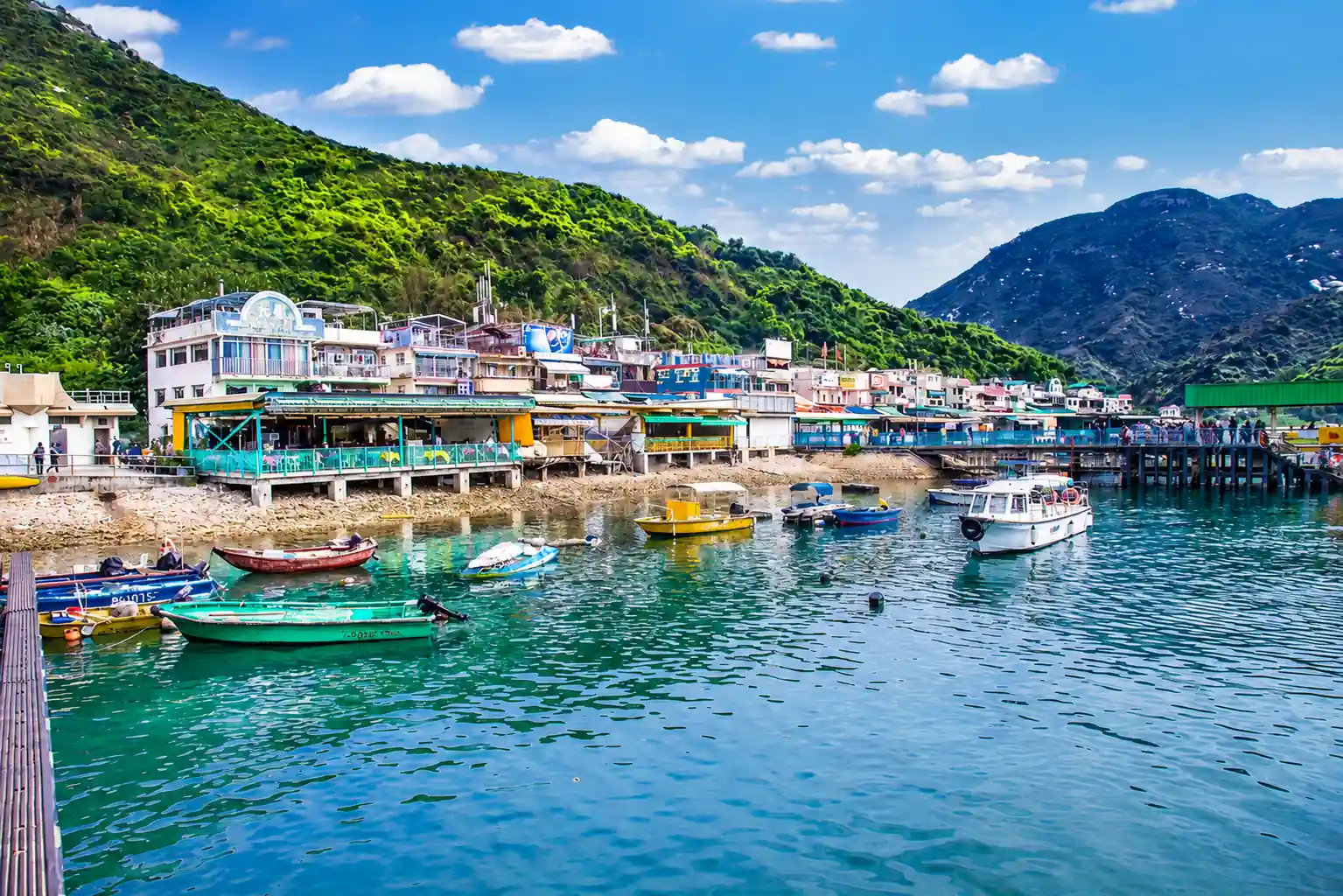
Lamma Island offers an easy change of pace from Central with waterfront villages, casual dining and coastal walking routes. It works well when you want island scenery without spending an entire day travelling far from the urban core.
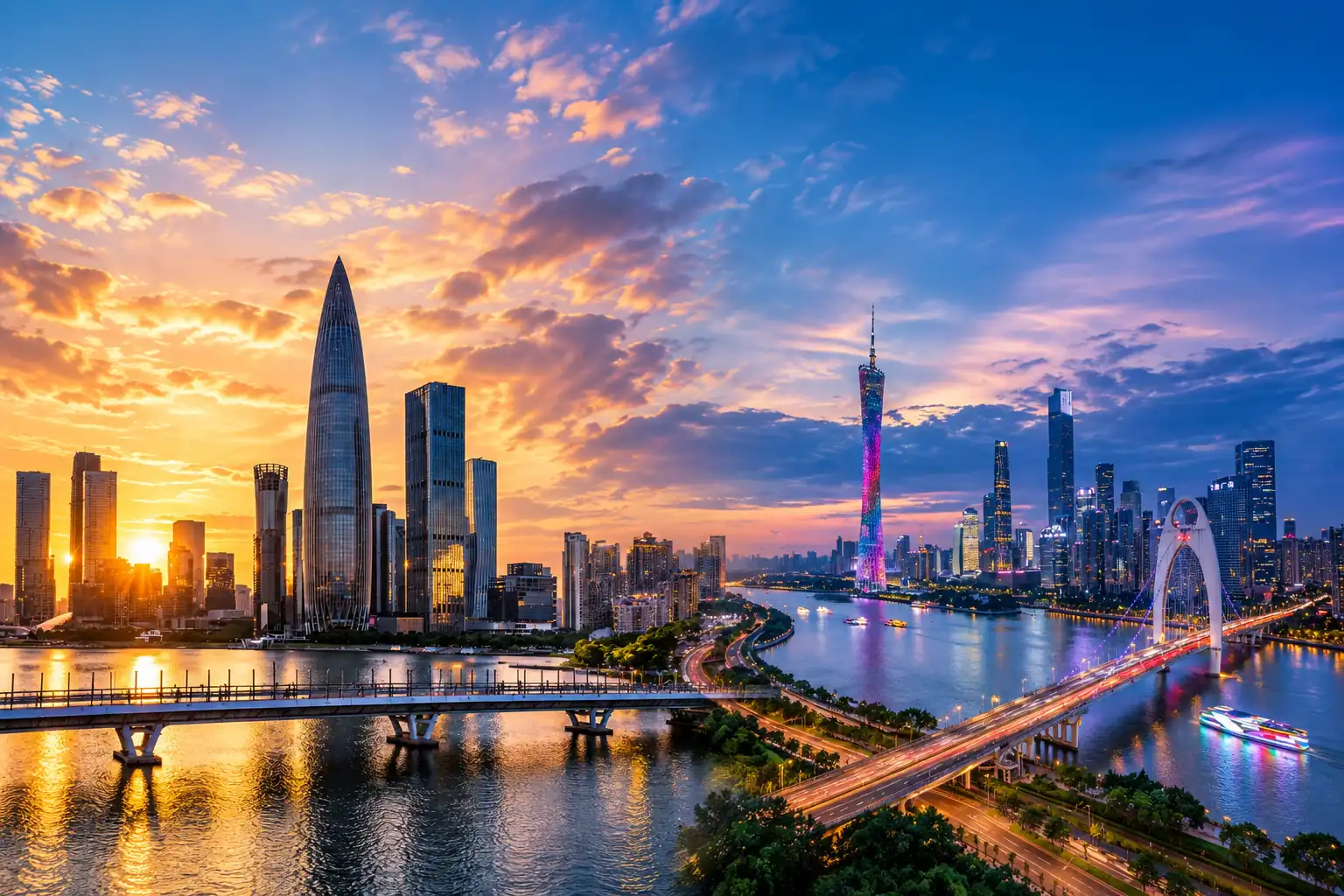
Continue into mainland China for contemporary Shenzhen or Cantonese culture and food in Guangzhou. These cities work better as part of a wider multi-city itinerary than as automatic Hong Kong day trips, because separate mainland entry requirements apply.
Choose a Hong Kong day tour, a private sightseeing route or a flexible itinerary built around your interests. These tour ideas combine Hong Kong Island, Kowloon, Victoria Harbour, Lantau Island, local food and outdoor experiences without forcing every traveller into the same fixed schedule.
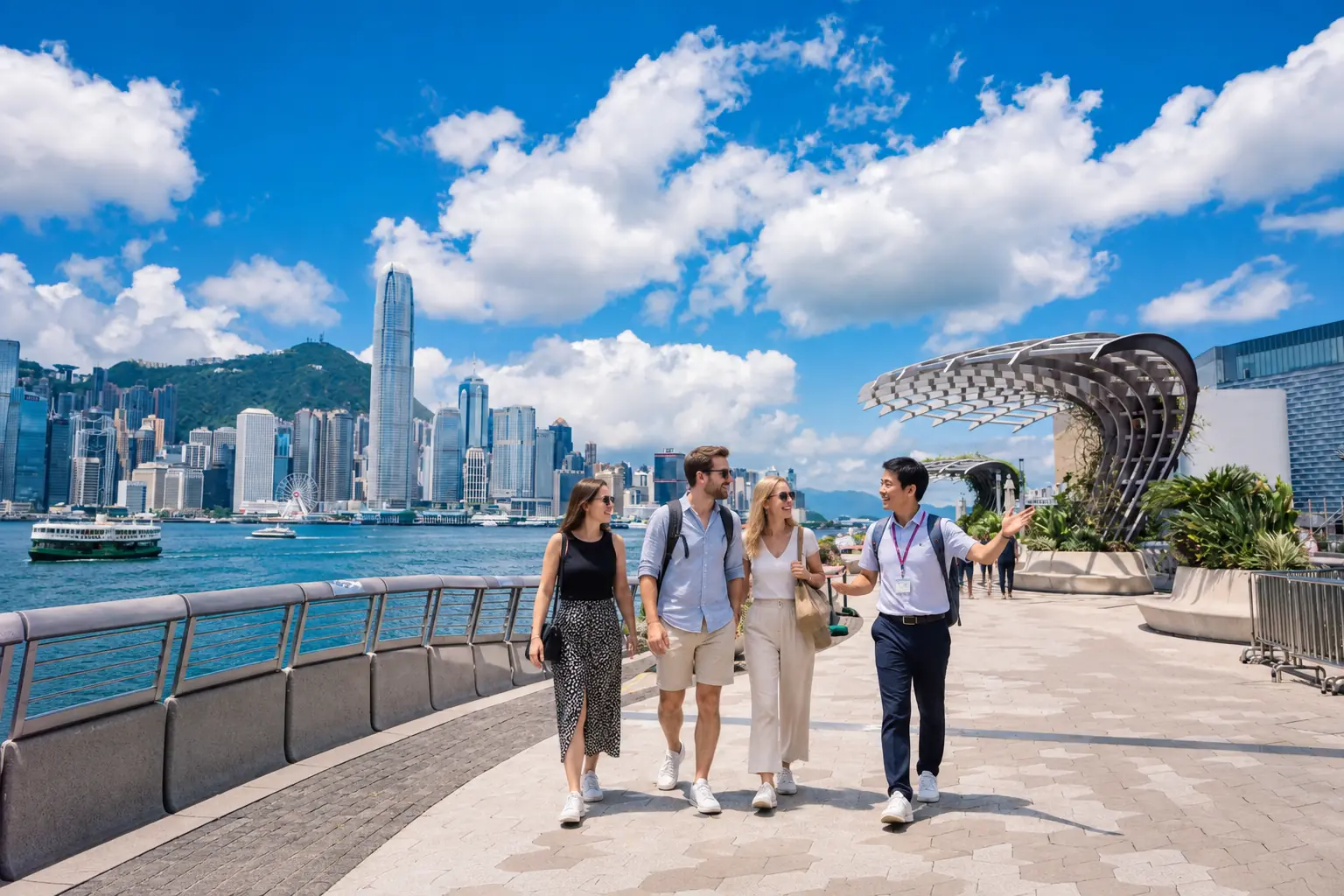
Experience Hong Kong’s essential city highlights in one well-paced day, combining famous viewpoints, Hong Kong Island neighbourhoods, Victoria Harbour scenery and a Michelin-recommended dim sum experience with flexible local guidance.
Explore Tour
Build a private Lantau day around Ngong Ping, Tian Tan Buddha and Po Lin Monastery, with Tai O added for travellers who want traditional village scenery beyond Hong Kong’s urban centre.
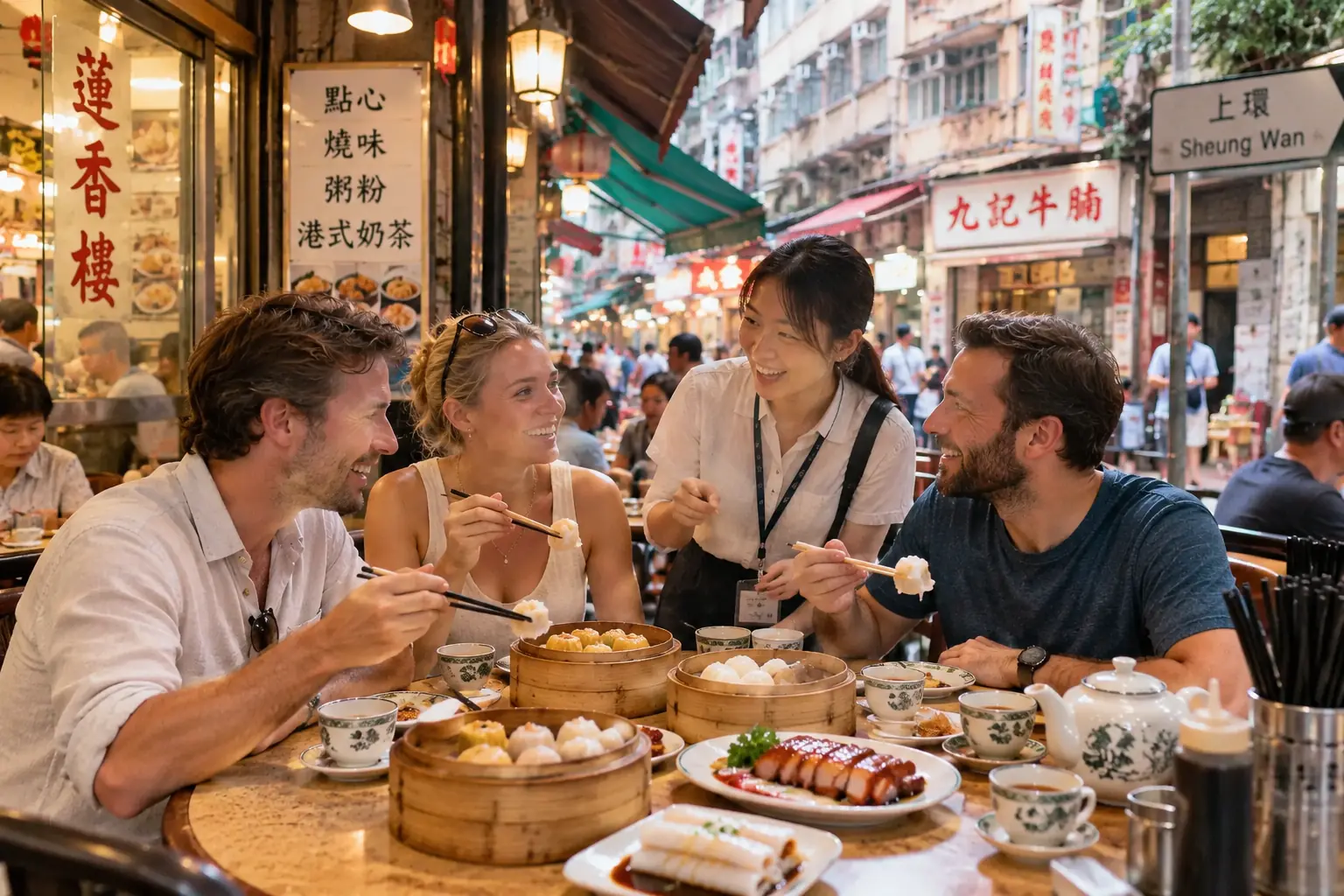
Explore local streets in areas such as Sheung Wan, Jordan, Yau Ma Tei or Mong Kok while adding dim sum, noodles, roast meats, bakeries and other food stops naturally into the route.
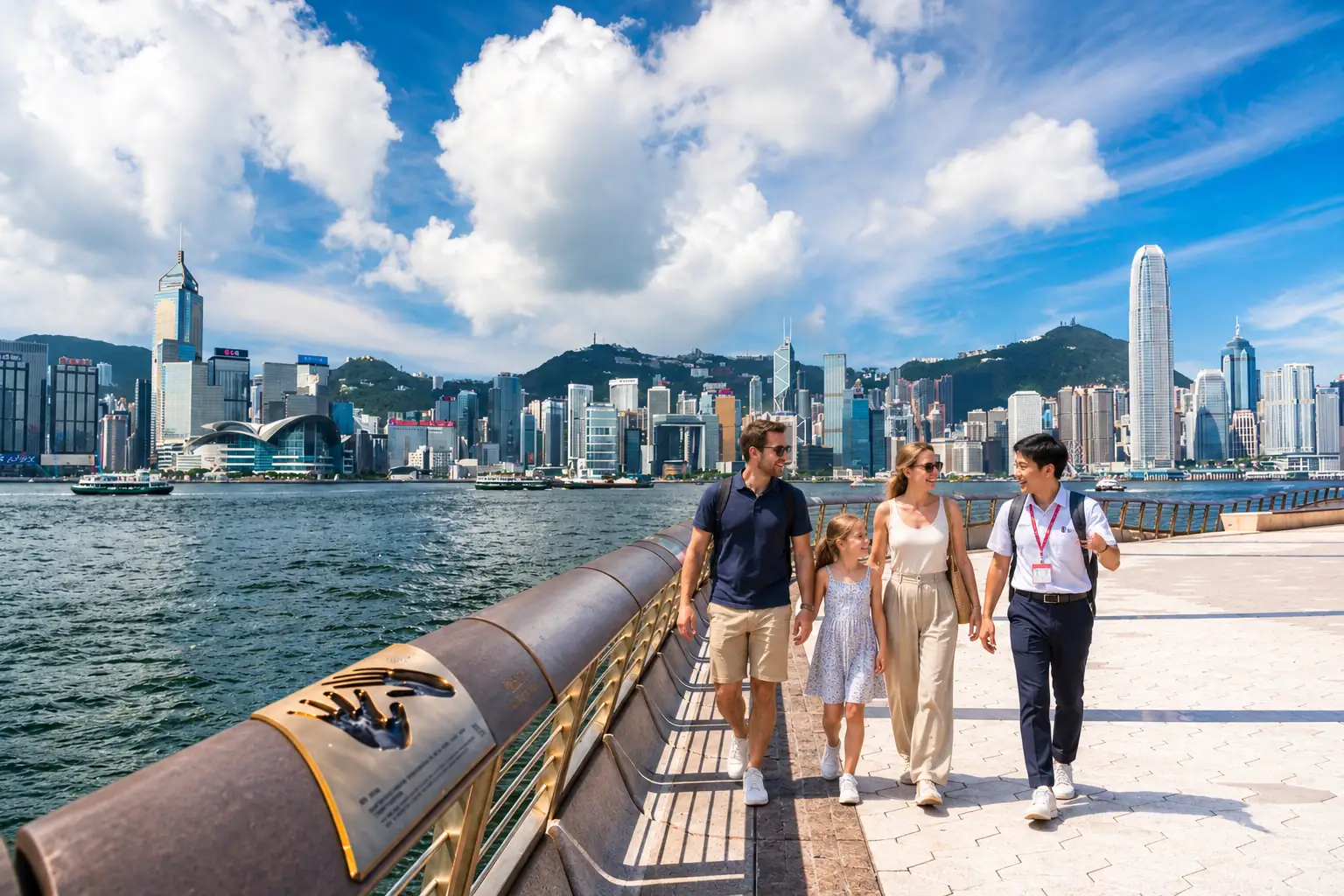
Create a slower Hong Kong sightseeing day with shorter transfers, harbour experiences, viewpoints and flexible meal stops. The route can be adjusted around children’s ages, interests and your hotel location.
Discover a greener side of Hong Kong with a route built around Dragon’s Back, Sai Kung, coastal scenery or an outlying-island walk. The exact plan can be adapted to weather, fitness level and available time.
Compare private one-day sightseeing, city, food and island experiences designed for different travel styles.
Customize a Hong Kong Day Tour →Compare 1–5 day Hong Kong routes before deciding where private guiding or customized transportation adds the most value.
View Itineraries ↑Combine Hong Kong with Macau or, when entry requirements allow, Shenzhen, Guangzhou and other destinations in a wider private itinerary.
Plan a Multi-City Trip →Tell us your dates, group size, hotel location and interests. Your Hong Kong route can be adjusted around your pace, food preferences, family needs, outdoor activities and any Macau or mainland China extension.