How Many Days in Changsha?
One day works for a short stopover or a quick look at the main sights. Two days cover the city highlights, while three allow a more relaxed visit with the Hunan Museum, Yuelu area and local food experiences.

Changsha is the capital of Hunan Province in south-central China, situated along the Xiang River. Its main sightseeing areas include the busy downtown streets on the east bank, Orange Island in the river and the historic Yuelu Mountain area to the west. This Changsha city map helps first-time visitors understand the layout before planning their route.
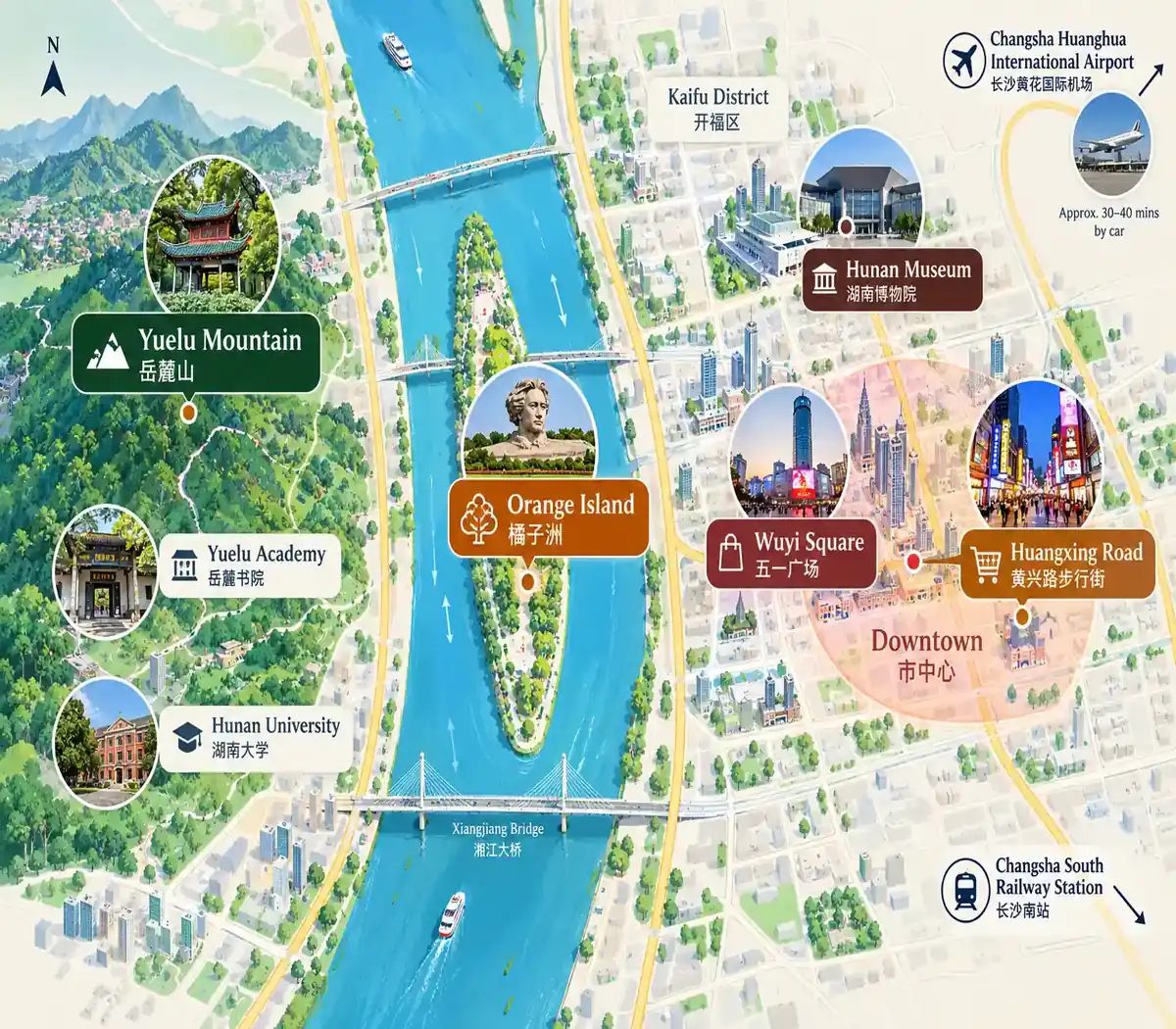
Changsha is one of the principal cities in central China and an important gateway to the rest of Hunan. The Xiang River provides a useful reference for locating its main visitor districts.
Use the Xiang River to orient yourself in Changsha. Wuyi Square and Huangxing Road form the central commercial area, while Orange Island and Yuelu Mountain occupy distinct locations. Hunan Museum is farther north, so consider travel time when grouping your sightseeing stops.
The best places to visit in Changsha combine riverside landscapes, ancient learning, archaeological discoveries and local heritage. Explore Orange Island in the Xiang River, walk the wooded slopes of Yuelu Mountain, discover Yuelu Academy and visit the Mawangdui treasures at Hunan Museum. Central landmarks such as Tianxin Pavilion and Du Fu Pavilion add more of the city's history. Use the suggested visit times and transport tips below to plan a practical sightseeing route.
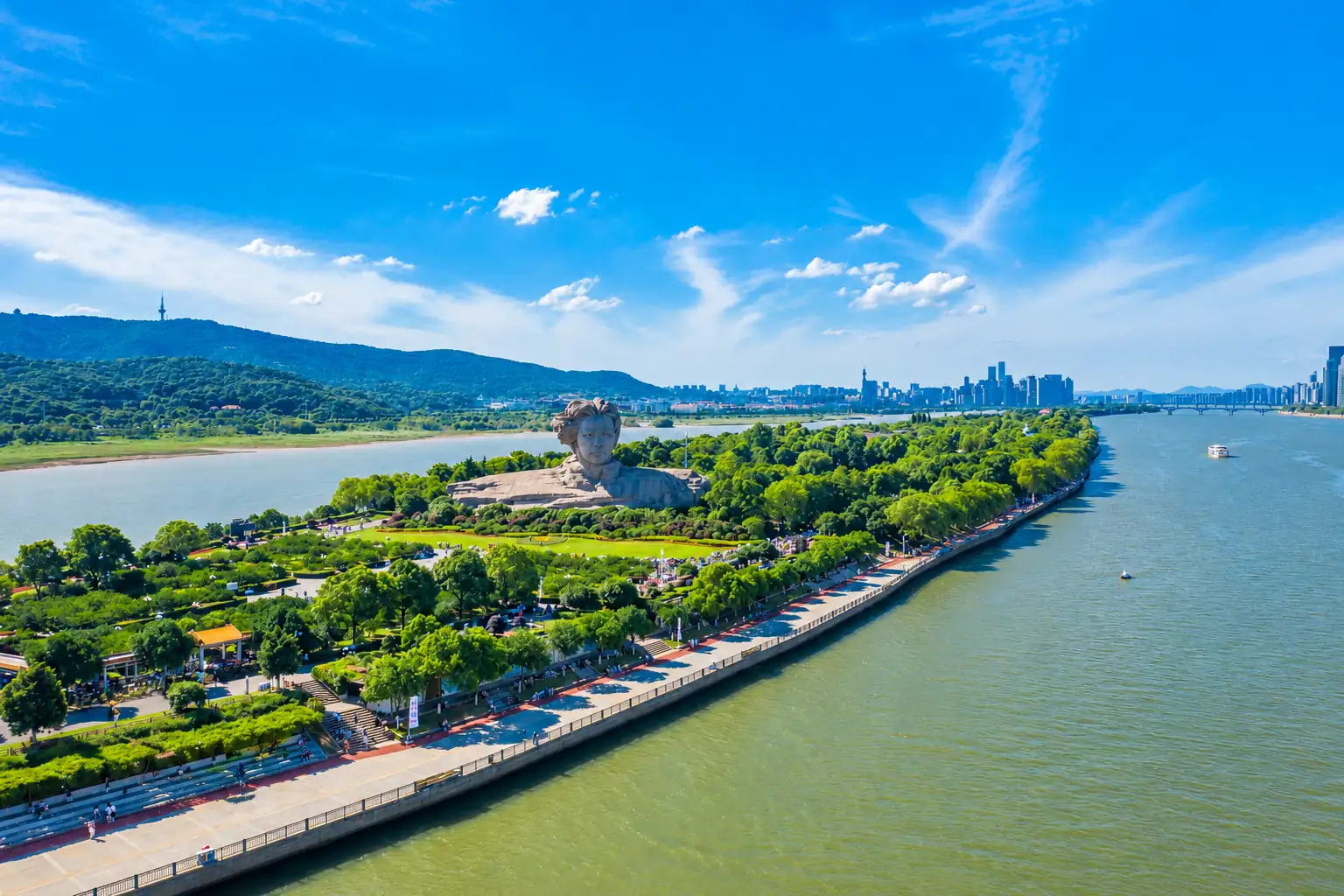
Orange Island, also called Juzizhou or Orange Isle, is one of the most recognizable attractions in Changsha. This long island in the Xiang River is best known for the monumental Mao Zedong Youth Art Sculpture, landscaped gardens and views of the city skyline and Yuelu Mountain. Take Changsha Metro Line 2 to Juzizhou Station for direct access to the island. Allow around two to three hours for a relaxed visit, including the journey toward the sculpture at the southern end. The island covers a large area, so consider the sightseeing shuttle if you prefer less walking. Check the current scenic-area reservation requirements before arriving, especially on weekends and holidays.
See Changsha Itineraries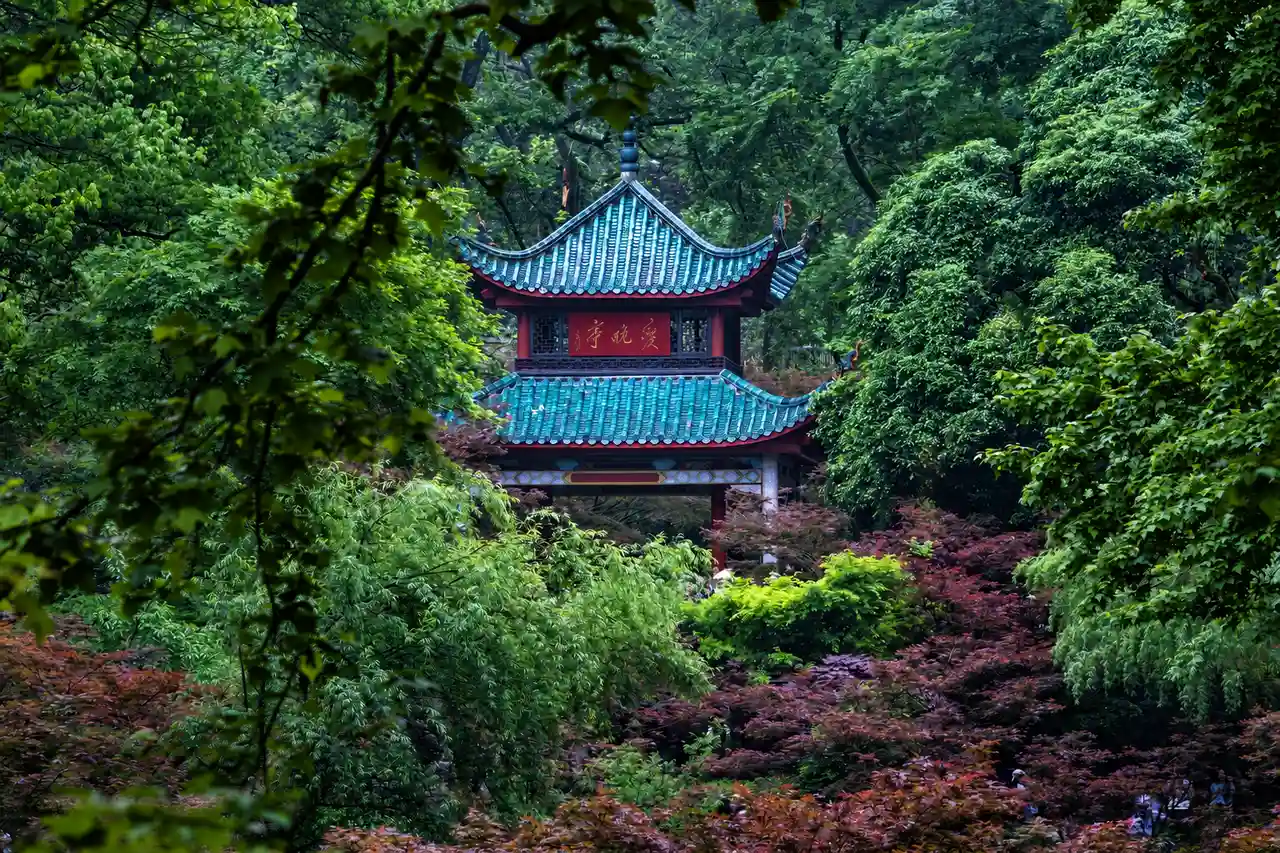
Yuelu Mountain is one of Changsha's most important natural and cultural attractions, rising above the west bank of the Xiang River. Follow wooded walking paths to historic sites such as Aiwan Pavilion and Lushan Temple while enjoying scenic viewpoints. The mountain is especially attractive in autumn when foliage changes color.
For a visit focused on Aiwan Pavilion and nearby Yuelu Academy, take Metro Line 4 to Hunan University Station and approach the South Gate area. Metro Line 2 to Yingwanzhen Station serves the East Gate side. Expect uphill walking, and allow extra time if you plan to explore the mountain more widely.
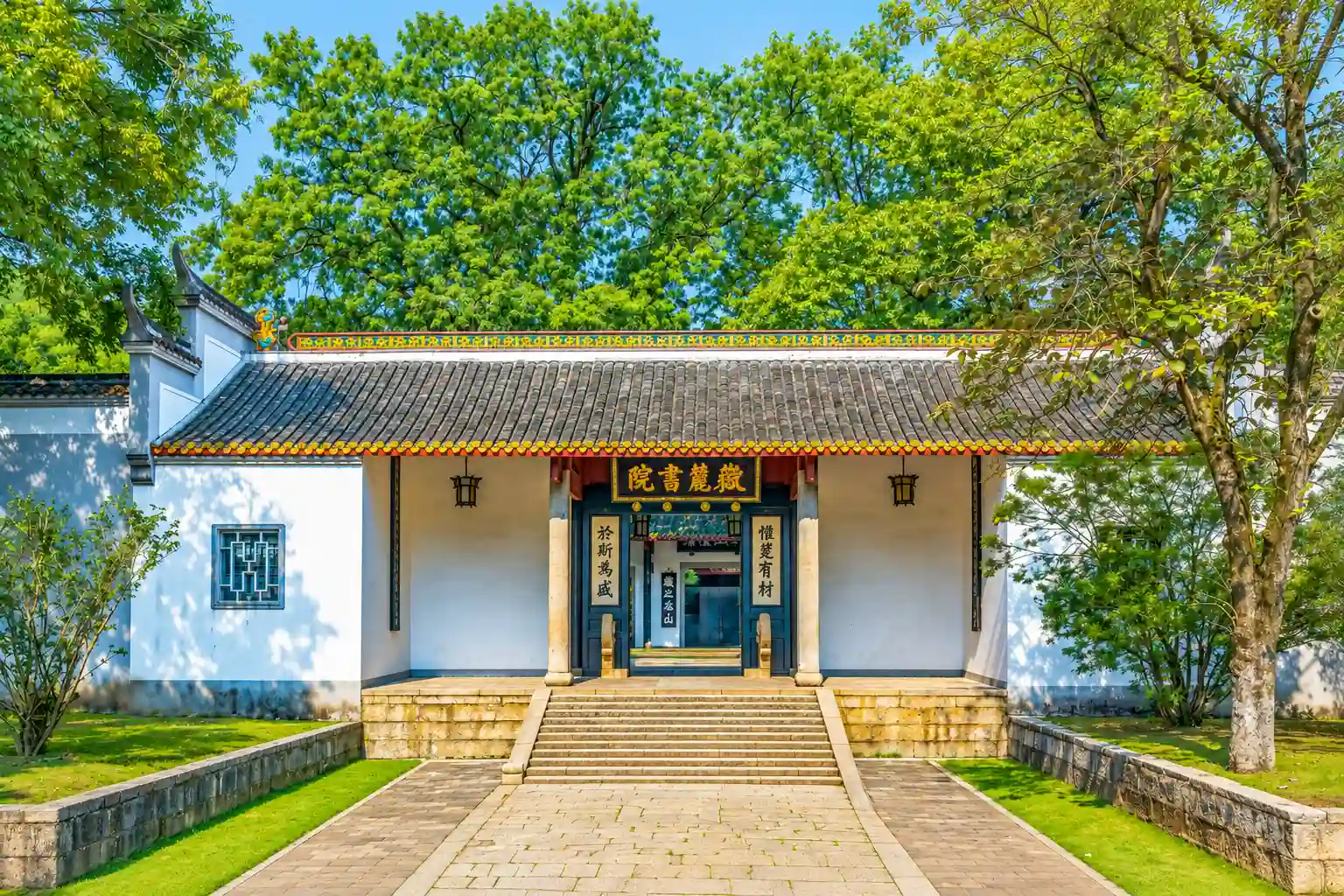
Founded in 976 during the Northern Song Dynasty, Yuelu Academy is one of China's most celebrated historic academies. Located at the foot of Yuelu Mountain near Hunan University, its lecture halls, courtyards, inscriptions and traditional architecture reveal the history of Confucian education and Huxiang intellectual culture.
The academy is best combined with Aiwan Pavilion and the southern part of Yuelu Mountain. Take Metro Line 4 to Hunan University Station and walk toward the academy. Admission to the academy is ticketed separately from general mountain sightseeing. Check the latest ticket and entry arrangements before your visit.
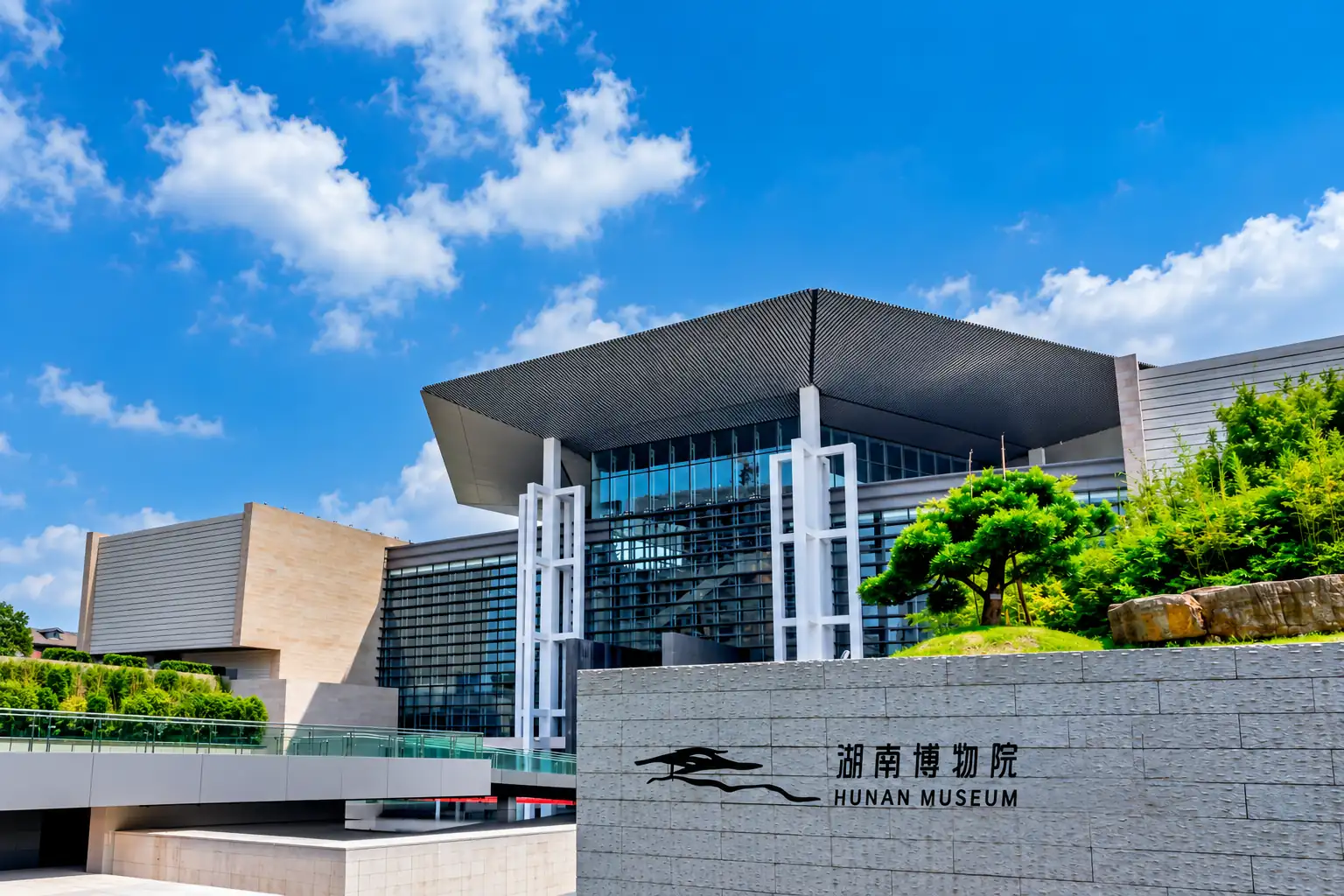
Hunan Museum, formerly known as Hunan Provincial Museum, is among the most important museums to visit in Changsha. Its Mawangdui Han Dynasty Tombs Exhibition features archaeological discoveries from the ancient tombs, including silk textiles, lacquerware, manuscripts and objects associated with Lady Xin Zhui. The collections reveal remarkable details of daily life, beliefs and burial traditions more than 2,000 years ago.
Allow at least two to three hours to explore the major exhibitions. The museum generally requires advance real-name reservations and is usually closed on Mondays, although public-holiday schedules may differ. International visitors should check current passport booking instructions on the museum's official channels. The museum collections and the Mawangdui archaeological tomb site are separate locations.
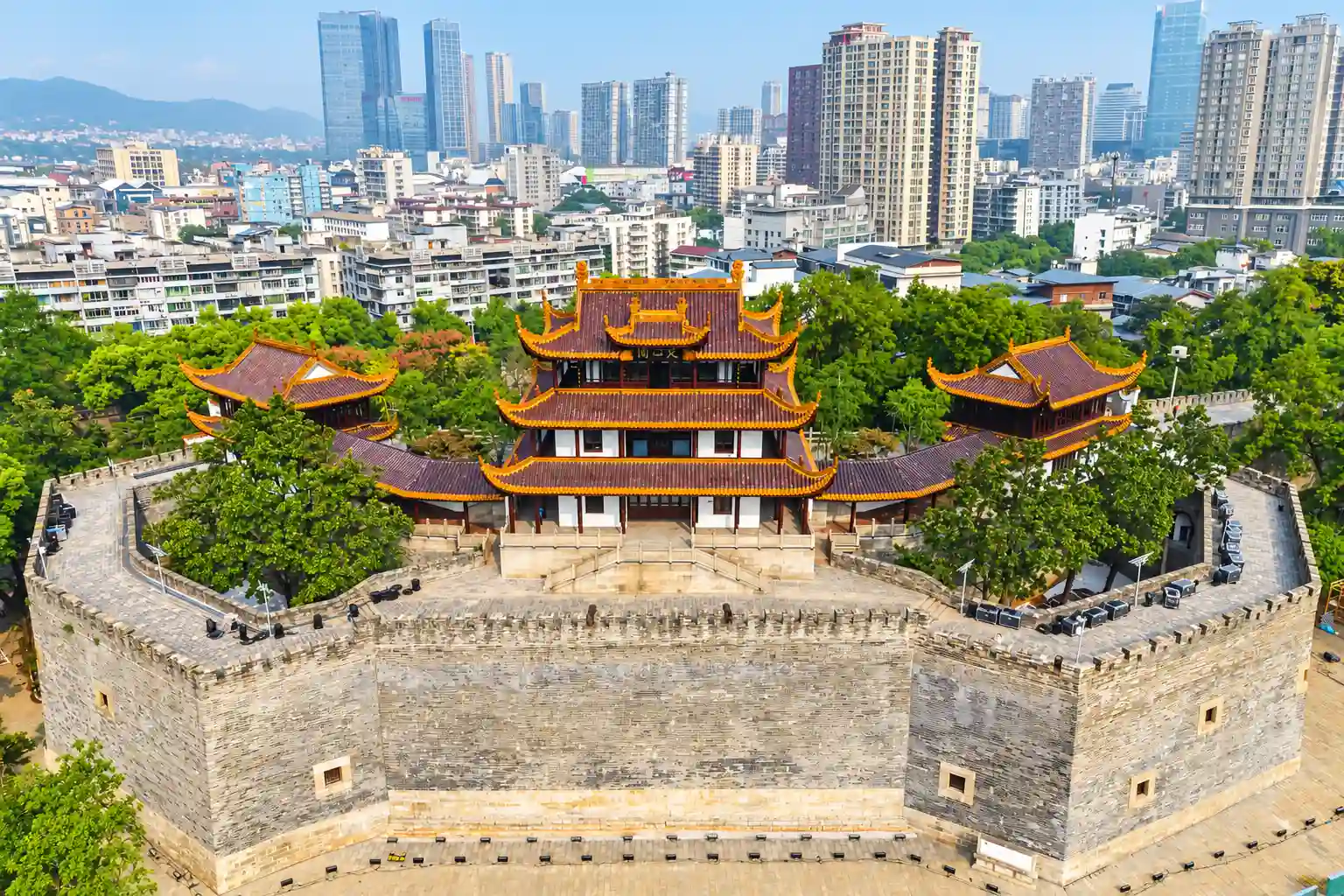
Tianxin Pavilion is one of the best places to appreciate Changsha's historic urban character. The restored pavilion complex stands above a surviving section of the old city wall in Tianxin District. Its elevated setting, traditional architecture and surrounding park reflect the layers of history beneath modern Changsha.
The scenic area works well as a shorter cultural stop before exploring the central food and shopping streets. Huangxing Square Station on Metro Line 1 is a useful access point, followed by a walk of around one kilometer. Check which parts of the pavilion complex require separate admission.
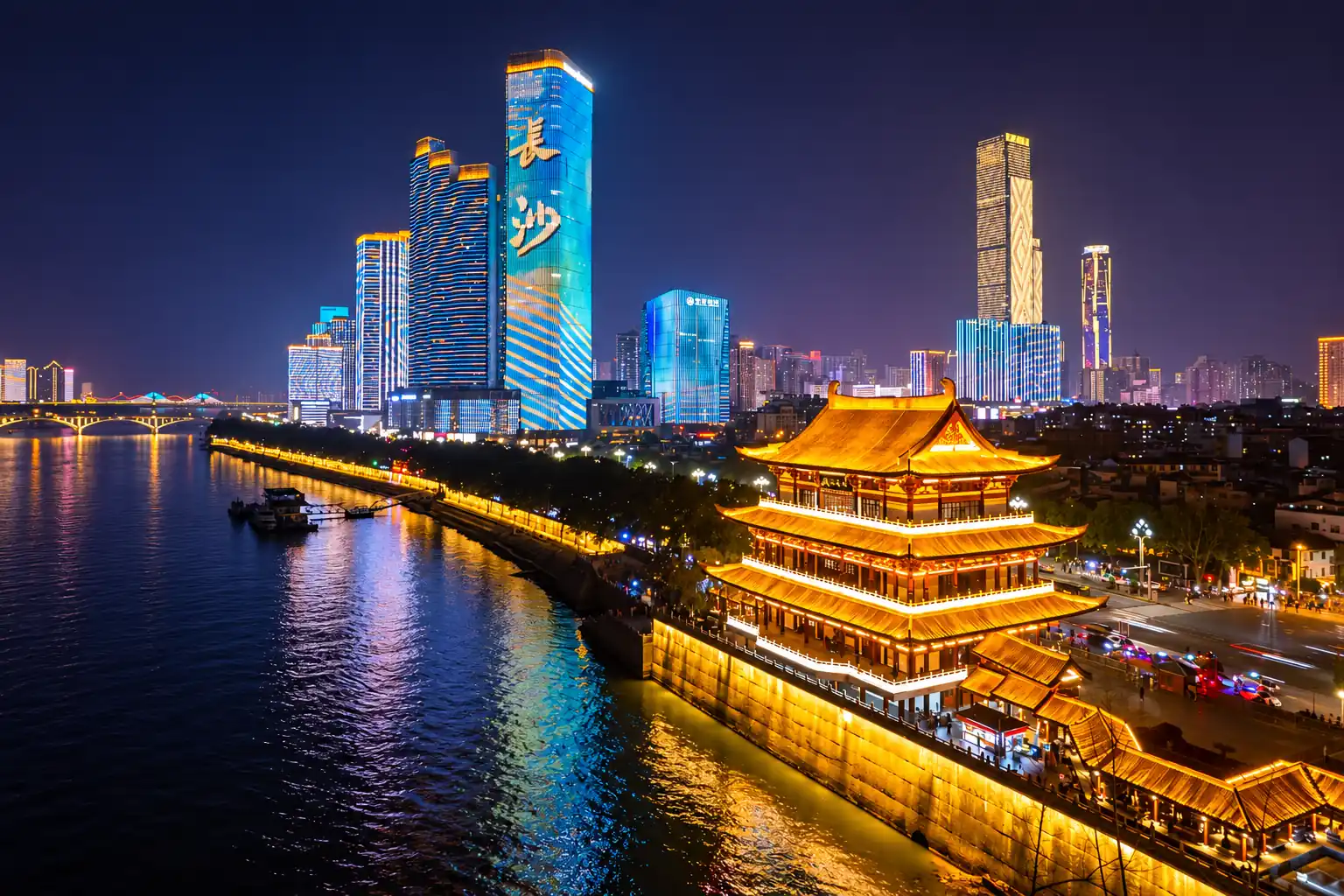
Du Fu Pavilion stands beside the Xiang River in central Changsha and commemorates the Tang Dynasty poet Du Fu. The present Tang-style memorial building is a modern addition to the riverside rather than an original Tang Dynasty structure. Its traditional architectural details and views toward Orange Island and Yuelu Mountain make it an appealing stop.
Visit during a walk along the east bank of the Xiang River or toward the evening when the pavilion is illuminated. It combines naturally with central Changsha sightseeing and nearby historic streets. Confirm visiting hours and any interior admission requirements if you plan to enter.
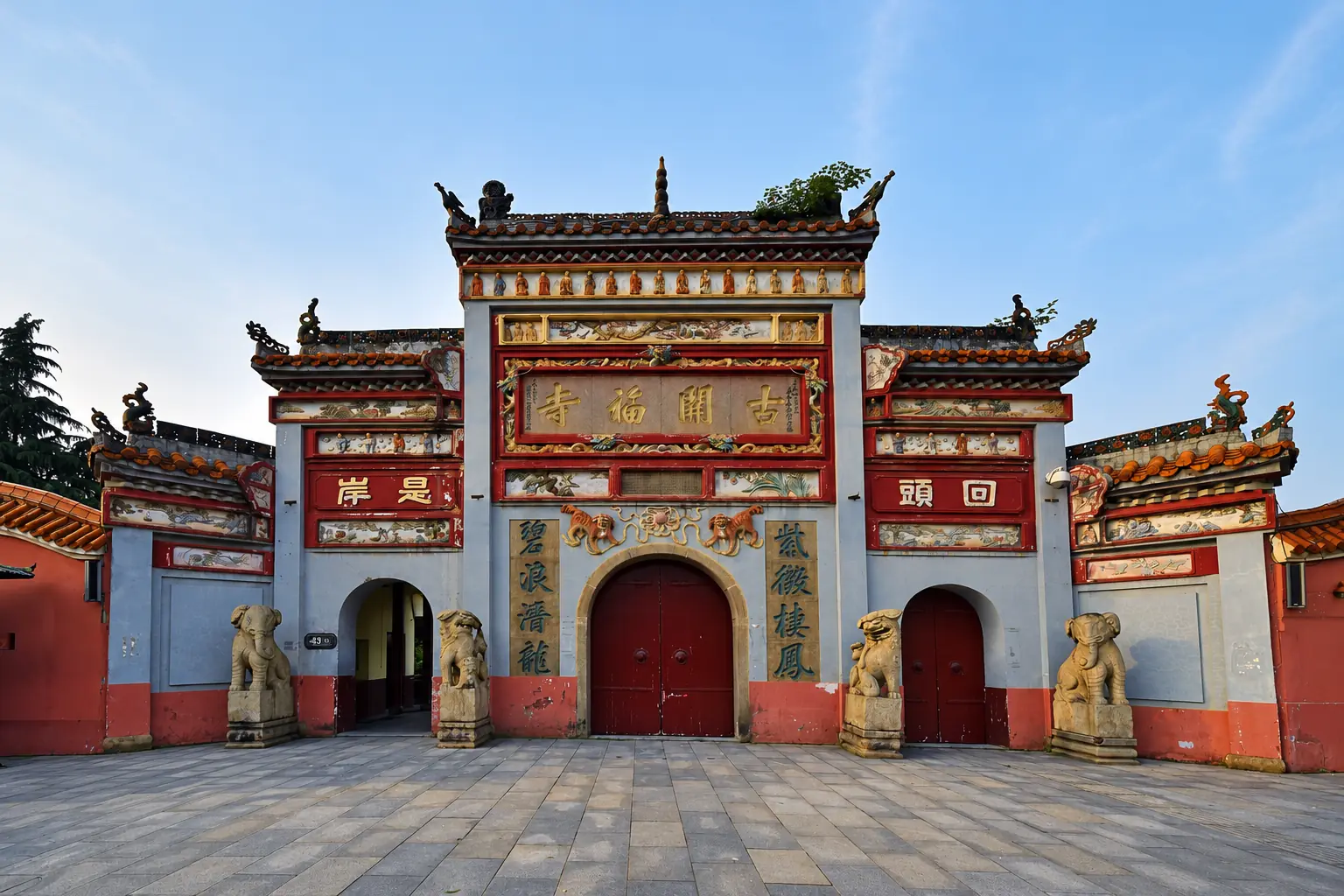
Kaifu Temple is one of Changsha's longstanding Buddhist religious sites, located in the northern part of the city. Its traditional temple halls, quiet courtyards and devotional atmosphere provide a different experience from the busy shopping streets around Wuyi Square. It is a worthwhile cultural stop for visitors interested in Buddhism and local religious life.
Changsha Metro Line 1 serves Kaifu Temple Station, making the area accessible from central Changsha. Allow time for a relaxed visit and remember that this is an active place of worship. Dress respectfully, avoid disrupting ceremonies and follow any photography restrictions.
For a well-paced first visit, combine Yuelu Academy with Yuelu Mountain, explore Orange Island as a separate riverside stop and reserve enough time for Hunan Museum. Tianxin Pavilion, Du Fu Pavilion and central food streets can complete a city sightseeing day. GoChinaQuest can help organize these highlights into a private Changsha itinerary or a longer journey through Hunan.
Some of the most memorable things to do in Changsha happen beyond its famous sightseeing landmarks. Walk through historic neighborhoods, experience the Xiang River at dusk, discover traditional Hunan crafts and see the city's modern art and architecture. From the creative streets of central Changsha to the ceramics heritage of Tongguan, these experiences reveal both the city's historic character and its contemporary culture.
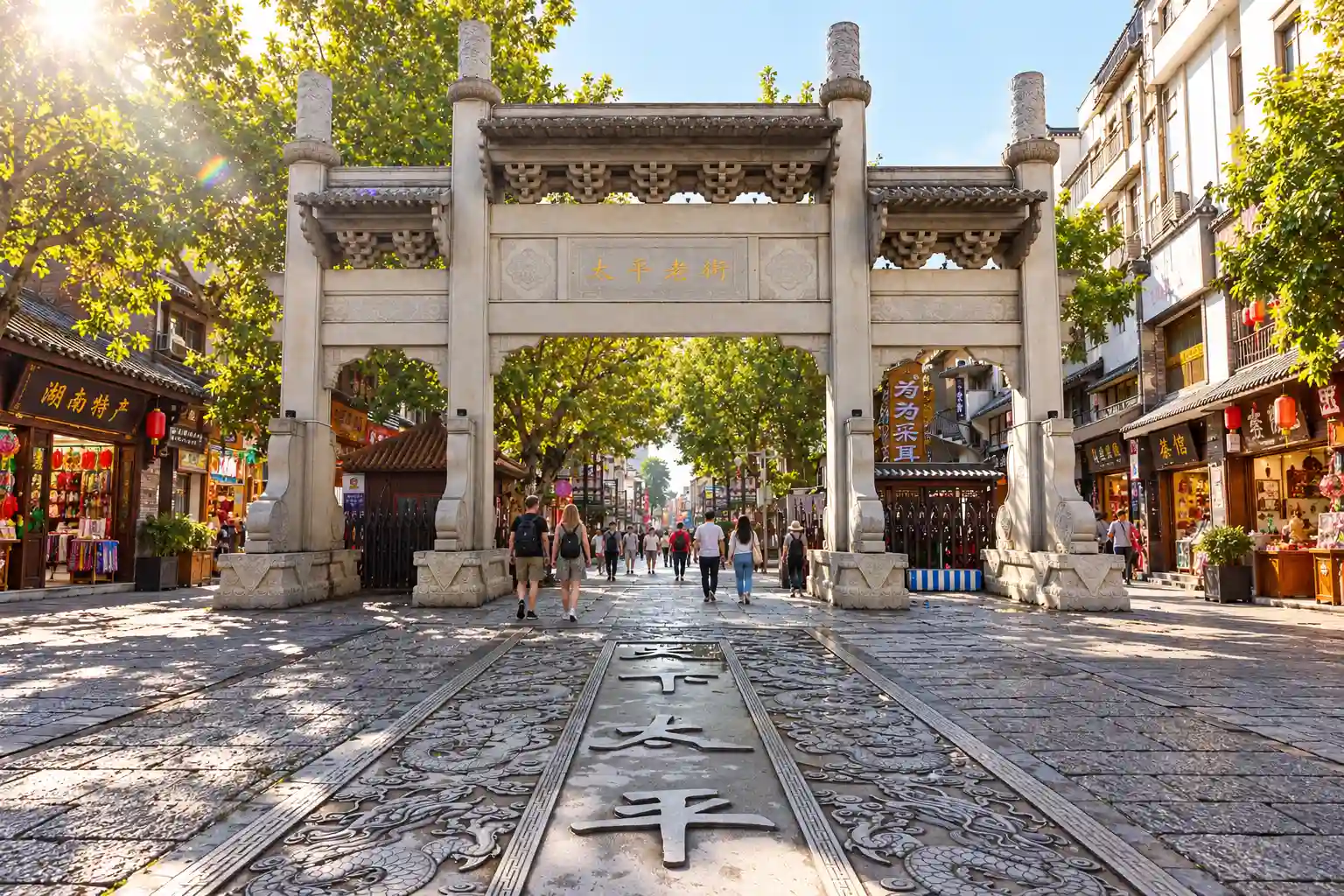
Discover old Changsha through two distinctive historic neighborhoods. Taiping Street is a lively pedestrian area known for traditional-style buildings, narrow side lanes, local crafts and the former residence of the Han Dynasty scholar Jia Yi. Chaozong Street offers a different atmosphere, combining historic granite-paved lanes, restored buildings and independent creative spaces. Rather than rushing through the main shopping street, explore the smaller lanes to appreciate how Changsha's urban heritage survives alongside modern city life.
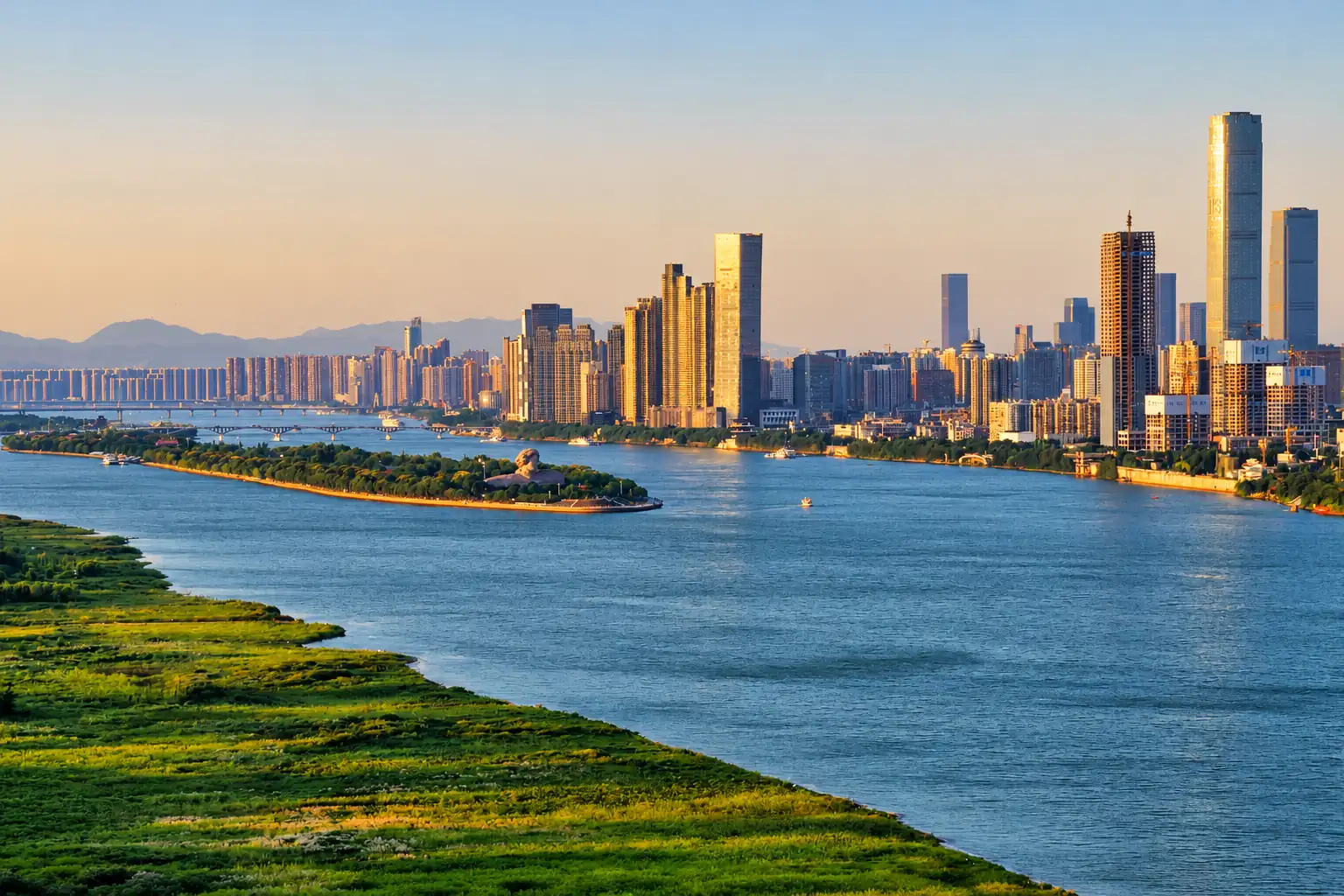
Experience the city at a slower pace on the Xiang River waterfront. Choose a stretch of the east-bank promenade near central Changsha for views toward Yuelu Mountain, Orange Island and the bridges crossing the river. The area around Du Fu Pavilion is a convenient reference point for an evening stroll. Allow around 45–90 minutes and choose a shorter route in hot or rainy weather.
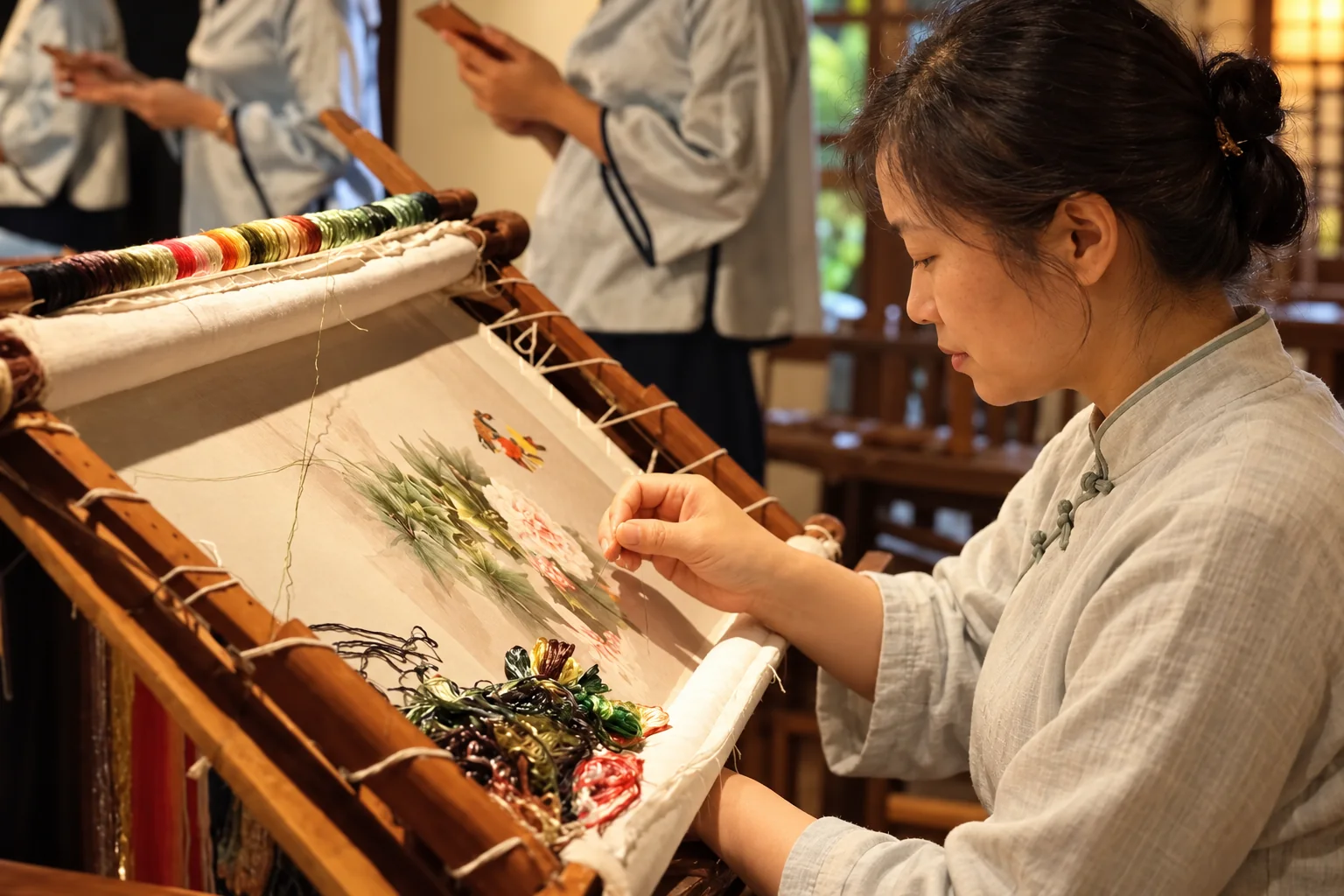
Xiang embroidery is one of China's renowned traditional embroidery styles and an important part of Hunan's cultural identity. For a more focused experience, consider the Hunan Xiang Embroidery Museum on Chezhan North Road in Furong District. Its displays introduce intricate stitching, historical designs and the evolution of this regional craft. Check visiting hours and whether live demonstrations are offered before going.
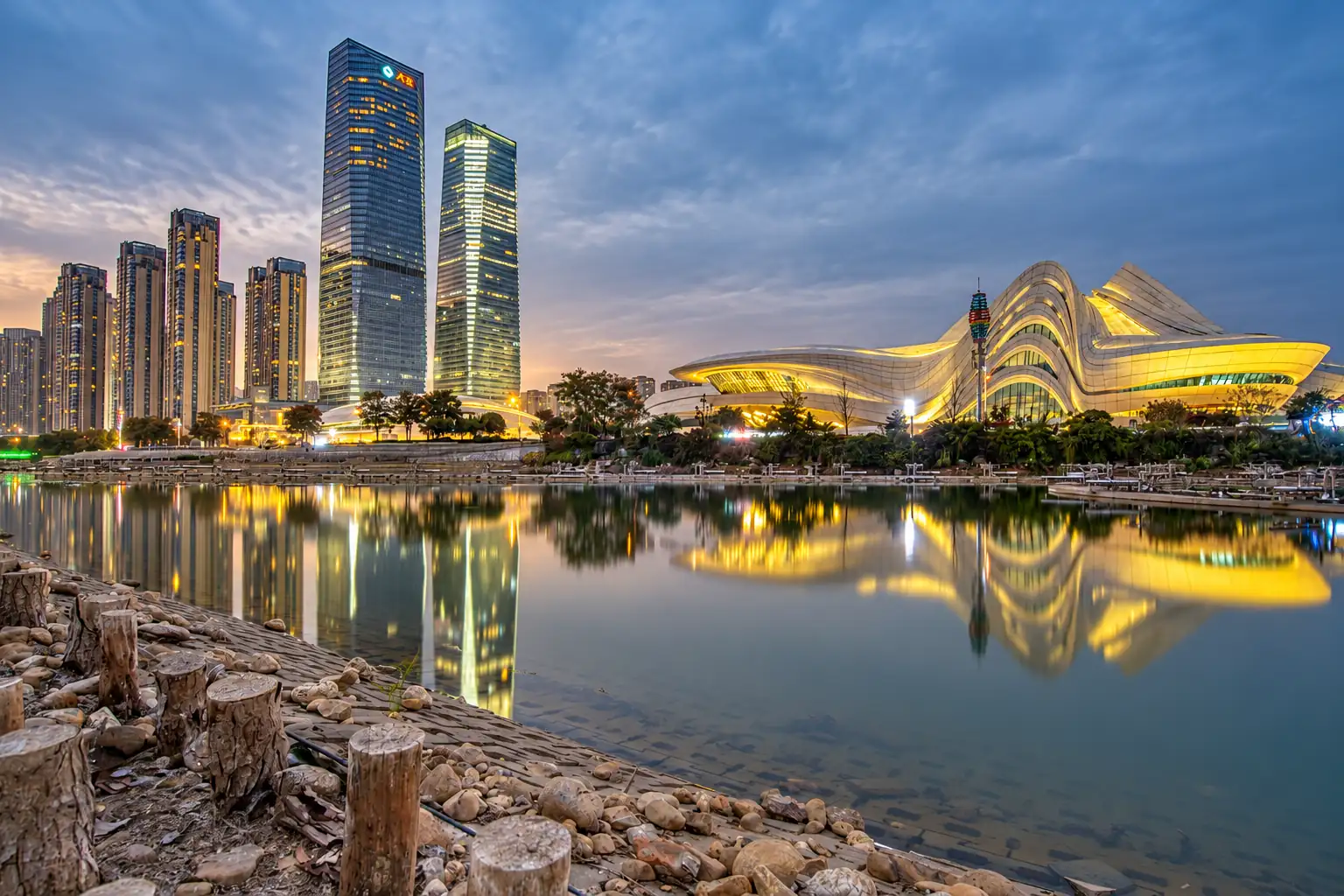
Discover Changsha's contemporary architectural side at the Meixi Lake International Culture and Arts Centre, designed by Zaha Hadid Architects. The cultural complex includes a grand theatre and contemporary art spaces, with sweeping architectural forms and public areas near Meixi Lake. Visit for exterior photography and a lakeside walk, or check the current programme for a ticketed exhibition or performance.
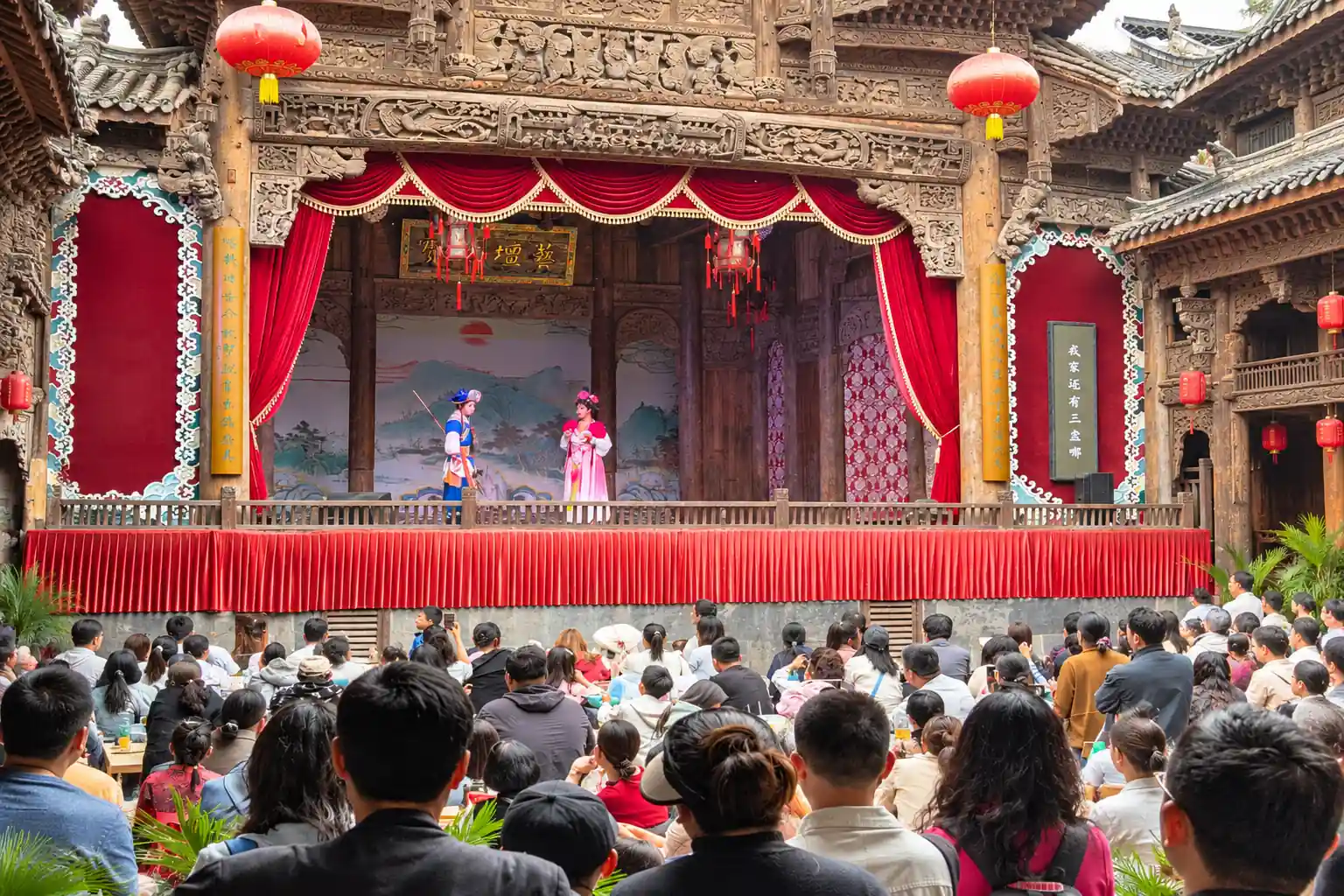
Learn about Hunan's regional performing arts through flower-drum opera, known locally as Huaguxi. This form of traditional theatre combines expressive singing, lively characters and stories rooted in everyday life. When performances are scheduled in Changsha, they offer a memorable evening cultural experience beyond conventional sightseeing. Programmes are not guaranteed daily, so confirm the venue, date and ticket arrangements before including a show.
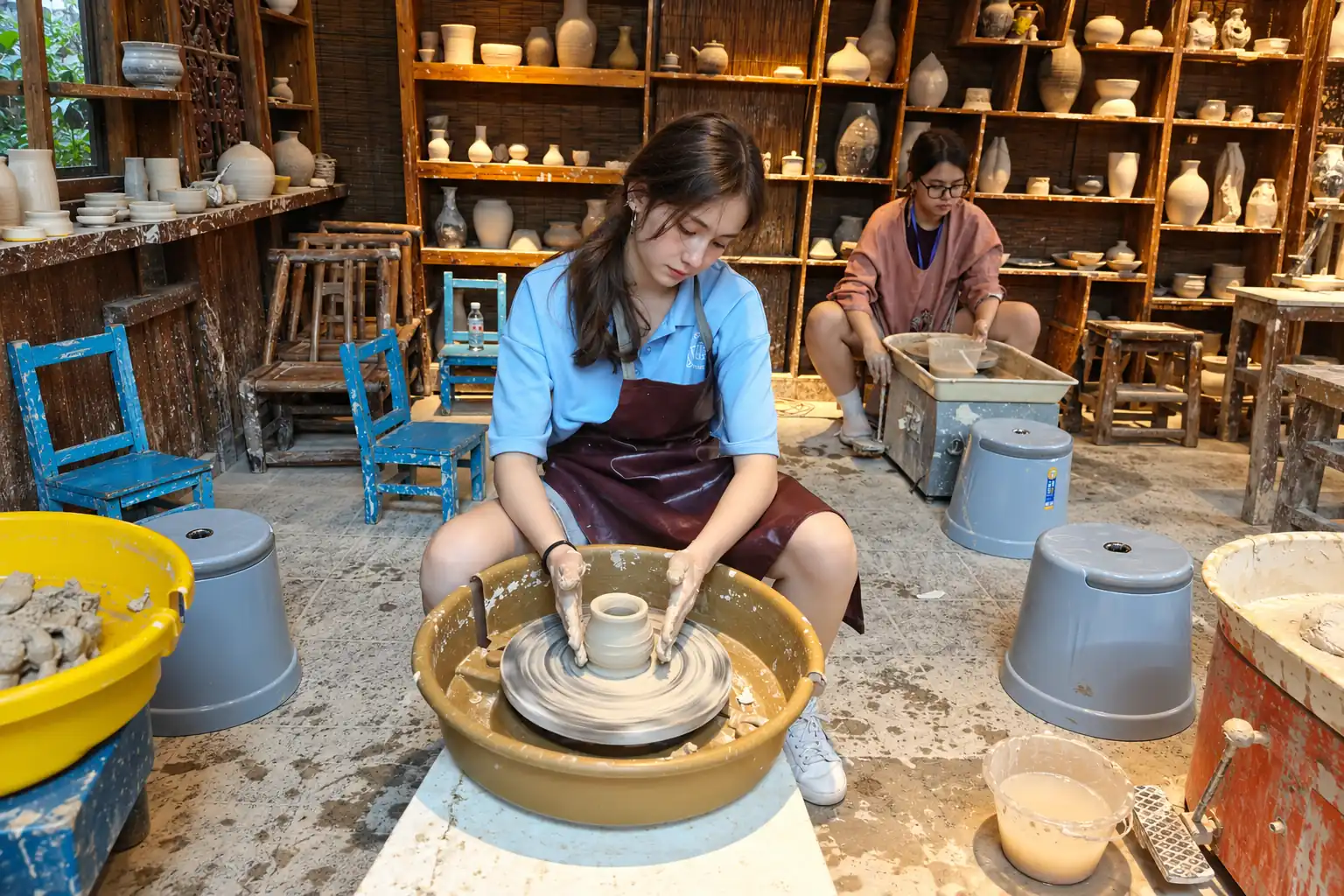
Explore Changsha's historic ceramics heritage in Tongguan, located in Wangcheng District north of the central city. The Tongguan kilns flourished during the Tang Dynasty and are associated with distinctive painted pottery. Visitors can explore the archaeological heritage of the kiln area or consider the wider Tongguan cultural tourism district. Allow at least half a day, including transport, and check which museums, historic sites or craft activities are currently available.
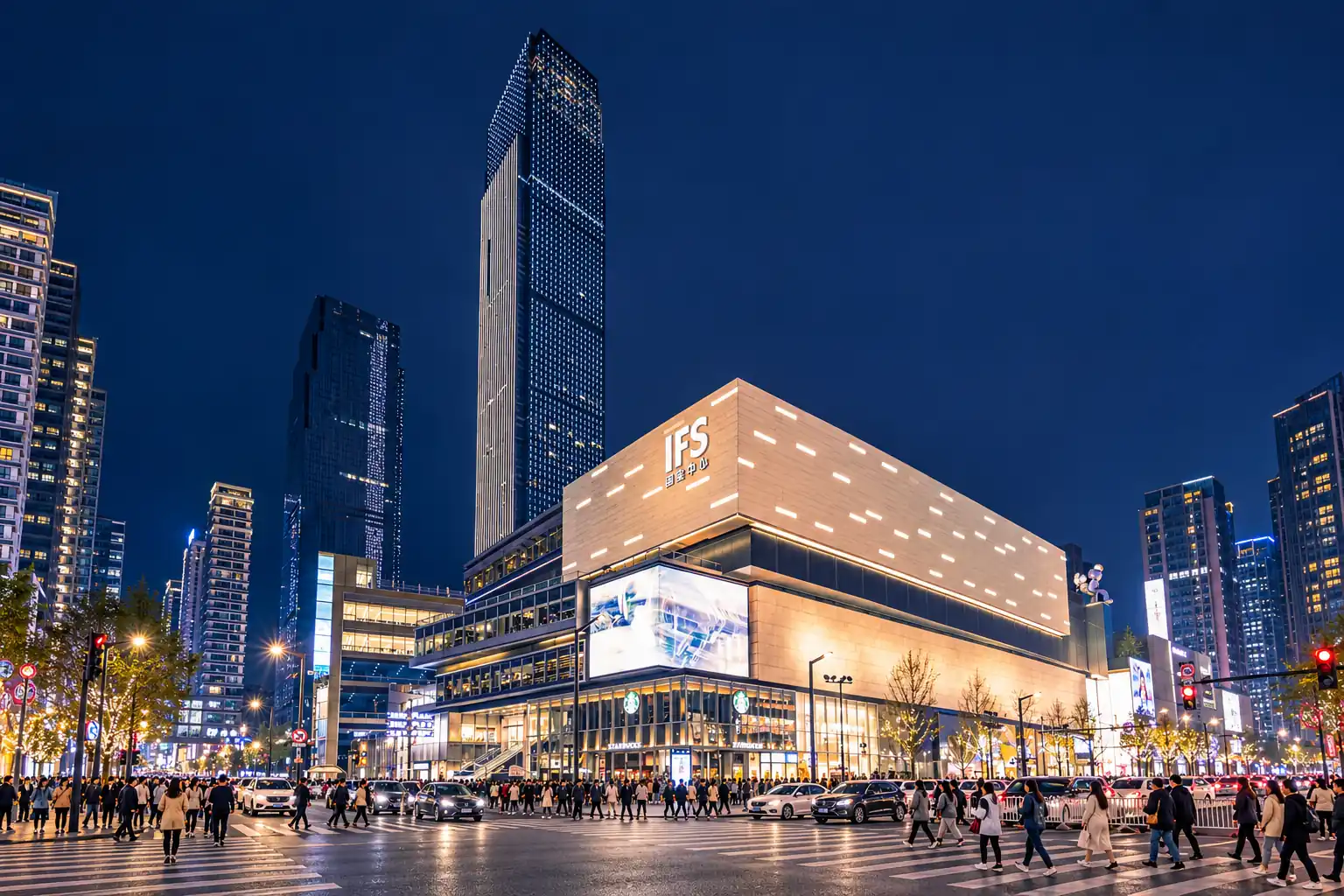
Experience the energetic modern side of Changsha around Wuyi Square and Huangxing Road Pedestrian Street. Visit Changsha IFS, a major shopping and cultural landmark, known for the rooftop sculpture garden and KAWS's large-scale SEEING/WATCHING artwork. Then explore the surrounding pedestrian shopping district to experience the city's contemporary urban atmosphere. Allow around one to two hours, or longer if you enjoy shopping. Check rooftop access arrangements before your visit.
Go beyond the city's major landmarks with historic neighborhood walks, Xiang River views, traditional Hunan crafts, contemporary architecture and regional performances. Some experiences fit easily into a central Changsha sightseeing day, while Tongguan deserves additional travel time. Let GoChinaQuest help combine these activities into a private itinerary that suits your interests.
Food is an essential part of visiting Changsha, the capital of Hunan Province. Known for bold flavors, fresh chilies and lively street-food culture, the city offers everything from crispy stinky tofu and breakfast rice noodles to shared Hunan dishes and late-night snacks. Use this guide to choose essential Changsha dishes and compare local tea shops, traditional food streets, night markets and evening venues.
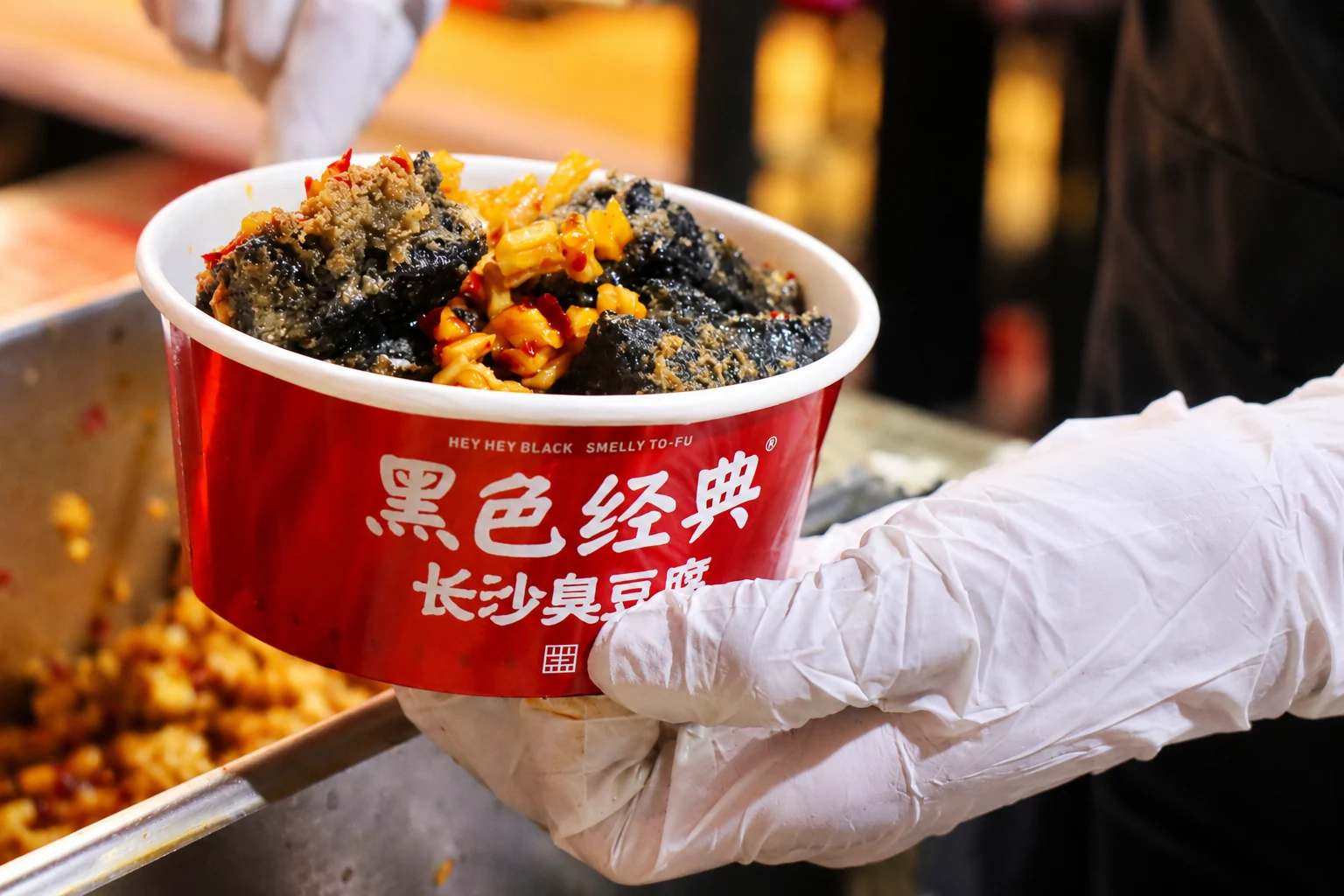
Changsha-style stinky tofu is famous for its dark appearance, strong aroma and contrast between a crisp fried exterior and a tender centre. Typically served with a savory sauce, chili and seasonings, this snack is a defining part of the city's street-food experience. Try it freshly prepared and ask about the chili level before ordering.
Find Changsha Food AreasBeyond stinky tofu, sample these traditional Changsha snacks and Hunan-style dishes. Some make convenient breakfast or street-food choices, while others are better shared as part of a sit-down meal.
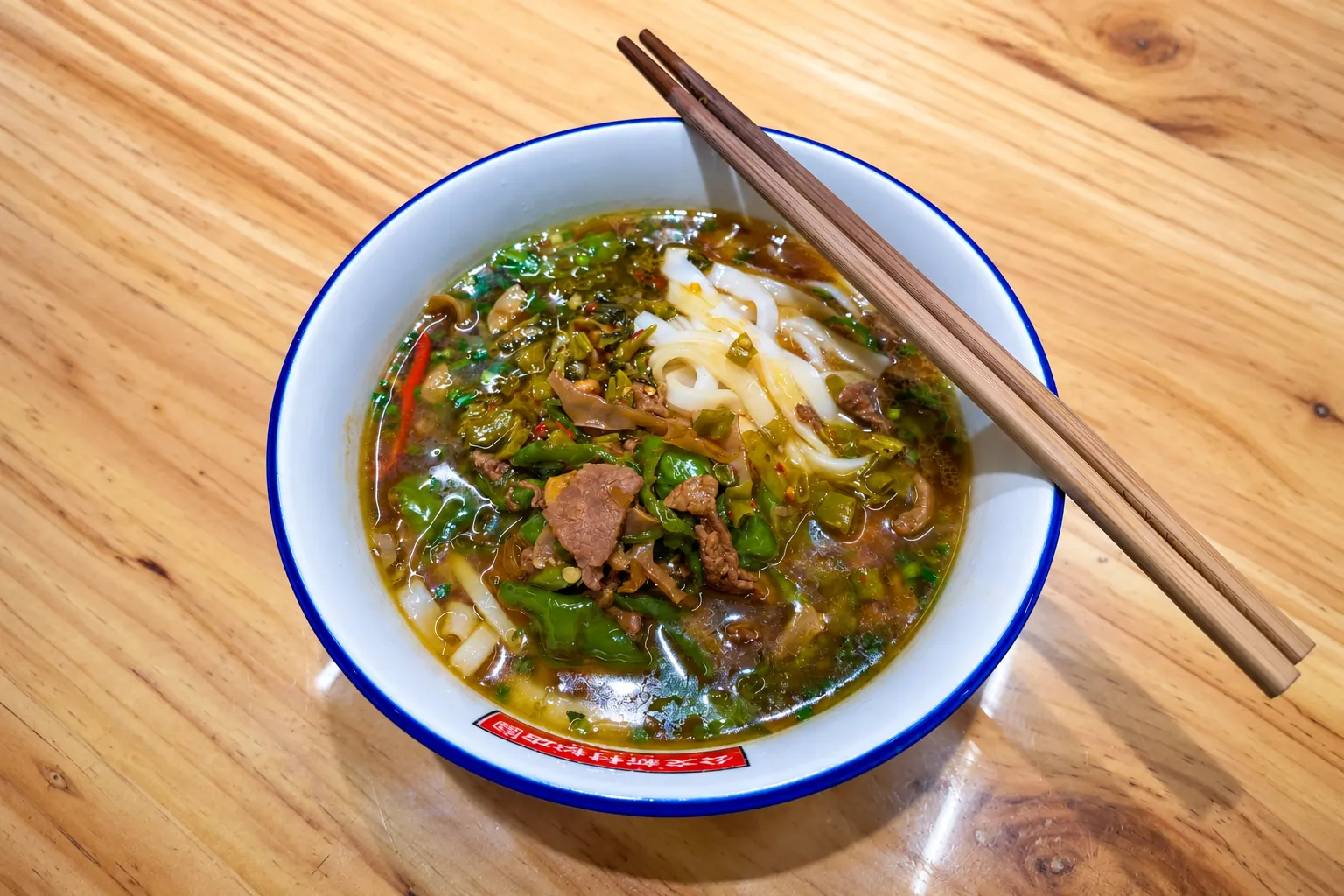
Begin the day with a bowl of Hunan rice noodles, often served in broth with meat or vegetable toppings. Changsha is particularly associated with flat rice noodles. Chili and additional seasonings can change the flavor considerably.
长沙米粉 · Chángshā Mǐfěn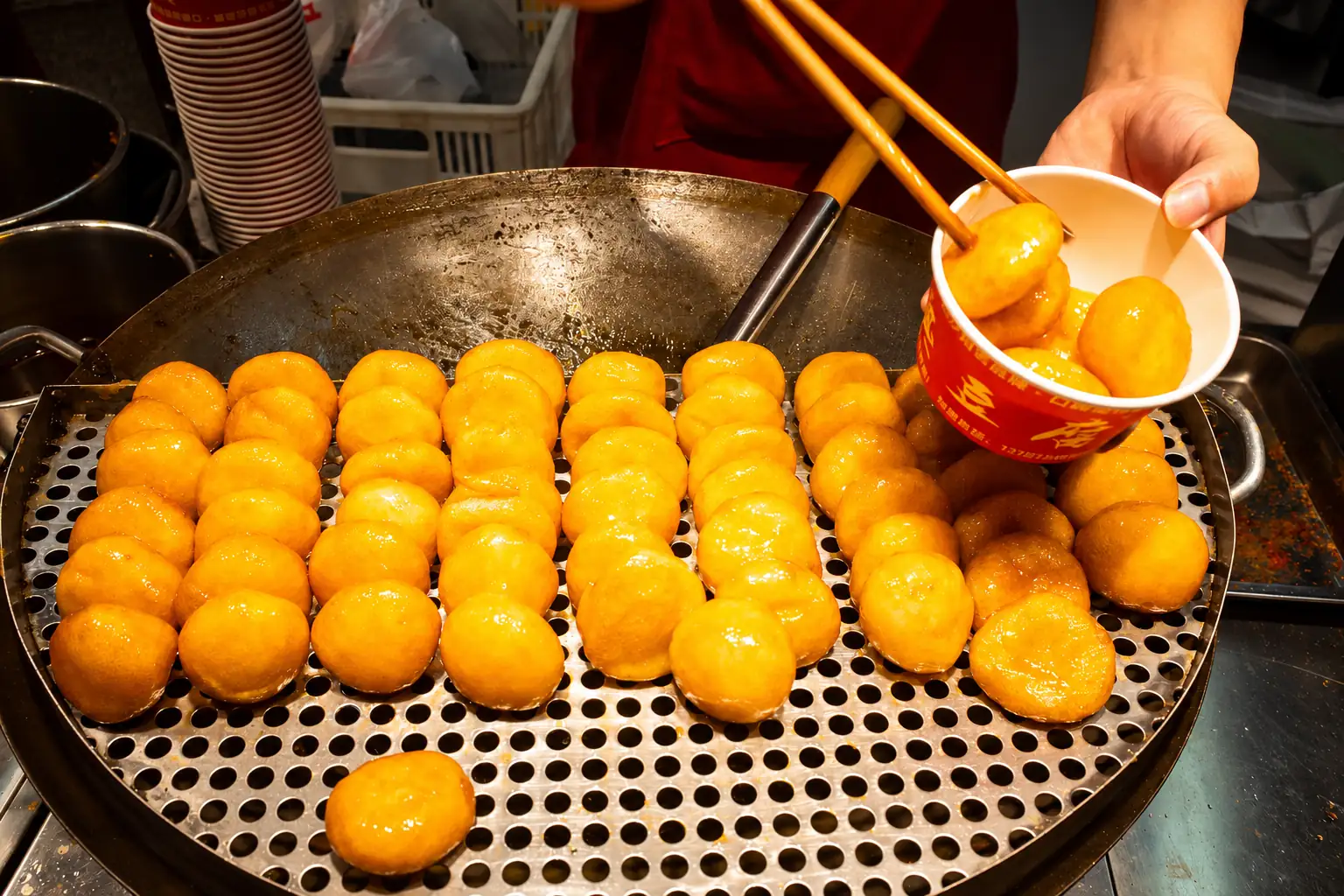
This classic Changsha snack consists of fried glutinous rice cakes coated in a sweet, glossy syrup. Its chewy texture and caramel-like sweetness provide a contrast to the city's chili-heavy savory food.
糖油粑粑 · Tángyóu Bābā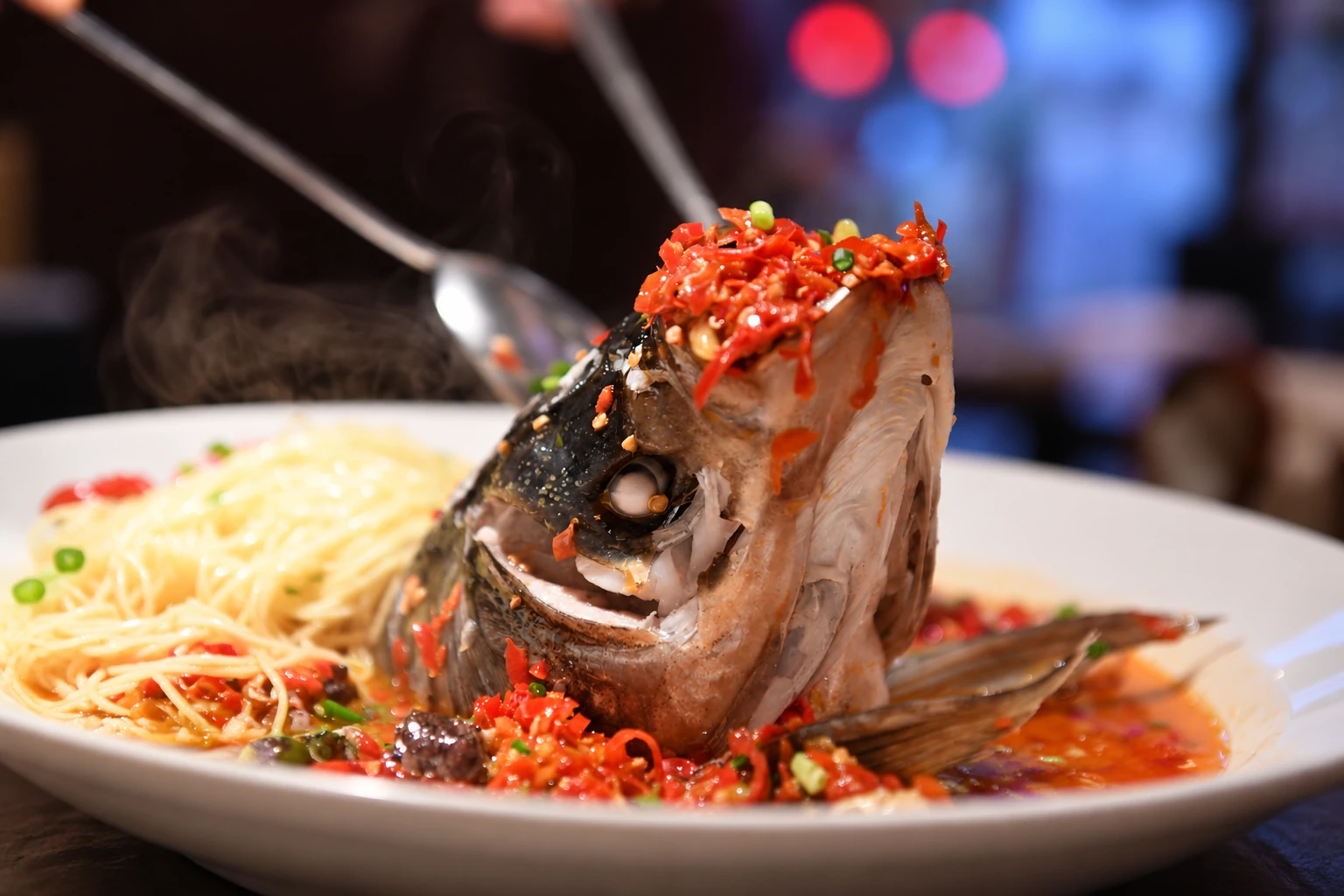
A well-known Hunan specialty, steamed fish head with chopped chili brings together tender fish, aromatic seasonings and a distinctive chili topping. It is especially suitable for sharing during a full restaurant meal.
剁椒鱼头 · Duòjiāo Yútóu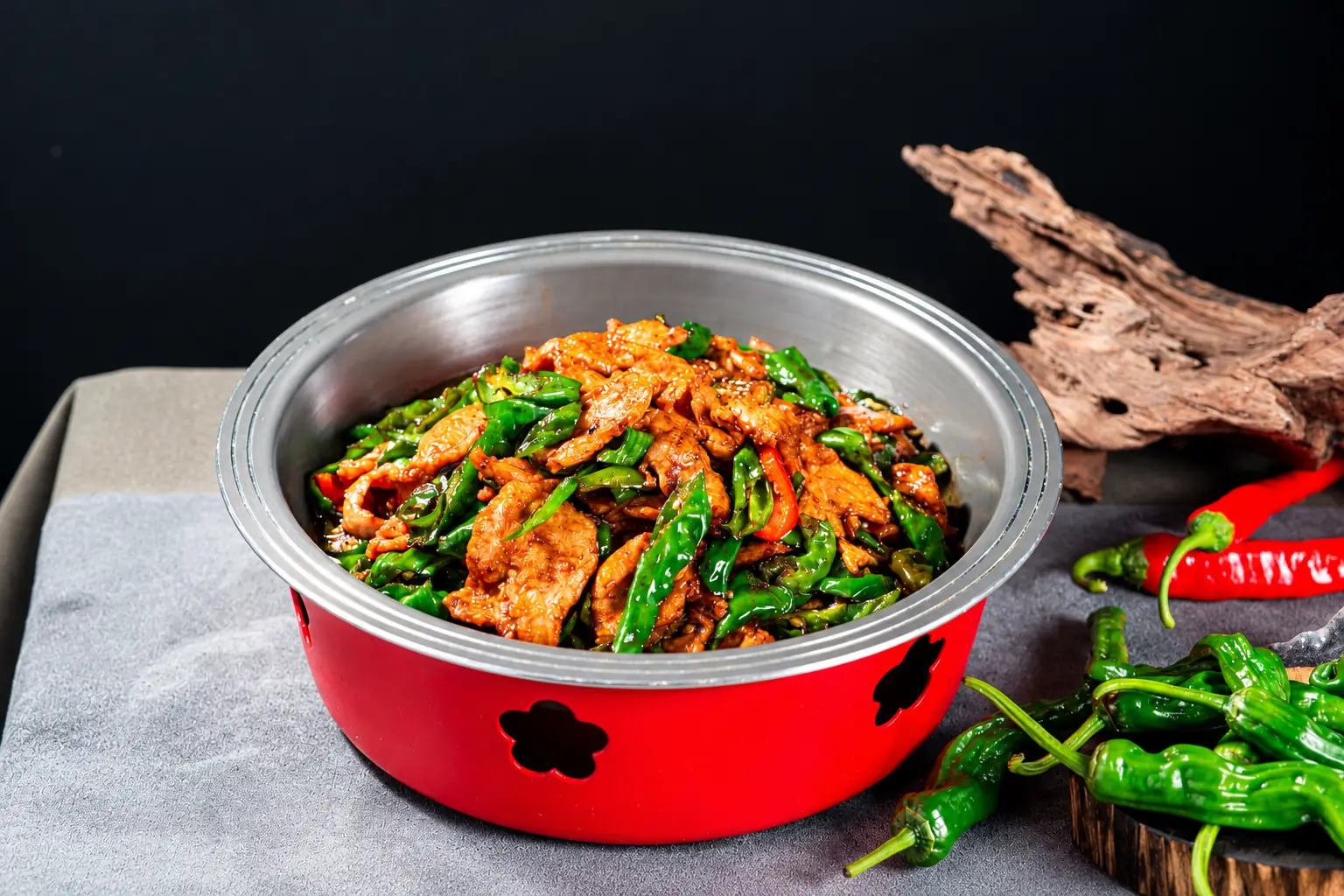
Thinly sliced pork is stir-fried with fresh chilies to produce a fragrant, savory dish commonly enjoyed with rice. It is a useful introduction to Hunan's preference for direct chili heat and strong wok-cooked flavors.
辣椒炒肉 · Làjiāo Chǎoròu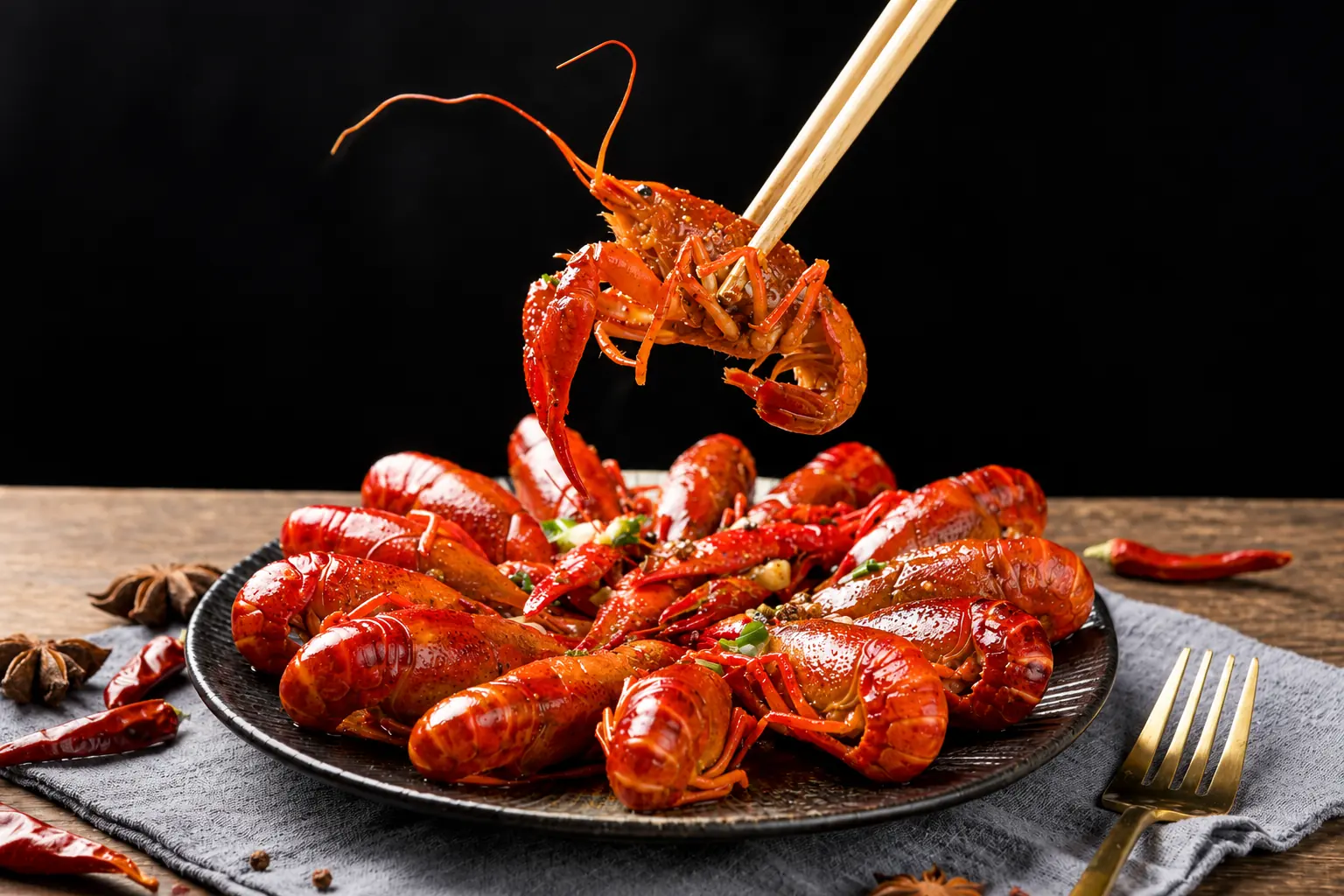
Changsha's flavor-packed crayfish is a popular dish for social evening meals. Prepared with chili and aromatic spices, it is often enjoyed with friends. Availability and freshness can vary by season and restaurant.
口味虾 · Kǒuwèi Xiā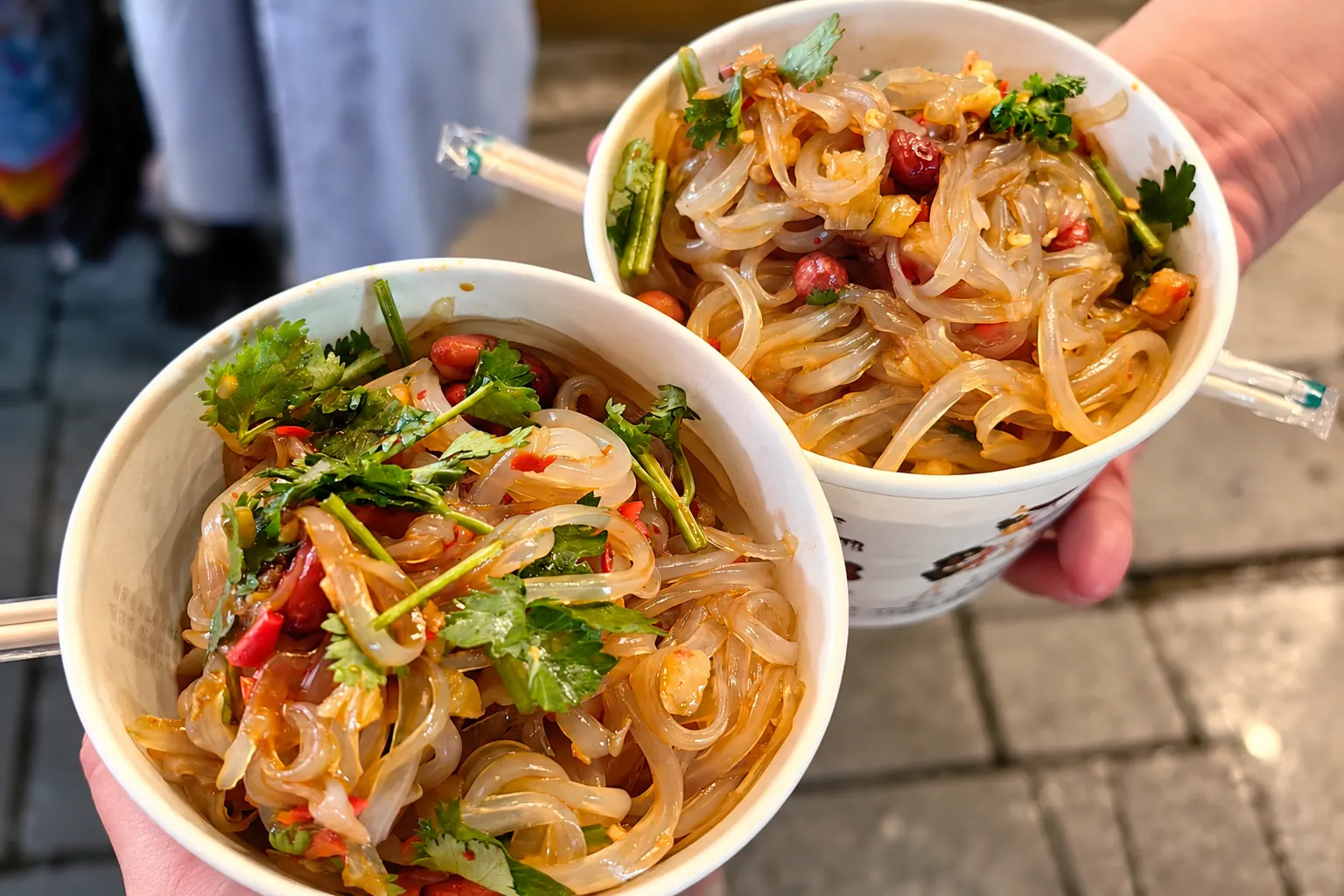
This cold bean-jelly snack, enjoyed in Hunan, offers a refreshing change from hot dishes. It is usually served with a savory dressing and may include chili, garlic and other seasonings depending on the vendor.
刮凉粉 · Guā LiángfěnWhere you spend an evening in Changsha depends on whether you want traditional Hunan snacks, local tea drinks, a retro dining experience, a large night market or bars and live music. The Wuyi Square area is the easiest starting point; Yangfan Night Market and Dongguashan are separate food-focused stops that require a little more travel time.
Around Wuyi Square and Huangxing Road, take a break from sightseeing with Chayan Yuese (茶颜悦色), also known as Modern China Tea Shop. This Changsha-born tea brand is known for its Chinese-inspired presentation and freshly prepared drinks, including its signature Youlan Latte. Branches operate in the central shopping area; check the current menu and queue rather than assuming every branch carries the same items.
茶颜悦色 · Local Tea DrinksPozi Street (坡子街) is a convenient downtown stop for visitors who want to sample several classic Changsha snacks in one evening. The historic Fire Palace (Huogongdian, 火宫殿) is a well-known name associated with the area's food culture. You can combine a short food walk here with central sightseeing, but expect busy crowds on weekends and public holidays.
Hunan Snacks · Central Food StreetJiefang West Road (解放西路) is a central area associated with Changsha's bars, music venues and late-night entertainment. Choose this neighborhood for an evening out rather than a dedicated street-food crawl. Venue schedules, entry policies and closing times vary, so check your preferred location in advance.
Bars · Music · After-Dark AtmosphereSuper Wenheyou (超级文和友) recreates the atmosphere of old Changsha streets inside a multi-level dining and cultural space. Find it at Hisense Plaza on Xiangjiang Middle Road in Tianxin District, close to the riverfront. Visitors come for vintage storefronts, nostalgic scenes and local food such as spicy crayfish. This is a themed indoor experience, not a surviving historic street; check restaurant queues and current access arrangements before visiting.
超级文和友 · Retro Dining & PhotosYangfan Night Market (扬帆夜市) in Furong District is one of Changsha's best-known large evening markets, with rows of stalls selling grilled snacks, local dishes, desserts and other goods. It is in the Yangfan community around the Hehua Road area, away from Wuyi Square; Metro Line 2 to Wanjiali Plaza is a useful approach. Leave time for the market itself and expect heavier crowds later in the evening.
扬帆夜市 · Street-Food MarketDongguashan (冬瓜山), around Yunan Street in Tianxin District, offers a more neighborhood-focused late-night food experience. Popular choices include grilled sausages, skewers and hot braised snacks. Metro Line 3 to Lingguandu Station is a useful starting point. Compared with Yangfan's large market atmosphere, Dongguashan is better suited to exploring a compact local food area.
冬瓜山 · Grilled Snacks & LuweiHunan cuisine can be quite spicy, but it also offers noodles, sweet snacks and dishes with different heat levels. A few simple ordering tips can make eating in Changsha more enjoyable.
Build food breaks naturally into a sightseeing day, from breakfast rice noodles and traditional Hunan meals to a tea stop or evening market visit. Tell GoChinaQuest your preferences, spice tolerance and travel pace when planning a personalized Changsha and Hunan itinerary.
Plan one, two or three days in Changsha without zigzagging across the city. Day 1 combines Orange Island with central streets and Hunan food; Day 2 focuses on Yuelu Mountain and Yuelu Academy; Day 3 adds Hunan Museum and old Changsha. The times below are flexible estimates, not fixed tour departures. Select your trip length to see the most practical route for first-time visitors.
Spend the first day on Orange Island and in the central Wuyi Square area, the second around Yuelu Academy and the mountain's South Gate, and the third at Hunan Museum before visiting Tianxin Pavilion and the Xiang Riverfront. Allow time for metro transfers, lunch and any required attraction reservations.
Take Metro Line 2 to Juzizhou Station and begin with Orange Island. Walk towards the Mao Zedong Youth Art Sculpture and enjoy views across the Xiang River. The island is long, so allow roughly 2–3 hours, including the walk or an optional sightseeing shuttle. Check current entry and reservation rules before setting out.
Explore Changsha Attractions →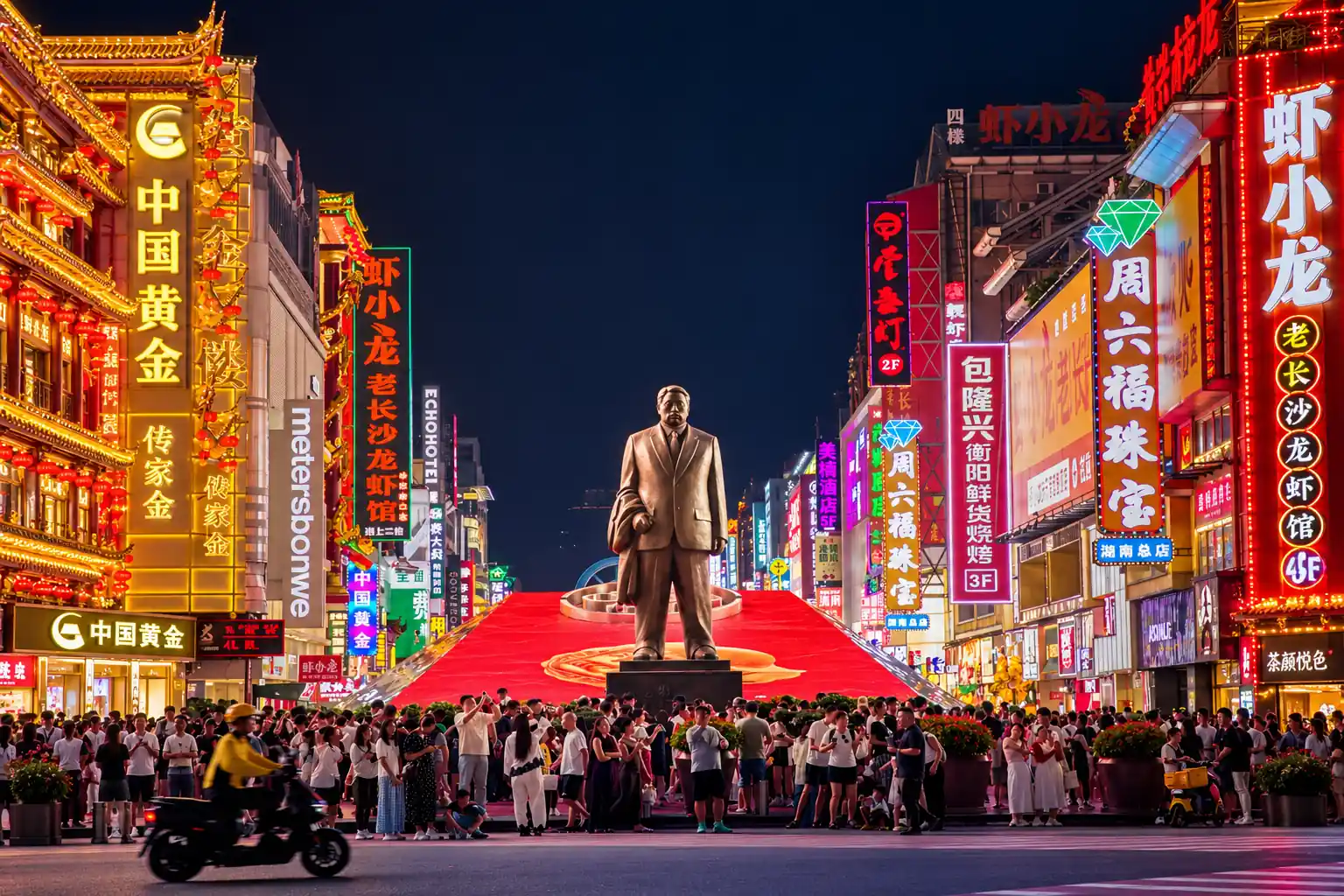
Take Metro Line 2 back towards Wuyi Square, then explore Huangxing Road Pedestrian Street and the historic lanes of Taiping Street. Enjoy a Changsha snack or tea drink before dinner around Pozi Street. Most of this afternoon-and-evening route is walkable once you reach the central district; allow time for queues on weekends.
Explore Changsha Food & Nightlife →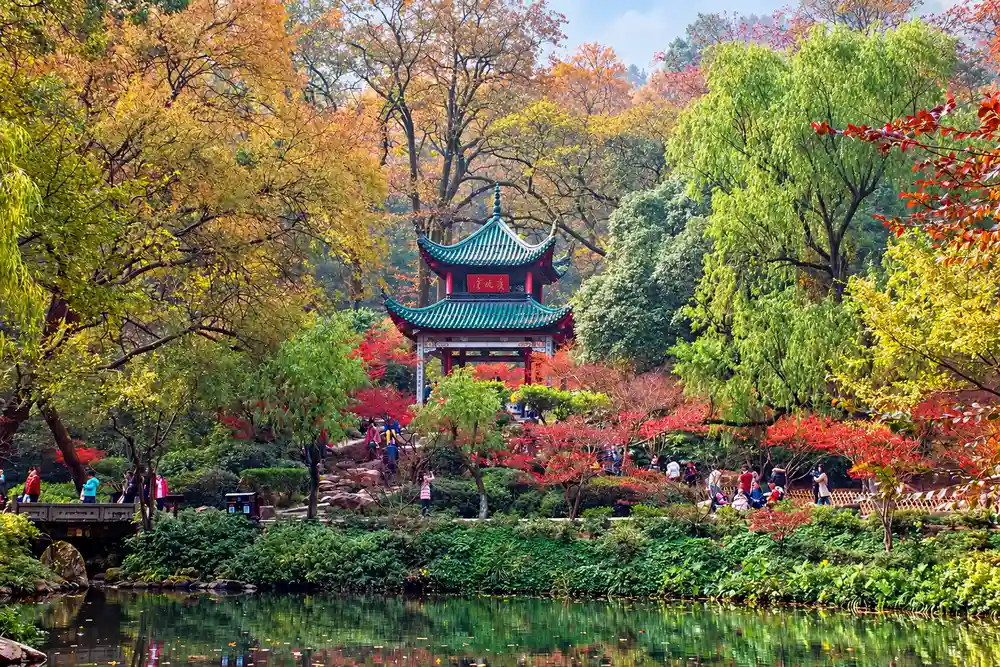
Start early on the west bank of the Xiang River. Take Metro Line 4 to Hunan University Station and approach Yuelu Mountain's South Gate. Visit Aiwan Pavilion and follow a manageable section of the shaded mountain paths. Allow more time if you plan to climb higher; a short South Gate circuit is enough for visitors who prefer less strenuous walking.
Visit Yuelu Academy near the South Gate and Hunan University. Allow around 1–1.5 hours for the historic halls and courtyards; admission is separate from general mountain access. Plan this visit before the academy closes rather than leaving it until late evening. Afterward, have a meal near the university area or return to the riverside for an optional stroll.
See Yuelu Mountain & Academy Details →Reserve time for Hunan Museum's Mawangdui Han Dynasty Tombs exhibition, including ancient silk, lacquerware and artifacts associated with Lady Xin Zhui. Allow around 2–3 hours. Check the real-name admission process and opening days before travelling; the museum is normally closed on Mondays. Nearby Hunan Martyrs Park is an optional short stop.
Head south to Tianxin Pavilion to see a surviving section of Changsha's old city wall. If time and energy allow, continue to Du Fu Pavilion beside the Xiang River for a late-afternoon riverside walk. Finish with a final Hunan dinner downtown. Keep this part flexible if you are catching an evening train or flight.
What to Eat in Changsha →Adjust your Changsha itinerary around your travel dates, preferred sightseeing pace, hotel location and interests. GoChinaQuest can help you plan a private journey combining Hunan history, local food and cultural experiences.
The best time to visit Changsha is generally in spring or autumn, especially April and mid-October through November. These periods offer more comfortable conditions for exploring Orange Island, Yuelu Mountain and the city's historic streets. Changsha has a humid subtropical climate, with changeable spring weather, frequent rain from spring into early summer, hot summers and cool, damp winters.
April is a good choice for mild weather and fresh greenery, although rain showers are common. Mid-October to November is particularly appealing for outdoor walks as the summer heat fades. March, May and late September can also work well with flexible planning. If possible, avoid the busiest Chinese public holidays, especially Labour Day and National Day Golden Week.
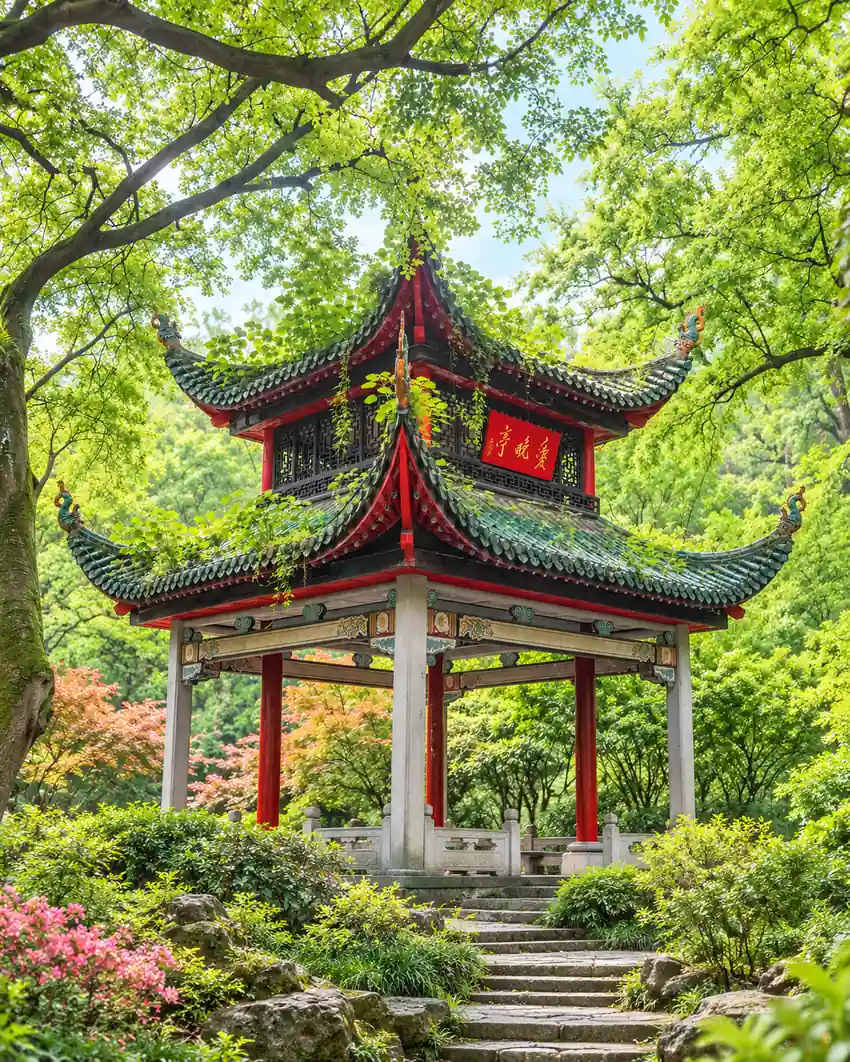
Spring brings fresh greenery and milder temperatures, making it appealing for Yuelu Mountain and riverside walks. Weather can change quickly, and rainfall increases through the season. April offers a good balance for sightseeing if you prepare for showers.
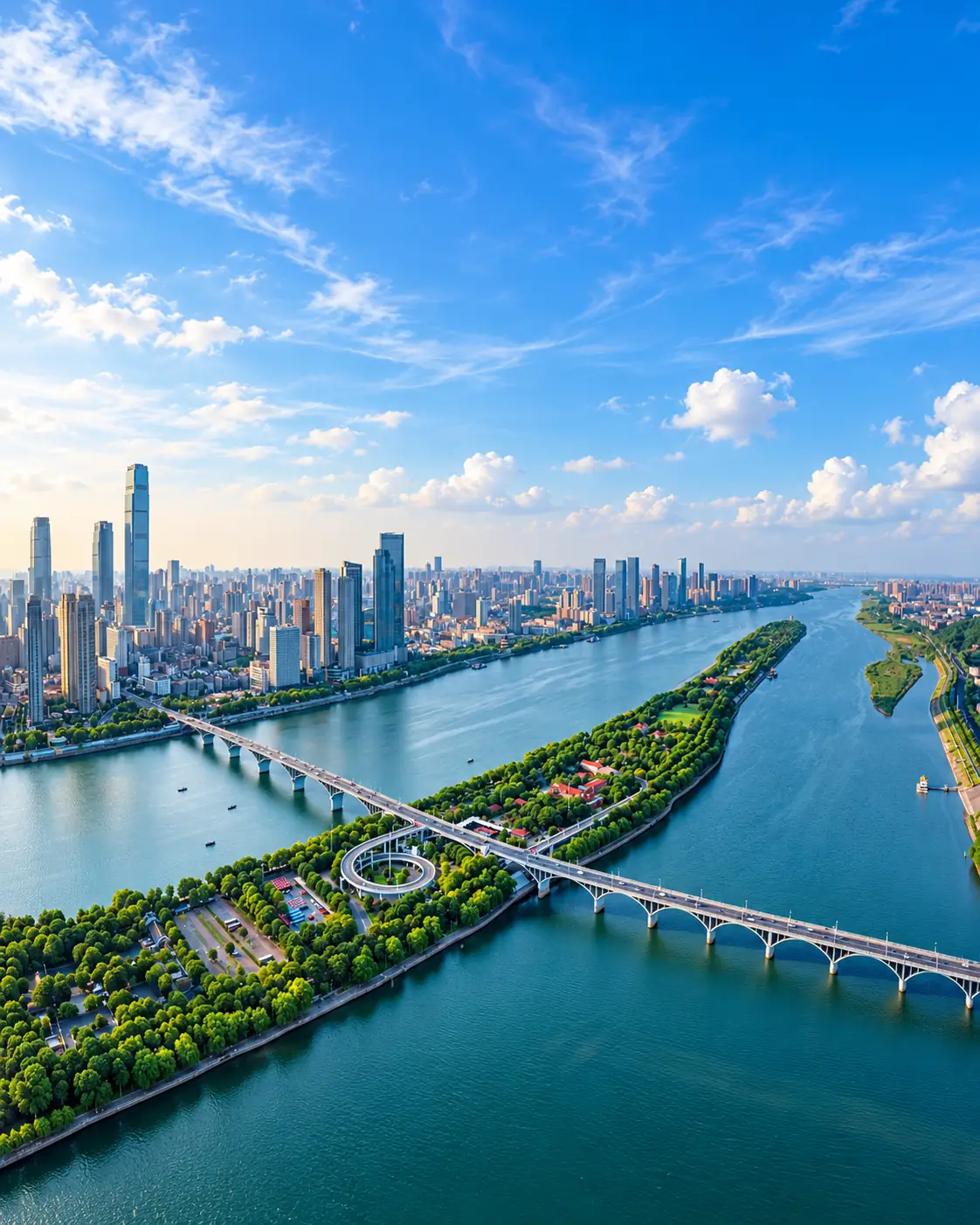
Summer can be intensely hot and humid, particularly in July and August. Rain may be heavy in early summer. Start outdoor sightseeing early, take air-conditioned breaks and allow flexibility when storms or heat affect your plans.
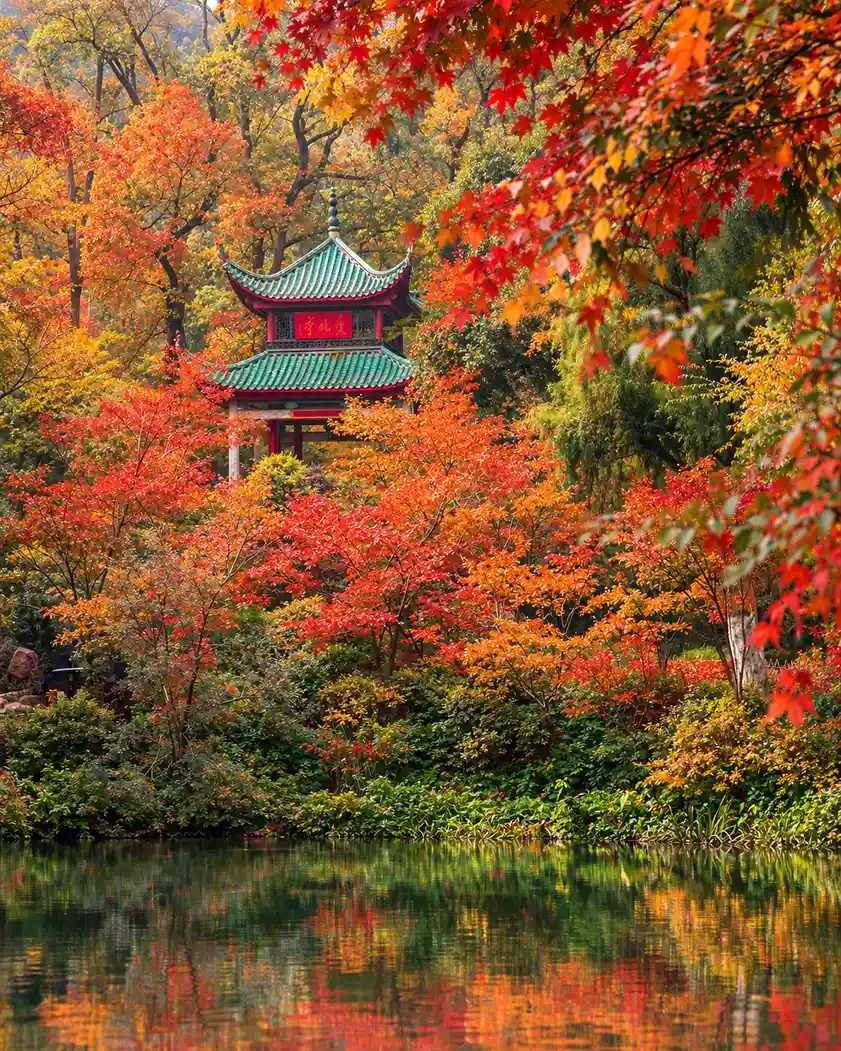
Autumn is a strong choice for first-time visitors. September can remain hot, but mid-October and November are generally more comfortable for walking. Plan around the early-October National Day holiday crowds, and enjoy Yuelu Mountain's changing foliage when in season.
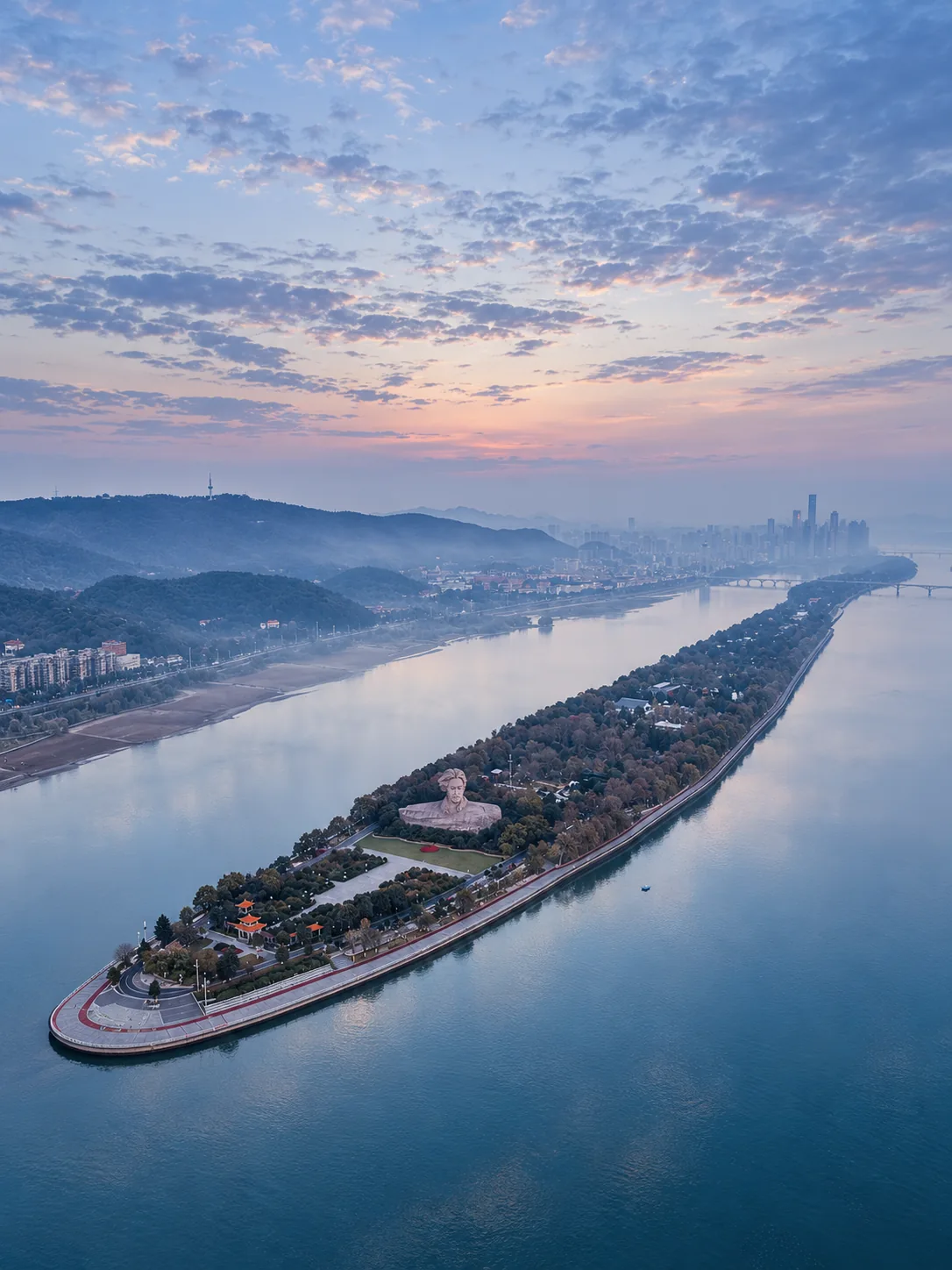
Winter is typically chilly and damp rather than consistently snowy. Combine shorter outdoor walks with museum visits and warm Hunan meals. Pack insulating layers and a weather-resistant jacket, and plan ahead for busy Chinese New Year travel.
Use our China weather guides for broader monthly travel planning, especially if you are combining Changsha with Zhangjiajie or other Chinese destinations. Weather varies across regions, so check a current Changsha forecast before departure and allow extra flexibility during the rainy and hottest months.
Choosing where to stay in Changsha can make a big difference to your trip. For most first-time visitors, the Wuyi Square and Huangxing Road area offers the most convenient combination of sightseeing, restaurants, shopping and metro connections. Hotels along the Xiang River, around Yuelu Mountain, near Meixi Lake or by Changsha South Railway Station suit different travel styles and schedules.
Stay around Wuyi Square (Wuyi Guangchang) for an easy introduction to Changsha. This central area places you close to Huangxing Road Pedestrian Street, Pozi Street, shopping centres and a wide choice of local restaurants. Wuyi Square is also a useful metro interchange for travelling around the city. Choose a hotel on a quieter side street if you prefer less noise after dark.
Consider a hotel along the Xiang River if you value waterfront scenery and relaxing evening walks. Some east-bank locations offer convenient access to the historic centre, while others are farther from Wuyi Square. Check the hotel's exact position and whether your room has a genuine river view before booking.
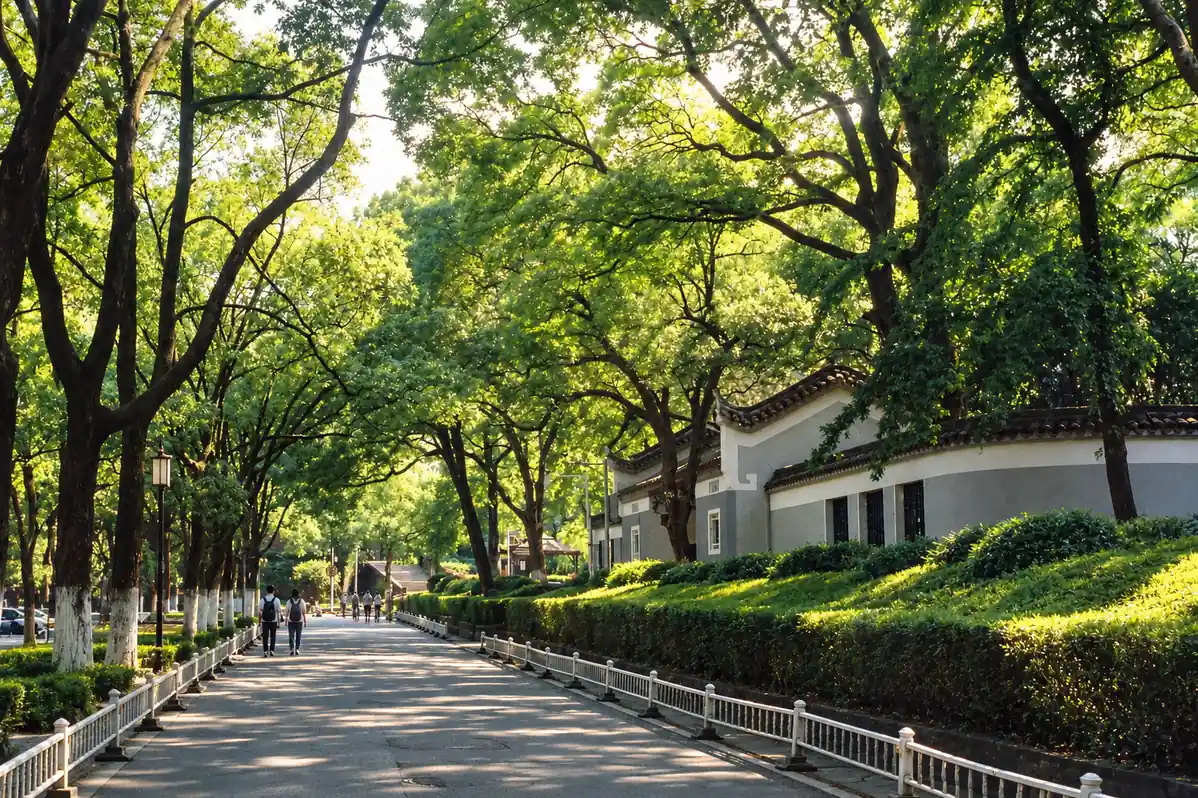
The Yuelu area on the west bank is a good match for visitors interested in Yuelu Academy, mountain scenery and university neighborhoods. The atmosphere is generally less focused on downtown nightlife. Allow extra travel time when visiting east-bank attractions, restaurants and Hunan Museum.
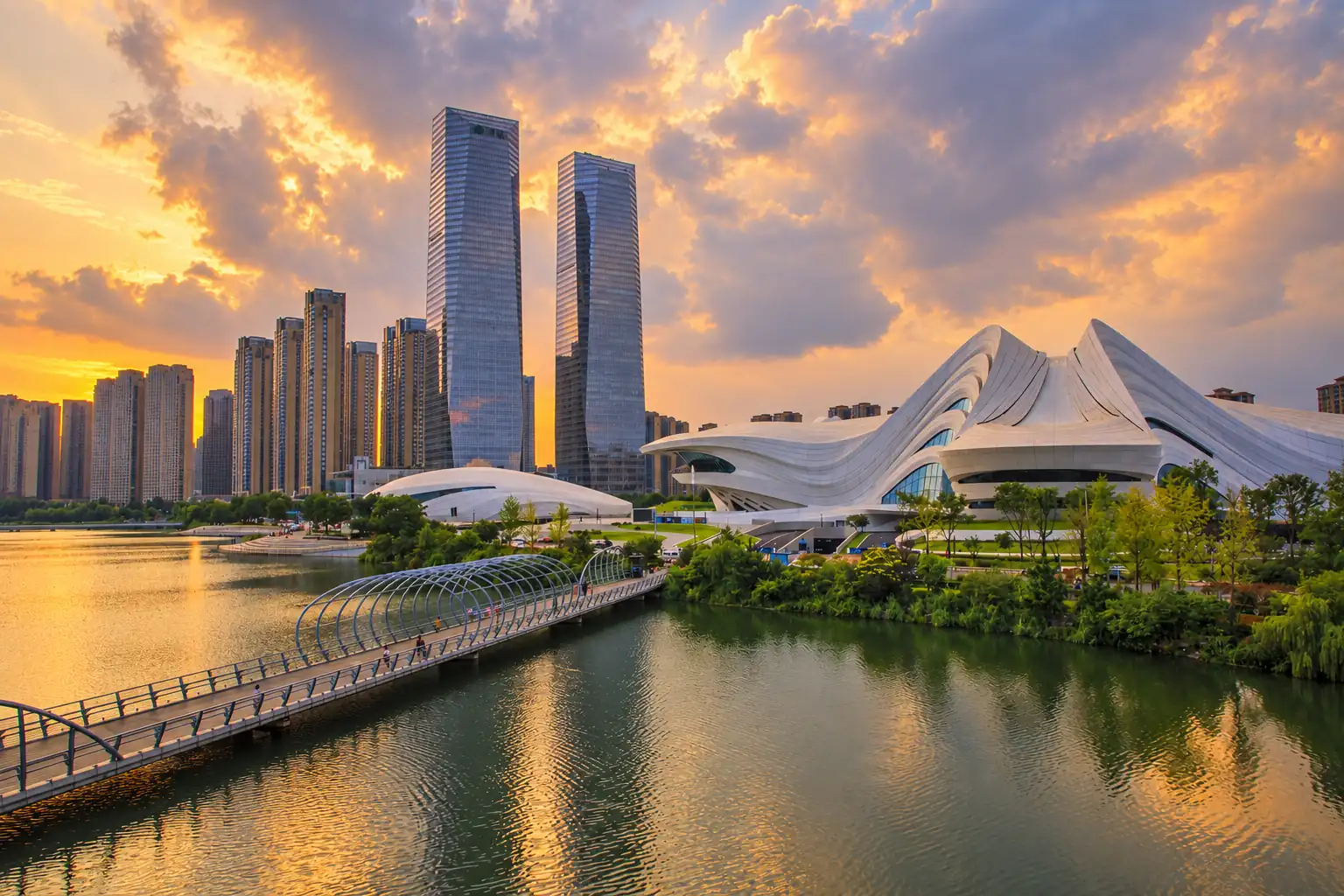
Meixi Lake is a modern area in western Changsha, known for contemporary architecture and a spacious urban setting. It may appeal to couples, families and travelers who prioritize hotel facilities and a calmer environment. However, it is less convenient for frequent trips to the central food streets.
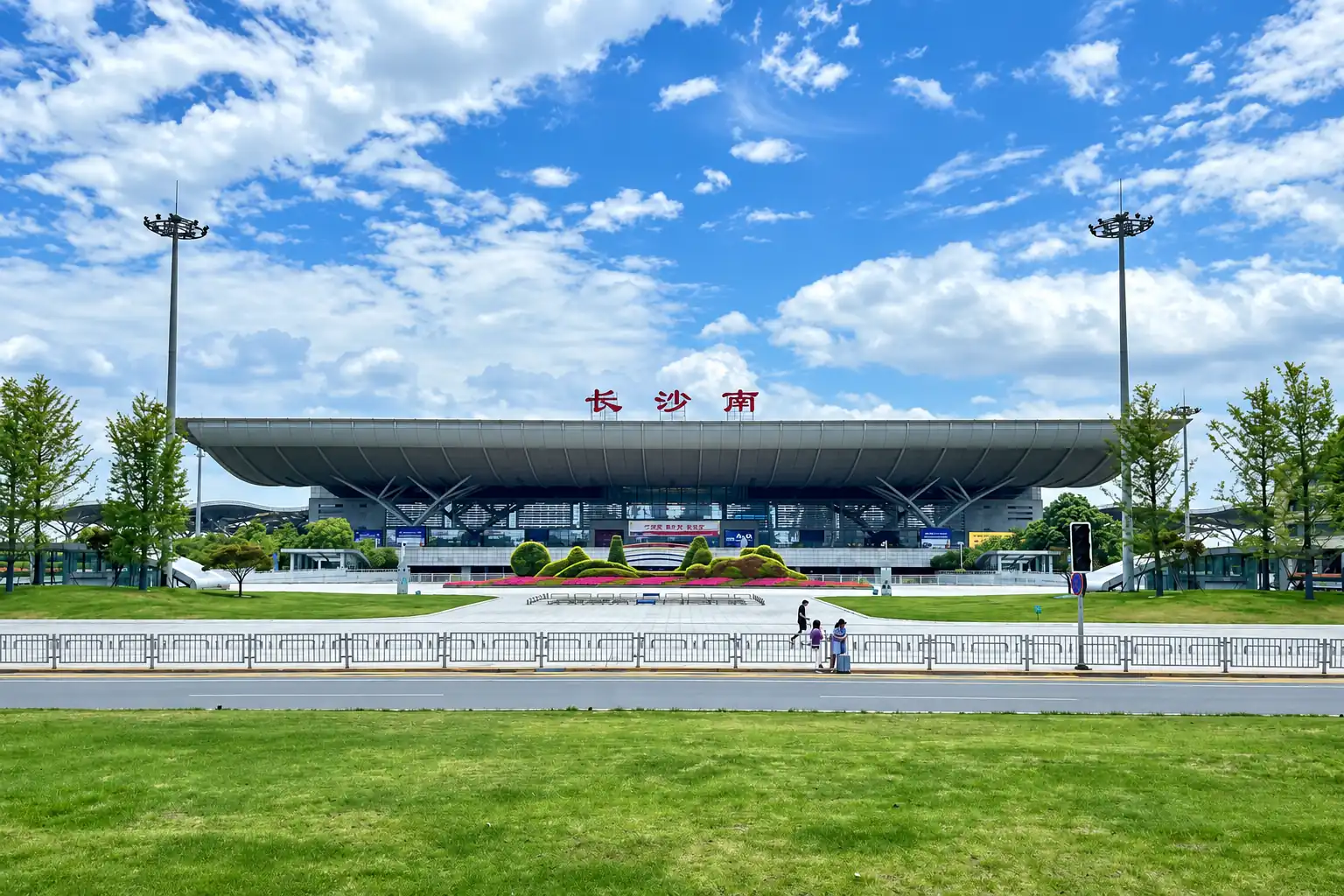
Staying near Changsha South Railway Station can make sense for a late arrival, early train departure or short overnight transfer. This is a practical transport location rather than the city's main sightseeing district. For a longer Changsha visit, most tourists will find the central areas more convenient.
For a short first visit, prioritize a central hotel with convenient transport connections. Compare the walking distance to a metro entrance, recent reviews, room noise and your arrival station. If travelling with a foreign passport, confirm the property's check-in arrangements and accepted payment methods. GoChinaQuest can help match your hotel location to a personalized Changsha itinerary.
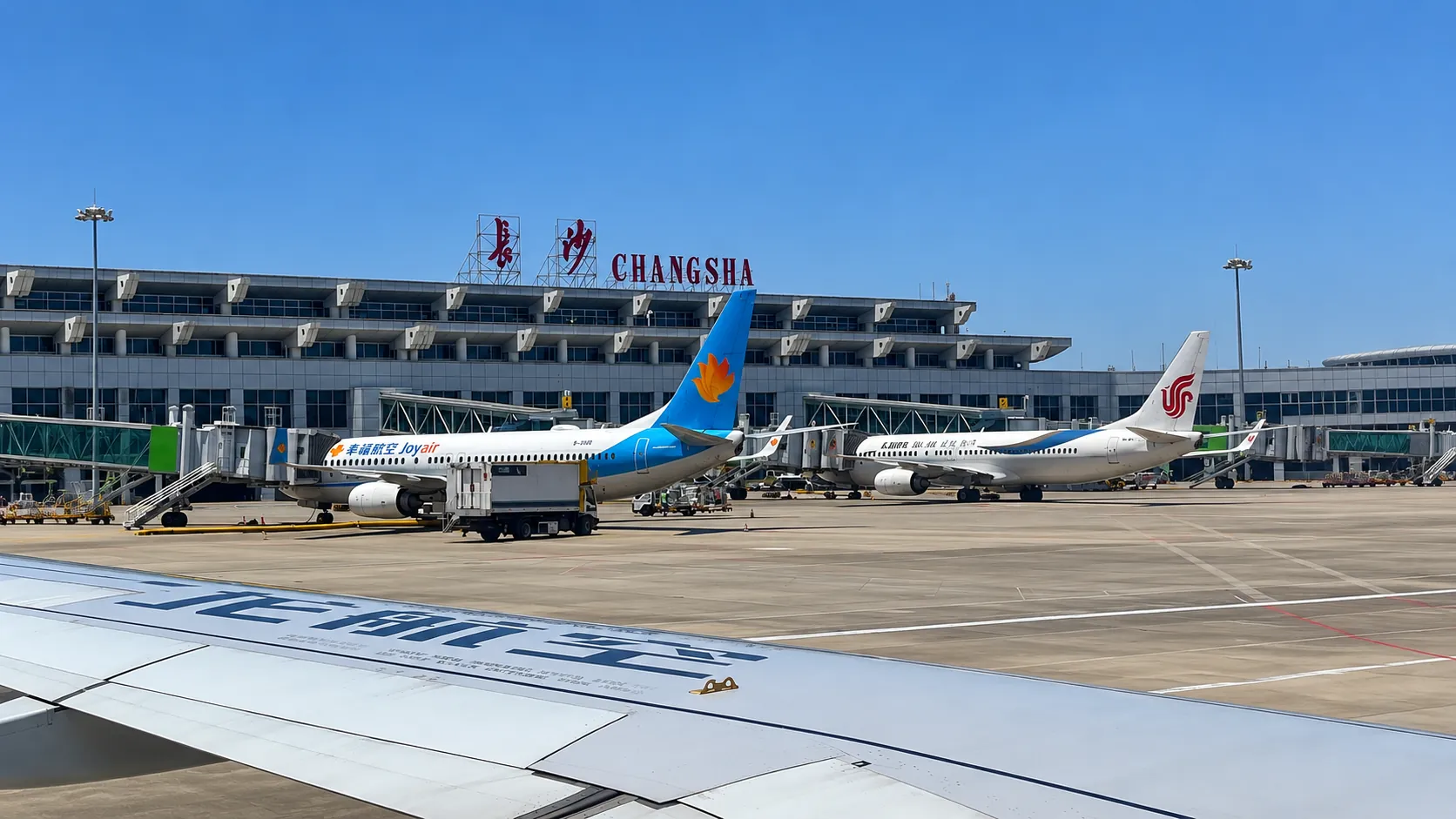
Getting around Changsha is relatively straightforward with its metro network, high-speed railway stations, airport connections and taxis. First-time visitors can use the metro to reach Wuyi Square, Orange Island and the Yuelu area, while Changsha Huanghua International Airport (CSX) connects with the city by rail and road. Understanding the difference between Changsha South Railway Station and Changsha Railway Station is especially important when planning arrivals and onward journeys.
For most independent visitors, Changsha Metro is a convenient way to travel between central districts and major transport hubs. Wuyi Square is a useful reference point for downtown sightseeing, while taxis and ride-hailing services help with luggage or destinations farther from stations. Allow extra travel time during busy periods and confirm the correct railway station before leaving your hotel.
The metro is useful for most central sightseeing routes. Line 2 serves Wuyi Square, Orange Island (Juzizhou) and Changsha South Railway Station. Line 1 also serves Wuyi Square and Huangxing Square, while Line 4 reaches the Hunan University area. Check the current metro map for transfers, first trains and last trains, especially when returning late. Foreign visitors can use single-journey tickets or supported app-based payment methods; see the official guide for details.
Official Changsha Metro Guide ↗Changsha Huanghua International Airport is the city's main aviation gateway. Metro Line 6 connects the airport with the urban rail network. From Wuyi Square, one possible route is Metro Line 2 to Yingbin Road, followed by a transfer to Line 6. Taxis and prearranged transfers can be more practical when travelling with bulky luggage or arriving late. Confirm your terminal and current operating hours.
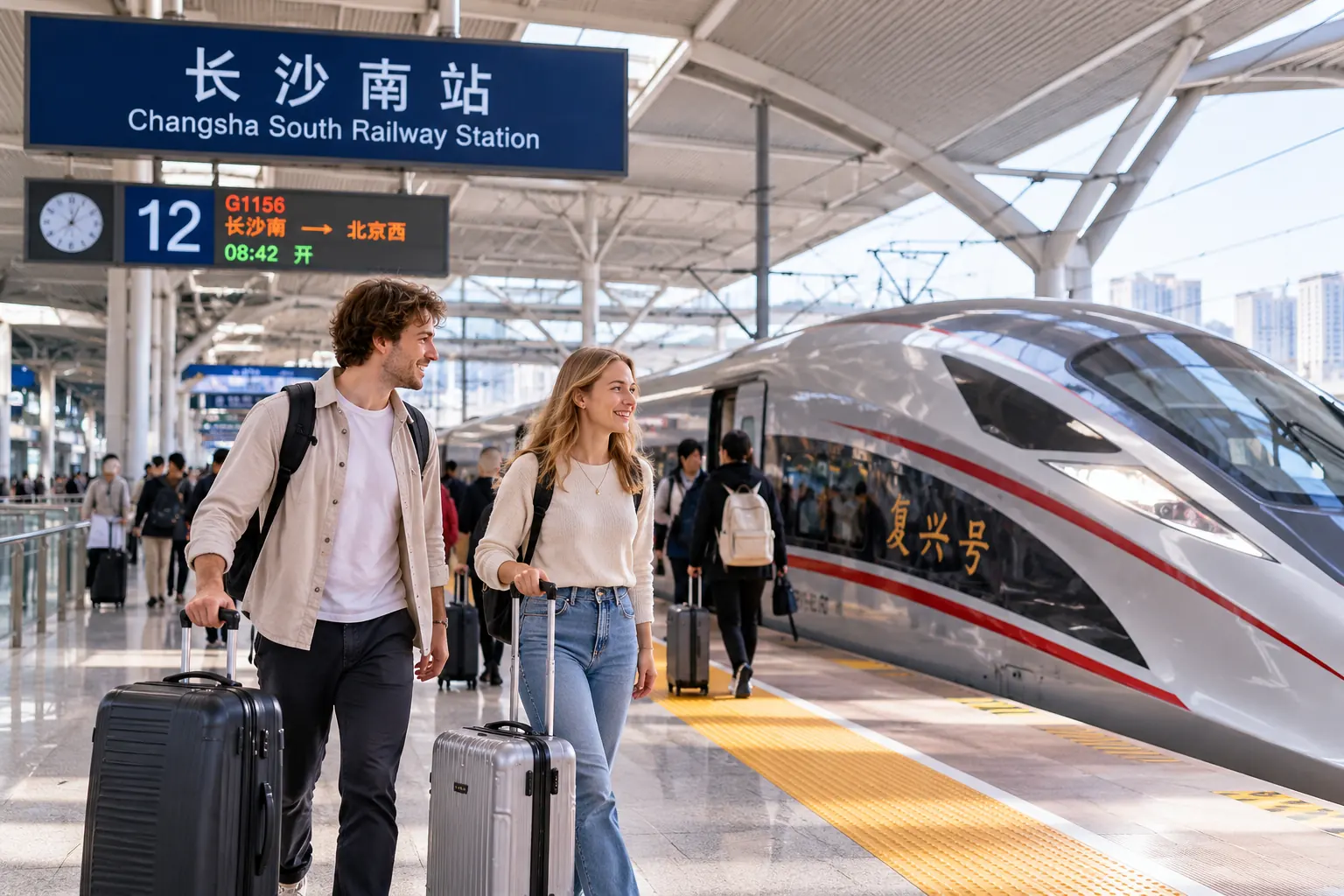
Airport Metro Line 6 ↗Changsha South Railway Station (Changsha Nan, 长沙南站) is a major high-speed rail hub in the southeast of the city. Changsha Railway Station (Changsha Zhan, 长沙站) is a separate station closer to the older central districts. Do not assume that trains arrive at or depart from the same station. Check the station name printed on your ticket before planning hotel transfers or continuing to other Chinese cities. For passport-based bookings and boarding, read our guide to buying train tickets in China.
Hunan Railway Stations ↗The Changsha Maglev Express links the airport with Changsha South Railway Station. It can be useful when transferring between a flight and a high-speed train. The maglev does not terminate at Wuyi Square, so visitors staying downtown will need an additional metro journey or road transfer. Confirm operating times, connections and ticket arrangements before travelling.
WeChat QR Code: Metro & Maglev ↗Licensed taxis and app-based ride-hailing services such as DiDi can help with airport pickups, luggage and places that require multiple metro transfers. Save your hotel name and destination address in Chinese, and use the designated pickup area at airports and railway stations. Allow additional time during rush hours, rain and public holidays.
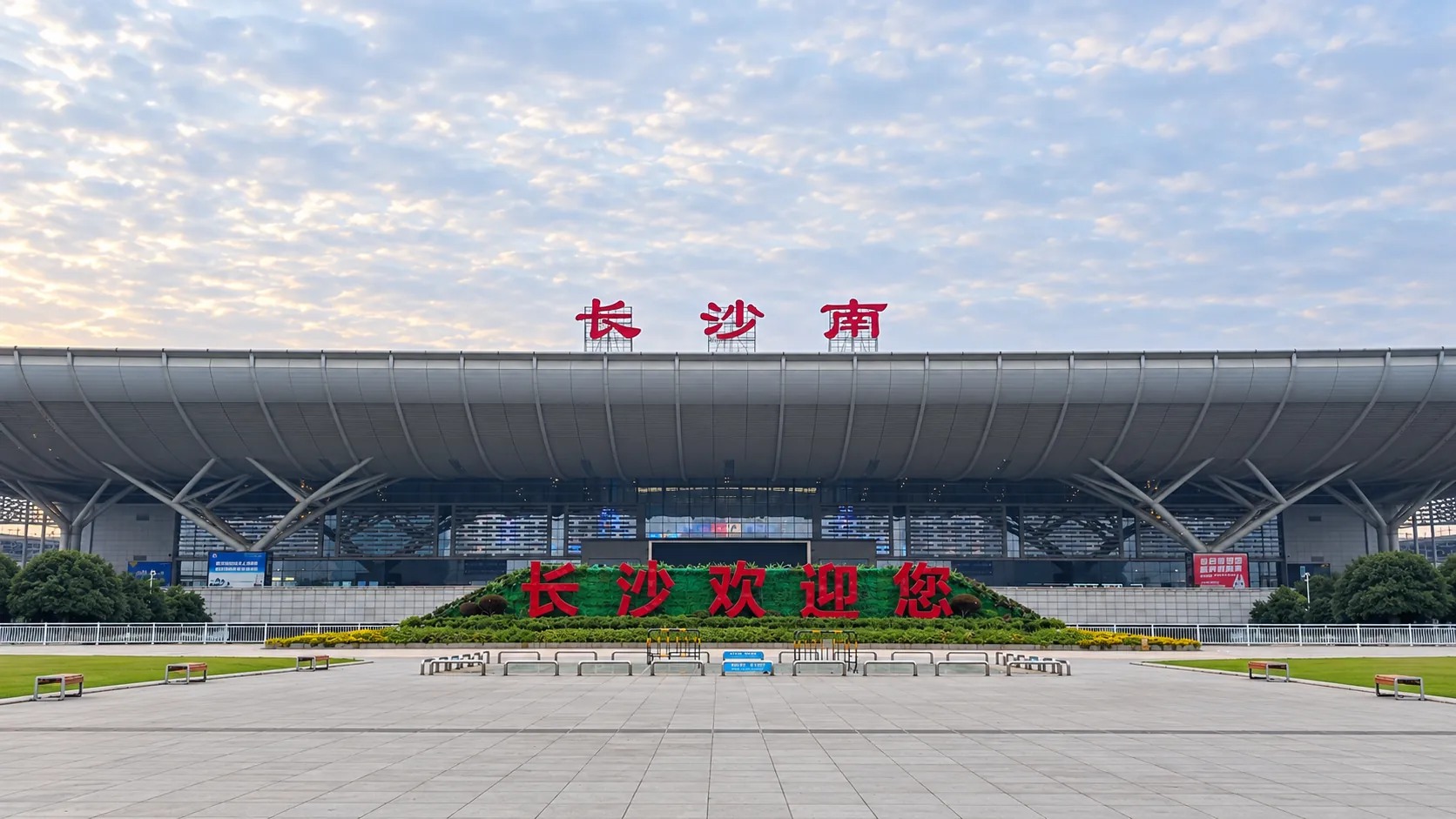
Planning a private Changsha itinerary or a longer journey through Hunan? Tell GoChinaQuest your arrival station, travel dates, hotel location and preferred sightseeing plan. We can help you explore private transportation arrangements and coordinate your itinerary around your arrival and departure.
Changsha is a convenient starting point for exploring Hunan Province beyond the capital. Take a day trip to historic Shaoshan or Yueyang, or continue west for the sandstone mountains of Zhangjiajie, the waterfall scenery of Furong Town and the riverside heritage of Fenghuang Ancient Town. These destinations suit very different trip lengths, so plan nearby excursions separately from multi-day journeys.

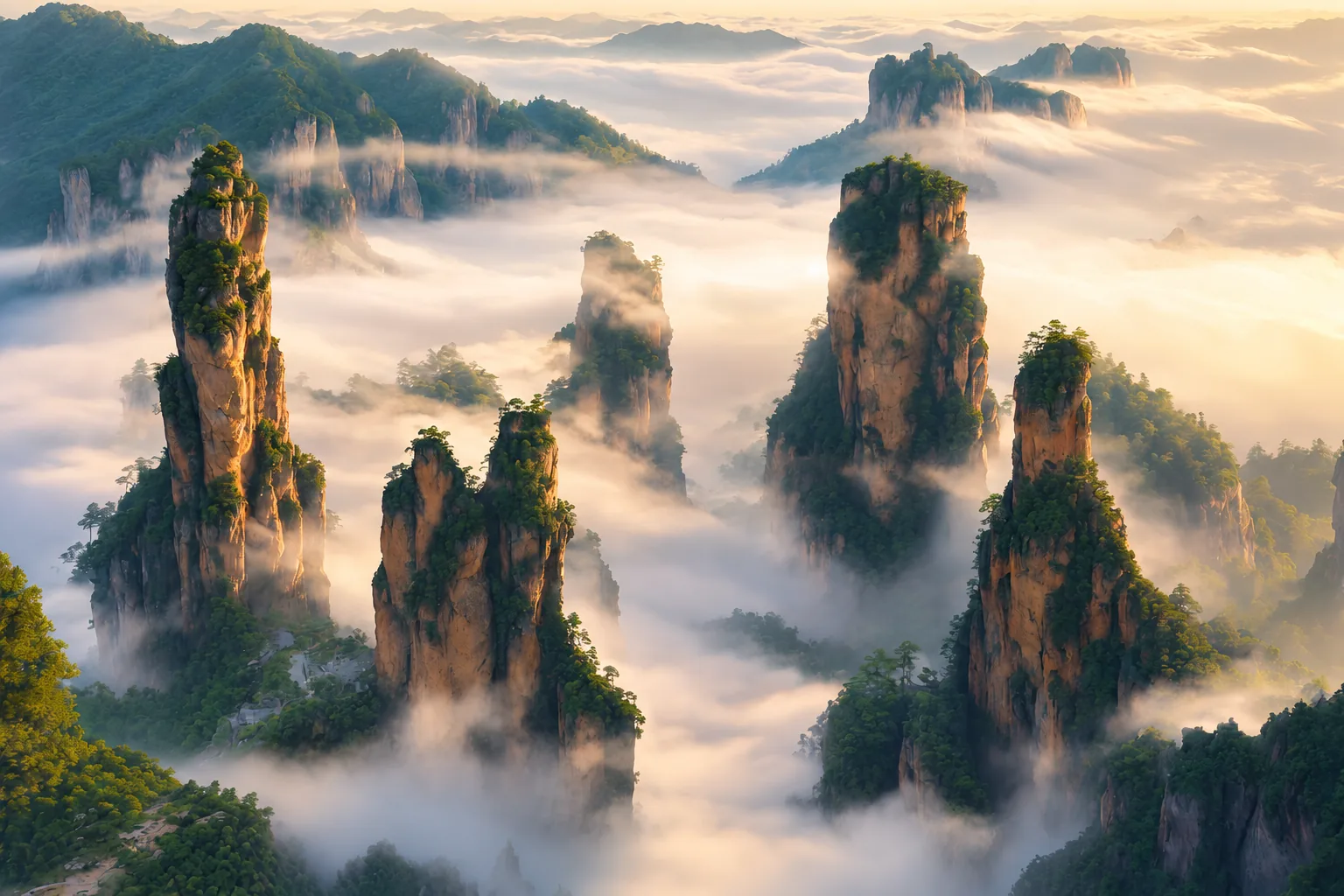
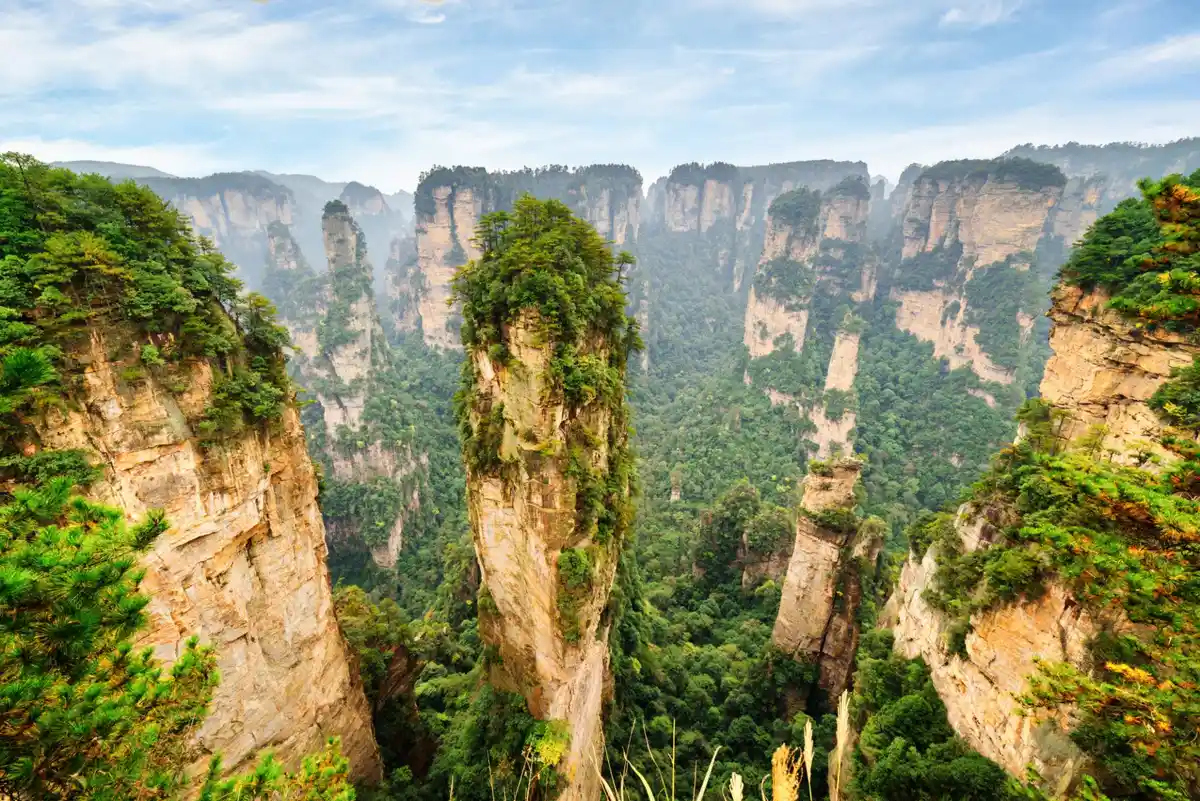
Experience three different sides of Hunan on one journey. Begin in Changsha with local food, historic landmarks and the Xiang River, then continue to Zhangjiajie for the spectacular sandstone pillars of Wulingyuan and the dramatic scenery of Tianmen Mountain. Finish with an overnight stay in Fenghuang Ancient Town to explore its traditional riverside streets and Tuojiang River views. High-speed rail and local transfers can connect the major stops, with exact arrangements depending on your travel dates.
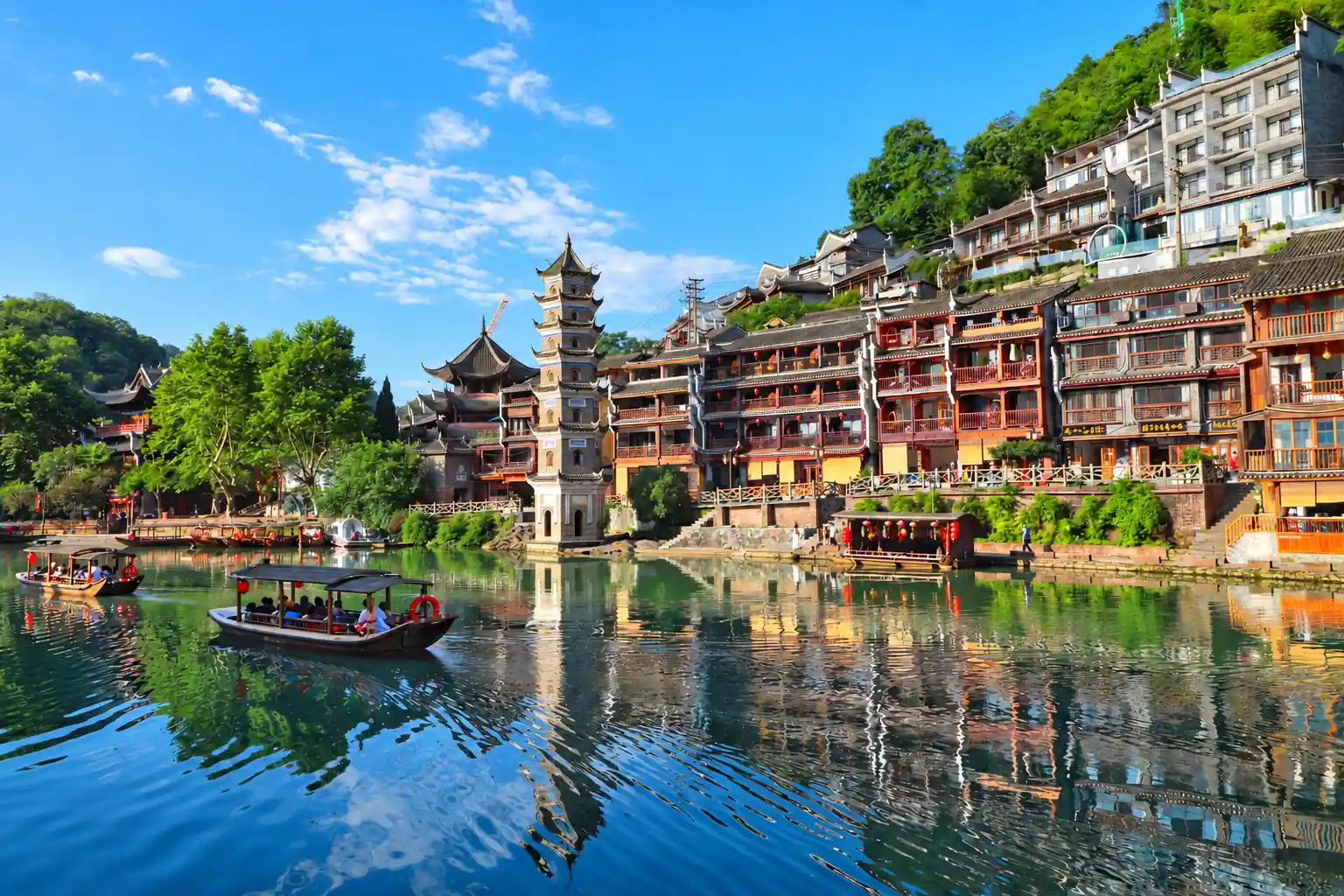
Explore one of western Hunan's best-known historic towns, with traditional wooden stilt houses, stone lanes, old bridges and the Tuojiang River. Fenghuang is also known for its Miao and Tujia cultural heritage. Stay overnight if possible to enjoy the atmosphere after dark without rushing back to Changsha.
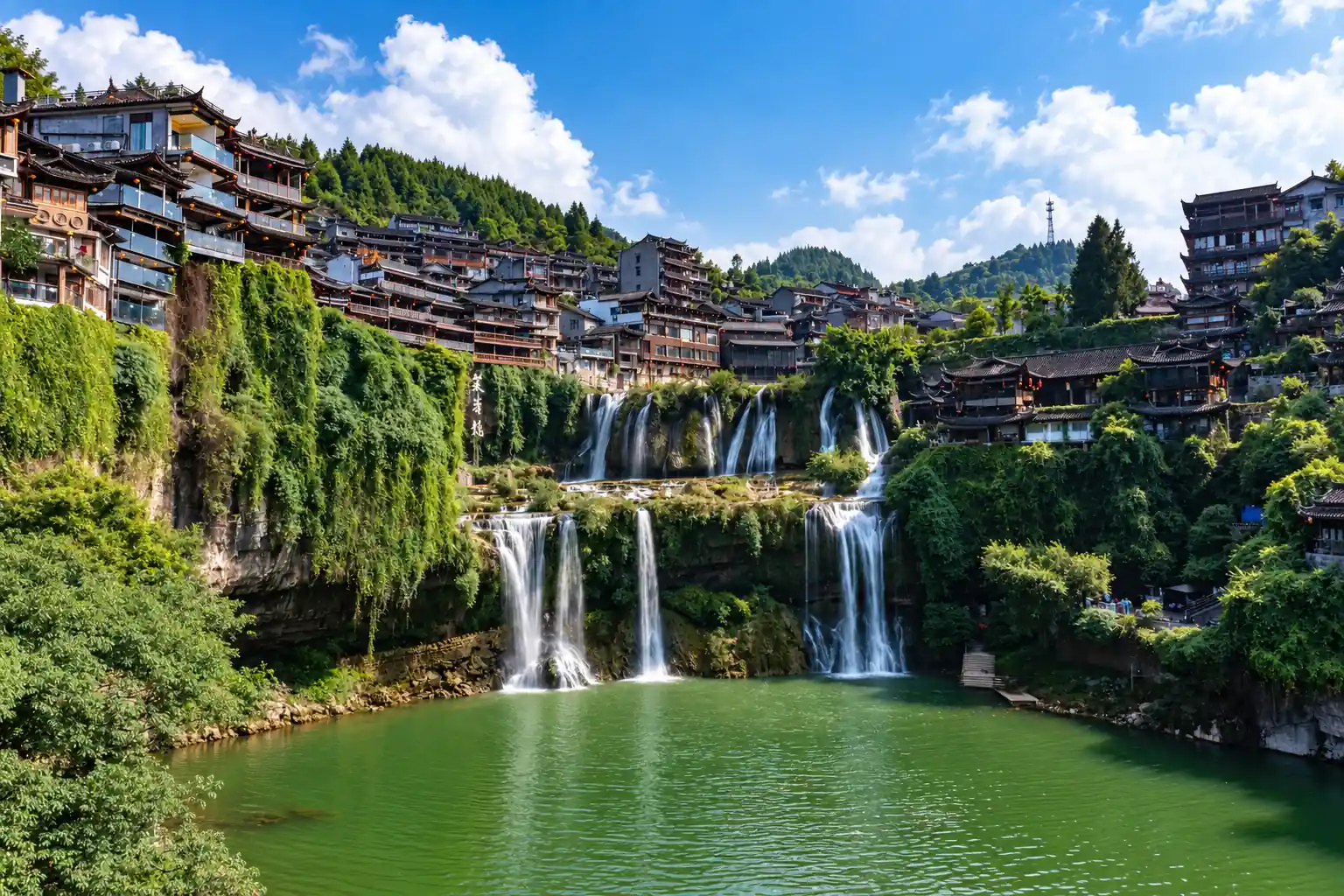
Famous for its striking waterfall beneath traditional buildings, Furong Town lies in Yongshun County in western Hunan. Explore its old streets, enjoy waterfall views and discover local Tujia cultural influences. It works particularly well as an extra stop on a Zhangjiajie and Fenghuang itinerary.
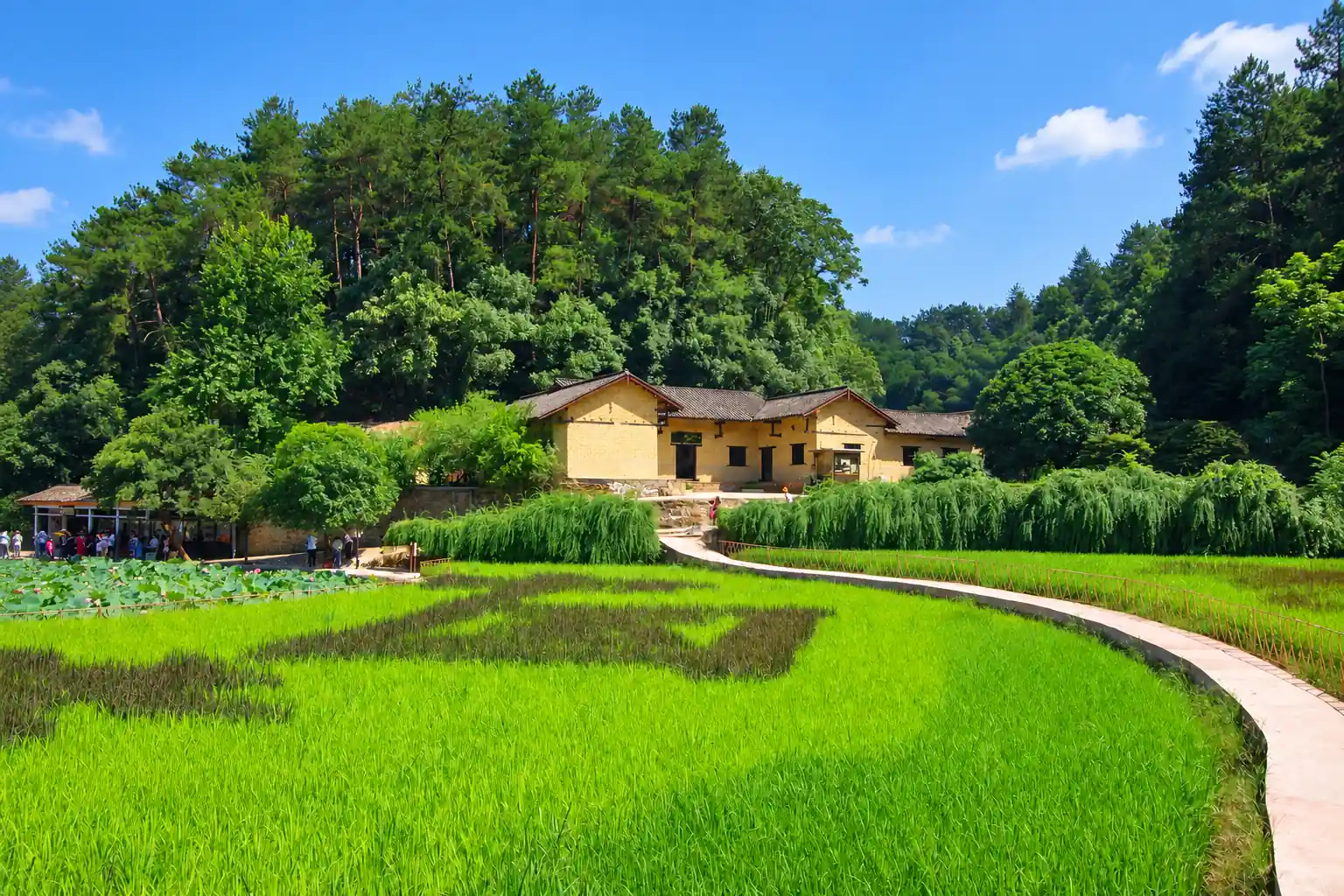
Visit Shaoshan, the birthplace of Mao Zedong, for an excursion focused on modern Chinese history. The area includes his former residence and commemorative sites. This is a more practical day-trip option from Changsha than distant destinations in western Hunan. Check visitor requirements and transport arrangements before going.
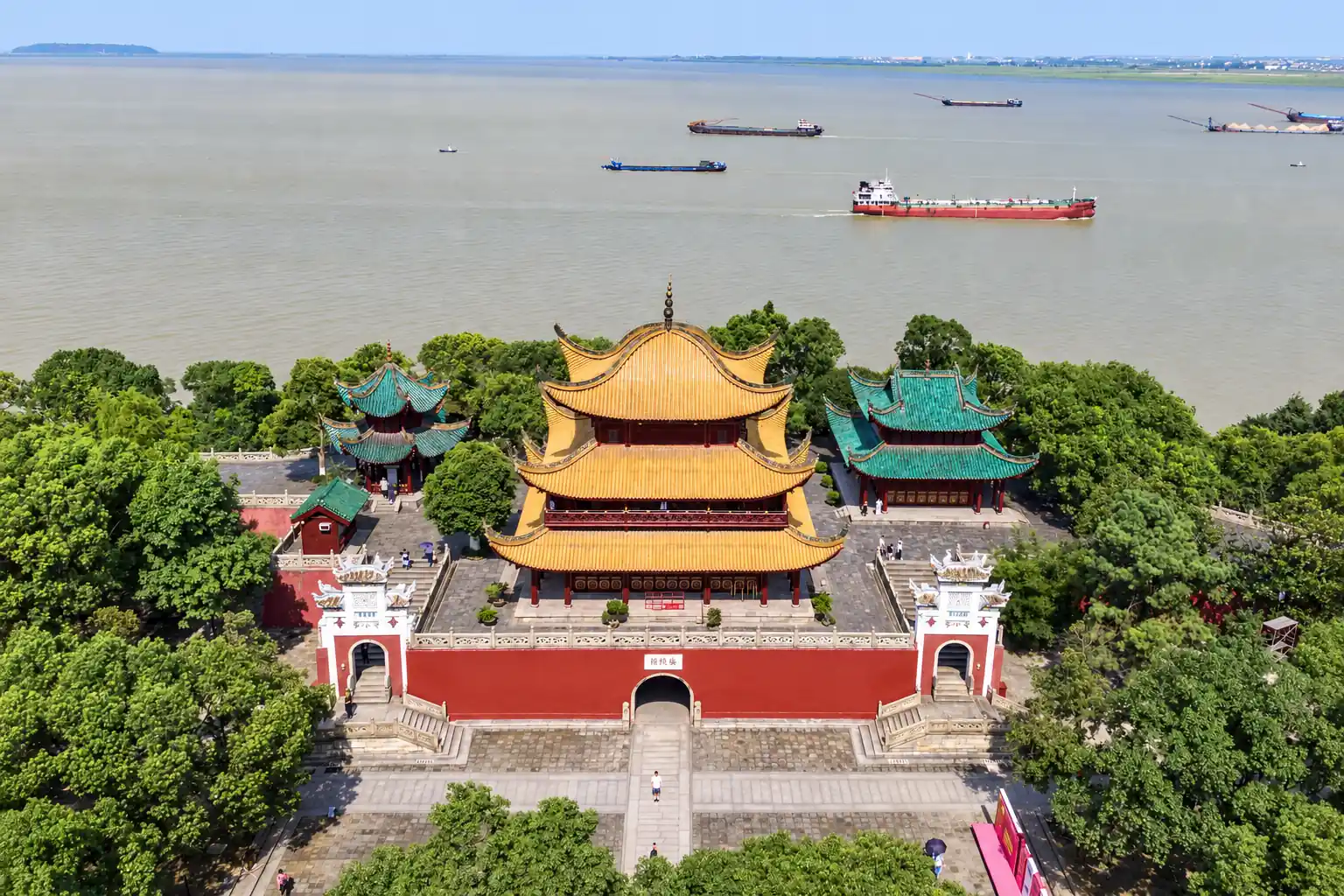
Travel north to Yueyang to see the historic Yueyang Tower beside Dongting Lake. The landmark is celebrated in classical Chinese literature and offers a different kind of Hunan cultural excursion. A focused day trip can include the tower and nearby lakeside views, depending on weather and transport schedules.
Explore Changsha with a private itinerary built around your interests, or combine the city with the dramatic mountain landscapes and historic towns of Hunan Province. These suggested routes range from short Changsha sightseeing experiences to multi-day journeys through Zhangjiajie and Fenghuang. Choose a route idea and enquire about a personalized travel plan.

Discover the contrasting landscapes and cultures of Hunan on a tailor-made journey. Begin in Changsha with Orange Island, Hunan cuisine and historic city sights. Continue to Zhangjiajie for the sandstone pillars of Wulingyuan, Tianmen Mountain and the Grand Canyon Glass Bridge. Finish in Fenghuang Ancient Town, where traditional streets and riverside architecture offer a slower ending to the trip. The final route, hotel nights and transfers can be adjusted to your dates.
View 7-Day Changsha, Zhangjiajie & Fenghuang TourMake the most of a short visit with a flexible introduction to Changsha. Choose Orange Island, historic city landmarks and central neighborhoods according to your interests and arrival schedule. Add a Hunan-style meal or local street-food experience if desired.
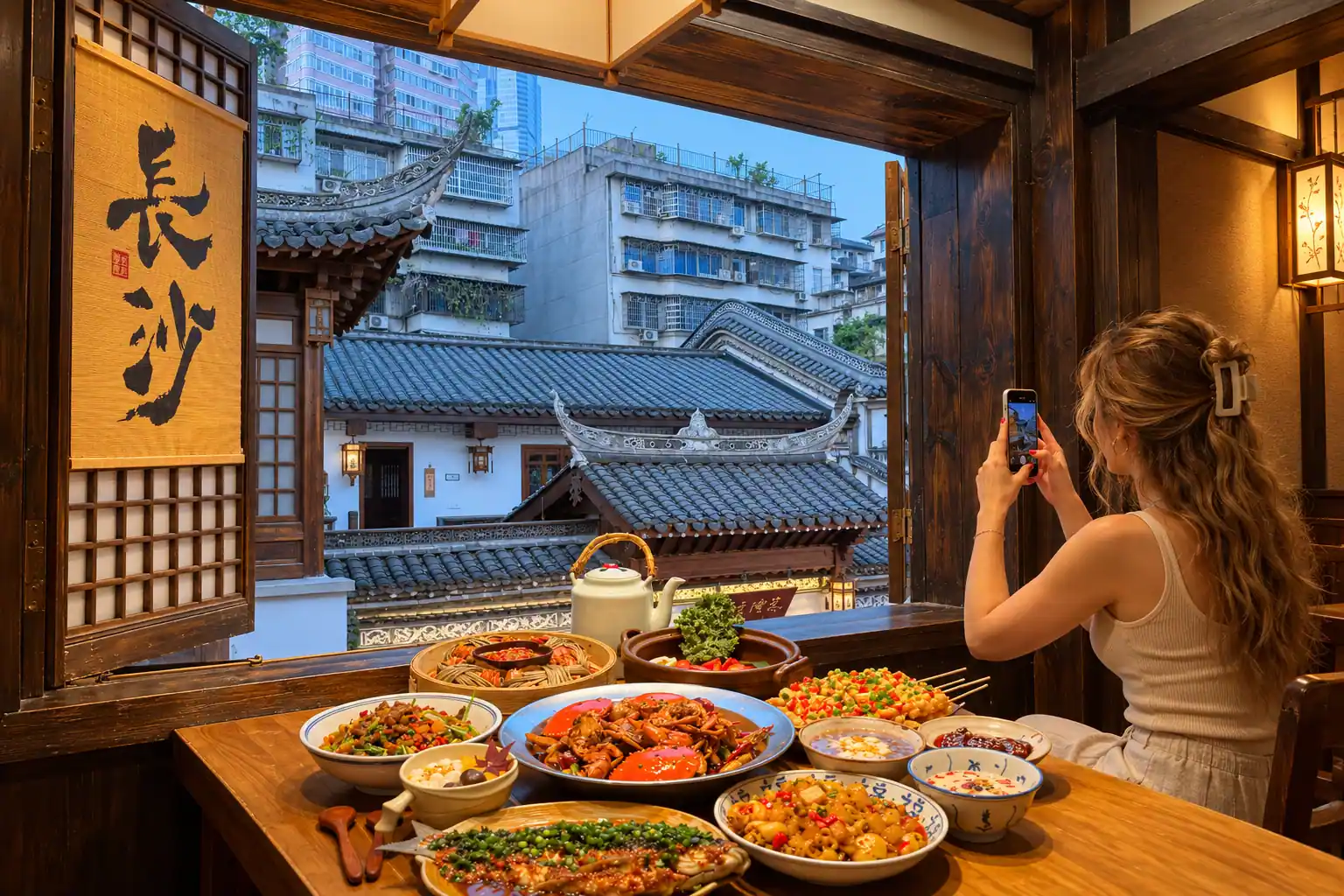
Discover Hunan's capital at a comfortable pace. Combine Yuelu Mountain and Yuelu Academy with the Mawangdui collections at Hunan Museum, central historic streets and signature local dishes. The route can be adjusted to museum opening days and your food preferences.
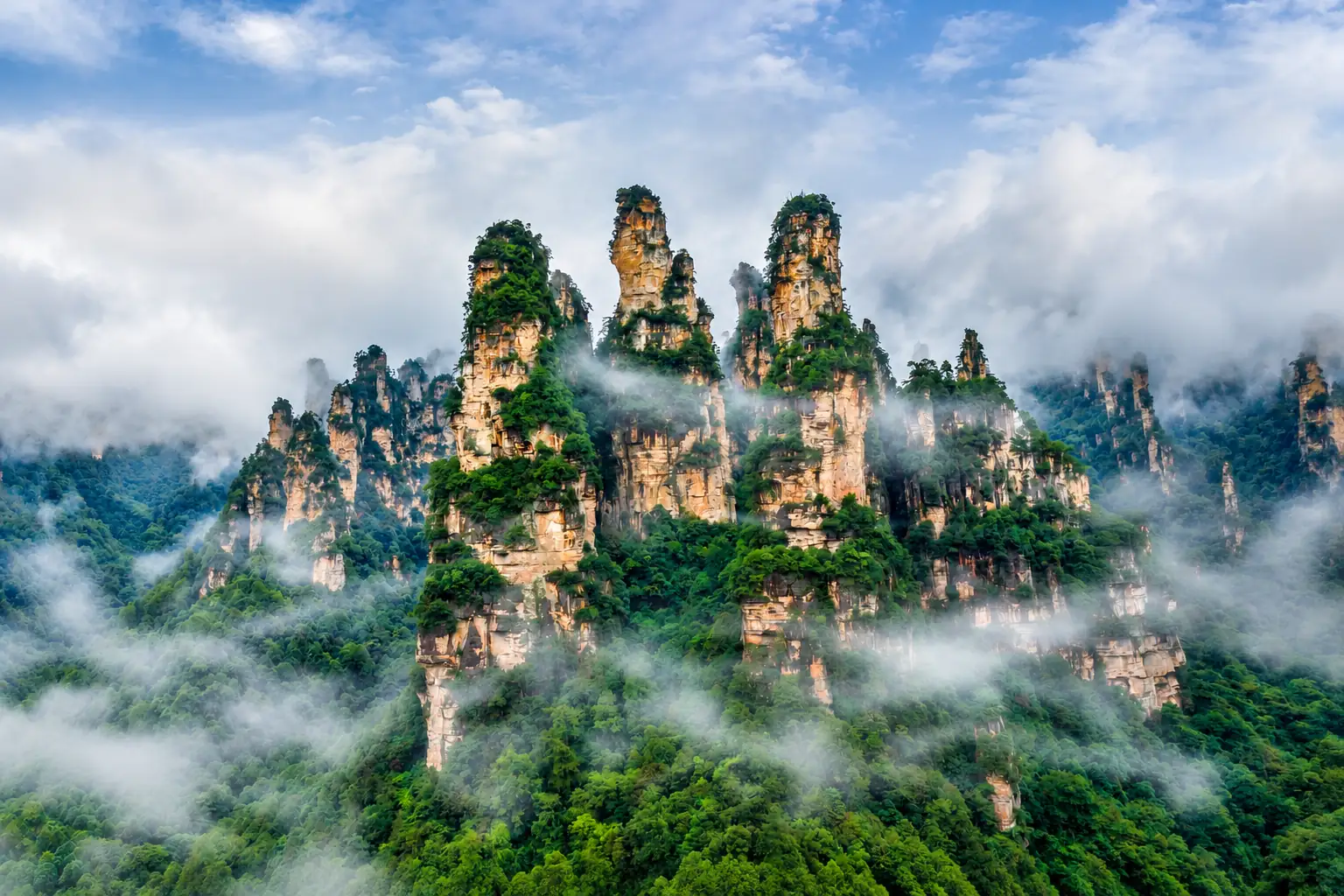
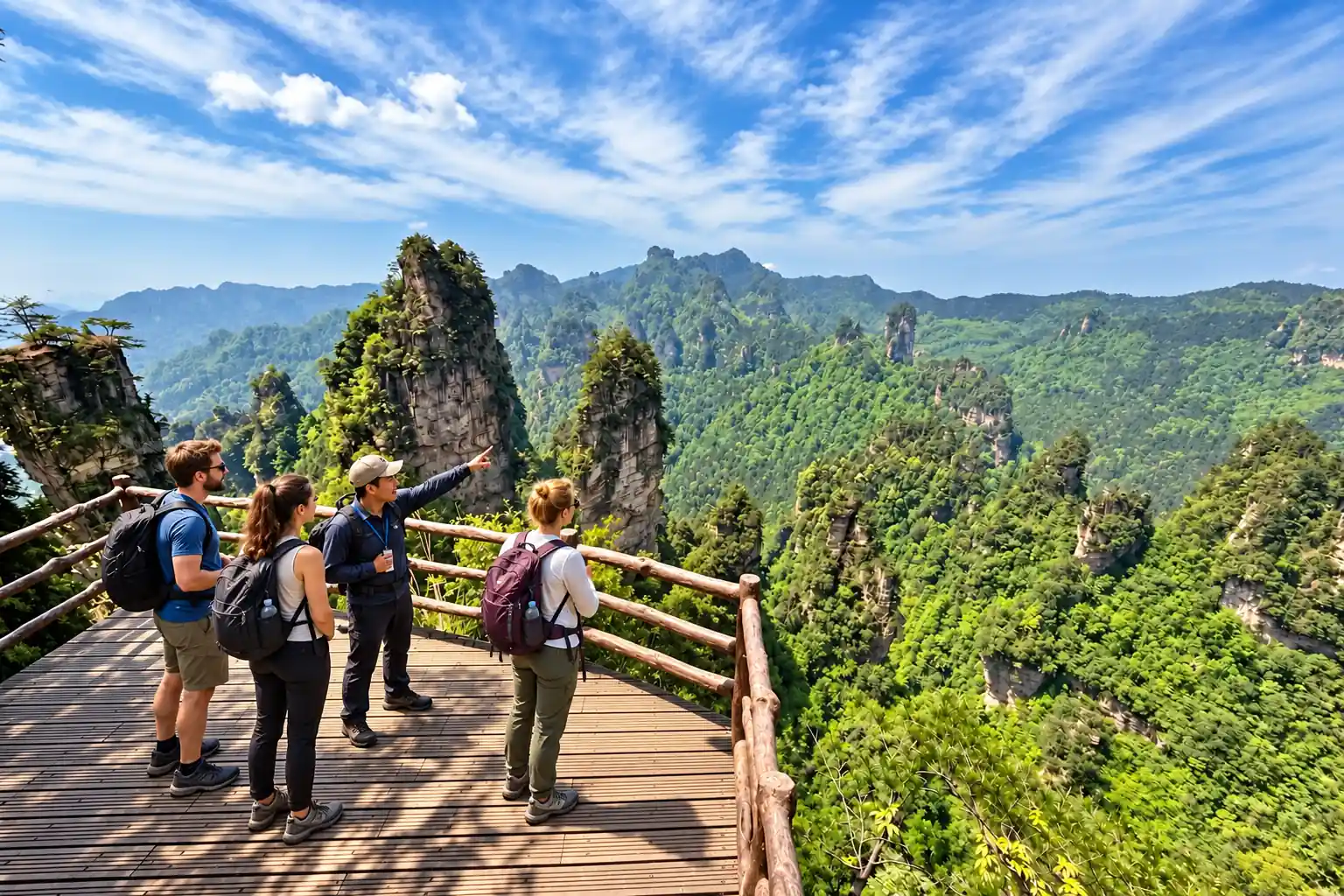
Explore Zhangjiajie's renowned mountain scenery, including the National Forest Park, Yuanjiajie, Tianzi Mountain, the Grand Canyon Glass Bridge and Tianmen Mountain. This published tour begins in Zhangjiajie; travel from Changsha should be arranged separately or as part of a customized extension.
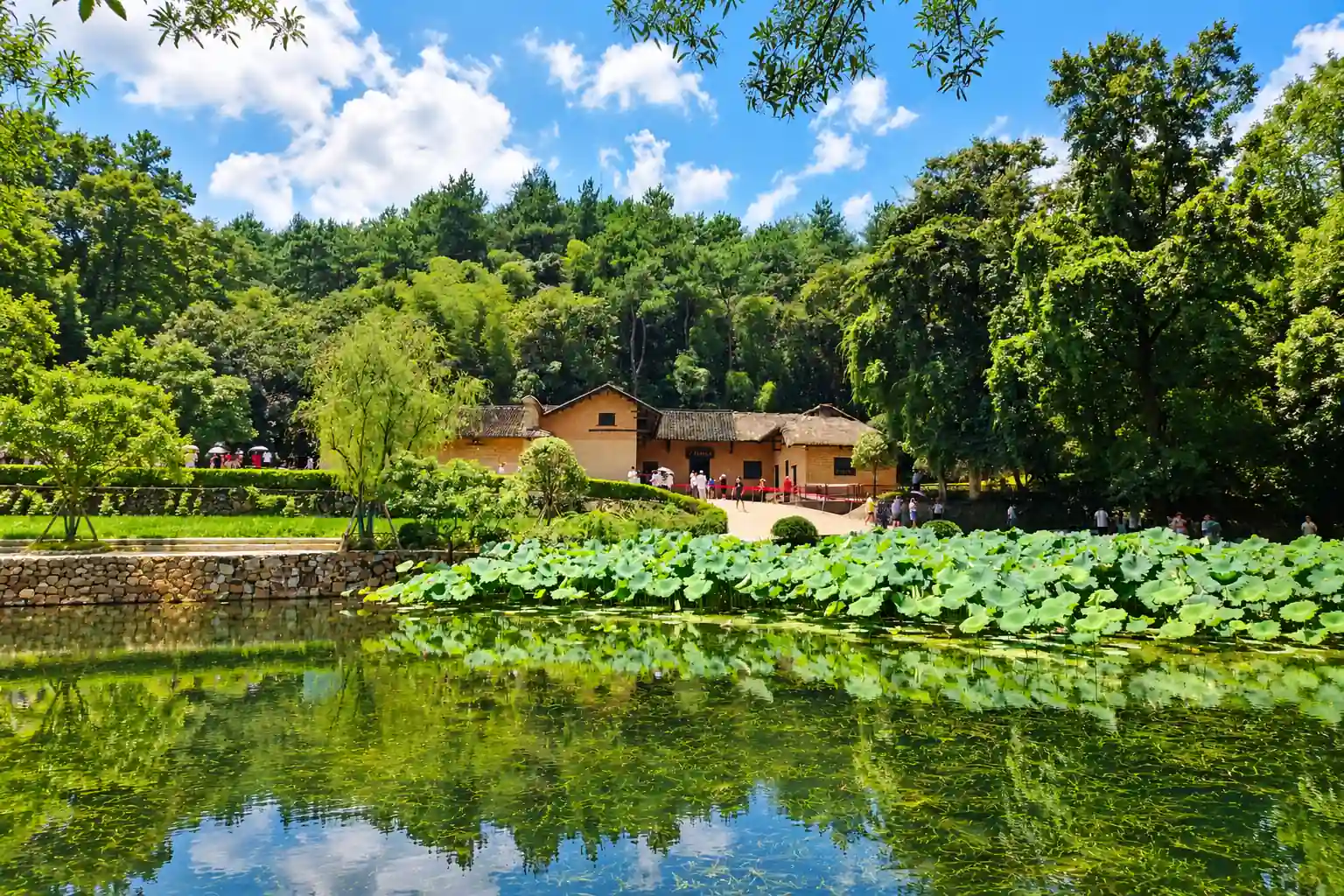
Explore modern Chinese history on an excursion to Shaoshan, the birthplace of Mao Zedong. The suggested visit focuses on the former residence, historical interpretation and important commemorative locations. Arrange transport and admission details around current visitor requirements.
Compare practical city routes for a quick stopover or a longer first visit, including Orange Island, Yuelu Mountain, Hunan Museum and local food. Use the suggested plan as a starting point for a personalized trip.
Compare Changsha Itineraries →Explore existing private tour options covering Zhangjiajie National Forest Park, Tianmen Mountain and the Grand Canyon Glass Bridge. Additional travel from Changsha can be coordinated to match your itinerary.
Explore Zhangjiajie Tours →Explore travel ideas beyond Changsha, from Fenghuang Ancient Town and Furong Town to Shaoshan and Yueyang. Understand which places suit a day trip and which deserve extra nights.
Explore Hunan Travel Routes →Share your travel dates, number of travelers, preferred hotels, sightseeing interests and departure city. GoChinaQuest can help you develop a tailor-made Changsha and Hunan itinerary with a practical sightseeing pace and coordinated travel arrangements. A detailed proposal and quotation can be discussed after your inquiry.