
How Many Days in Pingyao?
Choose your stay based on whether you want to focus on the ancient city or include nearby temples and additional cultural experiences.

Explore the best places to visit in Pingyao, a historic walled town in Shanxi known for its preserved Ming and Qing streets, traditional courtyard architecture and merchant heritage. Discover the Ancient City Wall, Rishengchang Former Bank, the former county government office and other landmarks within the historic center. If you have extra time, consider visiting Shuanglin Temple or Zhenguo Temple outside the ancient city for their distinctive Buddhist art and historic architecture.
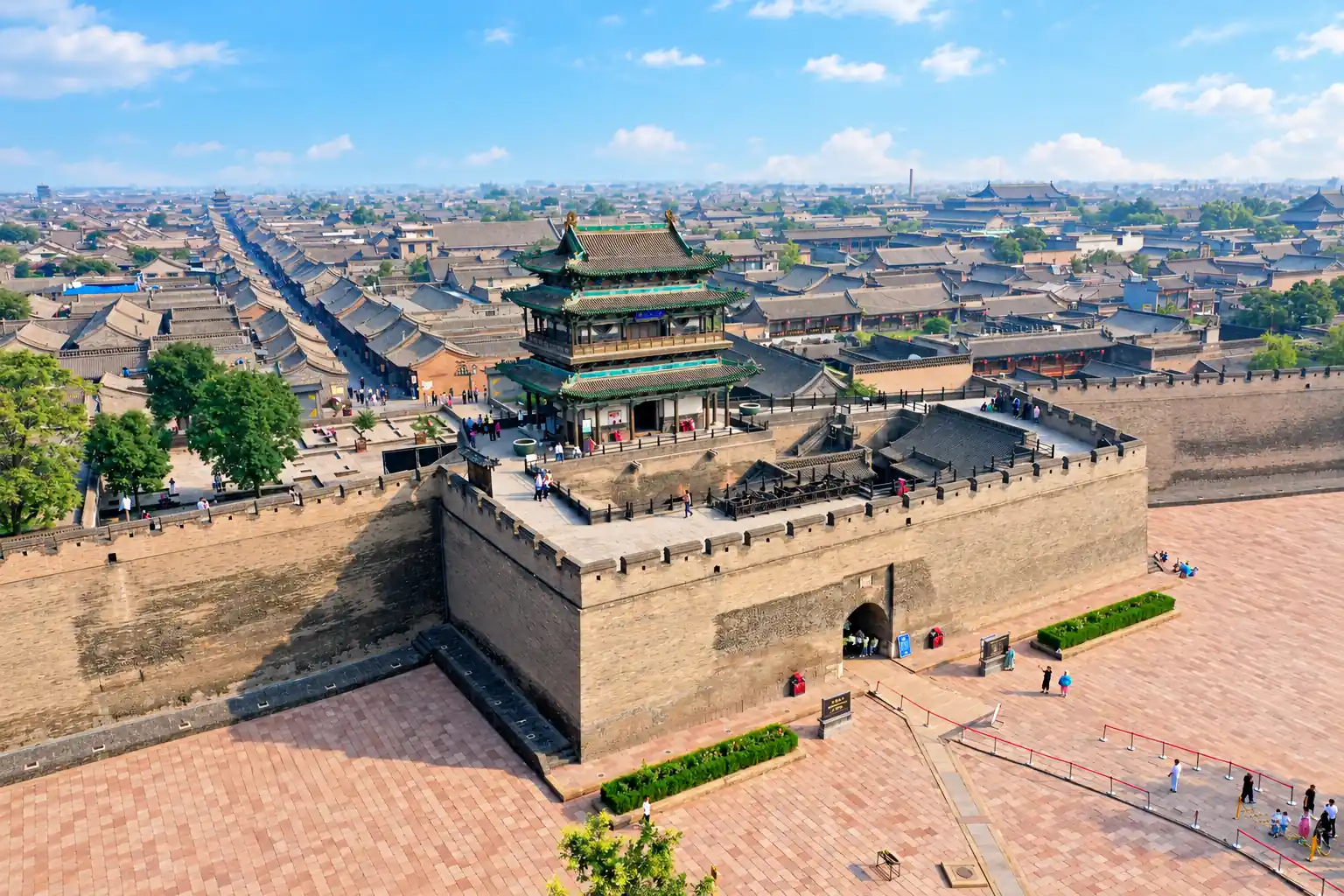
The Ancient City Wall is one of Pingyao's defining landmarks and an essential part of its historic urban layout. Explore the gates and defensive structure to understand how the walled town developed as a center of commerce and everyday life. Views over traditional rooftops also help reveal the relationship between the city's streets, courtyards and historic buildings. Check current access arrangements before your visit.
Plan Your Visit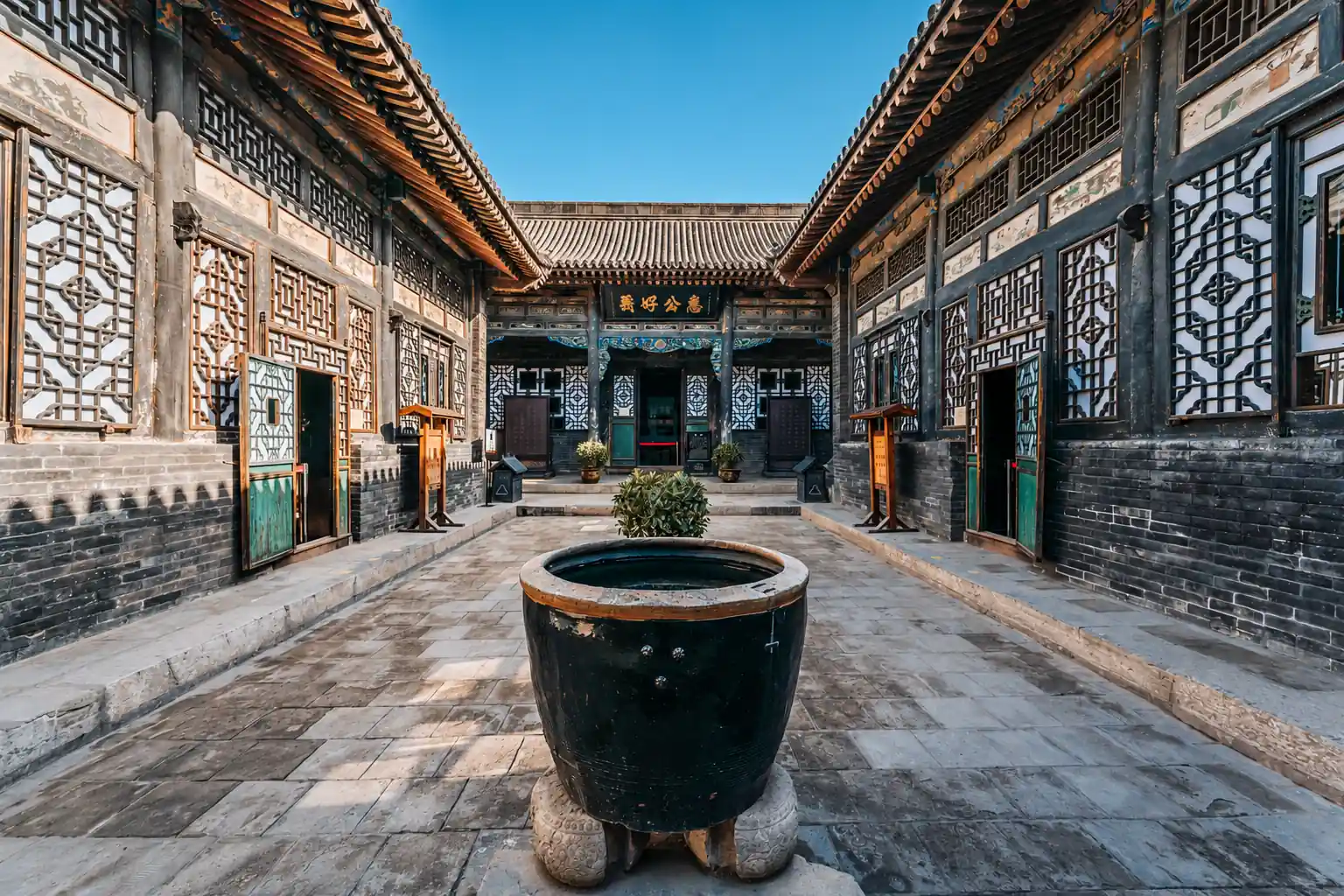
Rishengchang is closely associated with the rise of Shanxi merchants and the development of China's traditional draft-bank system. Its historic courtyard offers insight into how merchants transferred funds and maintained commercial connections across different regions. Visit to understand why banking history is an important part of Pingyao's identity, beyond its preserved streets and residential buildings.
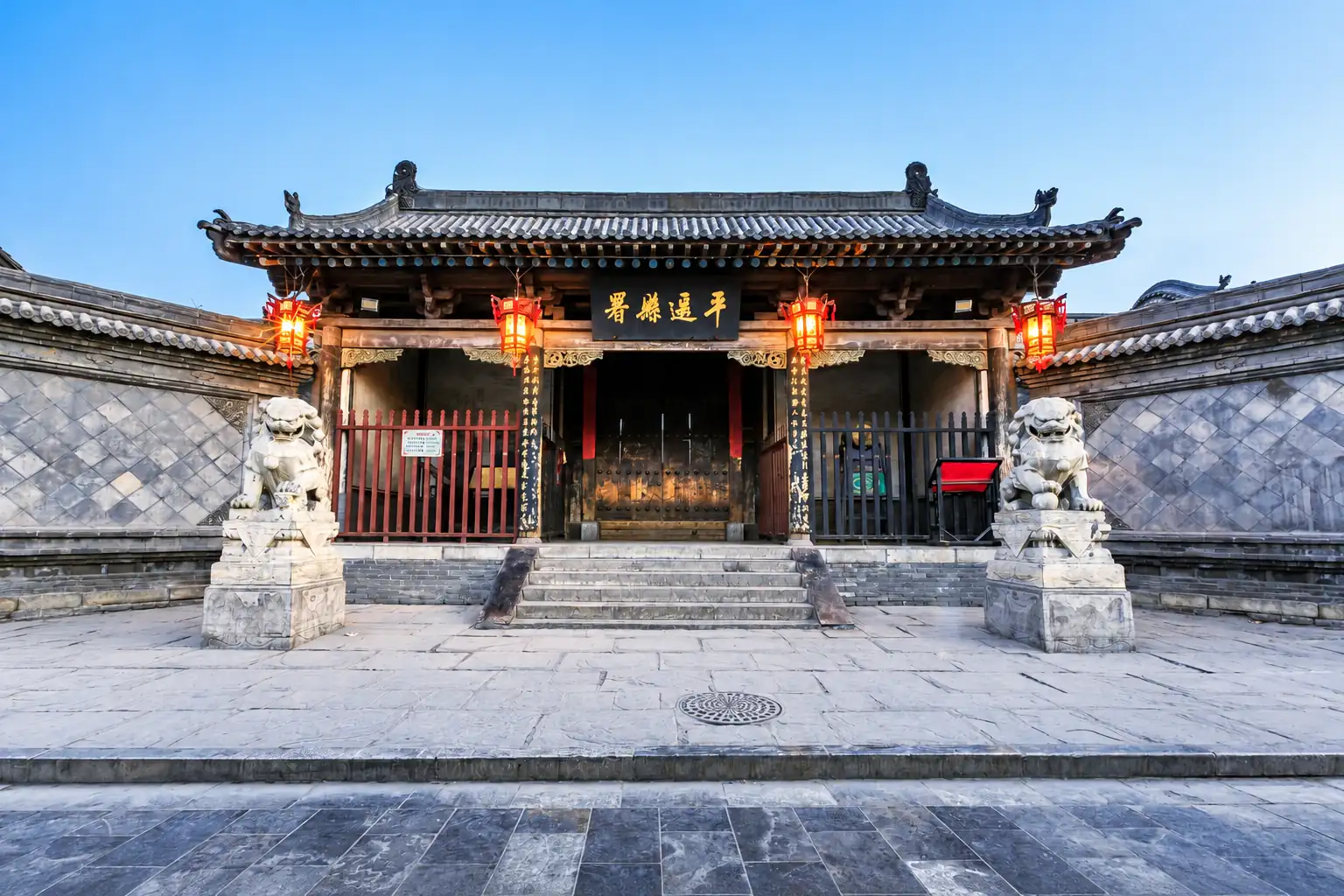
The former county government office provides a different perspective on life in historic Pingyao. Its courtyards and administrative spaces illustrate how local government functioned in imperial China. Compared with Rishengchang's commercial history, this complex focuses on traditional administration, official duties and the organization of civic life within the walled town.
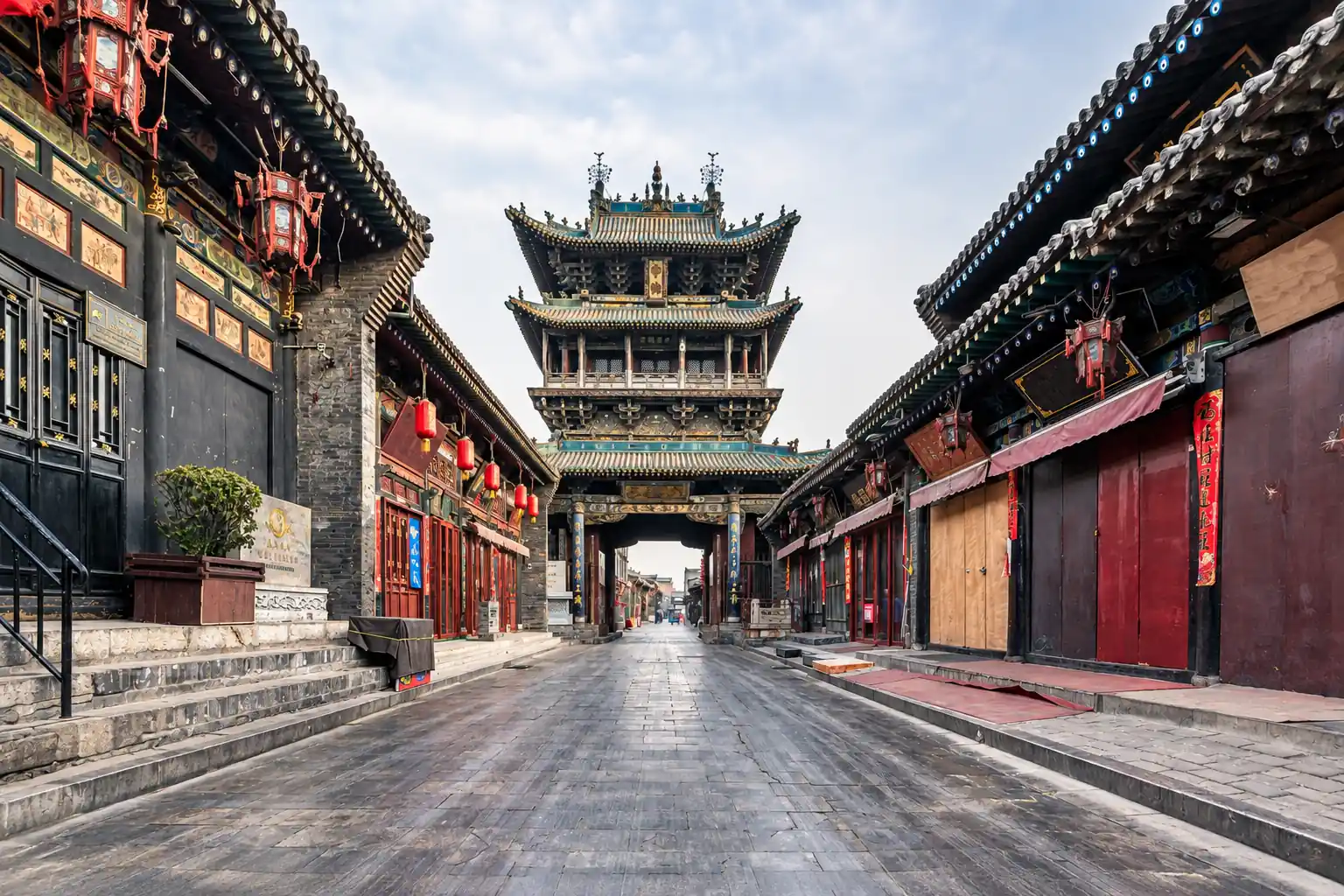
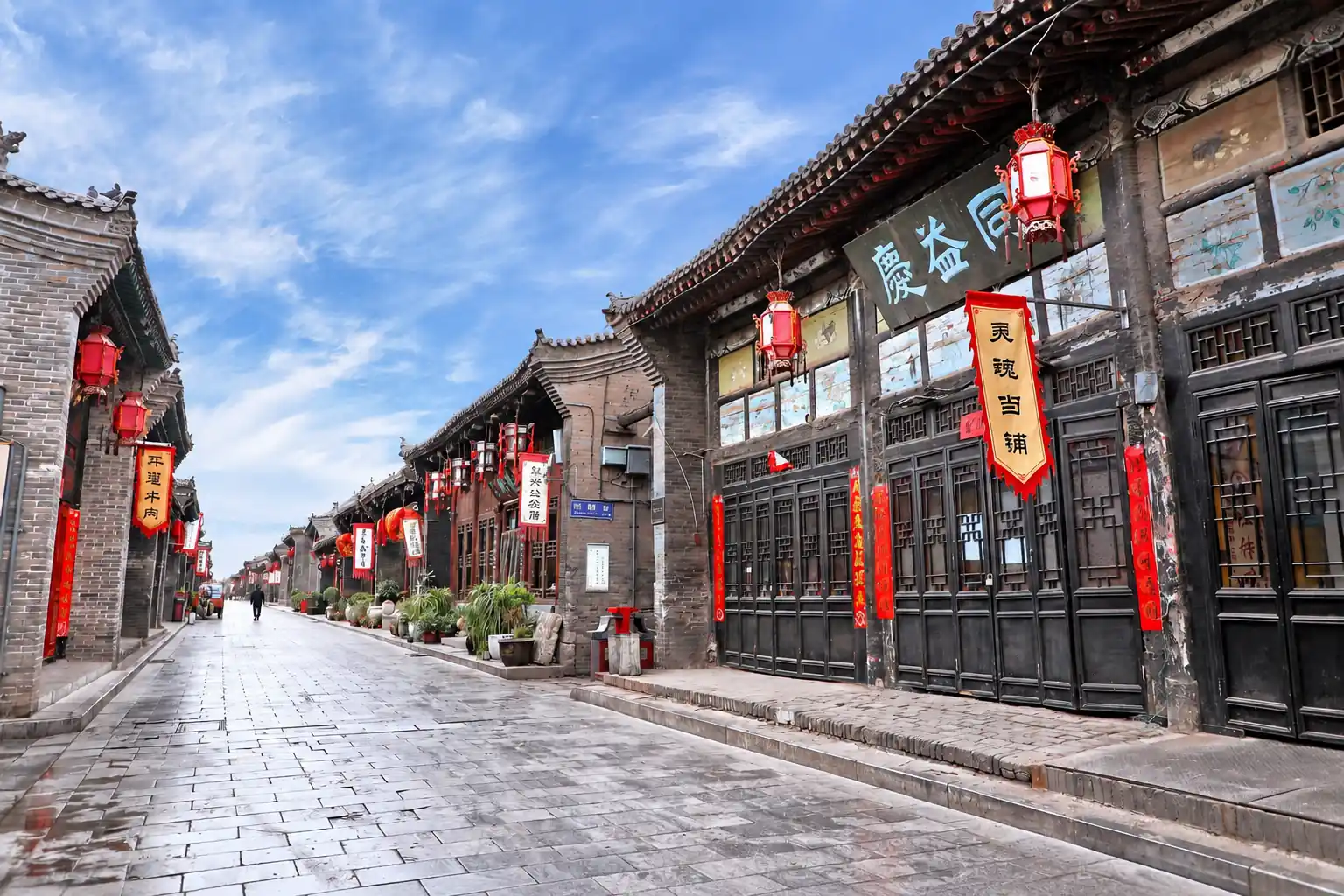
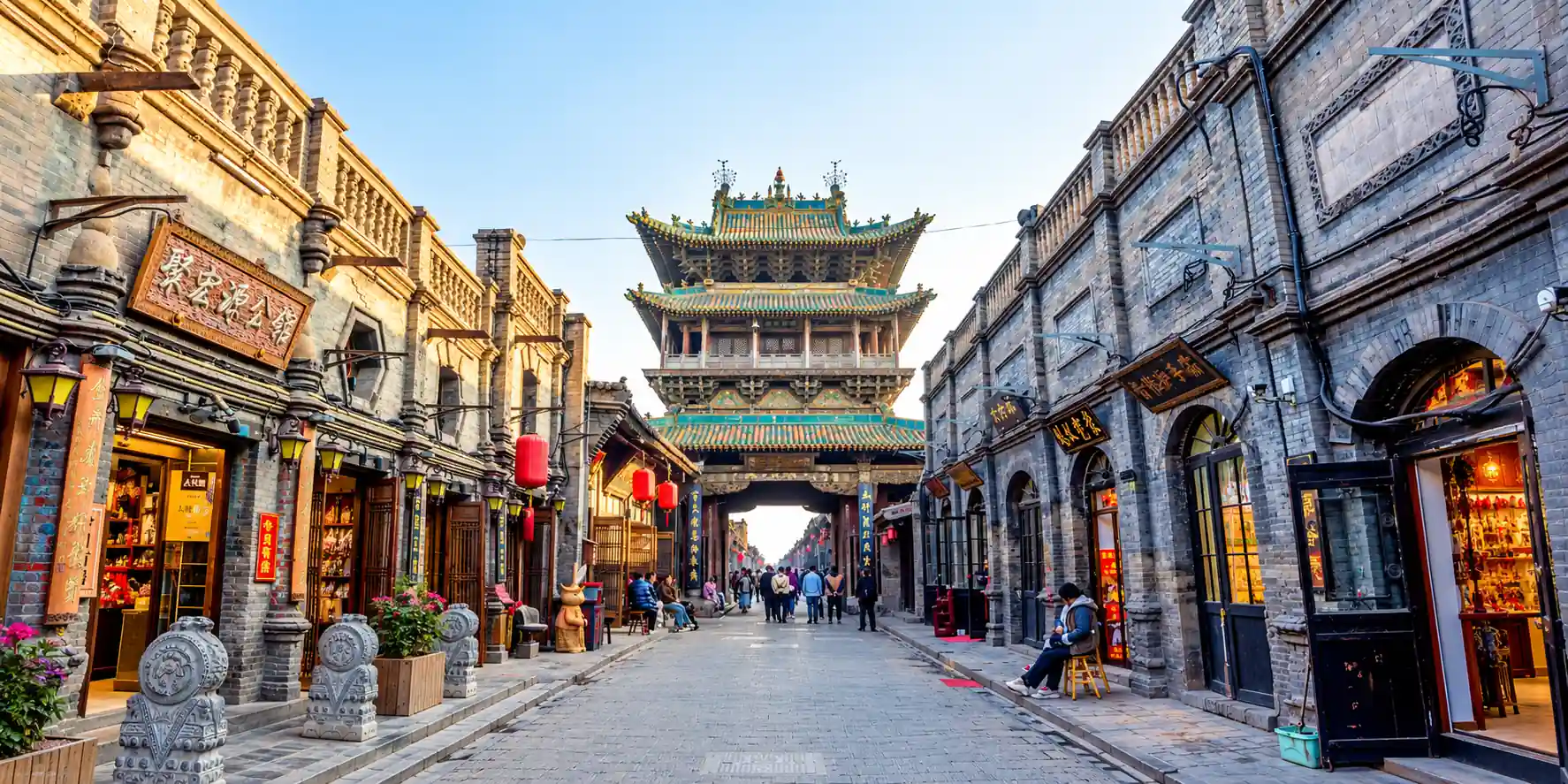
Ming-Qing Street is one of the best-known historic commercial streets in Pingyao Ancient City. Traditional storefronts, shopfront details and adjoining lanes reflect the town's long trading history. As you walk, look beyond the busiest shopping areas to notice the street layout and building facades that connect Pingyao's commercial past with its surviving urban landscape.
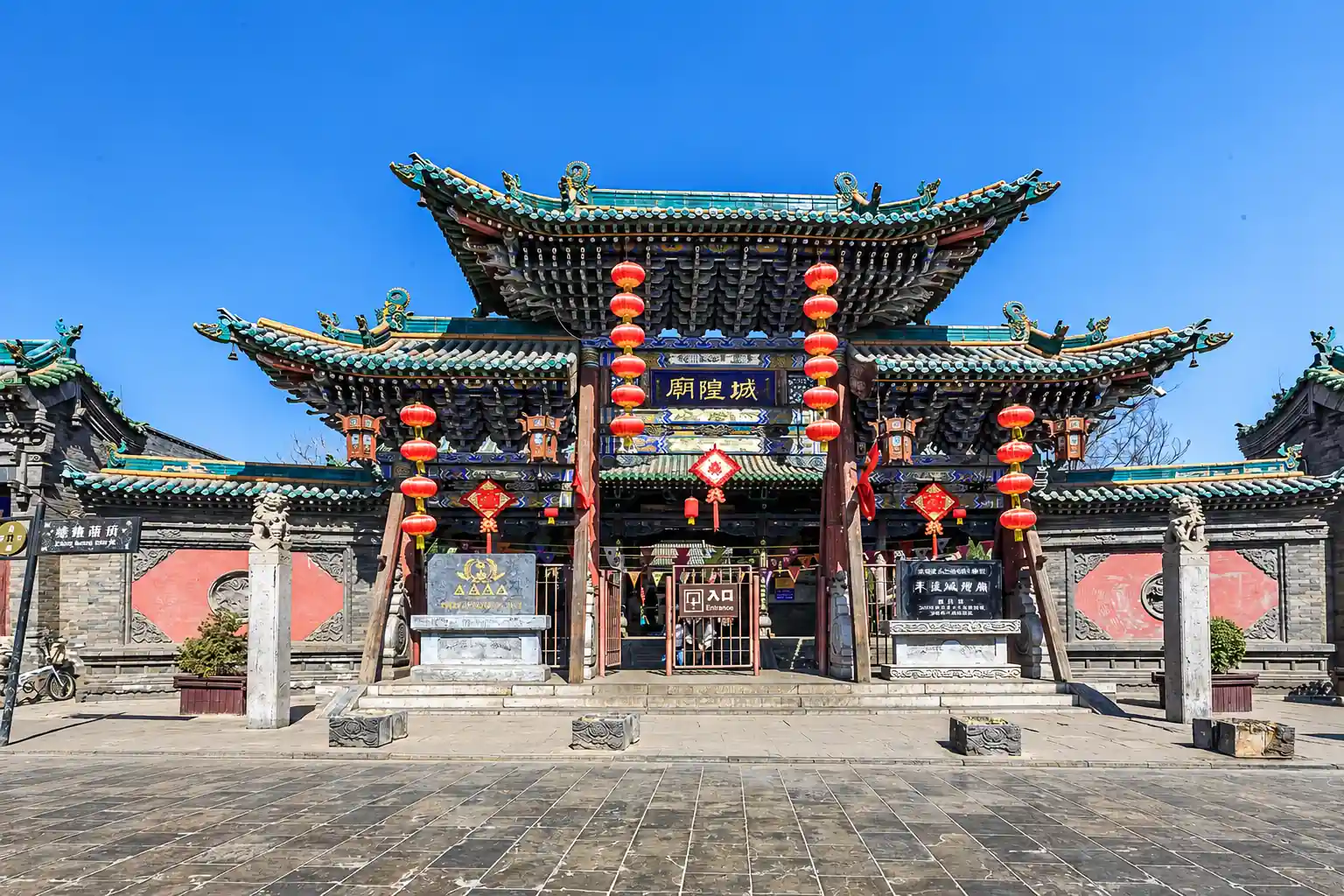
The Temple of the City God offers a look at traditional temple architecture and local religious beliefs within Pingyao's historic setting. Its ceremonial spaces and architectural details add a different dimension to a visit focused on merchant houses, commercial streets and civic buildings. It is a useful stop for travelers interested in the cultural traditions that shaped everyday life in the old town.
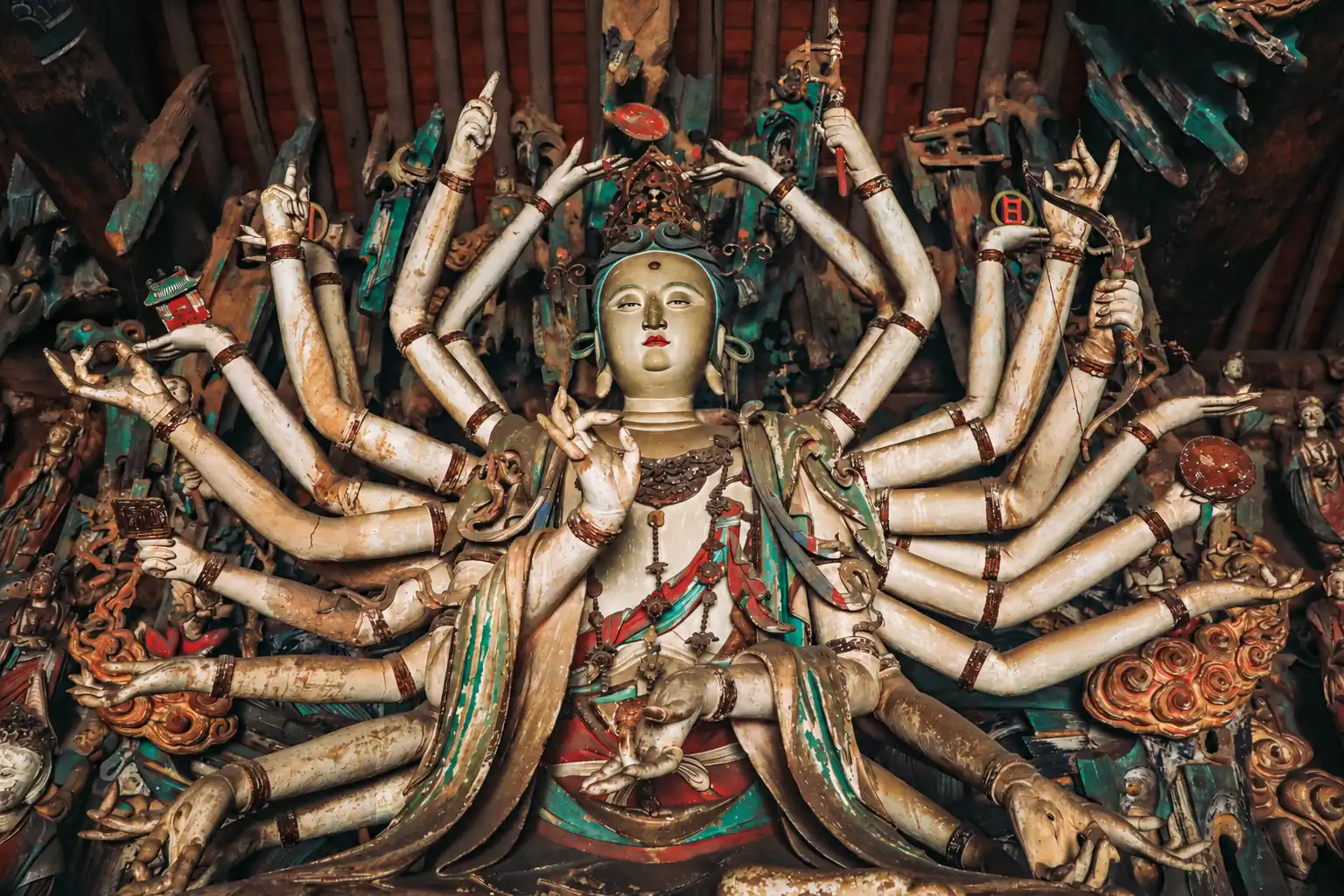
Shuanglin Temple is known for its remarkable collection of painted clay Buddhist sculptures, which makes it particularly appealing to visitors interested in religious art and traditional craftsmanship. Located outside Pingyao Ancient City, it requires a separate transport plan from the main historic streets. Allow extra time if you want to explore its sculpture halls alongside the city's architectural landmarks.
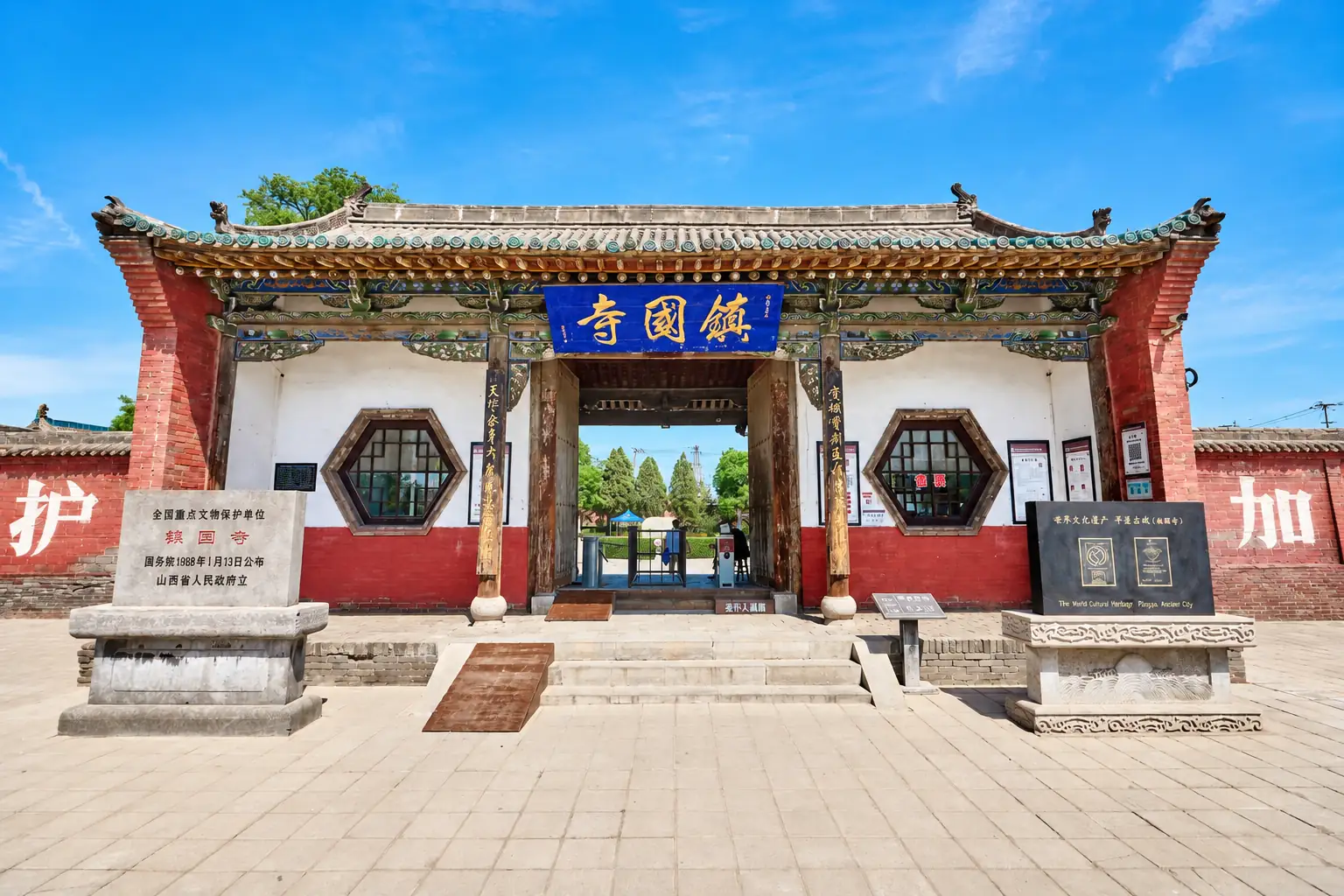
Zhenguo Temple is notable for its historic Buddhist architecture, especially the Hall of Ten Thousand Buddhas. Its early wooden structure offers a different perspective from Shuanglin Temple's celebrated painted clay sculptures. Situated outside the ancient city, Zhenguo Temple is best considered as a separate excursion, with transport and opening arrangements checked before setting out.
Combine Pingyao's ancient city wall, traditional commercial streets and historic banking sites into a practical sightseeing plan. If you have additional time, consider whether Shuanglin Temple or Zhenguo Temple fits your interests and transport arrangements.
Experience Pingyao beyond its individual historic landmarks. Walk through the preserved walled town, discover the legacy of Shanxi merchants, photograph traditional courtyards and shopfronts, sample local Shanxi dishes and explore the streets after dark. If you have additional time, consider an excursion to Shuanglin Temple or Zhenguo Temple outside the ancient city.
Exploring Pingyao on foot is one of the best ways to understand how its historic townscape fits together. Follow the traditional lanes between commercial streets, courtyard residences and historic public buildings. Look beyond the busiest shopping areas to notice brick walls, wooden doors and traditional rooflines. Walking also makes it easier to pause for local food and explore quieter corners at your own pace.
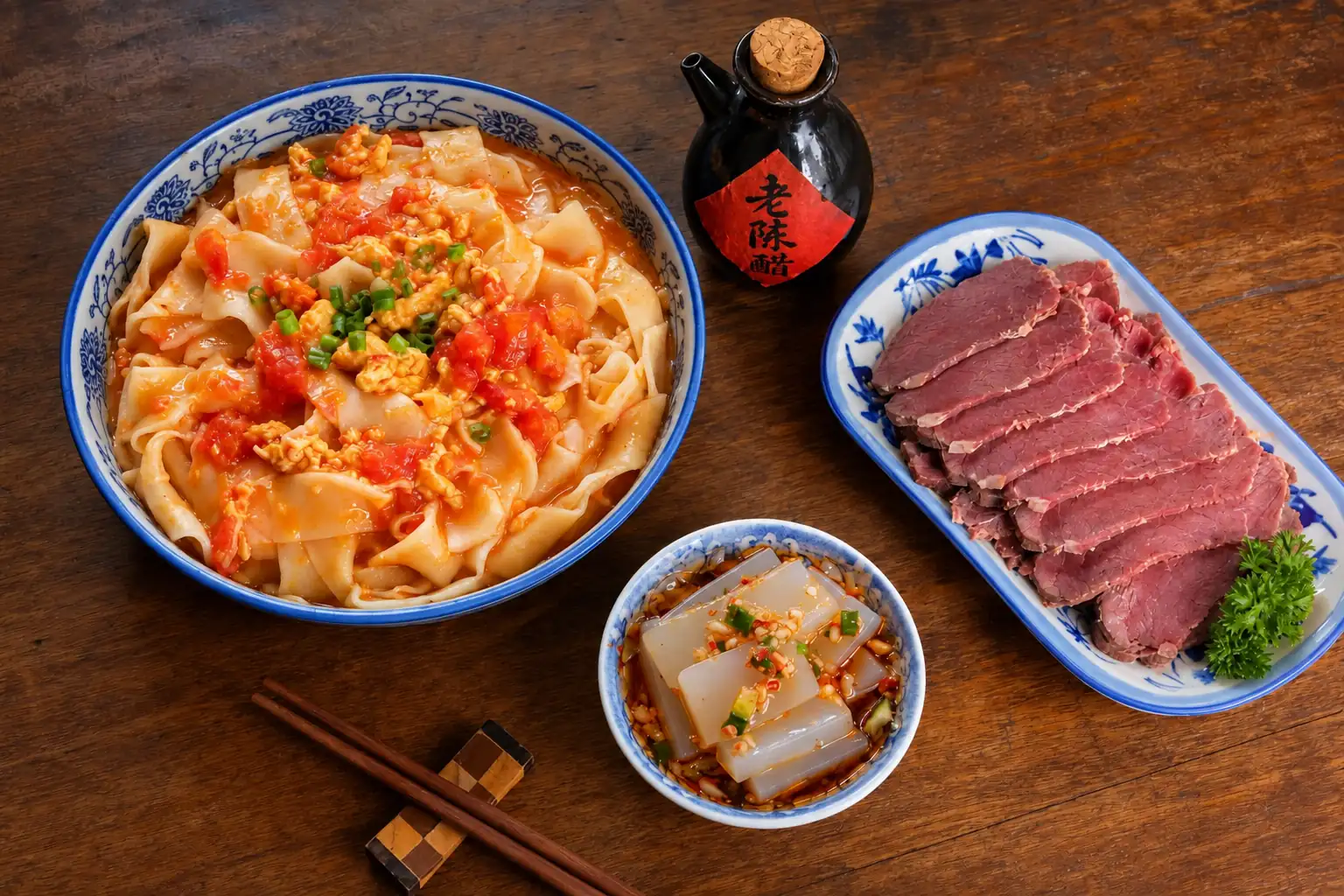
Make time to sample Pingyao beef and explore Shanxi's distinctive noodle traditions. Local restaurants offer a chance to experience regional cooking alongside a day of sightseeing. Compare menus and prices before ordering, and look beyond the busiest tourist-facing streets when choosing somewhere to eat.
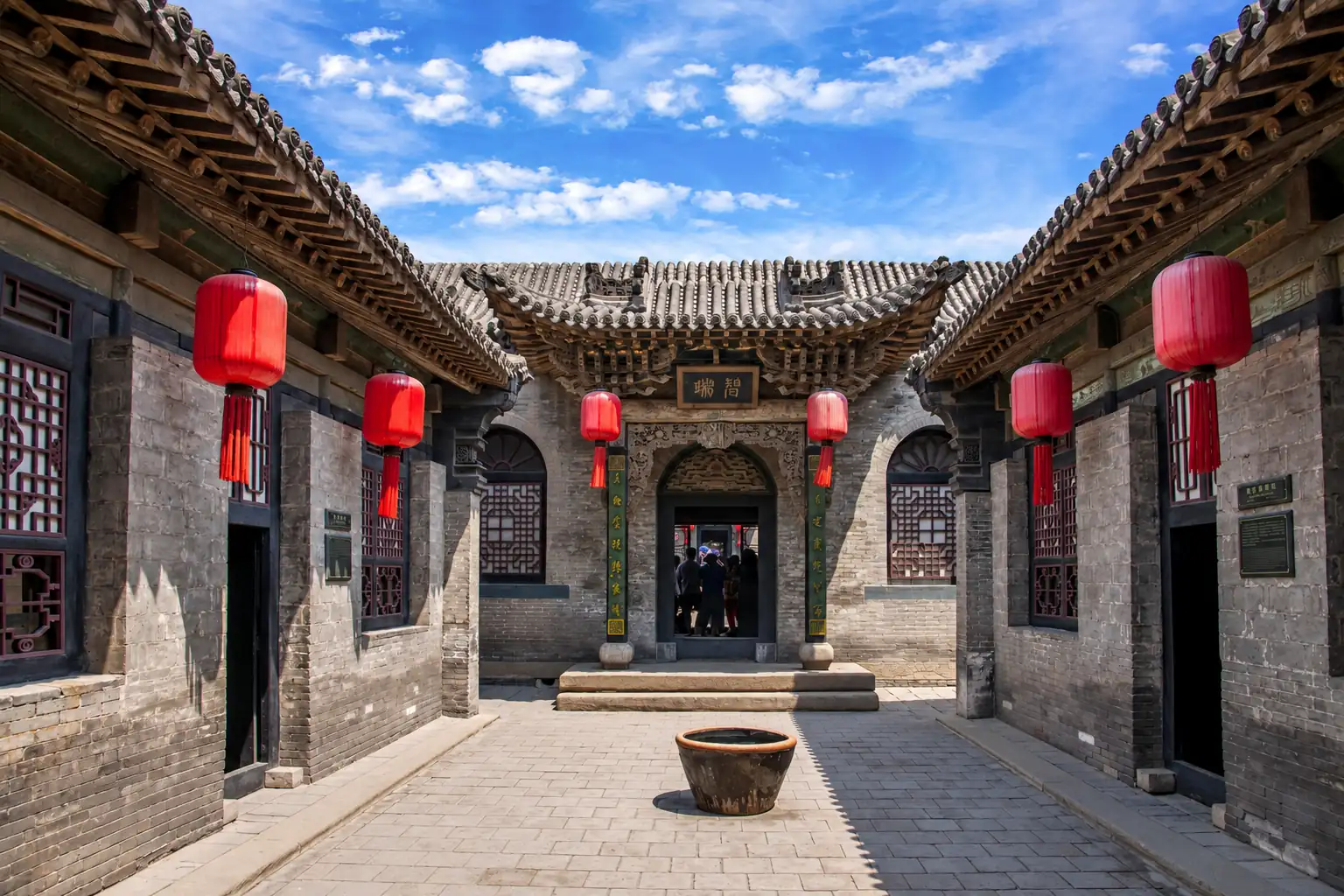
Explore the commercial heritage that helped make Pingyao an important center of traditional Chinese finance. Historic draft banks such as Rishengchang provide insight into how merchants transferred funds and maintained business connections across different regions. Look at the former banking premises and courtyards to understand the relationship between commerce and the town's preserved architecture.
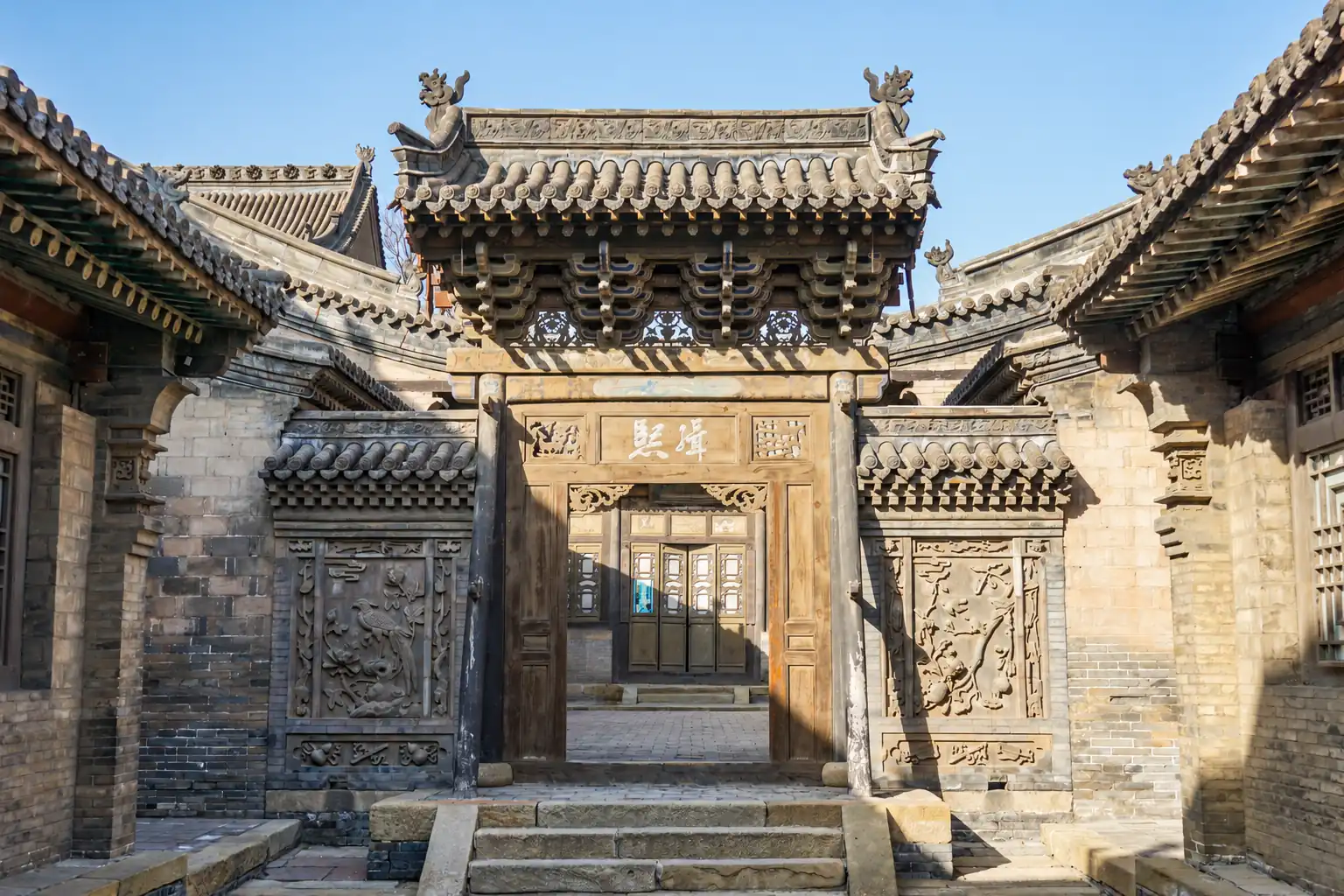
Capture the architectural details that distinguish Pingyao's historic streets, including brick walls, wooden shopfronts, courtyard entrances and traditional rooflines. Early morning can offer softer light and a quieter atmosphere, while smaller lanes provide a different perspective from the main commercial streets. Be considerate when photographing residents and private courtyards.
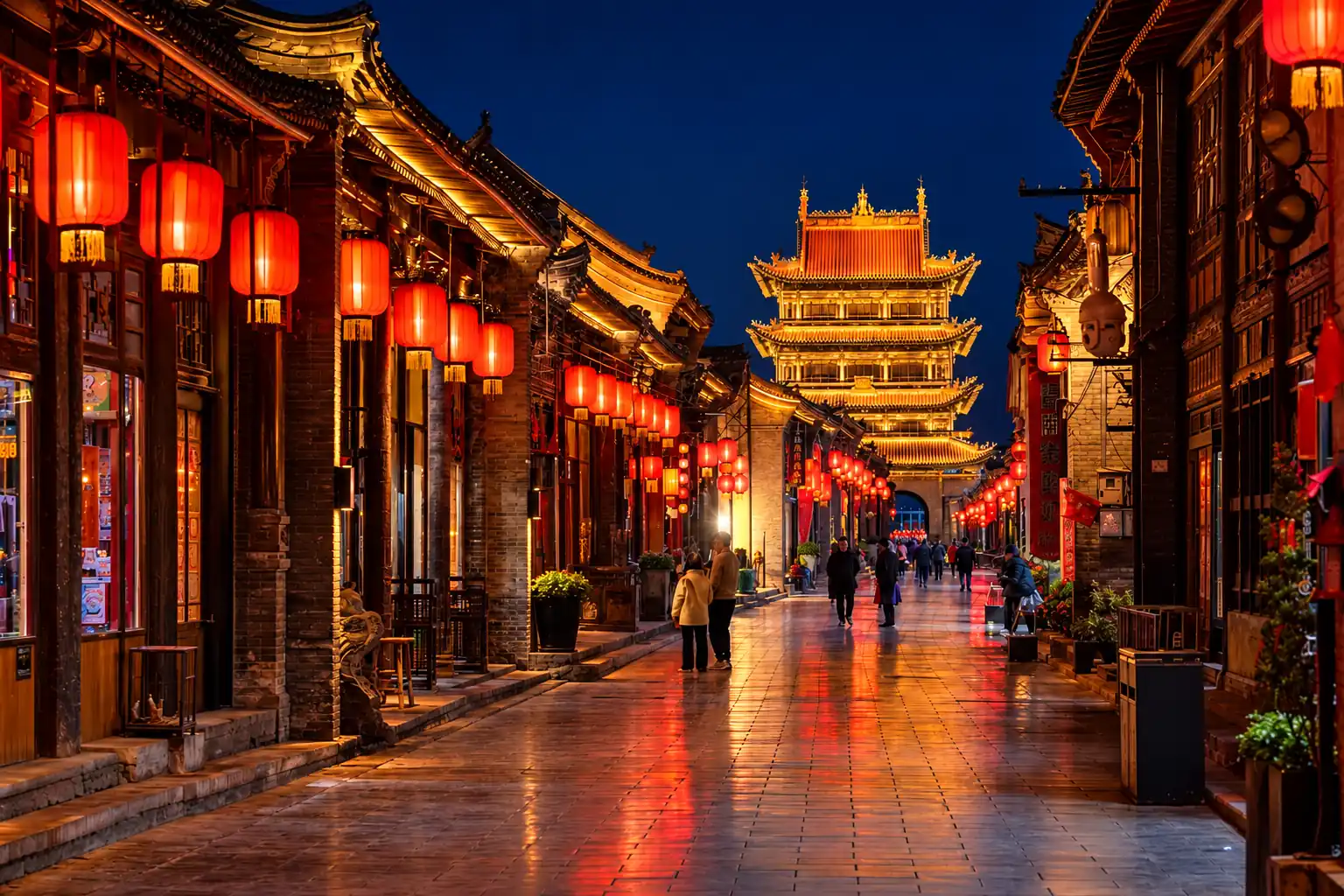
Stay into the evening to experience the historic streets under a different light. Traditional facades and illuminated shopfronts create a different atmosphere from daytime sightseeing. Enjoy a relaxed walk or a local meal, but check current attraction hours and performance schedules before planning an evening around a specific venue.
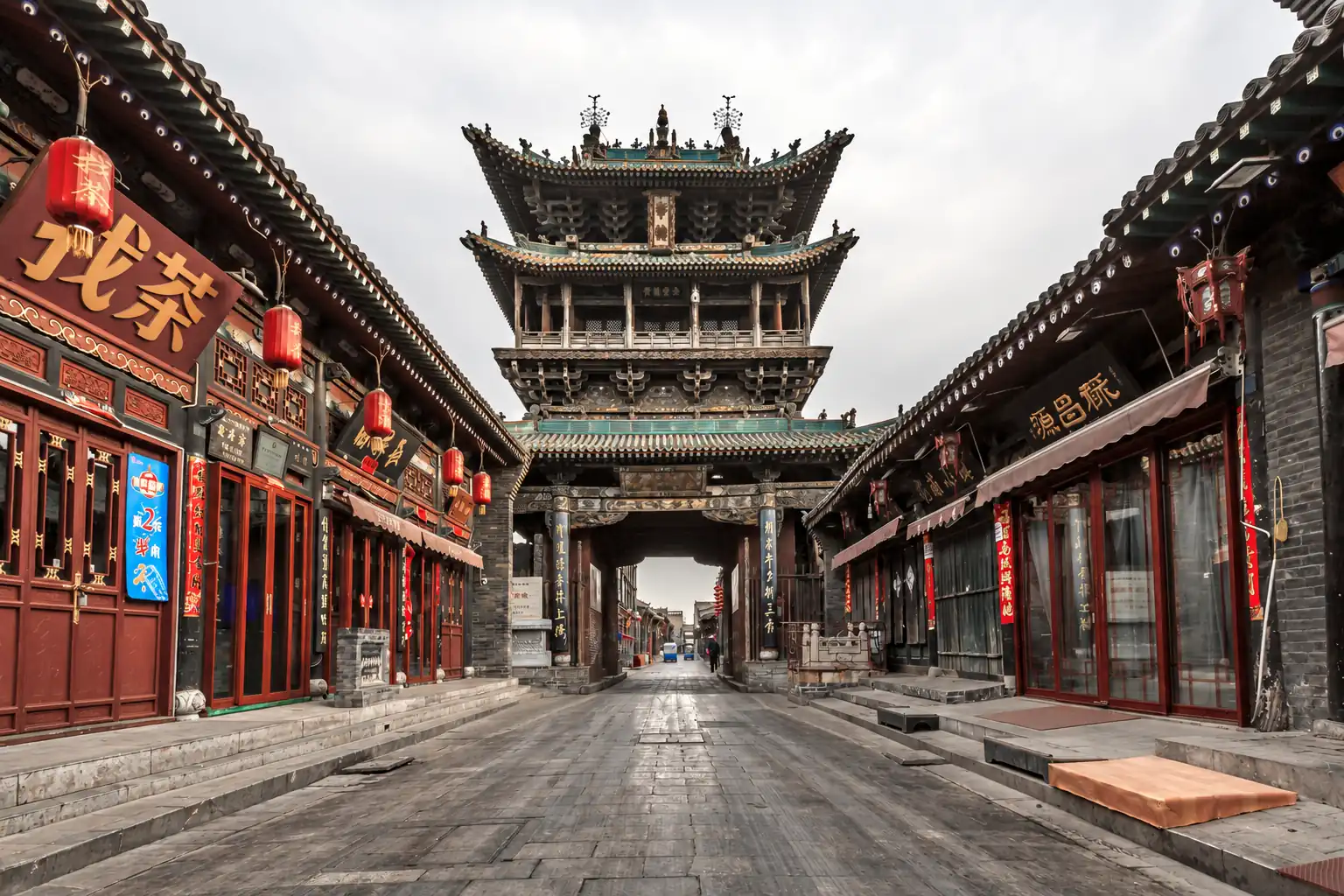
Browse the old commercial streets for regional products, souvenirs and craft-inspired items. Traditional shopfronts are also part of the experience, reflecting the town's long commercial history. Compare quality and prices, and explore quieter side streets if you prefer a less crowded shopping environment.
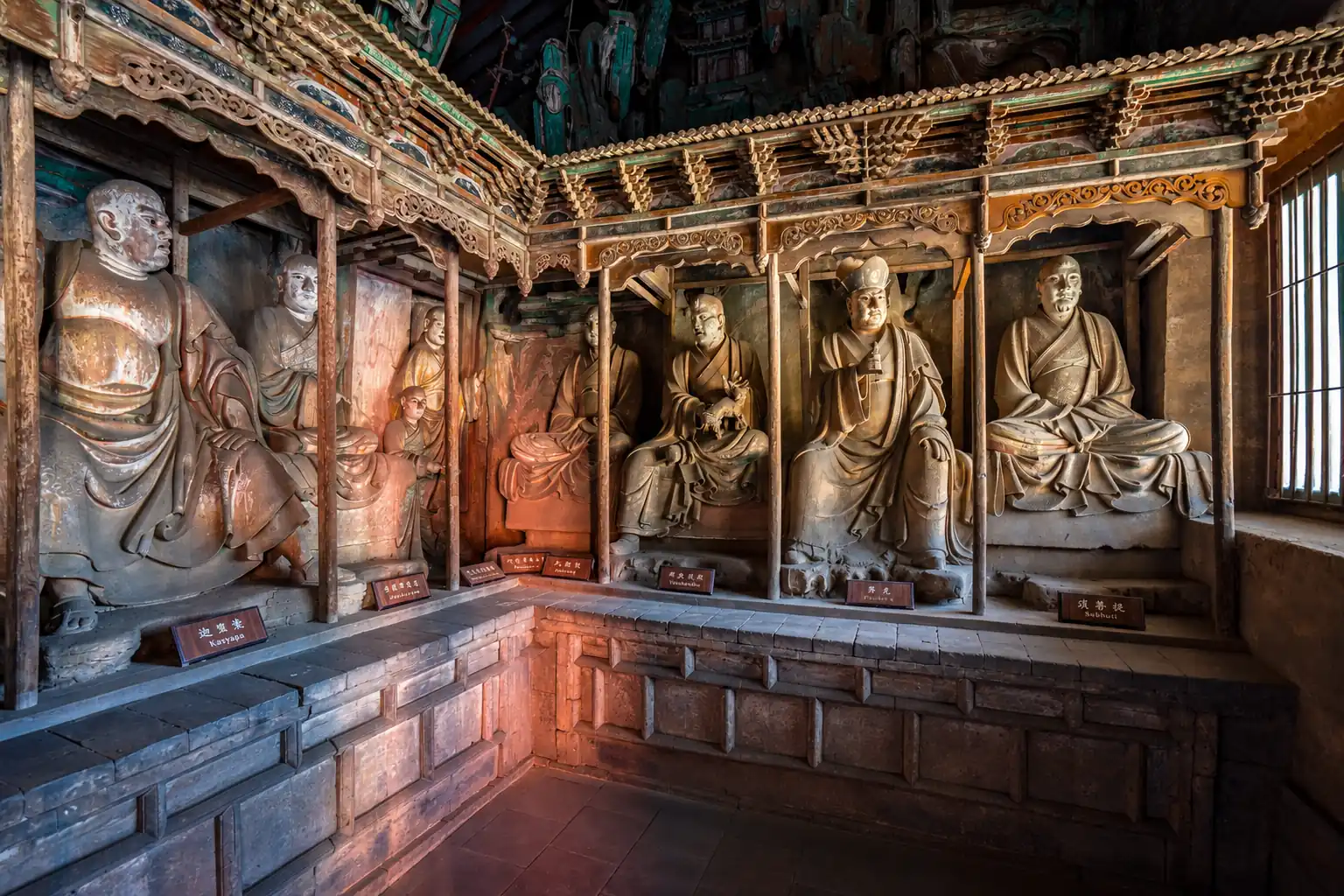
If you have additional time, consider Shuanglin Temple for its painted clay Buddhist sculptures or Zhenguo Temple for its historic architecture, including the Hall of Ten Thousand Buddhas. Both lie outside Pingyao Ancient City, so allow separate time for transport and visiting. Check current opening arrangements before setting out.
Choose a Pingyao itinerary based on your available time. With one day, focus on the ancient city's historic streets, city wall and Shanxi merchant heritage. Two days allow a more relaxed visit, with time for additional historic sites or an excursion to Shuanglin Temple or Zhenguo Temple outside the walled city. Plan transport separately for locations beyond the historic center.
Spend the first day exploring Pingyao Ancient City, from its historic wall and traditional commercial streets to the former banking sites associated with Shanxi merchants. Use the second day for additional attractions or a separate temple excursion, depending on your interests, transport and available time.
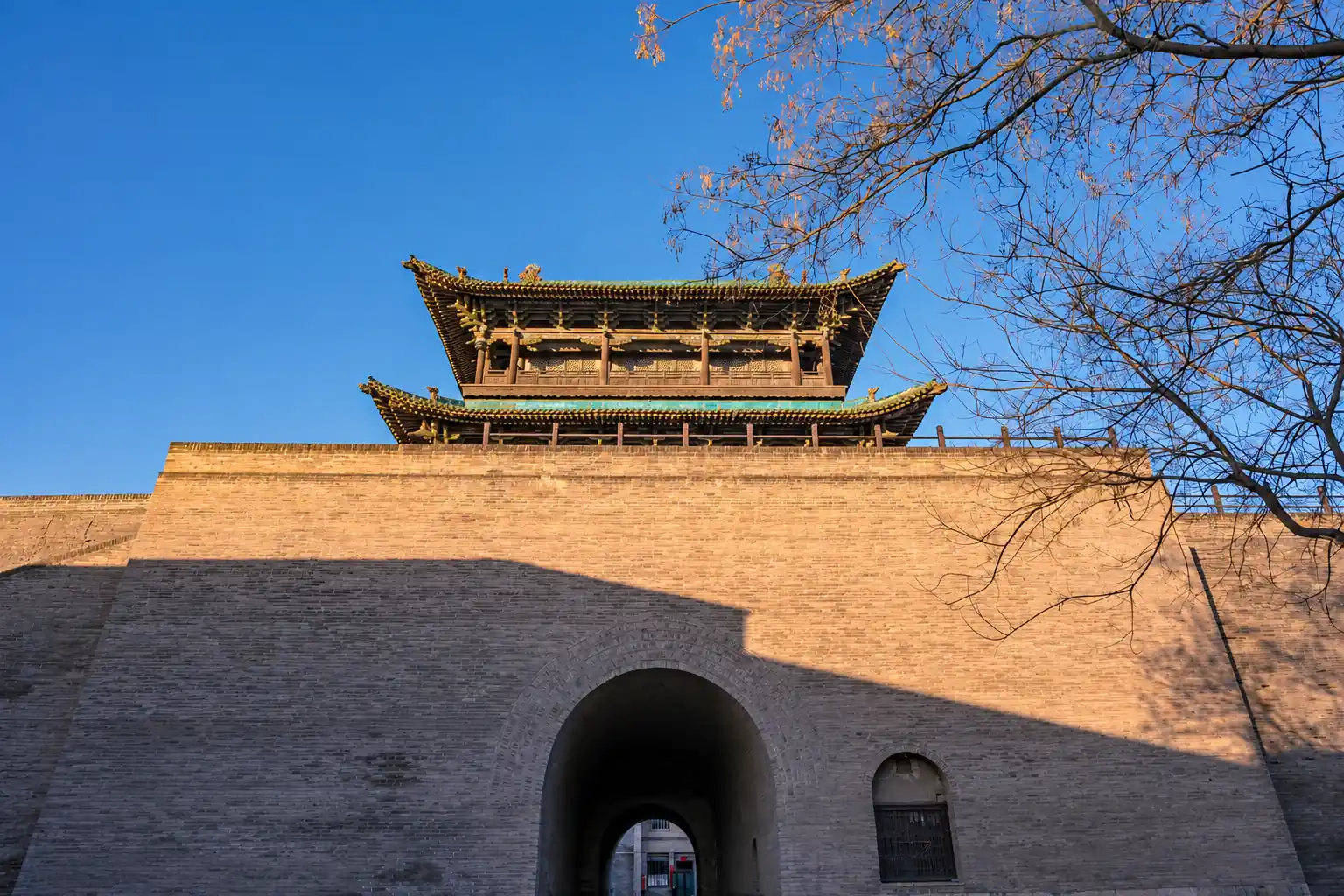
Begin with the ancient city's defensive wall and traditional gates. Explore the surrounding streets to understand the layout of the historic walled town. Check current access arrangements and allow time for walking between sites.
Explore Pingyao Attractions →Explore one of Pingyao's best-known historic banking sites to learn how Shanxi merchants developed traditional draft banking and commercial connections across China. Allow time to explore the courtyards and exhibits, subject to current site access.
Discover Historic Sites →Walk through Pingyao's old commercial streets, noticing traditional shopfronts, brick facades and courtyard entrances. Use the afternoon to visit additional historic sites that interest you, leaving enough time to explore without rushing between every attraction.
Explore Things to Do →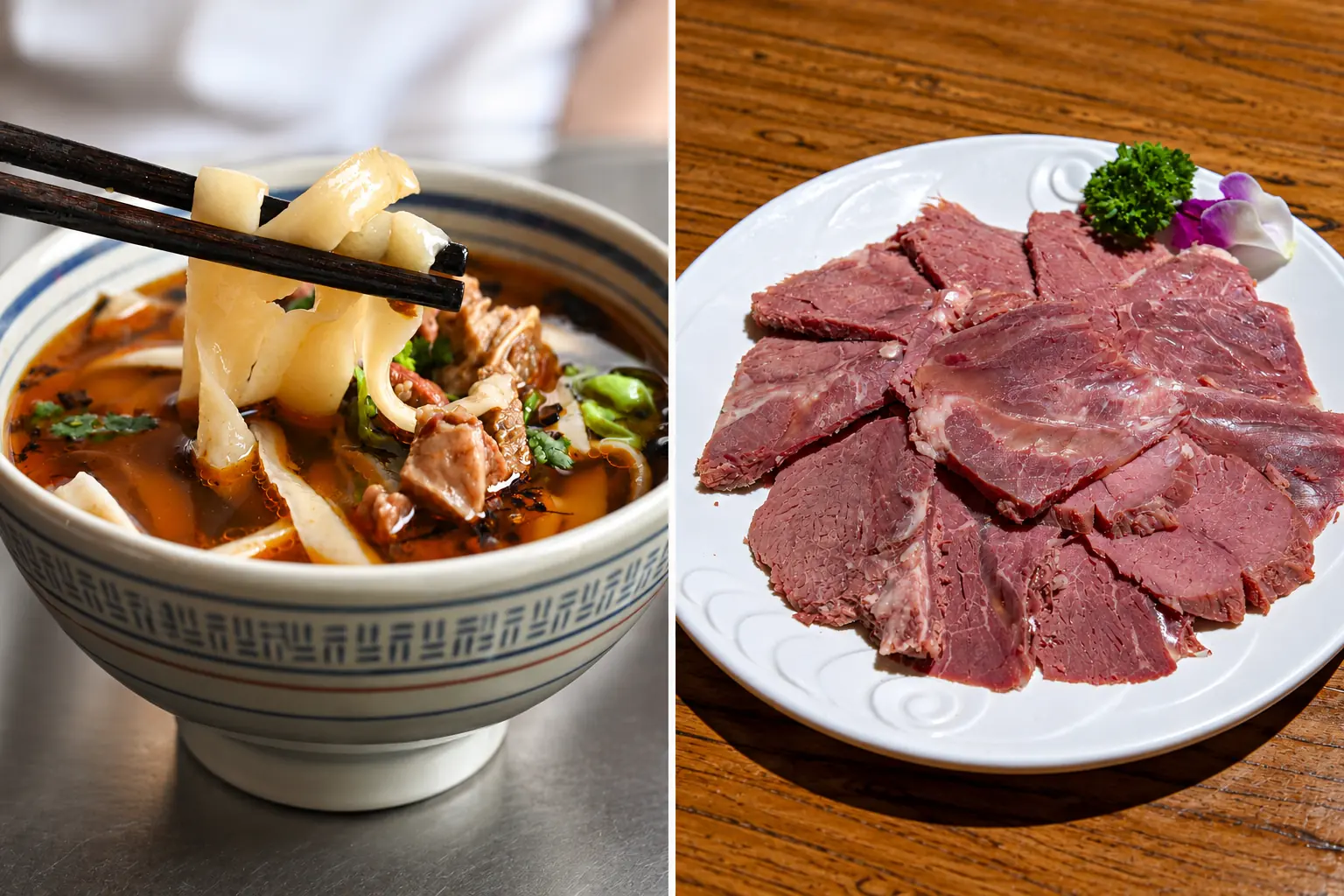
Try Pingyao beef or regional Shanxi noodle dishes, then enjoy a relaxed walk through the historic streets. Restaurant opening hours, performances and other evening activities can vary, so check what is available on your travel dates.
Discover Pingyao Food →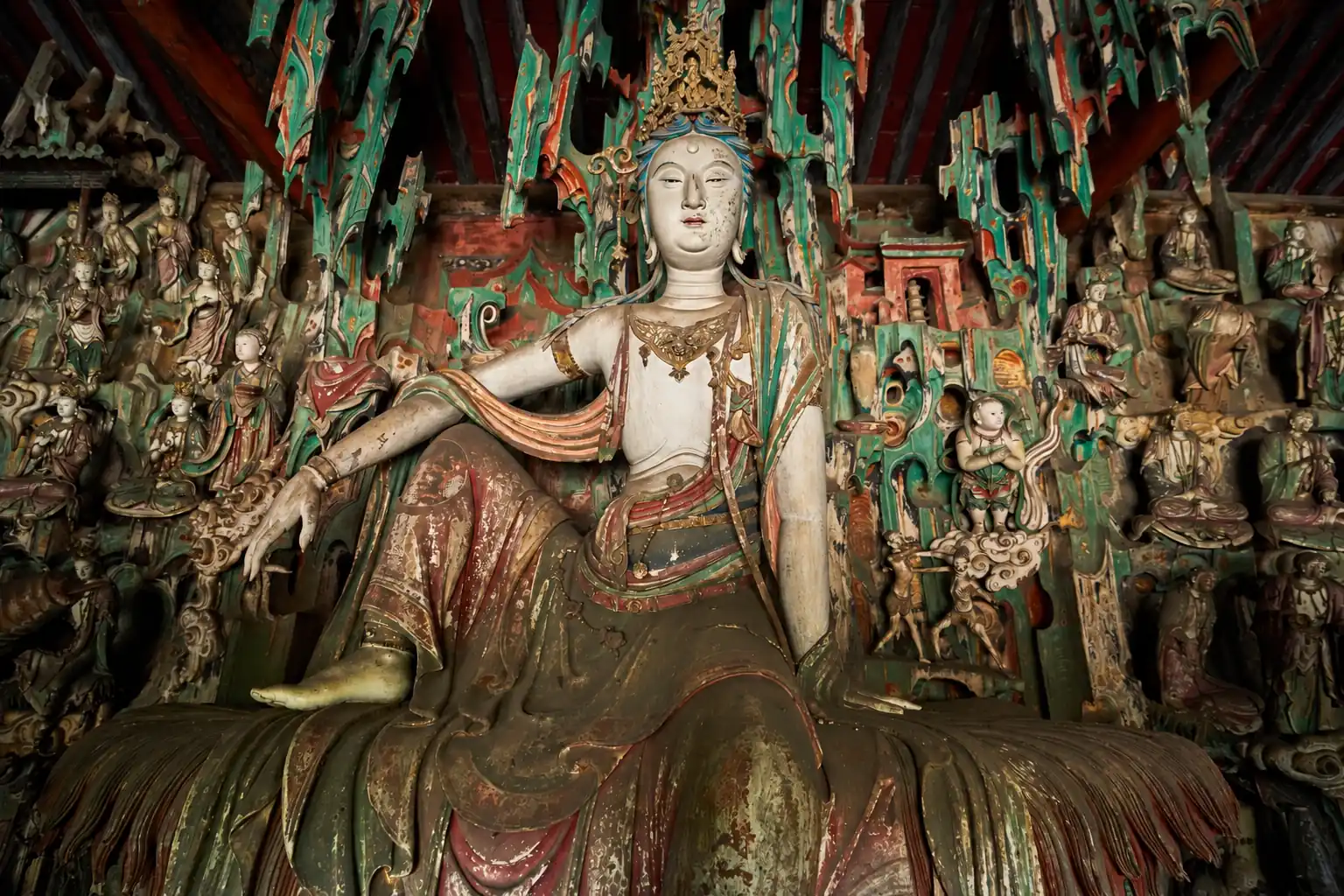
Spend more time at attractions within the ancient city, or arrange a separate excursion to Shuanglin Temple for its painted clay sculptures or Zhenguo Temple for its historic Buddhist architecture. Both temples are outside the walled area, so allow for transport and check current opening arrangements before setting out.
Explore Nearby Temples →The free itinerary above offers a flexible sightseeing framework. If you prefer a private guide and arranged transport, our separate two-day tour covers Pingyao Ancient City, Shuanglin Temple and Wang Family Compound. Review its actual route before choosing a guided option.
The best time to visit Pingyao Ancient City is generally spring or autumn, when conditions can be more comfortable for walking through the historic streets and exploring traditional courtyards. Located in Shanxi, northern China, Pingyao experiences cold winters, hot summers and seasonal weather changes. Choose your travel dates according to your sightseeing plans, check the local forecast and consider Chinese public holidays when arranging your trip.
April to May and September to October are useful starting points for planning a walking-focused visit to Pingyao. These periods can offer comfortable conditions for exploring the Ancient City Wall, Ming-Qing Street and historic merchant courtyards. Weather varies from year to year, so check temperatures, rainfall and the forecast before departure. If your dates overlap with a major Chinese holiday, arrange transport and accommodation early.
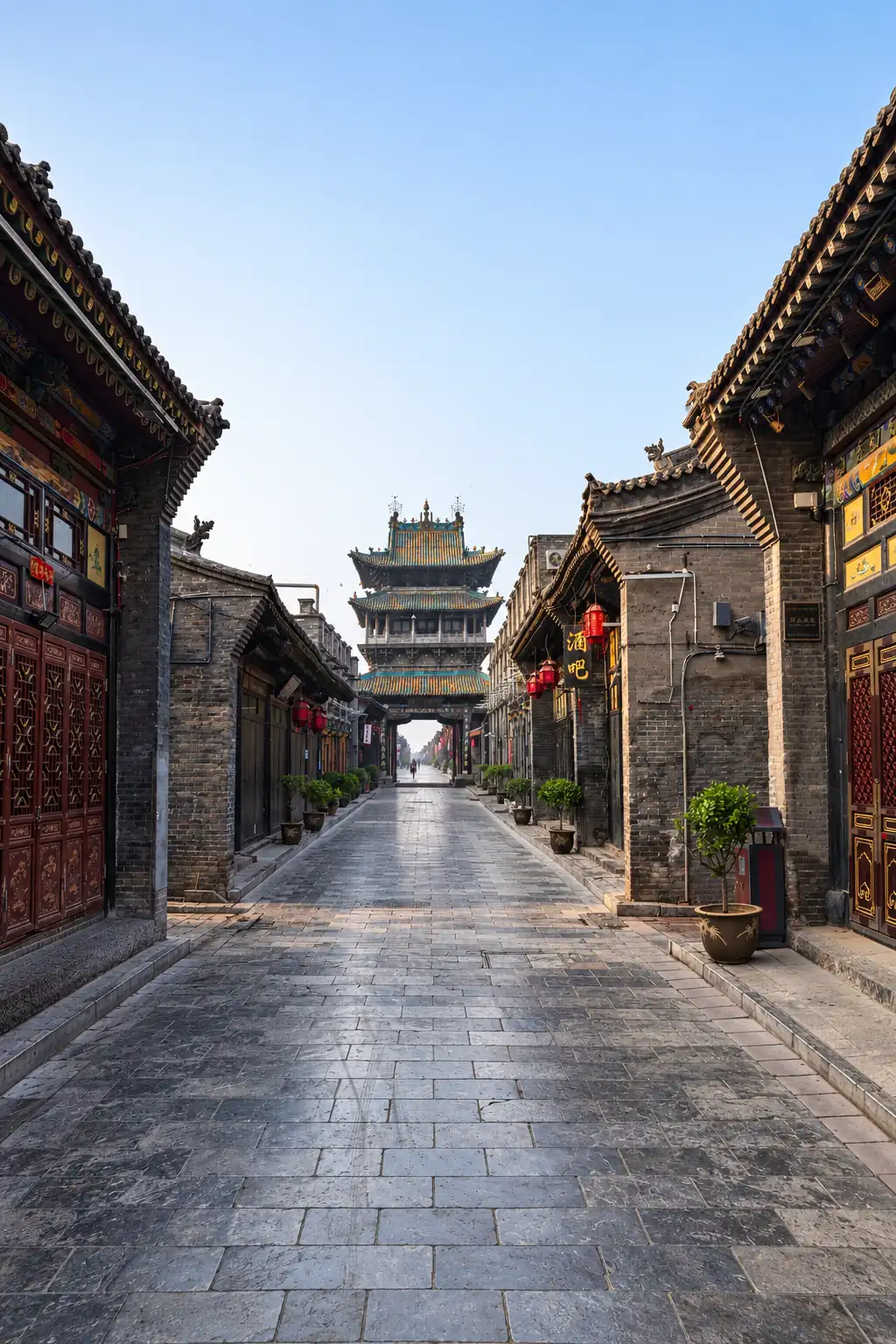
Spring is a practical season for exploring Pingyao on foot as temperatures gradually become milder. Spend time walking along historic streets, viewing traditional courtyard architecture and exploring the ancient city wall where access permits. Early spring can still feel cold, especially in the morning and evening, so pack layers and check the forecast before your visit.
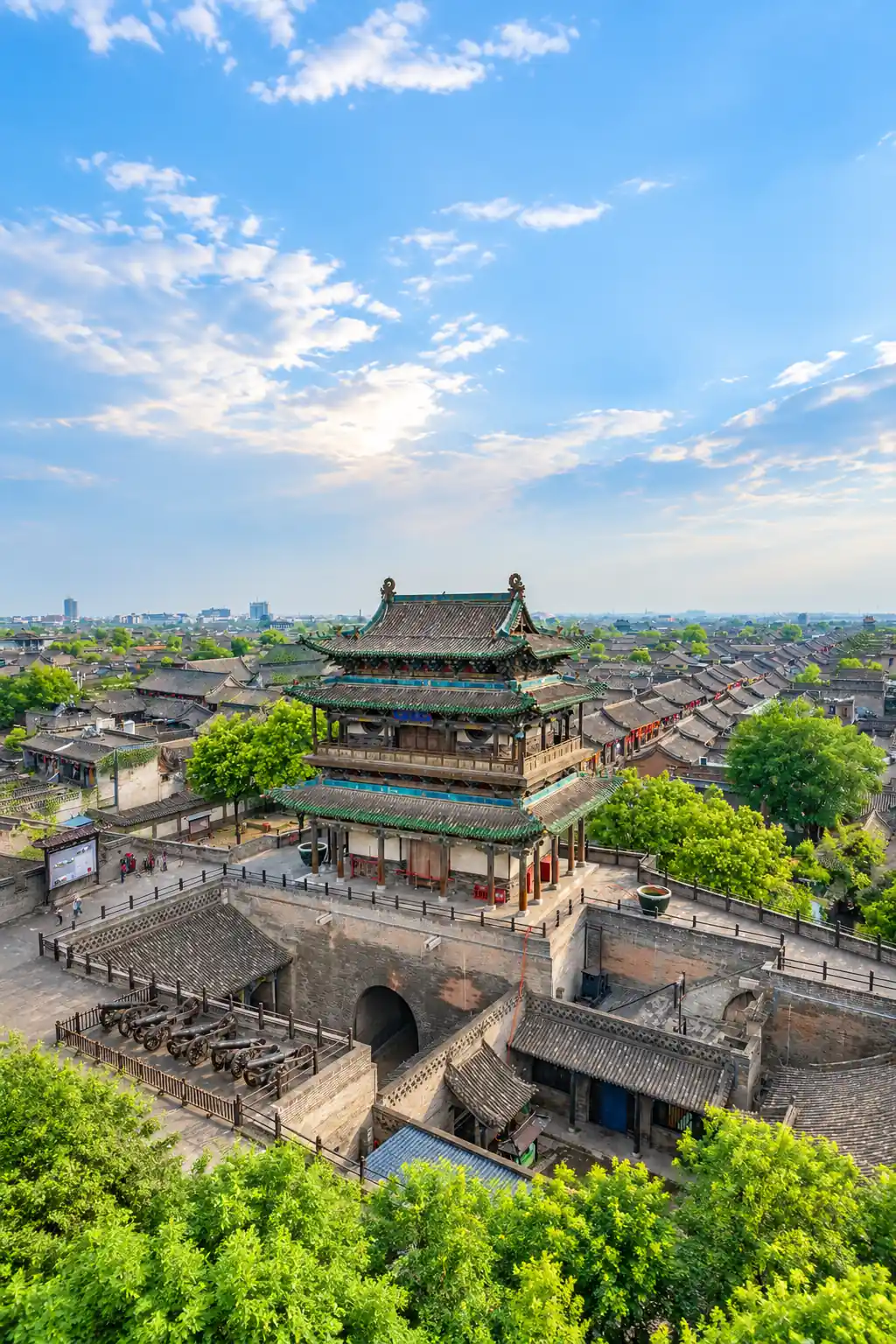
Summer can bring hot weather and periods of rain. Start outdoor sightseeing earlier in the day, take breaks when needed and carry water. Leave flexibility in your schedule in case weather affects walking conditions or excursions beyond the ancient city. Check the forecast before visiting and plan indoor stops around the hottest part of the day when useful.
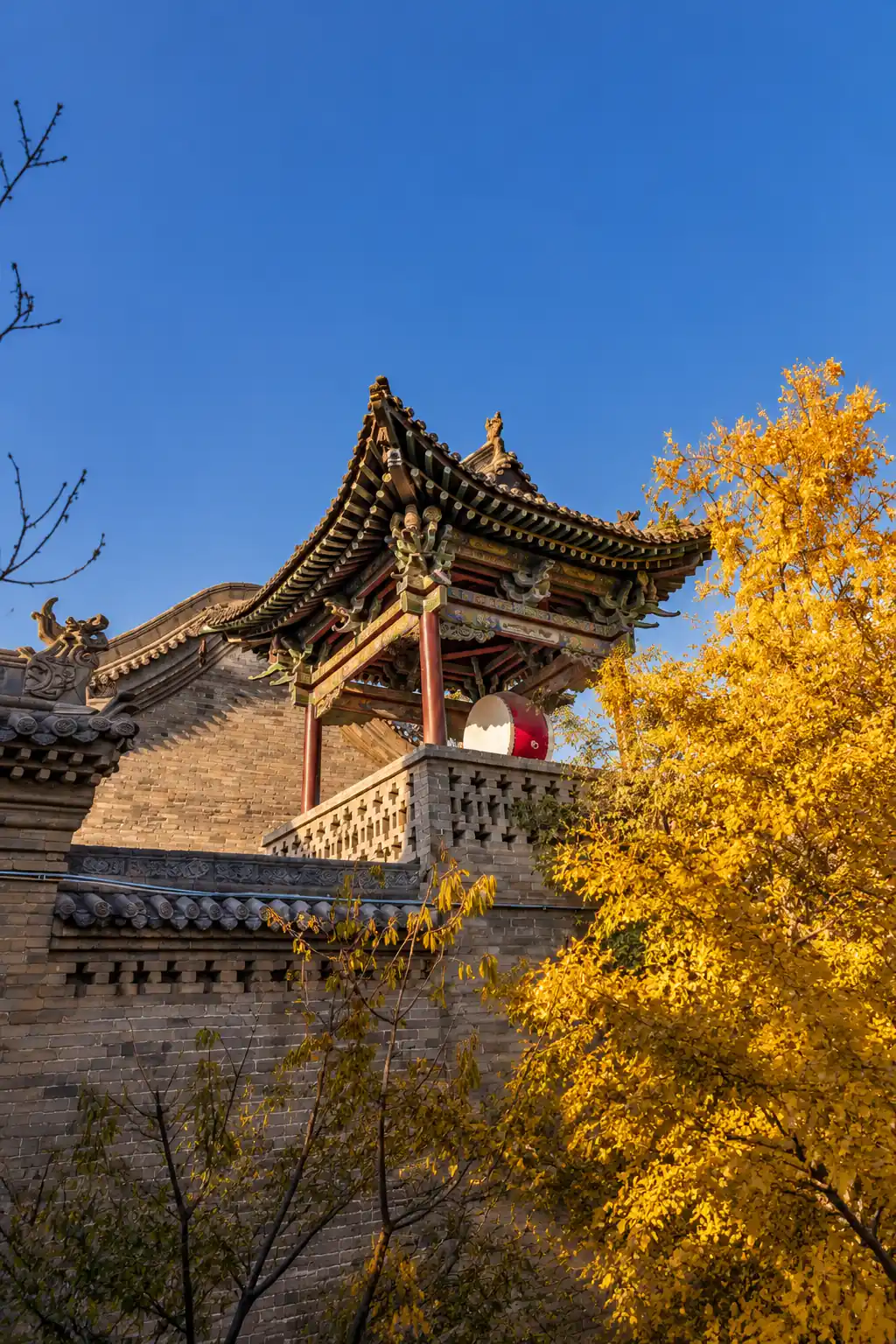
Early to mid-autumn can be a good time to explore Pingyao's preserved streets and historic architecture. Conditions generally become cooler as the season progresses. October can overlap with China's National Day holiday period, when visitor numbers and demand for accommodation may increase. Check holiday dates before booking and bring warmer clothing for later autumn mornings and evenings.
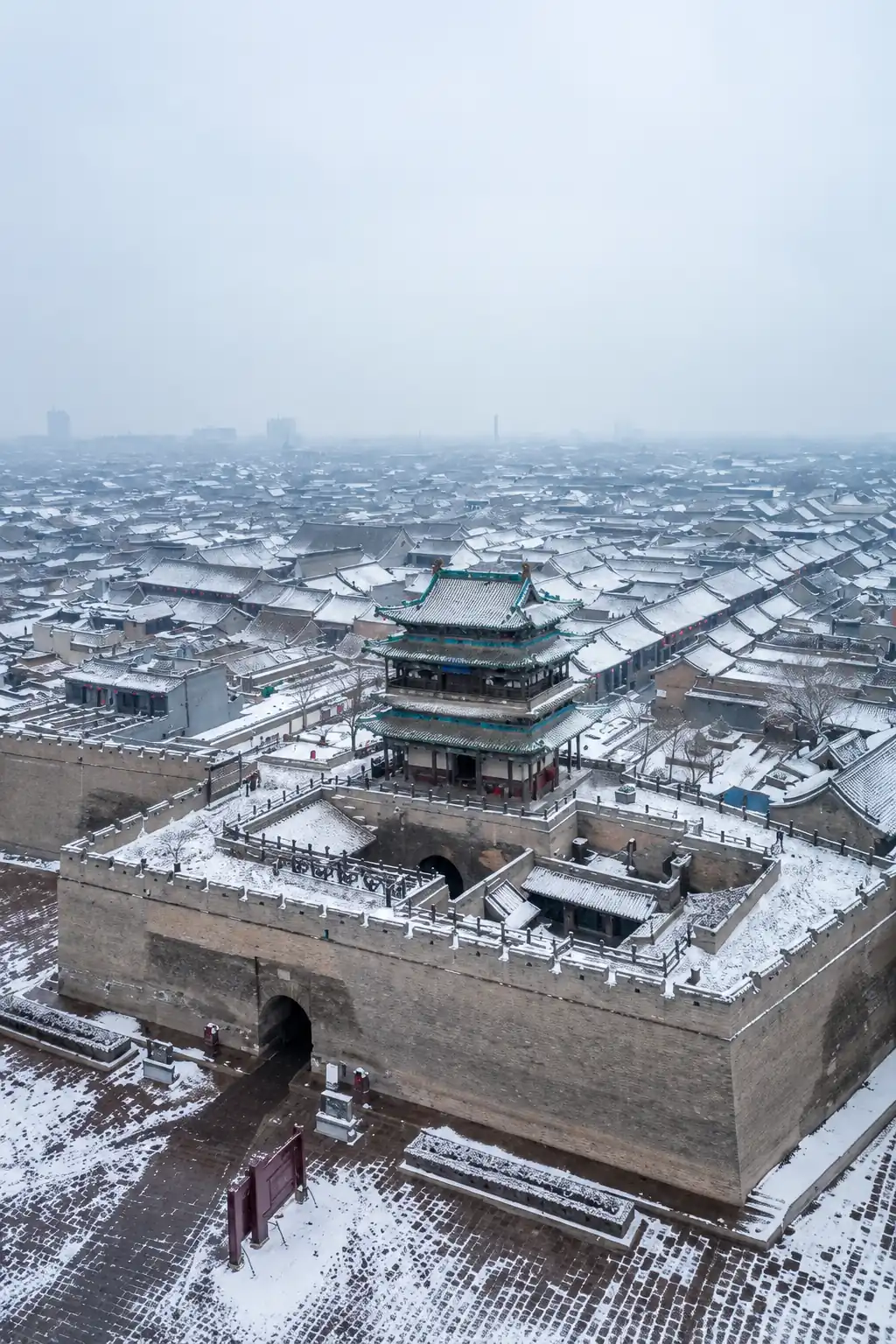
Winter can be cold, particularly during early mornings and evenings, but it may suit travelers who prefer a different atmosphere in the historic town. Pack warm clothing, check attraction opening hours and allow flexibility for outdoor walks. Before traveling around major holidays, confirm accommodation, transport and attraction arrangements.
Check the local forecast before departure and plan outdoor sightseeing around seasonal temperatures, daylight hours and your preferred travel pace. During major Chinese holidays, check transport, accommodation and attraction arrangements in advance. If you plan to visit Shuanglin Temple or Zhenguo Temple, allow additional time for travel outside the ancient city.
Choosing where to stay in Pingyao depends on how you want to experience the ancient city. A traditional courtyard guesthouse inside the historic walls offers an immersive atmosphere, while accommodation outside the walls can be practical for travelers prioritizing vehicle access, railway connections or a more modern hotel environment. Compare the location, facilities and transport arrangements before choosing where to stay.
Staying inside the ancient city is a strong choice if you want to explore traditional streets, historic courtyards and evening scenery on foot. Many properties occupy traditional-style courtyard buildings, giving visitors a closer connection to Pingyao's architectural heritage. Check luggage access, room facilities, noise levels and the exact property location before booking.
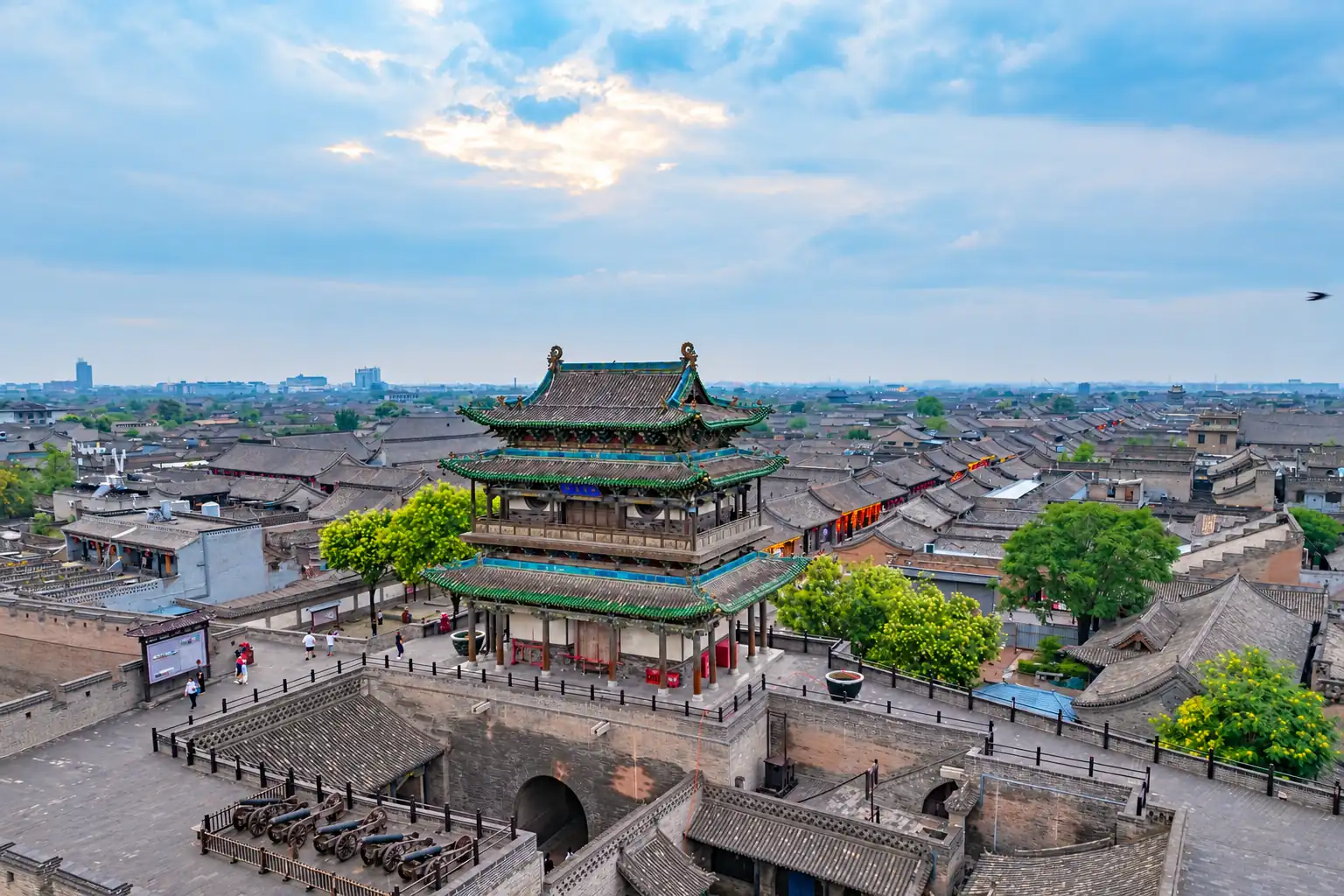
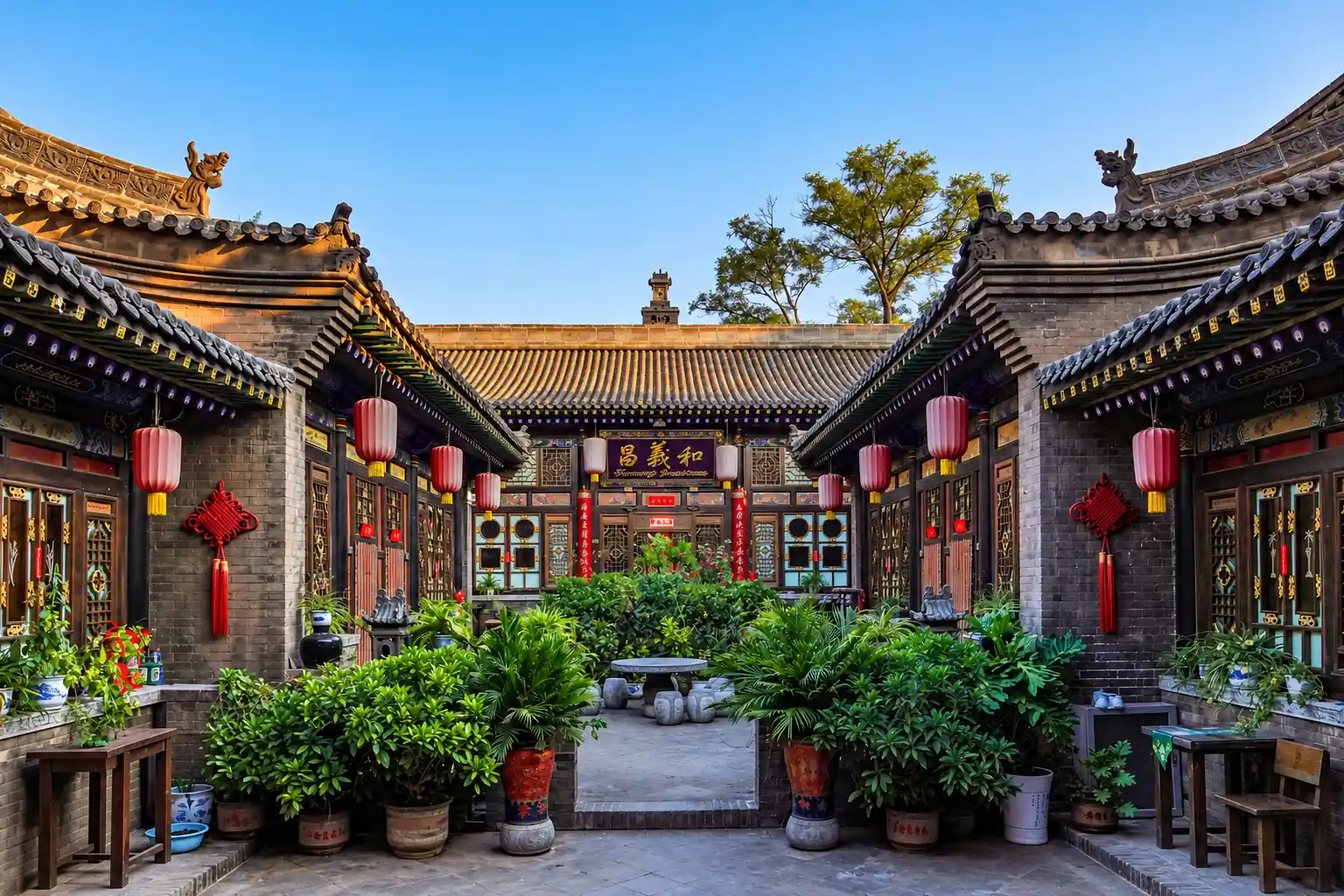
Choose this area if you want to explore the historic center on foot and experience its traditional streets after many day visitors have left. Check vehicle access and how far you may need to carry your luggage.
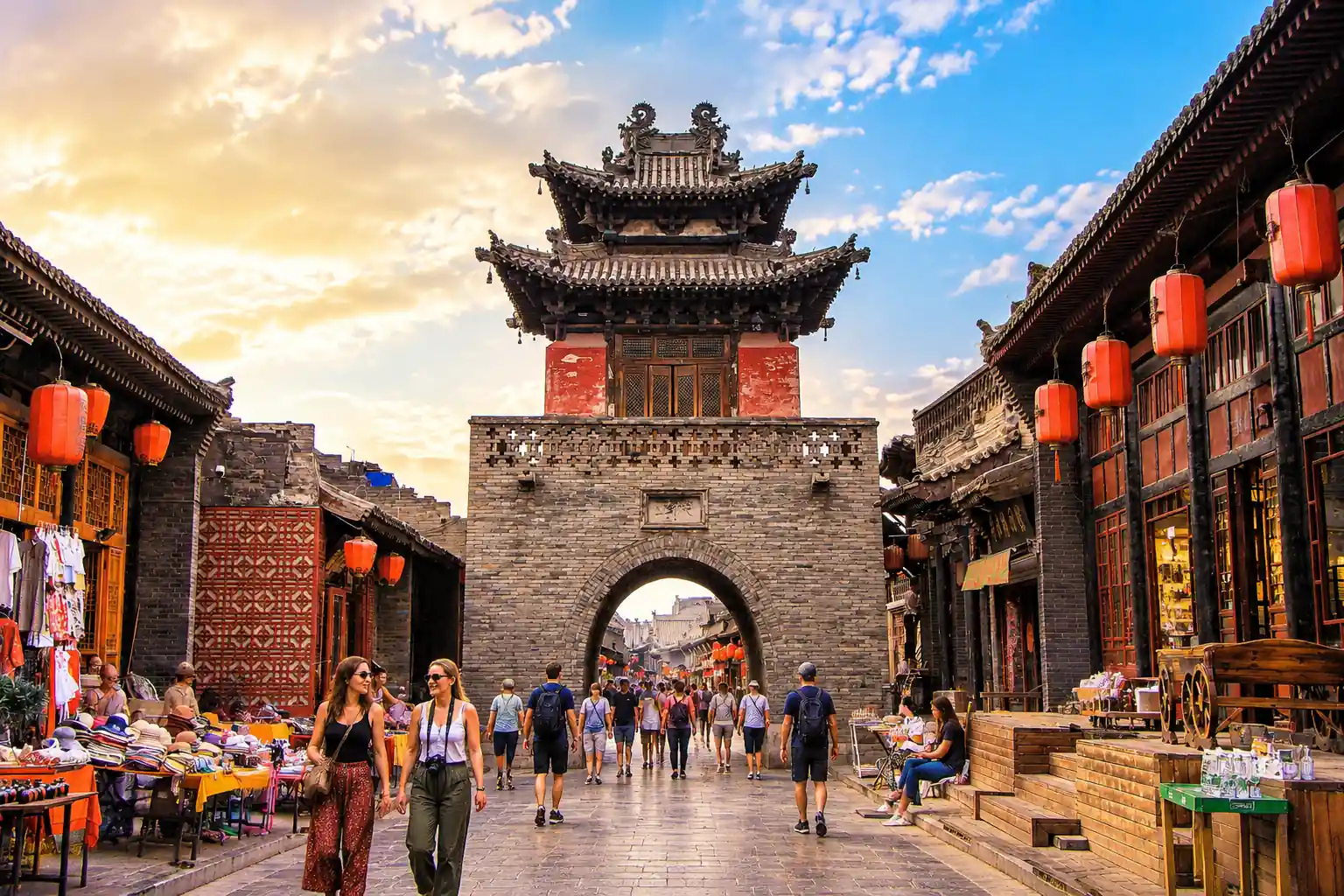
Accommodation near a convenient city gate can balance sightseeing and arrival logistics. Compare walking distances, luggage drop-off points and restrictions on vehicles entering the historic area.
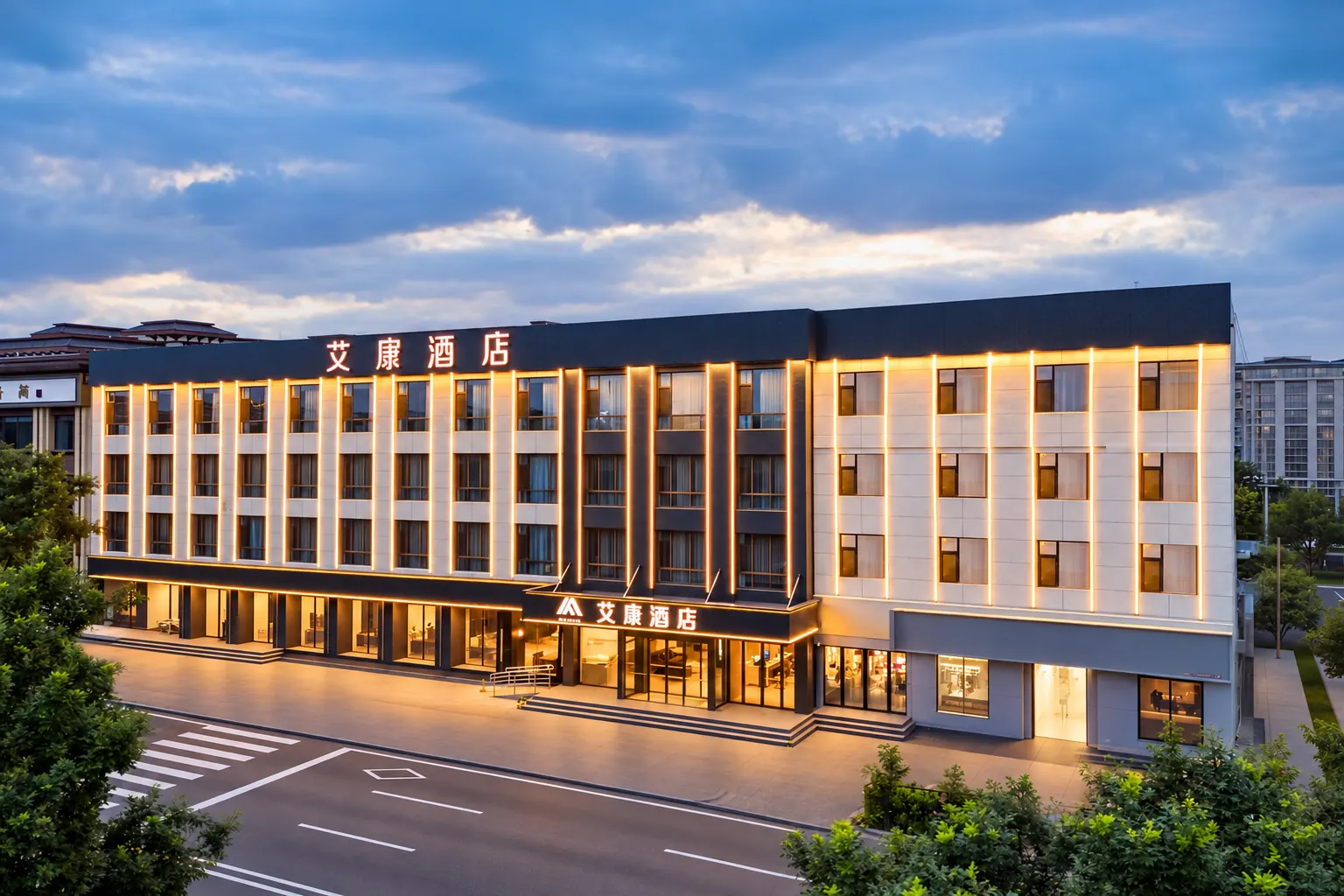
Hotels outside the historic walls may suit travelers who prefer contemporary facilities, vehicle access or a base away from busy tourist streets. Check the distance to the city gates and local transport options.
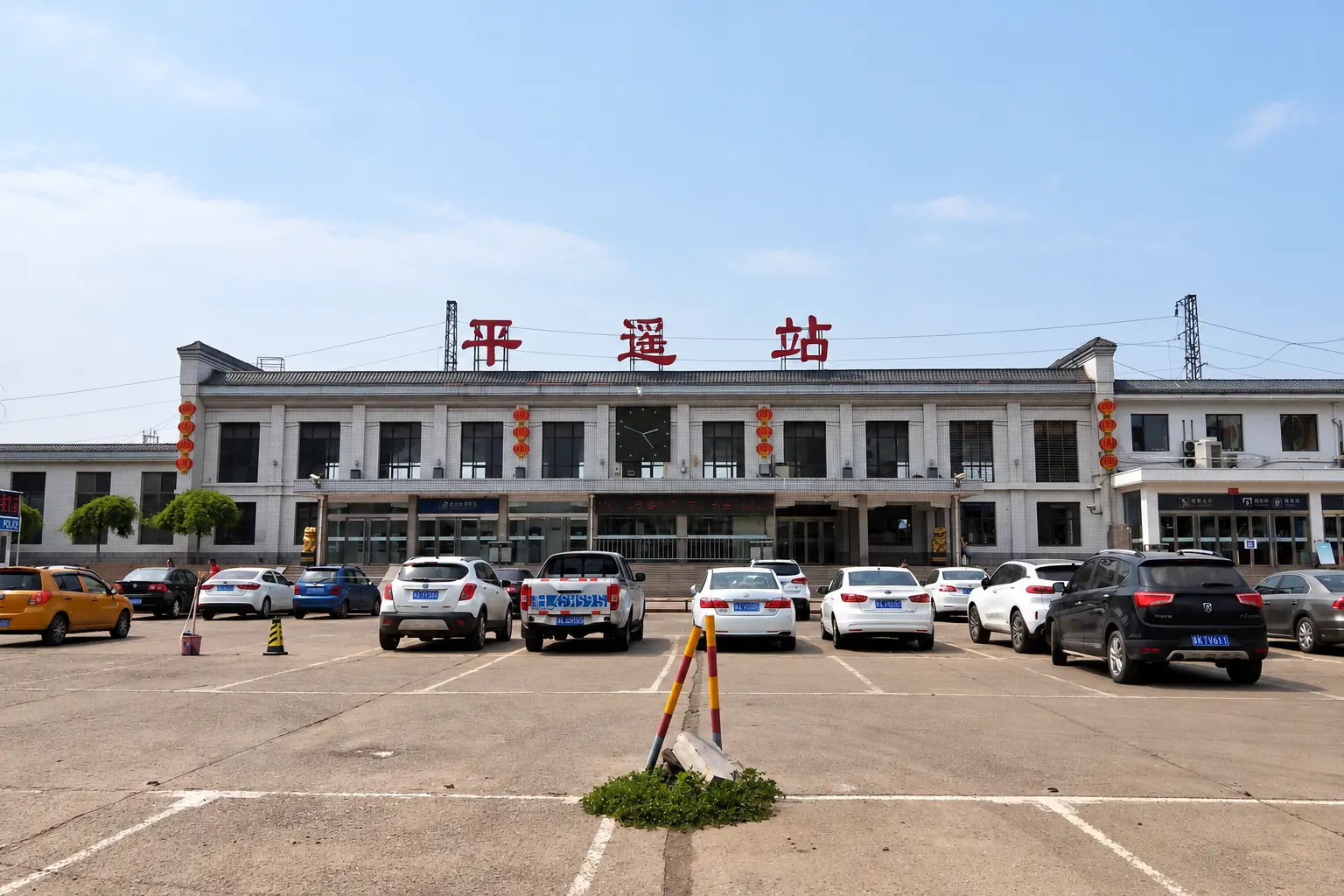
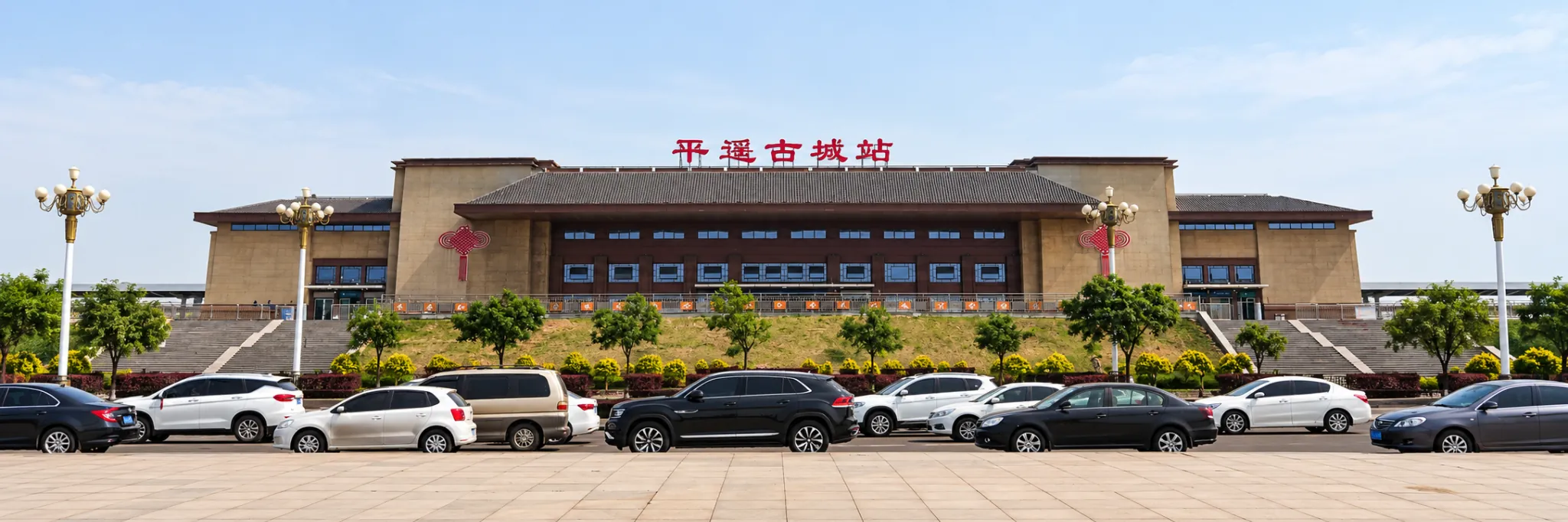
Choose accommodation according to the station you will actually use. Pingyao Gucheng high-speed railway station and Pingyao Railway Station are different locations, so check your transfer route before booking.
For a first visit focused on historic streets and traditional architecture, consider staying inside the ancient city. If railway access, vehicle transfers or modern hotel facilities matter more, compare options outside the walls before booking. Confirm the exact property location, station transfer and luggage access before finalizing your accommodation.
Plan your journey to Pingyao Ancient City by high-speed train, conventional rail or a combination of transport connections. Pingyao Gucheng Railway Station and Pingyao Railway Station are different locations, so check your ticket before arranging your onward journey. Once you arrive, walking is a practical way to explore the historic streets, while visits to Shuanglin Temple and Zhenguo Temple require separate transport planning.
Pingyao Gucheng Railway Station serves high-speed rail services, while Pingyao Railway Station is a separate station serving conventional rail services. Do not assume that the two stations are interchangeable when booking accommodation or arranging a pickup.If you are staying inside Pingyao Ancient City, check the most practical vehicle drop-off point, walking distance and luggage arrangements before arrival. Vehicle access within the historic area may be restricted.For a visit beyond the ancient city walls, plan separate transport to Shuanglin Temple or Zhenguo Temple. Check current transport arrangements and attraction opening information before departure.
High-speed rail is an option for reaching Pingyao from other cities in China. When booking, check the exact arrival station, departure city, train schedule and journey duration for your travel date.Pingyao Gucheng Railway Station is separate from Pingyao Railway Station and is not located inside the ancient city itself. Allow time for the onward transfer to your hotel, particularly if you plan to stay within the historic walls.Confirm your arrival arrangements before purchasing separate transport or finalizing your itinerary.
If Pingyao is part of a wider Shanxi or China itinerary, compare available rail connections from your previous destination. Travellers coming from Beijing, Taiyuan or other cities should check the actual services available on their intended travel date rather than relying on a fixed journey time.Confirm whether your booking arrives at Pingyao Gucheng Railway Station or Pingyao Railway Station. If your trip involves a train change, leave sufficient time between connections and check the departure station for your onward journey.For multi-city travel, organize transport around your accommodation and planned sightseeing stops.
Pingyao Railway Station is a separate arrival point from Pingyao Gucheng Railway Station. Check the station name on your ticket before arranging a pickup or selecting a hotel.After arrival, consider the distance to your accommodation, the location of the nearest practical drop-off point and whether you will need to walk with your luggage.If you are travelling onward to another destination, verify the departure station and timetable rather than assuming that all rail services use the same station.
A taxi or pre-arranged hotel transfer can simplify the journey from a railway station, particularly when travelling with luggage or arriving after a long train journey.Before arrival, save your hotel's Chinese name and address where possible. Confirm the pickup point, estimated journey and whether the vehicle can reach the nearest practical drop-off point.Some accommodation is inside Pingyao Ancient City, where vehicle access may be restricted or limited. Check with your property whether you will need to walk from the drop-off point to the entrance.
Walking is one of the most practical ways to experience Pingyao's historic streets, traditional courtyards, former merchant residences and city-wall area. It allows you to explore the preserved urban landscape at a comfortable pace and stop at historic buildings along the way.Wear comfortable shoes for stone-paved streets and allow time for visits to individual attractions. Check opening arrangements and group nearby sightseeing stops to avoid unnecessary backtracking.If you are staying inside the ancient city, confirm luggage access and the nearest vehicle drop-off point before arriving.
Local transport may be useful when travelling between the railway stations, your accommodation and attractions beyond Pingyao Ancient City. The most practical option depends on your starting point, destination and travel date.Shuanglin Temple and Zhenguo Temple are outside the main ancient-city sightseeing area, so allow additional time for transport and the return journey. Check the route and available services before setting out rather than assuming that these sites are within easy walking distance of the old town.If you plan to visit several places in one day, group nearby stops together and confirm your return transport arrangements in advance.
Check the exact railway station shown on your ticket, confirm your accommodation address and save the relevant details offline. If your hotel is inside Pingyao Ancient City, ask about vehicle access, luggage arrangements and the nearest suitable drop-off point.For trips to Shuanglin Temple, Zhenguo Temple or other destinations outside the ancient city, confirm transport arrangements and attraction opening information before departure.Train timetables, transport availability and local access arrangements can change. Verify the details for your actual travel date and leave enough time for transfers.
Choose accommodation that suits your arrival station, then organize your ancient-city sightseeing around walking distances, attraction opening times and the places you most want to explore. Plan separate transport for nearby temples and confirm your arrangements before departure.
Use Pingyao as a base for exploring more of Shanxi's historic architecture and merchant heritage. Shuanglin Temple and Zhenguo Temple are cultural excursions beyond the ancient city's main streets, while the Qiao and Wang family compounds offer a broader look at the region's historic merchant residences. Check travel times, transport options and opening arrangements before planning each outing.
Shuanglin Temple is known for its remarkable collection of painted clay Buddhist sculptures and its historic religious art. Located outside Pingyao Ancient City, it makes a useful addition for travelers interested in Shanxi's cultural heritage. Plan separate transport and check current visiting arrangements before setting out.
Explore an important example of historic Chinese Buddhist architecture outside Pingyao's main walled district. Zhenguo Temple suits travelers interested in traditional timber structures and regional religious heritage. Check transport, access and opening information before visiting.
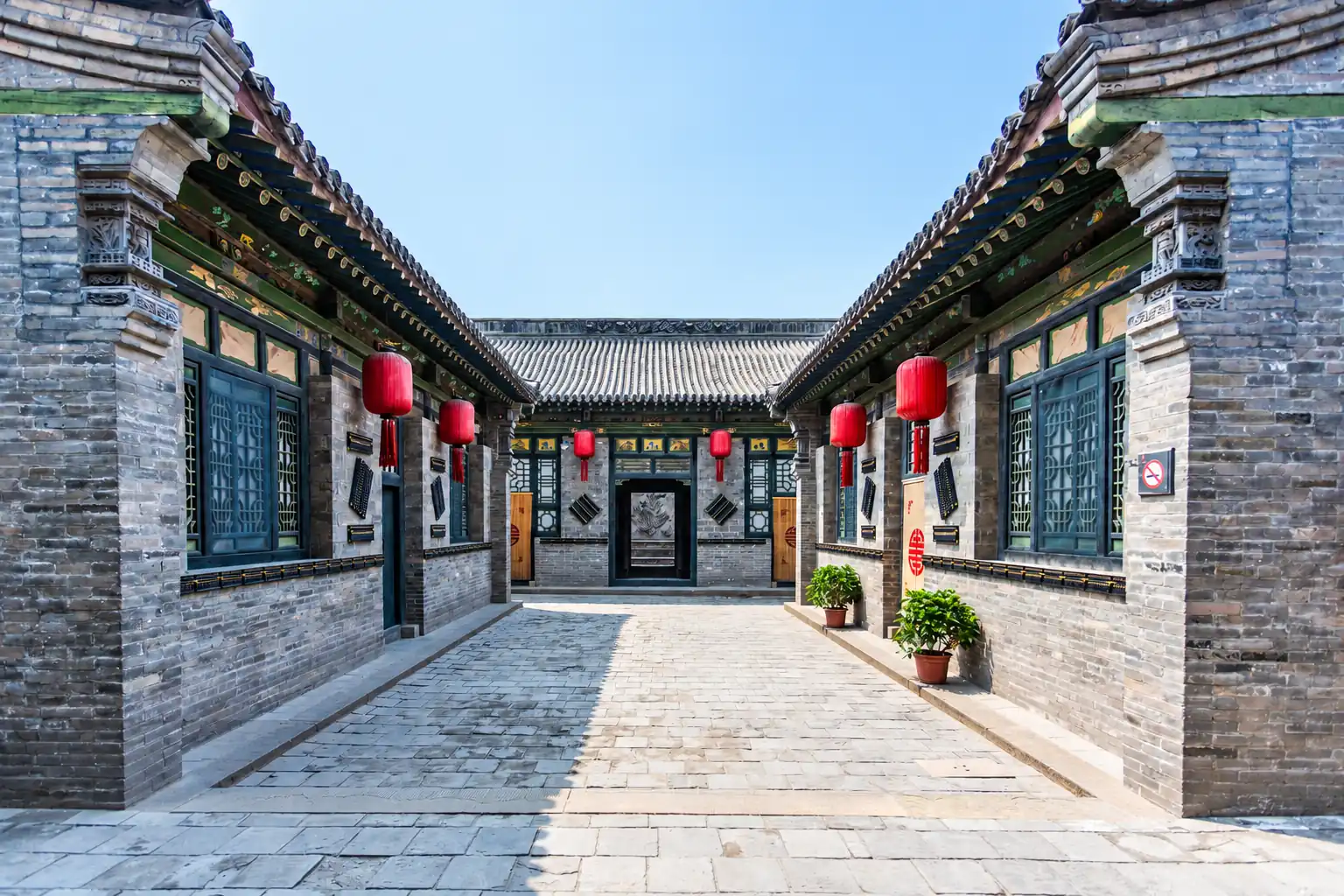
Discover a historic residential complex associated with Shanxi's merchant families. Its courtyards, halls and decorative details provide a different perspective on the region's traditional architecture. Treat this as a separate outing from Pingyao Ancient City and check the complete journey before planning your day.
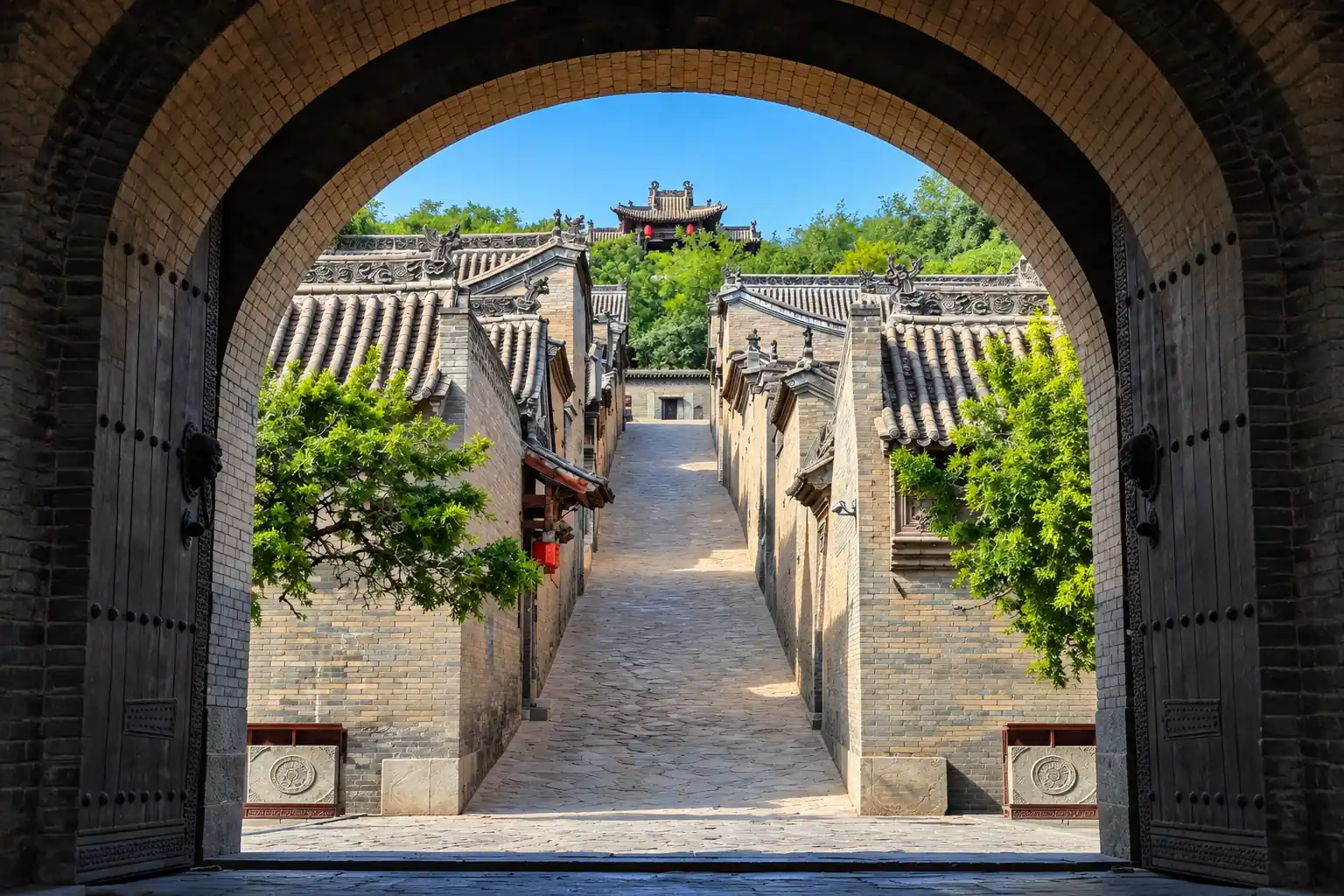
Explore a large historic residential complex reflecting the architecture and social history of Shanxi merchant families. The compound requires separate journey planning from Pingyao, so compare travel time, available transport and visiting arrangements before adding it to your itinerary.