How Many Days in Chongqing?
Choose your trip length based on how many city highlights, food experiences, viewpoints and nearby destinations you want to include.

Explore Chongqing's most iconic landmarks, from riverfront viewpoints and mountain city experiences to historic neighborhoods, cultural sites and famous urban attractions. These must-see places introduce first-time visitors to Chongqing's unique landscape, history and modern city life.
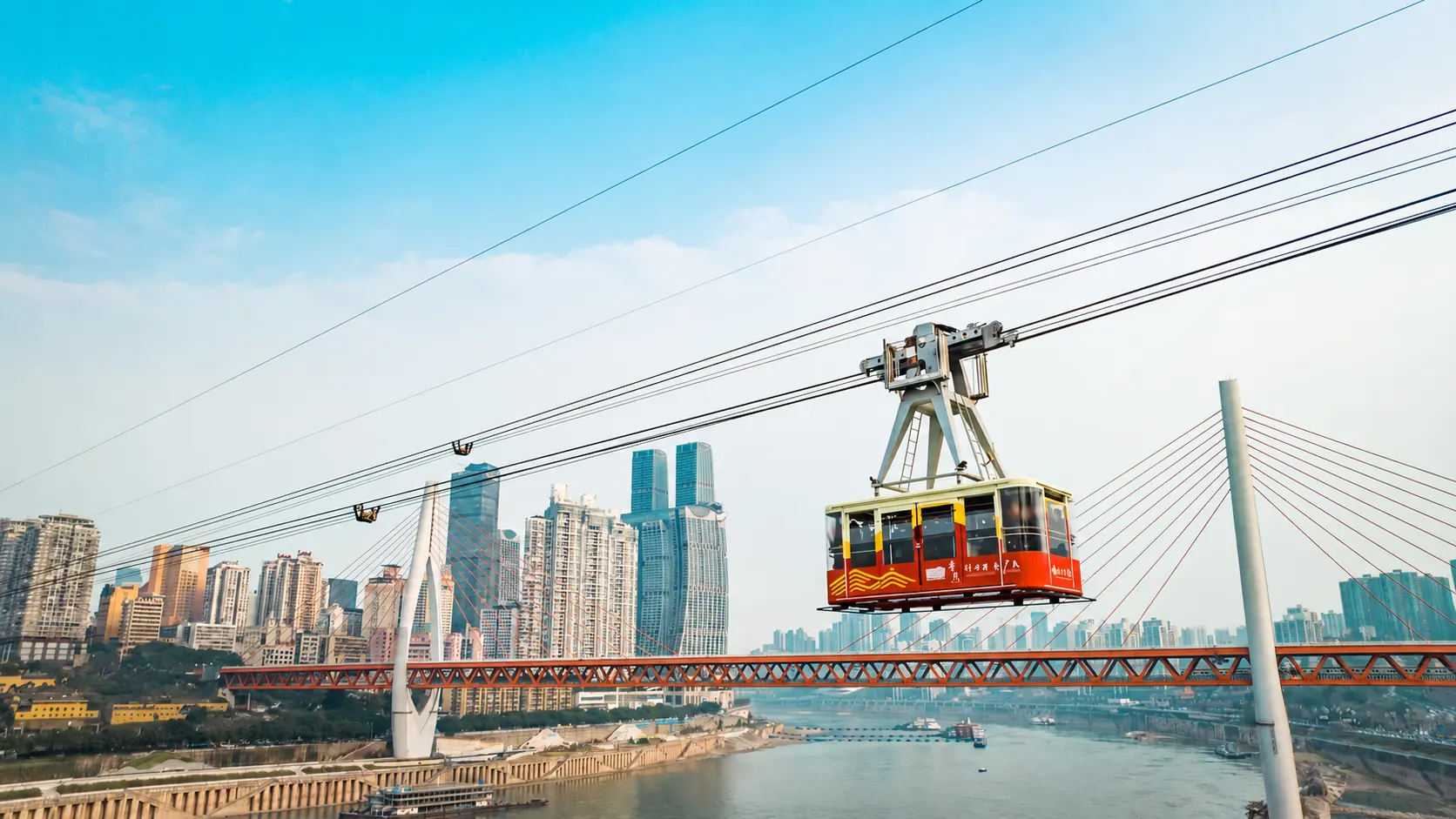
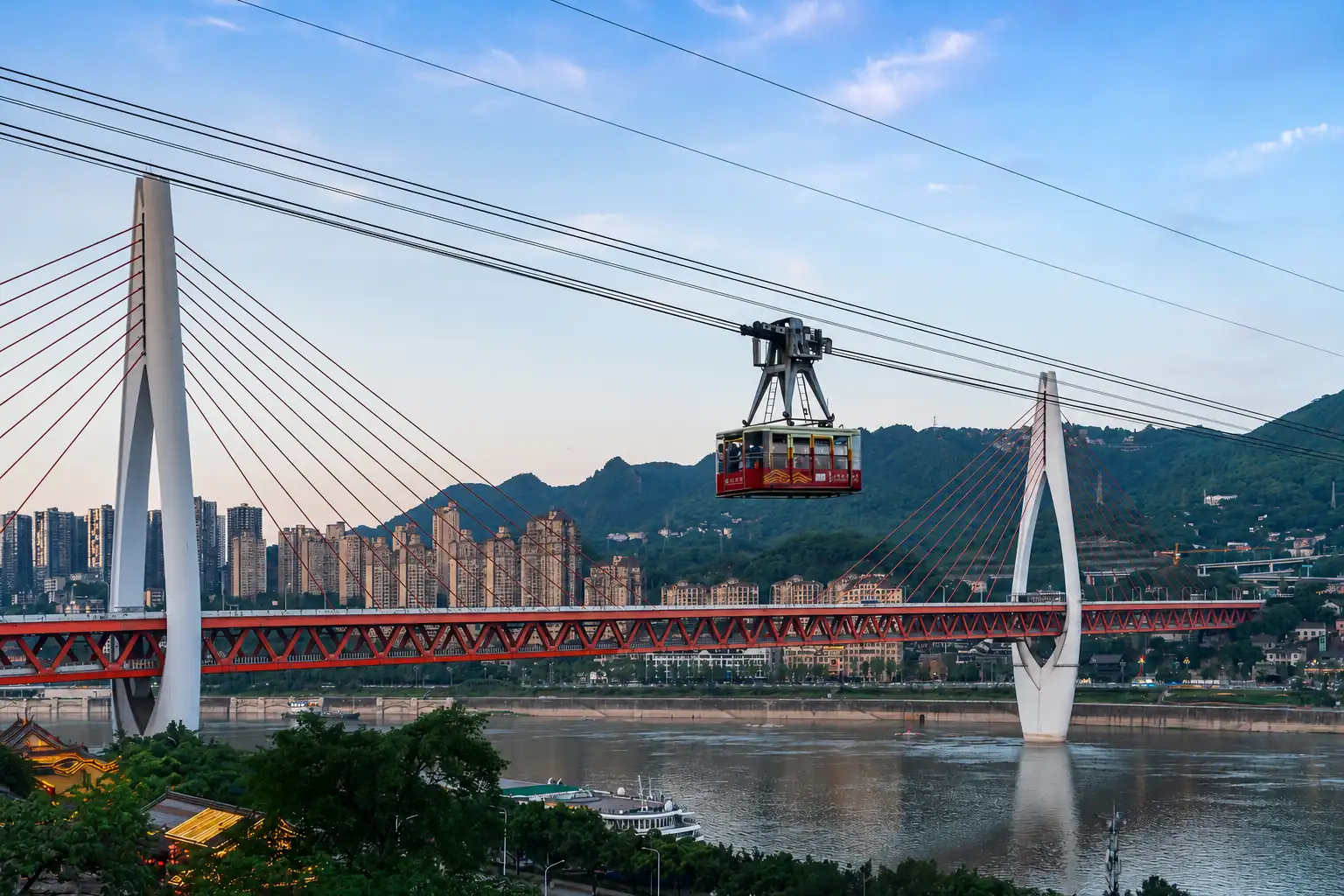
Cross the Yangtze River by cable car and experience one of Chongqing's most memorable viewpoints. The ride connects the city's two riverbanks while showcasing the mountains, bridges and vertical landscape that define Chongqing.
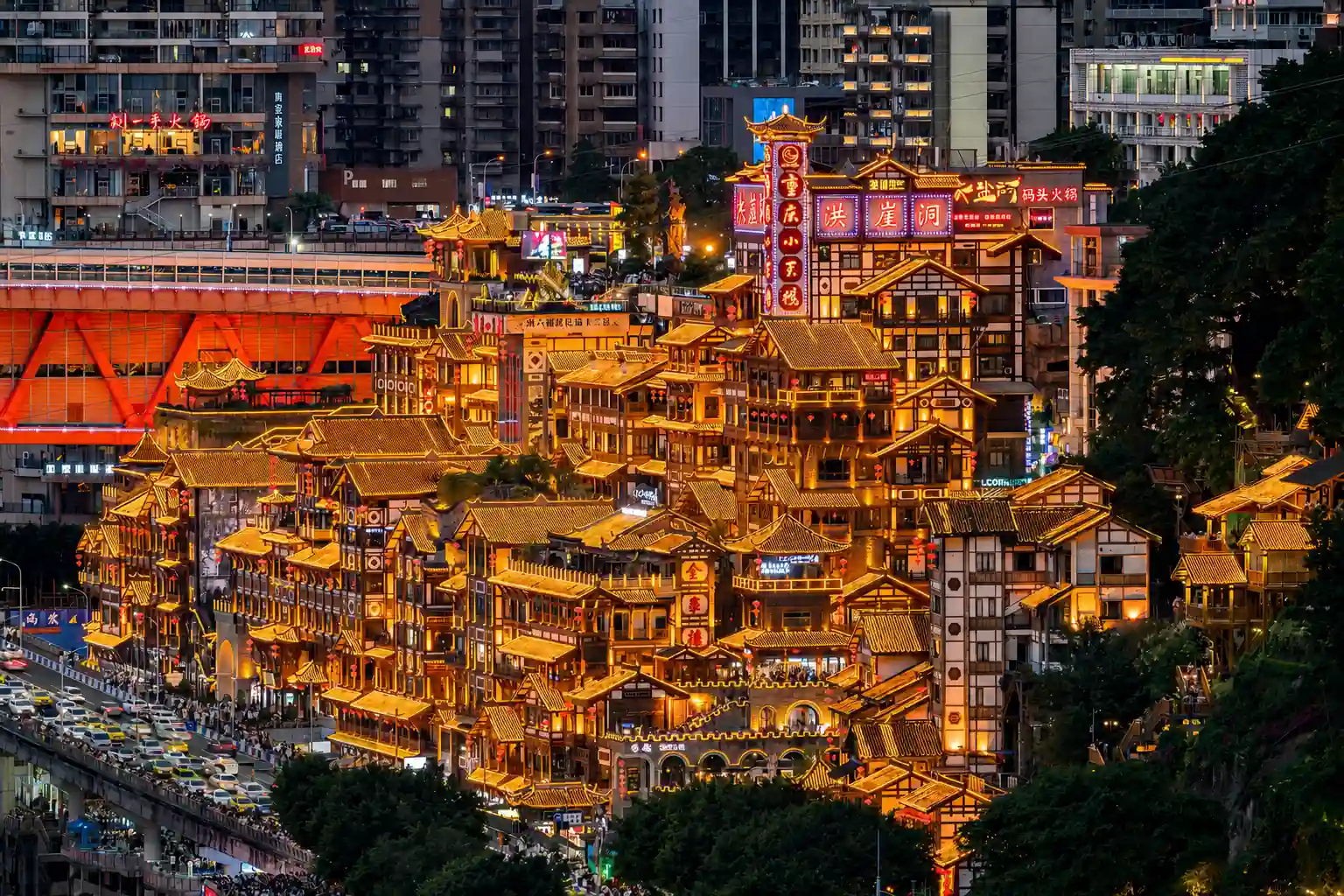
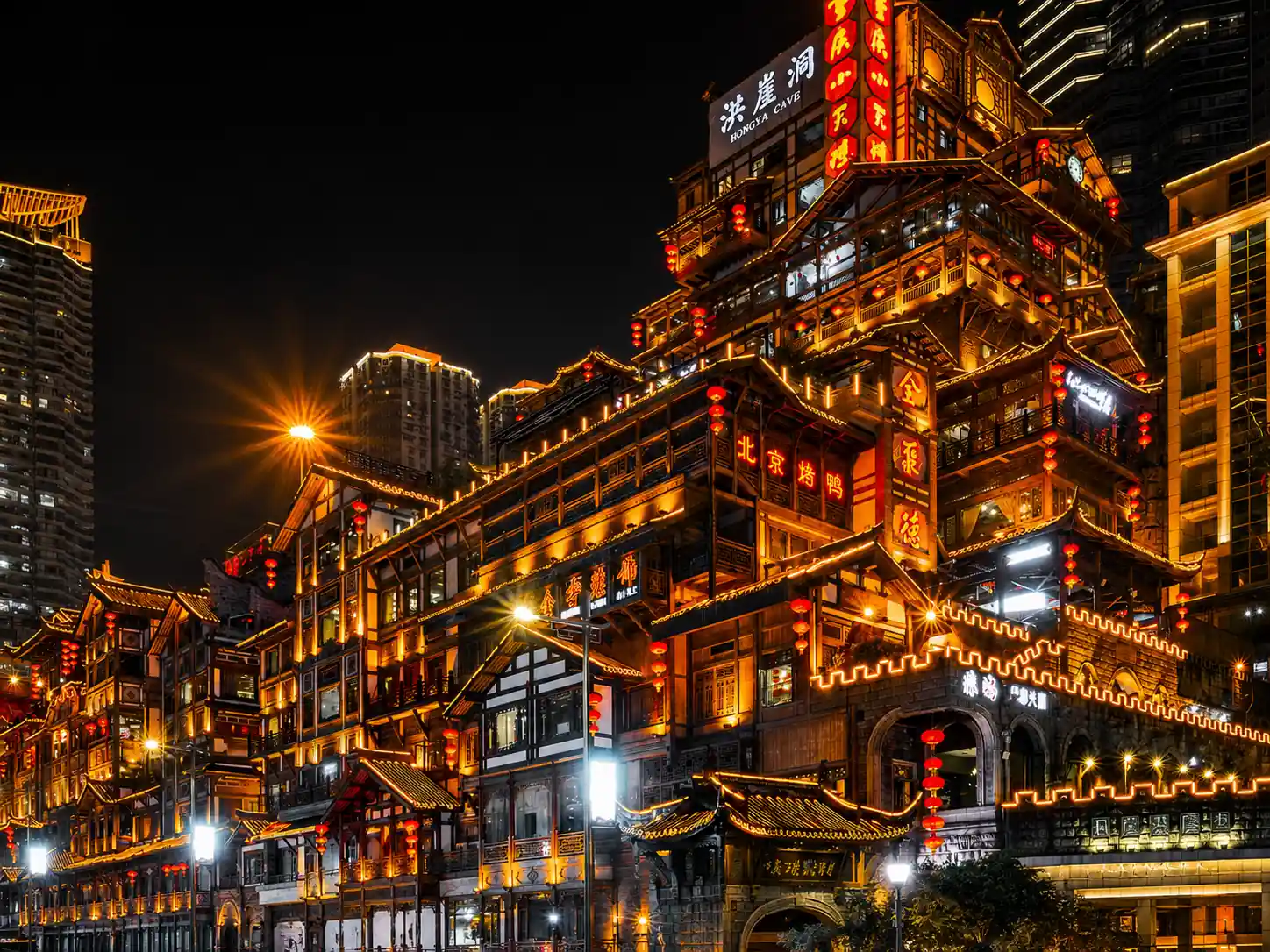
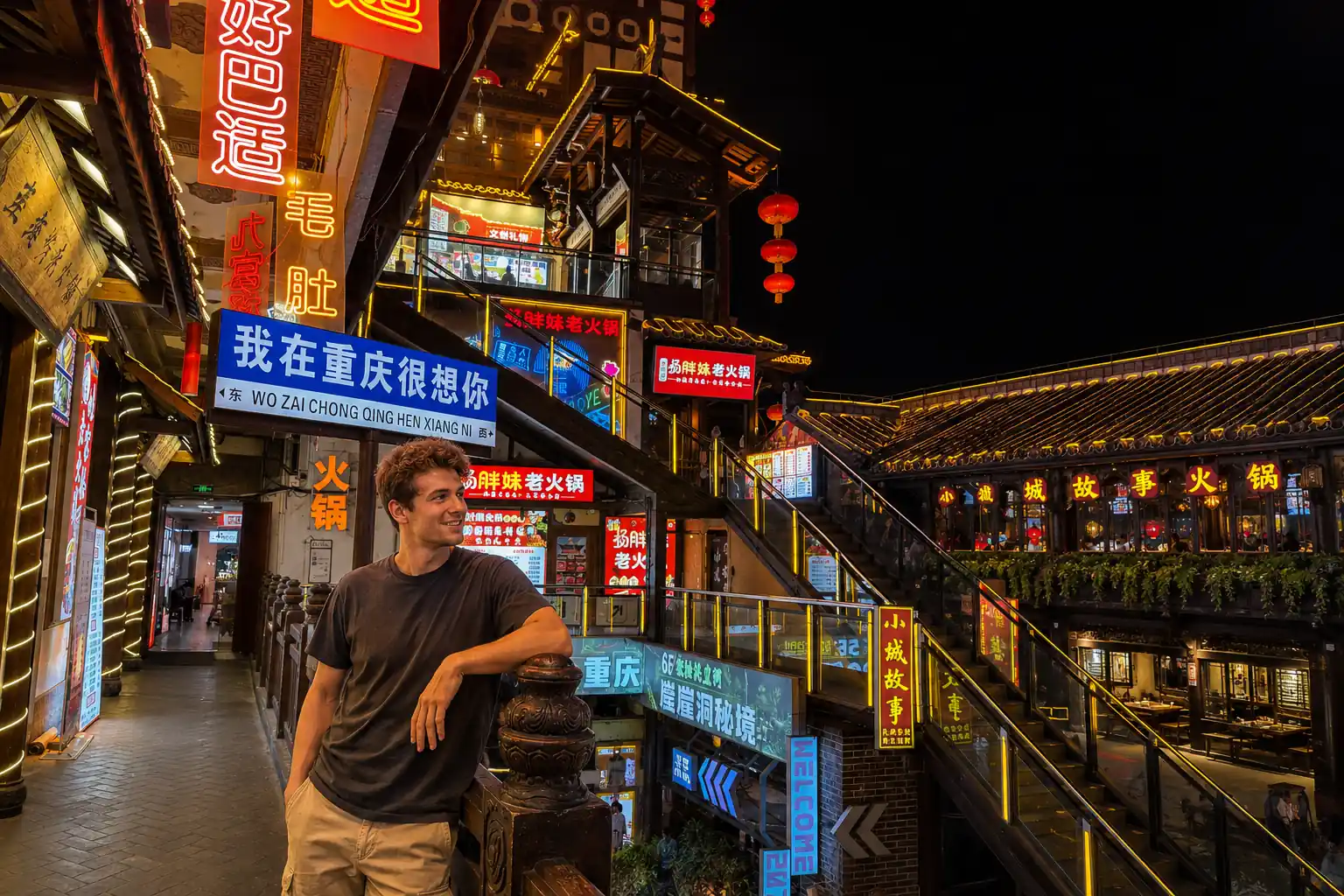
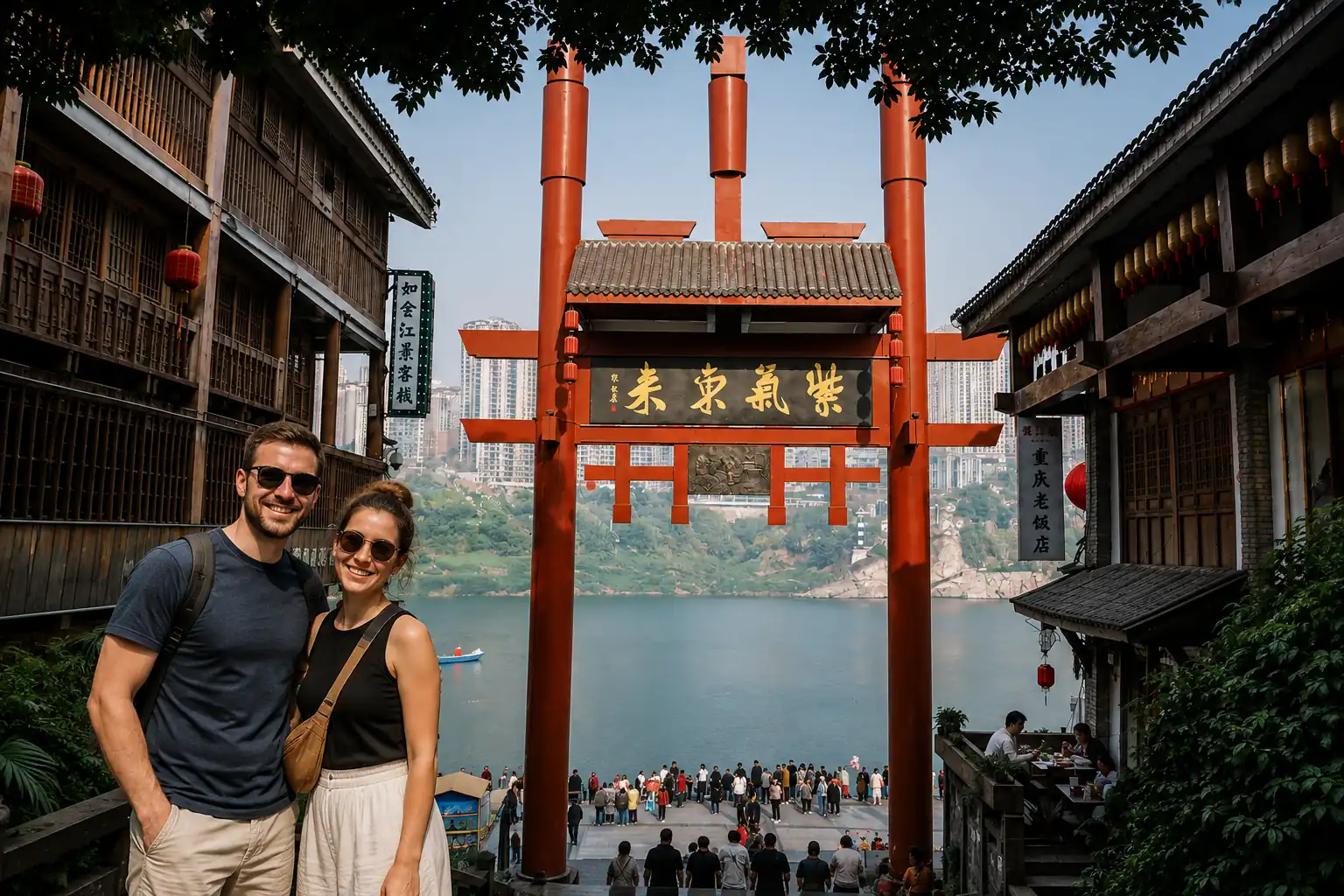
Visit Chongqing's most famous riverside landmark, known for its traditional-style buildings built into the hillside. The area is especially popular after dark when the lights create one of the city's most recognizable night views.
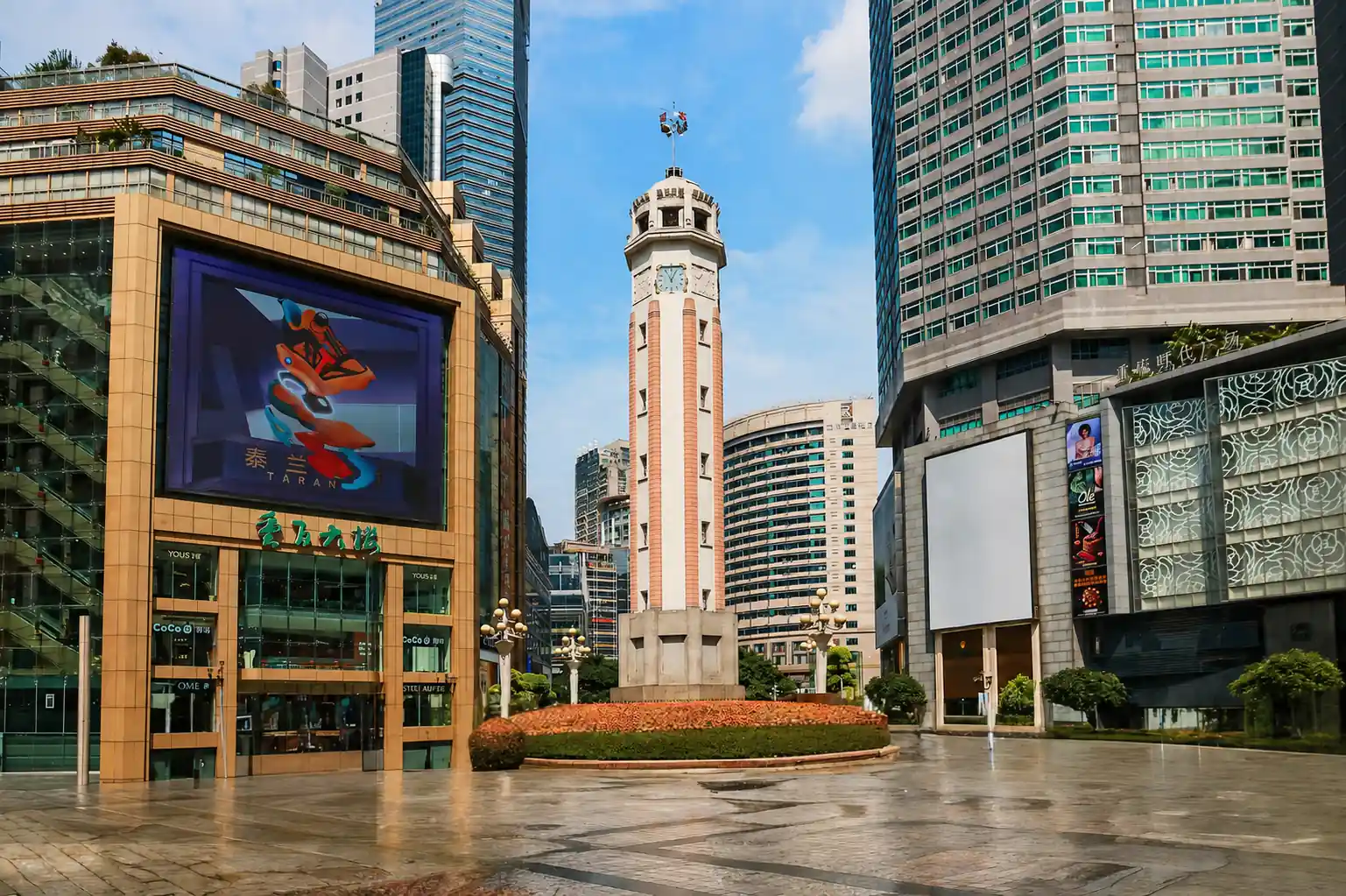
Located in the heart of central Chongqing, Jiefangbei is the city's main commercial district and a convenient starting point for first-time visitors. Explore shopping streets, local food and nearby attractions in Yuzhong District.
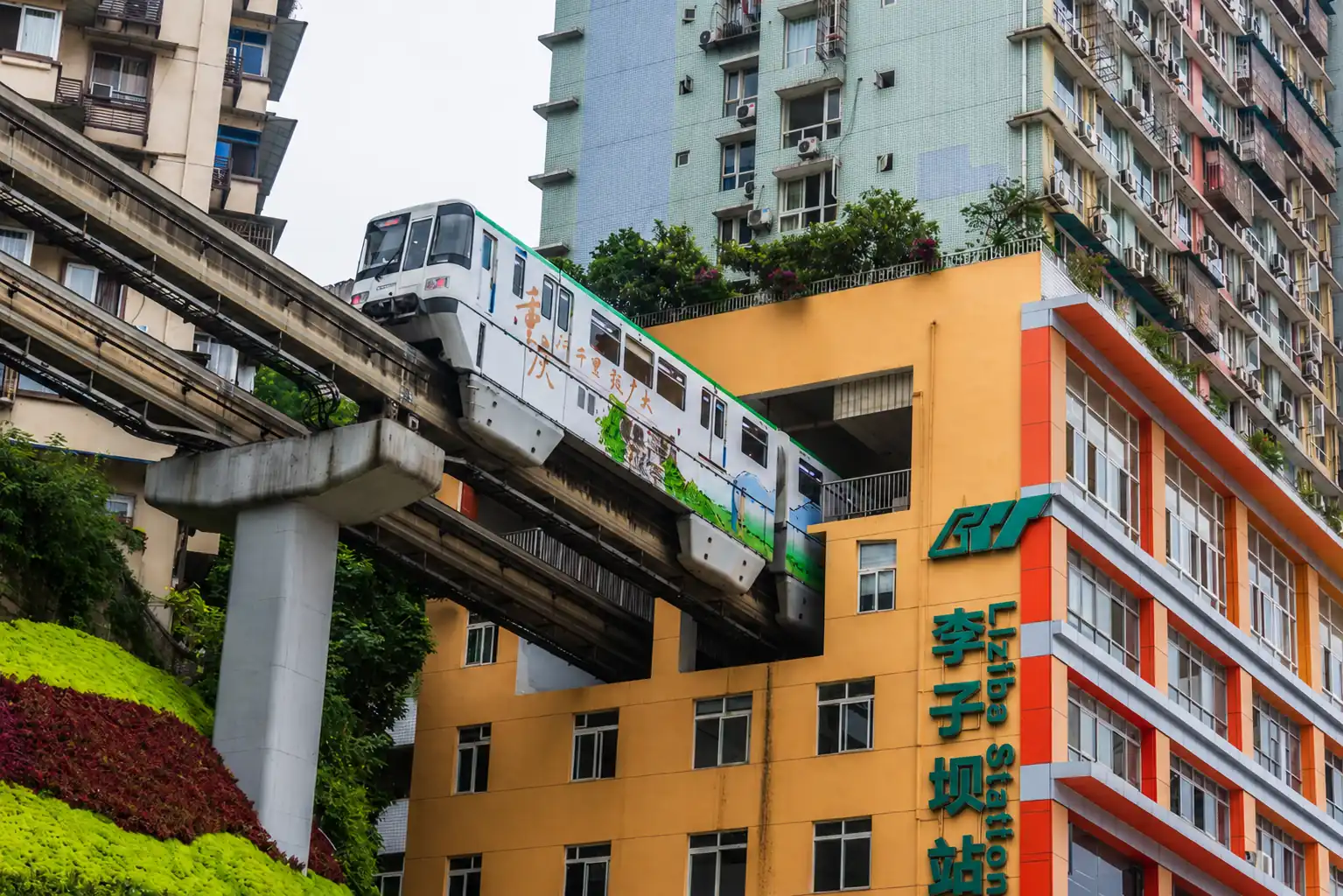
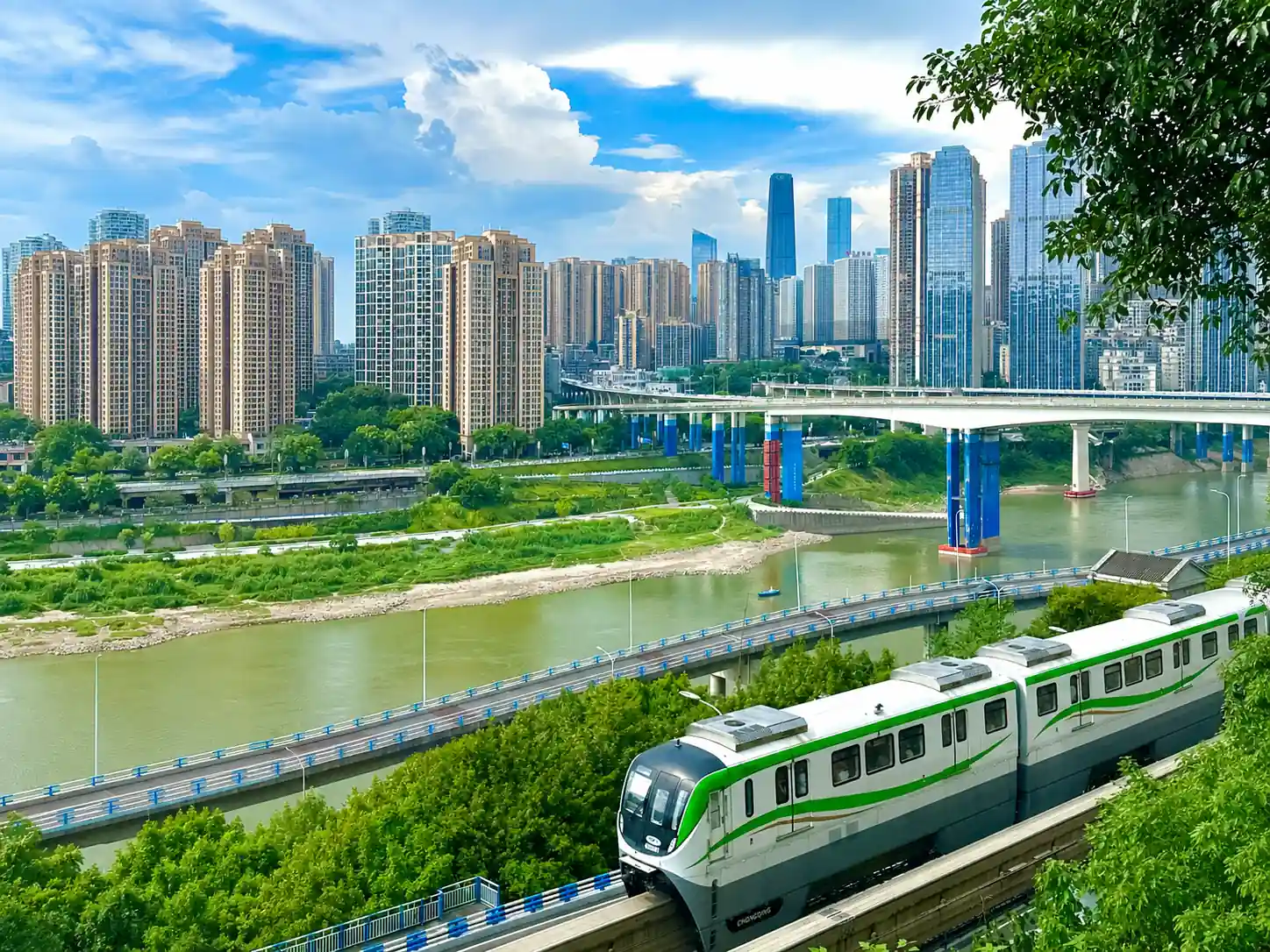
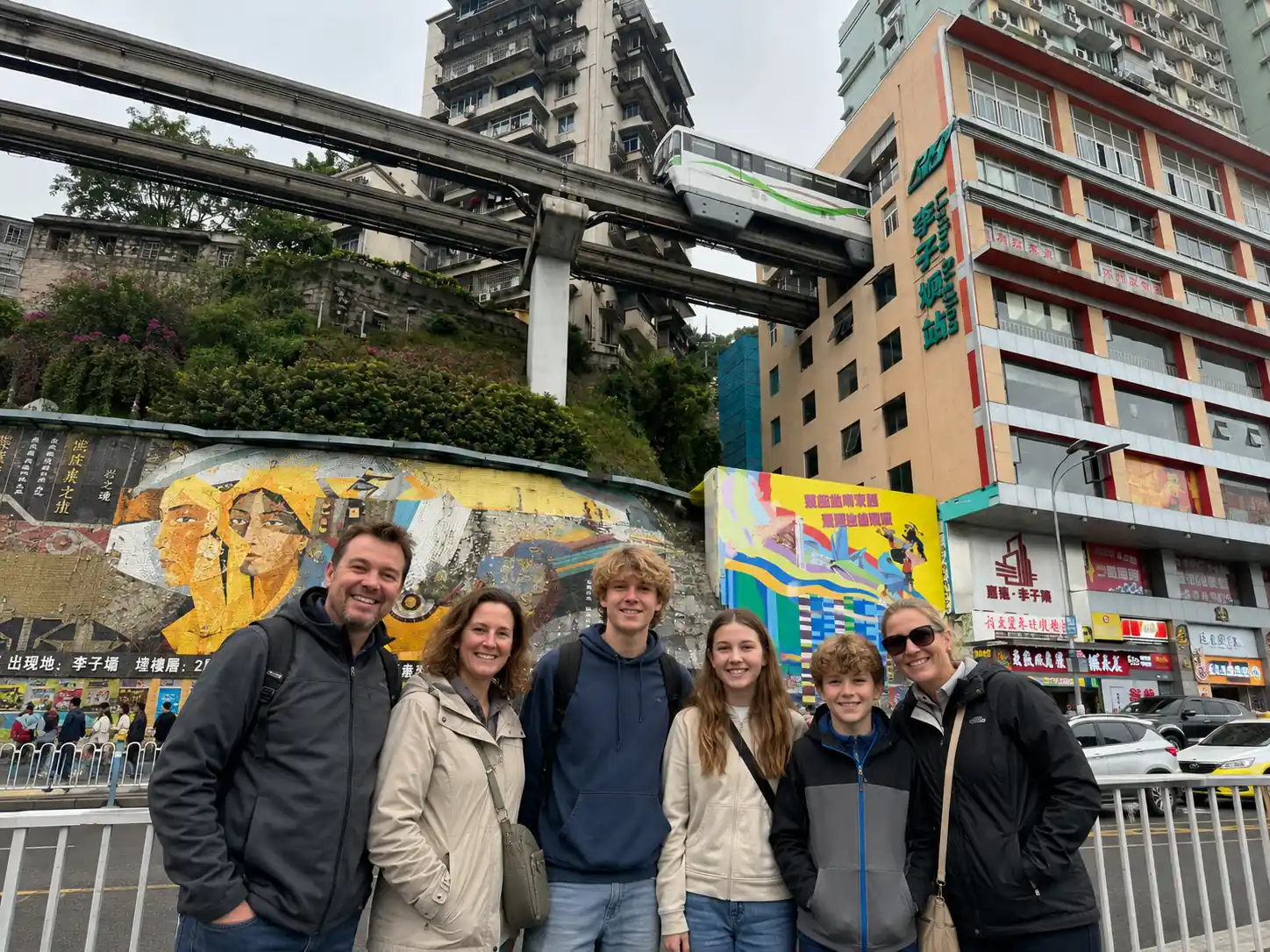
See Chongqing's famous monorail passing through a residential building at Liziba Station. This unusual piece of urban design has become one of the city's most photographed modern landmarks.
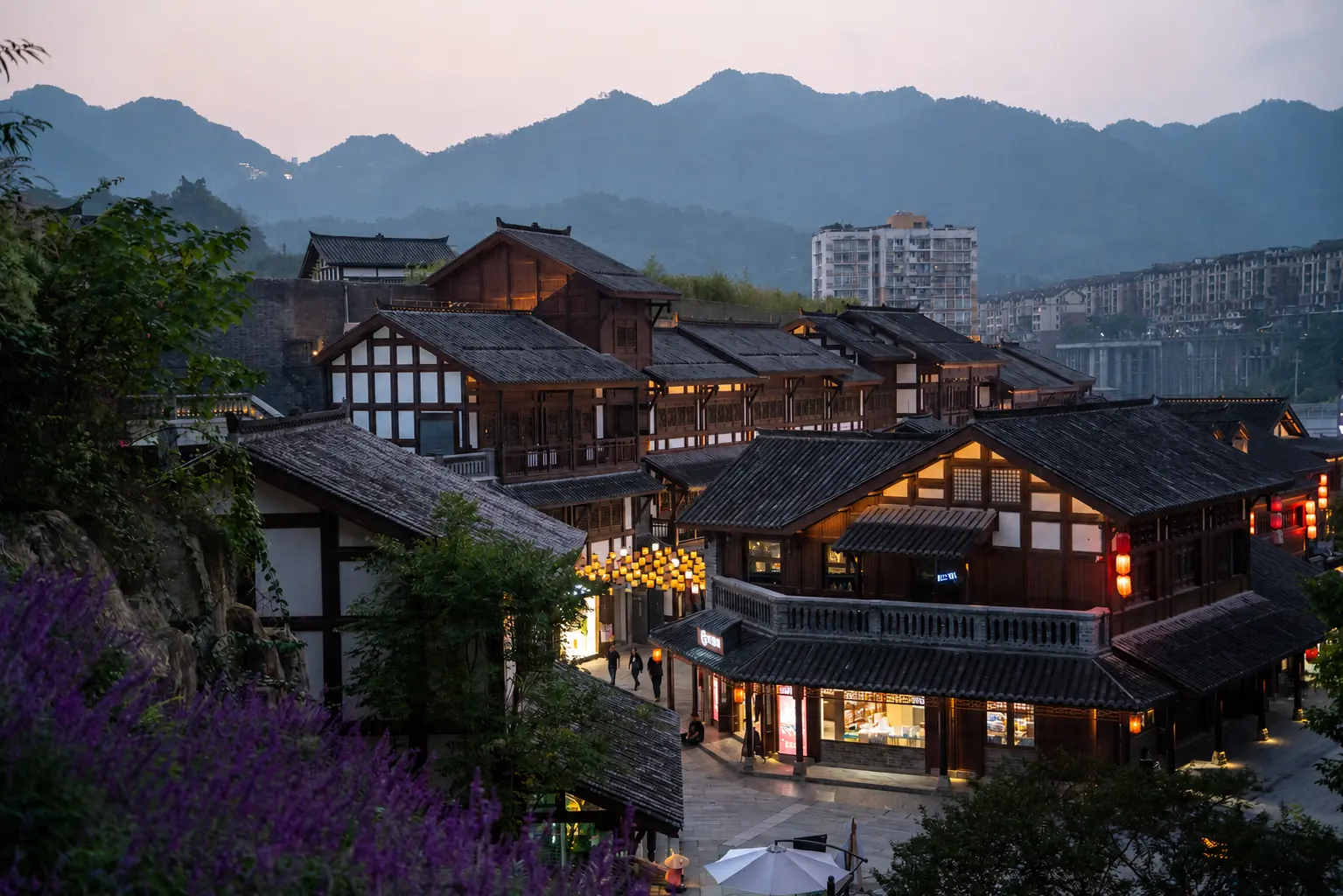
Walk through one of Chongqing's best-known historic districts, with traditional streets, old buildings, local snacks and shops. It offers a different atmosphere from the modern city center.
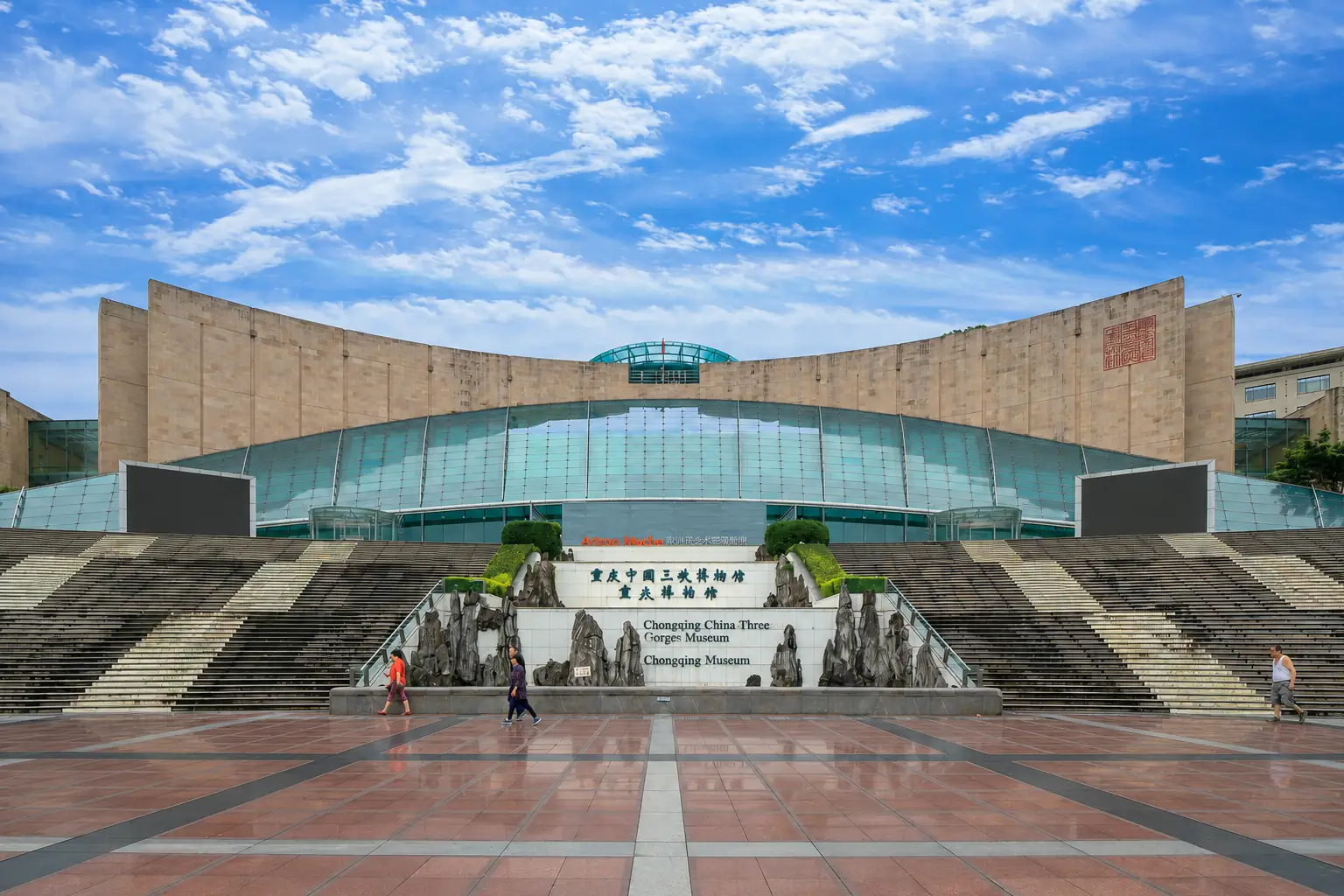
Learn about Chongqing's history, the Yangtze River region and the Three Gorges area through exhibitions covering culture, geography and local development.
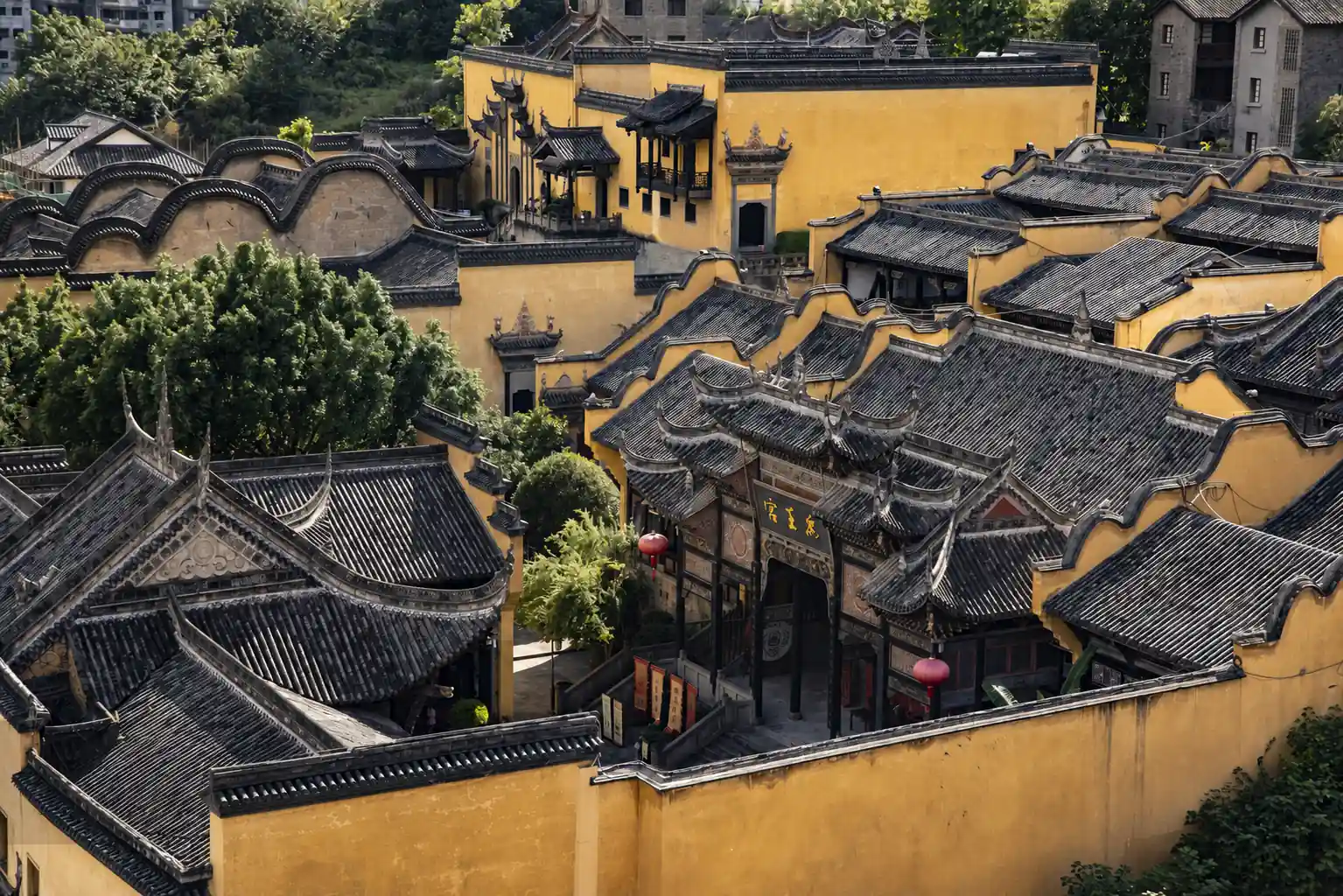
Explore one of Chongqing's most important historic complexes, featuring traditional architecture and stories connected with migration, trade and the city's development along the Yangtze.
Combine Chongqing's mountain city landmarks, river views, historic neighborhoods and local experiences into a balanced itinerary with flexible transport and guided options.
Discover the best things to do in Chongqing beyond the major landmarks. Experience Chongqing hot pot, historic hillside neighborhoods, mountain city walking routes, two-river night views and some of China's most distinctive urban scenery. Chongqing's steep terrain, bridges, monorails and different street levels create the vertical city experience that makes exploring here so different from other Chinese destinations.
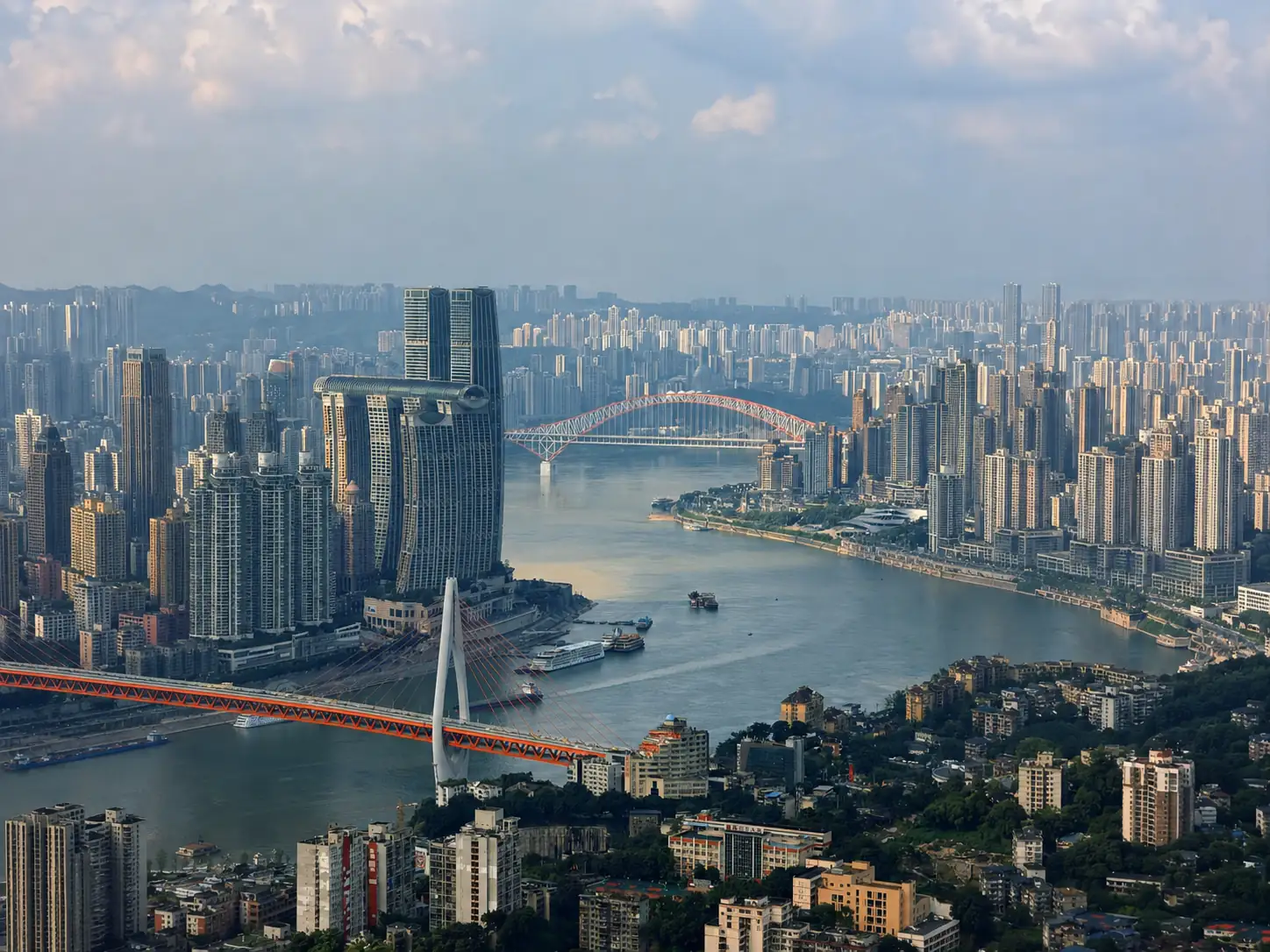
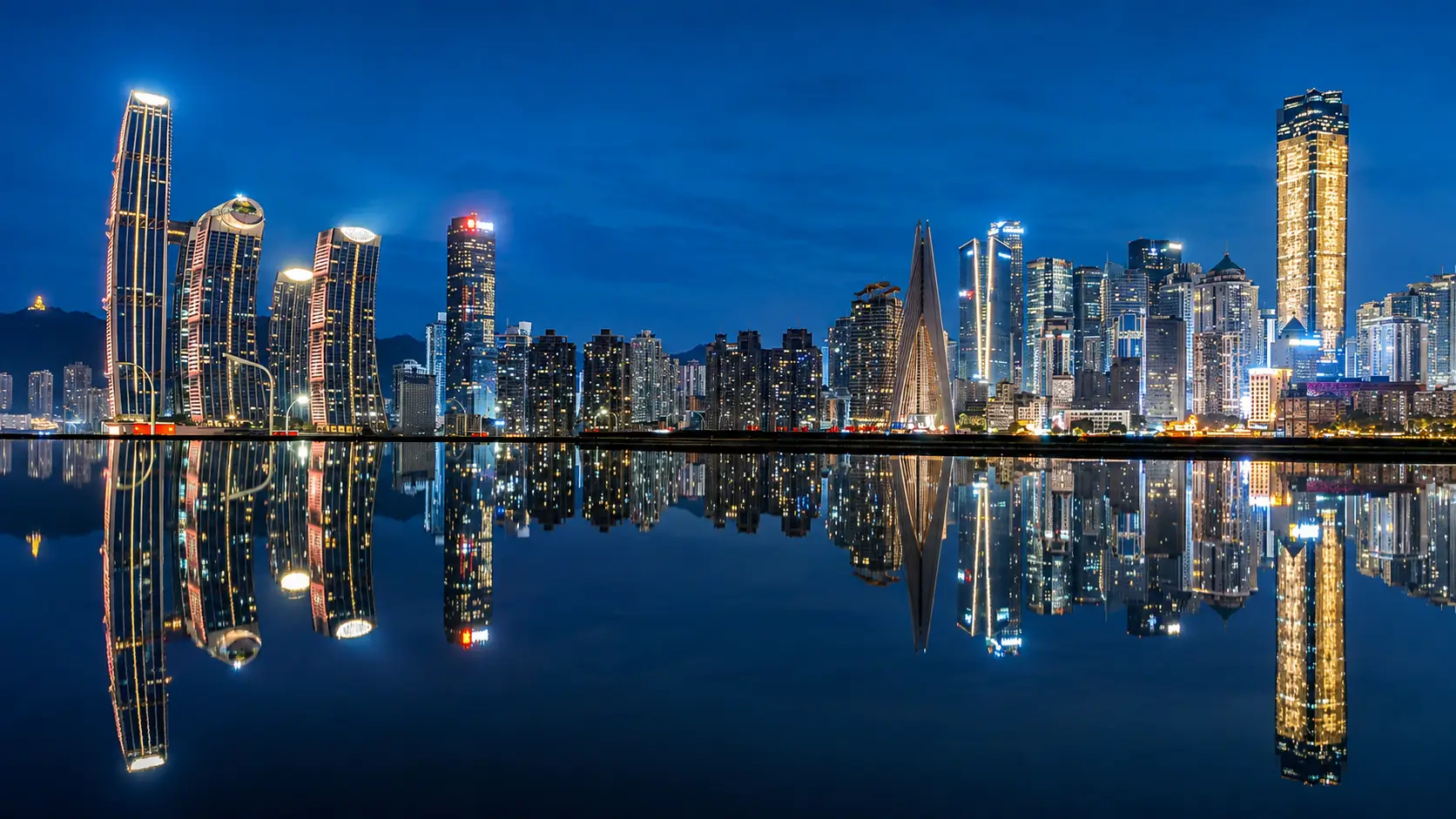
See Chongqing after dark when the city's vertical skyline, bridges and riverfront districts light up around the Yangtze and Jialing rivers. Popular viewpoints include the Hongya Cave and Qiansimen Bridge area, Chaotianmen and Raffles City, as well as the Nanbin Road riverfront across from central Yuzhong.
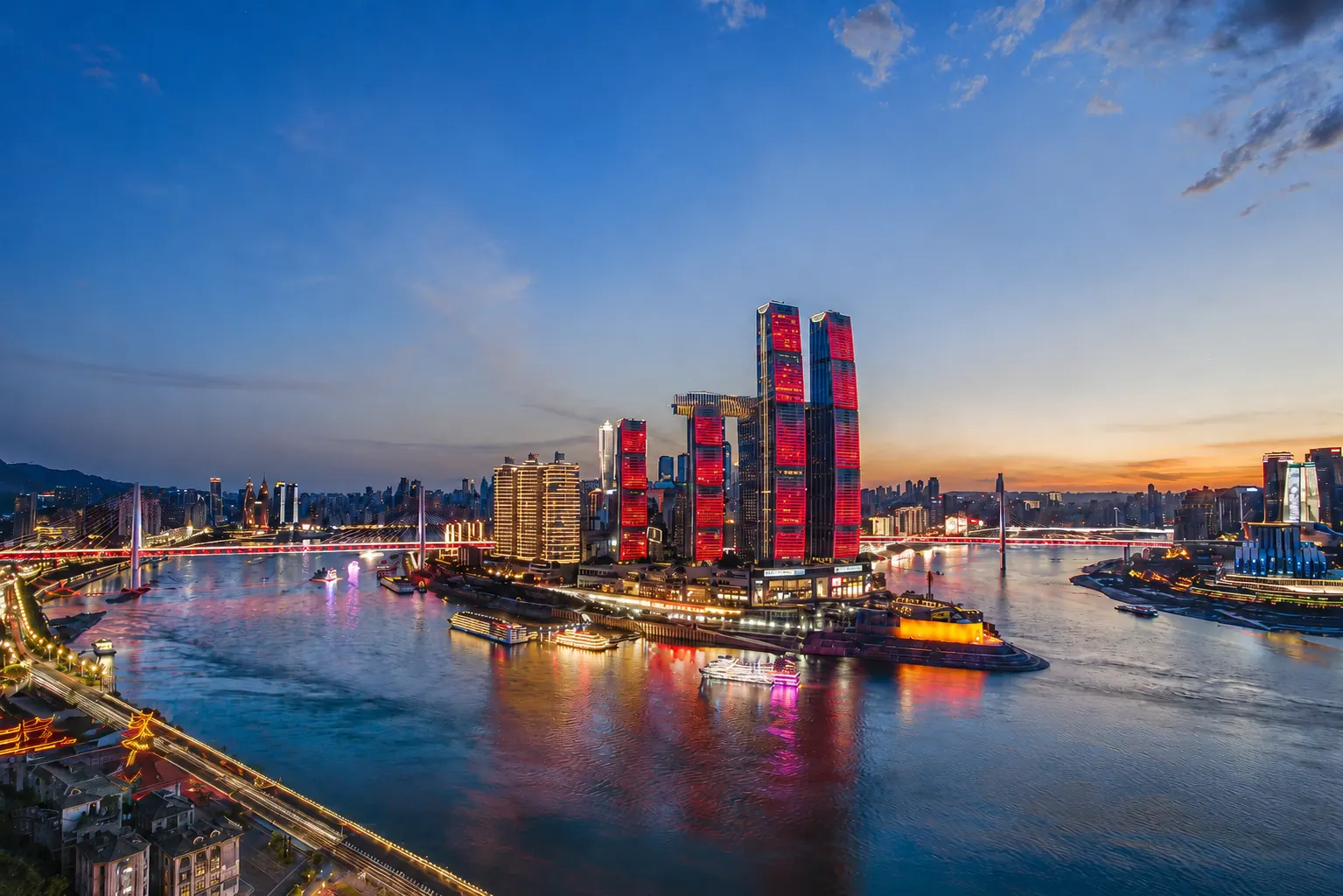
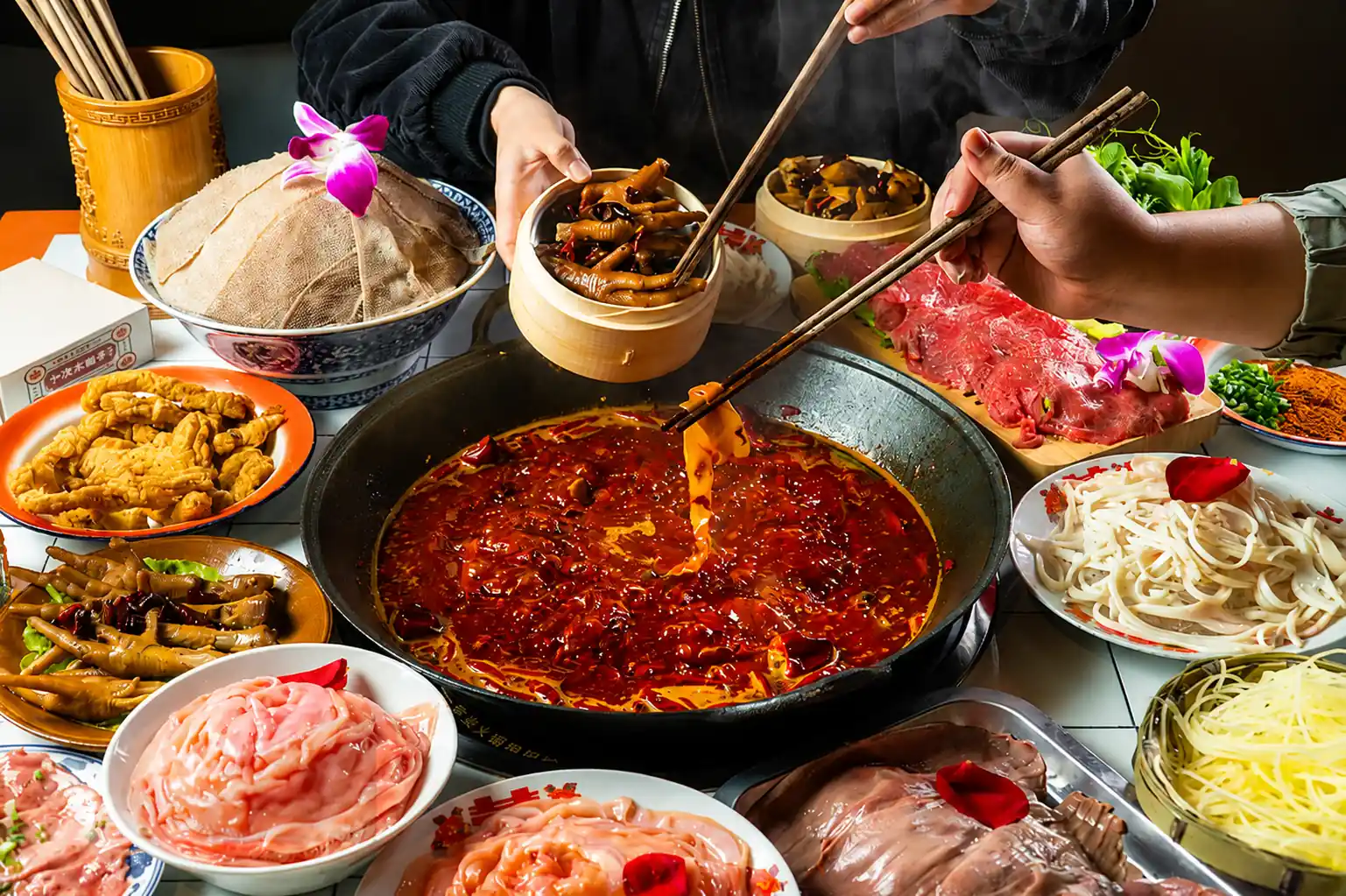
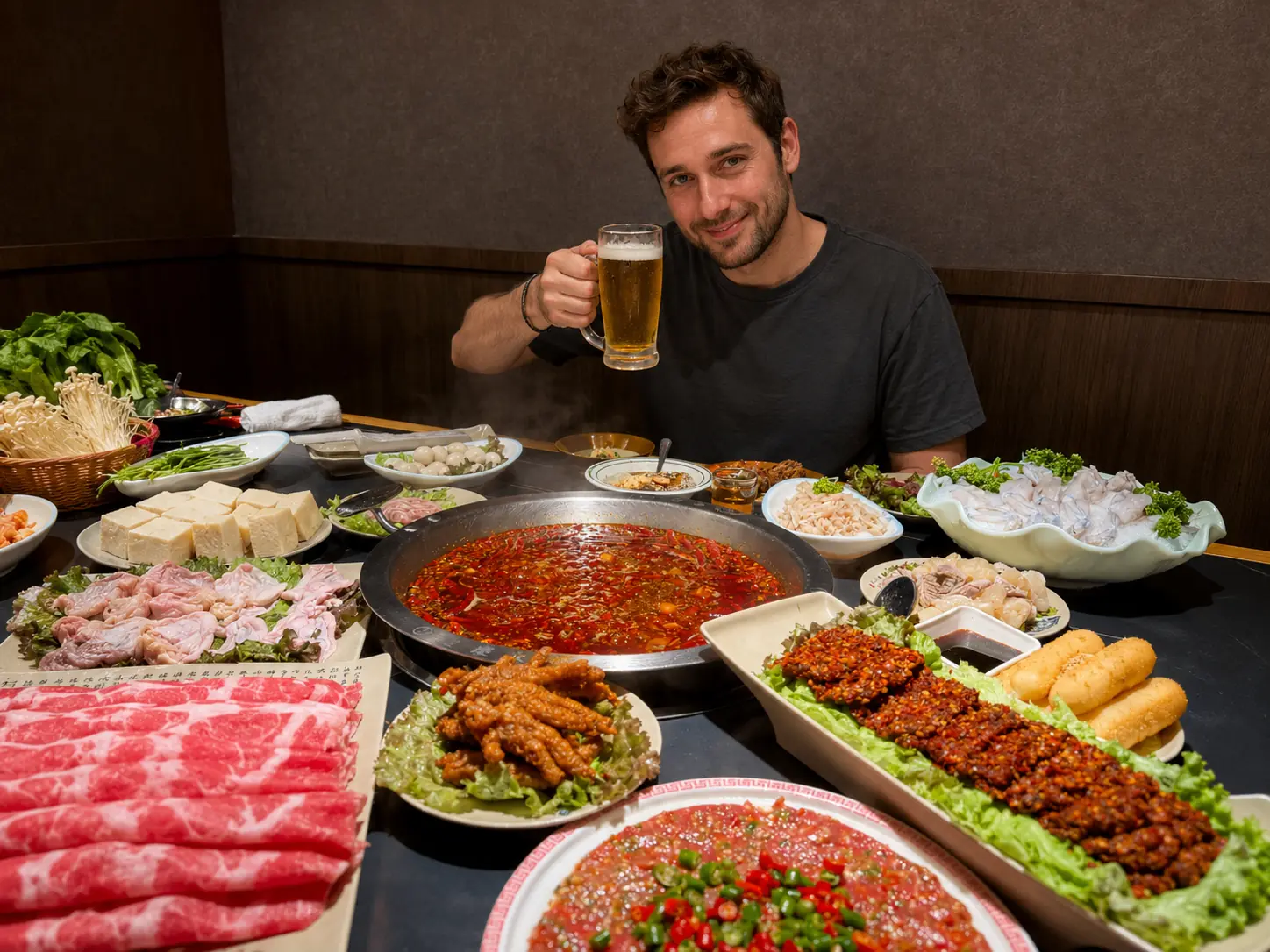
Start with Chongqing hot pot, famous for its rich broth, chilies and fragrant Sichuan peppercorns, then try local favorites such as Chongqing xiaomian and suan la fen. Small restaurants and neighborhood food streets are some of the best places to experience the city's bold, spicy flavors.
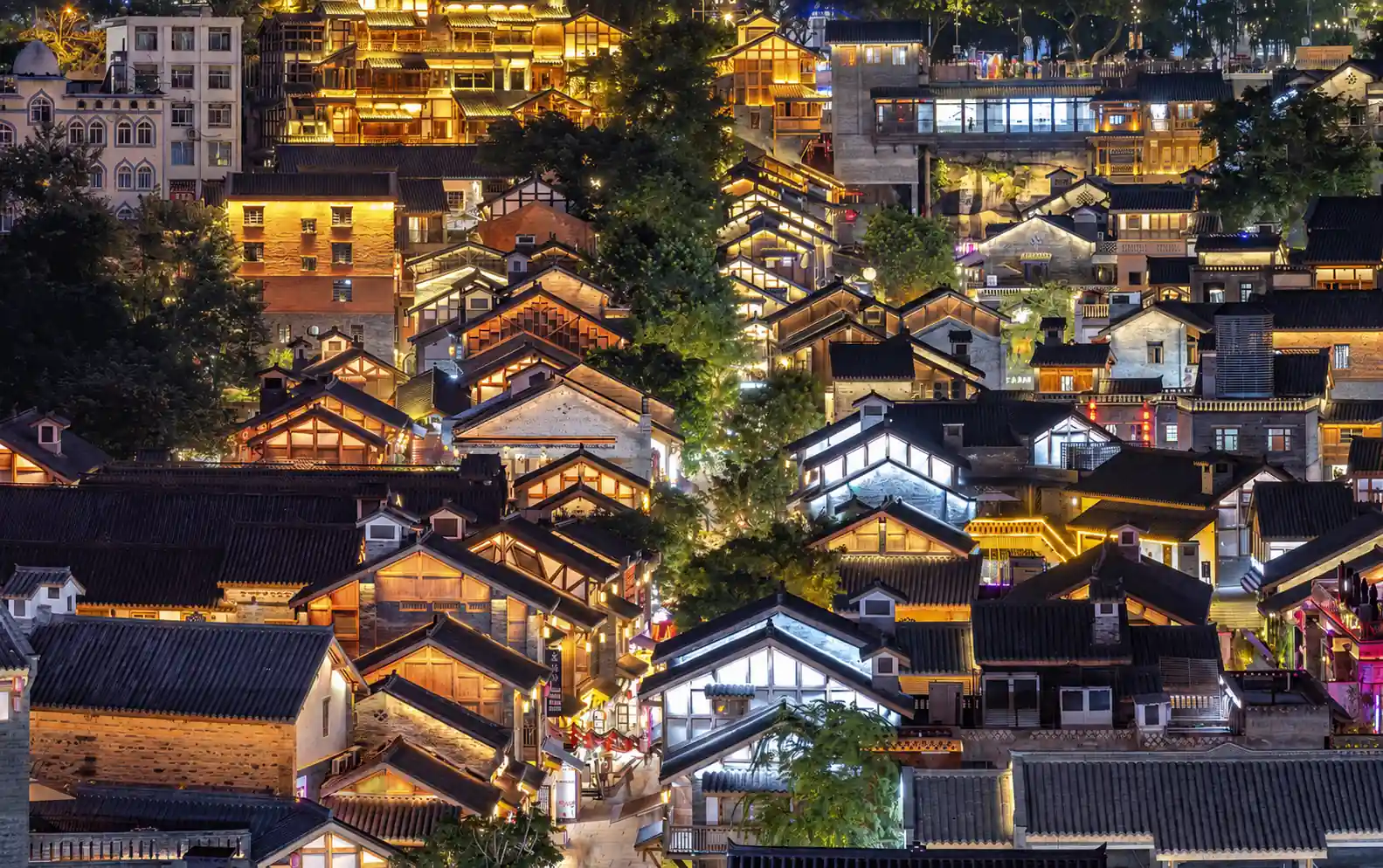
Go beyond the modern skyline to explore historic hillside districts and traditional architecture. Shibati, also known as the Eighteen Steps area, reveals Chongqing's old mountain-city street pattern, while Longmenhao Old Street in Nan'an combines restored historic buildings with river views.
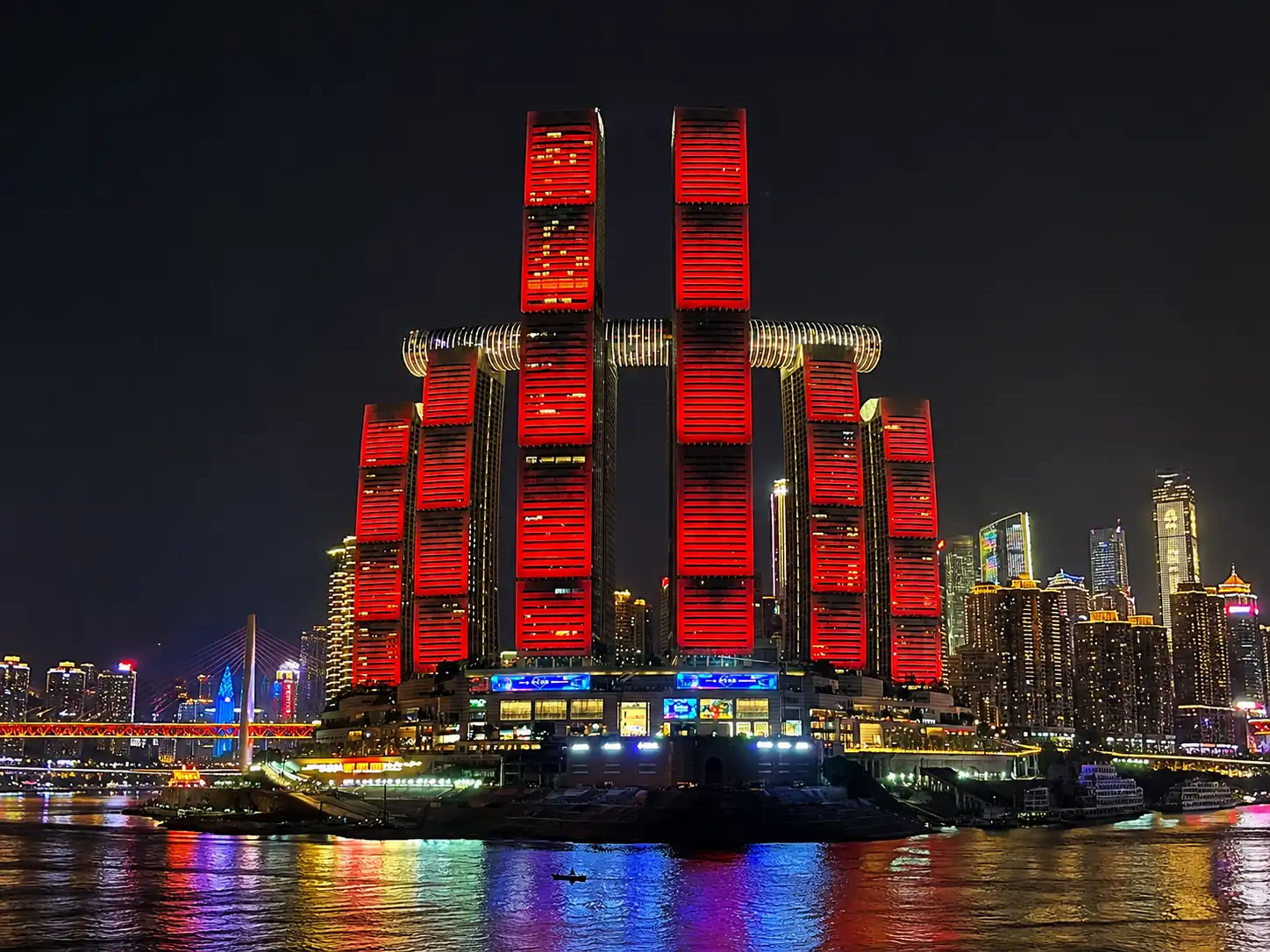
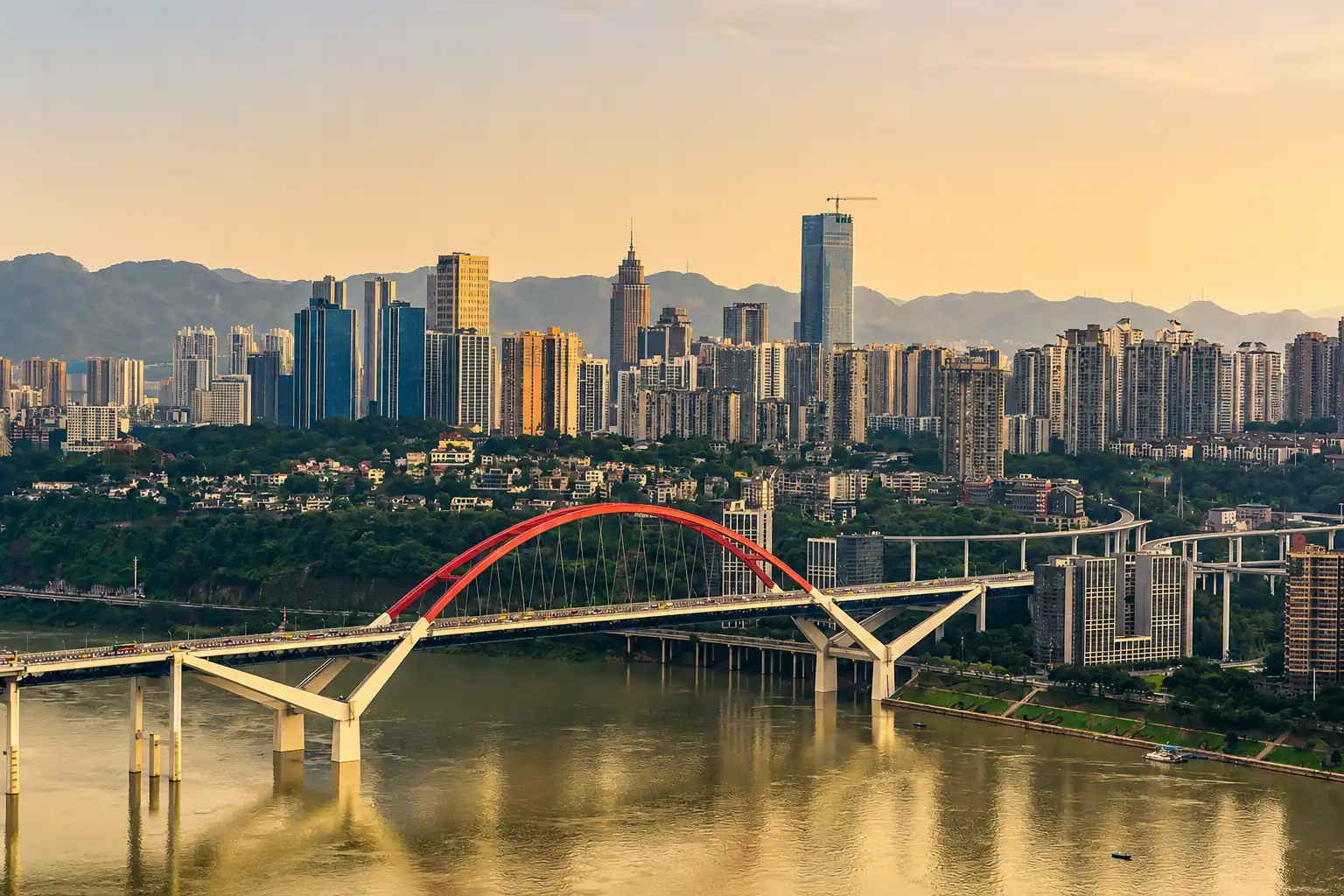
Photograph Chongqing's dramatic combination of rivers, bridges, towers and steep urban terrain. Chaotianmen and Raffles City create one of the city's most recognizable modern skylines, while Qiansimen Bridge and riverside viewpoints provide classic perspectives of central Chongqing.
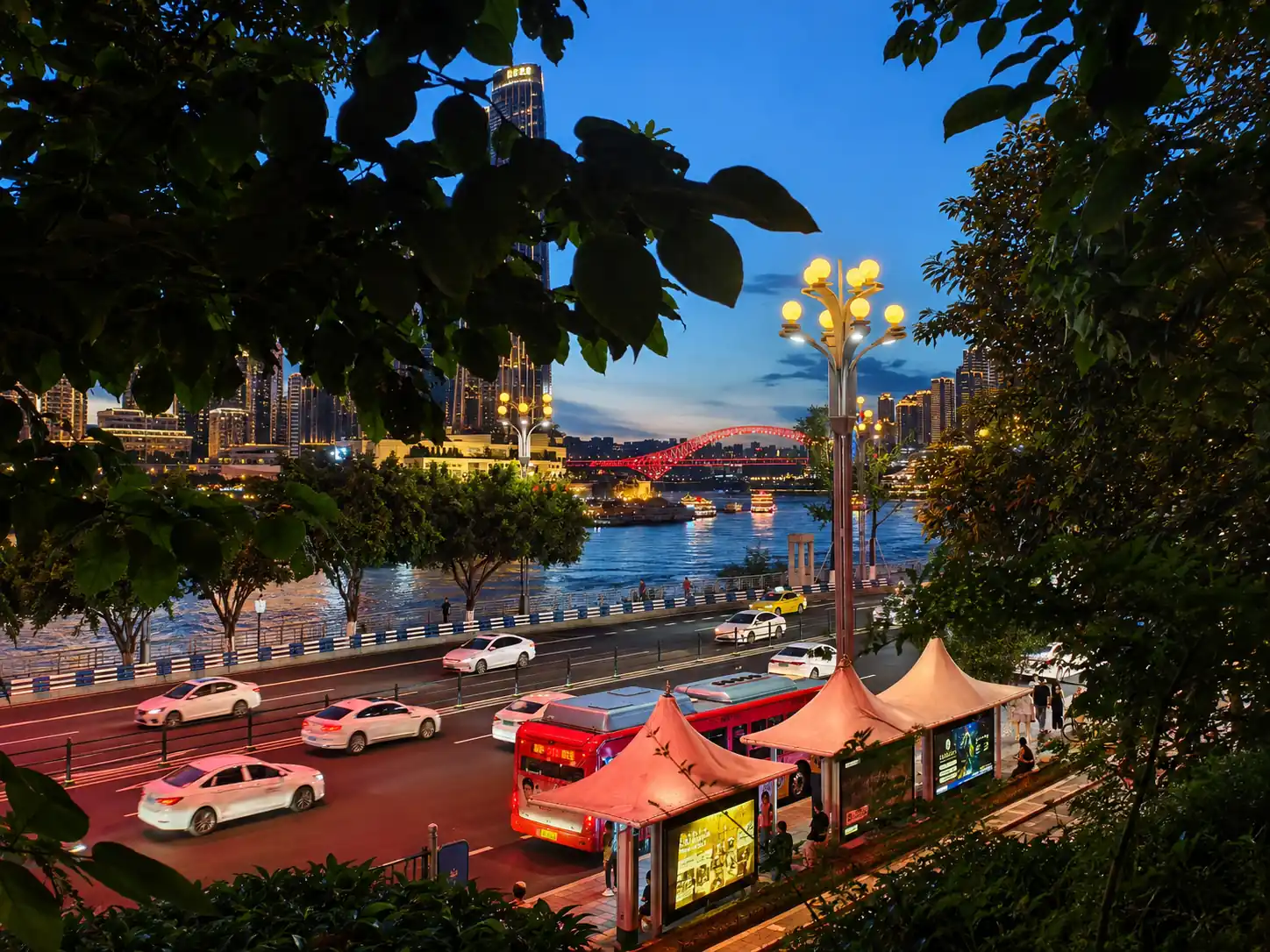
Chongqing changes character after sunset. Walk along the riverfront, see illuminated bridges and look back toward the Yuzhong skyline from areas such as Nanbin Road. Combine an evening walk with local food, night markets or views across the Yangtze and Jialing rivers.
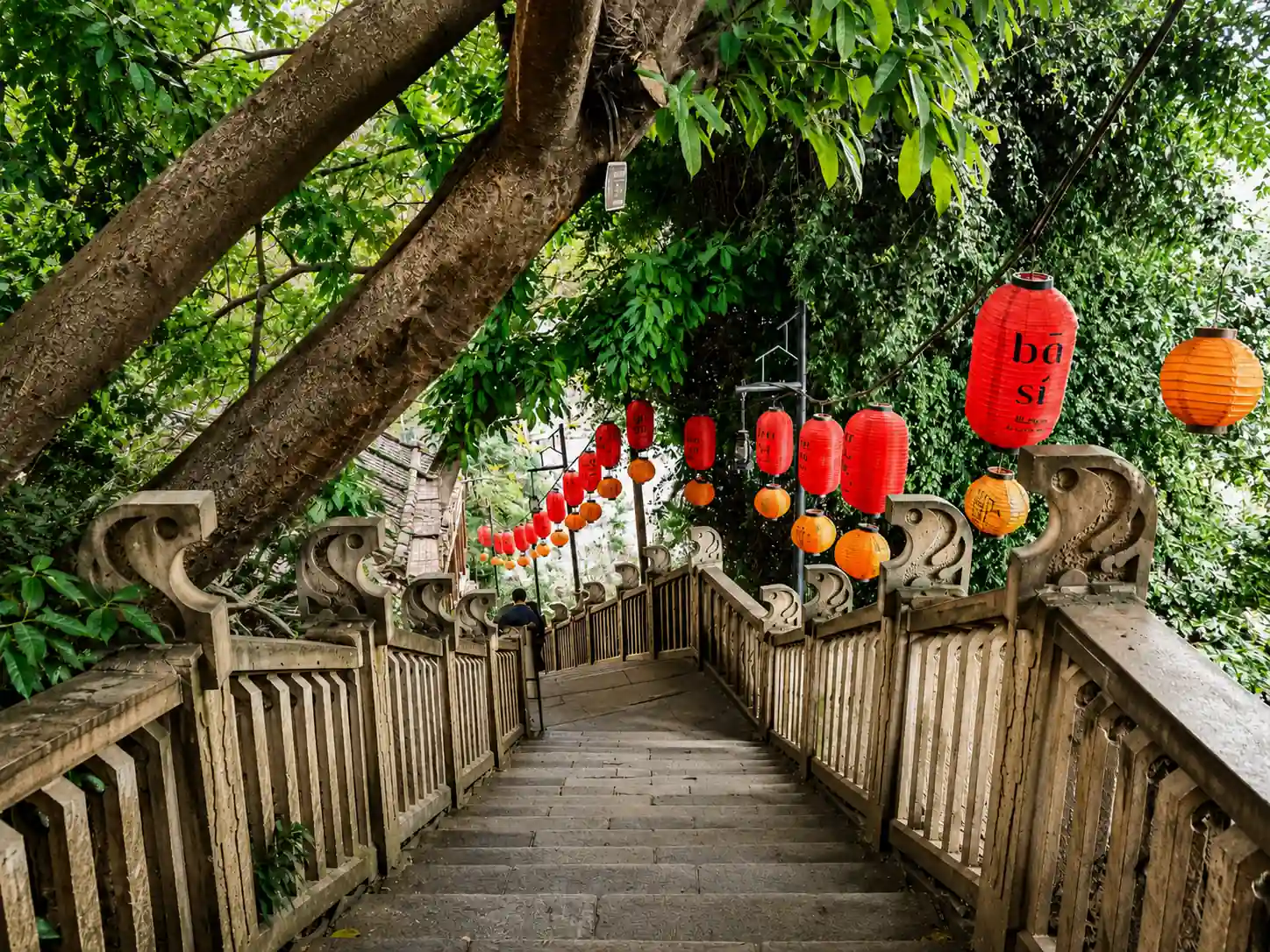
Walking is one of the best ways to understand Chongqing's unusual vertical layout. The Mountain City Trail in Yuzhong leads through hillside paths, stairs, old neighborhoods and elevated viewpoints. Combine it with nearby historic streets such as Shibati for a closer look at the city's layered urban landscape.
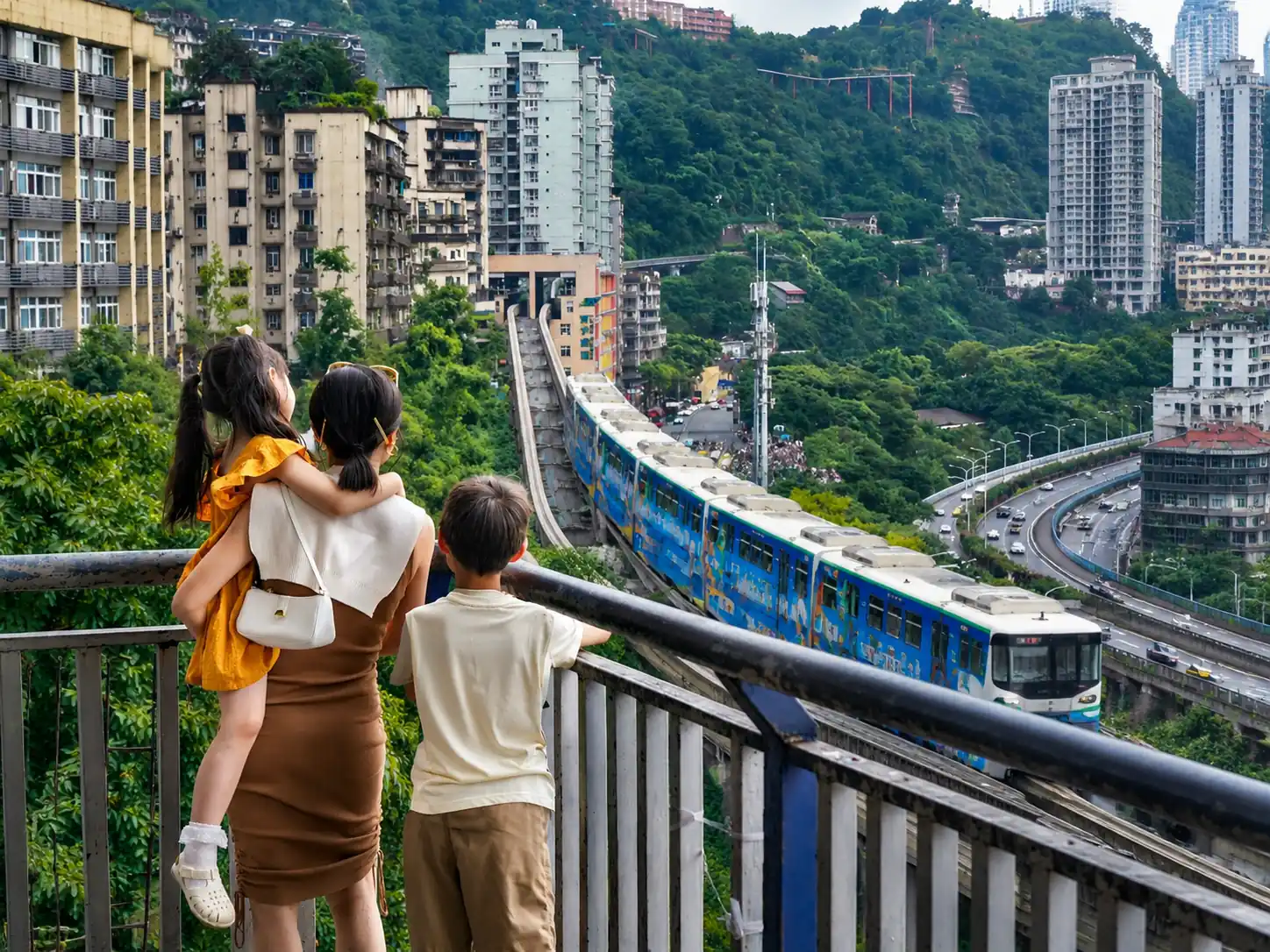
Families can enjoy Chongqing's monorails, river views, cableway experience and illuminated skyline, but the city's stairs and steep streets require a little extra planning. Combine metro travel with short taxi or DiDi rides and keep daily routes focused to avoid unnecessary uphill walking.
Experience Chongqing through its food, historic hillside neighborhoods, riverfront night views, mountain city walking routes and distinctive modern skyline.
Combine classic sightseeing with Chongqing hot pot, historic neighborhoods, mountain city walks, riverfront night views and photography stops based on your interests and available time.
Choose a Chongqing itinerary based on your available time and travel style. Three days works particularly well for first-time visitors, giving you two focused days for Chongqing's mountain city highlights, local food and night views plus one major day trip. With four or five days, you can add Dazu Rock Carvings, explore neighborhoods more slowly or include additional local experiences without rushing.
This three-day Chongqing itinerary gives first-time visitors two full days to experience the city's layered streets, riverfront landmarks, local culture and food, followed by one major nature excursion to Wulong. If cultural heritage is a bigger priority than karst scenery, Dazu Rock Carvings can replace the Wulong day trip.
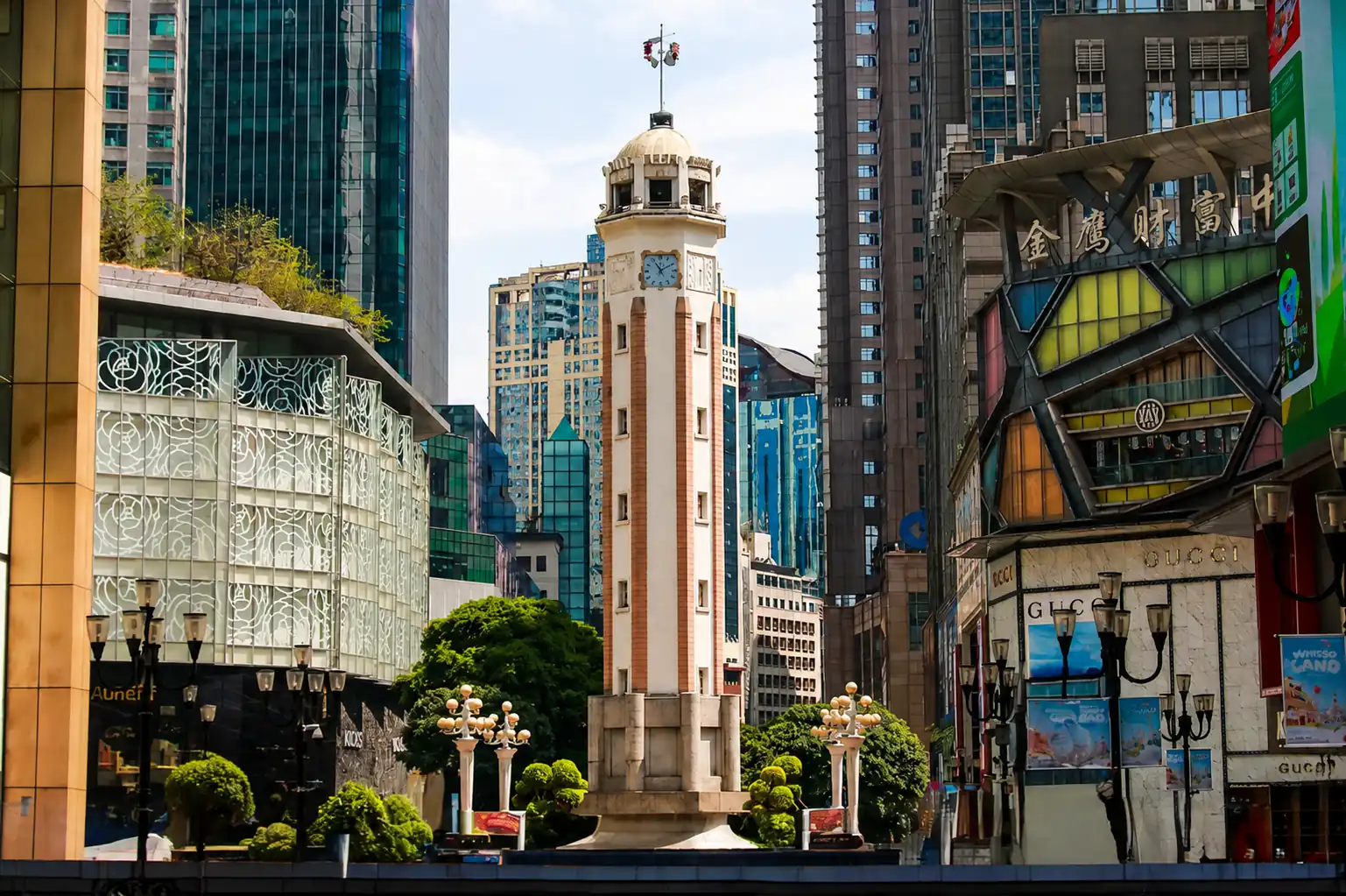
Start in Jiefangbei, the easiest introduction to central Chongqing. Explore the surrounding streets, become familiar with the city's multi-level layout and continue through central Yuzhong toward nearby historic and riverside areas. This is also a good time to try Chongqing xiaomian or another quick local breakfast.
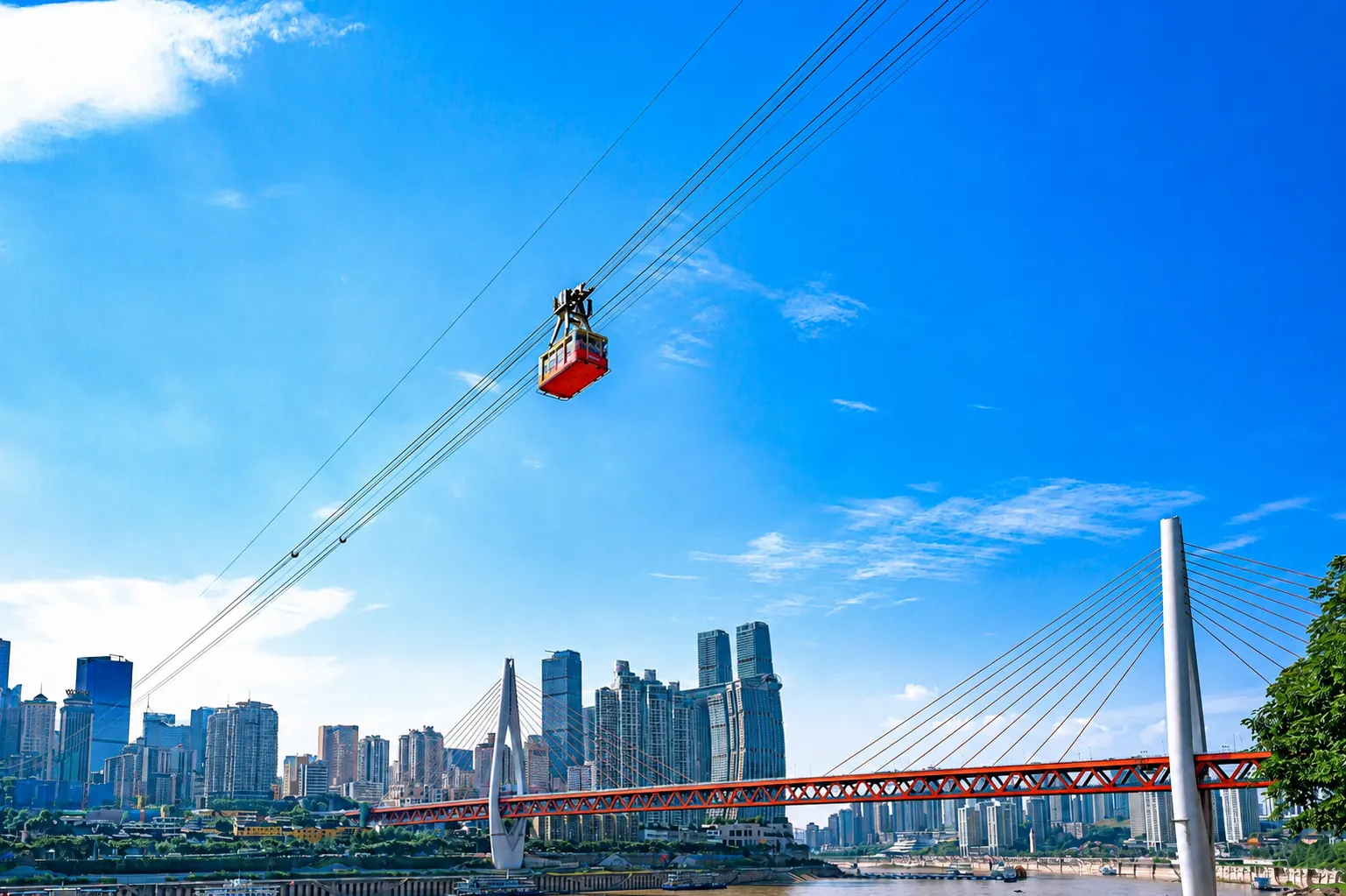
Ride the Yangtze River Cableway for elevated views over Chongqing's riverbanks, bridges and dense hillside cityscape. Continue exploring streets and viewpoints around the opposite riverbank before returning toward central Chongqing for the evening.
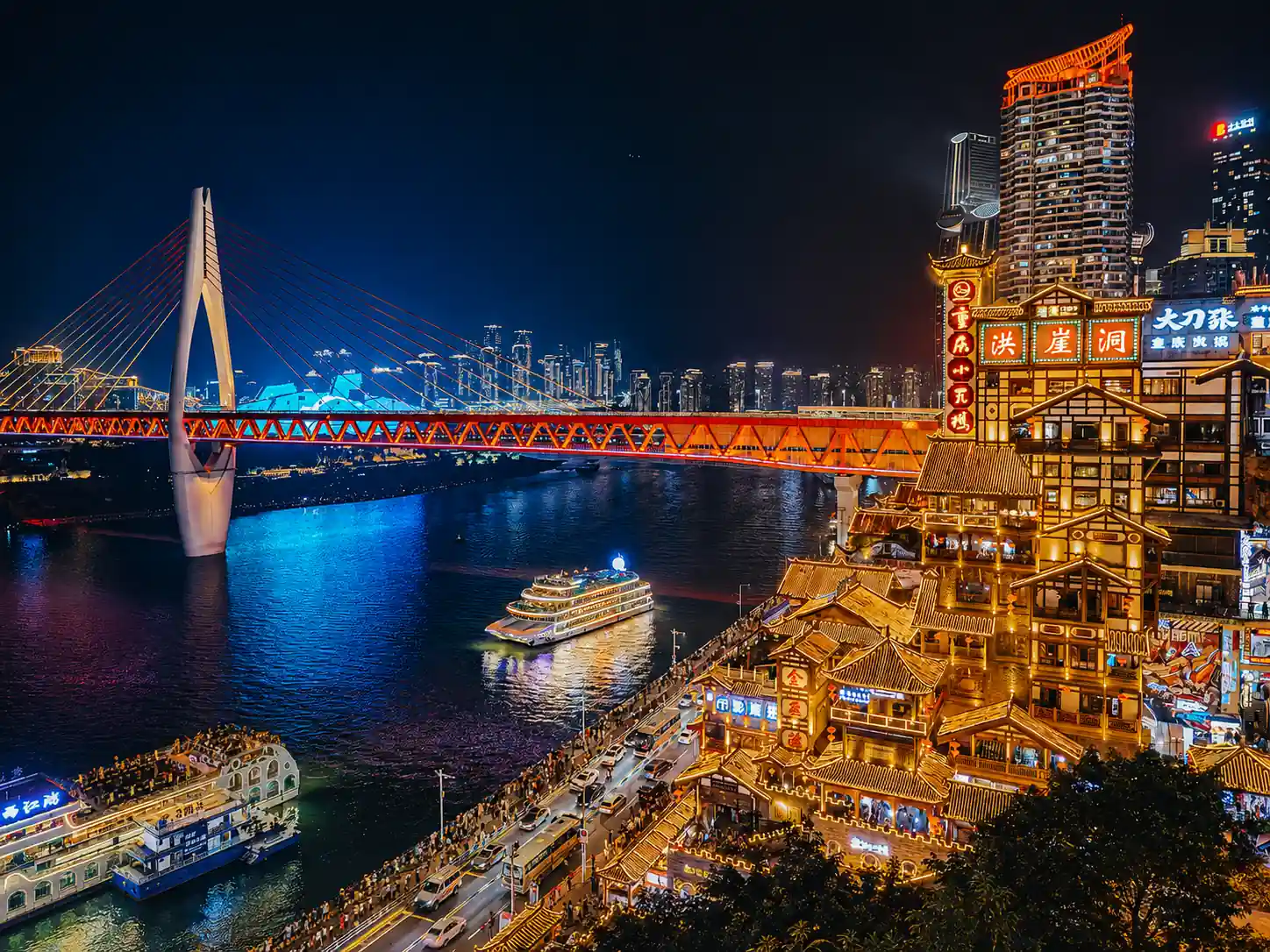
Visit Hongya Cave after sunset when its hillside buildings are illuminated. Walk along nearby river viewpoints and bridges to experience the night scenery around the meeting point of Chongqing's Yangtze and Jialing rivers.
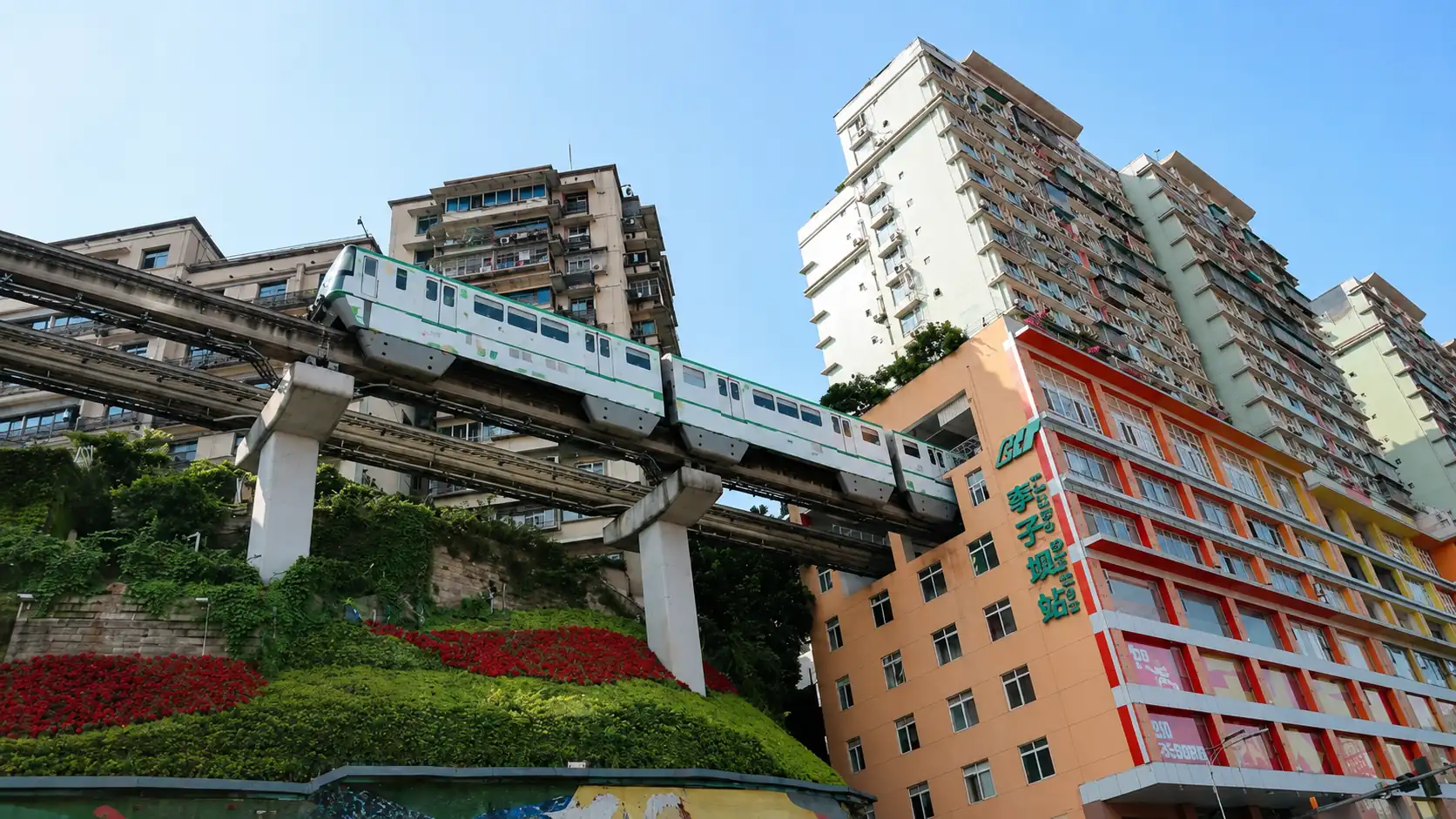
Begin with Liziba Station to see the famous monorail passing through a residential building. Continue through nearby elevated streets and viewpoints to better understand how Chongqing's steep terrain has shaped its unusual transport system and urban design.
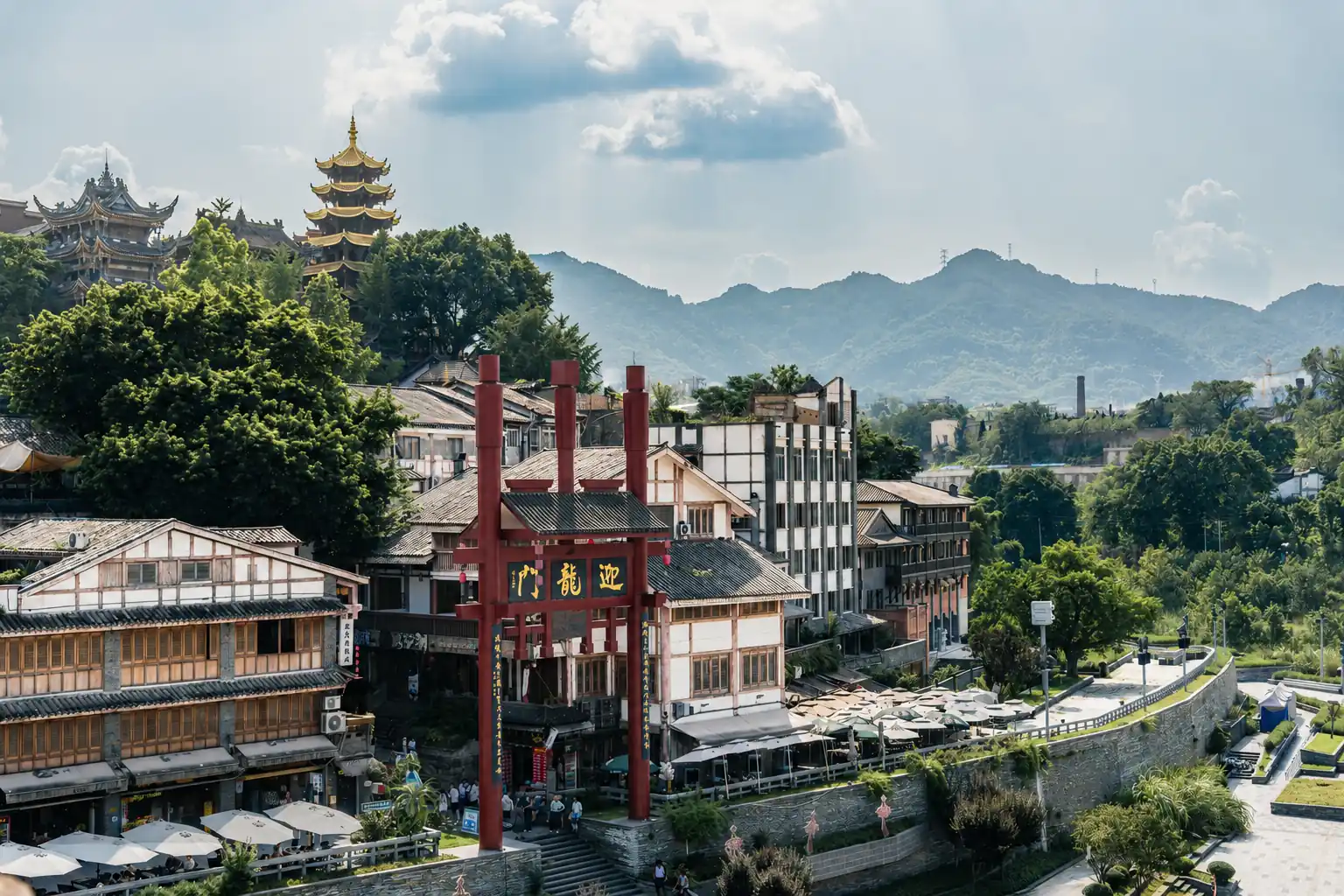
Spend the afternoon in Ciqikou Ancient Town, where narrow streets, traditional-style buildings, tea shops and snack stalls provide a contrast to Chongqing's modern skyline. Move beyond the busiest central lanes when possible for a calmer look at the historic neighborhood.
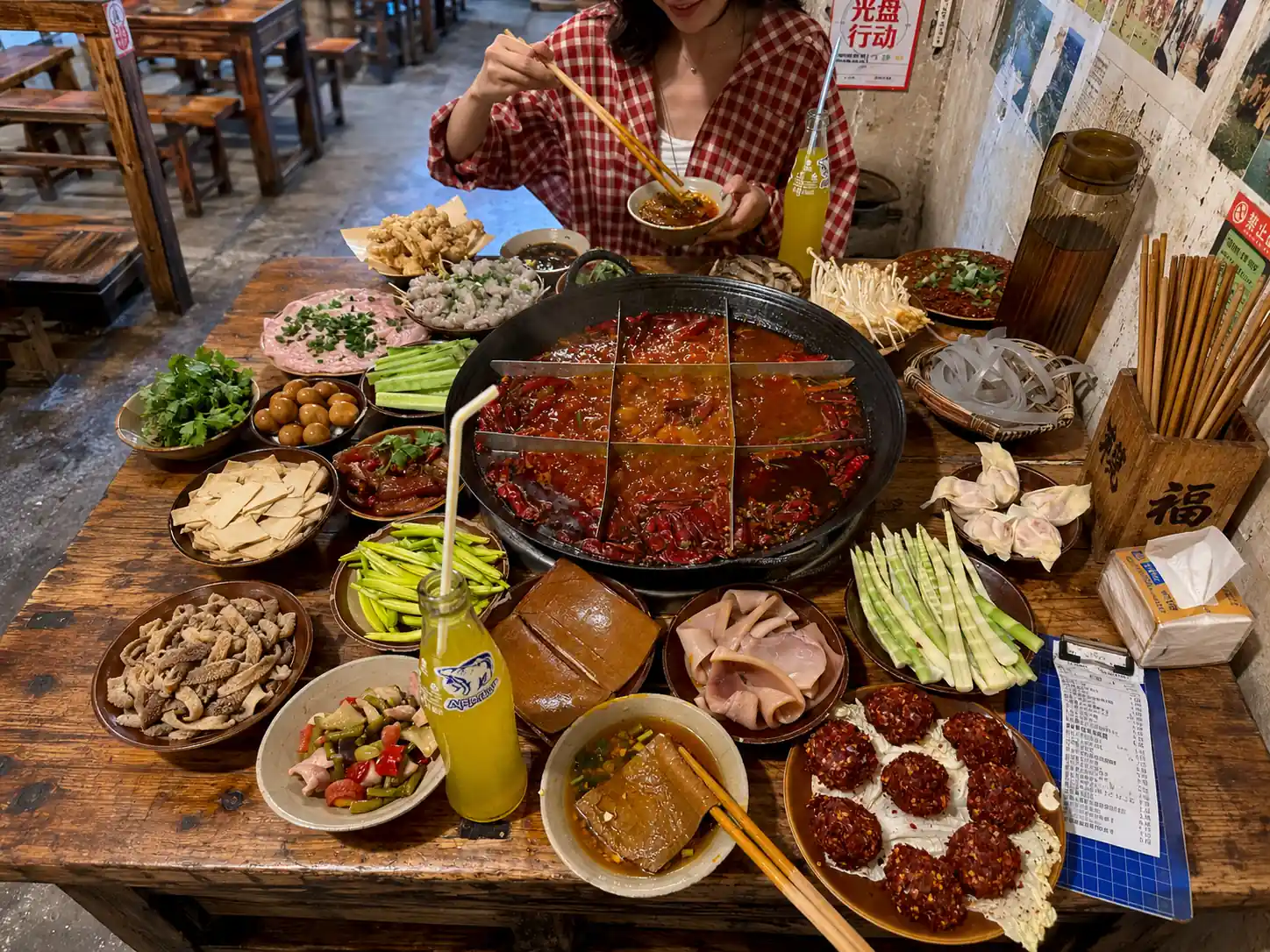
Finish the second day with Chongqing's signature hot pot. Choose a spice level that matches your comfort level and add local snacks or xiaomian if you want to explore more of the city's food culture. A neighborhood restaurant away from the busiest tourist streets can offer a more local atmosphere.
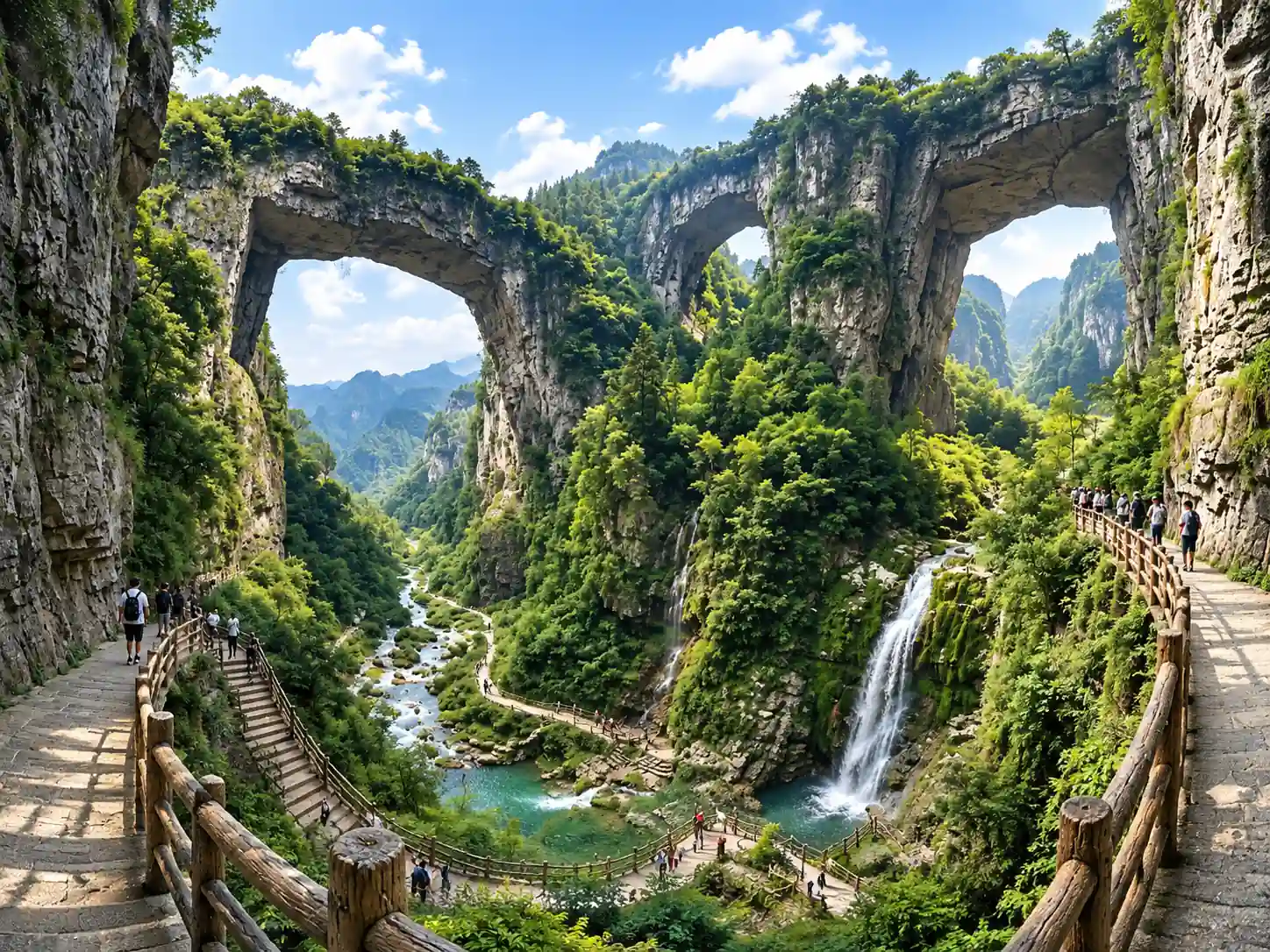
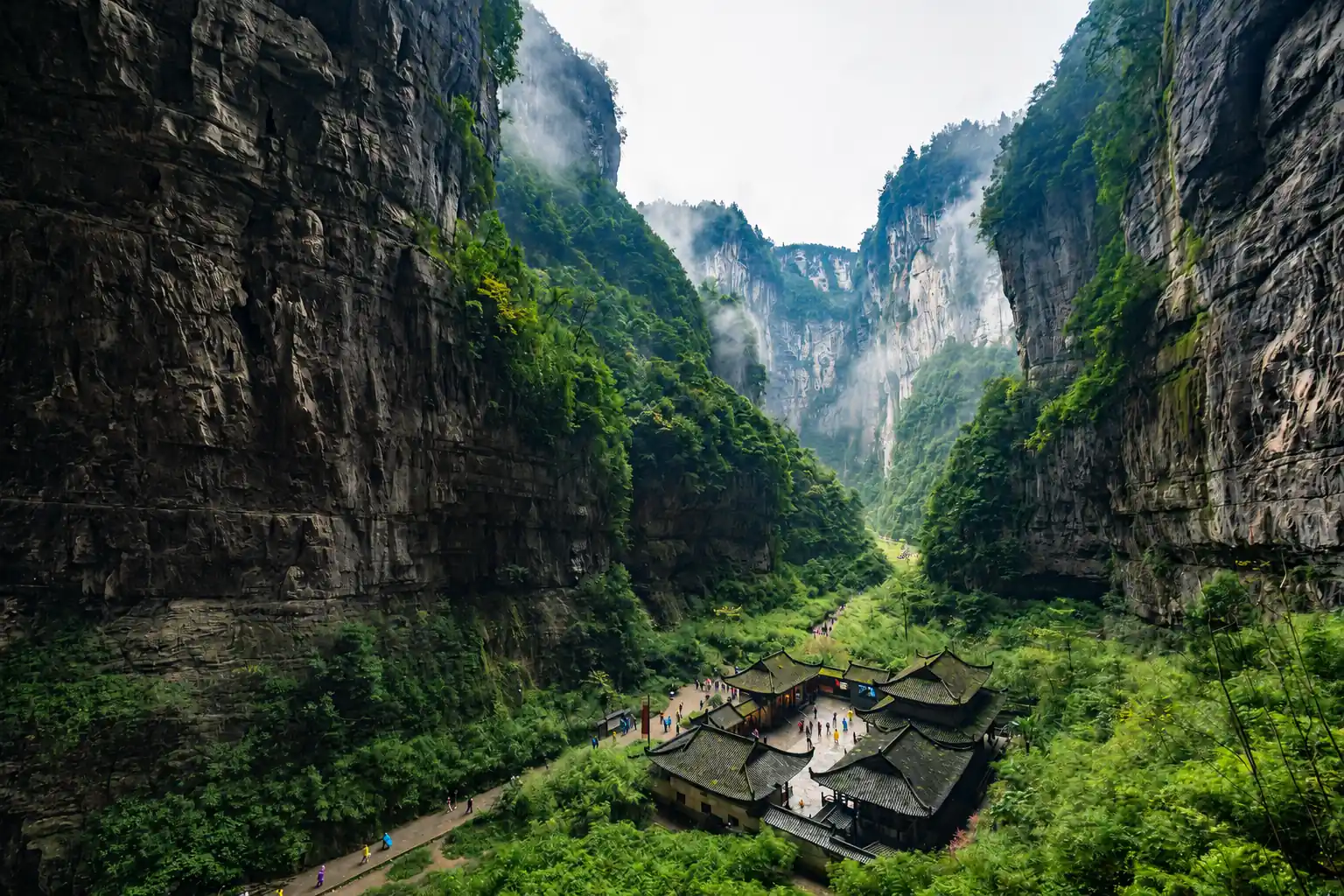
Use the third day for Wulong, one of the best nature excursions from Chongqing. Focus on the Three Natural Bridges and surrounding karst scenery, allowing a full day because of the travel distance from central Chongqing. If Buddhist art and cultural heritage are a higher priority, substitute Dazu Rock Carvings for Wulong.
Adjust the route around your arrival time, hotel location, walking ability and interests. A private Chongqing itinerary can include city sightseeing, Wulong, Dazu Rock Carvings, airport or railway transfers and connections with Chengdu or other China destinations.
The best time to visit Chongqing is usually spring and autumn, especially March to May and September to November. These seasons offer more comfortable conditions for exploring the mountain city, walking through local neighborhoods, enjoying river views and taking outdoor trips to nearby destinations such as Wulong.
March to May and September to November usually provide the most comfortable conditions for sightseeing, walking routes, river viewpoints and exploring Chongqing's unique mountain landscape. These seasons also work well for outdoor day trips and longer sightseeing days.
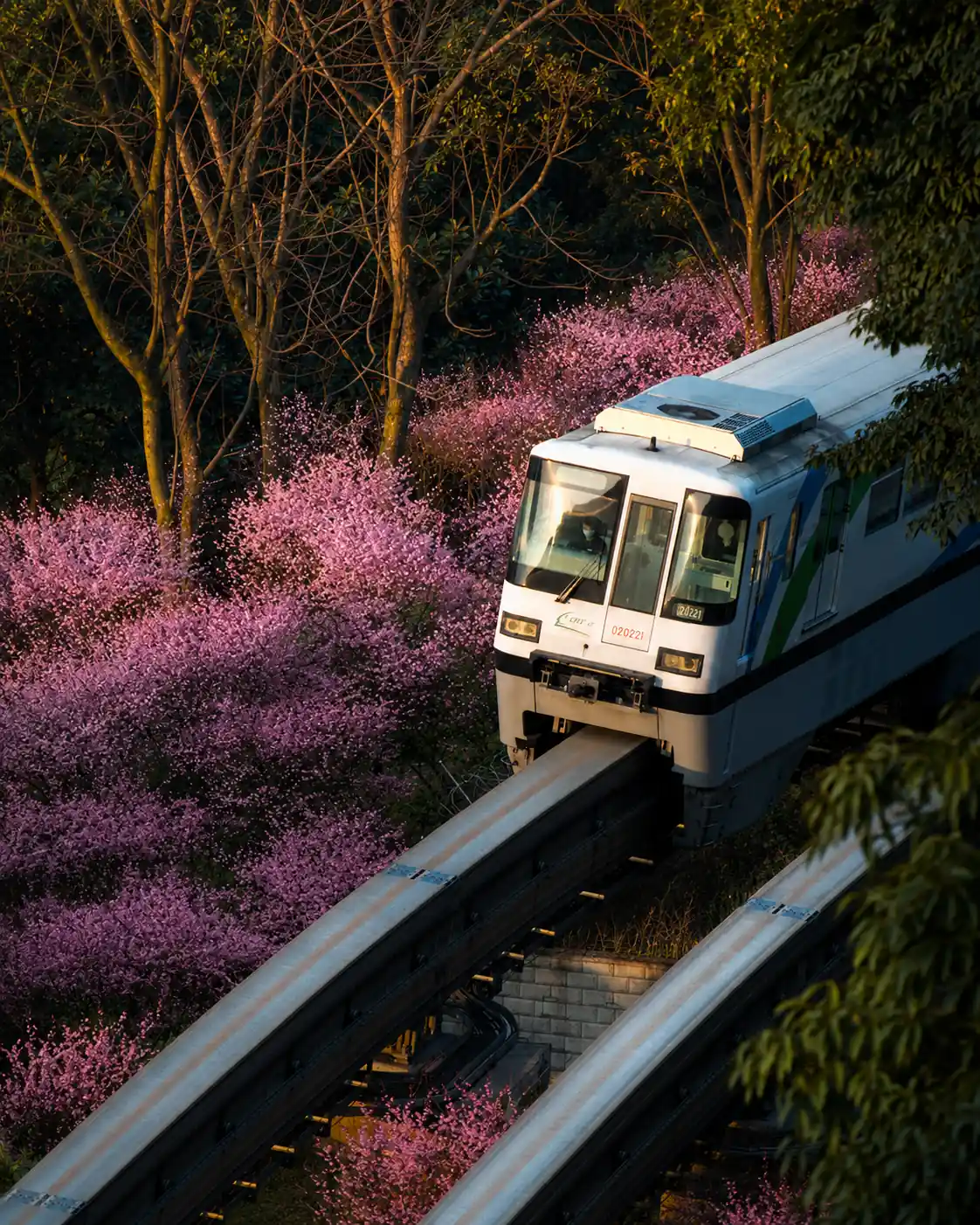
Spring brings mild temperatures and comfortable conditions for walking through Chongqing's mountain streets, exploring riverside areas and visiting nearby attractions. April and May are especially useful for travelers planning long sightseeing days outdoors.
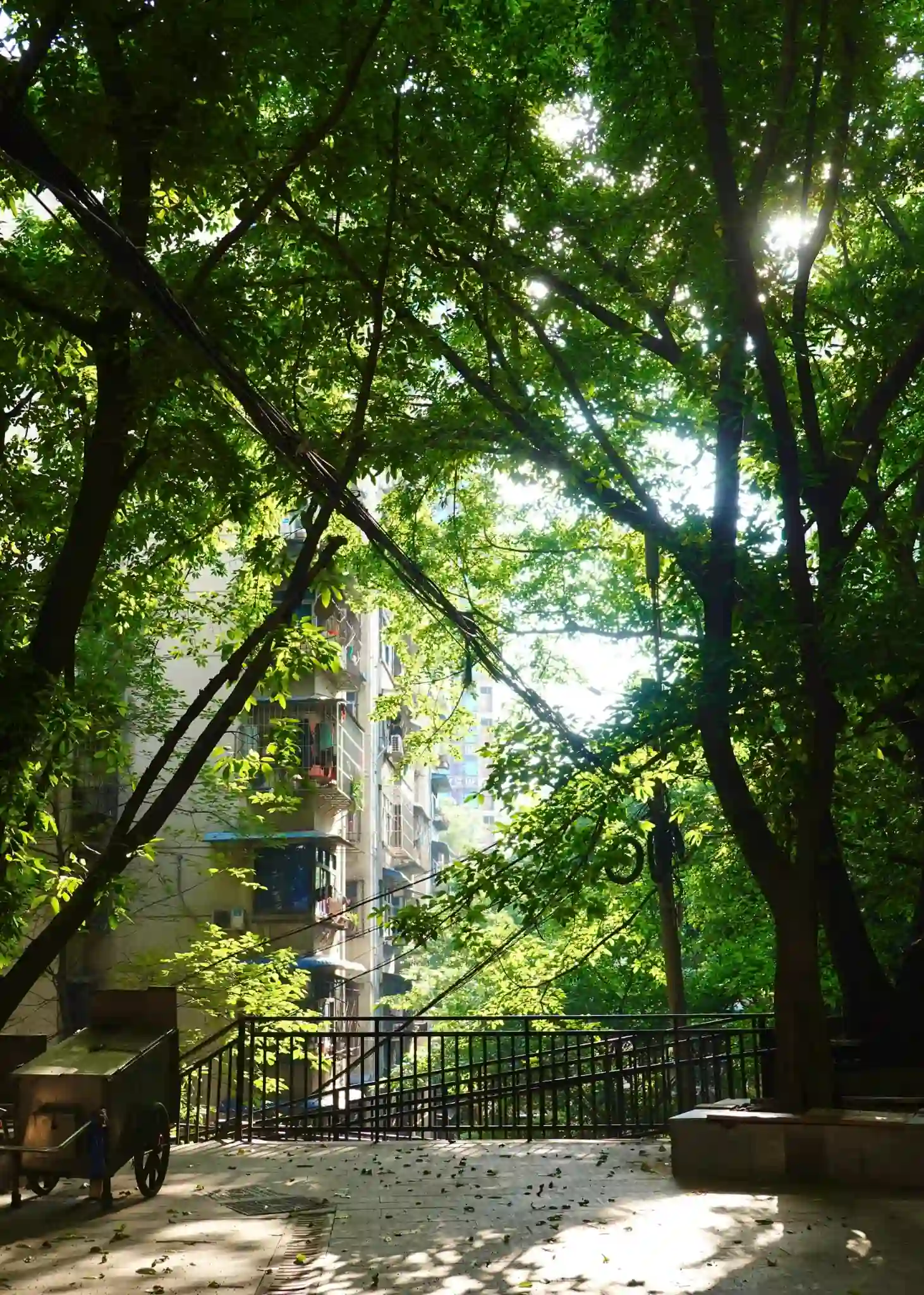
Summer in Chongqing is hot and humid, especially during July and August. Start sightseeing early, plan indoor breaks, carry water and allow extra time for comfortable travel around the hilly city.
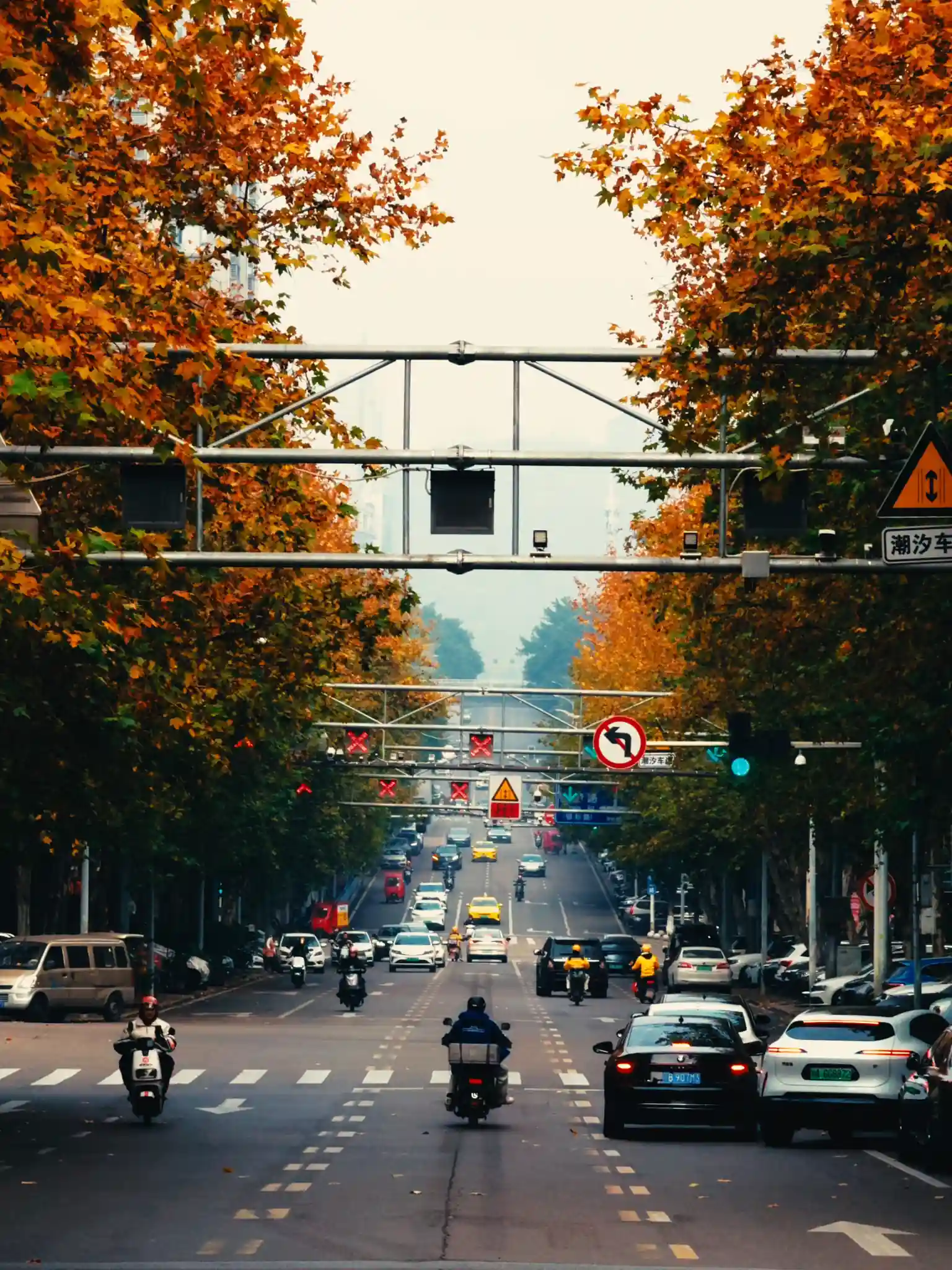
Autumn is one of the best seasons to visit Chongqing, with more comfortable temperatures for sightseeing, photography, walking routes and outdoor trips to destinations such as Wulong. Avoid China's National Day holiday period if you prefer lighter crowds.
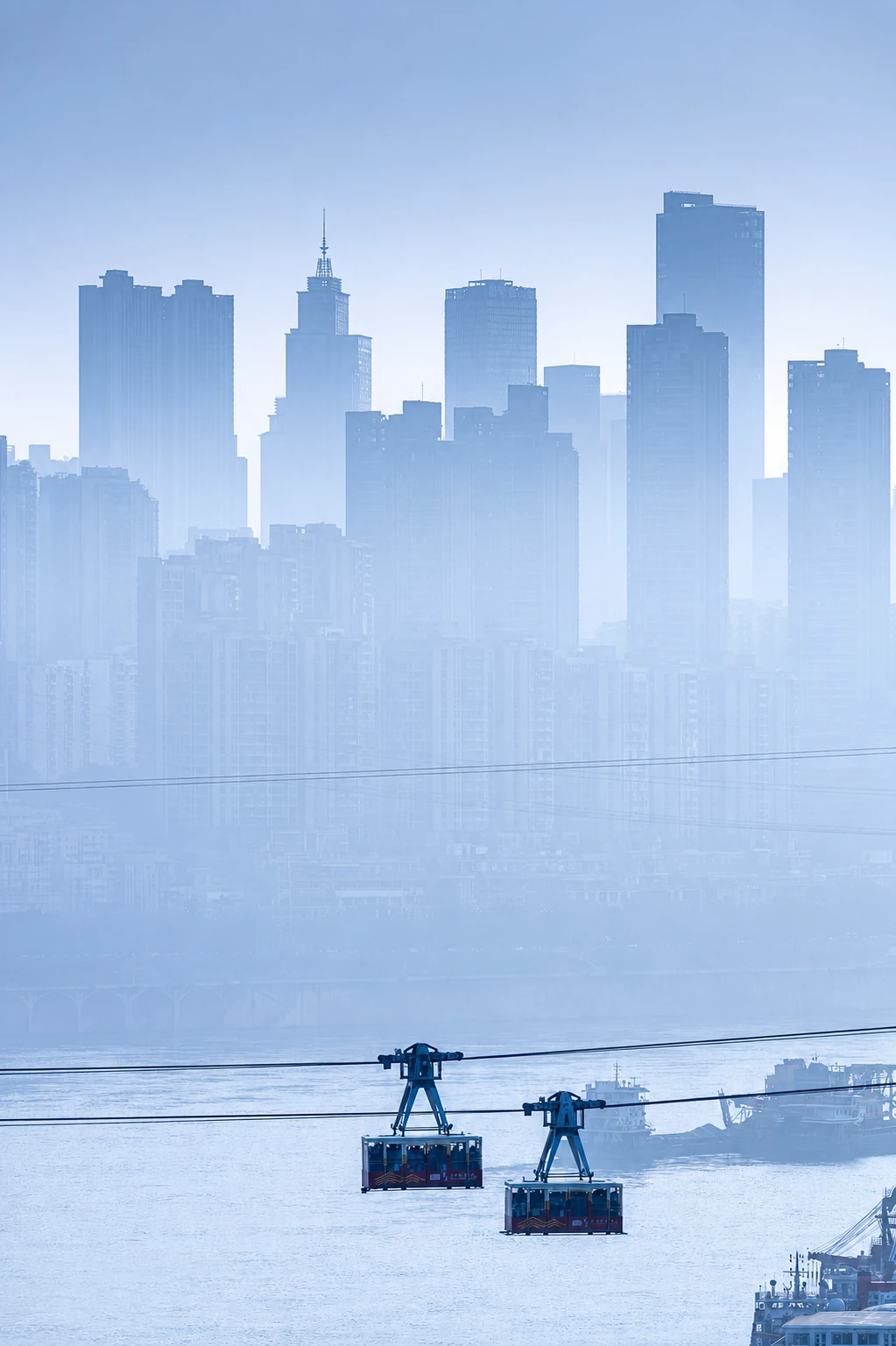
Winter is cooler, cloudy and often humid. Travel can be quieter outside Spring Festival and other major holiday periods, while Chongqing's winter fog can create atmospheric mountain city views. Pack warm layers for long periods outdoors.
Choose your travel dates based on Chongqing's seasonal weather, outdoor activities and sightseeing plans. Spring and autumn are usually the most comfortable periods for exploring the mountain city, while major Chinese public holidays can affect crowd levels in any season.
Choosing the right area can make a big difference when exploring Chongqing's steep and multi-level city center. For first-time visitors, the most convenient areas include Jiefangbei and central Yuzhong, the Hongya Cave riverside area, Guanyinqiao in Jiangbei District and Nan'an District, with different advantages for sightseeing, nightlife, shopping, dining and river views.
Jiefangbei and central Yuzhong are the most convenient areas to stay in Chongqing for most first-time visitors. You will be close to Hongya Cave, the Yangtze River Cableway, restaurants, shopping streets and several metro connections, making it easier to reach many of the city's major attractions.
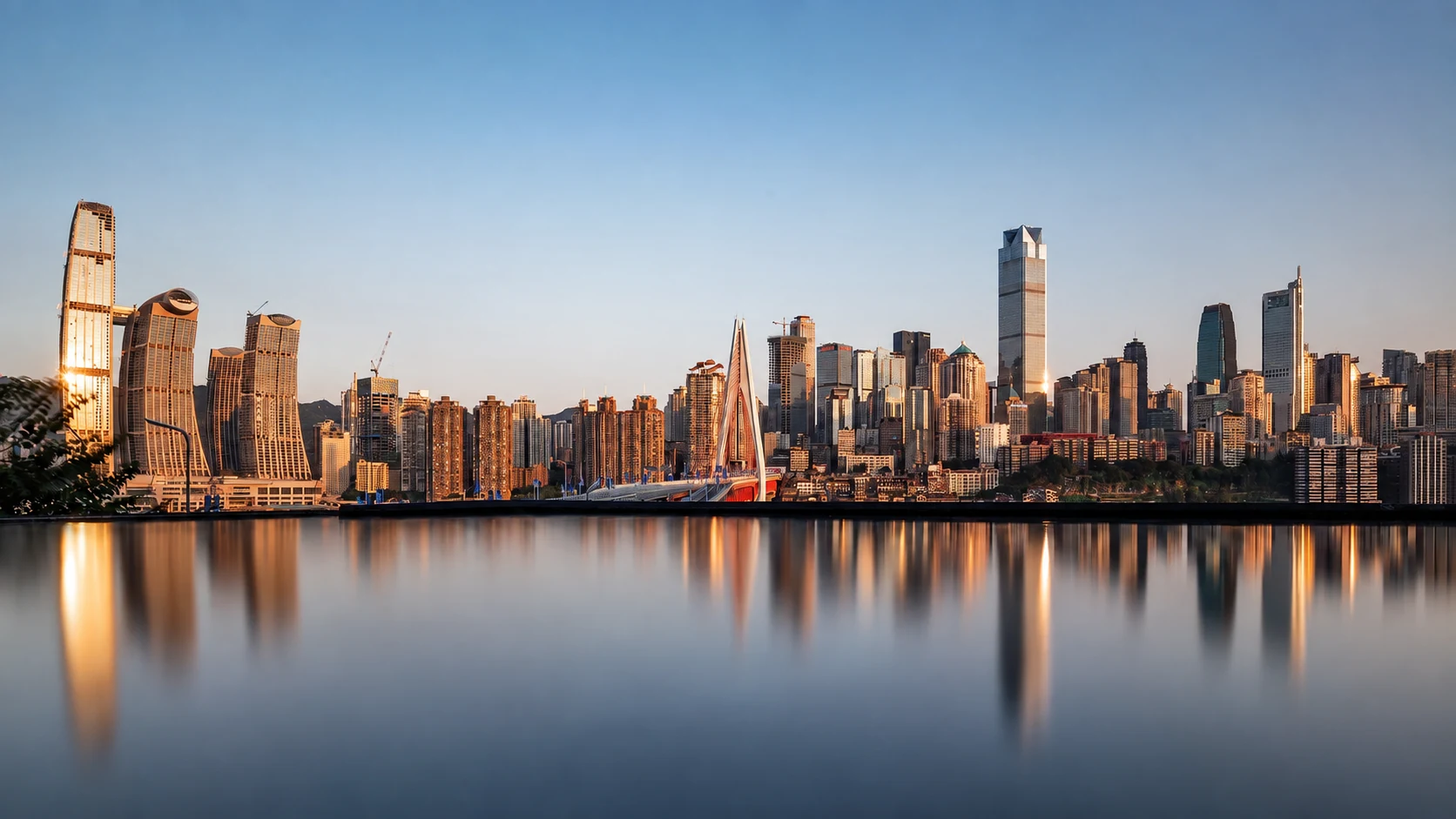
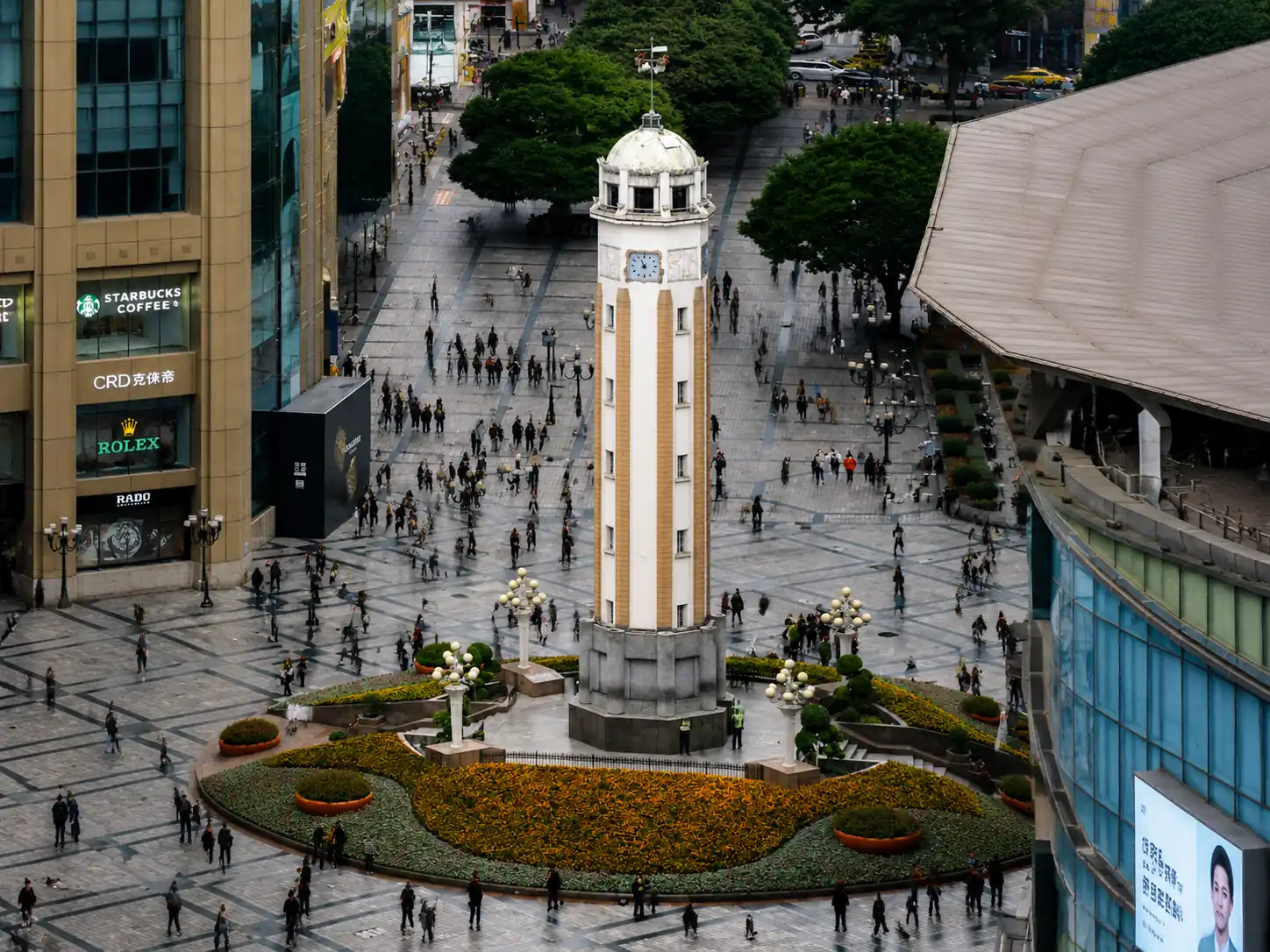
Stay in the heart of central Chongqing with convenient access to Hongya Cave, shopping streets, restaurants and metro connections. Jiefangbei is especially practical if this is your first visit and you want to minimize travel time between major city attractions.
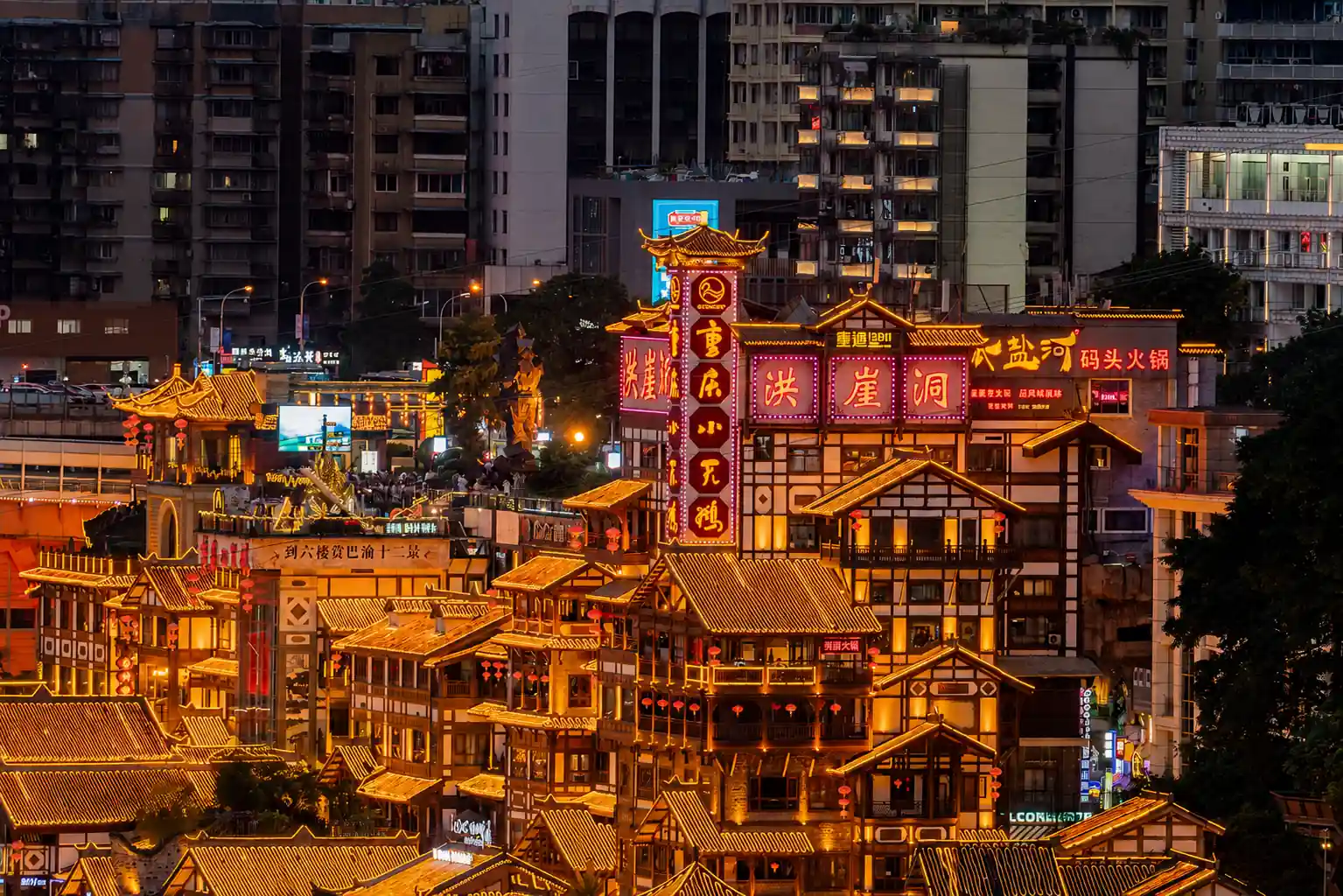
Stay close to one of Chongqing's most famous night-view areas, with easy access to riverside walks, restaurants and the illuminated skyline around Hongya Cave. This location works well for travelers who want to experience central Chongqing after sunset, although the busiest streets can feel crowded during evenings and public holidays.
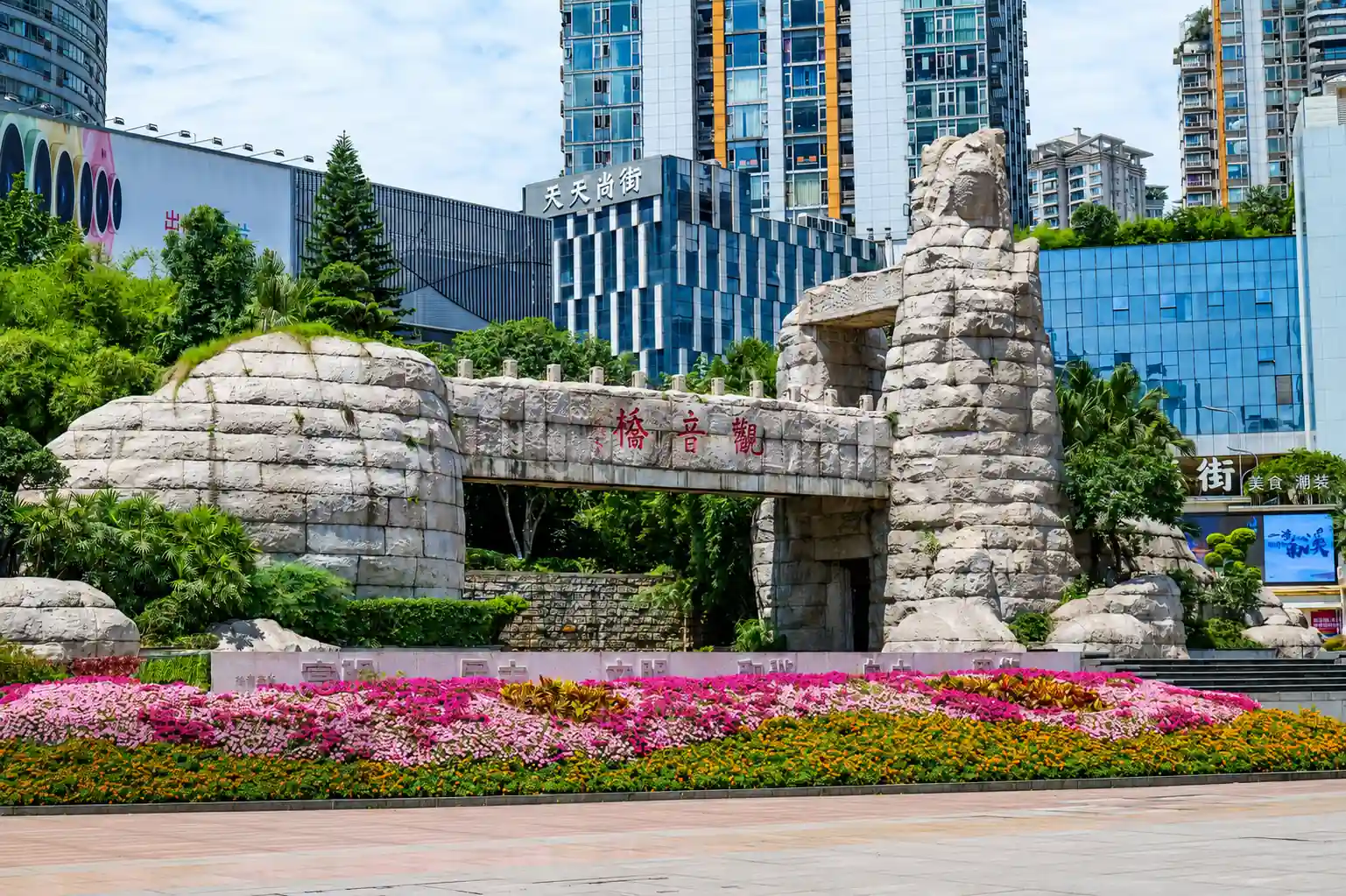
Guanyinqiao is one of Chongqing's major commercial areas, with modern hotels, shopping centers, restaurants and lively evening streets. It is a good alternative to central Yuzhong for travelers who prefer a modern urban base with convenient metro connections to other parts of the city.
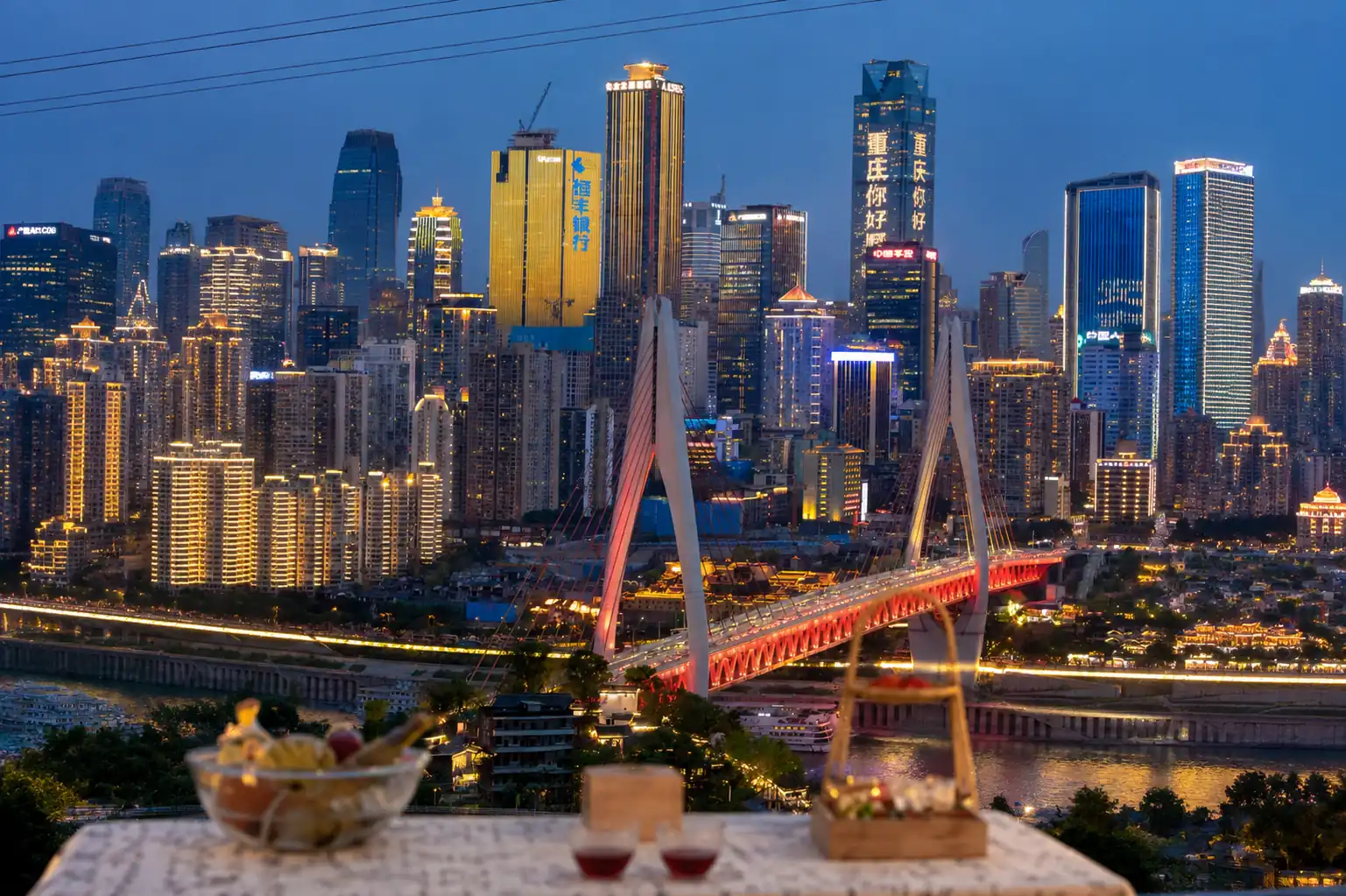
Nan'an offers riverfront scenery, cafes and viewpoints across from central Yuzhong. It is a good option for travelers who prefer a more relaxed base and attractive evening views while still having access to central Chongqing by metro or taxi.
Choose your hotel area based on your itinerary, budget, arrival point and preferred atmosphere. First-time visitors usually benefit from staying around Jiefangbei and central Yuzhong, while Guanyinqiao suits travelers who prioritize shopping and modern hotels and Nan'an works well for quieter evenings and river views.
Getting around Chongqing is easiest by combining the city's extensive metro network with taxis, DiDi and walking. Chongqing Jiangbei International Airport and major railway stations connect the city with destinations across China, while Chongqing's steep terrain and multiple street levels mean that short distances on a map do not always translate into short walks.
Chongqing Metro is usually the most practical way to move between major districts and transport hubs. Taxis and DiDi are useful when your destination involves steep streets, complicated walking routes or large elevation changes. For Wulong, Dazu and other day trips, allow additional travel time or consider arranged transportation.
The metro is one of the easiest and most affordable ways to travel across Chongqing. It connects central Yuzhong, Jiangbei, Shapingba, major railway stations and many popular sightseeing areas while avoiding much of the city's road traffic.
Chongqing Jiangbei International Airport is the city's main airport for domestic and international travelers and is located in Yubei District, north of central Chongqing. Depending on your arrival time, hotel location and luggage, you can continue into the city by metro, taxi, DiDi or pre-arranged private transfer.
Chongqing has high-speed rail connections with Chengdu, Xi'an, Changsha and many other Chinese cities. Chongqing North Railway Station, Chongqing West Railway Station and the newer Chongqing East Railway Station are three major passenger rail hubs. Chongqing East Railway Station opened in 2025 and serves high-speed services including the Chongqing–Xiamen corridor. Your departure station depends on the specific train and route, so always check the exact station name on your ticket before traveling because Chongqing's major railway stations are located in different parts of the city.
China Train Ticket Guide →Taxis and DiDi are especially useful for short trips, late-night transportation and destinations where metro access still requires a steep or complicated walk. They can also save time when moving between different elevations in Chongqing's mountain city center.
Chongqing's vertical layout can make navigation more confusing than in flatter Chinese cities. Two streets that appear close together on a map may be separated by stairs, slopes or different elevations. Check the correct metro exit before leaving a station, allow extra walking time and use a taxi or DiDi when a short route involves a large height difference.
Chongqing Itinerary Planning →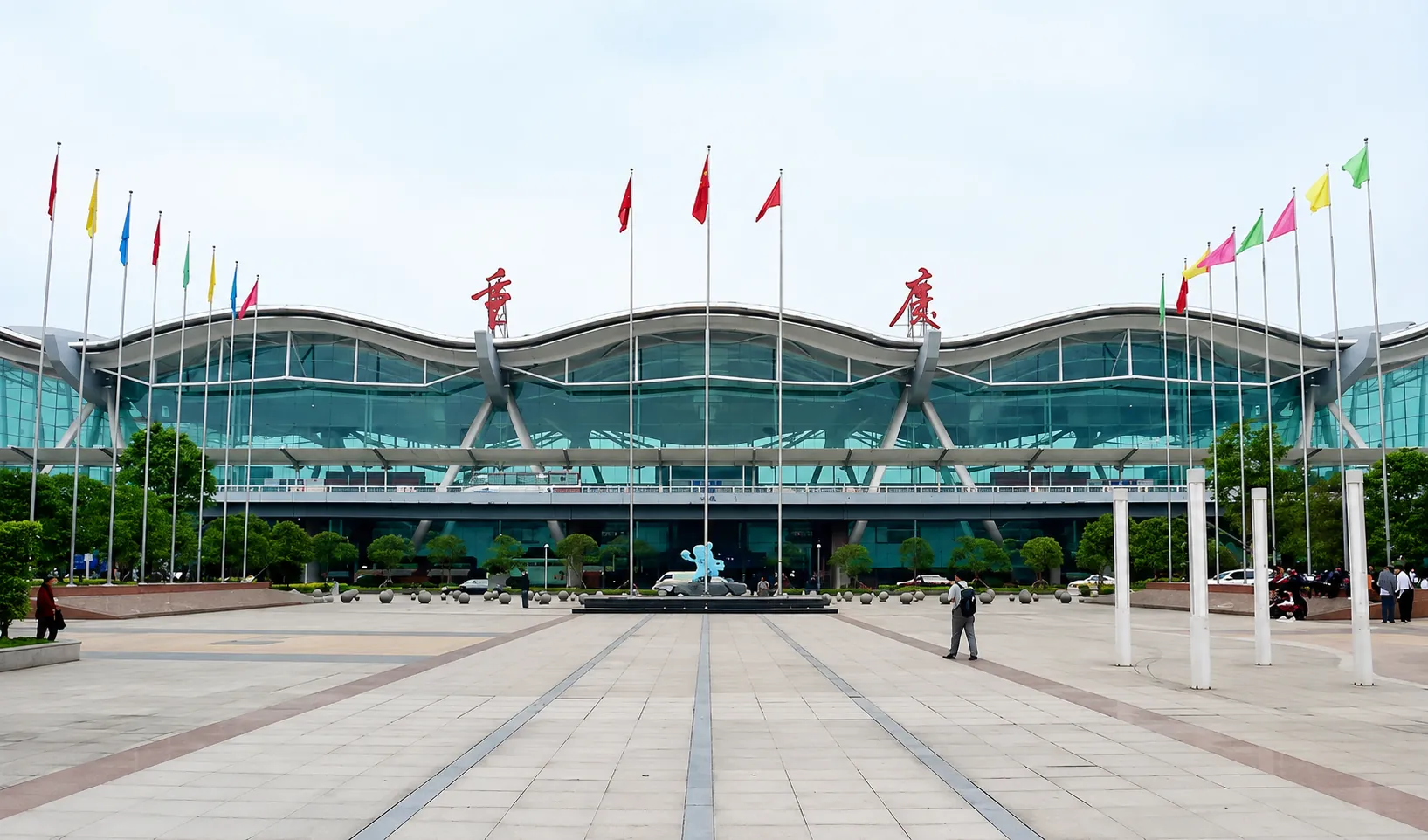
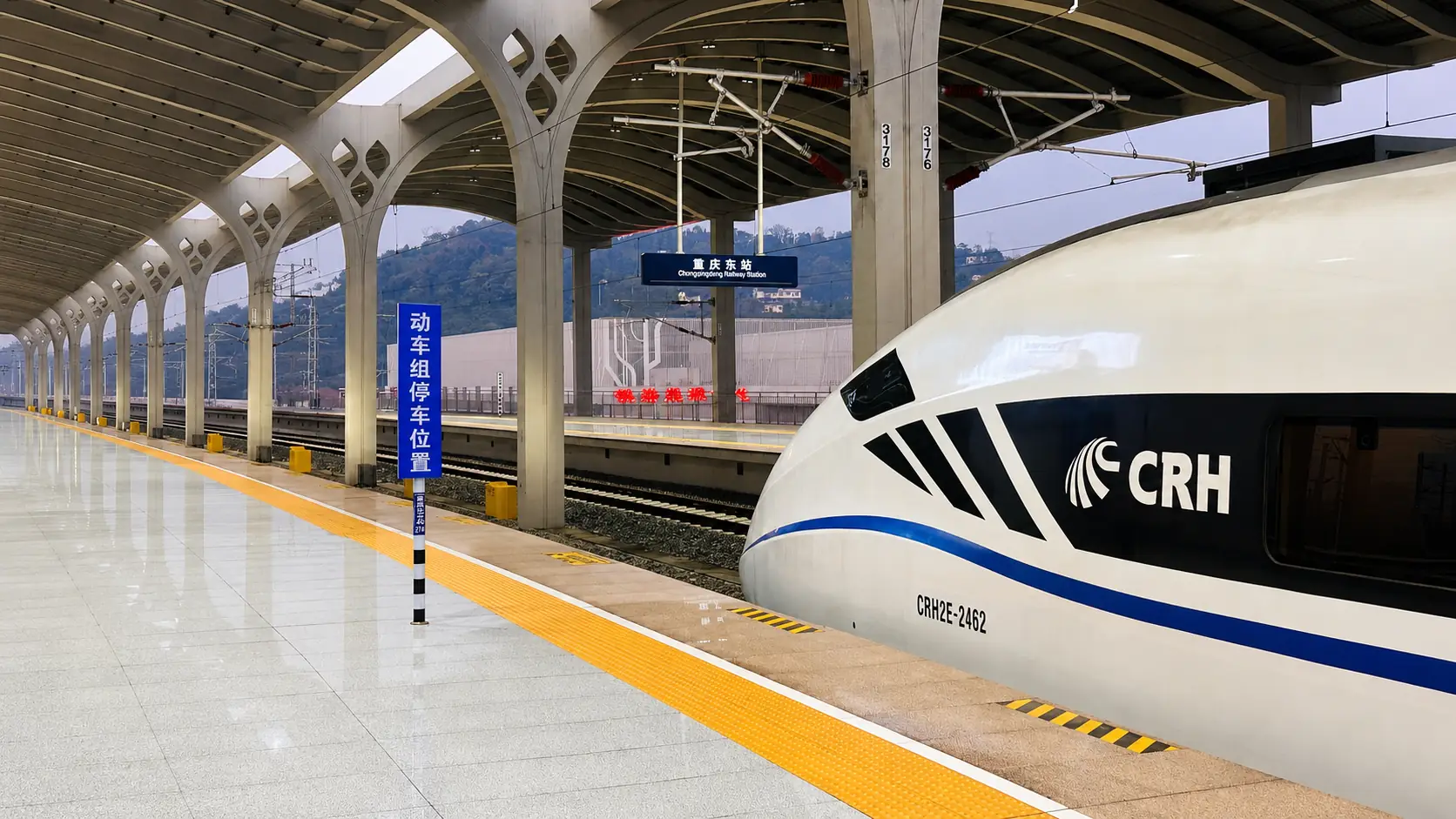
Private transportation can be included in a customized Chongqing itinerary, with airport or railway station pickup, hotel transfers, flexible departure times and transport for nearby destinations such as Wulong or Dazu.
Extend your Chongqing itinerary with nearby day trips and regional destinations in southwest China. Wulong and the Dazu Rock Carvings are two of the best excursions from Chongqing, while Chengdu and Leshan work well as part of a longer southwest China journey.
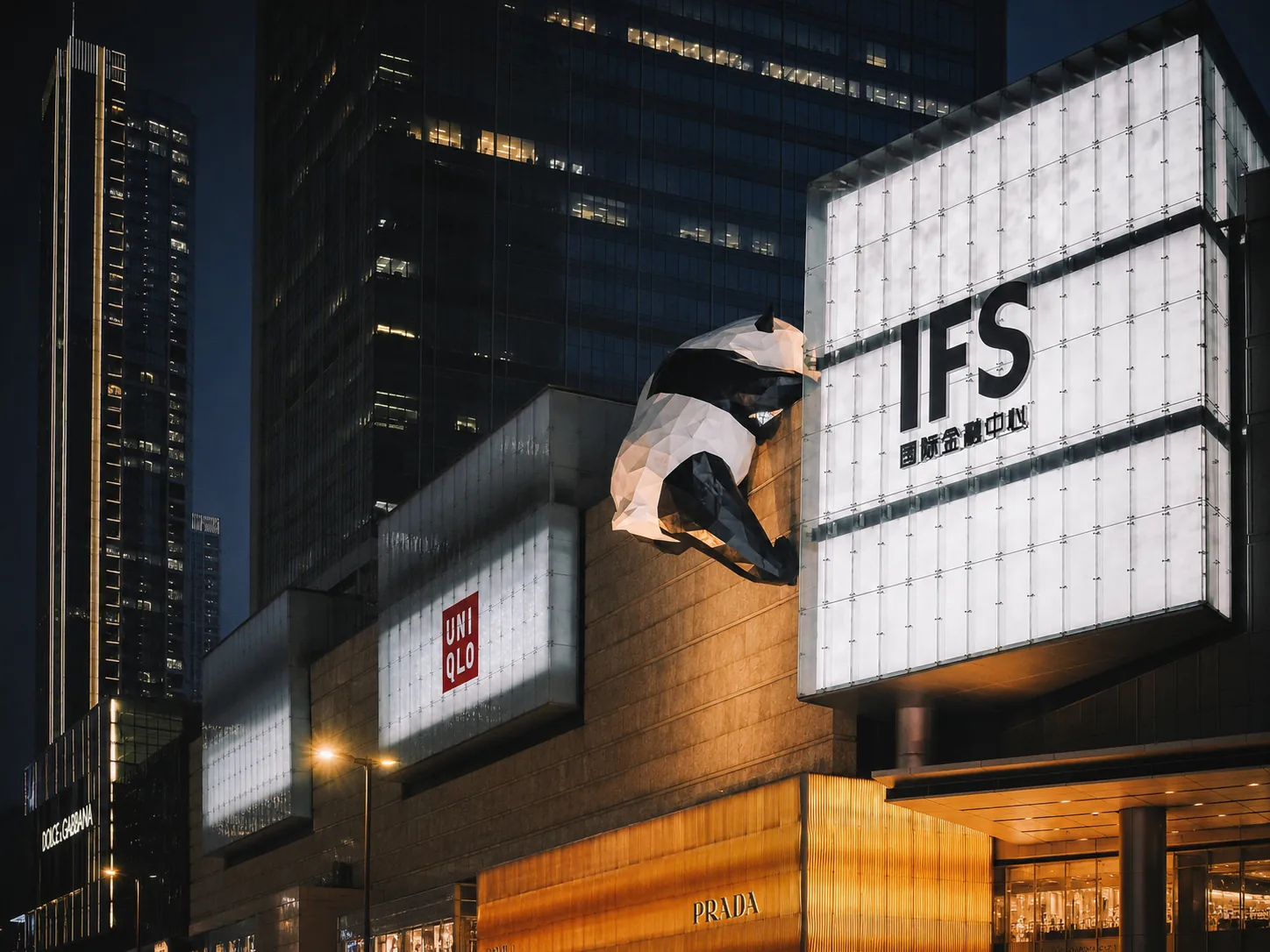
Pair Chongqing's mountain city landscape, hot pot culture and river views with Chengdu's giant pandas, teahouses and Sichuan cuisine. Frequent high-speed trains make Chongqing and Chengdu one of the easiest multi-city combinations in southwest China.
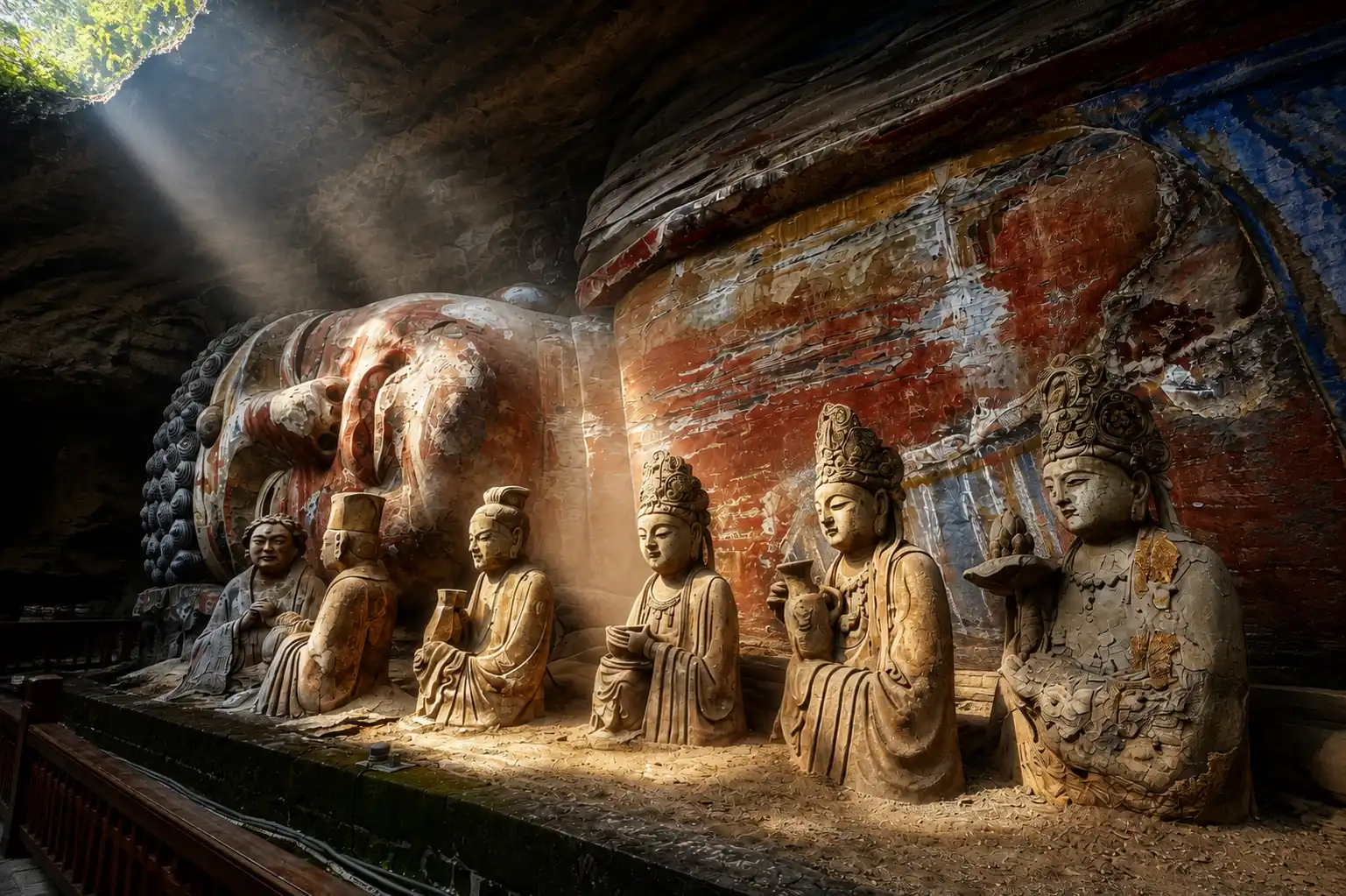
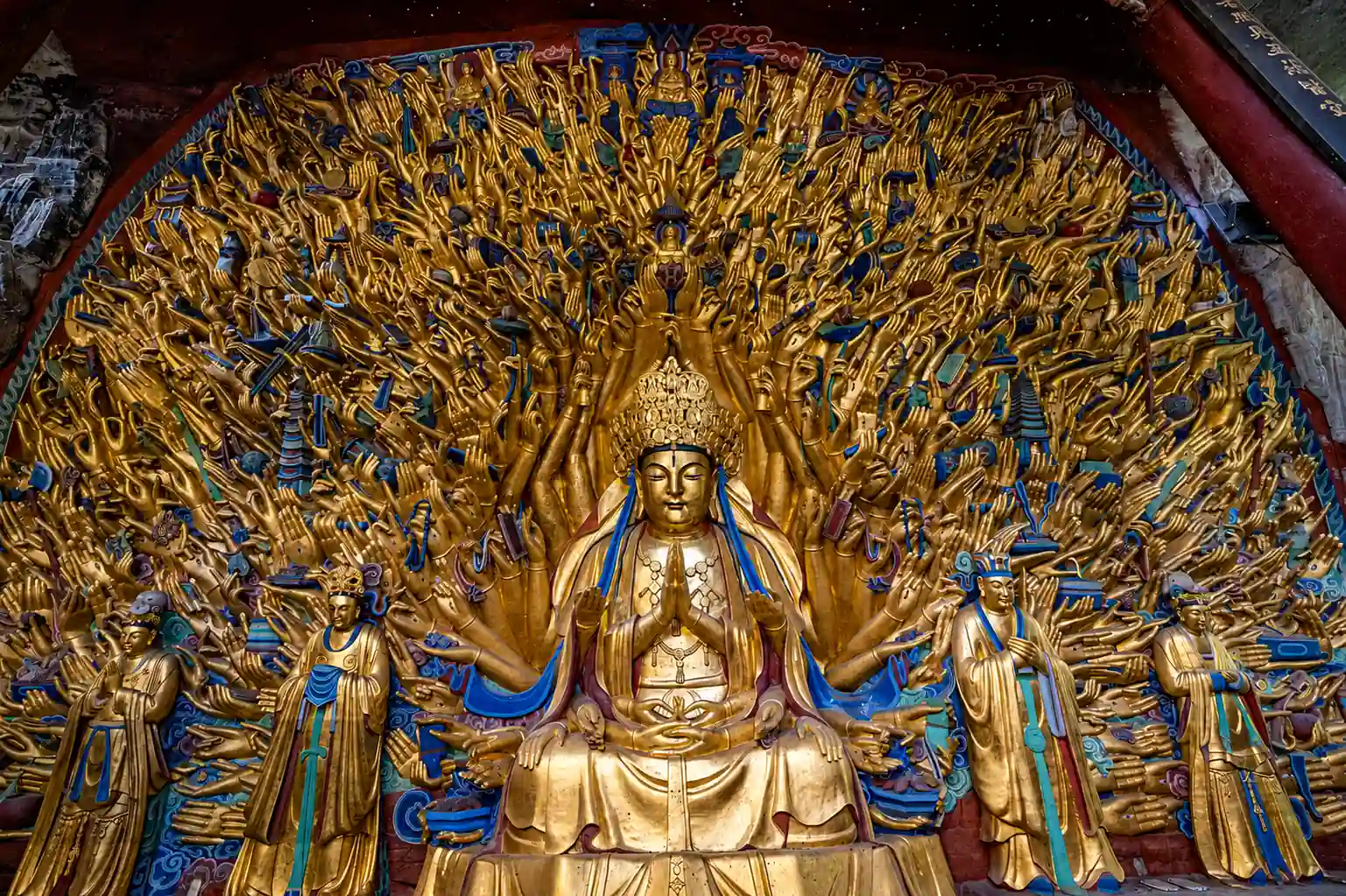
Visit one of China's most important Buddhist art sites, known for detailed rock carvings and religious sculptures created over several centuries. Dazu is one of the best cultural day trips from Chongqing and works especially well for travelers interested in history, art and heritage.
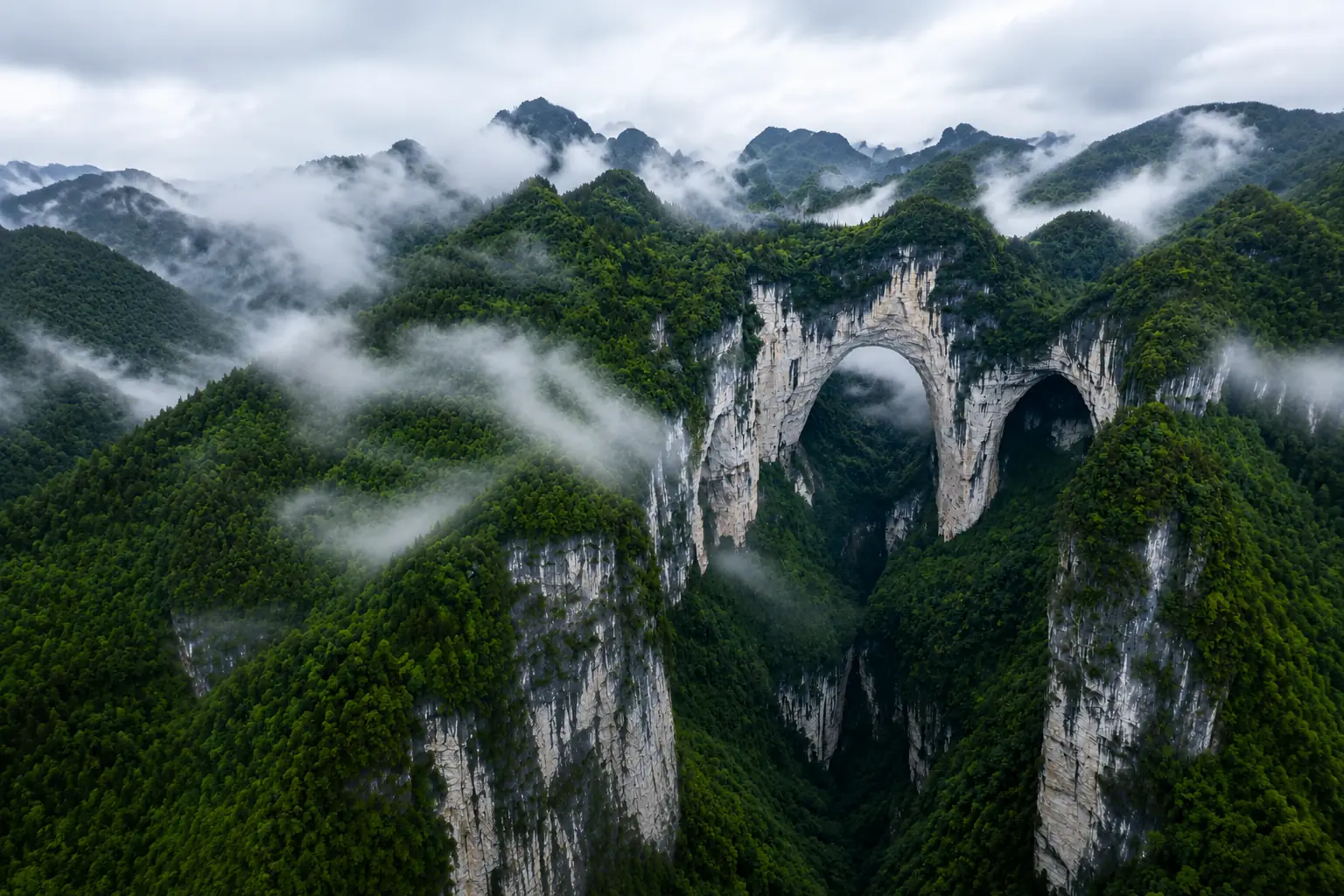
Explore Wulong's spectacular karst landscapes, including the Three Natural Bridges and surrounding mountain scenery. A full-day trip is possible from Chongqing, while an overnight stay allows more time to explore the wider Wulong area at a slower pace.
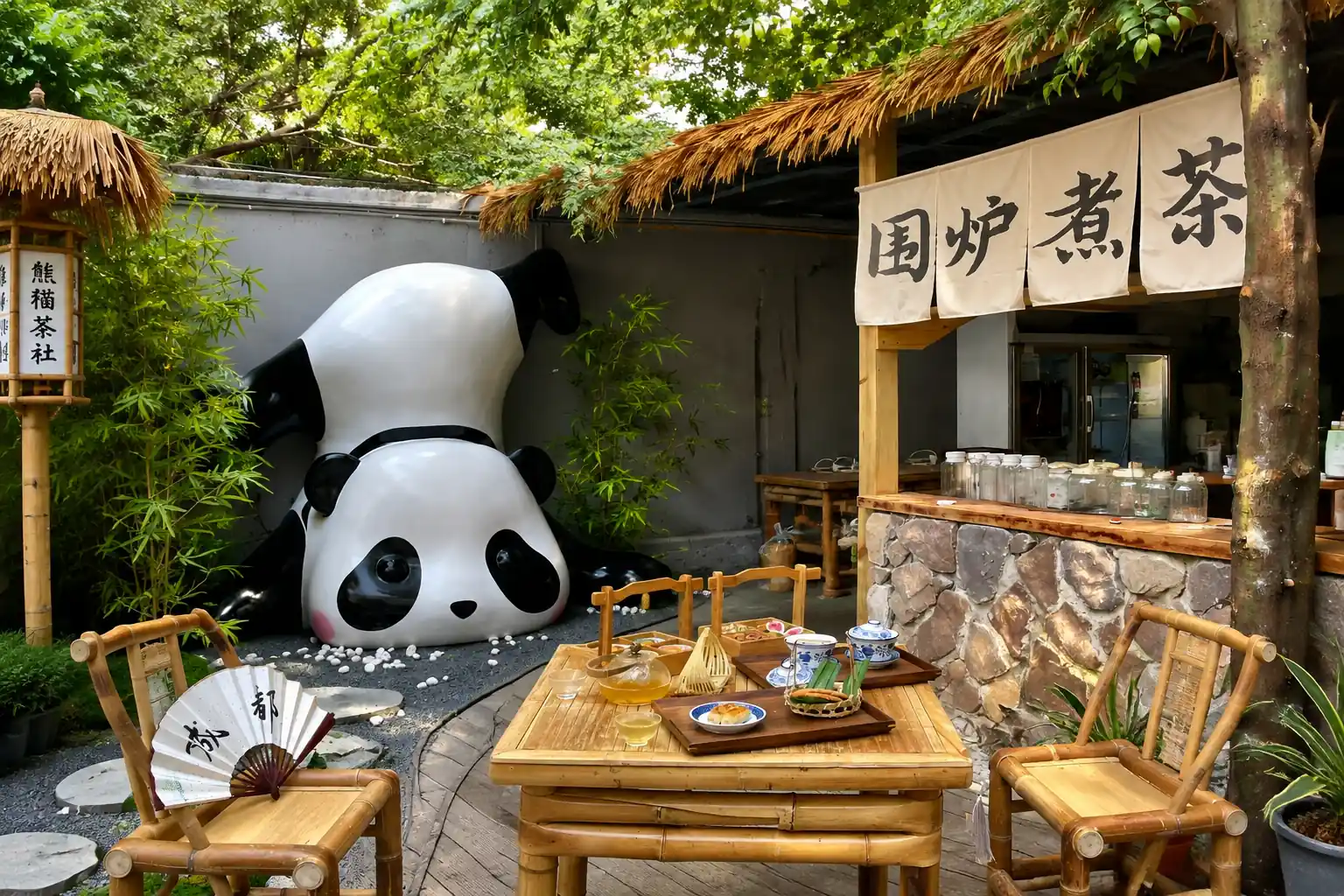
Add Chengdu for giant pandas, teahouses, Sichuan cuisine and a contrasting city atmosphere. High-speed trains make Chengdu one of the easiest major destinations to combine with Chongqing, although journey times vary by train and departure station.
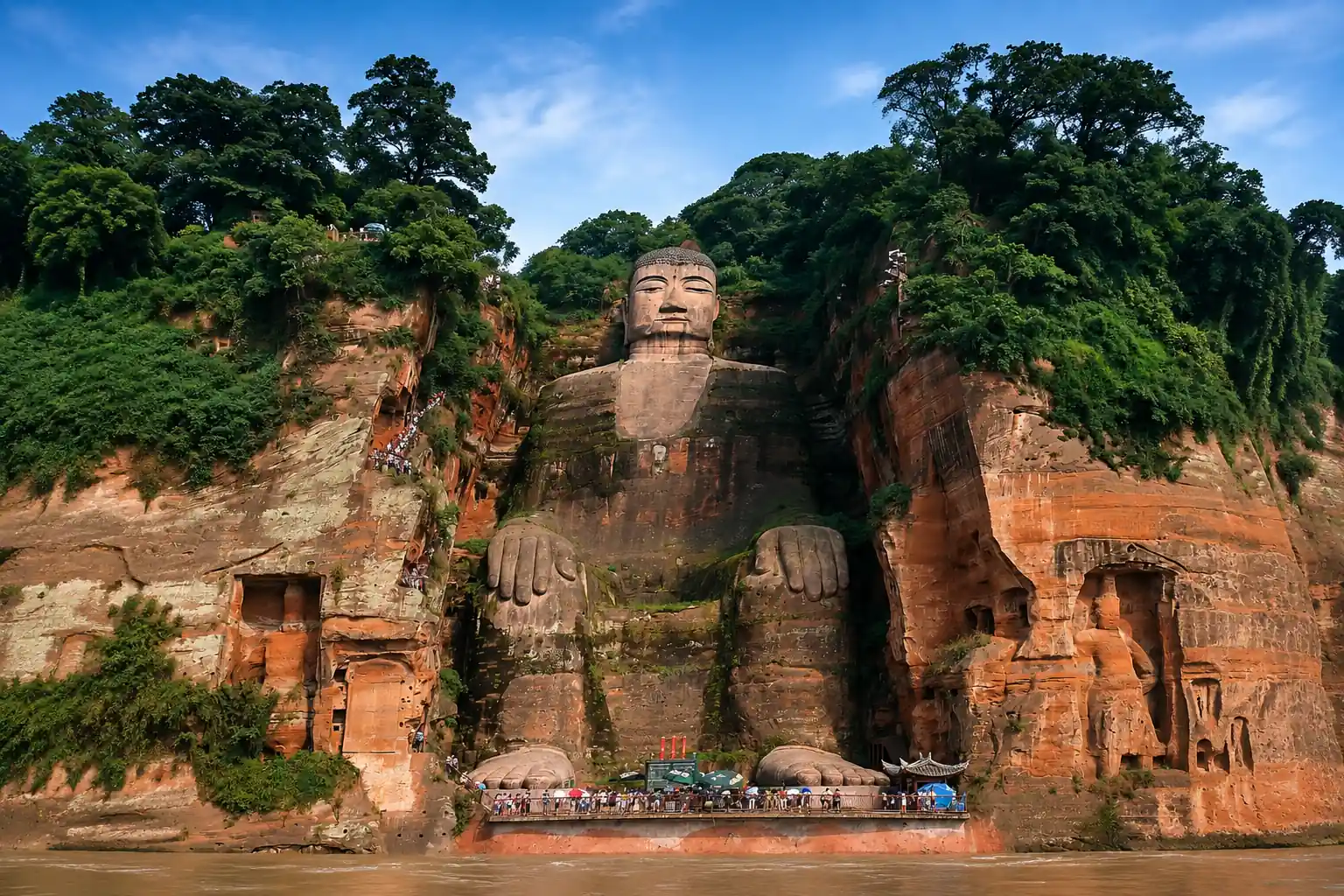
Visit the Leshan Giant Buddha when extending your journey into Sichuan. Leshan is most naturally combined with Chengdu, creating a regional route that adds one of China's most famous Buddhist heritage sites to a Chongqing and Chengdu itinerary.
Use these practical China travel guides to prepare for visas, weather, train travel, mobile payments, internet access, transportation and everyday travel in Chongqing.
Check entry requirements, visa-free transit options, passport rules and the documents needed before traveling to Chongqing and China.
Compare temperatures, rainfall, crowds and seasonal travel conditions to choose the best time for your Chongqing trip.
Learn how to travel between Chongqing, Chengdu, Xi'an, Shanghai and other destinations using China's high-speed rail network.
Prepare Alipay or WeChat Pay with a foreign bank card for transportation, restaurants, shopping and everyday purchases during your Chongqing trip.
Plan mobile data, VPN access, translation apps, maps, ride-hailing apps and essential digital tools before arriving in Chongqing.
Avoid the busiest travel periods and understand how holidays may affect attractions, hotels and transportation during your China trip.
Learn how Spring Festival affects transport, attractions, restaurants and travel planning throughout China.
Prepare for language barriers, transport, payments, attraction reservations and practical issues before visiting Chongqing and China.
Compare private Chongqing tours that combine the mountain city's highlights with Wulong Karst, Dazu Rock Carvings, Yangtze River cruises and longer southwest China journeys. Choose an existing itinerary or customize the route, pace and experiences around your own travel plans.
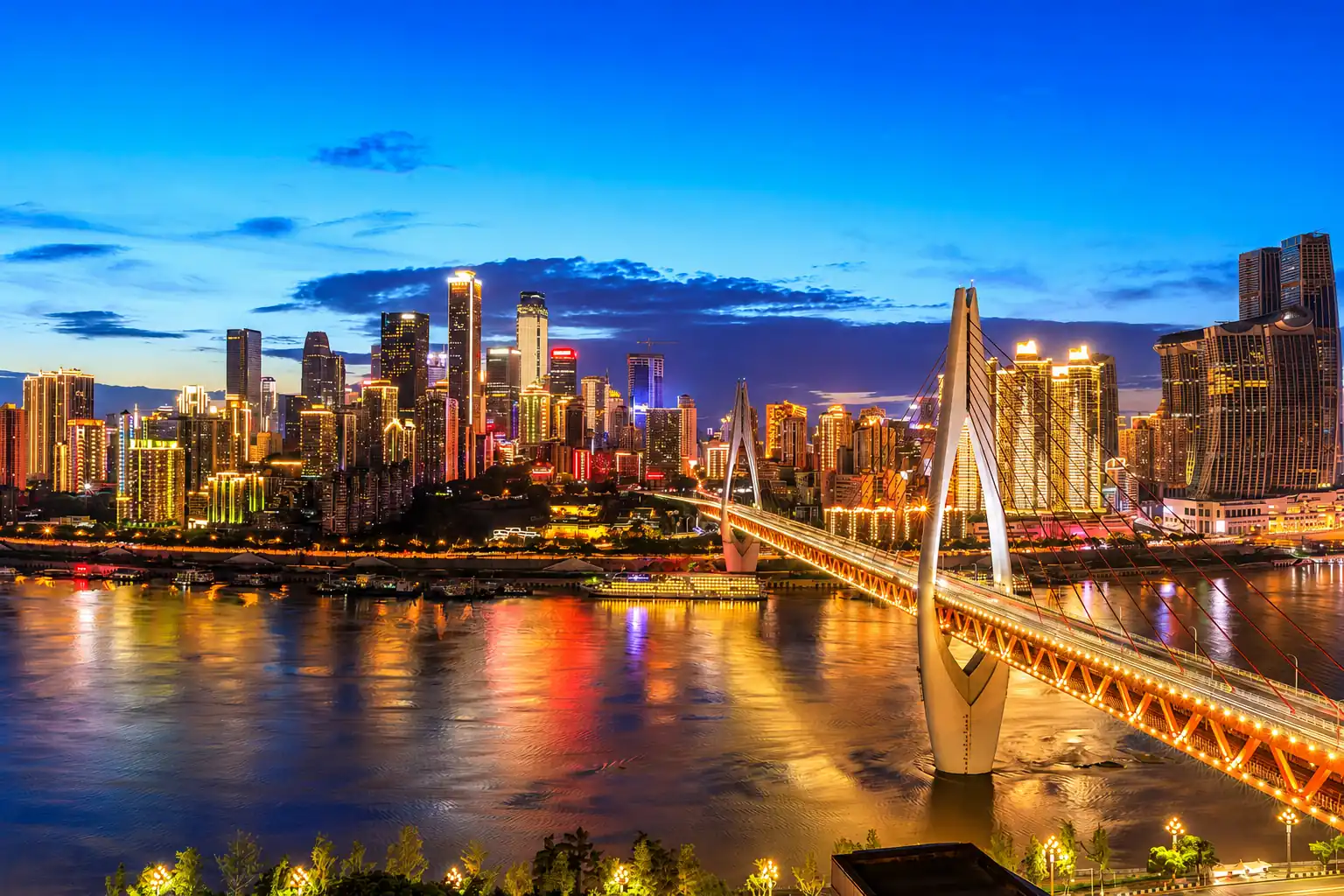
Explore private Chongqing tour options covering city highlights, Wulong Karst, Dazu Rock Carvings, Yangtze River cruises and multi-city routes with destinations such as Chengdu and Guilin. Itineraries can be adjusted to suit your available time and preferred travel pace.
Browse Chongqing Tours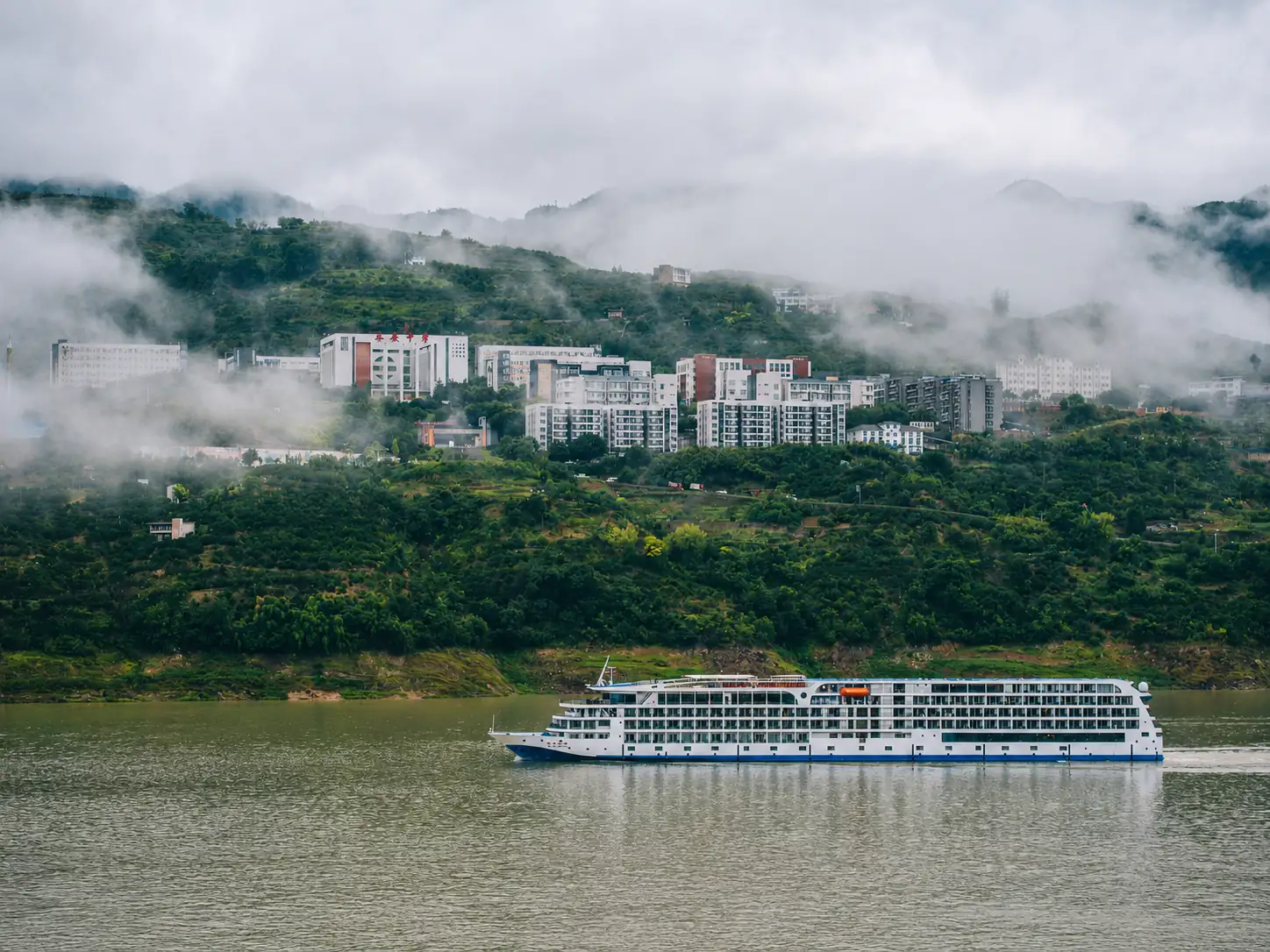
Combine Chongqing with a scenic Yangtze River cruise through the Three Gorges. This route is ideal for travelers who want to experience the mountain city before continuing into one of China's most famous river landscapes.
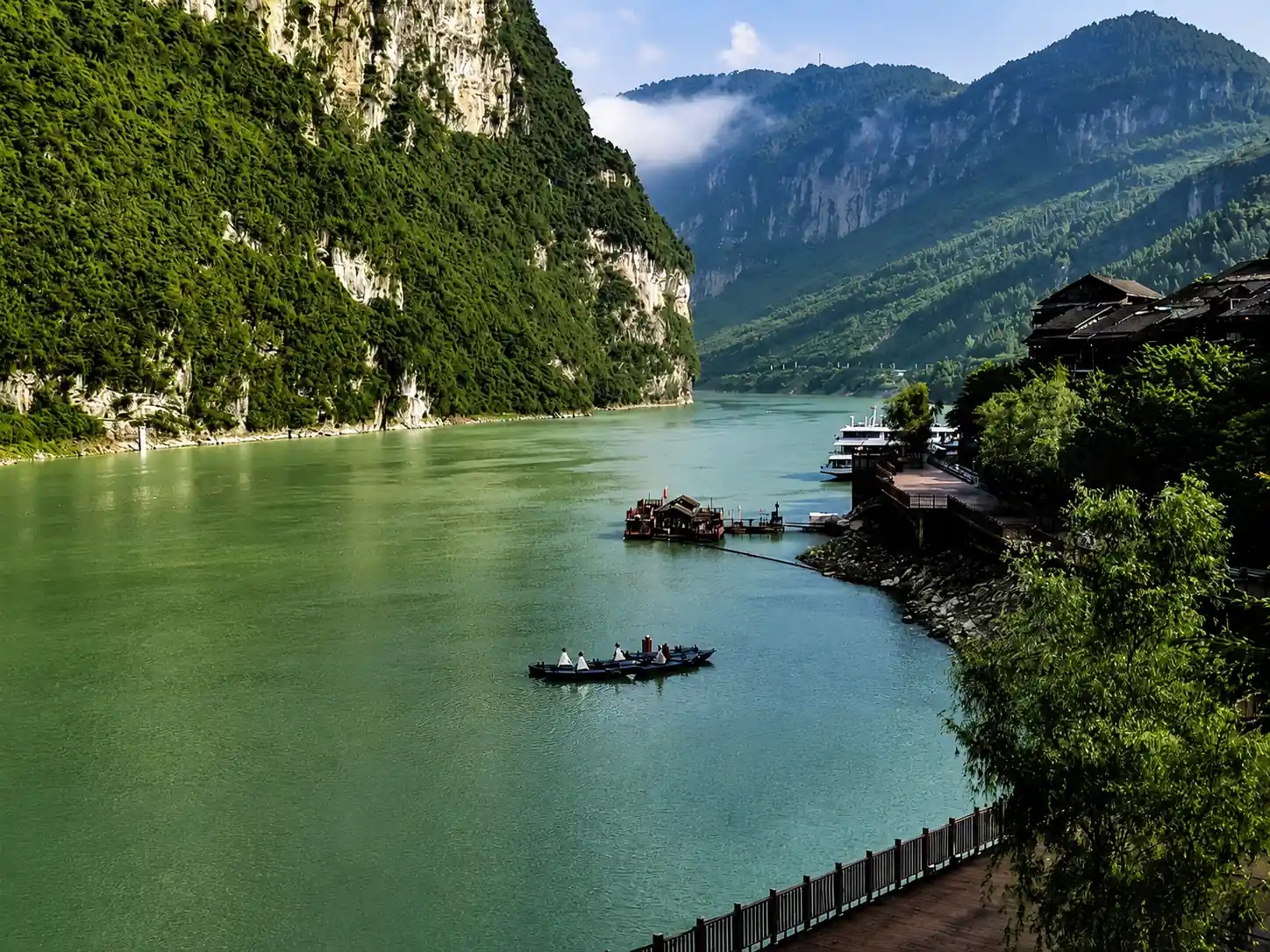
Explore Chongqing before continuing to Wulong's dramatic karst scenery and the landscapes of the Wujiang River region. The itinerary includes the Three Natural Bridges and some of the area's most impressive natural scenery.
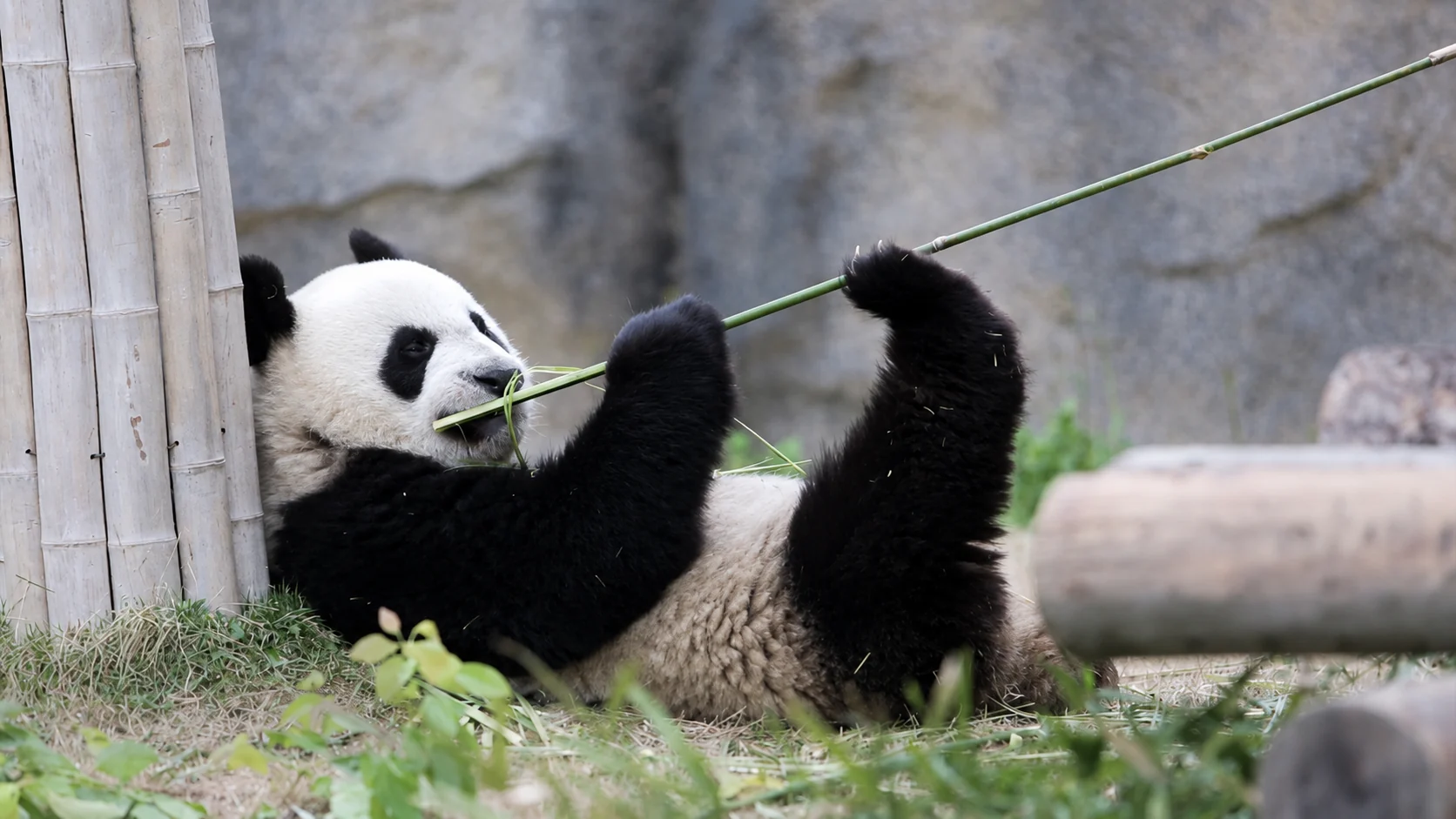
Combine Chongqing's mountain city with Wulong Karst, Dazu Rock Carvings and Chengdu's giant pandas. This route brings together natural scenery, cultural heritage and two of southwest China's most distinctive cities.
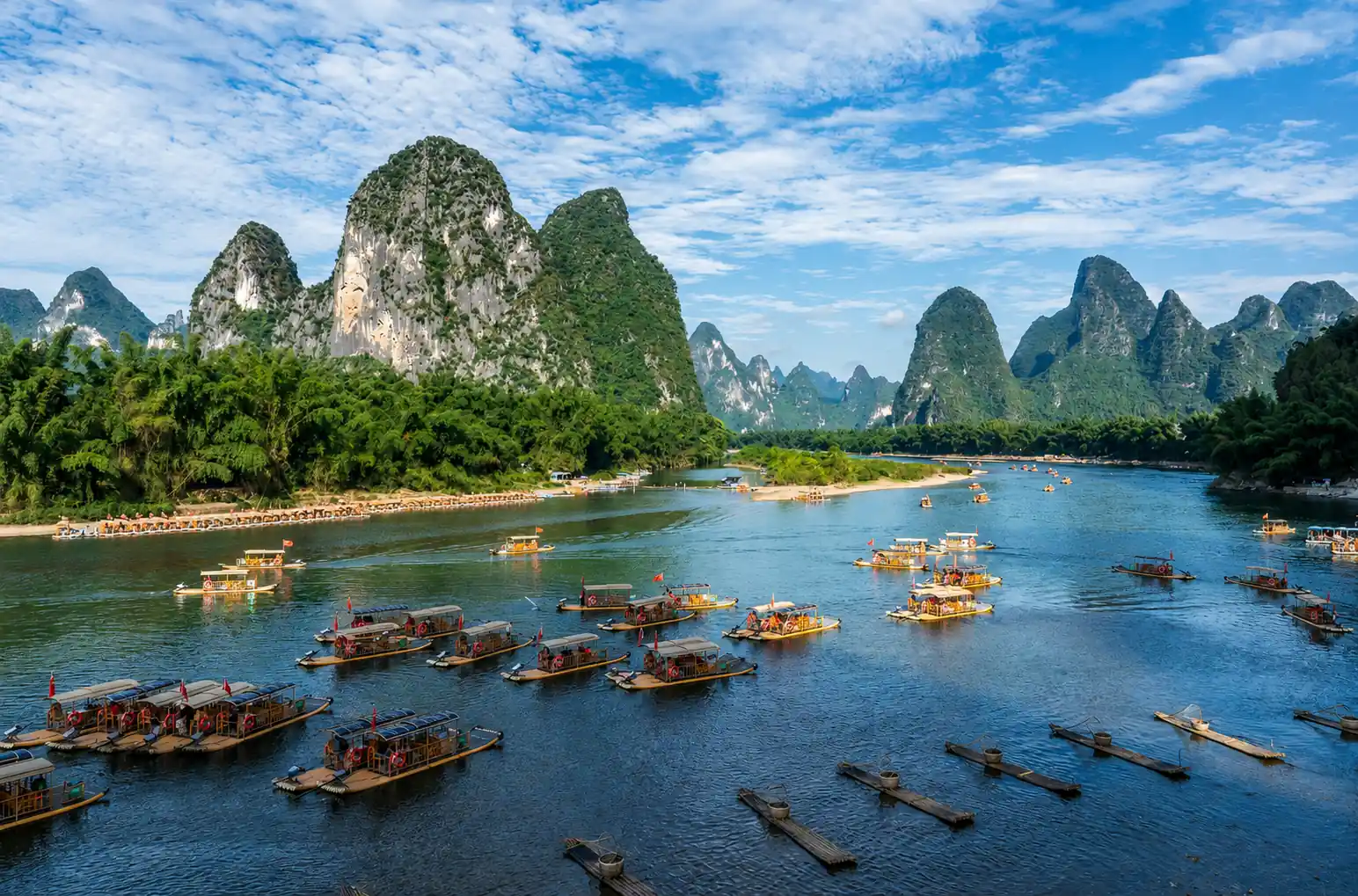
Combine Guilin and Yangshuo's karst scenery with Chongqing and a Yangtze River cruise through the Three Gorges. This multi-city route is designed for travelers who want both southern China landscapes and river experiences.
Compare private Chongqing tours, Yangtze River cruises, Wulong itineraries and multi-city journeys before choosing the route that best fits your trip.
Browse Chongqing Tours →Travel from Chongqing to Wulong and the Wujiang River region for Three Natural Bridges, dramatic karst landscapes and scenic mountain experiences.
View Wulong Tour →Start in Chongqing and continue through the Three Gorges on a Yangtze River cruise combining city sightseeing with one of China's classic scenic journeys.
View Yangtze Cruise Tour →Tell us your dates, group size, hotel preferences and interests. Your itinerary can be adjusted around your travel pace and combined with Chengdu, Zhangjiajie, Guilin or other China destinations.