
How Many Days in Datong?
Choose your trip length based on whether you want to focus on the ancient city and Yungang Grottoes or include nearby historic landmarks.

Datong's best attractions span three distinct settings: the Northern Wei Buddhist art of the Yungang Grottoes, the temples and streets of Datong Ancient City, and cliffside or timber landmarks on regional day trips. Start with the Yungang Caves and the old city, then choose the Hanging Temple or Yingxian Wooden Pagoda according to the time and transport available.
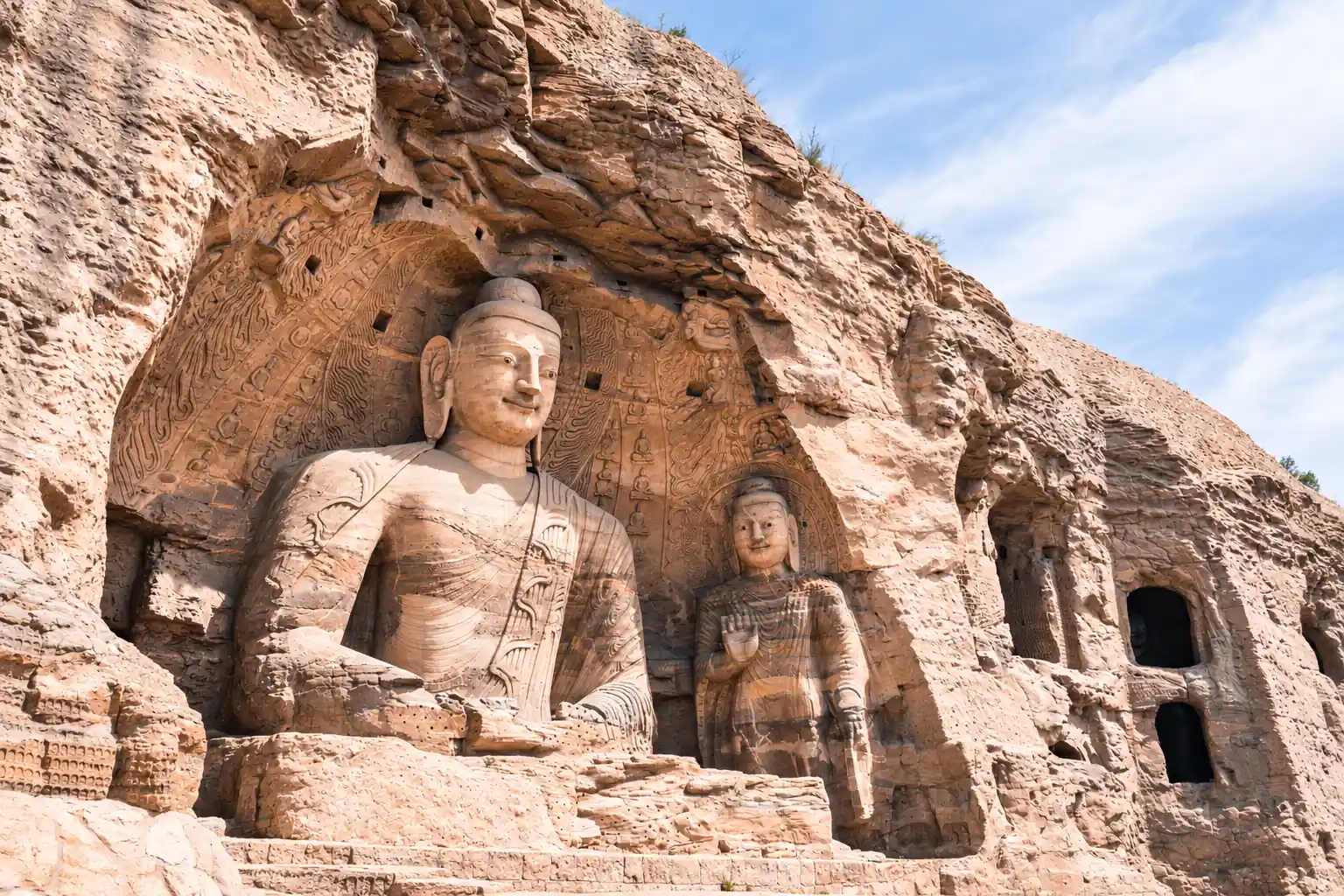
Around 16 km west of central Datong, the UNESCO-listed Yungang Grottoes (also known as the Yungang Caves) reveal the Buddhist art of the Northern Wei dynasty. Look for the Tanyao Five Caves (Caves 16–20), especially the monumental open-air Buddha at Cave 20, as well as the richly carved interiors elsewhere in the complex. Allow roughly 2.5–4 hours on site, plus transport, and check current cave access before visiting.
Plan Your Visit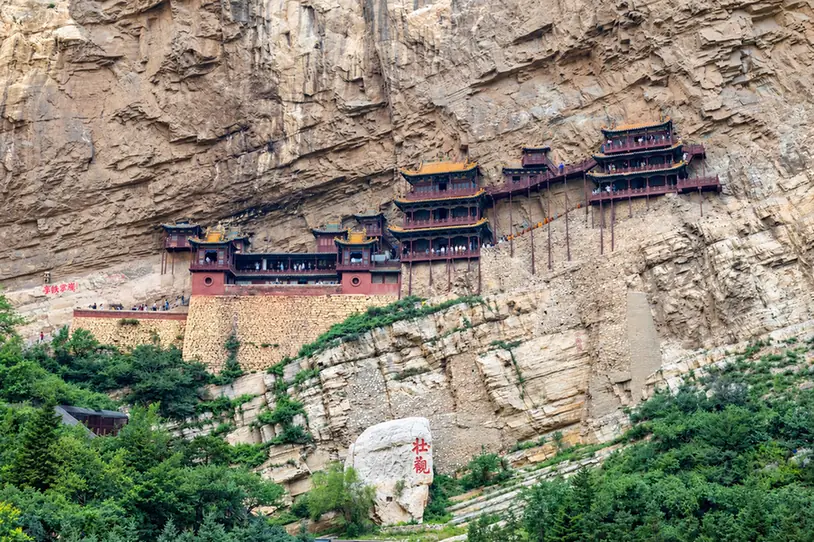
The Hanging Temple, also called the Hanging Monastery or Xuankong Si, clings to a cliff near Mount Heng in Hunyuan County, outside central Datong. The exterior viewpoint and ascent onto its narrow walkways are different visitor experiences. Climbing requires a separate, capacity-limited ticket; check the latest reservation rules and bring the required identification. Allow time for the drive and queues.
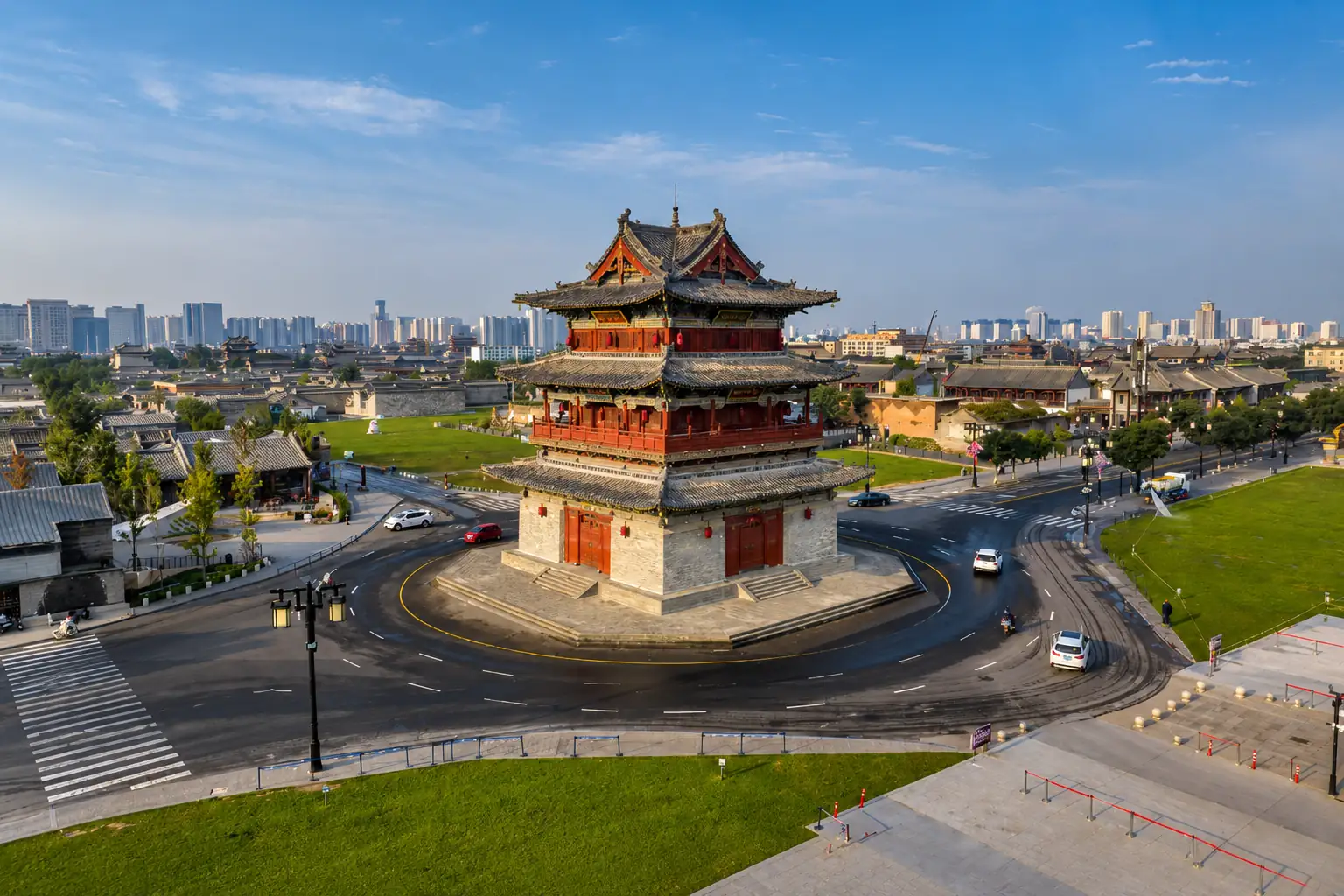
Explore Datong Ancient City on foot, from its traditional street grid and city walls to temple courtyards and local food stops. The old city preserves a historic layout, but parts of the walls and streets have been restored or rebuilt. Pair a walk around the old town with Huayan Temple, Shanhua Temple or the Nine-Dragon Screen instead of treating every landmark as a separate day trip.
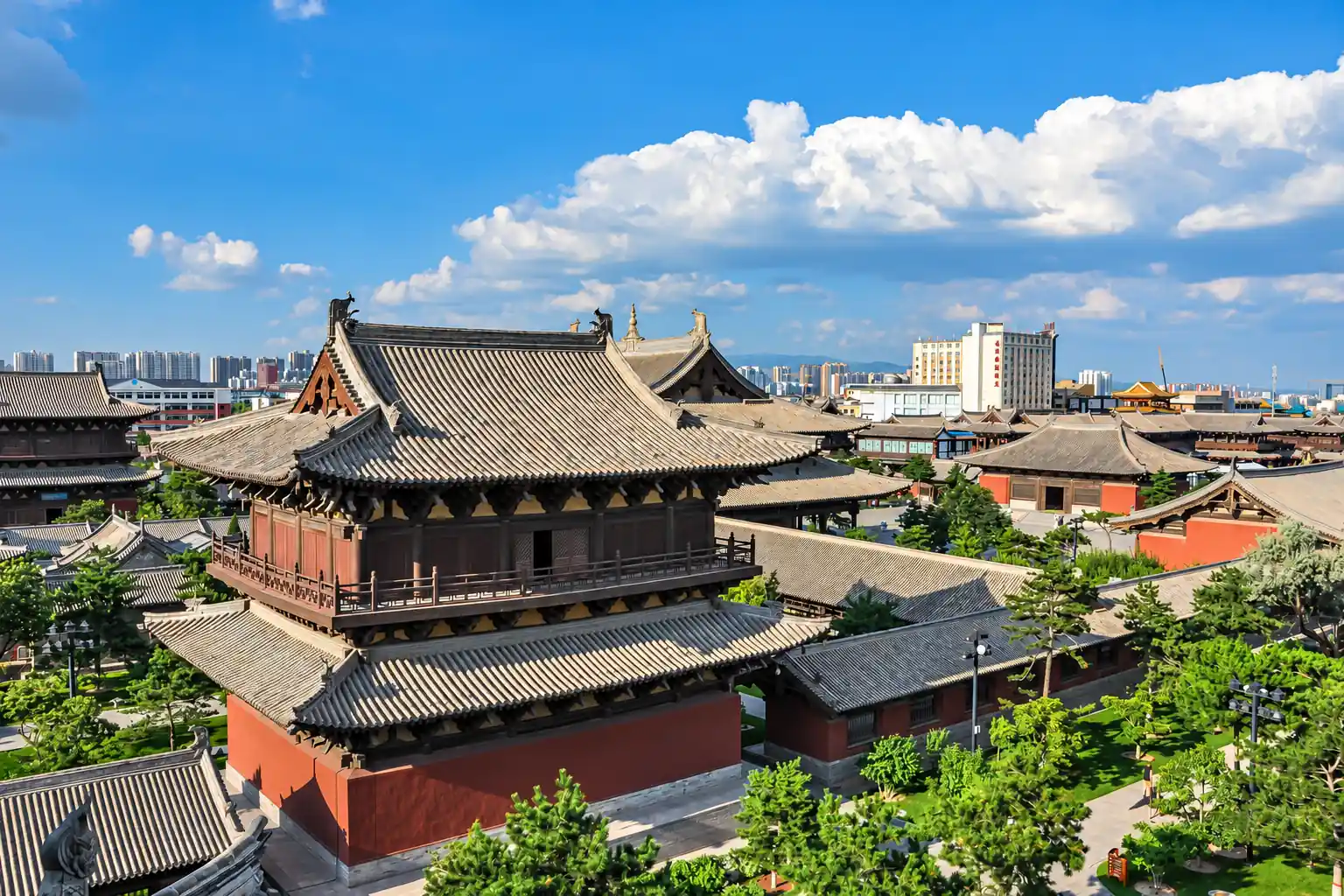
Huayan Temple is a major example of Liao- and Jin-period Buddhist architecture in Datong Ancient City. Its Great Buddha Hall and the Lower Monastery's historic scripture-repository hall are key highlights, alongside surviving Buddhist sculptures and timber construction. Allow approximately 1–2 hours for an unhurried visit and combine it with nearby old-city sights where opening times permit.
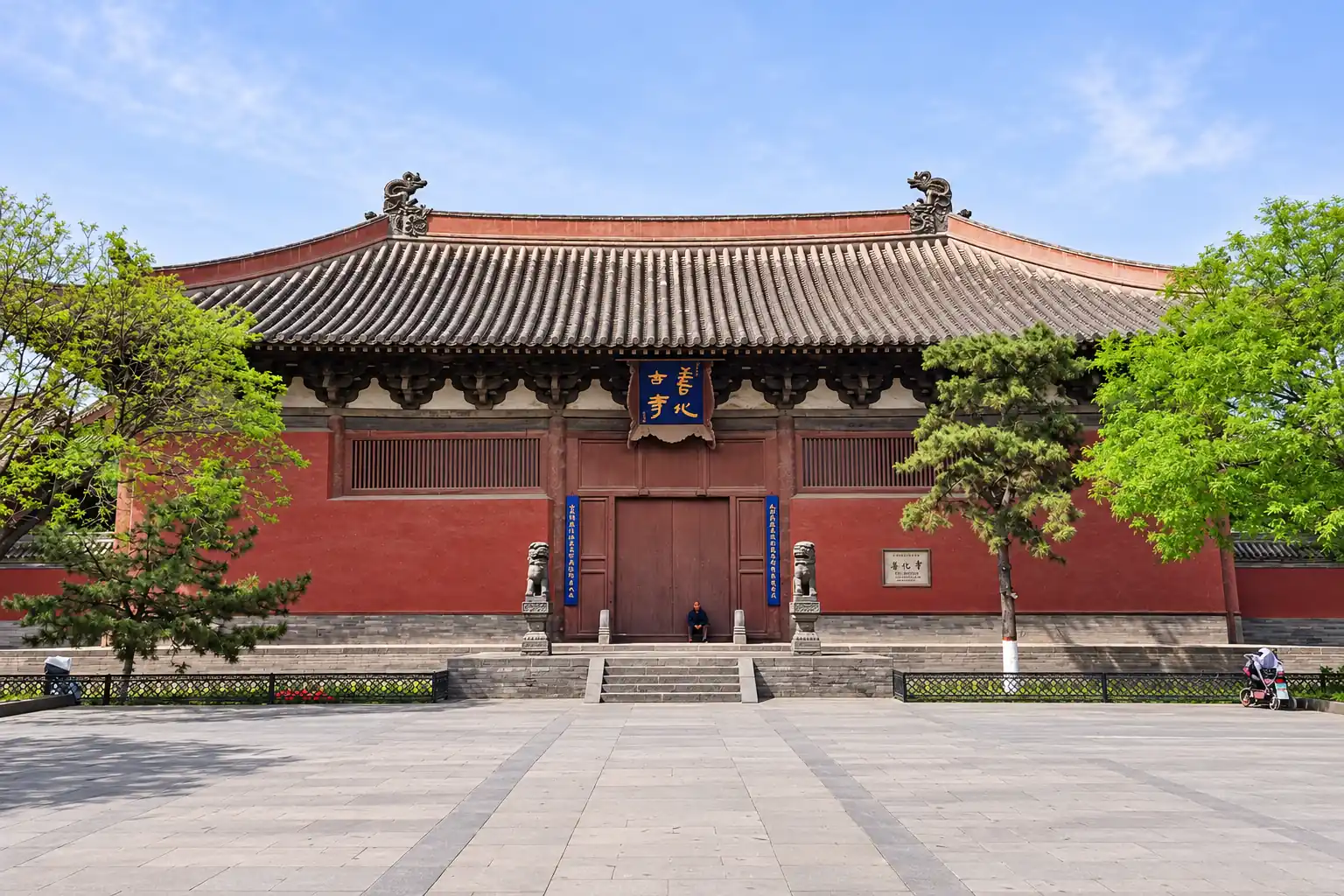
Shanhua Temple preserves an important Liao- and Jin-era Buddhist temple complex within the old city. Follow its main axis from the gate through the Hall of Three Saints to the main Buddha hall, paying attention to its wooden structure and sculptural details. It pairs naturally with Huayan Temple for a focused half-day exploration of Datong's historic religious architecture.

The Yingxian Wooden Pagoda, also known as the Sakyamuni Pagoda of Fogong Temple (Fogong Pagoda), was completed in 1056 during the Liao dynasty. This extraordinary timber structure stands in Ying County, Shuozhou, outside Datong city. Visit for its intricate wooden design and history, but check current access restrictions before assuming you can enter or climb the pagoda. Plan it as a regional excursion with transport arranged.
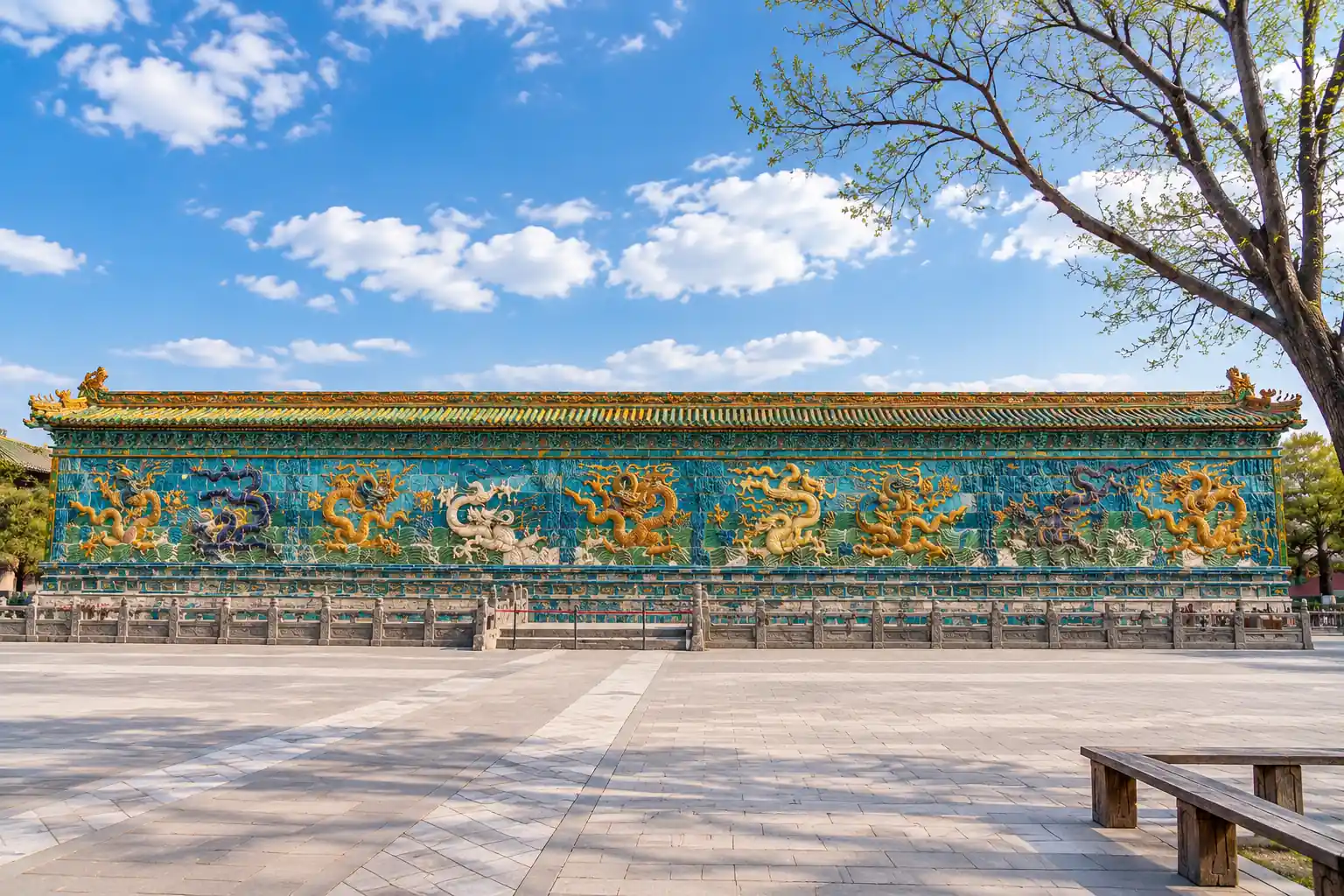
The Nine-Dragon Screen (Nine-Dragon Wall) is a large glazed-tile screen built in the early Ming dynasty for the princely residence of Zhu Gui. Measuring around 45 metres across, it is a striking example of imperial-era decorative architecture. It makes an easy, relatively short stop when exploring Datong Ancient City, rather than a separate long excursion.
Plan Yungang Grottoes and the walkable old-city sights as separate sightseeing blocks. Add the Hanging Temple or Yingxian Wooden Pagoda only when you have time for travel outside Datong and confirmed visitor access.
Beyond its famous landmarks, Datong offers opportunities to explore historic streets, understand Buddhist art, appreciate northern China's temple architecture and discover local Shanxi food. Combine a walk through the ancient city with cultural visits, and leave separate time for destinations outside the urban center.
Discover how Datong's history is reflected in its traditional streets, Buddhist temples and historic architecture. Rather than rushing between landmarks, set aside time to appreciate architectural details and the different historical periods represented across the old city.
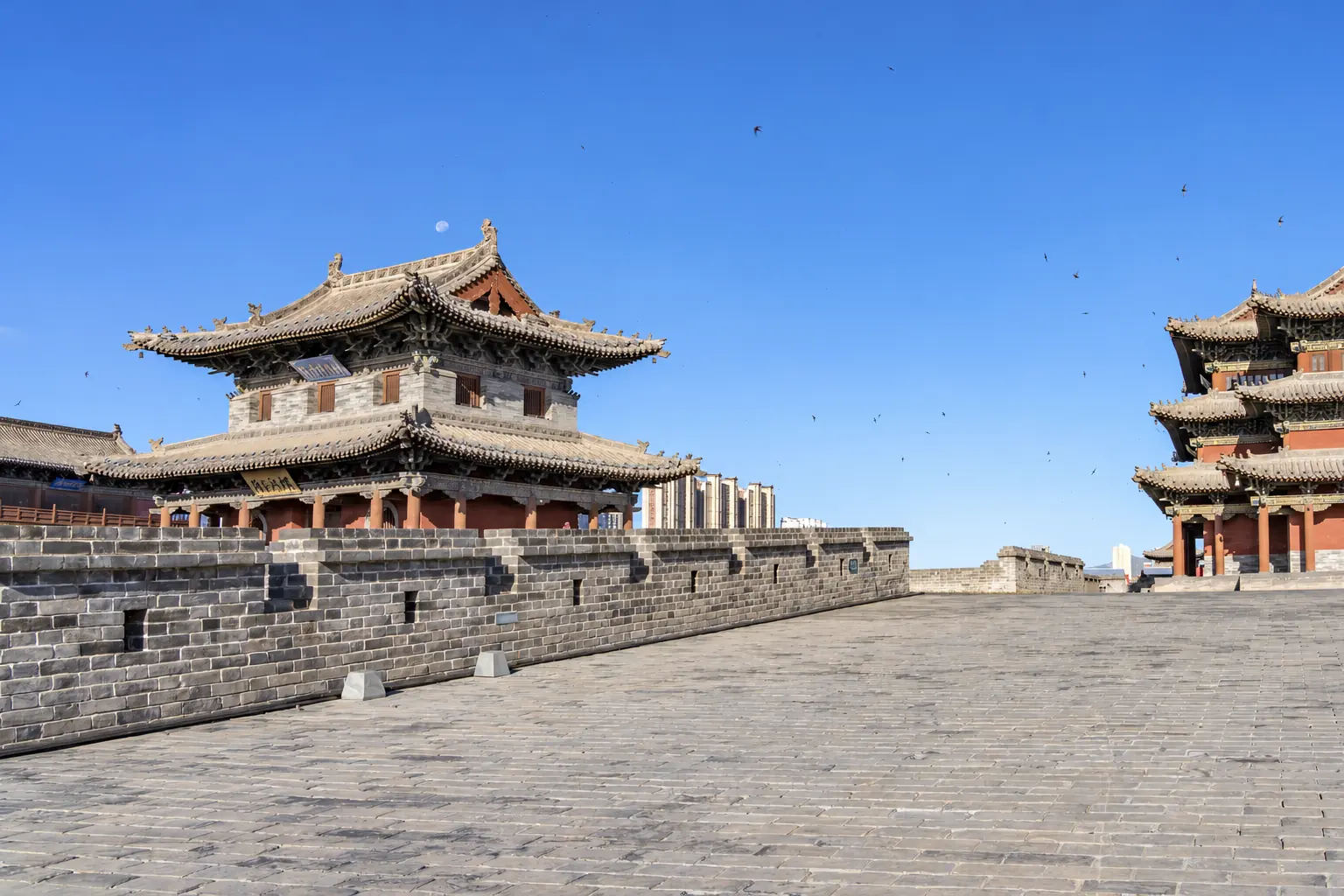
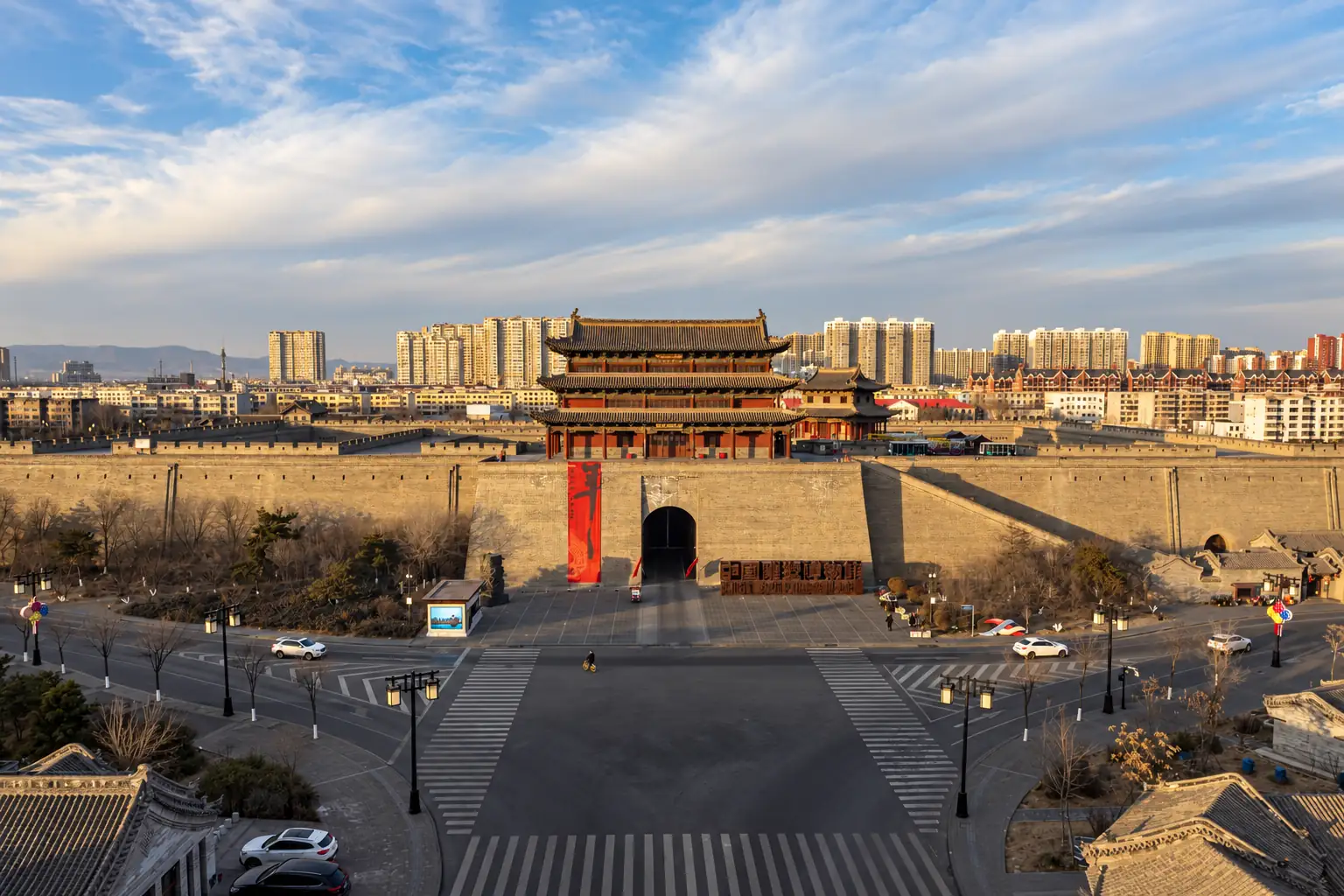
Explore the historic city area on foot, notice its walls and traditional-style streets, and pause at cultural landmarks along the way. Allow time for photography and local food rather than treating the old city as a quick stop between attractions.
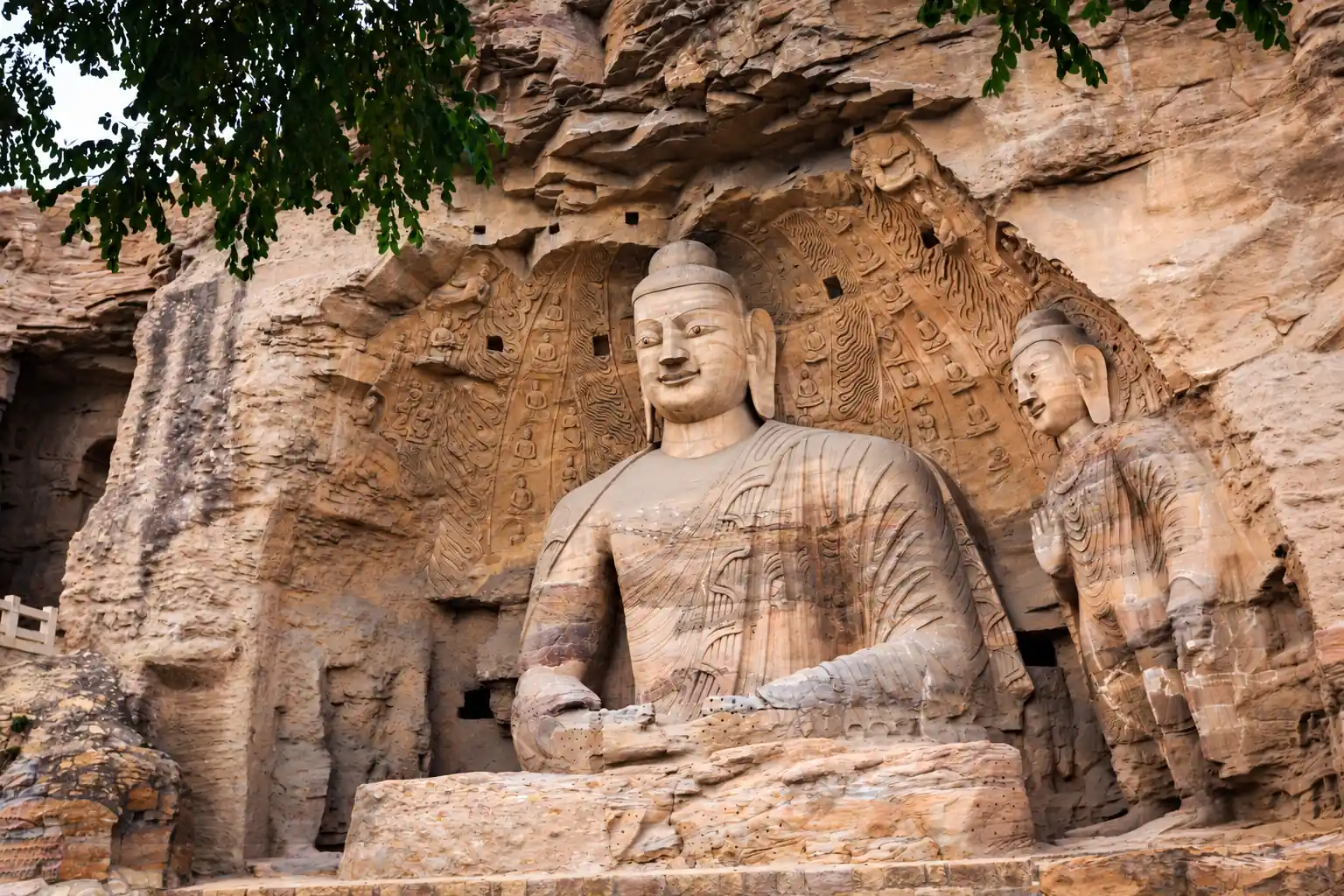
Look beyond the scale of the sculptures at Yungang Grottoes and observe the carved details, Buddha figures and artistic influences within the cave complex. A focused visit offers a deeper understanding of Datong's place in early medieval Chinese history.
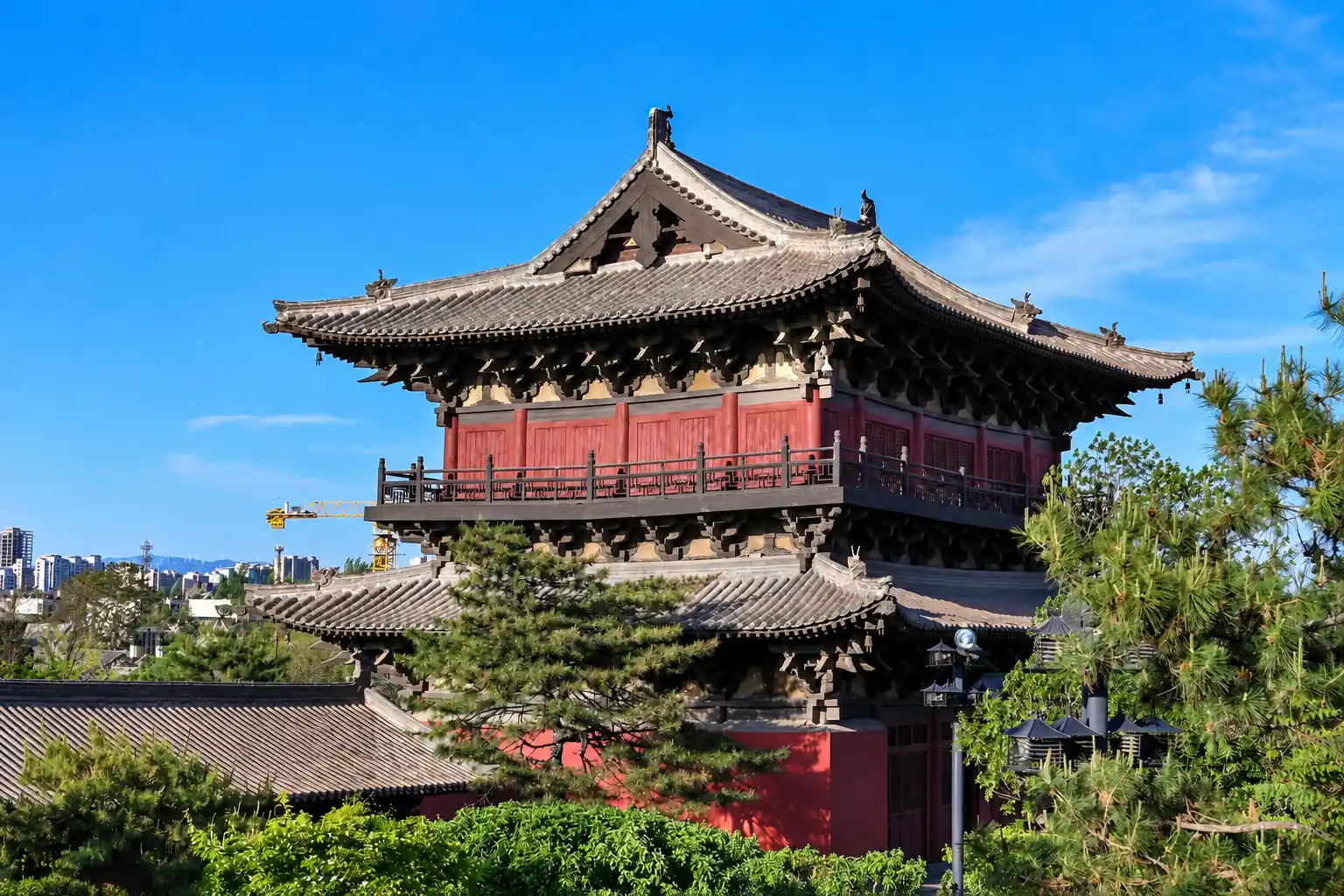
Pay attention to timber structures, rooflines, brackets, religious sculpture and the layout of historic temple halls. Comparing the city's major temple complexes helps reveal the architectural heritage associated with different periods of northern Chinese history.

Explore Datong's noodle dishes and regional specialties, including knife-cut noodles, known as dao xiao mian, and local wheat-based foods. Visiting local restaurants adds a culinary dimension to a trip focused on northern Shanxi's cultural heritage.
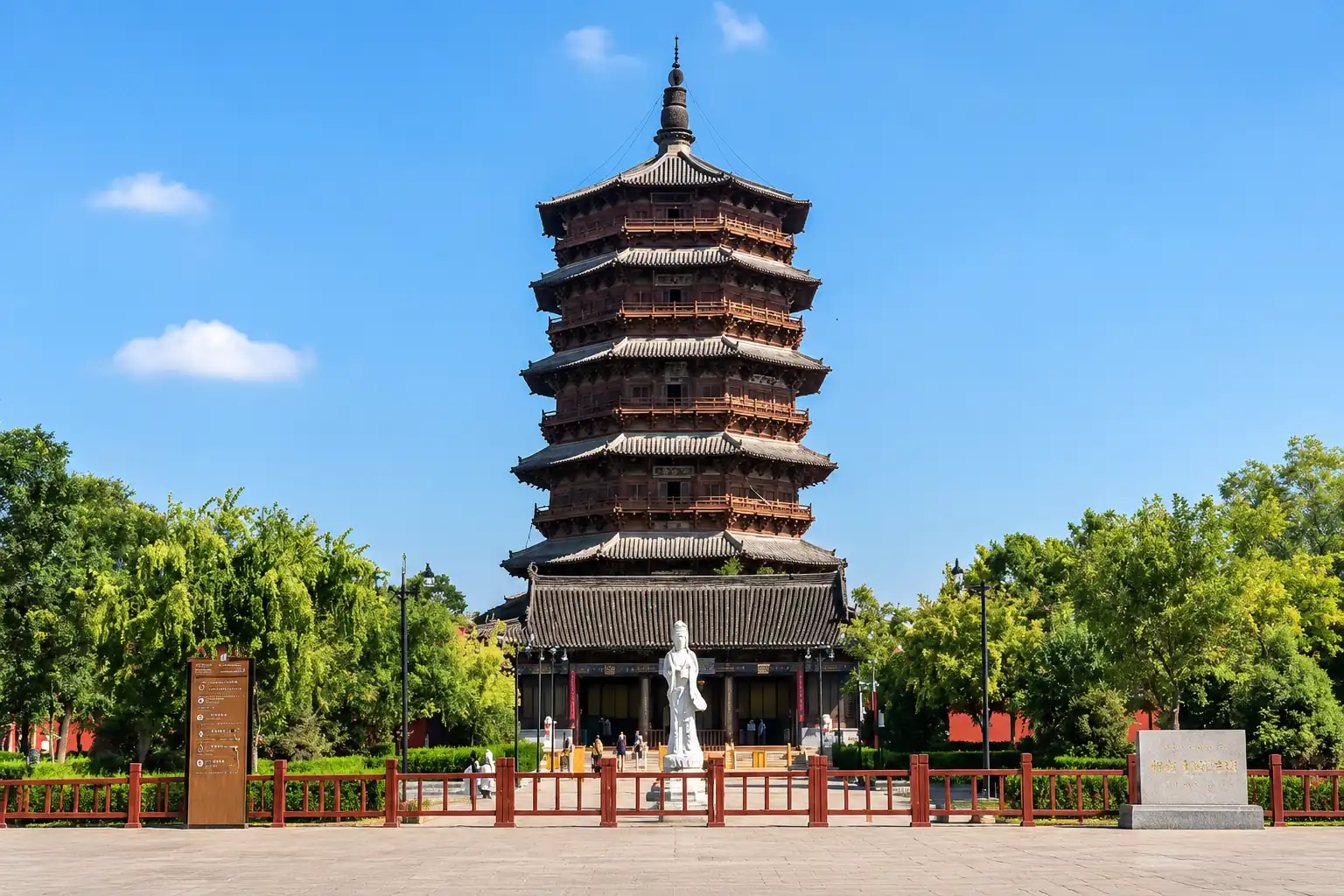
Extend your journey to the Hanging Temple near Mount Heng or the Yingxian Wooden Pagoda. These destinations are outside central Datong, so compare travel times and access arrangements before combining them with other sightseeing.
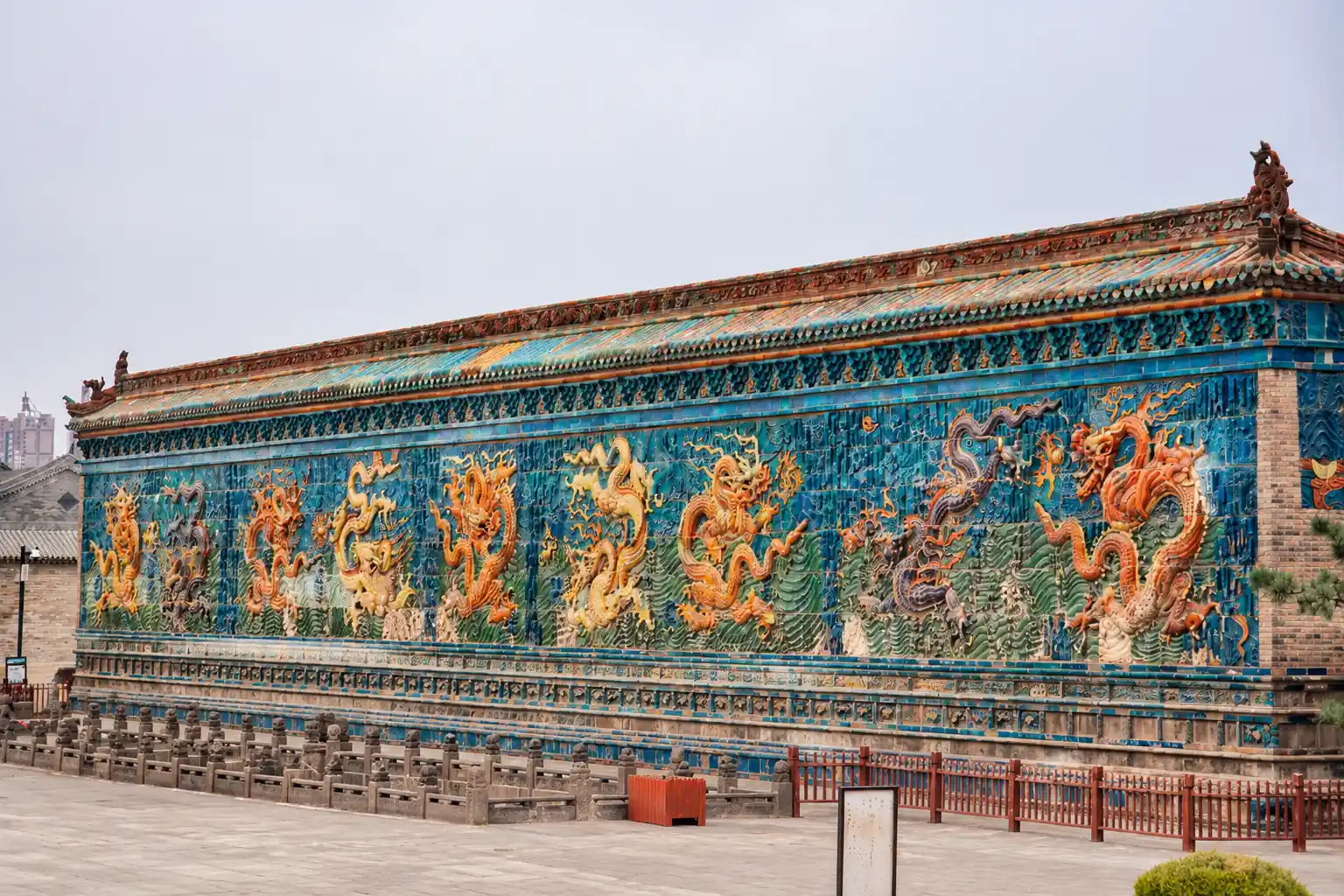
Focus on carved stonework, temple roofs, traditional streets and the contrast between historic architecture and the surrounding city. At major heritage sites, follow photography restrictions and avoid disturbing other visitors.
Combine city sightseeing with the attractions that matter most to you. Plan transport separately for regional landmarks and allow enough time for Datong's historic sites instead of overloading a single day.
Choose a 1-, 2- or 3-day Datong itinerary that matches your pace. With one full day, pair the UNESCO-listed Yungang Grottoes with highlights of Datong Ancient City. Two days can include a separate excursion to the Hanging Temple, with Yingxian Wooden Pagoda possible when transport is arranged. Three days allow a more relaxed look at northern Shanxi’s Buddhist art and historic architecture.
Use one full sightseeing day to visit the UNESCO-listed Yungang Grottoes in the morning, then return for highlights of Datong Ancient City. If your train arrives around midday, focus on the old town and temples instead of rushing to the caves.
Start early for Yungang Grottoes. Allow roughly 2.5–4 hours at the UNESCO-listed site plus travel time from central Datong and back. Prioritize the main accessible caves rather than trying to rush through the complex.
Explore Yungang Highlights →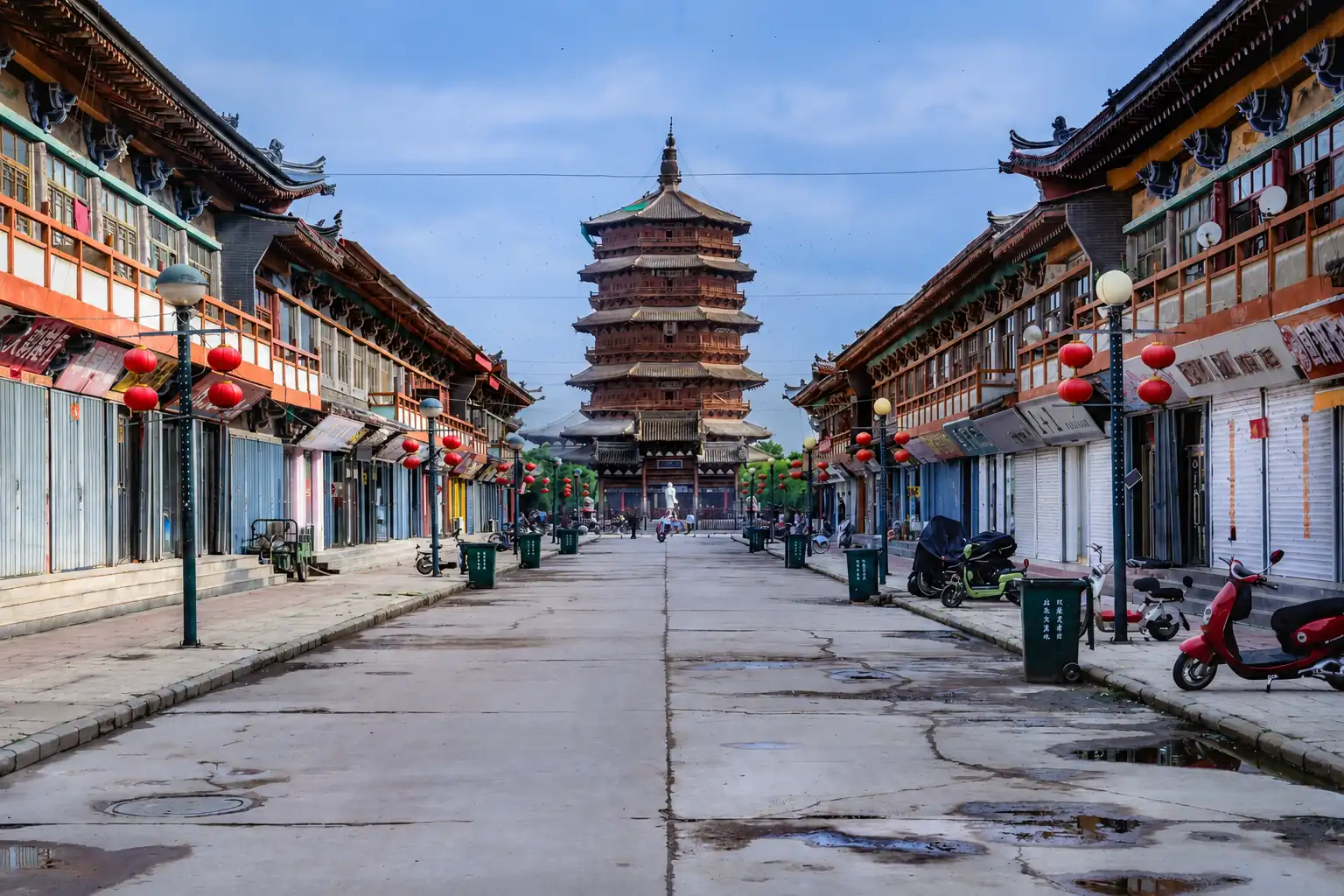
Return to the walled old town. Walk the historic streets and prioritize Huayan Temple; add the Nine-Dragon Screen or Shanhua Temple only if their opening hours and your remaining time allow.
Discover Datong Old Town →
Enjoy Datong dao xiao mian and other northern Shanxi dishes near the old town. Keep your evening flexible around the timing of your train or overnight stay.
Explore Local Food →Planning note: This route assumes a complete sightseeing day and an early start. If you arrive around midday or have a tight departure, choose central Datong and its temples rather than squeezing in Yungang.
A balanced two-day heritage itinerary: combine Yungang Grottoes with Datong Ancient City on Day 1, then make a separate trip south to the Hanging Temple (Xuankong Si) on Day 2. With a prearranged vehicle and sufficient time, you can consider adding Yingxian Wooden Pagoda.
Set aside around 2.5–4 hours on site for the Buddhist cave art and allow time for the journey from Datong. Leave the afternoon open enough to enjoy the city rather than booking too many distant attractions.
Explore the Main Caves →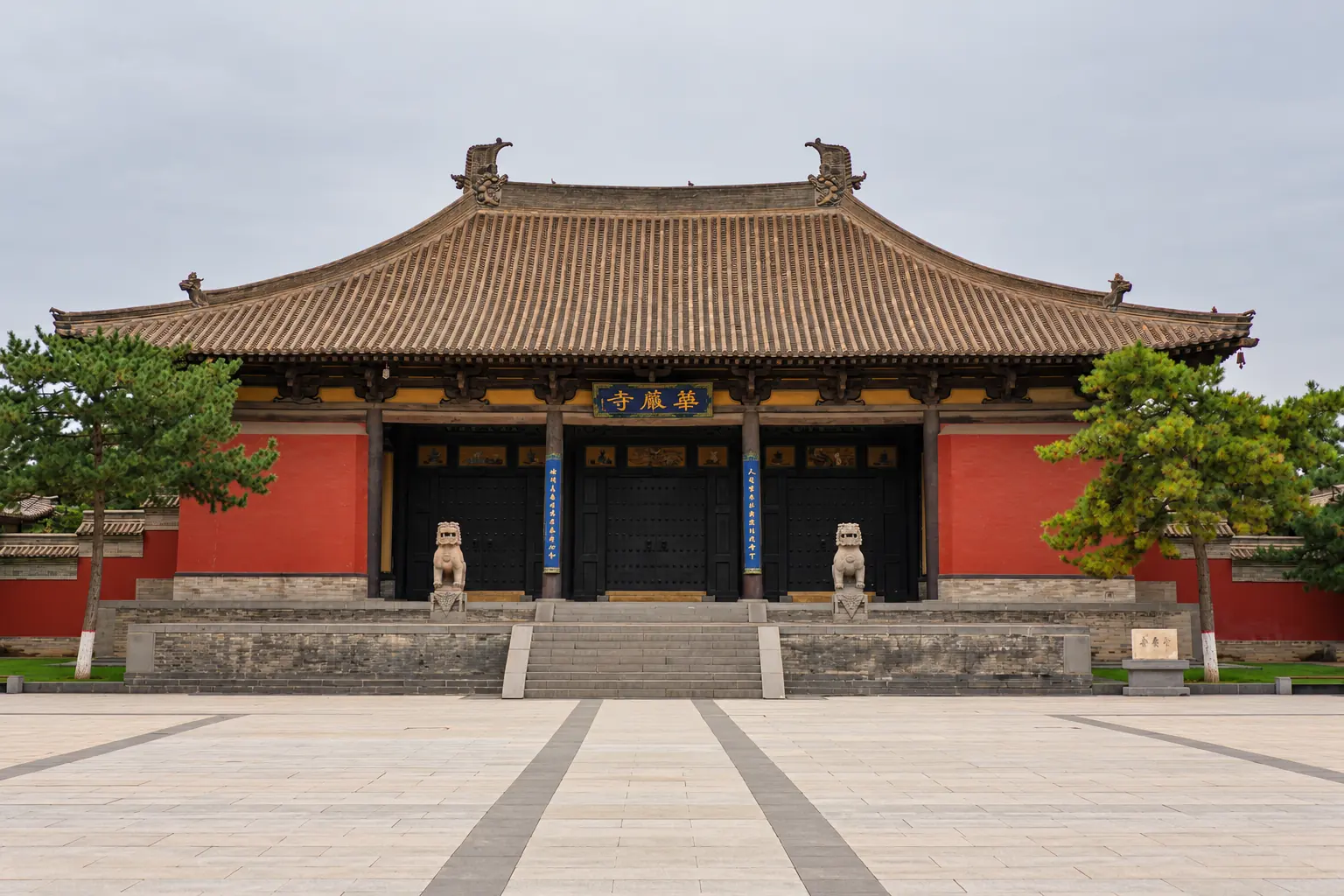
Walk through Datong Ancient City and visit Huayan Temple. If you have time before last entry, add Shanhua Temple or the Nine-Dragon Screen. Enjoy knife-cut noodles in the city in the evening.
Find Local Food →
Leave early for Hunyuan and the Hanging Temple. Check whether elevated-walkway access is available separately from viewing the exterior. With a prearranged driver, sufficient time and confirmed access, consider an afternoon extension to Yingxian Wooden Pagoda; otherwise return to Datong without rushing.
Plan the Hunyuan Transfer →Planning note: Combining Hanging Temple and Yingxian Wooden Pagoda on the same day is possible with suitable road transport, but do not rely on doing so by public transport or during periods of heavy visitor demand.
Spend Day 1 exploring the walled historic center and its Liao- and Jin-era temples, Day 2 at the Yungang Grottoes (also called the Yungang Caves), and Day 3 on a southbound trip to Xuankong Si (the Hanging Temple) and, if transport and entry arrangements allow, Yingxian Wooden Pagoda. These are suggested sequences, not fixed operating-hour promises.
Start inside Datong’s historic city walls. Walk the old-town streets, see the Nine-Dragon Screen if time permits, and note the distances between the central sights so the afternoon remains manageable. Allow roughly 1–2 hours for an unhurried first walk, excluding temple visits.
Explore Datong Attractions →
Visit Huayan Temple for its Liao–Jin Buddhist architecture, then continue to Shanhua Temple if both are open. Plan roughly 1–2 hours for Huayan and additional time for Shanhua rather than treating the pair as a quick photo stop. Recheck admission and last-entry information before setting out.
Discover Cultural Experiences →
Try Datong dao xiao mian (knife-cut noodles) or other northern Shanxi specialties around the old town. If the city wall is open for evening access, enjoy a short walk afterward; otherwise keep the evening free for a relaxed meal.
Explore Local Food →
Set aside about 2.5–4 hours on site to see the rock-cut Buddhist art of the UNESCO-listed Yungang Grottoes. From central Datong, allow around 40–50 minutes by car in typical traffic, plus a return journey. Look for the monumental open-air Buddha at Cave 20 and other accessible caves; individual areas and access can change.
See the Main Datong Sights →
Travel south toward Hunyuan for the cliffside Hanging Temple (Xuankong Si), about 1–1.5 hours by car from central Datong. Distinguish viewing the exterior from any limited-capacity climb. With a prearranged driver and enough time, continue to Fogong Temple in Yingxian to see its Sakyamuni Wooden Pagoda; otherwise choose one site and avoid rushing. Confirm access, journey times and return arrangements beforehand.
Check Datong Day-Trip Transport →Before you go: Opening hours, last-entry times and access to the Hanging Temple’s elevated walkways may change. These outlines assume full sightseeing days, not half-days spent on train arrivals or departures. Check current attraction notices and allow extra time during Chinese public holidays.
Your ideal schedule depends on whether you want a quick visit to the Yungang Grottoes, a relaxed ancient-city stay, or a car-based trip to the Hanging Temple and Yingxian Pagoda. Allow time for transfers and confirm current visitor access.
The best time to visit Datong generally depends on how much outdoor sightseeing you plan to do. Spring and early autumn are useful starting points for comfortable walks through the ancient city and visits to nearby heritage sites. Winters can be very cold, while summer brings warmer weather and a greater need to check rainfall and travel conditions.
April to May and September to early October are practical periods to consider for a Datong trip. Temperatures can vary considerably between day and night, so bring layers and check the forecast before planning longer outdoor visits. Holiday periods may also affect visitor numbers and transport.
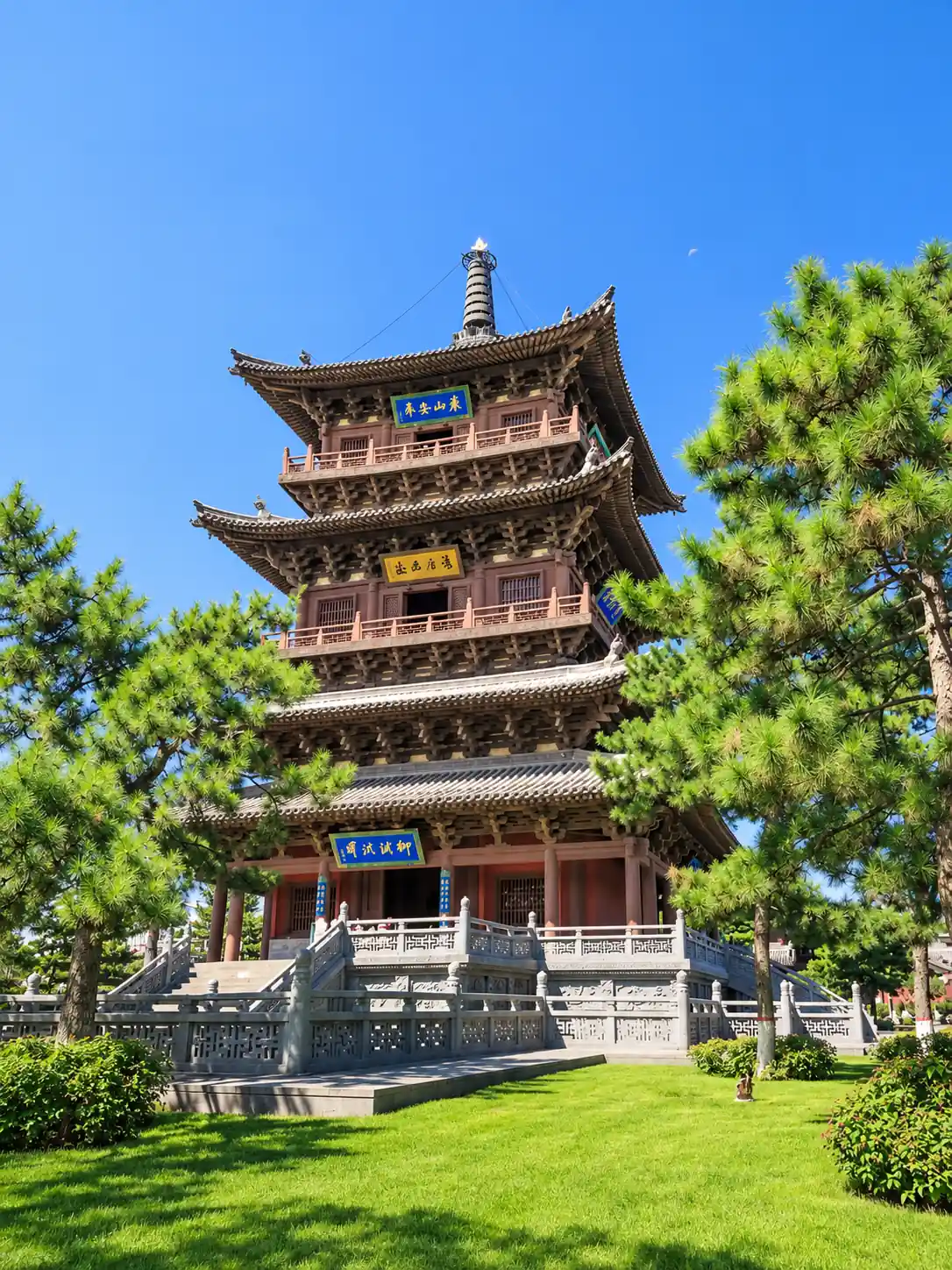
Spring is a practical time to explore Datong's historic streets, temples and outdoor heritage sites. March can still be chilly and windy, while April and May are generally more suitable starting points for a walking-focused itinerary. Bring layers for temperature changes.

Summer allows longer daylight hours for sightseeing, but warmer days and periods of rain can affect outdoor plans. Check local forecasts before travelling to cliffside or regional attractions, and keep some flexibility in your daily route.
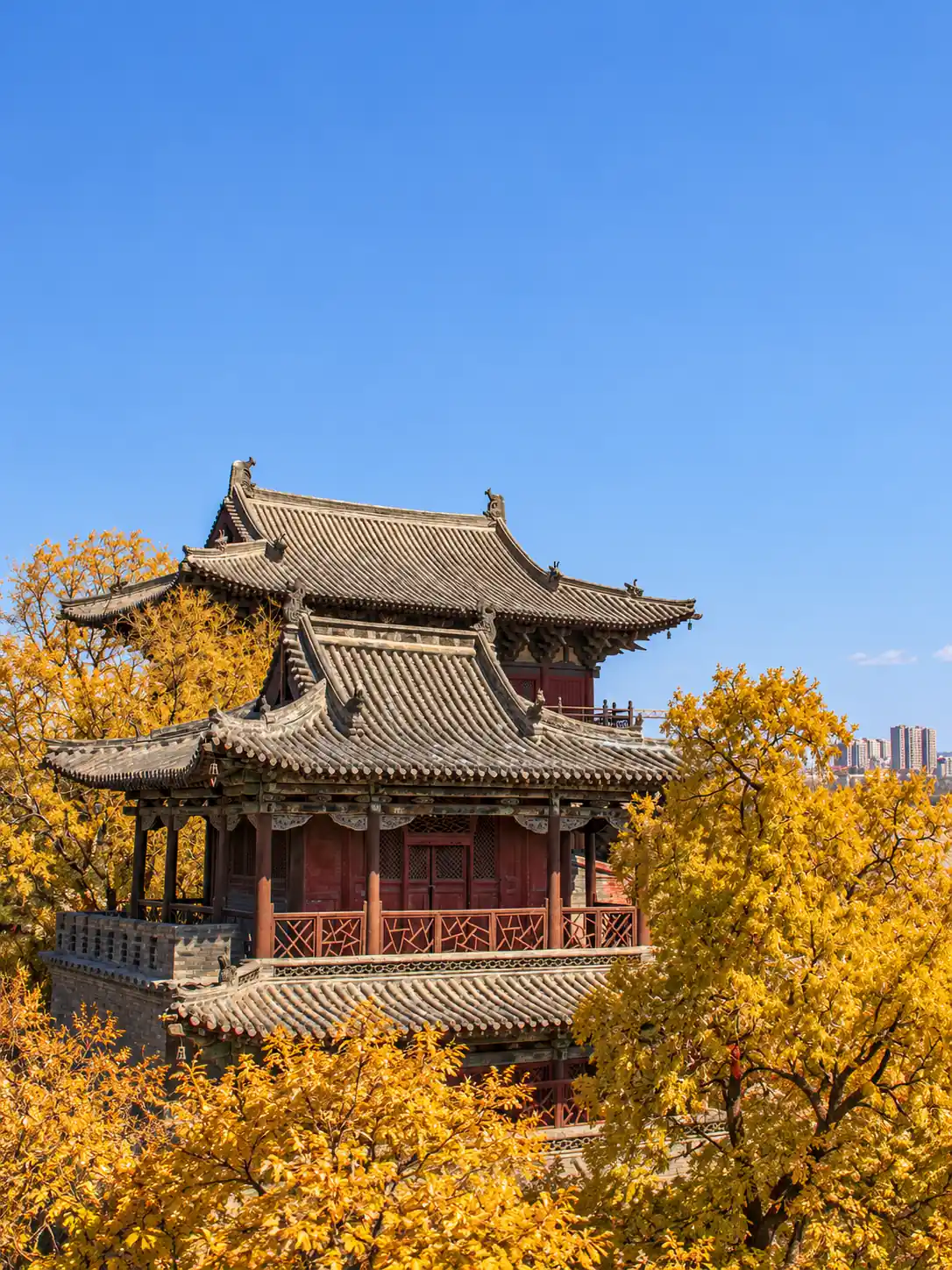
Early autumn is a useful period to consider for exploring temples, the ancient city and nearby heritage sites. Temperatures can drop as the season progresses, especially in the morning and evening, so pack warmer layers for late autumn visits.
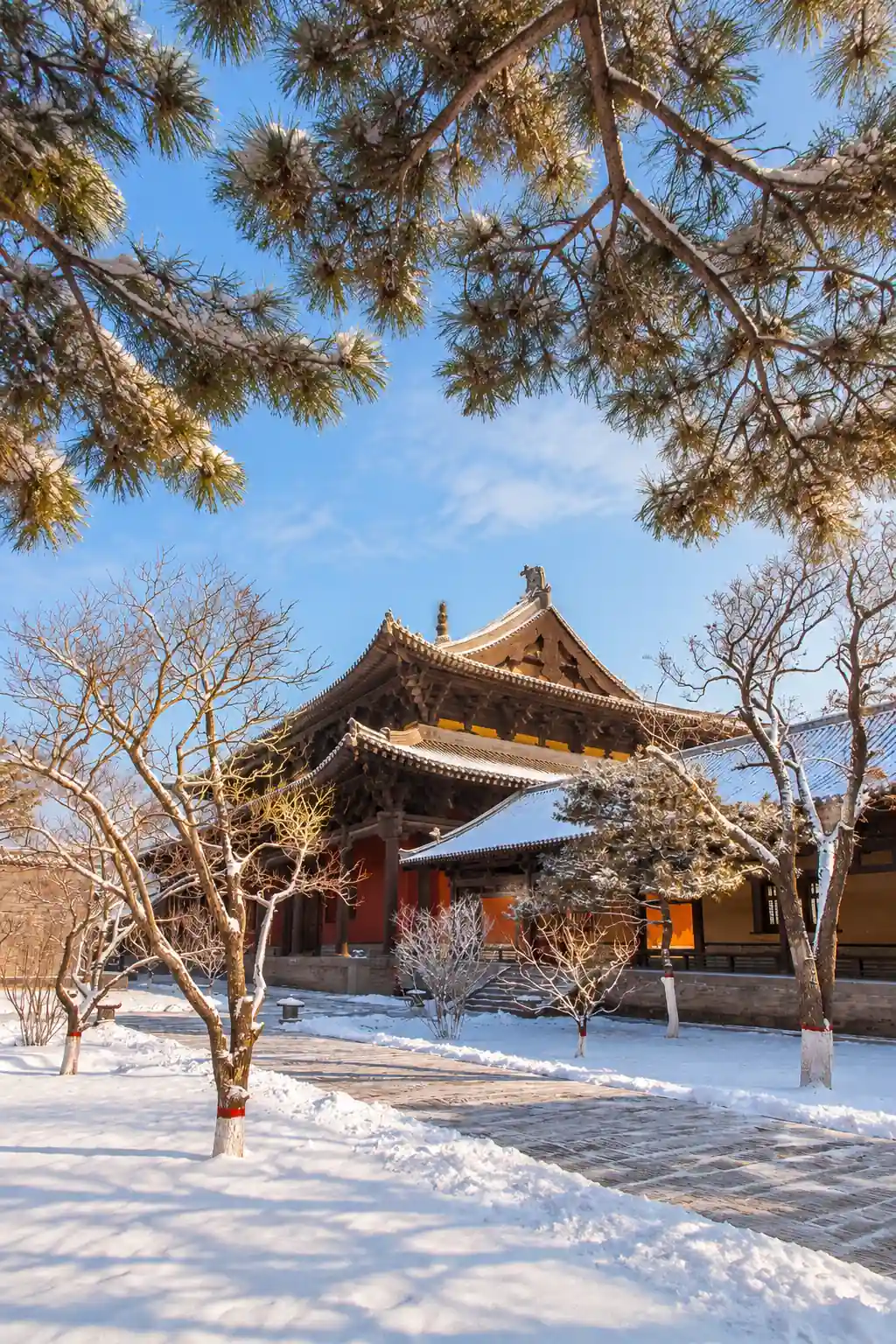
Winter brings cold conditions and can make extended outdoor sightseeing less comfortable. Dress warmly, check road and attraction conditions, and confirm opening arrangements before making a long journey to sites outside the city.
Arrive in Datong by high-speed train, conventional rail or domestic flight, then choose local transport to match your itinerary. Datong South Railway Station and Datong Railway Station are different stops; the UNESCO-listed Yungang Grottoes lie west of the city, while the Hanging Temple and Yingxian Wooden Pagoda are separate regional trips.
High-speed trains usually arrive at Datong South (大同南站), while conventional trains use Datong Railway Station (大同站). Within the old town, walking, buses and taxis can work well; for Yungang, allow a separate round trip, and for the Hanging Temple or Yingxian Wooden Pagoda, plan a longer excursion and your return transport before departure.
Datong South Railway Station (大同南站) handles the main high-speed services linking Datong with Beijing, Taiyuan, Pingyao and other cities. Search for the exact station name when booking: Datong South is not the same as Datong Railway Station. Book or verify your train on China Railway’s official 12306 service and allow time for the ride into the old town.
Check trains on 12306 ↗Datong South (大同南站) is the high-speed rail station, approximately 12 km from the city center; Datong Railway Station (大同站) mainly serves conventional trains and is closer to the older urban area. Do not rely on the word “Datong” alone in map apps or booking confirmations. Choose accommodation and a hotel transfer based on the station printed on your ticket.
Where to Stay in Datong →Many services run from Beijing North (北京北) or Qinghe (清河) to Datong South (大同南). A typical journey takes roughly 1 hour 45 minutes to 2 hours 40 minutes, depending on the train. Beijing has multiple railway stations, so confirm both ends of your ticket and plan the onward transfer from Datong South to your hotel.
Datong Yungang Airport (DAT) provides domestic air connections, subject to the routes operating on your travel dates. Compare flight availability and airport transfer time against the high-speed train—especially if you are starting in Beijing. Arrange your onward journey to Datong Ancient City or your hotel before landing.
For hotel transfers and longer journeys within Datong, taxis or app-based ride-hailing are usually more straightforward than navigating several bus changes with luggage. Save the Chinese destination name (for example, 大同古城 for Datong Ancient City) and check the estimated fare before setting out. The old-town sightseeing area is better explored on foot once you arrive.
Datong Travel Tips →Huayan Temple, Shanhua Temple, the Drum Tower and the Nine-Dragon Screen are in or around the historic center. Explore nearby stops on foot after arriving in the old town. Datong’s visitor transport guidance lists Bus 61 for several old-city landmarks and Bus 608 for the Nine-Dragon Screen / Huayan Temple area from its transport hub; confirm your boarding stop and current route before traveling.
Explore Old-Town Sights →The Yungang Grottoes (云冈石窟) are roughly 16 km west of central Datong. Taxis or ride-hailing can be convenient; public transport options include Bus 603 from the Datong Railway Station area and sightseeing services from transport hubs, subject to current operations. Allow time for the return trip as well as approximately 2.5–4 hours exploring the caves and site.
See the Datong Itineraries →The Hanging Temple (Xuankong Si, 悬空寺) is near Hunyuan and generally needs a substantial journey from Datong; public transport may involve the Hengshan Tourist Center and a local shuttle. The Yingxian Wooden Pagoda (应县木塔) is in Ying County, Shuozhou—not in Datong’s old town. With a pre-arranged driver, both may fit into one full day; with public transport, plan conservatively, check visitor access and confirm your return before leaving.
Explore Datong Attractions →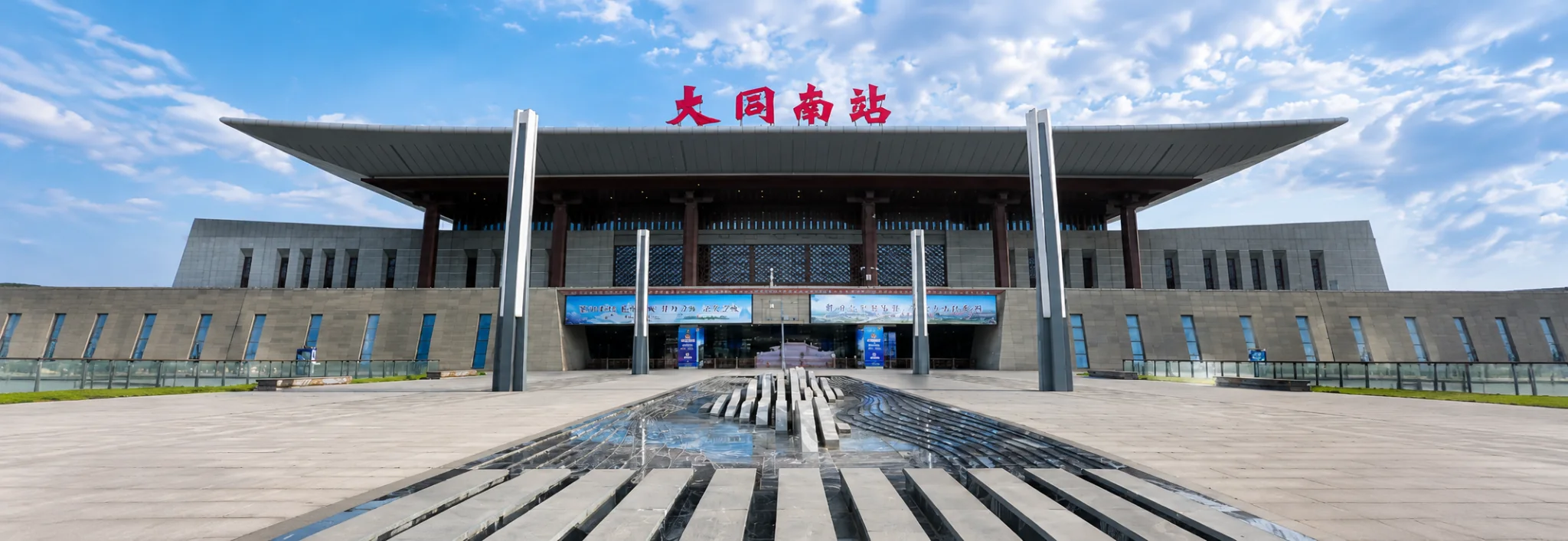
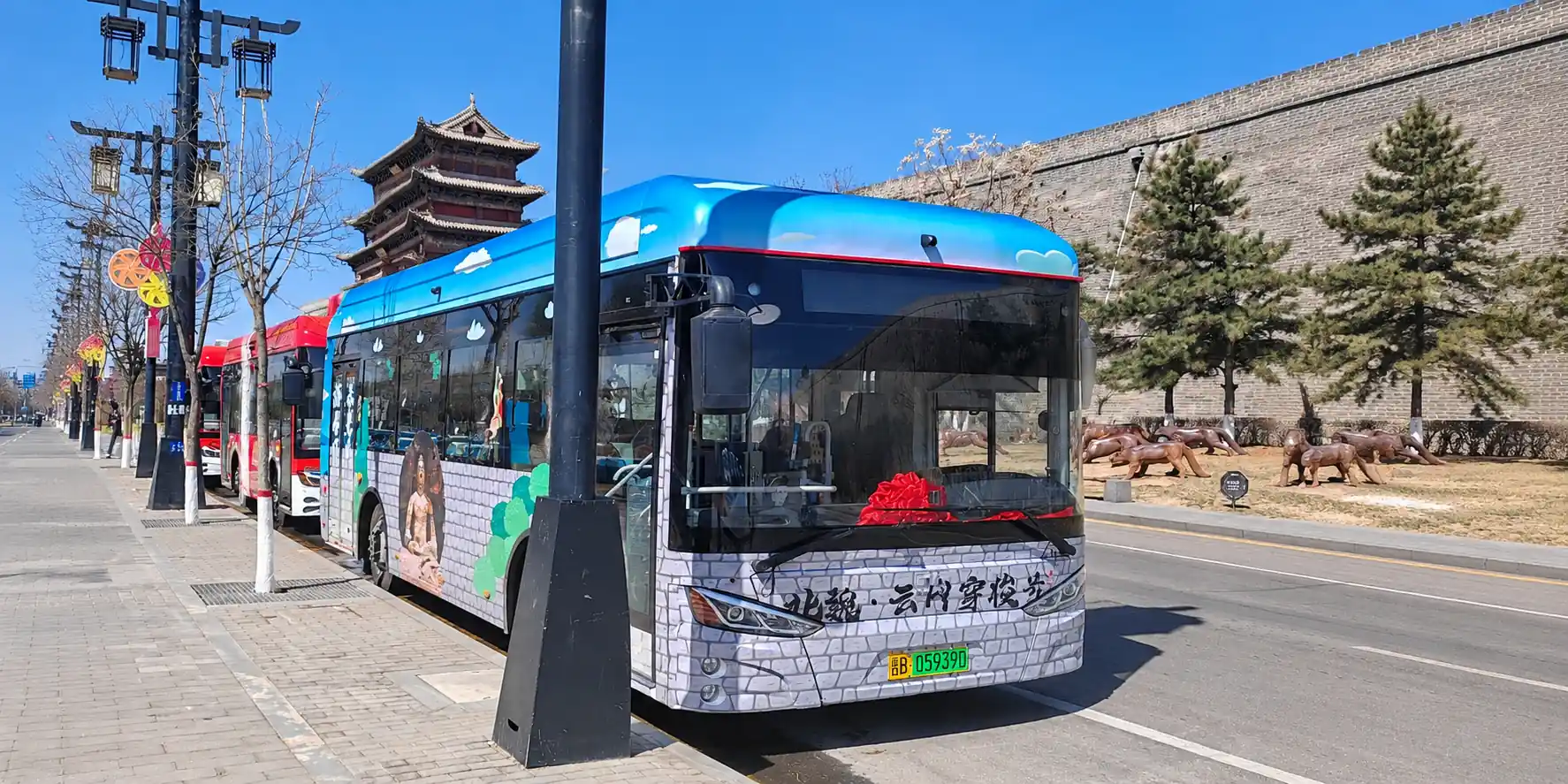
Build your route around your rail arrival station, time in Datong Ancient City, a visit to the Yungang Grottoes and any separate excursion to the Hanging Temple or Yingxian Wooden Pagoda. Confirm ticket availability, attraction access and your return transfer before committing to a full-day itinerary.
Choosing the right place to stay in Datong depends on your sightseeing plans, arrival station and preferred travel style. The ancient city area is a practical base for historic temples, local restaurants and evening walks, while accommodation near Datong South Railway Station may suit travelers prioritizing high-speed rail connections. Consider your daily routes before booking.
For many first-time visitors, staying in or near Datong Ancient City makes it easier to explore the historic center, visit nearby temples and find local restaurants. It is a useful base for travelers who want to experience the city's cultural heritage without making every outing begin at the railway station. Check the exact hotel location and transport arrangements before booking.


Choose this area if you want to explore the historic center, visit temples and enjoy local food nearby. Compare individual hotel locations because walking distances and access to attractions can vary.
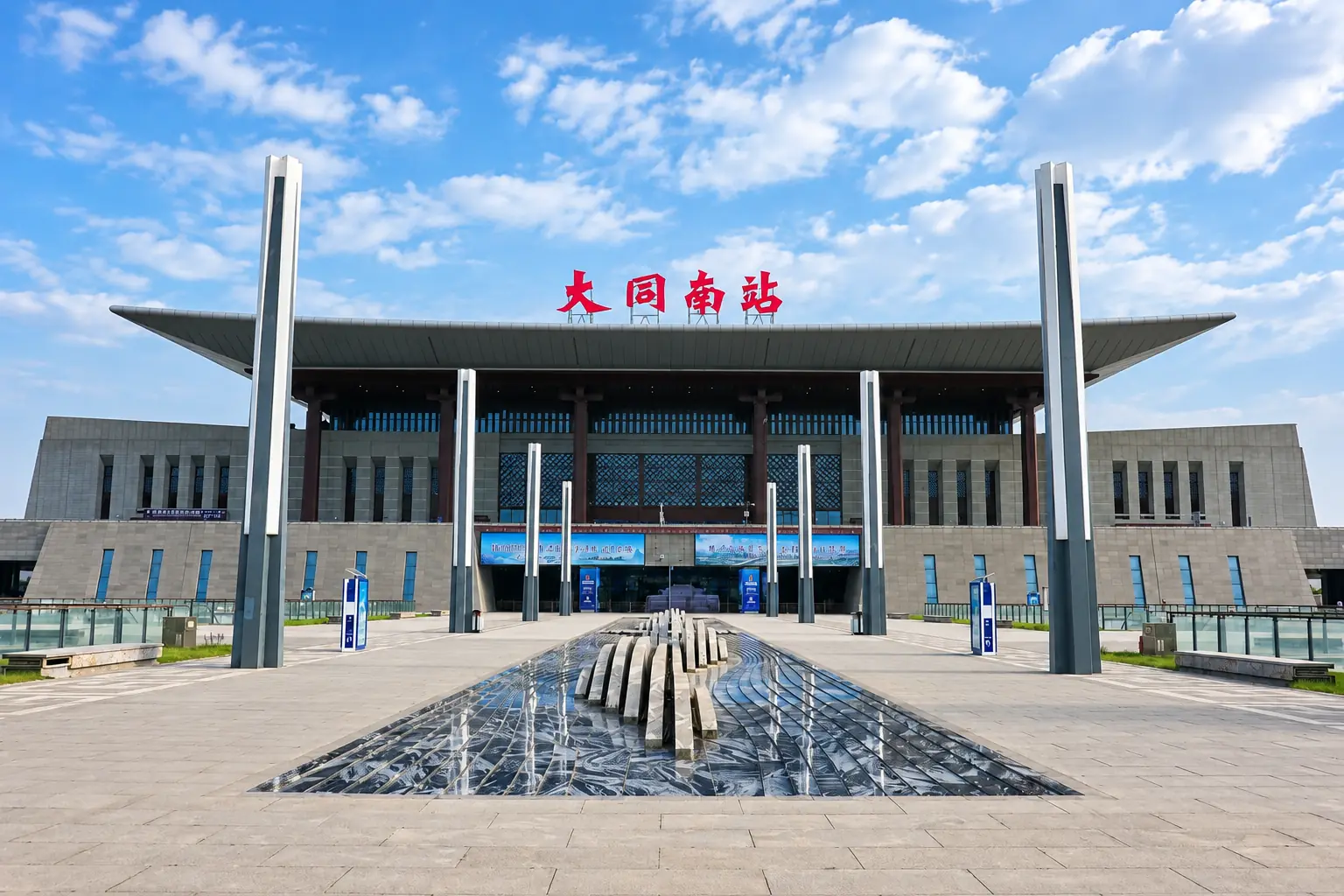
This area may suit travelers arriving late, departing early or prioritizing rail connections. Check the distance to the station and the transport available for reaching the ancient city and main attractions.
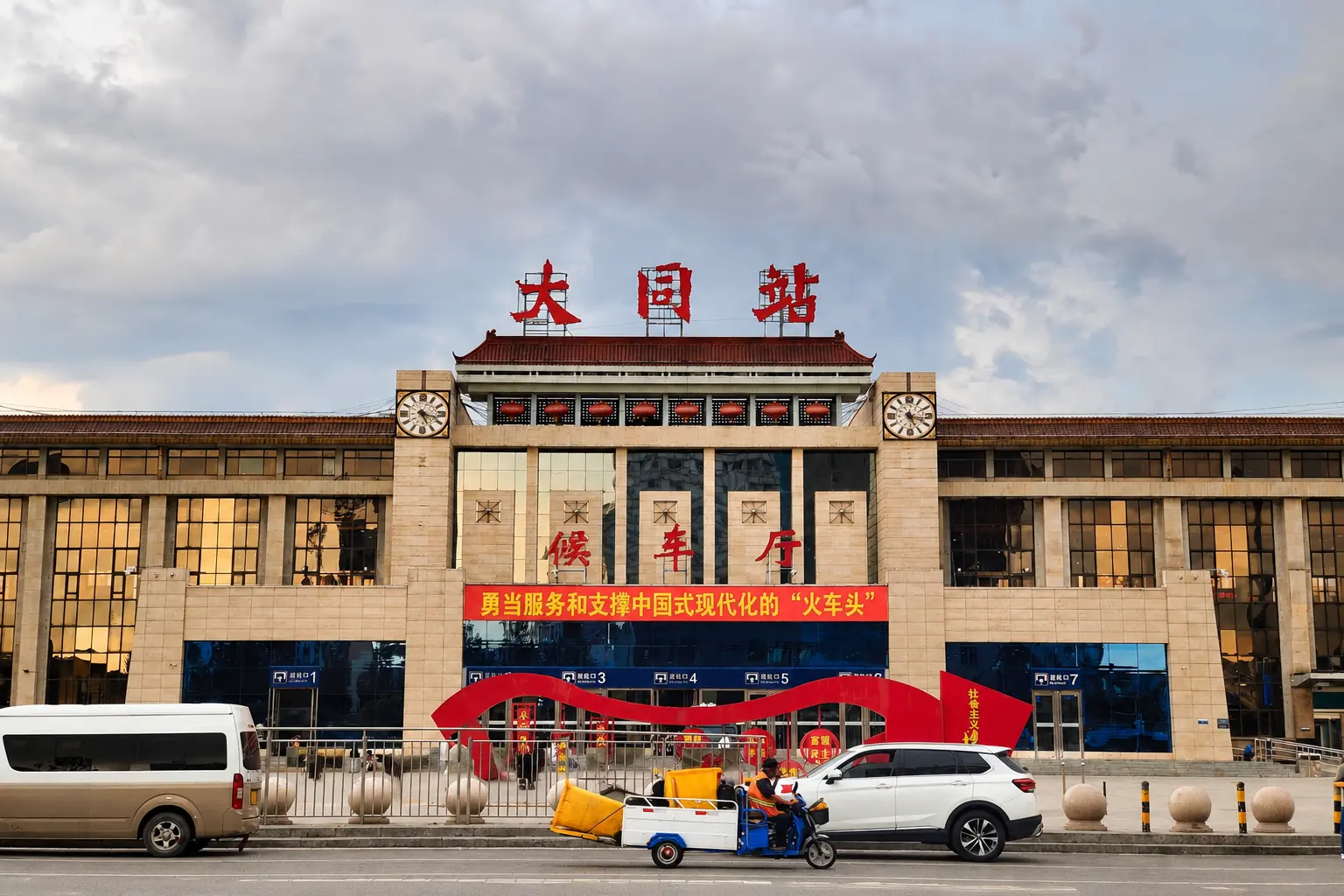
If your train uses Datong Railway Station rather than Datong South, staying nearby may simplify arrival and departure. Confirm your actual station before reserving accommodation, as the two stations serve different locations.

Modern hotel districts may offer a wider choice of room types, facilities and parking options. Compare the property's exact location, transport access and journey times to the ancient city and the attractions on your itinerary.
Before booking, compare your arrival station, daily sightseeing route, hotel location and plans for regional excursions. A convenient base can help reduce unnecessary transfers during your trip.
Datong is a useful starting point for exploring northern Shanxi's Buddhist heritage, historic architecture and surrounding landscapes. Visit the Hanging Temple and Mount Heng, explore the Yingxian Wooden Pagoda, or plan a longer journey to Wutaishan and Pingyao Ancient City. Choose destinations according to your available days and confirmed transport arrangements.
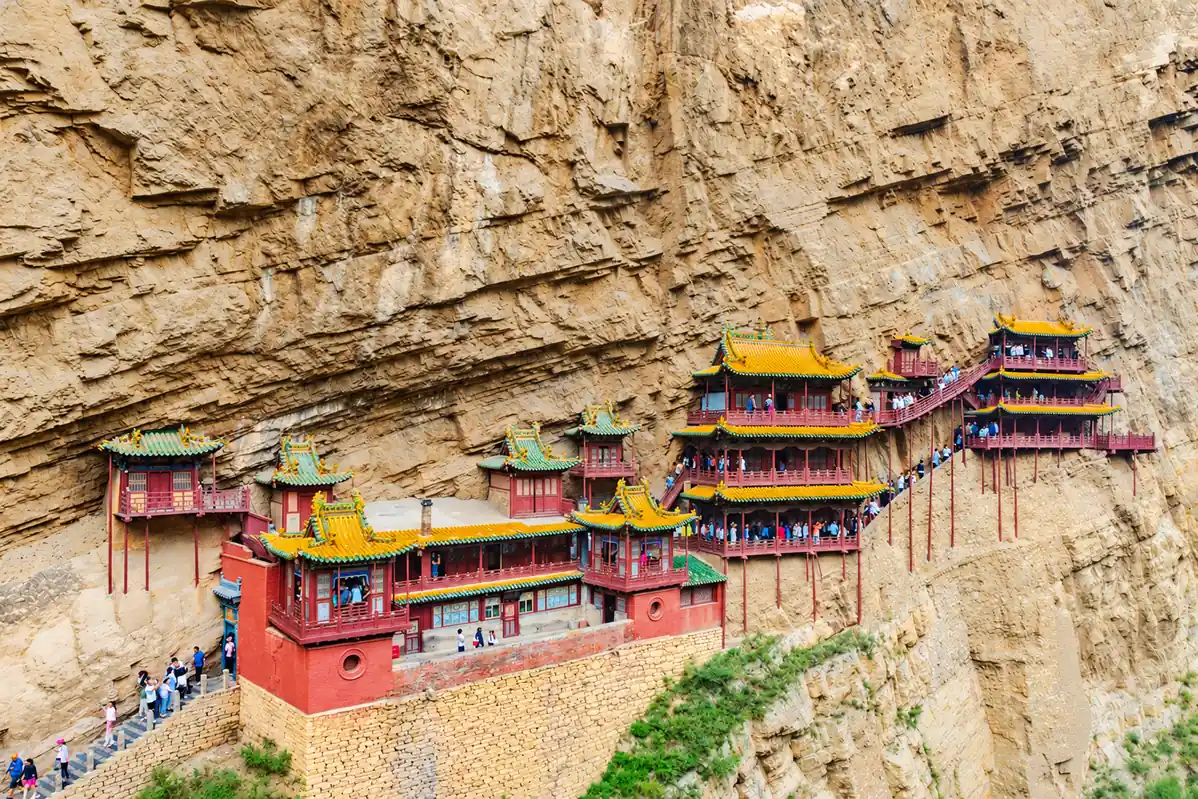
Near Hunyuan County, the Hanging Temple is known for its cliffside setting and distinctive blend of Buddhist, Taoist and Confucian traditions. Combine it with a visit to the Mount Heng area when transport, weather and attraction access allow. Check current visitor arrangements before departure.
Plan Your Datong Itinerary →
Discover one of northern Shanxi's best-known historic timber structures. Plan the journey from Datong separately, and check visitor access and transport options before departure.

Mount Wutai is an important Buddhist pilgrimage destination with historic temples and mountain scenery. Allow additional time for transport, temple visits and seasonal access conditions.
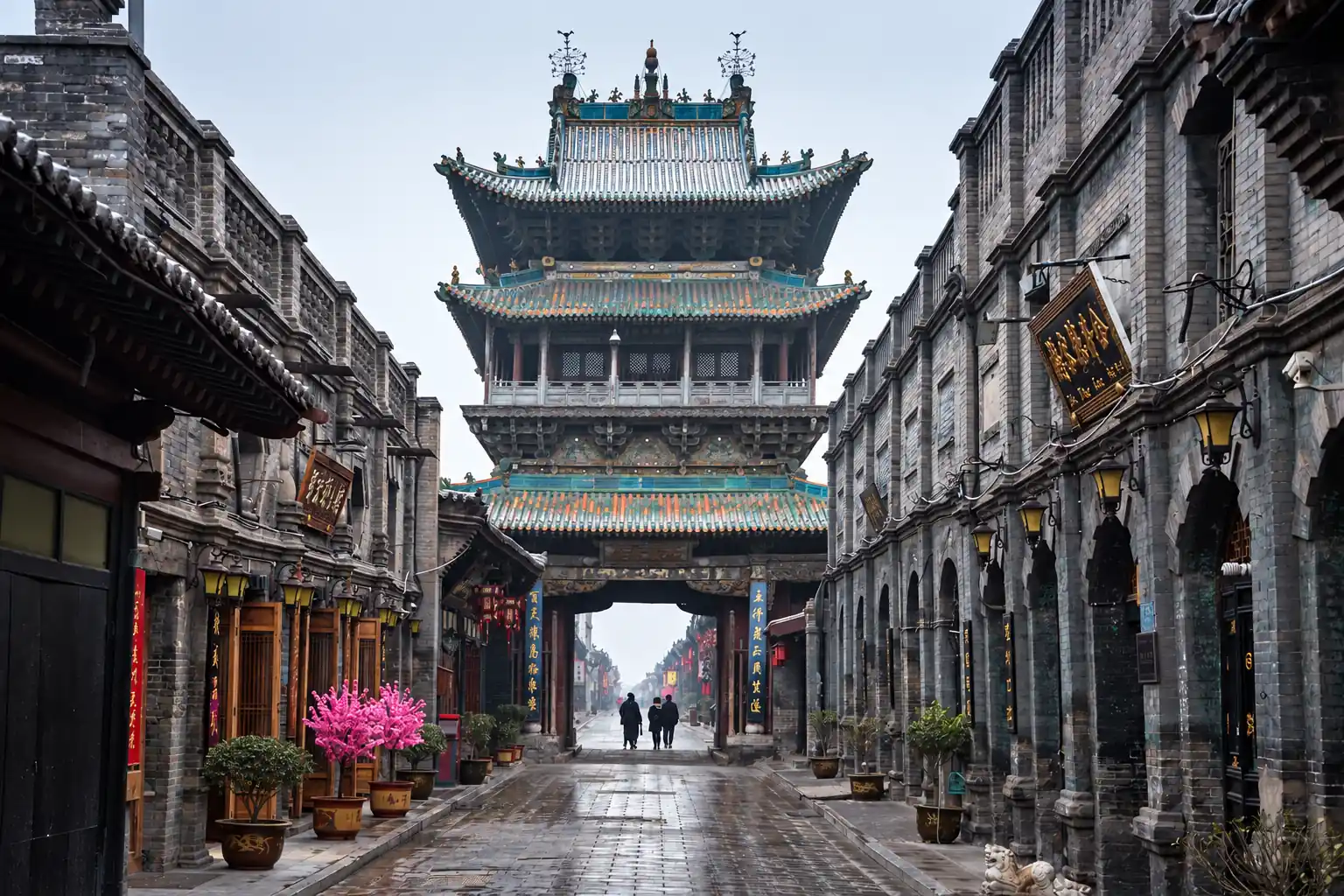
Explore preserved city walls, historic streets and traditional merchant residences. Pingyao is better planned as part of a wider Shanxi itinerary than as a quick trip from Datong.
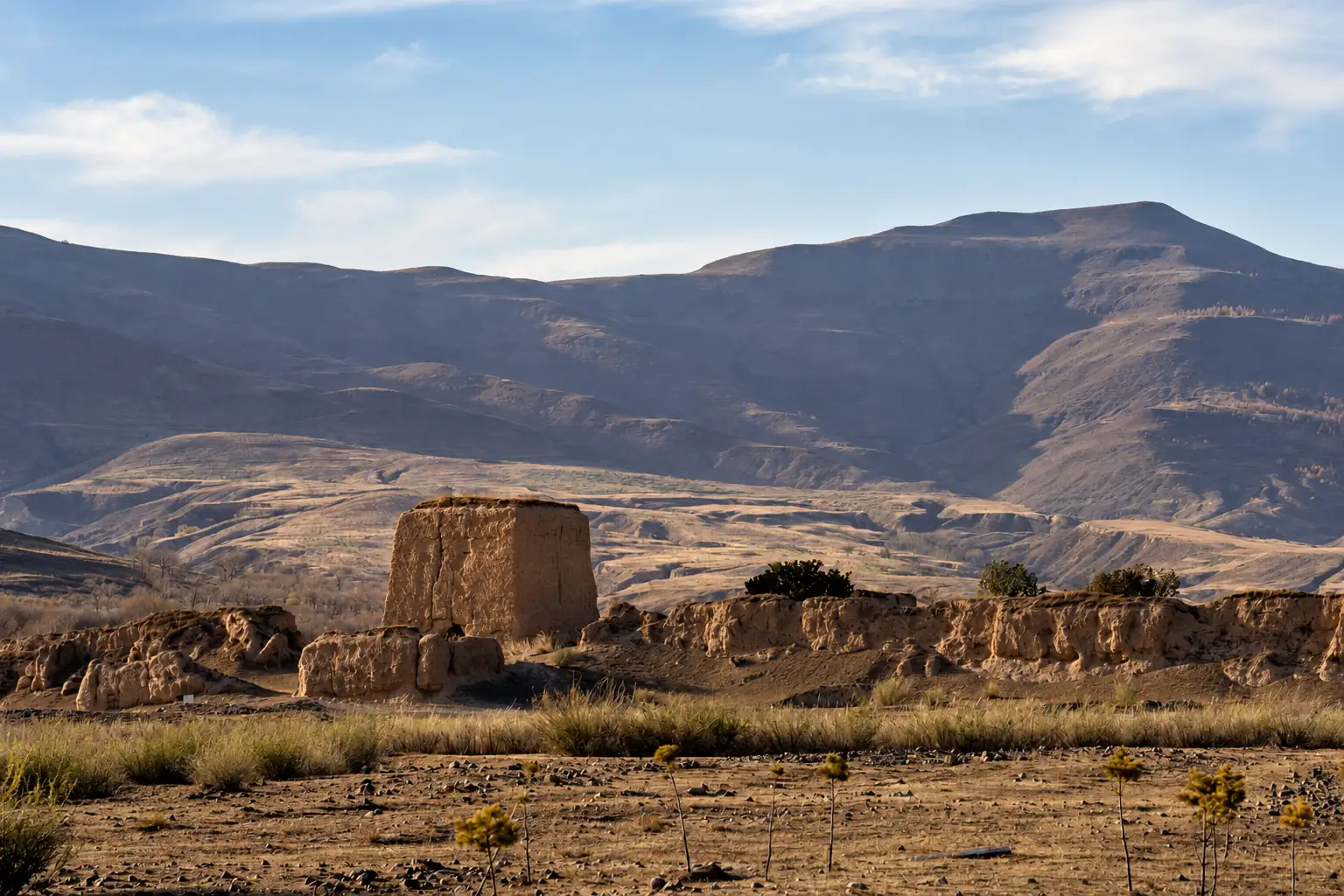
Explore the region's frontier-defense heritage. Great Wall sections vary in preservation, accessibility and facilities, so select a specific location before planning your visit.
Travel times, public transport schedules, attraction access and visitor restrictions can change. Confirm the details for your chosen destinations before booking transport or finalizing your itinerary.