SILK ROAD • CAVE ART • DESERT LANDSCAPES

Dunhuang Travel Guide

Plan your Dunhuang trip in western Gansu at the western end of the Hexi Corridor, with a practical guide to the Mogao Caves, Mingsha Mountain and Crescent Spring, ancient Silk Road sites, desert landscapes, suggested itineraries, transportation and essential travel tips. Discover how many days to spend, when to visit, and how to experience Dunhuang at a comfortable pace.

Recommended Stay
2–4 Days
Ideal for a first visit
Best For
Silk Road & Desert
History, cave art and landscapes
Must-See
Mogao Caves
Plus Mingsha Mountain & Crescent Spring
Trip Style
Culture + Adventure
Historic sites and desert experiences
Build Your Dunhuang Trip

Plan Your Dunhuang Trip & Itinerary

Start planning your Dunhuang trip with the right number of days, must-see attractions, Silk Road sites, desert experiences, seasonal advice and practical travel tips for a first visit.

Recommended for First-Time Visitors

The Ideal First-Time Dunhuang Trip

Begin with the Mogao Caves, then experience Mingsha Mountain and Crescent Spring in the desert. With more time, travel west across the Gobi to Yumen Pass, the Han Dynasty Great Wall ruins and Dunhuang Yadan National Geopark.

Best overall plan 2–4 days · Mogao Caves + desert highlights · add the western Silk Road sites with an extra day
Before You Arrive
Reserve your Mogao Caves visit in advance, especially during busy travel periods
Keep your passport or valid travel document with you for attraction entry
Allow enough time for the Mogao Caves visit rather than treating it as a quick photo stop
Bring sun protection, water and comfortable walking shoes for desert sightseeing
Plan remote western attractions such as Yumen Pass and Yadan as a separate excursion
Check seasonal temperatures and wind conditions before heading into the desert
Jump to Itineraries

Best Time to Visit Dunhuang

Spring and autumn are excellent choices for sightseeing, with milder conditions for caves, historic sites and outdoor desert landscapes.

Spring Summer Autumn Winter

Customize Your Dunhuang Journey

Build a private Dunhuang trip around your arrival time, Mogao Caves reservation, desert sightseeing and remote Silk Road sites with a flexible guide and driver.

Private Guide Private Driver Flexible Route

Continue Planning Your Dunhuang Trip

Explore Dunhuang’s major attractions, Mogao Caves, desert experiences, Silk Road heritage and suggested itineraries for first-time visitors.

Why Dunhuang

Why Visit Dunhuang?

Dunhuang is one of China’s most distinctive Silk Road destinations, where Buddhist cave art, ancient frontier history and dramatic desert landscapes come together around a historic oasis in western Gansu.

Explore the Mogao Caves

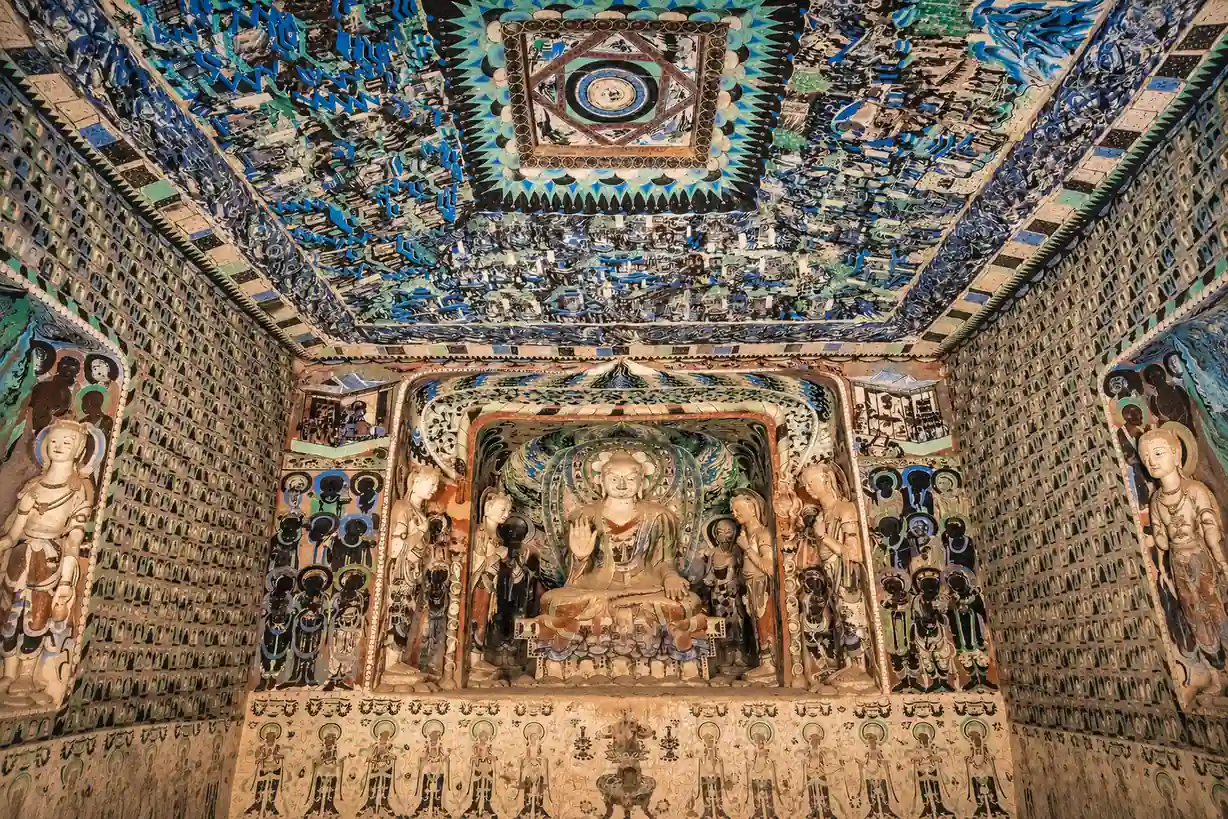
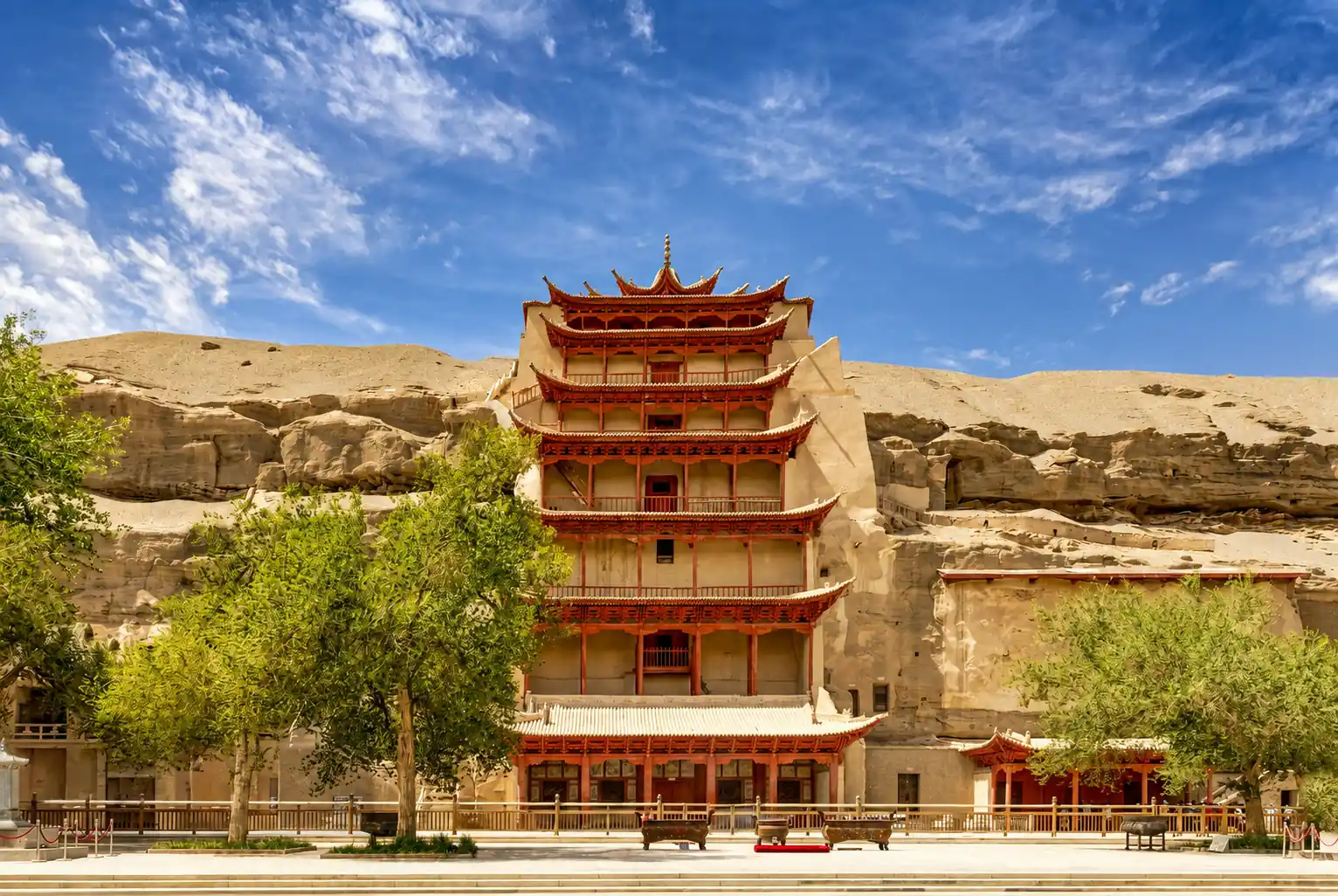
The Mogao Caves, also known as the Mogao Grottoes, are Dunhuang’s defining cultural treasure, preserving hundreds of cave temples with Buddhist murals and painted sculptures created over many centuries.

Plan Your Mogao Caves Visit →

Follow the Ancient Silk Road

Dunhuang once stood at a major crossroads linking China with Central Asia. Its surrounding passes, fortifications and ruins reveal how travelers, merchants and ideas moved along the Silk Road.

Discover Dunhuang’s Silk Road Story →

Experience the Desert Landscape

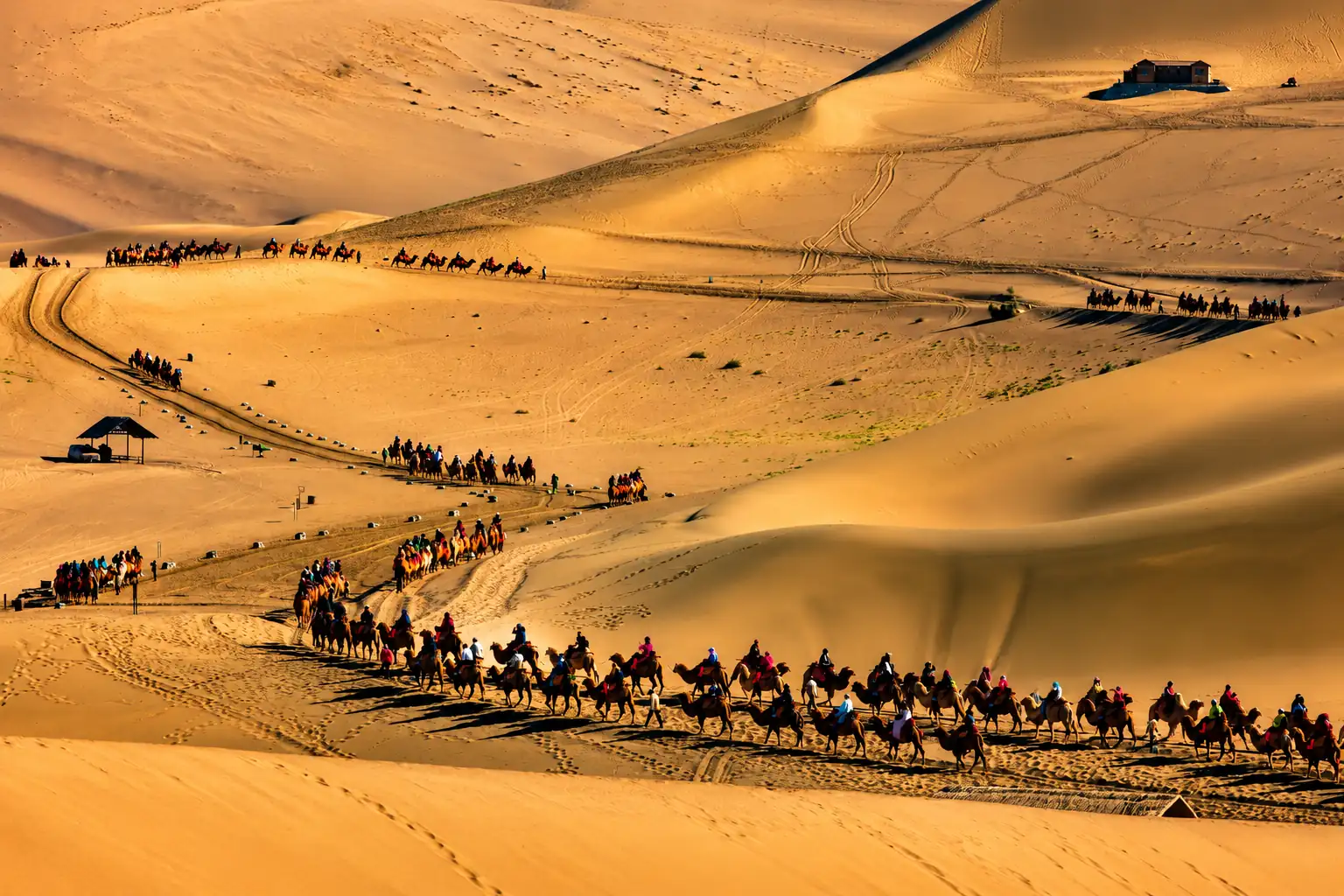
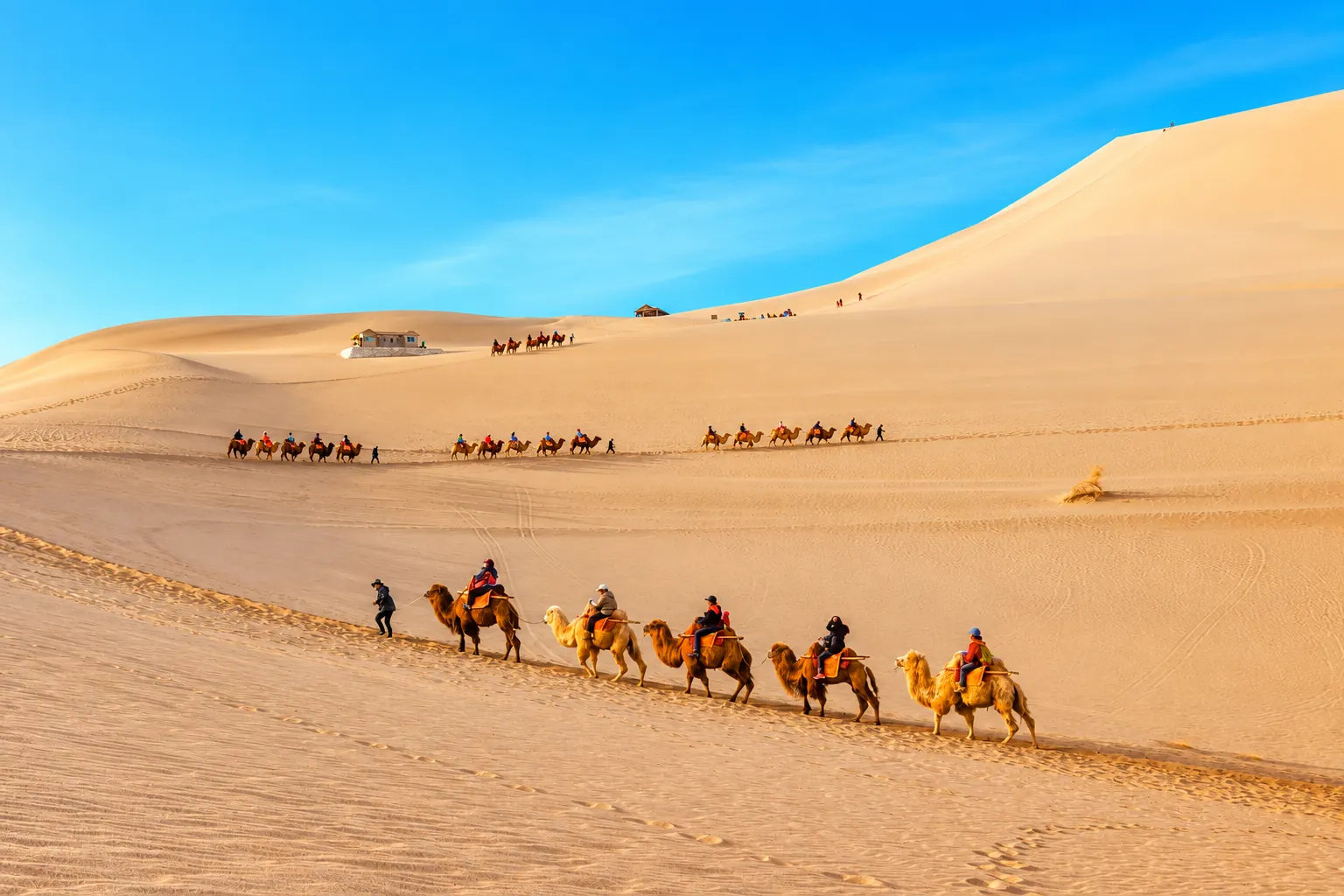
Walk among the dunes of Mingsha Mountain, also known as the Singing Sand Mountains, see Crescent Spring beside the desert and watch the light change across the Gobi landscape.

Explore Desert Experiences →

Discover China’s Ancient Frontier

Travel west to Yumen Pass, sections of the Han Dynasty Great Wall and remote desert sites that once guarded the routes leading beyond China’s northwestern frontier.

Explore Ancient Frontier Sites →
Is Dunhuang Worth Visiting?

Yes — especially for travelers interested in history, art and the Silk Road.

Few destinations in China combine a major Buddhist cave complex, Silk Road heritage and accessible desert scenery as closely as Dunhuang. Two to four days is enough for most first-time visitors to see the main highlights, while longer stays allow time for the remote historic sites west of the city.

Must-See Places

Top Attractions and Places to Visit in Dunhuang

Discover Dunhuang’s essential sights, from the Mogao Caves and Mingsha Mountain to Crescent Spring, ancient Silk Road passes, Han Dynasty frontier ruins and the wind-carved landscapes of the Gobi Desert.
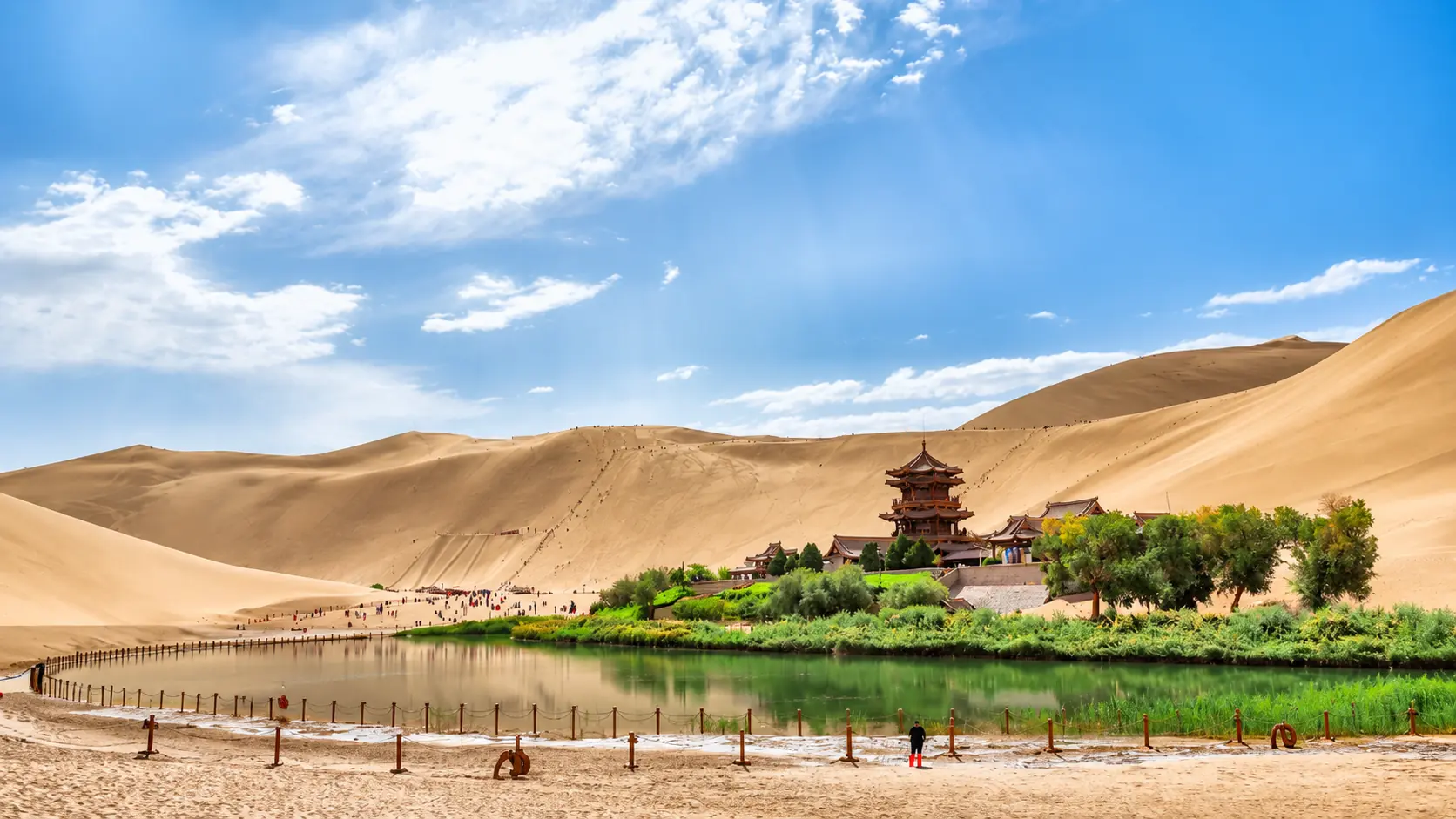
Mingsha Mountain sand dunes in Dunhuang

Mingsha Mountain

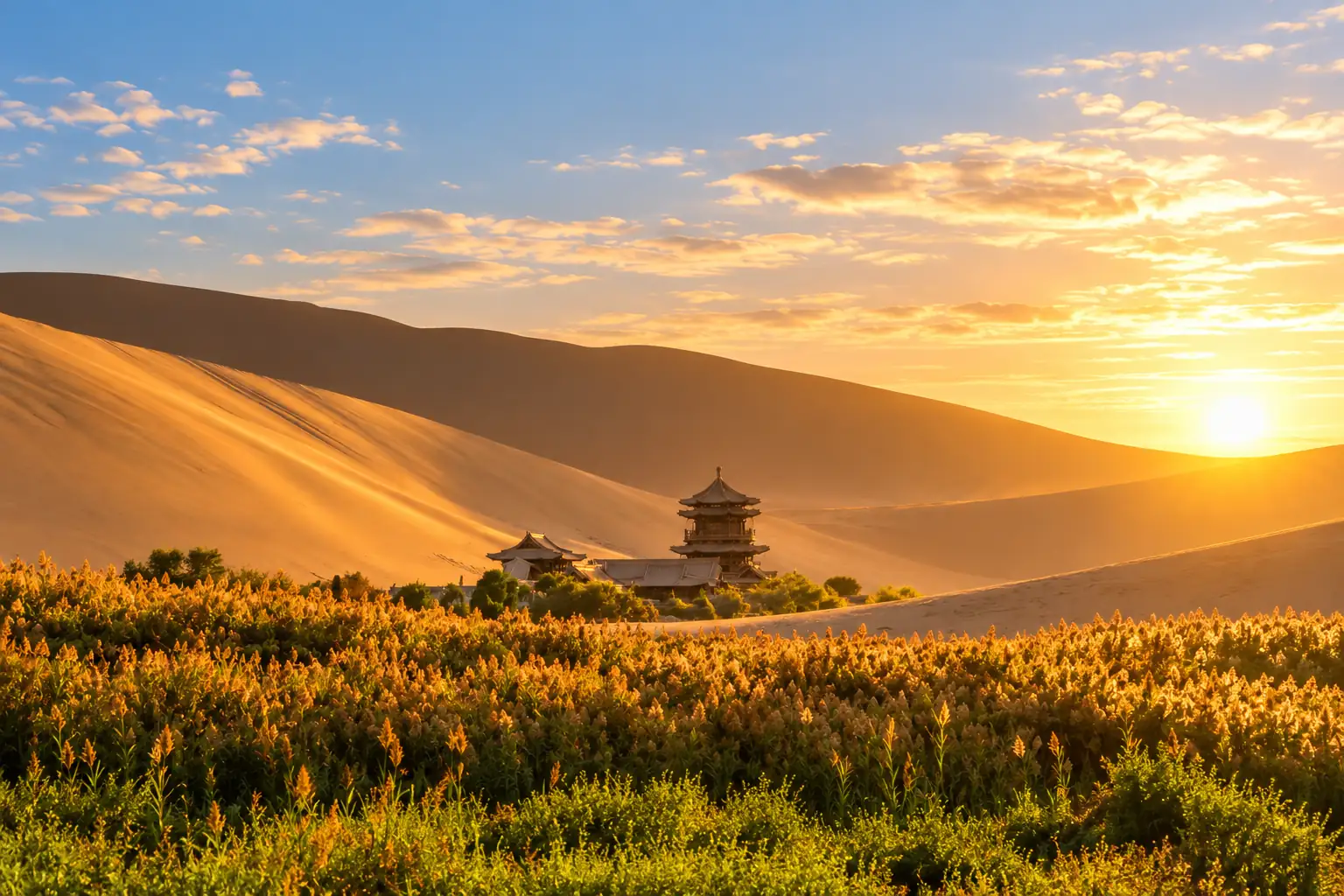
Walk among the dunes of Mingsha Mountain, also known as the Singing Sand Mountains, just south of Dunhuang. Late afternoon is especially popular for softer light, cooler conditions and sunset views across the desert.
2–3 Hours Best in Late Afternoon
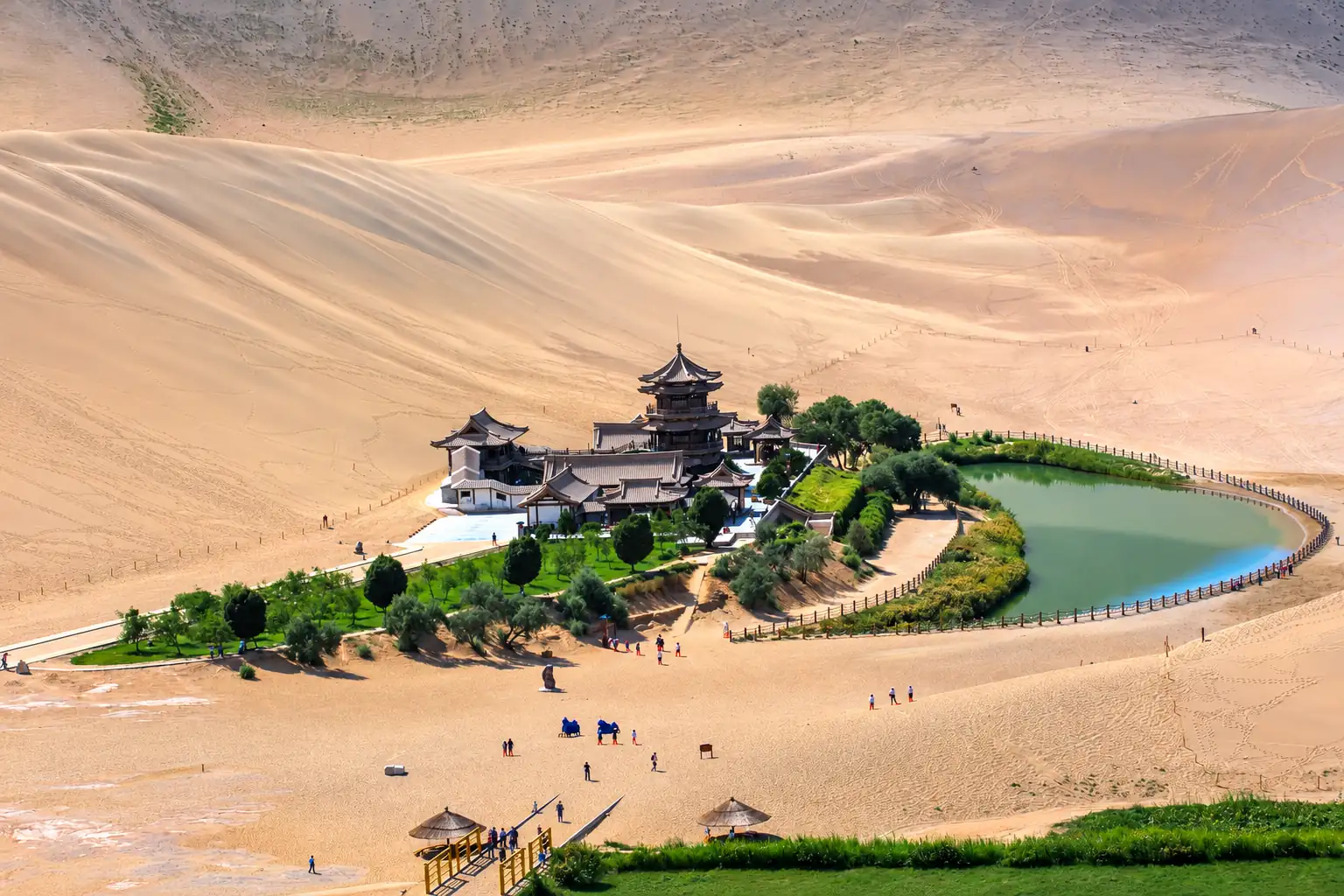
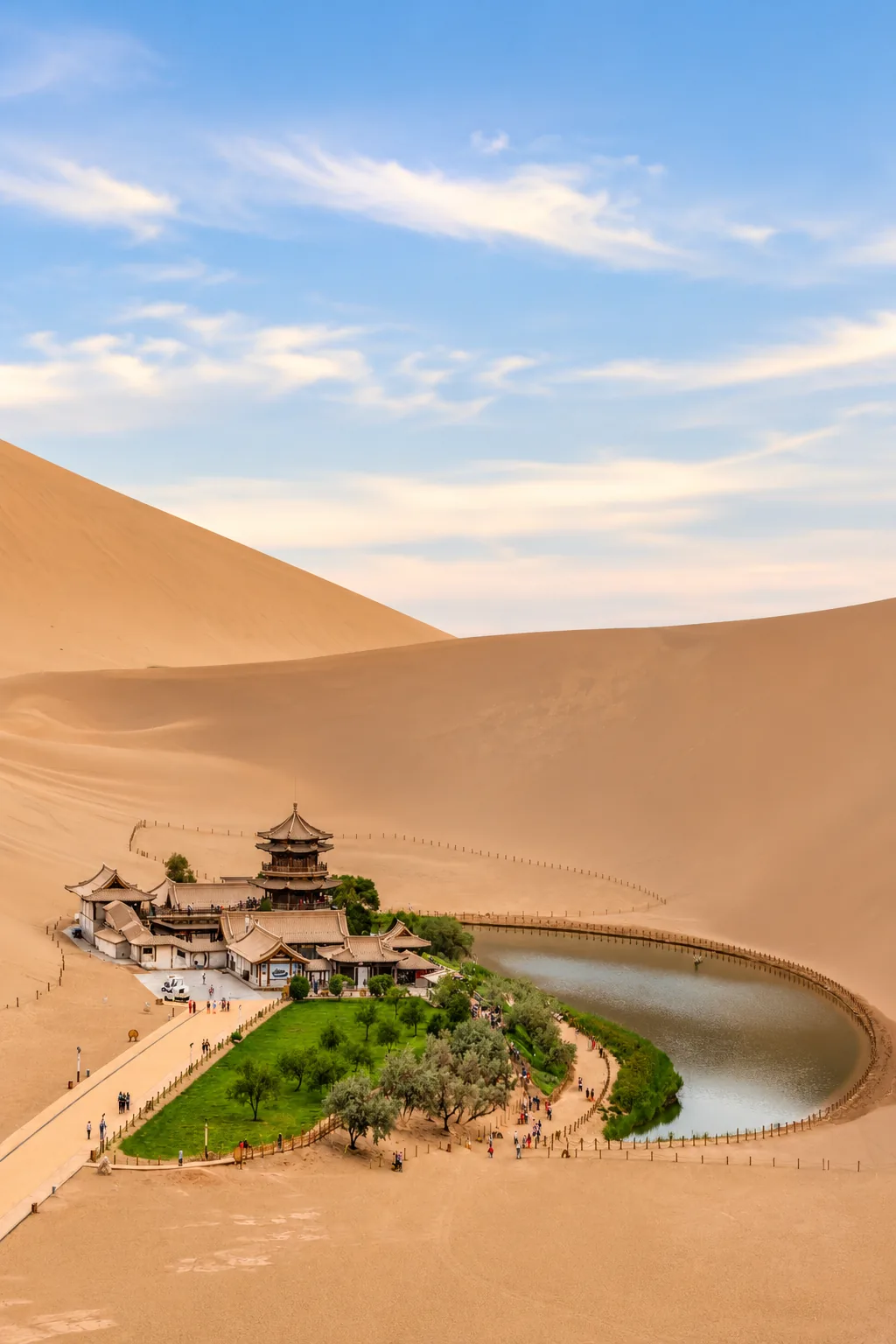
Crescent Spring beside Mingsha Mountain in Dunhuang

Crescent Spring

See the crescent-shaped oasis, also known as Crescent Lake or Yueyaquan, surrounded by the dunes of Mingsha Mountain. The spring and sand dunes are normally visited together and form one of Dunhuang’s most recognizable landscapes.
Visit with Mingsha Mountain Desert Oasis
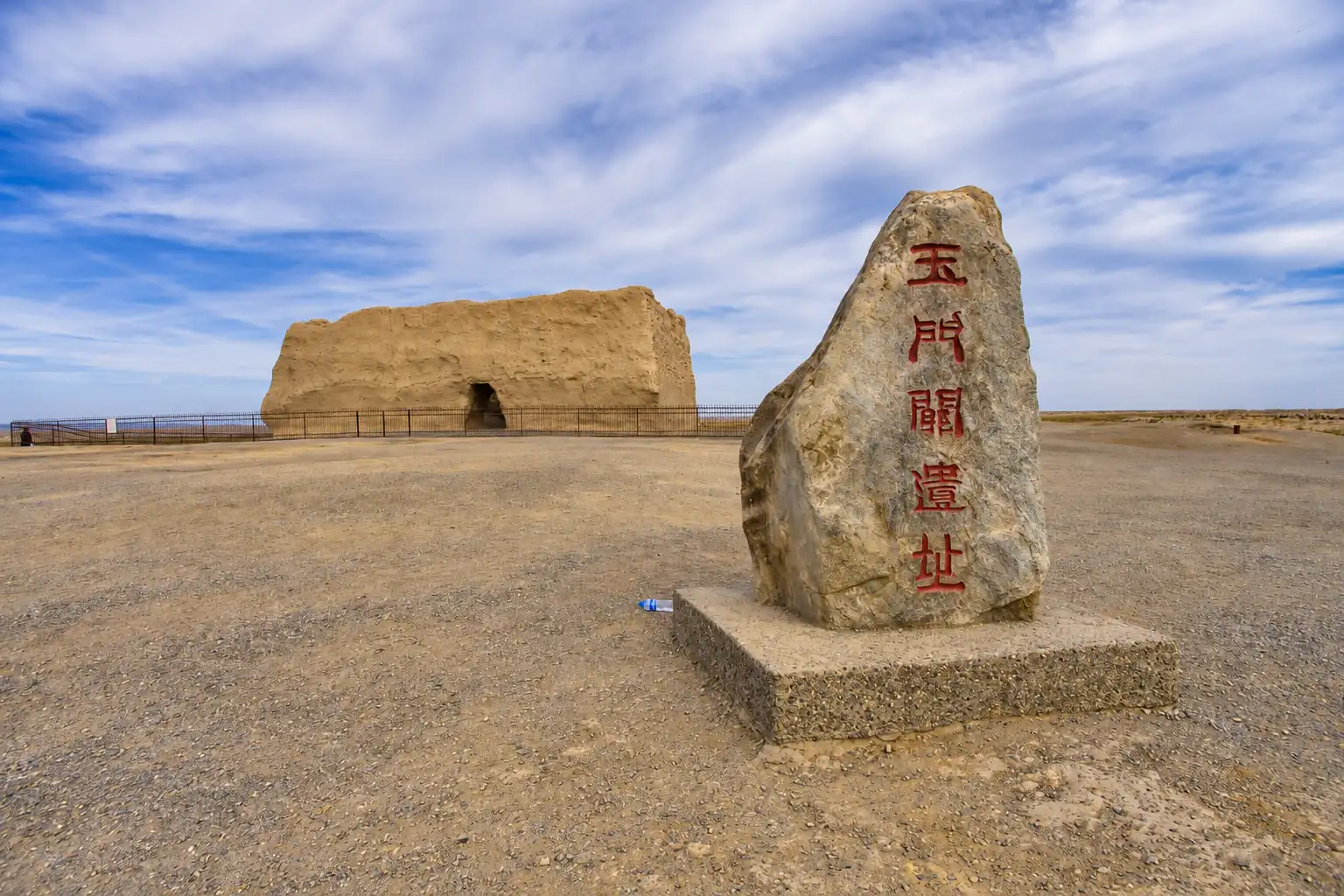
Yumen Pass ancient Silk Road ruins near Dunhuang

Yumen Pass

Travel into the Gobi to one of the ancient gateways that once controlled routes between China and the Western Regions. Yumen Pass is one of the key historic stops on Dunhuang’s western Silk Road route.
Western Dunhuang Route Silk Road History
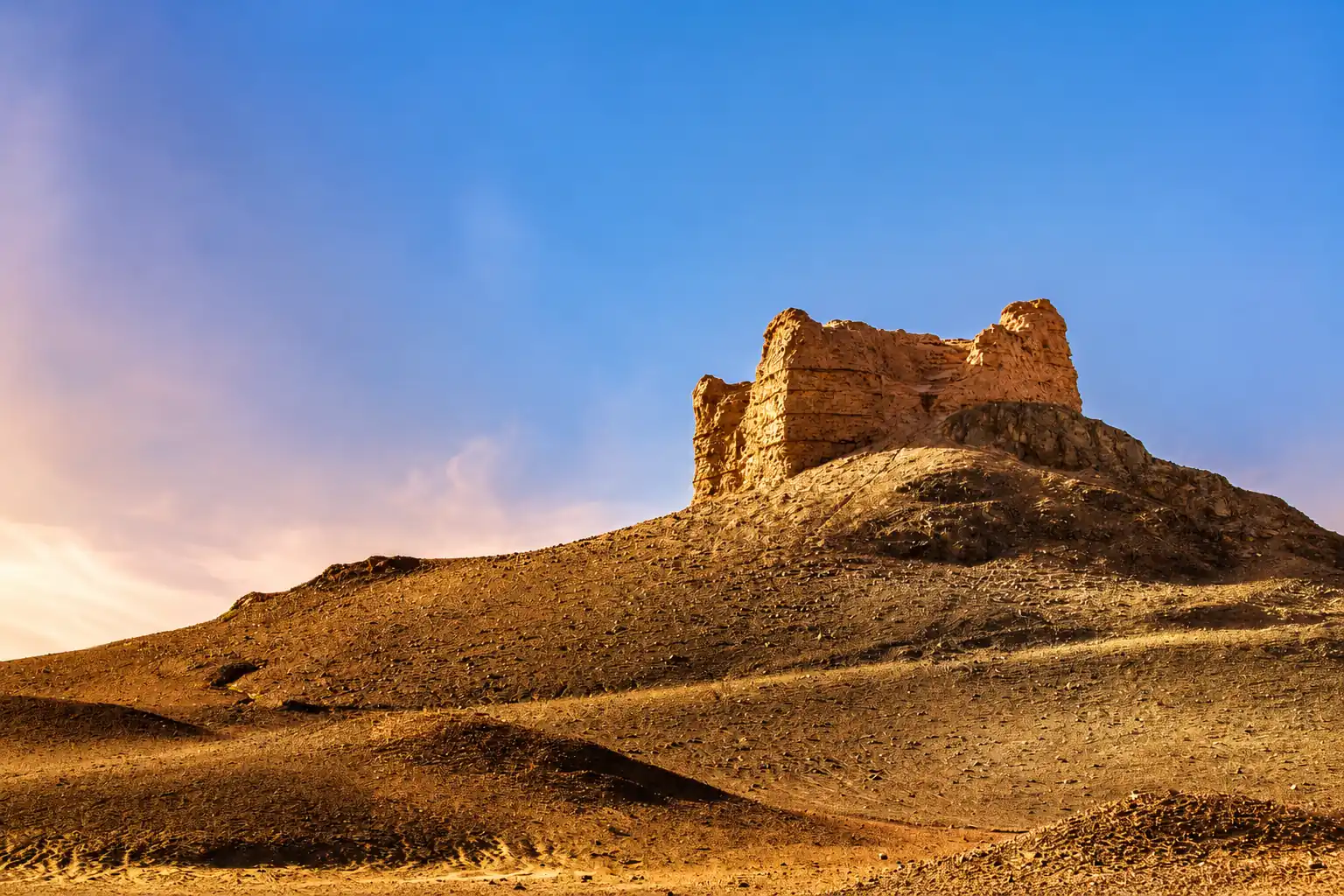
Han Dynasty Great Wall ruins near Dunhuang

Han Dynasty Great Wall

See surviving sections of an early Great Wall frontier system built across the desert during the Han Dynasty. The remains illustrate how ancient China protected routes and communication corridors leading west.
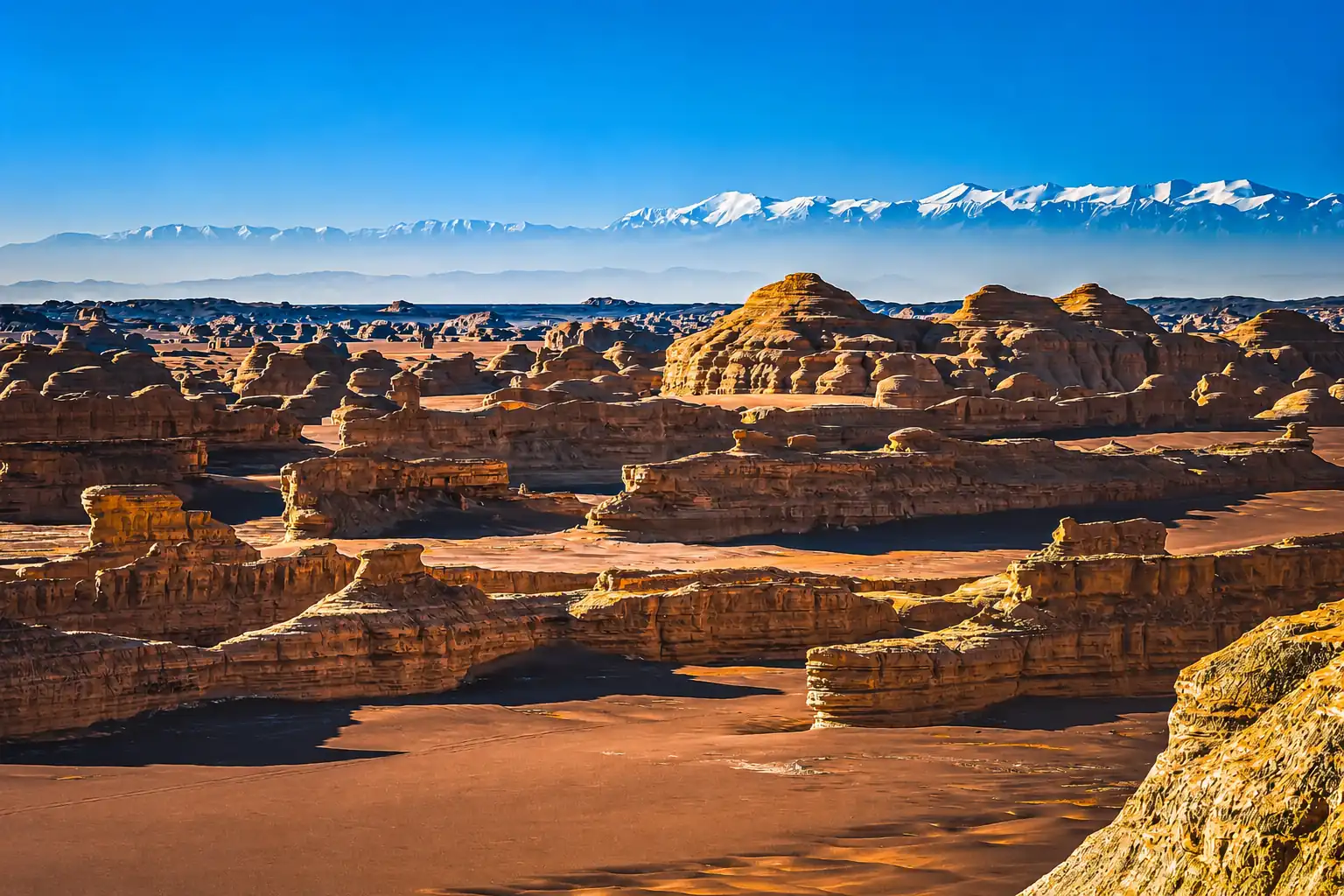
Ancient Frontier Site Combine with Yumen Pass
Yadan desert rock formations near Dunhuang

Dunhuang Yadan National Geopark

Explore a remote Gobi landscape shaped by wind erosion, where striking rock formations rise from the desert. The geopark is normally included in a longer western Dunhuang excursion.
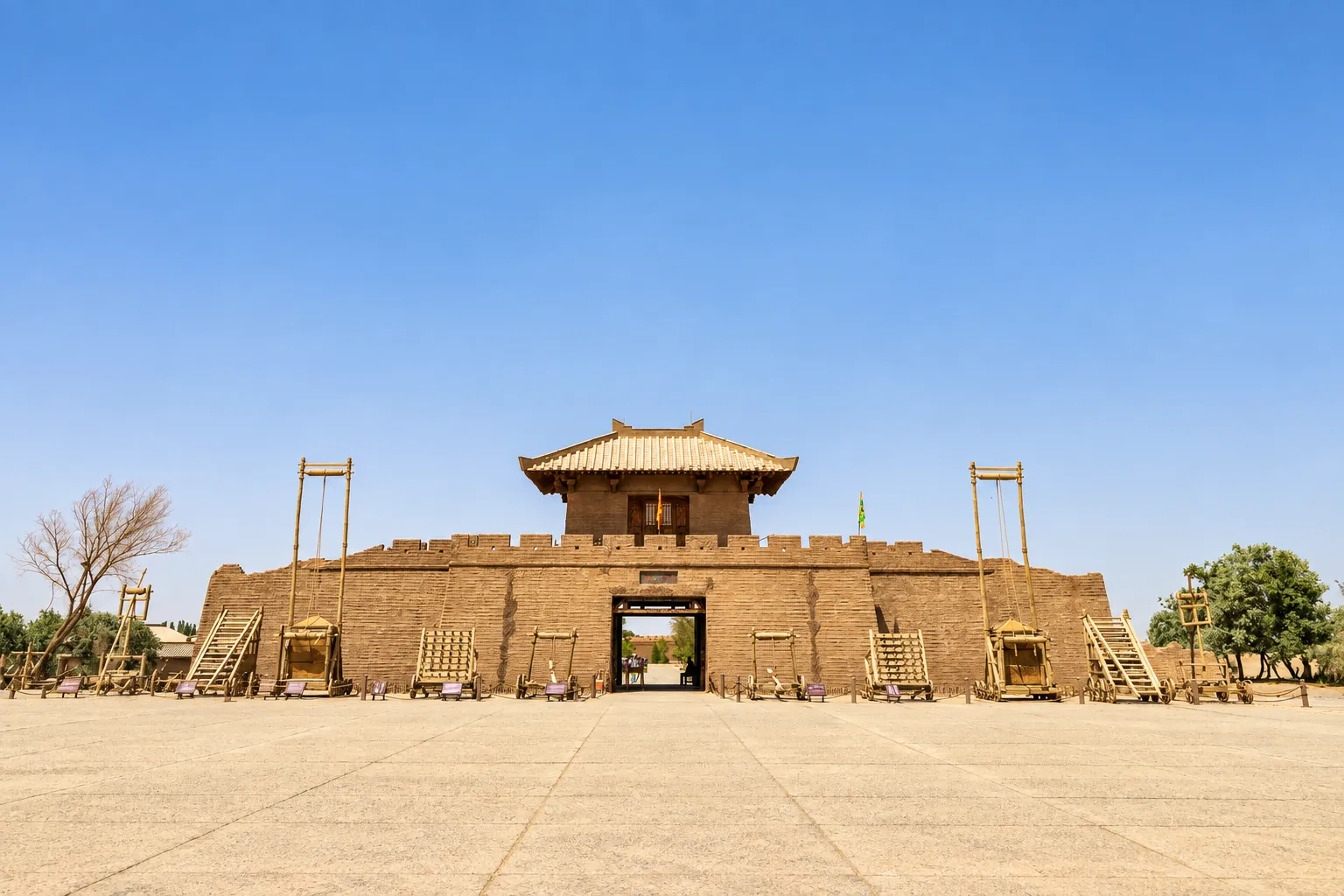
Remote Gobi Landscape Western Route
Yangguan Pass Silk Road site near Dunhuang

Yangguan Pass

Visit another historic gateway on the ancient Silk Road southwest of Dunhuang. The surviving beacon tower and surrounding desert landscape help illustrate the region’s historic role between China and Central Asia.

Silk Road Gateway Southwest of Dunhuang

Build a Complete Dunhuang Sightseeing Plan

Combine the Mogao Caves, Mingsha Mountain and Crescent Spring with ancient Silk Road sites and the western Gobi route in a balanced two- to four-day itinerary.

View Suggested Itineraries ↓
Essential Planning

Mogao Caves Planning Guide

The Mogao Caves, also known as the Mogao Grottoes, are the cultural highlight of Dunhuang and require more planning than an ordinary sightseeing stop. Understand the reservation system, visitor process, cave rules and timing before you arrive.

Heritage
UNESCO World Heritage
Preserved Caves
492 Caves
Time to Allow
Around Half a Day
Key Advice
Reserve in Advance
Why Mogao Matters

More Than a Cave Complex

Created and expanded over roughly a thousand years, the Mogao Caves preserve an exceptional record of Buddhist art and the cultural exchanges that moved through Dunhuang along the ancient Silk Road. The surviving grottoes contain extensive mural cycles and thousands of painted sculptures from different periods of Chinese history.

492 preserved caves
45,000㎡ approximately of surviving murals
2,000+ painted sculptures preserved at the site
Cave access is managed to protect the site, so the number of grottoes open to visitors and the exact visiting arrangement can vary.

Book Before You Go

Mogao Caves uses a real-name, timed reservation system with visitor capacity controls. During busy travel periods, do not rely on arriving in Dunhuang first and securing your preferred visiting time afterward.

Start at the Digital Exhibition Center

The normal visit begins at the Mogao Caves Digital Exhibition Center rather than directly at the grotto area. Follow the official visitor process before continuing to the protected caves.

Allow Enough Time

Treat Mogao as a major half-day cultural visit rather than a quick sightseeing stop. Allow time for arrival procedures, the visitor program, transfers and the managed cave visit.

No Photography Inside the Caves

Photography and video recording are prohibited inside the grottoes to help protect the murals and sculptures. Follow staff instructions and avoid touching historic surfaces.

Typical Visit

How a Mogao Caves Visit Works

The exact program can change by season and visitor capacity, but first-time visitors should expect a structured visit rather than independent access to the grottoes.

Arrive Before Your Reserved Time Reach the Digital Exhibition Center in advance of your booked admission time and have the valid travel document used for the reservation ready.
Complete the Visitor Program Follow the official entry process and visitor program before continuing toward the protected grotto area.
Visit Selected Grottoes Enter selected open caves as part of the managed visit. The grottoes available on a particular day can vary.
Continue Your Dunhuang Day Depending on your reserved time, combine Mogao with Mingsha Mountain and Crescent Spring for a culture-and-desert day.
Important Before Booking

Visitor rules and cave access can change.

Current visits use timed, real-name reservations and managed visitor capacity. Bring the same valid passport or travel document used for booking and always confirm the latest official opening, reservation and admission conditions before your travel date.

Planning Mogao and the Desert on the Same Day?

Build the day around your reserved Mogao Caves visiting time, then combine it with Mingsha Mountain and Crescent Spring when the schedule allows. Many travelers prefer the desert later in the day for softer light and more comfortable conditions.

See Dunhuang Itineraries ↓
Desert & Silk Road Experiences

Best Things to Do in Dunhuang

The best things to do in Dunhuang go beyond individual attractions. Experience Buddhist cave art, desert sunsets, Silk Road history, Gobi landscapes, local food and cultural sites that bring Dunhuang’s past and present together.

Mogao Caves Buddhist art in Dunhuang

Discover Dunhuang’s Buddhist Art

Look beyond the age of the Mogao Caves and focus on what the murals and sculptures reveal about religion, clothing, music, daily life and cultural exchange along the ancient Silk Road.
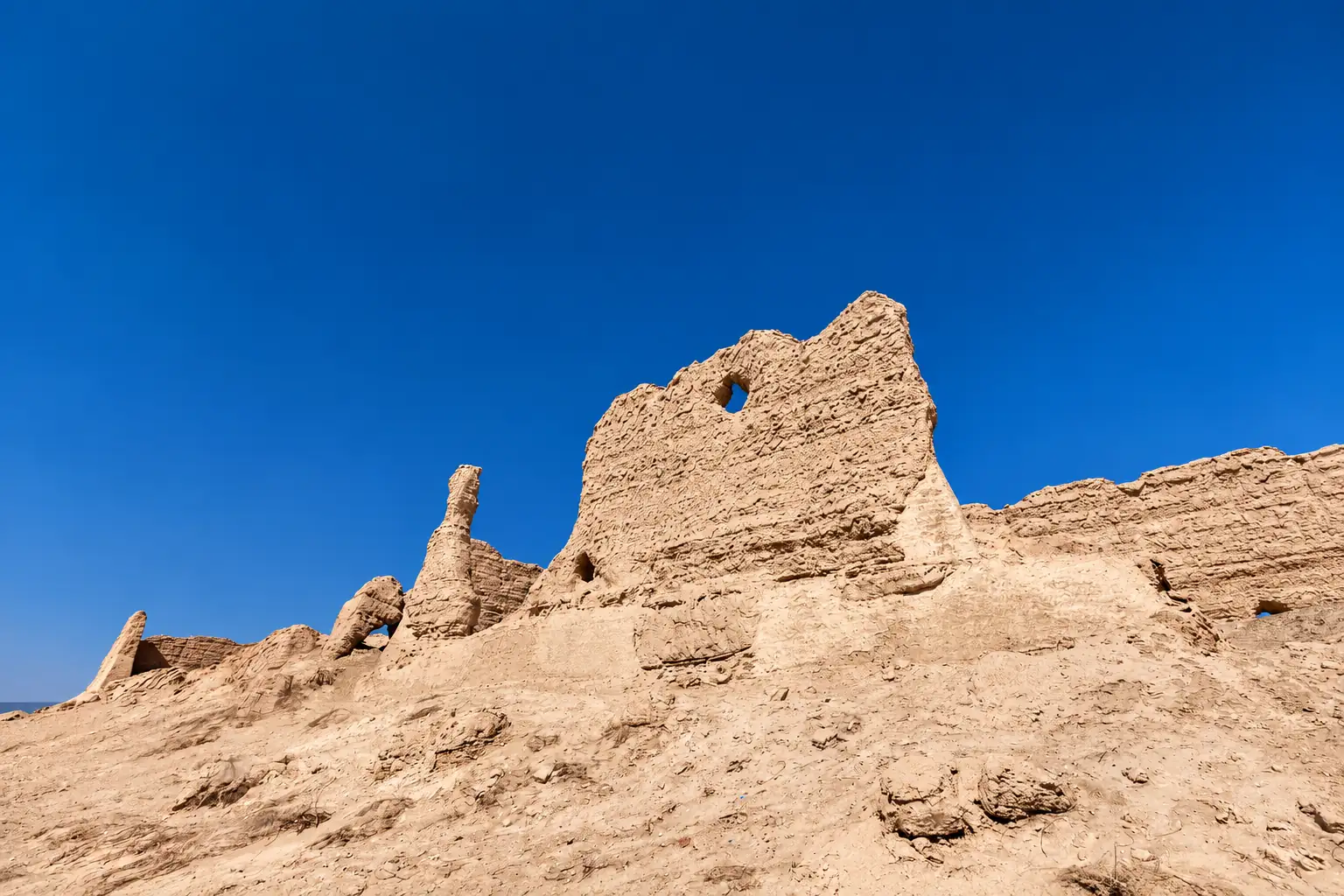
Ancient Silk Road landscape west of Dunhuang

Follow Dunhuang’s Western Silk Road

Spend a day traveling west through the Gobi to Yumen Pass, Han Dynasty Great Wall remains and other frontier sites that once marked routes between China and the Western Regions.
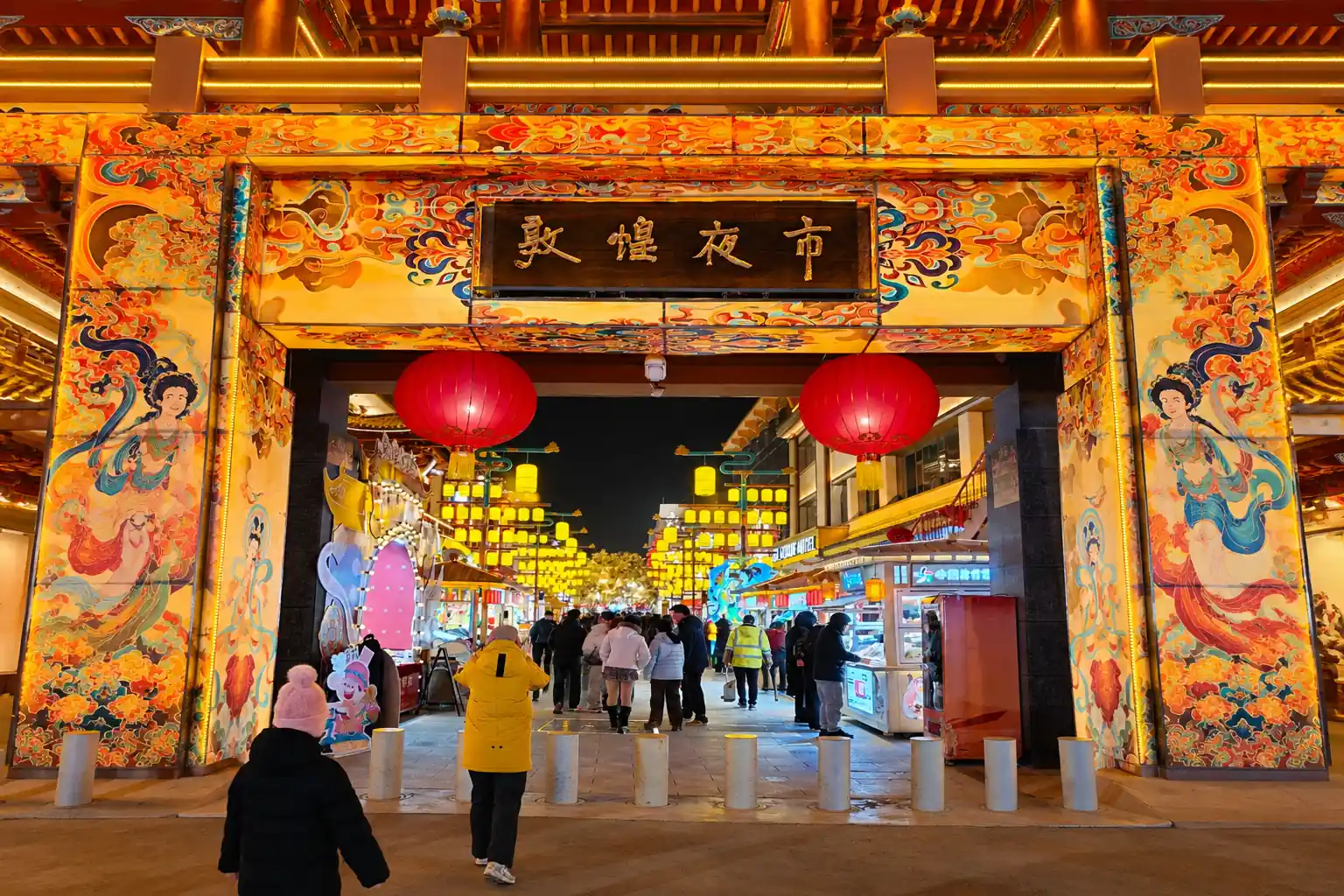
Shazhou Night Market in Dunhuang

Explore Shazhou Night Market

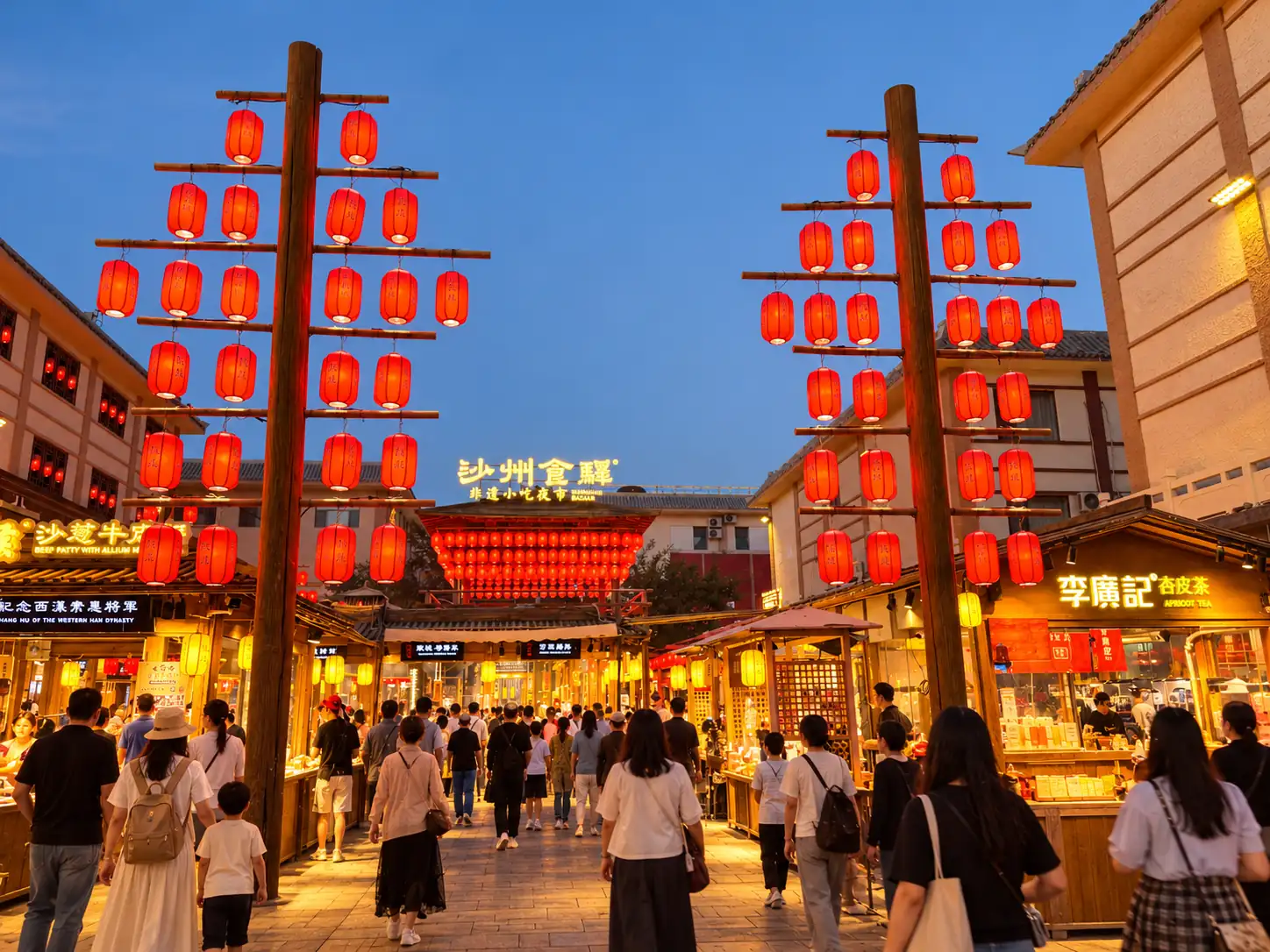
Spend an evening around Dunhuang’s well-known night market, browsing local snacks, small shops and souvenirs after the main sightseeing sites have closed for the day.
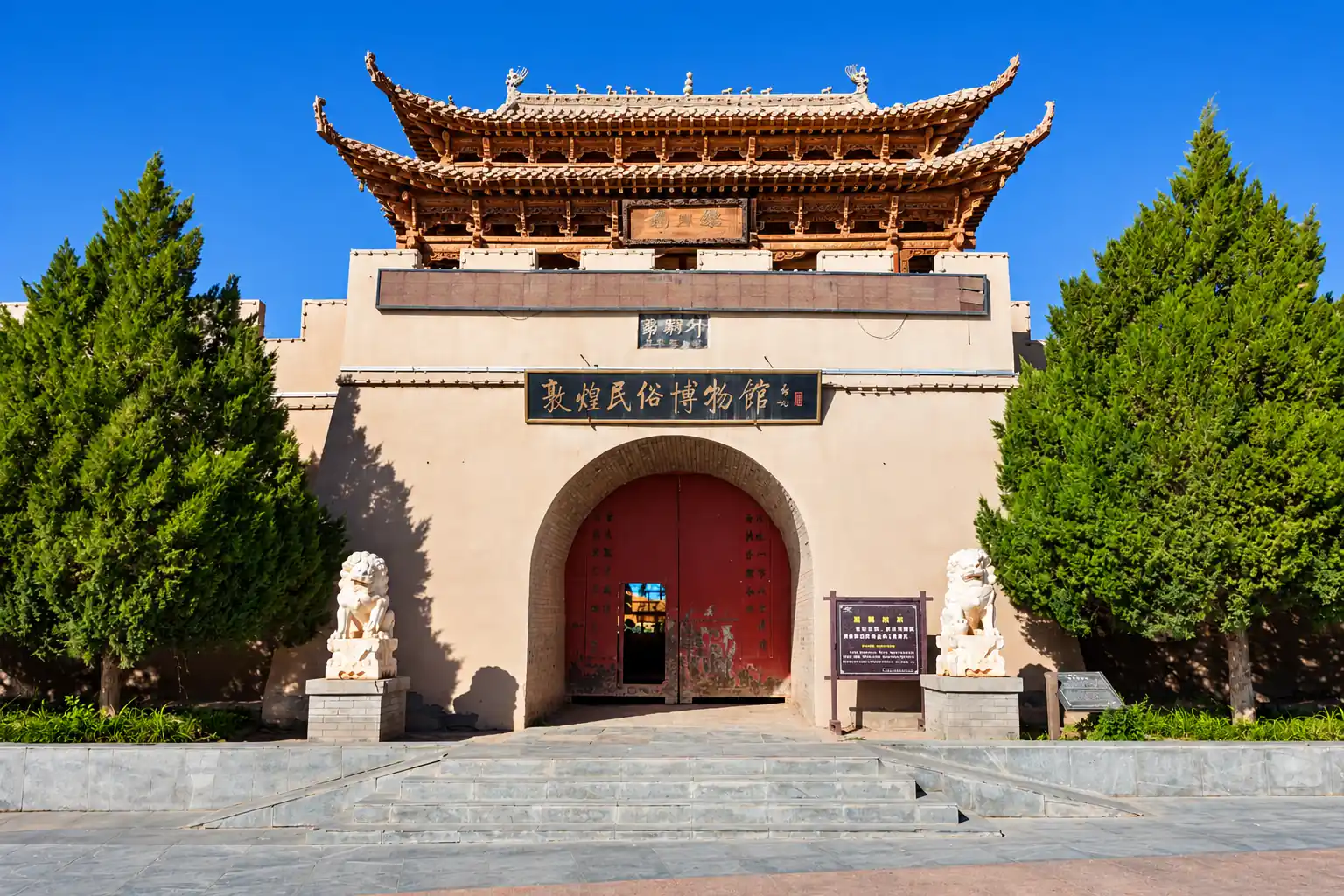
Dunhuang Museum exhibitions in Gansu China

Visit the Dunhuang Museum

Add context to the places you see outside the city by exploring exhibits connected with Dunhuang’s history, archaeology and role on the ancient Silk Road.
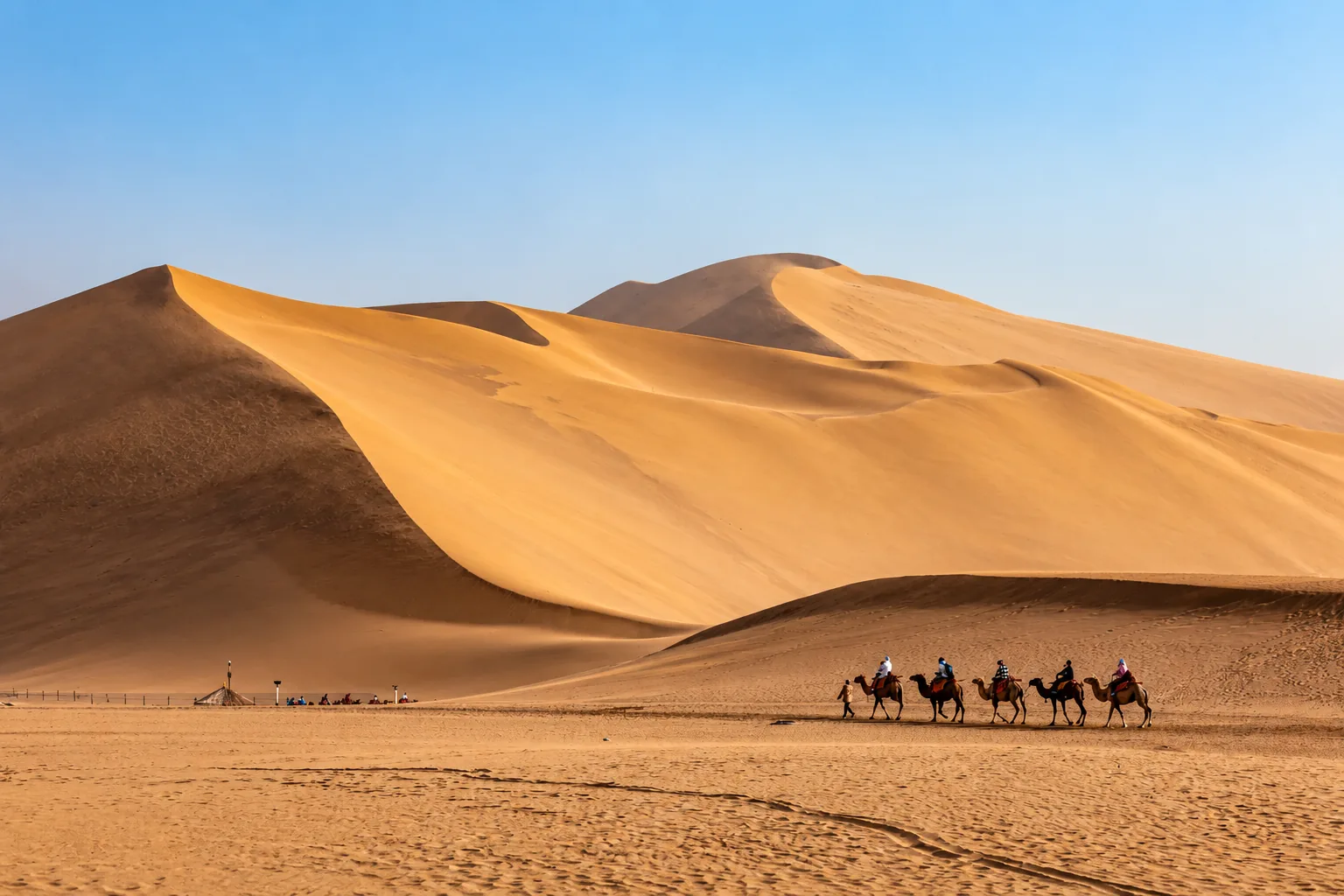
Desert landscape photography near Dunhuang

Photograph Dunhuang’s Desert Landscapes

Photograph sweeping dunes, isolated frontier ruins, oasis scenery and wind-shaped Gobi formations. Early and late light usually gives the desert more texture than the middle of the day.
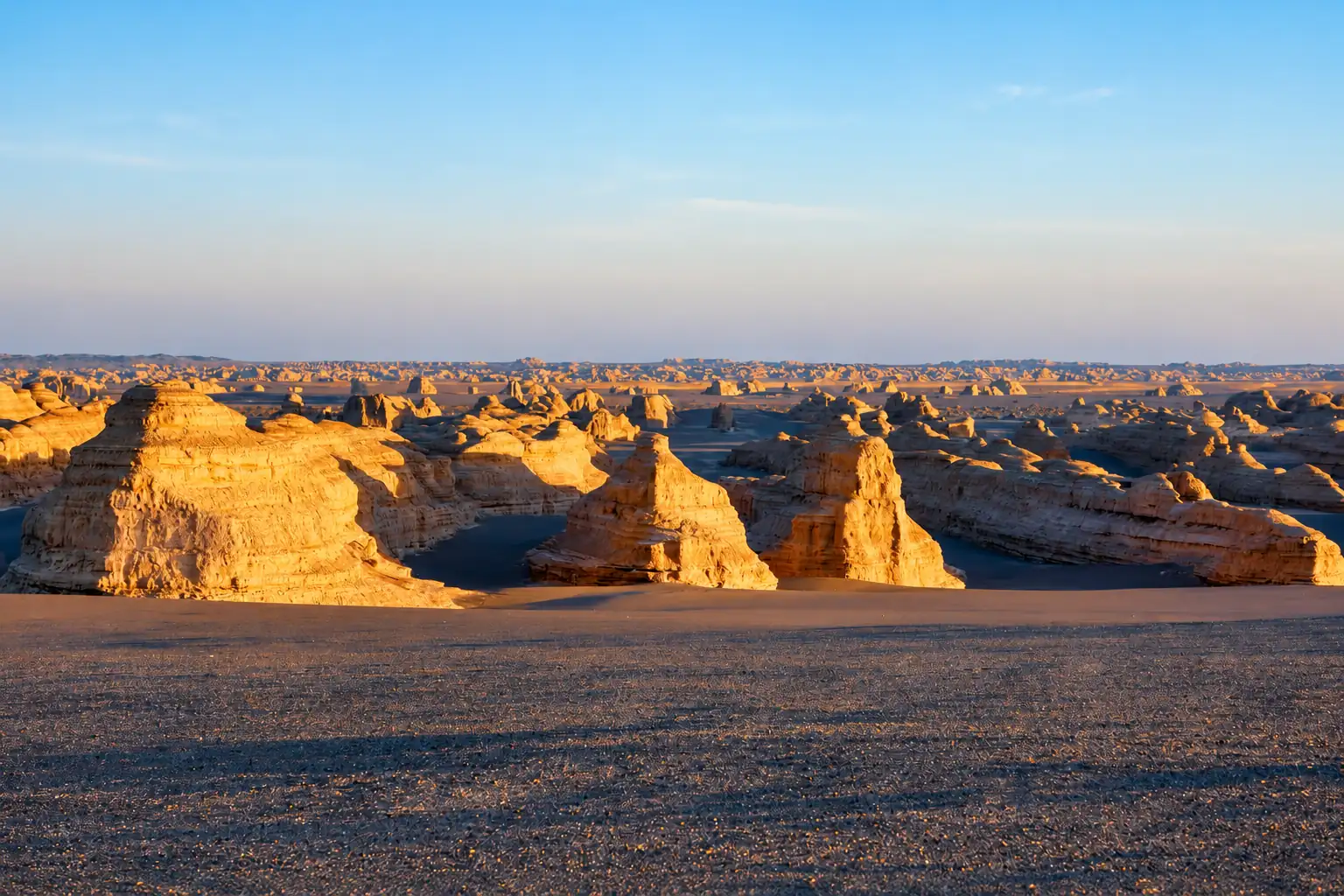
Wind-eroded Yadan formations near Dunhuang

See the Wind-Carved Yadan Landscape

Travel deeper into the western Gobi to see unusual rock formations shaped by long-term wind erosion. The journey also reveals the vast scale and remoteness of the Dunhuang region.

Build These Experiences into Your Dunhuang Itinerary

Balance the Mogao Caves and desert highlights with a western Silk Road excursion, local evenings and enough time to experience Dunhuang without rushing between distant sites.

Trip Planning

Suggested Dunhuang Itineraries

Choose your Dunhuang itinerary based on how much time you have and how deeply you want to explore the Silk Road. Two days cover the essential highlights, while three or four days allow time for the western Gobi route, ancient frontier sites and a more relaxed pace.

Recommended Route

3 Days in Dunhuang Itinerary

This 3-day Dunhuang itinerary combines the Mogao Caves, Mingsha Mountain and Crescent Spring with Dunhuang’s western Silk Road route, giving first-time visitors a balanced mix of Buddhist art, desert scenery and ancient frontier history.

Best for First-Time Visitors Culture + Desert + Silk Road Comfortable Travel Pace
Day 1 Reserved Time
Mogao Caves during a Dunhuang itinerary

Mogao Caves

Plan the day around your reserved Mogao Caves admission time. Follow the official visitor process and allow enough time for the Digital Exhibition Center, transfers and the managed grotto visit.

Mogao Caves Planning Guide →
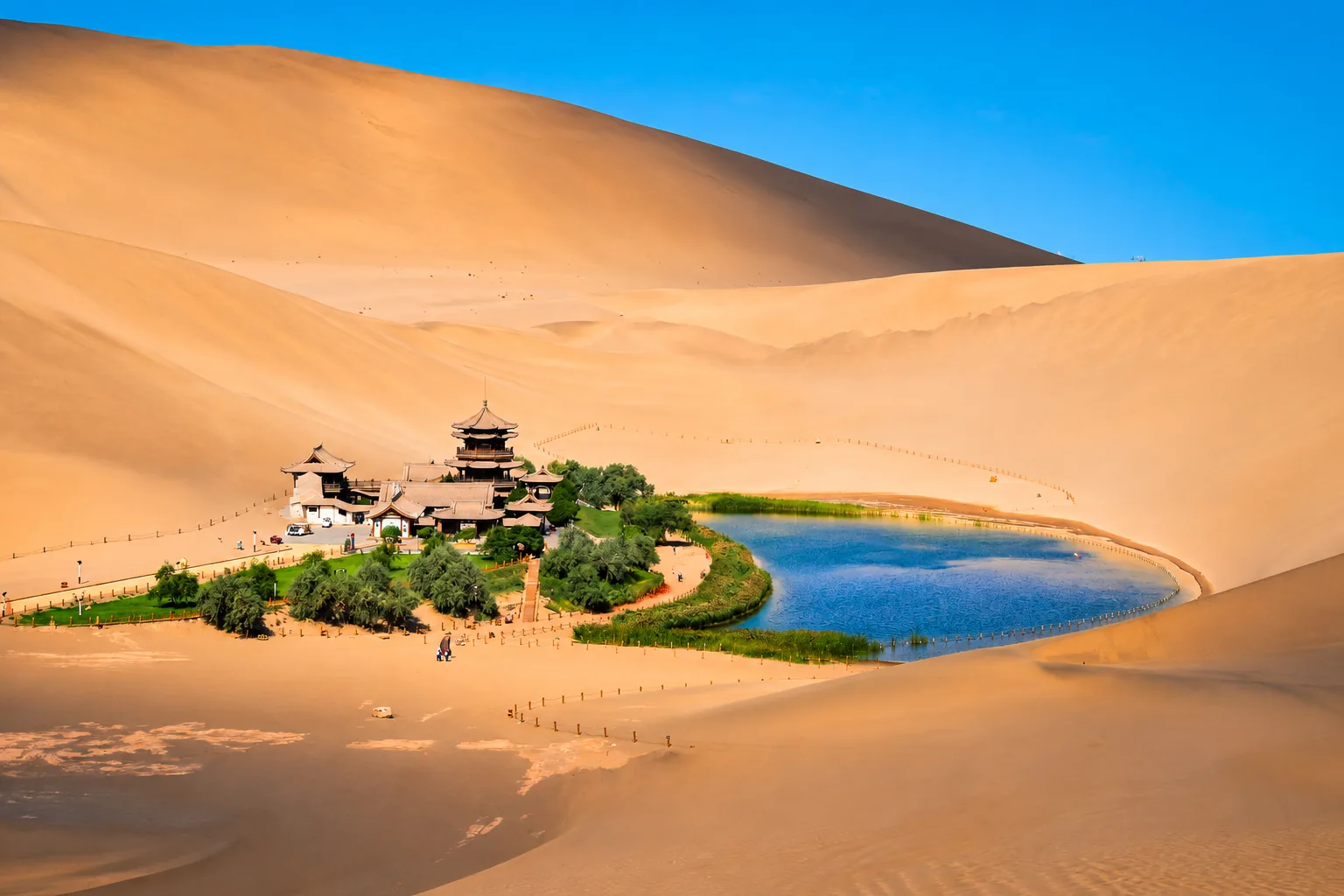
Day 1 Later in the Day
Mingsha Mountain and Crescent Spring in Dunhuang

Mingsha Mountain and Crescent Spring

Head to the desert later in the day when the schedule allows. Walk among the dunes, visit Crescent Spring and stay into the evening for softer light and changing views across the sand.

Day 1 Evening
Shazhou Night Market in Dunhuang

Shazhou Night Market

Return to central Dunhuang for a relaxed evening. Browse local snacks, small shops and souvenir stalls after the main sightseeing day.

Explore Dunhuang Food →
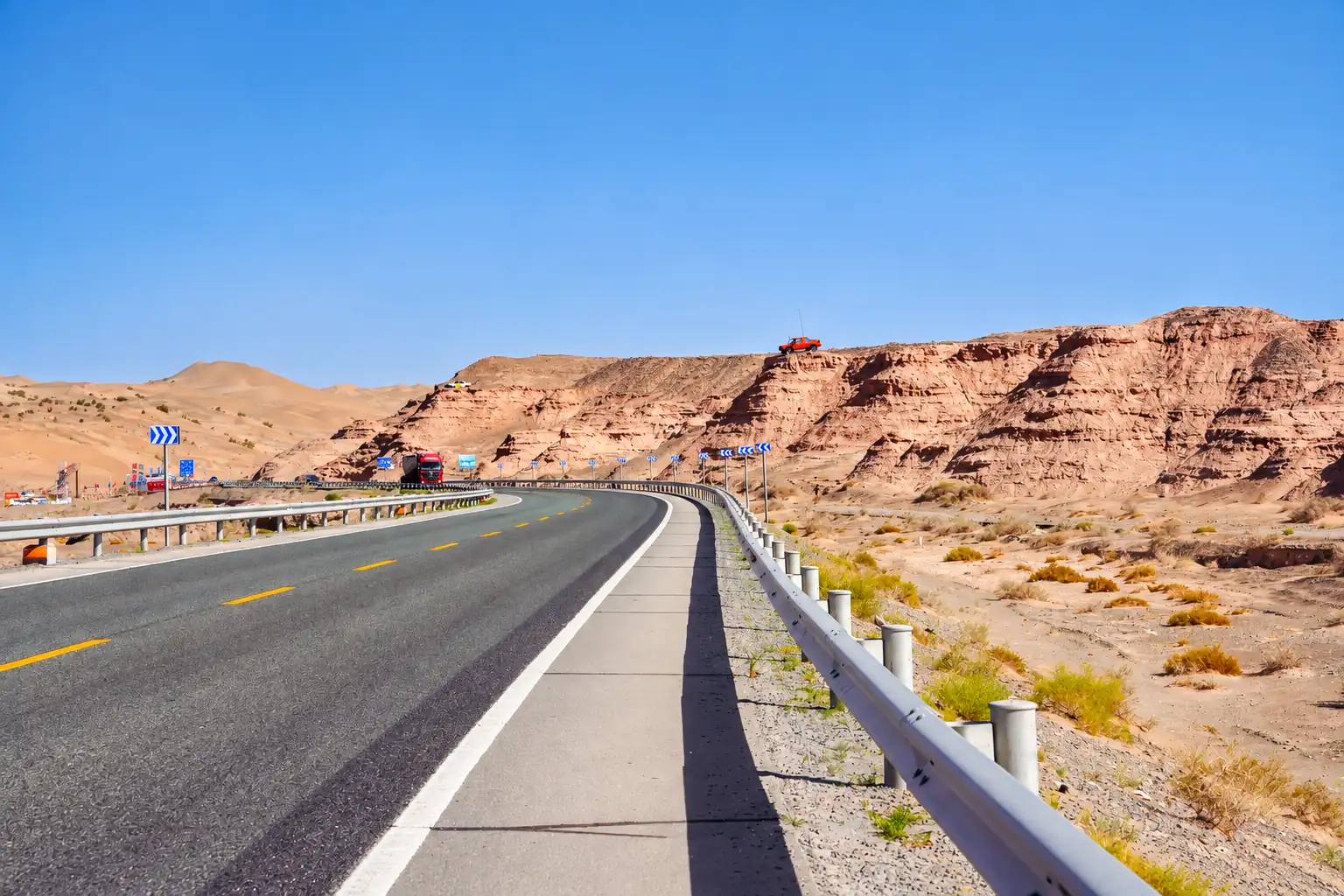
Day 2 Full Day
Yumen Pass and western Gobi route near Dunhuang

Yumen Pass, Han Great Wall and Yadan

Spend the day on Dunhuang’s western route across the Gobi. Visit Yumen Pass and surviving Han Dynasty frontier remains, then continue toward the wind-eroded Yadan landscape. This is the longest driving day of the itinerary.

Explore Dunhuang’s Silk Road →
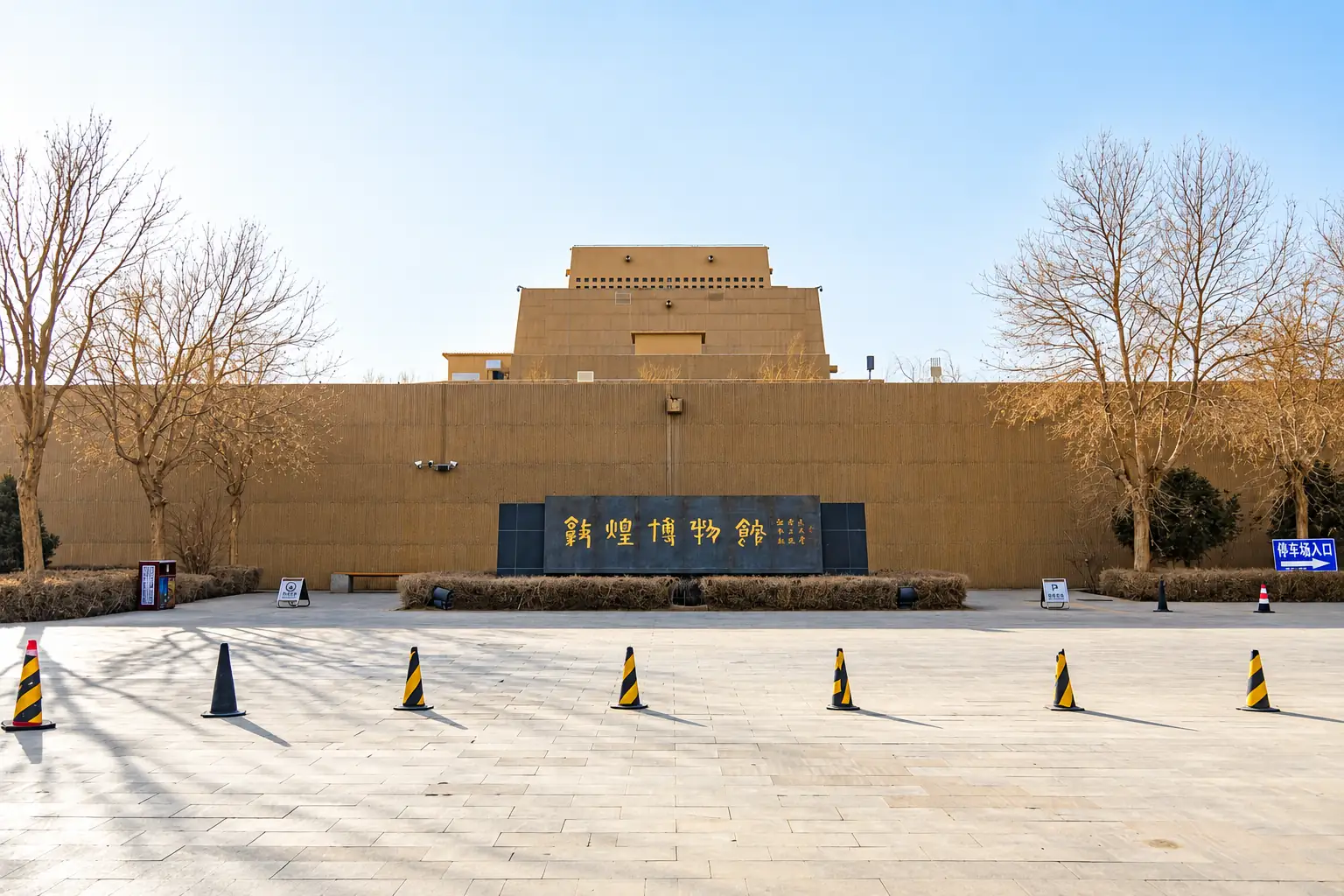
Day 3 Morning
Dunhuang Museum during a Dunhuang travel itinerary

Dunhuang Museum

Slow the pace after the western excursion and spend time understanding Dunhuang’s archaeology, Silk Road history and regional development.
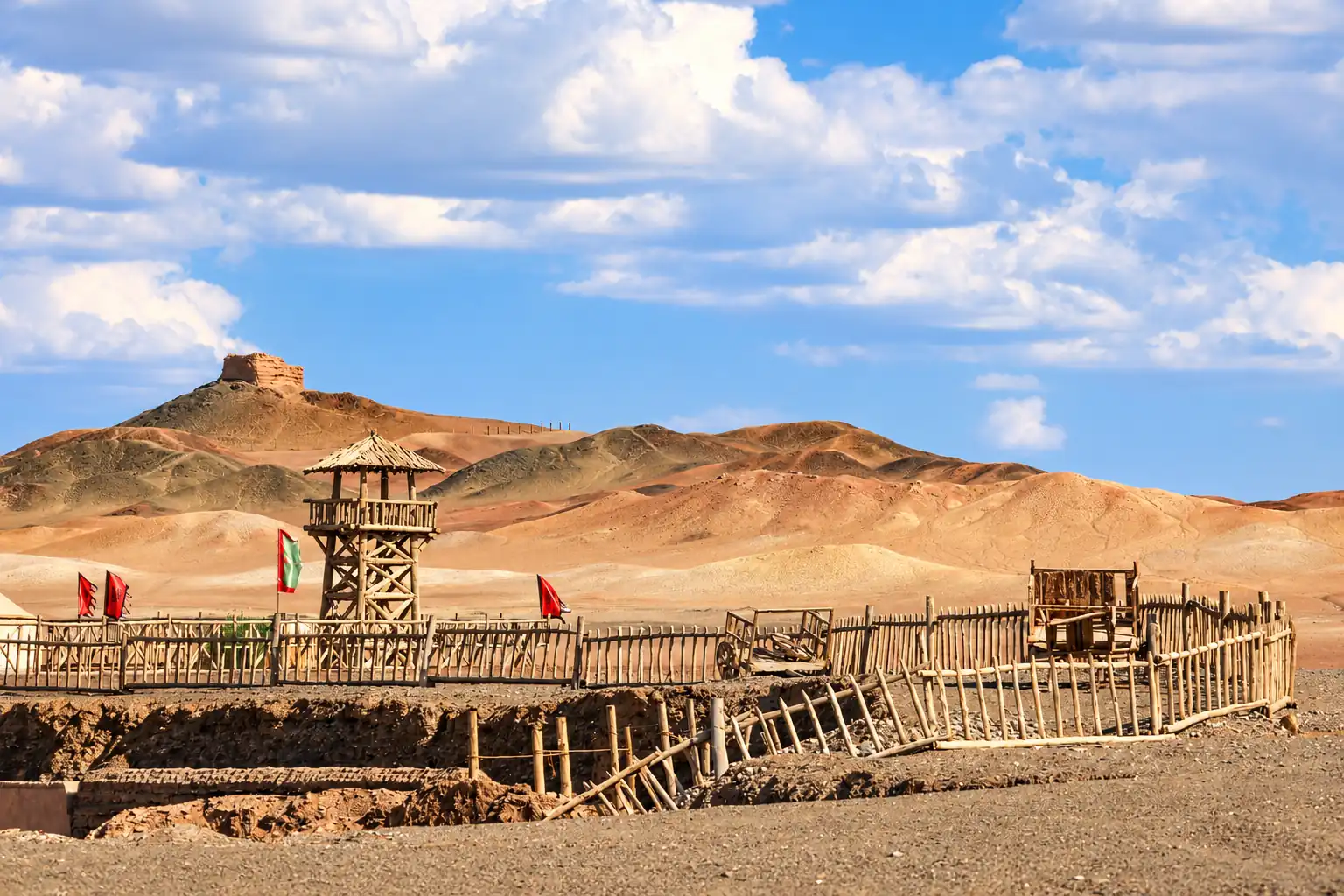
Day 3 Afternoon
Yangguan Pass near Dunhuang

Yangguan Pass or a Slower Final Afternoon

Visit Yangguan Pass for another perspective on Dunhuang’s ancient frontier history, or keep the afternoon flexible for a slower city walk, local food or extra time around the places you enjoyed most.

Other Dunhuang Trip Lengths

1 Day
Mogao Caves + Mingsha Mountain + Crescent Spring
Best for travelers with only one full day in Dunhuang
2 Days
Classic Highlights + Western Gobi Route
The most compact complete first-time itinerary
4 Days
Add Yangguan, Museums and a Slower Desert Day
Best for a more relaxed Silk Road experience

Prefer a Private Dunhuang Itinerary?

Build your route around your Mogao Caves reservation, arrival and departure times, preferred travel pace and the amount of Silk Road history or desert scenery you want to include.

Weather and Seasons

Best Time to Visit Dunhuang

Late spring and early autumn are generally the most comfortable periods for a Dunhuang trip, especially for desert sightseeing and long days outdoors. May and September offer a particularly good balance of warm days, cooler evenings and manageable heat.

When to Go

May and September Offer the Best Overall Balance

Dunhuang has hot summers, cold winters and a very dry desert climate. May and September usually avoid the strongest summer heat while remaining comfortable for the Mogao Caves, Mingsha Mountain, Crescent Spring and the western Gobi route.
Most Comfortable May and September
Hottest Period June to August
Quieter Period November to February

Dunhuang Weather by Month

Jan
Very cold and dry
Feb
Cold and dry
Mar
Cool and often windy
Apr
Mild, dry and often windy
May
Warm and comfortable
Jun
Hot with long daylight
Jul
Very hot afternoons
Aug
Hot and busy
Sep
Warm and comfortable
Oct
Cool days and colder nights
Nov
Cold with fewer visitors
Dec
Very cold and dry
Dunhuang desert landscape in spring
March to May

Spring in Dunhuang

Spring warms quickly from March into May. April and May can be comfortable for sightseeing, although wind is an important consideration in the desert and dusty or sandy conditions can occasionally affect outdoor plans.
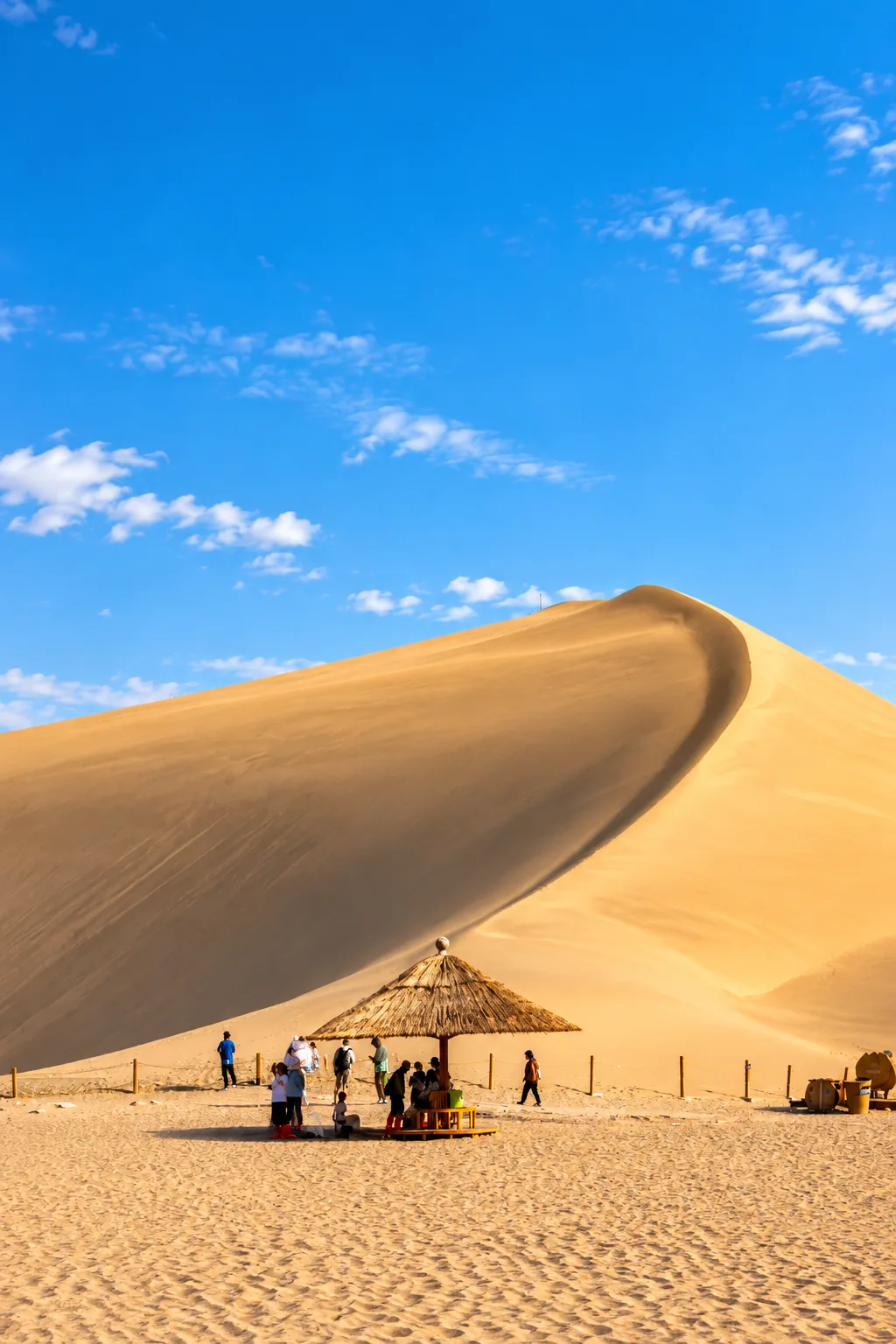
Mingsha Mountain desert scenery in summer
June to August

Summer in Dunhuang

Summer brings long daylight hours and the highest temperatures of the year. Plan exposed desert sightseeing for earlier or later in the day, carry enough water and minimize unnecessary time on open sand during the strongest afternoon heat.
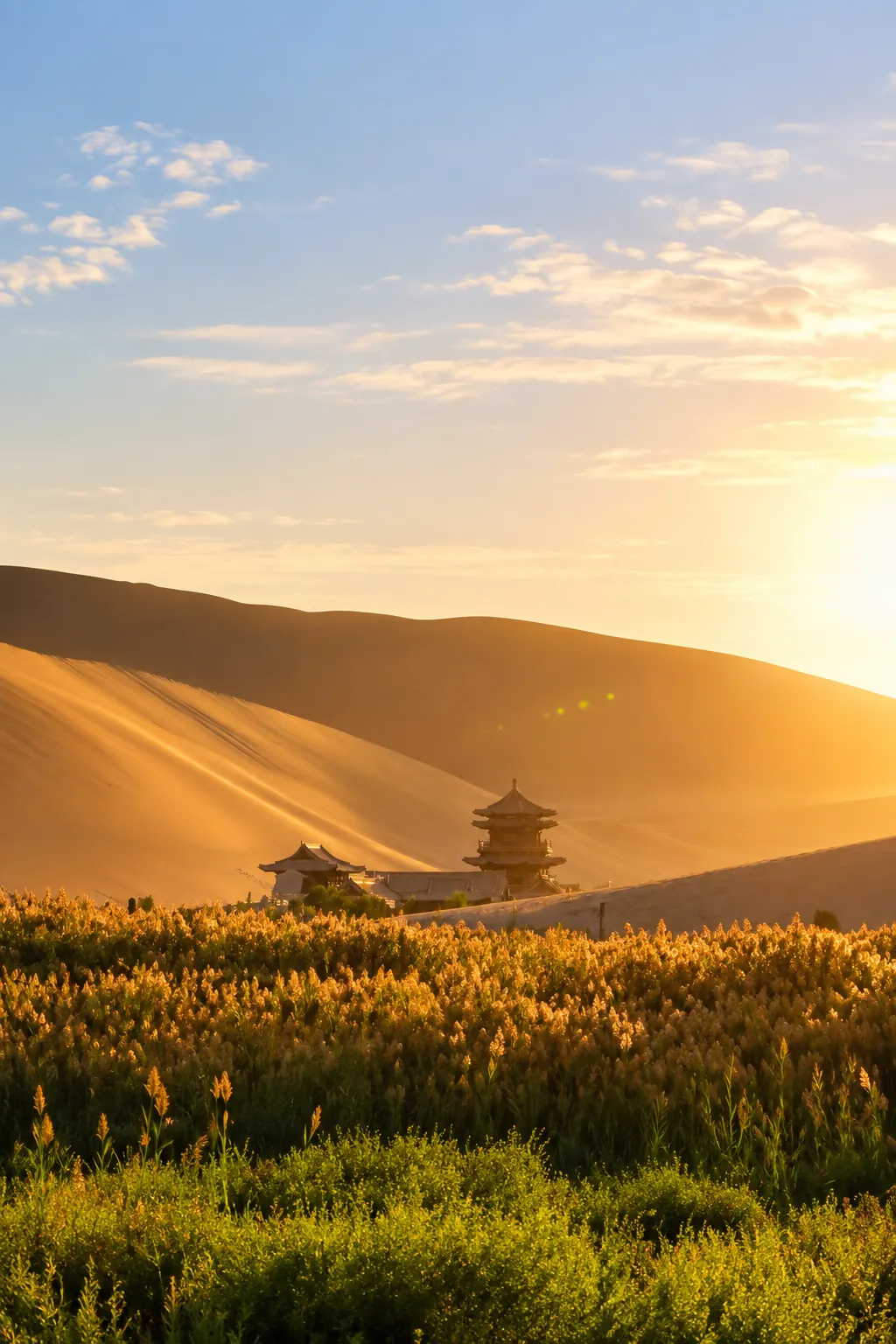
Dunhuang desert and oasis landscape in autumn
September to November

Autumn in Dunhuang

September is one of the most comfortable periods for Dunhuang, with warm days and cooler evenings. Temperatures fall noticeably through October and November, so later-season travelers should prepare for colder mornings and nights.
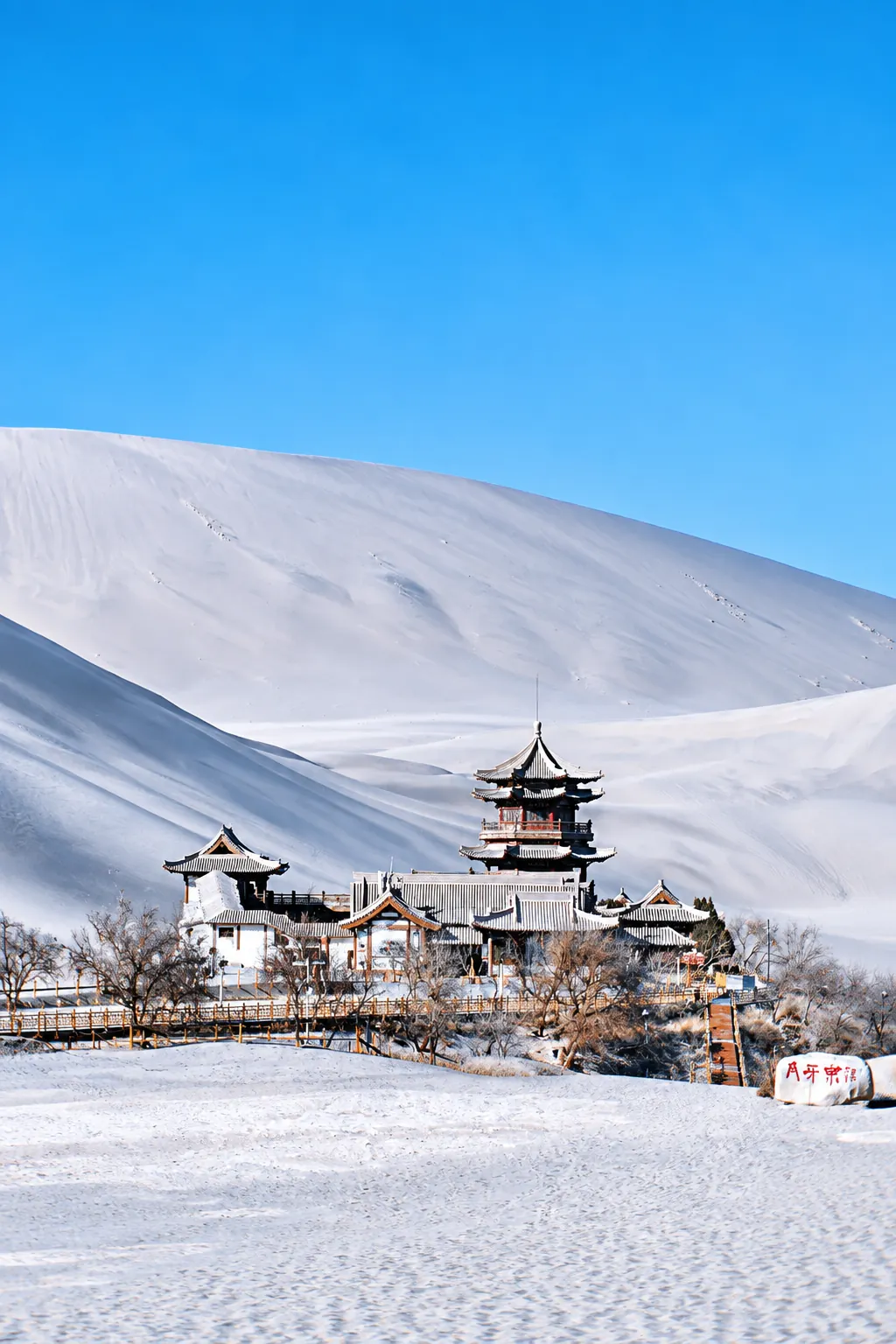
Dunhuang desert landscape during winter
December to February

Winter in Dunhuang

Winter is very cold, especially in the mornings and after sunset, while visitor numbers are generally lower. It can suit travelers who prefer quieter cultural sites and are comfortable preparing for freezing desert temperatures.

Accommodation Planning

Where to Stay in Dunhuang

For most first-time visitors, central Dunhuang near Shazhou Night Market is the most convenient base for restaurants, evening walks and daily sightseeing. Travelers who prefer a quieter setting can stay closer to the Dang River or Mingsha Mountain.

Dang River and central Dunhuang city area

Dang River & Central City

Stay around the central city and Dang River if you prefer a somewhat quieter environment while keeping restaurants, shops and everyday city services within easy reach.

Accommodation near Mingsha Mountain in Dunhuang

Mingsha Mountain Area

Stay closer to Mingsha Mountain and Crescent Spring if desert scenery and a quieter atmosphere matter more than being in the center of town. This area can work well for travelers who want more time near Dunhuang’s desert landscape.

Which Area Should You Choose?

Choose central Dunhuang and the Shazhou Night Market area for the easiest first visit. The Dang River area suits travelers who want a quieter city base, while the Mingsha Mountain area is better for those who prioritize desert atmosphere over central convenience.

Transportation Guide

How to Get to and Around Dunhuang

Dunhuang is accessible by air and rail, while many of its major sights lie outside the city. Plan your arrival separately from your sightseeing transport, especially if you want to visit remote Silk Road sites across the western Gobi.

Practical Overview

Arrive by Air or Rail, Then Plan Local Transfers Around Your Route

Central Dunhuang is relatively compact, but the main attractions are spread across a much wider area. Mingsha Mountain is easy to reach from town, the Mogao Caves follow a managed visitor process, and the western Silk Road route is best treated as a separate long-distance excursion.

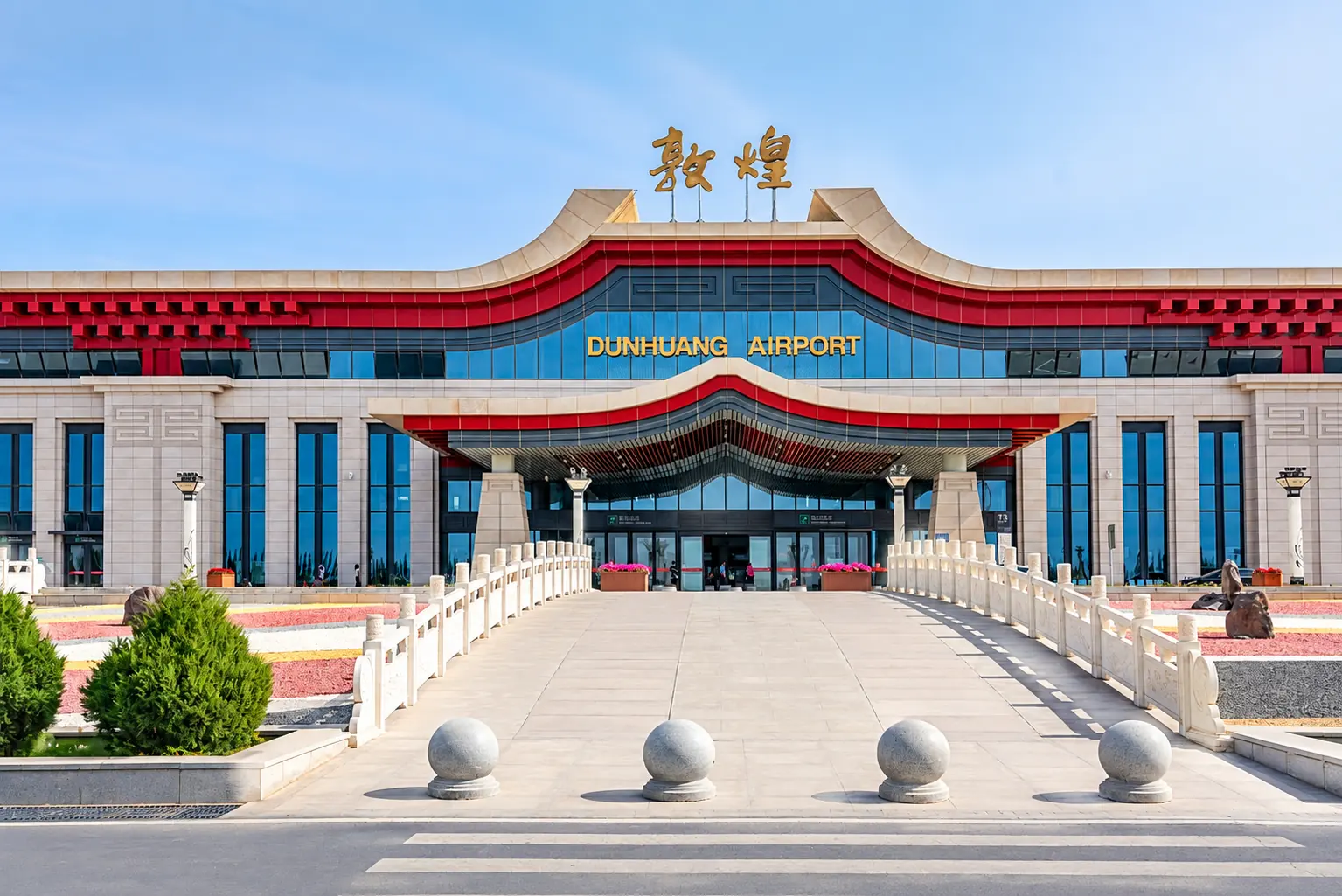
Airport Dunhuang Mogao International Airport
Railway Dunhuang Railway Station
Western Route Plan a dedicated vehicle or arranged transfer

How to Get to Dunhuang

Flights are useful when Dunhuang is one stop on a longer China itinerary, while rail works naturally with journeys through Gansu and other destinations along the Silk Road.

By Air

Dunhuang Mogao International Airport is the fastest arrival option for many travelers coming from farther-away cities in China. Flight availability and frequency can vary by season, so check your actual travel dates before fixing the rest of your itinerary.

Suitable for longer-distance China connections Taxi, arranged pickup or other local transfer after arrival

By Train

Dunhuang Railway Station is the main rail arrival point for visitors traveling to the city. Rail is especially useful when Dunhuang forms part of a wider route through places such as Lanzhou, Zhangye, Jiayuguan or other northwest China destinations.

Useful for multi-city northwest China itineraries Plan onward transport from the station to your hotel

As Part of a Silk Road Journey

Dunhuang combines naturally with Jiayuguan, Zhangye, Lanzhou, Xi’an and destinations farther west. Rail and domestic flights can be mixed according to your route, available time and preferred travel pace.

Well suited to multi-city itineraries Plan transport before finalizing hotel nights
Local Transportation

Getting Around Dunhuang

There is no single transport method that works for every attraction. Central trips are short, while western desert excursions involve much longer drives between remote sites.

Central Dunhuang

Hotels, restaurants and Shazhou Night Market are concentrated around the central city. Walking works for shorter trips, while taxis or ride-hailing are useful when destinations are farther apart.

Walk + Taxi

Mingsha Mountain & Crescent Spring

The desert scenic area is close enough to central Dunhuang for a straightforward transfer and is one of the easiest major attractions to combine with a city stay.

Taxi or Transfer

Mogao Caves

Visitors normally begin through the Mogao Caves visitor process at the Digital Exhibition Center and then continue according to the official managed transfer and cave-entry arrangement.

Reserved Visit + Official Transfer

Yumen Pass & Han Great Wall

These remote frontier sites are normally visited together as part of Dunhuang’s western route rather than as short, independent sightseeing stops from the city.

Driver or Chartered Vehicle

Yadan National Geopark

Yadan lies deep in the western Gobi and is best planned as part of a long western sightseeing day rather than a quick return trip from central Dunhuang.

Full-Day Vehicle
Western Route Planning

Allow a Full Day for Dunhuang’s Western Sites

Yumen Pass, Han Dynasty frontier remains and Yadan are spread across remote desert areas west of the city. If these sites are part of your itinerary, use a reliable driver, private vehicle or arranged transfer and avoid combining the route with an already packed city sightseeing day.

Want Transport Built into Your Dunhuang Itinerary?

A private itinerary can coordinate airport or railway arrival, Mogao Caves timing and longer western-route transport around your actual travel dates and sightseeing priorities.

Plan My Dunhuang Trip →
History of the Silk Road

Dunhuang and the Silk Road

Dunhuang became one of the great crossroads of the ancient Silk Road, linking the Hexi Corridor with routes leading toward the Western Regions and Central Asia. Its caves, passes, fortifications and desert ruins still show how trade, religion, art and ideas moved across Eurasia.

Trade

Silk and other valuable goods moved west, while products and influences from Central and Western Asia moved east. Dunhuang’s position made it an important stopping point within these long-distance trading networks.

Religion

Buddhism traveled across many of the same networks as merchants and pilgrims. The Mogao Caves preserve an exceptional record of how Buddhist belief and artistic traditions developed in Dunhuang over many centuries.

Art & Ideas

Murals, sculpture, clothing, music and visual motifs preserved around Dunhuang reflect interaction between China and peoples farther west, making the region an important record of cultural exchange along the Silk Road.

Frontier Defense

Han-era passes, beacon towers and Great Wall remains show that the Silk Road was also a managed frontier. Long-distance routes depended on security, communication systems and control of desert gateways west of Dunhuang.

Sites That Tell the Story

Where to See Dunhuang’s Silk Road History

These places reveal different parts of the same historic landscape: religious and artistic exchange at Mogao, frontier control at the passes, and defense and communication along the Han Dynasty Great Wall.

Mogao Caves

The clearest cultural record of Dunhuang’s Silk Road role, preserving Buddhist murals and sculptures shaped by centuries of religious and artistic exchange.

Yumen Pass

A strategic Han-era gateway northwest of Dunhuang and one of the best-known points where routes from the Hexi Corridor continued toward the Western Regions.

Yangguan Pass

Another important ancient gateway southwest of Dunhuang, traditionally associated with routes leading west from the oasis.

Han Dynasty Great Wall

Surviving frontier remains show how the Han state protected communication routes and monitored movement across the desert.

Why Is Dunhuang Famous on the Silk Road?

Because Dunhuang stood where China’s inland routes opened toward the west.

Its oasis supported travelers crossing the desert, while nearby passes controlled important routes beyond the Hexi Corridor. Over time, trade and migration brought religions, artistic styles, languages and ideas through the region, leaving an unusually rich concentration of caves, fortifications and archaeological remains.

Continue Your Journey Beyond Dunhuang

Dunhuang can be combined with Jiayuguan, Zhangye, Lanzhou, Xi’an and destinations farther west to build a longer journey through the historic Silk Road corridor.

Explore Nearby Destinations ↓
Local Food & Evening Experience

Dunhuang Food and Shazhou Night Market

Dunhuang food reflects the flavors of northwest China, with wheat noodles, lamb dishes, refreshing cold foods, fruit and local drinks appearing frequently on menus. Shazhou Night Market is an easy place for first-time visitors to sample local flavors and experience central Dunhuang after dark.

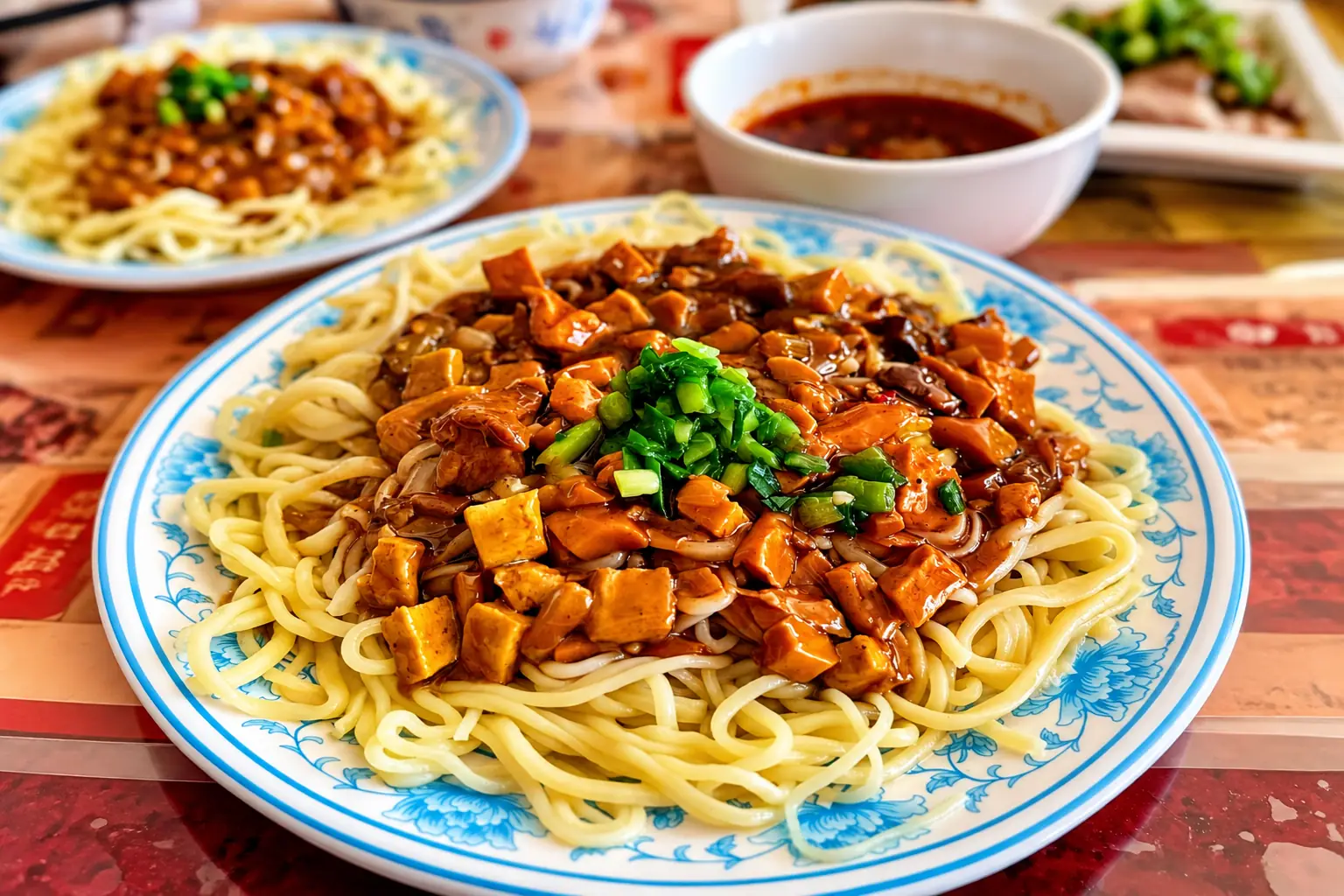
Yellow Noodles

Yellow noodles are one of Dunhuang’s best-known local foods. They are commonly served with savory toppings or alongside meat dishes and are a good introduction to the region’s wheat-based food traditions.

Dunhuang Niangpi

Niangpi is a cool, chewy wheat- or starch-based dish typically seasoned with vinegar, garlic, chili and other flavorings. It is especially refreshing during warmer weather.

Apricot Peel Drink

This sweet-and-sour apricot drink is widely available around Dunhuang and is particularly popular during warmer weather. It is one of the easiest local specialties to try in the city.

Braised Mutton with Wide Noodles

A hearty northwest-style dish combining mutton with broad noodles and a savory sauce. It works well as a substantial meal after a long day of sightseeing.

Mutton Soup

Mutton soup with noodles is a warming local-style meal that can be especially appealing during colder weather or after an early start to the day.

Local Fruit and Dried Fruit

Apricots, dates, grapes, melons and dried fruit are common around Dunhuang. They make easy snacks during a trip and are also widely sold as take-home food souvenirs.

First-Time Food Plan

What to Try in Dunhuang

You do not need to try every specialty in one meal. A practical approach is to enjoy a proper local dinner, then use another evening for lighter snacks, drinks and browsing at Shazhou Night Market.

For a Full Dinner

Choose a mutton dish with wide noodles or another hearty northwest-style meal.

For a Quick Snack

Try niangpi, noodles or another smaller local dish while exploring central Dunhuang.

For a Local Drink

Apricot peel drink is one of the most recognizable local options to look for.

For a Food Souvenir

Dried fruit is widely available and is one of the simplest food-related souvenirs to take away from Dunhuang.

Practical Tip

Use the Night Market as Part of the Evening, Not the Whole Dining Plan

Shazhou Night Market works well for snacks, browsing and evening atmosphere. Travelers who want a slower sit-down meal can eat elsewhere in central Dunhuang first, then visit the market for drinks, smaller bites and souvenirs.

Add Local Food to Your Dunhuang Itinerary

Leave at least one evening free in central Dunhuang so you can enjoy dinner without rushing and explore Shazhou Night Market after the main sightseeing sites have closed.

View Suggested Itineraries ↓
Continue Your Silk Road Journey

Destinations to Combine with Dunhuang

Dunhuang fits naturally into a longer journey through the Hexi Corridor and northwest China. Continue east toward Jiayuguan, Zhangye and Lanzhou, or travel west toward Xinjiang for a deeper exploration of China’s historic Silk Road.
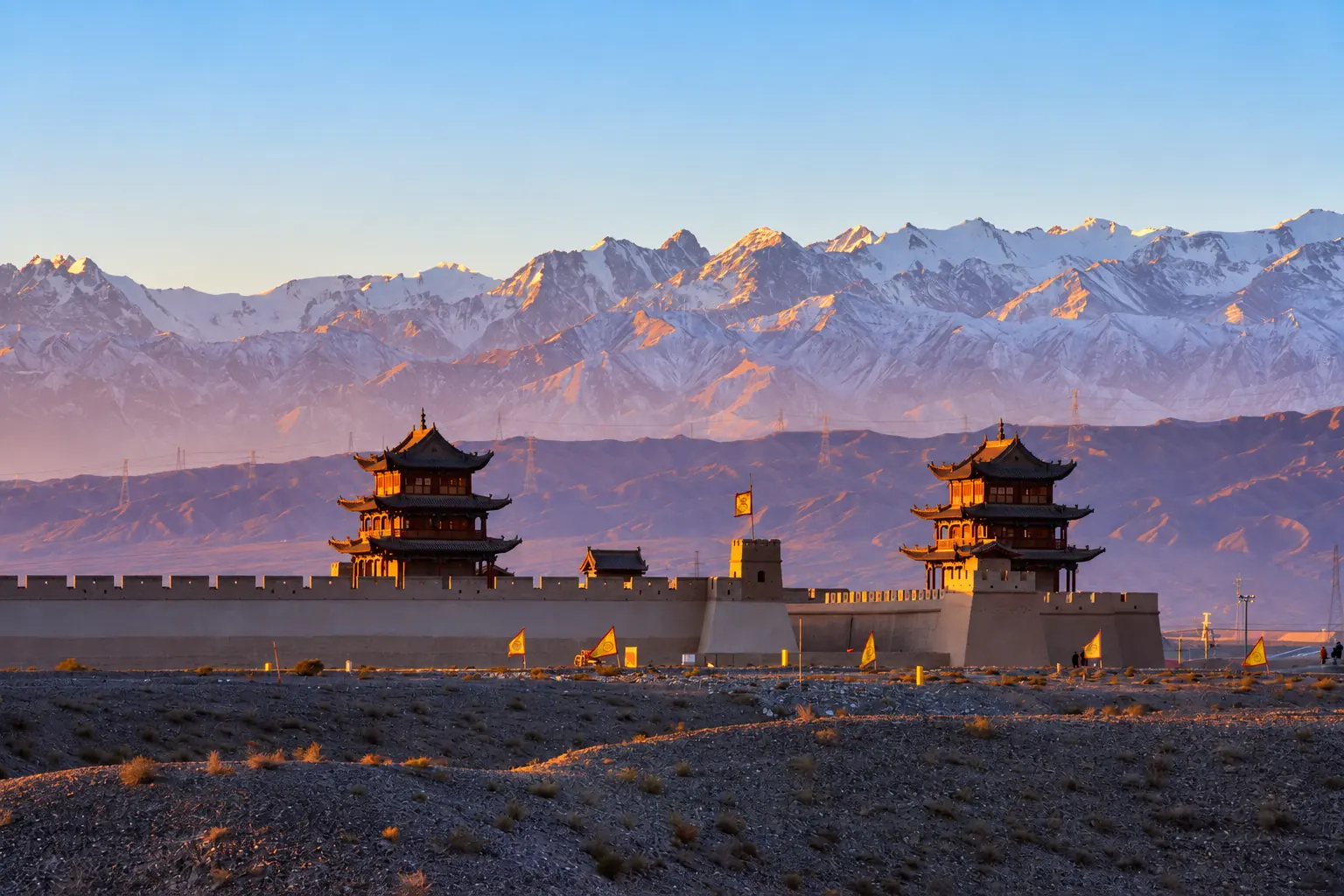
Jiayuguan Pass on the Great Wall in Gansu China
Add 1–2 Days

Jiayuguan

Explore Jiayuguan Pass, Great Wall sites and the military history of the Hexi Corridor. It is one of the most natural places to combine with Dunhuang on a Gansu Silk Road trip.
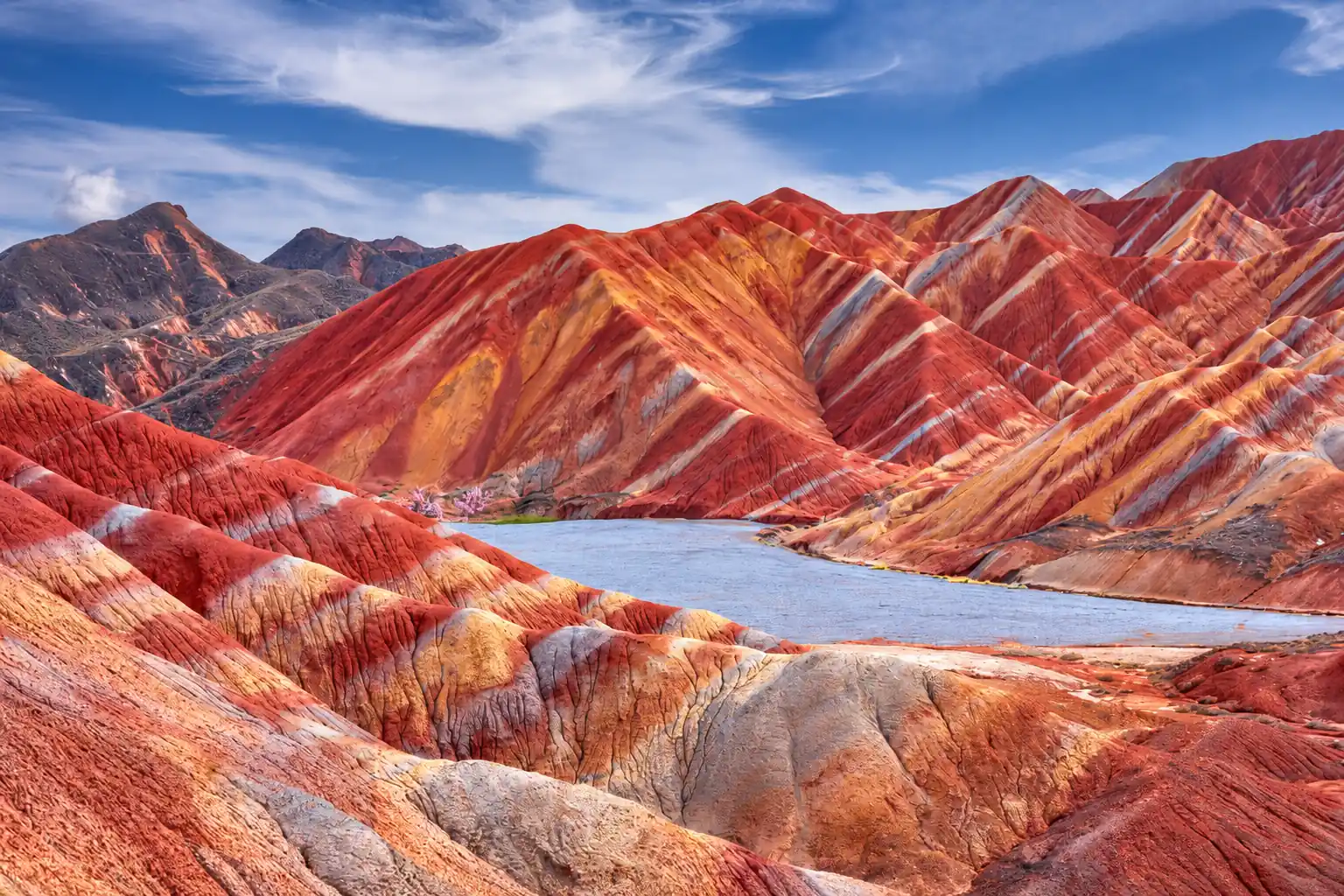
Zhangye Danxia colorful mountains in Gansu China
Add 1–2 Days

Zhangye

Continue through the Hexi Corridor for Zhangye Danxia, historic Buddhist heritage and another important oasis city along the ancient Silk Road.
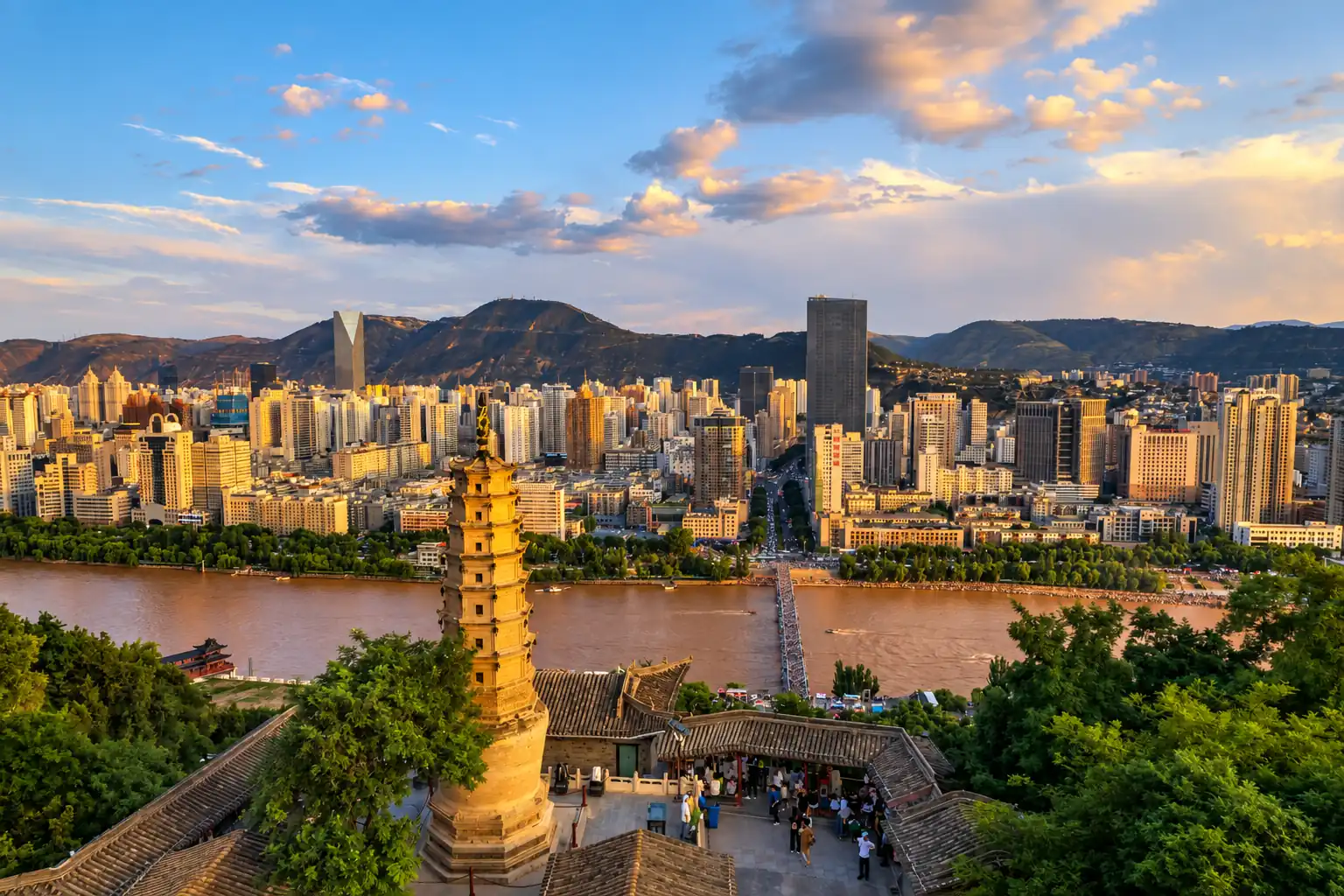
Yellow River and city scenery in Lanzhou Gansu
Longer Gansu Extension

Lanzhou

Add Gansu’s provincial capital for Yellow River scenery, northwest Chinese food and convenient onward transport through the region.
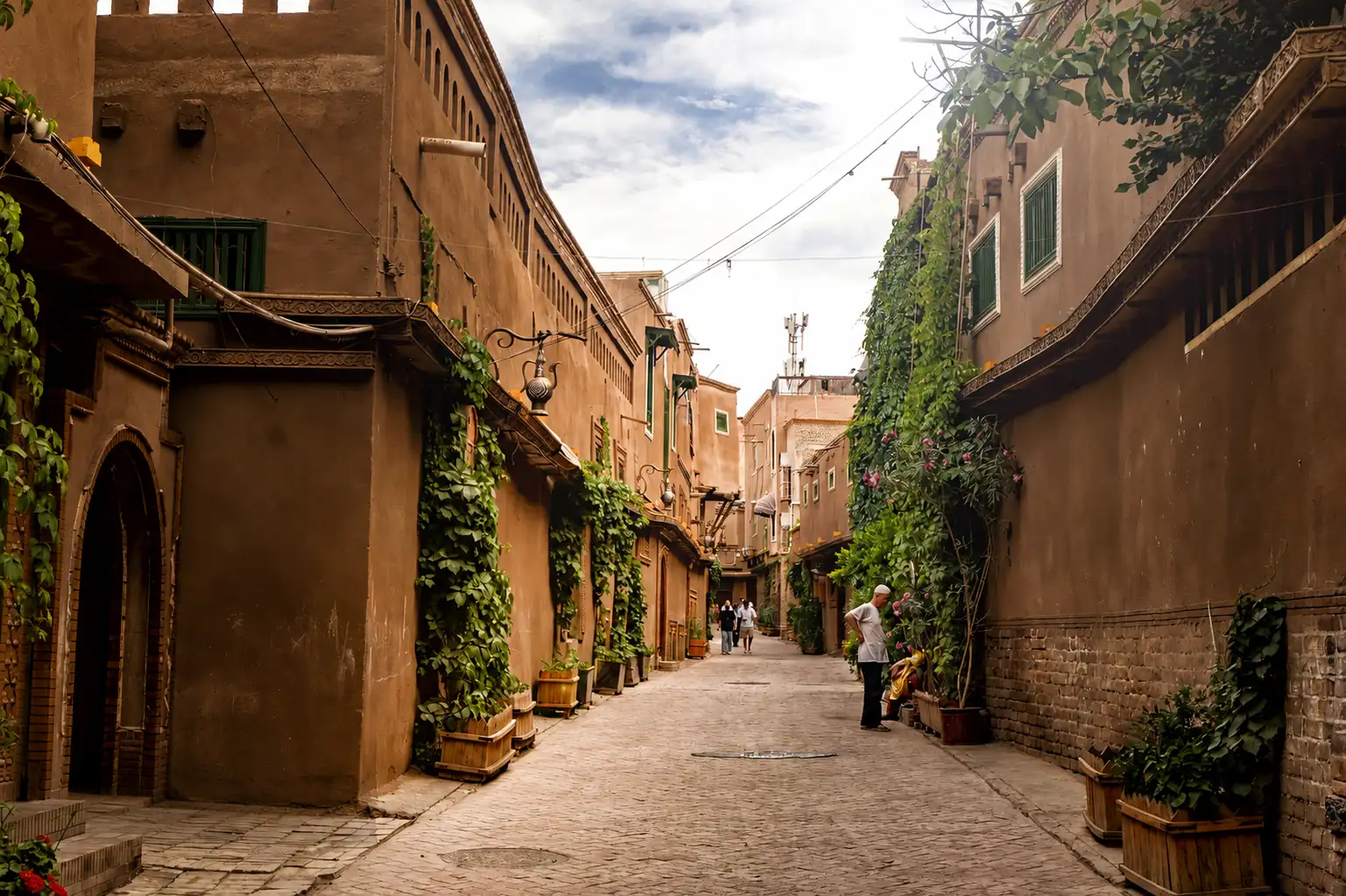
Traditional streets and alleys in Kashgar Ancient City, Xinjiang
Multi-Day Silk Road Extension

Xinjiang

Continue west toward Turpan, Urumqi and Kashgar for a longer journey through oasis cities, deserts and the cultural crossroads of northwest China.

Route Planning

Building a longer Silk Road itinerary?

A classic east-to-west route can connect Xi’an, Lanzhou, Zhangye, Jiayuguan and Dunhuang before continuing toward Xinjiang. The exact sequence should depend on your total travel time and preferred transport.

Before You Go

Dunhuang Travel Tips

A little preparation makes a big difference in Dunhuang. Timed Mogao Caves visits, the dry desert climate and long distances to western attractions mean it is worth planning documents, transport and daily timing before you arrive.

Essential Before You Arrive

Fix Your Mogao Caves Visit First, Then Build the Trip Around It

Treat your Mogao Caves reservation as one of the fixed points of the itinerary. Keep the travel document used for booking available, plan longer desert transport in advance and leave enough flexibility for changing weather conditions.

Mogao Caves Reserve in advance and follow your booked visit time
Documents Carry the passport or travel document used for reservations
Western Route Arrange long-distance sightseeing transport before the day

Mogao Caves Booking

Do not leave the Mogao Caves reservation until the last minute, particularly during busy travel periods. Visits are organized around reserved entry times and a structured visitor process.

Passport & Travel Documents

Keep your passport or other accepted travel document with you on important sightseeing days, especially when a reservation or ticket was issued using your identity details.

Mobile Payments

Mobile payments are widely used in China. Preparing a compatible payment method before your trip can make everyday purchases easier, while keeping a small cash backup can still be useful.

Internet & Translation

Prepare mobile data, maps and translation tools before sightseeing. Save your hotel address and important destination names in Chinese so they are easy to show to a driver when needed.

Remote Sightseeing & Facilities

Facilities become less frequent on long western desert drives. Use toilets and shops at major visitor stops when available, carry drinking water and keep tissues and basic personal supplies in your day bag.

Medication & Basic Health Needs

Central Dunhuang has pharmacies and medical facilities, but remote sightseeing can involve long travel times. Carry any regular medication you need and keep essential health information accessible while traveling.

What to Pack

Dunhuang Packing Essentials

Normal sightseeing does not require specialist desert equipment, but a few practical items make long days around dunes, caves and remote Silk Road sites much more comfortable.

Sun Protection Sunscreen, sunglasses, hat and lip balm
Comfortable Footwear Good walking shoes for ruins, city sightseeing and sandy areas
Light Layers Useful for cooler mornings, evenings and changing conditions
Small Day Bag Water, tissues, charger and essential travel documents
Desert Travel Tip

Leave Some Flexibility for Wind and Weather

Dunhuang is dry for much of the year, but strong wind or dusty conditions can make outdoor desert sightseeing less comfortable. Keep enough flexibility to adjust the timing of Mingsha Mountain or a western Gobi excursion when conditions are poor.

Want the Practical Details Handled for You?

A private Dunhuang itinerary can coordinate Mogao Caves timing, transport, hotel location and daily sightseeing around your actual travel dates.

Plan My Dunhuang Trip →
Private and Custom Travel

Suggested Private Dunhuang Tour Ideas

Use these private Dunhuang tour ideas as a starting point, then adjust the route around your Mogao Caves reservation, arrival and departure times, preferred pace and the Silk Road sites you most want to experience.
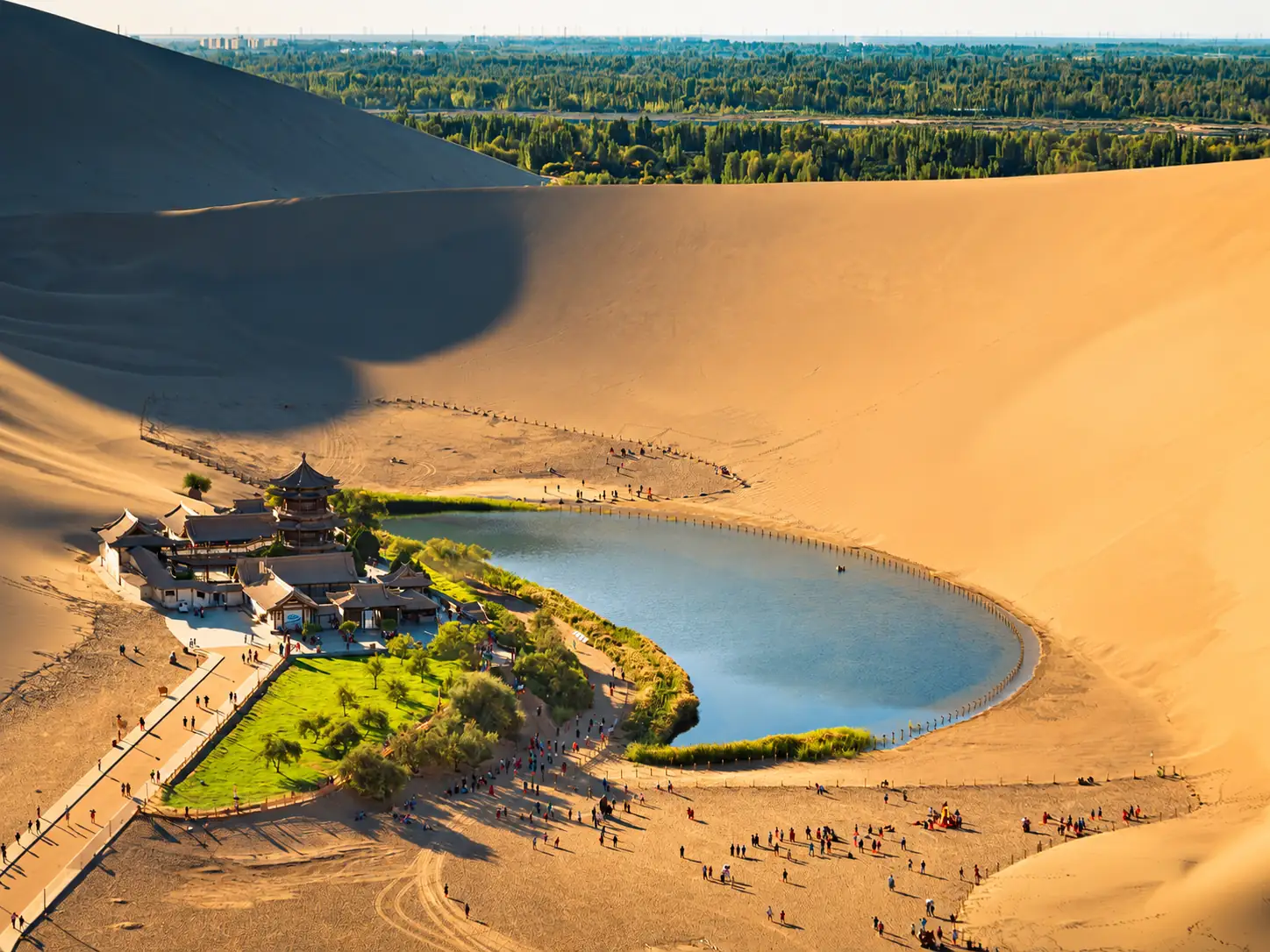
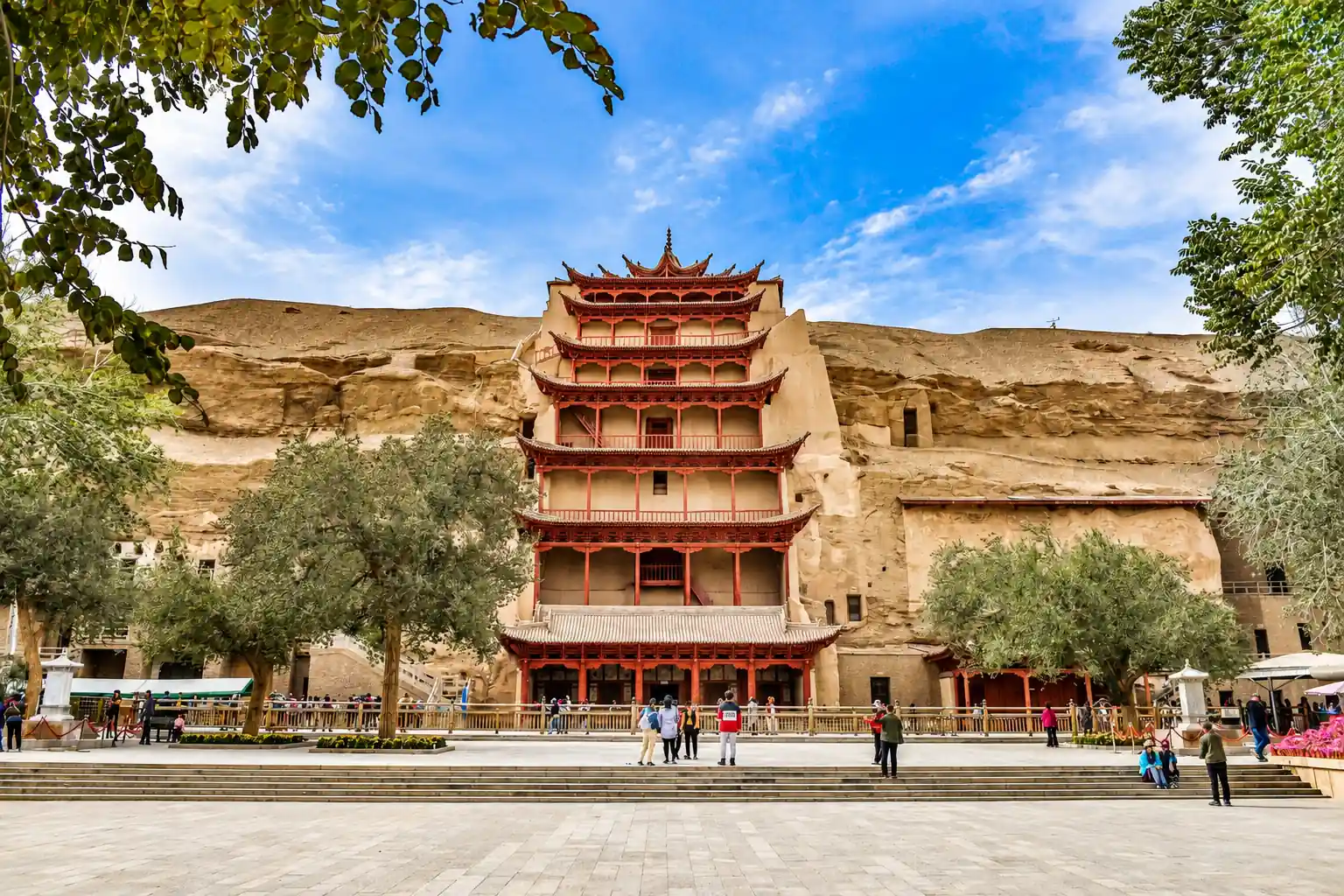
Nine-Storey Building at the Mogao Caves in Dunhuang
1 Day

Dunhuang Essential Highlights

Combine the Mogao Caves with Mingsha Mountain and Crescent Spring for a compact introduction to Dunhuang when your time in the city is limited.

First Visit Culture + Desert
Yardang rock formations and western Gobi road near Dunhuang
1 Day

Western Silk Road Day Trip

Travel west across the Gobi to Yumen Pass, Han frontier remains and Yadan (Yardang) landscapes on a full-day route focused on Dunhuang’s ancient western gateway.
Silk Road Private Driver
Crescent Spring and Singing Sand Dunes in Dunhuang
4 Days

In-Depth Dunhuang Private Trip

Slow the pace with more time for the Mogao Caves, desert landscapes, Dunhuang Museum, Yangguan and the western Silk Road route without packing every day too tightly.

Relaxed Pace Culture Focus
Jiayuguan Pass fortress in Gansu
5–7 Days

Dunhuang & Jiayuguan Private Route

Combine Dunhuang with Jiayuguan for a broader journey through Buddhist cave art, desert scenery, frontier passes and Great Wall history along the Hexi Corridor.

Multi-City Silk Road
Longer Multi-City Journeys

Extended Silk Road Tours from Dunhuang

If Dunhuang is part of a longer northwest China journey, these existing multi-city tours continue through other Silk Road landscapes and historic destinations beyond the city.

7 Days

Dunhuang, Zhangye & Ejina Qi Photography Tour

Continue beyond Dunhuang through Zhangye and Ejina Qi on a longer photography-focused journey through northwest China.

View 7-Day Tour →
12 Days

Silk Road In-Depth Tour

Explore a longer Silk Road itinerary designed for travelers who want more time across the historic corridor and its major cultural destinations.

View 12-Day Tour →
21 Days

China Tour with Silk Road

Combine a wider journey through China with an extended Silk Road section for travelers planning a longer multi-region trip.

View 21-Day Tour →

Prefer a Dunhuang itinerary built around your travel dates?

We can adjust the route around your Mogao Caves reservation, arrival and departure times, hotel location, preferred pace and the Silk Road sites you most want to see.
Dunhuang Travel Questions

Frequently Asked Questions

Find answers to common questions about planning a Dunhuang trip, including how many days to stay, the Mogao Caves, desert attractions, weather, transportation and Silk Road itineraries.

How many days do you need in Dunhuang?

Two days is enough for Dunhuang’s main highlights, including the Mogao Caves, Mingsha Mountain and Crescent Spring. Three days is a better choice for most first-time visitors because it also allows time for Yumen Pass, Han Dynasty Great Wall remains and the western Gobi route. Four days gives you a slower pace with extra time for museums, Yangguan or photography.

Is Dunhuang worth visiting?

Yes. Dunhuang is especially rewarding for travelers interested in the Silk Road, Buddhist art, Chinese history and desert landscapes. Few destinations in China combine a major Buddhist cave complex, ancient frontier ruins, sand dunes and an oasis environment within one relatively compact trip.

What is Dunhuang known for?

Dunhuang is best known for the Mogao Caves, also known as the Mogao Grottoes, and its historic role on the ancient Silk Road. It is also known for Mingsha Mountain, Crescent Spring, Yumen Pass, Han Dynasty Great Wall remains and the dramatic Gobi and desert landscapes surrounding the city.

What are the major attractions in Dunhuang?

The main attractions include the Mogao Caves, Mingsha Mountain, Crescent Spring, Yumen Pass, Yangguan Pass, Han Dynasty Great Wall remains and Dunhuang Yadan National Geopark. Dunhuang Museum and Shazhou Night Market are also worthwhile additions when you have more time.

Do you need to book the Mogao Caves in advance?

Yes. The Mogao Caves use a real-name reservation and timed-entry system, so booking in advance is strongly recommended, particularly during busy travel periods. Bring the passport or other valid travel document used for the reservation and follow the current visitor instructions for your booked time.

How much time should you allow for the Mogao Caves?

Allow around half a day. A visit involves more than simply arriving at the cave area, as travelers normally follow the official visitor process through the Digital Exhibition Center before visiting selected grottoes. Keeping the rest of that half-day flexible makes the experience much less rushed.

What is the best time to visit Dunhuang?

Late spring and early autumn generally provide the most comfortable conditions for sightseeing. May and September are especially suitable for many travelers. Summer afternoons can be very hot in exposed desert areas, while winter is much colder but usually quieter.

How do you get to Dunhuang?

Dunhuang can be reached by air or train. Flying can save time on a longer China itinerary, while rail works especially well when combining Dunhuang with Jiayuguan, Zhangye, Lanzhou or other destinations in northwest China. Local transfers connect the airport and railway station with central Dunhuang.

Do you need a private driver in Dunhuang?

Not for every part of the trip. Central Dunhuang and Mingsha Mountain are relatively easy to reach by taxi or local transfer. A private driver becomes much more useful for the western route, where Yumen Pass, Han Dynasty Great Wall remains and Yadan are spread across remote desert areas.

Can you visit the Mogao Caves and Mingsha Mountain in one day?

Yes. Build the day around your reserved Mogao Caves visiting time, then continue to Mingsha Mountain and Crescent Spring when the schedule allows. In warmer months, visiting the desert later in the day can also avoid some of the strongest afternoon heat.

Can Dunhuang be combined with Jiayuguan and Zhangye?

Yes. Dunhuang, Jiayuguan and Zhangye form a natural journey through the Hexi Corridor. This route combines Buddhist cave art and desert scenery in Dunhuang with Great Wall history around Jiayuguan and the distinctive landscapes and Silk Road heritage around Zhangye.

Is Dunhuang suitable for first-time visitors to China?

Yes, although Dunhuang requires slightly more advance planning than major cities such as Beijing or Shanghai. The main things to organize are the Mogao Caves reservation, transport to remote attractions and preparation for the dry desert climate. Once these are arranged, Dunhuang fits well into a wider China itinerary.

Start Planning

Create Your Perfect Dunhuang Journey

Tell us your travel dates, available time and the experiences that interest you most. We can design a private Dunhuang itinerary around your Mogao Caves visit, desert experiences and Silk Road route, then connect it with Jiayuguan, Zhangye or other destinations across China.

Create
my trip