How Many Days in Guilin?
Three days can cover the essential Guilin and Yangshuo highlights, while four to six days gives you a much better route with the Li River, countryside experiences and time for Longji.

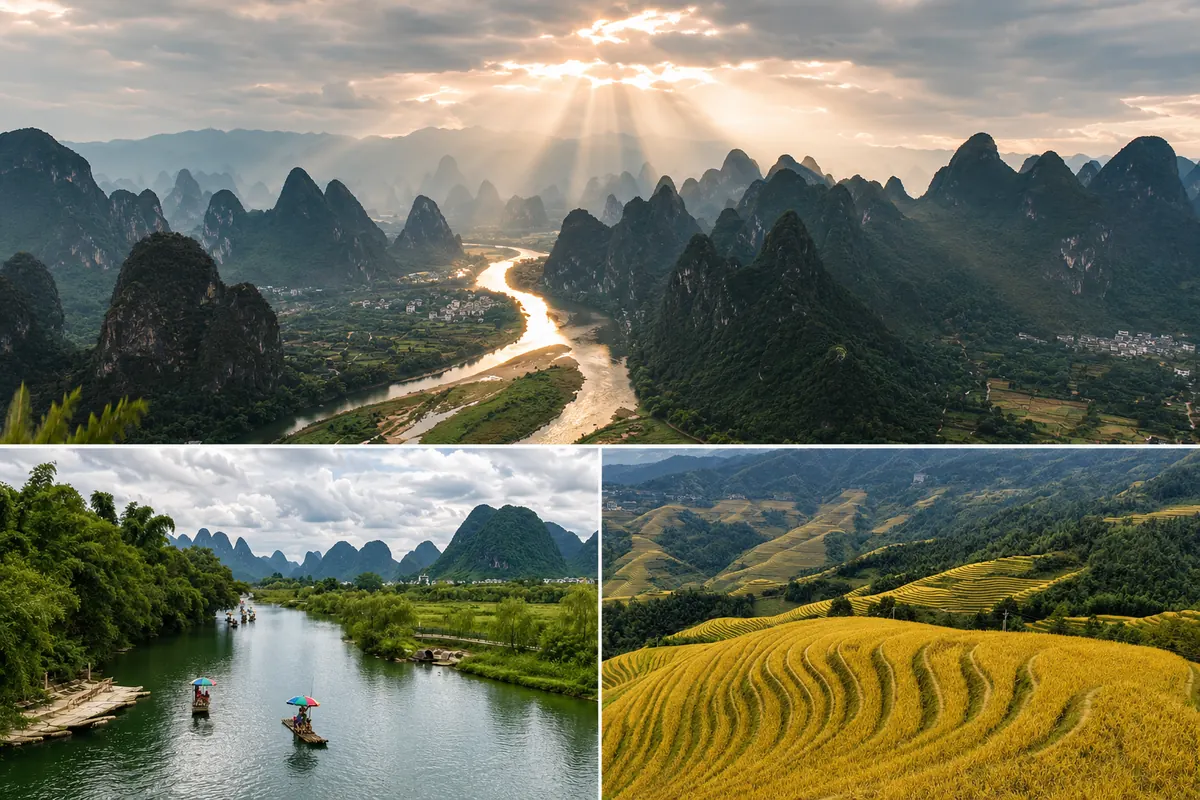
The best places to visit in Guilin are spread across the wider region, from the Li River and Guilin's city landmarks to the karst countryside around Yangshuo and Xingping and the mountain scenery of the Longji Rice Terraces. For a first trip, prioritize the landscapes that make Guilin distinctive rather than trying to collect every scenic area.
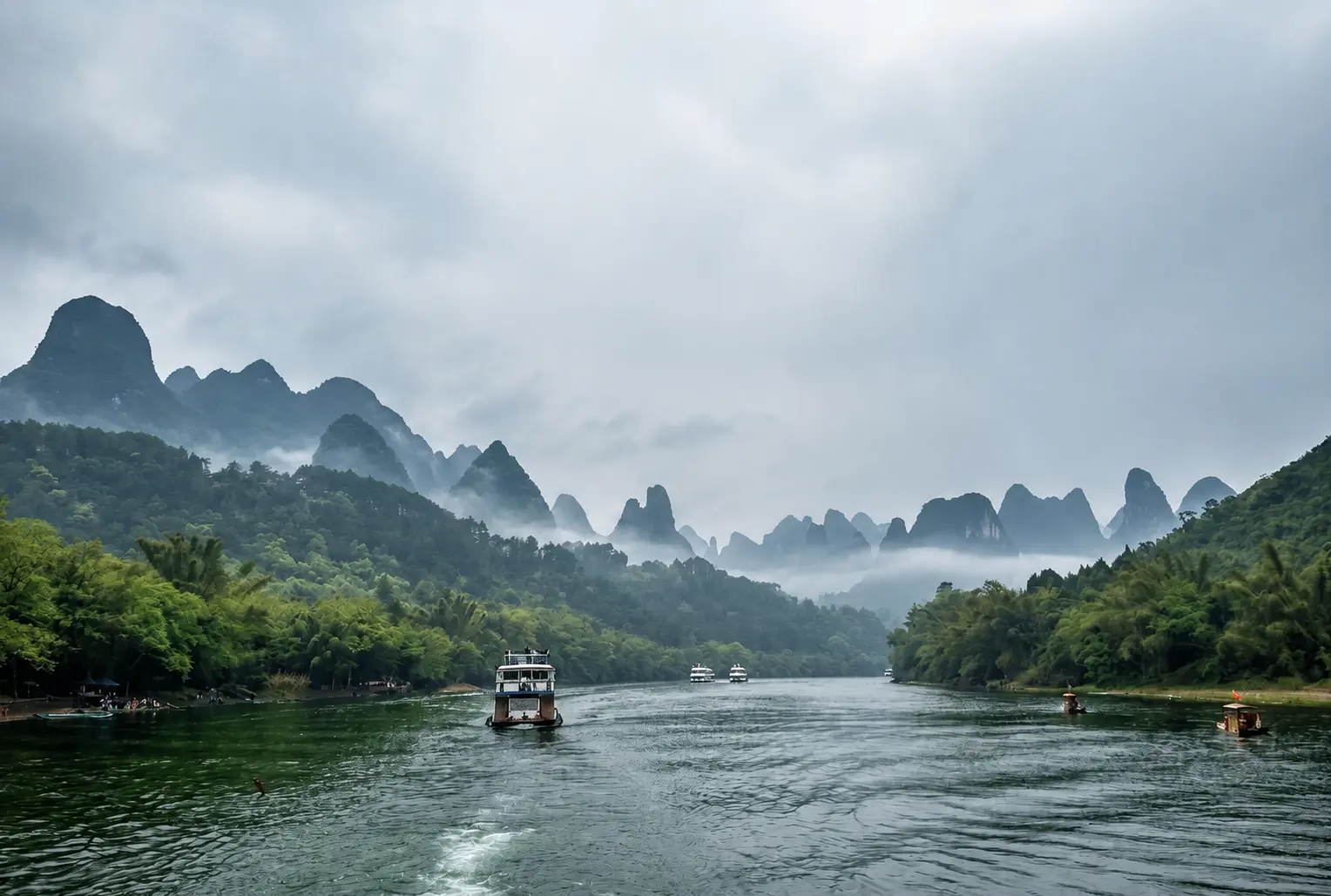
The Li River is the defining landscape of a Guilin trip, winding through limestone karst peaks between Guilin and the Yangshuo area. Instead of treating it as a separate sightseeing stop, build it into your route south: the classic journey follows the river toward Yangshuo, with some of the best-known scenery continuing around Xingping.
See Li River Experiences ↓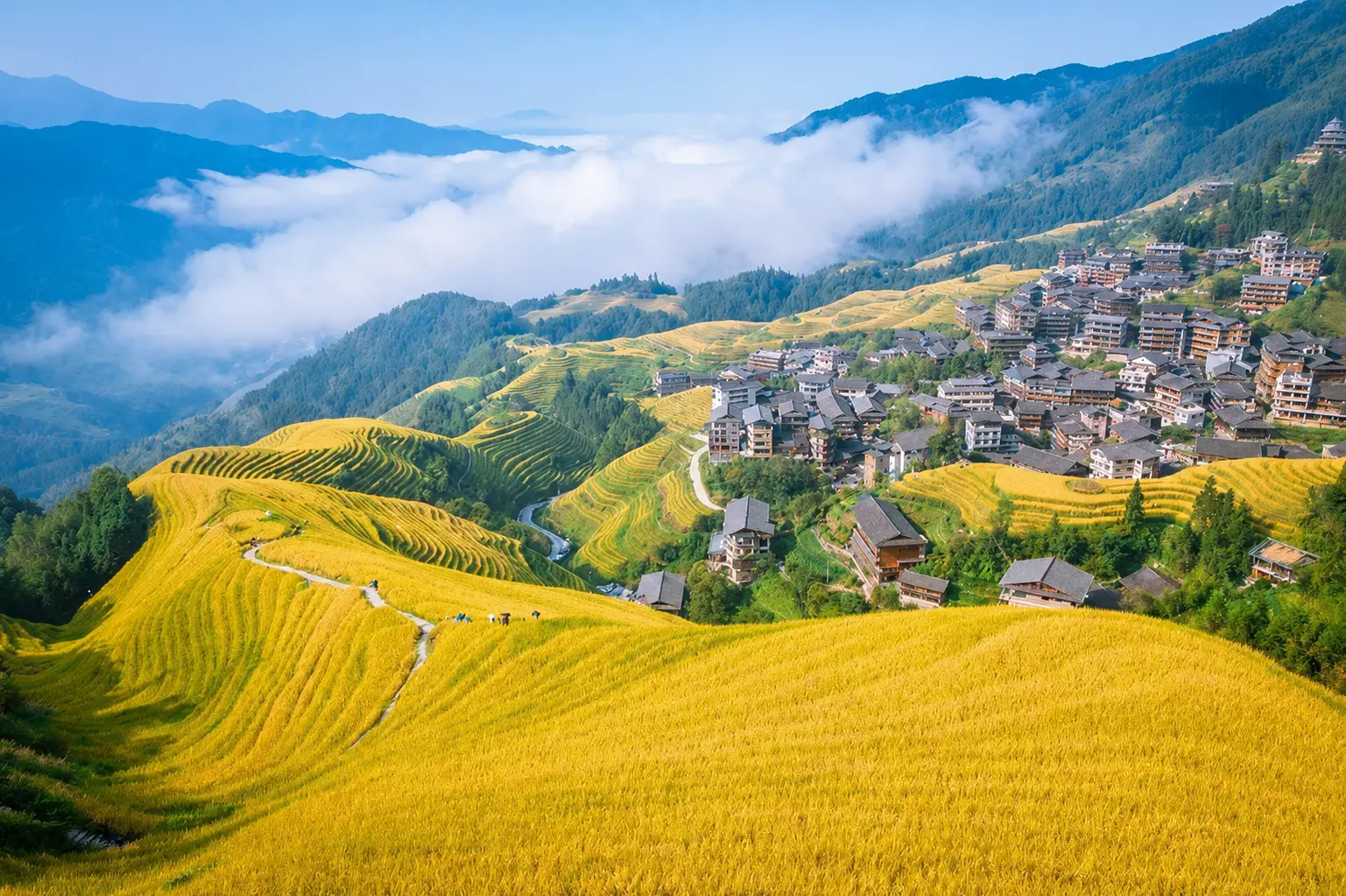
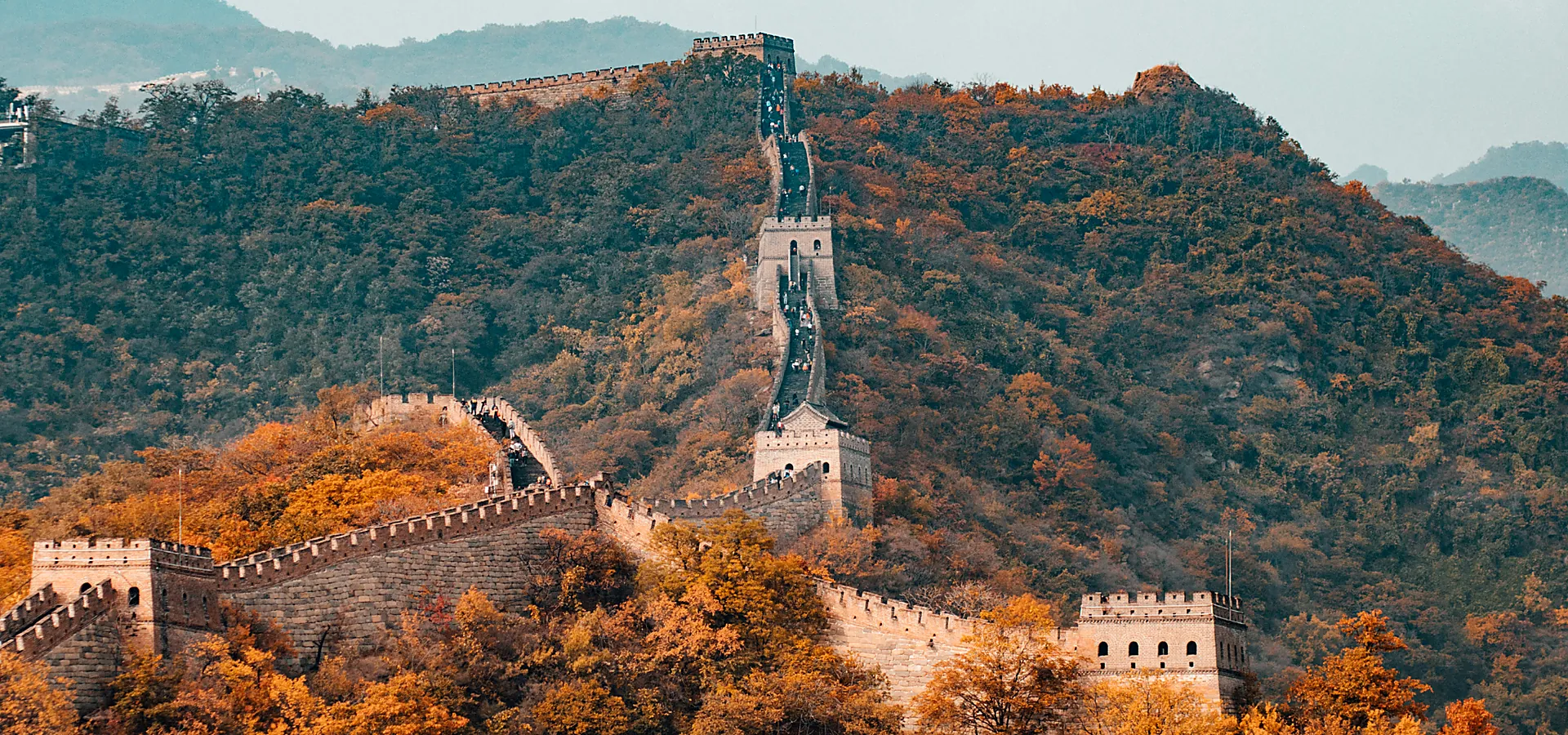
North of Guilin, the Longji Rice Terraces climb across the mountains in layered fields around villages such as Ping'an and Dazhai. The landscape changes dramatically with the farming seasons, making Longji one of the best additions for travelers who want rural scenery beyond the Li River.
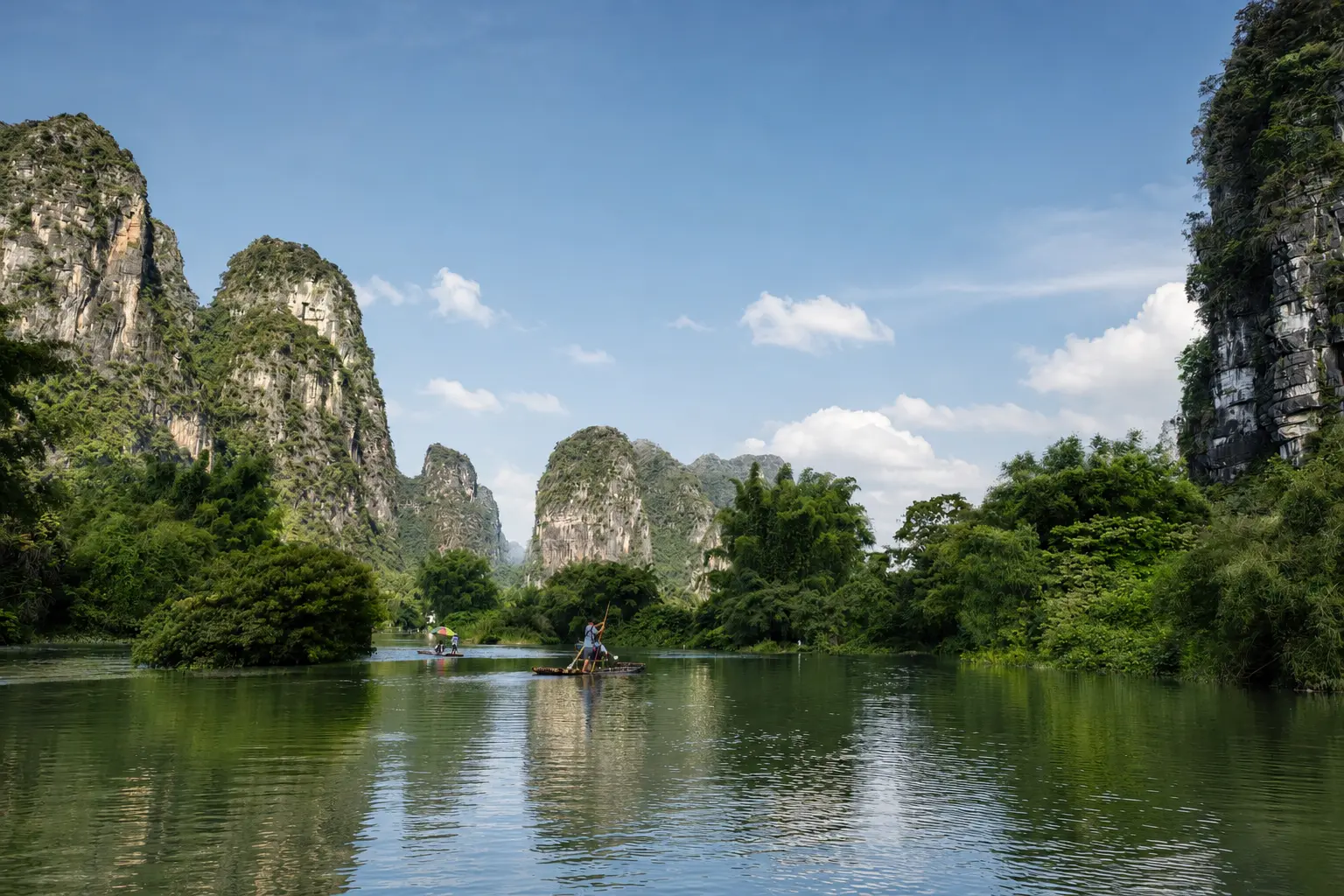
The Yulong River runs through the quieter countryside around Yangshuo, surrounded by karst peaks, fields and rural villages. It offers a different atmosphere from the larger Li River and is one of the best areas for slowing down, exploring the countryside and seeing Yangshuo beyond the town center.

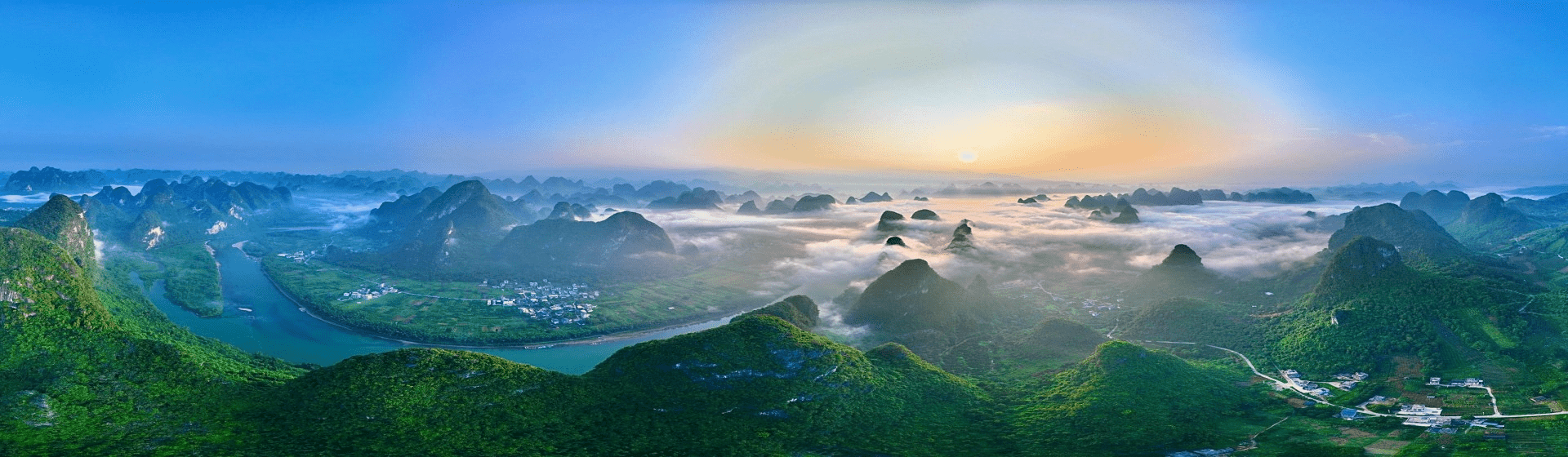
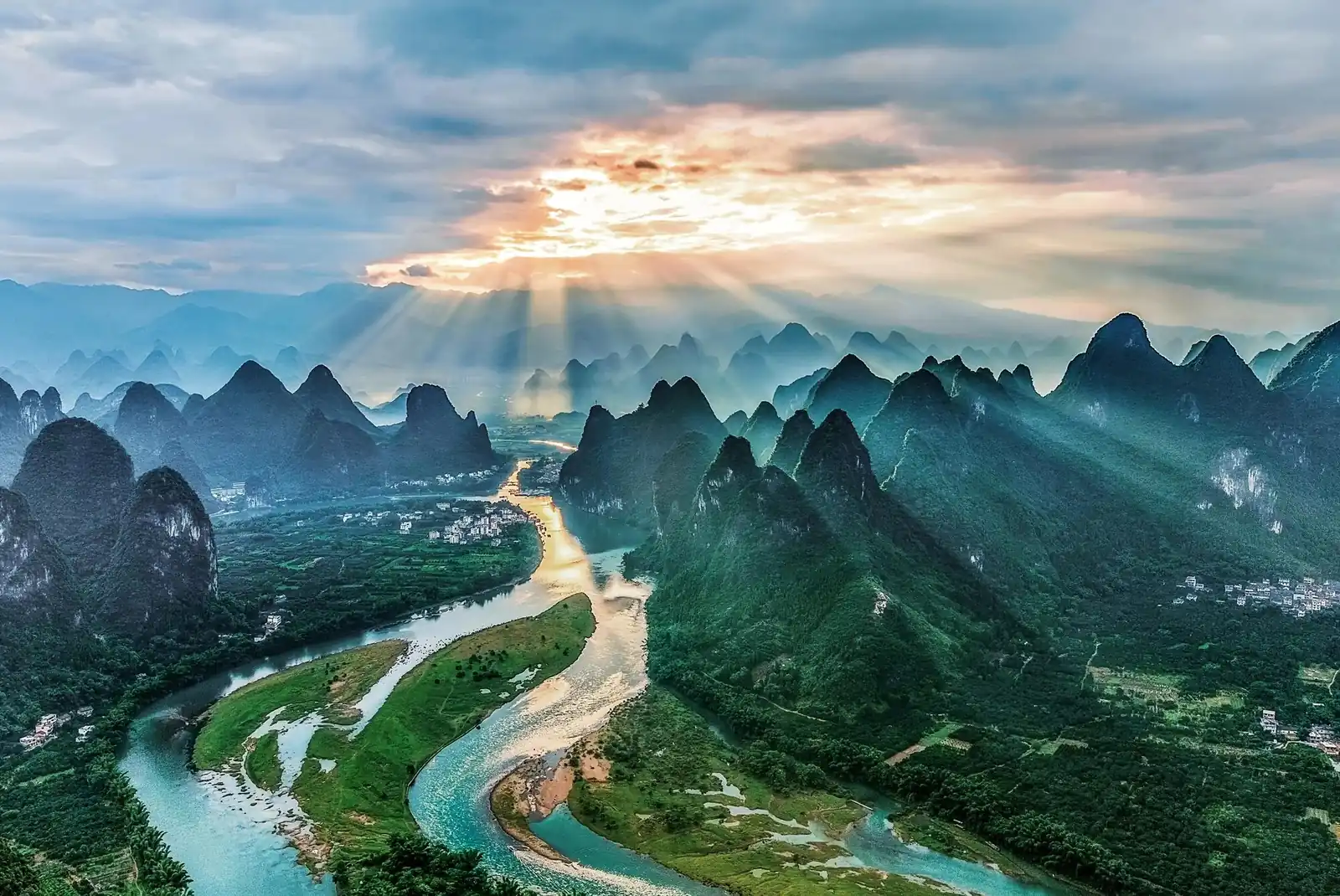
Xianggong Mountain overlooks one of the most recognizable bends of the Li River, where layers of karst peaks rise beyond the water. It is especially known as a sunrise viewpoint and works well for travelers prioritizing landscape photography around Xingping and Yangshuo.
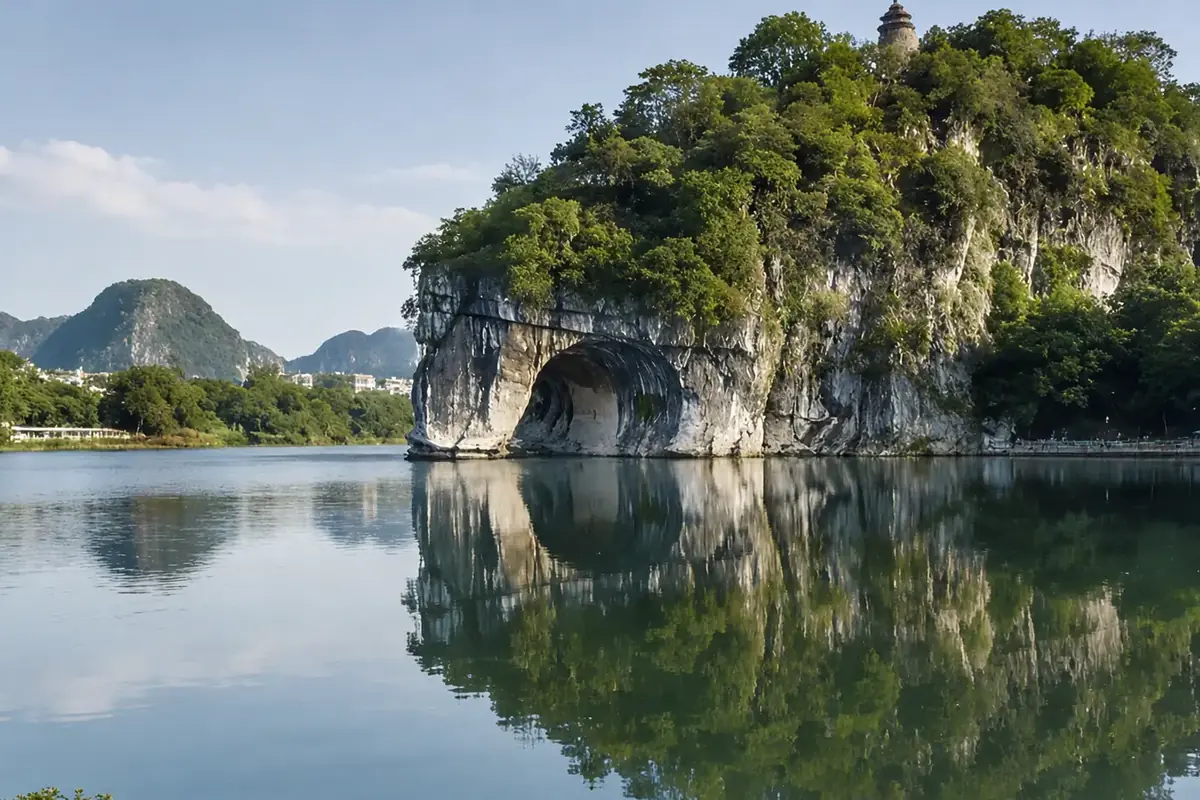
Elephant Trunk Hill is Guilin City's best-known natural landmark, named for the rock formation that appears to resemble an elephant drinking from the river. It is an easy sight to combine with the lakes and other central Guilin attractions when spending your first or final day in the city.
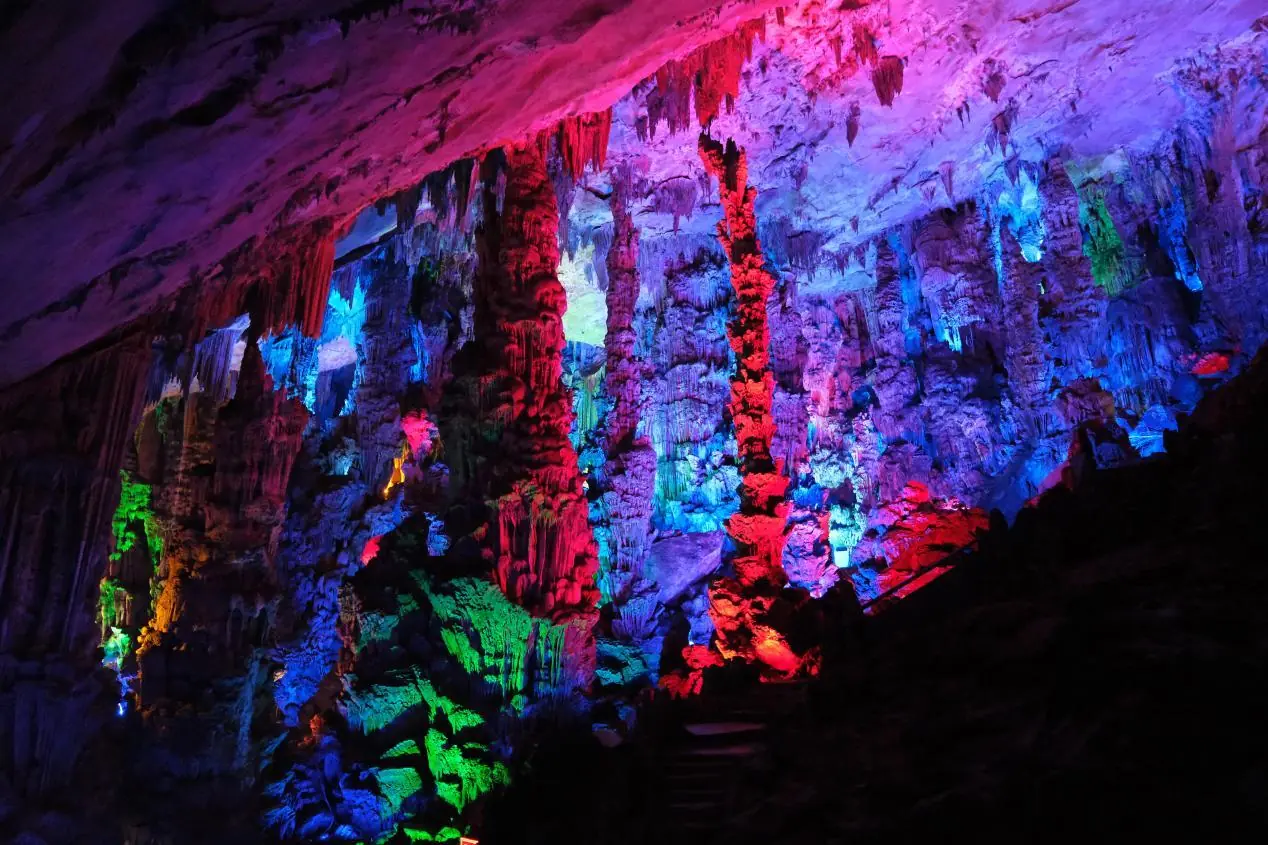
Reed Flute Cave reveals the limestone geology beneath Guilin's famous karst landscape through chambers filled with stalactites, stalagmites and illuminated rock formations. It offers a very different experience from the rivers and mountain viewpoints elsewhere in the region.
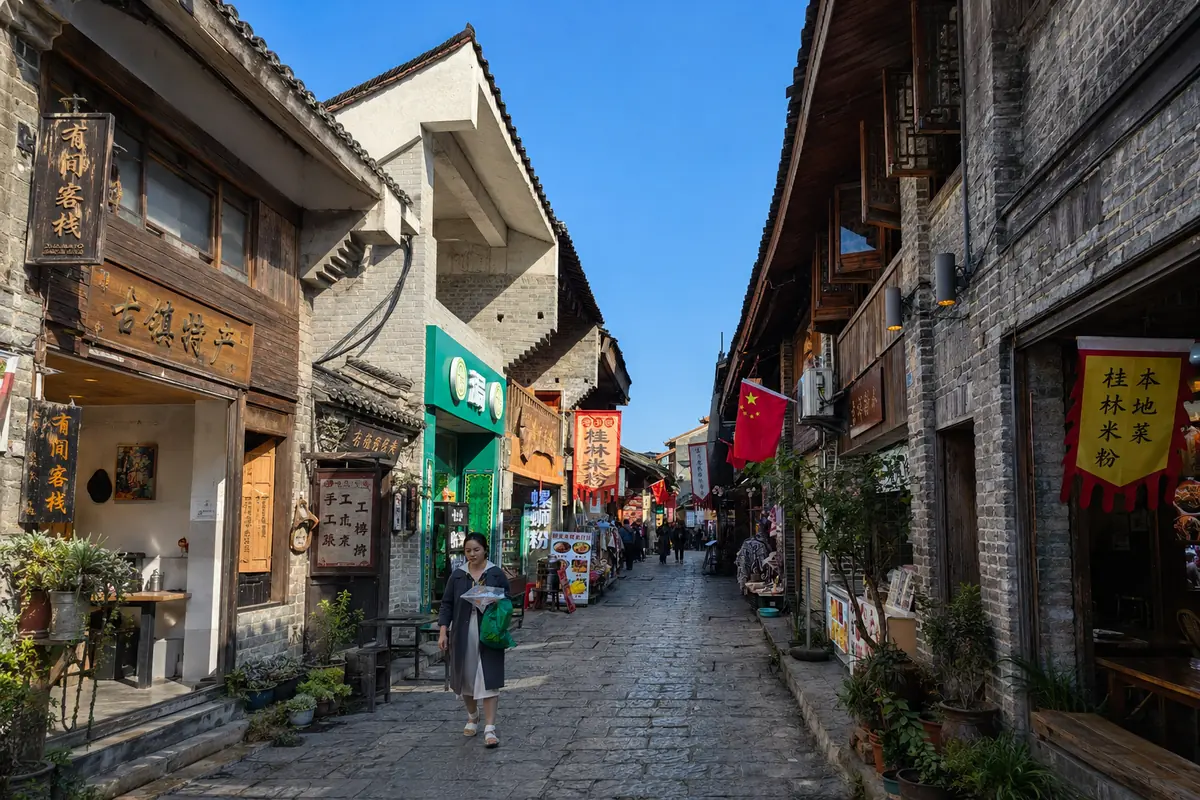
Xingping is a small historic town on the Li River surrounded by some of the region's classic karst scenery. Travelers come for the riverside landscape, traditional streets and the nearby view associated with China's 20-yuan banknote, rather than for a large collection of urban attractions.
For most first-time visitors, the strongest trip combines one or two Guilin City sights with the Li River, meaningful time around Yangshuo and either Longji or Xingping depending on your schedule. Next, compare the experiences that are actually worth building into those places—from cruising and bamboo rafting to cycling, viewpoints and local food.
The best things to do in Guilin are closely tied to the region's rivers, karst mountains and countryside. Cruise the Li River to Yangshuo, take a bamboo raft on the Yulong River, explore rural landscapes, watch the sunrise over limestone peaks and make time for Guilin rice noodles and other local specialties along the way.
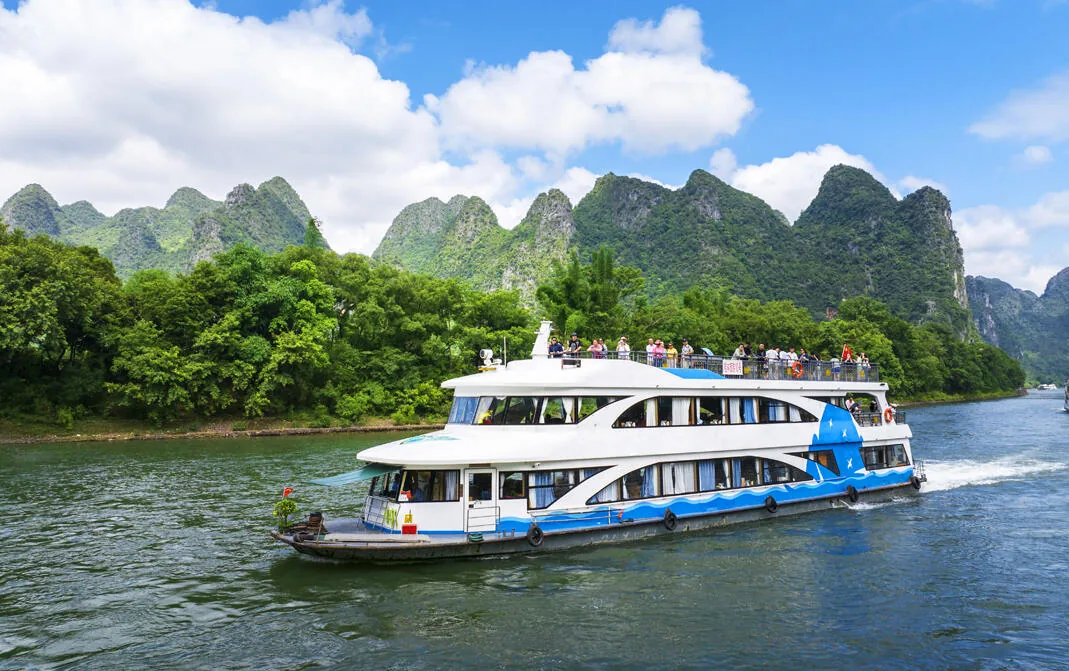
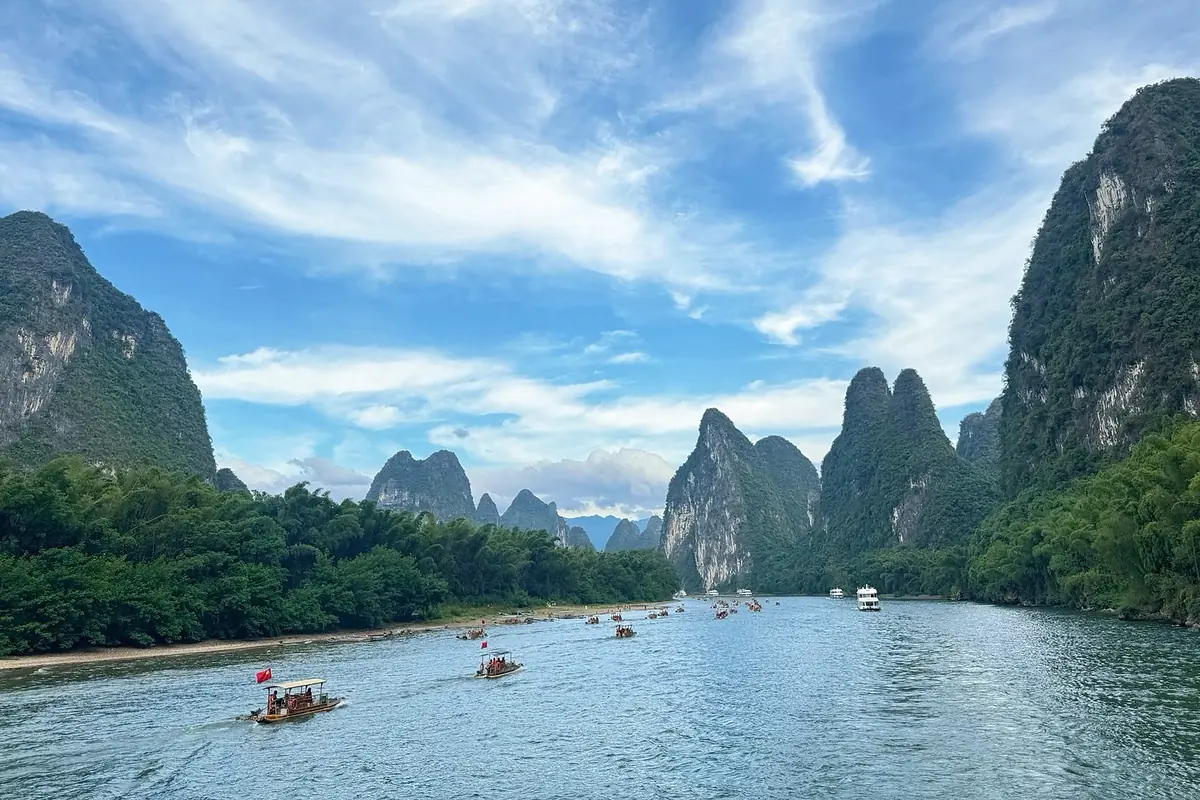
The classic Li River cruise is one of the easiest ways to turn the journey from Guilin toward Yangshuo into part of the sightseeing. The route passes through Guilin's famous limestone karst landscape before continuing downstream toward Yangshuo, with a typical cruise taking roughly three and a half to four hours.
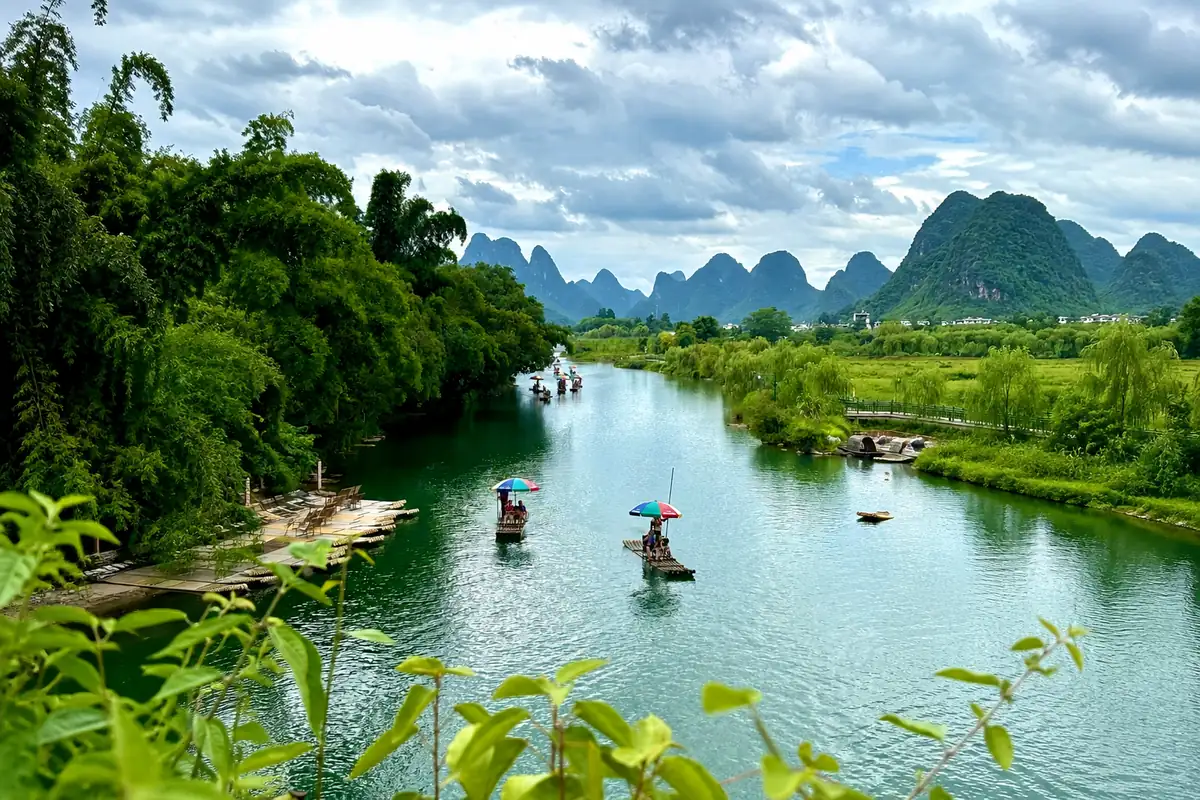
Bamboo rafting on the Yulong River is one of Yangshuo's most popular countryside experiences. The smaller river offers a different setting from the main Li River, with karst peaks, fields and rural scenery surrounding the water.
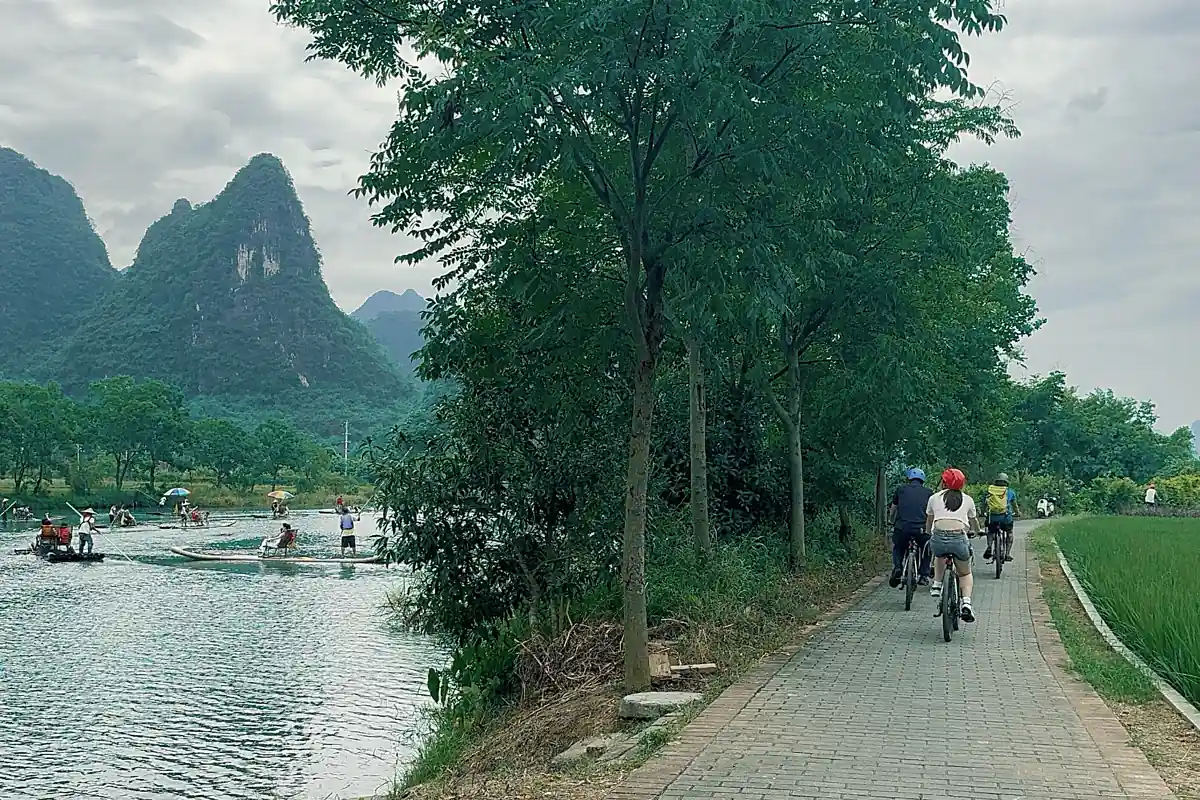
Leave the busy town center behind and spend time among Yangshuo's rice fields, rural roads and limestone mountains. Areas around the Yulong River, Ten Mile Gallery and Moon Hill bring together many of the landscapes travelers associate most strongly with the Guilin region.
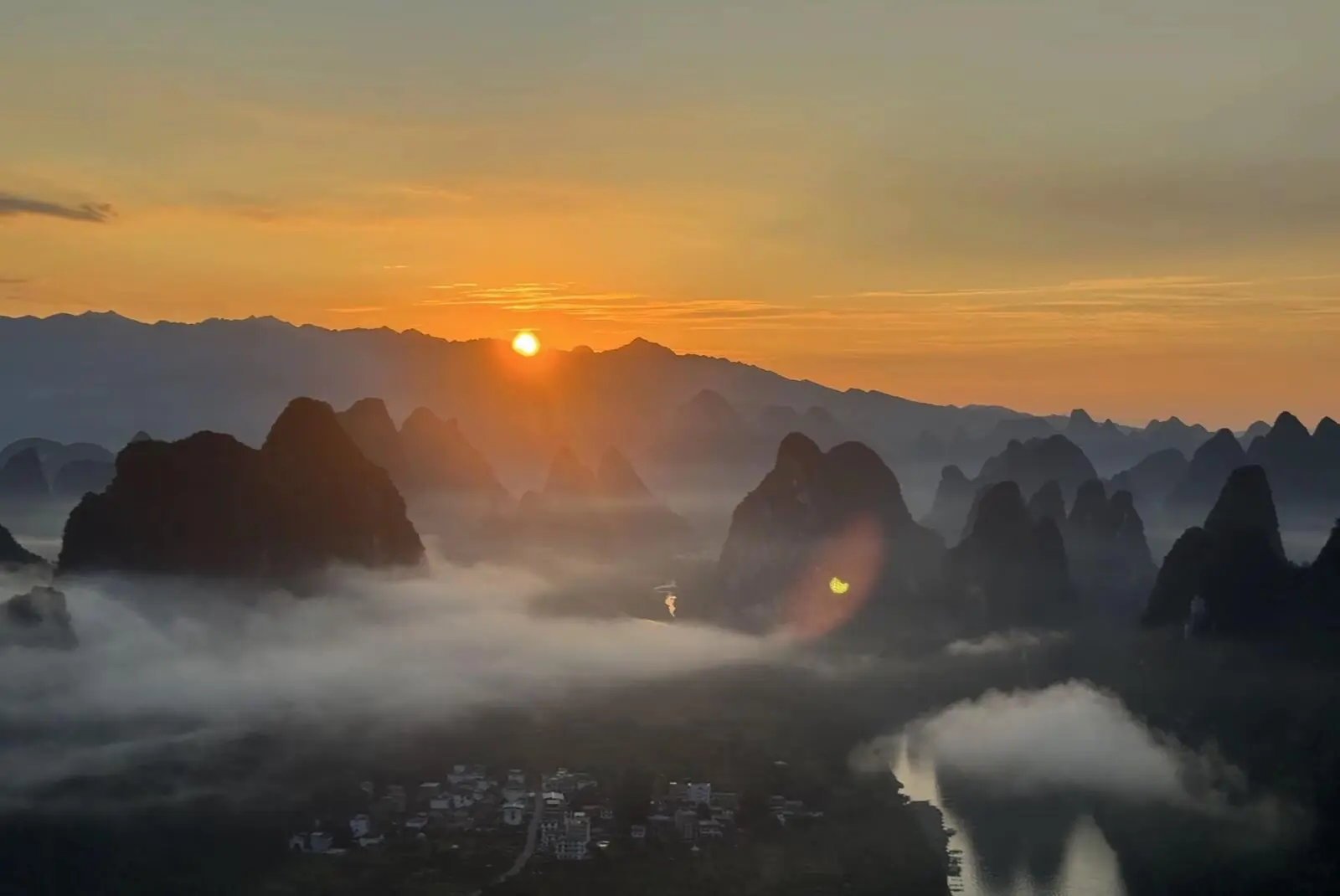
Xianggong Mountain is one of the region's best-known viewpoints for seeing the Li River bend between layers of karst peaks. Morning light makes sunrise the signature experience here, especially for travelers interested in landscape photography.
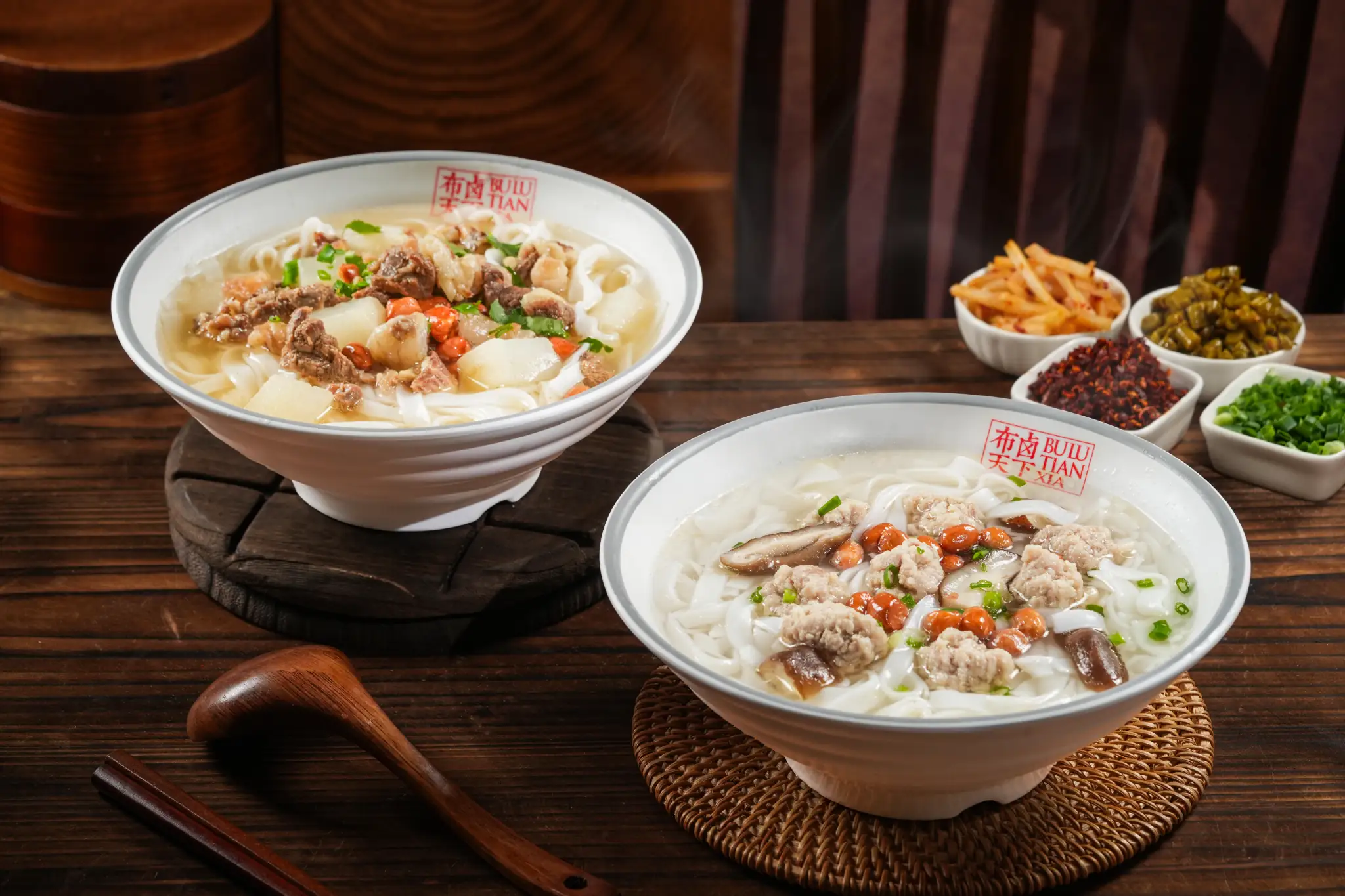
Start with Guilin rice noodles, a local breakfast staple and one of the region's most recognizable everyday foods. In Yangshuo, beer fish is another well-known local specialty, traditionally prepared with fresh river fish.
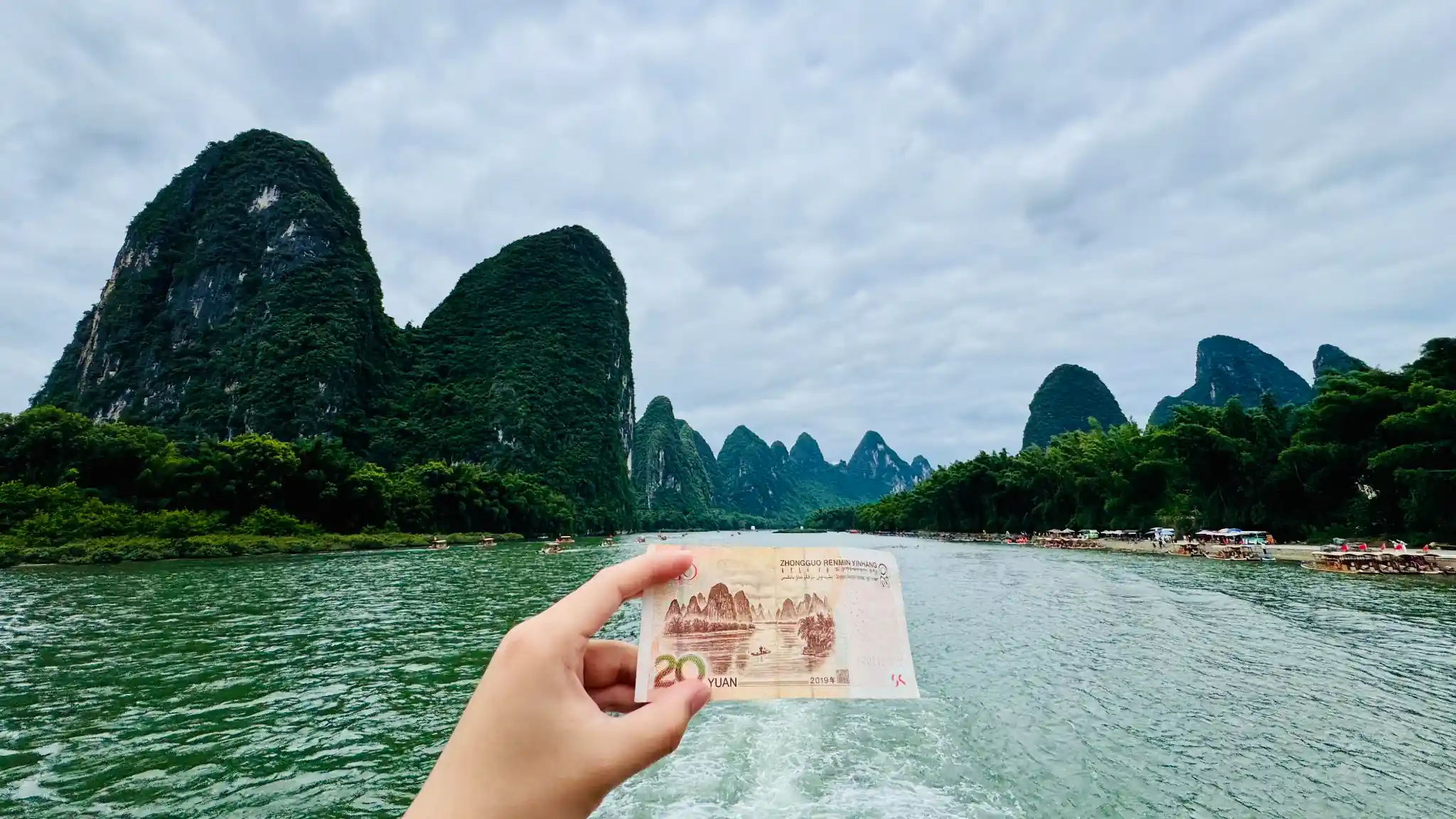
Spend time around Xingping for some of the Li River's most recognizable scenery. The area includes the landscape associated with China's 20-yuan banknote, Xingping Ancient Town and elevated viewpoints such as Laozhai Mountain.
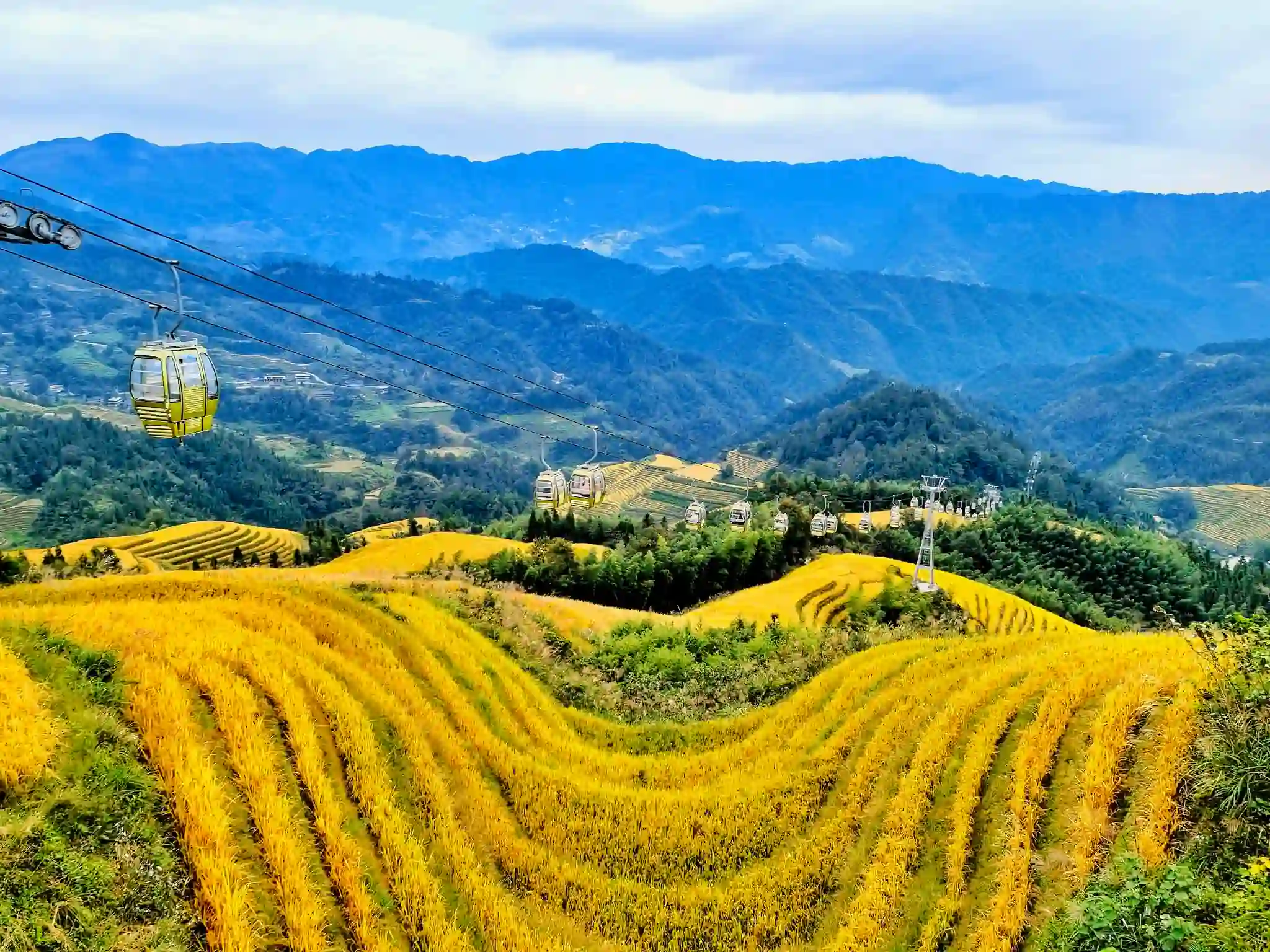
Longji can be visited from Guilin, but staying longer gives you more time to experience the mountain landscape around Ping'an or Dazhai. The scenery changes through the farming year, including water-filled terraces in late spring and golden rice around the autumn harvest.
You do not need to fit every activity into one trip. Prioritize the Li River and Yangshuo on a shorter visit, then add Xingping viewpoints or Longji when you have more time. This keeps the journey focused on the scenery and experiences that are strongest in each area.
The order matters: Guilin City, the Li River, Yangshuo, Xingping and Longji are spread across different parts of the region. Use the suggested itineraries next to see how three, four, five or more days can be organized without unnecessary backtracking.
A good Guilin itinerary is less about fitting in as many attractions as possible and more about connecting Guilin City, the Li River, Yangshuo and the Longji Rice Terraces efficiently. Three days works for the essential Guilin–Yangshuo route, while four to six days gives you more time for Longji, Xingping and the surrounding countryside.
This four-day Guilin itinerary combines a short introduction to Guilin City with the Longji Rice Terraces, the classic Li River journey to Yangshuo and a full day in the Yangshuo countryside. It covers the region's major landscapes without turning every day into a long list of sightseeing stops.
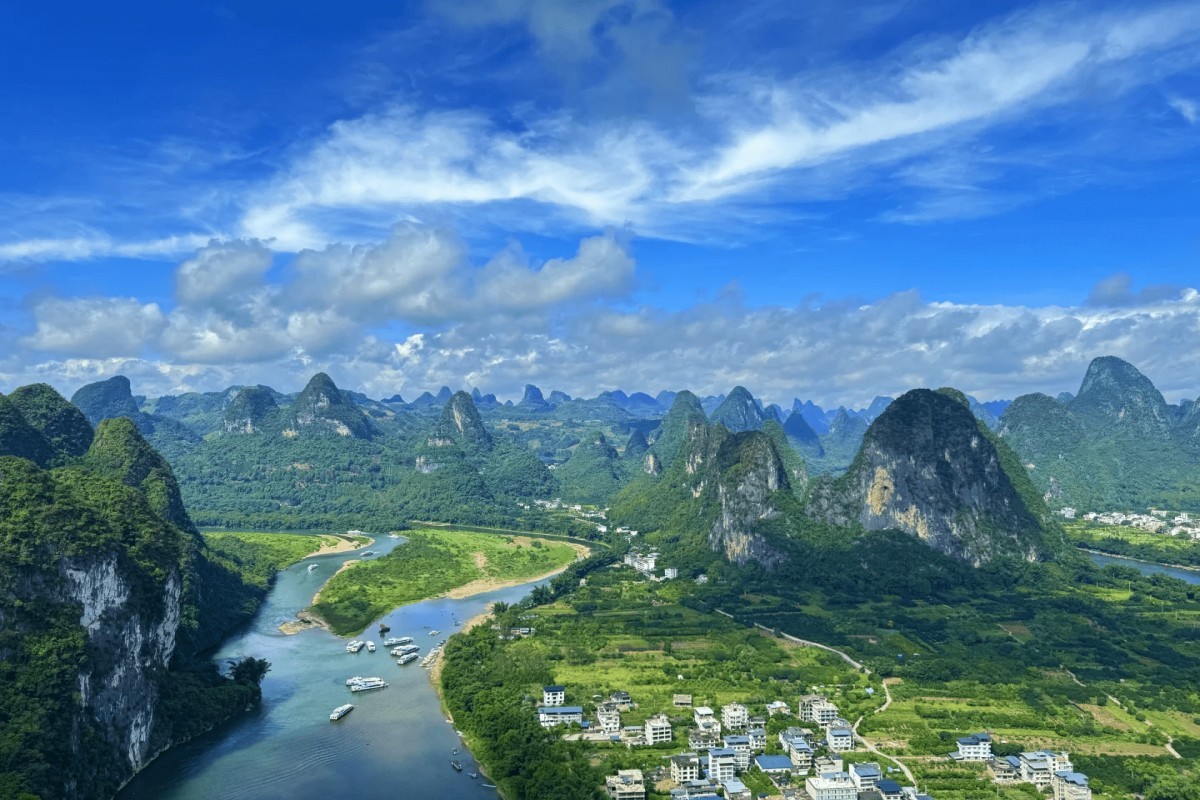
Begin with a light sightseeing day in Guilin City. Visit Elephant Trunk Hill and, depending on your arrival time, add Reed Flute Cave or an evening walk around the central lakes. Try Guilin rice noodles and stay in the city so you are well positioned for the next day's excursion.
Best for an arrival day or a light city sightseeing day
Spend the day at the Longji Rice Terraces, choosing either Ping'an or the Dazhai area rather than trying to cover everything. Allow for the longer transfer from Guilin and focus on terrace viewpoints, village scenery and walking through the mountain landscape before returning to Guilin.
Choose Ping'an or Dazhai rather than trying to cover both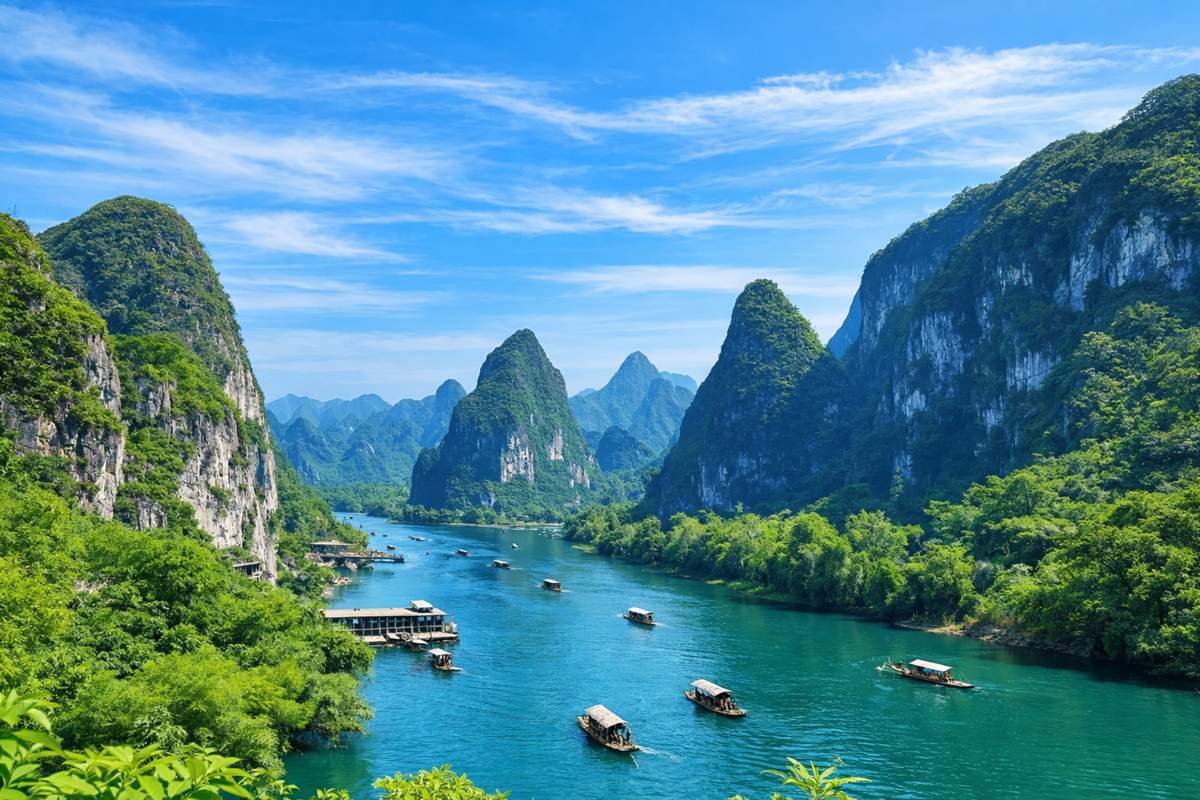
Travel from Guilin toward Yangshuo on the classic Li River cruise, which usually takes around three and a half to four hours. Use the journey as both sightseeing and transportation, then check into Yangshuo and spend the late afternoon or evening exploring the town.
Best used as part of your transfer from Guilin to Yangshuo
Spend your final full day outside Yangshuo town. Take a bamboo raft on the Yulong River, explore the surrounding countryside and combine the day with rural roads, fields or the Ten Mile Gallery area. Finish with local food in Yangshuo before continuing your China journey.
Allow a full day for the countryside and Yulong RiverCustomize the trip around your arrival point, preferred hotel locations, Li River plans, time in Yangshuo and whether you want to visit Longji as a day trip or stay overnight.
The best time to visit Guilin is generally spring and autumn, when conditions are better suited to outdoor sightseeing around the Li River, Yangshuo and the surrounding karst countryside. If the Longji Rice Terraces are a priority, choose your dates more carefully: the fields change dramatically between the water-filled season, green growing months and the golden rice period before harvest.
Spring and autumn offer the strongest overall balance for a first-time Guilin itinerary. These seasons work well for combining Guilin City, the Li River and Yangshuo, while Longji adds another layer of seasonality. Travelers visiting primarily for the rice terraces should choose dates according to the landscape they want to see rather than relying only on the general Guilin travel season.
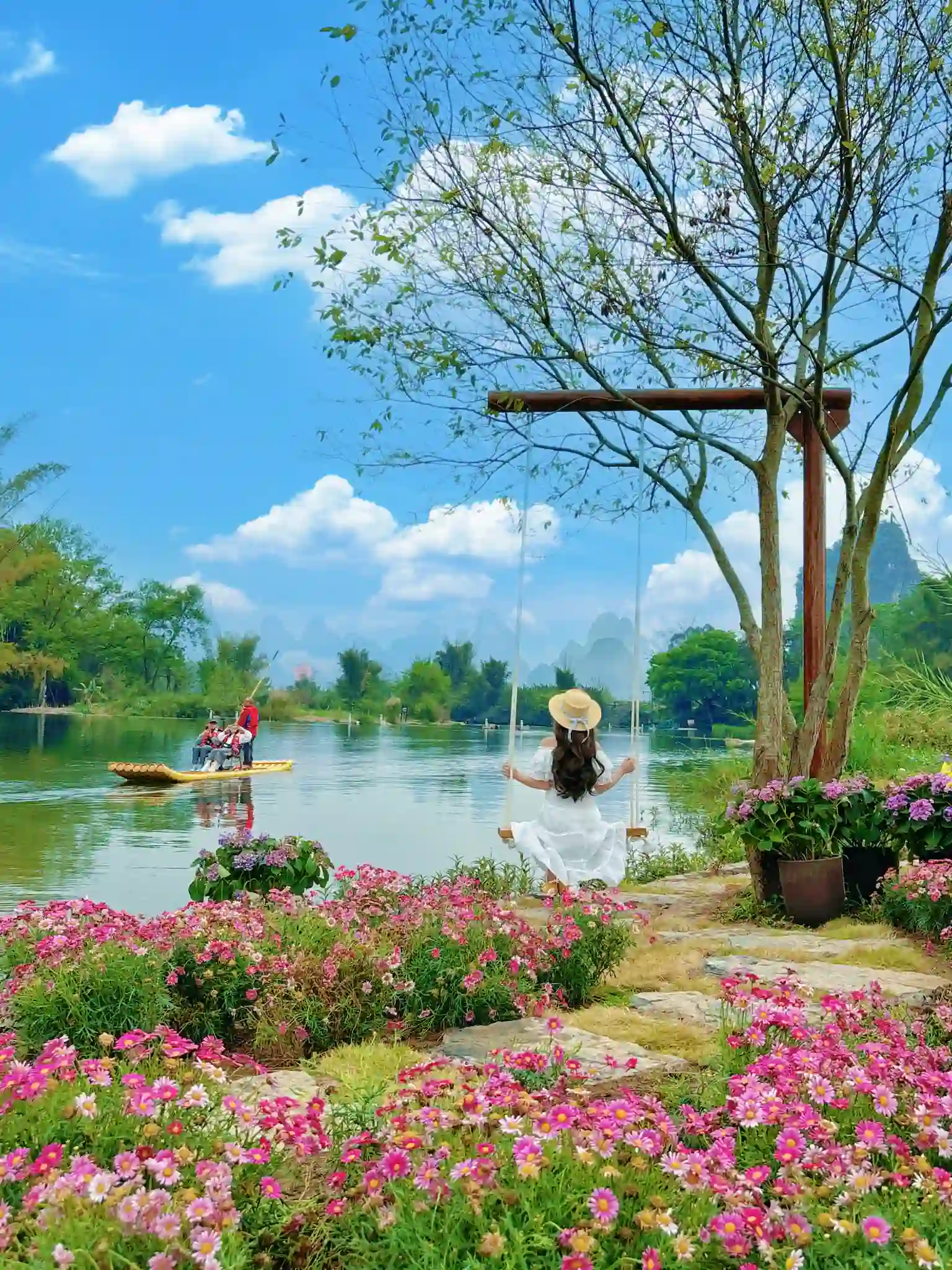
Spring is one of the best seasons for a Guilin trip and works particularly well for combining the Li River, Yangshuo and countryside sightseeing. By mid-May, Longji also begins one of its most distinctive periods as water-filled terraces reflect the sky across the mountain slopes.
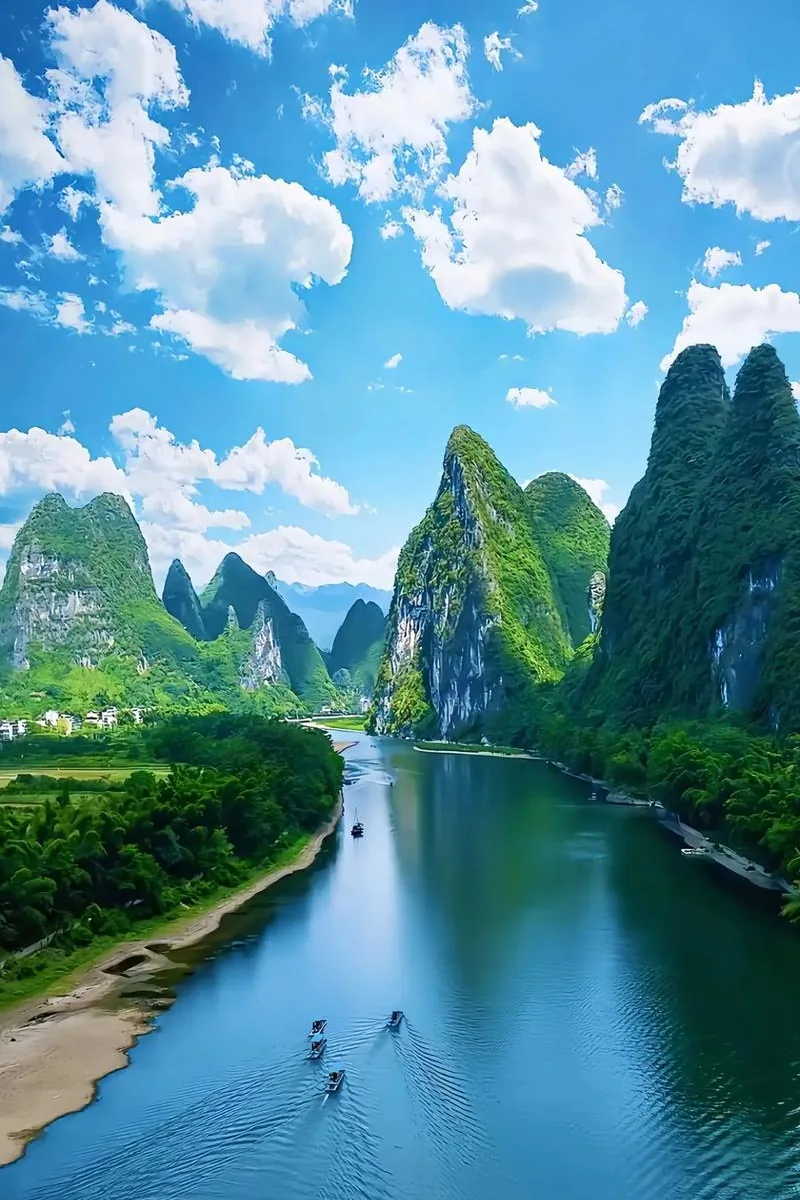
Summer brings lush green scenery across Guilin and Yangshuo, but the season can also be hot and humid. The first half of June can still overlap with the water-filled terrace period at Longji. Travelers visiting later in summer should leave more flexibility for outdoor sightseeing and avoid overloading each day.
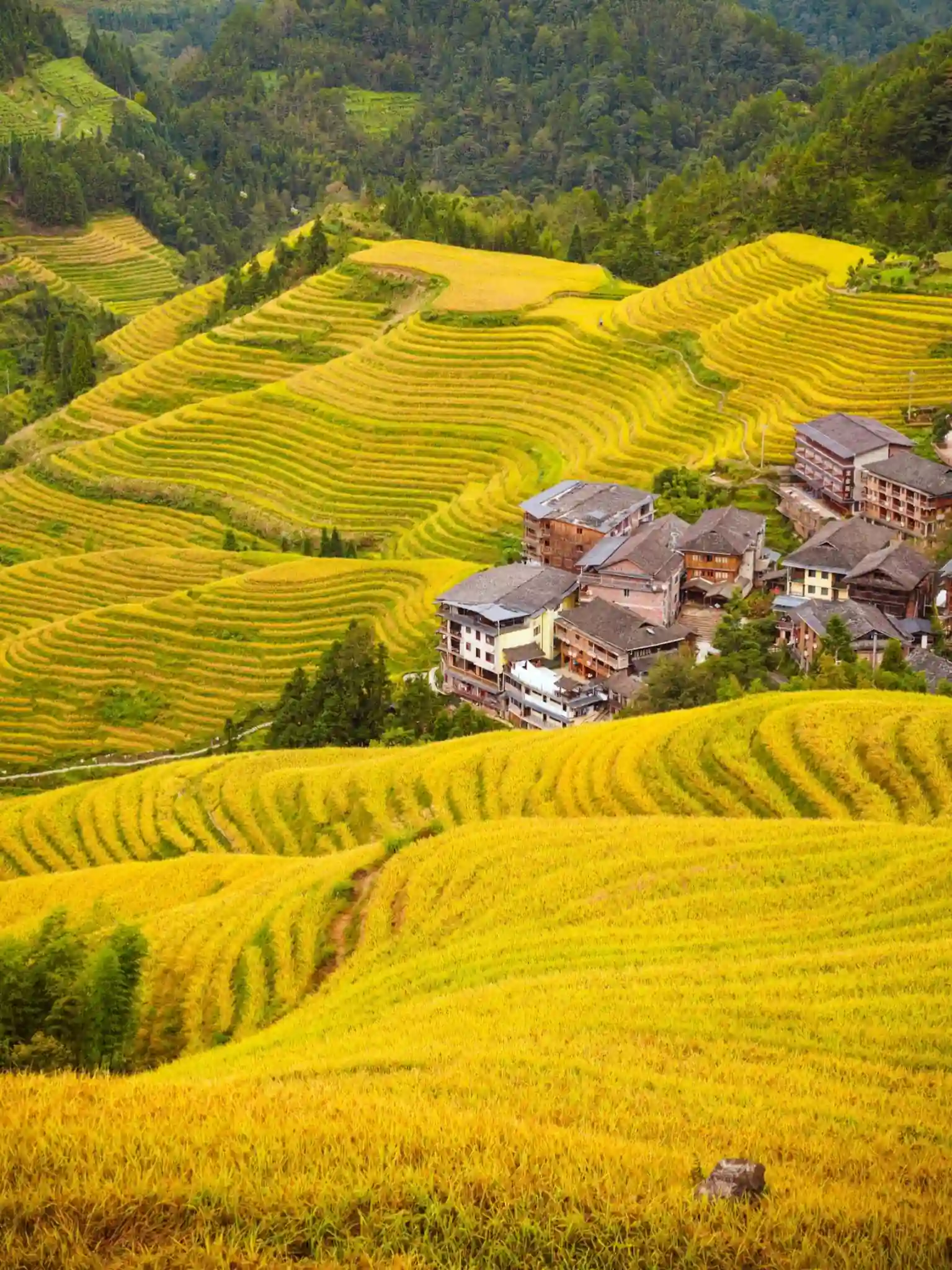
Autumn is another strong season for Guilin, especially when a trip includes the Longji Rice Terraces. Late September to mid-October is one of the best periods for travelers hoping to see the golden rice landscape, although exact harvest timing varies by year and terrace area. The early-October Golden Week holiday can bring much heavier visitor numbers, so timing matters.
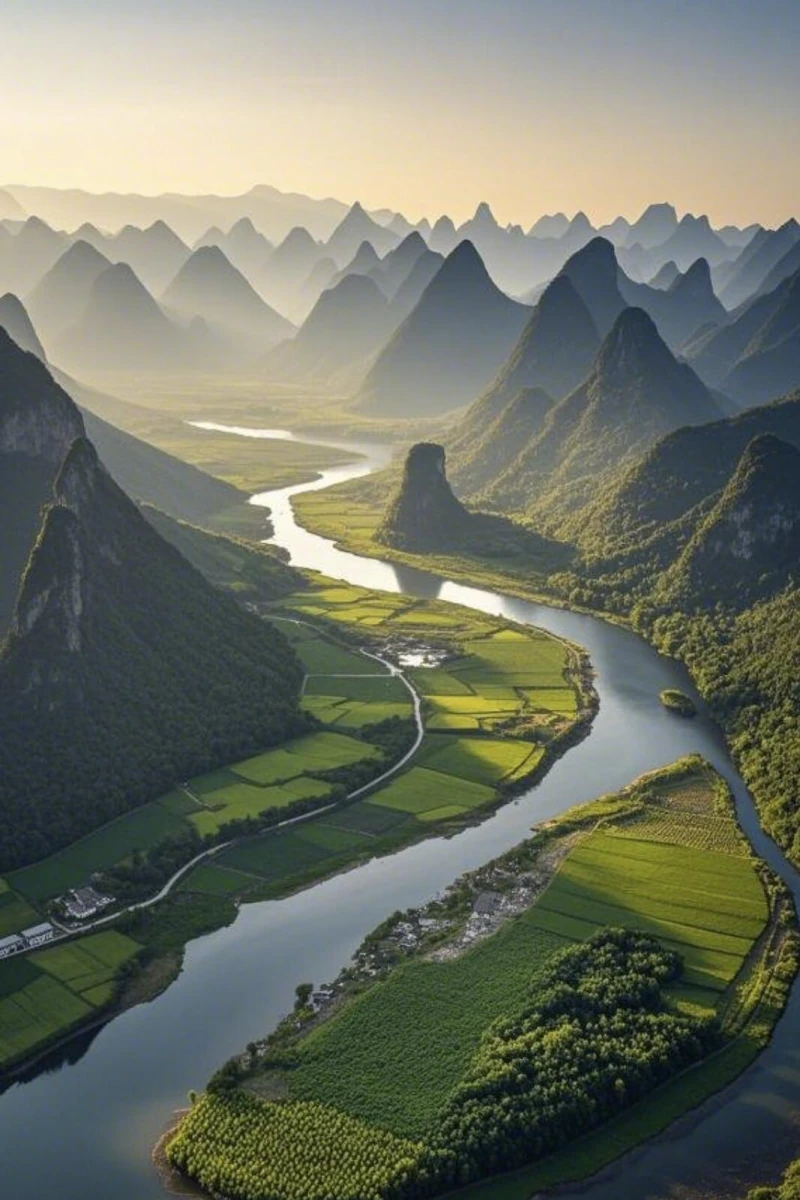
Winter falls outside the main spring and autumn recommendation for a first Guilin trip. If you travel during this period, check the calendar carefully before booking: Chinese New Year can affect visitor numbers, transportation and the overall travel experience across Guilin and other destinations in China.
For a classic Guilin and Yangshuo trip, spring or autumn is the simplest choice. If Longji is one of your main reasons for visiting, decide whether you want reflective water-filled terraces or the golden rice landscape before fixing your travel dates. Compare broader China weather and festival timing before booking a multi-city journey.
Where you stay can change the entire pace of a Guilin trip. Guilin City is the most practical gateway for arrivals, departures and city sightseeing, while Yangshuo puts you closer to the karst countryside and Yulong River. Xingping works better for travelers focused on Li River scenery, and an overnight stay in Longji gives the rice terraces more time than a rushed day trip.
For most first-time visitors, it makes more sense to use Guilin City for the beginning of the trip and then move to Yangshuo instead of returning to Guilin every night. This keeps you close to transportation and city sights first, then gives you easier access to the Yulong River, countryside scenery and evening time in Yangshuo.
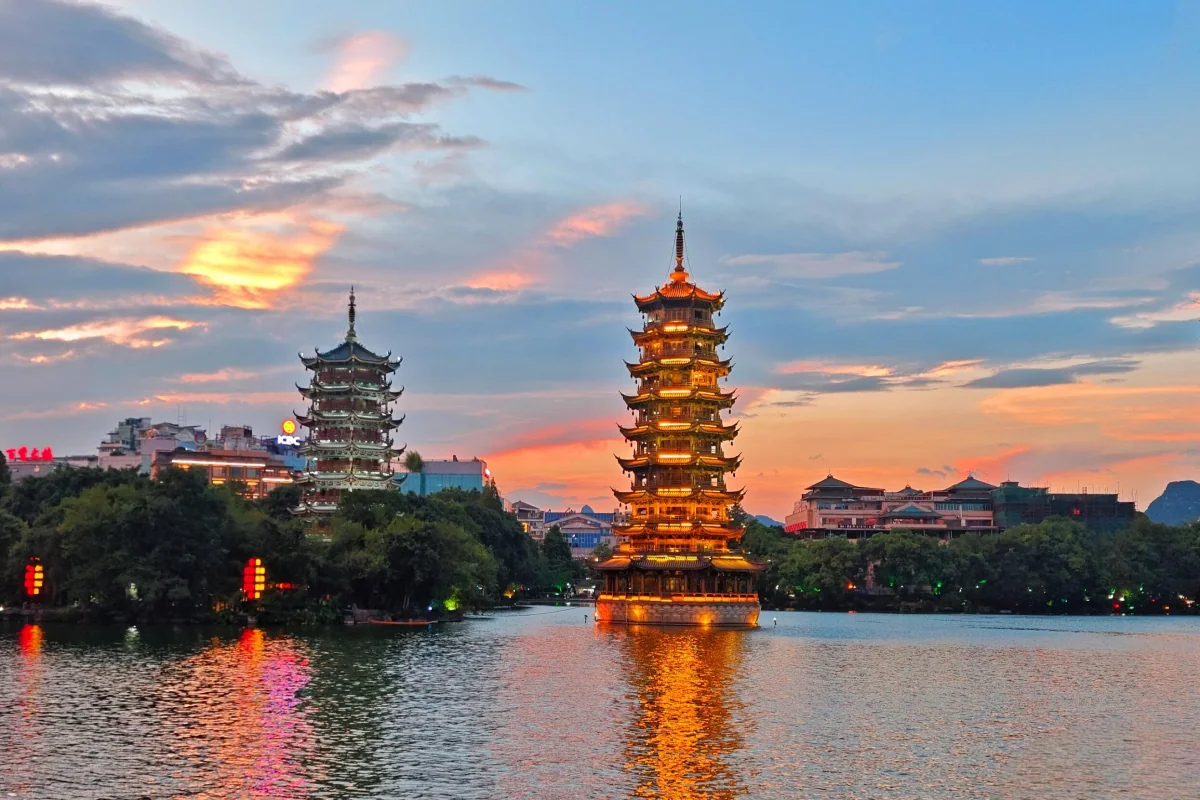
Stay in Guilin City when you want easy access to transportation and city attractions such as Elephant Trunk Hill. Hotels around the Xiangshan Scenic Area can work well for sightseeing, while the city is also a practical starting point for the Li River journey and trips north toward Longji.
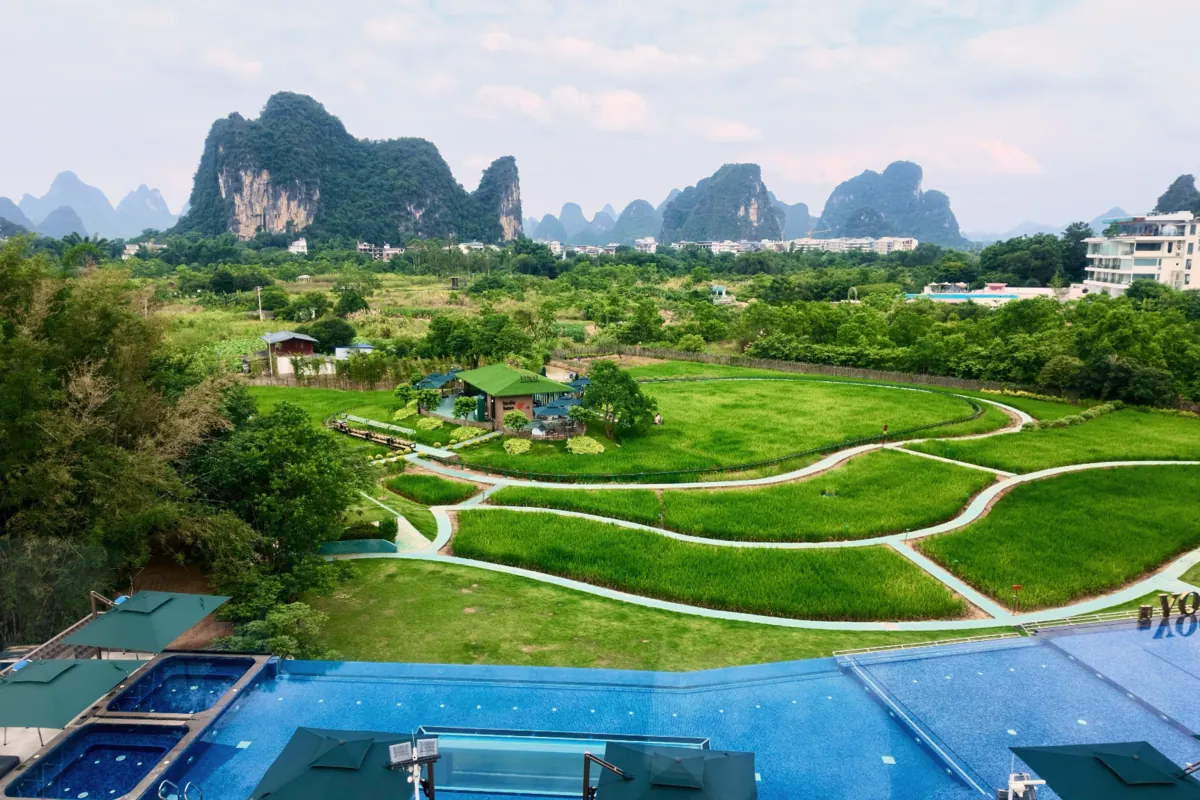
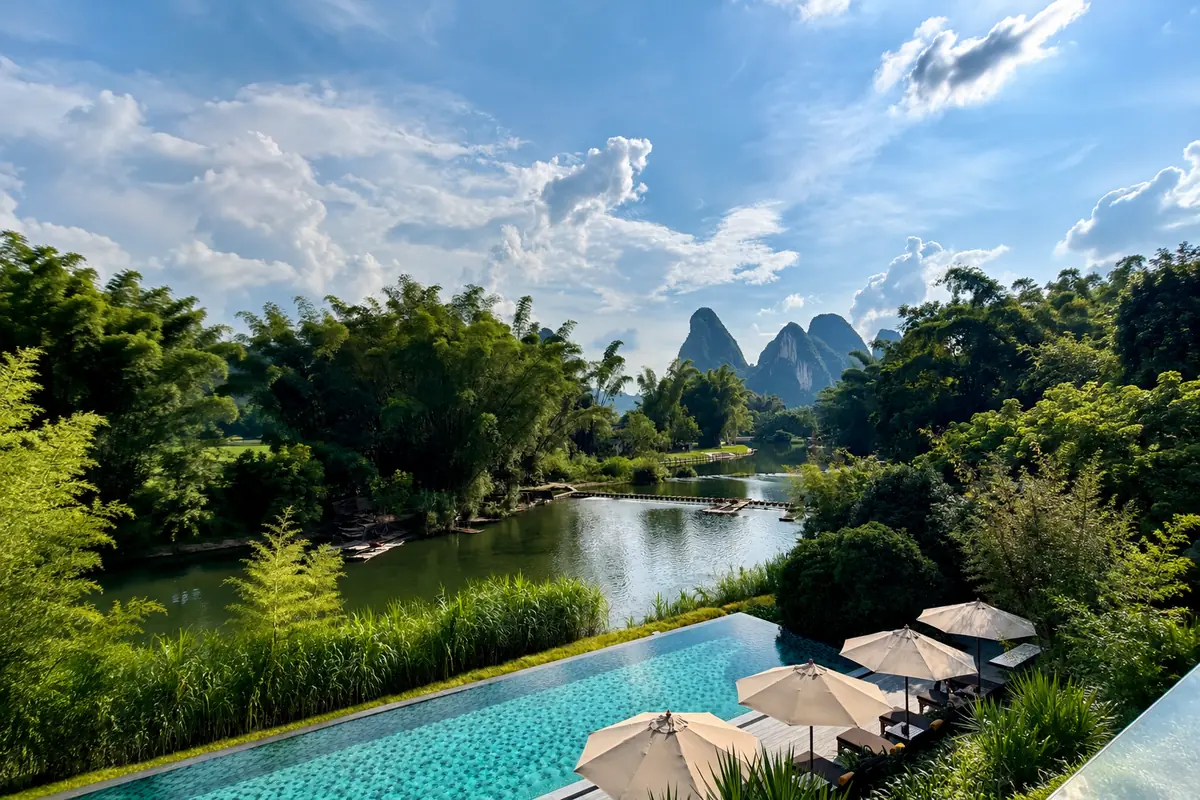
Yangshuo is the strongest choice when the countryside is a major part of your trip. Accommodation ranges from town-based stays to modern homestays with mountain views, giving you easier access to the Yulong River, bamboo rafting, cycling routes and the surrounding karst landscape.
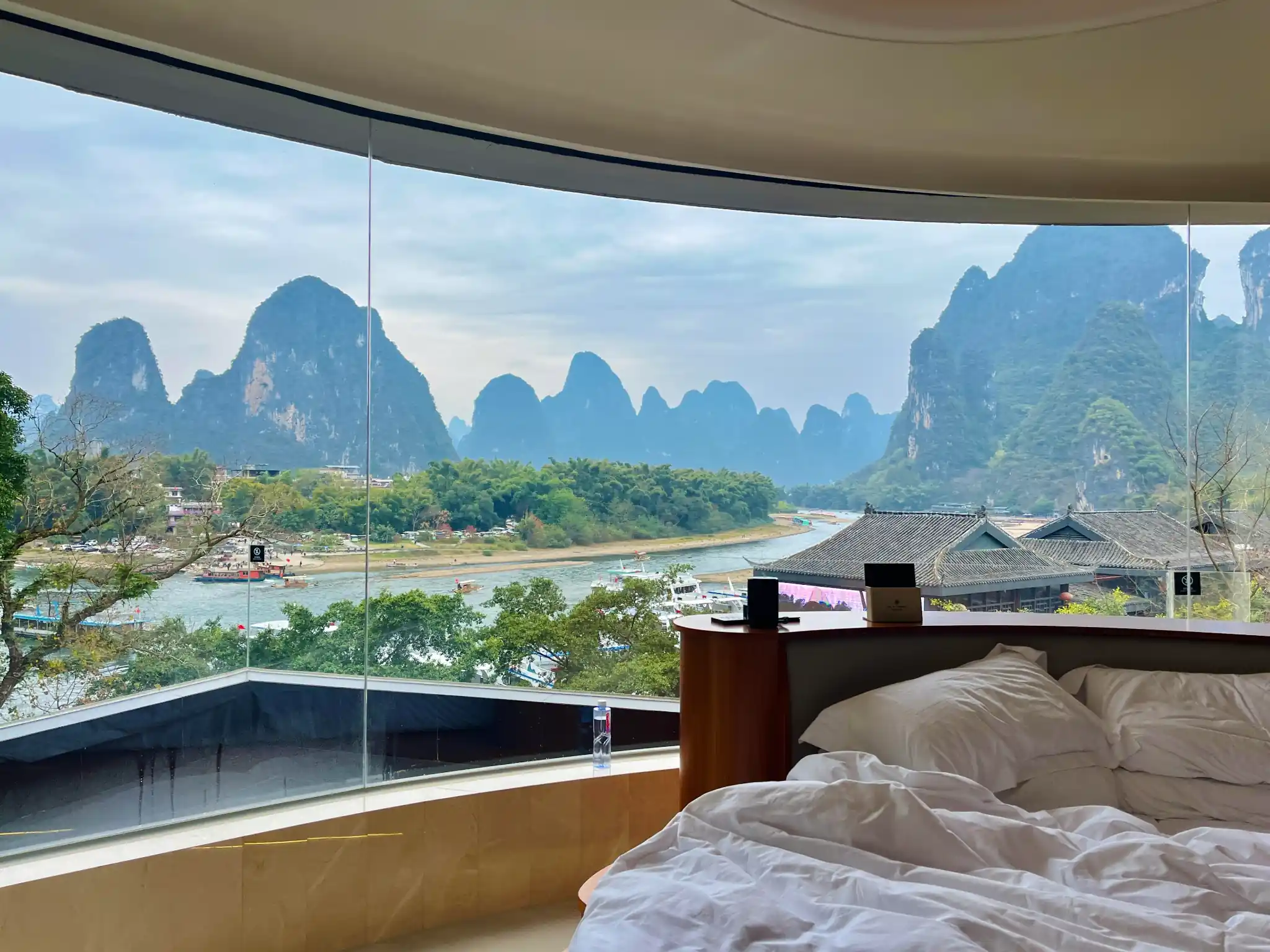
Xingping has fewer accommodation choices than Guilin or Yangshuo, but it offers a smaller-town atmosphere close to some of the Li River's most recognizable scenery. Consider staying here if photography, riverside views and nearby viewpoints matter more than nightlife or city convenience.
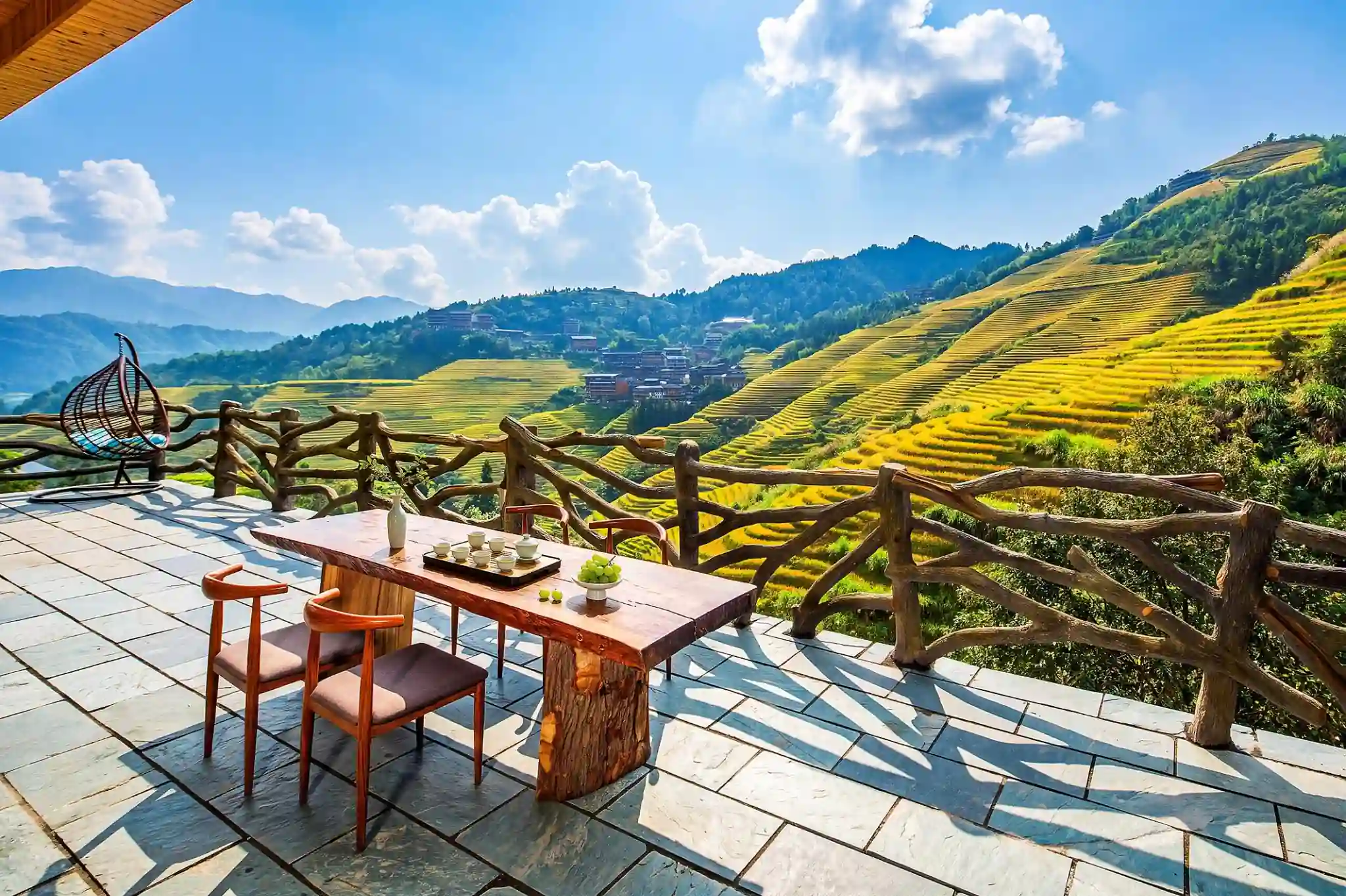
Stay overnight in the Longji area if the rice terraces are one of the main reasons for your trip. Sleeping near the terraces gives you more time for mountain walks and scenery without compressing everything into a long return journey from Guilin. Choose your location according to whether you plan to explore Ping'an or Dazhai.
You usually do not need to choose only one. Guilin is better for transportation, city sightseeing and the beginning of the route, while Yangshuo is better when you want more time among the rivers, fields and karst mountains. On a four- to six-day trip, dividing your nights between the two generally creates a more efficient journey than using Guilin City as the only base.
Guilin is connected to major Chinese cities by high-speed rail and flights through Guilin Liangjiang International Airport. Once you arrive, transportation depends on the part of the region you are visiting: local buses and DiDi work well in Guilin, the Li River cruise can form part of the journey to Yangshuo, and Longji requires a longer transfer into the mountains.
Think of transportation as part of the route rather than a series of return trips to Guilin. Arrive in the city by air or rail, travel south toward Yangshuo as your itinerary progresses and plan Longji separately because the rice terraces lie in the mountains north of Guilin.
High-speed rail connects Guilin with major cities in China and is an important option for travelers combining Guilin with a larger China itinerary. Check the railway station shown on your ticket carefully before arranging your hotel transfer or onward transportation.
Read Train Ticket Guide →Guilin Liangjiang International Airport is the main air gateway for the region and serves domestic and international flights. Choose your onward transfer according to whether your first hotel is in Guilin City or you are continuing farther into the region.
Guilin has a developed public bus network that can be useful for local transportation within the city. Buses work best for travelers with straightforward city routes, while taxis or ride-hailing may be easier when luggage or multiple transfers are involved.
DiDi is widely used for ride-hailing and can be convenient for hotel transfers, city sightseeing and journeys that would otherwise require several local connections. It is especially useful when traveling with luggage or leaving early for the next stage of your route.
Read DiDi Guide →The Li River cruise can serve as both sightseeing and part of your transfer from Guilin toward Yangshuo. The journey generally takes around three and a half to four hours, allowing you to see the karst landscape while progressing south through the region instead of returning to Guilin afterward.
Longji is a separate mountain excursion north of Guilin. Travel from Guilin to the rice terraces generally takes roughly two to three hours, depending on the route and terrace area, so allow a substantial part of the day for transportation. An overnight stay can make sense if Longji is a major priority.


A customized Guilin itinerary can combine airport or railway transfers with the Li River, Yangshuo countryside and Longji without unnecessary backtracking between different parts of the region.
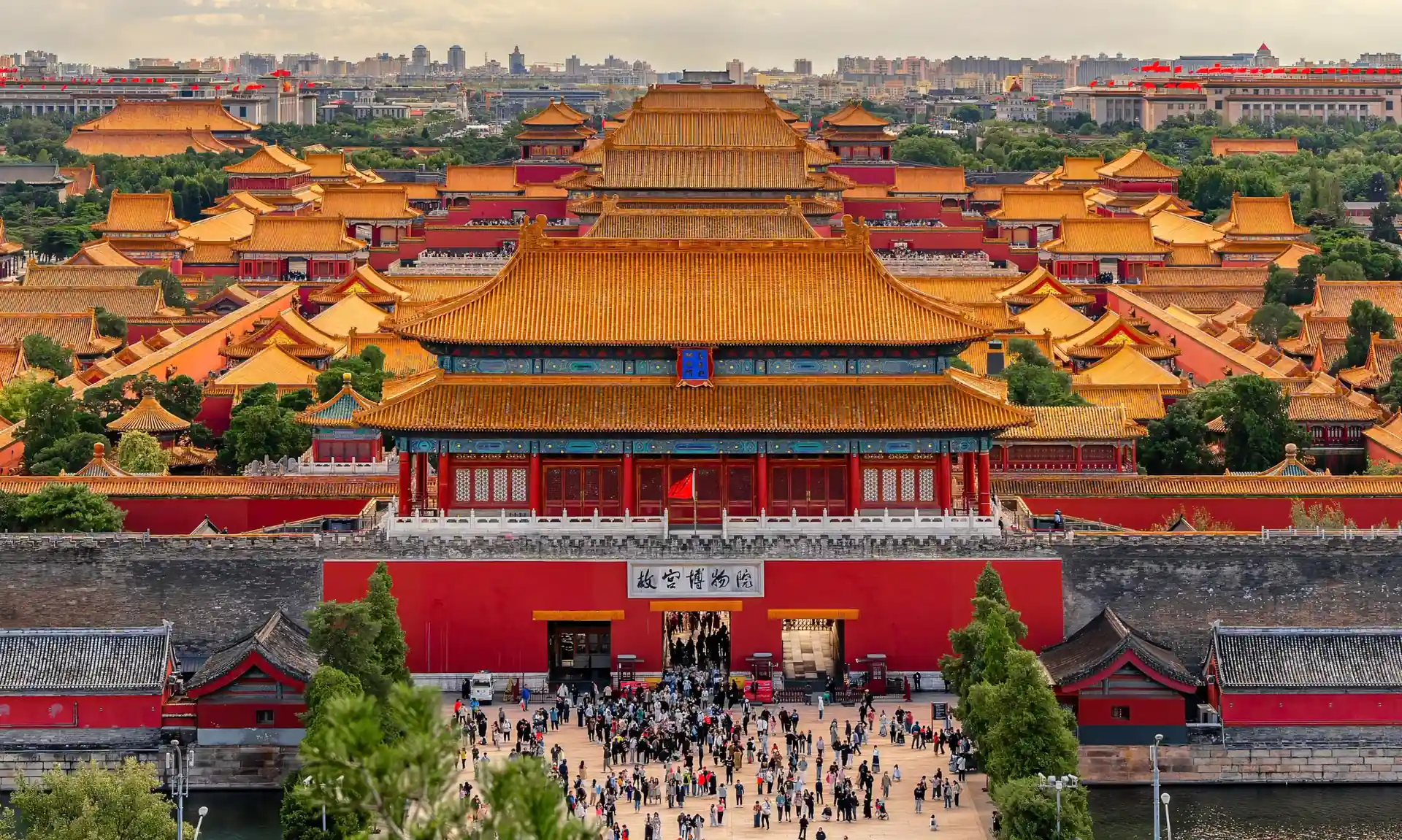
Guilin fits naturally into a longer China itinerary. After exploring the Li River, Yangshuo and Longji, continue south toward Guangzhou and Hong Kong, head into China's mountain landscapes around Zhangjiajie, or travel west toward Chengdu for a very different mix of food, culture and scenery.
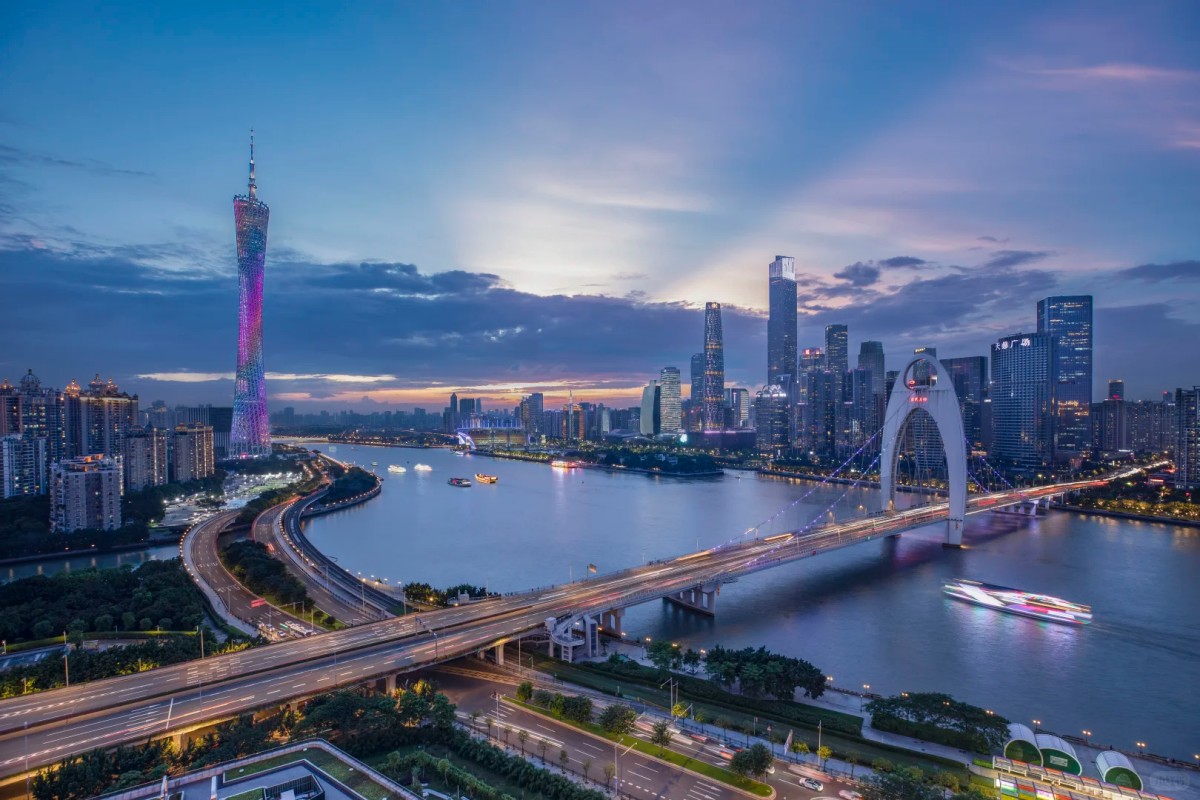
Guangzhou is a practical next stop for travelers continuing through southern China. After several days of rivers, rice terraces and rural karst scenery around Guilin, Guangzhou offers a strong contrast with Cantonese food, historic neighborhoods and one of southern China's major urban centers.
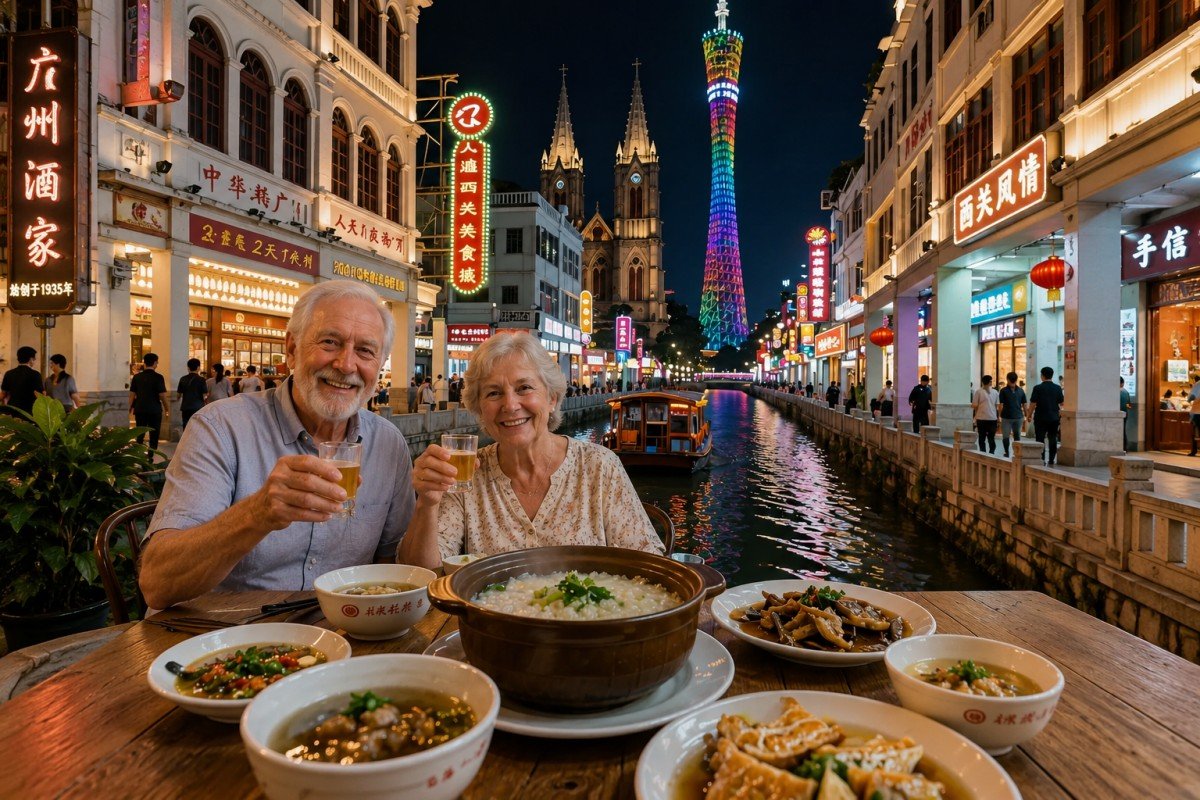
Add Guangzhou when you want to move from Guilin's natural landscapes into a major southern Chinese city. The experience shifts toward Cantonese cuisine, urban culture, historic neighborhoods and a useful gateway for continuing farther through southern China.
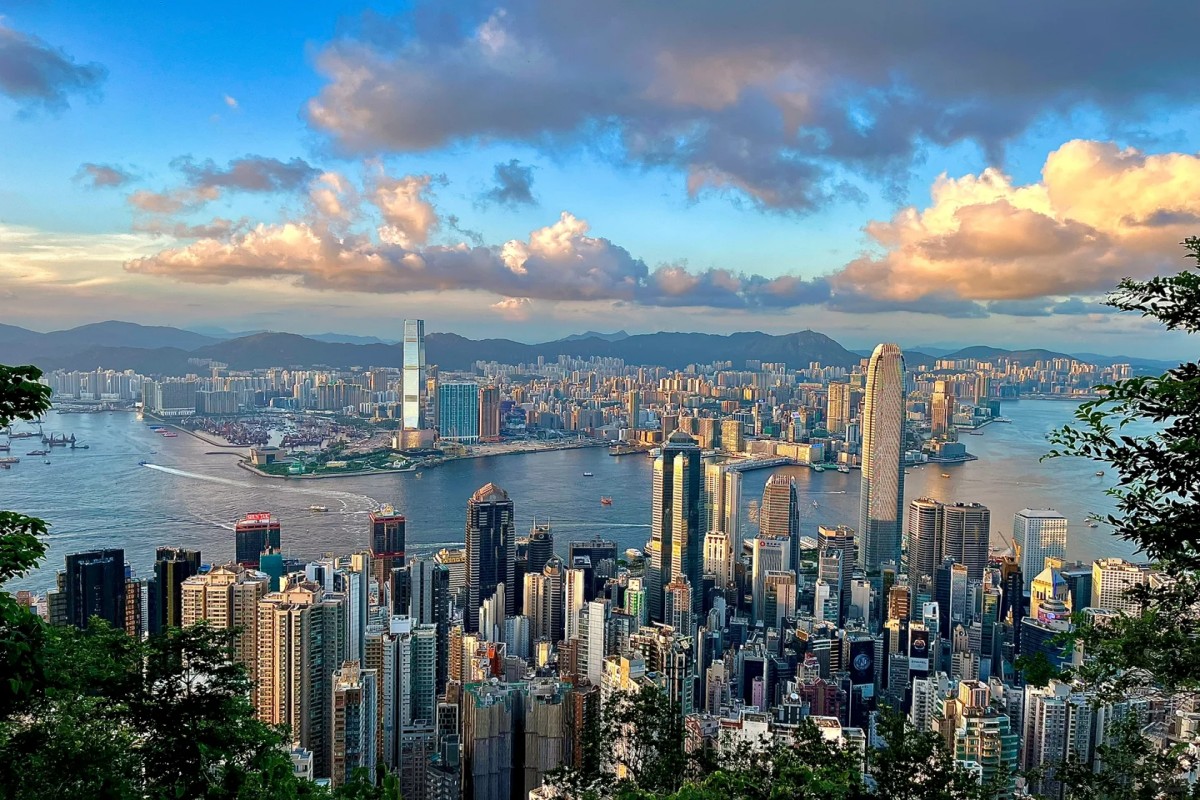
Hong Kong works well for travelers finishing a southern China journey with a completely different urban atmosphere. Pair Guilin's karst mountains and countryside with harbour views, dense city neighborhoods, hiking and a distinctive Cantonese food culture.
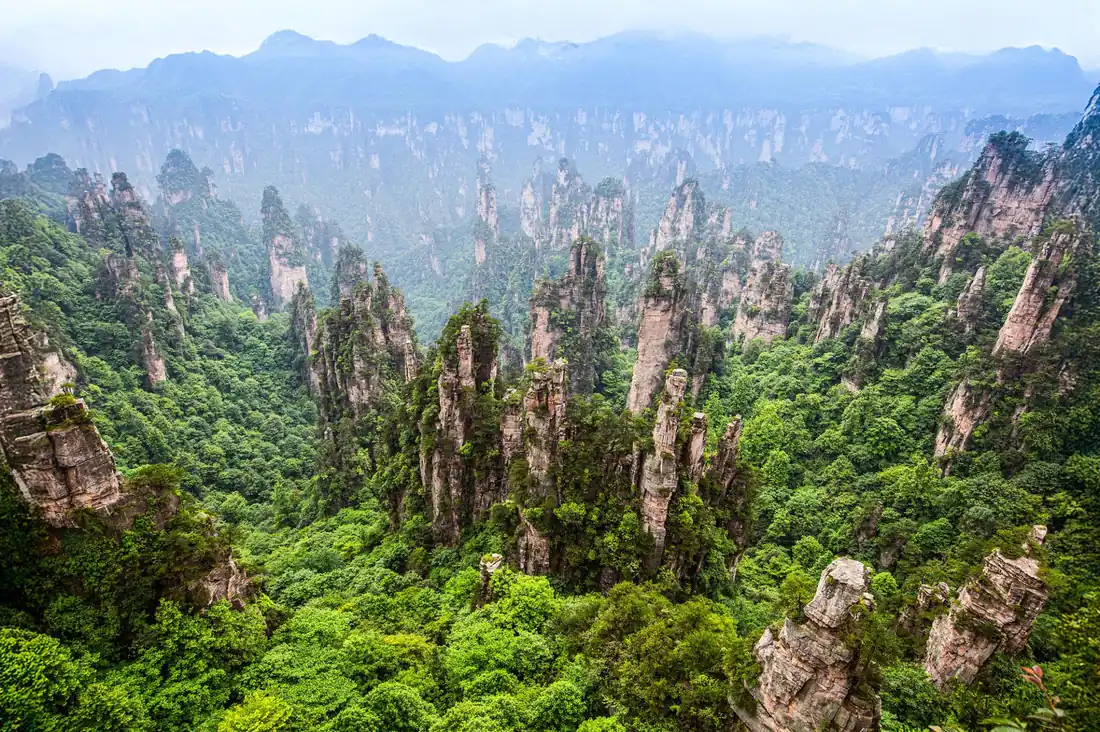
Choose Zhangjiajie if dramatic landscapes are the main theme of your China trip. Guilin's rivers, karst hills and rice terraces pair with Zhangjiajie's towering sandstone formations to create a journey focused heavily on scenery and outdoor sightseeing.

Continue to Chengdu when you want the next part of your trip to focus more on food, city culture and Sichuan experiences. It creates a strong contrast with Guilin's river landscapes while still fitting naturally into a wider journey through southwestern China.
Prepare for your Guilin trip with practical information about China entry requirements, high-speed trains, mobile payments, internet access, travel apps and public holidays. These basics matter even more when your itinerary moves between Guilin City, Yangshuo, Xingping and the Longji Rice Terraces.
Check the entry rules that apply to your nationality before traveling to Guilin. Confirm your passport requirements, applicable visa or visa-free arrangements and the documents needed for your wider China itinerary before departure.
Choose your dates according to both the general Guilin travel season and the scenery you want at Longji. Spring and autumn work well overall, while the rice terraces have separate water-filled and golden-rice periods.
High-speed rail is important when connecting Guilin with other Chinese cities. Check your exact railway station before travel, book important journeys early when necessary and leave enough time for the transfer between your hotel and station.
Prepare your preferred payment setup before reaching Guilin. Mobile payments are useful for restaurants, transportation, shops and everyday purchases, especially when your route moves beyond the city into Yangshuo and other parts of the region.
Arrange mobile data before your trip and prepare the apps you expect to use for translation, ride-hailing, navigation and transportation. Reliable access becomes especially useful when moving independently between different parts of the Guilin region.
Check major Chinese public holidays before finalizing hotels, trains and scenic-area plans. Busy national travel periods can affect accommodation, transport availability and visitor numbers in Guilin, Yangshuo and Longji.
If your Guilin trip falls around Chinese New Year, plan transportation and accommodation carefully. The holiday travel period affects movement across China and should be considered before fixing a multi-city route.
Prepare for mobile payments, transportation, language differences, public holidays and the digital tools used during everyday travel in China. Sorting out these basics before arrival makes a multi-stop Guilin itinerary much easier.
Combine Guilin with Guangzhou, Zhangjiajie, Chengdu or other destinations while keeping transportation, hotel changes and sightseeing days in a practical order.
Compare Guilin tours by the places and experiences you actually want to include. Choose a shorter Li River and Guilin route, spend more time exploring Yangshuo, add the Longji Rice Terraces and Longsheng, or build Xingping and quieter countryside into a longer private trip.
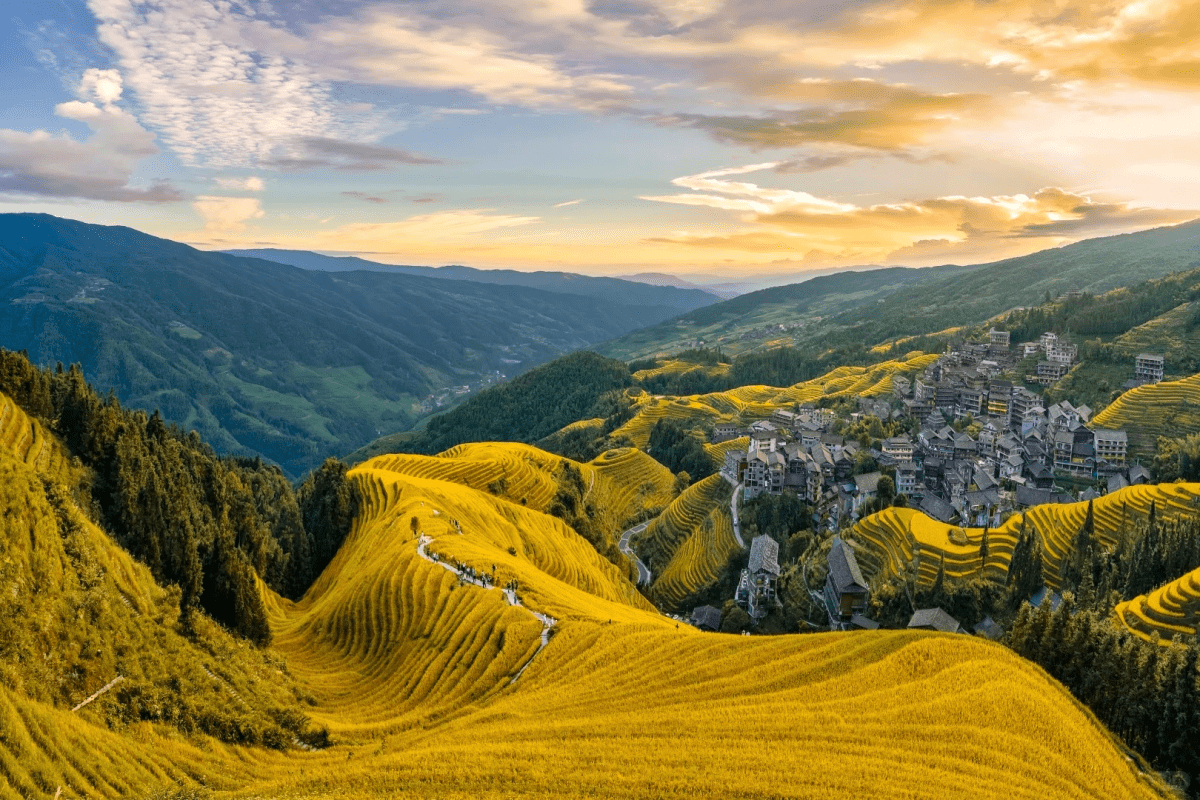
Combine Guilin's karst scenery with a Li River cruise, the Longji Rice Terraces and time around Yangshuo and Longsheng. This private journey works well for travelers who want both the region's major landscapes and a closer look at local communities within a compact four-day route.
View This Guilin Tour →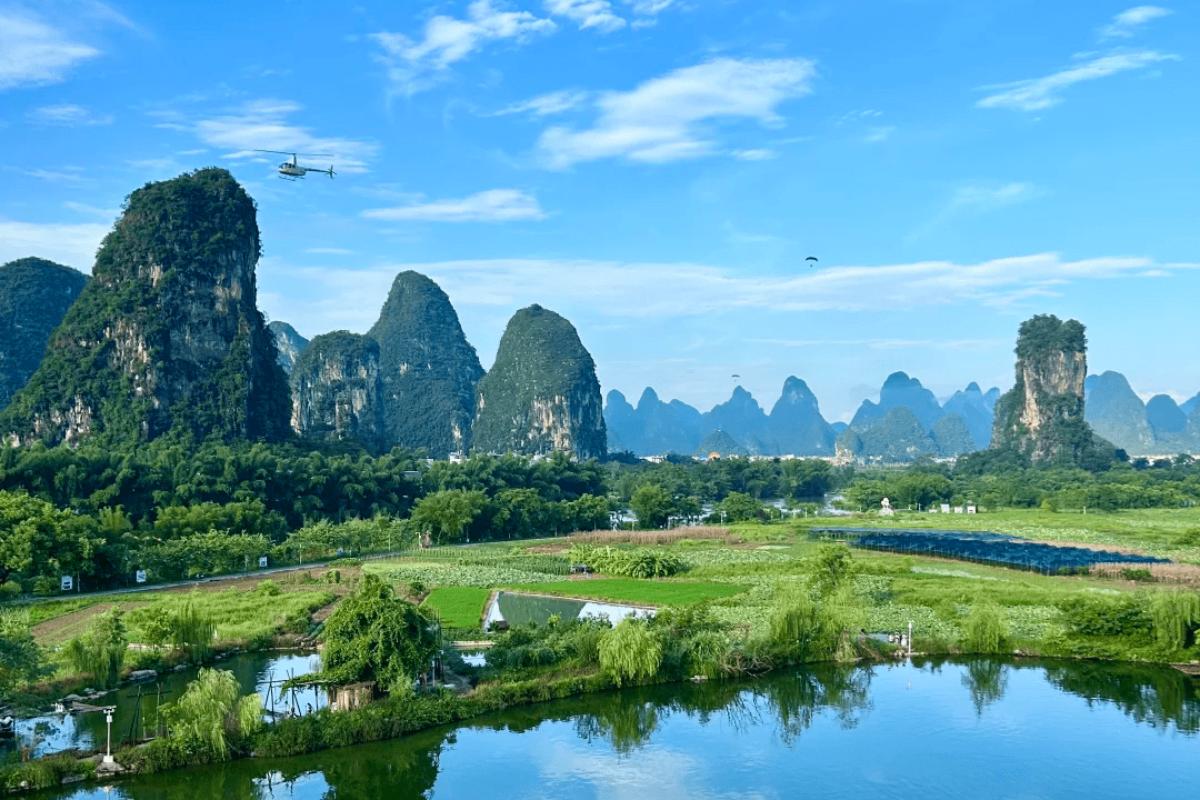
A compact private Guilin journey built around several of the region's signature experiences, including the Li River cruise, Xianggong Hill views and Reed Flute Cave. It works well when you want a focused introduction without adding a longer Longji stay.
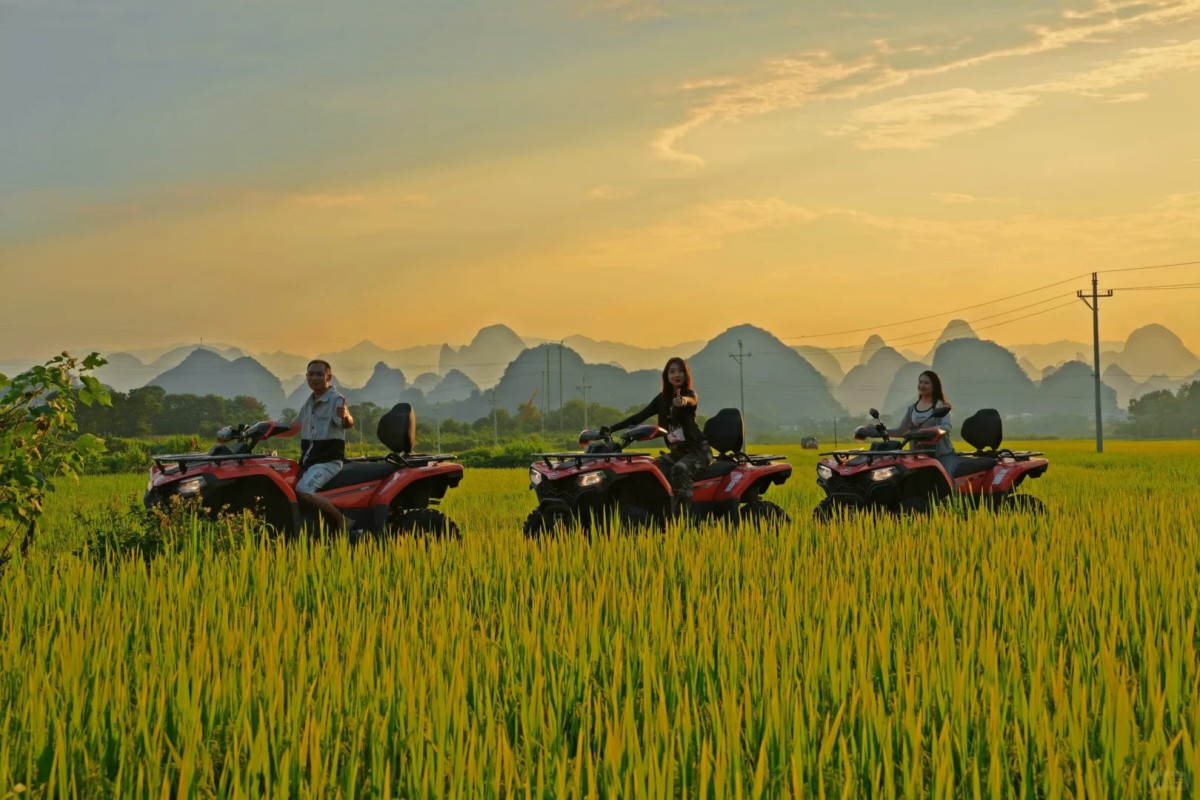
Spend more time around Guilin and Yangshuo with Li River cruise options, Yulong River activities and countryside exploration. This route is a good fit when Yangshuo's outdoor experiences are more important to you than covering every part of the wider region.
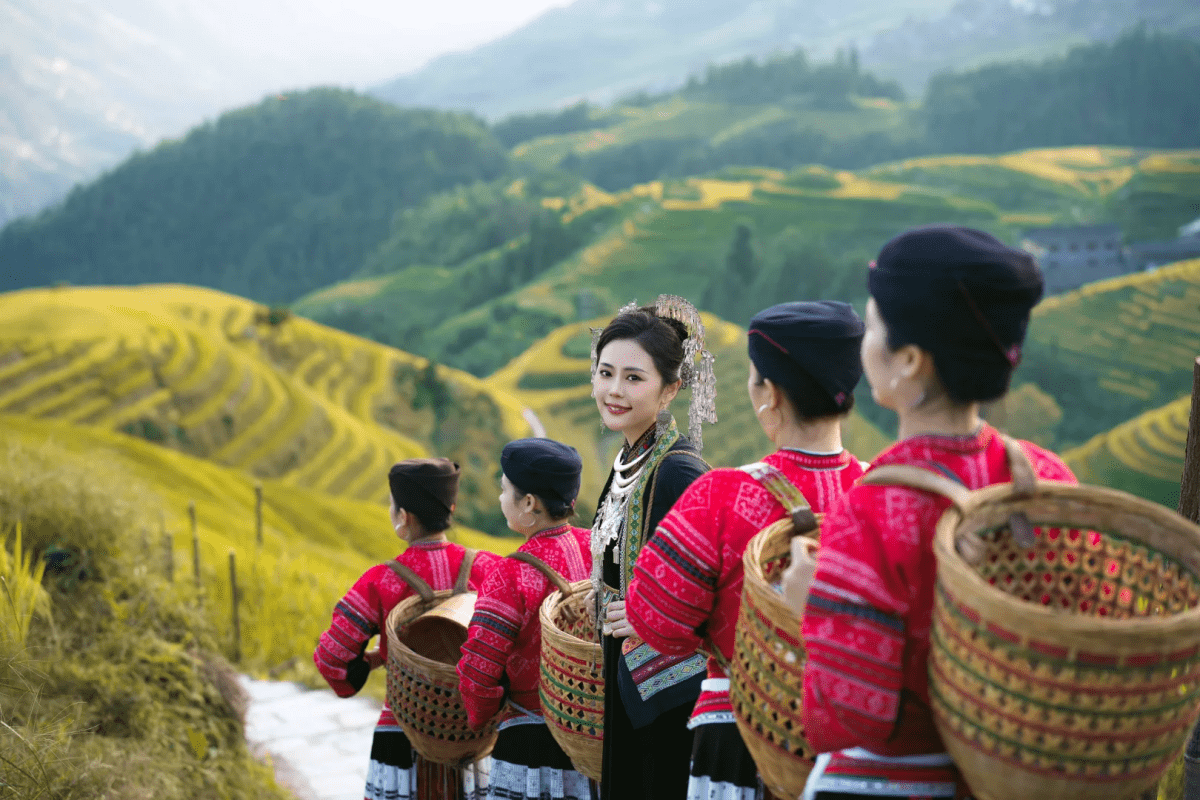
Take a slower journey through Guilin's karst scenery, Yangshuo countryside, rural villages and the Longsheng Rice Terraces. The extra time makes this a stronger option when Longji and mountain landscapes are major priorities rather than a quick side trip.
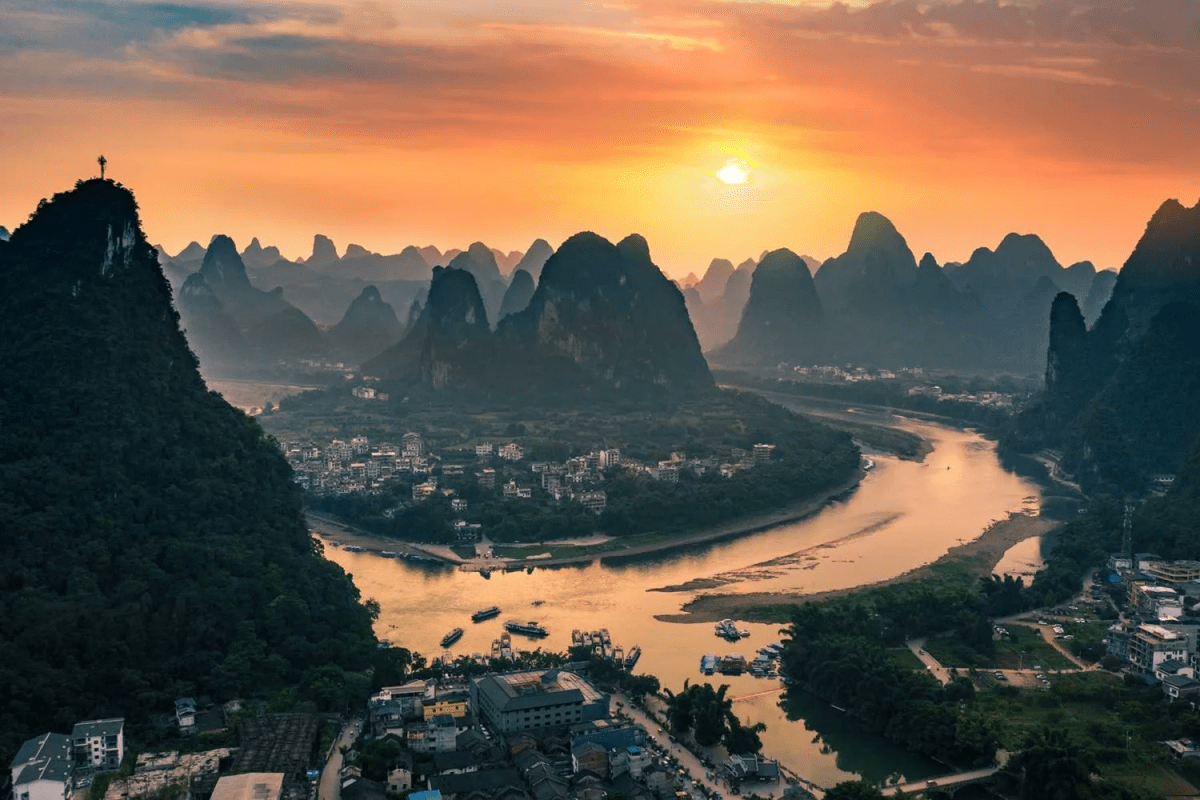
Build Xingping into a longer Guilin route with the Li River cruise, Ling Canal and Yangshuo countryside. This option suits travelers who want classic riverside scenery and historic places alongside the region's karst landscapes.
Compare the full collection of Guilin tours, from shorter Li River journeys to longer Yangshuo, Longji and countryside itineraries.
Explore All Guilin Tours →Spend more time around the Li River, Yulong River and Yangshuo countryside with a route designed around outdoor scenery and flexible private travel.
Explore Guilin & Yangshuo →Adjust the number of nights in Guilin and Yangshuo, decide whether Longji should be a day trip or overnight stay, add Xingping or scenic viewpoints and connect Guilin with the rest of your China itinerary.
Create a Custom Guilin Trip →Tell us your travel dates, group size, preferred pace and hotel style. Your private Guilin trip can be adjusted around the Li River, Yangshuo, Longji Rice Terraces, Xingping and your onward journey through China.