How Many Days in Hangzhou?
Two to three days works well for most first-time visitors. Add extra time if you want a slower West Lake visit, more tea-country scenery or a day trip beyond central Hangzhou.

Discover what to see in Hangzhou beyond a simple West Lake visit. First-time travelers can combine the lake with Lingyin Temple, Longjing tea villages, Xixi Wetland, the historic Grand Canal, traditional streets and scenic landmarks for a broader introduction to Hangzhou’s natural beauty, Buddhist heritage and Jiangnan culture.
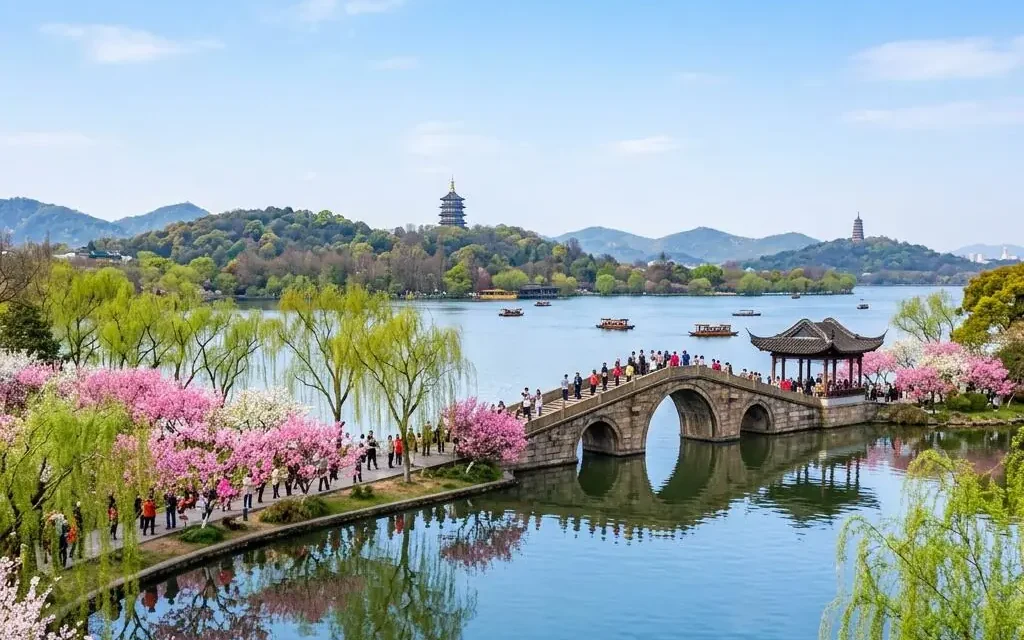
Start with UNESCO-listed West Lake, the landscape most closely associated with Hangzhou. Walk part of the lakeshore, cross Su Causeway, see Broken Bridge and add a boat ride if it fits your route. Rather than trying to circle the entire lake at once, choose one or two areas and combine them with nearby temples, historic sites or tea hills.
See Suggested Itineraries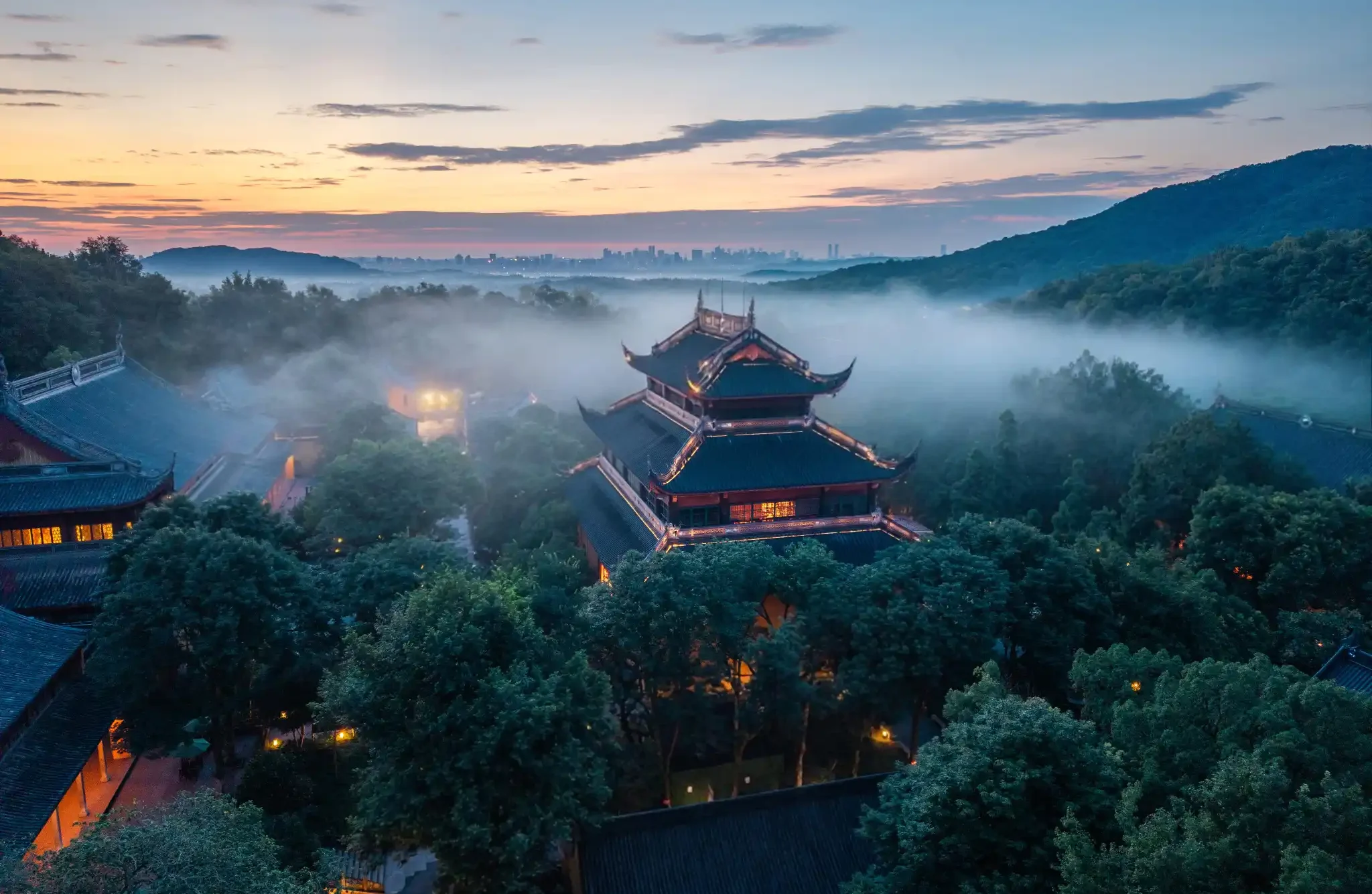
Visit one of Hangzhou’s best-known Buddhist sites, set among wooded hills west of West Lake. Pair Lingyin Temple with nearby Feilai Peak, where historic Buddhist carvings add another layer of religious heritage before continuing toward Hangzhou’s tea hills.
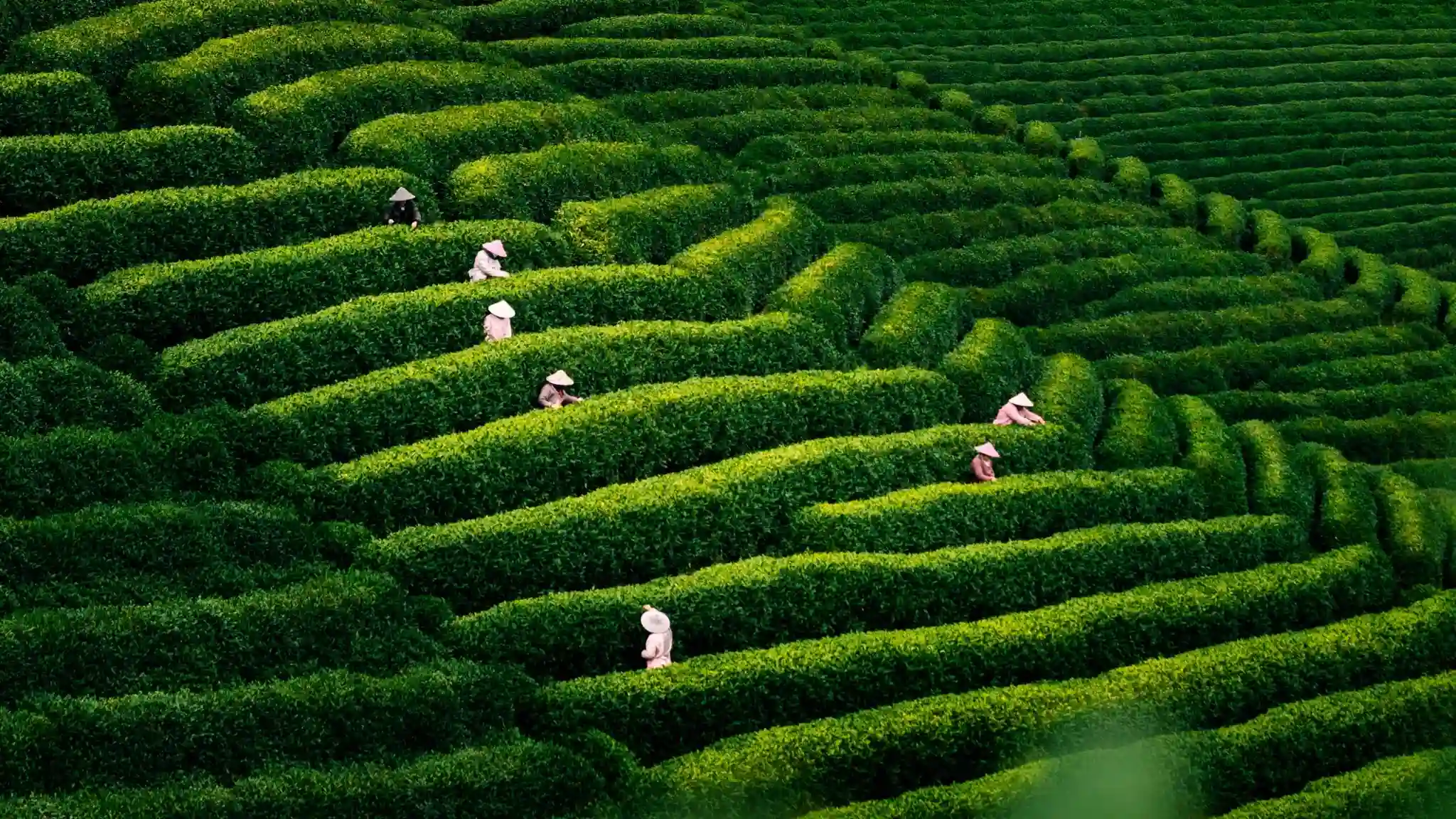
Head into the tea hills for a different side of Hangzhou. Longjing Village is closely associated with Dragon Well green tea, with tea fields, village lanes and tea houses creating an easy contrast to the busier sightseeing areas around West Lake.
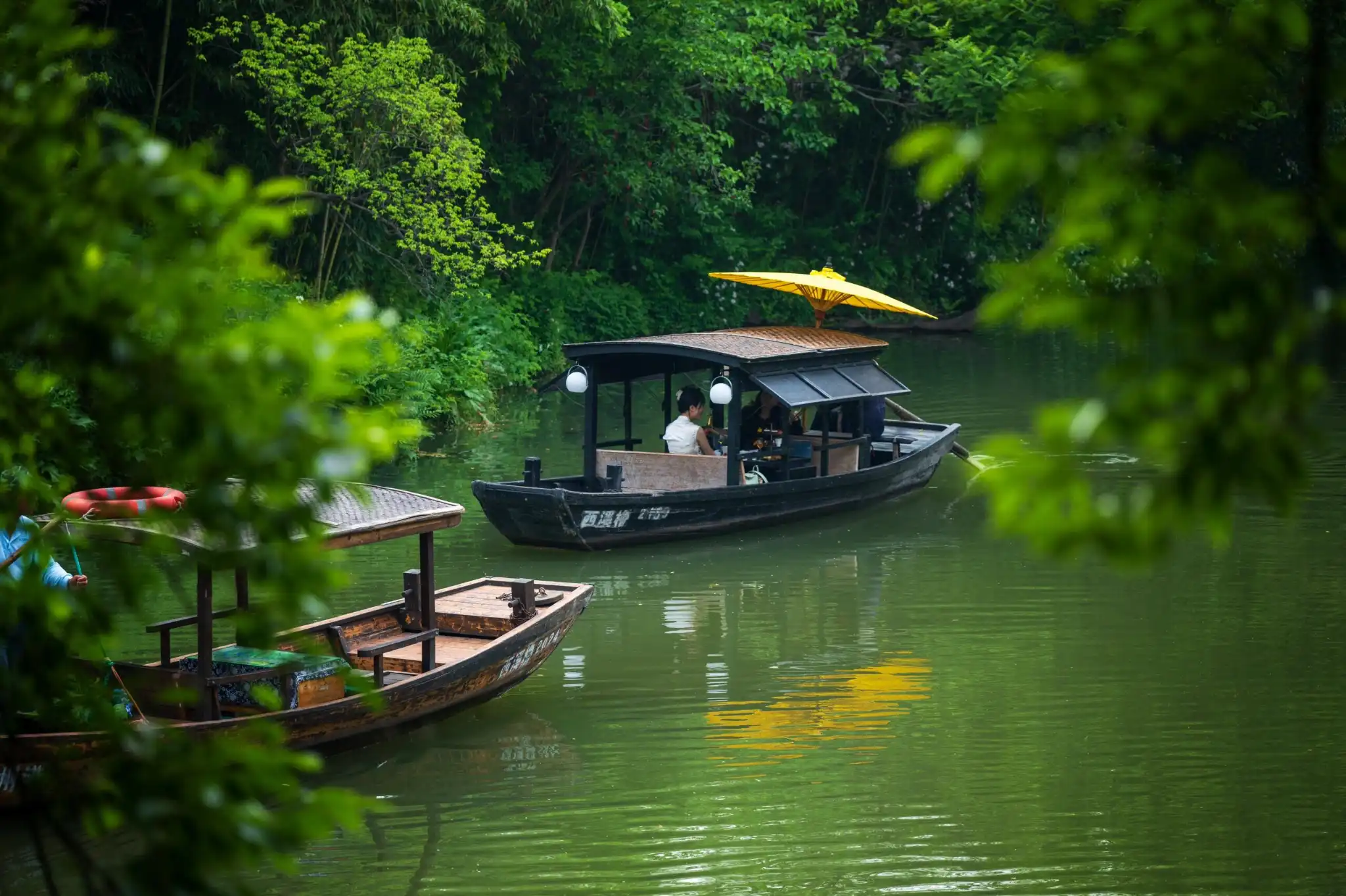
Explore waterways, vegetation and quieter landscapes at Xixi, one of Hangzhou’s best-known nature areas. It works especially well for travelers who want a slower experience away from the busiest lakeside attractions and historic city streets.
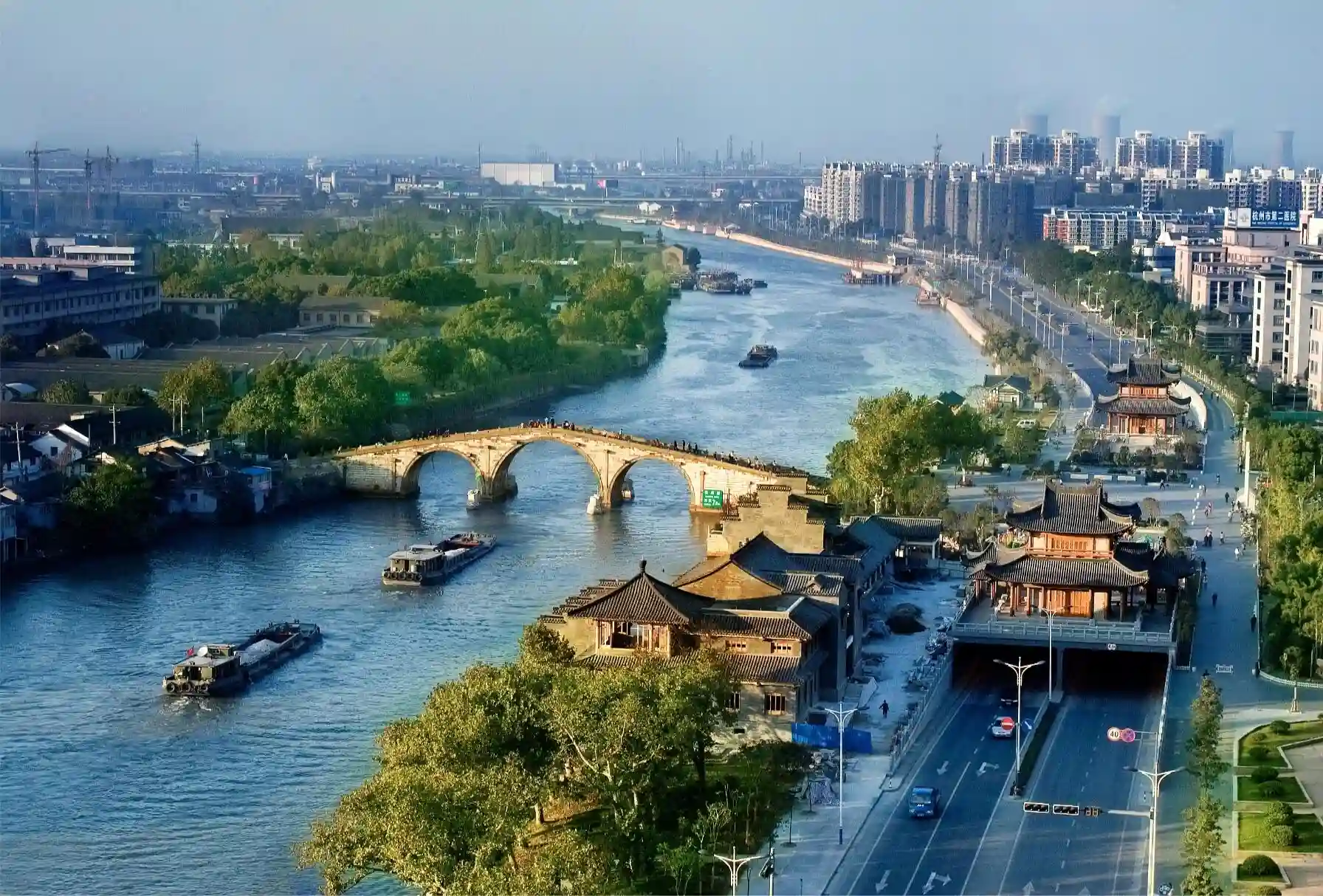
See another side of Hangzhou along the historic Grand Canal. Around the Qiaoxi area, waterways, bridges and preserved streetscapes reveal the city’s long connection with canal trade and everyday life beyond the West Lake scenic zone.
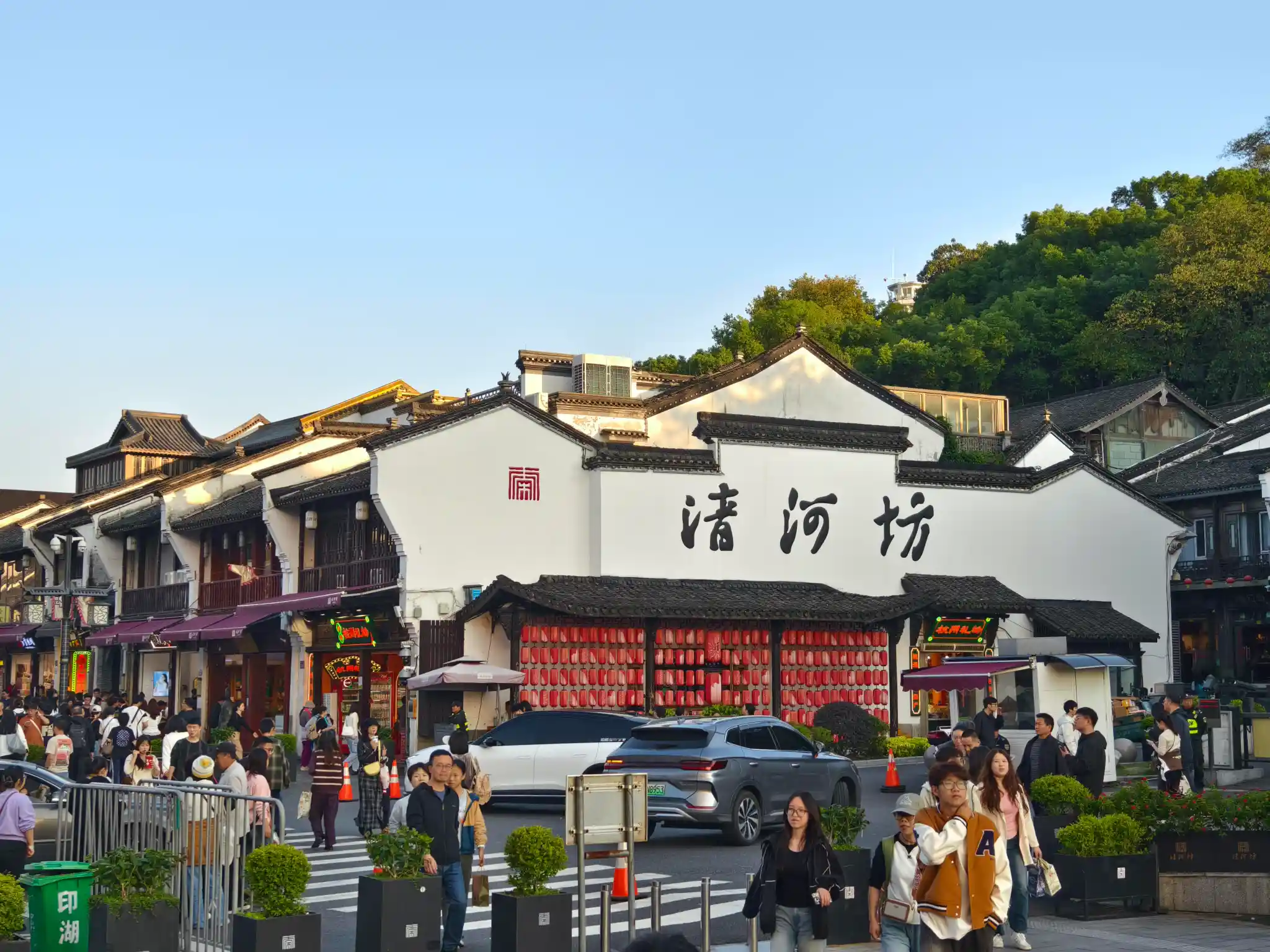
Walk through one of Hangzhou’s most recognizable historic commercial streets for traditional-style buildings, local snacks, small shops and an introduction to the old-city atmosphere near West Lake. It is easy to combine with other central sights.
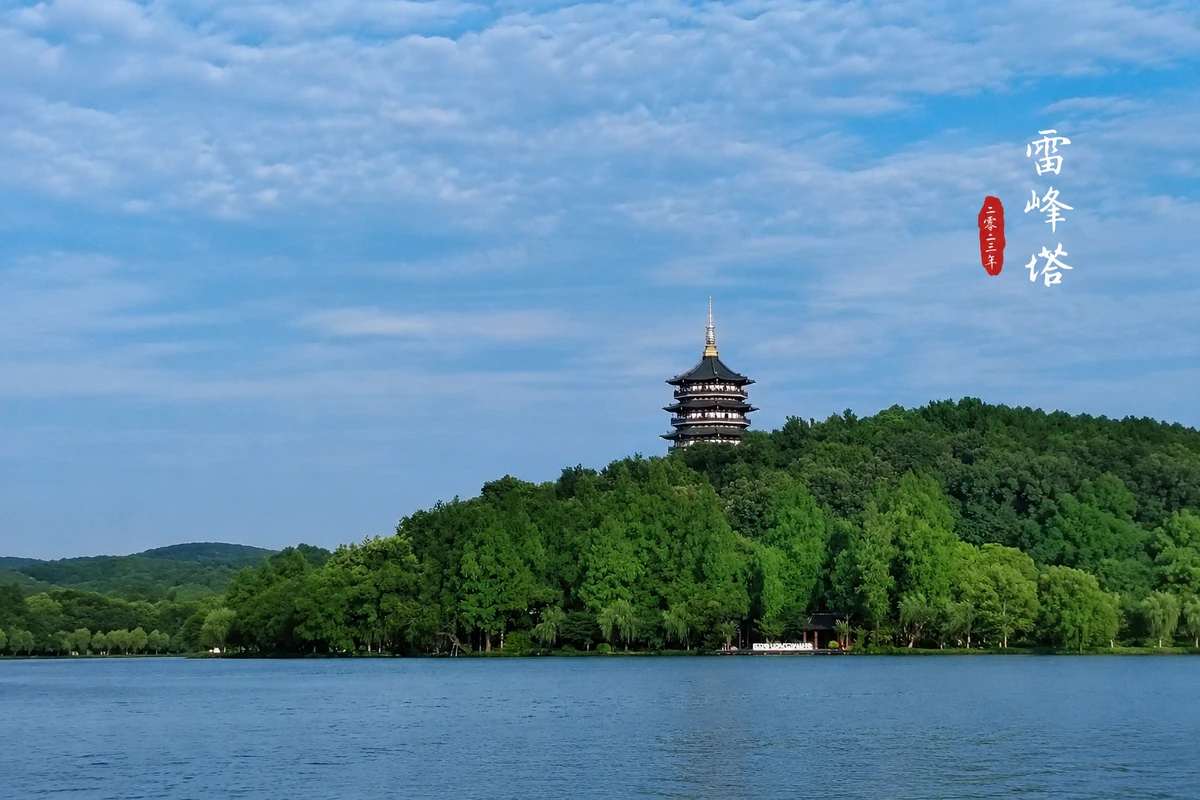
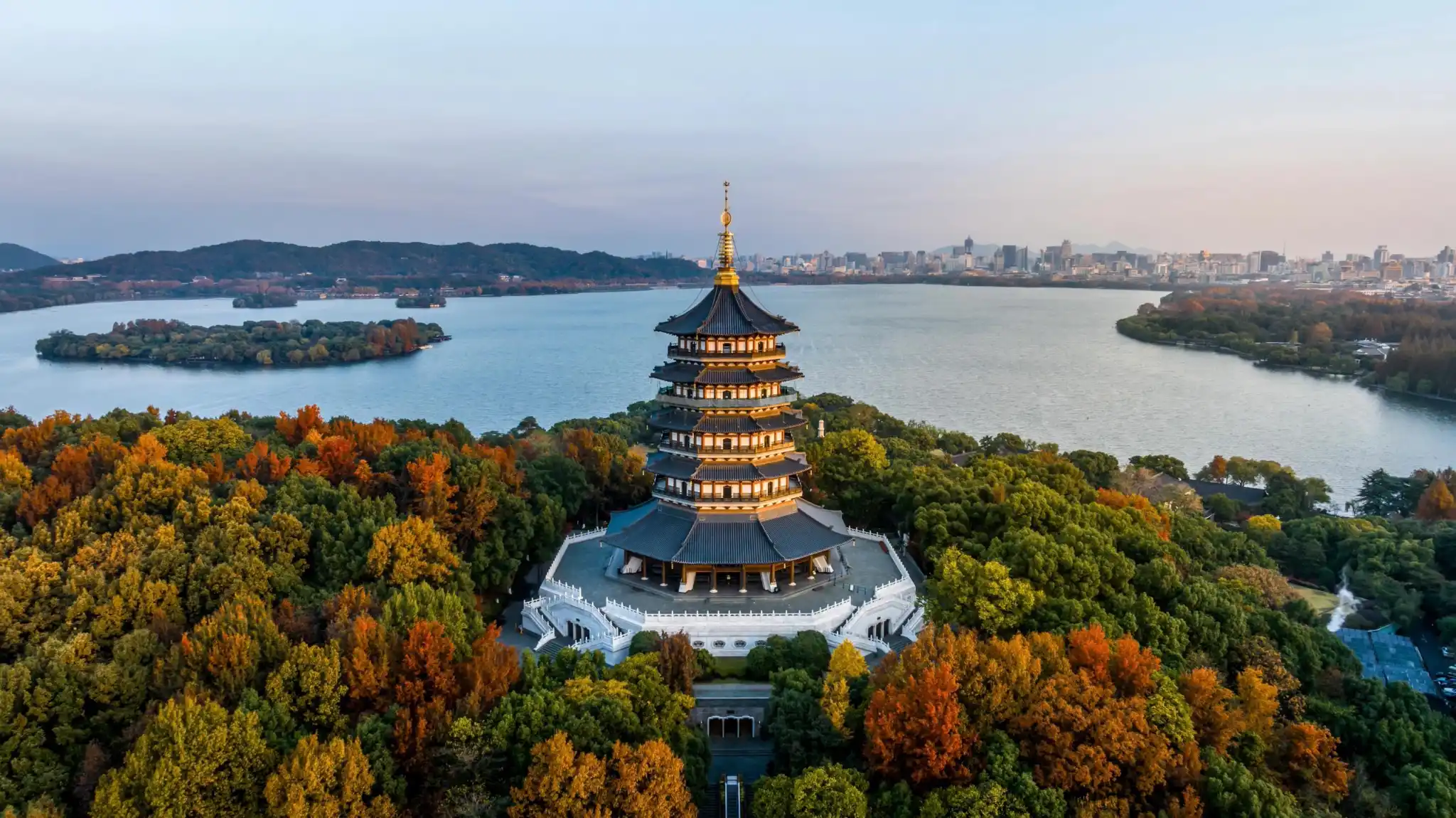
Add Leifeng Pagoda when exploring the southern side of West Lake. The landmark gives your lake route a historic focal point and works naturally with nearby lakeside scenery rather than requiring a separate journey across the city.
Combine West Lake with a temple, tea village and one quieter cultural or nature area instead of rushing through every attraction. A well-paced Hangzhou itinerary gives you time for both the city’s famous landmarks and the slower landscapes that define the destination.
Experience Hangzhou beyond simply checking off its famous sights. Drink Longjing tea in the hills, take a boat ride on West Lake, taste local Hangzhou cuisine, explore historic streets, slow down in natural landscapes and enjoy the city after dark.
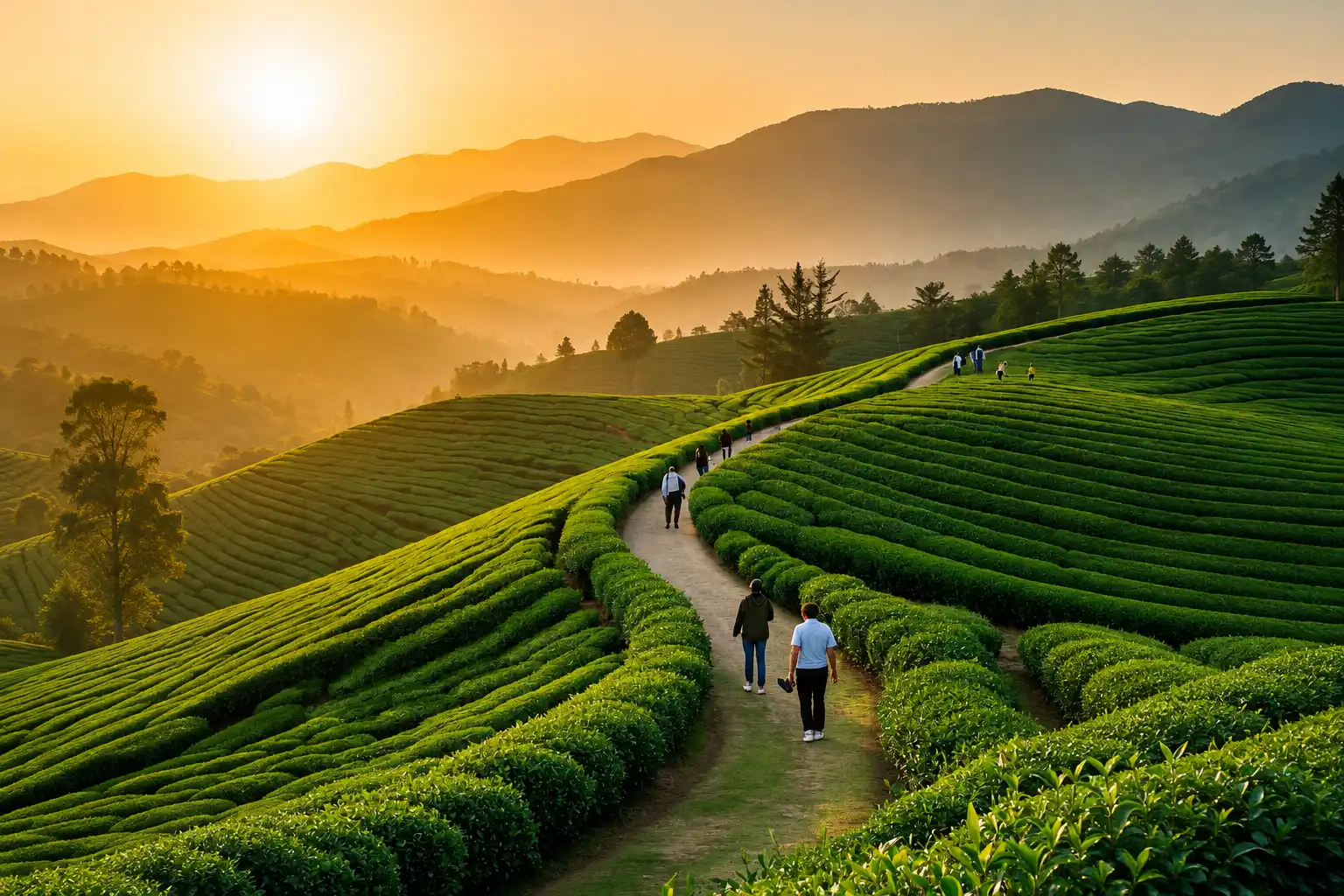
Leave the busy lakeside behind for Hangzhou’s tea hills, where Longjing, or Dragon Well tea, has become one of the city’s defining traditions. Visit a tea village, walk beside tea fields and spend time in a local tea house to understand how tea fits into everyday life and the landscape around West Lake.
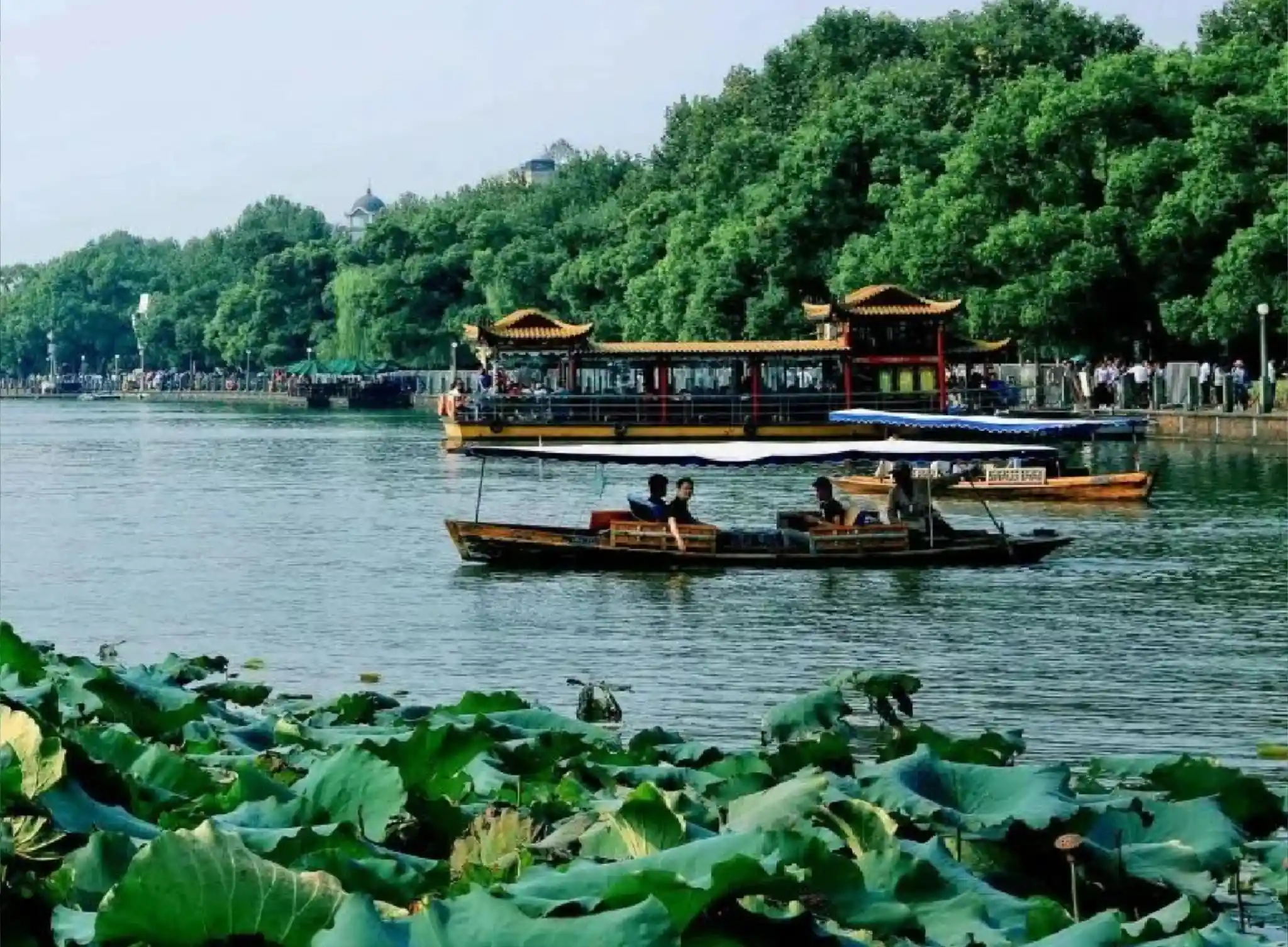
Experience West Lake at a slower pace by combining lakeside walking with a short boat ride. Use scenic sections such as Su Causeway and Broken Bridge to build a route instead of trying to cover the entire lake in one visit.
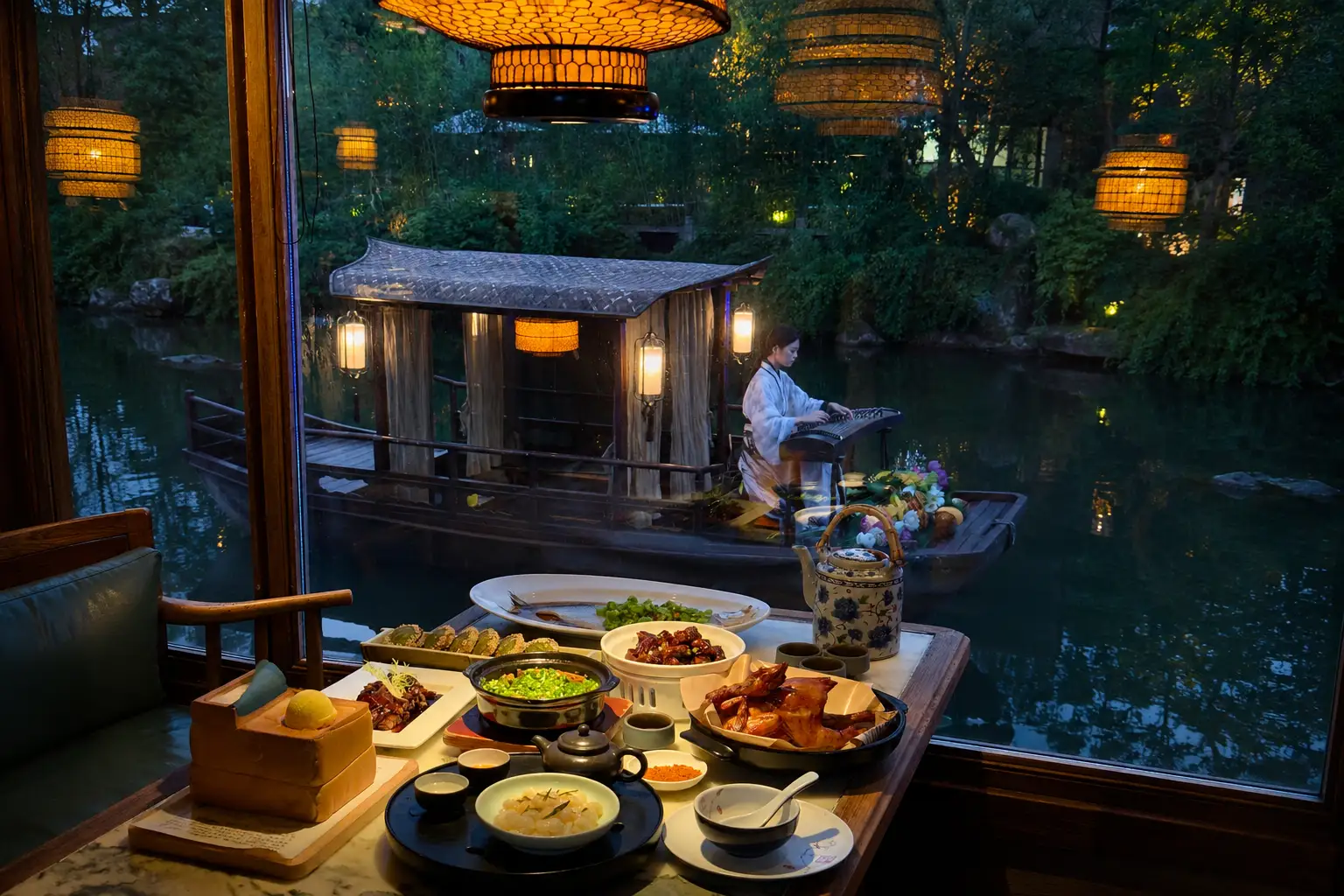
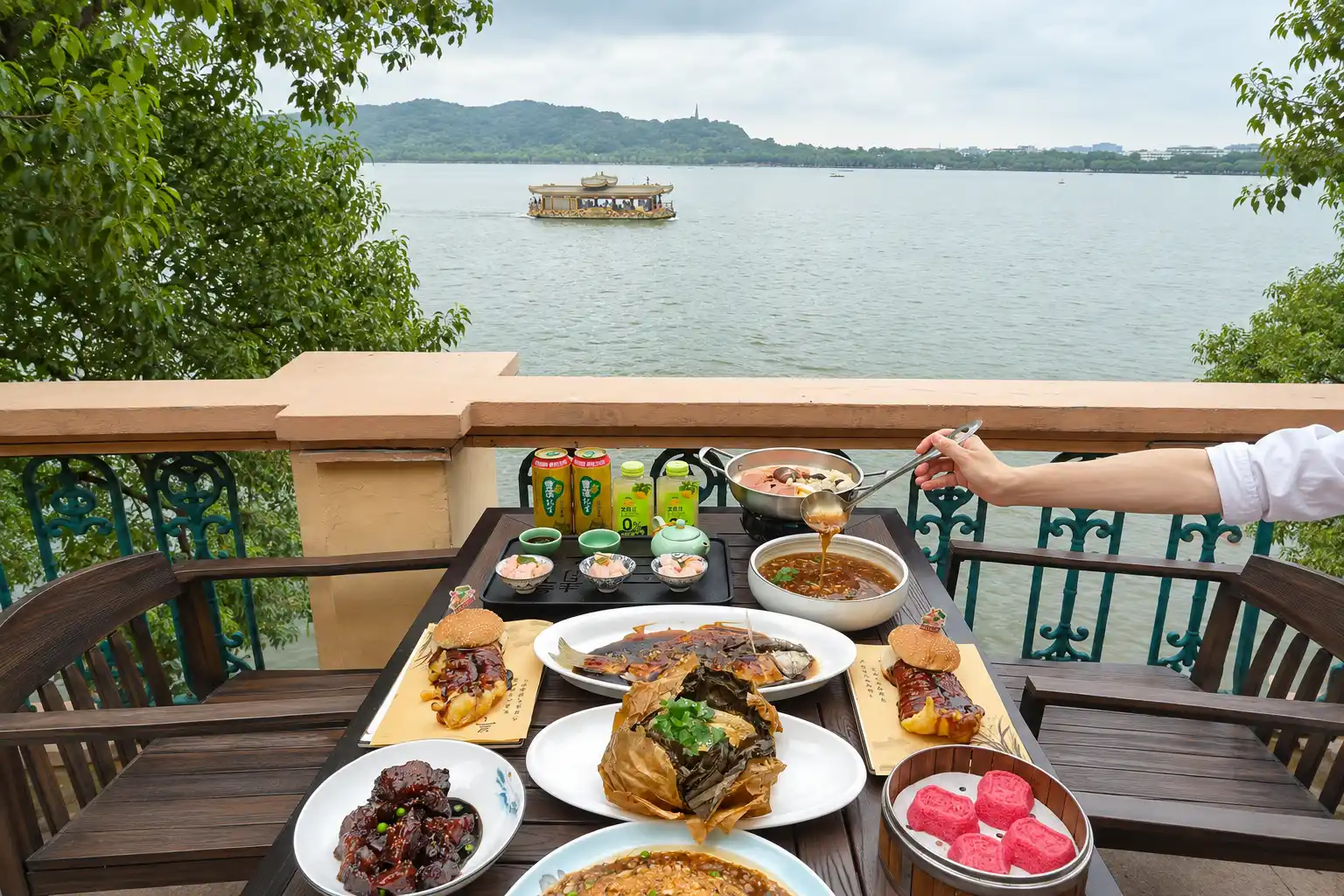
Explore a regional cuisine known for lighter flavors and ingredients connected with the surrounding lake and countryside. Look for classic dishes such as Dongpo pork, West Lake fish in vinegar sauce, Longjing shrimp and seasonal local snacks.
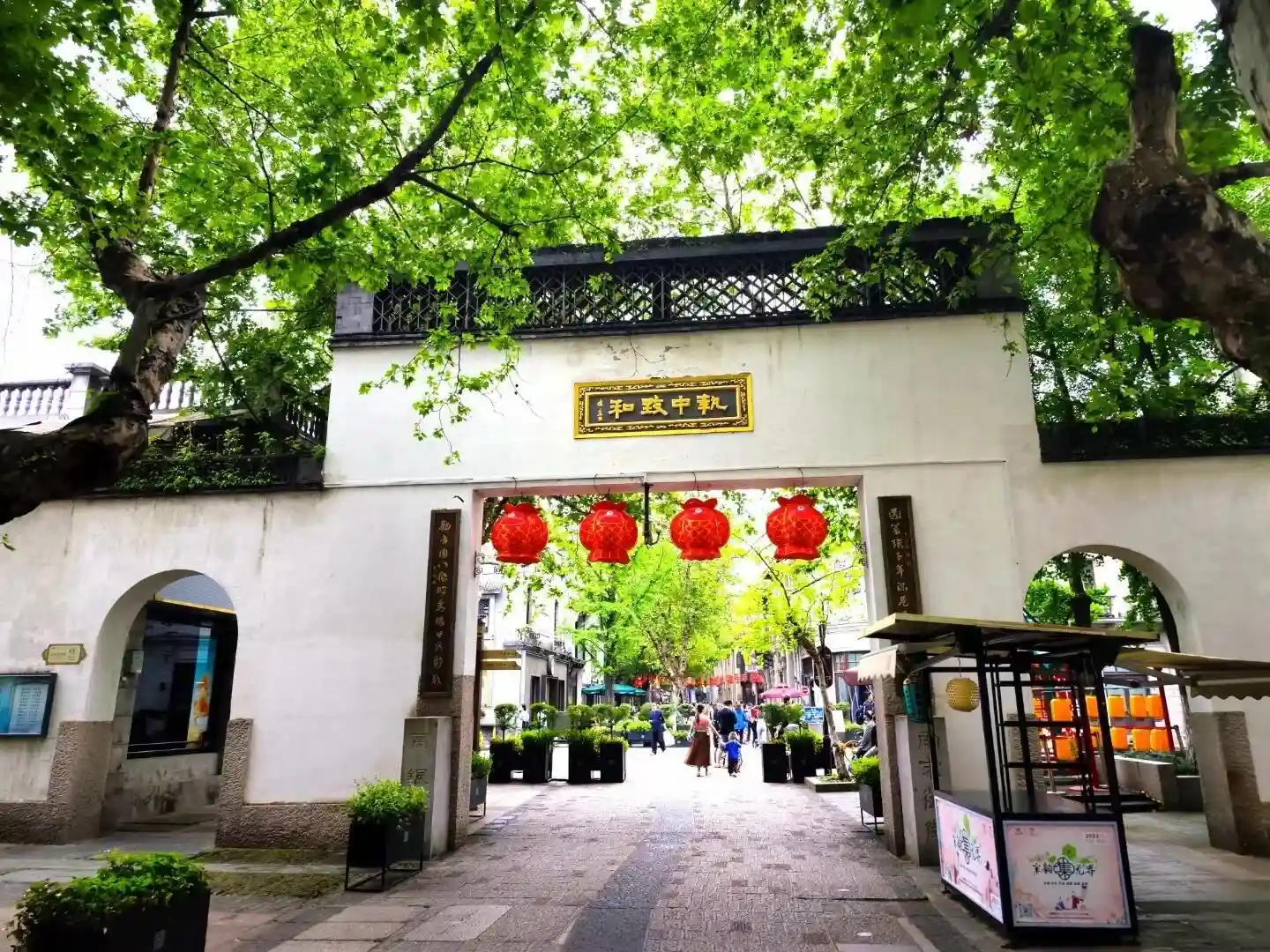
Spend time away from the open lake scenery in older commercial neighborhoods around Hefang Street and Southern Song Imperial Street. Browse traditional-style shopfronts, local snacks, tea, crafts and small side streets while exploring Hangzhou’s historic city atmosphere.
Add a quieter half day when you need a break from central sightseeing. Xixi Wetland, wooded temple areas and the tea hills offer waterways, greenery and walking routes that reveal the softer landscape behind Hangzhou’s reputation for scenic beauty.
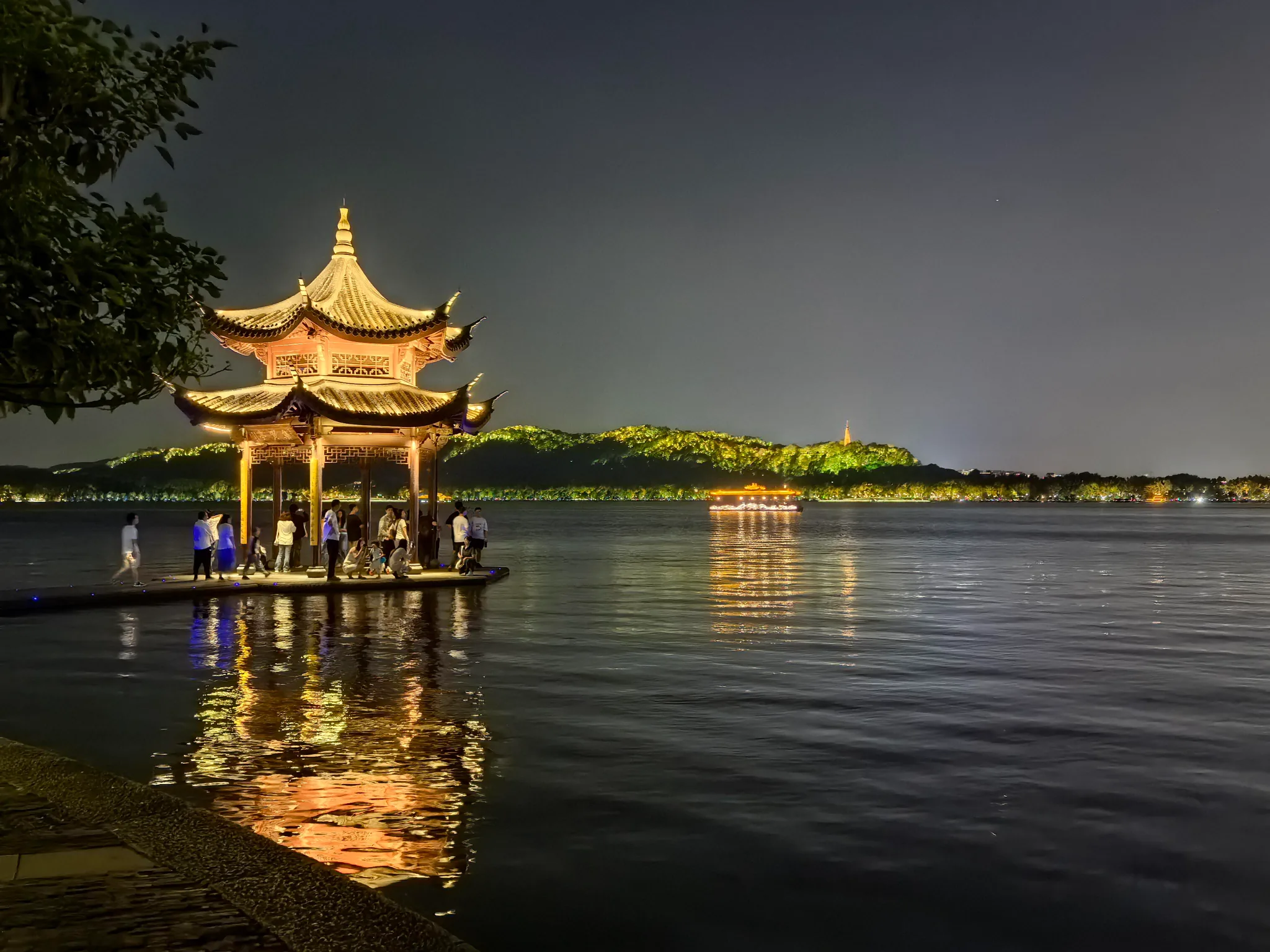
Keep part of an evening free for illuminated lakeside scenery, a relaxed walk through central Hangzhou or a cultural performance. The city feels different after the daytime tour groups thin out, especially around the lake and historic districts.
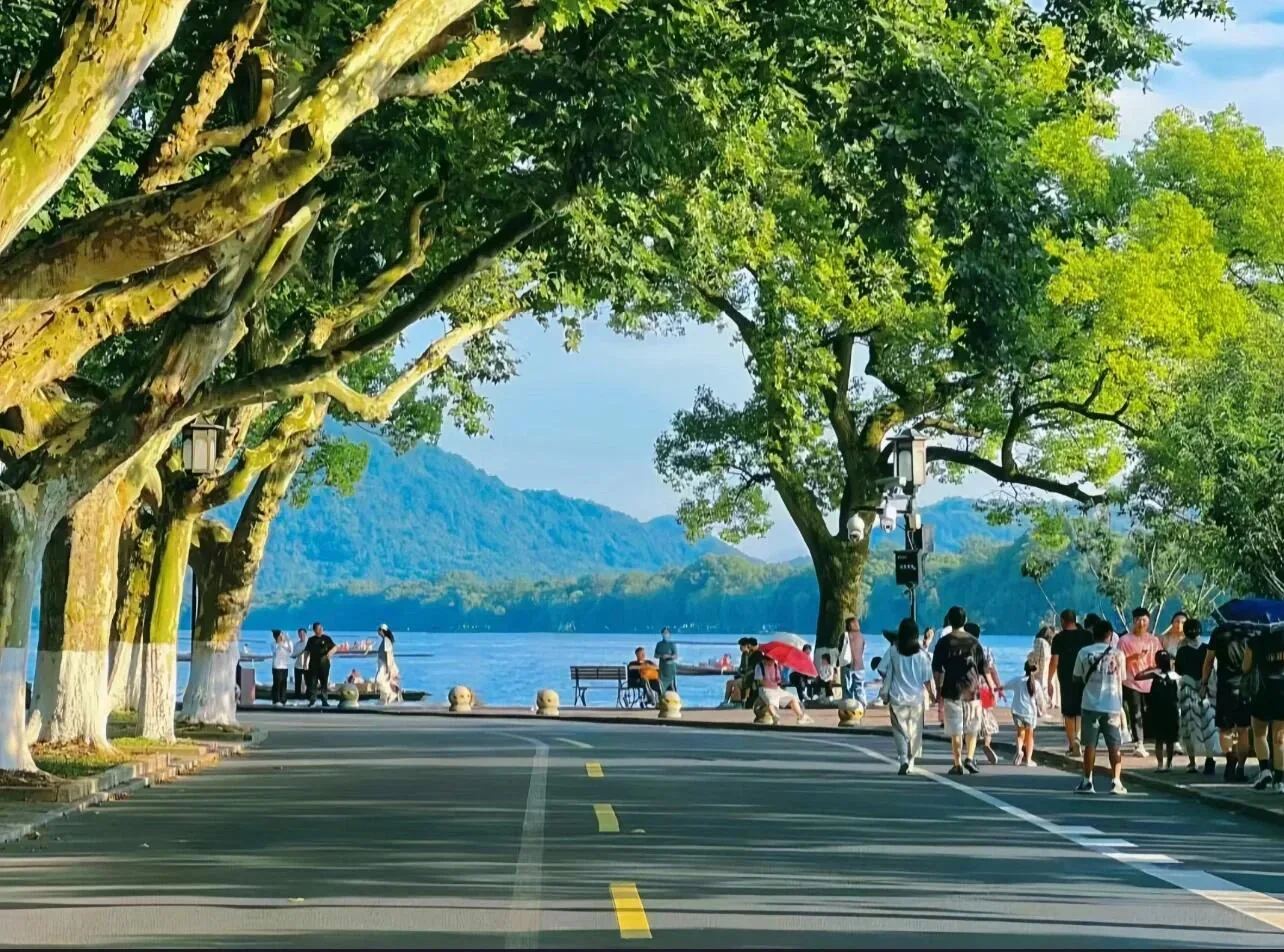
Hangzhou rewards slower travel. Walk between lakeside gardens, historic streets and temple areas, or use a bike for selected scenic stretches when conditions are comfortable. Shorter routes often give a better experience than trying to cross the city quickly.
Go deeper into the experiences that make Hangzhou different, from West Lake and Longjing tea culture to local food, historic neighborhoods, wetlands and evening sightseeing.
Balance West Lake sightseeing with tea culture, local food, historic neighborhoods and quieter nature experiences based on your interests and the amount of time you have in Hangzhou.
Hangzhou cuisine is known for fresh ingredients, gentle seasoning and dishes connected with West Lake and the surrounding tea country. First-time visitors should try a mix of classic Zhejiang dishes, local specialties and seasonal snacks rather than focusing on one famous dish alone.
Food in Hangzhou reflects both the city and its landscape. Longjing tea appears beyond the teacup in dishes such as Longjing shrimp, while West Lake has inspired some of the destination’s best-known local specialties. Meals tend to feel lighter and more delicate than many travelers expect from other regional Chinese cuisines.
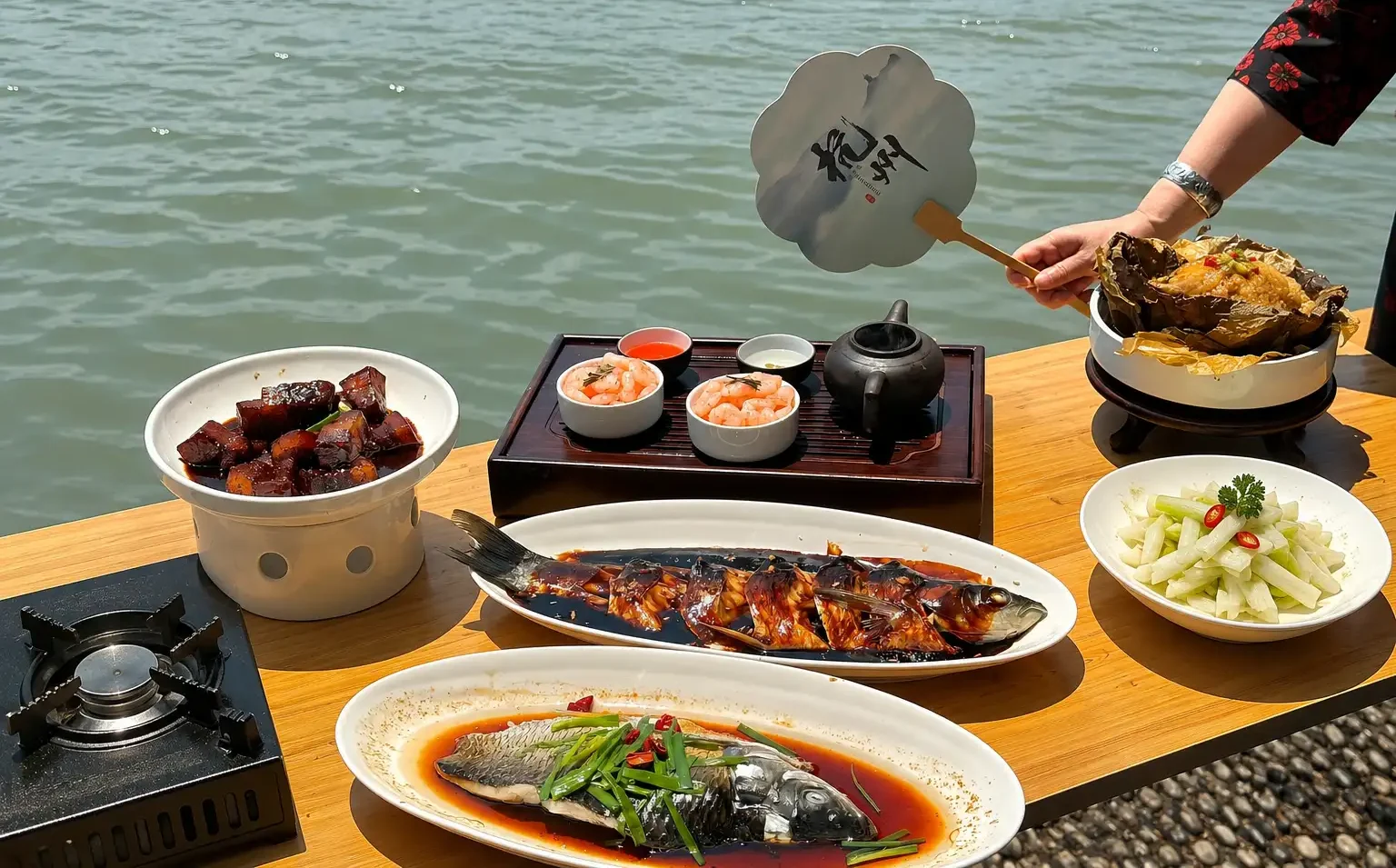
One of Hangzhou’s most recognizable dishes, Dongpo pork is slow-cooked until tender and rich. It is commonly associated with the poet and statesman Su Dongpo and remains an important introduction to traditional Hangzhou cooking.
This traditional fish dish pairs tender freshwater fish with a sweet-and-sour vinegar sauce. It is closely associated with Hangzhou and West Lake and is one of the city’s most frequently mentioned local specialties.
Longjing shrimp combines fresh shrimp with Dragon Well tea leaves, bringing Hangzhou’s famous tea culture directly into its cuisine. It is a particularly good dish to try after visiting Longjing Village or the surrounding tea hills.
Beggar’s chicken is another traditional Hangzhou specialty, known for slow cooking that keeps the meat tender and aromatic. The dish is strongly connected with local culinary storytelling and is often found on menus featuring classic Hangzhou cuisine.
Osmanthus is closely associated with Hangzhou, especially in autumn. Look for delicate cakes, rice-based sweets and other seasonal snacks flavored with the flower when exploring historic streets and local food shops.
A tea house visit is as much a Hangzhou experience as a meal. Try Longjing green tea slowly, especially around the tea villages, and leave time to enjoy the setting rather than treating tea tasting as a quick sightseeing stop.
A balanced first meal can include one classic meat dish, one lake or river specialty and one tea-related dish. Leave room for local snacks and a separate Longjing tea experience rather than trying to order every famous dish at once.
Choose a Hangzhou itinerary based on how much time you have and how slowly you want to travel. Two days can cover West Lake, Lingyin Temple and Longjing tea country, while three days gives first-time visitors a more balanced introduction to the lake, Buddhist heritage, tea culture, historic neighborhoods and local food.
This 3-day Hangzhou itinerary combines West Lake, Lingyin Temple, Longjing tea country and historic Hangzhou at a comfortable pace. It is designed for first-time visitors who want more than a rushed day trip from Shanghai.
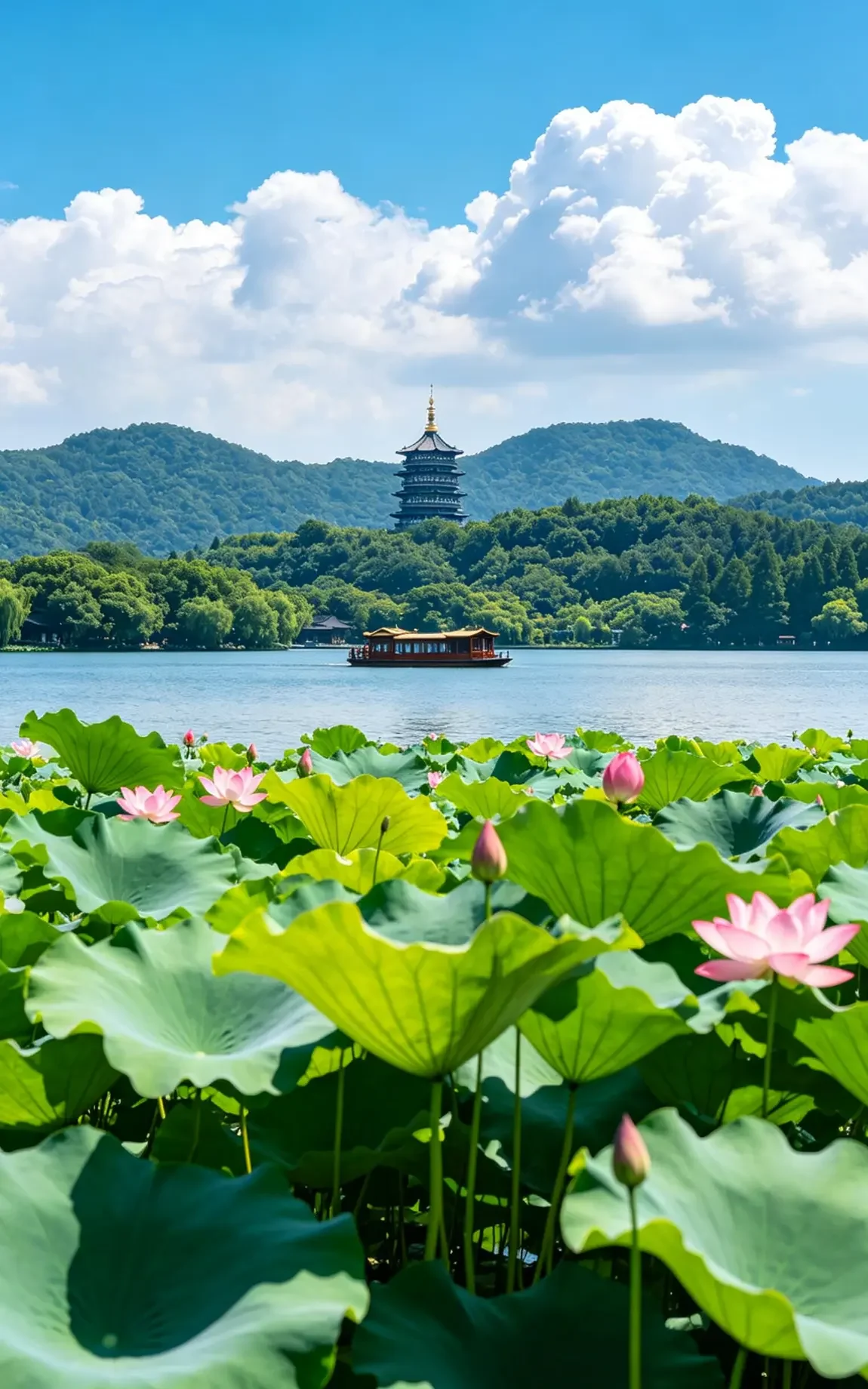
Start your first morning beside West Lake while the lakeside paths are still relatively calm. Explore a manageable section around Broken Bridge, Bai Causeway or nearby gardens instead of trying to walk the entire lake.
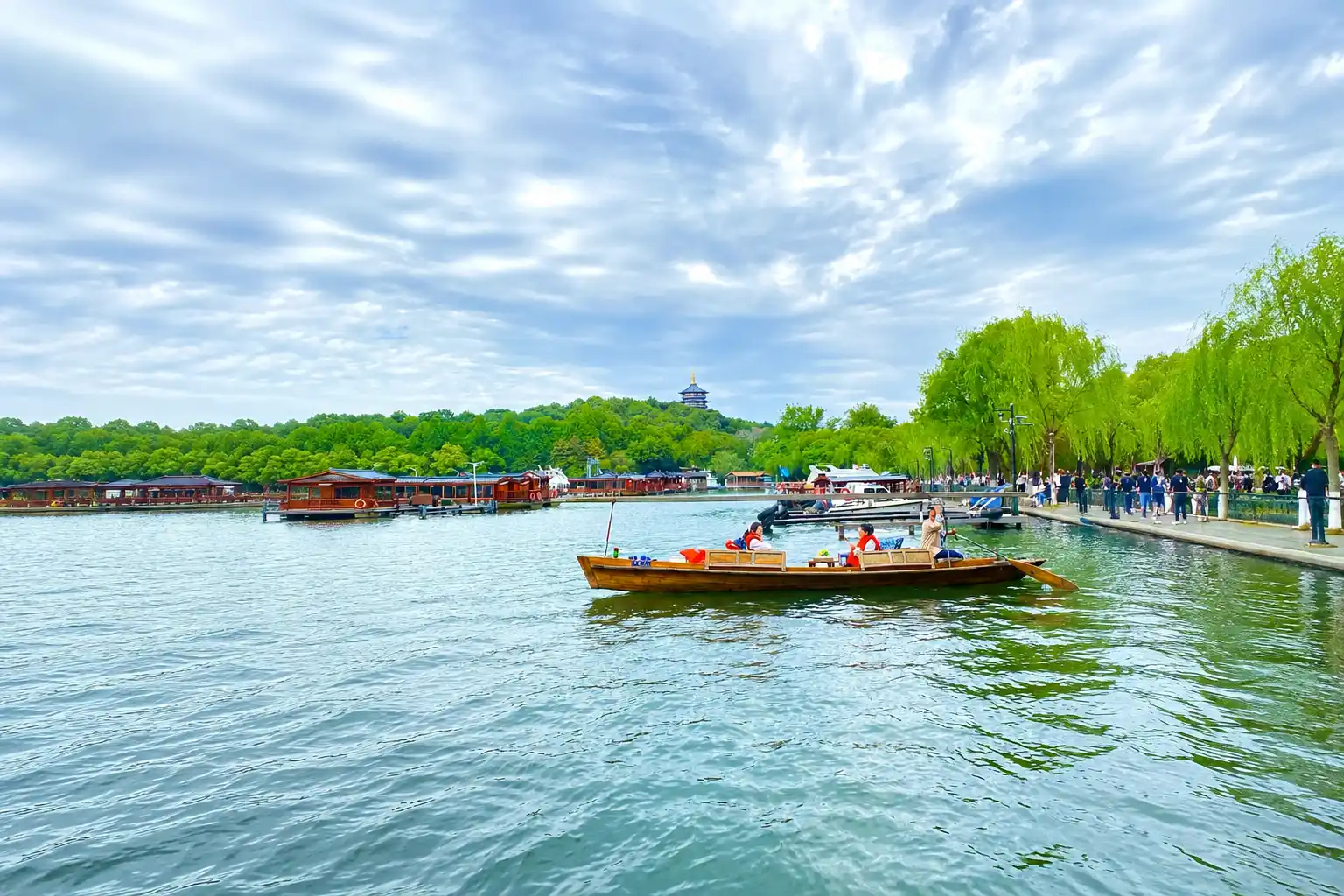
Continue through one of West Lake’s scenic sections, add a short boat ride if the weather is good and explore the southern lakeshore around Su Causeway or Leifeng Pagoda. Keep the pace relaxed so the lake feels like an experience, not a sightseeing checklist.
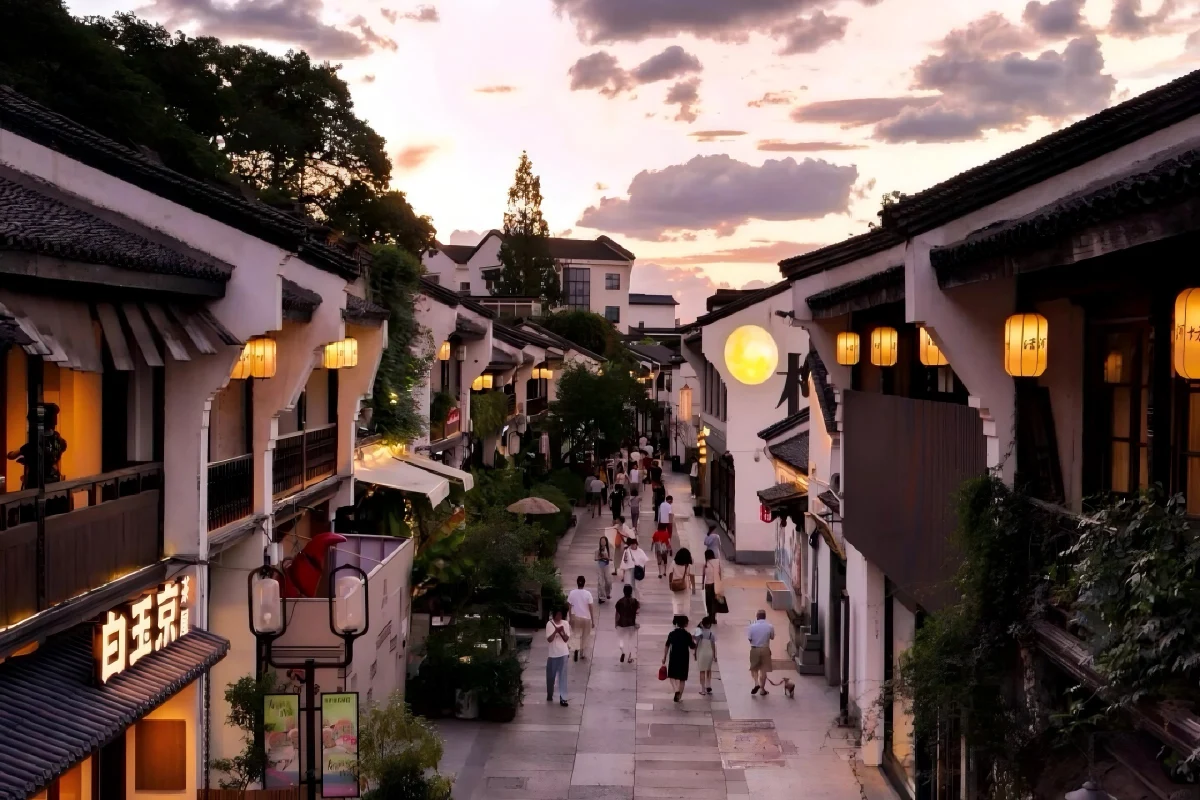
Finish the day around Hefang Street or another nearby historic district, then try classic Hangzhou dishes such as Dongpo pork, Longjing shrimp or other seasonal local specialties.
Spend the morning around Lingyin Temple and its wooded scenic area before continuing into Hangzhou’s tea country. In the afternoon, visit Longjing Village or Meijiawu, walk beside tea fields and stop at a tea house for a slower introduction to Dragon Well tea culture.
Use your third day to see a different side of Hangzhou along the Grand Canal. Explore the Qiaoxi historic area, bridges and preserved streets before leaving time for local food, cafés or a final relaxed evening by West Lake.
Choose a recommended Hangzhou tour or customize your route around West Lake, Lingyin Temple, Longjing tea country, your hotel location and preferred sightseeing pace.
The best time to visit Hangzhou is generally spring from March to May and autumn from September to November. Spring brings fresh greenery, flowers and tea-country scenery, while autumn offers cooler conditions for walking around West Lake, visiting temples and exploring the city. Summer is hot and humid, and winter is quieter but colder.
March to May and September to November offer the best overall balance for most first-time visitors. Spring is particularly rewarding around West Lake and the Longjing tea hills, while autumn is comfortable for longer walks, temple visits and outdoor sightseeing. Travelers who dislike heat and humidity should be cautious about planning most of their trip in midsummer.
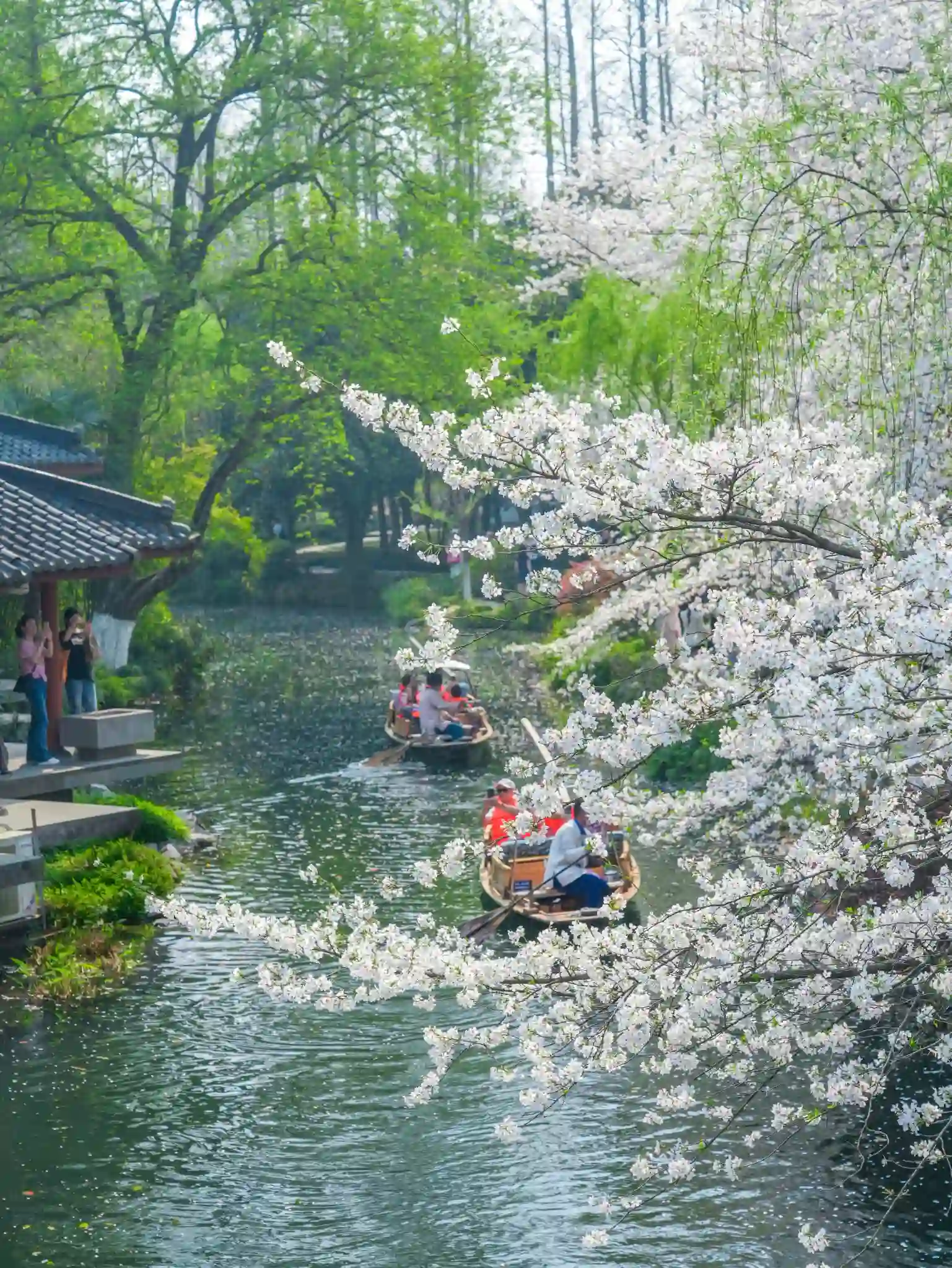
Spring is one of the best seasons to visit Hangzhou. West Lake becomes greener, flowers appear around parks and gardens, and the Longjing tea hills are especially attractive. Mild conditions also make it easier to combine lakeside walks, temples and tea villages in the same trip.
Summer brings lush scenery and lotus around West Lake, but it can also be hot, humid and rainy. July and August are usually the most demanding months for long outdoor walks, so start sightseeing early, take indoor breaks and keep afternoon plans flexible during very hot weather.
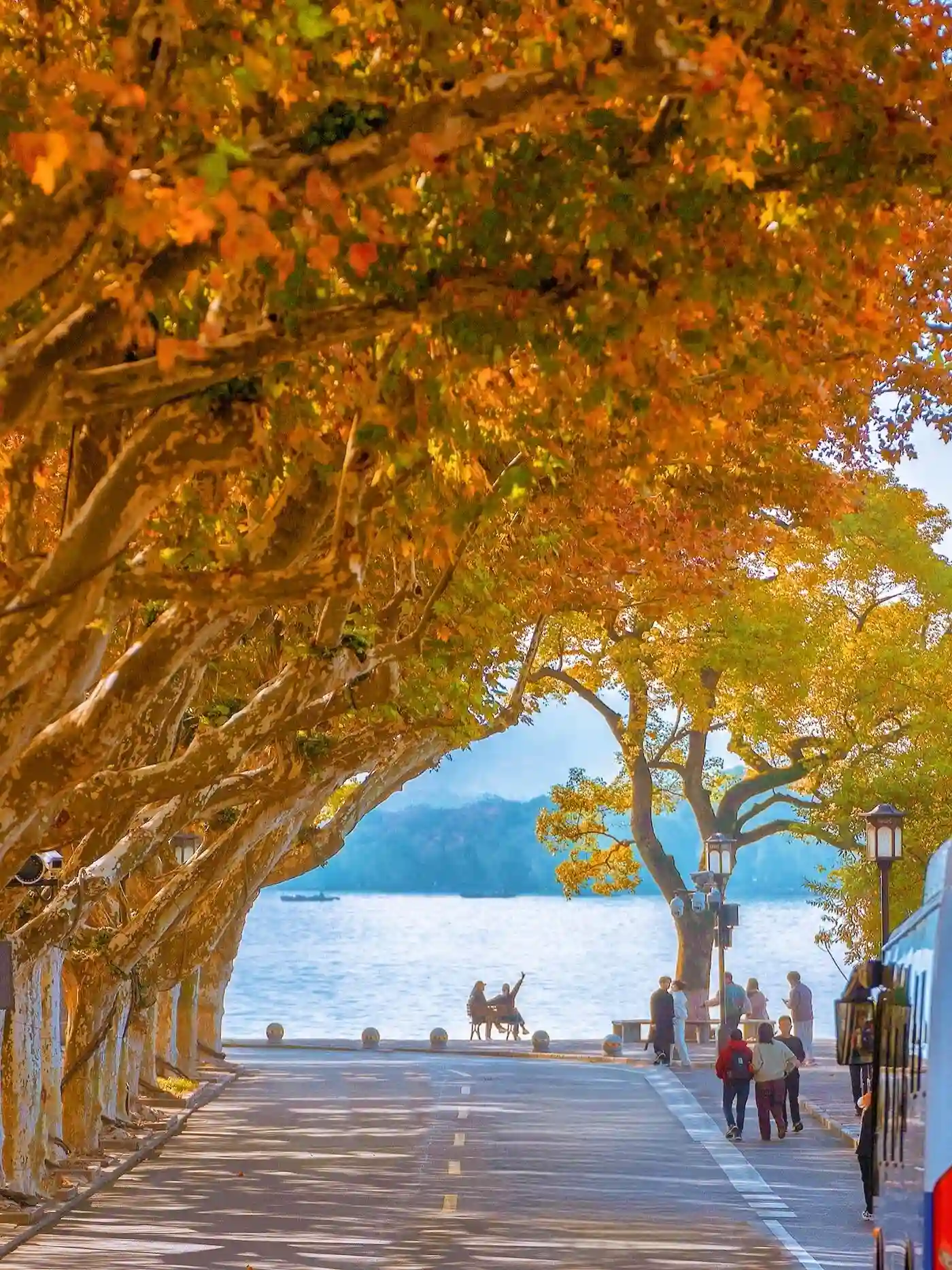
Autumn is another excellent season for a Hangzhou trip. Conditions become cooler and generally more comfortable for West Lake walks, Lingyin Temple, historic neighborhoods and longer days outdoors. October and November are particularly appealing for travelers who prefer cooler sightseeing weather.
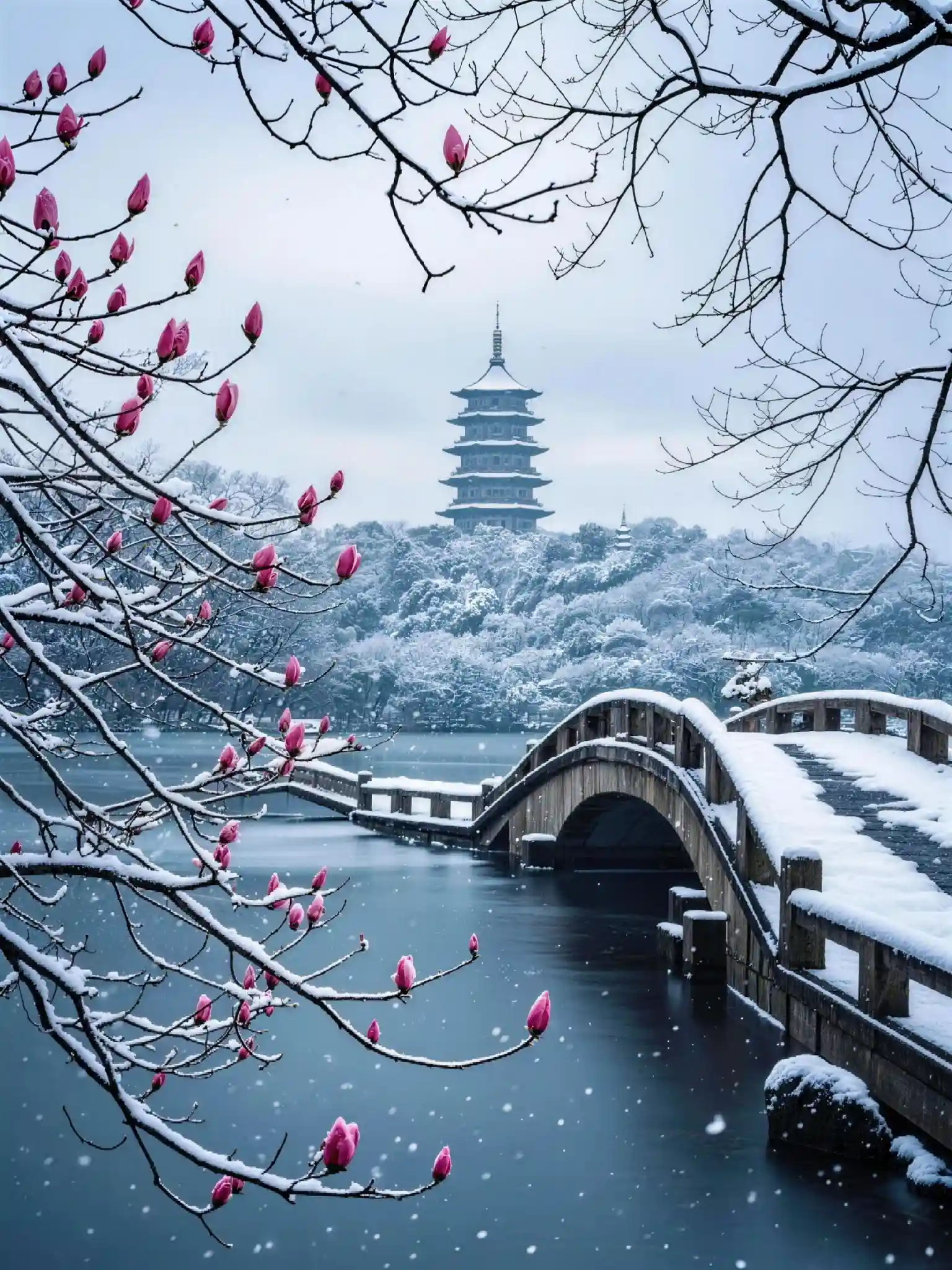
Winter is colder and less colorful than spring or autumn, but it can suit travelers who prefer a quieter trip. Dress for cool, damp conditions and shorter periods outdoors, and combine West Lake with temples, historic streets, tea houses and indoor experiences.
Compare seasonal conditions across China before choosing your travel dates, especially if your Hangzhou itinerary includes long West Lake walks, Longjing tea country, temples and other outdoor sightseeing.
The best area to stay in Hangzhou depends on how you plan to explore the city. First-time visitors usually benefit from staying near West Lake, while Wushan and Hefang Street offer a more historic atmosphere, Wulin is convenient for city transport and shopping, and western Hangzhou works better for travelers seeking wetlands, tea hills and a quieter stay.
For most first-time visitors, staying on the eastern side of West Lake offers the easiest balance of sightseeing and city convenience. You can reach the lakeshore on foot, find plenty of restaurants and shops nearby, and use metro or taxis for Lingyin Temple, Longjing tea country and other parts of Hangzhou.
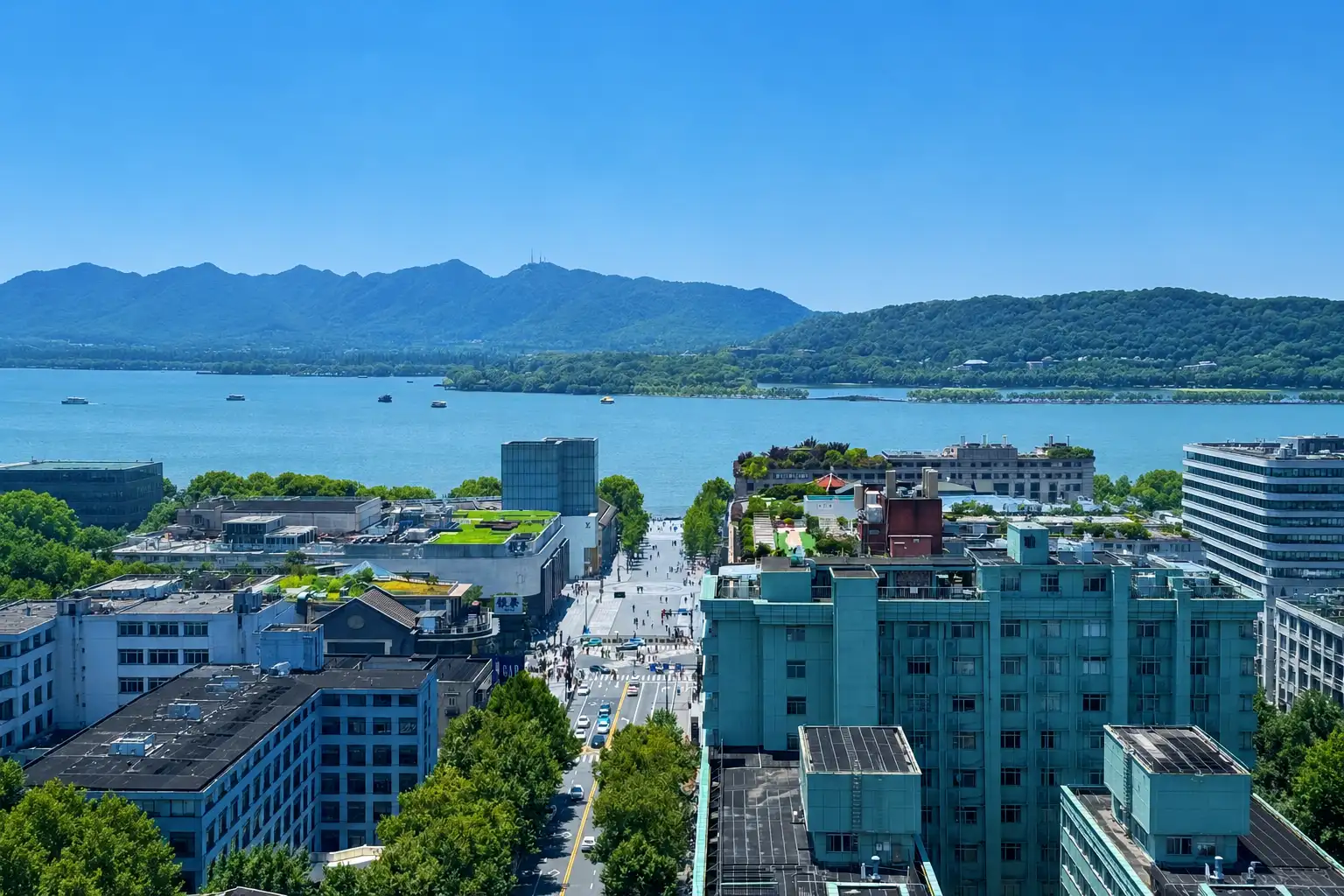
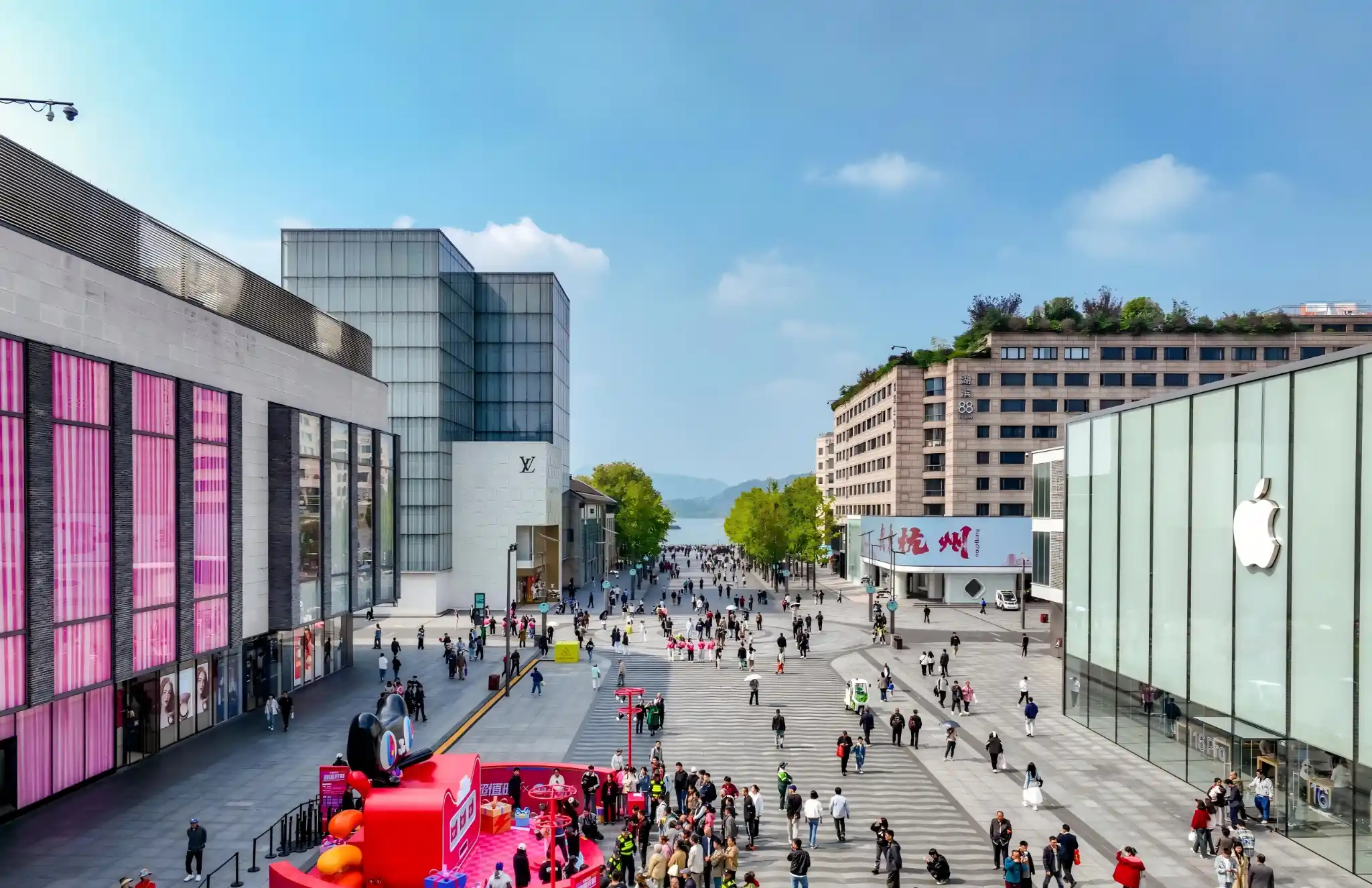
Stay here if West Lake is the center of your itinerary. The area combines lakeside access with restaurants, shopping and city transport, making it especially practical for travelers spending only two or three days in Hangzhou.
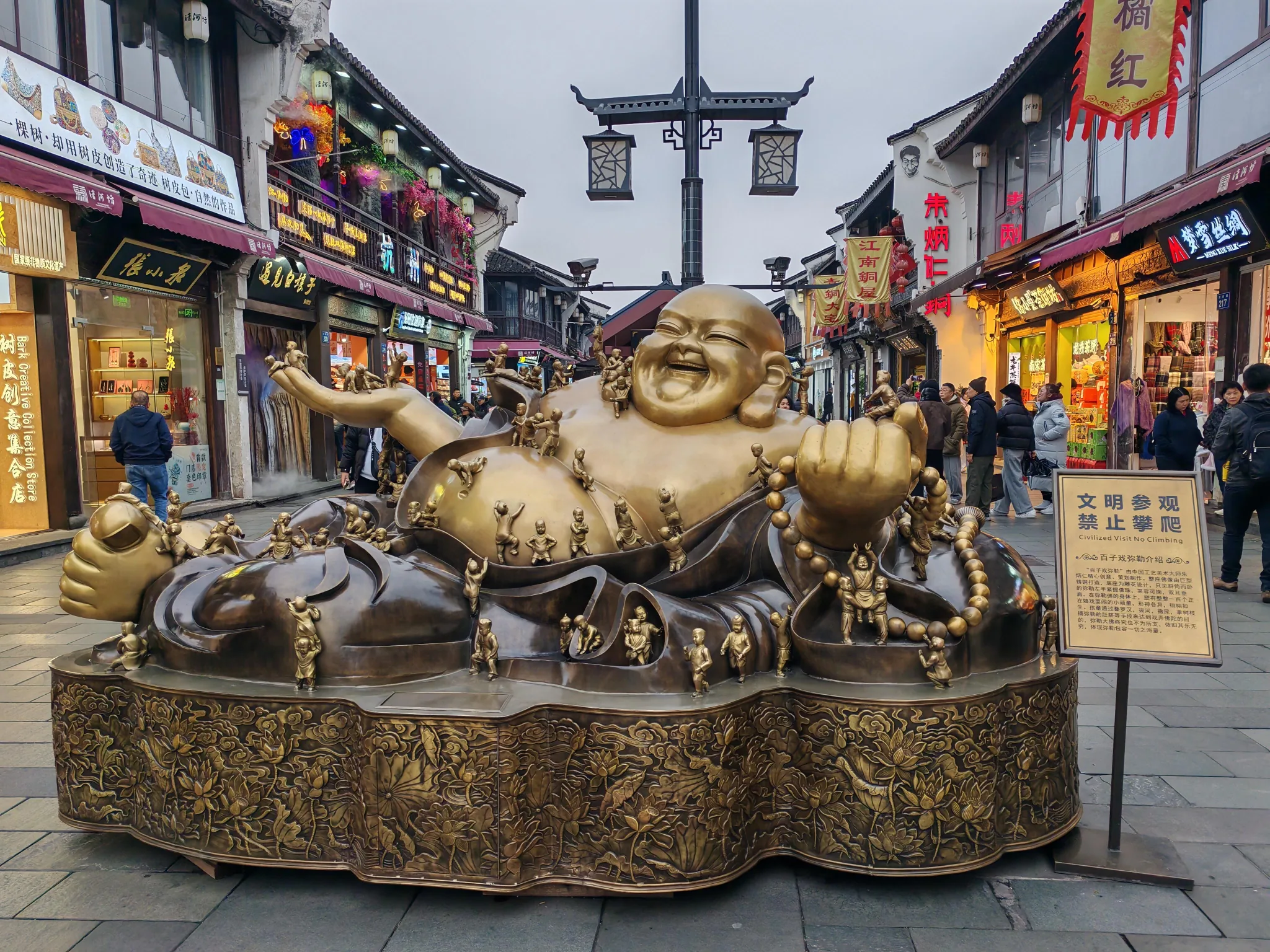
Choose this area for easier access to old-city streets, local snacks and traditional-style neighborhoods while remaining close to the southern and eastern sides of West Lake. It suits travelers who want more character than a modern business district.
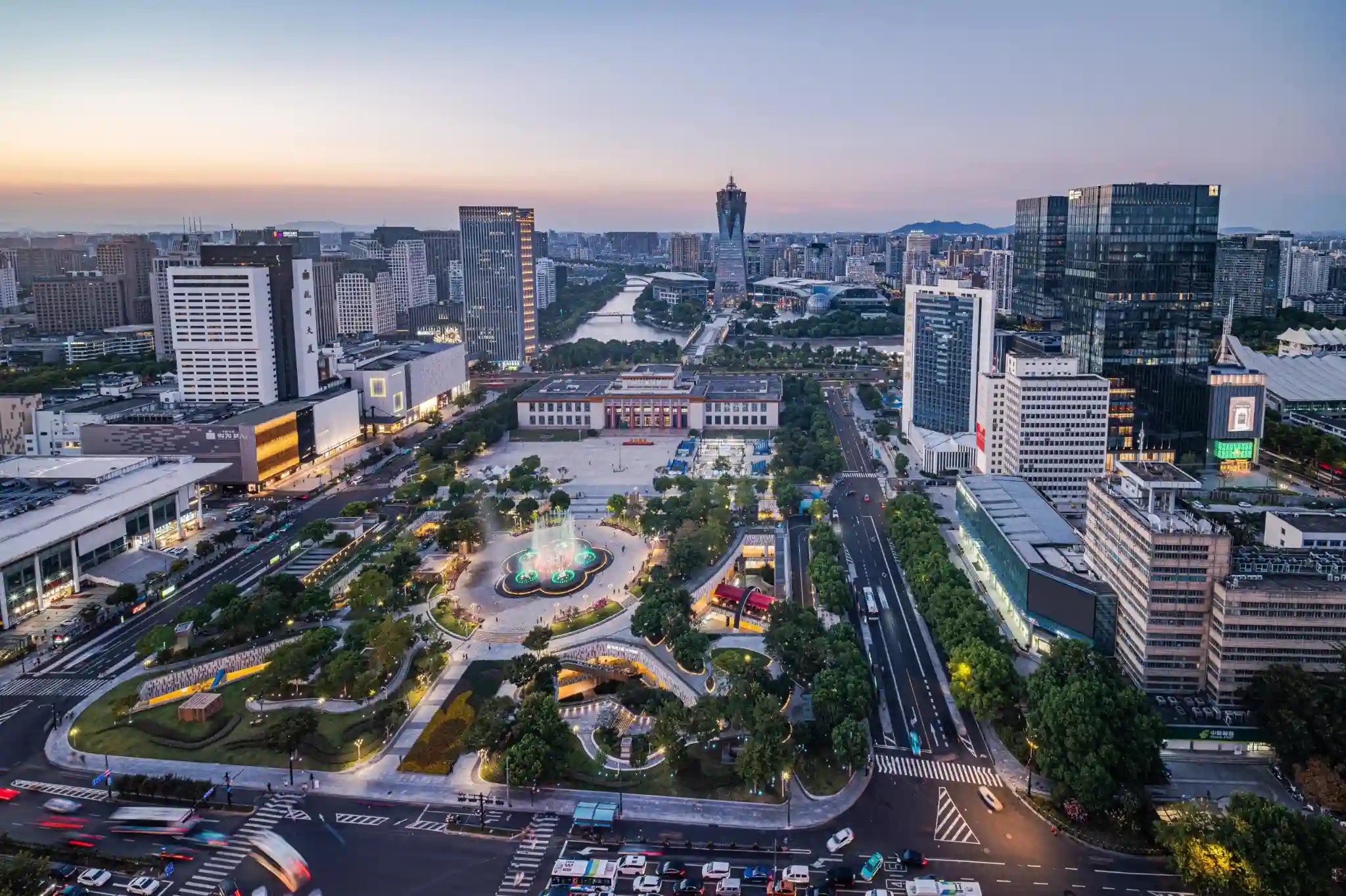
Wulin is a practical choice for travelers who value metro access, shopping, restaurants and easier movement across central Hangzhou. It is less atmospheric than staying directly beside West Lake but can make a multi-stop itinerary easier.
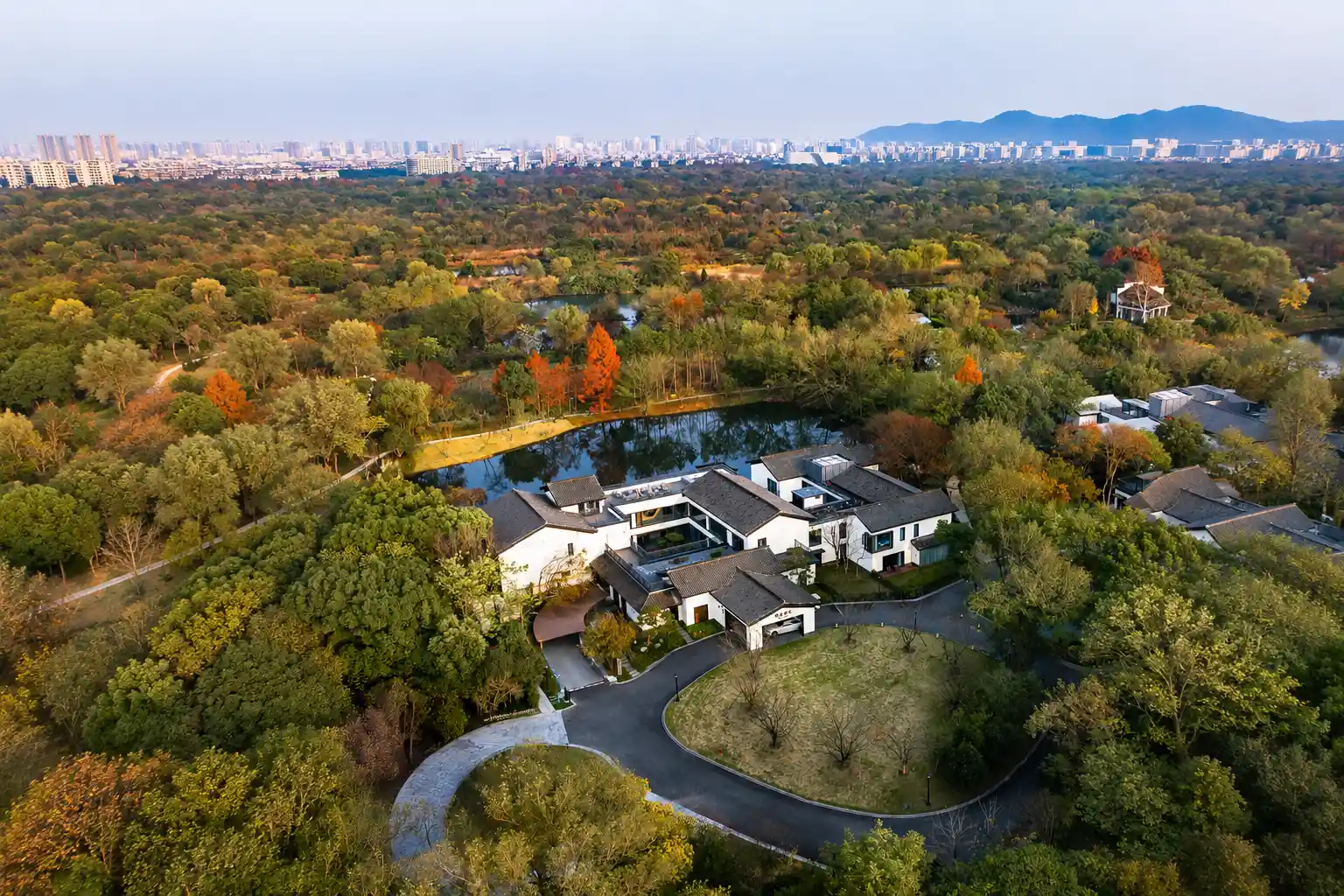
Stay farther west if you prefer wetlands, greenery, boutique accommodation and a quieter pace. This area works particularly well for repeat visitors or travelers building Xixi, tea hills and western Hangzhou into their itinerary.
For a first trip, prioritize West Lake access before choosing a hotel by price alone. Travelers with early trains, longer stays or a stronger interest in tea country and wetlands may benefit from staying farther from the lakeshore.
Hangzhou is well connected by high-speed rail, Hangzhou Xiaoshan International Airport and an extensive metro network. Many visitors arrive by train from Shanghai or another major Chinese city, then combine metro, buses, taxis, ride-hailing and walking to reach West Lake, Lingyin Temple, tea villages and other attractions.
High-speed rail is one of the easiest ways to reach Hangzhou from Shanghai and other major cities. Once in Hangzhou, use the metro for longer cross-city journeys, then combine walking, buses and short taxi or ride-hailing trips around West Lake and the western scenic areas.
Hangzhou has frequent rail connections with Shanghai and other major cities in eastern China. Hangzhou East Railway Station is an important arrival point for visitors, and rail is often more convenient than flying for shorter intercity journeys.
How to Buy Train Tickets in China →Hangzhou Xiaoshan International Airport serves domestic and international flights. The airport is connected to the Hangzhou Metro, while taxis, ride-hailing and private transfers are useful for travelers arriving late or carrying more luggage.
The metro is useful for moving between railway stations, the airport and different parts of the city. It does not replace walking or local buses for every West Lake attraction, so expect to combine rail transit with shorter surface journeys.
Taxis and DiDi are useful for hotel transfers, Lingyin Temple, tea-country trips and routes that would otherwise require several transport changes. Allow extra time during busy periods around West Lake and major tourist areas.
How to Use DiDi in China →West Lake is best explored as a combination of walking and public transport rather than as one continuous circuit. Choose the part of the lake you want to see, walk the most scenic stretches and use buses or short transfers when moving between distant sections.
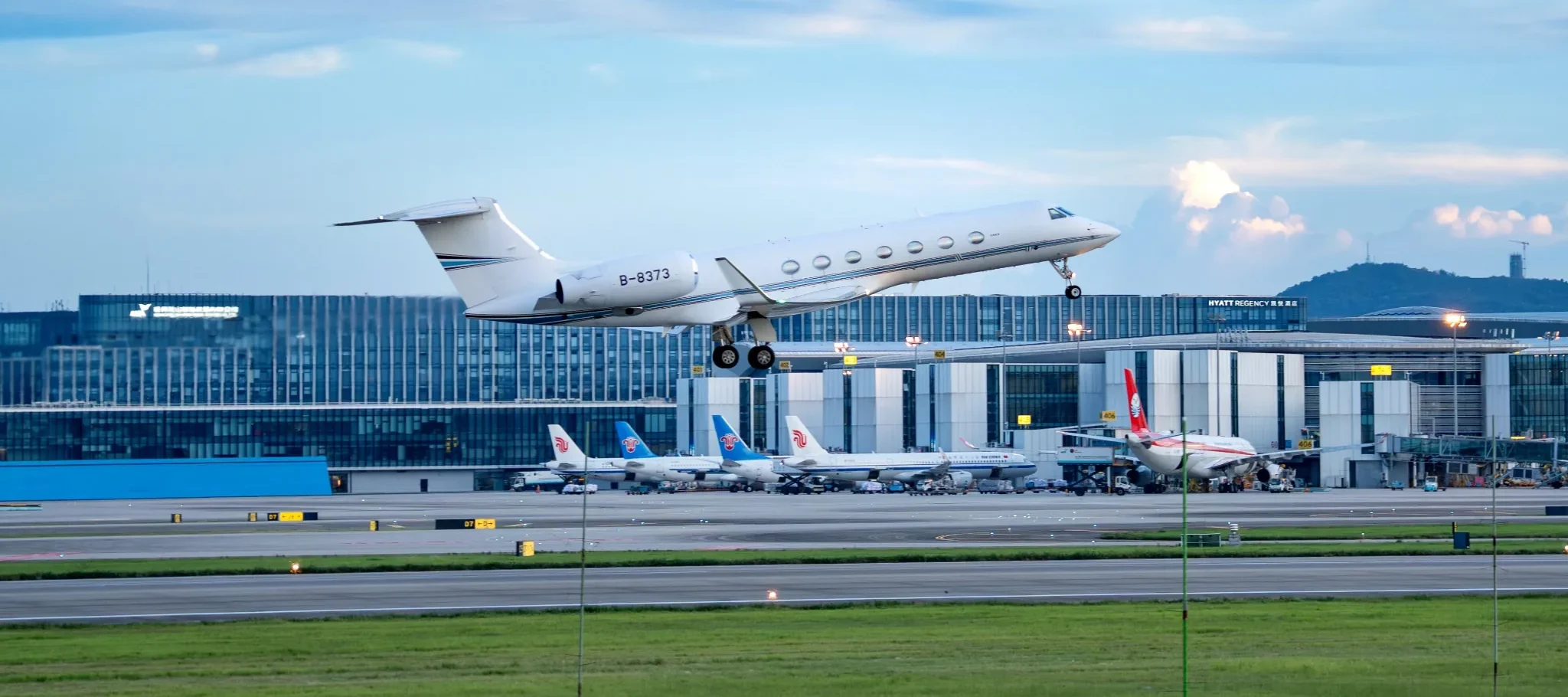
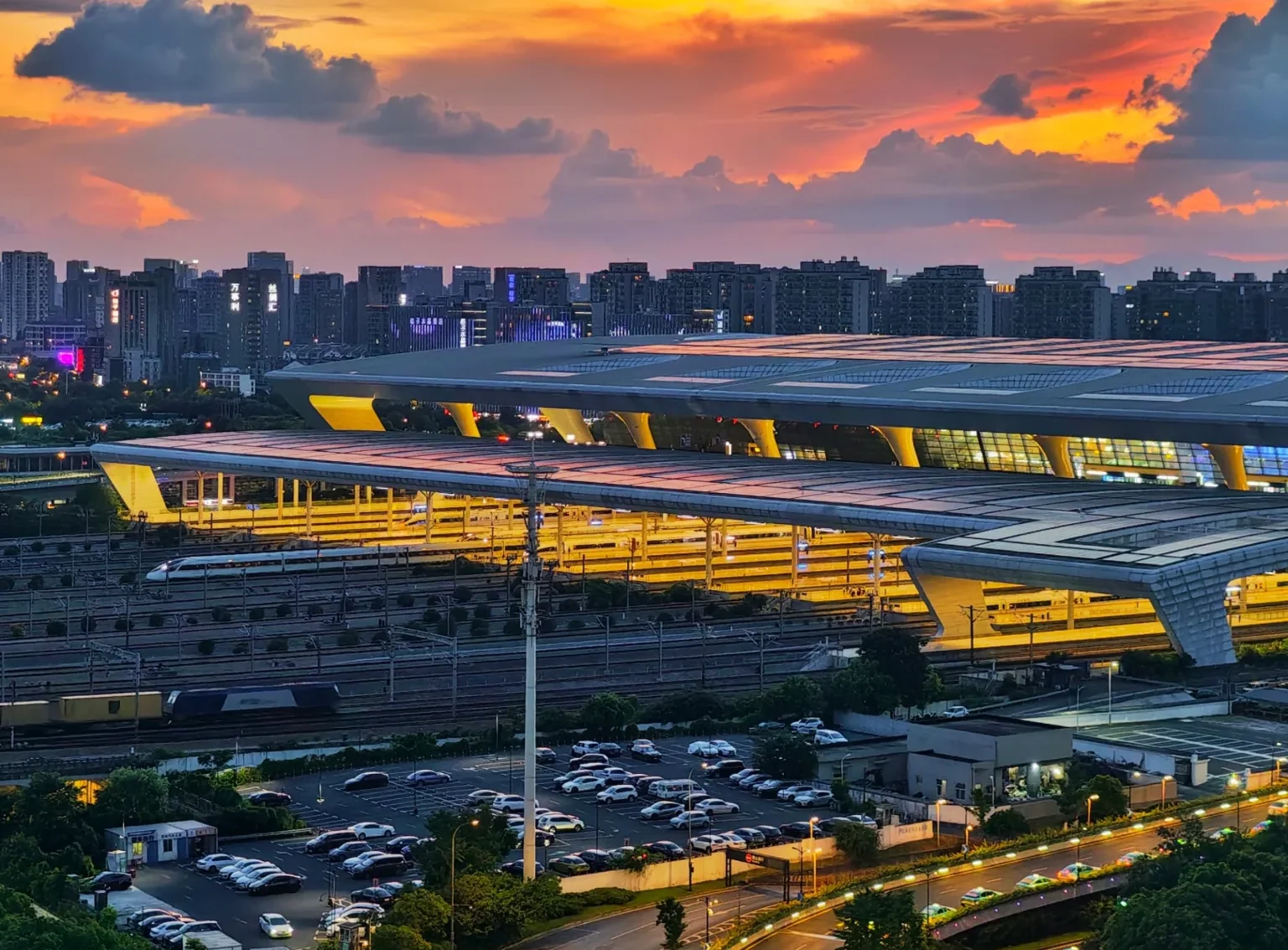
Private transfers can be included in a customized Hangzhou trip, especially when your itinerary combines West Lake, Lingyin Temple, Longjing tea country and arrival or departure transportation.
Hangzhou is well placed for exploring eastern China beyond West Lake. Add Shanghai for a contrasting modern city experience, visit Suzhou for classical gardens and canals, or continue into Zhejiang’s historic water towns and smaller cities for a broader introduction to Jiangnan culture.
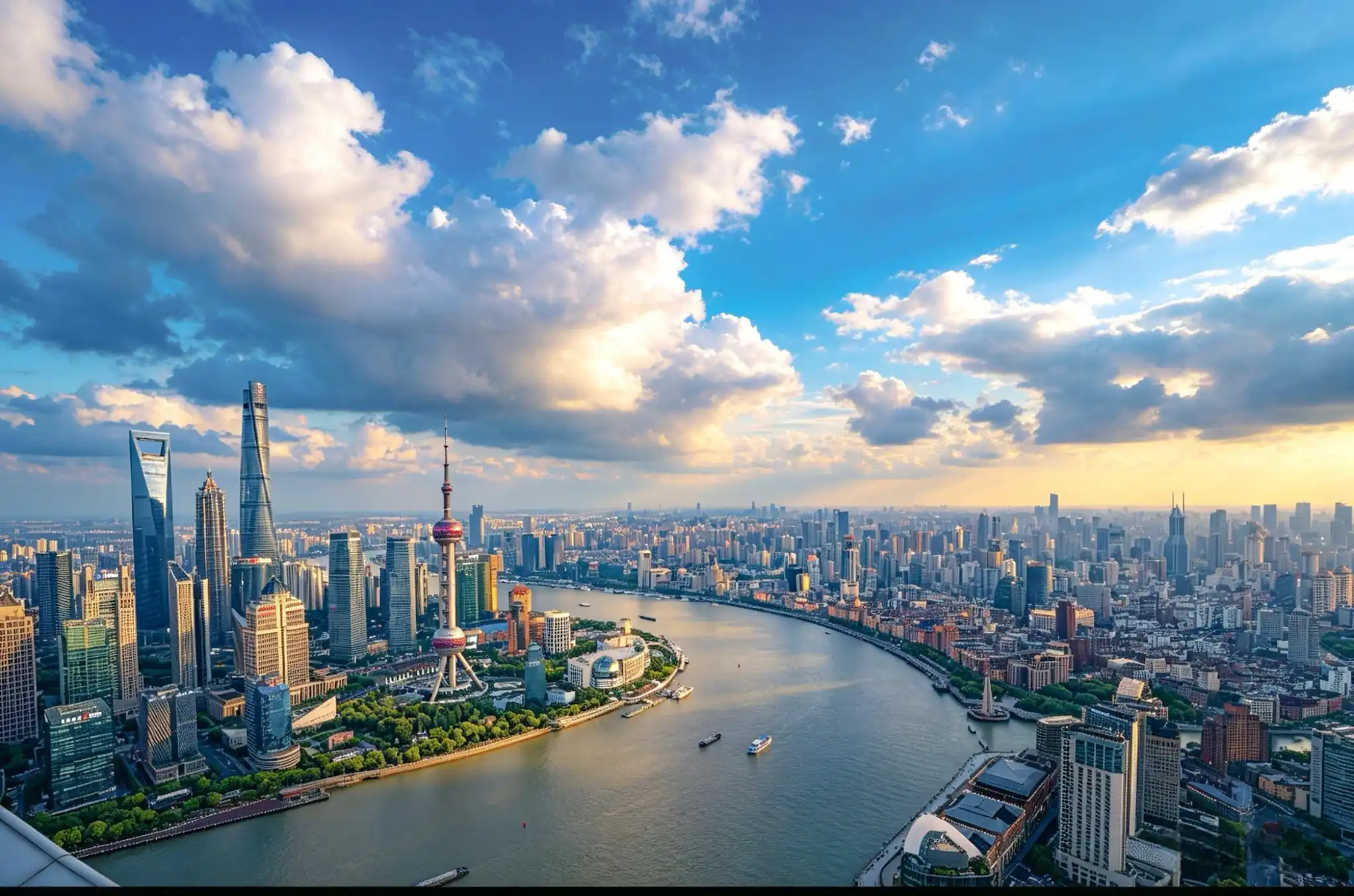
Follow Hangzhou’s lakes, tea hills and temples with Shanghai’s waterfront skyline, historic neighborhoods and faster urban pace. High-speed rail makes the two cities easy to combine, especially for travelers building a first eastern China itinerary.
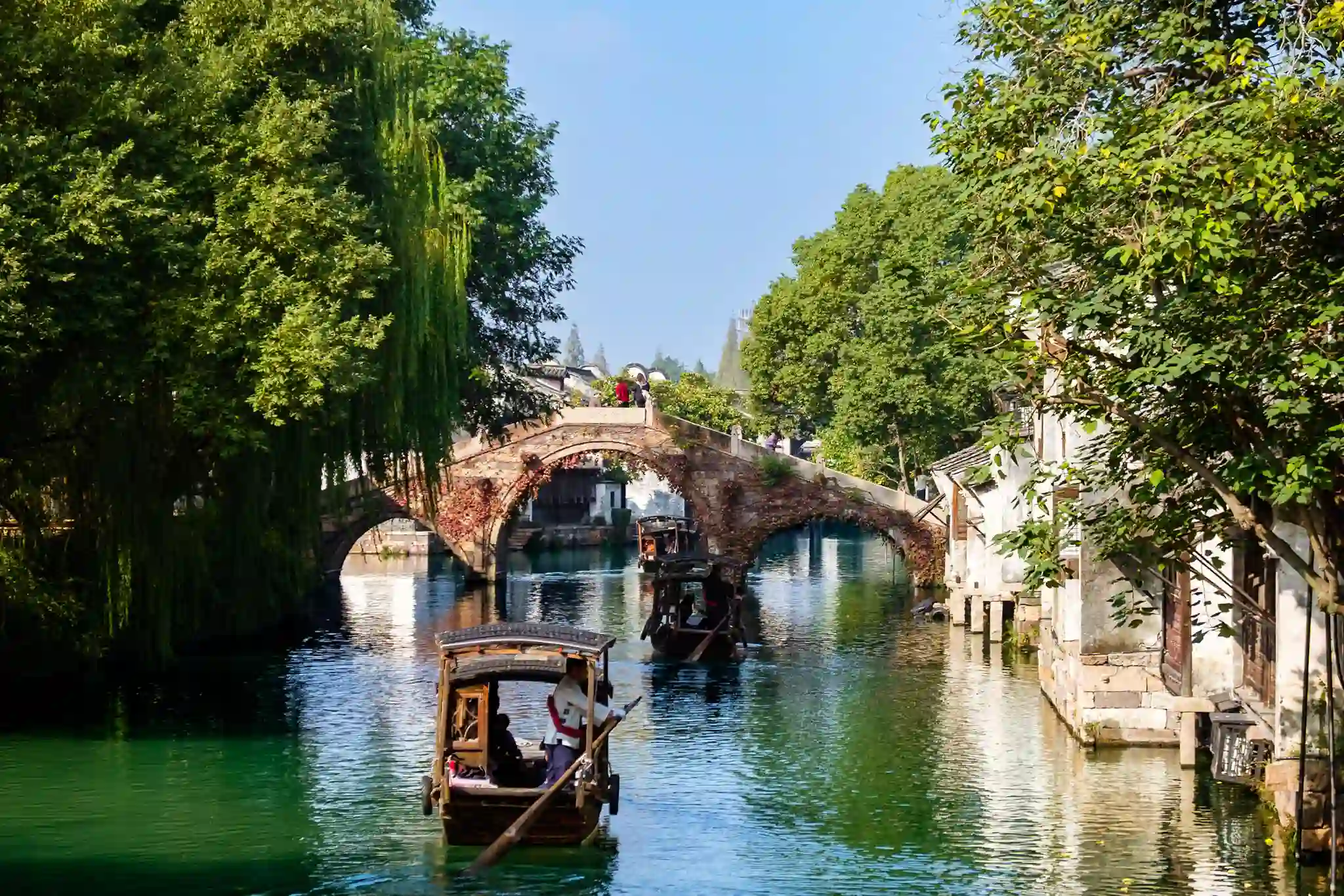
Add a classic Jiangnan water-town experience with canals, stone bridges, traditional houses and narrow lanes. Wuzhen works well for travelers who want historic waterside scenery after spending time around West Lake.
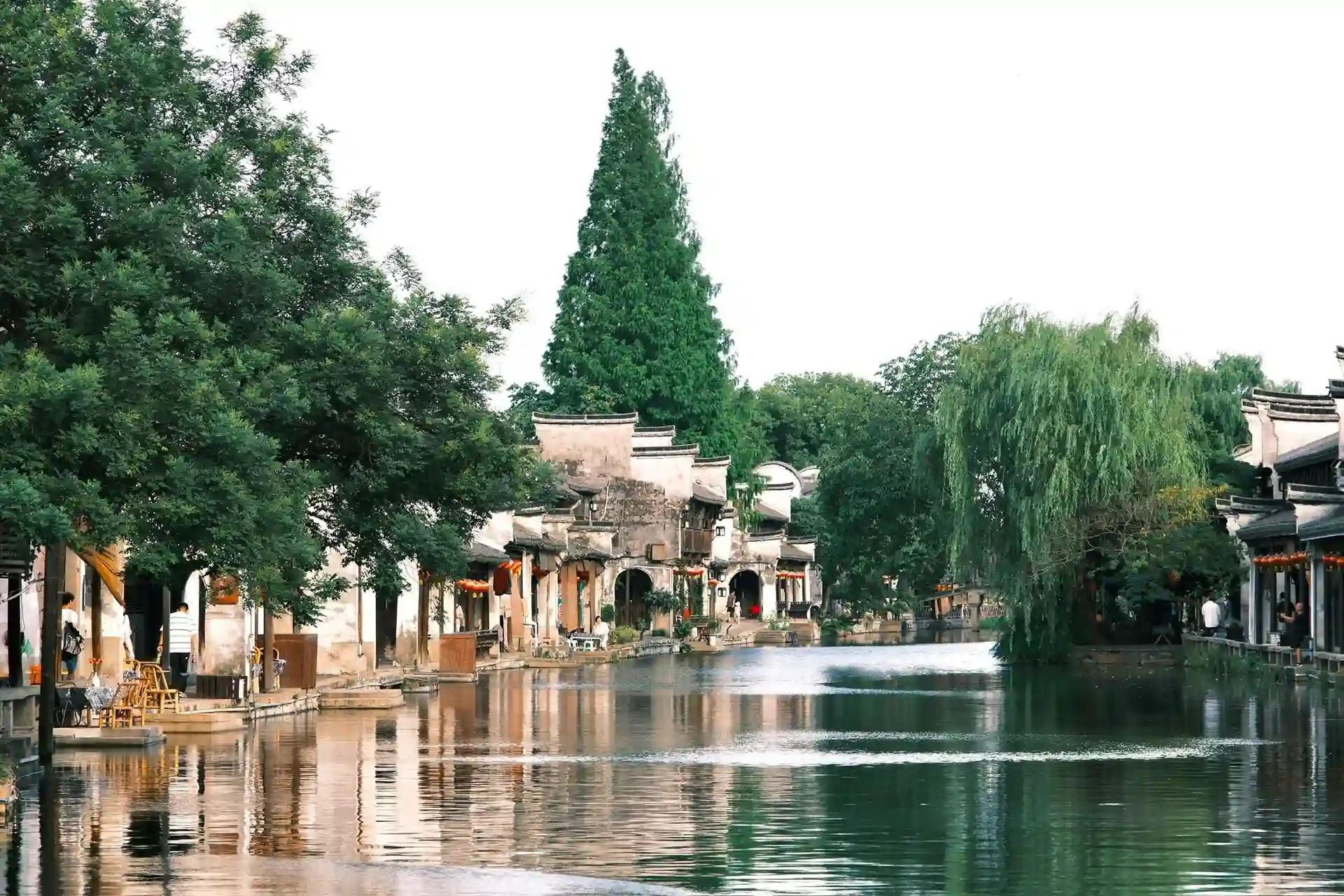
Explore canals, historic residences, bridges and old streets in another traditional water-town setting. Nanxun can be a good choice for travelers building Hangzhou into a longer Shanghai and Zhejiang journey.
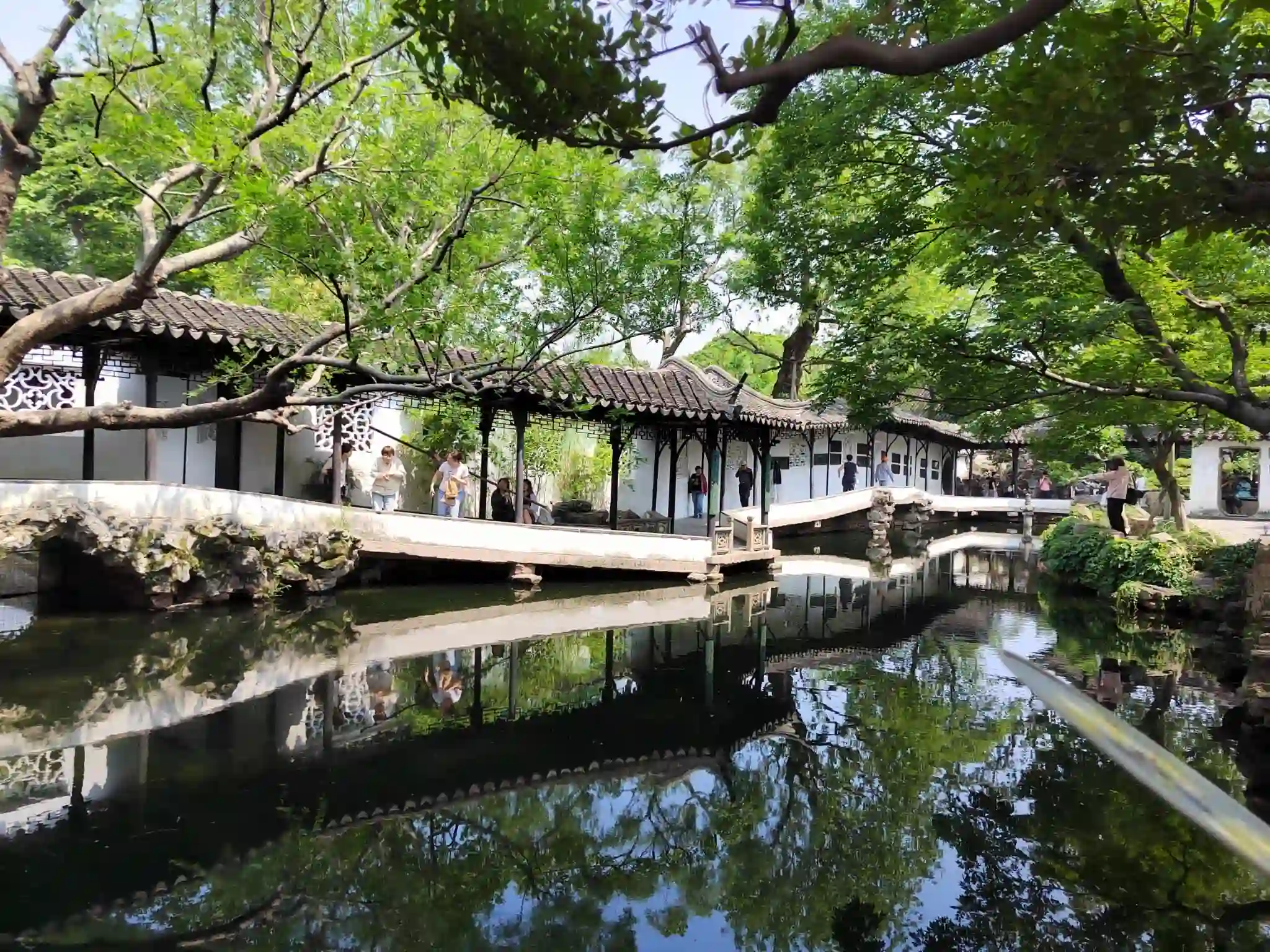
Continue deeper into Jiangnan culture with classical gardens, canals and historic neighborhoods. Hangzhou and Suzhou work particularly well together for travelers interested in traditional landscapes, architecture and slower-paced cities.
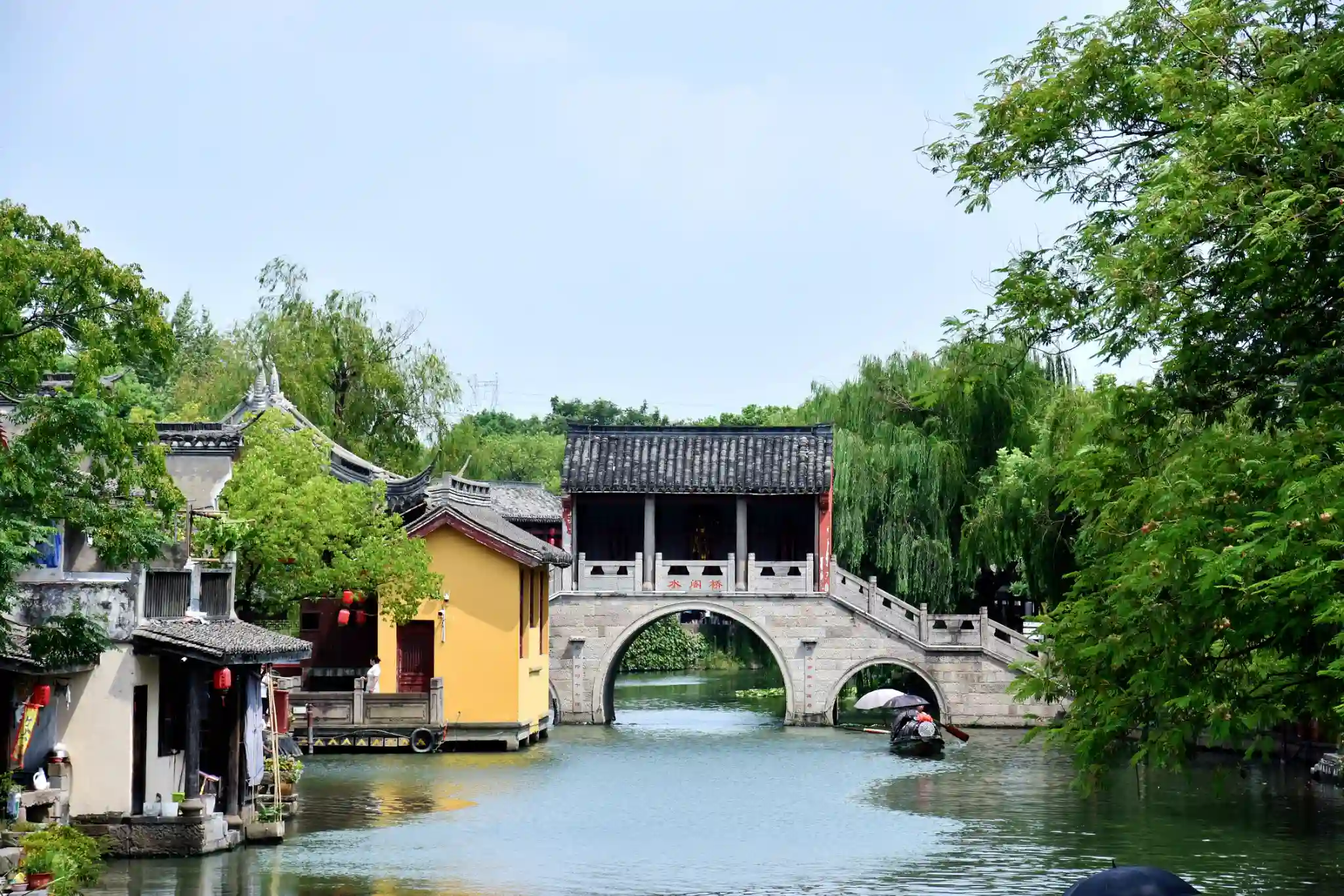
Explore another side of Zhejiang through canals, historic streets and traditional neighborhoods. Shaoxing suits travelers who want to continue beyond Hangzhou without immediately moving into another major city.
Prepare for your Hangzhou trip with practical information about China entry requirements, seasonal weather, high-speed trains, mobile payment, internet access, transport apps and busy national holiday periods.
Review entry requirements, passport rules and relevant visa or visa-free policies before including Hangzhou in your China itinerary.
Compare spring, summer, autumn and winter conditions before planning West Lake walks, tea-country visits and other outdoor experiences in Hangzhou.
Learn how to plan train travel between Hangzhou, Shanghai, Suzhou and other Chinese cities, including ticket booking and railway-station preparation.
Prepare Alipay or WeChat Pay for metro journeys, restaurants, tea houses, taxis, shops and everyday purchases during your Hangzhou trip.
Prepare mobile data, translation tools, maps and the digital services you plan to use for transport, attraction information and everyday travel.
Learn how ride-hailing works before using taxis or DiDi for hotel transfers, Lingyin Temple, Longjing tea country and routes that are less convenient by metro.
Check major holiday periods before visiting Hangzhou, as crowds can affect West Lake, hotels, train tickets and transportation throughout the region.
Prepare for payments, language differences, transport, attraction planning, mobile connectivity and other practical issues before your first China trip.
Build a private itinerary combining Hangzhou with Shanghai, Suzhou, a Jiangnan water town or other destinations based on your travel dates, interests and preferred pace.
Choose a private Hangzhou day tour, a two-day city itinerary or a longer eastern China journey. These routes combine West Lake, Lingyin Temple, Longjing tea culture, the Grand Canal and nearby destinations with private guides, flexible transport and a more comfortable sightseeing pace.
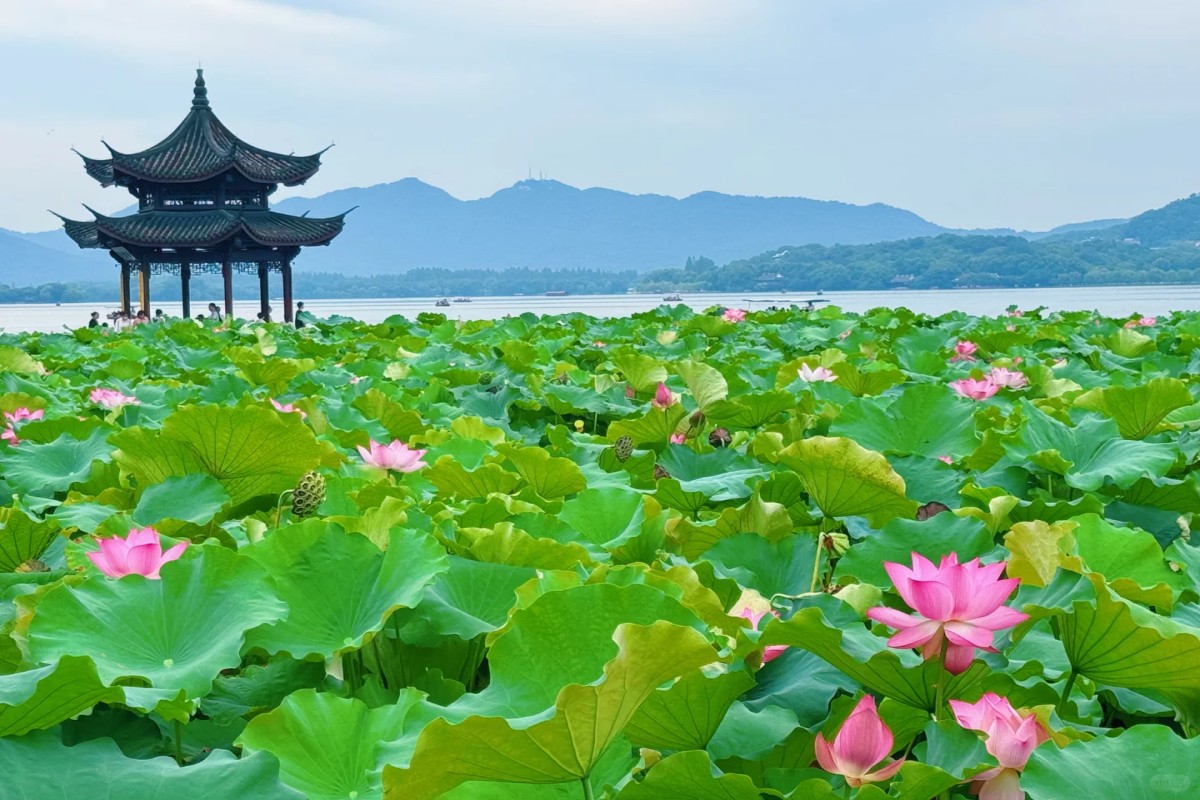
Explore Hangzhou at a comfortable pace with West Lake, Lingyin Temple, Meijiawu tea country and the historic Grand Canal. This private two-day route works especially well for first-time visitors who want to experience both Hangzhou’s famous scenery and its local culture.
View 2-Day Tour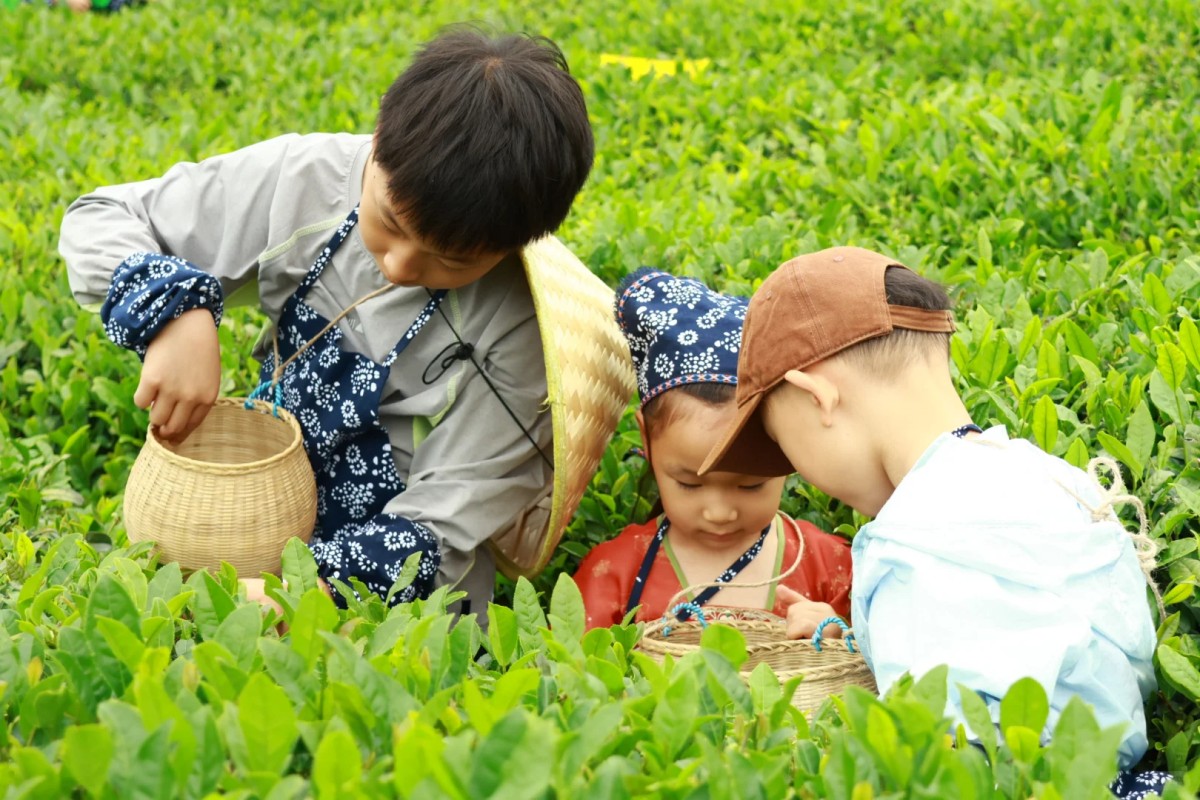
Combine Longjing tea culture with West Lake in one private day. Visit Meijiawu tea country, experience tea traditions and enjoy Hangzhou’s most famous lake scenery.
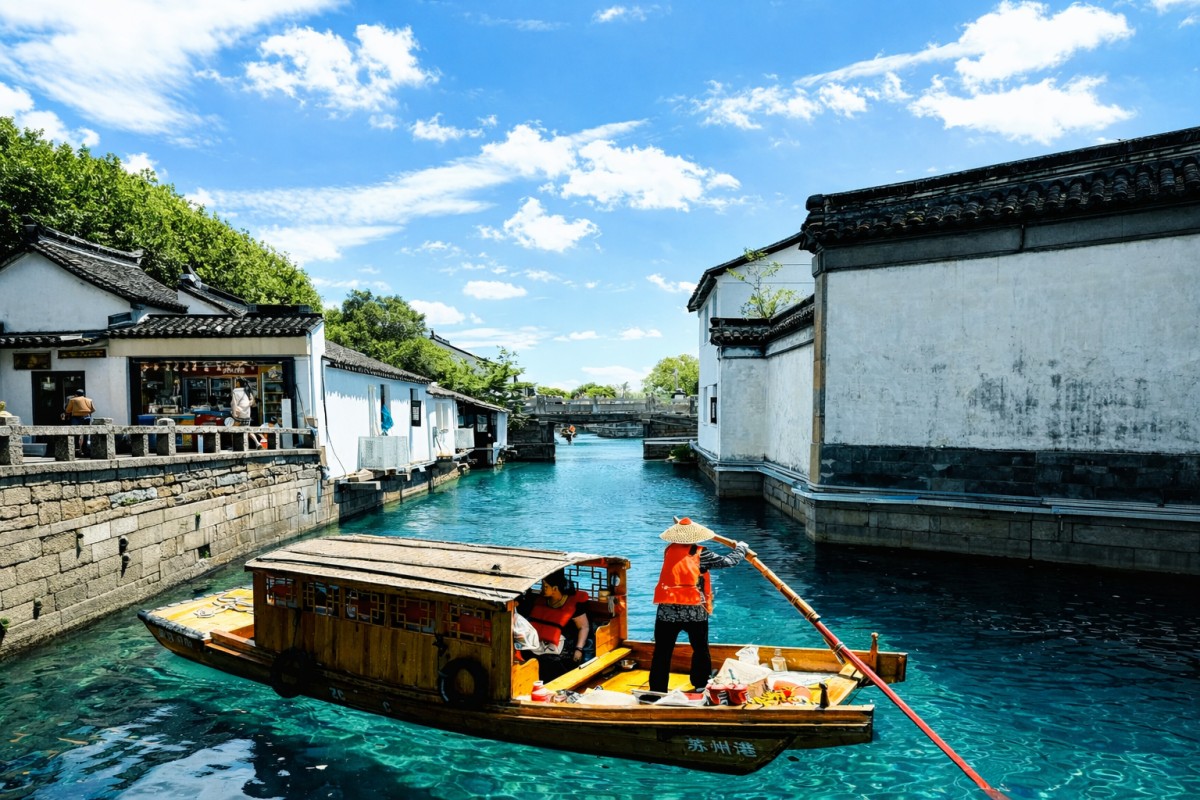
Combine Shanghai’s urban highlights with West Lake and the canals of Nanxun for a compact eastern China journey mixing modern city life, scenic landscapes and water-town culture.
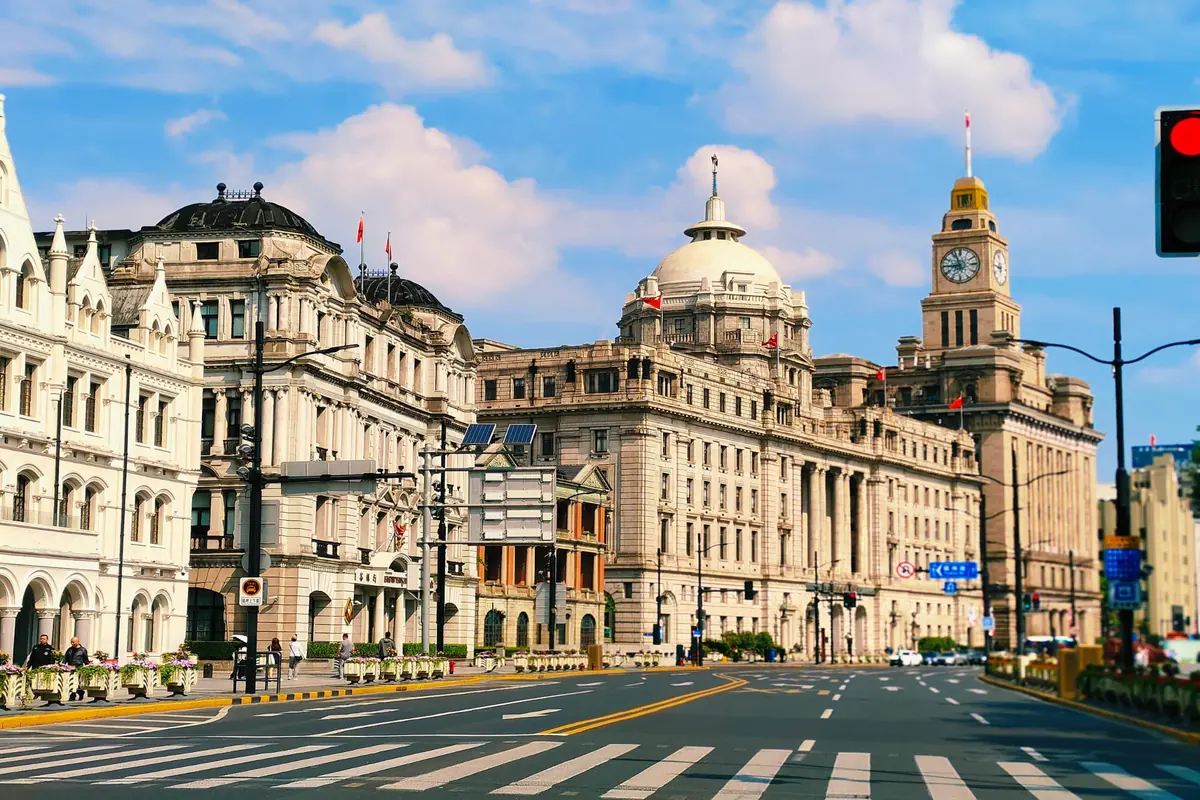
Explore three complementary eastern China destinations, combining Shanghai city highlights with Hangzhou’s West Lake and tea culture and Suzhou’s classical gardens and waterways.
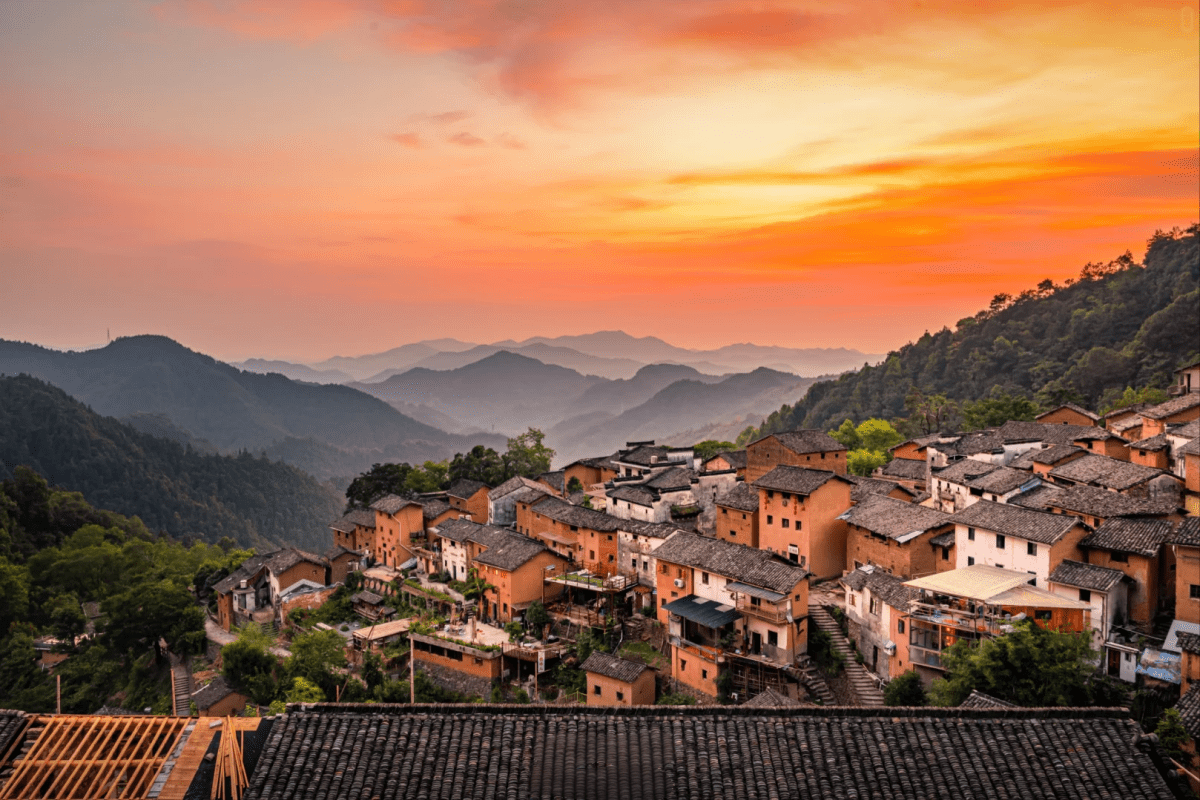
Extend your Hangzhou journey to Mount Huangshan and Shanghai for a route combining dramatic mountain landscapes, West Lake scenery and one of China’s most dynamic cities.
Spend a private day exploring Hangzhou’s tea culture around Meijiawu and Longjing before experiencing West Lake and its famous scenery.
View 1-Day Hangzhou Tour →Spend seven days connecting Shanghai with Hangzhou’s West Lake and tea culture and Suzhou’s gardens, canals and historic scenery.
View 7-Day Eastern China Tour →Take a short winter escape from Hangzhou with skiing at Daming Mountain and a relaxing hot-spring stay in the surrounding mountain region.
View 2-Day Winter Trip →Tell us your travel dates, group size, hotel preferences and interests. Your private itinerary can focus on Hangzhou or combine West Lake and tea country with Shanghai, Suzhou, water towns, Huangshan or other destinations in China.