How Many Days in Suzhou?
One day works for the essential garden, museum and old-town highlights. Two days is the best balance for most first-time visitors, while a third day gives you room for a water town.

Explore Suzhou鈥檚 essential sights, from classical Chinese gardens and historic canals to Suzhou Museum, Tiger Hill and old streets beside the water. These attractions give first-time visitors the best introduction to Suzhou鈥檚 garden design, Jiangnan culture, traditional architecture and historic old city.
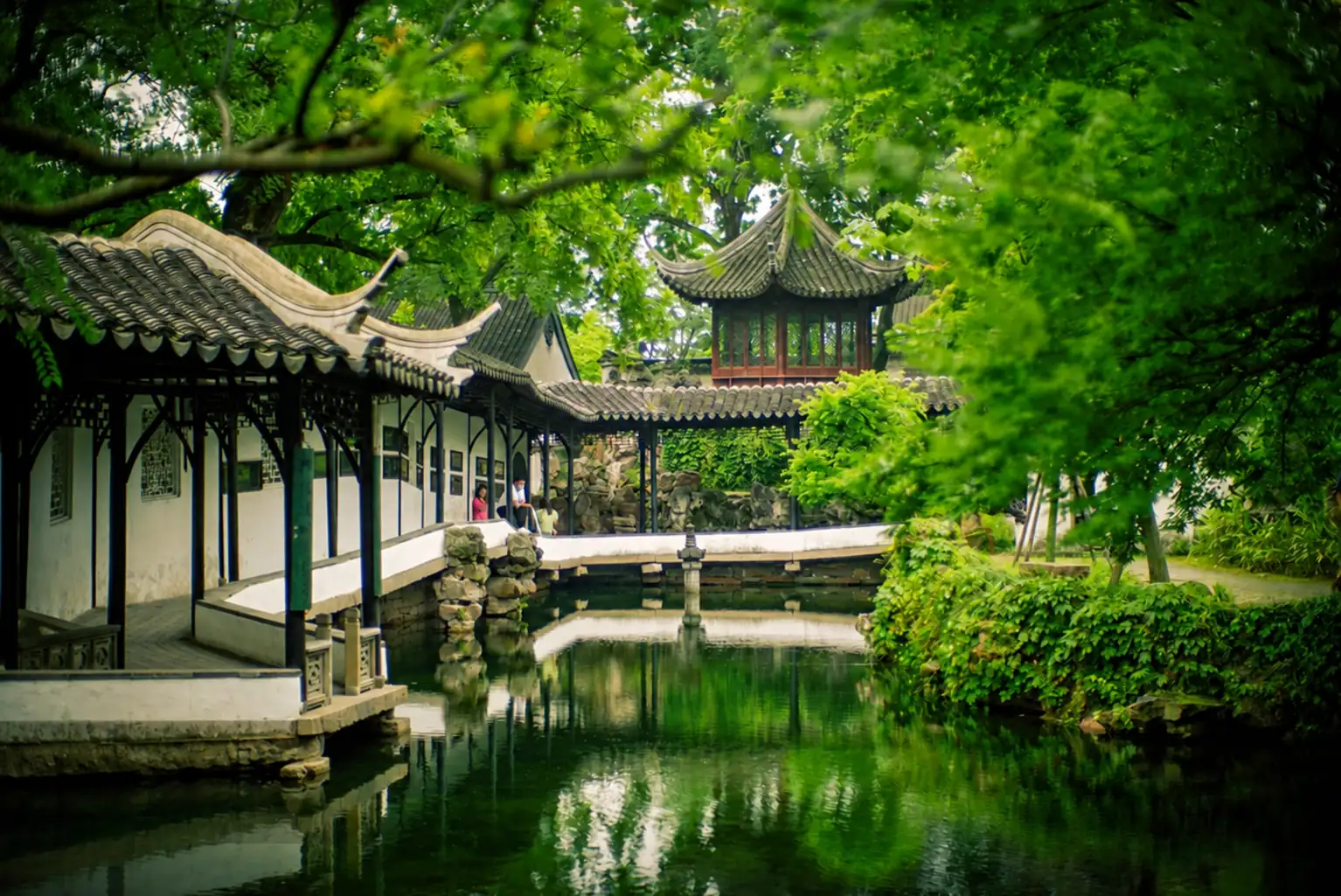
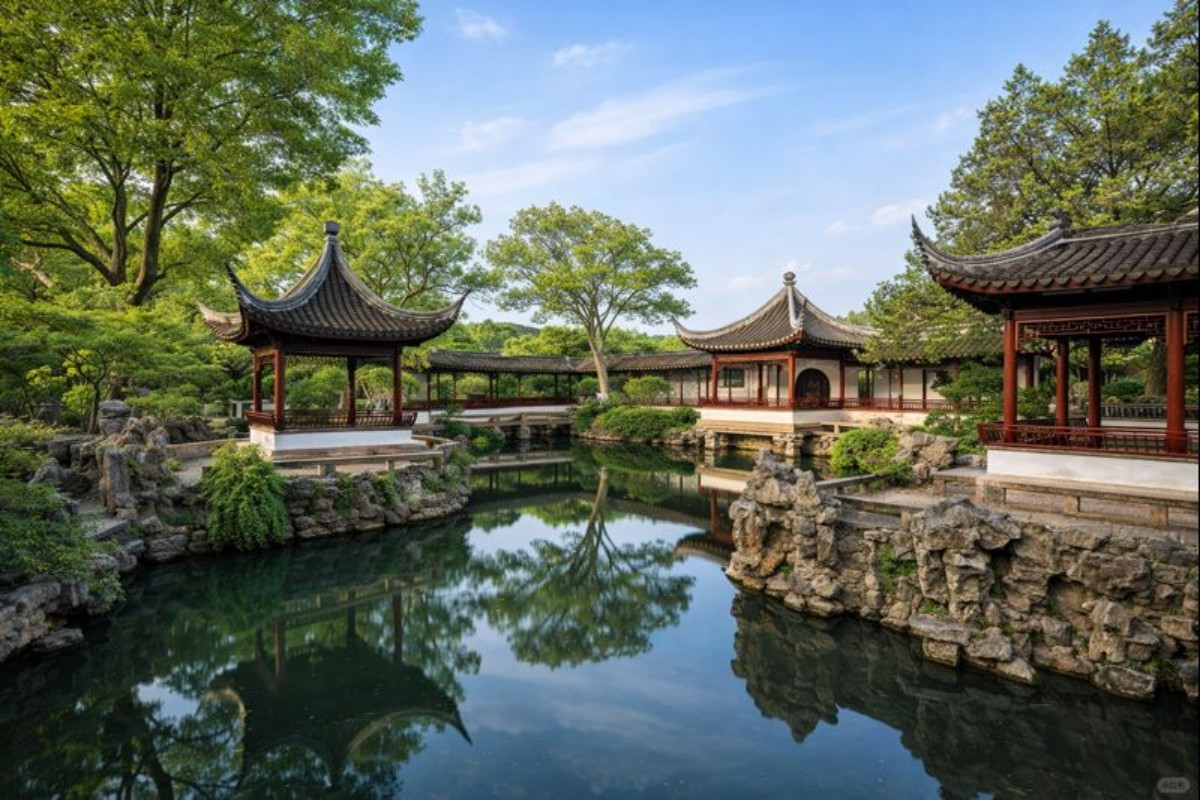
Start with the Humble Administrator鈥檚 Garden, the largest classical garden in Suzhou and the strongest first choice for most visitors. Its ponds, pavilions, bridges and carefully layered views introduce the design principles that made Suzhou鈥檚 classical gardens famous.
Compare Suzhou Gardens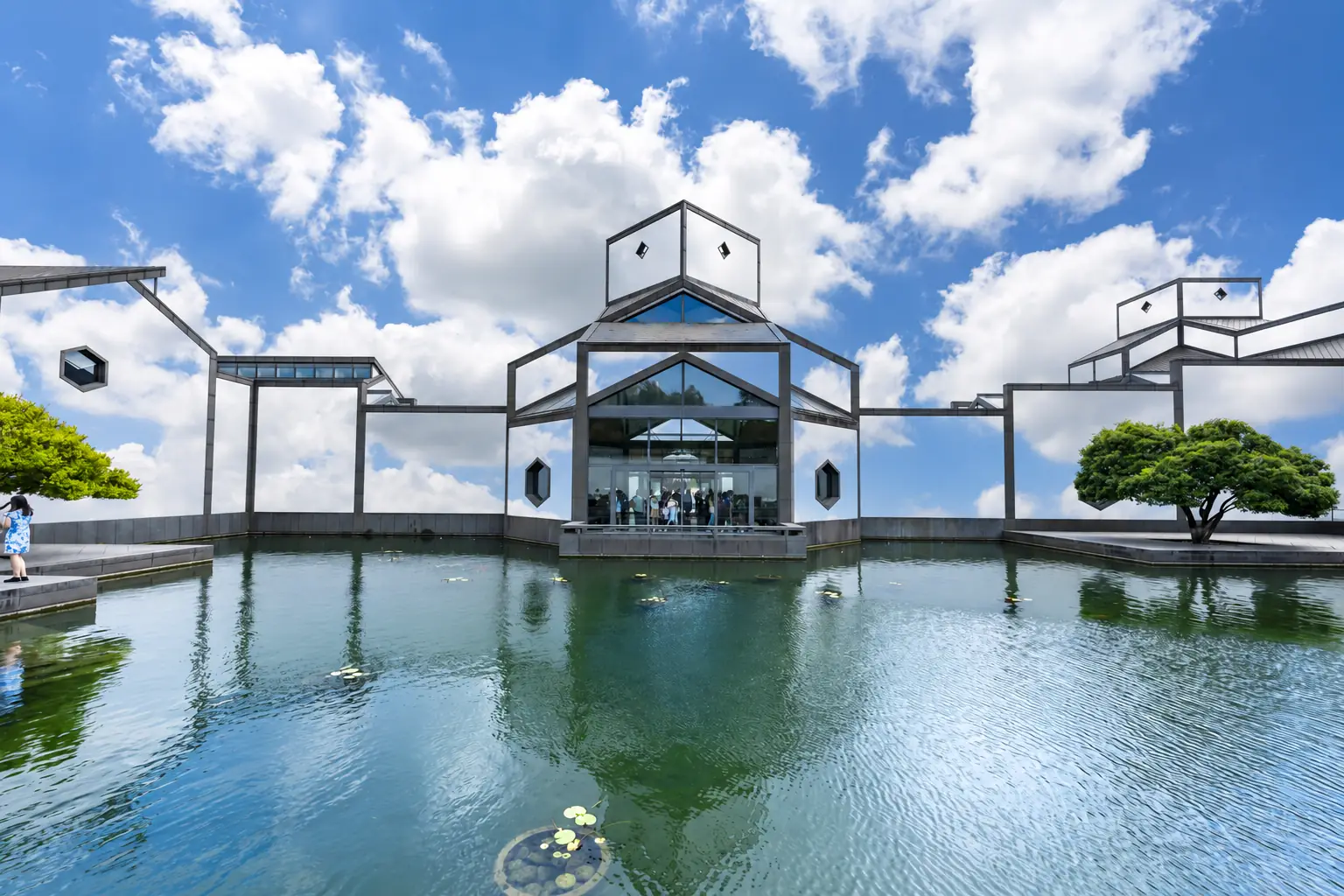
Visit Suzhou Museum for a modern architectural interpretation of traditional Suzhou design. Designed by I. M. Pei, the museum combines geometric forms, courtyards and water features with collections that introduce the history and culture of Suzhou.
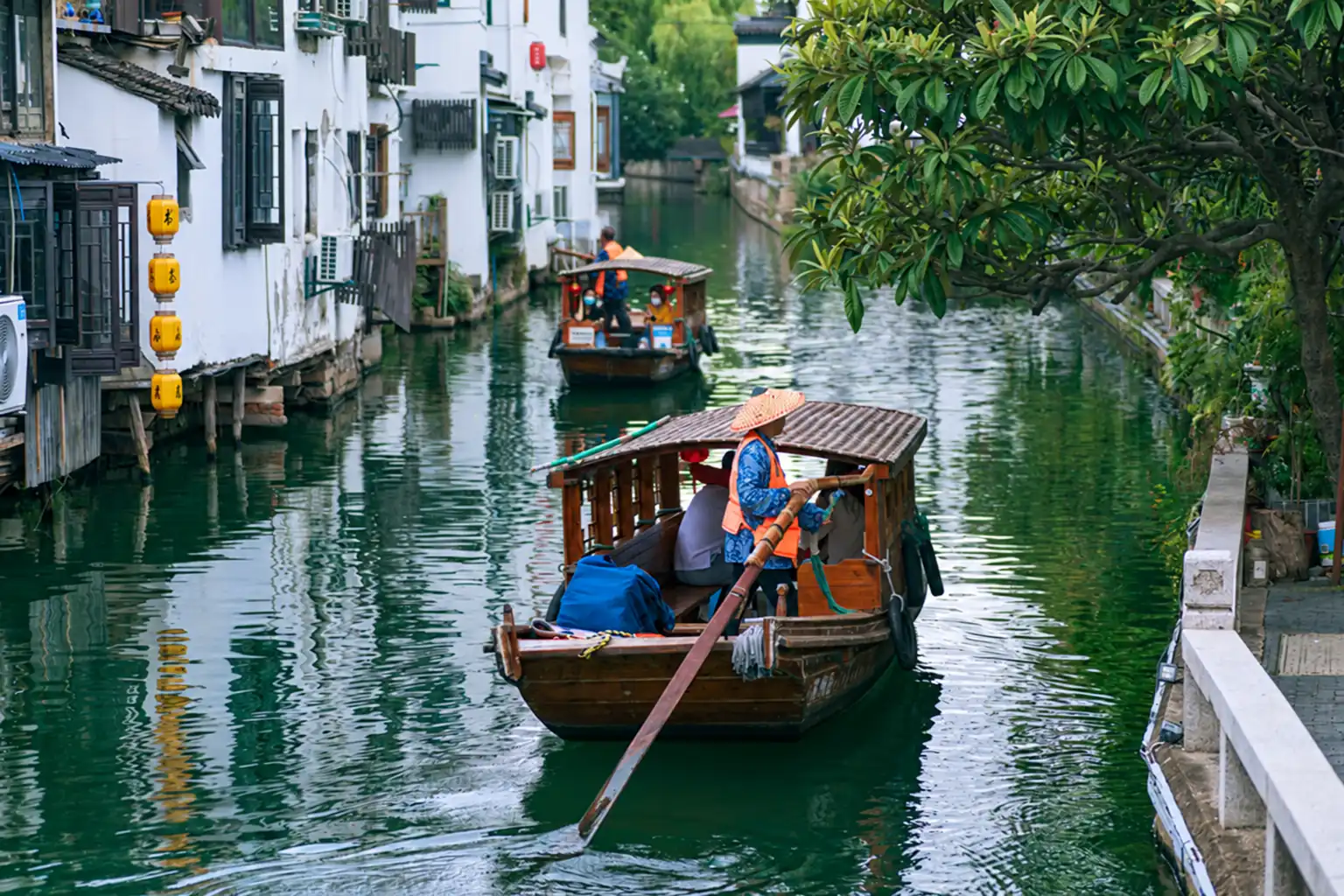
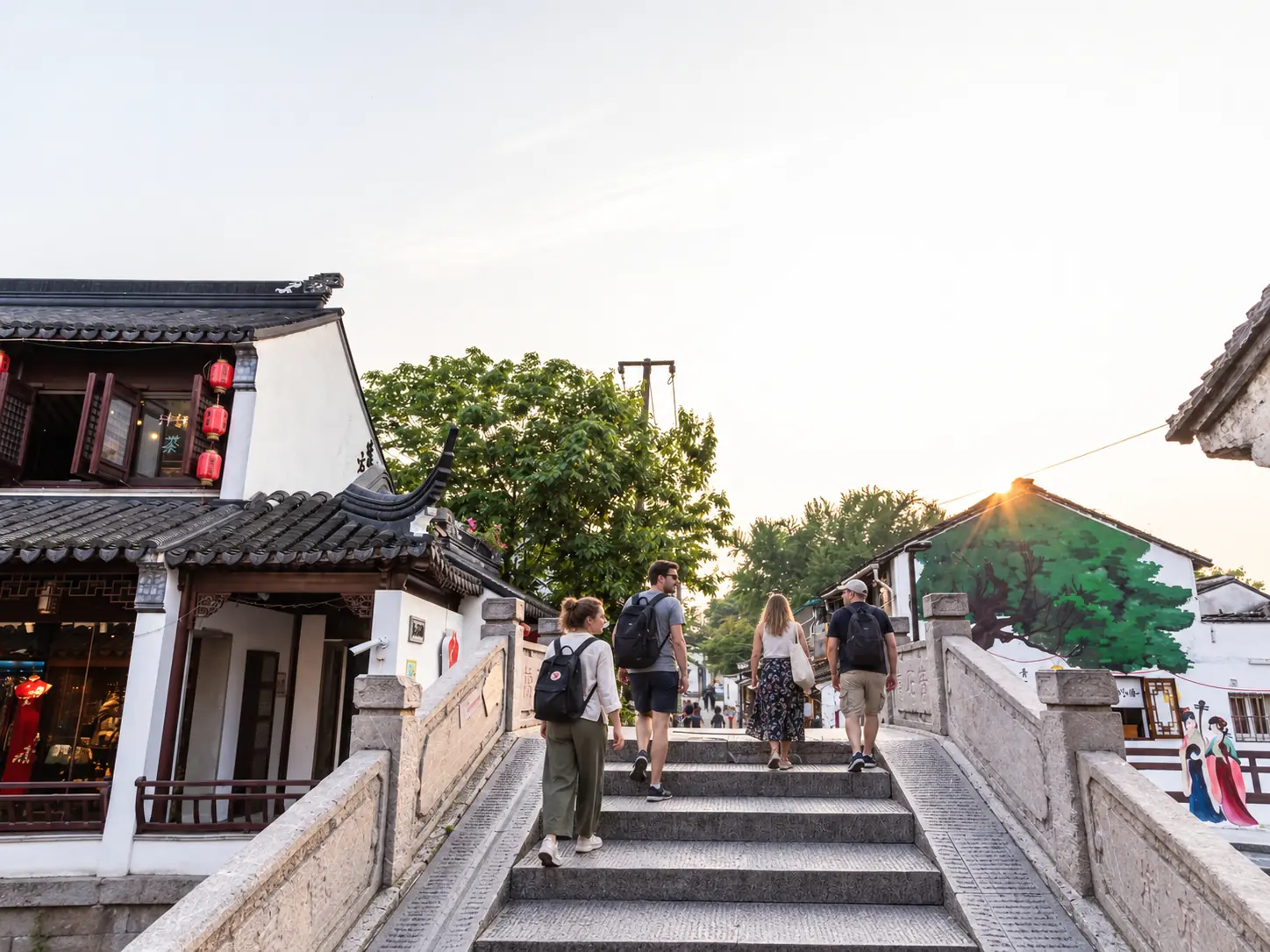
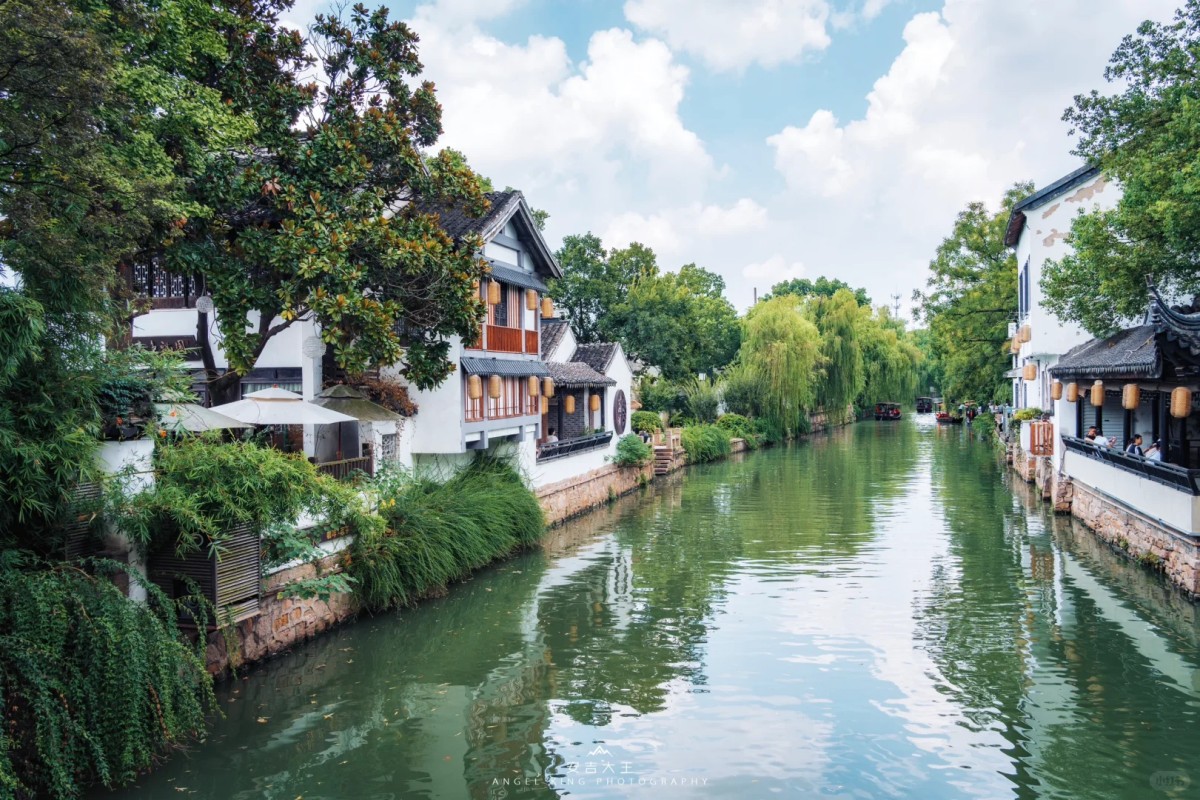
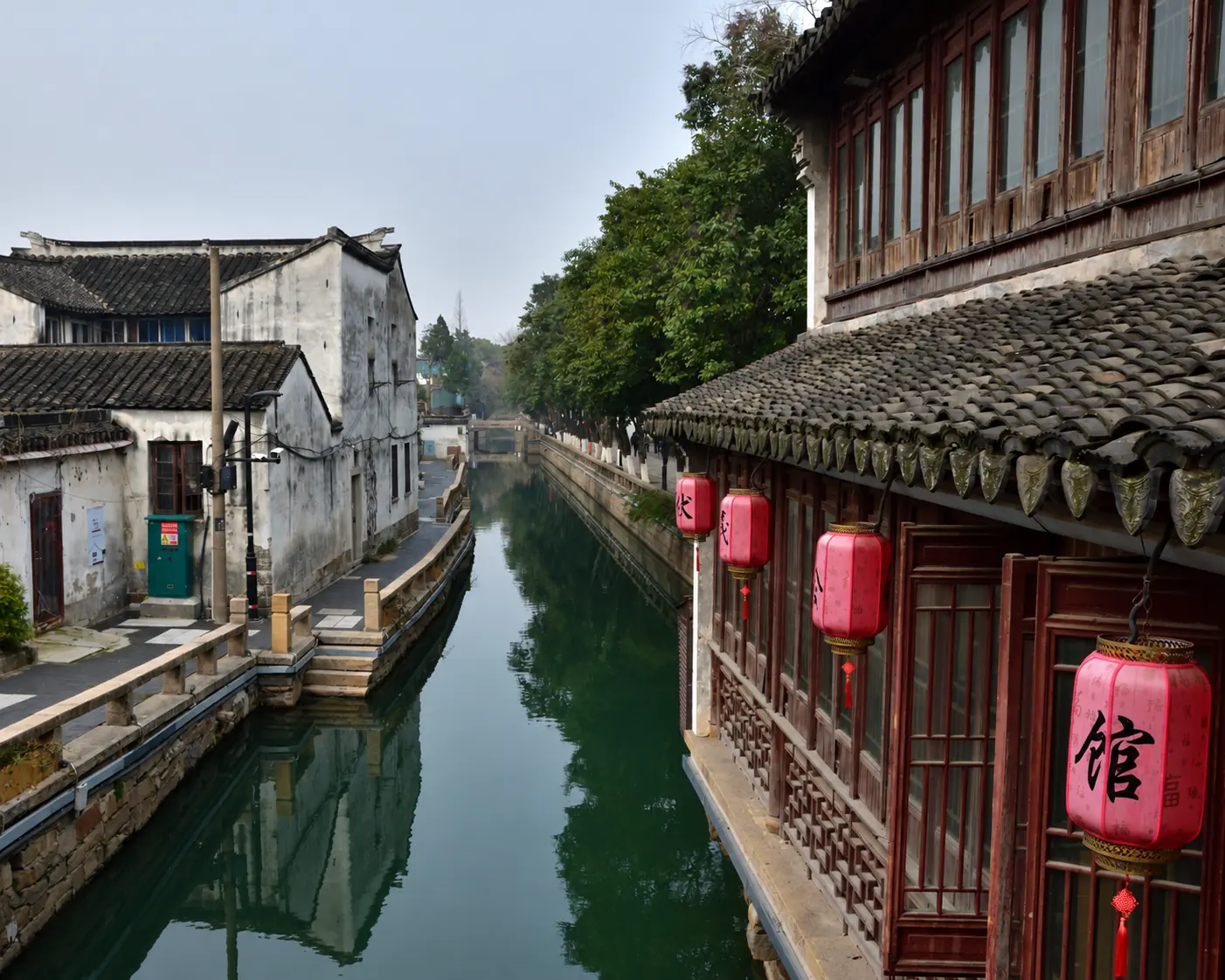
Walk along one of old Suzhou鈥檚 best-preserved canal streets, where narrow lanes, stone bridges, traditional houses and tea houses line the water. It is one of the easiest places to experience Suzhou beyond its formal gardens.
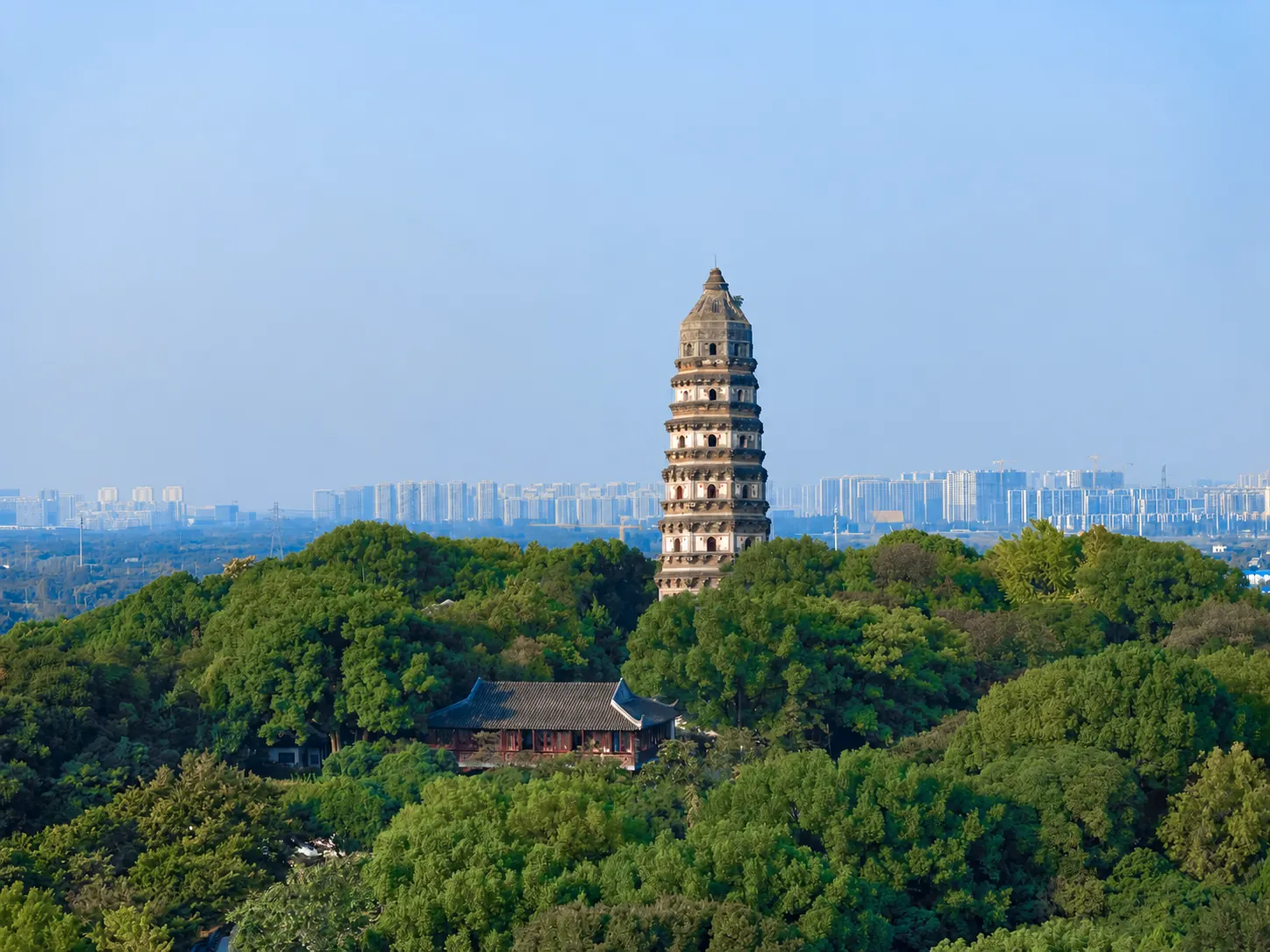
Visit Tiger Hill for one of Suzhou鈥檚 most recognizable historic landmarks. The hill is known for the ancient Yunyan Pagoda, a leaning tower more than a thousand years old, together with landscaped paths and sites connected to Suzhou鈥檚 long history.
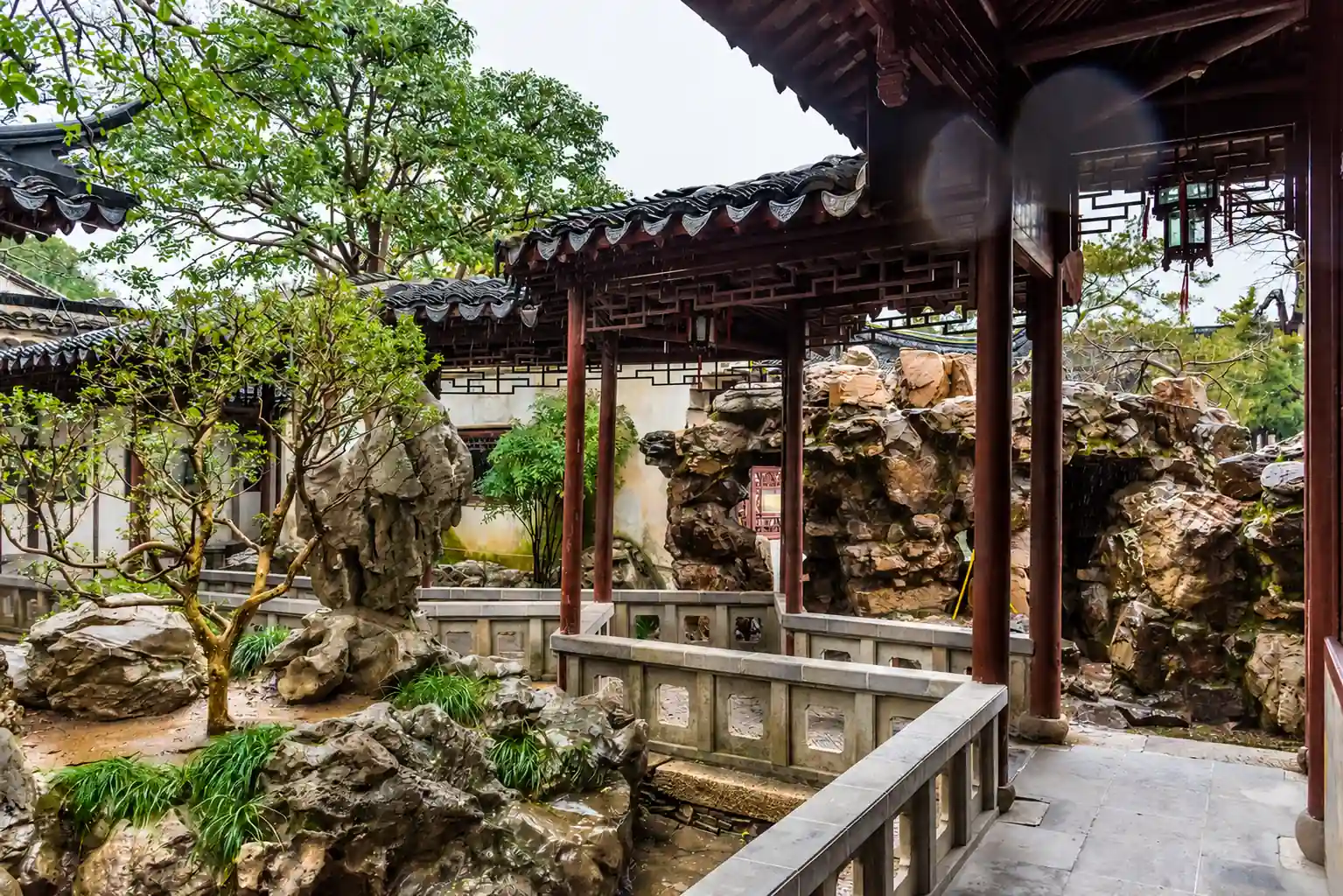
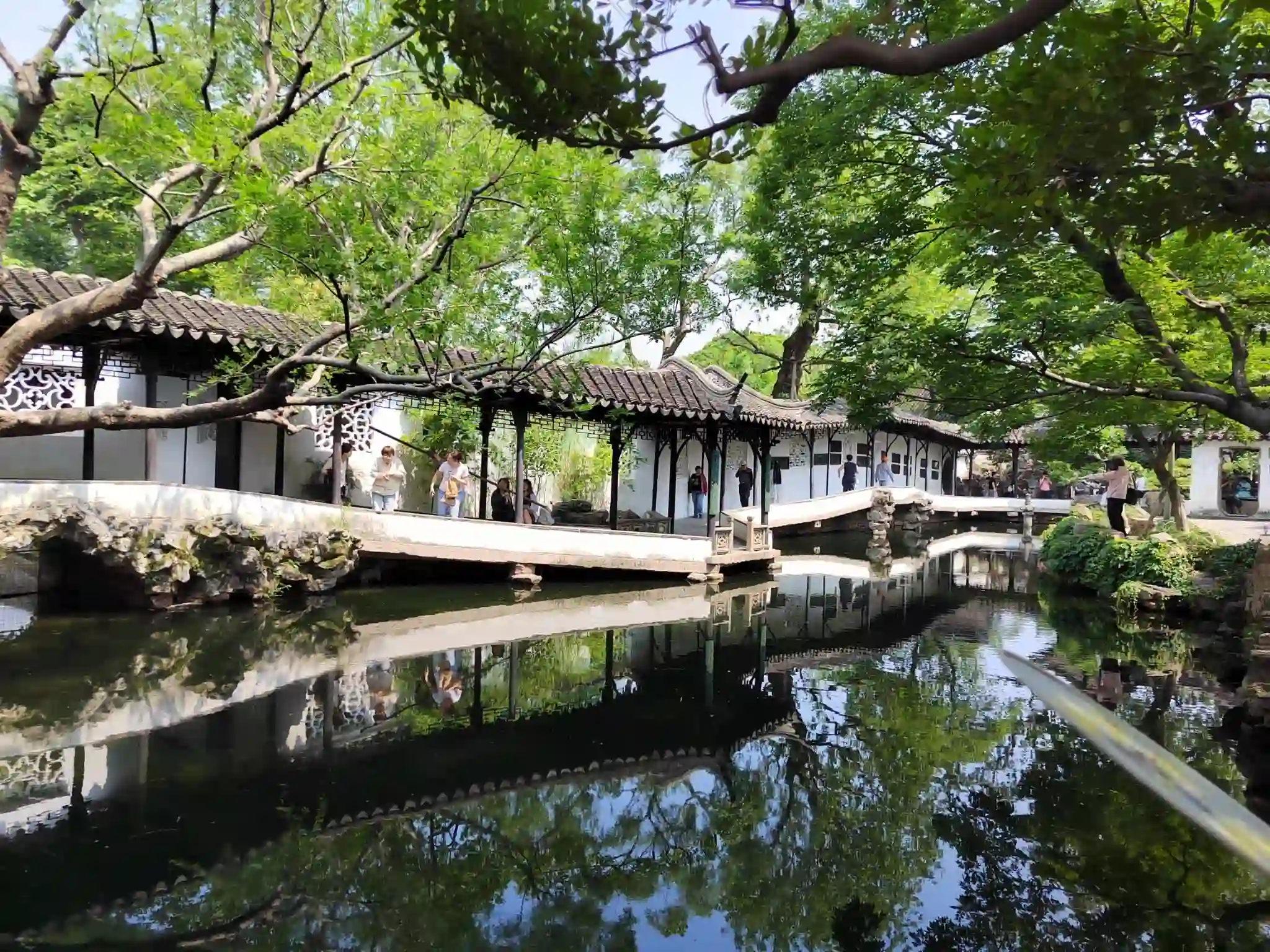
Choose the Lingering Garden as a second major garden after the Humble Administrator鈥檚 Garden. Its halls, covered corridors, rock formations and compact spaces create a different experience from Suzhou鈥檚 larger water-centered gardens.
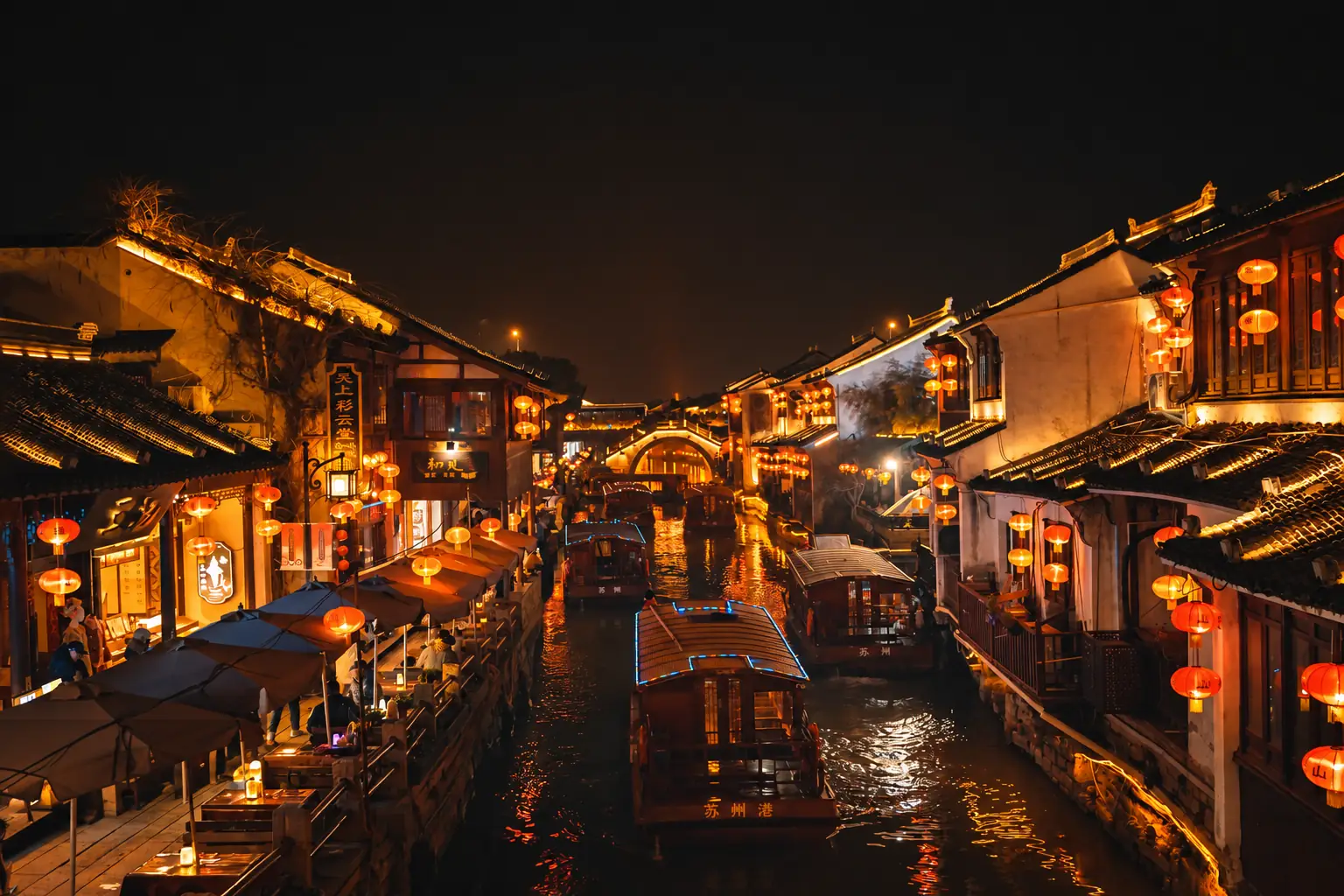
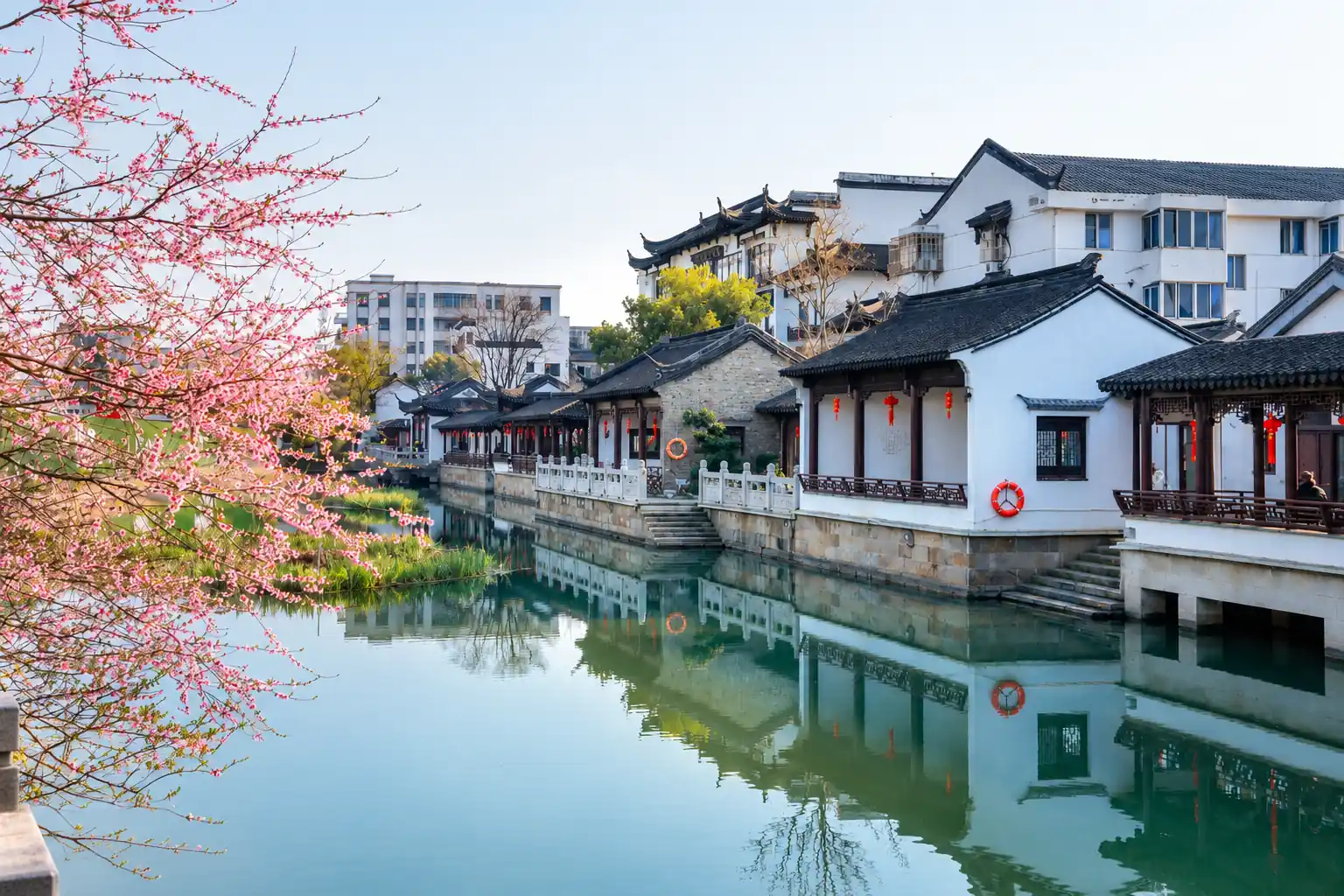
Explore another side of Suzhou鈥檚 historic canal landscape along Shantang Street. Traditional waterside buildings, stone bridges and lively evening scenery make it a useful stop after Tiger Hill or the Lingering Garden.
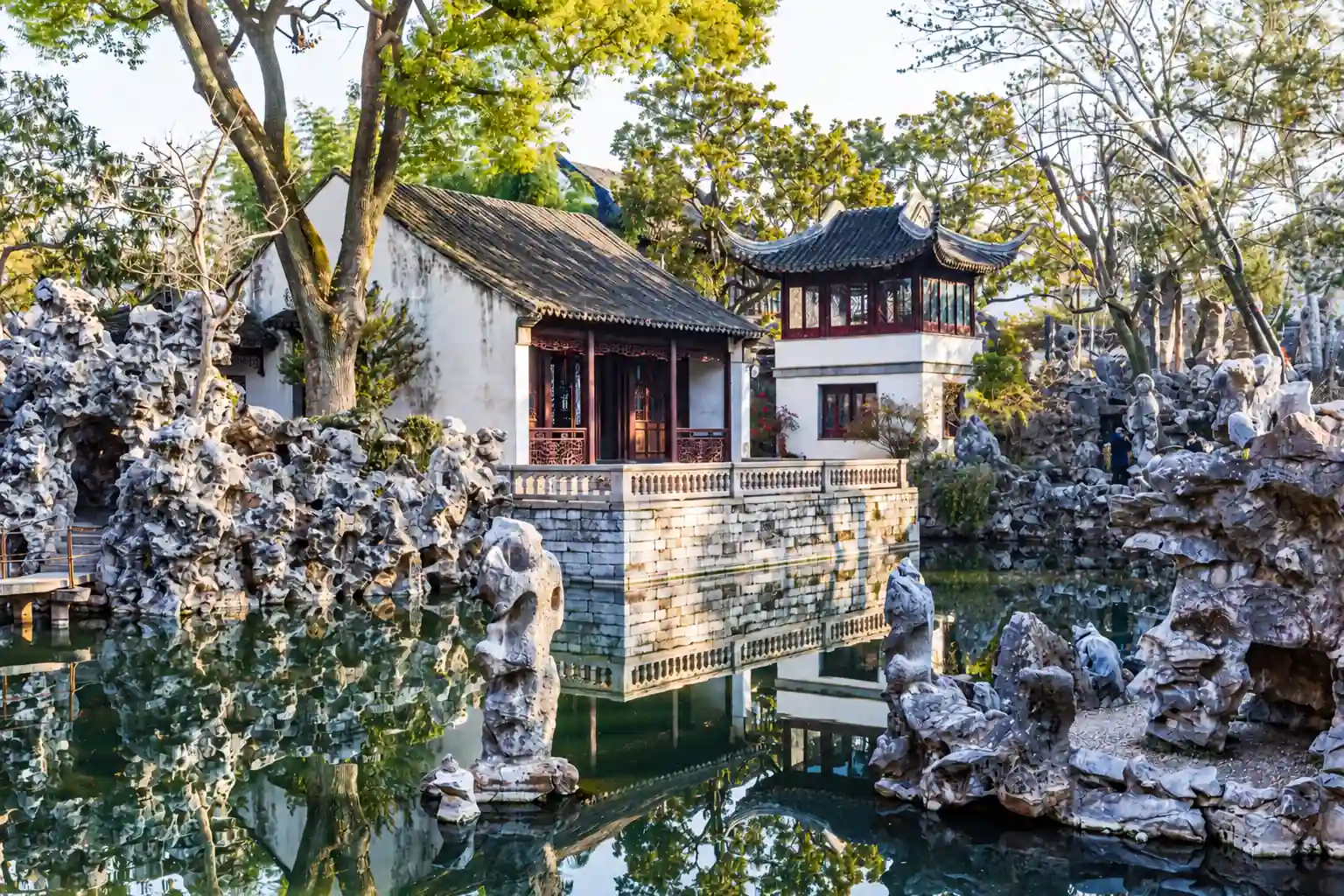
Visit Lion Grove Garden if you are especially interested in traditional Chinese rockeries. Its maze-like stone formations create a very different atmosphere from Suzhou鈥檚 water-focused gardens and make it an easy additional stop in the old city.
With one day, focus on the Humble Administrator鈥檚 Garden, Suzhou Museum and Pingjiang Road. With two days, add Tiger Hill, the Lingering Garden and Shantang Street rather than trying to visit every famous garden in the city.
Discover the best things to do in Suzhou beyond its famous classical gardens. Walk beside historic canals, listen to Suzhou Pingtan, experience tea culture, taste local Jiangnan food, discover silk and embroidery traditions, take a canal boat ride and explore the old city after dark.
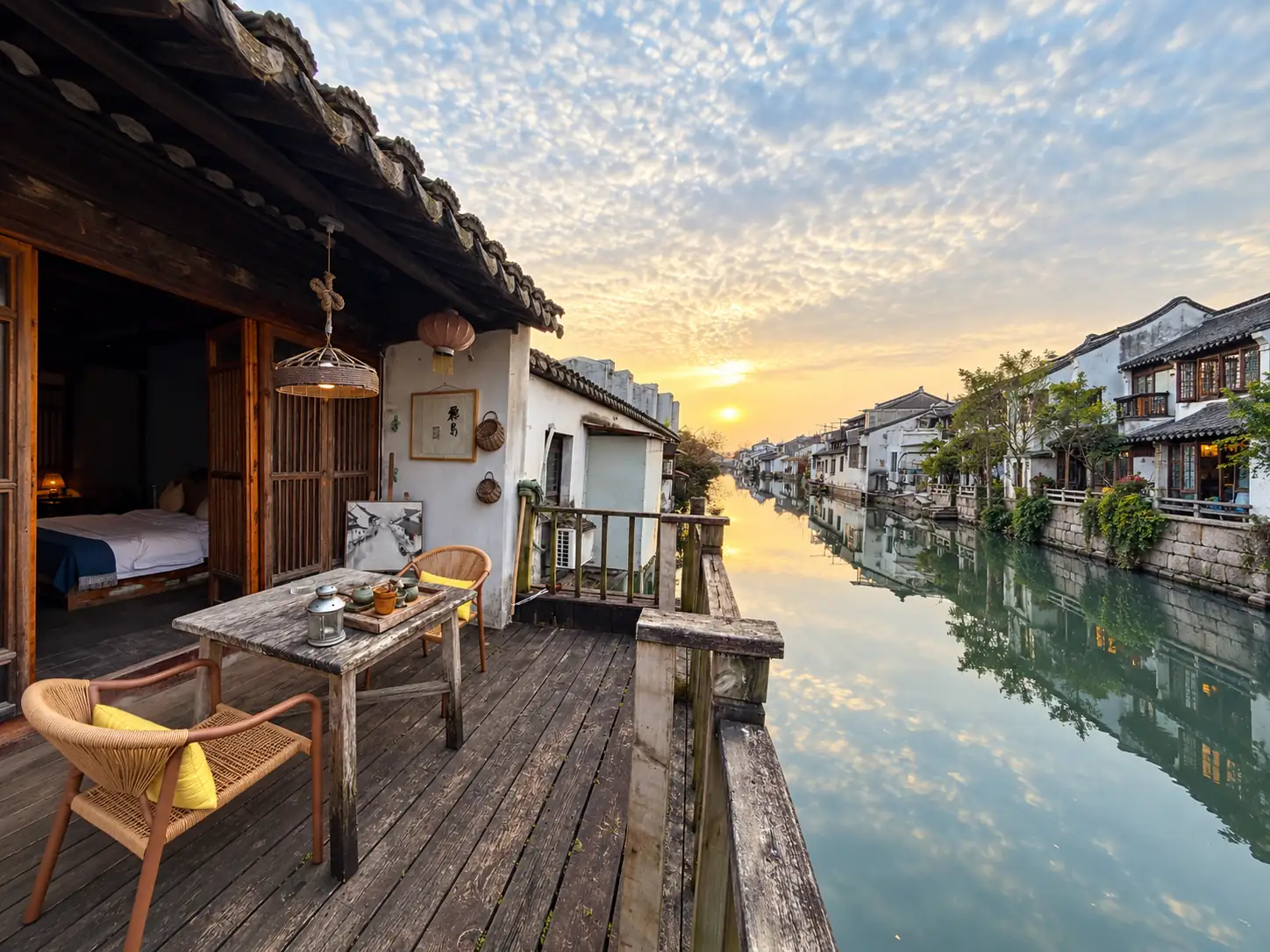
The best way to understand Suzhou is to spend time beyond the formal garden gates. Walk along historic canals, cross old stone bridges, explore narrow lanes, stop at a traditional tea house and experience the slower rhythm of everyday life in the ancient city.

Discover Suzhou cuisine through dishes such as squirrel-shaped mandarin fish, Suzhou-style noodles, seasonal crab dishes, traditional pastries and other flavors associated with Jiangnan food culture.
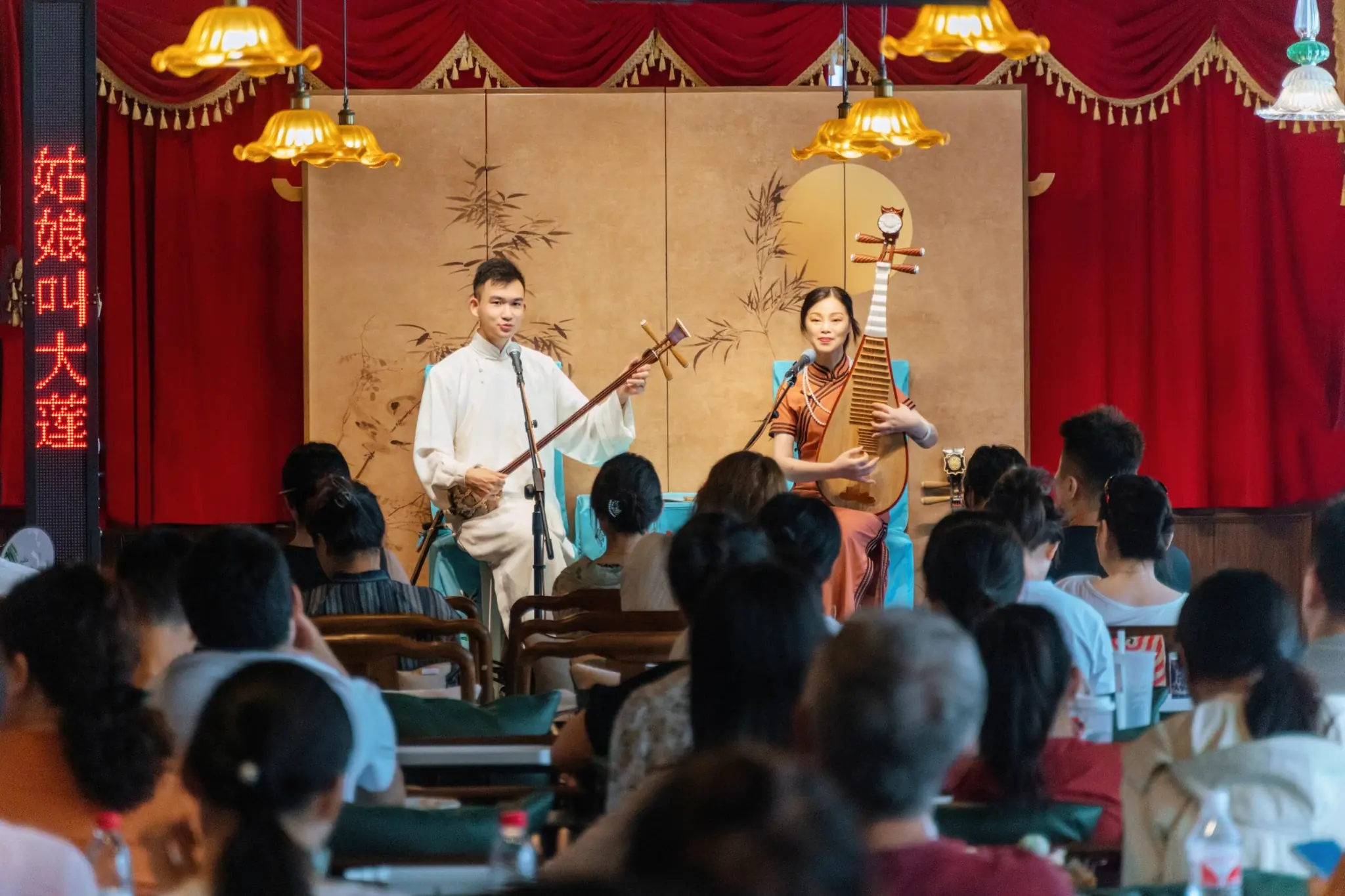
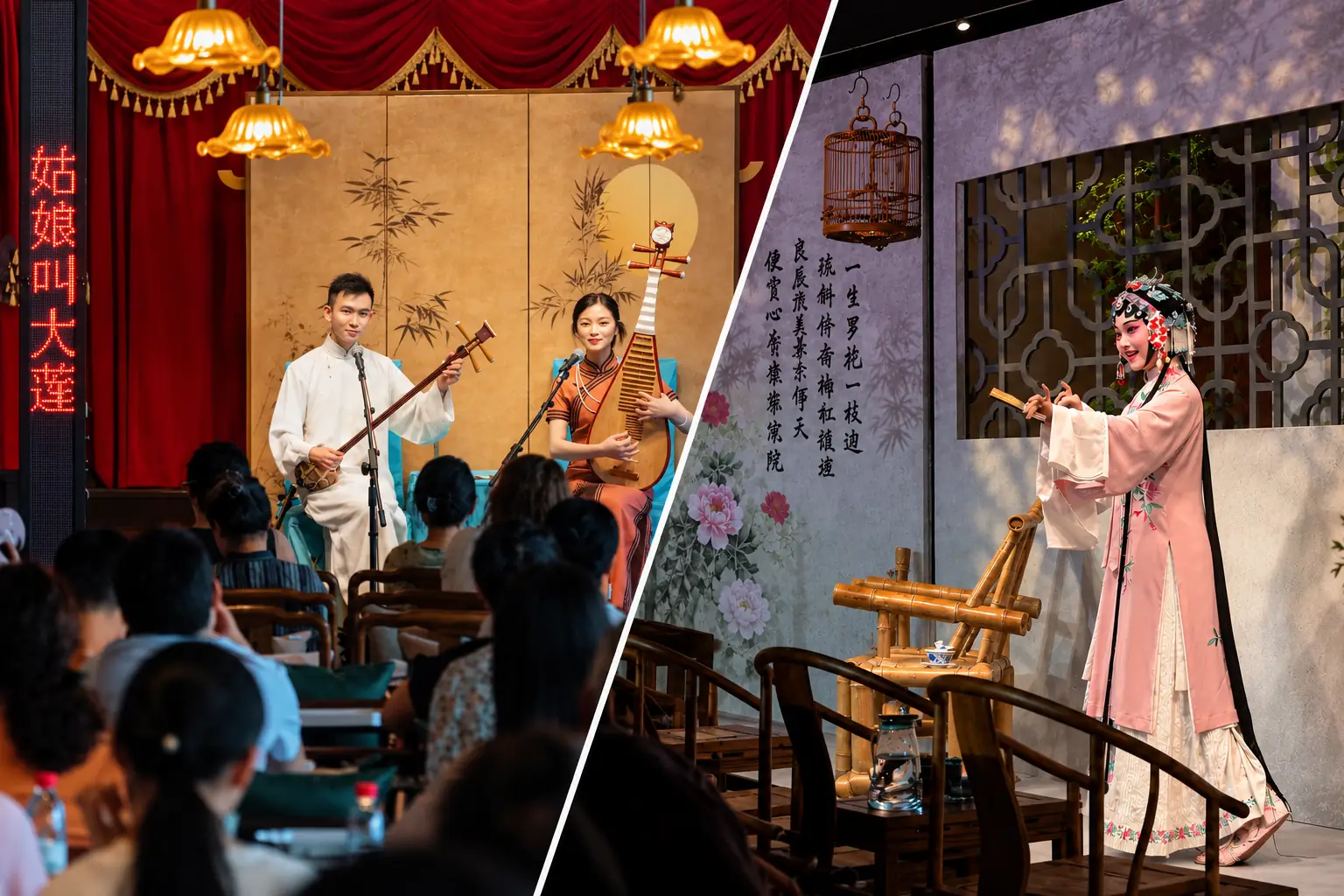
Experience one of Suzhou’s most distinctive performing traditions. Pingtan combines storytelling and music and is closely associated with tea houses, local life and the cultural identity of the Suzhou region.
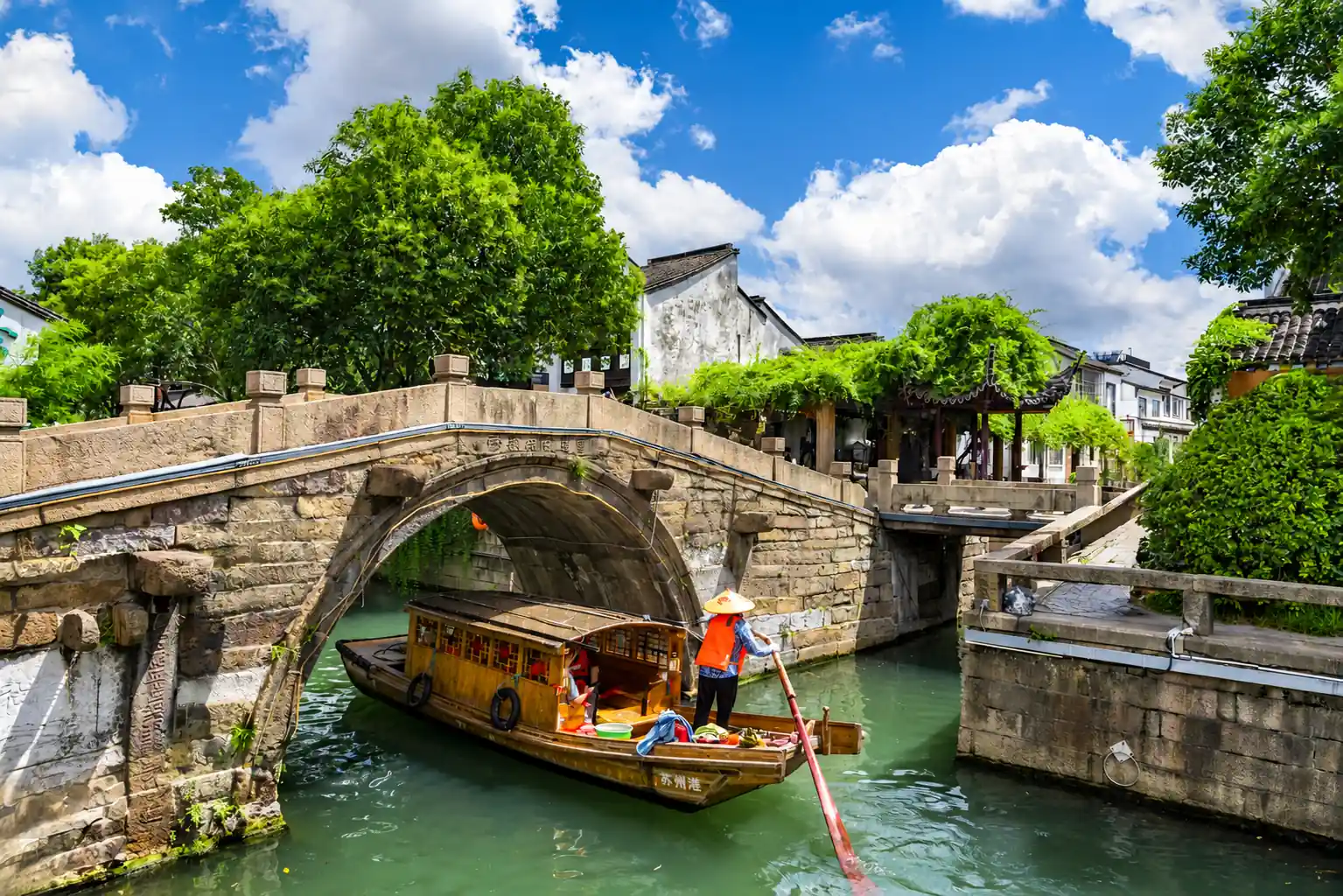
Take a small wooden boat through part of Suzhou’s historic canal network for a different view of stone bridges, waterside houses and traditional architecture. Treat the boat ride as a cultural experience rather than essential city transportation.
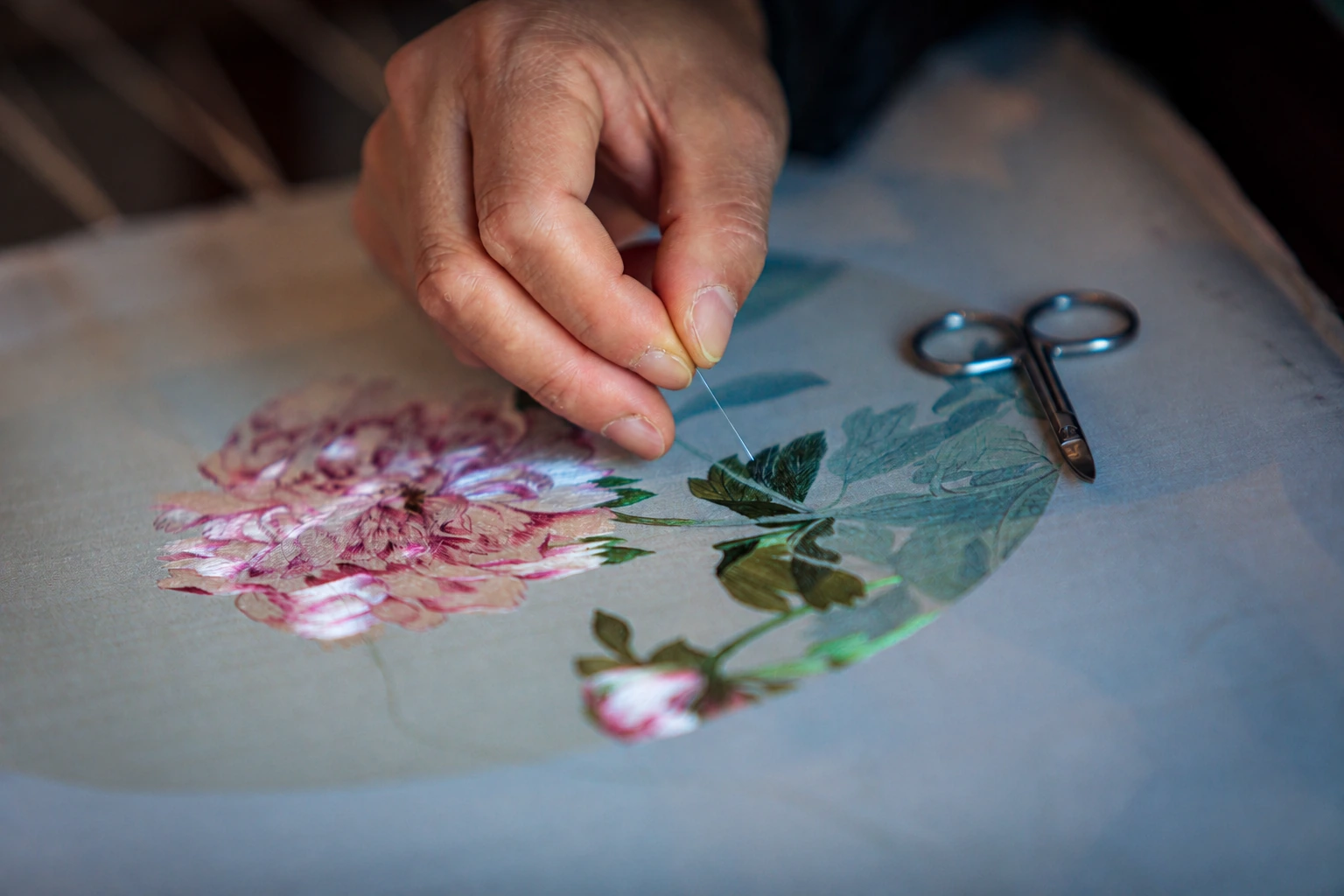
Discover Suzhou’s long history of silk production and traditional embroidery through specialist workshops, historic craft traditions and the Suzhou Silk Museum. Silk has shaped the city’s economy, craftsmanship and cultural identity for centuries.
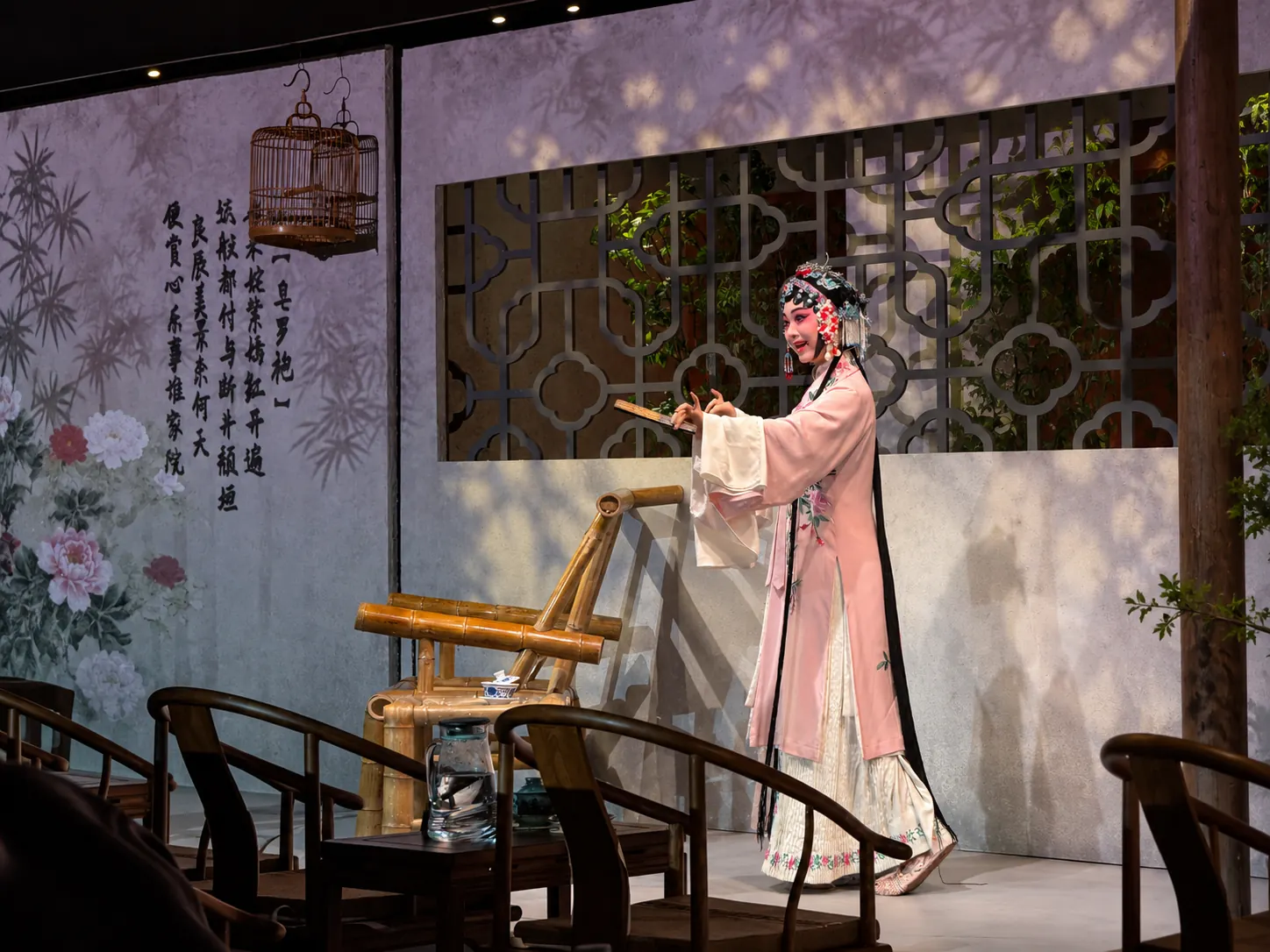
Explore another side of Suzhou culture through traditional tea houses and Kunqu Opera, which developed in the Suzhou region. Local green tea, including Biluochun, also reflects the broader tea traditions of Jiangnan.
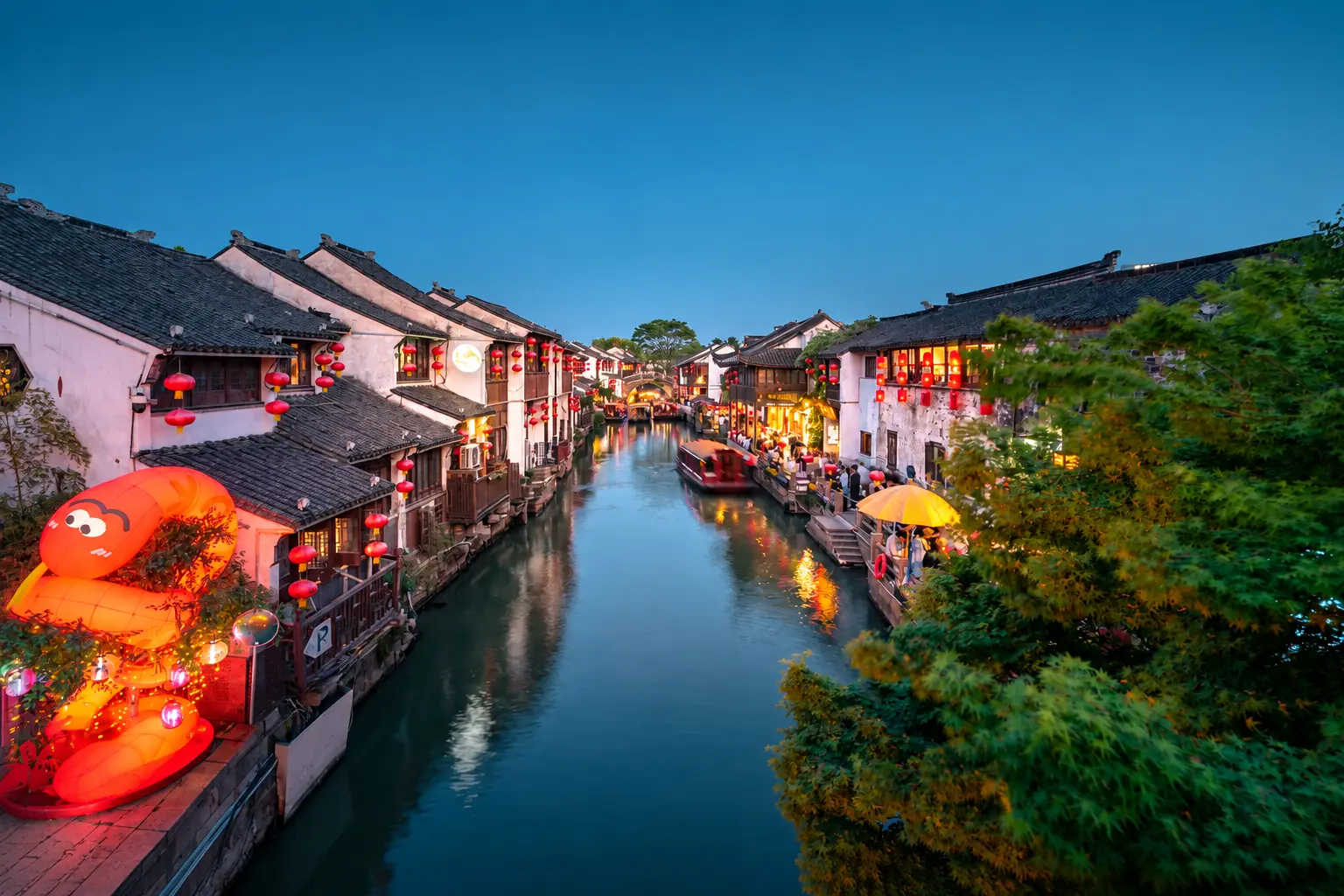
Stay out after the main sightseeing hours to see another side of the ancient city. Canal reflections, illuminated bridges, Shantang Street and evening walks through historic neighborhoods create a different atmosphere from daytime Suzhou.
Discover Suzhou through local food, traditional performances, tea culture, canal experiences, silk craftsmanship and the everyday atmosphere of its historic neighborhoods.
Combine the major gardens with canals, local food, tea houses, traditional culture and slower neighborhood experiences to see more than Suzhou’s headline attractions.
Choose a Suzhou itinerary based on how much time you have and what you want to experience. One day is enough for the essential garden, museum and old-city highlights, while two days gives first-time visitors a better balance of classical gardens, canals, Tiger Hill and historic streets. With three days, add one nearby Jiangnan water town.
This 2-day Suzhou itinerary combines the Humble Administrator’s Garden, Suzhou Museum and Pingjiang Road with Tiger Hill, the Lingering Garden and Shantang Street. The route keeps nearby sights together so you spend less time crossing the city.
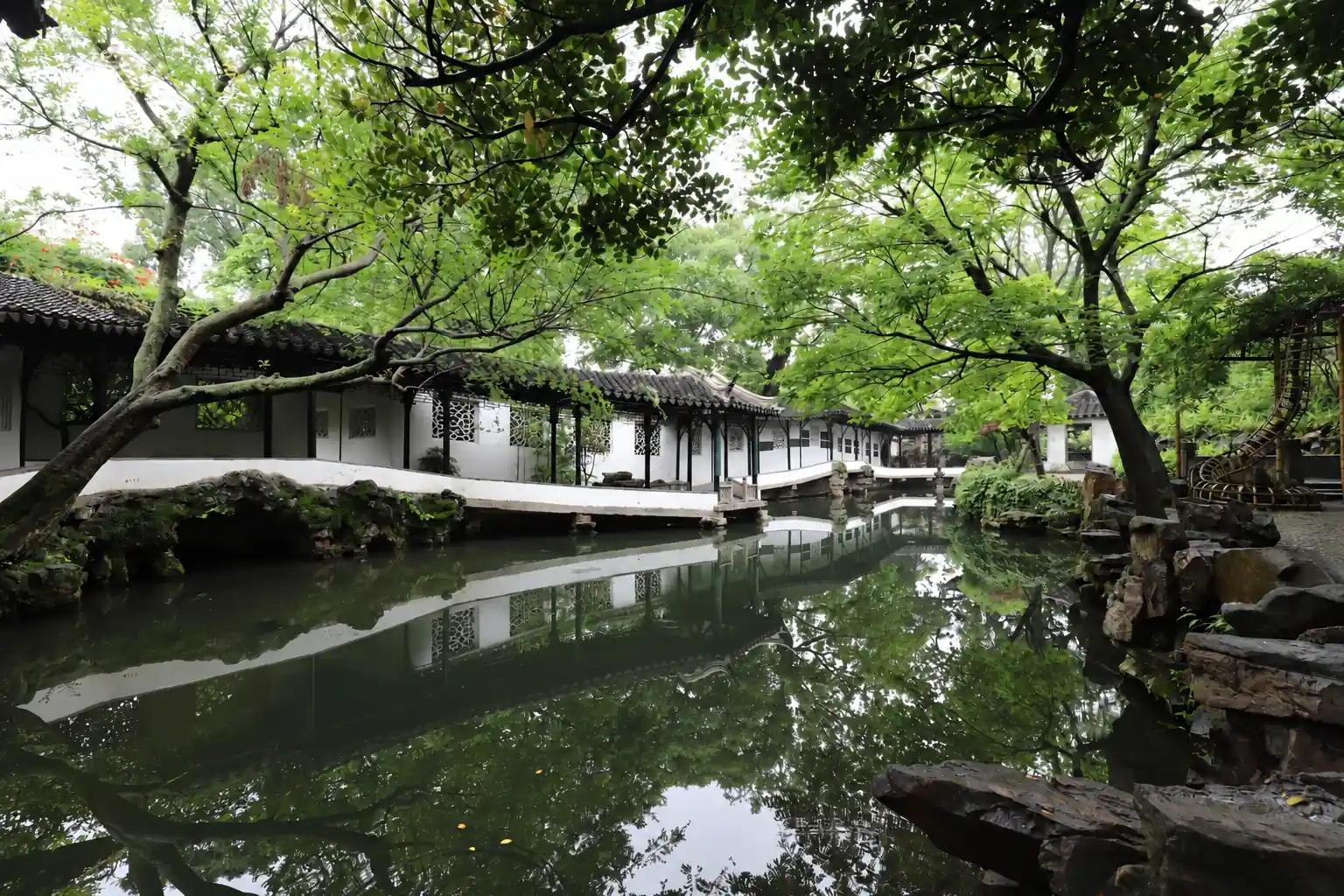
Start with Suzhou’s largest classical garden and the best first choice for most visitors. Take time to explore its ponds, pavilions, bridges and carefully framed garden views rather than rushing through the site.
Compare Suzhou Gardens →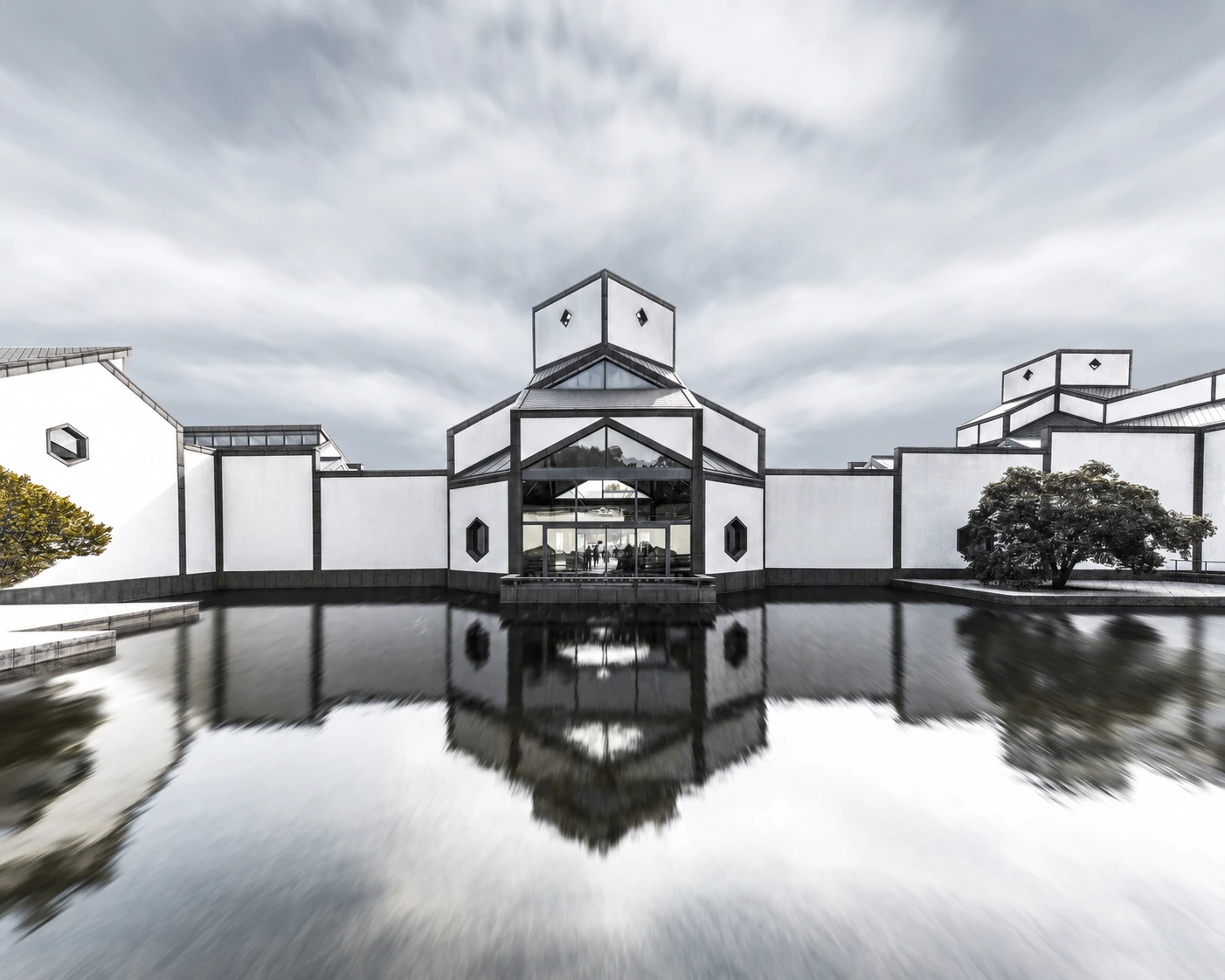
Continue to Suzhou Museum, designed by I. M. Pei. Its architecture combines modern geometric forms with courtyards, water features and visual references to traditional Suzhou design.
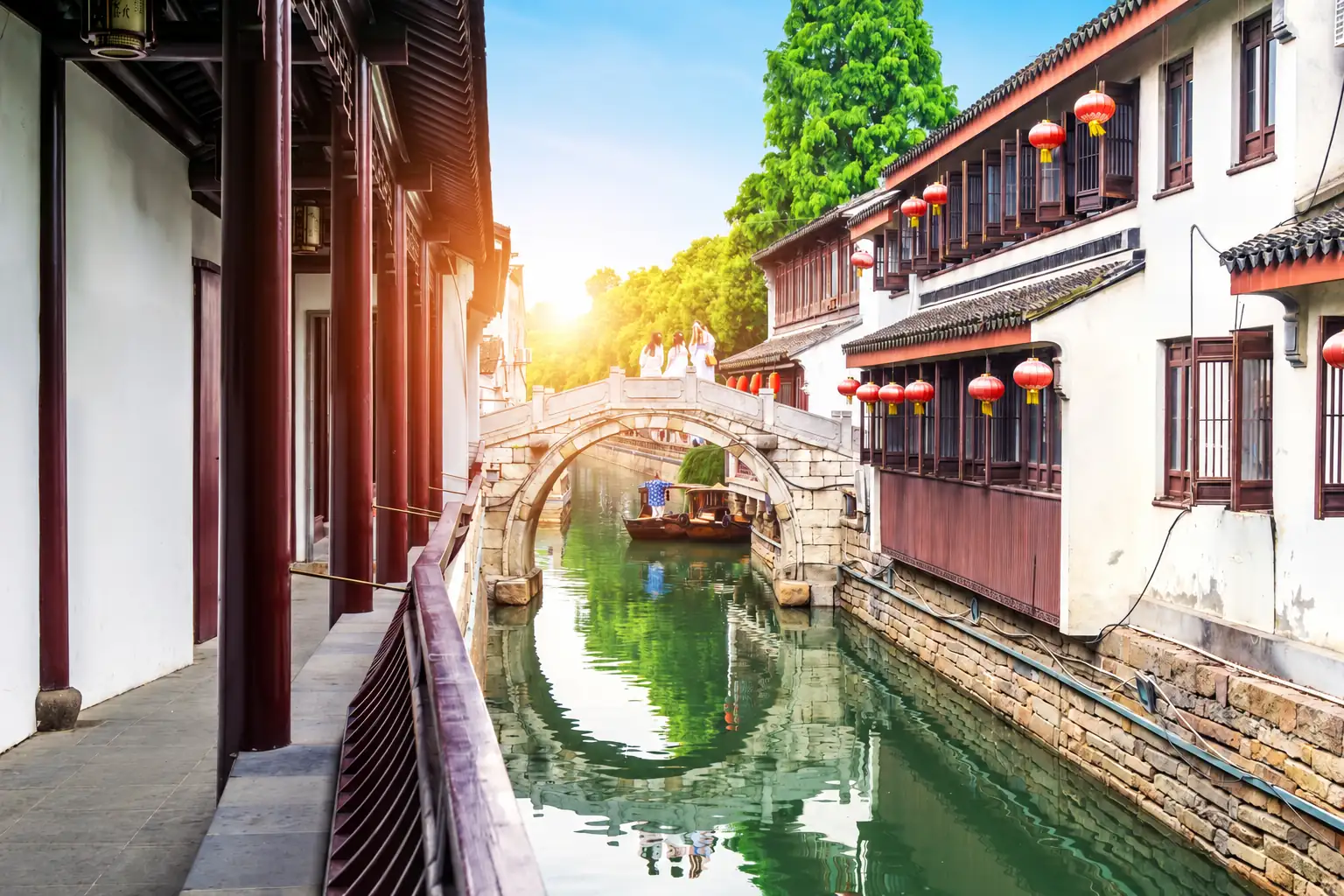
Spend the rest of the day walking beside historic canals, crossing stone bridges and exploring the lanes around Pingjiang Road. Stop for local food, tea or Suzhou Pingtan instead of adding another major attraction.
Explore Old Suzhou →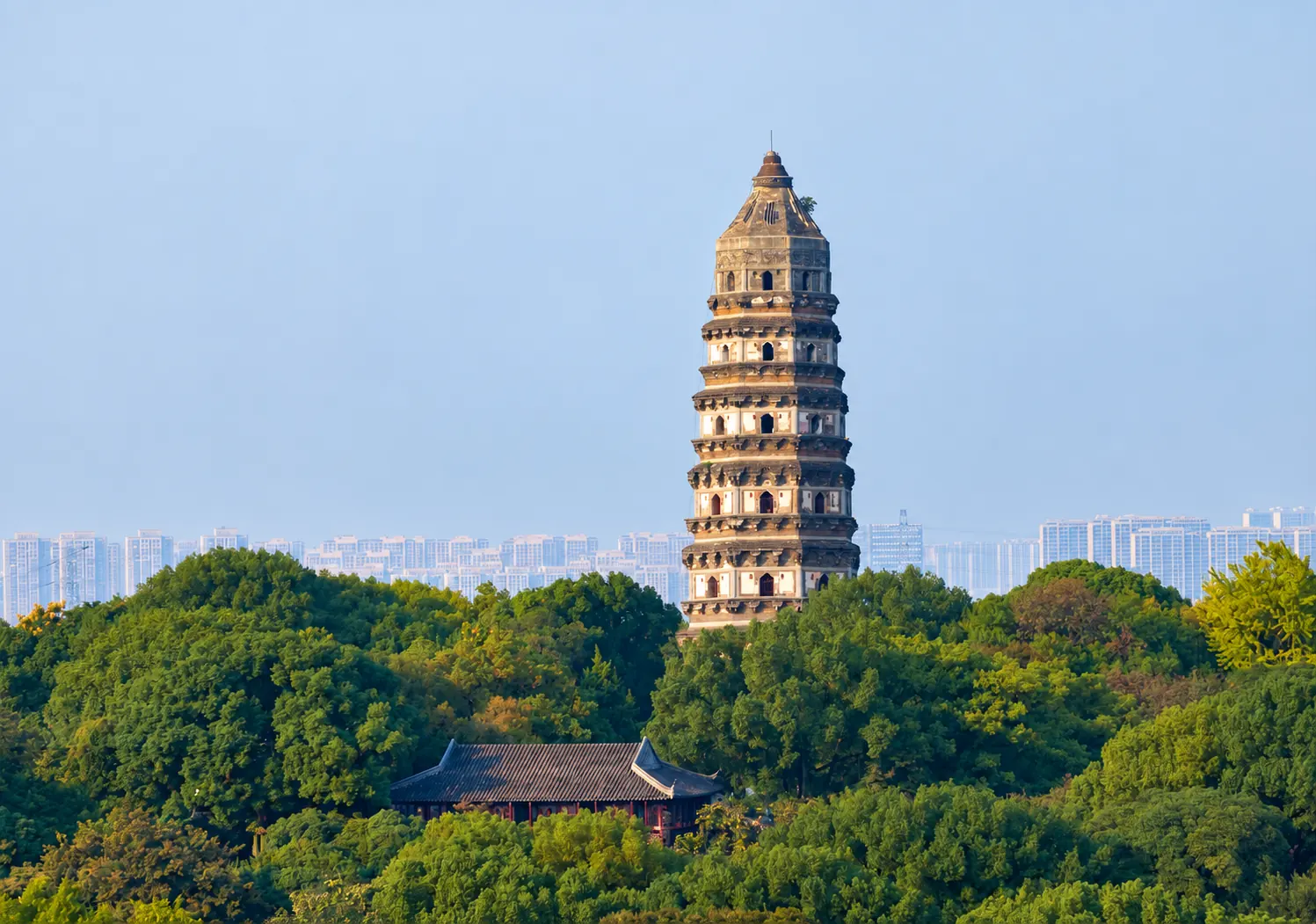
Begin the second day at Tiger Hill, one of Suzhou’s most recognizable historic sites. The area is especially known for Yunyan Pagoda, the ancient leaning tower associated with the hill.
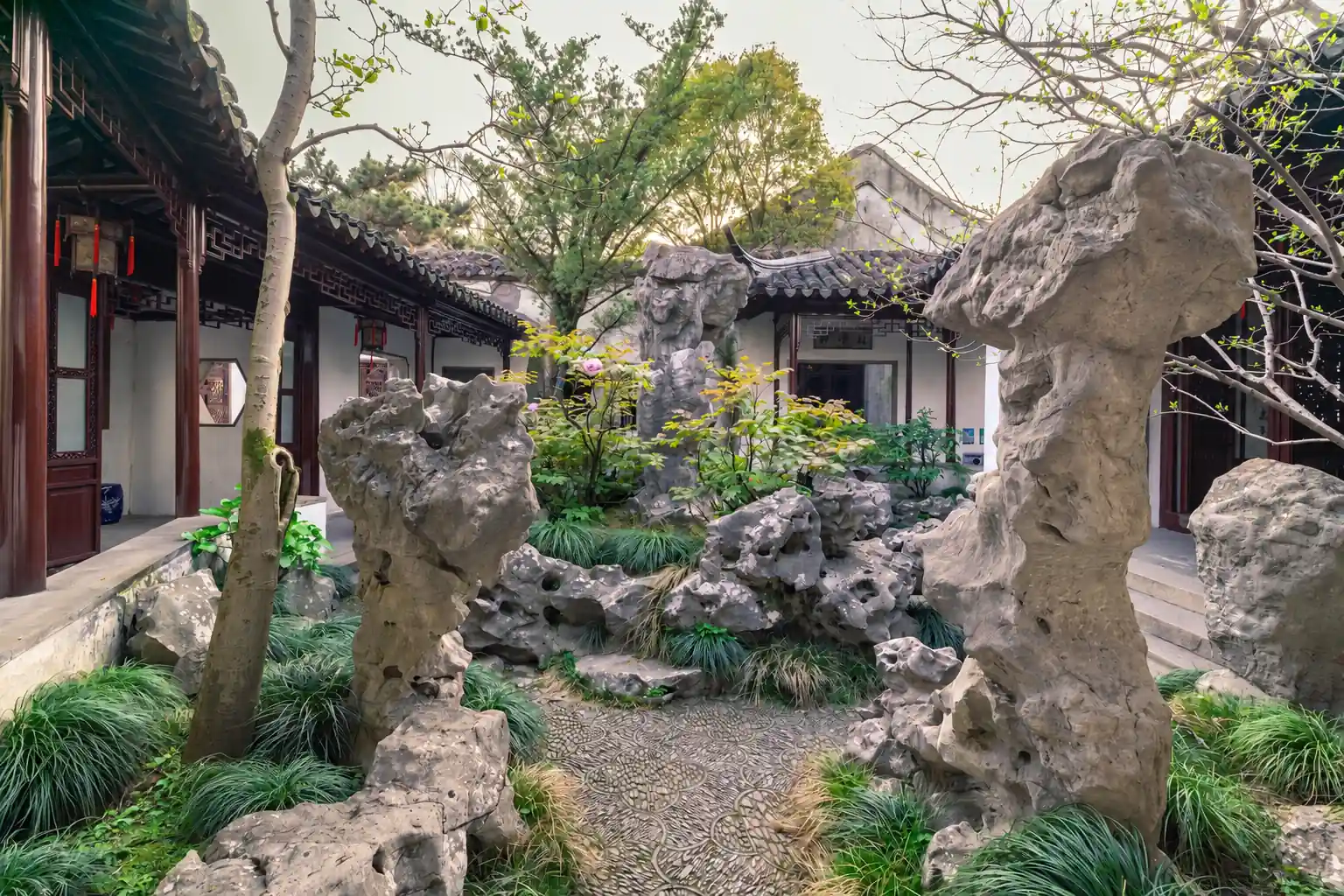
Visit the Lingering Garden as your second major classical garden. Its architecture, covered corridors, rock formations and more compact spaces create a useful contrast with the Humble Administrator’s Garden.
Compare Suzhou Gardens →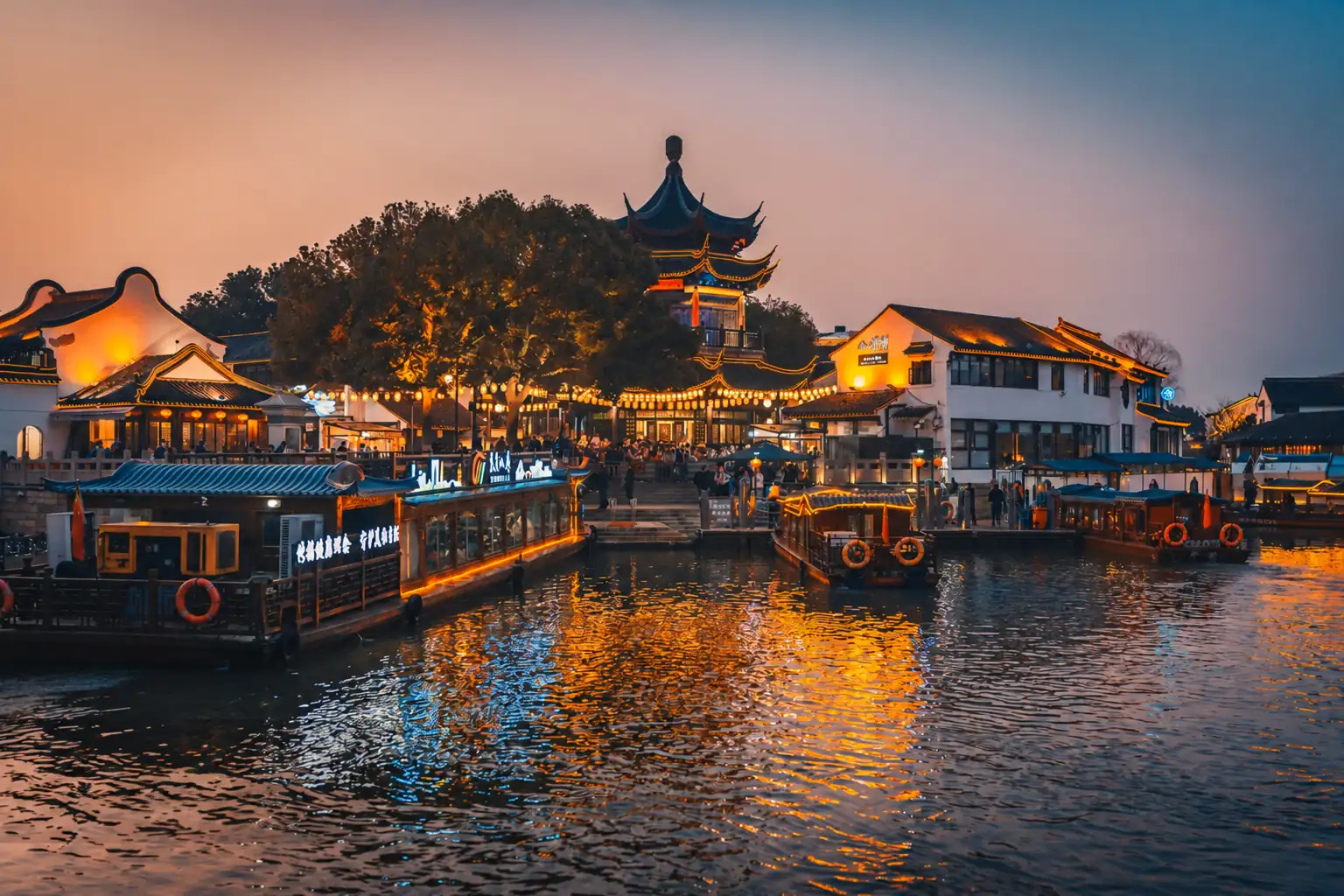
Finish your second day along Shantang Street, where canals, stone bridges and traditional waterside buildings create a lively evening atmosphere. It fits naturally after Tiger Hill and the Lingering Garden.
Customize your Suzhou route around your travel dates, arrival station, hotel location and interests, with flexible visits to classical gardens, old-city neighborhoods and nearby water towns.
The best time to visit Suzhou is usually spring and autumn, especially March to May and September to November. These seasons offer more comfortable weather for classical gardens, canal walks, old-city sightseeing and day trips to nearby Jiangnan water towns.
Spring brings flowers, fresh greenery and attractive garden scenery, while autumn usually offers comfortable temperatures for walking around Suzhou’s canals, historic streets and classical gardens. Gardens remain especially green and visually rich from spring through early autumn, although July and August can be hot and humid.
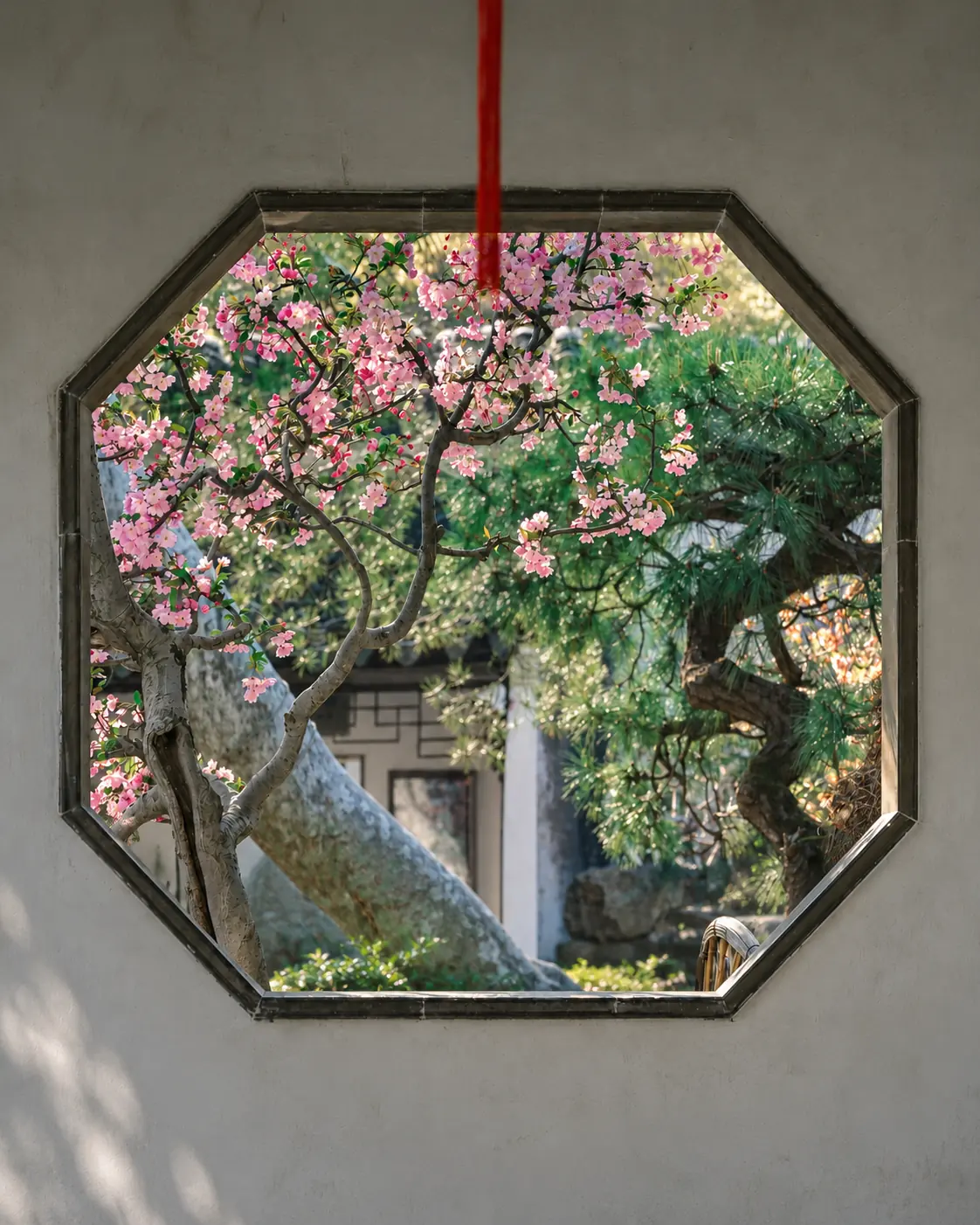
Spring is one of the best seasons for Suzhou. Classical gardens become greener, flowers begin to bloom and temperatures are generally comfortable for walking around Pingjiang Road, Shantang Street and the old city.
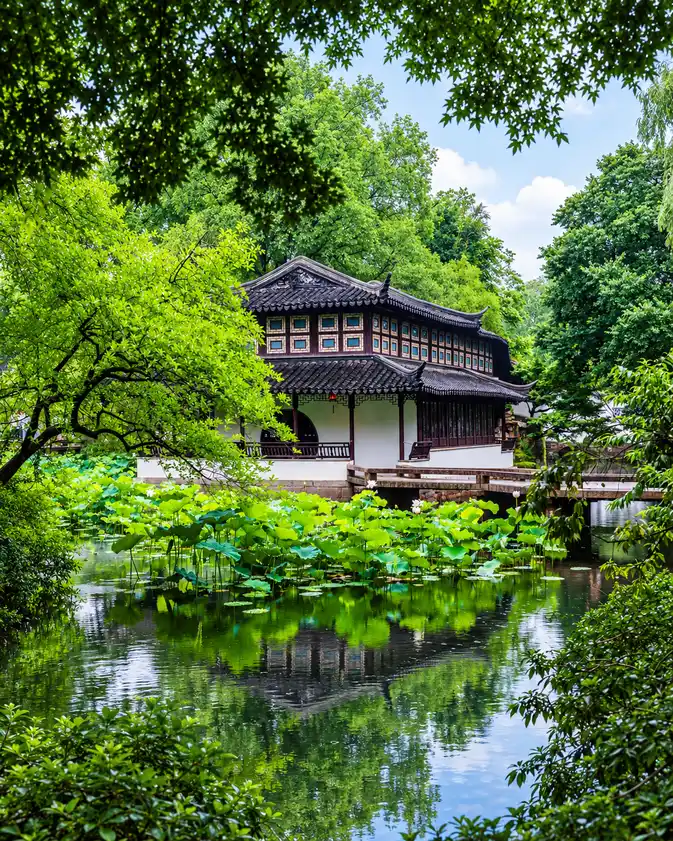
Summer is hot, humid and rainy, with temperatures sometimes reaching around 39°C. Gardens remain lush and attractive, but early starts, shaded breaks and a slower sightseeing pace make outdoor visits more comfortable.
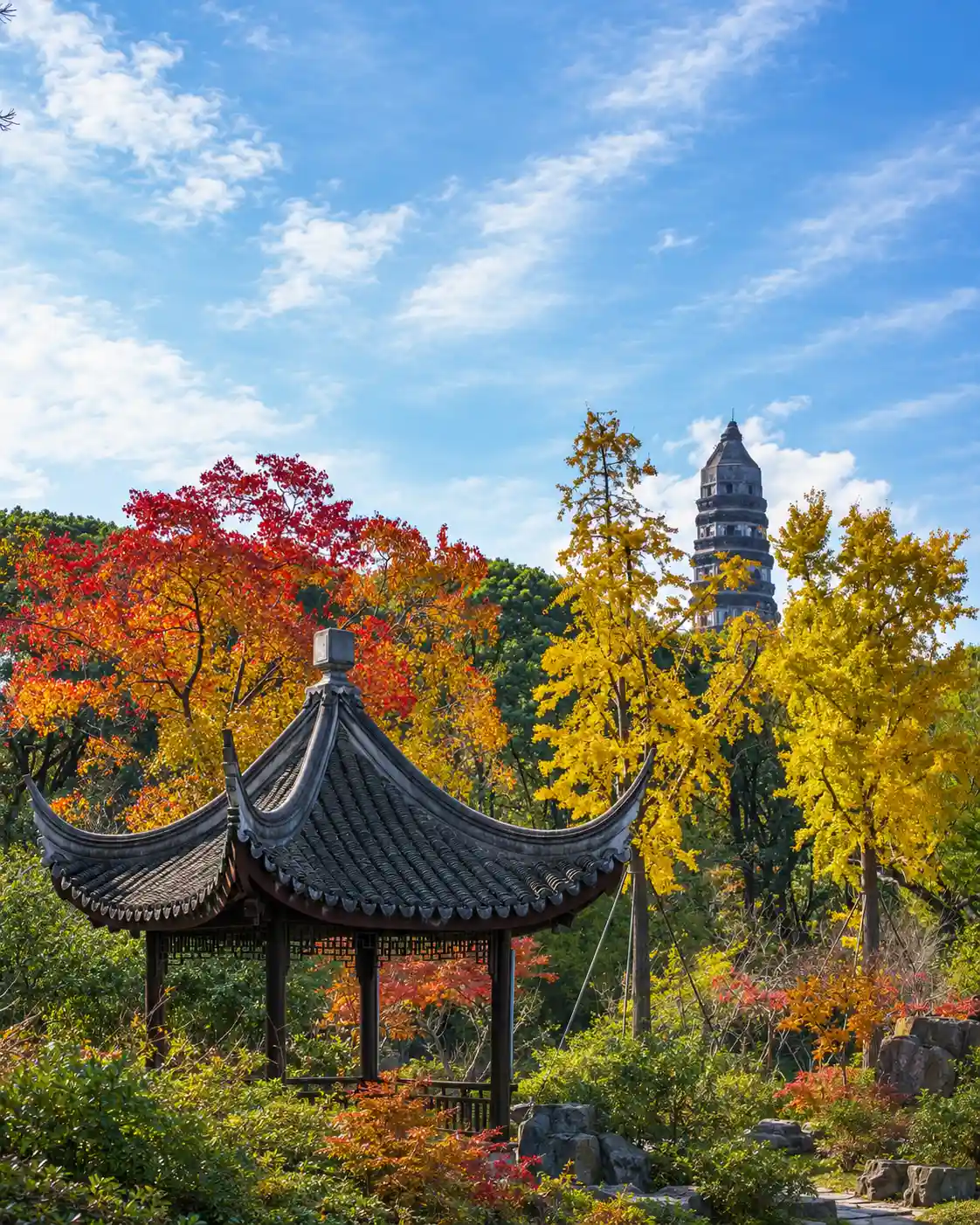
Autumn is another excellent time to visit Suzhou, with cooler temperatures and comfortable conditions for garden visits, canal-side walks, Tiger Hill and day trips to nearby water towns.
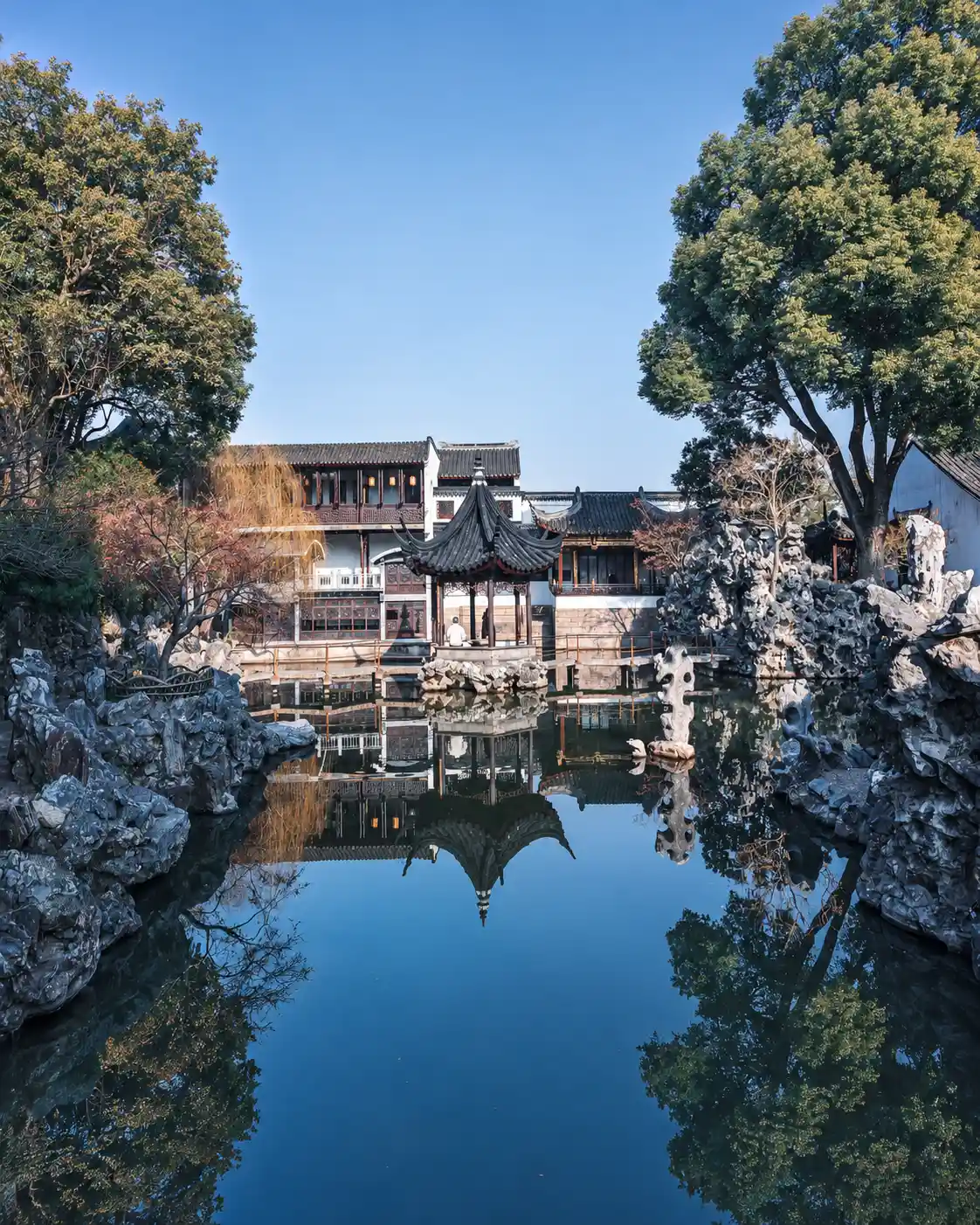
Winter is colder, with typical temperatures around 2–8°C, but it can also mean a quieter atmosphere at gardens and historic streets. Bring warm layers and expect a less lush, more architectural view of the classical gardens.
Compare monthly China weather guides before choosing your travel dates, especially if garden scenery, outdoor walking and seasonal conditions are important parts of your Suzhou itinerary.
Choosing the right area can make your Suzhou trip much easier. For most first-time visitors, the best places to stay include the historic old city near Pingjiang Road, the Shantang Street area, modern Jinji Lake and locations with convenient access to Suzhou Railway Station and the metro.
Staying near Pingjiang Road is one of the best choices for first-time visitors who want easy access to classical gardens, Suzhou Museum, historic canals, traditional lanes, tea houses and local restaurants. It also places you close to many of the city’s most atmospheric walking areas.
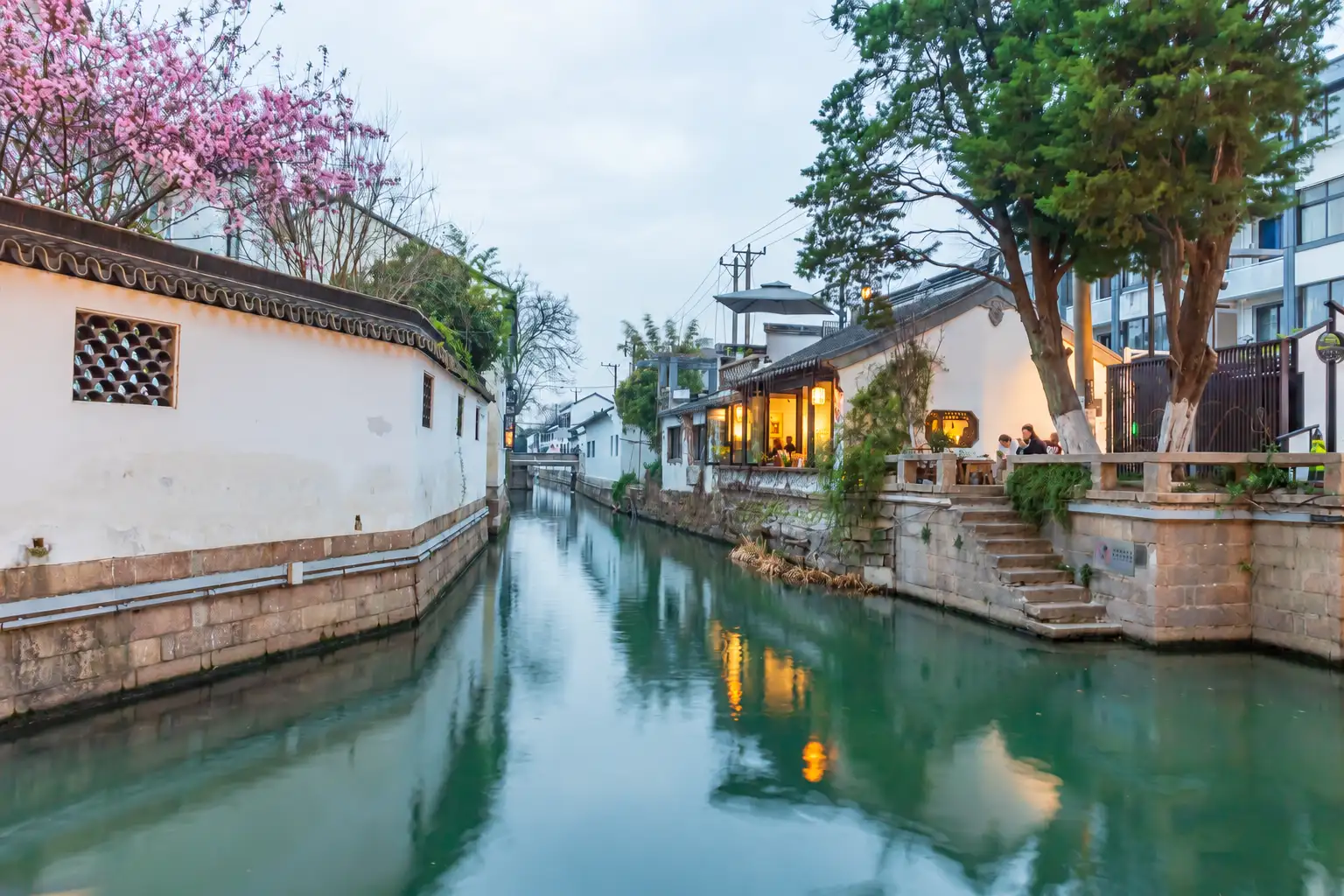
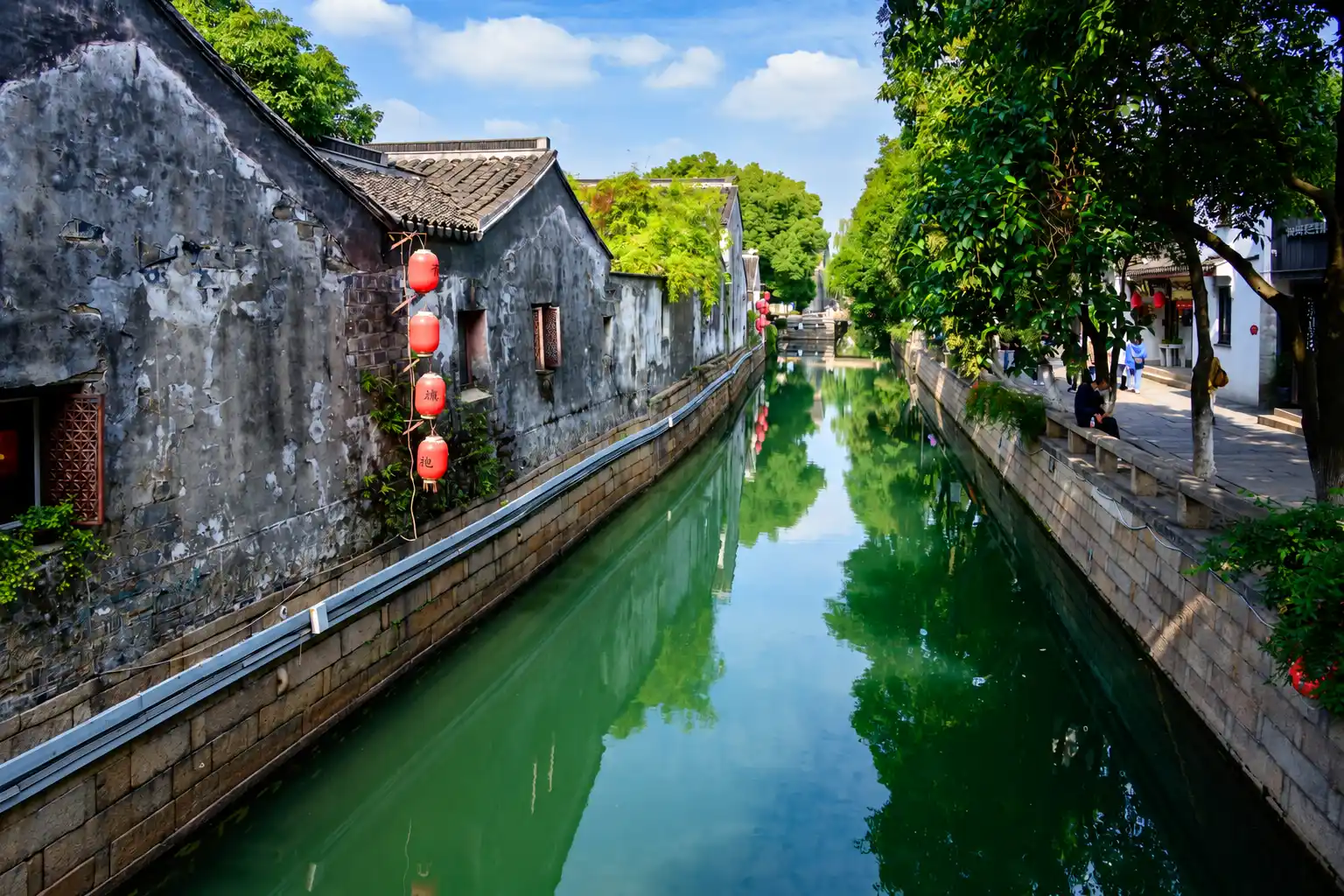
Stay close to historic canals, stone bridges, classical gardens and Suzhou Museum. This is the strongest choice if your priority is sightseeing on foot and experiencing the traditional atmosphere of old Suzhou.
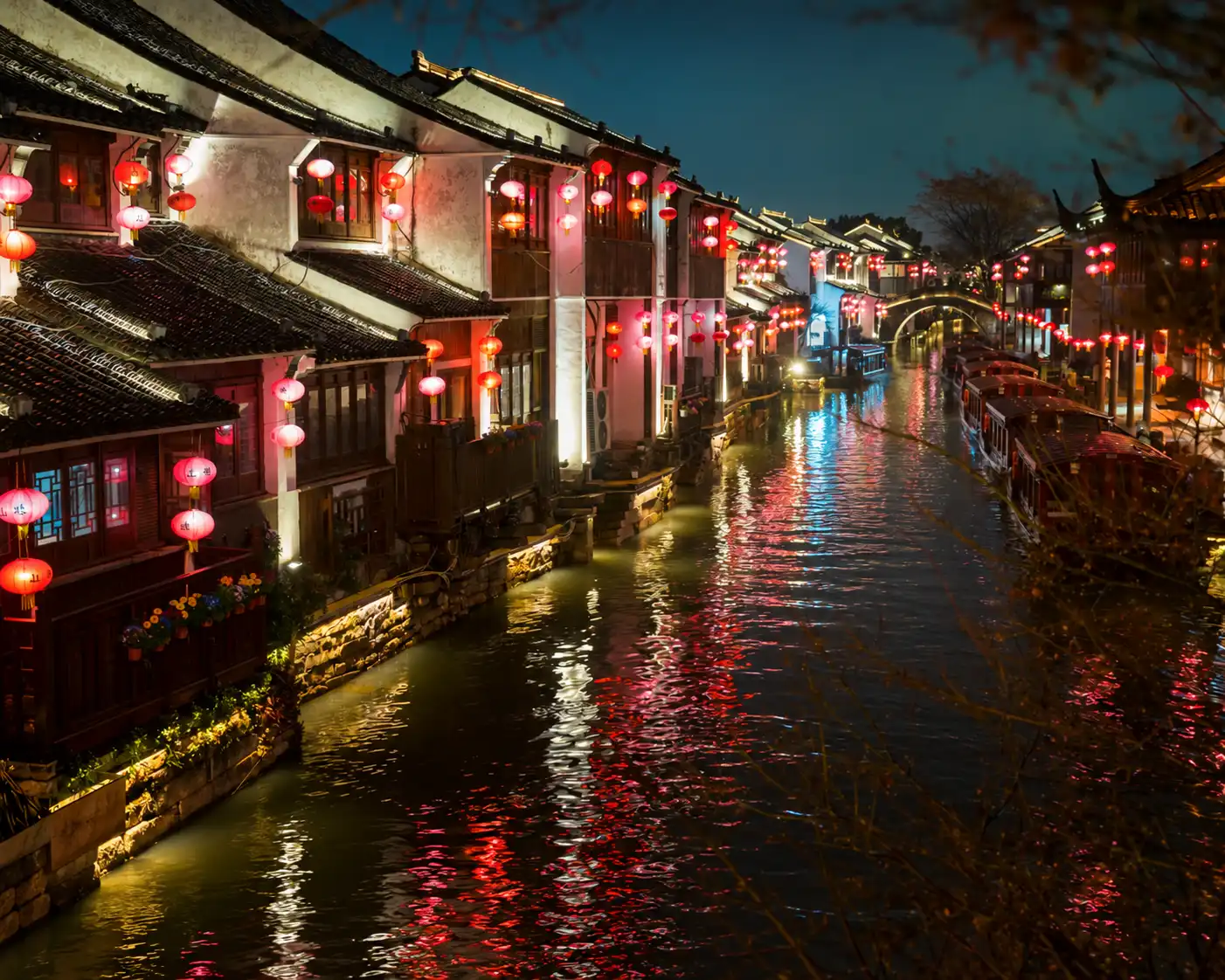
A good option for travelers who want traditional waterside scenery, evening walks and convenient access to Tiger Hill and the Lingering Garden. The area becomes especially lively after dark.
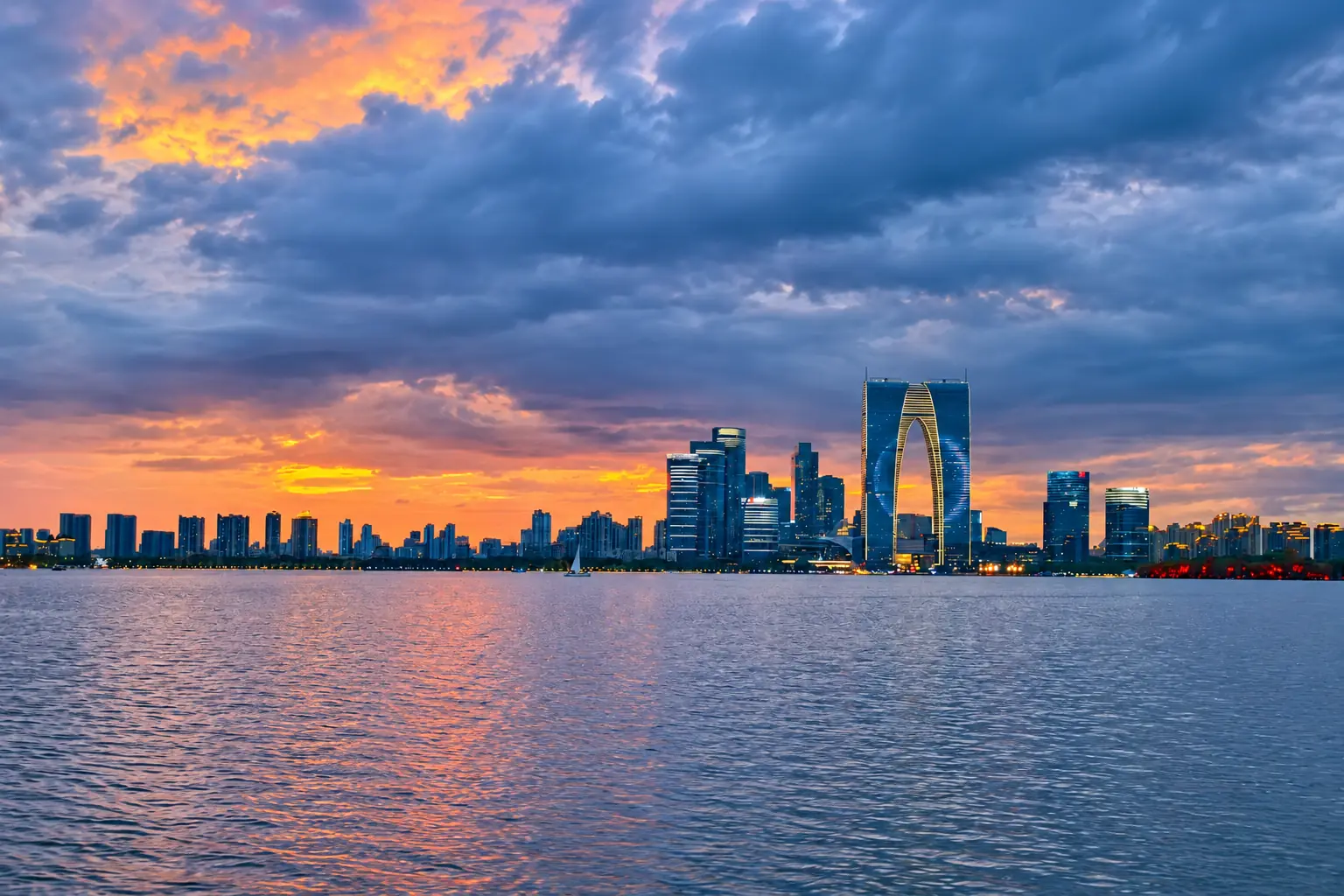
Choose Jinji Lake if you prefer modern hotels, shopping malls, contemporary restaurants and a more spacious urban setting. It offers a very different experience from the ancient city and traditional canal districts.
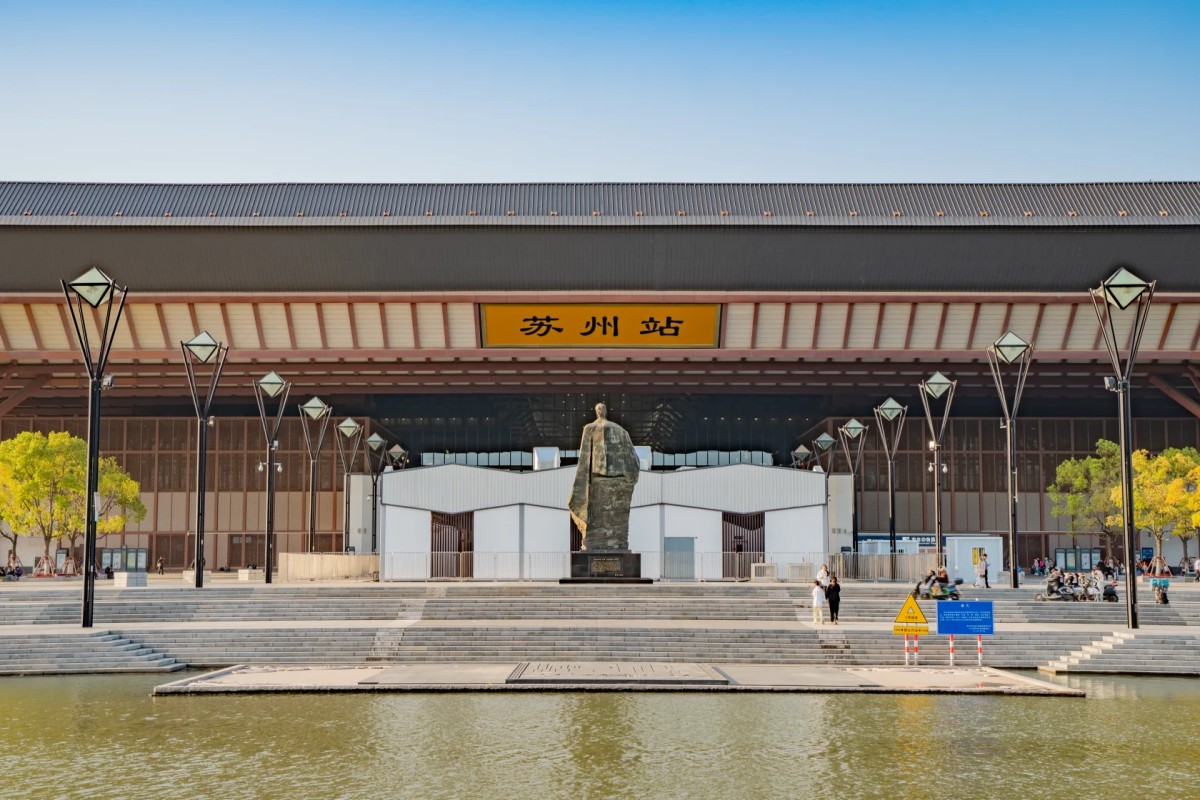
Staying near Suzhou Railway Station can be practical for travelers arriving from Shanghai by high-speed train or making only a short visit. It is especially useful when convenient rail and metro connections matter more than neighborhood atmosphere.
Choose your hotel based on how long you are staying and what matters most to you. The old city works best for gardens and canal walks, Jinji Lake suits a modern stay, and the railway station area is practical for short visits from Shanghai.
Getting around Suzhou is straightforward when you combine the metro, taxis or DiDi and walking. High-speed trains make Suzhou easy to reach from Shanghai and other cities in the Yangtze River Delta, while buses, taxis and private transfers are useful for nearby water towns such as Tongli and Zhouzhuang.
Many of Suzhou’s historic sights are best explored on foot, especially around Pingjiang Road and the classical gardens. Use the Suzhou Metro for longer cross-city journeys and taxis or ride-hailing when destinations are not conveniently connected by rail.
The Suzhou Metro is useful for longer journeys between railway stations, the old city and newer districts such as Suzhou Industrial Park. For short sightseeing routes inside the historic center, walking is often more practical.
Suzhou Railway Station is generally the most convenient station for tourists because it is much closer to the historic city, classical gardens and central attractions than Suzhou North. It is a particularly useful arrival point for day trips from Shanghai.
Suzhou North Railway Station also serves high-speed trains but is farther from the historic center. Always check the station name on your ticket before booking onward transportation or planning a tight sightseeing schedule.
Taxis and DiDi are useful for railway station transfers, traveling between attractions that would require several metro changes, or saving time when your Suzhou itinerary is limited to one or two days.
Nearby ancient water towns require additional travel beyond central Suzhou. Tongli is relatively easy to combine with the city, while Zhouzhuang is farther away and usually works better when you have enough time for a dedicated half-day or full-day trip.
Compare Suzhou Water Towns →
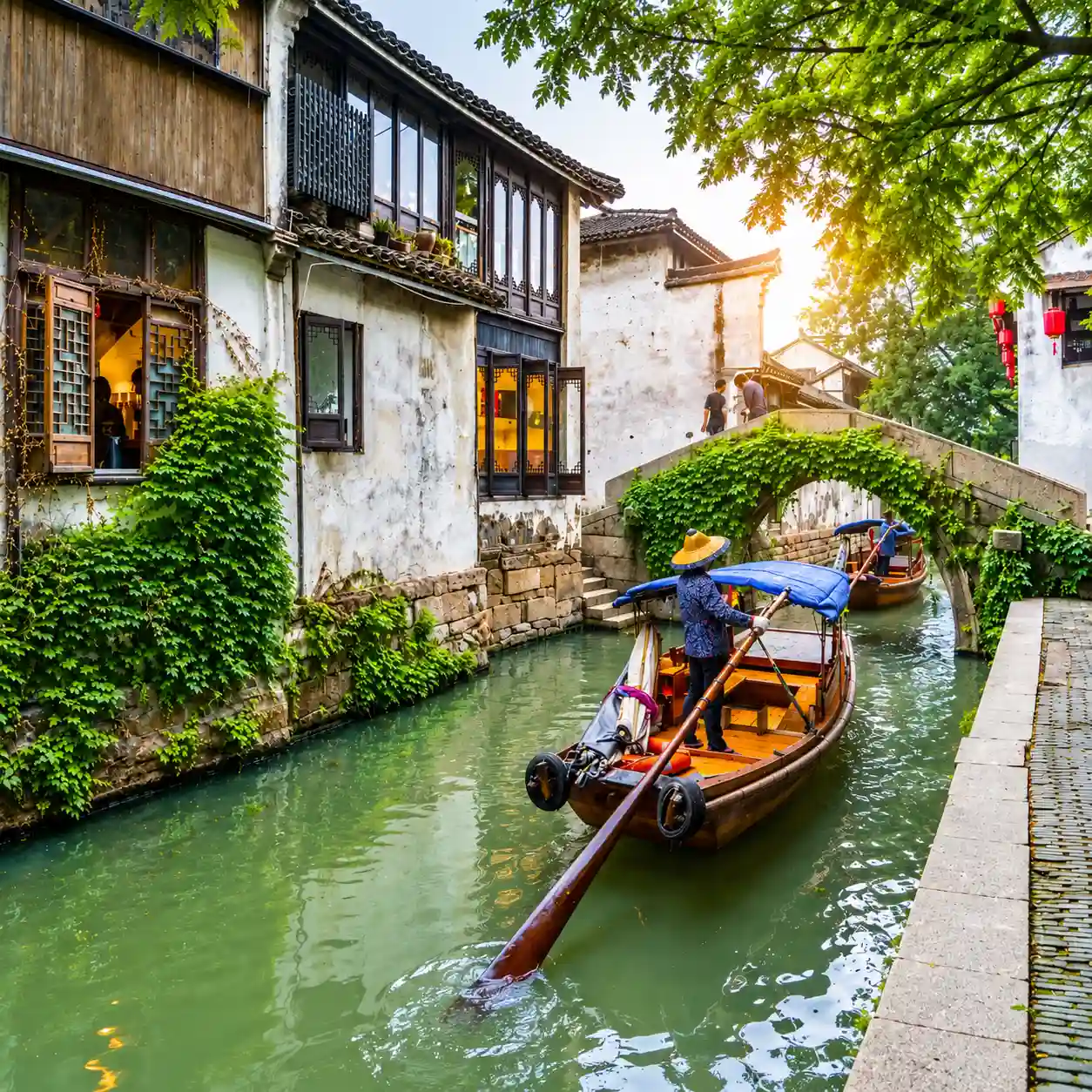
Private transfers can be added to a customized Suzhou itinerary, including railway station pickup, flexible sightseeing transport and transfers to nearby water towns.
Suzhou sits in the heart of the Yangtze River Delta, making it easy to combine with Shanghai, Hangzhou, Nanjing and historic Jiangnan water towns. Add one or more nearby destinations to turn a short Suzhou visit into a longer eastern China itinerary.
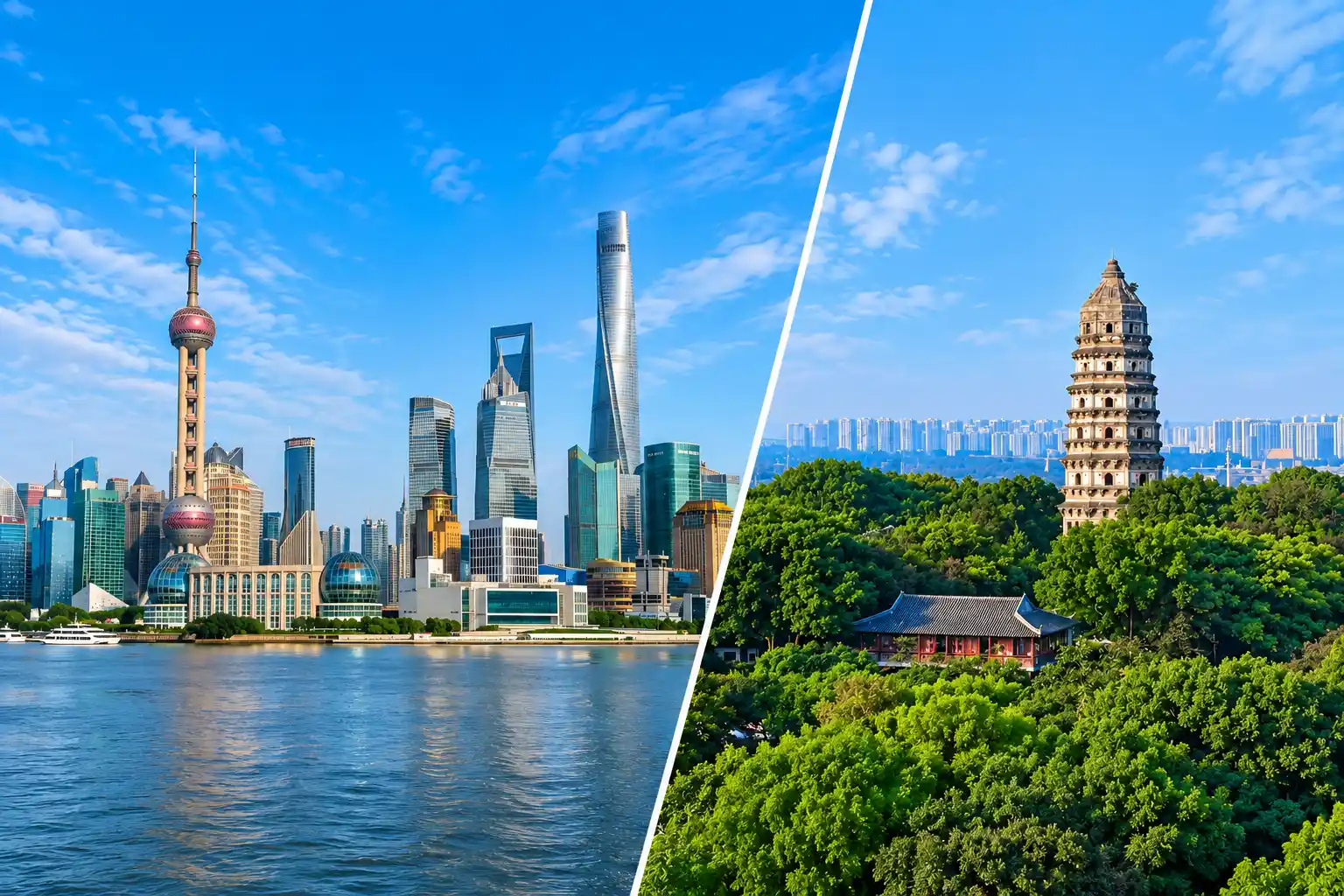
Pair Suzhou’s classical gardens, canals and historic neighborhoods with Shanghai’s skyline, waterfront, shopping and modern city life. Frequent high-speed trains make Shanghai and Suzhou one of the easiest two-city combinations in eastern China.
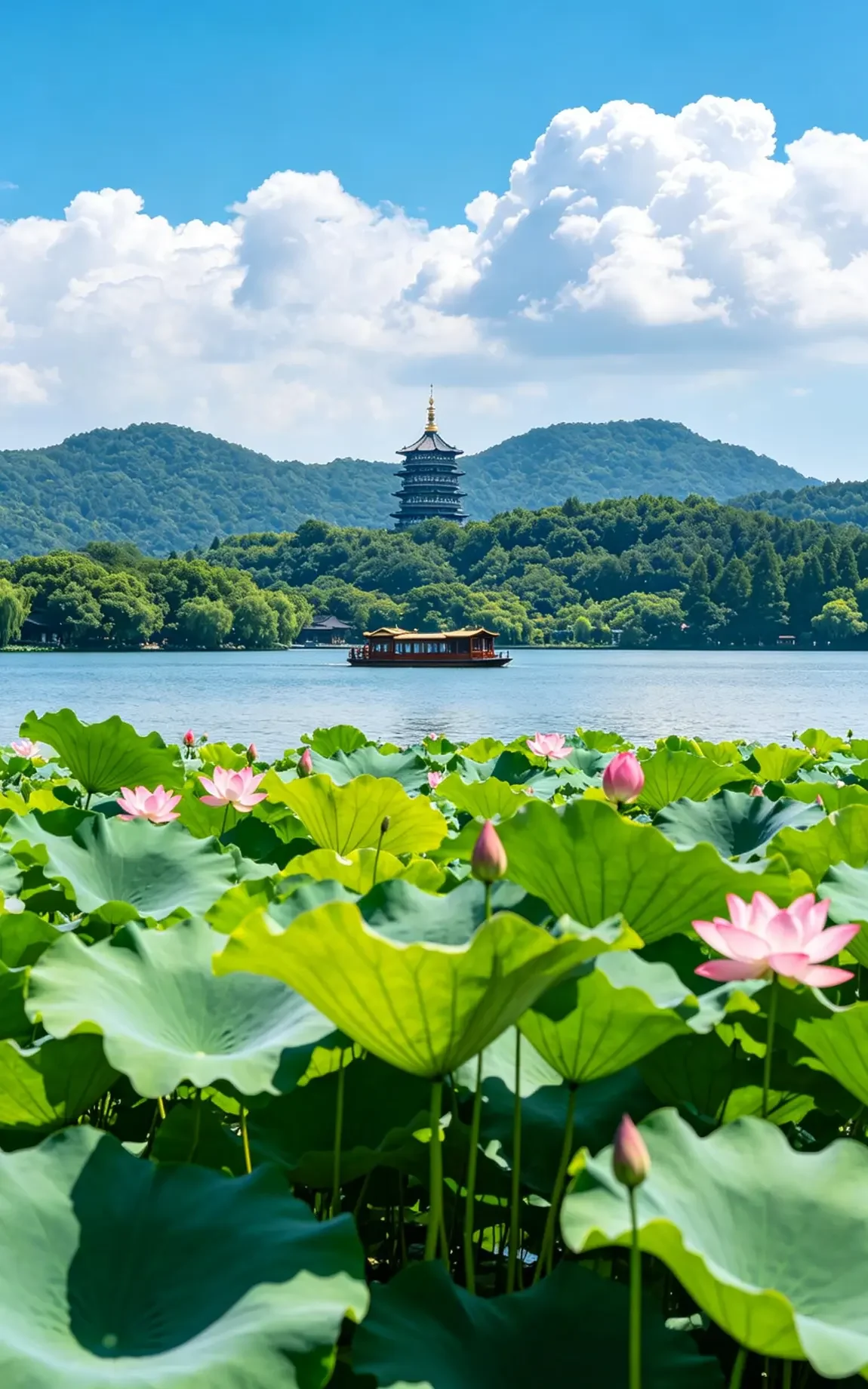
Continue through Jiangnan to Hangzhou for West Lake, historic temples, tea culture and scenic landscapes. Suzhou and Hangzhou work especially well together for travelers interested in classical Chinese scenery and traditional culture.
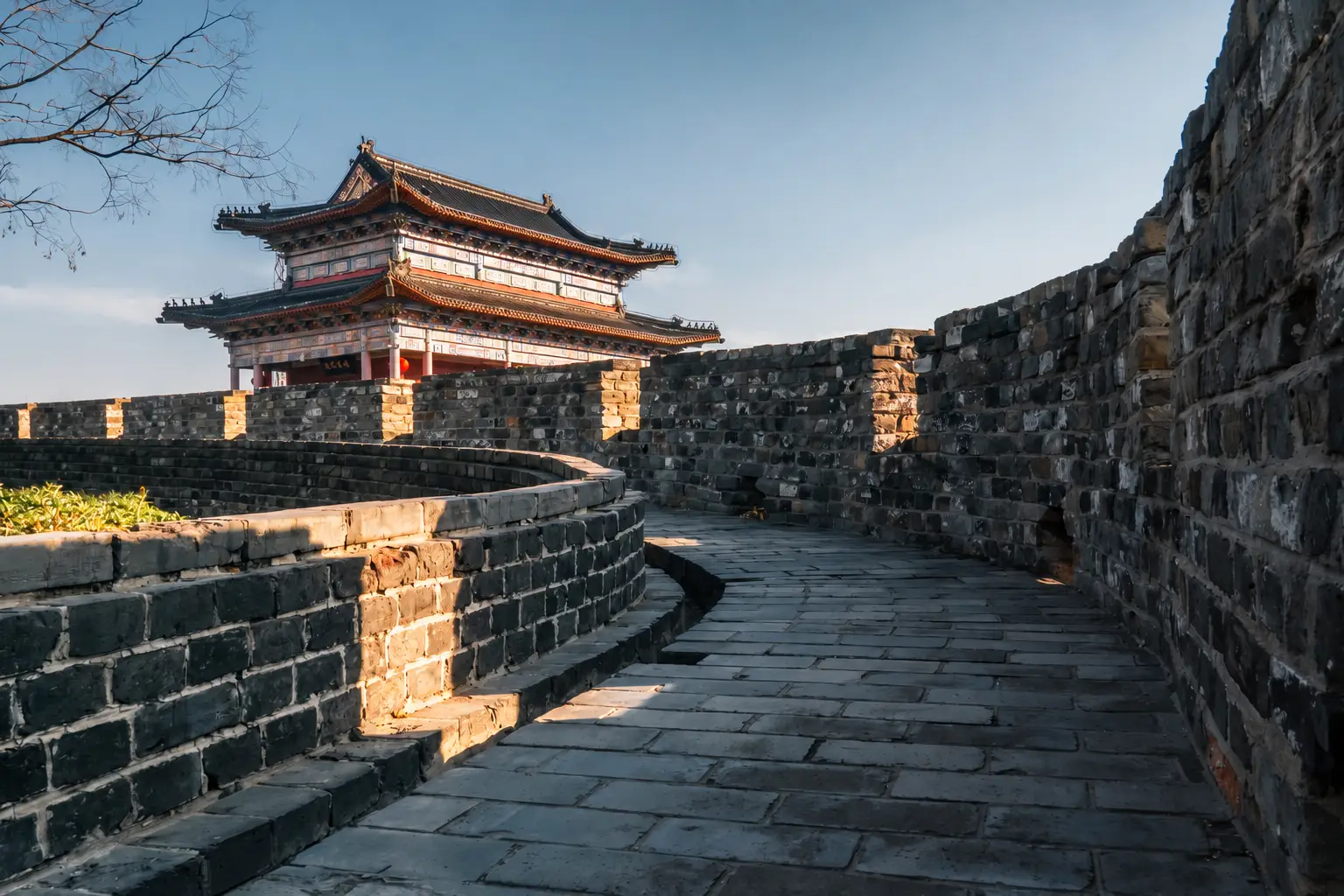
Add Nanjing for a deeper look at Jiangsu Province, with historic city walls, imperial heritage, museums and major sites connected to several periods of Chinese history.
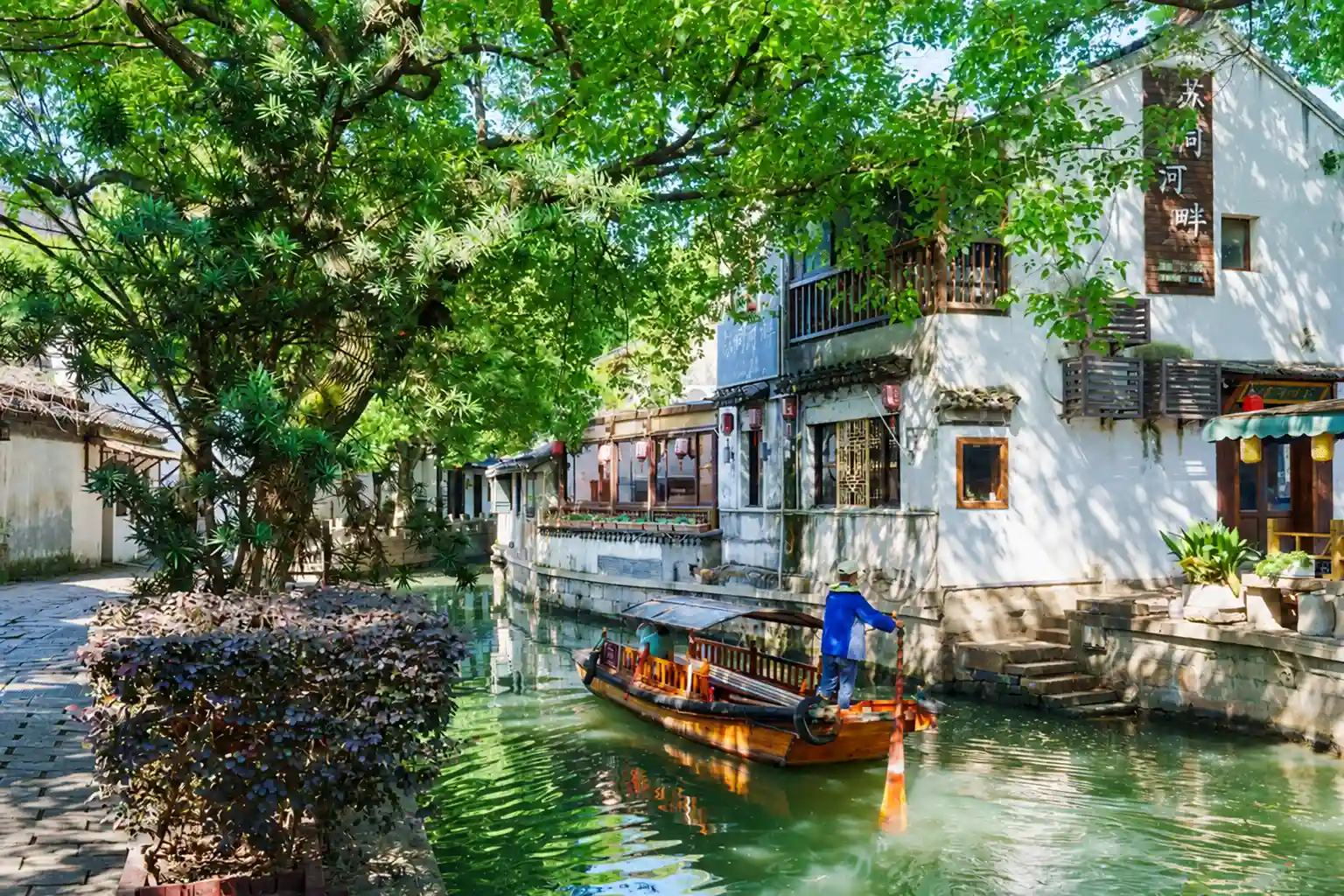
Visit Tongli for canals, old stone bridges, traditional waterside architecture and narrow historic lanes. Its location makes it one of the easiest ancient water towns to combine with a multi-day Suzhou trip.
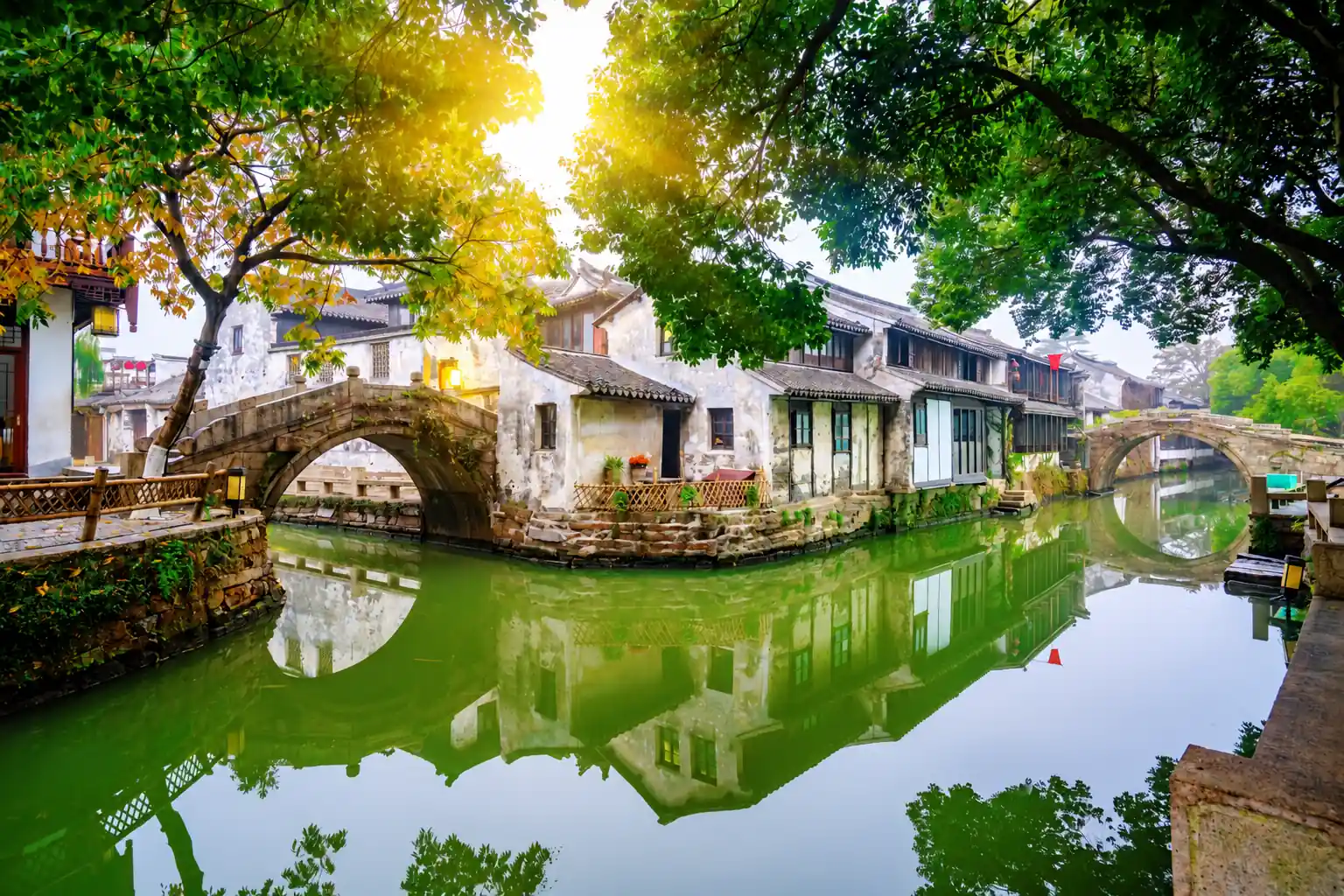
Explore one of China’s best-known water towns, with historic bridges, canals, traditional houses and small wooden boats. Zhouzhuang is farther from central Suzhou than Tongli, so allow more travel time rather than squeezing it into a busy city day.
Use these practical China travel guides to prepare for visas, Suzhou weather, high-speed trains, mobile payments, internet access, public holidays and everyday travel before your trip.
Check entry requirements, visa policies, passport rules and the documents you may need before traveling to Suzhou and other destinations in China.
Compare seasonal temperatures, rainfall and travel conditions before deciding when to visit Suzhou and the Yangtze River Delta.
Learn how to book high-speed trains between Shanghai, Suzhou, Hangzhou, Nanjing and other Chinese cities, and what foreign travelers need when using railway stations.
Prepare Alipay or WeChat Pay for metro rides, taxis, restaurants, attraction tickets, shopping and everyday purchases during your Suzhou trip.
Prepare mobile data, translation tools, navigation apps, ride-hailing and other digital services before arriving in Suzhou.
Check major holiday periods before booking Suzhou gardens, train tickets and hotels, as popular attractions and transport can become much busier.
Understand how Spring Festival may affect railway tickets, opening schedules, restaurants and travel demand during a winter trip to Suzhou.
Prepare for attraction reservations, language differences, train travel, mobile payments, transport apps and other practical issues that can affect a first trip to China.
Combine Suzhou with Shanghai, Hangzhou, Nanjing or other destinations in a customized China itinerary built around your travel dates and interests.
Choose a focused Suzhou day trip, a private two-day journey or a flexible custom itinerary built around classical gardens, historic canals, Jiangnan culture and nearby water towns. These options work especially well for first-time visitors arriving from Shanghai or combining Suzhou with a longer eastern China trip.
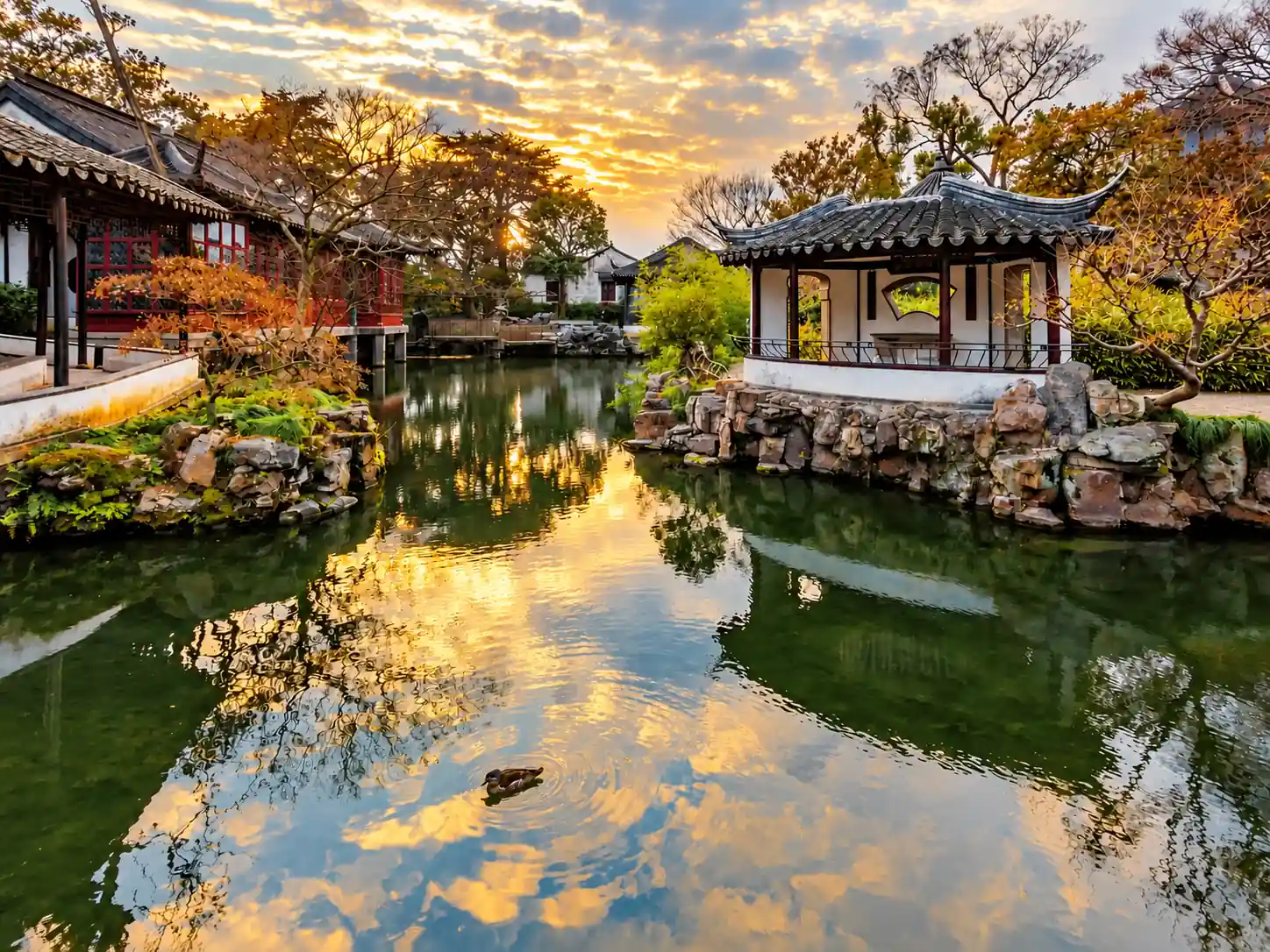
Explore Suzhou at a comfortable pace with a private route that balances one or two major classical gardens, Suzhou Museum, historic canal neighborhoods, Tiger Hill and an atmospheric evening in the old city.
Customize This Tour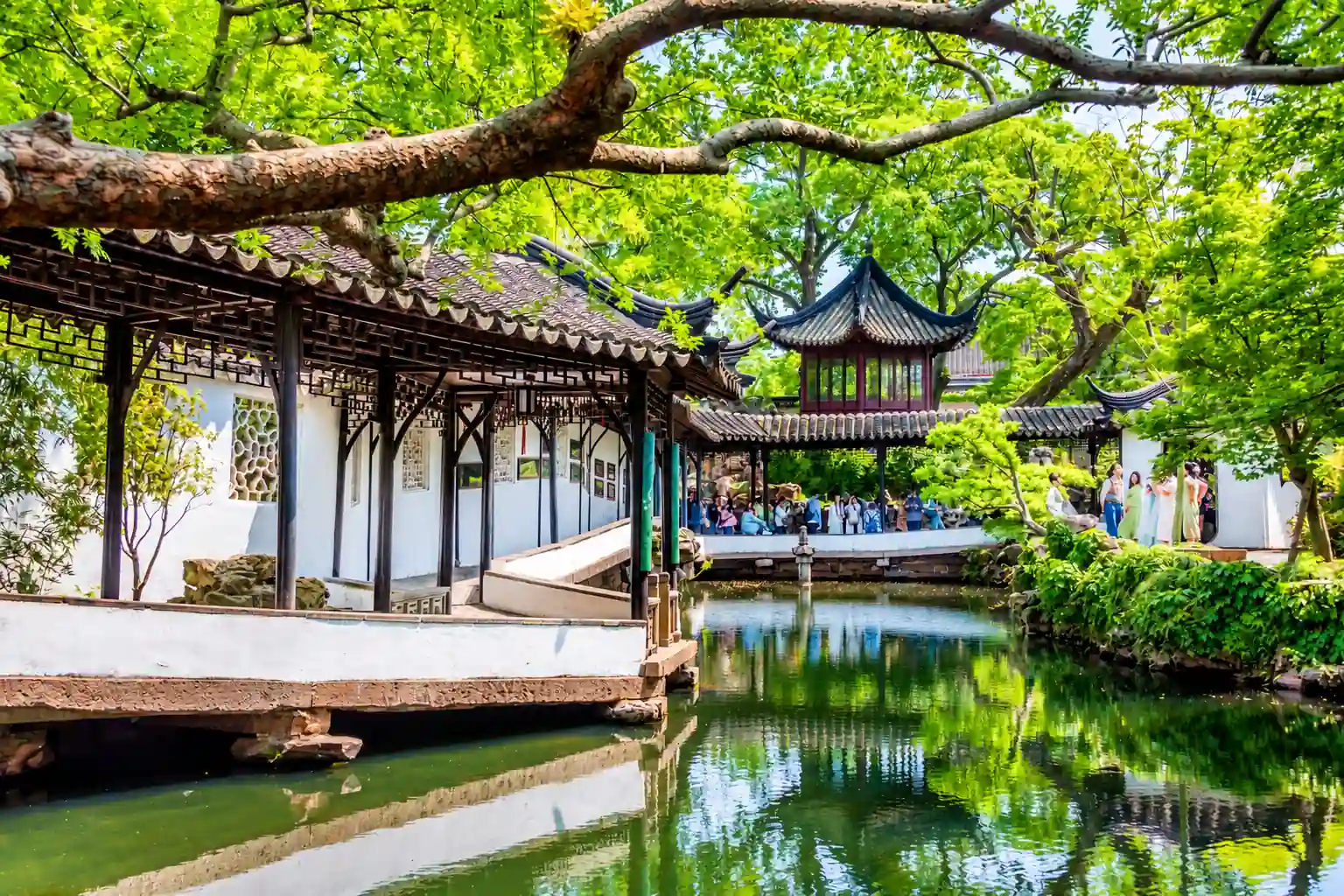
Focus on Suzhou’s essential first-time sights with one major classical garden, Suzhou Museum and time in the historic canal district rather than trying to fit too many attractions into a single day.
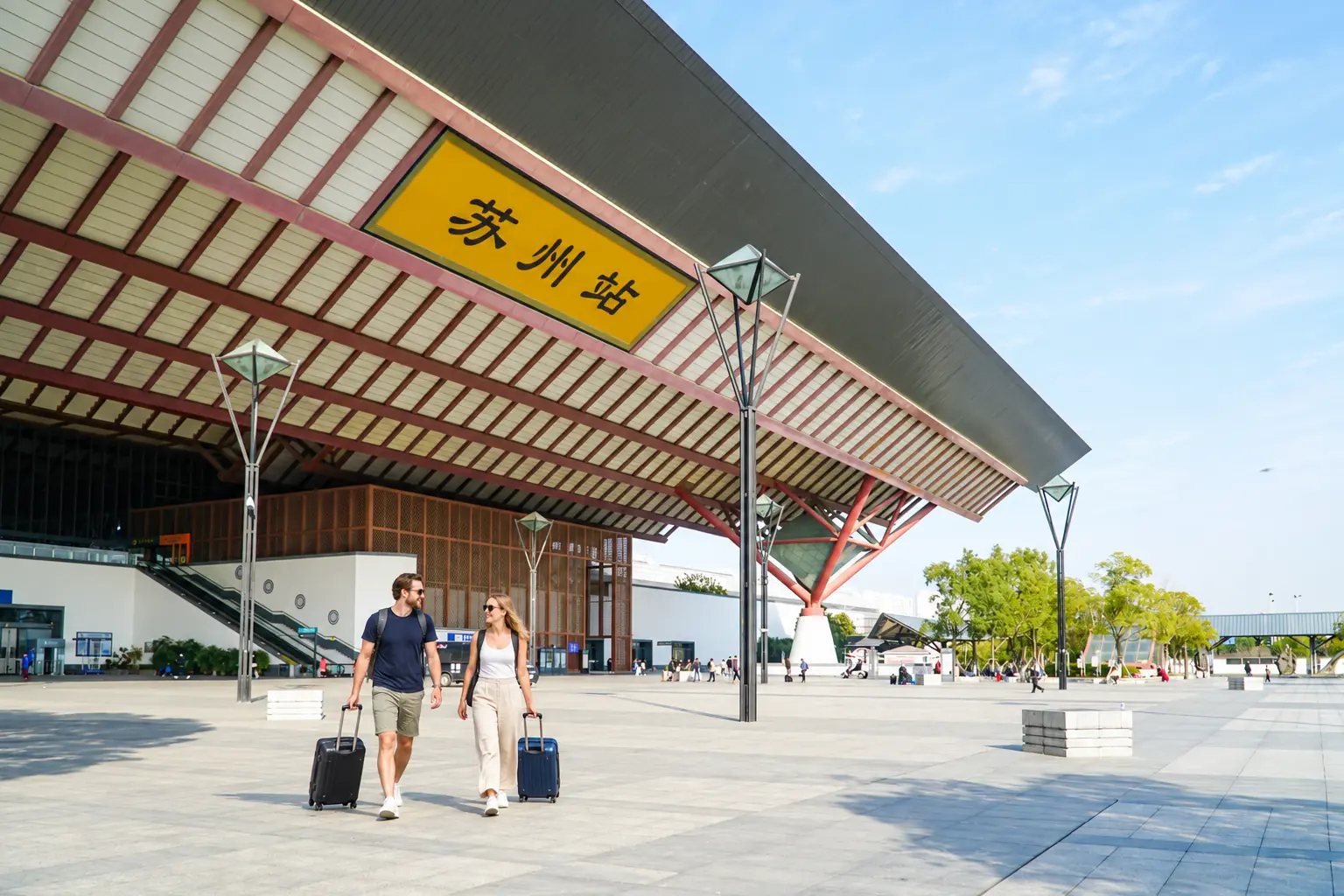
Travel from Shanghai for a focused Suzhou day trip built around your high-speed train schedule, with enough time for a classical garden, canals and historic streets without an overly rushed route.
Add Tongli or Zhouzhuang to experience canals, stone bridges, traditional waterside architecture and small-town Jiangnan life. Choosing one water town usually creates a better-paced trip than trying to visit both.
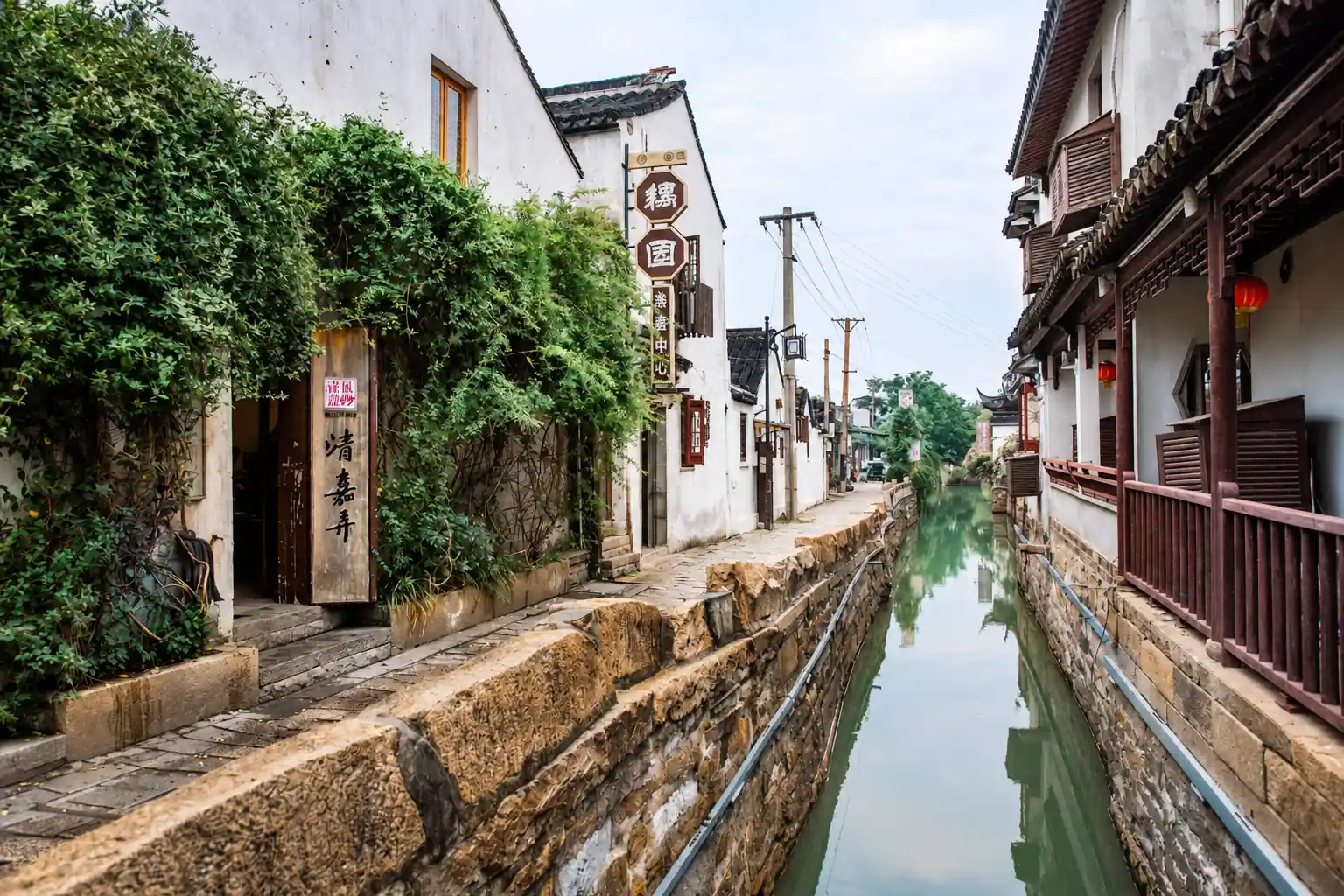
Slow the itinerary down with fewer garden visits, longer canal walks, tea culture, local food and optional time in a nearby water town. This format suits travelers who value atmosphere and flexibility over a long sightseeing checklist.
Build a first-time route around one or two classical gardens, Suzhou Museum, Pingjiang Road, Tiger Hill and the historic canal districts.
Plan My Suzhou Tour →Compare two of the best-known water towns near Suzhou and choose the one that best fits your available time, transport plan and preferred atmosphere.
Compare Water Towns →Go beyond major landmarks with tea houses, Suzhou Pingtan, silk traditions, local food and slower walks through historic canal-side neighborhoods.
Explore Suzhou Experiences →Tell us your travel dates, arrival city, group size, hotel preferences and interests. Your Suzhou itinerary can be adjusted around your pace and combined with Shanghai, Hangzhou, Nanjing or other destinations in China.