Lhasa · Everest · Tibetan Culture · Travel Permits

Tibet Travel Guide

Plan your Tibet trip with clear guidance on Tibet Travel Permit requirements, high-altitude acclimatization, the best time to visit and realistic itinerary planning. This practical Tibet travel guide covers Lhasa, Potala Palace, Yamdrok Lake, Everest Base Camp and Mount Kailash, plus train and flight options, Tibetan culture, trip costs and essential advice for foreign visitors.

Typical First Trip
4–8 Days
Four days for Lhasa; around eight for an Everest route
Best Time to Visit
April–October
Spring and autumn often bring clearer mountain views
Permit for Foreign Visitors
Tibet Travel Permit
Arrange through a licensed agency before arrival
Main Gateway
Lhasa · About 3,650 m
Allow time to acclimatize before higher-altitude routes
Build Your Tibet Journey

Plan Your Tibet Trip & Itinerary

Planning a trip to Tibet is different from planning a typical China city break. Start with your Tibet Travel Permit and entry arrangements, then choose a realistic itinerary based on trip length, altitude, season and whether you want to explore Lhasa, Yamdrok Lake, Shigatse, Everest Base Camp or Mount Kailash.

Recommended for First-Time Visitors

Start in Lhasa, Then Travel Higher Gradually

A first Tibet trip usually begins in Lhasa, where you can explore Potala Palace, Jokhang Temple and Barkhor Street while allowing time to adjust to the altitude. From there, continue toward Yamdrok Lake and Shigatse, or extend the journey west to Everest Base Camp.

Best overall plan 4–8 days for most first trips · begin in Lhasa · acclimatize before going higher · arrange permits before arrival · add Everest if your schedule allows
Before You Arrive
Confirm your passport and current China entry status before arranging Tibet entry documents
Arrange the required Tibet Travel Permit through a licensed travel agency before entering Tibet
Build the first days of your itinerary around gradual acclimatization rather than rushing to higher elevations
Pack layers for strong sun, cool evenings and rapid temperature changes at high altitude
Keep your first day in Lhasa light and allow enough time for rest after arrival
Check current permit, route and entry requirements again before departure because travel rules can change
Explore Tibet Itineraries

Tibet Permit & Entry Requirements

Foreign visitors need additional travel arrangements beyond a standard China trip. Confirm your China entry status, Tibet Travel Permit and agency arrangements before booking your final route.

Valid Passport China Entry Status Tibet Travel Permit Licensed Agency

Customize Your Tibet Journey

Build a Tibet itinerary around your travel dates, preferred route and pace, with help coordinating permits, local guiding, transportation and higher-altitude destinations.

Permit Planning Local Guide Tailored Route Private Transport

Get the Essentials Right Before Choosing Your Route

Start with Tibet entry requirements and a realistic travel pace, then compare routes for Lhasa, central Tibet, Everest Base Camp and Mount Kailash based on your available time and altitude.

Before You Book

Tibet Travel Permit & Entry Requirements

Foreign travelers need additional arrangements to visit the Tibet Autonomous Region beyond the normal requirements for entering mainland China. Your Tibet Travel Permit, itinerary and guided travel arrangements should be confirmed before departure, while some Everest, border-area and western Tibet routes may require additional permits.

Do You Need a Tibet Travel Permit?

Foreign passport holders visiting the Tibet Autonomous Region generally need a Tibet Travel Permit. It is separate from your normal permission to enter mainland China and is checked as part of the journey into Tibet.

How Do You Apply for the Permit?

Travelers do not normally apply for the Tibet Travel Permit directly. A qualified travel agency submits the application after your travel dates and Tibet itinerary are confirmed, using the required passport and China entry documents.

China Visa or Visa-Free Entry

Your Tibet documents are separate from the rules for entering mainland China. Depending on your nationality and travel dates, you may need a valid Chinese visa or may qualify for a current visa-free entry policy. Confirm your China entry status before the Tibet permit application begins.

Can You Visit Tibet Independently?

Foreign visitors cannot treat Tibet like a normal independent backpacking destination. Your itinerary and local travel arrangements need to be organized through a qualified agency, whether you choose a private journey or an organized group tour.

Do Everest or Kailash Routes Need Extra Permits?

Some routes outside the main open tourism areas require additional travel or border-area documents. This can affect itineraries toward Everest Base Camp, Ngari and Mount Kailash, so the exact permits should be matched to your confirmed route rather than arranged as a separate DIY process.

Entering Tibet via Mainland China or Nepal

Most travelers reach Lhasa from another mainland Chinese city by flight or the Qinghai–Tibet Railway. Travelers entering Tibet from Nepal follow a different China entry and permit process and, depending on nationality and current visa-free eligibility, may need a Chinese Group Visa arranged in Kathmandu in addition to the Tibet Travel Permit. Confirm the current requirements before booking flights or an overland border crossing.

Confirm Your Route Before the Permit Application

Tibet permit requirements are tied to your traveler details, entry arrangements and itinerary. Start planning several weeks ahead and recheck current requirements before departure, especially if your route includes Everest, Mount Kailash, border areas or entry from Nepal.

Customize My Tibet Trip →
Essential Tibet Destinations

Best Places to Visit in Tibet

The best places to visit in Tibet range from the monasteries and sacred sites of Lhasa to turquoise Yamdrok Lake, the high-altitude landscapes around Mount Everest and the remote pilgrimage routes of western Tibet. For a first trip, begin with Lhasa and central Tibet, then extend farther west only when your time, altitude adjustment and travel arrangements allow.
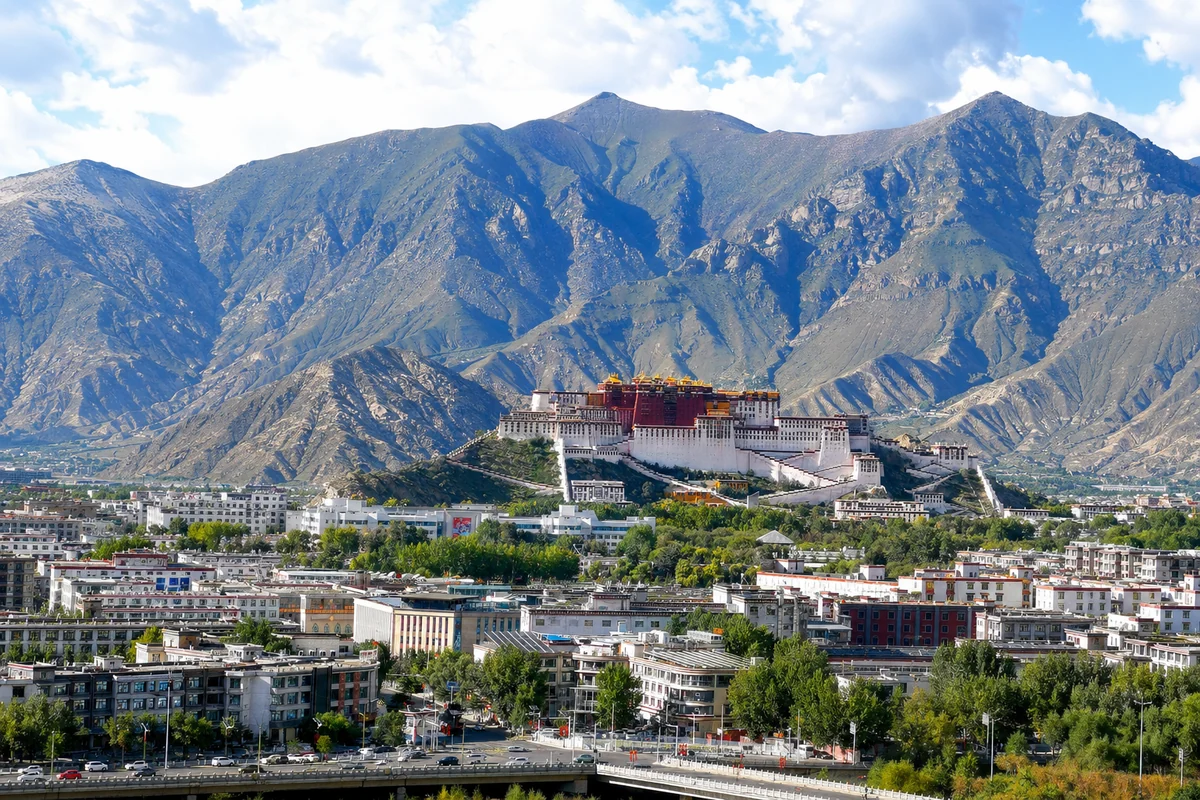
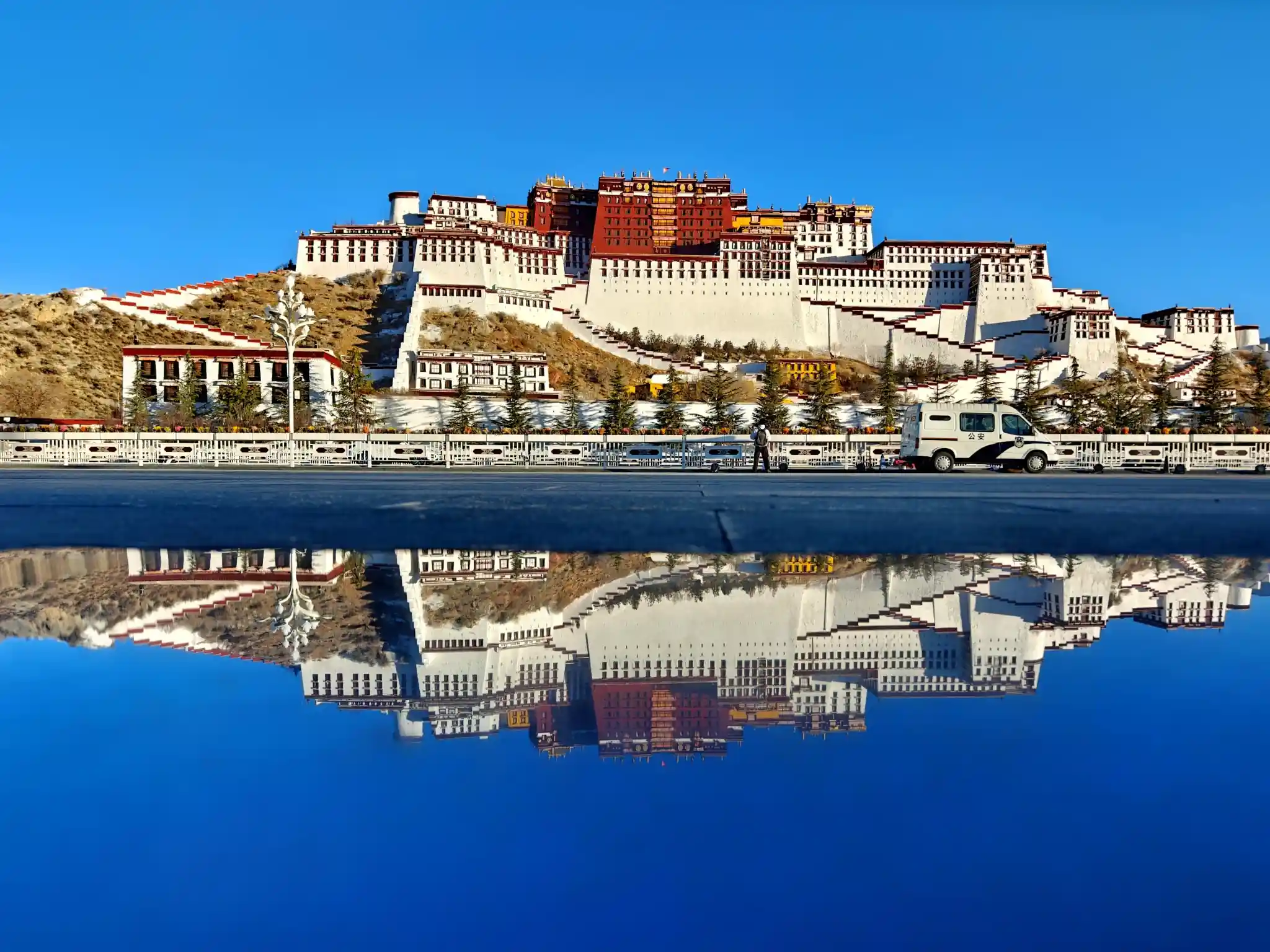
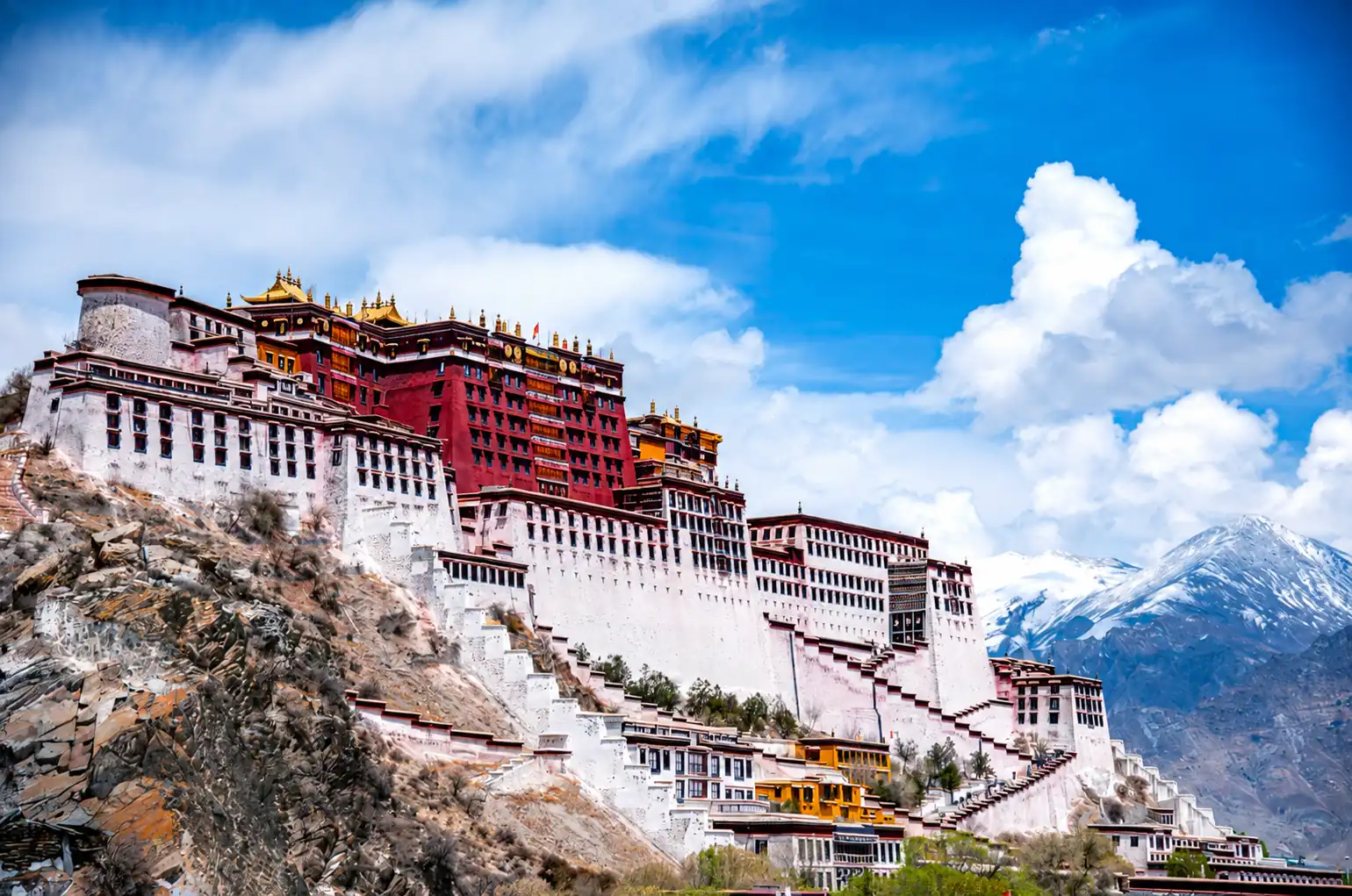
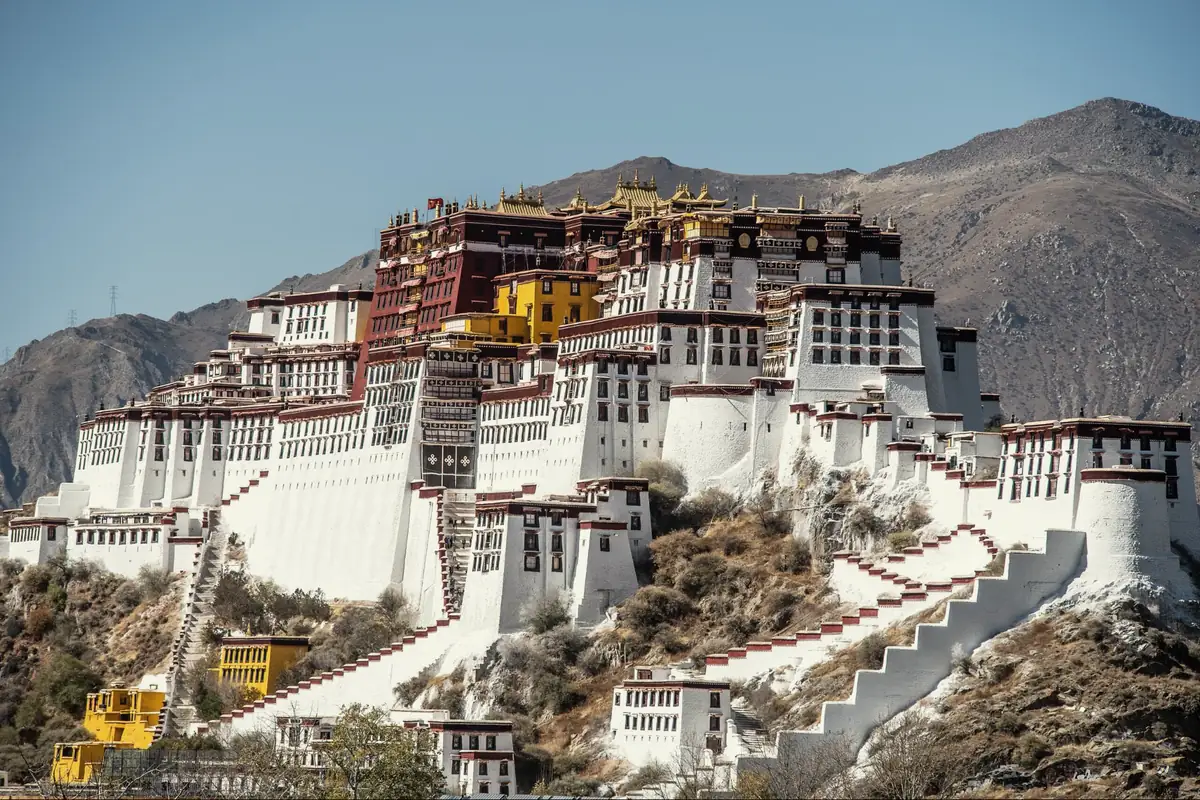
Potala Palace rising above Lhasa Tibet
LHASA LANDMARK

Potala Palace

Rising above central Lhasa, Potala Palace is Tibet's most recognizable landmark and the former winter residence of the Dalai Lamas. Its palace halls, chapels and elevated setting make it one of the essential cultural stops on a first visit to Lhasa.
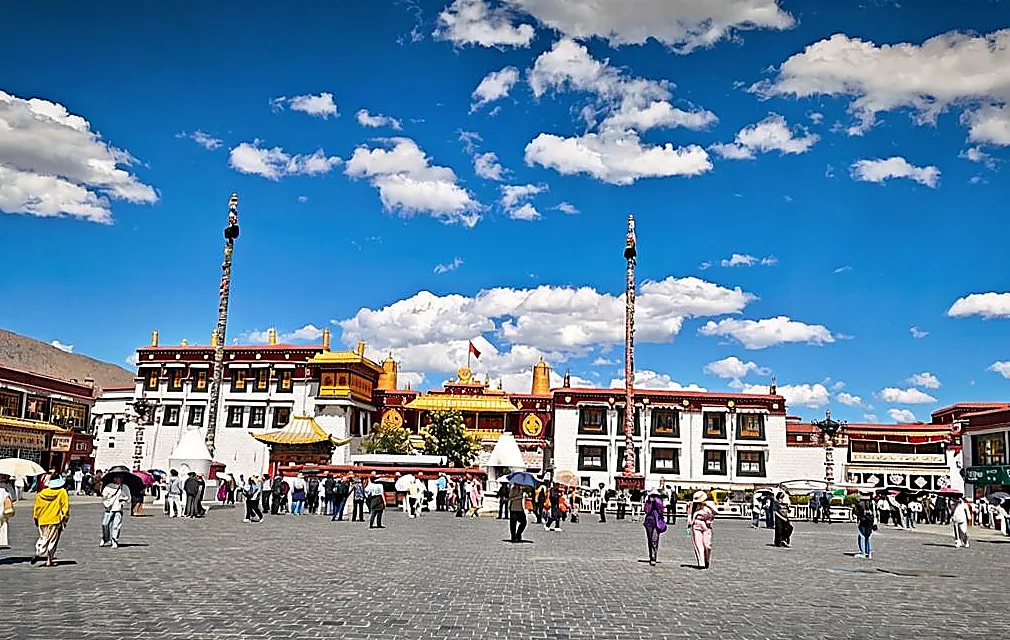
Lhasa Historic Palace First-Trip Essential
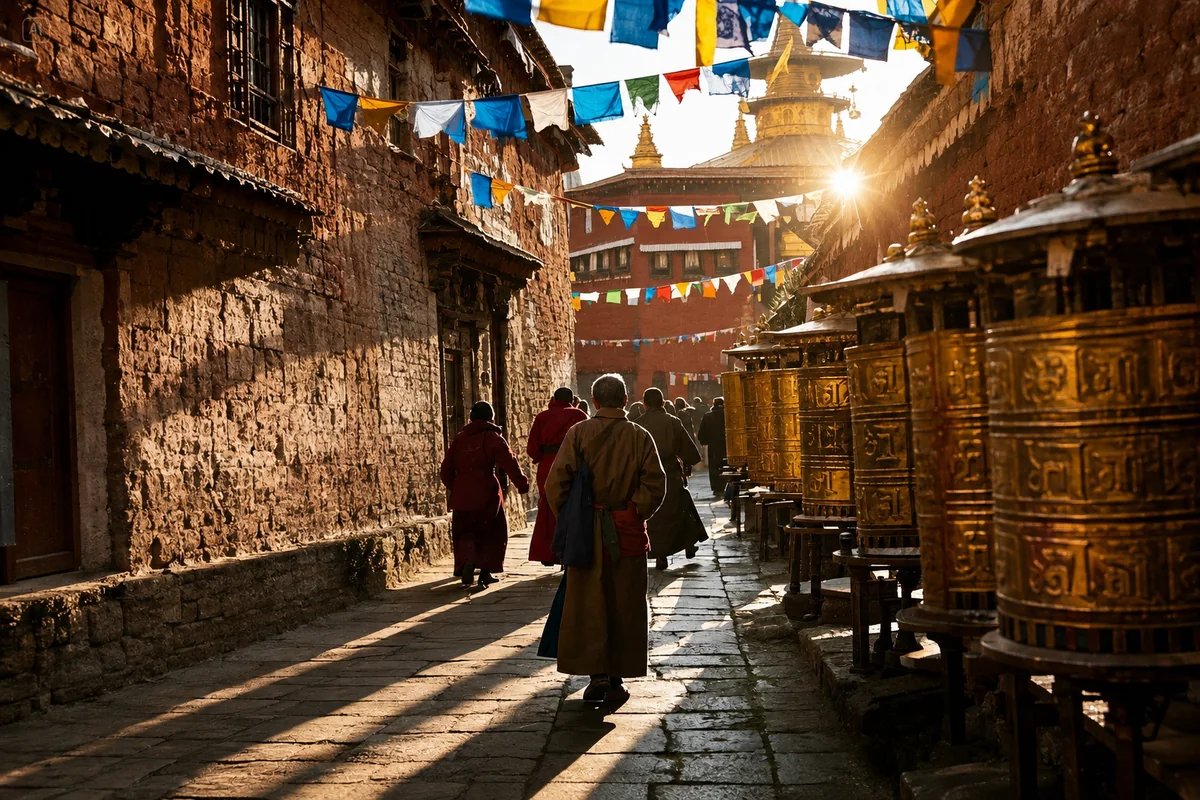
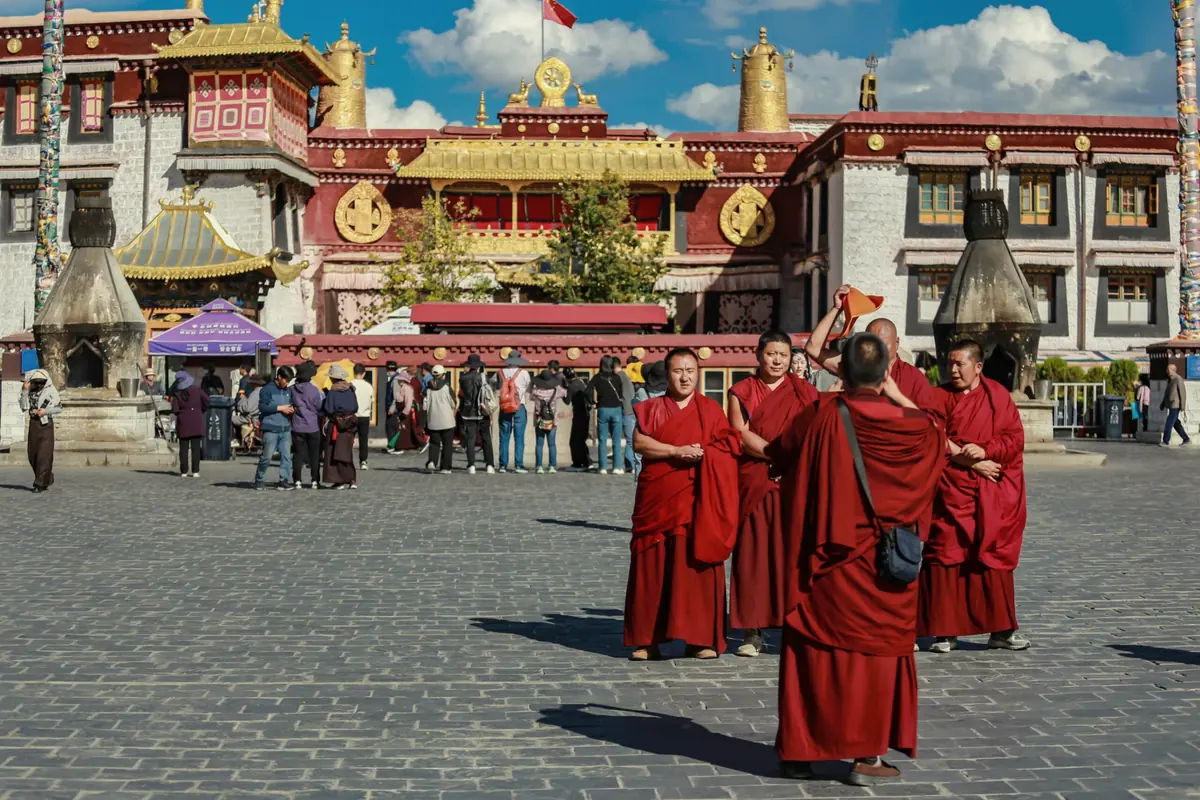
Jokhang Temple and Barkhor Street in Lhasa Tibet
SACRED LHASA

Jokhang Temple & Barkhor Street

Jokhang Temple stands at the spiritual heart of Tibetan Buddhism in Lhasa, surrounded by the traditional pilgrimage circuit of Barkhor Street. Together they offer one of the strongest places to observe religious practice, architecture and everyday Tibetan cultural life in the old city.
Tibetan Buddhism Pilgrimage Circuit Old Lhasa
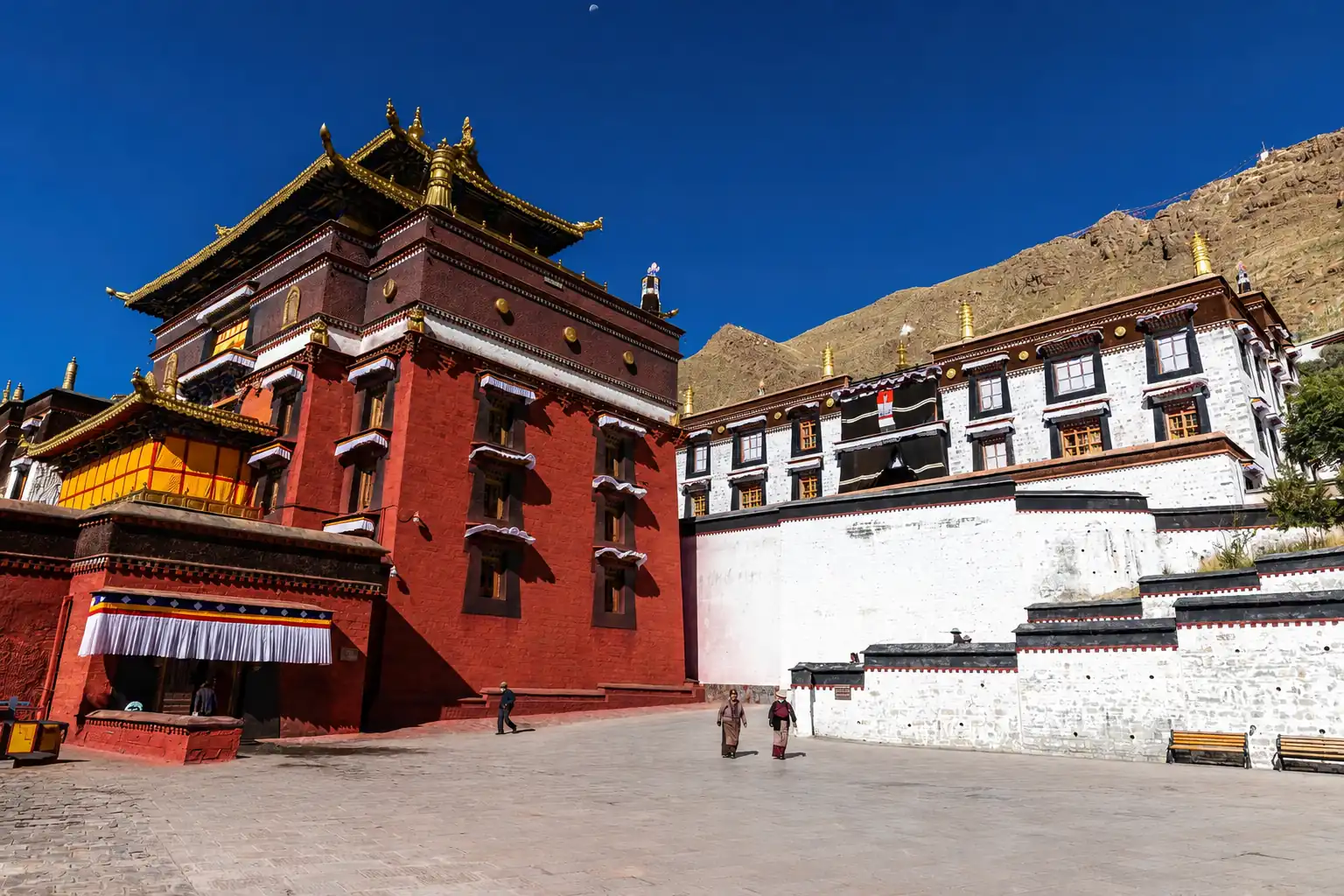
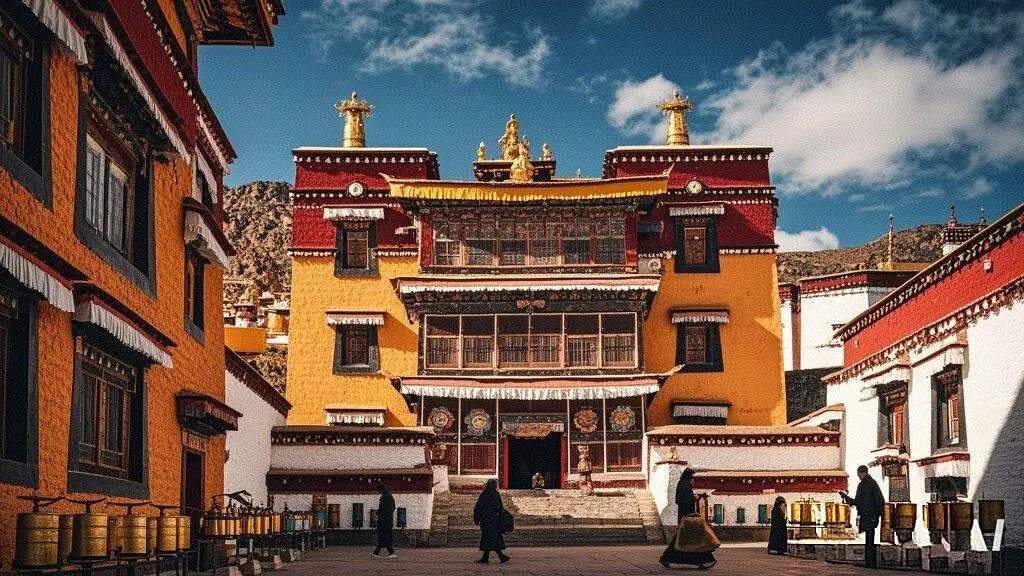
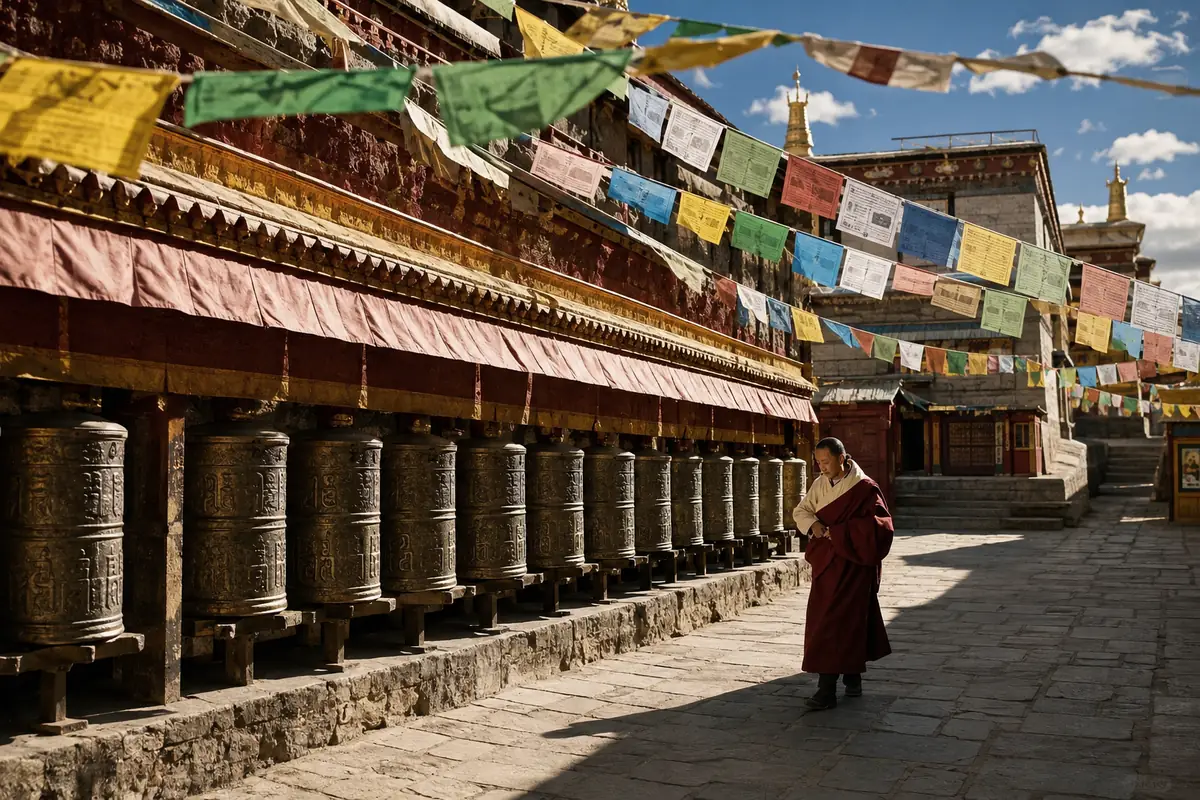
Tibetan Buddhist monastery in central Tibet
MONASTERIES

Central Tibet's Monasteries

Tibetan Buddhist monasteries are an essential part of a journey through Lhasa and central Tibet. Visit Sera and Drepung monasteries around Lhasa, then add Tashilhunpo Monastery in Shigatse on a longer overland route. Together they offer a deeper introduction to Tibetan Buddhism, monastic life, religious art and the cultural landscapes connecting Lhasa with destinations farther west.
Sera Monastery Drepung Monastery Tashilhunpo Monastery
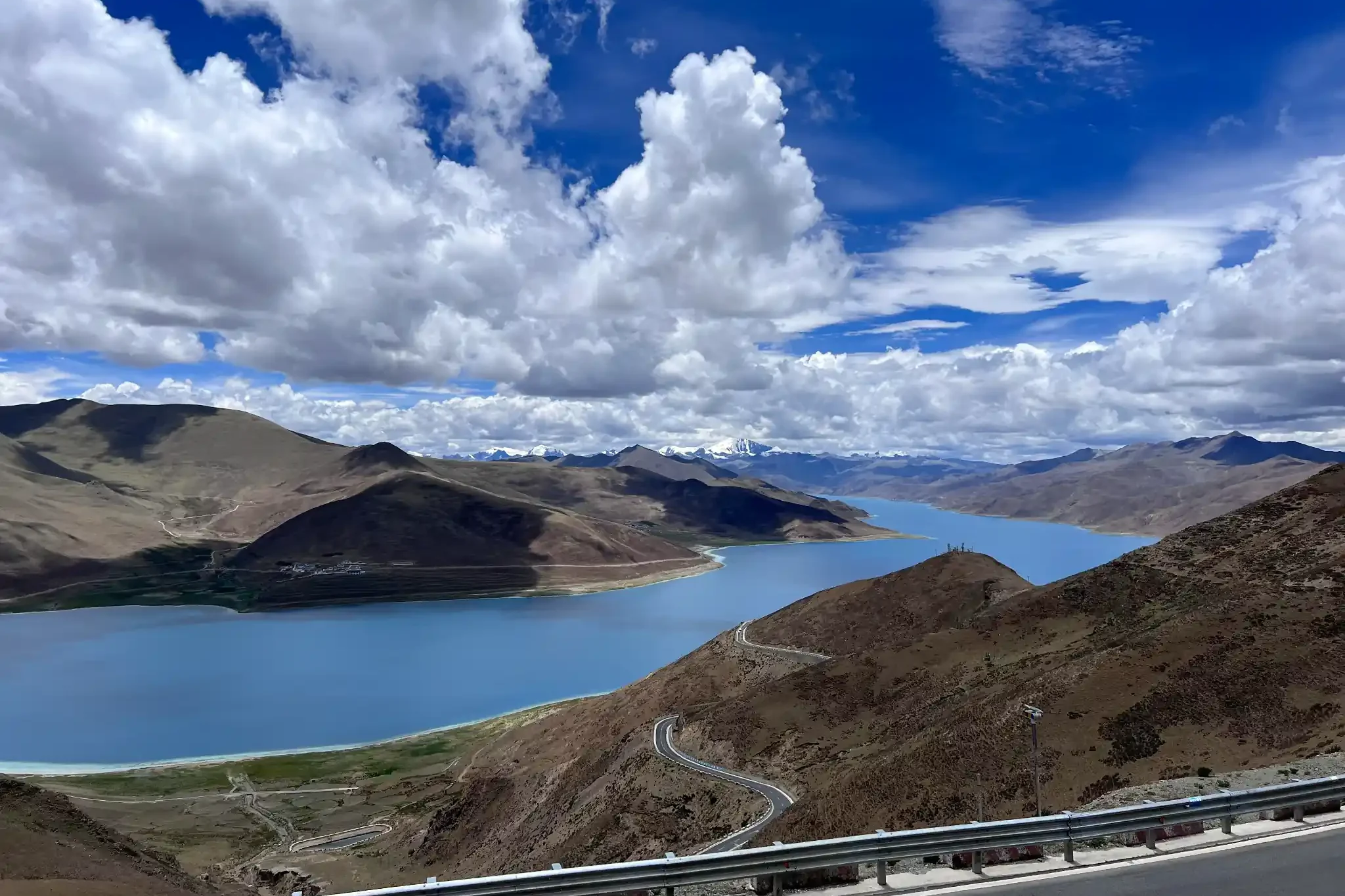
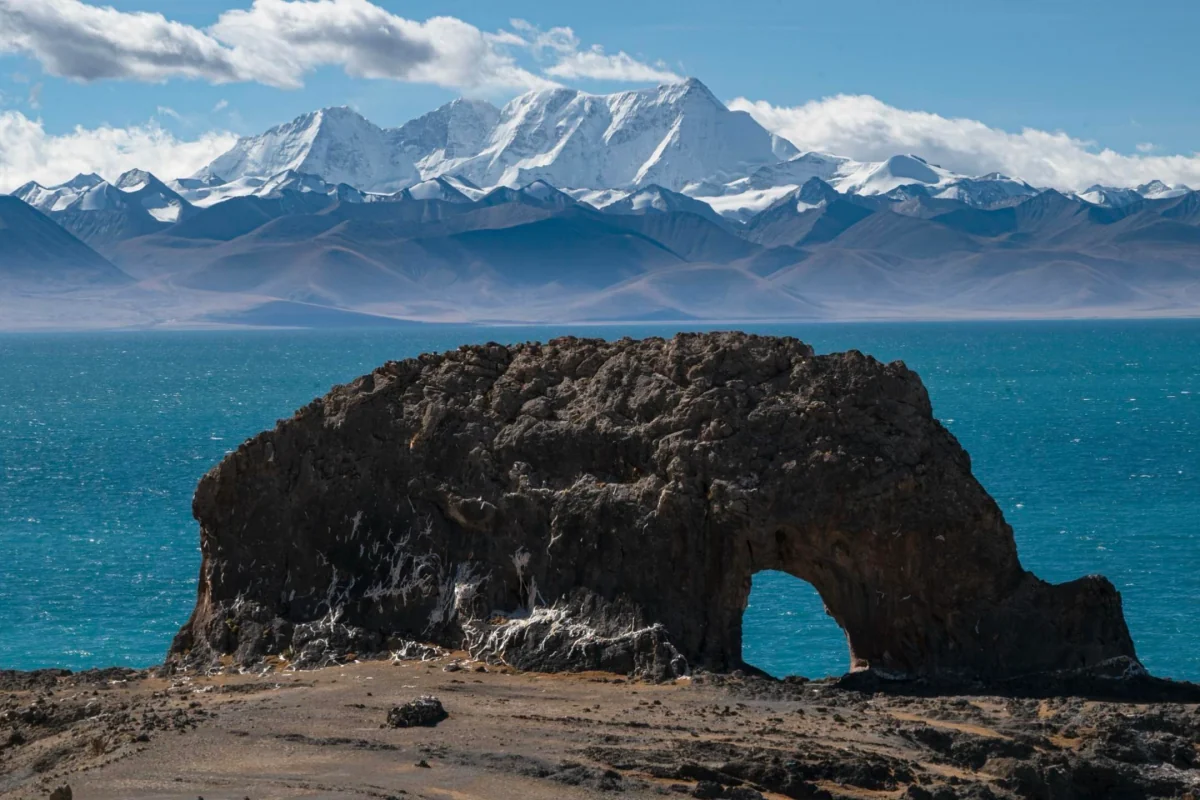
Turquoise Yamdrok Lake surrounded by mountains in Tibet
SACRED LAKE

Yamdrok Lake

Yamdrok Lake is one of Tibet's best-known sacred lakes, famous for its intense turquoise water surrounded by high mountains. It commonly fits into an overland journey beyond Lhasa and is one of the most memorable landscape stops when traveling through central Tibet toward destinations farther west.
Turquoise Lake Central Tibet Route Mountain Scenery
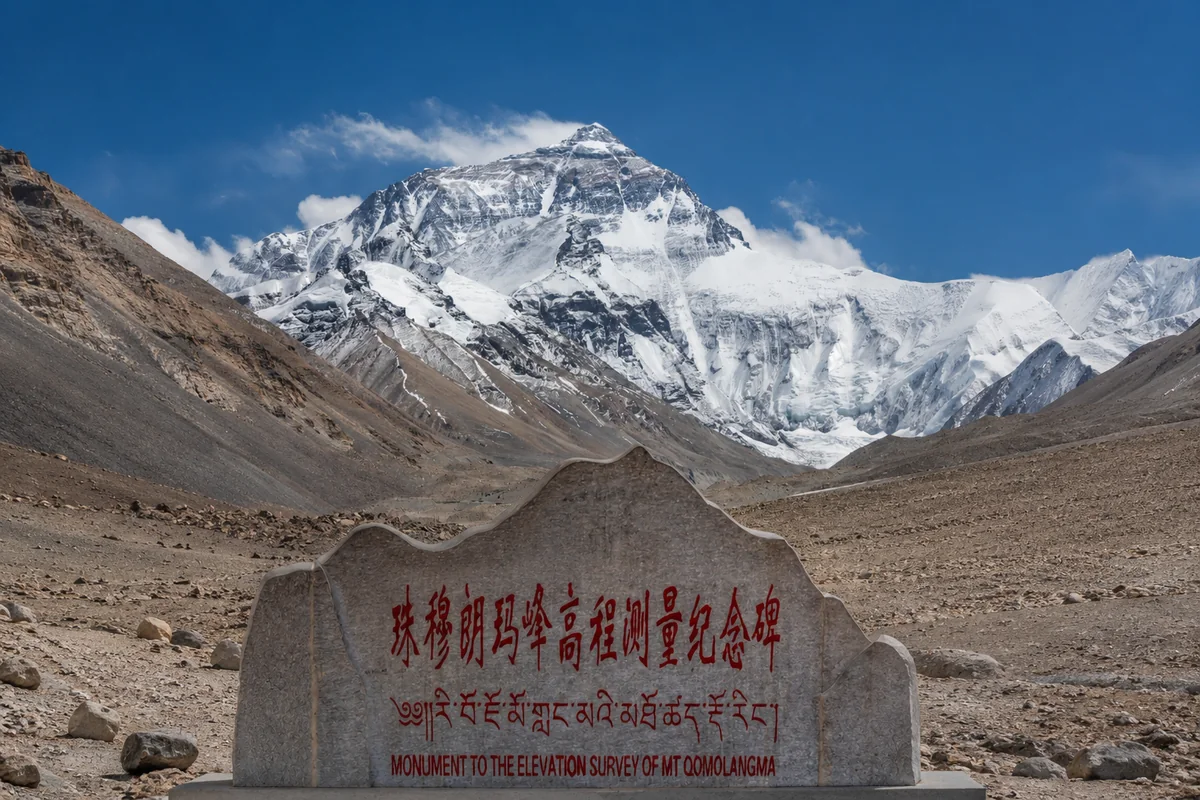
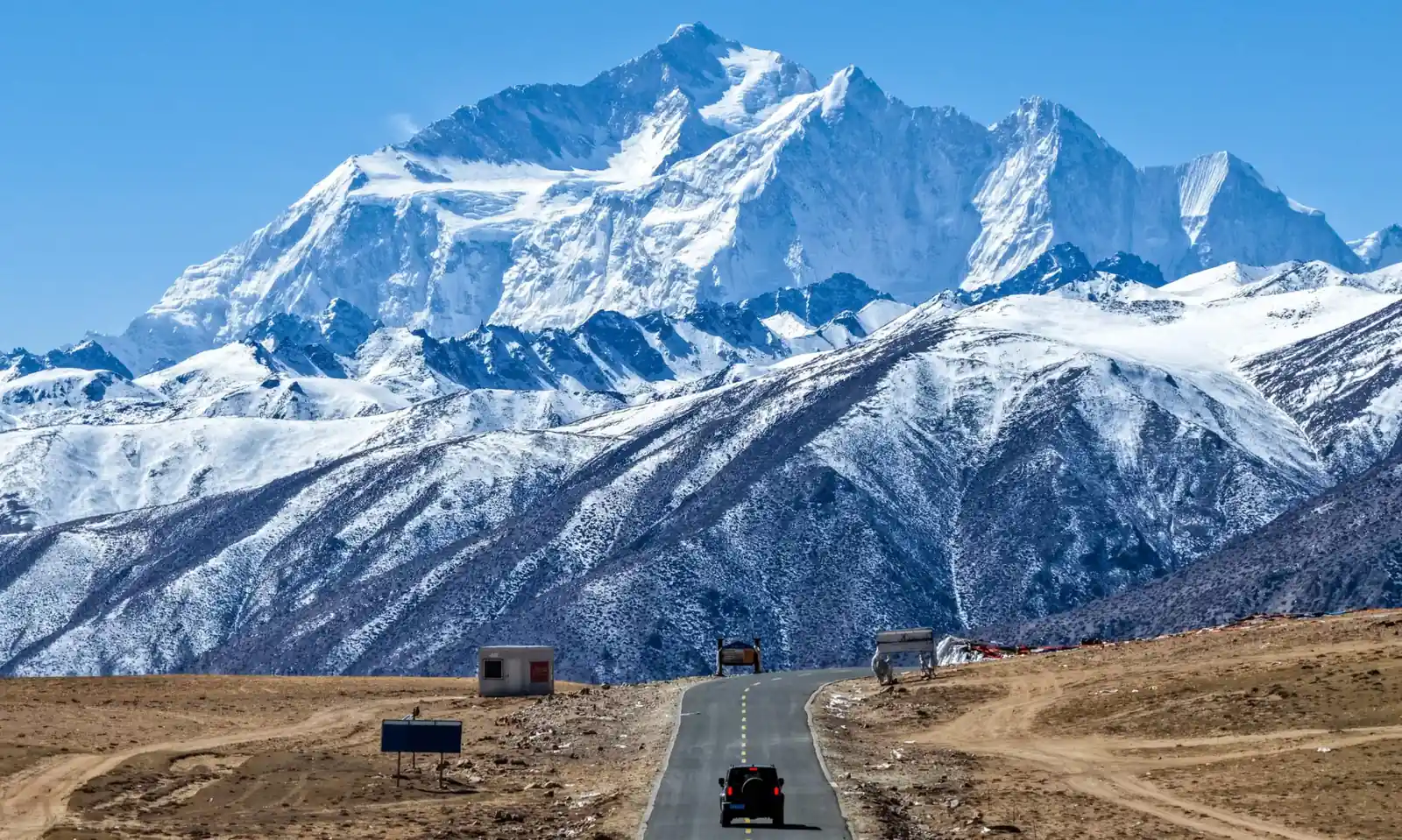
Mount Everest viewed from the Tibetan side near Everest Base Camp
HIGH-ALTITUDE JOURNEY

Everest Base Camp

The Tibetan side of Mount Everest adds dramatic Himalayan scenery to a longer overland journey from Lhasa. Everest Base Camp is not a simple day trip: reaching the area means traveling much higher, allowing time for acclimatization and planning the route as part of a multi-day Tibet itinerary.
Mount Everest High Altitude Multi-Day Route
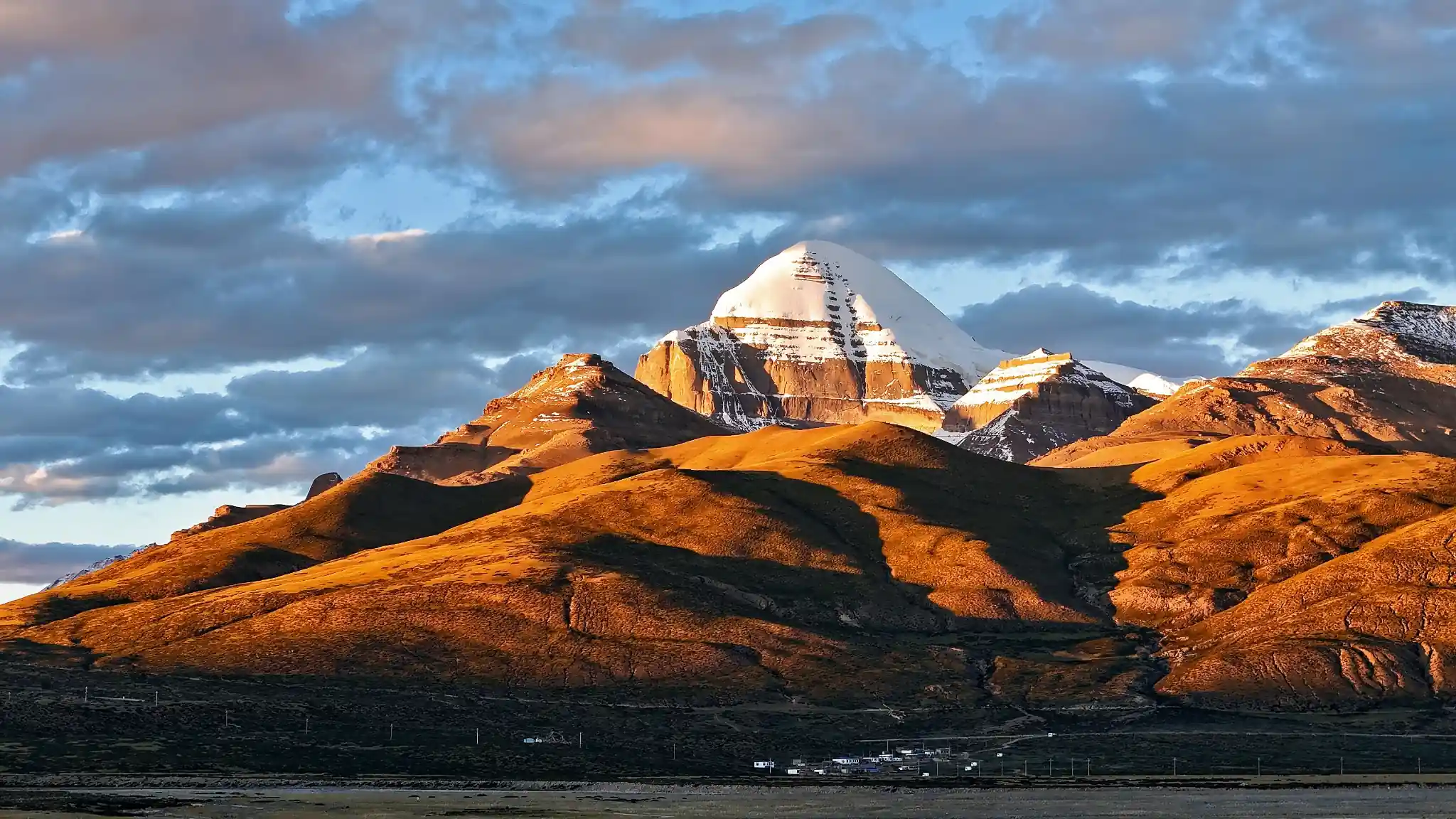
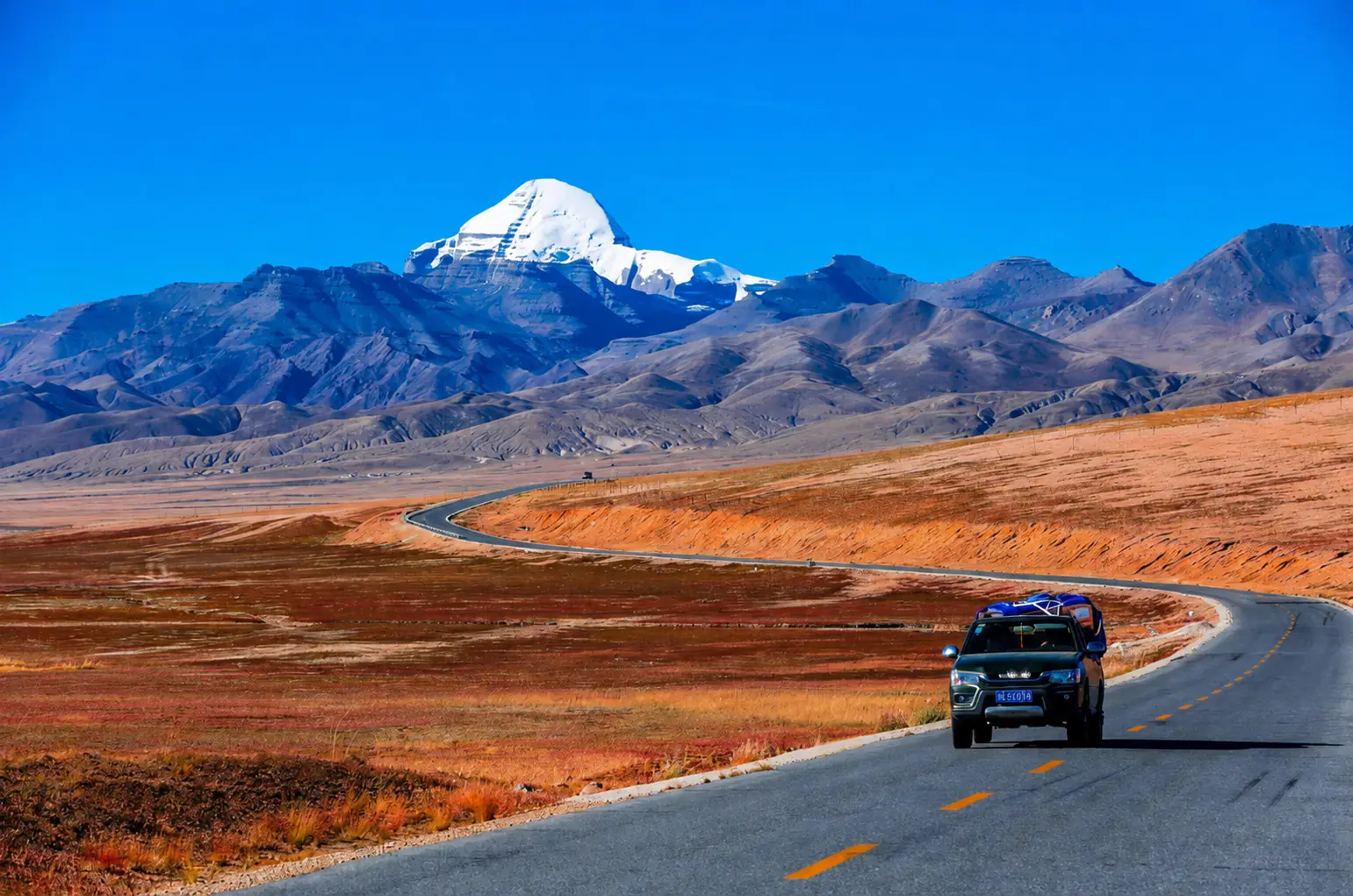
Mount Kailash rising above the landscape of western Tibet
WESTERN TIBET

Mount Kailash

Mount Kailash lies far into western Tibet and belongs on a dedicated long-distance itinerary rather than a standard first visit. The journey is closely connected with pilgrimage, high-altitude landscapes and remote travel, and usually requires considerably more time than a Lhasa or Everest-focused route.

Western Tibet Sacred Mountain Long-Distance Journey

Choose a Tibet Route, Not Just a List of Attractions

A strong first Tibet trip usually connects Lhasa's cultural sites with a carefully paced journey into central Tibet. Add Yamdrok Lake and higher destinations only when your schedule allows, while Everest Base Camp and Mount Kailash should be treated as longer route decisions rather than isolated sightseeing stops.

Explore Things to Do in Tibet ↓
Culture, Landscapes & Local Experiences

Best Things to Do in Tibet

The best things to do in Tibet go far beyond checking famous landmarks off a list. Spend time around Tibetan Buddhist sacred sites, visit historic monasteries, experience everyday culture in Lhasa, taste Tibetan food and travel slowly across the Tibetan Plateau. Longer journeys add high-altitude lakes, Himalayan scenery, Everest routes and the remote landscapes of western Tibet.

Historic Tibetan Buddhist monastery in Tibet

Visit Tibet's Historic Monasteries

Monasteries are central to understanding Tibetan Buddhism and the cultural landscape of Tibet. Include a few important monasteries naturally along your route rather than trying to visit every religious site, and leave enough time to appreciate architecture, sacred spaces and daily religious life.
Tibetan Buddhism Ancient Monasteries Sacred Sites
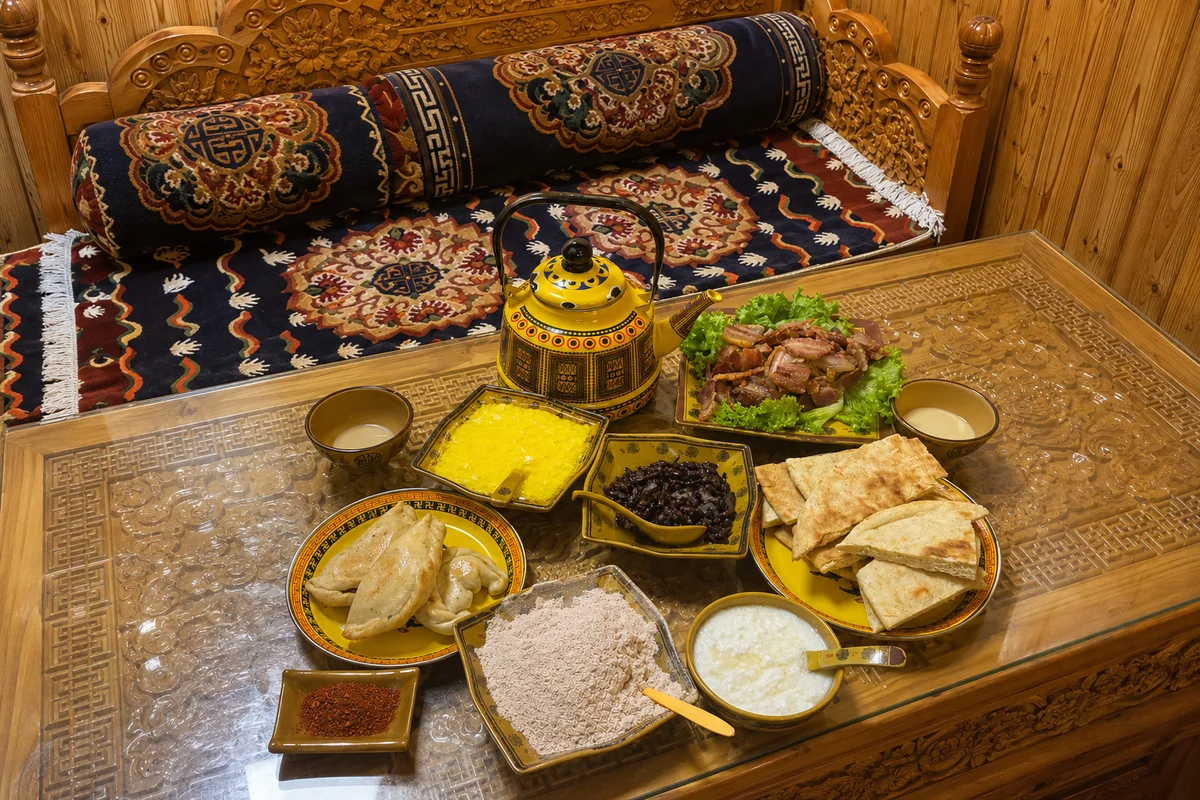
Traditional Tibetan food served during a Tibet journey

Taste Traditional Tibetan Food

Food adds an everyday cultural dimension to a Tibet journey. Try tsampa made from roasted barley, Tibetan momos, traditional butter tea and yak meat while traveling through Lhasa and other towns. Local restaurants and teahouses are also a good way to experience Tibetan food as part of daily life rather than treating meals as something separate from the journey.
Tsampa Tibetan Momos Butter Tea Yak Meat
Road journey across the Tibetan Plateau with mountain scenery

Make the Overland Journey Part of the Experience

In Tibet, the road between destinations can be as memorable as the places themselves. Traveling beyond Lhasa reveals broad sections of the Tibetan Plateau, high mountain passes, remote settlements, sacred lakes and snow-capped Himalayan scenery. Avoid planning every driving day as nothing more than a transfer.
Tibetan Plateau Scenic Drives Mountain Landscapes
High-altitude landscape photography in Tibet

Photograph Tibet's High-Altitude Landscapes

Tibet offers dramatic photography opportunities ranging from turquoise lakes and wide plateau scenery to monasteries and Himalayan peaks. Outdoor landscapes are often the easiest places to photograph freely, while temples and monasteries may have photography restrictions that should always be respected.
Mountain Views Sacred Lakes Landscape Photography
Visitors respectfully exploring a Tibetan sacred site

Travel Respectfully Around Sacred Sites

Cultural etiquette matters when visiting Tibetan Buddhist temples, monasteries and pilgrimage areas. Follow your local guide and posted instructions, avoid interrupting religious activity and follow the established clockwise direction when walking around sacred sites and pilgrimage circuits.
Cultural Etiquette Sacred Sites Responsible Travel
Remote high-altitude journey through western Tibet

Go Beyond Lhasa on a Longer Tibet Journey

Travelers with more time can move beyond a classic Lhasa stay into central and western Tibet. Longer itineraries can connect Yamdrok Lake and Shigatse with Everest Base Camp, while an extended journey toward Mount Kailash requires significantly more time and should be planned as a dedicated route.

Everest Route Western Tibet Longer Journey

Build Your Tibet Trip Around Experiences, Not Checklists

Choose the experiences that matter most to you and then build a realistic route around them. A culture-focused first trip may stay closer to Lhasa and central Tibet, while travelers prioritizing mountain scenery and remote landscapes will need more time for Everest or western Tibet.

Turn These Experiences Into a Realistic Tibet Route

Use the itinerary section to turn the experiences that matter most to you—Tibetan Buddhist culture, monasteries, local food, plateau scenery, photography or pilgrimage—into a journey that fits your available days and a realistic high-altitude travel pace.

Route Ideas for First-Time Visitors

Suggested Tibet Itineraries

The right Tibet itinerary depends less on how many attractions you can fit into each day and more on distance, altitude and how far beyond Lhasa you want to travel. A short first trip can focus on Lhasa, while longer journeys can add Yamdrok Lake, central Tibet, Everest Base Camp or the remote pilgrimage landscapes around Mount Kailash.

Recommended Short First Trip

4-Day Classic Lhasa Itinerary

A four-day Lhasa itinerary works well for travelers making a short first visit to Tibet. Keep the arrival day light, then explore Potala Palace, Jokhang Temple, Barkhor Street and selected Tibetan Buddhist sites without immediately pushing toward significantly higher-altitude destinations.
Best for First-Time Visitors Lhasa Culture & Sacred Sites Gentler Altitude Progression
Day 1 Arrival & acclimatization
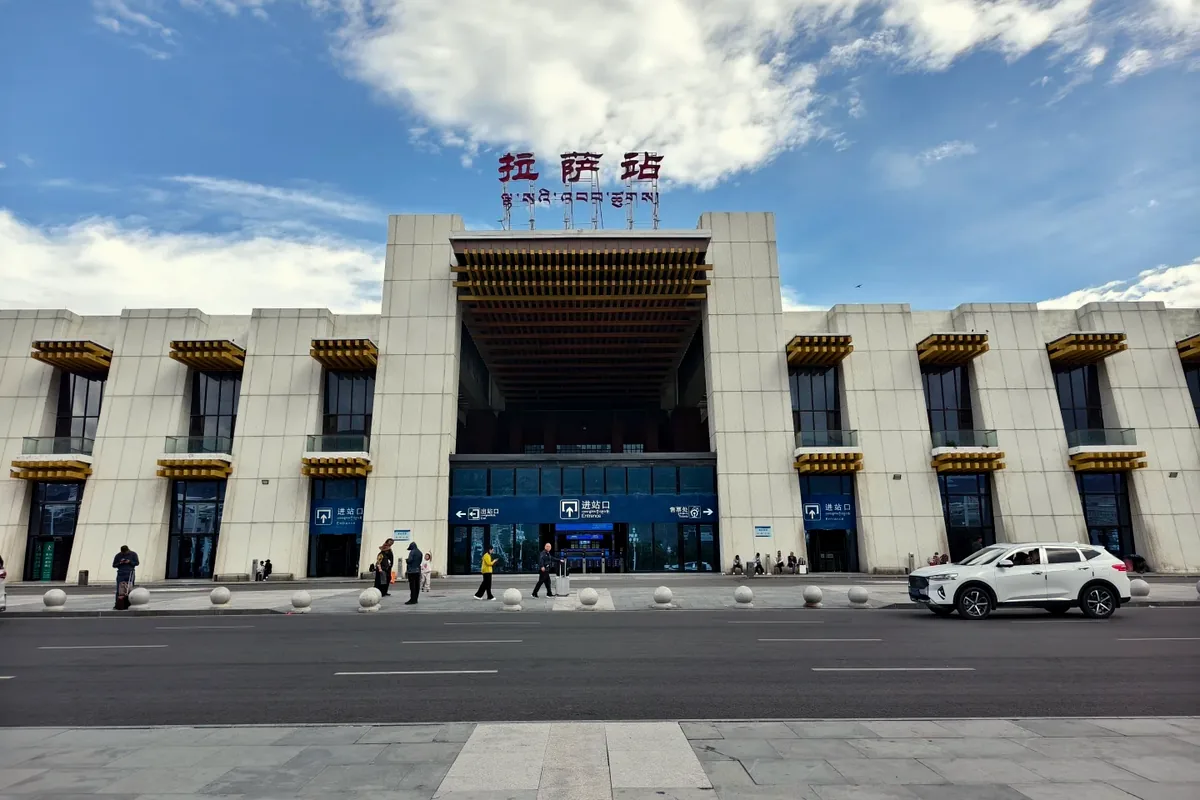
Lhasa city and mountain scenery on arrival in Tibet

Arrive in Lhasa and Take It Slowly

Keep your first day deliberately light. Check in, rest, hydrate normally and avoid turning arrival day into a full sightseeing schedule. Lhasa is already at high altitude, so the first priority is giving your body time to adjust before adding longer days or higher routes.

Read Altitude Planning ↓
Day 2 Historic & spiritual Lhasa
Potala Palace in Lhasa Tibet

Potala Palace and Central Lhasa

Begin exploring Lhasa with Potala Palace, Tibet's most recognizable landmark and one of the essential cultural sites for first-time visitors. Keep the day's pace measured rather than trying to combine too many major sights while you are still adapting to the elevation.
Day 3 Tibetan Buddhist culture
Jokhang Temple and Barkhor Street in old Lhasa Tibet

Jokhang Temple and Barkhor Street

Spend time around Jokhang Temple and the Barkhor pilgrimage circuit to experience the religious and cultural heart of old Lhasa. Follow local guidance at sacred sites, move with the established flow of pilgrims and respect photography restrictions where they apply.

Explore Cultural Experiences ↑
Day 4 Monasteries or departure
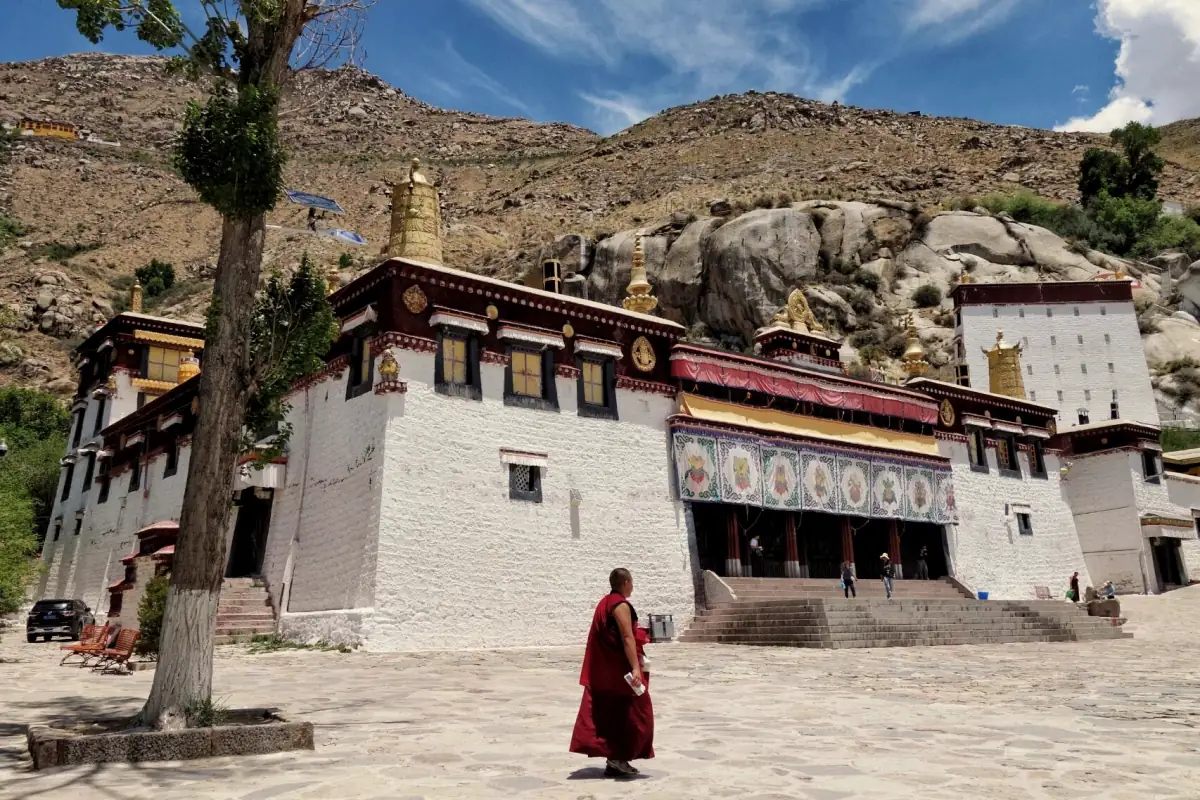
Tibetan Buddhist monastery in Lhasa Tibet

Add a Monastery Visit or Keep a Flexible Final Day

Use your final day for another important Tibetan Buddhist site, a slower cultural experience in Lhasa or departure. Keeping some flexibility is useful on a short high-altitude itinerary rather than designing every hour around a fixed sightseeing checklist.

View Matching 4-Day Lhasa Tour →

Other Tibet Itinerary Ideas

5 Days
Lhasa + Yamdrok Lake
Extend beyond Lhasa to add one of Tibet's best-known turquoise sacred lakes while keeping the journey focused on Lhasa, nearby monasteries and a scenic plateau excursion.
View 5-Day Lhasa & Yamdrok Tour →
Around 8 Days
Lhasa to Everest Base Camp
A longer high-altitude journey combining time in Lhasa with Yamdrok Lake, Shigatse and central Tibet landscapes before continuing toward the Tibetan side of Mount Everest.
View 8-Day Everest Base Camp Tour →
12–15 Days
Mount Kailash & Western Tibet
A dedicated long-distance itinerary for travelers prioritizing Mount Kailash, pilgrimage landscapes and the remote high-altitude scenery of western Tibet.
View 14-Day Mount Kailash Tour →
Flexible Length
Build a Custom Tibet Journey
Adjust the route around your available time, travel season, altitude pace and whether your priorities are culture, landscapes, Everest or western Tibet.
Customize My Tibet Journey →

Choose Your Route Before Trying to Fill Every Day

Start with the part of Tibet you genuinely want to experience, then allow enough time for distance and altitude. A focused Lhasa trip can work in four days, Everest usually belongs on a longer journey, and Mount Kailash requires a dedicated western Tibet itinerary rather than being added as a quick extension.

Weather, Seasons & Mountain Views

Best Time to Visit Tibet

The best time to visit Tibet is generally from April to October, but the ideal month depends on your route. Spring and autumn work especially well for overland travel and mountain scenery, while summer brings warmer daytime conditions along with more rain and cloud. September and October are particularly attractive for travelers prioritizing clearer Himalayan and Everest views.

Best Overall Travel Window

April to October works for most Tibet journeys

Tibet's main travel season stretches across spring, summer and autumn, but conditions change significantly with altitude and route. April and May bring drier early-season travel, summer is warmer but often wetter and cloudier, and September to October usually offers one of the strongest combinations of stable weather and clear mountain views.
Main Travel Season April through October
Clearer Mountain Views September and October
Summer Trade-Off Warmer days, but more rain and cloud

Tibet Weather by Month

Best months Good months Low-season months
Jan
Very cold · low season
Quiet
Feb
Cold · quieter travel
Quiet
Mar
Cold · confirm current access
Check
Apr
Drier · cool to mild
Best
May
Mild · good road travel
Best
Jun
Warmer · increasing rain
Good
Jul
Warm · wetter and cloudier
Good
Aug
Warm · summer rain
Good
Sep
Stable · clearer skies
Best
Oct
Clear · colder nights
Best
Nov
Colder · quieter season
Quiet
Dec
Very cold · low season
Quiet
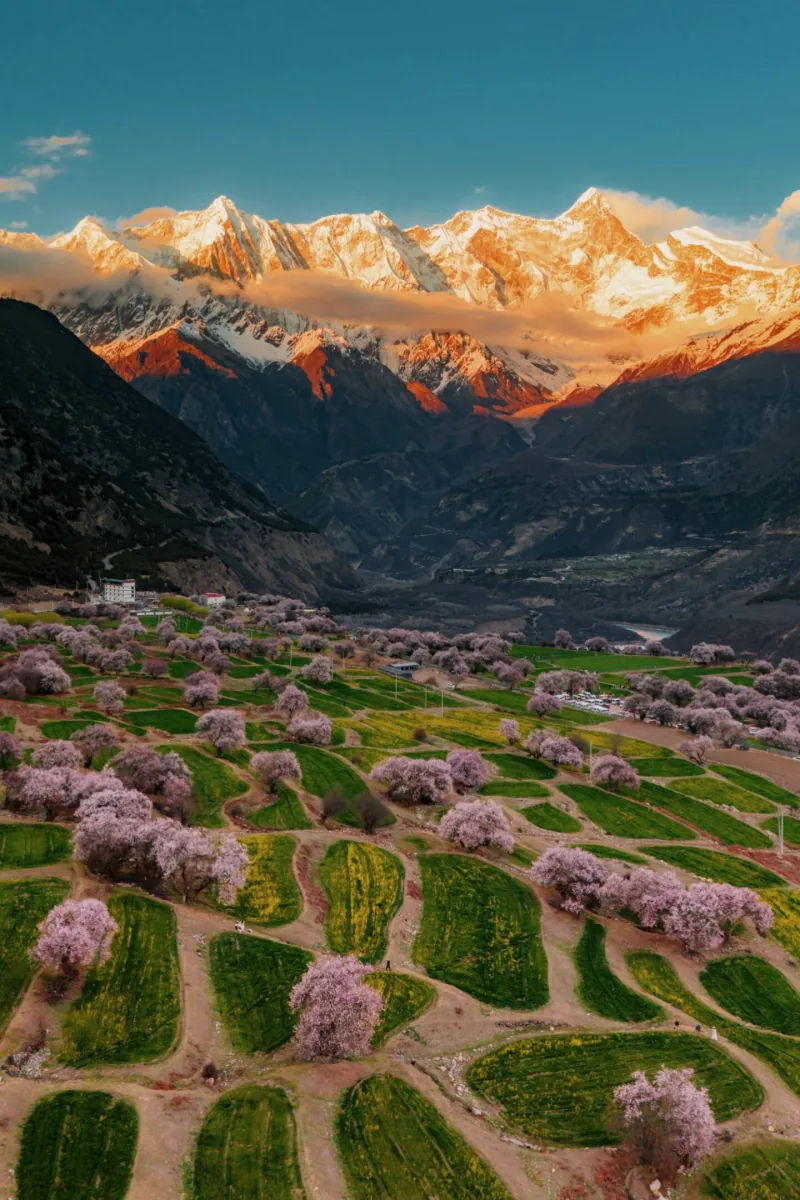
Spring landscape on the Tibetan Plateau
March to May

Spring in Tibet

Spring marks the beginning of the main travel period, with April and May offering increasingly mild conditions and relatively dry weather for Lhasa and longer overland routes. Nights remain cold at altitude, so layers are essential. Travelers considering March should confirm current access arrangements before finalizing plans.
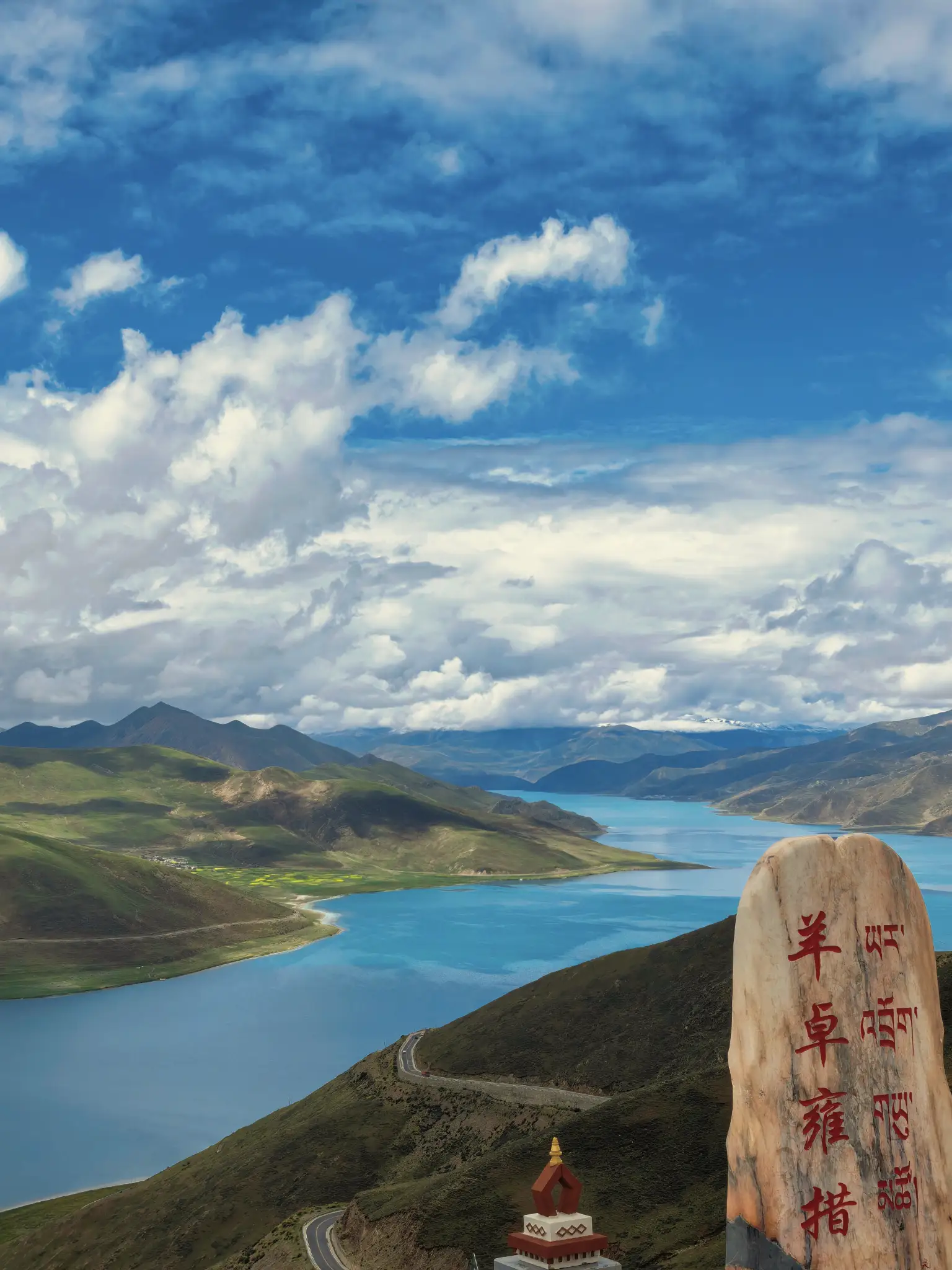
Summer scenery across the Tibetan Plateau
June to August

Summer in Tibet

Summer brings some of the warmest daytime conditions of the year and remains a major Tibet travel season. It is also the wetter and cloudier period, so travelers planning around Mount Everest should allow for the possibility that mountain views may be less reliable than in the clearer autumn months.
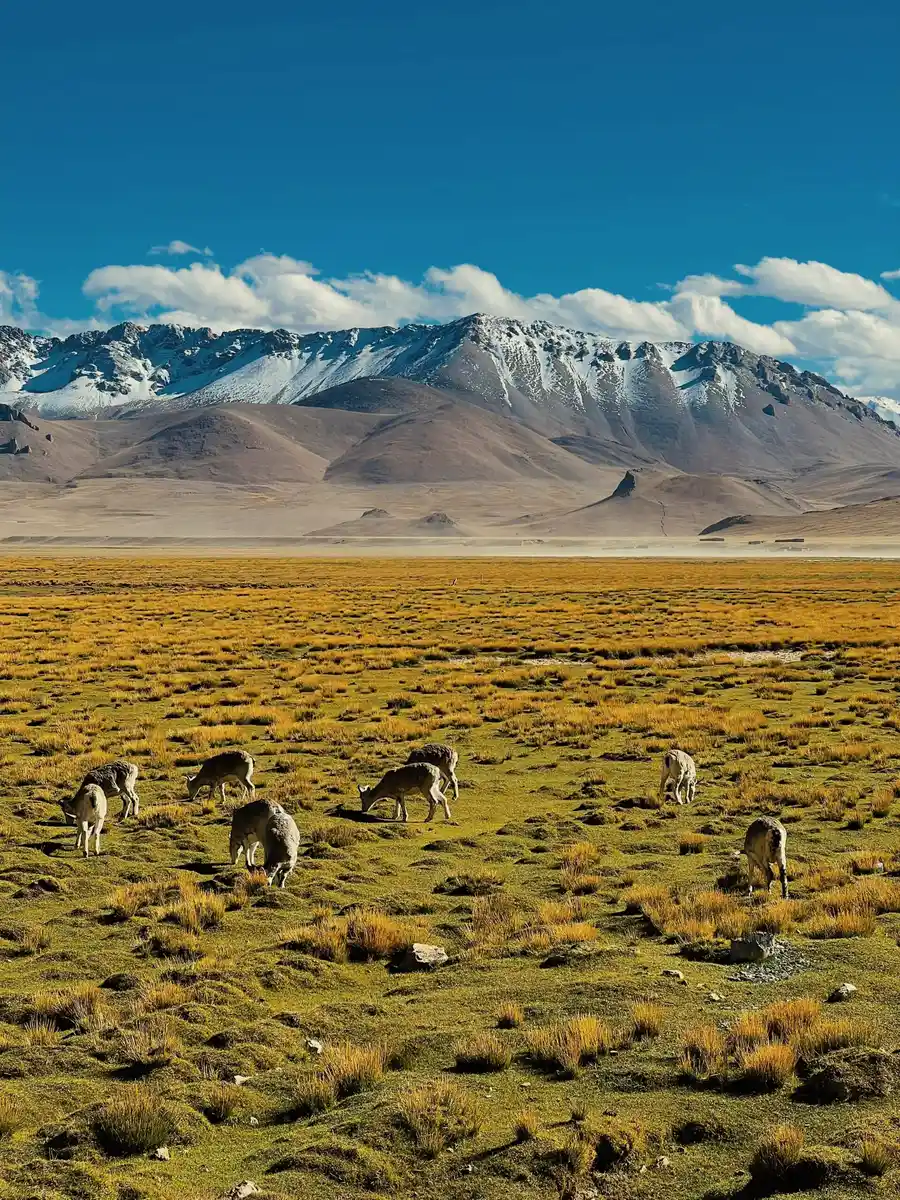
Clear autumn mountain scenery in Tibet
September to November

Autumn in Tibet

September and October are among the strongest months for a Tibet journey, especially when clear skies and Himalayan views are a priority. Weather is generally more stable than in summer, making autumn particularly attractive for routes toward Everest and other high-altitude landscapes.
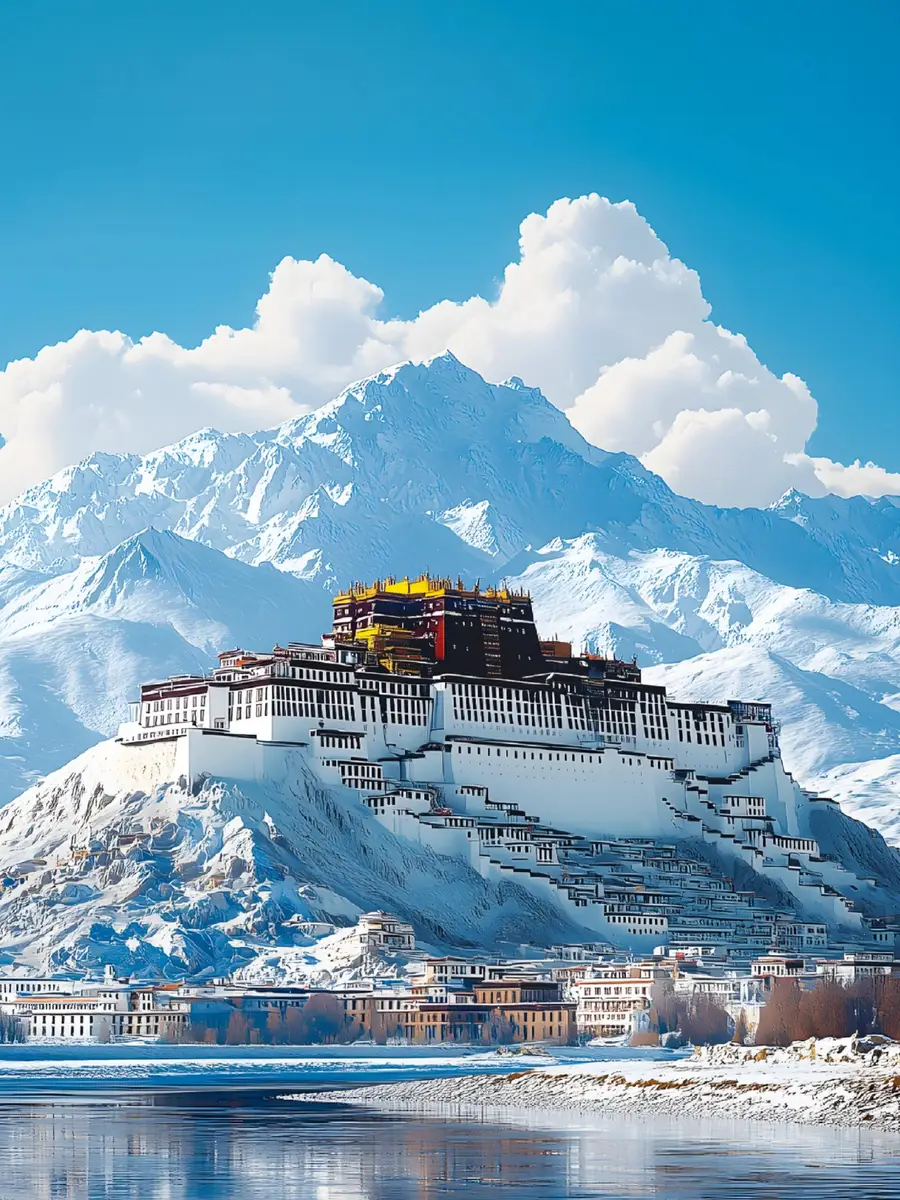
Winter landscape and snow-capped mountains in Tibet
December to February

Winter in Tibet

Winter is the low season, with freezing conditions and fewer travelers. A winter trip may appeal to visitors who value a quieter atmosphere, but cold temperatures and high-altitude conditions make route planning more important, particularly outside Lhasa and on longer journeys.

High-Altitude Travel

Altitude Sickness & Acclimatization in Tibet

High altitude is one of the most important factors when planning a Tibet trip. Lhasa sits at about 3,650 meters above sea level, and many routes continue significantly higher. Build time for acclimatization into your itinerary, keep the first days easier and avoid rushing directly from arrival in Lhasa toward Everest or other higher-altitude destinations.

Start by Acclimatizing in Lhasa

Lhasa is already around 3,650 meters above sea level, so even a city-focused Tibet itinerary begins at significant altitude. Keep arrival day light, rest after the journey and allow your body time to adjust before planning strenuous sightseeing or continuing toward higher parts of Tibet.

What Does Altitude Sickness Feel Like?

Acute mountain sickness can include headache, unusual tiredness, dizziness, nausea or loss of appetite after ascending to high altitude. Individual reactions vary, so do not assume that fitness, age or previous travel experience guarantees that you will feel comfortable.

Do Not Keep Ascending if You Feel Unwell

Gradual ascent is one of the most important ways to reduce altitude risk. If symptoms of altitude illness develop, do not continue to a higher sleeping elevation until they have resolved. This is especially important on journeys progressing from Lhasa toward Everest and other remote high-altitude areas.

Keep the First 48 Hours Easier

Avoid turning your first days at altitude into an endurance test. Keep physical effort moderate, avoid heavy exercise immediately after arrival and drink fluids normally rather than forcing excessive amounts of water. A slower beginning is more useful than trying to maximize sightseeing from the first afternoon.

Know When Altitude Symptoms Are Serious

Worsening symptoms should never be treated as something you simply have to endure. Confusion, extreme weakness, loss of coordination or significant breathing difficulty can indicate serious altitude illness and require urgent medical attention and movement to a lower elevation when advised or necessary.

Oxygen and Altitude Medication

Supplemental oxygen can be important in the treatment of serious altitude illness, but small consumer oxygen canisters should not be treated as a substitute for proper acclimatization or medical care. Travelers considering preventive altitude medication should discuss it with a medical professional before the trip rather than self-prescribing after arrival.

Pack for Rapid High-Altitude Weather Changes

Conditions can change quickly across the Tibetan Plateau, with strong sunshine, cool evenings and much colder temperatures on higher routes. Pack adaptable layers rather than relying on one heavy item, and prepare for noticeably different conditions between Lhasa and higher mountain areas.

Check Your Health Before a High-Altitude Trip

Travelers with heart, lung or other significant medical conditions should discuss high-altitude travel with a healthcare professional before departure. This becomes even more important when planning remote routes where reaching medical care or descending quickly may be difficult.

Let Altitude Shape Your Tibet Itinerary

Do not choose a Tibet route only by counting attractions. Begin with time in Lhasa, increase altitude progressively where possible and leave enough flexibility to slow down if your body needs more time. Everest and western Tibet should come later in the journey rather than immediately after arrival.

Compare Tibet Itineraries ↑
Flights, Trains & Overland Travel

How to Get to Tibet & Get Around

Most foreign travelers reach Tibet through Lhasa, either by flying into Lhasa Gonggar International Airport or taking a train to Tibet via the Qinghai–Tibet Railway. Entry from Nepal follows a different travel-document process, while longer journeys inside Tibet usually rely on pre-arranged road transportation matched to your permitted itinerary.

Best Overall Strategy

Choose your arrival method first, then build the Tibet route around it

Flying is usually the quickest way to reach Lhasa from mainland China, while the Qinghai–Tibet Railway appeals to travelers who want a longer scenic journey across the plateau. Once in Tibet, road transport becomes more important for routes toward Yamdrok Lake, Shigatse, Everest Base Camp and western Tibet.

Main Air Gateway Lhasa Gonggar International Airport
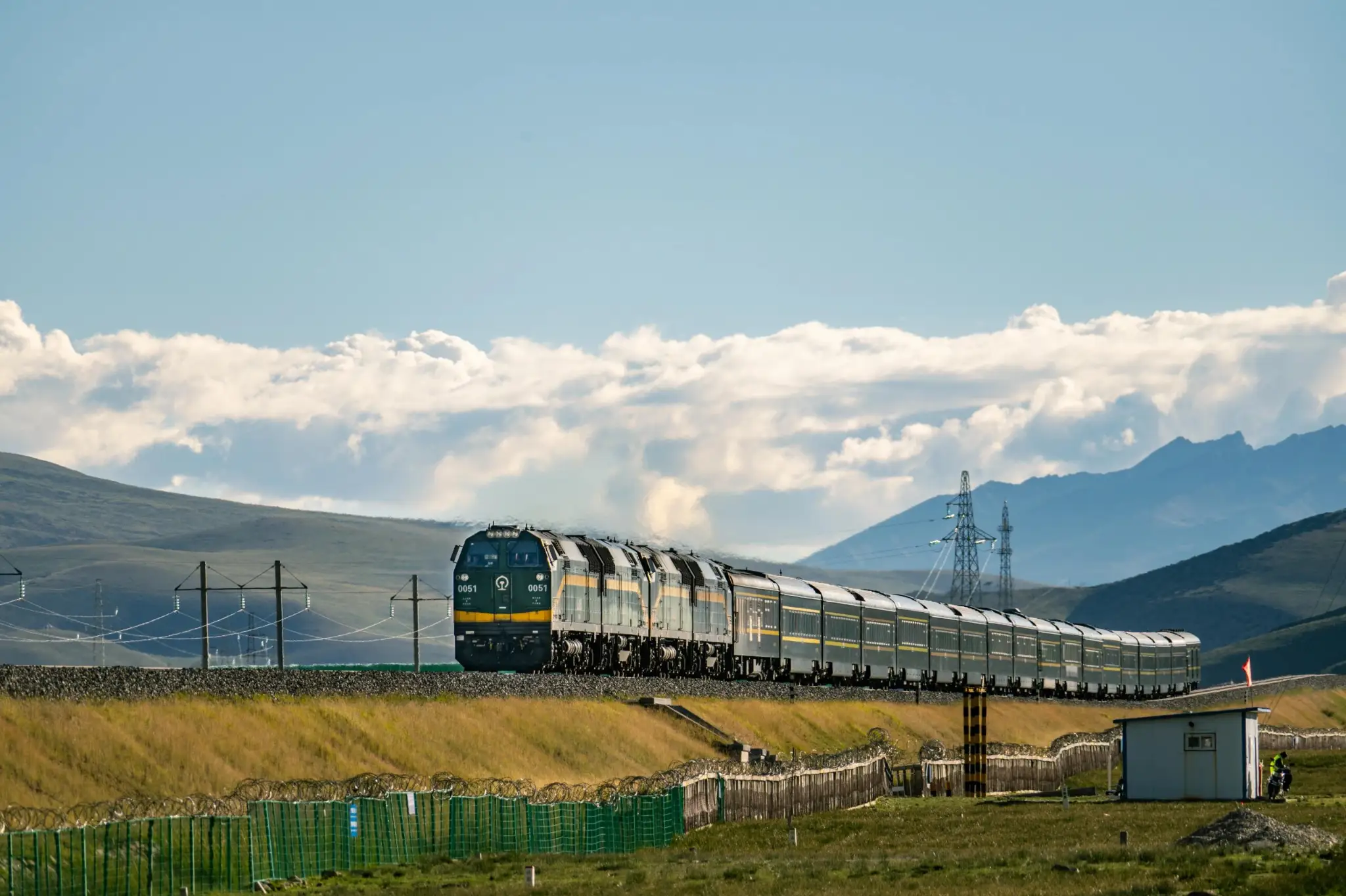
Main Rail Gateway Qinghai–Tibet Railway via Xining
Longer Tibet Routes Pre-arranged road transport

Flights to Lhasa

Lhasa Gonggar International Airport is the main air gateway for most Tibet trips. Lhasa has flight connections with major cities across mainland China, making air travel the fastest option for travelers combining Tibet with destinations such as Chengdu, Chongqing, Xi'an, Beijing, Shanghai or other Chinese cities.

Plan for Lhasa Altitude ↑

Qinghai–Tibet Railway

The Qinghai–Tibet Railway offers one of the most distinctive ways to reach Lhasa, crossing high plateau landscapes before entering Tibet. Xining is the key rail gateway onto the Qinghai–Tibet line, with long-distance train services connecting Lhasa with Xining and selected major cities elsewhere in China.

Read China Train Ticket Guide →

Is the Train Better for Altitude?

Take the Tibet train for the journey and scenery rather than treating it as a guaranteed way to prevent altitude sickness. Although the railway approaches Lhasa more slowly than a flight, much of the major altitude gain still happens during the journey. Your itinerary after arrival should still allow proper time for acclimatization.

Altitude & Health Guide ↑

Traveling to Tibet from Nepal

Kathmandu can also serve as a gateway to Tibet, including limited direct air connections to Lhasa when scheduled. However, entering Tibet from Nepal follows different China visa and Tibet permit procedures from entering through mainland China, so confirm the current process before booking your Kathmandu–Lhasa journey.

Review Permit & Entry Rules ↑

Getting Around Tibet by Road

Road travel is central to most multi-day Tibet itineraries. Routes from Lhasa toward Yamdrok Lake, Shigatse, Everest Base Camp and Mount Kailash cover long distances and high mountain terrain, so transportation is usually organized together with your guide, permits and confirmed itinerary.

Compare Tibet Routes ↑

Regional Trains Inside Tibet

Rail services also connect Lhasa with destinations including Shigatse and Nyingchi, making trains useful on selected corridors. They do not replace road transport for most classic sightseeing routes, because many lakes, monasteries, mountain passes and Everest-area stops lie away from the railway network.
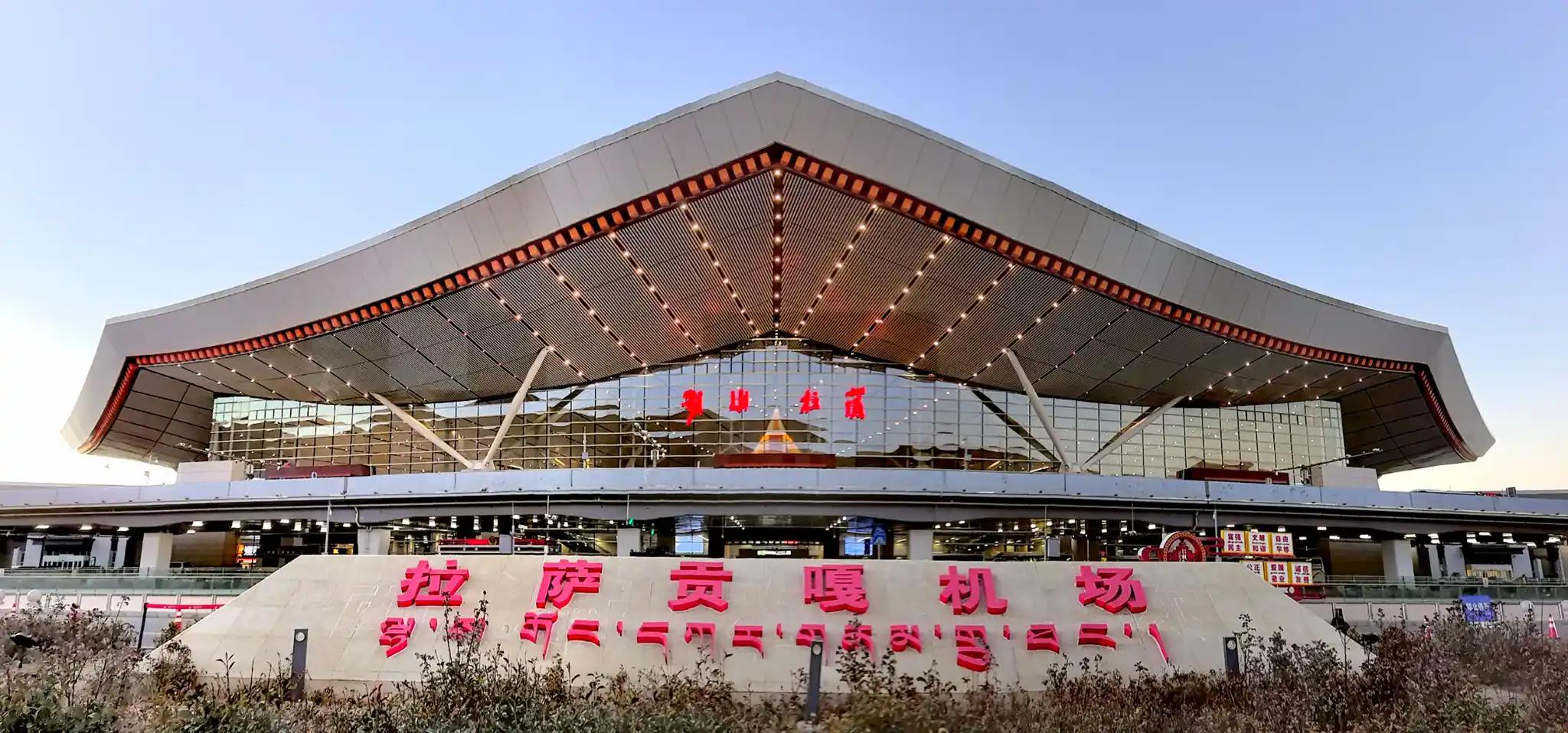
Lhasa Gonggar International Airport for flights to Tibet
Train traveling on the Qinghai Tibet Railway toward Lhasa

Match Your Transport to the Tibet Route

Flying saves time, the Qinghai–Tibet Railway adds a memorable plateau journey, and road travel connects the places that make longer Tibet itineraries possible. Once your arrival method and route are clear, the next step is deciding where to stay along the journey.

Where to Stay in Tibet
Accommodation Planning

Where to Stay in Tibet

Where you stay in Tibet depends mainly on your itinerary rather than choosing one base for the entire trip. Lhasa offers the broadest range of accommodation for the beginning and end of most journeys, Shigatse is a practical overnight stop on routes farther west, and accommodation becomes more route-specific as you travel toward Everest Base Camp or Mount Kailash.

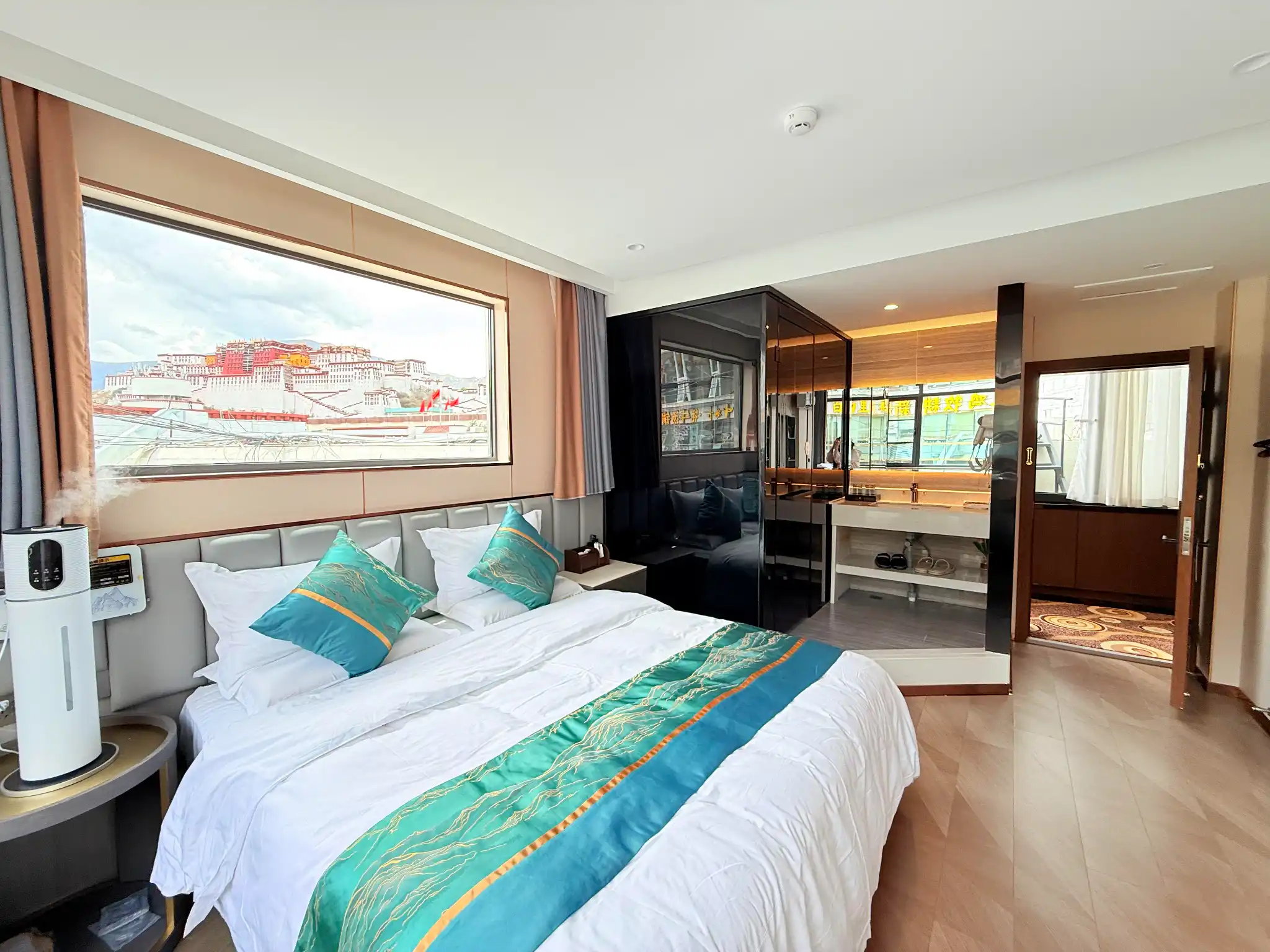
Hotels and traditional streets in Lhasa Tibet
01

Lhasa

Best for First-Time Visitors

Lhasa has the widest range of accommodation on a classic Tibet journey and is the most practical place to begin. Staying near central Lhasa gives you convenient access to Potala Palace, Jokhang Temple, Barkhor Street and restaurants while keeping the first part of your itinerary relatively simple as you adjust to the altitude.
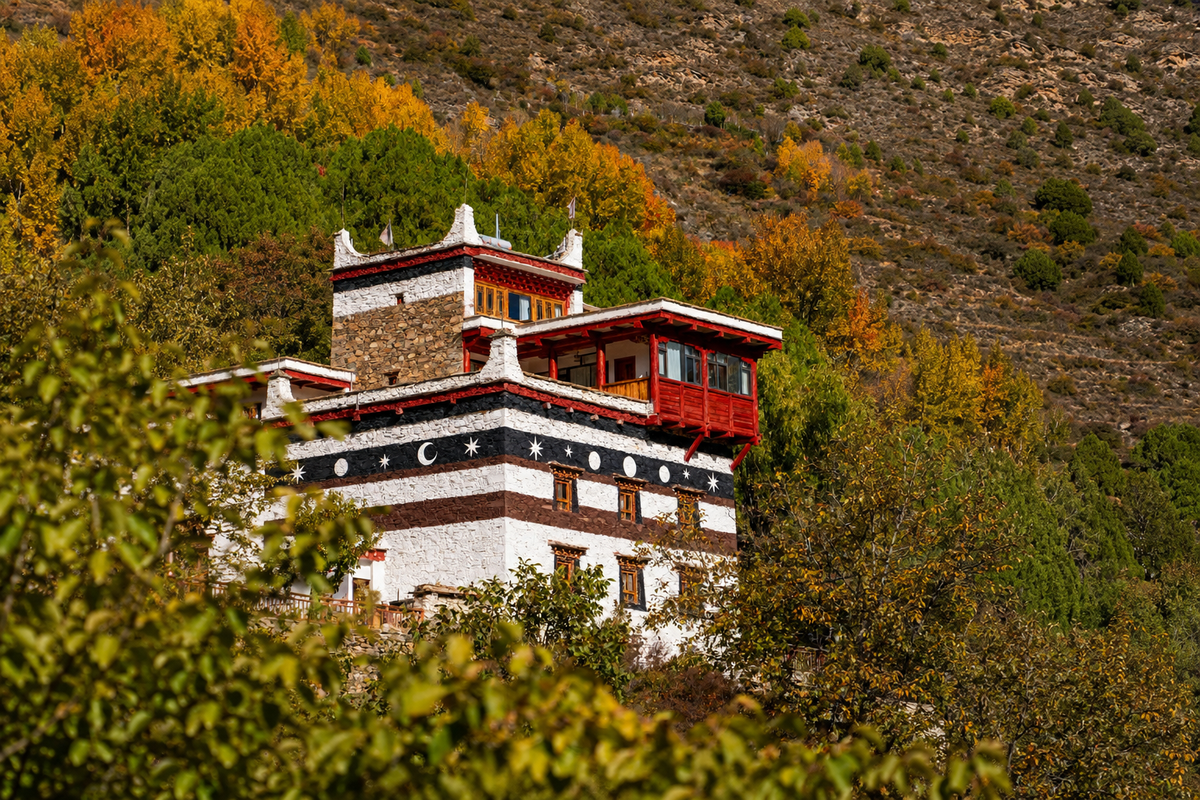
Accommodation and city scenery in Shigatse Tibet
02

Shigatse

Best for Central & Everest Routes

Shigatse is an important overnight stop on overland journeys from Lhasa toward Everest and western Tibet. It offers a broader range of hotels than the more remote stops farther west and helps break a long Tibet route into more manageable stages instead of pushing directly from Lhasa toward Everest.
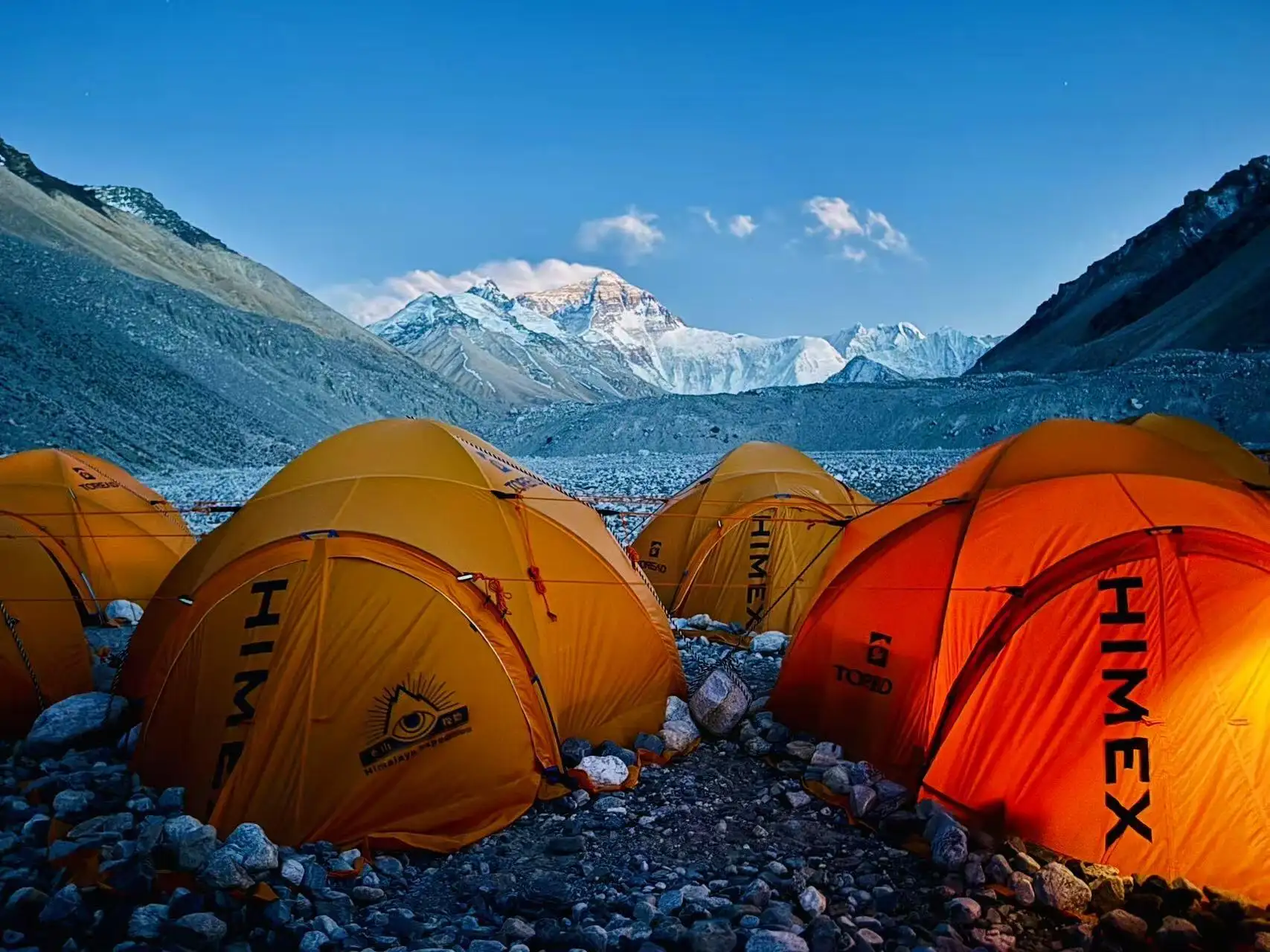
High altitude accommodation near Everest Base Camp in Tibet
03

Everest Base Camp Route

Best for Himalayan Scenery

Accommodation near the Tibetan side of Everest is part of the route rather than a destination you normally book in isolation. Options around the Everest area are more limited than in Lhasa or Shigatse, so plan where you sleep together with the day's driving distance, altitude and confirmed Everest itinerary.
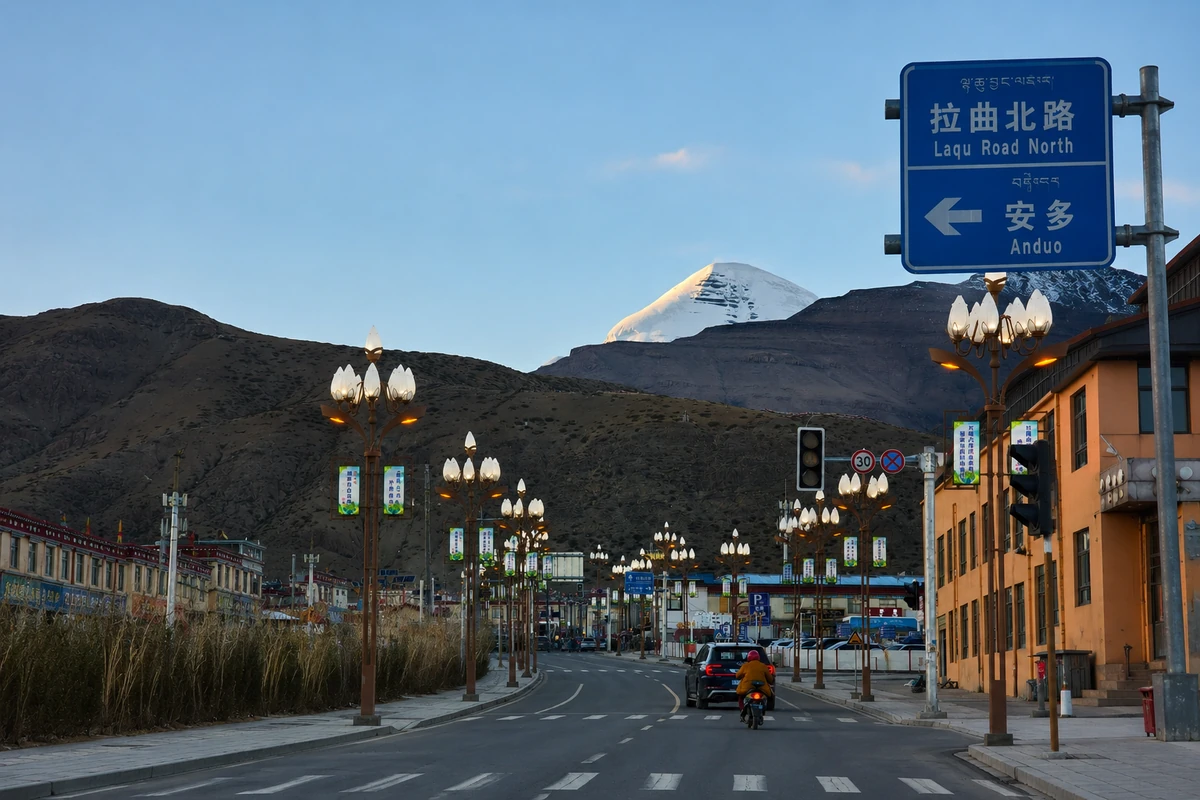
Darchen accommodation near Mount Kailash in western Tibet
04

Darchen & Western Tibet

Best for Mount Kailash Routes

Darchen is the main accommodation base for travelers preparing to visit Mount Kailash and belongs on a dedicated western Tibet itinerary. Accommodation in this remote part of Tibet is more functional than city-based stays, so choose the route first and set expectations according to the facilities available along the journey.

Choose Accommodation After You Choose the Tibet Route

Tibet is not a destination where one hotel works as a base for the whole journey. Lhasa offers the greatest choice and comfort, but longer itineraries naturally move through Shigatse and more remote overnight stops. Decide your route and altitude pace first, then match each night's accommodation to the actual journey.

See Tibet Trip Costs ↓
Budget Planning

How Much Does a Tibet Trip Cost?

Tibet trip costs vary substantially with route length, group size, hotel standard and how remote your journey becomes. As a practical reference, current private Tibet tours can start from under US$1,000 per person for a short Lhasa trip, around US$2,000 for an Everest Base Camp journey and above US$4,000 for a longer Mount Kailash route.

Understand the Quote First

Compare What Is Included, Not Just the Final Price

Tibet travel costs are closely tied to the route itself. Foreign visitors need pre-arranged travel services, and longer itineraries add more guide time, road transportation and overnight stops. Remote journeys toward Everest or western Tibet should therefore be compared separately from a shorter Lhasa-focused trip.

About the prices below Indicative starting prices · per person · based on 2 adults traveling privately with well-located 4-star hotels · final pricing varies by dates, group size, room type and hotel level
Check Before Comparing Quotes
Confirm whether Tibet Travel Permit handling is included
Check whether the quoted price includes a local guide and required road transportation
Compare the accommodation standard and number of hotel nights
Check whether attraction entrance fees and scheduled transfers are included
Ask whether your Everest, Kailash or border-area route requires additional travel arrangements
Separate meals, optional activities, tips and personal expenses from the core tour price
Compare Tibet Routes

2. Group Size

Group size can change the per-person cost because guide and vehicle expenses are shared differently. A private trip offers greater flexibility, while traveling with more people can spread some fixed journey costs across the group.

Solo Traveler Couple Family Small Group

3. Accommodation & Travel Style

Hotel level affects the budget most clearly in Lhasa and Shigatse, where travelers have more choice. On remote Everest and western Tibet routes, accommodation is often more limited, so a higher trip price does not automatically mean every overnight stop will offer luxury facilities.

Standard Hotels Comfortable Hotels Remote Overnight Stops

4. Remote Routes & Extra Spending

Everest Base Camp, Mount Kailash and other remote areas involve longer driving distances and more complex route planning. Your final trip budget should also leave room for meals or drinks not included in the package, optional experiences, souvenirs, tips and other personal expenses.

Everest Route Mount Kailash Personal Expenses

A Lower Price Is Not Always the Better Tibet Trip

Compare itineraries line by line before choosing a tour. Check the route, group size, guide and vehicle arrangements, accommodation, entrance fees and exclusions first. A quote that looks cheaper may simply include fewer services or use a different route, so the final number only makes sense when the trip details are comparable.

Go Beyond a Single Destination

Tibet Regions & Route Extensions

Tibet is best understood as a series of connected travel regions rather than one sightseeing base. Most first trips begin in Lhasa and central Tibet, then extend gradually toward Yamdrok Lake and Shigatse. Travelers with more time can continue to Everest Base Camp or plan a dedicated journey through western Tibet toward Mount Kailash.
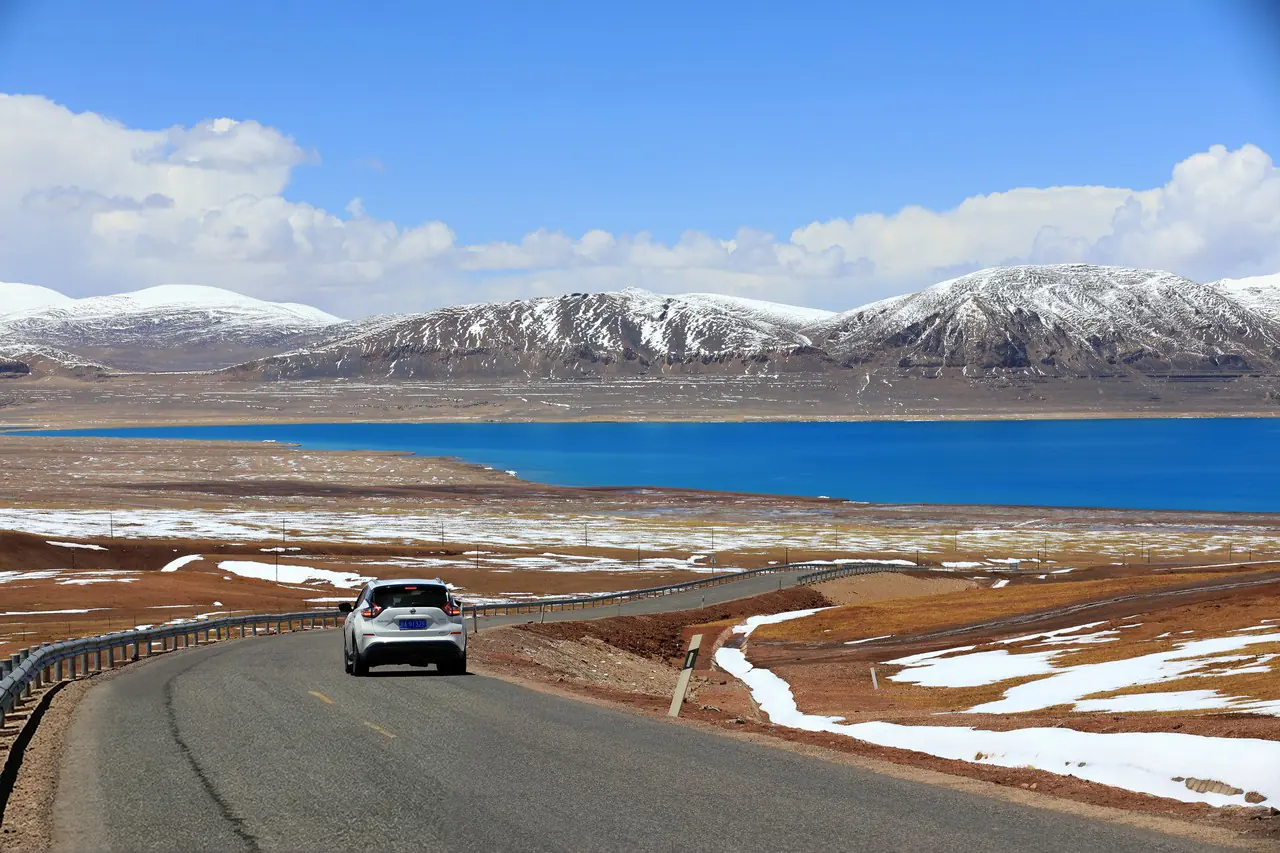
Lhasa and central Tibet cultural landscape
Core First-Trip Region

Lhasa & Central Tibet

This is the natural starting region for most first-time Tibet travelers. Lhasa combines Potala Palace, Jokhang Temple, Barkhor Street and major Tibetan Buddhist sites, while nearby central Tibet routes allow you to add monasteries and cultural landscapes without immediately committing to the most remote western journeys.
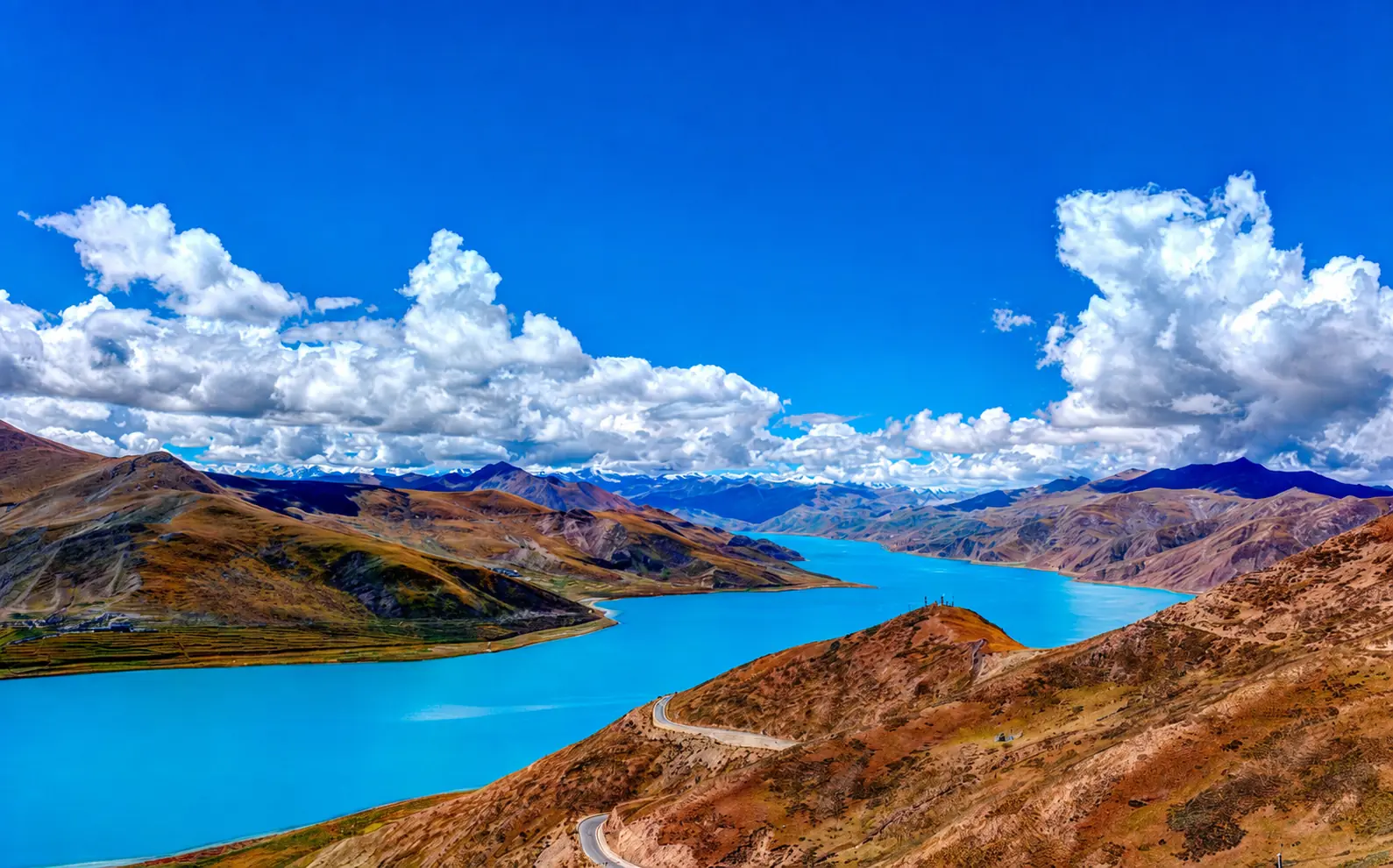
Yamdrok Lake and overland scenery toward Shigatse Tibet
Central Tibet Extension

Yamdrok Lake & Shigatse

This route extends a Lhasa trip into the wider landscapes of central Tibet. Yamdrok Lake adds one of the region's most recognizable turquoise sacred lakes, while Shigatse becomes an important cultural and overnight stop before journeys continue farther west toward Everest.
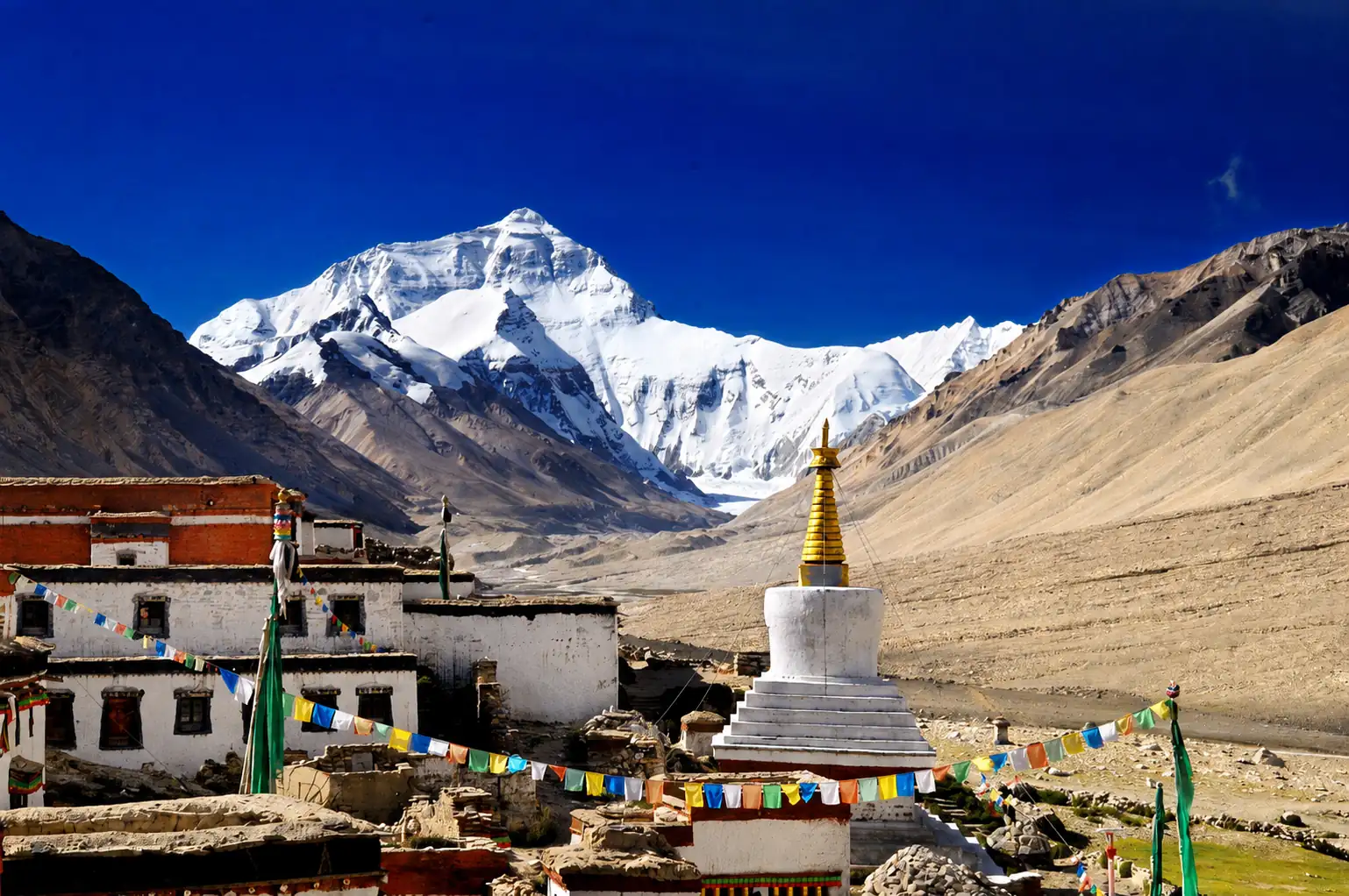
Mount Everest and high altitude scenery on the Tibetan side
High-Altitude Extension

Shigatse & Everest Region

The journey toward the Tibetan side of Mount Everest belongs on a longer overland itinerary rather than a quick excursion. Travelers usually reach the region after progressing through central Tibet, making acclimatization, road distance and overnight planning essential parts of the Everest experience.
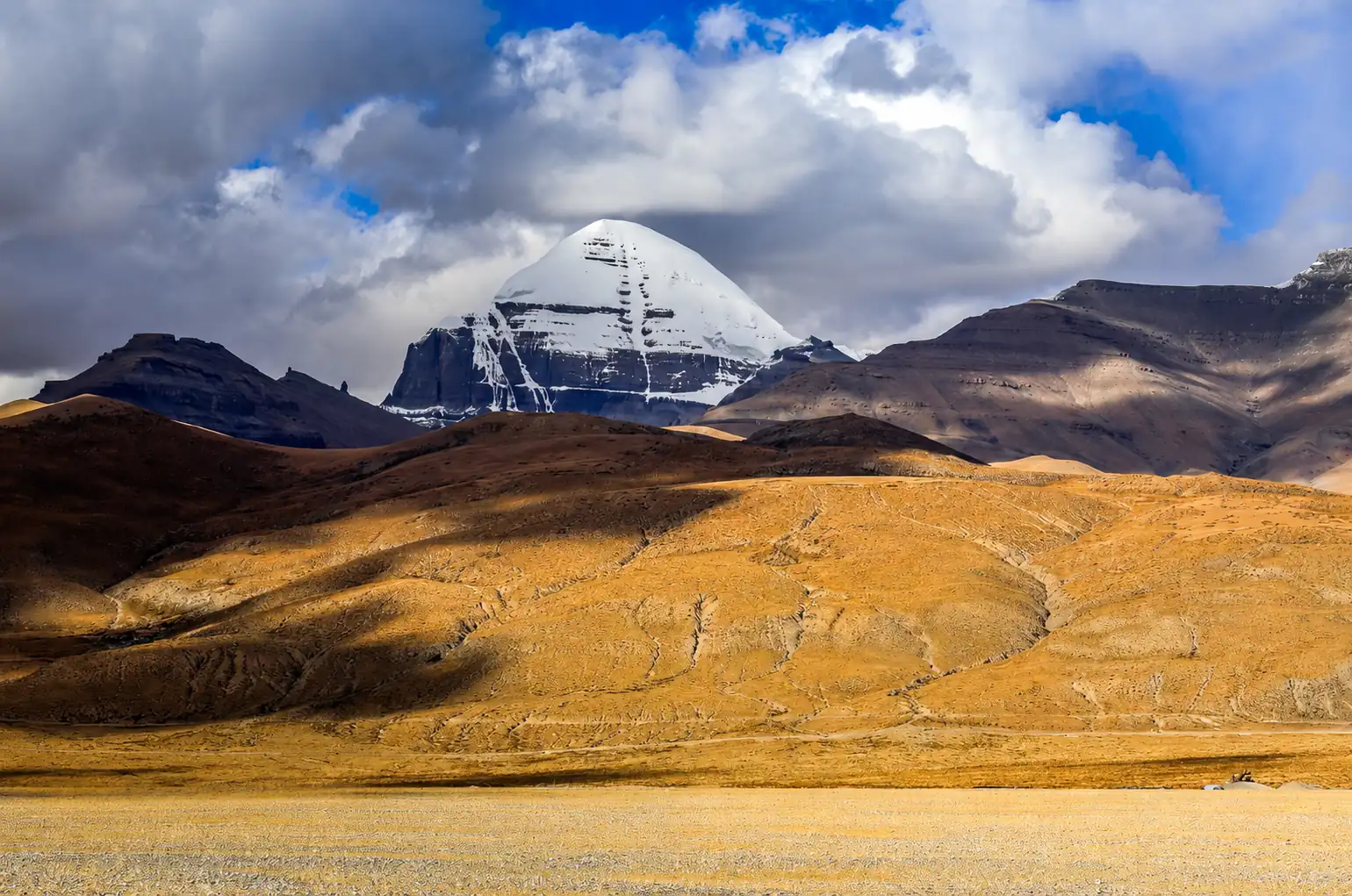
Mount Kailash and remote landscapes of western Tibet
Remote Long-Distance Route

Western Tibet & Mount Kailash

Western Tibet is a fundamentally different journey from a short Lhasa visit. Mount Kailash lies deep within a remote high-altitude region associated with pilgrimage and long overland travel, so it should be planned as a dedicated itinerary with substantially more time than a classic central Tibet trip.

Think in Routes Before Adding More Regions

A first Tibet journey does not need to cover the entire region. Lhasa and central Tibet can form a complete cultural trip, Yamdrok and Shigatse create a natural extension, Everest requires more time and altitude progression, and Mount Kailash belongs on a dedicated western Tibet itinerary. Choose the route that fits your time before adding more stops.

Tibet Travel Essentials ↓
Before You Go

Tibet Travel Resources & Practical Tips

Prepare for your Tibet journey by sorting out the practical details before departure. Confirm your passport, China entry status and Tibet Travel Permit, pack for high-altitude weather, prepare payments and mobile connectivity, and understand basic cultural etiquette before visiting monasteries and sacred sites.

Tibet Permits & Travel Documents

Confirm your passport, current China entry status, Tibet Travel Permit and any additional documents required for your route before departure. Permit requirements can vary with your itinerary, particularly when traveling toward Everest, Mount Kailash or other restricted areas.

What to Pack for Tibet

Pack adaptable layers for strong daytime sun, cool evenings and much colder conditions on higher routes. Sun protection, comfortable walking footwear and clothing that can be added or removed easily are more useful than packing only for the temperature you expect in Lhasa.

China Train Tickets & Tibet Railway

If your itinerary includes the Qinghai–Tibet Railway, confirm the exact departure city, railway station and ticket details before travel. Long-distance Tibet trains are different from short city transfers, so allow enough time for the railway portion of your wider China itinerary.

Mobile Payments & Backup Money

Prepare your preferred China payment setup before the trip. Mobile payments are useful for restaurants, shops and everyday purchases in larger cities such as Lhasa and Shigatse, while keeping a sensible backup payment option is useful when traveling through more remote parts of Tibet.

Internet, eSIM & Travel Apps

Arrange mobile data before departure and download the tools you expect to use for translation, navigation and general China travel. Save important hotel details, meeting points and itinerary information offline because mobile coverage can be less reliable on long road journeys and remote routes.

Tibetan Cultural Etiquette

Respect local guidance when entering monasteries, temples and pilgrimage areas. Follow established clockwise circuits around sacred sites, avoid interrupting religious activity and check before taking photographs, particularly inside temples and monastery buildings.

First-Time China Travel Basics

Tibet-specific planning sits inside a wider China journey. If this is your first trip to China, prepare for transportation, mobile payments, language differences, digital tools and other everyday travel basics before focusing on the additional arrangements required for Tibet.

Final Pre-Departure Check

Before leaving for Tibet, recheck your travel documents, confirmed itinerary, transport arrangements, accommodation details and current entry requirements. Keep important information accessible during the journey rather than relying entirely on one device or an internet connection.

Ready to Turn the Planning Into a Tibet Journey?

Once your route, permits, travel dates, altitude pace and practical preparations are clear, compare Tibet tours that match the journey you actually want—from a short Lhasa stay to Everest Base Camp or a longer Mount Kailash itinerary.

View Recommended Tibet Tours ↓
Guided Tibet Journeys

Recommended Tibet Tours

Choose a Tibet tour around the route you actually want to experience, from a culture-focused stay in Lhasa to an overland journey toward Everest Base Camp or Mount Kailash. For foreign travelers, the right itinerary should bring permits, local guiding, transportation and altitude progression together rather than treating them as separate parts of the trip.
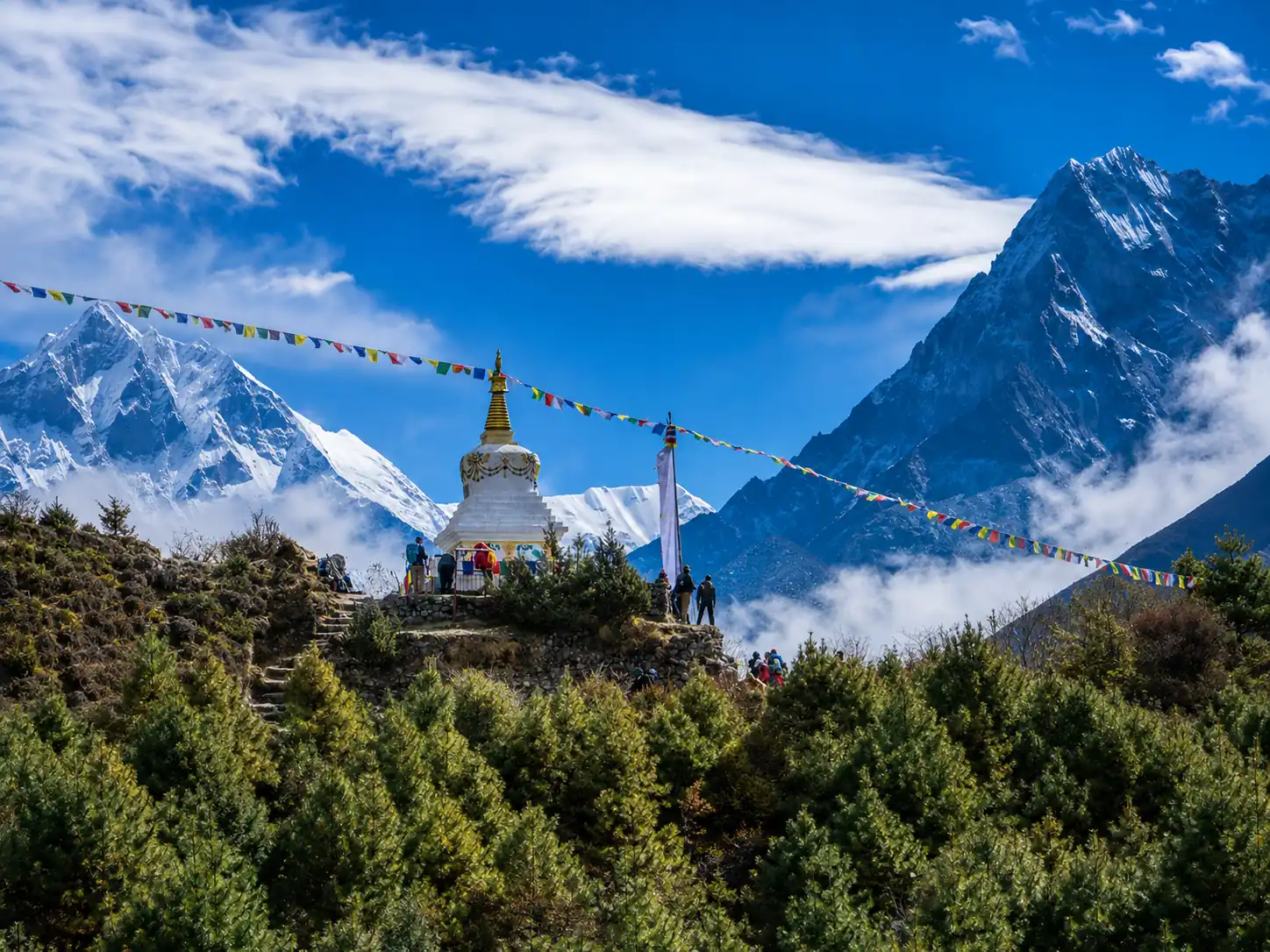
Classic Lhasa Tibet tour with Potala Palace and Jokhang Temple
4 Days

Classic Lhasa Highlights Private Tour

Explore Lhasa at a comfortable first-trip pace with Potala Palace, Jokhang Temple, Barkhor Street, Sera Monastery and Drepung Monastery. The first day is reserved for arrival and acclimatization before the main cultural sightseeing begins.
First Tibet Trip Lhasa Culture
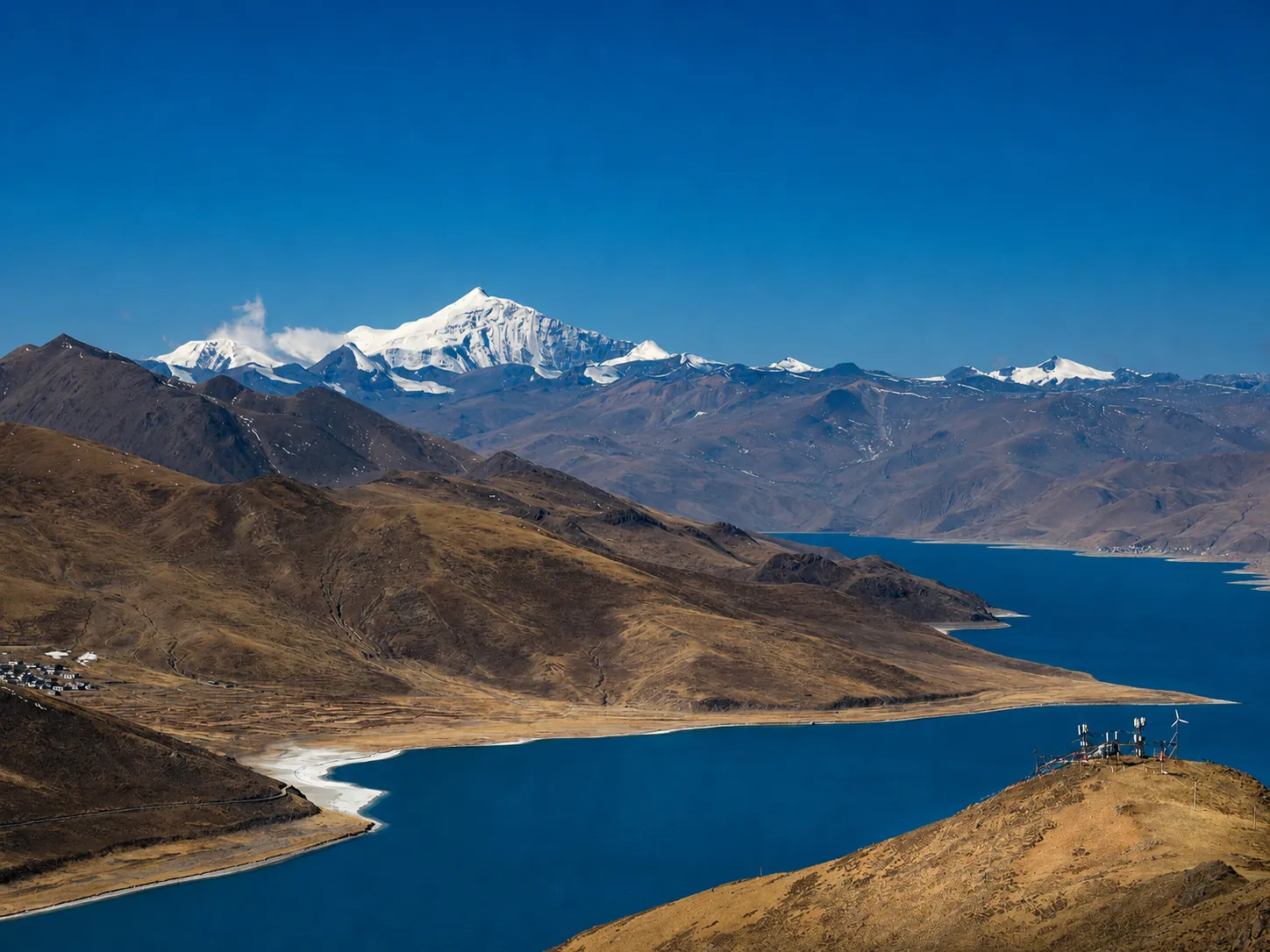
Yamdrok Lake journey from Lhasa across the Tibetan Plateau
5 Days

Lhasa Highlights & Yamdrok Lake Tour

Add a scenic plateau journey to Yamdrok Lake to a classic Lhasa stay. This five-day route combines Potala Palace, Jokhang Temple, Barkhor Street, major Lhasa monasteries and the turquoise landscapes of one of Tibet's best-known sacred lakes before returning to Lhasa.
Yamdrok Lake Comfortable Pace
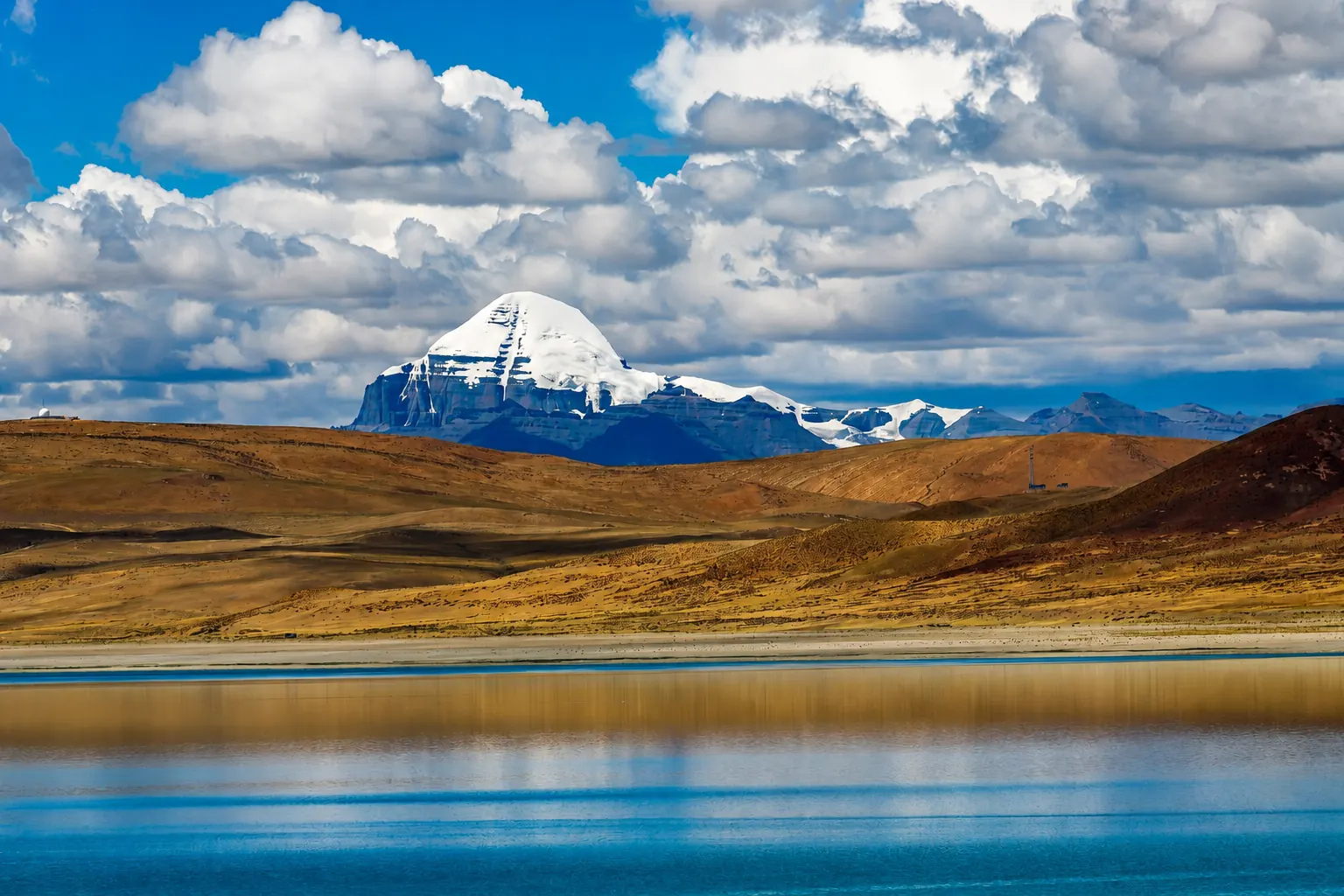
Mount Kailash and Lake Manasarovar journey through western Tibet
14 Days

Mount Kailash & Lake Manasarovar Journey

Travel from Lhasa through central and western Tibet toward sacred Mount Kailash and Lake Manasarovar. This longer journey includes gradual acclimatization, Everest-area landscapes and the three-day Kailash Kora for travelers seeking a deeper pilgrimage and high-altitude experience.
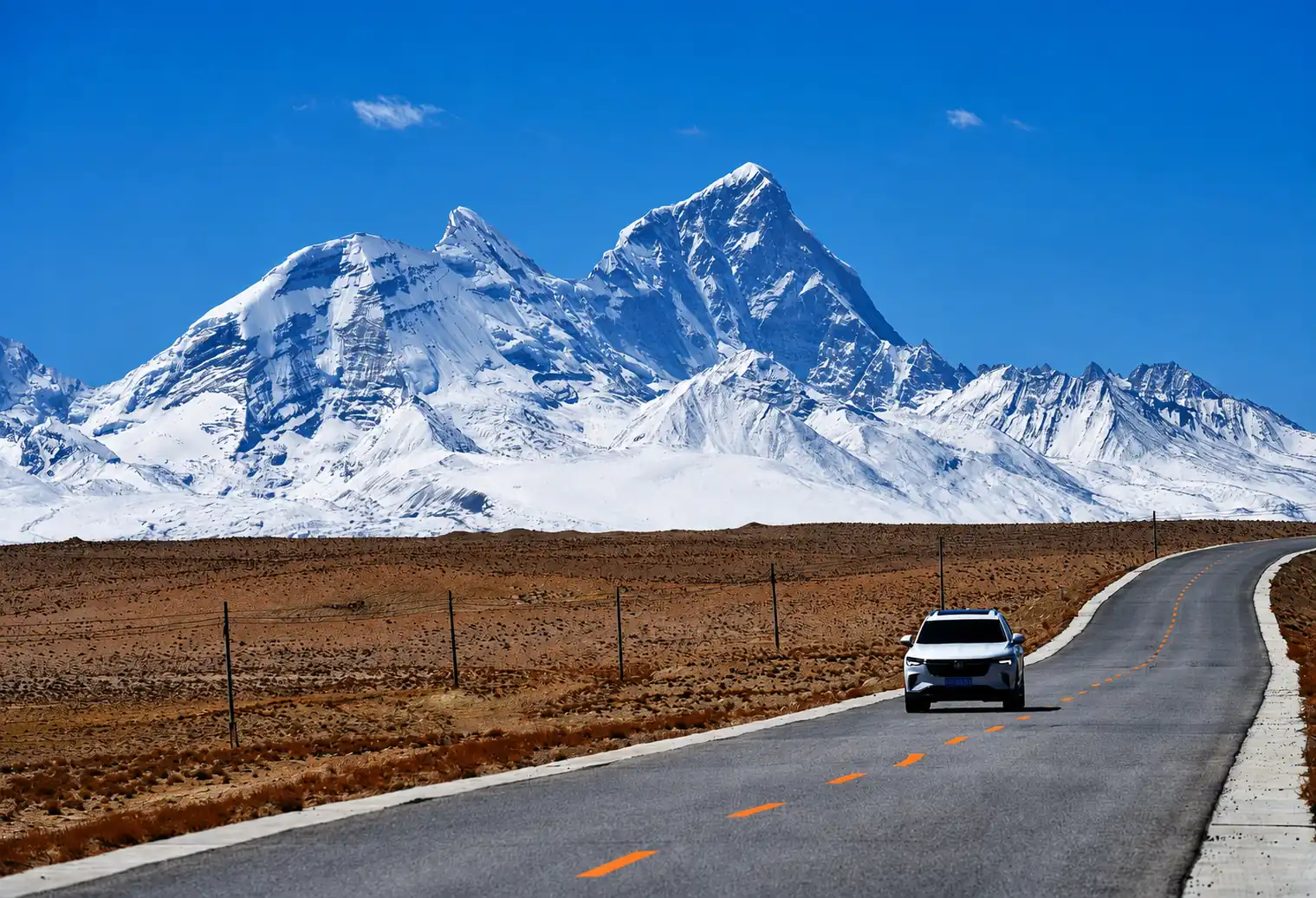
Mount Kailash Kailash Kora
Customized private Tibet journey across Lhasa and the Tibetan Plateau
Flexible Length

Customized Private Tibet Journey

Build a Tibet route around your available time, travel season, preferred pace and priorities. Combine Lhasa, monasteries, plateau landscapes, Everest or Mount Kailash while coordinating the itinerary with permit requirements, transportation and appropriate altitude progression.

Flexible Route Private Journey

Find the Tibet Tour That Fits Your Route

Browse more Tibet tours for Lhasa, Everest Base Camp, Mount Kailash, trekking and longer China–Tibet journeys, or build a private itinerary around your own dates, preferred pace and travel priorities.
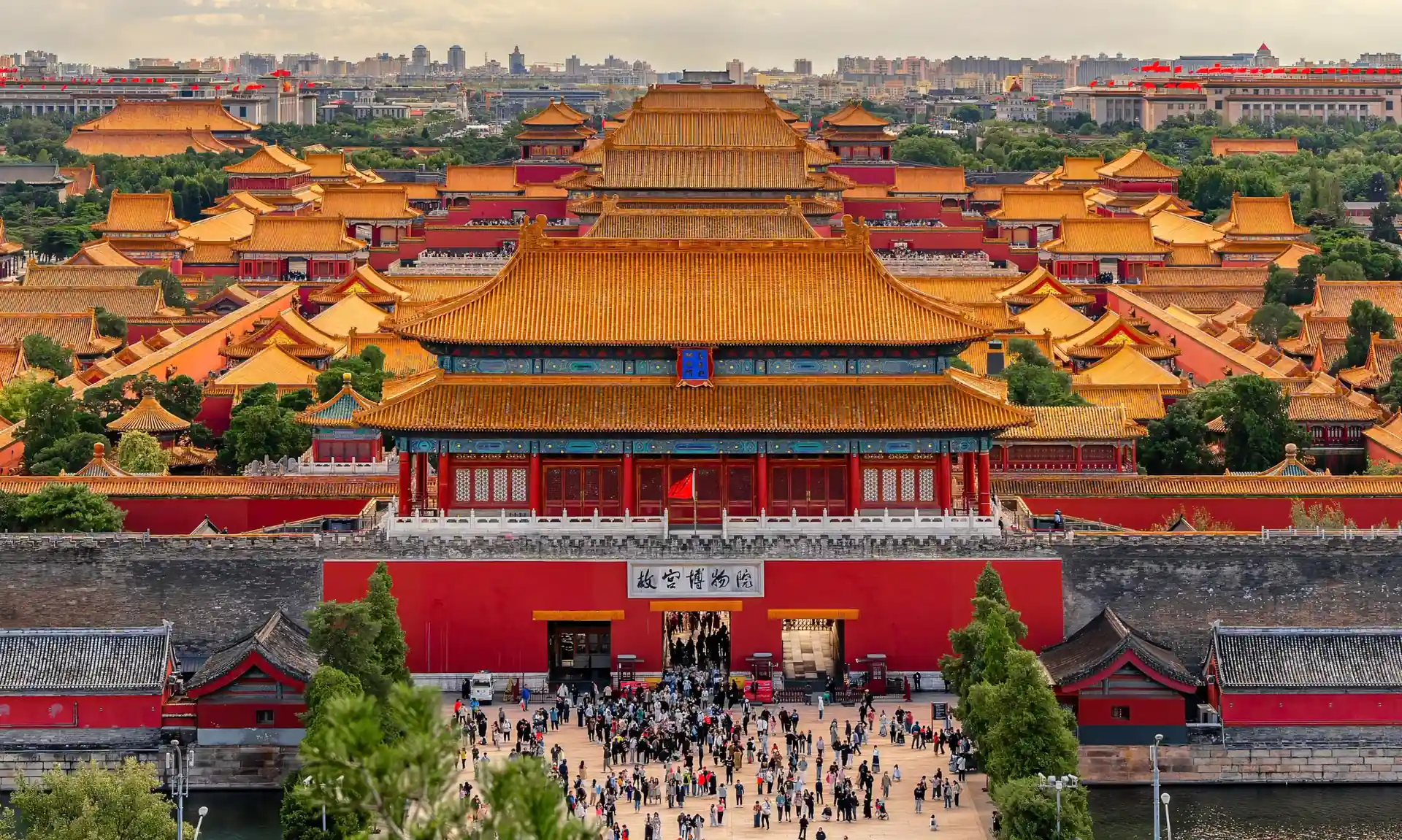
Tibet Travel Questions

Tibet Travel FAQ

These answers cover the most important questions travelers ask before visiting Tibet, including permits, independent travel, trip length, the best time to visit, altitude sickness, transportation, Everest Base Camp, travel from Nepal and Tibet trip costs.

Do foreign travelers need a Tibet Travel Permit?

Foreign passport holders visiting the Tibet Autonomous Region generally need a Tibet Travel Permit in addition to meeting the normal requirements for entering mainland China. The permit is normally arranged through a qualified travel agency after your traveler details and Tibet itinerary have been confirmed.

Some Everest, border-area and western Tibet routes may require additional travel documents, so the exact requirements should be matched to your itinerary rather than treated as one universal permit.

See the Tibet Permit & Entry Requirements section for the planning details.

Can foreigners travel independently in Tibet?

Foreign visitors cannot travel through the Tibet Autonomous Region independently in the same way they can visit most destinations in mainland China. Tibet travel arrangements, permits and the permitted itinerary need to be organized through a qualified agency, with local guiding arranged according to the route.

This does not mean every traveler must join a large group. Private and customized Tibet journeys are possible, but the required travel arrangements still need to be coordinated in advance.

How many days are enough for Tibet?

Four days can work for a short first visit focused on Lhasa, including Potala Palace, Jokhang Temple, Barkhor Street and selected Tibetan Buddhist sites. Around eight days is more appropriate for a classic overland route from Lhasa through central Tibet toward Everest Base Camp.

Mount Kailash and western Tibet require a much longer journey, with roughly 12–15 days being a more realistic planning range. The farther west and higher you travel, the more important distance and gradual altitude progression become.

Compare the suggested Tibet itineraries before deciding how many days to book.

What is the best month to visit Tibet?

April to October is the main travel period for most Tibet journeys. April and May can work well for relatively dry spring travel, while June through August brings warmer daytime conditions but also more summer rain and cloud.

September and October are especially attractive when clearer skies and Himalayan views are a priority, including routes toward Mount Everest. The best month still depends on whether your trip focuses on Lhasa, Everest or a longer western Tibet journey.

See the Best Time to Visit Tibet section for the month-by-month overview.

How much does a Tibet trip cost?

Tibet trip costs vary substantially with route length, group size, accommodation and travel style. As a current planning reference, private tours on GoChinaQuest start from about US$829 per person for a four-day Lhasa trip, around US$1,989 per person for an eight-day Everest Base Camp journey and about US$4,489 per person for a fourteen-day Mount Kailash route.

These are indicative starting prices rather than fixed Tibet-wide averages. Final pricing changes with travel dates, number of travelers, hotel level, room type, route and inclusions, so compare like-for-like itineraries before choosing a tour.

See How Much Does a Tibet Trip Cost? for current route examples and the main cost factors.

Is Tibet safe for tourists?

For most travelers, the bigger practical concerns are usually altitude, long road journeys, changing weather and keeping travel documents and route arrangements in order rather than ordinary sightseeing safety.

Access rules and conditions can change, so check current official travel advice and confirm permit and route status before departure. On higher or remote journeys, follow your guide's instructions and take altitude symptoms seriously.

Is altitude sickness common in Tibet?

Altitude illness is a genuine consideration because Lhasa itself sits at about 3,650 meters and many Tibet itineraries travel considerably higher. Headache, dizziness, unusual tiredness, nausea and loss of appetite can occur after arriving at high elevation.

Keep arrival day easy, allow time to acclimatize and do not continue to higher sleeping elevations when altitude symptoms are developing or worsening. Serious symptoms require prompt medical attention.

Review the Tibet altitude and acclimatization section before choosing an Everest or western Tibet route.

Is it better to fly or take the train to Lhasa?

Flying is usually the fastest way to reach Lhasa from another city in mainland China, while the Qinghai–Tibet Railway is better suited to travelers who value the long plateau journey and scenery.

Do not choose the train solely because you expect it to prevent altitude sickness. Regardless of how you arrive, your first days in Lhasa should still be planned around acclimatization before continuing to higher destinations.

See How to Get to Tibet & Get Around for the transport comparison.

Can you visit Everest Base Camp from Tibet?

Yes. The Tibetan side of Mount Everest can be included on an overland Tibet itinerary, commonly after traveling from Lhasa through central Tibet and Shigatse. It should not be treated as a simple day trip because the route covers long distances and reaches much higher elevations.

An Everest journey also requires the appropriate travel documents for the confirmed route, so permit planning, road transport and altitude progression need to be arranged together.

See the Lhasa to Everest Base Camp itinerary for the route concept.

How do you travel to Tibet from Nepal?

Nepal can be used as a gateway to Tibet, including travel from Kathmandu toward Lhasa when suitable air or overland arrangements are available. However, the China entry and Tibet permit process for travelers coming from Nepal differs from the process for travelers entering Tibet through mainland China.

Because these procedures can change, confirm the current requirements before arranging flights, border crossings or a Kathmandu departure rather than relying on an older visa or permit guide.

Review the permit section and transportation section before planning this route.

Start Planning

Create Your Tibet Journey

Tell us your travel dates, available time and the Tibet route you want to experience. Build a private journey around Lhasa, Yamdrok Lake, Shigatse, Everest Base Camp or Mount Kailash, with the itinerary planned around permit requirements, transportation and a realistic high-altitude travel pace.

Private & Flexible Tibet Itineraries Permit & Route Planning Local Guide & Transportation Lhasa, Everest & Kailash Journeys
Create
my trip