
Chinese Culture & Internet Trends

What Is Chinamaxxing?

Chinamaxxing is a Gen Z social media trend in which people try—or jokingly imitate—habits they associate with Chinese daily life, from drinking hot water to wearing slippers indoors. Part of the wider “becoming Chinese” meme, it blends curiosity about Chinese culture with internet humor and debate over stereotypes.

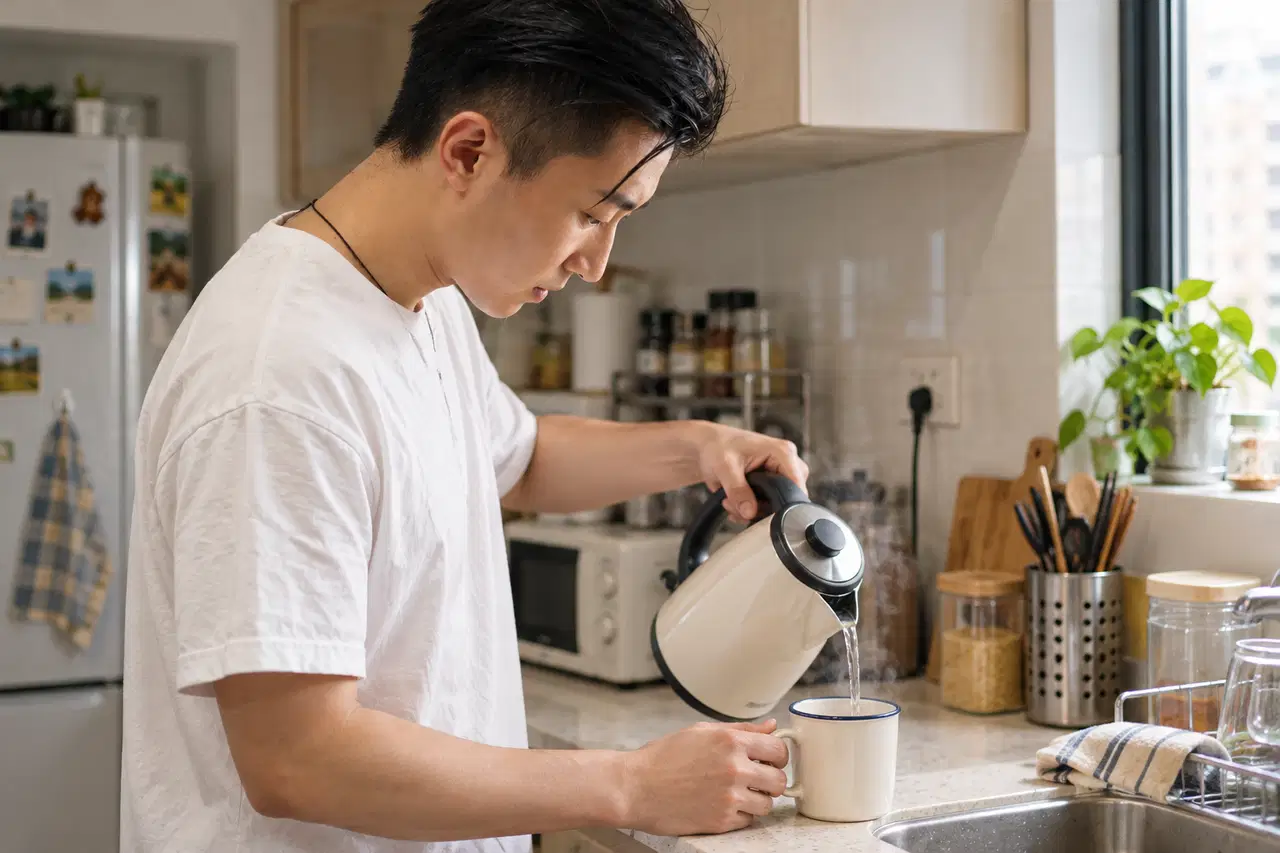
Man pouring hot water from an electric kettle into a mug in a home kitchen
The Meaning

What Does Chinamaxxing Mean?

The word combines China with “-maxxing,” internet slang for going all-in on something. Calling yourself a “Chinamaxxer” is a playful way of saying you're leaning into routines, products, or aesthetics you associate with Chinese culture.

The tone matters. Some people mean it sincerely; others use it as a joke. Often, a single post contains a little of both. The term describes an online trend, not an actual change in someone's nationality or ethnicity.

In Plain English Chinamaxxing means enthusiastically trying a version of “Chinese living” as imagined or presented on social media.

How the Word Works

Three pieces of internet vocabulary help explain what people mean when they use the term.

China
The cultural reference point—not one fixed set of habits shared by every Chinese person.
-maxxing
A slang suffix associated with taking something to the extreme, familiar from terms such as “looksmaxxing.”
“Becoming Chinese”
A related meme phrase, usually playful or exaggerated rather than a literal statement about identity.

One important distinction: A viral habit might be common in some Chinese households, but that doesn't make it uniquely Chinese—or universal across China.

In the Videos

Chinamaxxing Examples: What Are People Actually Doing?

The trend often turns ordinary routines into a playful internet identity. These six examples have appeared in social media clips and news coverage; they are not a checklist for being Chinese.

At Home and at the Table

  • Drinking hot water Swapping an iced drink for a cup of warm water, sometimes presented as a small daily ritual.
  • Wearing slippers indoors Changing into house slippers after coming home, often paired with jokes about “becoming Chinese.”
  • Eating warm breakfasts Trying congee or soup in the morning rather than treating a cold breakfast as the default.

Food, Beauty and Movement

  • Making boiled fruit drinks Simmering apples or other fruit for a warm drink, then sharing the process in a short video.
  • Exploring skincare and gua sha Trying beauty routines inspired by Chinese creators or showcasing gua sha tools.
  • Trying qigong-style exercises Following gentle movement routines seen in wellness-themed posts, without treating them as a medical cure.

Origins & Timeline

Where Did the Chinamaxxing Trend Come From?

The story has several traceable milestones rather than one confirmed starting point. A 2025 catchphrase, related slang and creator-led videos converged before Chinamaxxing attracted wider attention in early 2026.

  1. An Early Catchphrase

    An X post used “a very Chinese time in my life,” a parody of a line from Fight Club. Know Your Meme records this as the earliest known use of the caption, not the verified origin of Chinamaxxing itself.

  2. October–December 2025

    Related Memes Take Shape

    “Chinesemaxxing” appeared in an October post. By December, Chinese American creator Sherry Zhu was sharing playful “becoming Chinese” videos about hot water and house slippers, helping spread a related format.

  3. The Trend Spreads Widely

    More creators began posting their own “Chinese era” routines and reactions. The overlapping jokes and lifestyle clips drew growing attention, especially among Western Gen Z users on TikTok.

  4. February–March 2026

    The Conversation Widens

    SBS, Channel NewsAsia and The Guardian reported on the trend, examining cultural curiosity, stereotypes and differing responses from Chinese and Chinese diaspora communities.

Why It Resonates

Why Is Gen Z Embracing Chinamaxxing?

People join for different reasons, and a single post rarely explains them all. The format offers low-effort routines to try, a recognizable template to remix, and conversations where users can ask questions or share their own experiences.

Small Habits Are Easy to Try

A person can take part without traveling or buying anything. A warm drink, house slippers, or a morning routine gives them a simple action to film and share. These habits may be familiar in some Chinese households, but none is unique to China.

Example

A creator shares a morning routine and invites viewers to try one small habit.
A Familiar Format Is Easy to Remix

Short-video trends give people a ready-made structure: reuse a caption, adapt a routine, or put their own spin on a popular format. Sometimes the appeal is simply the joke or the creative challenge—not a claim to understand an entire culture.

Example

Two creators use the same trend format but make very different videos.

Comments Turn Watching into Participation

Replies and comment threads let viewers compare routines, ask what a reference means, or post their own version. That back-and-forth can make a trend feel social rather than passive, even when people join with different levels of interest.

Example

A viewer asks about a habit, and another user shares their own experience.

The Viral Catchphrase

What Does “A Very Chinese Time in My Life” Mean?

“You met me at a very Chinese time in my life” is a meme caption that makes a small China-related moment sound like a dramatic turning point. It might accompany a recipe, a TV show, or a travel clip. The outsized wording is the joke; the person's interest may also be completely genuine.

A Small Moment, Told Like a Big Reveal

The line borrows the seriousness of a movie ending, then applies it to an ordinary discovery. A bowl of noodles or a new favorite show suddenly sounds like a life-changing event. That mismatch creates the joke.

The Same Line Fits Very Different Posts

The same caption works across food, TV dramas, skincare, and travel clips. Viewers recognize the template while each creator supplies a different situation. It describes the post's mood—not a change in someone's nationality or identity.

Playful Doesn't Always Mean Insincere

Some creators are sincerely interested in Chinese culture; others are playing with an absurd caption. These motives can overlap. Judge the actual video and its context rather than assuming everyone who uses the phrase means the same thing.

The Cultural Debate

Is Chinamaxxing Cultural Appreciation or Appropriation?

It can be either, depending on the post and the person behind it. Some Chinese and Chinese diaspora creators welcome the curiosity. Others find it unsettling to see customs once mocked become a fashionable online identity.

Room for Appreciation

When Curiosity Leads Somewhere Real

A lighthearted video can be someone's first encounter with a family recipe, a language, or a tradition they knew little about. Chinese creators who explain where a practice comes from —and viewers who listen—can turn a passing meme into an actual cultural exchange. The key is being willing to learn beyond the caption.

A Complicated History

When Yesterday's Stigma Becomes Today's Trend

For some members of the Chinese diaspora, the enthusiasm feels bittersweet. Food, accents, and household habits that once drew teasing or racism are now celebrated in other people's videos. That does not make every playful post offensive, but it explains why the same trend can feel welcoming to one person and uncomfortable to another.

Identity & Stereotypes

When a Culture Turns Into a Costume

There is a difference between enjoying something from China and suggesting that a few habits make you Chinese. A joke built around an exaggerated “Chinese era” can be harmless in context; repeated without context, it can flatten a vast, diverse population into a handful of traits. Chinese identity is not a lifestyle checklist.

Wellness Claims

When Traditions Lose Their Context

Some posts package traditional practices as quick wellness hacks. But a ritual's history, its cultural meaning, and its medical effectiveness are different questions. Showing an interest in gua sha or herbal traditions does not automatically validate every health claim attached to them. A good explainer makes that distinction clear.

Beyond the Viral Moment

What Does Chinamaxxing Reveal About China's Soft Power?

Political scientist Joseph Nye described soft power as the ability to influence others through attraction rather than coercion or payment. Chinamaxxing shows that Chinese culture can capture attention online. Whether that attention creates lasting influence is a separate question.

Cultural Interest Can Grow Outside Official Campaigns

Creators share their own tastes, routines, and discoveries. The appeal of those posts often comes from personal storytelling rather than a formal message about China.

Why it matters: Cultural attraction does not have to begin with a government campaign. Still, an engaging post is not automatically independent, accurate, or representative.

Chinese Pop Culture Has a Wider Global Audience

The game Black Myth: Wukong, the animated film Ne Zha 2, and Labubu collectibles are different examples of China-linked entertainment and consumer culture attracting attention beyond China.

The distinction: These successes provide cultural context for Chinamaxxing. They are not all part of the meme, and their popularity cannot be attributed to the trend.

Enjoying a Culture Is Not the Same as Political Support

A viewer can admire a film, buy a toy, or want to learn Mandarin while remaining undecided or critical about China's government and policies.

What the trend shows: Some China-related cultural material is appealing to online audiences. It does not establish broad changes in political opinion or national reputation.

Lasting Influence Needs Better Evidence Than Views

Likes and shares measure interaction with particular posts. They do not reveal how people will think months later, or whether their behavior actually changes.

A stronger test: Look for sustained cultural engagement and reliable opinion research over time. Without those measures, Chinamaxxing is best understood as a visible moment of interest, not proof of a permanent soft-power shift.

Life Beyond the Feed

Beyond the Meme: What Is Everyday Life in China Really Like?

From neighborhood breakfasts to city transport and everyday payments, real life in China is shaped by local circumstances rather than a viral checklist. These four examples offer a more useful starting point for understanding what residents and travelers actually encounter.

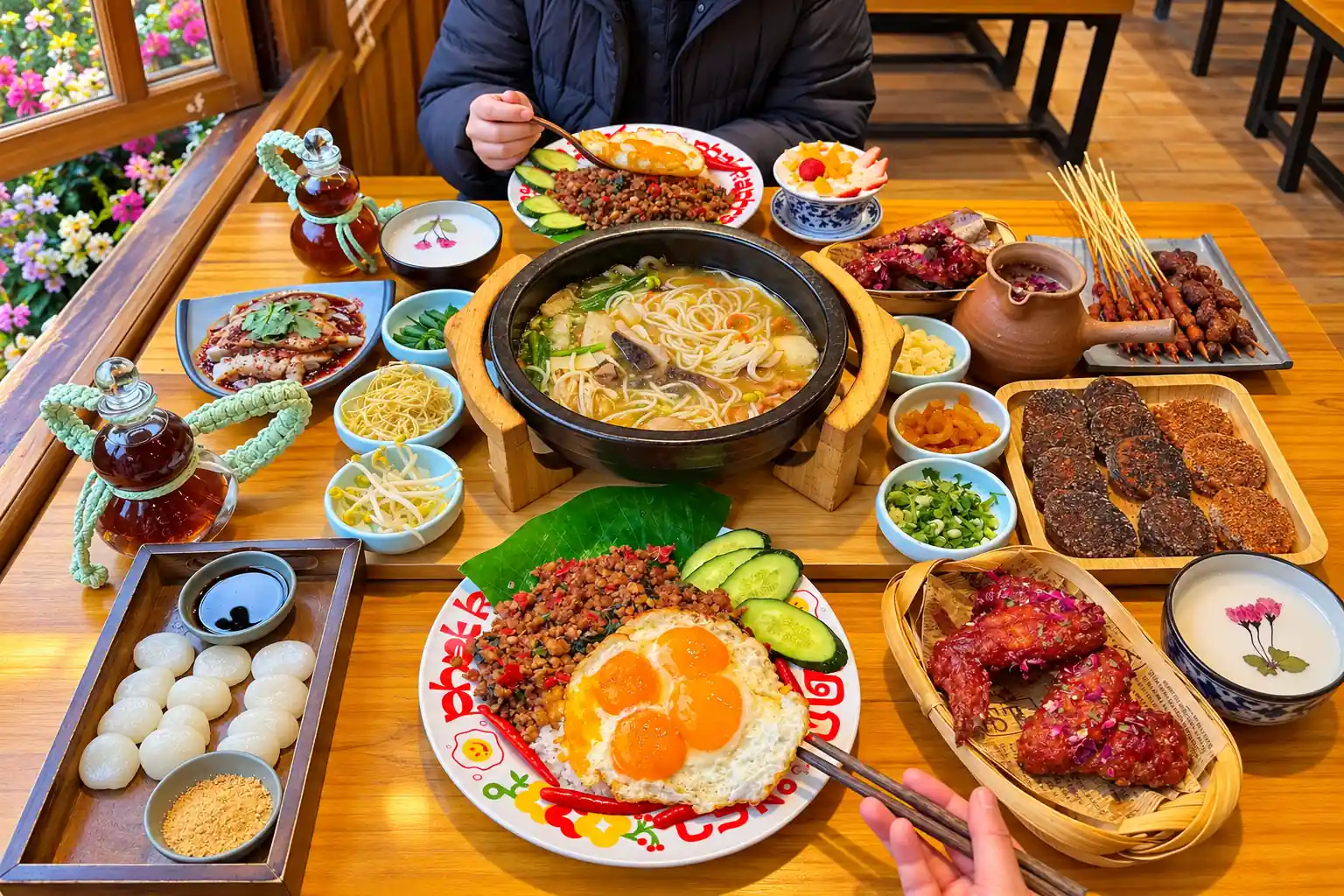
There Is No Single “Chinese Breakfast”

In Wuhan, hot-dry noodles (reganmian) are a local breakfast favorite. In Guangdong, morning tea (yum cha) and dim sum reflect another food tradition. Steamed buns, soy milk, and rice porridge are familiar elsewhere, but the morning routine depends on the place and the person.

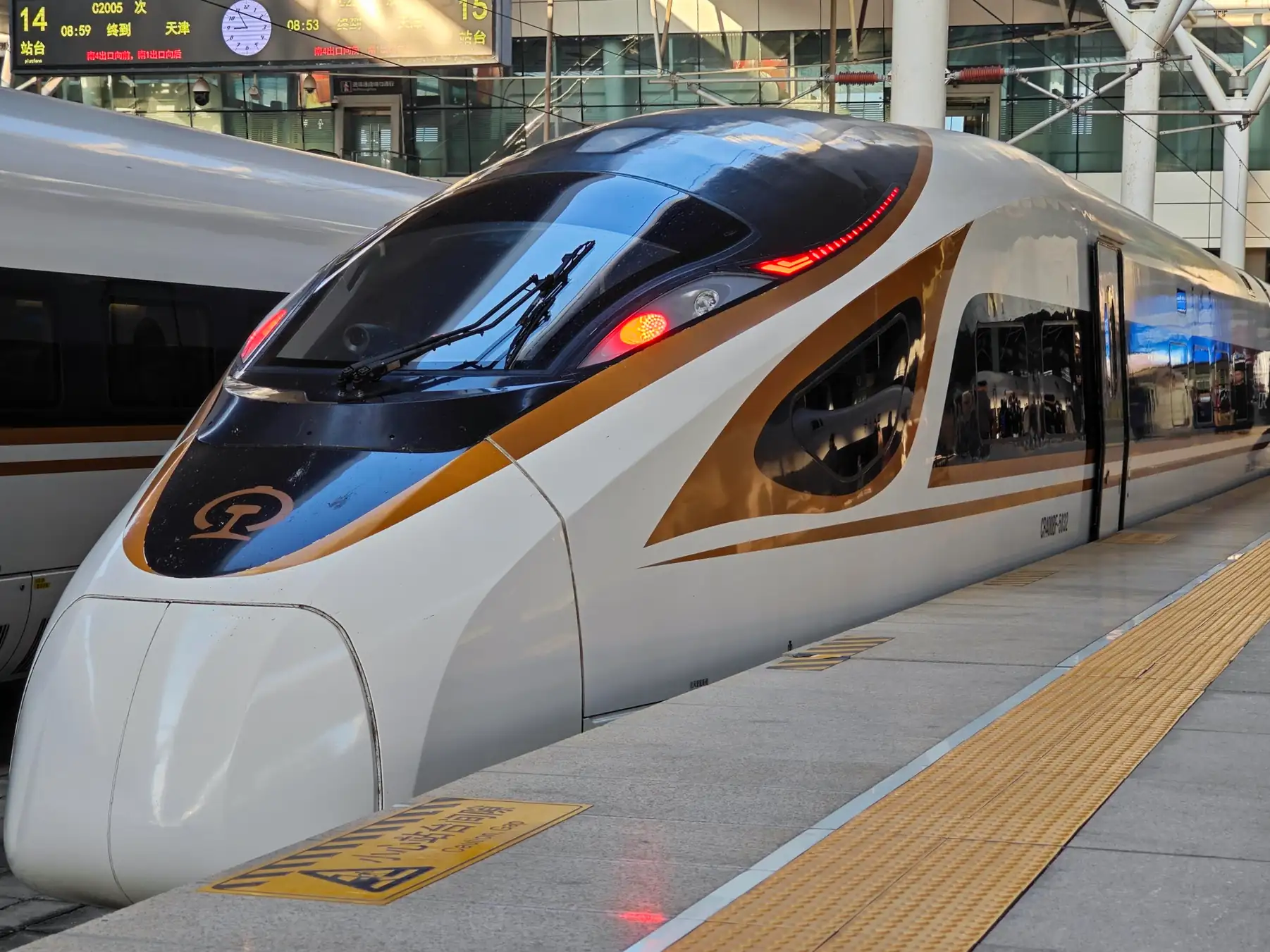
A Daily Commute Is Not a High-Speed Train Journey

Metros are part of daily travel in many large cities, while buses, bicycles, and roads can play a bigger role in other areas. High-speed rail connects cities ; it is not the same as a local commute. Visitors planning an intercity journey can read our guide to buying train tickets in China before departure.

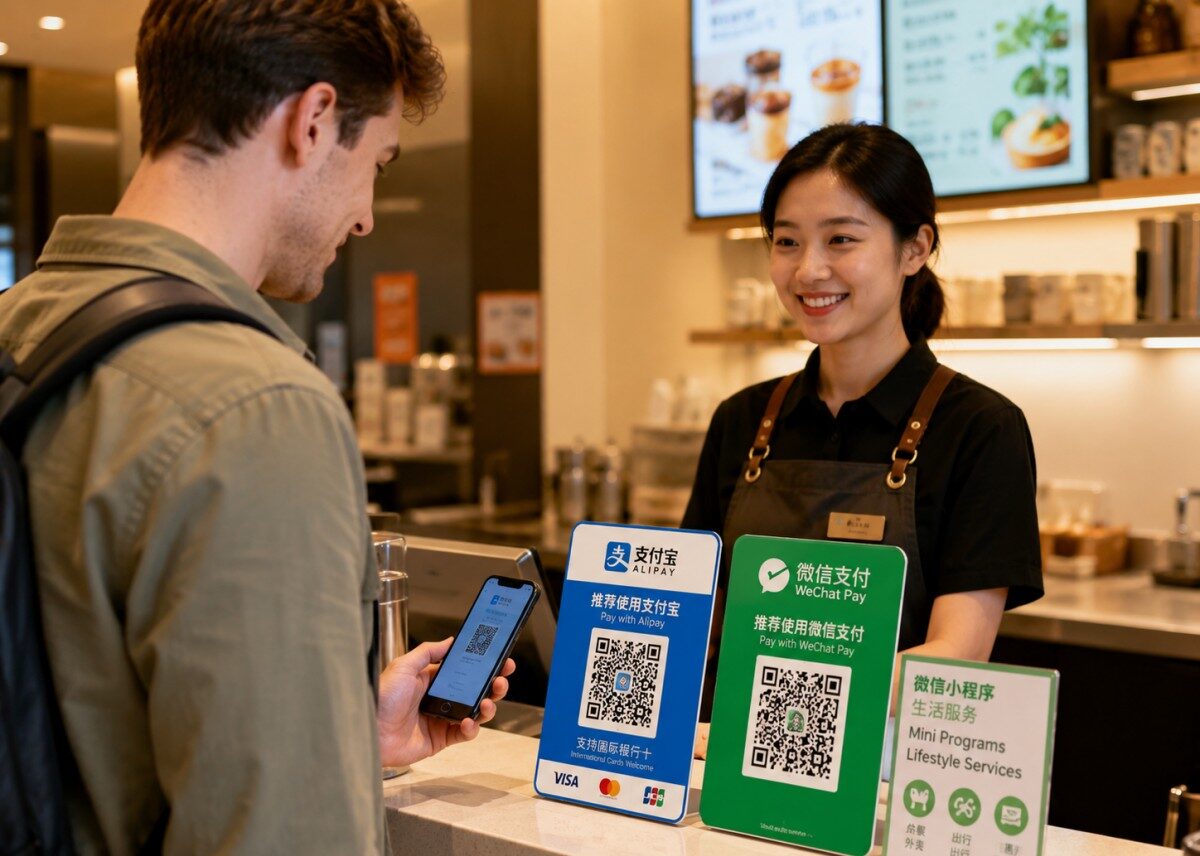
QR Payments Are Common, but Options Vary

Alipay and WeChat Pay are widely used for daily purchases. Eligible international cards can be linked to supported mobile wallets, but verification and merchant acceptance vary. Visitors should keep a backup option. Our guide to payment methods in China explains the available choices and preparation steps.

Daily Routines Rarely Look Like Travel Reels

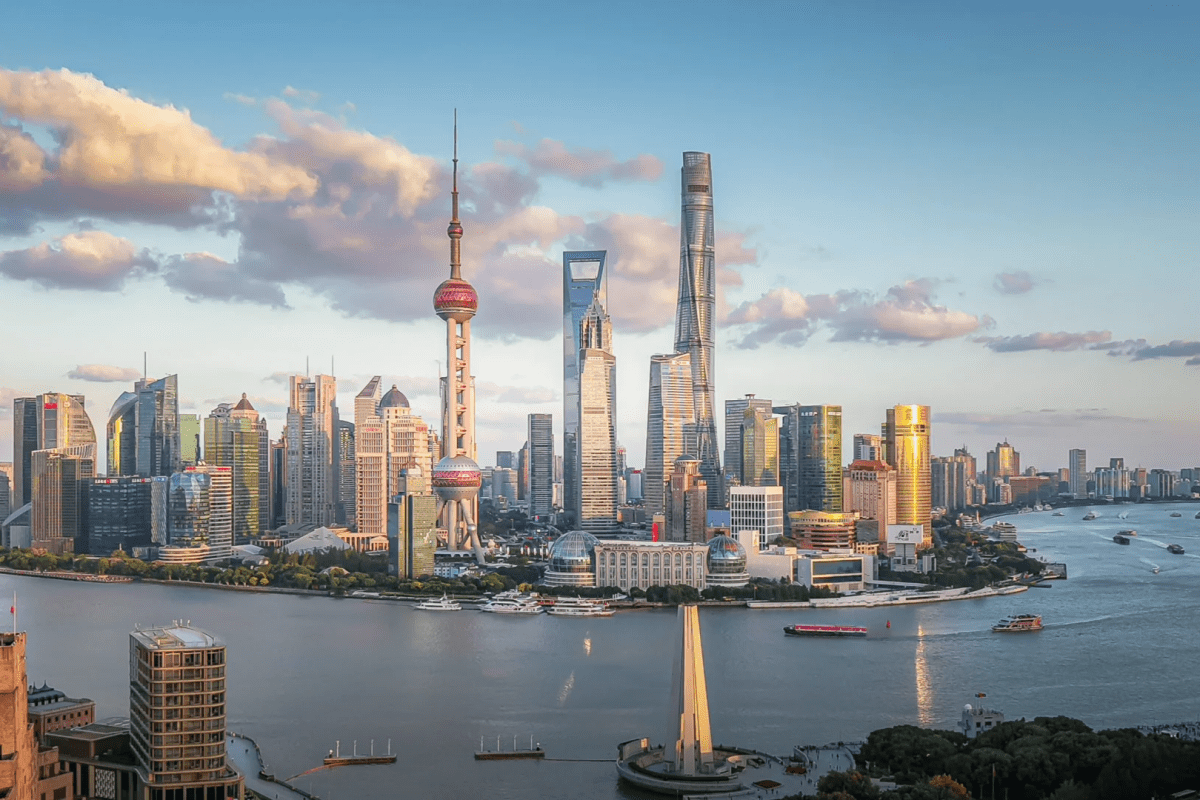
A visitor may remember a spectacular skyline or a lively night market. Residents also have ordinary workdays, school schedules, grocery stops, and neighborhood routines. Even within one city, those experiences differ. A useful question about any viral clip is: where was it filmed, and whose experience does it show?

Frequently Asked Questions

Chinamaxxing FAQs

Short answers to questions that often come up after the meme: the slang, the Chinese translation, who started it, and how to look beyond the trend.

What is a “Chinamaxxer”?

A Chinamaxxer is an informal name for someone participating in the Chinamaxxing trend—often by posting routines or interests they associate with China. It is internet slang, not an ethnic or national identity.

Is Chinamaxxing the same as “becoming Chinese”?

They are closely related online memes. “Becoming Chinese” is a playful identity-based phrase; Chinamaxxing puts the focus on enthusiastically adopting practices or aesthetics associated with China. Neither implies a literal change of nationality.

What does “Chinamaxxing” mean in Chinese?

Chinese-language media often translate Chinamaxxing as 极致中国化 (jízhì Zhōngguóhuà), roughly “taking Chinese-style living to the extreme.” It describes a social media trend, not an established Chinese tradition or a literal change in identity.

Who started the Chinamaxxing trend?

No single creator has been conclusively identified as its inventor. The “very Chinese time” catchphrase has a documented 2025 use, while related lifestyle videos gained momentum in early 2026. Creators such as Sherry Zhu helped popularize the format, but popularizing a meme is not the same as originating the term.

Is Chinamaxxing only a TikTok trend?

No. TikTok helped spread the format, but related memes and conversations have appeared on Instagram, X, and Reddit as well. The precise wording and tone vary between communities.

Is drinking hot water uniquely Chinese?

No. Warm drinks are common in many cultures. Drinking hot or warm water is familiar in many Chinese households, which helps explain its role in the meme, but it is neither uniquely Chinese nor universal in China. Viral wellness claims should not be treated as proven medical advice.

Is Chinamaxxing cultural appropriation?

It depends on the particular post and its context. Learning, crediting creators, and respecting differences can support cultural appreciation; mockery or treating Chinese identity as a costume can reinforce stereotypes. Chinese and diaspora audiences do not all view the trend the same way.

How can I explore Chinese culture beyond the meme?

Start with Chinese creators, regional food traditions, language, and first-person accounts . If you plan to visit China, research the specific destinations, transport, and local customs rather than assuming a short video reflects everyday life everywhere.

Research & Attribution

Sources & Editorial Notes

This explainer draws on published records and reporting about the meme's origins, its spread, cultural reactions, and the limits of broader soft-power claims.

  • Know Your Meme · Meme documentation

    You Met Me at a Very Chinese Time in My Life; Chinamaxxing

    Entries document the earlier catchphrase and reported uses of related slang. An early recorded post does not prove who invented the wider trend.

  • Channel NewsAsia · February 2026

    Reporting on the rise of Chinamaxxing

    Discusses the Gen Z trend, participating creators, and differing reactions to Chinese-associated routines and aesthetics.

  • The Guardian · March 2026

    When Your Culture Becomes a Meme

    Explores how people of Chinese heritage respond to sudden enthusiasm for practices that have also been stereotyped or mocked.

  • Associated Press · April 2026

    Reporting on China's cultural soft power

    Provides wider context on China-linked entertainment and consumer culture; their popularity alone does not establish changes in political attitudes.