How Many Days in Shanghai?
Choose your trip length based on how many major attractions, neighborhoods, food experiences and nearby day trips you want to include.

Discover Shanghai’s essential attractions, from the Bund and Yu Garden to Shanghai Tower, the Former French Concession, Nanjing Road and Zhujiajiao Ancient Town. Together, these places introduce first-time visitors to historic Shanghai, traditional Chinese architecture, modern skyscrapers, famous streets and the city’s changing skyline.
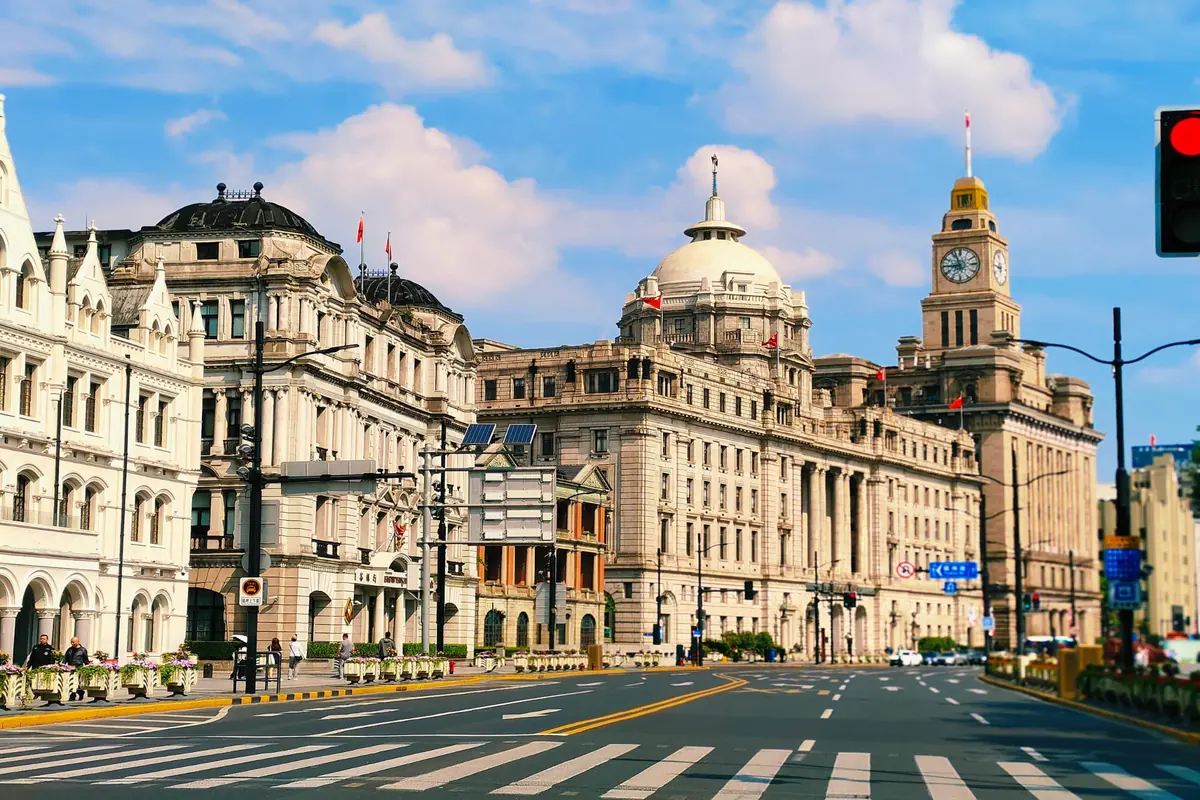
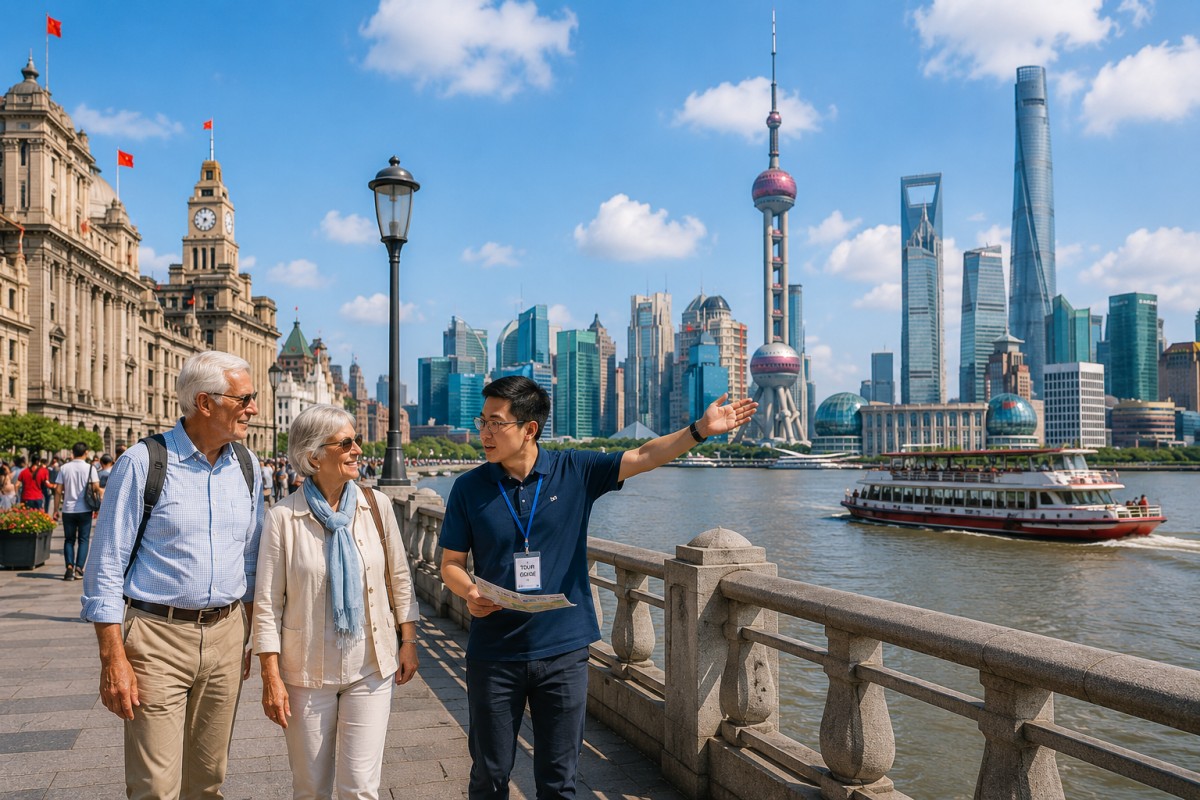
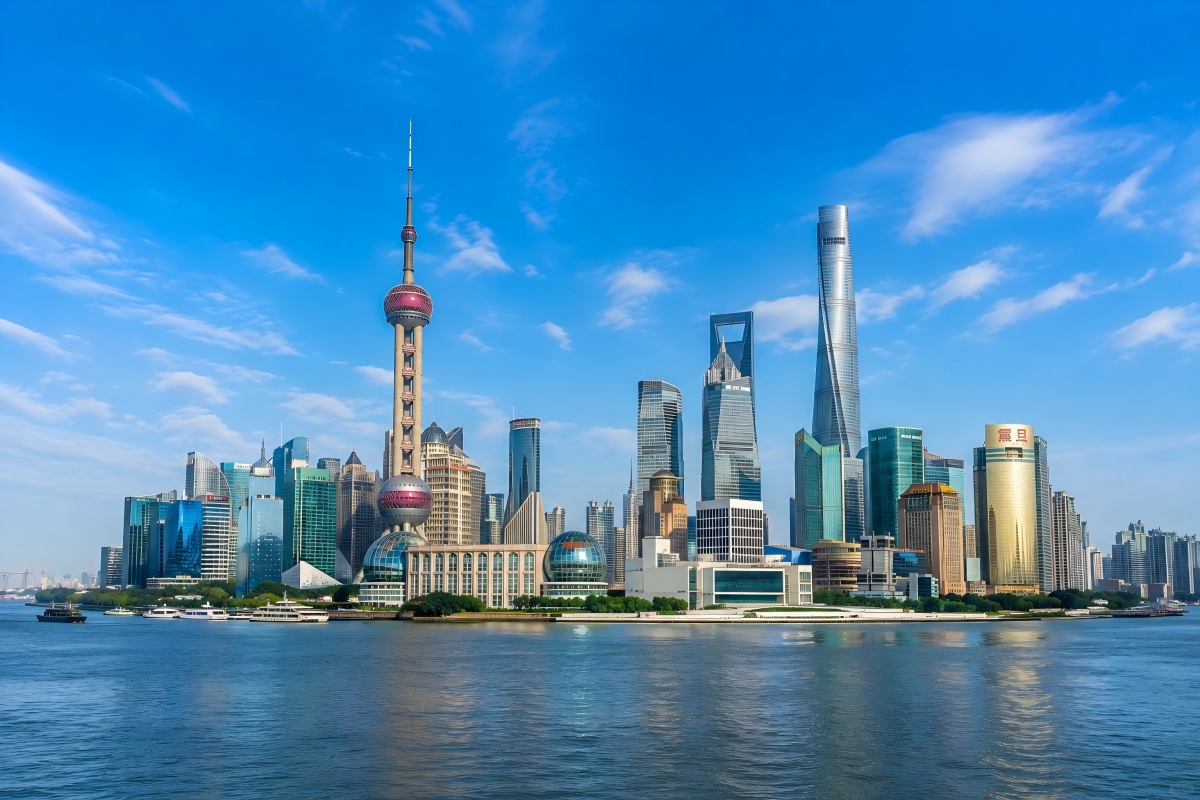
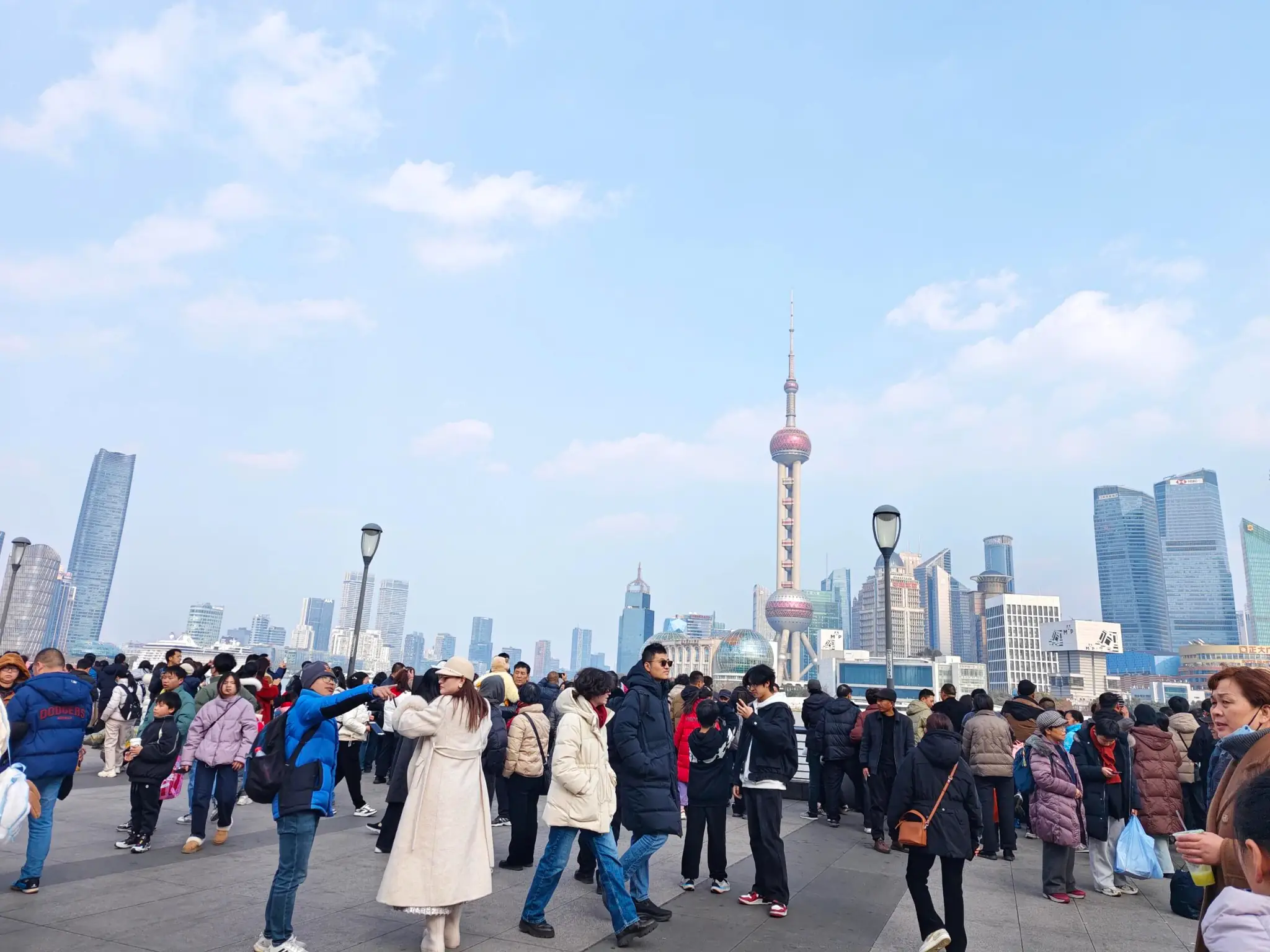
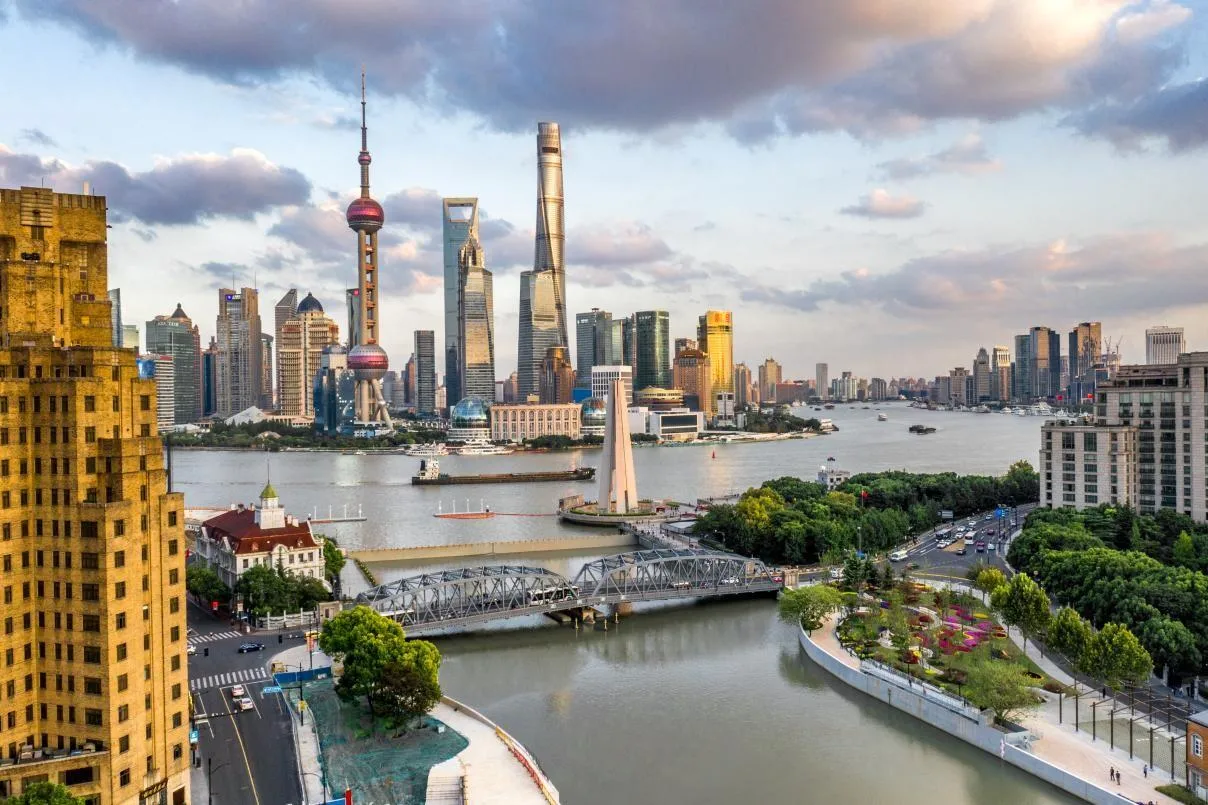
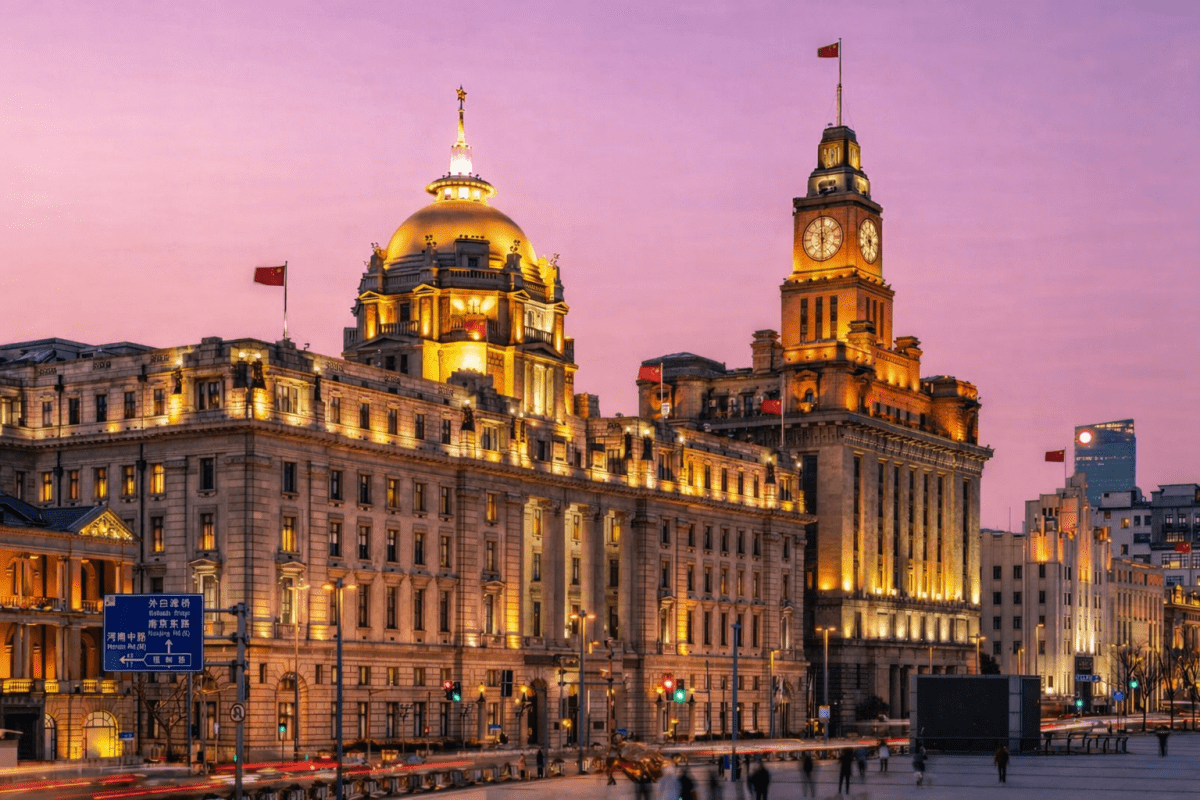
Walk along the Huangpu River beside the Bund’s century-old European-style buildings and look across the water to Pudong’s modern skyscrapers. Visit during the day for the historic architecture, then return after dark for one of Shanghai’s most famous skyline views.
Read The Bund Guide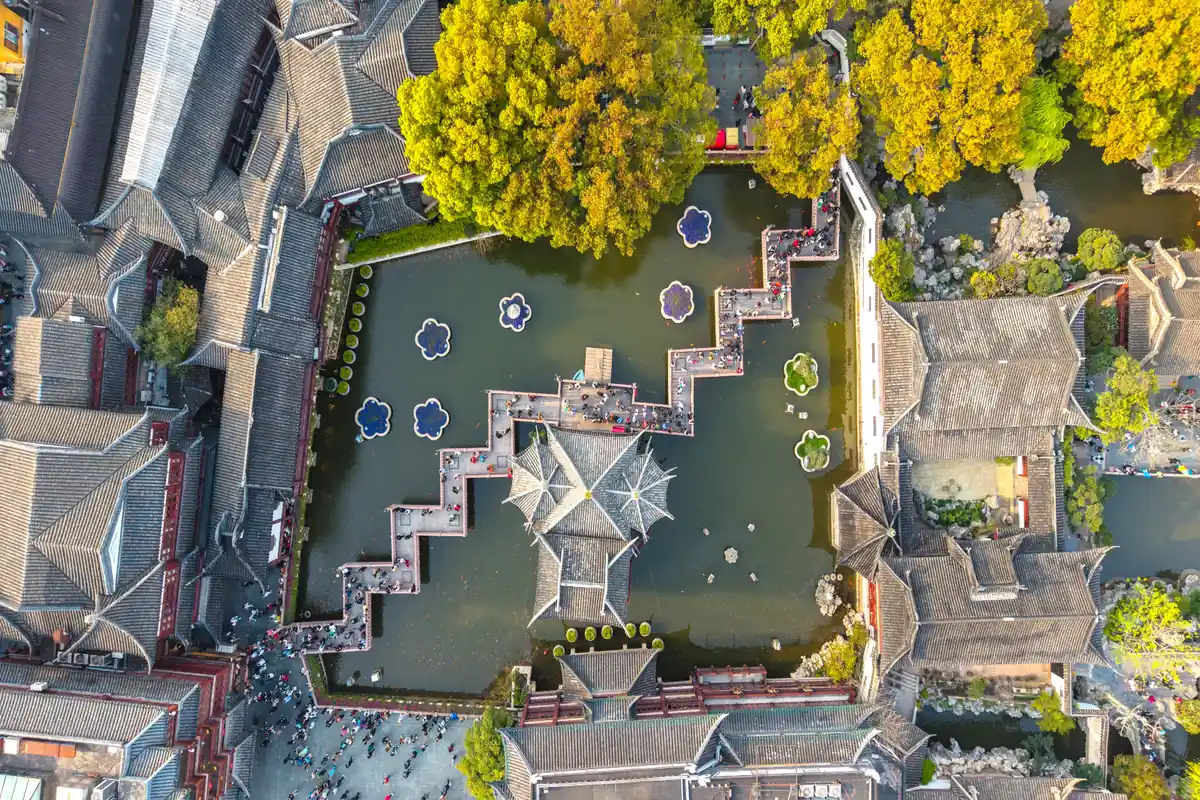
Step into one of Shanghai’s best-known traditional Chinese gardens. Built in 1559, Yu Garden showcases Ming-style architecture, classical landscaping and a very different side of the city from the modern skyline across the Huangpu River.
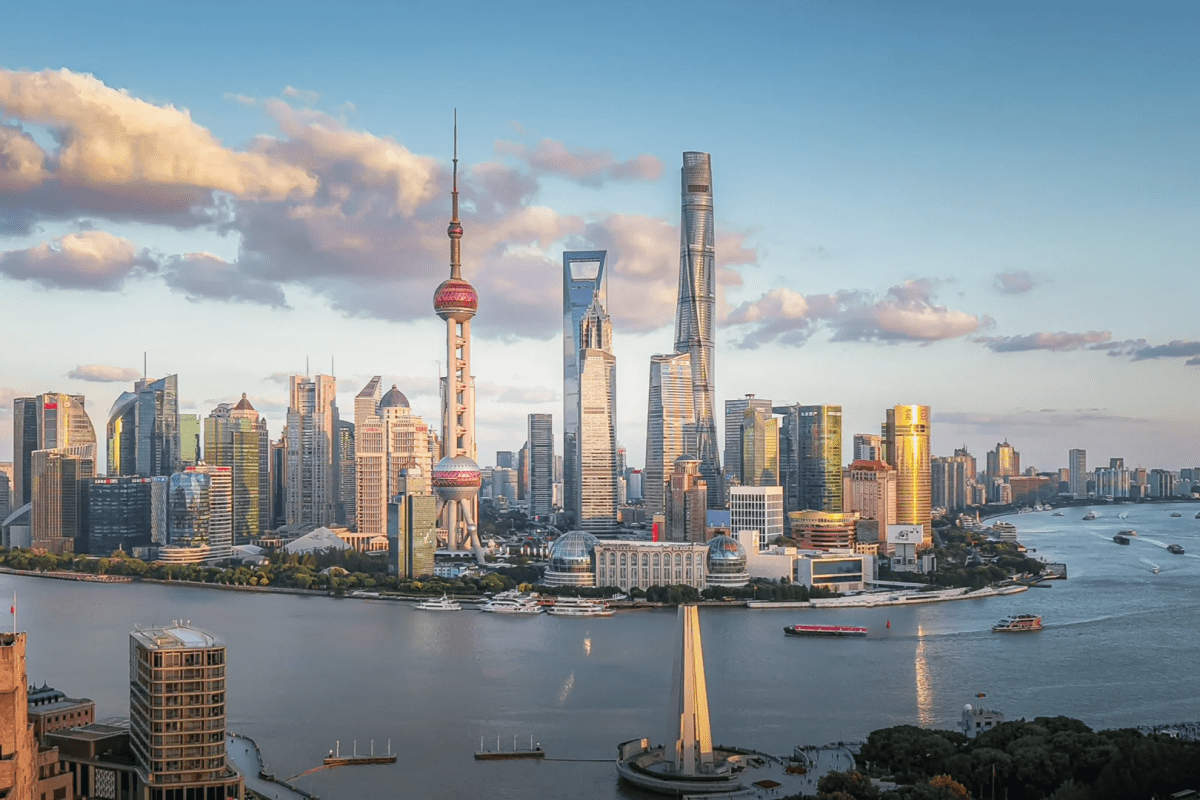
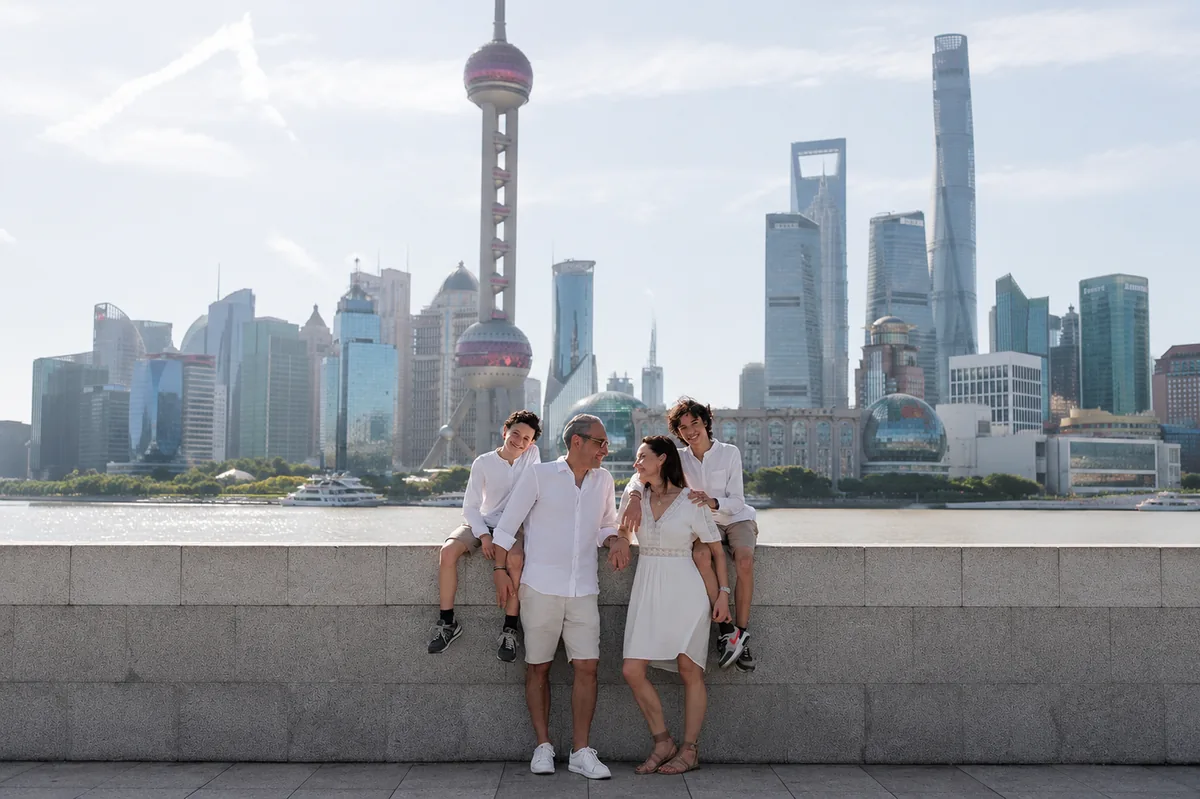
See Shanghai’s modern side in the Lujiazui financial district, home to Shanghai Tower, the Oriental Pearl Tower and Jin Mao Tower. Shanghai Tower rises 632 meters, with an observation deck at 546 meters for elevated views across the city.
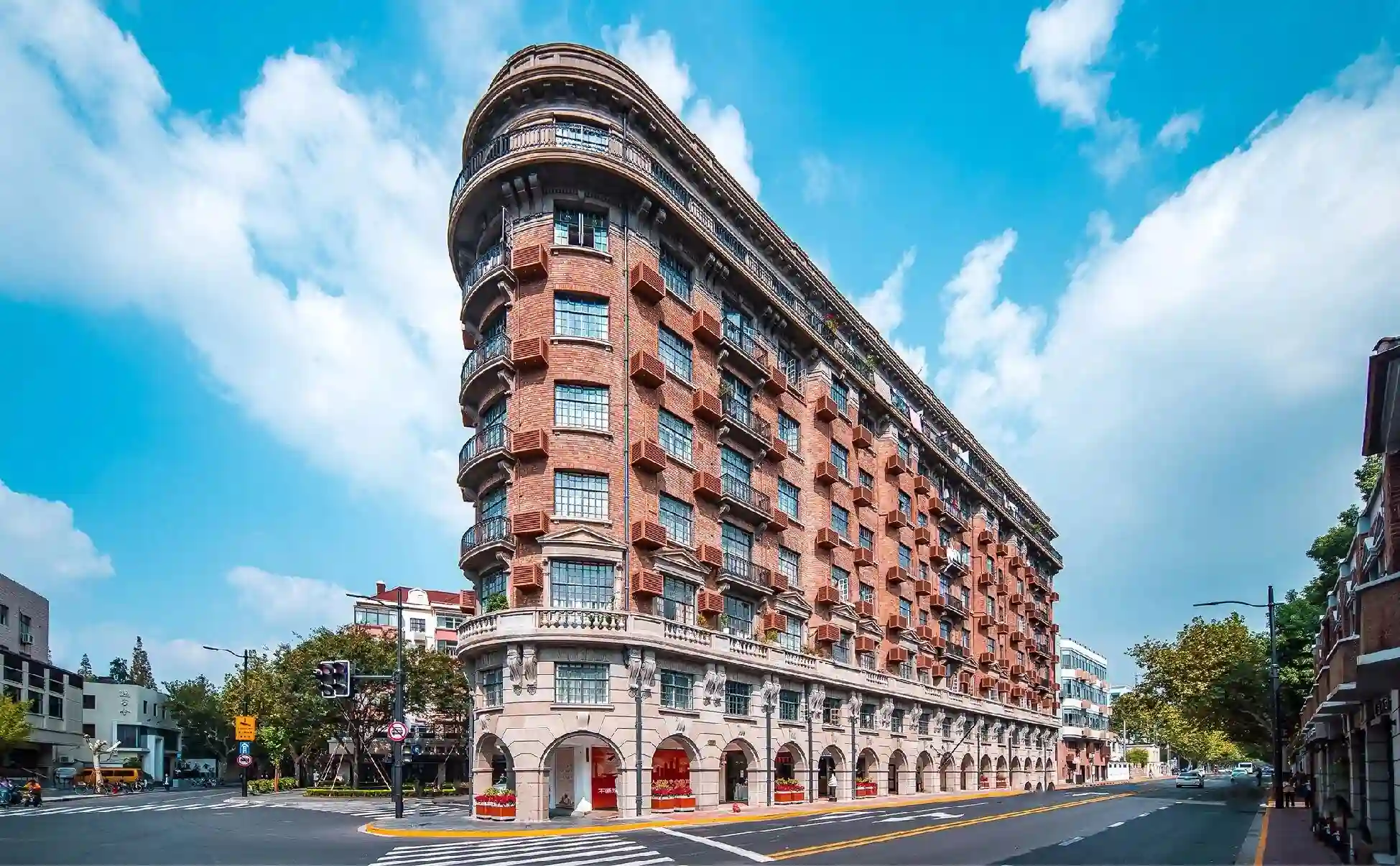
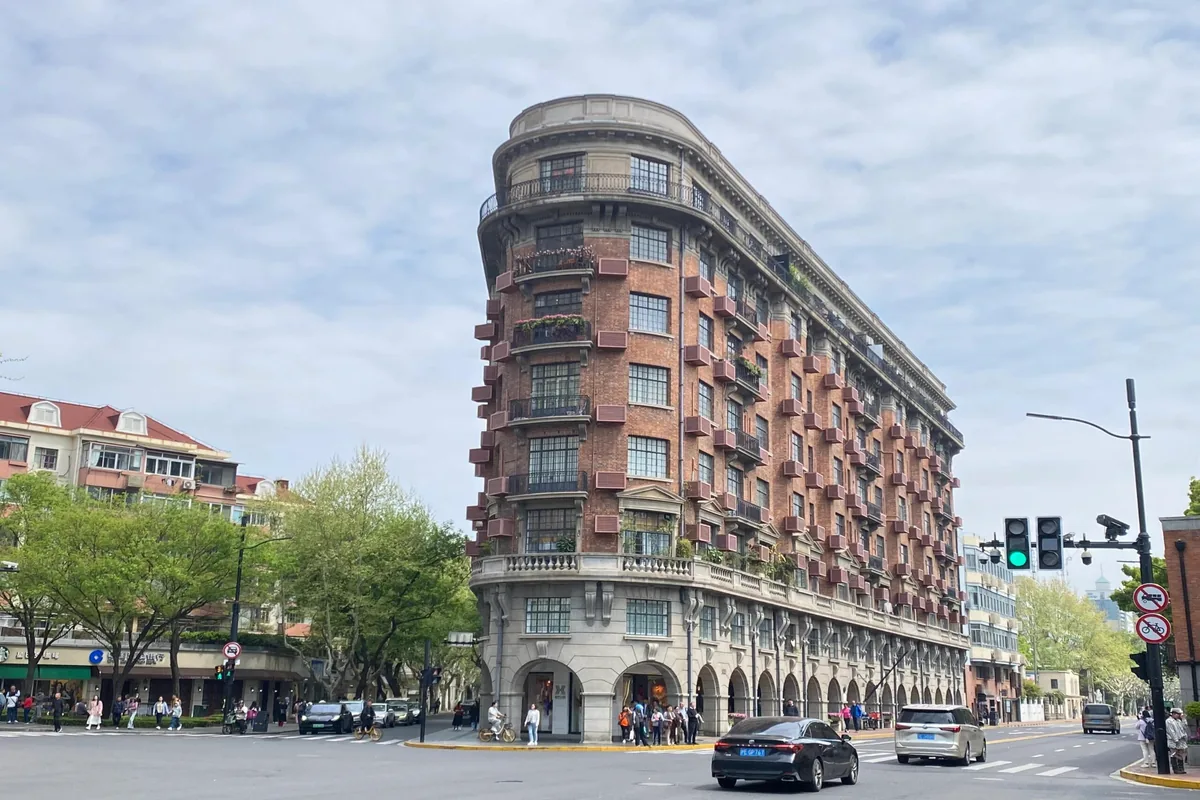
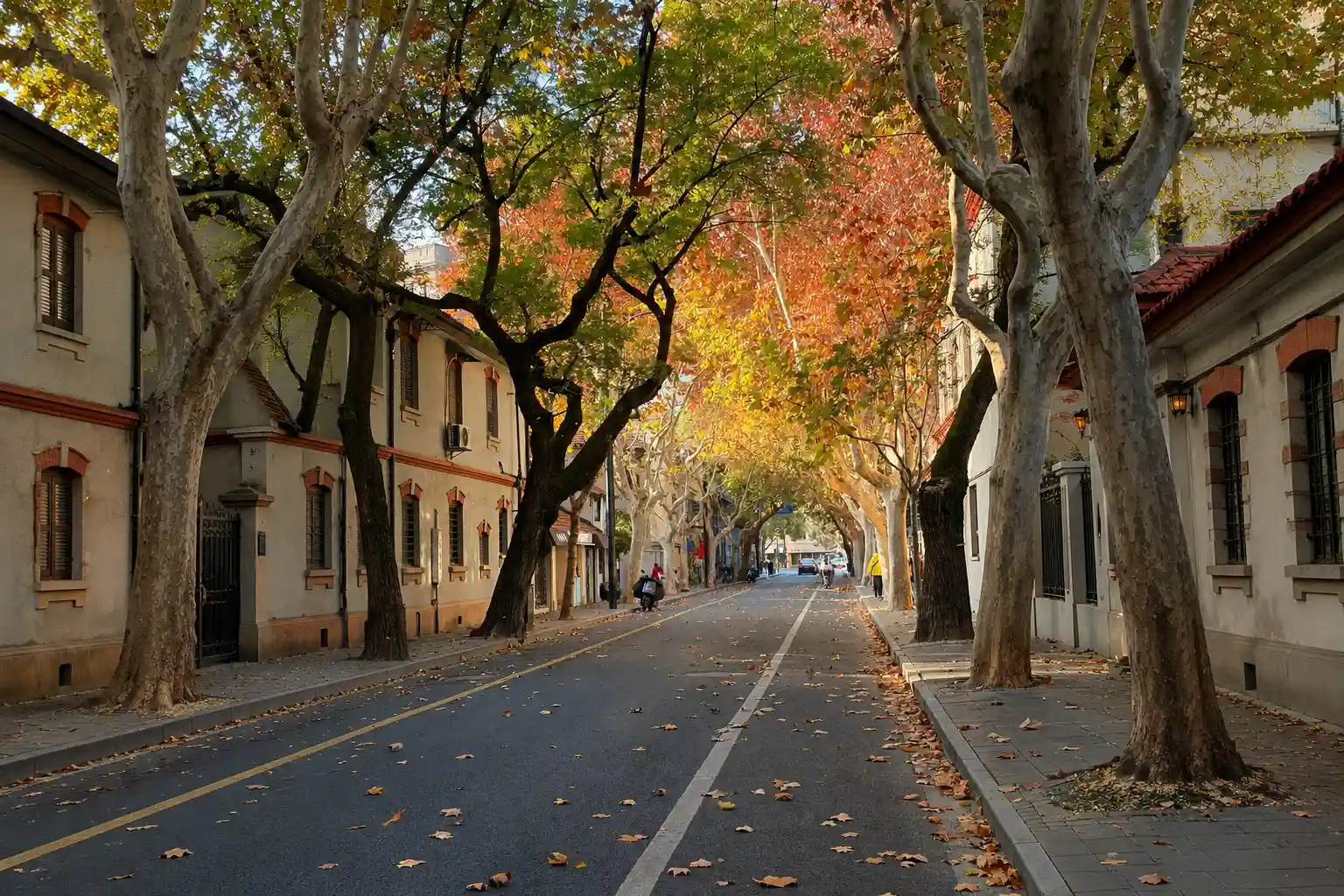
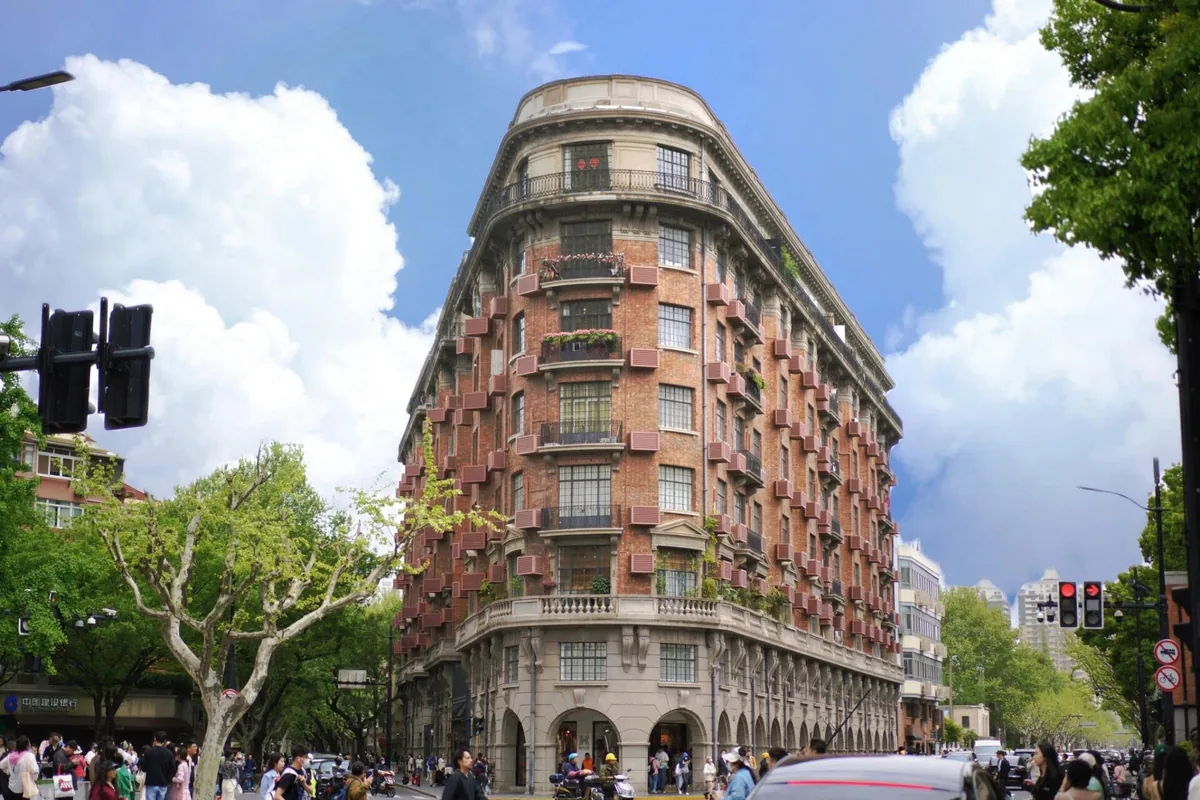
Explore one of the best areas for experiencing old Shanghai on foot. Around the Former French Concession and Wukang Road, historic buildings mix with coffee shops, art spaces and neighborhood streets away from the Pudong skyline.
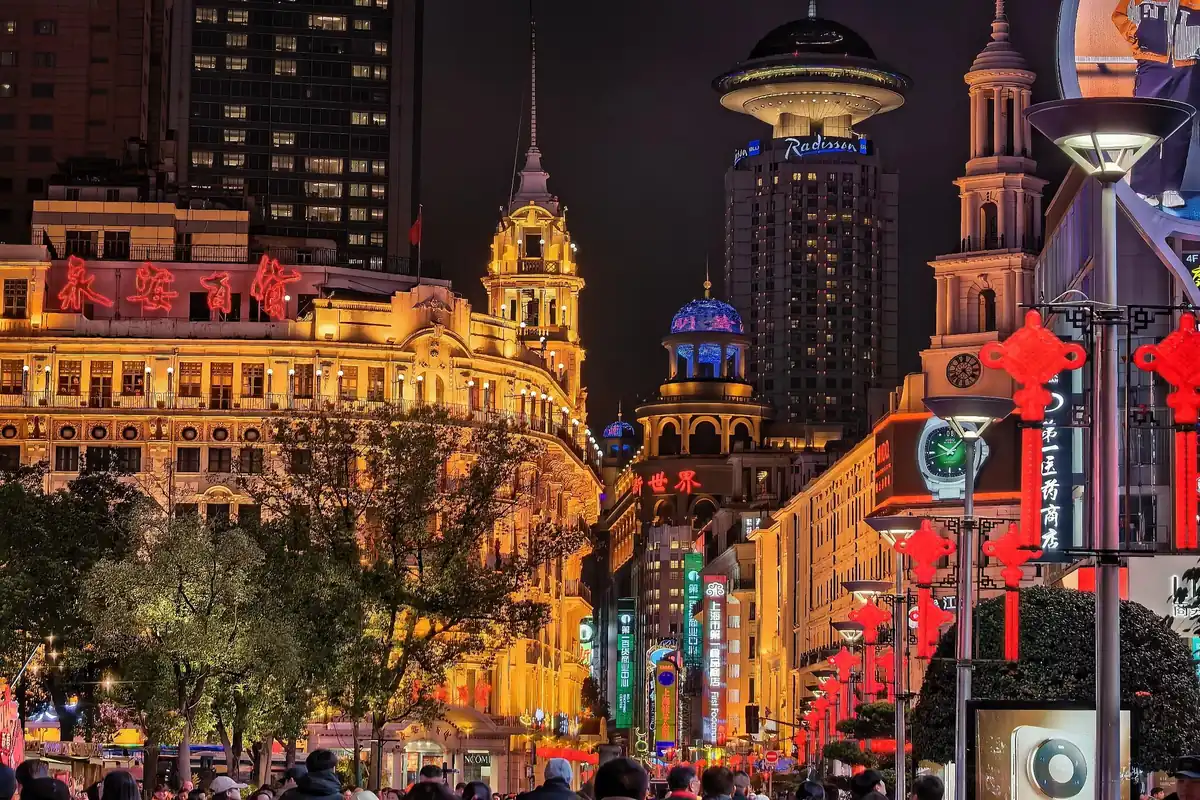
Experience the commercial heart of central Shanghai along Nanjing Road, then continue toward People’s Square. This busy part of the city combines major shopping streets, high-end stores and convenient access to many central Shanghai attractions.
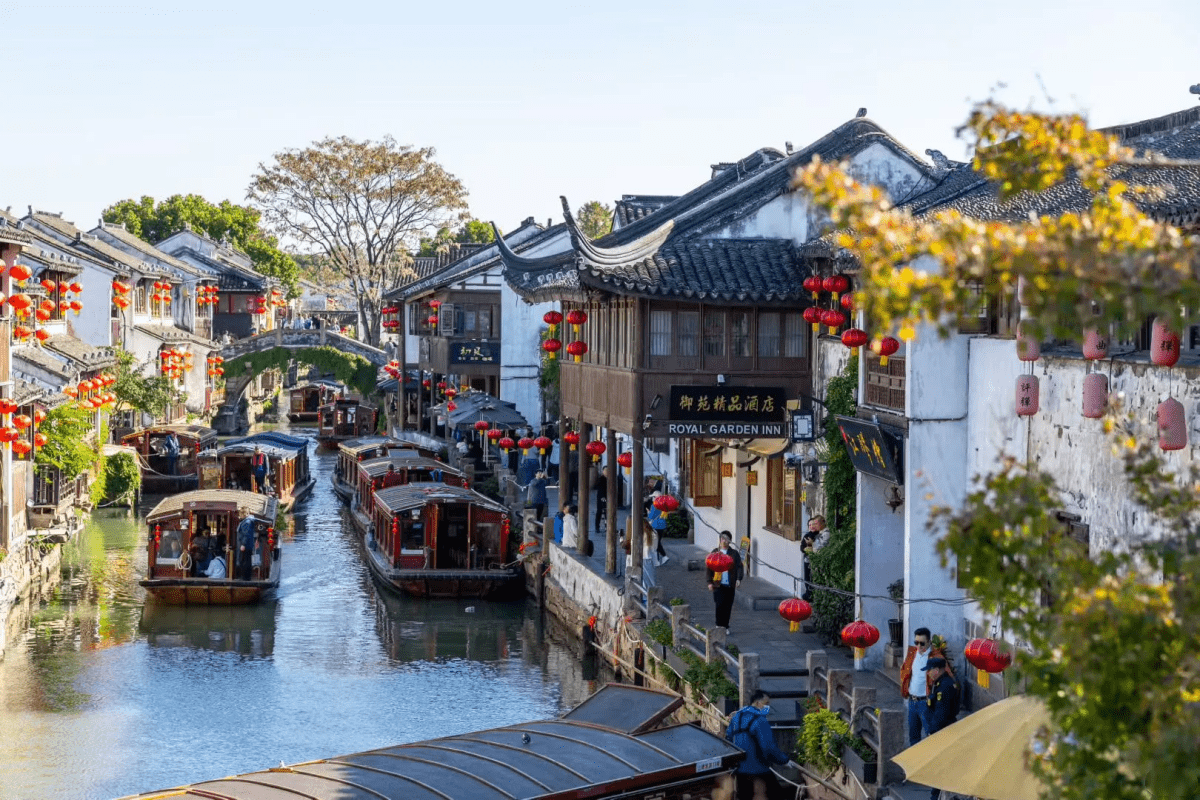
Add a traditional water-town experience to your Shanghai trip. Zhujiajiao has a history spanning more than 1,700 years and offers a slower contrast to central Shanghai’s skyscrapers, shopping streets and modern financial districts.
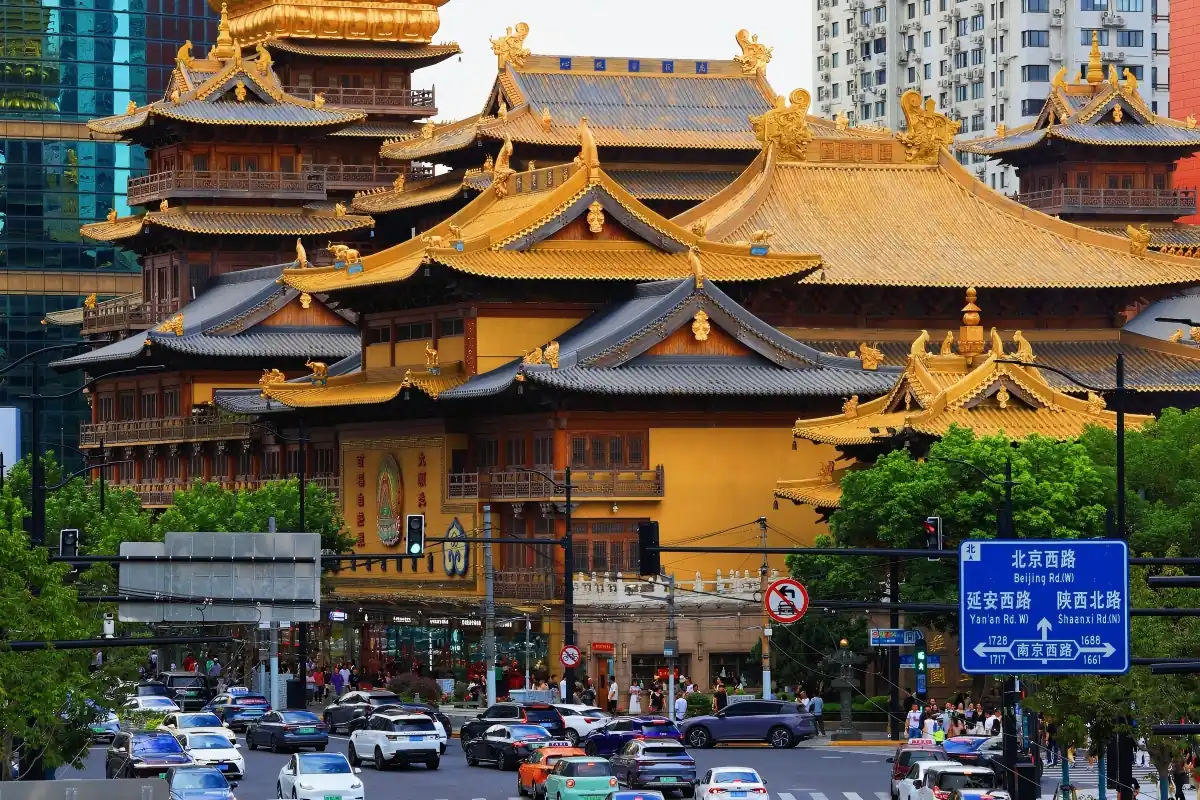
Include Jing’an Temple when exploring central Shanghai for a traditional Chinese cultural stop within the modern city. Its location also makes it easy to combine with nearby streets, restaurants, shopping and other central Shanghai neighborhoods.
Combine the Bund, Yu Garden, Pudong skyline, Former French Concession, Nanjing Road and a traditional water town in a balanced Shanghai itinerary for first-time visitors.
Discover the best things to do in Shanghai beyond simply visiting landmarks. Walk through historic neighborhoods, cruise the Huangpu River, taste Shanghainese food, explore cafés and art spaces, enjoy the city after dark, shop along famous streets and see Shanghai’s skyline from above.
Slow down and explore one of Shanghai’s most atmospheric areas on foot. Around the Former French Concession and Wukang Road, historic buildings, tree-lined streets, coffee shops and local neighborhoods reveal a quieter side of Shanghai beyond the Bund and Pudong skyline.
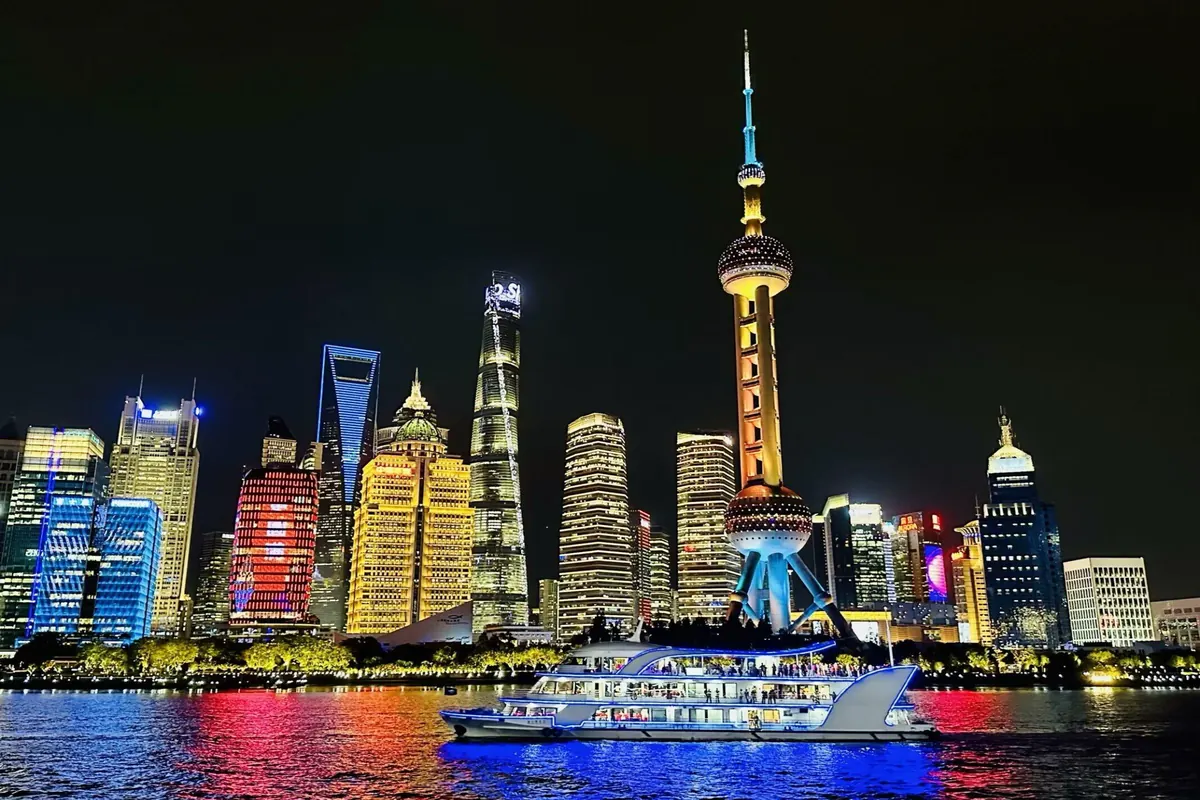
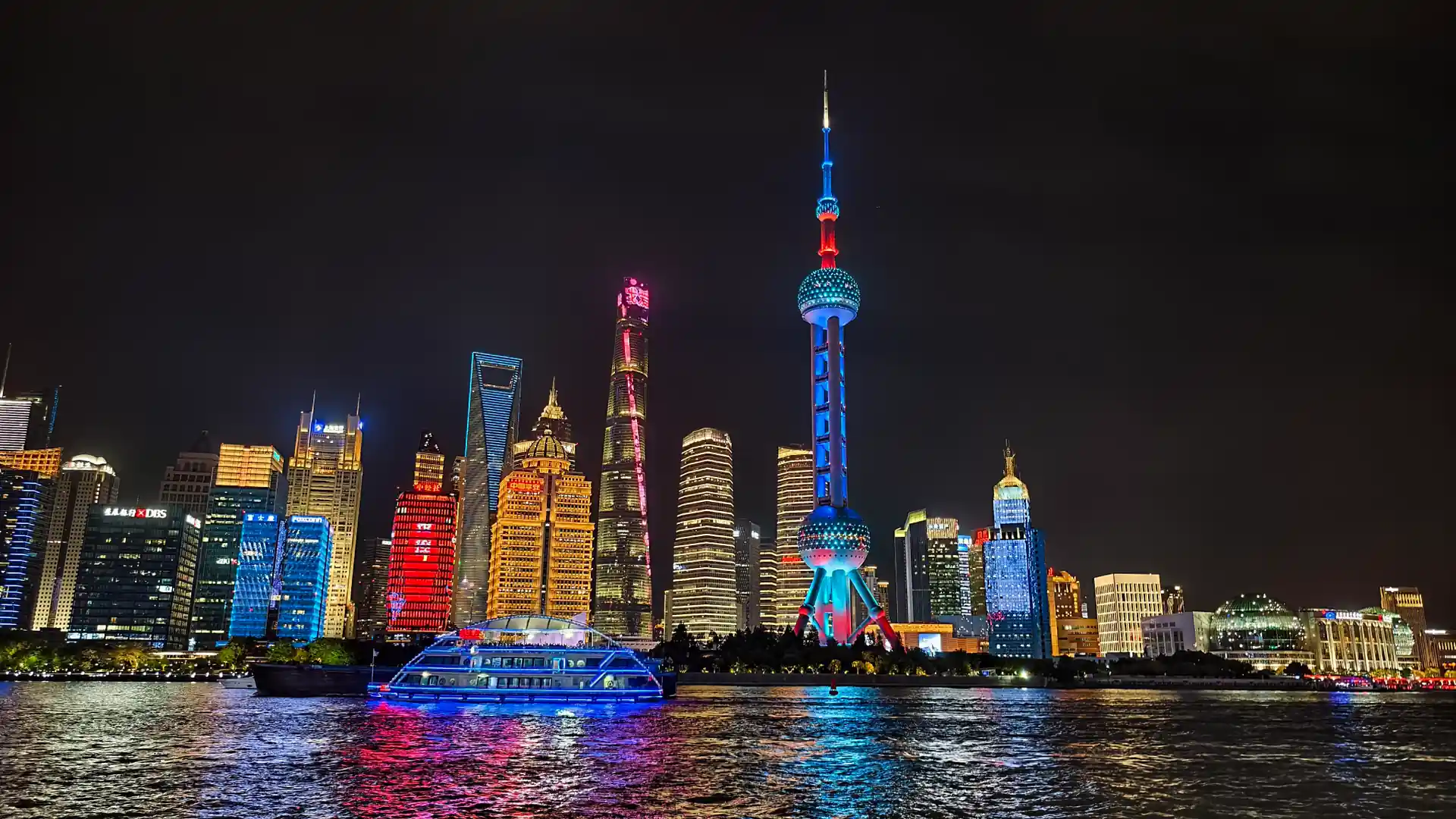
Cruise along the Huangpu River for panoramic views of both sides of Shanghai. See the historic Bund on one bank and the modern skyscrapers of Pudong on the other, with evening cruises offering some of the city’s best night views.
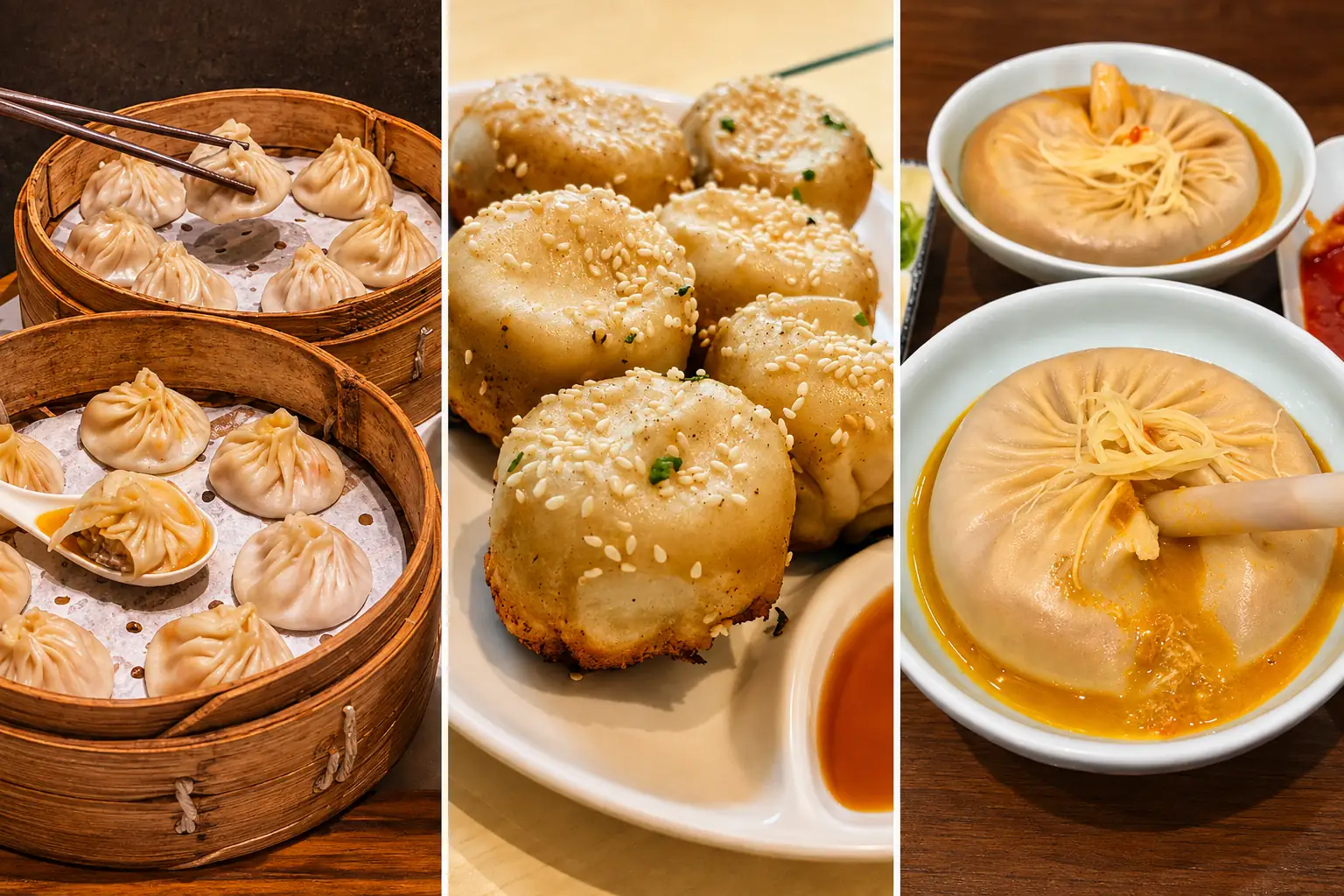
Discover Shanghainese cuisine through local dishes, breakfast foods, noodles and street snacks. Look for xiaolongbao, scallion oil noodles and other local specialties while exploring traditional restaurants and neighborhood food streets.
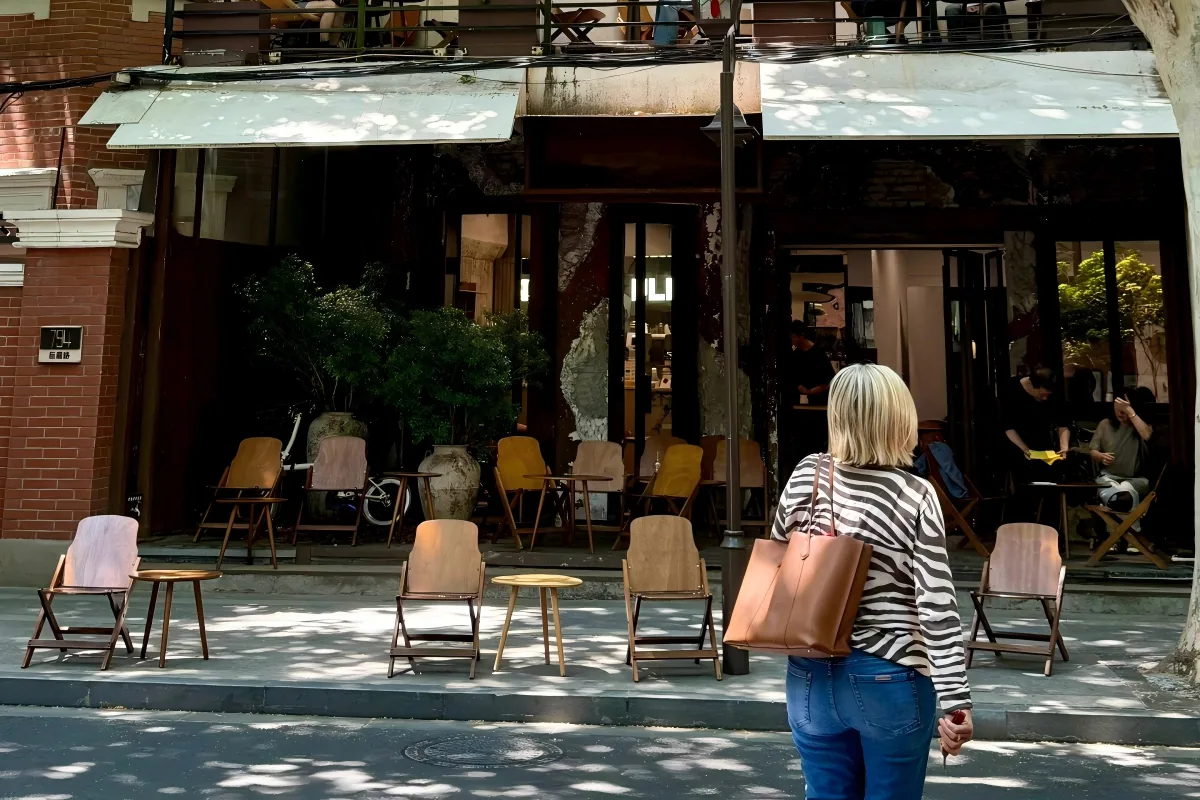
Spend part of your trip exploring Shanghai’s coffee shops, art galleries and creative neighborhoods. These smaller-scale experiences offer a different view of the city from its famous shopping streets and towering skyscrapers.
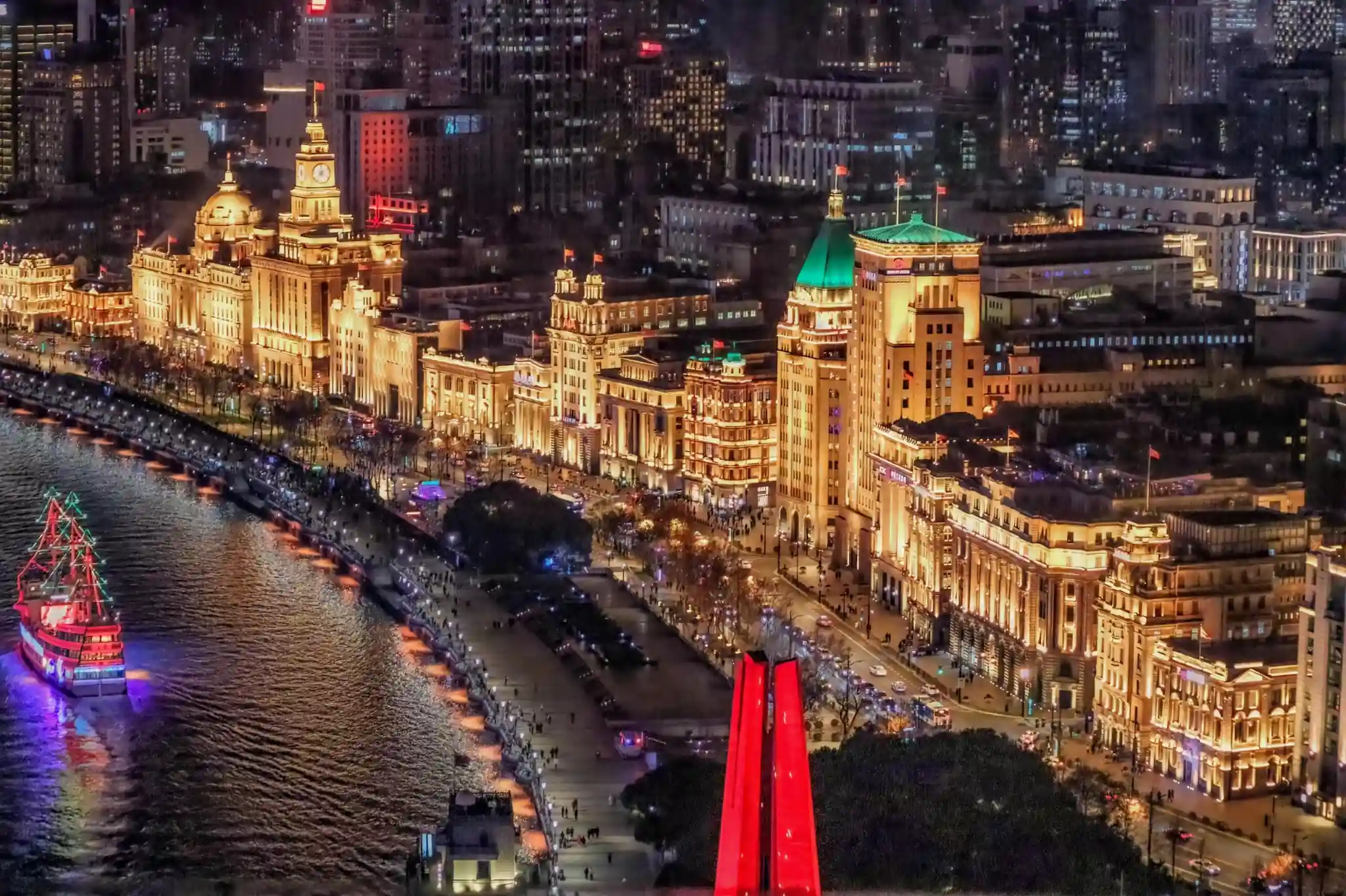
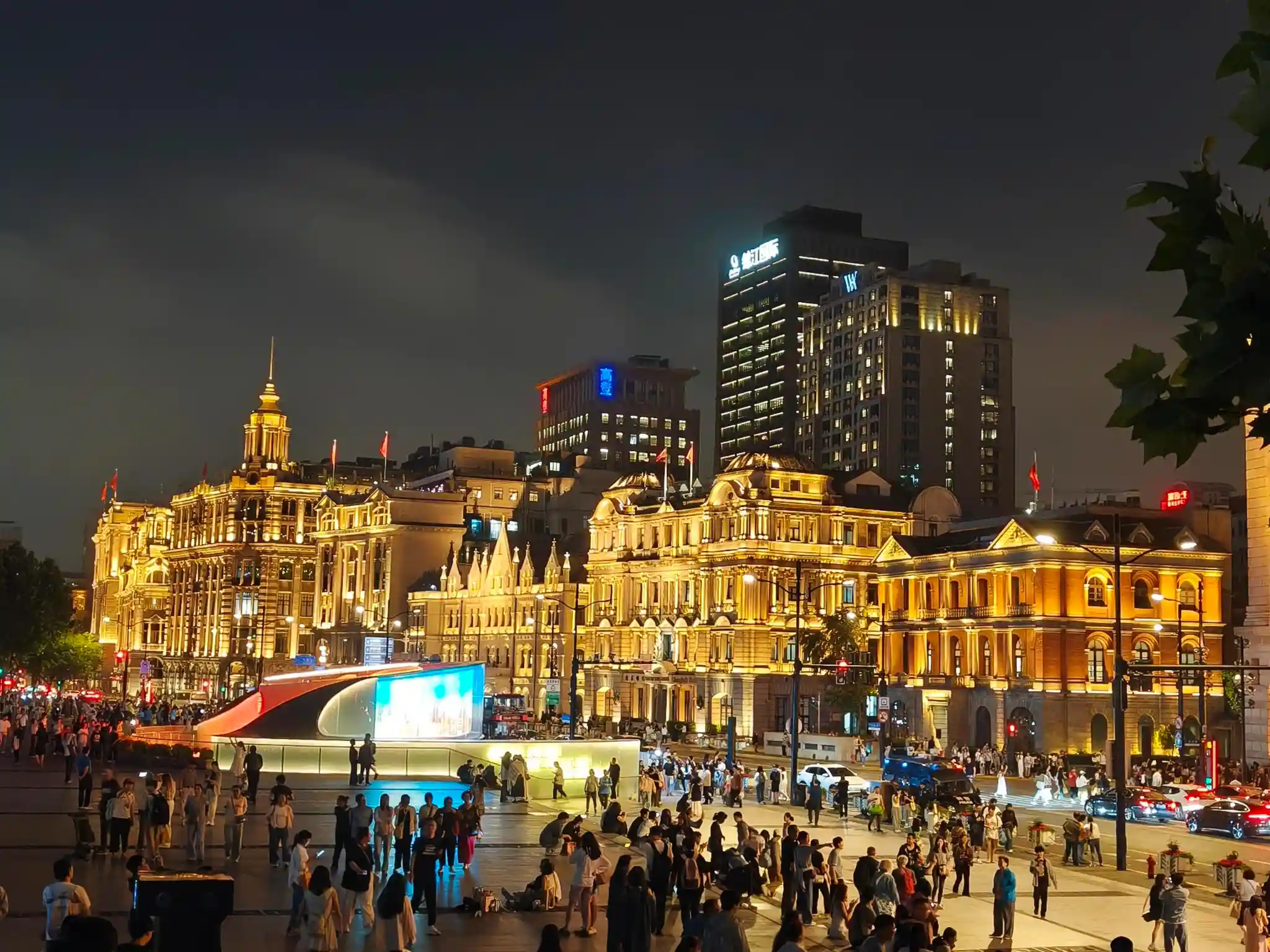
Stay out after sunset to see the Bund and Pudong skyline illuminated, take an evening river cruise or explore Shanghai’s bars, restaurants and nightlife. The city takes on a very different atmosphere after dark.
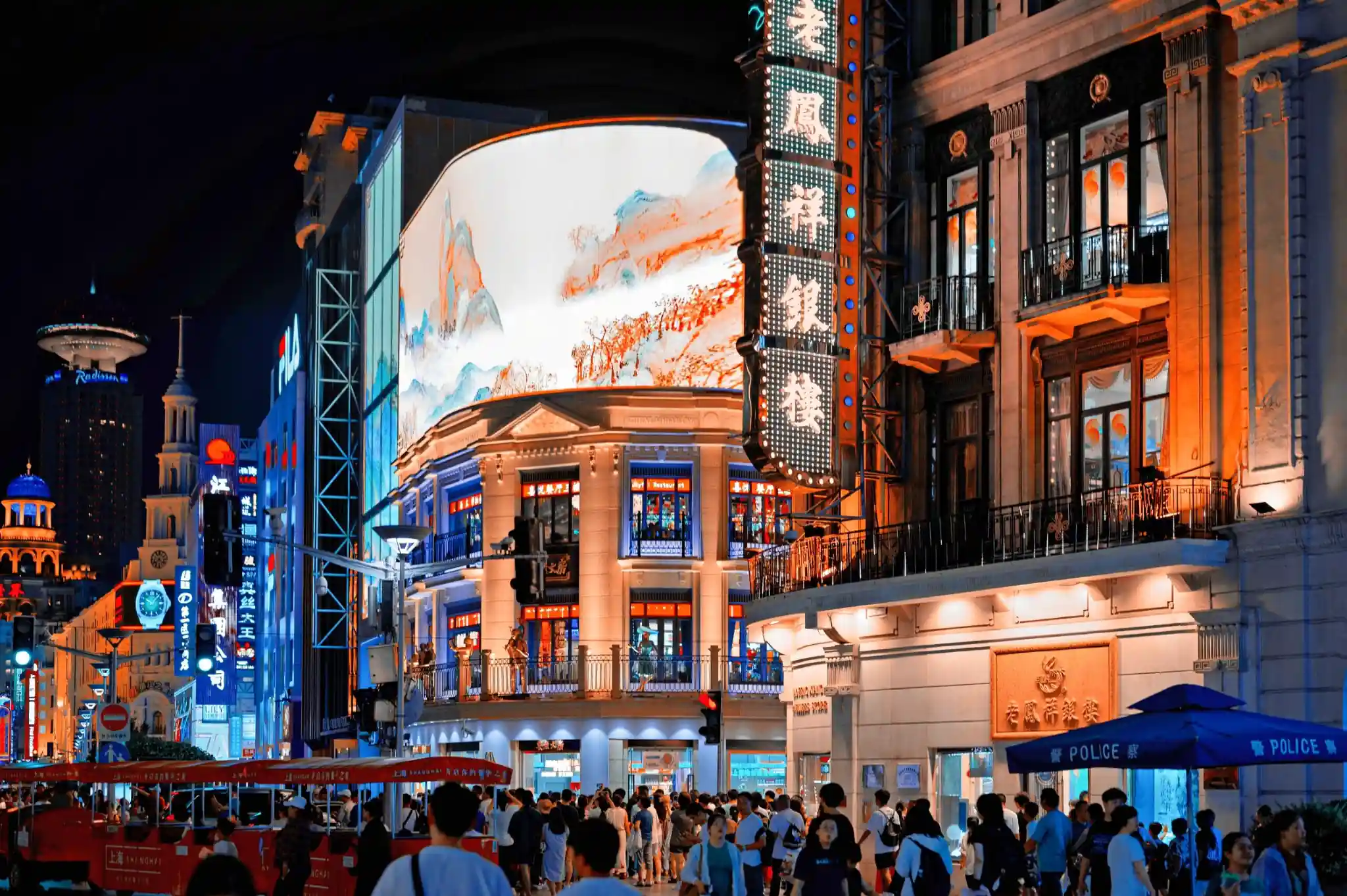
Walk along one of central Shanghai’s best-known commercial streets, where major stores, shopping centers and busy city scenes lead toward People’s Square and the Bund. Visit after dark for a livelier atmosphere and illuminated storefronts.
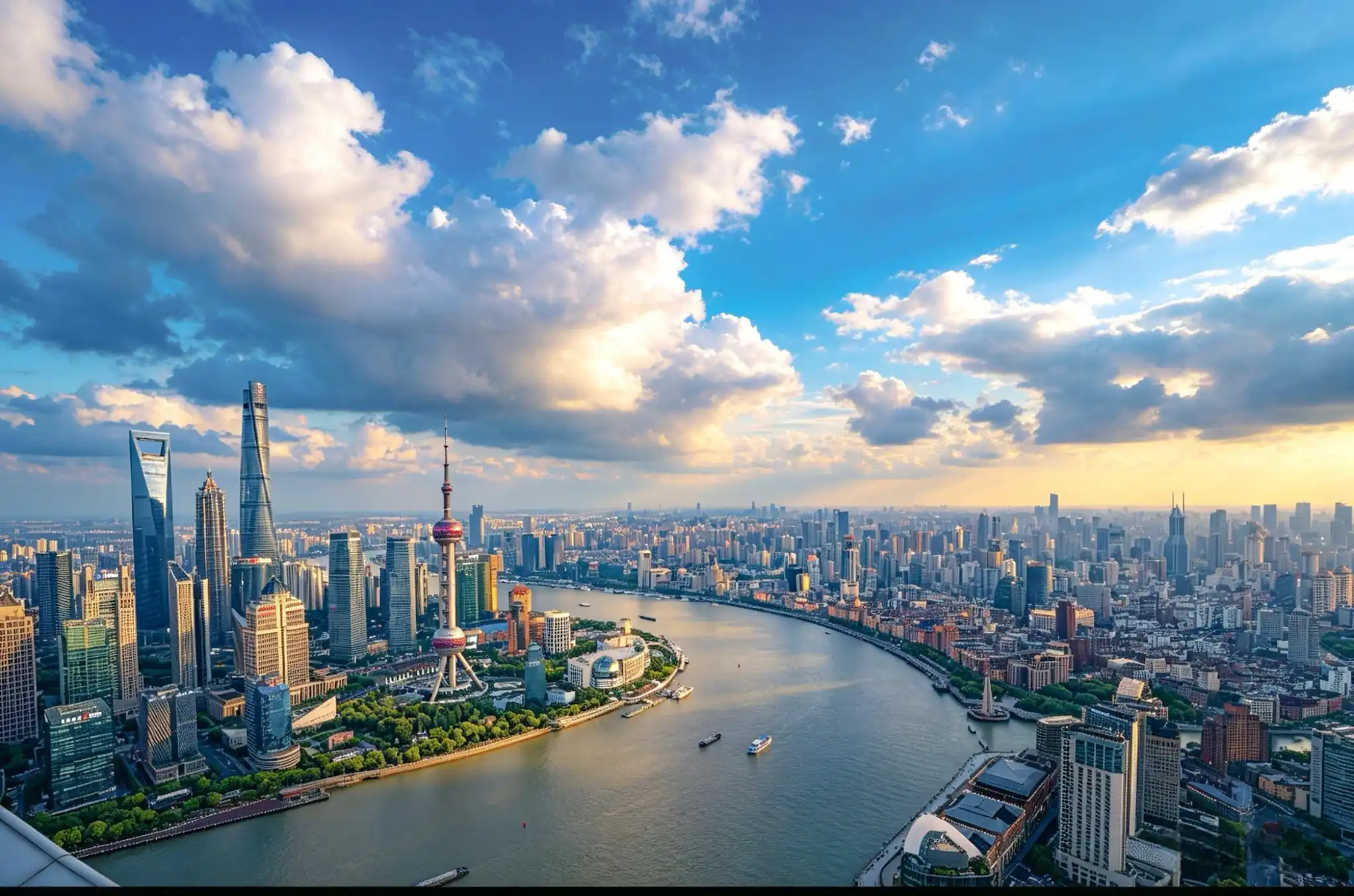
Head into Pudong for elevated views across the city from one of Shanghai’s famous skyscrapers. Observation decks provide a clear perspective over the Huangpu River, the Bund and the dense modern skyline of central Shanghai.
Go deeper into Shanghai through historic neighborhoods, Huangpu River experiences, local food, cafés and art, nightlife, shopping and skyline viewpoints.
Balance Shanghai’s famous attractions with neighborhood walks, local food, river views, nightlife and modern city experiences based on your interests.
Shanghai food is an essential part of experiencing the city. Shanghainese cuisine is known for rich, savory-sweet flavors, delicate dumplings, noodles, braised dishes and traditional breakfast foods. Start with xiaolongbao and shengjian mantou, then explore local restaurants, street snacks and neighborhood food stops across Shanghai.
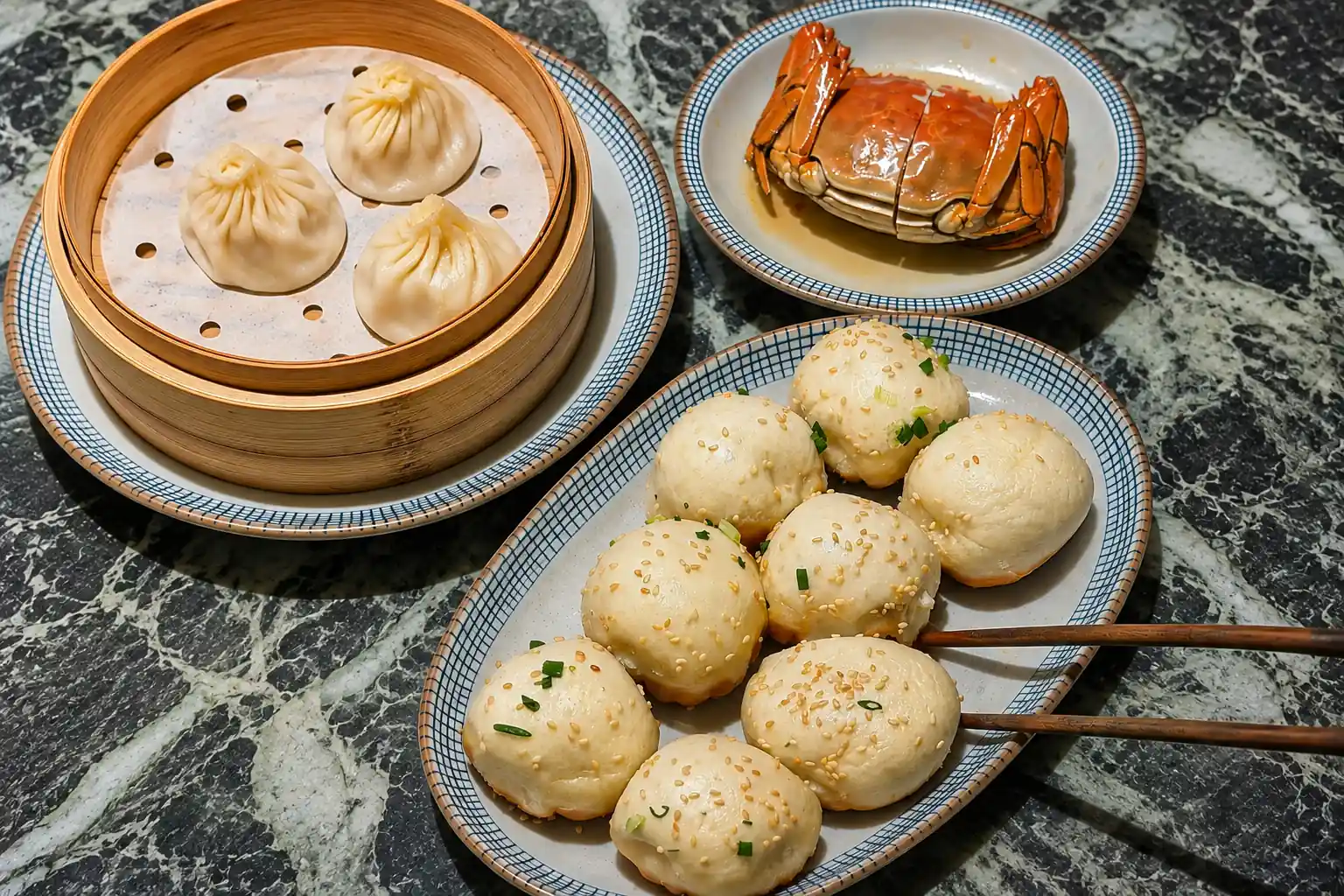
Begin with two of Shanghai’s best-known dumpling specialties. Xiaolongbao are delicate steamed soup dumplings filled with hot broth and meat, while shengjian mantou are pan-fried buns with a crisp base, soft dough and juicy filling. Try both to experience two very different sides of Shanghai dumpling culture.
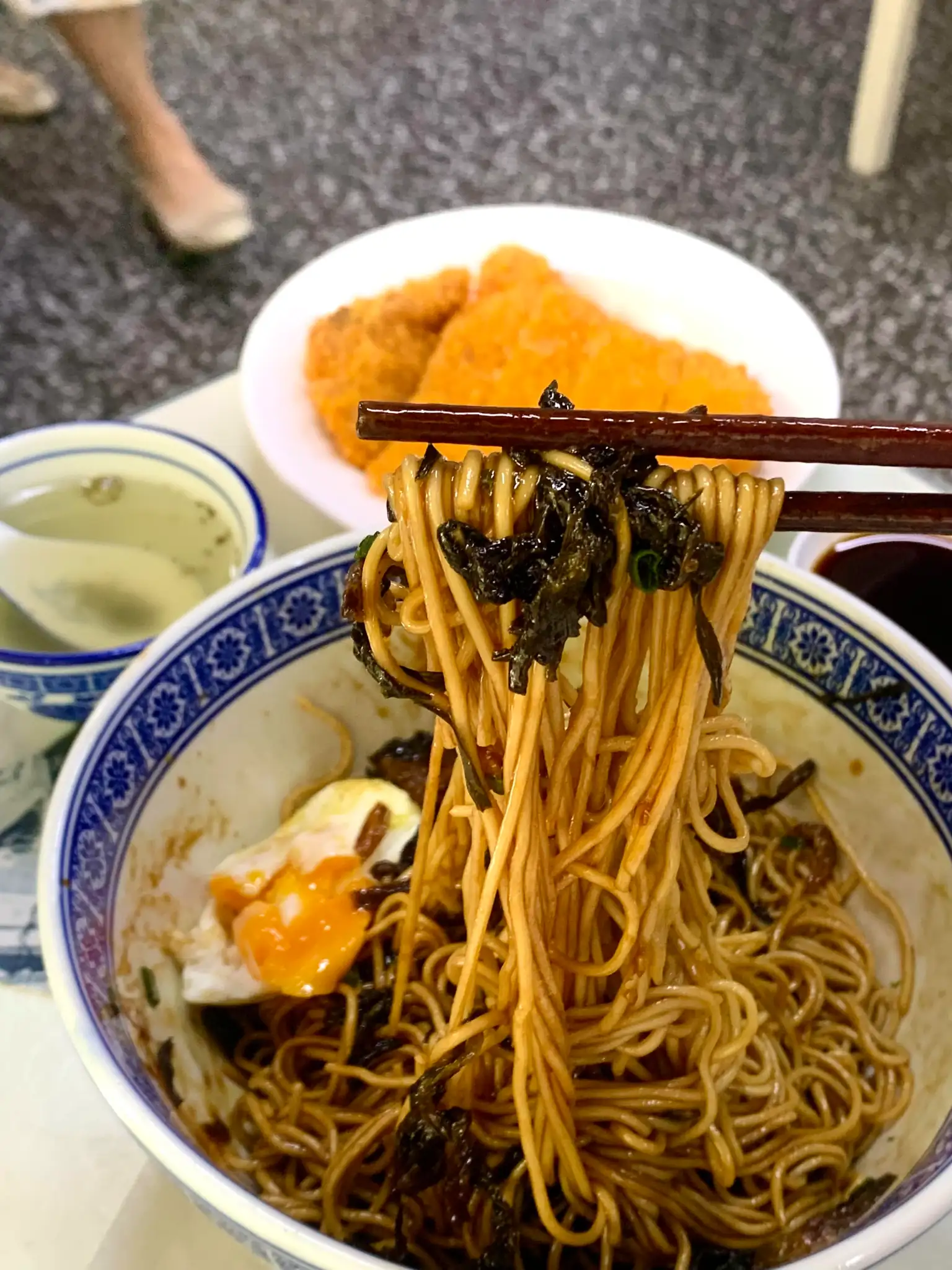
Try cong you ban mian, a simple but classic Shanghai noodle dish flavored with fragrant scallion oil and savory sauce. It is an easy local meal to add between sightseeing stops and a good introduction to everyday Shanghainese cooking.
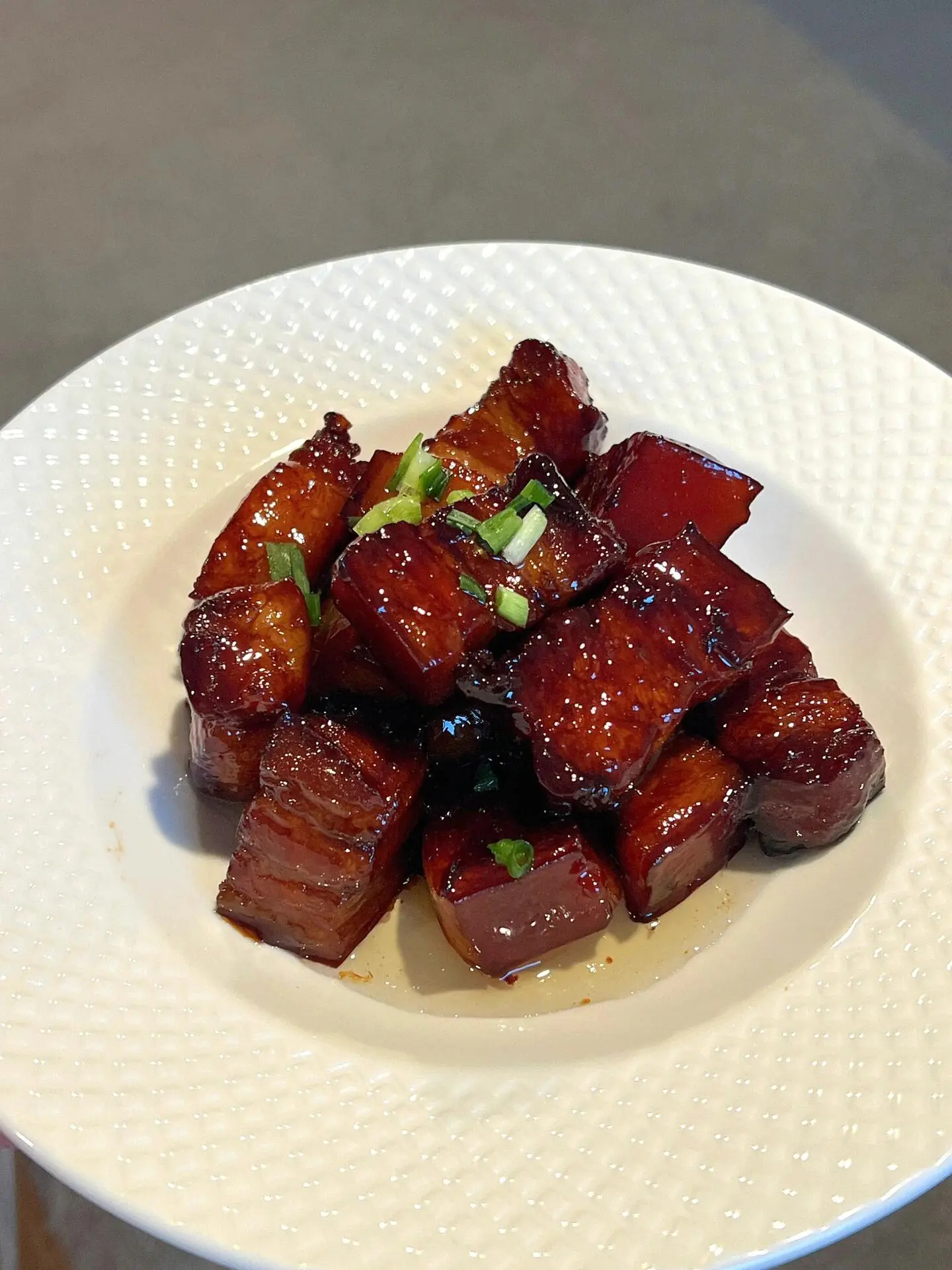
Shanghainese cuisine is famous for red-braised dishes prepared with soy sauce, aromatics and a slightly sweet flavor profile. Hong shao rou, or red-braised pork, is one of the classic dishes to look for in traditional Shanghai restaurants.
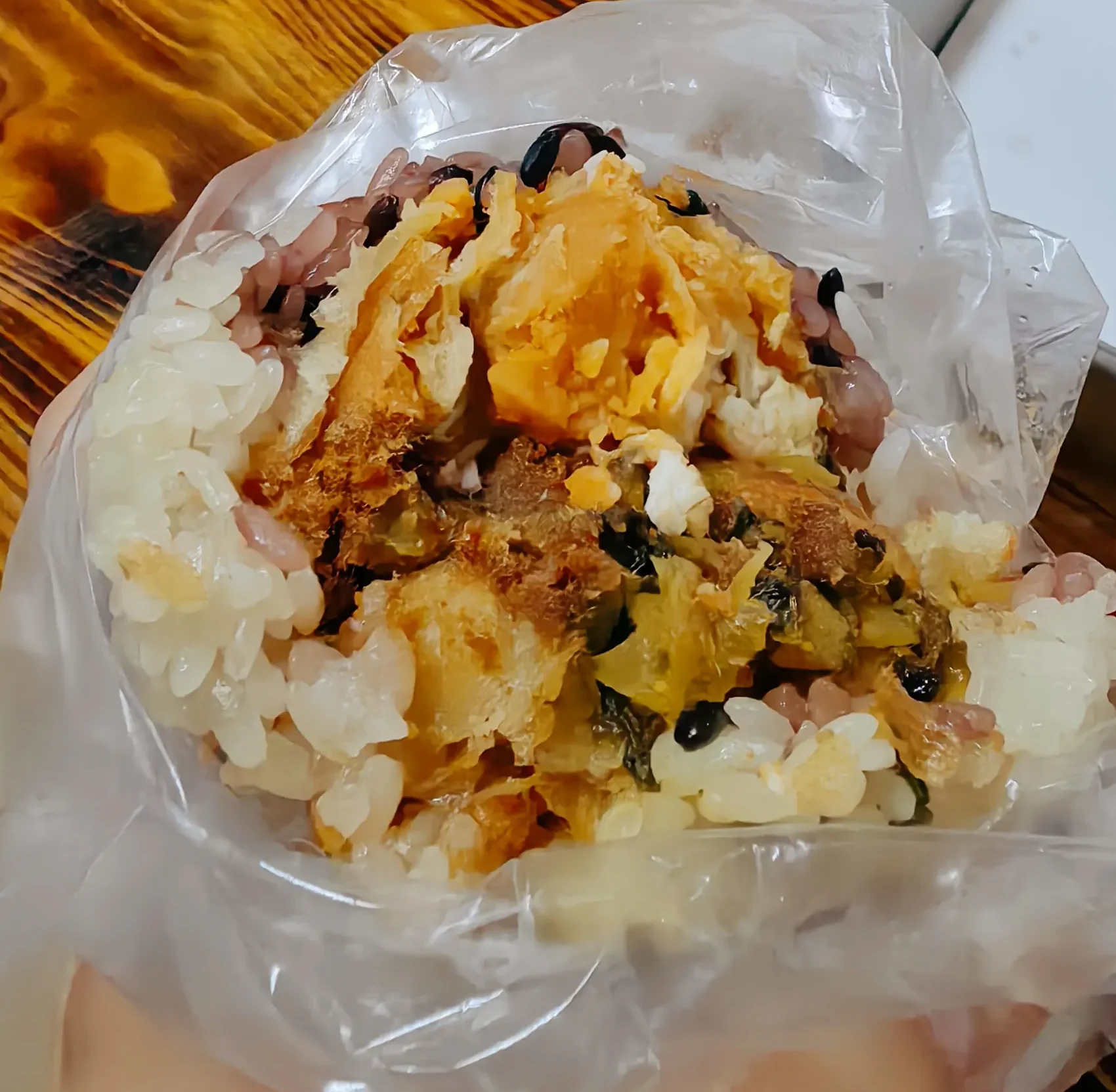
Explore Shanghai early in the morning for a different side of the city’s food culture. Look for ci fan tuan, soy milk, steamed or fried breakfast items and small local shops serving inexpensive morning meals to neighborhood residents.
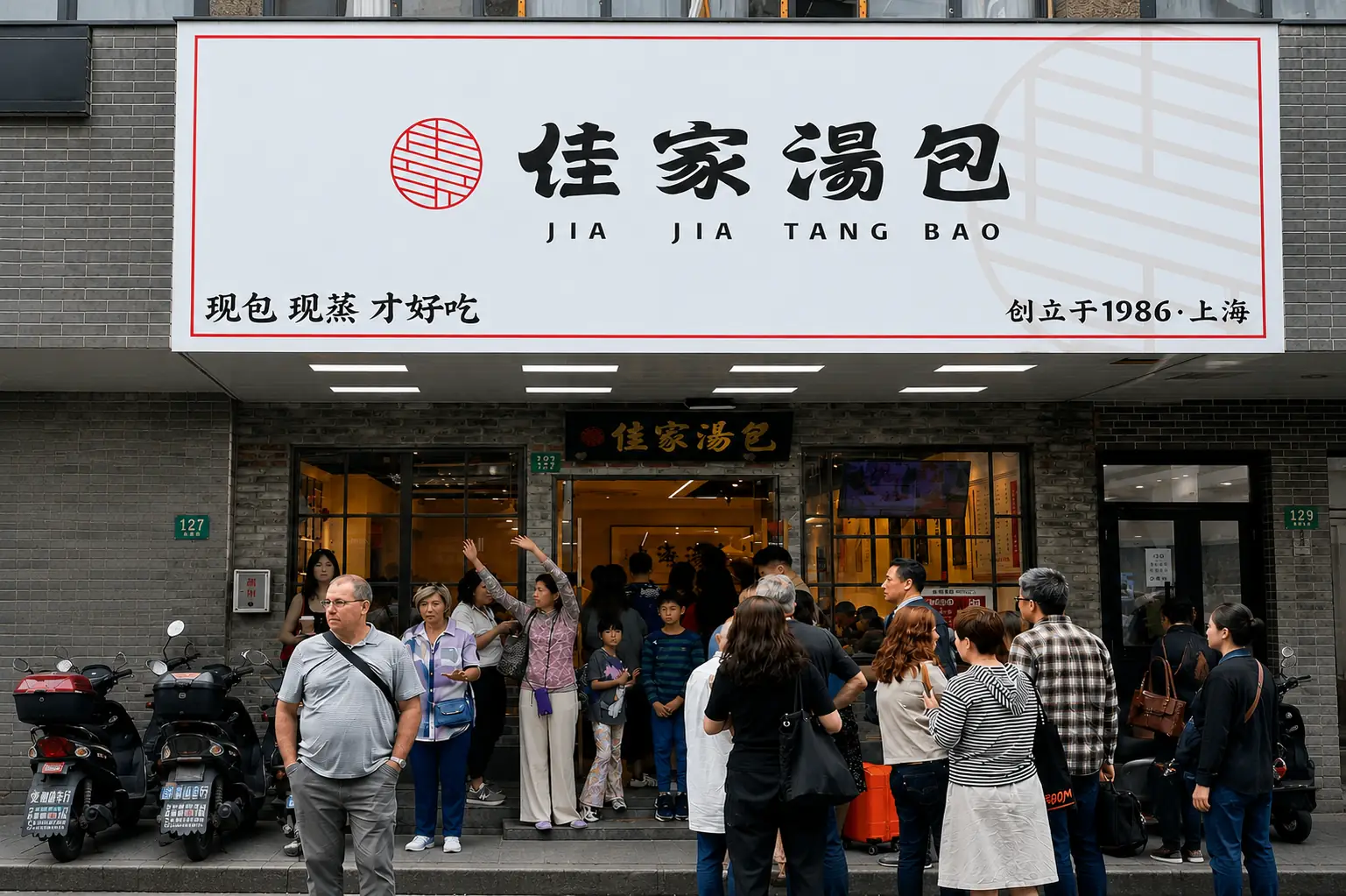
Leave space in your itinerary for small local snacks rather than relying only on formal restaurants. Shanghai food stalls, neighborhood snack shops and casual eateries are useful places to try dumplings, noodles and other quick local specialties.

Shanghai dining changes with the seasons, and local restaurants often highlight ingredients that are best at particular times of year. Autumn is especially associated with hairy crab, while seasonal vegetables, seafood and regional dishes appear throughout the year.
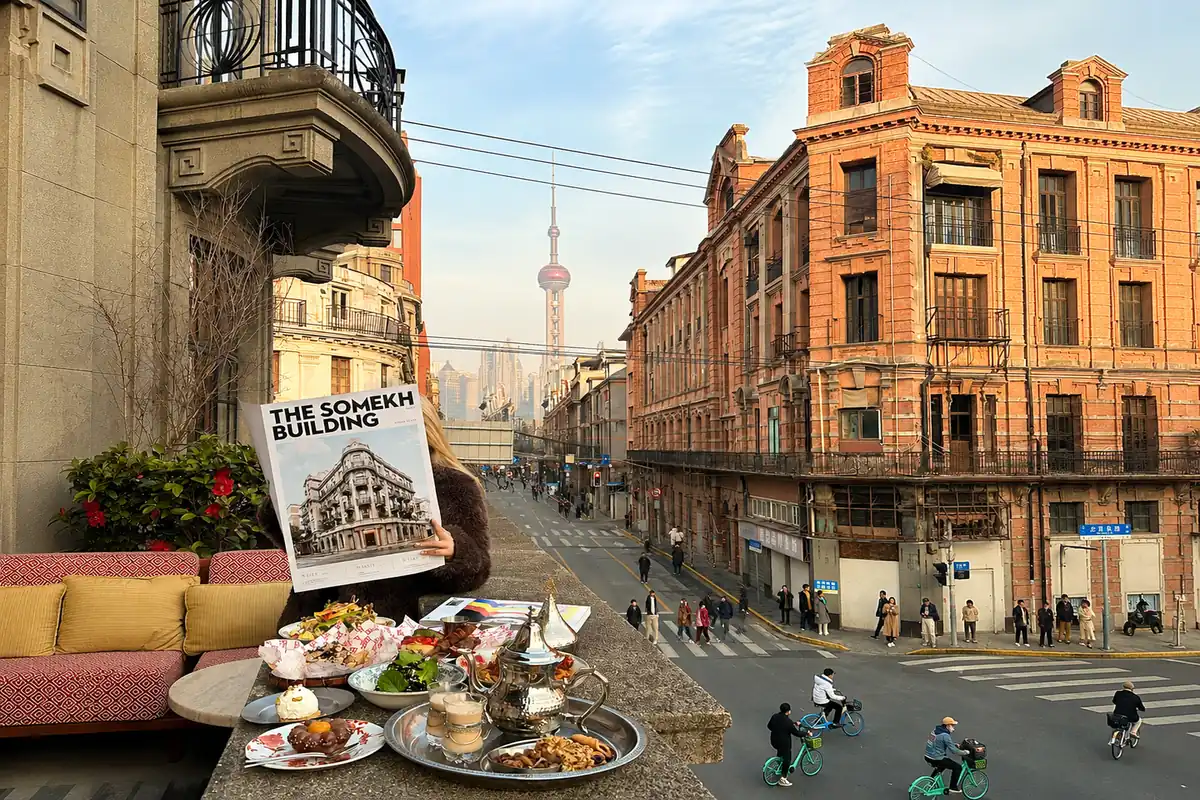
Combine food stops with the neighborhoods already in your sightseeing plan. The old city works well for traditional snacks, the Former French Concession for cafés and restaurants, and Jing’an for a broad mix of local and modern dining options. Vegetarian food is also increasingly easy to find.
Mix signature dishes, breakfast foods, neighborhood restaurants and local snacks into your sightseeing route instead of treating food as a separate activity. The best Shanghai itineraries leave time to eat around the Bund, old city, French Concession and Jing’an.
Choose a Shanghai itinerary based on your travel time and interests. These suggested routes combine the Bund, Yu Garden, the Former French Concession, Nanjing Road, Pudong skyline, local food and neighborhood experiences. Three days works especially well for first-time visitors, while four or five days allow time for Zhujiajiao, slower exploration and additional Shanghai experiences.
This 3-day Shanghai itinerary combines Yu Garden, the Bund, Nanjing Road, the Former French Concession, Wukang Road, local Shanghainese food and the modern Pudong skyline at a comfortable pace for first-time visitors.
Begin with Yu Garden to experience traditional Chinese architecture and classical landscaping before exploring the surrounding old-city streets and nearby local food. This gives your trip a historic starting point before moving into modern central Shanghai.
Walk along the Bund beside Shanghai’s historic European-style buildings and enjoy views across the Huangpu River toward Pudong. Continue toward Nanjing Road and People’s Square for one of central Shanghai’s busiest commercial areas.
Read The Bund Guide →
Return to the waterfront after sunset or take a Huangpu River cruise for panoramic night views. The illuminated Bund and Pudong skyline create one of Shanghai’s most memorable evening experiences.
Spend the day walking through the Former French Concession and Wukang Road, where historic buildings, tree-lined streets, cafés and neighborhood life reveal a slower side of Shanghai. Continue toward Jing’an and leave time to try xiaolongbao, scallion oil noodles and other Shanghainese food.
Explore Shanghai Food ↑
Cross the Huangpu River to explore Shanghai’s modern financial district in Lujiazui. Walk among the city’s landmark skyscrapers, visit an observation deck such as Shanghai Tower and finish with views back toward the Bund from the Pudong side of the river.
Choose a ready-made Shanghai tour or customize the route around your travel dates, hotel location, interests, food preferences and preferred sightseeing pace.
The best time to visit Shanghai is generally April to May and October to November. These months offer more comfortable conditions for walking the Bund, exploring the Former French Concession, visiting Yu Garden and sightseeing across central Shanghai. Summer can be very hot, while winter is colder and less comfortable for long periods of outdoor exploration.
Spring and autumn provide the best overall balance for most first-time visitors. April and May are good months for city walks and sightseeing, while October and November generally bring comfortable temperatures. If visiting in October, avoid the National Day holiday period in early October when attractions, hotels and transportation are much busier.
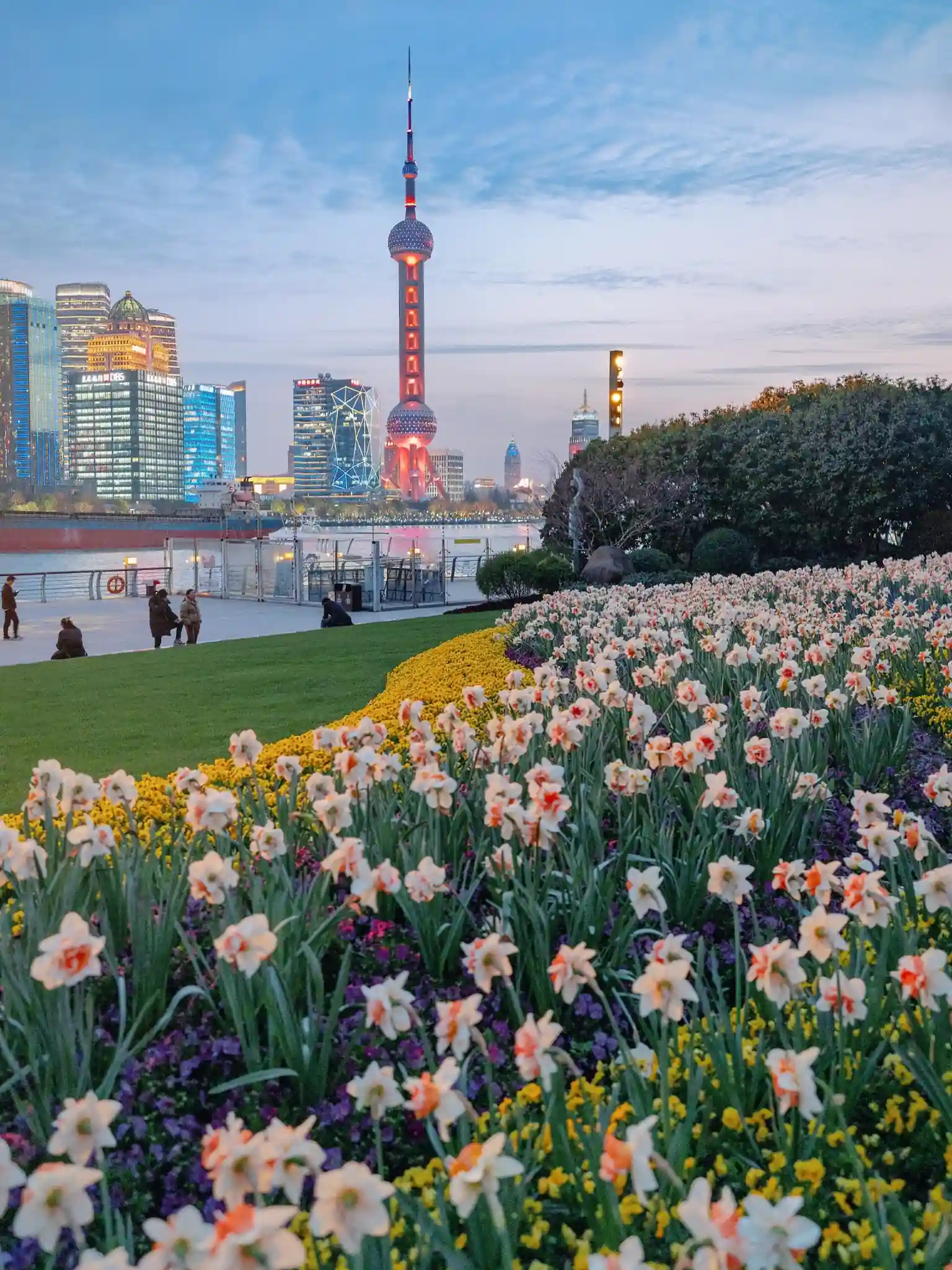
Spring includes two of the best months for visiting Shanghai. April and May work especially well for walking along the Bund, exploring historic neighborhoods, visiting Yu Garden and spending longer periods sightseeing outdoors.
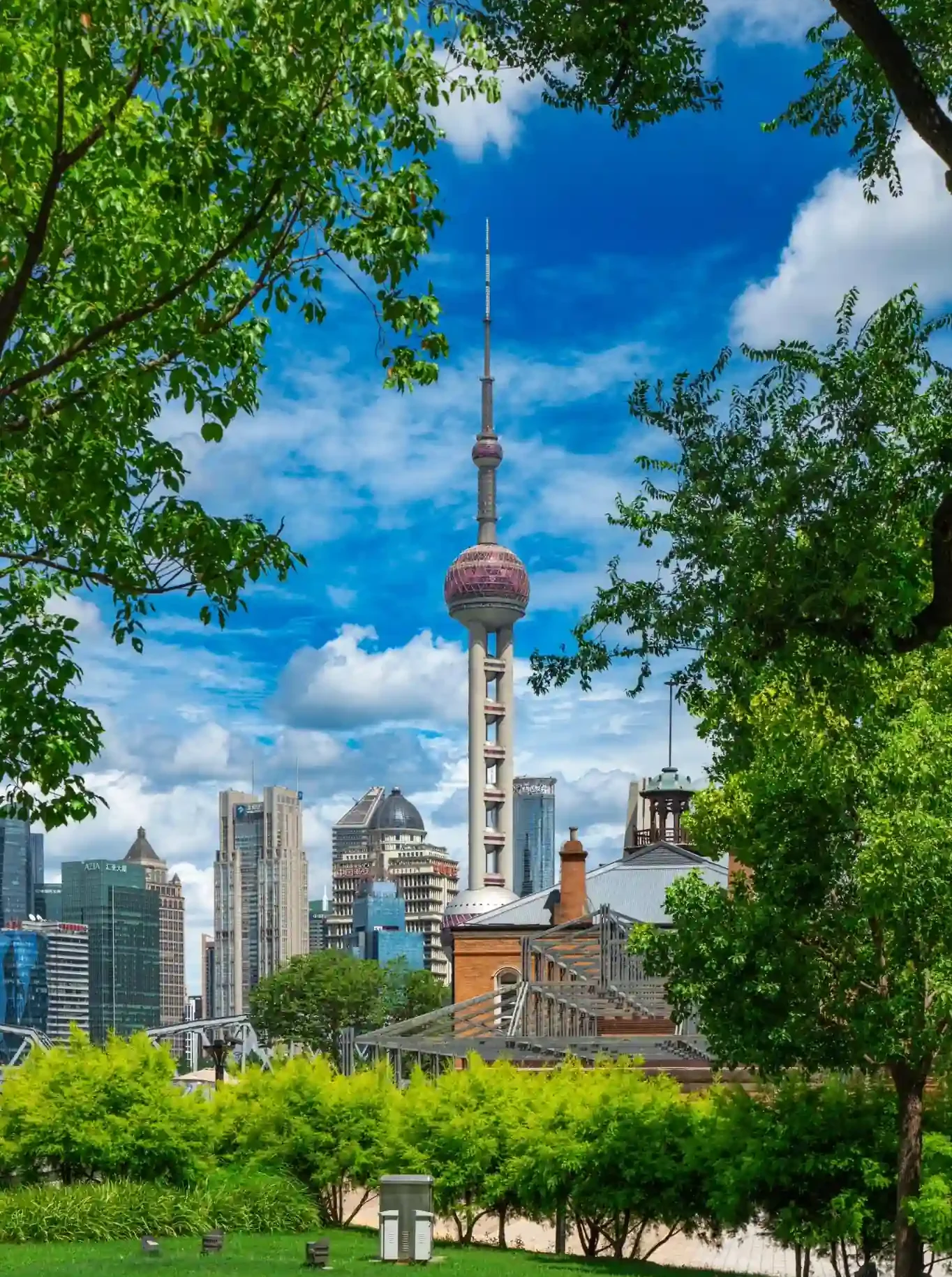
Summer is the most challenging season for outdoor sightseeing. Shanghai’s rainy period usually falls from mid-June to early July, while summer temperatures can reach around 40°C (104°F). Plan indoor breaks and avoid overloading the hottest part of the day.
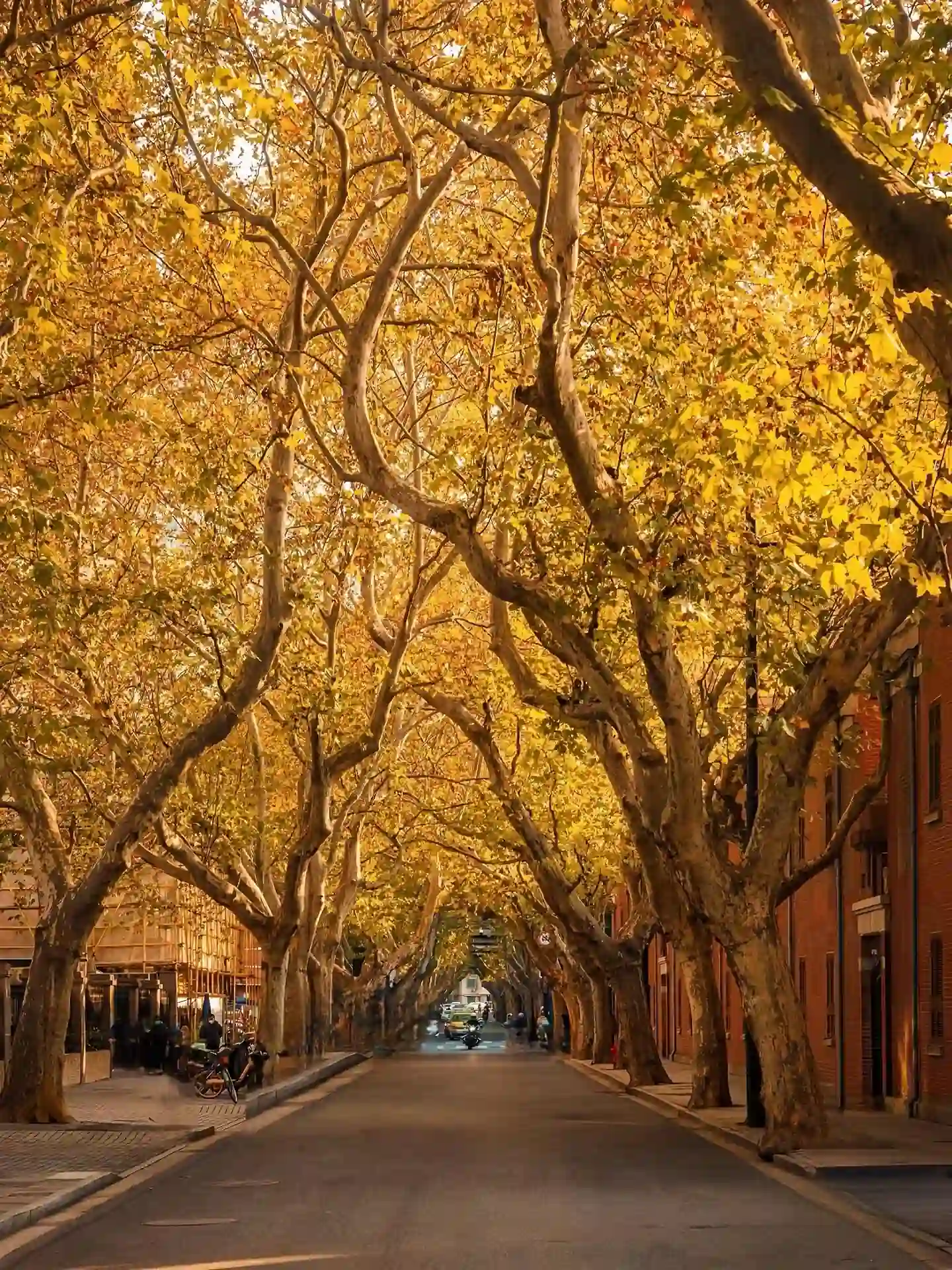
October after the National Day holiday period and November are among the best times to visit Shanghai, with comfortable temperatures and generally lighter crowds. Avoid early October if possible, when domestic travel, hotels and major attractions are much busier. It is an especially practical season for combining the Bund, Former French Concession, Nanjing Road and other walking-heavy city sights.
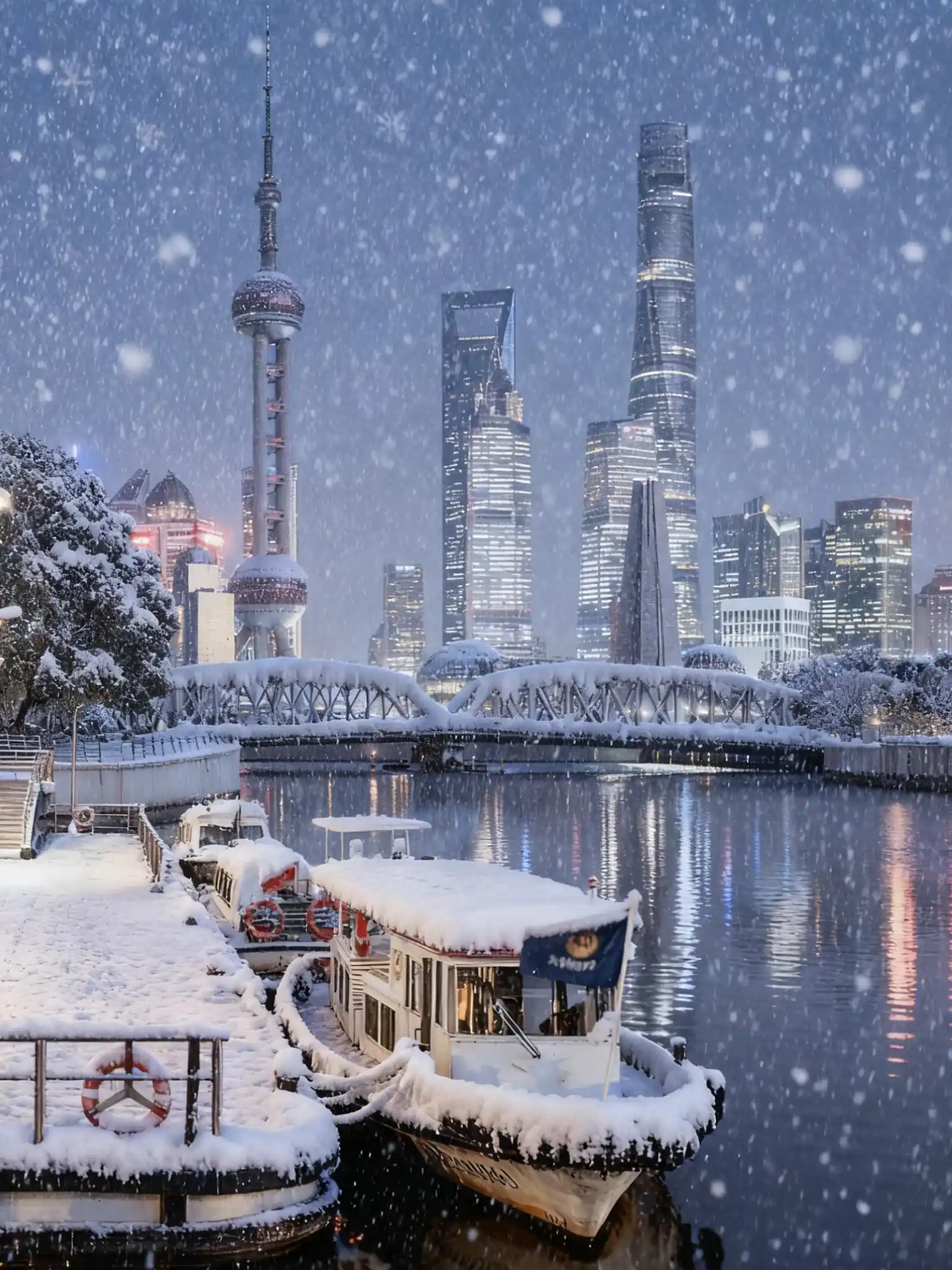
Winter in Shanghai is cold and can make long periods of urban exploration less enjoyable. A winter trip is still possible, but allow more indoor stops and a more flexible sightseeing schedule between outdoor attractions.
For broader month-by-month planning, compare weather conditions across China before choosing your Shanghai travel dates, especially if Shanghai is part of a longer multi-city trip.
Choosing the right neighborhood can make your Shanghai trip much easier. The best areas to stay in Shanghai for first-time visitors include the Bund and Huangpu District, People’s Square and Nanjing Road, the Former French Concession, Jing’an and Lujiazui in Pudong. Each offers a different balance of attractions, restaurants, hotels, metro access and local atmosphere.
The Bund and surrounding Huangpu District are among the best places to stay in Shanghai for first-time visitors. You will be close to the Huangpu River, historic Bund architecture, Nanjing Road, People’s Square, Yu Garden and convenient metro connections to Pudong and other parts of central Shanghai.
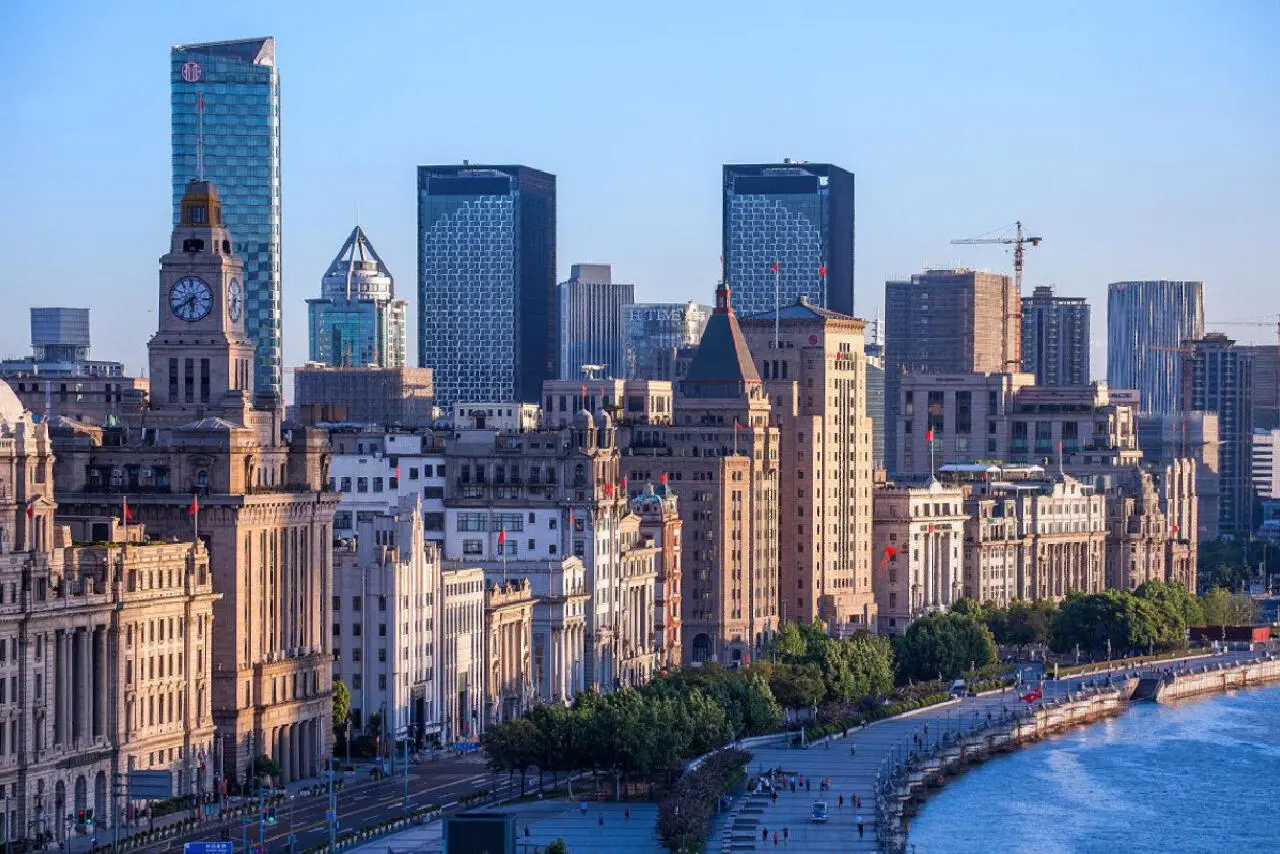
Stay in the heart of central Shanghai with easy access to Nanjing Road, People’s Square, restaurants, shopping and multiple metro connections. It is especially practical for travelers who want to minimize transportation time.
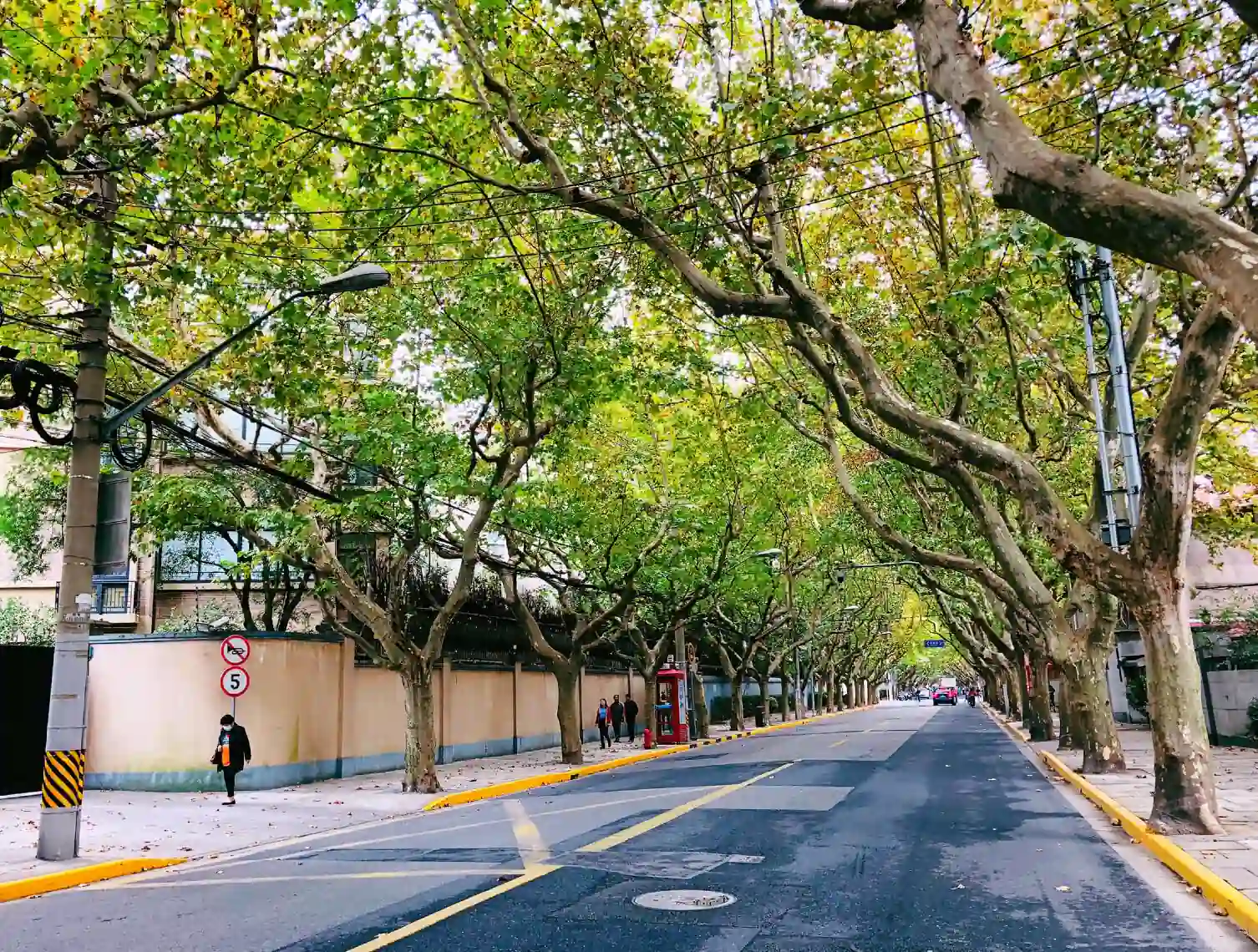
Choose the Former French Concession for tree-lined streets, historic buildings, boutique hotels, coffee shops, restaurants and a more neighborhood-focused Shanghai experience. It is a strong choice for travelers who enjoy exploring on foot.
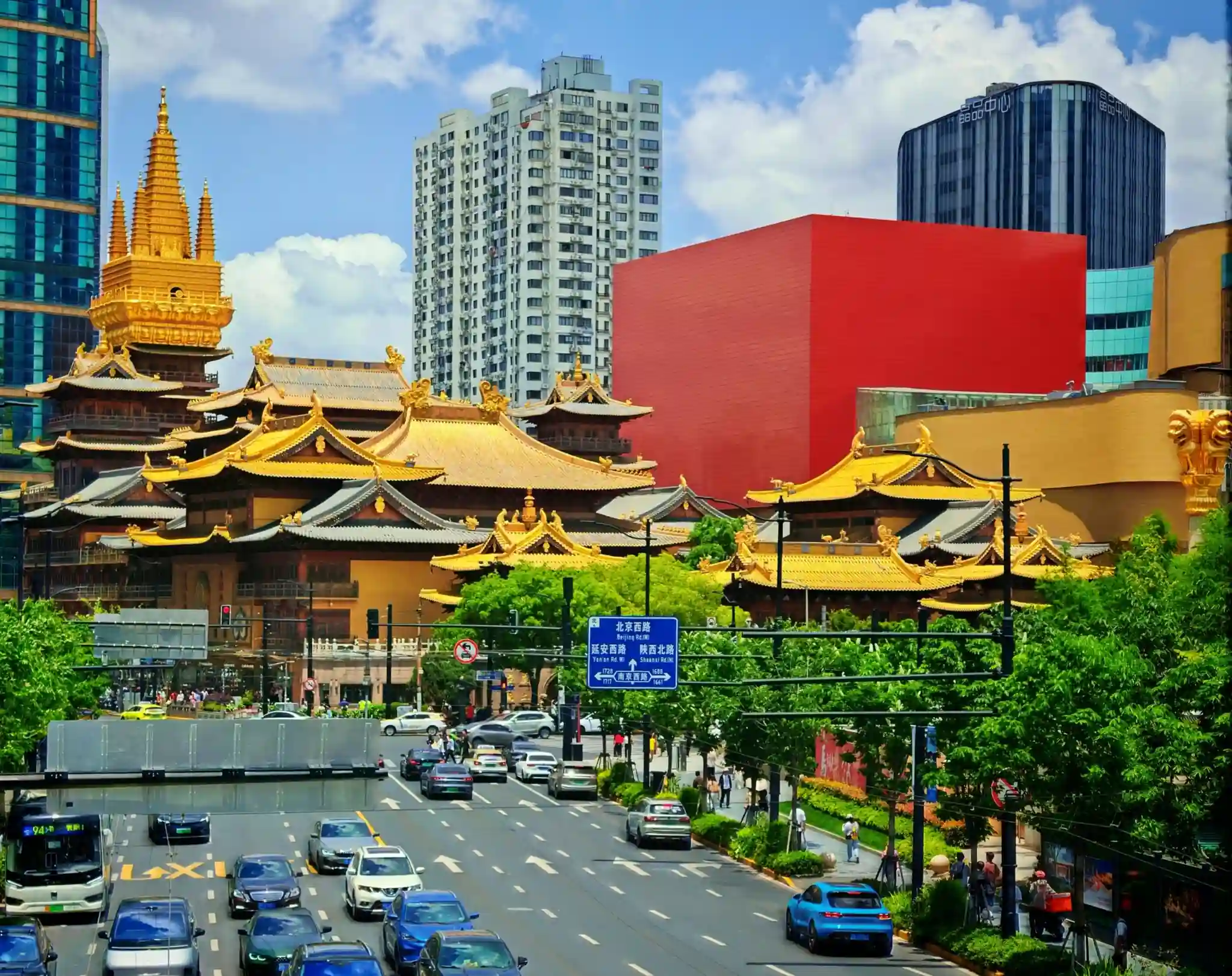
Jing’an combines convenient metro access with hotels, restaurants, shopping and neighborhood life around Jing’an Temple. It works well for travelers who want a central base without staying directly beside the Bund.
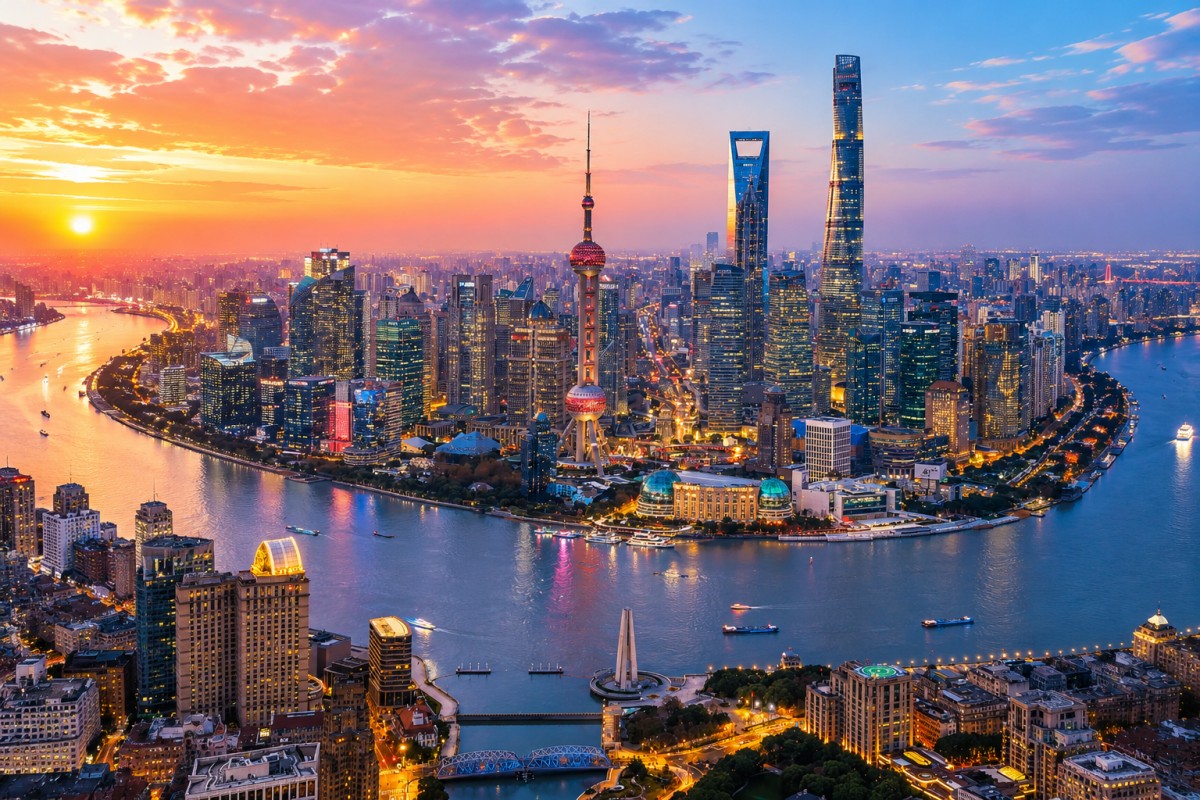
Stay in Lujiazui for modern hotels, high-rise city views and easy access to Shanghai Tower and the Pudong financial district. It is especially appealing to travelers who prefer luxury hotels and Shanghai’s modern skyline.
Choose your hotel area based on the attractions you plan to visit, your preferred neighborhood atmosphere, budget and arrival point. Staying in the right part of Shanghai can reduce daily travel time and make sightseeing much easier.
Shanghai has two major airports, Pudong International Airport and Hongqiao Airport, together with an extensive metro system, the Pudong Maglev, taxis, DiDi ride-hailing and major high-speed railway stations. For most first-time visitors, the metro is the easiest way to travel between popular attractions and commercial areas in central Shanghai.
Shanghai’s metro covers most major sightseeing areas and is generally the most practical way to move around the city. From the airports, choose between metro, taxi, ride-hailing or a private transfer depending on your arrival time, luggage and hotel location.
Shanghai’s metro network is extensive, affordable and useful for reaching the Bund area, People’s Square, Nanjing Road, Jing’an, the Former French Concession, Pudong and many other popular attractions and commercial districts.
Pudong International Airport is Shanghai’s main international gateway. Travelers can reach the city by metro, taxi, ride-hailing, private transfer or the Maglev connection to Longyang Road, where onward metro connections are available.
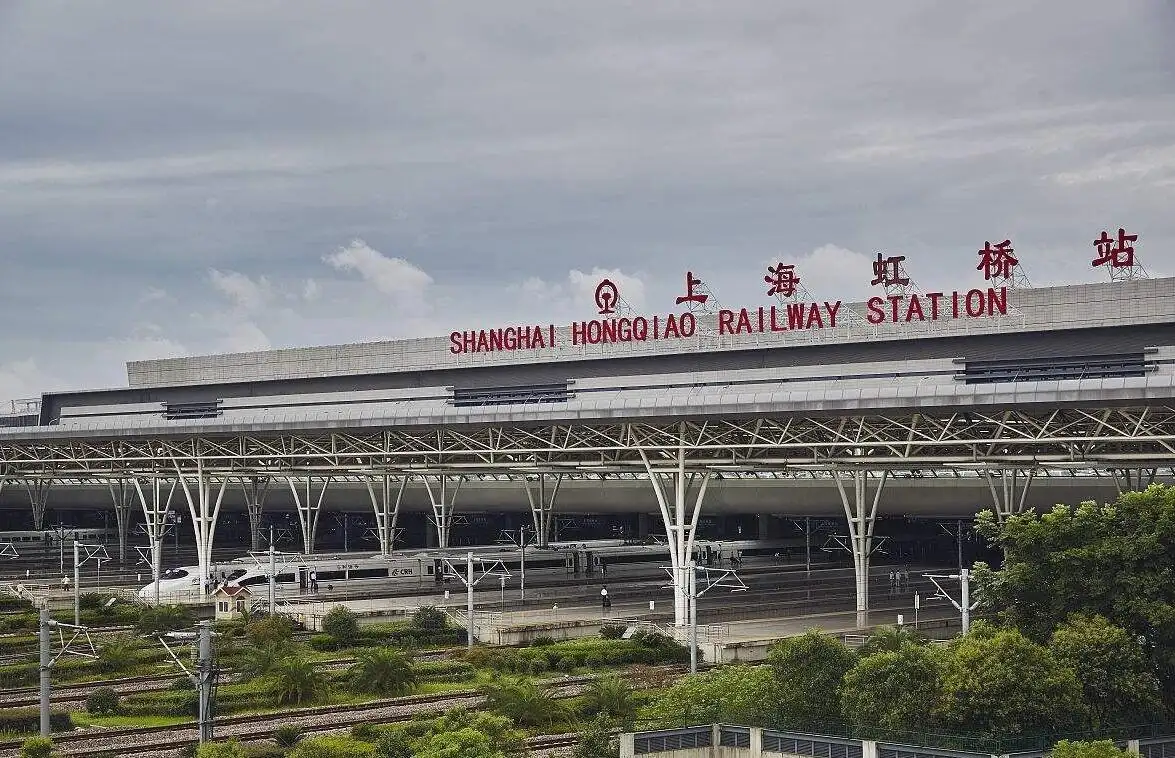
Hongqiao Airport (SHA) is closer to central Shanghai and sits beside one of the city’s most important high-speed railway hubs. It is especially convenient for travelers combining Shanghai with other destinations in eastern China.
Shanghai is one of China’s major high-speed rail hubs, with convenient train connections to destinations such as Suzhou, Hangzhou, Nanjing, Beijing and many other cities. Rail is often the easiest option for nearby day trips and multi-city journeys.
China Train Ticket Guide →Taxis and DiDi are useful when traveling with luggage, returning late at night or reaching places that require inconvenient metro changes. Allow extra time during peak traffic periods in central Shanghai.
How to Use DiDi →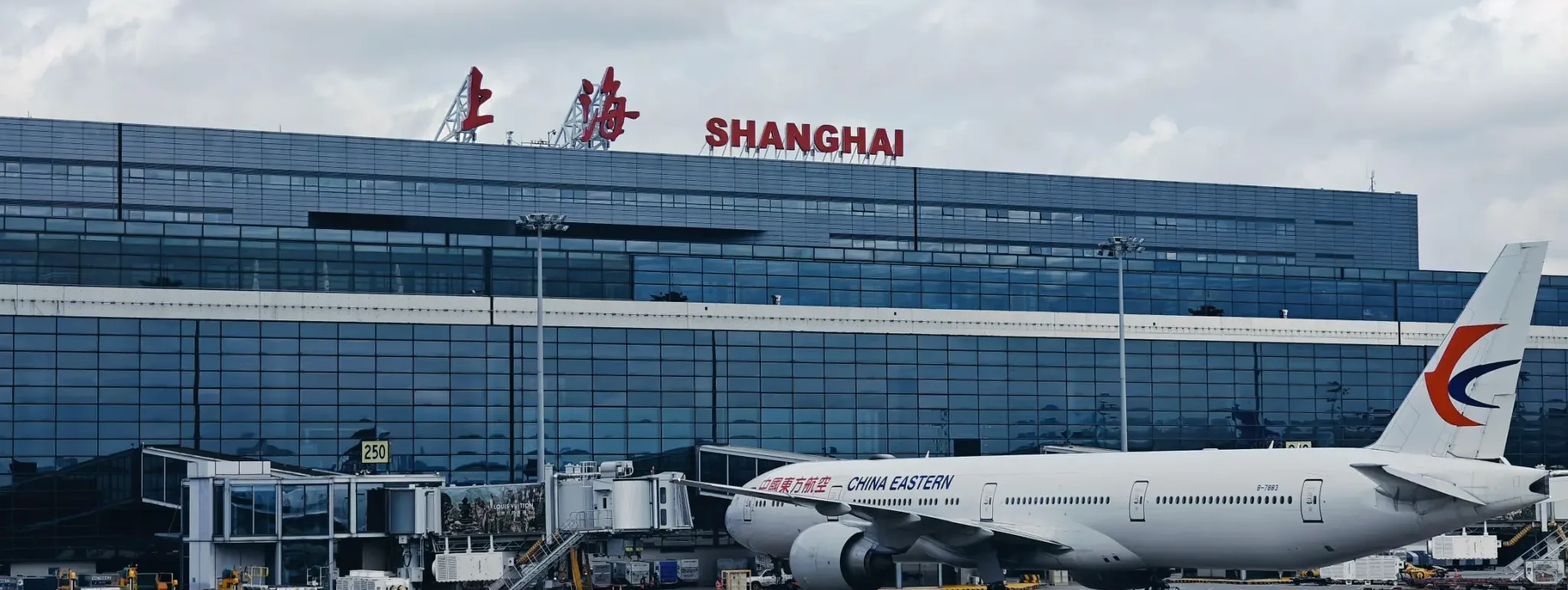
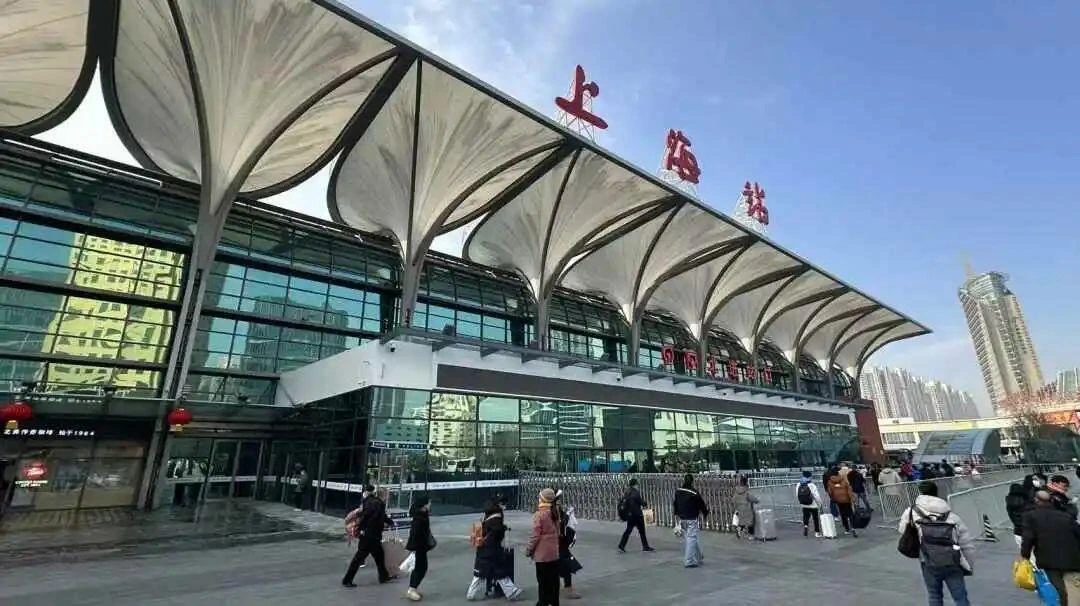
Private transfers can be arranged around your flight schedule, hotel location and sightseeing plan, with airport pickup and flexible transportation available as part of a customized Shanghai trip.
Shanghai is an excellent base for exploring the Yangtze River Delta, with easy access to classical gardens, ancient water towns, historic cities and nearby cultural destinations. Add Suzhou, Hangzhou, Zhujiajiao, Wuzhen or Nanjing to create a longer Shanghai and eastern China itinerary.
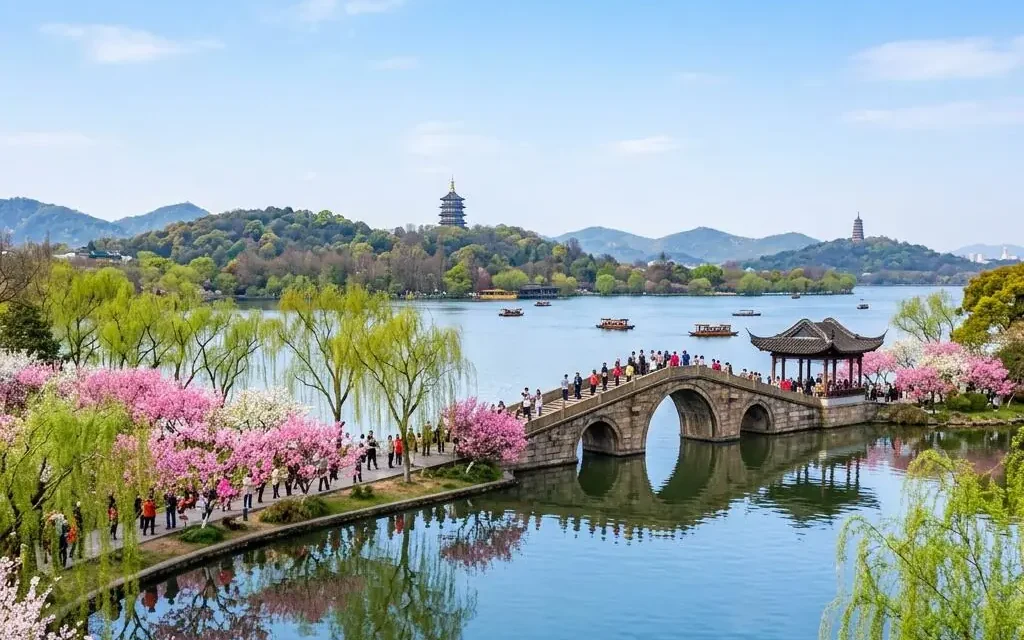
Pair Shanghai’s Bund, historic neighborhoods and modern skyline with Hangzhou’s West Lake, traditional scenery, tea culture and slower pace. Convenient rail connections make Shanghai and Hangzhou one of the easiest city combinations in eastern China.
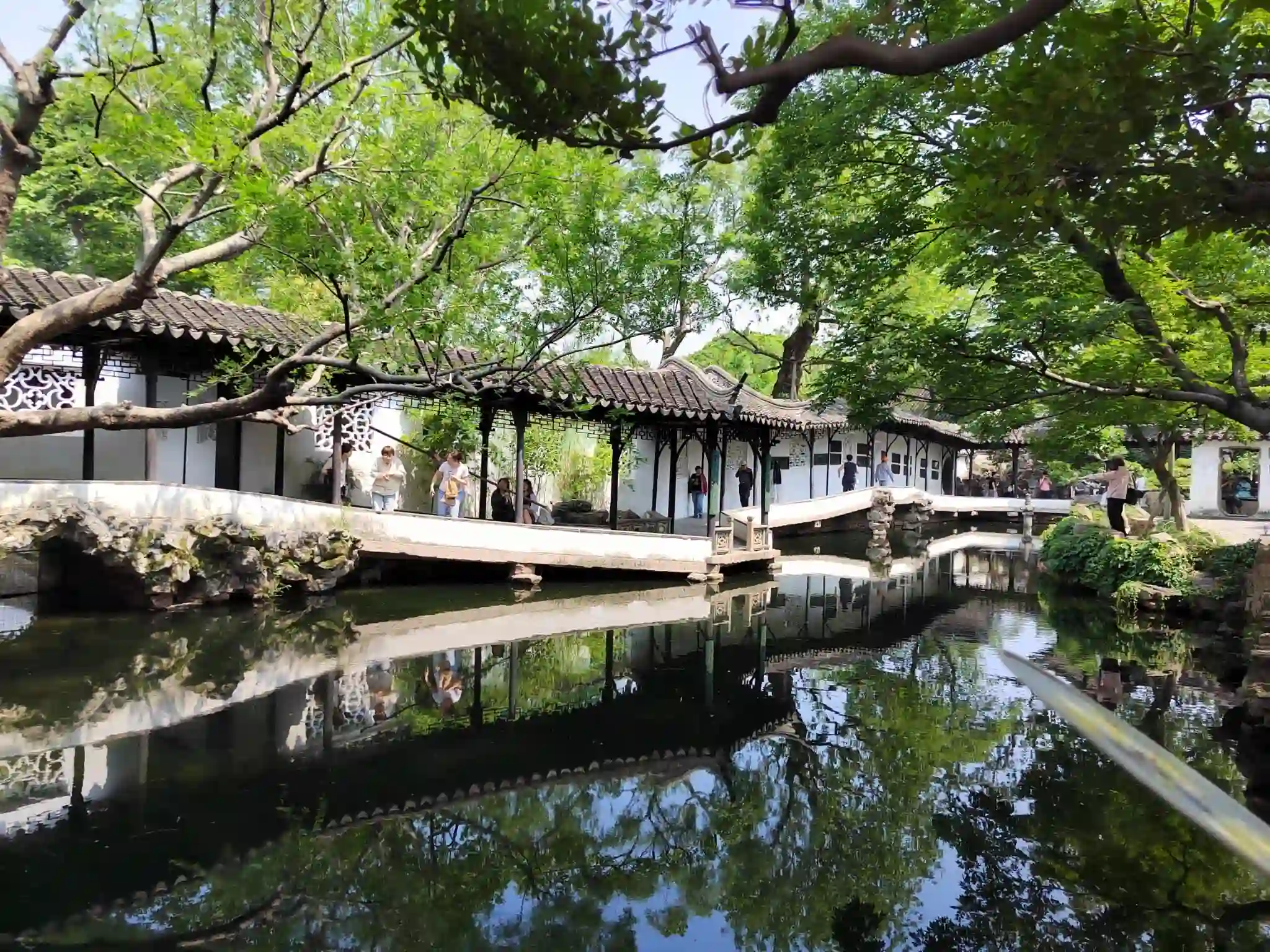
Visit classical Chinese gardens, canals, historic streets and traditional neighborhoods in one of the most popular day trips from Shanghai. Suzhou is especially appealing for travelers interested in gardens, architecture and Jiangnan culture.
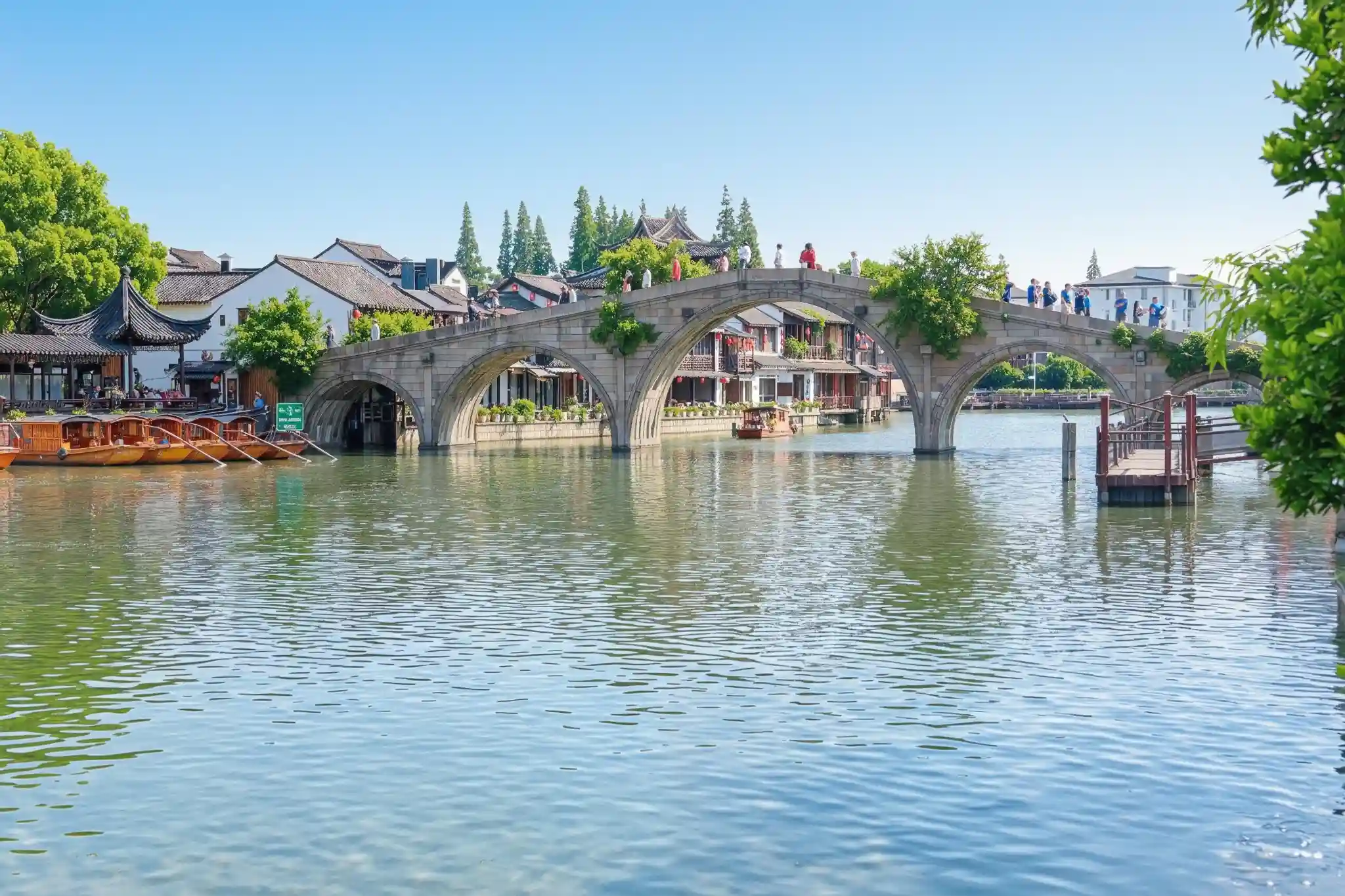
Explore a historic water town with canals, old bridges, traditional streets and local neighborhoods. Zhujiajiao is one of the easiest ways to add an ancient-town experience without leaving the wider Shanghai area.
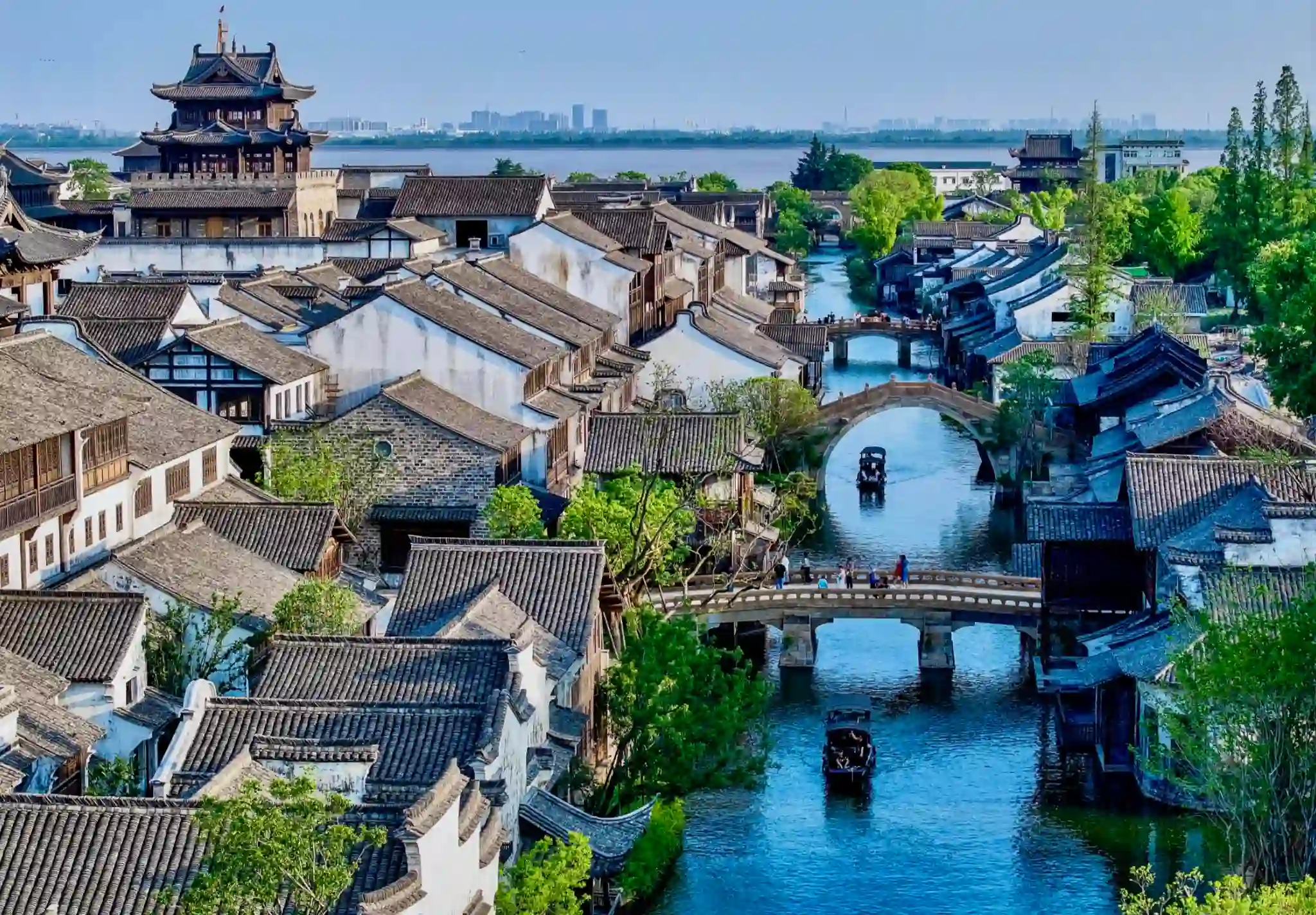
Discover canals, stone bridges, traditional houses and waterfront lanes in one of the best-known water towns near Shanghai. Wuzhen works well for travelers who want a deeper Jiangnan experience beyond central Shanghai.
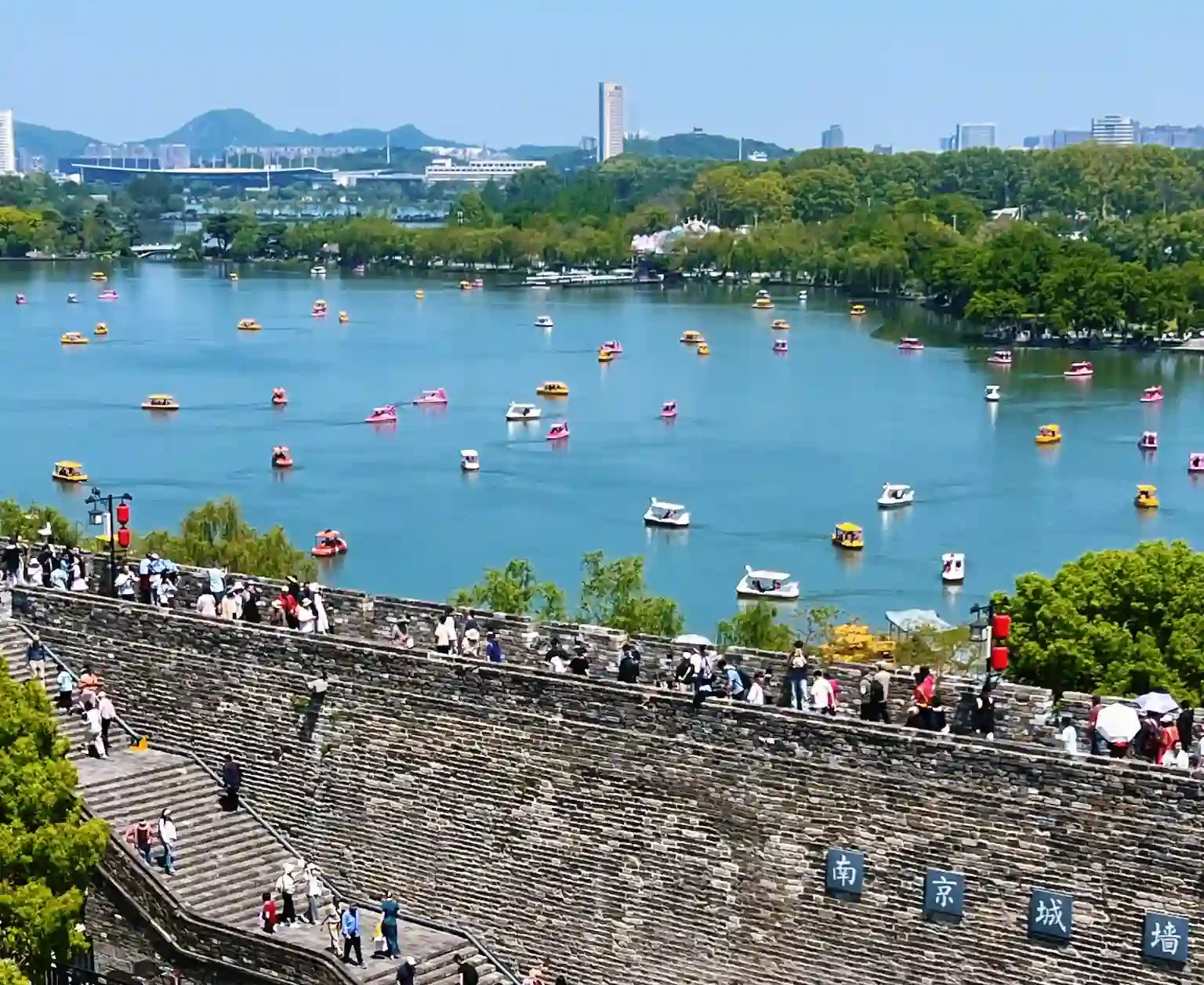
Extend your Shanghai trip with one of eastern China’s most historically important cities. Nanjing combines city walls, historic sites, museums, lakes and a very different atmosphere from modern Shanghai.
Prepare for your Shanghai trip with practical information about China entry requirements, weather, high-speed trains, mobile payments, internet access, travel apps, public holidays and other essentials for first-time visitors.
Check current entry requirements, visa or visa-free options, passport rules and the documents you may need before traveling to Shanghai and mainland China.
Compare seasonal conditions before choosing your dates, including comfortable spring and autumn periods, Shanghai’s summer rain and heat, and colder winter travel.
Learn how to travel from Shanghai to Hangzhou, Suzhou, Nanjing, Beijing and other Chinese cities by high-speed rail, including ticket planning and station information.
Prepare Alipay or WeChat Pay for Shanghai metro trips, restaurants, cafés, shopping, taxis and everyday purchases during your stay.
Prepare mobile data, translation tools, maps, Shanghai metro information, DiDi ride-hailing and the digital services you plan to use during your trip.
Check major Chinese public holidays before visiting Shanghai, as busy travel periods can affect attraction crowds, hotels, railway tickets and transportation.
Understand how the Spring Festival travel period can affect transport, restaurants, attractions, opening hours and multi-city travel plans around Shanghai.
Prepare for language differences, metro travel, mobile payments, attraction planning, public holidays and other practical issues that first-time international visitors may encounter in Shanghai.
Combine Shanghai with Hangzhou, Suzhou, Beijing, Xi’an, Zhangjiajie, Guilin or other destinations in a customized multi-city China itinerary.
Choose a Shanghai city tour, water-town extension or a longer eastern China itinerary. These private routes combine Shanghai’s historic neighborhoods and modern skyline with destinations such as Zhujiajiao, Suzhou, Hangzhou and traditional Jiangnan water towns.
Combine Shanghai city sightseeing with a traditional water-town experience in Zhujiajiao. This private two-day route includes Yu Garden, Shanghai Tower, the Former French Concession and a relaxing canal boat ride in Zhujiajiao.
Explore Tour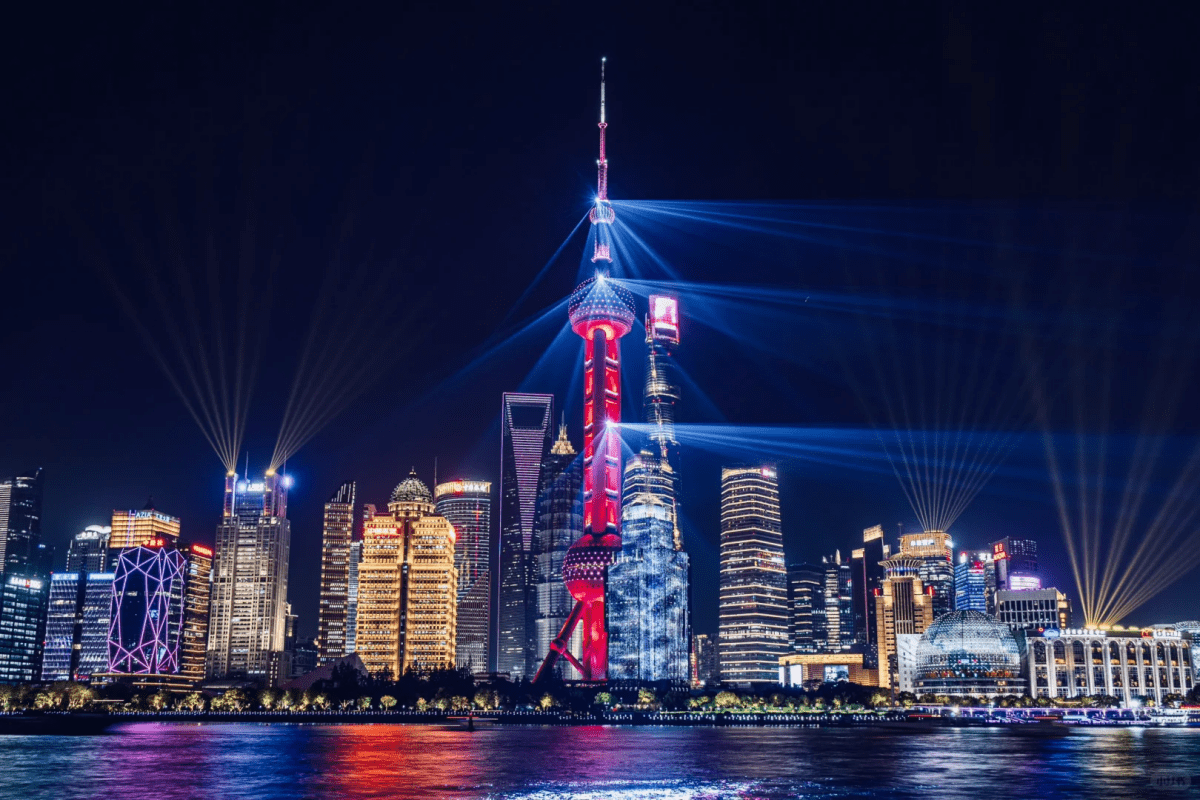
Make the most of a long Shanghai layover with private airport pickup, a guide and flexible transportation. Visit selected city highlights such as Yu Garden and the Bund while keeping the route planned around your flight schedule.
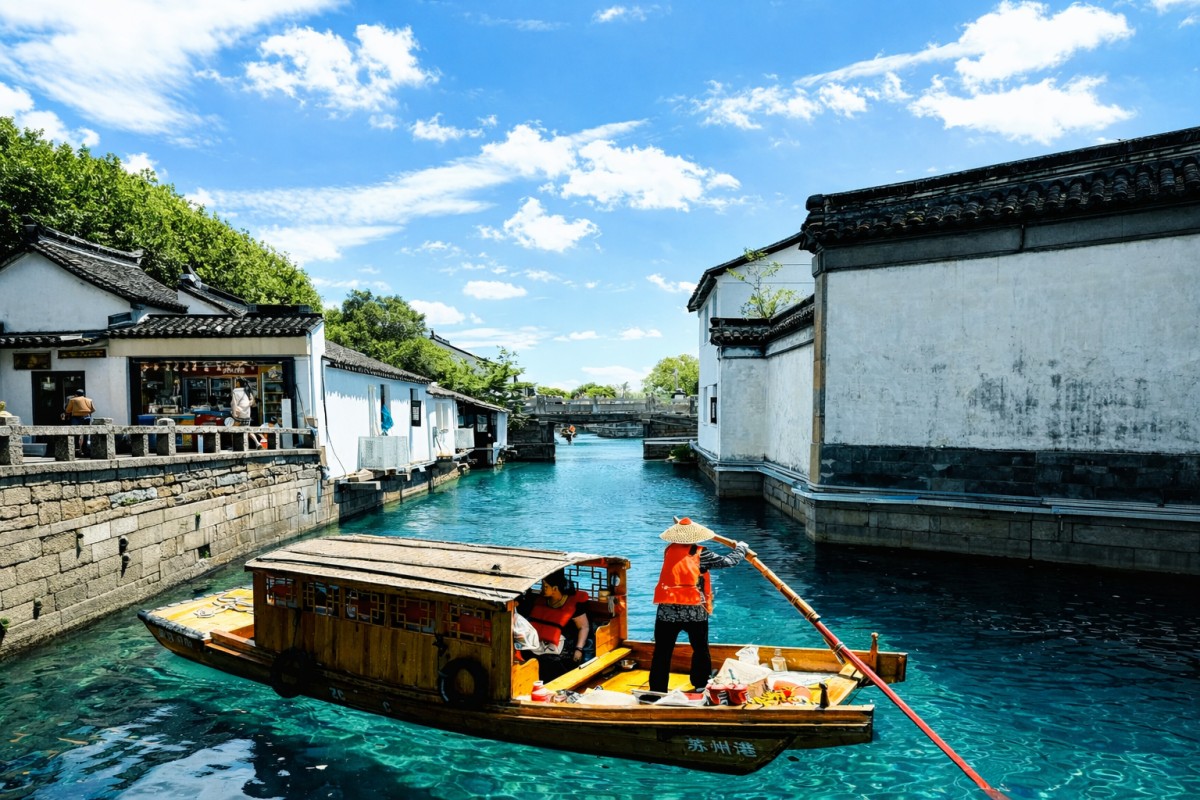
Combine Shanghai with Hangzhou and Nanxun on an easy eastern China journey. Travel between Shanghai and Hangzhou by high-speed train, explore West Lake and continue to Nanxun for a quieter traditional water-town experience.
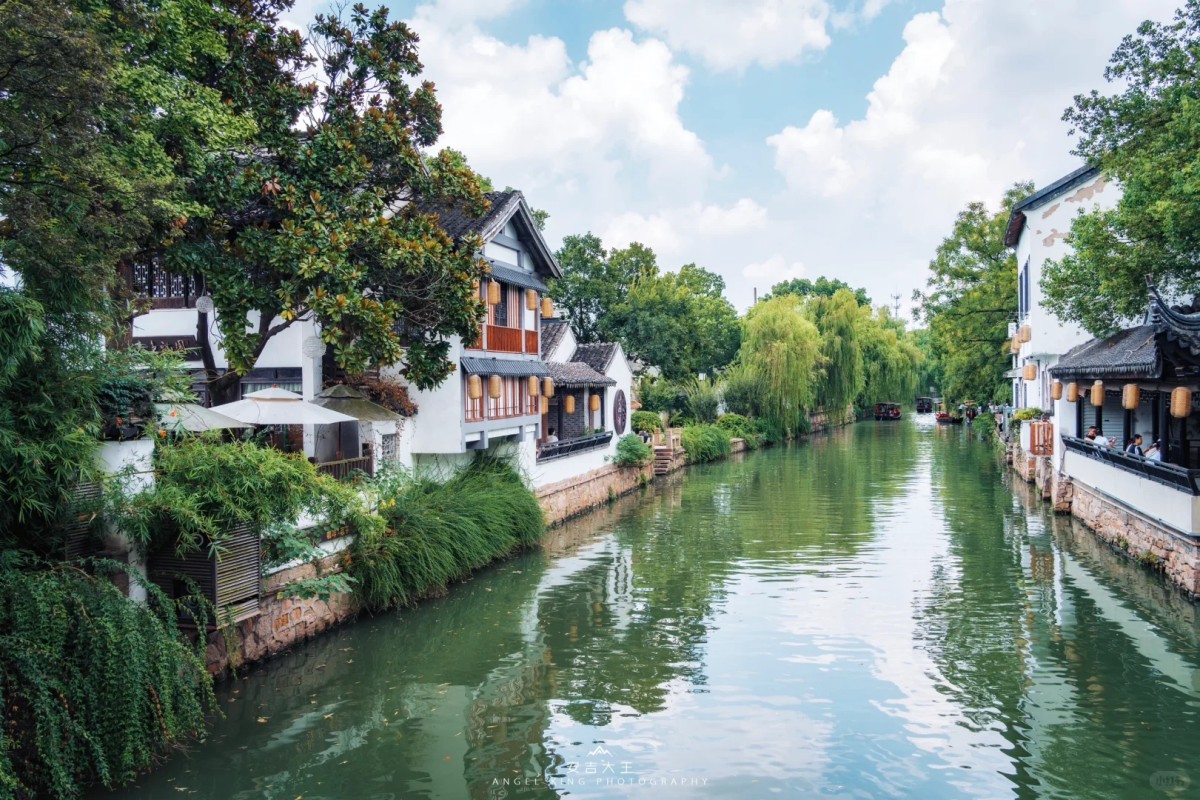
Experience Shanghai and Suzhou in one private journey, combining the Bund and Yu Garden with Suzhou’s classical gardens, traditional water-town scenery, canal experiences and local silk culture.
Explore three of eastern China’s most popular destinations with private guides and high-speed train travel. Combine Shanghai with Hangzhou’s West Lake, Suzhou’s classical gardens and traditional Jiangnan water-town experiences.
Compare Shanghai city tours, private day trips, multi-day itineraries and customizable travel plans for different trip lengths and interests.
Explore Shanghai Tours →Add classical gardens, canals and traditional Jiangnan scenery to your Shanghai itinerary with an easy private day trip to Suzhou and nearby water-town areas.
View Suzhou Day Trip →Discover Shanghainese cuisine, neighborhood streets, local snacks, cafés and cultural experiences beyond the city’s major landmarks.
Explore Shanghai Food ↑Tell us your dates, group size, hotel preferences and interests. Your Shanghai itinerary can be adjusted around your pace and combined with Hangzhou, Suzhou, Beijing, Xi’an or other destinations in China.