
Xi'an Food Guide: Must-Try Dishes, Food Streets & Where to Eat

Xi'an's food reflects Shaanxi's wheat-based cooking and the Hui Muslim community's culinary traditions. Start with roujiamo, yangrou paomo, biangbiang noodles and liangpi, then explore food streets, learn what to order, and find practical guidance on halal dining and vegetarian options.

  • Must-Try Xi'an Dishes
  • Food Streets & Local Areas
  • Halal & Ordering Tips
Traditional Shaanxi cuisine featured in this Xi'an food guide

Xi'an Food at a Glance

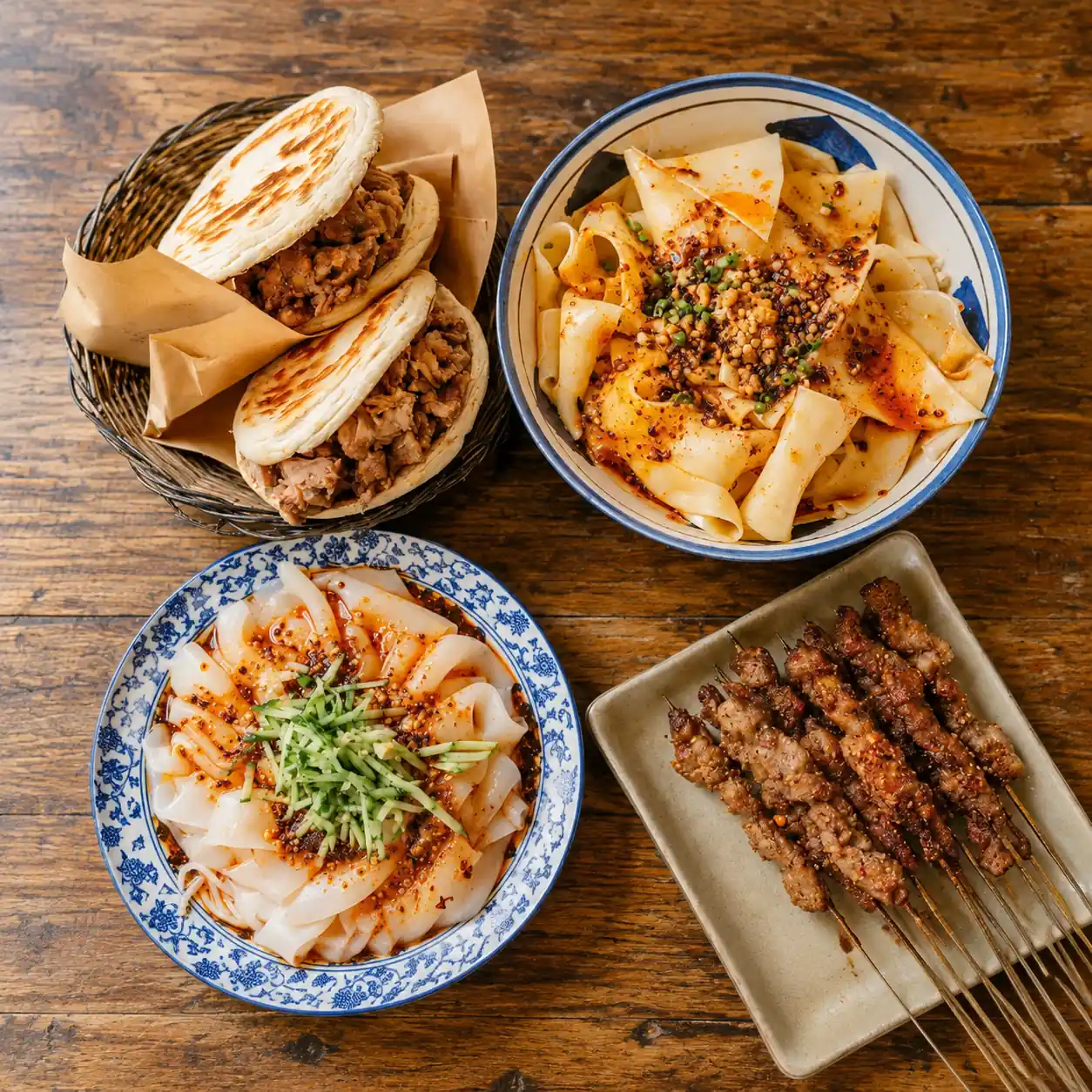
Wondering what to eat in Xi'an? Start with roujiamo, yangrou paomo, biangbiang noodles and liangpi. Shaanxi's wheat-based cooking, savory broths, chili oil and vinegar shape many local favorites, alongside the city's long-standing Hui Muslim culinary traditions. Use this quick guide to choose your first meal, discover local food areas and find dishes that fit your appetite.

First time eating in Xi'an? Try roujiamo for a quick, satisfying bite or liangpi for a tangy cold-noodle dish. Choose yangrou paomo for a hearty lamb-and-bread soup, or biangbiang noodles for a substantial wheat-noodle meal. Start with the dish that suits your appetite, then explore more of Xi'an's local food culture.

  • Must-Try Xi'an Food

    Begin with roujiamo (肉夹馍), yangrou paomo (羊肉泡馍), biangbiang noodles and liangpi (凉皮). For something sweet, look for zenggao (甑糕), a traditional sticky rice cake often made with jujubes and red beans.

  • Choose Your Dining Style

    Roujiamo is convenient for a quick bite, while yangrou paomo makes a filling sit-down meal. Biangbiang noodles offer broad, chewy noodles, and liangpi is a refreshing cold dish for a snack or lighter meal.

  • Where to Explore Xi'an Food

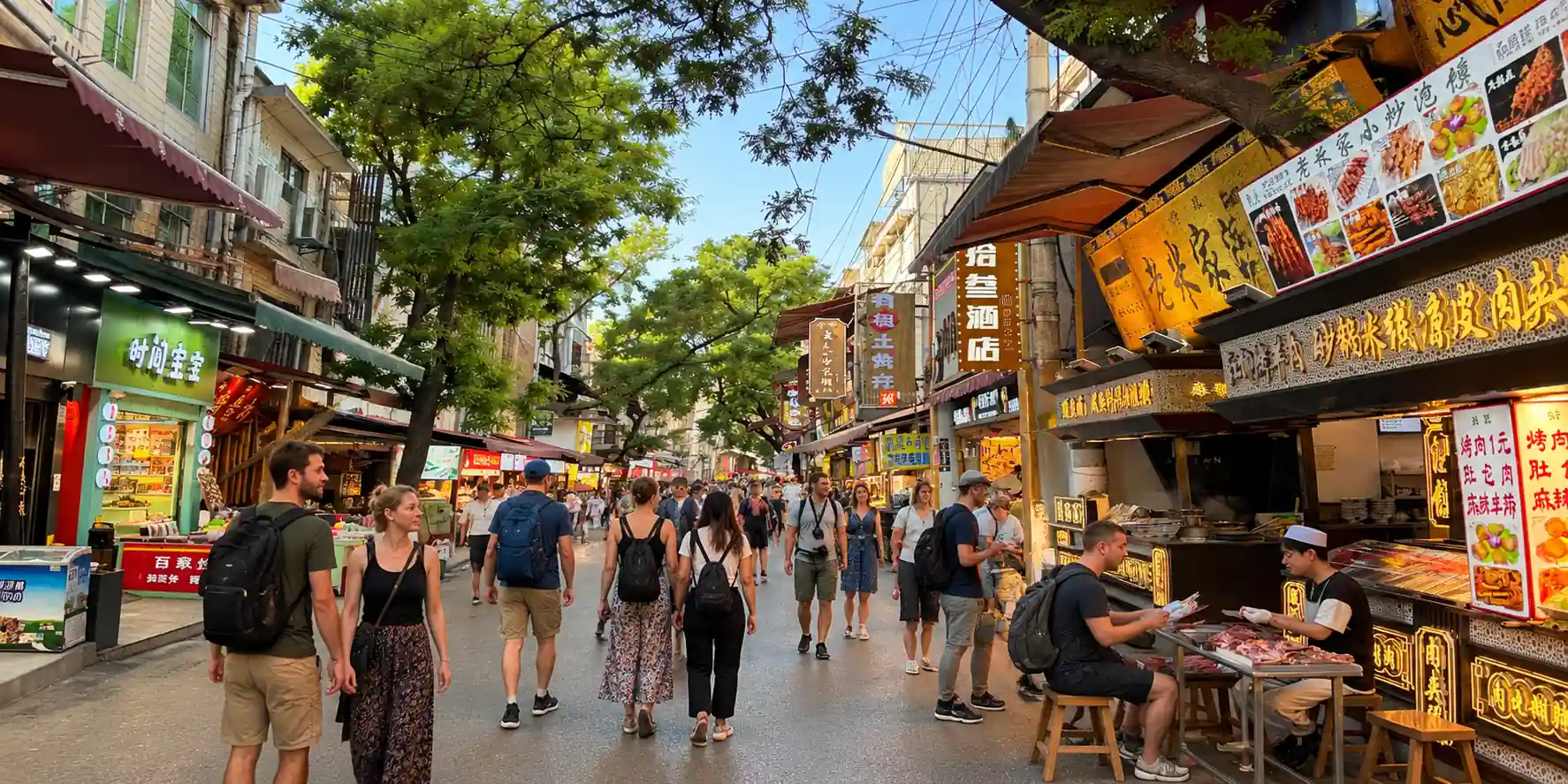
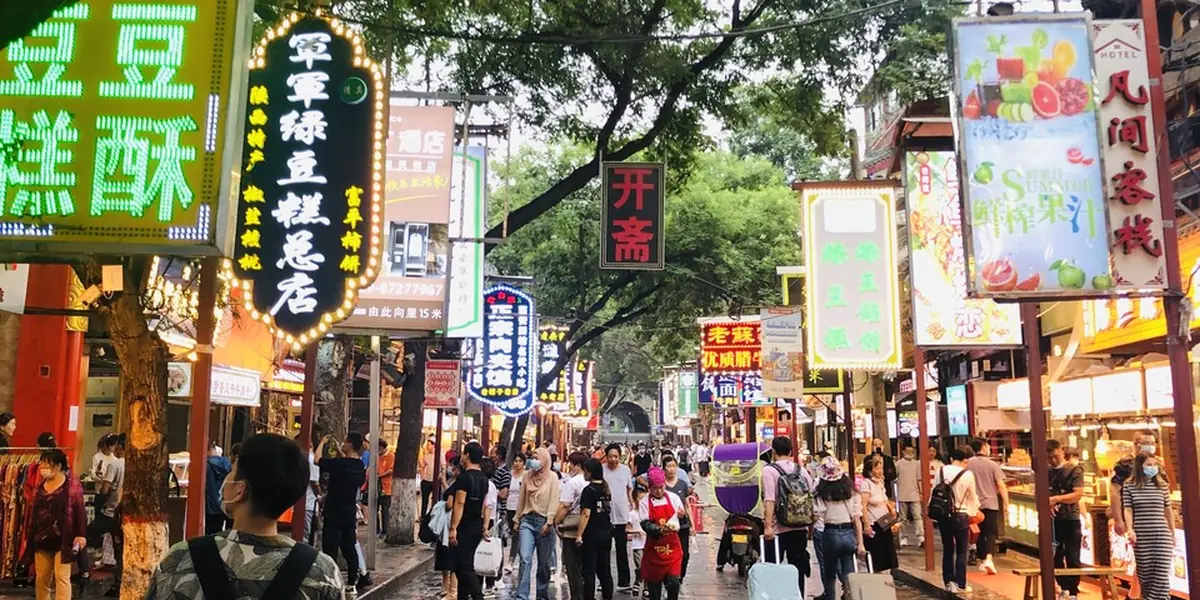
    The Muslim Quarter (Huimin Jie) is a well-known starting point for local food streets. Sajinqiao is another area to explore for neighborhood eateries and snacks, while Yongxingfang offers an introduction to Shaanxi regional specialties. Choose an area that fits your sightseeing route.

  • Flavors, Spice and Dietary Tips

    Xi'an food is not all spicy. Many dishes combine chili oil, vinegar, garlic and cumin, while lamb, beef and wheat noodles feature prominently in local food traditions. Ask for 少辣 (shǎo là) for less chili or 不辣 (bù là) for no chili. If halal or vegetarian food matters, confirm the meat, broth and cooking ingredients with the restaurant.

12 Famous Xi'an Foods to Try

Wondering what to eat in Xi'an? This selection brings together Shaanxi specialties shaped by wheat-based cooking, baked flatbreads, lamb and beef dishes, chili oil and vinegar. Start with roujiamo, yangrou paomo, biangbiang noodles and liangpi, then explore Xi'an street food, breakfast soups, dumplings and local sweets. Recipes, fillings and seasonings vary by shop, so confirm ingredients and halal status directly when dietary needs matter.

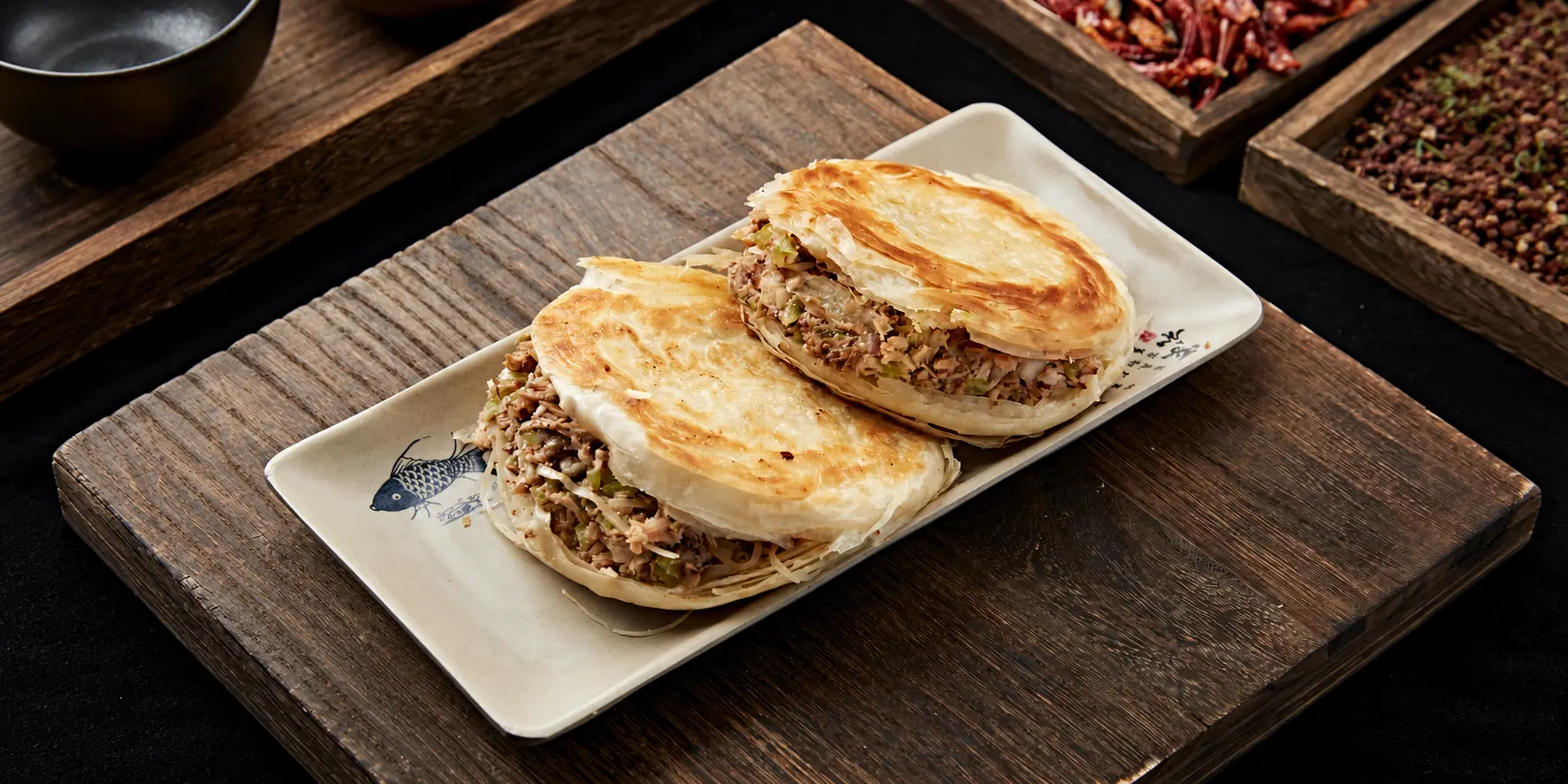
  • Xi'an roujiamo, a toasted flatbread sandwich filled with chopped braised meat

    Roujiamo (Chinese Hamburger)

    肉夹馍 · Ròujiāmó

    Roujiamo pairs a crisp, split flatbread with finely chopped, slow-braised meat. It is often called a Chinese hamburger, but the filling is the important detail: pork versions are common in many parts of Shaanxi, while halal shops in Xi'an's Muslim Quarter serve beef or lamb versions, often seasoned with cumin.

    Flavor
    Savory, aromatic, crisp bread
    Typical price
    About ¥10–20 each

    Good to know: Ask whether the filling is pork, beef or lamb. For a halal option, choose a clearly halal restaurant and look for the sign 清真 (qīngzhēn); do not assume every roujiamo is halal.

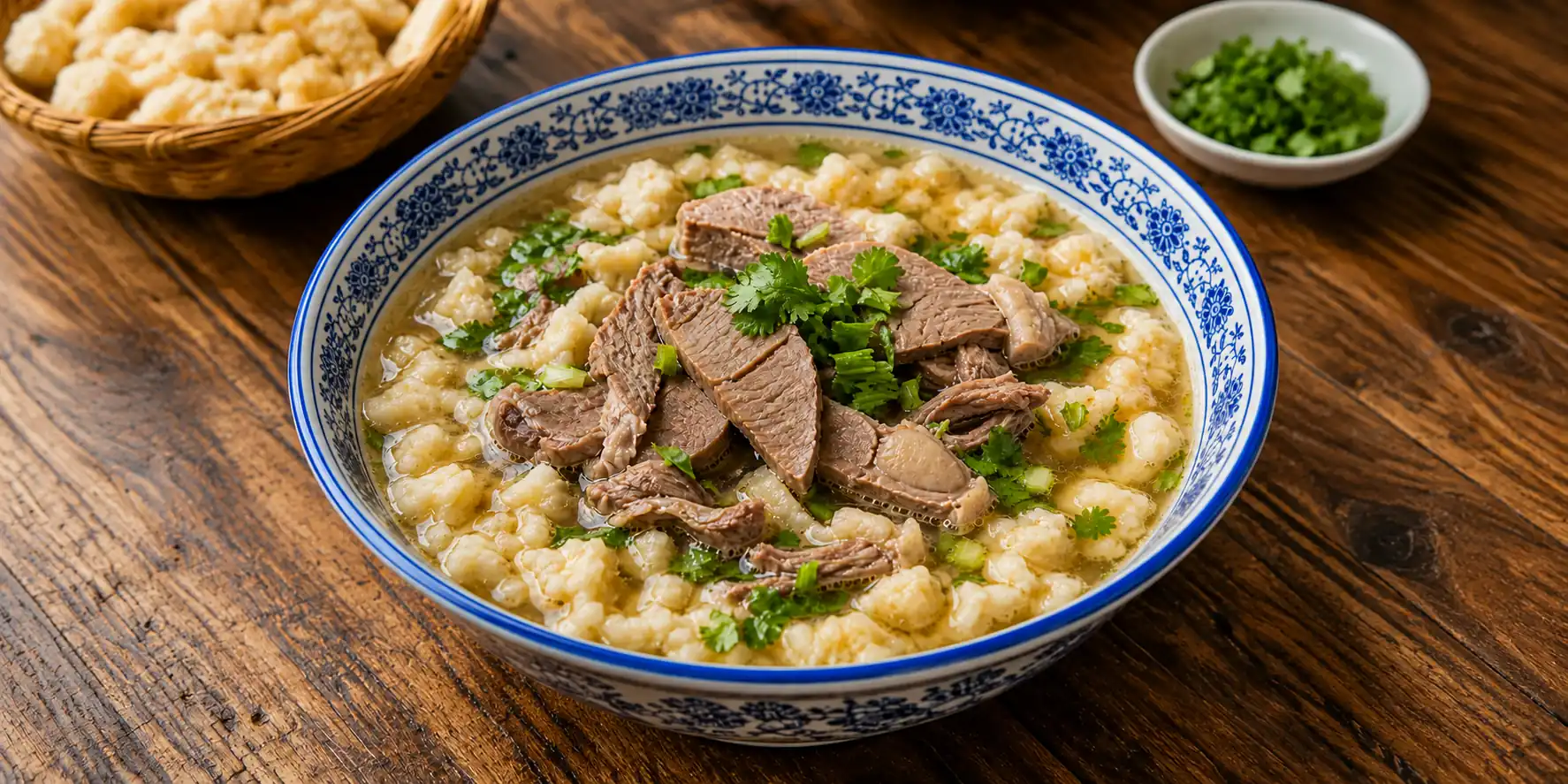
  • Xi'an yangrou paomo, lamb broth served with torn flatbread and sliced lamb

    Yangrou Paomo (Lamb Bread Soup)

    羊肉泡馍 · Yángròu pàomó

    A signature Xi'an comfort food, yangrou paomo combines a rich lamb broth with sliced lamb and pieces of dense flatbread. At many traditional restaurants, diners tear the bread into small pieces before handing it back to the kitchen to be simmered in the soup. Pickled garlic and chili sauce may be served on the side.

    Flavor
    Rich, savory, warming
    Typical price
    About ¥20–45 per bowl

    Good to know: Tear the bread finely and patiently for a more even texture. This dish is filling and usually meat-based; ask about the broth and toppings if you have dietary restrictions.

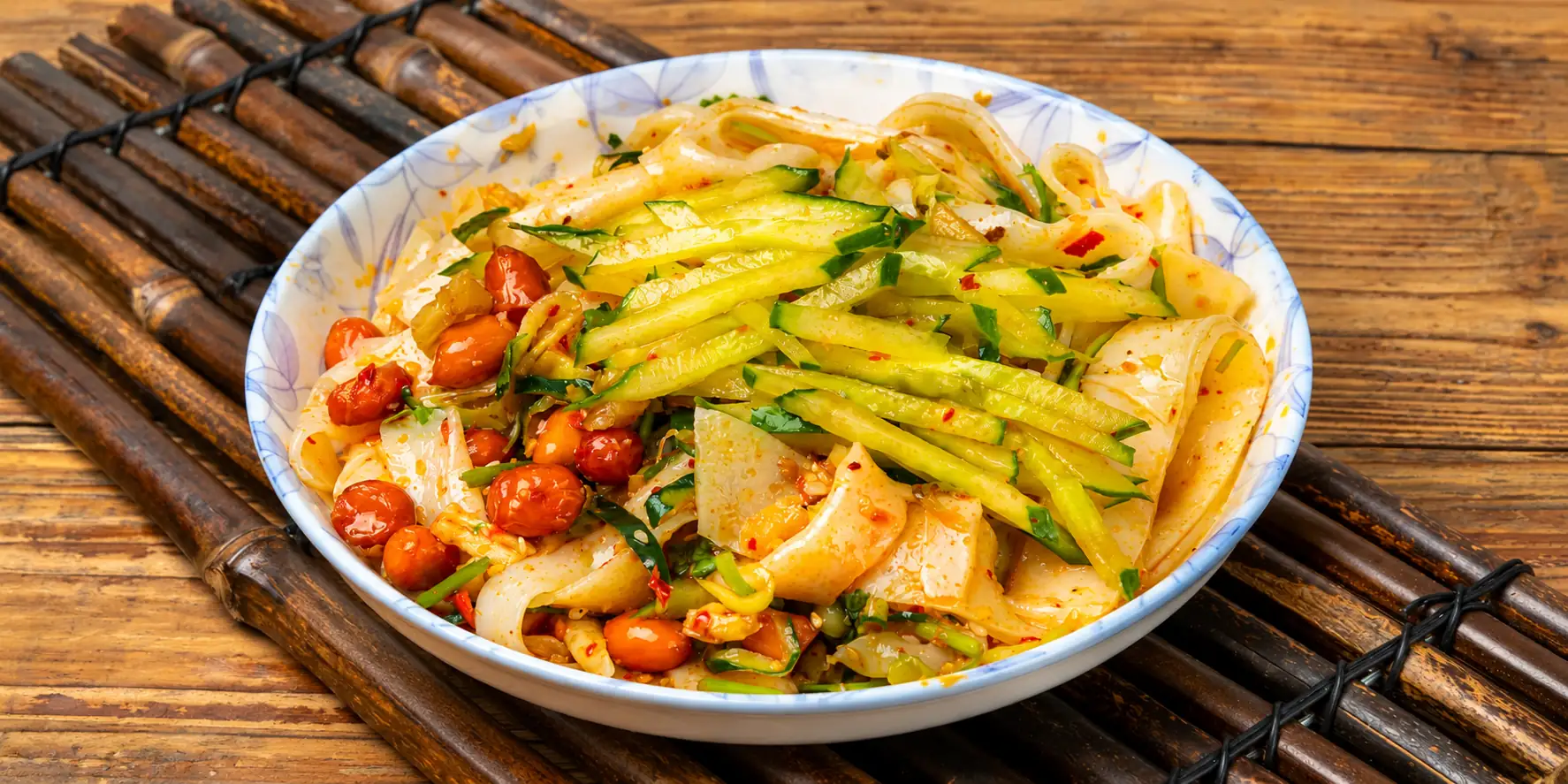
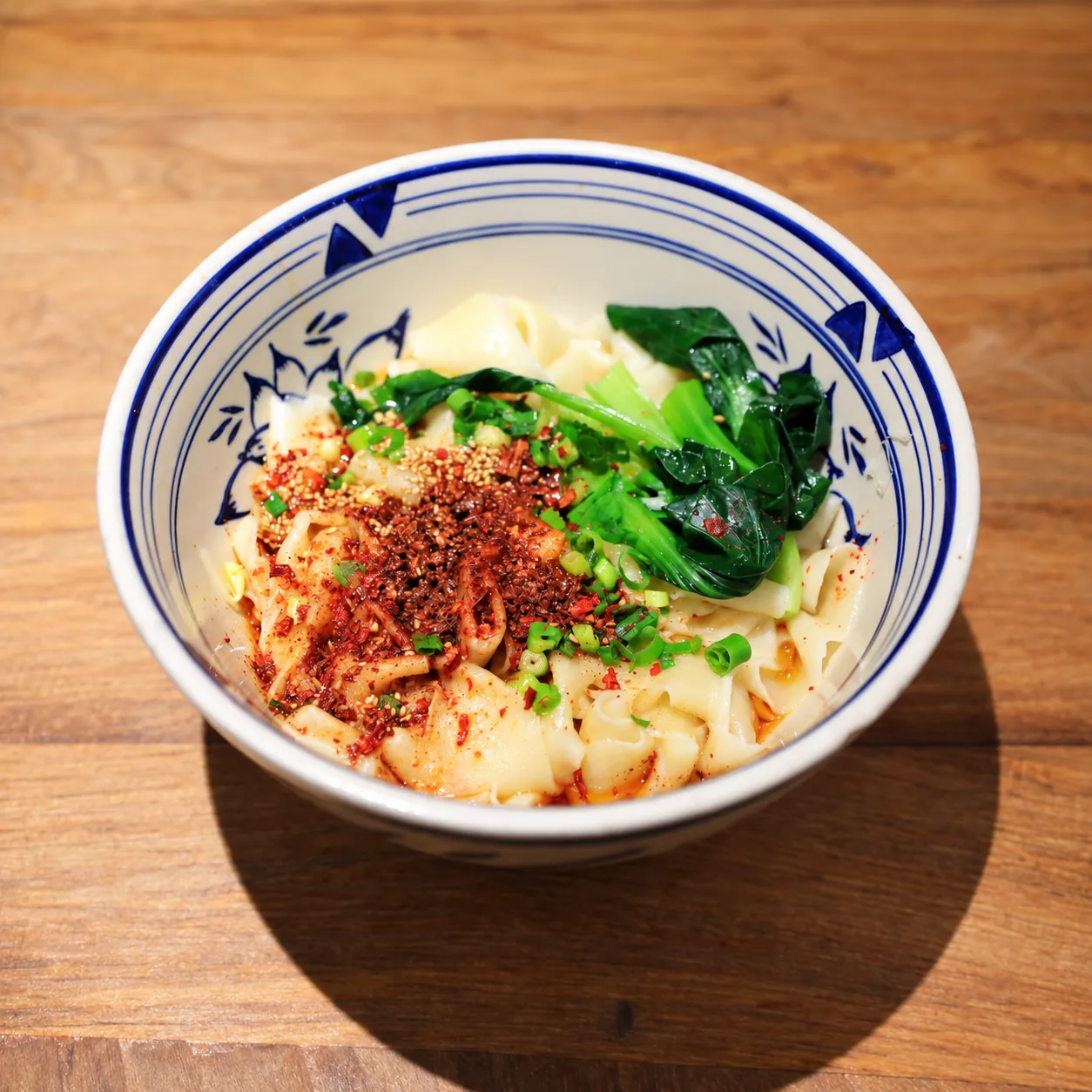
  • Xi'an biangbiang noodles, broad chewy wheat noodles dressed with chili oil and aromatics

    Biangbiang Noodles

    Biángbiáng面 · Biángbiáng miàn

    These broad, chewy wheat noodles are one of Shaanxi's best-known noodle dishes. They are commonly served with chili, garlic, scallions and other seasonings, with hot oil poured over the toppings to release their aroma. Some bowls include meat, while others are made with vegetables or simpler toppings.

    Flavor
    Chewy, savory, often spicy
    Typical price
    About ¥15–30 per bowl

    Good to know: The noodles are substantial, so one bowl may be enough for a meal. Ask for less chili if needed, and check whether the sauce or broth contains meat if you want a vegetarian version.

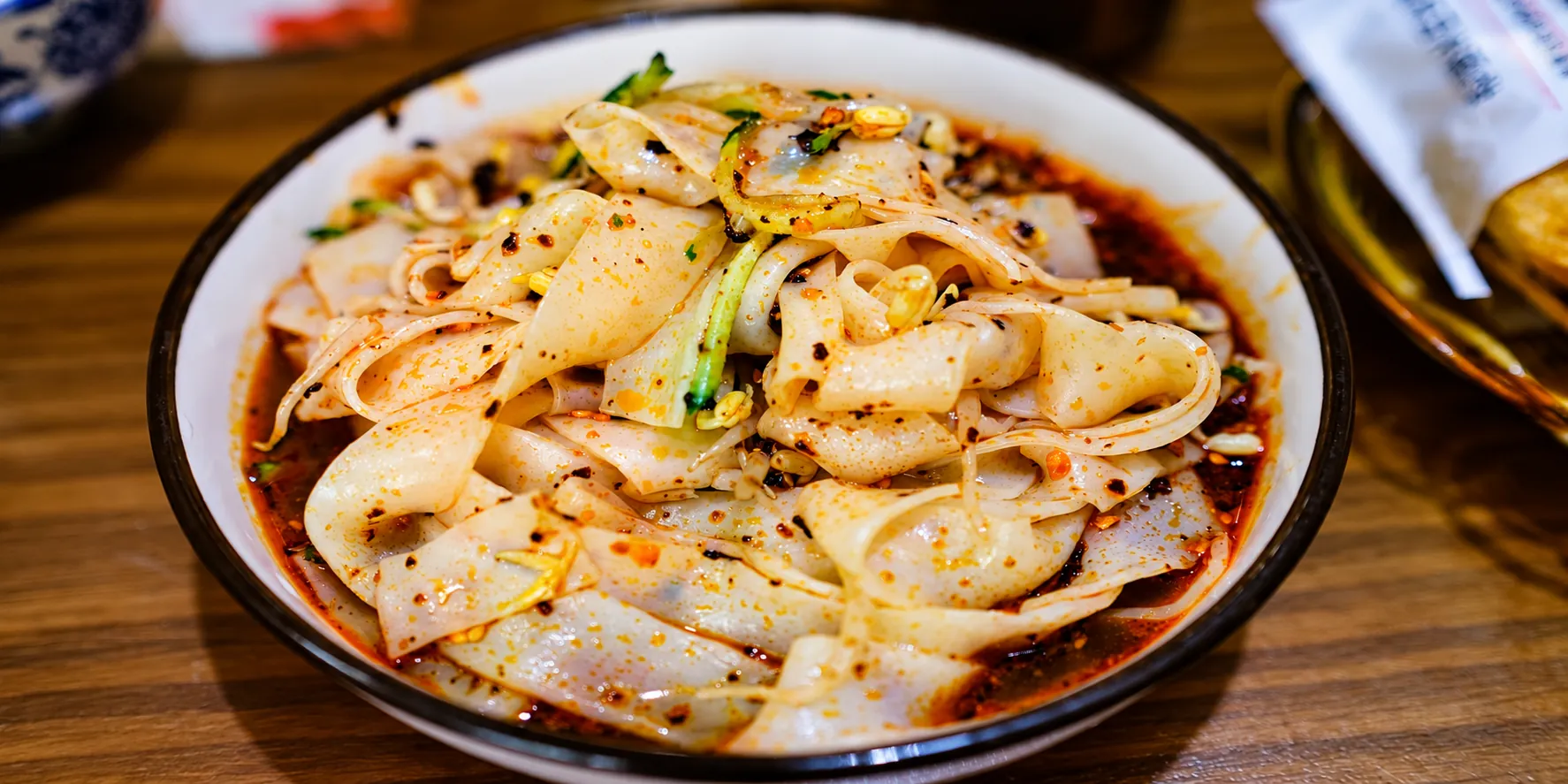
  • Xi'an liangpi cold noodles dressed with chili oil, vinegar, garlic and vegetables

    Liangpi (Cold-Skin Noodles)

    凉皮 · Liángpí

    Liangpi is served cold, making it a refreshing contrast to Xi'an's hearty soups and hot noodles. The slippery starch noodles or sheets are dressed with seasonings such as chili oil, vinegar and garlic, often with cucumber or bean sprouts. Ingredients and texture vary; sesame-based niangpi is another local cold-noodle style worth looking for.

    Flavor
    Tangy, garlicky, chili-forward
    Typical price
    About ¥8–18 per bowl

    Good to know: Liangpi can be made from wheat starch or rice, depending on the style. Sesame paste may be used in some versions, so check the ingredients if you have a sesame allergy or other dietary needs.

MORE XI'AN FAVORITES

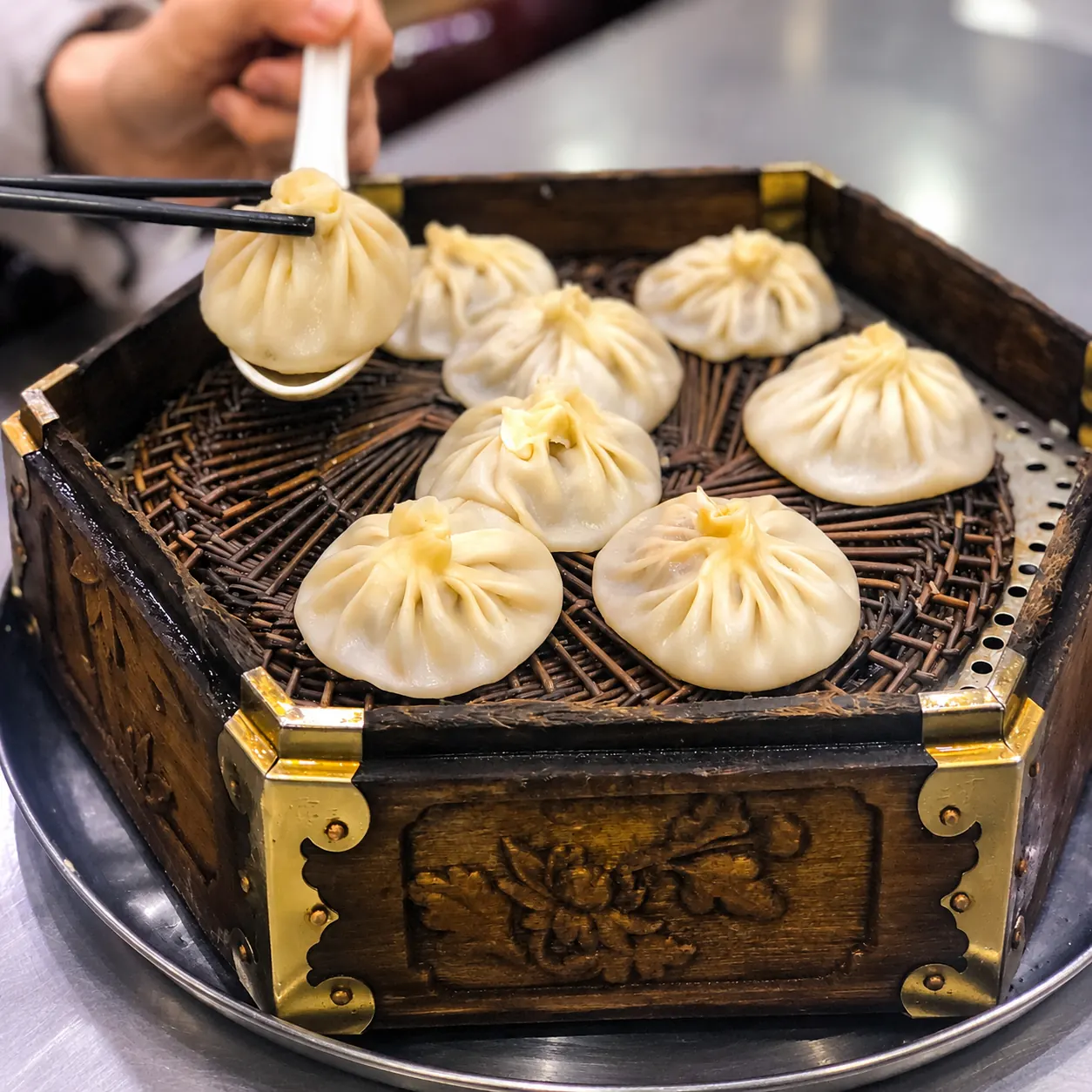
  • Xi'an guantang baozi, steamed soup-filled buns served in a basket

    Guantang Baozi (Soup Dumplings)

    灌汤包 · Guàntāng bāo

    These steamed buns hold hot, savory broth inside their delicate wrappers. Hui-style shops in the Muslim Quarter may offer beef or lamb fillings, while fillings elsewhere can differ.

    Taste: Juicy, savory, tender

    Typical price: About ¥15–35 per serving

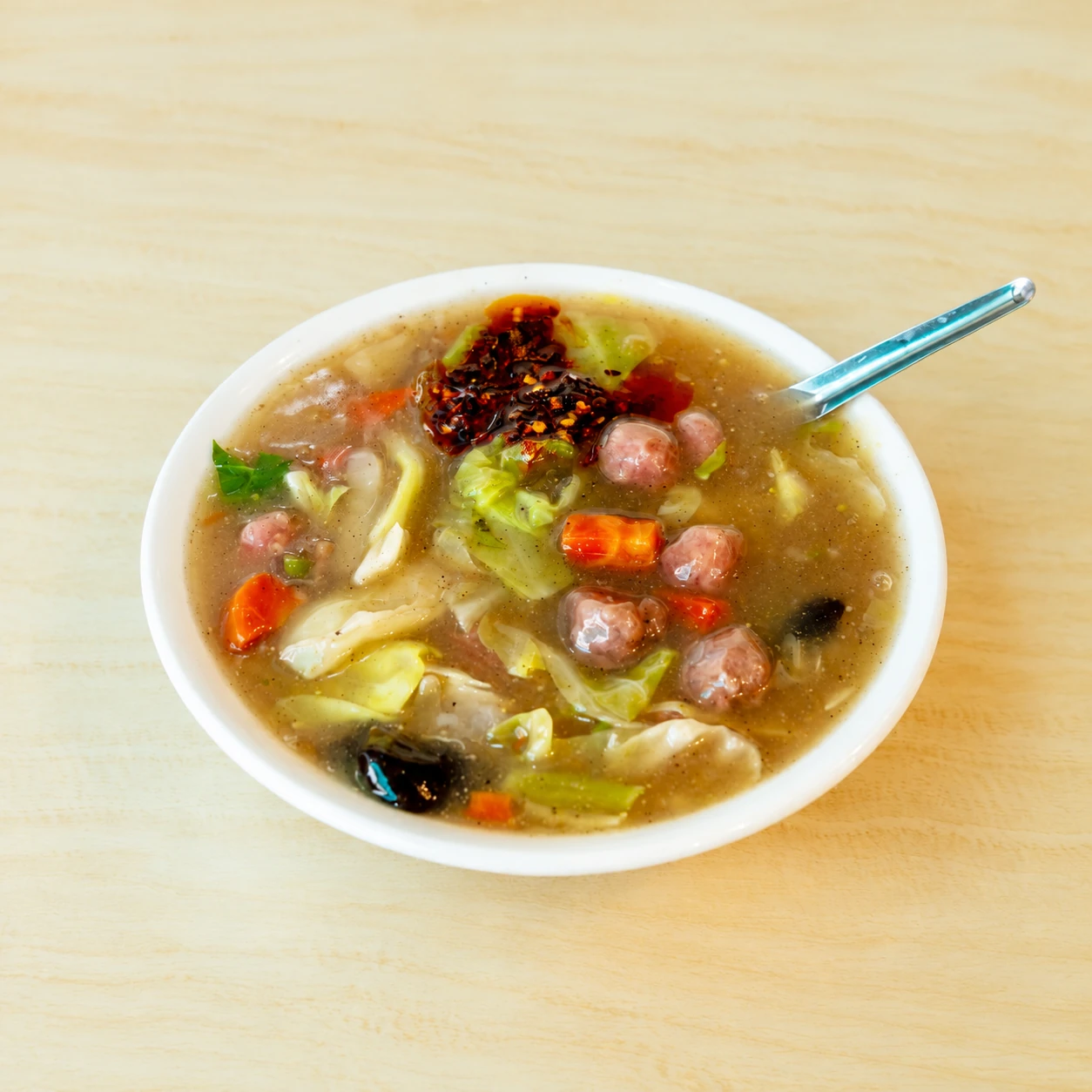
  • Xi'an hulatang, a thick peppery breakfast soup with meatballs and vegetables

    Xi'an Hulatang (Pepper Soup)

    肉丸胡辣汤 · Ròuwán hú là tāng

    A thick, peppery breakfast soup commonly made with beef meatballs and vegetables. It is often eaten with flatbread and is a hearty way to start the day rather than a light clear soup.

    Taste: Peppery, savory, warming

    Typical price: About ¥8–18 per bowl

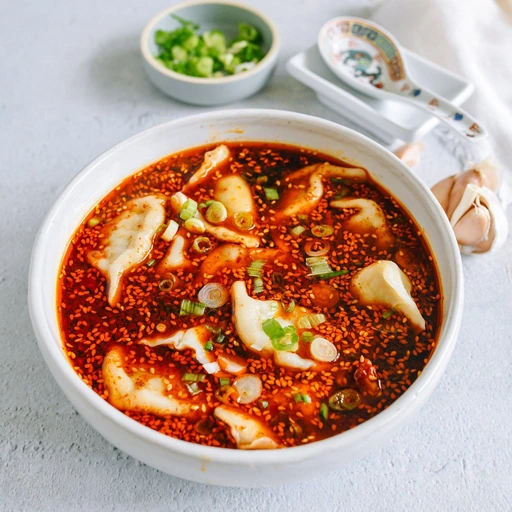
  • Xi'an suantang shuijiao, dumplings served in a hot and sour soup

    Suantang Shuijiao (Sour-Soup Dumplings)

    酸汤水饺 · Suāntāng shuǐjiǎo

    Boiled dumplings are served in a tangy, warming broth seasoned with vinegar and chili. Beef or lamb versions can be found at halal eateries, but always confirm the filling at the restaurant.

    Taste: Sour, savory, gently spicy

    Typical price: About ¥15–30 per bowl

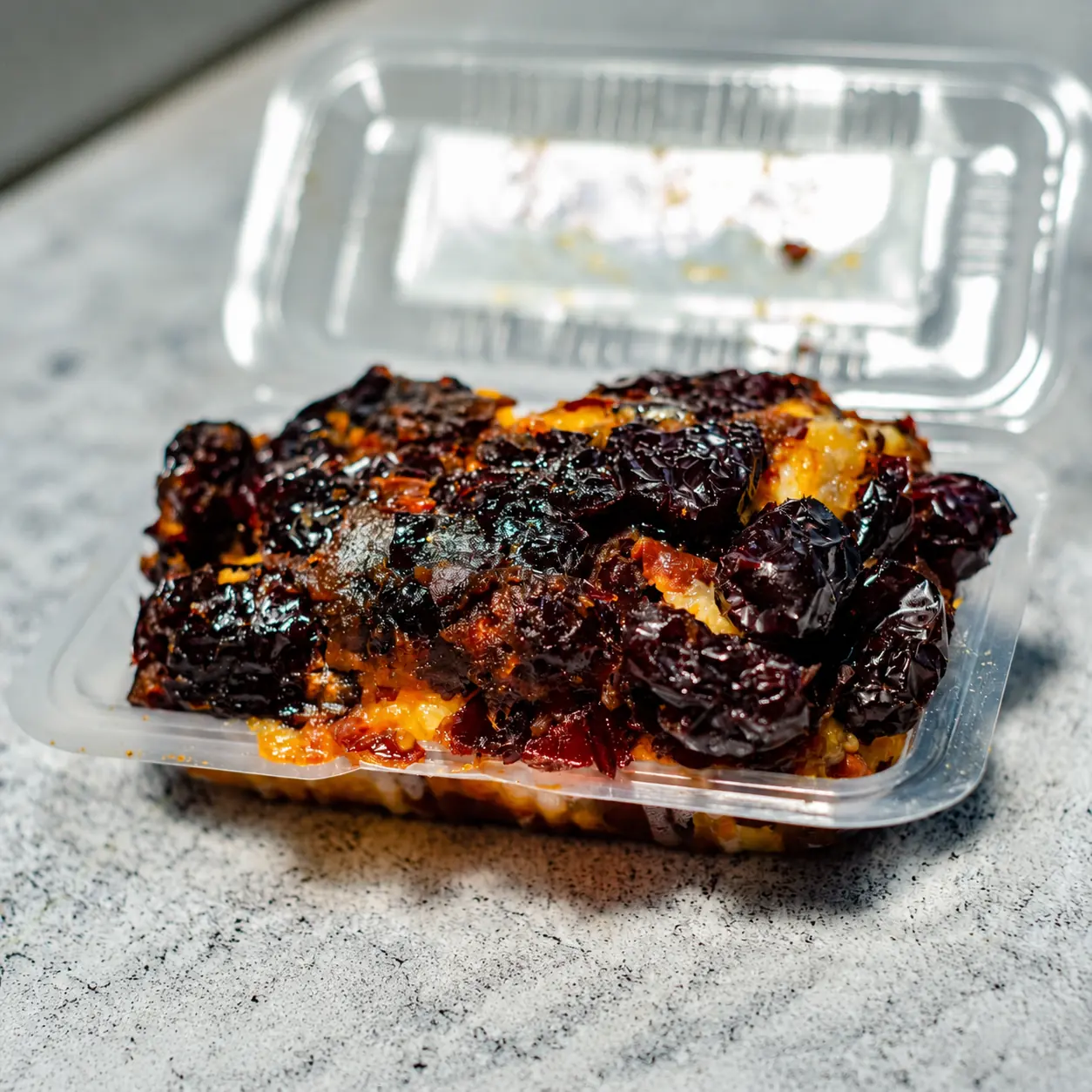
  • Xi'an zenggao, steamed glutinous rice layered with red dates

    Zenggao (Sticky Rice Cake)

    甑糕 · Zènggāo

    Glutinous rice is steamed with layers of red dates and, in some recipes, beans to make a dense, sweet and sticky snack. It is traditionally associated with breakfast stalls and street carts.

    Taste: Sweet, soft, sticky

    Typical price: About ¥5–15 per portion

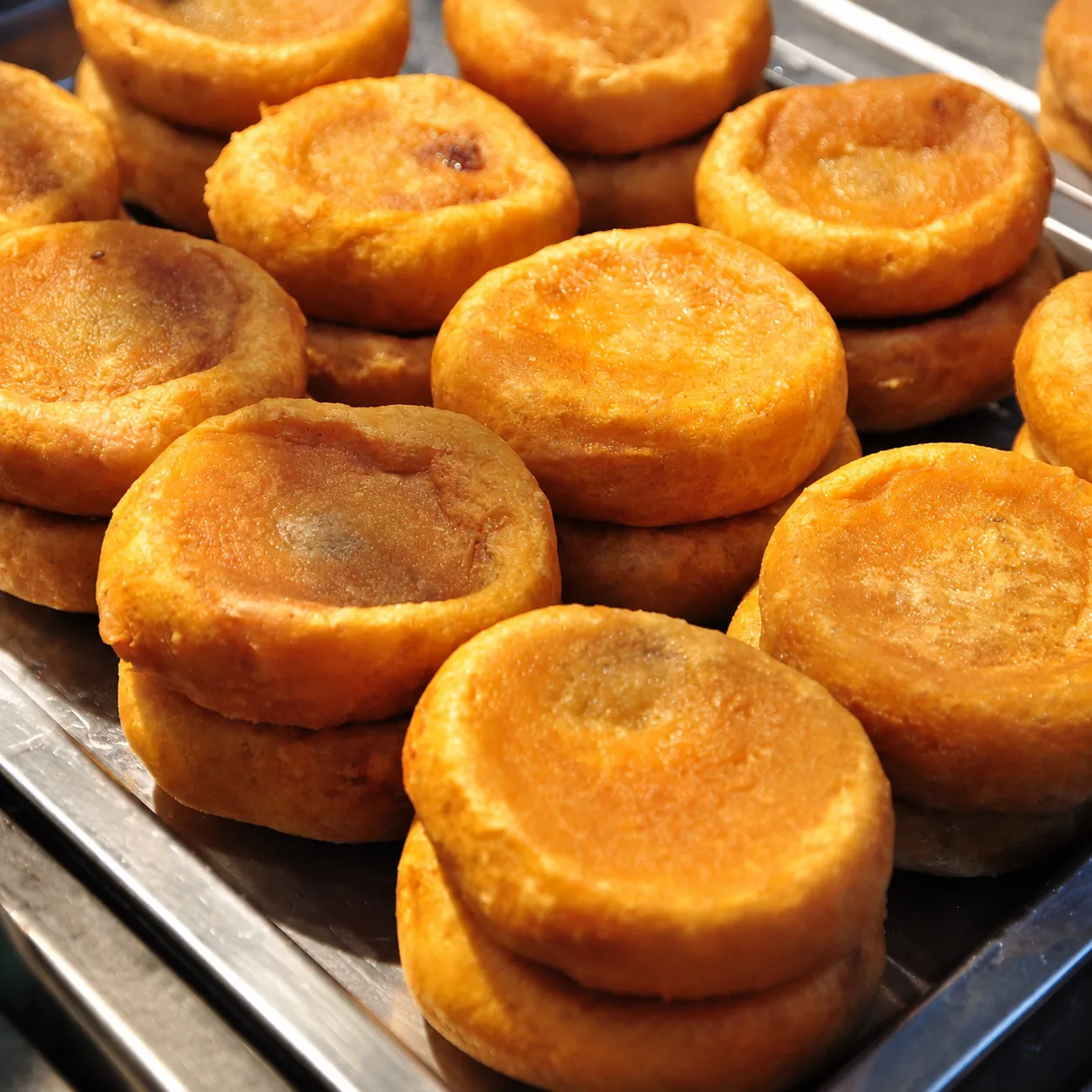
  • Xi'an shizi bing, a fried persimmon cake with a golden exterior

    Shizi Bing (Persimmon Cake)

    柿子饼 · Shìzi bǐng

    Persimmon-based dough is shaped into small cakes and fried until golden. Some are filled with sweet ingredients such as rose paste or nuts; freshly cooked cakes can have a very hot center.

    Taste: Sweet, fruity, crisp outside

    Typical price: About ¥3–10 each

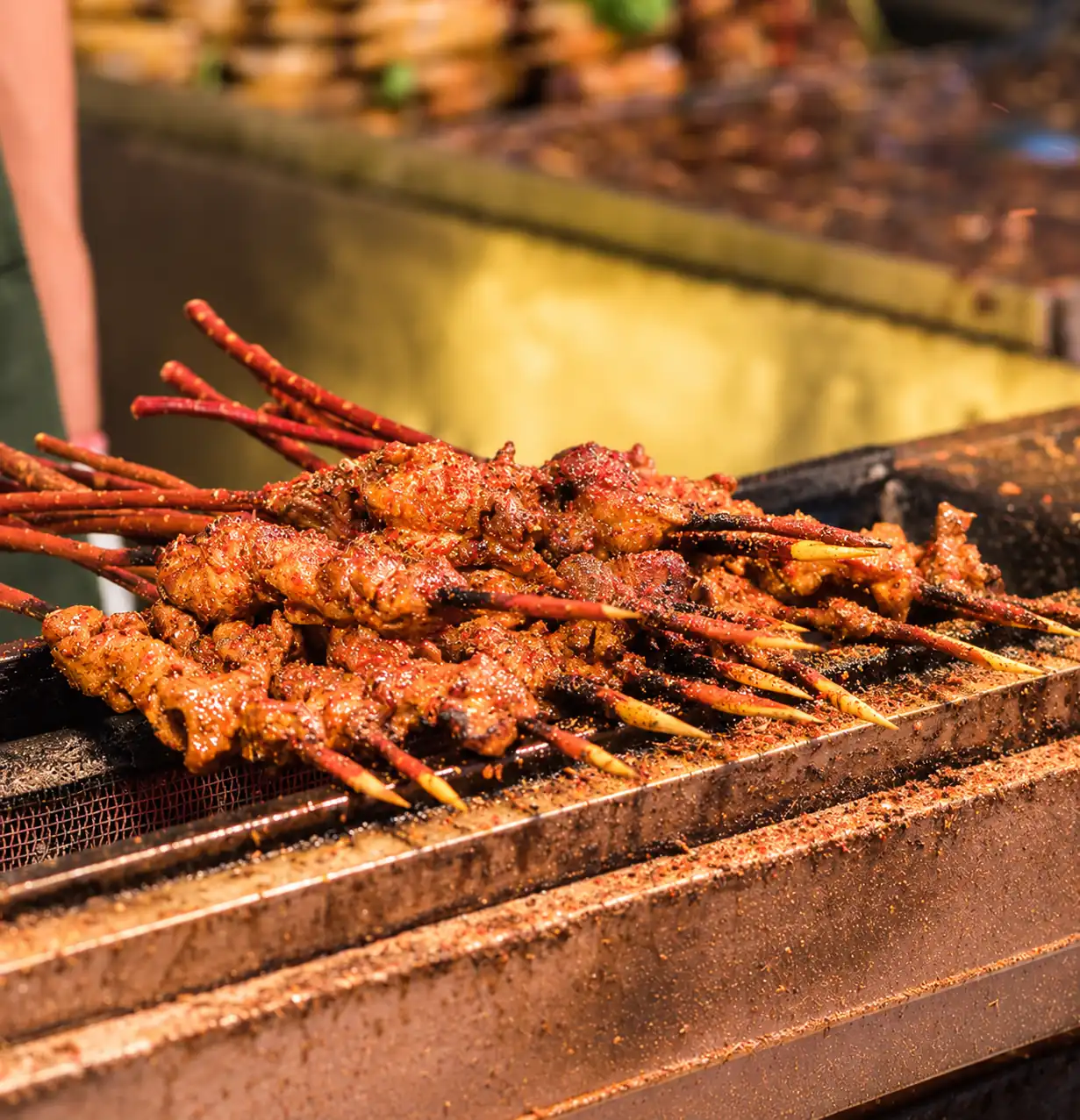
  • Xi'an-style lamb skewers grilled over charcoal and seasoned with cumin

    Lamb Skewers

    烤羊肉串 · Kǎo yángròu chuàn

    Lamb is grilled over charcoal and commonly seasoned with cumin, chili and salt. Skewers are especially appealing when stalls are cooking to order in the evening; larger specialty skewers cost more.

    Taste: Smoky, savory, cumin-rich

    Typical price: About ¥3–8 per small skewer

  • Xi'an youpo mian, wheat noodles topped with chili, garlic and hot oil

    Youpo Mian (Oil-Splashed Noodles)

    油泼面 · Yóupō miàn

    Broad wheat noodles are topped with chili, garlic and other seasonings, then finished with hot oil that releases their aroma. Vinegar and greens may add brightness; toppings and spice levels vary by shop.

    Taste: Fragrant, savory, chili-forward

    Typical price: About ¥12–25 per bowl

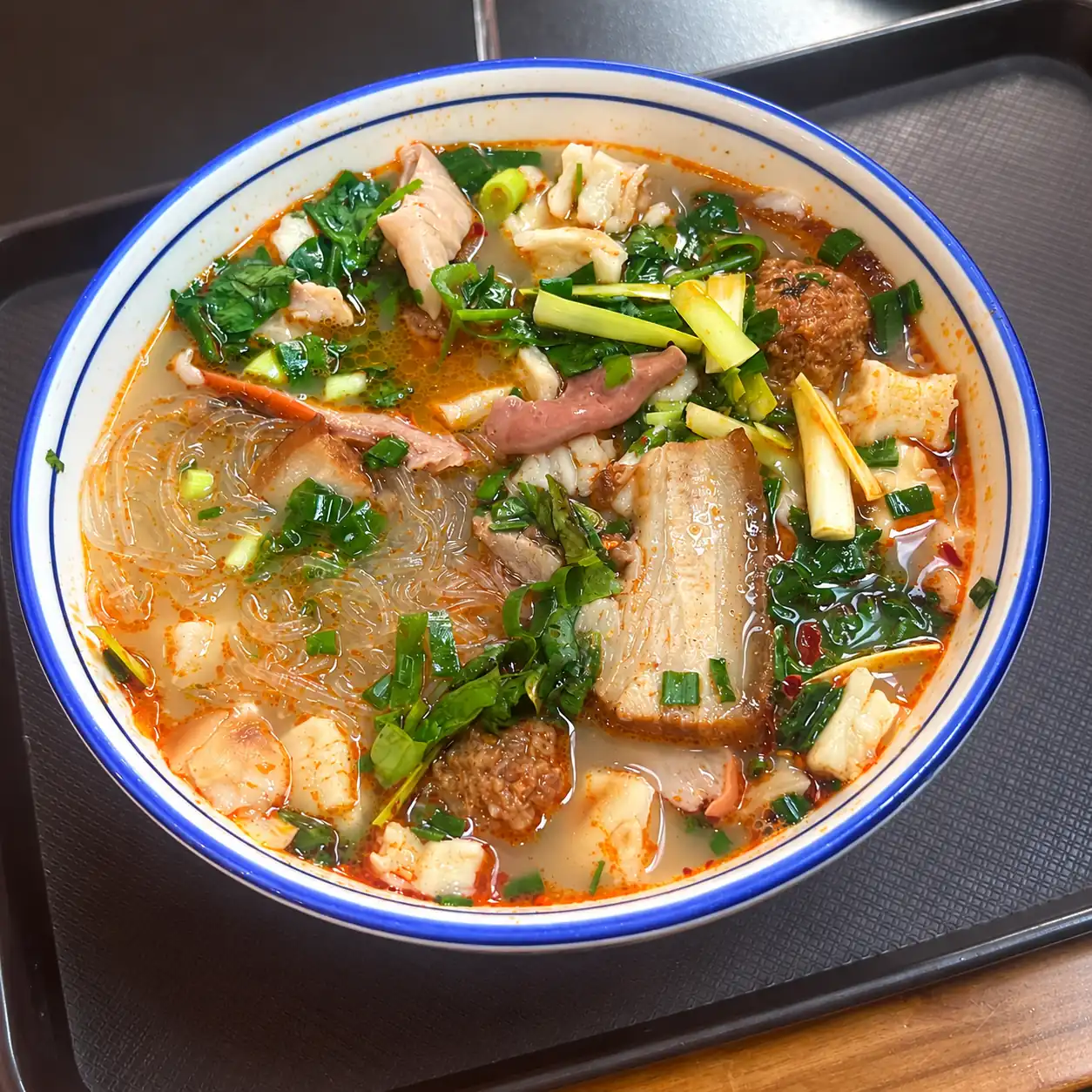
  • Xi'an hulutou paomo, bread pieces served with pork-intestine broth

    Hulutou Paomo (Pork-Intestine Soup)

    葫芦头泡馍 · Húlútóu pàomó

    A distinct Xi'an paomo variation made with pieces of flatbread and a broth featuring pork intestine. Its rich flavor and texture set it apart from lamb paomo, but the ingredients are not suitable for diners avoiding pork.

    Taste: Rich, savory, offal-forward

    Typical price: About ¥18–38 per bowl

What Should You Try First in Xi'an?

If you are short on time, choose dishes by the kind of meal you want. These are practical starting points, not a fixed tasting route.

For a hearty sit-down meal
Choose yangrou paomo for a rich lamb-broth meal and the local bread-tearing ritual.
For a quick street-food bite
Try roujiamo, but confirm whether the filling is pork, beef or lamb before ordering.
For a noodle-focused meal
Choose biangbiang mian or youpo mian, and ask for less chili if you prefer milder flavors.
For a sweet snack
Look for zenggao or a freshly fried shizi bing from a busy vendor.

Where to Eat in Xi'an

Wondering where to eat in Xi'an? Start in the Muslim Quarter for a first taste of the city's food culture, explore Sajinqiao for traditional Hui Muslim eateries, or visit Yongxingfang to sample specialties from across Shaanxi. For an evening food walk, check the current stalls and activity around Dongxin Street.

MORE XI'AN FOOD AREAS TO EXPLORE

  • Yongxingfang

    永兴坊 · Yǒngxīngfāng

    Yongxingfang is a curated food and cultural area near the East Gate of Xi'an's old city. Its food stalls and shops introduce regional specialties from different parts of Shaanxi, making it convenient for visitors who want to compare local flavors in one place. The organized setting offers a different experience from the everyday neighborhood streets around Sajinqiao.

    Best for: Sampling a range of Shaanxi specialties in one stop

    Look for: Regional noodles, local flatbreads, traditional snacks and sweets

    When to go: Plan a daytime or early-evening visit. Check current stall hours and menus before setting out

  • Dongxin Street Area

    东新街 · Dōngxīn Jiē

    The Dongxin Street area is another option to investigate for an evening food outing. It offers a different route from the main Muslim Quarter circuit and can suit visitors who want to combine casual dining with a look at Xi'an's evening street scene. The available vendors and atmosphere may vary, so check recent local listings rather than assuming every section operates as a permanent night market.

    Best for: An alternative evening food walk beyond the main tourist food streets

    Look for: Casual local restaurants, cooked-to-order dishes and street snacks where available

    When to go: Check recent opening information before visiting, particularly if you are going specifically for a night-market experience

Xi'an Food Prices & Dining Costs

How much does food cost in Xi'an? Compare local snacks, noodle bowls, traditional Shaanxi meals and sit-down restaurants with these indicative prices in Chinese yuan (CNY/RMB). Approximate US dollar equivalents are shown for planning only. Use them to plan your food budget, then check the displayed menu for the actual price before ordering.

Xi'an food prices: Budget around ¥8–20 for a roujiamo or liangpi serving, ¥12–30 for a bowl of noodles, and ¥20–45 for a typical serving of yangrou paomo. A casual sit-down meal often costs around ¥40–80 per person, while a more elaborate restaurant meal can cost ¥80–150 or more per person. These are planning estimates, not guaranteed prices; portions, restaurant choice and location can all affect the final bill.

Indicative Xi'an food and dining prices in Chinese yuan (CNY/RMB), with approximate US dollar equivalents for visitor budgeting.
Dining Style Typical Price Charged By What to Expect
Breakfast & Street Snacks ¥5–20 ≈ US$1–3 Per item or serving Simple breakfast foods, hulatang, zenggao and small traditional snacks. Several small purchases can add up.
Roujiamo & Liangpi ¥8–20 ≈ US$1–3 Per item or serving A roujiamo meat sandwich or a portion of liangpi cold noodles. Premium versions and tourist-area outlets may cost more.
Noodles & Dumplings ¥12–30 ≈ US$2–5 Per bowl or serving Biangbiang noodles, oil-splashed noodles or dumplings at a casual local restaurant. Portion size and toppings vary.
Yangrou Paomo & Shuipen Yangrou ¥20–45 ≈ US$3–7 Per bowl or serving Traditional lamb soup with bread or lamb soup served with flatbread. Famous restaurants and premium portions can exceed this range.
Casual Shaanxi Restaurant ¥40–80 ≈ US$6–12 Per person A filling meal with regional dishes, noodles or soup. Group size, meat portions and additional dishes affect the cost.
Food Street Tasting ¥40–80 ≈ US$6–12 Per person Several small dishes or snacks in areas such as the Muslim Quarter. Drinks, premium items and extra stops increase the total.
Mid-Range Specialty Dining ¥80–150 ≈ US$12–22 Per person A more substantial sit-down meal, a wider selection of Shaanxi dishes or a specialty restaurant experience.
Upscale Dining & Dumpling Banquets ¥150–300+ ≈ US$22–45+ Per person Special-occasion dining, elaborate dumpling banquets or premium menus. Set menus, drinks and restaurant choice can push costs higher.

Currency note: Prices are shown primarily in Chinese yuan (CNY/RMB). Approximate USD conversions use a reference rate of US$1 ≈ ¥6.67 (23 October 2026) and are rounded for easy planning; actual exchange rates, card conversion rates and fees vary. Price basis: indicative 2026 visitor- planning estimates compiled from published Xi'an food guides and reported dining-price ranges, not a live, shop-by-shop menu survey. Actual prices vary by venue, portion, neighborhood and season. Check current menu prices before ordering.

How Much Should You Budget for Food in Xi'an?

  • LOCAL & BUDGET ¥60–100 ≈ US$9–15 Per person / day

    Simple breakfast, a noodle meal, local snacks and an inexpensive dinner. This budget works best when you choose everyday eateries and keep drinks and extra dishes modest.

  • COMFORTABLE MIX ¥120–220 ≈ US$18–33 Per person / day

    A flexible day of breakfast, noodles or another local lunch, snacks and a more substantial specialty dinner. Leaves room for extra dishes and drinks at many casual restaurants.

  • PREMIUM EXPERIENCE ¥300–600+ ≈ US$45–90+ Per person / day

    A day built around an upscale restaurant, an elaborate dumpling banquet or a more extensive specialty meal, alongside other meals and snacks. Premium menus can exceed this budget.

Example day (illustrative): ¥15 breakfast + ¥25 noodle lunch + ¥55 specialty dinner + ¥15 for an afternoon snack = ¥110 per person (about US$17), before additional drinks or extra dishes. This is a sample budget calculation, not a fixed meal deal.

What Can Change Your Final Bill?

Compare Tourist-Area Prices

Prices can differ between the busiest tourist-facing streets and nearby neighborhood eateries. Check displayed prices and portion sizes rather than assuming every shop charges the same.

Check Portions and Set Menus

A single bowl of noodles or paomo may be a complete meal, while ordering several snacks and specialty dishes can raise your total quickly. Check serving sizes, set-menu contents and drink prices first.

Confirm the Final Amount

Review the printed menu or QR-ordering screen before confirming an order. Check ingredient options, quantity, unit prices and the final total. If you have dietary requirements, confirm ingredients before paying.

How to Order Food in Xi'an

From roujiamo and liangpi stalls to traditional Shaanxi restaurants, ordering food in Xi'an is easier when you know a few useful Chinese phrases. Learn how to use a QR menu, identify local dishes, ask about chili and ingredients, and confirm your order before paying.

Three Steps to Ordering in Xi'an

  1. Find the Menu or Ordering Screen

    At a local noodle shop or snack stall, you may order at the counter. Sit-down restaurants may offer a printed menu, a picture menu or a QR-code menu. If a digital menu requires an app or will not load, ask staff for another option. You can also show the Chinese name of a dish, such as 肉夹馍 (roujiamo), 凉皮 (liangpi) or 羊肉泡馍 (yangrou paomo).

  2. Confirm the Dish and Ingredients

    Check the dish, portion size and displayed price before ordering. Xi'an specialties may feature lamb, beef, wheat noodles, chili oil, cumin or other seasonings. Ask whether a dish is spicy and explain any dietary restrictions separately. If you require halal food, look for 清真 (qīngzhēn) signage and confirm the restaurant's status rather than assuming every nearby shop is halal.

  3. Review Your Order and Pay

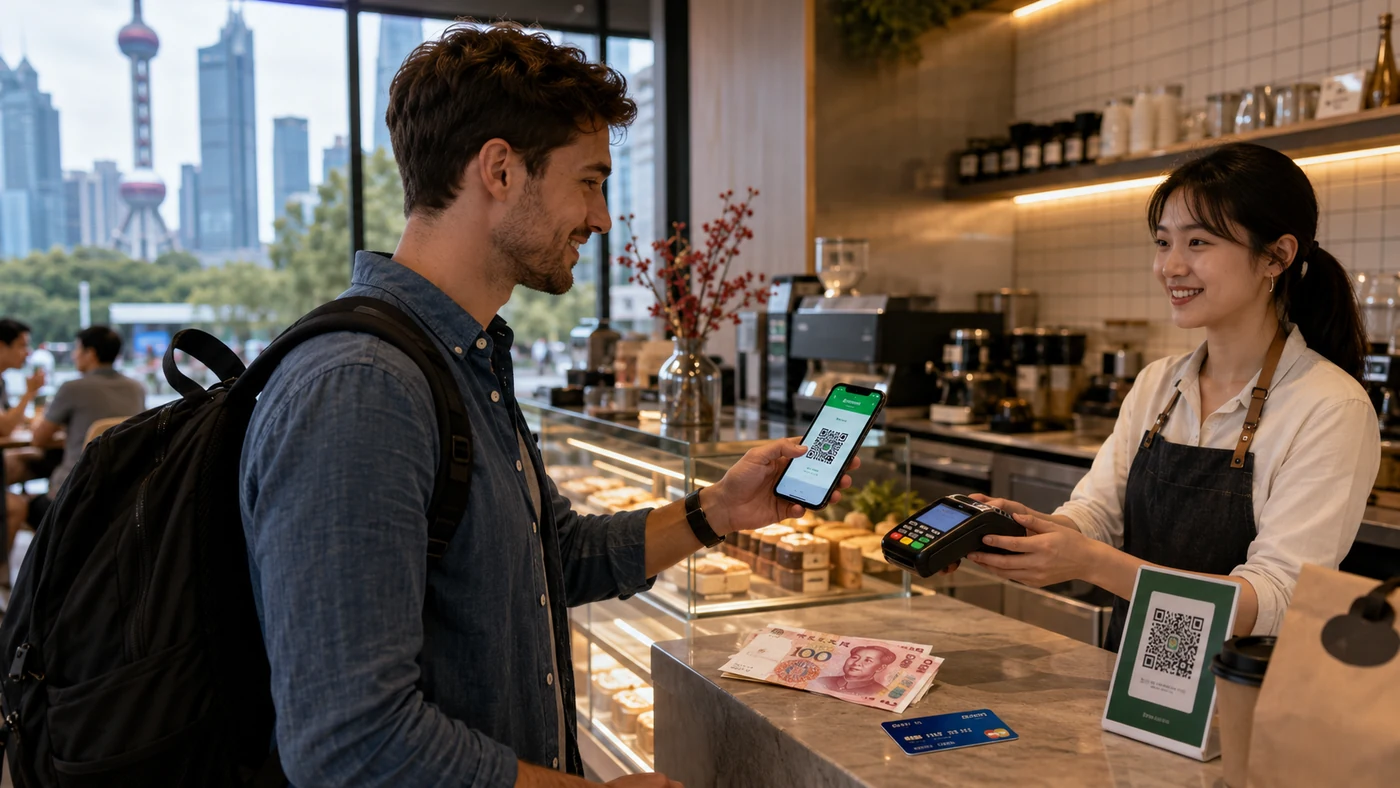
    Before submitting a digital order, check the number of servings, selected toppings, ingredient options and final total. Some restaurants ask you to pay first; others settle the bill afterward. Payment methods vary by business, so if a QR-code checkout does not work, ask staff whether another payment option is available.

Useful Chinese Phrases

These Mandarin phrases can help you order Xi'an street food, noodles and traditional Shaanxi dishes. Show the written Chinese to restaurant staff or tap a speaker to hear the pronunciation when your device supports it.

  • 请问,有英文菜单吗? Qǐngwèn, yǒu Yīngwén càidān ma?

    Do you have an English menu?

  • 我想点这个。 Wǒ xiǎng diǎn zhège.

    I'd like to order this.

  • 这个辣吗? Zhège là ma?

    Is this spicy?

  • 可以不放辣椒吗? Kěyǐ bù fàng làjiāo ma?

    Can you leave out the chili?

  • 这里面有猪肉吗? Zhèlǐmiàn yǒu zhūròu ma?

    Does this contain pork?

  • 请问,你们是清真餐厅吗? Qǐngwèn, nǐmen shì qīngzhēn cāntīng ma?

    Are you a halal restaurant?

  • 这里面有花生吗? Zhèlǐmiàn yǒu huāshēng ma?

    Does this contain peanuts?

  • 买单,谢谢。 Mǎidān, xièxie.

    The bill, please.

Audio is generated by your browser or device, not a human recording. Voice availability and pronunciation vary by device. Tap the speaker again to stop playback, or show the written Chinese phrase to restaurant staff.

Xi'an Ordering Tips Worth Knowing

  • Order by Chinese Name or Photo

    Some local menus list dishes only in Chinese. Showing the characters for 肉夹馍 (roujiamo), 凉皮 (liangpi), 羊肉泡馍 (yangrou paomo) or 油泼面 (youpo mian) can make ordering easier. Confirm the portion and price before placing your order.

  • Confirm Halal Status Directly

    Xi'an has a well-known Muslim Quarter with many halal food options, but do not assume every business in or around the area follows halal requirements. Look for 清真 signage and ask the restaurant directly if halal preparation is important to you.

  • Check Chili and Allergens

    Chili oil, wheat, sesame, peanuts, soy and other ingredients may appear in sauces, noodles and toppings. Asking for no chili does not guarantee a dish is free of other allergens. Explain any allergy clearly and confirm ingredients and preparation methods with staff before ordering.

A Half-Day Xi'an Food Walk

Explore Xi'an's food culture on a self-guided walking route through the historic city center. Start near the Bell Tower, browse the famous Beiyuanmen food street behind the Drum Tower, then explore the side lanes of Dapiyuan and Xiyangshi before finishing around Sajinqiao. This route combines iconic Xi'an street food with smaller neighborhood food streets without planning a cross-city detour.

  1. · Suggested start

    Start Near Xi'an Bell Tower

    西安钟楼 · Xī'ān Zhōnglóu

    Begin near the Bell Tower, a convenient central landmark for a first visit to Xi'an's old city. From here, walk west toward the Drum Tower and the entrance to the Muslim Quarter. Treat this first stretch as your orientation stop rather than a full meal: the main food streets ahead offer more opportunities to sample local dishes.

    Start Use the Bell Tower as your meeting point and check the best metro exit and walking directions before setting off
  2. · Flexible arrival

    Browse Beiyuanmen Food Street

    北院门 · Běiyuànmén

    Behind the Drum Tower, Beiyuanmen is the best-known pedestrian food street in Xi'an's Muslim Quarter. Browse the snack shops, grilled-food stalls and traditional storefronts, but do not feel you need to eat a full meal here. This main strip can be busy and visitor-oriented, so compare displayed prices and save some appetite for the side streets.

    Try A small serving of roujiamo (肉夹馍), lamb skewers (羊肉串) or persimmon cake (柿子饼), depending on the shops open
  3. · Explore the side lanes

    Explore Dapiyuan and Xiyangshi

    大皮院 · Dàpíyuàn / 西羊市 · Xīyángshì

    Turn into the surrounding lanes to see more of the Muslim Quarter beyond its busiest main street. Dapiyuan and Xiyangshi have traditional snack shops and sit-down food options. Look at the menu before choosing, and consider sharing dishes if you want to taste several Xi'an specialties on one walk.

    Look for Liangpi (凉皮), sour-soup dumplings (酸汤水饺) or a small bowl of noodles; availability varies by shop
  4. · Suggested lunch stop

    Finish with a Meal Around Sajinqiao

    洒金桥 · Sǎjīnqiáo

    Continue toward Sajinqiao, a food-focused neighborhood west and northwest of the main Beiyuanmen strip. Its small restaurants and traditional food shops offer another way to explore Xi'an's everyday eating culture. Settle down for yangrou paomo (羊肉泡馍), a bowl of noodles or another local specialty. Check current menus, prices and opening times before choosing a restaurant.

    Choose Yangrou paomo for a substantial meal, or one additional snack if you have already eaten enough along the route

Xi'an Food Culture & Dining Etiquette

Xi'an food culture reflects the hearty flavors of Shaanxi cuisine, a long tradition of wheat-based cooking and the distinctive culinary heritage of the city's Hui Muslim community. From hand-torn bread in yangrou paomo to the lively food streets around the Drum Tower, understanding local dishes and everyday dining customs makes each meal more rewarding.

What Makes Xi'an Food Culture Distinctive

Xi'an's culinary identity extends far beyond its famous Muslim Quarter. Shaanxi food is known for substantial wheat-based dishes, noodles, flatbreads and bold seasonings, while the city's Hui Muslim food traditions contribute distinctive lamb and beef specialties. The result is a diverse local food scene shaped by regional ingredients, neighborhood cooking and centuries of cultural exchange.

  • Wheat, Noodles & Hearty Shaanxi Flavors

    Wheat is central to many familiar Xi'an dishes. Look for biangbiang mian (biangbiang noodles, 𰻞𰻞面), liangpi (凉皮, cold noodles), and roujiamo (肉夹馍, a filled flatbread). Vinegar, chili oil, garlic and aromatic seasonings appear in different combinations across local dishes. Recipes vary by restaurant, so do not assume every noodle or bread specialty tastes the same or contains the same ingredients.

  • Hui Muslim Heritage & Xi'an's Food Streets

    The Hui Muslim community is an important part of Xi'an's food heritage. Around Beiyuanmen (北院门), Dapiyuan (大皮院) and Xiyangshi (西羊市), visitors can find traditional food shops serving specialties such as yangrou paomo (羊肉泡馍, lamb soup with bread) and beef or lamb dishes. Sajinqiao (洒金桥) offers another neighborhood food area to explore. These are living communities as well as food destinations, so approach local customs and places of worship respectfully.

  • Eating Is Part of the Local Experience

    Some Xi'an specialties have a distinctive way of being eaten. For yangrou paomo, diners may tear a wheat flatbread into small pieces before the kitchen prepares it in broth. Food-street visits often work well as a series of small tastings, while a sit-down restaurant is better for a full bowl of paomo or a substantial noodle meal. Breakfast dishes such as hula tang (胡辣汤, a peppery soup) offer another perspective on everyday local eating.

What to Expect in Xi'an's Dining Settings

Food Streets & Snack Stalls

In the Muslim Quarter, Beiyuanmen is a well-known starting point for browsing Xi'an street food. Side streets such as Dapiyuan and Xiyangshi offer additional places to explore. Compare menus and prices, check portion sizes and remember that individual vendors keep different hours.

Traditional Noodle & Paomo Shops

Noodle shops are useful for a straightforward local meal, while yangrou paomo is a more substantial specialty built around bread and lamb broth. Some shops invite diners to prepare the bread themselves. Ask about serving size, broth ingredients and preferred preparation before ordering.

Sit-Down Shaanxi Restaurant Meals

A restaurant meal lets you try several regional dishes, from noodles and cold liangpi to vegetable dishes and local specialties served for sharing. Ask how large each dish is before ordering, and confirm chili levels, allergens and meat ingredients when necessary. Menus differ between restaurants.

Xi'an Food Guide FAQs

Planning what to eat in Xi'an? Find practical answers about the city's signature dishes, spice levels, traditional food streets, meal budgets, halal options and vegetarian choices. Use these tips to choose local food that fits your schedule, appetite and dietary needs.

What food is Xi'an most famous for?

Xi'an is especially known for yangrou paomo (羊肉泡馍), roujiamo (肉夹馍), biangbiang noodles, liangpi (凉皮) and cumin-seasoned lamb skewers. Other specialties include sour-soup dumplings, persimmon cakes and the peppery breakfast soup known as hula tang (胡辣汤). Start with one substantial local dish, then add smaller snacks if you want to sample more of Shaanxi cuisine.

How do you eat yangrou paomo in Xi'an?

Yangrou paomo is a lamb-and-bread soup made with small pieces of flatbread. At traditional restaurants, diners may tear the bread into small pieces before handing it to the kitchen, where it is cooked in broth with lamb and other ingredients. Follow the restaurant's instructions because preparation methods vary. It is a filling main meal, so consider sharing lighter snacks beforehand rather than ordering several large dishes.

What can I eat in Xi'an if I don't like spicy food?

You can look for roujiamo, yangrou paomo, steamed dumplings or noodles prepared with less chili, depending on the restaurant. Liangpi and biangbiang noodles can contain chili oil, so ask for less or none if needed. Useful phrases include 少放辣椒 (shǎo fàng làjiāo) for less chili and 不要辣椒 (bú yào làjiāo) for no chili. Recipes and seasonings differ, so explain your preference before ordering.

Where should I go for street food in Xi'an?

The Muslim Quarter (回民街) is a convenient starting point for first-time visitors. Beiyuanmen (北院门) is the famous main food street, while Dapiyuan (大皮院) and Xiyangshi (西羊市) offer more lanes to explore. Sajinqiao (洒金桥), farther west, is another food-focused neighborhood. Compare menus and prices rather than assuming every street offers the same experience, and check current opening hours before making a special trip.

How much should I budget for food in Xi'an per day?

As a rough planning estimate, allow around ¥60–100 per person per day for simple local meals and street-food snacks. A more flexible budget of ¥120–220 gives you more room for sit-down meals and extra tastings. A bowl of yangrou paomo or a restaurant meal may take up a substantial part of that budget. These are estimates, not fixed prices: portions, restaurant choice, location and seasonal demand all affect the final cost. Check the current menu before ordering.

Can vegetarians and vegans find food in Xi'an?

Yes, but confirm ingredients rather than relying on a dish name alone. Liangpi, some vegetable noodles, flatbreads, persimmon cakes and sticky-rice snacks may offer meat-free choices. Sauces, broths, cooking oil and toppings can still contain animal ingredients. Vegans should also ask about eggs and dairy, while anyone with food allergies should discuss ingredients and cross-contact separately. Vegetarian options vary by shop, especially in meat-focused food streets.

Is Xi'an easy to explore for halal food?

Xi'an has a long-standing Hui Muslim food tradition, and the Muslim Quarter is a useful area to begin exploring halal dishes such as lamb paomo, beef or lamb roujiamo and grilled skewers. Look for 清真 (qīngzhēn), the Chinese term associated with halal food. Outside established halal businesses, do not assume that every Shaanxi dish or restaurant meets halal requirements. If you follow strict dietary rules, confirm the restaurant's ingredients and preparation practices directly.

How do tourists pay for food in Xi'an?

Alipay and WeChat Pay are widely used in China, including at many restaurants and casual food businesses. However, payment options vary by vendor, and not every stall accepts an international bank card directly. Set up a suitable payment method before your trip, check the amount before confirming payment, and carry a backup option where practical. If you are unsure whether a QR code is for ordering or payment, ask the staff.