Location
Sichuan Province
Chengdu is the provincial capital and a major city in southwest China.

Chengdu's best attractions combine giant pandas, Three Kingdoms history, classical gardens, ancient Shu culture, Buddhist temples and lively downtown neighborhoods. For a first visit, focus on the Panda Base and a manageable group of central Chengdu sights, then keep Leshan, Sanxingdui and Dujiangyan for separate day trips.
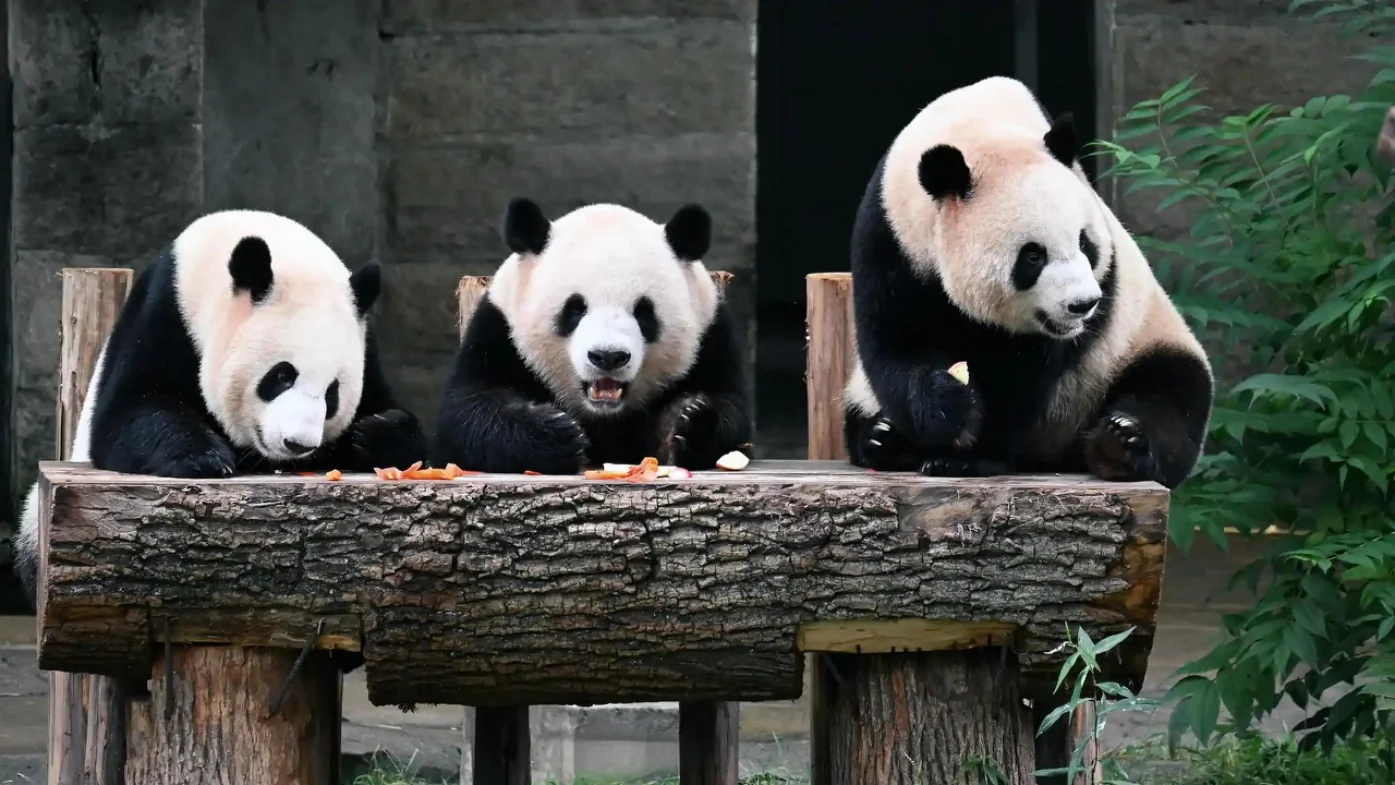
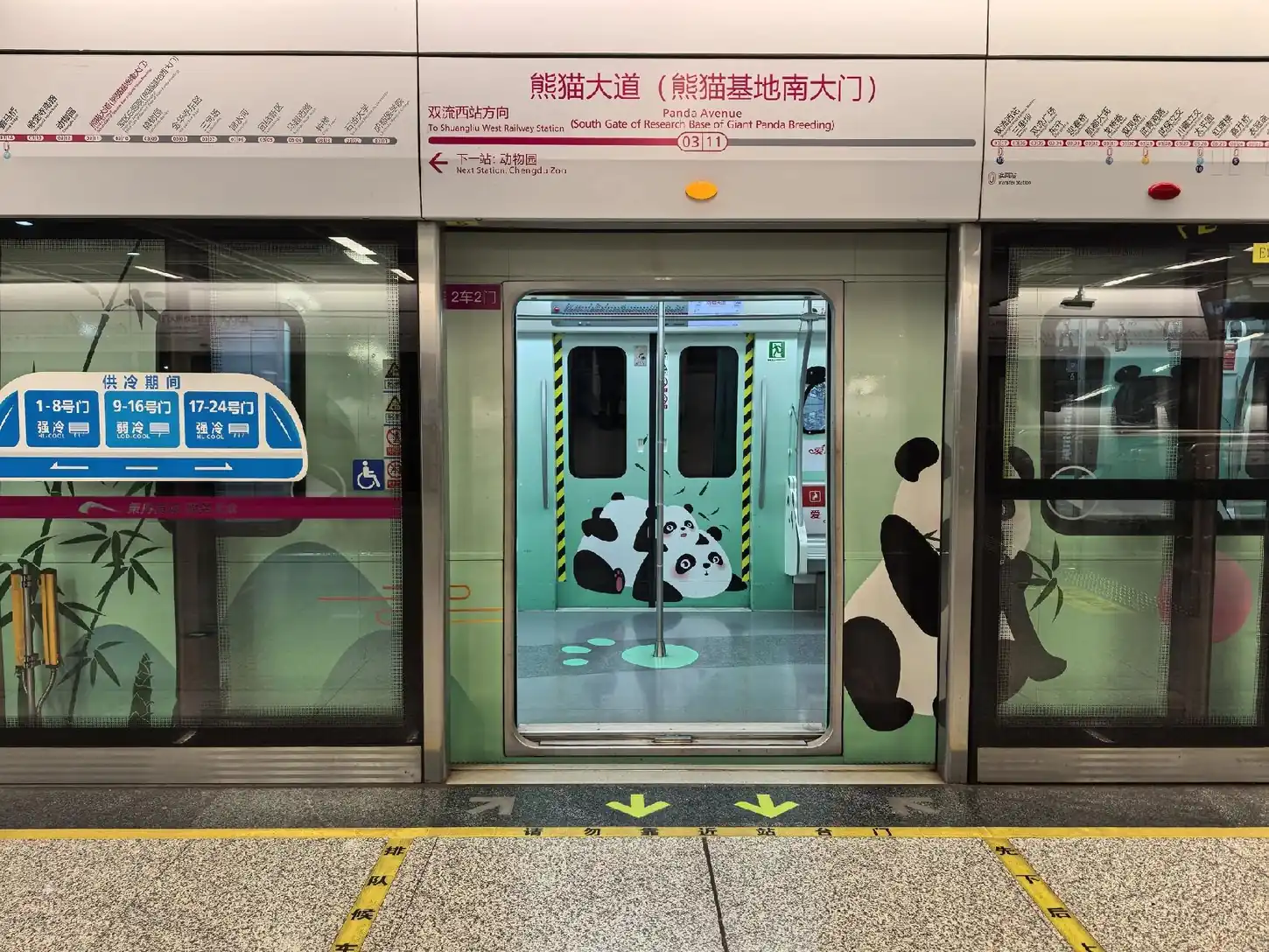
The Chengdu Panda Base is the city's defining wildlife attraction and a major center for giant panda conservation, research and breeding. Visitors can see giant pandas, red pandas and landscaped habitats while learning more about panda protection. Give the base its own sightseeing window instead of trying to combine it with too many central-city attractions.
Read the Chengdu Panda Base Guide →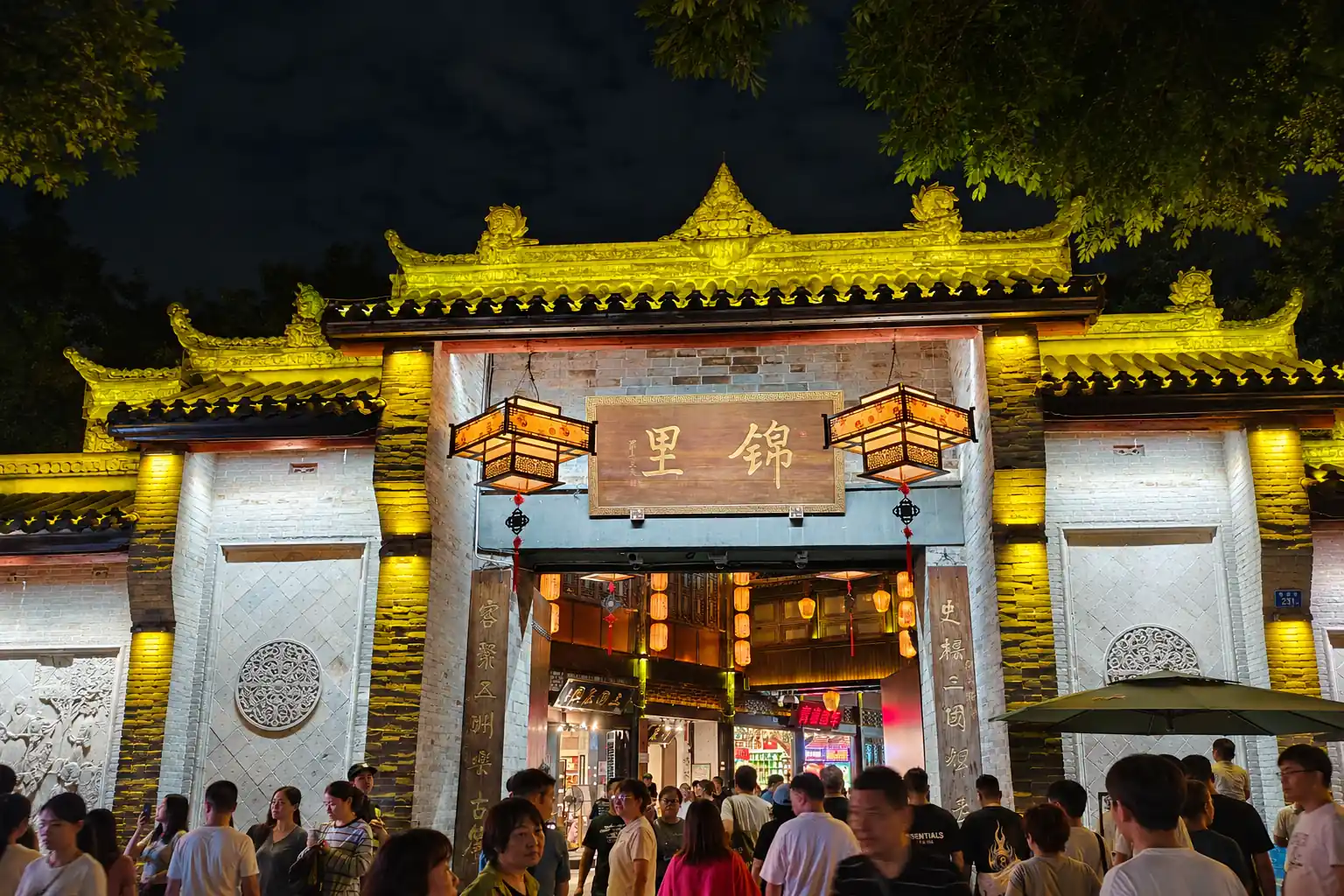
Explore Chengdu's connection with the Three Kingdoms period at Wuhou Shrine, which commemorates Zhuge Liang and Liu Bei. Continue into neighboring Jinli Ancient Street for traditional-style architecture, lantern-lined lanes, shops and local snacks. Visiting them together creates one of Chengdu's easiest historical sightseeing combinations.
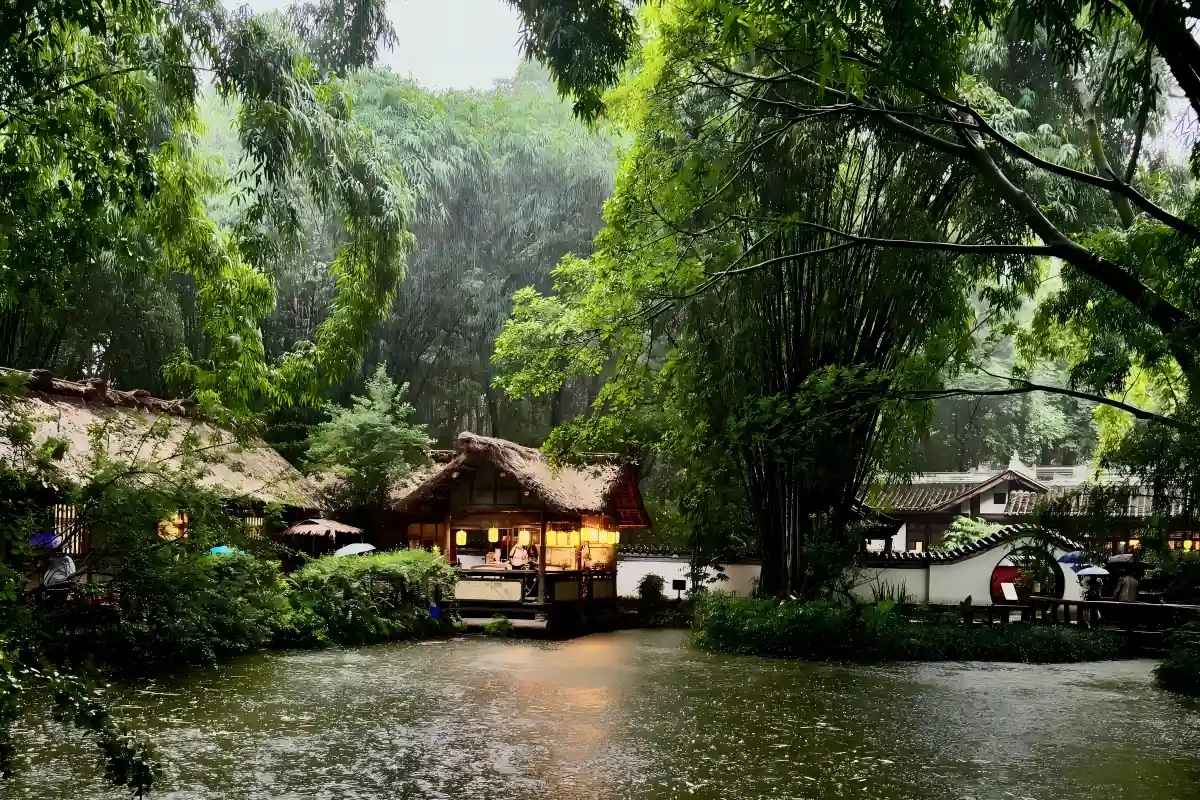
Visit the former Chengdu home of Du Fu, one of China's most celebrated Tang Dynasty poets. The museum and garden complex combines reconstructed thatched buildings, bamboo, traditional architecture and literary history, offering a quieter cultural contrast to Chengdu's busier commercial districts.
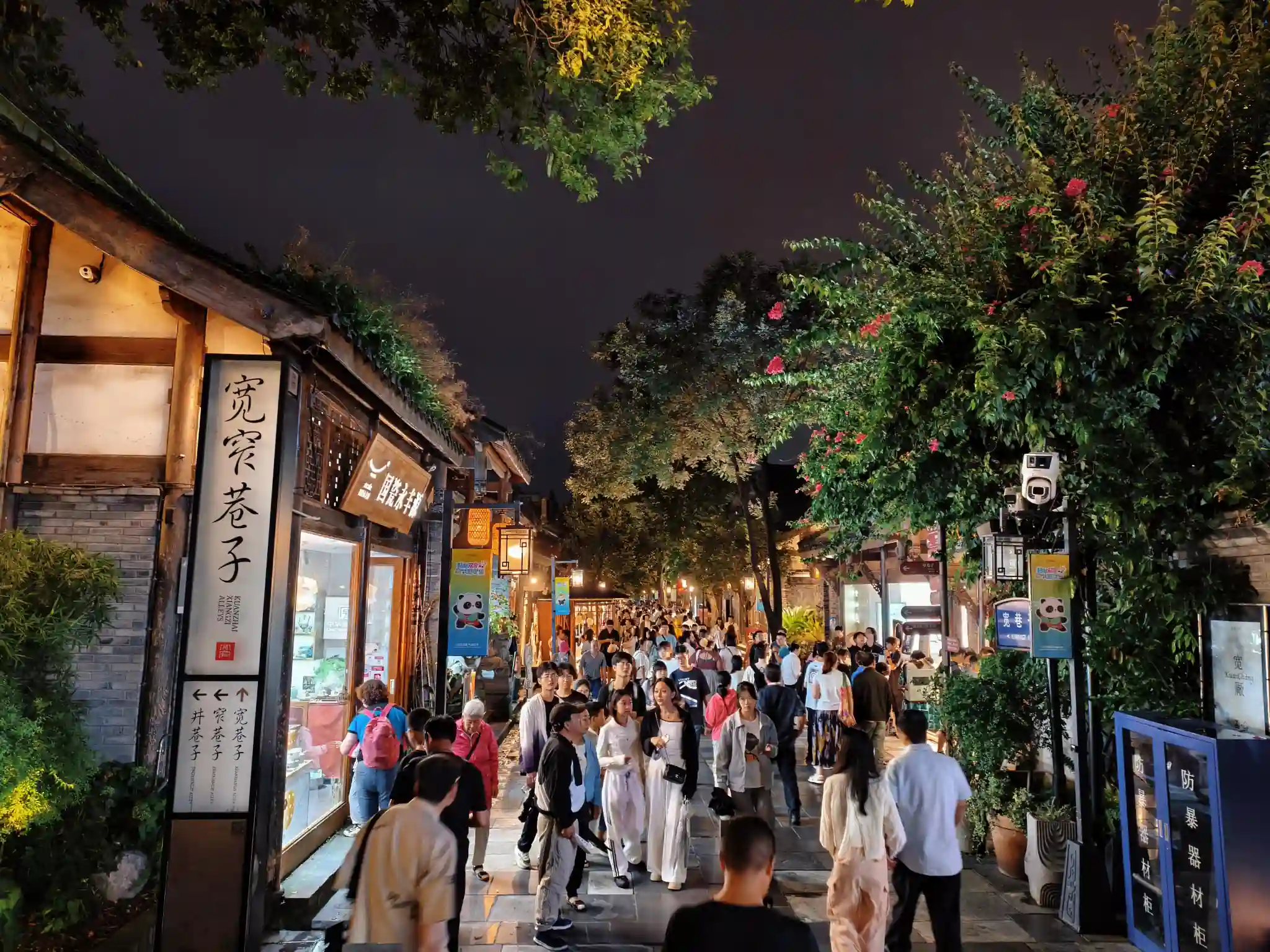
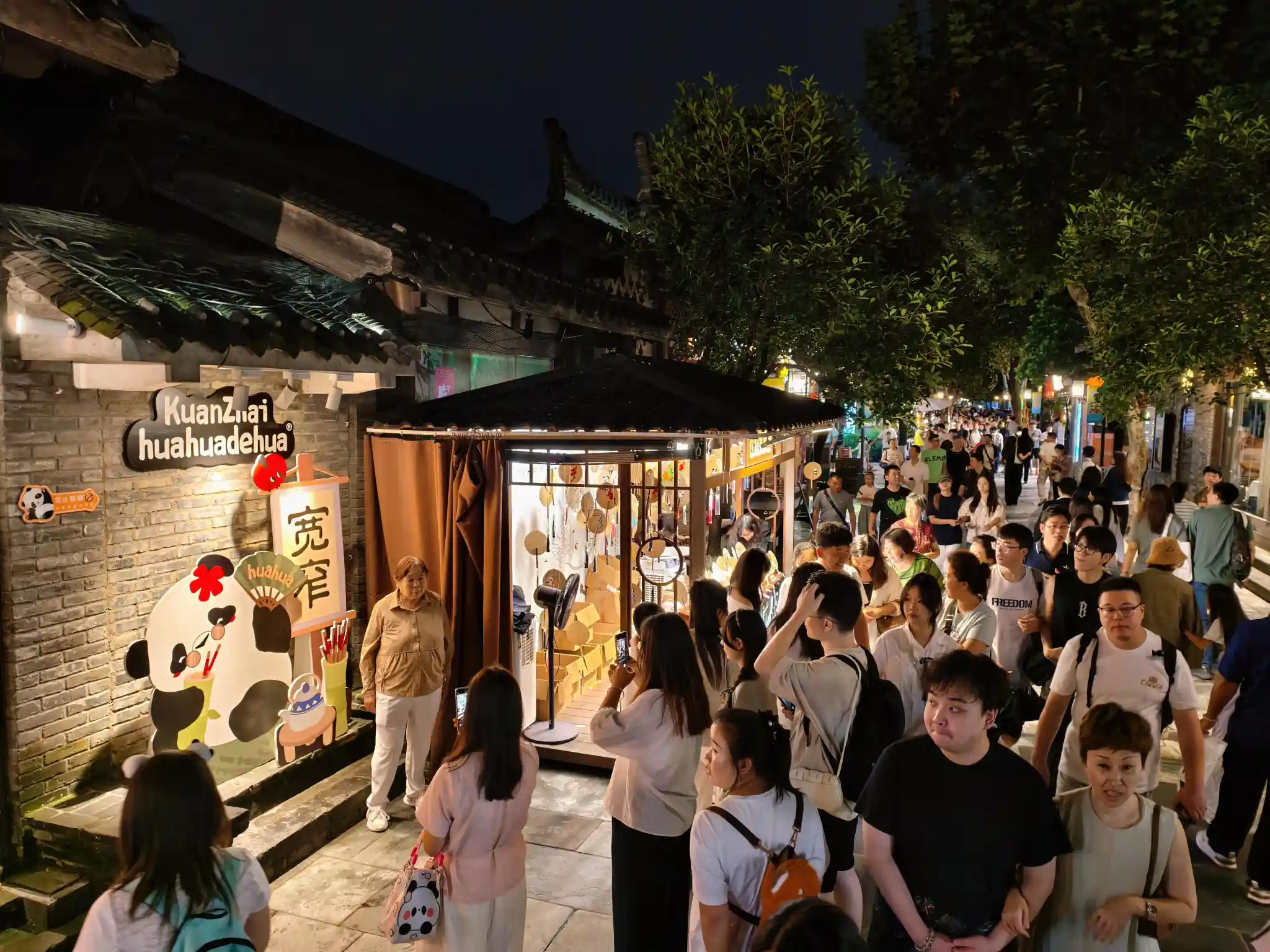
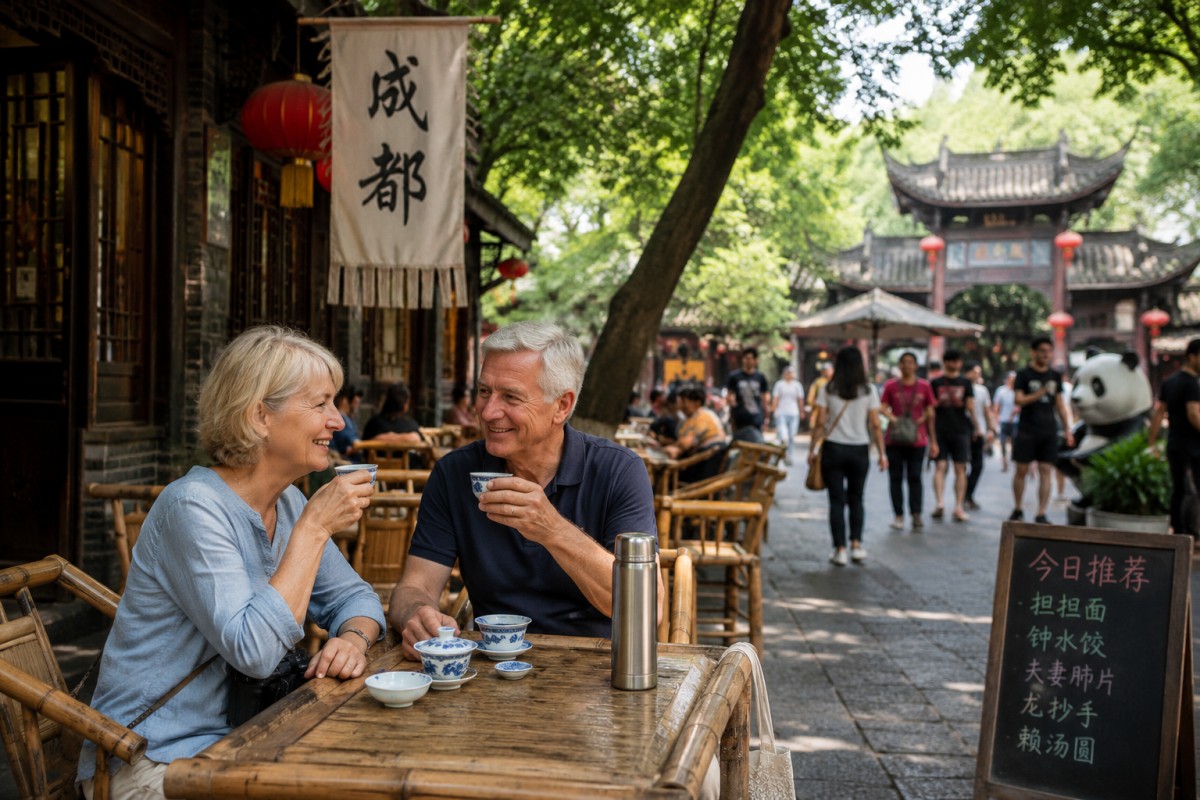
Walk through the historic lanes of Kuanzhai Alley, also known as Wide and Narrow Alley. Traditional courtyard-style buildings now contain teahouses, restaurants, shops and small cultural spaces, making the area an easy place to combine architecture, food and an introduction to old Chengdu.
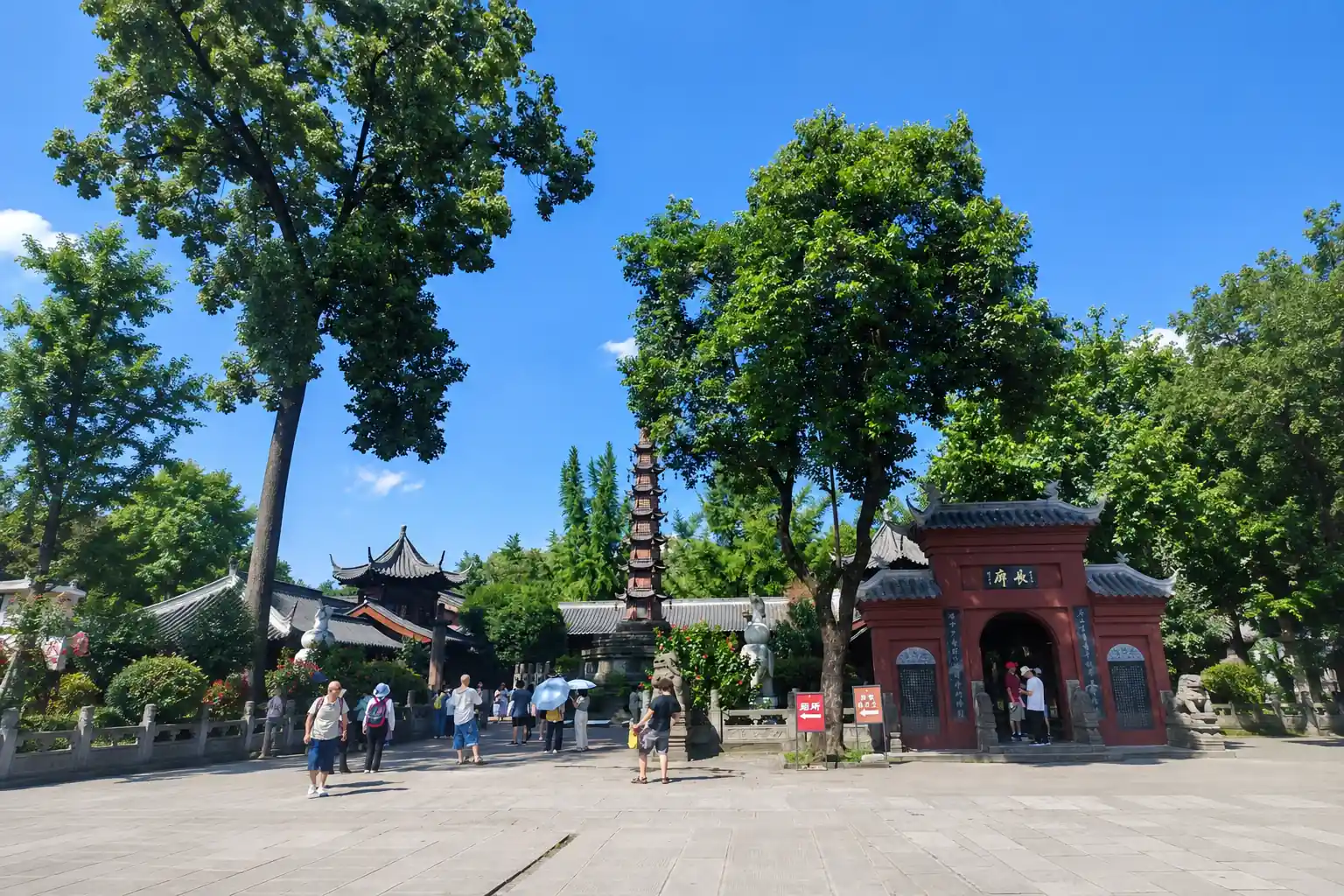
Step away from Chengdu's busiest shopping streets at Wenshu Monastery, one of the city's best-known Buddhist sites. Temple halls, courtyards and gardens create a more peaceful setting, while the surrounding neighborhood adds traditional streets, vegetarian food and everyday local atmosphere.
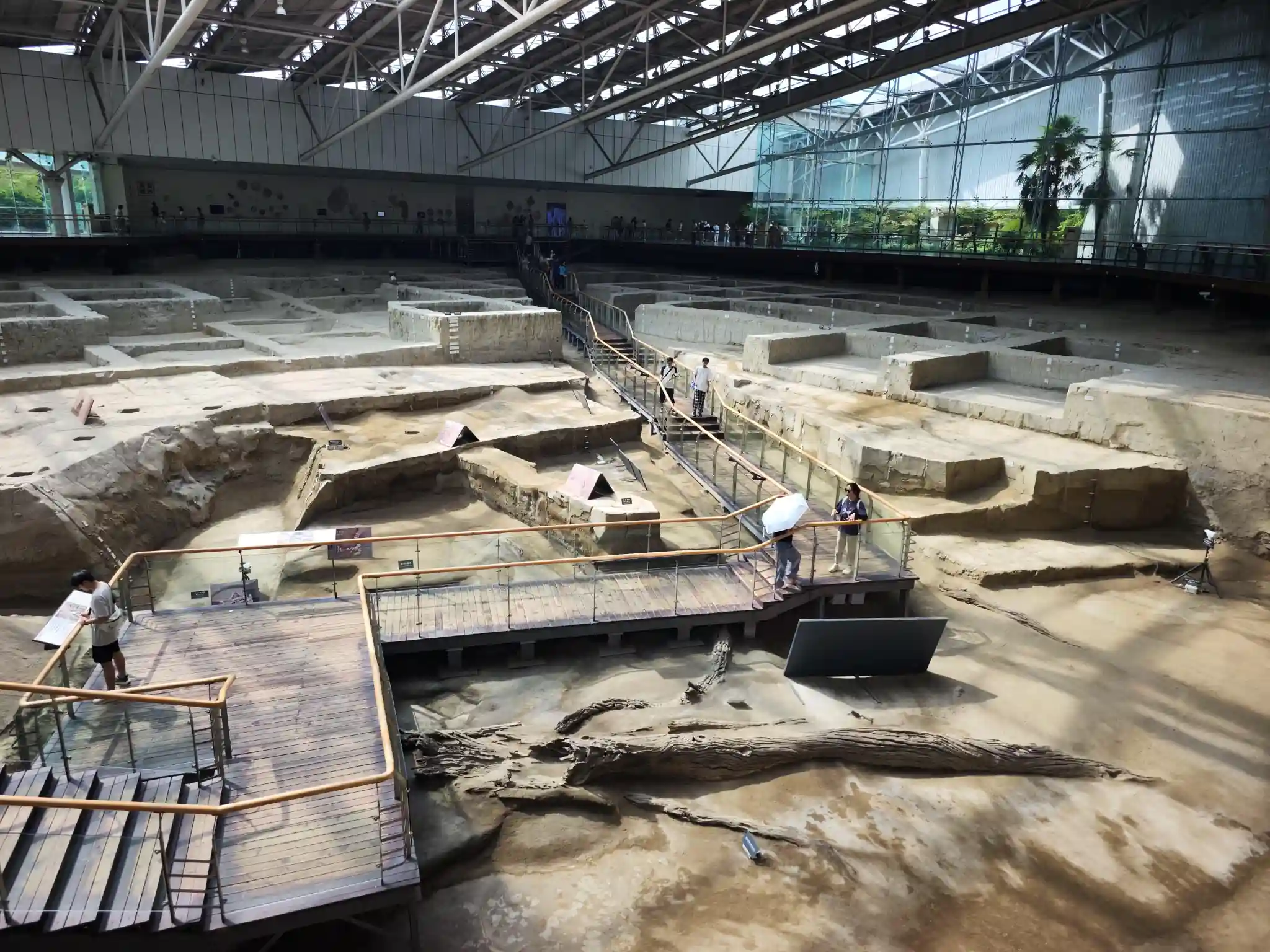
The Jinsha Site Museum is one of Chengdu's important archaeological sites for understanding the ancient Shu civilization. However, the museum is temporarily closed for a major upgrade from December 5, 2025 through April 30, 2027. Travelers visiting Chengdu in 2026 should not build their itinerary around a Jinsha visit and can consider Sanxingdui Museum instead for a deeper ancient Shu archaeology experience.
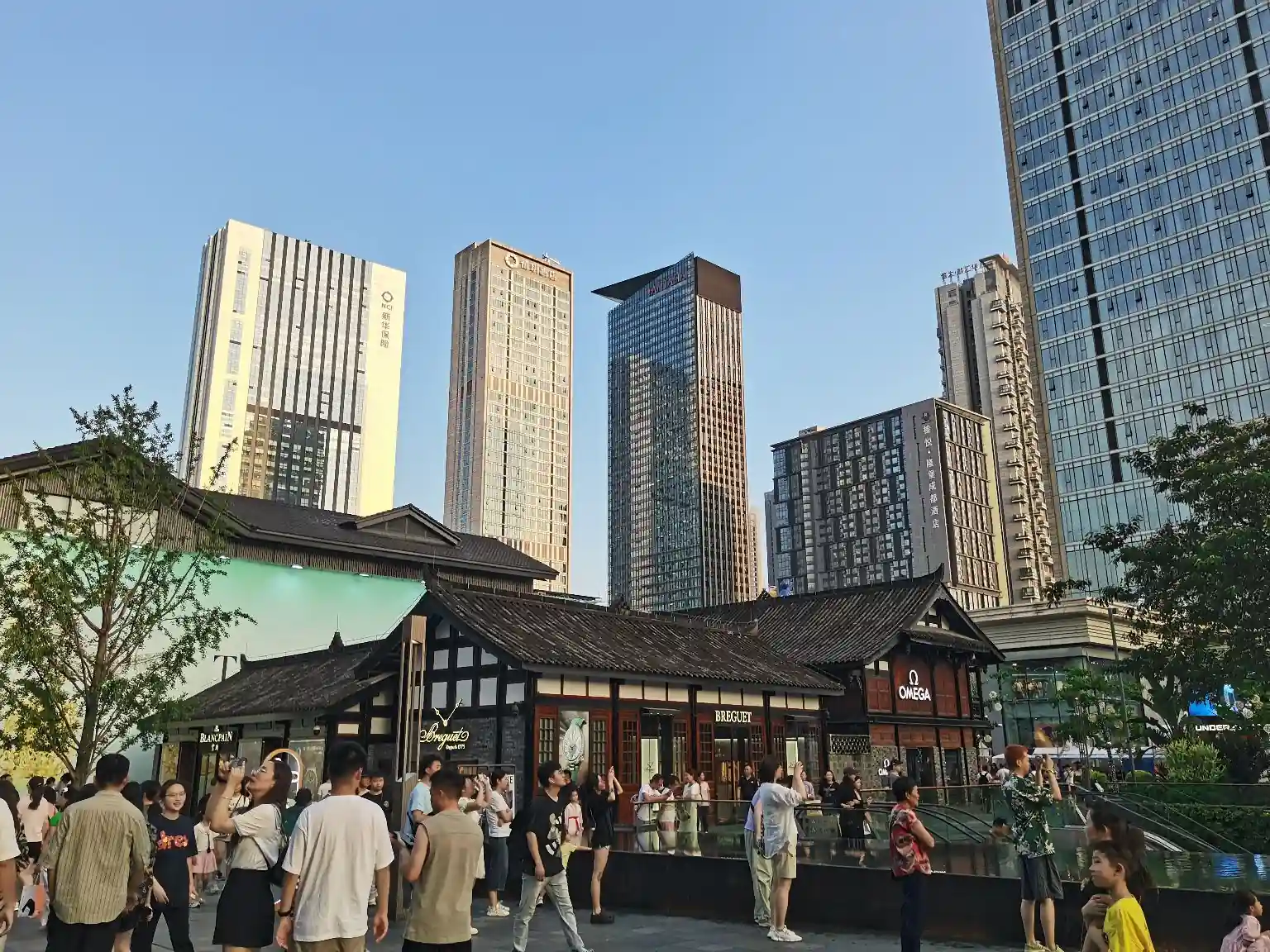
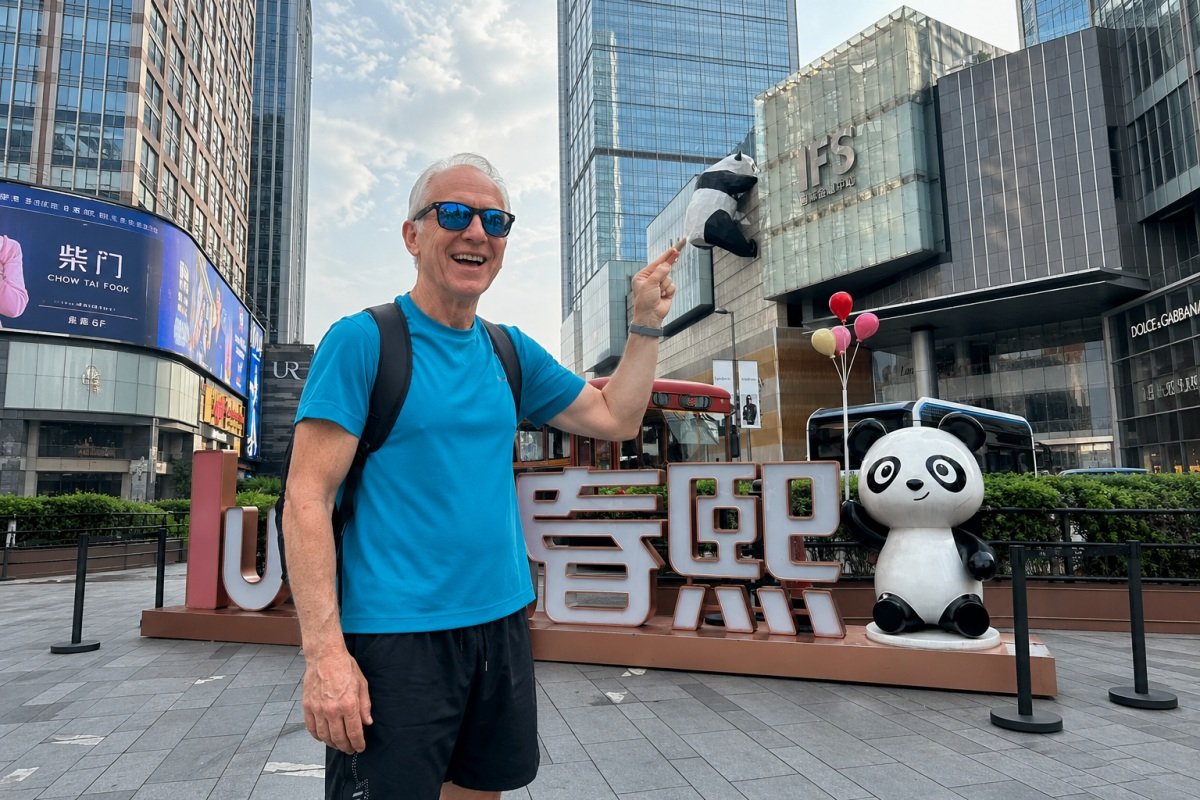
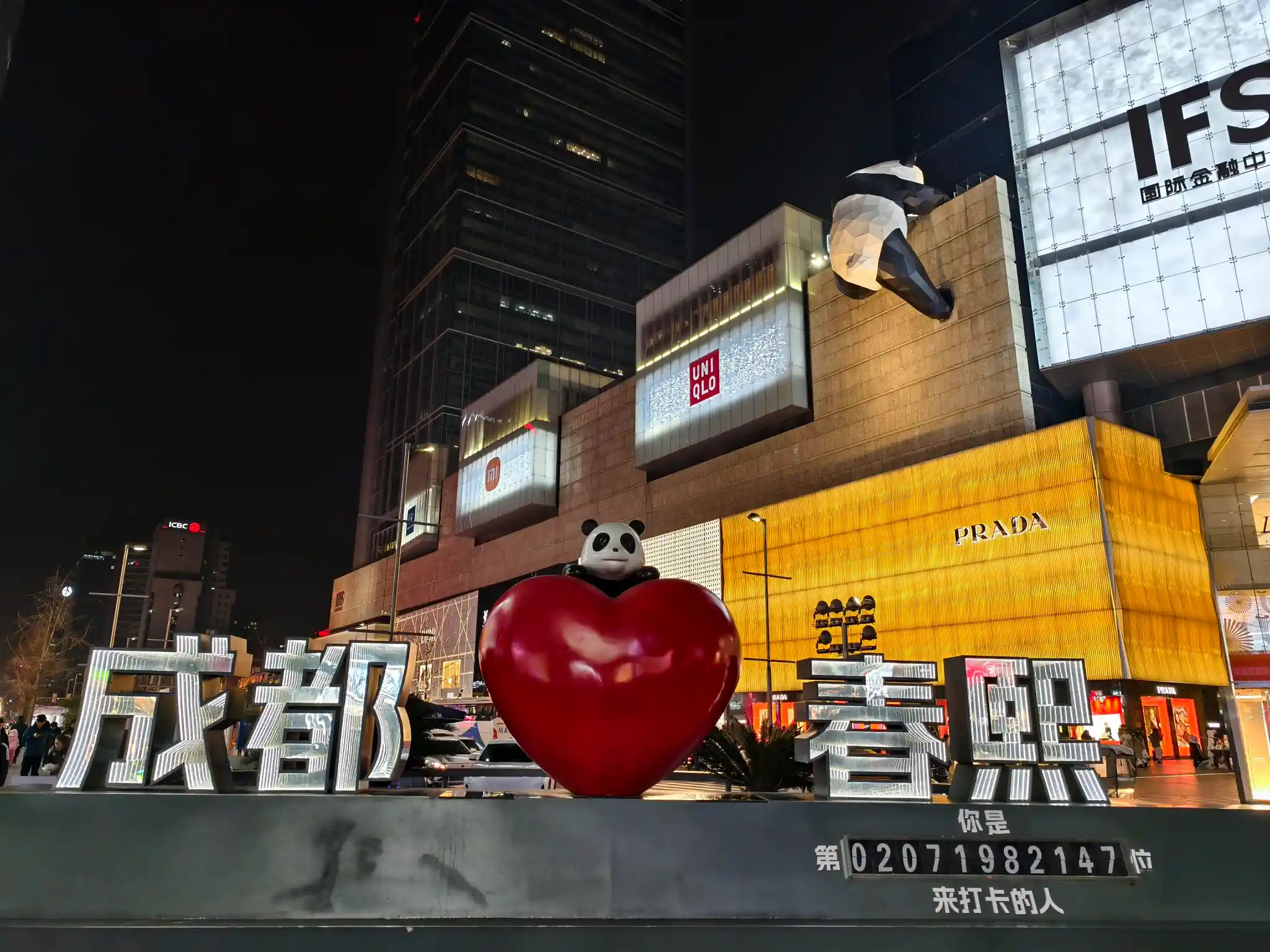
See modern downtown Chengdu around Chunxi Road and Taikoo Li, where busy pedestrian streets, restaurants and contemporary shopping surround the historic Daci Temple. This compact area works especially well in the late afternoon or evening and shows how old and new Chengdu sit side by side.
Chengdu is as much about experiences as sightseeing. After choosing your essential attractions, add Sichuan hot pot, a traditional teahouse, Sichuan opera and other parts of the city's everyday culture to build a more complete itinerary.
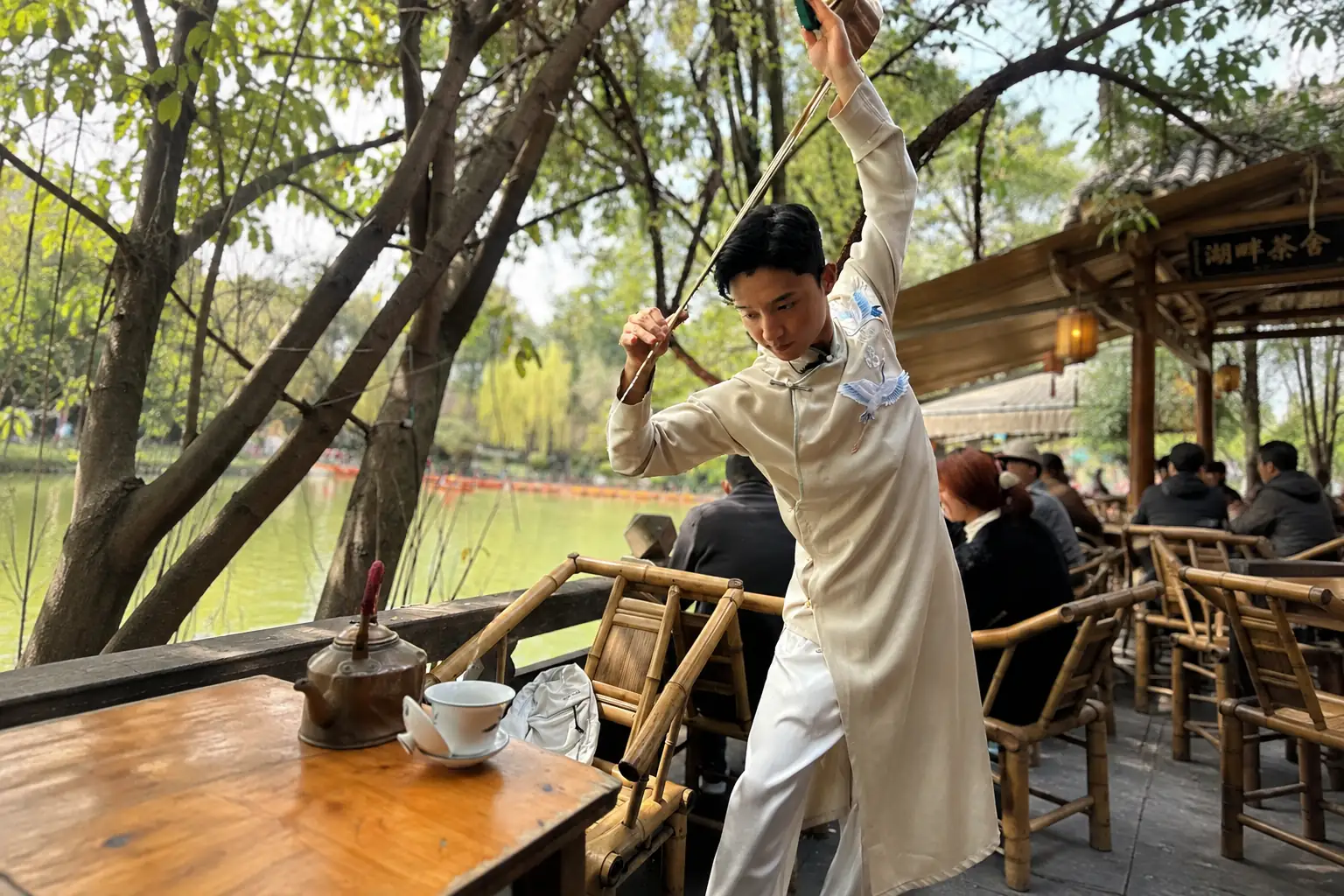
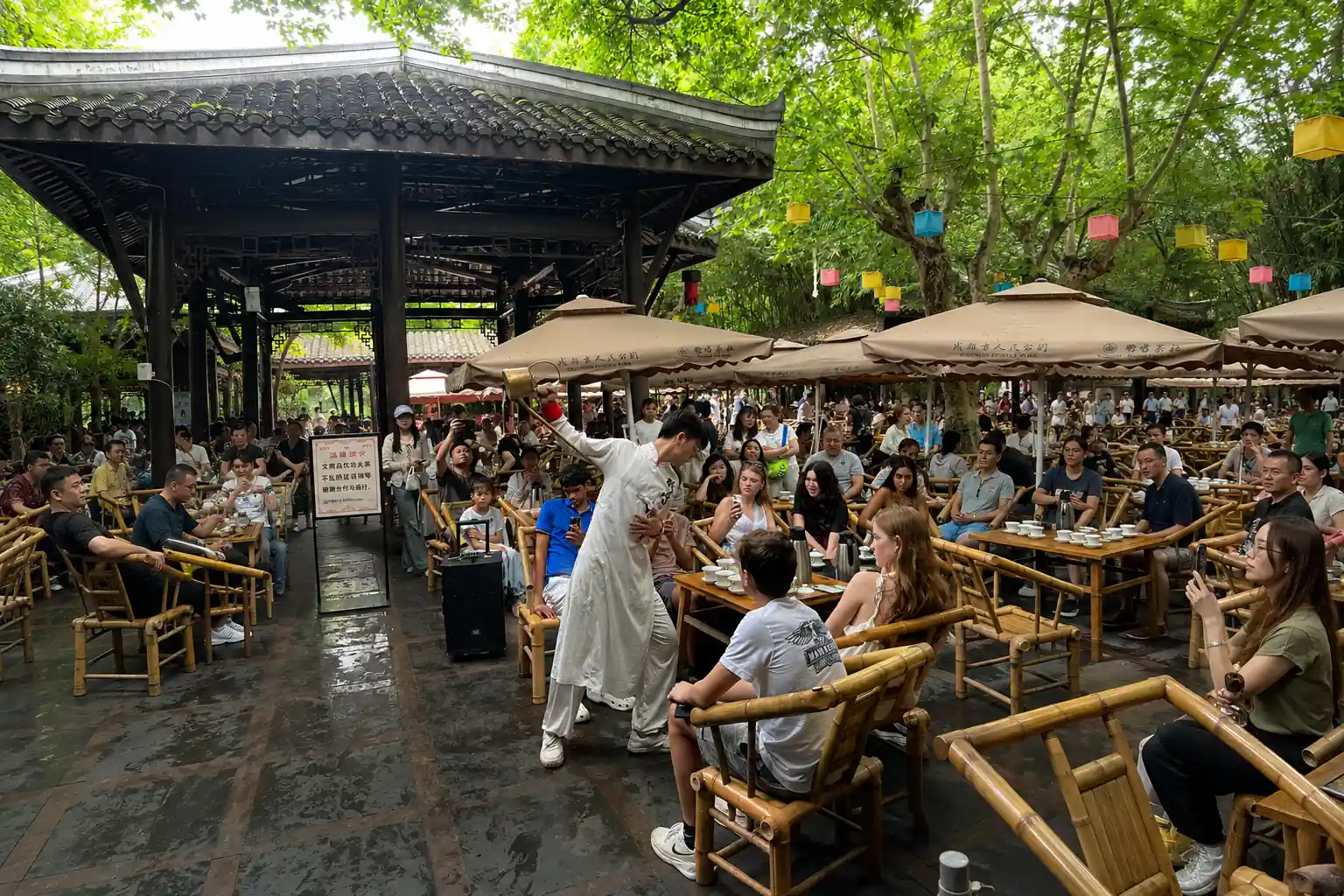
Some of Chengdu's best experiences happen away from traditional sightseeing. Spend time in a local teahouse, eat Sichuan hot pot, try street snacks, watch Sichuan opera face-changing and explore neighborhoods where Chengdu's famously relaxed pace is easier to appreciate.
People's Park is one of the easiest places to experience the slower rhythm associated with everyday life in Chengdu. Sit down for tea, walk through the gardens and spend time observing the social side of the park instead of treating it as another attraction to check off a sightseeing list.
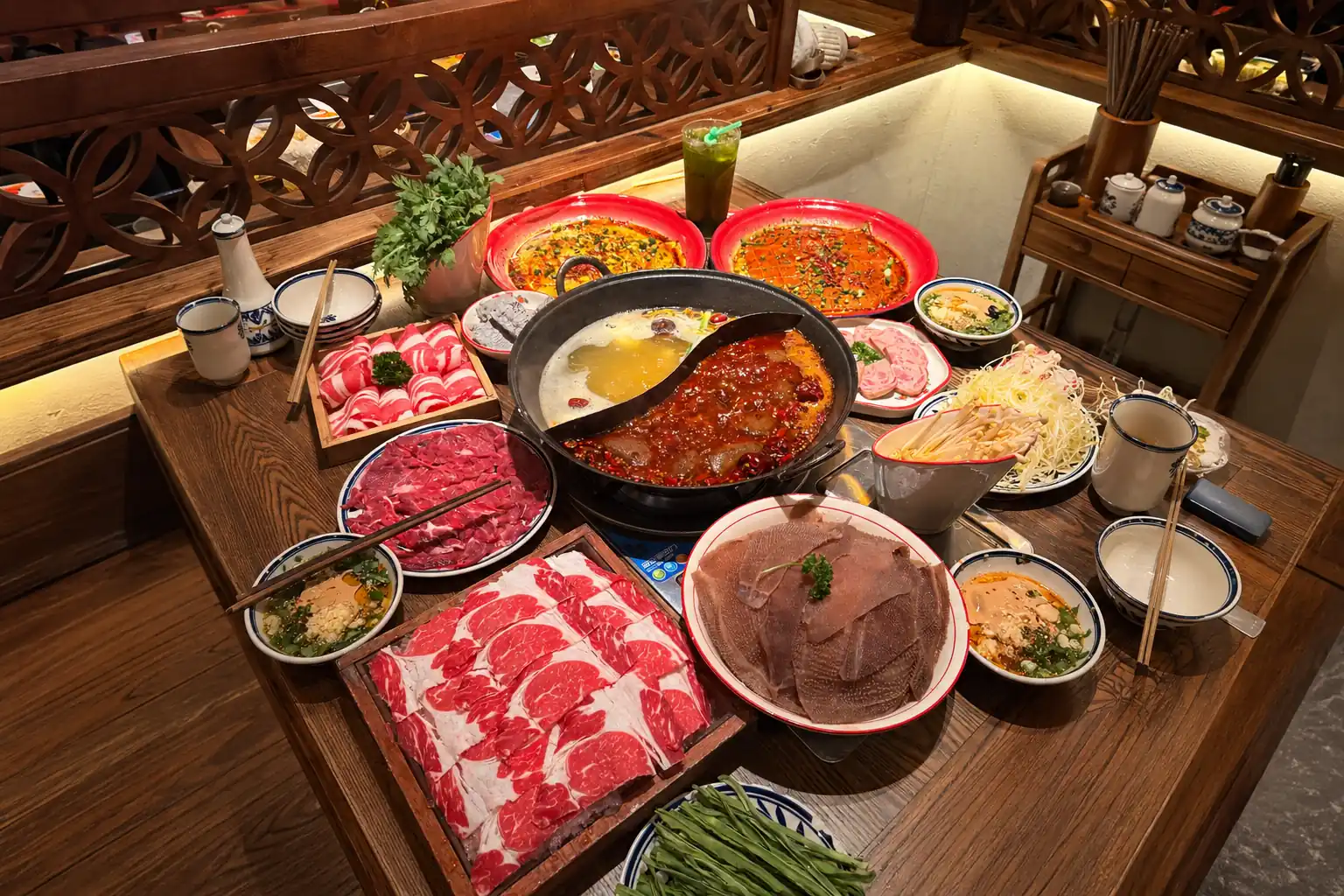
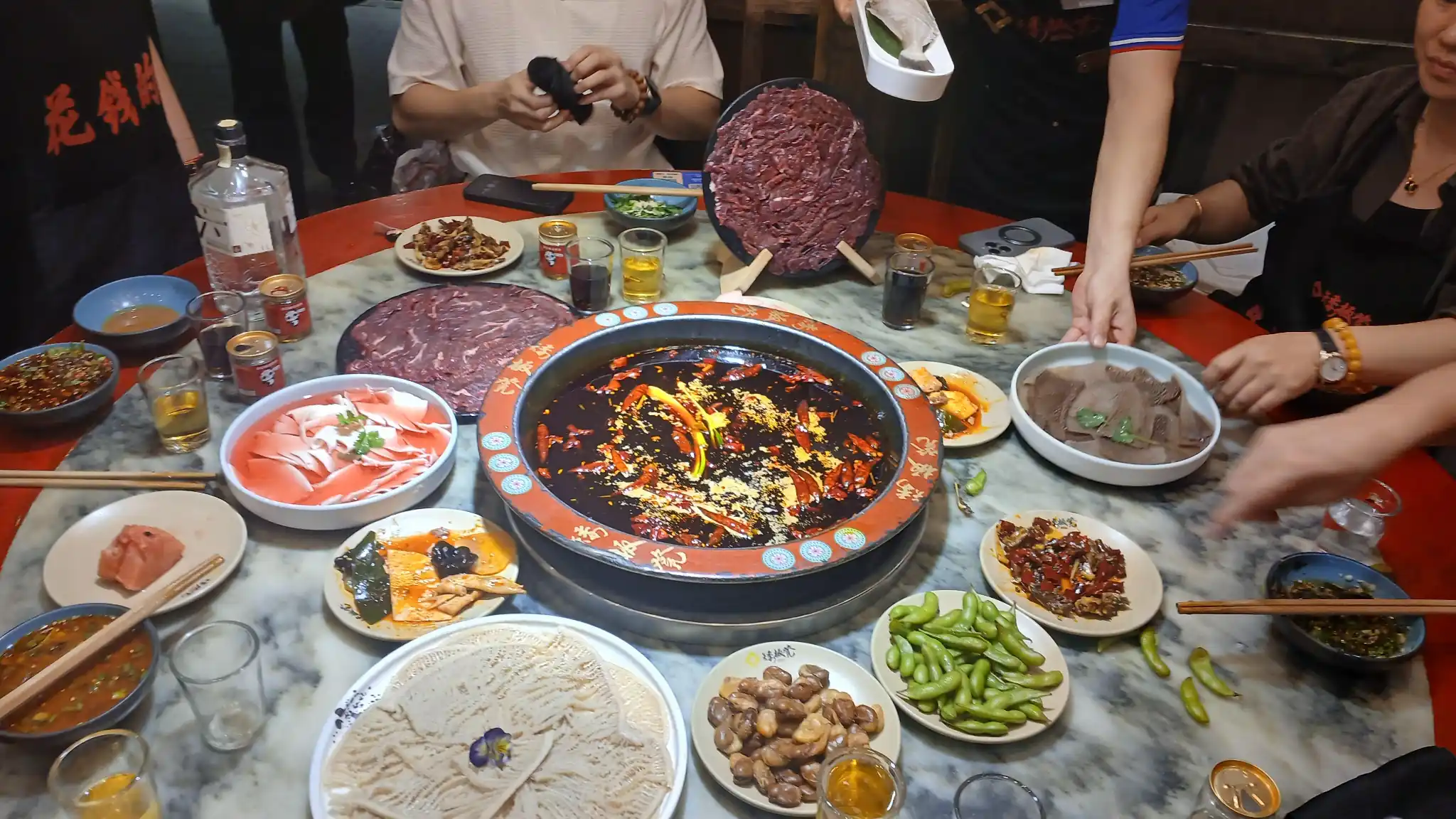
Make room for at least one Sichuan hot pot meal during your stay. The experience centers on a flavorful broth, shared ingredients and the bold profile associated with Sichuan cuisine. If you are sensitive to spicy food, ask about milder broth options rather than avoiding hot pot altogether.
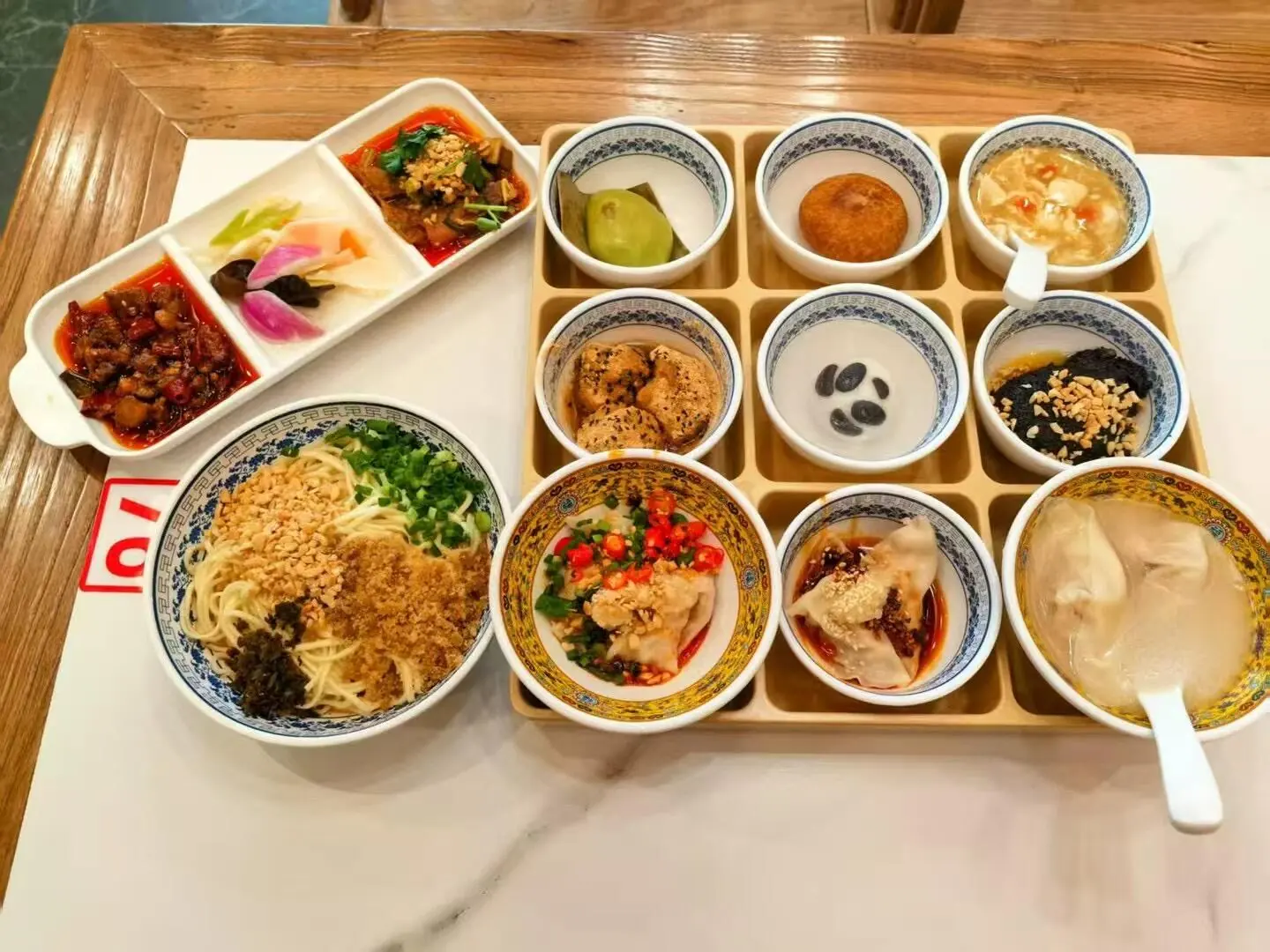
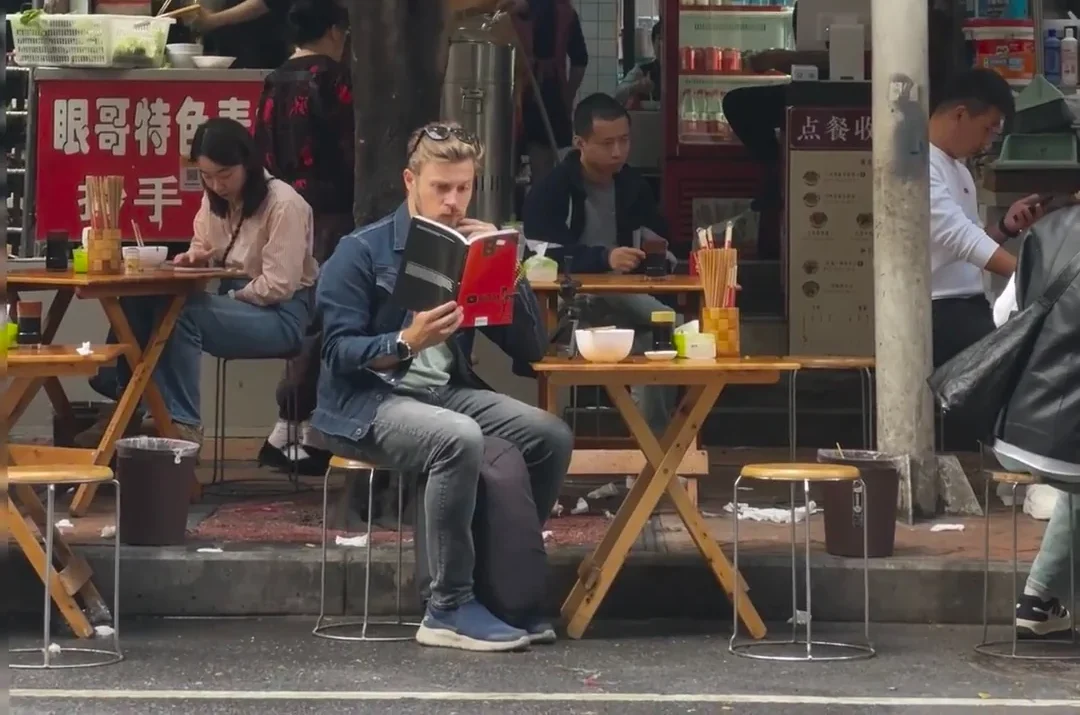
Go beyond hot pot and explore more of Chengdu's food culture. Look for well-known Sichuan dishes such as mapo tofu and dan dan noodles, then add smaller local snacks as you explore markets, historic streets and neighborhood food areas. Chengdu is also recognized by UNESCO as a City of Gastronomy, reflecting the central role food plays in the city's identity.
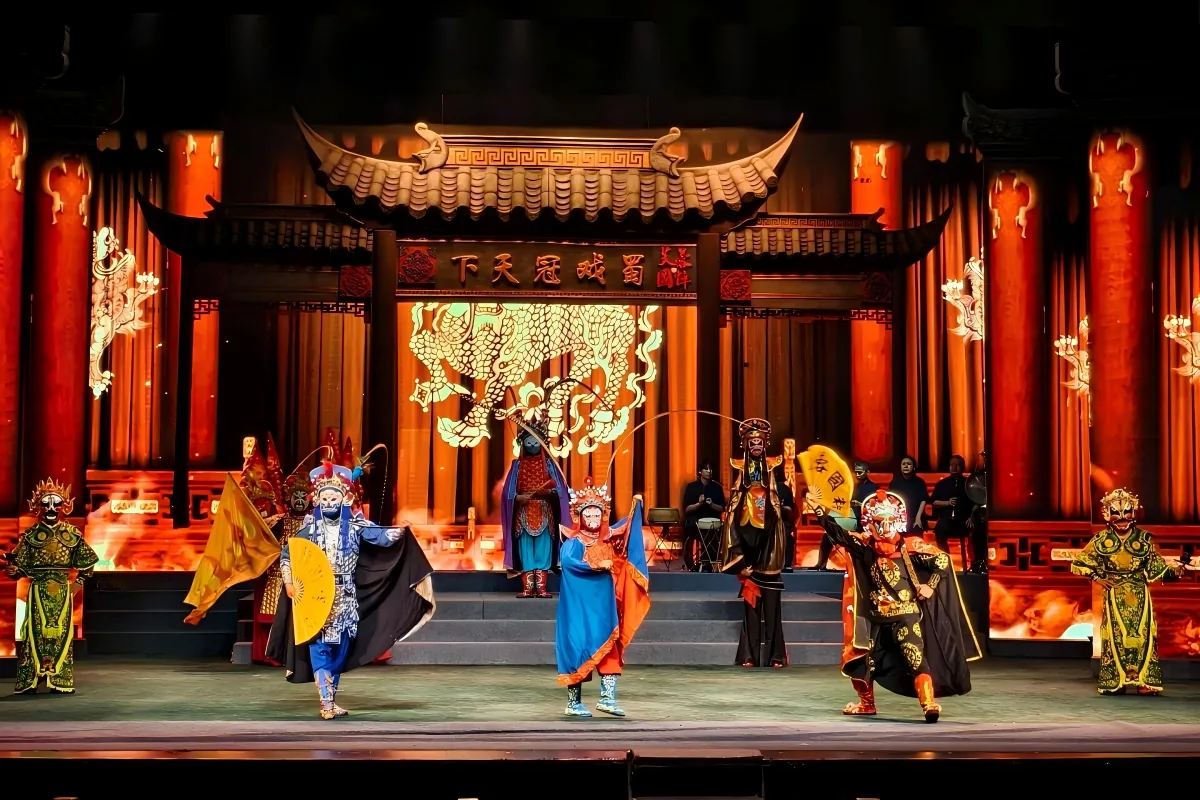
Add a Sichuan opera performance to an evening in Chengdu for a cultural experience beyond museums and historic sites. Face-changing is the best-known visual element for many visitors and makes the performance especially accessible even if you do not understand spoken Chinese.
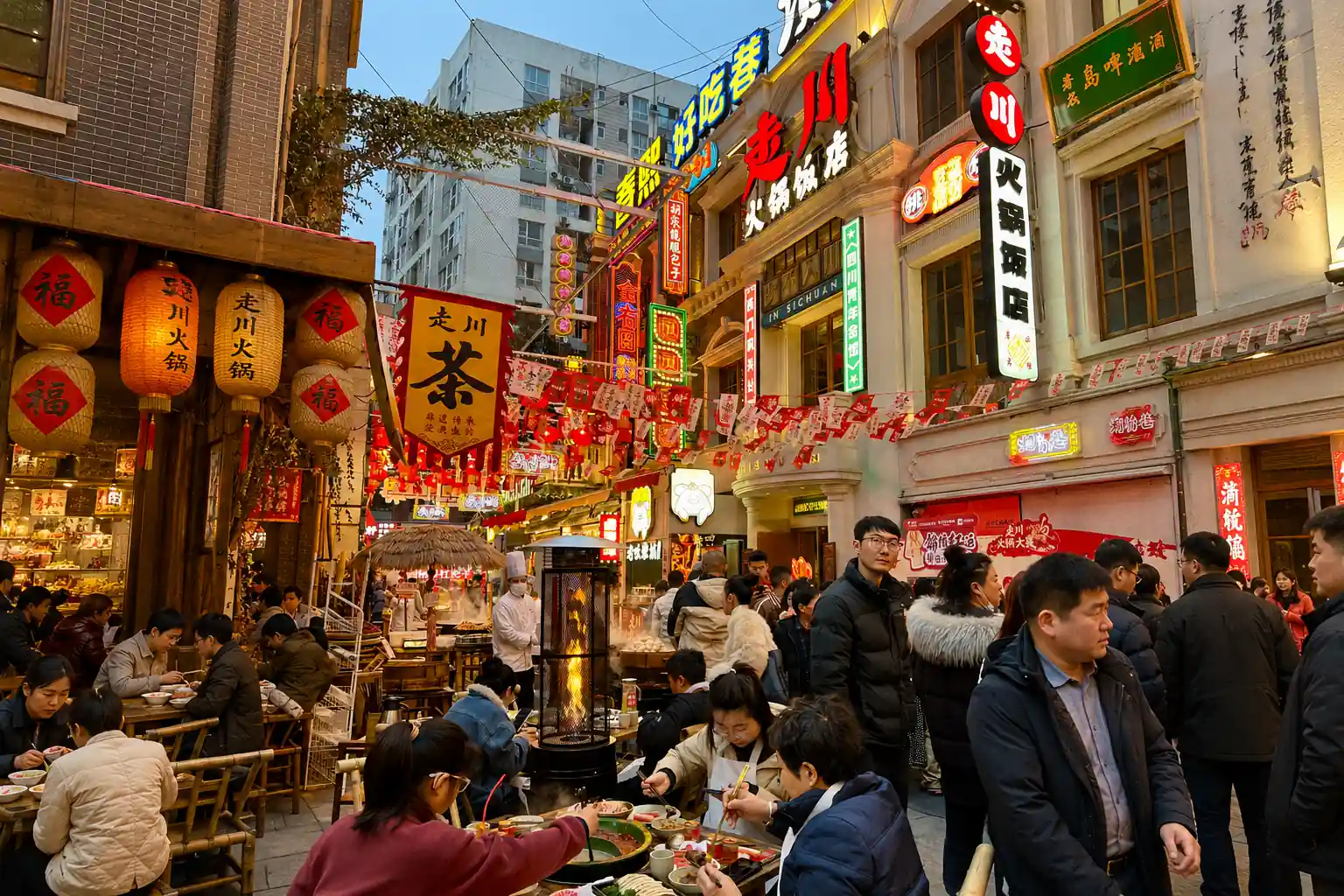
Leave space between full restaurant meals for Chengdu's smaller street snacks. Trying several foods in smaller portions is an easy way to explore different flavors without turning every meal into another long restaurant stop.
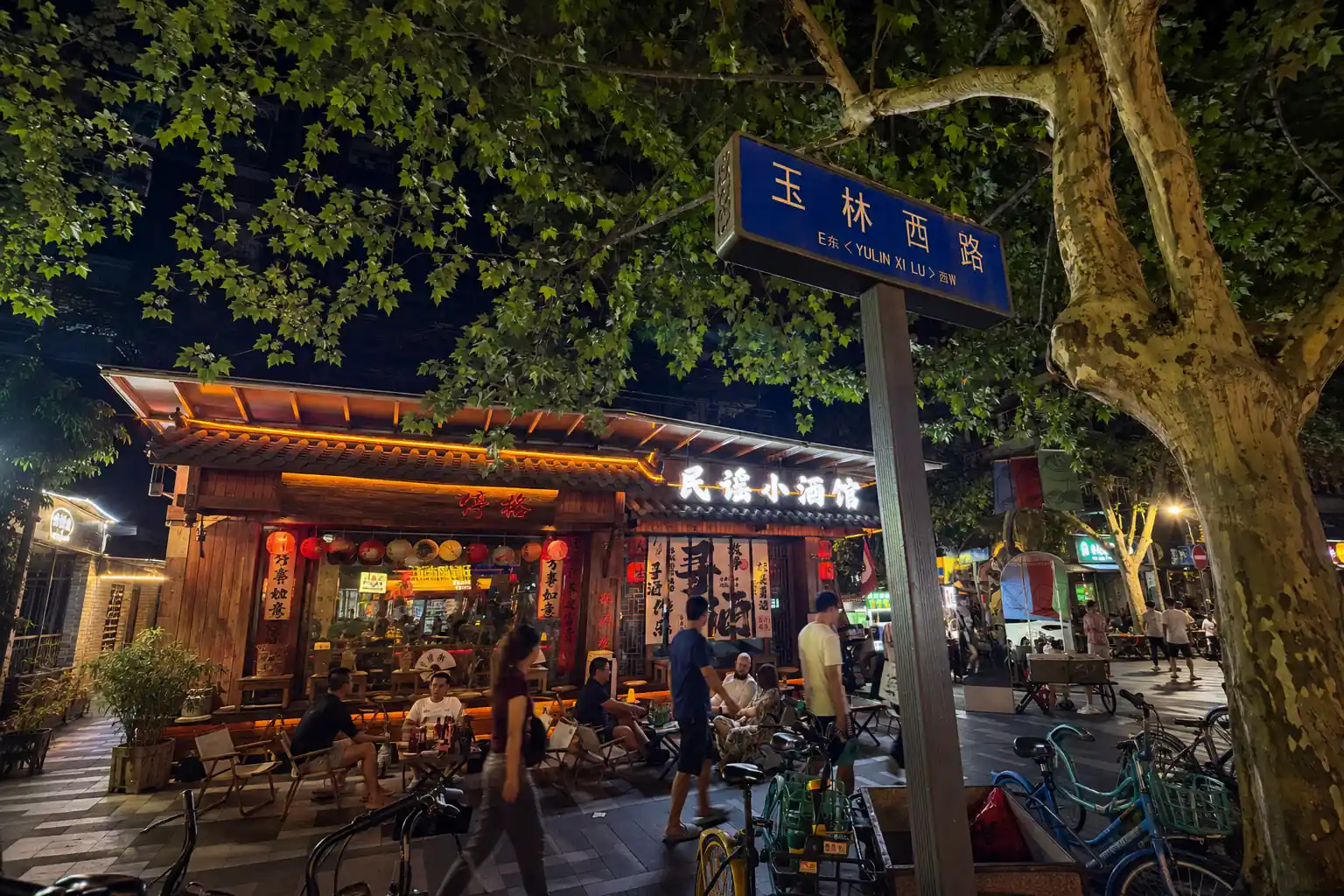
Spend part of your trip outside the main sightseeing circuit. Areas around Yulin offer a more neighborhood-focused side of Chengdu where the experience is less about individual landmarks and more about walking, eating and seeing the city's everyday rhythm at a slower pace.
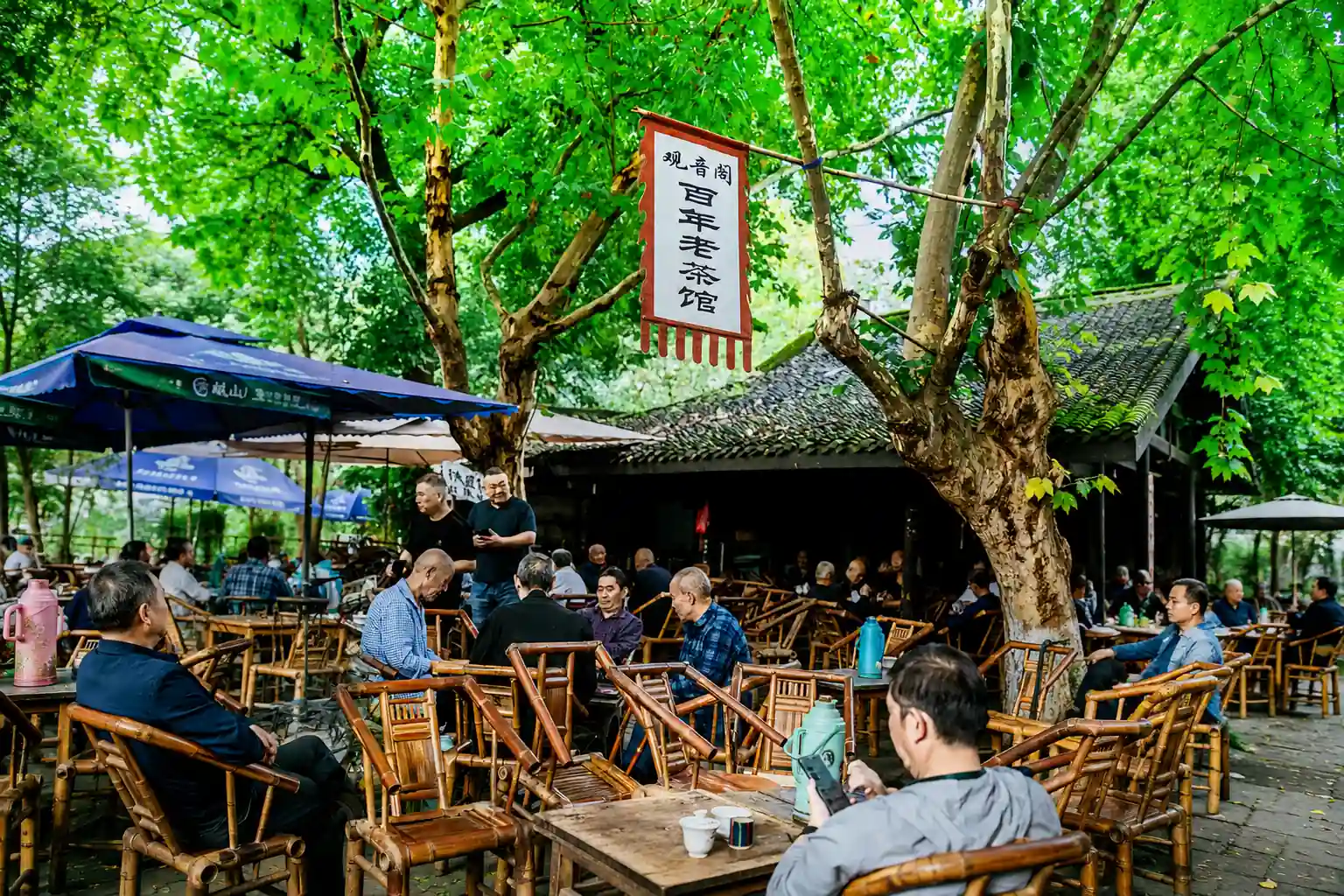
Avoid filling every hour with attractions. Chengdu's appeal also comes from slower moments between major sights: sitting over tea, taking a neighborhood walk, stopping for snacks or simply leaving part of an afternoon unplanned. This slower pace is part of what makes the city feel different from a checklist-style sightseeing destination.
Go deeper into the experiences that make Chengdu distinctive, from Sichuan hot pot and street food to teahouse culture, Sichuan opera and neighborhood life beyond the major attractions.
Balance giant pandas and famous attractions with food, teahouses, Sichuan opera and neighborhood time. The next step is deciding how these experiences fit into a realistic two-, three- or four-day Chengdu itinerary.
Choose a Chengdu itinerary based on how much time you have and whether you want to add a day trip. Two days can cover giant pandas and the essential city experience, while three or four days give you a better balance of Sichuan food, teahouse culture, historic Chengdu and one major excursion beyond the city center.
This three-day Chengdu itinerary combines a dedicated panda morning, traditional neighborhoods, teahouse culture, Sichuan food and historic sights before using the final day for one major excursion beyond central Chengdu.

Begin your trip with Chengdu's signature wildlife experience at the Chengdu Research Base of Giant Panda Breeding. Reserve your ticket in advance and keep the morning focused on the panda visit rather than trying to combine it with several distant city attractions.
Plan Your Panda Base Visit →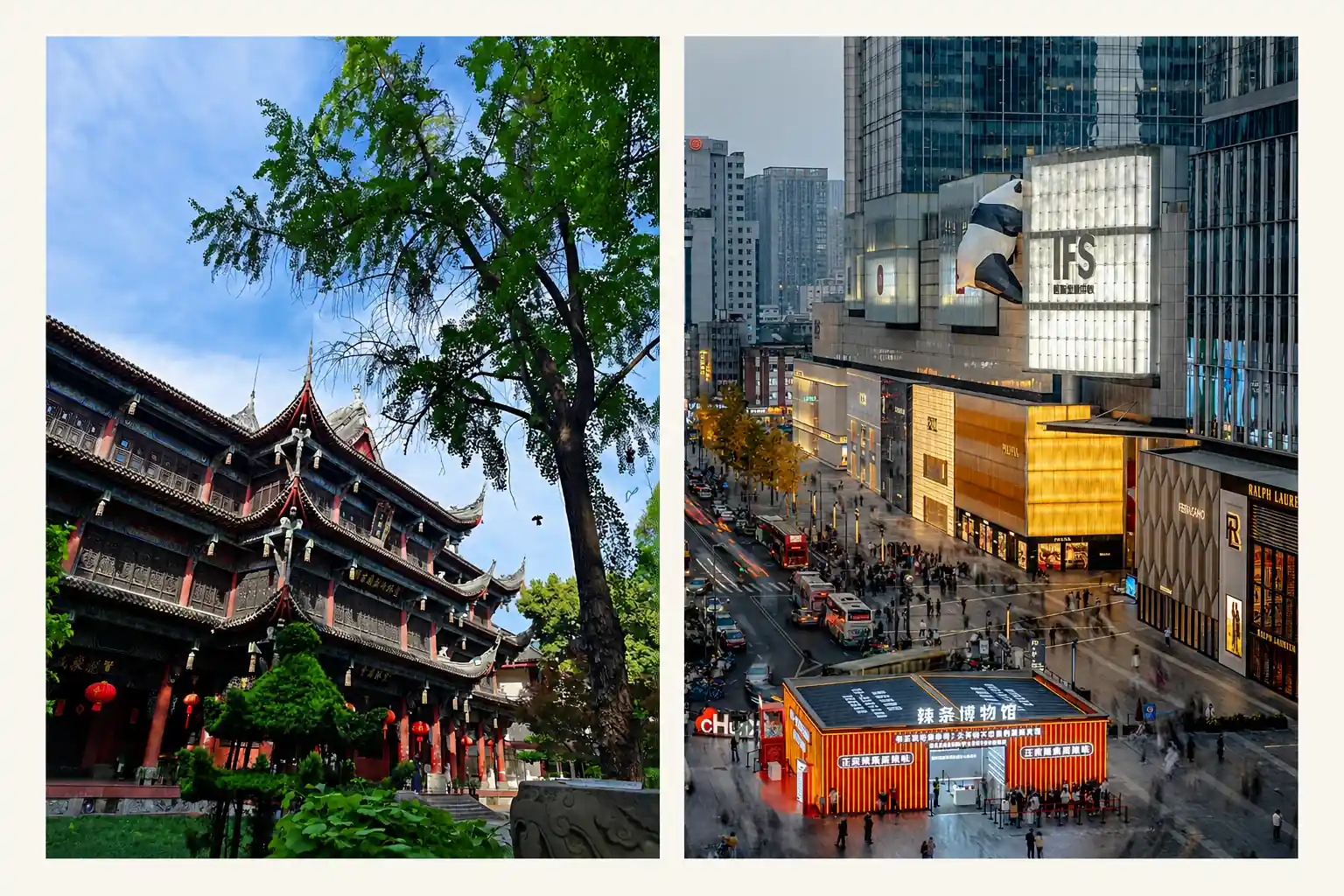
Return toward central Chengdu and slow the pace at Wenshu Monastery before continuing toward Chunxi Road, Taikoo Li and Daci Temple. This gives the first day a useful contrast between traditional Chengdu and the modern city center.
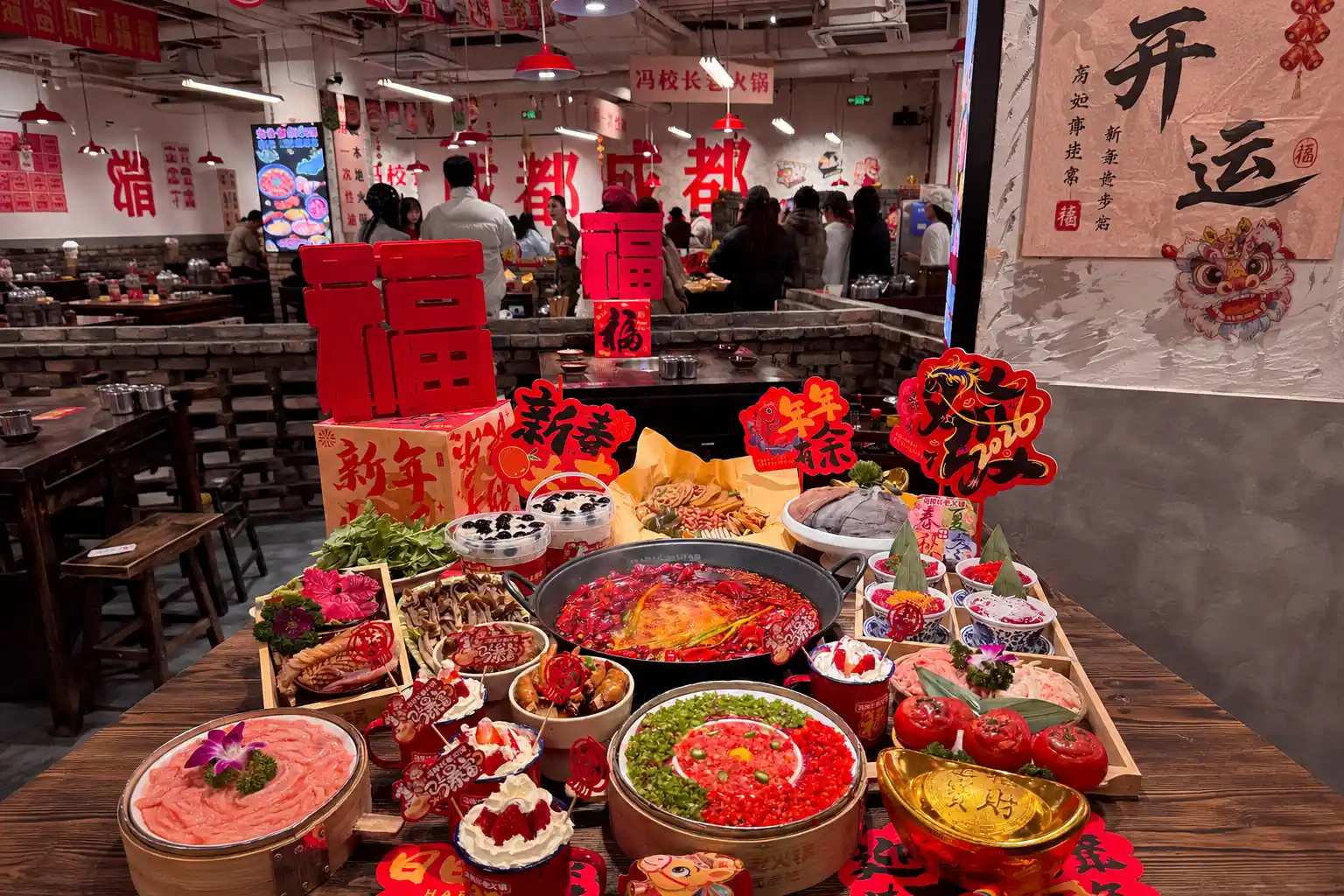
Make Sichuan hot pot the main event of your first evening instead of adding another major attraction. A slower dinner also leaves flexibility after an early panda visit and gives you time to experience one of Chengdu's defining food traditions.
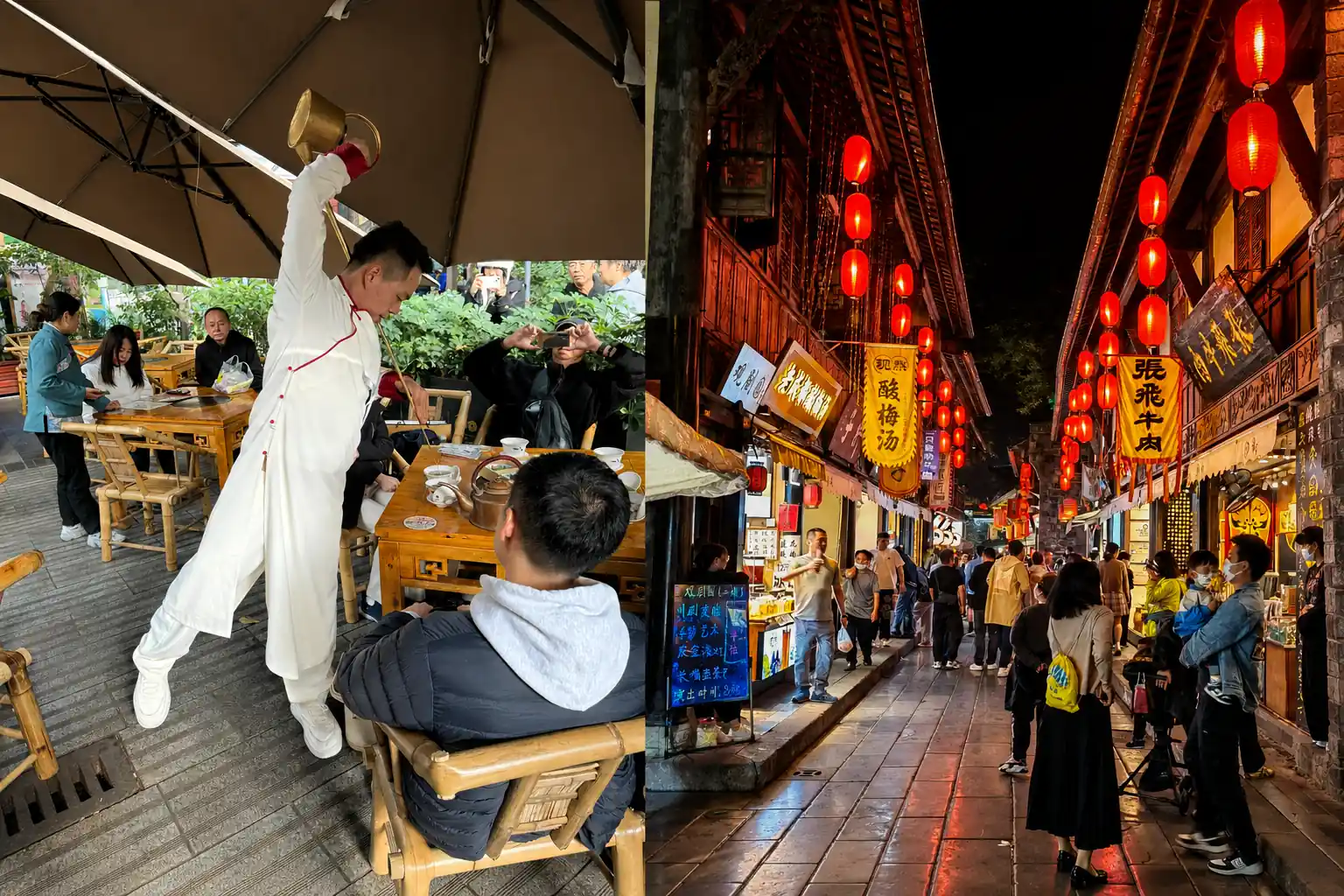
Start with tea and local life in People's Park, then move into Chengdu's literary and Three Kingdoms history at Du Fu Thatched Cottage and Wuhou Shrine. Finish around neighboring Jinli Ancient Street, leaving the evening free for Sichuan opera face-changing if that experience interests you.
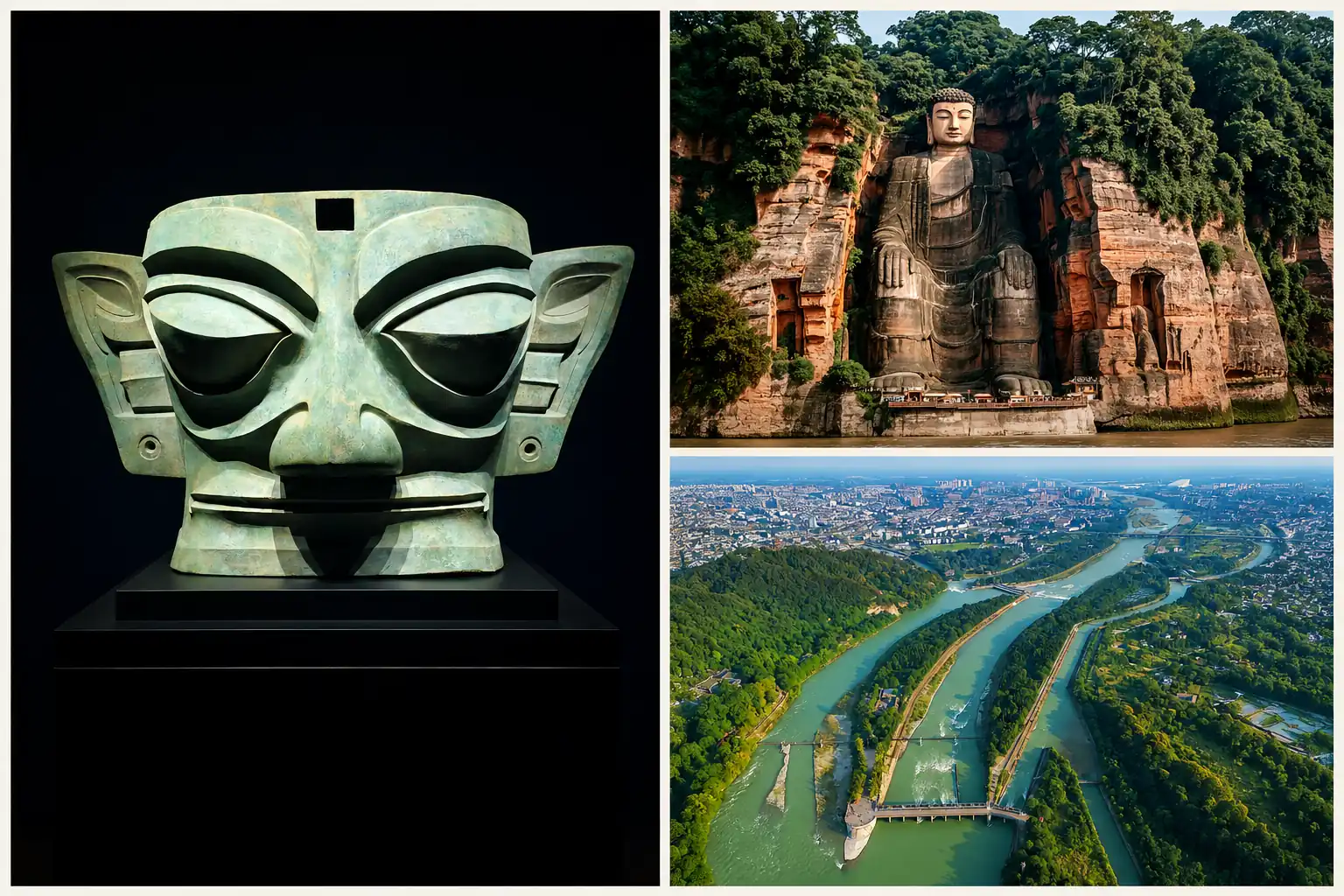
Use the final day for one major excursion rather than trying to combine several destinations. Choose Sanxingdui for ancient Shu archaeology, Leshan for the Giant Buddha, or Dujiangyan if historic engineering and a more outdoors-oriented day better match your interests.
Compare Chengdu Day Trips ↓Adjust the route around your arrival time, hotel location, preferred pace, panda visit and choice of day trip instead of forcing every traveler into the same fixed sightseeing schedule.
Chengdu is a practical base for several of Sichuan's most important cultural, archaeological and natural sights. Choose your day trip according to what interests you most: Leshan for the Giant Buddha, Sanxingdui for ancient Shu civilization, Dujiangyan for historic engineering, or Qingcheng Mountain for scenery and Taoist heritage.

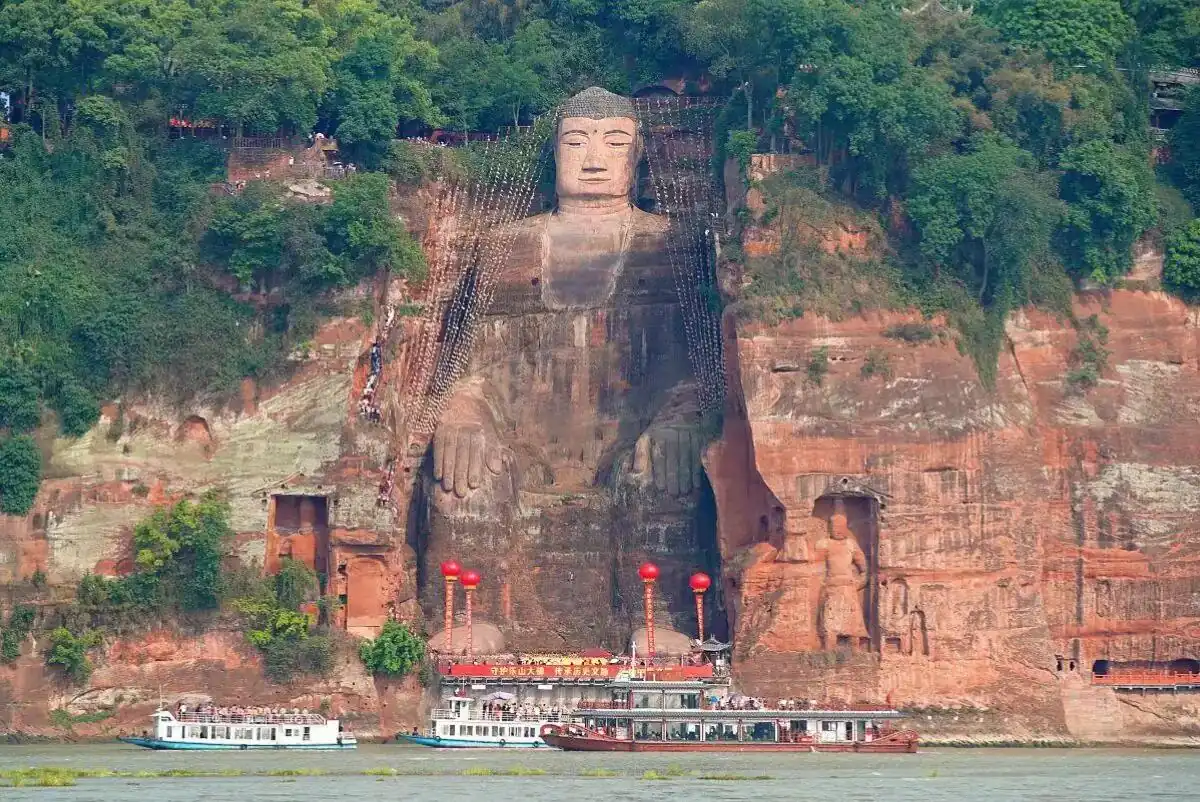
Choose Leshan when you want one major landmark outside Chengdu. The Leshan Giant Buddha offers a very different experience from city sightseeing, combining Buddhist heritage, monumental sculpture and river scenery. Give the excursion a full day rather than trying to combine it with several other major destinations.
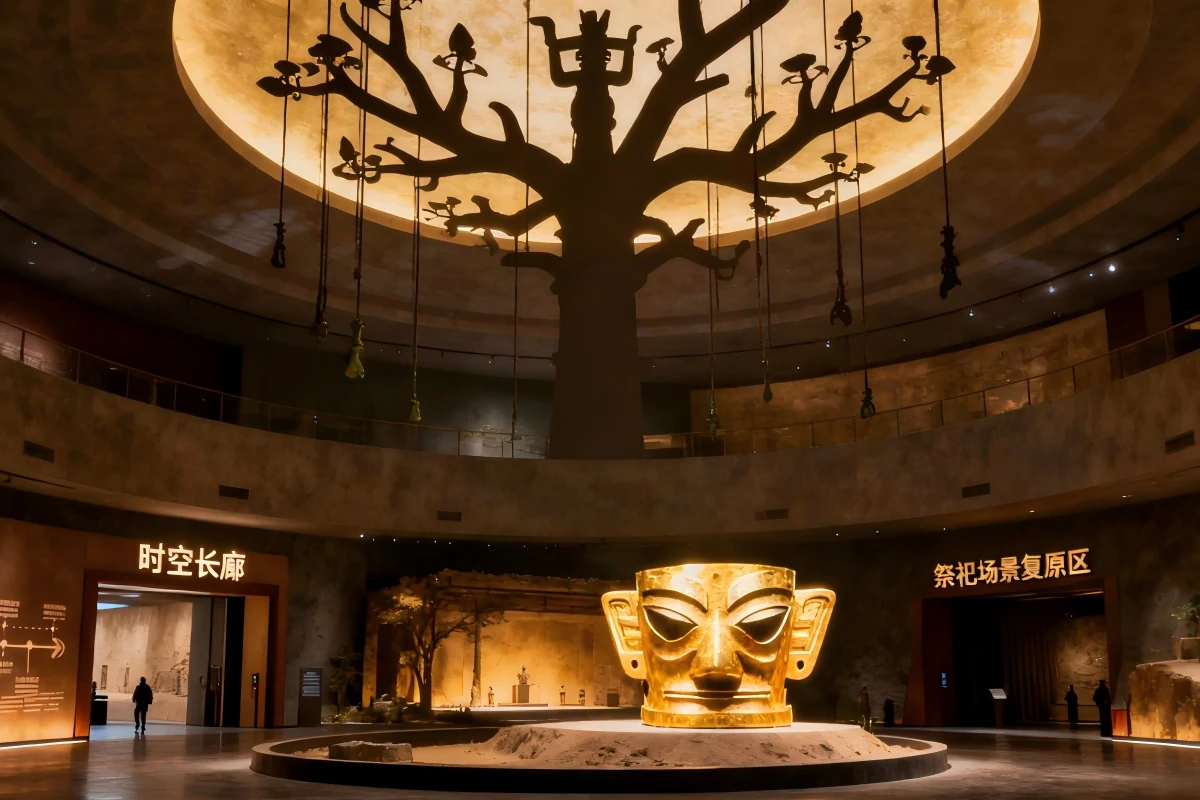
Choose Sanxingdui if ancient civilizations and archaeology are a priority. Its distinctive bronze artifacts, gold objects and ancient Shu discoveries add a very different historical dimension to a Chengdu trip. For travelers visiting in 2026, Sanxingdui is especially useful for exploring ancient Shu culture while the Jinsha Site Museum in Chengdu remains temporarily closed.
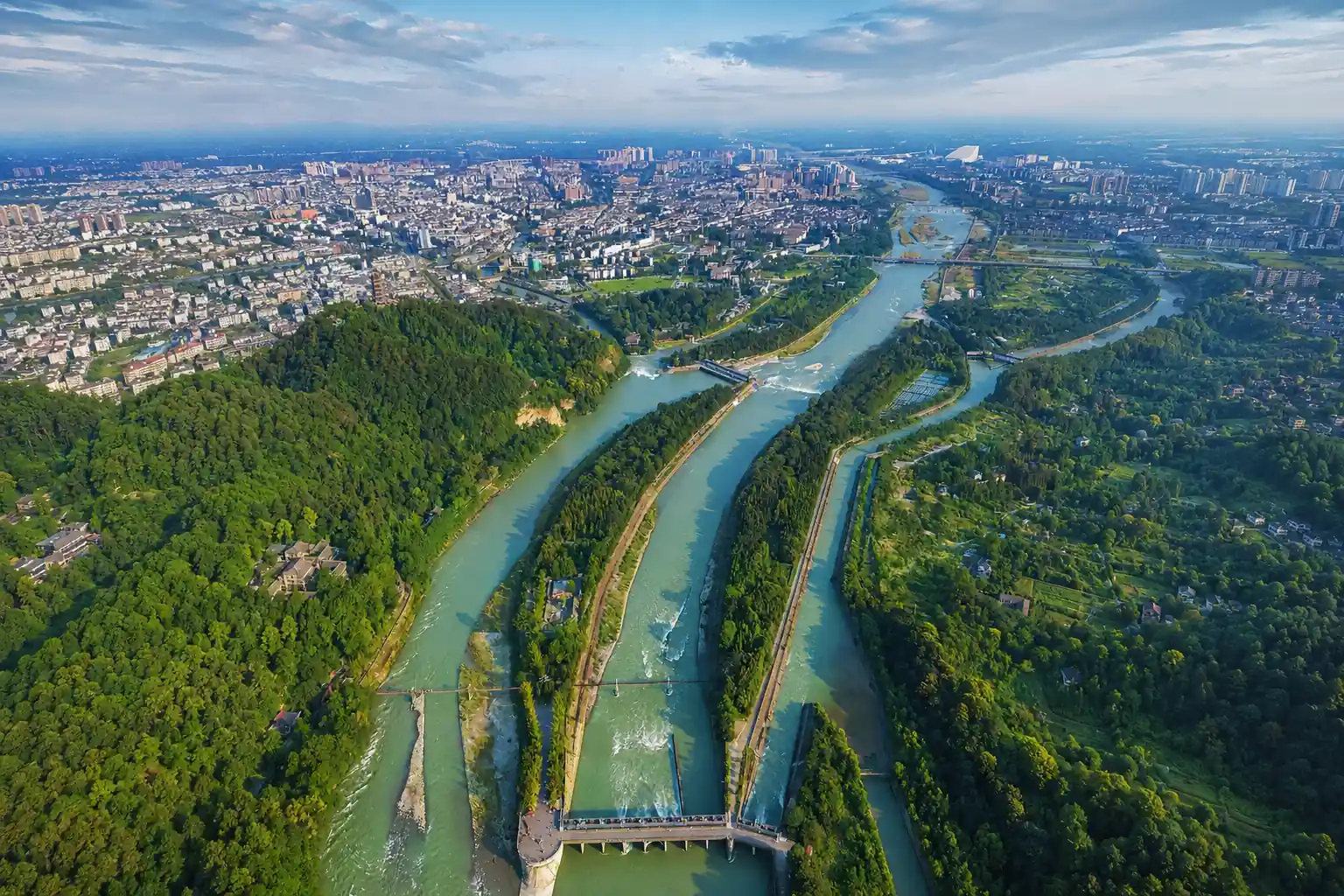
Dujiangyan suits travelers who want history combined with outdoor sightseeing. Its ancient irrigation system gives the day a different focus from Chengdu's temples and museums, while the surrounding landscape adds a more open-air element to the itinerary.
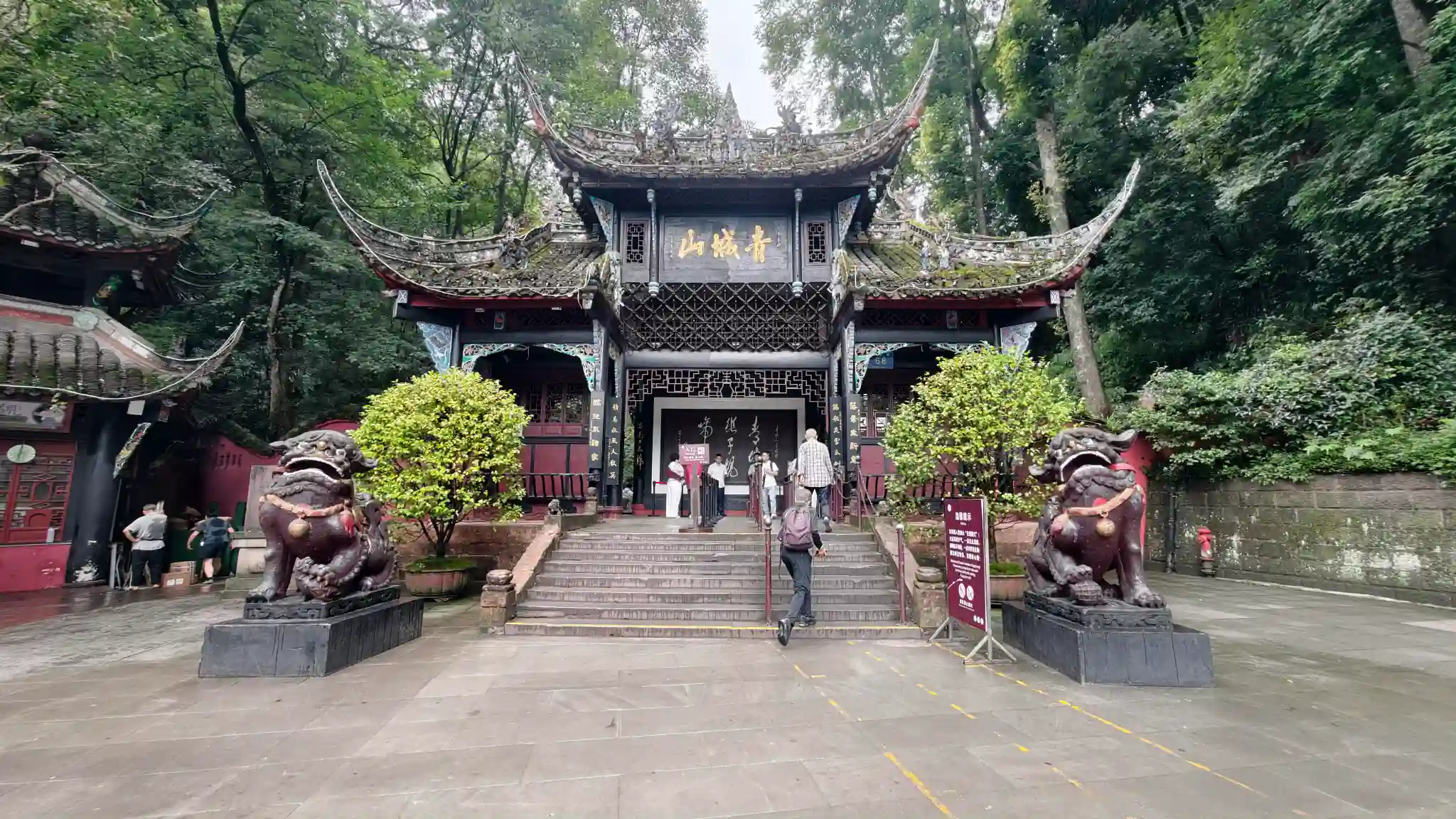
Choose Qingcheng Mountain when you want to exchange Chengdu's urban pace for forested scenery, walking and Taoist heritage. It suits travelers who prefer a more active day and natural surroundings over another museum or city-based attraction.

Choose Dujiangyan when historic engineering and cultural sightseeing are the priority, and Qingcheng Mountain when scenery, walking and Taoist heritage matter more. Travelers with additional time can consider both, but a short Chengdu itinerary does not need to force every nearby sight into the same day.
Pick Leshan for an iconic landmark, Sanxingdui for archaeology, Dujiangyan for historic engineering, or Qingcheng Mountain for nature and Taoist heritage. If Chengdu itself is your priority, keeping the extra day in the city can be better than adding an excursion simply because your itinerary has space.
The best time to visit Chengdu is generally from March to May and September to November. Spring and autumn usually offer the easiest balance for panda visits, city sightseeing and day trips, while summer is hotter and winter is cooler but can suit travelers who prefer a quieter pace.
April to May and September to October are especially useful for travelers who want to combine the Chengdu Panda Base, central-city sightseeing and excursions such as Leshan, Sanxingdui or Dujiangyan. March and November can also work well if you prefer cooler conditions around the edges of the main travel seasons.
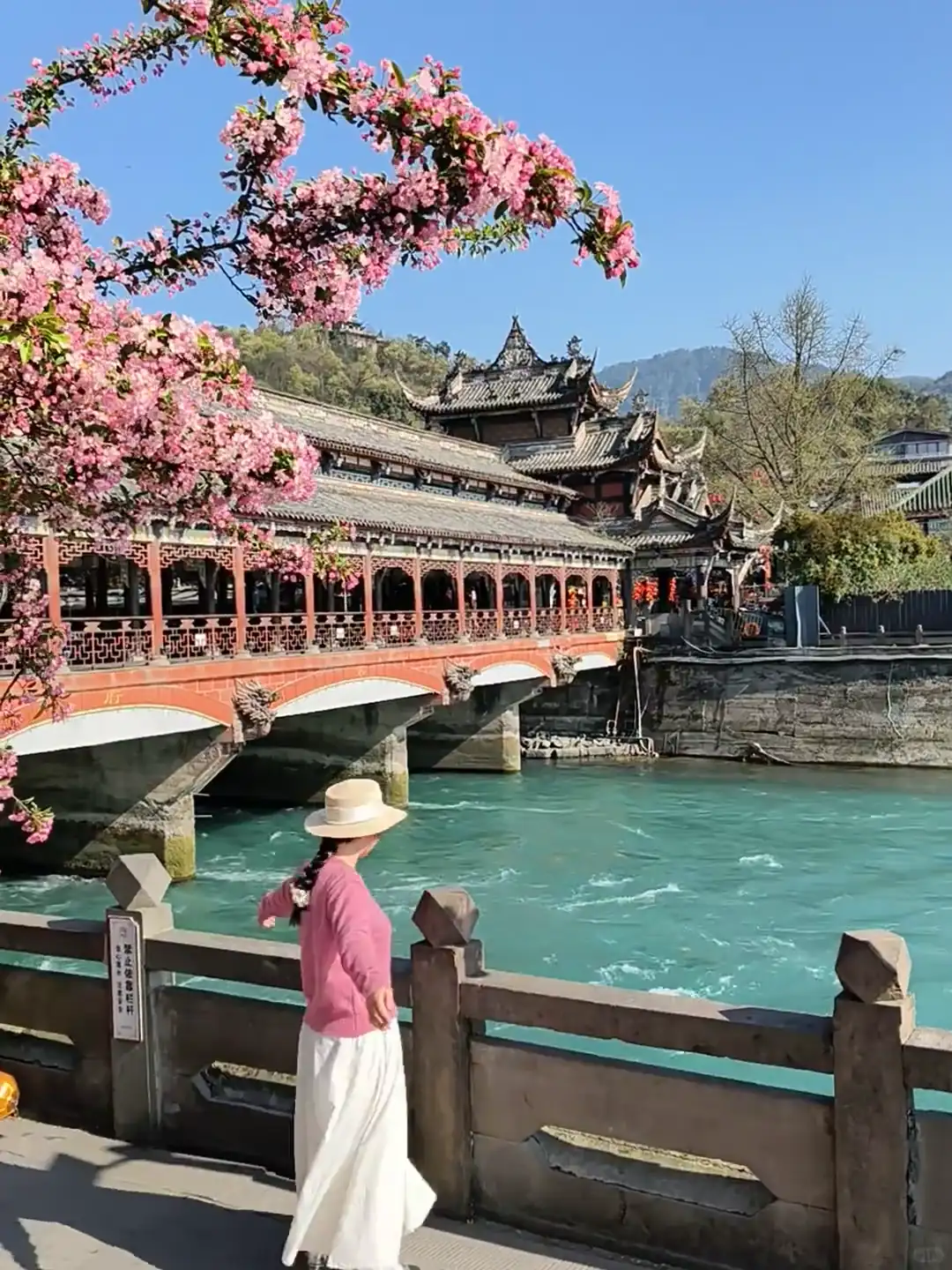
Spring is one of the strongest seasons for a first Chengdu trip. It works well for combining giant pandas, central-city attractions, teahouse time and outdoor day trips without building the itinerary around peak summer heat.
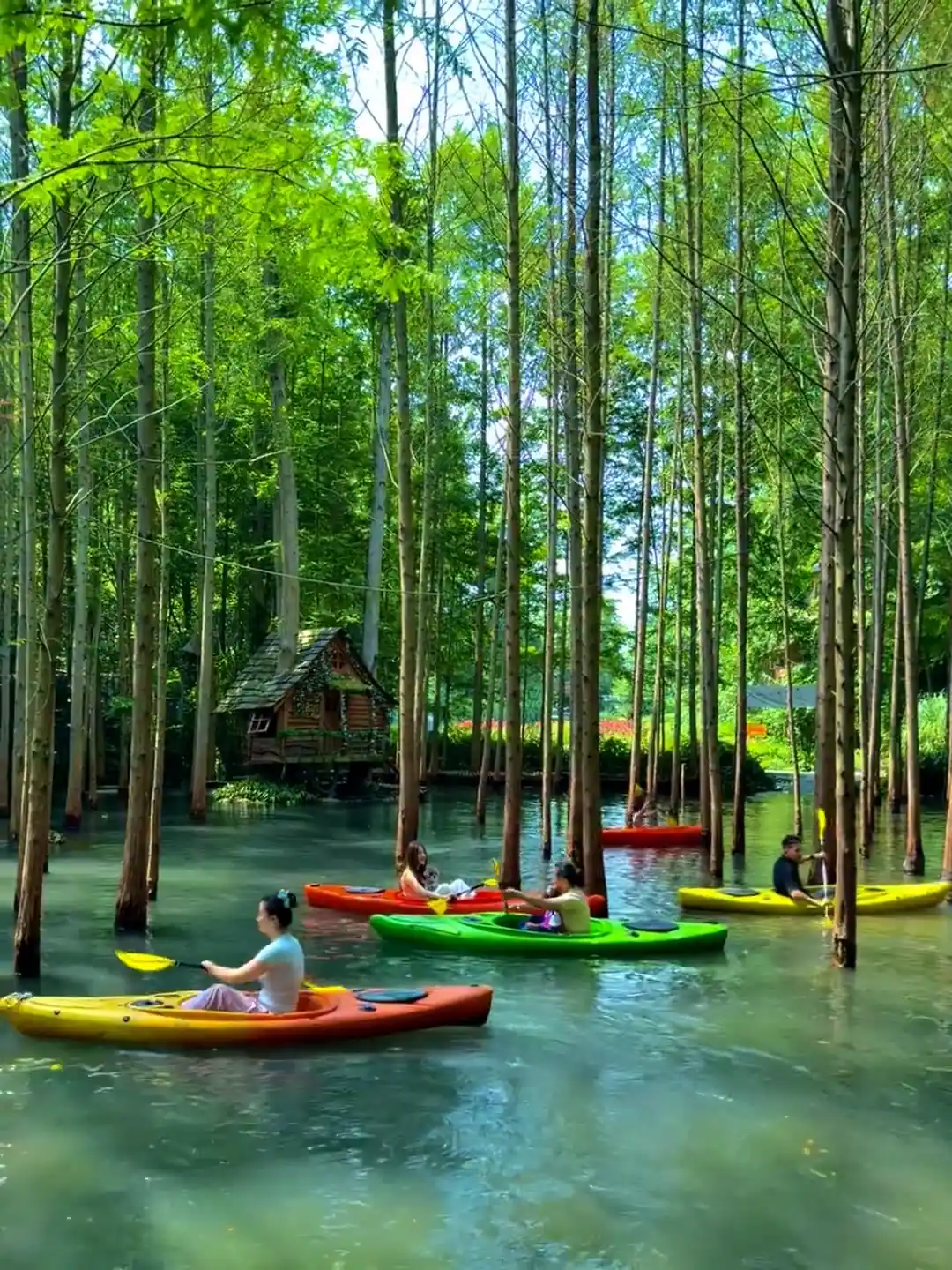
Summer is warmer, and temperatures can rise above 30°C. Start major sightseeing earlier in the day, avoid overloading afternoons with outdoor stops and leave more flexibility for restaurants, museums, teahouses and other indoor breaks.
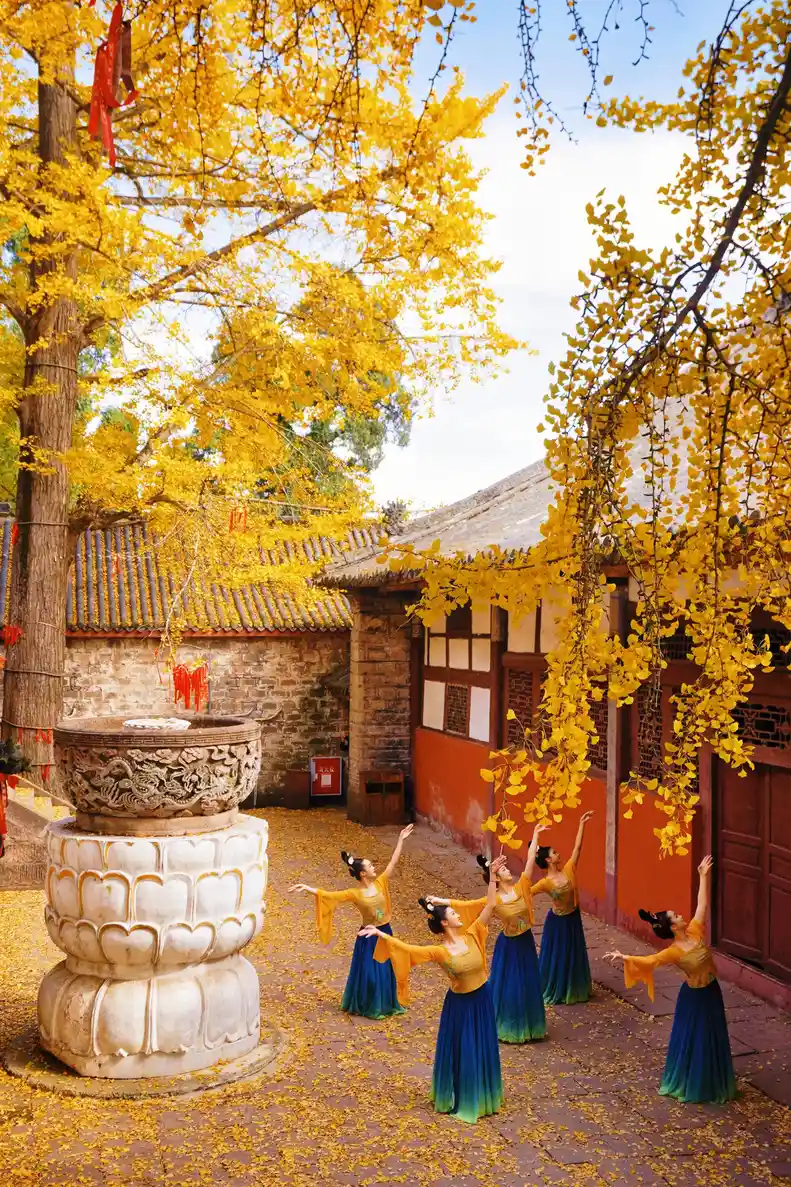
Autumn is another strong period for Chengdu, especially when pandas, city sightseeing and an outdoor excursion are all part of the same trip. September and October offer the strongest overall balance, while November can suit travelers who prefer cooler conditions.
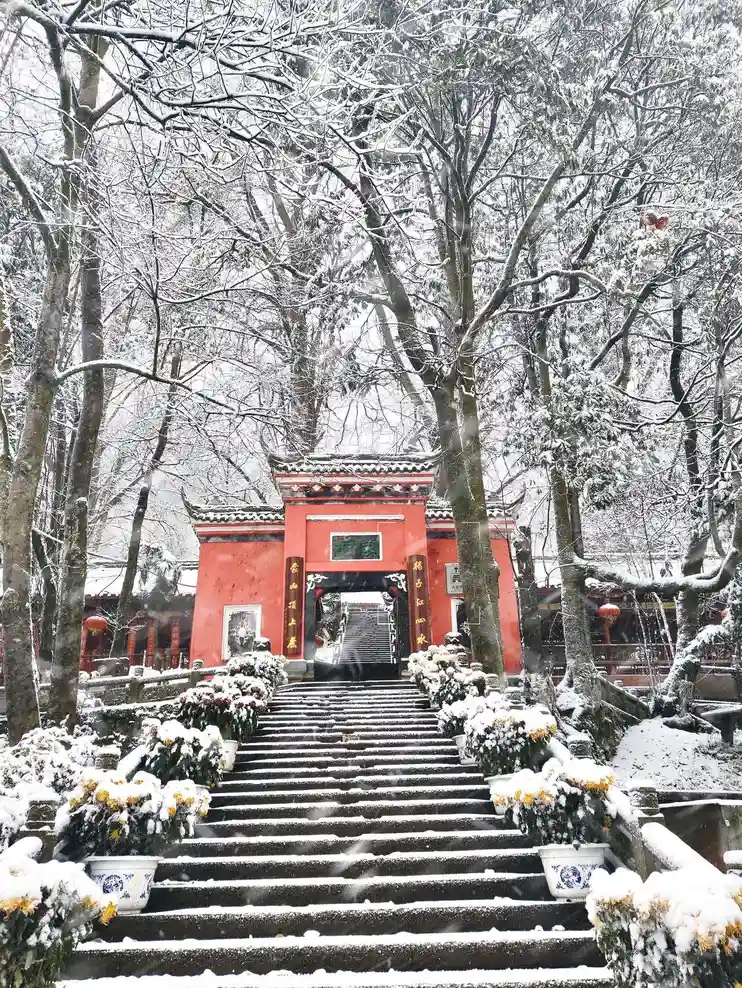
Winter is cooler and can suit travelers who value a quieter sightseeing rhythm more than warm weather. January is typically the coldest part of the year, so build the itinerary around shorter outdoor periods and a mix of museums, food and cultural experiences.
Season affects more than weather. Consider panda sightseeing, outdoor day trips and major holiday crowds when setting your dates, then choose a Chengdu neighborhood that fits the pace and places you plan to visit.
The best area to stay in Chengdu depends on whether you value central convenience, historic atmosphere or a more local neighborhood experience. First-time visitors usually benefit from staying in or near downtown Chengdu, while Kuanzhai Alley, Yulin and the Jinli area offer distinctly different surroundings.
Chunxi Road is the strongest all-round base for travelers who want to stay close to central Chengdu. The surrounding downtown area puts shopping, restaurants and evening activity within easy reach while giving you a practical starting point for exploring other parts of the city by public transport.
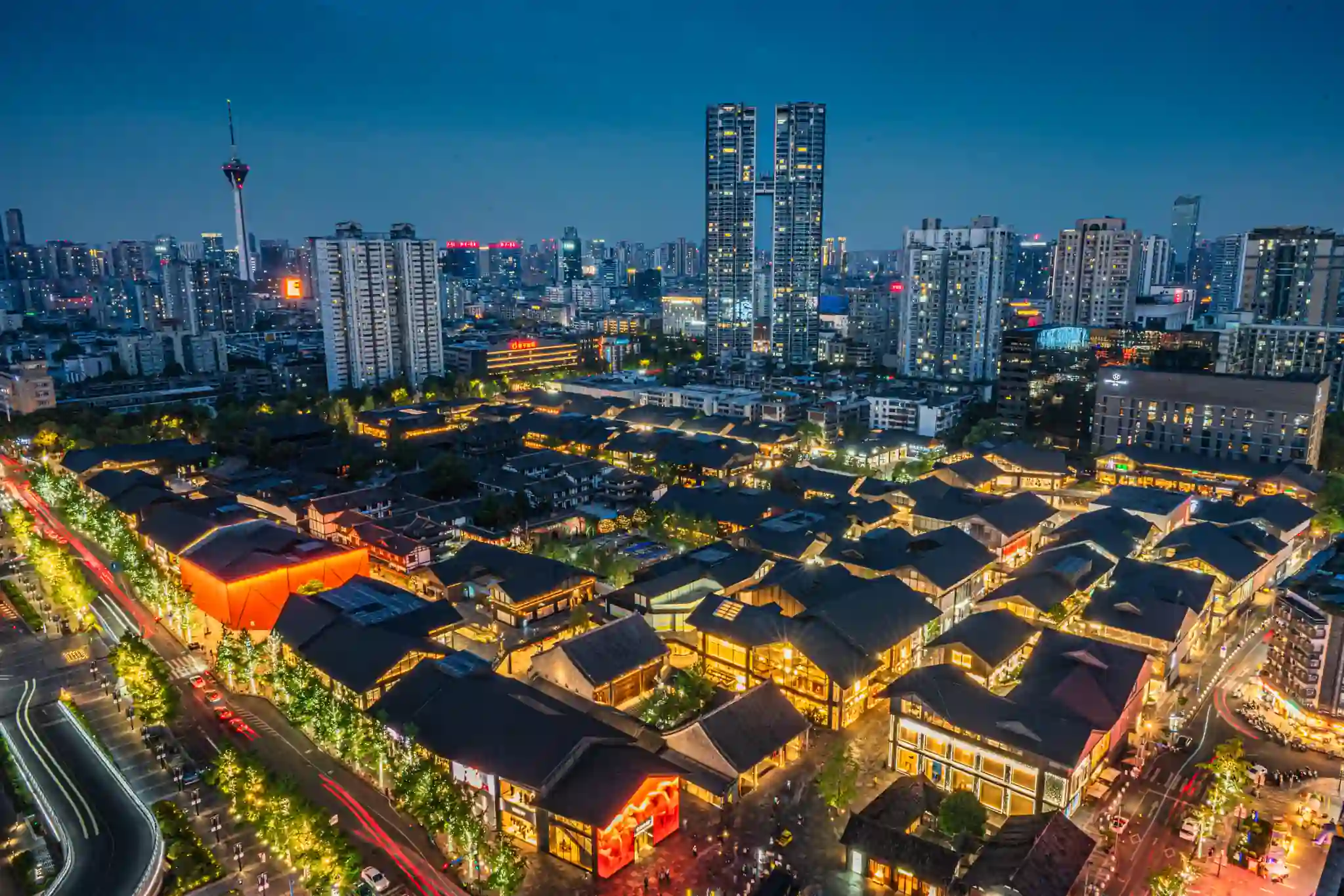
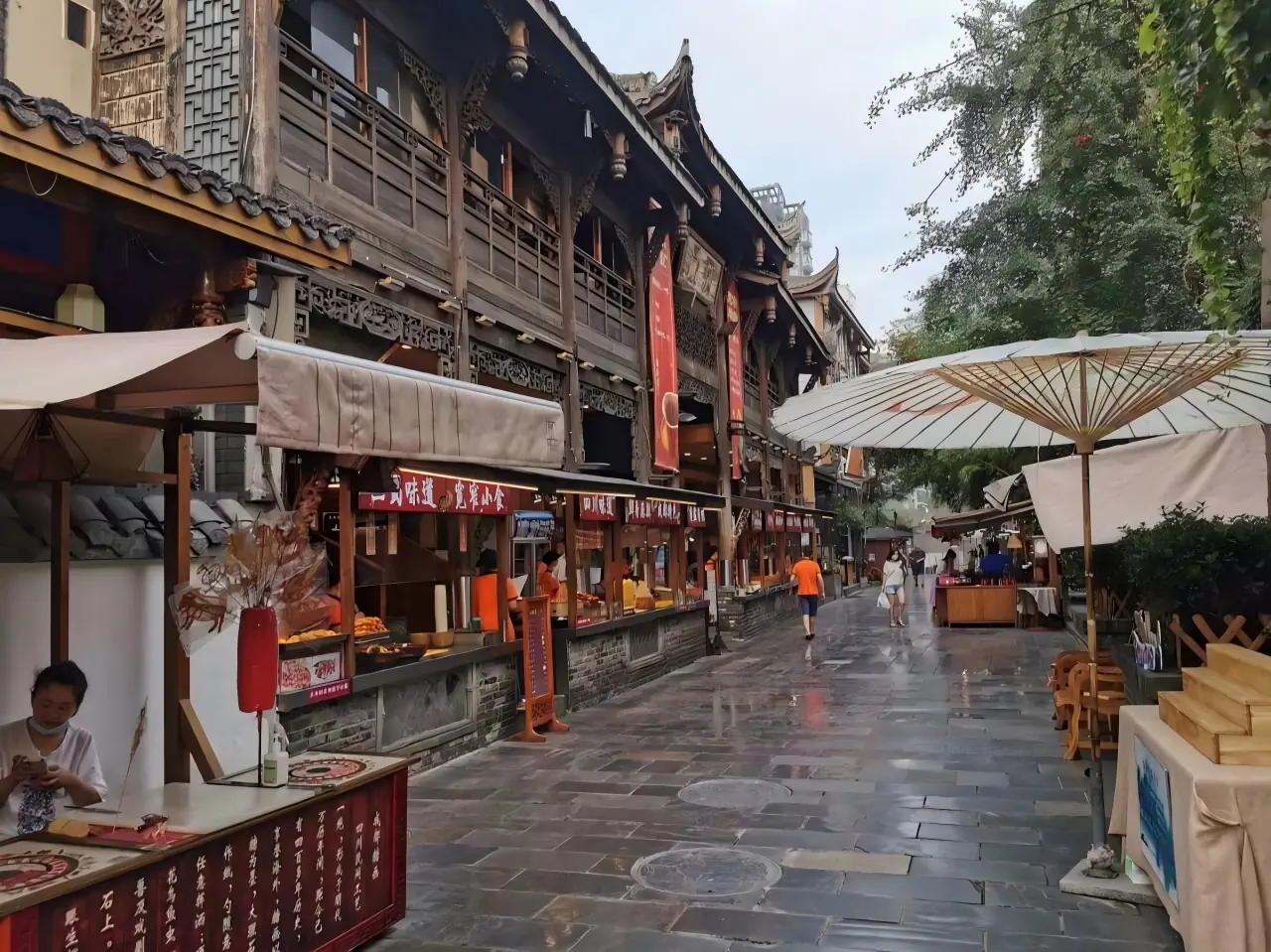
Stay around Kuanzhai Alley if you prefer traditional courtyard-style surroundings and want historic streets, teahouses, food stalls and evening walks close to your hotel. Boutique-style accommodation can make this area more atmospheric than a standard downtown stay.
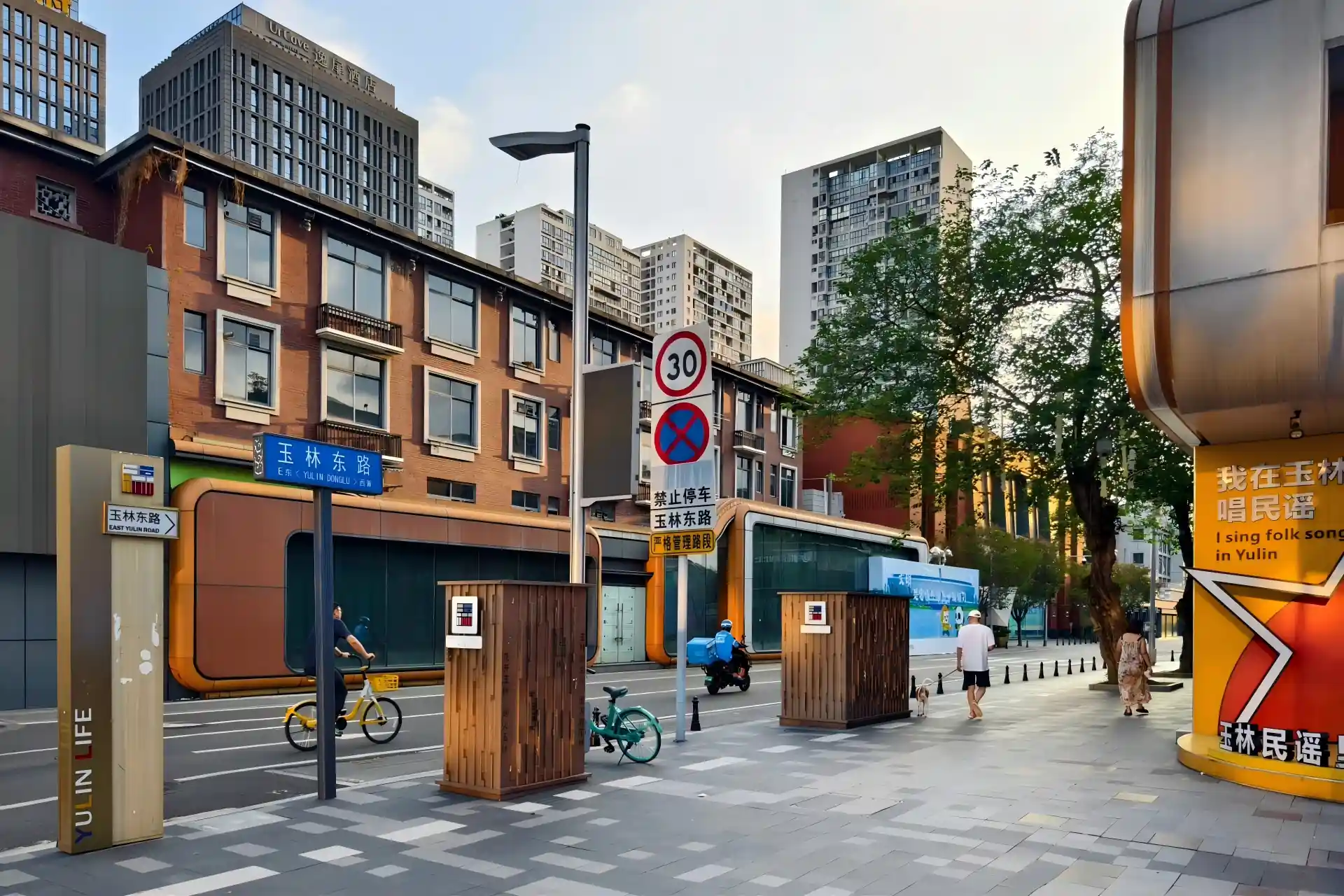
Choose the Yulin area when everyday Chengdu life matters more than staying beside major tourist sights. Its neighborhood atmosphere works well for travelers who want local restaurants, relaxed evenings and more time exploring Chengdu beyond the standard sightseeing circuit.
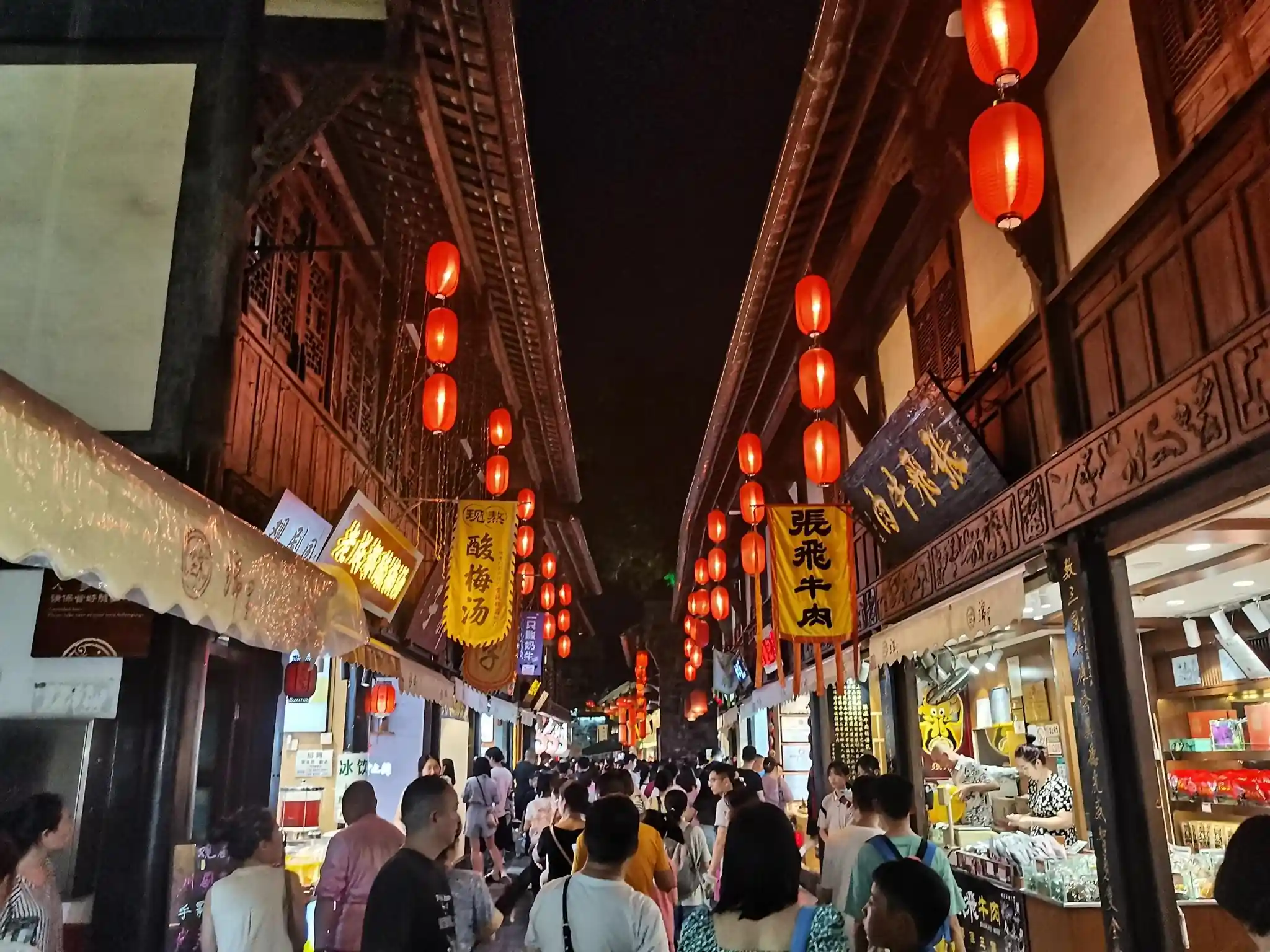
The area around Jinli Ancient Street and Wuhou Shrine suits travelers who want to stay closer to Chengdu's Three Kingdoms history and traditional sightseeing. It can feel less focused on modern downtown activity and may appeal to visitors who prefer a quieter base.
Choose Chunxi Road for the easiest first-time base, Kuanzhai Alley for historic atmosphere, Yulin for a more local food and neighborhood experience, or the Jinli and Wuhou area if culture and a quieter setting matter more than downtown activity. Your hotel location should support your itinerary rather than trying to place you beside every attraction.
Chengdu is straightforward to navigate once you separate city transportation from airport, railway and day-trip travel. Use the metro for many central sights, combine it with taxis or ride-hailing when useful, and always check whether your flight uses Tianfu International Airport or Shuangliu International Airport before planning your transfer.
Chengdu's metro works well for moving between major central neighborhoods, railway stations and many sightseeing areas. Short taxi or ride-hailing trips can reduce unnecessary transfers, while airport and out-of-city journeys should be planned around your exact departure point rather than treated like normal downtown transportation.
The metro is the most useful starting point for many trips around central Chengdu. It connects important areas such as Chunxi Road, People's Park and Chengdu East Railway Station and can be combined with short taxi or ride-hailing journeys when an attraction is not directly beside a station.
Tianfu International Airport is farther from central Chengdu than Shuangliu, so allow a larger transfer window when planning your arrival or departure. Metro connections link the airport with the wider Chengdu rail network, while taxis and private transfers are useful when traveling with luggage or on a tighter schedule.
Shuangliu International Airport is closer to central Chengdu and is also connected to the city's metro network. Do not assume your flight uses the same airport as another Chengdu flight: check the airport code on your ticket before arranging a hotel transfer or connecting journey.
Chengdu East Railway Station is one of the most important rail hubs for travelers combining Chengdu with other Chinese destinations. The station connects directly with the metro network, making it practical to reach from central accommodation areas without arranging a private transfer for every train journey.
Read the China Train Ticket Guide →Taxis and ride-hailing are useful for hotel transfers, luggage, early departures and routes that would otherwise require several metro changes. They also work well as a complement to public transport rather than a replacement for the metro on every sightseeing journey.
Read the DiDi Guide for Foreign Travelers →Leshan, Sanxingdui, Dujiangyan and Qingcheng Mountain require different transport strategies. Depending on the destination, rail, metro, local transfers, a private driver or an organized tour may make more sense. Choose the day trip first, then plan transportation around that specific route.
Compare Chengdu Day Trips ↓
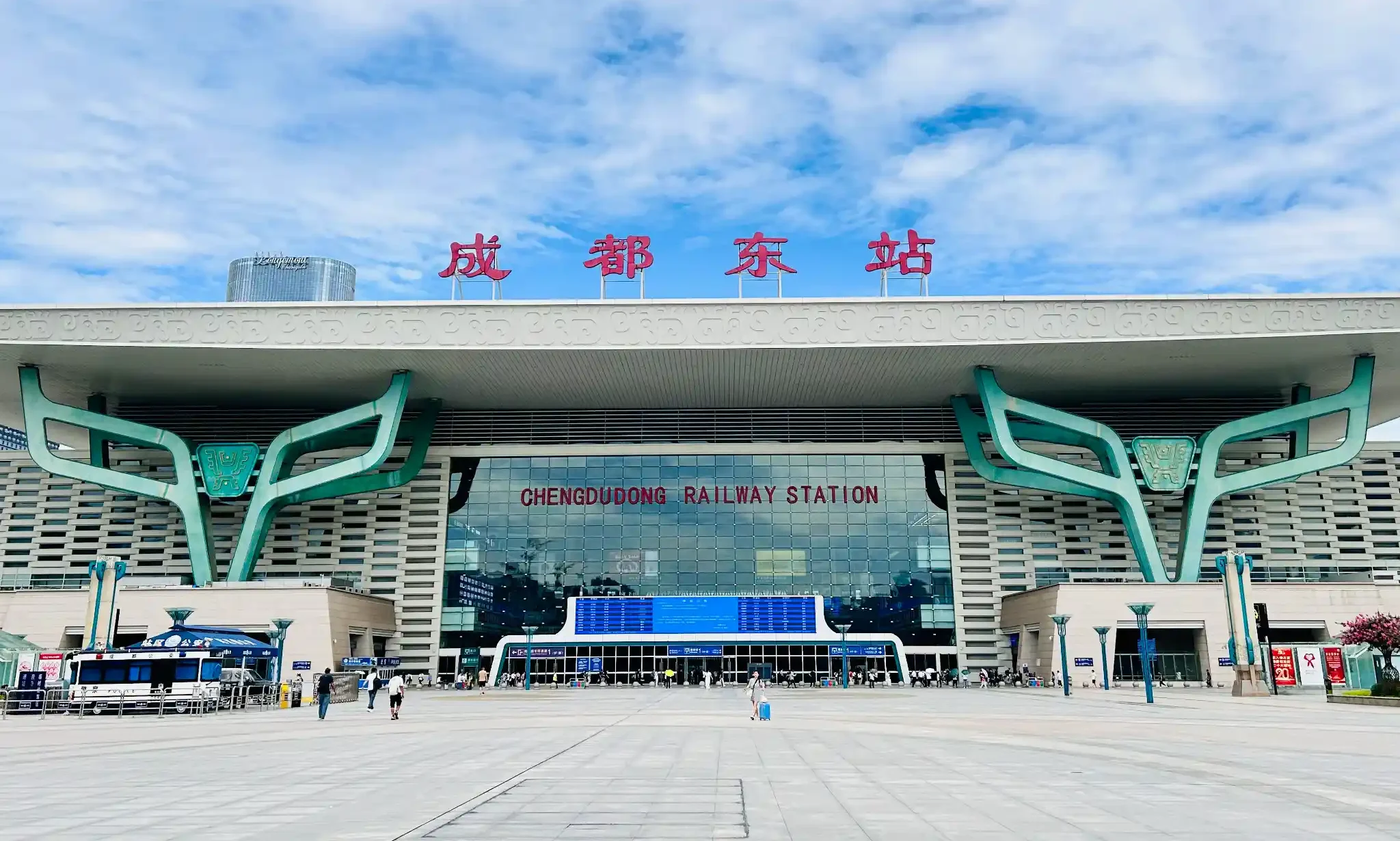
A customized Chengdu trip can include airport or railway pickup, hotel transfers and transportation for selected day trips, planned around your actual arrival point, itinerary and travel pace.
Compare Chengdu tours according to the experience and trip length you actually want. Choose a food-focused city stay, combine giant pandas with Leshan, or continue farther into Sichuan toward Mount Emei, Jiuzhaigou or mountain landscapes beyond Chengdu.
Spend three days combining a panda visit with Sichuan hot pot, street food and hands-on cooking experiences. This private route suits travelers who want Chengdu's food culture to be a central part of the journey while keeping the itinerary flexible and manageable.
View the 3-Day Chengdu Cuisine Tour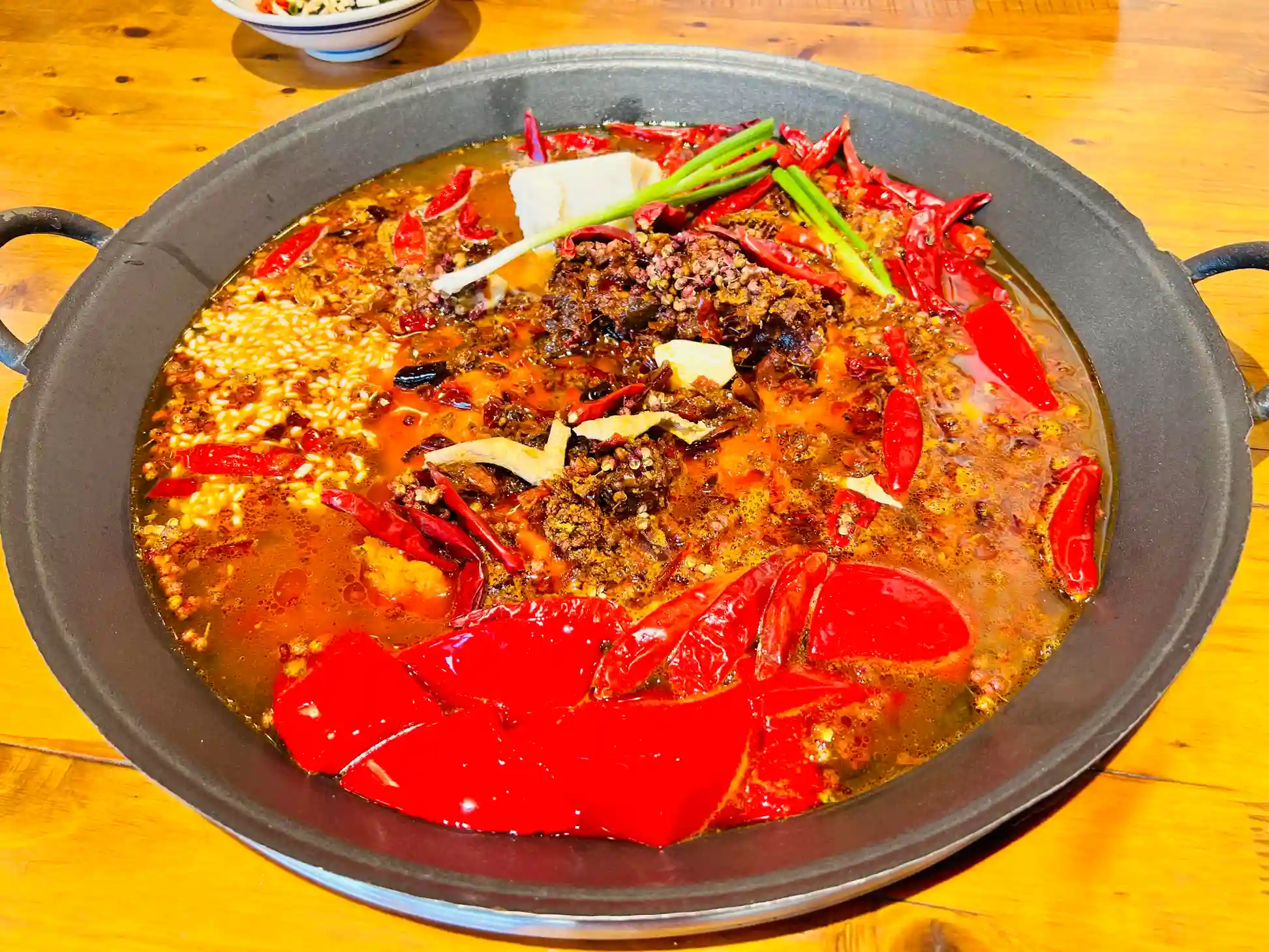
Combine an early visit to the Chengdu Panda Base with a local market and hands-on Sichuan cooking experience. This compact route works well when you have limited time but want both Chengdu's signature wildlife and its food culture in the same day.
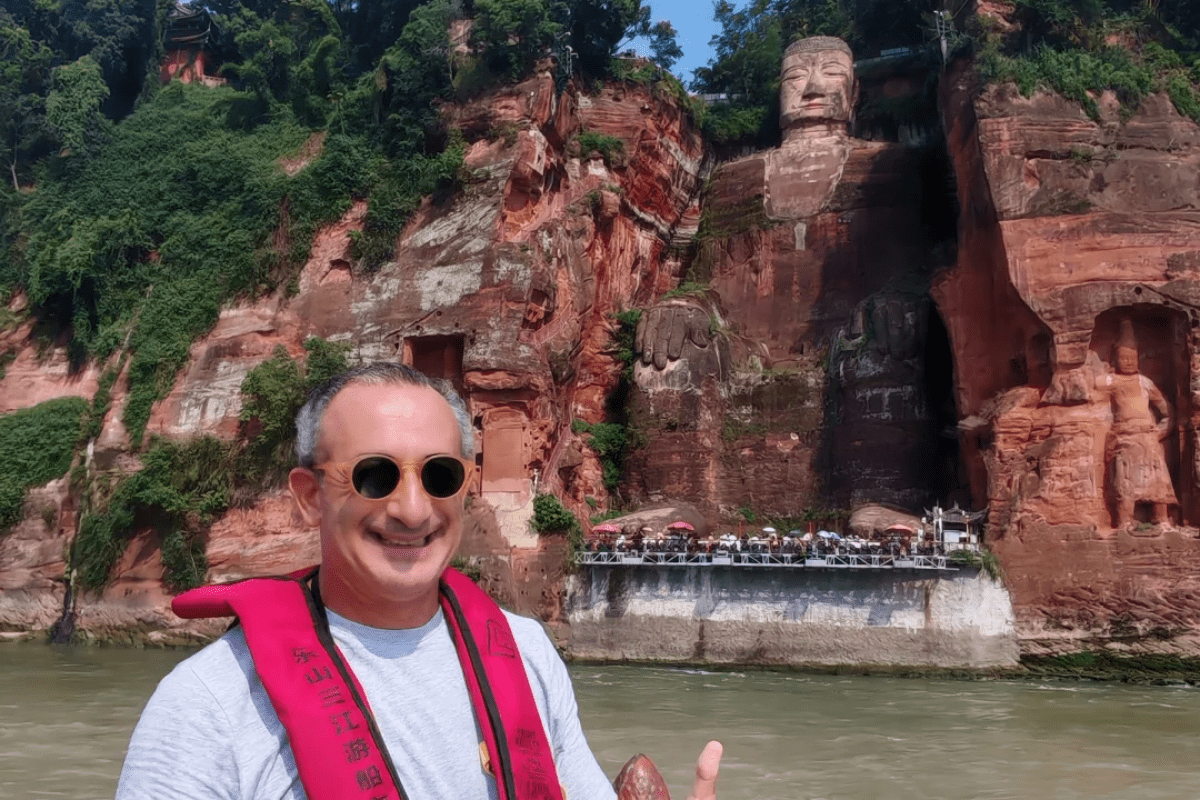
Combine Chengdu's giant pandas with the Leshan Giant Buddha and Sichuan cultural experiences on a private three-day route. This is a stronger choice than a city-only itinerary when Leshan is one of your main priorities.

Extend beyond Chengdu with the Leshan Giant Buddha and Mount Emei while keeping giant pandas and local Sichuan experiences in the same journey. Five days gives this route more breathing room than trying to fit both major extensions into a short stay.
Compare Chengdu panda tours, food experiences, private day trips and multi-day routes before choosing the itinerary that best fits your available time and travel style.
Review Recommended Chengdu Tours ↑Continue beyond Chengdu toward Jiuzhaigou and Huanglong while combining giant pandas, Leshan and other major western China highlights in a longer private itinerary.
View the 7-Day Chengdu & Jiuzhaigou Tour →Add alpine valleys and mountain scenery to your Chengdu trip with a private route through Mount Siguniang, including Shuangqiao and Changping valleys and a panda stop along the journey.
View the Mount Siguniang Tour →Tell us your travel dates, group size, hotel preferences and interests. Choose an existing Chengdu itinerary as a starting point or adjust the route around pandas, food, scenery, day trips and your wider China journey.