
Inner Mongolia · Northern China

Inner Mongolia Travel Guide

Inner Mongolia is best planned by region, not from a single base. This guide helps you choose between Hohhot and nearby grasslands, Hulunbuir’s vast grasslands and wetlands, or desert routes through Ordos, Kubuqi, Badain Jaran and Ejina, then plan the best season, itinerary, transport, yurt stay and Mongolian cultural experiences.

Recommended Stay
5–8 Days
Focus on one region for a first trip
Best Time to Visit
June–September
Late September–October for Ejina autumn
Plan by Region
Central · East · West
Long distances make regional routing essential
Signature Experiences
Grassland · Yurt · Desert
Horse riding, Mongolian culture and dunes
Start With the Region

How to Plan an Inner Mongolia Trip: Choose the Right Region First

Inner Mongolia stretches roughly 2,400 km from east to west, so trying to cover the whole region in one short trip usually creates more travel time than sightseeing. For trip planning, think in three broad zones: central Inner Mongolia for Hohhot, nearby grasslands and an Ordos desert extension; eastern Inner Mongolia for Hulunbuir; and western Inner Mongolia for the remote deserts and autumn landscapes around Alxa and Ejina.

Recommended for First-Time Visitors

Choose One Main Region Before Building Your Route

A well-planned 5–8 day Inner Mongolia trip is usually more rewarding when it focuses on one main region. Choose the central route for the easiest mix of Mongolian culture, grassland and desert; choose Hulunbuir in the east for vast grasslands, wetlands and forests; or travel west for Badain Jaran, Ejina and a more remote desert journey.

Best all-round first trip 5–6 days · Hohhot + nearby grassland + Ordos / Kubuqi Desert
Plan Before You Book
Use Hohhot for a central route, but do not assume it is the best gateway for every part of Inner Mongolia
Fly closer to Hulunbuir or the far west when your itinerary focuses on eastern grasslands or remote desert landscapes
Expect road transfers for many grasslands, wetlands, forests and desert areas beyond the major cities
Avoid combining Hulunbuir and far-western Inner Mongolia on a short trip
Explore the Best Places

Central Inner Mongolia: Best for a First Trip

Start in Hohhot for museums, temples and Mongolian culture, then continue to a nearby grassland such as Xilamuren or Huitengxile. Add Ordos and the Kubuqi Desert when you want grassland and sand dunes in the same trip without crossing the entire autonomous region.

Hohhot Xilamuren Huitengxile Ordos Kubuqi Desert
Eastern Inner Mongolia: Best for Hulunbuir Grassland

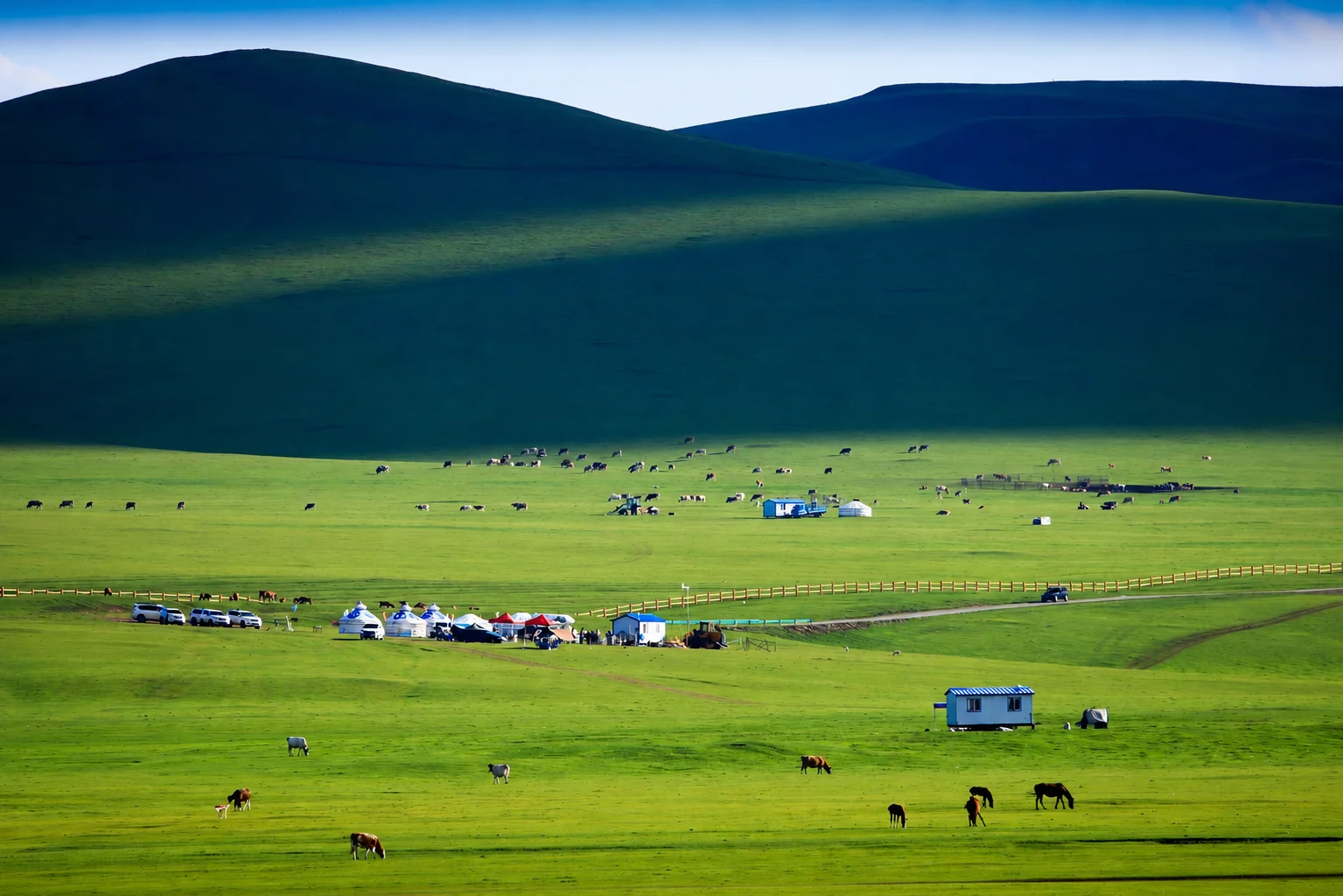
Choose eastern Inner Mongolia when open landscapes are the main reason for your trip. A Hulunbuir route can combine Hailar, grasslands, the Ergun Wetland, rivers, birch and forest scenery, borderland towns such as Manzhouli, and longer extensions toward Arxan.

Hulunbuir Hailar Ergun Manzhouli Arxan

Western Inner Mongolia: Best for Deserts & Ejina

Western Inner Mongolia is a longer and more remote journey built around Alxa, giant sand dunes and desert landscapes. Badain Jaran is the standout desert destination, while Ejina becomes especially popular in autumn for its golden Populus euphratica forests.

Alxa Badain Jaran Ejina Populus Forest Desert Road Trip

How Many Days Do You Need in Inner Mongolia?

Distance matters more than the number of attractions. Four or five days can cover one compact route, while 5–8 days works better for a complete regional journey. Allow more time when combining remote deserts, multiple grasslands or destinations with long road transfers.

4–5 Days · One Area 5–8 Days · One Region 9–12 Days · Deeper Route 12+ Days · Multi-Region

Which Inner Mongolia Region Should You Choose?

For a straightforward first visit, choose Hohhot with a nearby grassland and an optional Kubuqi Desert extension. Choose Hulunbuir when grassland scenery is your priority, and choose the far west when Badain Jaran, Ejina, desert photography or a more remote journey is the main reason for traveling.
Grasslands · Deserts · Culture

Best Places to Visit in Inner Mongolia

The best places in Inner Mongolia are spread across very different regions, so this should not be treated as a checklist to complete in one trip. Hulunbuir is the strongest choice for a landscape-focused journey, Hohhot anchors the cultural route, Kubuqi offers the easiest desert extension, while Badain Jaran and Ejina justify dedicated journeys into western Inner Mongolia.

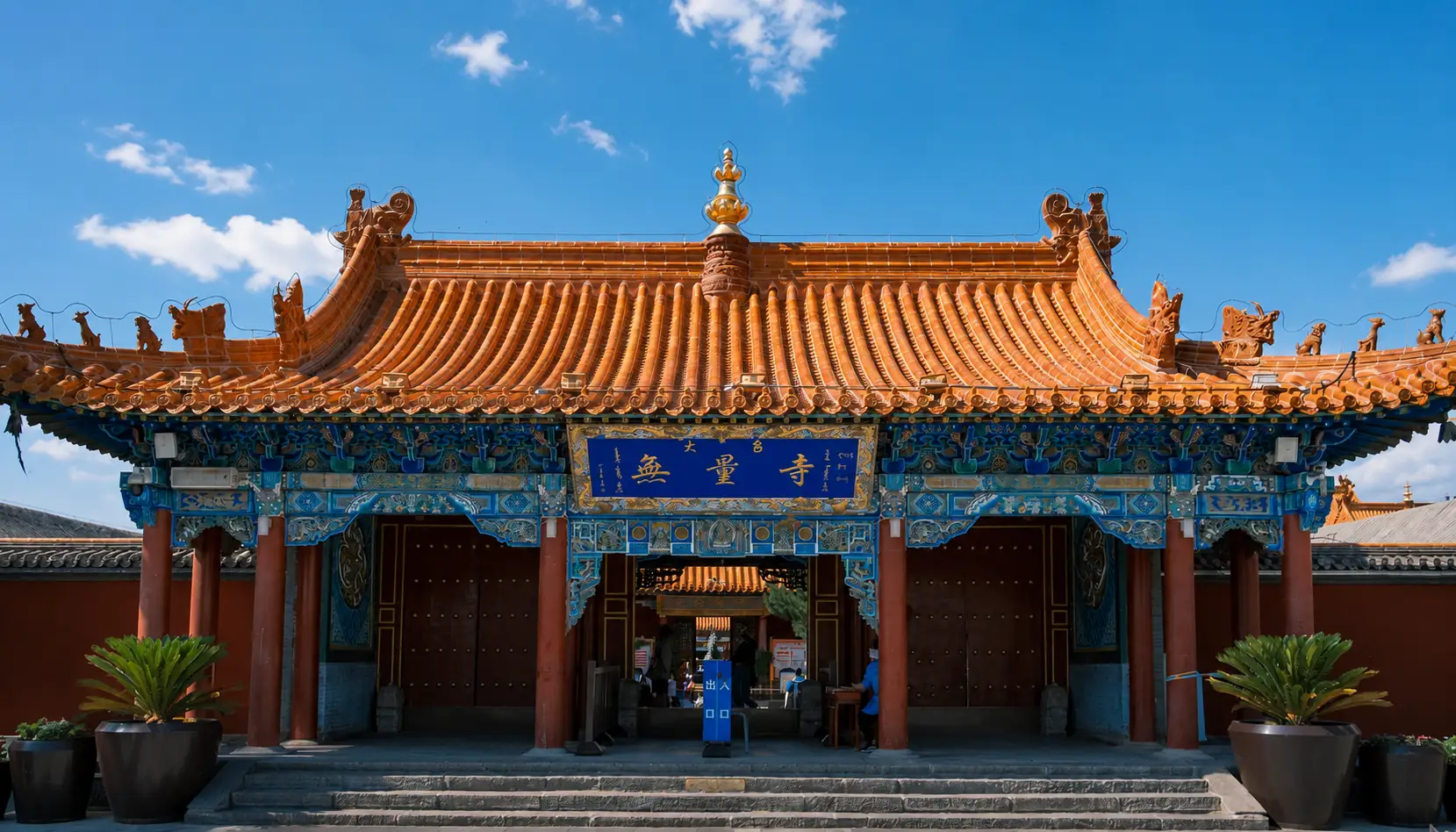
Dazhao Temple in Hohhot Inner Mongolia

Hohhot: Dazhao Temple & Inner Mongolia Museum

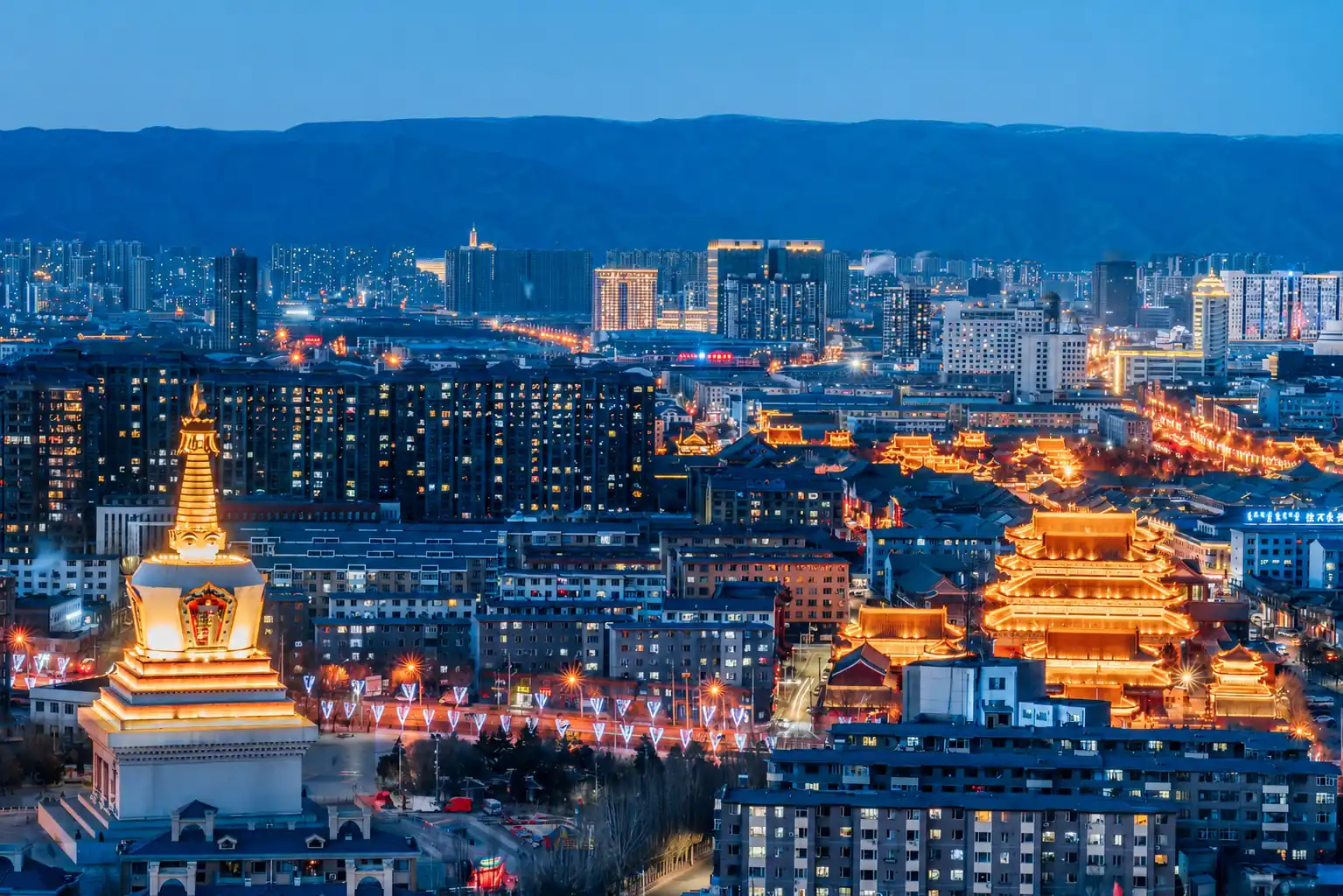
Do not treat Hohhot only as a transport stop. The capital is the strongest place to understand Inner Mongolia before heading into the grasslands or desert. Visit Dazhao Temple for Tibetan Buddhist heritage, the Inner Mongolia Museum for regional history and Mongolian culture, and add the Five Pagoda Temple when time allows.

Dazhao Temple Inner Mongolia Museum Five Pagoda Temple
Sand dunes in Kubuqi Desert near Ordos Inner Mongolia
Kubuqi Desert & Resonant Sand Bay
Kubuqi is the practical desert choice for travelers following a Hohhot–Ordos route. Resonant Sand Bay offers easy access to sand dunes and activities such as camel riding and sand sliding, making it useful for first-time visitors who want a grassland-and-desert combination without committing to a remote western expedition.

Ordos Sand Dunes Easy Central-Route Add-On
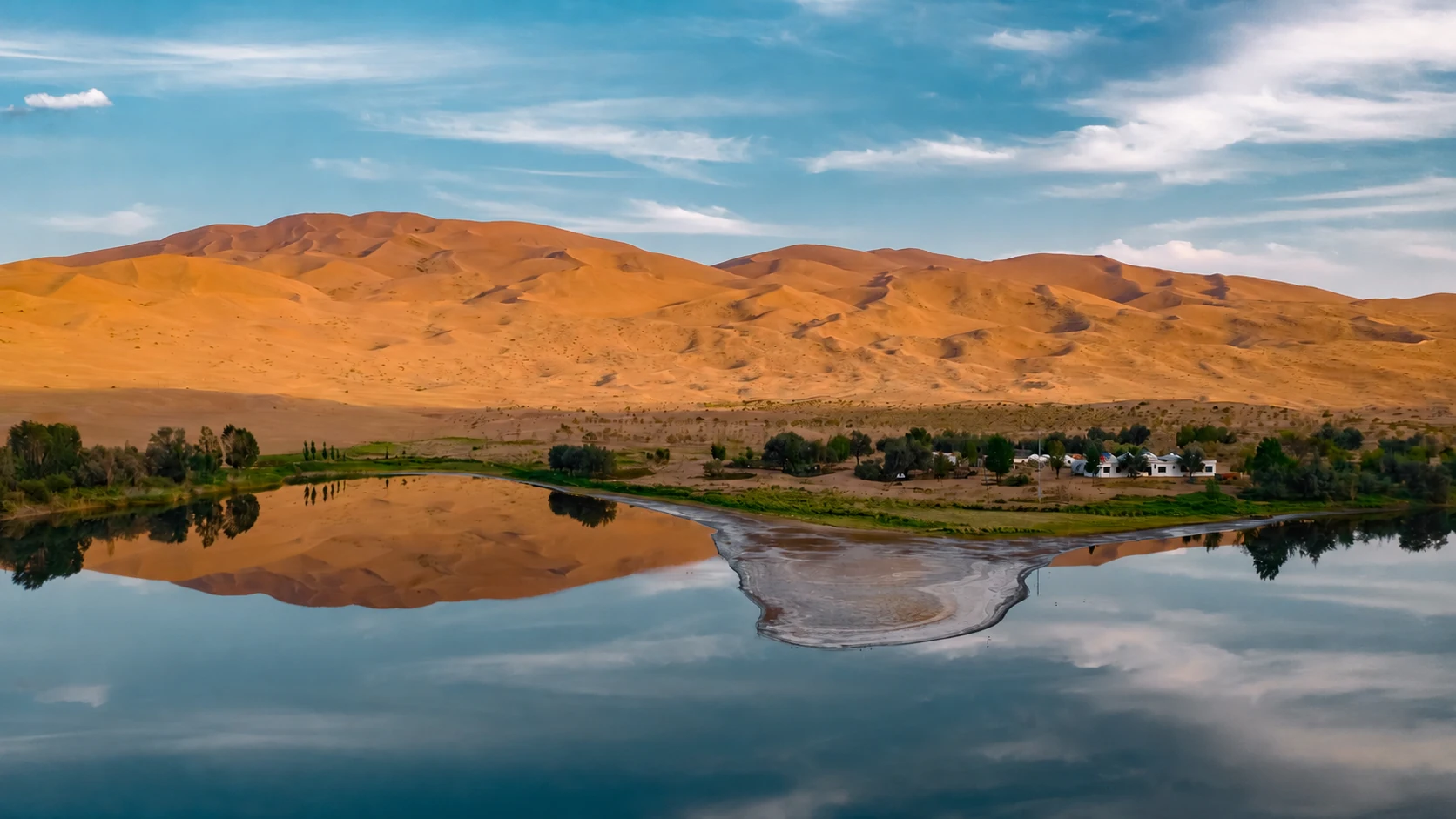
Badain Jaran Desert in Inner Mongolia with giant sand dunes and desert lakes

Badain Jaran Desert

Badain Jaran is the desert to choose when the desert itself is the destination rather than a short activity stop. The UNESCO-listed landscape is defined by enormous stabilized dunes, singing sands and lakes between the dunes. Reaching and exploring it takes more planning than Kubuqi, so it belongs in a dedicated western Inner Mongolia itinerary.

Alxa UNESCO World Heritage Mega-Dunes & Lakes
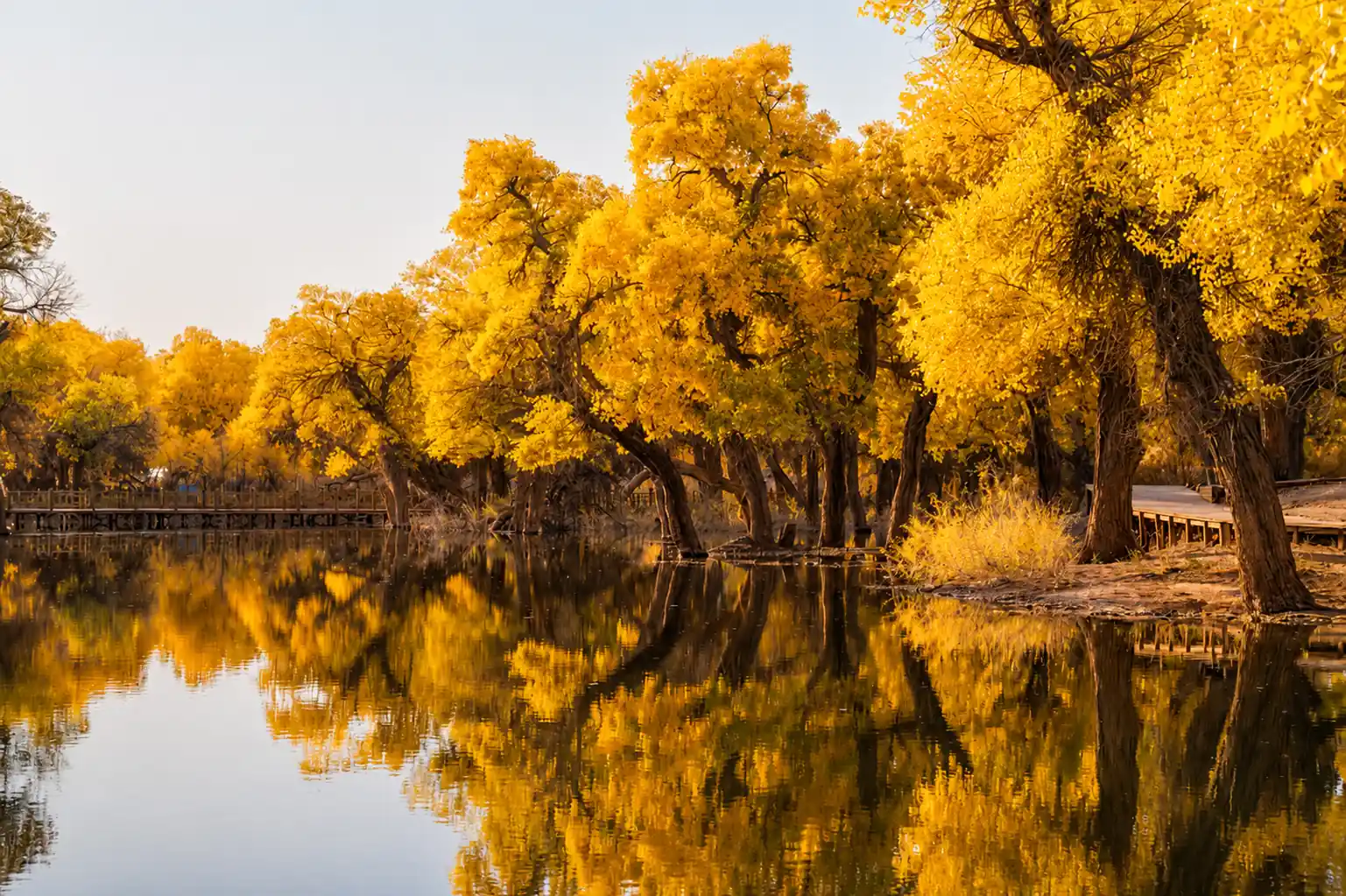
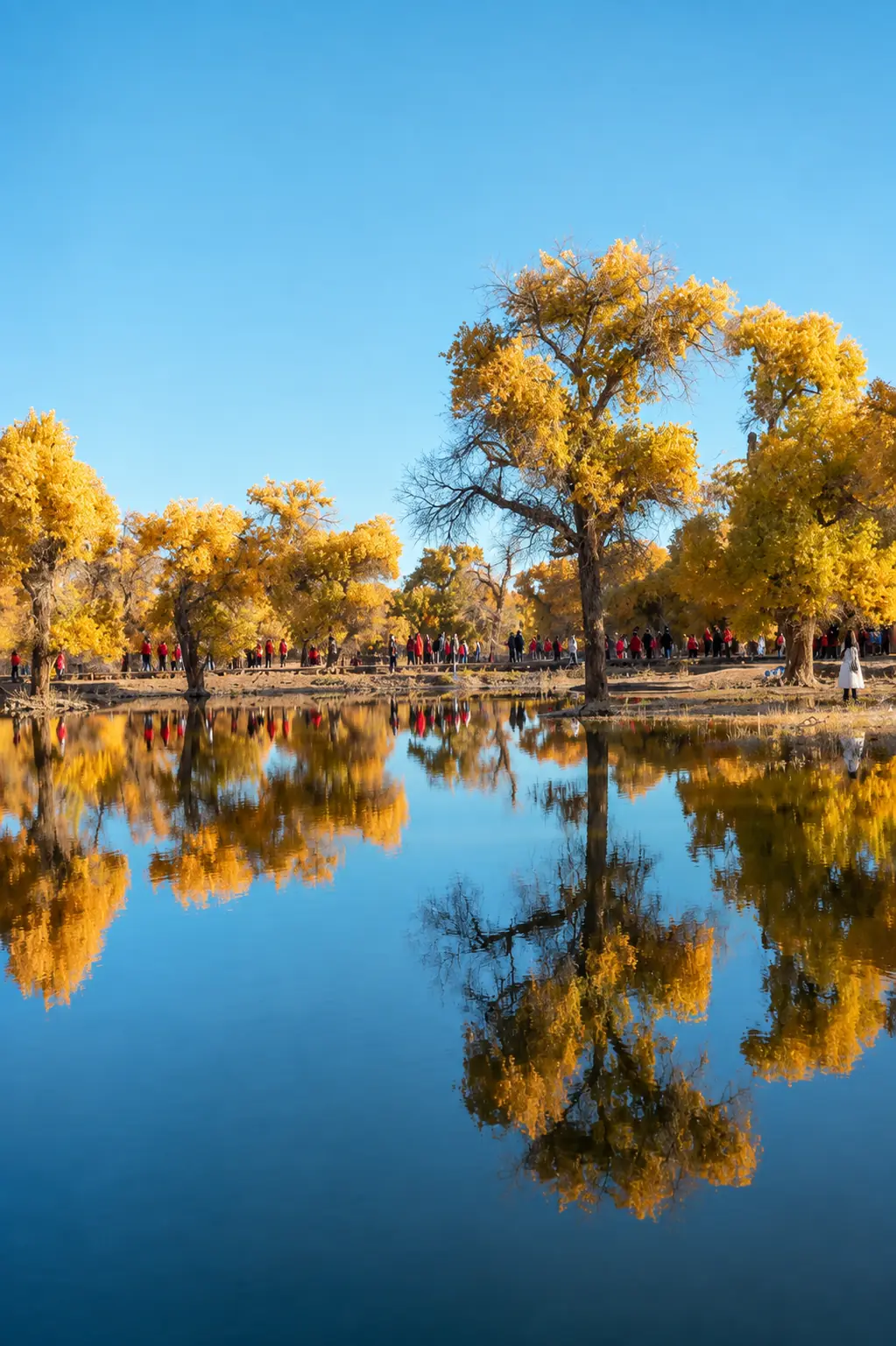
Golden Populus euphratica forest in Ejina Inner Mongolia during autumn

Ejina Populus Euphratica Forest

Ejina is one of Inner Mongolia’s most seasonal destinations. Travelers come for the Populus euphratica forests when the leaves turn gold in autumn, creating a striking contrast with the dry landscapes of Alxa. It is worth adding when your dates match the autumn color period, but it should not automatically be forced into a summer grassland trip.

Western Inner Mongolia Autumn Color Photography
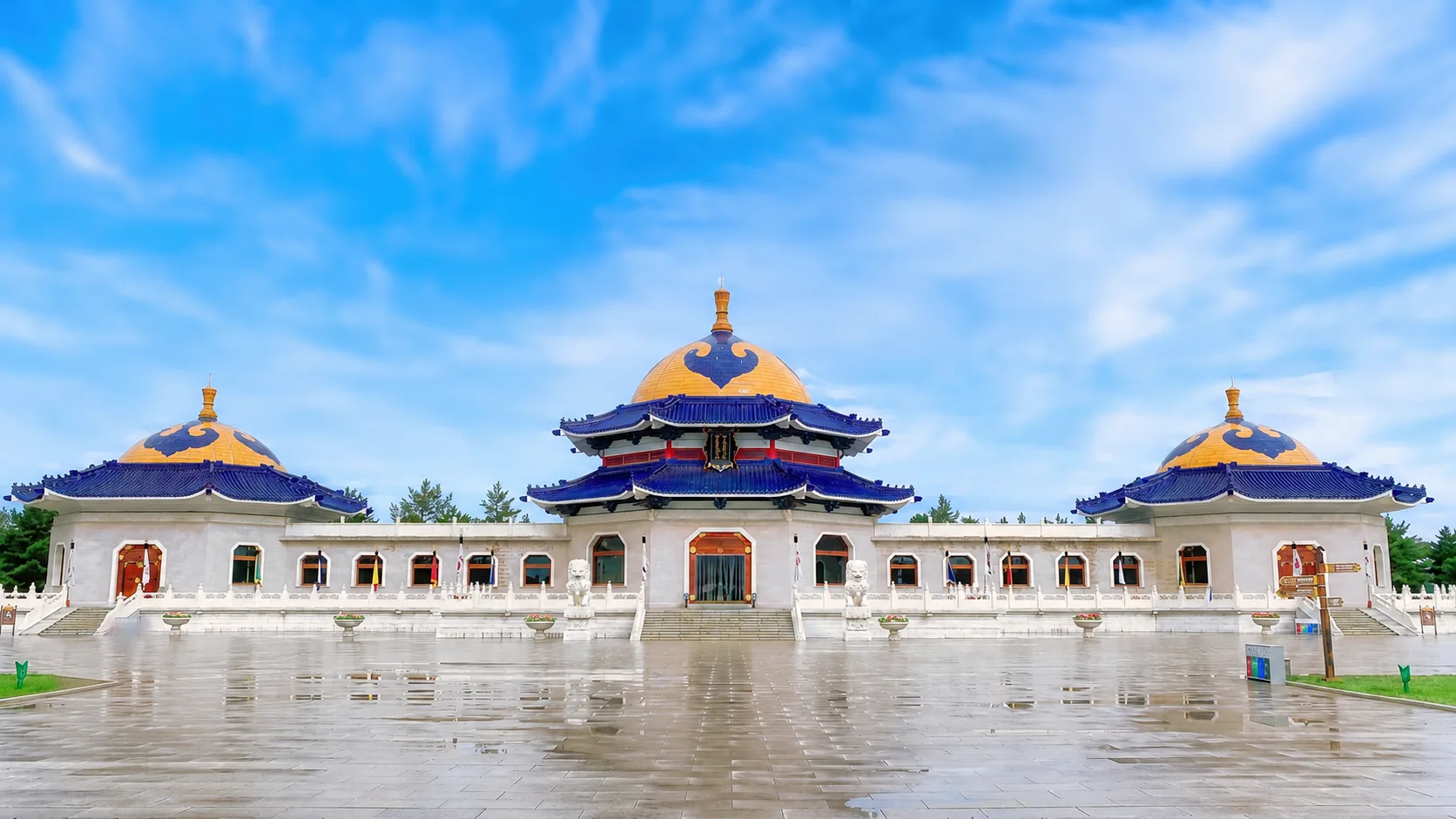
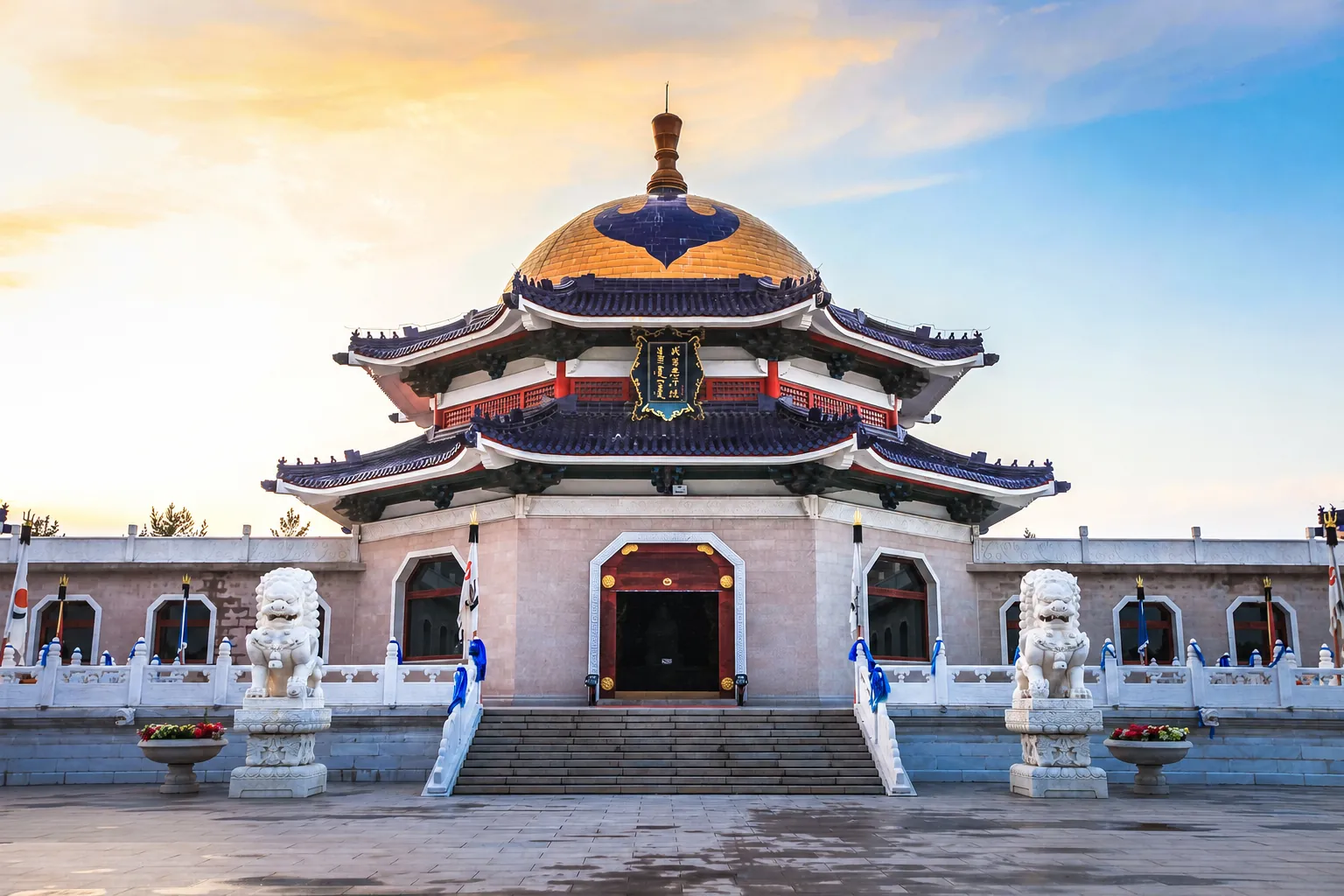
Genghis Khan Mausoleum memorial complex near Ordos Inner Mongolia

Genghis Khan’s Mausoleum

Near Ordos, the Mausoleum of Genghis Khan is a major memorial and ceremonial site connected with the memory of the Mongol ruler. It should be understood as a cultural and ritual complex rather than a confirmed burial tomb, whose actual location remains unknown. It fits naturally into an Ordos and Kubuqi route.

Ordos Mongol Heritage Cultural Site
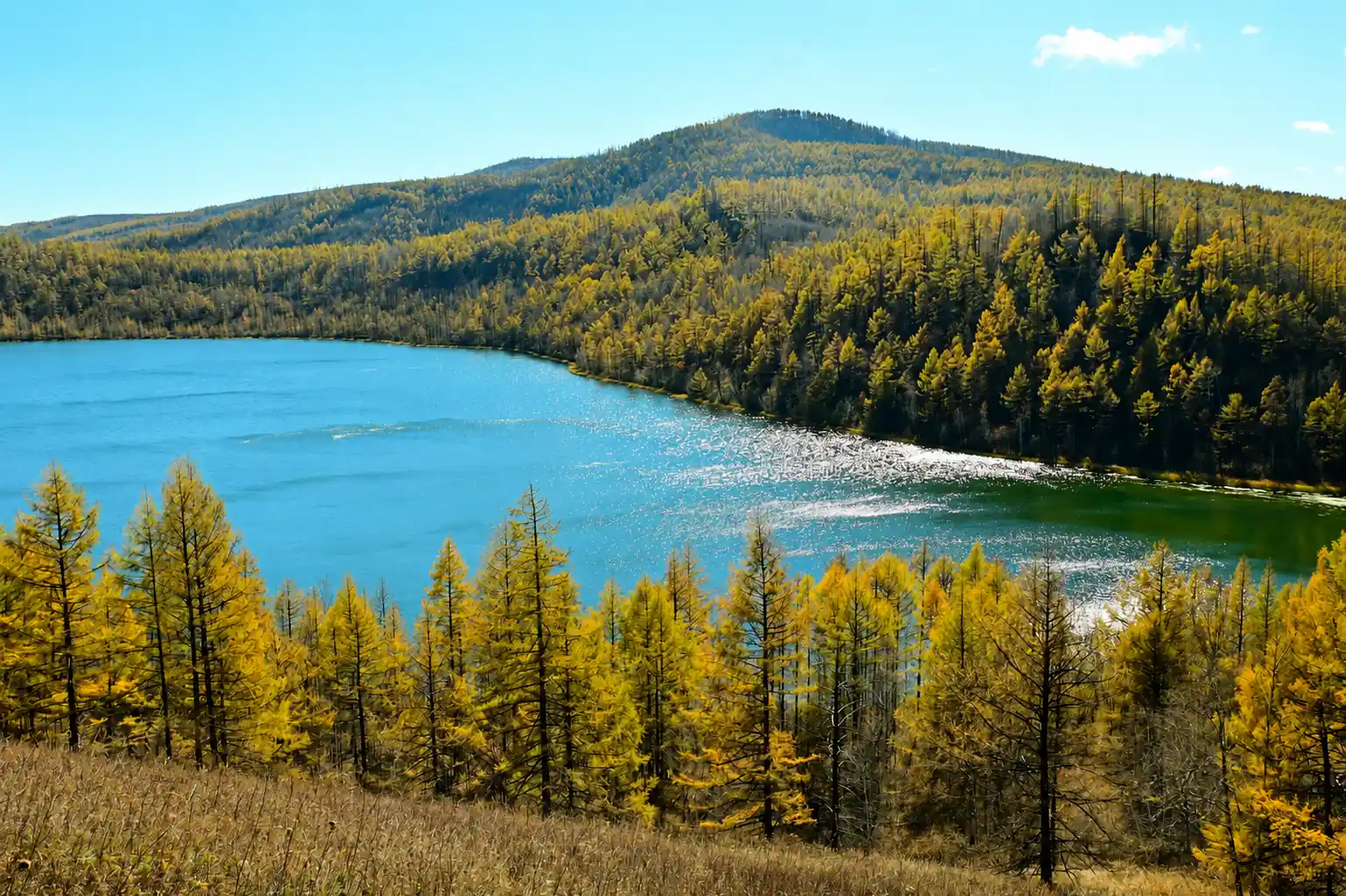
Arxan National Forest Park in Inner Mongolia with forest, volcanic landscape and lake scenery

Arxan National Forest Park

Arxan adds a very different side of Inner Mongolia: volcanic landforms, lakes, forest and mountain scenery rather than open steppe or desert. Highlights around the wider Arxan landscape include Heavenly Lake and Shitanglin Forest. It works best as a dedicated eastern extension rather than being squeezed into a short Hohhot itinerary.

Eastern Inner Mongolia Heavenly Lake Shitanglin Forest
Worth Adding to the Right Route

More Inner Mongolia Places Worth Knowing

These places add real depth to a regional itinerary, but most travelers should choose them because they fit the route rather than because they appear on a long attractions list.

Hulunbuir

Ergun Wetland & Hulun Lake

Use Ergun Wetland and Hulun Lake to broaden a Hulunbuir trip beyond pure grassland scenery. Together they show the wetlands, rivers and large steppe-lake landscapes that make eastern Inner Mongolia ecologically different from the central grassland routes.

Eastern Route Extension
Xilingol

Site of Xanadu

The ruins of Kublai Khan’s former capital add a deeper Yuan-dynasty dimension to an Inner Mongolia journey. The UNESCO World Heritage site is especially valuable for understanding the meeting of Mongolian nomadic traditions and Chinese imperial city planning.

UNESCO Cultural Heritage
Baotou

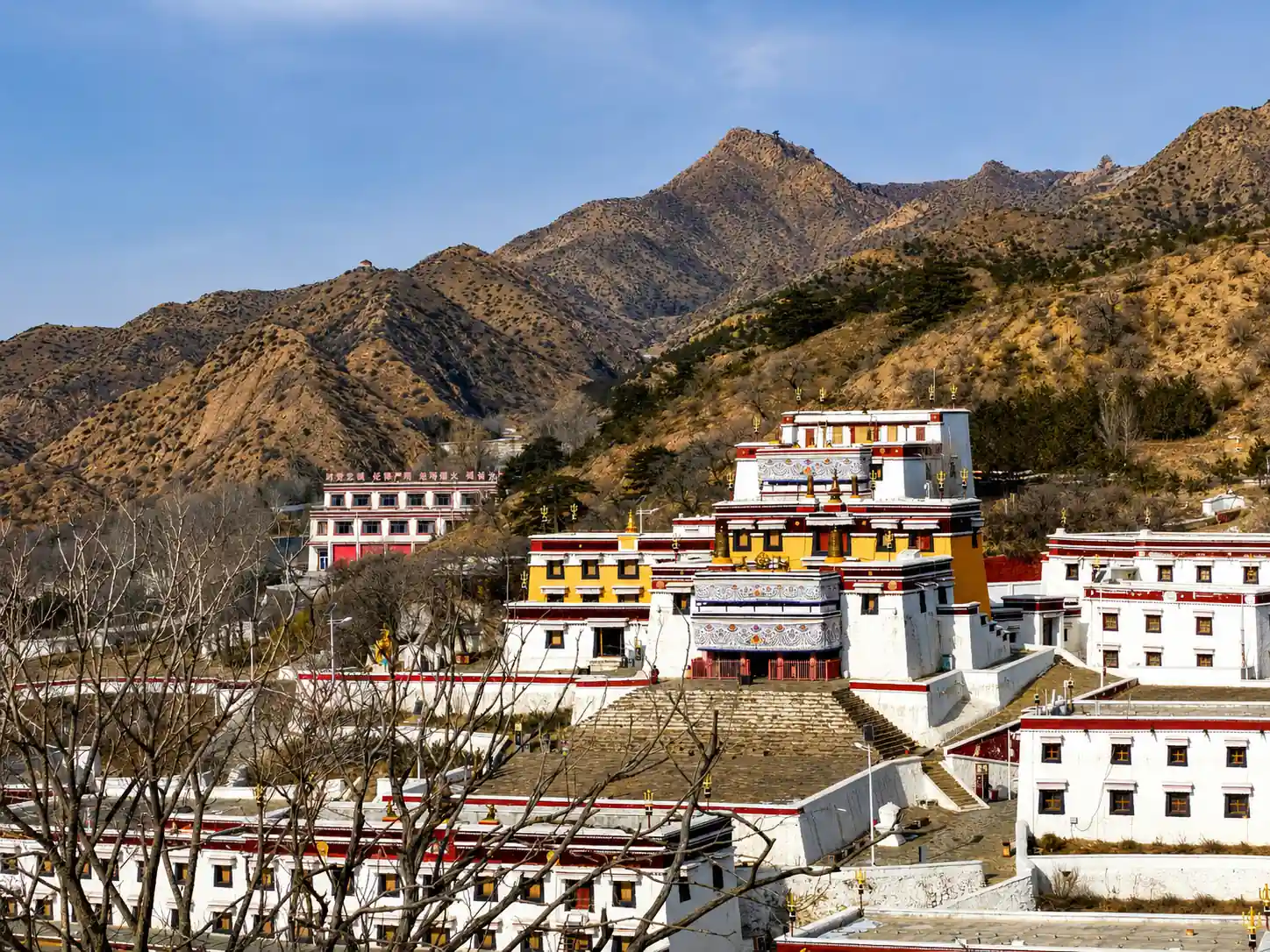
Wudangzhao Monastery

Wudangzhao is a major Tibetan Buddhist monastery in Inner Mongolia and makes sense for travelers extending a central route through Baotou. It adds religious and architectural depth beyond the more frequently visited temples of Hohhot.

Tibetan Buddhism
Chifeng · Hexigten

Asihatu Stone Forest

Inside the wider Hexigten geological landscape, Asihatu is known for unusual granite formations rising above grassland scenery. It suits a Chifeng or eastern Inner Mongolia route for travelers interested in geology and landscapes beyond the classic grassland, desert and temple circuit.

Granite Landscape

Don’t Build an Inner Mongolia Trip from an Attractions Checklist

Hulunbuir, Badain Jaran and Ejina can each justify a journey of their own. For a first trip, choose the places that form one coherent regional route instead of linking famous attractions with long transfers. The itinerary section below compares realistic routes for central, eastern and western Inner Mongolia.

Compare Inner Mongolia Routes ↓
Grassland · Culture · Desert

Best Things to Do in Inner Mongolia

The best things to do in Inner Mongolia depend on where and when you travel. Ride across open grassland, spend a night in a Mongolian yurt, watch wrestling and horse racing during a Naadam celebration, explore desert dunes by camel, taste mutton and dairy-based dishes, or travel farther east to learn about Ewenki reindeer culture. Choose experiences that belong naturally to your regional route rather than trying to fit every activity into one trip.

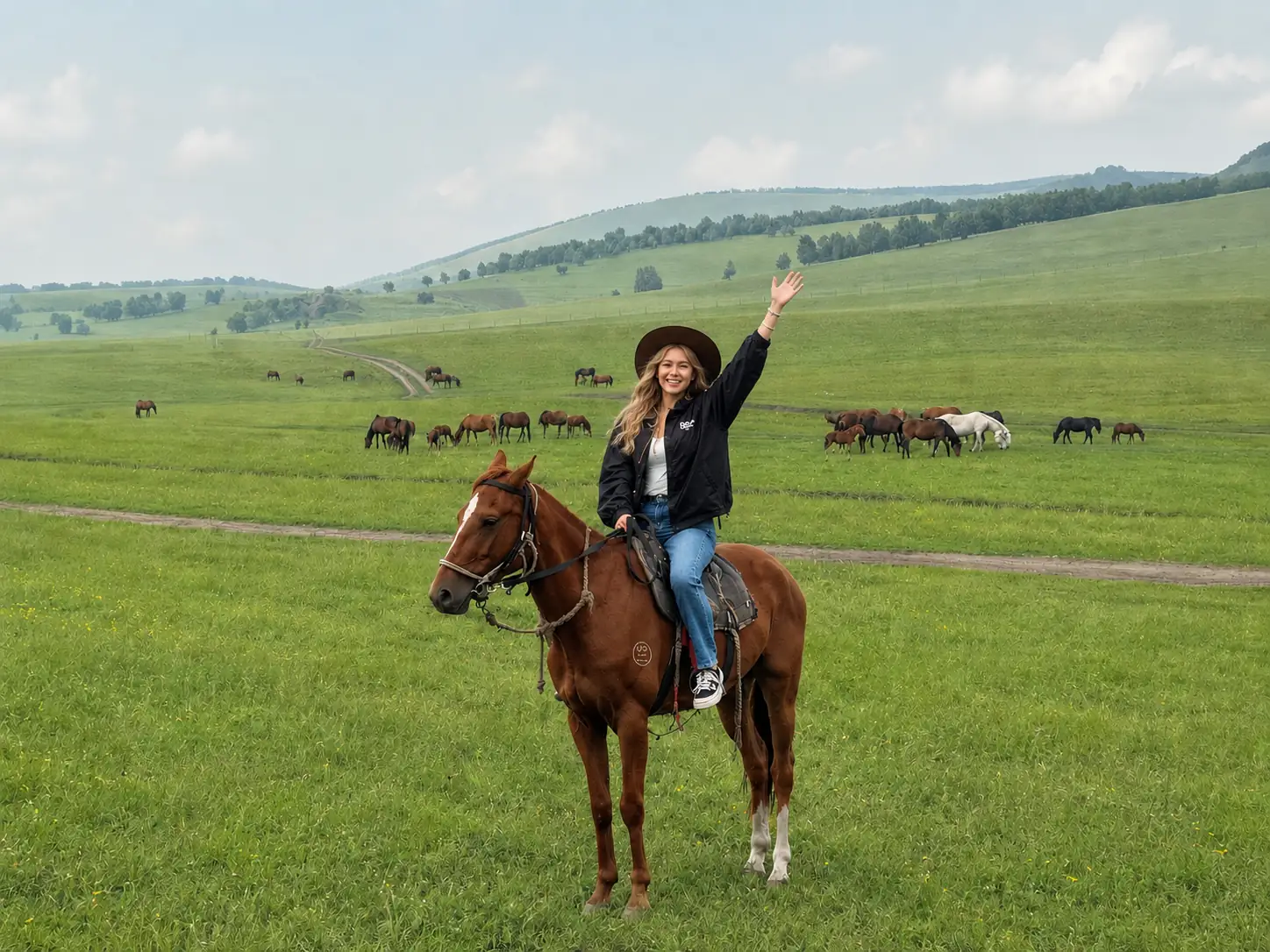
Traveler horseback riding across a green grassland in Inner Mongolia

Go Horseback Riding on the Grassland

Horses are central to the cultural image of the Mongolian grasslands, and horseback riding is one of the most popular experiences for visitors. Hulunbuir is ideal when riding is part of a multi-day grassland journey, while grasslands closer to Hohhot make it easier to add a shorter guided ride. Beginners should choose a managed route with an experienced handler rather than treating riding as an unrestricted activity.

Horseback Riding Hulunbuir Guided Experience
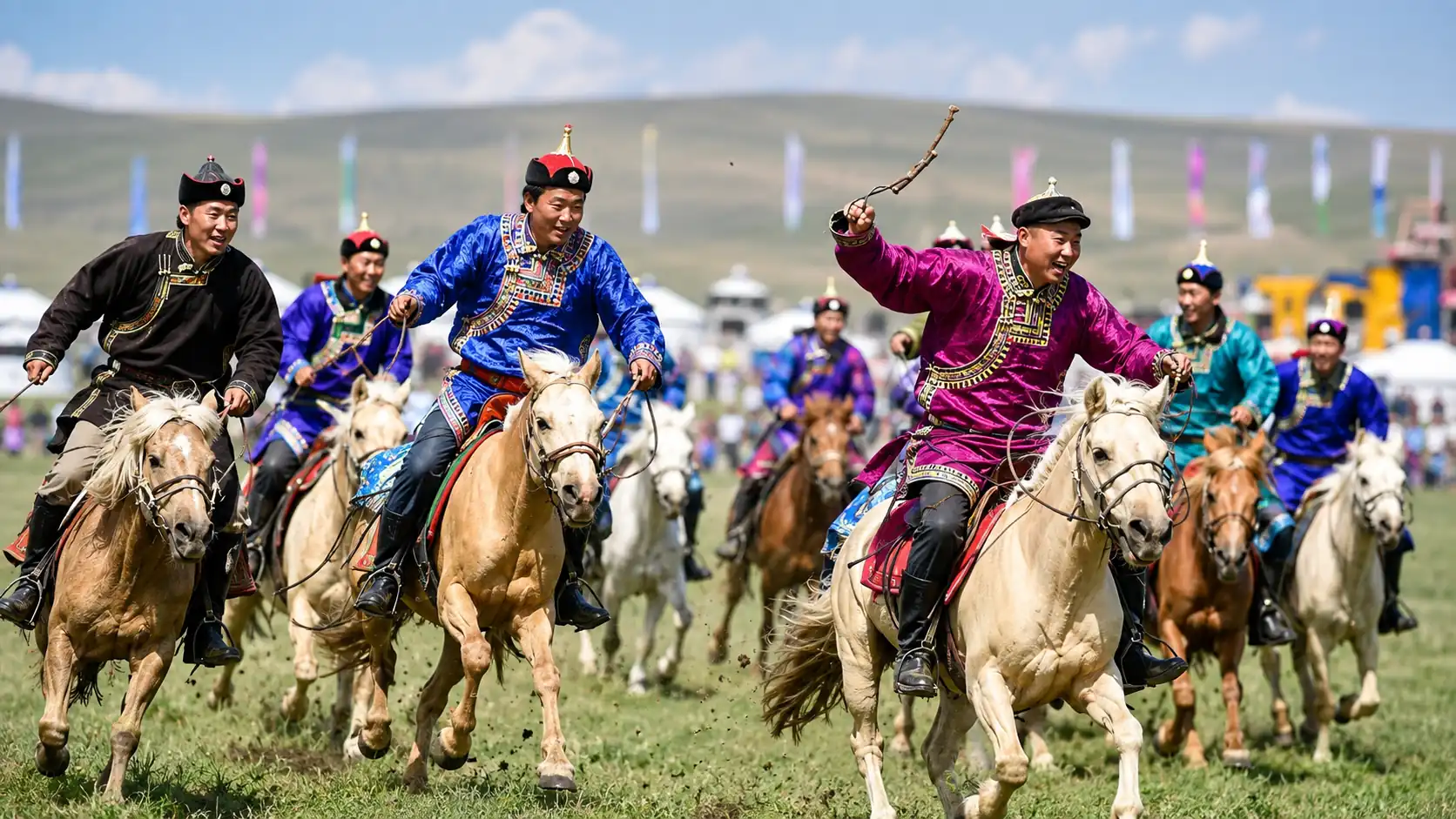
Horse racing during a Mongolian Naadam festival in Inner Mongolia

Experience a Naadam Festival

Naadam is one of the best opportunities to see traditional Mongolian sports in a living festival setting. Wrestling (bökh), horse racing and archery form the classic core, with music, costumes, food and other cultural activities often surrounding the competitions. Most major summer events take place during July and August, but dates and venues vary by locality and year, so confirm the schedule before building flights and hotels around a specific festival.

Mongolian Wrestling Horse Racing Archery
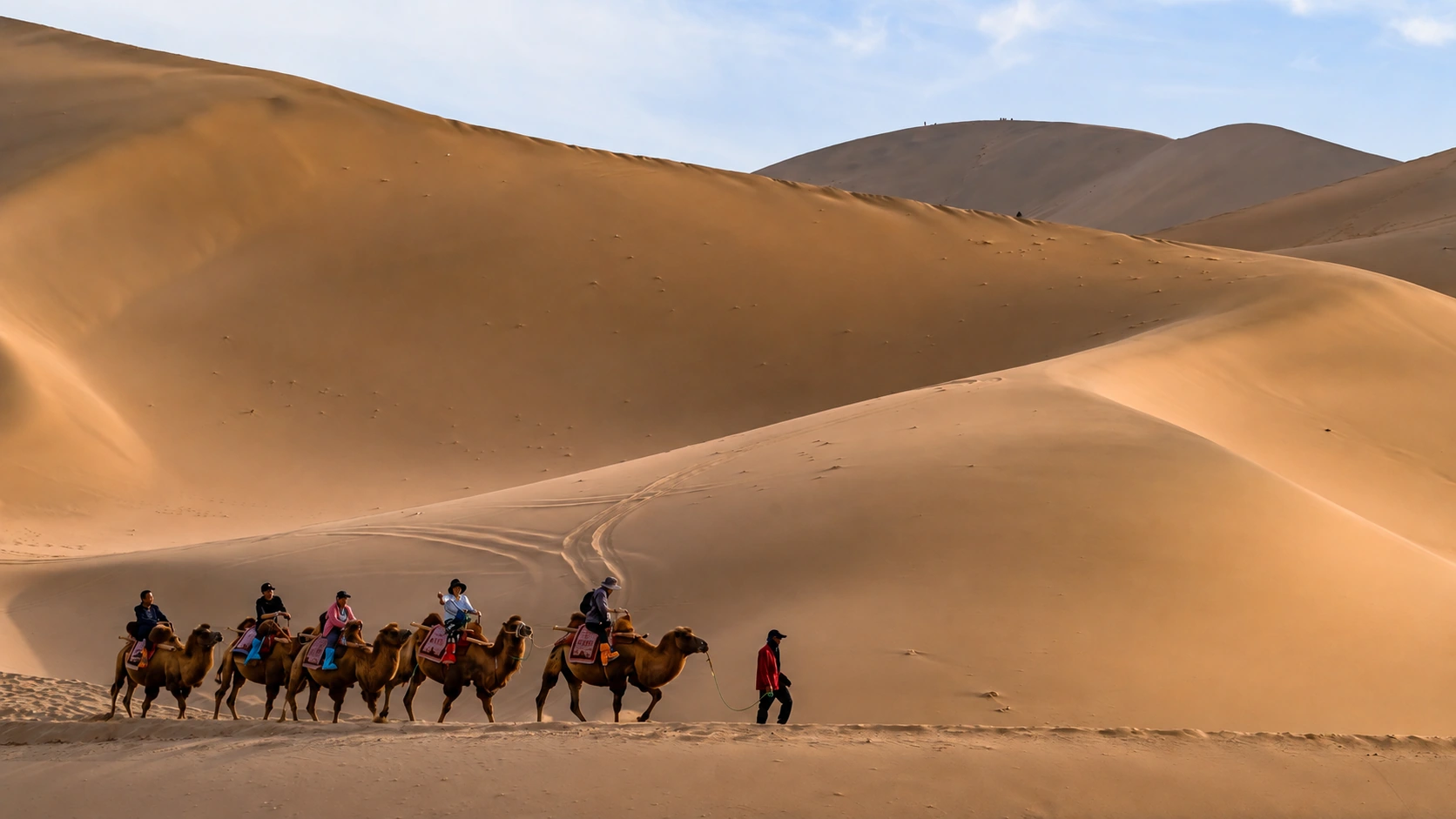
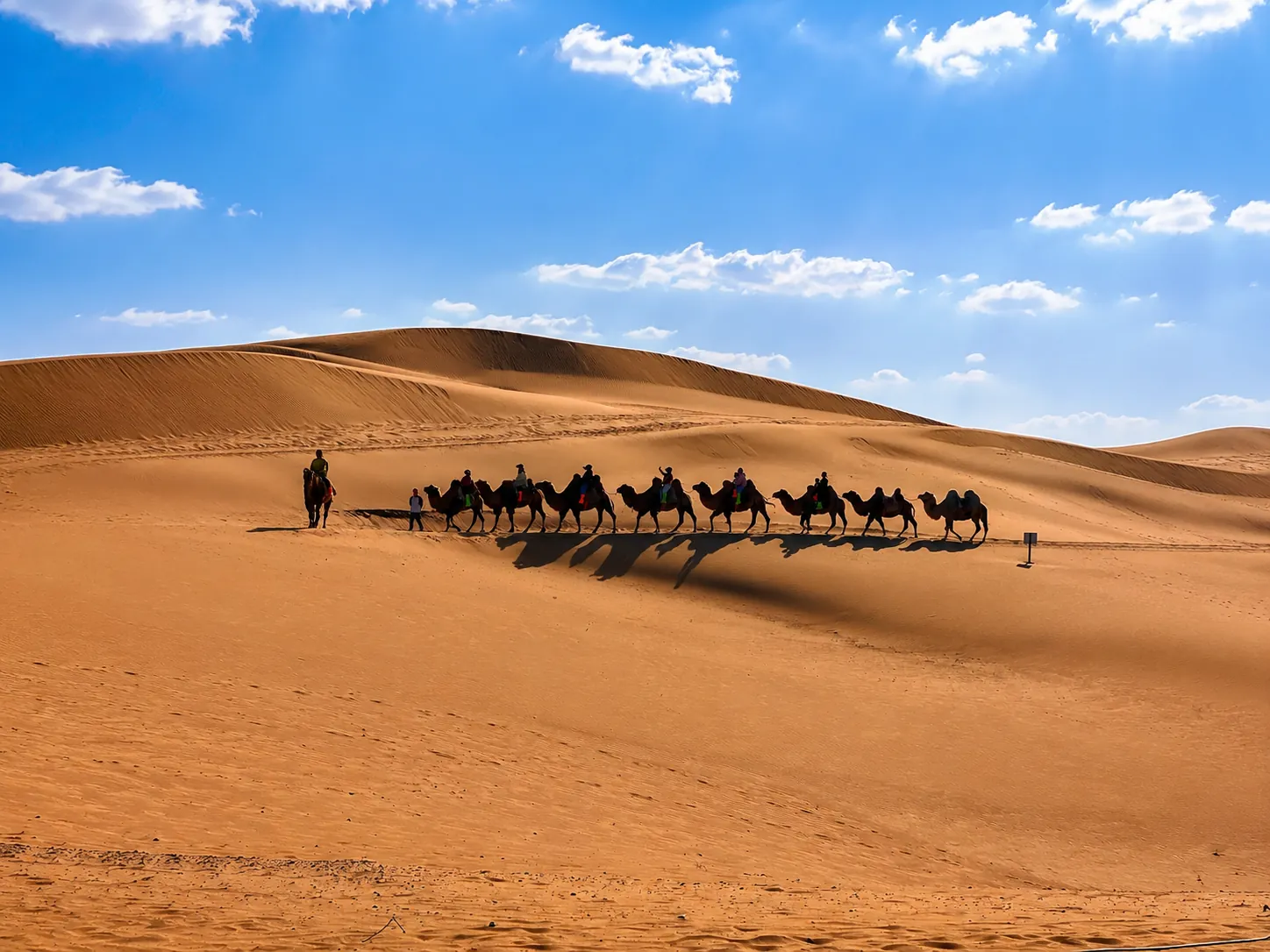
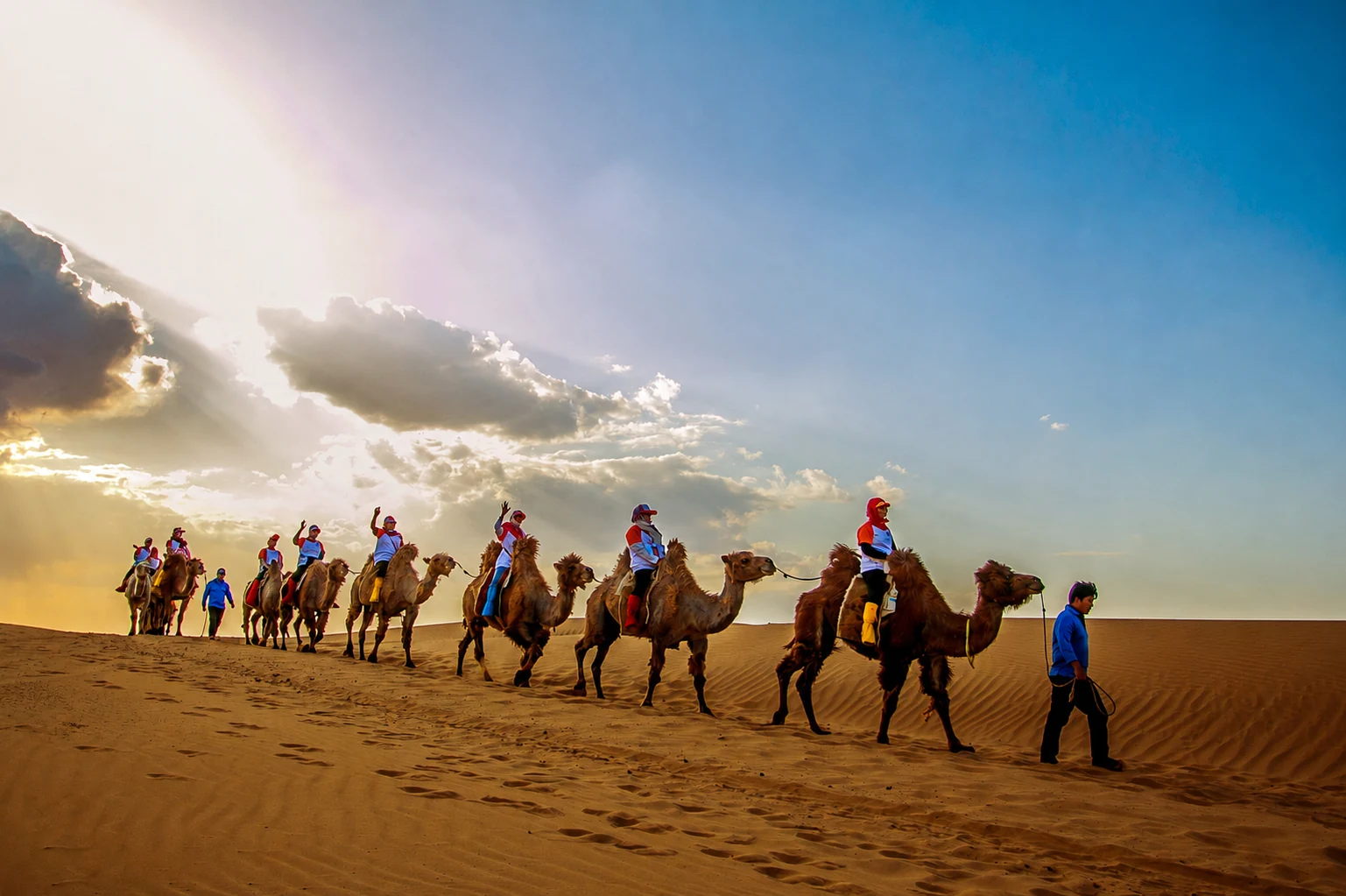
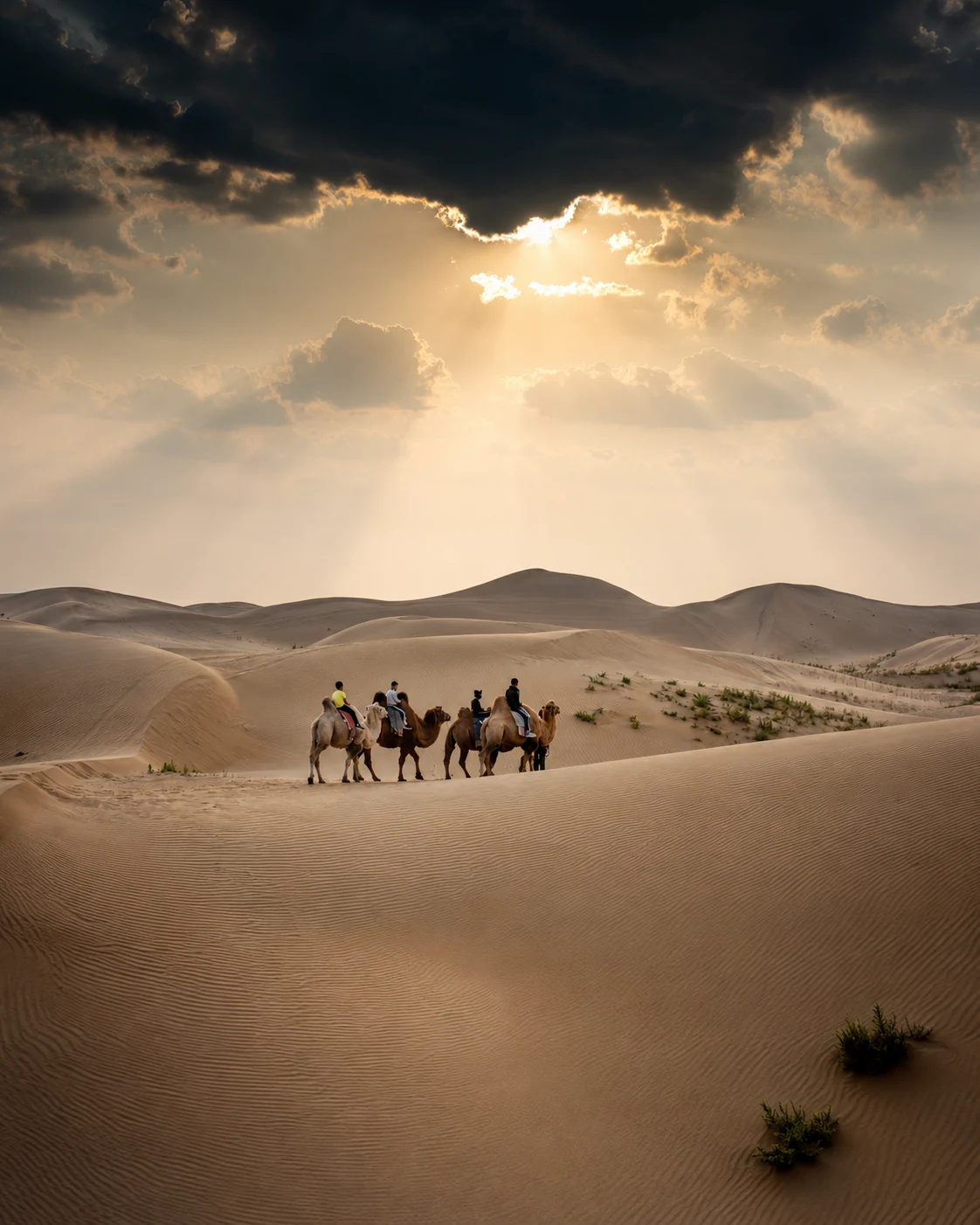
Camel caravan crossing sand dunes in the Inner Mongolia desert

Ride Camels & Explore the Sand Dunes

Desert experiences range from easily accessible activities at Kubuqi and Resonant Sand Bay to much more remote exploration in Badain Jaran. Camel riding and sand sliding suit travelers who want an activity-focused desert stop, while Badain Jaran is better approached as a landscape journey built around giant dunes and desert lakes. Do not assume the two desert experiences require the same amount of time or logistics.

Camel Riding Sand Sliding Desert Landscapes
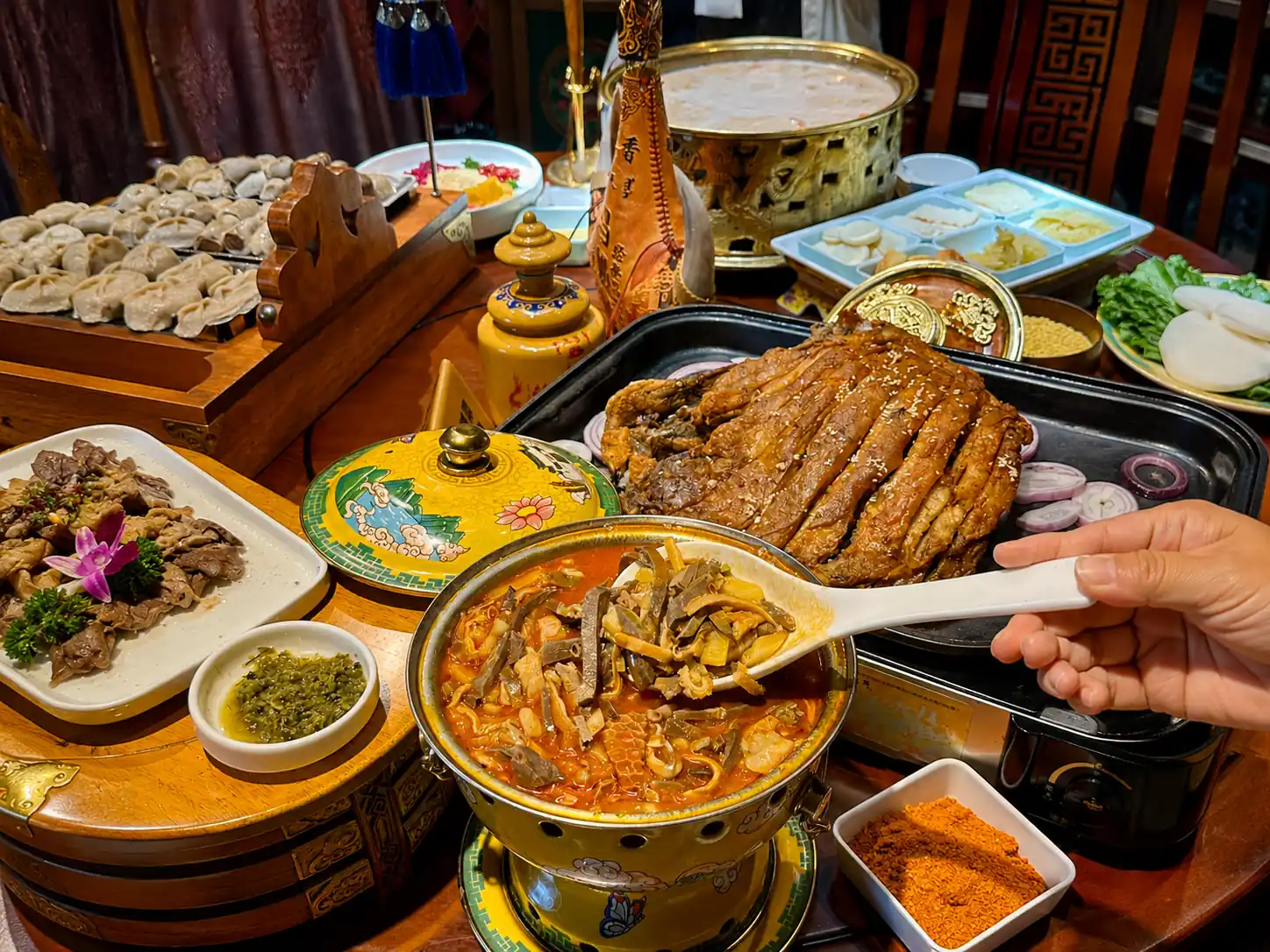
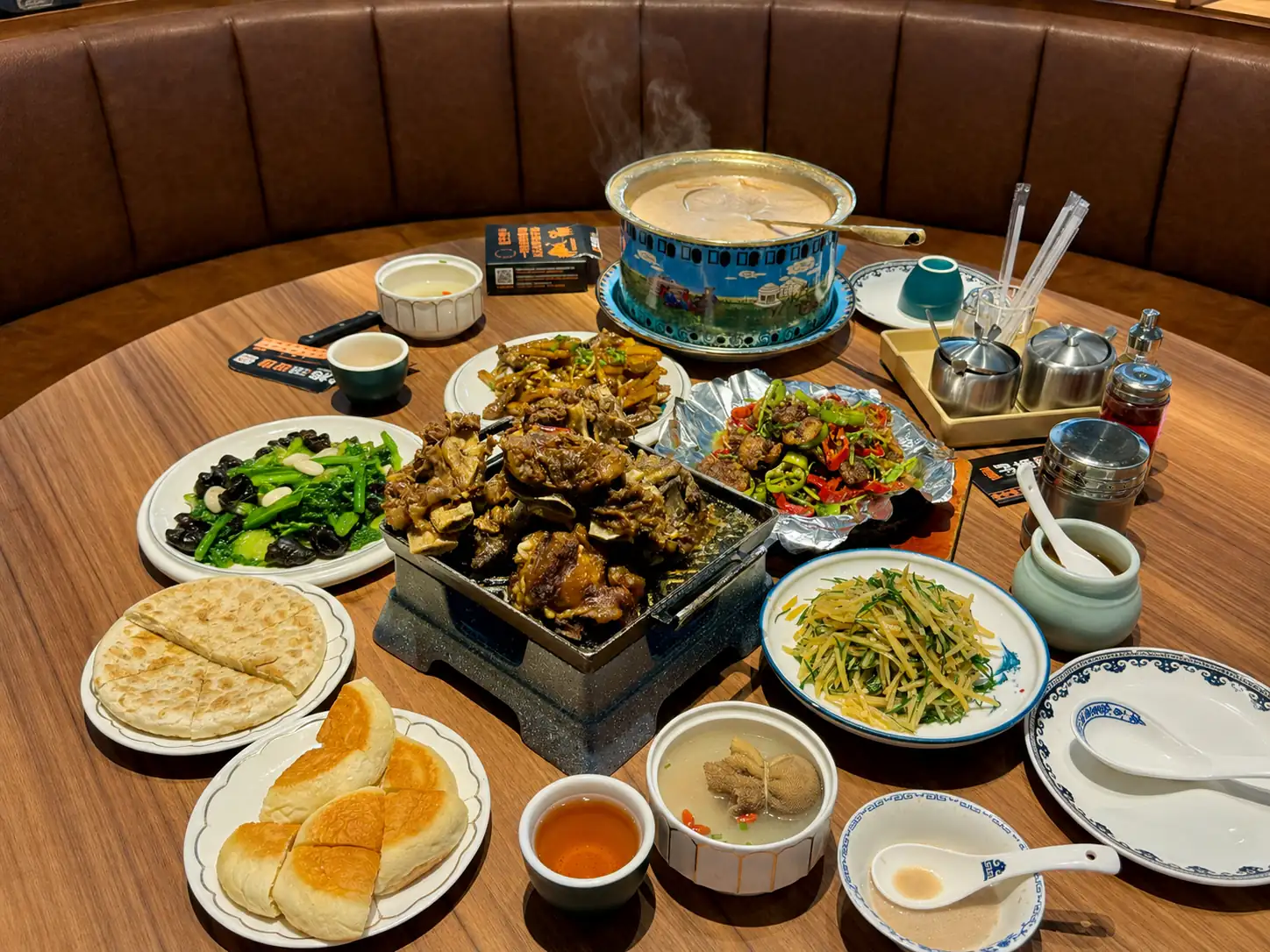
Traditional Inner Mongolian food feast with mutton and local dishes

Taste Traditional Mongolian Food

Inner Mongolian food reflects a pastoral food culture where mutton, beef and dairy products play an important role. Start with hand-grabbed mutton or roast lamb, try mutton hotpot and local dairy foods, and order traditional milk tea when available. In many areas the tea is prepared with milk and salt rather than served as the sweet milk tea familiar elsewhere in Asia.

Hand-Grabbed Mutton Milk Tea Dairy Foods
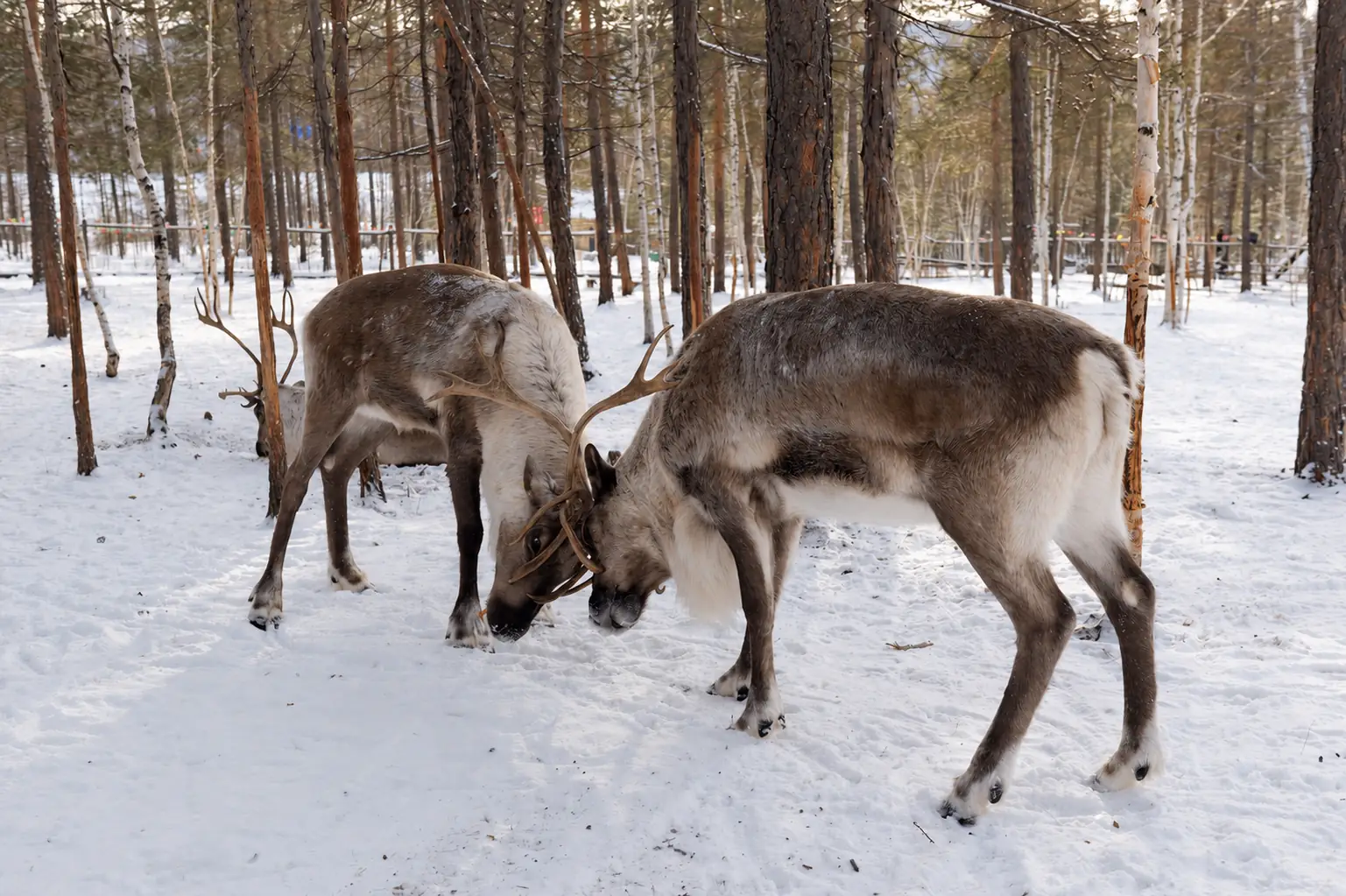
Reindeer associated with Ewenki culture in Aoluguya Inner Mongolia

Discover Ewenki Reindeer Culture in Aoluguya

For a deeper eastern Inner Mongolia route, travel toward Genhe and Aoluguya to learn about the reindeer culture of the reindeer-herding Ewenki community. The area includes cultural displays, a reindeer-focused museum and opportunities to see reindeer. This is Ewenki heritage rather than Mongolian culture, an important distinction in a region that is home to several different ethnic traditions.

Aoluguya Ewenki Culture Reindeer
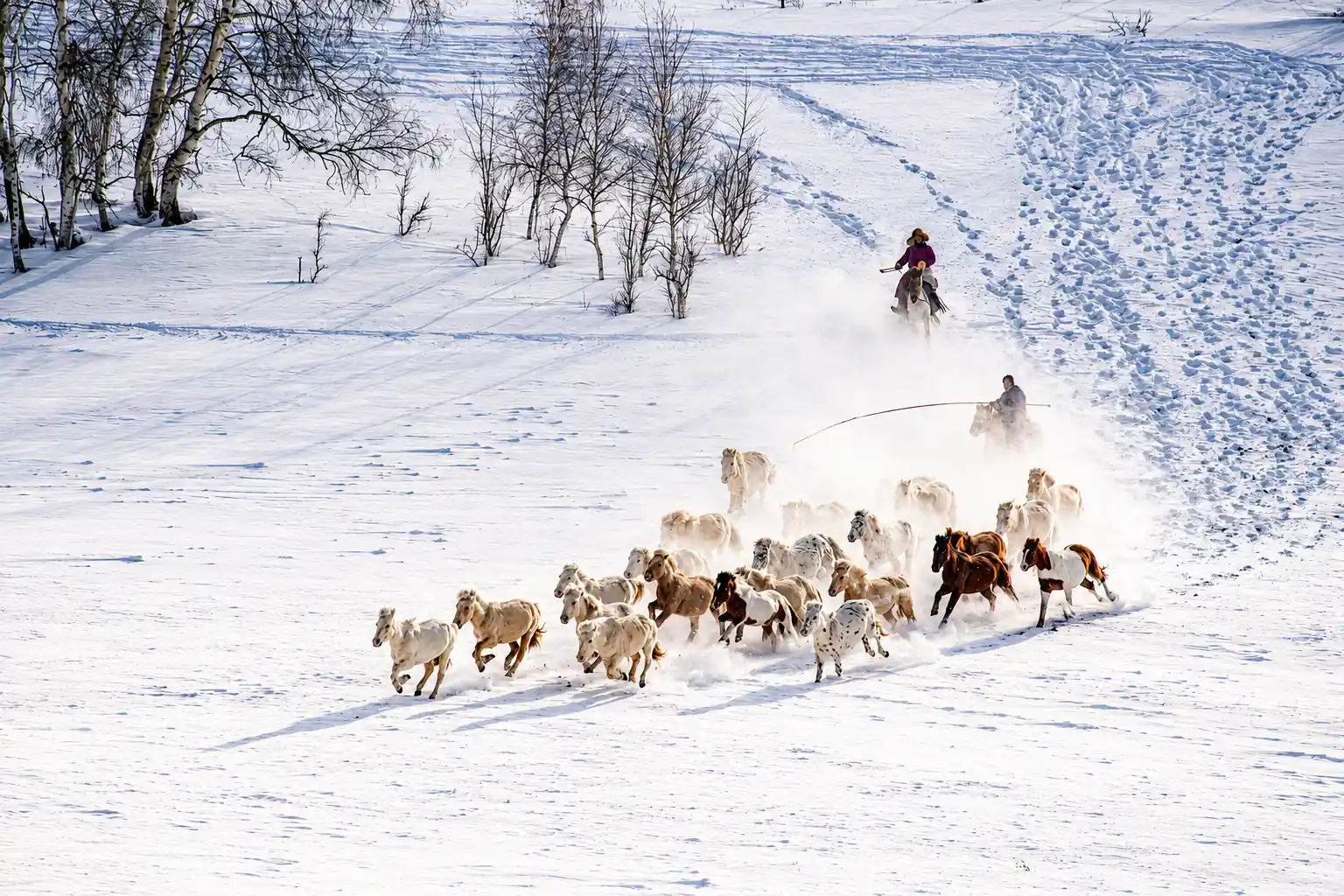
Herd of horses galloping across a snow-covered Inner Mongolia grassland

Experience Inner Mongolia in Winter

Winter reveals a different Inner Mongolia of frozen grasslands, snow-covered forests and cold-weather cultural activities. Hulunbuir and the Ewenki areas offer winter riding and snow-based experiences, while winter Naadam events add horse sports, wrestling and other traditional activities. This is a specialist trip rather than a substitute for summer grasslands: temperatures can be severe, especially in the northeast.

Snow Grassland Winter Naadam Hulunbuir

Look Beyond the Standard “Grassland Show”

Grassland resorts often combine yurt accommodation, short horse rides, singing, dancing, costume photography and evening entertainment. These can be enjoyable tourism experiences, but they are not the only way to understand Inner Mongolia. For more context, combine them with a genuine scheduled Naadam, regional museums, heritage sites or community-based cultural stops that fit your route.

Choose Experiences That Belong to Your Route

A central Inner Mongolia trip is best for combining Hohhot, a grassland stay and Kubuqi Desert activities. Hulunbuir is stronger for longer horseback-riding and landscape experiences, with Genhe and Aoluguya possible on a deeper eastern route. Western Inner Mongolia is the better choice when desert exploration itself is the priority. The itinerary section below turns these experiences into realistic 4–12 day routes.
Route Planning

Suggested Inner Mongolia Itineraries

The best Inner Mongolia itinerary is built around one geographic region rather than a long list of famous sights. For a first trip, about 6 days works well for Hohhot, a grassland stay, Kubuqi Desert and Ordos. Hulunbuir deserves its own eastern route, while Badain Jaran and Ejina are better planned as a separate western journey. With fewer days, remove one geographic branch instead of shortening every stop.
Recommended First-Time Route

6-Day Inner Mongolia Grassland, Culture & Desert Route

This first-time route moves west from Hohhot toward Xilamuren Grassland, Baotou, Kubuqi Desert and Ordos rather than crossing Inner Mongolia from one end to the other. It combines city culture, a yurt stay, Tibetan Buddhist heritage, desert scenery and Genghis Khan-related history while keeping the trip within one broadly connected part of the autonomous region.
6 Days Central Inner Mongolia Grassland + Desert + Culture
Day 1 Arrival Day
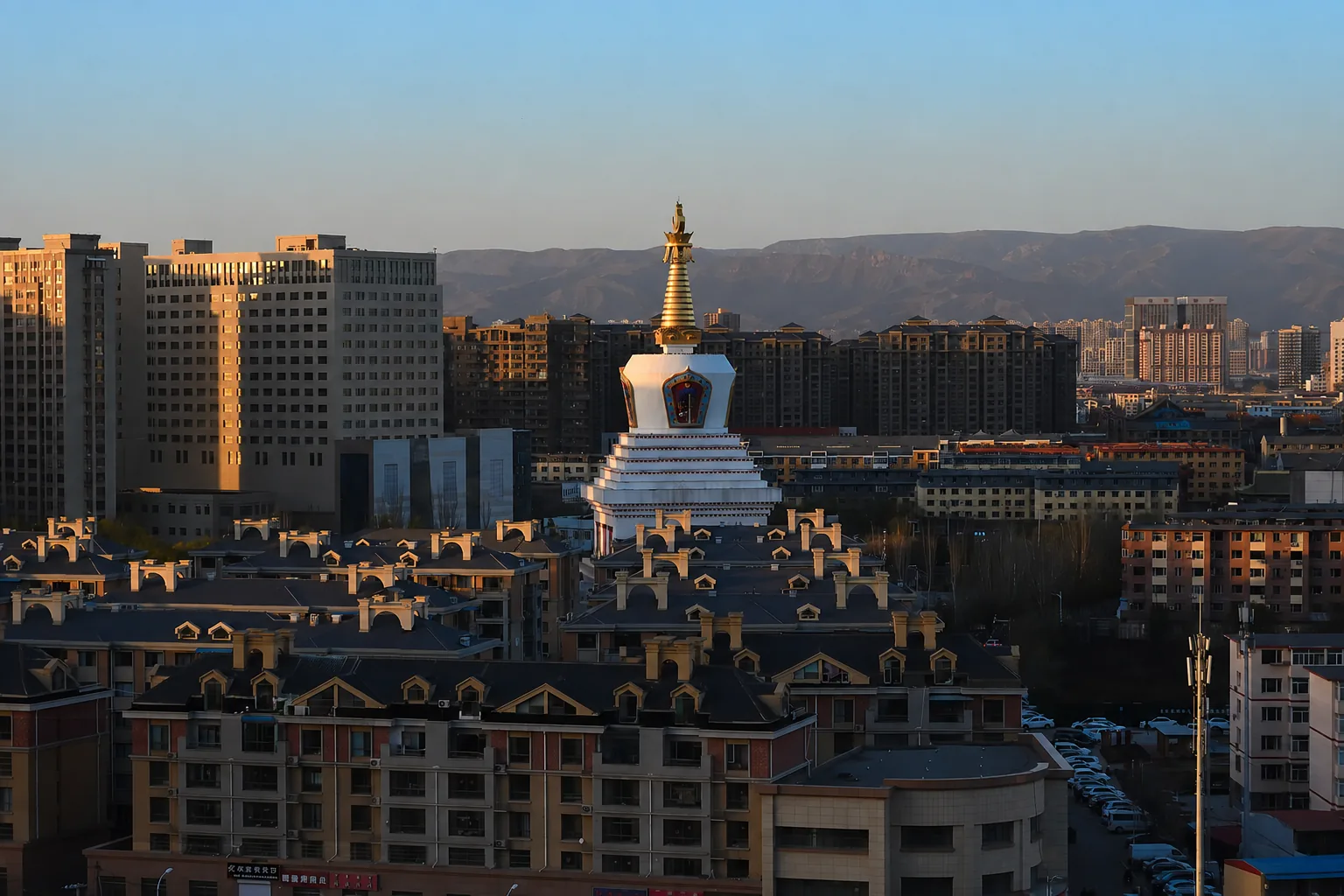
Buddhist pagoda in Hohhot with mountains in the background

Arrive in Hohhot

Use Hohhot as the gateway to the central Inner Mongolia route. Keep the first day flexible for arrival, check-in and a local dinner rather than immediately driving to the grasslands. If you arrive early, walk around the old-city area or begin with a relaxed introduction to Inner Mongolian food and milk tea.

Day 2 Culture Day
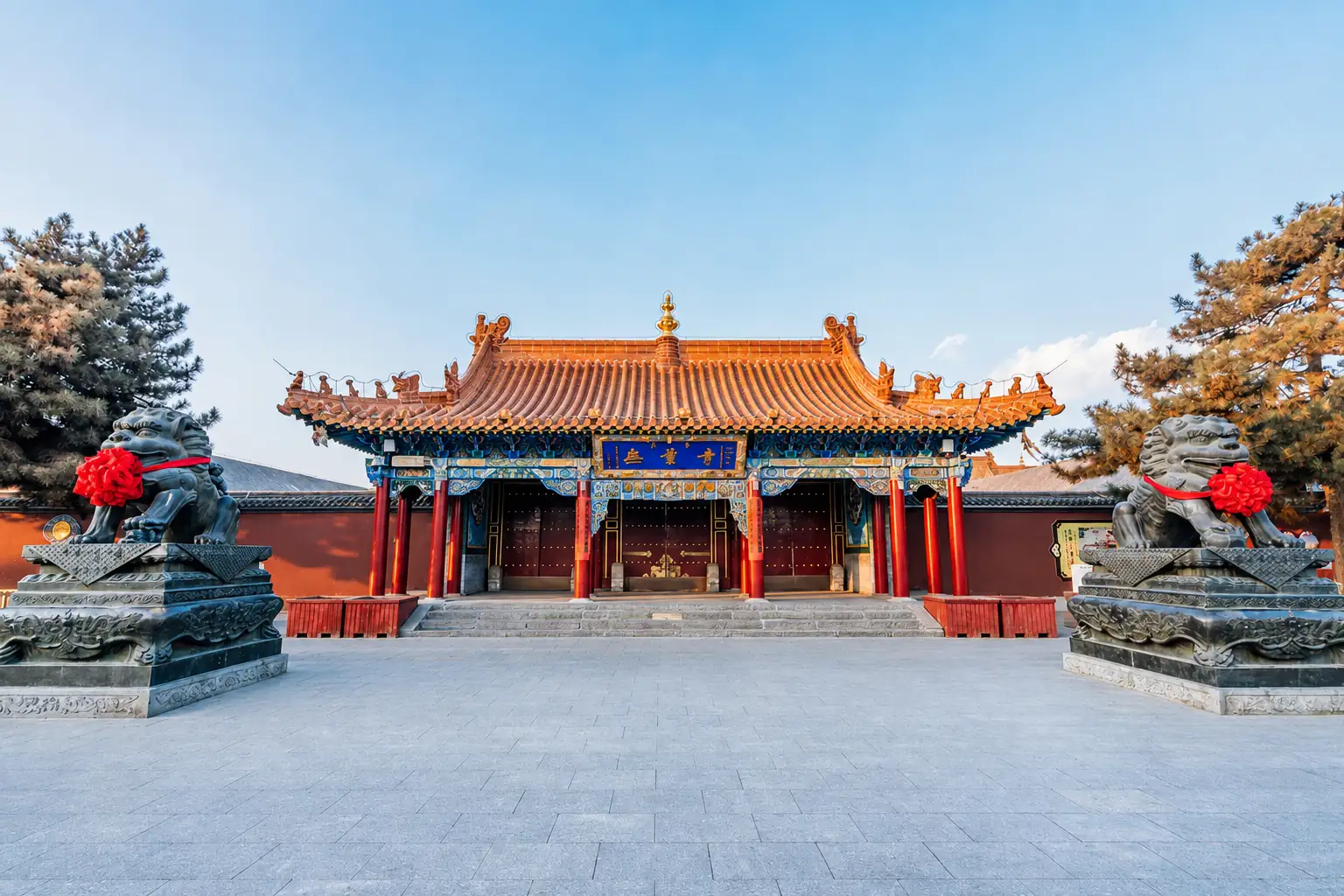
Dazhao Temple entrance with stone lions in Hohhot Inner Mongolia

Hohhot: Museum, Dazhao Temple & Old City

Spend the day understanding the region before heading into the countryside. Start with the Inner Mongolia Museum for regional history and culture, then visit Dazhao Temple and the historic temple district. Add the Five Pagoda Temple if your timing allows. Staying a second night in Hohhot avoids turning the first cultural day into a rushed transfer day.

Day 3 Grassland + Overnight
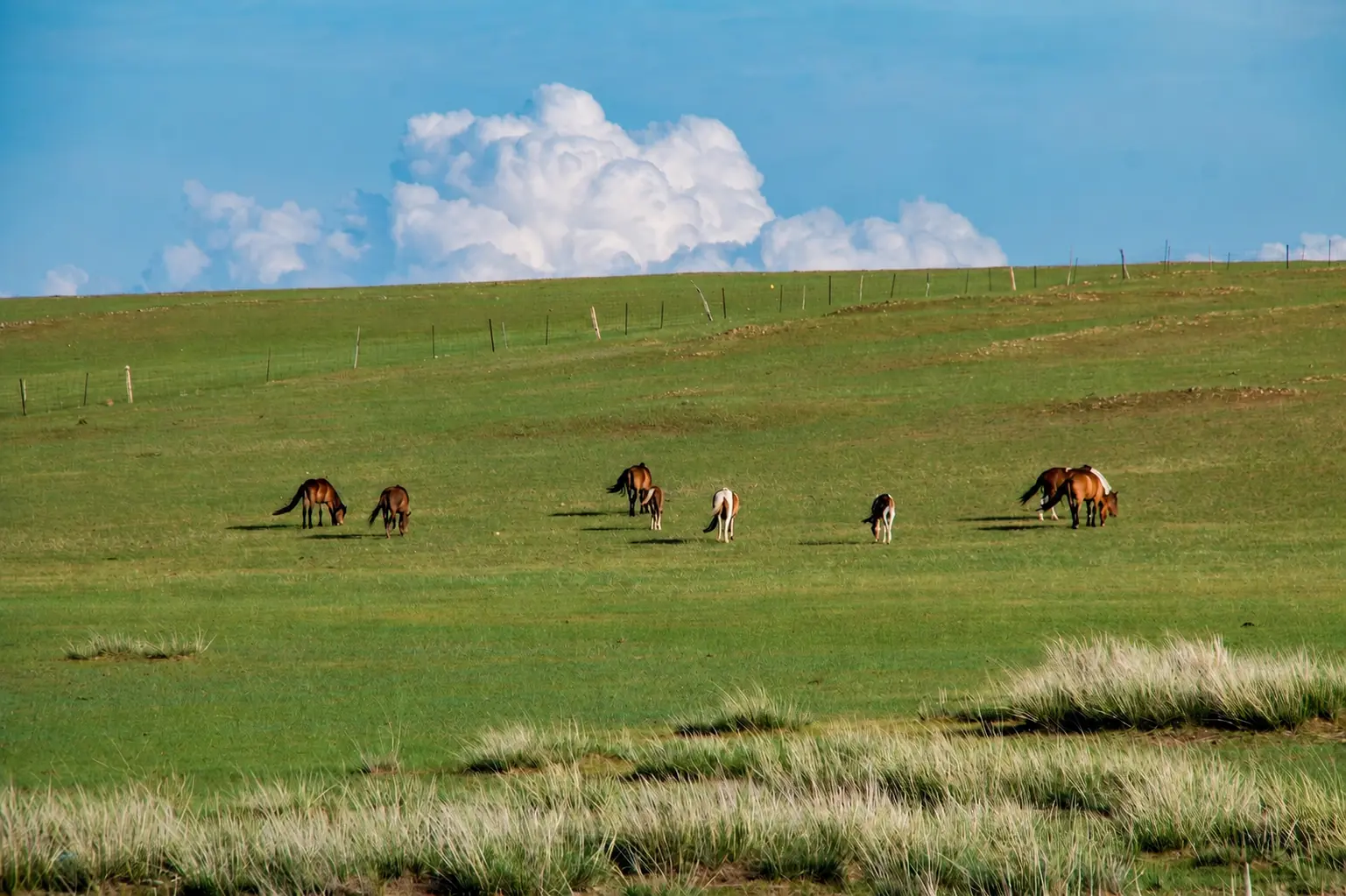
Horses grazing on the green Xilamuren Grassland in Inner Mongolia

Hohhot → Xilamuren Grassland

Leave Hohhot for Xilamuren and give the grassland a proper overnight rather than treating it as a quick excursion. Spend the afternoon outdoors, add a guided horseback ride if it suits your interests and stay through sunset. A yurt overnight gives you the quieter evening and early-morning atmosphere that day visitors miss.

Day 4 Road Transfer
Wudangzhao Monastery complex near Baotou in Inner Mongolia

Xilamuren → Baotou & Wudangzhao

Continue west instead of returning to Hohhot for another sightseeing day. Use Baotou as the bridge between the grassland and desert sections of the trip, with Wudangzhao Monastery as the main cultural stop. The monastery adds an important Tibetan Buddhist dimension that is different from the urban temples visited in Hohhot.

Day 5 Desert Day
Camel caravan crossing sand dunes in the Kubuqi Desert at sunset
Kubuqi Desert → Ordos
Make Kubuqi the main focus of the day. Resonant Sand Bay is the easier choice for travelers who want developed access, dunes and activities such as camel riding or sand sliding. Other Kubuqi areas suit travelers looking for a quieter desert setting. Continue toward Ordos afterward rather than retracing the route back to Hohhot.

Day 6 Culture + Departure
Genghis Khan Mausoleum memorial complex near Ordos at sunset

Genghis Khan’s Mausoleum & Depart from Ordos

Finish the route with the Genghis Khan’s Mausoleum cultural and ceremonial complex near Ordos. Treat it as a memorial site connected with the legacy of Genghis Khan rather than as his confirmed burial tomb. If your departure schedule is tight, move this visit to the previous afternoon or add one final night in Ordos.

Other Inner Mongolia Itineraries

4–5 Days
Hohhot + Grassland
Best short first trip — focus on Hohhot plus Xilamuren or Huitengxile and skip the desert branch
6–7 Days
Hulunbuir Classic Route
Hailar → grassland → Ergun → Heishantou / border road → Hulun Lake → Manzhouli
8–10 Days
Deeper Eastern Inner Mongolia
Extend a Hulunbuir journey toward Genhe and Aoluguya, or build additional time around Arxan
6–8 Days
Badain Jaran + Ejina
A dedicated western route for giant desert landscapes and seasonal Populus euphratica scenery

Don’t Add Hulunbuir Just Because You Have Two Extra Days

Hulunbuir is far enough from Hohhot and Ordos that it works better as its own trip or as a separate flight-connected section of a longer journey. If you have only one or two extra days on the 6-day central route, slow down the grassland and desert portions or add another central cultural stop instead. With a longer vacation, fly into Hailar and start a proper eastern Inner Mongolia route rather than spending the additional time on overland transfers.

Grasslands · Deserts · Autumn · Snow

Best Time to Visit Inner Mongolia

June to September is the best overall travel window for most Inner Mongolia trips, but there is no single best month for the entire autonomous region. July and August are strongest for green grasslands and summer Naadam events, September is excellent for comfortable regional travel and early autumn scenery, while late September to mid-October is the key period for the golden Populus euphratica forests of Ejina. Desert routes are often more comfortable outside the hottest part of summer.
Best Overall Travel Window

June–September — Then Match the Month to Your Route

Choose July or August when lush grassland is your top priority. Choose September for one of the best balances of weather, desert comfort and changing autumn scenery. Travel in late September or early October specifically for Ejina, while winter should be treated as a separate snow-focused journey rather than an alternative to the classic summer grassland experience.
Best for Grasslands June–August · July–August for the lushest scenery
Best for Deserts May–June or September–October for milder conditions
Best for Ejina Late September–mid-October · timing varies each year

Inner Mongolia Month by Month

Best overall Good for selected routes Specialist / quiet season
Jan
Deep winter
Snow routes
Specialist
Feb
Very cold
Winter scenery
Specialist
Mar
Cold & windy
Early spring
Limited
Apr
Dry & windy
Grass not lush
Shoulder
May
Milder days
Desert routes
Good
Jun
Greener grass
Wildflowers
Best
Jul
Lush grassland
Naadam season
Peak
Aug
Green grassland
Summer events
Peak
Sep
Cooler & drier
Autumn begins
Best
Oct
Ejina color
Cool desert
Seasonal
Nov
Rapid cooling
Off-season
Quiet
Dec
Snow & ice
Winter trips
Specialist
Camel riders crossing desert dunes in Inner Mongolia during spring
March–May

Spring: Better for Desert Routes Than Grassland
Spring warms gradually but can be dry and windy, and the classic grasslands are not yet at their summer best. By May, central and western routes become more practical and desert temperatures are generally more comfortable than in midsummer. If your dream is endless green grassland, wait until June or later.

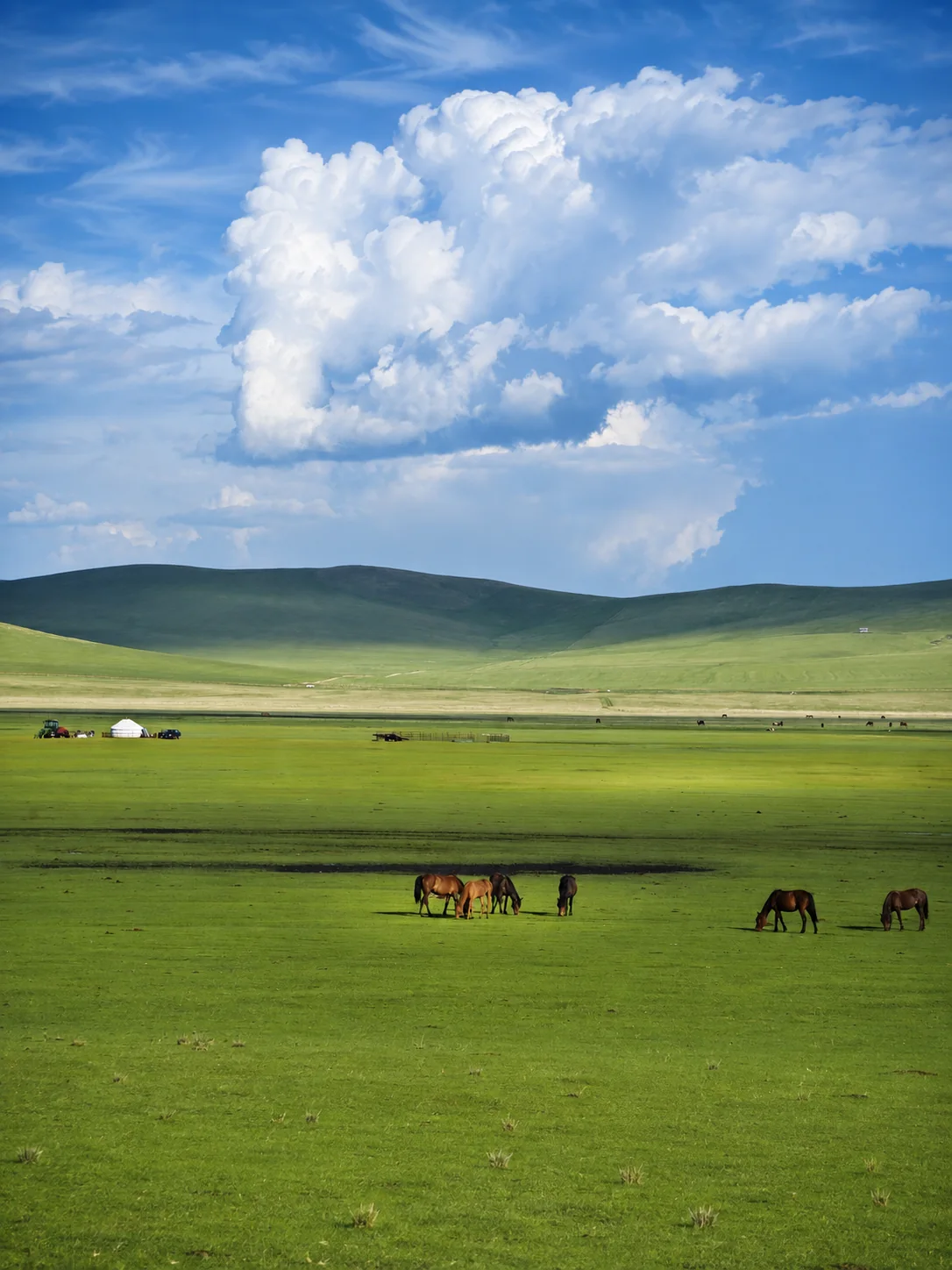
Horses grazing on a vast green Inner Mongolia grassland in summer
June–August

Summer: Best for Green Grasslands & Naadam

Summer is the classic season for Hulunbuir, Xilamuren, Huitengxile and other grassland routes. June brings fresh green landscapes and wildflowers, while July and August usually offer the fullest summer scenery and the greatest chance of finding Naadam celebrations. Those two months are also the busiest, so flights, popular yurt camps and local vehicles should be reserved earlier.

Golden autumn trees reflected in a calm lake in Inner Mongolia
September–October

Autumn: Best for Deserts, Forests & Ejina

Autumn moves across Inner Mongolia from east to west rather than arriving everywhere at once. Hulunbuir, Ergun and Arxan begin changing earlier, while the famous Populus euphratica forests around Ejina normally reach their golden period later, from late September into October. September is especially useful for travelers who want comfortable desert conditions without giving up all grassland scenery.

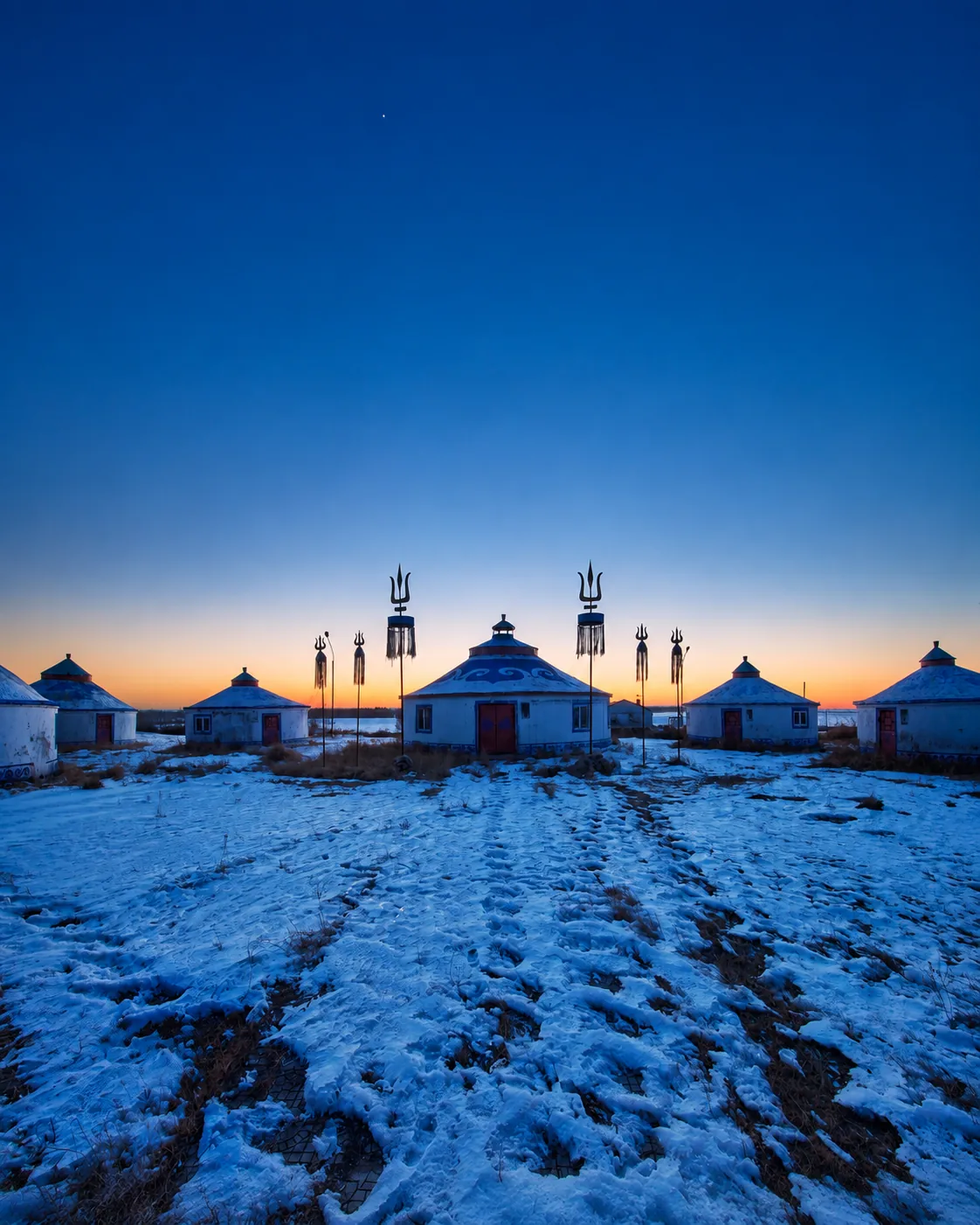
Snow-covered Mongolian yurts on an Inner Mongolia grassland at twilight
November–February

Winter: A Separate Snow-Focused Journey

Winter in Inner Mongolia is long and extremely cold, especially in Hulunbuir and the northeast. Travelers come for frozen grasslands, forests, snow activities and selected winter cultural events rather than the green scenery associated with a classic Inner Mongolia trip. Some seasonal grassland accommodation and activities operate differently or close altogether, so winter logistics should be planned separately.

Accommodation by Route

Where to Stay in Inner Mongolia

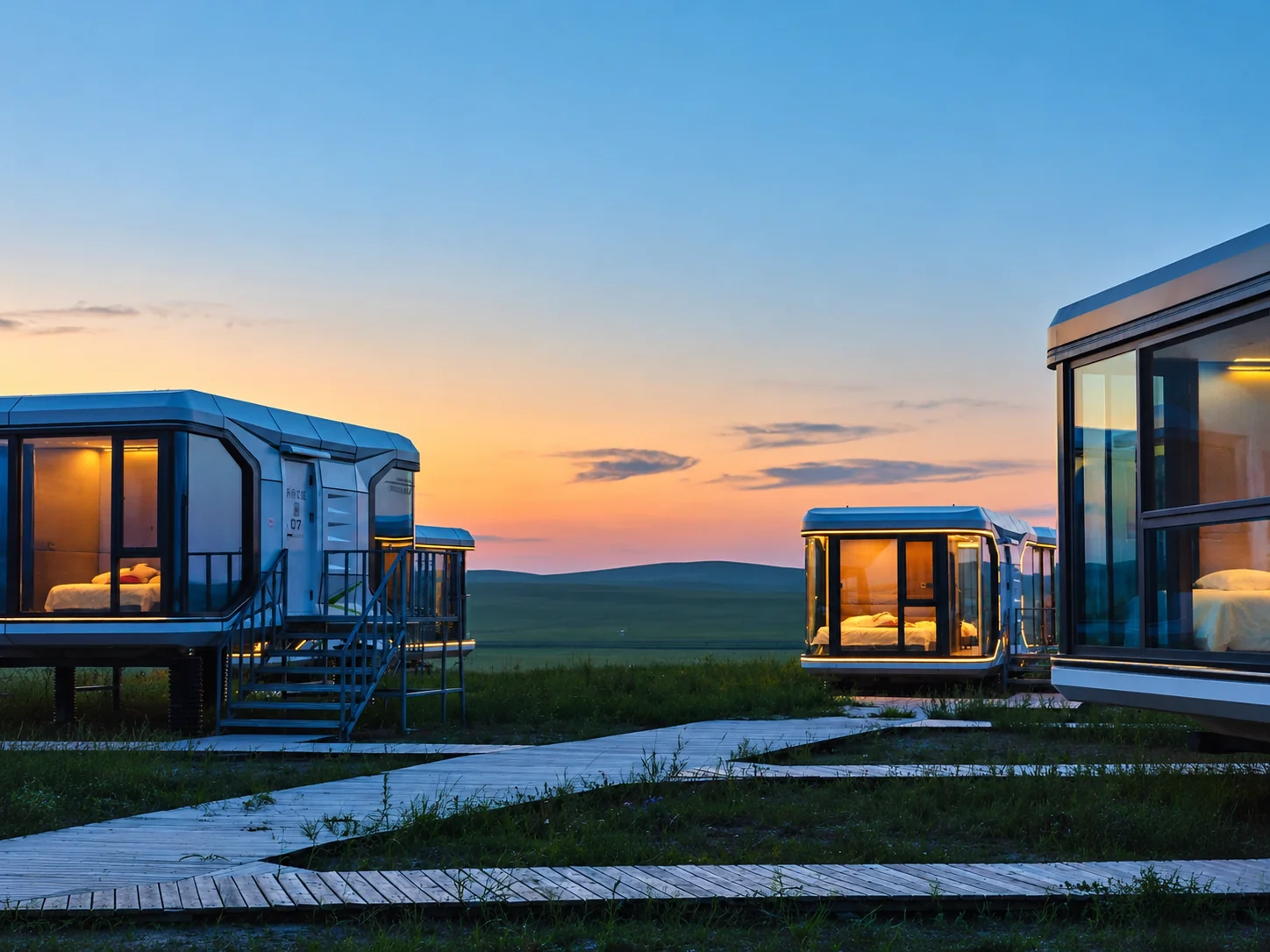
The best place to stay in Inner Mongolia depends on your route, not on finding one hotel base for the entire region. Use Hohhot for a central Inner Mongolia journey, Hailar and other route towns for Hulunbuir, a grassland yurt when the overnight experience matters, and Ordos or a desert resort for a Kubuqi itinerary. Longer western routes around Alxa, Badain Jaran and Ejina need their own overnight plan because the distances are too large for practical day trips from the major cities.

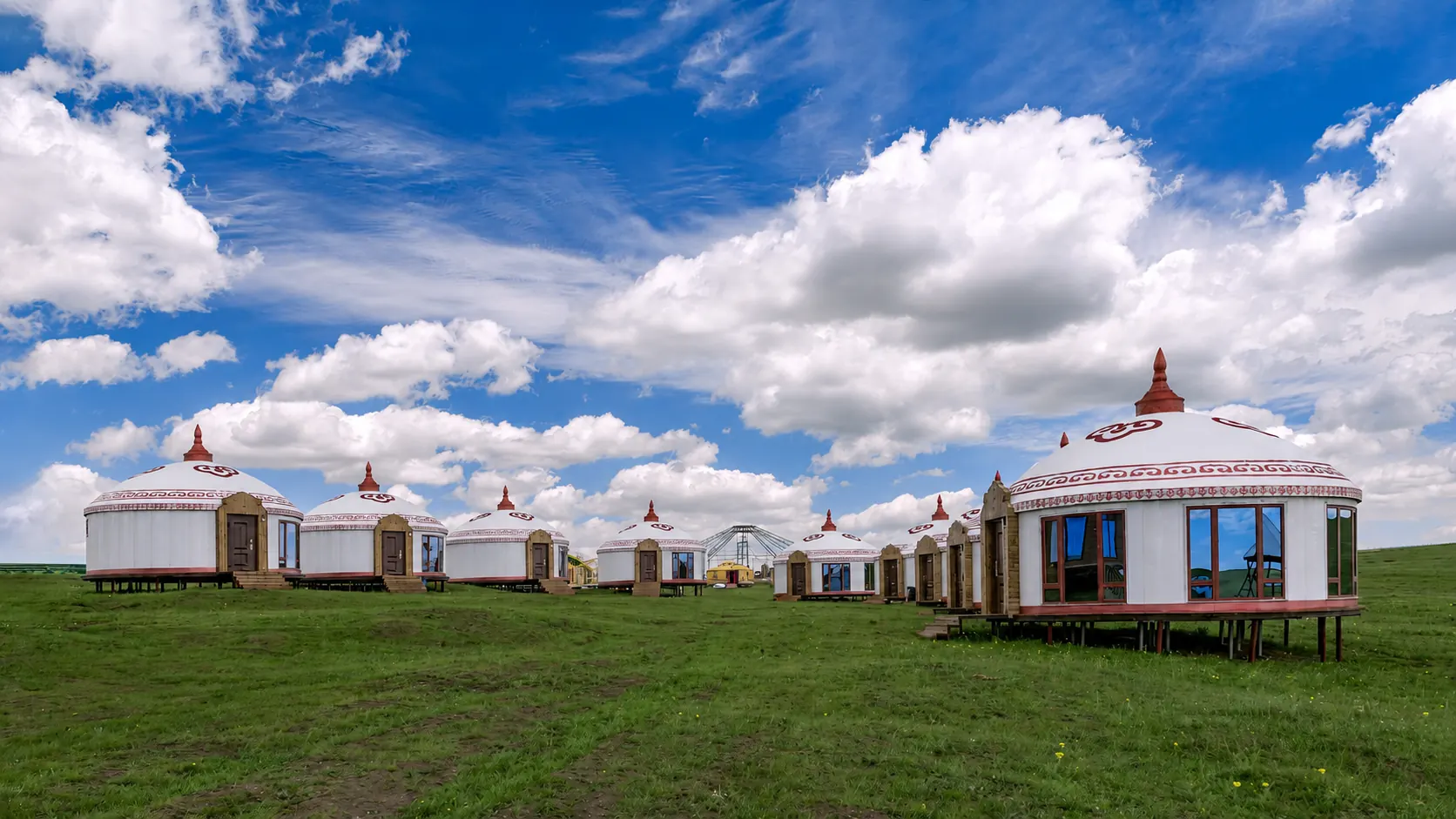
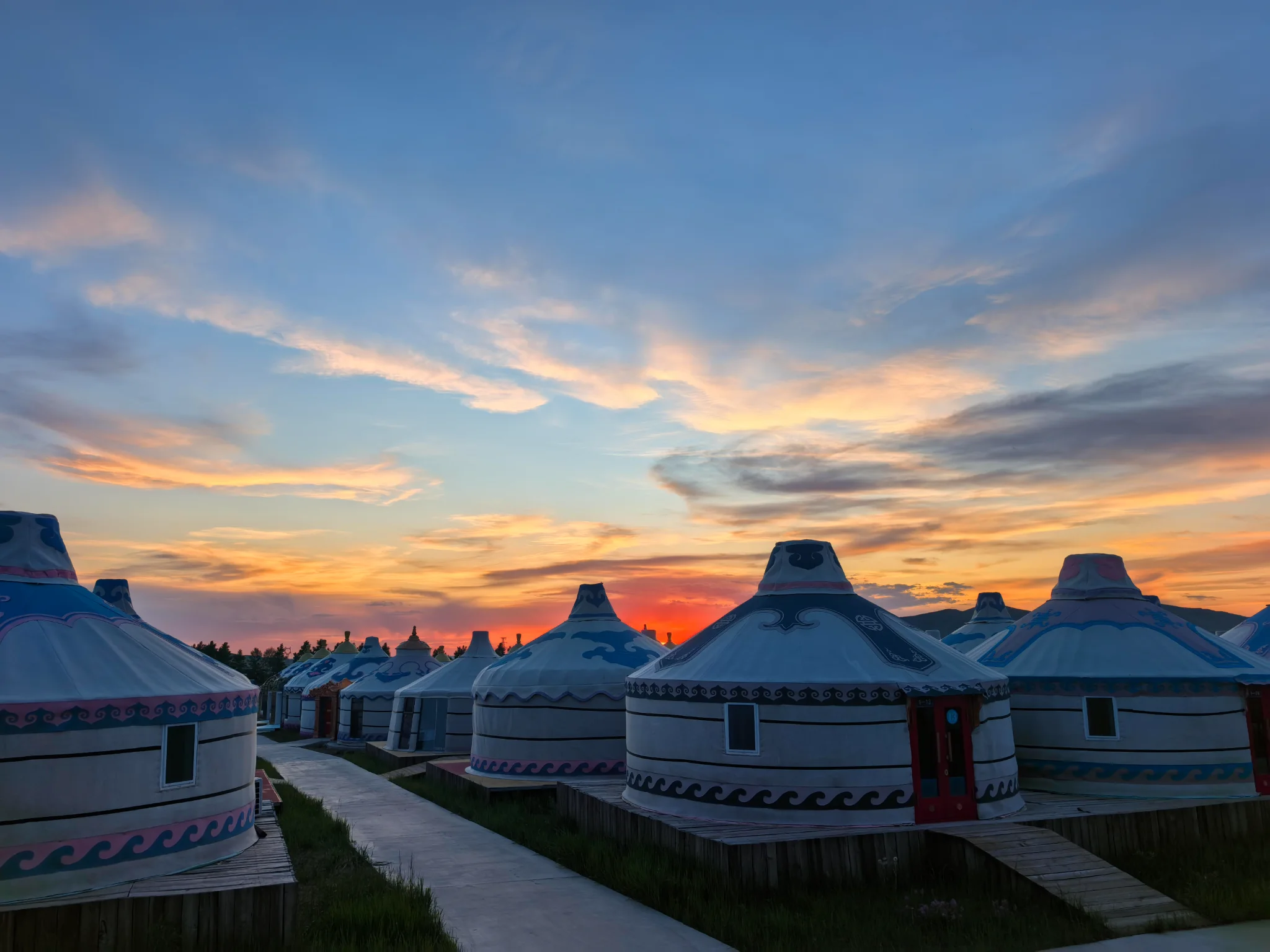
Traditional Mongolian yurt camp on the grassland at sunset

Grassland Yurt Stay

Best for the Full Grassland Experience

Stay on the grassland when you want sunset, stars and an early-morning landscape rather than a short daytime visit. Xilamuren, Huitengxile and Hulunbuir all offer yurt-style accommodation, but standards vary greatly. Some are simple tourism camps, while modern units may include private bathrooms, hot water, heating or air conditioning and Wi-Fi.

City view and accommodation in Hailar, the gateway to Hulunbuir

Hailar & the Hulunbuir Route

Best for Eastern Inner Mongolia

Hailar is the most useful first and last overnight stop for a Hulunbuir journey because it is the region's main transport gateway and offers the broadest city-hotel choice. Once your road trip begins, stay along the route instead of returning to Hailar every night. Ergun, Genhe, grassland areas and Manzhouli can all become useful overnight stops.

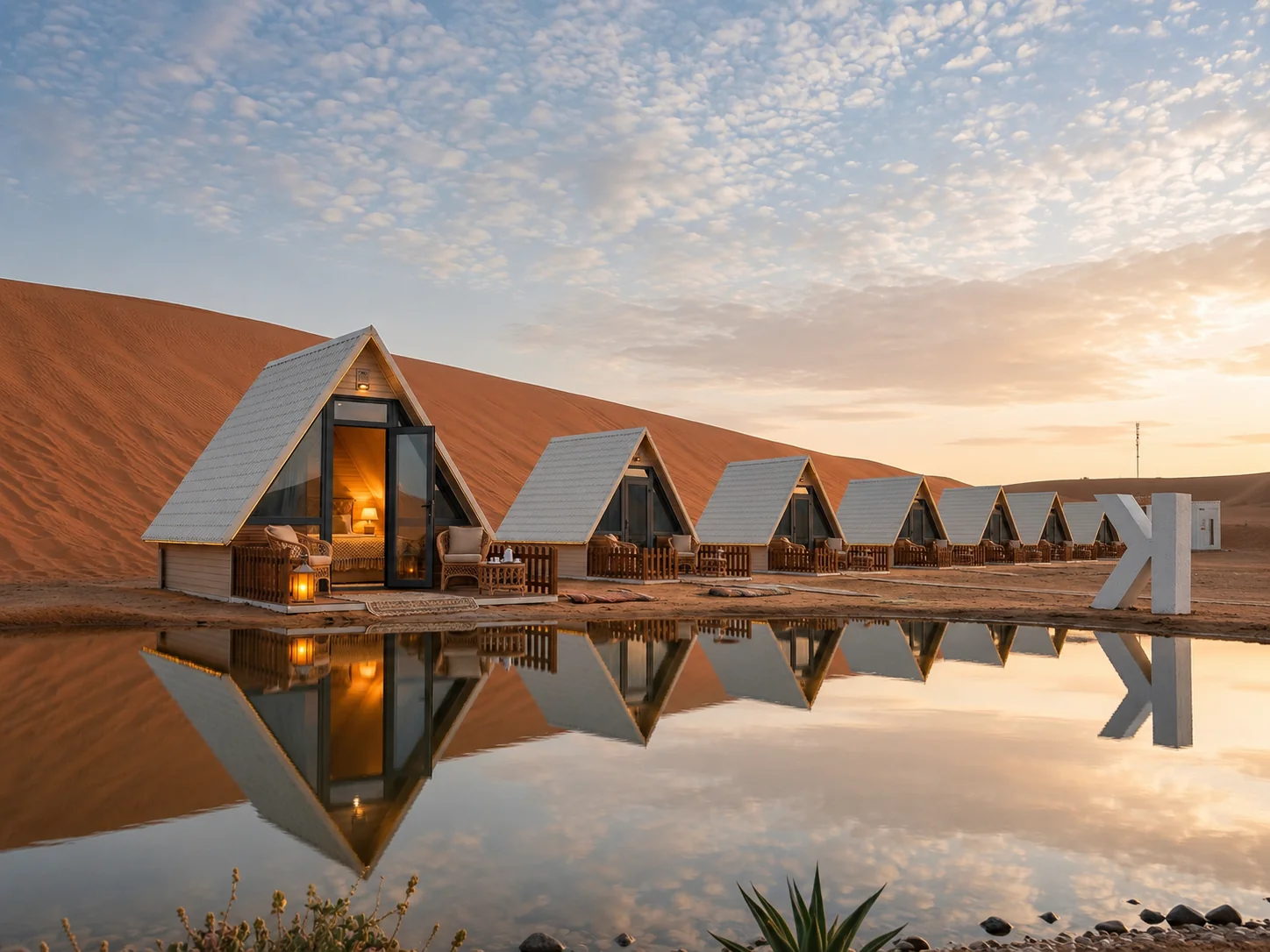
Desert cabins reflected in water near the Kubuqi Desert in Inner Mongolia

Ordos & Kubuqi Desert

Best for a Central Desert Extension

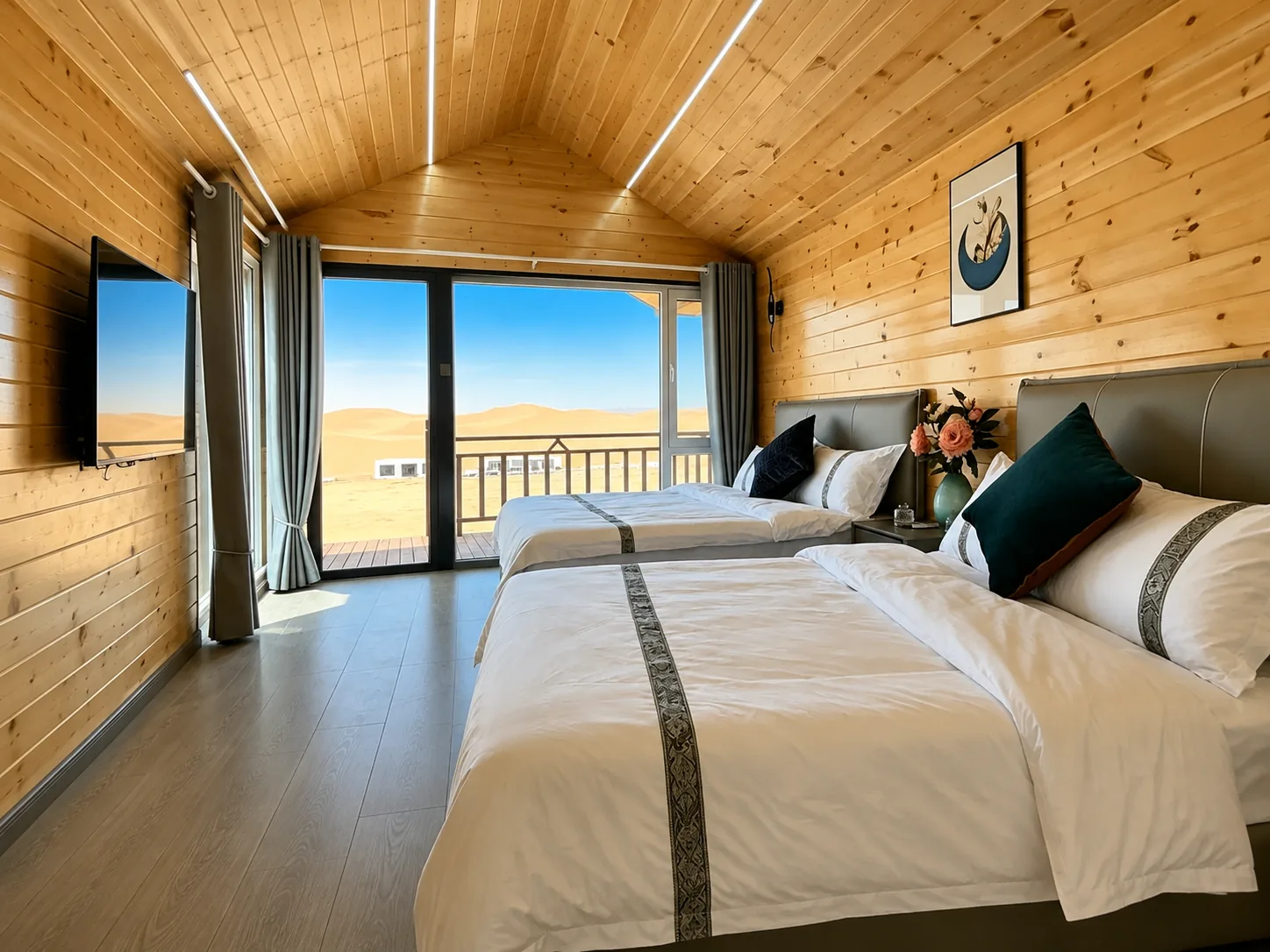
Choose between a city hotel in Ordos and an overnight desert stay according to how important the desert atmosphere is to your trip. Ordos gives you easier access to normal city services, while selected Kubuqi scenic areas provide desert resorts or yurt-style accommodation closer to the dunes.

Desert accommodation among sand dunes in western Inner Mongolia

Alxa, Badain Jaran & Ejina

Best for a Dedicated Western Route

Far-western Inner Mongolia requires more careful accommodation planning because towns, desert access points and scenic areas are widely separated. Use established towns such as Ejina or the appropriate Alxa gateway for normal hotel nights, then add desert accommodation when it forms part of the planned route. During the Ejina autumn season, accommodation should be booked well ahead.

Are Mongolian Yurts Comfortable to Stay In?

They can be, but “Mongolian yurt” describes the accommodation style rather than one fixed comfort standard. Before booking, check whether your exact room has a private or shared bathroom, reliable hot water, heating or air conditioning, the bed type, Wi-Fi and how far the camp is from the main road or scenic area. For most first-time travelers, one grassland yurt night is enough to experience sunset, dinner, stars and sunrise.

Check facilities before booking
Flights · Trains · Road Transfers

Getting to & Around Inner Mongolia

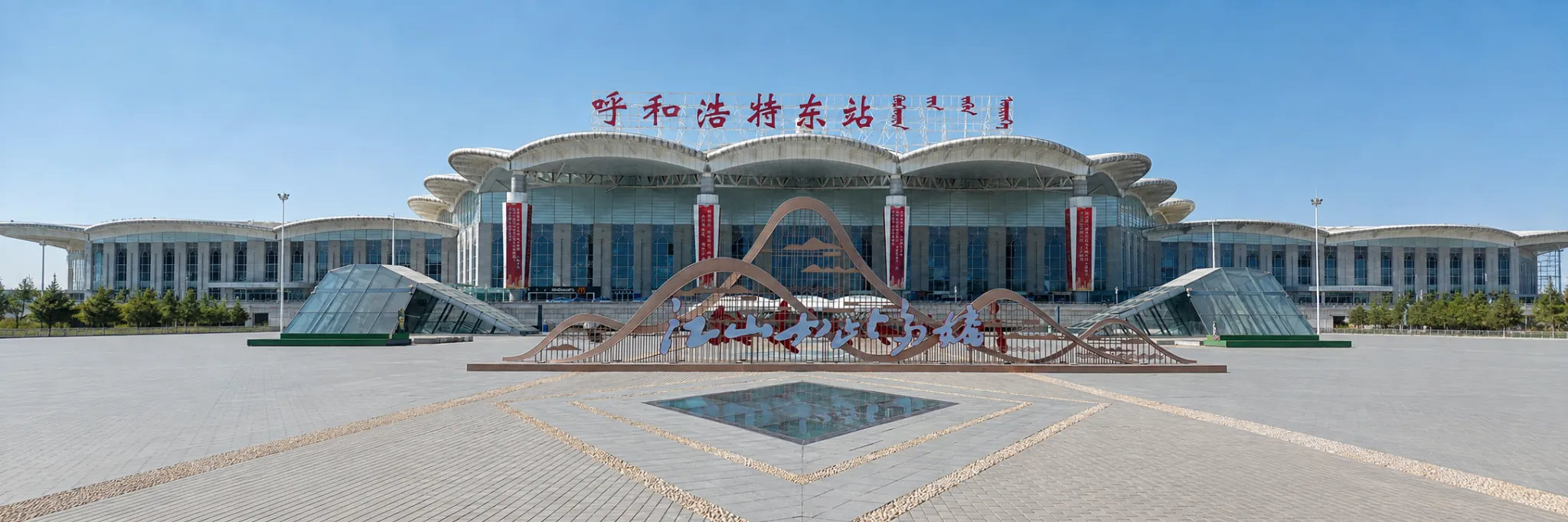
Transportation in Inner Mongolia works best when you choose the correct gateway before you arrive. Hohhot is the main hub for central Inner Mongolia, Hailar is the practical gateway for Hulunbuir, and western desert routes use different airports, railway stations and road transfer points. High-speed rail and domestic flights connect the major cities, but many grasslands, wetlands, forests and deserts still require a car or organized road transfer for the final part of the journey.

Most Important Planning Rule

Fly or Take the Train to the Right Region — Then Continue by Road

Inner Mongolia is too large to treat Hohhot as the transport base for every destination. Use rail or air travel to reach the correct regional gateway first. After that, road transport becomes increasingly important because many of the landscapes travelers come to see lie outside the main urban rail network.

Central Gateway Hohhot
Eastern Gateway Hailar / Hulunbuir
Final-Mile Travel Road transfer often required

Beijing → Hohhot

Hohhot is one of the easiest Inner Mongolia gateways to combine with Beijing. High-speed trains provide a practical city-to-city connection and flights are also available. Choose Hohhot when your trip focuses on central Inner Mongolia, including the city, nearby grasslands, Baotou, Kubuqi or Ordos.

Best for central routes

Fly to Hailar for Hulunbuir

If Hulunbuir Grassland is the main reason for your trip, go directly to Hailar rather than beginning in Hohhot and traveling overland across Inner Mongolia. Hailar serves as the normal arrival point for eastern routes linking grasslands, Ergun, Genhe, Hulun Lake and Manzhouli.

Best for eastern routes

Regional Airports Matter

Inner Mongolia has multiple airports because the autonomous region stretches across a huge east–west distance. Depending on the itinerary, airports around Hohhot, Hulunbuir, Ordos, Manzhouli, Chifeng or Alxa may save many hours of surface travel. For longer multi-region trips, a domestic flight can be more sensible than adding another full day on the road.

Useful for long-distance routes

Trains Between Major Cities

Rail works well between major urban centers and is especially useful for reaching Hohhot from Beijing or connecting selected central Inner Mongolia cities. It is less useful for the final part of a grassland or desert journey because many scenic areas are some distance from the nearest railway station.

Good for city-to-city travel

Private Car or Road Transfer

Road travel is often the most important transport method once you leave the major gateways. Hulunbuir road trips, grassland camps, Kubuqi Desert, Badain Jaran and many nature destinations require transfers that do not fit neatly into a public-transport timetable. For a multi-stop route, a driver or organized vehicle can save substantial time.

Essential for many scenic routes

Don’t Return to One City Every Night

Inner Mongolia itineraries work better as point-to-point routes. In Hulunbuir, for example, stay in different towns and grassland areas as the route progresses. On a central journey, continue from Hohhot toward the grassland, Baotou, Kubuqi and Ordos instead of repeatedly returning to the capital.

Build a one-way route
Panoramic view of Hohhot East Railway Station in Inner Mongolia
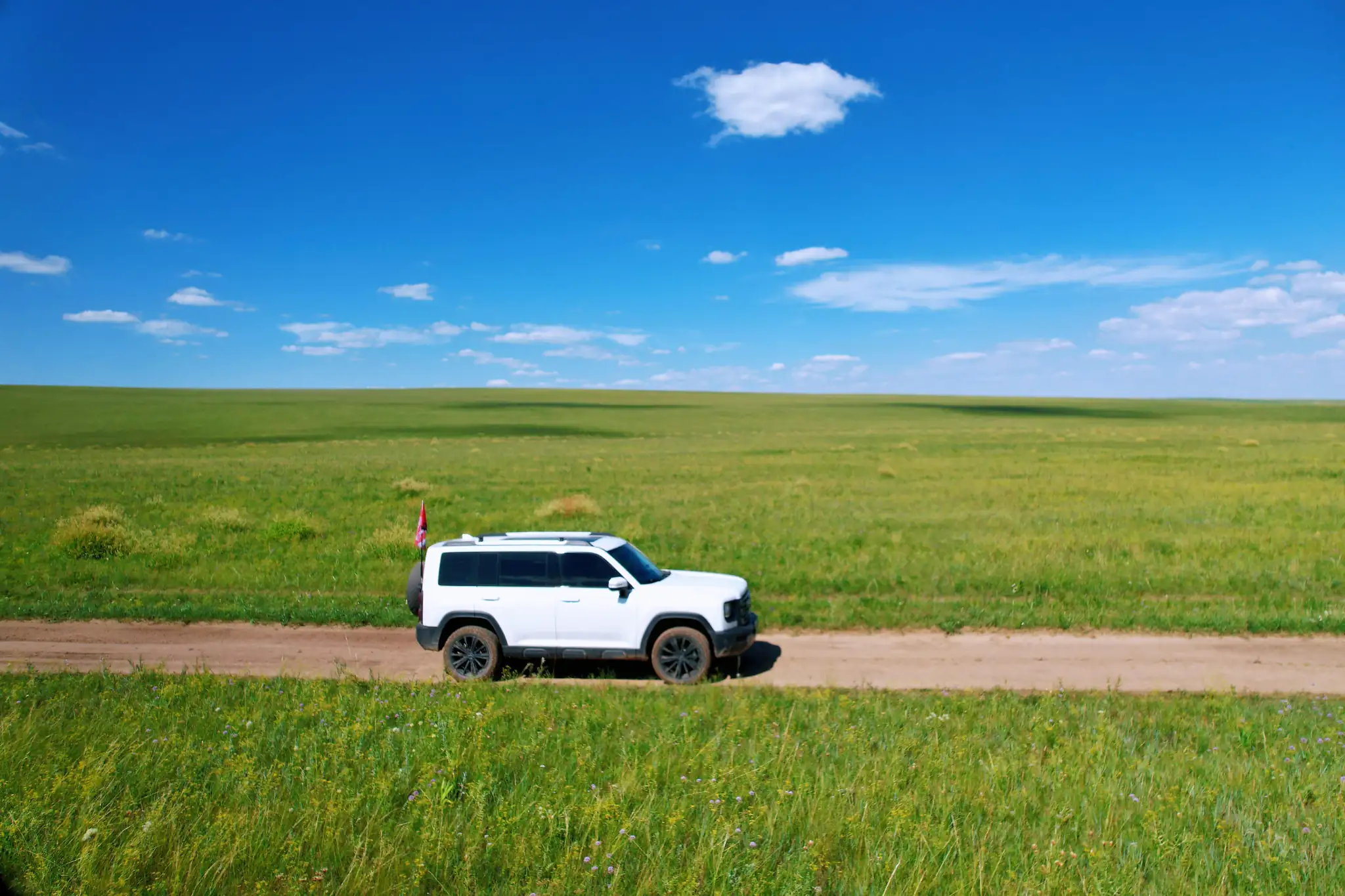
White SUV driving across the vast grasslands of Inner Mongolia

The Fastest Route Is Usually the One With the Right Gateway

Start in Hohhot for central Inner Mongolia, start in Hailar for Hulunbuir, and use a western gateway when Badain Jaran or Ejina is the main goal. Trying to connect distant regions only by road can consume a large part of the trip. For first-time visitors with 5–8 days, choosing one region usually creates a better journey than trying to cross Inner Mongolia.

Plan by Region First ↑
Mongolian Food & Pastoral Flavors

What to Eat in Inner Mongolia

Inner Mongolian food reflects the region’s pastoral traditions, with lamb, beef, dairy products and milk tea playing a much larger role than in many other parts of China. Start with hand-grabbed mutton, then try Mongolian milk tea, milk tofu and other dairy foods. Roast lamb and mutton hotpot are easy additions in the cities, while grassland stays often provide a more communal meat-and-dairy style of dining.

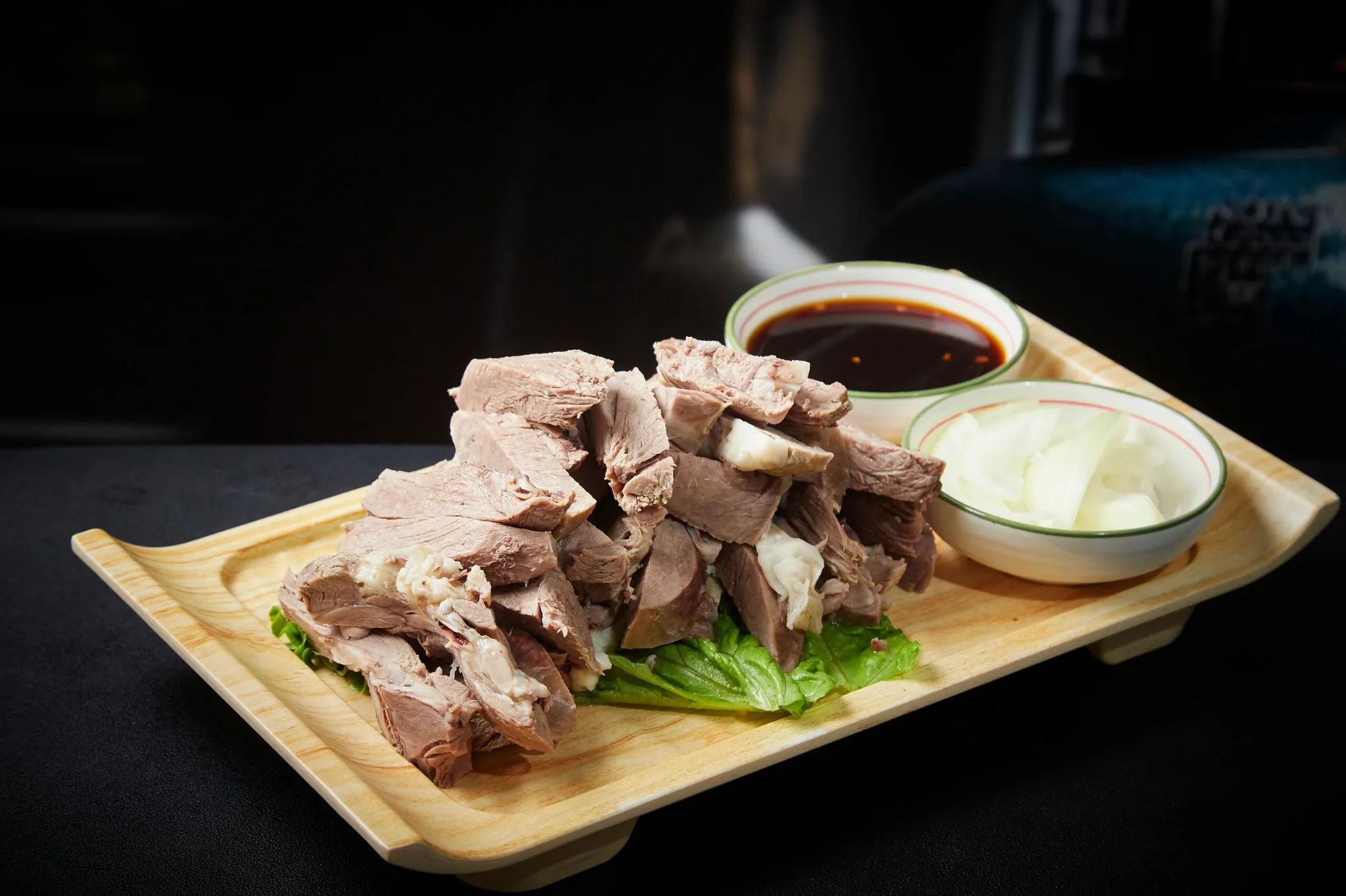
Traditional hand-grabbed mutton served in Inner Mongolia
Essential First Dish

Hand-Grabbed Mutton

Hand-grabbed mutton is one of the most representative foods to try on an Inner Mongolia trip. The emphasis is on the quality and freshness of the lamb rather than a heavily seasoned sauce. It appears in restaurants, grassland meals and festive dining, making it an easy first introduction to traditional Mongolian meat dishes.

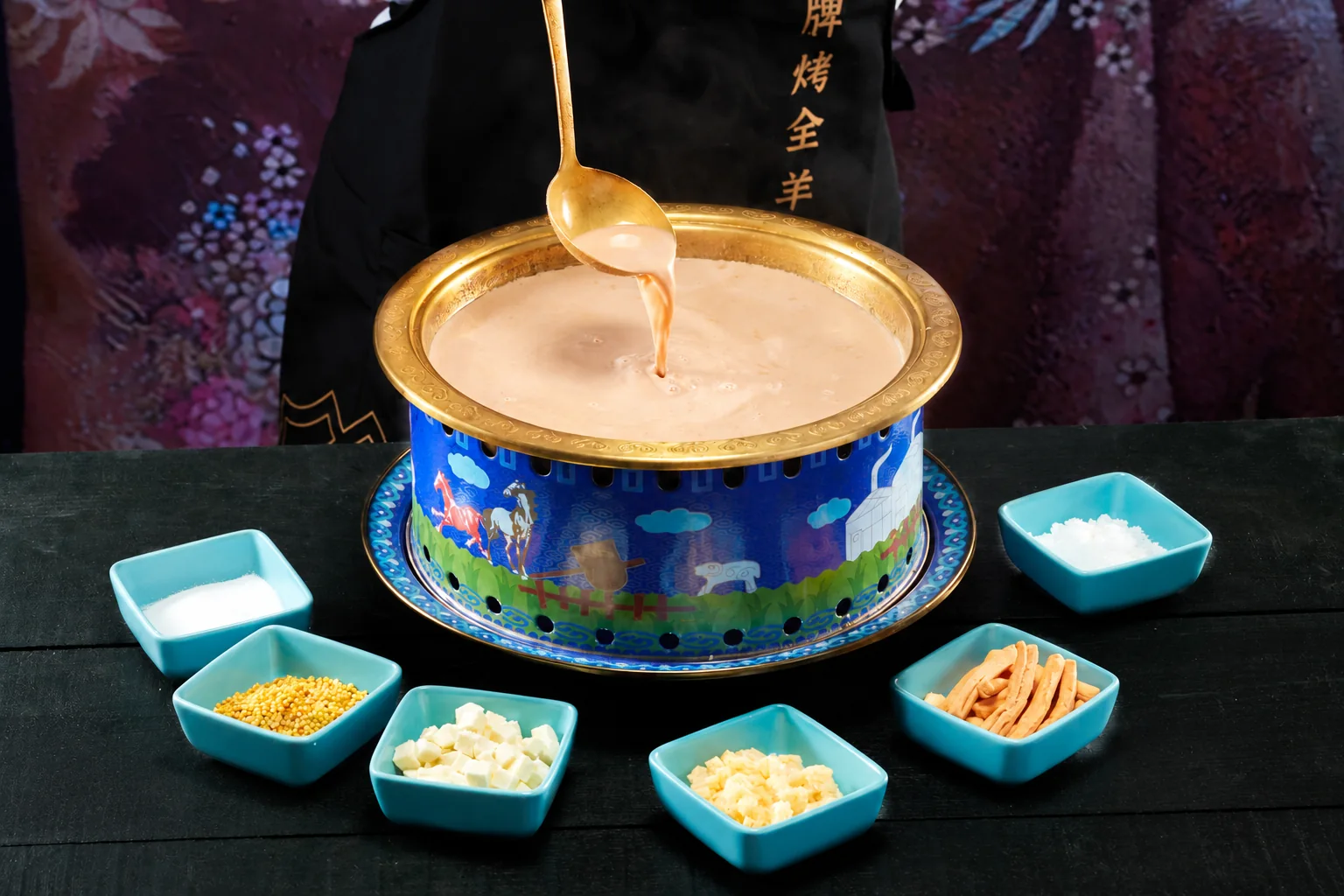
Traditional Inner Mongolian milk tea served in a decorated teapot
Everyday Grassland Food

Mongolian Milk Tea & Dairy Foods

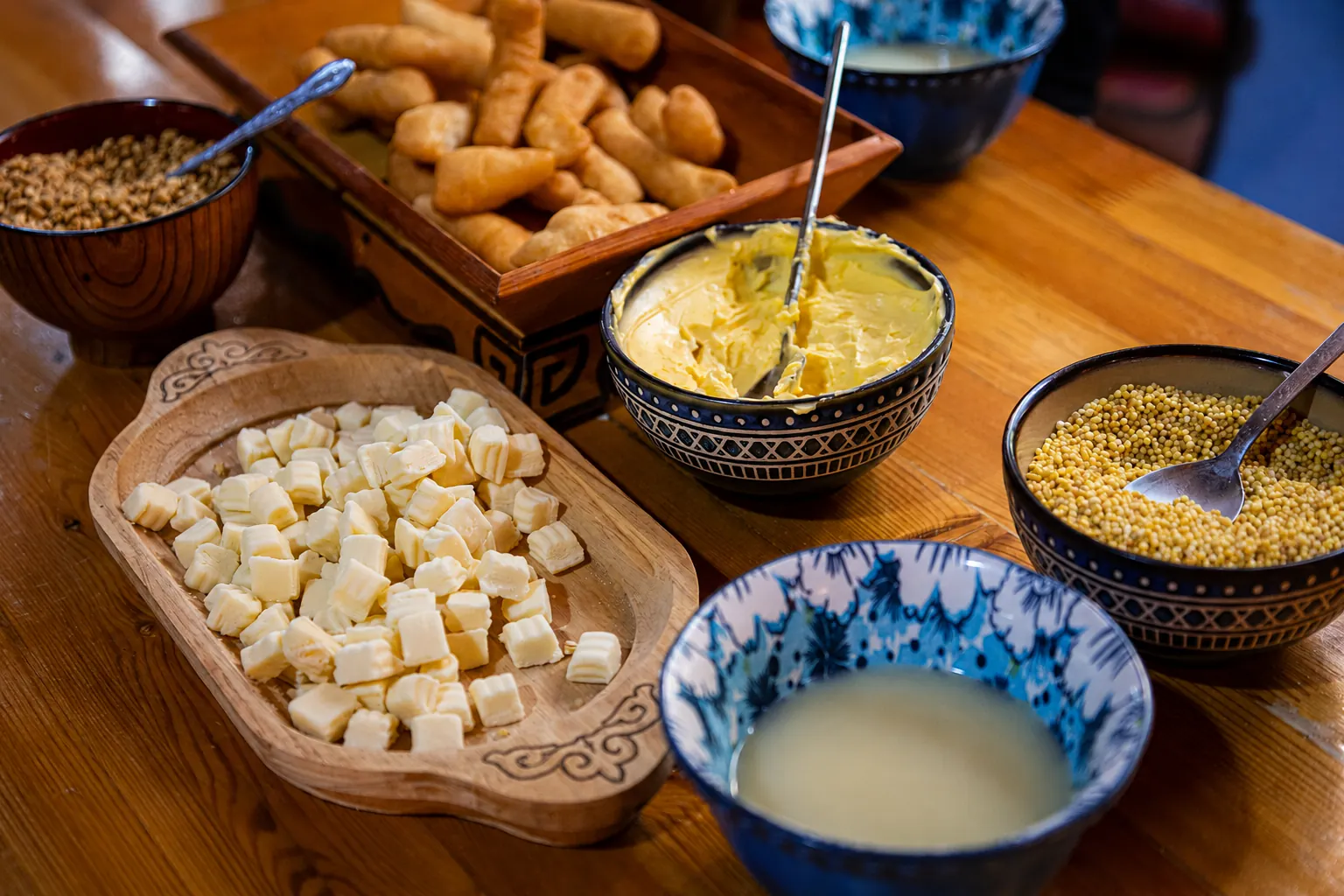
Traditional Mongolian milk tea is generally savory rather than dessert-like. It may be served alongside roasted grain, butter, milk tofu, milk skin or cheese. Dairy foods are traditionally known as “white foods” and are an important part of Mongolian food culture, so a tea-and-dairy breakfast can be just as useful a food experience as a large lamb dinner.

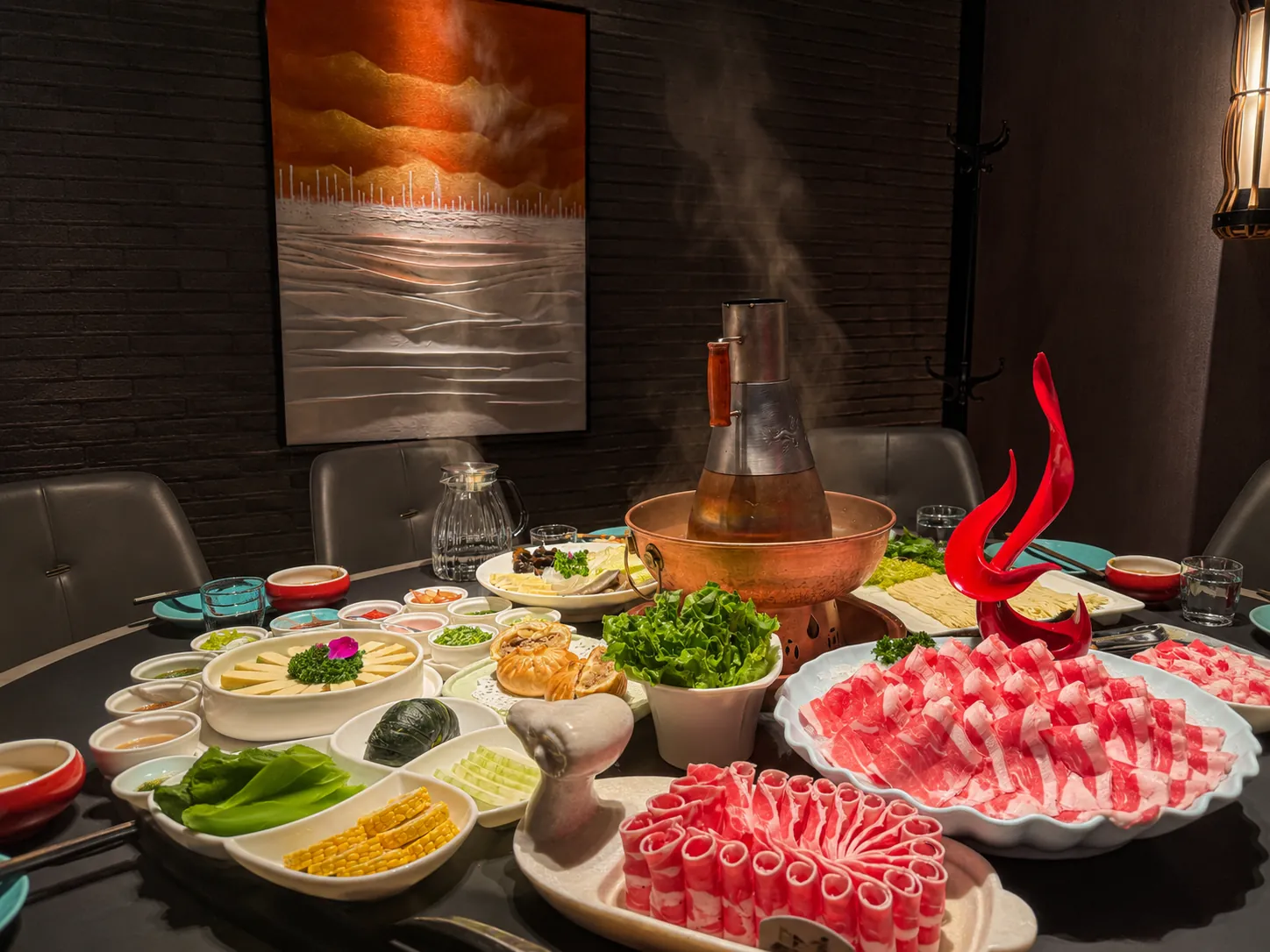
Inner Mongolian hotpot meal with sliced lamb and shared dishes
Shared Dinner

Roast Lamb & Mutton Hotpot

Roast lamb and mutton hotpot are two practical choices for travelers who want a larger shared meal. Whole roast lamb is generally more suitable for groups or arranged banquets, while sliced mutton hotpot is easier for couples and smaller groups in Hohhot and other cities. Do not order an elaborate whole-lamb meal simply because it appears on a tourism menu.

Traditional Mongolian breakfast with dairy products and roasted grain
Worth Trying in Town

Mongolian Breakfast

A traditional-style Mongolian breakfast can combine salted milk tea with roasted grain, butter, milk tofu, milk skin, fried dough or dried meat. It is a useful way to understand how dairy and grain fit into everyday food culture rather than seeing Inner Mongolian cuisine only as large servings of lamb.

What If You Don’t Eat Lamb or Dairy?

Hohhot, Hailar, Ordos and other cities offer much broader restaurant choices than a traditional grassland camp, so vegetarian or restricted diets are easier to manage in urban areas. At remote camps or arranged grassland meals, communicate dietary requirements before arrival rather than assuming there will be several alternatives on the day. If dairy is a problem, remember that milk tea, milk tofu and other milk products may appear automatically as part of a traditional meal.

Before You Go

Practical Inner Mongolia Travel Tips

Inner Mongolia is not difficult to travel, but long distances, rapidly changing grassland weather and remote accommodation make advance preparation more important than on a simple city break. Pack for temperature changes, keep your route information available in Chinese, confirm yurt facilities before arrival and solve payment, mobile-data and transport arrangements before heading far from the main cities.

Pack Layers Even in Summer

Grassland weather can change quickly and daytime warmth does not guarantee a warm evening. Bring layers that can be added or removed through the day, plus a light wind- and rain-resistant outer layer. This matters especially when staying overnight outside Hohhot, Hailar or other cities.

Prepare for Strong Sun, Wind & Dry Air

Grasslands and deserts offer very little shade. Carry sun protection, drinking water and something that protects against wind and blowing sand when traveling through Kubuqi, Badain Jaran or other exposed landscapes. A sunny forecast does not mean conditions will feel calm throughout the day.

Save Hotels & Destinations in Chinese

Keep the Chinese name and address of your hotel, railway station, airport, grassland camp and next destination saved on your phone. This becomes increasingly useful once the itinerary leaves the main cities and you are communicating with drivers, camp staff or small local businesses.

Set Up Payments Before Remote Travel

Complete your preferred mobile-payment and bank-card setup while you still have reliable support and connectivity in a major city. Keep a backup payment option and some RMB cash for situations where a small business, rural property or temporary network problem makes your normal payment method inconvenient.

Leave Margin on Long Road Days

Hulunbuir, desert and western Inner Mongolia itineraries depend heavily on road travel after leaving the main gateway. Do not schedule a long remote transfer immediately before an important flight or train. Weather, traffic, activity timing and the distance between scenic areas can all make a road day longer than it first appears on a map.

Confirm Remote Accommodation Before Arrival

For yurts, guesthouses and small remote properties, confirm the exact bathroom, hot-water, heating or cooling facilities, road access and check-in arrangements before traveling there. Foreign visitors staying in China also need accommodation registration, so if you are using an unusual non-hotel stay, confirm how the registration requirement will be handled.

Book Early for Naadam & Ejina

Summer Naadam events can create strong demand for popular grassland accommodation and local vehicles, while Ejina has a very short autumn foliage season that concentrates visitors into a limited number of weeks. If either experience is central to your trip, secure the important transport and accommodation before filling in secondary sightseeing.

Treat Horse & Camel Activities as Guided Experiences

Horse riding and camel riding are popular Inner Mongolia experiences, but they should be booked as managed activities rather than treated as unrestricted transport across the grassland or desert. Follow the operator’s safety instructions, choose an experience appropriate to your confidence level and do not let a photo stop become the most rushed part of the itinerary.

What Should You Prepare Before Leaving the Main City?

Before heading from Hohhot, Hailar, Ordos or another major gateway into the grassland or desert, confirm the next accommodation and pickup point, save the destination in Chinese, check the latest weather, charge your phone, carry water and make sure your payment and mobile-data setup already works. Small logistical problems are much easier to solve before the route becomes remote.

First Trip to China Guide →
Continue Your China Journey

Where to Go After Inner Mongolia

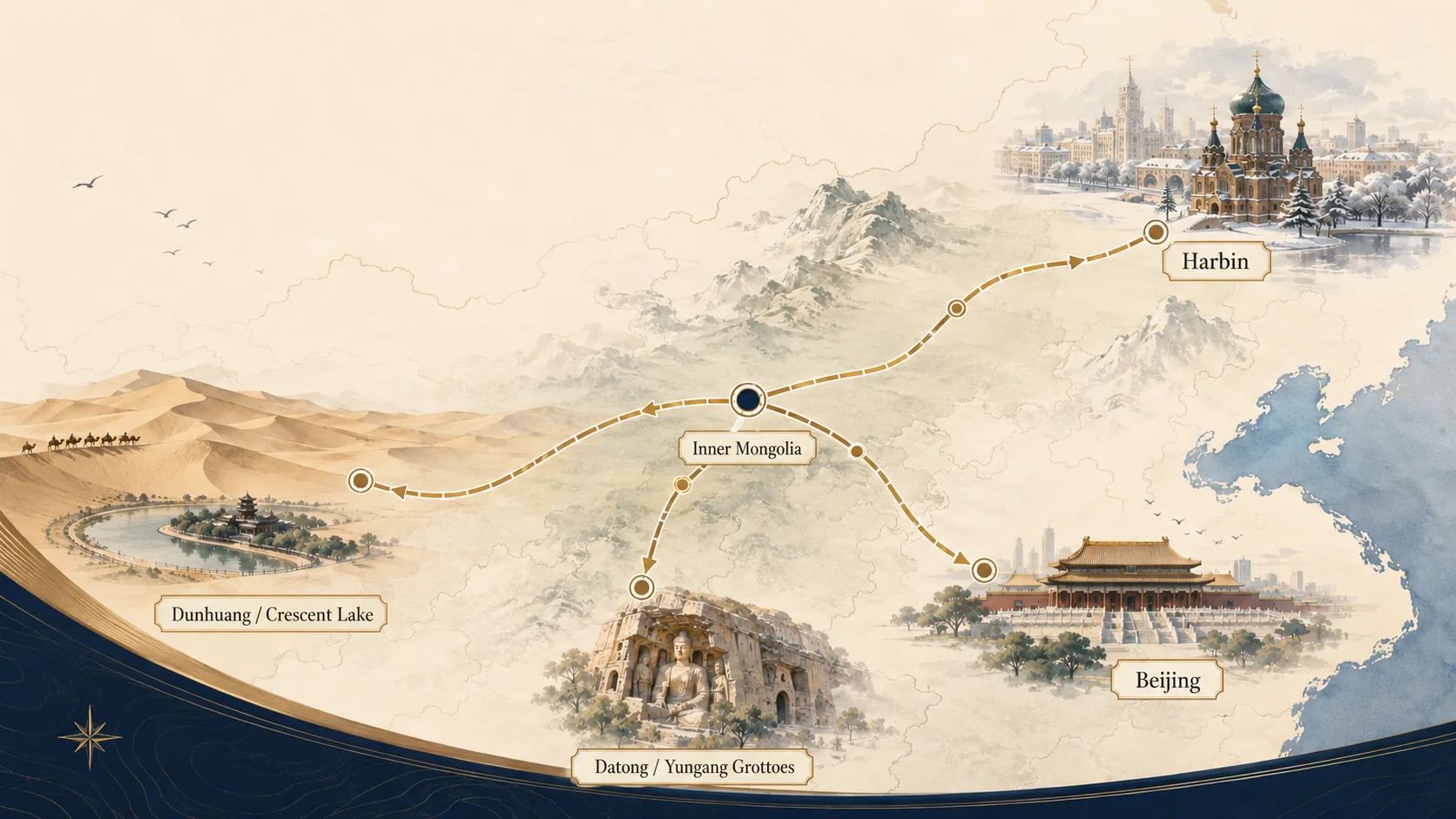
The best destination after Inner Mongolia depends on where your route ends. Central routes through Hohhot connect naturally with Beijing or northern Shanxi, Hulunbuir travelers can continue toward Harbin and Heilongjiang, while a far-western journey through Alxa or Ejina can lead into the Gansu Silk Road. Choose the next destination by travel direction rather than returning across Inner Mongolia simply to start another route.

Panoramic view of the Forbidden City in Beijing
Best After a Central Route

Beijing

Beijing is the easiest major-city extension after Hohhot and works especially well when Inner Mongolia is part of a first northern China trip. The contrast is strong: after grasslands, Mongolian culture and desert landscapes, Beijing adds the Forbidden City, Great Wall, imperial temples and traditional hutong neighborhoods. Rail connections make the combination practical without requiring another domestic flight.

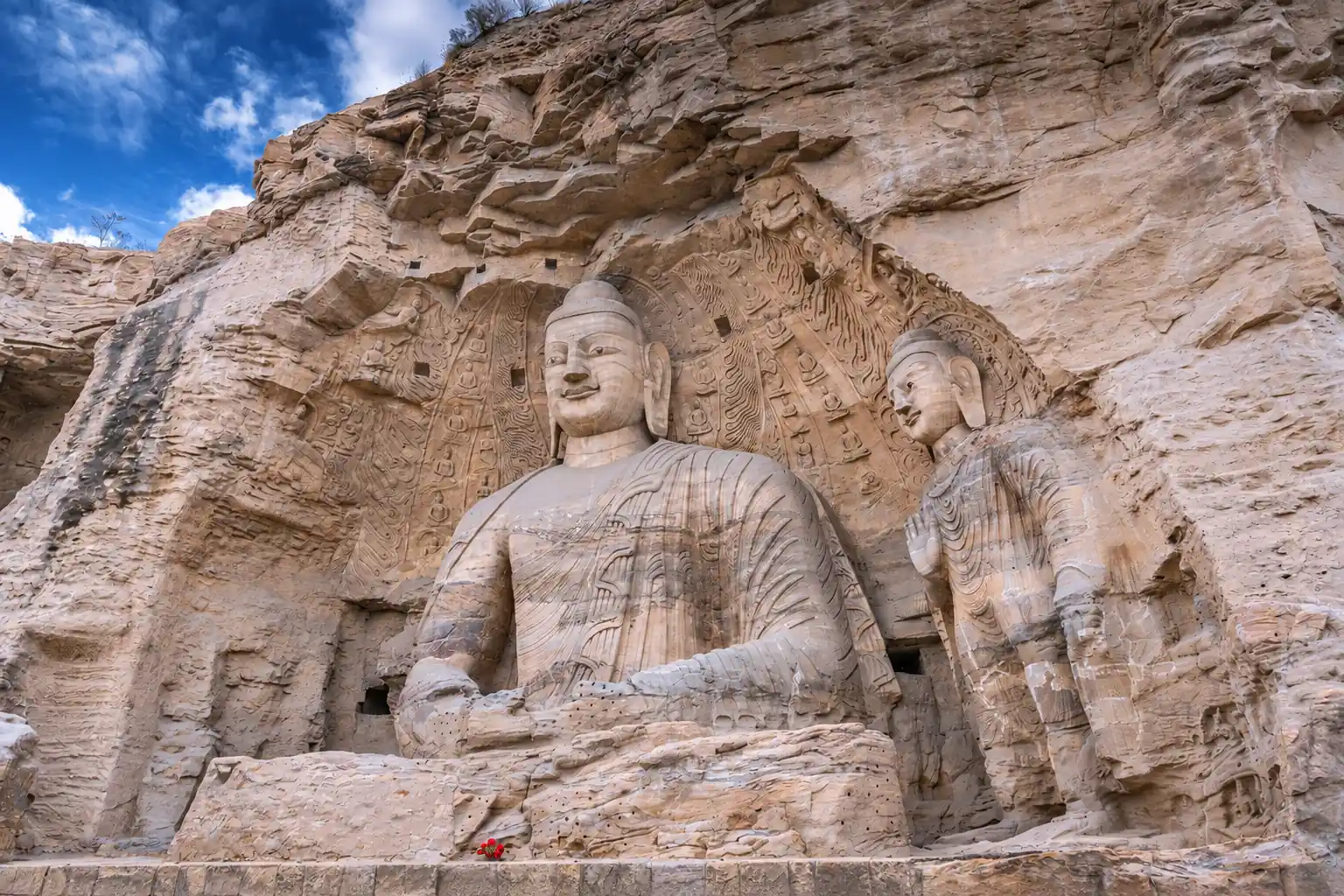
Buddhist sculptures inside the Yungang Grottoes in Datong Shanxi
Best Heritage Extension

Datong & Northern Shanxi

Datong is a strong next stop for travelers finishing around Hohhot who want to continue through northern China without immediately returning to a megacity. The Yungang Grottoes, ancient temples and northern frontier history create a useful cultural contrast with Inner Mongolia. With more time, continue deeper into Shanxi toward historic towns and traditional architecture.

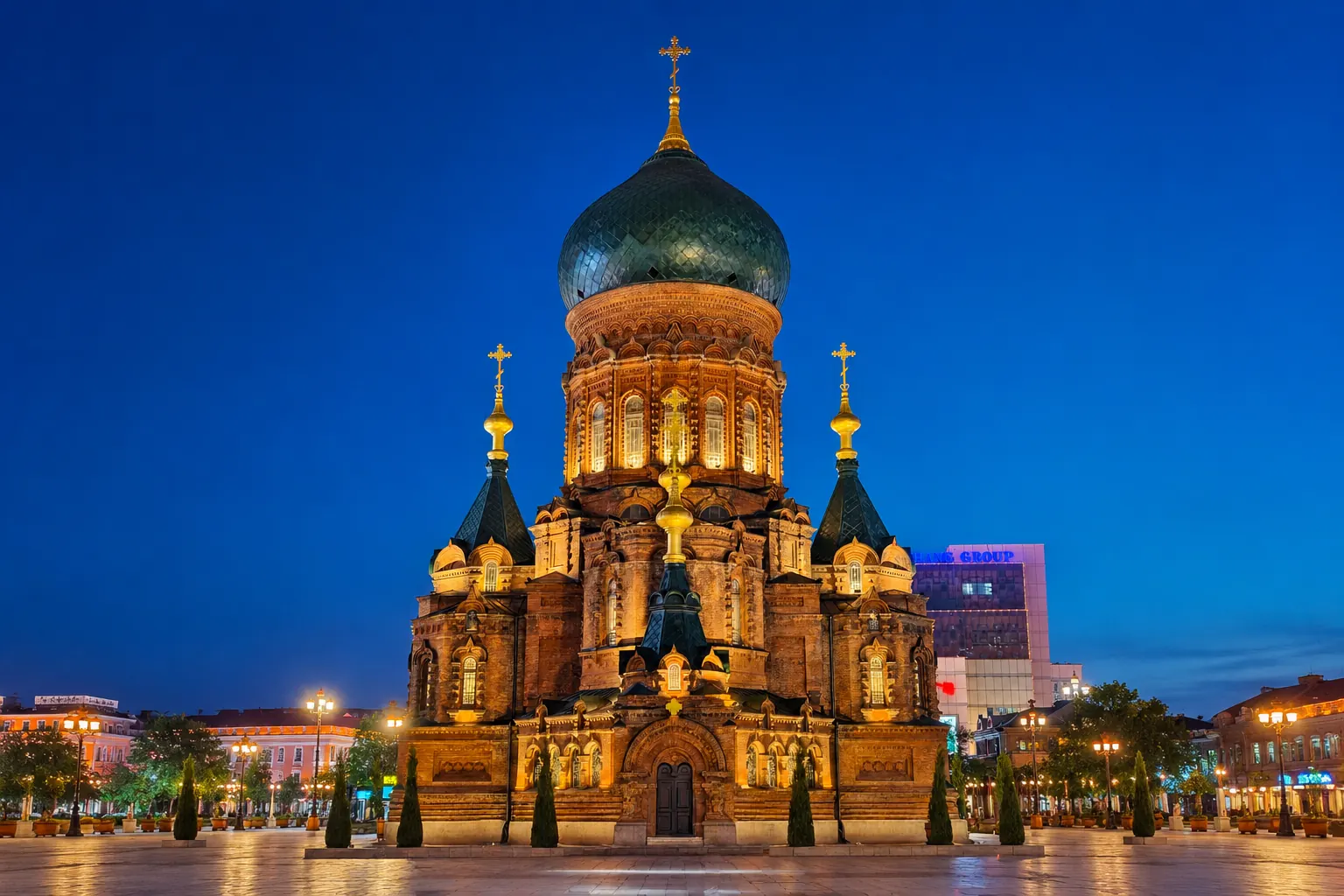
Saint Sophia Cathedral illuminated at night in Harbin Heilongjiang
Best After Hulunbuir

Harbin & Heilongjiang

Harbin is a logical continuation after an eastern Inner Mongolia route, especially if you finish around Hailar or Manzhouli. It changes the travel theme from grasslands, wetlands and border landscapes to a major northeast China city known for distinctive architecture, food and winter culture. Rail and air connections make this more natural than returning all the way to Hohhot first.

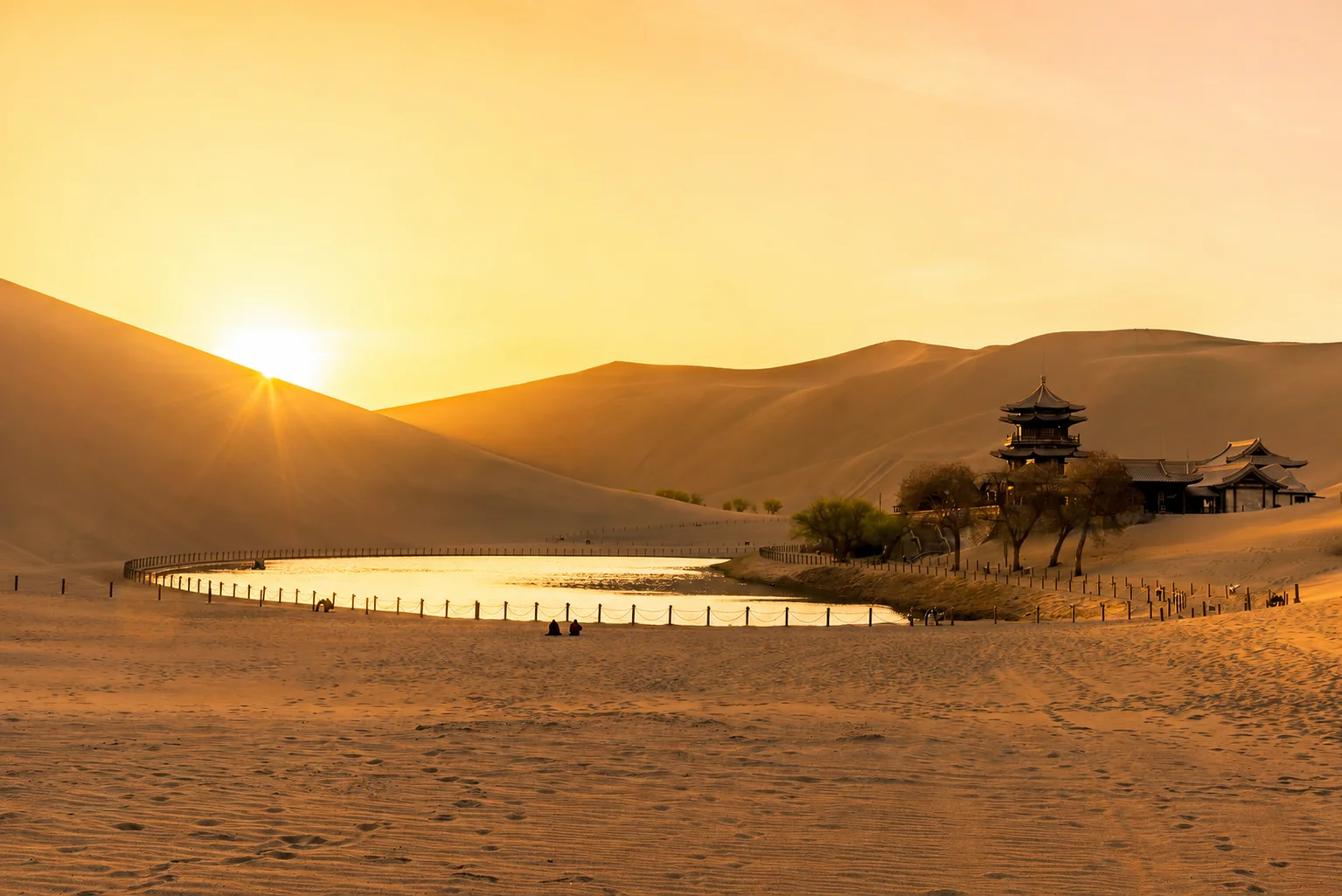
Echoing Sand Mountain and Crescent Moon Spring in Dunhuang at sunset
Best After Far-Western Inner Mongolia

Zhangye, Jiayuguan & Dunhuang

If your Inner Mongolia trip already reaches Ejina or the Alxa region, Gansu can become the next major travel chapter. The Hexi Corridor links Zhangye, Jiayuguan and Dunhuang into one of China’s classic Silk Road routes, adding colorful landforms, frontier history, the Mogao Caves and another very different desert environment. The transition from Ejina requires deliberate transfer planning, so treat this as a real multi-day extension rather than a casual day trip.

Add the Next Destination Only If It Fits the Direction of Travel

After a 5–8 day Inner Mongolia route, adding another destination works best when it continues naturally from your exit point. Beijing or Shanxi suit most central routes, Harbin makes more sense after Hulunbuir, and Gansu belongs with a far-western itinerary. If reaching the next destination requires retracing several days of travel, it is usually better to slow down and finish Inner Mongolia properly.

Explore All China Destinations →
Inner Mongolia Travel Questions

Frequently Asked Questions

Quick answers to the most important questions when planning an Inner Mongolia trip, including how many days you need, which region to choose, the best time to visit, grassland stays, transportation and whether a private vehicle is useful.

Is Inner Mongolia worth visiting?

Yes, especially if you want a China trip built around open landscapes rather than only major cities. Inner Mongolia combines vast grasslands, deserts, wetlands, forests, Mongolian cultural heritage and distinctive regional food. It is most rewarding when you choose one coherent region and give it several days instead of trying to collect famous attractions across the entire autonomous region.

How many days do you need in Inner Mongolia?

Plan about 5–8 days for a first Inner Mongolia trip. Four or five days works for Hohhot plus one nearby grassland, while around six days gives enough time to add Kubuqi Desert or Ordos to a central route. Hulunbuir deserves roughly 6–7 days of its own, and deeper eastern or western routes are better with 8–10 days or more. With limited time, remove one region instead of shortening every destination.

What is the best month to visit Inner Mongolia?

There is no single best month for every part of Inner Mongolia. July and August are the strongest months for lush grasslands and summer Naadam activities, while June offers green scenery with slightly less peak-season pressure. September is one of the best all-round choices for cooler travel and desert routes. For the golden Populus euphratica forests of Ejina, plan specifically for late September to around mid-October and check the current year’s foliage conditions before traveling.

Which part of Inner Mongolia is best for first-time visitors?

Central Inner Mongolia is usually the easiest all-round introduction. A route beginning in Hohhot can combine museums and temples with Xilamuren or Huitengxile Grassland, then continue toward Baotou, Kubuqi Desert and Ordos. Choose eastern Inner Mongolia instead if Hulunbuir’s grasslands, wetlands and forests are your main priority. Choose the far west when Badain Jaran Desert or Ejina is the main reason for the trip.

Should I visit Hohhot or Hulunbuir?

Choose Hohhot if you want the easiest combination of Mongolian culture, city sightseeing, a nearby grassland and an optional Kubuqi Desert extension. Choose Hulunbuir if wide-open grassland scenery is the main reason you are traveling. Hailar is the practical gateway for a Hulunbuir road trip, and the route can continue through Ergun, grassland areas, forests, Hulun Lake and Manzhouli. Do not treat Hulunbuir as a short day trip from Hohhot.

Is Inner Mongolia easy to travel independently?

The main cities are relatively straightforward to reach by flight or train, but independent travel becomes less simple once the route enters grasslands, wetlands, forests or deserts. Many scenic areas require a final road transfer, and public transport does not always connect the exact stops travelers want to combine. Independent travel is possible, but a driver or organized vehicle becomes much more useful on multi-stop Hulunbuir, grassland and desert itineraries.

Is it worth staying in a Mongolian yurt?

Yes, for most first-time visitors one yurt night is worth adding when the grassland is an important part of the trip. Staying overnight lets you experience sunset, the quieter evening landscape and sunrise instead of visiting only during the day. Comfort levels vary widely, however, so check whether the exact yurt has a private bathroom, hot water, heating or air conditioning and the bed type you expect. Many tourism yurts are purpose-built accommodation rather than a nomadic family home.

Is Inner Mongolia the same as Mongolia?

No. Inner Mongolia is an autonomous region of China, with Hohhot as its capital. Mongolia is a separate sovereign country immediately to the north. Inner Mongolia has a strong Mongolian cultural heritage and a substantial Mongolian population, but a trip to Hohhot, Hulunbuir, Ordos, Kubuqi, Badain Jaran or Ejina is travel within China, not travel to the country of Mongolia.

Start Planning

Plan an Inner Mongolia Journey That Fits the Region

Tell us your travel dates, available days and whether you care most about grasslands, Mongolian culture, horseback riding, Naadam, desert landscapes, autumn photography or a deeper Hulunbuir journey. A good Inner Mongolia itinerary starts with the right regional gateway and connects the places that belong naturally on the same route.

Central, Eastern & Western Routes Grassland & Desert Planning Regional Road Transfers Multi-Destination China Connections
Create
my trip