
Chengdu Food Guide: Sichuan Dishes, Street Food & Where to Eat

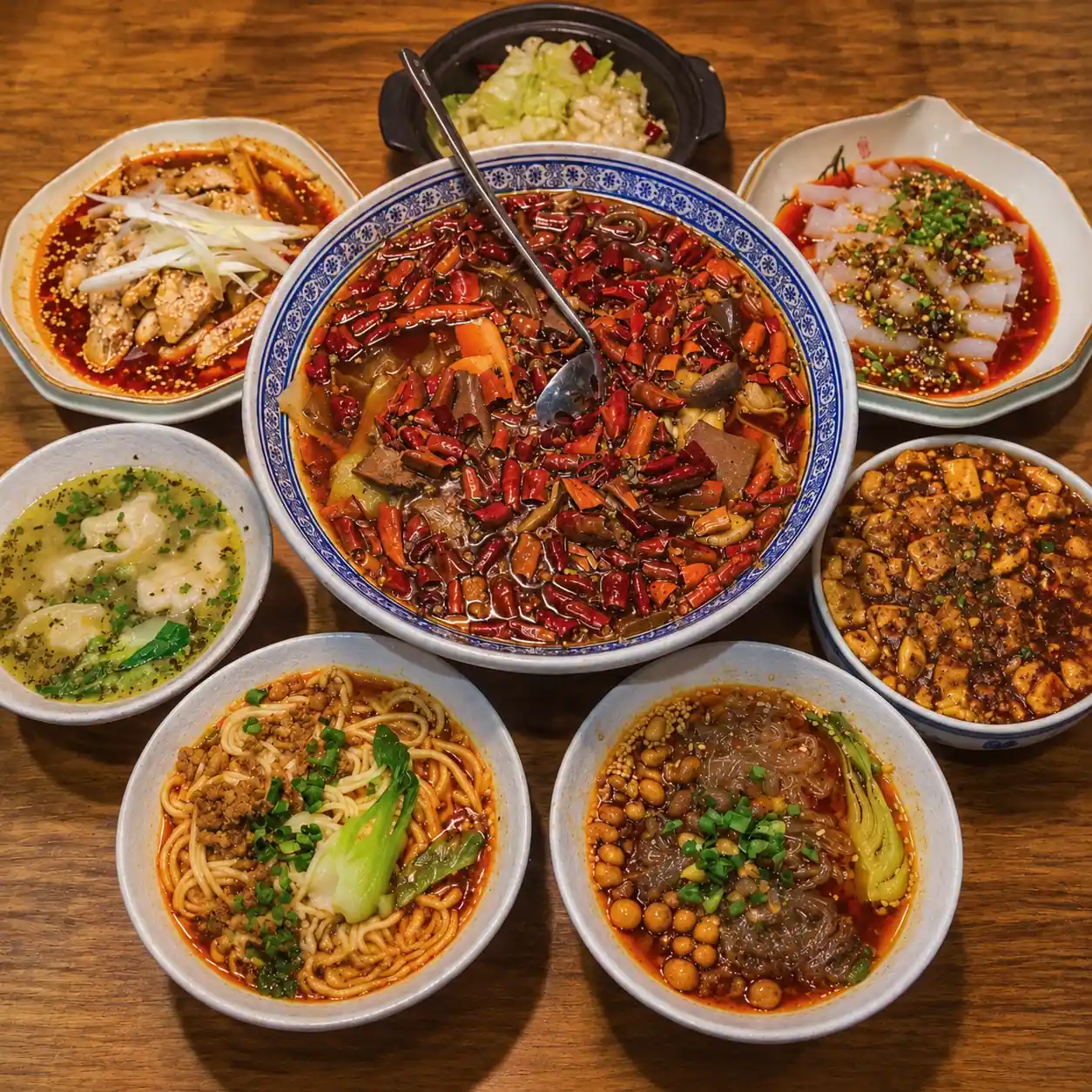
Wondering what to eat in Chengdu? Start with dan dan noodles, mapo tofu, Zhong dumplings and sweet water noodles, then explore Sichuan hot pot and chuanchuan skewers. Find out where to eat—from Yulin to Jianshe Road—how to handle málà spice, and what to order on your first visit.

  • Famous Chengdu Dishes
  • Street Food & Local Areas
  • Hot Pot & Ordering Tips
Chengdu food and Sichuan cuisine

Chengdu Food at a Glance

Eating in Chengdu is about more than spicy Sichuan hot pot. Small noodle portions, sweet-savory sauces, numbing pepper and neighborhood restaurants all shape the city's food culture. Use this quick guide to pick a first snack, a proper meal and a food area that fits your day.

First time eating in Chengdu? Start with dan dan noodles or Zhong dumplings for a quick taste of local food. If you have companions and time for a longer dinner, try Sichuan hot pot; for a solo, ready-to-eat meal, consider maocai. Choose the dining style before choosing where to go.

  • Quick Local Food Picks

    For a short stop, try sweet water noodles (tianshui mian), red-oil wontons (chao shou), or guokui flatbread. Small portions make it easier to sample more than one snack.

  • Choose Your Dining Style

    Hot pot is suited to a leisurely shared dinner; chuanchuan lets you select ingredients on skewers. Maocai is cooked for you and served in a bowl, often simpler when dining alone.

  • Pick the Right Food Area

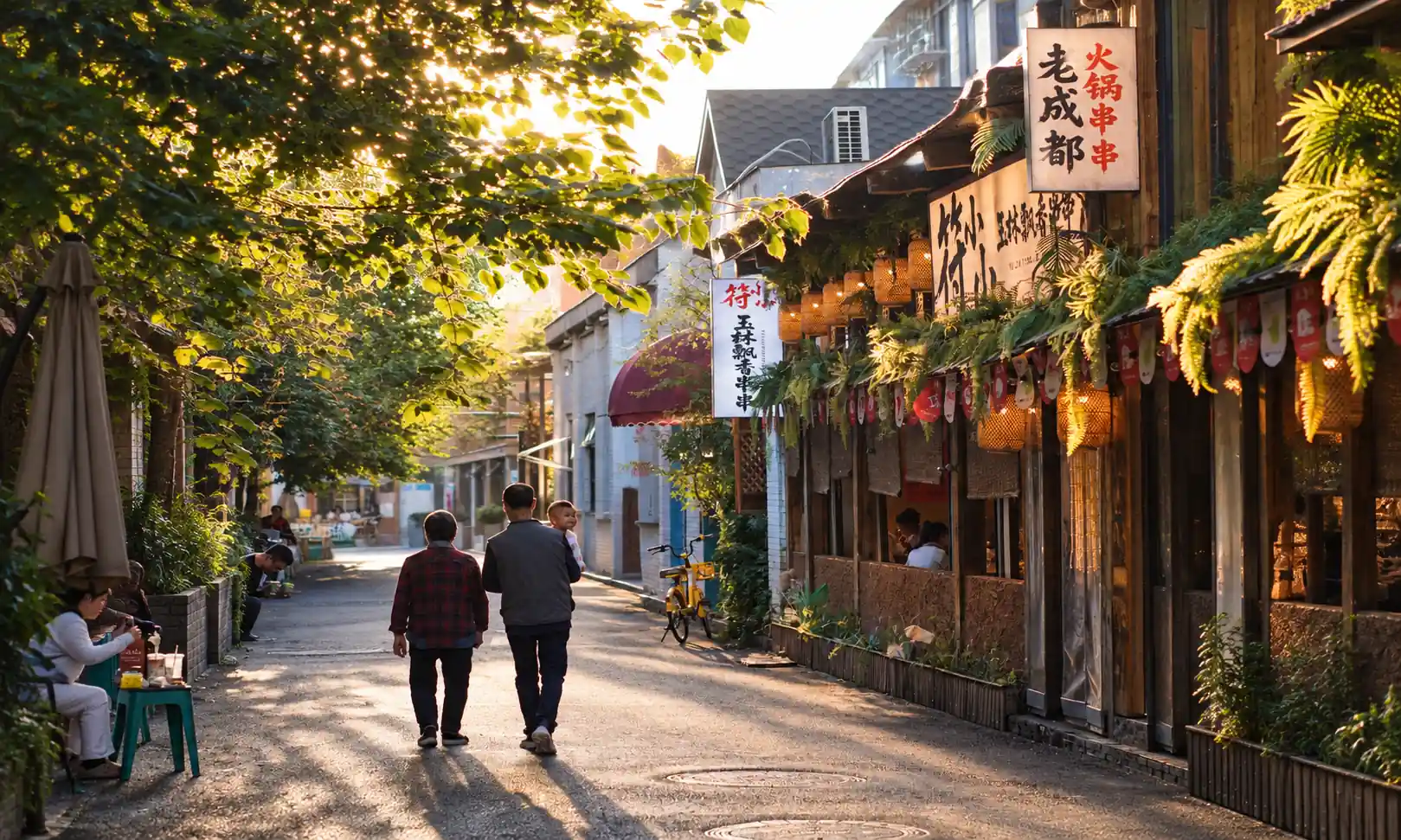
    Try Kuixinglou Street near Kuanzhai Alley for a Sichuan meal, Yulin for neighborhood dining, or Jianshe Road for Chengdu street-food-style snacks. Match the area to your route.

  • Understand Spice Levels

    Chili heat (là) and Sichuan pepper's numbing sensation (má) are different. Ask for 微辣 (wēi là) for less chili, but confirm pepper, meat and allergens separately; a mild dish is not necessarily free of Sichuan pepper.

12 Must-Try Foods in Chengdu

Wondering what to eat in Chengdu? Start with four signature Sichuan dishes, then sample eight local noodles and street snacks. Chengdu food is not just about chili heat: expect savory broths, sweet-salty sauces, numbing Sichuan pepper and plenty of contrasting textures.

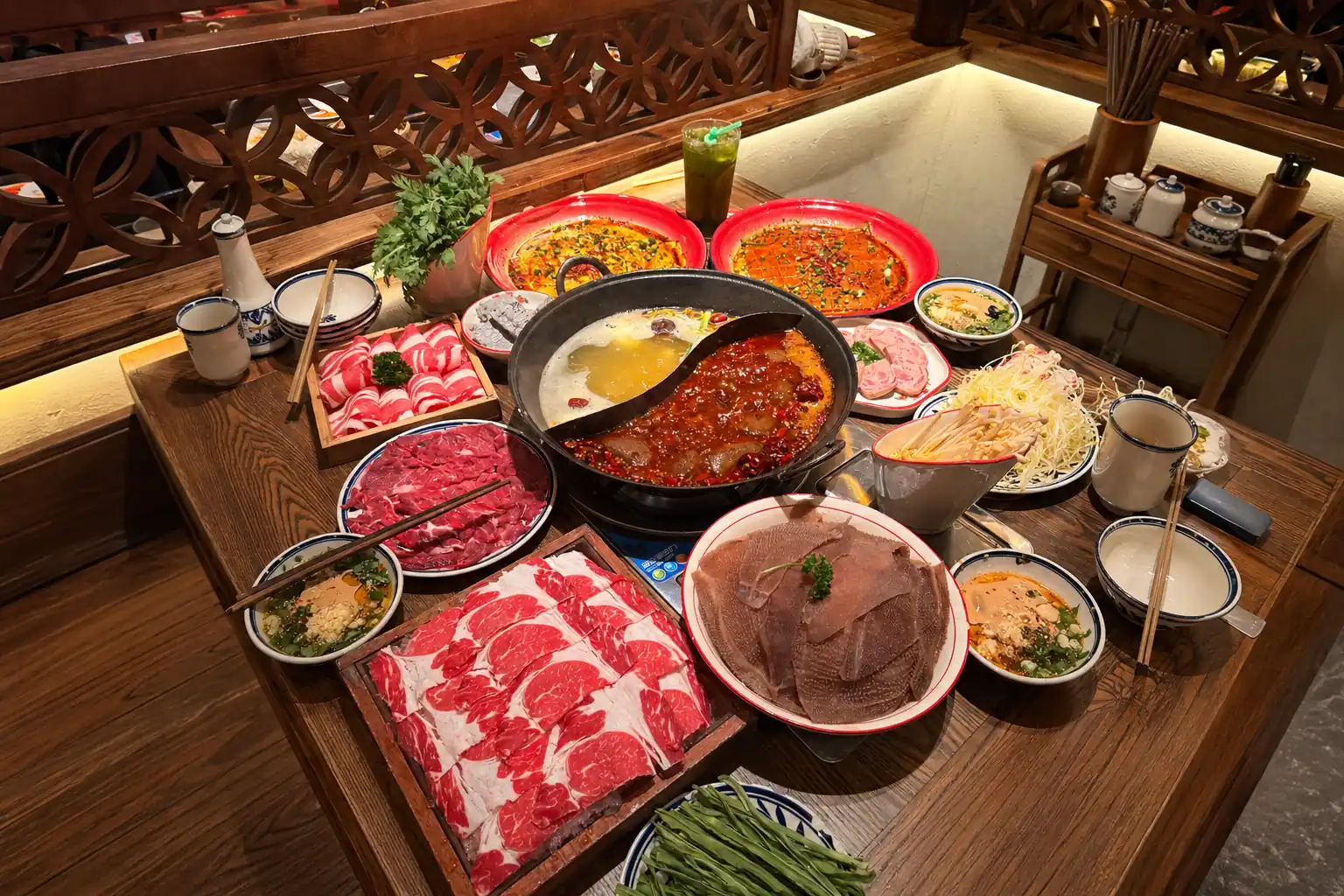
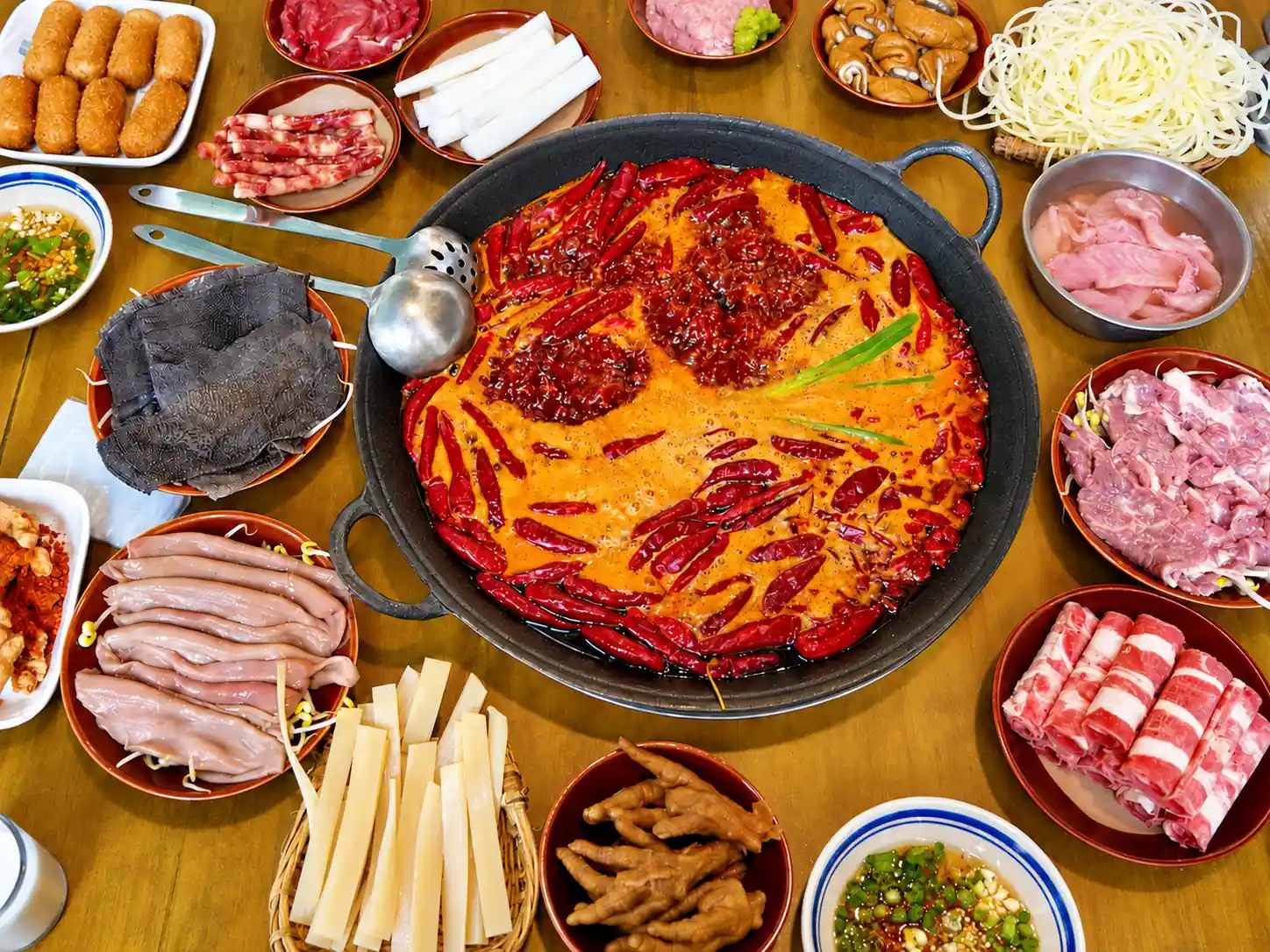
  • Sichuan hot pot with chili broth, sliced meat and vegetables in Chengdu

    Sichuan Hot Pot

    四川火锅 · Sìchuān huǒguō

    One of Chengdu's best-known group meals: diners cook thinly sliced meat, tripe, tofu, mushrooms and vegetables in a simmering broth at the table. A red broth seasoned with chili and Sichuan pepper delivers the classic málà (hot-and-numbing) experience, but restaurants may offer mild or divided broths for groups with different spice preferences.

    Flavor
    Aromatic, savory, málà

    Good to know: Best for a longer meal with friends. Ask for a yuānyāng guō (鸳鸯锅), a two-flavor pot, if your group wants both spicy and mild broth. Broth bases and dipping sauces may contain animal products, sesame or peanuts; confirm ingredients before ordering.

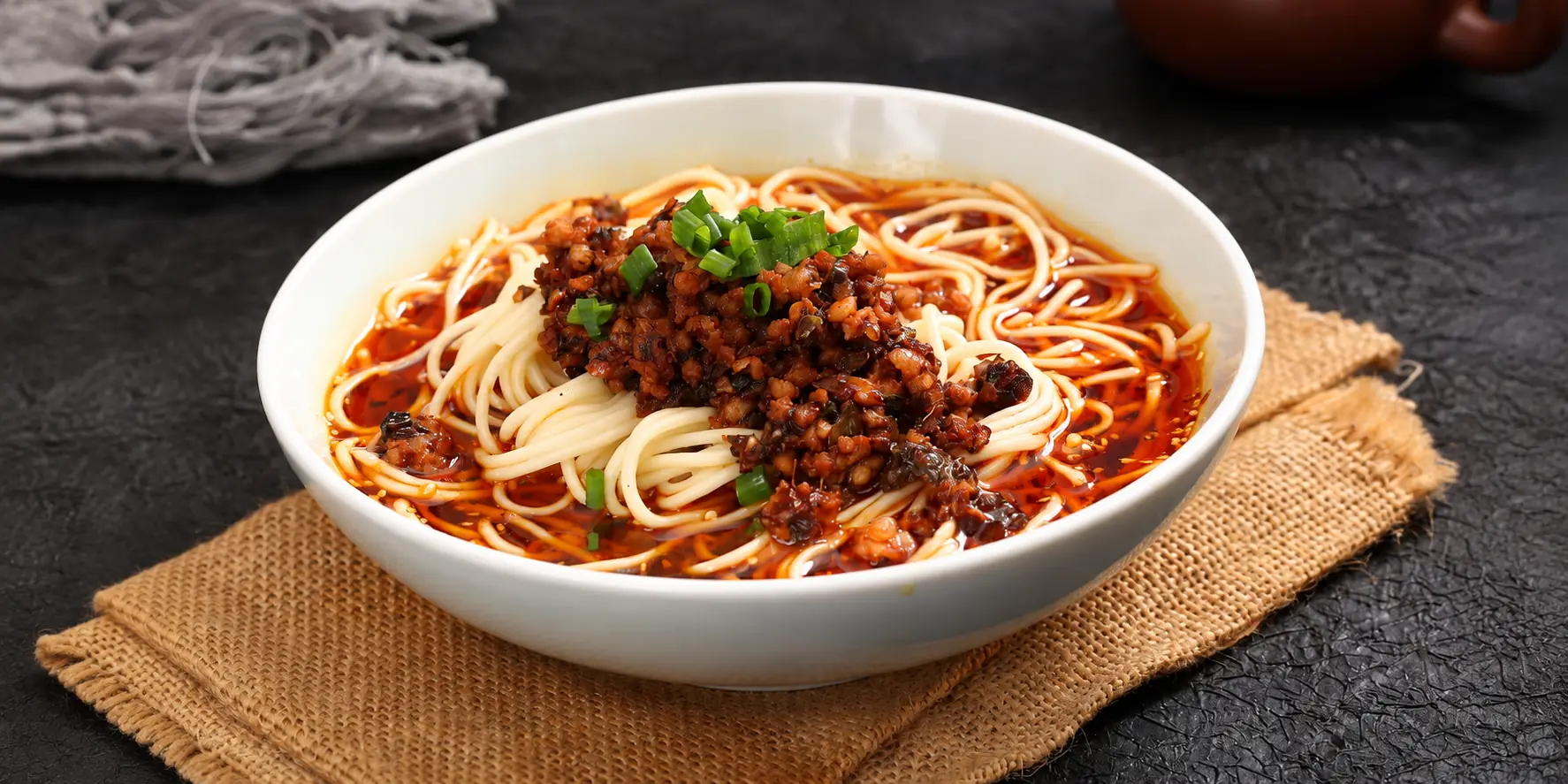
  • Chengdu dan dan noodles topped with minced pork, chili oil and Sichuan pepper

    Dan Dan Noodles

    担担面 · Dàn dàn miàn

    Dan dan mian combines wheat noodles with a punchy dressing of chili oil, Sichuan pepper, minced pork and yá cài (芽菜), a type of preserved mustard greens. In Chengdu, portions are often smaller and less soupy than travelers expect. The balance of savory, spicy and nutty flavors changes from noodle shop to noodle shop.

    Flavor
    Savory, spicy, numbing

    Good to know: A useful snack or small lunch rather than necessarily a full meal. Some recipes add peanuts or sesame paste, so ask about both if you have an allergy; request less chili oil if you prefer milder heat.

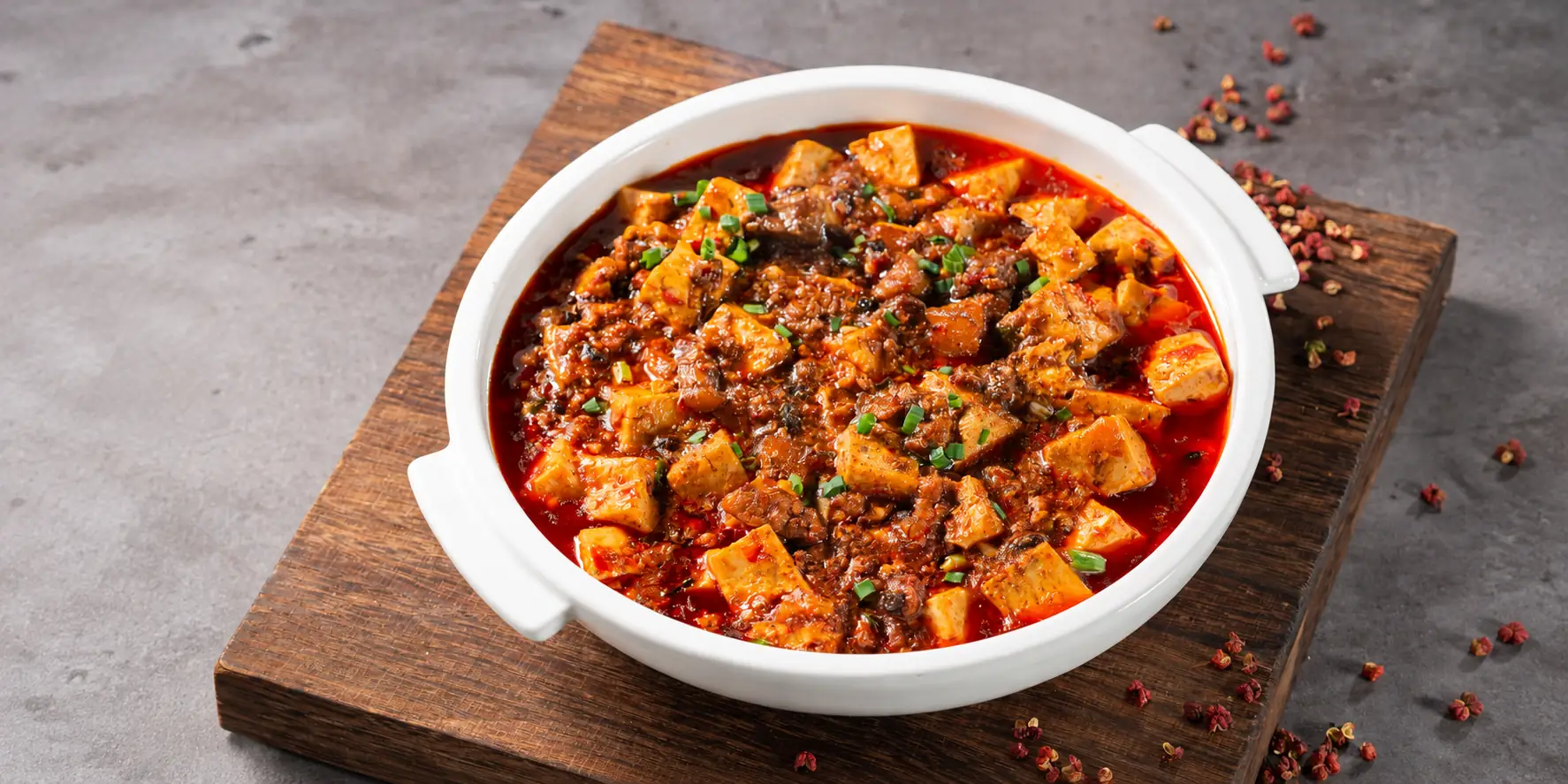
  • Mapo tofu with chili bean sauce and Sichuan pepper

    Mapo Tofu

    麻婆豆腐 · Mápó dòufu

    Soft tofu sits in a fragrant, spicy sauce often built around Pixian doubanjiang (郫县豆瓣酱), a fermented broad-bean chili paste associated with Chengdu's Pidu area. Sichuan pepper adds a distinctive numbing sensation, while minced beef is common in classic versions. Order steamed rice to balance its rich, salty sauce.

    Flavor
    Málà, savory, bean-rich

    Good to know: Don't assume a tofu dish is vegetarian: many versions contain minced meat or meat stock. If you want a meat-free version, confirm both the topping and sauce with the restaurant.

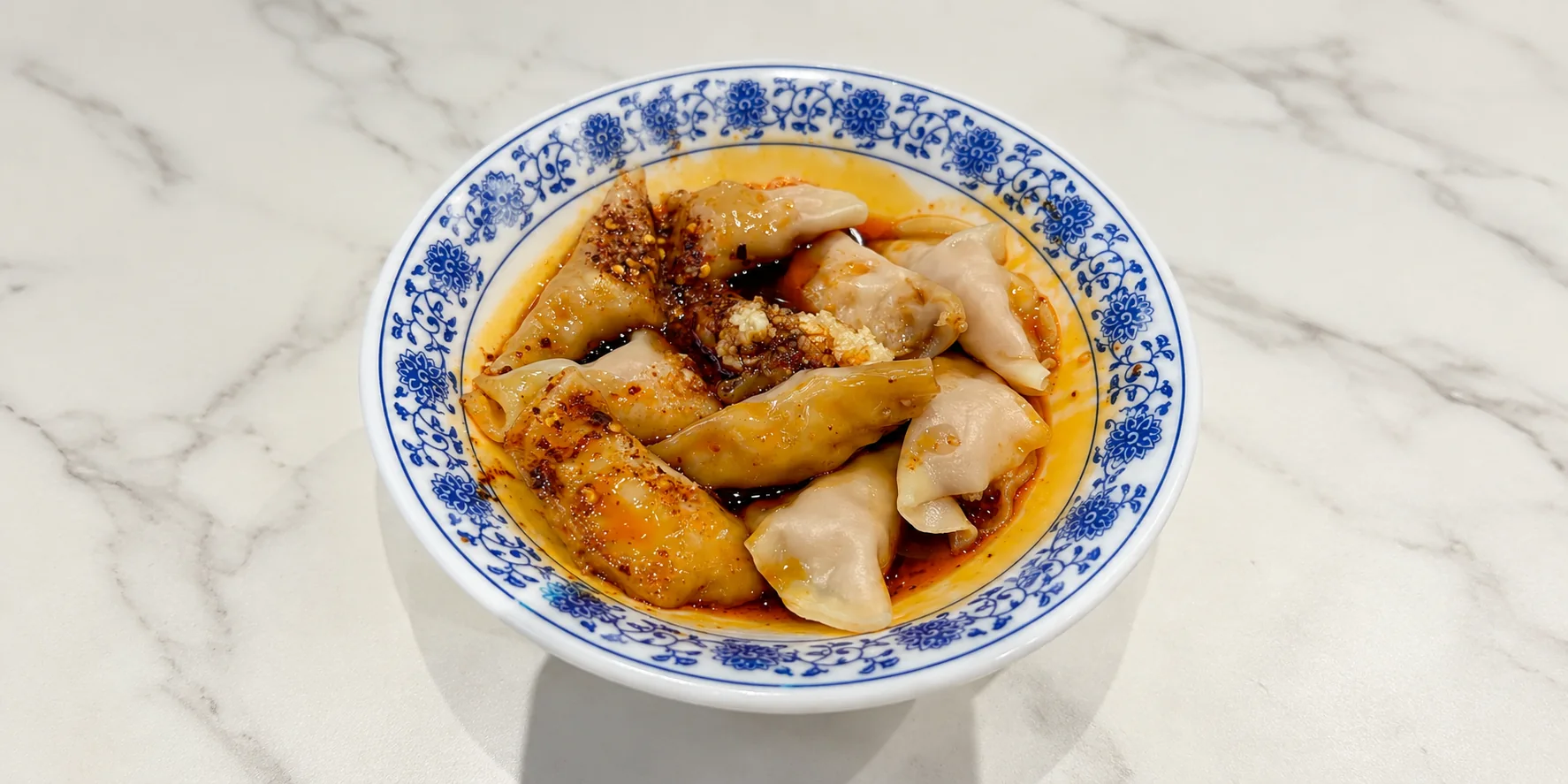
  • Zhong dumplings served with sweet soy, garlic and red chili oil

    Zhong Dumplings

    钟水饺 · Zhōng shuǐjiǎo

    Zhong shui jiao are small Chengdu-style pork dumplings coated with a glossy sauce of sweetened soy, garlic and red chili oil rather than served in soup. The sweet-salty balance makes them a useful contrast to the sharper vinegar dips travelers may know from northern dumplings.

    Flavor
    Sweet-savory, garlicky, lightly spicy

    Good to know: Look for the name 钟水饺 on snack-shop menus. The standard filling is pork; ask if the kitchen can reduce the red oil, but expect the seasoned soy sauce itself to remain flavorful.

MORE CHENGDU FAVORITES

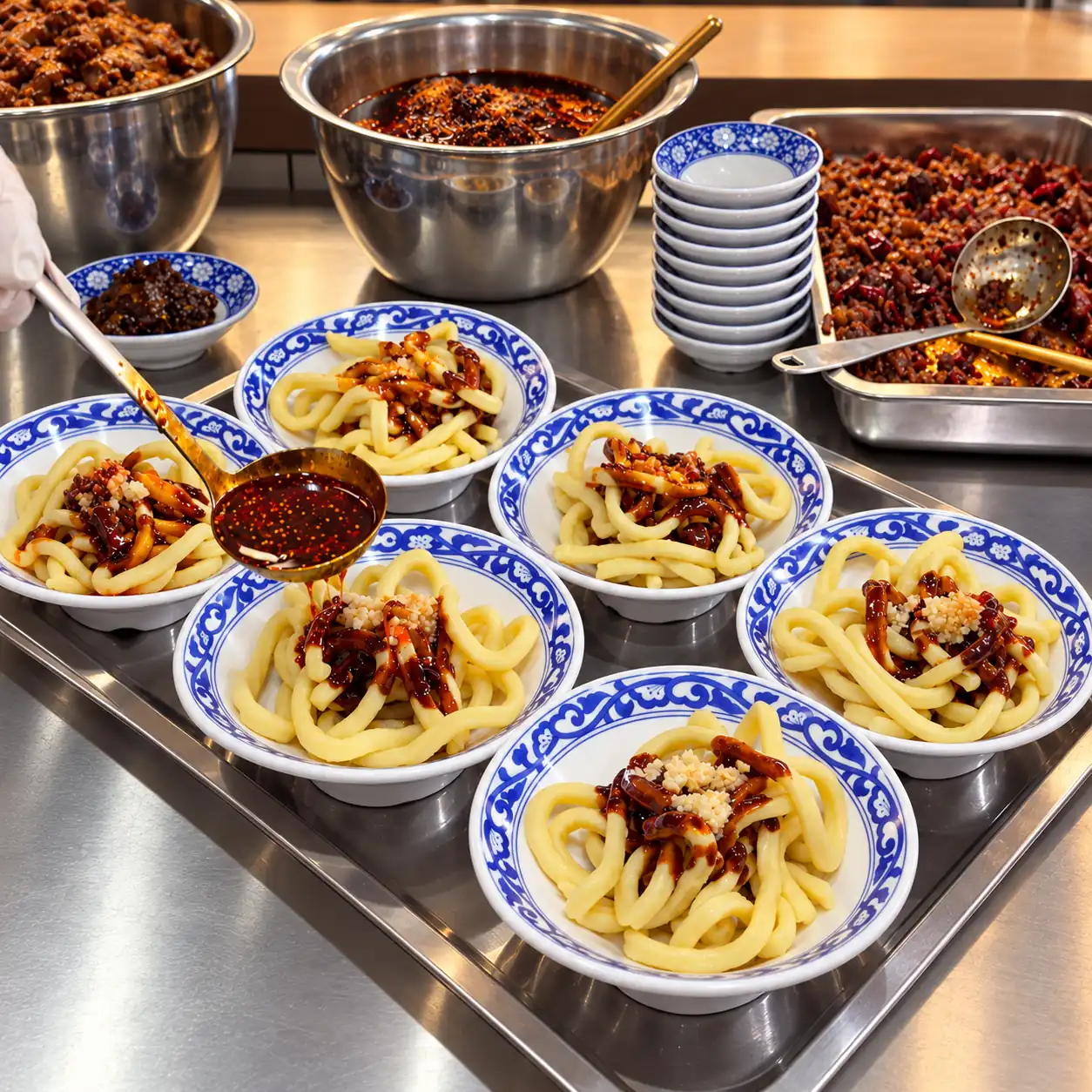
  • Chengdu sweet water noodles with sesame, garlic and chili sauce

    Sweet Water Noodles

    甜水面 · Tiánshuǐ miàn

    Thick, chewy wheat noodles in a sweet soy-based dressing with garlic, sesame and chili oil. A classic example of Chengdu's sweet-and-spicy snack flavors, not just málà heat.

    Taste: Chewy, sweet-savory, aromatic

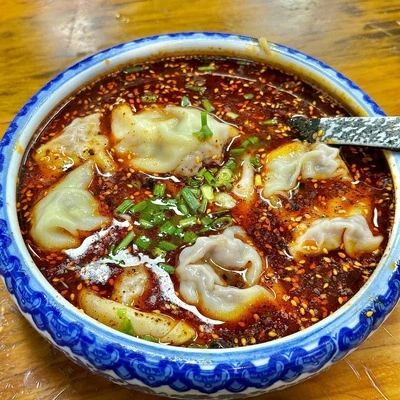
  • Long chao shou Sichuan wontons served in broth

    Long Chao Shou

    龙抄手 · Lóng chāoshǒu

    Chao shou (also written chaoshou) is the Sichuan name for wontons. Long Chao Shou is also a historic Chengdu snack-shop name; versions are served in clear broth or with red chili oil.

    Taste: Tender, savory; broth or chili oil

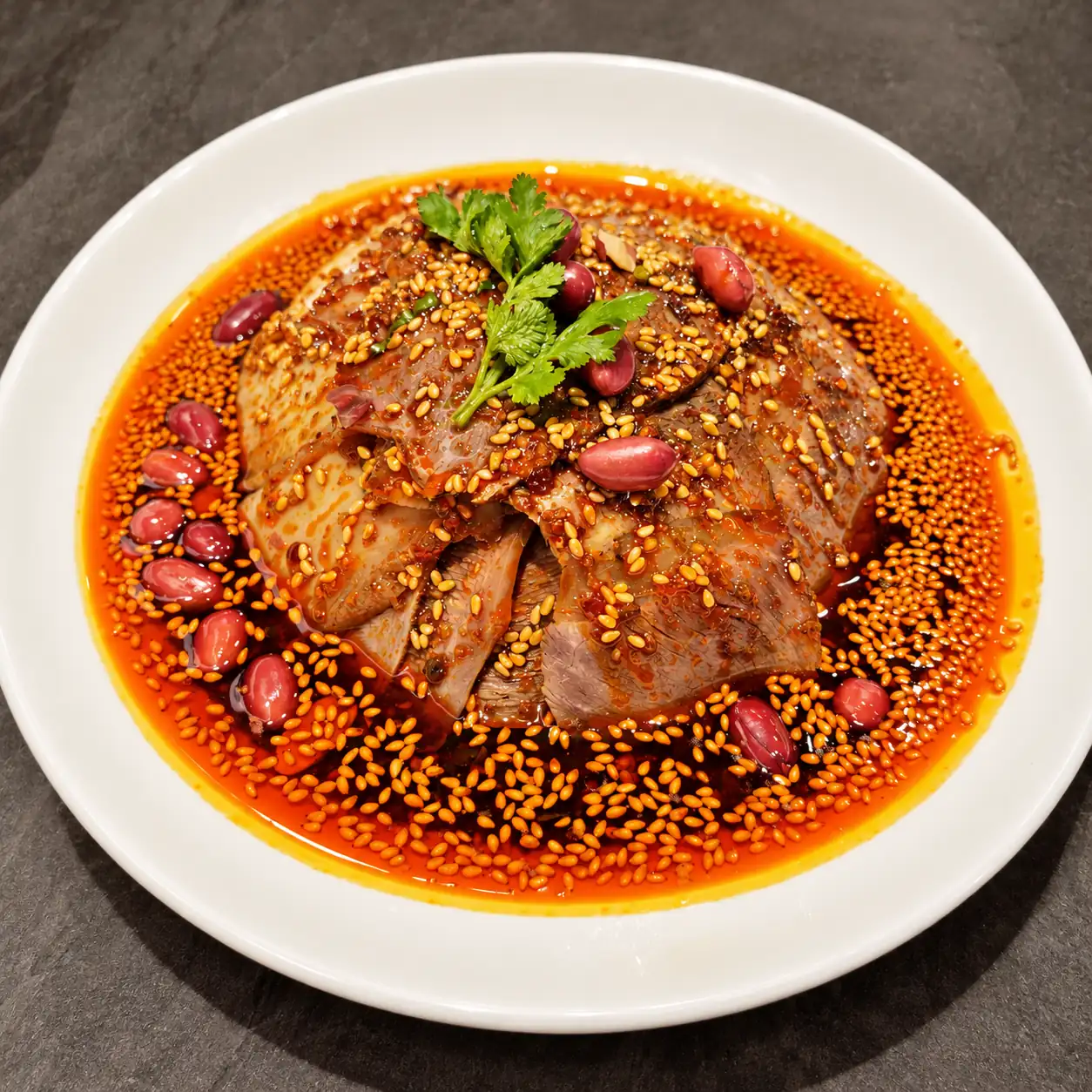
  • Fuqi feipian sliced beef and offal with Sichuan chili oil

    Fuqi Feipian

    夫妻肺片 · Fūqī fèipiàn

    Thin slices of beef and beef offal served cool with red chili oil, Sichuan pepper and aromatic seasonings. Despite its name, the actual cuts vary by kitchen; ask what is included if you avoid organ meat.

    Taste: Spicy, aromatic, savory

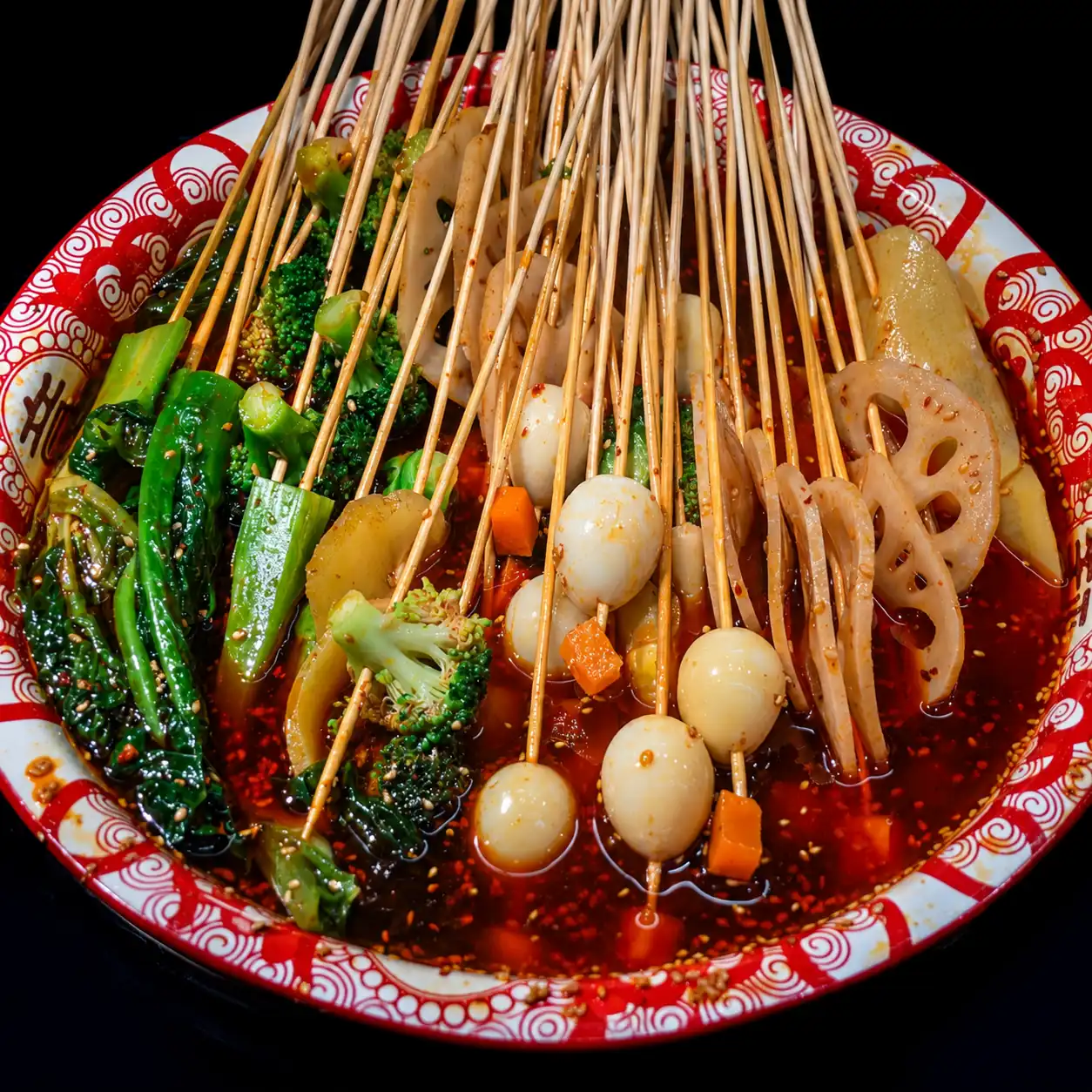
  • Chuan chuan xiang skewers served with Sichuan spicy broth

    Chuan Chuan Xiang

    串串香 · Chuànchuàn xiāng

    Choose skewers of vegetables, tofu, meat or offal and have them cooked in a spicy, fragrant broth. Chuanchuan feels like a skewer-based cousin of hot pot, but pricing methods vary by shop.

    Taste: Málà, customizable, communal

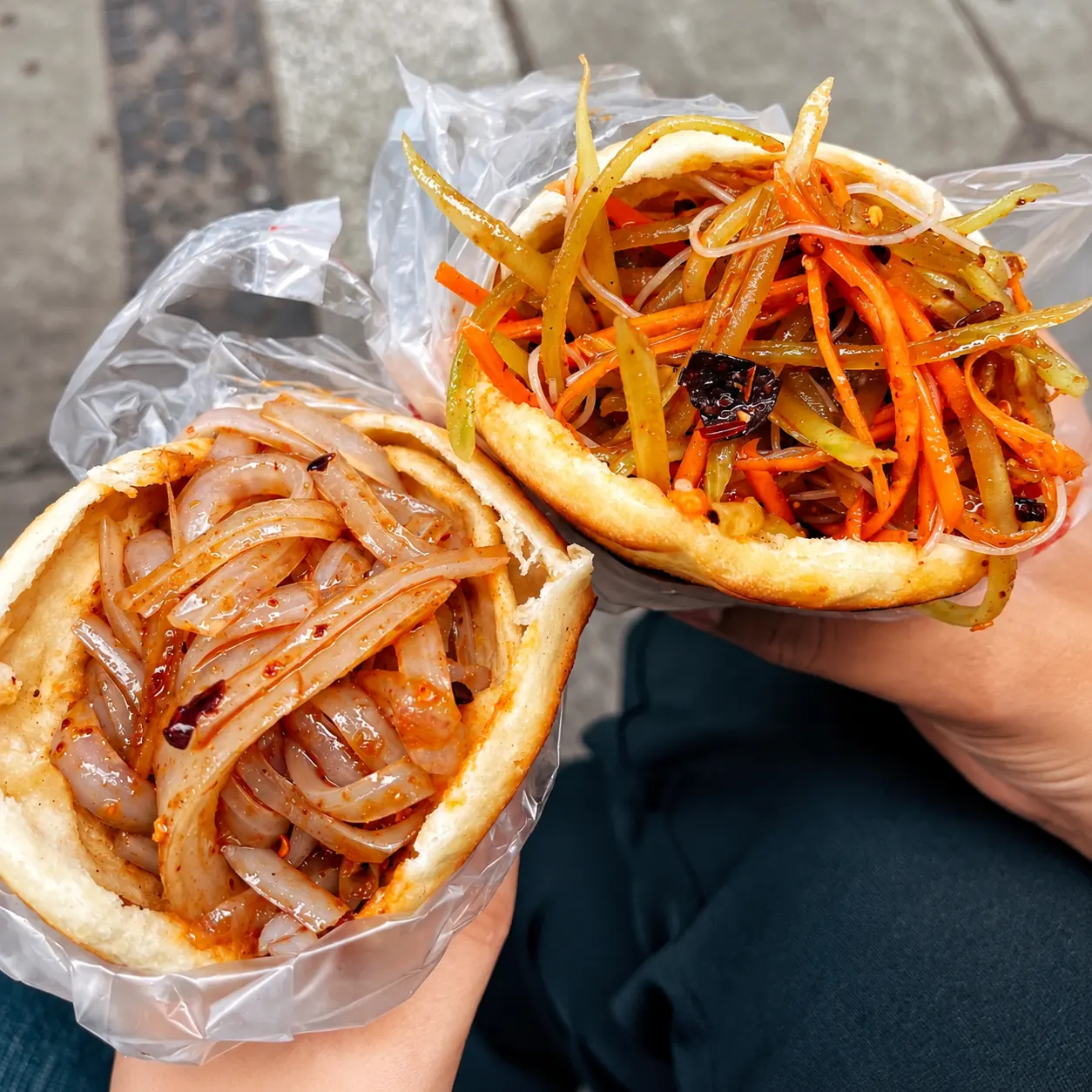
  • Chengdu guokui wheat flatbread with a crisp golden crust

    Guokui Flatbread

    锅盔 · Guōkuī

    A portable wheat flatbread with a crisp exterior, sometimes filled with seasoned beef or pork. Styles and preparation vary, so check whether the guokui is plain, filled or freshly heated.

    Taste: Crisp outside, hearty inside

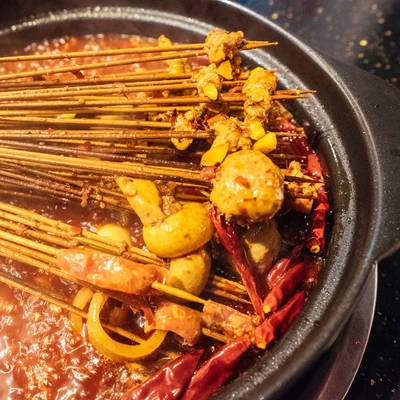
  • Boboji Sichuan chicken and vegetable skewers in seasoned chili oil

    Bobo Chicken (Boboji)

    钵钵鸡 · Bōbō jī

    Pre-cooked skewers of chicken, vegetables and other ingredients rest in a fragrant, seasoned liquid, often with chili oil and Sichuan pepper. Unlike hot pot, you do not cook them at the table.

    Taste: Savory, aromatic, often spicy

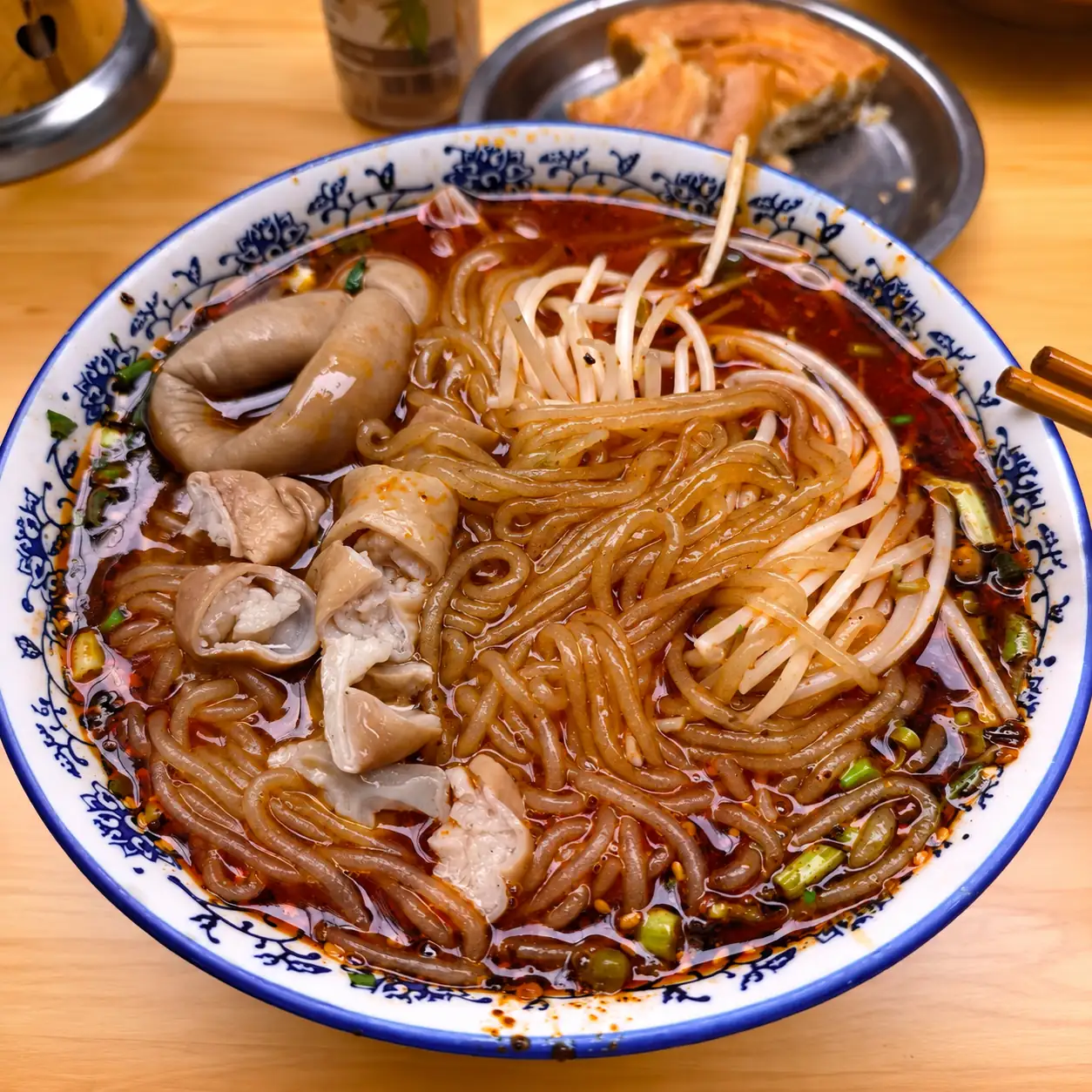
  • Feichangfen Sichuan sweet potato starch noodles with pork intestine

    Feichangfen (Pork Intestine Noodles)

    肥肠粉 · Féicháng fěn

    Feichangfen commonly uses springy sweet-potato starch noodles, not rice noodles. They come in a savory, chili-seasoned broth with pork intestine; some shops serve a crisp guokui alongside.

    Taste: Chewy, savory, spicy

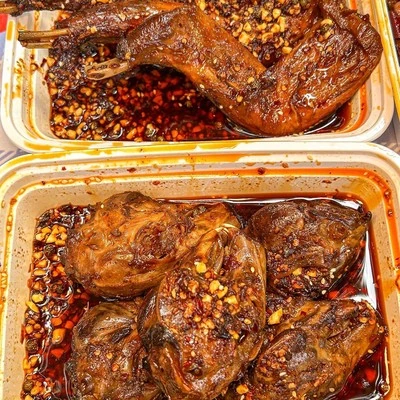
  • Chengdu spicy braised rabbit head local Sichuan snack

    Chengdu Rabbit Head

    兔头 · Tùtóu

    Rabbit head (tùtóu) is a distinctive Chengdu snack, often braised in spices and offered in spicy or five-spice versions. It is eaten by hand, picking small pieces of meat from around the bones; think of it as a slow snack, not a full-size entrée.

    Taste: Aromatic, richly spiced; heat depends on style

Hot Pot, Chuanchuan, Maocai or Dry Pot?

These common Sichuan dining formats sound similar but work differently. Choose by whether you want to cook and share at the table or eat a ready-made bowl.

Hot pot · 火锅 (huǒguō)
Cook ingredients yourself in simmering broth at the table; ideal for a leisurely group meal.
Chuanchuan · 串串 (chuànchuàn)
Choose ingredients on skewers, usually cooked in seasoned broth. Ask whether pricing is by skewer or weight.
Maocai · 冒菜 (màocài)
A selection of ingredients cooked for you and served ready to eat in a seasoned bowl; convenient for one person.
Dry pot · 干锅 (gān guō)
Pre-cooked, stir-fried ingredients with chili and aromatics, served without hot-pot-style soup broth.

Where to Eat in Chengdu

Wondering where to eat in Chengdu? Pick the neighborhood to match the meal: Kuixinglou Street for a Sichuan lunch near Kuanzhai Alley, Yulin for a relaxed hot pot or chuanchuan evening, Jianshe Road for snack-hopping, and Wenshu Monastery for tea and traditional snacks.

MORE NEIGHBORHOODS TO EXPLORE

  • Jianshe Road

    建设路 · Jiànshè Lù

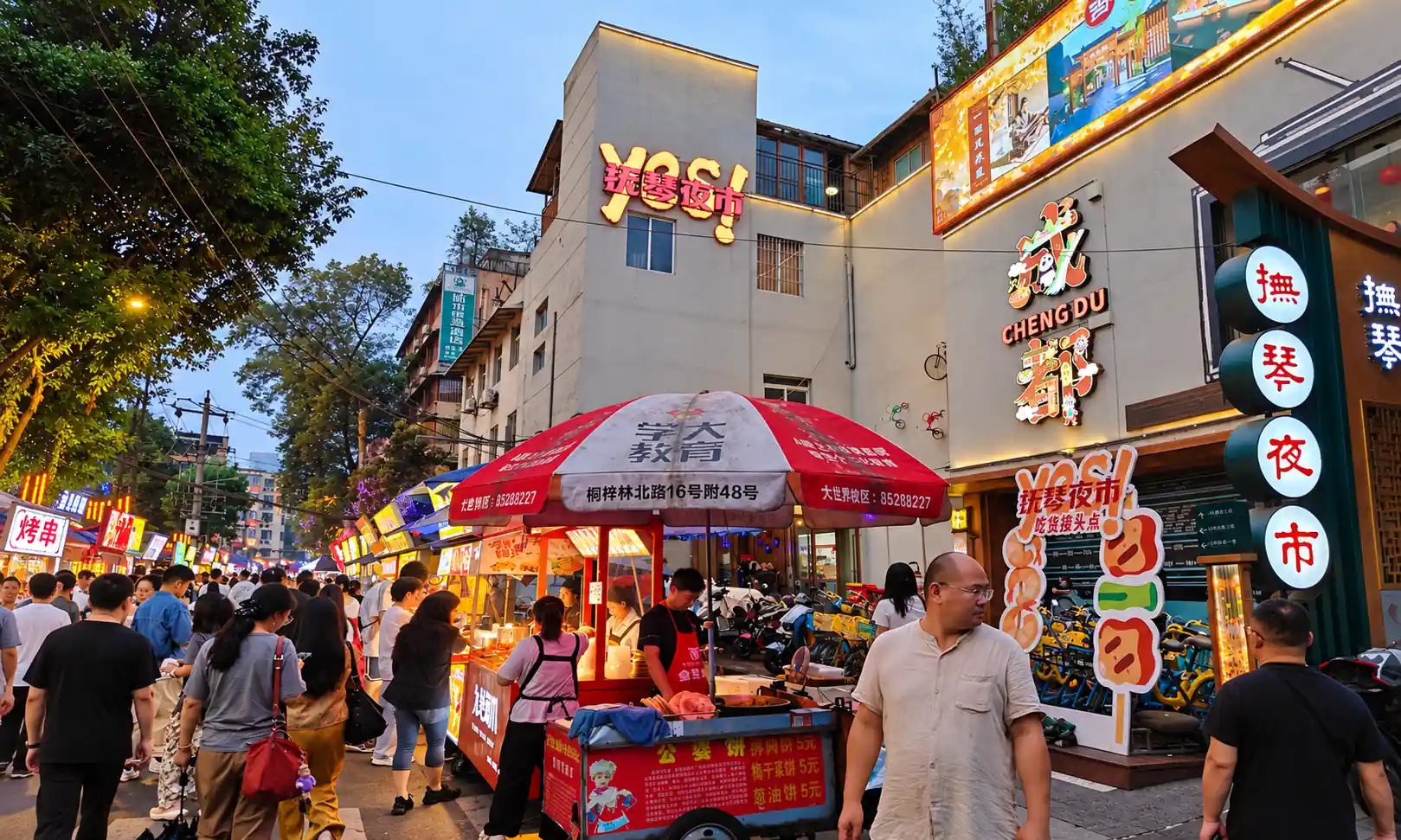
    Choose Jianshe Road if tasting several small bites is the main event. This lively food-shopping area is known for snack shops and quick-service vendors, making it easier to sample different flavors than to linger over a formal multicourse Sichuan meal. It is a different outing from Yulin's sit-down dining scene.

    Best for: Street-food tasting with friends or an informal evening outing

    Look for: Grilled skewers, guokui flatbread, fried potato snacks or boboji, depending on current vendors

    When to go: Late afternoon or evening for the atmosphere; expect busier lines at peak times

  • Wenshu Monastery & Wenshufang

    文殊院 · 文殊坊 · Wénshū Yuàn / Wénshūfāng

    Pair a monastery visit with tea and a lighter food stop in the surrounding lanes. Compared with Jianshe Road's snack-focused evening energy, this area suits an unhurried daytime visit. You can look for traditional noodles, sweet snacks and vegetarian-friendly choices, but always confirm ingredients.

    Best for: Combining cultural sightseeing, tea and an easy lunch

    Look for: Sweet water noodles, Sichuan snacks, teahouses and vegetarian dishes where available

    When to go: Daytime around your monastery visit; confirm tea-house hours and vegetarian preparation

Chengdu Food Prices & Dining Costs

How much does food cost in Chengdu? Compare snack portions, noodle bowls, shared Sichuan meals and hot pot using these CNY planning ranges. They are estimates rather than live restaurant prices, so allow for portions and optional extras.

Chengdu food prices: budget roughly ¥5–30 for a noodle bowl or snack, ¥40–80 per person for casual Sichuan dining, ¥50–80 for chuanchuan or ¥80–150 per person for hot pot. These are illustrative ranges, not guarantees. A shared hot pot bill depends on the number of diners and separately priced broth, ingredients, dipping sauces and drinks.

Indicative Chengdu dining price ranges in Chinese yuan (CNY).
Dining Style Typical Price Charged By What to Expect
Breakfast & Street Snacks ¥5–20 Per item One simple breakfast item or quick street snack. Buying several bites adds to the bill.
Noodles, Dumplings & Snacks ¥5–30 Per bowl or serving Dan dan mian, Zhong dumplings, sweet water noodles or chao shou; portions and toppings vary.
Casual Sichuan Restaurant ¥40–80 Per person An estimated share of several Sichuan dishes and rice. Costs depend on group size and what is ordered.
Chuan Chuan Xiang ¥50–80 Per person Skewer-based dining; shops may charge by skewer, ingredient or weight. Check the pricing method first.
Sichuan Hot Pot ¥80–150 Per person A group meal with a shared pot. The bill varies with broth base, meat, vegetables, sauces and drinks.
Mid-Range Restaurant ¥80–150 Per person A more substantial sit-down meal or a wider selection of shared dishes, depending on the venue.
Upscale Dining or Tasting Menu ¥150–500+ Per person Special-occasion dining; premium venues, drinks and set-menu upgrades may exceed this range.

Price basis: approximate 2026 visitor-planning ranges in Chinese yuan (CNY), informed by published Chengdu dining guides and reported meal costs; not an independent, shop-by-shop menu survey. Reviewed October 2026. A restaurant's displayed menu or checkout screen determines the actual price.

How Much Should You Budget for Food in Chengdu?

  • LOCAL & BUDGET ¥50–100 Per person / day

    Simple local breakfast, inexpensive noodles and a modest neighborhood meal. This tier generally leaves little room for hot pot or extra drinks.

  • COMFORTABLE MIX ¥150–300 Per person / day

    A flexible day with local noodles and snacks plus a shared Sichuan restaurant or hot pot dinner. Spend more if ordering premium ingredients.

  • PREMIUM EXPERIENCE ¥350–700+ Per person / day

    A special-occasion restaurant or tasting menu alongside other meals and drinks; premium menus can cost even more.

Example day (illustrative): ¥15 breakfast + ¥20 noodle lunch + ¥110 shared hot pot dinner + ¥15 afternoon snack = ¥160 per person, before additional drinks or transport. This is sample arithmetic, not a fixed Chengdu meal deal.

What Can Change Your Final Bill?

Check Hot Pot Extras

Ask whether the broth base, dipping sauces, drinks or packaged tableware are charged separately. The per-person estimate is only a guide to the shared final bill.

Count Skewers Carefully

At chuanchuan shops, the price may depend on skewers, ingredient portions or weight. Confirm the method before filling your tray, especially for meat and seafood.

Review the Total Price

Check the QR ordering total, portions, set-menu inclusions and any stated service fees before paying. Tipping is generally not expected at everyday local restaurants.

How to Order Food in Chengdu

From noodle shops to Sichuan hot pot restaurants, you can order food in Chengdu without speaking fluent Mandarin. Learn how to use a QR menu, show Chinese dish names, choose your spice level and confirm an order before paying.

Three Steps to Ordering in Chengdu

  1. Find the Menu or Ordering Screen

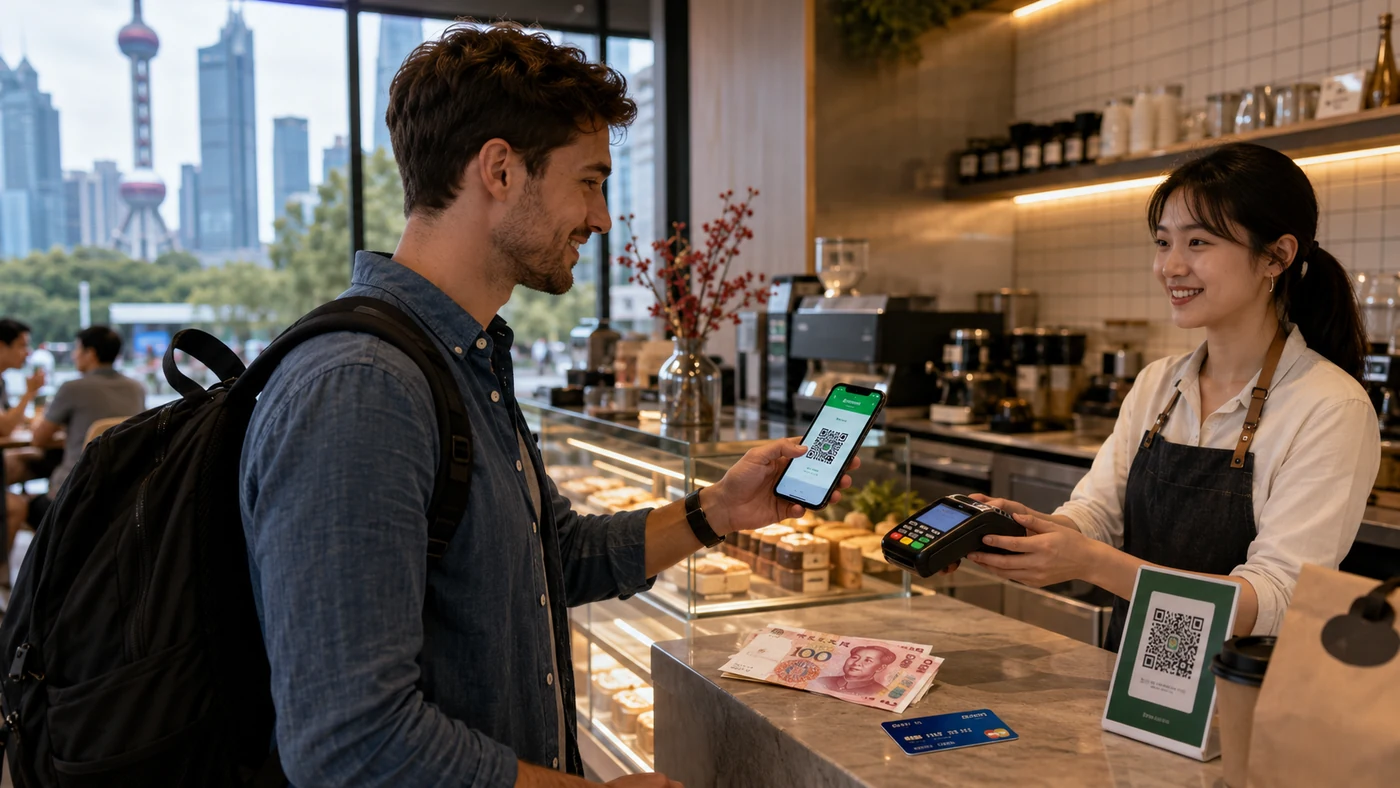
    At a noodle shop, you may order at the counter; at a sit-down restaurant, the table may have a QR-code menu that opens in WeChat, Alipay or a browser. If the page will not load, ask for a printed menu or point to the Chinese dish name or a photo. You do not need to guess from pinyin.

  2. Confirm the Dish and Spice Level

    Point to the item, check how many servings you need and tell staff your preferred chili level. In Chengdu, là (辣, chili heat) is different from má (麻, the numbing effect of Sichuan pepper). For hot pot, you can ask whether a yuānyāng guō (鸳鸯锅, split-flavor pot) is available. Confirm any ingredient restrictions separately.

  3. Review Your Order and Pay

    Before you submit a digital order, check dish quantities, selected broth or sauces and the displayed total. Some restaurants take payment before food arrives; others settle the bill afterward. A QR-code menu does not guarantee that every payment method is accepted, so ask staff for another option if checkout fails.

Useful Chinese Phrases

Show these written Chinese phrases to staff when ordering noodles, hot pot or snacks. Tap a speaker to hear Mandarin when your device supports speech playback; the Chinese text works even if audio does not.

  • 请问,有英文菜单吗? Qǐngwèn, yǒu Yīngwén càidān ma?

    Do you have an English menu?

  • 我想点这个。 Wǒ xiǎng diǎn zhège.

    I'd like to order this.

  • 这个辣吗? Zhège là ma?

    Is this spicy?

  • 可以做微辣吗? Kěyǐ zuò wēi là ma?

    Can you make it mildly spicy?

  • 这里面有花生吗? Zhè lǐmiàn yǒu huāshēng ma?

    Does this contain peanuts?

  • 可以不放花椒吗? Kěyǐ bù fàng huājiāo ma?

    Can you leave out Sichuan peppercorns?

  • 买单,谢谢。 Mǎidān, xièxie.

    The bill, please.

Audio is generated by your browser or device, not a human recording. Pronunciation and support vary. Tap the speaker again to stop, or simply show the written phrase to your server.

Chengdu Ordering Details Worth Knowing

  • Order by Chinese Name or Photo

    Pinyin spellings may not appear on local menus. Show the Chinese characters from the dish list, point to the matching item and confirm the number of servings. Small noodle or wonton portions are not always a full meal.

  • Mild Chili Is Not No Sichuan Pepper

    微辣 (wēi là) means mildly spicy, while 不辣 (bù là) asks for no chili. Neither request automatically rules out 花椒 (huājiāo), the numbing Sichuan pepper used in many sauces and broths. Ask separately.

  • Explain Dietary Restrictions Clearly

    Broths, sauces and garnishes may contain meat, wheat, soy, peanuts or sesame even when these are not obvious. Show any allergy information in Chinese and ask about ingredients and shared cooking equipment before ordering.

A Half-Day Chengdu Food Walk

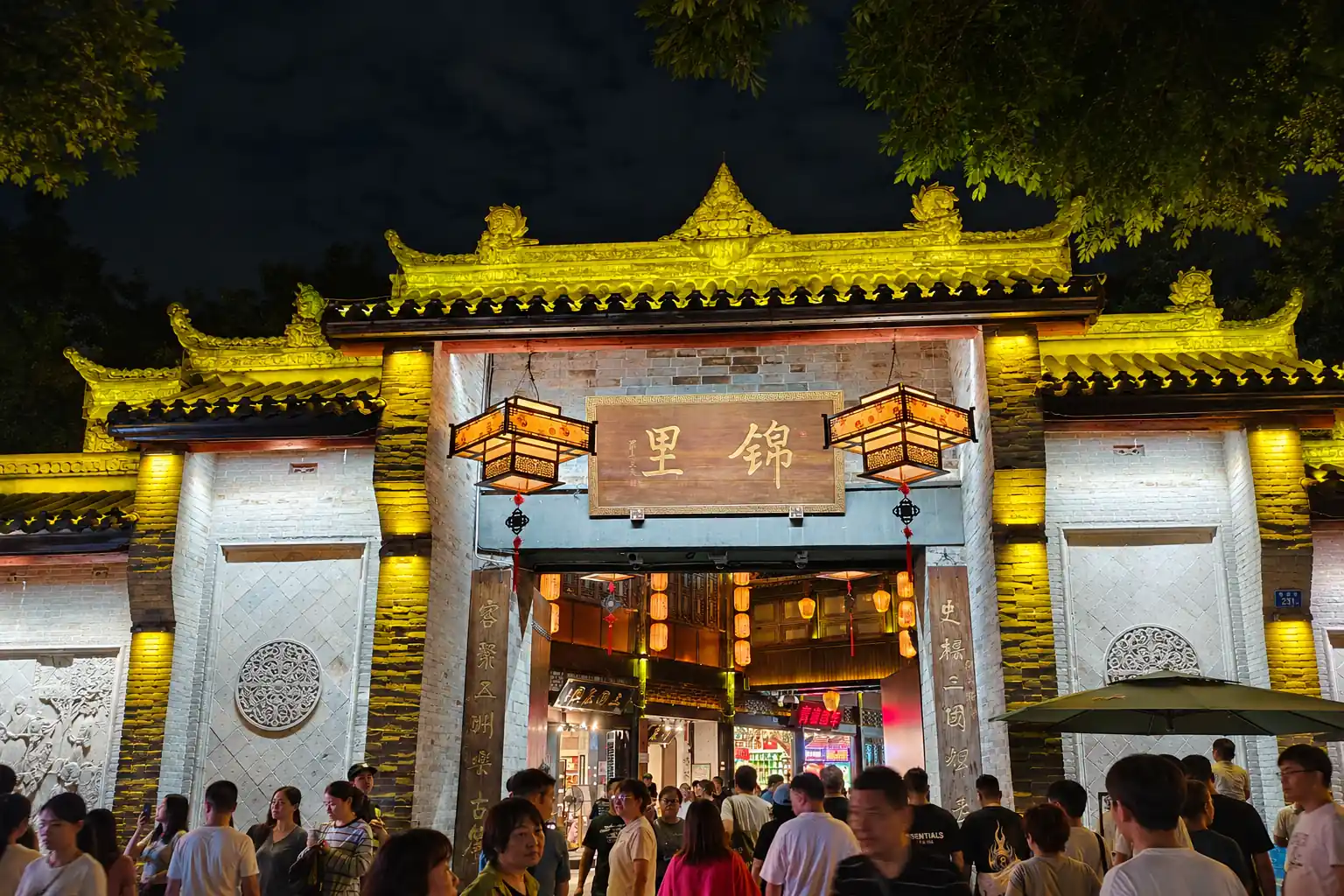
Follow a self-guided Chengdu food walk through one connected central area: begin with local teahouse culture at People's Park, explore Kuanzhai Alley's snack lanes, and finish with lunch near Kuixinglou Street. This order keeps the route moving toward the food stops rather than sending you back across town.

  1. · Suggested start

    Start with Tea at People's Park

    人民公园 · Rénmín Gōngyuán

    Begin with a relaxed cup of gaiwan cha (盖碗茶), Chengdu's covered-bowl tea. People's Park is known for its teahouse atmosphere; Heming Teahouse (鹤鸣茶社) is one familiar option if it is open and seats are available. Keep the tea break unhurried, but leave room for snacks and lunch ahead.

    Experience Gaiwan tea and an easy morning pause; check tea prices before ordering
  2. · Flexible arrival

    Browse Kuanzhai Alley for One Snack

    宽窄巷子 · Kuānzhǎi Xiàngzi

    Walk on toward the Wide and Narrow Alleys, a historic-style pedestrian area with courtyard architecture, teahouses and snack stalls. This is the sightseeing-and-tasting stop, not your main meal: choose one small snack, compare posted prices and save your appetite for Kuixinglou Street.

    Try San da pao (三大炮) or tangyouguozi (糖油果子) if current vendors offer them
  3. · Browse before lunch

    Compare Food Stops on Kuixinglou Street

    奎星楼街 · Kuíxīnglóu Jiē

    Continue into the Kuixinglou Street area, where casual Sichuan restaurants and snack shops provide more substantial choices than a sightseeing-only snack stop. Look at menus first: some places specialize in noodles or sweets, while others are better suited to a sit-down shared meal.

    Look for Noodle or wonton counters, danhonggao (蛋烘糕) or bingfen (冰粉), depending on the shops open that day
  4. · Lunch window

    Finish with a Sichuan Lunch Nearby

    四川午餐 · Sìchuān wǔcān

    Stay around Kuixinglou for lunch instead of traveling to another neighborhood. Dining solo? Choose a noodle or chao shou (抄手) bowl. With friends, look for a restaurant serving shared dishes such as mapo tofu with rice. This is a flexible menu suggestion, not a promise that one restaurant serves every specialty.

    Choose One bowl for a quick solo lunch or two shared dishes for a small group; confirm portion sizes before ordering

Chengdu Food Culture & Dining Etiquette

Chengdu food culture combines distinctive Sichuan flavors, convivial meals and a tradition of lingering over tea. Understanding the city's food heritage and a few everyday dining customs adds context to the dishes you taste.

What Makes Chengdu Food Culture Distinctive

Chengdu joined the UNESCO Creative Cities Network as a City of Gastronomy in 2010. Its culinary identity reaches beyond hot pot: complex Sichuan seasoning, neighborhood snack shops, meals shared with friends and long conversations in teahouses are all part of the experience.

  • Sichuan Cuisine Has Many Flavor Profiles

    Alongside málà (麻辣), look for yúxiāng (鱼香, “fish-fragrant”), a sweet-sour-savory seasoning style that typically contains no fish, and guàiwèi (怪味, “strange flavor”), which balances contrasting tastes. Fermented chili-bean paste such as Pixian doubanjiang adds depth to many Sichuan dishes. Spice is only one part of the flavor.

  • A Meal Can Be Quick or Communal

    A small bowl of noodles or chao shou makes an individual snack, while a table of stir-fried dishes is often shared. Hot pot turns cooking into part of the gathering: diners select ingredients together and eat at a relaxed pace. The format shapes the experience as much as the recipe.

  • Teahouses Are Part of Everyday Life

    In Chengdu, a teahouse is also a place to talk, meet friends or watch daily life unfold. Tea may arrive in a gaiwan (盖碗), a lidded bowl used to keep leaves back while sipping. Traditional teahouse customs are easy to enjoy, but seating, service and refill arrangements differ by venue.

What to Expect in Chengdu’s Dining Settings

Noodle Shops & Snack Counters

A bowl of dan dan noodles or wontons may be a quick stop rather than a lengthy meal. Smaller portions make it possible to taste several specialties. Some shops use counter ordering while others serve at the table; follow the queue and service signs.

Shared Sichuan Restaurant Meals

Several dishes may be placed in the middle of the table for everyone to share, often with rice served separately. Mix vegetables and proteins according to your group’s appetite; use the serving utensils offered and check portion sizes before ordering.

Traditional Chengdu Teahouses

Tea is often a reason to linger, not simply a drink to take away. A gaiwan lid can hold back loose leaves as you sip. Ask about seating, refills and tea prices, then enjoy the unhurried atmosphere without assuming every venue works the same way.

Chengdu Food Guide FAQs

Find quick answers to the questions that matter when eating in Chengdu: what to try, how to avoid excessive spice, which dining style to choose, where to find local snacks, and what to budget.

What food is Chengdu most famous for?

Chengdu is best known for Sichuan hot pot, dan dan noodles, mapo tofu, Zhong dumplings and chuanchuan skewers. For a smaller snack, look for sweet water noodles or chao shou (Sichuan wontons). Try a mix of a noodle-shop specialty and a shared meal rather than choosing hot pot alone.

What can I eat in Chengdu if I do not like spicy food?

Try asking for clear-broth wontons, plain guokui flatbread or less-spicy vegetable dishes, depending on the menu. Tell staff 不辣 (bù là) if you want no chili and 不放花椒 (bù fàng huājiāo) if you also want no Sichuan pepper. Recipes vary, so confirm the preparation before ordering.

Should I try hot pot, chuanchuan or maocai in Chengdu?

Choose hot pot for a longer group meal where you cook at the table, chuanchuan if you want to select ingredients on skewers, and maocai for a ready-to-eat bowl that often suits solo dining. For hot pot or skewers, ask how the ingredients, broth and sauces are priced.

Where should I go for street food in Chengdu?

Jianshe Road is a useful choice for a snack-hopping outing, especially later in the day. Kuixinglou Street works well for a Sichuan meal and nearby snacks when visiting Kuanzhai Alley. Around Wenshu Monastery, you can combine tea with traditional snacks. Individual stalls and opening hours change.

How much should I budget for food in Chengdu per day?

For food only, a rough planning budget is ¥50–100 per person for simple local meals or ¥150–300 for a more flexible day with snacks and a shared restaurant or hot pot dinner. A hot pot meal alone may cost roughly ¥80–150 per person. These are estimates, not fixed menu prices.

Can vegetarians and vegans find food in Chengdu?

Yes, but confirm the ingredients instead of relying on a dish name. Mapo tofu may include minced meat, and vegetable dishes, broths, hot pot bases or sauces may use animal stock, lard or oyster sauce. Vegans should also ask about eggs and dairy; travelers with allergies need to discuss cross-contact separately.

Is Chengdu food easy to enjoy when traveling alone?

Yes. Dan dan noodles, chao shou, dumplings and maocai are practical choices when dining alone because they can be ordered by the bowl or serving. A large shared hot pot may be less economical for one person, so ask whether a single-diner pot or smaller portions are available.

How do tourists pay for meals and street food in Chengdu?

Alipay and WeChat Pay are widely used, including at many casual eateries, but payment options vary by business. Ask before ordering if you need to use a foreign bank card or cash, and confirm the amount shown on the checkout screen. A QR-code menu and a payment QR code do not always work the same way.