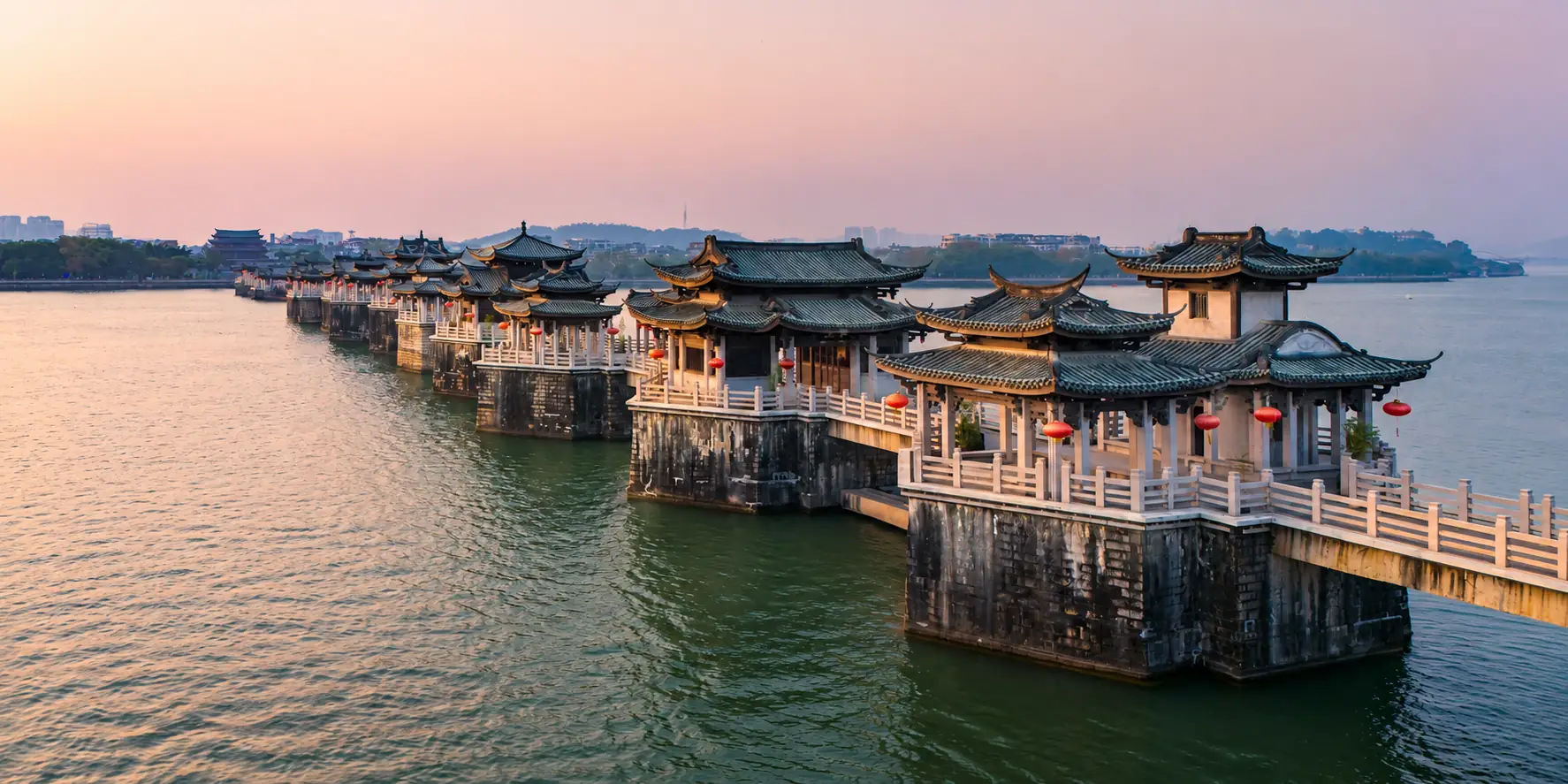
How Many Days in Chaozhou?
One day covers the ancient-city highlights, while two or three days give you more time for Teochew food, tea culture, historic neighborhoods and a slower local experience.

Plan your Chaozhou trip with a practical guide to Chaozhou Ancient City, Guangji Bridge, Paifang Street (Archway Street), Kaiyuan Temple, Teochew food and gongfu tea. Find 1–3 day itineraries, where to stay, the best time to visit and how to arrive via Chaoshan Railway Station or Jieyang Chaoshan International Airport.
Plan your first Chaozhou trip with practical advice on how many days to stay, Chaozhou Ancient City, Guangji Bridge, Teochew food, gongfu tea, the best time to visit, transportation, hotels and easy itineraries for exploring this historic city in Guangdong.
Base your visit around Chaozhou Ancient City, where Paifang Street, Kaiyuan Temple, Guangji Gate, the ancient city wall and Guangji Bridge are easy to combine on foot. Add time for Teochew cuisine, gongfu tea, traditional neighborhoods and an evening beside the Han River.
One day covers the ancient-city highlights, while two or three days give you more time for Teochew food, tea culture, historic neighborhoods and a slower local experience.
October to April generally offers the most comfortable conditions for exploring Chaozhou, with October and November particularly suitable for walking around the Ancient City.
Chaozhou is best experienced through a mix of historic landmarks, Teochew culture, local cuisine and everyday life inside the old city rather than sightseeing alone.
Build a private Chaozhou itinerary with station or airport pickup, an old-city walking route, a local guide, Teochew food experiences and optional extensions around the wider Chaoshan region.
Explore Chaozhou’s essential attractions, Teochew food and cultural experiences, then use our suggested itineraries to connect the Ancient City, Han River and wider Chaoshan region.
Explore Chaozhou’s essential sights, from Guangji Bridge and the Han River to Paifang Street (Archway Street), Kaiyuan Temple, historic city walls, ancestral halls and traditional neighborhoods. Most highlights are concentrated around Chaozhou Ancient City, making them easy to combine on a first visit.
First built in 1171 during the Southern Song Dynasty, Guangji Bridge, also known as Xiangzi Bridge, spans the Han River beside Chaozhou Ancient City. Its distinctive structure combines permanent bridge sections with a movable central pontoon section, making it one of Chaozhou’s most recognizable historic landmarks.
Walk through the heart of old Chaozhou along Paifang Street, also known as Archway Street, where historic memorial archways, traditional façades, local shops and food stalls lead into a network of old lanes and residential neighborhoods.
Visit Chaozhou’s best-known historic Buddhist temple, founded in 738 during the Tang Dynasty. Its traditional halls, courtyards, historic relics and architectural details make it an important stop for understanding the religious and cultural heritage of Chaozhou Ancient City.
Explore the historic eastern gateway of Chaozhou Ancient City and walk beside the surviving riverside wall overlooking the Han River. This area forms a natural connection between the old-city streets, Guangji Gate and Guangji Bridge.
Visit this historic memorial complex dedicated to Han Yu on the eastern side of the Han River. Its hillside setting combines local history, traditional architecture and elevated views back toward the river and Chaozhou Ancient City.
Step inside one of Chaozhou’s notable historic ancestral halls to see intricate wood, stone and decorative craftsmanship associated with traditional Teochew architecture, ancestral traditions and clan culture.
Slow down at this historic lake and park west of Chaozhou Ancient City. Its waterside paths, greenery and cultural sites provide a quieter contrast to the busier streets around Paifang Street and Guangji Gate.
Combine Guangji Bridge, Paifang Street, Kaiyuan Temple, Guangji Gate, the ancient city wall and Han River in a walkable sightseeing plan, then leave time for Teochew food, gongfu tea and traditional neighborhoods.
Experience Chaozhou beyond its historic landmarks through gongfu tea, Teochew opera, traditional crafts, old-town neighborhoods, Han River evenings and local food culture. These experiences reveal the living traditions that make Chaozhou distinctive within Guangdong and the wider Chaoshan region.
Slow down in a traditional tea house and experience Chaozhou gongfu tea, where careful brewing, small teapots, tiny cups and repeated infusions turn tea drinking into a social ritual. A gongfu tea session is one of the most distinctive ways to experience everyday Teochew culture and local hospitality.
Discover Teochew Opera, also known as Chaozhou Opera, one of the Chaoshan region’s best-known performing traditions. Its distinctive singing, costumes, music and storytelling offer a deeper introduction to the Teochew language and local cultural identity.
Leave the busiest stretch of Paifang Street and explore quieter lanes lined with traditional houses, ancestral halls, tea shops and neighborhood businesses. Walking away from the main sights gives you a closer look at everyday life inside Chaozhou Ancient City.
Spend an evening beside the Han River around Guangji Bridge, Guangji Gate and the ancient city wall, then continue into the old town for tea, snacks and a different atmosphere after the daytime sightseeing crowds begin to thin.
Look for Chaozhou woodcarving, embroidery, ceramics and other traditional crafts in workshops, cultural spaces and heritage buildings around the old city. Intricate carving and decorative detail are especially characteristic of traditional Teochew architecture and visual culture.
Go beyond drinking tea and explore the teapots, cups and utensils used in Chaozhou gongfu tea. Tea ware connects craftsmanship, brewing technique, hospitality and daily life, making it an important part of understanding local tea culture.
Make local food part of the experience rather than just a meal. Visit restaurants, snack shops and evening food streets to discover the flavors and eating habits that define Teochew cuisine across Chaozhou and the wider Chaoshan region.
Chaozhou is more than a collection of historic sights. Slow down for tea, traditional performances, old-town neighborhoods, local crafts, Han River evenings and the food culture that shapes everyday life across the wider Chaoshan region.
Combine classic sightseeing with gongfu tea, traditional crafts, Teochew culture, local food and an evening beside the Han River for a more complete Chaozhou trip.
Food is an essential part of any Chaozhou trip. Discover Teochew cuisine through Chaoshan beef hotpot, braised goose, oyster omelette, traditional rice snacks, raw marinated seafood and local desserts, then slow down with Chaozhou gongfu tea between meals.
Chaozhou is a major destination for Teochew food and is recognized as a birthplace of Chaozhou cuisine. Local cooking emphasizes fresh ingredients, careful preparation and balanced flavors, with seafood, braised dishes, beef, rice-based snacks and tea all playing important roles in the city’s food culture.
Fresh beef hotpot is one of the Chaoshan region’s best-known dining experiences. Different cuts of beef are sliced thinly and cooked briefly in a light broth, putting freshness, texture and precise cooking time at the center of the meal.
Chaozhou-style braised goose is a classic Teochew dish, slowly cooked in an aromatic seasoned braising liquid and served in slices. Different cuts offer noticeably different textures, making it a good dish to order and share at a traditional local restaurant.
This popular Chaoshan snack combines small oysters, egg and starch into a dish with crisp edges and a soft, chewy center. It is an easy local specialty to try while exploring snack shops, food streets and traditional neighborhoods around the old city.
Rice-based kueh are an important part of everyday Teochew food culture. Savory and sweet varieties appear in snack shops, markets and family traditions, giving visitors an easy way to sample several local flavors in smaller portions.
Try Ya Mu Nian, a traditional Chaoshan dessert made with glutinous-rice dumplings and sweet fillings served in a warm sweet soup. The soft, chewy texture makes it a gentle finish after a richer Teochew meal.
Raw marinated seafood, known as sheng yan, is one of Chaozhou’s distinctive seafood traditions. Fresh shrimp, crab, shellfish or other seafood may be marinated with garlic, coriander, chili, soy sauce and other seasonings before being served raw. Choose a properly licensed and reputable restaurant when trying it.
Use Chaozhou Ancient City and the Xima Road area for traditional snacks and casual food stops, then leave room for a sit-down beef hotpot or braised-goose meal. Spread your food experiences across lunch, gongfu tea, dinner and a late-night snack rather than trying to fit every specialty into one sitting.
Choose a Chaozhou itinerary based on how much time you have. One day covers the essential Ancient City landmarks, while two days gives first-time visitors a better balance of sightseeing, Teochew food, gongfu tea and local culture. With three days, you can slow down or add a Fenghuang Dancong tea-country experience outside the historic center.
This 2-day Chaozhou itinerary combines Paifang Street, Kaiyuan Temple, Guangji Gate, Guangji Bridge and the Han River with historic neighborhoods, Teochew cuisine, gongfu tea and traditional culture at a comfortable pace for first-time visitors.
Begin in the historic center with a walk along Paifang Street, then explore side lanes, traditional buildings and neighborhood streets around Chaozhou Ancient City. Include Kaiyuan Temple as part of the morning route.
Continue toward Guangji Gate and the riverside section of Chaozhou’s ancient city wall before visiting Guangji Bridge beside the Han River. This compact area brings together several of the city’s most recognizable historic landmarks.
Stay around the Han River as evening arrives, then return to the old-city streets for a Teochew dinner, local snacks or a relaxed late-night food stop. This is also a good time to enjoy the atmosphere around Guangji Gate and the riverside.
Explore Chaozhou Food ↓Head to the eastern bank of the Han River and visit Han Wengong Temple, the historic memorial complex associated with Han Yu. Its hillside setting also provides a different perspective across the river toward Chaozhou Ancient City.
Spend the afternoon discovering another side of Chaozhou through traditional architecture and craftsmanship. Visit an ancestral hall such as Jilue Huang Ancestral Hall, look for Chaozhou woodcarving and decorative details, then slow down with a walk around Chaozhou West Lake.
Finish your Chaozhou trip with a gongfu tea session at a local tea house, then choose a final dinner such as Chaoshan beef hotpot, Chaozhou braised goose or other traditional Teochew dishes.
Explore Local Experiences ↓Customize your Chaozhou trip around your arrival time, hotel, sightseeing pace, food interests and preferred cultural experiences, with optional station or airport pickup and extensions around the wider Chaoshan region.
The best time to visit Chaozhou is generally from October to April, when conditions are cooler and better suited to walking around Chaozhou Ancient City. October and November offer one of the best combinations of comfortable temperatures and lower rainfall, while late spring and summer are hotter, wetter and more humid.
October and November are especially well suited to Chaozhou because temperatures become more comfortable and rainfall drops from the wetter spring and summer period. Long walks around Paifang Street, Guangji Bridge, the Han River and the old-city lanes are generally easier, while December through April can also work well if you prefer cooler weather.
Autumn is one of the most comfortable periods for sightseeing in Chaozhou. Rainfall is much lower than during the wetter months, humidity eases and daytime temperatures remain suitable for walking through the Ancient City and along the Han River.
Winter is mild compared with northern China and works well for travelers who prefer cooler walking weather. Bring layers for mornings and evenings, and remember that Chinese New Year and Spring Festival travel periods can bring much heavier crowds.
Temperatures rise through spring and sightseeing can still be comfortable, although humidity and rainfall begin increasing. March is generally cooler, while April marks the beginning of Chaozhou’s wetter part of the year.
Expect higher temperatures, humidity and more frequent rain through much of this period. Plan longer outdoor walks for mornings or later afternoons, carry rain protection and keep some flexibility in case of heavy rain or tropical weather affecting Guangdong.
Good weather does not always mean low crowds. Major Chinese public holidays can make Chaozhou Ancient City, Paifang Street and Guangji Bridge considerably busier, so check the holiday calendar before finalizing your travel dates.
For most first-time visitors, the most convenient place to stay in Chaozhou is in or within easy walking distance of Chaozhou Ancient City. Staying near Paifang Street, Guangji Gate or the Han River keeps major sights, Teochew food, tea houses and evening walks close by, while areas toward West Lake or just outside the historic core offer quieter and more practical alternatives.
Stay in or around Chaozhou Ancient City if sightseeing is the priority of your trip. Paifang Street, Kaiyuan Temple, Guangji Gate, the ancient city wall and Guangji Bridge are concentrated around the historic center, while restaurants, snack shops and tea houses are easy to reach throughout the day and evening.
Choose the eastern side of Chaozhou Ancient City if Guangji Bridge, Guangji Gate and the Han River are high on your sightseeing list. This area keeps riverside walks close while remaining within easy reach of Paifang Street, Kaiyuan Temple and the historic lanes.
Stay toward Xima Road or Chaozhou West Lake if you want easy access to traditional snacks and local streets while being slightly removed from the busiest stretch of Paifang Street. It is a useful compromise for travelers who still want Chaozhou Ancient City within easy reach.
Staying just outside the historic core can make vehicle access, luggage transfers and hotel arrivals more convenient while still keeping Chaozhou Ancient City nearby. Central Xiangqiao also offers a broader mix of city hotels for travelers who prefer modern facilities over a small old-city guesthouse.
Chaoshan Railway Station is an important arrival point for Chaozhou, but it is outside the main Ancient City sightseeing area. For a short first visit, staying near the historic center usually saves more time once you begin sightseeing. When booking, check the hotel’s actual map location rather than relying only on property names that mention “Ancient City,” “Paifang Street” or “Guangji Bridge.”
Travelers commonly reach Chaozhou through Chaoshan Railway Station or Jieyang Chaoshan International Airport, then continue to the Ancient City by taxi, DiDi or private transfer. Once in central Chaozhou, many major sights are close enough to explore on foot, with taxis and local buses useful for longer journeys.
For a first Chaozhou trip, use high-speed rail or air travel to reach the Chaoshan region, take a taxi, DiDi or arranged pickup to your hotel, and walk between the main Ancient City attractions. Use ride-hailing for West Lake, Han Wengong Temple, the railway station, airport and places outside the historic center.
Chaoshan Railway Station is a major high-speed rail gateway for Chaozhou and the wider Chaoshan region. The station is outside Chaozhou’s historic center, so allow additional transfer time after your train arrives. A taxi, DiDi or pre-arranged pickup is usually the simplest way to continue to a hotel near Chaozhou Ancient City.
Where to Stay →Jieyang Chaoshan International Airport (SWA) is the main commercial airport serving the wider Chaoshan region, including Chaozhou. Continue from the airport to central Chaozhou by taxi, ride-hailing or private transfer. If arriving late or carrying substantial luggage, arranging a direct hotel transfer can make the arrival easier.
Ask About Airport Pickup →Walking is usually the easiest way to explore the historic center. Paifang Street, Kaiyuan Temple, Guangji Gate, the ancient city wall and the approach to Guangji Bridge can be combined into one compact sightseeing route, with food shops, tea houses and traditional lanes along the way.
See Walking Route →Taxis and DiDi ride-hailing are useful for station and airport transfers, hotel arrivals with luggage and trips outside the most walkable parts of Chaozhou Ancient City. Save your hotel and destination names in Chinese to make pickup and navigation easier.
Local buses connect central Chaozhou with transport hubs and surrounding areas and can be useful for budget-conscious travelers. For a short first visit, however, combining walking with occasional taxi or DiDi rides is often simpler than planning every journey around local bus routes.
Chaoshan Railway Station connects the region with destinations across Guangdong and other parts of China. Train numbers, stopping patterns and direct services can change when railway timetables are adjusted, so check your exact travel date on China Railway 12306 before booking onward transport.
Check Trains on 12306 ↗
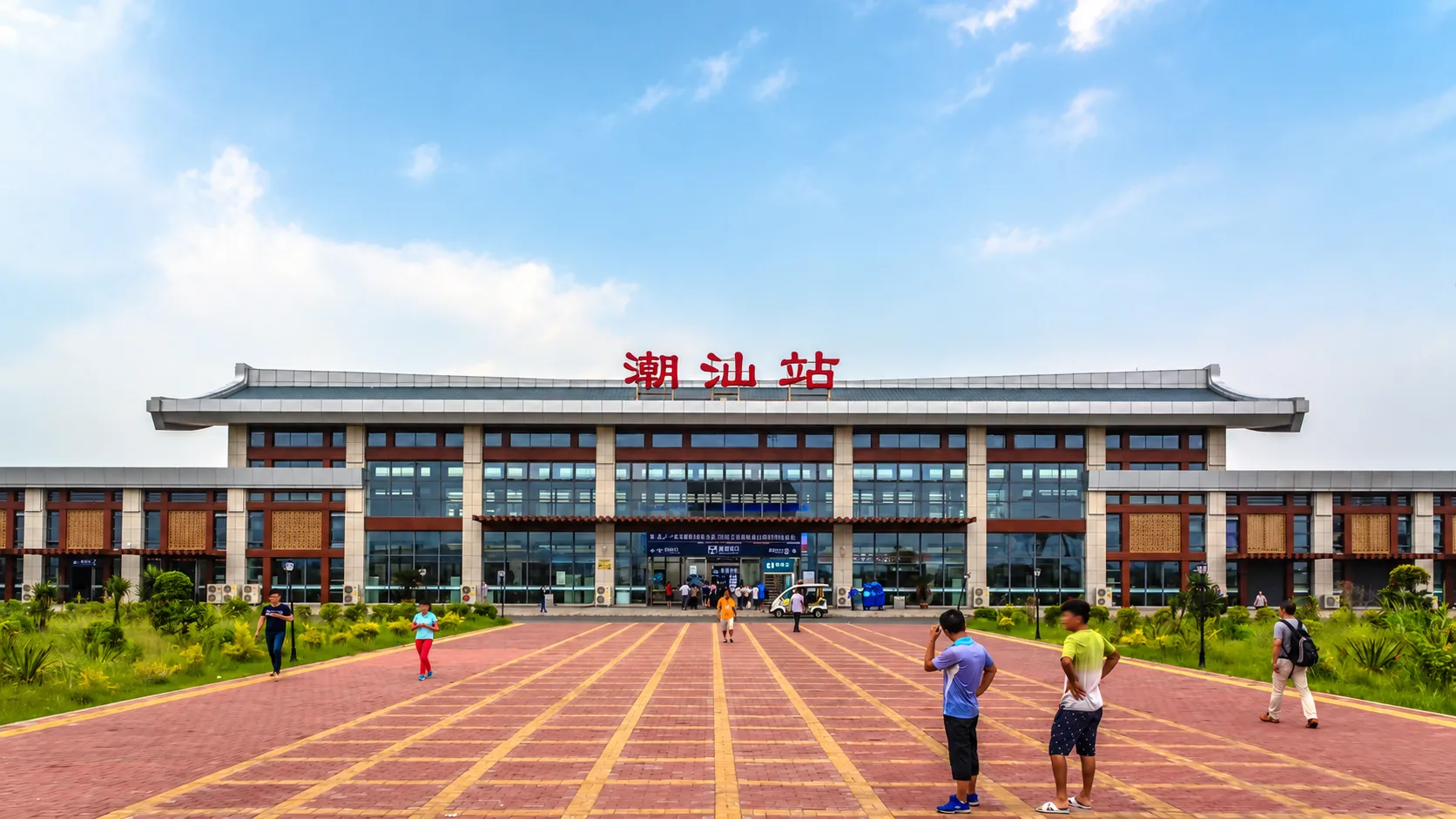
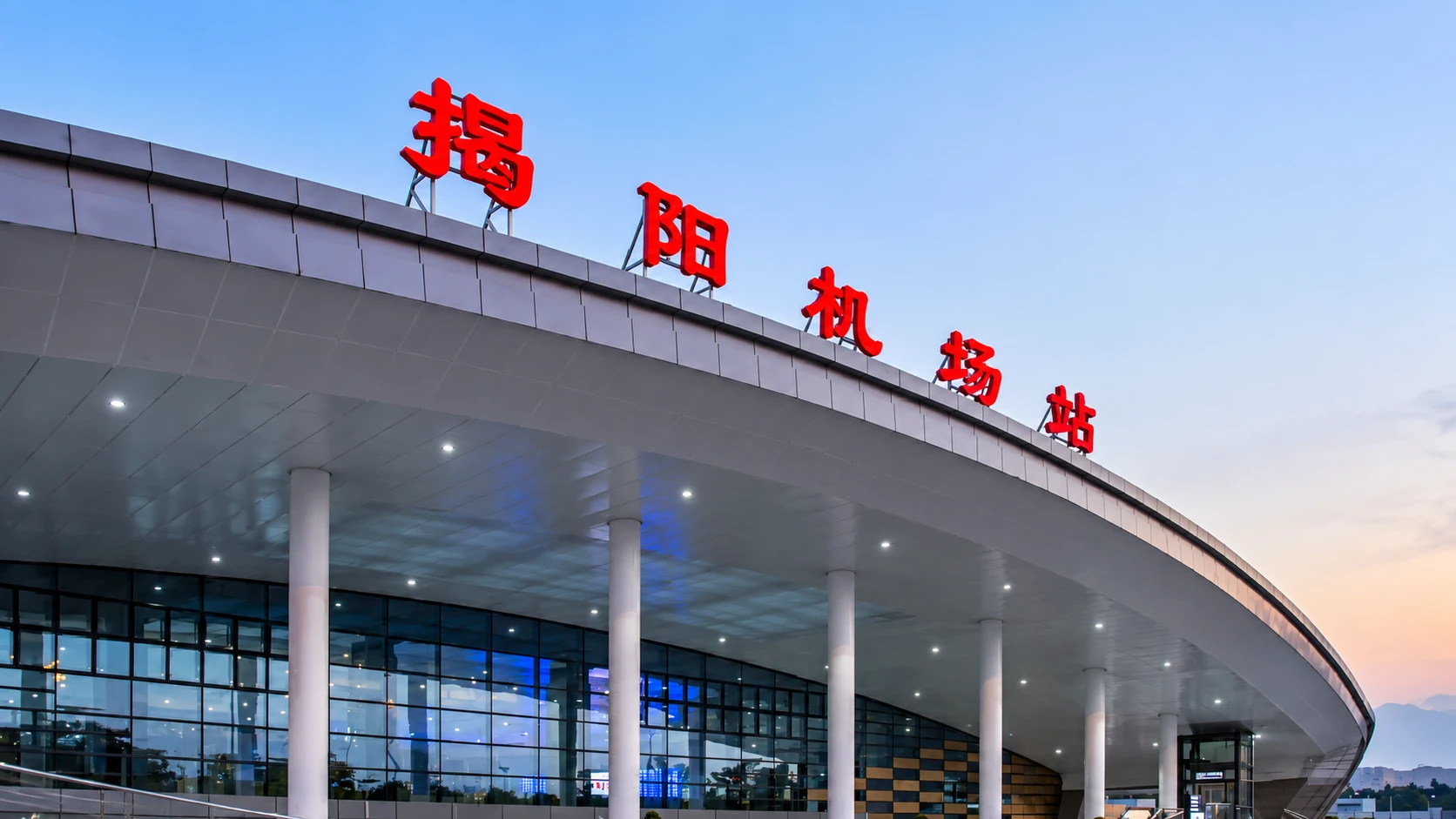
A private transfer can connect Chaoshan Railway Station or Jieyang Chaoshan International Airport directly with your hotel and can be combined with a customized Chaozhou or wider Chaoshan itinerary.
Extend your Chaozhou trip across the wider Chaoshan region with Shantou’s coastal and open-port heritage, Nan'ao Island’s beaches and sea views, Fenghuang Dancong tea country in Chao’an District, or another historic-city experience in Jieyang.
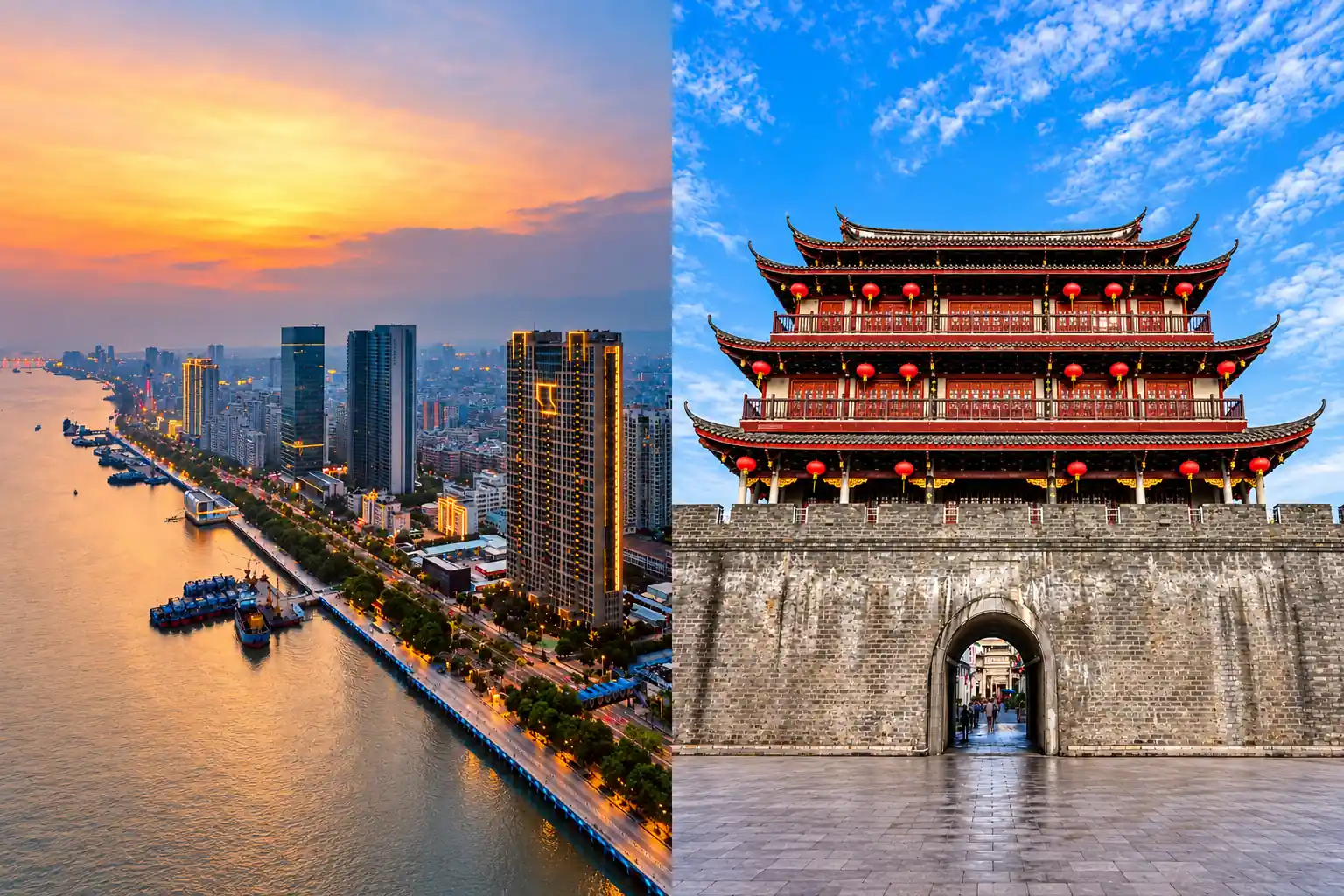
Chaozhou and Shantou reveal two different sides of Chaoshan. Spend your Chaozhou days exploring the Ancient City, Guangji Bridge, Teochew heritage, local food and gongfu tea, then continue to Shantou for the Small Park Port-opening Area, coastal scenery, overseas-Chinese heritage and a more modern waterfront atmosphere.
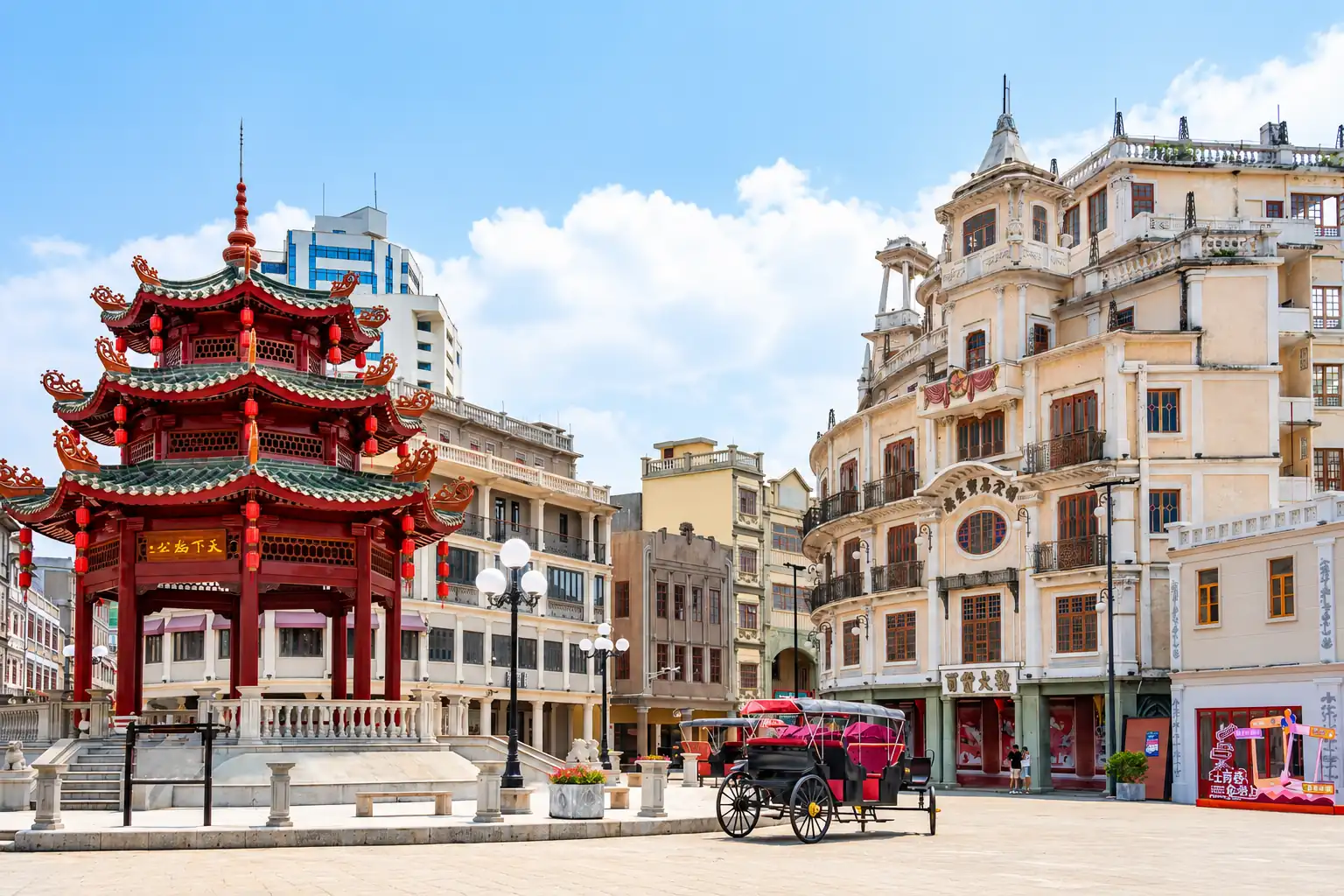
Continue to Shantou for another side of Chaoshan culture. Explore the Small Park Port-opening Area, historic qilou streets, overseas-Chinese heritage, coastal scenery and a regional food culture that complements your time in Chaozhou.

Add Nan'ao Island when you want a coastal contrast to Chaozhou’s historic streets. The island offers beaches, fishing communities, sea views and scenic areas such as Qing'ao Bay, making it a natural extension after Shantou.
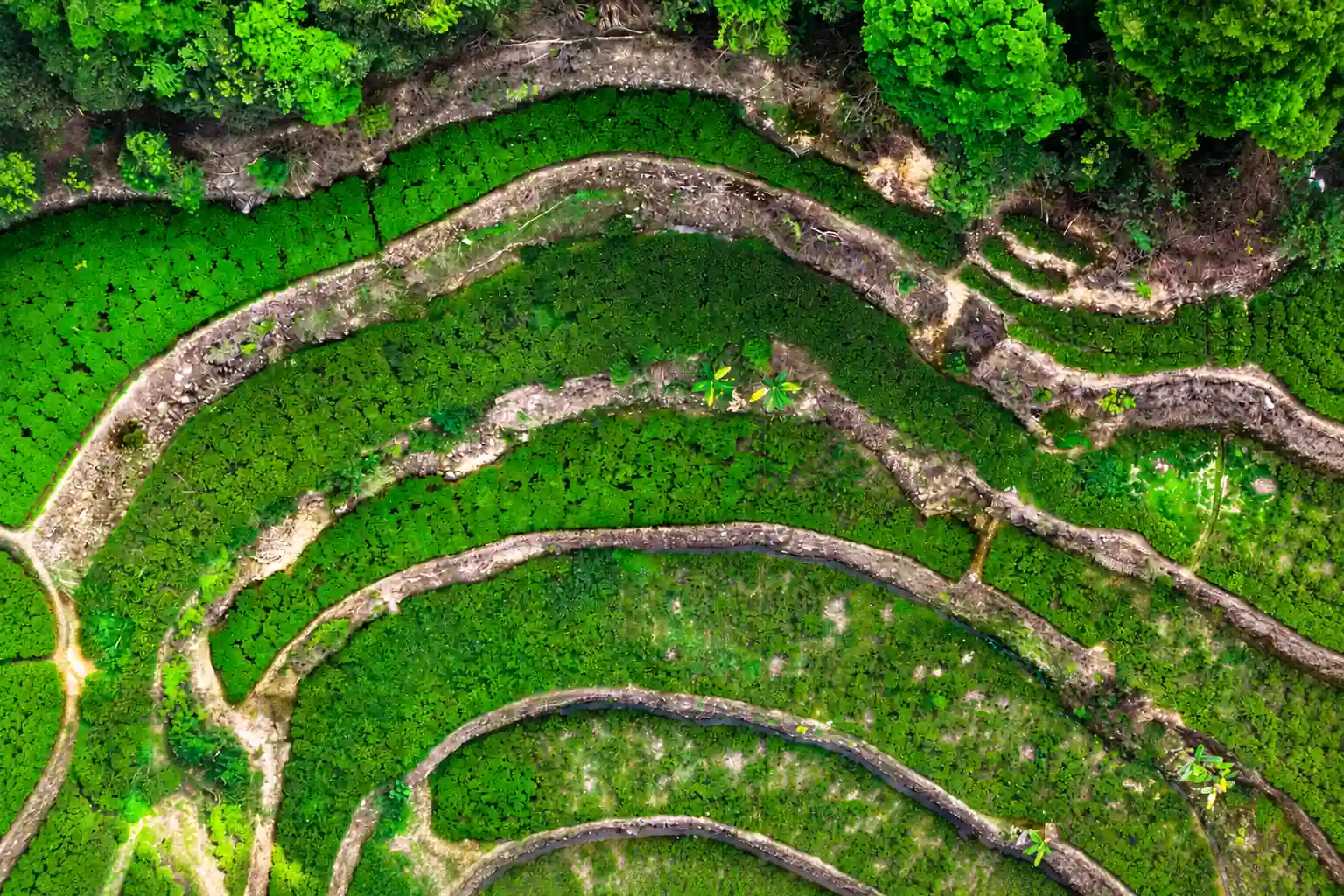
Go deeper into Chaozhou tea culture in Fenghuang Town, Chao’an District, a core producing area for Fenghuang (Phoenix) Dancong tea. Tea gardens, mountain villages, old tea trees and local tea traditions turn the city’s gongfu-tea experience into a wider rural journey.
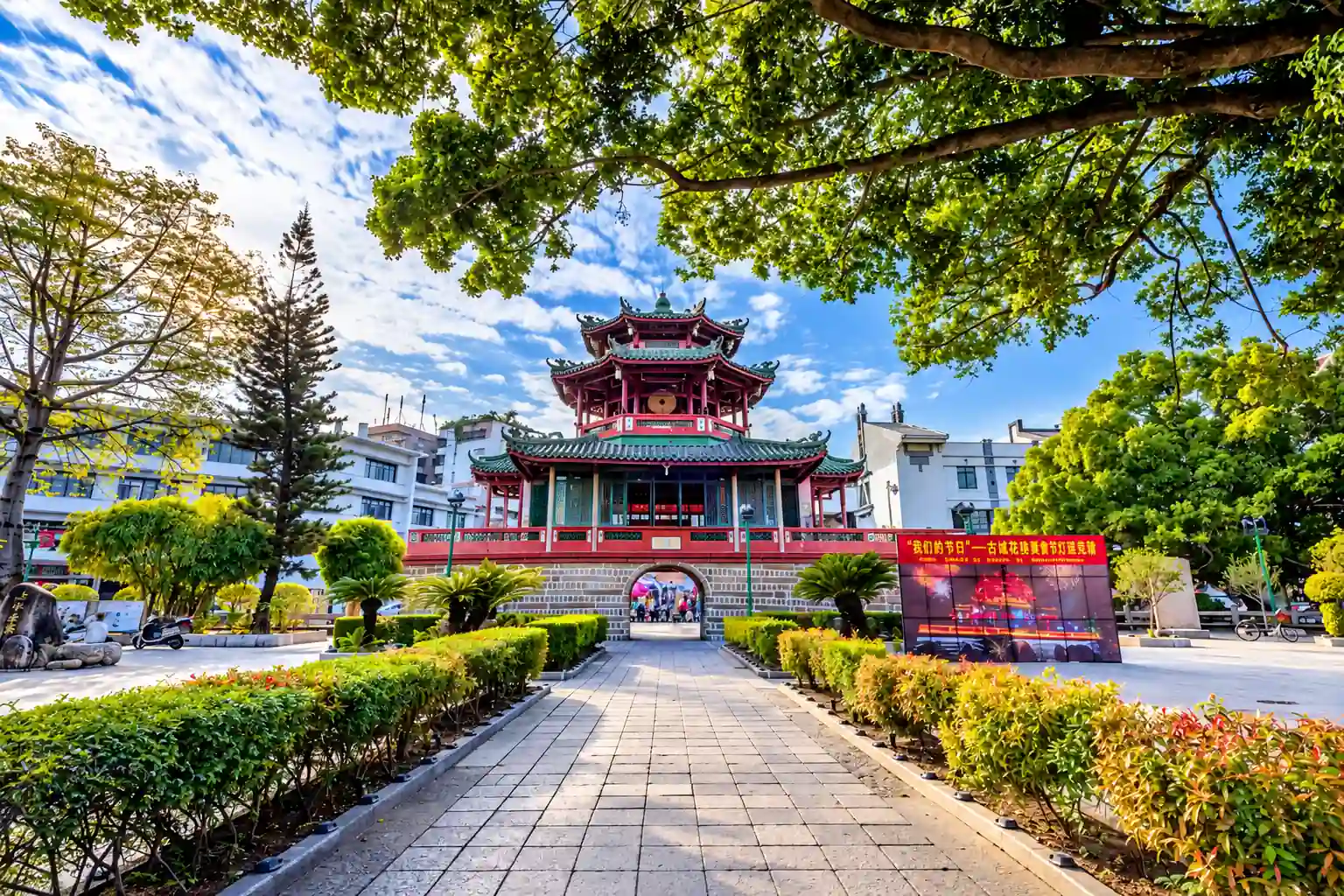
Extend your exploration of Chaoshan heritage in Jieyang Ancient City, where historic landmarks include Jinxian Gate, the Confucian Temple and traditional qilou streets. Local food, folk traditions and historic neighborhoods reveal another side of the wider Chaoshan cultural region.
Combine Chaozhou Ancient City and Teochew culture with Shantou, Nan'ao Island, Fenghuang Dancong tea country or Jieyang according to your interests and available travel time.
Prepare for your Chaozhou trip with practical China travel guides covering visas, high-speed trains, mobile payments, internet access, public holidays, weather and essential tips for first-time visitors.
Check current China entry requirements, visa options, passport rules and the documents you may need before traveling to Chaozhou and the wider Chaoshan region.
Compare Chaozhou’s cooler travel months with the hotter, wetter part of the year and choose travel dates that suit sightseeing, food exploration and outdoor walking.
Learn how foreign travelers can book train tickets in China before using Chaoshan Railway Station for connections between Chaozhou, Shenzhen, Guangzhou and other destinations.
Prepare Alipay or WeChat Pay before arrival so you can pay more easily for restaurants, tea houses, taxis, shops and everyday purchases during your Chaozhou trip.
Set up mobile data and useful China travel apps before arrival. Translation, maps, DiDi ride-hailing and payment apps are especially helpful when navigating Chaozhou independently.
Check China’s major public holidays before choosing your dates. Busy periods can affect hotel availability, train tickets and visitor numbers around Chaozhou Ancient City, Paifang Street and Guangji Bridge.
Spring Festival can be culturally rewarding but also brings heavy domestic travel demand. Understand how the holiday may affect transport, restaurants, accommodation and sightseeing plans during your China trip.
Prepare for language differences, train travel, payments, mobile connectivity, attraction planning and other practical details that can make a first trip to Chaozhou and China much easier.
We can connect Chaozhou with Shantou, Guangzhou, Shenzhen, Hong Kong or other destinations in a private itinerary built around your travel dates, interests and preferred pace.
Explore Chaozhou with a private itinerary built around the Ancient City, Guangji Bridge, Teochew food, gongfu tea and local culture. Choose a focused day trip, spend two or three days exploring Chaozhou in depth, or extend your journey through Shantou and the wider Chaoshan region.
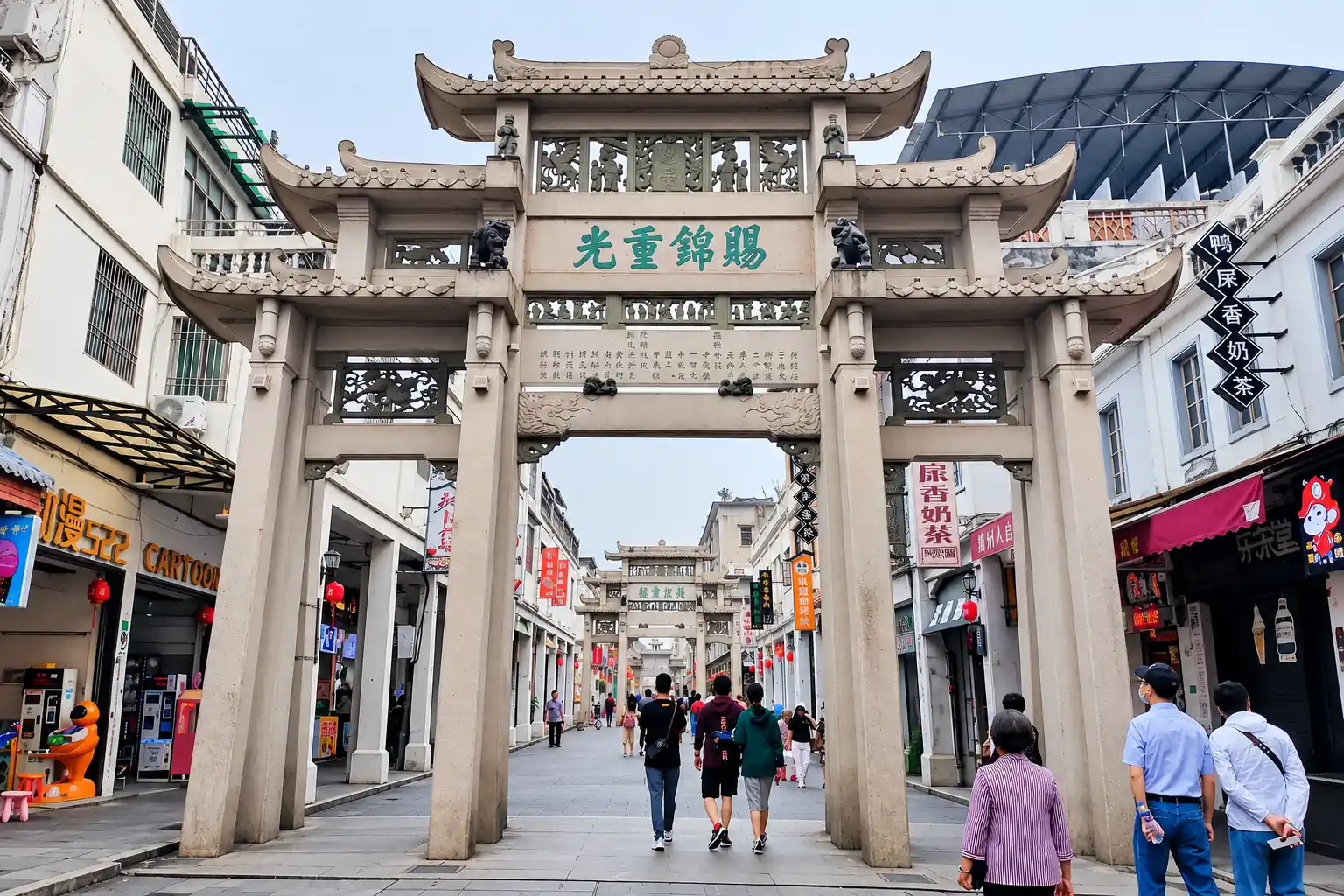
Discover the essential Chaozhou experience with a private route through Paifang Street, Kaiyuan Temple, Guangji Gate, Guangji Bridge and the Han River, then slow down for Teochew cuisine, gongfu tea, traditional neighborhoods and local craftsmanship.
See Chaozhou’s essential landmarks in one focused day, combining Paifang Street, Kaiyuan Temple, Guangji Gate, the ancient city wall and Guangji Bridge with time for local snacks or gongfu tea.
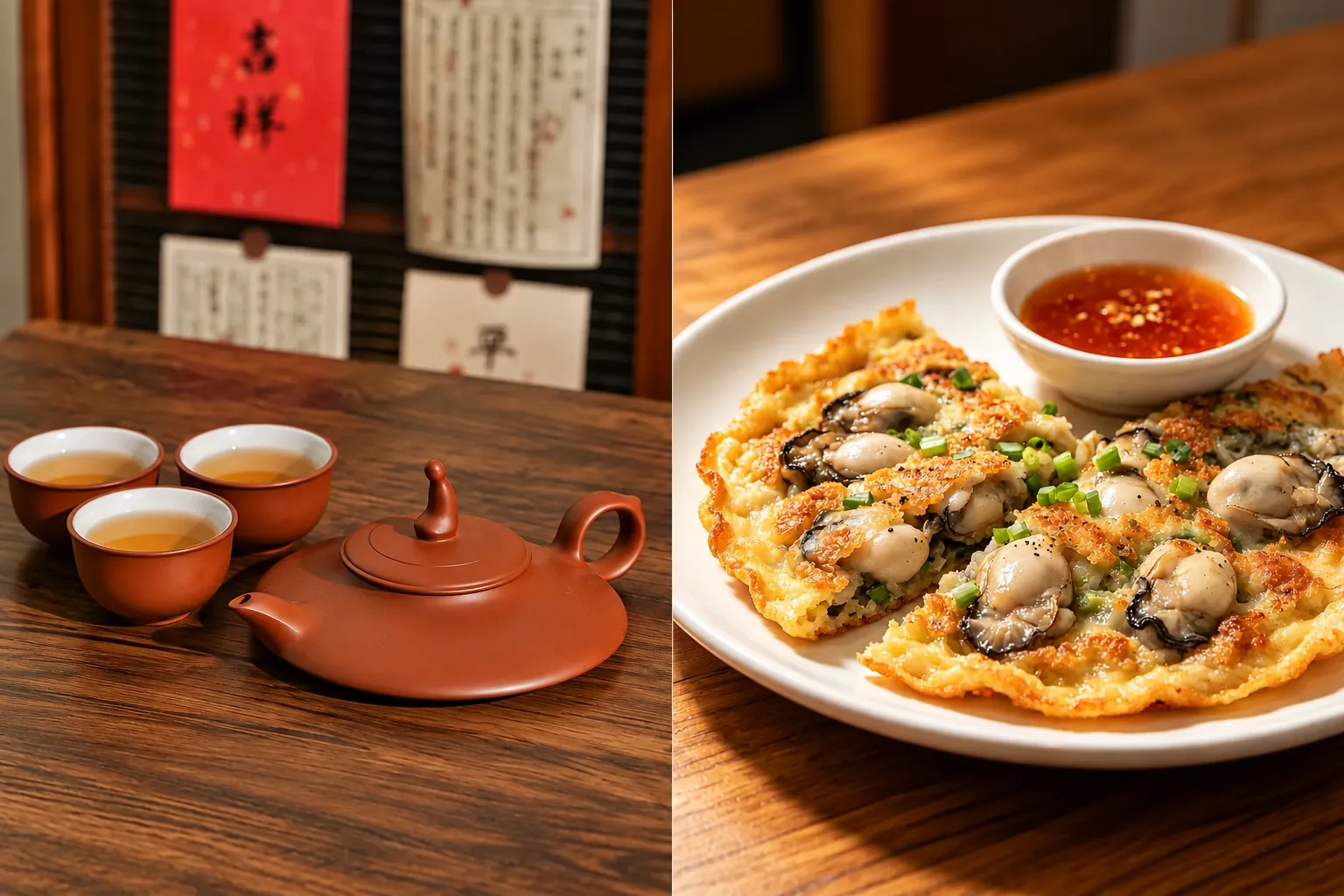
Explore Chaozhou through its food culture with traditional snacks, Teochew specialties and a gongfu tea experience. Combine local restaurants and snack shops with old-city lanes, tea houses and heritage neighborhoods.
Spend two days exploring Chaozhou Ancient City, Teochew food and gongfu tea, then add a day around Fenghuang Town in Chao’an District for Phoenix Dancong tea, mountain landscapes and a deeper look at the region’s tea traditions.
Travel beyond Chaozhou on a longer cultural journey through the Chaoshan region. Explore Chaozhou Ancient City, Shantou, Nan'ao Island and Jieyang before continuing into Hakka heritage, with Teochew food, gongfu tea and regional traditions along the way.
Build a private route around Chaozhou Ancient City, Guangji Bridge, temples, traditional neighborhoods, local food and the sights that matter most to you.
Customize a Chaozhou Tour →Add gongfu tea, traditional cuisine, old-city neighborhoods, local crafts and cultural experiences to your Chaozhou sightseeing itinerary.
Build a Cultural Experience →Combine Chaozhou with Shantou, Nan'ao Island, Jieyang, Fenghuang tea country or other destinations across southern China in a longer private itinerary.
Plan a Longer Chaoshan Journey →Tell us your travel dates, group size, arrival point and interests. Your itinerary can be adjusted around sightseeing pace, Teochew food, gongfu tea, private transfers and extensions to Shantou or other destinations in China.
Find practical answers to common Chaozhou travel questions, including how many days to stay, what the city is famous for, must-see attractions, Teochew food, transportation, weather and how Chaozhou compares with Shantou.
Chaozhou is a strong choice for travelers interested in historic cities, traditional architecture, Teochew culture and regional food. Its walkable Ancient City includes landmarks such as Guangji Bridge and Kaiyuan Temple, while gongfu tea, local cuisine, traditional crafts and old-town neighborhoods add experiences beyond conventional sightseeing.
Chaozhou is known for Guangji Bridge, Chaozhou Ancient City, Paifang Street, Kaiyuan Temple, Teochew cuisine and Chaozhou gongfu tea. It has also been a UNESCO Creative City of Gastronomy since 2023. Traditional woodcarving, embroidery, ceramics, Teochew opera and ancestral-hall architecture are important parts of the city’s cultural identity.
Two days is a practical length for most first-time visitors. One day can cover Paifang Street, Kaiyuan Temple, Guangji Gate and Guangji Bridge, while two days gives you more time for Teochew food, gongfu tea, historic neighborhoods and the Han River. With a third day, you can travel toward Fenghuang Town and the surrounding Dancong tea country or simply explore Chaozhou at a slower pace.
See Chaozhou Itineraries →Essential sights include Guangji Bridge, Chaozhou Ancient City and Paifang Street, Kaiyuan Temple, Guangji Gate and the ancient city wall, Han Wengong Temple, traditional ancestral halls and Chaozhou West Lake. Many of the main old-city attractions are close enough to combine on foot.
See Top Chaozhou Attractions →Both cities belong to the wider Chaoshan cultural region, but they offer different travel experiences. Chaozhou has a stronger historic-city character, with ancient architecture, temples, gongfu tea and heritage neighborhoods. Shantou adds coastal scenery, open-port history, overseas-Chinese heritage and convenient access to Nan'ao Island. The two cities combine naturally in a wider Chaoshan itinerary.
Explore Destinations Near Chaozhou →Popular specialties include Chaozhou braised goose, Chaoshan beef hotpot, oyster omelette, rice-based kueh, Ya Mu Nian sweet dumplings and raw marinated seafood. Chaozhou gongfu tea is also an essential part of the city’s food culture, hospitality and everyday social traditions.
Explore the Chaozhou Food Guide →October and November offer one of the best combinations of comfortable temperatures and lower rainfall for sightseeing. December through April can also work well, while late spring and summer are generally hotter, more humid and wetter. Major Chinese public holidays can bring heavier visitor numbers even during otherwise favorable weather.
See the Best Time to Visit Chaozhou →Staying in or within easy walking distance of Chaozhou Ancient City is usually the most convenient option for a first visit. Areas around Paifang Street and Guangji Gate keep major sights, restaurants, tea houses and evening walks close by, while West Lake and locations just outside the historic core can provide quieter or more practical alternatives.
See Where to Stay in Chaozhou →Travelers commonly reach Chaozhou through Chaoshan Railway Station or Jieyang Chaoshan International Airport. From either transport hub, continue to central Chaozhou by taxi, DiDi or private transfer. Once you are staying near Chaozhou Ancient City, many of the main sights can be explored on foot.
See the Chaozhou Transportation Guide →Yes. Chaozhou and Shantou complement each other well in a Chaoshan itinerary. Chaozhou focuses more on historic streets, temples, Teochew food and gongfu tea, while Shantou adds coastal scenery, open-port heritage and the option to continue to Nan'ao Island. Four to six days can work well for the two cities, while a longer trip gives you time to add Nan'ao, Jieyang or other regional destinations.
Plan a Longer Chaoshan Trip →Tell us your travel dates, interests, preferred pace and available time. We can build a private Chaozhou itinerary around the Ancient City, Teochew food, gongfu tea and local culture, with optional transfers and extensions to Shantou, Fenghuang tea country or other destinations in China.
Plan My China Trip