How Many Days in Nanjing?
Choose your trip length based on how much time you want for Zhongshan Mountain, the historic center, museums, the city wall and the Qinhuai River.

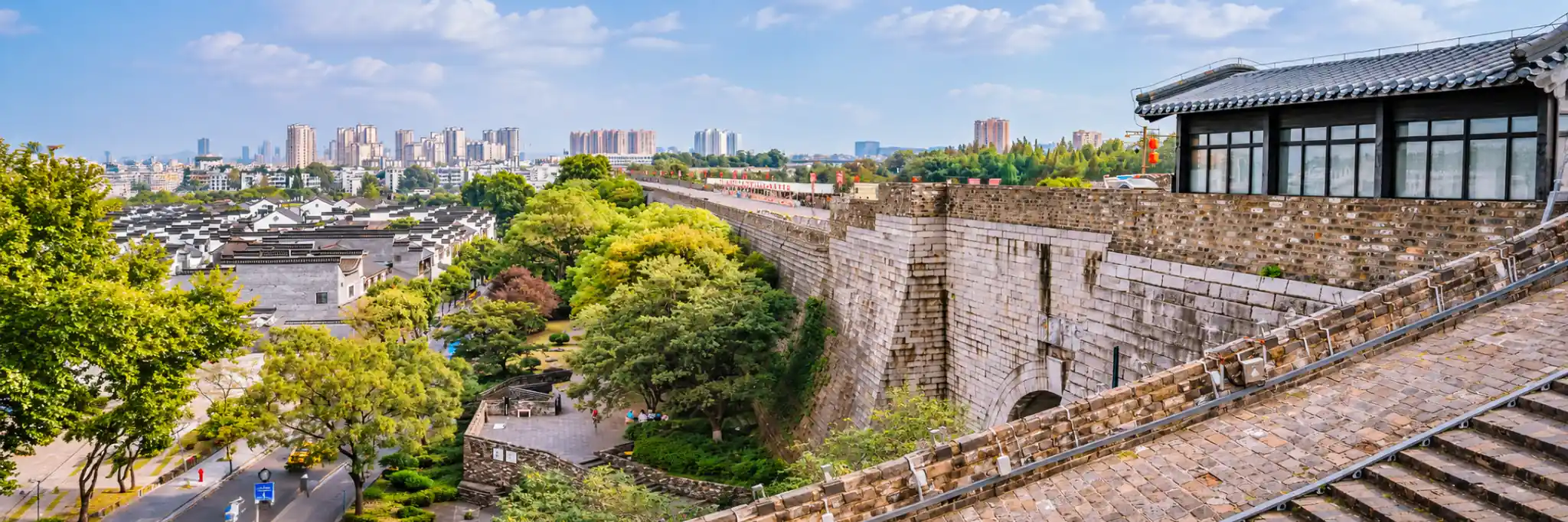
Plan your Nanjing trip with a practical guide to top attractions, suggested itineraries, local food, transportation and essential travel tips. Nanjing, the capital of Jiangsu Province in eastern China, lies on the lower reaches of the Yangtze River and is one of the country’s great historic capitals, with highlights including Ming Xiaoling Mausoleum, Purple Mountain, Nanjing Museum, the Ming city wall and the Qinhuai River.
Nanjing’s major attractions are spread across several parts of the city rather than concentrated in one compact sightseeing district. Use this map to understand the main travel areas, group nearby sights together and avoid unnecessary trips across the city.
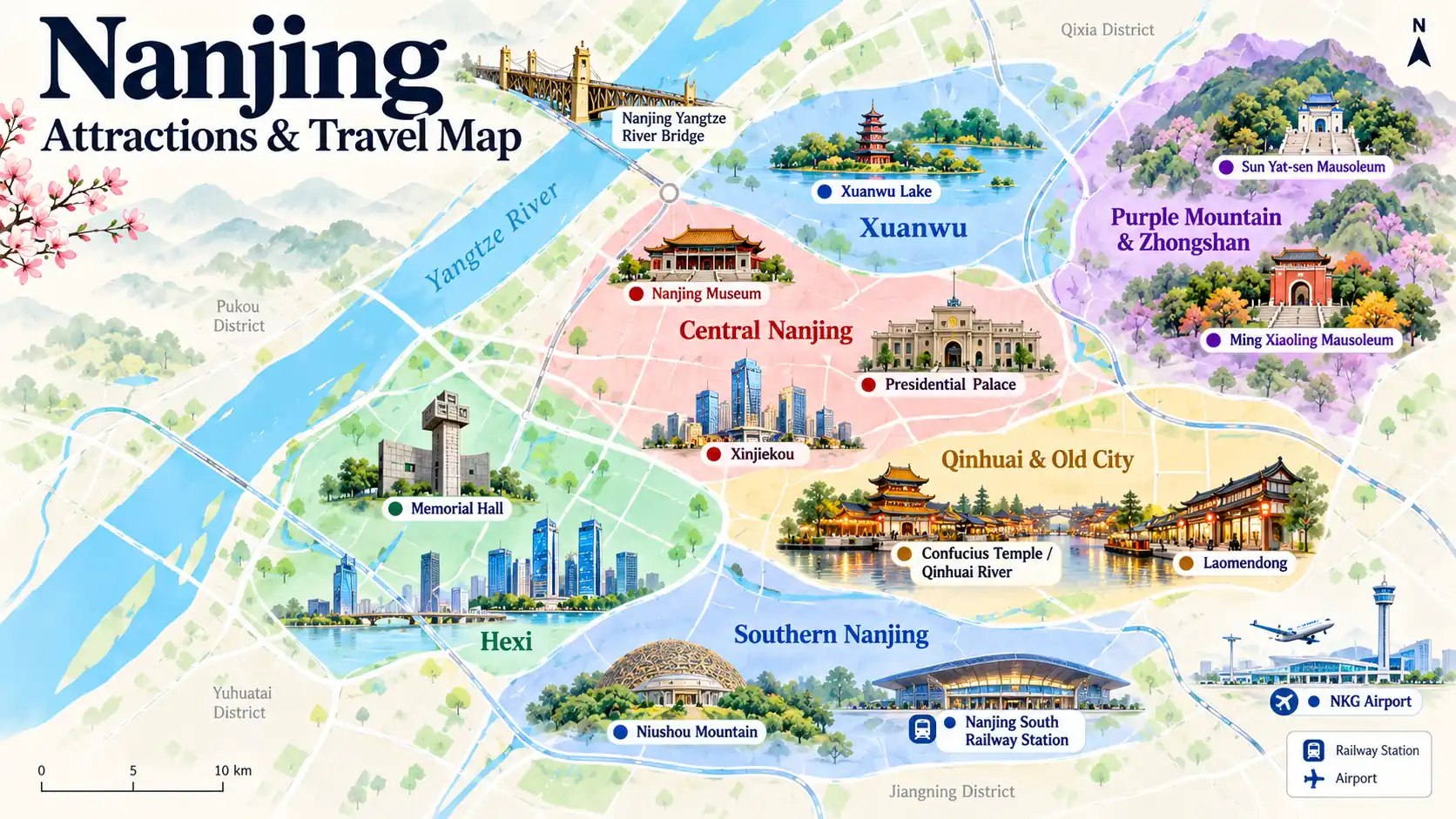
One of Nanjing’s most important sightseeing zones, best planned as a half-day or full-day cluster rather than combined with distant attractions across the city.
Central Nanjing works well for museums, Republican-era history, shopping and convenient transportation, with Xinjiekou serving as one of the city’s most practical bases.
Combine lakeside scenery with historic city views around northern central Nanjing. This area works especially well for walking, photography and a slower sightseeing day.
Southern central Nanjing is ideal for traditional streets, evening atmosphere and local snacks. Plan this area for late afternoon and evening if possible.
This part of the city is most relevant for modern-history sightseeing and can be combined with other western or central Nanjing stops depending on your itinerary.
Southern Nanjing includes one of the city’s major modern Buddhist landmarks as well as its principal high-speed rail gateway. Allow extra travel time compared with central sightseeing.
Avoid crossing the city repeatedly in the same day. A practical first-time itinerary usually groups Purple Mountain separately, combines central Nanjing with nearby museums and historic sites, and saves Qinhuai and Laomendong for an afternoon or evening. Nanjing South Railway Station and Nanjing Lukou International Airport sit farther from the main sightseeing areas.
Explore Nanjing’s essential sights, from Ming imperial heritage and Purple Mountain to major museums, modern-history landmarks, the Qinhuai River and Niushou Mountain. Together, these attractions reveal the imperial, cultural and modern history that makes Nanjing one of China’s most important historic capitals.
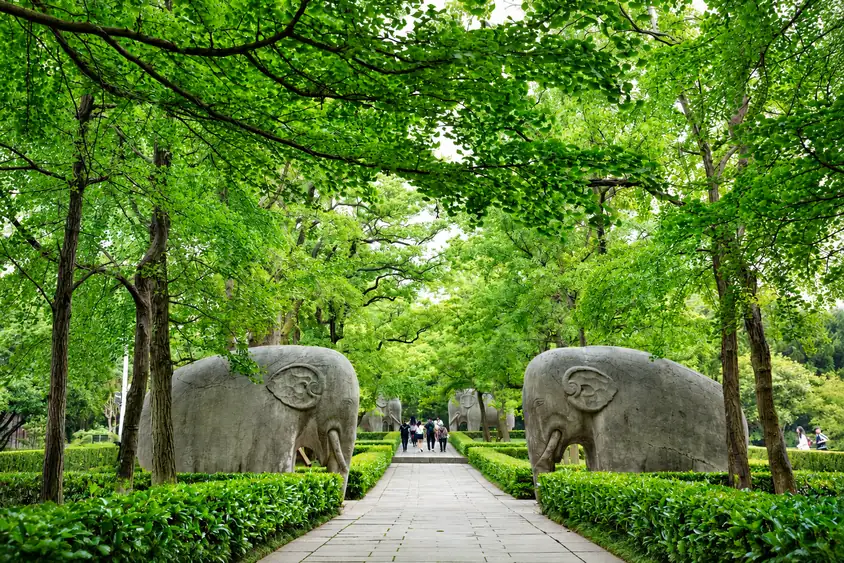
Explore the mausoleum of Zhu Yuanzhang, founder of the Ming dynasty, at the foot of Zhongshan Mountain, also known as Purple Mountain. Walk along the Sacred Way, see monumental stone sculptures and discover one of Nanjing’s most important imperial sites in a forested historic landscape.
Explore Things to Do in Nanjing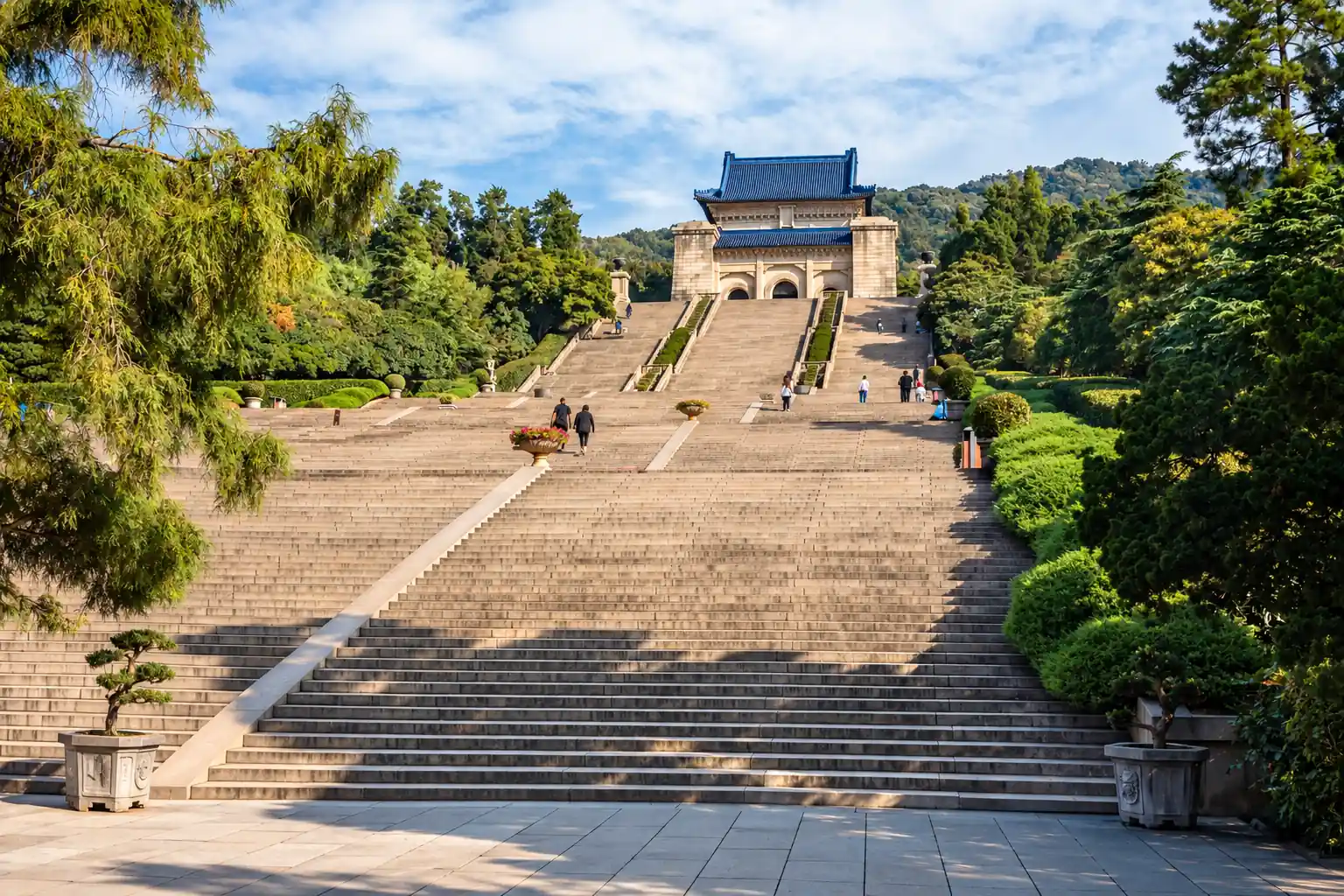
Climb the broad ceremonial staircase to the mausoleum of Sun Yat-sen on Zhongshan Mountain. The monumental complex, mountain setting and surrounding historic landscape make it one of Nanjing’s most recognizable landmarks.
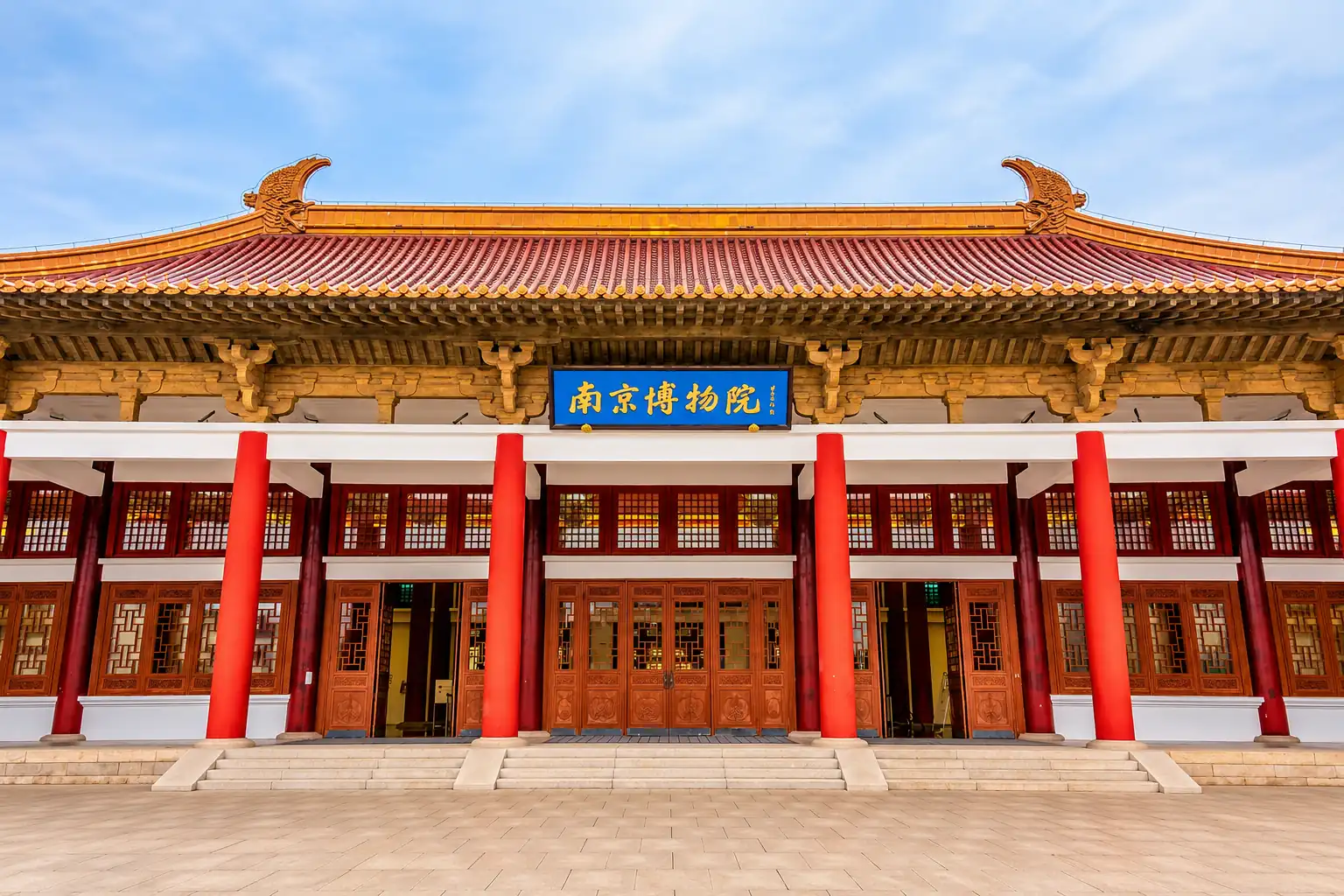
Explore extensive collections covering Jiangsu and Chinese history, archaeology, art and traditional culture. The museum is one of the best places to understand Nanjing in the wider context of the region’s long historical development.
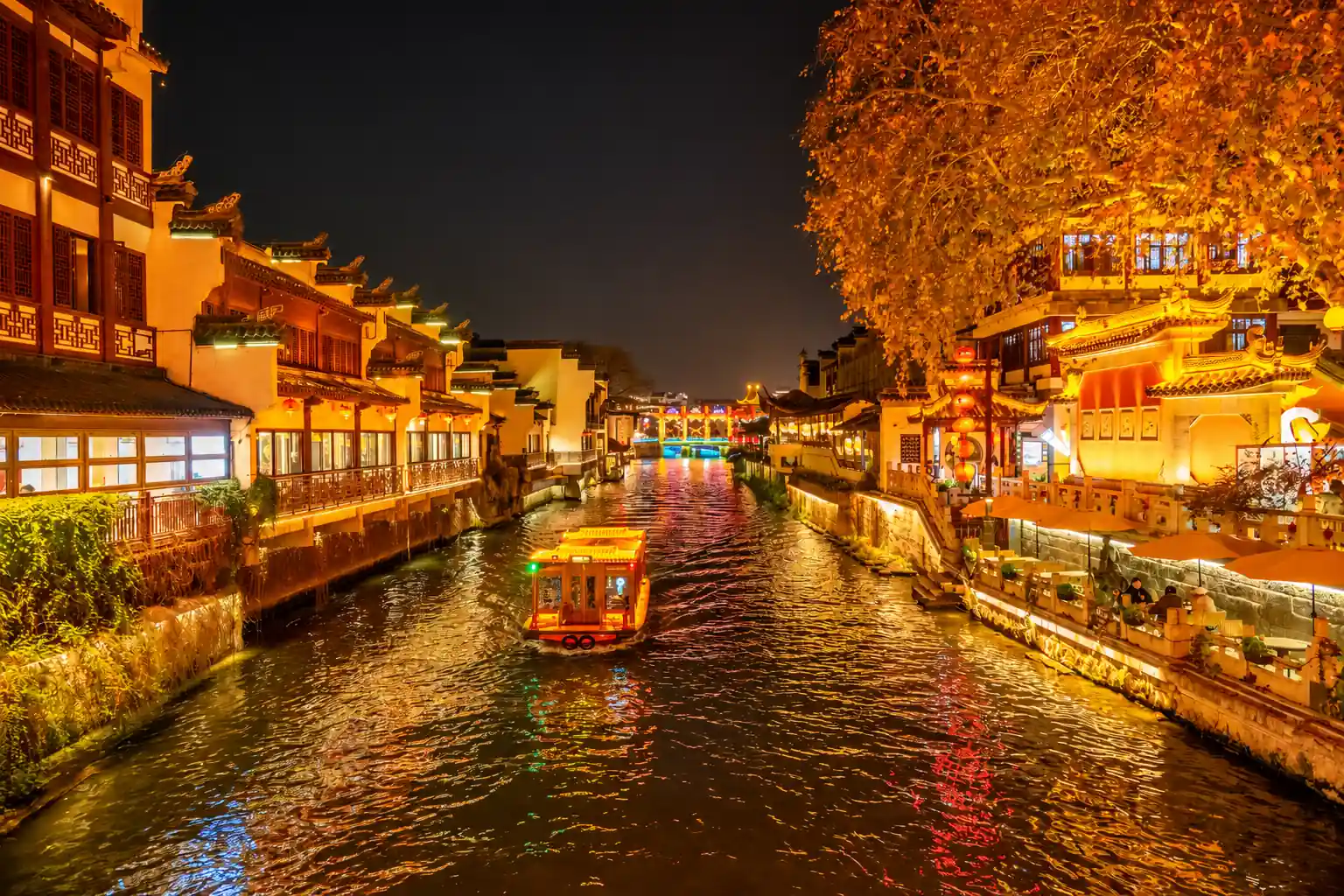
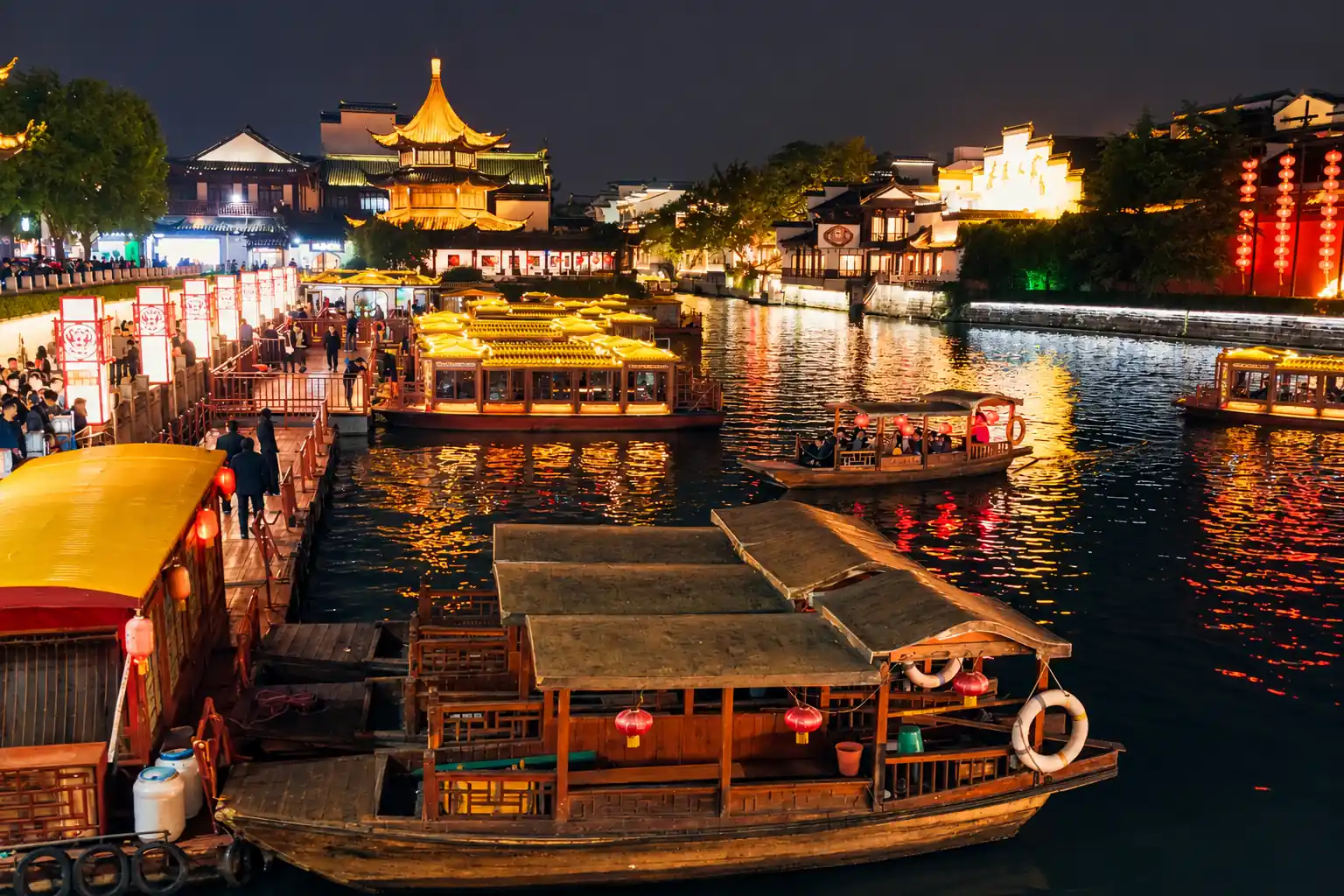
Walk through one of Nanjing’s best-known historic districts, centered on the Confucius Temple, also known as Fuzimiao, and the Qinhuai River. Explore the surrounding lanes in the late afternoon and stay after dark for the illuminated riverfront.
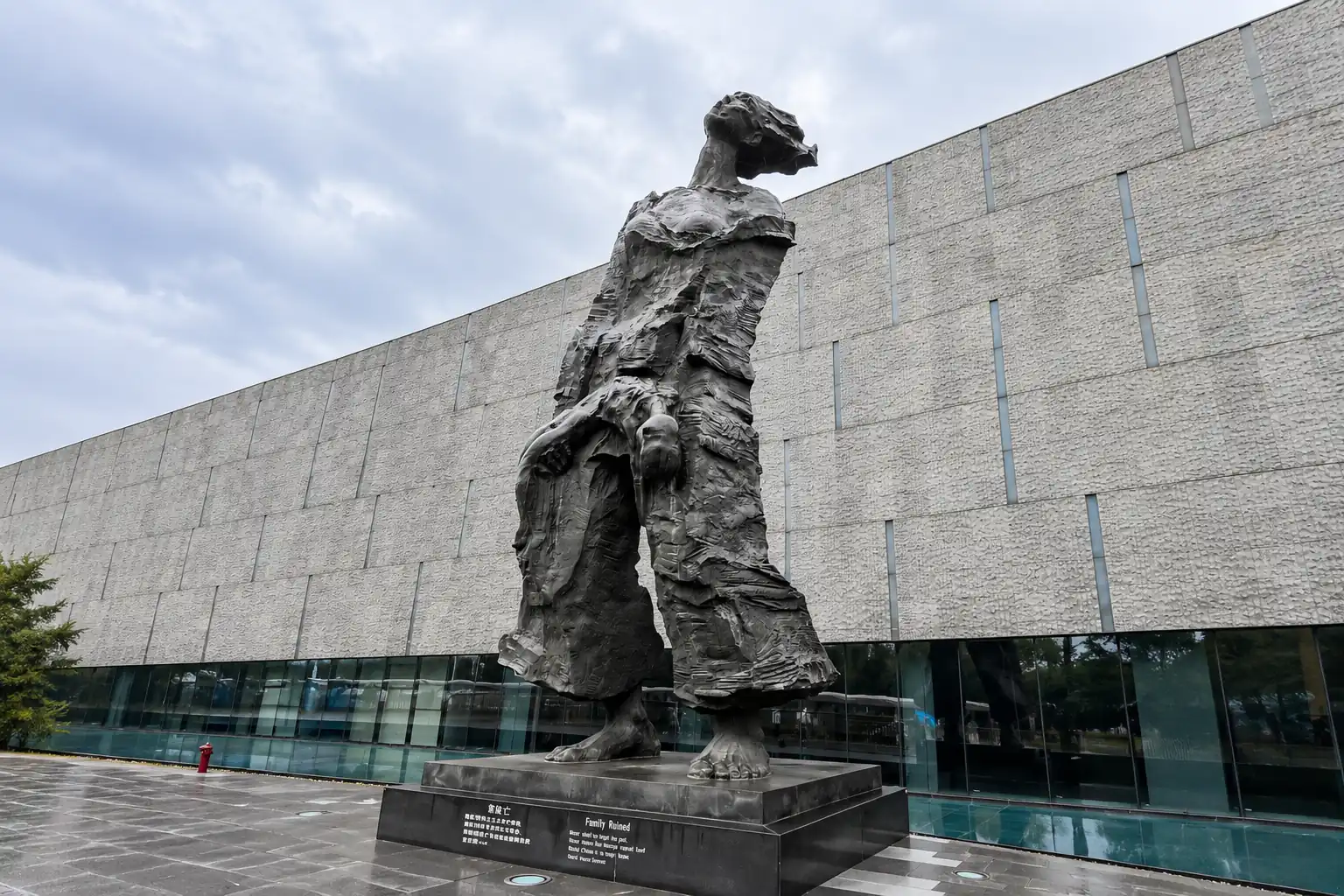
Visit this major memorial and museum documenting the Nanjing Massacre and the experiences of its victims. The exhibitions, memorial spaces and historical records make it an important but solemn stop for travelers seeking to understand Nanjing’s twentieth-century history.
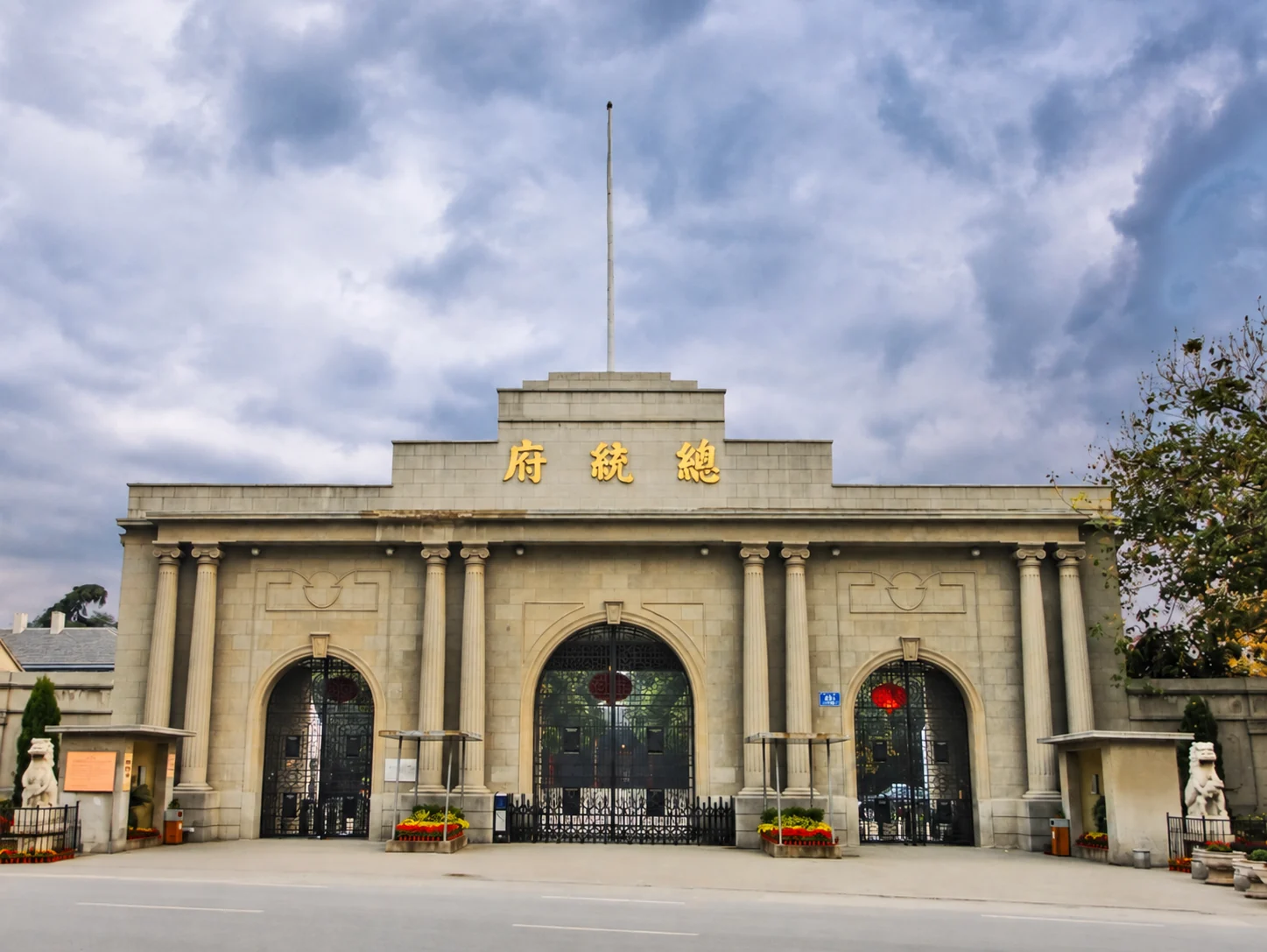
Explore historic offices, halls, gardens and exhibitions at one of Nanjing’s major modern-history sites. The complex helps connect the city’s imperial past with the political and social changes that shaped modern China.
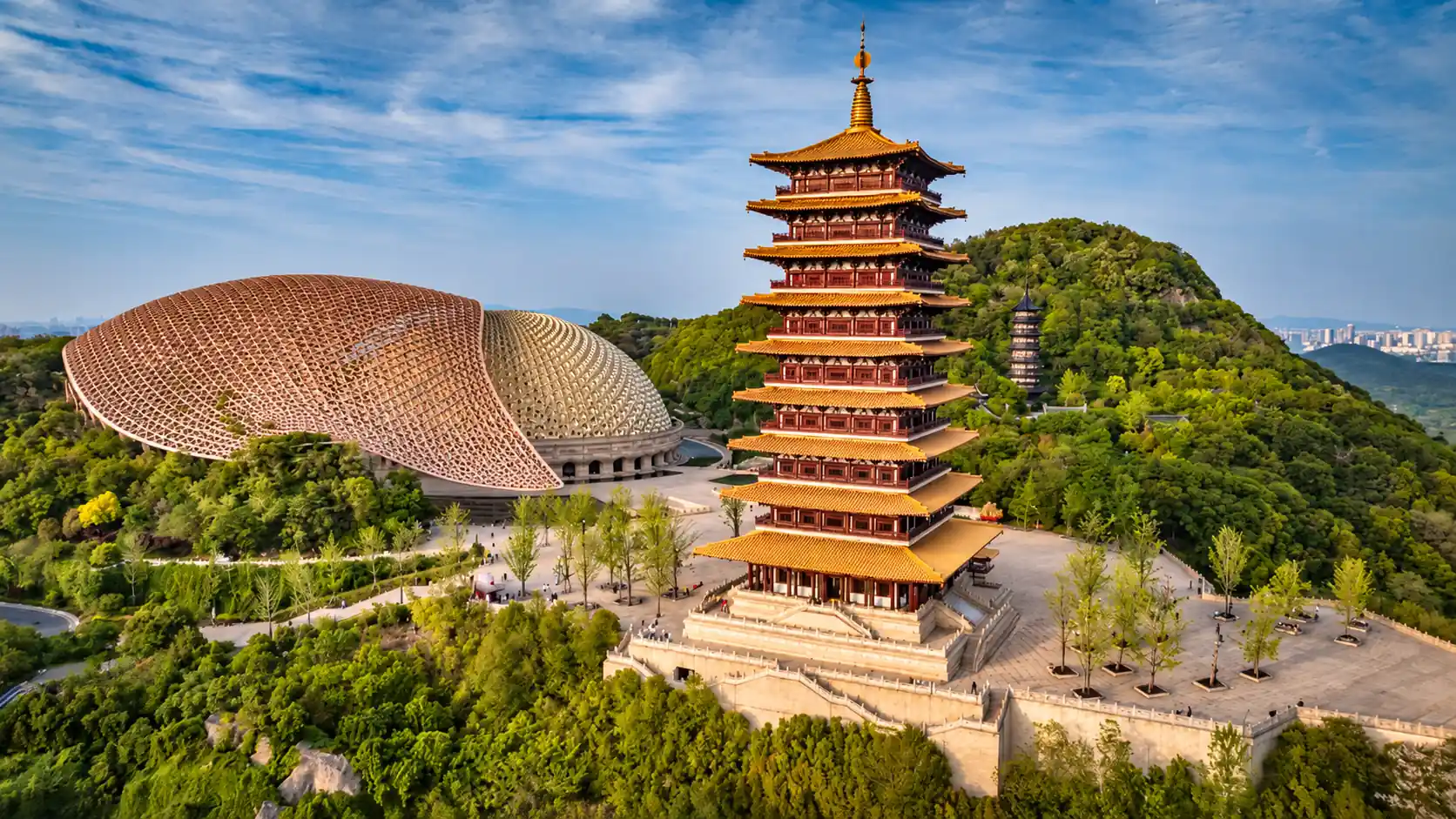
Visit Niushou Mountain in southern Nanjing for a different side of the city, combining landscaped mountain scenery with Buddhist cultural sites and striking contemporary architecture. It works especially well for travelers with three or more days in Nanjing.
Combine Purple Mountain and Ming Xiaoling with Nanjing Museum, modern-history sites, the Qinhuai River and other attractions based on your interests, available time and location.
Discover the best things to do in Nanjing beyond its famous landmarks. Cruise the Qinhuai River after dark, explore historic neighborhoods, walk the Ming city wall and experience the imperial, Six Dynasties, Republican-era and everyday culture that gives Nanjing its distinctive character.
Spend an evening around Confucius Temple and the Qinhuai River, when traditional-style buildings, bridges and riverfront streets light up after sunset. Walk the historic district, sample local snacks and consider an evening river cruise for a different view of old Nanjing.
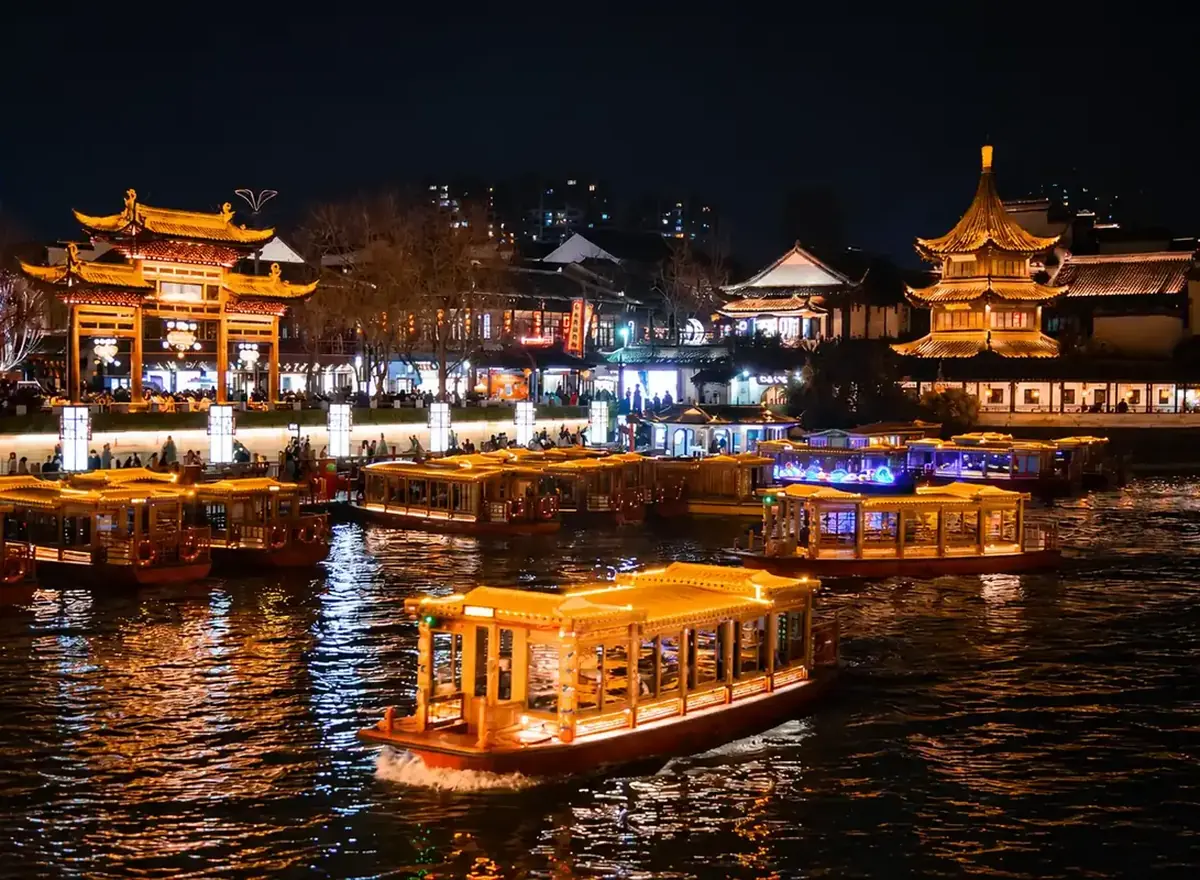
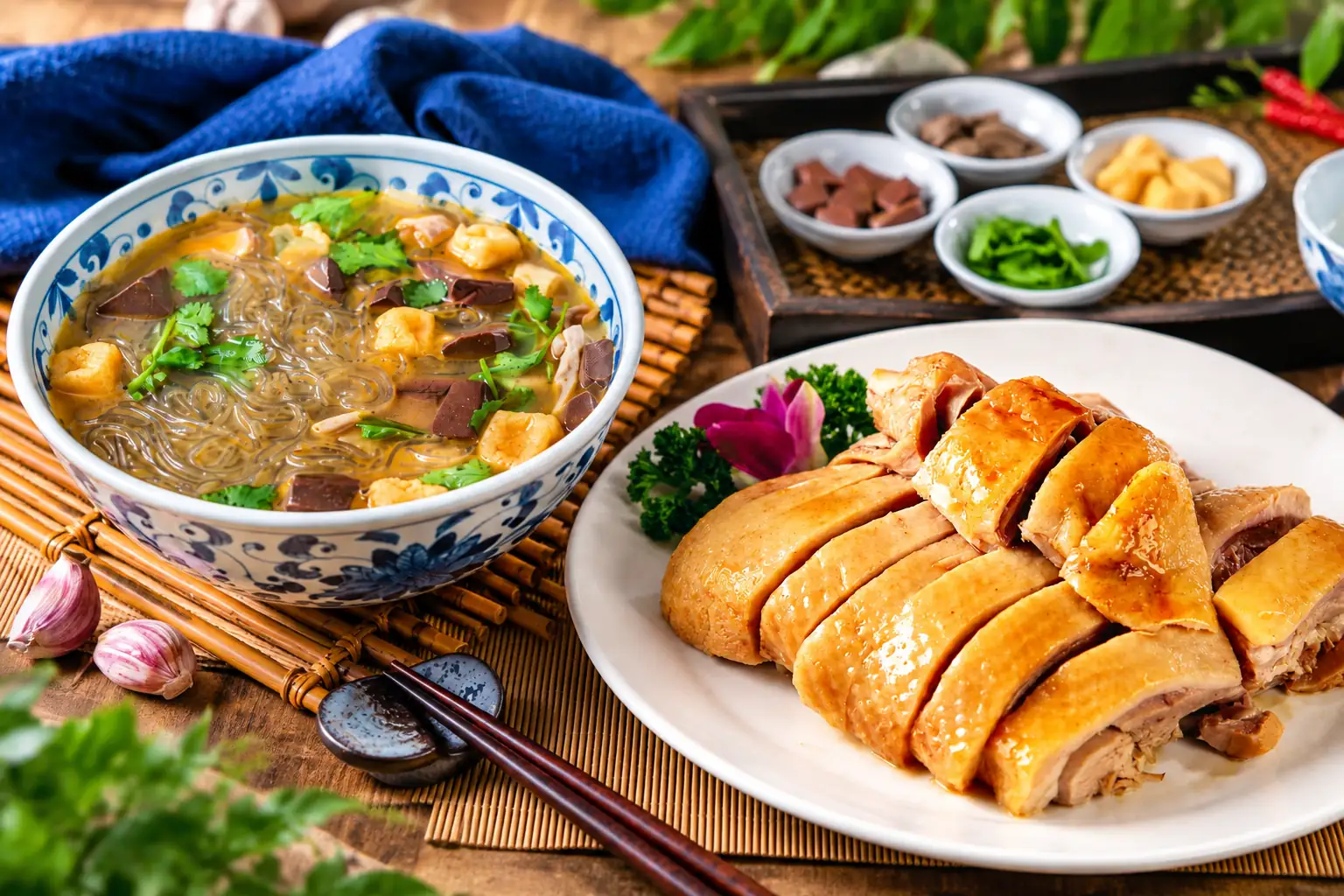
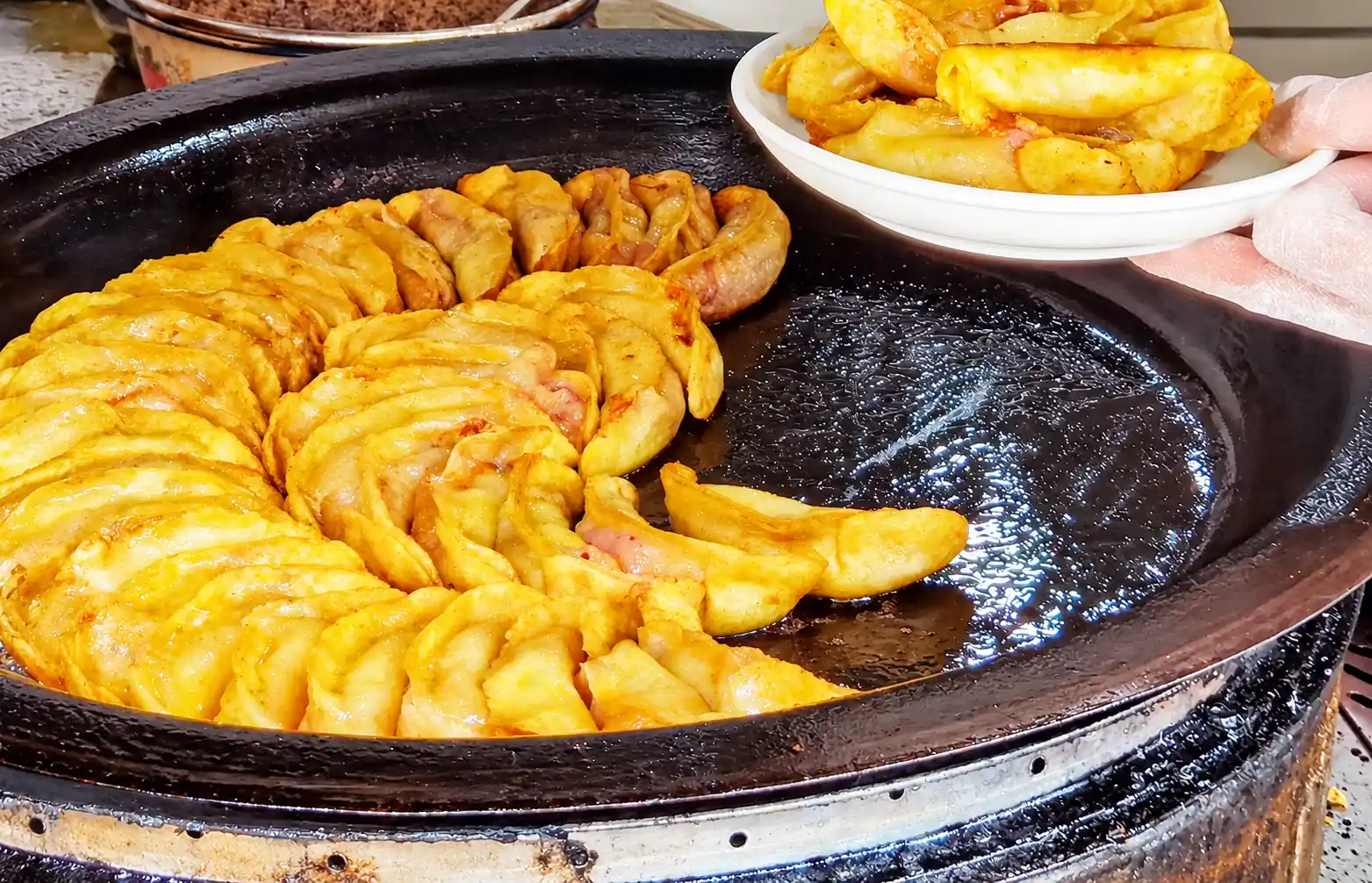
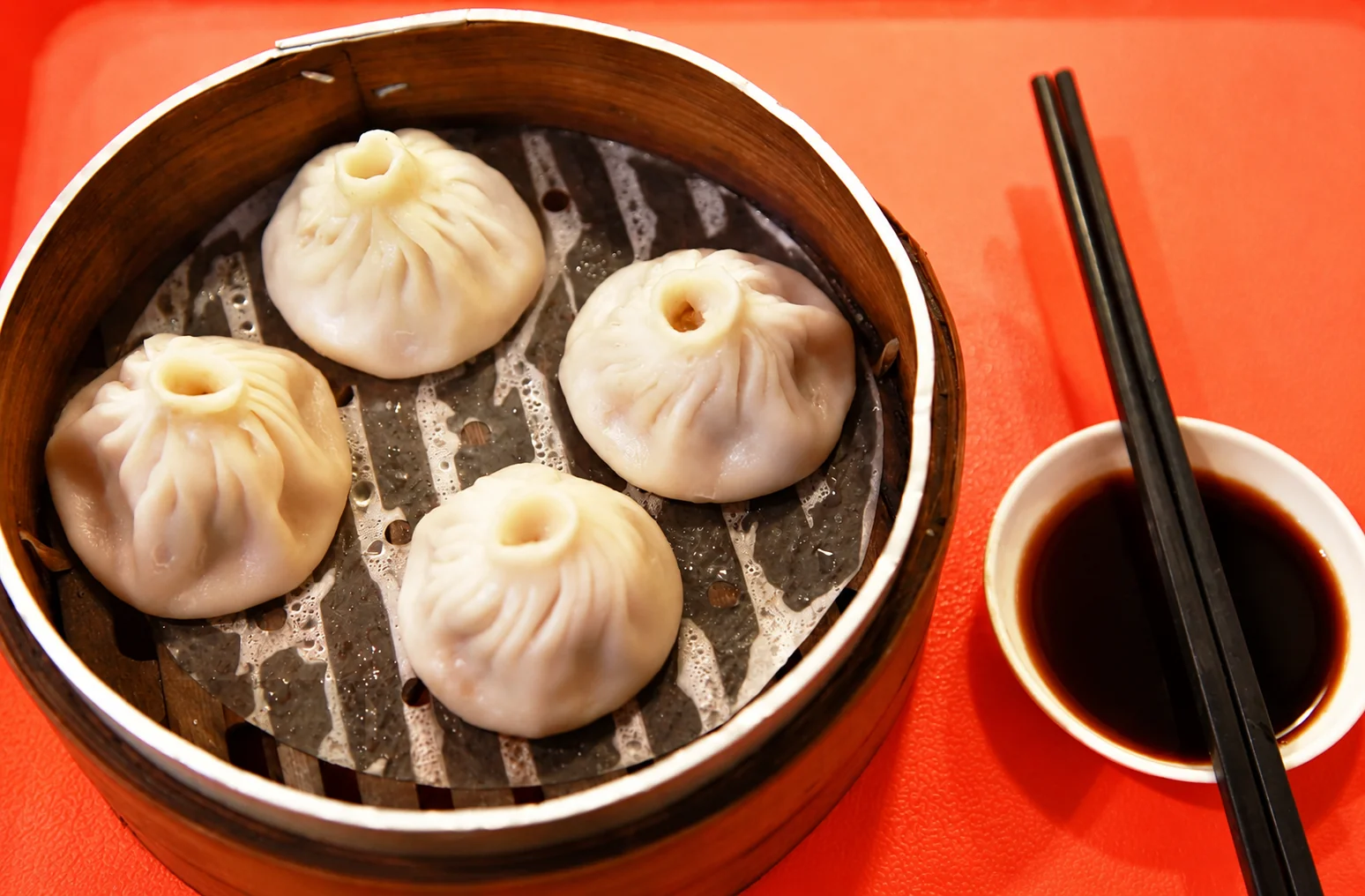
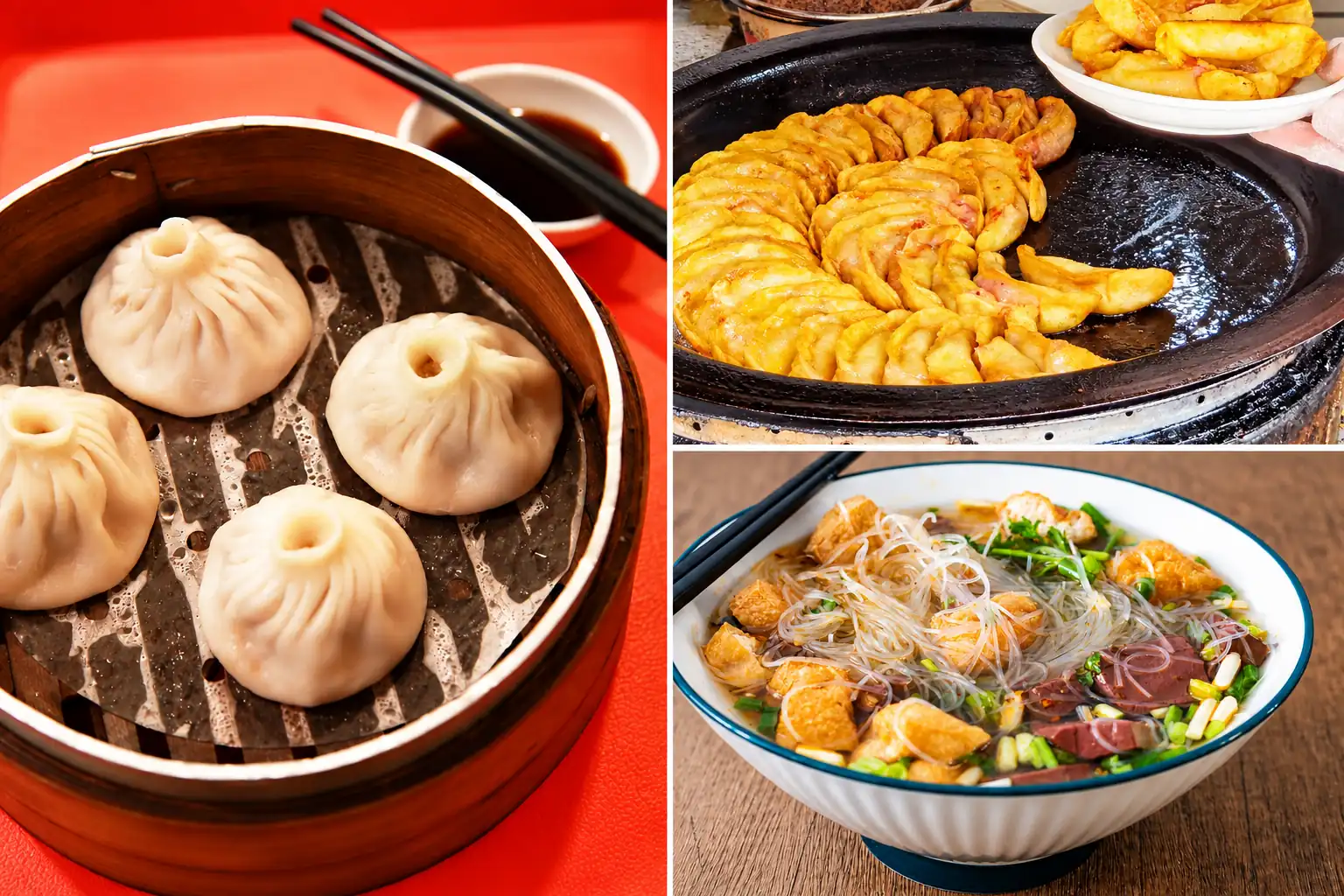
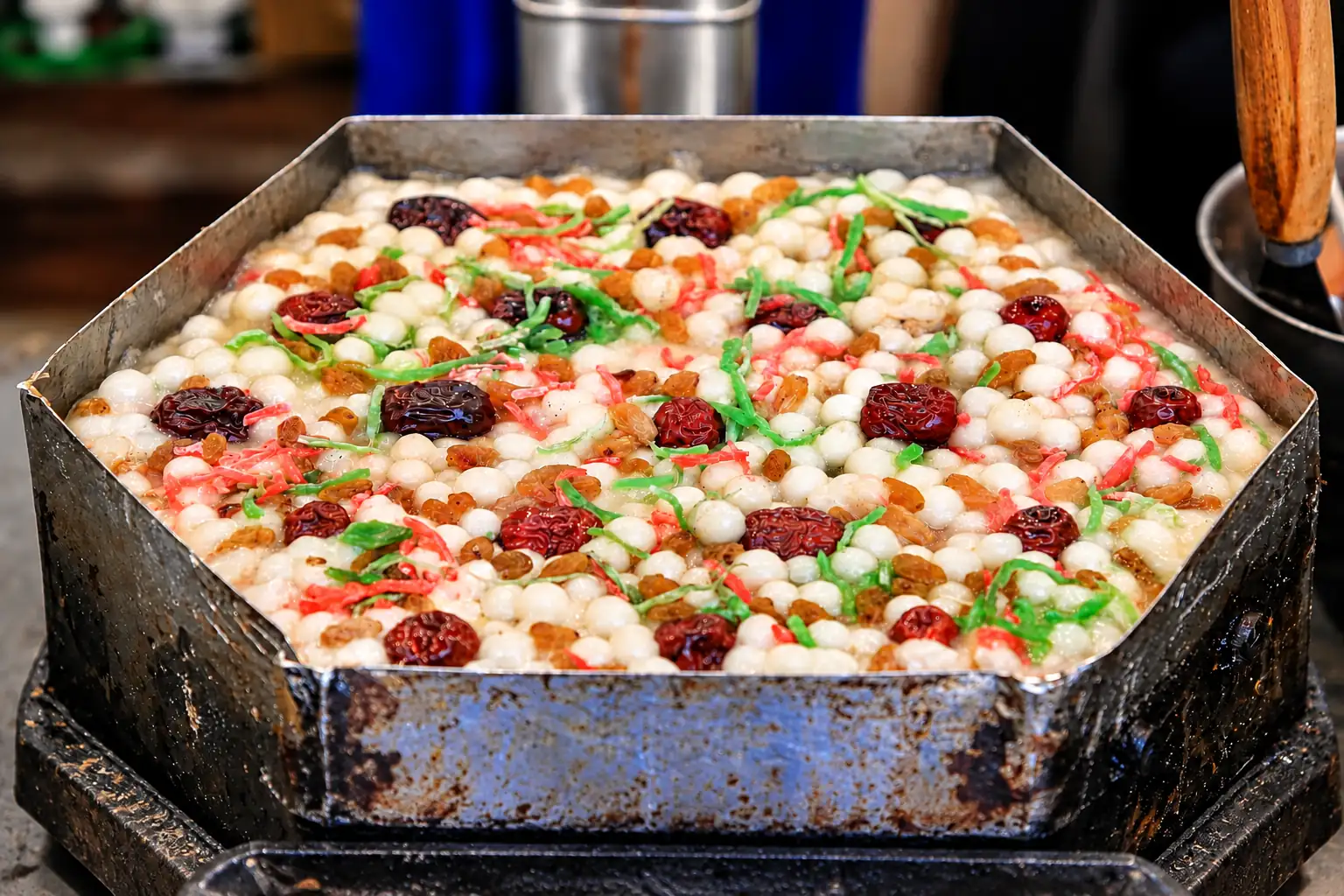
Make local food part of your Nanjing sightseeing experience through neighborhood restaurants, snack shops and the Qinhuai area. The city’s food culture combines distinctive Jiangsu flavors with long-established Jinling culinary traditions.
Trace Nanjing’s story through its Six Dynasties legacy, early Ming imperial heritage and its major role during the Republic of China era. Museums, mausoleums, historic buildings and former government sites reveal very different chapters of the city’s past.
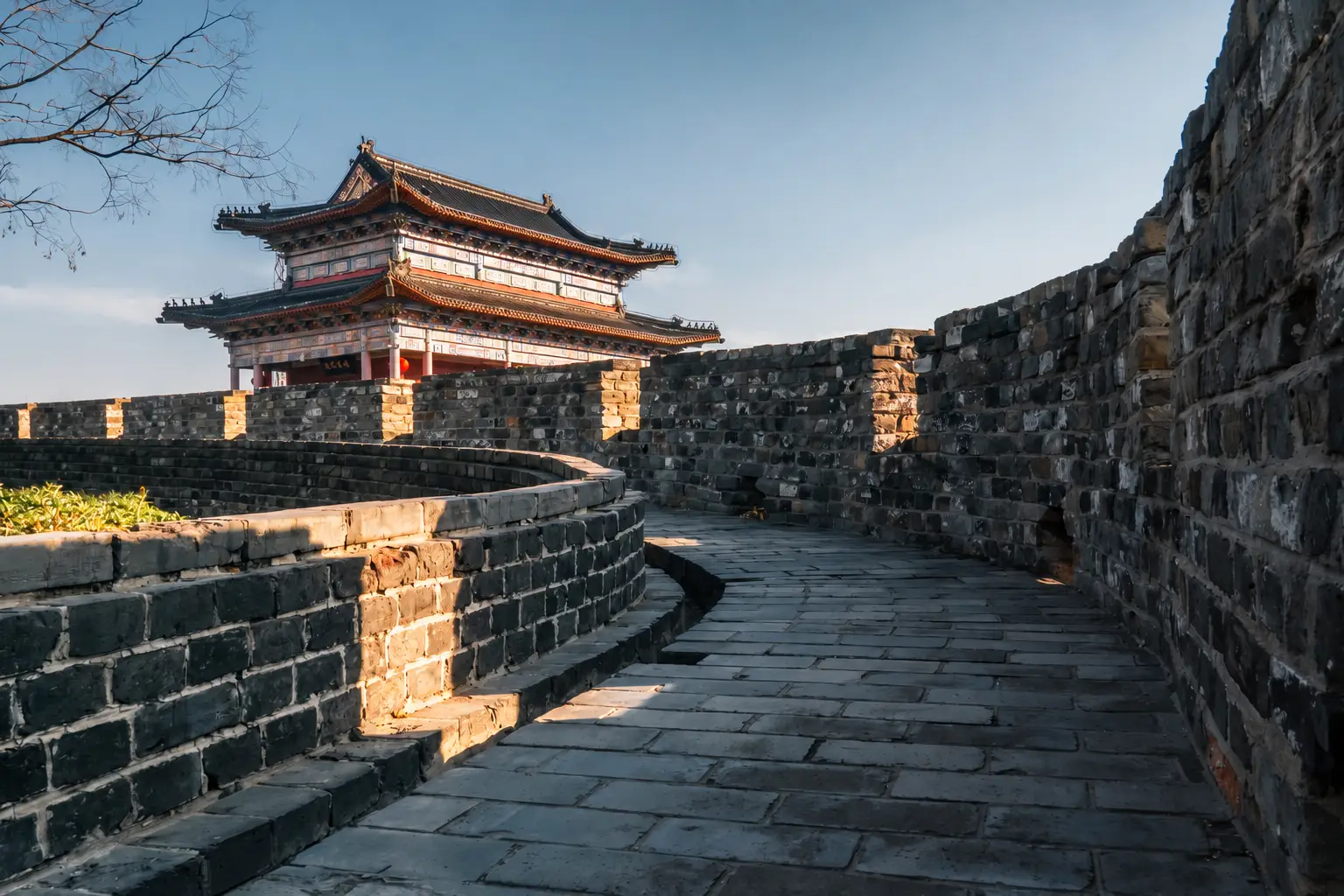
Walk selected sections of Nanjing’s surviving Ming city wall for elevated views over historic gates, Xuanwu Lake and the modern city. It is one of the easiest ways to combine history, architecture, photography and outdoor sightseeing.
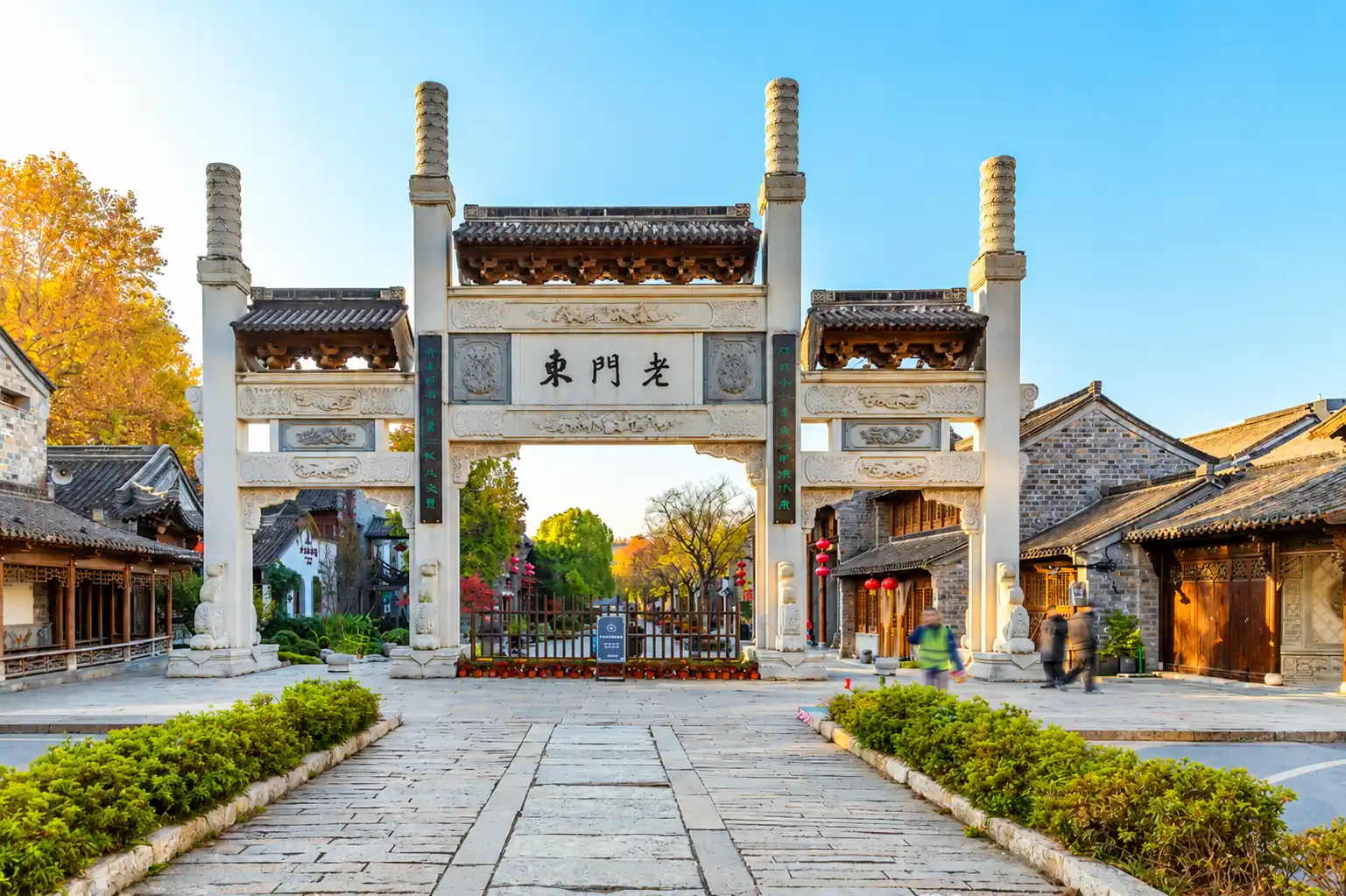
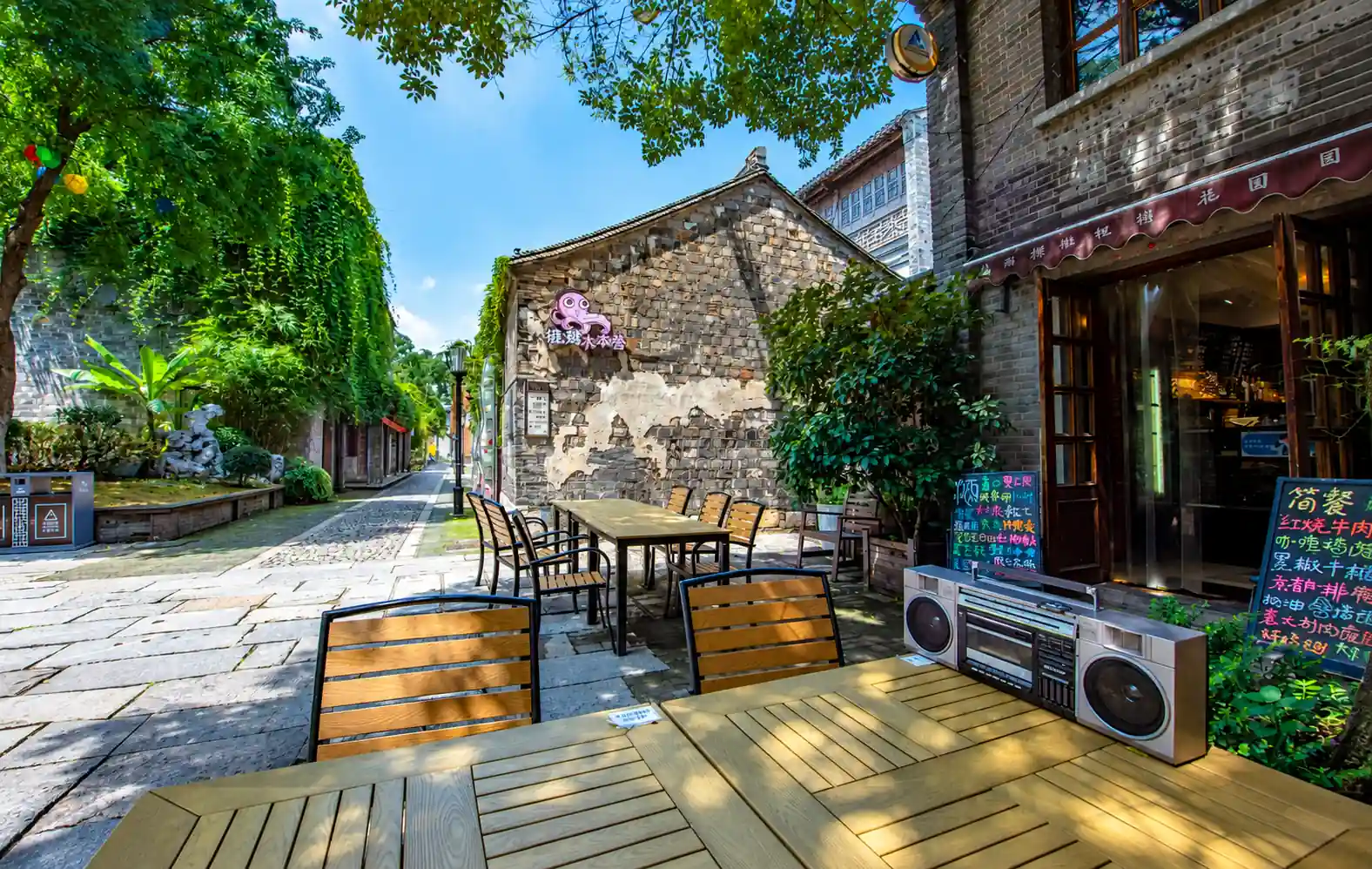
Explore lanes, courtyards, shops, cafés and snack stalls around Laomendong near the southern city wall. Visit in the late afternoon and combine it with nearby historic sites or the Qinhuai River in the evening.
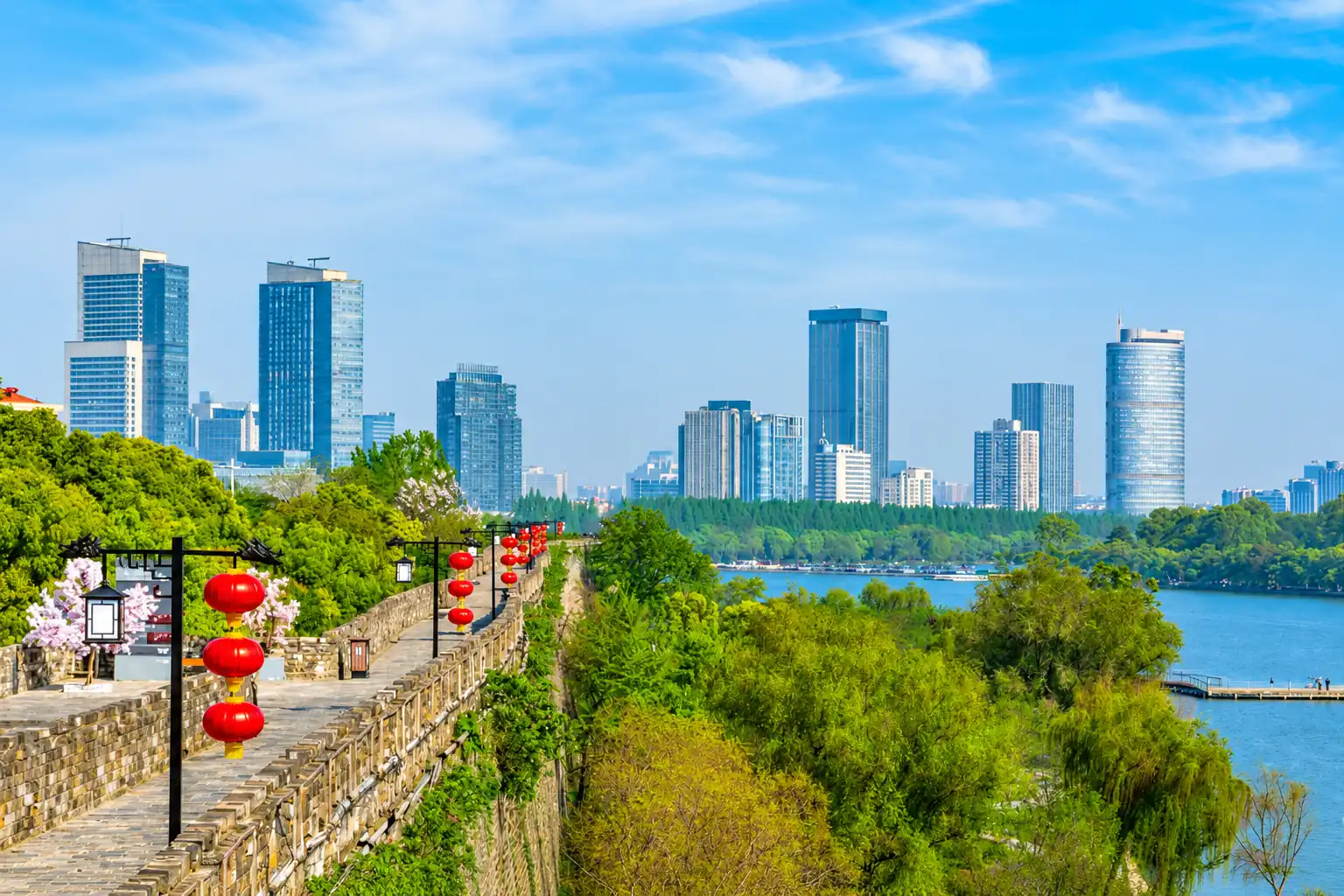
Capture tree-lined avenues, Ming architecture, Xuanwu Lake, city-wall panoramas and illuminated Qinhuai River scenes. Nanjing offers a mix of historic architecture, mountain scenery and urban landscapes throughout the day.
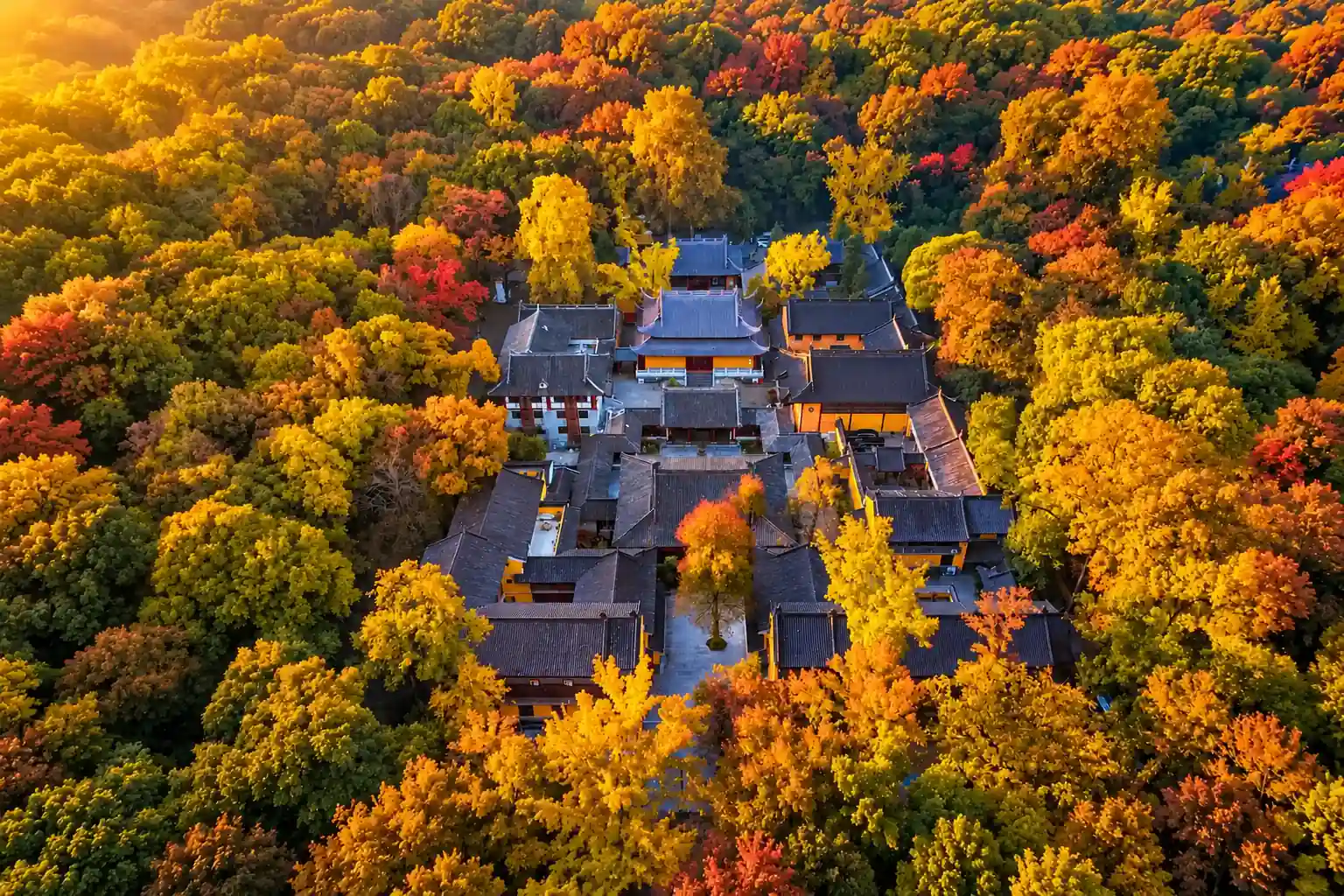
Slow down between major historic sites with tree-lined walks and scenic areas across Zhongshan Mountain, also known as Purple Mountain. Combine Ming Xiaoling, Sun Yat-sen Mausoleum and surrounding landscapes into a relaxed half-day or full-day route.
Combine Nanjing’s major landmarks with local food, historic neighborhoods, scenic walks and evening experiences based on your interests and travel pace.
Choose a Nanjing itinerary based on your travel time and interests. Three days works especially well for a first visit, giving you time for Purple Mountain, museums and historic sites, the Ming city wall, local neighborhoods and the Qinhuai River without rushing across the city.
This 3-day Nanjing itinerary groups the city’s major sights by area, combining Purple Mountain, Nanjing Museum, the Presidential Palace, Xuanwu Lake, the Ming city wall, Laomendong and the Qinhuai River at a comfortable pace.
Start early on Zhongshan Mountain, also known as Purple Mountain, with the Sun Yat-sen Mausoleum. Allow time for the long approach and ceremonial staircase, and check current reservation requirements before your visit.
Continue through the Purple Mountain area to Ming Xiaoling, the mausoleum of the founding emperor of the Ming dynasty. Walk the Sacred Way and leave enough time for the wooded grounds rather than trying to rush through every nearby sight.
Begin the day at Nanjing Museum and allow several hours for its history, archaeology, art and cultural collections. Check the latest reservation rules before arrival and use your confirmed entry time to organize the rest of the day.
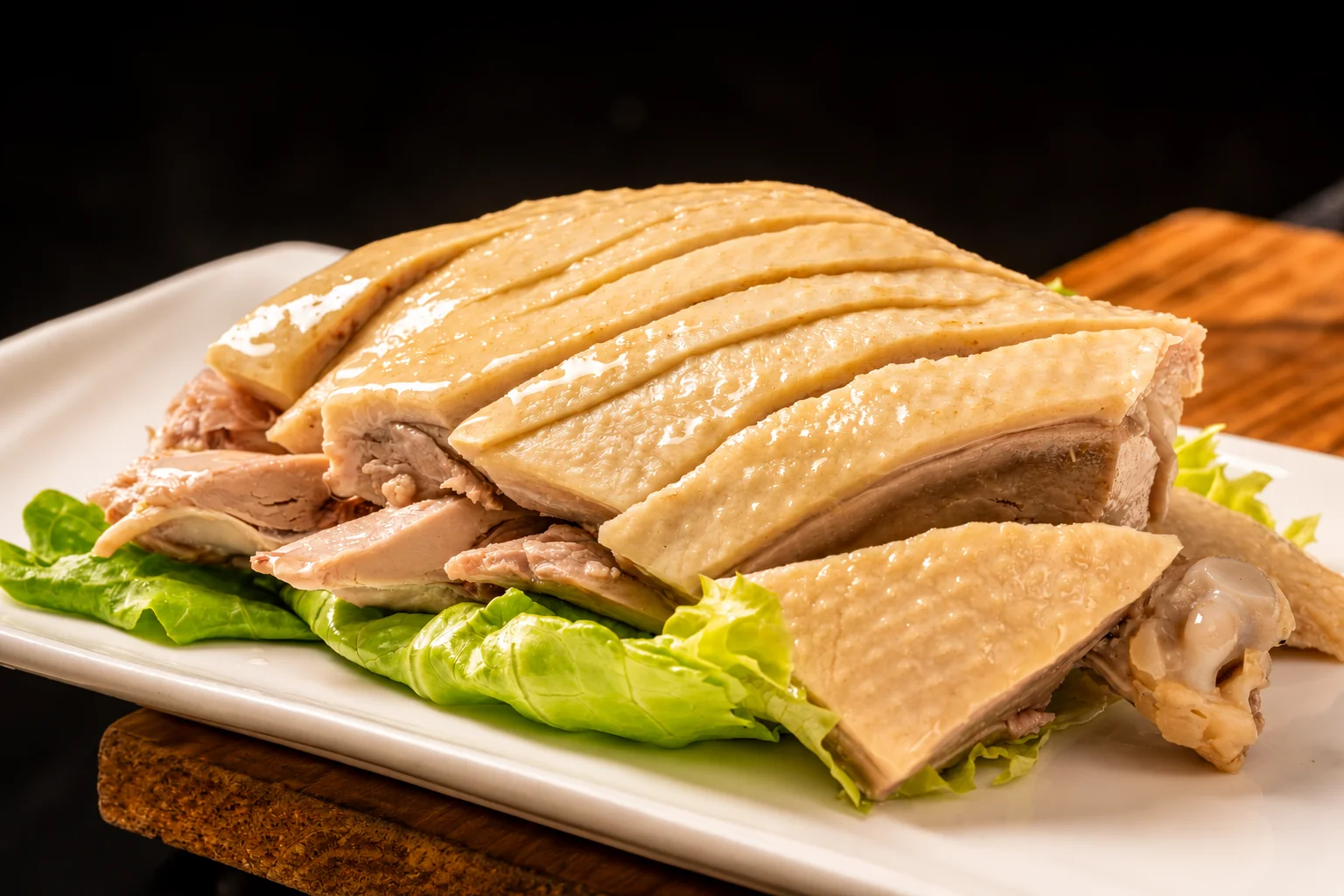
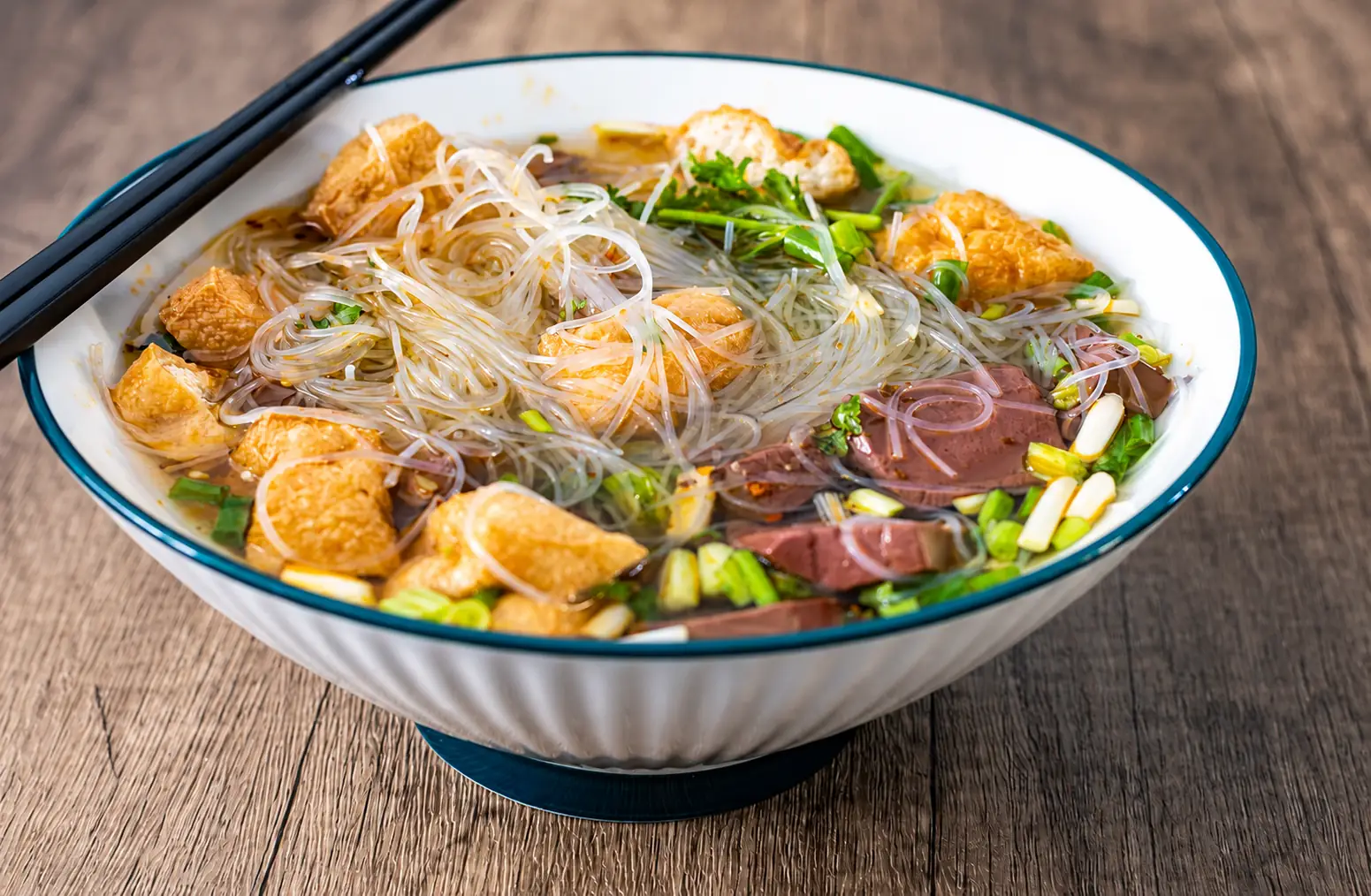
Continue to the Presidential Palace to explore one of the city’s key modern-history sites. Afterwards, spend time around central Nanjing or Xinjiekou and stop for local dishes such as salted duck or duck blood vermicelli soup.
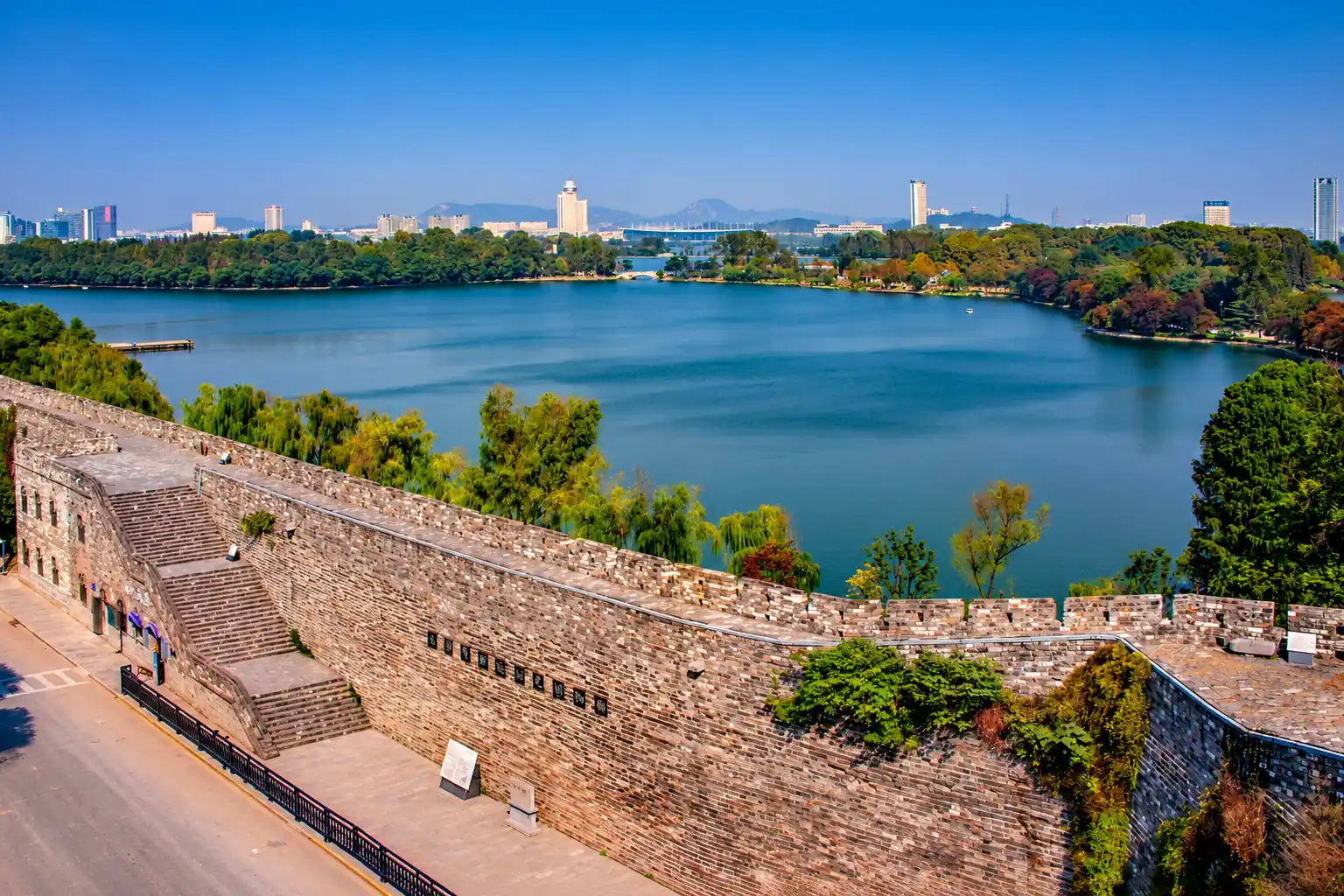
Start with a relaxed walk around Xuanwu Lake, then explore a nearby section of Nanjing’s Ming city wall for elevated views across the lake, historic city and modern skyline.
Spend the afternoon exploring Laomendong and the historic streets of southern Nanjing. Continue to the Confucius Temple area for local food, then finish your trip beside the illuminated Qinhuai River after dark.
Customize your Nanjing route around your travel dates, hotel location, interests, reservations and preferred sightseeing pace.
The best time to visit Nanjing is generally from March to May and September to November. Spring brings blossoms and fresh greenery across Purple Mountain, parks and historic neighborhoods, while autumn offers comfortable walking weather and some of the city’s best seasonal scenery.
Spring and autumn are the easiest seasons for a first Nanjing trip, with more comfortable conditions for walking the Ming city wall, exploring Zhongshan Mountain, visiting historic districts and spending time around Xuanwu Lake and the Qinhuai River. Summer is much hotter and more humid, while winter is colder and better suited to a slower mix of museums and shorter outdoor visits.
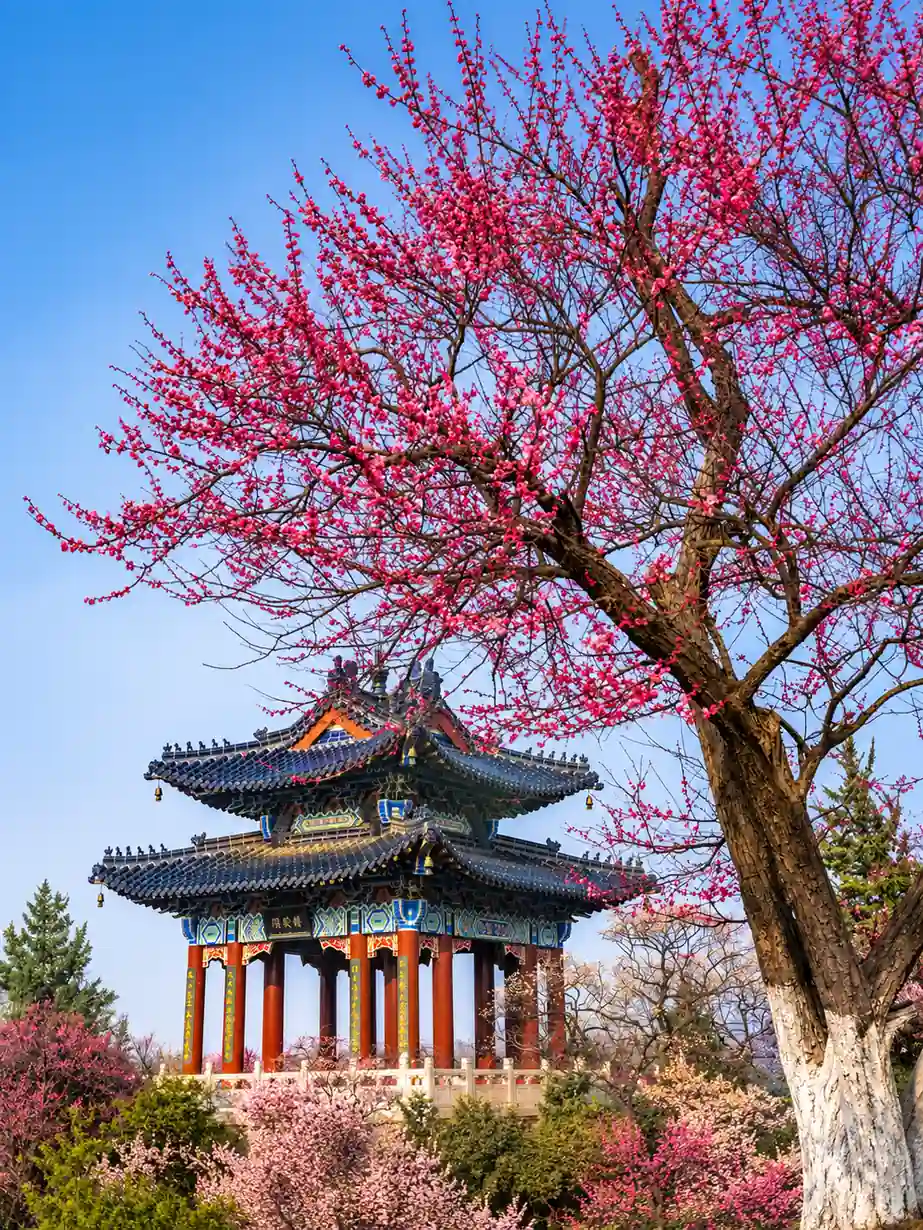
Spring is one of the best seasons for Nanjing. Plum blossoms, cherry blossoms and fresh greenery make outdoor sightseeing especially rewarding around Purple Mountain, Jiming Temple, Xuanwu Lake and the city’s historic districts.
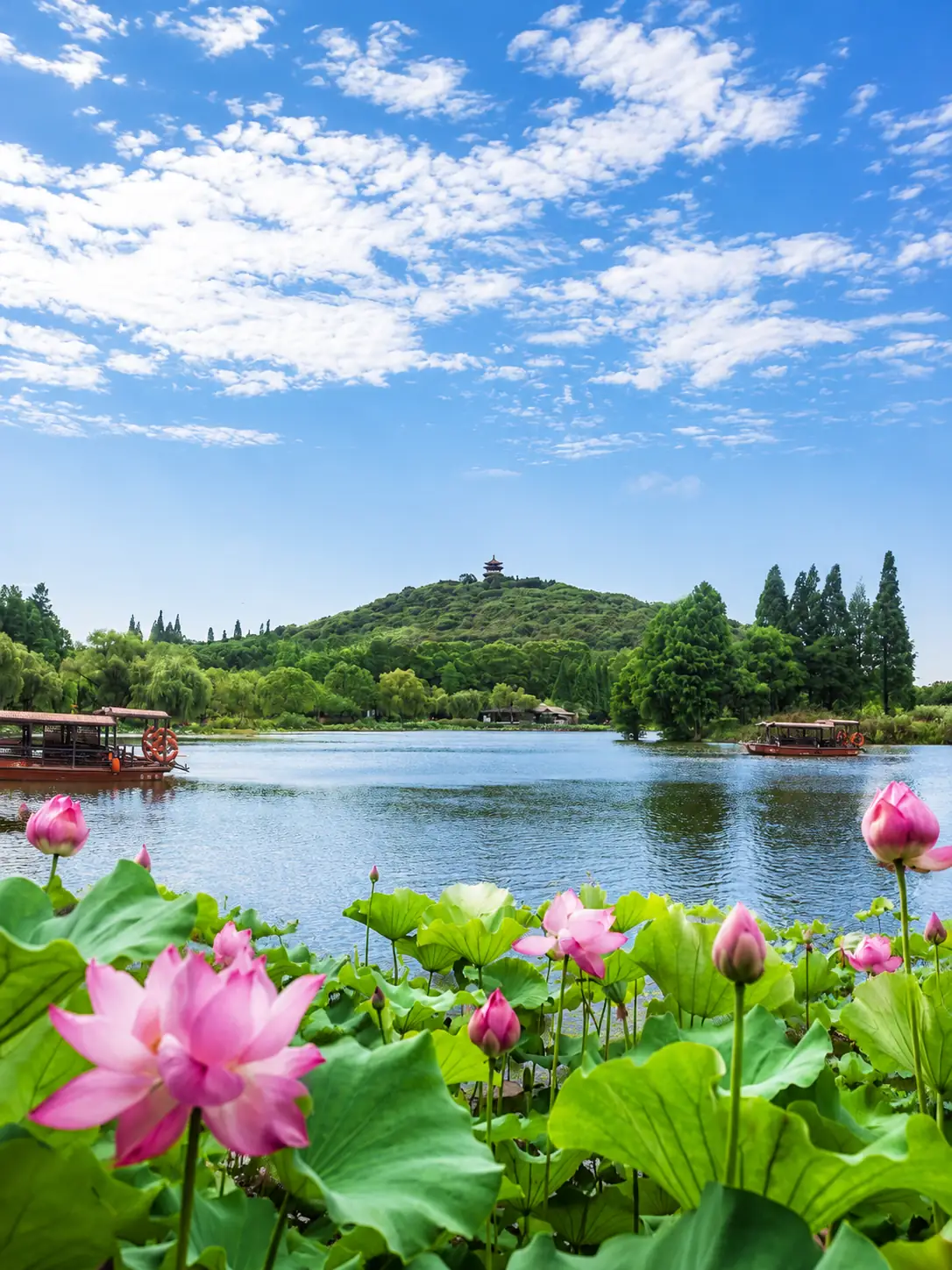
Summer is hot and humid, with wetter conditions around the early-summer rainy period. Start outdoor sightseeing earlier, then use Nanjing Museum, the Presidential Palace and other indoor attractions during the hottest part of the day before visiting the Qinhuai River in the evening.
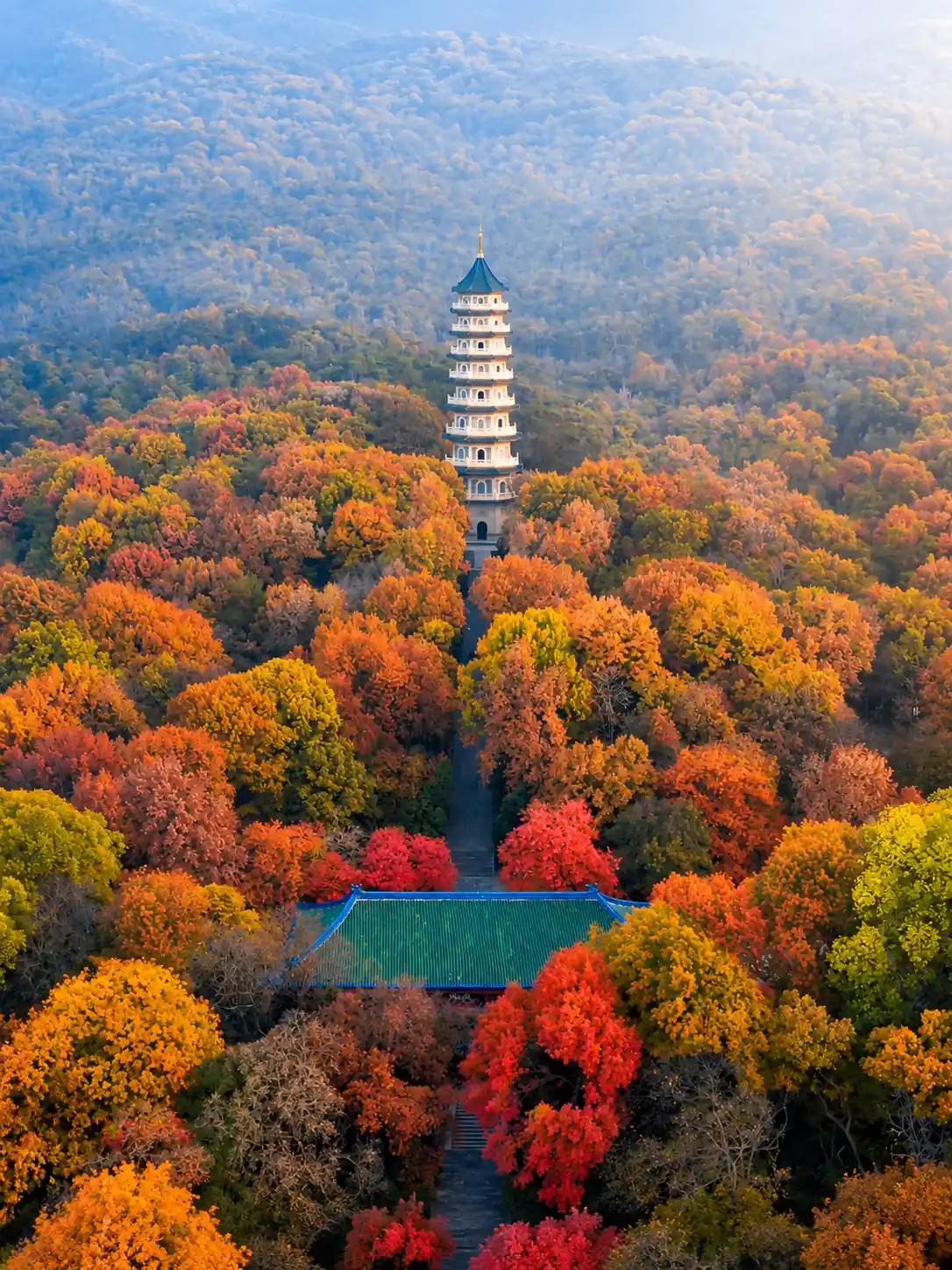
Autumn is another excellent time to visit, with cooler walking conditions and seasonal color around Ming Xiaoling, Zhongshan Mountain and Nanjing’s tree-lined streets. Qixia Mountain is especially associated with autumn foliage later in the season.
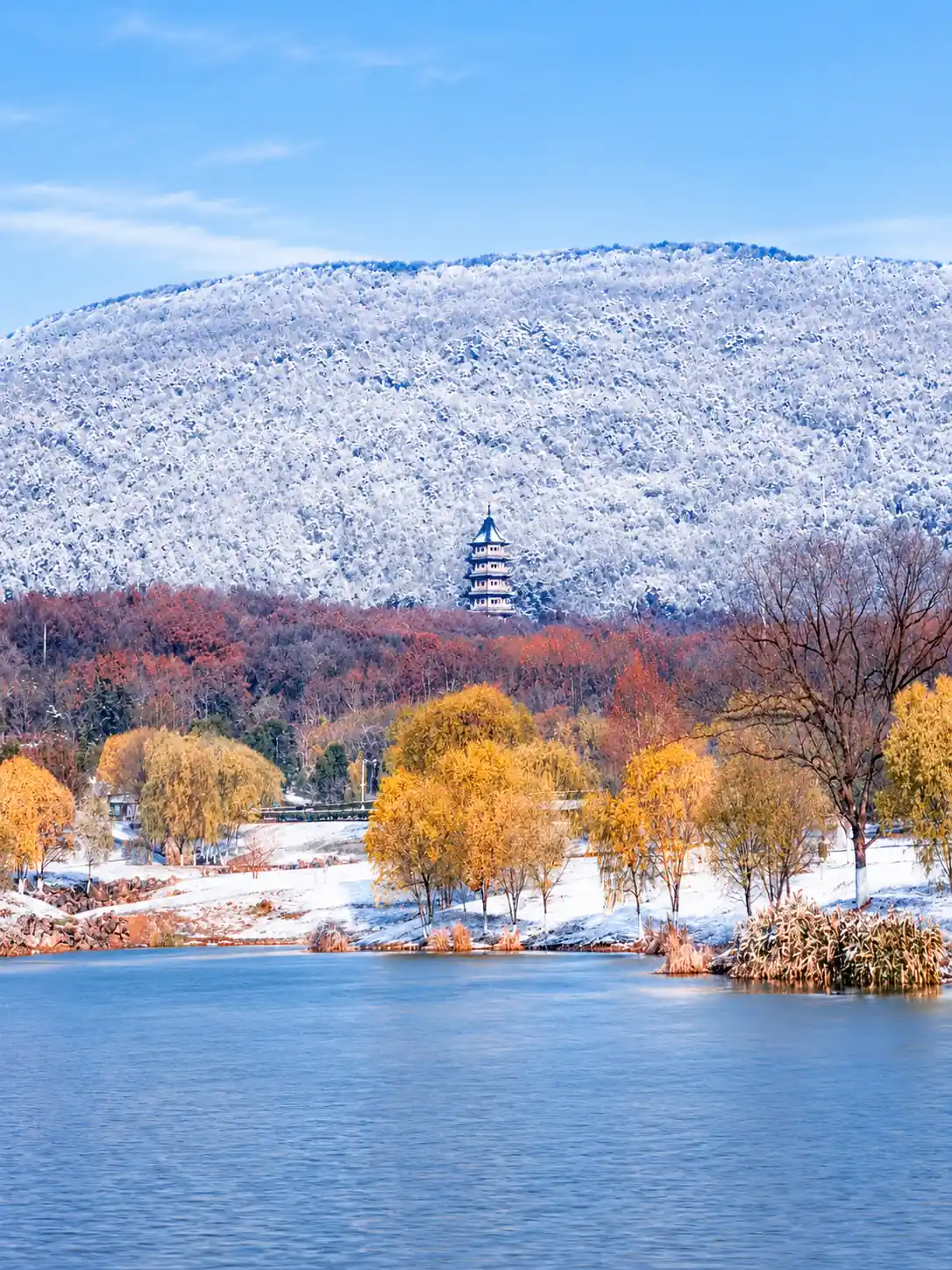
Winter is cold and can feel damp, but visitor numbers are generally lower outside major holiday periods. Combine shorter outdoor visits with Nanjing Museum, historic buildings, local food and slower walks through the old city.
The best area to stay in Nanjing depends on how you want to explore the city. Xinjiekou is the most convenient all-round base for a first visit, while Confucius Temple and the Qinhuai River suit travelers who prefer historic atmosphere and evenings on foot. Xuanwu Lake and Gulou offer a quieter setting, Daxinggong works well for history and museums, and Nanjing South Railway Station is mainly useful for convenient train and airport connections.
Xinjiekou is the most practical all-round base for many first-time visitors to Nanjing. This central commercial district sits on Metro Lines 1 and 2, making it convenient for reaching Purple Mountain, the Presidential Palace, Confucius Temple, Xuanwu Lake and the city’s major railway stations while keeping restaurants, shopping and everyday services close to your hotel.
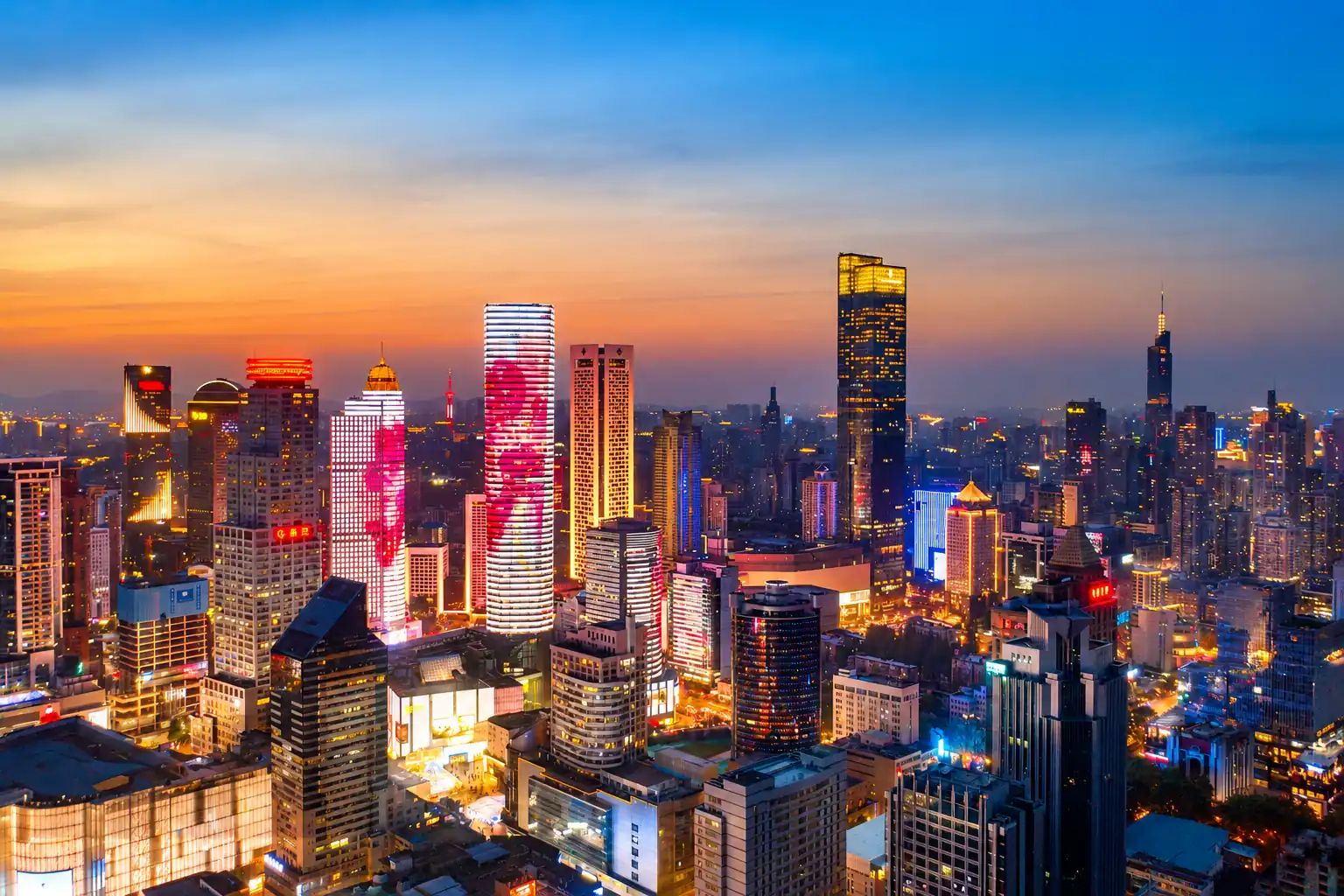
Stay near Fuzimiao and the Qinhuai River if you want historic streets, local snacks and illuminated evening scenery close to your hotel. Laomendong and southern Nanjing are also easy to combine with this area. It is especially attractive for couples, photographers and food-focused travelers, although the busiest streets can feel lively in the evening.
Choose Xuanwu Lake or Gulou for a calmer base with convenient access to lakeside walks, the Ming city wall, Jiming Temple and central Nanjing. The wider area also works well for families and travelers who prefer scenic mornings and neighborhood restaurants over staying in the busiest commercial district.
Daxinggong is a strong alternative to Xinjiekou for travelers interested in Nanjing’s history and culture. The Presidential Palace, Six Dynasties Museum and other central sights are nearby, while the Metro Lines 2 and 3 interchange makes it convenient for reaching both Purple Mountain and the Fuzimiao area.
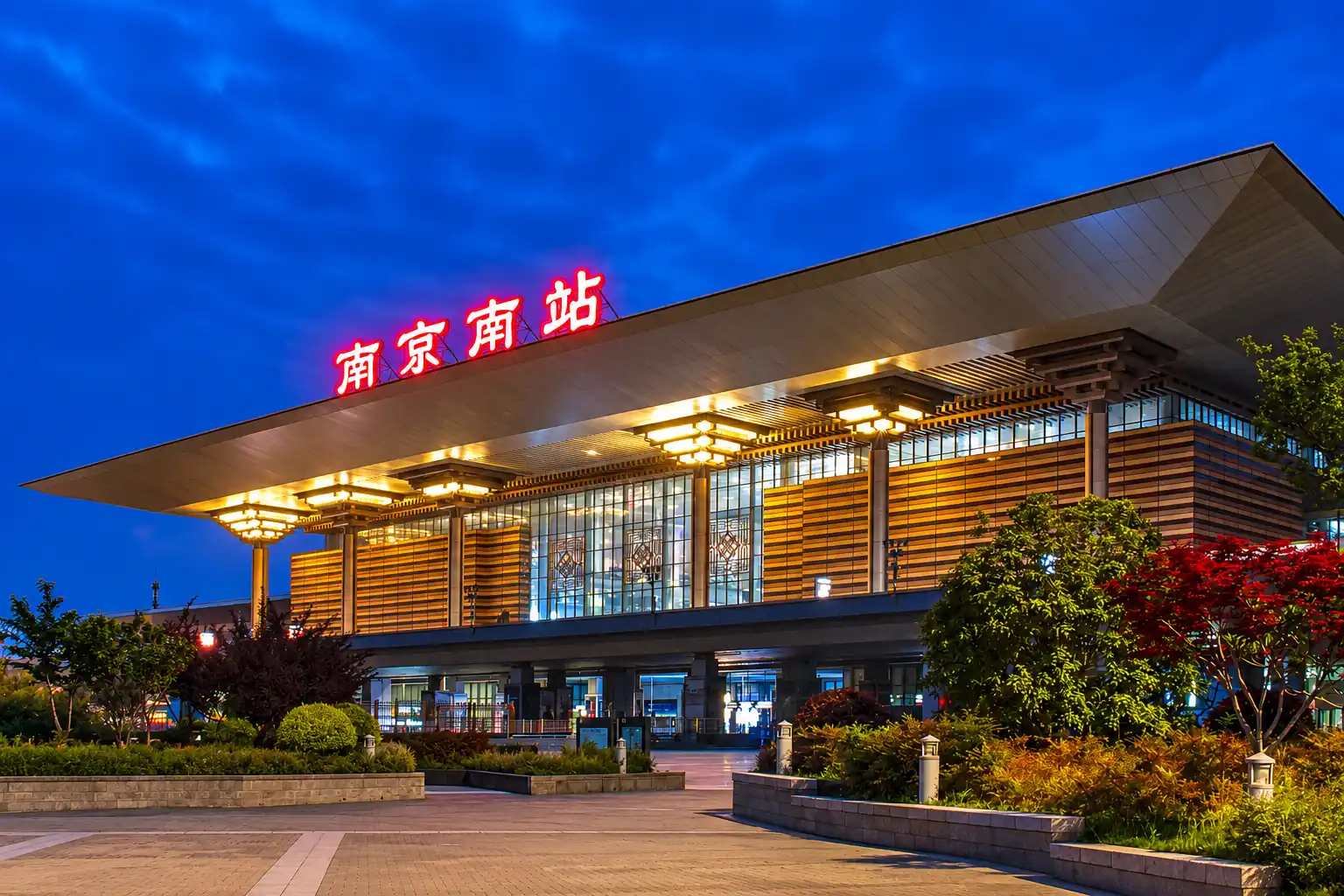
Stay near Nanjing South if you have an early high-speed train, a late rail arrival, a short stopover or need easy access to Nanjing Lukou International Airport. The station connects with several metro lines including the S1 airport line, but for a sightseeing-focused first visit, Xinjiekou or central Nanjing is usually the more convenient base.
Choose Xinjiekou for the easiest all-round transport, Fuzimiao and the Qinhuai River for historic atmosphere, Xuanwu Lake or Gulou for a quieter stay, Daxinggong for history and museums, and Nanjing South mainly when rail or airport convenience matters. For most first-time visitors, a well-connected metro location is more useful than simply booking the hotel closest to one attraction.
Getting around Nanjing is relatively straightforward using the metro network, taxis and DiDi ride-hailing. Nanjing Lukou International Airport (NKG) connects with Nanjing South Railway Station by Metro Line S1, while the city’s two main railway stations connect Nanjing with Shanghai, Hangzhou and other destinations across eastern China.
The metro is usually the easiest way to move between central Nanjing, major sightseeing areas and transport hubs. Use taxis or DiDi for hotel transfers, journeys with luggage, late-evening travel or routes where a road transfer avoids unnecessary walking and metro changes.
The metro is the most useful form of public transport for most visitors. Xinjiekou is an important interchange on Lines 1 and 2, Line 2 is useful for reaching the Purple Mountain side of the city, and Line 3 connects central areas with Fuzimiao. Daxinggong is another useful interchange when combining modern-history sights with other parts of Nanjing.
Nanjing Lukou International Airport (NKG) is the city’s main air gateway. Metro Line S1 connects the airport with Nanjing South Railway Station, where travelers can transfer to the city metro network for Xinjiekou, Fuzimiao and other central areas. Taxis, DiDi and private pickups are useful alternatives when traveling with luggage or arriving late.
Nanjing South is the city’s main high-speed rail hub and is especially useful for travelers arriving from or continuing to Shanghai, Hangzhou and other cities in eastern China. Multiple metro connections make it straightforward to continue toward Xinjiekou, Fuzimiao and other parts of central Nanjing.
Nanjing Railway Station sits beside Xuanwu Lake and serves additional rail services while offering convenient access to northern and central Nanjing. Check the station name on your ticket carefully because Nanjing Railway Station and Nanjing South Railway Station are separate transport hubs.
Taxis and DiDi are useful when traveling with luggage, returning after a long sightseeing day or connecting places that would otherwise require extra walking and metro changes. Save your hotel and destination names in Chinese so drivers and pickup locations are easier to confirm.
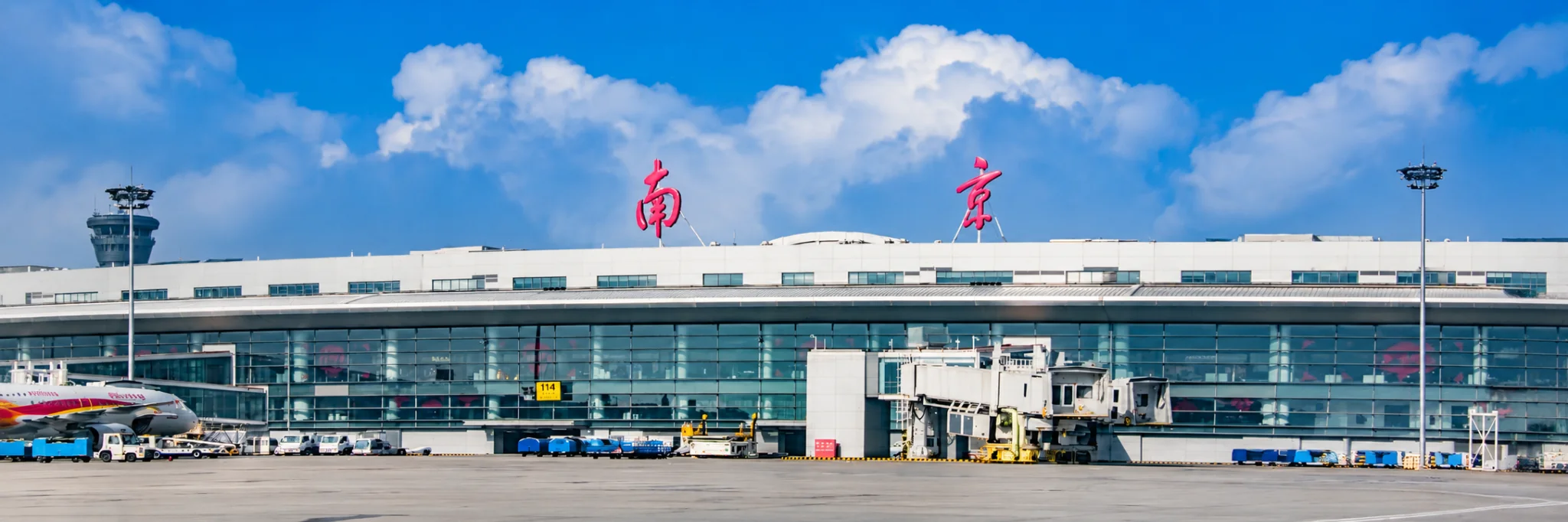
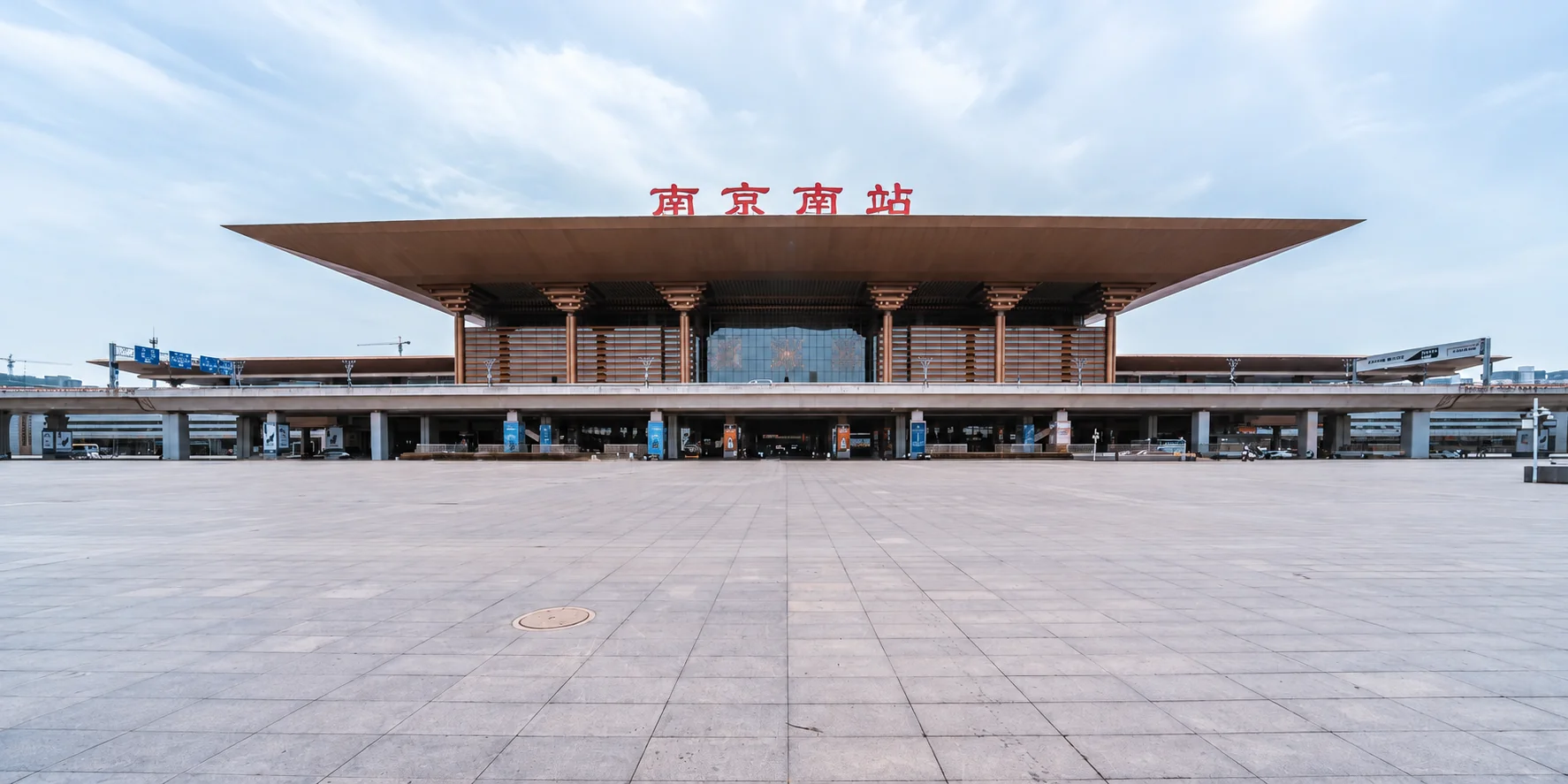
Private transfers can be included in a customized Nanjing trip, with airport or railway station pickup, hotel transfers and transportation arranged around your sightseeing route and travel pace.
Nanjing is a useful base and itinerary stop for exploring Jiangsu, the Yangtze River Delta and eastern China. Nearby cities such as Yangzhou and Suzhou work well as shorter additions, while Shanghai, Hangzhou and Huangshan are better treated as part of a longer multi-city China itinerary.
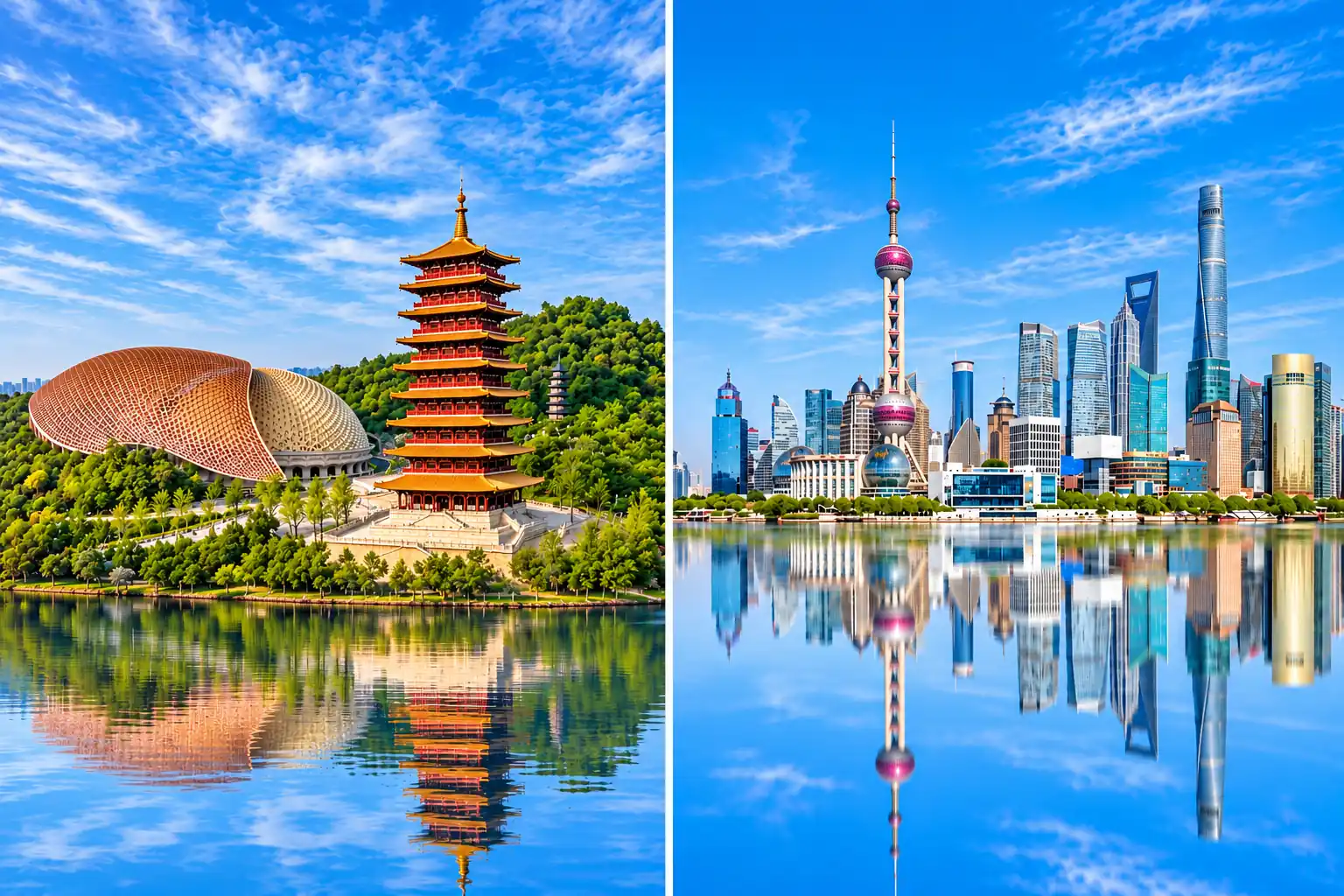
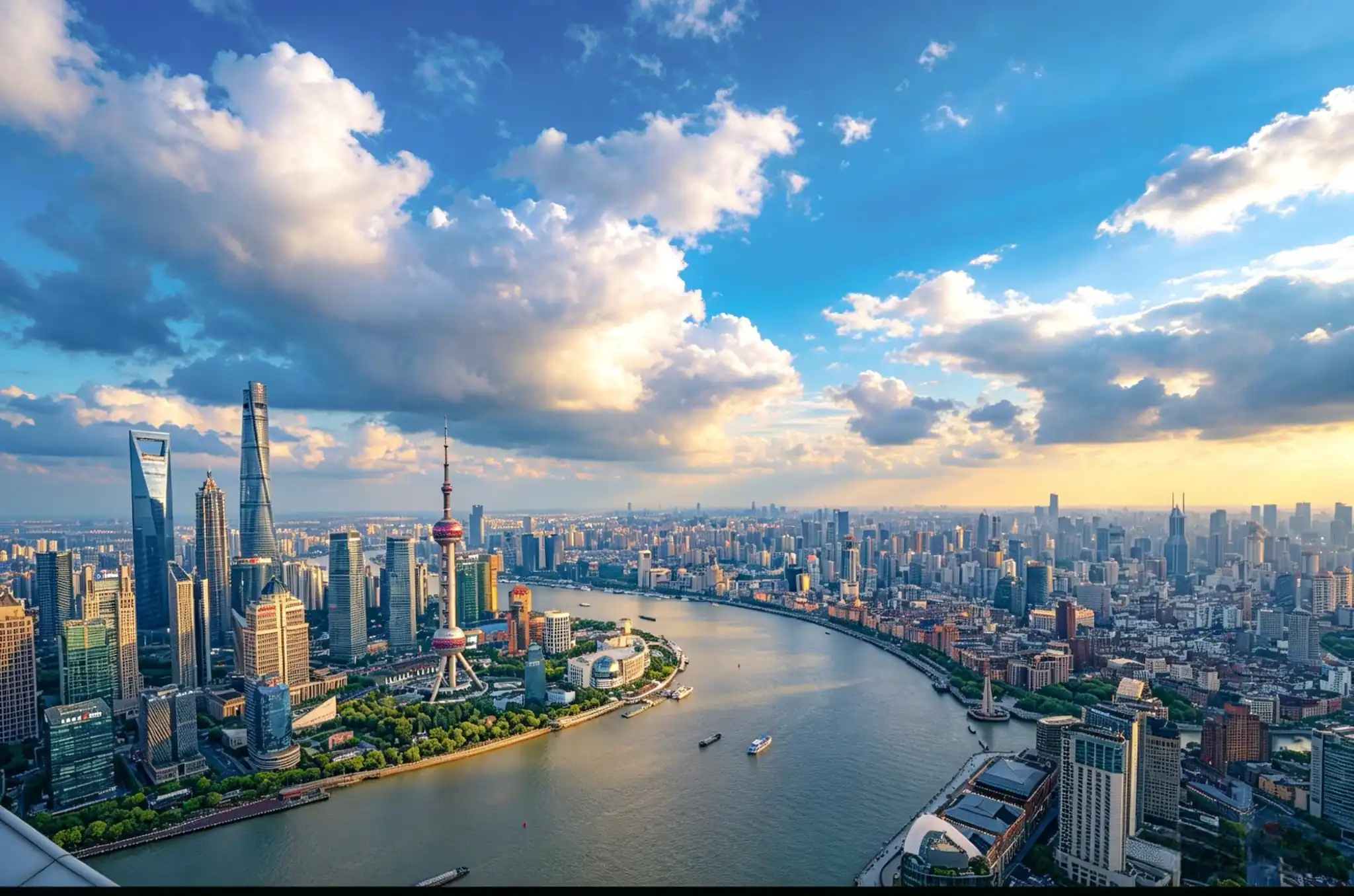
Pair Nanjing’s Ming heritage, museums, Purple Mountain and historic neighborhoods with Shanghai’s Bund, skyline, former concession districts and contemporary city life. High-speed rail makes the two cities straightforward to combine, while their very different character creates a strong contrast within one eastern China itinerary.
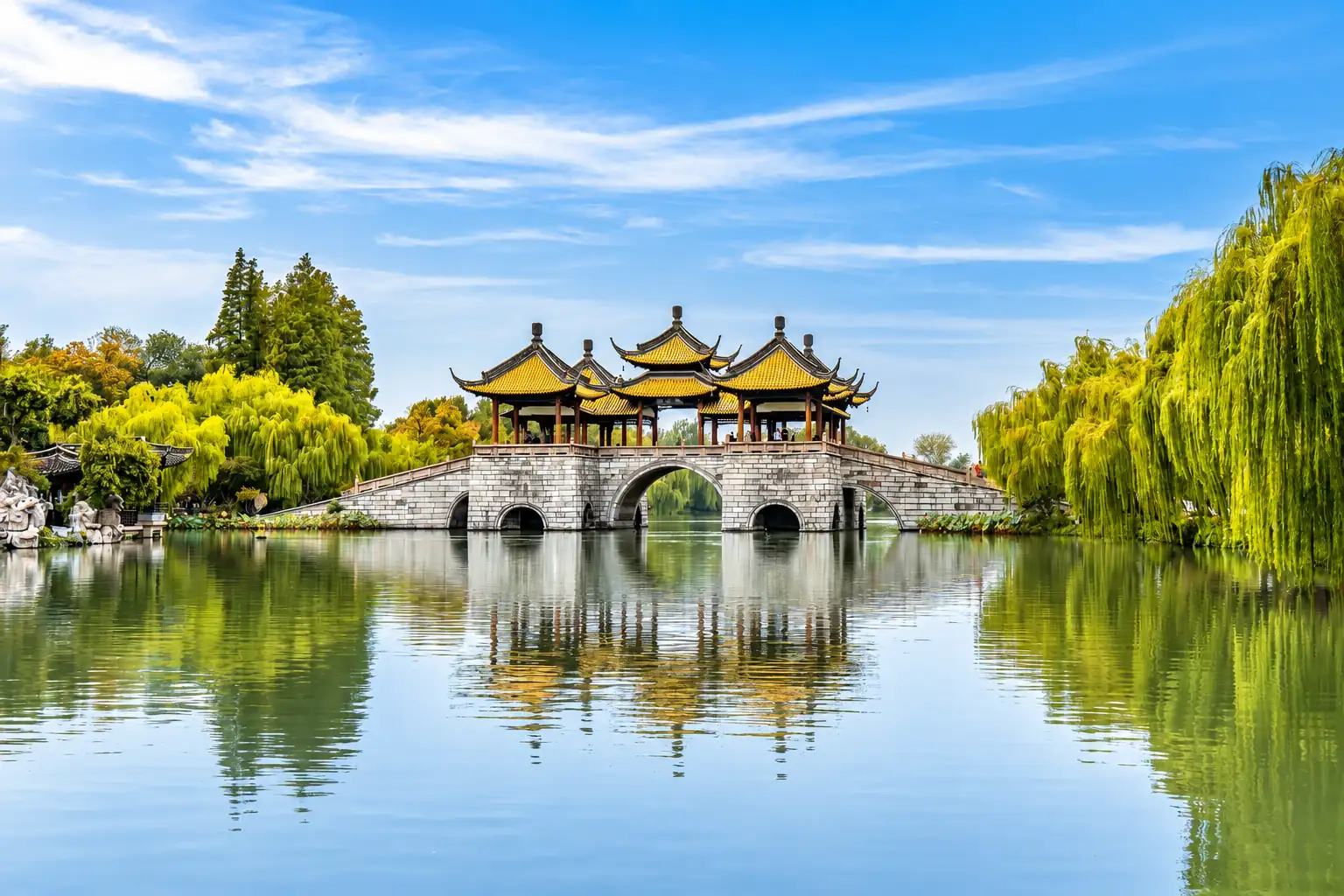
Add Yangzhou for Slender West Lake, classical gardens, historic streets and Huaiyang cuisine. Its smaller scale offers a relaxed contrast to Nanjing and makes it one of the most natural short extensions for travelers exploring Jiangsu.
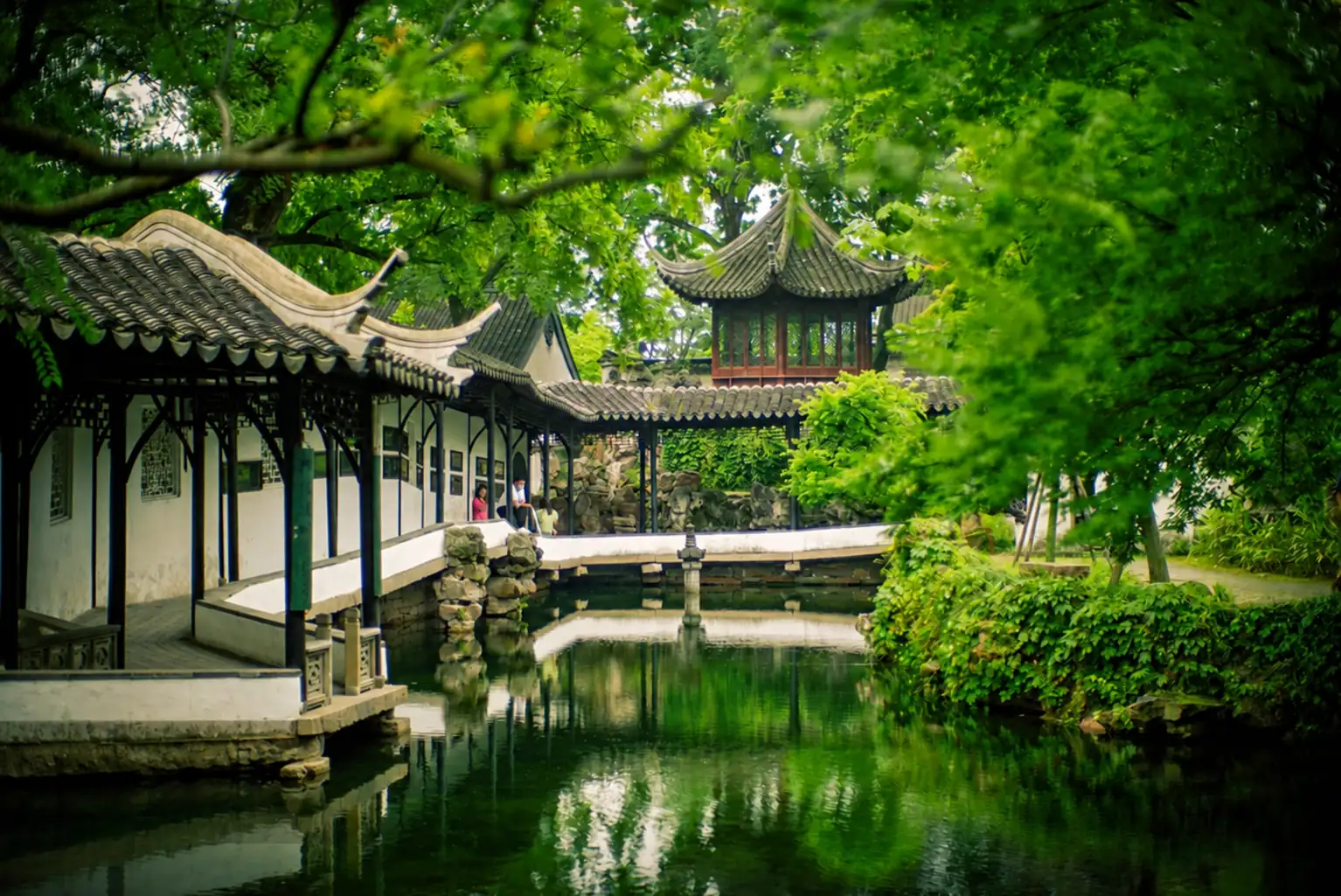
Continue to Suzhou for UNESCO-listed classical gardens, canals, historic neighborhoods and traditional Jiangnan scenery. Nanjing, Suzhou and Shanghai form a natural route for travelers who want to combine history, gardens and a modern Chinese metropolis.
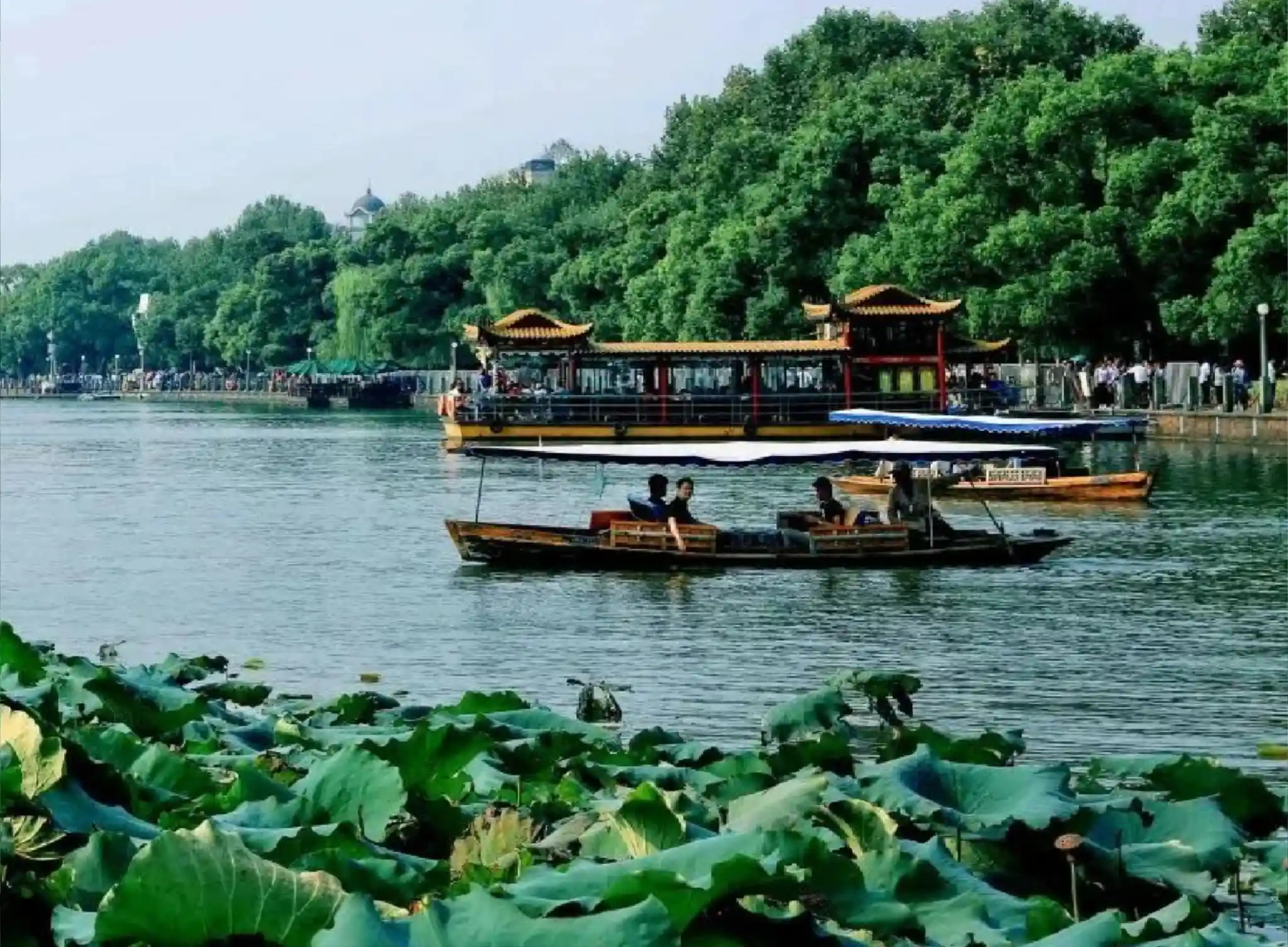
Continue to Hangzhou for West Lake, temples, tea culture and landscaped scenery. Its lakeside and tea-growing landscapes add a softer Jiangnan experience after Nanjing’s imperial, Republican-era and modern-history sites.
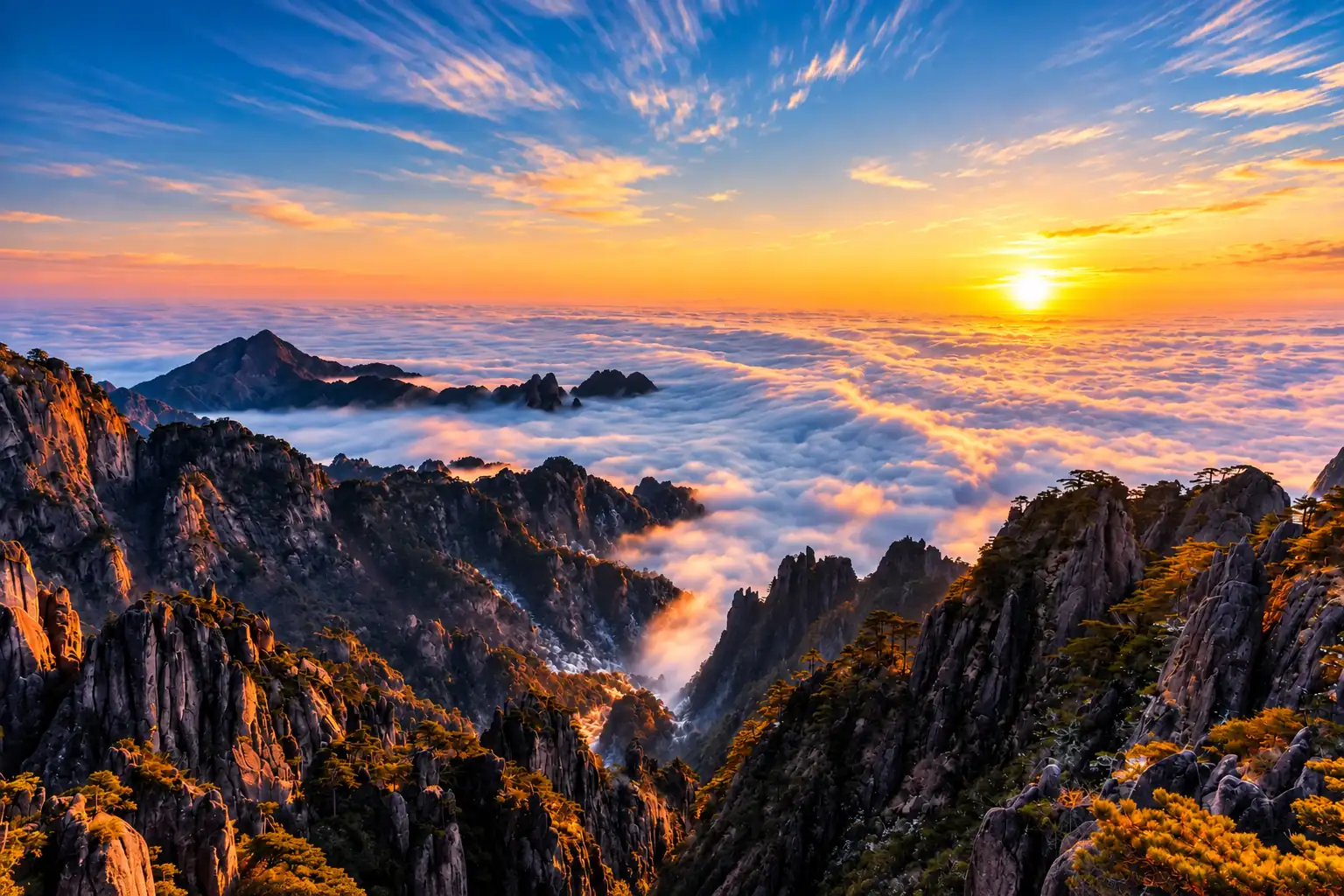
Extend your route into southern Anhui for Huangshan’s dramatic mountain landscapes and traditional Huizhou villages. Unlike Yangzhou or Suzhou, Huangshan deserves a dedicated overnight stay rather than being treated as a rushed day trip from Nanjing.
Prepare the practical side of your Nanjing trip with guides to China entry requirements, weather, high-speed rail, mobile payments, useful apps, public holidays and first-time travel planning. These details are especially useful before booking transport, attractions and hotels.
Check the latest China entry requirements, visa policies, passport rules and documents relevant to your nationality before traveling to Nanjing.
Compare seasonal weather and regional travel conditions when choosing dates for Nanjing and other destinations on the same China itinerary.
Learn how foreign travelers can buy train tickets and use high-speed rail when connecting Nanjing with Shanghai, Suzhou, Hangzhou and other Chinese cities.
Prepare Alipay or WeChat Pay for metro journeys, restaurants, attraction tickets, shopping and other everyday purchases during your Nanjing trip.
Prepare mobile data, translation tools, map apps and ride-hailing before arrival. Having destination names saved in Chinese is particularly useful for taxis, DiDi and local navigation in Nanjing.
Check major Chinese public holidays before choosing your Nanjing travel dates. Busy holiday periods can affect hotel demand, attraction reservations and intercity train availability.
Understand how Spring Festival can affect trains, flights, attraction schedules, restaurants and travel demand when visiting Nanjing as part of a wider China trip.
Prepare for language, transportation, attraction reservations, mobile payments and other practical issues that matter when Nanjing is part of your first trip to China.
Combine Nanjing with Shanghai, Suzhou, Hangzhou, Yangzhou, Huangshan or other destinations based on your travel time, interests and preferred route through eastern China.
Explore Nanjing with a private trip designed around your travel dates, interests, hotel location and preferred pace. Your itinerary can focus on Purple Mountain, Ming heritage, museums, modern history, local food or family-friendly sightseeing, with transportation and daily planning arranged around the way you want to travel.
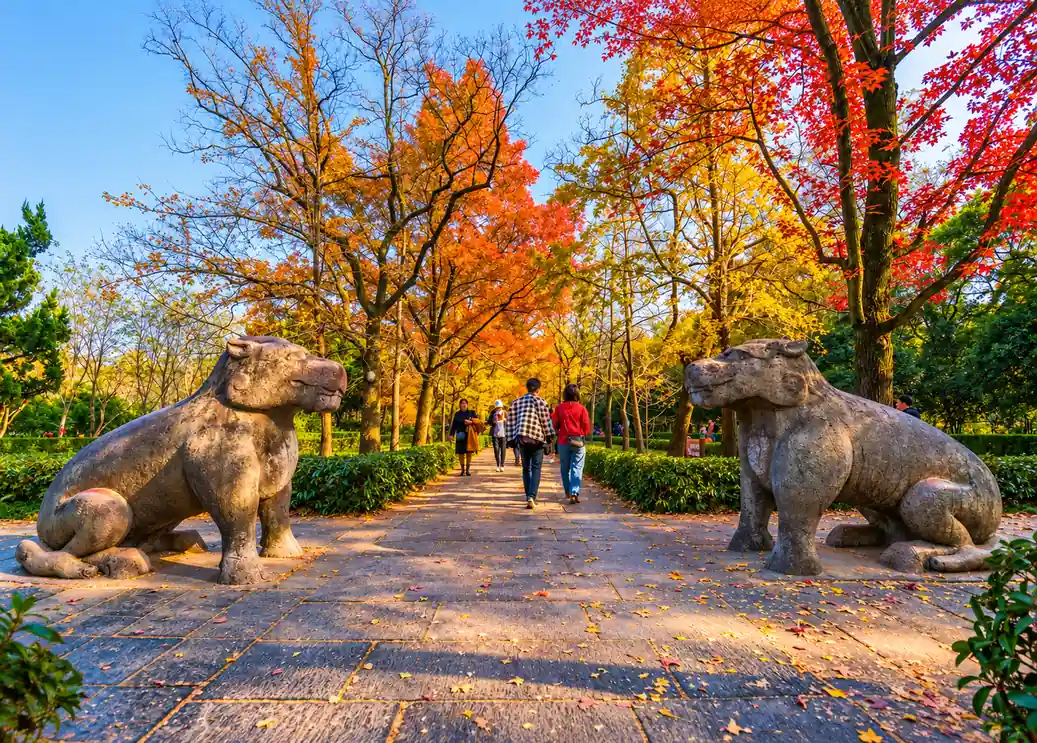
Use three days to explore Nanjing at a comfortable pace, with a private route that can combine Purple Mountain, Ming Xiaoling, Nanjing Museum, the Presidential Palace, the Ming city wall, historic neighborhoods and an evening around the Qinhuai River. The order can be adjusted around hotel location, reservations and your interests.
Customize This Nanjing Trip
Ideal for travelers with limited time. Build the day around the sights that matter most to you, such as Purple Mountain, Ming heritage, central historic sites or an evening in the Qinhuai area, without trying to cover the entire city.
Focus on the historical layers that shaped Nanjing, from Six Dynasties and early Ming heritage to Republican-era sites and twentieth-century history. The route can include museums, mausoleums, the city wall and the Memorial Hall according to your interests.
Spend more time in Nanjing without rushing between landmarks. Add local neighborhoods, food stops, scenic walks, museums, Niushou Mountain or quieter historic areas while keeping time for breaks and a more flexible daily schedule.
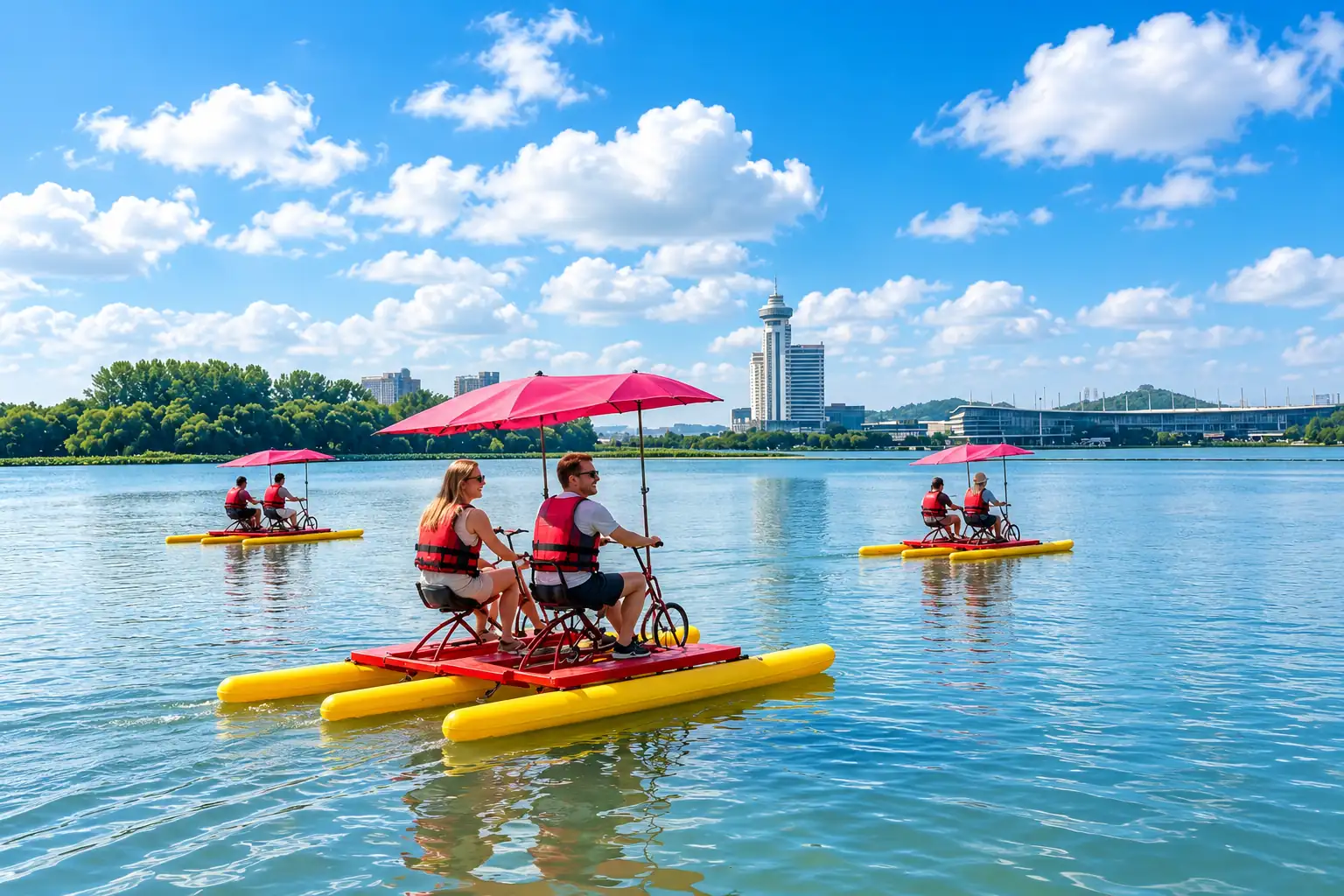
Create a family-friendly itinerary with shorter sightseeing blocks, convenient transportation and a balanced mix of museums, outdoor scenery, historic sites and local experiences. Daily pacing can be adjusted around children and family needs.
Prioritize Purple Mountain, Ming Xiaoling, museums, modern-history sites, the Qinhuai River, Niushou Mountain or other places according to your interests rather than following a fixed sightseeing list.
Explore Nanjing Attractions →Plan shorter days, slower museum visits, more walking, extra food stops or additional free time. A private itinerary can be adapted for couples, families, older travelers and different travel styles.
Compare Nanjing Itineraries →Add Shanghai, Suzhou, Hangzhou, Yangzhou, Huangshan or other destinations to create a longer route through Jiangsu, the Yangtze River Delta and eastern China.
Explore Eastern China Extensions →Tell us your travel dates, group size, interests, hotel preferences and preferred pace. We can help shape a private Nanjing itinerary around the places you want to visit and connect it with the rest of your China journey.