How Many Days in Shantou?
Two days are enough for the main city sights and local food. Choose three days if you also want to spend a full day exploring Nan'ao Island and the coast.

Discover Shantou's essential attractions, from the historic arcade streets of Small Park and the coastal landscapes of Nan'ao Island to Queshi Scenic Area, overseas-Chinese heritage and museums exploring the culture and history of the wider Chaoshan region.
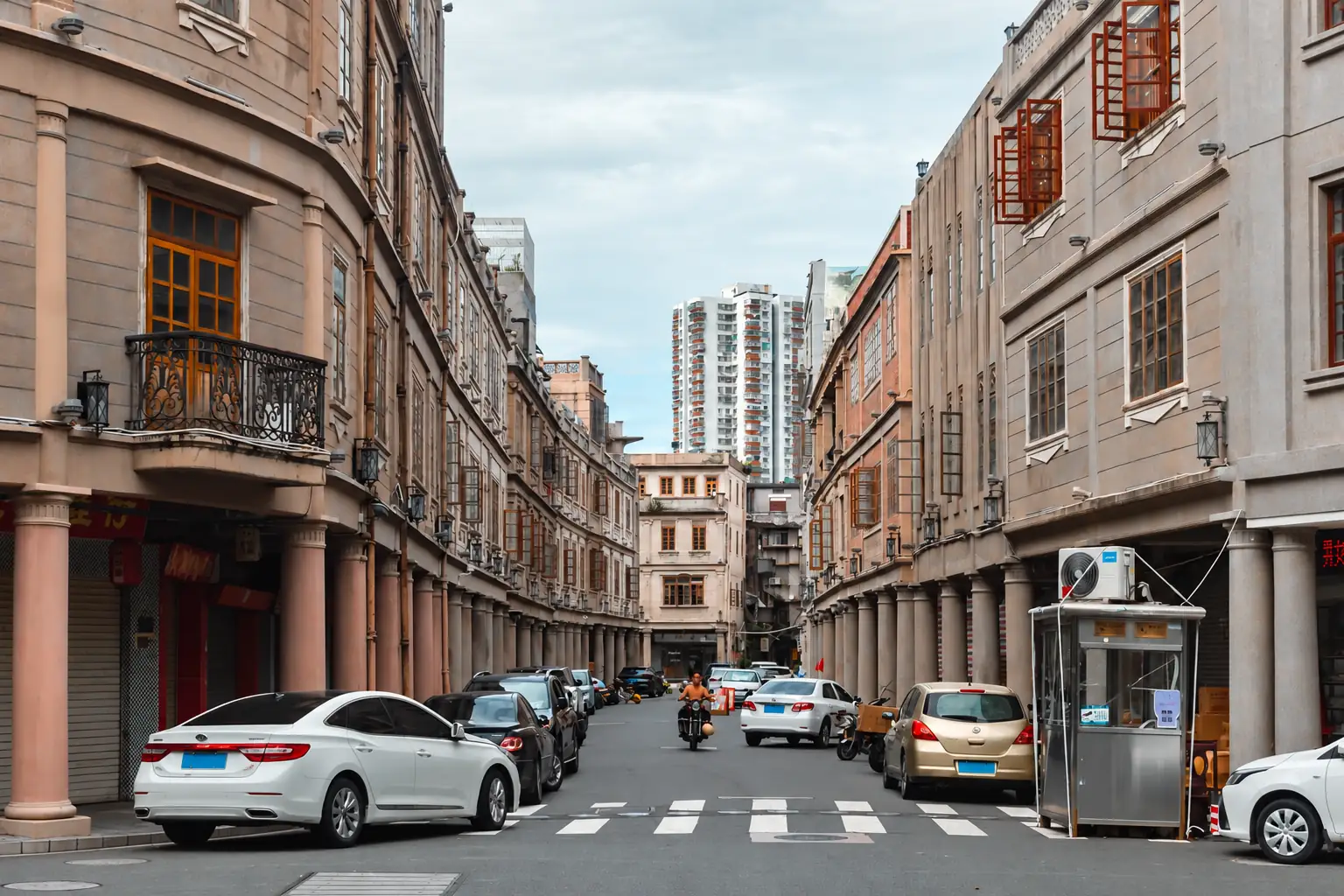
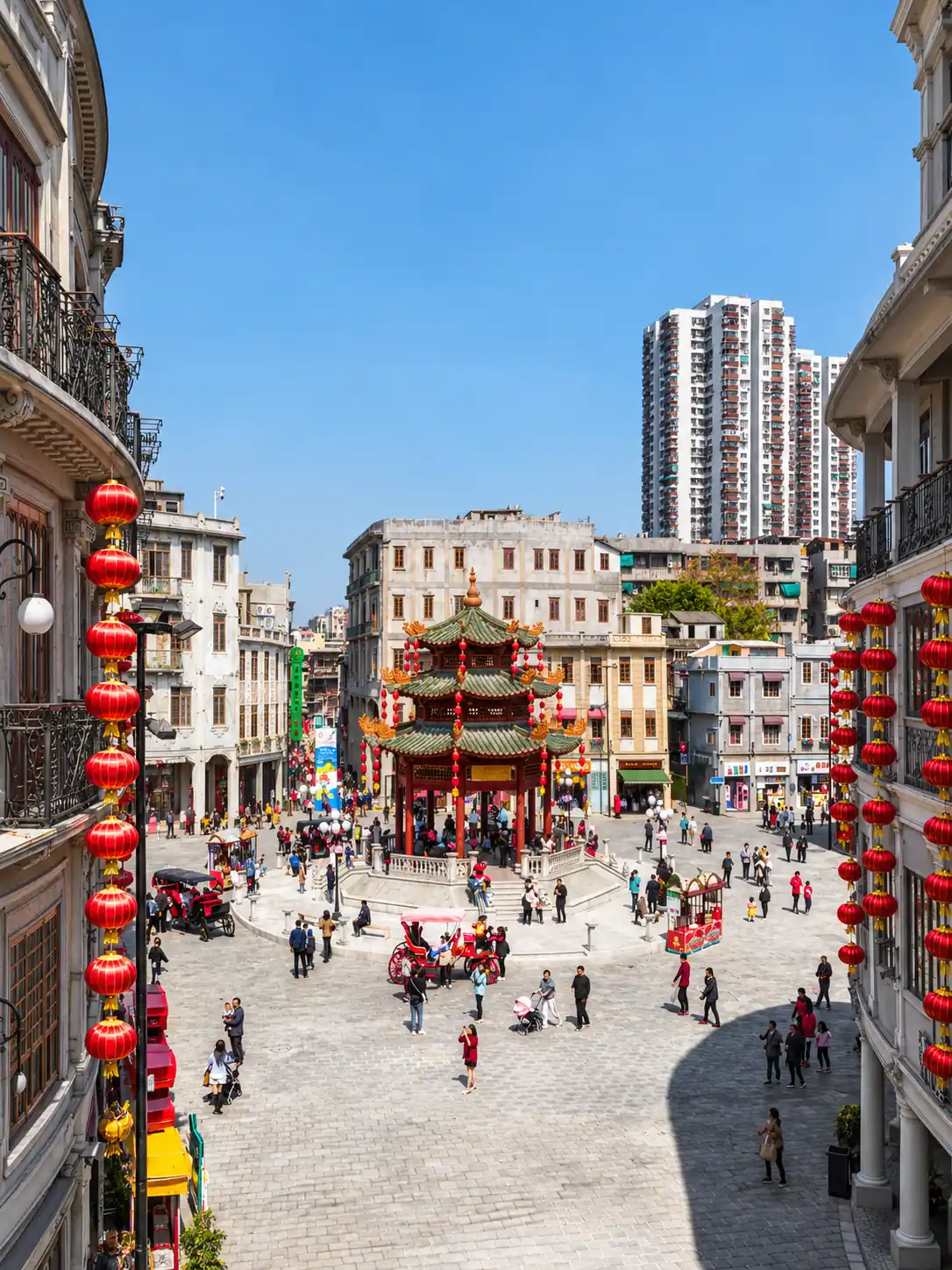
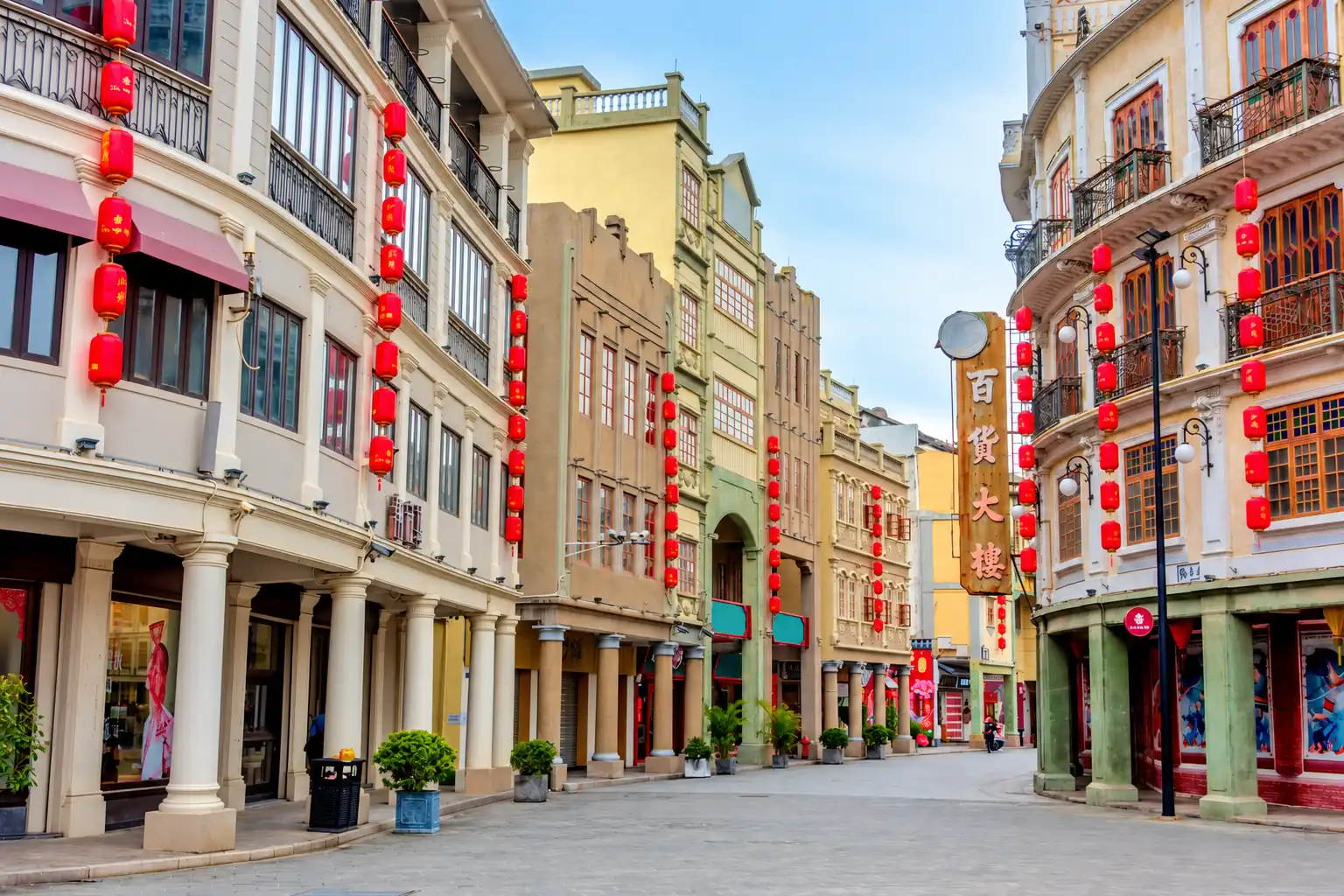
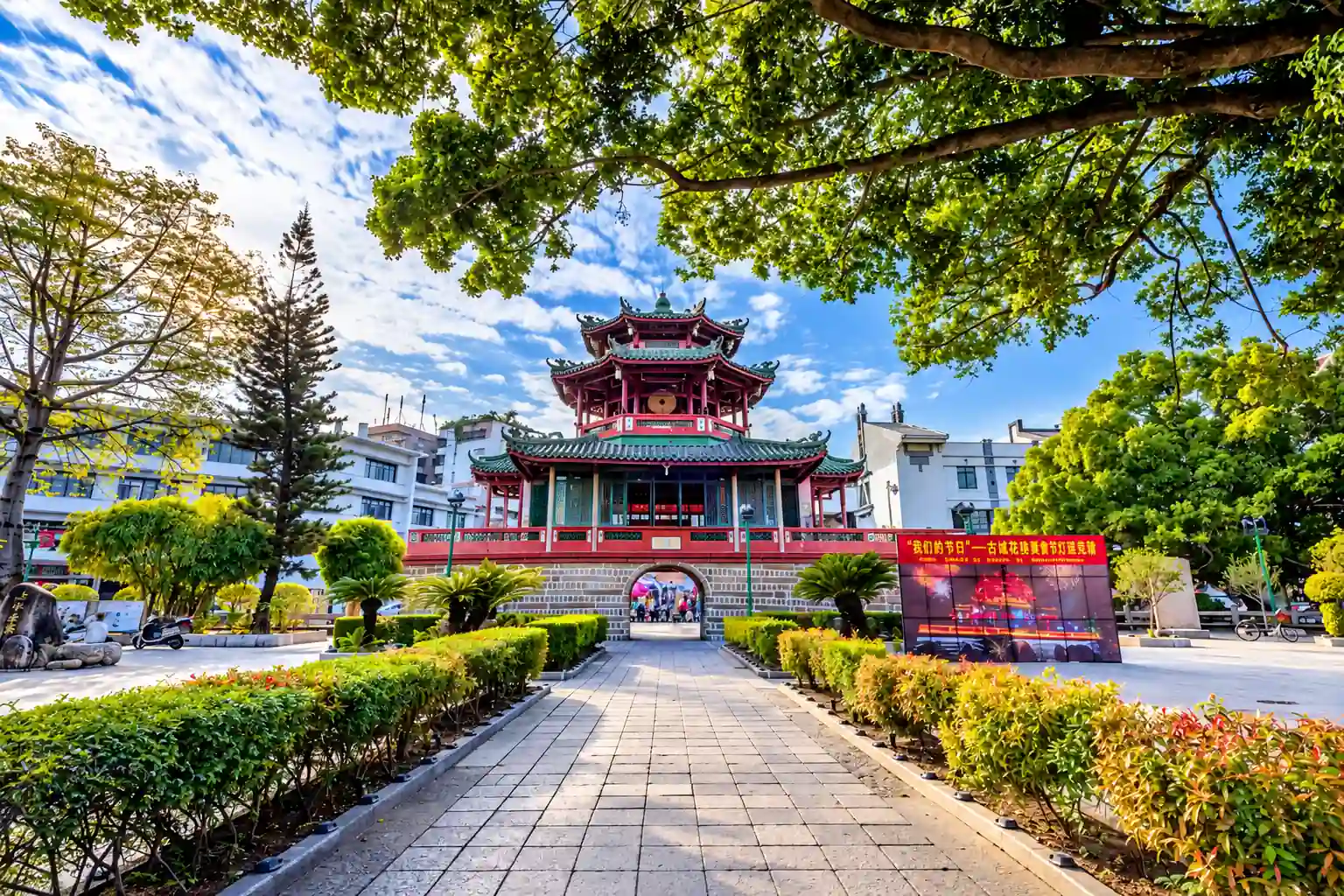
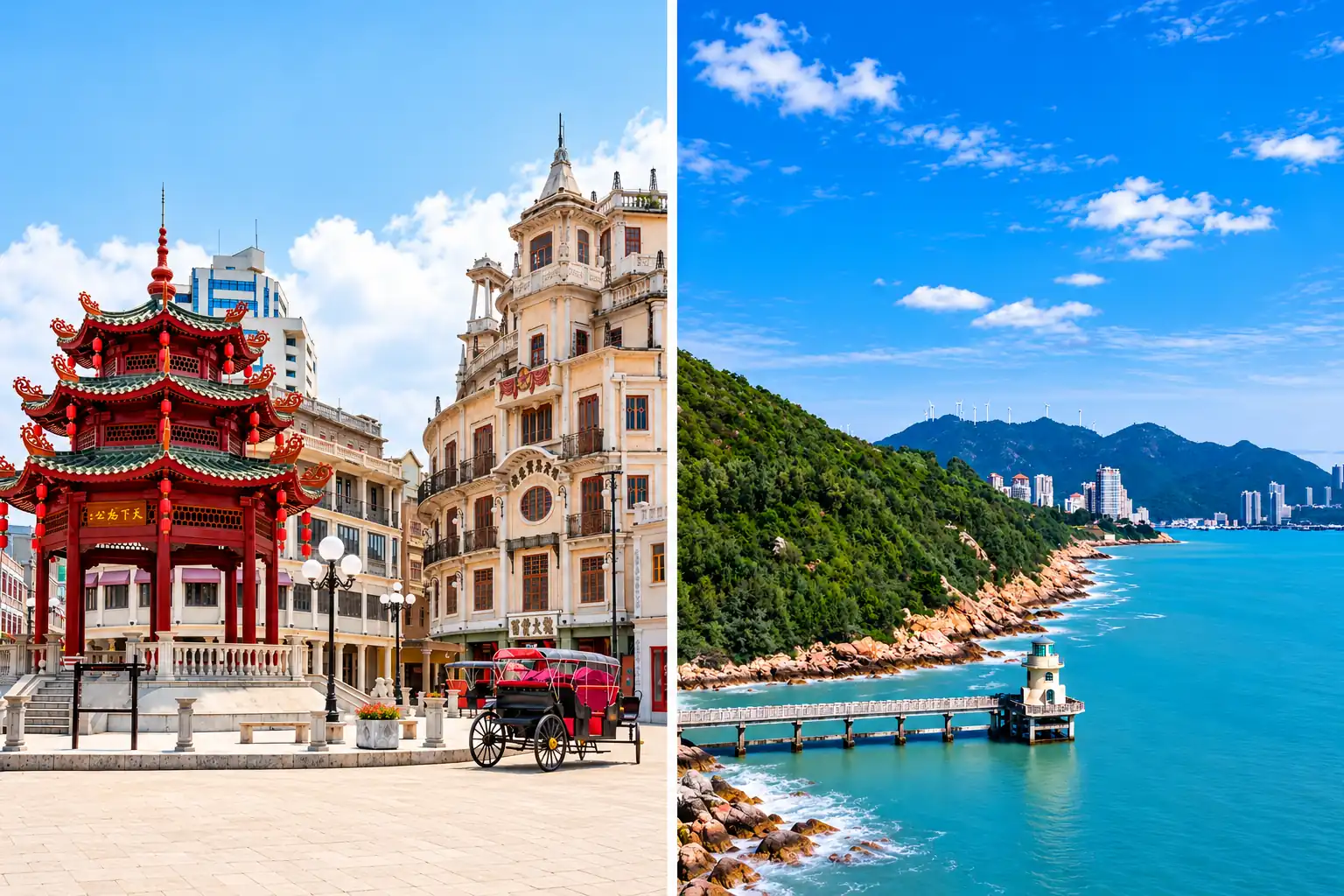
Start in the historic heart of Shantou, where the Small Park area is surrounded by arcaded streets, old commercial buildings and neighborhoods shaped by the city's history as a trading port. Walk slowly, explore the surrounding lanes and combine sightseeing with local snacks and traditional Chaoshan food.
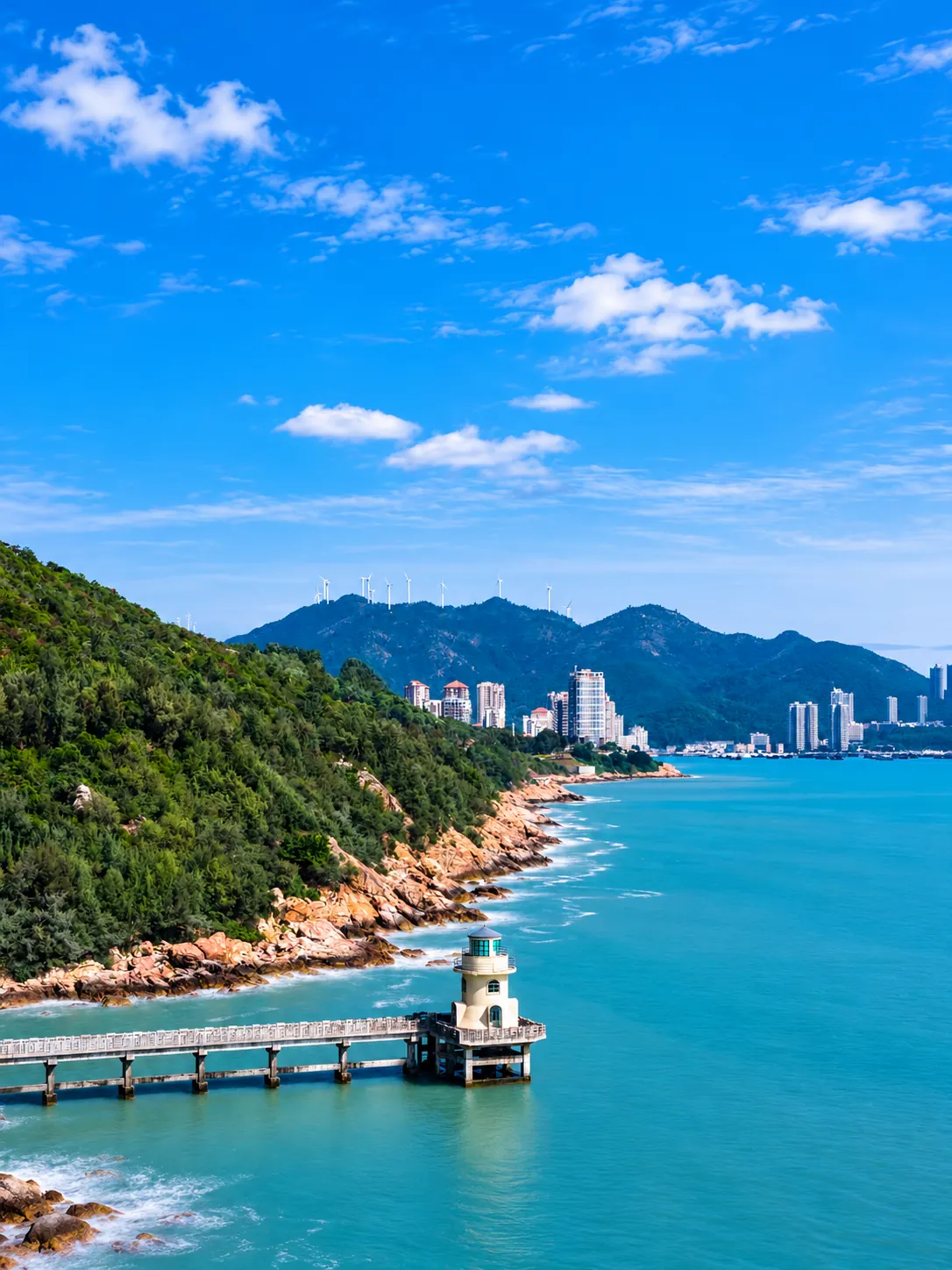
Explore Shantou ExperiencesEscape to Shantou's best-known island for beaches, coastal roads, fishing villages and open sea views. Qing'ao Bay is one of the main stops, while a full-day trip gives you time to explore more of the island instead of rushing back to the city.
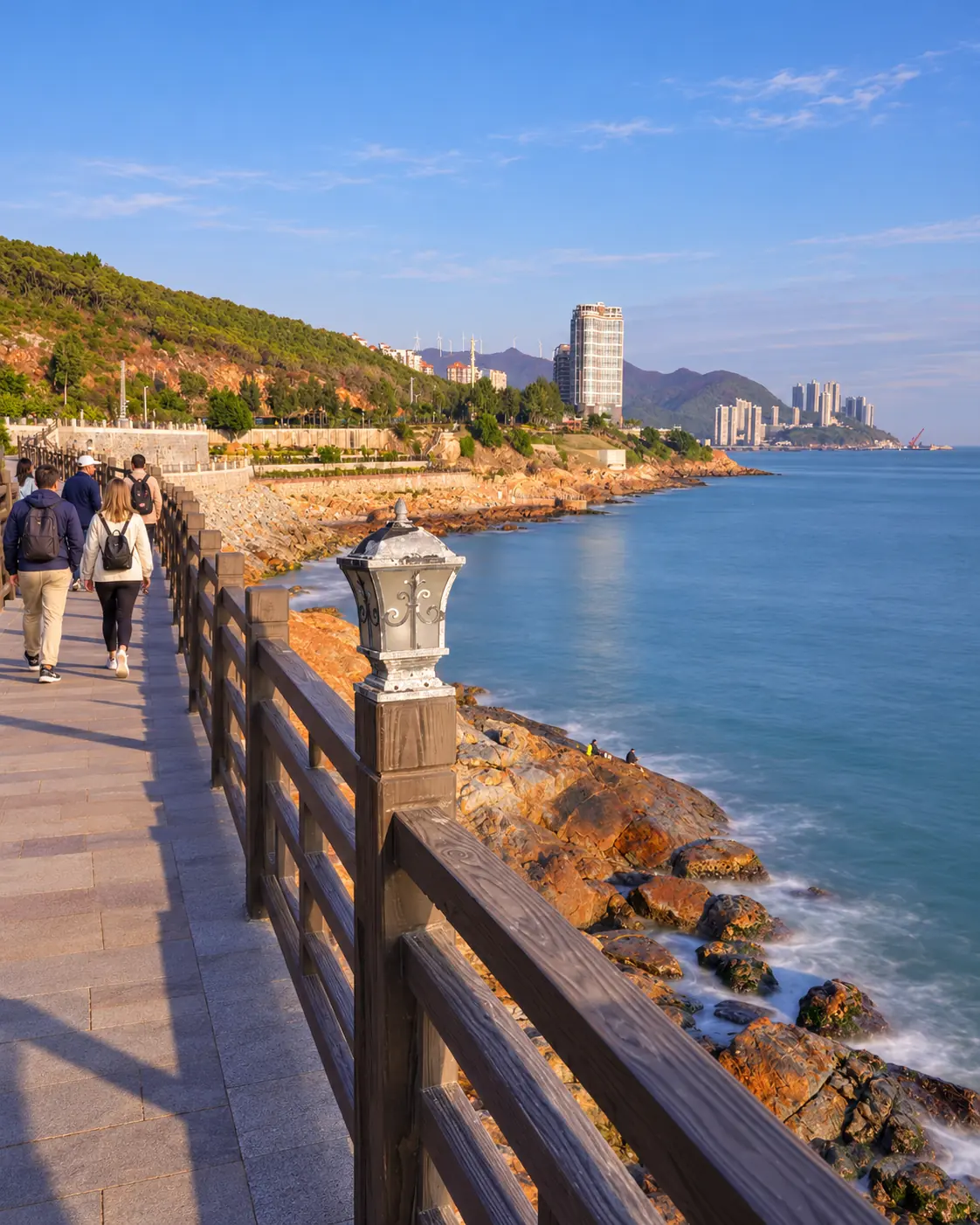
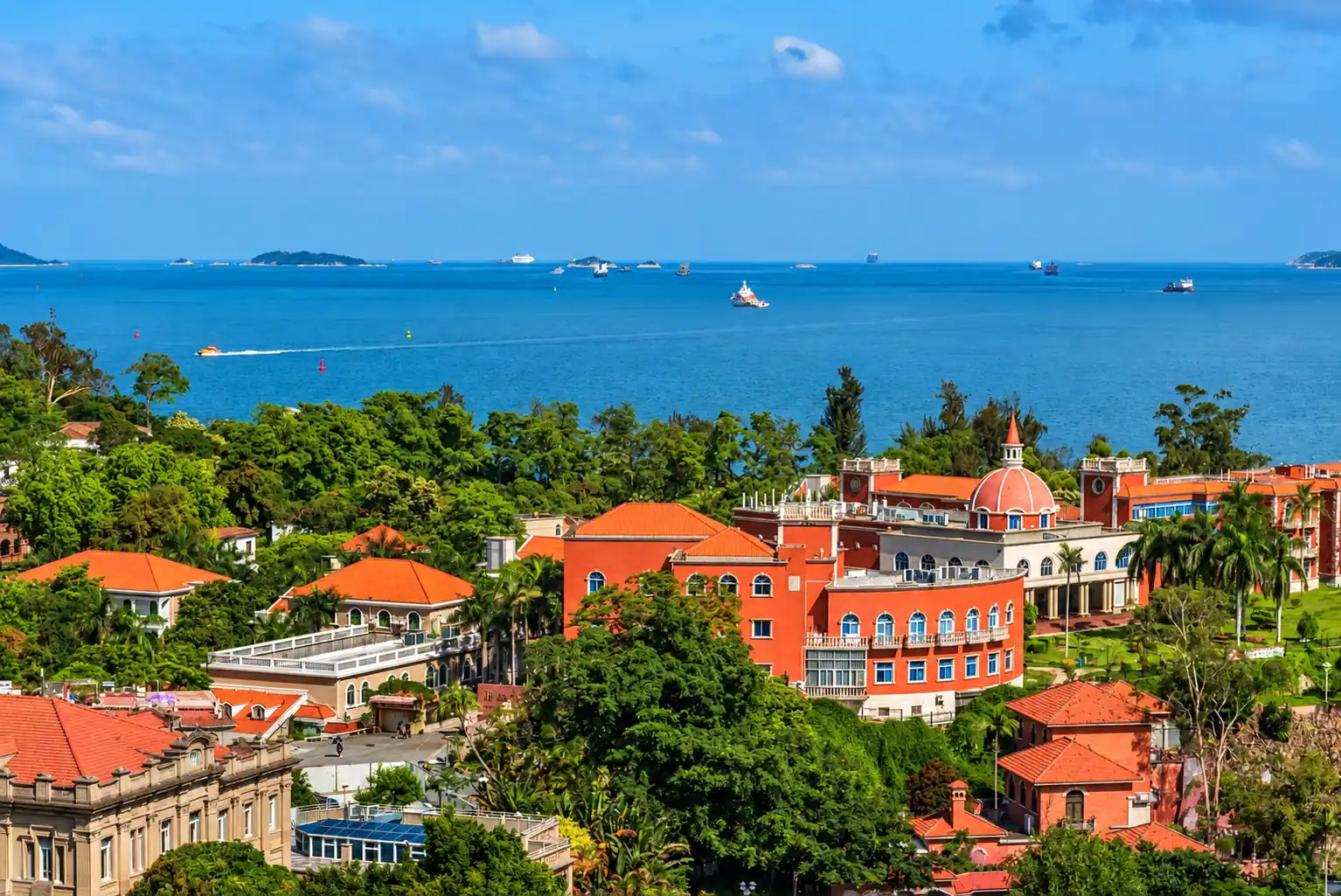
Explore a landscape of coastal hills, granite formations, caves and viewpoints on the southern side of Shantou Bay. Queshi is a good contrast to the dense streets of the Old Town and works well for travelers who want scenery and light hiking.
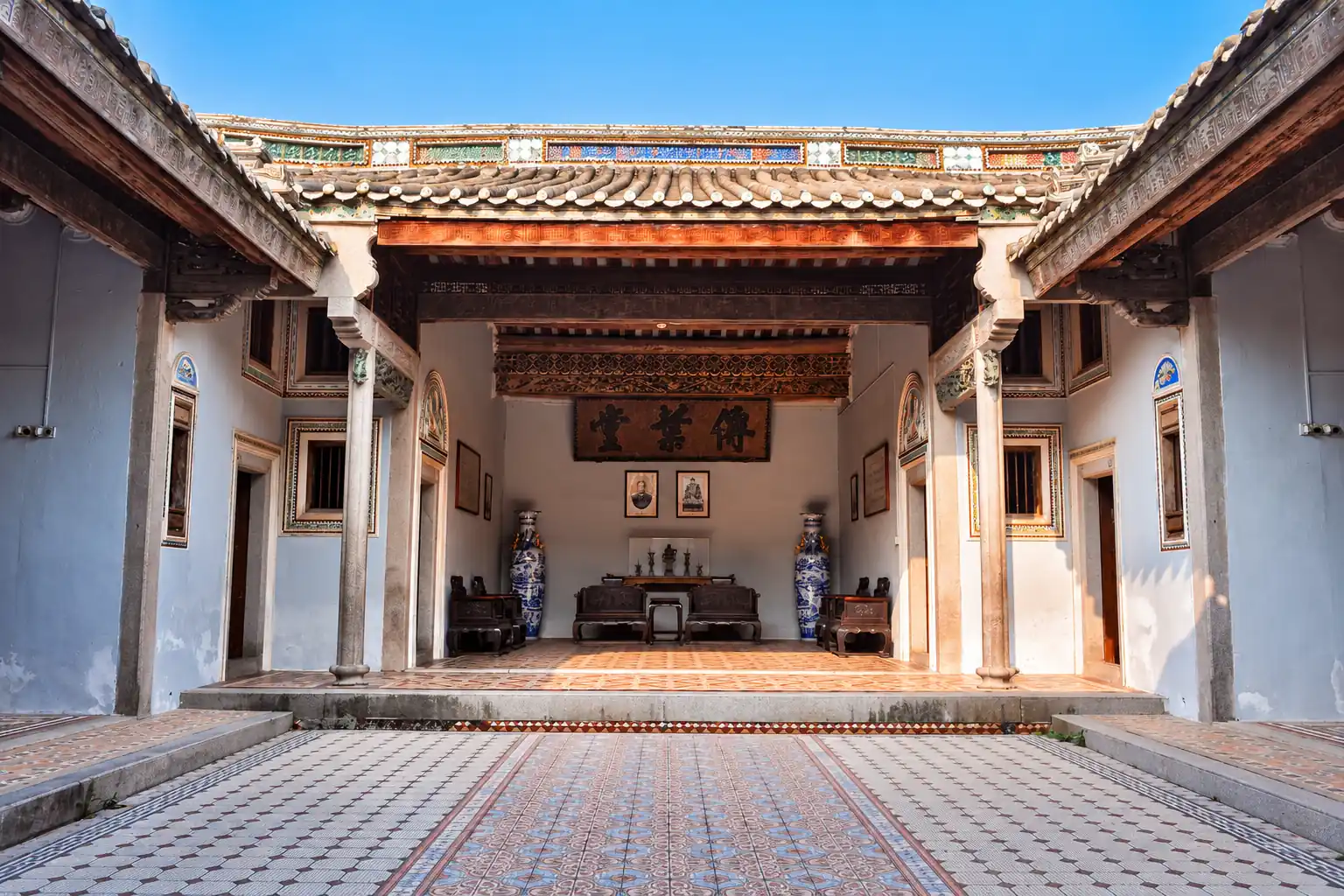
Visit one of Shantou's most distinctive heritage complexes in Chenghai. Built by an overseas Chinese family, the residence combines traditional Chaoshan architectural ideas with Western influences, reflecting the region's long connections with Southeast Asia.
Learn how Shantou fits into the broader Chaoshan region through exhibitions on local history, traditions and cultural identity. The waterfront location also makes this an easy stop to combine with Shantou Bay and the southern side of the city.
Add historical context to your trip through collections and exhibitions related to Shantou and the Chaoshan region. It is especially useful if you want to understand local history before exploring the Old Town, traditional architecture and nearby cultural sites.
Visit a smaller island within Shantou Bay for coastal scenery, sea views and a quieter atmosphere than the central city. It works well as a shorter waterfront excursion when you do not have enough time for a full-day trip to Nan'ao Island.
Combine Shantou Old Town, Chaoshan culture and local food with coastal scenery at Queshi or Nan'ao Island. Most first-time visitors can cover the city highlights in two days and add the island on a third day.
Discover the best things to do in Shantou beyond sightseeing. Walk through historic arcade streets, taste Chaoshan cuisine, slow down over Gongfu tea, explore Teochew traditions, cross Shantou Bay by ferry and experience the everyday rhythms of this distinctive coastal city in eastern Guangdong.
Shantou is most rewarding when you experience the culture behind its streets and food. Spend time with Chaoshan Gongfu tea, Teochew traditions, local crafts, overseas-Chinese heritage and neighborhood life instead of treating the city as a simple checklist of attractions.
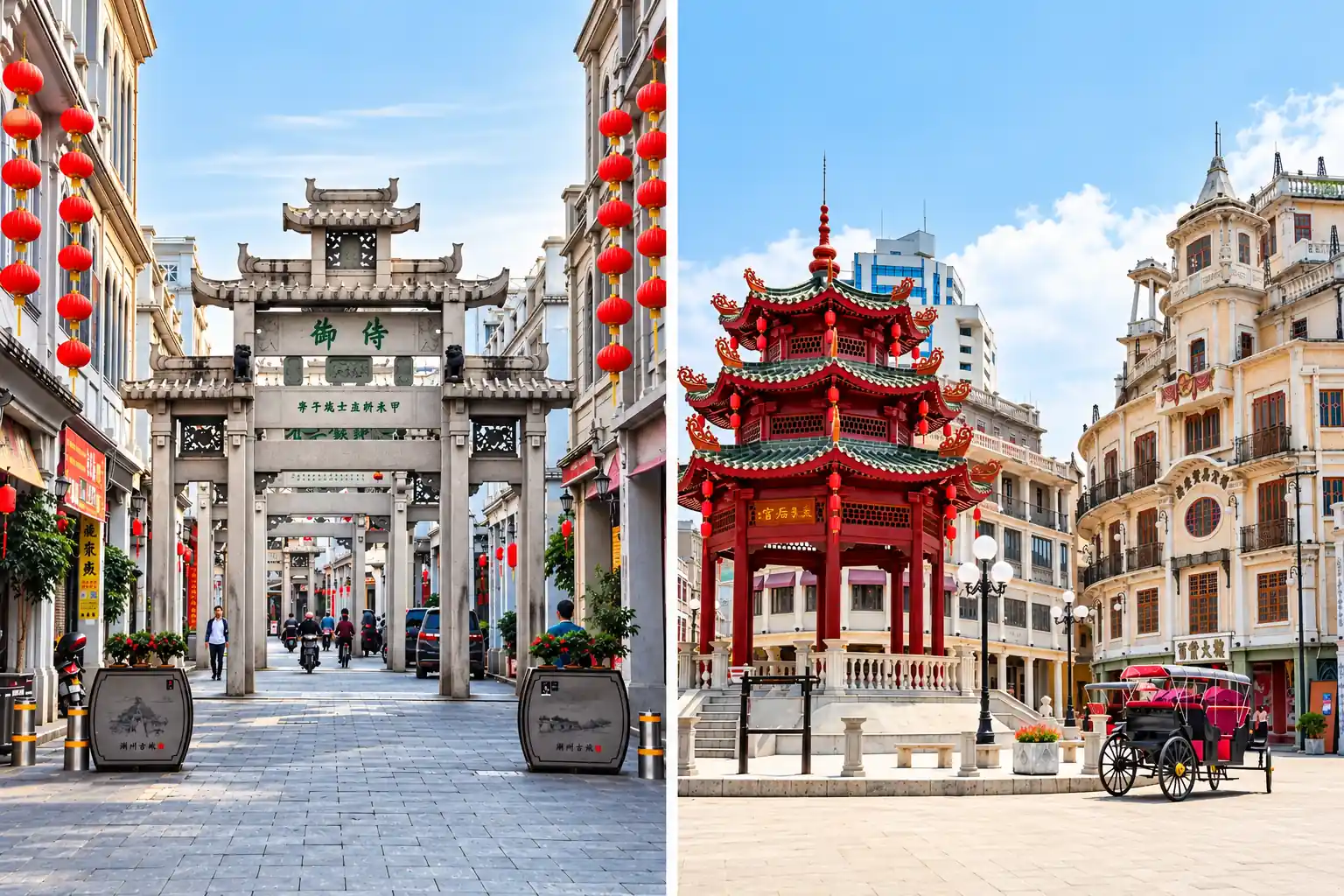
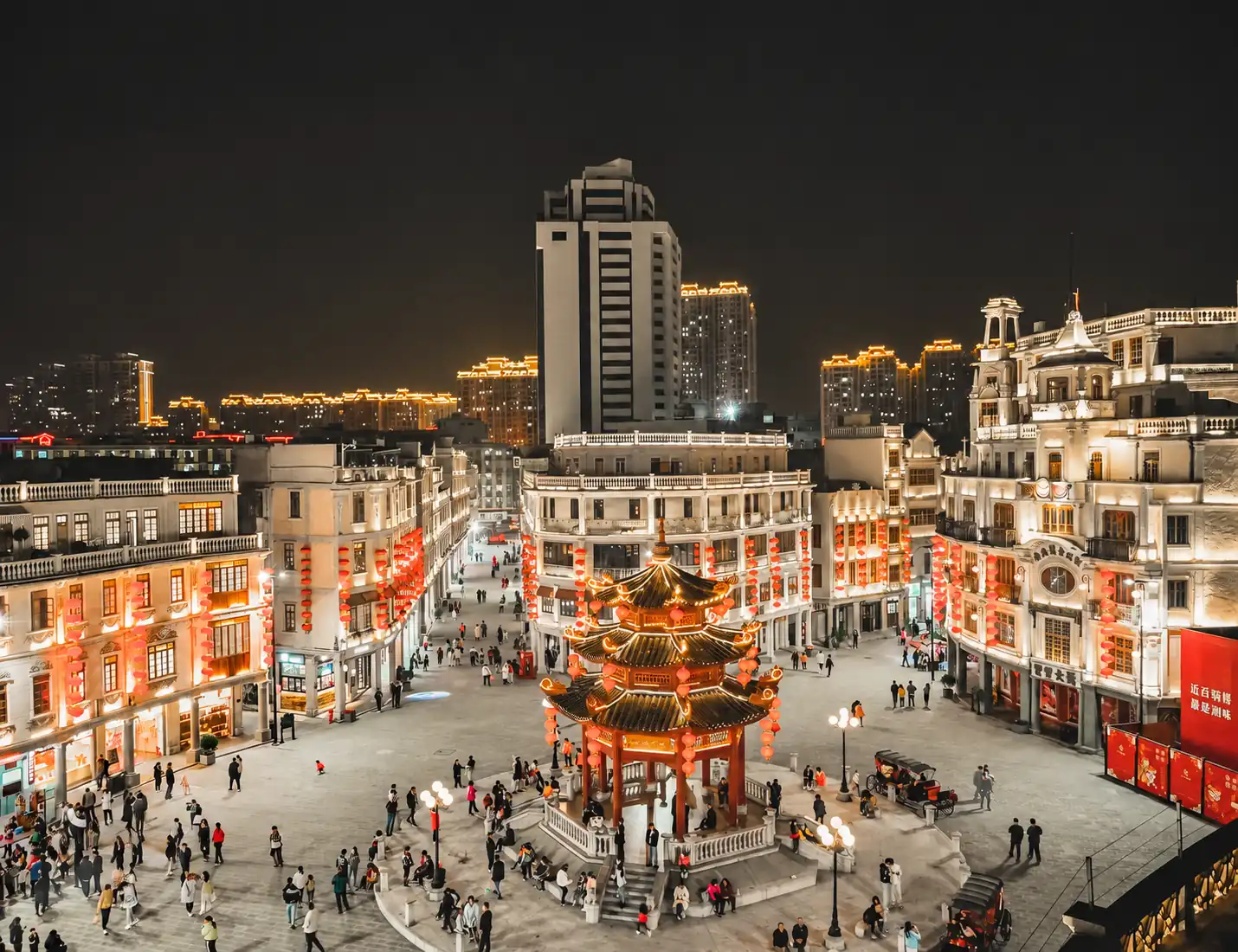
Wander beyond the central pavilion of Small Park into the surrounding qilou arcade streets and old commercial lanes. Look for historic façades, traditional shops, food stalls and traces of Shantou's development as a treaty-port city.
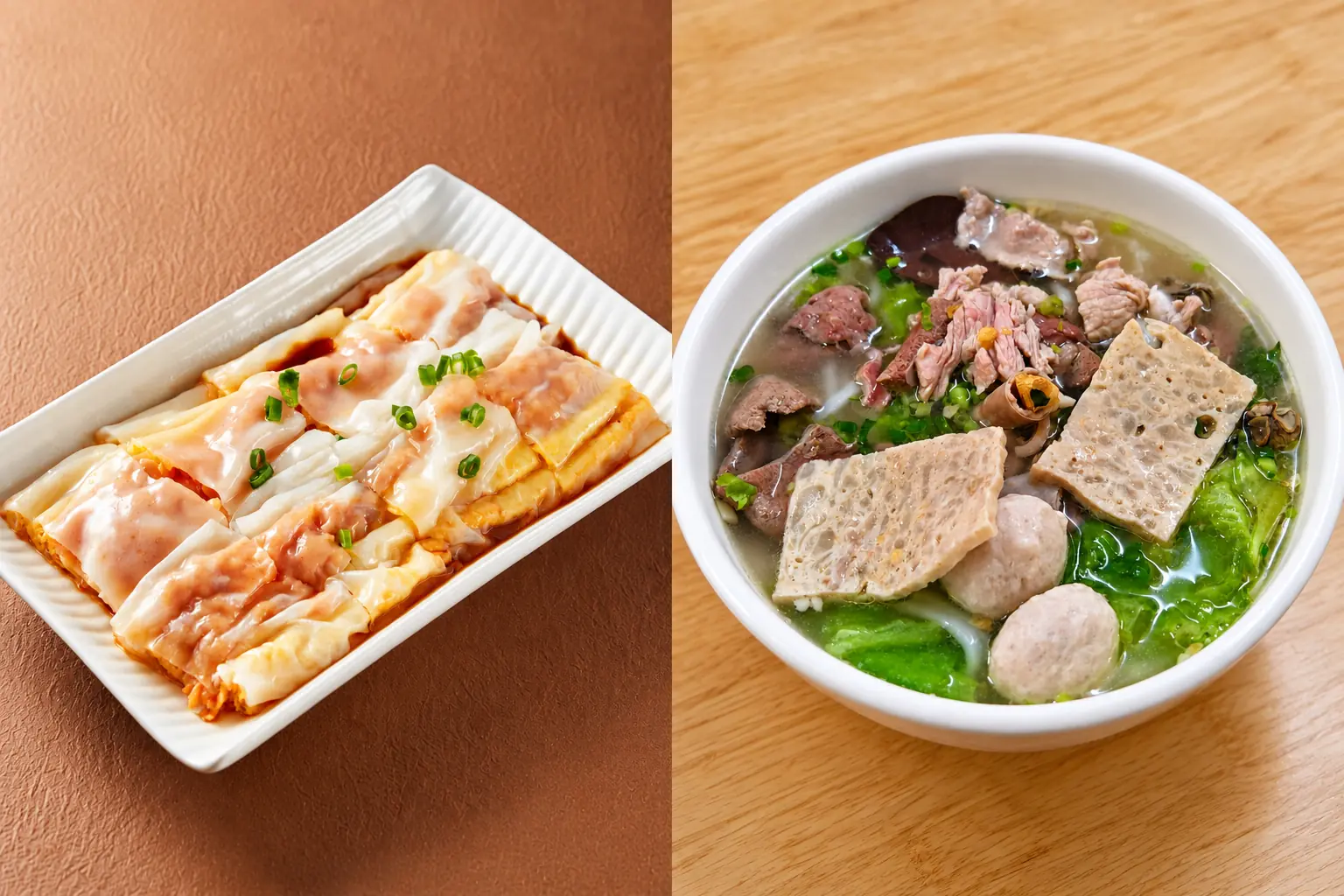
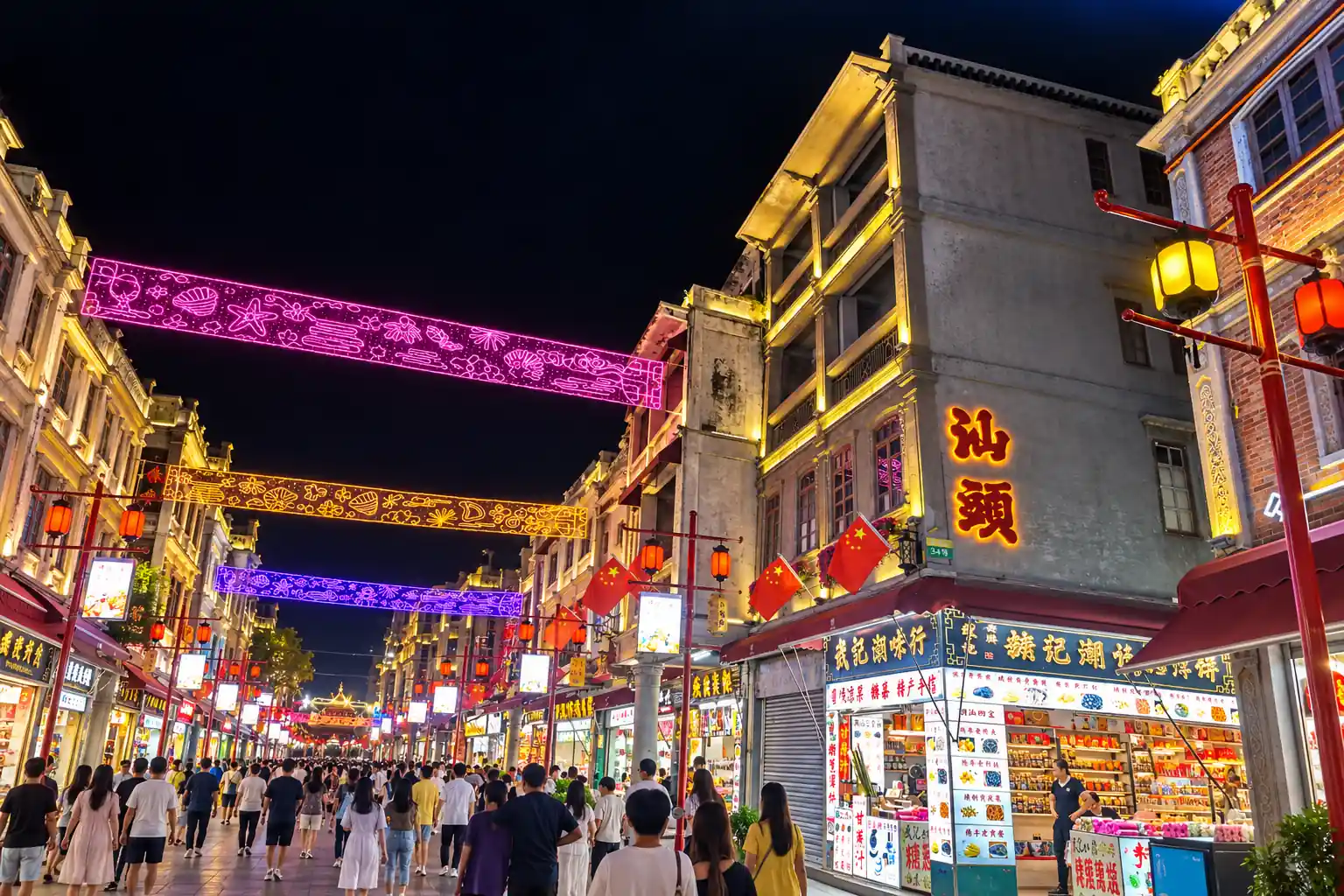
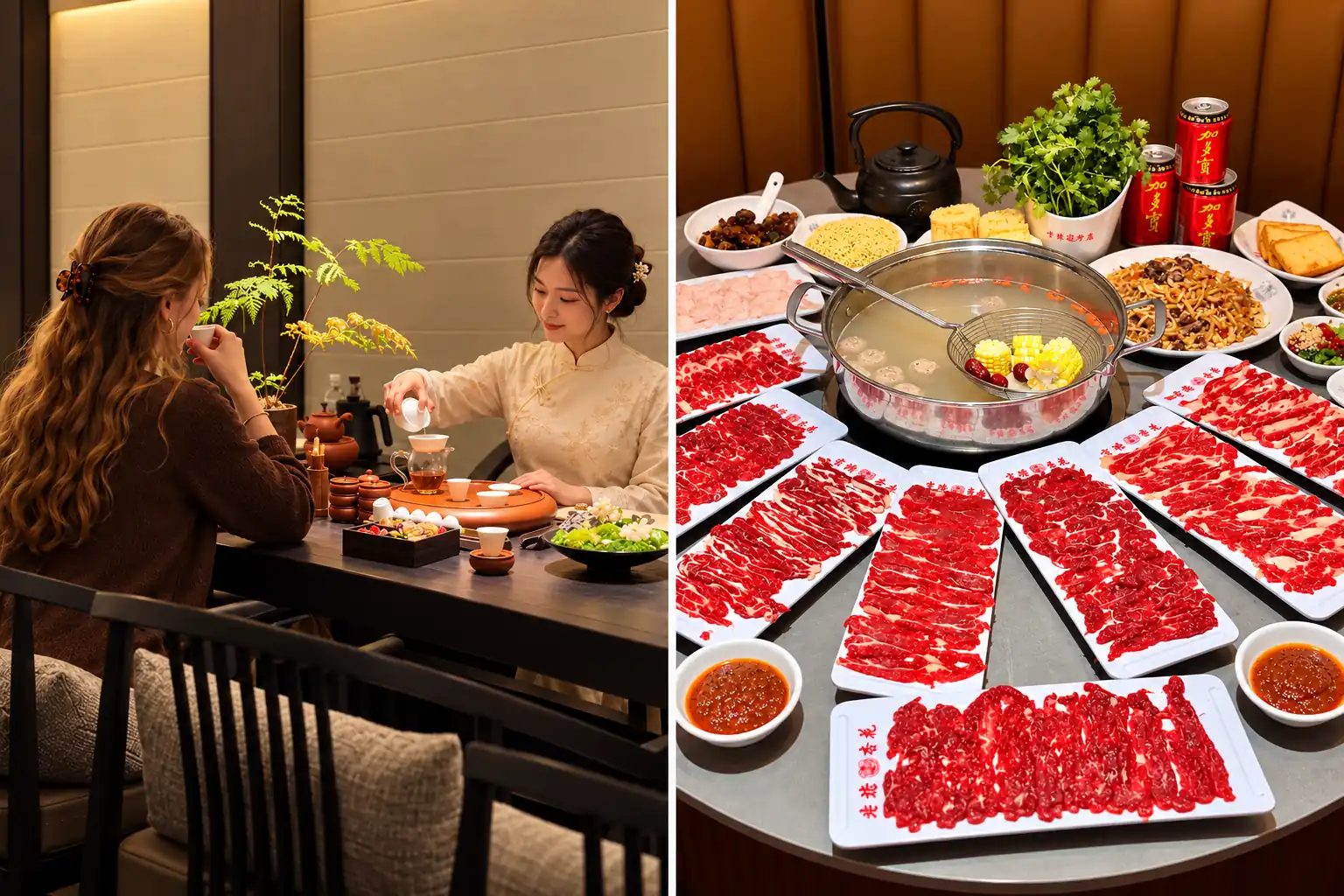
Make food part of the itinerary rather than an afterthought. Try Chaoshan beef hotpot, hand-pounded beef balls, braised goose, seafood, rice-based kueh and traditional snacks across Shantou's old neighborhoods and local dining streets.
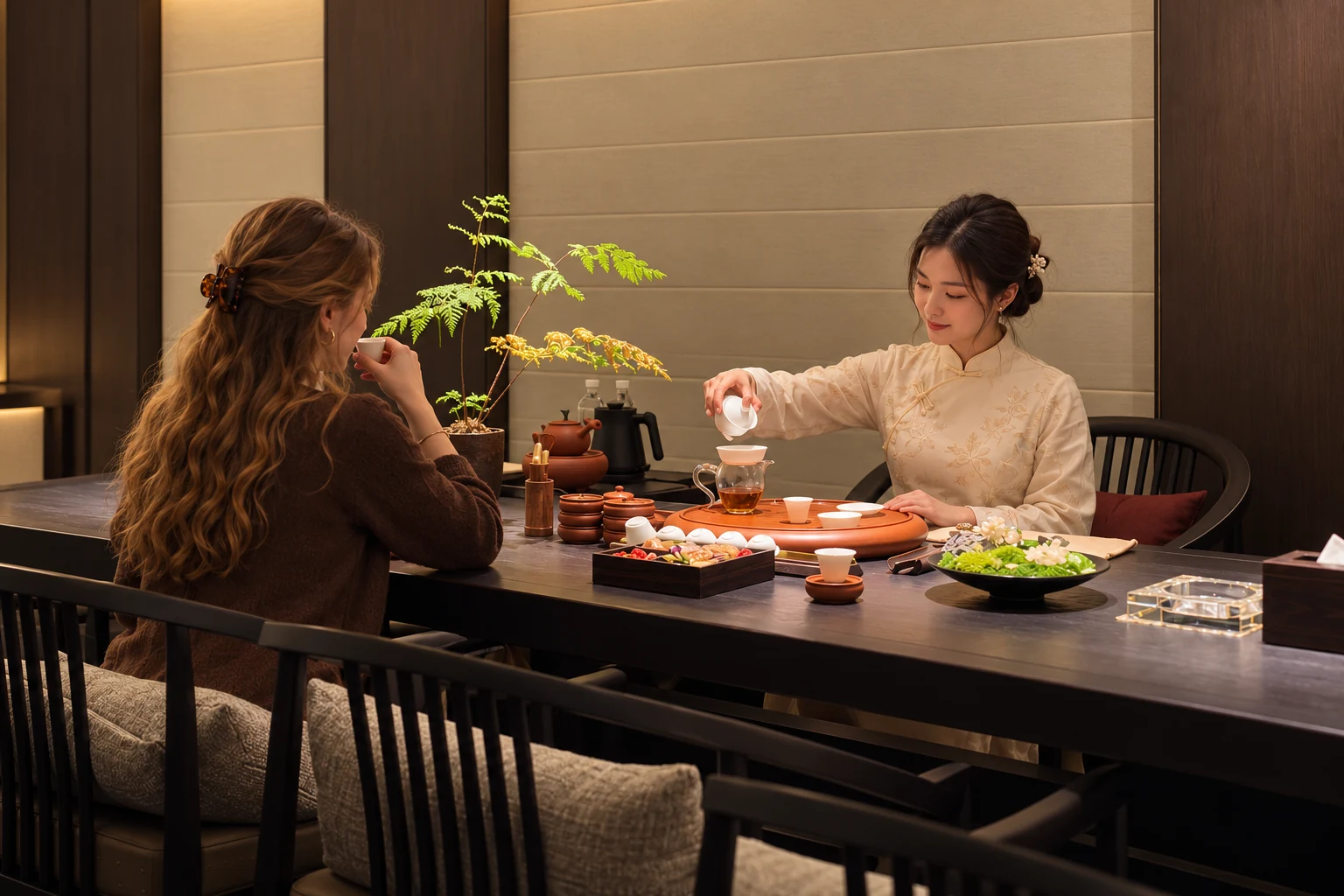
Tea is part of everyday social life in Chaoshan. Sit down for a traditional Gongfu tea session and observe the small teapot, tiny cups and careful brewing process that turn tea drinking into one of the region's most recognizable cultural traditions.
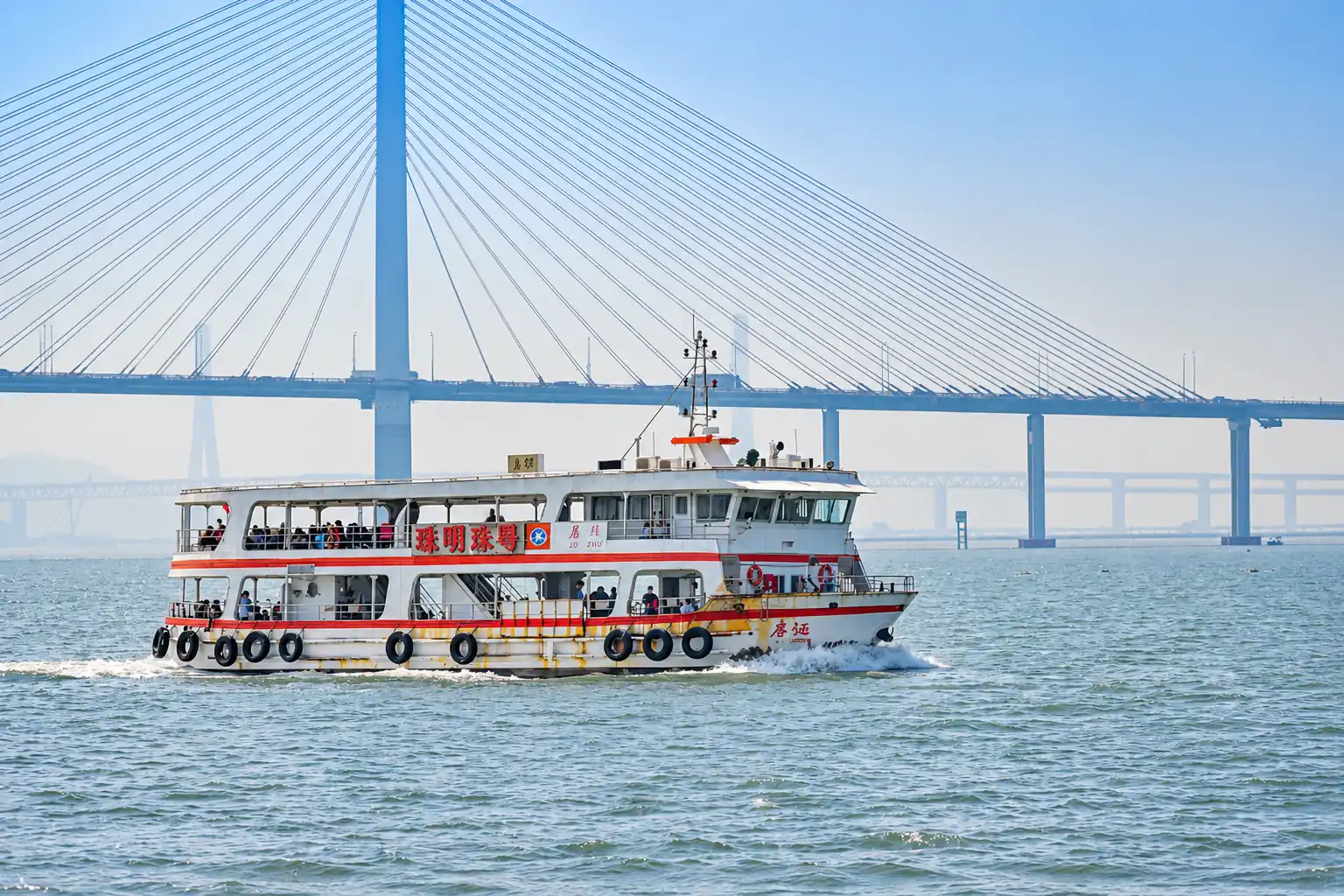
See Shantou from the water on the short crossing between the city side and Queshi. The ferry offers broad views across the Inner Bay and can be combined with waterfront walks, Queshi Scenic Area and cultural sights on the southern shore.
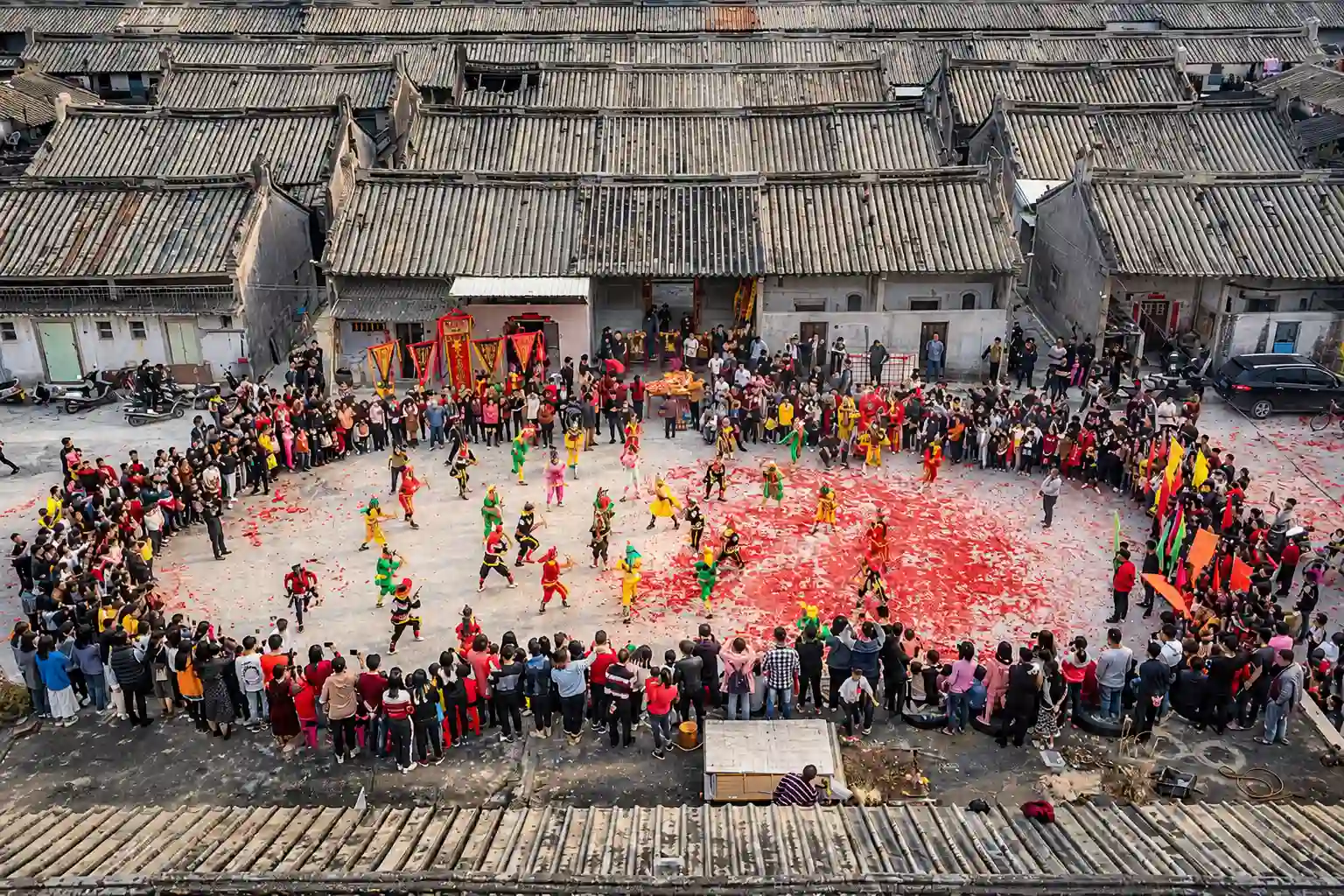
Look for opportunities to experience Chaozhou Opera, traditional music and distinctive Chaoshan crafts such as embroidery, wood carving and porcelain inlay. Seasonal festivals may also bring performances such as Yingge Dance into public spaces.
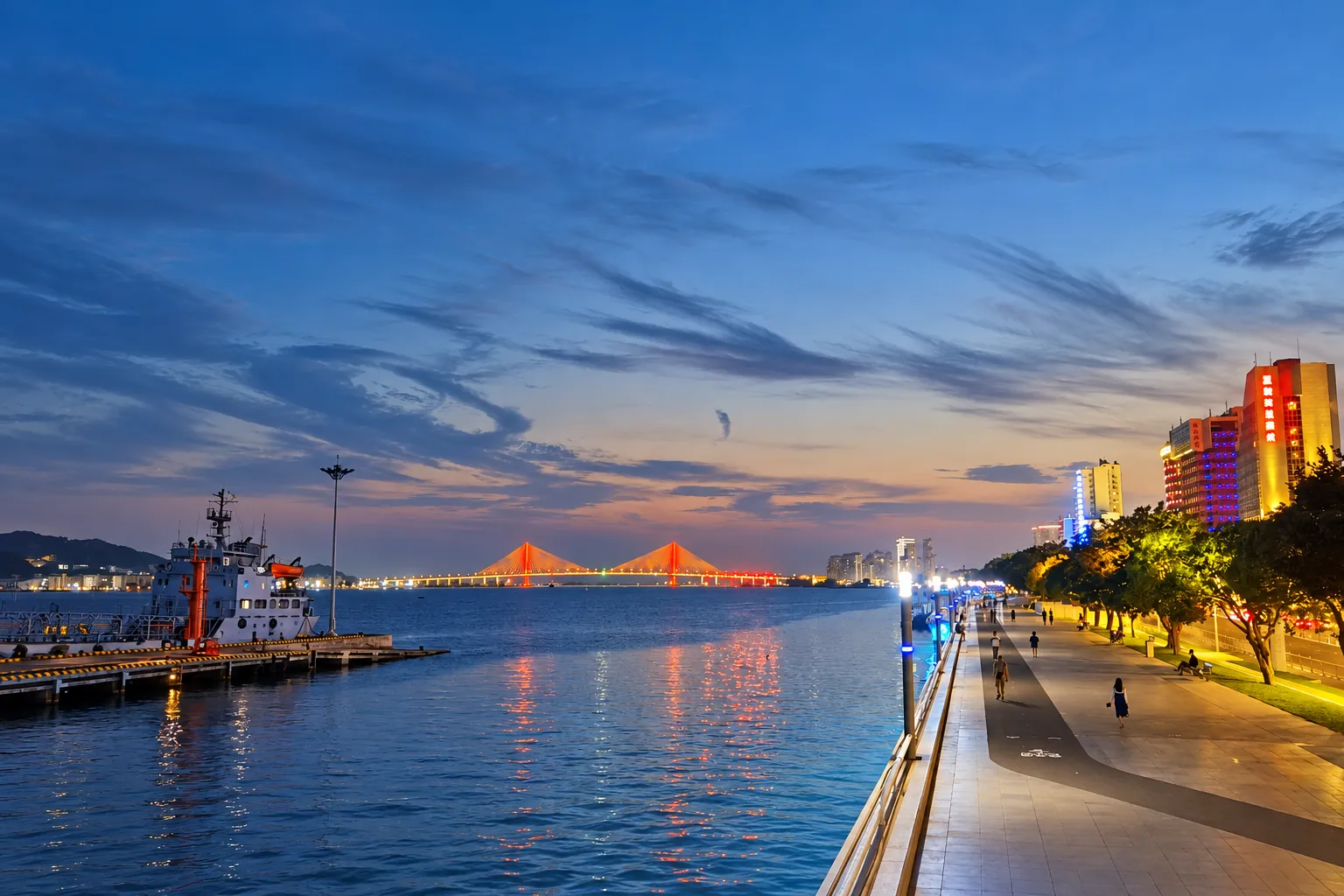
Slow the pace in the evening with a walk along the waterfront, views across Shantou Bay and a late meal in one of the city's busy dining areas. Shantou's evenings are especially good for combining coastal scenery with its lively food culture.
Go deeper into Shantou through Chaoshan food, Teochew culture, historic streets, Gongfu tea, waterfront experiences and the everyday traditions that give the city its distinctive character.
Balance sightseeing with Old Town walks, Chaoshan food, Gongfu tea, cultural experiences and Shantou Bay based on the time you have and the way you like to travel.
Food is one of the main reasons to visit Shantou. Discover the distinctive flavors of Chaoshan cuisine through fresh beef hotpot, hand-pounded beef balls, braised goose, oyster omelette, seafood, Teochew kueh and everyday rice-noodle dishes found across the city.
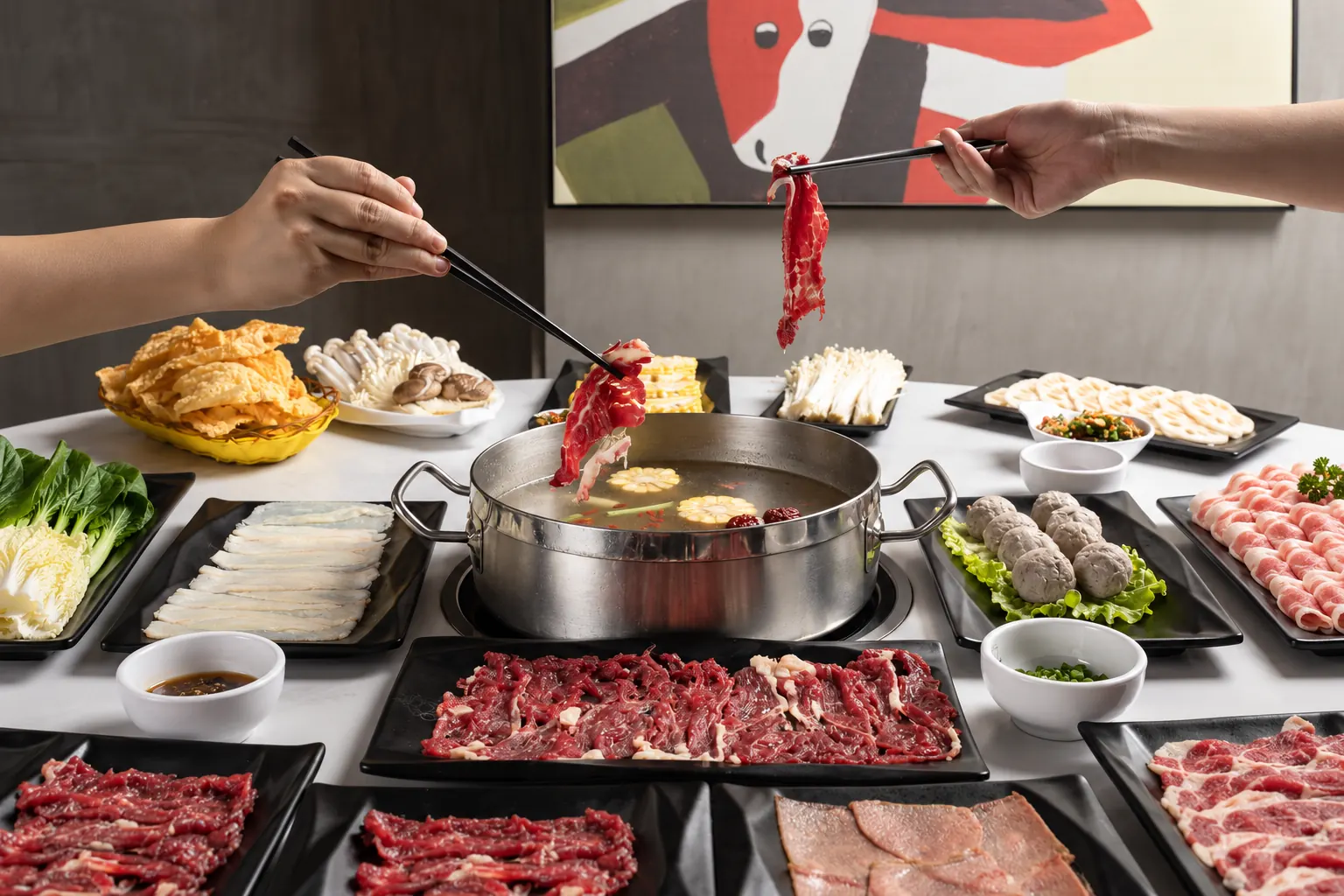
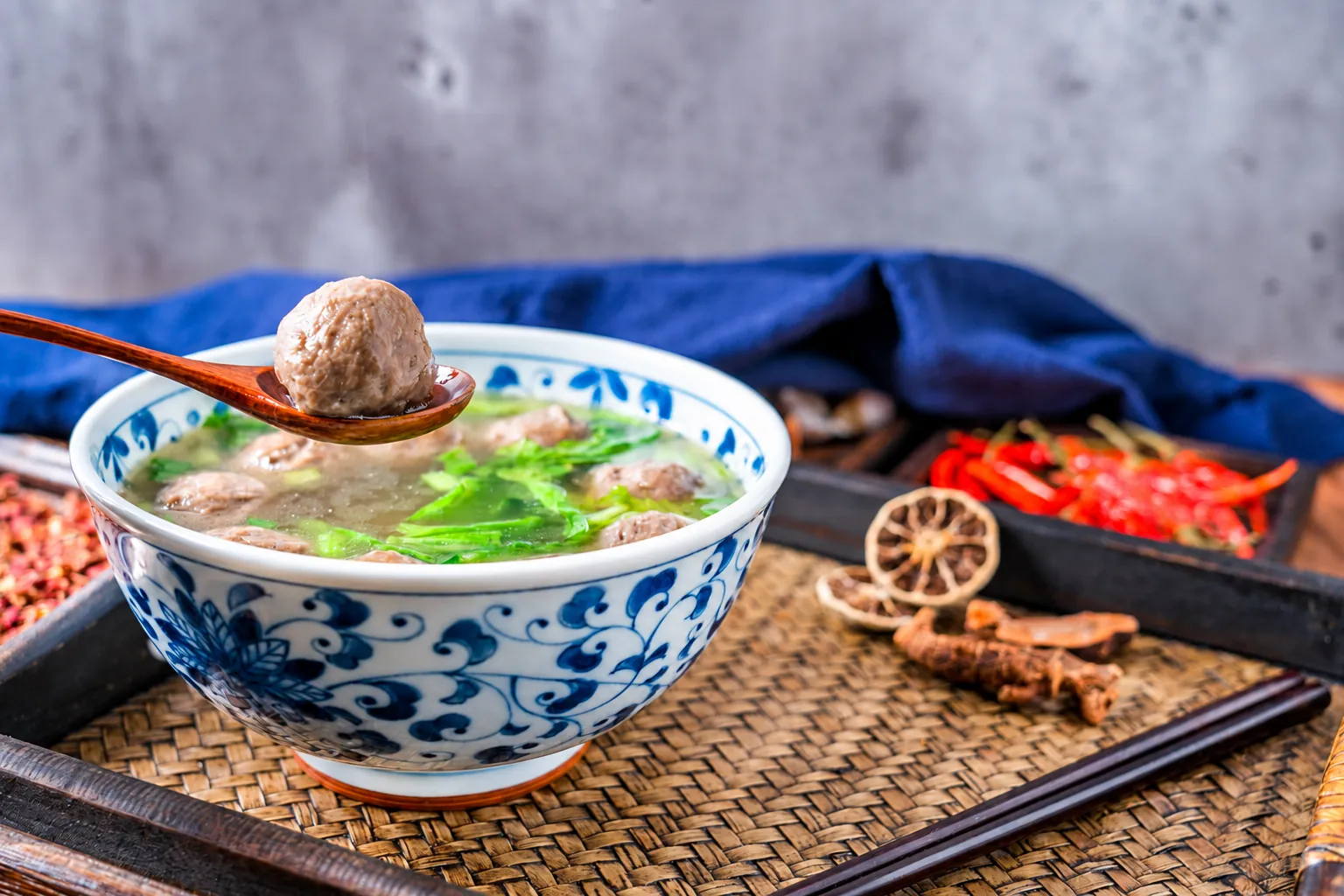
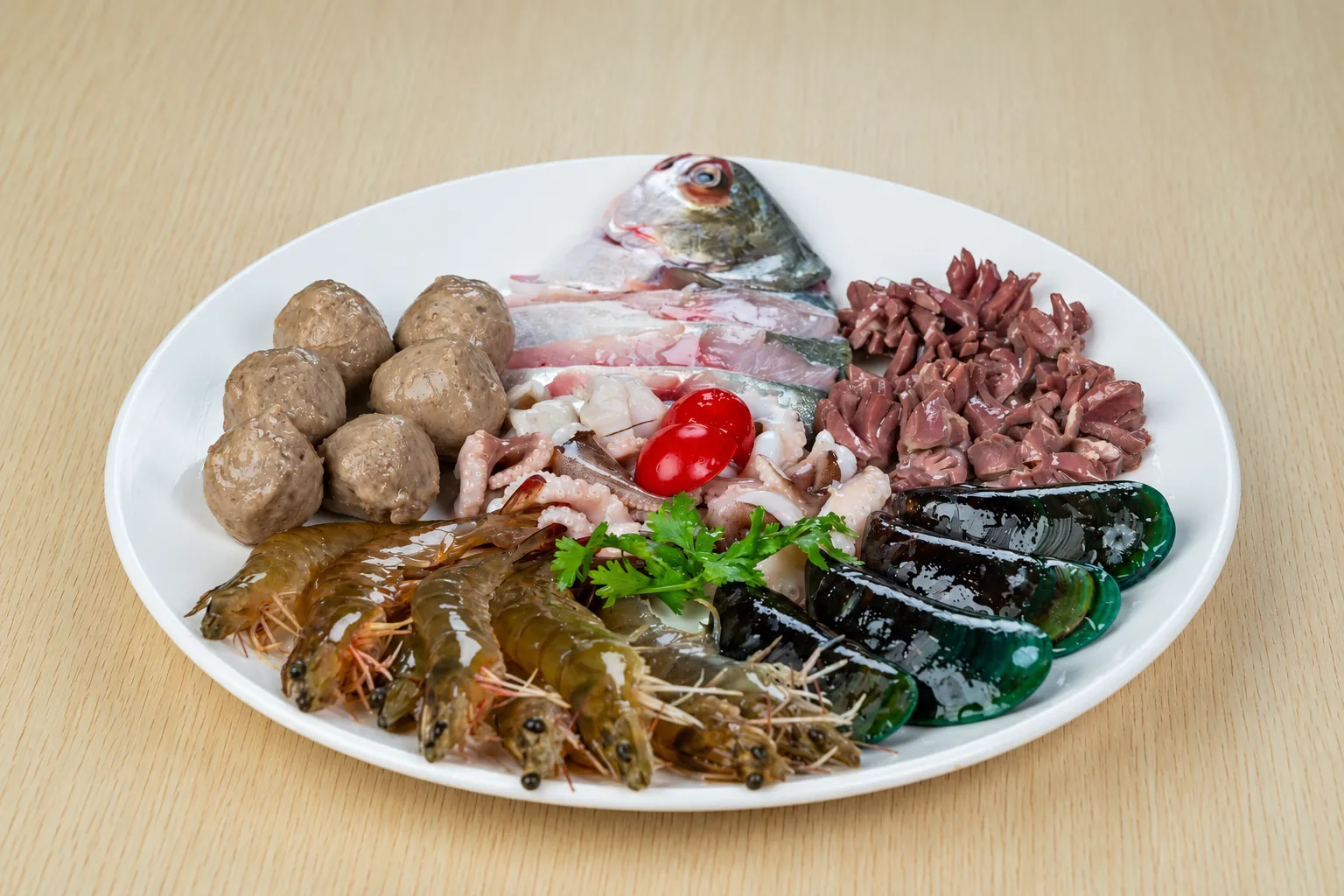
Unlike heavily seasoned hotpot styles, Chaoshan beef hotpot keeps the broth simple so the freshness and texture of the beef remain the focus. Order several cuts of thinly sliced beef, cook them briefly at the table and pair them with the region's characteristic shacha dipping sauce.
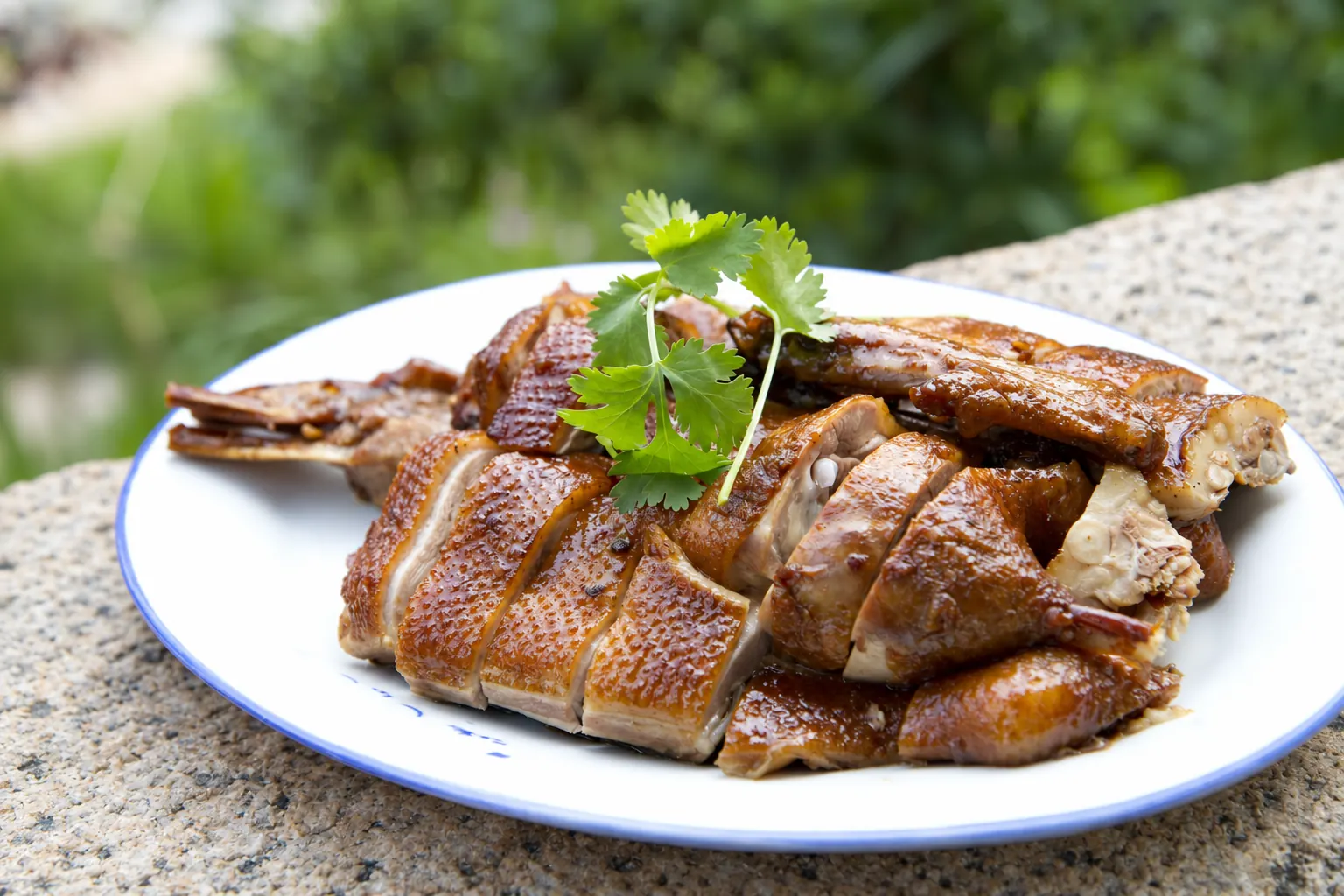
Add Food to Your ItineraryTry one of the region's classic braised dishes, prepared by slowly cooking goose in an aromatic seasoned stock. It is commonly sliced for sharing, with different cuts offering noticeably different textures and richness.
Hand-pounded beef balls are one of Shantou's best-known traditional foods. Their firm, springy texture comes from repeatedly working the beef before shaping it into balls, which are served in soup, noodles or alongside beef hotpot.
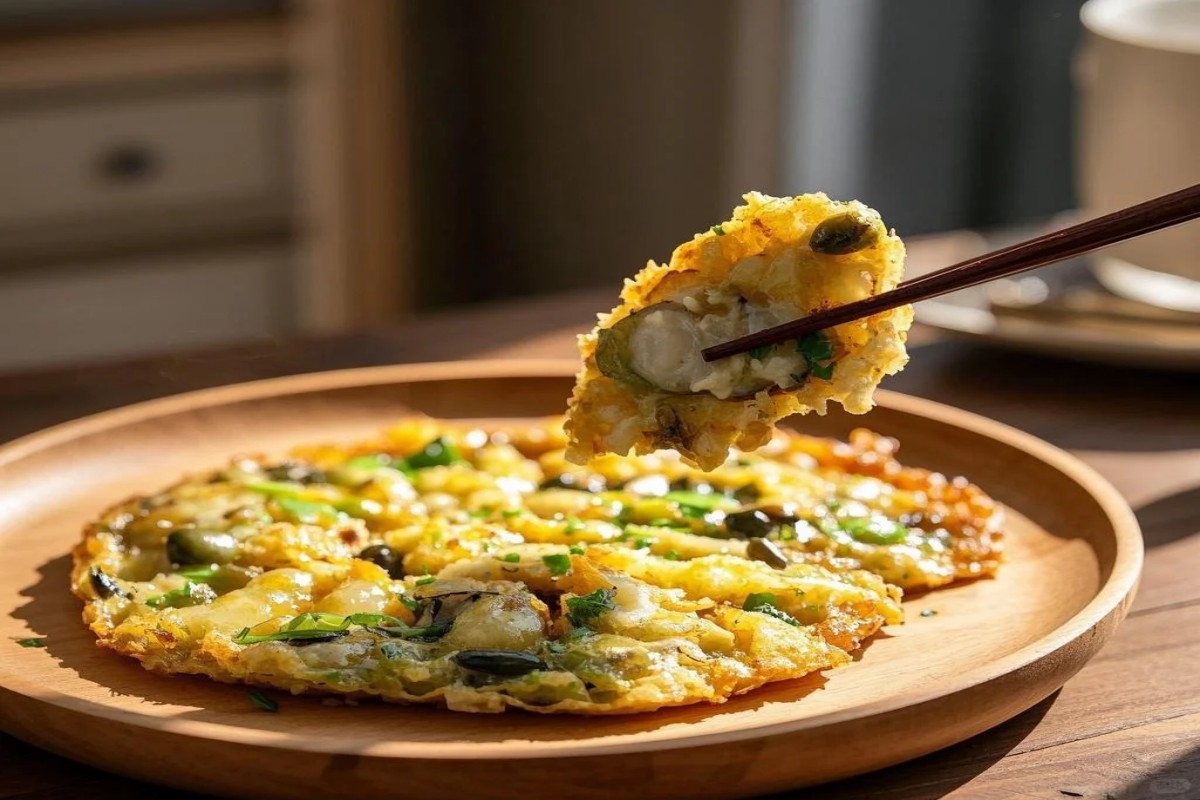
Known locally as haolao, this popular Chaoshan dish combines small oysters with egg and starch before being fried until crisp around the edges while remaining soft inside. It is an easy snack to add to an Old Town food walk.
Shantou's coastal location is reflected in a cuisine rich in fish, shellfish and simple preparations that emphasize freshness. Chaoshan fish rice — cooked fish traditionally eaten in place of rice — is one of the region's most distinctive seafood traditions.
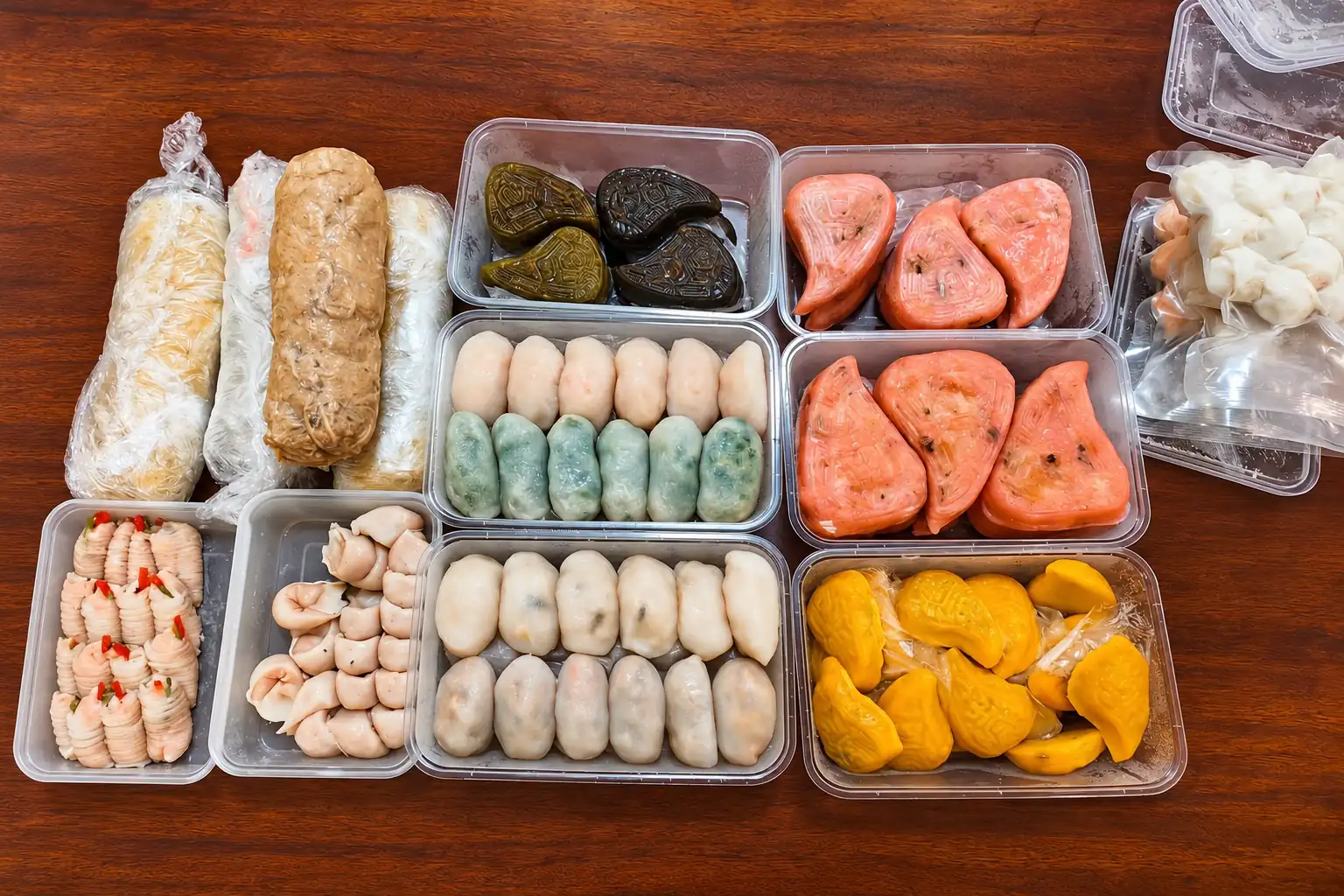
Explore the wide variety of Chaoshan kueh, traditional rice-based snacks made in different shapes, fillings and preparations. They are closely connected with local festivals, family traditions and everyday food culture across the region.
Start the day like a local with freshly steamed rice noodle rolls or a bowl of guotiao rice noodles served with meat, seafood, fish balls or a light broth. These everyday dishes offer a different side of Shantou food beyond famous restaurant meals.
Start around Small Park and Zhenbang Food Street for traditional snacks and established local specialties, then explore Longyan South Road and nearby neighborhoods for beef hotpot, braised dishes and everyday Chaoshan restaurants. Leave room in your schedule — eating is part of the Shantou travel experience.
Two days is enough for Shantou Old Town, Chaoshan food, culture and the Inner Bay, while three days gives you time to add Nan'ao Island without rushing. Use these itineraries as a practical starting point for your first trip.
Spend two days discovering Shantou's historic streets, Chaoshan food, Teochew culture and waterfront, then use your third day for a full trip to Nan'ao Island.
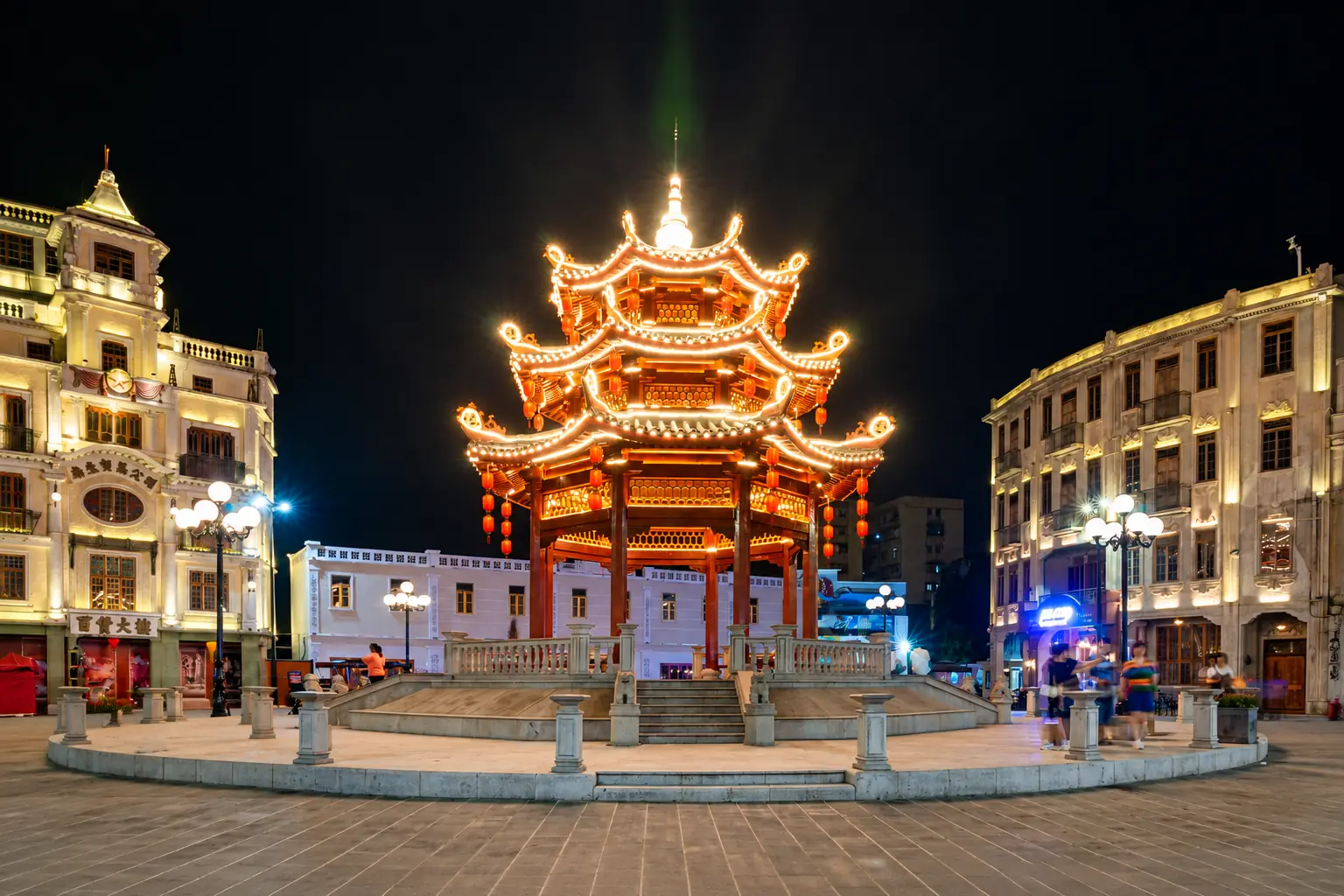
Begin around Small Park and walk through the surrounding historic arcade streets. Look for qilou architecture, old commercial buildings and traces of Shantou's treaty-port and overseas-Chinese history.
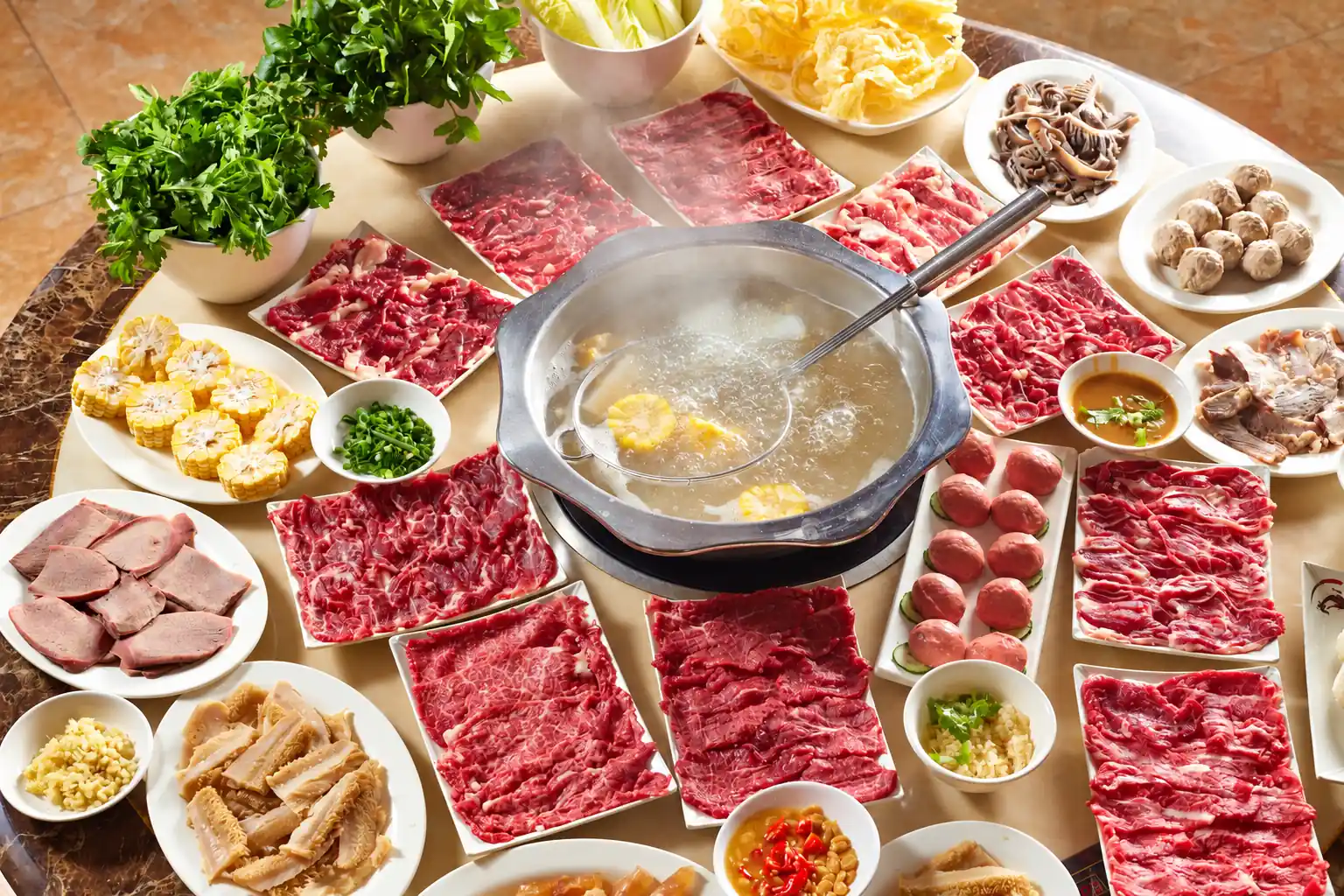
Make food part of the sightseeing. Try Chaoshan beef hotpot, beef balls or local snacks, then explore food streets and neighborhoods around central Shantou at a slower pace.
See What to Eat in Shantou ↓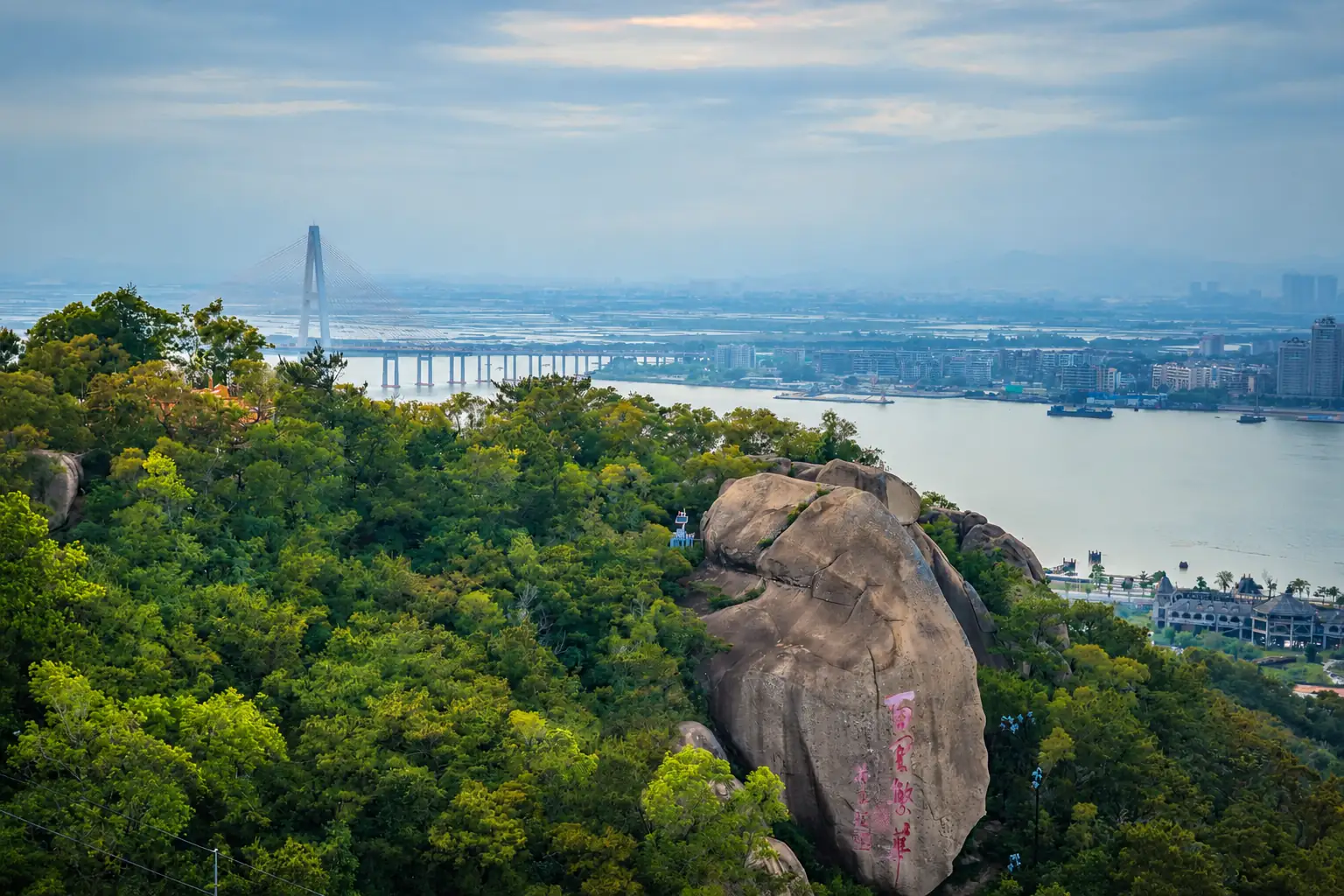
See another side of the city around Shantou Bay and Queshi. Combine waterfront views with the scenic area's granite formations, green hills and viewpoints for a contrast to the dense streets of the Old Town.
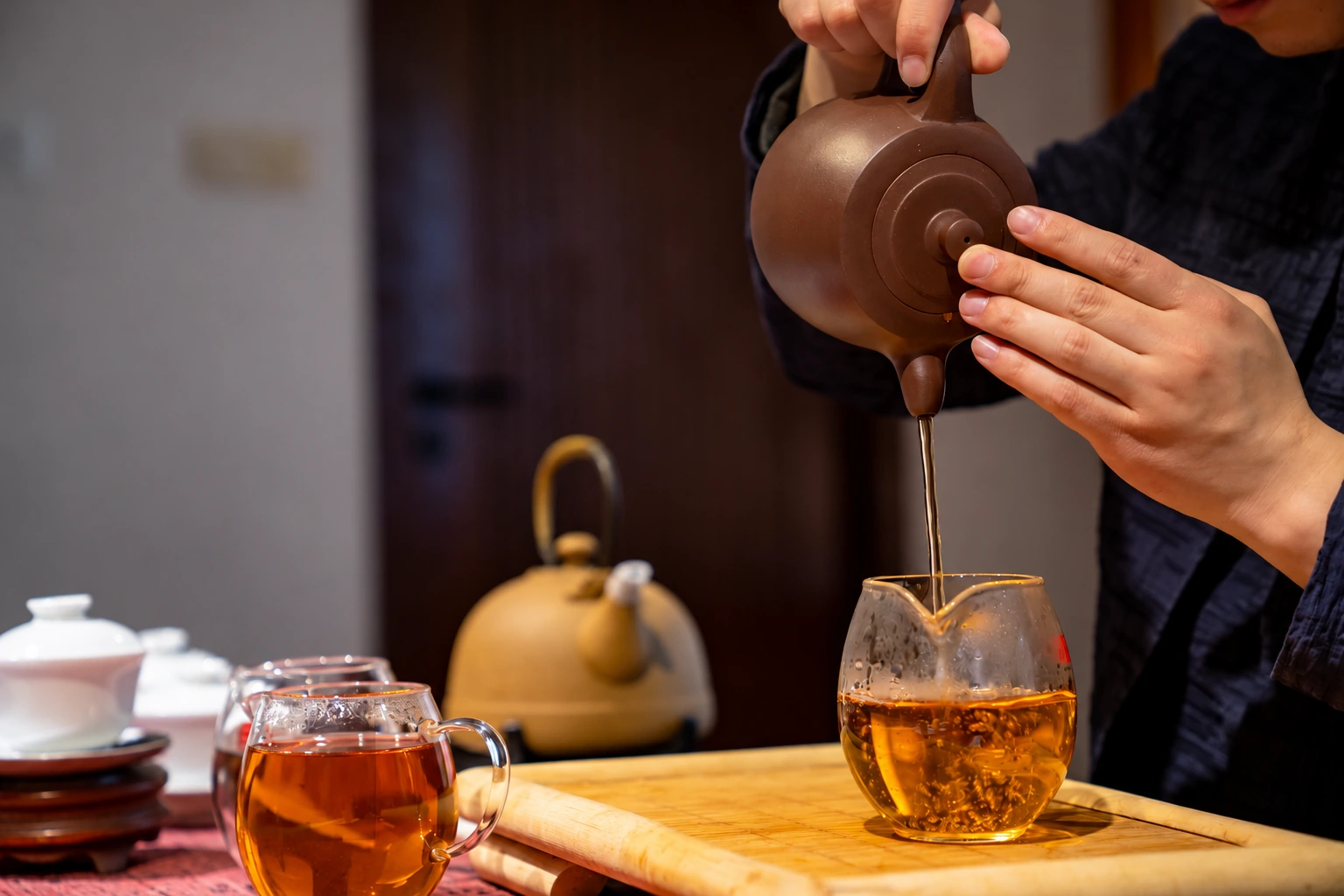
Spend the afternoon learning more about Chaoshan culture through museums, heritage displays or traditional arts, then slow down over Gongfu tea and finish with an easy evening around Shantou Bay.
Explore Shantou Experiences ↓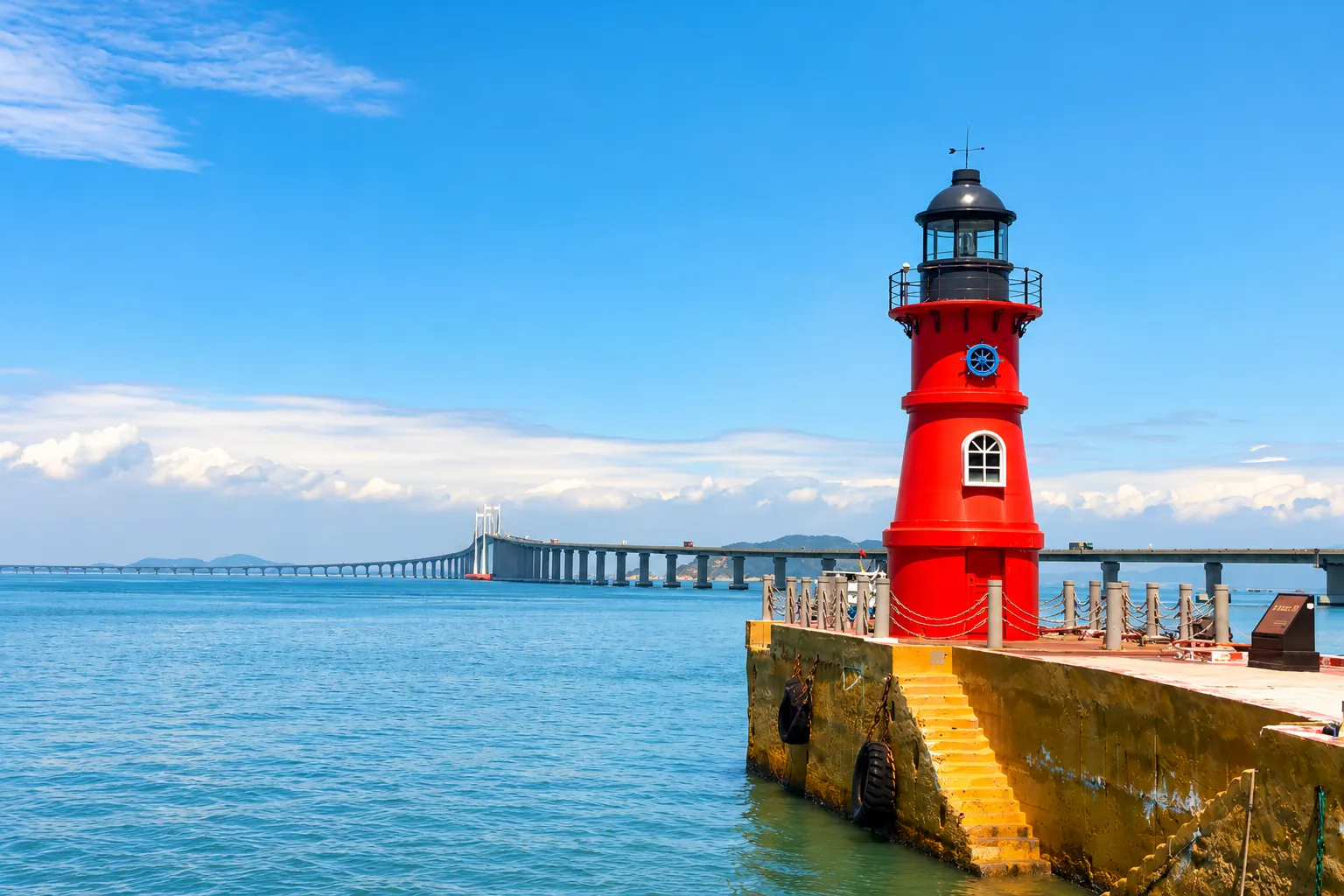
Leave central Shantou for Nan'ao Island and spend the day exploring coastal roads, fishing communities, viewpoints and Qing'ao Bay. Keep the schedule flexible so you can enjoy the island rather than rushing between stops.
Check Shantou Transportation ↓A longer Chaoshan journey can combine Shantou's historic port neighborhoods, food and coastline with Chaozhou's ancient city, traditional architecture and deeper Teochew heritage.
The best time to visit Shantou is generally from October to April, when temperatures are more comfortable for walking, sightseeing and coastal trips. October to December offers some of the best overall conditions, while spring is warmer but can be more humid and rainy.
Autumn into early winter usually brings a better balance of comfortable temperatures, lower humidity and clearer weather for exploring Shantou Old Town, walking along the bay and taking day trips to Nan'ao Island. January to April can also work well, although winter evenings may feel cooler and spring becomes progressively wetter.
This is one of the easiest periods for a first Shantou trip. Conditions are generally more comfortable and drier, making it well suited to Old Town walks, Queshi viewpoints, waterfront sightseeing and Nan'ao Island.
Shantou winters are generally mild compared with northern China, although short cool spells are possible. Bring a light jacket or layers for mornings and evenings and check holiday dates if traveling around Chinese New Year.
Spring brings warmer temperatures but also more humidity, cloudy days and increasing rainfall. It can still be a good time for sightseeing, but keep a flexible plan and carry rain protection for outdoor walks.
Summer is hotter and more humid, with much of Shantou's annual rainfall falling during the warmer months. Heavy rain and tropical weather can affect coastal plans, so check forecasts carefully before Nan'ao Island, ferry trips or other outdoor activities.
Coastal weather matters more than temperature alone. Before a Nan'ao Island trip, ferry ride or waterfront activity, check the latest local forecast for heavy rain, strong winds and tropical weather, especially during the warmer and wetter part of the year.
Choosing the right area can make your Shantou trip much easier. Stay in Longhu for convenient transportation and modern city life, choose Small Park for historic streets and local food, or spend a night on Nan'ao Island if the coast is a major part of your trip.
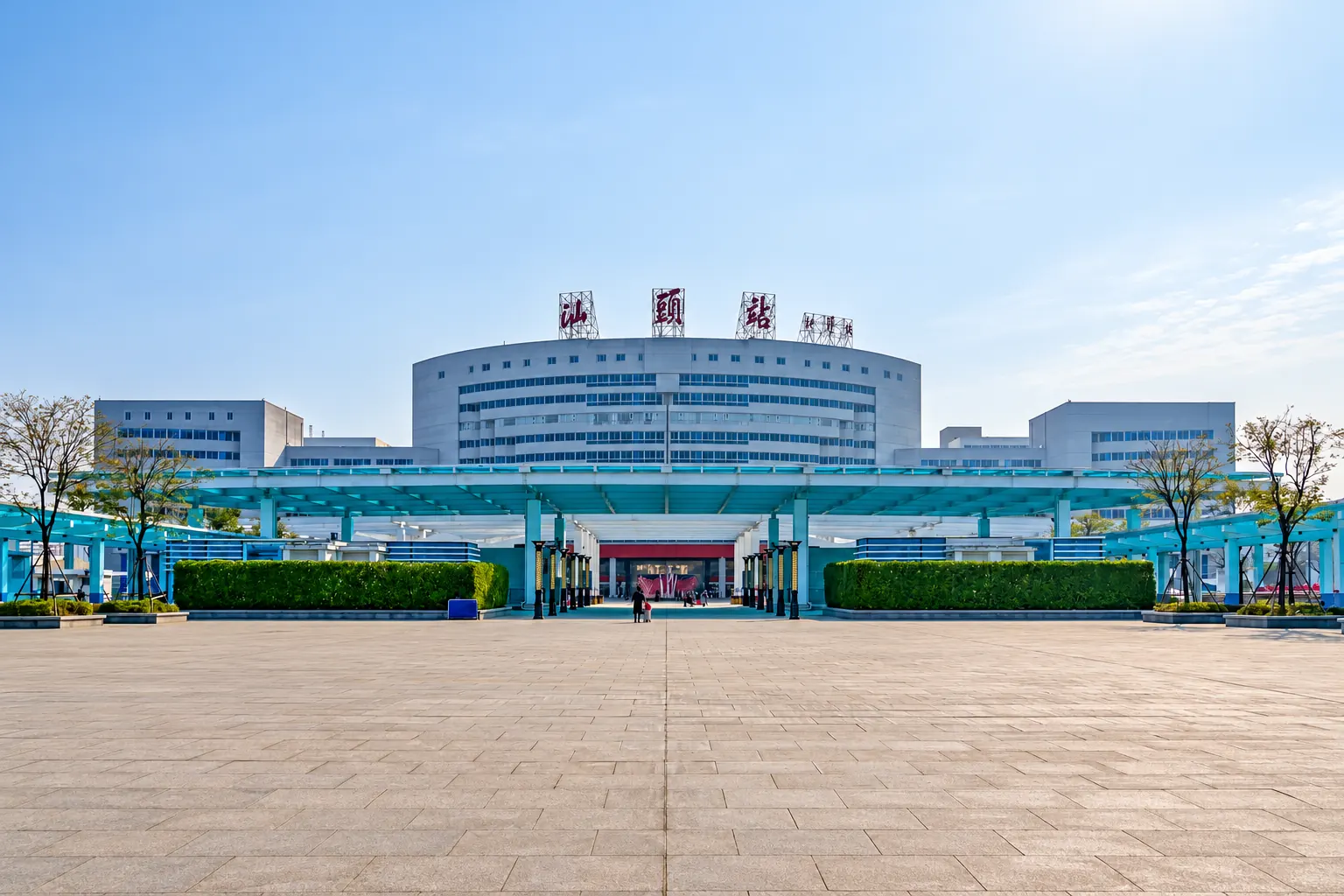
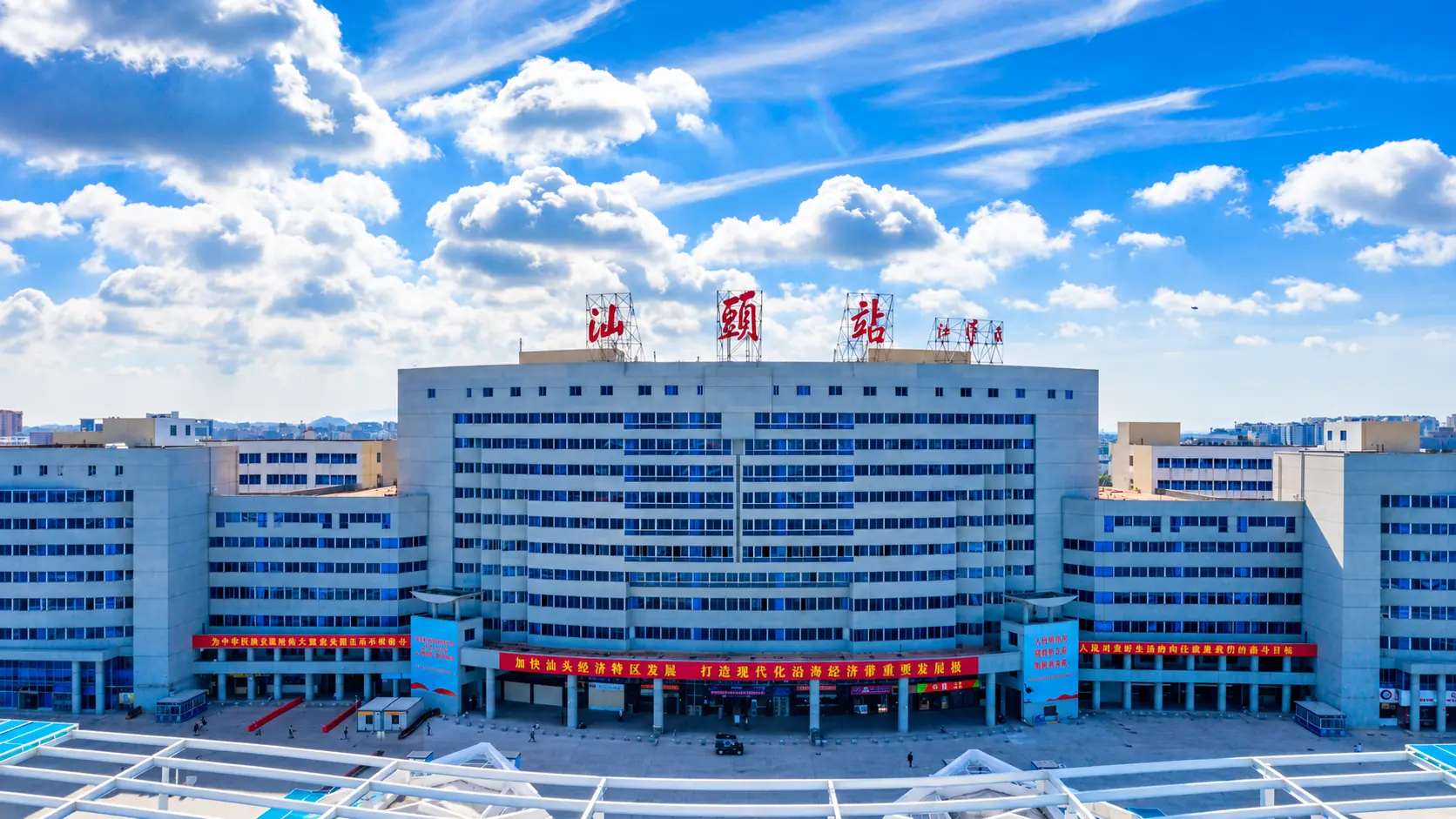
Longhu District is the most practical base for many first-time visitors to Shantou. It offers convenient access to Shantou Railway Station, modern shopping and dining areas, a broad choice of hotels and easy connections to other parts of the city.
Stay around Small Park in Jinping District if you want Shantou's historic arcade streets, traditional neighborhoods and local food close to your hotel. It is a strong choice for travelers who enjoy exploring the Old Town on foot.
Hotels around Shantou Railway Station are useful for late arrivals, early departures and short high-speed rail trips. The area has less historic atmosphere than Small Park but can save valuable travel time.
Choose East Coast New Town if you prefer newer hotels, modern commercial areas and a more contemporary waterfront setting. It is less atmospheric than the Old Town but suits travelers who value newer facilities and coastal surroundings.
Spend a night on Nan'ao Island if beaches, sea views and a slower island atmosphere are important to your trip. For most first-time visitors, however, Nan'ao also works well as a full-day excursion from central Shantou.
Choose Longhu for overall convenience, Small Park for historic atmosphere and local food, the railway station area for short stays, East Coast New Town for a modern waterfront base, or Nan'ao Island when you want more time by the sea.
Shantou is well connected by high-speed rail and regional flights. Most travelers arrive at Shantou Railway Station or Jieyang Chaoshan International Airport, then use taxis, ride-hailing, buses and local transport to reach the Old Town, Longhu, Queshi and Nan'ao Island.
High-speed rail is especially convenient when traveling to Shantou from Guangzhou, Shenzhen or Hong Kong. Once in the city, taxis and ride-hailing are usually the simplest options for visitors, while buses and the Inner Bay ferry are useful for selected routes and local experiences.
Shantou Railway Station is the most useful rail gateway for visitors staying in central Shantou. High-speed and intercity trains connect the city with Guangzhou, Shenzhen, Hong Kong and many other destinations. When booking tickets, select Shantou Station if you want to arrive directly in the city.
Jieyang Chaoshan International Airport (SWA) serves Shantou, Chaozhou and Jieyang. It is outside central Shantou, so allow extra time for the final transfer to your hotel. Rail services connect Shantou with the Chaoshan Airport area, while taxis and other ground transportation are also available for transfers across the wider Chaoshan region.
High-speed rail is usually the easiest way to reach Shantou from the Greater Bay Area. Direct trains operate from Guangzhou and Shenzhen, and current schedules also include direct services between Hong Kong West Kowloon and Shantou. Check the latest timetable before booking because train frequencies, departure stations and stopping patterns can change.
Taxis and ride-hailing are convenient for hotel transfers, restaurant trips and attractions spread across Shantou. Save your destination name and address in Chinese before setting out, especially when traveling to smaller restaurants, traditional neighborhoods or less touristy locations.
Shantou's bus network connects the railway station, central districts, tourist areas and parts of the coast. The ferry between the city side and Queshi is also a scenic way to cross Shantou Inner Bay and can be combined with Queshi Scenic Area and attractions on the southern shore. Ferry services may be suspended during severe weather, so check current operating conditions before relying on a crossing.
Nan'ao Island is connected to the mainland by the Nan'ao Bridge. Public buses operate between Shantou and the island, while a private car or arranged transfer gives you more flexibility for coastal viewpoints, beaches and smaller stops around Nan'ao. Allow a full day if visiting the island from central Shantou, and check weather conditions before traveling during the wetter and typhoon-prone months.
Private transfers can be arranged between the airport, railway station, your hotel, Nan'ao Island and nearby Chaoshan destinations as part of a customized trip.
Shantou is a natural base for exploring the wider Chaoshan region and continuing through southern China. Pair the city with Chaozhou for a deeper cultural trip, visit nearby Jieyang, or continue by high-speed rail toward Xiamen, Shenzhen and Guangzhou.
Shantou and Chaozhou share the wider Chaoshan cultural region but offer different travel experiences. Explore Shantou's historic port streets, coastal scenery and food culture, then continue to Chaozhou for its ancient city, traditional architecture, temples, crafts and deeper Teochew heritage.
Explore another side of the Chaoshan region through historic neighborhoods, temples, traditional food and local culture. Jieyang works well for travelers who want to go beyond Shantou and Chaozhou's better-known sights.
Continue east to Xiamen for Gulangyu Island, waterfront scenery, historic architecture and Fujian coastal culture. It creates a natural multi-city route for travelers continuing along China's southeast coast.
Head west to Shenzhen for modern architecture, waterfront districts, contemporary culture and easy onward connections to Hong Kong. It offers a sharp contrast to Shantou's historic Chaoshan atmosphere.
Continue to Guangzhou for Cantonese food, historic neighborhoods, museums and the Pearl River skyline. Pairing Guangzhou and Shantou also highlights two very different regional cultures within Guangdong Province.
Prepare for your Shantou trip with practical China travel guides covering entry requirements, high-speed rail, weather, mobile payment, ride-hailing, public holidays and first-time travel essentials.
Check current entry requirements, visa policies, passport rules and any documents you may need before traveling to Shantou.
Compare seasonal weather across China and plan longer trips that combine Shantou with destinations in different climates.
Learn how to book train tickets and travel between Shantou, Guangzhou, Shenzhen, Xiamen and other Chinese cities by rail.
Prepare Alipay or WeChat Pay for restaurants, taxis, shopping, transport and everyday purchases during your trip.
Learn how foreign travelers can use DiDi for local rides, hotel transfers and getting around Shantou more easily.
Check major holiday periods before booking hotels, trains or Nan'ao Island trips, when domestic travel demand, prices and availability may change.
Understand how Spring Festival can affect rail tickets, restaurants, hotel demand and regional travel around Chaoshan.
Prepare for language, payments, transportation, apps, hotel check-in and other practical details before your first independent trip to China.
Combine Shantou with Chaozhou, Xiamen, Shenzhen, Guangzhou or other destinations in a customized private itinerary built around your travel dates and interests.
Explore Shantou with a private itinerary built around historic streets, Chaoshan food, Teochew culture and the coast. Choose a focused city experience, add Nan'ao Island, or combine Shantou with Chaozhou for a deeper journey through the Chaoshan region.
Discover Shantou at a comfortable pace with Small Park and the Old Town, Chaoshan food and Gongfu tea, cultural sights around Shantou Bay and a full-day trip to Nan'ao Island.
Customize This TripExplore Small Park and the surrounding arcade streets, learn about Shantou's historic port heritage and build the day around signature Chaoshan food, local snacks and Gongfu tea.
Leave central Shantou for a full day on Nan'ao Island, with flexible stops for coastal scenery, fishing communities, Qing'ao Bay and viewpoints around the island.
Combine Shantou's port history, food culture and coastal character with Chaozhou's ancient city, temples, traditional architecture and deeper Teochew cultural heritage.
Slow the pace and explore the region through beef hotpot, seafood, Gongfu tea, traditional architecture, local crafts, historic neighborhoods and cultural experiences across Shantou and Chaozhou.
Build a private route around Small Park, historic arcade streets, local neighborhoods, Chaoshan food and Shantou Bay.
Add a flexible island day with coastal viewpoints, beaches, fishing villages and private transportation from Shantou.
Combine two complementary Chaoshan destinations for food, historic architecture, Teochew culture and local heritage.
Tell us your travel dates, group size, hotel preferences and interests. Your trip can focus on Shantou, add Nan'ao Island, combine with Chaozhou or continue to other destinations in southern China.