How Many Days in Yunnan?
Choose your trip length according to how many regions you want to visit. Short trips should focus on one area, while longer journeys can combine the classic northwest route with more remote destinations.

Yunnan, China, extends from subtropical border regions to the high-altitude landscapes of the Diqing highlands. Use this travel map to understand how the main destinations connect and choose a route that fits your available time instead of trying to cover the entire province in one short trip.
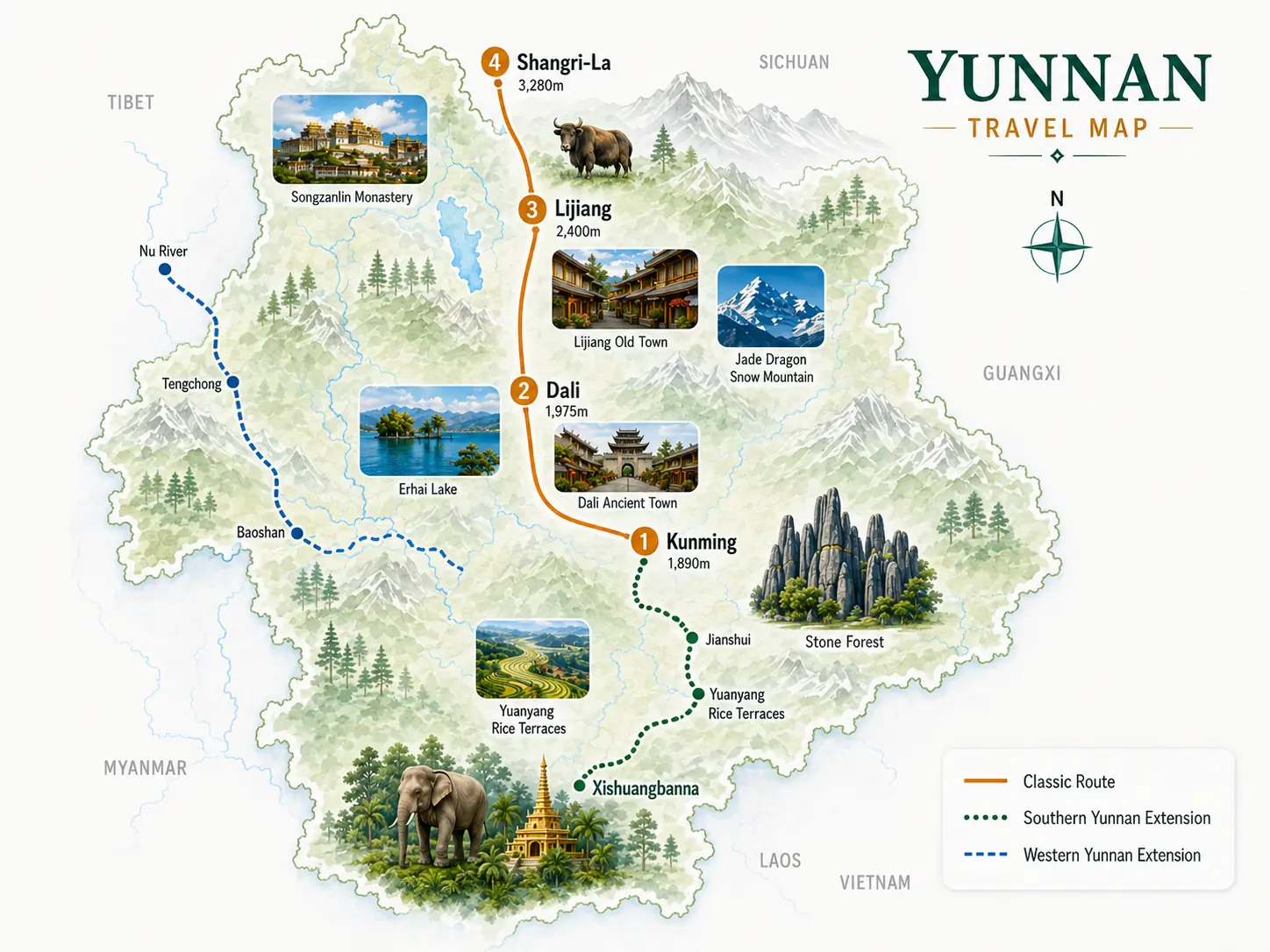
The classic northwest route is the most practical choice for a first visit. Yuanyang and Xishuangbanna belong to a southern branch, while Tengchong and the Nu River require a separate journey through western Yunnan. The map shows route relationships rather than exact road distances.
The strongest route for first-time travelers who want ancient towns, Erhai Lake, Bai and Naxi heritage, mountain scenery and Tibetan culture in the Diqing highlands.
View 8–10 Day Itinerary →Allow 9–12 days for the full route through historic Jianshui, the Yuanyang Rice Terraces, Pu’er tea country and Xishuangbanna. With six days, focus on Jianshui and Yuanyang rather than continuing farther south.
Explore volcanic landscapes, borderland history, deep river valleys and remote communities on a road-based journey beyond Yunnan’s most frequently visited ancient towns.
Northwest Yunnan is the most practical route for a first visit. A focused six-day southern journey can combine Jianshui and Yuanyang, but adding Pu’er and Xishuangbanna requires more time. Tengchong and the Nu River also belong to a separate western route branch.
Yunnan is a large and geographically varied province, so the best places to visit depend on your route, season and available time. Several major highlights are UNESCO World Heritage sites or form part of UNESCO-listed properties, including the Old Town of Lijiang, the Cultural Landscape of Honghe Hani Rice Terraces and Shilin Karst within South China Karst. Most first-time travelers combine Dali, Lijiang and Shangri-La, then add mountain, gorge or southern Yunnan destinations according to their interests.
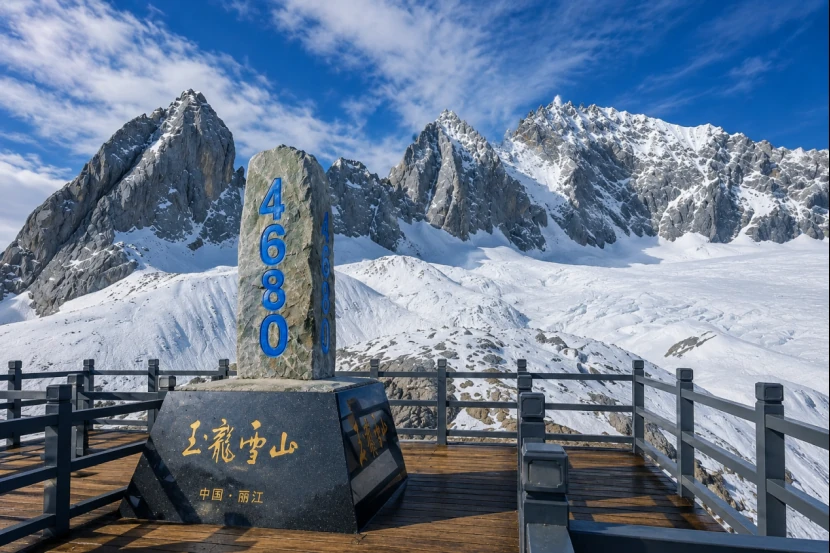
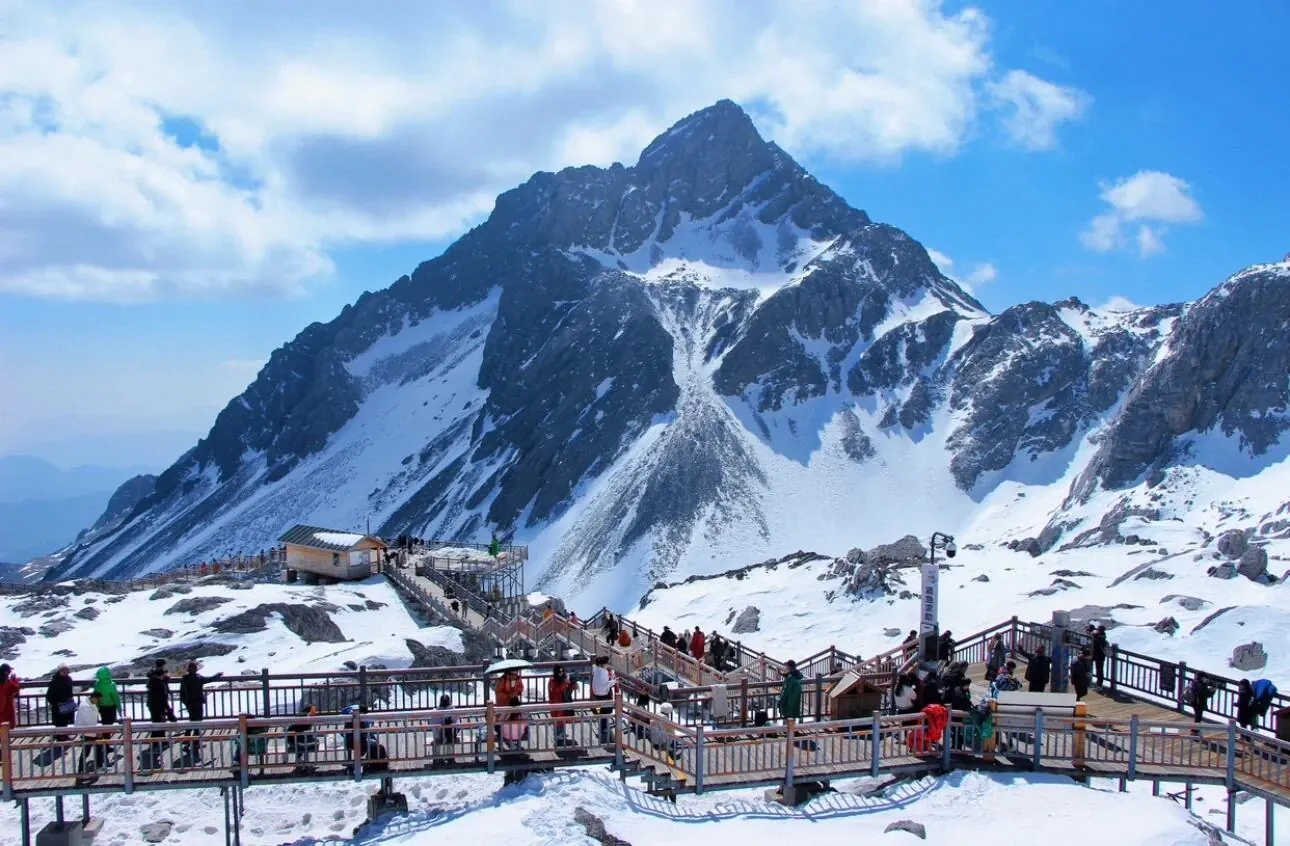
Rising north of Lijiang, Jade Dragon Snow Mountain is one of northwest Yunnan’s defining landscapes. A full-day visit can combine alpine viewpoints with Blue Moon Valley, but some sightseeing areas involve a rapid increase in elevation. Travel at a measured pace, carry warm layers and allow flexibility for changing mountain weather and operating conditions.

Explore the UNESCO World Heritage-listed Old Town of Lijiang, where stone lanes, waterways and timber buildings reflect the city’s historic trading role and Naxi culture and heritage. Visit early in the morning or later in the day for quieter streets, then use Lijiang as a base for Baisha Village and nearby mountain excursions.

Combine Dali Old Town with lakeside villages, Bai heritage and views toward Cangshan Mountain. Dali rewards a slower stay, especially if you want cycling, local markets, traditional architecture and smaller communities beyond the busiest streets of the old town.
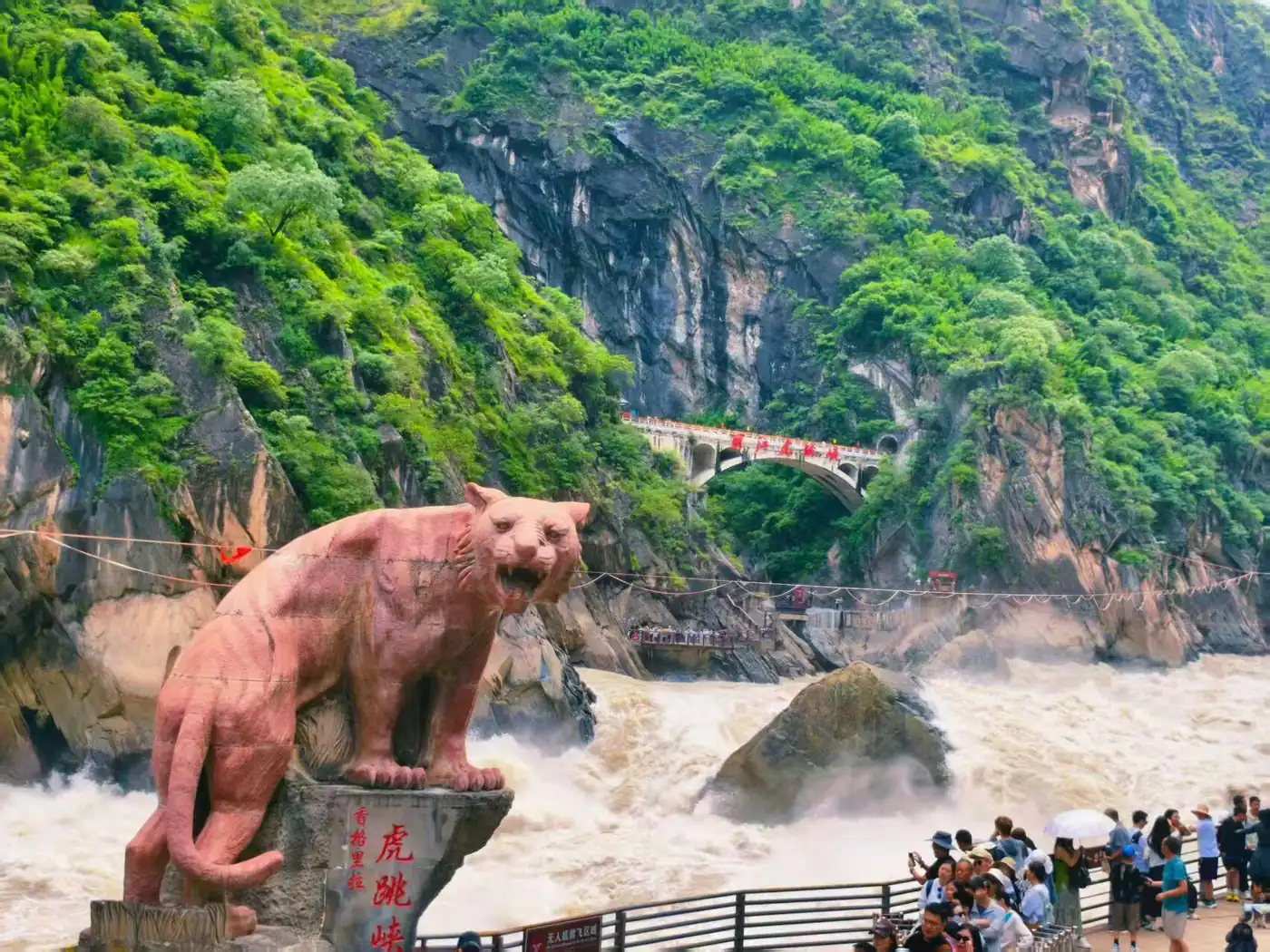
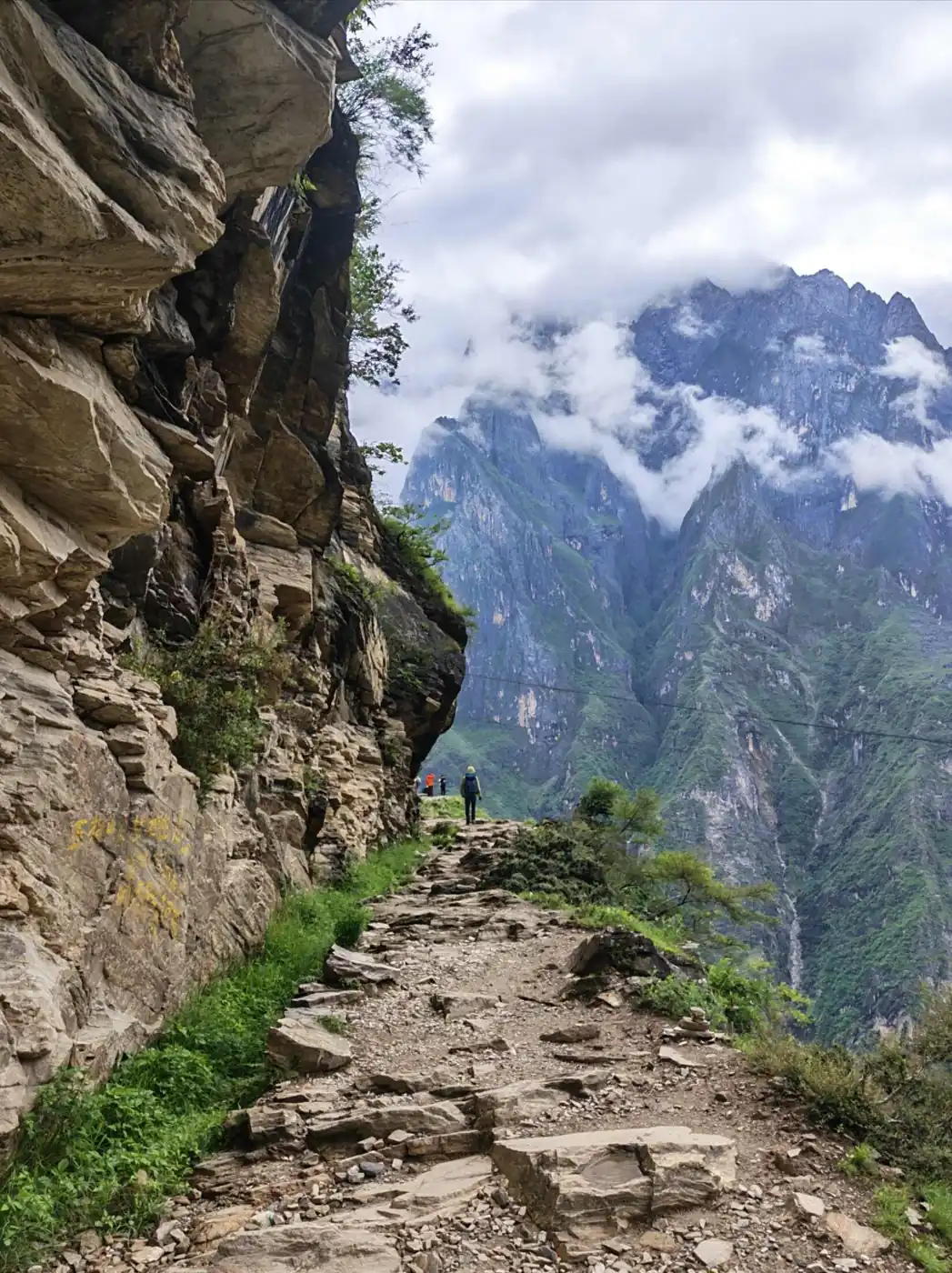
Located on the route between Lijiang and Shangri-La, Tiger Leaping Gorge offers dramatic views above the Jinsha River. Choose a scenic viewpoint stop when time is limited, or allow additional time for a proper hike with separate trail, luggage and overnight planning. Weather and trail conditions should be checked locally.

Travel north into the Diqing Tibetan highlands for Tibetan culture, highland landscapes, Dukezong Old Town and Songzanlin Monastery, also known as Ganden Sumtseling Monastery. Shangri-La lies above 3,000 meters, so place it after lower-elevation destinations and keep the first day relatively light.
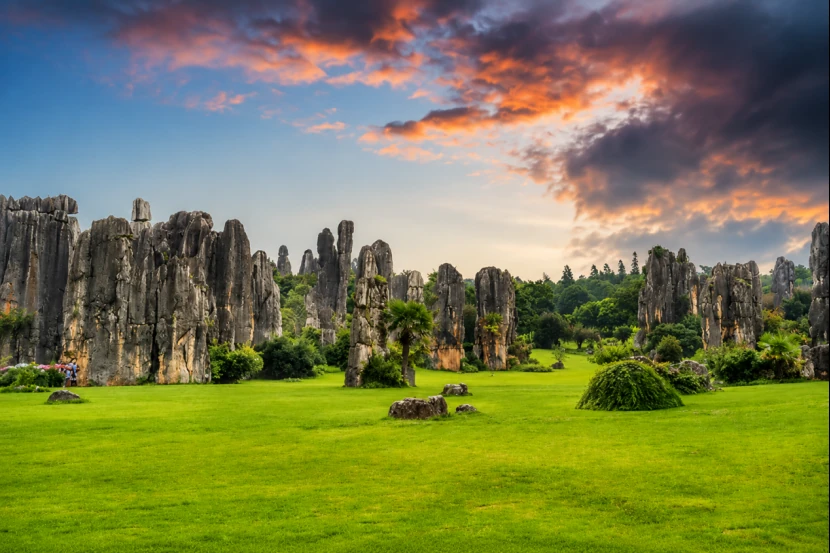
Walk among towering limestone pinnacles and narrow pathways in the Shilin karst landscape near Kunming. Shilin Karst forms part of the UNESCO World Heritage-listed South China Karst property. The Stone Forest works well near the beginning or end of a Yunnan route, but allow for the transfer time from central Kunming.

The UNESCO World Heritage-listed Cultural Landscape of Honghe Hani Rice Terraces reflects generations of land and water management by Hani communities. The terraces are known for layered slopes, villages and water-filled fields from winter into early spring, although reflections vary with irrigation, farming schedules and weather.
Combine Dali, Lijiang and Shangri-La on a classic first-time route, then add the Stone Forest, Tiger Leaping Gorge, Yuanyang Rice Terraces or another region only when your season, interests and available travel time make the extension practical.
The best Yunnan experiences go beyond visiting famous attractions. Walk through historic towns and local villages, taste regional food, explore places connected to Tea Horse Road history, hike through mountain landscapes, photograph rice terraces and red-earth farmland, and learn about the communities and cultural traditions of southwest China.
Explore Xizhou, Shaxi, Lijiang and Baisha to understand how the historic Tea Horse Road shaped northwest Yunnan. Walk through old streets and market towns, see traditional architecture and artisan workshops, and learn how long-distance trade, migration and cultural exchange influenced local communities.


Discover a food culture shaped by elevation, climate, seasonal ingredients and local communities. Try crossing-the-bridge rice noodles, Yunnan ham, wild mushroom dishes, Bai specialties, Xizhou baba and Tibetan dishes such as yak hotpot in Shangri-La.

Visit local communities, markets and workshops to learn about the traditions of Yunnan’s Bai, Naxi, Dai and Hani communities, together with Tibetan communities in the Diqing highlands. Choose small-scale visits that respect local life rather than treating cultural traditions as staged sightseeing.

Photograph sunrise over the Yuanyang Rice Terraces, the layered colors of Dongchuan Red Land near Kunming, snow peaks around Lijiang and highland valleys near Shangri-La. Seasonal light, cloud cover, farming cycles and water levels can significantly change the appearance of each location.
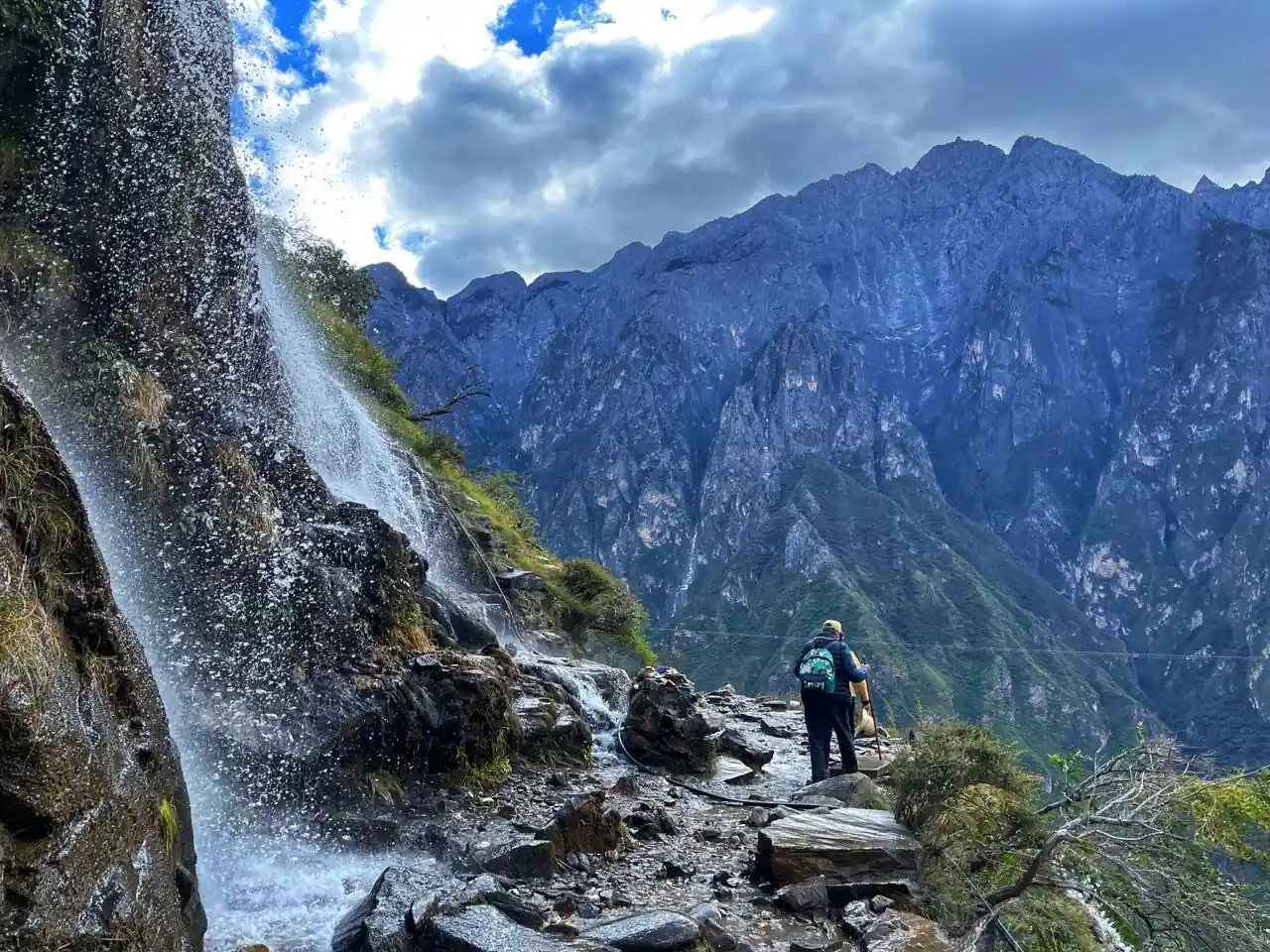
Hike above the Jinsha River in Tiger Leaping Gorge, explore trails near Jade Dragon Snow Mountain or choose quieter routes through remote villages. Match the trail to your fitness, the season, current weather and your previous experience at altitude.

Join a tea tasting, visit a local market or watch craftspeople work with textiles, silver, wood and natural dyes. Look for experiences led by local producers or workshops where the origin, materials and methods are explained rather than purchasing generic souvenirs in the busiest tourist streets.

Build a family route with manageable travel days, flexible private transport, village visits, cooking activities, easy nature walks and regular time outdoors. Avoid changing hotels every night and introduce higher-altitude destinations gradually rather than moving directly from Kunming to Shangri-La.
Shape your journey around the experiences that matter most to you, from regional food and community visits to hiking, photography, Pu’er tea, traditional crafts and family-friendly activities.
Combine the classic Kunming, Dali, Lijiang and Shangri-La route with regional food, community visits, hiking, photography and activities selected around your interests, physical ability and travel pace.
Choose a Yunnan itinerary according to your available time, preferred pace and the regions you most want to experience. Seven days is enough for a focused Kunming, Dali and Lijiang journey. Eight days can include Shangri-La on an efficient route, while nine or ten days allows more time for Dali, Lijiang, Tiger Leaping Gorge and the highlands without turning every day into a long transfer.
This route follows Yunnan’s classic northwest corridor through Kunming, Dali, Lijiang, Tiger Leaping Gorge and Shangri-La. The ten-day version below provides the best balance of sightseeing, local experiences and gradual altitude gain. Travelers with eight days can shorten Kunming and Dali and visit Tiger Leaping Gorge as a scenic transfer rather than attempting a longer hike.
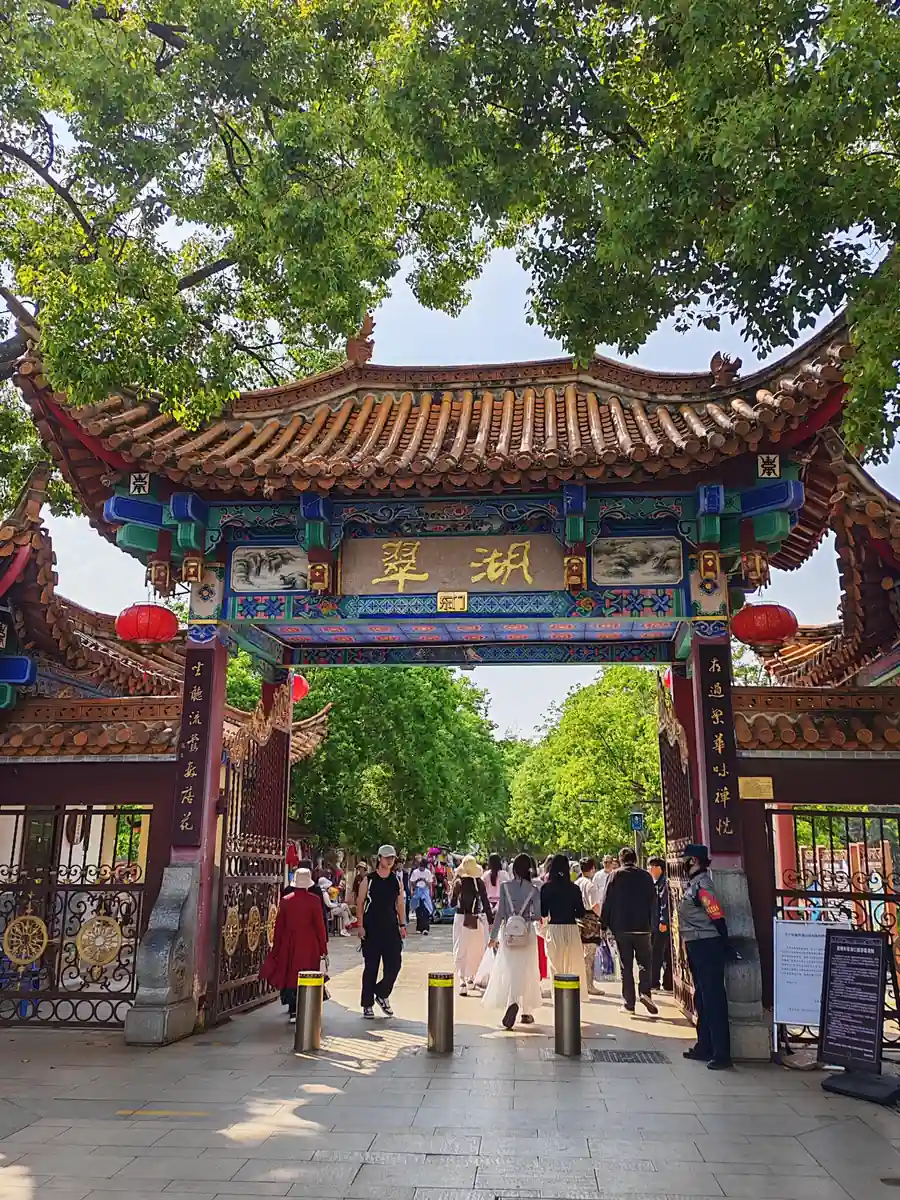
Begin in Yunnan’s capital and main transportation gateway. Keep the arrival day flexible, then walk around Green Lake, explore a local market or try crossing-the-bridge rice noodles. Use the evening to confirm train tickets, mobile payments and the next stage of the route.
Use Day 2 for the Stone Forest if its karst landscape is a priority, then continue to Dali when your train and transfer timing allows. Travelers who prefer a slower journey can skip the excursion and reach Dali earlier. Spend Day 3 exploring Dali Old Town, villages around Erhai Lake and Bai cultural sites beneath Cangshan Mountain.
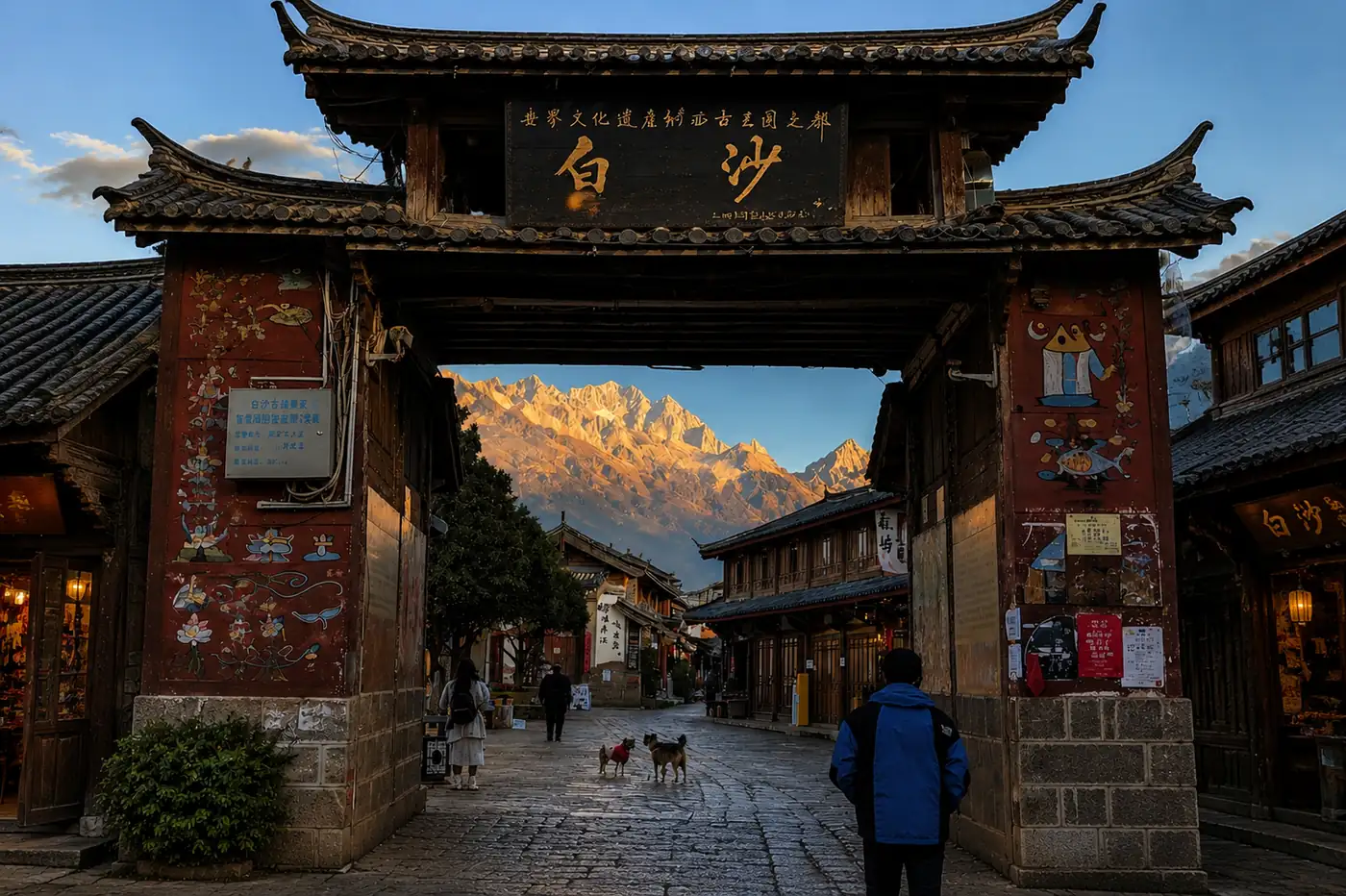
Travel north to Lijiang and explore the UNESCO-listed old town outside its busiest hours. Use the following day for Baisha Village, traditional murals, local workshops and quieter neighborhoods connected to Naxi culture and heritage and the history of the Tea Horse Road.

Take a full-day trip from Lijiang for alpine scenery, mountain viewpoints and Blue Moon Valley. Some sightseeing areas involve a rapid increase in elevation, so bring warm layers, protect yourself from strong sunlight and avoid rushing through physically demanding activities.
Follow the mountain route toward Shangri-La with a scenic stop at Tiger Leaping Gorge. A viewpoint visit can fit into the transfer day, but a genuine gorge hike requires additional time and should not be treated as a short roadside excursion. Arrive in Shangri-La and keep the evening relaxed as you adjust to the higher elevation.
Spend the first full day visiting Songzanlin Monastery and exploring Dukezong Old Town at a manageable pace. Use the next day for Pudacuo National Park or nearby highland villages, depending on weather, seasonal conditions and local access. These two days provide more time to experience Tibetan culture in the Diqing highlands while adjusting to the elevation.

Continue by flight, train or road according to your wider China itinerary. Avoid scheduling demanding sightseeing before a fixed departure. Travelers returning to Kunming should compare the most practical connection rather than automatically retracing the entire route by road.
Compare private Yunnan routes designed around different trip lengths, travel styles and regions, then choose the itinerary that best matches your available time and preferred pace.
The best time to visit Yunnan depends on the regions and elevations in your itinerary. March to May and late September to November generally offer the easiest conditions for a classic route through Kunming, Dali, Lijiang and Shangri-La. Summer brings greener landscapes but overlaps with much of Yunnan’s rainy season, while winter creates very different conditions between the milder south and the colder high-altitude northwest.
Spring and autumn usually provide the easiest conditions for combining Yunnan’s ancient towns, lakes, mountains and highland destinations. Weather still changes considerably with elevation and location: Kunming may feel mild while Shangri-La is cold, and tropical Xishuangbanna can be much warmer than northwest Yunnan on the same day.
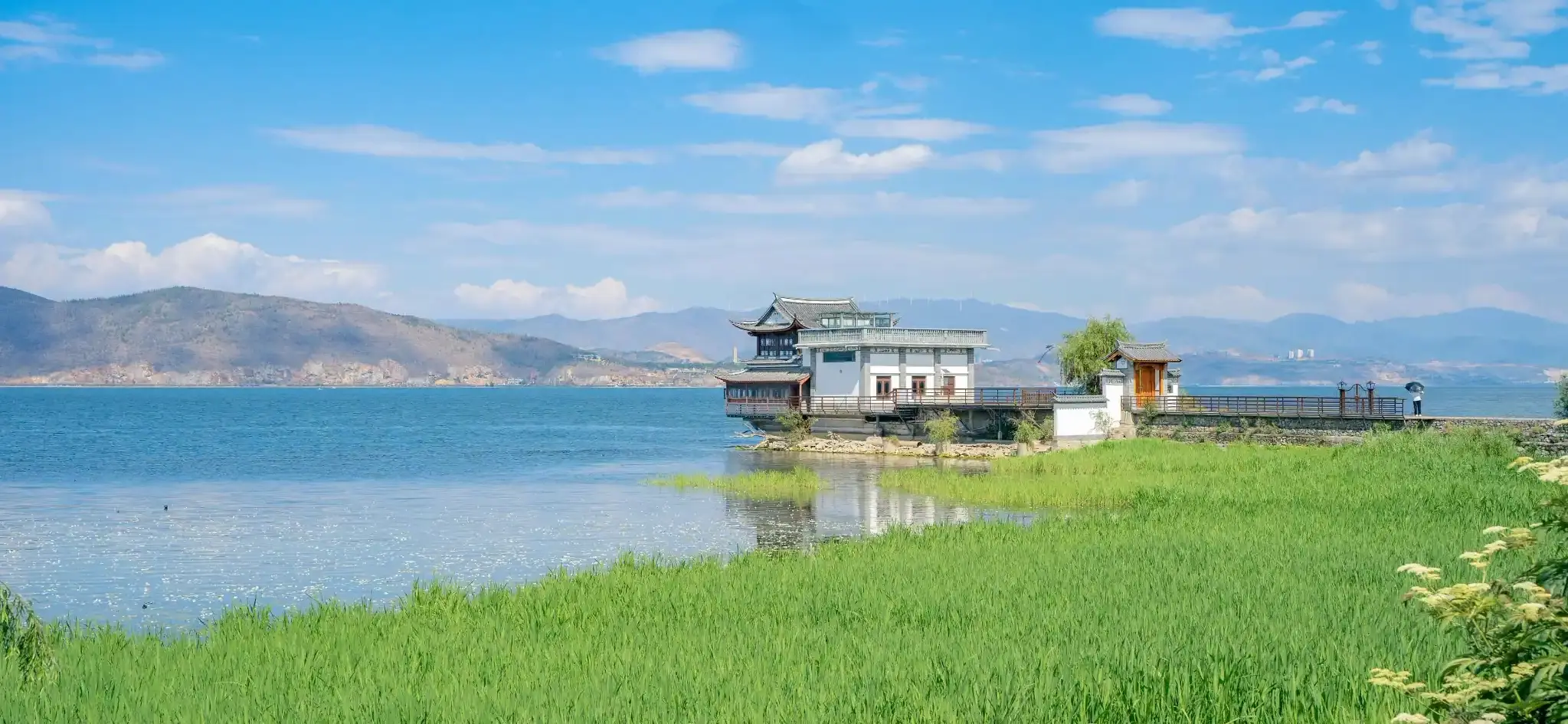
Spring is one of the best seasons for a classic Yunnan itinerary. Conditions are generally comfortable in Kunming, Dali and Lijiang, while flowers, farmland and mountain landscapes become increasingly colorful. Pack layers because mornings, evenings and higher elevations can still feel cold, especially in northwest Yunnan.

Summer brings lush landscapes, fuller rivers and cooler conditions than many lowland parts of China, but it also overlaps with the main rainy season on many popular Yunnan routes. Rainfall and road conditions vary between southern Yunnan and the northwest highlands, so allow flexibility for mountain views, road transfers and hiking around Tiger Leaping Gorge and other steep terrain.

Autumn is another excellent season for the classic northwest route. Rainfall generally decreases as the season progresses, visibility often improves and cooler conditions suit sightseeing and hiking. Early October can be considerably busier because of China’s National Day holiday period, so reserve trains, hotels and major attractions early when traveling at that time.

Winter creates sharply different travel conditions across Yunnan. Southern Yunnan remains comparatively mild, and the water-filled Yuanyang Rice Terraces can be especially rewarding from winter into early spring. In the northwest, drier weather can bring clear views of snow-covered high peaks such as Meili Snow Mountain, but Shangri-La, Deqin and other high-altitude areas can be very cold. Terrace reflections still depend on irrigation, farming schedules and weather.
Do not choose travel dates from a single province-wide temperature or rainfall figure. Compare the elevation, rainy season, road conditions and seasonal patterns of every destination in your route, particularly when combining southern Yunnan with Lijiang or high-altitude Shangri-La.
Yunnan is too large to explore from a single hotel. Most first-time travelers use Kunming as an arrival gateway, then stay in Dali, Lijiang and Shangri-La while traveling through northwest Yunnan. Choose each base according to your route, train or flight schedule, preferred atmosphere and tolerance for frequent hotel changes.
For an 8–10 day first trip, use Kunming mainly for arrival or departure, then stay in Dali, Lijiang and Shangri-La as the route moves northwest. Dali and Lijiang work well as longer bases, while Shangri-La usually requires its own overnight stay because of the distance, elevation and surrounding highland attractions.

Stay in central Kunming if you want time for Green Lake, local markets and city dining. For a brief transit night, choose a hotel according to your next airport or railway departure rather than creating an unnecessary cross-city transfer.
Dali Old Town is convenient for restaurants and evening walks, while Xizhou and quieter areas around Erhai Lake offer a more relaxed atmosphere. Dali is a strong base for cycling, Bai cultural experiences, village visits and views of Cangshan.
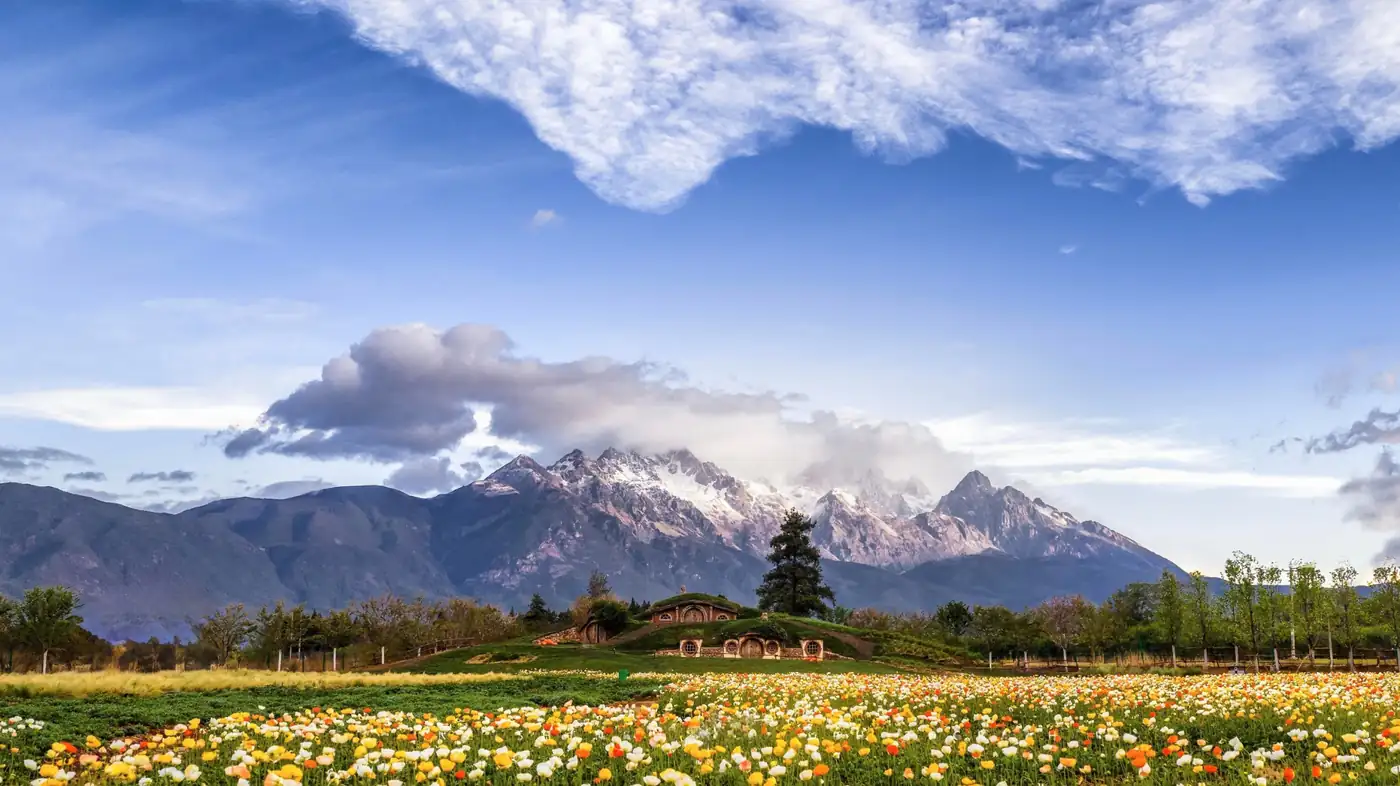
Stay near the edge of Lijiang Old Town for easier luggage and vehicle access, or choose Shuhe for a quieter environment. Lijiang is the most practical base for Jade Dragon Snow Mountain, Baisha Village, Naxi culture and heritage, and onward travel toward Tiger Leaping Gorge and Shangri-La.

Staying near Dukezong Old Town provides convenient access to restaurants and evening walks, while countryside properties can offer quieter surroundings. Choose reliable heating in colder months and avoid planning demanding activities immediately after arriving at the higher elevation.
Hotel recommendations should follow your route rather than a province-wide list. Consider station and airport transfers, luggage access, vehicle restrictions in old towns, hotel heating, altitude, family needs and how much time you want to spend in busy historic centers versus quieter villages.
Yunnan’s major destinations are spread across mountains, valleys and different climate zones. High-speed rail is especially useful between Kunming and Dali, while other passenger rail services connect Dali, Lijiang and Shangri-La. Flights can shorten journeys between distant regions, and private road transfers remain useful for Tiger Leaping Gorge, mountain attractions, rural villages and hotels away from the main rail network.
Build the journey in one direction to avoid unnecessary backtracking. Use rail services between well-connected cities, then add private vehicles or organized transfers where mountain roads, rural hotels or several sightseeing stops make public transportation less practical.
Rail is usually the most practical way to begin the classic northwest route. Check whether your service departs from Kunming Station or Kunming South, and choose a Dali hotel with a realistic transfer plan from the railway station rather than assuming the old town is beside the tracks.
Direct rail services make Dali and Lijiang easy to combine in one route. Allow time to travel between your hotel and the station at both ends, especially when staying in Dali Old Town, around Erhai Lake or inside the pedestrian areas of Lijiang Old Town.
Train travel is the simplest option when moving directly between the two cities. A road transfer is more useful when you want to stop at Tiger Leaping Gorge or other places along the route. Whichever option you choose, keep the first evening in Shangri-La relatively light because of the higher elevation.
Tiger Leaping Gorge is normally reached by road from Lijiang or as part of an onward transfer toward Shangri-La. A short viewpoint visit can fit into a transfer day, but a genuine gorge hike needs separate trail, luggage and overnight planning.
Kunming is Yunnan’s main aviation gateway. Airports in Lijiang, Dali, Shangri-La and Xishuangbanna can save time when the itinerary focuses on one region, starts outside Kunming or combines distant parts of the province that would otherwise require long rail and road journeys.
Private transport is especially useful for Jade Dragon Snow Mountain, countryside hotels, local villages and routes with several scenic stops. It also helps families, senior travelers and passengers with luggage avoid repeated public-transport changes.
Taxis and DiDi are useful within Kunming, Dali and Lijiang, but availability may be more limited around rural attractions and remote hotels. Save the destination in Chinese and avoid relying on ride-hailing alone for time-sensitive mountain excursions or early departures.
Train schedules and station assignments can change, so confirm current services through the official railway booking system before finalizing hotels and transfers. Reserve popular departures early during holidays, arrive with enough time for security and passport checks, and avoid scheduling a long mountain transfer, high-altitude sightseeing and a fixed evening departure on the same day.
Read China Train Ticket Guide →
Combine rail services between major cities with road transfers for mountain attractions, rural hotels and scenic stops. Check each connection before finalizing hotel nights so that transport works with the route rather than forcing unnecessary backtracking.
Yunnan can be combined with other regions when you have more than ten days in China. Choose one extension that adds a genuinely different experience, such as Zhangjiajie’s sandstone landscapes, Chongqing’s river-city culture, Tibetan highlands or China’s classic historical cities, rather than adding too many short stops.
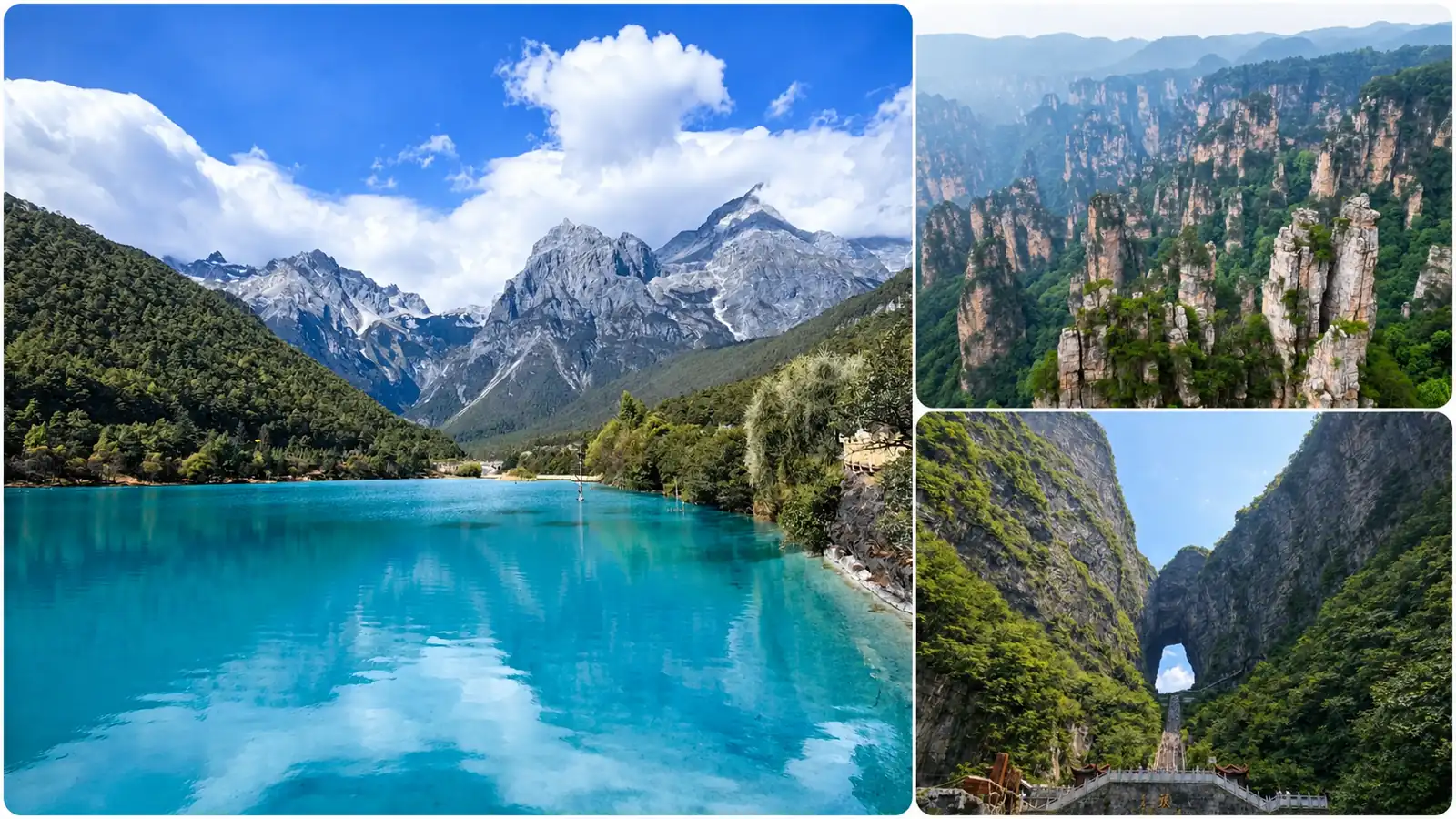
Pair Yunnan’s ancient towns, local cultures, lakes and highland scenery with Zhangjiajie’s sandstone pillars, forested valleys and dramatic viewpoints. This combination works best as a planned multi-region journey with a flight or efficient rail connection between the two parts of the itinerary.
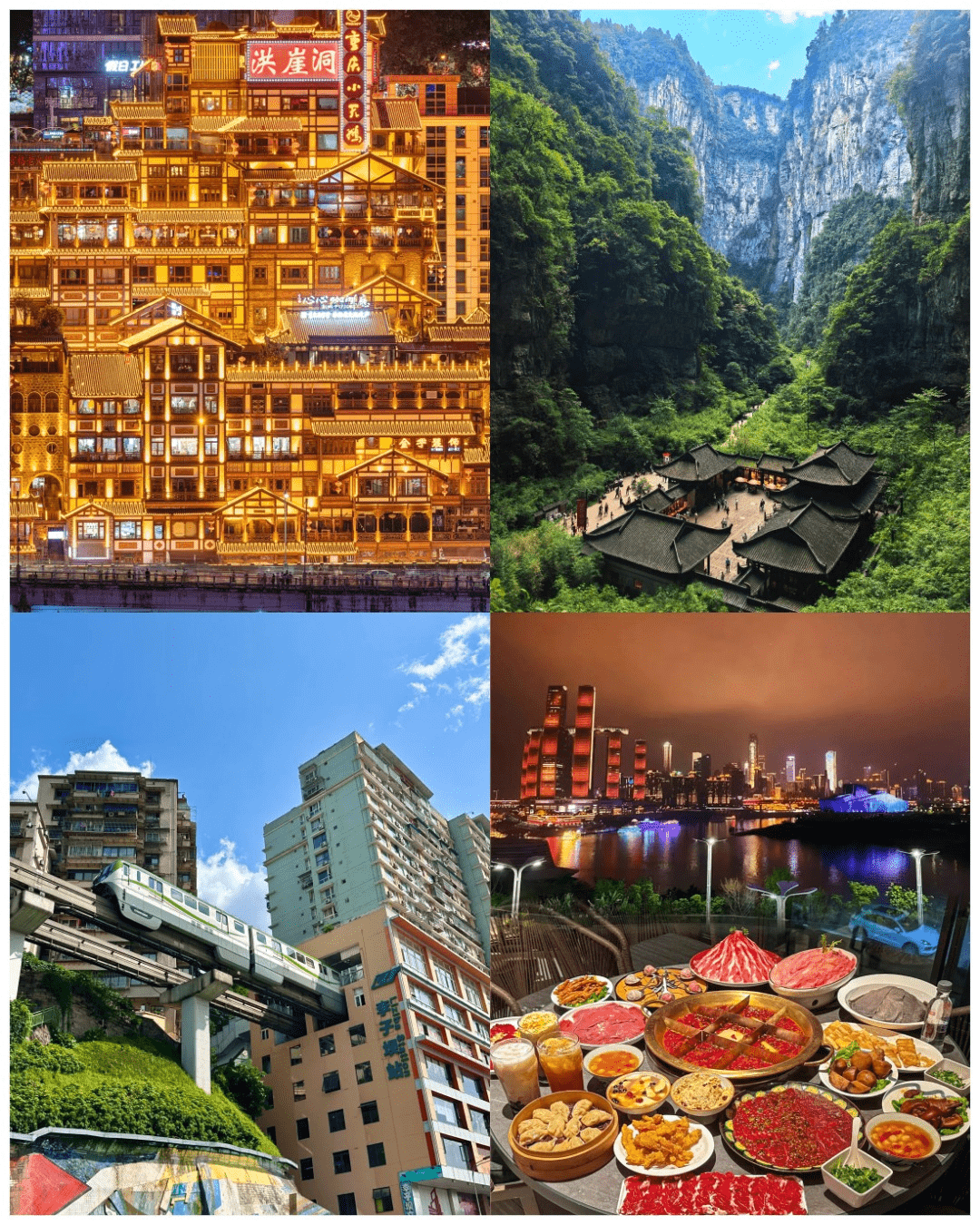
Contrast Yunnan’s ancient towns and mountain landscapes with Chongqing’s steep urban neighborhoods, river views, hotpot culture and access to additional natural attractions.

Continue beyond Shangri-La into remote highland landscapes, Tibetan cultural regions, monasteries and mountain communities. This route requires careful planning for altitude, road time and changing weather conditions.

Add karst landscapes, waterfalls, traditional villages and different local cultural experiences in Yunnan’s neighboring province. Guizhou suits travelers who prefer rural scenery and community-based experiences over major cities.

Combine Yunnan’s landscapes and local cultures with the Great Wall, Forbidden City, Terracotta Warriors and Shanghai. This provides a broader first-time introduction to China without removing Yunnan from the center of the journey.
Prepare for your Yunnan journey with practical information about China entry requirements, train travel, mobile payment, internet access, public holidays and first-time travel. For Yunnan specifically, also account for altitude, regional weather and longer road journeys between mountain destinations.
Check current entry requirements, passport validity, visa categories and any visa-free policies that may apply before booking your journey to Yunnan.
Compare seasonal conditions, then pack for the highest and coldest destination in your route. Layers, rain protection and sun protection are useful across Yunnan’s changing elevations.
Learn how to book and use trains for routes between Kunming, Dali, Lijiang and Shangri-La, including passport checks, station procedures and advance ticket planning.
Prepare Alipay or WeChat Pay with an eligible foreign bank card for hotels, transport, restaurants, shops and everyday purchases throughout Yunnan.
Arrange reliable mobile data before arrival so you can use maps, translation tools, messaging, mobile payment and ride-hailing while traveling between Yunnan’s cities and more remote areas.
Check major holiday dates before reserving trains and hotels. Lijiang, Dali and other popular destinations can become much busier during national holiday periods.
Shangri-La and some mountain attractions are significantly higher than Kunming, Dali and Lijiang. Ascend gradually, avoid overloading the arrival day and seek medical advice if you have relevant health concerns.
Prepare for language differences, attraction reservations, train procedures, payments, drinking water, public toilets and other practical issues before beginning your Yunnan trip.
Check entry requirements, train booking, mobile payment, internet access and public holiday dates before departure. For mountain routes, also consider altitude, weather and the extra travel time required between more remote destinations.
Choose a classic first-time Yunnan itinerary, a family journey, a mountain hiking route or a deeper trip into lesser-visited regions. These private tours combine practical transportation, flexible sightseeing and local support across Kunming, Dali, Lijiang, Shangri-La and destinations beyond the main route.

Follow Yunnan’s classic northwest route from Kunming to Dali, Lijiang and high-altitude Shangri-La. Experience ancient towns, Erhai Lake, Naxi and Bai culture, mountain scenery and carefully planned train and road connections without unnecessary backtracking.
View Tour Details
Explore Yunnan at a family-friendly pace with manageable travel days, cultural activities, time outdoors and flexible private transportation between the main destinations.

Travel south from Kunming to historic Jianshui and the UNESCO-listed Yuanyang Rice Terraces, with time for traditional villages, Hani cultural landscapes and seasonal photography across the terraced hillsides.
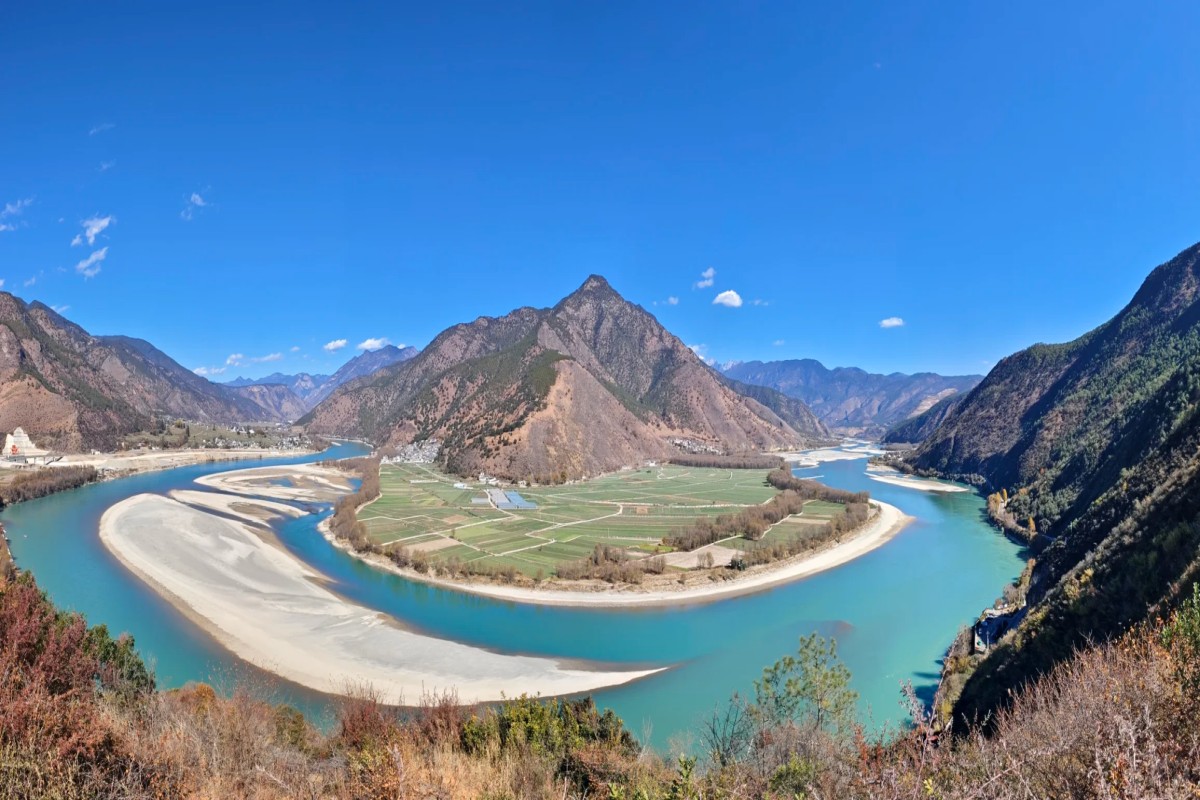
Explore a lesser-visited side of western Yunnan through deep river valleys, remote communities, volcanic landscapes and the historic border region around Tengchong.
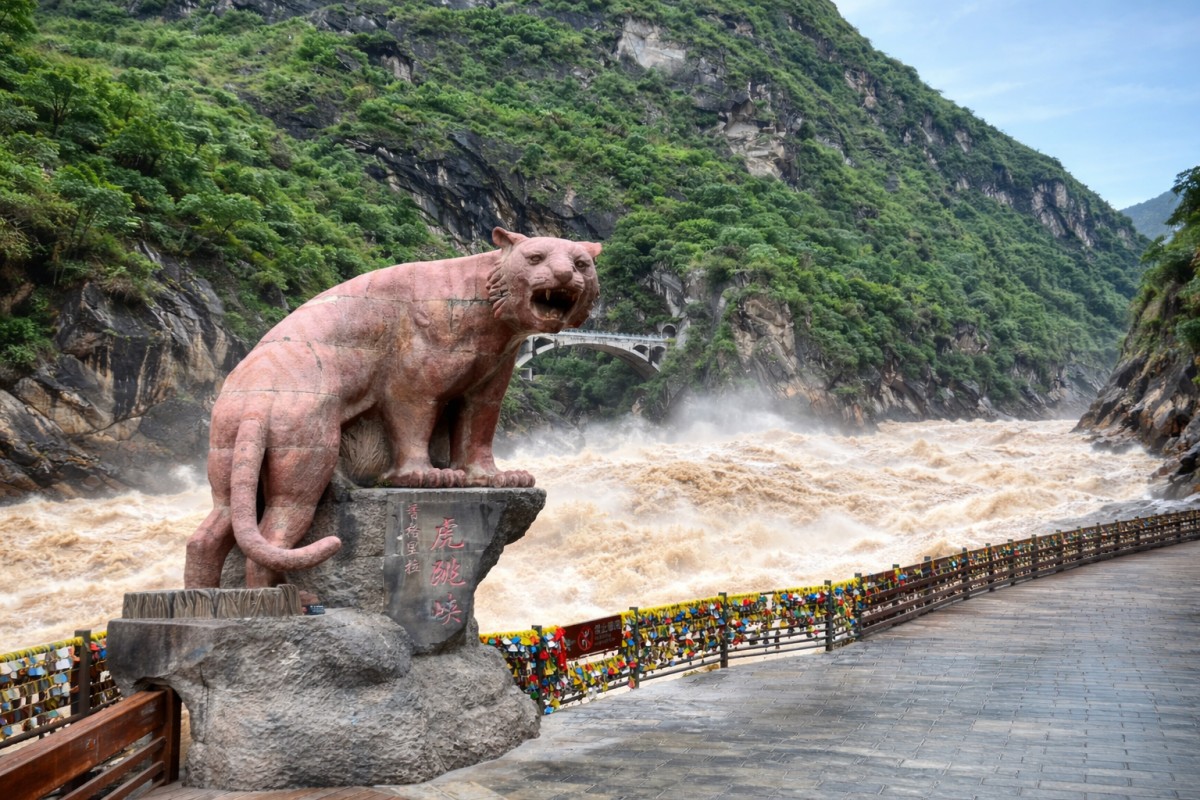
Combine dramatic gorge scenery with mountain trails and a remote stone village. This active route suits travelers who want more walking and rural landscapes beyond Yunnan’s main ancient towns.
Compare classic first-time itineraries, family journeys, mountain adventures and deeper routes through southern, western and northwest Yunnan. Choose an existing itinerary or use it as a starting point for a customized private journey.
Explore All Yunnan Tours →Tell us your travel dates, group size, hotel preferences, preferred pace and the regions you want to visit. Your route can be adjusted for families, hiking, photography, food, altitude concerns or a longer journey combining Yunnan with other parts of China.