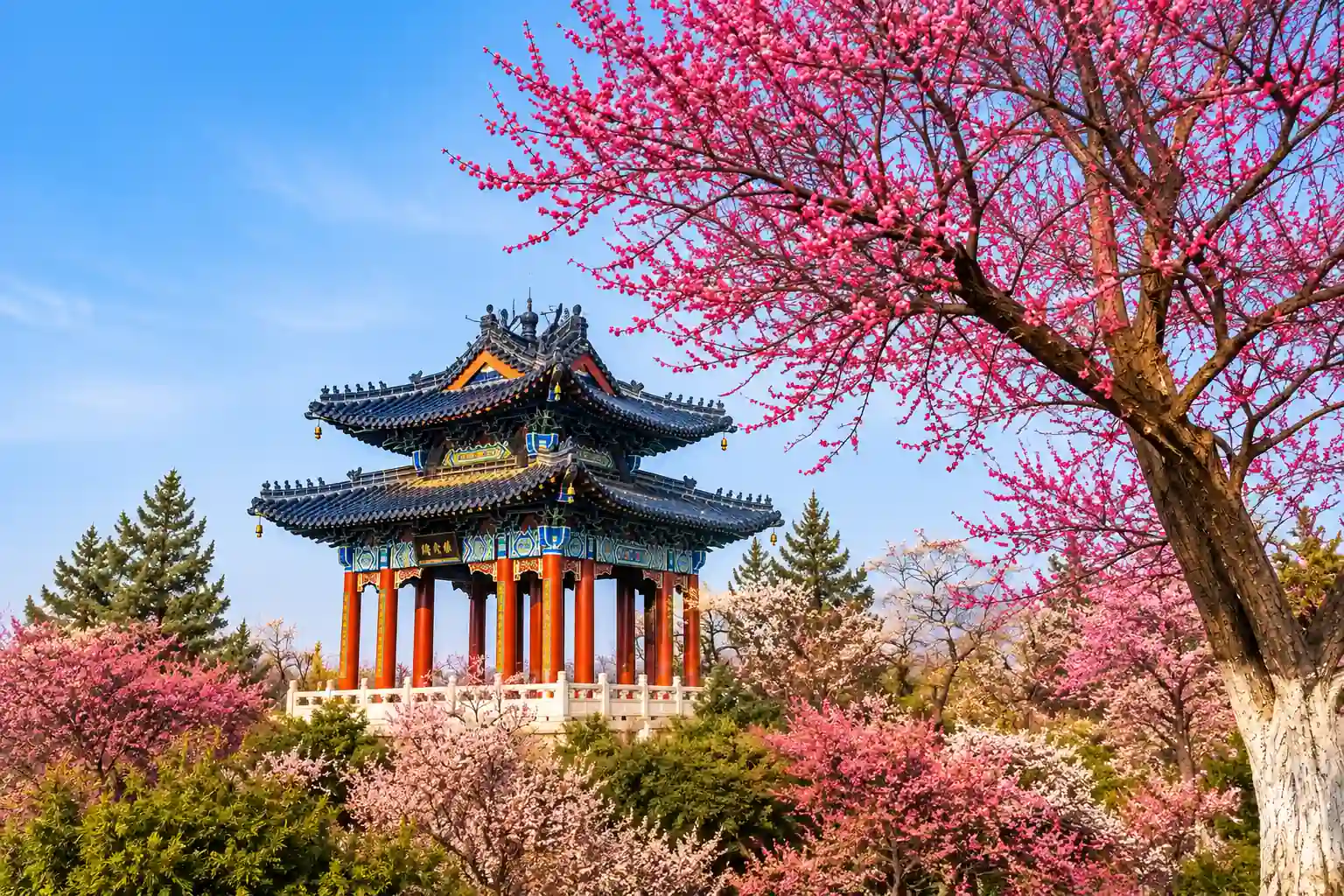
How Many Days in Wuhan?
Compare quick route outlines for 1, 2, 4 or 5 days, or explore the detailed 3-day itinerary, our recommended option for first-time visitors.

From Yellow Crane Tower above the Yangtze River to East Lake's greenways, Wuhan has a mix of historic sites, museums, river views and neighborhood walks. These seven attractions give first-time visitors a practical introduction to Wuchang, Hankou and Hanyang, with suggested visit times to help plan your route.
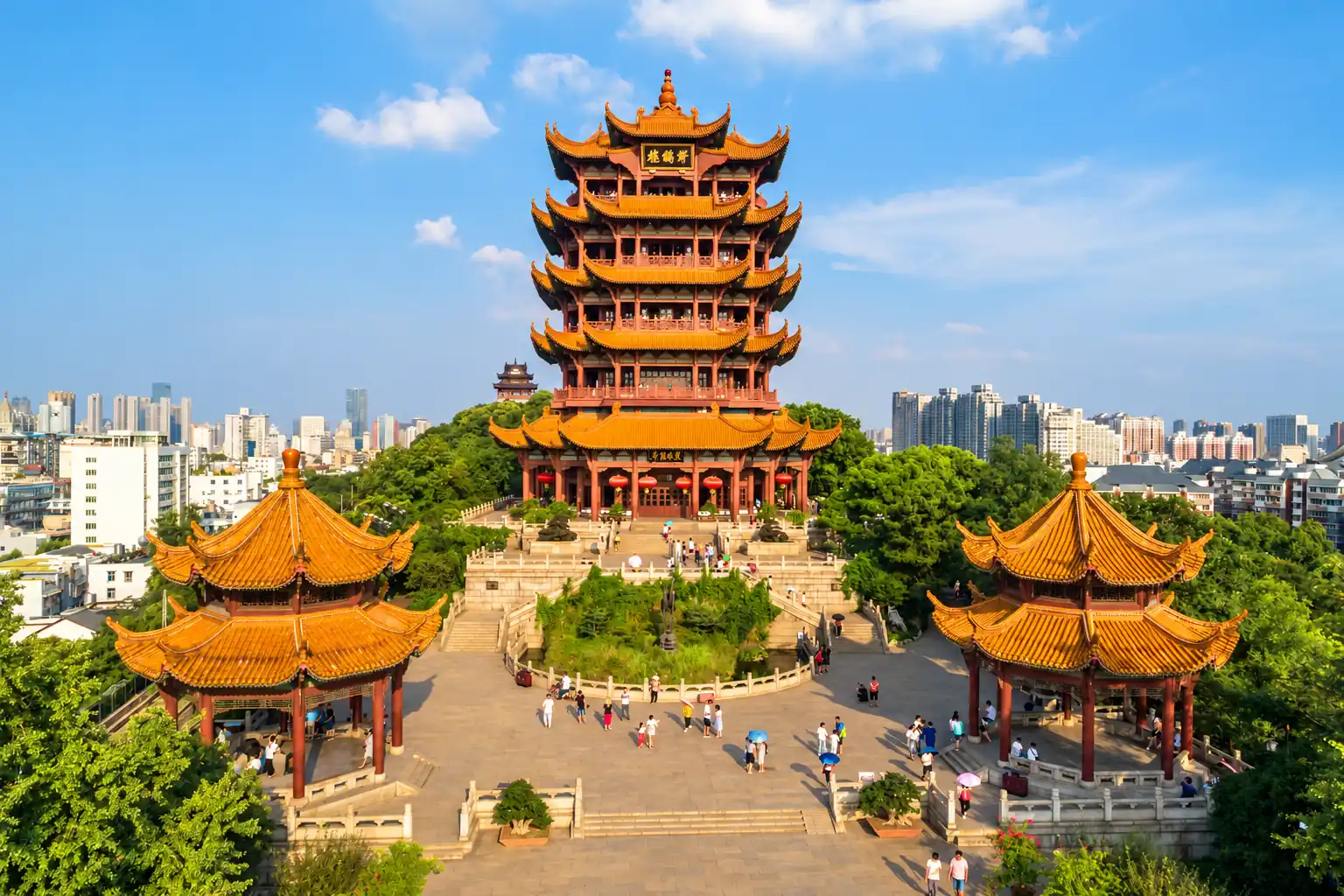
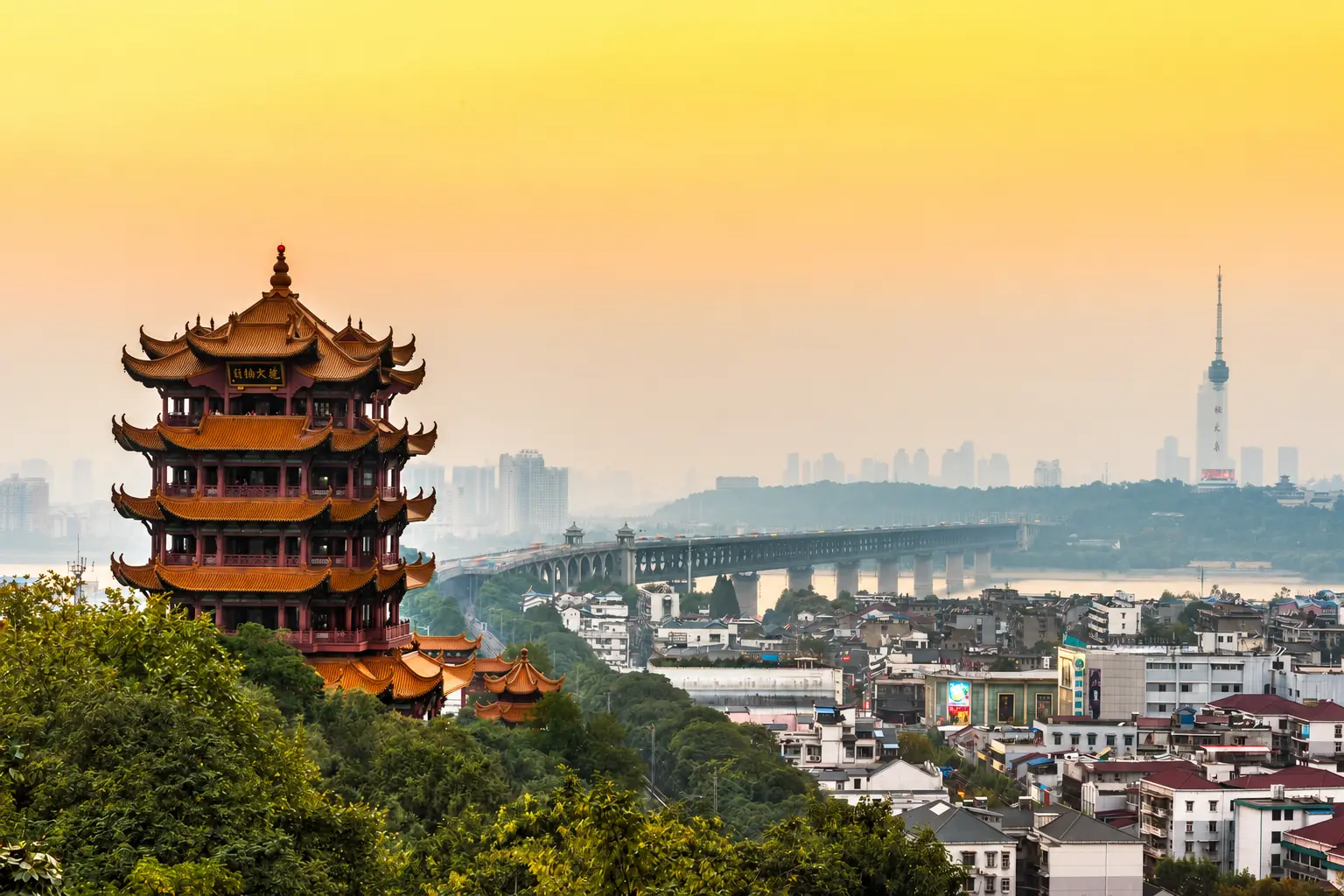
Overlooking the Yangtze River from Snake Hill, Yellow Crane Tower is Wuhan's best-known landmark. Its story reaches back to the Three Kingdoms period, although the tower visitors see today is a modern reconstruction. Come for river panoramas, traditional architecture and the poetry associated with this celebrated site. Allow extra time for the surrounding park.
See the 3-Day Route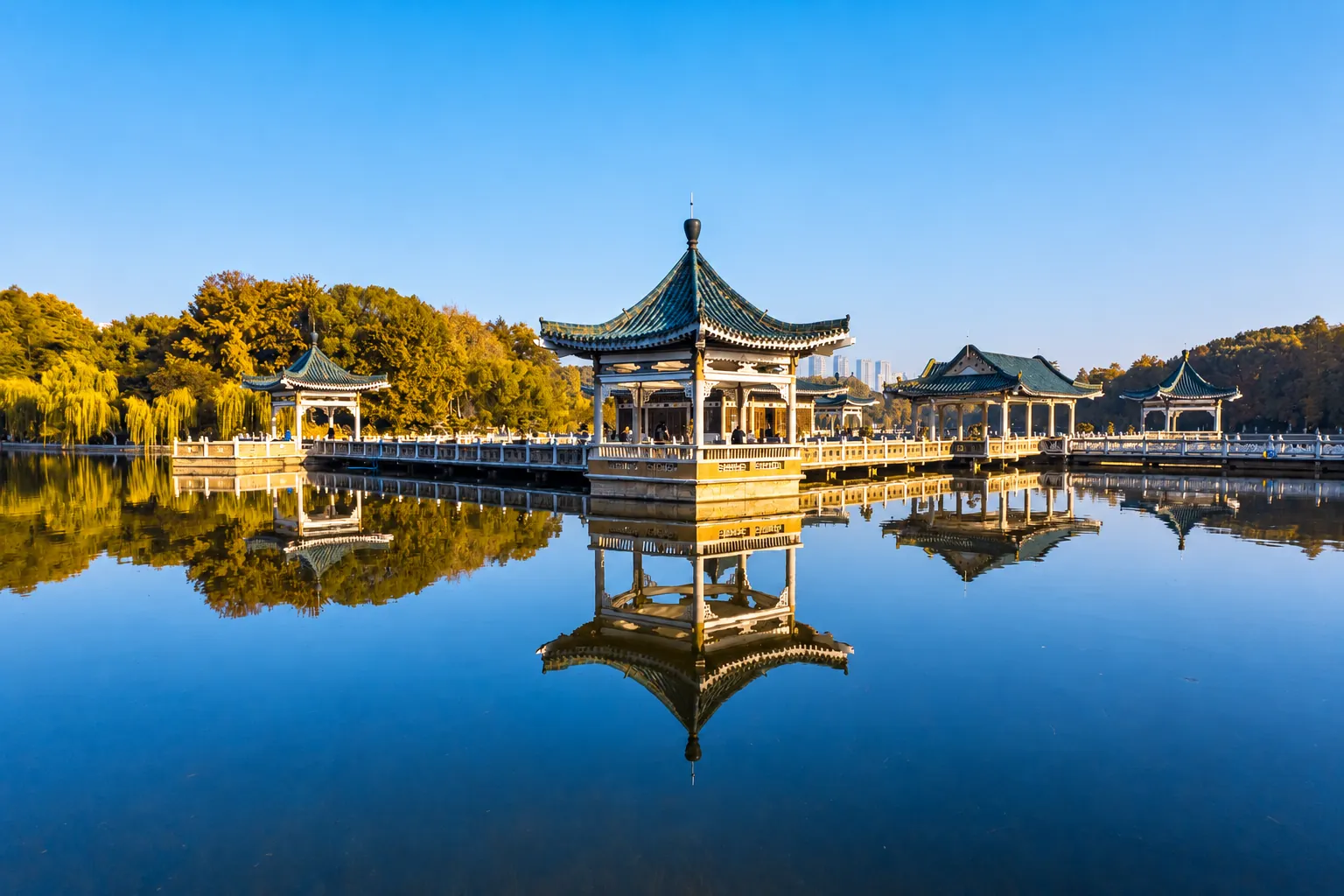
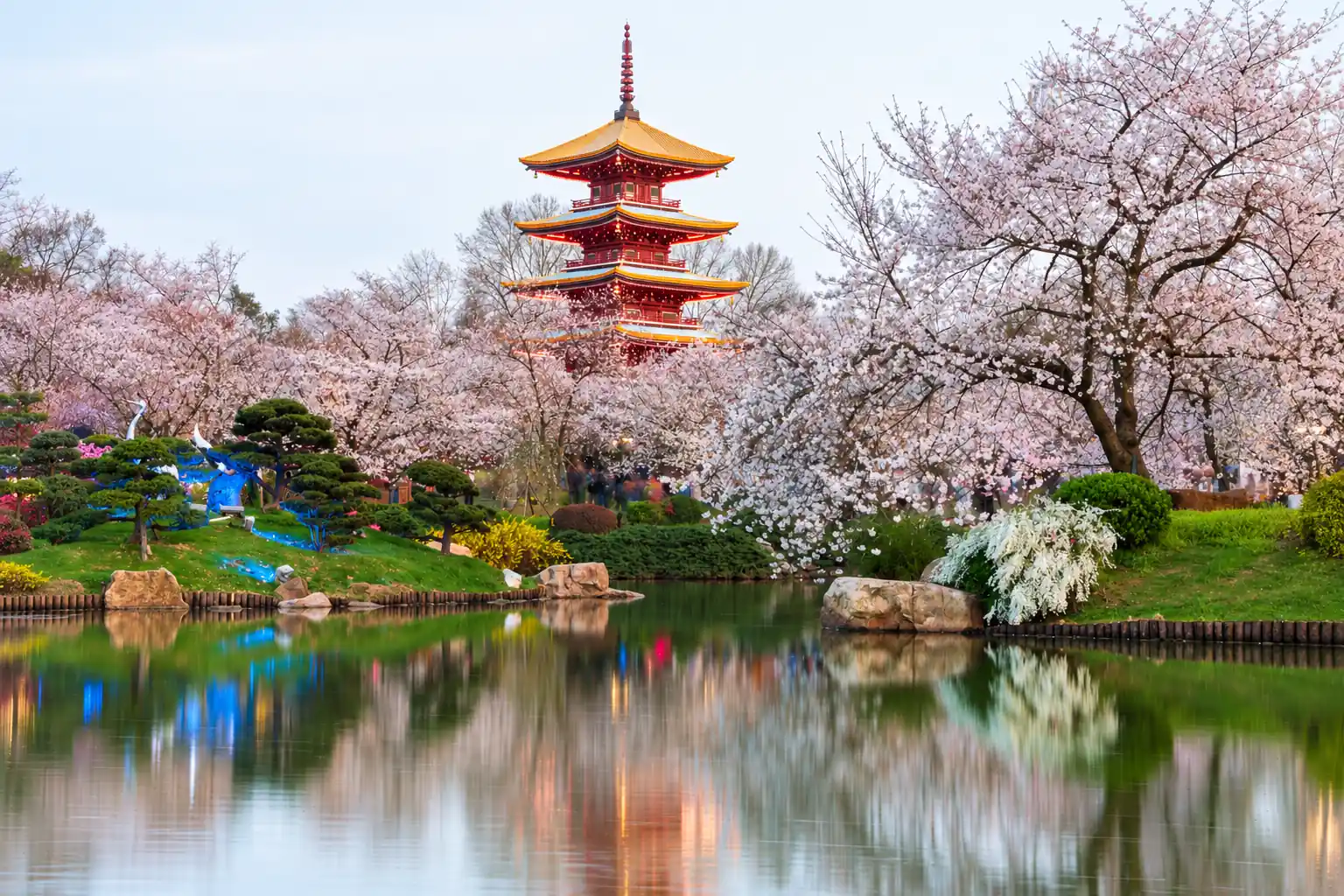
Enjoy lakeside paths, gardens and seasonal scenery along Wuhan's expansive East Lake. Choose one area, such as Tingtao for a relaxed walk or Moshan for gardens and elevated views, rather than trying to see the entire lake in one visit.
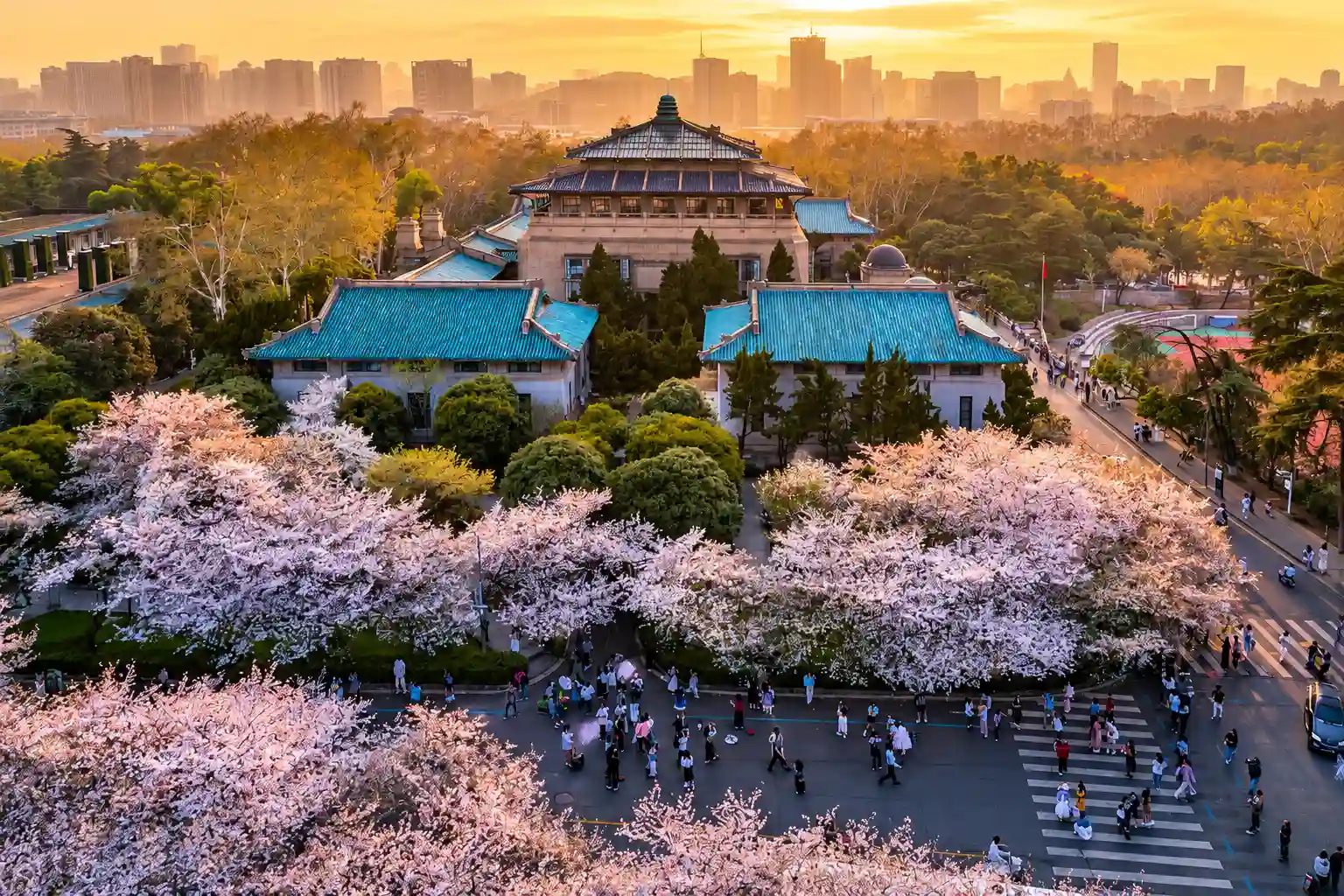
Explore Luojia Hill's historic campus buildings and tree-lined paths. Spring cherry blossoms are the seasonal highlight, but the campus also appeals to architecture lovers. Check current visitor entry rules and carry suitable identification before going.
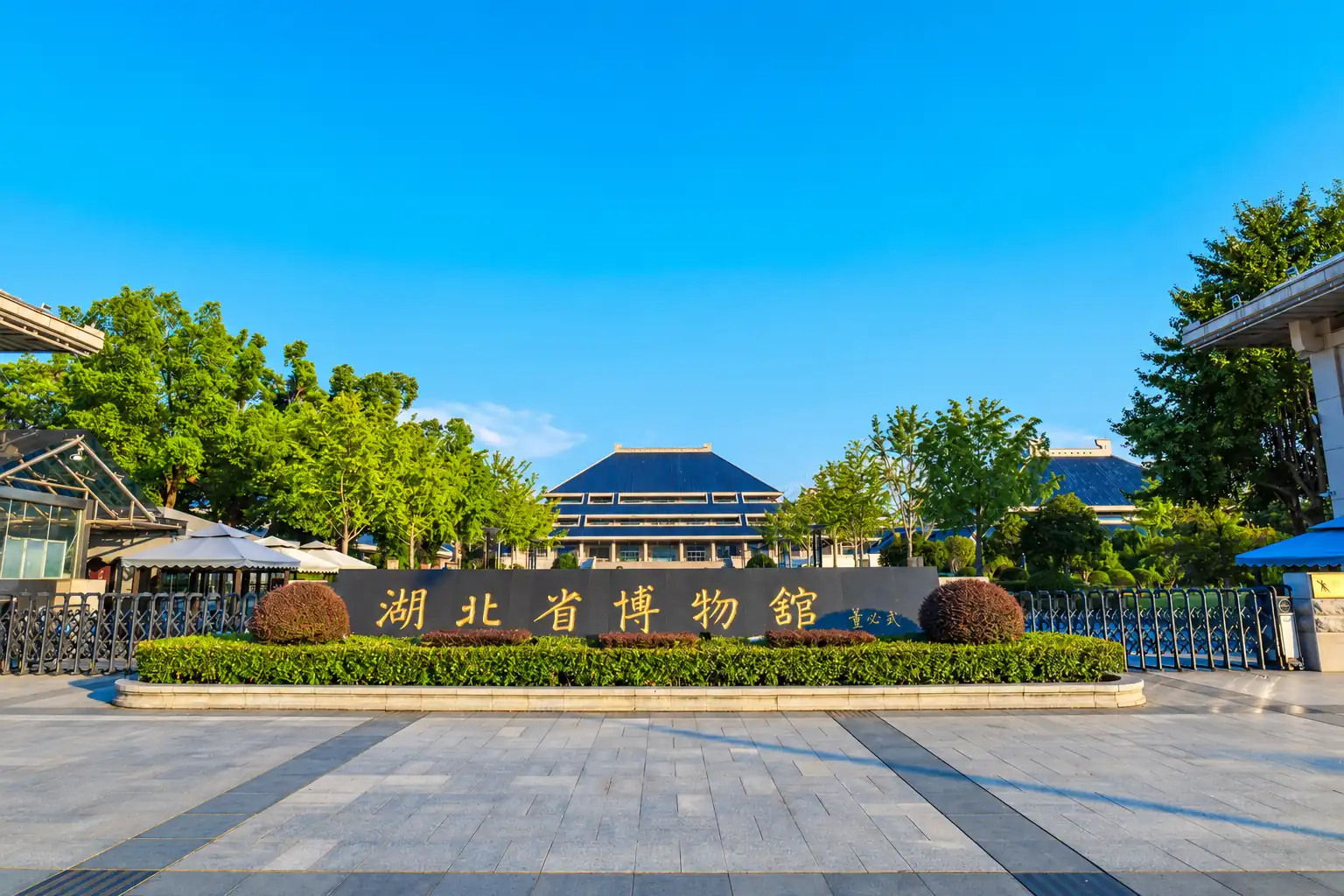
Discover the region's ancient Chu and Zeng heritage through the chime bells of Marquis Yi of Zeng and the Sword of Goujian. This is a top stop for history enthusiasts; check the latest opening days, reservation rules and exhibition arrangements.
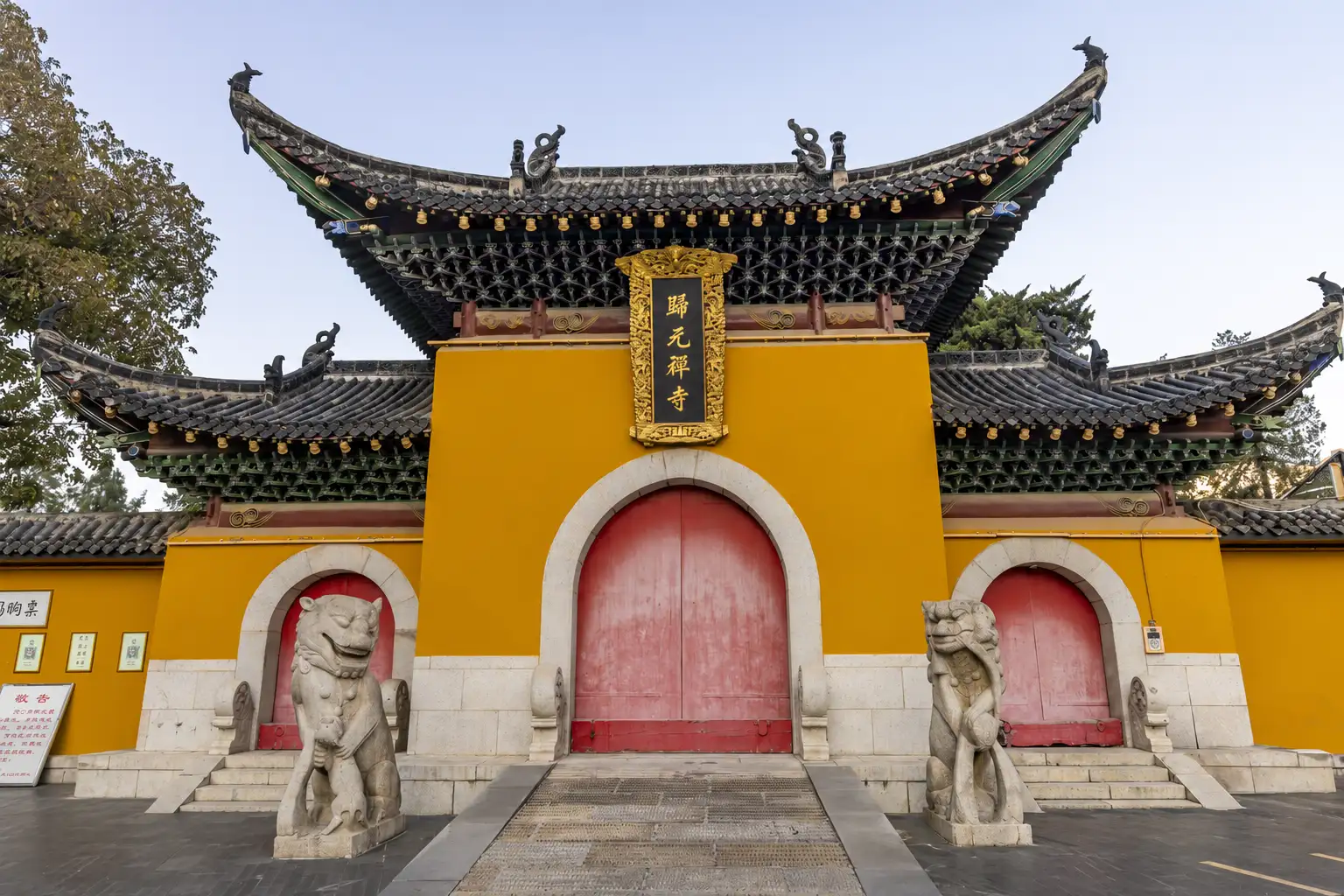
Visit this Buddhist temple in Hanyang for quiet courtyards, traditional halls and its well-known collection of Arhat statues. It offers a calmer cultural contrast to Wuhan's busy riverfront and can fit into a half-day Hanyang visit.
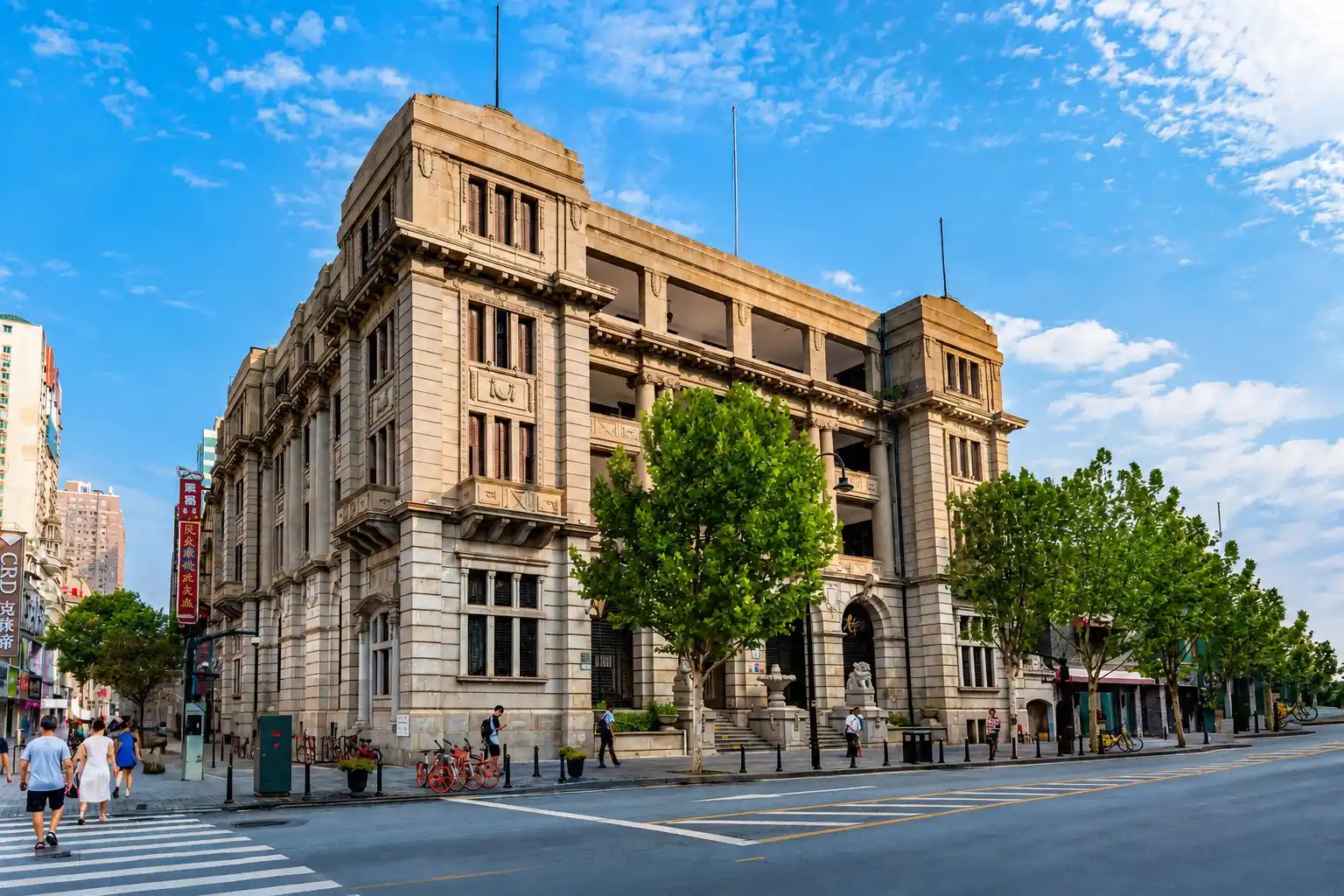
Walk among early-20th-century buildings and former commercial streets around Jianghan Road, then continue toward Hankou's Yangtze riverfront. This area is ideal for architecture, cafes, street photography and evening city atmosphere.
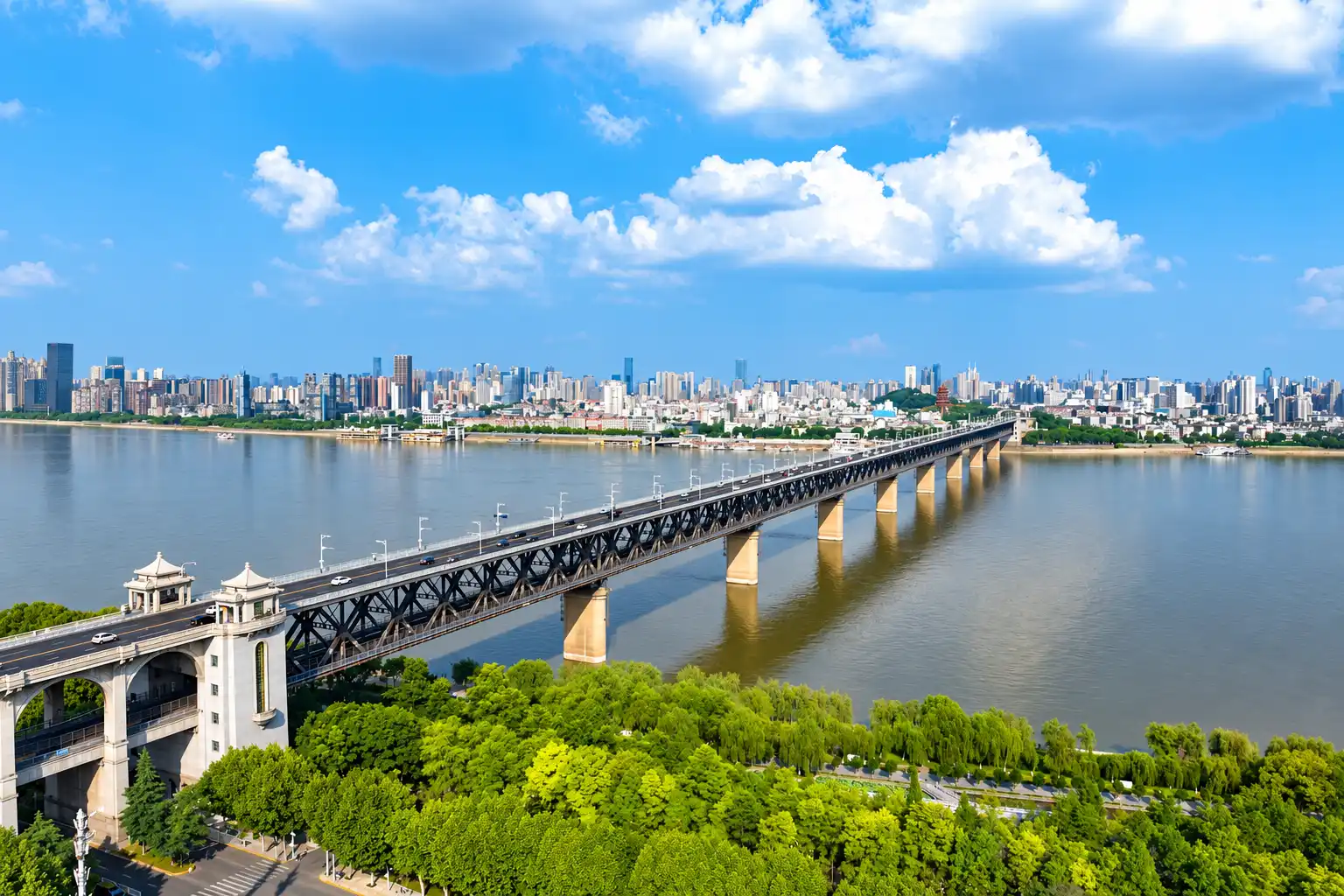
Opened in 1957, Wuhan's first Yangtze River road-and-rail bridge connects Wuchang with Hanyang. Stop for river and city views, or walk part of the pedestrian route; a full crossing takes longer and is exposed to traffic noise and weather.
Group Wuchang's landmarks, East Lake highlights, historic Hankou and Hanyang's cultural sights into a trip that fits your interests, pace and travel dates. Avoid unnecessary cross-city journeys.
Go beyond sightseeing in Wuhan: cross the Yangtze by ferry, join the morning breakfast rush, discover the history of the 1911 Revolution and explore neighborhood streets after dark. These hands-on experiences help you see everyday life across Wuchang, Hankou and Hanyang.
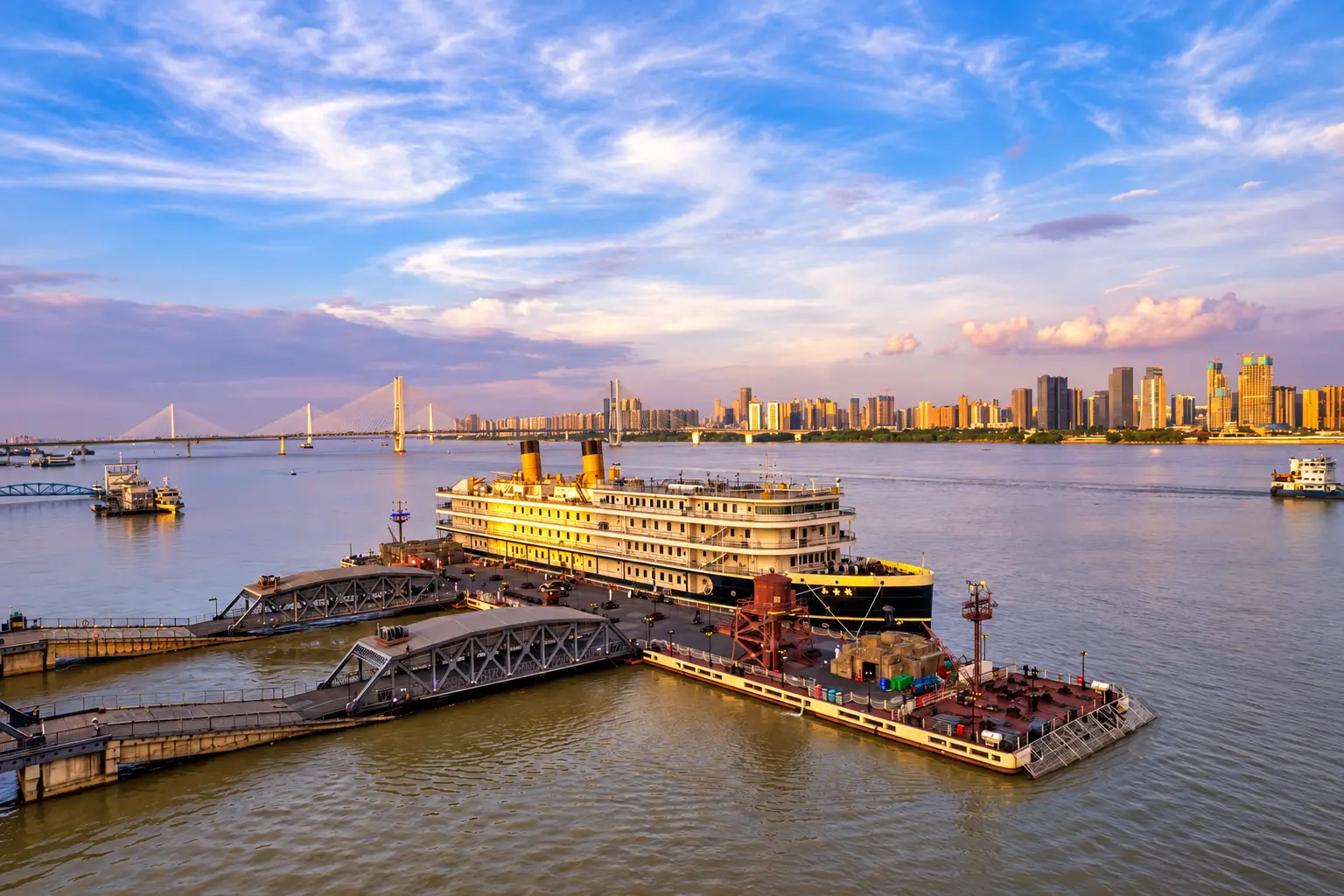
Wuhan is shaped by the Yangtze and Han rivers. A local ferry crossing gives you a different view of the city, with Wuchang and Hankou's skylines unfolding from the water. Pair the ride with a riverside walk or a visit to the historic streets near the ferry piers.
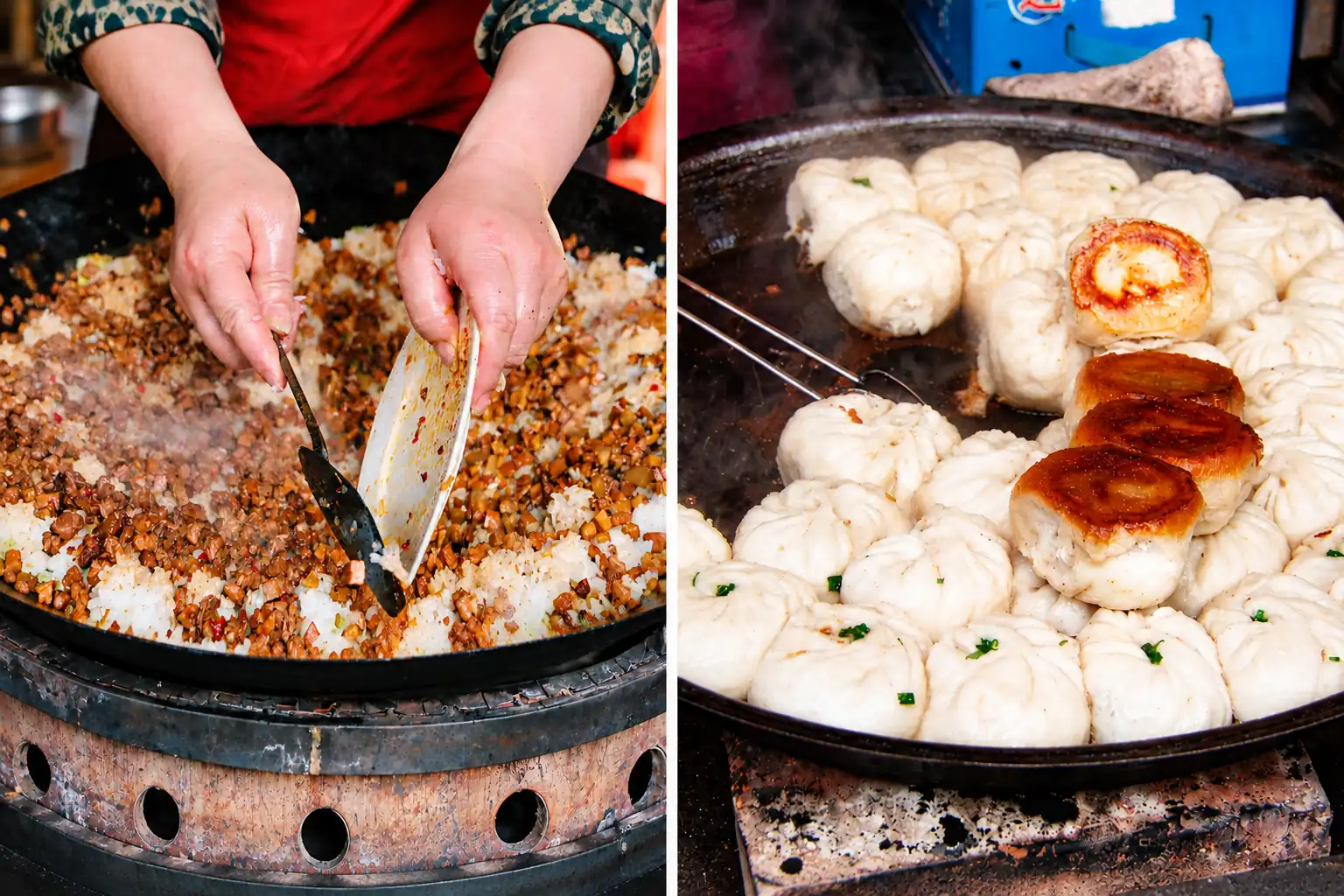
Join Wuhan's morning food tradition, called guozao. Try sesame-coated hot dry noodles (reganmian), savory doupi and crispy mianwo at a local breakfast shop. Liangdao Street or Shanhaiguan Road are good areas to explore.
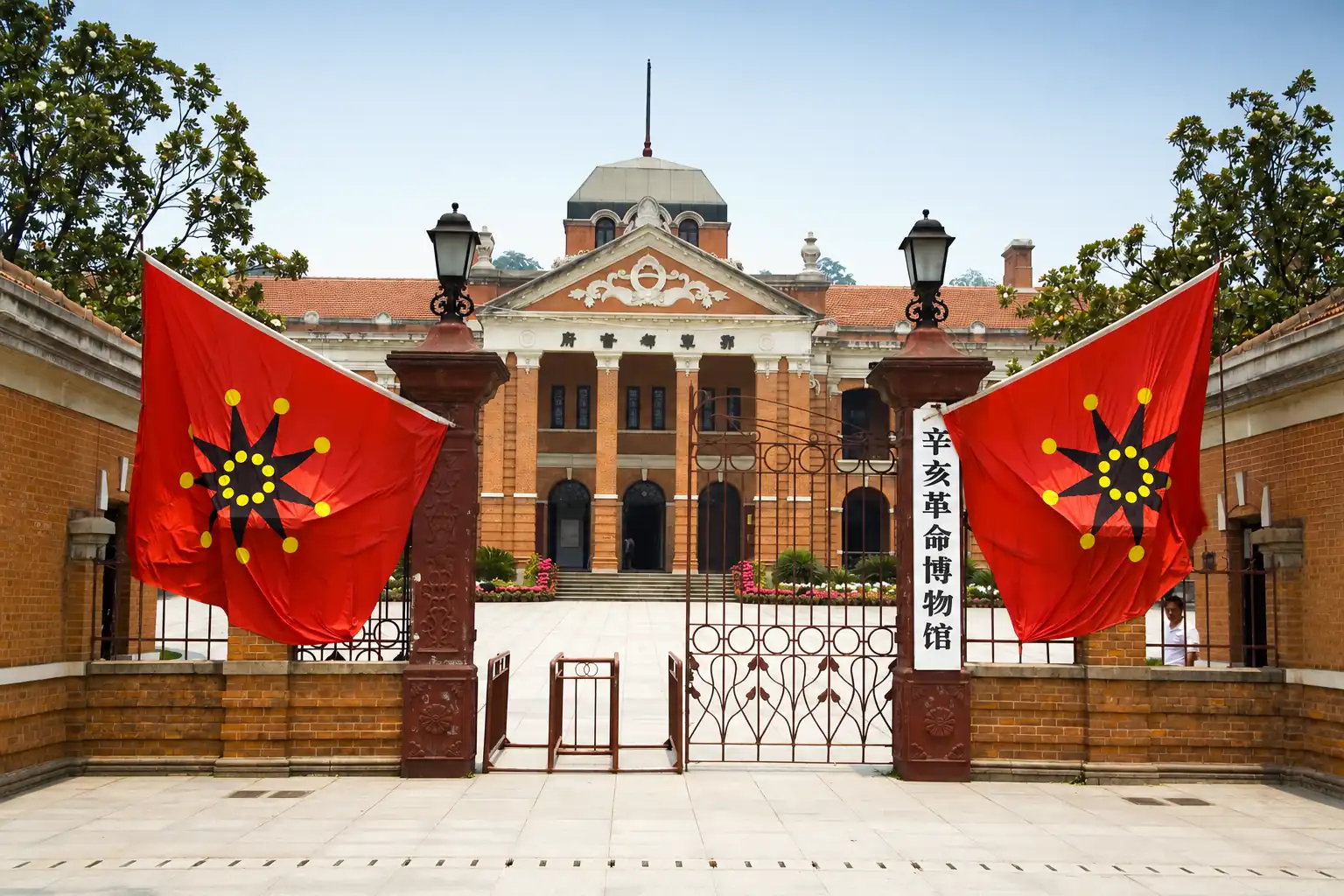
The Wuchang Uprising of 1911 was a turning point in modern Chinese history. Visit the historic sites around Wuchang's Uprising area and the Xinhai Revolution Museum to understand why the city played such an important role in the end of imperial rule.
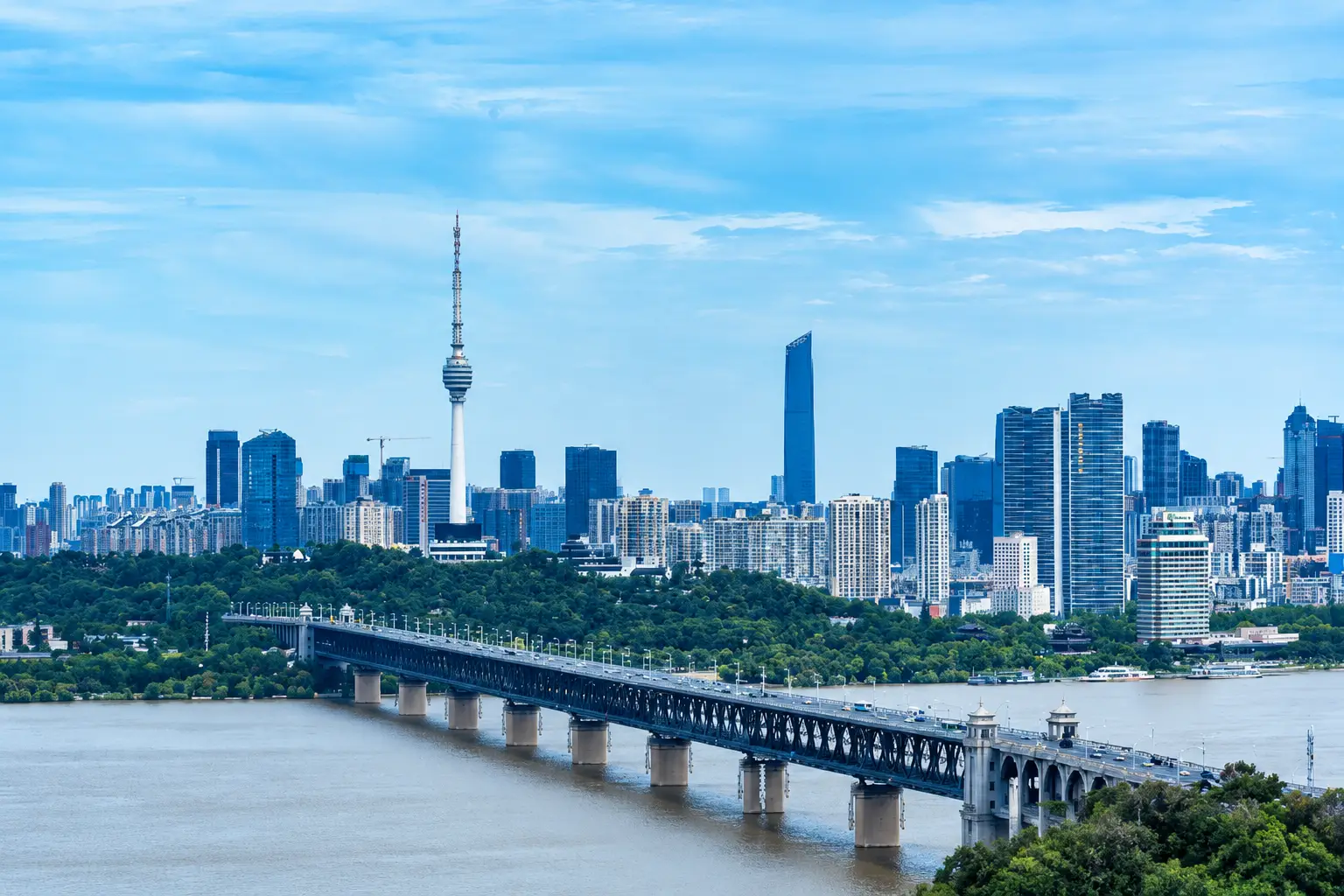
Frame the Yangtze River bridges from the waterfront, photograph historic streets in Hankou and head to East Lake for open water and leafy scenery. In spring, add a cherry-blossom stop if the flowers are in season.
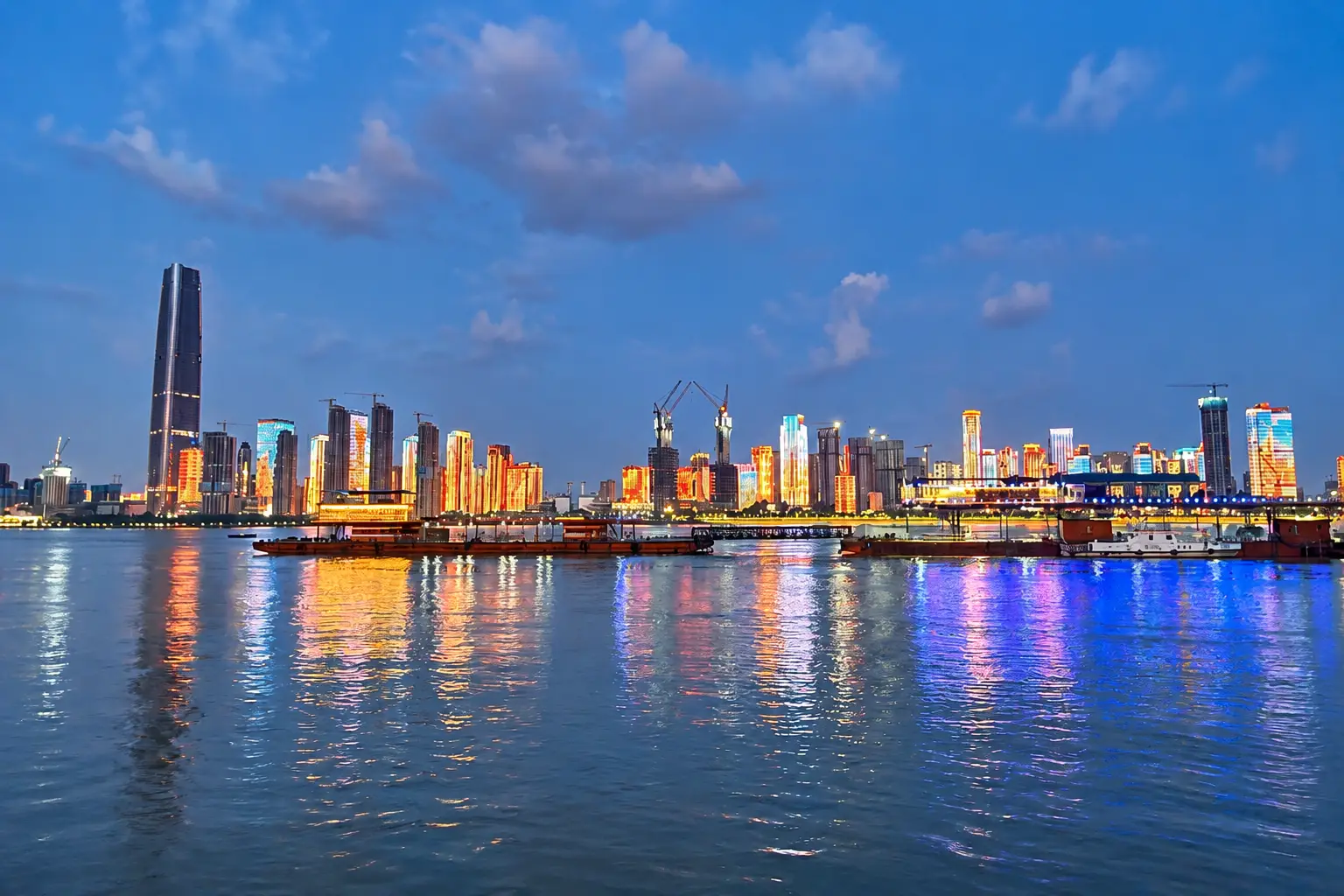
Walk along the illuminated Hankou waterfront, browse Jianghan Road Pedestrian Street and stop for an evening snack. Jiqing Street is another option for food and street atmosphere; check opening hours for individual venues.
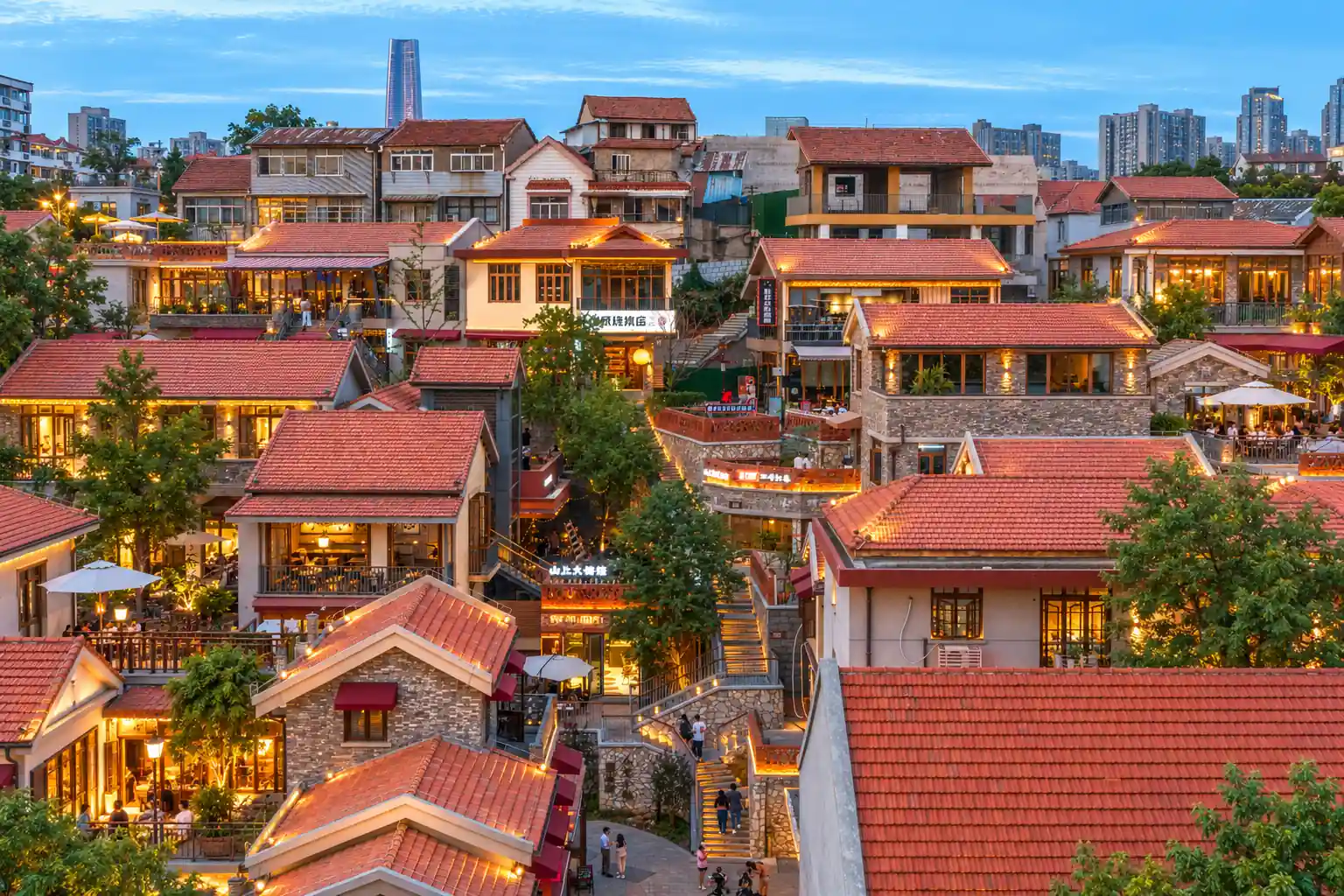
Slow down in Tanhualin, a Wuchang neighborhood of old buildings, cafes and small creative shops. Look for locally made crafts and Hubei-inspired gifts while exploring the area's blend of historic architecture and contemporary street life.
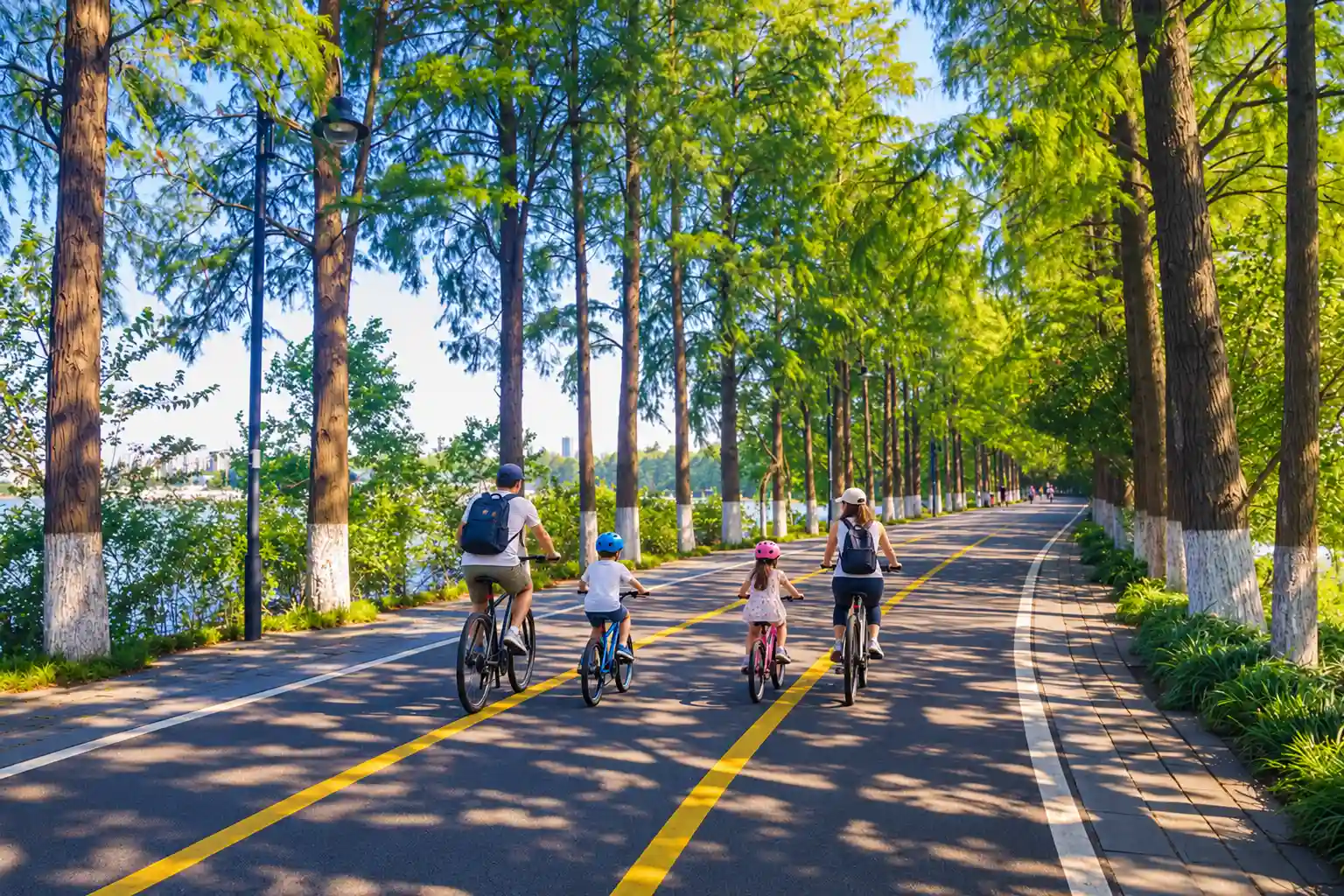
Balance outdoor time on the East Lake Greenway with an indoor experience such as Wuhan Science and Technology Museum. Choose a short lakeside route, allow breaks and check museum admission details before taking children.
Make your days easier by combining experiences in the same area. Enjoy Wuchang's breakfast and history together, then give Hankou's riverside and evening streets their own time.
Mix a ferry ride, a traditional Wuhan breakfast, local history and neighborhood walks into a practical 2–3-day trip that fits your interests.
How many days do you need in Wuhan? One day covers a few signature sights; two days work for a compact visit. Three days give first-time visitors a comfortable route through Wuchang, East Lake, Hanyang and historic Hankou. The detailed 3-day itinerary is below; other trip lengths are concise outlines rather than separately published full itineraries.
Plan Wuhan by area rather than by attraction count: explore historic Wuchang on Day 1, Hubei Provincial Museum and East Lake on Day 2, then travel from Hanyang to Hankou on Day 3. The time windows are suggestions, not fixed tour departure times.
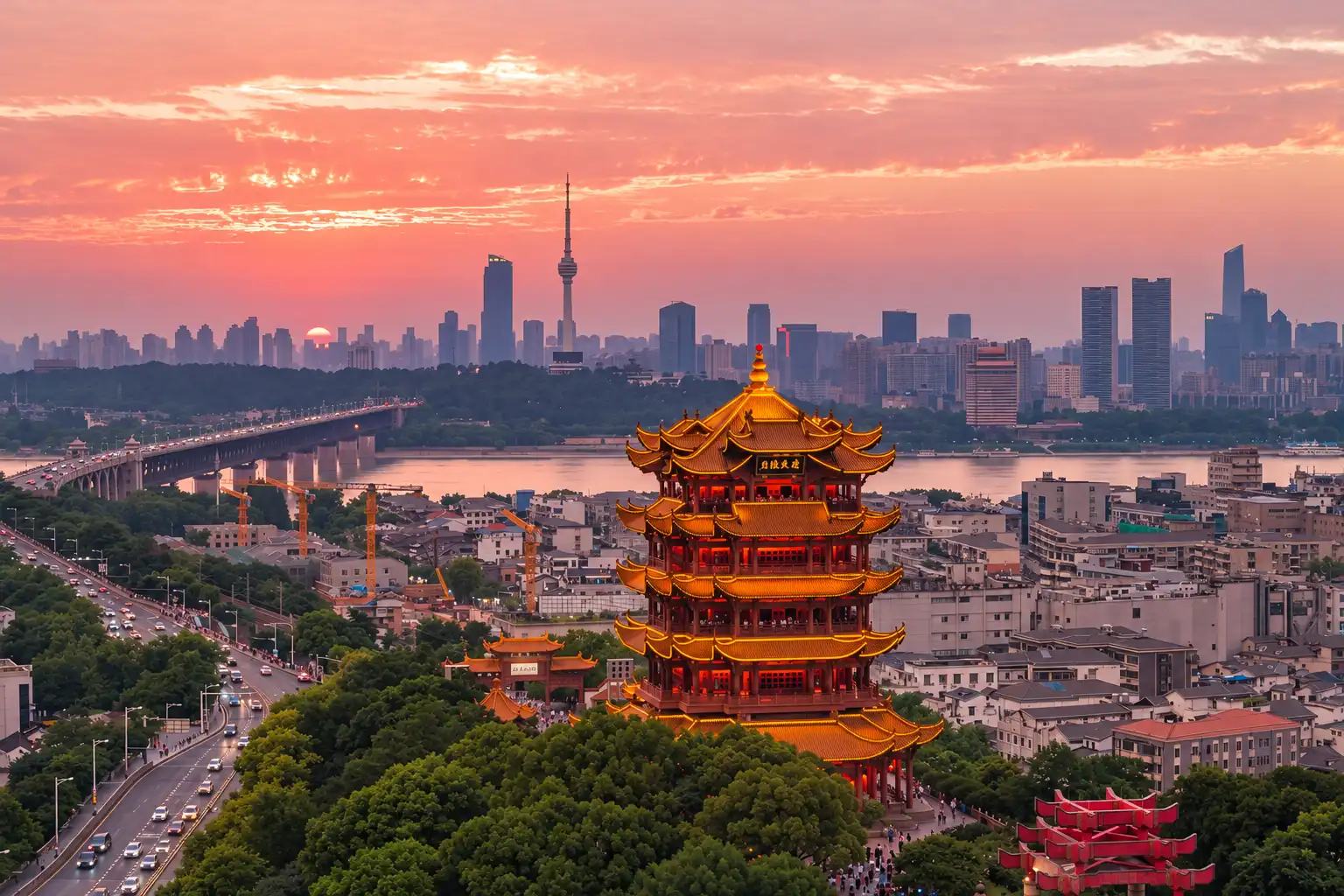
Begin at Yellow Crane Tower on Snake Hill for an introduction to Wuhan's river geography and literary history. Continue to an accessible viewpoint near Wuhan Yangtze River Bridge; you do not need to walk the entire bridge to appreciate the skyline. Allow extra time for queues on busy dates.
Stay on the Wuchang side for the afternoon. Explore Tanhualin's historic lanes, small shops and cafes, or choose a nearby 1911 Revolution history stop if museums are your priority. Try Wuhan snacks along the way and finish with a relaxed riverside walk if time and weather permit.
Reserve a morning for the museum's major collections, including the chime bells of Marquis Yi of Zeng and the Sword of Goujian. Check its current opening calendar, entry reservation requirements and exhibition availability before choosing this day's date; special holiday schedules may differ from normal opening days.
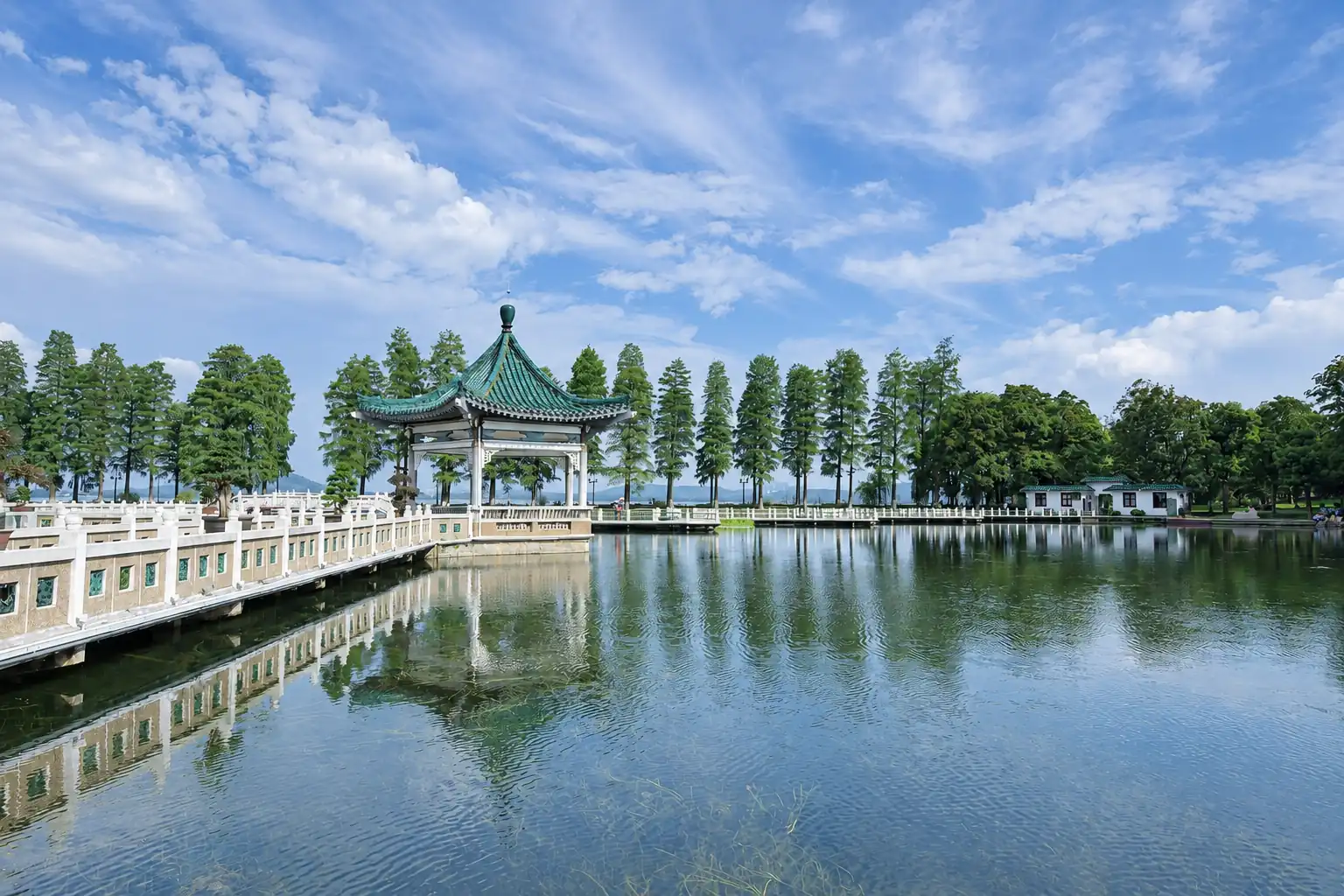
Pair the museum with the nearby Tingtao area of East Lake for an easy afternoon outdoors. Walk a manageable stretch of lakeside paths instead of trying to cover the entire scenic area. If you prefer Wuhan University or the Moshan area, treat it as an alternative requiring additional travel time, not another mandatory stop.
Start in Hanyang with Guiyuan Temple's traditional halls and collection of Arhat statues. Have lunch nearby before continuing to Hankou. If a temple is not your preference, use this morning for another Hanyang cultural stop rather than forcing extra travel.
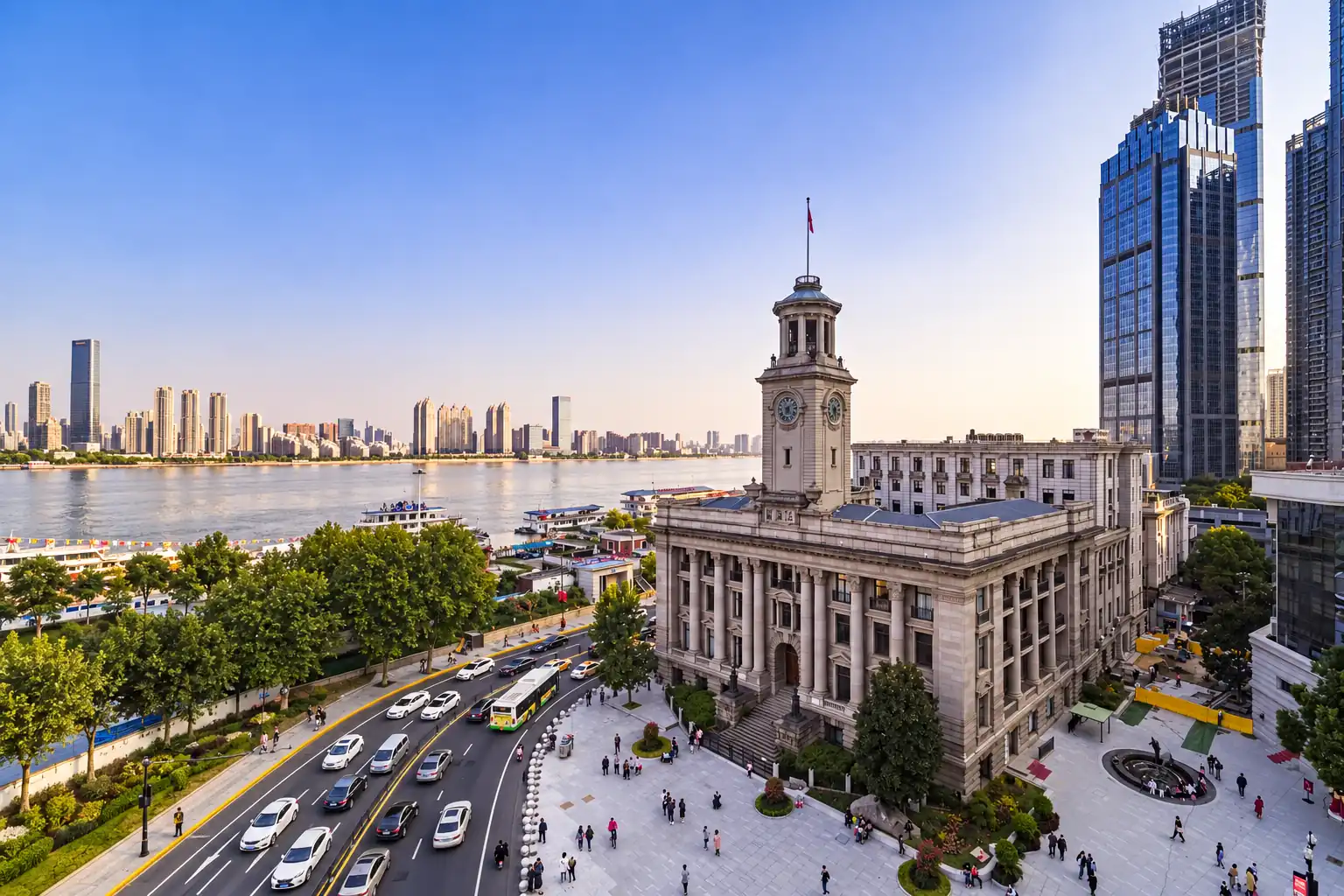
Cross once into Hankou and explore the Jianghan Road area, historic commercial architecture and nearby lanes such as Lihuangpi Road. This is a good time for cafes, street photography, browsing local shops and taking a break before the evening riverfront.
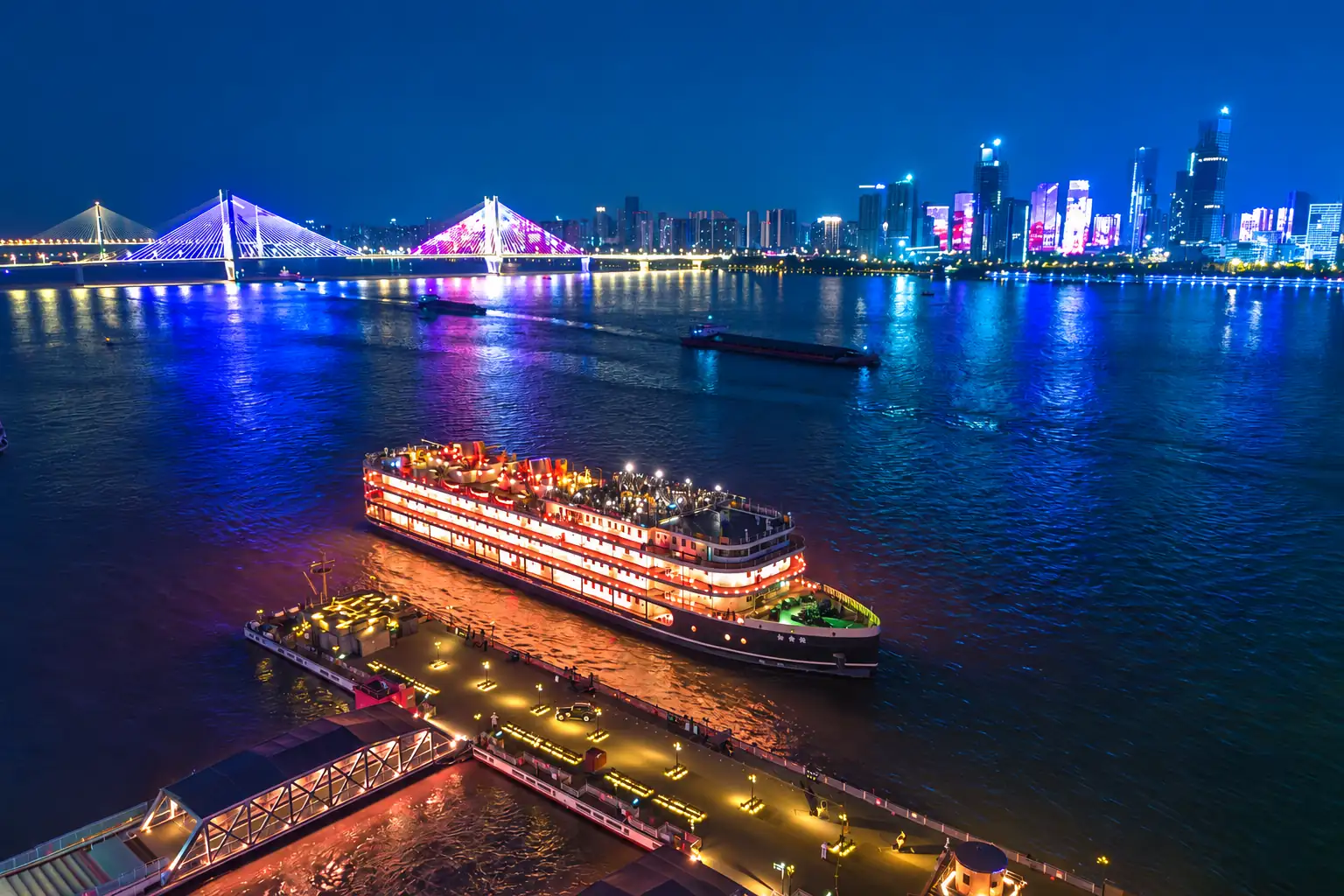
End your visit with dinner and a walk along the Hankou riverfront. If a public Yangtze ferry fits your route back to Wuchang, check that day's service and weather before boarding. Otherwise, stay on the Hankou side and enjoy the evening without an extra crossing.
Tell us when you are coming, where you will stay and which sights matter most. We can help tailor a Wuhan route, sightseeing pace and transport plan to your trip.
The best time to visit Wuhan is generally spring or autumn. April and mid-October to November are particularly good for walking, river views and sightseeing. Visit in March for cherry blossoms, but expect busy viewing areas. Summers are hot and humid, while winters are chilly and can feel damp.
In spring, East Lake and Wuhan University's surroundings draw blossom seekers, with peak cherry blossom viewing often around mid-March to early April. Autumn is ideal for Yellow Crane Tower, Hankou's historic streets and Yangtze River walks. If possible, plan around China's early-May and early-October holiday crowds.
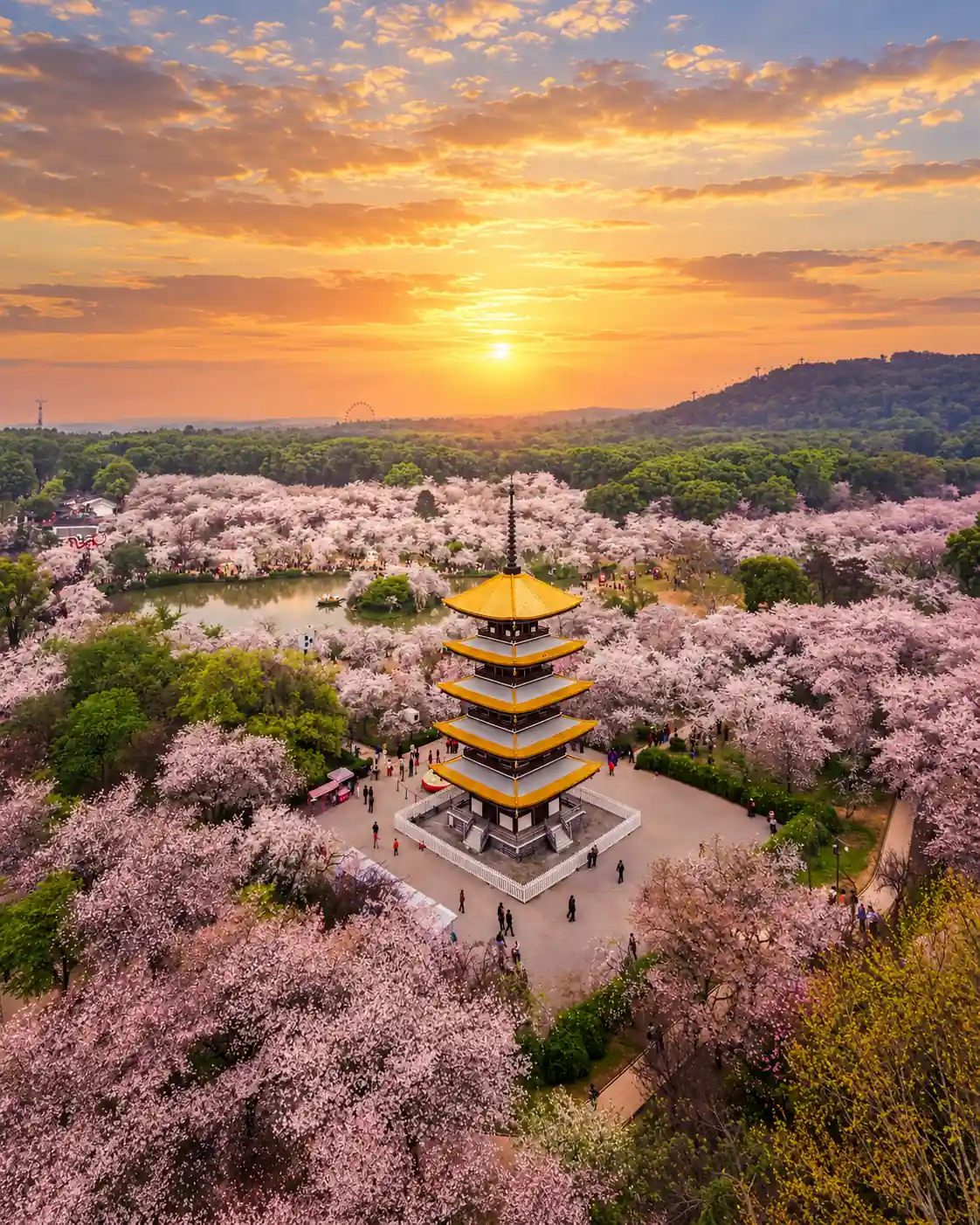
Visit for cherry blossoms, flowering lakeside paths and pleasant spring walks. Wuhan University and East Lake are popular blossom areas, but peak flowers depend on the weather and weekends can be crowded. April is often more comfortable for general sightseeing.
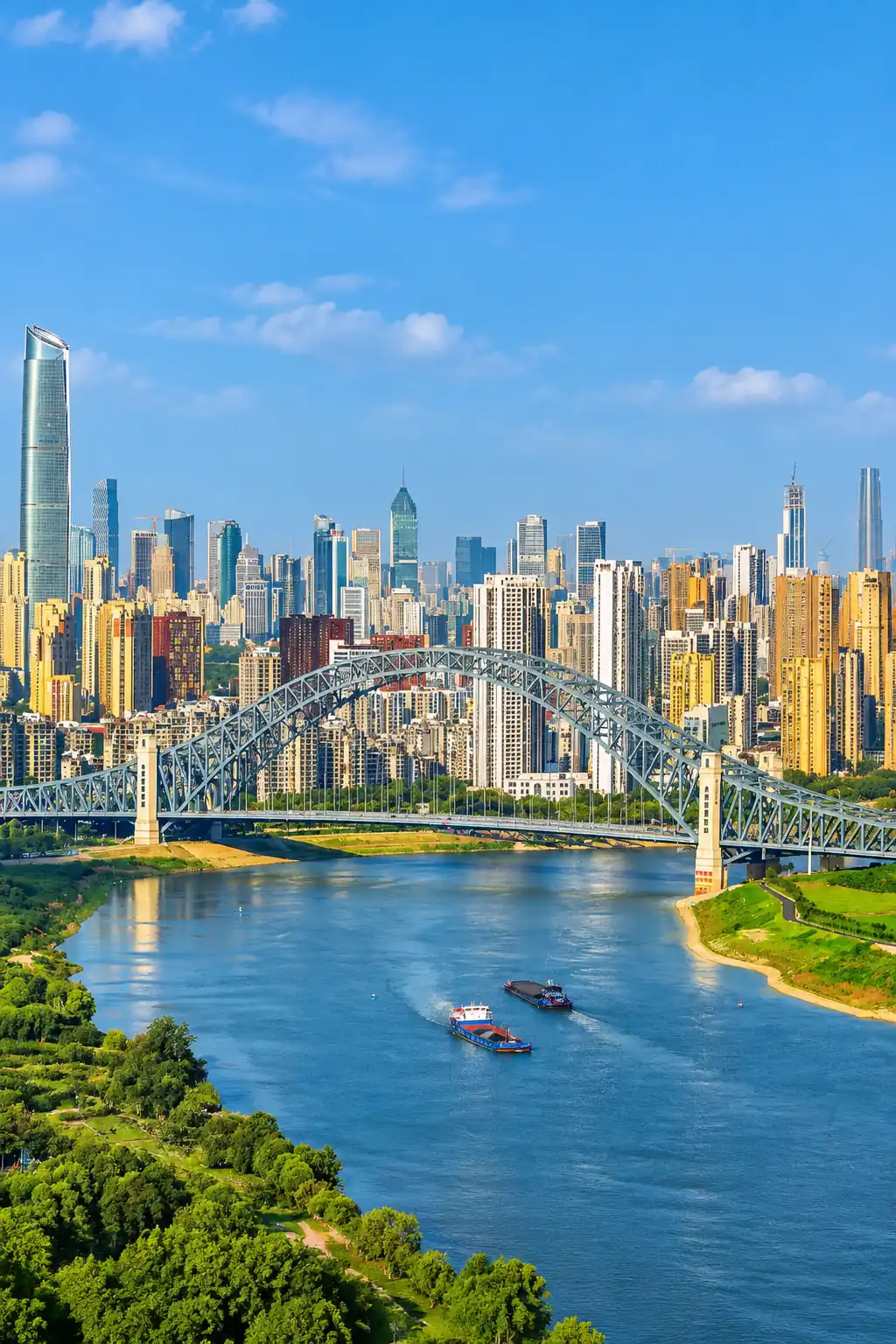
Expect high humidity, heavy seasonal showers and intense summer heat, especially in July and August. Plan open-air sights early or late, allow breaks in air-conditioned places and keep indoor museums as a backup for rainy afternoons.
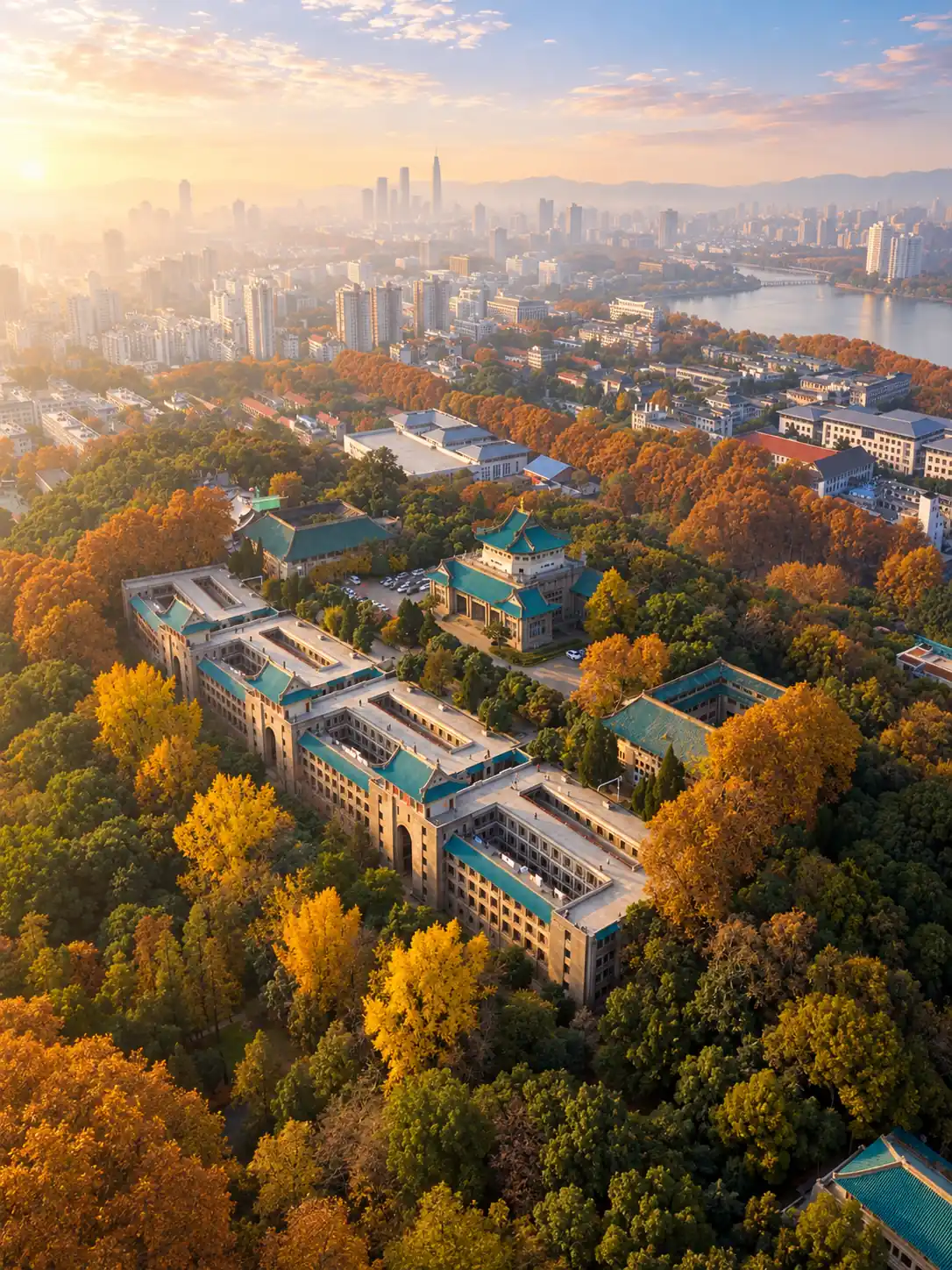
September may still feel summery, but October and November usually bring better conditions for historic streets, riverfront walks and East Lake outings. Avoid the early-October National Day travel rush if you prefer fewer crowds.
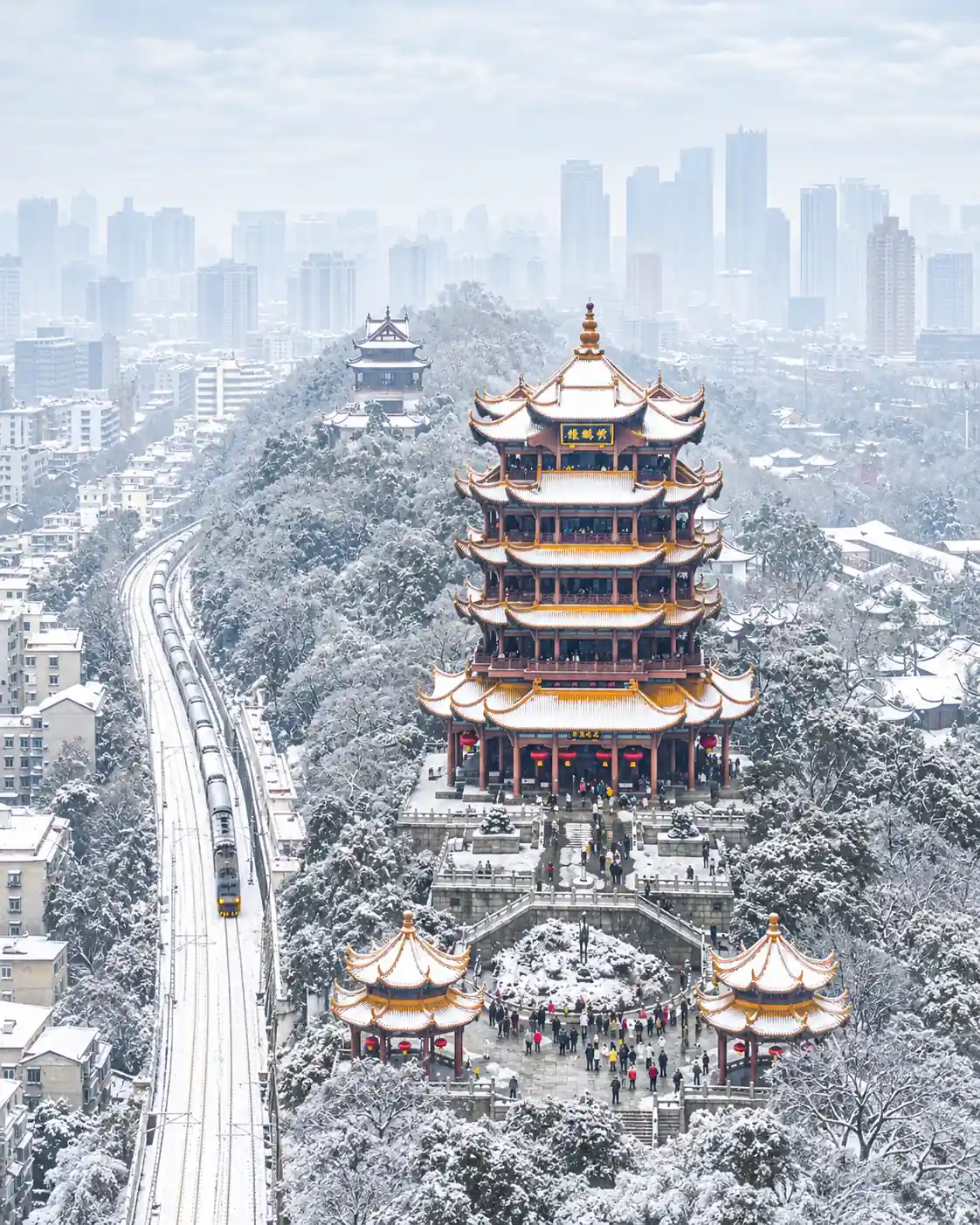
Wuhan winters are chilly and can feel damp, so bring a warm coat and layers. Focus on museums, local breakfast stops and shorter city walks. Tourist areas may be quieter outside the Spring Festival holiday period.
Compare monthly conditions before booking. The temperatures above are rounded historical monthly averages, not daytime highs or a forecast. Blossom timing and holiday crowds vary by year, so check local conditions close to departure.
Where you stay in Wuhan matters because the Yangtze and Han rivers divide the city into Wuchang, Hankou and Hanyang. Choose Jianghan Road for food and lively evenings, Wuchang for historic sights, or East Lake for a quieter nature-focused trip. Check your hotel's nearest metro station and your arrival railway station before booking.
Stay near Jianghan Road to explore historic Hankou streets, local breakfast spots, shopping and evening walks along the Yangtze. The Jianghan Road metro interchange serves Lines 2 and 6; Line 2 also links to Hankou Railway Station and Tianhe Airport. This is a lively base, so choose a hotel away from the busiest pedestrian streets if you want a quieter night's sleep.
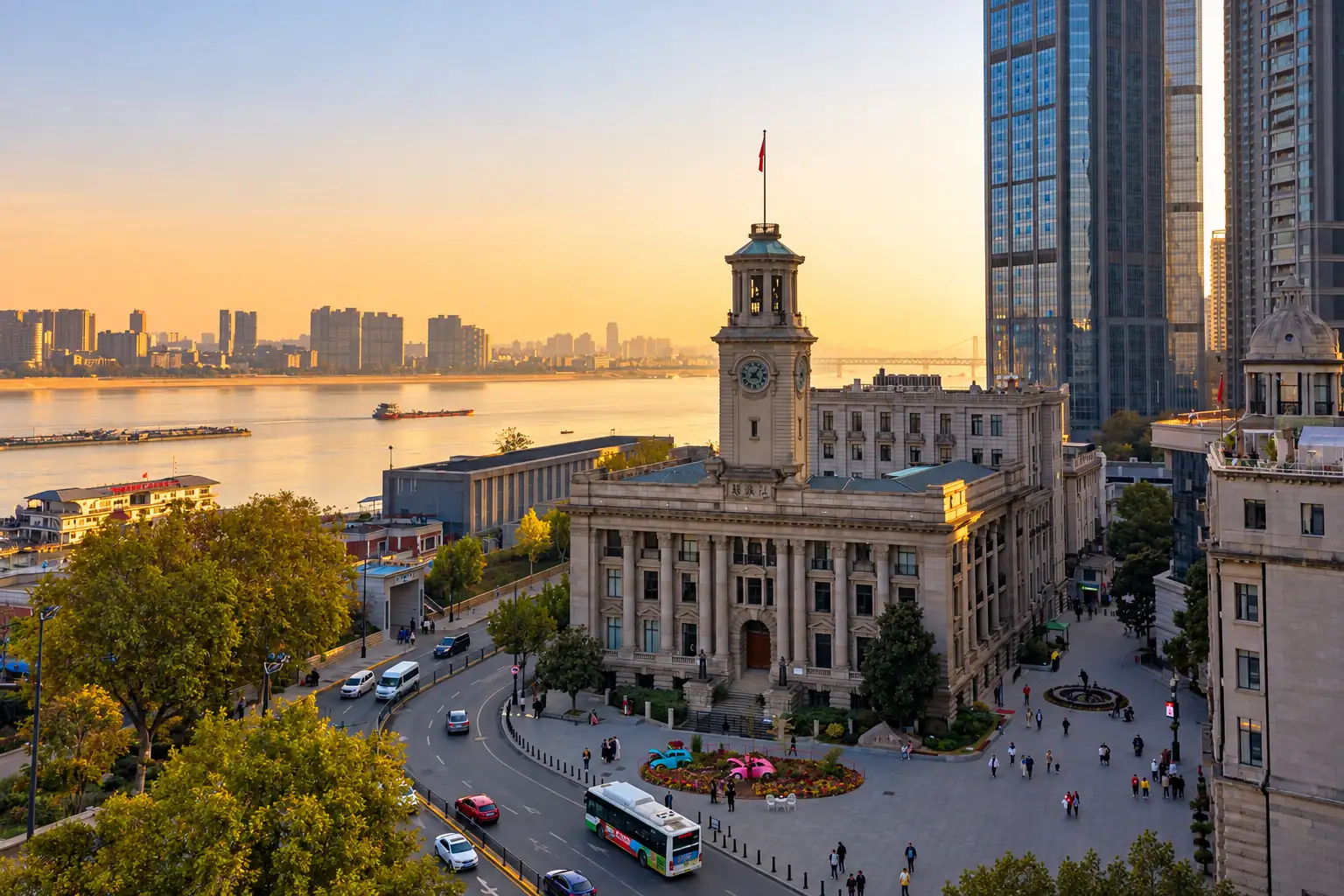
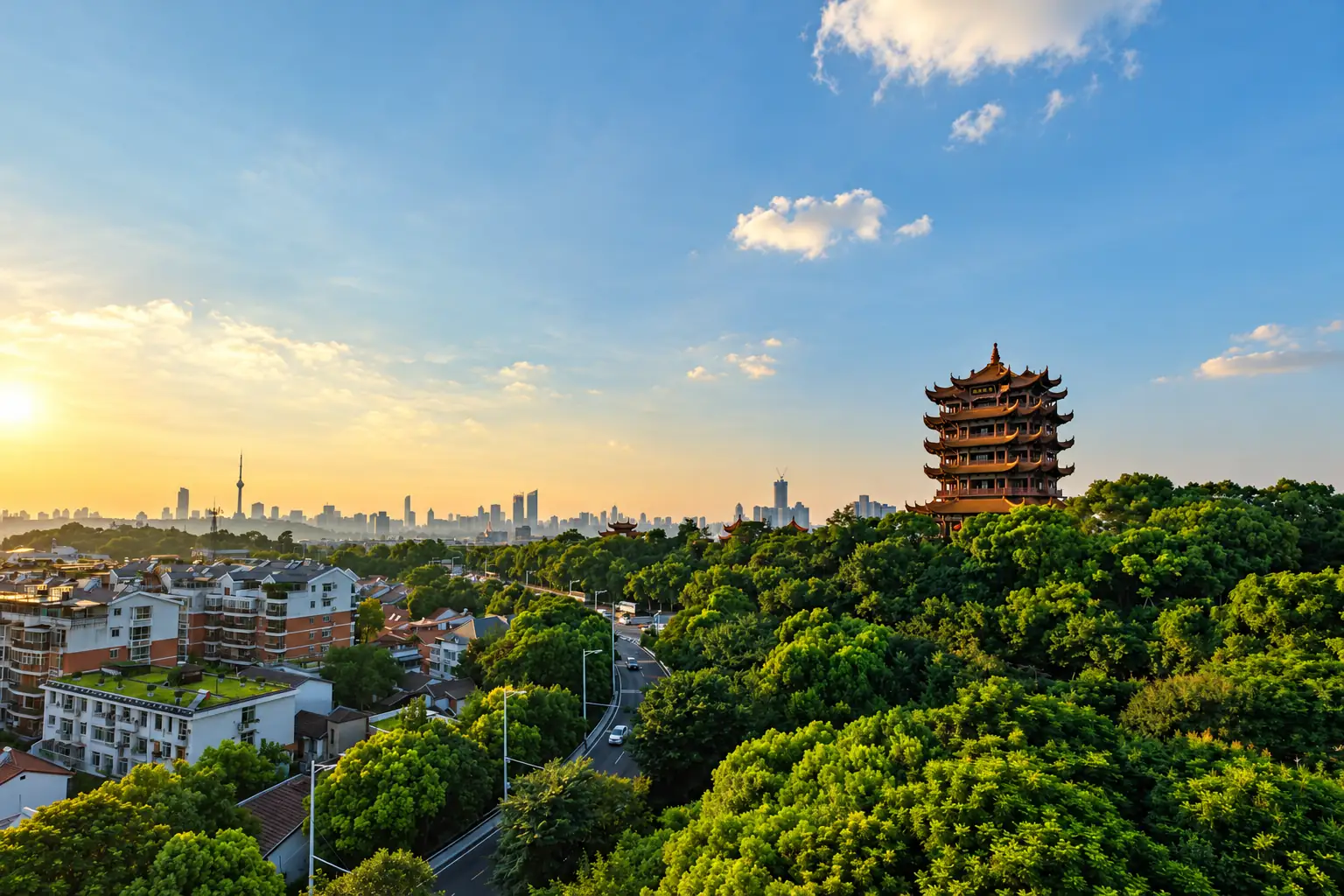
A practical option for a short sightseeing trip focused on Yellow Crane Tower, the Yangtze River Bridge, Shouyi Square and Tanhualin. Hotels near a metro station or the old-city sights save time, but some walks involve hills and busy roads.
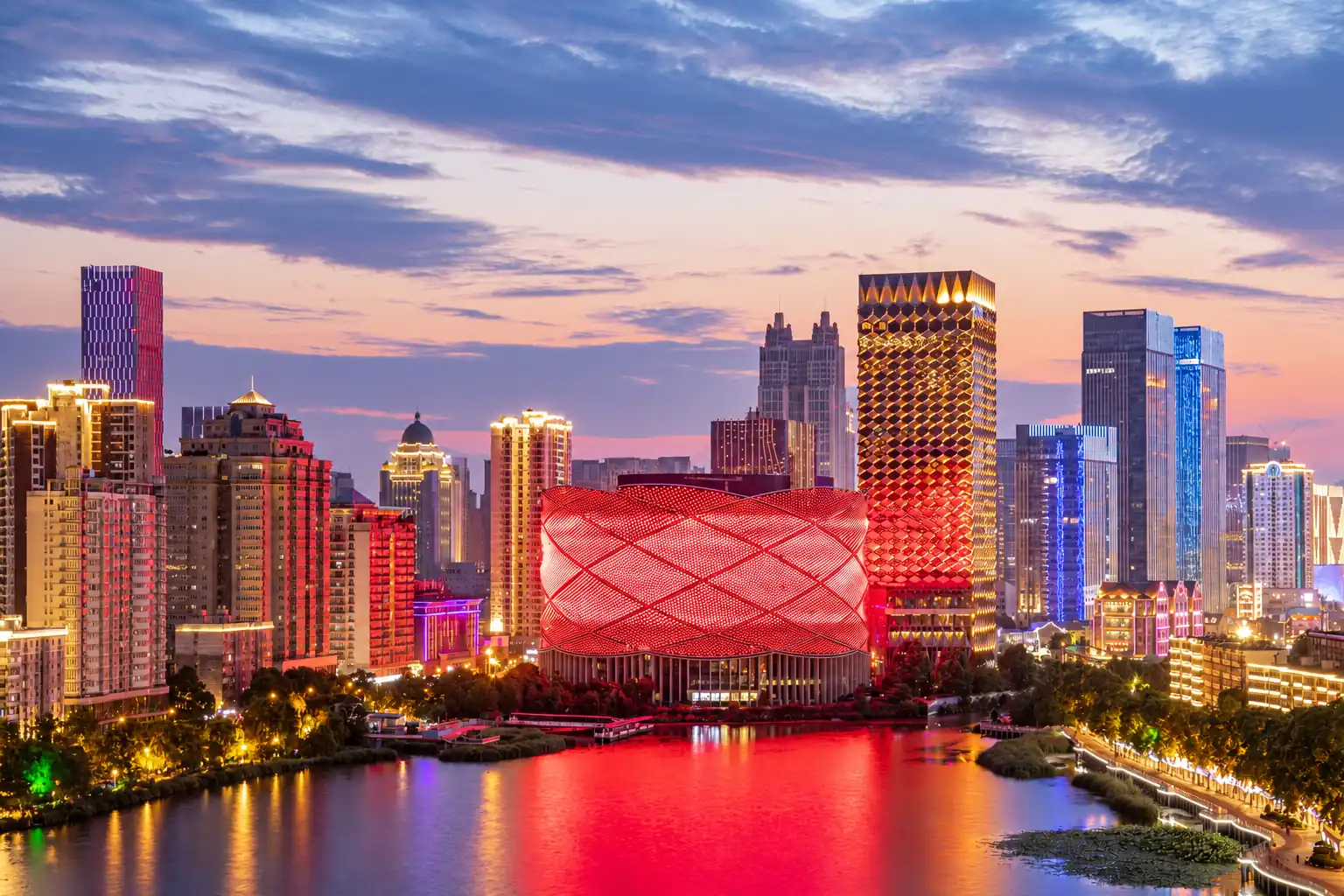
Choose this Wuchang-side area for modern hotels, restaurants and shopping. It works well for visitors combining city comforts with visits toward Hubei Provincial Museum and East Lake. Confirm your exact hotel-to-metro walking distance before booking.
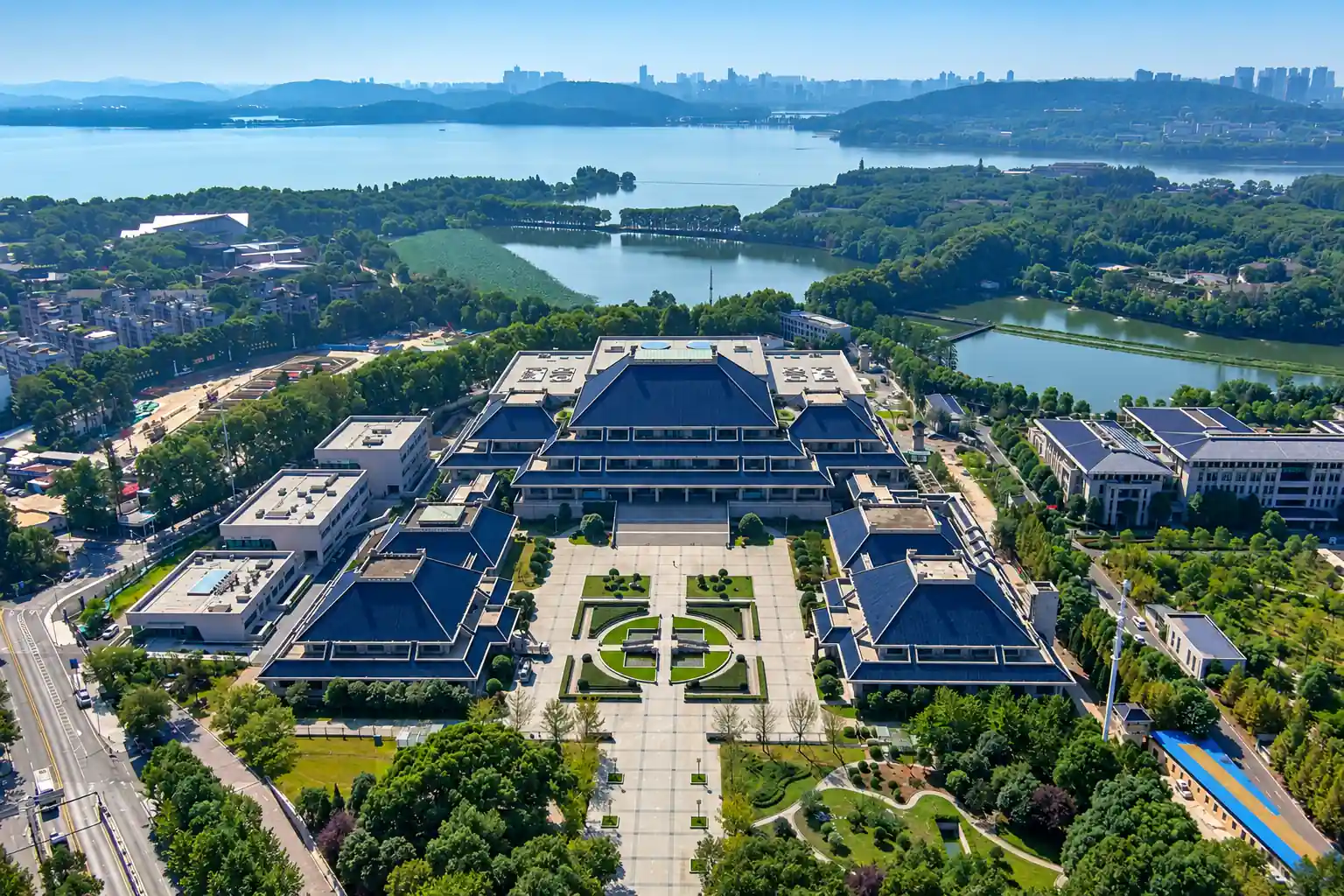
A good base if your itinerary prioritizes East Lake's paths and gardens, Hubei Provincial Museum and slower-paced sightseeing. The lake covers a large area, so pick accommodation near the specific entrance you plan to use rather than relying on a map pin.
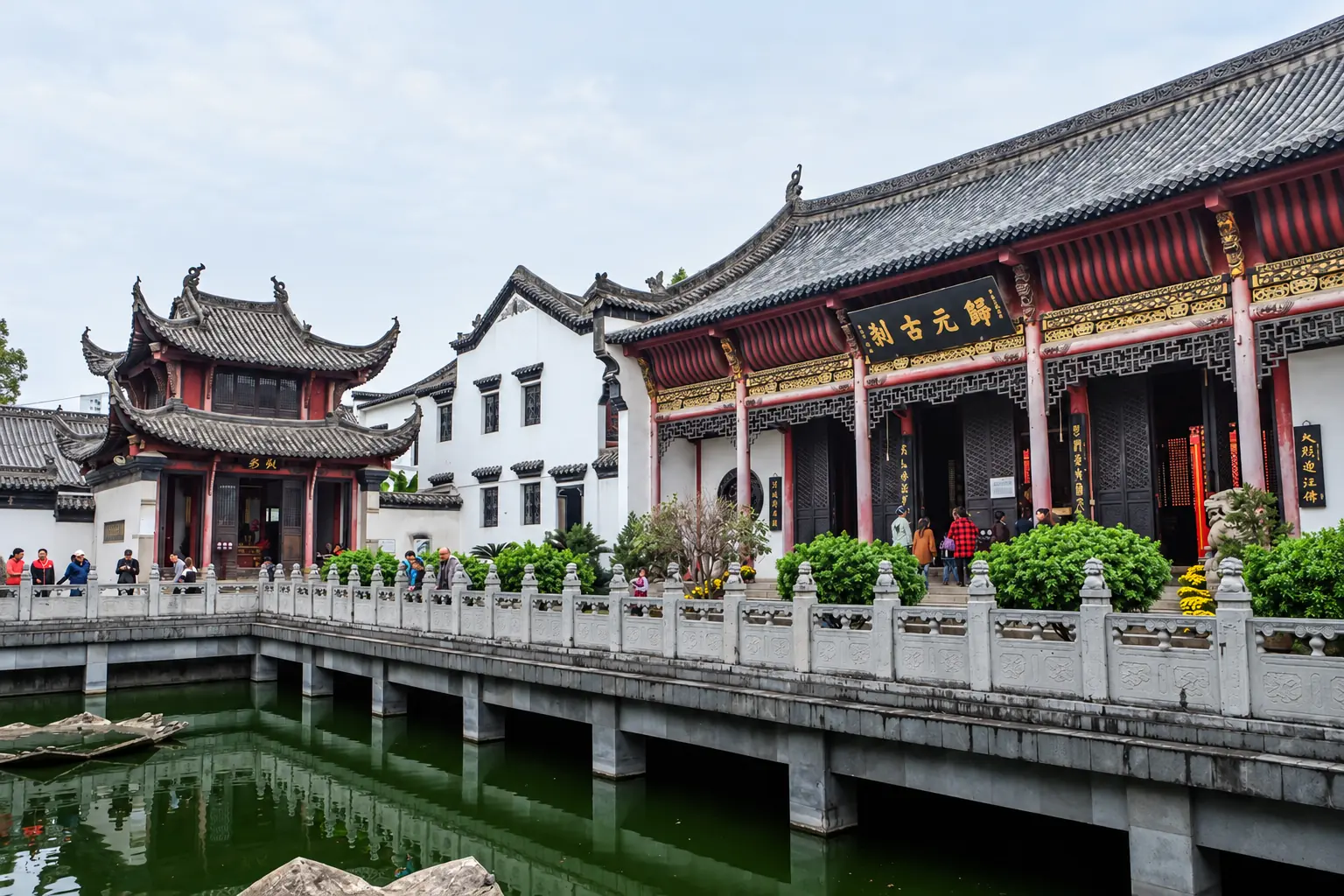
Hanyang suits travelers interested in Guiyuan Temple, Qingchuan Pavilion and local neighborhoods. It can be a quieter alternative, although it is less convenient as an all-purpose base for East Lake or Hankou. Choose it when nearby sights match your plans.
Choose Hankou for local food, historic streets and evenings by the river; choose Wuchang for Yellow Crane Tower and easier access toward East Lake. For a 2–3-day trip, one well-located hotel is usually more practical than moving between neighborhoods. Check the hotel’s passport check-in requirements, nearest metro stop and arrival route before you book.
Wuhan is a large city spread across both banks of the Yangtze and the Han River. The metro is useful for longer city journeys, while taxis and DiDi help with the last part of a trip to attractions. Wuhan Tianhe International Airport (WUH) and three major railway stations serve different routes, so check your exact arrival point.
Explore Yellow Crane Tower and Tanhualin together in Wuchang, allow separate time for East Lake and Hubei Provincial Museum, and group Jianghan Road with Hankou riverfront. Wuhan Metro Line 2 crosses the city via Hankou and Wuchang; use a taxi or ride-hailing service when a sight is not close to a station.
The metro is a reliable choice for cross-city trips. Line 2 serves Tianhe Airport and Hankou Railway Station before continuing across the river toward Wuchang. Line 4 serves both Wuhan Railway Station and Wuchang Railway Station. Check the latest route map, first and last trains, and your hotel's nearest exit before traveling.
Tianhe Airport is Wuhan's main air gateway. Metro Line 2 connects the airport with Hankou and Wuchang; taxis and pre-arranged pickups are alternatives for late arrivals or travelers with heavy bags. Allow extra time for baggage, terminal transfers and traffic.
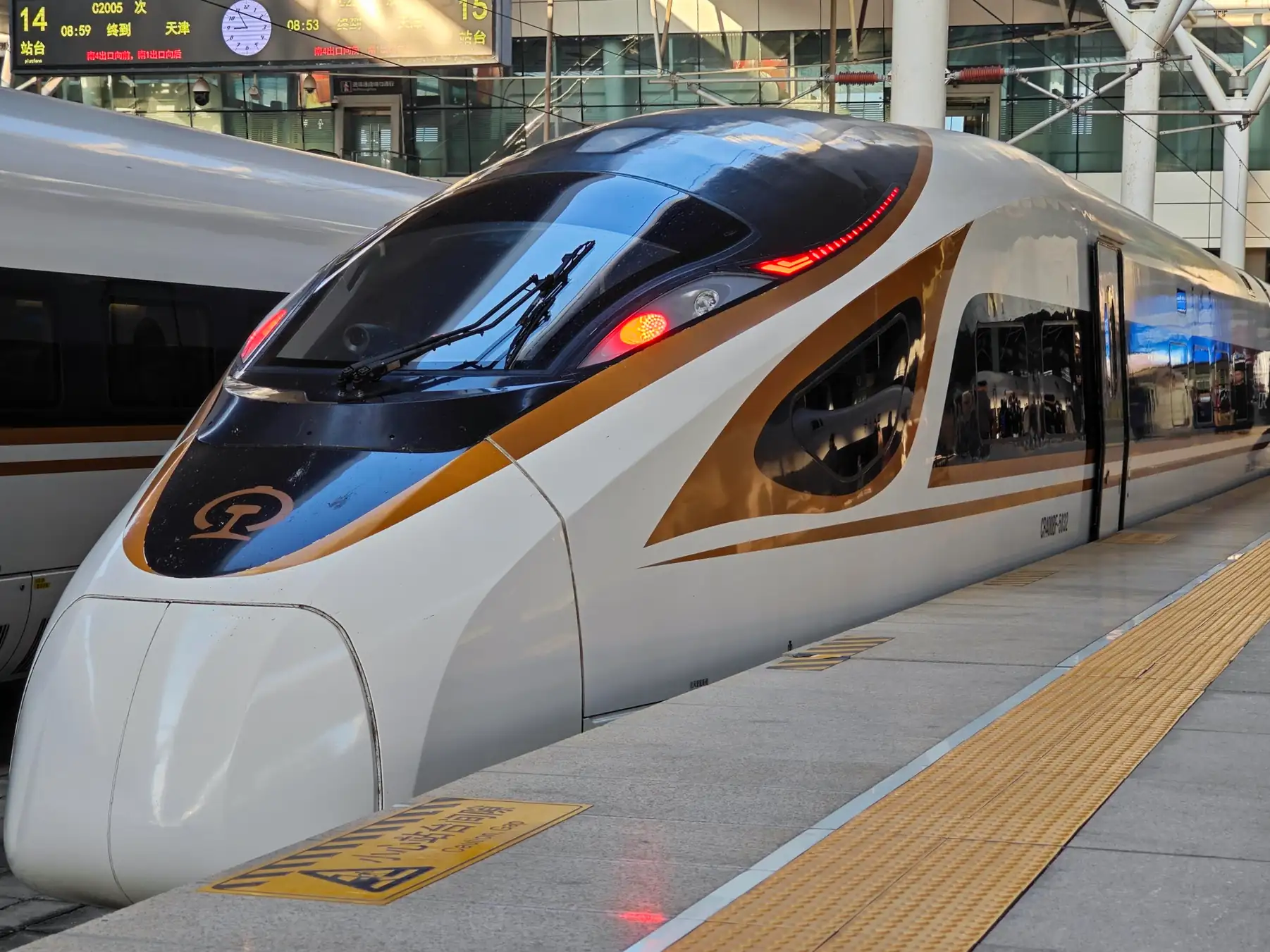
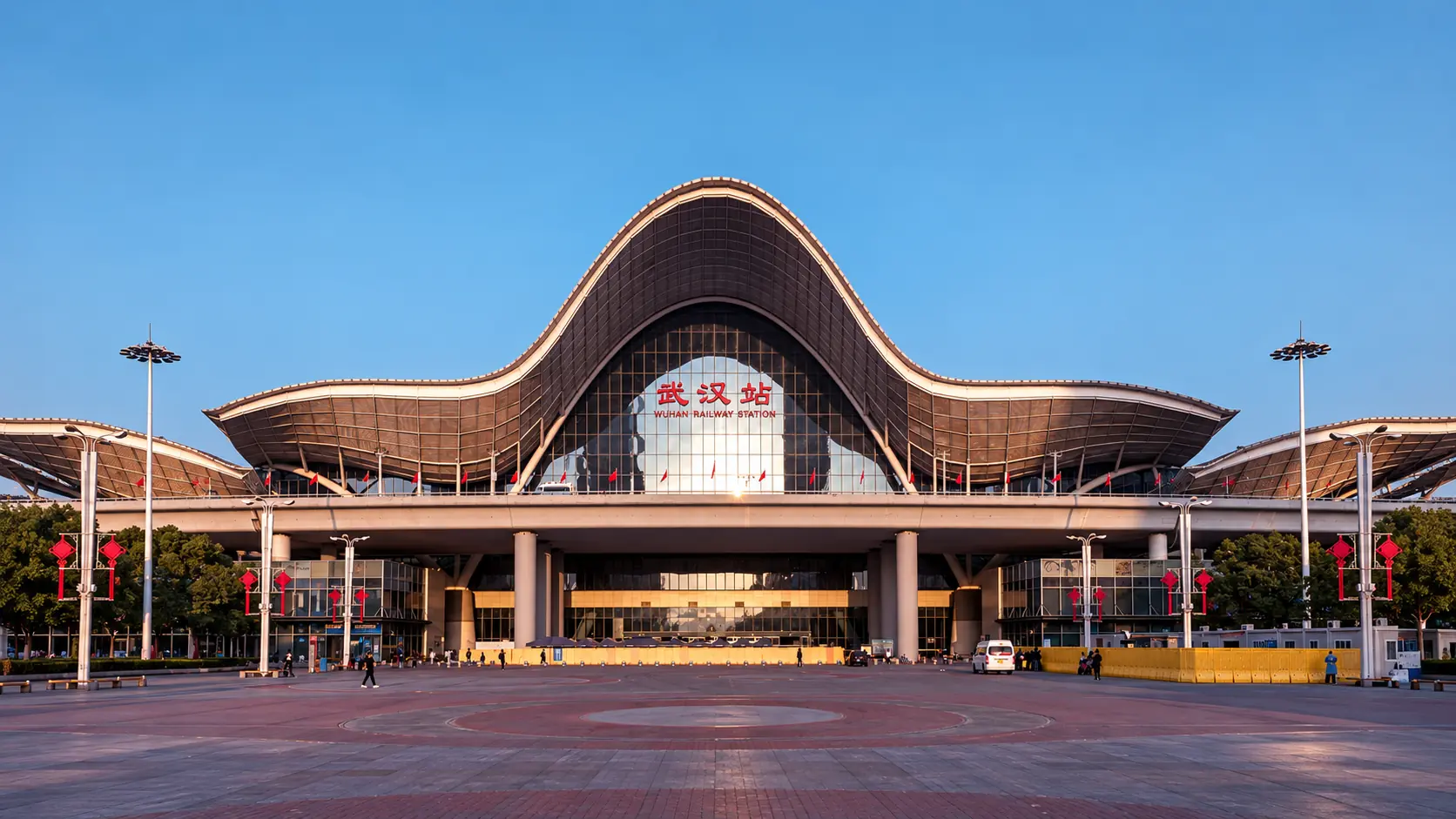
Wuhan has three major railway stations: Wuhan Railway Station, Hankou Railway Station and Wuchang Railway Station. They are separate stations in different parts of the city, and departure points depend on the train. Verify the station name and train number on your ticket, and bring the passport used for booking.
How to Buy China Train Tickets →Taxis and DiDi can be convenient for hotel transfers, families, luggage or East Lake areas far from a metro stop. Save the Chinese address of your destination and confirm the pickup pin. Travel times depend on road conditions, especially during rush hour.
How to Use DiDi in China →A local ferry can be a memorable way to experience Wuhan's river-city setting and skyline. Treat it as an optional sightseeing activity rather than a guaranteed connection: piers, services and operating times can change, so check the current route on the day.
Read About the Yangtze Ferry →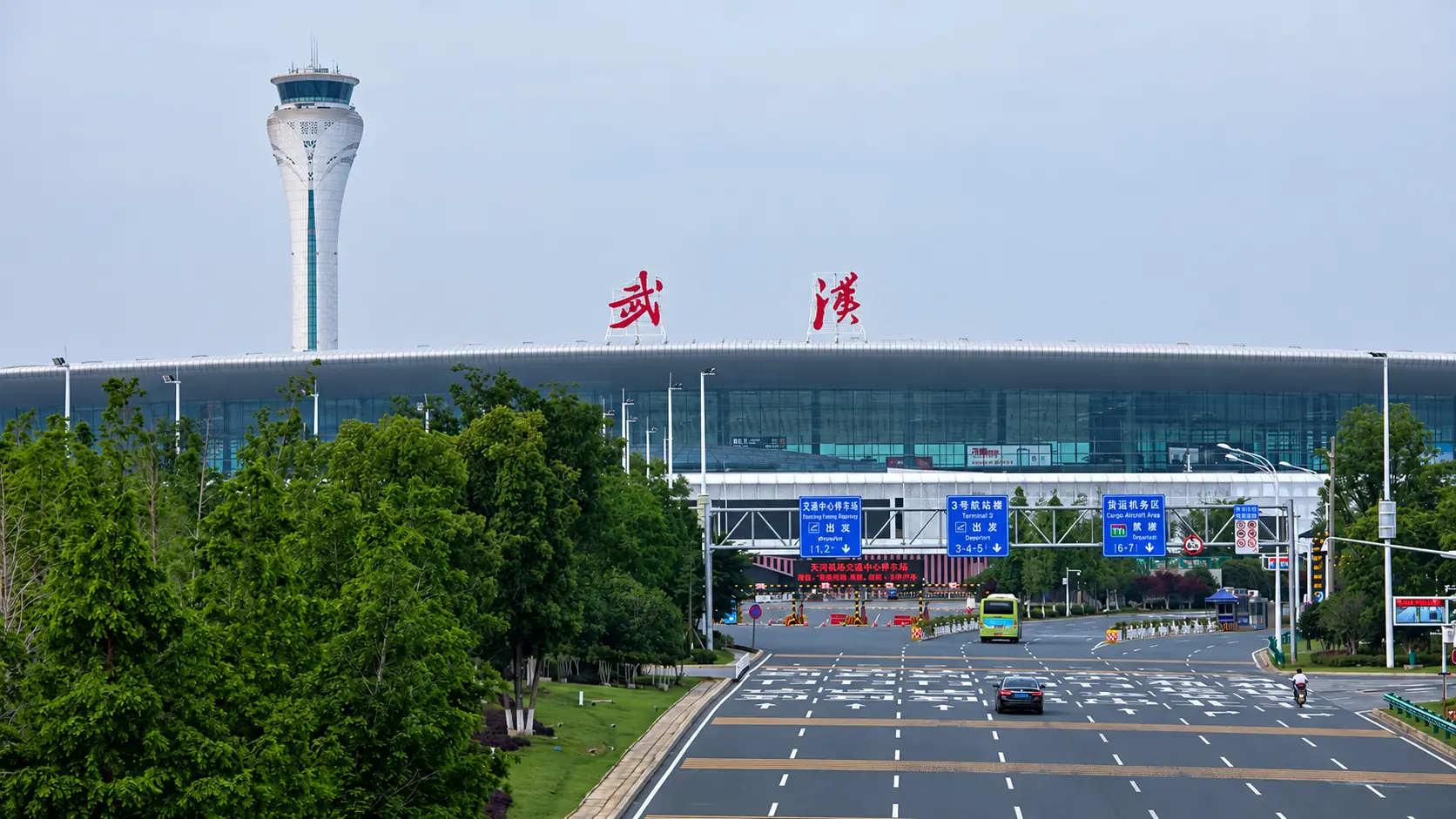
Planning a private Wuhan itinerary? Share your travel dates, arrival point, hotel preferences and sightseeing interests. Ask about including airport or railway station transfers alongside your route across Wuchang, Hankou and Hanyang.
Wuhan is a useful starting point for exploring Hubei Province and nearby central China. Add an ancient walled city, the Three Gorges, hot springs or another food-loving city to your trip. These extensions range from easy day trips to two- or three-day stays.
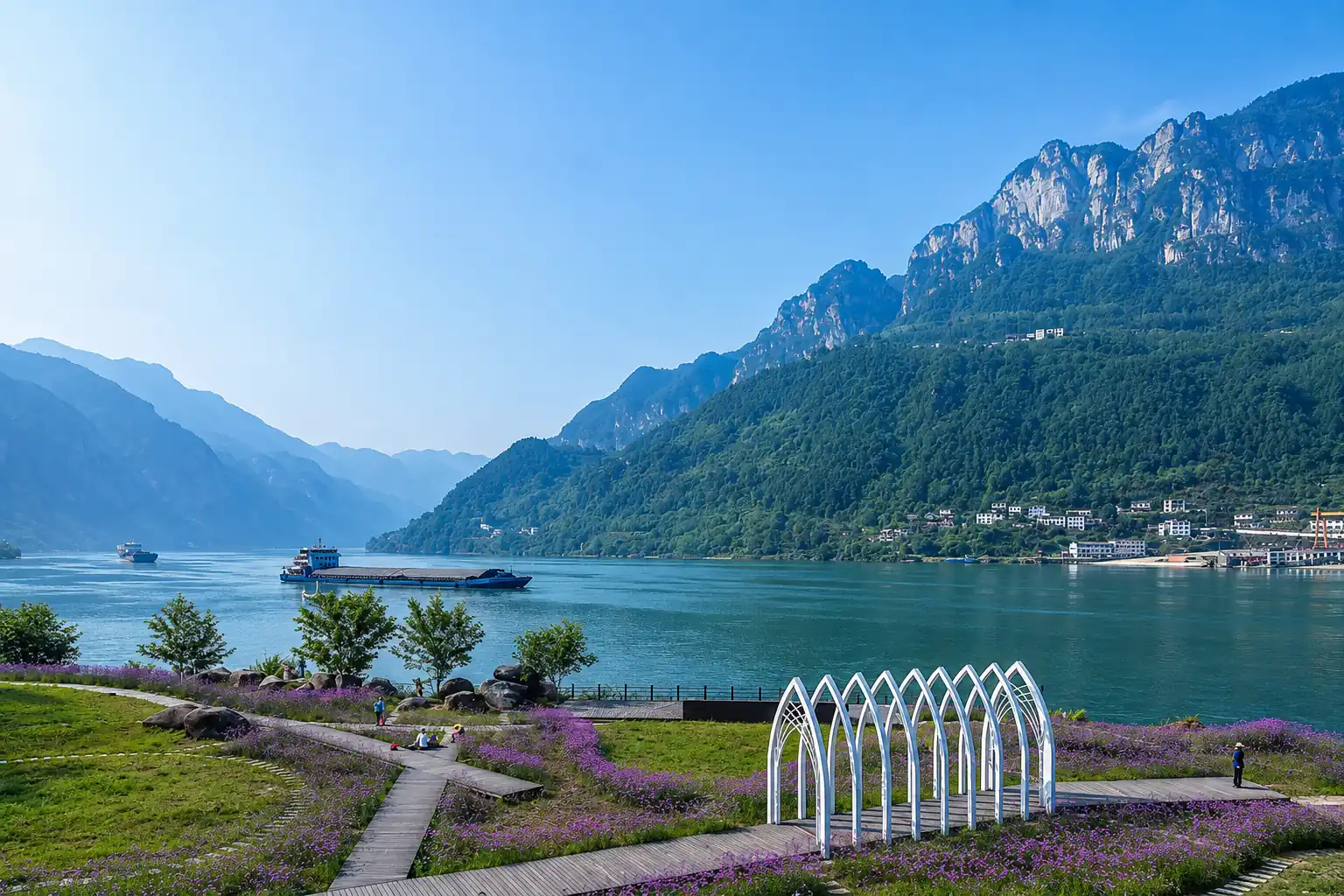
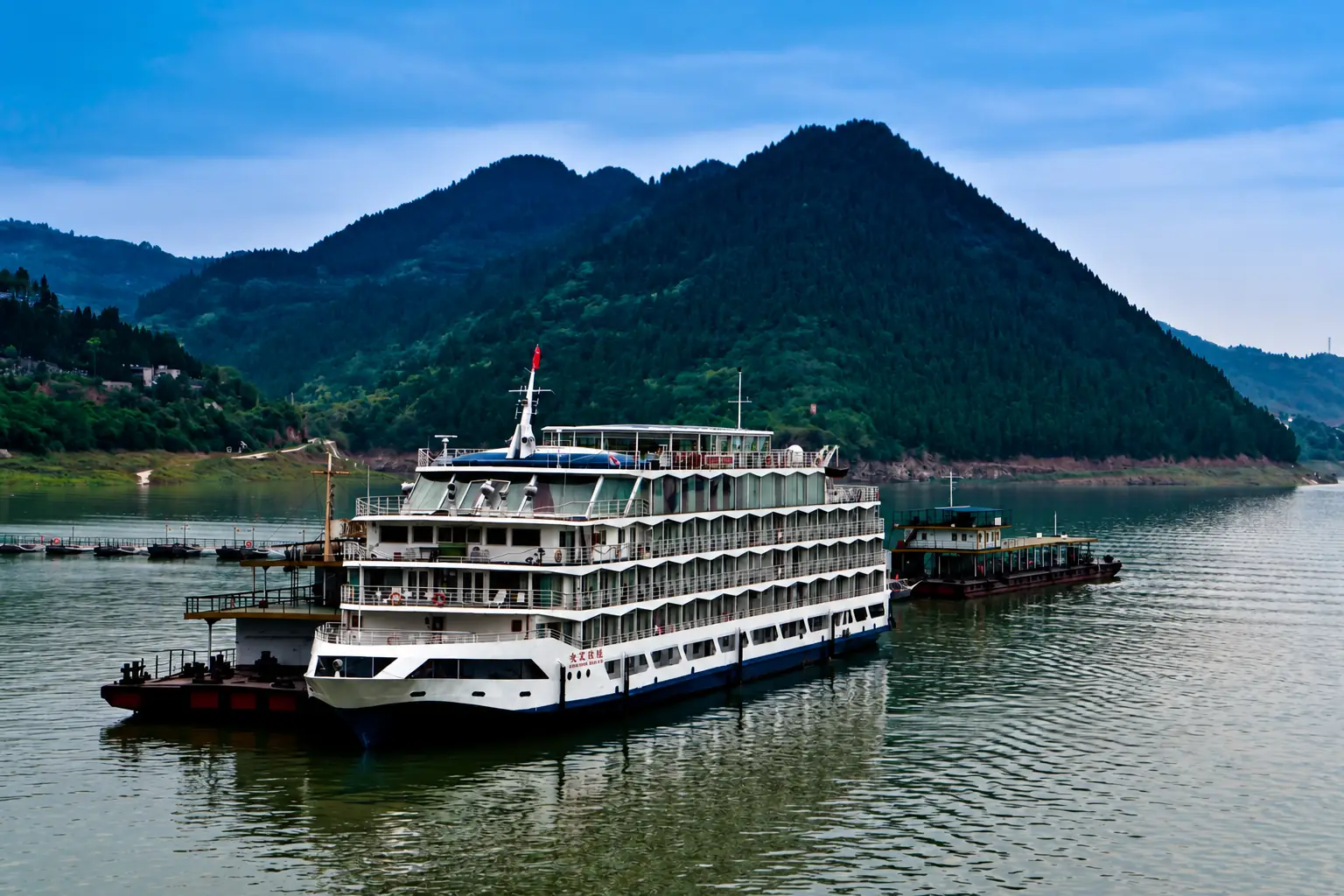
Continue west along the Yangtze to Yichang, the gateway to Xiling Gorge and the Three Gorges Dam. Depending on your interests and available time, choose a dam visit, a scenic river excursion or a separately arranged multi-day cruise. Cruise departures and sightseeing routes must be checked for your travel date.
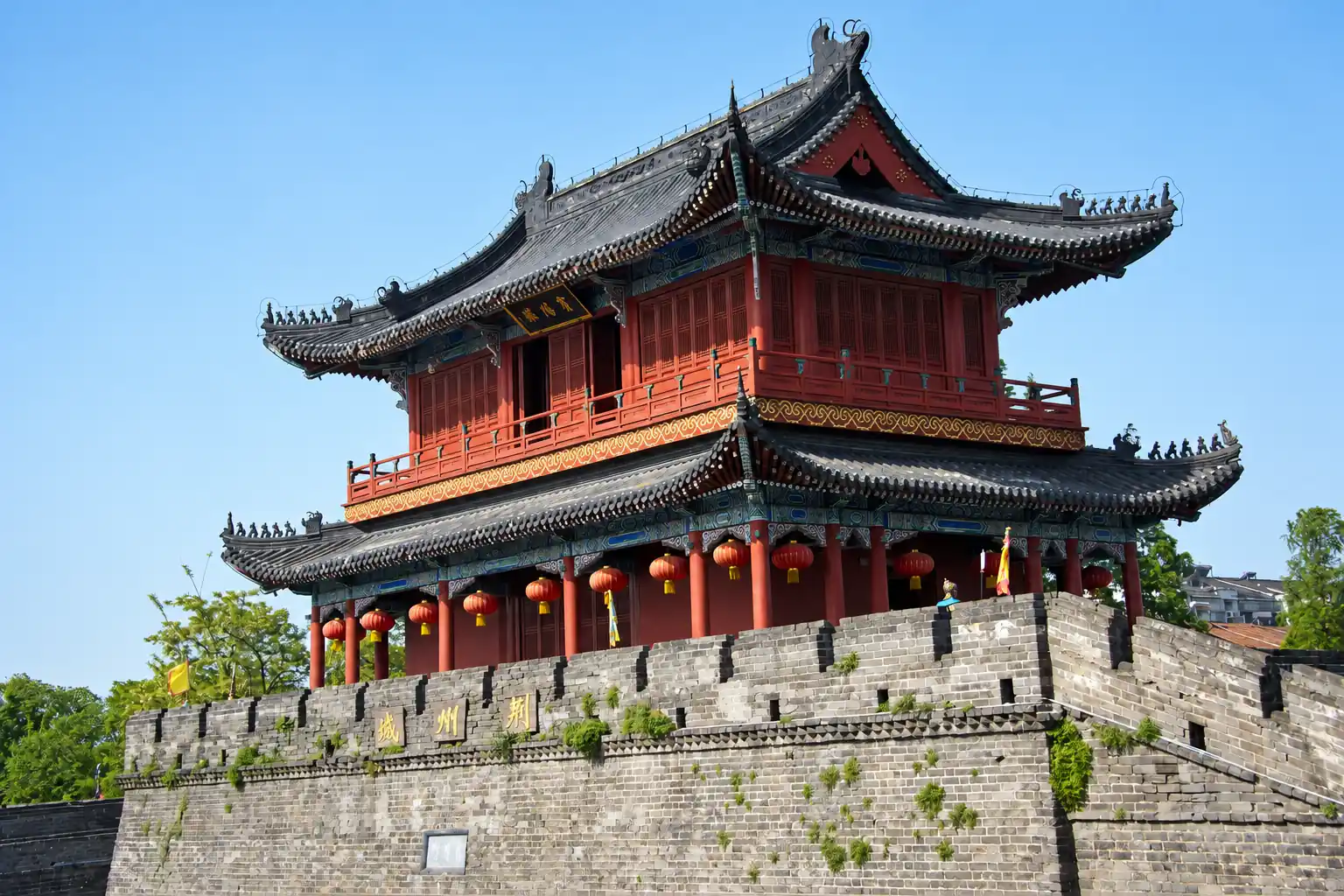
Walk along Jingzhou's historic city walls and discover stories of the Three Kingdoms and ancient Chu culture. It is a natural heritage-focused stop between Wuhan and Yichang.
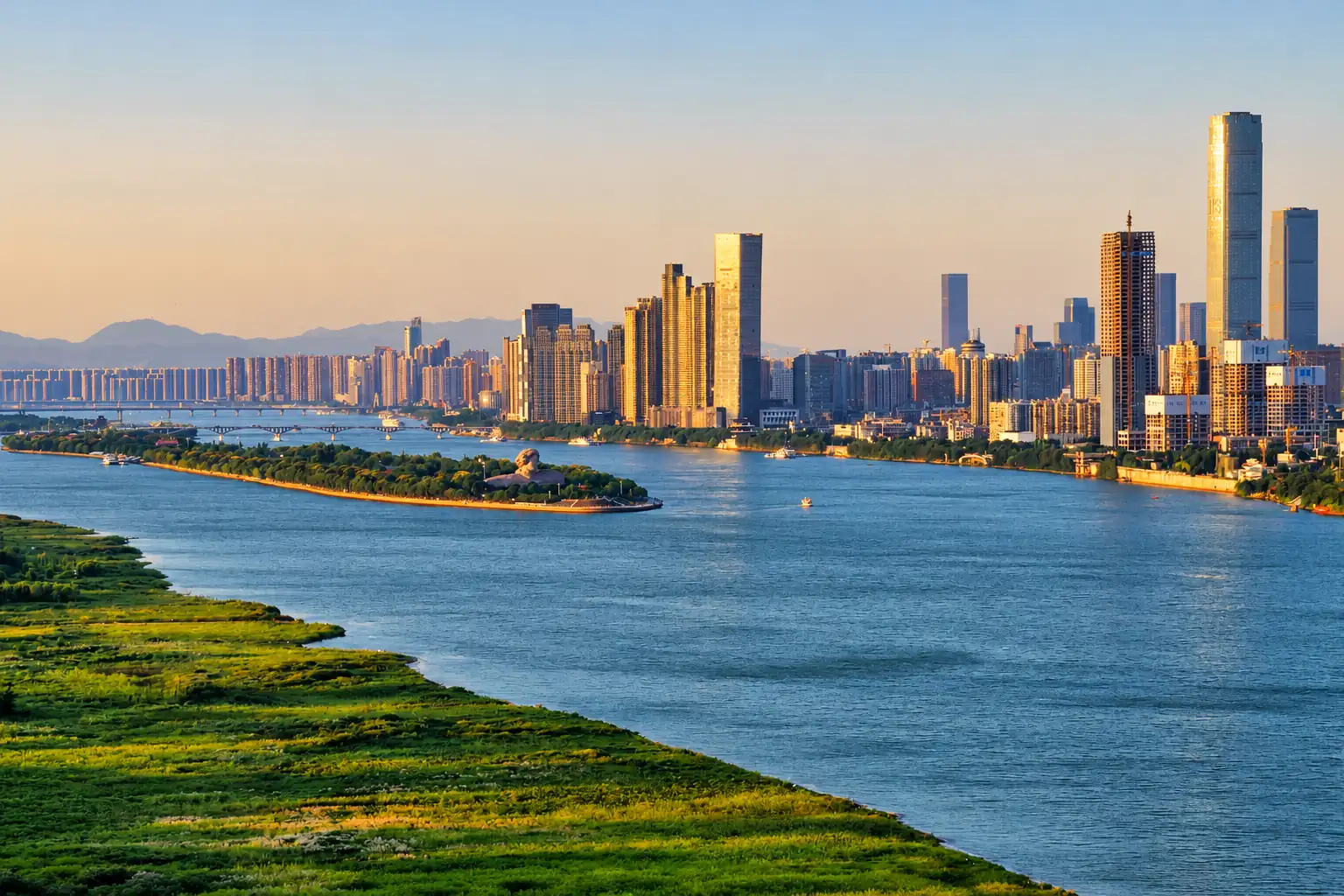
Experience Hunan's bold flavors, the Xiang River and Orange Isle. Changsha pairs well with Wuhan for travelers interested in central China's regional food and contemporary city life.
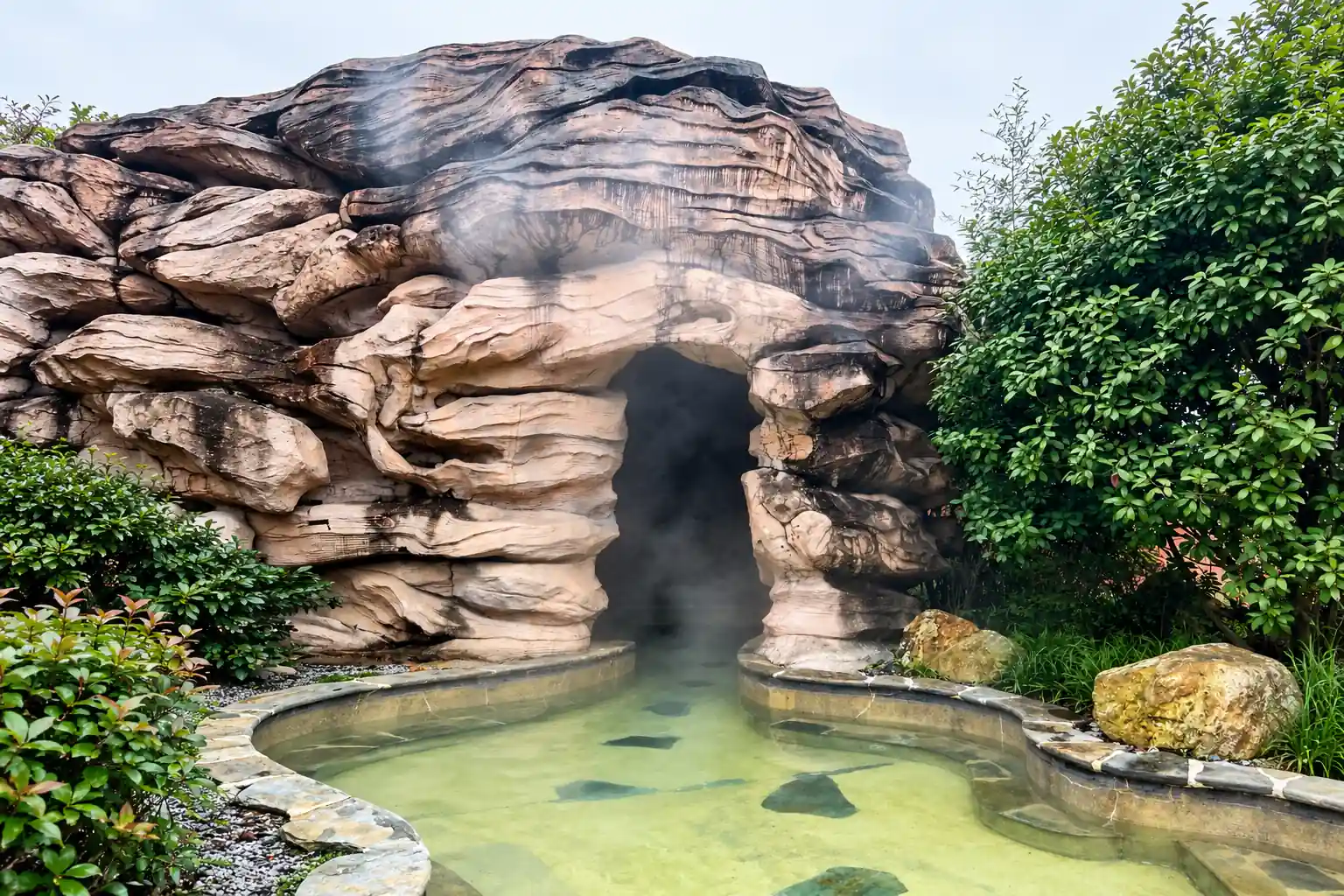
Unwind in the hot spring areas around Xianning or spend time in the surrounding green countryside. A good contrast to Wuhan's busy urban sightseeing, especially on a relaxed itinerary.
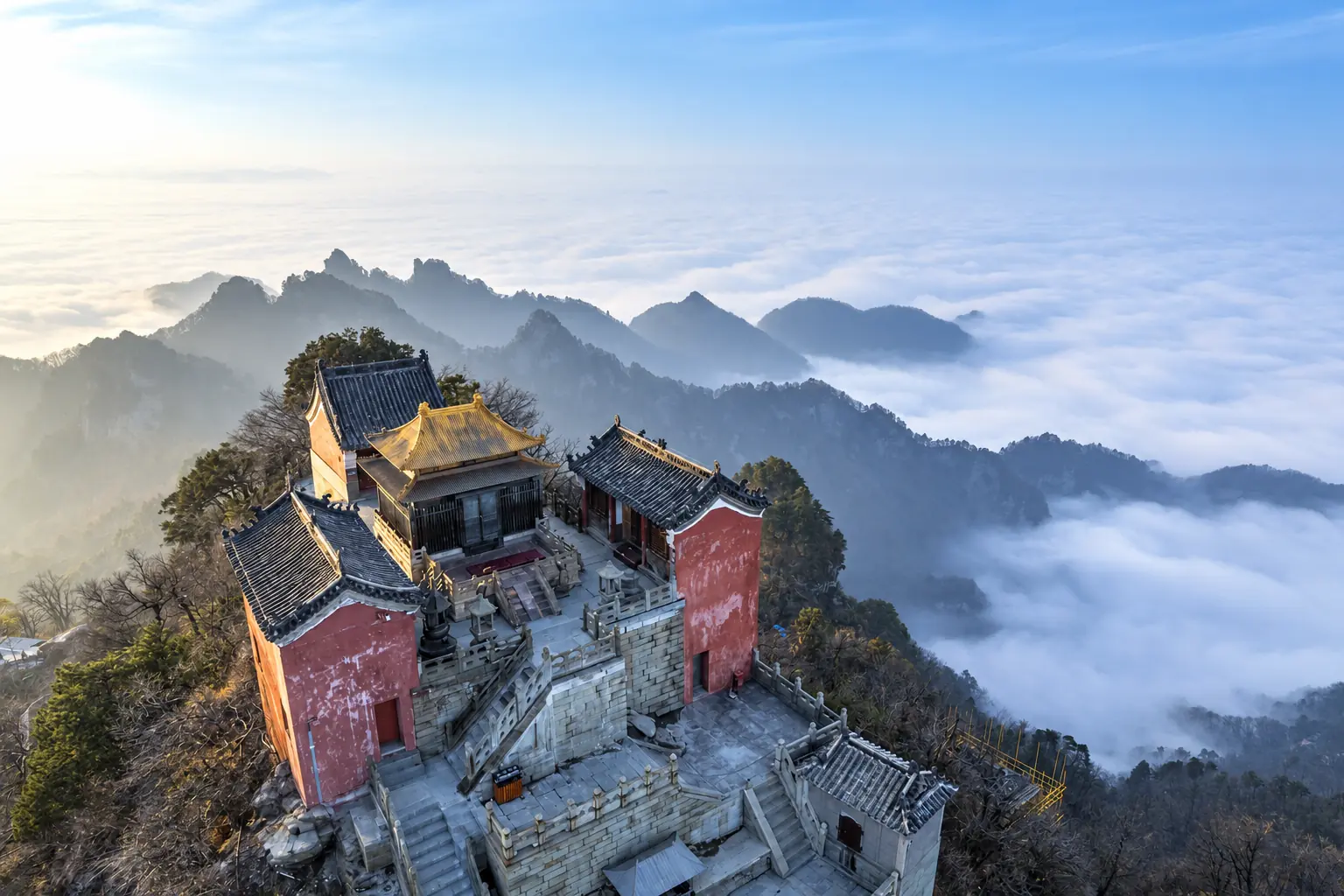
Discover Taoist temples, mountain paths and the architecture of the Wudang cultural landscape near Shiyan. Allow time for the transfer from Wudangshan West station to the scenic area.
Get ready for Wuhan with practical guidance on China entry rules, high-speed train tickets, mobile payments, weather, ride-hailing and busy holiday periods. These resources help you handle the details before arriving in central China.
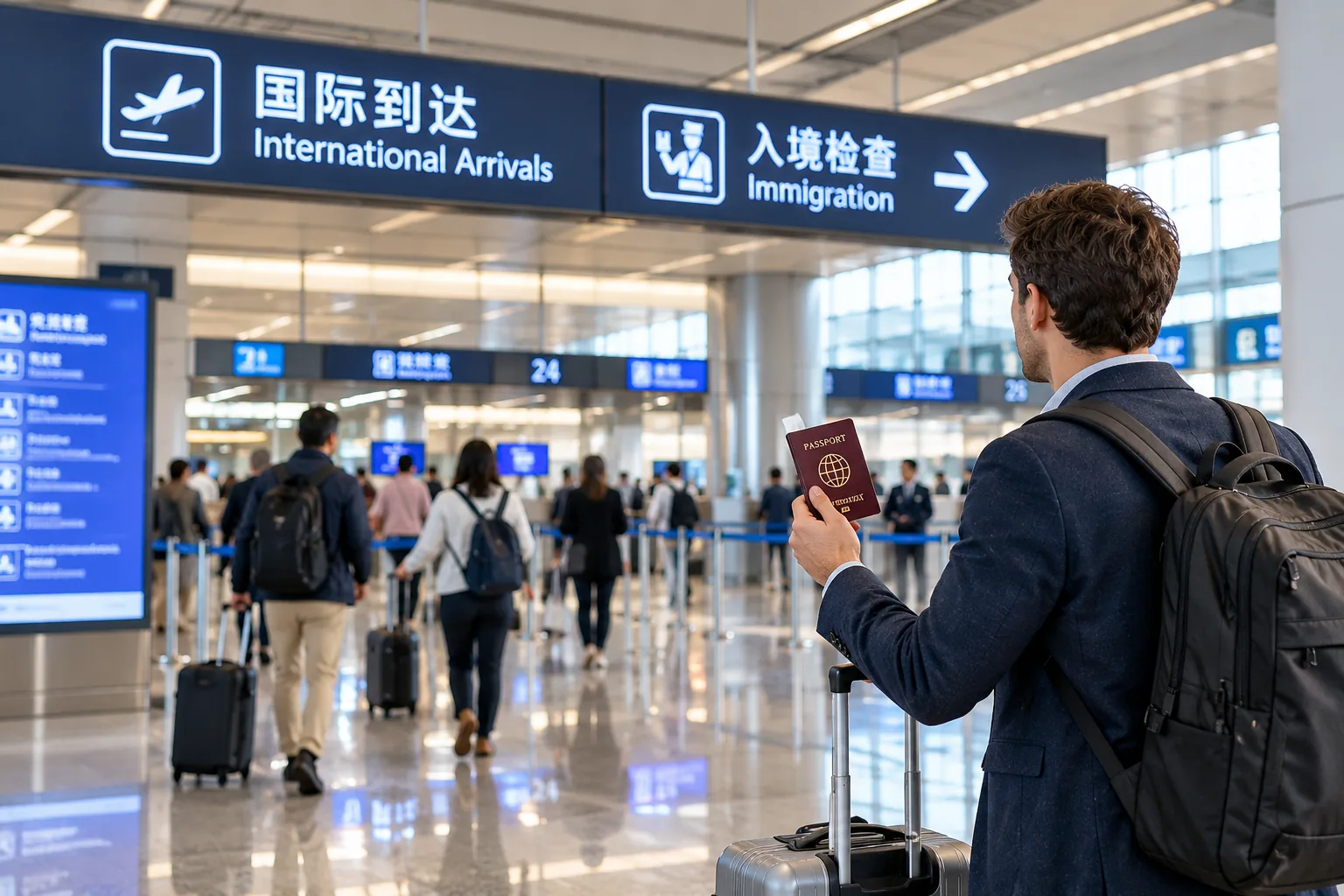
Check your nationality's entry eligibility, visa requirements and the current 240-hour transit policy before finalizing your Wuhan itinerary. Eligibility depends on your travel documents and route.
Compare seasonal conditions across China when planning a multi-city itinerary. For Wuhan specifically, spring and autumn are generally easier for walking than midsummer.
Learn how to book trains with a passport and check the correct departure station. Wuhan, Hankou and Wuchang are different railway stations, so confirm which one is on your ticket.
Learn how visitors can use international cards with mobile payment apps for food, shopping and local services. Carry a backup payment method in case a transaction fails.
Set up ride-hailing before your trip and learn how to confirm a pickup point at Wuhan Tianhe Airport, major train stations or large attractions when using DiDi.
Understand major Chinese festivals and why domestic holiday periods can mean fuller trains, busier attractions and higher accommodation demand around Wuhan.
See how Spring Festival can change intercity travel demand, hotel availability and local opening patterns. Book key connections early if your Wuhan dates overlap the holiday.
Prepare for everyday logistics, language differences, attraction booking, payments and transport. A useful starting point if Wuhan is your first stop in China.
Tell us your dates, interests and starting city. We can help organize a private China itinerary that connects Wuhan with Yichang, Jingzhou, Changsha or destinations farther afield.
Looking for a private Wuhan tour? Explore sample routes for one to five days, from Yellow Crane Tower and East Lake to local breakfast culture and historic riverfront neighborhoods. These are flexible itinerary ideas, not fixed-departure packages; your final route and arrangements are confirmed after you send an enquiry.
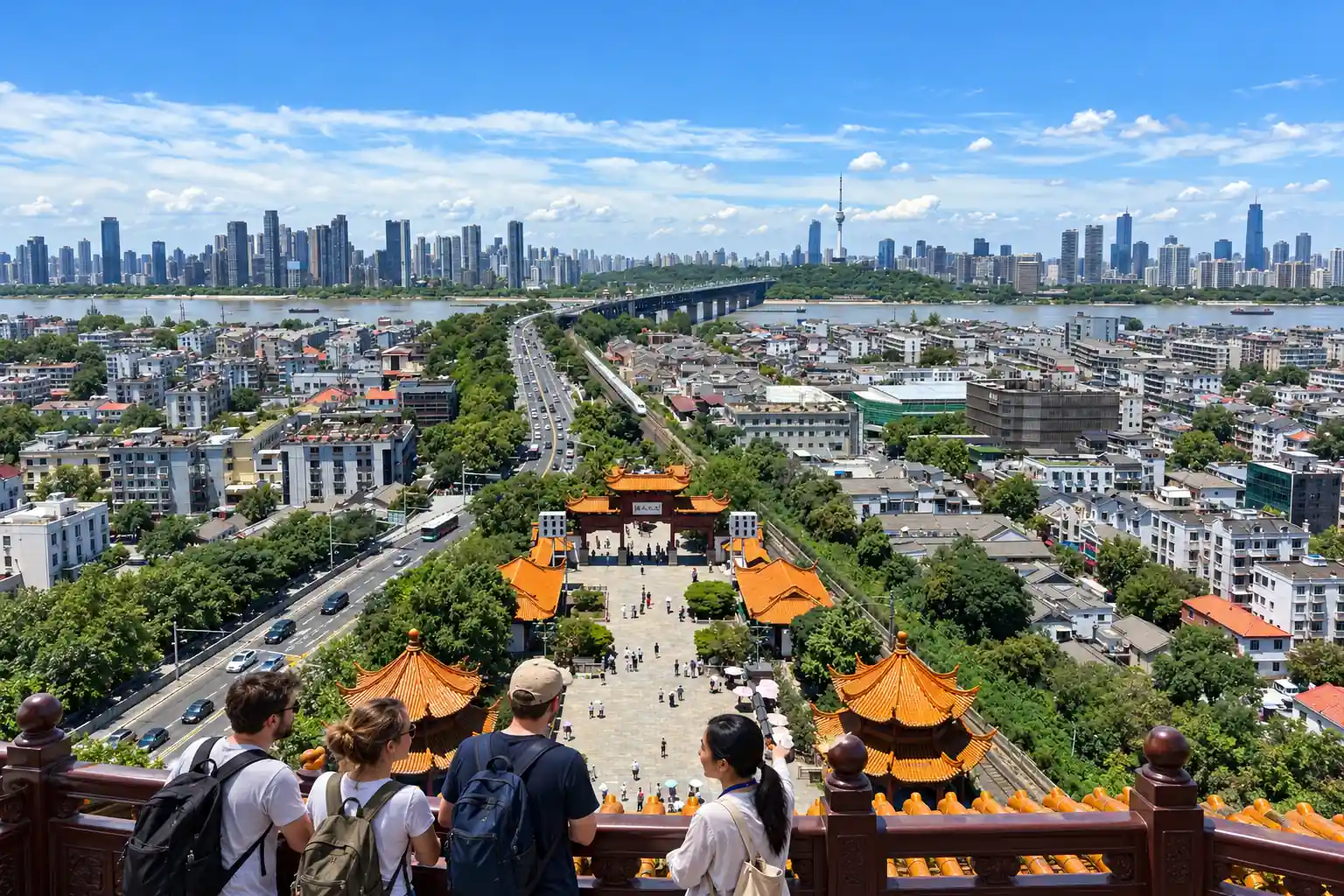
Spend your first day around Yellow Crane Tower and Wuchang's heritage streets, your second at Hubei Provincial Museum and East Lake, and your third discovering Guiyuan Temple, historic Hankou and local food. The itinerary can be adjusted to your arrival point and pace.
View 3-Day ItineraryA compact introduction to Yellow Crane Tower, Yangtze River views and a taste of Wuhan's street life. Ideal for a short stay or stopover with enough time for a city visit.
Pair the city's central landmarks with Hubei Provincial Museum and a selected East Lake area. A good choice for visitors who want culture and lakeside scenery without an overly packed route.
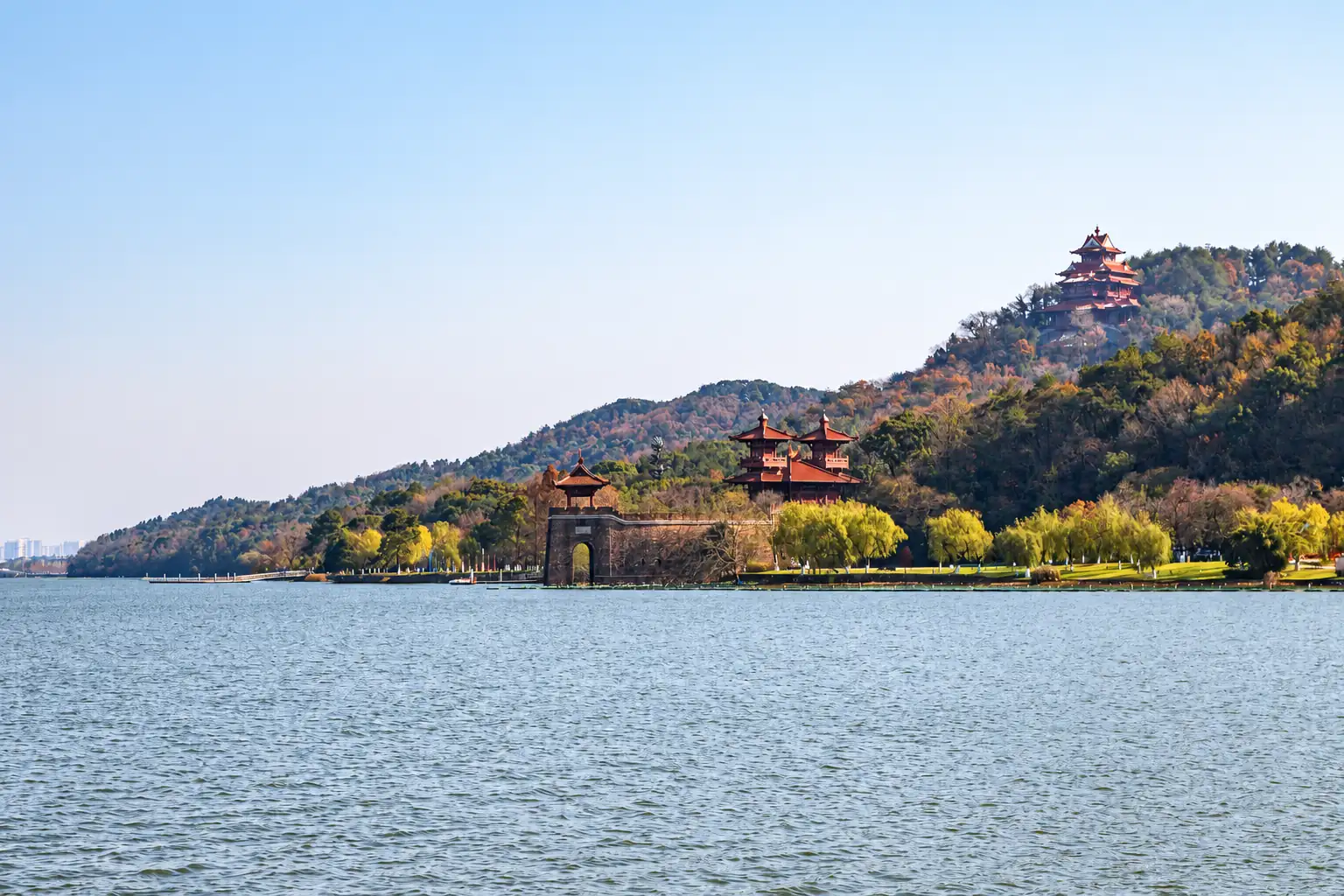
Follow the three-day city route, then spend Day 4 at Wuhan University's historic campus, if visitor access is permitted, or explore East Lake's Moshan area at an easier pace. Choose one main option instead of rushing between both.
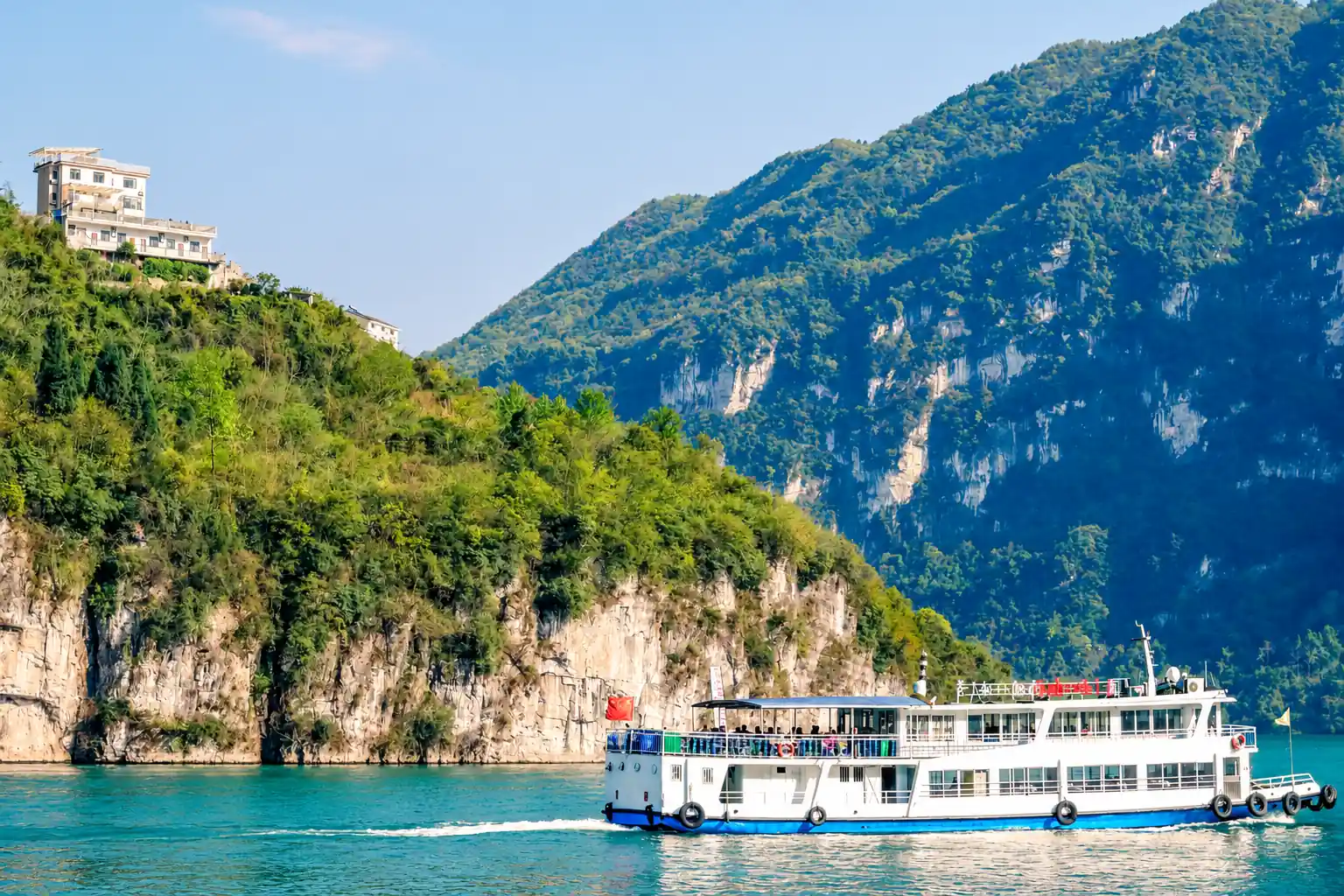
Consider three days exploring Wuhan and about two days around Yichang for Three Gorges scenery or a dam visit. This is a customizable multi-city idea, separate from the five-day Wuhan-only outline; transfers and visits need confirmation.
Compare one- to five-day plans and choose a route suited to your sightseeing time, arrival station and preferred pace.
Compare Itineraries →Discover re gan mian (hot dry noodles), guozao breakfast culture, local riverfront walks and creative streets beyond the main landmarks.
Explore Local Experiences →See how to add the Three Gorges region, Jingzhou or another connected city to a customized Hubei and central China journey.
Explore Nearby Destinations →Share your travel dates, group size, interests and preferred pace. We can help design a tailored Wuhan itinerary and check guide, transport and hotel arrangements before providing a quotation. The routes shown above are planning examples, not confirmed packages.