
Guangzhou Food Guide Cantonese Classics, Dim Sum & Where to Eat

Planning what to eat in Guangzhou? Start with morning yum cha and Cantonese dim sum, then explore roast goose, char siu, rice noodle rolls (cheung fun), wonton noodles and claypot rice. This guide helps you choose local dishes, discover food areas in Liwan, Yuexiu and Haizhu, and plan meals with practical ordering and budget tips.

  • Must-Try Cantonese Dishes
  • Dim Sum & Yum Cha
  • Food Streets & Local Tips
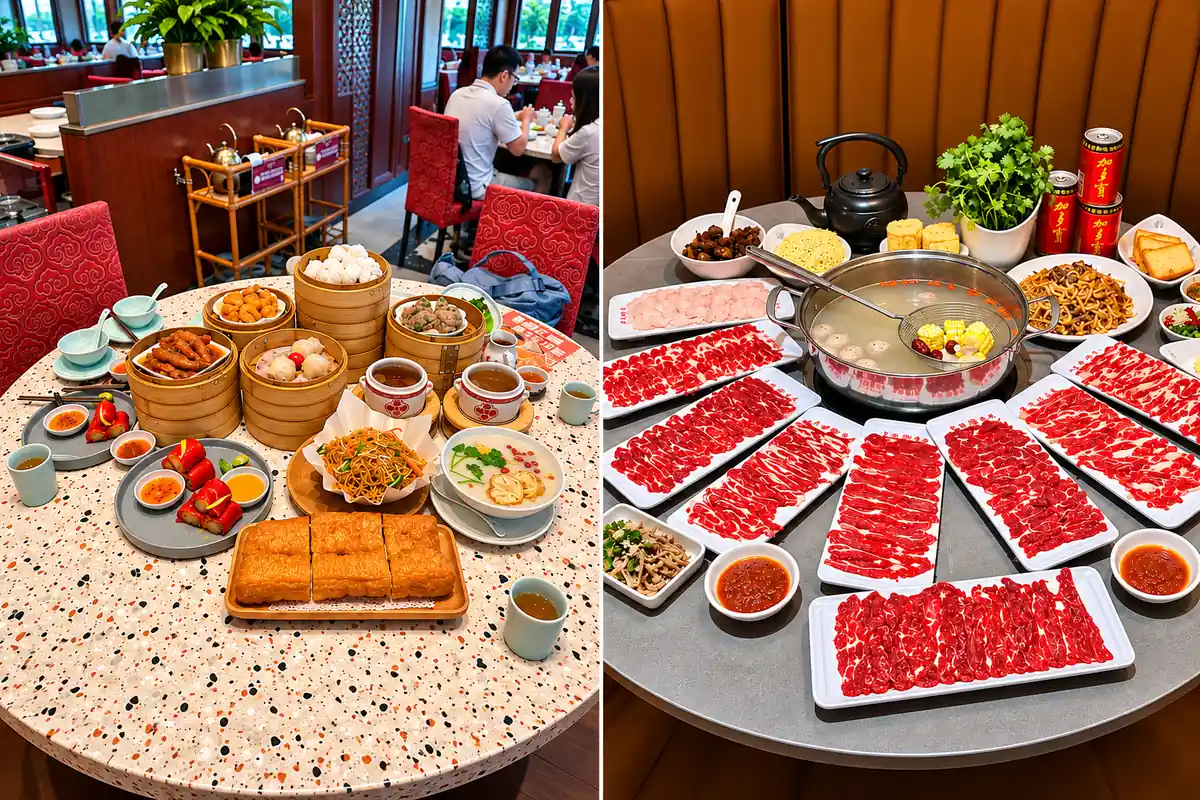
Traditional Cantonese Dim Sum Breakfast in Guangzhou

Guangzhou Food at a Glance

In Guangzhou, eating follows a rhythm: tea and small plates in the morning, noodle or rice meals through the day, and comforting soups, congee or desserts later on. Cantonese cooking pays close attention to freshness and technique, so a meal can be as simple as a bowl of noodles or as leisurely as a table shared over tea. This overview explains how the city's food culture fits together before you explore individual dishes.

New to Guangzhou food? Plan at least one yum cha session to experience tea with shared Cantonese dim sum. For everyday meals, look beyond the tea house: choose a noodle or rice dish when you want something quick, a roast-meat plate for a straightforward lunch, and a slower Cantonese meal when dining with others. Leave room for a traditional sweet soup or dessert. This mix gives you a broader introduction than ordering dim sum at every meal.

  • Yum Cha Is a Social Meal

    Yum cha means drinking tea, but the experience is about more than the teapot. People gather at traditional tea houses, choose several dim sum dishes and share them around the table. It is a distinctive way to experience Guangzhou's dining culture.

  • Freshness & Cooking Techniques

    Cantonese cuisine values ingredient freshness and careful preparation. Steaming, stir-frying, roasting and slow simmering each bring out different textures and flavours. Expect more than one cooking style rather than a single signature sauce.

  • Everyday Food Goes Beyond Dim Sum

    Tea houses are only one part of the local food scene. Noodle shops, congee counters, roast-meat restaurants and rice-dish kitchens are part of everyday eating. These options make it easy to explore Guangzhou food beyond a traditional dim sum breakfast.

  • Cantonese Soups & Sweet Desserts

    Traditional Cantonese meals also include slow-simmered soups, while sweet soups (tong sui) are enjoyed as desserts or snacks. Seasonal choices may include red bean, mung bean and water chestnut soups, alongside other traditional sweets.

12 Must-Try Foods in Guangzhou

Exploring Guangzhou food means tasting more than dim sum. From shrimp dumplings and roast goose to silky rice noodle rolls, claypot rice and comforting congee, these 12 Cantonese favorites introduce the city's everyday meals, traditional cooking and much-loved local flavors.

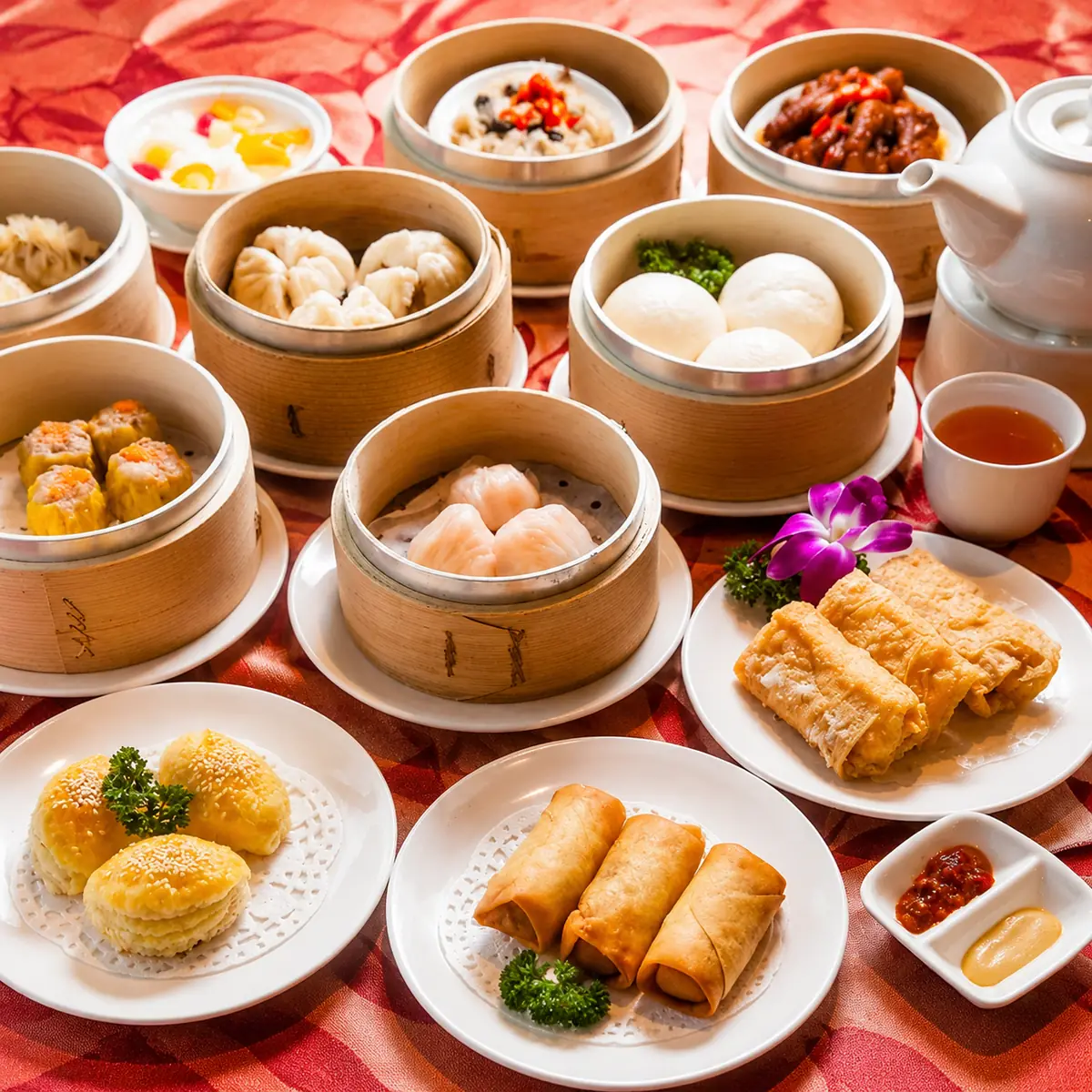
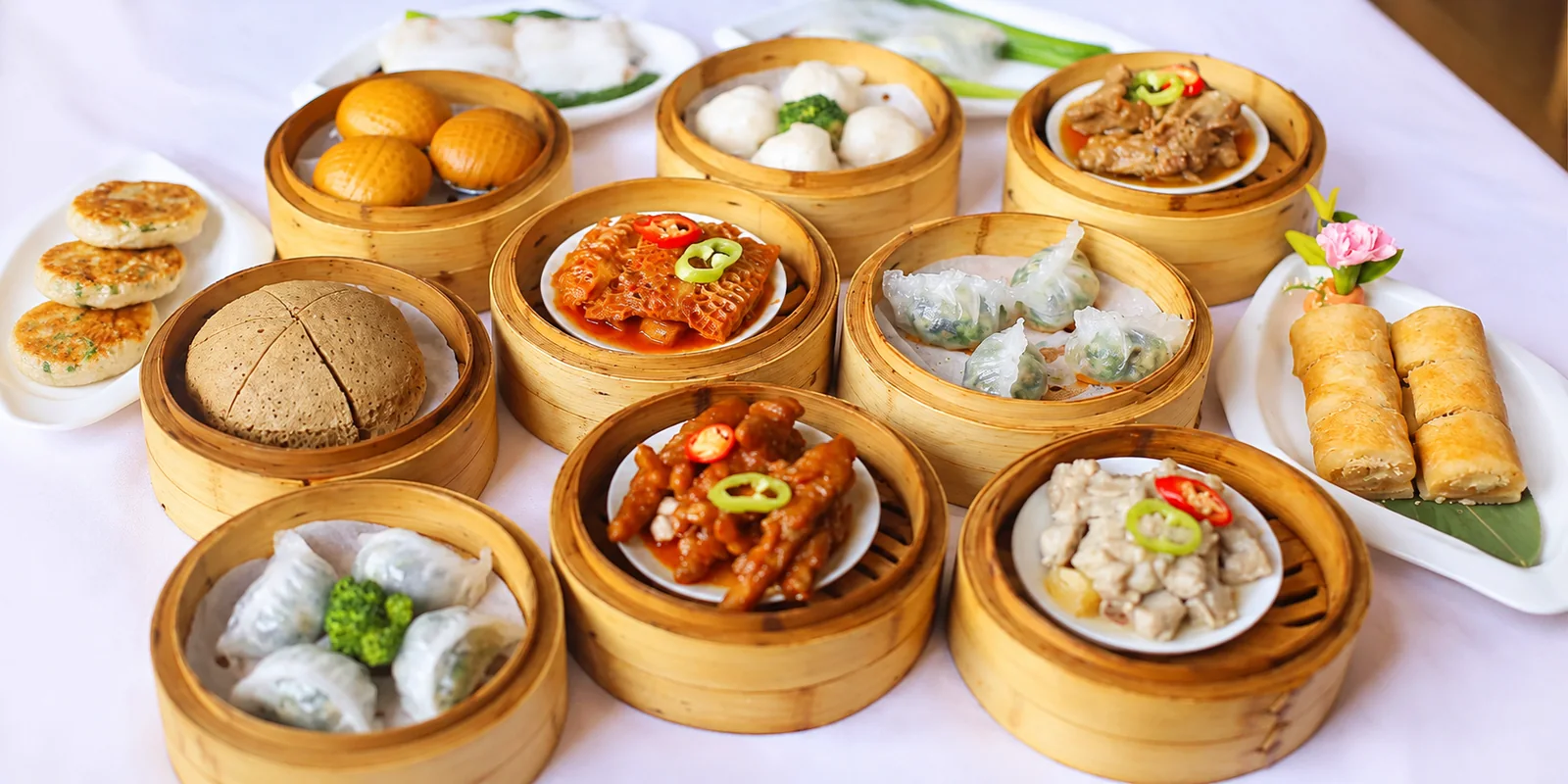
  • A variety of traditional Cantonese dim sum served in bamboo steamers, including steamed dumplings, buns, chicken feet, rice rolls and savory snacks in Guangzhou.

    Cantonese Dim Sum & Yum Cha

    点心 · Diǎnxīn / 饮茶 · Yǐnchá

    A Guangzhou morning often begins with yum cha: drinking tea while sharing small plates at a traditional tea house. Start with har gow (shrimp dumplings), siu mai and char siu bao, then add steamed chicken feet or a rice noodle roll. Bamboo steamers bring a variety of textures and flavors to the table, from delicate shrimp fillings to savory pork and soft, fluffy buns.

    Flavor
    Delicate, savory, steamed and lightly sweet

    Good to know: Yum cha is a shared dining experience rather than one single dish. Order several plates gradually and enjoy them with tea.

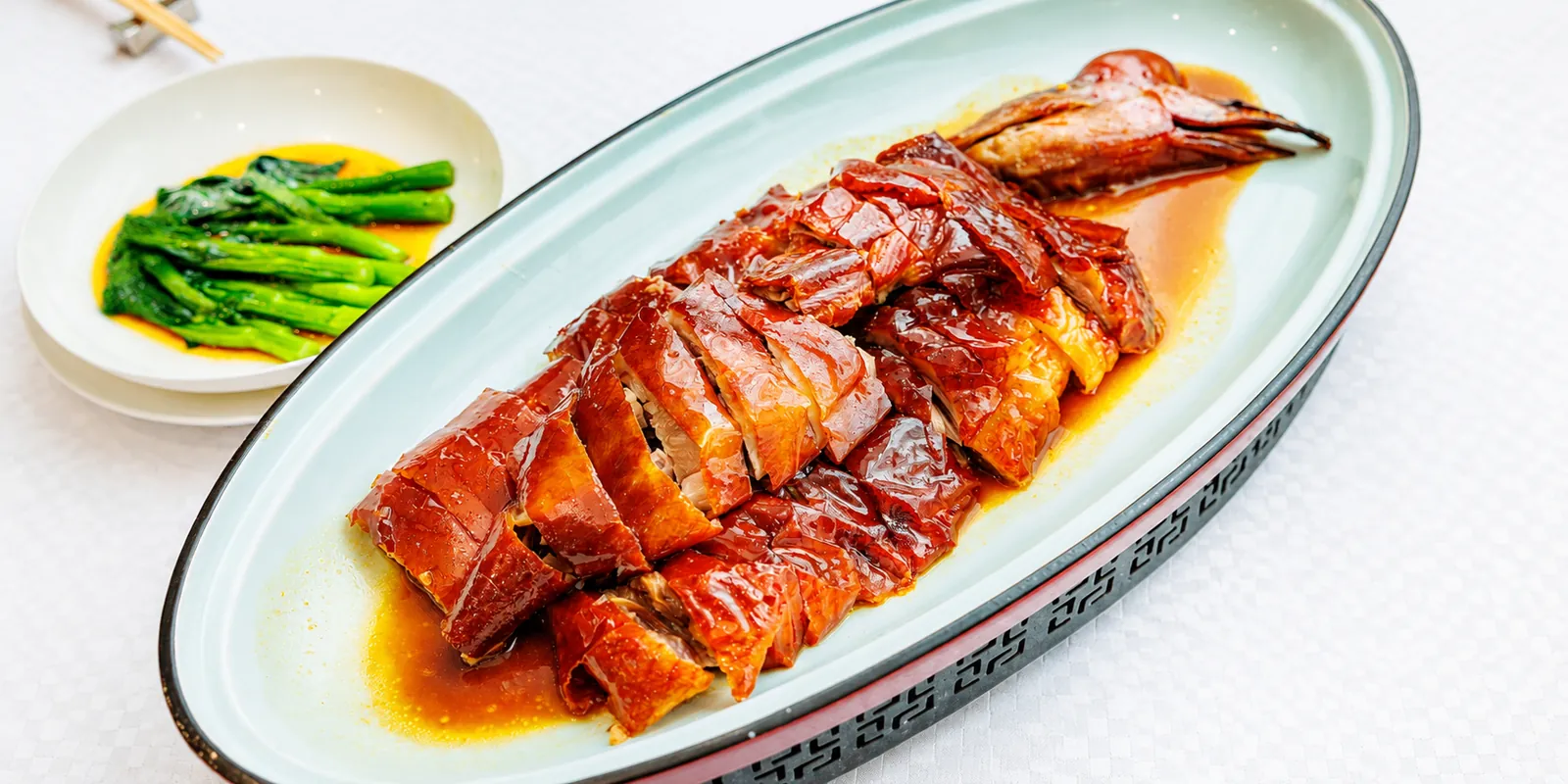
  • Cantonese roast goose with crispy golden-brown skin, sliced and served with savory sauce and green vegetables in Guangzhou, China.

    Cantonese Roast Goose

    烧鹅 · Shāo'é

    Roast goose is one of the best-known dishes in Guangzhou's Cantonese roast-meat tradition. The goose is roasted until its skin turns glossy and crisp while the meat stays tender and juicy. It is commonly served chopped into portions, either as a shared dish or over steamed rice. The contrast between the golden-brown skin and rich meat makes it especially satisfying.

    Flavor
    Rich, savory, aromatic and crisp-skinned

    Good to know: Roast goose is part of the wider Cantonese siu mei tradition. Ask for a rice plate if you want a straightforward individual meal.

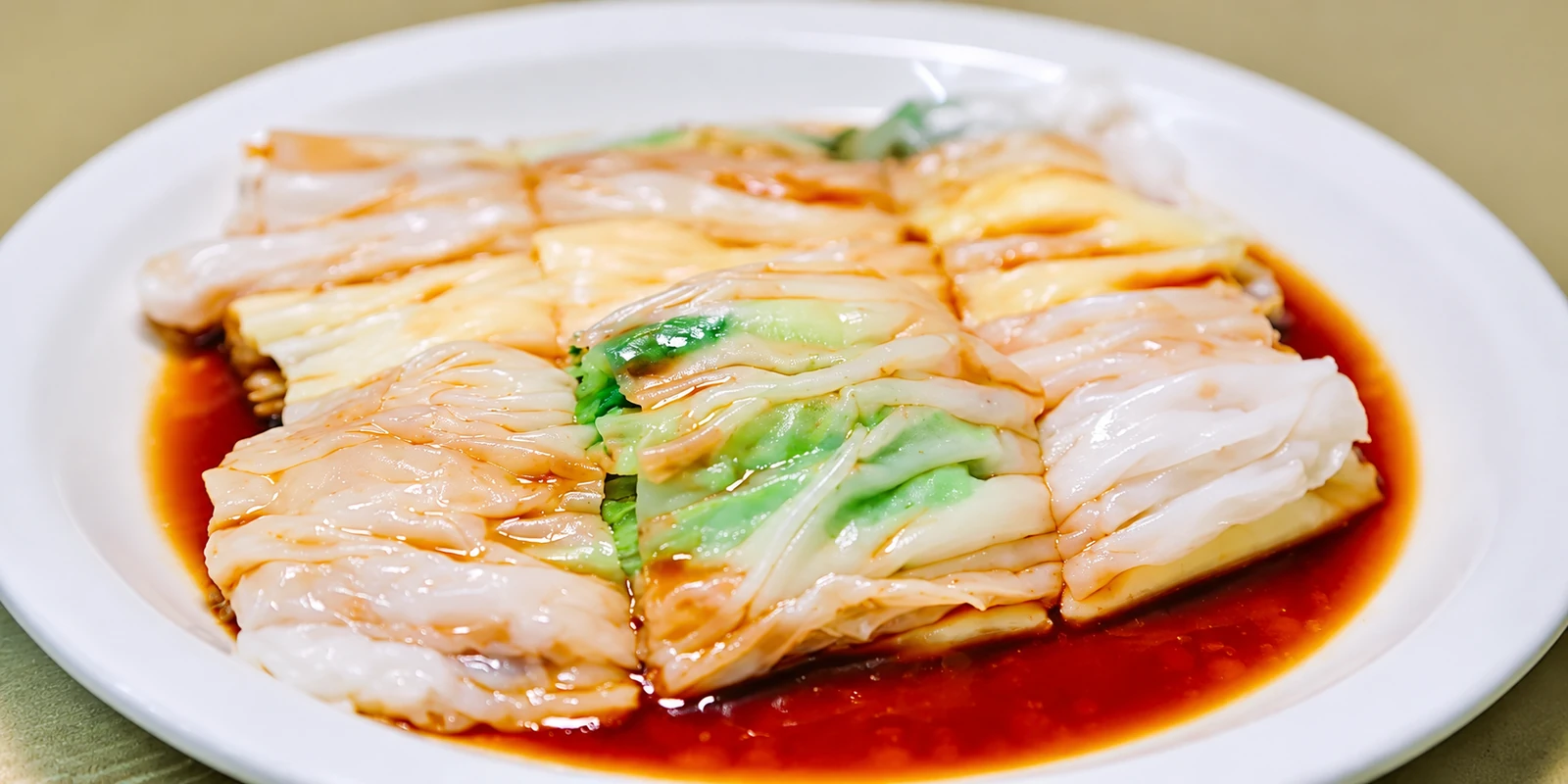
  • Guangzhou cheung fun, soft steamed rice noodle rolls served with a light soy sauce dressing

    Rice Noodle Rolls (Cheung Fun)

    肠粉 · Chángfěn

    Cheung fun consists of thin, silky rice noodle sheets steamed into soft rolls. Common fillings include fresh shrimp, minced pork, beef or char siu, although plain versions are also popular. The rolls are usually cut into sections and finished with sweet soy sauce. Their delicate texture and simple seasoning make them a familiar Guangzhou breakfast and dim sum choice.

    Flavor
    Soft, silky, lightly savory and soy-scented

    Good to know: Eat cheung fun soon after it is steamed, while the rice sheets are still soft. Check the filling before ordering.

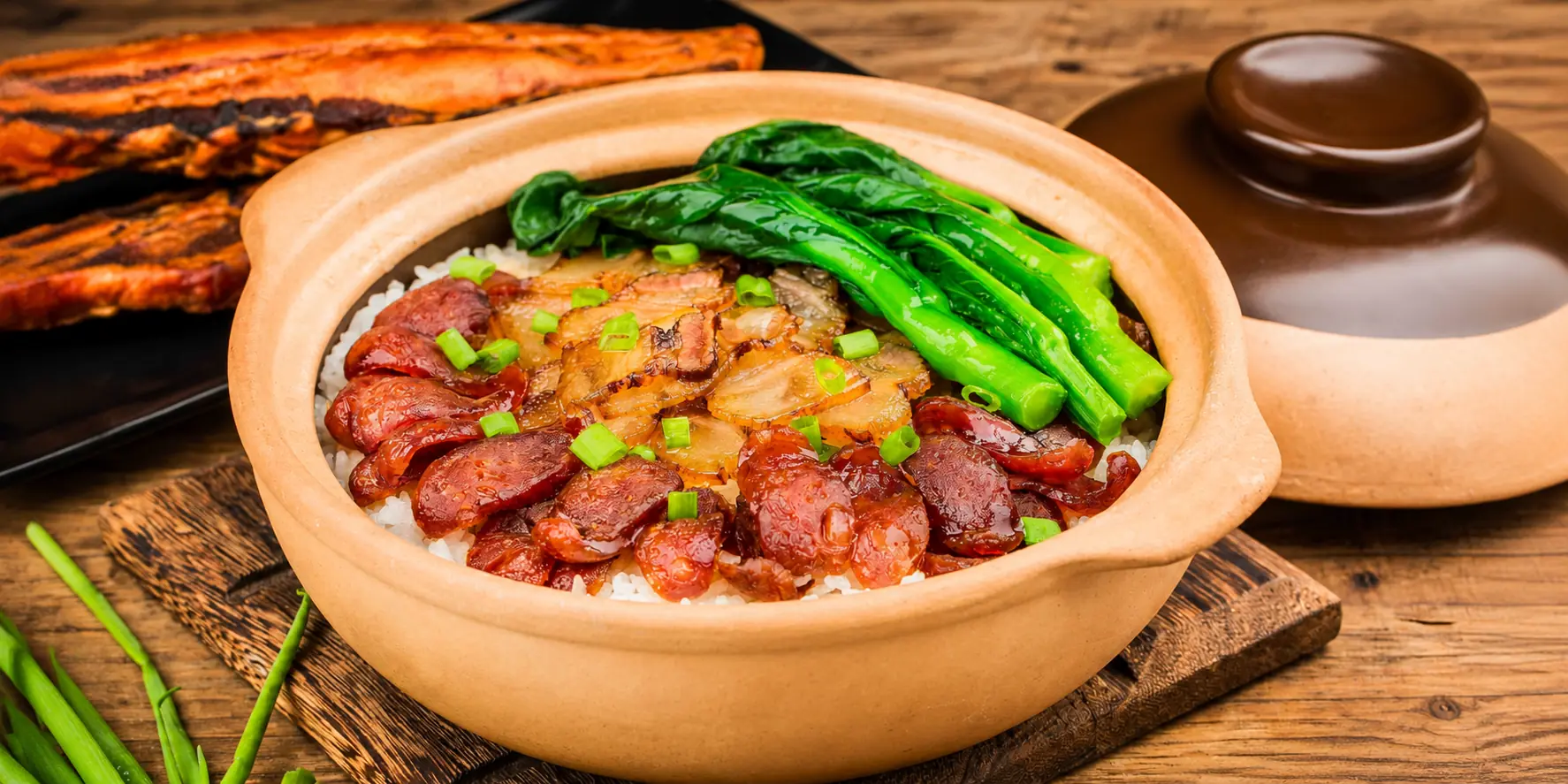
  • Cantonese claypot rice with seasoned rice and traditional toppings served in an earthenware pot

    Cantonese Claypot Rice

    煲仔饭 · Bāozǎifàn

    Claypot rice is cooked directly in an earthenware pot, with toppings such as Chinese sausage, chicken or pork ribs. As the rice cooks, the bottom can develop a fragrant, crisp layer that contrasts with the softer grains above. A seasoned soy sauce is often added before the rice is mixed with its toppings, bringing everything together.

    Flavor
    Savory, aromatic, rich and slightly smoky

    Good to know: Claypot rice is usually prepared to order, so allow extra time rather than choosing it immediately before a timed activity.

MORE LOCAL CANTONESE FAVORITES

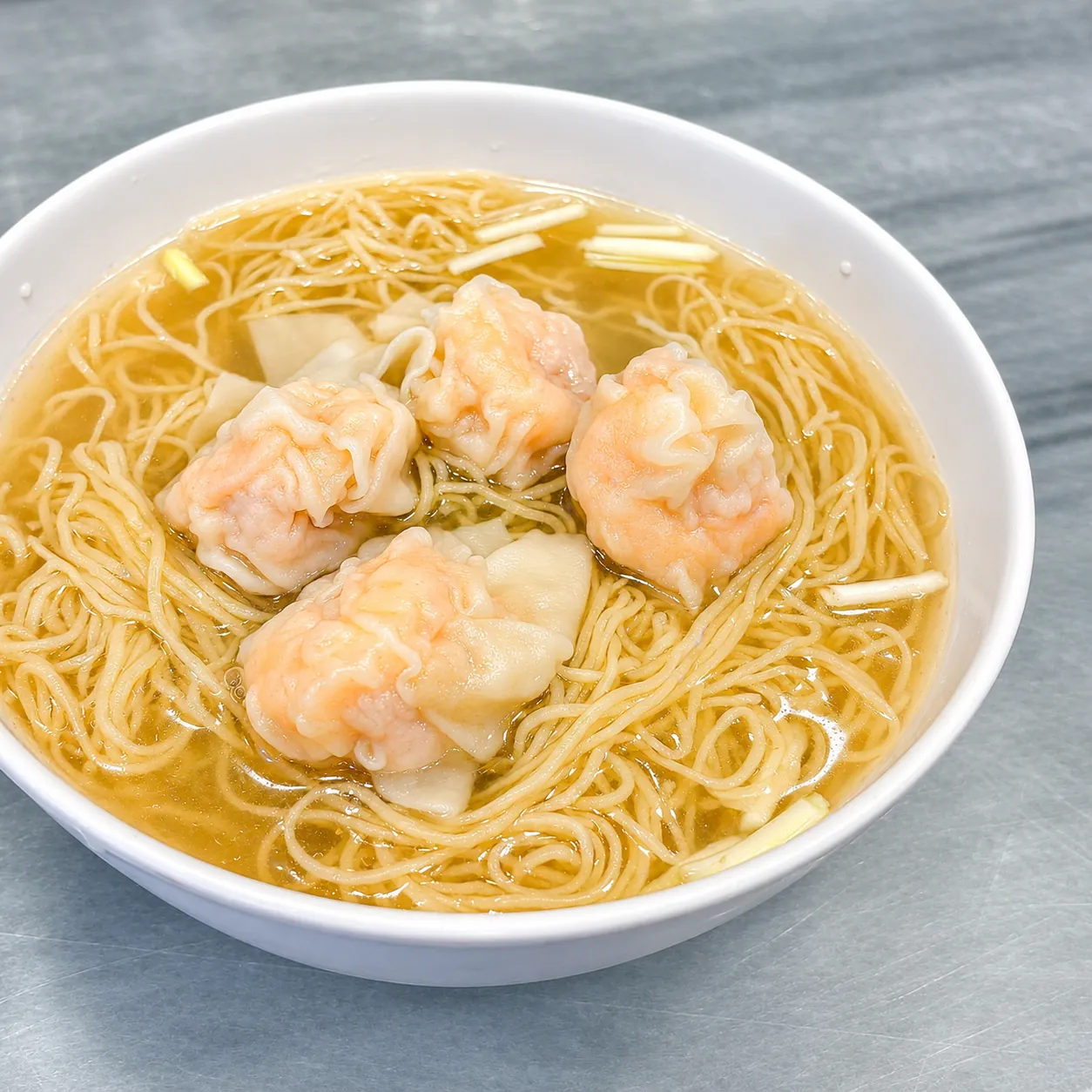
  • Traditional Cantonese Wonton Noodle Soup in Guangzhou

    Cantonese Wonton Noodles

    云吞面 · Yúntūn miàn

    A classic Guangzhou noodle meal featuring springy egg noodles and wontons, often filled with shrimp and pork. Traditional jook-sing noodles are made using a bamboo kneading technique. The bowl is served with a savory broth prepared from ingredients such as bones and fish.

    Taste: Light, savory, springy and aromatic

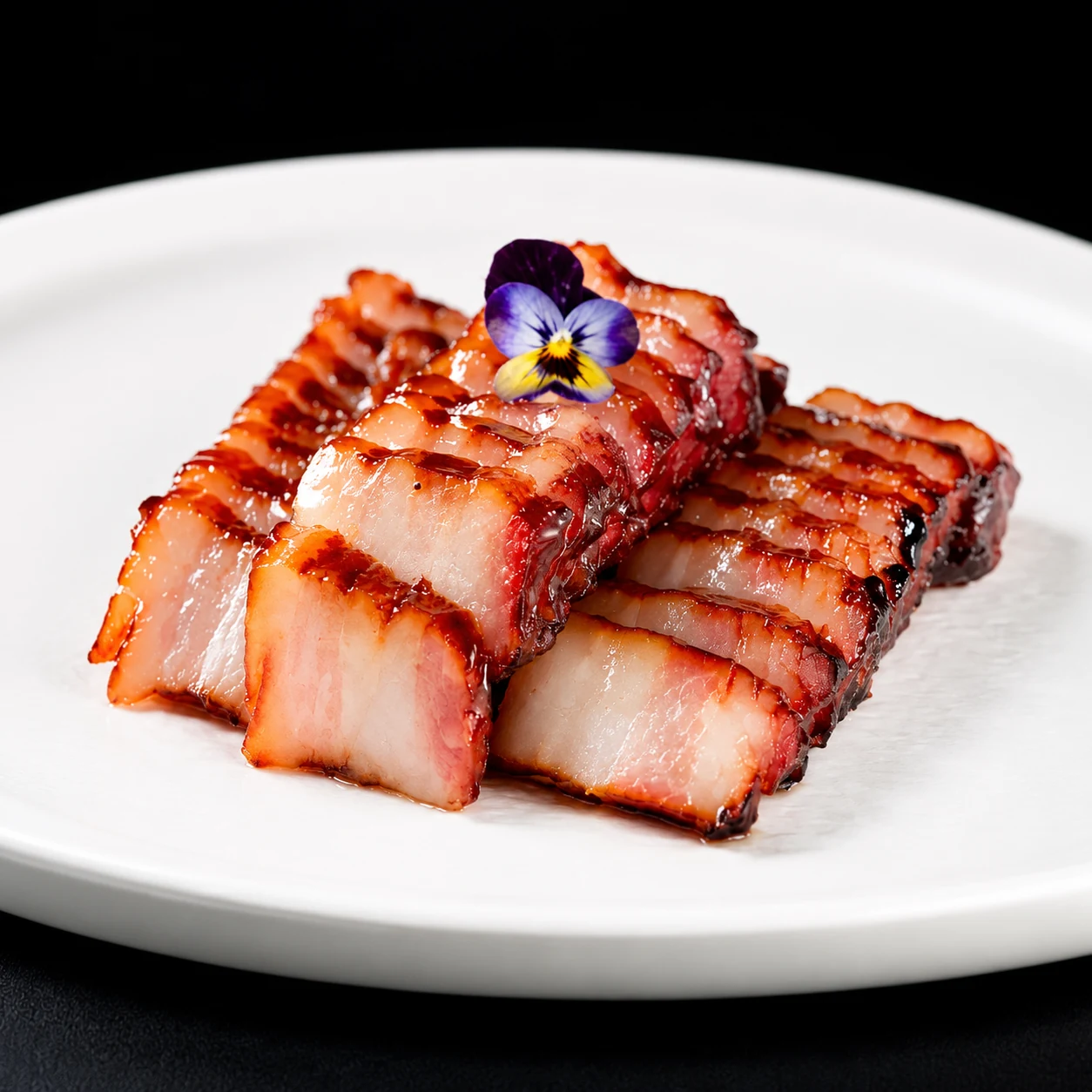
  • Cantonese char siu barbecue pork sliced to show its glossy caramelized glaze and tender interior

    Char Siu (Cantonese BBQ Pork)

    叉烧 · Chāshāo

    Char siu is pork marinated in a sweet-savory Cantonese seasoning before being roasted. The finished meat has a glossy glaze, a fragrant roasted exterior and a tender center. It can be ordered as a roast-meat plate or served over rice.

    Taste: Sweet-savory, caramelized and juicy

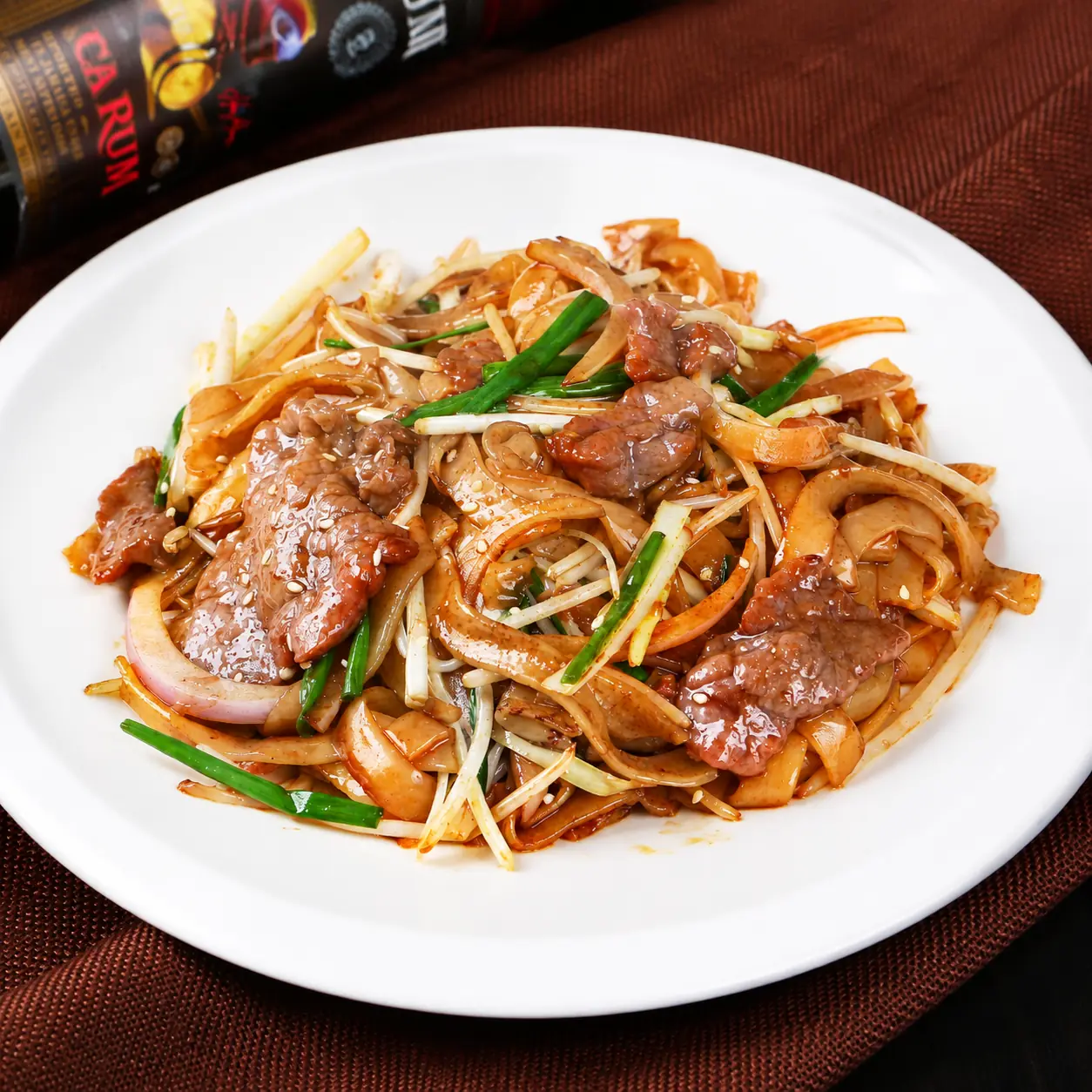
  • Beef chow fun, wide Shahe rice noodles stir-fried with beef and bean sprouts in a hot wok

    Beef Chow Fun

    干炒牛河 · Gānchǎo niúhé

    This Cantonese stir-fried noodle dish combines wide Shahe rice noodles with beef, bean sprouts and onions. Cooking over high heat creates the characteristic wok aroma known as wok hei. It is a popular choice for a filling meal or an evening food stop.

    Taste: Savory, smoky, lightly sweet and wok-scented

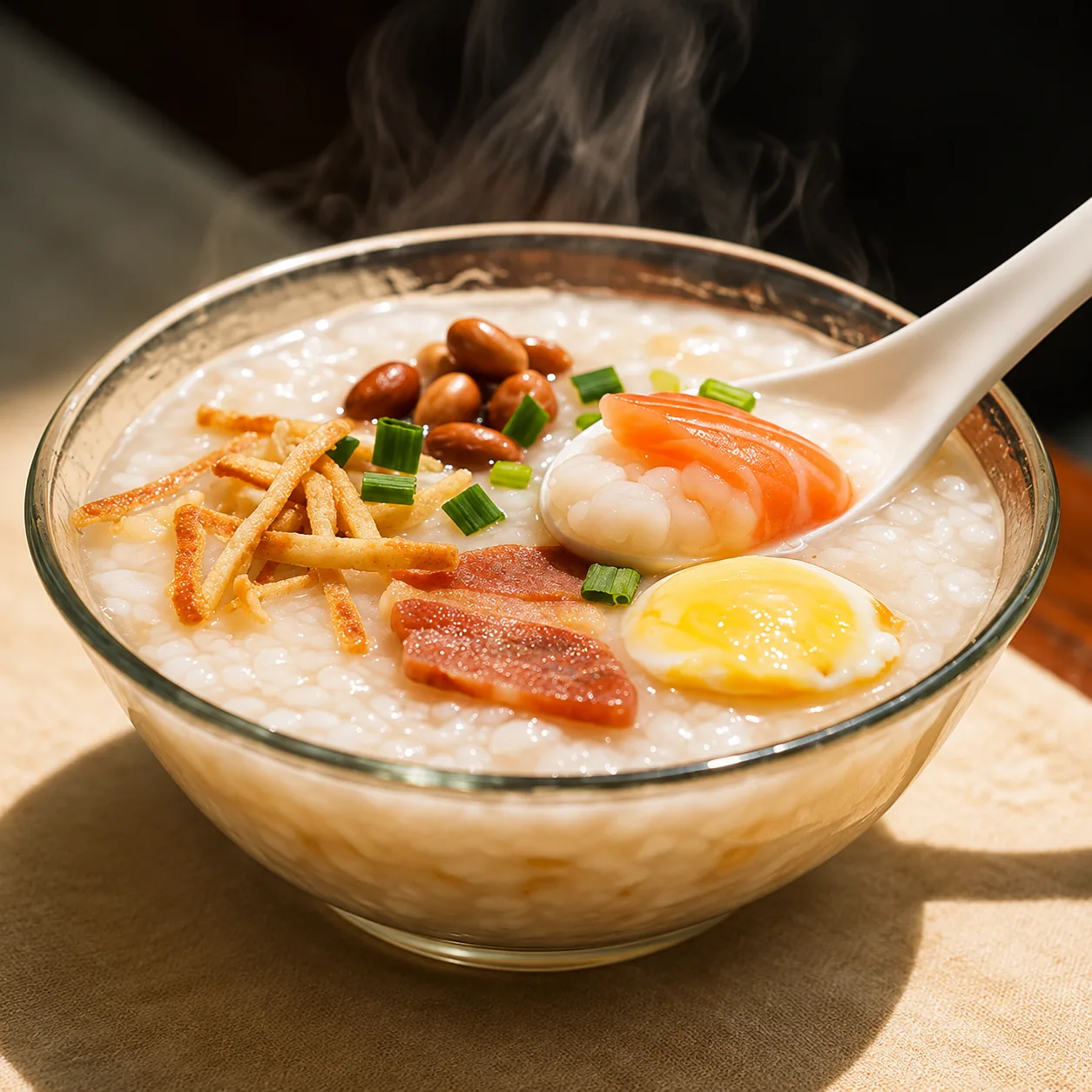
  • Tingzai Congee – Traditional Cantonese Sampan Porridge

    Tingzai Congee (Sampan Congee)

    艇仔粥 · Tǐngzǎi zhōu

    Tingzai congee is a traditional Guangzhou rice porridge dish and a familiar name on local breakfast and dim sum menus. Its smooth rice base is served with savory toppings, with combinations varying between restaurants. It is a comforting option when you want something warm and easy to eat.

    Taste: Soft, savory, warming and comforting

  • Cantonese juejuebao sizzling claypot dish served hot with savory ingredients in a clay pot

    Juejuebao (Sizzling Claypot)

    啫啫煲 · Cantonese pronunciation: jue-jue-bao

    Juejuebao (啫啫煲) is a sizzling Cantonese claypot dish associated with Guangzhou's dai pai dong food culture. It emerged in the city's street-side eateries in the 1980s. Ingredients such as chicken, seafood or vegetables are cooked in a preheated claypot and served while still sizzling. The name echoes the sound made as the ingredients cook in the hot pot.

    Taste: Fragrant, savory, sizzling and aromatic

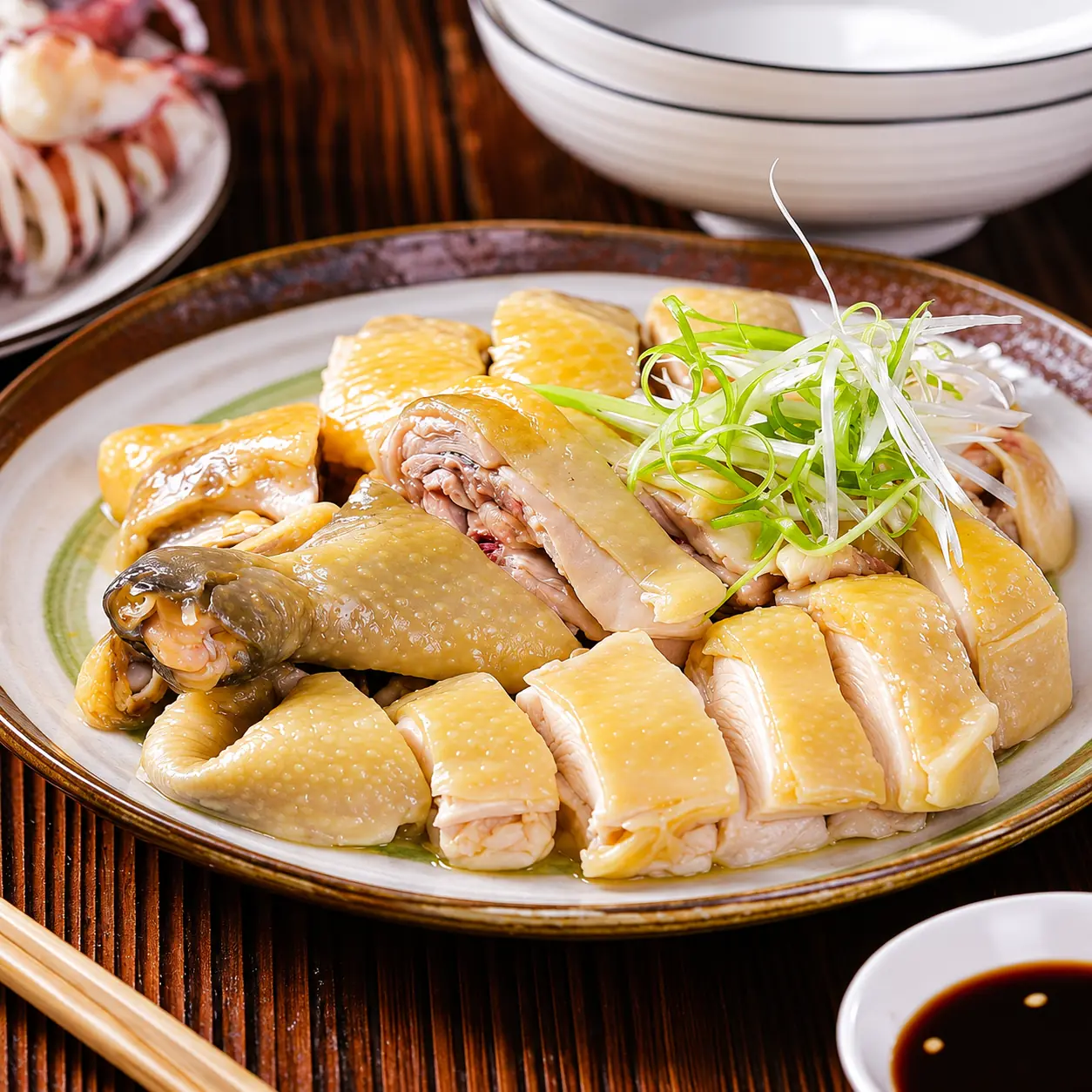
  • Traditional Cantonese white-cut chicken served in tender slices with fresh ginger and scallion garnish, accompanied by a savory dipping sauce.

    White-Cut Chicken

    白切鸡 · Báiqiē jī

    White-cut chicken is a classic Cantonese preparation that focuses on the natural flavor and texture of the chicken. Gently cooked and served in pieces, it is often accompanied by a ginger and spring onion dipping sauce. It offers a gentler contrast to richly seasoned roast meats.

    Taste: Clean, delicate, savory and tender

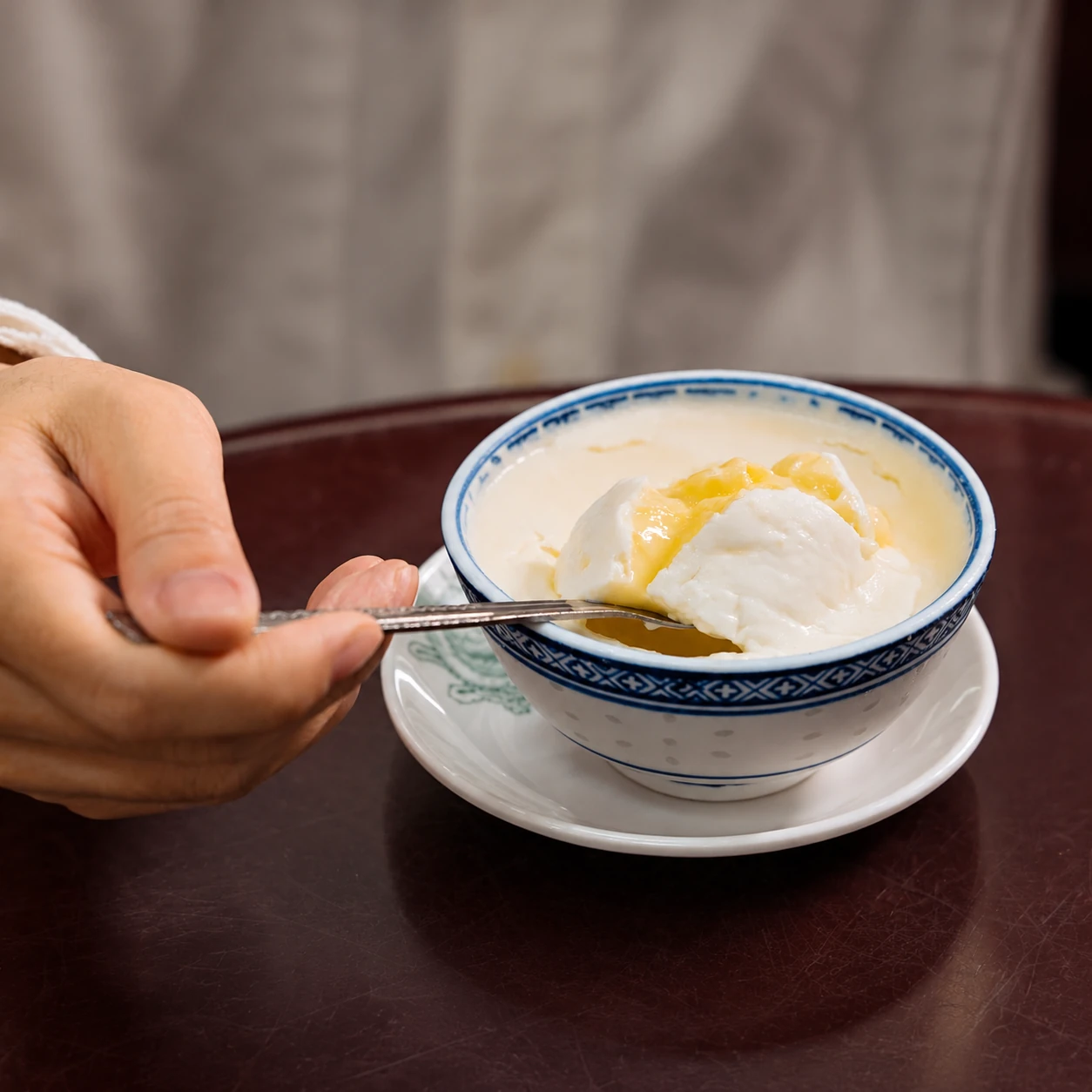
  • Guangdong double-skin milk pudding, a smooth white milk dessert served in a small bowl

    Double-Skin Milk Pudding

    双皮奶 · Shuāngpínǎi

    Double-skin milk is a silky milk-based dessert made with milk, egg whites and sugar. Its delicate texture and creamy taste have made it a familiar Guangdong dessert. Originally associated with Shunde, it is also widely enjoyed in dessert shops around Guangzhou.

    Taste: Creamy, milky, smooth and lightly sweet

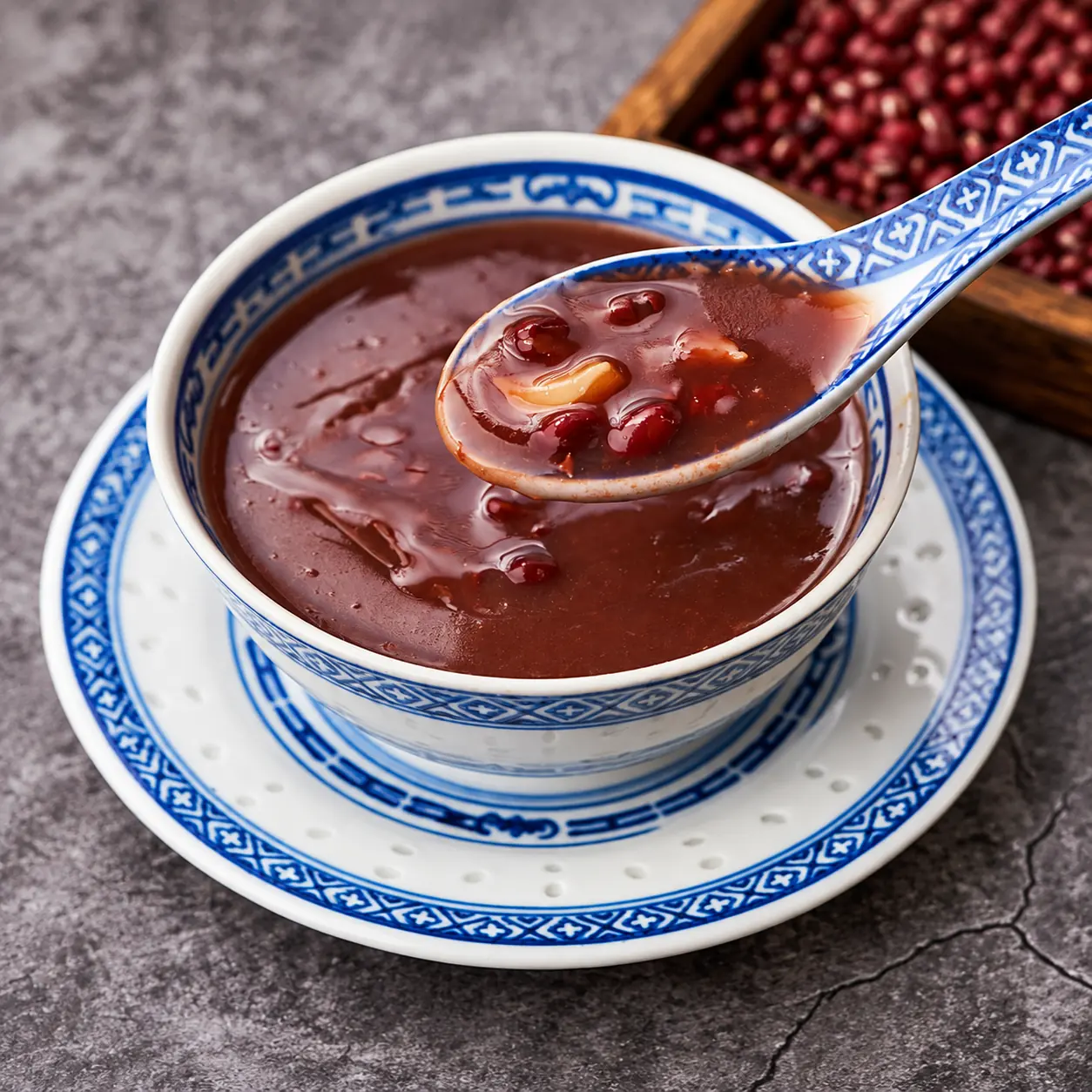
  • Cantonese Red Bean Soup – Traditional Guangzhou Sweet Dessert

    Cantonese Sweet Soups (Tong Sui)

    糖水 · Tángshuǐ

    Tong sui refers to a wide range of traditional Cantonese sweet soups enjoyed as snacks or desserts. Choices may include red bean soup, mung bean soup and water chestnut preparations. Some are served warm while others are enjoyed chilled, depending on the recipe and season.

    Taste: Sweet, comforting and varied by season

Where to Eat in Guangzhou

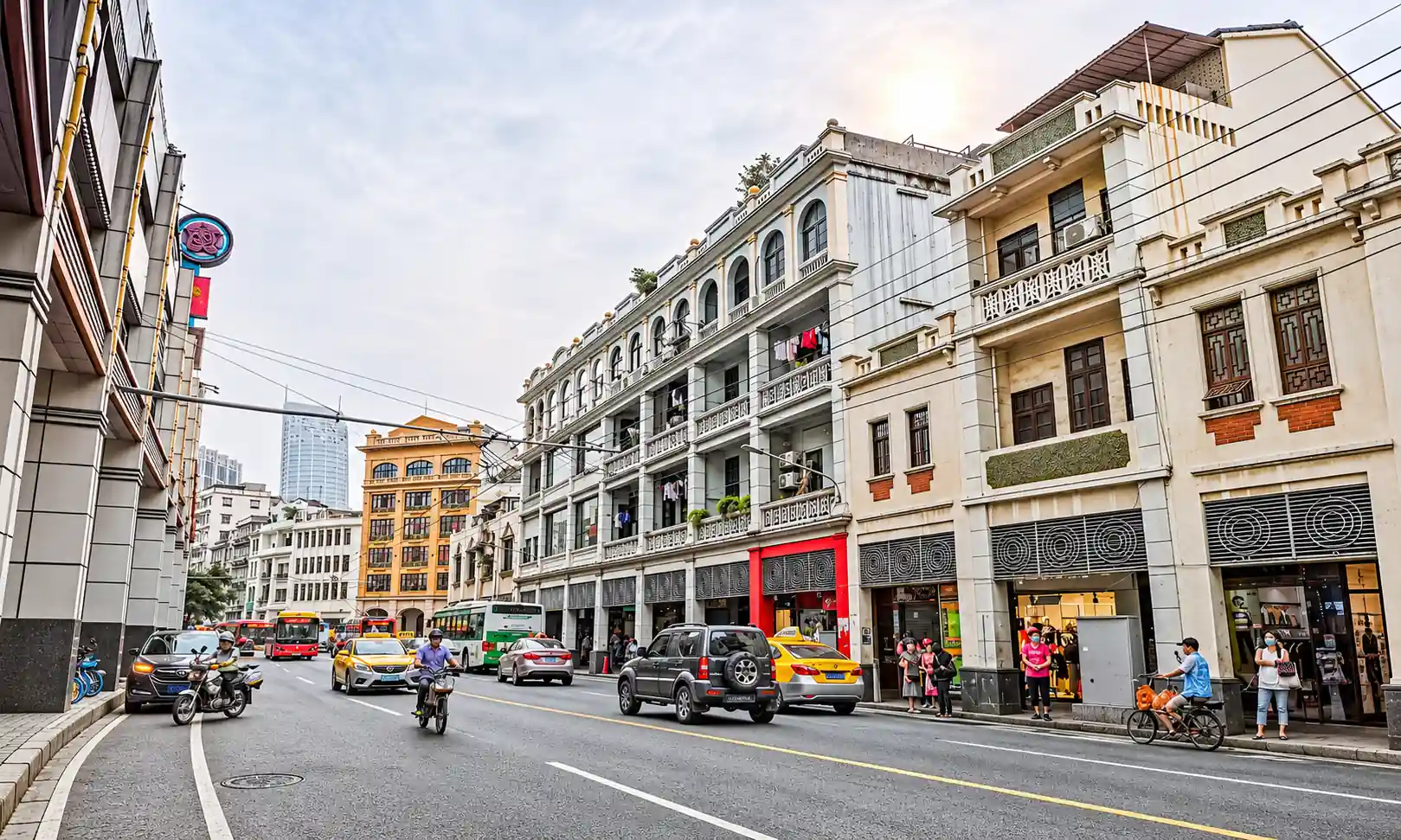
Where to eat in Guangzhou depends on the meal you want. For traditional dim sum and old Xiguan restaurants, start around Longjin Road and Shangxiajiu in Liwan. For wonton noodles and Cantonese desserts, explore Wenming Road and nearby Dezheng Middle Road in Yuexiu. For everyday neighborhood dining, head to Tongfu Road in Haizhu. The areas below are grouped by district to help you plan food stops around your sightseeing route.

TWO LOCAL FOOD AREAS TO START WITH

MORE GUANGZHOU FOOD STREETS & AREAS

  • Xihua Road

    西华路 · Xīhuá Lù

    Xihua Road is a useful stop for everyday Guangzhou food rather than a single signature attraction. Its neighborhood eateries serve the kinds of breakfast and casual meals local residents return to: rice noodle rolls, wonton or beef-brisket noodles, congee and traditional desserts. Look beyond the larger storefronts and check individual opening hours, as small independent shops may keep different schedules.

    Best for: Local breakfast, noodles and traditional snacks

    Look for: Cheung fun, noodle soups, congee and sesame desserts

    Getting there: Use Ximenkou Station on Metro Line 1 or Caihongqiao Station on Line 8, depending on the shop and the section of Xihua Road you plan to visit.

  • Tongfu Road

    同福路 · Tóngfú Lù

    Tongfu Road is a neighborhood dining corridor in Haizhu, with western, middle and eastern sections that each have their own local shops. It is less of a single tourist food street and more a place to find everyday Cantonese meals: congee, rice noodle rolls, herbal soups, fried snacks and small family-run restaurants. Choose a specific section before setting out, because the road covers a broad area and the best stop depends on the dish you want.

    Best for: Traditional neighborhood food and a less tourist-focused dining walk

    Look for: Chicken congee, rice noodle rolls, double-boiled soups and fried snacks

    Getting there: For the middle and eastern sections, use The 2nd Workers' Cultural Palace Station on Metro Line 2. For Tongfu West, use Tongfuxi Station on Line 8. Check the exact walking route for your chosen shop.

  • Shangxiajiu & Yongqing Fang

    上下九步行街 · 永庆坊 · Shàngxiàjiǔ / Yǒngqìng Fāng

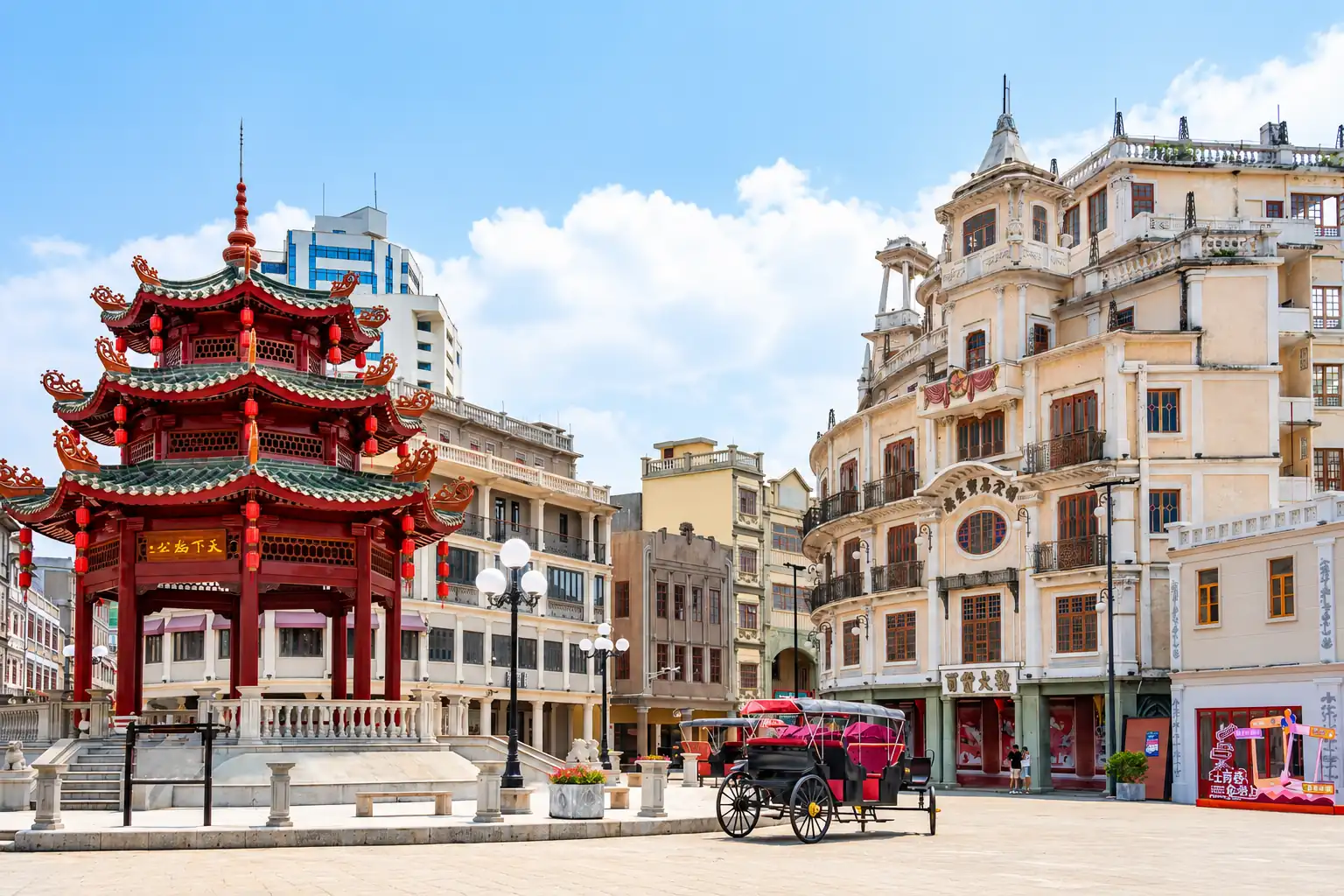
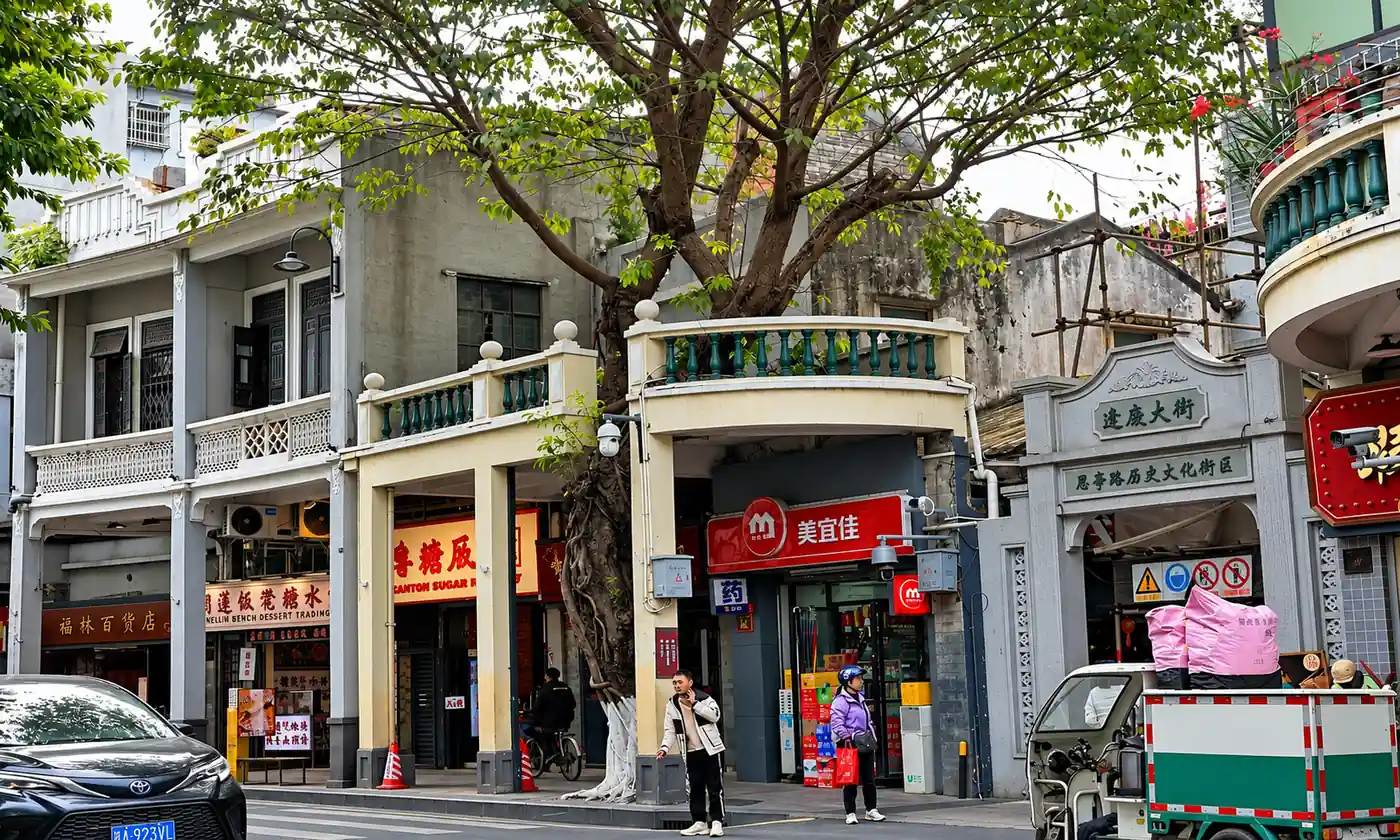
    Shangxiajiu Pedestrian Street and Yongqing Fang are two distinct heritage stops in Liwan that can be combined on foot. Shangxiajiu is a busy commercial street with traditional shops, snack counters and old Xiguan eateries; Yongqing Fang is a restored cultural quarter along Enning Road, known for its historic streetscape and independent cafes and shops. Treat them as separate stops rather than one continuous food street. If you have more time, add Pantang Wuyue near Liwan Lake as another old-Xiguan cultural and food area.

    Best for: First-time visitors combining old Guangzhou sightseeing and food

    Look for: Xiguan snacks, traditional dim sum, noodles and Cantonese desserts

    When to go: Visit Shangxiajiu for shopping and snacks, then walk to Yongqing Fang along Enning Road. Allow extra time if you also want to visit Pantang Wuyue near Liwan Lake.

  • Beijing Road & Huifu East Road

    北京路 · 惠福东路 · Běijīng Lù / Huìfú Dōnglù

    Beijing Road is one of central Yuexiu's busiest sightseeing and shopping streets, with food options in the surrounding lanes. Nearby Huifu East Road is a better place to look for casual snacks, Cantonese small dishes and dessert shops. This pairing works well when you are already visiting the central city; it is not necessary to make a separate cross-city trip just to eat here.

    Best for: Central sightseeing, casual dining and convenient food stops

    Look for: Local snacks, dim sum, noodles, desserts and mixed dining options

    When to go: Visit Beijing Road for the main shopping street, then walk toward Huifu East Road for more casual food choices. Metro access depends on which end of the area you visit.

  • Shamian Island

    沙面岛 · Shāmiàn Dǎo

    Shamian Island is better known for its historic architecture and riverside setting than for traditional street food. It is a pleasant place to slow down for coffee, a hotel restaurant or a longer meal, including dining around the White Swan Hotel. Choose Shamian when the setting is part of the experience; for a concentrated search for local noodles, snacks and dessert shops, Liwan or Yuexiu is a more useful starting point.

    Best for: Riverside dining, cafes and a relaxed sightseeing break

    Look for: Western-style restaurants, hotel dining, cafes and riverside views

    When to go: Visit in the late afternoon for a riverside walk, then choose a cafe or restaurant for an early dinner. Huangsha Station (Metro Lines 1 and 6) and Cultural Park Station (Line 8) serve different approaches to the island.

SIX LOCAL RESTAURANTS BY MEAL TYPE

Six Guangzhou Restaurants for Dim Sum, Noodles & Cantonese Dining

These six addresses are not a ranking. They cover different ways to eat in Guangzhou, from garden-style yum cha and historic tea houses in Liwan to local noodles, milk desserts and a full Cantonese meal in Haizhu. Most are clustered around old Xiguan and Shangxiajiu; BingSheng Pin Wei is a separate stop in Haizhu. Typical-spend figures are third-party guide estimates, not fixed menu prices.

  • Panxi Restaurant

    泮溪酒家 · Pànxī Jiǔjiā · Liwan District

    Founded in 1947 beside Liwan Lake, Panxi is a classic Lingnan garden restaurant in historic Xiguan. Its landscaped setting is part of the experience, making it a good choice for a slower yum cha session or a traditional Cantonese meal. It is more than a quick snack stop: allow time to enjoy the restaurant and explore the lakeside neighborhood.

    Best for: Garden-style dining, traditional yum cha and a relaxed meal

    Must-try: Panxi water chestnut cake, white-rabbit-shaped shrimp dumplings, traditional roast goose and Liwan boat congee

    Typical spend: About CNY 90 per person (guide estimate)

    Listed hours: Daily 07:30–16:00 and 17:00–21:00; confirm before visiting

    Nearest metro: Changshou Road, Metro Line 1 (Exit B); about a 13-minute walk

    Address: 151 Longjin West Road, Liwan District, Guangzhou, Guangdong, China

    Phone: +86 20 8172 1328

  • Tao Tao Ju

    陶陶居 · Táotáojū · Liwan District

    Established in 1880, Tao Tao Ju is one of Guangzhou's best-known historic teahouse brands. The Dishifu Road branch sits in the old Xiguan and Shangxiajiu area, making it a convenient stop for a traditional yum cha experience. Choose it for Cantonese dim sum and tea-house dishes rather than a quick takeaway meal.

    Best for: Traditional dim sum, tea-house culture and a sit-down meal

    Must-try: Tao Tao Ju shrimp dumplings, roast goose, steamed chicken feet and Cantonese pastries

    Typical spend: About CNY 103 per person (guide estimate)

    Listed hours: Daily 08:00–16:30 and 17:00–21:30; confirm before visiting

    Nearest metro: Huangsha, Metro Line 1 (Exit B); about an 8-minute walk

    Address: 20 Dishifu Road, Liwan District, Guangzhou, Guangdong, China

    Phone: +86 20 8050 3899

  • Guangzhou Restaurant — Wenchang Branch

    广州酒家 · Guǎngzhōu Jiǔjiā · Liwan District

    Opened in 1935, the Wenchang branch is the historic home of the Guangzhou Restaurant brand. After its upgrade and reopening, the venue combines Lingnan garden details with classic Cantonese dining. It is a good choice for a full sit-down meal, traditional dim sum and well-known local specialties.

    Best for: A full Cantonese meal, classic dim sum and heritage dining

    Must-try: Wenchang chicken, charcoal-roasted goose, shrimp dumplings and dried-scallop turnip cake

    Typical spend: About CNY 111 per person (guide estimate)

    Official listed hours: Daily 08:00–14:30 and 17:00–21:30

    Nearest metro: Changshou Road, Metro Line 1 (Exit A); about an 11-minute walk

    Address: 2 Wenchang South Road, Liwan District, Guangzhou, Guangdong, China

    Phone: +86 20 8138 0388

  • Wu Cai Ji Noodle House

    吴财记面家 · Wú Cáijì Miànjiā · Liwan District

    Tucked into a lane off Datong Road, Wu Cai Ji is a casual neighborhood noodle shop rather than a formal tea house. It is known for Cantonese wonton noodles, pork-trotter noodles and fried wontons. Come for an inexpensive breakfast or a quick local meal, and use the map link to find the lane entrance.

    Best for: Affordable local noodles and a quick neighborhood meal

    Must-try: Cantonese wonton noodles, pork-trotter noodles, fried wontons and beef-brisket tossed noodles

    Typical spend: About CNY 24 per person (guide estimate)

    Listed hours: Daily 07:00–00:30 (after midnight); confirm before visiting

    Nearest metro: Huangsha, Metro Line 1 (Exit E); about an 8-minute walk

    Address: Shop 20, Helongli, Datong Road, Liwan District, Guangzhou, Guangdong, China

    Phone: +86 20 8193 2007

  • Nanxin Milk Dessert Expert

    南信牛奶甜品专家 · Nánxìn Niúnǎi Tiánpǐn Zhuānjiā · Liwan District

    Nanxin is a long-running dessert shop on Dishifu Road, especially associated with Guangzhou's milk-based sweets. It makes an easy stop after exploring Shangxiajiu and the surrounding Xiguan streets. Order a traditional double-skin milk pudding or ginger milk curd; the shop also serves other Cantonese desserts and selected savory snacks.

    Best for: Traditional Cantonese milk desserts and a sweet break

    Must-try: Double-skin milk pudding, ginger milk curd, Phoenix milk custard and mango pomelo sago

    Typical spend: About CNY 30 per person (guide estimate)

    Listed hours: Daily 10:00–22:30; confirm before visiting

    Nearest metro: Huangsha, Metro Line 1 (Exit B); about an 8-minute walk

    Address: 47 Dishifu Road, Liwan District, Guangzhou, Guangdong, China

    Phone: +86 20 8138 9904

  • BingSheng Pin Wei — Dongxiao Road

    炳胜品味 · Bǐngshèng Pǐnwèi · Haizhu District

    The Dongxiao Road branch offers a more substantial Cantonese meal than the old-town tea houses. It is listed in the MICHELIN Guide, which highlights its seafood selection and signature dishes known as the “four beauties”. This is a better fit for a shared lunch or dinner than a quick snack, and it is a separate trip from the Liwan restaurant cluster.

    Best for: A full Cantonese meal, seafood and group dining

    Must-try: Crispy char siu, soy-marinated pork trotters, pork tripe and goose intestines

    Typical spend: Roughly CNY 130–170 per person (directory estimates vary)

    Hours: Published listings differ; the MICHELIN Guide lists 11:00–23:00 daily. Call to confirm the current service hours.

    Nearest metro: Donghu, Metro Line 6 (Exit A); about a 1.3 km walk. Bus stops on Binjiang East Road are closer.

    Address: 33 Dongxiao Road, Haizhu District, Guangzhou, Guangdong, China

    Phone: +86 20 3428 6910

Before visiting: Typical-spend figures are approximate third-party guide estimates, not guaranteed prices. Tea charges, service fees, dish choices and group size can change the final bill. Opening hours are published listings rather than live confirmation; call the branch before travelling, especially on public holidays. The six restaurants are selected for different dining experiences, not ranked.

Guangzhou Food Prices & Dining Costs

How much does food cost in Guangzhou? From a quick bowl of wonton noodles to a traditional yum cha breakfast or a full Cantonese restaurant dinner, the city offers options for different budgets. Use these approximate CNY price ranges to plan your meals before choosing where to eat.

Guangzhou food prices: Budget around ¥15–30 for a local breakfast, ¥15–40 for a bowl of wonton noodles, ¥25–50 for a roast meat rice set, and ¥60–120 per person for a typical dim sum meal. A casual Cantonese restaurant meal usually costs around ¥80–150 per person, while premium dining can cost considerably more.

Indicative Guangzhou food and restaurant price ranges in Chinese yuan (CNY).
Food or Dining Style Typical Price Charged By What to Expect
Local Breakfast ¥15–30 Per person A simple morning meal such as rice noodle rolls, congee or a small noodle dish. Adding drinks or extra sides increases the total.
Rice Noodle Rolls (Cheung Fun) ¥10–25 Per plate Plain, egg, beef, pork or shrimp rice rolls. The filling, portion and reputation of the shop affect the final price.
Wonton Noodles & Congee ¥15–40 Per bowl Everyday Cantonese noodle and rice-porridge meals. Traditional shops and richer seafood or meat toppings can cost more.
Cantonese Roast Meat Rice ¥25–50 Per set Rice served with char siu, roast duck or other siu mei. Roast goose and premium meat selections may be more expensive.
Cantonese Sweet Soups & Desserts ¥10–25 Per bowl Traditional tong sui such as red bean soup, black sesame soup and double-skin milk. Richer or specialty desserts can cost more.
Cantonese Claypot Rice ¥25–50 Per pot Rice cooked with preserved sausage, chicken or other toppings in a clay pot. Ingredients and pot size determine the price.
Dim Sum & Yum Cha ¥60–120 Per person A typical teahouse meal with several small dishes and tea. Popular old brands and hotel restaurants can cost more. Check whether a tea seat fee is charged separately.
Cantonese Restaurant Meal ¥80–150 Per person An estimated share of a sit-down meal with roast meats, vegetables, soup and other Cantonese dishes. Group size and seafood choices change the total.
Premium Cantonese & Seafood Dining ¥200–500+ Per person Hotel restaurants, premium seafood and special-occasion Cantonese dining. Seasonal ingredients and market-price dishes can raise the bill considerably.

Price basis: indicative 2026 visitor-planning ranges compiled from published Guangzhou food guides and traveler spending references. These are not live restaurant quotations or a citywide menu survey. Actual prices vary by restaurant, district, portion size and ingredients. Check the current menu before ordering.

How Much Should You Budget for Food in Guangzhou?

  • LOCAL & BUDGET ¥90–160 Per person / day

    Build your day around rice noodle rolls, congee, wonton noodles, simple rice meals and an inexpensive sweet soup. This is a practical allowance for visitors who prefer neighborhood eateries over expensive restaurants.

  • COMFORTABLE FOOD MIX ¥180–300 Per person / day

    Enjoy a proper dim sum breakfast or Cantonese lunch, a simple local meal, dessert and a relaxed restaurant dinner. This tier offers room to experience several styles of Guangzhou dining.

  • FOOD-FOCUSED & PREMIUM ¥350–600+ Per person / day

    Allow more for famous old-brand teahouses, premium roast goose, seafood and a full Cantonese restaurant dinner. Hotel dining and high-end seafood experiences can exceed this budget.

Example food day (illustrative): ¥20 rice-roll breakfast + ¥30 wonton noodle lunch + ¥15 sweet soup + ¥100 Cantonese restaurant dinner = ¥165 per person. Replacing breakfast with a full yum cha meal would increase the daily total. Drinks and premium seafood are not included.

What Can Change Your Food Bill?

Check the Tea Seat Fee

Traditional Guangzhou teahouses may charge a tea seat fee (茶位费) per person. The amount can depend on the tea selected and the restaurant. Check the menu or ask staff whether tea is included before ordering dim sum.

Confirm Seafood Prices

Fresh seafood can vary considerably by species, size and season. If a menu lists a market price (时价), ask for the current rate and whether it is calculated by weight or by portion before confirming your order.

Understand Portions and Pricing

A bowl of noodles, a dim sum basket, a claypot and a shared restaurant dish are not charged in the same way. Check the serving size and number of pieces before ordering, especially when dining with a group.

How to Order Food in Guangzhou

Ordering food in Guangzhou is straightforward once you know how local restaurant menus, QR-code ordering and mobile payments work. Whether you are visiting a traditional yum cha teahouse, a Cantonese noodle shop or a local neighborhood restaurant, these practical steps and Chinese phrases will help you order with more confidence.

Three Steps to Ordering in Guangzhou

  1. Find the Menu or Scan the QR Code

    At many restaurants in Guangzhou, you may find a QR code on the table that opens a digital menu or ordering page. Scan the code with your phone and check whether it asks you to select your table or the number of diners. Some menus include food photographs, while others display Chinese dish names only.

    If the page does not load or requires an account you cannot access, ask staff for a printed menu or assistance. Traditional teahouses and smaller neighborhood eateries may also take orders directly from staff.

  2. Choose Your Dishes and Confirm the Details

    Browse the menu and select the dishes you want. For Cantonese dining, you might choose several dim sum dishes to share, or order an individual bowl of noodles, congee or a rice meal.

    Check the portion, quantity and ingredients before confirming. If you prefer less chili, explain this separately. For food allergies or dietary restrictions, tell staff clearly and ask about sauces, cooking oils and ingredients that may not be immediately visible.

  3. Submit Your Order and Arrange Payment

    Review the dishes and quantities in your order before submitting it. Some restaurants process orders through their QR menu, while others ask you to confirm with a member of staff.

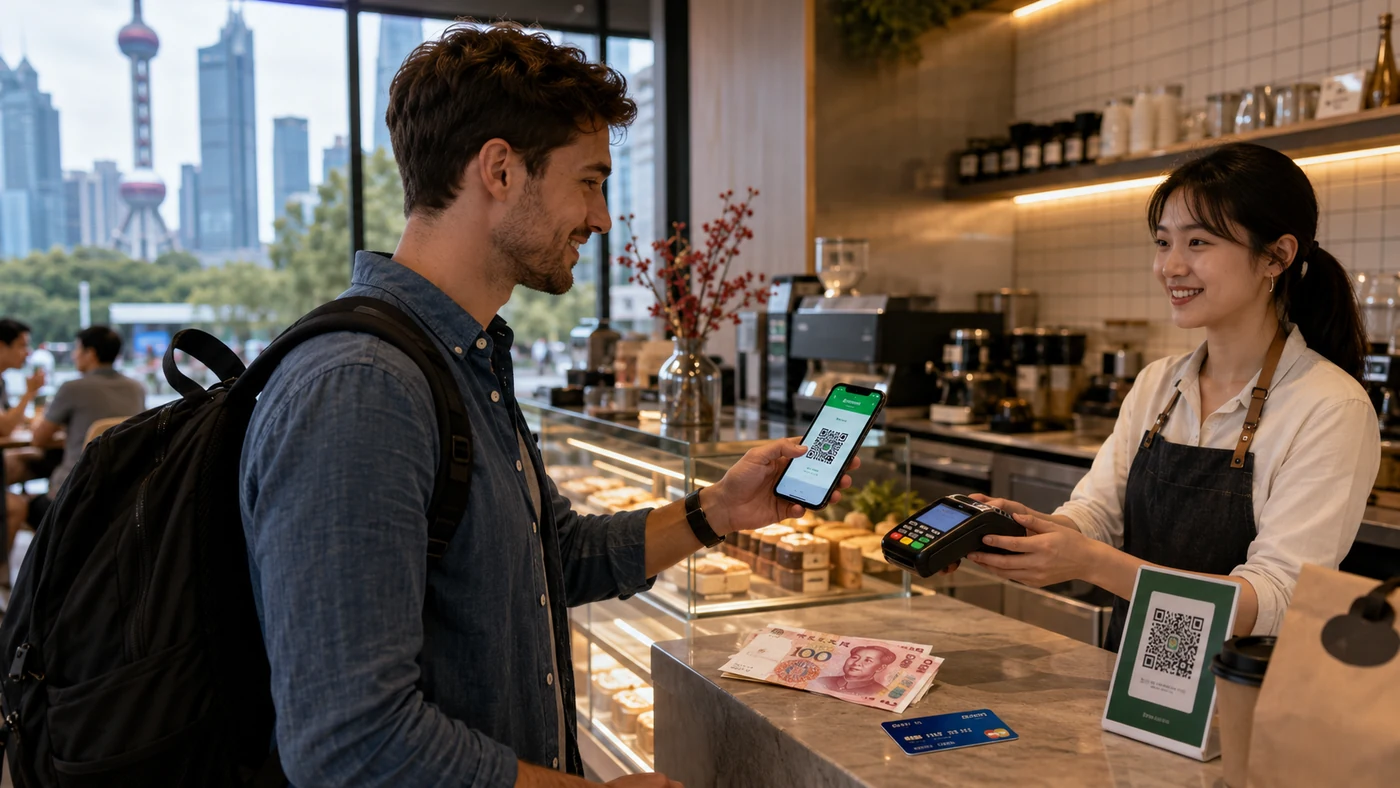
    Alipay and WeChat Pay are widely used payment options in China. Eligible overseas bank cards may be linked to supported payment services, but compatibility and merchant acceptance can vary.

    If digital payment or QR ordering does not work, ask the cashier whether another payment option is accepted. Some restaurants collect payment before the meal, while others settle the bill at the end.

Useful Chinese Phrases

These simple Mandarin phrases can help when ordering Cantonese food in Guangzhou. Read them aloud, tap the speaker to hear the pronunciation, or show the written Chinese directly to restaurant staff.

  • 有英文菜单吗? Yǒu Yīngwén càidān ma?

    Do you have an English menu?

  • 请帮我点餐。 Qǐng bāng wǒ diǎncān.

    Please help me order.

  • 我要这个。 Wǒ yào zhège.

    I would like this.

  • 这个辣吗? Zhège là ma?

    Is this spicy?

  • 这个里面有什么? Zhège lǐmiàn yǒu shénme?

    What ingredients are in this?

  • 我对花生过敏。 Wǒ duì huāshēng guòmǐn.

    I am allergic to peanuts.

  • 可以用支付宝或微信支付吗? Kěyǐ yòng Zhīfùbǎo huò Wēixìn Zhīfù ma?

    Can I pay with Alipay or WeChat Pay?

  • 买单,谢谢。 Mǎidān, xièxie.

    The bill, please.

Audio is generated by your browser or device, rather than a human recording. Pronunciation and playback support may vary. You can always show the written Chinese phrase to staff.

A note on local language: Cantonese is widely spoken in Guangzhou. These phrase cards use Mandarin Chinese as a practical starting point for visitors. If speaking is difficult, showing the written Chinese characters is often the easiest way to communicate.

Guangzhou Restaurant Ordering Tips

  • QR Menus Are Not the Only Option

    Some Guangzhou restaurants use table-specific QR codes or digital ordering pages, while others still accept orders directly from staff. If the menu requires an account, does not display properly or cannot be translated, ask for a paper menu or help from restaurant staff.

  • Explain Spice and Ingredients Clearly

    Ask whether a dish contains chili if you want to avoid spicy food. For allergies, explain the specific ingredient and ask about sauces, broths and shared cooking equipment. A request for less chili does not communicate an allergy.

  • Prepare a Backup Payment Method

    Alipay and WeChat Pay are widely used in Guangzhou. Eligible overseas bank cards may be linked to supported services, but individual merchants and digital ordering systems can have different requirements. Keep another accepted payment option available.

A Half-Day Guangzhou Food Walk in Xiguan

Follow this self-guided Guangzhou food walk through Liwan and old Xiguan. Begin with Cantonese yum cha near Liwan Lake, pause for a small Pantang snack, continue along Enning Road to Yongqing Fang, and finish around Shangxiajiu. The route is paced around one sit-down yum cha stop, a small snack pause and an optional lunch or dessert at the end, rather than a restaurant checklist.

  1. · Suggested start

    Start at Liwan Lake with a Cantonese Yum Cha Stop

    荔湾湖公园 · 泮溪酒家

    Start at Liwan Lake Park, then walk to nearby Panxi Restaurant (泮溪酒家) if its current breakfast service fits your schedule. Use this as the route's main sit-down meal: order a few shared dim sum dishes and leave room for the smaller stops ahead. Panxi is included here as a practical starting point; for its address and other dining choices, see the Where to Eat in Guangzhou guide rather than repeating restaurant details in this walking itinerary.

    Try A small dim sum selection and, if available on the current menu, Panxi's water chestnut cake (泮塘马蹄糕)
  2. · Local food and heritage

    Pause for a Local Snack in Pantang Wuyue

    泮塘五约历史文化街区 · 泮塘路

    Continue into Pantang Wuyue Historic Cultural Block and the nearby Pantang Road area. Keep this stop short: the aim is to sample one local snack and get a feel for this part of Liwan, not to add another full meal. The Pantang Five Delicacies are part of the area's traditional food heritage, so seasonal and shop-specific choices may vary.

    Look for Lai fun (濑粉) at Ling Ji, sampan congee (艇仔粥) at Wuzhan Ji, or a small serving of Pantang water chestnut cake; check which shops are operating before you go
  3. · Historic street walk

    Walk Enning Road and Pause at Yongqing Fang

    恩宁路 · 永庆坊

    From Pantang, continue through the old Xiguan street network toward Enning Road and Yongqing Fang (永庆坊). Treat this as the itinerary's non-meal pause: follow the lane connections, browse at your own pace, and leave time for the Cantonese Opera Art Museum area if it interests you. A drink or small bite is optional; there is no need to schedule another full restaurant stop here.

    Experience A relaxed street walk, the Cantonese Opera Art Museum area, and an optional drink or small snack
  4. · Lunch and dessert

    Finish Your Guangzhou Food Walk Around Shangxiajiu

    上下九步行街 · 第十甫路

    Continue to Shangxiajiu Pedestrian Street (上下九步行街) and the nearby Dishifu Road area. Use this as the flexible finish: choose one local noodle or rice-roll shop for lunch, then add a dessert stop only if you still have room. If Nanxin Milk Dessert Expert (南信牛奶甜品专家) is on your list, check its current service details before setting out; its address and other options are in the Where to Eat in Guangzhou guide.

    Finish with One noodle or rice-roll meal, such as wonton noodles (云吞面) or rice noodle rolls (肠粉), with an optional dessert
PRIVATE 3-DAY GUANGZHOU EXPERIENCE

Explore Our 3-Day Guangzhou Foodie & Shopping Adventure

Want more than a half-day food walk? Explore a private three-day Guangzhou itinerary that brings together Cantonese food, local shopping districts, historic neighborhoods and city highlights. The schedule can be shaped around your travel dates and interests.

  • Cantonese Food Experiences
  • Local Shopping Districts
  • Historic Guangzhou & City Highlights
  • Flexible Private Itinerary
Explore the 3-Day Itinerary

Share your travel dates, group size and interests to start planning your Guangzhou journey.

Guangzhou Food Culture & Dining Etiquette

Guangzhou's food culture goes beyond its famous Cantonese dim sum. From leisurely yum cha sessions and ingredient-led cooking to traditional Xiguan neighborhood eateries, the city's dining traditions are closely connected to everyday social life. Understanding a few local customs can make your Guangzhou food experience more enjoyable and help you feel more comfortable at tea houses and local restaurants.

What Defines Guangzhou Food Culture

Guangzhou is one of the best-known centers of Cantonese cuisine, where freshness, traditional cooking skills and shared meals shape the local dining experience. Morning tea (早茶, zǎochá), also known as yum cha (饮茶, yǐn chá), is an especially distinctive part of this identity. Guangzhou's dedicated Morning Tea Heritage Protection Regulation, effective from May 1, 2026, recognizes the tradition as a combination of tea, Cantonese dim sum, Lingnan food culture, social customs and traditional techniques.

  • Yum Cha Is More Than a Dim Sum Meal

    In Guangzhou, drinking tea and eating dim sum is also a way to spend time with family, friends and colleagues. A traditional tea-house visit can last well beyond breakfast, with conversations unfolding over several small dishes and repeated cups of tea.

    Rather than rushing through a meal, diners often take their time choosing different items to share. The experience is as much about conversation and companionship as it is about the food. This is why yum cha remains one of the most recognizable parts of Guangzhou's everyday culture.

  • Fresh Ingredients Shape Cantonese Cooking

    Cantonese cooking is known for respecting the natural qualities of its ingredients. Steaming, roasting, stir-frying and slow-simmering are among the techniques used to develop different textures and flavors without relying on one dominant seasoning style.

    This approach can be seen in everyday Cantonese meals, from carefully prepared seafood and roast meats to seasonal soups and comforting rice dishes. Recipes and flavors vary between restaurants, but freshness and preparation remain important parts of the city's culinary identity.

  • Xiguan Keeps Guangzhou's Food Traditions Alive

    The historic Xiguan area in Liwan offers a glimpse into the everyday food traditions of old Guangzhou. Beyond well-known tea houses, its neighborhood food scene includes small eateries, traditional noodle shops and Cantonese dessert stores.

    Local favorites such as wonton noodles, rice noodle rolls, sampan rice porridge and traditional Xiguan pastries reflect the variety of food found in the district. Exploring these smaller establishments provides a different perspective on Guangzhou's food culture beyond formal restaurant dining.

What to Expect in Guangzhou's Dining Settings

Traditional Cantonese Tea Houses

A traditional yum cha visit is often a relaxed social meal rather than a quick breakfast. Tea is served alongside a selection of dim sum, and diners may order additional dishes as the meal progresses. Tea selection, service styles and pricing arrangements differ by venue, so check the menu and tea charges before settling in.

Neighborhood Noodle & Snack Shops

Local noodle, congee and snack shops are part of everyday dining in Guangzhou. They are often practical choices for a quicker meal or when traveling alone. In areas such as Liwan, you can find traditional Cantonese food alongside familiar neighborhood eateries. These smaller places offer a closer look at the city's everyday food scene.

Cantonese Restaurants & Roast-Meat Counters

Cantonese restaurants are suitable for longer meals with family or friends, while roast-meat counters offer convenient individual rice meals and takeaway options. Larger restaurant meals often include several dishes shared around the table. For seafood or items sold by weight, confirm the pricing and portion size before ordering.

Guangzhou Food Guide FAQs

Planning what to eat in Guangzhou? These frequently asked questions cover Cantonese cuisine, the local yum cha tradition, dining costs, food preferences and practical details that first-time visitors should know before exploring the city's food scene.

What food is Guangzhou best known for?

Guangzhou is best known as a major center of Cantonese cuisine (Yue Cai, 粤菜), a cooking tradition that values fresh ingredients, careful preparation and balanced flavors. Its food culture extends beyond individual signature dishes to include traditional tea-house meals, roast meats, rice and noodle dishes, soups and desserts.For first-time visitors, experiencing different styles of Cantonese cooking offers a better introduction to Guangzhou than focusing on just one famous meal.

What does yum cha mean, and is it the same as dim sum?

Yum cha (饮茶) literally means drinking tea. In Guangzhou, it describes a traditional social dining experience in which tea is enjoyed alongside Cantonese dim sum.Dim sum (点心) refers to the small dishes themselves, while yum cha describes the wider tea-and-food experience. It brings together Lingnan food culture, traditional techniques and social customs, making it an important part of everyday life in Guangzhou.

What is the best time to visit a Guangzhou tea house?

Morning is the traditional time for yum cha, when local residents gather over tea and dim sum to start the day. Arriving in the morning gives visitors a chance to experience this familiar part of Guangzhou's daily food culture.However, service schedules differ between tea houses. Some restaurants offer afternoon or evening tea services, while others have separate meal periods. Check the opening hours and current menu of your chosen branch before visiting.

Is Cantonese food in Guangzhou spicy?

Cantonese cuisine is generally not defined by intense chili heat. Many dishes focus on the natural flavor of ingredients through steaming, roasting, stir-frying and slow cooking.That does not mean every Guangzhou dish is completely mild. Chili, pepper, marinades and dipping sauces can still appear in individual dishes or restaurants. If you prefer less spice, ask about the seasoning and whether chili sauce can be served separately.

Do Guangzhou tea houses charge a tea fee?

Some Guangzhou tea houses charge a tea or seating fee (茶位费, chá wèi fèi), but the amount and charging method vary between restaurants.Guangzhou's Morning Tea Heritage Protection Regulation took effect on May 1, 2026. Under the regulation, businesses charging a tea fee must offer customers a choice of teas, including black, green, oolong, pu'er and chrysanthemum tea, and provide the corresponding tea service.Check the menu or displayed charges before ordering.

How much should I budget for food in Guangzhou?

Your food budget depends on the type of meals you choose and where you eat. Local noodle shops, congee restaurants and roast-meat rice meals are practical choices for everyday dining.A traditional yum cha session usually involves several dim sum dishes and tea, while premium Cantonese restaurants and fresh seafood meals can cost considerably more.Check current menu prices, portion sizes and any separately charged items before ordering. Seafood prices can also vary with the type and weight of the ingredients.

Can vegetarians and vegans find food in Guangzhou?

Yes, but vegetarians and vegans should check ingredients carefully rather than relying on a dish's name. Some vegetable and tofu dishes may contain meat stock, minced pork, lard, oyster sauce or dried seafood.If you follow a vegetarian or vegan diet, ask about the soup base, cooking oil, sauces and preparation method. Travelers with food allergies should also explain their restrictions clearly and confirm ingredients with restaurant staff before ordering.

How are seafood prices calculated in Guangzhou restaurants?

Fresh seafood may be priced by weight, by individual item or according to the restaurant's menu. Before the restaurant prepares your order, confirm the seafood type, price per unit, actual weight and any additional cooking charge.Guangzhou's restaurant pricing rules require relevant prices and measurement units to be displayed. Dishes charged by weight must be weighed on site and confirmed by the customer.Asking for the total estimated price before preparation helps avoid unexpected charges.